WO2023218642A1 - イベント予測装置、方法およびプログラム - Google Patents
イベント予測装置、方法およびプログラム Download PDFInfo
- Publication number
- WO2023218642A1 WO2023218642A1 PCT/JP2022/020230 JP2022020230W WO2023218642A1 WO 2023218642 A1 WO2023218642 A1 WO 2023218642A1 JP 2022020230 W JP2022020230 W JP 2022020230W WO 2023218642 A1 WO2023218642 A1 WO 2023218642A1
- Authority
- WO
- WIPO (PCT)
- Prior art keywords
- model
- event
- prediction
- representing
- point process
- Prior art date
- Legal status (The legal status is an assumption and is not a legal conclusion. Google has not performed a legal analysis and makes no representation as to the accuracy of the status listed.)
- Ceased
Links
Images

Classifications
-
- G—PHYSICS
- G06—COMPUTING OR CALCULATING; COUNTING
- G06N—COMPUTING ARRANGEMENTS BASED ON SPECIFIC COMPUTATIONAL MODELS
- G06N20/00—Machine learning
Definitions
- One aspect of the present invention relates to an event prediction device, method, and program for predicting the occurrence of an event in the future.
- Theoretical models that reflect domain knowledge are generally used to model event sequences.
- a theoretical model called the infectious disease mathematical (SIR) model is used to model the outbreak of infectious diseases.
- SIR infectious disease mathematical
- the population is divided into three types depending on the stage of infection: Susceptible, Infected, and Recovered/Removed, and the temporal changes in the population at each stage are calculated. modeled based on epidemiological findings.
- the simplest SIR model is described by the ordinary differential equation shown below.
- S(t), I(t), R(t) are the number of uninfected people (Susceptible), infected people (Infected), people who have acquired immunity or isolated people (Recovered/Removed) at time t, respectively, and ⁇ is the infection rate per unit time, and ⁇ is a coefficient representing the recovery rate of infected people.
- the Lotka-Volterra equation can be written as follows.
- x(t) represents the share of the first service at time t
- y(t) represents the share of the second service.
- a, b, c, and d are positive constants.
- a method using a stochastic generative model called a point process has been proposed.
- the probability of occurrence of an event such as the outbreak of an infectious disease or purchasing behavior is modeled using a function called an intensity function, and the parameters of the intensity function are estimated using the history of event occurrences.
- Hawkes process In the modeling of infectious diseases, a point process called the Hawkes process is particularly widely used.
- the Hawkes process when designing the intensity function, we assume a functional form that bounces up every time an event occurs and decays with time. This allows us to explicitly model the mechanism by which the occurrence of an event triggers the next occurrence.
- Hawkes process-based methods are also widely used to model event sequences in the marketing field, such as purchase history on online shopping sites.
- Non-Patent Document 1 a model that extends the Hawkes process has been proposed in order to describe the competition for share between multiple services.
- This method can predict future purchasing behavior by taking into account not only the influence of past purchasing behavior but also the influence of the growth of other services.
- these Hawkes process-based methods lack flexibility because they assume a simple functional form for time decay.
- Non-Patent Document 2 a method has been proposed that predicts the number of infectious diseases at a future time based on the trends in the number of infected people observed up to the current time (for example, see Non-Patent Document 2). reference).
- This invention was made in view of the above circumstances, and aims to provide a technology that makes it possible to fully utilize both large-scale data and domain knowledge in modeling and predicting event sequences. be.
- one aspect of the event prediction device or method includes a processing unit or process that acquires information representing a past occurrence history regarding an event to be predicted, and a learning phase that includes a processing unit or a process that acquires information representing a past occurrence history of an event to be predicted; and a processing unit or process for estimating parameters of a prediction model for predicting occurrence.
- a process is performed to define a point process model that expresses the intensity function of the point process that expresses the probability of occurrence of the event using differentiation of a neural network, and a term that expresses the likelihood of the point process model.
- a constraint term consisting of a differential equation representing a predetermined theoretical model reflecting domain knowledge regarding the event; and information representing the past occurrence history; and a process of estimating parameters of the theoretical model and parameters of the point process model such that a likelihood value obtained by adding the constraint term to a term representing the likelihood of the point process model is minimized based on the relational expression. It was designed to do this.
- a differential equation representing a theoretical model regarding event occurrence is imposed as a constraint on a loss function, thereby providing a framework for a point process based on a neural network.
- a differential equation representing a theoretical model regarding event occurrence is imposed as a constraint on a loss function, thereby providing a framework for a point process based on a neural network.
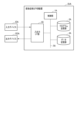
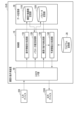
- FIG. 1 is a block diagram showing an example of the hardware configuration of an infectious disease outbreak prediction device, which is a first embodiment of the event prediction device according to the present invention.
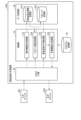
- FIG. 2 is a block diagram showing an example of the software configuration of the infectious disease outbreak prediction device according to the first embodiment of the present invention.
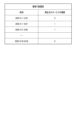
- FIG. 3 is a diagram showing an example of infectious disease outbreak history information managed by the infectious disease outbreak prediction device shown in FIG. 2.
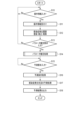
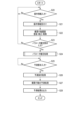
- FIG. 4 is a flowchart showing an example of the processing procedure and processing contents of the parameter estimation process of the infectious disease outbreak prediction model and the infectious disease outbreak prediction process, which are executed by the control unit of the infectious disease outbreak prediction device shown in FIG.
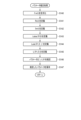
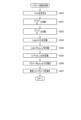
- FIG. 5 is a flowchart illustrating an example of the processing procedure and processing contents of the parameter estimation process among the processing procedures shown in FIG. 4.
- FIG. 6 is a block diagram showing an example of the software configuration of a purchasing behavior prediction device, which is a second embodiment of the event prediction device according to the present invention.
- FIG. 7 is a diagram showing an example of purchasing behavior history information managed by the purchasing behavior prediction device shown in FIG. 6.
- FIG. 8 is a flowchart illustrating an example of the processing procedure and processing contents of the parameter estimation process of the purchasing behavior prediction model and the purchasing behavior prediction process, which are executed by the control unit of the purchasing behavior prediction device shown in FIG.
- FIG. 9 is a flowchart showing an example of the processing procedure and processing contents of the parameter estimation process among the processing steps shown in FIG. 8.
- FIGS. 1 and 2 are block diagrams showing an example of the hardware configuration and software configuration of an infectious disease outbreak prediction device SVA, which is a first embodiment of the event prediction device according to the present invention.
- the infectious disease outbreak prediction device SVA is composed of, for example, a server computer placed on the cloud or the Web, or a personal computer owned by a user.
- the infectious disease outbreak prediction device SVA is equipped with a control unit 1A using a hardware processor such as a central processing unit (CPU), and is connected to a program storage unit 2A and a program storage unit 1A via a bus 5A.
- a storage unit having a data storage section 3A is connected to an input/output interface (hereinafter referred to as I/F) section 4A.
- I/F input/output interface
- An input device IDA and an output device ODA are connected to the input/output I/F section 4A.
- the input device IDA includes, for example, a keyboard and a mouse, and is used to input various operational information related to the infectious disease outbreak prediction process.
- the output device ODA includes, for example, a display device, and is used to display prediction information generated by the control unit 1A. Note that a printer, an external storage device, or the like may be used as the output device ODA.
- the input/output I/F section 4A has, for example, a communication interface function, and receives the operation information inputted at the input device IDA via a network or a signal cable, and also transmits various information generated by the control section 1A to the above-mentioned. Output to output device ODA via network or signal cable.
- the program storage unit 2A is configured by combining, as a storage medium, a nonvolatile memory such as an SSD (Solid State Drive) that can be written to and read at any time, and a nonvolatile memory such as a ROM (Read Only Memory).
- a nonvolatile memory such as an SSD (Solid State Drive) that can be written to and read at any time
- a nonvolatile memory such as a ROM (Read Only Memory).
- middleware such as an OS (Operating System)
- application programs necessary for executing various control processes according to one embodiment are stored. Note that hereinafter, the OS and each application program will be collectively referred to as a program.
- the data storage unit 3A is, for example, a combination of a non-volatile memory such as an SSD that can be written to and read from at any time as a storage medium, and a volatile memory such as a RAM (Random Access Memory).
- the storage unit used to implement the first embodiment includes an infectious disease outbreak history storage unit 31A and a parameter storage unit 32A.
- the infectious disease outbreak history storage unit 31A is used to acquire information representing the past infectious disease outbreak history to be analyzed, and to store the acquired information representing the infectious disease outbreak history.
- t i is the observation time of the case
- m i is the auxiliary information
- I is the number of data.
- the auxiliary information for example, the place where the infectious disease was observed (country or region), the attributes of the person who developed the disease, etc. are given.
- a case is assumed in which the infectious disease outbreak location m i ⁇ M is given as auxiliary information.
- M indicates a set of regions.
- FIG. 3 is a diagram showing an example of an infectious disease outbreak history.
- infectious disease outbreak history storage unit 31A may not be provided in the infectious disease outbreak prediction device SVA, but may be provided in another database server or the like located on the cloud or the Web.
- the parameter storage unit 32A is used to store a set of optimal parameters estimated by the parameter estimation process of the control unit 1A.
- the parameter storage unit 32A may also be provided in another database server on the cloud or the Web, or in another personal computer, or may be a storage area of a storage device that stores other data such as a learning model. It may be provided in a part of.
- the control unit 1A includes an operation information reception processing unit 11A, a parameter estimation processing unit 12A, an infectious disease outbreak prediction processing unit 13A, and a prediction information output processing unit as processing functions necessary for implementing the first embodiment. 14A. These processing units 11A to 14A are all realized by causing the hardware processor of the control unit 1A to execute an application program stored in the program storage unit 2A.
- the application program may be downloaded from an external application server or the like and stored in the program storage section 2A when necessary.
- a part or all of the processing units 11A to 14A may be realized using hardware such as LSI (Large Scale Integration) or ASIC (Application Specific Integrated Circuit).
- the operation information reception processing unit 11A receives the operation information input at the input device IDA via the input/output I/F unit 4A.
- the operation information includes, for example, operation commands for registering an infectious disease outbreak history in the infectious disease outbreak history storage unit 31A, modifying and deleting the registered infectious disease outbreak history, and the like.
- the parameter estimation processing unit 12A estimates optimal parameters to be set in the infectious disease outbreak prediction model based on the information representing the infectious disease outbreak history stored in the infectious disease occurrence history storage unit 31A, and uses the estimated optimal parameters. Processing is performed to save the parameters in the parameter storage section 32A. An example of this parameter estimation process will be described in an operation example.
- the infectious disease outbreak prediction processing unit 13A predicts the future occurrence of infectious diseases using the infectious disease outbreak prediction model that reflects the optimal parameters stored in the parameter storage unit 32A, and outputs the prediction result as predictive information. It is output to the processing section 14A.
- the prediction information output processing unit 14A generates information for outputting the prediction result of the infectious disease outbreak situation, and outputs the generated prediction information from the input/output I/F unit 4A to the output device ODA.
- FIG. 4 shows an example of the processing procedure and processing contents of the parameter estimation process of the infectious disease outbreak prediction model and the infectious disease outbreak prediction process using the learned prediction model, which is executed by the control unit 1A of the infectious disease outbreak prediction device SVA.
- FIG. 4 shows an example of the processing procedure and processing contents of the parameter estimation process of the infectious disease outbreak prediction model and the infectious disease outbreak prediction process using the learned prediction model, which is executed by the control unit 1A of the infectious disease outbreak prediction device SVA.
- (1) Management of infectious disease outbreak history For example, assume that the administrator inputs the newly observed infectious disease outbreak history along with a registration request from the input device IDA. Then, the control unit 1A of the infectious disease outbreak prediction device SVA detects the registration request in step S10 under the control of the operation information reception processing unit 11A, moves to step S11, and detects the newly observed infection. Obtain the history of disease occurrence. Then, in step S12, the operation information reception processing unit 11A registers the acquired infectious disease outbreak history in the infectious disease outbreak history storage unit 31A.
- FIG. 5 is a flowchart illustrating an example of the processing procedure and processing contents of the parameter estimation process executed by the parameter estimation processing unit 12A.
- the parameter estimation processing unit 12A first introduces a point process intensity function ⁇ m (t) representing the probability of occurrence of an infectious disease in each region, based on the infectious disease outbreak history stored in the infectious disease outbreak history storage unit 31A. .
- the parameter estimation processing unit 12A designs the intensity function for region m using a black box function that receives time t as input.
- the intensity function ⁇ m (t) is described using a neural network.
- step S140 the parameter estimation processing unit 12A analytically calculates the integral of the intensity function included in the likelihood of the point process. Therefore, instead of modeling ⁇ m (t) directly using a neural network, the parameter estimation processing unit 12A uses a neural network that uses time t and location m as inputs to calculate the integral ⁇ m (t). Formulate as: Here, ⁇ f is a parameter of the neural network f( ⁇ ).
- f ′(t , m; ⁇ f ) is the differential of the neural network f (t , m; ⁇ f ), It is defined as:
- the intensity function ⁇ m (t) corresponds to the variable I(t) in the SIR model defined by equations (1) to (3) described above. Therefore, in step S141, the parameter estimation processing unit 12A replaces I(t) included in equation (3) of the SIR model with ⁇ m (t) and substitutes equation (7) to estimate the immunity in region m.
- the number of people who acquired and isolated people R m (t) Define as .
- the parameter estimation processing unit 12A defines the population of uninfected people in area m as S m (t).
- the population S m (t) of uninfected people in region m is calculated using the population N m of region m, the probability of occurrence of infected people ⁇ m (t), and the number R m (t) of people who have acquired immunity and are isolated. hand, It can be written as
- the population N m can be estimated as a parameter, but in the first embodiment, a given value based on a population survey or the like is used.
- equation (2) of the SIR model is It can be rewritten as
- the parameter estimation processing unit 12A estimates the parameters ⁇ , ⁇ of the SIR model and the parameter ⁇ f of the neural network such that the likelihood L defined by the following equation is minimized. .
- L data is a likelihood that represents the goodness of fit of the learning model to the data
- L ode is a term that represents constraints due to differential equations
- ⁇ is a hyperparameter representing the importance of the second term.
- step S143 the parameter estimation processing unit 12A calculates the likelihood of the point process shown in the first term on the right side of equation (12) as follows: Define it like this.
- the neural network differential f′ m (t) included in the first term of equation (14) above can be easily calculated by using automatic differentiation implemented in a deep learning package such as PyTorch. can.
- step S144 the parameter estimation processing unit 12A converts the second term on the right side of the above equation (12) into the following equation using the difference between the right side and the left side of the above equation (11). It is defined as
- ⁇ 1 , ..., ⁇ J ⁇ is a predefined representative point on the time axis.
- L ode represents the error of the differential equation at J representative points.
- mean squared error was used as the error measure, but other error functions can also be used.
- f′′ (t ,m ) d 2 f (t ,m )/dt 2 , It is defined as
- step S146 the parameter estimation processing unit 12A estimates the optimal parameters, that is, the parameters ⁇ , ⁇ of the SIR model that minimize the likelihood L and the parameter ⁇ f of the neural network, and uses the estimated parameters in steps. It is saved in the parameter storage section 32A in S147.
- the control unit 1A of the infectious disease outbreak prediction device SVA detects the prediction request in step S15 under the control of the infectious disease outbreak prediction processing unit 13A.
- the process moves to step S16, where prediction conditions are first acquired.
- the prediction condition for example, a future time period to be predicted is specified.
- step S17 the infectious disease outbreak prediction processing unit 13A inputs the above prediction conditions as explanatory variables to the infectious disease outbreak prediction model in which the optimal parameters have been set. Then, using the infectious disease outbreak prediction model, the time and place of occurrence of the infectious disease in the above time period is predicted, and the prediction result is obtained.
- the control section 1A of the infectious disease outbreak prediction device SVA generates data for displaying the prediction results obtained by the infectious disease outbreak prediction processing section 13A in step S18. and outputs the generated display data from the input/output I/F section 4A to the output device ODA.
- the output device ODA displays, for example, on a map, the location (country or region) of occurrence of the infectious disease in the future time zone designated as the prediction target and the time of occurrence. Note that any format can be adopted as the output format of the above prediction result.
- the point process intensity function ⁇ m (t) representing the probability of occurrence of an infectious disease in each region m is defined as a differential of a neural network, and the intensity function ⁇ m (t)
- the likelihood L ( ⁇ f , ⁇ ;D) is expressed as the point process likelihood Ldata ( ⁇ f ,;D) and ⁇ Lode ( ⁇ f , ⁇ , ⁇ ), which represents the constraints of the differential equation representing the SIR model.
- the past infectious disease outbreak history is applied to the relational expression defined above to create an SIR model that minimizes the likelihood L ( ⁇ f , ⁇ ;D).
- the infectious disease outbreak prediction model in which the estimated parameters listed above are set is used to predict the outbreak status of infectious diseases in future time periods, and output the prediction results. .
- the framework of the point process based on the neural network is Prior knowledge in the field of infectious disease prediction can be incorporated. At the same time, data on past large-scale outbreaks of infectious diseases can be utilized, making it possible to predict outbreaks of infectious diseases with high precision.
- FIG. 6 is a block diagram showing an example of the software configuration of the purchasing behavior prediction device SVB, which is the second embodiment of the event prediction device according to the present invention. Note that the hardware configuration of the purchasing behavior prediction device SVB is the same as that described in FIG. 1 in the first embodiment, so a repeated description will be omitted.
- the purchasing behavior prediction device SVB is also composed of, for example, a server computer placed on the cloud or the Web, or a personal computer owned by the user.
- the purchasing behavior prediction device SVB includes a control unit 1B using a hardware processor such as a central processing unit (CPU), and a program storage unit 2B and a data storage unit 3B are connected to the control unit 1B via a bus 5B.
- the storage unit with the input/output I/F section 4B is connected to the input/output interface section 4B.
- An input device IDB and an output device ODB are connected to the input/output I/F section 4B.
- the input device IDB includes, for example, a keyboard and a mouse, and is used to input various operational information related to purchasing behavior prediction processing.
- the output device ODB has, for example, a display device, and is used to display prediction information generated by the control unit 1B. Note that a printer, an external storage device, or the like may be used as the output device ODB.
- the input/output I/F section 4B has, for example, a communication interface function, and receives the operation information inputted at the input device IDB via the network or signal cable, and also transmits various information generated by the control section 1B to the above-mentioned. Output to output device ODB via network or signal cable.
- the program storage unit 2B is configured by combining, for example, a nonvolatile memory such as an SSD that can be written to and read from at any time as a storage medium, and a nonvolatile memory such as a ROM.
- Application programs necessary to execute various control processes according to the embodiment are stored. Note that hereinafter, the OS and each application program will be collectively referred to as a program.
- the data storage unit 3B is, for example, a combination of a nonvolatile memory such as an SSD that can be written to and read from at any time as a storage medium, and a volatile memory such as a RAM, and the second embodiment is stored in the storage area of the data storage unit 3B.
- a purchasing behavior history storage unit 31B and a parameter storage unit 32B are provided.
- the purchasing behavior history storage unit 31B is used to acquire information representing the past purchasing behavior history to be analyzed, and to store the acquired information representing the purchasing behavior history.
- FIG. 7 is a diagram showing an example of purchasing behavior history.
- the purchasing behavior history storage unit 31B may not be provided in the purchasing behavior prediction device SVB, but may be provided in another database server, personal computer, etc. on the cloud or the Web.
- the parameter storage unit 32B is used to store a set of optimal parameters estimated by the parameter estimation process of the control unit 1B.
- the parameter storage unit 32B may also be provided in another database server on the cloud or the Web, or in another personal computer, or may be provided in a storage area of a storage device that stores other data such as learning models. It may be provided in a part.
- the control unit 1B includes an operation information reception processing unit 11B, a parameter estimation processing unit 12B, a purchasing behavior prediction processing unit 13B, and a prediction information output processing unit 14B as processing functions necessary for implementing the second embodiment. Equipped with. These processing units 11B to 14B are all realized by causing the hardware processor of the control unit 1B to execute an application program stored in the program storage unit 2B.
- the application program is not only stored in advance in the program storage unit 2B, but also downloaded from an external application server etc. when necessary and stored in the program storage unit 2B. You can also do this.
- part or all of the processing units 11B to 14B may be realized using hardware such as LSI or ASIC.
- the operation information reception processing section 11B receives operation information input at the input device IDB via the input/output I/F section 4B.
- the operation information includes, for example, operation commands for registering a purchasing behavior history in the purchasing behavior history storage section 31B, modifying and deleting the registered purchasing behavior history, and the like.
- the parameter estimation processing unit 12B estimates optimal parameters to be set in the purchasing behavior prediction model based on the information representing the purchasing behavior history stored in the purchasing behavior history storage unit 31B, and stores the estimated optimal parameters in parameter storage.
- the process of storing the information in the unit 32B is performed. An example of this parameter estimation process will be described in an operation example.
- the purchasing behavior prediction processing unit 13B predicts the user's future purchasing behavior using the purchasing behavior prediction model that reflects the optimal parameters stored in the parameter storage unit 32B, and transmits the prediction result to the prediction information output processing unit. Output to 14B.
- the prediction information output processing unit 14B generates information for displaying the prediction result of the future purchasing behavior, and outputs the generated prediction information from the input/output I/F unit 4B to the output device ODB.
- FIG. 8 shows an example of the processing procedure and processing contents of the parameter estimation process of the purchasing behavior prediction model and the purchasing behavior prediction process using the learned purchasing behavior prediction model, which are executed by the control unit 1B of the purchasing behavior prediction device SVB. It is a flowchart.
- (1) Management of purchasing behavior history For example, assume that the administrator inputs newly collected purchasing behavior history along with a registration request from the input device IDB. Then, the control unit 1B of the purchasing behavior prediction device SVB detects the registration request in step S20 under the control of the operation information reception processing unit 11B, and proceeds to step S21, where the newly collected purchasing behavior Get history. Then, in step S22, the operation information reception processing unit 11B registers the acquired purchasing behavior history in the purchasing behavior history storage unit 31B.
- FIG. 9 is a flowchart illustrating an example of the processing procedure and processing contents of the parameter estimation process executed by the parameter estimation processing section 12B.
- the parameter estimation processing unit 12B first introduces a point process intensity function ⁇ m (t) representing the purchase probability for each product or service based on the purchase behavior history stored in the purchase behavior history storage unit 31B.
- the parameter estimation processing unit 12B designs the intensity function of the product or service m using a black box function that receives time t as input.
- the intensity function ⁇ m (t) is described using a neural network.
- step S240 the parameter estimation processing unit 12B analytically calculates the integral of the intensity function included in the likelihood of the point process, instead of directly modeling ⁇ m (t) using a neural network.
- the integral ⁇ m (t) is calculated using a neural network with time t and product or service m as input, Formulate as:
- ⁇ f is a parameter of the neural network f( ⁇ ).
- f ′(t , m ; ⁇ f ) is the differential of the neural network f (t , m ; ⁇ f ), It is defined as:
- the parameter estimation processing unit 12B calculates the parameters ⁇ a, b, c, d ⁇ of the Lotka-Volterra equation and the neural network so as to minimize the likelihood L defined by the following equation. Estimate the parameter ⁇ f of .
- L data is a likelihood that represents the goodness of fit of the learning model to the data
- L ode is a term that represents constraints due to differential equations
- ⁇ is a hyperparameter representing the importance of the second term.
- step S243 the parameter estimation processing unit 12B calculates the likelihood of the point process shown in the first term on the right side of the above equation (22) as follows: Define it like this.
- the neural network differential f′ m (t) included in the first term of equation (24) above can be easily calculated by using automatic differentiation implemented in a deep learning package such as PyTorch. can.
- step S244 the parameter estimation processing unit 12B converts the second term on the right side of the above equation (22) using the difference between the right side and the left side of the above equations (20) and (21), It is defined as
- ⁇ 1 , ..., ⁇ J ⁇ is a predefined representative point on the time axis.
- L ode represents the error of the differential equation at J representative points.
- mean squared error was used as the error measure, but other error functions can also be used.
- f′′ (t ,m ) d 2 f (t ,m )/dt 2 , It is defined as
- step S246 the parameter estimation processing unit 12B estimates the parameters ⁇ a, b, c, d ⁇ of the Lotka-Volterra equation that minimize the likelihood L and the parameter ⁇ f of the neural network.
- the optimal parameters are stored in the parameter storage section 32B in step S247.
- the control unit 1B of the purchasing behavior prediction device SVB detects the prediction request in step S25 under the control of the purchasing behavior prediction processing unit 13B, and performs step S26. , and here first obtain the prediction conditions.
- the prediction condition for example, a future time period to be predicted is specified.
- step S27 the purchasing behavior prediction processing unit 13B inputs the above-mentioned prediction conditions as explanatory variables to the infectious disease outbreak prediction model in which the above-mentioned optimal parameters have been set. Then, using the purchasing behavior prediction model, the product or service targeted for purchasing behavior in the above time period and the purchase time are predicted, and the prediction results are obtained.
- control unit 1B of the purchasing behavior prediction device SVB generates data for displaying the prediction results obtained by the purchasing behavior prediction processing unit 13B in step S28 under the control of the prediction information output processing unit 14B. Then, the generated display data is output from the input/output I/F section 4B to the output device ODB.
- the output device ODB displays, for example, the name of the product or service that is the target of purchasing behavior in the future time period designated as the prediction target and the time of purchase. Note that any format can be adopted as the output format of the above prediction result.
- the likelihood L ( ⁇ f ,a,b,c,d;D) is expressed as the point process likelihood L data ( ⁇ f ,;D) and ⁇ L ode ( ⁇ f ,a , b, c, d).
- a Lotka Volterra model that minimizes the likelihood L( ⁇ f ,a,b,c,d;D) is generated.
- the equation parameters ⁇ a, b, c, d ⁇ and the neural network parameter ⁇ f are estimated.
- the purchasing behavior prediction model in which the estimated parameters described above are set is used to predict the purchasing behavior of the target product or service in a future time period, and the prediction results are output. There is.
- Each processing function and storage unit included in the infectious disease outbreak prediction device SVA and the purchasing behavior prediction device SVB may be placed in one information processing device, but may be installed in multiple information processing devices such as a server or a personal computer. They may be distributed and arranged in the device.
- the parameter estimation processing unit and the event prediction processing unit may be placed in different information devices, and the parameters estimated by one information processing device may be transferred to the other information processing device and set in the learning model as necessary. You can also do this.
- the present invention is not limited to this, and can also be applied to predicting various events, such as predicting the occurrence of crimes, predicting the occurrence of disasters such as earthquakes, heavy rain, and strong winds, and predicting requests for dispatching taxis.
- the present invention is not limited to the above-described embodiments as they are, but can be embodied by modifying the constituent elements at the implementation stage without departing from the spirit of the invention.
- various inventions can be formed by appropriately combining the plurality of components disclosed in the above embodiments. For example, some components may be deleted from all the components shown in the embodiments. Furthermore, components from different embodiments may be combined as appropriate.
- SVA...Infectious disease outbreak prediction device SVB...Purchasing behavior prediction device IDA, IDB...Input device ODA, ODB...Output device 1A, 1B...Control unit 2A, 2B...Program storage unit 3A, 3B...Data storage unit 4A, 4B...Input Output I/F section 5A, 5B...Bus 11A, 11B...Operation information reception processing section 12A, 12B...Parameter estimation processing section 13A...Infectious disease outbreak prediction processing section 13B...Purchasing behavior prediction processing section 14A, 14B...Prediction information output processing Part 31A...Infectious disease outbreak history storage part 31B...Purchase behavior history storage part 32A, 32B...Parameter storage part
Landscapes
- Engineering & Computer Science (AREA)
- Theoretical Computer Science (AREA)
- Software Systems (AREA)
- Data Mining & Analysis (AREA)
- Evolutionary Computation (AREA)
- Medical Informatics (AREA)
- Computer Vision & Pattern Recognition (AREA)
- Physics & Mathematics (AREA)
- Computing Systems (AREA)
- General Engineering & Computer Science (AREA)
- General Physics & Mathematics (AREA)
- Mathematical Physics (AREA)
- Artificial Intelligence (AREA)
- Management, Administration, Business Operations System, And Electronic Commerce (AREA)
Abstract
この発明の一態様は、予測対象となるイベントの発生を予測する予測モデルのパラメータを推定する際に、前記イベントの発生確率を表す点過程の強度関数をニューラルネットワークの微分を用いて表した点過程モデルを定義し、前記点過程モデルの尤度を表す項と、前記イベントに関するドメイン知識を反映した所定の理論モデルを表す微分方程式からなる制約項とにより表されるパラメータ推定のための関係式を定義する。そして、過去のイベント発生履歴を表す情報と、前記関係式とに基づいて、前記点過程モデルの尤度を表す項に前記制約項を加算した尤度値が最小になるような前記理論モデルのパラメータおよび前記点過程モデルのパラメータを推定するようにしたものである。
Description
この発明の一態様は、未来におけるイベントの発生を予測するイベント予測装置、方法およびプログラムに関する。
近年、イベント系列をモデル化しこのモデルを用いて未来におけるイベントの発生を予測する技術が注目されている。例えば、感染症の発生を予測する技術がその1つとしてあげられる。この技術を使用すると、感染症拡大の予兆を早期に把握することができ、感染症の蔓延と拡大を防ぐこと可能となる。また、例えばオンラインショッピングサイトにおけるユーザの購買行動を予測する技術も検討されている。この技術を使用すると、商品管理の最適化が可能となる。予測対象となるイベントには、ほかに、例えば犯罪の発生、地震や豪雨等の災害の発生、タクシーの乗降客の発生等があげられる。
イベント系列のモデル化には、一般にドメイン知識を反映した理論モデルが用いられている。例えば、感染症発生のモデル化には、感染症数理(SIR)モデルと呼ばれる理論モデルが用いられる。SIR モデルでは、人口集団を感染のステージにより未感染者(Susceptible)、感染者(Infected)、免疫獲得者または隔離者(Recovered/Removed)の3種類に分け、各々のステージに属する人口の時間変化を疫学的知見に基づいてモデル化する。最も単純なSIR モデルは以下に示す常微分方程式により記述される。

ここで、S(t), I(t), R(t) はそれぞれ時刻t における未感染者(Susceptible)、感染者(Infected)、免疫獲得者または隔離者(Recovered/Removed)の人数、βは単位時間あたりの感染率、γは感染者の回復率を表す係数である。
その他、疫学分野の理論モデルとしては、(1)-(3) 式のSIR モデルをベースとして、さらに潜伏期間を考慮したSEIR モデルや、ワクチン接種を考慮した拡張モデル等も提案されている。
一方、マーケティング分野においては、ロトカ・ヴォルテラ方程式を用いて競合サービス間のシェアの奪い合いをモデル化するアプローチが提案されている。ロトカ・ヴォルテラ方程式は、例えば2つの競合サービスを考えた場合、以下のように記述できる。

ここで、x(t) は時刻t における1つ目のサービスのシェア、y(t) は2つ目のサービスのシェアをそれぞれ表す。a,b,c,dは正の定数である。
ロトカ・ヴォルテラ方程式は、元々は生物学分野において捕食者と被食者の増殖関係を記述する目的で提唱されたモデルであるが、近年マーケティング・経済分野における援用が進んでおり、その有効性が確かめられている。
ところで、これらの理論モデルは、これまでエージェント・ベース・モデルあるいは微分方程式ソルバーを用いて解析されてきた。SIR モデルやロトカ・ヴォルテラ方程式に代表される理論モデルは解釈性が高く、イベントの発生をモデル化する際にドメイン知識を反映させることができるという利点がある。しかし、データからのパラメータの学習が容易でないため、予測精度に限界がある。
近年、感染症や購買行動などのイベントの発生に関して、精密な時刻情報付きのデータが入手可能になっている。例えば、感染症サーベイランス(調査監視)システムの拡充やSocial Network Service(SNS)の利活用が進んだことで、感染症の発生に関する大規模なデータが蓄積されつつある。これらのデータを用いてSIR モデルやロトカ・ヴォルテラ方程式等の理論モデルのキャリブレーションを行う場合、手作業でモデルの選択やパラメータの設定を行う必要があり、手間と時間がかかる。
また、大規模なイベント系列のデータを活用する試みとして、機械学習モデルに基づくアプローチが多数提案され、注目を集めている。例えば、点過程と呼ばれる確率的生成モデルを用いる手法が提案されている。点過程の枠組みでは、感染症の発生や購買行動等のイベントの発生確率を強度関数と呼ばれる関数でモデル化し、イベントの発生履歴を用いて強度関数のパラメータを推定する。
感染症のモデル化では、特にHawkes 過程と呼ばれる点過程が広く用いられている。Hawkes 過程においては、強度関数の設計時に、イベントが発生する度に跳ね上がり時間と共に減衰する関数形を仮定する。これにより、イベントの発生が次の発生を誘発するメカニズムを明示的にモデル化することができる。オンラインショッピングサイトにおける購買履歴など、マーケティング分野におけるイベント系列のモデル化にもHawkes 過程ベースの手法が広く用いられている。
さらに、複数のサービス間のシェアの奪い合いを記述するため、Hawkes 過程を拡張したモデルも提案されている(例えば非特許文献1を参照)。この手法は、過去の購買行動の影響だけでなく、他のサービスの成長の影響を考慮して未来の購買行動を予測することができる。しかし、これらHawkes 過程に基づく手法は、時間減衰の仕方について単純な関数形を仮定しているため、柔軟性に欠ける。
また、最近では、深層学習モデルを用いたアプローチも多数提案されている。例えば、感染症予測においては、現在時刻までに観測された感染者数の推移に基づいて未来の時刻における感染症の発生者数を予測する手法が提案されている(例えば、非特許文献2を参照)。
一方、購買行動の予測においては、回帰型ニューラルネットワーク(Recurrent Neural Network: RNN)等の深層学習モデルを用いたアプローチが提案されている。しかし、深層学習モデルの使用する場合には、時系列の柔軟なモデル化が可能となる一方、疫学・マーケティングの各分野におけるドメイン知識を考慮することができないという別の課題がある。
Zarezade, Ali, et al. "Correlated cascades: Compete or cooperate." Thirty-First AAAI Conference on Artificial Intelligence. 2017.
Rahimi, Iman, Fang Chen, and Amir H. Gandomi. "A review on COVID-19 forecasting models." Neural Computing and Applications (2021): 1-11.
上記したように、イベント系列のモデル化・予測には、SIR モデルやロトカ・ヴォルテラ方程式を始めとする理論モデル、点過程や深層学習を始めとする機械学習モデル等の様々な手法が提案されてきた。しかし、これらの手法では、大規模なデータとドメイン知識の双方を十分に活用することが困難である。
この発明は上記事情に着目してなされたもので、イベント系列のモデル化・予測において、大規模なデータとドメイン知識の双方を十分に活用することを可能にした技術を提供しようとするものである。
上記課題を解決するためにこの発明に係るイベント予測装置または方法の一態様は、予測対象となるイベントに関する過去の発生履歴を表す情報を取得する処理部または過程と、学習フェーズにおいて、前記イベントの発生を予測する予測モデルのパラメータを推定する処理部または過程とを具備する。そして、前記パラメータを推定する際に、前記イベントの発生確率を表す点過程の強度関数をニューラルネットワークの微分を用いて表す点過程モデルを定義する処理と、前記点過程モデルの尤度を表す項と、前記イベントに関するドメイン知識を反映した所定の理論モデルを表す微分方程式からなる制約項とにより表されるパラメータ推定のための関係式を定義する処理と、前記過去の発生履歴を表す情報と、前記関係式とに基づいて、前記点過程モデルの尤度を表す項に前記制約項を加算した尤度値が最小になるような前記理論モデルのパラメータおよび前記点過程モデルのパラメータを推定する処理を行うようにしたものである。
この発明の一態様によれば、ニューラルネットワークに基づく点過程のパラメータを学習する際に、イベント発生に関する理論モデルを表す微分方程式を損失関数の制約として課すことで、ニューラルネットワークに基づく点過程の枠組みにイベントの分野に関する事前知識を取り入れることができる。また、同時に過去の大規模なイベント発生履歴のデータを活用することができ、これにより高精度のイベント予測が可能な予測モデルを生成することが可能となる。
すなわちこの発明の一態様によれば、イベント系列のモデル化・予測において、大規模なデータとドメイン知識の双方を十分に活用することが可能な技術を提供することができる。
以下、図面を参照してこの発明に係わる実施形態を説明する。
[第1の実施形態]
(構成例)
図1および図2は、それぞれこの発明に係るイベント予測装置の第1の実施形態である、感染症発生予測装置SVAのハードウェア構成およびソフトウェア構成の一例を示すブロック図である。
(構成例)
図1および図2は、それぞれこの発明に係るイベント予測装置の第1の実施形態である、感染症発生予測装置SVAのハードウェア構成およびソフトウェア構成の一例を示すブロック図である。
感染症発生予測装置SVAは、例えばクラウドまたはWeb上に配置されるサーバコンピュータ、またはユーザが所有するパーソナルコンピュータからなる。感染症発生予測装置SVAは、中央処理ユニット(Central Processing Unit:CPU)等のハードウェアプロセッサを使用した制御部1Aを備え、この制御部1Aに対し、バス5Aを介して、プログラム記憶部2Aおよびデータ記憶部3Aを有する記憶ユニットと、入出力インタフェース(以後インタフェースをI/Fと称する)部4Aを接続したものとなっている。
入出力I/F部4Aには、入力デバイスIDAおよび出力デバイスODAが接続される。入力デバイスIDAは、例えばキーボードおよびマウスを備え、感染症発生予測処理に係る種々操作情報を入力するために使用される。出力デバイスODAは、例えば表示デバイスを有し、制御部1Aにより生成された予測情報等を表示するために用いられる。なお、出力デバイスODAとしては、他にプリンタや外部記憶デバイス等が用いられてもよい。
入出力I/F部4Aは、例えば通信インタフェース機能を有し、上記入力デバイスIDAにおいて入力された操作情報をネットワークまたは信号ケーブルを介して受信すると共に、制御部1Aにより生成された各種情報を上記ネットワークまたは信号ケーブルを介して出力デバイスODAへ出力する。
プログラム記憶部2Aは、例えば、記憶媒体としてSSD(Solid State Drive)等の随時書込みおよび読出しが可能な不揮発性メモリと、ROM(Read Only Memory)等の不揮発性メモリとを組み合わせて構成したもので、OS(Operating System)等のミドルウェアに加えて、一実施形態に係る各種制御処理を実行するために必要なアプリケーション・プログラムを格納する。なお、以後OSと各アプリケーション・プログラムとをまとめてプログラムと称する。
データ記憶部3Aは、例えば、記憶媒体として、SSD等の随時書込みおよび読出しが可能な不揮発性メモリと、RAM(Random Access Memory)等の揮発性メモリと組み合わせたもので、その記憶領域に、第1の実施形態を実施するために用いる記憶部として、感染症発生履歴記憶部31Aと、パラメータ記憶部32Aとを備える。
感染症発生履歴記憶部31Aは、解析対象となる過去の感染症発生履歴を表す情報を取得し、取得した上記感染症発生履歴を表す情報を記憶するために用いられる。感染症発生履歴を表す情報は、感染症の発生時刻と補助情報とからなる時系列のデータとして表される。例えば、時刻T までに観測された感染症の発生履歴を表す情報は
D = {(ti , mi )}I i=1
で表される。
D = {(ti , mi )}I i=1
で表される。
ここで、ti は症例の観測時刻、mi は補助情報、I はデータ数である。補助情報としては、例えば感染症の観測場所(国や地域)、発症者の属性等が与えられる。第1の実施形態では、感染症の発生場所mi ∈Mが補助情報として与えられるケースを想定する。ここで、Mは地域の集合を示す。図3は、感染症発生履歴の一例を示す図である。
なお、感染症発生履歴記憶部31Aは、感染症発生予測装置SVA内に設けずに、クラウド上またはWeb上に配置されている他のデータベースサーバ等に設けられていてもよい。
パラメータ記憶部32Aは、制御部1Aのパラメータ推定処理により推定された最適パラメータの組を保存するために用いられる。なお、パラメータ記憶部32Aについても、クラウド上またはWeb上の他のデータベースサーバや、他のパーソナルコンピュータ等に設けられていてもよく、また学習モデルなどの他のデータを格納する記憶装置の記憶エリアの一部に設けられてもよい。
制御部1Aは、第1の実施形態を実施するために必要な処理機能として、操作情報受付処理部11Aと、パラメータ推定処理部12Aと、感染症発生予測処理部13Aと、予測情報出力処理部14Aとを備える。これらの処理部11A~14Aは、何れもプログラム記憶部2Aに格納されたアプリケーション・プログラムを制御部1Aのハードウェアプロセッサに実行させることにより実現される。
なお、上記アプリケーション・プログラムは、プログラム記憶部2Aに事前に格納しておく以外に、必要時に外部のアプリケーション・サーバ等からダウンロードしてプログラム記憶部2Aに記憶されるようにしてもよい。また、上記処理部11A~14Aの一部または全部は、LSI(Large Scale Integration)やASIC(Application Specific Integrated Circuit)等のハードウェアを用いて実現されてもよい。
操作情報受付処理部11Aは、入力デバイスIDAにおいて入力された操作情報を入出力I/F部4Aを介して受け取る。操作情報には、例えば感染症発生履歴記憶部31Aに対する感染症発生履歴の登録、登録された上記感染症発生履歴の修正および削除等を行う操作コマンドが含まれる。
パラメータ推定処理部12Aは、上記感染症発生履歴記憶部31Aに記憶されている感染症発生履歴を表す情報に基づいて、感染症の発生予測モデルに設定する最適パラメータを推定し、推定された最適パラメータをパラメータ記憶部32Aに保存する処理を行う。このパラメータの推定処理の一例については、動作例において説明する。
感染症発生予測処理部13Aは、上記パラメータ記憶部32Aに保存された最適パラメータが反映された感染症発生予測モデルを用いて、未来における感染症の発生状況を予測し、予測結果を予測情報出力処理部14Aに出力する。
予測情報出力処理部14Aは、上記感染症発生状況の予測結果を出力するための情報を生成し、生成した上記予測情報を入出力I/F部4Aから出力デバイスODAへ出力する。
(動作例)
次に、以上のように構成された感染症発生予測装置SVAの動作例を説明する。
次に、以上のように構成された感染症発生予測装置SVAの動作例を説明する。
図4は、感染症発生予測装置SVAの制御部1Aが実行する、感染症発生予測モデルのパラメータ推定処理および学習済の予測モデルを用いた感染症発生予測処理の処理手順と処理内容の一例を示すフローチャートである。
(1)感染症発生履歴の管理
例えば、管理者が新たに観測された感染症発生履歴を、その登録要求と共に入力デバイスIDAから入力したとする。そうすると、感染症発生予測装置SVAの制御部1Aは、操作情報受付処理部11Aの制御の下、ステップS10により上記登録要求を検出してステップS11に移行し、ここで上記新たに観測された感染症発生履歴を取得する。そして、操作情報受付処理部11Aは、ステップS12において、取得した上記感染症発生履歴を感染症発生履歴記憶部31Aに登録する。
例えば、管理者が新たに観測された感染症発生履歴を、その登録要求と共に入力デバイスIDAから入力したとする。そうすると、感染症発生予測装置SVAの制御部1Aは、操作情報受付処理部11Aの制御の下、ステップS10により上記登録要求を検出してステップS11に移行し、ここで上記新たに観測された感染症発生履歴を取得する。そして、操作情報受付処理部11Aは、ステップS12において、取得した上記感染症発生履歴を感染症発生履歴記憶部31Aに登録する。
なお、感染症発生履歴記憶部31Aに登録された上記感染症発生履歴を管理者が修正または削除する処理も、操作情報受付処理部11Aの制御の下で同様に行われる。
(2)パラメータの推定
感染症発生予測モデルの学習フェーズが設定された状態で、管理者が入力デバイスIDAにおいてパラメータの推定要求を入力したとする。そうすると、感染症発生予測装置SVAの制御部1Aは、ステップS13により上記パラメータ推定要求を受け取ると、以後パラメータ推定処理部12Aの制御の下、ステップS14において以下のようにパラメータ推定処理を実行する。
感染症発生予測モデルの学習フェーズが設定された状態で、管理者が入力デバイスIDAにおいてパラメータの推定要求を入力したとする。そうすると、感染症発生予測装置SVAの制御部1Aは、ステップS13により上記パラメータ推定要求を受け取ると、以後パラメータ推定処理部12Aの制御の下、ステップS14において以下のようにパラメータ推定処理を実行する。
図5は、パラメータ推定処理部12Aが実行するパラメータ推定処理の処理手順と処理内容の一例を示すフローチャートである。
パラメータ推定処理部12Aは、感染症発生履歴記憶部31Aに記憶された感染症発生履歴に基づいて、先ず各地域における感染症の発生確率を表す点過程の強度関数λm(t) を導入する。
すなわち、パラメータ推定処理部12Aは、地域m の強度関数を時刻t を入力とするブラックボックス関数を用いて設計する。このとき、強度関数の柔軟性を担保するため、強度関数λm(t) をニューラルネットワークを用いて記述する。但し、強度関数λm(t) を直接ニューラルネットワークでモデル化しようとすると、点過程の対数尤度に含まれる積分の計算が困難になる場合がある。
そこで、パラメータ推定処理部12Aは、ステップS140において、点過程の尤度に含まれる強度関数の積分を解析的に計算する。そのためにパラメータ推定処理部12Aは、λm(t) を直接ニューラルネットでモデル化する代わりに、その積分Λm(t)を、時刻t 、場所m を入力とするニューラルネットワークにより、

のように定式化する。ここで、θf はニューラルネットf(・) のパラメータである。
この定式化の下で、強度関数λm(t) は、

のように書き表すことができる。
ここで、f ′(t , m;θf ) はニューラルネットワークf (t , m;θf ) の微分であり、

のように定義される。
このとき、強度関数λm(t) は、先に述べた(1)-(3) 式で定義されるSIR モデルにおける変数I(t) に対応している。従って、パラメータ推定処理部12Aは、ステップS141において、SIR モデルの(3) 式に含まれるI(t) をλm(t) で置き換え、(7) 式を代入することで、地域m における免疫獲得者・隔離者の人数Rm(t) を

として定義する。
続いてパラメータ推定処理部12Aは、ステップS142において、地域m における未感染者の人口をSm(t) で定義する。すなわち、地域m における未感染者の人口Sm(t) は、地域m の人口Nm と感染者の発生確率λm(t)、免疫獲得者・隔離者の人数Rm(t) を用いて、

と書き表すことができる。
この場合、人口Nm はパラメータとして推定することもできるが、第1の実施例では人口調査などによる所与の値を用いる。同様に、SIR モデルの(2) 式は、

と書き換えることができる。
ところで、予測モデルを学習する際にパラメータ推定処理部12Aは、次式で定義される尤度L を最小化するようなSIR モデルのパラメータ{β,γ}、ニューラルネットワークのパラメータθf を推定する。

ここで、Ldata はデータに対する学習モデルの当てはまりの良さを表す尤度、Lode は微分方程式による制約を表す項である。αは第二項の重要度を表すハイパーパラメータである。
パラメータ推定処理部12Aは、ステップS143において、上記(12) 式の右辺第一項に示す点過程の尤度を、

のように定義する。ここで、D ={(ti ,mi )}I
i=1 は感染症の発生履歴、I はデータの数をそれぞれ示す。
上記(12) 式に含まれるブラックボックス関数λm(・) とその積分Λm(・) は、ニューラルネットワークf (t ,m ) と、その微分f′(t ,m ) =df (t ,m )/dt とを用いて、

と書き表すことができる。
なお、上記(14) 式の第一項に含まれるニューラルネットワークの微分f′m(t) は、例えばPyTorch 等の深層学習パッケージで実装されている自動微分を用いることで容易に計算することができる。
また、パラメータ推定処理部12Aは、ステップS144において、上記(12) 式の右辺第二項を、上記(11) 式の右辺と左辺との差を用いて、

と定義する。
ここで、{τ1, …,τJ }はあらかじめ定義された時間軸上の代表点である。Lode はJ 個の代表点における微分方程式の誤差を表す。この例では、誤差の指標として平均二乗誤差を用いたが、他の誤差関数を用いることもできる。
上記式は、微分方程式である上記(11) 式の左辺と右辺の差を取って代表点の時刻τj を代入したものである。上記(15) 式の制約項を尤度L に加えることで、出力が上記(2) 式で定義される微分方程式に従うような強度関数λ(・) のパラメータを学習することができる。
パラメータ推定処理部12Aは、ステップS145において、上記(15) 式を、ニューラルネットワークf (t ,m ) の、一階微分f′(t ,m ) =df (t ,m )/dt および二階微分f′′ (t ,m ) =d2 f (t ,m )/dt2 を用いて、

と定義する。
なお、第1の実施形態では、SIR モデルを用いた場合を例にとって説明したが、他にSEIR モデルなどの任意の理論モデルを適用することができる。また、パラメータの最適化にはどのような方法を用いてもよいが、上記(14) 式、(16) 式に含まれるニューラルネットワークの微分を効率良く計算するため、誤差逆伝播法を用いるとよい。
パラメータ推定処理部12Aは、ステップS146において、最適パラメータ、つまり尤度L を最小化するようなSIR モデルのパラメータ{β,γ}と、ニューラルネットワークのパラメータθf を推定し、推定したパラメータをステップS147によりパラメータ記憶部32Aに保存する。
(3)感染症発生の予測とその予測結果の出力
上記のように感染症発生予測モデルに対する最適パラメータの推定処理が終了すると、感染症発生予測装置SVAの制御部1Aは予測フェーズに移行する。
上記のように感染症発生予測モデルに対する最適パラメータの推定処理が終了すると、感染症発生予測装置SVAの制御部1Aは予測フェーズに移行する。
予測フェーズにおいて、入力デバイスIDAから予測要求が入力されると、感染症発生予測装置SVAの制御部1Aは、感染症発生予測処理部13Aの制御の下、ステップS15により上記予測要求を検出してステップS16に移行し、ここで先ず予測条件を取得する。予測条件としては、例えば予測対象となる未来の時間帯が指定される。
感染症発生予測処理部13Aは、続いてステップS17において、上記最適パラメータが設定された感染症発生予測モデルに対し、上記予測条件を説明変数として入力する。そして、当該感染症発生予測モデルを用いて、上記時間帯における感染症の発生時刻および発生場所を予測し、その予測結果を得る。
最後に、感染症発生予測装置SVAの制御部1Aは、予測情報出力処理部14Aの制御の下、ステップS18において、上記感染症発生予測処理部13Aにより得られた予測結果を表示するためのデータを生成し、生成した表示データを入出力I/F部4Aから出力デバイスODAへ出力する。この結果、出力デバイスODAには、例えば、上記予測対象として指定した未来の時間帯における感染症の発生場所(国や地域)とその発生時刻が、例えばマップ上に表示される。なお、上記予測結果の出力形態は任意の形態を採用できる。
(作用・効果)
以上述べたように第1の実施形態では、各地域m における感染症の発生確率を表す点過程の強度関数λm(t) をニューラルネットワークの微分として定義し、上記強度関数λm(t) をSIR モデルの感染者数に置き換えることで、地域m における免疫獲得者・隔離者の人数Rm(t) および未感染者の人口Sm(t) を定義する。また、尤度L (θf ,β;D)を、点過程の尤度Ldata (θf ,;D) と、SIR モデルを表す微分方程式の制約を表すαLode (θf ,β,γ)とにより定義する。そして、強度関数のパラメータを学習する学習フェーズにおいて、上記定義した関係式に過去の感染症発生履歴を適用し、上記尤度L (θf ,β;D) を最小化するようなSIR モデルのパラメータ{β,γ}と、ニューラルネットワークのパラメータθf を推定する。また、予測フェーズにおいては、推定された上記各パラメータが設定された感染症発生予測モデルを用いて、未来の時間帯における感染症の発生状況を予測し、その予測結果を出力するようにしている。
以上述べたように第1の実施形態では、各地域m における感染症の発生確率を表す点過程の強度関数λm(t) をニューラルネットワークの微分として定義し、上記強度関数λm(t) をSIR モデルの感染者数に置き換えることで、地域m における免疫獲得者・隔離者の人数Rm(t) および未感染者の人口Sm(t) を定義する。また、尤度L (θf ,β;D)を、点過程の尤度Ldata (θf ,;D) と、SIR モデルを表す微分方程式の制約を表すαLode (θf ,β,γ)とにより定義する。そして、強度関数のパラメータを学習する学習フェーズにおいて、上記定義した関係式に過去の感染症発生履歴を適用し、上記尤度L (θf ,β;D) を最小化するようなSIR モデルのパラメータ{β,γ}と、ニューラルネットワークのパラメータθf を推定する。また、予測フェーズにおいては、推定された上記各パラメータが設定された感染症発生予測モデルを用いて、未来の時間帯における感染症の発生状況を予測し、その予測結果を出力するようにしている。
従って、第1の実施形態によれば、ニューラルネットワークに基づく点過程のパラメータを学習する際に、SIR モデルを表す微分方程式を損失関数の制約として課すことで、ニューラルネットワークに基づく点過程の枠組みに感染症予測分野の事前知識を取り入れることができる。また、同時に過去の大規模な感染症発生履歴のデータを活用することができ、これにより高精度の感染症発生予測が可能になる。
[第2の実施形態]
(構成例)
図6は、この発明に係るイベント予測装置の第2の実施形態である、購買行動予測装置SVBのソフトウェア構成の一例を示すブロック図である。なお、購買行動予測装置SVBのハードウェア構成については、第1の実施形態において図1で説明したものと同一なので、再度の説明は省略する。
(構成例)
図6は、この発明に係るイベント予測装置の第2の実施形態である、購買行動予測装置SVBのソフトウェア構成の一例を示すブロック図である。なお、購買行動予測装置SVBのハードウェア構成については、第1の実施形態において図1で説明したものと同一なので、再度の説明は省略する。
購買行動予測装置SVBも、先に述べた感染症発生予測装置SVAと同様に、例えばクラウドまたはWeb上に配置されるサーバコンピュータ、またはユーザが所有するパーソナルコンピュータからなる。購買行動予測装置SVBは、中央処理ユニット(CPU)等のハードウェアプロセッサを使用した制御部1Bを備え、この制御部1Bに対し、バス5Bを介して、プログラム記憶部2Bおよびデータ記憶部3Bを有する記憶ユニットと、入出力I/F部4Bを接続したものとなっている。
入出力I/F部4Bには、入力デバイスIDBおよび出力デバイスODBが接続される。入力デバイスIDBは、例えばキーボードおよびマウスを備え、購買行動の予測処理に係る種々操作情報を入力するために使用される。出力デバイスODBは、例えば表示デバイスを有し、制御部1Bにより生成された予測情報等を表示するために用いられる。なお、出力デバイスODBとしては、他にプリンタや外部記憶デバイス等が用いられてもよい。
入出力I/F部4Bは、例えば通信インタフェース機能を有し、上記入力デバイスIDBにおいて入力された操作情報をネットワークまたは信号ケーブルを介して受信すると共に、制御部1Bにより生成された各種情報を上記ネットワークまたは信号ケーブルを介して出力デバイスODBへ出力する。
プログラム記憶部2Bは、例えば、記憶媒体としてSSD等の随時書込みおよび読出しが可能な不揮発性メモリと、ROM等の不揮発性メモリとを組み合わせて構成したもので、OS等のミドルウェアに加えて、一実施形態に係る各種制御処理を実行するために必要なアプリケーション・プログラムを格納する。なお、以後OSと各アプリケーション・プログラムとをまとめてプログラムと称する。
データ記憶部3Bは、例えば、記憶媒体として、SSD等の随時書込みおよび読出しが可能な不揮発性メモリと、RAM等の揮発性メモリと組み合わせたもので、その記憶領域に、第2の実施形態を実施するために用いる記憶部として、購買行動履歴記憶部31Bと、パラメータ記憶部32Bとを備える。
購買行動履歴記憶部31Bは、解析対象となる過去の購買行動履歴を表す情報を取得し、取得した上記購買行動履歴を表す情報を記憶するために用いられる。購買行動履歴情報は、購買行動が行われた時刻と補助情報とからなる時系列のデータとして表される。例えば、時刻T までに観測された購買行動は
D ={(ti , mi )}I i=1
で表される。
D ={(ti , mi )}I i=1
で表される。
ここで、ti は購買行動が行われた時刻、mi は補助情報、I はデータ数である。第2の実施形態では、例えば購買行動の対象となった商品またはサービスの種類mi ∈Mが補助情報として与えられるケースを想定する。ここで、Mは商品またはサービスの集合を示す。図7は、購買行動履歴の一例を示す図である。
なお、購買行動履歴記憶部31Bは、購買行動予測装置SVB内に設けずに、クラウド上またはWeb上の他のデータベースサーバやパーソナルコンピュータ等に設けられてもよい。
パラメータ記憶部32Bは、制御部1Bのパラメータ推定処理により推定された最適パラメータの組を保存するために用いられる。なお、パラメータ記憶部32Bについても、クラウドまたはWeb上の他のデータベースサーバや、他のパーソナルコンピュータ等に設けられていてもよく、また学習モデルなどの他のデータを格納する記憶装置の記憶エリアの一部に設けられてもよい。
制御部1Bは、第2の実施形態を実施するために必要な処理機能として、操作情報受付処理部11Bと、パラメータ推定処理部12Bと、購買行動予測処理部13Bと、予測情報出力処理部14Bとを備える。これらの処理部11B~14Bは、何れもプログラム記憶部2Bに格納されたアプリケーション・プログラムを制御部1Bのハードウェアプロセッサに実行させることにより実現される。
なお、第2の実施形態においても、アプリケーション・プログラムは、プログラム記憶部2Bに事前に格納しておく以外に、必要時に外部のアプリケーション・サーバ等からダウンロードしてプログラム記憶部2Bに記憶されるようにしてもよい。また、上記処理部11B~14Bの一部または全部は、LSIやASIC等のハードウェアを用いて実現されてもよい。
操作情報受付処理部11Bは、入力デバイスIDBにおいて入力された操作情報を入出力I/F部4Bを介して受付ける。操作情報には、例えば購買行動履歴記憶部31Bに対する購買行動履歴の登録、登録された上記購買行動履歴の修正および削除等を行う操作コマンドが含まれる。
パラメータ推定処理部12Bは、上記購買行動履歴記憶部31Bに記憶されている購買行動履歴を表す情報に基づいて、購買行動予測モデルに設定する最適パラメータを推定し、推定された最適パラメータをパラメータ記憶部32Bに記憶させる処理を行う。このパラメータの推定処理の一例については、動作例において説明する。
購買行動予測処理部13Bは、上記パラメータ記憶部32Bに記憶された最適パラメータが反映された購買行動予測モデルを用いて、ユーザの未来における購買行動を予測し、その予測結果を予測情報出力処理部14Bに出力する。
予測情報出力処理部14Bは、上記未来の購買行動の予測結果を表示するための情報を生成し、生成した上記予測情報を入出力I/F部4Bから出力デバイスODBへ出力する。
(動作例)
次に、以上のように構成された購買行動予測装置SVBの動作例を説明する。
次に、以上のように構成された購買行動予測装置SVBの動作例を説明する。
図8は、購買行動予測装置SVBの制御部1Bが実行する、購買行動予測モデルのパラメータ推定処理および学習済の購買行動予測モデルを用いた購買行動予測処理の処理手順と処理内容の一例を示すフローチャートである。
(1)購買行動履歴の管理
例えば、管理者が新たに収集した購買行動履歴を、その登録要求と共に入力デバイスIDBから入力したとする。そうすると、購買行動予測装置SVBの制御部1Bは、操作情報受付処理部11Bの制御の下、ステップS20により上記登録要求を検出してステップS21に移行し、ここで上記新たに収集された購買行動履歴を取得する。そして、操作情報受付処理部11Bは、ステップS22において、取得した上記購買行動履歴を購買行動履歴記憶部31Bに登録する。
例えば、管理者が新たに収集した購買行動履歴を、その登録要求と共に入力デバイスIDBから入力したとする。そうすると、購買行動予測装置SVBの制御部1Bは、操作情報受付処理部11Bの制御の下、ステップS20により上記登録要求を検出してステップS21に移行し、ここで上記新たに収集された購買行動履歴を取得する。そして、操作情報受付処理部11Bは、ステップS22において、取得した上記購買行動履歴を購買行動履歴記憶部31Bに登録する。
なお、購買行動履歴記憶部31Bに記憶された上記購買行動履歴を管理者が修正または削除する処理も、操作情報受付処理部11Bの制御の下で同様に行われる。
(2)パラメータの推定
購買行動予測モデルの学習フェーズにおいて、管理者が入力デバイスIDBにおいてパラメータの推定要求を入力したとする。そうすると、購買行動予測装置SVBの制御部1Bは、ステップS23により上記パラメータ推定要求を受け取ると、以後パラメータ推定処理部12Bの制御の下、ステップS24において以下のようにパラメータ推定処理を実行する。
購買行動予測モデルの学習フェーズにおいて、管理者が入力デバイスIDBにおいてパラメータの推定要求を入力したとする。そうすると、購買行動予測装置SVBの制御部1Bは、ステップS23により上記パラメータ推定要求を受け取ると、以後パラメータ推定処理部12Bの制御の下、ステップS24において以下のようにパラメータ推定処理を実行する。
図9は、パラメータ推定処理部12Bが実行するパラメータ推定処理の処理手順と処理内容の一例を示すフローチャートである。
パラメータ推定処理部12Bは、購買行動履歴記憶部31Bに記憶された購買行動履歴に基づいて、先ず商品またはサービス別の購買確率を表す点過程の強度関数λm(t) を導入する。
すなわち、パラメータ推定処理部12Bは、商品またはサービスm の強度関数を時刻t を入力とするブラックボックス関数を用いて設計する。このとき、強度関数の柔軟性を担保するため、強度関数λm(t) をニューラルネットワークを用いて記述する。但し、強度関数λm(t) を直接ニューラルネットワークでモデル化しようとすると、点過程の対数尤度に含まれる積分の計算が困難になる場合がある。
そこで、パラメータ推定処理部12Bは、ステップS240において、点過程の尤度に含まれる強度関数の積分を解析的に計算するため、λm(t) を直接ニューラルネットでモデル化する代わりに、その積分Λm(t)を、時刻t 、商品またはサービスm を入力とするニューラルネットワークにより、

のように定式化する。ここで、θf はニューラルネットf(・) のパラメータである。
この定式化の下で、強度関数λm(t) は、

のように書き表すことができる。
ここで、f ′(t , m ;θf ) はニューラルネットワークf (t , m ;θf ) の微分であり、

のように定義される。
このとき、1種類目の商品またはサービスm =0 の強度関数λ0(t) は、先に述べた(4) 式および(5) 式で定義されるロトカ・ヴォルテラ方程式における変数x(t) に対応している。同様に、2種類目の商品またはサービスの購買確率を表す強度関数λ1(t) は、ロトカ・ヴォルテラ方程式における変数y(t) に対応している。従って、パラメータ推定処理部12Bは、ステップS241、S242において、ロトカ・ヴォルテラ方程式の(4) 式に含まれるx(t) をλ0(t) で、また(5) 式に含まれるy(t) をλ1(t) でそれぞれ置き換えることで、1種類目の商品またはサービスm =0 の購買確率の変化を、

と定義する。
同様に、2種類目の商品またはサービスm =1 の購買確率の変化を、

と定義する。
ところで、予測モデルを学習する際に、パラメータ推定処理部12Bは、次式で定義される尤度L を最小化するようなロトカ・ヴォルテラ方程式のパラメータ{a,b,c,d}、ニューラルネットワークのパラメータθf を推定する。

ここで、Ldata はデータに対する学習モデルの当てはまりの良さを表す尤度、Lode は微分方程式による制約を表す項である。αは第二項の重要度を表すハイパーパラメータである。
パラメータ推定処理部12Bは、ステップS243において、上記(22) 式の右辺第一項に示す点過程の尤度を、

のように定義する。ここで、D ={(ti ,mi )}I
i=1 は購買行動履歴、I はデータの数をそれぞれ示す。
上記(22) 式に含まれるブラックボックス関数λm(・) とその積分Λm(・) は、ニューラルネットワークf (t ,m ) と、その微分f′(t ,m ) =df (t ,m )/dt とを用いて、

と書き表すことができる。
なお、上記(24) 式の第一項に含まれるニューラルネットワークの微分f′m(t) は、例えばPyTorch 等の深層学習パッケージで実装されている自動微分を用いることで容易に計算することができる。
また、パラメータ推定処理部12Bは、ステップS244において、上記(22) 式の右辺第二項を、上記(20)式および(21) 式の右辺と左辺との差を用いて、

と定義する。
ここで、{τ1, …,τJ }はあらかじめ定義された時間軸上の代表点である。Lode はJ 個の代表点における微分方程式の誤差を表す。この例では、誤差の指標として平均二乗誤差を用いたが、他の誤差関数を用いることもできる。
上式は、微分方程式である上記(20) 式および(21) 式の左辺と右辺との差を取って代表点の時刻τj を代入したものである。上記(25) 式の制約項を尤度L に加えることで、出力が先に述べた(4) 式、(5) 式で定義される微分方程式に従うような強度関数λ(・) のパラメータを学習することができる。
パラメータ推定処理部12Bは、ステップS245において、上記(25) 式を、ニューラルネットワークf (t ,m ) の一階微分f′(t ,m ) =df (t ,m )/dt 、および二階微分f′′ (t ,m ) =d2 f (t ,m )/dt2 を用いて、

と定義する。
なお、第2の実施形態では、ロトカ・ヴォルテラ方程式を用いた場合を例にとって説明したが、他の同様の理論モデルを適用することも可能である。また、パラメータの最適化にはどのような方法を用いてもよいが、上記(26) 式に含まれるニューラルネットワークの微分を効率良く計算するため、誤差逆伝播法を用いるとよい。
パラメータ推定処理部12Bは、ステップS246において、尤度L を最小化するようなロトカ・ヴォルテラ方程式のパラメータ{a,b,c,d}と、ニューラルネットワークのパラメータθf をそれぞれ推定し、推定した最適なパラメータをステップS247によりパラメータ記憶部32Bに記憶させる。
(3)購買行動の予測とその予測結果の出力
上記のように購買行動予測モデルに対する最適パラメータの推定処理が終了すると、購買行動予測装置SVBの制御部1Bは予測フェーズに移行する。
上記のように購買行動予測モデルに対する最適パラメータの推定処理が終了すると、購買行動予測装置SVBの制御部1Bは予測フェーズに移行する。
予測フェーズにおいて、入力デバイスIDBから予測要求が入力されると、購買行動予測装置SVBの制御部1Bは、購買行動予測処理部13Bの制御の下、ステップS25により上記予測要求を検出してステップS26に移行し、ここで先ず予測条件を取得する。予測条件としては、例えば予測対象とする未来の時間帯が指定される。
購買行動予測処理部13Bは、続いてステップS27において、上記最適パラメータが設定された感染症発生予測モデルに対し、上記予測条件を説明変数として入力する。そして、当該購買行動予測モデルを用いて、上記時間帯における購買行動の対象となる商品またはサービスと、購買時刻を予測し、その予測結果を得る。
最後に、購買行動予測装置SVBの制御部1Bは、予測情報出力処理部14Bの制御の下、ステップS28において、上記購買行動予測処理部13Bにより得られた予測結果を表示するためのデータを生成し、生成した表示データを入出力I/F部4Bから出力デバイスODBへ出力する。この結果、出力デバイスODBには、例えば、上記予測対象として指定した未来の時間帯における購買行動の対象となる商品またはサービス名とその購買時刻が表示される。なお、上記予測結果の出力形態は任意の形態を採用できる。
(作用・効果)
以上述べたように第2の実施形態では、各商品またはサービスm の購買確率を表す点過程の強度関数λm(t) をニューラルネットワークの微分として定義し、上記強度関数λm(t) をロトカ・ヴォルテラ方程式の変数x(t) ,y(t) に置き換えることで、1種類目の商品またはサービスm =0 および2種類目の商品またはサービスm =1 のそれぞれの購買確率を定義する。また、尤度L(θf ,a,b,c,d;D)を、点過程の尤度Ldata (θf ,;D) と、微分方程式の制約を表すαLode (θf ,a,b,c,d)とにより定義する。そして、学習フェーズにおいて、上記定義した関係式に過去の購買行動履歴を適用することで、上記尤度L(θf ,a,b,c,d;D)を最小化するようなロトカ・ヴォルテラ方程式のパラメータ{a,b,c,d}と、ニューラルネットワークのパラメータθf をそれぞれ推定する。また、予測フェーズにおいては、推定された上記各パラメータが設定された購買行動予測モデルを用いて、未来の時間帯における対象商品またはサービスの購買行動を予測し、その予測結果を出力するようにしている。
以上述べたように第2の実施形態では、各商品またはサービスm の購買確率を表す点過程の強度関数λm(t) をニューラルネットワークの微分として定義し、上記強度関数λm(t) をロトカ・ヴォルテラ方程式の変数x(t) ,y(t) に置き換えることで、1種類目の商品またはサービスm =0 および2種類目の商品またはサービスm =1 のそれぞれの購買確率を定義する。また、尤度L(θf ,a,b,c,d;D)を、点過程の尤度Ldata (θf ,;D) と、微分方程式の制約を表すαLode (θf ,a,b,c,d)とにより定義する。そして、学習フェーズにおいて、上記定義した関係式に過去の購買行動履歴を適用することで、上記尤度L(θf ,a,b,c,d;D)を最小化するようなロトカ・ヴォルテラ方程式のパラメータ{a,b,c,d}と、ニューラルネットワークのパラメータθf をそれぞれ推定する。また、予測フェーズにおいては、推定された上記各パラメータが設定された購買行動予測モデルを用いて、未来の時間帯における対象商品またはサービスの購買行動を予測し、その予測結果を出力するようにしている。
従って、第2の実施形態によれば、ニューラルネットワークに基づく点過程のパラメータを学習する際に、点過程の尤度にロトカ・ヴォルテラ方程式を表す微分方程式を損失関数の制約として課すことで、ニューラルネットワークに基づく点過程の枠組みに購買行動に関する事前知識を取り入れることができる。また、同時に過去の大規模な購買行動履歴のデータを活用することができ、これにより高精度の購買行動予測が可能になる。
[その他の実施形態]
(1)感染症発生予測装置SVAおよび購買行動予測装置SVBが備える各処理機能および記憶部は、1台の情報処理装置に配置されてもよいが、サーバやパーソナルコンピュータ等の複数台の情報処理装置に分散して配置されてもよい。例えば、パラメータ推定処理部とイベント予測処理部を異なる情報装置に配置し、一方の情報処理装置により推定されたパラメータを、必要に応じて他方の情報処理装置に転送して学習モデルに設定するようにしてもよい。
(1)感染症発生予測装置SVAおよび購買行動予測装置SVBが備える各処理機能および記憶部は、1台の情報処理装置に配置されてもよいが、サーバやパーソナルコンピュータ等の複数台の情報処理装置に分散して配置されてもよい。例えば、パラメータ推定処理部とイベント予測処理部を異なる情報装置に配置し、一方の情報処理装置により推定されたパラメータを、必要に応じて他方の情報処理装置に転送して学習モデルに設定するようにしてもよい。
(2)前記第1および第2の実施形態では、それぞれ感染症の発生予測および購買行動の予測を行う場合を例にとって説明した。しかし、それに限らず、犯罪の発生予測や、地震、豪雨および強風等による災害の発生予測、タクシーの配車要求の予測等、様々なイベントの予測にもこの発明は適用可能である。
(3)その他、理論モデルの種類やイベント予測装置の処理機能については、この発明の要旨を逸脱しない範囲で種々変形して実施可能である。
以上、この発明の実施形態を詳細に説明してきたが、前述までの説明はあらゆる点においてこの発明の例示に過ぎない。この発明の範囲を逸脱することなく種々の改良や変形を行うことができることは言うまでもない。つまり、この発明の実施にあたって、実施形態に応じた具体的構成が適宜採用されてもよい。
要するにこの発明は、上記実施形態そのままに限定されるものではなく、実施段階ではその要旨を逸脱しない範囲で構成要素を変形して具体化できる。また、上記実施形態に開示されている複数の構成要素の適宜な組み合せにより種々の発明を形成できる。例えば、実施形態に示される全構成要素から幾つかの構成要素を削除してもよい。さらに、異なる実施形態に亘る構成要素を適宜組み合せてもよい。
SVA…感染症発生予測装置
SVB…購買行動予測装置
IDA,IDB…入力デバイス
ODA,ODB…出力デバイス
1A,1B…制御部
2A,2B…プログラム記憶部
3A,3B…データ記憶部
4A,4B…入出力I/F部
5A,5B…バス
11A,11B…操作情報受付処理部
12A,12B…パラメータ推定処理部
13A…感染症発生予測処理部
13B…購買行動予測処理部
14A,14B…予測情報出力処理部
31A…感染症発生履歴記憶部
31B…購買行動履歴記憶部
32A,32B…パラメータ記憶部
SVB…購買行動予測装置
IDA,IDB…入力デバイス
ODA,ODB…出力デバイス
1A,1B…制御部
2A,2B…プログラム記憶部
3A,3B…データ記憶部
4A,4B…入出力I/F部
5A,5B…バス
11A,11B…操作情報受付処理部
12A,12B…パラメータ推定処理部
13A…感染症発生予測処理部
13B…購買行動予測処理部
14A,14B…予測情報出力処理部
31A…感染症発生履歴記憶部
31B…購買行動履歴記憶部
32A,32B…パラメータ記憶部
Claims (6)
- 予測対象となるイベントに関する過去の発生履歴を表す情報を取得するイベント発生履歴取得処理部と、
学習フェーズにおいて、前記イベントの発生を予測する予測モデルのパラメータを推定するパラメータ推定処理部と
を具備し、
前記パラメータ推定処理部は、
前記イベントの発生確率を表す点過程の強度関数をニューラルネットワークの微分を用いて表した点過程モデルを定義する処理と、
前記点過程モデルの尤度を表す項と、前記イベントに関するドメイン知識を反映した所定の理論モデルを表す微分方程式からなる制約項とにより表されるパラメータ推定のための関係式を定義する処理と、
前記過去の発生履歴を表す情報と、前記関係式とに基づいて、前記点過程モデルの尤度を表す項に前記制約項を加算した尤度値が最小になるような前記理論モデルのパラメータおよび前記点過程モデルのパラメータを推定する処理と
を行うイベント予測装置。 - 前記パラメータ推定処理部は、
感染症の発生確率を表す点過程の強度関数をニューラルネットワークの微分を用いて表した点過程モデルを定義する処理と、
前記点過程モデルの尤度を表す項と、前記感染症の発生に関するドメイン知識を反映した理論モデルを表す微分方程式からなる制約項とにより表される前記関係式を定義する処理と、
過去の感染症発生履歴を表す情報と、前記関係式とに基づいて、前記点過程モデルの尤度を表す項に前記制約項を加算した尤度値が最小になるような前記理論モデルのパラメータおよび前記点過程モデルのパラメータを推定する処理と
を行う、請求項1に記載のイベント予測装置。 - 前記パラメータ推定処理部は、
商品またはサービスの購買確率を表す点過程の強度関数をニューラルネットワークの微分を用いて表した点過程モデルを定義する処理と、
前記点過程モデルの尤度を表す項と、前記商品またはサービスの購買行動に関するドメイン知識を反映した理論モデルを表す微分方程式からなる制約項とにより表される前記関係式を定義する処理と、
過去の感染症発生履歴を表す情報と、前記関係式とに基づいて、前記点過程モデルの尤度を表す項に前記制約項を加算した尤度値が最小になるような前記理論モデルのパラメータおよび前記点過程モデルのパラメータを推定する処理と
を行う、請求項1に記載のイベント予測装置。 - 前記イベントの未来の予測条件を表す情報を取得する条件取得処理部と、
推定された前記パラメータを取得して前記予測モデルに設定し、前記パラメータが設定された前記予測モデルに前記予測条件を表す情報を説明変数として入力して、前記予測モデルから目的変数として出力されるイベント予測結果を表す情報を出力する予測処理部と
をさらに具備する請求項1に記載のイベント予測装置。 - 情報処理装置が実行するイベント予測方法であって、
予測対象となるイベントに関する過去の発生履歴を表す情報を取得する過程と、
学習フェーズにおいて、前記イベントの発生を予測する予測モデルのパラメータを推定する過程と
を具備し、
前記パラメータを推定する過程は、
前記イベントの発生確率を表す点過程の強度関数をニューラルネットワークの微分を用いて表した点過程モデルを定義する過程と、
前記点過程モデルの尤度を表す項と、前記イベントに関するドメイン知識を反映した所定の理論モデルを表す微分方程式からなる制約項とにより表されるパラメータ推定のための関係式を定義する過程と、
前記過去の発生履歴を表す情報と、前記関係式とに基づいて、前記点過程モデルの尤度を表す項に前記制約項を加算した尤度値が最小になるような前記理論モデルのパラメータおよび前記点過程モデルのパラメータを推定する過程と
を備えるイベント予測方法。 - 請求項1乃至4のいずれかに記載のイベント予測装置が具備する前記各処理部が行う処理の少なくとも1つを、前記イベント予測装置が備えるプロセッサに実行させるプログラム。
Priority Applications (2)
| Application Number | Priority Date | Filing Date | Title |
|---|---|---|---|
| PCT/JP2022/020230 WO2023218642A1 (ja) | 2022-05-13 | 2022-05-13 | イベント予測装置、方法およびプログラム |
| JP2024520215A JP7709661B2 (ja) | 2022-05-13 | 2022-05-13 | イベント予測装置、方法およびプログラム |
Applications Claiming Priority (1)
| Application Number | Priority Date | Filing Date | Title |
|---|---|---|---|
| PCT/JP2022/020230 WO2023218642A1 (ja) | 2022-05-13 | 2022-05-13 | イベント予測装置、方法およびプログラム |
Publications (1)
| Publication Number | Publication Date |
|---|---|
| WO2023218642A1 true WO2023218642A1 (ja) | 2023-11-16 |
Family
ID=88730172
Family Applications (1)
| Application Number | Title | Priority Date | Filing Date |
|---|---|---|---|
| PCT/JP2022/020230 Ceased WO2023218642A1 (ja) | 2022-05-13 | 2022-05-13 | イベント予測装置、方法およびプログラム |
Country Status (2)
| Country | Link |
|---|---|
| JP (1) | JP7709661B2 (ja) |
| WO (1) | WO2023218642A1 (ja) |
Citations (1)
| Publication number | Priority date | Publication date | Assignee | Title |
|---|---|---|---|---|
| WO2021100109A1 (ja) * | 2019-11-19 | 2021-05-27 | 日本電信電話株式会社 | イベント予測方法、イベント予測装置及びプログラム |
-
2022
- 2022-05-13 JP JP2024520215A patent/JP7709661B2/ja active Active
- 2022-05-13 WO PCT/JP2022/020230 patent/WO2023218642A1/ja not_active Ceased
Patent Citations (1)
| Publication number | Priority date | Publication date | Assignee | Title |
|---|---|---|---|---|
| WO2021100109A1 (ja) * | 2019-11-19 | 2021-05-27 | 日本電信電話株式会社 | イベント予測方法、イベント予測装置及びプログラム |
Non-Patent Citations (2)
| Title |
|---|
| JUN HOZUMI, YUSUKE IWASAWA, YUTAKA MATSUO: "Retail Time-Series Prediction Model by Multi-Window Convolution", TRANSACTIONS OF INFORMATION PROCESSING SOCIETY OF JAPAN, INFORMATION PROCESSING SOCIETY OF JAPAN, JP, vol. 62, no. 11, 15 November 2021 (2021-11-15), JP , pages 1829 - 1839, XP009550652, ISSN: 1882-7764, DOI: 10.20729/00213696 * |
| MAYA OKAWA; TOMOHARU IWATA; YUSUKE TANAKA; HIROYUKI TODA; TAKESHI KURASHIMA; HISASHI KASHIMA: "Dynamic Hawkes Processes for Discovering Time-evolving Communities' States behind Diffusion Processes", ARXIV.ORG, 6 June 2021 (2021-06-06), XP081981495, DOI: 10.1145/3447548.3467248 * |
Also Published As
| Publication number | Publication date |
|---|---|
| JP7709661B2 (ja) | 2025-07-17 |
| JPWO2023218642A1 (ja) | 2023-11-16 |
Similar Documents
| Publication | Publication Date | Title |
|---|---|---|
| Wan et al. | Multi-objective model-based reinforcement learning for infectious disease control | |
| CN112910710A (zh) | 网络流量时空预测方法、装置、计算机设备和存储介质 | |
| Roshandel et al. | A Bayesian model for predicting reliability of software systems at the architectural level | |
| JP6775469B2 (ja) | Odトラヒック予測装置、方法、及びプログラム | |
| Fortino et al. | Predicting activities of daily living via temporal point processes: Approaches and experimental results | |
| Wang et al. | A language measure for performance evaluation of discrete-event supervisory control systems | |
| CN117808088A (zh) | 基于知识图谱的告警根因分析方法及其相关设备 | |
| Wang et al. | Adaptively temporal graph convolution model for epidemic prediction of multiple age groups | |
| JP7400819B2 (ja) | 予測装置、予測方法、及び予測プログラム | |
| Dubey et al. | Bayesian neural Hawkes process for event uncertainty prediction | |
| Kricheff et al. | An explainable machine learning approach for anomaly detection in satellite telemetry data | |
| US20240386319A1 (en) | Prediction apparatus, learning apparatus, prediction method, learning method and program | |
| Masselot et al. | Constrained groupwise additive index models | |
| Read et al. | Supervised learning from data streams: an overview and update | |
| Guma | Analysis of influenza-like illness trends in Saudi Arabia: a comparative study of statistical and deep learning techniques | |
| Verdaasdonk et al. | From predictions to recommendations: Tackling bottlenecks and overstaying in the emergency room through a sequence of random forests | |
| Silva et al. | Recursive state and parameter estimation of COVID-19 circulating variants dynamics | |
| US20250356189A1 (en) | Accelerated model training from disparate and heterogeneous sources using a meta-database | |
| Fadikar et al. | Towards improved uncertainty quantification of stochastic epidemic models using sequential monte carlo | |
| JP7709661B2 (ja) | イベント予測装置、方法およびプログラム | |
| CN116304205A (zh) | 一种传播网络结构重构方法、装置、设备及存储介质 | |
| Cheng et al. | A framework based on physics-informed graph neural ODE: for continuous spatial-temporal pandemic prediction: H. Cheng et al. | |
| CN114864100A (zh) | 一种疫情监测预警信息管理系统 | |
| JP2015187773A (ja) | データ解析装置、データ解析プログラム及びデータ解析方法 | |
| Prabowo et al. | Intervention Analysis and Machine Learning to Evaluate the Impact of COVID-19 on Stock Prices |
Legal Events
| Date | Code | Title | Description |
|---|---|---|---|
| 121 | Ep: the epo has been informed by wipo that ep was designated in this application |
Ref document number: 22941719 Country of ref document: EP Kind code of ref document: A1 |
|
| ENP | Entry into the national phase |
Ref document number: 2024520215 Country of ref document: JP Kind code of ref document: A |
|
| NENP | Non-entry into the national phase |
Ref country code: DE |
|
| 122 | Ep: pct application non-entry in european phase |
Ref document number: 22941719 Country of ref document: EP Kind code of ref document: A1 |