WO2023210596A1 - ポイント生成システム - Google Patents
ポイント生成システム Download PDFInfo
- Publication number
- WO2023210596A1 WO2023210596A1 PCT/JP2023/016156 JP2023016156W WO2023210596A1 WO 2023210596 A1 WO2023210596 A1 WO 2023210596A1 JP 2023016156 W JP2023016156 W JP 2023016156W WO 2023210596 A1 WO2023210596 A1 WO 2023210596A1
- Authority
- WO
- WIPO (PCT)
- Prior art keywords
- measurement interval
- power generation
- per measurement
- amount
- state
- Prior art date
- Legal status (The legal status is an assumption and is not a legal conclusion. Google has not performed a legal analysis and makes no representation as to the accuracy of the status listed.)
- Ceased
Links
Images



Classifications
-
- G—PHYSICS
- G06—COMPUTING OR CALCULATING; COUNTING
- G06Q—INFORMATION AND COMMUNICATION TECHNOLOGY [ICT] SPECIALLY ADAPTED FOR ADMINISTRATIVE, COMMERCIAL, FINANCIAL, MANAGERIAL OR SUPERVISORY PURPOSES; SYSTEMS OR METHODS SPECIALLY ADAPTED FOR ADMINISTRATIVE, COMMERCIAL, FINANCIAL, MANAGERIAL OR SUPERVISORY PURPOSES, NOT OTHERWISE PROVIDED FOR
- G06Q30/00—Commerce
- G06Q30/02—Marketing; Price estimation or determination; Fundraising
- G06Q30/0207—Discounts or incentives, e.g. coupons or rebates
-
- G—PHYSICS
- G06—COMPUTING OR CALCULATING; COUNTING
- G06Q—INFORMATION AND COMMUNICATION TECHNOLOGY [ICT] SPECIALLY ADAPTED FOR ADMINISTRATIVE, COMMERCIAL, FINANCIAL, MANAGERIAL OR SUPERVISORY PURPOSES; SYSTEMS OR METHODS SPECIALLY ADAPTED FOR ADMINISTRATIVE, COMMERCIAL, FINANCIAL, MANAGERIAL OR SUPERVISORY PURPOSES, NOT OTHERWISE PROVIDED FOR
- G06Q50/00—Information and communication technology [ICT] specially adapted for implementation of business processes of specific business sectors, e.g. utilities or tourism
- G06Q50/10—Services
Definitions
- the present invention relates to a point generation system.
- a point generation system that generates points according to the amount of power generated by an energy harvesting device such as a solar cell (see, for example, Patent Document 1). According to such a system, it is possible to promote power generation using an energy harvesting device, thereby promoting the use of clean energy.
- a point generation system like the one described above would be desirable if it could also promote user health.
- An object of the present invention is to provide a point generation system that facilitates the use of clean energy and the health of users.
- One aspect of the present invention is as follows.
- an energy harvesting device such as a portable solar cell or wind power generator and a step count detection device such as a mobile terminal with a pedometer function to determine the appropriate location, direction of movement, and amount of momentum. It is possible to generate points as evaluation points indicating whether power generation and exercise (for example, walking or running) were performed. Therefore, points can provide the user with an incentive to exercise appropriately in a location and direction suitable for power generation, thereby easily promoting the use of clean energy and the user's health.
- [2] detecting the number of steps and the amount of power generation per measurement interval for each measurement interval; For each measurement interval, determine an evaluation value per measurement interval according to the number of steps per measurement interval and the amount of power generation, The point generation system according to [1], wherein the points are generated according to an integrated evaluation value obtained by integrating the evaluation values per measurement interval.
- the evaluation value per measurement interval is determined by multiplying the value corresponding to the power generation amount per measurement interval by the value corresponding to the number of steps per measurement interval.
- points can be generated according to the number of steps and the amount of power generation.
- points can be generated according to the number of steps and the amount of power generation.
- For each measurement interval determine which of a plurality of power generation states classified according to the amount of power generation per measurement interval the power generation state of the energy harvesting device per measurement interval corresponds to, For each measurement interval, determine which of a plurality of exercise states classified according to the number of steps per measurement interval the exercise state per measurement interval corresponds to; For each measurement interval, a value corresponding to the power generation amount per measurement interval, a health-related coefficient corresponding to the power generation state per measurement interval, the number of steps per measurement interval, and a health-related coefficient corresponding to the power generation state per measurement interval.
- the point generation system according to [6] or [7], wherein the evaluation value per measurement interval is determined by adding a value obtained by multiplying a health-related coefficient corresponding to an exercise state by a value corresponding to the health-related coefficient.
- a power generation amount detection unit that detects the power generation amount of the energy harvesting device; [2] to [10], comprising a point generation unit that generates the points according to the number of steps detected by the number of steps detected by the number of steps detected and the amount of power generation detected by the amount of power generation detection unit.
- the point generation system according to any one of the items.
- the power generation amount detection section can detect the power generation amount, and the point generation section can generate points.
- the power generation amount detection unit detects the power generation amount per measurement interval at each measurement interval
- the step count detection device detects the step count per measurement interval for each measurement interval
- the point generation unit determines, for each measurement interval, an evaluation value per measurement interval according to the number of steps per measurement interval and the amount of power generation, and integrates the evaluation value per measurement interval.
- the point generation system according to [11], which generates the points according to the obtained cumulative evaluation value.
- the point generation unit can generate points as fine-grained and accurate evaluation points.
- [14] having two portable devices capable of short-range communication with each other;
- One of the portable devices includes the energy harvesting device and the power generation amount detection section, the other portable device has the step count detection device;
- the point generation system can be efficiently configured using two portable devices.
- the point generation unit determines, for each measurement interval, to which of a plurality of power generation states classified according to the amount of power generation per measurement interval the power generation state of the energy harvesting device per measurement interval corresponds to.
- a power generation state determination unit that determines, and an exercise that determines, for each measurement interval, which of a plurality of exercise states classified according to the number of steps per measurement interval the exercise state per measurement interval corresponds to; a state determination unit;
- the exercise state determining section can be configured efficiently.
- At least one of the portable devices is capable of downloading an application program for operating the point generation unit from a predetermined server via the Internet;
- the application program is ⁇ Setting the measurement interval; -Setting the predetermined timing; - Setting the timing to be an integral multiple of the predetermined timing; - Setting of the plurality of power generation states classified according to the amount of power generation per measurement interval; - Setting of the plurality of exercise states classified according to the number of steps per measurement interval; Setting coefficients for each power generation state in multiple stages; ⁇ Setting of coefficients for each of the plurality of motion states; ⁇ Setting of eco-system coefficients for each of the multiple stages of power generation status; [14] or [15] having one or any combination of the following functions: - Setting of health-related coefficients for each of the plurality of stages of exercise state; and - Setting of health-related coefficients for each of the plurality of power generation states.
- At least one of the above functions can be made available by downloading an application program.
- a power generation state determination unit that determines, for each measurement interval, to which of a plurality of power generation states the power generation state of the energy harvesting device per measurement interval corresponds to, which is classified according to the power generation amount per measurement interval; and, The point generation system according to any one of [2] to [16], further comprising a notification unit that notifies the determination result by the power generation state determination unit using at least an image or sound.
- the power generation status can be reported to the user as information for the user to appropriately perform power generation and exercise.
- an exercise state determination unit that determines, for each measurement interval, which of a plurality of exercise states classified according to the number of steps per measurement interval the exercise state per measurement interval corresponds to;
- the point generation system according to any one of [2] to [17], further comprising a notification unit that notifies the determination result by the exercise state determination unit by at least an image or sound.
- the exercise status can be reported to the user as information for the user to appropriately perform power generation and exercise.
- a power storage device The battery according to any one of [1] to [18], further comprising a charge/discharge control unit that controls charging of the power generated by the energy harvesting device to the power storage device and discharging from the power storage device.
- Point generation system Point generation system.
- the power generated by the energy harvesting device can be stored and used.
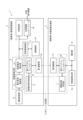
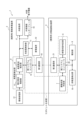
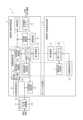
- FIG. 1 is a block diagram of a point generation system according to an embodiment of the present invention.
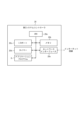
- 2 is a block diagram of a first system controller shown in FIG. 1.
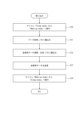
- FIG. 2 is a flowchart showing processing by the first system controller shown in FIG. 1.
- FIG. 4 is a flowchart showing interrupt processing performed during execution of the processing shown in FIG. 3.
- FIG. 2 is a block diagram of a second system controller shown in FIG. 1.
- FIG. FIG. 2 is a conceptual diagram of instantaneous information related to power generation.
- FIG. 2 is a conceptual diagram of movement-related instantaneous information.
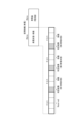
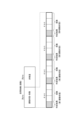
- 2 is a timing chart showing an example of point generation by the point generation system shown in FIG. 1.
- FIG. 2 is a timing chart showing another example of point generation by the point generation system shown in FIG. 1.
- FIG. 1 is a block diagram of a point generation system according to an embodiment of the present invention.
- 2 is a block diagram of a first system controller shown in FIG. 1.
- FIG. 2 is
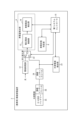
- FIG. 2 is a block diagram of a modification of the point generation system shown in FIG. 1.
- FIG. 2 is a block diagram of another modification of the point generation system shown in FIG. 1.
- FIG. 2 is a block diagram of another modification of the point generation system shown in FIG. 1.
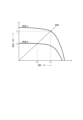
- FIG. 2 is a diagram showing the relationship between the voltage-current characteristics of a solar cell, the amount of solar radiation, and the amount of power generation.
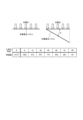
- FIG. 2 is a diagram showing the relationship between the angle of incidence of sunlight on a solar cell and the amount of power generated.
- a point generation system 1 includes an energy harvesting device 2 and a step count detection device 3.
- the energy harvesting device 2 is constituted by a solar cell.
- the type of solar cell is not particularly limited, and for example, silicon-based, compound-based, organic-based, etc. can be used.
- the energy harvesting device 2 is not limited to solar cells, but can be configured by a device that can generate electric power as clean energy through energy harvesting, such as a wind power generator.
- the point generation system 1 detects the number of steps by the step count detection device 3 over a predetermined period of time, detects the amount of power generated by the energy harvesting device 2 carried along with the step count detection device 3 over a predetermined period of time, and calculates the number of steps and the amount of power generation. Generate points accordingly.
- the points are evaluations indicating to what extent the users of the energy harvesting device 2 and the step count detection device 3 performed power generation and exercise (for example, walking or running) in an appropriate place, direction, and amount of movement. You can generate points as points. Therefore, incentives are given to users to exercise appropriately in locations and directions suitable for power generation through points (e.g., by notifying users of points or providing them with goods and benefits corresponding to points). This makes it easy to promote the use of clean energy and the health of users.
- the point generation system 1 detects the number of steps per measurement interval and the amount of power generation, and for each measurement interval, the evaluation value per measurement interval is determined according to the number of steps per measurement interval and the amount of power generation. is determined, and points are generated according to the cumulative evaluation value obtained by integrating the evaluation values per measurement interval. According to such a configuration, it is possible to generate points as fine-grained and accurate evaluation points. Note that the point generation system 1 is not limited to such a configuration.
- the point generation system 1 includes a power generation amount detection unit 4 that detects the power generation amount of the energy harvesting device 2, and a step count detected by the step count detection device 3 and a power generation amount detection unit 4. a point generation unit 5 that generates points according to the amount of power generation;
- the step count detection device 3 detects the number of steps per measurement interval (also referred to as “section step count”) for each measurement interval, and the point generation unit 5 detects the number of steps and power generation amount per measurement interval for each measurement interval.
- An evaluation value per measurement interval (also referred to as "section evaluation value”) is determined according to the evaluation value per measurement interval, and points are generated according to the cumulative evaluation value obtained by integrating the evaluation values per measurement interval.
- the measurement interval is a time interval, and its length is not particularly limited, but in this embodiment, it is 30 seconds. If the measurement interval is set short, the adaptability to changes in acquired data will be improved, but power consumption will increase due to an increase in the communication frequency.On the other hand, if the measurement interval is set long, the communication frequency can be reduced and power consumption can be reduced. If it is set too long, it will not be able to adapt to changes in user behavior, so it is desirable to set it appropriately, taking into account expected changes in behavior and power consumption.
- the point generation system 1 is configured such that the power generation amount detection unit 4 detects the amount of power generated per measurement interval and the step amount detection device 3 detects the number of steps per measurement interval in synchronization at a predetermined timing. , the point generation unit 5 receives the power generation amount and the number of steps per measurement interval at a predetermined timing or at a timing that is an integral multiple of the predetermined timing. According to such a configuration, points can be efficiently generated. Note that the point generation system 1 is not limited to such a configuration.
- the predetermined timing is equal to the measurement interval.
- a predetermined timing or a timing that is an integral multiple of the predetermined timing is also referred to as a communication timing.
- the communication timing is four times the predetermined timing (measurement interval) in this embodiment, it is not limited to this.
- the point generation system 1 has two portable devices that can communicate with each other in short distance, and one of the portable devices (hereinafter also referred to as portable energy harvesting device 2) communicates with the energy harvesting device 2 in terms of power generation.
- the other portable device (hereinafter also referred to as portable step count detection device 3) has the step count detection device 3, and the point generation unit 5 is configured by at least one of the portable devices. Ru.
- the point generation system 1 can be efficiently configured by two portable devices.
- the point generation system 1 is not limited to such a configuration, and may be configured with only one portable device, for example.
- the portable step count detection device 3 is configured by, for example, a pedometer or a mobile terminal such as a smartphone with a pedometer function.
- Near field communication between two portable devices is not particularly limited, but may be performed by wireless communication compliant with near field communication standards such as Bluetooth (registered trademark) or NFC (Near Field Communication), or by wired communication.
- the point generation system 1 is configured such that the point generation unit 5 determines, at each measurement interval, the power generation state of the energy harvesting device 2 per measurement interval (also referred to as "section power generation state") according to the amount of power generation per measurement interval.
- a power generation state determination unit 6 determines which of the plurality of divided power generation states corresponds to the power generation state, and a power generation state determination unit 6 determines the number of steps per measurement interval for each measurement interval.
- the portable step count detection device 3 has at least the exercise state determining section 7, which determines which of the plurality of exercise states the portable step count detection device 3 falls under. According to such a configuration, the exercise state determining section 7 can be configured efficiently. Note that the point generation system 1 is not limited to such a configuration.
- the power generation state determining unit 6 determines that the zone power generation state is the first power generation state when the zone power generation amount is less than a first threshold, and determines that the zone power generation state is the first power generation state when the zone power generation amount is greater than or equal to the first threshold and less than the second threshold.
- the state is determined to be the second power generation state, and when the section power generation amount is equal to or greater than the second threshold value, the section power generation state is determined to be the third power generation state.
- the second threshold is larger than the first threshold.
- the configuration of the power generation state determination unit 6 is not limited to this, and for example, as a plurality of power generation states divided according to the amount of power generation per measurement interval, a first (stage) power generation state and a second (stage) power generation state are used. It is also possible to provide a two-stage power generation state.
- the amount of power generated per measurement interval is a value obtained by integrating the generated current over time over the measurement interval.
- the generated current for example, a zero-order hold value or a first-order hold value can be used.
- the first threshold value and the second threshold value are not particularly limited, in this embodiment, the first threshold value is (1/3) ⁇ I 1SUN , and the second threshold value is (2/3) ⁇ I 1SUN .
- I1SUN is a power generation current generated by the energy harvesting device 2 by vertically irradiating the energy harvesting unit 12 (solar panel) of the energy harvesting device 2 with light of 1 SUN (1000 W/m 2 ).
- the plurality of exercise states classified according to the number of steps per measurement interval are a first (stage) exercise state (stopped state), a second (stage) exercise state (semi-stopped state), and a second (stage) exercise state (semi-stopped state).
- Four exercise states are provided, including a third (stage) exercise state (walking state) and a fourth (stage) exercise state (running state).
- the exercise state determining unit 7 determines that the interval exercise state is the first exercise state when the interval step count is less than a first threshold, and determines that the interval exercise state is the first exercise state when the interval step count is greater than or equal to the first threshold and less than the second threshold.
- the interval exercise state is determined to be the third exercise state, and the interval step amount is equal to or greater than the third threshold.
- the section motion state is the fourth motion state.
- the third threshold is larger than the second threshold
- the second threshold is larger than the first threshold.
- the first threshold, second threshold, and third threshold are not particularly limited, but in this embodiment, the first threshold is 15 steps, the second threshold is 18 steps, and the third threshold is 84 steps.
- the portable energy harvesting device 2 includes a power generation state determination unit 6.
- the power generation state determining section 6 can be configured efficiently.
- the point generation system 1 is not limited to such a configuration, and may have a configuration in which the portable step count detection device 3 includes a power generation state determination unit 6, for example, as shown in FIG.
- the point generation system 1 is such that at least one of the portable devices can download an application program 8 (see FIG. 5) for operating the point generation unit 5 from a predetermined server via the Internet.
- the application program 8 is ⁇ Setting the measurement interval; ⁇ Setting of predetermined timing; ⁇ Setting a timing that is an integral multiple of a predetermined timing; ⁇ Setting of multiple stages of power generation status classified according to the amount of power generation per measurement interval; ⁇ Setting of multiple stages of exercise status classified according to the number of steps per measurement interval; ⁇ Setting of coefficients for each of the plurality of power generation states; ⁇ Setting of coefficients for each of the plurality of motion states; ⁇ Setting of ecology coefficients for each power generation state in multiple stages; It has one or any combination of the following functions: - setting health-related coefficients for each exercise state in multiple stages; and - setting health-related coefficients for each power generation state in multiple stages.
- the point generation system 1 includes a notification unit 9 that notifies the determination result by the power generation state determination unit 6 by at least an image or sound. According to such a configuration, the power generation state can be notified to the user as information for the user to appropriately perform power generation and exercise. Note that the point generation system 1 is not limited to such a configuration.
- the notification unit 9 notifies the determination result by the exercise state determination unit 7 by at least an image or sound. According to such a configuration, the exercise state can be reported to the user as information for the user to appropriately perform power generation and exercise. Note that the point generation system 1 is not limited to such a configuration.
- the notification unit 9 is provided, for example, in the portable step count detection device 3 as shown in FIG. Note that the notification section 9 may be provided in the portable energy harvesting device 2.
- the point generation system 1 includes a power storage device 10 and a charge/discharge control unit 11 that controls charging of the power generated by the energy harvesting device 2 to the power storage device 10 and discharging from the power storage device 10. .
- the electric power generated by the energy harvesting device 2 can be stored and used. Note that the point generation system 1 is not limited to such a configuration.
- the point generation system 1 calculates, for each measurement interval, a value corresponding to the amount of electricity generated per measurement interval by a value corresponding to the number of steps per measurement interval.
- the evaluation value may be determined.
- the point generation system 1 calculates a coefficient corresponding to the power generation state per measurement interval (i) for each measurement interval, a coefficient corresponding to the power generation state per measurement interval (“power generation state corresponding
- the evaluation value per measurement interval may be determined by multiplying a value corresponding to the number of steps per measurement interval, or alternatively or in addition, ii) for each measurement interval,
- the evaluation value per measurement interval may be determined by multiplying the value corresponding to the amount of power generation per measurement interval by a coefficient corresponding to the motion state per measurement interval (also referred to as a "motion state correspondence coefficient").
- the coefficient corresponding to the power generation state per measurement interval (power generation state correspondence coefficient) is set as follows.
- the power generation state correspondence coefficient corresponding to the first power generation state is set high.
- - Power generation state correspondence coefficient corresponding to the first power generation state 2.0
- Power generation state correspondence coefficient corresponding to the second power generation state 1.0
- Power generation state correspondence coefficient corresponding to the third power generation state 1.5
- the coefficient corresponding to the motion state per measurement interval (motion state correspondence coefficient) is set as follows. From the perspective of giving the user an incentive to exercise as much as possible (number of steps per section), the coefficient is set higher as the amount of exercise increases.
- the points generated by the point generation unit 5 are as follows.
- P represents the point
- T represents the measurement interval
- In represents the interval power generation amount (zero-order hold value of the generated current) at the nth measurement interval (n is a natural number)
- An corresponds to the power generation state at the nth measurement interval.
- Bn represents a coefficient corresponding to the motion state at the n-th measurement interval.
- the point generation system 1 For each measurement interval, the point generation system 1 (more specifically, the point generation unit 5) adds a value corresponding to the amount of steps per measurement interval to a value corresponding to the amount of power generation per measurement interval, and generates a value at each measurement interval. A hit evaluation value may be determined.
- the point generation system 1 calculates i) for each measurement interval, an eco-system coefficient (corresponding to the power generation state) for the amount of power generation per measurement interval,
- the evaluation value per measurement interval may be determined by adding a value corresponding to the number of steps per measurement interval to the value multiplied by the eco-system coefficient).
- a health-related coefficient (“power generation status”) corresponding to the number of steps per measurement interval and a value corresponding to the power generation status per measurement interval is added to
- the evaluation value per measurement interval may be determined by adding a value multiplied by a value corresponding to the corresponding health-related coefficient (also referred to as "corresponding health-related coefficient").
- the evaluation value per measurement interval may be determined by adding the multiplied values, or iv) For each measurement interval, the number of steps per measurement interval is determined by the value according to the amount of power generation per measurement interval. A value obtained by multiplying the health-related coefficient corresponding to the power generation state per interval (health-related coefficient corresponding to power generation state) by the value corresponding to the health-related coefficient corresponding to the exercise state per measurement interval (health-related coefficient corresponding to exercise state). The evaluation value per measurement interval may be determined by adding them.
- the amount of power generation per measurement interval is The value obtained by multiplying the number of steps per measurement interval (section step count) by the health-related coefficient (health-related coefficient corresponding to power generation state) corresponding to the power generation state per measurement interval and the exercise state corresponding to the measurement interval.
- FIG 9 for an example of point calculation when determining the evaluation value per measurement interval (interval evaluation value) by adding the value obtained by multiplying the health-related coefficient (health-related coefficient corresponding to exercise state) by a value corresponding to the health-related coefficient. The following is shown below.
- the eco-system coefficient corresponding to the power generation state per measurement interval (the eco-system coefficient corresponding to the power generation state) is set as follows. The coefficient is set higher as the amount of power generation increases, from the perspective of giving the user an incentive to generate electricity so that the amount of power generation is as large as possible (amount of power generation in a section).
- ⁇ Ecosystem coefficient corresponding to the power generation state corresponding to the first power generation state 1.0
- ⁇ Ecosystem coefficient corresponding to the power generation state corresponding to the second power generation state 1.5
- a health-related coefficient corresponding to the exercise state per measurement interval (health-related coefficient corresponding to exercise state) is set as follows. From the perspective of giving the user an incentive to exercise as much as possible (number of steps per section), the coefficient is set higher as the amount of exercise increases.
- the health-related coefficient (health-related coefficient corresponding to power generation state) corresponding to the power generation state per measurement interval is set as follows.
- the health coefficient corresponding to the power generation state corresponding to the first power generation state is set high. do.
- the points generated by the point generation unit 5 are as follows.
- P represents a point
- T represents a measurement interval
- I n represents the interval power generation amount (zero-order hold value of the generated current) at the nth measurement interval (n is a natural number)
- W n represents the nth measurement interval (n is a natural number)
- Cn represents the eco-system coefficient corresponding to the power generation state at the n-th measurement interval
- Dn represents the health-system coefficient corresponding to the exercise state at the n-th measurement interval
- En represents the health-system coefficient corresponding to the exercise state at the n-th measurement interval.
- the portable energy harvesting device 2 includes an energy harvesting section 12, a voltage/current control section 13, a generated current detecting section 14, a first system controller 15, a power generation state determining section 6,
- the portable step count detection device 3 has a communication unit 16, an internal load 17, an external connection interface 18, a charge/discharge control unit 11, and a power storage device 10. It has a determination section 7, a second communication section 21, and a notification section 9, and a power generation amount detection section 4 is configured by a voltage/current control section 13 and a generated current detection section 14, and a first system controller 15, a second system controller 20,
- the point generation section 5 is configured by the power generation state determination section 6 and the movement state determination section 7. Note that the point generation system 1 is not limited to such a configuration.
- the voltage and current control section 13 is configured by a circuit that keeps the voltage of the energy harvesting section 12 (solar cell) substantially constant.
- a circuit is not particularly limited, and may be constituted by, for example, a general voltage control element or a current control element.
- a general voltage control element for example, a linear regulator configured using an output transistor (e.g., P-ch MOSFET, N-ch MOSFET, bipolar PNP transistor, NPN transistor, etc.) and an error amplifier (or operational amplifier) is used. Can be used.
- a circuit using a current control element for example, the configuration shown in FIG. 7 of Japanese Patent No. 6233556 can be used.
- the generated current detection unit 14 is constituted by a circuit that detects the generated current under a state where the voltage is kept substantially constant (for example, 5V) by the voltage/current control unit 13.
- a circuit is not particularly limited, and for example, both ends of a current detection resistor (for example, 0.1 ⁇ ) are connected to both inputs of a sense amplifier, and the output of the sense amplifier, which is amplified as an analog quantity, is built into a one-chip microcontroller.
- a circuit connected to the input of an AD converter (analog-to-digital converter) can be used.
- the power generation amount detection unit 4 uses an AD converter to detect the voltage at the center connection point of a voltage divider circuit made up of two high resistances connected between the input of the current detection resistor and the ground (GND). You can also obtain it by converting it to .
- the energy harvesting unit 12 generates a power generation current according to the voltage-current characteristics of the solar cell, the amount of solar radiation (see FIG. 13), the angle of incidence of sunlight on the solar cell (panel) (see FIG. 14), etc.
- the generated current is detected by the generated current detection section 14. Therefore, in order to obtain as much power as possible, users should choose a place with as much solar radiation as possible, and the angle of incidence of the sunlight should be as close to 0° as possible (in other words, the light should be as perpendicular to the solar panel as possible). It is necessary to perform exercise (for example, walking or running) in the direction of travel (which corresponds to the direction of travel).
- the first system controller 15 includes a CPU 15a (Central Processing Unit), a memory 15b, an I/O port 15c (input/output port), a timer 15d, and an AD converter 15e.
- the first system controller 15 is configured by, for example, a one-chip microcomputer.
- the memory 15b is, for example, solid-state memory such as S-RAM (Static Random Access Memory), D-RAM (Dynamic Random Access Memory), Flash memory as non-volatile memory, or memory having functions similar to these. configured. Instead of memory, a storage device capable of storing and reproducing data may be used. It is preferable that the points generated by the point generation unit 5 and the calculation data for generating the points be stored in a non-volatile memory such as a Flash memory and read out when necessary. According to such a configuration, data related to points can be prevented from being lost due to loss of power or the like.
- the first system controller 15 performs the process shown in FIG. 3 and the interrupt process shown in FIG. 4, which interrupts the process at every measurement interval.
- the first step is to initialize the system.
- the second step following the first step it is confirmed whether there is an instruction to set the measurement interval. If YES (there is a setting instruction), the instruction value is input to the setting value in the third step, and the process proceeds to the fifth step. If NO (there is no setting instruction), a default value is input to the setting value in the fourth step, and the process proceeds to the fifth step.
- a set value is input for the measurement interval, and the process proceeds to the sixth step.
- it is confirmed whether there is an instruction to set necessary coefficients such as a power generation state correspondence coefficient and a motion state correspondence coefficient.
- the microcomputer When the interrupt processing starts, the microcomputer is shifted from "Sleep mode" to "Wake-up mode" in the 10th step, and the process proceeds to the 11th step.
- the 11th step data is acquired and written to the memory 15b, and the process proceeds to the 12th step.
- the twelfth step data for transmission is calculated, generated, and written into the memory 15b, and the process proceeds to the thirteenth step.
- the data for transmission is transmitted, and the process proceeds to the 14th step.
- the microcontroller shifts from "Wake-up mode" to "Sleep mode” and returns from interrupt processing to the original processing (RTI: ReTurn from Interrupt).
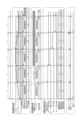
- the transmission of the transmission data in the thirteenth step is performed at every communication timing. An example of transmission data is shown in FIG.
- the first communication unit 16 and the second communication unit 21 shown in FIG. 1 perform the short-range communication described above.
- the internal load 17 is not particularly limited, and may be configured by, for example, a lighting device.
- the external connection interface 18 is not particularly limited, and is configured by, for example, a USB (Universal Serial Bus) port. Note that the portable energy harvesting device 2 may have a configuration that does not include the charge/discharge control section 11 and the power storage device 10.
- the step count detection unit 19 detects the step count at each measurement interval.
- the number of steps detecting section 19 is composed of, for example, an acceleration sensor.
- the step count detection section 19 may be configured by a mechanical device.
- the second system controller 20 controls a CPU 20a (Central Processing Unit), a memory 20b, an I/O port 20c (input/output port), a timer 20d, a network interface 20e, and an application program 8.
- the second system controller 20 is configured by, for example, a one-chip microcomputer.
- the second system controller 20 may be configured by a mobile terminal such as a smartphone.
- the memory 20b is, for example, solid-state memory such as S-RAM (Static Random Access Memory), D-RAM (Dynamic Random Access Memory), Flash memory as non-volatile memory, or memory having functions similar to these. configured.
- a storage device capable of storing and reproducing data may be used. It is preferable that the points generated by the point generation unit 5 and the calculation data for generating the points be stored in a non-volatile memory such as a Flash memory and read out when necessary. According to such a configuration, data related to points can be prevented from being lost due to loss of power or the like.
- the second system controller 20 can download the application program 8 from a predetermined server via the network interface 20e.
- the second system controller 20 includes data such as the number of steps acquired from the number of steps detected by the number of steps detected, the exercise state acquired from the exercise state determination unit 7, and the amount of power generation and the power generation state acquired via the second communication unit 21. Based on this, the section evaluation value and the cumulative evaluation value are calculated and points are generated.
- a configuration may be adopted in which the first system controller 15 performs such calculations and points generation.
- a configuration may be adopted in which the first system controller 15 acquires data such as the number of steps taken and the exercise state as shown in FIG. 7 via the first communication unit 16 and the second communication unit 21.
- the eco-friendly battery 25 is a battery that can transmit and receive ratio information of the amount of charge from commercial power supply and the amount of charge from clean energy to the total amount of battery storage via the battery side connection interface 26 and the energy harvesting device side connection interface 24. means.
- points are generated in the manner described above in a state where the input is switched from the energy harvesting unit 12.
- points may be generated according to the amount of power input from the eco-friendly battery 25 corresponding to the proportion of clean energy.
- a configuration may be adopted in which power storage device 10 is charged with power input through switching unit 22 and charging and discharging of power storage device 10 is controlled by charging and discharging control unit 11 .
- the energy harvesting device 2 is provided with an AC adapter 27 having an AC/DC converter 27a that can be connected to a commercial power source (power outlet) instead of the eco-friendly battery 25. You can also use it as
- the present invention is not limited to the embodiments described above, and can be modified in various ways without departing from the gist thereof.
- the point generation system 1 of the embodiment described above includes the energy harvesting device 2 and the step count detection device 3, and detects the step count by the step count detection device 3 over a predetermined period of time. Changes are possible as long as the point generation system 1 detects the amount of power generated by the energy harvesting device 2 carried along with the device and generates points according to the number of steps and the amount of power generated.
- the point generation system 1 of the embodiment described above detects the number of steps per measurement interval and the amount of power generation, and calculates the number of steps per measurement interval and the amount of power generation according to the number of steps per measurement interval and the amount of power generation. It is preferable that the point generation system 1 determines an evaluation value of , and generates points according to the accumulated evaluation value obtained by accumulating the evaluation values per measurement interval.
- the point generation system 1 of the embodiment described above determines the evaluation value per measurement interval by multiplying the value according to the amount of power generation per measurement interval by the value according to the number of steps per measurement interval.
- it is a point generation system 1.
- the power generation state of the energy harvesting device 2 per measurement interval corresponds to which of multiple power generation states classified according to the amount of power generation per measurement interval for each measurement interval.
- the amount of power generated per measurement interval is multiplied by a coefficient corresponding to the power generation state per measurement interval and a value corresponding to the number of steps per measurement interval, and an evaluation is made for each measurement interval.
- the point generation system 1 determines the value.
- the point generation system 1 of the embodiment described above determines, for each measurement interval, to which of a plurality of exercise states classified according to the number of steps per measurement interval the exercise state per measurement interval corresponds to.
- the point generation system 1 determines an evaluation value per measurement interval by multiplying a value corresponding to the amount of power generation per measurement interval by a coefficient corresponding to the state of motion per measurement interval.
- the point generation system 1 of the embodiment described above determines the evaluation value per measurement interval by adding a value corresponding to the amount of steps per measurement interval to a value corresponding to the amount of power generation per measurement interval for each measurement interval. It is preferable that the point generation system 1 is a point generation system 1 that
- the power generation state of the energy harvesting device 2 per measurement interval corresponds to which of multiple power generation states classified according to the amount of power generation per measurement interval for each measurement interval.
- the value corresponding to the number of steps per measurement interval is added to the value obtained by multiplying the amount of electricity generated per measurement interval by the eco-system coefficient corresponding to the power generation state per measurement interval.
- it is a point generation system 1 that determines an evaluation value per measurement interval.
- the power generation state of the energy harvesting device 2 per measurement interval corresponds to which of multiple power generation states classified according to the amount of power generation per measurement interval for each measurement interval. For each measurement interval, a value is calculated based on the amount of power generated per measurement interval multiplied by the number of steps per measurement interval multiplied by a value corresponding to the health-related coefficient corresponding to the state of power generation per measurement interval. It is preferable that the point generation system 1 determines the evaluation value per measurement interval by adding the values.
- the point generation system 1 of the embodiment described above determines, for each measurement interval, to which of a plurality of exercise states classified according to the number of steps per measurement interval the exercise state per measurement interval corresponds to. , for each measurement interval, add the value corresponding to the amount of power generation per measurement interval to the value obtained by multiplying the number of steps per measurement interval by the value corresponding to the health-related coefficient corresponding to the exercise state per measurement interval.
- it is a point generation system 1 that determines an evaluation value per interval.
- the power generation state of the energy harvesting device 2 per measurement interval corresponds to which of multiple power generation states classified according to the amount of power generation per measurement interval for each measurement interval. For each measurement interval, determine whether the exercise state per measurement interval corresponds to one of multiple exercise states classified according to the number of steps per measurement interval. , a value corresponding to the amount of power generation per measurement interval, a value corresponding to the number of steps per measurement interval, a health-related coefficient corresponding to the power generation state per measurement interval, and a health-related coefficient corresponding to the exercise state per measurement interval. It is preferable that the point generation system 1 determines the evaluation value per measurement interval by adding the values multiplied by .
- the point generation system 1 of the above-described embodiment includes a power generation amount detection section 4 that detects the amount of power generation of the energy harvesting device 2, a step count detected by the step count detection device 3, and a power generation amount detected by the power generation amount detection section 4. It is preferable that the point generation system 1 has a point generation unit 5 that generates points according to the amount.
- the power generation amount detection unit 4 detects the amount of power generation per measurement interval at each measurement interval
- the step count detection device 3 detects the number of steps per measurement interval at each measurement interval.
- the point generation unit 5 determines an evaluation value per measurement interval according to the number of steps per measurement interval and the amount of power generation, and calculates the evaluation value to the cumulative evaluation value obtained by integrating the evaluation values per measurement interval.
- the point generation system 1 generates points accordingly.
- the detection of the amount of power generation per measurement interval by the power generation amount detection unit 4 and the detection of the amount of steps per measurement interval by the step amount detection device 3 are performed synchronously at a predetermined timing. It is preferable that the point generation system 1 is such that the point generation unit 5 receives the amount of power generation and the number of steps per measurement interval at a predetermined timing or at a timing that is an integral multiple of the predetermined timing.
- the point generation system 1 of the embodiment described above has two portable devices that can communicate with each other over short distances, one portable device has the energy harvesting device 2 and the power generation amount detection unit 4, and the other portable device has Preferably, the point generation system 1 is such that the device has a step count detection device 3 and the point generation unit 5 is constituted by at least one portable device.
- the point generation unit 5 generates multiple stages of power generation states in which the power generation state of the energy harvesting device 2 per measurement interval is classified according to the amount of power generation per measurement interval.
- the power generation state determination unit 6 determines to which of the plurality of exercise states the exercise state per measurement interval corresponds to for each measurement interval, which is classified according to the number of steps per measurement interval. It is preferable that the point generation system 1 has an exercise state determination section 7 for determining the exercise state determination section 7 , and the other portable device has at least the exercise state determination section 7 .
- At least one of the portable devices can download an application program 8 that operates the point generation unit 5 from a predetermined server via the Internet, and the application program 8 ⁇ Setting the measurement interval; ⁇ Setting of predetermined timing; ⁇ Setting a timing that is an integral multiple of a predetermined timing; ⁇ Setting of multiple stages of power generation status classified according to the amount of power generation per measurement interval; ⁇ Setting of multiple stages of exercise status classified according to the number of steps per measurement interval; ⁇ Setting coefficients for each power generation state in multiple stages; ⁇ Setting coefficients for each movement state in multiple stages; ⁇ Setting of eco-system coefficients for each power generation state in multiple stages; It is preferable that the point generation system 1 has one or any combination of the following functions: - Setting of health-related coefficients for each exercise state in multiple stages; and - Setting of health-related coefficients for each power generation state in multiple stages. .
- the point generation system 1 of the embodiment described above determines which of the plurality of power generation states classified according to the amount of power generation per measurement interval the power generation state of the energy harvesting device 2 per measurement interval corresponds to for each measurement interval. It is preferable that the point generation system 1 has a power generation state determination section 6 that determines the power generation state determination section 6, and a notification section 9 that notifies the determination result by the power generation state determination section 6 by at least an image or sound.
- the point generation system 1 of the embodiment described above determines, for each measurement interval, which of a plurality of exercise states classified according to the number of steps per measurement interval the exercise state per measurement interval corresponds to. It is preferable that the point generation system 1 includes a determination section 7 and a notification section 9 that notifies the determination result by the exercise state determination section 7 by at least an image or sound.
- the point generation system 1 of the embodiment described above includes a power storage device 10 and a charge/discharge control unit 11 that controls charging of the power generated by the energy harvesting device 2 to the power storage device 10 and discharging from the power storage device 10. It is preferable that the point generation system 1 has the following.
Landscapes
- Business, Economics & Management (AREA)
- Strategic Management (AREA)
- Engineering & Computer Science (AREA)
- Physics & Mathematics (AREA)
- General Physics & Mathematics (AREA)
- Finance (AREA)
- Tourism & Hospitality (AREA)
- Development Economics (AREA)
- Economics (AREA)
- Marketing (AREA)
- Accounting & Taxation (AREA)
- General Business, Economics & Management (AREA)
- Theoretical Computer Science (AREA)
- Entrepreneurship & Innovation (AREA)
- Game Theory and Decision Science (AREA)
- Health & Medical Sciences (AREA)
- General Health & Medical Sciences (AREA)
- Human Resources & Organizations (AREA)
- Primary Health Care (AREA)
- Measurement Of The Respiration, Hearing Ability, Form, And Blood Characteristics Of Living Organisms (AREA)
Abstract
環境発電装置と歩数量検出装置を有し、所定時間にわたって前記歩数量検出装置によって歩数量を検出し、前記所定時間にわたって前記歩数量検出装置と共に携帯された前記環境発電装置の発電量を検出し、前記歩数量と前記発電量に応じてポイントを生成するポイント生成システム。
Description
本発明はポイント生成システムに関する。
太陽電池などの環境発電装置の発電量に応じてポイントを生成するポイント生成システムが知られている(例えば特許文献1参照)。このようなシステムによれば、環境発電装置を使用した発電を促進できるので、クリーンエネルギーの利用を促進できる。
上記のようなポイント生成システムは、ユーザーの健康も促進できれば望ましい。
本発明の目的は、クリーンエネルギーの利用とユーザーの健康を促進し易いポイント生成システムを提供することにある。
本発明の一態様は以下のとおりである。
[1]
環境発電装置と歩数量検出装置を有し、
所定時間にわたって前記歩数量検出装置によって歩数量を検出し、
前記所定時間にわたって前記歩数量検出装置と共に携帯された前記環境発電装置の発電量を検出し、
前記歩数量と前記発電量に応じてポイントを生成するポイント生成システム。
このような構成によれば、携帯型の太陽電池や風力発電機などの環境発電装置と歩数計機能のある携帯端末などの歩数量検出装置とのユーザーがどの程度適切な場所、進行方向及び運動量で発電と運動(例えば歩行又は走行)を行ったかを示す評価点としてのポイントを生成できる。したがって、発電に適した場所及び進行方向で適切に運動するインセンティブをポイントによってユーザーに与えることができるので、クリーンエネルギーの利用とユーザーの健康を容易に促進できる。
[2]
測定間隔毎に前記測定間隔当たりの前記歩数量と前記発電量を検出し、
前記測定間隔毎に、前記測定間隔当たりの前記歩数量と前記発電量に応じて前記測定間隔当たりの評価値を決定し、
前記測定間隔当たりの前記評価値を積算して得られる積算評価値に応じて前記ポイントを生成する、[1]に記載のポイント生成システム。
このような構成によれば、きめの細かい正確な評価点としてのポイントを生成できる。
[3]
前記測定間隔毎に、前記測定間隔当たりの前記発電量に応じた値に、前記測定間隔当たりの前記歩数量に応じた値を乗じて前記測定間隔当たりの前記評価値を決定する、[2]に記載のポイント生成システム。
このような構成によれば、歩数量と発電量に応じてポイントを生成できる。
[4]
前記測定間隔毎に、前記測定間隔当たりの前記環境発電装置の発電状態が、前記測定間隔当たりの前記発電量に応じて区分された複数段階の発電状態の何れに該当するかを判定し、
前記測定間隔毎に、前記測定間隔当たりの前記発電量に、前記測定間隔当たりの前記発電状態に対応する係数と、前記測定間隔当たりの前記歩数量に応じた値とを乗じて前記測定間隔当たりの前記評価値を決定する、[3]に記載のポイント生成システム。
このような構成によれば、係数を高く設定された特定の発電状態下で発電と運動を行うことに対するインセンティブを高めることができる。
[5]
前記測定間隔毎に、前記測定間隔当たりの運動状態が、前記測定間隔当たりの前記歩数量に応じて区分された複数段階の運動状態の何れに該当するかを判定し、
前記測定間隔毎に、前記測定間隔当たりの前記発電量に応じた値に、前記測定間隔当たりの前記運動状態に対応する係数を乗じて前記測定間隔当たりの前記評価値を決定する、[3]又は[4]に記載のポイント生成システム。
このような構成によれば、係数を高く設定された特定の運動状態下で発電と運動を行うことに対するインセンティブを高めることができる。
[6]
前記測定間隔毎に、前記測定間隔当たりの前記発電量に応じた値に、前記測定間隔当たりの前記歩数量に応じた値を加算して前記測定間隔当たりの前記評価値を決定する、[2]に記載のポイント生成システム。
このような構成によれば、歩数量と発電量に応じてポイントを生成できる。
[7]
前記測定間隔毎に、前記測定間隔当たりの前記環境発電装置の発電状態が、前記測定間隔当たりの前記発電量に応じて区分された複数段階の発電状態の何れに該当するかを判定し、
前記測定間隔毎に、前記測定間隔当たりの前記発電量に前記測定間隔当たりの前記発電状態に対応するエコ系係数を乗じた値に、前記測定間隔当たりの前記歩数量に応じた値を加算して前記測定間隔当たりの前記評価値を決定する、[6]に記載のポイント生成システム。
このような構成によれば、エコ系係数を高く設定された特定の発電状態下で発電を行うことに対するインセンティブを高めることができる。
[8]
前記測定間隔毎に、前記測定間隔当たりの前記環境発電装置の発電状態が、前記測定間隔当たりの前記発電量に応じて区分された複数段階の発電状態の何れに該当するかを判定し、
前記測定間隔毎に、前記測定間隔当たりの前記発電量に応じた値に、前記測定間隔当たりの前記歩数量に前記測定間隔当たりの前記発電状態に対応する健康系係数に応じた値を乗じた値を加算して前記測定間隔当たりの前記評価値を決定する、[6]又は[7]に記載のポイント生成システム。
このような構成によれば、健康系係数を高く設定された特定の発電状態下で運動を行うことに対するインセンティブを高めることができる。
[9]
前記測定間隔毎に、前記測定間隔当たりの運動状態が、前記測定間隔当たりの前記歩数量に応じて区分された複数段階の運動状態の何れに該当するかを判定し、
前記測定間隔毎に、前記測定間隔当たりの前記発電量に応じた値に、前記測定間隔当たりの前記歩数量に前記測定間隔当たりの前記運動状態に対応する健康系係数に応じた値を乗じた値を加算して前記測定間隔当たりの前記評価値を決定する、[6]又は[7]に記載のポイント生成システム。
このような構成によれば、健康系係数を高く設定された特定の運動状態下で運動を行うことに対するインセンティブを高めることができる。
[10]
前記測定間隔毎に、前記測定間隔当たりの前記環境発電装置の発電状態が、前記測定間隔当たりの前記発電量に応じて区分された複数段階の発電状態の何れに該当するかを判定し、
前記測定間隔毎に、前記測定間隔当たりの運動状態が、前記測定間隔当たりの前記歩数量に応じて区分された複数段階の運動状態の何れに該当するかを判定し、
前記測定間隔毎に、前記測定間隔当たりの前記発電量に応じた値に、前記測定間隔当たりの前記歩数量に前記測定間隔当たりの前記発電状態に対応する健康系係数と前記測定間隔当たりの前記運動状態に対応する健康系係数とに応じた値を乗じた値を加算して前記測定間隔当たりの前記評価値を決定する、[6]又は[7]に記載のポイント生成システム。
このような構成によれば、健康系係数を高く設定された特定の発電状態下と健康系係数を高く設定された特定の運動状態下で運動を行うことに対するインセンティブを高めることができる。
[11]
前記環境発電装置の前記発電量を検出する発電量検出部と、
前記歩数量検出装置によって検出される前記歩数量と前記発電量検出部によって検出される前記発電量とに応じて前記ポイントを生成するポイント生成部と、を有する、[2]~[10]の何れか1項に記載のポイント生成システム。
このような構成によれば、発電量検出部によって発電量を検出し、ポイント生成部によってポイントを生成できる。
[12]
前記発電量検出部が前記測定間隔毎に前記測定間隔当たりの前記発電量を検出し、
前記歩数量検出装置が前記測定間隔毎に前記測定間隔当たりの前記歩数量を検出し、
前記ポイント生成部が、前記測定間隔毎に、前記測定間隔当たりの前記歩数量と前記発電量に応じて前記測定間隔当たりの評価値を決定し、前記測定間隔当たりの前記評価値を積算して得られる積算評価値に応じて前記ポイントを生成する、[11]に記載のポイント生成システム。
このような構成によれば、ポイント生成部によってきめの細かい正確な評価点としてのポイントを生成できる。
[13]
前記発電量検出部による前記測定間隔当たりの前記発電量の検出と、前記歩数量検出装置による前記測定間隔当たりの前記歩数量の検出とが所定タイミングで同期して行われ、
前記ポイント生成部が、前記測定間隔当たりの前記発電量と前記歩数量を、前記所定タイミング又は前記所定タイミングの整数倍のタイミングで受け取る、[12]に記載のポイント生成システム。
このような構成によれば、ポイントを効率的に生成できる。
[14]
互いに近距離通信可能な2つの携帯用装置を有し、
一方の前記携帯用装置が前記環境発電装置と前記発電量検出部を有し、
他方の前記携帯用装置が前記歩数量検出装置を有し、
前記ポイント生成部が、少なくとも一方の前記携帯用装置によって構成される、[13]に記載のポイント生成システム。
このような構成によれば、ポイント生成システムを2つの携帯用装置によって効率的に構成することができる。
[15]
前記ポイント生成部が、前記測定間隔毎に前記測定間隔当たりの前記環境発電装置の発電状態が前記測定間隔当たりの前記発電量に応じて区分された複数段階の発電状態の何れに該当するかを判定する発電状態判定部と、前記測定間隔毎に前記測定間隔当たりの運動状態が前記測定間隔当たりの前記歩数量に応じて区分された複数段階の運動状態の何れに該当するかを判定する運動状態判定部と、を有し、
前記他方の前記携帯用装置が少なくとも前記運動状態判定部を有する、[14]に記載のポイント生成システム。
このような構成によれば、運動状態判定部を効率的に構成することができる。
[16]
少なくとも一方の前記携帯用装置が、前記ポイント生成部を動作させるアプリケーションプログラムを、インターネットを介して所定のサーバーからダウンロード可能であり、
前記アプリケーションプログラムが、
・前記測定間隔の設定;
・前記所定タイミングの設定;
・前記所定タイミングの整数倍の前記タイミングの設定;
・前記測定間隔当たりの前記発電量に応じて区分された前記複数段階の発電状態の設定;・前記測定間隔当たりの前記歩数量に応じて区分された前記複数段階の運動状態の設定;・前記複数段階の発電状態毎の係数の設定;
・前記複数段階の運動状態毎の係数の設定;
・前記複数段階の発電状態毎のエコ系係数の設定;
・前記複数段階の運動状態毎の健康系係数の設定;及び
・前記複数段階の発電状態毎の健康系係数の設定
からなる機能の1つ又は任意の組み合わせを有する、[14]又は[15]に記載のポイント生成システム。
このような構成によれば、アプリケーションプログラムをダウンロードすることによって上記機能の少なくとも1つを利用可能にできる。
[17]
前記測定間隔毎に前記測定間隔当たりの前記環境発電装置の発電状態が前記測定間隔当たりの前記発電量に応じて区分された複数段階の発電状態の何れに該当するかを判定する発電状態判定部と、
前記発電状態判定部による判定結果を少なくとも画像又は音響によって報知する報知部と、を有する、[2]~[16]の何れか1項に記載のポイント生成システム。
このような構成によれば、ユーザーが発電と運動を適切に行うための情報として、発電状態をユーザーに報知できる。
[18]
前記測定間隔毎に前記測定間隔当たりの運動状態が前記測定間隔当たりの前記歩数量に応じて区分された複数段階の運動状態の何れに該当するかを判定する運動状態判定部と、
前記運動状態判定部による判定結果を少なくとも画像又は音響によって報知する報知部と、を有する、[2]~[17]の何れか1項に記載のポイント生成システム。
このような構成によれば、ユーザーが発電と運動を適切に行うための情報として、運動状態をユーザーに報知できる。
[19]
蓄電装置と、
前記環境発電装置によって発電された電力の前記蓄電装置への充電と前記蓄電装置からの放電を制御する充放電制御部と、を有する、[1]~[18]の何れか1項に記載のポイント生成システム。
このような構成によれば、環境発電装置によって発電された電力を蓄え、利用できる。
本発明によれば、クリーンエネルギーの利用とユーザーの健康を促進し易いポイント生成システムを提供することができる。
以下、図面を参照しつつ本発明の実施形態を例示説明する。
図1に示すように、本発明の一実施形態においてポイント生成システム1は、環境発電装置2と歩数量検出装置3を有する。環境発電装置2は本実施形態では太陽電池によって構成される。なお、太陽電池の形式は特に限定されず、例えばシリコン系、化合物系、有機系などを利用できる。また、環境発電装置2は太陽電池に限らず、例えば風力発電機など、環境発電によってクリーンエネルギーとしての電力を生成できる装置によって構成できる。
ポイント生成システム1は、所定時間にわたって歩数量検出装置3によって歩数量を検出し、所定時間にわたって歩数量検出装置3と共に携帯された環境発電装置2の発電量を検出し、歩数量と発電量に応じてポイントを生成する。
このような構成によれば、ポイントは、環境発電装置2と歩数量検出装置3のユーザーがどの程度適切な場所、進行方向及び運動量で発電と運動(例えば歩行又は走行)を行ったかを示す評価点としてのポイントを生成できる。したがって、発電に適した場所及び進行方向で適切に運動するインセンティブをポイントによって(例えば、ポイントをユーザーに報知したり、ポイントに応じた物や利益をユーザーに供与したりすることによって)ユーザーに与えることができるので、クリーンエネルギーの利用とユーザーの健康を容易に促進できる。
本実施形態ではポイント生成システム1は、測定間隔毎に測定間隔当たりの歩数量と発電量を検出し、測定間隔毎に、測定間隔当たりの歩数量と発電量に応じて測定間隔当たりの評価値を決定し、測定間隔当たりの評価値を積算して得られる積算評価値に応じてポイントを生成する。このような構成によれば、きめの細かい正確な評価点としてのポイントを生成できる。なおポイント生成システム1はこのような構成に限らない。
より具体的には、ポイント生成システム1は、環境発電装置2の発電量を検出する発電量検出部4と、歩数量検出装置3によって検出される歩数量と発電量検出部4によって検出される発電量とに応じてポイントを生成するポイント生成部5と、を有し、発電量検出部4が測定間隔毎に測定間隔当たりの前記発電量(「区間発電量」ともいう)を検出し、歩数量検出装置3が測定間隔毎に測定間隔当たりの前記歩数量(「区間歩数量」ともいう)を検出し、ポイント生成部5が、測定間隔毎に、測定間隔当たりの歩数量と発電量に応じて測定間隔当たりの評価値(「区間評価値」ともいう)を決定し、測定間隔当たりの評価値を積算して得られる積算評価値に応じてポイントを生成する。測定間隔は時間的な間隔であり、その長さは特に限定されないが、本実施形態では30秒である。測定間隔を短かく設定すると、取得データの変化適応性は向上する一方で、通信頻度増加による電力消費増となり、逆に長く設定すると、通信頻度を減らして電力消費を軽減する事ができる。あまり長く設定しすぎると、ユーザーの行動変化に適応できなくなるため、想定する行動変化と消費電力を考慮して適切に設定することが望ましい。
本実施形態ではポイント生成システム1は、発電量検出部4による測定間隔当たりの発電量の検出と、歩数量検出装置3による測定間隔当たりの歩数量の検出とが所定タイミングで同期して行われ、ポイント生成部5が、測定間隔当たりの発電量と歩数量を、所定タイミング又は所定タイミングの整数倍のタイミングで受け取る。このような構成によれば、ポイントを効率的に生成できる。なおポイント生成システム1はこのような構成に限らない。
所定タイミングは測定間隔と等しい。所定タイミング又は所定タイミングの整数倍のタイミングを通信タイミングともいう。通信タイミングは、本実施形態では所定タイミング(測定間隔)の4倍であるが、これに限らない。
本実施形態ではポイント生成システム1は、互いに近距離通信可能な2つの携帯用装置を有し、一方の携帯用装置(以下、携帯用環境発電装置2ともいう)が環境発電装置2と発電量検出部4を有し、他方の携帯用装置(以下、携帯用歩数量検出装置3ともいう)が歩数量検出装置3を有し、ポイント生成部5が、少なくとも一方の携帯用装置によって構成される。このような構成によれば、ポイント生成システム1を2つの携帯用装置によって効率的に構成することができる。なおポイント生成システム1はこのような構成に限らず、例えば、1つのみの携帯用装置によって構成してもよい。
携帯用歩数量検出装置3は例えば、歩数計、又は、歩数計機能のあるスマートフォン(Smartphone)などの携帯端末によって構成される。2つの携帯用装置の間の近距離通信は特に限定されないが、例えば、Bluetooth(登録商標)、NFC(Near Field Communication)などの近距離無線通信規格に準拠した無線通信や、有線通信によって行うことができ、なかでもBluetooth(登録商標) Low Energy(BLE)に準拠した無線通信によって行うことが好ましい。
本実施形態ではポイント生成システム1は、ポイント生成部5が、測定間隔毎に測定間隔当たりの環境発電装置2の発電状態(「区間発電状態」ともいう)が測定間隔当たりの発電量に応じて区分された複数段階の発電状態の何れに該当するかを判定する発電状態判定部6と、測定間隔毎に測定間隔当たりの運動状態(「区間運動状態」ともいう)が測定間隔当たりの歩数量に応じて区分された複数段階の運動状態の何れに該当するかを判定する運動状態判定部7と、を有し、携帯用歩数量検出装置3が少なくとも運動状態判定部7を有する。このような構成によれば、運動状態判定部7を効率的に構成することができる。なおポイント生成システム1はこのような構成に限らない。
本実施形態では、測定間隔当たりの発電量に応じて区分された複数段階の発電状態として、第1(段階)発電状態、第2(段階)発電状態及び第3(段階)発電状態からなる3段階の発電状態を設ける。発電状態判定部6は、区間発電量が第1閾値未満の場合に区間発電状態が第1発電状態であると判定し、区間発電量が第1閾値以上、第2閾値未満の場合に区間発電状態が第2発電状態であると判定し、区間発電量が第2閾値以上の場合に区間発電状態が第3発電状態であると判定する。ただし、第2閾値は第1閾値よりも大きい。なお発電状態判定部6の構成はこれに限らず、例えば、測定間隔当たりの発電量に応じて区分された複数段階の発電状態として、第1(段階)発電状態及び第2(段階)発電状態からなる2段階の発電状態を設ける構成としてもよい。
本実施形態では、測定間隔当たりの発電量は、発電電流を測定間隔にわたって時間で積分した値である。発電電流としては、例えば0次ホールド値又は1次ホールド値を用いることができる。第1閾値と第2閾値は特に限定されないが、本実施形態では、第1閾値は(1/3)・I1SUNであり、第2閾値は(2/3)・I1SUNである。ただし、I1SUNは、1SUN(1000W/m2)の光を環境発電装置2の環境発電部12(太陽電池パネル)に垂直に照射することによって環境発電装置2が生成する発電電流である。
本実施形態では、測定間隔当たりの歩数量に応じて区分された複数段階の運動状態として、第1(段階)運動状態(停止状態)、第2(段階)運動状態(準停止状態)、第3(段階)運動状態(歩行状態)及び第4(段階)運動状態(走行状態)からなる4段階の運動状態を設ける。運動状態判定部7は、区間歩数量が第1閾値未満の場合に区間運動状態が第1運動状態であると判定し、区間歩数量が第1閾値以上、第2閾値未満の場合に区間運動状態が第2運動状態であると判定し、区間歩数量が第2閾値以上、第3閾値未満の場合に区間運動状態が第3運動状態であると判定し、区間歩数量が第3閾値以上の場合に区間運動状態が第4運動状態であると判定する。ただし、第3閾値は第2閾値よりも大きく、第2閾値は第1閾値よりも大きい。なお運動状態判定部7の構成はこれに限らず、例えば、測定間隔当たりの歩数量に応じて区分された複数段階の運動状態として、第1(段階)運動状態(停止状態)及び第2(段階)運動状態(歩行又は走行状態)からなる2段階の運動状態を設ける構成としてもよい。
本実施形態では、第1閾値、第2閾値及び第3閾値は特に限定されないが、本実施形態では、第1閾値は15歩、第2閾値は18歩、第3閾値は84歩である。
本実施形態ではポイント生成システム1は、携帯用環境発電装置2が発電状態判定部6を有する。このような構成によれば、発電状態判定部6を効率的に構成することができる。なおポイント生成システム1はこのような構成に限らず、例えば、図10に示すように携帯用歩数量検出装置3が発電状態判定部6を有する構成としてもよい。
本実施形態ではポイント生成システム1は、少なくとも一方の携帯用装置が、ポイント生成部5を動作させるアプリケーションプログラム8(application program、図5参照)を、インターネットを介して所定のサーバーからダウンロード可能であり、アプリケーションプログラム8が、
・測定間隔の設定;
・所定タイミングの設定;
・所定タイミングの整数倍のタイミングの設定;
・測定間隔当たりの発電量に応じて区分された複数段階の発電状態の設定;
・測定間隔当たりの歩数量に応じて区分された複数段階の運動状態の設定;
・前記複数段階の発電状態毎の係数の設定;
・前記複数段階の運動状態毎の係数の設定;
・複数段階の発電状態毎のエコ(ecology)系係数の設定;
・複数段階の運動状態毎の健康系係数の設定;及び
・複数段階の発電状態毎の健康系係数の設定
からなる機能の1つ又は任意の組み合わせを有する。
本実施形態ではポイント生成システム1は、発電状態判定部6による判定結果を少なくとも画像又は音響によって報知する報知部9を有する。このような構成によれば、ユーザーが発電と運動を適切に行うための情報として、発電状態をユーザーに報知できる。なおポイント生成システム1はこのような構成に限らない。
本実施形態ではポイント生成システム1は、報知部9が、運動状態判定部7による判定結果を少なくとも画像又は音響によって報知する。このような構成によれば、ユーザーが発電と運動を適切に行うための情報として、運動状態をユーザーに報知できる。なおポイント生成システム1はこのような構成に限らない。
報知部9は、例えば、図1に示すように携帯用歩数量検出装置3に設けられる。なお、報知部9を携帯用環境発電装置2に設ける構成としてもよい。
本実施形態ではポイント生成システム1は、蓄電装置10と、環境発電装置2によって発電された電力の蓄電装置10への充電と蓄電装置10からの放電を制御する充放電制御部11と、を有する。このような構成によれば、環境発電装置2によって発電された電力を蓄え、利用できる。なおポイント生成システム1はこのような構成に限らない。
ポイント生成システム1(より具体的にはポイント生成部5)は、測定間隔毎に、測定間隔当たりの発電量に応じた値に、測定間隔当たりの歩数量に応じた値を乗じて測定間隔当たりの評価値を決定してもよい。この場合、ポイント生成システム1(より具体的にはポイント生成部5)は、i)測定間隔毎に、測定間隔当たりの発電量に、測定間隔当たりの発電状態に対応する係数(「発電状態対応係数」ともいう)と、測定間隔当たりの歩数量に応じた値とを乗じて測定間隔当たりの評価値を決定してもよいし、その代わりに又はそれに加えて、ii)測定間隔毎に、測定間隔当たりの発電量に応じた値に、測定間隔当たりの運動状態に対応する係数(「運動状態対応係数」ともいう)を乗じて測定間隔当たりの評価値を決定してもよい。
当該i)とii)の両方を行う場合、すなわち、測定間隔毎に、測定間隔当たりの発電量(区間発電量)に、測定間隔当たりの発電状態に対応する係数(発電状態対応係数)と、測定間隔当たりの運動状態に対応する係数(運動状態対応係数)とを乗じて測定間隔当たりの評価値(区間評価値)を決定する場合のポイントの演算の一例を図8を参照しながら次に示す。
[発電状態対応係数]
測定間隔当たりの発電状態に対応する係数(発電状態対応係数)を次のとおりに設定する。発電量が小さい第1発電状態の時は天候が悪い可能性が高く、そのような時でも運動するインセンティブをユーザーに与える観点から、第1発電状態に対応する発電状態対応係数を高く設定する。
・第1発電状態に対応する発電状態対応係数:2.0
・第2発電状態に対応する発電状態対応係数:1.0
・第3発電状態に対応する発電状態対応係数:1.5
[運動状態対応係数]
測定間隔当たりの運動状態に対応する係数(運動状態対応係数)を次のとおりに設定する。できるだけ大きい運動量(区間歩数量)で運動するインセンティブをユーザーに与える観点から、運動量が多くなるほど係数を高く設定する。
・第1運動電状態(停止状態)に対応する運動状態対応係数: 1.0
・第2運動電状態(準停止状態)に対応する運動状態対応係数:1.0
・第3運動電状態(歩行状態)に対応する運動状態対応係数: 1.5
・第4運動電状態(走行状態)に対応する運動状態対応係数: 2.0
[ポイント生成]
ポイント生成部5が生成するポイントは次のようになる。Pはポイントを表し、Tは測定間隔を表し、Inは第n測定間隔(nは自然数)における区間発電量(発電電流の0次ホールド値)を表し、Anは第n測定間隔の発電状態対応係数を表し、Bnは第n測定間隔の運動状態対応係数を表す。
P=T×Σ{Bn-1×An-1×In}
=T×{1.0×(1.0×I1)+1.0×(1.0×I2)+1.0×(1.5×I3)+1.5×(1.5×I4)+2.0×(1.5×I5)+ ・・・ }
なお、ポイントの演算方法は、上記のP=T×Σ{Bn-1×An-1×In}に限らず、例えば、P=T×Σ{Bn×An×In}としてもよい。
ポイント生成システム1(より具体的にはポイント生成部5)は、測定間隔毎に、測定間隔当たりの発電量に応じた値に、測定間隔当たりの歩数量に応じた値を加算して測定間隔当たりの評価値を決定してもよい。
この場合、ポイント生成システム1(より具体的にはポイント生成部5)は、i)測定間隔毎に、測定間隔当たりの発電量に測定間隔当たりの発電状態に対応するエコ系係数(発電状態対応エコ系係数)を乗じた値に、測定間隔当たりの歩数量に応じた値を加算して測定間隔当たりの評価値を決定してもよい。その代わりに又はそれに加えて、ii)測定間隔毎に、測定間隔当たりの発電量に応じた値に、測定間隔当たりの歩数量に測定間隔当たりの発電状態に対応する健康系係数(「発電状態対応健康系係数」ともいう)に応じた値を乗じた値を加算して測定間隔当たりの評価値を決定してもよいし、iii)ポイント生成システム1(より具体的にはポイント生成部5)は、測定間隔毎に、測定間隔当たりの発電量に応じた値に、測定間隔当たりの歩数量に測定間隔当たりの運動状態に対応する健康系係数(運動状態対応健康系係数)に応じた値を乗じた値を加算して測定間隔当たりの評価値を決定してもよいし、iv)測定間隔毎に、測定間隔当たりの発電量に応じた値に、測定間隔当たりの歩数量に測定間隔当たりの発電状態に対応する健康系係数(発電状態対応健康系係数)と測定間隔当たりの運動状態に対応する健康系係数(運動状態対応健康系係数)とに応じた値を乗じた値を加算して測定間隔当たりの評価値を決定してもよい。
当該i)とiii)の両方を行う場合、すなわち、測定間隔毎に、測定間隔当たりの発電量(区間発電量)に、測定間隔当たりの発電状態に対応するエコ系係数(発電状態対応エコ系係数)を乗じた値に、測定間隔当たりの歩数量(区間歩数量)に測定間隔当たりの発電状態に対応する健康系係数(発電状態対応健康系係数)と測定間隔当たりの運動状態に対応する健康系係数(運動状態対応健康系係数)とに応じた値を乗じた値を加算して測定間隔当たりの評価値(区間評価値)を決定する場合のポイントの演算の一例を図9を参照しながら次に示す。
[発電状態対応エコ系係数]
測定間隔当たりの発電状態に対応するエコ系係数(発電状態対応エコ系係数)を次のとおりに設定する。できるだけ大きい発電量(区間発電量)となるように発電するインセンティブをユーザーに与える観点から、発電量が多くなるほど係数を高く設定する。
・第1発電状態に対応する発電状態対応エコ系係数:1.0
・第2発電状態に対応する発電状態対応エコ系係数:1.5
・第3発電状態に対応する発電状態対応エコ系係数:2.0
[運動状態対応健康系係数]
測定間隔当たりの運動状態に対応する健康系係数(運動状態対応健康系係数)を次のとおりに設定する。できるだけ大きい運動量(区間歩数量)で運動するインセンティブをユーザーに与える観点から、運動量が多くなるほど係数を高く設定する。
・第1運動電状態(停止状態)に対応する運動状態対応健康系係数: 1.0
・第2運動電状態(準停止状態)に対応する運動状態対応健康系係数:1.0
・第3運動電状態(歩行状態)に対応する運動状態対応健康系係数: 1.5
・第4運動電状態(走行状態)に対応する運動状態対応健康系係数: 2.0
[発電状態対応健康系係数]
測定間隔当たりの発電状態に対応する健康系係数(発電状態対応健康系係数)を次のとおりに設定する。発電量が小さい第1発電状態の時は天候が悪い可能性が高く、そのような時でも運動するインセンティブをユーザーに与える観点から、第1発電状態に対応する発電状態対応健康系係数を高く設定する。
・第1発電状態に対応する発電状態対応健康系係数:2.0
・第2発電状態に対応する発電状態対応健康系係数:1.0
・第3発電状態に対応する発電状態対応健康系係数:1.5
[ポイント生成]
ポイント生成部5が生成するポイントは次のようになる。Pはポイントを表し、Tは測定間隔を表し、Inは第n測定間隔(nは自然数)における区間発電量(発電電流の0次ホールド値)を表し、Wnは第n測定間隔(nは自然数)における区間歩数量を表し、Cnは第n測定間隔の発電状態対応エコ系係数を表し、Dnは第n測定間隔の運動状態対応健康系係数を表し、Enは第n測定間隔の発電状態対応健康系係数を表し、Fは定数(例えばF=1/2)を表す。
P=T×Σ{Cn-1×In+F×(Dn-1+En-1)×Wn}
=T×[{1.5×I1+F×(1.0+1.0)×Wn}+{1.5×I2+F×(1.0+1.0)×W2}+{2.0×I3+F×(1.0+1.5)×W3}+{2.0×I4+F×(1.5+1.5)×W4}+{2.0×I5+F×(2.0+1.5)×W5}+ ・・・ }
なお、ポイントの演算方法は、上記のP=T×Σ{Cn-1×In+F×(Dn-1+En-1)×Wn}に限らず、例えば、P=T×Σ{Cn×In+F×(Dn+En)×Wn}としてもよい。
図1に示すように、本実施形態では、携帯用環境発電装置2が、環境発電部12、電圧電流制御部13、発電電流検出部14、第1システムコントローラ15、発電状態判定部6、第1通信部16、内部負荷17、外部接続インターフェース18、充放電制御部11及び蓄電装置10を有し、携帯用歩数量検出装置3が、歩数量検出部19、第2システムコントローラ20、運動状態判定部7、第2通信部21及び報知部9を有し、電圧電流制御部13と発電電流検出部14によって発電量検出部4が構成され、第1システムコントローラ15、第2システムコントローラ20、発電状態判定部6及び運動状態判定部7によってポイント生成部5が構成される。なおポイント生成システム1はこのような構成に限らない。
電圧電流制御部13は、環境発電部12(太陽電池)の電圧を略一定にする回路によって構成される。そのような回路は特に限定されず、例えば、一般的電圧制御素子や電流制御素子によって構成される。一般的電圧制御素子としては、例えば、出力トランジスタ(例えば、P-ch MOSFET、N-ch MOSFET、バイポーラPNPトランジスタ、NPNトランジスタ等)とエラーアンプ(又はオペアンプ)などを用いて構成されるリニアレギュレータを用いることができる。電流制御素子による回路としては、例えば、特許第6233556号公報の図7に示される構成などを用いることができる。
発電電流検出部14は、電圧電流制御部13によって電圧を略一定(例えば5V)とされた状態下での発電電流を検出する回路によって構成される。そのような回路としては特に限定されず、例えば、電流検出抵抗(例えば0.1Ω)の両端がセンスアンプの両入力に接続され、アナログ量として増幅されるセンスアンプの出力がワンチップマイコンに内蔵されたADコンバータ(アナログ・デジタル・コンバータ)の入力に接続される回路を用いることができる。電流検出抵抗の両端に発生した電圧をVとし、電流検出抵抗の抵抗値をRとすると、電流値I=(V/R)でアナログ量として表され、ADコンバータによってデジタル量に変換される。また発電量検出部4は、上記電流検出に加えて、電流検出抵抗の入力とグランド(GND)間に接続された高抵抗2個による分圧回路の中央接続点の電圧をADコンバータによってデジタル量に変換して取得してもよい。
環境発電部12は、太陽電池の電圧電流特性と、日射量(図13参照)、太陽電池(パネル)への太陽光の入射光角度(図14参照)などに応じた発電電流を生じ、当該発電電流が発電電流検出部14によって検出される。したがって、ユーザーは、できるだけ多くの発電量を得るためには、できるだけ日射量の多い場所で、太陽光の入射光角度ができるだけ0°に近くなる(つまり、太陽電池パネルに対して光ができるだけ垂直に当たる)進行方向で、運動(例えば歩行又は走行)を行う必要がある。
図2に示すように、本実施形態では第1システムコントローラ15は、CPU15a(Central Processing Unit)、メモリ15b、I/Oポート15c(入出力ポート)、タイマー15d及びADコンバータ15eを有する。第1システムコントローラ15は例えばワンチップマイコン(one-chip microcomputer)等によって構成される。
メモリ15bは、例えば、S-RAM(Static Random Access Memory)、D-RAM(Dynamic Random Access Memory)、不揮発性メモリとしてのFlashメモリ等の固体メモリ、又は、これらと同様の機能を有するメモリなどによって構成される。メモリの代わりに、データの保存再生が可能な記憶装置を用いてもよい。ポイント生成部5によって生成されるポイントやポイントを生成するための演算データは、Flashメモリ等の不揮発性メモリに記憶させて、必要な時に読み出すことが好ましい。このような構成によれば、電源の消失などによってポイントに関するデータが消失することを抑制できる。
本実施形態では第1システムコントローラ15は、図3に示す処理と、測定間隔毎に当該処理に割り込む図4に示す割り込み処理を行う。
第1ステップではシステムを初期化する。第1ステップに次ぐ第2ステップでは、測定間隔の設定指示が有るか確認する。YES(設定指示が有る)の場合、第3ステップで設定値に指示値を入力し、第5ステップに進む。NO(設定指示がない)場合、第4ステップで設定値にデフォルト(default)値を入力し、第5ステップに進む。第5ステップでは測定間隔に設定値を入力し、第6ステップに進む。第6ステップでは、発電状態対応係数、運動状態対応係数などの、必要な係数の設定指示が有るか確認する。YES(設定指示が有る)の場合、第7ステップで設定値に指示値を入力し、第9ステップに進む。NO(設定指示がない)場合、第8ステップで設定値にデフォルト(default)値を入力し、第9ステップに進む。第9ステップでは係数に設定値を入力し、第2ステップに戻る。
割り込み処理が開始すると、第10ステップでマイコンを「Sleep mode」(スリープモード)から「Wake-up mode」(ウェークアップモード)へ移行させ、第11ステップに進む。第11ステップではデータ取得とメモリ15bへの書き込みを行い、第12ステップに進む。第12ステップでは送信用データの演算、生成、メモリ15b書き込みを行い、第13ステップに進む。第13ステップでは送信用データを送信し、第14ステップに進む。第14ステップではマイコンを「Wake-up mode」から「Sleep mode」へ移行させ、割り込み処理から元の処理へ戻る(RTI:ReTurn from Interrupt)。第13ステップの送信用データの送信は、通信タイミング毎に行う。送信用データの一例を図6に示す。
図1に示す第1通信部16と第2通信部21は、上述した近距離通信を行う。内部負荷17は特に限定されず、例えば照明装置によって構成してもよい。外部接続インターフェース18は特に限定されず、例えばUSB(Universal Serial Bus)ポートによって構成される。なお、携帯用環境発電装置2は充放電制御部11と蓄電装置10を有さない構成としてもよい。
歩数量検出部19は、測定間隔毎に歩数量を検出する。歩数量検出部19は例えば加速度センサで構成される。歩数量検出部19を機械装置によって構成してもよい。
図5に示すように、本実施形態では第2システムコントローラ20は、CPU20a(Central Processing Unit)、メモリ20b、I/Oポート20c(入出力ポート)、タイマー20d、ネットワークインターフェース20e及びアプリケーションプログラム8を有する。第2システムコントローラ20は例えばワンチップマイコン(one-chip microcomputer)等によって構成される。第2システムコントローラ20はスマートフォンなどの携帯端末によって構成してもよい。
メモリ20bは、例えば、S-RAM(Static Random Access Memory)、D-RAM(Dynamic Random Access Memory)、不揮発性メモリとしてのFlashメモリ等の固体メモリ、又は、これらと同様の機能を有するメモリなどによって構成される。メモリの代わりに、データの保存再生が可能な記憶装置を用いてもよい。ポイント生成部5によって生成されるポイントやポイントを生成するための演算データは、Flashメモリ等の不揮発性メモリに記憶させて、必要な時に読み出すことが好ましい。このような構成によれば、電源の消失などによってポイントに関するデータが消失することを抑制できる。
第2システムコントローラ20は、ネットワークインターフェース20eを介して所定のサーバーからアプリケーションプログラム8をダウンロード可能である。また、第2システムコントローラ20は、歩数量検出部19から取得した歩数量と運動状態判定部7から取得した運動状態と、第2通信部21を介して取得した発電量及び発電状態などのデータに基づいて、区間評価値と積算評価値を演算し、ポイントを生成する。
なお、このような演算とポイントの生成を第1システムコントローラ15が行う構成としてもよい。この場合、例えば、図7に示すような歩数量と運動状態などのデータを第1通信部16と第2通信部21を介して第1システムコントローラ15が取得する構成としてもよい。
図11に示す他の変形例のように、環境発電部12からの電力の入力と、エコ対応バッテリー25からの電力の入力とを、環境発電装置2に設けられる切り替え部22によって切り替え可能な構成としてもよい。切り替え部22の状態は、環境発電装置2に設けられる外部電源検出部23によって検出される。エコ対応バッテリー25とは、バッテリー蓄電量全体に対し、商用電源による充電量とクリーンエネルギーによる充電量との割合情報をバッテリー側接続インターフェース26と環境発電装置側接続インターフェース24を介して送受信可能なバッテリーをいう。本変形例では、環境発電部12からの入力に切り替えられている状態において、上述した要領でポイントを生成する。エコ対応バッテリー25からの入力に切り替えられている状態において、エコ対応バッテリー25からのクリーンエネルギーの割合に相当する電力の入力に対し、当該電力量に応じたポイントの生成を行う構成としてもよい。切り替え部22を介して入力された電力を蓄電装置10に充電し、充放電制御部11によって蓄電装置10の充放電を制御する構成としてもよい。
図12に示す他の変形例のように、エコ対応バッテリー25の代わりに、商用電源(電源コンセント)に接続可能な、AC/DC変換器27aを有するACアダプタ27を環境発電装置2に設ける構成としてもよい。
本発明は前述した実施形態に限定されず、その要旨を逸脱しない範囲で種々変更可能である。
したがって、前述した実施形態のポイント生成システム1は、環境発電装置2と歩数量検出装置3を有し、所定時間にわたって歩数量検出装置3によって歩数量を検出し、所定時間にわたって歩数量検出装置3と共に携帯された環境発電装置2の発電量を検出し、歩数量と発電量に応じてポイントを生成するポイント生成システム1である限り変更可能である。
なお、前述した実施形態のポイント生成システム1は、測定間隔毎に測定間隔当たりの歩数量と発電量を検出し、測定間隔毎に、測定間隔当たりの歩数量と発電量に応じて測定間隔当たりの評価値を決定し、測定間隔当たりの評価値を積算して得られる積算評価値に応じてポイントを生成するポイント生成システム1であるのが好ましい。
前述した実施形態のポイント生成システム1は、測定間隔毎に、測定間隔当たりの発電量に応じた値に、測定間隔当たりの歩数量に応じた値を乗じて測定間隔当たりの評価値を決定するポイント生成システム1であるのが好ましい。
前述した実施形態のポイント生成システム1は、測定間隔毎に、測定間隔当たりの環境発電装置2の発電状態が、測定間隔当たりの発電量に応じて区分された複数段階の発電状態の何れに該当するかを判定し、測定間隔毎に、測定間隔当たりの発電量に、測定間隔当たりの発電状態に対応する係数と、測定間隔当たりの歩数量に応じた値とを乗じて測定間隔当たりの評価値を決定するポイント生成システム1であるのが好ましい。
前述した実施形態のポイント生成システム1は、測定間隔毎に、測定間隔当たりの運動状態が、測定間隔当たりの歩数量に応じて区分された複数段階の運動状態の何れに該当するかを判定し、測定間隔毎に、測定間隔当たりの発電量に応じた値に、測定間隔当たりの運動状態に対応する係数を乗じて測定間隔当たりの評価値を決定するポイント生成システム1であるのが好ましい。
前述した実施形態のポイント生成システム1は、測定間隔毎に、測定間隔当たりの発電量に応じた値に、測定間隔当たりの歩数量に応じた値を加算して測定間隔当たりの評価値を決定するポイント生成システム1であるのが好ましい。
前述した実施形態のポイント生成システム1は、測定間隔毎に、測定間隔当たりの環境発電装置2の発電状態が、測定間隔当たりの発電量に応じて区分された複数段階の発電状態の何れに該当するかを判定し、測定間隔毎に、測定間隔当たりの発電量に測定間隔当たりの発電状態に対応するエコ系係数を乗じた値に、測定間隔当たりの歩数量に応じた値を加算して測定間隔当たりの評価値を決定するポイント生成システム1であるのが好ましい。
前述した実施形態のポイント生成システム1は、測定間隔毎に、測定間隔当たりの環境発電装置2の発電状態が、測定間隔当たりの発電量に応じて区分された複数段階の発電状態の何れに該当するかを判定し、測定間隔毎に、測定間隔当たりの発電量に応じた値に、測定間隔当たりの歩数量に測定間隔当たりの発電状態に対応する健康系係数に応じた値を乗じた値を加算して測定間隔当たりの評価値を決定するポイント生成システム1であるのが好ましい。
前述した実施形態のポイント生成システム1は、測定間隔毎に、測定間隔当たりの運動状態が、測定間隔当たりの歩数量に応じて区分された複数段階の運動状態の何れに該当するかを判定し、測定間隔毎に、測定間隔当たりの発電量に応じた値に、測定間隔当たりの歩数量に測定間隔当たりの運動状態に対応する健康系係数に応じた値を乗じた値を加算して測定間隔当たりの評価値を決定するポイント生成システム1であるのが好ましい。
前述した実施形態のポイント生成システム1は、測定間隔毎に、測定間隔当たりの環境発電装置2の発電状態が、測定間隔当たりの発電量に応じて区分された複数段階の発電状態の何れに該当するかを判定し、測定間隔毎に、測定間隔当たりの運動状態が、測定間隔当たりの歩数量に応じて区分された複数段階の運動状態の何れに該当するかを判定し、測定間隔毎に、測定間隔当たりの発電量に応じた値に、測定間隔当たりの歩数量に測定間隔当たりの発電状態に対応する健康系係数と測定間隔当たりの運動状態に対応する健康系係数とに応じた値を乗じた値を加算して測定間隔当たりの評価値を決定するポイント生成システム1であるのが好ましい。
前述した実施形態のポイント生成システム1は、環境発電装置2の発電量を検出する発電量検出部4と、歩数量検出装置3によって検出される歩数量と発電量検出部4によって検出される発電量とに応じてポイントを生成するポイント生成部5と、を有するポイント生成システム1であるのが好ましい。
前述した実施形態のポイント生成システム1は、発電量検出部4が測定間隔毎に測定間隔当たりの発電量を検出し、歩数量検出装置3が測定間隔毎に測定間隔当たりの歩数量を検出し、ポイント生成部5が、測定間隔毎に、測定間隔当たりの歩数量と発電量に応じて測定間隔当たりの評価値を決定し、測定間隔当たりの評価値を積算して得られる積算評価値に応じてポイントを生成するポイント生成システム1であるのが好ましい。
前述した実施形態のポイント生成システム1は、発電量検出部4による測定間隔当たりの発電量の検出と、歩数量検出装置3による測定間隔当たりの歩数量の検出とが所定タイミングで同期して行われ、ポイント生成部5が、測定間隔当たりの発電量と歩数量を、所定タイミング又は所定タイミングの整数倍のタイミングで受け取る、ポイント生成システム1であるのが好ましい。
前述した実施形態のポイント生成システム1は、互いに近距離通信可能な2つの携帯用装置を有し、一方の携帯用装置が環境発電装置2と発電量検出部4を有し、他方の携帯用装置が歩数量検出装置3を有し、ポイント生成部5が、少なくとも一方の携帯用装置によって構成される、ポイント生成システム1であるのが好ましい。
前述した実施形態のポイント生成システム1は、ポイント生成部5が、測定間隔毎に測定間隔当たりの環境発電装置2の発電状態が測定間隔当たりの発電量に応じて区分された複数段階の発電状態の何れに該当するかを判定する発電状態判定部6と、測定間隔毎に測定間隔当たりの運動状態が測定間隔当たりの歩数量に応じて区分された複数段階の運動状態の何れに該当するかを判定する運動状態判定部7と、を有し、他方の携帯用装置が少なくとも運動状態判定部7を有する、ポイント生成システム1であるのが好ましい。
前述した実施形態のポイント生成システム1は、少なくとも一方の携帯用装置が、ポイント生成部5を動作させるアプリケーションプログラム8を、インターネットを介して所定のサーバーからダウンロード可能であり、アプリケーションプログラム8が、
・測定間隔の設定;
・所定タイミングの設定;
・所定タイミングの整数倍のタイミングの設定;
・測定間隔当たりの発電量に応じて区分された複数段階の発電状態の設定;
・測定間隔当たりの歩数量に応じて区分された複数段階の運動状態の設定;
・複数段階の発電状態毎の係数の設定;
・複数段階の運動状態毎の係数の設定;
・複数段階の発電状態毎のエコ系係数の設定;
・複数段階の運動状態毎の健康系係数の設定;及び
・複数段階の発電状態毎の健康系係数の設定
からなる機能の1つ又は任意の組み合わせを有する、ポイント生成システム1であるのが好ましい。
前述した実施形態のポイント生成システム1は、測定間隔毎に測定間隔当たりの環境発電装置2の発電状態が測定間隔当たりの発電量に応じて区分された複数段階の発電状態の何れに該当するかを判定する発電状態判定部6と、発電状態判定部6による判定結果を少なくとも画像又は音響によって報知する報知部9と、を有するポイント生成システム1であるのが好ましい。
前述した実施形態のポイント生成システム1は、測定間隔毎に測定間隔当たりの運動状態が測定間隔当たりの歩数量に応じて区分された複数段階の運動状態の何れに該当するかを判定する運動状態判定部7と、運動状態判定部7による判定結果を少なくとも画像又は音響によって報知する報知部9と、を有するポイント生成システム1であるのが好ましい。
前述した実施形態のポイント生成システム1は、蓄電装置10と、環境発電装置2によって発電された電力の蓄電装置10への充電と蓄電装置10からの放電を制御する充放電制御部11と、を有するポイント生成システム1であるのが好ましい。
本発明によれば、クリーンエネルギーの利用とユーザーの健康を促進し易いポイント生成システム1を提供することができる。
1 ポイント生成システム
2 環境発電装置
3 歩数量検出装置
4 発電量検出部
5 ポイント生成部
6 発電状態判定部
7 運動状態判定部
8 アプリケーションプログラム
9 報知部
10 蓄電装置
11 充放電制御部
12 環境発電部
13 電圧電流制御部
14 発電電流検出部
15 第1システムコントローラ
15a CPU
15b メモリ
15c I/Oポート
15d タイマー
15e ADコンバータ
16 第1通信部
17 内部負荷
18 外部接続インターフェース
19 歩数量検出部
20 第2システムコントローラ
20a CPU
20b メモリ
20c I/Oポート
20d タイマー
20e ネットワークインターフェース
21 第2通信部
22 切り替え部
23 外部電源検出部
24 環境発電装置側接続インターフェース
25 エコ対応バッテリー
26 バッテリー側接続インターフェース
27 ACアダプタ
27a AC/DC変換器
S1~S14 第1~第14ステップ
Claims (19)
- 環境発電装置と歩数量検出装置を有し、
所定時間にわたって前記歩数量検出装置によって歩数量を検出し、
前記所定時間にわたって前記歩数量検出装置と共に携帯された前記環境発電装置の発電量を検出し、
前記歩数量と前記発電量に応じてポイントを生成するポイント生成システム。 - 測定間隔毎に前記測定間隔当たりの前記歩数量と前記発電量を検出し、
前記測定間隔毎に、前記測定間隔当たりの前記歩数量と前記発電量に応じて前記測定間隔当たりの評価値を決定し、
前記測定間隔当たりの前記評価値を積算して得られる積算評価値に応じて前記ポイントを生成する、請求項1に記載のポイント生成システム。 - 前記測定間隔毎に、前記測定間隔当たりの前記発電量に応じた値に、前記測定間隔当たりの前記歩数量に応じた値を乗じて前記測定間隔当たりの前記評価値を決定する、請求項2に記載のポイント生成システム。
- 前記測定間隔毎に、前記測定間隔当たりの前記環境発電装置の発電状態が、前記測定間隔当たりの前記発電量に応じて区分された複数段階の発電状態の何れに該当するかを判定し、
前記測定間隔毎に、前記測定間隔当たりの前記発電量に、前記測定間隔当たりの前記発電状態に対応する係数と、前記測定間隔当たりの前記歩数量に応じた値とを乗じて前記測定間隔当たりの前記評価値を決定する、請求項3に記載のポイント生成システム。 - 前記測定間隔毎に、前記測定間隔当たりの運動状態が、前記測定間隔当たりの前記歩数量に応じて区分された複数段階の運動状態の何れに該当するかを判定し、
前記測定間隔毎に、前記測定間隔当たりの前記発電量に応じた値に、前記測定間隔当たりの前記運動状態に対応する係数を乗じて前記測定間隔当たりの前記評価値を決定する、請求項3又は4に記載のポイント生成システム。 - 前記測定間隔毎に、前記測定間隔当たりの前記発電量に応じた値に、前記測定間隔当たりの前記歩数量に応じた値を加算して前記測定間隔当たりの前記評価値を決定する、請求項2に記載のポイント生成システム。
- 前記測定間隔毎に、前記測定間隔当たりの前記環境発電装置の発電状態が、前記測定間隔当たりの前記発電量に応じて区分された複数段階の発電状態の何れに該当するかを判定し、
前記測定間隔毎に、前記測定間隔当たりの前記発電量に前記測定間隔当たりの前記発電状態に対応するエコ系係数を乗じた値に、前記測定間隔当たりの前記歩数量に応じた値を加算して前記測定間隔当たりの前記評価値を決定する、請求項6に記載のポイント生成システム。 - 前記測定間隔毎に、前記測定間隔当たりの前記環境発電装置の発電状態が、前記測定間隔当たりの前記発電量に応じて区分された複数段階の発電状態の何れに該当するかを判定し、
前記測定間隔毎に、前記測定間隔当たりの前記発電量に応じた値に、前記測定間隔当たりの前記歩数量に前記測定間隔当たりの前記発電状態に対応する健康系係数に応じた値を乗じた値を加算して前記測定間隔当たりの前記評価値を決定する、請求項6又は7に記載のポイント生成システム。 - 前記測定間隔毎に、前記測定間隔当たりの運動状態が、前記測定間隔当たりの前記歩数量に応じて区分された複数段階の運動状態の何れに該当するかを判定し、
前記測定間隔毎に、前記測定間隔当たりの前記発電量に応じた値に、前記測定間隔当たりの前記歩数量に前記測定間隔当たりの前記運動状態に対応する健康系係数に応じた値を乗じた値を加算して前記測定間隔当たりの前記評価値を決定する、請求項6又は7に記載のポイント生成システム。 - 前記測定間隔毎に、前記測定間隔当たりの前記環境発電装置の発電状態が、前記測定間隔当たりの前記発電量に応じて区分された複数段階の発電状態の何れに該当するかを判定し、
前記測定間隔毎に、前記測定間隔当たりの運動状態が、前記測定間隔当たりの前記歩数量に応じて区分された複数段階の運動状態の何れに該当するかを判定し、
前記測定間隔毎に、前記測定間隔当たりの前記発電量に応じた値に、前記測定間隔当たりの前記歩数量に前記測定間隔当たりの前記発電状態に対応する健康系係数と前記測定間隔当たりの前記運動状態に対応する健康系係数とに応じた値を乗じた値を加算して前記測定間隔当たりの前記評価値を決定する、請求項6又は7に記載のポイント生成システム。 - 前記環境発電装置の前記発電量を検出する発電量検出部と、
前記歩数量検出装置によって検出される前記歩数量と前記発電量検出部によって検出される前記発電量とに応じて前記ポイントを生成するポイント生成部と、を有する、請求項2に記載のポイント生成システム。 - 前記発電量検出部が前記測定間隔毎に前記測定間隔当たりの前記発電量を検出し、
前記歩数量検出装置が前記測定間隔毎に前記測定間隔当たりの前記歩数量を検出し、
前記ポイント生成部が、前記測定間隔毎に、前記測定間隔当たりの前記歩数量と前記発電量に応じて前記測定間隔当たりの評価値を決定し、前記測定間隔当たりの前記評価値を積算して得られる積算評価値に応じて前記ポイントを生成する、請求項11に記載のポイント生成システム。 - 前記発電量検出部による前記測定間隔当たりの前記発電量の検出と、前記歩数量検出装置による前記測定間隔当たりの前記歩数量の検出とが所定タイミングで同期して行われ、
前記ポイント生成部が、前記測定間隔当たりの前記発電量と前記歩数量を、前記所定タイミング又は前記所定タイミングの整数倍のタイミングで受け取る、請求項12に記載のポイント生成システム。 - 互いに近距離通信可能な2つの携帯用装置を有し、
一方の前記携帯用装置が前記環境発電装置と前記発電量検出部を有し、
他方の前記携帯用装置が前記歩数量検出装置を有し、
前記ポイント生成部が、少なくとも一方の前記携帯用装置によって構成される、請求項13に記載のポイント生成システム。 - 前記ポイント生成部が、前記測定間隔毎に前記測定間隔当たりの前記環境発電装置の発電状態が前記測定間隔当たりの前記発電量に応じて区分された複数段階の発電状態の何れに該当するかを判定する発電状態判定部と、前記測定間隔毎に前記測定間隔当たりの運動状態が前記測定間隔当たりの前記歩数量に応じて区分された複数段階の運動状態の何れに該当するかを判定する運動状態判定部と、を有し、
前記他方の前記携帯用装置が少なくとも前記運動状態判定部を有する、請求項14に記載のポイント生成システム。 - 少なくとも一方の前記携帯用装置が、前記ポイント生成部を動作させるアプリケーションプログラムを、インターネットを介して所定のサーバーからダウンロード可能であり、
前記アプリケーションプログラムが、
・前記測定間隔の設定;
・前記所定タイミングの設定;
・前記所定タイミングの整数倍の前記タイミングの設定;
・前記測定間隔当たりの前記発電量に応じて区分された前記複数段階の発電状態の設定;・前記測定間隔当たりの前記歩数量に応じて区分された前記複数段階の運動状態の設定;・前記複数段階の発電状態毎の係数の設定;
・前記複数段階の運動状態毎の係数の設定;
・前記複数段階の発電状態毎のエコ系係数の設定;
・前記複数段階の運動状態毎の健康系係数の設定;及び
・前記複数段階の発電状態毎の健康系係数の設定
からなる機能の1つ又は任意の組み合わせを有する、請求項14に記載のポイント生成システム。 - 前記測定間隔毎に前記測定間隔当たりの前記環境発電装置の発電状態が前記測定間隔当たりの前記発電量に応じて区分された複数段階の発電状態の何れに該当するかを判定する発電状態判定部と、
前記発電状態判定部による判定結果を少なくとも画像又は音響によって報知する報知部と、を有する、請求項2に記載のポイント生成システム。 - 前記測定間隔毎に前記測定間隔当たりの運動状態が前記測定間隔当たりの前記歩数量に応じて区分された複数段階の運動状態の何れに該当するかを判定する運動状態判定部と、
前記運動状態判定部による判定結果を少なくとも画像又は音響によって報知する報知部と、を有する、請求項2に記載のポイント生成システム。 - 蓄電装置と、
前記環境発電装置によって発電された電力の前記蓄電装置への充電と前記蓄電装置からの放電を制御する充放電制御部と、を有する、請求項1に記載のポイント生成システム。
Priority Applications (1)
| Application Number | Priority Date | Filing Date | Title |
|---|---|---|---|
| JP2024517321A JPWO2023210596A1 (ja) | 2022-04-28 | 2023-04-24 |
Applications Claiming Priority (2)
| Application Number | Priority Date | Filing Date | Title |
|---|---|---|---|
| JP2022-075302 | 2022-04-28 | ||
| JP2022075302 | 2022-04-28 |
Publications (1)
| Publication Number | Publication Date |
|---|---|
| WO2023210596A1 true WO2023210596A1 (ja) | 2023-11-02 |
Family
ID=88518975
Family Applications (1)
| Application Number | Title | Priority Date | Filing Date |
|---|---|---|---|
| PCT/JP2023/016156 Ceased WO2023210596A1 (ja) | 2022-04-28 | 2023-04-24 | ポイント生成システム |
Country Status (2)
| Country | Link |
|---|---|
| JP (1) | JPWO2023210596A1 (ja) |
| WO (1) | WO2023210596A1 (ja) |
Citations (4)
| Publication number | Priority date | Publication date | Assignee | Title |
|---|---|---|---|---|
| JP2013130918A (ja) * | 2011-12-20 | 2013-07-04 | Japan Research Institute Ltd | エコ貢献ポイントシステム、ポイント提供方法 |
| JP2013162627A (ja) * | 2012-02-03 | 2013-08-19 | Sharp Corp | ポータブル太陽電池発電システム |
| WO2015083207A1 (ja) * | 2013-12-06 | 2015-06-11 | 守満 立花 | 太陽光発電評点化システム |
| JP2021105993A (ja) * | 2019-12-26 | 2021-07-26 | 株式会社Hakali | 処理装置、プログラム、及び方法 |
-
2023
- 2023-04-24 WO PCT/JP2023/016156 patent/WO2023210596A1/ja not_active Ceased
- 2023-04-24 JP JP2024517321A patent/JPWO2023210596A1/ja active Pending
Patent Citations (4)
| Publication number | Priority date | Publication date | Assignee | Title |
|---|---|---|---|---|
| JP2013130918A (ja) * | 2011-12-20 | 2013-07-04 | Japan Research Institute Ltd | エコ貢献ポイントシステム、ポイント提供方法 |
| JP2013162627A (ja) * | 2012-02-03 | 2013-08-19 | Sharp Corp | ポータブル太陽電池発電システム |
| WO2015083207A1 (ja) * | 2013-12-06 | 2015-06-11 | 守満 立花 | 太陽光発電評点化システム |
| JP2021105993A (ja) * | 2019-12-26 | 2021-07-26 | 株式会社Hakali | 処理装置、プログラム、及び方法 |
Also Published As
| Publication number | Publication date |
|---|---|
| JPWO2023210596A1 (ja) | 2023-11-02 |
Similar Documents
| Publication | Publication Date | Title |
|---|---|---|
| KR101750055B1 (ko) | 보조 전원 장치, 그것을 포함하는 메모리 시스템, 및 그것의 셀 균형 방법 | |
| US7737665B2 (en) | Multi-threshold charging of a rechargeable battery | |
| JP4137496B2 (ja) | 残量予測方法 | |
| US7624292B2 (en) | Battery power detection device | |
| US6218809B1 (en) | Method for monitoring operating parameters of a rechargeable power supply | |
| TWI388870B (zh) | 測量電池之剩餘電荷的方法及單晶片系統 | |
| CN104283297B (zh) | 独立电源系统 | |
| TW201546609A (zh) | 資訊處理裝置、半導體晶片、資訊處理方法、及電腦可讀取儲存媒體 | |
| US9261567B2 (en) | Method for determining a power level of a battery and circuit therefor | |
| KR101709886B1 (ko) | 센서 장치 및 모니터링 시스템 | |
| US20060113960A1 (en) | Power management unit for portable electronic equipment | |
| Vitols | Design of an embedded battery management system with passive balancing | |
| CN113728489B (zh) | 电池控制器、无线电池控制系统、电池组和电池平衡方法 | |
| CN107764279B (zh) | 计数装置及计步装置 | |
| CN103207372A (zh) | 电池余量测量系统、电池余量测量程序以及电池余量测量方法 | |
| EP1343018A1 (en) | Battery charge monitor | |
| JP2004150951A (ja) | 電池管理回路、及び電子機器 | |
| JP2008249713A (ja) | 電池パック、半導体装置、及び電池パックを内蔵した携帯型機器 | |
| JP2006353010A (ja) | 2次バッテリパックおよびその製造方法 | |
| ES2875359T3 (es) | Procedimiento y dispositivo para determinar un perfil de carga básica de una red doméstica | |
| US20180248372A1 (en) | Power storage system and power conditioner | |
| US20220390523A1 (en) | Storage battery management device, storage battery system,and storage battery management method | |
| JP2005253166A (ja) | 電源装置 | |
| CN102571090A (zh) | Ad变换方法和ad变换电路 | |
| JP7762855B2 (ja) | 電子装置、電子装置の制御方法、及びプログラム |
Legal Events
| Date | Code | Title | Description |
|---|---|---|---|
| 121 | Ep: the epo has been informed by wipo that ep was designated in this application |
Ref document number: 23796336 Country of ref document: EP Kind code of ref document: A1 |
|
| ENP | Entry into the national phase |
Ref document number: 2024517321 Country of ref document: JP Kind code of ref document: A |
|
| NENP | Non-entry into the national phase |
Ref country code: DE |
|
| 122 | Ep: pct application non-entry in european phase |
Ref document number: 23796336 Country of ref document: EP Kind code of ref document: A1 |