WO2023187989A1 - 心電図評価方法 - Google Patents
心電図評価方法 Download PDFInfo
- Publication number
- WO2023187989A1 WO2023187989A1 PCT/JP2022/015450 JP2022015450W WO2023187989A1 WO 2023187989 A1 WO2023187989 A1 WO 2023187989A1 JP 2022015450 W JP2022015450 W JP 2022015450W WO 2023187989 A1 WO2023187989 A1 WO 2023187989A1
- Authority
- WO
- WIPO (PCT)
- Prior art keywords
- electrocardiogram
- data
- evaluation
- additional data
- additional
- Prior art date
- Legal status (The legal status is an assumption and is not a legal conclusion. Google has not performed a legal analysis and makes no representation as to the accuracy of the status listed.)
- Ceased
Links
Images




Classifications
-
- G—PHYSICS
- G16—INFORMATION AND COMMUNICATION TECHNOLOGY [ICT] SPECIALLY ADAPTED FOR SPECIFIC APPLICATION FIELDS
- G16H—HEALTHCARE INFORMATICS, i.e. INFORMATION AND COMMUNICATION TECHNOLOGY [ICT] SPECIALLY ADAPTED FOR THE HANDLING OR PROCESSING OF MEDICAL OR HEALTHCARE DATA
- G16H50/00—ICT specially adapted for medical diagnosis, medical simulation or medical data mining; ICT specially adapted for detecting, monitoring or modelling epidemics or pandemics
- G16H50/20—ICT specially adapted for medical diagnosis, medical simulation or medical data mining; ICT specially adapted for detecting, monitoring or modelling epidemics or pandemics for computer-aided diagnosis, e.g. based on medical expert systems
-
- A—HUMAN NECESSITIES
- A61—MEDICAL OR VETERINARY SCIENCE; HYGIENE
- A61B—DIAGNOSIS; SURGERY; IDENTIFICATION
- A61B5/00—Measuring for diagnostic purposes; Identification of persons
- A61B5/24—Detecting, measuring or recording bioelectric or biomagnetic signals of the body or parts thereof
- A61B5/316—Modalities, i.e. specific diagnostic methods
- A61B5/318—Heart-related electrical modalities, e.g. electrocardiography [ECG]
- A61B5/346—Analysis of electrocardiograms
-
- G—PHYSICS
- G16—INFORMATION AND COMMUNICATION TECHNOLOGY [ICT] SPECIALLY ADAPTED FOR SPECIFIC APPLICATION FIELDS
- G16H—HEALTHCARE INFORMATICS, i.e. INFORMATION AND COMMUNICATION TECHNOLOGY [ICT] SPECIALLY ADAPTED FOR THE HANDLING OR PROCESSING OF MEDICAL OR HEALTHCARE DATA
- G16H10/00—ICT specially adapted for the handling or processing of patient-related medical or healthcare data
- G16H10/60—ICT specially adapted for the handling or processing of patient-related medical or healthcare data for patient-specific data, e.g. for electronic patient records
Definitions
- the present invention relates to an electrocardiogram evaluation method, an electrocardiogram evaluation device, and a program.
- One method of diagnosing the state of the body is to use an electrocardiogram.
- electrocardiograms For example, in medical institutions, physical conditions are diagnosed by measuring 12-lead electrocardiograms and monitor electrocardiograms using electrocardiographs and evaluating the waveforms of the electrocardiograms.
- electrocardiograms are automatically analyzed and evaluated using a model generated by machine learning.
- a model is generated by learning normal electrocardiograms and abnormal electrocardiograms of various diseases such as myocardial infarction, and the electrocardiogram is evaluated by inputting the measured electrocardiogram to the model.
- An object of the present invention is to provide an electrocardiogram evaluation method that can solve the above-mentioned problem that it is difficult to accurately evaluate an electrocardiogram.
- An electrocardiogram evaluation method that is one form of the present invention includes: Obtain electrocardiogram data measured from a person, Based on the electrocardiogram data, determine whether or not to obtain additional data to be used for evaluating the electrocardiogram data, and obtain the additional data; evaluating the electrocardiogram data based on the additional data;
- the structure is as follows.
- an electrocardiogram evaluation device that is one form of the present invention includes: an electrocardiogram acquisition unit that acquires electrocardiogram data measured from a person; an additional data acquisition unit that determines whether or not to acquire additional data to be used for evaluating the electrocardiogram data based on the electrocardiogram data, and acquires the additional data; an evaluation unit that evaluates the electrocardiogram data based on the additional data; Equipped with The structure is as follows.
- a program that is one form of the present invention is Obtain electrocardiogram data measured from a person, Based on the electrocardiogram data, determine whether or not to obtain additional data to be used for evaluating the electrocardiogram data, and obtain the additional data; evaluating the electrocardiogram data based on the additional data; have a computer perform a process,
- the structure is as follows.
- the present invention can accurately evaluate an electrocardiogram.
- FIG. 1 is a diagram showing the overall configuration of an information processing system in Embodiment 1 of the present invention.
- 2 is a block diagram showing the configuration of the electrocardiogram evaluation device disclosed in FIG. 1.
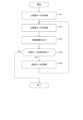
- FIG. 2 is a flowchart showing the operation of the electrocardiogram evaluation device disclosed in FIG. 1.
- FIG. 2 is a flowchart showing another operation of the electrocardiogram evaluation device disclosed in FIG. 1.
- FIG. 2 is a block diagram showing the hardware configuration of an electrocardiogram evaluation device in Embodiment 2 of the present invention.
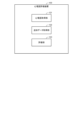
- FIG. 2 is a block diagram showing the configuration of an electrocardiogram evaluation device in Embodiment 2 of the present invention. It is a flowchart which shows the operation of the electrocardiogram evaluation device in Embodiment 2 of the present invention.
- FIGS. 1 to 4. are diagrams for explaining the configuration of an information processing system
- FIGS. 3 and 4 are diagrams for explaining the processing operation of the information processing system.
- the information processing system in the present invention is for evaluating electrocardiograms in order to diagnose the physical condition of a person in a medical institution.
- an information processing system uses a model generated by machine learning to evaluate normal conditions and abnormal conditions such as myocardial infarction and submembranous hemorrhage from an electrocardiogram, and outputs the evaluation results to medical personnel such as doctors. It is for the purpose of
- the information processing system includes an electrocardiogram evaluation device 10, an electronic medical record device 20, an electrocardiogram measurement device 30, and a display device 40, which are connected via a network N.
- an electrocardiogram evaluation device 10 an electronic medical record device 20
- an electrocardiogram measurement device 30 an electrocardiogram measurement device 30
- a display device 40 which are connected via a network N.
- the electrocardiogram measurement device 30 is a device that measures an electrocardiogram from a person P.
- the electrocardiogram measurement device 30 may be an electrocardiograph installed at a predetermined location R of a medical institution such as a hospital room, an examination room, or an intensive care unit, a monitor electrocardiograph that can be worn on the person P, or a monitor electrocardiograph that can be worn on the person P.
- a wearable device such as a wristwatch-type mobile device with a built-in meter.
- the electrocardiogram measuring device 30 is installed in a medical institution and is capable of measuring a 12-lead electrocardiogram.
- the electrocardiogram measurement device 30 is also equipped with configurations included in general information processing devices such as communication devices and arithmetic devices, and also has the function of transmitting measured electrocardiogram data to the electronic medical record device 20. have Thereby, the electrocardiogram data measured by the electrocardiogram measuring device 30 is stored in the electronic medical record for each person P.
- the operator of the electrocardiogram measurement device 30 identifies the electronic medical record of the person P who is the measurement target among the electronic medical records stored in the electronic medical record device 20, and writes the electrocardiogram data of the person P into the electronic medical record. Record.
- the electrocardiogram data is recorded in the electronic medical record corresponding to the person P by transmitting the electrocardiogram data together with the identification information of the person P to the electronic medical record device 20.
- electrocardiogram data may be recorded in the electronic medical record by any method.
- the electrocardiogram measuring device 30 transmits identification information such as its own IP address to the electronic medical record device 20 in association with the electrocardiogram data.
- the electrocardiogram measuring device 30 transmits the electrocardiogram data in association with the identification information serving as the transmission source of the electrocardiogram data.
- the identification information may be data that specifies the location where the electrocardiogram measurement device 30 serving as the transmission source of the electrocardiogram data is installed, that is, the location where the electrocardiogram was measured.
- different identification information is assigned in advance to the electrocardiogram measuring devices 30 installed in each location R such as a hospital room, examination room, and intensive care unit, and the correspondence information between each location R and the identification information is stored in the electronic medical record device 20 or as described later.
- the electrocardiogram evaluation device 10 By storing the information in the electrocardiogram evaluation device 10, it becomes possible to specify the location where the electrocardiogram data was measured from the identification information associated with the electrocardiogram data.
- the electrocardiogram measuring device 30 is a wearable device, by associating identification information such as an IP address and information indicating that it is a wearable device with the electrocardiogram data, it is possible to easily identify the electrocardiogram data measured by the wearable device. can be identified.
- electrocardiogram data measured by the electrocardiogram measurement device 30 may be directly transmitted to the electrocardiogram evaluation device 10.
- the electronic medical record device 20 is composed of a general information processing device that is managed by a medical institution and includes a calculation device and a storage device, and stores the electronic medical record of the person P in the storage device. For example, test results and diagnosis results of person P are recorded in the electronic medical record.
- the electronic medical record may include basic physical data such as age, gender, height, and weight of person P, measurement data such as heart rate, body temperature, blood pressure, and the above-mentioned electrocardiogram data, blood test results, and image diagnosis results. Medical condition data such as state of consciousness, current or past illnesses, conditions at the time of diagnosis, and conditions at the time of examination are recorded.
- electronic medical record data may be recorded by inputting data by a diagnostician or examiner, or data may be recorded from the electrocardiogram measuring device 30 such as the above-mentioned electrocardiograph or wearable device, or from various testing devices and measuring devices. It is recorded when it is sent.
- the electrocardiogram data recorded in the electronic medical record is stored in association with information that specifies the location where the electrocardiogram was measured, such as the above-mentioned identification information. Further, the electrocardiogram data is stored in association with data representing the circumstances at the time of measurement, for example, the circumstances in which the electrocardiogram was measured.
- data representing the circumstances in which an electrocardiogram was measured may include that the electrocardiogram was measured when the person P visited a medical institution as a patient in the general outpatient department or emergency outpatient department, or that the electrocardiogram was measured when the person P visited the medical institution as a patient in the general outpatient department or emergency outpatient department, or that the electrocardiogram was measured when the person
- These include things that were measured while in the hospital, and things that were measured on a daily basis using a wearable device.
- the electrocardiogram evaluation device 10 is composed of one or more information processing devices equipped with an arithmetic device and a storage device. As shown in FIG. 2, the electrocardiogram evaluation device 10 includes an electrocardiogram acquisition section 11, an additional data acquisition section 12, an evaluation section 13, and an output section 14. Each function of the electrocardiogram acquisition unit 11, additional data acquisition unit 12, evaluation unit 13, and output unit 14 can be realized by the arithmetic unit executing a program stored in the storage device for realizing each function. . Furthermore, the electrocardiogram evaluation device 10 includes a data storage section 16 . The data storage unit 16 is configured by a storage device. Each configuration will be explained in detail below.
- the electrocardiogram acquisition unit 11 When diagnosing the person P, acquires electrocardiogram data of the corresponding person P from the electronic medical record device 20 described above. However, the electrocardiogram acquisition unit 11 may automatically acquire electrocardiogram data at preset timings such as fixed time intervals. Further, the electrocardiogram acquisition unit 11 may acquire electrocardiogram data from the electrocardiogram measuring device 30.
- the additional data acquisition unit 12 determines whether to acquire additional data used to evaluate electrocardiogram data when diagnosing the person P. At this time, the additional data acquisition unit 12 determines whether or not to acquire additional data based on information associated with the electrocardiogram data and the evaluation results of the electrocardiogram data.
- the additional data acquisition unit 12 can acquire additional data from the electronic medical record if the electrocardiogram data is associated with corresponding electronic medical record information as a result of acquiring the electrocardiogram data from the electronic medical record. , it is determined that additional data is to be acquired.
- the electrocardiogram data is associated with identification information of the electrocardiogram measuring device 30, which is the data that is the transmission source of the electrocardiogram data
- the installation location of the electrocardiogram measuring device 30 can be identified from such identification information, and the installation location Since the location where the electrocardiogram data was measured can be specified, the location where the electronic medical record was recorded can also be determined, and it is determined that additional data should be acquired from the electronic medical record.
- the additional data acquisition unit 12 determines whether or not to acquire additional data based on the evaluation result of the electrocardiogram data by the evaluation unit 13, which will be described later. For example, the additional data acquisition unit 12 calculates the accuracy of the evaluation result of the electrocardiogram data, that is, the likelihood of the evaluation result, and determines to acquire additional data when the likelihood is lower than a set threshold. For example, the additional data acquisition unit 12 calculates the likelihood using a likelihood function generated in advance based on the statistics of the evaluation results. However, the additional data acquisition unit 12 may calculate the probability value of the evaluation result using any method.
- the additional data acquisition unit 12 does not calculate the likelihood of the evaluation result, and when the evaluation process by the evaluation unit 13 (described later) results in an error or the value of the evaluation result falls outside a preset range, , it may be determined that additional data is to be acquired.
- the additional data acquisition unit 12 acquires additional data when receiving an input request for acquisition of additional data from a medical professional such as a doctor after the evaluation result of the electrocardiogram data is output by the evaluation unit 13 (described later). Then, it may be determined. At this time, if the additional data acquisition request includes information specifying the type of additional data, the additional data acquisition unit 12 also accepts this information.
- the additional data acquisition unit 12 determines to acquire additional data as described above, it acquires the additional data and stores it in the data storage unit 16. At this time, at the time of the above-described determination, the additional data acquisition unit 12 identifies the recording location of the electronic medical record of the person P from the information associated with the electrocardiogram data, and determines the recording location of the person P recorded in the electronic medical record from the electronic medical record device 20. Get the data.
- the additional data acquisition unit 12 collects, as additional data, basic physical data such as age, gender, height, and weight recorded in the electronic medical record, measurement data such as heart rate, body temperature, and blood pressure, state of consciousness, and current state of consciousness. Or obtain medical condition data such as diseases suffered in the past, conditions at the time of diagnosis, and conditions at the time of examination.
- the additional data acquisition unit 12 may acquire electrocardiogram data of the person P from the electronic medical record as additional data.
- the additional data acquisition unit 12 may acquire, as the electrocardiogram data, past data of the same type as the already acquired 12-lead electrocardiogram data to be evaluated, or may acquire past data of a different type from the 12-lead electrocardiogram data, for example, Monitor electrocardiogram data may also be acquired. Note that, if the additional data acquisition unit 12 can acquire the data of the monitor electrocardiogram that the person P is currently wearing, the additional data acquisition unit 12 may acquire the monitor electrocardiogram data.
- the additional data acquisition unit 12 may acquire re-measured electrocardiogram data. For example, if the additional data acquisition unit 12 determines that it is necessary to remeasure the electrocardiogram data based on the evaluation result of the electrocardiogram data by the evaluation unit 13 (described later), the additional data acquisition unit 12 sends the medical information via the output unit 14 (described later) to A remeasurement request is displayed on the display device 40 to the worker 41, and in response, the remeasured electrocardiogram data is acquired as additional data.
- the remeasurement request displayed on the display device 40 may include, for example, a notification to the medical worker 41 of the electrocardiogram measurement status and advice on a remeasurement method.
- the additional data acquisition unit 12 acquires the specified type of additional data. For example, when the additional data acquisition unit 12 is requested to acquire the disease of the person P, the history of taking an electrocardiogram, past electrocardiogram data, monitor electrocardiogram data, etc., the additional data acquisition unit 12 acquires such data as additional data.
- the evaluation unit 13 evaluates the electrocardiogram data based on the additional data acquired as described above. Specifically, the evaluation unit 13 evaluates the electrocardiogram data in consideration of additional data as described above, such as the disease of the person P, the history of taking the electrocardiogram (whether it is urgent or not), past electrocardiogram data, etc. Evaluate. As an example, the evaluation unit 13 compares the electrocardiogram data to be evaluated with past electrocardiogram data acquired as additional data, and evaluates the waveform and detected values of the electrocardiogram data. In addition, as another example, the evaluation unit 13 evaluates the electrocardiogram data of the person P using an evaluation model prepared in response to the illness or emergency of the person P.
- the evaluation model is, for example, a model generated by learning abnormal electrocardiograms of various diseases in advance, or an evaluation model depending on the presence or absence of urgency. However, the evaluation unit 13 may evaluate the electrocardiogram data by any method.
- the evaluation unit 13 may calculate the degree of abnormality of the body of the person P, the urgency of responding to the person P, and the presence or absence of a specific disease as an example of the evaluation results of the electrocardiogram data.
- the evaluation unit 13 may evaluate any content as long as it can be calculated from electrocardiogram data.
- the evaluation unit 13 may evaluate the electrocardiogram data multiple times by changing the additional data to be considered. Furthermore, the evaluation unit 13 may evaluate the electrocardiogram data without considering additional data. For example, the evaluation unit 13 may first evaluate target electrocardiogram data before acquiring additional data.
- the output unit 14 outputs the evaluation results by the evaluation unit 13 to the display device 40. At this time, the output unit 14 may output additional data taken into consideration during the evaluation by the evaluation unit 13 along with the evaluation result, or may output additional data of the person P regardless of whether or not it was taken into consideration during the evaluation. It's okay. Note that the output unit 14 may output only the evaluation results of the electrocardiogram data before acquiring additional data. The evaluation results and additional data displayed in this way can also serve as advice to the medical worker 41. For example, the output unit 14 displays and outputs the degree of abnormality of the body of the person P, the urgency of responding to the person P, the presence or absence of a specific disease, etc. as the evaluation result of the electrocardiogram data. can grasp the condition of person P, which will be useful for later treatment, additional tests, and measurements.
- the output unit 14 accepts the request for obtaining the additional data.
- the output unit 14 also accepts such information. Then, the output unit 14 notifies the additional data acquisition unit 12 of the received acquisition request.
- the electrocardiogram evaluation device 10 acquires electrocardiogram data of the person P when diagnosing the person P (step S1). At this time, the electrocardiogram evaluation device 10 acquires 12-lead electrocardiogram data.
- the electrocardiogram evaluation device 10 determines whether to acquire additional data used to evaluate the electrocardiogram data (step S2).
- the electrocardiogram evaluation device 10 determines whether or not to acquire additional data based on information associated with the electrocardiogram data. For example, when the electrocardiogram evaluation device 10 is associated with the information of the electronic medical record that is the source of the electrocardiogram data, or when the identification information of the electrocardiogram measuring device 30 that is the source of the electrocardiogram data is associated, Since additional data can be acquired from an electrocardiogram data storage location such as an electronic medical record, it is determined that additional data should be acquired (Yes in step S2). Then, the electrocardiogram evaluation device 10 acquires additional data from the electronic medical record or the like (step S3). For example, the electrocardiogram evaluation device 10 acquires recorded data of the person P recorded in the electronic medical record, past electrocardiogram data, and other types of monitor electrocardiogram data.
- the electrocardiogram evaluation device 10 evaluates the electrocardiogram data based on the acquired additional data (step S4). Specifically, when the electrocardiogram evaluation device 10 acquires the disease of the person P, the history of taking the electrocardiogram (whether it is urgent or not), and past electrocardiogram data as additional data, the electrocardiogram evaluation device 10 takes these into consideration, Evaluate electrocardiogram data. As an example, the electrocardiogram evaluation device 10 evaluates the waveform and detected values of the electrocardiogram data by comparing the electrocardiogram data to be evaluated with past electrocardiogram data acquired as additional data. Further, as another example, the electrocardiogram evaluation device 10 evaluates the electrocardiogram data of the person P using an evaluation model that is prepared in response to the illness or emergency of the person P.
- the electrocardiogram evaluation device 10 outputs the evaluation results of the electrocardiogram data to the display device 40 (step S5). At this time, the electrocardiogram evaluation device 10 outputs the evaluation results as well as additional data taken into consideration during the evaluation.
- the electrocardiogram data is evaluated by adding the vital data, past electrocardiogram data, other electrocardiogram data, etc. of the person P. .
- the electrocardiogram data is evaluated taking into account various data, so even if the physical condition of the person P is different but the electrocardiogram data has similar waveforms and is difficult to distinguish, the electrocardiogram can be accurately evaluated. can be evaluated. For example, it becomes possible to prevent a normal person from being mistakenly judged to be a person with a disease, and it becomes possible to distinguish between a waveform of a disease and a waveform of noise.
- the electrocardiogram evaluation device 10 acquires electrocardiogram data of the person P when diagnosing the person P (step S11). At this time, the electrocardiogram evaluation device 10 acquires 12-lead electrocardiogram data. Then, the electrocardiogram evaluation device 10 evaluates the acquired electrocardiogram data (step S12). That is, in this example, unlike the case of FIG. 3, the electrocardiogram evaluation device 10 first evaluates the electrocardiogram data without considering additional data. For example, the electrocardiogram evaluation device 10 evaluates the electrocardiogram data of the person P by evaluating the waveform and detected values of the electrocardiogram data or by using an evaluation model.
- the electrocardiogram evaluation device 10 outputs the evaluation results of the electrocardiogram data to the display device 40 (step S13).
- the medical personnel 41 and the like can view the evaluation results of the electrocardiogram data on the display device 40.
- the medical worker 41 who has viewed the evaluation result of the electrocardiogram data desires to obtain an evaluation of the electrocardiogram data that takes additional data into consideration, he/she requests the acquisition of additional data from the display device 40 .
- the medical worker 41 requests acquisition of additional data including information specifying the type of additional data.
- the electrocardiogram evaluation device 10 receives a request for acquiring additional data from the display device 40, it determines to acquire the additional data (Yes in step S14).
- the electrocardiogram evaluation device 10 acquires additional data from the electronic medical record or the like (step S15). If the received additional data acquisition request includes information specifying the type of additional data, the electrocardiogram evaluation device 10 acquires the specified type of additional data.
- the electrocardiogram evaluation device 10 evaluates the electrocardiogram data based on the acquired additional data (step S12).
- the electrocardiogram evaluation device 10 acquires the disease of the person P, the history of taking the electrocardiogram (whether it is urgent or not), and past electrocardiogram data as additional data, similar to the evaluation method explained in FIG. 3. If necessary, evaluate the electrocardiogram data taking these into consideration.
- the electrocardiogram evaluation device 10 outputs the evaluation results of the electrocardiogram data to the display device 40 (step S13). At this time, the electrocardiogram evaluation device 10 outputs the evaluation results as well as additional data taken into consideration during the evaluation. Thereby, the medical personnel 41 and the like can view the evaluation results of the electrocardiogram data, which have been reevaluated in consideration of the additional data, on the display device 40.
- the medical worker 41 who has viewed the evaluation result of the electrocardiogram data desires to obtain an evaluation of the electrocardiogram data that takes into account other additional data
- the medical worker 41 displays further types of additional data from the display device 40. Make a request to obtain additional data, including information that identifies the.
- the electrocardiogram evaluation device 10 receives a request to obtain other additional data from the display device 40, it determines to obtain additional data (Yes in step S14).
- the electrocardiogram evaluation device 10 acquires other additional data from the electronic medical record etc. (step S15), and evaluates the electrocardiogram data based on the acquired additional data (step S12). .
- the present embodiment it is possible to request additional data in accordance with the evaluation result of the electrocardiogram data, and it is possible to obtain an evaluation result that takes the desired additional data into consideration. As a result, the electrocardiogram can be evaluated with higher accuracy.
- FIGS. 5 to 7 are block diagrams showing the configuration of an electrocardiogram evaluation device according to the second embodiment
- FIG. 7 is a flowchart showing the operation of the electrocardiogram evaluation device. Note that this embodiment shows an outline of the configuration of the electrocardiogram evaluation device and the electrocardiogram evaluation method described in the above embodiments.
- the electrocardiogram evaluation device 100 is constituted by a general information processing device, and is equipped with the following hardware configuration as an example.
- ⁇ CPU Central Processing Unit
- GPU Graphics Processing Unit
- ROM Read Only Memory
- RAM Random Access Memory
- Program group 104 loaded into RAM 103 - Storage device 105 that stores the program group 104 -
- a drive device 106 that reads and writes from and to a storage medium 110 external to the information processing device -Communication interface 107 that connects to the communication network 111 outside the information processing device ⁇ I/O interface 108 that inputs and outputs data ⁇ Bus 109 connecting each component
- the electrocardiogram evaluation apparatus 100 is configured and equipped with an electrocardiogram acquisition section 121, an additional data acquisition section 122, and an evaluation section 123 shown in FIG. 6 by the CPU 101 acquiring and executing the program group 104.
- the program group 104 is stored in advance in the storage device 105 or ROM 102, for example, and is loaded into the RAM 103 and executed by the CPU 101 as needed. Further, the program group 104 may be supplied to the CPU 101 via the communication network 111, or may be stored in the storage medium 110 in advance, and the drive device 106 may read the program and supply it to the CPU 101.
- the above-mentioned electrocardiogram acquisition section 121, additional data acquisition section 122, and evaluation section 123 may be constructed of dedicated electronic circuits for realizing such means.
- FIG. 5 shows an example of the hardware configuration of the information processing device that is the electrocardiogram evaluation device 100, and the hardware configuration of the information processing device is not limited to the above-mentioned case.
- the information processing device may be configured from part of the configuration described above, such as not having the drive device 106.
- the electrocardiogram evaluation apparatus 100 executes the electrocardiogram evaluation method shown in the flowchart of FIG. 7 by the functions of the electrocardiogram acquisition section 121, additional data acquisition section 122, and evaluation section 123 constructed by the program as described above.
- the electrocardiogram evaluation device 100 includes: Obtain electrocardiogram data measured from a person (step S101), Based on the electrocardiogram data, determine whether or not to obtain additional data to be used for evaluating the electrocardiogram data, and obtain the additional data (step S102); evaluating the electrocardiogram data based on the additional data (step S103); Execute the process.
- the present invention is configured such that in addition to the electrocardiogram data of the person P, the electrocardiogram data is evaluated by adding the vital data, past electrocardiogram data, other electrocardiogram data, etc. of the person P. That will happen. In this way, the electrocardiogram data is evaluated in consideration of various data, so that the electrocardiogram can be evaluated with high accuracy.
- Non-transitory computer-readable media include various types of tangible storage media.
- Examples of non-transitory computer-readable media include magnetic recording media (e.g., flexible disks, magnetic tapes, hard disk drives), magneto-optical recording media (e.g., magneto-optical disks), CD-ROMs (Read Only Memory), CD-Rs, CD-R/W, semiconductor memory (eg, mask ROM, PROM (Programmable ROM), EPROM (Erasable PROM), flash ROM, RAM (Random Access Memory)).
- the program may also be supplied to the computer via various types of transitory computer readable media. Examples of transitory computer-readable media include electrical signals, optical signals, and electromagnetic waves.
- the temporary computer-readable medium can provide the program to the computer via wired communication channels, such as electrical wires and fiber optics, or wireless communication channels.
- the present invention has been described above with reference to the above-described embodiments, the present invention is not limited to the above-described embodiments.
- the configuration and details of the present invention can be modified in various ways within the scope of the present invention by those skilled in the art.
- at least one of the functions of the electrocardiogram acquisition unit 121, additional data acquisition unit 122, and evaluation unit 123 described above may be executed by an information processing device installed and connected to any location on the network. In other words, it may be implemented in so-called cloud computing.
- Electrocardiogram evaluation method (Additional note 3) The electrocardiogram evaluation method according to appendix 2, obtaining past electrocardiogram data of the person from the person's electronic medical record as the additional data; Electrocardiogram evaluation method. (Additional note 4) The electrocardiogram evaluation method according to any one of Supplementary Notes 1 to 3, acquiring the additional data based on data representing a transmission source of the electrocardiogram data; Electrocardiogram evaluation method. (Appendix 5) The electrocardiogram evaluation method according to any one of Supplementary Notes 1 to 4, Outputting the evaluation results of the electrocardiogram data; accepting a request for the additional data input in response to the output of the evaluation result and acquiring the additional data; Electrocardiogram evaluation method.
- Electrocardiogram evaluation method (Appendix 8) The electrocardiogram evaluation method according to any one of Supplementary Notes 1 to 7, Evaluating the electrocardiogram data and calculating the likelihood of the evaluation result, obtaining the additional data according to the likelihood value; Electrocardiogram evaluation method. (Appendix 9) an electrocardiogram acquisition unit that acquires electrocardiogram data measured from a person; an additional data acquisition unit that determines whether or not to acquire additional data to be used for evaluating the electrocardiogram data based on the electrocardiogram data, and acquires the additional data; an evaluation unit that evaluates the electrocardiogram data based on the additional data; An electrocardiogram evaluation device equipped with (Appendix 10) The electrocardiogram evaluation device according to appendix 9, The additional data acquisition unit acquires the additional data from the person's electronic medical record.
- Electrocardiogram evaluation device (Appendix 11) The electrocardiogram evaluation device according to appendix 10, The additional data acquisition unit acquires past electrocardiogram data of the person from the electronic medical record of the person as the additional data. Electrocardiogram evaluation device. (Appendix 12) The electrocardiogram evaluation device according to any one of Supplementary Notes 9 to 11, The additional data acquisition unit acquires the additional data based on data representing a transmission source of the electrocardiogram data. Electrocardiogram evaluation device. (Appendix 13) The electrocardiogram evaluation device according to any one of Supplementary Notes 9 to 12, The evaluation unit outputs an evaluation result of the electrocardiogram data, The additional data acquisition unit receives a request for the additional data input in response to the output of the evaluation result and acquires the additional data. Electrocardiogram evaluation device.
- the electrocardiogram evaluation device according to any one of Supplementary Notes 9 to 12, The evaluation unit outputs information based on the additional data together with the evaluation result of the electrocardiogram data, The additional data acquisition unit receives a request for the additional data input in response to the output of the evaluation result and acquires the additional data.
- Electrocardiogram evaluation device The electrocardiogram evaluation device according to any one of Supplementary Notes 9 to 12, The evaluation unit outputs information based on the additional data together with the evaluation result of the electrocardiogram data, The additional data acquisition unit receives a request for the additional data input in response to the output of the evaluation result and acquires the additional data.
- the electrocardiogram evaluation device according to any one of Supplementary Notes 9 to 14, The electrocardiogram acquisition unit acquires 12-lead electrocardiogram data, The evaluation unit evaluates the 12-lead electrocardiogram data, The additional data acquisition unit acquires monitor electrocardiogram data according to the evaluation result of the 12-lead electrocardiogram data, The evaluation unit performs evaluation using the 12-lead electrocardiogram data and the monitor electrocardiogram data.
- Electrocardiogram evaluation device. (Appendix 16) The electrocardiogram evaluation device according to any one of Supplementary Notes 9 to 15, The evaluation unit evaluates the electrocardiogram data and calculates the likelihood of the evaluation result, The additional data acquisition unit acquires the additional data according to the likelihood value. Electrocardiogram evaluation device.
- Appendix 17 Obtain electrocardiogram data measured from a person, Based on the electrocardiogram data, determine whether or not to obtain additional data to be used for evaluating the electrocardiogram data, and obtain the additional data; evaluating the electrocardiogram data based on the additional data; A computer-readable storage medium that stores a program for causing a computer to execute processing.
- Electrocardiogram evaluation device 11 Electrocardiogram acquisition unit 12 Additional data acquisition unit 13 Evaluation unit 14 Output unit 16 Data storage unit 20 Electronic medical record device 30 Electrocardiogram measurement device 40 Display device P Person 100 Electrocardiogram evaluation device 101 CPU 102 ROM 103 RAM 104 Program group 105 Storage device 106 Drive device 107 Communication interface 108 Input/output interface 109 Bus 110 Storage medium 111 Communication network 121 Electrocardiogram acquisition section 122 Additional data acquisition section 123 Evaluation section
Landscapes
- Health & Medical Sciences (AREA)
- Engineering & Computer Science (AREA)
- Public Health (AREA)
- Medical Informatics (AREA)
- General Health & Medical Sciences (AREA)
- Life Sciences & Earth Sciences (AREA)
- Biomedical Technology (AREA)
- Cardiology (AREA)
- Primary Health Care (AREA)
- Epidemiology (AREA)
- Pathology (AREA)
- Molecular Biology (AREA)
- Animal Behavior & Ethology (AREA)
- Surgery (AREA)
- Heart & Thoracic Surgery (AREA)
- Veterinary Medicine (AREA)
- Biophysics (AREA)
- Physics & Mathematics (AREA)
- Data Mining & Analysis (AREA)
- Databases & Information Systems (AREA)
- Measurement And Recording Of Electrical Phenomena And Electrical Characteristics Of The Living Body (AREA)
Priority Applications (3)
| Application Number | Priority Date | Filing Date | Title |
|---|---|---|---|
| US18/849,592 US20250226092A1 (en) | 2022-03-29 | 2022-03-29 | Electrocardiogram evaluation method |
| JP2024510792A JP7768354B2 (ja) | 2022-03-29 | 2022-03-29 | 心電図評価方法 |
| PCT/JP2022/015450 WO2023187989A1 (ja) | 2022-03-29 | 2022-03-29 | 心電図評価方法 |
Applications Claiming Priority (1)
| Application Number | Priority Date | Filing Date | Title |
|---|---|---|---|
| PCT/JP2022/015450 WO2023187989A1 (ja) | 2022-03-29 | 2022-03-29 | 心電図評価方法 |
Publications (1)
| Publication Number | Publication Date |
|---|---|
| WO2023187989A1 true WO2023187989A1 (ja) | 2023-10-05 |
Family
ID=88200012
Family Applications (1)
| Application Number | Title | Priority Date | Filing Date |
|---|---|---|---|
| PCT/JP2022/015450 Ceased WO2023187989A1 (ja) | 2022-03-29 | 2022-03-29 | 心電図評価方法 |
Country Status (3)
| Country | Link |
|---|---|
| US (1) | US20250226092A1 (https=) |
| JP (1) | JP7768354B2 (https=) |
| WO (1) | WO2023187989A1 (https=) |
Citations (6)
| Publication number | Priority date | Publication date | Assignee | Title |
|---|---|---|---|---|
| JP2000135203A (ja) * | 1998-10-30 | 2000-05-16 | Toshiba Corp | 心臓内電気現象診断装置 |
| WO2004075748A1 (ja) * | 2003-02-26 | 2004-09-10 | Fukushima Prefecture | 付加誘導機能を備えた心電計及び付加誘導心電図導出方法 |
| JP2016123594A (ja) * | 2014-12-26 | 2016-07-11 | 富士通株式会社 | 自律神経活動推定装置及び自律神経活動推定方法 |
| JP2016520342A (ja) * | 2013-03-15 | 2016-07-14 | ピアブリッジ ヘルス インコーポレイテッド | 無線センサ監視データに基づいて患者の状態を監視及び診断するための方法及びシステム |
| US20200121214A1 (en) * | 2018-10-18 | 2020-04-23 | Deep Science, Llc | Systems and methods for detecting physiological information using multi-modal sensors |
| JP2021079007A (ja) * | 2019-11-22 | 2021-05-27 | フクダ電子株式会社 | 生体情報処理装置およびその制御方法 |
Family Cites Families (6)
| Publication number | Priority date | Publication date | Assignee | Title |
|---|---|---|---|---|
| WO2011146482A1 (en) * | 2010-05-18 | 2011-11-24 | Zoll Medical Corporation | Wearable ambulatory medical device with multiple sensing electrodes |
| US20160188823A1 (en) * | 2014-12-31 | 2016-06-30 | General Electric Company | System for providing electrocardiogram (ecg) analytics for electronic medical records (emr) |
| EP3400055B1 (en) * | 2016-01-08 | 2019-11-06 | Cardiac Pacemakers, Inc. | Progressive adaptive data transfer |
| WO2018211687A1 (ja) * | 2017-05-19 | 2018-11-22 | 株式会社オプティム | コンピュータシステム、被験者診断方法及び支援プログラム |
| WO2021084535A1 (en) * | 2019-10-29 | 2021-05-06 | Zoll Medical Israel Ltd. | Systems, devices, and methods for cardiac diagnosis and/or monitoring |
| EP3893246B1 (en) * | 2020-04-09 | 2022-05-04 | J-WAVE DIAGNOSTICS S.r.l. | Electrocardiogram analysis |
-
2022
- 2022-03-29 WO PCT/JP2022/015450 patent/WO2023187989A1/ja not_active Ceased
- 2022-03-29 JP JP2024510792A patent/JP7768354B2/ja active Active
- 2022-03-29 US US18/849,592 patent/US20250226092A1/en active Pending
Patent Citations (6)
| Publication number | Priority date | Publication date | Assignee | Title |
|---|---|---|---|---|
| JP2000135203A (ja) * | 1998-10-30 | 2000-05-16 | Toshiba Corp | 心臓内電気現象診断装置 |
| WO2004075748A1 (ja) * | 2003-02-26 | 2004-09-10 | Fukushima Prefecture | 付加誘導機能を備えた心電計及び付加誘導心電図導出方法 |
| JP2016520342A (ja) * | 2013-03-15 | 2016-07-14 | ピアブリッジ ヘルス インコーポレイテッド | 無線センサ監視データに基づいて患者の状態を監視及び診断するための方法及びシステム |
| JP2016123594A (ja) * | 2014-12-26 | 2016-07-11 | 富士通株式会社 | 自律神経活動推定装置及び自律神経活動推定方法 |
| US20200121214A1 (en) * | 2018-10-18 | 2020-04-23 | Deep Science, Llc | Systems and methods for detecting physiological information using multi-modal sensors |
| JP2021079007A (ja) * | 2019-11-22 | 2021-05-27 | フクダ電子株式会社 | 生体情報処理装置およびその制御方法 |
Also Published As
| Publication number | Publication date |
|---|---|
| JP7768354B2 (ja) | 2025-11-12 |
| US20250226092A1 (en) | 2025-07-10 |
| JPWO2023187989A1 (https=) | 2023-10-05 |
Similar Documents
| Publication | Publication Date | Title |
|---|---|---|
| JP7002168B1 (ja) | 心電図分析装置、心電図分析方法及びプログラム | |
| US7412395B2 (en) | Automated scheduling of emergency procedure based on identification of high-risk patient | |
| JP6692355B2 (ja) | バイタルサインサンプリング周波数が限定されるときのスコア信頼区間推定に関する方法 | |
| JPH02504232A (ja) | 心臓病死亡確率決定装置 | |
| JP2022517096A (ja) | 脳内血流による頭蓋の動きから脳の状態を特定するためのシステム、装置、及び方法 | |
| US20220254502A1 (en) | System, method and apparatus for non-invasive & non-contact monitoring of health racterstics using artificial intelligence (ai) | |
| US20250275726A1 (en) | Method for training a machine learning model, monitoring device, and monitoring method | |
| JP2023113416A (ja) | 医用情報表示装置、医用情報表示方法、および医用情報表示プログラム | |
| WO2023187989A1 (ja) | 心電図評価方法 | |
| JP7800657B2 (ja) | 心電図評価方法 | |
| JP6118229B2 (ja) | 心電図測定装置、導出心電図生成方法および導出心電図生成プログラム | |
| WO2023187990A1 (ja) | 心電図評価方法 | |
| JP7729473B2 (ja) | 通知方法 | |
| CN108133738A (zh) | 一种医疗服务管理装置以及交互式医疗服务管理系统 | |
| Talebpour et al. | Comparison between emergency severity index plus capnometer and emergency severity index in the dyspneic patients with chronic heart failure | |
| US20230148370A1 (en) | Era patient monitor | |
| JP7405654B2 (ja) | 容態情報生成装置、コンピュータプログラムおよび非一時的コンピュータ可読媒体 | |
| Al− Zaben et al. | Improved QT ınterval estimation using conditional generative adversarial networks | |
| US20260020769A1 (en) | System, method, and information processing device | |
| KR102889744B1 (ko) | 스마트폰으로 6개의 심전도 리드를 동시에 측정하도록 하는 방법 및 장치 | |
| US20240339188A1 (en) | Method for calculating a degree of fatigue | |
| JP2024140945A (ja) | プログラム、情報処理方法および情報処理装置 | |
| WO2026077783A1 (en) | Electrocardiographic cardiac monitoring | |
| Mathiprechakul et al. | Normative Values for Heart Rate Variability Indices in Healthy Infants in the Emergency Department | |
| KR20250065029A (ko) | Ecg 신호를 활용하여 심장질환을 검출하기 위한 ai 최적화 설계 방법 |
Legal Events
| Date | Code | Title | Description |
|---|---|---|---|
| 121 | Ep: the epo has been informed by wipo that ep was designated in this application |
Ref document number: 22935140 Country of ref document: EP Kind code of ref document: A1 |
|
| ENP | Entry into the national phase |
Ref document number: 2024510792 Country of ref document: JP Kind code of ref document: A |
|
| WWE | Wipo information: entry into national phase |
Ref document number: 18849592 Country of ref document: US |
|
| NENP | Non-entry into the national phase |
Ref country code: DE |
|
| 122 | Ep: pct application non-entry in european phase |
Ref document number: 22935140 Country of ref document: EP Kind code of ref document: A1 |
|
| WWP | Wipo information: published in national office |
Ref document number: 18849592 Country of ref document: US |