WO2023137486A1 - Stochastic heating at an electrochemical interface - Google Patents
Stochastic heating at an electrochemical interface Download PDFInfo
- Publication number
- WO2023137486A1 WO2023137486A1 PCT/US2023/060745 US2023060745W WO2023137486A1 WO 2023137486 A1 WO2023137486 A1 WO 2023137486A1 US 2023060745 W US2023060745 W US 2023060745W WO 2023137486 A1 WO2023137486 A1 WO 2023137486A1
- Authority
- WO
- WIPO (PCT)
- Prior art keywords
- stochastic
- ionic
- reactants
- reaction system
- signal
- Prior art date
- Legal status (The legal status is an assumption and is not a legal conclusion. Google has not performed a legal analysis and makes no representation as to the accuracy of the status listed.)
- Ceased
Links
Classifications
-
- G—PHYSICS
- G01—MEASURING; TESTING
- G01N—INVESTIGATING OR ANALYSING MATERIALS BY DETERMINING THEIR CHEMICAL OR PHYSICAL PROPERTIES
- G01N33/00—Investigating or analysing materials by specific methods not covered by groups G01N1/00 - G01N31/00
- G01N33/48—Biological material, e.g. blood, urine; Haemocytometers
- G01N33/483—Physical analysis of biological material
-
- G—PHYSICS
- G01—MEASURING; TESTING
- G01N—INVESTIGATING OR ANALYSING MATERIALS BY DETERMINING THEIR CHEMICAL OR PHYSICAL PROPERTIES
- G01N33/00—Investigating or analysing materials by specific methods not covered by groups G01N1/00 - G01N31/00
- G01N33/48—Biological material, e.g. blood, urine; Haemocytometers
- G01N33/483—Physical analysis of biological material
- G01N33/4833—Physical analysis of biological material of solid biological material, e.g. tissue samples, cell cultures
-
- G—PHYSICS
- G01—MEASURING; TESTING
- G01N—INVESTIGATING OR ANALYSING MATERIALS BY DETERMINING THEIR CHEMICAL OR PHYSICAL PROPERTIES
- G01N27/00—Investigating or analysing materials by the use of electric, electrochemical, or magnetic means
- G01N27/26—Investigating or analysing materials by the use of electric, electrochemical, or magnetic means by investigating electrochemical variables; by using electrolysis or electrophoresis
- G01N27/416—Systems
-
- G—PHYSICS
- G21—NUCLEAR PHYSICS; NUCLEAR ENGINEERING
- G21B—FUSION REACTORS
- G21B1/00—Thermonuclear fusion reactors
- G21B1/03—Thermonuclear fusion reactors with inertial plasma confinement
Definitions
- the present invention relates to methods for amplifying reaction rates of charged (ionic) reactants using stochastic heating.
- Diffusion-limited chemical rate constants k are characterized by the Arrhenius rate law: where E a is the activation energy, k B is Boltzmann’s constant, and T is the temperature.
- E a is the activation energy
- k B is Boltzmann’s constant
- T is the temperature.
- this relationship says that thermal fluctuations provide the forces that drive a reactant to the product state, and do so with a probability that diminishes as the energetic barrier increases.
- This picture suggests two approaches to controlling chemical reaction rates: 1) reducing the barrier height or 2) intensifying the fluctuation strength.
- the relevant literature for this invention revolves around these two approaches.
- the field of electrochemistry is based on the first approach: using voltages to vary the activation energy of electrode-enhanced reactions, thereby controlling their rates.
- a similar feat may be done with biological cells. For example, it is an experimental fact that external electric fields affect the transport rates of membrane bound-enzymes in biological cells.
- Previous studies have investigated the effect of weak electric fields on biological cells. Because external electric fields are intensified in and near the membranes of biological cells, weak fields can amplify the activity of membrane-bound enzymes that have charged moieties. Others demonstrated this effect by showing that enzymes responsible for ferrying substrates into a cell speed up by capturing energy from an external electric field.
- this process is essentially an electrochemical reaction: the applied field activates a chemical step by reducing the barrier height for that step.
- the agitated charged species in solution will have an effective (kinetic) temperature T Eff that is greater than the actual temperature of the surrounding bath T: where ⁇ is the amplitude of the noise, and k is a constant that converts the noise intensity to temperature.
- the present invention is directed to a method for increasing the effective temperature of charged reactants and, thereby, amplifying the reaction rates that they exhibit. This effect occurs by applying a stochastic (i.e., noisy) voltage signal to a working electrode (in an electrochemical cell) where the charged reactants at the working electrode or other target substrate are oxidized or reduced.
- the intensified electric field near the working electrode or other target substrate randomly agitates the charged species in the high field region, causing them to mimic the kinetic activity they would have were the bath temperature elevated (see FIG. 2).
- the field selectively heats the charged reactants.
- the stochastic signal catalyzes the reactions that the charged species undergo, permitting reaction rates commensurate with physically inaccessible temperatures (i.e., beyond the solvent- boiling point) to be realized.
- the prevailing approach towards controlling electrochemical reactions is to minimize the levels of external noise sources.
- the present invention does the opposite, and it is this difference that sets the present invention apart from prior electrochemical efforts.
- Methods according to embodiments described herein can stochastically heat charged reactants in solution by applying a random voltage signal to a working electrode in an electrochemical cell where the reactants are oxidized or reduced.
- the stochastic field increases their effective temperature while scarcely affecting surrounding neutral molecules (e.g., water). This effect causes the reactants to achieve rates that are commensurate with physically inaccessible temperatures.
- neutral molecules e.g., water
- ions can reach effective temperatures above the boiling point of water for solutions that remain at room temperature.
- the interface can either be an electrode surface or an unwired (floating) surface that is responding with image charges.
- conductive spheres like cells or vesicles or droplets) further increase the electric field due to their geometry.
- the method comprises: a) generating a stochastic signal with electronic signal generation equipment; and b) transmitting the stochastic signal to an electrode, the electrode applying the stochastic signal to the reaction system and inducing a stochastic electric field within the reaction system.
- the induced stochastic electric field operates to increase the kinetic energy of the one or more ionic reactants to a greater extent than the kinetic energy of the at least one non- ionic material is increased.
- a method of amplifying an electrodeposition reaction rate of one or more ionic metal reactants within a reaction system comprising the one or more ionic metal reactants dispersed or dissolved within a solvent.
- the method comprises applying a stochastic electric signal to the reaction system, thereby inducing a stochastic electric field within at least a portion of the reaction system.
- the induced stochastic electric field operates to increase the kinetic energy of at least a portion of the one or more ionic metal reactants to above the kinetic energy of the one or more ionic metal reactants at the boiling point of the solvent.
- a method of amplifying a reaction rate of one or more ionic reactants within a reaction system comprising the one or more ionic reactants dissolved within a solvent and having a system temperature.
- the method comprises applying a stochastic electric signal to the reaction system, thereby inducing a stochastic electric field within at least a portion of the reaction system and increasing the kinetic energy of at least a portion of the one or more ionic reactants without increasing the system temperature above the boiling point of the solvent.
- the portion of the one or more ionic reactants has increased kinetic energy reacts to form a precipitate product.
- a method of stochastically heating a DNA molecule in a lipid vesicle dispersed within a reaction system is provided.
- the method comprises: applying a first electric signal to the reaction system, thereby inducing an electric field adjacent a membrane of the lipid vesicle and trapping the DNA molecule within a screening layer formed by the electric field; and applying a stochastic electric signal to the reaction system, thereby increasing the kinetic energy of the trapped DNA molecule.
- apparatus for amplifying a reaction rate of one or more ionic reactants within a reaction system comprising the one or more ionic reactants and at least one non-ionic material.
- the apparatus comprises: electronic signal generation equipment configured to generate a stochastic signal; a working electrode in electronic communication with the electronic signal generation equipment and disposed within the reaction system, the working electrode configured to apply the stochastic signal to the reaction system and induce a stochastic electric field within the reaction system.
- the induced stochastic electric field operates to increase the kinetic energy of the one or more ionic reactants to a greater extent than the kinetic energy of the at least one non-ionic material is increased.
- FIG. 1 is a schematic graph showing the increase of kinetic energy due to the stochastic electric field, according to embodiments of the present invention
- FIG. 2 is a schematic illustration of the charged ionic reactants subjected to increased kinetic energy adjacent the target substrate, according to embodiments of the present invention
- FIG. 3A is a graph showing the electric field strength relative to the distance from the electrodes, according to embodiments of the present invention
- FIG. 3B is a graph showing the electric field strength from a stochastic (noisy) signal relative to the distance from the electrodes, according to embodiments of the present invention
- FIG. 4A is 2D plot of the potential around a vesicle in a 1.0 V ⁇ m -1 field, with the equipotential lines decreasing from left to right;
- FIG.4B is a graph showing the field strength required to raise the temperature 1 K, 10 K, and 100 K versus molecular mass with typical values for ions and DNA shown;
- FIG. 4B is a graph showing the field strength required to raise the temperature 1 K, 10 K, and 100 K versus molecular mass with typical values for ions and DNA shown;
- FIG. 5A is a schematic of an electrochemical cell used to characterize the AuI ⁇ Au0 reaction
- FIG.5B is a schematic graph showing the potential energy curve for the reaction depicted in FIG.5A, with the graph minima aligned with the illustrations of the reactant (upper panel) and product (lower panel) states
- FIG.6A is a graph showing Arrhenius behavior of the AuI ⁇ Au0 reaction rate (expressed as j) as the temperature is raised to 376 K;
- FIG. 6B is a graph showing the reaction rate as the noise-amplitude applied to the cell is increased (filled circles), with a thermal data line overlying the reaction rate data;
- FIG.7 is a graph showing the silver deposition rate with and without stochastic noise was repeatedly measured over a period of 250 seconds;
- FIG.8 is a graph showing the effective temperature at different field strengths for the silver deposition system;
- FIG. 9A is a photograph showing silver deposition on the electrode applying stochastic noise;
- FIG. 9B is a photograph showing no silver deposition on the electrode without stochastic noise;
- FIG. 10 is a graph showing calcium carbonate growth rate with and without stochastic noise;
- FIG.11 is a graph showing calcium carbonate areal coverage with and without stochastic noise;
- FIG. 12A is a photograph showing calcium carbonate nucleation density with stochastic noise
- FIG.12B is a photograph showing calcium carbonate nucleation density without stochastic noise
- FIG.13 is a graph comparing calcium carbonate growth rates with and without stochastic noise
- FIG.14A is a pair of graphs showing calcium carbonate nucleation rates and size with and without stochastic noise
- FIG. 14B is a pair of graphs showing calcium carbonate growth rates and size with and without stochastic noise
- FIG.15A is a graph showing growth rates of magnesium carbonate at different stochastic signal voltages
- FIG. 15B is a graph showing normalized growth rates over time of magnesium carbonate at different stochastic signal voltages
- FIG.15C is a graph showing normalized growth rates of magnesium carbonate at different stochastic signal voltages
- FIG.16A is a photograph showing magnesium carbonate deposition after 7000 seconds at 3.5 V stochastic signal
- FIG.16B is a photograph showing magnesium carbonate deposition after 7000 seconds at 0.5 V stochastic signal
- FIG.17 is a graph showing the areal coverage of magnesium carbonate deposition after 2 hours at different stochastic signal voltages
- FIG.18 is a set of photographs showing the magnesium carbonate structures formed after 2 hours with no noise, 2.5 V, and 3.5 V
- FIG.20 is a set of graphs and images showing the copper sulfide growth rate and total mass deposited over time using 600 mV stochastic signal (top) and no noise (bottom);
- FIG. 24 is a graph showing the bandwidth of the stochastic signal applied to a calcite growth using the unwired electrode system shown in FIG.23;
- FIG. 25A is a photograph showing calcite deposition after 12 hours on the unwired electrode using 1.0 Vrms stochastic signal;
- FIG. 25B is a photograph showing calcite deposition after 12 hours on the unwired electrode using 0.7 Vrms stochastic signal;
- FIG. 25C is a photograph showing calcite deposition after 12 hours on the unwired electrode using 0.3 Vrms stochastic signal;
- 25D is a photograph showing calcite deposition after 12 hours on the unwired electrode using 0 Vrms stochastic signal
- FIG.26 is a graph showing the Raman analysis confirming calcite growth on the unwired electrode
- FIG. 27 is a graph showing the measured the system temperature versus time over a ⁇ 2 hour period of 1.0 V rms stochastic excitation for calcite growth on the unwired electrode
- FIG. 25D is a photograph showing calcite deposition after 12 hours on the unwired electrode using 0 Vrms stochastic signal
- FIG.26 is a graph showing the Raman analysis confirming calcite growth on the unwired electrode
- FIG. 27 is a graph showing the measured the system temperature versus time over a ⁇ 2 hour period of 1.0 V rms stochastic excitation for calcite growth on the unwired electrode
- FIG. 28 is a schematic illustration of a dsDNA molecule in screening layer near positive electrode in a DC field (left), and the melted, ssDNA following the addition of the stochastic signal (right);
- FIG.29A is a schematic illustration of an electrolyte-containing vesicle in an external field showing the electric potential V;
- FIG. 29B is an enlarged schematic view of the membrane region of the left side of the vesicle shown in FIG.29A, and particularly showing that the slope of the potential is much steeper in this region, and that the amplified field attracts the negative DNA molecule to the membrane (noise effects are also shown);
- FIG.29A is a schematic illustration of an electrolyte-containing vesicle in an external field showing the electric potential V
- FIG. 29B is an enlarged schematic view of the membrane region of the left side of the vesicle shown in FIG.29A, and particularly showing that the slope of the potential is much steeper in this region, and that the amplified field
- FIG. 30A is a schematic diagram of a system for stochastically heating at a “floating” vesicle
- FIG.30B is a circuit diagram of the system of FIG.30A
- FIG. 30C is a 2D plot of the potential around a vesicle in a field of 1.0 V m-1 along the horizontal axis
- FIG.30D is an enlarged view of FIG.30C showing the vesicle membrane interface
- (d) Enlarged view
- FIG.31 is a schematic graph showing the screening of potential inside a vesicle due to the external, E 0 -induced re-distribution of charges in the vesicle (the sharply screened intra-vesicular potential recalls the steep potential profiles near the electrodes in electrochemical cells);
- FIG. 32A is a graph showing the cyclic voltammogram of 5 mM AgNO 3 solution with a supporting electrolyte content of 200 mM KNO 3 ;
- FIG.32B is an expanded view of the exponential deposition region of FIG.32A, where the example focuses (the dashed line marks the -12.5 mV overpotential applied in this example);
- FIG.31 is a schematic graph showing the screening of potential inside a vesicle due to the external, E 0 -induced re-distribution of charges in the vesicle (the sharply screened intra-vesicular potential recalls the steep potential profiles near the electrodes in electrochemical cells);
- FIG. 33 is a graph showing the spectrum of stochastic signal (the dashed lines mark the sinusoidal frequencies investigated in this example);
- FIG. 34A is a graph showing the difference-current profiles collected while applying a - 12.5 mV overpotential in the presence and absence of a stochastic signal (the scan rate (in all cases) was 1.8 mV s -1 );
- FIG. 34B is a graph showing the deposited mass during the voltage sweep measurements shown in FIG.34A;
- FIG.35A is a graph showing the difference-current density-profiles for the stochastic, 100 kHz sinusoidal, 10 kHz sinusoidal, and DC voltage sweeps FIG.
- FIG. 35B is a graph showing deposited mass profiles recorded during the voltage sweeps in FIG.35A;
- FIG.36A is a schematic illustration of apparatus for observing localized stochastic heating at an interface by characterizing 2D Langmuir films, according to embodiments of the present invention; and
- FIG.36B is a graph showing ideal gas behavior of pressure-area isotherms of a Langmuir film.
- Embodiments of the present invention are generally directed to stochastic heating methods for amplifying (e.g., increasing) a reaction rate of one or more ionic reactants within a reaction system.
- the stochastic heating methods described herein can increase reaction kinetics without the use of catalysts, enzymes, or elevated reaction system temperatures, although the methods can also be used in conjunction with catalysts, enzymes, and/or elevated temperatures.
- stochastic electric signals impart a greater amplification of reaction rates as compared to constant or sinusoidal signals.
- the reaction system generally comprises one or more ionic reactants.
- the reaction system further comprises at least one non-ionic material.
- the one or more ionic reactants are dispersed or dissolved within the at least one non-ionic material.
- the non-ionic material comprises water.
- the reaction system comprises the one or more ionic reactants dispersed or dissolved within an aqueous solution.
- other non-ionic organic and inorganic solvents may also be used. Regardless the solvent used, when present in the reaction system, the one or more ionic reactants may be generally dispersed or dissolved within the non- ionic solvent material, along with other electrolytes present in the reaction system.
- Other non- ionic solvents may include alcohols and hydrocarbon solvents.
- the one or more ionic reactants are present within an ionic liquid.
- the reaction system comprises an ionic liquid and at least one non-ionic material comprising a neutral (non-ionic) gas or liquid, which can form a separate phase from the ionic liquid.
- the initial temperature of the reaction system is 290 K to 305 K, although higher and lower initial temperatures may also be used, depending on the particular reaction system and application.
- reactants can be used in accordance with embodiments of the present invention, and the particular reactants can be chosen depending on the desired product or application.
- the one or more reactants should generally comprise ionic molecules that are capable of exhibiting an increase in kinetic energy upon exposure to a stochastic electric field.
- the one or more reactants are dissolvable in a non-ionic solvent material.
- the one or more reactants include acids and salts that have been dissolved into their ionic components (i.e., cation and anion) in the reaction system.
- Such salts may be comprised of a variety of cationic components, such as hydrogen ion(s) (e.g., from acid salts), ammonium, alkali metals (e.g., Na, Li, K, etc.), alkaline earth metals (e.g., Ca, Mg, etc.), transition metals (e.g., Cu, Fe, Ni, Mn, Ti, Cr, Ag, Au, W, etc.), and others.
- hydrogen ion(s) e.g., from acid salts
- alkali metals e.g., Na, Li, K, etc.
- alkaline earth metals e.g., Ca, Mg, etc.
- transition metals e.g., Cu, Fe
- the reactant salts may be comprised of a variety of anionic components, such as acetates, carbonates, chlorides, citrates, fluorides, nitrates, nitrites, oxides, phosphates, phosphites, sulfates, sulfites, and others.
- concentration of the one or more reactants in the reaction solution may generally be 0.1 mM to 50 M, although higher and lower concentrations may also be used.
- the supporting electrolyte concentration (e.g., Na+, K+, and other non-target reactant cations and anions) of the reaction system may generally be 1 mM to 1 M, although higher and lower concentrations may also be used.
- the one or more reactants may comprise enzymes having charged moieties and/or negatively-charged DNA molecules, which may be present within lipid vesicles, or bonded to the membranes thereof, in biological reaction systems.
- Methods of stochastic heating generally comprise applying a stochastic electric signal to the reaction system, thereby generating an electric field within at least a portion of the reaction system.
- the stochastic signal may be generated with electronic signal generation equipment and transmitted to a working electrode disposed within the reaction system.
- the signal generation equipment can include an electric signal generator and/or modulator (e.g., Agilent 2230 function generator, which has a nominal bandwidth of ⁇ 10 MHz).
- the strength of the stochastic signal is 10 mV RMS to 10 V RMS . Higher and lower signal strengths may also be used, depending on the particular application.
- the stochastic signal has a bandwidth of 100 Hz to 10 MHz.
- the stochastic signal may be characterized, for example, as Gaussian-White Noise, Poisson-White Noise (Shot noise), or Gaussian-Red Noise (Brownian motion).
- the working electrode applies the stochastic signal to the reaction system, thereby inducing a stochastic electric field within the reaction system.
- the working electrode can have a variety of shapes (e.g., flat, hemispherical, pointed) and sizes (e.g., a radius of curvature of the foremost tip ranging between 1 nm and infinity, for a flat electrode).
- the working electrode can comprise a variety of conductive materials.
- the electrode surface comprises a material selected from the group consisting of gold, tungsten, platinum, silver, ruthenium, and conducting polymers (e.g., polyethylene-dioxythiophene).
- the stochastic signal applied by the working electrode can induce an electric field at the surface (or growing substrate) of the working electrode and/or one or more other electrodes within the reaction system.
- Such other electrodes may include grounded electrodes and/or “floating” unwired electrodes. These other electrodes may have surfaces comprising the same material as the working electrode or different materials than the working electrode.
- the surface energy of the working electrode or other electrodes may be modified, for example, to favor nucleation reactions. Such modification may include, for example, a hydrophobic coating.
- Exemplary coating materials include copolymers of chlorotrifluoroethylene (CTFE) and vinylidene fluoride, hexamethyldisilazane (HMDS), and silanes.
- CTFE chlorotrifluoroethylene
- HMDS hexamethyldisilazane
- silanes silanes.
- the reaction system comprises one or more lipid vesicles dispersed therein, and the lipid membrane of the vesicle(s) may act similar to the floating unwired electrode described above.
- the presence of the membrane in electrolyte- containing vesicles can amplify the electric field near the membrane, thereby focusing the potential drop across the vesicle membrane.
- the electrode(s) may be positioned at the interface of the ionic liquid and a separate neutral phase.
- the reaction rate of the one or more reactants may be amplified at the interface so as to produce a desired reaction product (e.g., a film) at the interface, which can be easily removed from the ionic liquid.
- the stochastic electric field induced by the working electrode operates to increase the kinetic energy of the one or more ionic reactants within at least a portion of the reaction system, thereby amplifying (i.e., increasing) the reaction rate of the one or more ionic reactants.
- the stochastic electric field amplifies the kinetic energy of the one or more ionic reactants to a greater extent than it increases the kinetic energy of the at least one non-ionic material in the reaction system.
- that high field must change fast enough to follow the rapidly varying stochastic signal. This capability depends on a variety of tunable parameters, such as conductivity of the solution and electrode shape and size, because the charge density in the electrode changes first (when the stochastic signal varies) and that change then alters the field in the high field region.
- stochastic heating effects can apply to various locations within the reaction system where there is a sustained electric field, which can include electrode interfaces, as well as liquid-liquid interfaces (such as in vesicles) that are polarized by external fields.
- the induced field can have a strength of about 10 7 V/m to about 10 9 V/m, or about 10 8 V/m to about 10 9 V/m at the interface of the target substrate (e.g., the working electrode, a floating electrode, a vesicle membrane, or growing substrate) and reaction system.
- the induced field can have a strength of about 10 7 V/m to about 10 9 V/m, or about 10 8 V/m to about 10 9 V/m in the screening layer adjacent the target substrate.
- field strengths of about 10 9 V/m can increase the effective temperature to the aqueous boiling point for 100 amu molecules near flat electrodes.
- smaller field strengths of about 10 7 V/m (or less) may be sufficient for typical vesicular geometries.
- the term “screening layer” refers to the layer of reaction system material adjacent the target substrate within which the induced electric field potential is strong enough such that the ionic reactants experience a significant increase in kinetic energy (see FIG.3A and 3B).
- the screening layer thickness for a particular field strength may be approximated by the strength of the electric signal and the Debye length of the particular system. For example, when a voltage V 0 is applied across two electrodes immersed in an aqueous, electrolytic solution, the electric field strength E(x) near each electrode may be approximated as where ⁇ is the Debye screening length.
- ⁇ is the Debye screening length.
- the field is 8 9 , which is ⁇ 10 -10 V/m for a voltage of ⁇ 1 V.
- the electric field strength declines rapidly as the distance increases away from the electrode/substrate surface (e.g., Debye lengths ⁇ 1 nm for 0.1 M salt solutions), and thus the stochastic heating effects tend to localize in the screening layers near the electrode or growing substrate interfaces.
- the screening layer has a thickness of about 0.1 nm to about 5 nm, about 0.2 nm to about 3 nm, or about 0.3 nm to about 1 nm. Without being bound by any theory, it is believed that stochastic heating works because the stochastic field sufficiently invigorates the kinetic motion of molecular charges such that they behave like thermally hot molecules even though the neutral bulk solvent may remain nearly at ambient temperature.
- Equating the field (E 0 )-induced kinetic energy change ⁇ KE of a charged molecule of mass m to and using the drift velocity 0 to compute ⁇ KE it is estimated that the effective temperature elevation ⁇ T e ⁇ of the agitated charge can be where ⁇ is the ion’s electrical mobility.
- ⁇ is the ion’s electrical mobility.
- a field of ⁇ 10 9 V ⁇ m -1 can raise the effective temperature by about 80 K (and exceed the aqueous boiling point).
- Transmembrane enzymes in particular, can be sped up by capturing energy from a weak external field.
- This process is essentially an electrochemical reaction: the applied field activates a chemical step by reducing the barrier height for that step, not by intensifying the fluctuation strength.
- a vesicle or cell intensifies any externally applied electric field in its membrane and interfacial regions due to its geometry.
- FIG.4A presents a theoretical picture of this effect for a 10 ⁇ m vesicle with a d ⁇ 5 nm-thick membrane obtained by solving Poisson’s equation.
- Stochastic heating methods in accordance with embodiments of the present invention may be used in a variety of applications and industries. Such applications include, but are not limited to, light weight coatings for AM parts, electro ⁇ catalysis, coating capsule interiors, corrosion coatings, catalysis synthesis and processing science, and applications in biosciences. Embodiments of particular applications are described in greater detail below. However, it should be understood that these applications do not necessarily limit the overall scope of the invention.
- Electrodeposition Many industrially significant electrochemical processes—including the electro-plating of heavy metals; electro-deposition in non-aqueous solvents; and electrochemical recovery methods—suffer from kinetically limited reaction rates. Unfortunately, the efficacy of raising the temperature to address this problem is fundamentally limited by the boiling point of the solution. Therefore, speeding up electrochemical reactions while maintaining near ambient bath temperatures is an important advancement for electrochemical processes.
- methods in accordance with embodiments of the present invention may be useful for thin film deposition, such as metal deposition (e.g., gold, silver, etc.), including magnetic metal materials, and conducting polymer deposition (e.g., poly[ethylenedioxythiophene] (PEDOT) polymer films).
- metal deposition e.g., gold, silver, etc.
- conducting polymer deposition e.g., poly[ethylenedioxythiophene] (PEDOT) polymer films.
- stochastic heating methods described herein may be used in an electrodeposition process.
- the electrodeposition process may comprise growing films of metals, such as electroplating or the formation of anti-corrosion coatings.
- the one or more ionic reactants can comprise metal cations of gold (Au), silver (Ag), Copper (Cu), and/or chromium (Cr), which may be derived from metal- containing salts and compounds (e.g., AuCl, AgNO 3 , etc.).
- the methods described herein may be used in chromium (III) (Cr(III)) deposition, which is much safer than the carcinogenic Cr(VI) processes.
- stochastic heating methods may be used in Cr 3+ electroplating, which is conventionally limited by the slow kinetics of the [Cr(H 2 O) 6 ] 3+ complex.
- Other applications may include rare earth metal deposition (e.g., for ultra-strong magnets on circuit boards) and fast deposition from non-aqueous solvents.
- Chemical Reactions Purely chemical reactions may also be enhanced by stochastic heating methods according to embodiments of the present invention.
- reaction rates and growth-rates can be amplified (i.e., increased) in chemical reactions without heating the overall reaction systems.
- the stochastic heating methods can be used to increase the nucleation rate, the growth rate, or both.
- the stochastic signal applied, and thus the generated field can be varied depending on whether nucleation or growth is preferred.
- Exemplary precipitation reactions can include the production of calcium carbonate (CaCO 3 ), magnesium carbonate (MgCO 3 ), calcium phosphate (CaHPO 4 ), zinc oxide (ZnO), and copper sulfide (CuS).
- Biological Processes Embodiments of the present inventions extend beyond classical electrochemical or chemical applications.
- a basic element of the present invention is the use of high field regions where charged molecules will swiftly and strongly respond to the external stochastic field. This situation also arises in biological cells and vesicles. Therefore, when exposed to a stochastic field, the thin mantle of solution inside a cell or vesicle that borders the membrane on the up-field and down field poles of the cell similarly experiences a strong stochastic field.
- the charged species in those regions can experience enhanced kinetic activity and an effectively elevated temperature.
- the chemical reactivity can be enhanced.
- stochastic heating may provide a unique mechanism to control important cellular processes (e.g., ATP generation, pH level (H + pumping), DNA replication).
- important cellular processes e.g., ATP generation, pH level (H + pumping), DNA replication.
- reactive molecules such as enzymes or DNA
- the rates of enzymatic turnover rates may be controlled by controlling the exogenous stochastic field.
- applying a stochastic signal to reaction systems may amplify the transport rate of enzymes or other charged atoms and molecules across a vesicular membrane and/or amplify the rate of biological processes occurring within the vesicle or biological system.
- a stochastic heating method may be used to activate the Polymerase Chain Reaction (PCR) in lipid vesicles in order to amplify their internal DNA copy numbers in a quasi-athermal manner.
- the method generally comprises that following steps: 1) DNA trapping; 2) stochastic denaturation; 3) annealing; and 4) stochastic elongation.
- the reaction system generally comprises lipid vesicles dispersed in a buffered PCR solution.
- lipid vesicles may comprise artificially phospholipid vesicles, such as those comprising 1-palmitoyl-2-oleoyl-sn-glycero-3-phosphocholine (POPC) and may comprise DNA molecules contained within the cytoplasm fluid of the vesicles.
- POPC 1-palmitoyl-2-oleoyl-sn-glycero-3-phosphocholine
- the PCR solution may be an aqueous solution, such as a commercially-provided solution for PCR, and may further comprise phospholipids (e.g., 1,2-Distearoyl-sn-Glycero-3-Phosphoethanolamine (DSPE) conjugated Polyethylene Glycol (PEG)), cholesterol, trisaminomethane buffer, primer(s), DNA template(s), and DNA dye(s).
- phospholipids e.g., 1,2-Distearoyl-sn-Glycero-3-Phosphoethanolamine (DSPE) conjugated Polyethylene Glycol (PEG)
- cholesterol trisaminomethane buffer
- primer(s) primer(s)
- DNA template(s) DNA template(s)
- DNA dye(s DNA dye
- Various enzymes may also be included in the reaction system or added later in the process.
- the method may utilize an initial reaction system temperature of about room temperature (about 15 o C to about 25 o C, or about 20 o C), which
- the initial reaction system temperature may be about 50 o C to about 60 o C, or about 55 o C, such that no stochastic signal is required for the annealing step.
- the DNA trapping step comprises generating a signal with electronic signal generation equipment and transmitting the signal to a working electrode disposed within the reaction system, thereby generating an electric field within the reaction system.
- the field is particularly strong at the vesicle membranes, and thus the negatively charged DNA molecules become interfacially trapped at the screening layer near the membrane (e.g., within about 5 nm, or less) within the vesicles.
- the stochastic denaturation step comprises applying noise (i.e., a stochastic signal) to effectively “heat” the interfacially trapped ds-DNA molecules at the membrane.
- noise i.e., a stochastic signal
- the field strength and noise can be adjusted so as to provide an “effective temperature” in the screening layer of about 90 o C to about 100 o C, or about 95 o C, which is the conventional system temperature required to denature the DNA.
- DNA annealing may be induced by setting the stochastic signal to a level so as to provide an “effective temperature” in the screening layer of about 50 o C to about 60 o C, or about 55 o C, which is the conventional system temperature required for annealing.
- annealing may be induced by simply by turning off the stochastic signal, thereby returning the “effective temperature” in the screening layer to the initial/base temperature of the reaction system, since annealing occurs spontaneously at about 55 o C.
- elongation may be induced by setting the stochastic signal to a level so as to provide an “effective temperature” in the screening layer of about 70 o C to about 75 o C, or about 72 o C, which is the conventional system temperature required for elongation.
- the entire reaction system can be heated to the above-noted temperatures to complete the elongation step.
- the stochastically-assisted PCR method described herein can advantageously occurs with little or no thermal cycling (i.e., heating/cooling the reaction system) required in traditional PCR processes.
- the method does not comprise heating the reaction system above 80 o C, or above 90 o C.
- the method comprises an isothermal PCR method.
- the isothermal PCR method occurs at (i.e., the reaction system temperature is maintained throughout the process at) about 50 o C to about 60 o C, or about 55 o C.
- the isothermal PCR method occurs at (i.e., the reaction system temperature is maintained throughout the process at) about 15 o C to about 25 o C, or about 20 o C, or about 25 o C.
- the various embodiments described herein are not necessarily mutually exclusive unless otherwise indicated herein.
- a feature described or depicted in one embodiment may also be included in other embodiments, but is not necessarily included.
- the present invention encompasses a variety of combinations and/or integrations of the specific embodiments described herein.
- the phrase "and/or," when used in a list of two or more items, means that any one of the listed items can be employed by itself or any combination of two or more of the listed items can be employed.
- the composition can contain or exclude A alone; B alone; C alone; A and B in combination; A and C in combination; B and C in combination; or A, B, and C in combination.
- the present description also uses numerical ranges to quantify certain parameters relating to various embodiments of the invention.
- the Au I bond to the surface has force constant ⁇ .
- x(t) is the reaction coordinate, representing the ion’s distance from the electrode.
- the surrounding solution has a viscous friction coefficient of ⁇ .
- the curve denotes the potential energy (PE) of the gold atom as a function of x, the right (left) well of which corresponds to Au I (Au 0 ).
- the inter-well barrier height which represents the activation energy E a , reflects the energy required for Au I to transition to Au 0 by breaking its bond with Cl-, migrating to the surface, and accepting a charge e from the electrode (lower panel).
- Stochastic heating is the enhancement of the temperature T e ⁇ by applying an external random force ⁇ N that acts selectively on the reactants in the system.
- ⁇ N which is characterized by a both a strength ⁇ and a bandwidth ⁇ ⁇ , adds to the ubiquitous Brownian force of the bath f B .
- ⁇ N has zero-mean and is perfectly white (i.e., its bandwidth ⁇ ⁇ ⁇ ,) the total random force on a charged molecule is simply ⁇ B + ⁇ E .
- the fluctuation-dissipation theorem which relates the random force on a particle to its temperature, then predicts that the agitated reactant molecules will have an effective (kinetic) temperature T e ⁇ greater than that of the surrounding bath T.
- ⁇ N is not perfectly white, where . Eqn.
- j rises as predicted by Eqn. (7) but cannot exceed ⁇ 2.5 A m -2 because the maximum temperature that can be attained is limited by the aqueous boiling point.
- FIG.6B shows the reaction rate when a stochastic voltage-signal is added to the overpotential.
- the rate (filled circles) rises exponentially as the noise-amplitude is raised, but T stays below ⁇ 303 K (as determined by an in situ temperature probe).
- Much larger current densities are attainable: ⁇ 25 A m -2 .
- noise can drive j an order of magnitude higher than can T. Fitting this curve to the thermal data of FIG. 6A (line overlaying circles in FIG. 6B) shows that current densities can be induced commensurate with T ⁇ 440 K. Other factors being equal, such large current densities would be impossible to achieve through conventional heating due to the boiling point of the solution.
- EXAMPLE II Silver Electrodeposition This example applied the gold electrodeposition principles set forth in EXAMPLE I to a silver electrodeposition experiment.
- the reaction solution contained 5 mM AgNO 3 and 200 mM KNO 3 .
- the working electrode and the counter electrode were both gold.
- the reference electrode was a silver wire.
- the deposition rate with and without stochastic noise was repeatedly measured over a period of 250 seconds (see FIG.7).
- the use of stochastic noise was shown to increase the deposition rate by ⁇ 21x amplification as compared to the no noise sample.
- the effective temperature at different field strengths for this system is shown in FIG.8.
- the reaction solution contained 4 mM CaCl 2 , 4 mM NaHCO 3 , and 200 mM NaCl.
- the pH was 8.1.
- Q/K 6.2.
- the nucleation rates are shown in FIG.14A.
- the growth rates are shown in FIG. 14B.
- ⁇ 10x amplification was shown with the noise applied.
- stochastic heating can lead to calcite-growth without acidification of the solution (unlike direct electro precipitation methods), as this route does not rely on oxygen-reduction.
- EXAMPLE V Magnesium Carbonate Precipitation
- a variation of EXAMPLE III was performed to grow magnesite. Magnesite is a buffered system where pH is less of a concern.
- FIG. 16B show the difference in magnesite deposition after 7000 seconds with applying 3.5 V (FIG.16A) and with applying 0.5 V (FIG.16B).
- FIG.17 shows areal coverage and
- EXAMPLE VI Copper Sulfide—Hydrothermal growth
- the reaction solution contained 3 mM CuSO 4 , 3 mM thioacetamide C 2 H 5 NS, and 1.5 mM EDTA.
- a noisy stochastic signal was applied at 600 mV (rms).
- FIG.20 shows the growth rate and total mass deposited over time. When noise was applied, a growth rate amplification of ⁇ 9x was seen compared to no noise applied.
- EXAMPLE VII Zinc Oxide Nanowires Building off of EXAMPLE VI, zinc oxide nanowires were grown using a similar stochastic heating method.
- FIG.21A A noticeable increase in growth was seen after 2 days when noise was applied (FIG.21A) compared to no noise applied (FIG.21B). As shown in FIG.22, the growth rate was amplified by ⁇ 1000x and total mass deposited over 2 days was increased by ⁇ 400x.
- FIG.22 the growth rate was amplified by ⁇ 1000x and total mass deposited over 2 days was increased by ⁇ 400x.
- Brushite crystallization Ca 2+ + HPO 4 2- + 2H 2 O ⁇ CaHPO 4 •2H 2 O
- Brushite crystallization depends on supersaturation, calcium-to-phosphate ratio, and ionic strength (which can be calculated from geochemical models).
- Solution and noise conditions will be monitored using an in situ quartz crystal microbalance (QCM), which measures the total deposition rate (i.e. both nucleation and growth), and in situ AFM to directly measure atomic step kinetics. Simulations will be used investigate attachment and detachment rates of (solvated) Ca ++ and HPO 4 - ions onto single crystallographic steps. These rates are part of the kinetic coefficient for the growth process. Such simulations have been shown to be facile enough to capture these dynamics, permitting meaningful comparison to the AFM step kinetics- measurements. The deposition rate in the presence and absence of stochastic (and other) fields will be monitored using computational and experimental methods. Both QCM and AFM have been modified to introduce electric noise fields at the electrode surface. Similar noise fields will be introduced into the MD simulation.
- QCM quartz crystal microbalance
- Noise fields may increase growth rates and step kinetics by energizing the ions that participate in nucleation and growth.
- the stochastic approach differs from simply increasing the temperature because the neutral mineral (CaHPO 4 •2H 2 O) is not affected by the electric field and thus its solubility product does not change. Hence, higher effective temperatures and faster growth rates may occur upon application of noise.
- EXAMPLE IX Bismuth Vanadate Growth (Prophetic) The primary goal of this example is to further demonstrate using stochastic heating methods for the growth of materials at ambient conditions that could normally only be grown above the boiling point of water.
- the central physics question that this example may answer is whether adding kinetic energy to the system (which increases momentum transfer) induces the same chemistry as increasing the temperature (which increases both momentum transfer and the vibrational energy distribution of the molecules).
- Growing materials at room temperature may demonstrate that stochastic heating enables in situ investigations that would previously have required specialized hydrothermal cells. Rapid temperature profiles will be demonstrated, which cannot be achieved in conventional systems due to their large thermal mass.
- An advantage of this last process will be to enable direct control over the local supersaturation by rapidly turning on and off the release of ions from chelating molecules. This would confer a level of control that is currently unavailable for solution crystal growth.
- the testbed will be the growth of BiVO 4 due to its relative simplicity and current technological interest, but most importantly because it exemplifies a large class of materials that are grown by decomposition of organic-metal complexes.
- EDTA ethylenediaminetetraacetic acid
- EXAMPLE X Action-at-a-distance stochastic heating proof-of-principle
- This example demonstrates that chemical reaction rates can be enhanced at unwired, electrically floating electrodes. Without being bound by any theory, it is believed that fluctuating electric fields form at the floating interfaces, stochastically heating the ions in these screening layers.
- a weakly saturated aqueous solution of CaCl 2 and NaHCO 3 was prepared. In the absence of stochastic excitation, the Ca 2+ + CO 2- ⁇ CaCO 3 reaction will produce calcite crystals on a slow (days-to-weeks) time-scale.
- the unwired electrode was densely covered with crystallites, as the optical micrograph in FIG.25A shows.
- Reduced excitation 0.7 V RMS and 0.3 V RMS
- induced less crystallization see FIG. 25B and FIG.25C, respectively.
- the unwired electrode showed no crystallization.
- FIG.27 plots the temperature versus time over a ⁇ 2 hour period of 1.0 V RMS stochastic excitation.
- the temperature is essentially steady (to within ⁇ 0.4 K) over the observation-period. This finding suggests that the stochastic field does not significantly heat up the gold electrode in the unwired geometry.
- EXAMPLE XI DNA Melting (Prophetic) DNA melting is an example of a thermally driven reaction. The large mass ( ⁇ 660 amu/bp), high charge, and well-developed set of fluorescence markers for DNA make it a good stochastic heating candidate.
- the approach will be to use a constant field to trap double-stranded DNA (ds- DNA) near a transparent ITO electrode surface (FIG.28) and then use stochastic fields to raise the effective temperature to ⁇ 95 o C, where DNA melts.
- ds- DNA double-stranded DNA
- FOG.28 transparent ITO electrode surface
- stochastic fields to raise the effective temperature to ⁇ 95 o C, where DNA melts.
- TIRF total internal reflection fluorescence
- a DC voltage will be applied across the electrodes to attract and trap DNA at the interface of the lower electrode and detect trapping by observing an increase in fluorescence intensity.
- SYBR Green I is a dye with a high specificity for double-stranded DNA (dsDNA).
- the stochastic field will be applied to induce melting.
- the QuantiFluor ss-DNA Dye System is a dye for single-stranded DNA (ssDNA).
- ssDNA fluorescence along the interface of the trapping electrode will be expected. From the time- dependent fluorescence, the melting kinetics can be characterized, as well as calibration the noise- strength to the melting temperature.
- the effect of stochastic heating on DNA melting near an interface will be studied using MD simulations employing the AMBER force field. Simulations of a 25 bp sequence (two full turns) of DNA will be performed in explicit solvent with counter ions and bulk salt. The effect of stochastic fields on the melting of DNA will be monitored by measuring the root mean square deviation from a canonical DNA geometry during the simulations.
- Solution filled microcapsules suspended in oil will be arranged in an approximately 2D array between ITO electrodes. Large numbers of homogeneously-sized vesicles are needed for a statistical analysis of nucleation. For this reason, silicone microcapsules that were developed for CO 2 sequestration will be used. Capsules with 600 ⁇ m diameter and 30 ⁇ m thickness may increase the field strength by an order of magnitude. Imaging confocal Raman microscopy will be used to monitor the phosphate 1 peak that shifts from ⁇ 950 to 985 cm -1 depending on the calcium phosphate phase.
- Applying a stochastic field to DNA-containing vesicles may melt the double-stranded DNA, producing single-stranded DNA at the vesicular interfaces.
- the vesicular interfaces for ssDNA number-growth during stochastic excitation will be examined. This experiment will be performed on the TIRF microscope. As it is estimated ⁇ 3-30 dsDNA molecules in the illuminated interfacial volume at a given time, the high fluorescence sensitivity and background rejection of this instrument are ideal. Single molecule fluorescence detection of ssDNA and dsDNA has been demonstrated. After attracting DNA to the lower vesicular interfaces, the stochastic field will be applied to heat the molecules and induce melting.
- Single stranded DNA will be detected fluorescently, as above.
- the TIRF optics will be tuned so that the illumination depth contains the inner vesicular interfaces.
- the significance of this example is that observation of single-stranded DNA will indicate stochastically induced, intra-vesicular DNA melting. Simulations of the effects of stochastic fields on the heating of ions inside vesicles will be performed. The presence of a lipid membrane will modulate the electric field within the vesicle when placed between two electrodes. Differences in heating behavior due to the membrane will be investigated. This represents a rather large system (roughly 10 ⁇ 10 ⁇ 25 nm 3 ). Contributions from the ions and the ionic atmosphere will be isolated by determining the local effective temperature.
- EXAMPLE XIII PCR in Lipid Vesicles The field of electrochemistry is based on using voltages to vary the activation energy of electrode-enhanced reactions, thereby controlling their rates. A similar feat will be done with biological cells. For example, it is an experimental fact that external electric fields affect the transport rates of membrane bound-enzymes in biological cells. Previous studies have investigated the effect of weak electric fields on biological cells. Because external electric fields are intensified in and near the membranes of biological cells, weak fields can amplify the activity of membrane- bound enzymes that have charged moieties. A previous study demonstrated this effect by showing that enzymes responsible for ferrying substrates into a cell speed up by capturing energy from an external electric field.
- this process is essentially an electrochemical reaction: the applied field activates a chemical step by reducing the barrier height for that step.
- the de novo design of artificial cells faces the challenge of producing vesicular compartments that contain functional cell components—ribosomes, mitochondria, molecular machines, etc.—and that are also capable of dividing into viable daughter cells that closely resemble their progenitor. All of these functions rely on chemical activity.
- Biologically, cells employ enzymes to activate their chemical machinery. Physically, however, we understand that temperature also dictates biochemical reaction rates (Arrhenius behavior). Having temperature as a working parameter in synthetic cellular design would be useful because much biochemical skill relies on thermal control. However, the temperature range in which most living systems remain viable is not very large.
- the present approach described herein uses stochastic heating to elevate the effective temperature of intra-vesicular DNA while maintaining an essentially constant ambient temperature in the surrounding neutral bath. Because the temperature of the vesicles stays nearly ambient, thermal de-activation of other enzymes and synthetic cell components (ribosomes, mitochondria, molecular machines) that are essential for self-sustaining pseudo-cell populations is inhibited or prevented. This approach may also avoid membrane-damage due to thermal convection. The concept that underlies this radically different approach is depicted in FIG.29A. When an electrolyte-containing vesicle lies in an external electric field, the presence of the membrane amplifies the field near the membrane.
- the field amplification factor in the screening layer is approximately R/d ⁇ 10 3 , where R is the vesicular radius and d is the membrane thickness.
- R is the vesicular radius
- d is the membrane thickness.
- This noise-signal randomly oscillates the amplified field in the membrane region of the vesicle and thereby exerts a random force ⁇ N on the trapped DNA molecules but not on the surrounding water molecules, which are neutral.
- the agitated DNA molecules will then have an effective (kinetic) temperature T e ⁇ that is greater than the actual temperature of the surrounding bath T: where ⁇ is the amplitude of the noise ⁇ N , and k is a constant that converts the noise intensity to temperature.
- T e ⁇ ⁇ 167 o C is attainable in electrolytic solutions.
- a central objective in this example is to vary the amplitude of the external noise signal in order to selectively induce the denaturation, annealing, and elongation steps of the PCR mechanism in lipid vesicles. These three steps occur at ⁇ 95 o C, 55 o C, and 72 o C, respectively, in conventional PCR.
- stochastically-assisted PCR should allow for PCR cycles at lower temperatures, or even room temperature. This would be significant because it would allow PCR to be stimulated in pseudo-cells containing other enzymes and cellular machinery that are essential for self-sustaining populations but that cannot tolerate the high temperatures of PCR.
- FIG.30A depicts a working design for this cell, which is a galvanostatic cell fashioned as two parallel plates with electrolyte + vesicle suspension filling the inter-plate region.
- a single vesicle in the inter-plate region can be anchored by mild suction to the tip of a pulled pipette. The pipette can be actuated, permitting 3D positioning of the vesicle.
- the two plates will serve as the counter- and working-electrodes of a circuit that will flow a user-specified current density between the plates.
- a steady trapping field 0 To properly apply fields 0 to the vesicle, it is desired that the electrode response to be slow and the vesicular response to be fast.
- the circuit diagram in FIG. 30B reduces the situation shown in FIG.30A to an electrode modelled as
- FIG.30C is a theoretical picture of a 10 ⁇ m vesicle, attained by solving Poisson’s equation for the electric potential inside the vesicle, in the membrane (of conductivity ⁇ ⁇ ), and outside the vesicle.
- the potential along the left edge of this plot is approximately +10 ⁇ V. The potential drops from left to right.
- the potential drops sharply across this ⁇ 5 nm thickness. Consequently, the radial field is very large in the horizontal poles of the membrane.
- E 0 is the magnitude of
- a fluctuating field can be applied by adding stochastic voltage signal V 1 to the control circuit.
- V 1 can be generated using a broadband function generator (Agilent 81160A).
- the sample cell response and the vesicular response should be as fast as possible. This is because, within the vesicle, it is desired to have full screening of the field- fluctuation in order to amplify the noise effect in the thin interfacial region of the vesicle.
- the Poisson-Boltzmann equation can be solved for the electric potential in the electrolyte between the L and R sides of a one dimensional, 10 ⁇ m diameter vesicle.
- the potential plotted in FIG.31, drops sharply to 0 V near the membrane at + 5 ⁇ m and – 5 ⁇ m.
- the screening length Sc is r exaeggereatedn in this calculation to enable visualization.
- Via the salt concentration can be adjusted to be ⁇ 5 nm in order to easily encompass the DNA molecules.
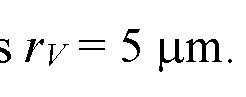
- the vesicle can be treated as a spherical resistor R V in parallel with a spherical capacitor 0 .
- the corresponding RC-time constant is approximately: .
- This value corresponds to a low-pass frequency .
- the noise bandwidth ⁇ ⁇ can be adjusted according to: .
- Eqn. (6) indicates, the broader the ⁇ ⁇ , the better.
- POPC vesicles can be prepared by first producing vesicular dispersions using a standard approach, freeze-drying the dispersion, and then re-hydrating the lypholized powder with the buffered PCR solution. During rehydration, the aqueous solution carries the large-molecule solutes into the liposome interiors.
- a vesicle-composition can be employed that has already been used to demonstrate vesicular PCR: POPC: DSPE-PEG 500 : cholesterol (65: 5: 30).
- the PCR solution will contain Tris buffer, primer (Sigma, KiCqStart), DNA template, and PCR ReadyMix solution with SYBR Green I dye (Sigma, KCQ500) for double-stranded DNA (ds-DNA) detection.
- DNase I can be added to the exterior phase to digest ds-DNA and decrease background fluorescence.
- Interfacial DNA trapping A single POPC vesicle can be positioned in the sample cell as shown in FIG. 30A. The appropriate E 0 -level needed to interfacially trap DNA will be determined as follows. The right-ward directed field is expected to trap DNA along the left edge of the vesicle interior, as the negatively charged DNA molecules will participate in left screening layer.
- the occurrence of trapping can be detected by via fluorescence mapping, which will exhibit a bright fringe of fluorescence along the left edge of the vesicle. Further verification can be made by reversing the field in order to shift the fringe to the right side of the vesicle.
- Stochastic Denaturation Noise can be applied to single vesicles in order to melt the interfacially trapped ds-DNA molecules. Prior loading of the vesicles with a dye for single- stranded DNA (QuantiFluor ssDNA Dye System) will permit fluorescence-detection of stochastically denatured DNA.
- Stochastically-Assisted PCR The next step is to realize PCR without thermal cycling to 95 o C. After setting the sample cell to 55 o C, vesicular DNA can be stochastically denatured (as described above) and then induce annealing simply by turning off the stochastic signal. Annealing occurs spontaneously at 55 o C.
- a single PCR cycle can be: stochastic denaturation at 55 o C; conventional (55 o C) annealing; and conventional (72 o ) elongation. Vesicles can be repeatedly run through this cycle until SYBR Green I fluorescence is observed, suggesting amplification. Demonstration of PCR without 95 o C heating will be significant.
- the next step is to induce elongation stochastically. Ostensibly, a noise-signal of intermediate strength relative to the denaturation-noise level is applied.
- stochastic denaturation can be temporarily omitted and the following PCR cycle can be employed: conventional (95 o C) denaturation; conventional annealing; and stochastic elongation at 55 o C. It has been determined that the positively charged ⁇ 29 residue of DNA polymerase is involved in binding the incoming nucleotide. Without being bound by any theory, it is believed the stochastic field will agitate this charged residue and, thereby, amplify the nucleotide binding rate. Hence, it is believed that elongation can also be stochastically amplified. This protocol can be repeatedly cycled until the SYBR-detection of double-stranded DNA becomes possible. 4.
- Isothermal and Athermal PCR Once the methods for stochastic denaturation and stochastic elongation have been established, these capabilities can be combined to enact isothermal 55 o C PCR: stochastic denaturation at 55 o C; conventional (55 o C) annealing; and stochastic elongation at 55 o C. The final step is then to perform PCR at room temperature, which will require stochastic annealing. Both the primers and DNA are charged, so it is expected that both will undergo stochastic heating. To identify the optimal conditions, we will prepare 25 o C vesicles that contain primers, ss-DNA, and SYBR Green I.
- FIG. 32A shows a cyclic voltammogram (CV) collected after multiple (4) oxidation- reduction cycles of a solution containing 5 mM AgNO 3 and 200 mM KNO3 (the supporting electrolyte).
- the working electrode was gold.
- the reference electrode was silver, the counter electrode was silver, and the voltage was scanned at 10 mV/s. This CV agrees well with that reported elsewhere for the same system.
- FIG.32B is an expanded view of the barrier-limited region where the current rises exponentially with overpotential (in direction of the arrow).
- the following studies were performed at an overpotential of -12.5 mV, which provides a driving force for silver electro- deposition.
- voltage-sweep studies were performed where the current density was recorded and a quartz crystal microbalance (QCM) was used to simultaneously record the deposited mass. Both of these observables permit quantification of electrochemical reaction rates.
- the working electrode is a gold-coated quartz plate.
- the alternating voltage (stochastic or sinusoidal) is applied between the counter and working-electrodes while controlling its strength, as well as that of the DC overpotential, via a potentiostat and a reference electrode (not shown).
- a potentiostat and a reference electrode (not shown).
- deposited mass and electrochemical current can be measured simultaneously.
- the spectrum of the stochastic signal is shown in FIG. 33. Due to potentiostat-limitations, this study is limited to 10 kHz and 100 kHz sine waves (dashed lines in FIG.33). Stochastic rate-amplification and deposited mass enhancement are illustrated in FIGS. 34A-34C.
- FIG.34A is a voltage-sweep study that plots the stochastically driven current-density versus the rms-voltage of the stochastic signal across the 0-0.9 V RMS range.
- the top line is the difference between the total current from a solution containing 5 mM AgNO 3 /200 mM KNO 3 , and the background-current from a solution having the same ionic strength but no silver: 205 mM KNO 3 .
- the bottom line is the corresponding difference-current density for the DC measurement (i.e. overpotential but no stochastic signal).
- the working electrode from the silver- solution had a silvery coating (see FIG.
- the ratio of the stochastic and DC current densities at the end of the sweeps in FIG. 34A is 0.020 , indicating a stochastic rate amplification factor of ⁇ 10 2 for the process. It follows that the stochastic signal also elevates the total deposition-magnitude.
- the ratio of the stochastic and DC deposition masses in FIG. 34B is implying a stochastically induced deposition- enhancement of ⁇ 10 2 for this process.
- 35A and 35B are the stochastic and DC difference-profiles discussed above.
- the other data-sets are the difference-profiles for 10 kHz and 100 kHz sine waves.
- the ratio of stochastic-to-sinusoidal 2 current density at, say, 0.9 V RMS is at 10 kHz and at 100 kHz. Across most of the voltage range, the stochastic current density is ⁇ 10 2 ⁇ greater than the sinusoidal current density.
- FIG.35B depicts the deposited mass profiles that were collected during these voltage-sweeps. Following an initial period of slow growth (up to ⁇ 150 s or 220 mV RMS ), the stochastic mass profile exceeds the sinusoidal mass profiles for all later times.
- the ratio of stochastic-to-sinusoidal mass is for the 10 kHz wave and f or the 100 kHz wave.
- the sinusoidal deposition-magnitude is weak, as FIG. 35C depicts only a faint silvery coating on the electrode upon completion of the 10 kHz voltage-sweeps.
- the quantity of translational kinetic energy that the field adds to the gold ion is where the mass of the ion is T he rotational drift frequency of a water molecule in this field is , where the dipole moment is , the O—H bond length is ⁇ , and the aqueous viscosity is where the moment of inertia of water is
- the ratio 3 shows that the ion’s translational degree-of-freedom is considerably more energetic.
- the field induces a significantly higher effective temperature increase in the ion: as compared to the H 2 O molecule: Note that both of these effects change the kinetic energy of the ion or molecule essentially by providing an external impulse or force.
- the first testbed will be metal deposition from ionic liquids due to their relatively high thermal stability. In these systems, the solution conductivity increases with the temperature which is expected to increase the deposition rate in addition to thermal fluctuations. Although the example will begin with zinc deposition, this will pave the way for aluminum and/or titanium, which would have applications as coatings for lightweight structures or for extracting rare-earth metals, which have applications within the Critical Materials Institute (a DOE Energy Innovation Hub). Without being bound by any theory, it is believed that a stochastic voltage signal will elevate the mean kinetic energy of charged molecules in the screening layers of electrode-solution interfaces leading to a temperature increase.
- the challenge will be to make reliable temperature measurements of a liquid layer that are only a few nanometers thick.
- Aqueous solutions cannot be used because most molecules are neutral (water), so even in the screening layer a small average temperature rise may occur.
- ionic liquids ILs
- both thermal atomic force microscopy and Langmuir film- surface pressure techniques can be used to measure the interfacial temperature. All-atom, molecular dynamics (MD) simulations of the same ILs will be performed under vertical stochastic fields to compute the temperature profile of the IL near the interface.
- the heating efficiency of stochastic and non-stochastic fields can be compared, including constant, sinusoidal, and sawtooth fields.
- the significance of this example is that it directly tests the fundamental concept of stochastic heating and provides an estimate of the magnitude of the effect.
- the aim of this example is to directly demonstrate a field-dependent temperature rise in regions of the fluid that sustain an electric field (screening layers).
- thin film temperature sensors such as Omega TFD series
- the results will be compared with control experiments in non-polar solvents.
- SThM Scanning Thermal Microscopy
- a specialized probe with a small ( ⁇ 50 nm) thermocouple integrated into the tip.
- force curves can be collected as the probe crosses the interface, simultaneously providing the temperature and the cantilever deflection as functions of z-position.
- Current SThM probes do not work in conductive liquids because they have wires exposed on the back side. For this reason, the temperature profile will be measured at a liquid-liquid interface composed of an ionic liquid (bottom) and a non-polar solvent (top).
- Appropriate immiscible pairs are 1-Butyl-3-methylimidazolium hexafluorophosphate ([BMIm][PF 6 ]) and octane. This interface will allow the back side of the cantilever to remain in non-conducting solvent while the tip with the thermocouple probes the ionic liquid. Force curves of liquid-liquid interfaces have been demonstrated, and SThM has been performed in non-polar solvents. These will be put together to use SThM to measure temperature at a liquid-liquid interface.
- thermocouple is larger than typical screening lengths, the temperature measurement will average across a temperature gradient and will be a lower bound to the temperature rise. Measurements will be made with a Cypher ES AFM (Asylum Research). Insoluble particles on air-liquid interfaces form monomolecular films.
- 2D gaseous nanoparticle films will be prepared on an ionic liquid interface [BMIm][PF 6 ] and a stochastic field will be applied perpendicular to the film while measuring the surface pressure.
- ionic liquid interface [BMIm][PF 6 ]
- FIG. 36A To apply the stochastic field, capacitive plates will be mounted above and below the liquid interface and the stochastic field will be supplied with a function generator. A screening layer in the ionic liquid will form at the air-liquid interface on which the film sits (and at the bottom of the trough).
- the stochastic field will agitate the molecules in this layer, and the temperature of this layer will be detected.
- the surface pressure measurements will have ⁇ 10 ⁇ N m -1 sensitivity.
- the first term is simply the 2D ideal gas law and describes the initial linear regimes of the pressure- density profiles (see data in FIG. 36B). Using a realistic density of ⁇ 7 particles/nm 2 and ⁇ sensitivity of 10 ⁇ N m -1 , we estimate the temperature-sensitivity of this approach to be ⁇ 3 K.
- the preferred code is Gromacs because it is specifically designed to run efficiently on high performance (either GPU or multi core) platforms, allowing for the simulation of large (10 5 k atoms) systems for long ( ⁇ s-ms) times. It is competitive with other common codes (NAMD, CHARMM, AMBER, or LAMMPS). This code allows one to apply external electric fields (both constant and oscillatory). The code will be modified to apply stochastic fields that closely mimic those used experimentally. The rotational and translational diffusion of the ions will be determined, in addition to their local temperature as given by the average kinetic energies. This analysis will yield profiles of the electric field strength and the temperature along the interface-normal. Simulated and measured quantities will be compared.
Landscapes
- Health & Medical Sciences (AREA)
- Life Sciences & Earth Sciences (AREA)
- Engineering & Computer Science (AREA)
- Physics & Mathematics (AREA)
- Chemical & Material Sciences (AREA)
- Biomedical Technology (AREA)
- Biochemistry (AREA)
- Immunology (AREA)
- Pathology (AREA)
- Molecular Biology (AREA)
- General Physics & Mathematics (AREA)
- Analytical Chemistry (AREA)
- General Health & Medical Sciences (AREA)
- Biophysics (AREA)
- Hematology (AREA)
- Urology & Nephrology (AREA)
- Food Science & Technology (AREA)
- Medicinal Chemistry (AREA)
- General Engineering & Computer Science (AREA)
- Electrochemistry (AREA)
- Chemical Kinetics & Catalysis (AREA)
- High Energy & Nuclear Physics (AREA)
- Plasma & Fusion (AREA)
- Optics & Photonics (AREA)
- Measuring Or Testing Involving Enzymes Or Micro-Organisms (AREA)
Abstract
Description




Claims
Priority Applications (1)
| Application Number | Priority Date | Filing Date | Title |
|---|---|---|---|
| US18/729,592 US20250093327A1 (en) | 2022-01-17 | 2023-01-17 | Stochastic heating at an electrochemical interface |
Applications Claiming Priority (2)
| Application Number | Priority Date | Filing Date | Title |
|---|---|---|---|
| US202263300110P | 2022-01-17 | 2022-01-17 | |
| US63/300,110 | 2022-01-17 |
Publications (1)
| Publication Number | Publication Date |
|---|---|
| WO2023137486A1 true WO2023137486A1 (en) | 2023-07-20 |
Family
ID=87279770
Family Applications (1)
| Application Number | Title | Priority Date | Filing Date |
|---|---|---|---|
| PCT/US2023/060745 Ceased WO2023137486A1 (en) | 2022-01-17 | 2023-01-17 | Stochastic heating at an electrochemical interface |
Country Status (2)
| Country | Link |
|---|---|
| US (1) | US20250093327A1 (en) |
| WO (1) | WO2023137486A1 (en) |
Citations (5)
| Publication number | Priority date | Publication date | Assignee | Title |
|---|---|---|---|---|
| WO2003019996A1 (en) * | 2001-08-21 | 2003-03-06 | Neutron Systems Development Limited | Neutron generator apparatus |
| KR20040015064A (en) * | 2001-03-07 | 2004-02-18 | 블랙라이트 파워 인코포레이티드 | Microwave power cell, chemical reactor, and power converter |
| US20120167818A1 (en) * | 2002-03-21 | 2012-07-05 | Gr Intellectual Reserve, Llc | Methods for Controlling Crystal Growth, Crystallization, Structures and Phases in Materials and Systems |
| US20160307649A1 (en) * | 2012-04-25 | 2016-10-20 | Azaroghly YAZDANBOD | Apparatus and process for penetration of the coulomb barrier |
| US20190057782A1 (en) * | 2013-03-11 | 2019-02-21 | Alpha Ring International, Ltd. | Direct energy conversion - applied electric field |
-
2023
- 2023-01-17 WO PCT/US2023/060745 patent/WO2023137486A1/en not_active Ceased
- 2023-01-17 US US18/729,592 patent/US20250093327A1/en active Pending
Patent Citations (5)
| Publication number | Priority date | Publication date | Assignee | Title |
|---|---|---|---|---|
| KR20040015064A (en) * | 2001-03-07 | 2004-02-18 | 블랙라이트 파워 인코포레이티드 | Microwave power cell, chemical reactor, and power converter |
| WO2003019996A1 (en) * | 2001-08-21 | 2003-03-06 | Neutron Systems Development Limited | Neutron generator apparatus |
| US20120167818A1 (en) * | 2002-03-21 | 2012-07-05 | Gr Intellectual Reserve, Llc | Methods for Controlling Crystal Growth, Crystallization, Structures and Phases in Materials and Systems |
| US20160307649A1 (en) * | 2012-04-25 | 2016-10-20 | Azaroghly YAZDANBOD | Apparatus and process for penetration of the coulomb barrier |
| US20190057782A1 (en) * | 2013-03-11 | 2019-02-21 | Alpha Ring International, Ltd. | Direct energy conversion - applied electric field |
Also Published As
| Publication number | Publication date |
|---|---|
| US20250093327A1 (en) | 2025-03-20 |
Similar Documents
| Publication | Publication Date | Title |
|---|---|---|
| Xu et al. | The new era of high-throughput nanoelectrochemistry | |
| Bai et al. | Recent advances in colloidal and interfacial phenomena involving liquid crystals | |
| Gao et al. | Superhydrophobic “wash free” 3D nanoneedle array for rapid, recyclable and sensitive SERS sensing in real environment | |
| Shi et al. | Facile synthesis of hierarchically aloe-like gold micro/nanostructures for ultrasensitive DNA recognition | |
| Raveendran et al. | Tunable fractal nanostructures for surface-enhanced Raman scattering via templated electrodeposition of silver on low-energy surfaces | |
| Fattah et al. | Indirect bipolar electrodeposition of polymers for the controlled design of zinc microswimmers | |
| Liu et al. | Calcium carbonate-modified surfaces by electrocrystallization to study anionic surfactant adsorption | |
| Kinnear et al. | Dual-barrel conductance micropipet as a new approach to the study of ionic crystal dissolution kinetics | |
| Gianoncelli et al. | High‐lateral resolution X‐ray fluorescence microspectroscopy and dynamic mathematical modelling as tools for the study of electrodeposited electrocatalysts | |
| Schürch et al. | Additive Manufacturing through Galvanoforming of 3D Nickel Microarchitectures: Simulation‐Assisted Synthesis | |
| Kilani et al. | Toward Precision Deposition of Conductive Charge‐Transfer Complex Crystals Using Nanoelectrochemistry | |
| Villani et al. | Experimental methods for measuring potential and current density distributions at bipolar electrodes | |
| Walker et al. | Understanding calcite wettability alteration through surface potential measurements and molecular simulations | |
| US20250093327A1 (en) | Stochastic heating at an electrochemical interface | |
| Fan et al. | High-throughput surface-enhanced Raman scattering for screening chemical sensor candidates enabled by bipolar electrochemistry | |
| Dionne et al. | Microcantilevers bend to the pressure of clustered redox centers | |
| Liu et al. | Single-digit nanobubble sensing via nanopore technology | |
| Woerner et al. | Characterization of nanostructured surfaces generated by reconstitution of the porin MspA from Mycobacterium smegmatis | |
| Yang et al. | Nanoparticle shape evolution and proximity effects during tip-induced electrochemical processes | |
| Zhou et al. | Chronopotentiometric Approach in Scanning Electrochemical Cell Microscopy: Minimizing Surface Change Upon Landing | |
| Kamal et al. | Hg (ii) interactions with T-rich regions in oligonucleotides: effects of positional variations on the electrochemical properties | |
| Amine | Advanced Heavy Metals Detection Through Electrochemical Sens-ing | |
| Kumakli | Nanoscale Electrochemical Measurements: From Interfacial Reactivity to Specific Molecular Monitoring | |
| Botha | Application of Quartz Crystal Microbalance to Measure the Rheology of Complex Colloidal Suspensions | |
| Hangarter et al. | Microelectrode Test Configurations for Measurement of Galvanic Current under Saline Drops in Simulated Atmospheric Conditions |
Legal Events
| Date | Code | Title | Description |
|---|---|---|---|
| 121 | Ep: the epo has been informed by wipo that ep was designated in this application |
Ref document number: 23740911 Country of ref document: EP Kind code of ref document: A1 |
|
| WWE | Wipo information: entry into national phase |
Ref document number: 18729592 Country of ref document: US |
|
| NENP | Non-entry into the national phase |
Ref country code: DE |
|
| 122 | Ep: pct application non-entry in european phase |
Ref document number: 23740911 Country of ref document: EP Kind code of ref document: A1 |
|
| WWP | Wipo information: published in national office |
Ref document number: 18729592 Country of ref document: US |