WO2023136115A1 - 複数の無線アクセス技術の測定設定を有効活用する端末装置、制御方法、及びプログラム - Google Patents
複数の無線アクセス技術の測定設定を有効活用する端末装置、制御方法、及びプログラム Download PDFInfo
- Publication number
- WO2023136115A1 WO2023136115A1 PCT/JP2022/047920 JP2022047920W WO2023136115A1 WO 2023136115 A1 WO2023136115 A1 WO 2023136115A1 JP 2022047920 W JP2022047920 W JP 2022047920W WO 2023136115 A1 WO2023136115 A1 WO 2023136115A1
- Authority
- WO
- WIPO (PCT)
- Prior art keywords
- timer
- measurement
- setting
- network
- terminal device
- Prior art date
- Legal status (The legal status is an assumption and is not a legal conclusion. Google has not performed a legal analysis and makes no representation as to the accuracy of the status listed.)
- Ceased
Links
Images




Classifications
-
- H—ELECTRICITY
- H04—ELECTRIC COMMUNICATION TECHNIQUE
- H04W—WIRELESS COMMUNICATION NETWORKS
- H04W16/00—Network planning, e.g. coverage or traffic planning tools; Network deployment, e.g. resource partitioning or cells structures
- H04W16/18—Network planning tools
-
- H—ELECTRICITY
- H04—ELECTRIC COMMUNICATION TECHNIQUE
- H04W—WIRELESS COMMUNICATION NETWORKS
- H04W24/00—Supervisory, monitoring or testing arrangements
- H04W24/08—Testing, supervising or monitoring using real traffic
-
- H—ELECTRICITY
- H04—ELECTRIC COMMUNICATION TECHNIQUE
- H04W—WIRELESS COMMUNICATION NETWORKS
- H04W24/00—Supervisory, monitoring or testing arrangements
- H04W24/10—Scheduling measurement reports ; Arrangements for measurement reports
-
- H—ELECTRICITY
- H04—ELECTRIC COMMUNICATION TECHNIQUE
- H04W—WIRELESS COMMUNICATION NETWORKS
- H04W88/00—Devices specially adapted for wireless communication networks, e.g. terminals, base stations or access point devices
- H04W88/02—Terminal devices
- H04W88/06—Terminal devices adapted for operation in multiple networks or having at least two operational modes, e.g. multi-mode terminals
-
- Y—GENERAL TAGGING OF NEW TECHNOLOGICAL DEVELOPMENTS; GENERAL TAGGING OF CROSS-SECTIONAL TECHNOLOGIES SPANNING OVER SEVERAL SECTIONS OF THE IPC; TECHNICAL SUBJECTS COVERED BY FORMER USPC CROSS-REFERENCE ART COLLECTIONS [XRACs] AND DIGESTS
- Y02—TECHNOLOGIES OR APPLICATIONS FOR MITIGATION OR ADAPTATION AGAINST CLIMATE CHANGE
- Y02D—CLIMATE CHANGE MITIGATION TECHNOLOGIES IN INFORMATION AND COMMUNICATION TECHNOLOGIES [ICT], I.E. INFORMATION AND COMMUNICATION TECHNOLOGIES AIMING AT THE REDUCTION OF THEIR OWN ENERGY USE
- Y02D30/00—Reducing energy consumption in communication networks
- Y02D30/70—Reducing energy consumption in communication networks in wireless communication networks
Definitions
- the present invention relates to techniques for using measurement settings for each of a plurality of radio access technologies.
- MDT Minimization of Driving Tests
- the MDT measurement is set, for example, when the terminal apparatus is connected to the base station apparatus, and the terminal apparatus measures the radio environment until the timer included in the setting expires. Then, the terminal device holds the measurement result until it receives a report request from the network (base station device), and notifies the held measurement result to the network in response to the report request.
- LTE Long Term Evolution
- 5G 5th Generation
- Non-Patent Document 2 proposes that measurement settings for each network are provided separately and the terminal device holds both settings.
- Non-Patent Document 2 settings for multiple network measurements can coexist, but procedures for effectively utilizing those settings have not been considered.
- the present invention provides a procedure that takes advantage of multiple settings for each measurement of multiple networks.
- a terminal device is a first setting for measuring a radio environment in a first network using a first radio access technology, and is configured to measure a period for performing the measurement.
- the first configuration including one timer and the second configuration for measuring a radio environment in a second network using a second radio access technology, measuring a period of time during which the measurement is made.
- obtaining means for obtaining the second setting including a second timer for the first setting when the first network is in a standby state and the first timer has not expired and measuring means for performing measurement using the second setting when the second network is in a standby state and the second timer has not expired;
- the first timer is operated and the second timer is stopped while the measurement is performed using the first setting, and the first timer is operated while the measurement is performed using the second setting.
- timer means for stopping the timer and operating the second timer.
- a terminal device is a first setting for measuring a radio environment in a first network using a first radio access technology, and for measuring a period for performing the measurement and a second configuration for measuring a radio environment in a second network using a second radio access technology, wherein the period for performing the measurement is acquisition means for acquiring the second setting including a second timer for measuring; and when the first network is in a standby state and the first timer has not expired, the measuring means for performing measurement using the first setting, and performing measurement using the second setting when the second network is in a standby state and the second timer has not expired; and clocking means for operating the first timer and the second timer during measurement using either the first setting or the second setting.
- FIG. 1 is a diagram illustrating a configuration example of a wireless communication system.
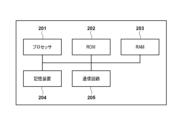
- FIG. 2 is a diagram illustrating a hardware configuration example of a terminal device.
- FIG. 3 is a diagram illustrating a functional configuration example of a terminal device.
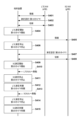
- FIG. 4 is a diagram illustrating an example of the flow of processing in a wireless communication system.
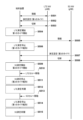
- FIG. 5 is a diagram illustrating an example of the flow of processing in a wireless communication system.
- FIG. 6 is a diagram illustrating an example of the flow of processing when the terminal device moves out of service area.
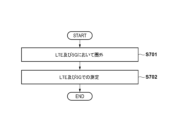
- FIG. 7 is a diagram illustrating an example of the flow of processing when the terminal device moves out of service area.
- FIG. 8 is a diagram illustrating an example of the flow of processing when the terminal device moves out of service area.
- FIG. 1 shows a configuration example of a wireless communication system according to this embodiment.
- This wireless communication system is, for example, a cellular communication system that provides terminal devices (mobile stations) with communication services conforming to the Long Term Evolution (LTE) standard and the 5th generation (5G) standard of the 3rd Generation Partnership Project (3GPP).
- a terminal device can use, for example, two radio access technologies (RAT), LTE and 5G, and is configured to be able to connect to and communicate with a network corresponding to each RAT.
- a terminal device can be connected to a network corresponding to each RAT via a node (base station device) belonging to the network.
- RAT radio access technologies
- FIG. 1 shows an example in which a terminal device 101 is connectable to an LTE base station device 102 and a 5G base station device 103 .
- the LTE base station apparatus 102 and the 5G base station apparatus 103 may be arranged at separate positions as shown in FIG. 1, or may be arranged at the same position.
- base station apparatus when there is no need to distinguish between the LTE base station apparatus 102 and the 5G base station apparatus 103, they may be collectively referred to as "base station apparatus".
- the LTE base station apparatus 102 is connected to an LTE core network (not shown), and the 5G base station apparatus 103 is connected to a 5G core network (not shown).
- one terminal device 101, one LTE base station device 102, and one 5G base station device 103 are shown in FIG. 1, there can naturally be many of these devices.
- the terminal device 101 of the present embodiment measures the radio quality in a standby state in which connection with the network is not established, and according to a request from the network , configured to report its measurement results.
- the standby state can be a state of RRC_Idle or RRC_Inactive.
- RRC indicates radio resource control.
- the terminal device 101 acquires information indicating the first configuration for measurement in LTE from the LTE base station device 102, and also acquires the first configuration for measurement in 5G from the 5G base station device 103. Acquire information indicating the setting of 2.
- the first setting and the second setting comprise a first timer and a second timer that indicate periods during which measurements for LTE and 5G are to be performed, respectively.
- the "timer” here corresponds to, for example, "T330" in the standard.
- the terminal device 101 uses the first setting and performs LTE measurement only during the period specified by the first timer. Also, the terminal device 101 performs 5G measurement using the second setting, for example, only during the period specified by the second timer.
- the terminal device 101 can maintain a first setting including a first timer and a second setting including a second timer in parallel. and In the following, an example of how to efficiently perform measurements in such a situation where the terminal device 101 holds multiple configurations for measurements on multiple RATs will be described.
- the LTE base station device 102 may instruct to measure the radio quality of the adjacent 5G base station.
- the first configuration includes a configuration related to LTE measurement and a configuration related to 5G measurement, and in the terminal device 101, only the period specified by the first timer, LTE specified in the first configuration Measurements and 5G measurements may be performed.
- the second configuration includes LTE measurement configuration and 5G measurement configuration, in terminal device 101, only the period specified by the second timer is designated as the second configuration. LTE measurements and 5G measurements may be performed.
- the first settings may include settings for wireless quality of Bluetooth or wireless LAN, measurement settings for positioning such as GPS, and settings for recording history information of a serving cell (waiting cell).
- the terminal device 101 when the terminal device 101 is in an LTE standby state (located in an LTE cell), the terminal device 101 measures LTE radio quality during a period until the first timer expires. . Then, the terminal device 101 does not measure the radio quality of 5G while in the LTE standby state. Further, when the terminal device 101 is in a 5G standby state (located in a 5G cell), the terminal device 101 measures the 5G radio quality during the period until the second timer expires. In this case, the terminal device 101 does not measure the radio quality of LTE while in the 5G standby state.
- the terminal device 101 operates the first timer and does not operate the second timer in the state of waiting in LTE, and does not operate the first timer in the state of waiting in 5G. can run the second timer. That is, when the terminal device 101 transitions from the LTE standby state to the 5G standby state, the first timer for measurement during standby in LTE is stopped, and the measurement during standby in 5G is stopped. may start a second timer for In addition, the terminal device 101 can stop the second timer and start the first timer when transitioning from the 5G standby state to the LTE standby state. According to this, the terminal device 101 can perform measurement only during the period specified by the timer set for each RAT.
- the terminal device 101 can continue to operate the first timer and the second timer regardless of whether it is in a standby state in LTE or in a standby state in 5G. For example, while the terminal device 101 is measuring the radio quality of LTE using the first setting, not only the first timer is operated, but also the second timer is set and expires. If not, a second timer may also run. In addition, the terminal device 101 not only operates the second timer while measuring the 5G radio quality using the second setting, but also the first timer is set and expires. If not, a first timer may also run.
- the terminal device 101 does not stop the first timer until it expires, and does not stop the second timer after starting the second timer until it expires.
- the terminal device 101 moves to a 5G cell and stops measurement using the first setting while being in an LTE cell and performing measurement using the first timer and the first setting.
- the first timer continues to operate even after the measurement is started using the second setting.
- the terminal device 101 moves to an LTE cell and stops measurement using the second setting while being in a 5G cell and performing measurement using the second timer and the second setting.
- the second timer is kept running. Such control can prevent the measurement from being continued for an unnecessarily long period of time.
- the first timer and the second timer may be one common timer. That is, measurements using at least one of the first setting and the second setting may be performed until one timer common to multiple RATs expires.
- the terminal device 101 restarts the first timer when re-entering the LTE cell. and the measurement using the first setting can be resumed.
- the terminal device 101 for example, after stopping the second timer and performing measurement using the first setting, when it comes to be in the 5G cell again, the second timer It can resume and resume measurements using the second setting.
- the terminal device 101 can separately store the measurement result using the first setting and the measurement result using the second setting. Then, for example, after connecting to the LTE base station apparatus 102, the terminal apparatus 101 notifies the LTE base station apparatus 102 of whether or not each measurement result is held. After that, the terminal device 101 reports the measurement result using the first configuration to the LTE base station device 102 in response to a request from the LTE base station device 102 . In addition, the terminal device 101 notifies, for example, the connected 5G base station device 103 whether or not each measurement result is held. After that, the terminal device 101 reports the measurement result using the second configuration to the 5G base station device 103 in response to a request from the 5G base station device 103 .
- the terminal device 101 reports not only the measurement result using the first setting but also the measurement using the second setting to the LTE base station apparatus 102. You may report to the station apparatus 102.
- the terminal device 101 for example, in response to a request from the 5G base station device 103, not only the result of the measurement using the second setting, but also the result of the measurement using the first setting, the 5G You may report to the base station apparatus 103.
- the terminal device 101 uses at least one of RRCConnectionSetupComplete, RRCConnectionReestablishmentComplete, and RRCConnectionReconfigurationComplete messages to hold the measurement results using the first setting and the measurement results using the second setting.
- LTE base station apparatus 102 can be notified of whether or not.
- the terminal device 101 uses at least one of the messages RRCSetupComplete, RRCReestablishmentComplete, RRCReconfigurationComplete, and RRCResumeComplete to hold the measurement results using the first setting and the measurement results using the second setting. It is possible to notify the 5G base station apparatus 103 of whether or not there is.
- the terminal device 101 indicates whether or not the measurement result in at least one of LTE and 5G is held, rlf-InfoAvailable, logMeasAvailable, connEstFailInfoAvailable, logMeasAvailableMBSFN, logMeasAvailableBT, At least one of logMeasAvailableWLAN and mobilityHistoryAvail can be used for notification.
- the LTE base station device 102 or the 5G base station device 103 uses at least one of logMeasReportReq, connEstFailReportReq, ra-ReportReq, and mobilityHistoryReportReq included in the UEInformationRequest to send the first Requests a report of some or all of the measurement results using the setting and the measurement results using the second setting, and the terminal device 101 uses UEInformationResponse to send the measurement results according to the request to LTE can be notified to the base station apparatus 102 or the base station apparatus 103 of 5G.
- the base station apparatus may instruct the terminal apparatus 101 which measurement result to report. For this reason, the terminal device 101, for example, holds only LTE measurement results, holds only 5G measurement results, or holds both LTE and 5G measurement results.
- the information may be notified to the connected base station apparatus.
- the terminal device 101 when the terminal device 101 establishes a connection with one of the base station devices, the terminal device 101 can notify the connected base station device of the information. Then, based on the information, the base station apparatus transmits a request including information indicating which measurement result should be transmitted to the terminal apparatus 101, and the terminal apparatus 101 performs the measurement indicated by the request. may report some or all of the results to the base station apparatus. Note that the terminal device 101 deletes the reported information from the held measurement results. In addition, when the terminal device 101 transmits a measurement result report to the base station device, the terminal device 101 may also transmit information indicating whether the measurement result is for LTE or 5G. .
- the terminal device 101 continues to perform measurement and retain the measurement results as described above.
- the terminal device 101 has a finite capacity of a memory storage area for holding measurement results. Therefore, the terminal device 101 can stop measuring when the amount of measurement results reaches the capacity of its storage area.
- the terminal device 101 holds information that can specify the remaining time of the timer together with the information on the measurement result, It can report to the base station device when it is connected to the network. For example, when the measurement is stopped before the first timer expires, the terminal device 101 holds information that can identify the remaining time of the first timer, and sends the LTE base station device 102, for example.
- the information can be reported to the LTE base station apparatus 102 together with the measurement results.
- the terminal device 101 holds information that can identify the remaining time of the second timer, for example, a 5G base station device 103, the information can be reported to the 5G base station apparatus 103 together with the measurement results.
- the information that can specify the remaining time of the timer may be information indicating the remaining time, or may be information such as the time when the timer stopped or the time elapsed from the start of time measurement. According to this, it becomes possible for the network side to designate an appropriate timer value for the subsequent measurement and cause the terminal device 101 to set it.
- the terminal device 101 retains information indicating the reason for the stop together with the measurement result, and when connecting to the base station device, The information may be reported to the base station apparatus together with the measurement result.
- the reason for the stop is, for example, as described above, the first timer or the second timer is stopped by switching the cell in which the terminal device 101 waits between the LTE cell and the 5G cell, It may include that the amount of measurement results being held has reached the capacity of the memory storage area, and the like.
- the terminal device 101 for example, when the first timer or the second timer is restarted by switching the cell in which the terminal device 101 waits between the LTE cell and the 5G cell, the restart Information that can identify the period during which the measurement was stopped, such as the time, may be held. Then, when the terminal device 101 is connected to the base station device, the terminal device 101 may report the measurement result and the information to the connected base station device. In addition, the terminal device 101 holds the number of logs held as the measurement result (for example, information that associates the position with the radio quality), and when connected to the base station device, the measurement result together with the information may be reported to the connected base station apparatus.
- the measurement result for example, information that associates the position with the radio quality
- the measurement when the terminal device 101 is in a standby state in either an LTE cell or a 5G cell has been described.
- the terminal device 101 will be in an out-of-range state in which neither an LTE cell nor a 5G cell can be detected.
- the terminal device 101 can perform measurement control during the out-of-service according to the cell in which it was located immediately before going out of the service. For example, when the terminal device 101 is in an LTE cell immediately before going out of service, the terminal device 101 continues LTE measurement and does not perform 5G measurement. In addition, when the terminal device 101 is in a 5G cell immediately before going out of service, the terminal device 101 can continue the 5G measurement and not perform the LTE measurement.
- the terminal device 101 may be configured to perform both LTE measurement and 5G measurement when it is out of service. Furthermore, the terminal device 101, for example, holds in advance information indicating which of the LTE measurement and the 5G measurement is prioritized, and according to being out of service, the measurement of the one with priority. may be configured to execute The specification information that specifies which of the LTE measurement and 5G measurement is prioritized (which of the LTE measurement and 5G measurement should be performed when out of service area) is specified by the terminal device 101 for LTE and 5G. It may be obtained from any network. In addition, for example, when the terminal device 101 connects to one of the LTE and 5G base station devices, this designation information may be acquired from the connected base station device. It may be obtained from the network, such as by system information transmitted from the device.
- the terminal device 101 when the terminal device 101 is determined to perform LTE measurement when out of service area as described above, the terminal device 101 does not perform LTE measurement when the first timer has expired. . In other words, the terminal device 101 can perform LTE measurement when out of service on the condition that the first timer has not expired. In this case, the terminal device 101 may be configured to perform 5G measurements if the second timer has not expired. Further, if it is determined to perform LTE measurement when out of service area and the first timer has expired, the terminal device 101 measures 5G even if the second timer has not expired.
- the terminal device 101 may be configured not to execute Similarly, the terminal device 101, for example, as described above, when it is determined to perform 5G measurement when out of service, if the second timer has expired, perform 5G measurement do not. That is, the terminal device 101 can perform 5G measurement when out of service on the condition that the second timer has not expired.
- the terminal device 101 may be configured to perform LTE measurement, or may be configured not to perform LTE measurement.
- the terminal device 101 can efficiently use a plurality of measurement settings respectively corresponding to a plurality of RANs to perform measurement in a non-connected state.
- FIG. 2 is a diagram showing a hardware configuration example of the terminal device 101.
- the terminal device 101 is configured including a processor 201 , a ROM 202 , a RAM 203 , a storage device 204 and a communication circuit 205 in one example.
- the processor 201 is a computer including one or more processing circuits such as a general-purpose CPU (Central Processing Unit) and ASIC (Application Specific Integrated Circuit). By reading and executing the program stored in the device, the overall processing of the device and each of the above-described processings are executed.
- the ROM 202 is a read-only memory that stores programs related to processing executed by the terminal device 101 and information such as various parameters.
- a RAM 203 is a random access memory that functions as a work space when the processor 201 executes programs and stores temporary information.
- the storage device 204 is configured by, for example, a detachable external storage device or the like.
- the communication circuit 205 is configured by, for example, a circuit for wireless communication such as LTE or 5G. Although one communication circuit 205 is illustrated in FIG. 2, the terminal device 101 can have a plurality of communication circuits. For example, the terminal device 101 may have an antenna common to wireless communication circuits for LTE and 5G. Note that the terminal device 101 may have separate antennas for LTE and 5G.
- FIG. 3 is a diagram showing a functional configuration example of the terminal device 101.
- the terminal device 101 includes, for example, a setting information acquisition section 301, a measurement section 302, a timer section 303, a recording section 304, and a measurement result reporting section 305.
- these functional units can be implemented by the processor 201 executing programs stored in the ROM 202 and the storage device 204, for example. However, not limited to this, for example, some or all of these functional units may be implemented using dedicated hardware. Since the processing to be executed by the terminal device 101 has been described above, the functional configuration of the terminal device 101 will only be roughly outlined here.
- the setting information acquisition unit 301 acquires settings for measurement while the terminal device 101 is in a non-connection state (for example, RRC_Idle state or RRC_Inactive state) from the network.
- the configuration information acquisition unit 301 acquires a first configuration for measuring LTE radio quality from the LTE base station apparatus 102, and acquires a second configuration for measuring 5G radio quality from a 5G base station. Acquired from the station device 103 .
- Configuration information acquisition section 301 may acquire a plurality of pieces of configuration information related to a plurality of RATs from one base station device corresponding to one of the RATs, or may acquire a plurality of pieces of configuration information relating to a plurality of RATs. may be obtained from
- the configuration information acquired by the configuration information acquisition unit 301 includes resources such as frequency and time to be measured, measurement timing (measurement cycle), and a timer that specifies a period during which measurement should be performed.
- the measurement unit 302 measures the radio quality of each RAT based on the setting information acquired by the setting information acquisition unit 301 . Since the radio quality of which RAT is to be measured is as described above, the description is omitted here.
- the timer 303 uses the timer acquired by the setting information acquisition unit 301 to measure the period during which the measurement is performed. As to which RAT the timer corresponding to is to be activated or stopped is as described above, the description is omitted here.
- the recording unit 304 holds the result of radio quality measurement performed by the measuring unit 302 as a log. Note that the radio quality measurement result may include, for example, a combination of location and radio quality.
- the recording unit 304 records the remaining time of the timer when, for example, a log exceeding the capacity of the storage area of the memory is recorded before the timer controlled by the timing unit 303 expires and the measurement is stopped. I can.
- the recording unit 304 may record the timing at which the timer is stopped and the timing at which the timer is restarted. Also, when the timer is stopped by the timer 303, the recording unit 304 may record the reason for the stop.
- the measurement result reporting unit 305 is connected to any base station device, and reports the log held by the recording unit 304 to that base station device in response to a request from that base station device.
- the measurement result reporting section 305 may notify the base station apparatus of, for example, information indicating which RAT logs are held and which RATs are configured for measurement. In one example, which RAT the log to report relates to may be reported together with the log, or which RAT the retained log relates to is notified, and the base station device either Logs related to the RAT may be reported when a log report request related to the RAT is received. Further, the measurement result reporting section 305 may notify the recording section 304 of the remaining time of the timer, the information of the timer stop/restart timing, and the information indicating the reason for stopping the timer to the connected base station apparatus.
- FIG. 4 shows that the terminal device 101 stops the second timer for 5G while activating the first timer for LTE while the LTE measurement is being performed, and the second timer for 5G is being performed.
- 10 shows an example of the flow of processing in the case of executing processing for stopping the first timer while activating the first timer.
- the terminal device 101 When the terminal device 101 establishes a connection with an LTE network (for example, the LTE base station device 102) (S401), the terminal device 101 acquires setting information related to LTE radio quality measurement from the LTE network (S402). ). Then, for example, the terminal device 101 is disconnected from the LTE network (S403), and after being in a non-connected state (for example, RRC_Idle state), starts measuring radio quality in LTE based on the acquired configuration information, and performs the first A timer is started (S404).
- an LTE network for example, the LTE base station device 102
- the terminal device 101 acquires setting information related to LTE radio quality measurement from the LTE network (S402). ). Then, for example, the terminal device 101 is disconnected from the LTE network (S403), and after being in a non-connected state (for example, RRC_Idle state), starts measuring radio quality in LTE based on the acquired configuration information, and performs the first A timer is started (S404).
- the terminal device 101 when the terminal device 101 is located in a 5G cell due to movement, for example, the terminal device 101 establishes a connection with a 5G network (for example, a 5G base station device 103) for location registration ( S405). In addition, when the terminal device 101 is located in a 5G cell, the terminal device 101 stops measuring radio quality in LTE and stops the first timer (S406). Then, the terminal device 101 acquires setting information regarding measurement of 5G radio quality from the 5G network (S407).
- a 5G network for example, a 5G base station device 103 for location registration
- the terminal device 101 is, for example, disconnected from the 5G network (S408), and after being in a non-connected state (eg, RRC_Idle state or RRC_Inactive state), starts measuring radio quality in 5G based on the acquired configuration information, A second timer is started (S409).
- a non-connected state eg, RRC_Idle state or RRC_Inactive state
- the terminal device 101 stops measuring the radio quality in 5G and stops the second timer (S411), resumes measuring the radio quality in LTE, and 1 timer is also restarted (S412).
- the terminal device 101 can execute processing for connecting to the LTE network for location registration, for example, in response to moving to an LTE cell, but the processing is omitted here.
- the terminal device 101 subsequently moves to a 5G cell (S413), it stops measuring the radio quality in LTE and stops the first timer (S414), and restarts measuring the radio quality in 5G. Then the second timer is restarted (S415).
- the terminal device 101 can perform processing for connecting to the 5G network for location registration, for example, in response to moving to a 5G cell, but the processing is omitted here. .
- the terminal device 101 starts the timer while measuring the radio quality for each RAT, and stops the timer when the radio quality measurement for that RAT is stopped. According to this, the terminal device 101 can measure each RAT for the length of the set period.
- FIG. 5 shows an example of the flow of processing when the terminal device 101 continues to operate both the first timer and the second timer while either LTE measurement or 5G measurement is being performed.
- the terminal device 101 may manage one timer that integrates the first timer and the second timer.
- the time length of the one timer may be set according to the timer expiring earlier, or the time length of the one timer may be set according to the timer expiring later. good.
- the processing of S501 to S505 is the same as the processing of S401 to S405.
- the terminal device 101 stops the measurement of the LTE radio quality, but does not stop the first timer related to the LTE measurement (S506).
- the terminal device 101 performs setting for measurement of 5G radio quality, execution of measurement, and activation of the second timer in the same manner as in S407 to S409.
- the terminal device 101 stops measuring the radio quality of 5G, while maintaining the second timer related to the 5G measurement without stopping (S511). .
- the terminal device 101 resumes LTE measurement (S512). Further, when the terminal device 101 subsequently moves to a 5G cell (S513), the terminal device 101 stops measuring LTE radio quality while maintaining the first timer without stopping (S514). Then, the terminal device 101 resumes 5G measurement (S515).
- the terminal device 101 starts the timer when starting the measurement of the radio quality for each RAT, and maintains the timer without stopping even if the measurement of the radio quality for the RAT is stopped. . According to this, the terminal device 101 can be prevented from continuing the measurement for a long period of time unnecessarily.
- FIG. 6 shows an example of the flow of processing when the terminal device 101 is out of service for both LTE and 5G.
- the terminal device 101 determines whether it was waiting in LTE or 5G immediately before going out of service (S602).
- the terminal device 101 is on standby in LTE immediately before going out of service (YES in S602), and if the first timer related to LTE measurement has not expired (NO in S603), it is out of service. Measurement in LTE is continued later (S605).
- the terminal device 101 is on standby in LTE immediately before going out of service (YES in S602), the first timer has expired (YES in S603), and the second timer related to 5G measurement has not expired (NO in S604), 5G measurement may be performed in response to being out of service (S606).
- the terminal device 101 ends the process without executing any further measurements.
- the terminal device 101 is on standby in LTE immediately before going out of service (YES in S602), and if the first timer has expired (YES in S603), the second timer has expired. , the process may end without performing any further measurements.
- the terminal device 101 is on standby with 5G immediately before going out of service (NO in S602), and if the second timer has not expired (NO in S607), the terminal device 101 waits with 5G after going out of service. Measurement is continued (S606). Note that, for example, the terminal device 101 is on standby with 5G immediately before going out of service (NO in S602), the second timer has expired (YES in S607), and the first timer has expired. If not (NO in S608), LTE measurement may be performed in response to being out of service (S605).
- the terminal device 101 ends the process without executing any further measurements.
- the terminal device 101 is on standby with 5G immediately before going out of service (NO in S602), and when the second timer has expired (YES in S607), the first timer has expired. , the process may end without performing any further measurements.
- the terminal device 101 operates so as to continue the measurement that was being performed immediately before going out of service, thereby making it possible to perform measurement with a simple configuration.
- the terminal device 101 performs the measurement of the other RAT. By executing, it is possible to efficiently execute the measurement.
- the processing when the terminal device 101 transitions to an out-of-range state is described. In this case, the terminal device 101 may measure another RAT whose timer has not expired.
- FIG. 7 shows another example of the flow of processing when the terminal device 101 is out of service for both LTE and 5G.
- the terminal device 101 when the terminal device 101 is out of service in both LTE and 5G (S701), regardless of which cell it was in just before going out of service, LTE and 5G (S702).
- the terminal device 101 does not perform LTE measurement when the first timer has expired, and does not perform 5G measurement when the second timer has expired. That is, at S702, the measurements for which the corresponding timers have not expired are performed.
- the terminal device 101 when it is out of range in both LTE and 5G, since the serving cell is not identified, the terminal device 101 performs and reports measurements for both LTE and 5G, It is possible to prevent the network side from being unable to leave logs unintentionally.
- FIG. 8 shows yet another example of the flow of processing when the terminal device 101 is out of service for both LTE and 5G.
- the terminal device 101 acquires from the network designation information (for example, priority information) that designates which measurement should be performed, LTE or 5G (S801). Then, when the terminal device 101 is out of service area for both LTE and 5G (S802), the terminal device 101 performs measurement for the RAT designated by the designation information (S803).
- the network designation information for example, priority information
- the terminal device 101 performs measurement on the non-designated RAT.
- the terminal device 101 selects the RAT with the highest priority among the RATs whose timers have not expired based on the priority information of these RATs. You may make it measure.
- the measurement settings for a plurality of RATs are effectively used so that the terminal device can perform efficient measurements. This makes it possible to efficiently improve the area quality and improve the efficiency of communication. Therefore, it will be possible to contribute to Goal 9 of the Sustainable Development Goals (SDGs) led by the United Nations, "Build resilient infrastructure, promote sustainable industrialization, and foster innovation.”
- SDGs Sustainable Development Goals
Landscapes
- Engineering & Computer Science (AREA)
- Computer Networks & Wireless Communication (AREA)
- Signal Processing (AREA)
- Mobile Radio Communication Systems (AREA)
Abstract
端末装置は、第1の無線アクセス技術を用いた第1のネットワークにおける無線環境の測定のための第1の設定であって、測定を行う期間を測定するための第1のタイマを含んだ第1の設定と、第2の無線アクセス技術を用いた第2のネットワークにおける無線環境の測定のための第2の設定であって、測定を行う期間を測定するための第2のタイマを含んだ前記第2の設定とを取得し、第1のネットワークにおいて待ち受け状態となっていると共に第1のタイマが満了していない場合に第1の設定を用いて測定を行い、第2のネットワークにおいて待ち受け状態となっていると共に第2のタイマが満了していない場合に第2の設定を用いて測定を行い、第1の設定を用いて測定を行っている間は第1のタイマを動作させると共に第2のタイマを停止させ、第2の設定を用いて測定を行っている間は第1のタイマを停止させると共に第2のタイマを動作させる。
Description
本発明は、複数の無線アクセス技術のそれぞれについての測定設定の利用技術に関する。
第3世代パートナーシッププロジェクト(3GPP)において、エリア品質改善等のために端末装置に無線環境の測定を実行させるMDT(Minimization of Driving Tests)が規定されている(非特許文献1参照)。MDTの測定は、例えば、端末装置が基地局装置と接続状態となったことに応じて設定が行われ、その設定に含まれるタイマが満了するまで端末装置において無線環境の測定が行われる。そして、端末装置は、ネットワーク(基地局装置)からの報告要求を受信するまではその測定結果を保持しておき、報告要求に応じて、保持していた測定結果をネットワークへ通知する。この測定は、ロングタームエボリューション(LTE)と第5世代(5G)の2つのネットワークのそれぞれにおいて別個に行われる。従来、端末装置が在圏中のネットワークが切り替えられた際に、切り替え前のネットワークに関する測定設定や測定結果が削除され、一方の測定結果のみが保持されるようになっていた。これに対して、非特許文献2には、ネットワークごとの測定の設定が別個に与えられ、端末装置がその両方の設定を保持することが提案されている。
3GPP TS37.320 V16.7.0、2021年12月
3GPP寄書、R2-2106037
非特許文献2に記載の手法によれば、複数のネットワークの測定のための設定を併存させることができるが、それらの設定を有効に活用する手順については検討されていなかった。
本発明は、複数のネットワークのそれぞれの測定のための複数の設定を有効活用する手順を提供する。
本発明の一態様による端末装置は、第1の無線アクセス技術を用いた第1のネットワークにおける無線環境の測定のための第1の設定であって、当該測定を行う期間を測定するための第1のタイマを含んだ前記第1の設定と、第2の無線アクセス技術を用いた第2のネットワークにおける無線環境の測定のための第2の設定であって、当該測定を行う期間を測定するための第2のタイマを含んだ前記第2の設定とを取得する取得手段と、前記第1のネットワークにおいて待ち受け状態となっていると共に前記第1のタイマが満了していない場合に前記第1の設定を用いて測定を行い、前記第2のネットワークにおいて待ち受け状態となっていると共に前記第2のタイマが満了していない場合に前記第2の設定を用いて測定を行う測定手段と、前記第1の設定を用いて測定を行っている間は前記第1のタイマを動作させると共に前記第2のタイマを停止させ、前記第2の設定を用いて測定を行っている間は前記第1のタイマを停止させると共に前記第2のタイマを動作させる計時手段と、を有する。
本発明の別の一態様による端末装置は、第1の無線アクセス技術を用いた第1のネットワークにおける無線環境の測定のための第1の設定であって、当該測定を行う期間を測定するための第1のタイマを含んだ前記第1の設定と、第2の無線アクセス技術を用いた第2のネットワークにおける無線環境の測定のための第2の設定であって、当該測定を行う期間を測定するための第2のタイマを含んだ前記第2の設定とを取得する取得手段と、前記第1のネットワークにおいて待ち受け状態となっていると共に前記第1のタイマが満了していない場合に前記第1の設定を用いて測定を行い、前記第2のネットワークにおいて待ち受け状態となっていると共に前記第2のタイマが満了していない場合に前記第2の設定を用いて測定を行う測定手段と、前記第1の設定と前記第2の設定とのいずれを用いて測定を行っている間にも前記第1のタイマおよび前記第2のタイマを動作させる計時手段と、を有する。
本発明によれば、複数のネットワークのそれぞれの測定のための複数の設定を有効活用することが可能となる。
本発明のその他の特徴及び利点は、添付図面を参照とした以下の説明により明らかになるであろう。なお、添付図面においては、同じ若しくは同様の構成には、同じ参照番号を付す。
添付図面は明細書に含まれ、その一部を構成し、本発明の実施の形態を示し、その記述と共に本発明の原理を説明するために用いられる。
図1は、無線通信システムの構成例を示す図である。
図2は、端末装置のハードウェア構成例を示す図である。
図3は、端末装置の機能構成例を示す図である。
図4は、無線通信システムにおける処理の流れの例を示す図である。
図5は、無線通信システムにおける処理の流れの例を示す図である。
図6は、端末装置が圏外に移動した場合の処理の流れの例を示す図である。
図7は、端末装置が圏外に移動した場合の処理の流れの例を示す図である。
図8は、端末装置が圏外に移動した場合の処理の流れの例を示す図である。
以下、添付図面を参照して実施形態を詳しく説明する。なお、以下の実施形態は特許請求の範囲に係る発明を限定するものではなく、また実施形態で説明されている特徴の組み合わせの全てが発明に必須のものとは限らない。実施形態で説明されている複数の特徴のうち二つ以上の特徴は任意に組み合わされてもよい。また、同一若しくは同様の構成には同一の参照番号を付し、重複した説明は省略する。
(システム構成)
図1に、本実施形態に係る無線通信システムの構成例を示す。本無線通信システムは、例えば、第3世代パートナーシッププロジェクト(3GPP)のロングタームエボリューション(LTE)規格及び第5世代(5G)規格に準拠した通信サービスを端末装置(移動局)に提供するセルラ通信システムである。端末装置は、例えば、LTEと5Gとの2つの無線アクセス技術(RAT)を使用可能であり、それぞれのRATに対応するネットワークと接続して通信することが可能に構成される。端末装置は、各RATに対応するネットワークに、そのネットワークに属するノード(基地局装置)を介して接続することができる。なお、本実施形態では、LTEと5Gの2つのRATが用いられる場合の例について説明するが、例えば5Gとその次の世代の2つのRATが用いられる場合であっても、以下の議論を適用することができる。
図1に、本実施形態に係る無線通信システムの構成例を示す。本無線通信システムは、例えば、第3世代パートナーシッププロジェクト(3GPP)のロングタームエボリューション(LTE)規格及び第5世代(5G)規格に準拠した通信サービスを端末装置(移動局)に提供するセルラ通信システムである。端末装置は、例えば、LTEと5Gとの2つの無線アクセス技術(RAT)を使用可能であり、それぞれのRATに対応するネットワークと接続して通信することが可能に構成される。端末装置は、各RATに対応するネットワークに、そのネットワークに属するノード(基地局装置)を介して接続することができる。なお、本実施形態では、LTEと5Gの2つのRATが用いられる場合の例について説明するが、例えば5Gとその次の世代の2つのRATが用いられる場合であっても、以下の議論を適用することができる。
図1には、端末装置101が、LTEの基地局装置102と5Gの基地局装置103とに接続可能である例を示している。なお、LTEの基地局装置102と5Gの基地局装置103は、図1に示されるようにそれぞれ別個の位置に配置されてもよいし、同じ位置に配置されてもよい。以下では、LTEの基地局装置102と5Gの基地局装置103とを区別する必要がない場合には、「基地局装置」と総称しうる。なお、LTEの基地局装置102は、LTEのコアネットワーク(不図示)に接続されており、また、5Gの基地局装置103は、5Gのコアネットワーク(不図示)に接続されている。なお、図1には、端末装置101と、LTEの基地局装置102と、5Gの基地局装置103がそれぞれ1つずつ示されているが、これらの装置は当然に多数存在しうる。
本実施形態の端末装置101は、例えばLTEや5Gのエリア品質改善等のために、ネットワークとの接続が確立されていない待ち受け中の非接続状態において、無線品質を測定し、ネットワークからの要求に従って、その測定結果を報告するように構成される。なお、待ち受け中の状態とは、RRC_IdleやRRC_Inactiveの状態でありうる。なお、RRCは、無線リソース制御のことを示す。ここで、端末装置101は、LTEの基地局装置102から、LTEにおける測定のための第1の設定を示す情報を取得し、また、5Gの基地局装置103から、5Gにおける測定のための第2の設定を示す情報を取得する。第1の設定および第2の設定は、LTEと5Gのそれぞれの測定が行われるべき期間を示す第1のタイマ及び第2のタイマを含んで構成される。ここでの「タイマ」は、例えば、規格における「T330」に対応する。端末装置101は、例えば、第1の設定を用いて、第1のタイマによって特定される期間だけ、LTEの測定を実行する。また、端末装置101は、例えば、第2の設定を用いて、第2のタイマによって特定される期間だけ、5Gの測定を実行する。ここで、本実施形態では、端末装置101は、第1のタイマを含んだ第1の設定と、第2のタイマを含んだ第2の設定とを並行して維持することが可能であるものとする。以下では、このように端末装置101が複数のRATに関する測定のための複数の設定を保持している状況において、測定を効率的に実行する方法の例について説明する。
なお、端末装置101がLTEのセルに在圏する場合に、LTEの基地局装置102は、5Gの隣接基地局の無線品質の測定を指示することがありうる。その場合、第1の設定に、LTEの測定に関する設定、5Gの測定に関する設定が含まれ、端末装置101において、第1のタイマによって特定される期間だけ、第1の設定に指定されるLTEの測定と5Gの測定とが実行されうる。同様に、第2の設定に、LTEの測定に関する設定、5Gの測定に関する設定が含まれる場合には、端末装置101において、第2のタイマによって特定される期間だけ、第2の設定に指定されるLTEの測定と5Gの測定が実行されうる。また、第1の設定に、Bluetoothや無線LANの無線品質、GPS等の位置測位に関する測定の設定、サービングセル(待ち受けセル)の履歴情報の記録に関する設定が含まれてもよい。
一例において、端末装置101は、LTEで待ち受け状態となっている(LTEのセルに在圏している)場合には、第1のタイマが満了するまでの期間において、LTEの無線品質を測定する。そして、端末装置101は、LTEで待ち受け状態となっている間は、5Gの無線品質の測定を行わない。また、端末装置101は、5Gで待ち受け状態となっている(5Gのセルに在圏している)場合には、第2のタイマが満了するまでの期間において、5Gの無線品質を測定する。この場合、端末装置101は、5Gで待ち受け状態となっている間は、LTEの無線品質の測定を行わない。なお、端末装置101は、例えば、LTEで待ち受けている状態において、第1のタイマを動作させると共に第2のタイマを動作させず、5Gで待ち受けている状態において、第1のタイマを動作させずに第2のタイマを動作させうる。すなわち、端末装置101は、LTEで待ち受けている状態から5Gで待ち受ける状態へと遷移した場合、LTEでの待ち受け中の測定のための第1のタイマを停止し、5Gでの待ち受け中の測定のための第2のタイマを起動しうる。また、端末装置101は、5Gで待ち受けている状態からLTEで待ち受ける状態へと遷移した場合には第2のタイマを停止して第1のタイマを起動しうる。これによれば、端末装置101は、各RATについて設定されたタイマで指定される長さの期間だけ測定を行うことができるようになる。
別の一例では、端末装置101は、LTEで待ち受け状態となっているか5Gで待ち受け状態となっているかによらず、第1のタイマ及び第2のタイマを継続して動作させうる。例えば、端末装置101は、第1の設定を用いてLTEの無線品質の測定を行っている間に、第1のタイマを動作させるのみならず、第2のタイマが設定されており、満了していない場合には、第2のタイマも動作させうる。また、端末装置101は、第2の設定を用いて5Gの無線品質の測定を行っている間に、第2のタイマを動作させるのみならず、第1のタイマが設定されており、満了していない場合には、第1のタイマも動作させうる。すなわち、端末装置101は、第1のタイマを起動後、満了するまでは第1のタイマを停止させず、第2のタイマを起動後、満了するまでは第2のタイマを停止させない。換言すれば、端末装置101は、LTEのセルに在圏中に第1のタイマと第1の設定を用いた測定を実行中に、5Gのセルに移動して第1の設定による測定を停止して第2の設定を用いて測定を開始した後にも、第1のタイマを動作させたままとする。同様に、端末装置101は、5Gのセルに在圏中に第2のタイマと第2の設定を用いた測定を実行中に、LTEのセルに移動して第2の設定による測定を停止して第1の設定を用いて測定を開始した後にも、第2のタイマを動作させたままとする。このような制御によれば、不必要に長い期間にわたって測定が継続されてしまうことを防ぐことができる。なお、この場合、第1のタイマと第2のタイマとが共通の1つのタイマであってもよい。すなわち、複数のRATに共通の1つのタイマが満了するまで、第1の設定と第2の設定との少なくともいずれかを用いた測定が実行されるようにしてもよい。
なお、端末装置101は、例えば、第1のタイマを停止させて第2の設定を用いた測定を実行した後に、LTEのセルに再び在圏することとなった場合、第1のタイマを再開し、第1の設定を用いた測定を再開しうる。同様に、端末装置101は、例えば、第2のタイマを停止させて第1の設定を用いた測定を実行した後に、5Gのセルに再び在圏することとなった場合、第2のタイマを再開し、第2の設定を用いた測定を再開しうる。
なお、端末装置101は、第1の設定を用いた測定の結果と第2の設定を用いた測定の結果とを、それぞれ区別して保持しうる。そして、端末装置101は、例えばLTEの基地局装置102に接続後に、それぞれの測定結果を保持しているか否かを、LTEの基地局装置102に通知する。その後、端末装置101は、LTEの基地局装置102からの要求に応じて、第1の設定を用いた測定の結果を、LTEの基地局装置102へ報告する。また、端末装置101は、例えば接続した5Gの基地局装置103へ、それぞれの測定結果を保持しているか否かを通知する。その後、端末装置101は、その5Gの基地局装置103からの要求に応じて、第2の設定を用いた測定の結果を、5Gの基地局装置103へ報告する。なお、端末装置101は、例えばLTEの基地局装置102からの要求に応じて、第1の設定を用いた測定の結果のみならず、第2の設定を用いた測定の報告を、LTEの基地局装置102へ報告してもよい。同様に、端末装置101は、例えば5Gの基地局装置103からの要求に応じて、第2の設定を用いた測定の結果のみならず、第1の設定を用いた測定の結果を、5Gの基地局装置103へ報告してもよい。
一例において、端末装置101は、RRCConnectionSetupComplete、RRCConnectionReestablishmentComplete、RRCConnectionReconfigurationCompleteの少なくともいずれかのメッセージを用いて、第1の設定を用いた測定の結果と第2の設定を用いた測定の結果とを保持しているか否かを、LTEの基地局装置102に通知することができる。また、端末装置101は、RRCSetupComplete、RRCReestablishmentComplete、RRCReconfigurationComplete、RRCResumeCompleteの少なくともいずれかのメッセージを用いて、第1の設定を用いた測定の結果と第2の設定を用いた測定の結果とを保持しているか否かを、5Gの基地局装置103に通知することができる。また、一例として、端末装置101は、LTEと5Gとの少なくともいずれかにおける測定の結果を保持しているか否かを、上述のRRCメッセージに含まれるrlf-InfoAvailable、logMeasAvailable、connEstFailInfoAvailable、logMeasAvailableMBSFN、logMeasAvailableBT、logMeasAvailableWLAN、mobilityHistoryAvailの少なくともいずれかを用いて通知することができる。また、一例として、LTEの基地局装置102又は5Gの基地局装置103は、UEInformationRequestに含まれるlogMeasReportReq、connEstFailReportReq、ra-ReportReq、mobilityHistoryReportReqの少なくともいずれかを用いて、端末装置101に対して、第1の設定を用いた測定の結果と第2の設定を用いた測定の結果の一部、または全部の報告を要求し、端末装置101は、UEInformationResponseを用いて、要求に応じた測定の結果をLTEの基地局装置102又は5Gの基地局装置103へ通知することができる。
なお、基地局装置は、いずれの測定の結果を報告させるかを端末装置101へ指示するようにしてもよい。このために、端末装置101は、例えば、LTEの測定結果のみを保持しているか、5Gの測定結果のみを保持しているか、又は、LTEと5Gの測定結果の両方を保持しているかを示す情報を、接続した基地局装置へ通知してもよい。一例において、端末装置101は、いずれかの基地局装置と接続を確立した際に、その情報を接続先の基地局装置へ通知しうる。そして、基地局装置は、その情報に基づいて、いずれの測定の結果を送信すべきかを指示する情報を含んだ要求を端末装置101へ送信し、端末装置101は、その要求によって指示された測定の結果の一部または全部をその基地局装置へ報告しうる。なお、端末装置101は、保持している測定の結果のうち報告した情報を削除する。また、端末装置101は、測定の結果の報告を基地局装置へ送信する際に、その測定の結果がLTEのものであるか5Gのものであるかを示す情報を併せて送信してもよい。
また、端末装置101は、上述のように測定を実行して測定の結果を保持し続ける。一方で、端末装置101は、測定の結果を保持するメモリの記憶領域の容量は有限である。このため、端末装置101は、測定の結果の量が、その記憶領域の容量に達した場合に、測定を停止しうる。このように測定の結果の量が記憶領域の容量に達したことにより測定が停止された場合、端末装置101は、タイマの残時間を特定可能な情報を、測定の結果の情報と共に保持し、ネットワークに接続された際に基地局装置へ報告しうる。端末装置101は、例えば、第1のタイマが満了する前に測定が停止された場合に、その第1のタイマの残時間を特定可能な情報を保持して、例えばLTEの基地局装置102に接続した際にそのLTEの基地局装置102へその情報を測定の結果と共に報告しうる。また、端末装置101は、例えば、第2のタイマが満了する前に測定が停止された場合に、その第2のタイマの残時間を特定可能な情報を保持して、例えば5Gの基地局装置103に接続した際にその5Gの基地局装置103へその情報を測定の結果と共に報告しうる。なお、タイマの残時間を特定可能な情報は、その残時間を示す情報であってもよいし、タイマが停止した時刻や計時の開始から経過した時間等の情報であってもよい。これによれば、ネットワーク側において、以降の測定のために適正なタイマ値を指定して端末装置101に設定させることが可能となる。
また、端末装置101は、第1のタイマや第2のタイマが停止された場合に、その停止の理由を示す情報を、測定の結果と共に保持しておき、基地局装置に接続した際に、測定の結果と共にその情報をその基地局装置へ報告するようにしてもよい。停止の理由は、例えば、上述のようにして、LTEのセルと5Gのセルとの間で端末装置101が待ち受けるセルが切り替わったことによって第1のタイマまたは第2のタイマが停止されたこと、保持されている測定の結果の量がメモリの記憶領域の容量に達したこと、等を含みうる。
また、端末装置101は、例えば、LTEのセルと5Gのセルとの間で端末装置101が待ち受けるセルが切り替わったことによって第1のタイマまたは第2のタイマが再開された場合に、その再開の時刻など、測定が停止されていた期間を特定可能な情報を保持してもよい。そして、端末装置101は、基地局装置に接続された際に、測定の結果と共にその情報を接続先の基地局装置へ報告してもよい。また、端末装置101は、測定の結果として保持されているログ(例えば位置と無線品質とを関連付けた情報等)の数を保持しておき、基地局装置に接続された際に、測定の結果と共にその情報を接続先の基地局装置へ報告してもよい。
なお、上述の例では、端末装置101が、LTEのセルと5Gのセルとのいずれかにおいて待ち受け状態となっている場合の測定について説明した。一方で、端末装置101は、LTEのセル及び5Gのセルのいずれをも検出することができない圏外の状態となることが想定されうる。この場合、端末装置101は、その圏外となる直前に在圏していたセルに応じて、圏外の間の測定の制御を実行しうる。例えば、端末装置101は、圏外となる直前にLTEのセルに在圏していた場合には、LTEの測定を継続して5Gの測定を実行しない。また、端末装置101は、圏外となる直前に5Gのセルに在圏していた場合には、5Gの測定を継続してLTEの測定を実行しないようにしうる。
また、端末装置101は、圏外となった際には、LTEの測定と5Gの測定とを共に実行するように構成されてもよい。さらに、端末装置101は、例えば、LTEの測定と5Gの測定とのいずれを優先するかを示す情報を事前に保持しておき、圏外となったことに応じて、優先される方の測定を実行するように構成されてもよい。このLTEの測定と5Gの測定とのいずれを優先するか(圏外の際にLTEの測定と5Gの測定とのいずれを実行すべきか)を指定する指定情報は、端末装置101がLTEと5Gのいずれかのネットワークから取得されてもよい。なお、この指定情報は、例えば端末装置101がLTEと5Gのいずれかの基地局装置に接続した際に、その接続された基地局装置から取得されてもよいし、例えば、いずれかの基地局装置から送信されるシステム情報などによってネットワークから取得されてもよい。
なお、端末装置101は、例えば、上述のようにして、圏外の際にLTEの測定を実行すると決定される場合において、第1のタイマが満了している場合には、LTEの測定を実行しない。すなわち、端末装置101は、第1のタイマが満了していないことを条件に、圏外の際にLTEの測定を行うようにしうる。この場合に、第2のタイマが満了していない場合には、端末装置101が5Gの測定を実行するように構成されてもよい。また、圏外の際にLTEの測定を実行すると決定される場合であって第1のタイマが満了している場合、端末装置101は、第2のタイマが満了していなくても、5Gの測定を実行しないように構成されてもよい。同様に、端末装置101は、例えば、上述のようにして、圏外の際に5Gの測定を実行すると決定される場合において、第2のタイマが満了している場合には、5Gの測定を実行しない。すなわち、端末装置101は、第2のタイマが満了していないことを条件に、圏外の際に5Gの測定を行うようにしうる。この場合に、端末装置101がLTEの測定を実行するように構成されてもよいし、LTEの測定を実行しないように構成されてもよい。
端末装置101は、以上のようにして、複数のRANにそれぞれ対応する複数の測定の設定を効率的に用いて、非接続状態における測定を実行することができる。
(装置の構成)
図2は、端末装置101のハードウェア構成例を示す図である。端末装置101は、一例において、プロセッサ201、ROM202、RAM203、記憶装置204、及び通信回路205を含んで構成される。プロセッサ201は、汎用のCPU(中央演算装置)や、ASIC(特定用途向け集積回路)等の、1つ以上の処理回路を含んで構成されるコンピュータであり、ROM202や記憶装置204に記憶されているプログラムを読み出して実行することにより、装置の全体の処理や、上述の各処理を実行する。ROM202は、端末装置101が実行する処理に関するプログラムや各種パラメータ等の情報を記憶する読み出し専用メモリである。RAM203は、プロセッサ201がプログラムを実行する際のワークスペースとして機能し、また、一時的な情報を記憶するランダムアクセスメモリである。記憶装置204は、例えば着脱可能な外部記憶装置等によって構成される。通信回路205は、例えば、LTEや5Gの無線通信用の回路によって構成される。なお、図2では、1つの通信回路205が図示されているが、端末装置101は、複数の通信回路を有しうる。例えば、端末装置101は、LTE用および5G用の無線通信回路と共通のアンテナを有しうる。なお、端末装置101は、LTE用のアンテナと5G用のアンテナとを別個に有してもよい。
図2は、端末装置101のハードウェア構成例を示す図である。端末装置101は、一例において、プロセッサ201、ROM202、RAM203、記憶装置204、及び通信回路205を含んで構成される。プロセッサ201は、汎用のCPU(中央演算装置)や、ASIC(特定用途向け集積回路)等の、1つ以上の処理回路を含んで構成されるコンピュータであり、ROM202や記憶装置204に記憶されているプログラムを読み出して実行することにより、装置の全体の処理や、上述の各処理を実行する。ROM202は、端末装置101が実行する処理に関するプログラムや各種パラメータ等の情報を記憶する読み出し専用メモリである。RAM203は、プロセッサ201がプログラムを実行する際のワークスペースとして機能し、また、一時的な情報を記憶するランダムアクセスメモリである。記憶装置204は、例えば着脱可能な外部記憶装置等によって構成される。通信回路205は、例えば、LTEや5Gの無線通信用の回路によって構成される。なお、図2では、1つの通信回路205が図示されているが、端末装置101は、複数の通信回路を有しうる。例えば、端末装置101は、LTE用および5G用の無線通信回路と共通のアンテナを有しうる。なお、端末装置101は、LTE用のアンテナと5G用のアンテナとを別個に有してもよい。
図3は、端末装置101の機能構成例を示す図である。端末装置101は、例えば、設定情報取得部301、測定部302、計時部303、記録部304、及び測定結果報告部305を含む。なお、これらの機能部は、例えば、プロセッサ201が、ROM202や記憶装置204に記憶されたプログラムを実行することによって実装されうる。ただし、これに限られず、例えばこれらの機能部の一部または全部が専用のハードウェアを用いて実装されてもよい。なお、端末装置101が実行すべき処理については上述したため、ここでは端末装置101の機能構成を大まかに概説するにとどめる。
設定情報取得部301は、端末装置101が非接続状態(例えばRRC_Idle状態またはRRC_Inactive状態)の間に測定するための設定を、ネットワークから取得する。設定情報取得部301は、例えば、LTEの無線品質の測定のための第1の設定をLTEの基地局装置102から取得し、5Gの無線品質の測定のための第2の設定を5Gの基地局装置103から取得する。なお、設定情報取得部301は、複数のRATに関する複数の設定情報を、いずれかのRATに対応する1つの基地局装置から取得してもよいし、それぞれのRATに対応する複数の基地局装置から取得してもよい。なお、設定情報取得部301によって取得される設定情報は、測定対象となる周波数や時間などのリソースや、測定タイミング(測定周期)、測定が実行されるべき期間を特定するタイマを含む。
測定部302は、設定情報取得部301によって取得された設定の情報に基づいて、各RATの無線品質の測定を実行する。いずれのRATの無線品質の測定を行うかについては上述の通りであるため、ここでは説明を省略する。計時部303は、設定情報取得部301によって取得されたタイマを用いて、測定を実行する期間の計時を実行する。いずれのRATに対応するタイマを動作又は停止させるかについては上述の通りであるため、ここでは説明を省略する。記録部304は、測定部302によって実行された無線品質の測定の結果をログとして保持する。なお、無線品質の測定の結果は、例えば、位置と無線品質との組み合わせを含みうる。また、記録部304は、例えば、計時部303によって制御されているタイマの満了の前にメモリの記憶領域の容量を超えるログが記録されて測定が停止された場合に、タイマの残時間を記録しうる。記録部304は、タイマが停止されたタイミングやタイマが再開されたタイミングを記録してもよい。また、記録部304は、計時部303によってタイマが停止された場合に、その停止の理由を記録してもよい。
測定結果報告部305は、例えば、いずれかの基地局装置に接続され、その基地局装置から要求されたことに応じて、記録部304によって保持されているログをその基地局装置へ報告する。なお、測定結果報告部305は、例えば、いずれのRATのログを保持しているかや、いずれのRATに関する測定の設定が行われているかを示す情報を基地局装置へ通知してもよい。一例において、報告するログがいずれのRATに関するものであるかがログと共に報告されてもよいし、保持しているログがいずれのRATに関するものであるかが通知され、基地局装置からいずれかのRATに関するログの報告要求を受信した際にそのRATに関するログが報告されるようにしてもよい。また、測定結果報告部305は、記録部304にタイマの残時間やタイマの停止・再開タイミングの情報、タイマの停止理由を示す情報を、接続した基地局装置へ通知してもよい。
(処理の流れ)
続いて、無線通信システムで実行される処理の流れの例について説明する。なお、実行される処理の詳細については上述の通りであるため、ここでは、処理の流れを概説するにとどめ、詳細な説明については省略する。
続いて、無線通信システムで実行される処理の流れの例について説明する。なお、実行される処理の詳細については上述の通りであるため、ここでは、処理の流れを概説するにとどめ、詳細な説明については省略する。
図4は、端末装置101がLTEの測定が行われている間にLTEに関する第1のタイマを起動させながら5Gに関する第2のタイマを停止させ、5Gの測定が行われている間に第2のタイマを起動させながら第1のタイマを停止させる処理を実行する場合の処理の流れの例を示している。
まず、端末装置101は、LTEのネットワーク(例えばLTEの基地局装置102)と接続を確立した際に(S401)、そのLTEのネットワークから、LTEの無線品質の測定に関する設定情報を取得する(S402)。そして、端末装置101は、例えばLTEのネットワークから切断され(S403)、非接続状態(例えばRRC_Idle状態)となった後に、取得した設定情報に基づくLTEにおける無線品質の測定を開始し、第1のタイマを起動する(S404)。その後、端末装置101は、移動したことなどにより5Gのセルに在圏することとなった場合、例えば位置登録等のために5Gのネットワーク(例えば5Gの基地局装置103)と接続を確立する(S405)。なお、端末装置101は、5Gのセルに在圏することとなった場合、LTEにおける無線品質の測定を停止すると共に、第1のタイマを停止する(S406)。そして、端末装置101は、5Gのネットワークから、5Gの無線品質の測定に関する設定情報を取得する(S407)。その後、端末装置101は、例えば5Gのネットワークから切断され(S408)、非接続状態(例えばRRC_Idle状態またはRRC_Inactive状態)となった後に、取得した設定情報に基づく5Gにおける無線品質の測定を開始し、第2のタイマを起動する(S409)。
その後、端末装置101は、LTEのセルへ移動した場合(S410)、5Gにおける無線品質の測定を停止すると共に第2のタイマを停止し(S411)、LTEにおける無線品質の測定を再開して第1のタイマも再開する(S412)。なお、端末装置101は、LTEのセルに移動したことに応じて、例えば位置登録等のためにLTEのネットワークに接続する処理を実行しうるが、ここではその処理については図示を省略している。また、端末装置101は、その後に5Gのセルへ移動した場合(S413)、LTEにおける無線品質の測定を停止すると共に第1のタイマを停止し(S414)、5Gにおける無線品質の測定を再開して第2のタイマも再開する(S415)。なお、端末装置101は、5Gのセルに移動したことに応じて、例えば位置登録等のために5Gのネットワークに接続する処理を実行しうるが、ここではその処理については図示を省略している。
このように、端末装置101は、各RATについての無線品質の測定を実行している間はタイマを起動し、そのRATについての無線品質の測定を停止した場合にタイマも停止する。これによれば、端末装置101は、各RATについて、設定された期間の長さの分だけ、測定を実行することができるようになる。
図5は、端末装置101がLTEの測定と5Gの測定とのいずれかが行われている間に第1のタイマと第2のタイマとを共に動作させ続ける場合の処理の流れの例を示している。なお、端末装置101は、第1のタイマと第2のタイマとを統合した1つのタイマを管理してもよい。この場合、例えば、タイマが早く満了する方に合わせてその1つのタイマの時間長が設定されてもよいし、タイマが遅く満了する方に合わせてその1つのタイマの時間長が設定されてもよい。
S501~S505の処理は、S401~S405の処理と同様である。一方で、端末装置101は、5Gのセルに在圏することとなった場合、LTEの無線品質の測定を停止するが、LTEの測定に関する第1のタイマを停止せずに維持する(S506)。そして、端末装置101は、S507~S509において、S407~S409と同様にして、5Gの無線品質の測定の設定と、測定の実行及び第2のタイマの起動とを実行する。その後、端末装置101は、例えばLTEのセルへ移動した場合(S510)、5Gの無線品質の測定を停止し、その一方で5Gの測定に関する第2のタイマを停止せずに維持する(S511)。そして、端末装置101は、LTEの測定を再開する(S512)。また、端末装置101は、その後に5Gのセルへ移動した場合(S513)、第1のタイマを停止せずに維持しながら、LTEの無線品質の測定を停止する(S514)。そして、端末装置101は、5Gの測定を再開する(S515)。
このように、端末装置101は、各RATについての無線品質の測定を開始した際にタイマを起動し、そのRATについての無線品質の測定を停止しても、そのタイマも停止せずに維持する。これによれば、端末装置101は、不必要に長期にわたって測定をし続けることを防ぐことができる。
図6は、端末装置101が、LTEと5Gとの両方において圏外となった場合の処理の流れの例を示している。例えば、端末装置101は、LTE及び5Gの両方において圏外となると(S601)、圏外となる直前において、LTEで待ち受けていたか5Gで待ち受けていたかを判定する(S602)。
そして、端末装置101は、例えば、圏外となる直前にLTEで待ち受けており(S602でYES)、LTEの測定に関する第1のタイマが満了していない場合(S603でNO)は、圏外となった後にLTEでの測定を継続する(S605)。なお、端末装置101は、例えば、圏外となる直前にLTEで待ち受けており(S602でYES)、第1のタイマが満了しており(S603でYES)、かつ、5Gの測定に関する第2のタイマが満了していない場合(S604でNO)、圏外となったことに応じて5Gでの測定を実行するようにしてもよい(S606)。一方で、端末装置101は、例えば、第1のタイマも第2のタイマも満了している場合(S603でYES、S604でYES)、それ以上の測定を実行せずに処理を終了する。なお、端末装置101は、例えば、圏外となる直前にLTEで待ち受けており(S602でYES)、第1のタイマが満了している場合に(S603でYES)、第2のタイマが満了しているか否かによらず、それ以上の測定を実行せずに処理を終了してもよい。
一方、端末装置101は、例えば、圏外となる直前に5Gで待ち受けており(S602でNO)、第2のタイマが満了していない場合(S607でNO)は、圏外となった後に5Gでの測定を継続する(S606)。なお、端末装置101は、例えば、圏外となる直前に5Gで待ち受けており(S602でNO)、第2のタイマが満了しており(S607でYES)、かつ、第1のタイマが満了していない場合(S608でNO)、圏外となったことに応じてLTEでの測定を実行するようにしてもよい(S605)。一方で、端末装置101は、例えば、第1のタイマも第2のタイマも満了している場合(S607でYES、S608でYES)、それ以上の測定を実行せずに処理を終了する。なお、端末装置101は、例えば、圏外となる直前に5Gで待ち受けており(S602でNO)、第2のタイマが満了している場合に(S607でYES)、第1のタイマが満了しているか否かによらず、それ以上の測定を実行せずに処理を終了してもよい。
このように、端末装置101は、圏外となる直前に実行していた測定を継続するように動作することにより、簡単な構成で測定を実行することが可能となる。なお、端末装置101は、圏外となる直前に実行していた測定に関するタイマが満了している場合に、別のRATの測定に関するタイマが満了していない場合には、その別のRATの測定を実行することにより、効率的に測定を実行することが可能となる。なお、上述の例では、端末装置101が圏外の状態へと遷移した際の処理として説明しているが、例えば、圏外の直前からの測定を継続した結果、その測定に対応するタイマが満了した場合、端末装置101は、タイマが満了していない別のRATの測定を実行するようにしてもよい。
図7は、端末装置101が、LTEと5Gとの両方において圏外となった場合の処理の流れの別の例を示している。図7の処理では、端末装置101は、LTE及び5Gの両方において圏外となった場合(S701)に、圏外となる直前にいずれのセルに在圏していたか否かによらず、LTE及び5Gの両方の測定を実行しうる(S702)。なお、端末装置101は、第1のタイマが満了している場合にはLTEの測定を実行せず、第2のタイマが満了している場合には5Gの測定を実行しない。すなわち、S702では、対応するタイマが満了していない測定が実行される。
これによれば、LTEと5Gの両方において圏外となった場合には、在圏するセルが特定されないため、端末装置101が、LTEと5Gの両方についての測定を実行して報告することにより、ネットワーク側が意図せずにログを残すことができないことを防ぐことができる。
図8は、端末装置101が、LTEと5Gとの両方において圏外となった場合の処理の流れのさらなる別の例を示している。図8の処理では、端末装置101は、圏外となった場合に、LTEと5Gのいずれの測定を実行すべきかを指定する指定情報(例えば優先順位の情報)をネットワークから取得する(S801)。そして、端末装置101は、LTE及び5Gの両方において圏外となった場合(S802)に、指定情報によって指定されたRATについての測定を実行する(S803)。
なお、端末装置101は、例えば、指定されたRATについてのタイマが満了し、指定されていないRATについてのタイマが満了していない場合には、その指定されていないRATについての測定を実行するようにしてもよい。ここで、端末装置101は、3つ以上のRATを使用可能な場合、それらのRATについての優先順位の情報に基づいて、タイマが満了していないRATのうちの優先順位の最も高いRATについての測定を行うようにしてもよい。
これによれば、ネットワーク側における需要の高い測定結果を効率的に取得することができるようになる。
以上のようにして、本実施形態では、複数のRATに関する測定の設定を有効利用して、端末装置が効率的な測定を実行することができるようになる。これにより、エリア品質の改善を効率的に実行することを可能とし、通信の効率を向上させることができる。よって、国連が主導する持続可能な開発目標(SDGs)の目標9「レジリエントなインフラを整備し、持続可能な産業化を推進するとともに、イノベーションの拡大を図る」に貢献することが可能となる。
発明は上記の実施形態に制限されるものではなく、発明の要旨の範囲内で、種々の変形・変更が可能である。
本願は、2022年1月17日提出の日本国特許出願特願2022-004930を基礎として優先権を主張するものであり、その記載内容の全てを、ここに援用する。
Claims (13)
- 第1の無線アクセス技術を用いた第1のネットワークにおける無線環境の測定のための第1の設定であって、当該測定を行う期間を測定するための第1のタイマを含んだ前記第1の設定と、第2の無線アクセス技術を用いた第2のネットワークにおける無線環境の測定のための第2の設定であって、当該測定を行う期間を測定するための第2のタイマを含んだ前記第2の設定とを取得する取得手段と、
前記第1のネットワークにおいて待ち受け状態となっていると共に前記第1のタイマが満了していない場合に前記第1の設定を用いて測定を行い、前記第2のネットワークにおいて待ち受け状態となっていると共に前記第2のタイマが満了していない場合に前記第2の設定を用いて測定を行う測定手段と、
前記第1の設定を用いて測定を行っている間は前記第1のタイマを動作させると共に前記第2のタイマを停止させ、前記第2の設定を用いて測定を行っている間は前記第1のタイマを停止させると共に前記第2のタイマを動作させる計時手段と、
を有する端末装置。 - 第1の無線アクセス技術を用いた第1のネットワークにおける無線環境の測定のための第1の設定であって、当該測定を行う期間を測定するための第1のタイマを含んだ前記第1の設定と、第2の無線アクセス技術を用いた第2のネットワークにおける無線環境の測定のための第2の設定であって、当該測定を行う期間を測定するための第2のタイマを含んだ前記第2の設定とを取得する取得手段と、
前記第1のネットワークにおいて待ち受け状態となっていると共に前記第1のタイマが満了していない場合に前記第1の設定を用いて測定を行い、前記第2のネットワークにおいて待ち受け状態となっていると共に前記第2のタイマが満了していない場合に前記第2の設定を用いて測定を行う測定手段と、
前記第1の設定と前記第2の設定とのいずれを用いて測定を行っている間にも前記第1のタイマおよび前記第2のタイマを動作させる計時手段と、
を有する端末装置。 - 前記第1のネットワークまたは前記第2のネットワークに接続された状態へと遷移したことに応じて、前記第1の設定を用いた測定の結果のみを保持しているか否かと、前記第2の設定を用いた測定の結果のみを保持しているか否かと、前記第1の設定を用いた測定の結果と前記第2の設定を用いた測定の結果との両方を保持しているか否かと、の少なくともいずれかを、接続先のネットワークのノードへ通知する通知手段をさらに有する、請求項1又は2に記載の端末装置。
- 前記測定の結果を前記第1のネットワークのノードまたは前記第2のネットワークのノードに報告する報告手段をさらに有し、
前記報告手段は、前記測定の結果を報告する際に、当該測定の結果が、前記第1の設定を用いた測定によって得られたものであるか、前記第2の設定を用いた測定によって得られたものであるか、前記第1の設定を用いた測定と前記第2の設定を用いた測定の両方によって得られたものであるかを示す情報をさらに報告する、請求項1から3のいずれか1項に記載の端末装置。 - 前記測定手段は、前記測定の結果の量が、当該測定の結果を保持する記憶領域の容量に達した場合に、前記測定を停止し、
前記報告手段は、前記第1のタイマが満了する前に前記測定が停止された場合に、当該第1のタイマの残時間を特定可能な情報を前記測定の結果と共に報告し、前記第2のタイマが満了する前に前記測定が停止された場合に、当該第2のタイマの残時間を特定可能な情報を前記測定の結果と共に報告する、
請求項4に記載の端末装置。 - 前記報告手段は、前記第1のタイマまたは前記第2のタイマが停止された場合に、当該停止の理由を示す情報を、前記測定の結果と共に報告する、請求項4又は5に記載の端末装置。
- 前記測定手段は、
前記端末装置が前記第1のネットワークにおいて待ち受け中に前記第1の設定を用いた測定を実行している状態から前記第1のネットワークおよび前記第2のネットワークのいずれにおいても圏外の状態となった場合であって、前記第1のタイマが満了していない場合、前記第1の設定を用いた測定を継続し、
前記端末装置が前記第2のネットワークにおいて待ち受け中に前記第2の設定を用いた測定を実行している状態から前記圏外となった場合であって、前記第2のタイマが満了していない場合、前記第2の設定を用いた測定を継続する、
請求項1から6のいずれか1項に記載の端末装置。 - 前記測定手段は、前記端末装置が前記第1のネットワークにおいて待ち受け中に前記第1の設定を用いた測定を実行している状態または前記第2のネットワークにおいて待ち受け中に前記第2の設定を用いた測定を実行している状態から前記第1のネットワークおよび前記第2のネットワークのいずれにおいても圏外の状態となった場合であって、前記第1のタイマおよび前記第2のタイマが満了していない場合に、前記第1の設定を用いた測定と前記第2の設定を用いた測定とを共に実行する、請求項1から6のいずれか1項に記載の端末装置。
- 前記取得手段は、前記端末装置が前記第1のネットワークおよび前記第2のネットワークのいずれにおいても圏外の状態となった場合に、前記第1の設定と前記第2の設定とのいずれの設定を用いて測定を行うかを指定する指定情報をさらに取得し、
前記測定手段は、前記端末装置が前記第1のネットワークにおいて待ち受け中に前記第1の設定を用いた測定を実行している状態または前記第2のネットワークにおいて待ち受け中に前記第2の設定を用いた測定を実行している状態から前記圏外の状態となった場合であって、前記第1のタイマおよび前記第2のタイマが満了していない場合に、前記指定情報によって指定される設定に基づいて測定を行う、
請求項1から6のいずれか1項に記載の端末装置。 - 端末装置の制御方法であって、
第1の無線アクセス技術を用いた第1のネットワークにおける無線環境の測定のための第1の設定であって、当該測定を行う期間を測定するための第1のタイマを含んだ前記第1の設定と、第2の無線アクセス技術を用いた第2のネットワークにおける無線環境の測定のための第2の設定であって、当該測定を行う期間を測定するための第2のタイマを含んだ前記第2の設定とを取得することと、
前記第1のネットワークにおいて待ち受け状態となっていると共に前記第1のタイマが満了していない場合に前記第1の設定を用いて測定を行い、前記第2のネットワークにおいて待ち受け状態となっていると共に前記第2のタイマが満了していない場合に前記第2の設定を用いて測定を行うことと、
前記第1の設定を用いて測定を行っている間は前記第1のタイマを動作させると共に前記第2のタイマを停止させ、前記第2の設定を用いて測定を行っている間は前記第1のタイマを停止させると共に前記第2のタイマを動作させることと、
を含む制御方法。 - 端末装置の制御方法であって、
第1の無線アクセス技術を用いた第1のネットワークにおける無線環境の測定のための第1の設定であって、当該測定を行う期間を測定するための第1のタイマを含んだ前記第1の設定と、第2の無線アクセス技術を用いた第2のネットワークにおける無線環境の測定のための第2の設定であって、当該測定を行う期間を測定するための第2のタイマを含んだ前記第2の設定とを取得することと、
前記第1のネットワークにおいて待ち受け状態となっていると共に前記第1のタイマが満了していない場合に前記第1の設定を用いて測定を行い、前記第2のネットワークにおいて待ち受け状態となっていると共に前記第2のタイマが満了していない場合に前記第2の設定を用いて測定を行うことと、
を含み、
前記第1の設定と前記第2の設定とのいずれを用いて測定を行っている間にも前記第1のタイマおよび前記第2のタイマを動作させる、
制御方法。 - 端末装置に備えられたコンピュータに、
第1の無線アクセス技術を用いた第1のネットワークにおける無線環境の測定のための第1の設定であって、当該測定を行う期間を測定するための第1のタイマを含んだ前記第1の設定と、第2の無線アクセス技術を用いた第2のネットワークにおける無線環境の測定のための第2の設定であって、当該測定を行う期間を測定するための第2のタイマを含んだ前記第2の設定とを取得させ、
前記第1のネットワークにおいて待ち受け状態となっていると共に前記第1のタイマが満了していない場合に前記第1の設定を用いて測定を行わせ、前記第2のネットワークにおいて待ち受け状態となっていると共に前記第2のタイマが満了していない場合に前記第2の設定を用いて測定を行わせ、
前記第1の設定を用いて測定を行っている間は前記第1のタイマを動作させると共に前記第2のタイマを停止させ、前記第2の設定を用いて測定を行っている間は前記第1のタイマを停止させると共に前記第2のタイマを動作させる、
ためのプログラム。 - 端末装置に備えられたコンピュータに、
第1の無線アクセス技術を用いた第1のネットワークにおける無線環境の測定のための第1の設定であって、当該測定を行う期間を測定するための第1のタイマを含んだ前記第1の設定と、第2の無線アクセス技術を用いた第2のネットワークにおける無線環境の測定のための第2の設定であって、当該測定を行う期間を測定するための第2のタイマを含んだ前記第2の設定とを取得させ、
前記第1のネットワークにおいて待ち受け状態となっていると共に前記第1のタイマが満了していない場合に前記第1の設定を用いて測定を行わせ、前記第2のネットワークにおいて待ち受け状態となっていると共に前記第2のタイマが満了していない場合に前記第2の設定を用いて測定を行わせる、
ためのプログラムであって、
前記第1の設定と前記第2の設定とのいずれを用いて測定を行っている間にも前記第1のタイマおよび前記第2のタイマを動作させる、
プログラム。
Applications Claiming Priority (2)
| Application Number | Priority Date | Filing Date | Title |
|---|---|---|---|
| JP2022004930A JP2023104120A (ja) | 2022-01-17 | 2022-01-17 | 複数の無線アクセス技術の測定設定を有効活用する端末装置、制御方法、及びプログラム |
| JP2022-004930 | 2022-01-17 |
Publications (1)
| Publication Number | Publication Date |
|---|---|
| WO2023136115A1 true WO2023136115A1 (ja) | 2023-07-20 |
Family
ID=87279052
Family Applications (1)
| Application Number | Title | Priority Date | Filing Date |
|---|---|---|---|
| PCT/JP2022/047920 Ceased WO2023136115A1 (ja) | 2022-01-17 | 2022-12-26 | 複数の無線アクセス技術の測定設定を有効活用する端末装置、制御方法、及びプログラム |
Country Status (2)
| Country | Link |
|---|---|
| JP (1) | JP2023104120A (ja) |
| WO (1) | WO2023136115A1 (ja) |
Citations (2)
| Publication number | Priority date | Publication date | Assignee | Title |
|---|---|---|---|---|
| US20130072182A1 (en) * | 2010-05-26 | 2013-03-21 | Lg Electronics Inc. | Method and apparatus for reporting a logged measurement in a wireless communication system |
| JP2015109675A (ja) * | 2010-09-21 | 2015-06-11 | 京セラ株式会社 | 無線測定収集方法及び無線基地局 |
-
2022
- 2022-01-17 JP JP2022004930A patent/JP2023104120A/ja active Pending
- 2022-12-26 WO PCT/JP2022/047920 patent/WO2023136115A1/ja not_active Ceased
Patent Citations (2)
| Publication number | Priority date | Publication date | Assignee | Title |
|---|---|---|---|---|
| US20130072182A1 (en) * | 2010-05-26 | 2013-03-21 | Lg Electronics Inc. | Method and apparatus for reporting a logged measurement in a wireless communication system |
| JP2015109675A (ja) * | 2010-09-21 | 2015-06-11 | 京セラ株式会社 | 無線測定収集方法及び無線基地局 |
Also Published As
| Publication number | Publication date |
|---|---|
| JP2023104120A (ja) | 2023-07-28 |
Similar Documents
| Publication | Publication Date | Title |
|---|---|---|
| JP7100709B2 (ja) | Rrc_inactive状態におけるta更新 | |
| JP7138601B2 (ja) | マシンタイプ通信をサポートする方法および装置 | |
| CN103609161B (zh) | 减少基于模式的测量的复杂性 | |
| US20220174566A1 (en) | Defining automatic neighbor relation measurements for low power devices | |
| US20240284273A1 (en) | Communication method and apparatus | |
| EP4391658A2 (en) | Terminal state conversion method and apparatus | |
| CN103718628B (zh) | 用于在支持多无线电接入技术的无线接入系统中高效地执行寻呼的方法和设备 | |
| CN107105460A (zh) | 用于移动终端连接模式移动性的方法和设备 | |
| CN116368940B (zh) | 中继ue辅助的ran通知区域更新过程 | |
| JP2020506623A (ja) | 通信ネットワークにおけるページングのための方法、基地局及び通信デバイス | |
| WO2013120410A1 (zh) | 配置载波的方法及装置 | |
| WO2012146040A1 (zh) | 一种实现自动邻区关系测量的方法及系统 | |
| EP4236505B1 (en) | Location method and communication apparatus | |
| US20130272212A1 (en) | Method for implementing autonomous management of radio resources across dual networks | |
| CN113316972A (zh) | 测量小区的方法和装置 | |
| WO2023136115A1 (ja) | 複数の無線アクセス技術の測定設定を有効活用する端末装置、制御方法、及びプログラム | |
| JP7649280B2 (ja) | 接続先のセルを効率的に変更する端末装置及び制御方法 | |
| CN116209017B (zh) | 网络调度方法、装置、终端设备、网络设备和存储介质 | |
| JP7271751B1 (ja) | 無線品質の効率的な改善のための端末装置、制御方法、及びプログラム | |
| US20250310874A1 (en) | Terminal apparatus, base station apparatus, control method, and computer-readable storage medium that realize power saving in communication system | |
| JP7092377B2 (ja) | 無線lanシステム、無線lan通信装置、無線lan端末及び無線通信制御方法 | |
| WO2022194194A1 (zh) | 在多个网络连接之间切换网络连接的方法及用户设备 | |
| CN121968225A (zh) | 改善的无线电资源配置文件处理 | |
| WO2023044799A1 (zh) | 能力交互方法及装置、存储介质 | |
| JP2021177590A (ja) | 基地局装置、移動体通信システム、通信方法、及び、通信プログラム |
Legal Events
| Date | Code | Title | Description |
|---|---|---|---|
| 121 | Ep: the epo has been informed by wipo that ep was designated in this application |
Ref document number: 22920632 Country of ref document: EP Kind code of ref document: A1 |
|
| NENP | Non-entry into the national phase |
Ref country code: DE |
|
| 122 | Ep: pct application non-entry in european phase |
Ref document number: 22920632 Country of ref document: EP Kind code of ref document: A1 |