WO2023032115A1 - ネットワーク管理装置、ネットワーク管理方法およびネットワーク管理システム - Google Patents
ネットワーク管理装置、ネットワーク管理方法およびネットワーク管理システム Download PDFInfo
- Publication number
- WO2023032115A1 WO2023032115A1 PCT/JP2021/032251 JP2021032251W WO2023032115A1 WO 2023032115 A1 WO2023032115 A1 WO 2023032115A1 JP 2021032251 W JP2021032251 W JP 2021032251W WO 2023032115 A1 WO2023032115 A1 WO 2023032115A1
- Authority
- WO
- WIPO (PCT)
- Prior art keywords
- script
- execution
- network
- unit
- network management
- Prior art date
- Legal status (The legal status is an assumption and is not a legal conclusion. Google has not performed a legal analysis and makes no representation as to the accuracy of the status listed.)
- Ceased
Links
Images



Classifications
-
- H—ELECTRICITY
- H04—ELECTRIC COMMUNICATION TECHNIQUE
- H04L—TRANSMISSION OF DIGITAL INFORMATION, e.g. TELEGRAPHIC COMMUNICATION
- H04L41/00—Arrangements for maintenance, administration or management of data switching networks, e.g. of packet switching networks
- H04L41/08—Configuration management of networks or network elements
- H04L41/0876—Aspects of the degree of configuration automation
- H04L41/0883—Semiautomatic configuration, e.g. proposals from system
-
- G—PHYSICS
- G06—COMPUTING OR CALCULATING; COUNTING
- G06F—ELECTRIC DIGITAL DATA PROCESSING
- G06F8/00—Arrangements for software engineering
- G06F8/60—Software deployment
-
- H—ELECTRICITY
- H04—ELECTRIC COMMUNICATION TECHNIQUE
- H04L—TRANSMISSION OF DIGITAL INFORMATION, e.g. TELEGRAPHIC COMMUNICATION
- H04L41/00—Arrangements for maintenance, administration or management of data switching networks, e.g. of packet switching networks
- H04L41/08—Configuration management of networks or network elements
- H04L41/0876—Aspects of the degree of configuration automation
- H04L41/0886—Fully automatic configuration
-
- H—ELECTRICITY
- H04—ELECTRIC COMMUNICATION TECHNIQUE
- H04L—TRANSMISSION OF DIGITAL INFORMATION, e.g. TELEGRAPHIC COMMUNICATION
- H04L41/00—Arrangements for maintenance, administration or management of data switching networks, e.g. of packet switching networks
- H04L41/08—Configuration management of networks or network elements
- H04L41/0895—Configuration of virtualised networks or elements, e.g. virtualised network function or OpenFlow elements
Definitions
- the present invention relates to a network management device, a network management method, and a network management system, and more particularly to technology for automating operations related to mobile network operation.
- NFV Network Function Virtualization
- NFV Network Function Virtualization
- ETSI European Telecommunications Standards Institute
- NFV defines the architecture of NFV (see, for example, Patent Document 1).
- Telecom networks are large networks made up of a large number of devices. Operation of such a large-scale network requires automation of operations. Automation of operations in network operation is realized by an automation script that describes network operation procedures. Automation scripts are fully tested in a staging environment that has the same environment as the production environment, which is the actual operational environment, before being released to the production environment. However, the staging environment and the production environment are not exactly the same, and in the production environment, it is necessary to replace the parameters in the automation script with the parameters for the production environment and execute them.
- one aspect of the network management apparatus includes a script acquisition unit that acquires a script for automating operations related to network operation, and a script acquired by the script acquisition unit.
- a parameter acquisition unit for acquiring input parameters necessary for executing the script in an execution environment and an execution mode in the execution environment;
- a script execution unit that executes the script acquired by the script acquisition unit according to the execution mode, wherein the script execution unit executes the steps described in the script when the execution mode is a dry run mode.
- the step of changing the network settings is skipped, and the script is executed in the execution environment.
- the network management device further includes a normality confirmation unit that confirms the normality of the input parameters acquired by the parameter acquisition unit based on the execution result of the script executed in the dry run mode by the script execution unit. good.
- the script execution unit converts the script acquired by the script acquisition unit into the network setting described in the script in the execution environment. may be executed in this execution mode in which the process including the step of changing is executed.
- the script execution unit performs the following steps described in the script: The script may be run skipping certain steps performed in dry run mode.
- the script execution unit When the execution mode is the dry run mode, the script execution unit skips a step of registering a domain name and an IP (Internet Protocol) address with a DNS (Domain Name System) server among the steps described in the script. You can
- the script execution unit skips, among the steps described in the script, the step of at least one of deleting and creating a virtual machine that configures the virtualized environment of the network. you can
- one aspect of the network management method is a network management method executed by a network management device, comprising: acquiring a script for automating operations related to network operation; acquiring an input parameter necessary for executing the script in the execution environment of and an execution mode in the execution environment; and executing the script, wherein the step of executing the script skips the step of changing the network settings among the steps described in the script when the execution mode is a dry run mode. to execute the script in the execution environment.
- one aspect of the network management system includes a script acquisition unit that acquires a script for automating operations related to network operation; and a parameter acquisition unit for acquiring an execution mode in the execution environment, and an execution mode acquired by the parameter acquisition unit using the input parameters acquired by the parameter acquisition unit. and a script execution unit that executes the script acquired by the script acquisition unit, and the script execution unit executes the network execution among the steps described in the script when the execution mode is the dry run mode. Execute the script in the execution environment, skipping the step of changing settings.
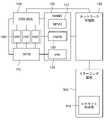
- FIG. 1 is a diagram showing a configuration example of a mobile network including a network management device of this embodiment.
- FIG. 2 is a diagram showing an example of the internal configuration of the network management system.
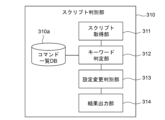
- FIG. 3 is a functional block diagram of the script discrimination section.
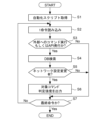
- FIG. 4 is a flowchart for explaining the operation of the script discrimination section.
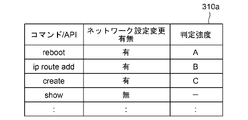
- FIG. 5 is an example of a command list database.
- FIG. 6 is a functional block diagram of a network management unit;
- FIG. 7 is a flow chart for explaining the operation of the network management unit.
- FIG. 8 outlines the DNS registration process.
- FIG. 9 is pseudocode for the DNS registration process.
- FIG. 10 is an overview of virtual machine migration processing.
- FIG. 11 is a block diagram illustrating an example of the hardware configuration of a network management device;
- the network management device has a network management function for executing a script (hereinafter referred to as "automation script") for automating operations related to the operation of a mobile network built on a virtualization infrastructure.
- automated script is a small-scale program for mechanically performing a network operation including multiple steps (procedures).
- the network management device acquires the input parameters necessary for executing the automation script in the automation script execution environment and the execution mode of the automation script in the execution environment, and uses the acquired input parameters to , to execute the automation script according to the obtained execution mode.
- the execution mode is the dry run mode (test mode)
- the network management device skips the step of changing the network settings among the steps described in the automation script, and executes the automation script in the execution environment. to run.
- the network management device can also check the normality of the input parameters based on the execution result of the automation script in dry run mode.
- FIG. 1 is a diagram showing a network configuration example of a mobile network 100 including a network management device of this embodiment.
- a terminal capable of mobile communication such as a smartphone and a radio access network (RAN) communicate wirelessly, and the information is relayed through a backhaul network (mobile backhaul: MBH).
- MBH mobile backhaul network
- the mobile network 100 comprises a base station 11 and a plurality of accommodating stations 12-14.
- the accommodation station 12 is an edge data center
- the accommodation station 13 is a regional data center (RDC)
- the accommodation station 14 is a central data center (CDC).
- a backhaul network is configured from the edge data center 12 to the central data center 14 .
- the mobile network 100 in this embodiment may be a virtualized network built on a virtualization infrastructure.
- software is implemented on a general-purpose server from the switchboard of the backbone network to the wireless access function of the base station.
- the base station 11 includes an antenna, a switchboard, a battery, and the like.
- the edge data center 12 is installed near the base stations 11 and is connected to the plurality of base stations 11 by optical fiber cables or the like.
- the edge data center 12 implements RAN-related radio access functions.
- the regional data center 13 is connected to a plurality of edge data centers 12 arranged in the target region. In this regional data center 13, firewall/NAT (Network Address Translation), CDN (Content Distribution Network), and various applications for edge computing are implemented by software.
- the central data center 14 is connected to multiple regional data centers 13 .
- the central data center 14 implements core functions such as EPC (Evolved Packet Core) and IMS (IP Multimedia Subsystem).
- each data center such as the edge data center 12, the regional data center 13, and the central data center 14 is not limited to the number shown in FIG.
- the number of each data center (accommodating station) such as the edge data center 12, the regional data center 13, and the central data center 14 is not limited to the number shown in FIG.
- a plurality of regional data centers 13 and central data centers 14 may be installed.
- FIG. 2 is a diagram showing an example of the internal configuration of a network management system that configures mobile network 100. As shown in FIG. Each component shown in FIG. 2 has a reference point. Lines connecting components shown in FIG. 2 indicate that information can be sent and received from each other.
- NFVI (NFV Infrastructure) 110 is a network function virtualization infrastructure, and includes physical resources, a virtualization layer, and virtualization resources. Physical resources include hardware resources such as computing resources, storage resources, and transmission resources.
- the virtualization layer is a virtualization layer such as a hypervisor for virtualizing physical resources and providing them to VNF (Network Function Virtualization) 120 .
- a virtualized resource is a virtualized infrastructure resource provided to the VNF 120 .
- the NFVI 110 is a virtualized computing and virtualization system in which hardware resources of a physical server (hereinafter also simply referred to as "server") such as computing, storage, and network functions are virtualized by a virtualization layer such as a hypervisor. It is a platform that can be flexibly handled as virtualized hardware resources such as storage and virtualized networks.
- a plurality of servers that make up the NFVI 110 are arranged in data centers (accommodating stations) 12-14.
- the number of servers to be arranged in each data center 12 to 14, the arrangement position, the wiring, etc. are determined in advance according to the type of the data center (accommodating station type).
- the servers installed are connected by an internal network so that information can be transmitted and received between them.
- Data centers are connected by a network, and servers provided in different data centers can transmit and receive information to and from each other via the network.
- the VNF 120 corresponds to an application running on a virtual machine (VM) on the server and implements network functions in software. Although not shown, each VNF 120 may be provided with a management function called EM (Element Manager).
- EM Element Manager
- the NFVI 110 and VNF 120 in FIG. 2 constitute a virtual environment. That is, the virtualization environment is composed of three layers, hardware, virtualization layer, and virtual machine, in order from the bottom.
- a MANO (Management and Orchestration) 130 has a virtual environment management function and an orchestration function.
- the MANO 130 includes an NFVO (NFV-Orchestrator) 131 , a VNFM (VNF-Manager) 132 and a VIM (Virtualized Infrastructure Manager) 133 .
- the NFVO 131 performs orchestration of NFVI resources, life cycle management of network services, and integrated operation management of the entire system.
- the NFVO 131 can perform processing according to instructions from an OSS/BSS (Operation Support System/Business Support System) 140, which will be described later.
- OSS/BSS Operaation Support System/Business Support System
- VNFM 132 performs life cycle management of VNF 120 .
- VNFM 132 may be arranged in MANO 130 as a dedicated VNFM corresponding to each VNF 120 .
- one VNFM 132 may manage the lifecycles of two or more VNFs 120 .
- VNFM 132 may be a generic VNFM that corresponds to VNF 120 from a different vendor.
- the VIM 133 manages and operates resources used by the VNF 120 .
- OSS/BSS 140 is an integrated management system for mobile network 100 .
- OSS is a system (equipment, software, mechanism, etc.) necessary for building and operating a service
- BSS is information used for billing such as usage fees, billing, customer service, etc. It is a system (equipment, software, mechanism, etc.).
- the network management unit 150 obtains an automation script that has cleared an operation test in the staging environment 300 and has been released to the execution environment (production environment), and also acquires input parameters necessary for executing the automation script in the production environment and Get the execution mode of an automation script. The network management unit 150 then uses the acquired input parameters to execute the automation script according to the acquired execution mode.
- the production environment is the production environment (operating environment) of the mobile network 100
- the staging environment 300 is a test environment for checking system operations and defects in the same state as the production environment.
- the staging environment 300 and the production environment differ in scale and configuration of the environment, such as the number of servers and network devices.
- the automation script is configured such that, when executed, it can receive input parameters required for execution in the production environment.
- Input parameters include values to be assigned to variables defined in the automation script and the execution mode of the automation script.
- Execution modes include a dry run mode and a main execution mode.
- the automation script is configured to be compatible with execution in dry run mode and execution in this execution mode.
- the dry run mode among the steps described in the automation script, the step of changing network settings is skipped, and other steps, such as checking the network status and configuration, are executed.
- this execution mode all steps described in the automation script are executed.
- a predetermined process that was executed in the dry run mode and does not need to be re-executed in this execution mode may be skipped.
- the network management unit 150 constitutes a network management device according to this embodiment.
- the network management unit 150 is not limited to being an external function of the OSS/BSS 140 or the MANO 130 as shown in FIG.
- the network management unit 150 may be provided inside the OSS/BSS 140 or may be provided inside the MANO 130 .
- the network management functions of the network management unit 150 are part of the functions of the OSS/BSS 140 and the MANO 130 .
- the script determination unit 310 acquires the automation script before it is released to the production environment, and determines whether the source code of the acquired automation script contains a specific keyword related to the network setting change process. Then, when it is determined that the keyword is included in the automation script, the script determination unit 310 determines the process corresponding to the portion including the keyword among the processes described in the automation script as the network setting change process, Output the discrimination result.
- script determination unit 310 is not limited to being provided in the staging environment 300 as shown in FIG.
- the script determination unit 310 may be provided in a development environment, a verification environment, or the like as long as the environment is different from the production environment.
- FIG. 3 is a functional block diagram of the script discrimination section 310.
- the script determination unit 310 includes a script acquisition unit 311, a keyword determination unit 312, a setting change determination unit 313, and a result output unit 314.
- the script determination unit 310 also includes a command list database (command list DB) 310a.
- a script acquisition unit 311 acquires an automation script before it is released to the production environment.
- the keyword determination unit 312 refers to the command list database 310a and determines whether the source code of the automation script acquired by the script acquisition unit 311 includes a specific keyword related to the network setting change process.
- the command list database 310a is a keyword storage unit that stores specific keywords related to the network setting change process.
- the specific keyword is a word included in a command issued to a network device or a request sent to an API (Application Programming Interface) when performing network setting change processing.
- the command list database 310a can store words included in commands and requests, the presence or absence of network setting changes, and the certainty (determination strength) of network setting changes in association with each other.
- the determination strength can be set to three levels of A, B, and C, for example.
- the determination strength A indicates that the determination of whether or not the network setting has been changed is "certain". For example, in an automation script, a "reboot" command is executed to reflect configuration changes. Therefore, it can be assumed that the part including this command is the network setting change process.
- Determination strength B is "strong", which is weaker than determination strength A, indicating whether network settings have been changed or not, depending on the network environment.
- “ip route add” is a command for adding an entry to the routing table, so executing this command usually changes network settings. However, if the entry has already been registered, the network settings will not be changed even if the above command is executed. That is, whether or not the command is related to network setting change depends on the network environment and the parameters that follow the command.
- Determination strength C is "weak”, which is weaker than determination strength B, and indicates weak estimation based on words. For example, whether or not "create” is a command related to network setting change is determined depending on what is created. Words with determination strength C also include set, modify, update, delete, and the like.
- FIG. 4 shows only one example of commands, requests to the API can also be stored in association with the presence or absence of network setting changes and determination strengths.
- the command list database 310a shown in FIG. 4 also stores keywords not related to the network setting change process, such as the "show" command, but the command list database stores only keywords related to the network setting change process. You may do so. In this case, the command list database does not need information indicating whether network settings have been changed.
- the setting change determination unit 313 determines the network setting change process from the automation script based on the determination result of the keyword determination unit 312 . Specifically, if the keyword determination unit 312 determines that the source code of the automation script includes a specific keyword, the setting change determination unit 313 determines that the part of the process described in the automation script that includes the keyword is determined as a network setting change step.
- a result output unit 314 outputs a result of determination by the setting change determination unit 313 .
- the result output unit 314 can output information regarding the network setting change process determined by the setting change determination unit 313 .
- the information about the network setting change process output by the result output unit 314 includes the presence or absence of the network setting change process, the content of the network setting change process (target command, source code, etc.), the accuracy of the network setting change process (determination strength). may contain
- the result output unit 314 may edit and output the automation script based on the determination result by the setting change determination unit 313 .
- the result output unit 314 may edit and output the automation script so as to skip the network setting change process determined by the setting change determination unit 313 .
- the result output unit 314 may edit and output an automation script so as to confirm with the operator whether or not the step can be executed when the network setting change step determined by the setting change determination unit 313 is executed.
- the configuration of the functional blocks of the script determination unit 310 shown in FIG. 3 is an example, and a plurality of functional blocks may constitute one functional block, or one of the functional blocks may perform a plurality of functions. It may be divided into blocks to do. Also, the plurality of functions of the script determination unit 310 may be functions of separate components that constitute the script determination system.
- FIG. 5 is a flow chart for explaining the operation of the script determination unit 310.
- the script acquisition unit 311 acquires an automation script and proceeds to step S2.
- the keyword determination unit 312 reads the source code of the automation script acquired in step S1 for one instruction, and proceeds to step S3.
- step S3 the keyword determination unit 312 determines whether the source code read in step S2 is related to external command execution or API issuance. If the keyword determination unit 312 determines that the command is related to command execution or API issuance, it proceeds to step S4, and if it determines that it is not related to command execution or API issuance, it proceeds to step S7. do.
- step S4 the keyword determination unit 312 searches the command list database 310a using the command or request included in the source code read in step S2 as a key, and receives information on the corresponding record.
- step S5 the setting change determination unit 313 determines whether or not the network setting has been changed based on the search result received by the keyword determination unit 312 in step S4. Specifically, the setting change determination unit 313 receives, as a search result of the command list database 310a, information on a record in which the network setting change is “yes” and the determination strength is A or is B or C, it is determined that there is a network setting change when it is determined that there is a network setting change based on parameters or the like given to the command. If the setting change determining unit 313 determines that the network setting has been changed, the process proceeds to step S6, and if it determines that the network setting has not been changed, the process proceeds to step S7.
- step S6 the result output unit 314 outputs the target command determined as a command related to the network setting change step and its determination strength, and proceeds to step S7.
- the output format of the result output unit 314 is not particularly limited.
- step S7 the keyword determination unit 312 determines whether or not the command read in step S2 is the final command of the automation script. If so, the process shown in FIG. 5 is terminated.
- the result output unit 314 may add a process of editing and outputting the automation script.
- the result output unit 314 skips the network setting change process as described above, or edits the automation script so as to confirm with the operator whether the process can be executed when the network setting change process is executed. may be output.
- Whether to skip the network setting change process or to check whether it can be executed can be determined according to the determination strength. For example, if the determination strength is A or B, the network setting change step may be skipped, and if the determination strength is C, the feasibility of execution may be confirmed.
- FIG. 6 is a functional block diagram of the network management unit 150.
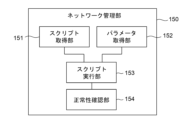
- the network management unit 150 includes a script acquisition unit 151, a parameter acquisition unit 152, a script execution unit 153, and a normality confirmation unit 154.
- the script acquisition unit 151 acquires automation scripts released to the production environment.
- the parameter acquisition unit 152 acquires the input parameters necessary for executing the automation script acquired by the script acquisition unit 151 and the execution mode of the automation script.
- the parameter acquisition unit 152 may be configured to be able to receive input of parameters from an operator.
- the script execution unit 153 executes the automation script acquired by the script acquisition unit 151 according to the execution mode acquired by the parameter acquisition unit 152 using the input parameters acquired by the parameter acquisition unit 152 . Specifically, when the execution mode acquired by the parameter acquisition unit 152 is the dry run mode, the script execution unit 153 skips the network setting change step among the steps described in the automation script and executes the automation script. do. On the other hand, when the execution mode acquired by the parameter acquisition section 152 is the main execution mode, the script execution section 153 executes all steps described in the automation script.
- the normality confirmation unit 154 confirms the normality of the input parameters acquired by the parameter acquisition unit 152 based on the execution result of the automation script executed in the dry run mode by the script execution unit 153 .
- the script execution unit 153 may automatically execute the automation script in this execution mode.
- this execution mode after the dry run mode is a mode that executes including the network setting change process described in the automation script, and among the processes described in the automation script, the process executed in the dry run mode is skipped. It may be a mode in which all steps of the automation script are executed without Further, the execution mode after the dry run mode may be a mode in which the automation script is executed by skipping predetermined steps executed in the dry run mode among the steps described in the automation script.
- the configuration of the functional blocks of the network management unit 150 shown in FIG. 6 is an example, and a plurality of functional blocks may constitute one functional block, or one of the functional blocks may perform a plurality of functions. It may be divided into blocks to do. Also, the plurality of functions of the network management unit 150 may be divided into external functions of the OSS/BSS 140 and MANO 130, internal functions of the OSS/BSS 140, and internal functions of the MANO 130, respectively, of the network management system shown in FIG.
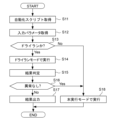
- FIG. 7 is a flowchart for explaining the operation of the network management unit 150.
- the script acquisition unit 151 acquires the automation script released to the production environment, and proceeds to step S12.
- the parameter acquisition unit 152 acquires the input parameters necessary for executing the automation script in the production environment and the execution mode of the automation script in the production environment, and proceeds to step S13.
- step S13 the script execution unit 153 determines whether or not the execution mode obtained in step S12 is the dry run mode. If the script execution unit 153 determines that the execution mode is the dry run mode, it proceeds to step S14, and if it determines that the execution mode is the main execution mode, it proceeds to step S18. In step S14, the script execution unit 153 executes the automation script acquired in step S11 in dry run mode. As a result, among the steps described in the automation script, the network setting change step is skipped and the automation script is executed.
- step S15 the normality confirmation unit 154 determines whether or not the input parameters input in step S2 are normal based on the result of the automation script executed in the dry run mode. A specific example of checking the normality of input parameters will be described later.
- step S16 the normality confirmation unit 154 proceeds to step S17 if it is determined that the input parameter is abnormal as a result of the normality confirmation of the input parameter, and if it is determined that the input parameter is normal. , the process proceeds to step S18.
- step S17 the normality confirmation unit 154 outputs the normality confirmation result of the input parameters, and ends the processing shown in FIG.
- step S18 the script execution unit 153 executes the automation script in this execution mode, and ends the processing shown in FIG.
- DNS registration process DNS registration processing for newly registering an IP (Internet Protocol) address and a domain name in a DNS (Domain Name System) server will be described.
- a table 411 shown in FIG. 8 outlines each step included in the DNS registration process, and FIG. 9 shows source code (pseudocode) 412 of the DNS registration process.
- Reference characters a to d in FIG. 9 correspond to pseudo codes of steps a to d shown in FIG. 8, respectively.
- the main input parameters of this DNS registration process are the IP address to be registered (registered IP address), the domain name to be registered (registered domain name), and the IP address of the DNS server.
- Step a is a process of logging in to a registration target server (target server) having a registered IP address (target_ip) and confirming the domain setting (domain) of the server. At this time, it is determined whether or not the registered domain name (target_domain) matches the domain setting (domain), and if they do not match, an error is output. It should be noted that the process of step a is based on the premise that the registration target server knows its own domain settings. Step a is executed in the dry run mode and the main execution mode, respectively.
- Step b is a process of checking the current DNS registration status by performing DNS forward and reverse lookups.
- DNS forward lookup as shown in FIG. 9, an IP address (current_ip) corresponding to a registered domain name (target_domain) is queried. An error is output because the address is registered. If the IP address (current_ip) obtained at this time matches the registered IP address (target_ip), no error is output and the registered IP address and registered domain name are correctly registered. may be notified.
- a domain name (current_domain) corresponding to a registered IP address (target_ip) is queried. An error is output because the first name is registered. If the domain name (current_domain) obtained at this time matches the registered domain name (target_domain), no error is output and the registered IP address and registered domain name are correctly registered. may be notified.
- This process b is executed in the dry run mode and the main execution mode, respectively.
- Step c is a process of registering the registered domain name and the registered IP address in the DNS server. This step c is a process that is skipped in the dry run mode, and when the execution mode is the main execution mode, as shown in FIG. register.
- Process d is a process of performing DNS forward lookup and reverse lookup similarly to process b, and is executed in the dry run mode and the main execution mode, respectively.
- DNS forward lookup as shown in FIG. 9, an IP address (registered_ip) corresponding to a registered domain name (target_domain) is queried, and an error is output if the registered IP address (target_ip) does not match.
- reverse DNS lookup as shown in FIG. 9, a domain name (registered_domain) corresponding to a registered IP address (target_ip) is queried, and an error is output if it does not match the registered domain name (target_domain).
- the process c is skipped, so the execution result of the process d is the same as the execution result of the process b. In other words, the error output is the correct result as the execution result of step d in the dry run mode.
- the script acquisition unit 151 of the network management unit 150 acquires an automation script describing steps a to d of the DNS registration process, and the parameter acquisition unit 152 acquires the registered IP address, the registered domain name, and the IP address of the DNS server. . Also, the parameter acquisition unit 152 acquires the execution mode of the automation script. When the execution mode is the dry run mode, the script execution unit 153 skips the process b of the automation script and executes processes a, b, and d. Then, the normality confirmation unit 154 confirms the normality of the input parameters based on the execution result of the automation script in the dry run mode.
- step a For example, if an unused IP address is erroneously entered as the registered IP address among the input parameters, login to the registration target server fails in step a. Therefore, it is possible to detect an error in the input registered IP address. Also, if the registered domain name is entered incorrectly, an error will occur in the confirmation of the domain name in step a, so an error in the entered registered domain name can be detected. Thus, the normality of the registered IP address and registered domain name can be confirmed based on the execution result of step a.
- step a if a pair of an already registered IP address and domain name is erroneously entered as a newly registered IP address and registered domain name, the login to the registration target server in step a is performed using the registered domain name. Confirmation is also normal. However, since both the IP address and the domain name are already registered in the DNS server in the forward and reverse DNS lookups in step b, errors in the registered IP address and registered domain name can be detected. Also, if the IP address of the DNS server is entered incorrectly, forward or reverse DNS lookup cannot be performed in step b, so an error in the IP address of the DNS server can be detected. Thus, the normality of the registered IP address, the registered domain name, and the IP address of the DNS server can be confirmed based on the execution result of step b.
- the script execution unit 153 executes the automation script in this execution mode. At this time, the script execution unit 153 executes all steps a to d of the automation script.
- VM migration processing Next, VM migration processing for migrating a virtual machine (VM) on a physical server will be described.
- This VM migration process is a process to move a virtual machine from the current physical server to another physical server for the purpose of maintenance of the physical server or restoring the virtual machine temporarily saved to the spare server to the original server. be.
- a table 421 shown in FIG. 10 outlines each step included in the VM migration process.
- the main input parameters for this VM migration processing are the virtual machine ID and the physical server group to which the migration destination physical server belongs.
- the virtual machine ID may include related parameters such as a virtual machine name, application name, and server name as attribute information.
- the destination physical server may be specified directly.
- Process A is a process of confirming the existence of the virtual machine to be moved and confirming detailed information of the virtual machine (for example, related parameters of the virtual machine). This process A is executed in the dry run mode and the main execution mode, respectively.
- Process B is a process of deleting the migration target virtual machine from the current physical server. This step B is a process that is skipped in the dry run mode.
- Step C confirms free resources in the migration destination physical server group. At this time, if the resource is insufficient, an error is output.
- This process C is executed in the dry run mode and the main execution mode, respectively.
- Step D regenerates the virtual machine to be moved on a predetermined physical server in the destination physical server group.
- This process D is a process that is skipped in the dry run mode.
- Process E is a process of confirming the existence of the virtual machine to be moved and the detailed information of the virtual machine, similar to process A, and is executed in the dry run mode and the main execution mode, respectively.
- the script acquisition unit 151 of the network management unit 150 acquires an automation script describing steps A to E of VM migration processing, and the parameter acquisition unit 152 acquires the virtual machine ID and the physical server group of the migration destination. Also, the parameter acquisition unit 152 acquires the execution mode of the automation script. When the execution mode is the dry run mode, the script execution unit 153 skips the processes B and D of the automation script and executes processes A, C, and E. Then, the normality confirmation unit 154 confirms the normality of the input parameters based on the execution result of the automation script in the dry run mode.
- the target virtual machine cannot be confirmed in step A, or the detailed information of the virtual machine is not the expected result, resulting in an error. Become. Therefore, an error in the input virtual machine ID can be detected. Also, if the destination physical server group name is entered incorrectly, or if a resource-insufficient physical server group is specified, an error will occur in process C. FIG. Therefore, it is possible to detect an error in the input physical server group.
- the script execution unit 153 executes the automation script in this execution mode. At this time, the script execution unit 153 executes all steps A to E of the automation script.
- step A may be skipped in this execution mode.
- Process A is executed in the dry run mode, and is a process that does not necessarily need to be executed in this execution mode.
- the automation script may be executed by skipping predetermined steps executed in the dry run mode among the steps described in the automation script.
- the network management unit 150 which is a network management device according to the present embodiment, includes an automation script for automating operations related to the operation of the mobile network 100, and inputs necessary for executing the automation script in the production environment. Get parameters and execution mode. The network management unit 150 then uses the acquired input parameters to execute the automation script according to the acquired execution mode. At this time, if the execution mode is the dry run mode, the network management unit 150 skips the network setting change process among the processes described in the automation script and executes the automation script in the production environment.
- the mobile network 100 is a large network, consisting of thousands of devices or more. By automating operations using automation scripts in the operation of these devices, it is possible to significantly reduce operating costs.
- the network management unit 150 enables execution of a dry run that skips a specific procedure such as changing network settings in execution of an automation script in a production environment. As a result, it is possible to reduce service interruptions and damage to the business caused by operation failures due to automated scripts, and to safely verify risks that cannot be guaranteed by testing in the staging environment in the production environment.
- by creating an automation script based on the design concept of being able to handle both this execution mode and the dry run mode, it can be applied to a wide range of operations regardless of type.
- the network setting change step skipped in the dry run mode can be the step of registering the domain name and IP address with the DNS server. In this case, even if there is an error in the registered IP address or registered domain name input as input parameters, it is possible to appropriately prevent incorrect information from being registered in the DNS server.
- the network setting change step skipped in the dry run mode can be a step of at least one of deleting and creating a virtual machine.
- the target virtual machine ID entered as an input parameter or the specification of the physical server for creating the virtual machine is incorrect, the virtual machine may be deleted by mistake or the virtual machine may be created in the wrong location. It is possible to appropriately suppress things that do and do not happen. In either case, it is possible to suppress the impact on the service caused by the operation failure due to the automation script.
- the network management unit 150 can confirm the normality of the input parameters based on the execution result of the automation script executed in dry run mode. This makes it possible to properly detect input parameter errors, including simple input errors. In other words, it can adequately ensure that the input parameters entered to execute the automation script in a production environment are correct. Also, the network management unit 150 can automatically execute the automation script in this execution mode in the production environment when the normality of the input parameters is confirmed. In this way, by including a specific procedure to change the network configuration after confirming the normality of the input parameters, operation failure or unintended results due to incorrect input parameters can occur. can be reduced.
- the network management unit 150 may execute all the steps described in the automation script, or may execute the steps described in the automation script.
- a predetermined process executed in dry run mode may be skipped. This makes it possible to appropriately automate operations in network operation. Also, in this execution mode, when a predetermined process executed in the dry run mode is skipped, the time required for the operation can be shortened by the skipped process.
- the network management device may be implemented in any general-purpose server that constitutes the backhaul network, core network, or the like of the mobile network 100 .
- the network management device may be implemented in a dedicated server.
- the network management device may be implemented on a single or multiple computers.
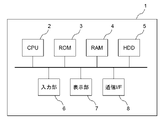
- the network management device 1 includes a CPU 2, a ROM 3, a RAM 4, an HDD 5, an input unit (keyboard, pointing device, etc.) 6, a display unit ( monitor, etc.) 7, communication I/F 8, and the like.
- the functions of the elements of the network management unit 150 shown in FIG. 3 can be implemented by the CPU 2 executing a program.
- at least some of the elements of the network management unit 150 shown in FIG. 3 may operate as dedicated hardware.
- the dedicated hardware operates under the control of the CPU2.
Landscapes
- Engineering & Computer Science (AREA)
- Computer Networks & Wireless Communication (AREA)
- Signal Processing (AREA)
- Automation & Control Theory (AREA)
- Software Systems (AREA)
- General Engineering & Computer Science (AREA)
- Theoretical Computer Science (AREA)
- Physics & Mathematics (AREA)
- General Physics & Mathematics (AREA)
- Data Exchanges In Wide-Area Networks (AREA)
Abstract
大規模ネットワークの運用において、自動化されたオペレーションの失敗に起因する障害発生を抑制する。 ネットワーク管理装置は、ネットワークの運用に関わるオペレーションを自動化するためのスクリプトを取得するスクリプト取得部と、スクリプト取得部により取得されたスクリプトの実行環境での当該スクリプトの実行に必要な入力パラメータ、および実行環境における実行モードを取得するパラメータ取得部と、パラメータ取得部により取得された入力パラメータを用いて、パラメータ取得部により取得された実行モードに応じて、スクリプト取得部により取得されたスクリプトを実行するスクリプト実行部と、を備える。スクリプト実行部は、実行モードがドライランモードである場合、スクリプトに記述される工程のうち、ネットワークの設定を変更する工程をスキップして、実行環境においてスクリプトを実行する。
Description
本発明は、ネットワーク管理装置、ネットワーク管理方法およびネットワーク管理システムに関し、特に、モバイルネットワークの運用に関わるオペレーションの自動化のための技術に関する。
汎用サーバの性能向上、ネットワーク基盤の充実を背景として、サーバなどの物理リソース上に仮想化されたコンピューティングリソースをオンデマンドで使うクラウドコンピューティング(以下、「クラウド」という。)が広く普及している。また、ネットワーク機能を仮想化し、クラウド上で提供するNFV(Network Function Virtualization)が知られている。NFVとは、仮想化技術およびクラウド技術を用いて、これまで専用ハードウェア上で動いていた様々なネットワークサービスのハードウェアとソフトウェアとを分離し、ソフトウェアを仮想化された基盤上で動かす技術である。これによって運用の高度化やコスト削減が期待される。
そして、近年、モバイルネットワークにおいても仮想化が進められている。
ETSI(European Telecommunications Standards Institute) NFVでは、NFVのアーキテクチャが定義されている(例えば、特許文献1参照)。
そして、近年、モバイルネットワークにおいても仮想化が進められている。
ETSI(European Telecommunications Standards Institute) NFVでは、NFVのアーキテクチャが定義されている(例えば、特許文献1参照)。
テレコムネットワークは、多数の装置から構成された大規模ネットワークである。このような大規模ネットワークの運用においては、オペレーションの自動化が求められている。
ネットワーク運用におけるオペレーションの自動化は、ネットワーク運用手順を記述した自動化スクリプトにより実現される。自動化スクリプトは、実際の運用環境であるプロダクション環境と同様の環境を有するステージング環境において十分にテストされたうえで、プロダクション環境へリリースされる。しかしながら、ステージング環境とプロダクション環境とが全く同じであるということはなく、プロダクション環境では、自動化スクリプト中のパラメータをプロダクション環境用のパラメータに置き換えて実行する必要がある。
ネットワーク運用におけるオペレーションの自動化は、ネットワーク運用手順を記述した自動化スクリプトにより実現される。自動化スクリプトは、実際の運用環境であるプロダクション環境と同様の環境を有するステージング環境において十分にテストされたうえで、プロダクション環境へリリースされる。しかしながら、ステージング環境とプロダクション環境とが全く同じであるということはなく、プロダクション環境では、自動化スクリプト中のパラメータをプロダクション環境用のパラメータに置き換えて実行する必要がある。
上記パラメータは、実行時にオペレータが入力する。そのため、ヒューマンエラーによって、自動化スクリプトによるオペレーションが失敗し得る。そして、このオペレーションの失敗は、ネットワーク障害を招来し得る。
そこで、本発明は、大規模ネットワークの運用において、自動化されたオペレーションの失敗に起因する障害発生を抑制することが可能なネットワーク管理装置、ネットワーク管理方法およびネットワーク管理システムを提供することを課題としている。
そこで、本発明は、大規模ネットワークの運用において、自動化されたオペレーションの失敗に起因する障害発生を抑制することが可能なネットワーク管理装置、ネットワーク管理方法およびネットワーク管理システムを提供することを課題としている。
上記課題を解決するために、本発明に係るネットワーク管理装置の一態様は、ネットワークの運用に関わるオペレーションを自動化するためのスクリプトを取得するスクリプト取得部と、前記スクリプト取得部により取得されたスクリプトの実行環境での当該スクリプトの実行に必要な入力パラメータ、および前記実行環境における実行モードを取得するパラメータ取得部と、前記パラメータ取得部により取得された入力パラメータを用いて、前記パラメータ取得部により取得された実行モードに応じて、前記スクリプト取得部により取得されたスクリプトを実行するスクリプト実行部と、を備え、前記スクリプト実行部は、前記実行モードがドライランモードである場合、前記スクリプトに記述される工程のうち、前記ネットワークの設定を変更する工程をスキップして、前記実行環境において前記スクリプトを実行する。
ネットワーク管理装置は、前記スクリプト実行部により前記ドライランモードで実行された前記スクリプトの実行結果に基づいて、前記パラメータ取得部により取得された入力パラメータの正常性を確認する正常性確認部をさらに備えてよい。
前記スクリプト実行部は、前記正常性確認部により前記入力パラメータの正常性が確認された場合、前記実行環境において、前記スクリプト取得部により取得されたスクリプトを、当該スクリプトに記述される前記ネットワークの設定を変更する工程を含めて実行する本実行モードで実行してよい。
前記スクリプト実行部は、前記正常性確認部により前記入力パラメータの正常性が確認されて、前記実行環境において前記本実行モードで前記スクリプトを実行する場合、前記スクリプトに記述される工程のうち、前記ドライランモードで実行された所定の工程をスキップして、前記スクリプトを実行してよい。
前記スクリプト実行部は、前記実行モードがドライランモードである場合、前記スクリプトに記述される工程のうち、DNS(Domain Name System)サーバへドメイン名とIP(Internet Protocol)アドレスとを登録する工程をスキップしてよい。
前記スクリプト実行部は、前記実行モードがドライランモードである場合、前記スクリプトに記述される工程のうち、前記ネットワークの仮想化環境を構成する仮想マシンの削除および作成の少なくとも一方を行う工程をスキップしてよい。
また、本発明に係るネットワーク管理方法の一態様は、ネットワーク管理装置が実行するネットワーク管理方法であって、ネットワークの運用に関わるオペレーションを自動化するためのスクリプトを取得するステップと、取得された前記スクリプトの実行環境での当該スクリプトの実行に必要な入力パラメータ、および前記実行環境における実行モードを取得するステップと、取得された前記入力パラメータを用いて、取得された前記実行モードに応じて、取得された前記スクリプトを実行するステップと、を含み、前記スクリプトを実行するステップは、前記実行モードがドライランモードである場合、前記スクリプトに記述される工程のうち、前記ネットワークの設定を変更する工程をスキップして、前記実行環境において前記スクリプトを実行する。
さらに、本発明に係るネットワーク管理システムの一態様は、ネットワークの運用に関わるオペレーションを自動化するためのスクリプトを取得するスクリプト取得部と、前記スクリプト取得部により取得されたスクリプトの実行環境での当該スクリプトの実行に必要な入力パラメータ、および前記実行環境における実行モードを取得するパラメータ取得部と、前記パラメータ取得部により取得された入力パラメータを用いて、前記パラメータ取得部により取得された実行モードに応じて、前記スクリプト取得部により取得されたスクリプトを実行するスクリプト実行部と、を備え、前記スクリプト実行部は、前記実行モードがドライランモードである場合、前記スクリプトに記述される工程のうち、前記ネットワークの設定を変更する工程をスキップして、前記実行環境において前記スクリプトを実行する。
本発明の一つの態様によれば、大規模ネットワークの運用において、自動化されたオペレーションの失敗に起因する障害発生を抑制することが可能となる。
上記した本発明の目的、態様及び効果並びに上記されなかった本発明の目的、態様及び効果は、当業者であれば添付図面及び請求の範囲の記載を参照することにより下記の発明を実施するための形態から理解できるであろう。
上記した本発明の目的、態様及び効果並びに上記されなかった本発明の目的、態様及び効果は、当業者であれば添付図面及び請求の範囲の記載を参照することにより下記の発明を実施するための形態から理解できるであろう。
以下、添付図面を参照して、本発明を実施するための実施形態について詳細に説明する。以下に開示される構成要素のうち、同一機能を有するものには同一の符号を付し、その説明を省略する。なお、以下に開示される実施形態は、本発明の実現手段としての一例であり、本発明が適用される装置の構成や各種条件によって適宜修正または変更されるべきものであり、本発明は以下の実施形態に限定されるものではない。また、本実施形態で説明されている特徴の組み合わせの全てが本発明の解決手段に必須のものとは限らない。
以下、本実施形態に係るネットワーク管理装置が、仮想化基盤で構築されたモバイルネットワークの運用に関わるオペレーションを自動化するためのスクリプト(以下、「自動化スクリプト」という。)を実行するネットワーク管理機能を備える場合について説明する。ここで、自動化スクリプトは、複数の工程(手順)を含むネットワーク運用のオペレーションを機械的に行うための小規模なプログラムである。
具体的には、ネットワーク管理装置は、自動化スクリプトの実行環境での当該自動化スクリプトの実行に必要な入力パラメータと、実行環境における自動化スクリプトの実行モードとを取得し、取得された入力パラメータを用いて、取得された実行モードに応じて自動化スクリプトを実行する。
このとき、実行モードがドライランモード(テストモード)である場合には、ネットワーク管理装置は、自動化スクリプトに記述される工程のうち、ネットワークの設定を変更する工程をスキップして、実行環境において自動化スクリプトを実行する。また、ネットワーク管理装置は、ドライランモードでの自動化スクリプトの実行結果に基づいて、入力パラメータの正常性を確認することもできる。
このとき、実行モードがドライランモード(テストモード)である場合には、ネットワーク管理装置は、自動化スクリプトに記述される工程のうち、ネットワークの設定を変更する工程をスキップして、実行環境において自動化スクリプトを実行する。また、ネットワーク管理装置は、ドライランモードでの自動化スクリプトの実行結果に基づいて、入力パラメータの正常性を確認することもできる。
図1は、本実施形態のネットワーク管理装置を含むモバイルネットワーク100のネットワーク構成例を示す図である。
図1に示すモバイルネットワーク100においては、スマートフォンなどのモバイル通信可能な端末と無線アクセスネットワーク(Radio Access Network:RAN)とが無線通信し、その情報をバックホールネットワーク(モバイルバックホール:MBH)を中継してコアネットワークに送って処理することで、インターネット200に接続したり、他社のネットワークと接続して音声通話をしたりすることができる。
図1に示すモバイルネットワーク100においては、スマートフォンなどのモバイル通信可能な端末と無線アクセスネットワーク(Radio Access Network:RAN)とが無線通信し、その情報をバックホールネットワーク(モバイルバックホール:MBH)を中継してコアネットワークに送って処理することで、インターネット200に接続したり、他社のネットワークと接続して音声通話をしたりすることができる。
具体的には、モバイルネットワーク100は、基地局11と、複数の収容局12~14と、を備えて構成される。ここで、収容局12はエッジデータセンタ、収容局13は地域データセンタ(Regional Data Center:RDC)、収容局14は中央データセンタ(Central Data Center:CDC)である。エッジデータセンタ12から中央データセンタ14までの間でバックホールネットワークが構成される。
本実施形態におけるモバイルネットワーク100は、仮想化基盤で構築された仮想化ネットワークであってよい。このモバイルネットワーク100では、汎用的なサーバ上に、基幹網の交換機から基地局の無線アクセス機能までをソフトウェアで実現している。
本実施形態におけるモバイルネットワーク100は、仮想化基盤で構築された仮想化ネットワークであってよい。このモバイルネットワーク100では、汎用的なサーバ上に、基幹網の交換機から基地局の無線アクセス機能までをソフトウェアで実現している。
基地局11は、アンテナや配電盤、バッテリー等を備える。
エッジデータセンタ12は、基地局11の近くに設置され、複数の基地局11とそれぞれ光ファイバーケーブル等で接続されている。エッジデータセンタ12では、RAN関連の無線アクセス機能を実現する。
地域データセンタ13は、対象地域に配置される複数のエッジデータセンタ12と接続されている。この地域データセンタ13では、ファイアウォール/NAT(Network Address Translation)、CDN(Content Distribution Network)や、エッジコンピューティングのためのさまざまなアプリケーションをソフトウェアにより実現する。
中央データセンタ14は、複数の地域データセンタ13と接続されている。この中央データセンタ14では、EPC(Evolved Packet Core)やIMS(IP Multimedia Subsystem)などのコア機能を実現する。
エッジデータセンタ12は、基地局11の近くに設置され、複数の基地局11とそれぞれ光ファイバーケーブル等で接続されている。エッジデータセンタ12では、RAN関連の無線アクセス機能を実現する。
地域データセンタ13は、対象地域に配置される複数のエッジデータセンタ12と接続されている。この地域データセンタ13では、ファイアウォール/NAT(Network Address Translation)、CDN(Content Distribution Network)や、エッジコンピューティングのためのさまざまなアプリケーションをソフトウェアにより実現する。
中央データセンタ14は、複数の地域データセンタ13と接続されている。この中央データセンタ14では、EPC(Evolved Packet Core)やIMS(IP Multimedia Subsystem)などのコア機能を実現する。
なお、エッジデータセンタ12、地域データセンタ13、中央データセンタ14といった各データセンタ(収容局)の数は、図1に示す数に限定されない。例えば図1では、地域データセンタ13および中央データセンタ14を1つずつしか図示していないが、地域データセンタ13および中央データセンタ14はそれぞれ複数設置されていてもよい。
図2は、モバイルネットワーク100を構成するネットワーク管理システムの内部構成の一例を示す図である。
この図2に示す構成要素は、それぞれ参照点を有している。図2に示す構成要素間を結ぶ線は、互いに情報の送受信が可能であることを示している。
NFVI(NFV Infrastructure)110は、ネットワーク機能仮想化基盤であり、物理資源、仮想化層、仮想化資源を含んで構成される。物理資源には、計算資源、記憶資源、伝送資源といったハードウェアリソースが含まれる。仮想化層は、物理資源を仮想化してVNF(Network Function Virtualization)120に提供するためのハイパーバイザー等の仮想化レイヤである。仮想化資源は、VNF120に提供される仮想化されたインフラ資源である。
この図2に示す構成要素は、それぞれ参照点を有している。図2に示す構成要素間を結ぶ線は、互いに情報の送受信が可能であることを示している。
NFVI(NFV Infrastructure)110は、ネットワーク機能仮想化基盤であり、物理資源、仮想化層、仮想化資源を含んで構成される。物理資源には、計算資源、記憶資源、伝送資源といったハードウェアリソースが含まれる。仮想化層は、物理資源を仮想化してVNF(Network Function Virtualization)120に提供するためのハイパーバイザー等の仮想化レイヤである。仮想化資源は、VNF120に提供される仮想化されたインフラ資源である。
即ち、NFVI110は、コンピューティング、ストレージ、ネットワーク機能といった物理サーバ(以下、単に「サーバ」ともいう。)のハードウェアリソースを、ハイパーバイザー等の仮想化レイヤで仮想化した仮想化コンピューティング、仮想化ストレージ、仮想化ネットワークといった仮想化ハードウェアリソースとして柔軟に扱えるようにした基盤である。
NFVI110を構成するサーバは、複数まとめてデータセンタ(収容局)12~14に配置される。各データセンタ12~14に配置されるサーバの台数や配置位置、配線等は、データセンタのタイプ(収容局タイプ)によって予め定められている。各データセンタ12~14では、配置されたサーバが内部のネットワークによって接続されており、互いに情報の送受信を行うことができるようになっている。また、データセンタ間はネットワークで接続されており、異なるデータセンタに設けられたサーバは、当該ネットワークを介して互いに情報の送受信を行うことができるようになっている。
VNF120は、サーバ上の仮想マシン(Virtual Machine:VM)で動作するアプリケーションに対応し、ネットワーク機能をソフトウェア的に実現する。なお、特に図示しないが、VNF120ごとにEM(Element Manager)という管理機能が設けられていてもよい。
図2におけるNFVI110とVNF120とで仮想化環境を構成している。つまり、仮想化環境は、下層から順に、ハードウェア、仮想化レイヤ、仮想マシンの3レイヤで構成される。
図2におけるNFVI110とVNF120とで仮想化環境を構成している。つまり、仮想化環境は、下層から順に、ハードウェア、仮想化レイヤ、仮想マシンの3レイヤで構成される。
MANO(Management and Orchestration)130は、仮想化環境の管理機能とオーケストレーション機能とを有する。MANO130は、NFVO(NFV-Orchestrator)131、VNFM(VNF-Manager)132、VIM(Virtualized Infrastructure Manager)133を備える。
NFVO131は、NFVIリソースのオーケストレーションや、ネットワークサービスのライフサイクル管理を行い、システム全体の統合的な運用管理を行う。このNFVO131は、後述するOSS/BSS(Operation Support System/Business Support System)140からの指示に応じた処理を行うことができる。
NFVO131は、NFVIリソースのオーケストレーションや、ネットワークサービスのライフサイクル管理を行い、システム全体の統合的な運用管理を行う。このNFVO131は、後述するOSS/BSS(Operation Support System/Business Support System)140からの指示に応じた処理を行うことができる。
VNFM132は、VNF120のライフサイクル管理を行う。なお、VNFM132は、VNF120毎に、それぞれ対応する専用VNFMとしてMANO130に配置されていてもよい。または、1つのVNFM132が、2以上のVNF120のライフサイクルを管理してもよい。この場合、VNFM132は、異なるベンダから提供されるVNF120に対応する汎用VNFMであってもよい。
VIM133は、VNF120が使用するリソースの運用管理を行う。
VIM133は、VNF120が使用するリソースの運用管理を行う。
OSS/BSS140は、モバイルネットワーク100の統合管理システムである。
ここで、OSSは、サービスを構築し、運営していくために必要なシステム(機器やソフトウェア、仕組みなど)であり、BSSは、利用料などの課金、請求、顧客対応などのために用いる情報システム(機器やソフトウェア、仕組みなど)である。
ここで、OSSは、サービスを構築し、運営していくために必要なシステム(機器やソフトウェア、仕組みなど)であり、BSSは、利用料などの課金、請求、顧客対応などのために用いる情報システム(機器やソフトウェア、仕組みなど)である。
ネットワーク管理部150は、ステージング環境300における動作テストをクリアして実行環境(プロダクション環境)にリリースされた自動化スクリプトを取得するとともに、プロダクション環境での自動化スクリプトの実行に必要な入力パラメータとプロダクション環境における自動化スクリプトの実行モードとを取得する。そして、ネットワーク管理部150は、取得された入力パラメータを用いて、取得された実行モードに応じて自動化スクリプトを実行する。
ここで、プロダクション環境は、モバイルネットワーク100の本番環境(運用環境)であり、ステージング環境300は、プロダクション環境と同様の状態でシステムの動作や不具合のチェックを行うためのテスト環境である。ステージング環境300とプロダクション環境とは、例えばサーバやネットワーク装置の台数など、環境の規模や構成が異なる。
自動化スクリプトは、ステージング環境300において十分にテストされた後、プロダクション環境へリリースされ、プロダクション環境において実行される。ここで、自動化スクリプトは、実行時に、プロダクション環境での実行に必要な入力パラメータを受け取り可能に構成されている。入力パラメータは、自動化スクリプト中で定義されている変数に代入する値や、自動化スクリプトの実行モードを含む。実行モードは、ドライランモードと本実行モードとを含む。
自動化スクリプトは、ステージング環境300において十分にテストされた後、プロダクション環境へリリースされ、プロダクション環境において実行される。ここで、自動化スクリプトは、実行時に、プロダクション環境での実行に必要な入力パラメータを受け取り可能に構成されている。入力パラメータは、自動化スクリプト中で定義されている変数に代入する値や、自動化スクリプトの実行モードを含む。実行モードは、ドライランモードと本実行モードとを含む。
自動化スクリプトは、ドライランモードでの実行と、本実行モードでの実行とに対応可能に構成されている。
ドライランモードでは、自動化スクリプトに記述される工程のうち、ネットワークの設定を変更する工程がスキップされ、それ以外の工程、例えばネットワークの状態や構成を確認するような工程が実行される。一方、本実行モードでは、自動化スクリプトに記述される工程がすべて実行される。なお、本実行モードでは、自動化スクリプトに記述される工程のうち、ドライランモードで実行した工程であって、本実行モードでの再実行が不要である所定の工程をスキップしてもよい。
ドライランモードでは、自動化スクリプトに記述される工程のうち、ネットワークの設定を変更する工程がスキップされ、それ以外の工程、例えばネットワークの状態や構成を確認するような工程が実行される。一方、本実行モードでは、自動化スクリプトに記述される工程がすべて実行される。なお、本実行モードでは、自動化スクリプトに記述される工程のうち、ドライランモードで実行した工程であって、本実行モードでの再実行が不要である所定の工程をスキップしてもよい。
このネットワーク管理部150が、本実施形態に係るネットワーク管理装置を構成している。
なお、ネットワーク管理部150は、図2に示すようにOSS/BSS140やMANO130の外部機能である場合に限定されない。ネットワーク管理部150は、OSS/BSS140の内部に設けられていてもよいし、MANO130の内部に設けられていてもよい。この場合、ネットワーク管理部150が有するネットワーク管理機能は、OSS/BSS140やMANO130の機能の一部となる。
なお、ネットワーク管理部150は、図2に示すようにOSS/BSS140やMANO130の外部機能である場合に限定されない。ネットワーク管理部150は、OSS/BSS140の内部に設けられていてもよいし、MANO130の内部に設けられていてもよい。この場合、ネットワーク管理部150が有するネットワーク管理機能は、OSS/BSS140やMANO130の機能の一部となる。
スクリプト判別部310は、プロダクション環境へリリースする前の自動化スクリプトを取得し、取得された自動化スクリプトのソースコードに、ネットワーク設定変更工程に関連する特定のキーワードが含まれるか否かを判定する。そして、スクリプト判別部310は、自動化スクリプトに上記キーワードが含まれると判定された場合、自動化スクリプトに記述された工程のうち、上記キーワードを含む部分に対応する工程をネットワーク設定変更工程として判別し、判別結果を出力する。
なお、スクリプト判別部310は、図2に示すようにステージング環境300に設けられている場合に限定されない。スクリプト判別部310は、プロダクション環境とは異なる環境であれば、開発環境や検証環境などに設けられていてもよい。
図3は、スクリプト判別部310の機能ブロック図である。
この図3に示すように、スクリプト判別部310は、スクリプト取得部311と、キーワード判定部312と、設定変更判別部313と、結果出力部314と、を備える。また、スクリプト判別部310は、コマンド一覧データベース(コマンド一覧DB)310aを備える。
スクリプト取得部311は、プロダクション環境へリリースする前の自動化スクリプトを取得する。
キーワード判定部312は、コマンド一覧データベース310aを参照し、スクリプト取得部311により取得された自動化スクリプトのソースコードに、ネットワーク設定変更工程に関連する特定のキーワードが含まれるか否かを判定する。
この図3に示すように、スクリプト判別部310は、スクリプト取得部311と、キーワード判定部312と、設定変更判別部313と、結果出力部314と、を備える。また、スクリプト判別部310は、コマンド一覧データベース(コマンド一覧DB)310aを備える。
スクリプト取得部311は、プロダクション環境へリリースする前の自動化スクリプトを取得する。
キーワード判定部312は、コマンド一覧データベース310aを参照し、スクリプト取得部311により取得された自動化スクリプトのソースコードに、ネットワーク設定変更工程に関連する特定のキーワードが含まれるか否かを判定する。
コマンド一覧データベース310aは、ネットワーク設定変更工程に関連する特定のキーワードを記憶するキーワード記憶部である。ここで、上記特定のキーワードは、ネットワークの設定変更処理を行う際にネットワーク機器に対して発行するコマンドやAPI(Application Programming Interface)に対して送信するリクエストに含まれる単語である。
コマンド一覧データベース310aは、例えば図4に示すように、コマンドやリクエストに含まれる単語と、ネットワーク設定変更の有無と、ネットワーク設定変更の確度(判定強度)とを対応付けて記憶することができる。
コマンド一覧データベース310aは、例えば図4に示すように、コマンドやリクエストに含まれる単語と、ネットワーク設定変更の有無と、ネットワーク設定変更の確度(判定強度)とを対応付けて記憶することができる。
ここで、判定強度は、例えばA、B、Cの3段階とすることができる。
判定強度Aは、ネットワーク設定変更の有無の判定が「確実」であることを示す。例えば自動化スクリプトにおいて、「reboot」コマンドは、設定変更を反映させるために実行される。そのため、このコマンドを含む部分はネットワーク設定変更工程であると推定できる。
判定強度Aは、ネットワーク設定変更の有無の判定が「確実」であることを示す。例えば自動化スクリプトにおいて、「reboot」コマンドは、設定変更を反映させるために実行される。そのため、このコマンドを含む部分はネットワーク設定変更工程であると推定できる。
判定強度Bは、ネットワーク設定変更の有無の判定強度が、判定強度Aよりも弱い「強」であり、ネットワーク環境に応じてネットワーク設定変更の有無が変わることを示す。例えば「ip route add」は、ルーティングテーブルにエントリを追加するためのコマンドであるため、当該コマンドが実行されることで、通常、ネットワーク設定が変更される。しかしながら、すでに登録済みのエントリであれば、上記コマンドが実行されてもネットワーク設定は変更されない。つまり、ネットワーク環境と、コマンドの後ろに続くパラメータとによって、ネットワーク設定変更に関わるコマンドとなるか否かが決まる。
判定強度Cは、ネットワーク設定変更の有無の判定強度が、判定強度Bよりも弱い「弱」であり、単語による弱い推定であることを示す。例えば「create」は、何を作成するか否かによって、ネットワーク設定変更に関わるコマンドとなるか否かが決まる。
判定強度Cの単語は、他に、set、modify、update、delete等を含む。
判定強度Cの単語は、他に、set、modify、update、delete等を含む。
なお、図4ではコマンドの一例のみを示しているが、APIへのリクエストについても同様に、ネットワーク設定変更の有無と判定強度とを対応付けて記憶することができる。
また、図4に示すコマンド一覧データベース310aは、例えば「show」コマンドのようなネットワーク設定変更工程に関連しないキーワードも記憶するが、コマンド一覧データベースは、ネットワーク設定変更工程に関連するキーワードのみを記憶するようにしてもよい。この場合、コマンド一覧データベースにおいて、ネットワーク設定変更の有無を示す情報は不要である。
また、図4に示すコマンド一覧データベース310aは、例えば「show」コマンドのようなネットワーク設定変更工程に関連しないキーワードも記憶するが、コマンド一覧データベースは、ネットワーク設定変更工程に関連するキーワードのみを記憶するようにしてもよい。この場合、コマンド一覧データベースにおいて、ネットワーク設定変更の有無を示す情報は不要である。
設定変更判別部313は、キーワード判定部312による判定結果に基づいて、自動化スクリプトからネットワーク設定変更工程を判別する。具体的には、設定変更判別部313は、キーワード判定部312において自動化スクリプトのソースコードに特定のキーワードが含まれると判定された場合、自動化スクリプトに記述された工程のうち、上記キーワードを含む部分に対応する工程を、ネットワーク設定変更工程として判別する。
結果出力部314は、設定変更判別部313による判別結果を出力する。具体的には、結果出力部314は、設定変更判別部313により判別されたネットワーク設定変更工程に関する情報を出力することができる。
ここで、結果出力部314が出力するネットワーク設定変更工程に関する情報は、ネットワーク設定変更工程の有無、ネットワーク設定変更工程の内容(対象コマンドやソースコード等)、ネットワーク設定変更工程の確度(判定強度)を含んでよい。
ここで、結果出力部314が出力するネットワーク設定変更工程に関する情報は、ネットワーク設定変更工程の有無、ネットワーク設定変更工程の内容(対象コマンドやソースコード等)、ネットワーク設定変更工程の確度(判定強度)を含んでよい。
また、結果出力部314は、設定変更判別部313による判別結果をもとに、自動化スクリプトを編集して出力してもよい。例えば、結果出力部314は、設定変更判別部313により判別されたネットワーク設定変更工程をスキップするように自動化スクリプトを編集して出力してもよい。また、結果出力部314は、設定変更判別部313により判別されたネットワーク設定変更工程の実行時に操作者に当該工程の実行可否を確認するように自動化スクリプトを編集して出力してもよい。
なお、図3に示したスクリプト判別部310の機能ブロックの構成は一例であり、複数の機能ブロックが1つの機能ブロックを構成するようにしてもよいし、いずれかの機能ブロックが複数の機能を行うブロックに分かれてもよい。
また、スクリプト判別部310の複数の機能は、それぞれスクリプト判別システムを構成する別々のコンポーネントの機能であってもよい。
また、スクリプト判別部310の複数の機能は、それぞれスクリプト判別システムを構成する別々のコンポーネントの機能であってもよい。
図5は、スクリプト判別部310の動作を説明するフローチャートである。
まずステップS1において、スクリプト取得部311は、自動化スクリプトを取得してステップS2に移行する。
ステップS2では、キーワード判定部312は、ステップS1において取得された自動化スクリプトのソースコードを1命令分読み込み、ステップS3に移行する。
まずステップS1において、スクリプト取得部311は、自動化スクリプトを取得してステップS2に移行する。
ステップS2では、キーワード判定部312は、ステップS1において取得された自動化スクリプトのソースコードを1命令分読み込み、ステップS3に移行する。
ステップS3では、キーワード判定部312は、ステップS2において読み込まれたソースコードが、外部へのコマンド実行もしくはAPI発行に関連しているか否かを判定する。そして、キーワード判定部312は、コマンド実行もしくはAPI発行に関連していると判定した場合にはステップS4に移行し、コマンド実行もしくはAPI発行に関連していないと判定した場合にはステップS7に移行する。
ステップS4では、キーワード判定部312は、ステップS2において読み込まれたソースコードに含まれるコマンドもしくはリクエストをキーとしてコマンド一覧データベース310aを検索し、該当するレコードの情報を受け取る。
ステップS4では、キーワード判定部312は、ステップS2において読み込まれたソースコードに含まれるコマンドもしくはリクエストをキーとしてコマンド一覧データベース310aを検索し、該当するレコードの情報を受け取る。
ステップS5では、設定変更判別部313は、ステップS4においてキーワード判定部312が受け取った検索結果をもとに、ネットワーク設定変更の有無を判別する。具体的には、設定変更判別部313は、コマンド一覧データベース310aの検索結果として、ネットワーク設定変更が「有」のレコードの情報を受け取っており、且つ、その判定強度がAであるか、判定強度がBまたはCであってもコマンドに付与されたパラメータ等をもとにネットワーク設定変更が有ると判定される場合に、ネットワーク設定変更が有ると判定する。
そして、設定変更判別部313は、ネットワーク設定変更が有ると判定した場合にはステップS6に移行し、ネットワーク設定変更が無いと判定した場合にはステップS7に移行する。
そして、設定変更判別部313は、ネットワーク設定変更が有ると判定した場合にはステップS6に移行し、ネットワーク設定変更が無いと判定した場合にはステップS7に移行する。
ステップS6では、結果出力部314は、ネットワーク設定変更工程に関連するコマンドとして判定された対象コマンドやその判定強度を出力し、ステップS7に移行する。なお、結果出力部314による出力形式は特に問わない。
ステップS7では、キーワード判定部312は、ステップS2において読み込んだ命令が自動化スクリプトの最終命令であるか否かを判定し、最終命令ではないと判定した場合にはステップS2に戻り、最終命令であると判定した場合には図5に示す処理を終了する。
ステップS7では、キーワード判定部312は、ステップS2において読み込んだ命令が自動化スクリプトの最終命令であるか否かを判定し、最終命令ではないと判定した場合にはステップS2に戻り、最終命令であると判定した場合には図5に示す処理を終了する。
なお、ステップS7の後に、結果出力部314が自動化スクリプトを編集して出力する処理を追加してもよい。この場合、結果出力部314は、上述したように、ネットワーク設定変更工程をスキップする、または、ネットワーク設定変更工程の実行時に操作者に当該工程の実行可否を確認するように自動化スクリプトを編集して出力してもよい。
ネットワーク設定変更工程をスキップするか実行可否を確認するかは、判定強度に応じて決定することができる。例えば、判定強度がAまたはBである場合にはネットワーク設定変更工程をスキップする、判定強度がCである場合には実行可否を確認する、などであってよい。
ネットワーク設定変更工程をスキップするか実行可否を確認するかは、判定強度に応じて決定することができる。例えば、判定強度がAまたはBである場合にはネットワーク設定変更工程をスキップする、判定強度がCである場合には実行可否を確認する、などであってよい。
図6は、ネットワーク管理部150の機能ブロック図である。
この図6に示すように、ネットワーク管理部150は、スクリプト取得部151と、パラメータ取得部152と、スクリプト実行部153と、正常性確認部154と、を備える。
スクリプト取得部151は、プロダクション環境にリリースされた自動化スクリプトを取得する。
パラメータ取得部152は、スクリプト取得部151により取得された自動化スクリプトの実行に必要な入力パラメータと、自動化スクリプトの実行モードとを取得する。パラメータ取得部152は、オペレータからのパラメータの入力を受け付け可能に構成されてよい。
この図6に示すように、ネットワーク管理部150は、スクリプト取得部151と、パラメータ取得部152と、スクリプト実行部153と、正常性確認部154と、を備える。
スクリプト取得部151は、プロダクション環境にリリースされた自動化スクリプトを取得する。
パラメータ取得部152は、スクリプト取得部151により取得された自動化スクリプトの実行に必要な入力パラメータと、自動化スクリプトの実行モードとを取得する。パラメータ取得部152は、オペレータからのパラメータの入力を受け付け可能に構成されてよい。
スクリプト実行部153は、パラメータ取得部152により取得された入力パラメータを用いて、パラメータ取得部152により取得された実行モードに応じて、スクリプト取得部151により取得された自動化クリプトを実行する。
具体的には、スクリプト実行部153は、パラメータ取得部152により取得された実行モードがドライランモードである場合、自動化スクリプトに記述される工程のうち、ネットワーク設定変更工程をスキップして自動化スクリプトを実行する。一方、スクリプト実行部153は、パラメータ取得部152により取得された実行モードが本実行モードである場合には、自動化スクリプトに記述される全工程を実行する。
具体的には、スクリプト実行部153は、パラメータ取得部152により取得された実行モードがドライランモードである場合、自動化スクリプトに記述される工程のうち、ネットワーク設定変更工程をスキップして自動化スクリプトを実行する。一方、スクリプト実行部153は、パラメータ取得部152により取得された実行モードが本実行モードである場合には、自動化スクリプトに記述される全工程を実行する。
正常性確認部154は、スクリプト実行部153によりドライランモードで実行された自動化スクリプトの実行結果に基づいて、パラメータ取得部152により取得された入力パラメータの正常性を確認する。
この正常性確認部154により入力パラメータの正常性が確認された場合、スクリプト実行部153は、自動的に自動化スクリプトを本実行モードで実行してよい。
ここで、ドライランモード後の本実行モードは、自動化スクリプトに記述されるネットワーク設定変更工程を含めて実行するモードであり、自動化スクリプトに記述される工程のうち、ドライランモードで実行された工程をスキップせずに、自動化スクリプトの全工程を実行するモードであってよい。また、ドライランモード後の本実行モードは、自動化スクリプトに記述される工程のうち、ドライランモードで実行された所定の工程をスキップして、自動化スクリプトを実行するモードであってもよい。
この正常性確認部154により入力パラメータの正常性が確認された場合、スクリプト実行部153は、自動的に自動化スクリプトを本実行モードで実行してよい。
ここで、ドライランモード後の本実行モードは、自動化スクリプトに記述されるネットワーク設定変更工程を含めて実行するモードであり、自動化スクリプトに記述される工程のうち、ドライランモードで実行された工程をスキップせずに、自動化スクリプトの全工程を実行するモードであってよい。また、ドライランモード後の本実行モードは、自動化スクリプトに記述される工程のうち、ドライランモードで実行された所定の工程をスキップして、自動化スクリプトを実行するモードであってもよい。
なお、図6に示したネットワーク管理部150の機能ブロックの構成は一例であり、複数の機能ブロックが1つの機能ブロックを構成するようにしてもよいし、いずれかの機能ブロックが複数の機能を行うブロックに分かれてもよい。
また、ネットワーク管理部150の複数の機能は、それぞれ、図2に示すネットワーク管理システムのOSS/BSS140やMANO130の外部機能、OSS/BSS140の内部機能、MANO130内部機能に分かれていてもよい。
また、ネットワーク管理部150の複数の機能は、それぞれ、図2に示すネットワーク管理システムのOSS/BSS140やMANO130の外部機能、OSS/BSS140の内部機能、MANO130内部機能に分かれていてもよい。
図7は、ネットワーク管理部150の動作を説明するフローチャートである。
まずステップS11において、スクリプト取得部151は、プロダクション環境にリリースされた自動化スクリプトを取得し、ステップS12に移行する。
ステップS12では、パラメータ取得部152は、プロダクション環境での自動化スクリプトの実行に必要な入力パラメータと、プロダクション環境での自動化スクリプトの実行モードとを取得し、ステップS13に移行する。
まずステップS11において、スクリプト取得部151は、プロダクション環境にリリースされた自動化スクリプトを取得し、ステップS12に移行する。
ステップS12では、パラメータ取得部152は、プロダクション環境での自動化スクリプトの実行に必要な入力パラメータと、プロダクション環境での自動化スクリプトの実行モードとを取得し、ステップS13に移行する。
ステップS13では、スクリプト実行部153は、ステップS12において取得された実行モードがドライランモードであるか否かを判定する。そして、スクリプト実行部153は、実行モードがドライランモードであると判定した場合にはステップS14に移行し、実行モードが本実行モードであると判定した場合にはステップS18に移行する。
ステップS14では、スクリプト実行部153は、ステップS11において取得された自動化スクリプトをドライランモードで実行する。これにより、自動化スクリプトに記述された工程のうち、ネットワーク設定変更工程がスキップされて当該自動化スクリプトが実行される。
ステップS14では、スクリプト実行部153は、ステップS11において取得された自動化スクリプトをドライランモードで実行する。これにより、自動化スクリプトに記述された工程のうち、ネットワーク設定変更工程がスキップされて当該自動化スクリプトが実行される。
ステップS15では、正常性確認部154は、ドライランモードで実行された自動化スクリプトの結果をもとに、ステップS2において入力された入力パラメータが正常であるか否かを判定する。入力パラメータの正常性確認の具体例については後述する。
ステップS16では、正常性確認部154は、入力パラメータの正常性確認の結果、入力パラメータに異常があると判定された場合にはステップS17に移行し、入力パラメータが正常であると判定された場合にはステップS18に移行する。
ステップS16では、正常性確認部154は、入力パラメータの正常性確認の結果、入力パラメータに異常があると判定された場合にはステップS17に移行し、入力パラメータが正常であると判定された場合にはステップS18に移行する。
ステップS17では、正常性確認部154は、入力パラメータの正常性確認結果を出力し、図7に示す処理を終了する。
ステップS18では、スクリプト実行部153は、本実行モードで自動化スクリプトを実行し、図7に示す処理を終了する。
ステップS18では、スクリプト実行部153は、本実行モードで自動化スクリプトを実行し、図7に示す処理を終了する。
以下、自動化スクリプトにより実行されるオペレーションの具体例について説明する。
(DNS登録処理)
ここでは、DNS(Domain Name System)サーバに、IP(Internet Protocol)アドレスとドメイン名とを新たに登録するDNS登録処理について説明する。
図8に示す表411は、DNS登録処理に含まれる各工程の概要であり、図9は、DNS登録処理のソースコード(疑似コード)412を示す図である。図9における符号a~dは、図8に示す工程(step)a~dの疑似コードにそれぞれ対応している。
このDNS登録処理の主な入力パラメータは、登録対象のIPアドレス(登録IPアドレス)、登録対象のドメイン名(登録ドメイン名)、DNSサーバのIPアドレスである。
(DNS登録処理)
ここでは、DNS(Domain Name System)サーバに、IP(Internet Protocol)アドレスとドメイン名とを新たに登録するDNS登録処理について説明する。
図8に示す表411は、DNS登録処理に含まれる各工程の概要であり、図9は、DNS登録処理のソースコード(疑似コード)412を示す図である。図9における符号a~dは、図8に示す工程(step)a~dの疑似コードにそれぞれ対応している。
このDNS登録処理の主な入力パラメータは、登録対象のIPアドレス(登録IPアドレス)、登録対象のドメイン名(登録ドメイン名)、DNSサーバのIPアドレスである。
工程aは、登録IPアドレス(target_ip)を持つ登録対象サーバ(target server)にログインして、当該サーバのドメイン設定(domain)を確認する処理である。このとき、登録ドメイン名(target_domain)がドメイン設定(domain)と一致するか否かを判定し、一致しない場合はエラーを出力する。
なお、この工程aの処理は、登録対象サーバが自身のドメイン設定を把握していることが前提の処理である。工程aは、ドライランモードと本実行モードとでそれぞれ実行される。
なお、この工程aの処理は、登録対象サーバが自身のドメイン設定を把握していることが前提の処理である。工程aは、ドライランモードと本実行モードとでそれぞれ実行される。
工程bは、DNSの正引き、逆引きをして、現在のDNSの登録状況を確認する処理である。
DNSの正引きでは、図9に示すように、登録ドメイン名(target_domain)に対応するIPアドレス(current_ip)を問合せ、対応するIPアドレスが取得できた場合には、すでに登録ドメイン名に対応するIPアドレスが登録されているため、エラーを出力する。
なお、このとき取得されたIPアドレス(current_ip)が、登録IPアドレス(target_ip)と一致している場合は、エラー出力をせずに、登録IPアドレスと登録ドメイン名とが正しく登録されていることを通知してもよい。
DNSの正引きでは、図9に示すように、登録ドメイン名(target_domain)に対応するIPアドレス(current_ip)を問合せ、対応するIPアドレスが取得できた場合には、すでに登録ドメイン名に対応するIPアドレスが登録されているため、エラーを出力する。
なお、このとき取得されたIPアドレス(current_ip)が、登録IPアドレス(target_ip)と一致している場合は、エラー出力をせずに、登録IPアドレスと登録ドメイン名とが正しく登録されていることを通知してもよい。
DNSの逆引きでは、図9に示すように、登録IPアドレス(target_ip)に対応するドメイン名(current_domain)を問合せ、対応するドメイン名が取得できた場合には、すでに登録IPアドレスに対応するドメイン名が登録されているため、エラーを出力する。
なお、このとき取得されたドメイン名(current_domain)が、登録ドメイン名(target_domain)と一致している場合は、エラー出力をせずに、登録IPアドレスと登録ドメイン名とが正しく登録されていることを通知してもよい。
この工程bは、ドライランモードと本実行モードとでそれぞれ実行される。
なお、このとき取得されたドメイン名(current_domain)が、登録ドメイン名(target_domain)と一致している場合は、エラー出力をせずに、登録IPアドレスと登録ドメイン名とが正しく登録されていることを通知してもよい。
この工程bは、ドライランモードと本実行モードとでそれぞれ実行される。
工程cは、登録ドメイン名と登録IPアドレスとをDNSサーバに登録する処理である。
この工程cは、ドライランモードではスキップされる処理であり、実行モードが本実行モードである場合、図9に示すように、DNSサーバに登録ドメイン名(target_domain)と登録IPアドレス(target_ip)とを登録する。
この工程cは、ドライランモードではスキップされる処理であり、実行モードが本実行モードである場合、図9に示すように、DNSサーバに登録ドメイン名(target_domain)と登録IPアドレス(target_ip)とを登録する。
工程dは、工程bと同様にDNSの正引き、逆引きをする処理であり、ドライランモードと本実行モードとでそれぞれ実行される。
DNSの正引きでは、図9に示すように、登録ドメイン名(target_domain)に対応するIPアドレス(registered_ip)を問合せ、登録IPアドレス(target_ip)と一致しない場合にエラーを出力する。
同様に、DNSの逆引きでは、図9に示すように、登録IPアドレス(target_ip)に対応するドメイン名(registered_domain)を問合せ、登録ドメイン名(target_domain)と一致しない場合にエラーを出力する。
なお、ドライランモードでは、工程cをスキップするため、工程dの実行結果は工程bの実行結果と同じになる。つまり、ドライランモードでの工程dの実行結果としては、エラー出力が正しい結果となる。
DNSの正引きでは、図9に示すように、登録ドメイン名(target_domain)に対応するIPアドレス(registered_ip)を問合せ、登録IPアドレス(target_ip)と一致しない場合にエラーを出力する。
同様に、DNSの逆引きでは、図9に示すように、登録IPアドレス(target_ip)に対応するドメイン名(registered_domain)を問合せ、登録ドメイン名(target_domain)と一致しない場合にエラーを出力する。
なお、ドライランモードでは、工程cをスキップするため、工程dの実行結果は工程bの実行結果と同じになる。つまり、ドライランモードでの工程dの実行結果としては、エラー出力が正しい結果となる。
ネットワーク管理部150のスクリプト取得部151は、DNS登録処理の工程a~dを記述した自動化スクリプトを取得し、パラメータ取得部152は、登録IPアドレス、登録ドメイン名およびDNSサーバのIPアドレスを取得する。また、パラメータ取得部152は、自動化スクリプトの実行モードを取得する。
スクリプト実行部153は、実行モードがドライランモードである場合、自動化スクリプトの工程bをスキップし、工程a、b、dの処理を実行する。そして、正常性確認部154は、ドライランモードでの自動化スクリプトの実行結果に基づいて、入力パラメータの正常性を確認する。
スクリプト実行部153は、実行モードがドライランモードである場合、自動化スクリプトの工程bをスキップし、工程a、b、dの処理を実行する。そして、正常性確認部154は、ドライランモードでの自動化スクリプトの実行結果に基づいて、入力パラメータの正常性を確認する。
例えば入力パラメータのうち、登録IPアドレスとして未使用のIPアドレスが誤って入力された場合、工程aにおいて登録対象サーバへのログインに失敗する。そのため、入力された登録IPアドレスの誤りを検出可能である。
また、登録ドメインが誤って入力された場合は、工程aのドメイン名の確認においてエラーとなるため、入力された登録ドメイン名の誤りを検出可能である。
このように、工程aの実行結果に基づいて、登録IPアドレスや登録ドメイン名の正常性を確認することができる。
また、登録ドメインが誤って入力された場合は、工程aのドメイン名の確認においてエラーとなるため、入力された登録ドメイン名の誤りを検出可能である。
このように、工程aの実行結果に基づいて、登録IPアドレスや登録ドメイン名の正常性を確認することができる。
また、すでに登録済みのIPアドレスとドメイン名との組が、新たに登録する登録IPアドレスと登録ドメイン名として誤って入力された場合は、工程aにおける登録対象サーバへのログインも登録ドメイン名の確認も正常となる。しかしながら、工程bのDNSの正引きおよび逆引きにおいて、すでにDNSサーバにIPアドレスもドメイン名も登録されているという結果が得られるため、登録IPアドレスおよび登録ドメイン名の誤りを検出可能である。
また、DNSサーバのIPアドレスが誤って入力された場合は、工程bにおいてDNSの正引き、逆引きができないので、DNSサーバのIPアドレスの誤りを検出可能である。
このように、工程bの実行結果に基づいて、登録IPアドレス、登録ドメイン名、DNSサーバのIPアドレスの正常性を確認することができる。
また、DNSサーバのIPアドレスが誤って入力された場合は、工程bにおいてDNSの正引き、逆引きができないので、DNSサーバのIPアドレスの誤りを検出可能である。
このように、工程bの実行結果に基づいて、登録IPアドレス、登録ドメイン名、DNSサーバのIPアドレスの正常性を確認することができる。
スクリプト実行部153は、正常性確認部154において入力パラメータの正常性が確認できた場合、本実行モードで自動化スクリプトを実行する。このとき、スクリプト実行部153は、自動化スクリプトの全工程a~dを実行する。
(VM移動処理)
次に、物理サーバ上の仮想マシン(VM)を移動させるVM移動処理について説明する。このVM移動処理は、物理サーバのメンテナンスや、一時的に予備サーバへ退避した仮想マシンを元のサーバに戻すことを目的として、仮想マシンを現在の物理サーバから別の物理サーバへ移動させる処理である。
図10に示す表421は、VM移動処理に含まれる各工程の概要である。
このVM移動処理の主な入力パラメータは、仮想マシンID、移動先の物理サーバが属する物理サーバグループである。なお、仮想マシンIDは、属性情報として、仮想マシン名、アプリケーション名、サーバ名などの関連パラメータを含んでよい。また、ここでは、物理サーバグループを指定する場合について説明するが、移動先の物理サーバを直接指定してもよい。
次に、物理サーバ上の仮想マシン(VM)を移動させるVM移動処理について説明する。このVM移動処理は、物理サーバのメンテナンスや、一時的に予備サーバへ退避した仮想マシンを元のサーバに戻すことを目的として、仮想マシンを現在の物理サーバから別の物理サーバへ移動させる処理である。
図10に示す表421は、VM移動処理に含まれる各工程の概要である。
このVM移動処理の主な入力パラメータは、仮想マシンID、移動先の物理サーバが属する物理サーバグループである。なお、仮想マシンIDは、属性情報として、仮想マシン名、アプリケーション名、サーバ名などの関連パラメータを含んでよい。また、ここでは、物理サーバグループを指定する場合について説明するが、移動先の物理サーバを直接指定してもよい。
工程Aは、移動対象の仮想マシンの存在を確認するとともに、仮想マシンの詳細情報(例えば、仮想マシンの関連パラメータなど)を確認する処理である。この工程Aは、ドライランモードと本実行モードとでそれぞれ実行される。
工程Bは、移動対象の仮想マシンを現在の物理サーバ上から削除する処理である。この工程Bは、ドライランモードでスキップされる処理である。
工程Bは、移動対象の仮想マシンを現在の物理サーバ上から削除する処理である。この工程Bは、ドライランモードでスキップされる処理である。
工程Cは、移動先物理サーバグループの空きリソースを確認する。このとき、リソース不足であればエラーを出力する。この工程Cは、ドライランモードと本実行モードとでそれぞれ実行される。
工程Dは、移動対象の仮想マシンを移動先物理サーバクループ内の所定の物理サーバ上に再生成する。この工程Dは、ドライランモードではスキップされる処理である。
工程Eは、工程Aと同様に移動対象の仮想マシンの存在と、仮想マシンの詳細情報とを確認する処理であり、ドライランモードと本実行モードとでそれぞれ実行される。
工程Dは、移動対象の仮想マシンを移動先物理サーバクループ内の所定の物理サーバ上に再生成する。この工程Dは、ドライランモードではスキップされる処理である。
工程Eは、工程Aと同様に移動対象の仮想マシンの存在と、仮想マシンの詳細情報とを確認する処理であり、ドライランモードと本実行モードとでそれぞれ実行される。
ネットワーク管理部150のスクリプト取得部151は、VM移動処理の工程A~Eを記述した自動化スクリプトを取得し、パラメータ取得部152は、仮想マシンID、移動先の物理サーバグループを取得する。また、パラメータ取得部152は、自動化スクリプトの実行モードを取得する。
スクリプト実行部153は、実行モードがドライランモードである場合、自動化スクリプトの工程Bと工程Dとをスキップし、工程A、C、Eの処理を実行する。そして、正常性確認部154は、ドライランモードでの自動化スクリプトの実行結果に基づいて、入力パラメータの正常性を確認する。
スクリプト実行部153は、実行モードがドライランモードである場合、自動化スクリプトの工程Bと工程Dとをスキップし、工程A、C、Eの処理を実行する。そして、正常性確認部154は、ドライランモードでの自動化スクリプトの実行結果に基づいて、入力パラメータの正常性を確認する。
例えば入力パラメータのうち、仮想マシンIDが誤って入力された場合、工程Aにおいて対象の仮想マシンを確認することができなかったり、仮想マシンの詳細情報が期待する結果でなかったりすることでエラーとなる。そのため、入力された仮想マシンIDの誤りを検出可能である。
また、移動先の物理サーバグループ名が誤って入力された場合や、リソース不足の物理サーバグループが指定された場合には、工程Cにおいてエラーとなる。そのため、入力された物理サーバグループの誤りを検出可能である。
また、移動先の物理サーバグループ名が誤って入力された場合や、リソース不足の物理サーバグループが指定された場合には、工程Cにおいてエラーとなる。そのため、入力された物理サーバグループの誤りを検出可能である。
スクリプト実行部153は、正常性確認部154において入力パラメータの正常性が確認できた場合、本実行モードで自動化スクリプトを実行する。このとき、スクリプト実行部153は、自動化スクリプトの全工程A~Eを実行する。
なお、上記のVM移動処理の場合、本実行モードでは工程Aをスキップしてもよい。工程Aはドライランモードにおいて実行されており、本実行モードで必ずしも実行する必要のない処理である。
このように、本実行モードで自動化スクリプトを実行する場合、自動化スクリプトに記述される工程のうち、ドライランモードで実行された所定の工程をスキップして、自動化スクリプトを実行してもよい。
このように、本実行モードで自動化スクリプトを実行する場合、自動化スクリプトに記述される工程のうち、ドライランモードで実行された所定の工程をスキップして、自動化スクリプトを実行してもよい。
以上説明したように、本実施形態におけるネットワーク管理装置であるネットワーク管理部150は、モバイルネットワーク100の運用に関わるオペレーションを自動化するための自動化スクリプトと、プロダクション環境での自動化スクリプトの実行に必要な入力パラメータおよび実行モードを取得する。そして、ネットワーク管理部150は、取得された入力パラメータを用いて、取得された実行モードに応じて、自動化スクリプトを実行する。このとき、ネットワーク管理部150は、実行モードがドライランモードである場合、自動化スクリプトに記述される工程のうち、ネットワーク設定変更工程をスキップして、プロダクション環境において自動化スクリプトを実行する。
モバイルネットワーク100は大規模ネットワークであり、数千台以上の装置から構成される。それらの装置の運用において、自動化スクリプトによりオペレーションの自動化を行うことで、運用費を大幅に削減することができる。
また、本実施形態では、ネットワーク管理部150は、プロダクション環境における自動化スクリプトの実行において、ネットワークの設定を変更するような特定の手順をスキップするドライランの実行を可能とする。これにより、自動化スクリプトによるオペレーションの失敗に起因するサービス中断、ひいては事業への損害を低減することができるとともに、ステージング環境におけるテストでは保証しきれないリスクをプロダクション環境で安全に検証することができる。
また、本実行モードとドライランモードの両方に対応可能とするという設計思想で自動化スクリプトを作成することにより、種類を問わず幅広いオペレーションへ応用可能である。
また、本実施形態では、ネットワーク管理部150は、プロダクション環境における自動化スクリプトの実行において、ネットワークの設定を変更するような特定の手順をスキップするドライランの実行を可能とする。これにより、自動化スクリプトによるオペレーションの失敗に起因するサービス中断、ひいては事業への損害を低減することができるとともに、ステージング環境におけるテストでは保証しきれないリスクをプロダクション環境で安全に検証することができる。
また、本実行モードとドライランモードの両方に対応可能とするという設計思想で自動化スクリプトを作成することにより、種類を問わず幅広いオペレーションへ応用可能である。
例えば、DNS登録処理の場合、ドライランモードにおいてスキップするネットワーク設定変更工程は、DNSサーバへドメイン名とIPアドレスとを登録する工程とすることができる。この場合、入力パラメータとして入力された登録IPアドレスや登録ドメイン名に誤りがあった場合でも、DNSサーバへ誤った情報が登録されてしまうことを適切に抑制することができる。
また、仮想マシンを移動するVM移動処理の場合、ドライランモードにおいてスキップするネットワーク設定変更工程は、仮想マシンの削除および作成の少なくとも一方を行う工程とすることができる。この場合、入力パラメータとして入力された対象仮想マシンIDや仮想マシンを作成する物理サーバの指定に誤りがあった場合でも、誤って仮想マシンを削除してしまったり、誤った場所に仮想マシンを作成してしまったりすることを適切に抑制することができる。
いずれの場合も、自動化スクリプトによるオペレーションの失敗に起因するサービスへの影響を抑制することができる。
いずれの場合も、自動化スクリプトによるオペレーションの失敗に起因するサービスへの影響を抑制することができる。
さらに、ネットワーク管理部150は、ドライランモードで実行された自動化スクリプトの実行結果に基づいて、入力パラメータの正常性を確認することができる。これにより、単純な入力ミスを含め、入力パラメータの誤りを適切に検出することができる。換言すると、プロダクション環境において自動化スクリプトを実行するために入力された入力パラメータが正しいことを適切に保証することができる。
また、ネットワーク管理部150は、入力パラメータの正常性が確認された場合に、プロダクション環境において自動的に自動化スクリプトを本実行モードで実行することができる。このように、入力パラメータの正常性を確認してからネットワークの構成を変更するような特定の手順を含めて実行することで、入力パラメータの誤りに起因するオペレーションの失敗や、意図しない結果を生むことを低減することができる。
また、ネットワーク管理部150は、入力パラメータの正常性が確認された場合に、プロダクション環境において自動的に自動化スクリプトを本実行モードで実行することができる。このように、入力パラメータの正常性を確認してからネットワークの構成を変更するような特定の手順を含めて実行することで、入力パラメータの誤りに起因するオペレーションの失敗や、意図しない結果を生むことを低減することができる。
また、ネットワーク管理部150は、入力パラメータの正常性が確認されて本実行モードで自動化スクリプトを実行する場合、自動化スクリプトに記述される全工程を実行してもよいし、自動化スクリプトに記述される工程のうち、ドライランモードで実行された所定の工程をスキップしてもよい。
これにより、適切にネットワーク運用におけるオペレーションの自動化を図ることができる。また、本実行モードにおいて、ドライランモードで実行された所定の工程をスキップする場合、工程をスキップした分だけオペレーションに要する時間を短縮することができる。
これにより、適切にネットワーク運用におけるオペレーションの自動化を図ることができる。また、本実行モードにおいて、ドライランモードで実行された所定の工程をスキップする場合、工程をスキップした分だけオペレーションに要する時間を短縮することができる。
以上のように、本実施形態では、プロダクション環境における自動化スクリプトの実行に際し、ネットワーク設定変更工程をスキップするドライランの実行を可能とするので、ネットワークの運用において、オペレーションの失敗に起因する障害発生を抑制することができる。
本実施形態に係るネットワーク管理装置は、モバイルネットワーク100のバックホールネットワークやコアネットワーク等を構成するいずれかの汎用サーバに実装されてよい。なお、ネットワーク管理装置は、専用サーバに実装されてもよい。また、ネットワーク管理装置は、単一または複数のコンピュータ上に実装されてもよい。
ネットワーク管理装置が単一のコンピュータに実装される場合、図11に示すように、当該ネットワーク管理装置1は、CPU2、ROM3、RAM4、HDD5、入力部(キーボード、ポインティングデバイス等)6、表示部(モニター等)7、通信I/F8等を備えることができる。この場合、図3に示すネットワーク管理部150の各要素の少なくとも一部の機能は、上記CPU2がプログラムを実行することで実現することができる。ただし、図3に示すネットワーク管理部150の各要素のうちの少なくとも一部が専用のハードウェアとして動作するようにしてもよい。この場合、専用のハードウェアは、上記CPU2の制御に基づいて動作する。
ネットワーク管理装置が単一のコンピュータに実装される場合、図11に示すように、当該ネットワーク管理装置1は、CPU2、ROM3、RAM4、HDD5、入力部(キーボード、ポインティングデバイス等)6、表示部(モニター等)7、通信I/F8等を備えることができる。この場合、図3に示すネットワーク管理部150の各要素の少なくとも一部の機能は、上記CPU2がプログラムを実行することで実現することができる。ただし、図3に示すネットワーク管理部150の各要素のうちの少なくとも一部が専用のハードウェアとして動作するようにしてもよい。この場合、専用のハードウェアは、上記CPU2の制御に基づいて動作する。
なお、上記において特定の実施形態が説明されているが、当該実施形態は単なる例示であり、本発明の範囲を限定する意図はない。本明細書に記載された装置及び方法は上記した以外の形態において具現化することができる。また、本発明の範囲から離れることなく、上記した実施形態に対して適宜、省略、置換及び変更をなすこともできる。かかる省略、置換及び変更をなした形態は、請求の範囲に記載されたもの及びこれらの均等物の範疇に含まれ、本発明の技術的範囲に属する。
11…基地局、12…エッジデータセンタ、13…地域データセンタ、14…中央データセンタ、100…モバイルネットワーク、110…NFVI、120…VNF、130…MANO、131…NFVO、132…VNFM、133…VIM、140…OSS/BSS、150…ネットワーク管理部、151…スクリプト取得部、152…パラメータ取得部、153…スクリプト実行部、154…正常性確認部、310…スクリプト判別部
Claims (9)
- ネットワークの運用に関わるオペレーションを自動化するためのスクリプトを取得するスクリプト取得部と、
前記スクリプト取得部により取得されたスクリプトの実行環境での当該スクリプトの実行に必要な入力パラメータ、および前記実行環境における実行モードを取得するパラメータ取得部と、
前記パラメータ取得部により取得された入力パラメータを用いて、前記パラメータ取得部により取得された実行モードに応じて、前記スクリプト取得部により取得されたスクリプトを実行するスクリプト実行部と、を備え、
前記スクリプト実行部は、前記実行モードがドライランモードである場合、前記スクリプトに記述される工程のうち、前記ネットワークの設定を変更する工程をスキップして、前記実行環境において前記スクリプトを実行することを特徴とするネットワーク管理装置。 - 前記スクリプト実行部により前記ドライランモードで実行された前記スクリプトの実行結果に基づいて、前記パラメータ取得部により取得された入力パラメータの正常性を確認する正常性確認部をさらに備えることを特徴とする請求項1に記載のネットワーク管理装置。
- 前記スクリプト実行部は、
前記正常性確認部により前記入力パラメータの正常性が確認された場合、前記実行環境において、前記スクリプト取得部により取得されたスクリプトを、当該スクリプトに記述される前記ネットワークの設定を変更する工程を含めて実行する本実行モードで実行することを特徴とする請求項2に記載のネットワーク管理装置。 - 前記スクリプト実行部は、
前記正常性確認部により前記入力パラメータの正常性が確認されて、前記実行環境において前記本実行モードで前記スクリプトを実行する場合、
前記スクリプトに記述される工程のうち、前記ドライランモードで実行された工程をスキップせずに、前記スクリプトに記述される全工程を実行することを特徴とする請求項3に記載のネットワーク管理装置。 - 前記スクリプト実行部は、
前記正常性確認部により前記入力パラメータの正常性が確認されて、前記実行環境において前記本実行モードで前記スクリプトを実行する場合、
前記スクリプトに記述される工程のうち、前記ドライランモードで実行された所定の工程をスキップして、前記スクリプトを実行することを特徴とする請求項3に記載のネットワーク管理装置。 - 前記スクリプト実行部は、
前記実行モードがドライランモードである場合、前記スクリプトに記述される工程のうち、DNS(Domain Name System)サーバへドメイン名とIP(Internet Protocol)アドレスとを登録する工程をスキップすることを特徴とする請求項1から5のいずれか1項に記載のネットワーク管理装置。 - 前記スクリプト実行部は、
前記実行モードがドライランモードである場合、前記スクリプトに記述される工程のうち、前記ネットワークの仮想化環境を構成する仮想マシンの削除および作成の少なくとも一方を行う工程をスキップすることを特徴とする請求項1から6のいずれか1項に記載のネットワーク管理装置。 - ネットワーク管理装置が実行するネットワーク管理方法であって、
ネットワークの運用に関わるオペレーションを自動化するためのスクリプトを取得するステップと、
取得された前記スクリプトの実行環境での当該スクリプトの実行に必要な入力パラメータ、および前記実行環境における実行モードを取得するステップと、
取得された前記入力パラメータを用いて、取得された前記実行モードに応じて、取得された前記スクリプトを実行するステップと、を含み、
前記スクリプトを実行するステップは、前記実行モードがドライランモードである場合、前記スクリプトに記述される工程のうち、前記ネットワークの設定を変更する工程をスキップして、前記実行環境において前記スクリプトを実行することを特徴とするネットワーク管理方法。 - ネットワークの運用に関わるオペレーションを自動化するためのスクリプトを取得するスクリプト取得部と、
前記スクリプト取得部により取得されたスクリプトの実行環境での当該スクリプトの実行に必要な入力パラメータ、および前記実行環境における実行モードを取得するパラメータ取得部と、
前記パラメータ取得部により取得された入力パラメータを用いて、前記パラメータ取得部により取得された実行モードに応じて、前記スクリプト取得部により取得されたスクリプトを実行するスクリプト実行部と、を備え、
前記スクリプト実行部は、前記実行モードがドライランモードである場合、前記スクリプトに記述される工程のうち、前記ネットワークの設定を変更する工程をスキップして、前記実行環境において前記スクリプトを実行する
ことを特徴とするネットワーク管理システム。
Priority Applications (2)
| Application Number | Priority Date | Filing Date | Title |
|---|---|---|---|
| PCT/JP2021/032251 WO2023032115A1 (ja) | 2021-09-02 | 2021-09-02 | ネットワーク管理装置、ネットワーク管理方法およびネットワーク管理システム |
| US17/789,031 US12126493B2 (en) | 2021-09-02 | 2021-09-02 | Network management apparatus, network management method and network management system |
Applications Claiming Priority (1)
| Application Number | Priority Date | Filing Date | Title |
|---|---|---|---|
| PCT/JP2021/032251 WO2023032115A1 (ja) | 2021-09-02 | 2021-09-02 | ネットワーク管理装置、ネットワーク管理方法およびネットワーク管理システム |
Publications (1)
| Publication Number | Publication Date |
|---|---|
| WO2023032115A1 true WO2023032115A1 (ja) | 2023-03-09 |
Family
ID=85410964
Family Applications (1)
| Application Number | Title | Priority Date | Filing Date |
|---|---|---|---|
| PCT/JP2021/032251 Ceased WO2023032115A1 (ja) | 2021-09-02 | 2021-09-02 | ネットワーク管理装置、ネットワーク管理方法およびネットワーク管理システム |
Country Status (2)
| Country | Link |
|---|---|
| US (1) | US12126493B2 (ja) |
| WO (1) | WO2023032115A1 (ja) |
Cited By (1)
| Publication number | Priority date | Publication date | Assignee | Title |
|---|---|---|---|---|
| WO2025052414A1 (en) * | 2023-09-08 | 2025-03-13 | Jio Platforms Limited | Method and system for automating management of network traffic at network functions |
Citations (3)
| Publication number | Priority date | Publication date | Assignee | Title |
|---|---|---|---|---|
| JP2008182290A (ja) * | 2007-01-23 | 2008-08-07 | Nec Access Technica Ltd | ネットワーク装置、シミュレータユニットおよびそれらのソフトウエアならびにファイル更新方法 |
| JP2010113381A (ja) * | 2008-11-04 | 2010-05-20 | Fujitsu Ltd | 仮想システム制御プログラム、方法及び装置 |
| JP2017135653A (ja) * | 2016-01-29 | 2017-08-03 | 富士通株式会社 | 試験装置、ネットワークシステム、及び試験方法 |
Family Cites Families (14)
| Publication number | Priority date | Publication date | Assignee | Title |
|---|---|---|---|---|
| JP3008872B2 (ja) * | 1997-01-08 | 2000-02-14 | 日本電気株式会社 | Guiシステム自動操作装置および操作マクロ実行装置 |
| US6295518B1 (en) * | 1997-12-09 | 2001-09-25 | Mci Communications Corporation | System and method for emulating telecommunications network devices |
| US7013251B1 (en) * | 1999-12-15 | 2006-03-14 | Microsoft Corporation | Server recording and client playback of computer network characteristics |
| US6832184B1 (en) * | 2000-03-02 | 2004-12-14 | International Business Machines Corporation | Intelligent work station simulation—generalized LAN frame generation simulation structure |
| JP6819296B2 (ja) | 2015-01-28 | 2021-01-27 | 日本電気株式会社 | 仮想化管理・オーケストレーション装置、仮想化管理・オーケストレーション方法、および、プログラム |
| US9924386B2 (en) * | 2015-06-22 | 2018-03-20 | Orchestra Technology, Inc. | Method and system for wireless network optimization and remote control of mobile handset operation |
| US10656983B2 (en) * | 2017-07-20 | 2020-05-19 | Nicira, Inc. | Methods and apparatus to generate a shadow setup based on a cloud environment and upgrade the shadow setup to identify upgrade-related errors |
| US10826787B2 (en) * | 2017-08-01 | 2020-11-03 | Vmware, Inc. | Method and system that simulates a computer-system aggregation |
| US10680901B2 (en) * | 2017-10-26 | 2020-06-09 | Sap Se | Configuration management in a multisystem environment |
| US11418386B2 (en) * | 2018-03-06 | 2022-08-16 | At&T Intellectual Property I, L.P. | Virtual network function creation system |
| EP3921979B1 (en) * | 2019-02-08 | 2023-11-22 | Microsoft Technology Licensing, LLC | Model-driven service rollback mechanism for data integrity |
| US11074149B2 (en) * | 2019-04-30 | 2021-07-27 | At&T Intellectual Property I, L.P. | Cloud simulation and validation system |
| US12282403B2 (en) * | 2021-09-24 | 2025-04-22 | Intel Corporation | Stable transformations of networked systems with automation |
| US11894976B1 (en) * | 2022-11-23 | 2024-02-06 | E.S.I. Software Ltd. | Automated predictive change analytics |
-
2021
- 2021-09-02 WO PCT/JP2021/032251 patent/WO2023032115A1/ja not_active Ceased
- 2021-09-02 US US17/789,031 patent/US12126493B2/en active Active
Patent Citations (3)
| Publication number | Priority date | Publication date | Assignee | Title |
|---|---|---|---|---|
| JP2008182290A (ja) * | 2007-01-23 | 2008-08-07 | Nec Access Technica Ltd | ネットワーク装置、シミュレータユニットおよびそれらのソフトウエアならびにファイル更新方法 |
| JP2010113381A (ja) * | 2008-11-04 | 2010-05-20 | Fujitsu Ltd | 仮想システム制御プログラム、方法及び装置 |
| JP2017135653A (ja) * | 2016-01-29 | 2017-08-03 | 富士通株式会社 | 試験装置、ネットワークシステム、及び試験方法 |
Cited By (1)
| Publication number | Priority date | Publication date | Assignee | Title |
|---|---|---|---|---|
| WO2025052414A1 (en) * | 2023-09-08 | 2025-03-13 | Jio Platforms Limited | Method and system for automating management of network traffic at network functions |
Also Published As
| Publication number | Publication date |
|---|---|
| US12126493B2 (en) | 2024-10-22 |
| US20240179060A1 (en) | 2024-05-30 |
Similar Documents
| Publication | Publication Date | Title |
|---|---|---|
| US20230244454A1 (en) | Software defined network controller | |
| US20200174915A1 (en) | Emulation-based testing of a microservices architecture | |
| US11636016B2 (en) | Cloud simulation and validation system | |
| US9841988B1 (en) | Updating service virtual machines using a new image that is certified | |
| US20150234725A1 (en) | Testing a virtualized network function in a network | |
| CN104410672A (zh) | 网络功能虚拟化应用升级的方法、转发业务的方法及装置 | |
| WO2017066125A1 (en) | Test simulation for software defined networking environments | |
| CN113722204B (zh) | 一种应用调试方法、系统、设备及介质 | |
| US12126493B2 (en) | Network management apparatus, network management method and network management system | |
| US10705895B2 (en) | Device based automated tool integration for lifecycle management platform | |
| CN119835150A (zh) | 云计算平台自动化部署方法、电子设备及存储介质 | |
| US12107720B2 (en) | Script discrimination apparatus, script discrimination method and script discrimination system | |
| US12531780B2 (en) | Network management apparatus and network management method | |
| US12332736B2 (en) | Network management apparatus, network management method and network management system | |
| CN114020608B (zh) | 一种铁路ctc系统后台程序回归测试实现方法 | |
| CN116820958A (zh) | 一种基于代理的多环境自动化测试方法及系统 | |
| US12255774B2 (en) | Network management apparatus and network management method | |
| CN118573573B (zh) | Qemu虚拟机批量自动化部署及桥接网络配置的方法 | |
| WO2024150318A1 (ja) | Dnsサーバの運用管理 | |
| US20250147734A1 (en) | Automated operation for server log acquisition | |
| JP2019036252A (ja) | 試験自動化装置、試験方法、及びプログラム | |
| WO2024142310A1 (ja) | 仮想化基盤構築におけるプロファイル管理 | |
| US20240195706A1 (en) | Network management apparatus, network management method and network management system | |
| CN118963775A (zh) | 一种容器编排引擎配置校验方法、装置、设备及存储介质 | |
| CN121711253A (zh) | 裸金属服务器检测异常的处理方法、装置、设备及介质 |
Legal Events
| Date | Code | Title | Description |
|---|---|---|---|
| WWE | Wipo information: entry into national phase |
Ref document number: 17789031 Country of ref document: US |
|
| 121 | Ep: the epo has been informed by wipo that ep was designated in this application |
Ref document number: 21956004 Country of ref document: EP Kind code of ref document: A1 |
|
| NENP | Non-entry into the national phase |
Ref country code: DE |
|
| 122 | Ep: pct application non-entry in european phase |
Ref document number: 21956004 Country of ref document: EP Kind code of ref document: A1 |
|
| NENP | Non-entry into the national phase |
Ref country code: JP |