WO2022176293A1 - 物性予測装置及びプログラム - Google Patents
物性予測装置及びプログラム Download PDFInfo
- Publication number
- WO2022176293A1 WO2022176293A1 PCT/JP2021/042457 JP2021042457W WO2022176293A1 WO 2022176293 A1 WO2022176293 A1 WO 2022176293A1 JP 2021042457 W JP2021042457 W JP 2021042457W WO 2022176293 A1 WO2022176293 A1 WO 2022176293A1
- Authority
- WO
- WIPO (PCT)
- Prior art keywords
- data
- physical property
- learning
- condition
- similarity
- Prior art date
- Legal status (The legal status is an assumption and is not a legal conclusion. Google has not performed a legal analysis and makes no representation as to the accuracy of the status listed.)
- Ceased
Links
Images








Classifications
-
- G—PHYSICS
- G06—COMPUTING OR CALCULATING; COUNTING
- G06N—COMPUTING ARRANGEMENTS BASED ON SPECIFIC COMPUTATIONAL MODELS
- G06N20/00—Machine learning
Definitions
- Patent Document 1 in order to predict the physical properties (safety such as toxicity) of an unknown sample that is a compound, a sample whose degree of similarity with an input unknown sample exceeds a specified value (a plurality of known samples ), create a sub-sample set from the retrieved samples, and perform data analysis on this sub-sample set.
- An object of the present disclosure is to provide a physical property prediction device and program that can know the degree of certainty of physical property prediction for each prediction.
- FIG. 1 is a diagram showing the configuration of a physical property prediction device that is an example of an embodiment of the present disclosure
- FIG. It is a functional block diagram which shows an example of the function implemented in a physical-property prediction apparatus. It is a figure which shows an example of several data for learning memorize
- FIG. is a functional block diagram which shows an example of the function implemented in a physical-property prediction apparatus. It is a figure which shows an example of several data for learning memorize
- FIG. 10 is a diagram showing another example of prediction results for input data; It is a figure which shows an example of the flow of the prediction process performed with a physical-property prediction apparatus.
- FIG. 10 is a diagram showing an example of attribute data generated for attributes of condition item data;
- FIG. 10 is a diagram showing an example of attribute data generated for attributes of condition item data;
- FIG. 10 is a diagram showing an example of attribute data generated for attributes of condition item data;
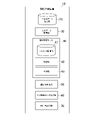
- FIG. 1 is a diagram showing the configuration of a physical property prediction device 10 that is an example of an embodiment of the present disclosure.
- the physical property prediction apparatus 10 is a computer such as a personal computer, a general-purpose computer, or a personal digital assistant, and as shown in FIG. 15 included.
- the physical property prediction apparatus 10 may include an optical disk drive for reading optical disks, a USB (Universal Serial Bus) port, and the like.
- USB Universal Serial Bus
- FIG. 3 is a diagram showing an example of a plurality of learning data stored in the learning data storage unit 20.
- data data for one row in the table specified by individual IDs (1, 2, N, etc.) corresponds to one piece of learning data.
- the learning data contains multiple condition item data as data for multiple items that indicate the conditions for generating and measuring substances.
- Each condition item data is data of an item relating to the conditions for generating a substance or the conditions for measurement.
- the learning data includes, as multiple condition item data, values of multiple raw materials (raw material 1 to raw material R), values of multiple process conditions (process 1 to process condition S), and multiple and the values of the measurement conditions (measurement condition 1 to measurement condition T).
- Process conditions are the conditions for processing (processing, etc.) when producing substances from raw materials
- data of process conditions are the conditions for processing substances (for example, when heating or cooling). (temperature and time).
- process condition 1 first process condition
- process condition S second process condition
- 189 the value of process condition S
- the reason why the measurement condition data is included in the condition item data of the learning data is that the data measured as physical properties (physical property values in FIG. 3) are different as the measurement conditions of the generated substances are different. is.
- each condition item data of the learning data is assigned one of a plurality of attributes.
- five attributes are assigned to the learning data. More specifically, among the plurality of condition item data included in the learning data, “attribute 1" is assigned to raw materials 1 to P, and “attribute 2" is assigned to raw materials 1 and raw materials P+1 to raw materials Q.
- “Attribute 3” is assigned to raw materials Q+1 to R, “attribute 4" is assigned to process conditions 1 to S, and "attribute 5" is assigned to measurement conditions 1 to T. It is In the example shown in FIG.
- attribute 1 to attribute 3 are assigned.
- one of attributes 1 to 3 is assigned to a plurality of raw material data.
- Other attributes than 3 may be used.
- the plurality of condition item data included in each of the plurality of learning data are different among the learning data.
- the physical property values of the learning data are basically different from each other, but there are cases where the physical property values of a plurality of learning data match due to rounding processing such as rounding off the physical property values.
- FIG. 4 is a diagram showing an example of multiple pieces of input data created by the user.
- data specified by individual IDs (1, 2, M, etc.) corresponds to one piece of input data.
- the input data also contains multiple condition item data as data for each of multiple items that indicate the conditions for generating and measuring substances.
- the input data includes data of a plurality of raw materials (raw material 1 to raw material R) and a plurality of process conditions (process 1 to process condition S) as a plurality of condition item data. and data of a plurality of measurement conditions (measurement condition 1 to measurement condition T). Since the content of each condition item data is the same as that of the learning data, the explanation is omitted.
- a user can create input data by, for example, inputting values of condition item data using the operation unit 15 of the physical property prediction apparatus 10 .
- each condition item data in the input data is also assigned one of multiple attributes. Since the content of the attribute assigned to each condition item data is also the same as that of the learning data, the description is omitted.
- the parameter storage unit 41 stores parameters of the machine learning model 40 . More specifically, the parameter storage unit 41 stores parameters of the machine learning model 40 that outputs predicted physical property data described later when given input data is input to the machine learning model 40 . Note that the parameter storage unit 41 may be implemented mainly by the storage unit 12 of the physical property prediction device 10, or may be implemented by another storage device or the like.
- the parameter storage unit 41 stores a plurality of nodes constituting the neural network, the weighting of each node, the number of layers, the number of nodes used in each layer, and the like. It may be stored as a parameter of the learning model 40 . Alternatively, for example, the parameter storage unit 41 may store, as parameters of the machine learning model 40, a calculation formula for obtaining a physical property value from a plurality of condition item data and coefficients of the calculation formula.
- the learning unit 42 updates the parameters of the machine learning model 40 stored in the parameter storage unit 41 by performing machine learning using a plurality of learning data stored in the learning data storage unit 20 . That is, the parameters of the machine learning model 40 stored in the parameter storage unit 41 are learned (updated) using a plurality of pieces of learning data.
- the learning unit 42 may be implemented mainly by the processor 11 of the physical property prediction device 10, or may be implemented by a processor of another information processing device connected to the physical property prediction device 10 via a network.
- the learning unit 42 selects the condition item data (raw material 1 to raw material P shown in FIG. 3) to which attribute 1 is assigned among the plurality of condition item data included in the learning data.
- the machine learning model belonging to attribute 1 is trained using That is, among the parameters stored in the parameter storage unit 41, the parameters of the machine learning model to which attribute 1 is assigned are updated by the condition item data classified as attribute 1 in the learning data.
- machine learning models belonging to attributes 2 to 5 are also learned by condition item data to which the corresponding attributes are assigned in the learning data. That is, the parameters of the machine learning model to which attributes 2 to 5 are assigned are also updated by the condition item data classified into the corresponding attributes in the learning data.
- [2-3-3. Predictor] When given input data (see FIG. 4) is input to the machine learning model 40, the prediction unit 43 outputs predicted physical property data for the input data.
- “Predicted physical property data” is data indicating predictions of properties of substances generated and measured under conditions indicated by input data (more specifically, a plurality of condition item data included in input data).
- the "predicted physical property value" shown in FIG. 7 corresponds to predicted physical property data.
- FIG. 7 is a diagram showing an example of prediction results for input data.
- the prediction unit 43 calculates a predicted physical property value, which is a numerical value indicating the property of a substance, as predicted physical property data for each of a plurality of input data.
- the predicted physical property value of the input data identified by the ID "1" is "1.2”
- the predicted physical property value of the input data identified by the ID "2" is "1. 2”.
- the predicted physical property data is not limited to numerical values such as predicted physical property values, and may be data that can identify predicted physical properties.
- the predicted physical property data may be represented by a sequence of numbers, symbols, characters, or the like.
- the similarity determination unit 50 determines similarity (such as degree of similarity or degree of similarity) between the learning data and the input data.
- the predicted physical property data output unit 60 outputs predicted physical property data predicted by the prediction unit 43 of the machine learning model 40, and information based on the similarity determined by the similarity determination unit 50 as the accuracy of the predicted physical property data. to output
- the predicted physical property data output unit 60 outputs the predicted physical property value and the accuracy of the predicted physical property value to a display device such as the display unit 14, as shown in FIG. 7, for example.
- the similarity determination unit 50 and the predicted physical property data output unit 60 may be realized mainly by the processor 11 of the physical property prediction device 10, or may be implemented by a processor of another information processing device connected to the physical property prediction device 10 via a network. and the like.
- the similarity determination unit 50 determines the similarity between the condition item data included in the learning data and the condition item data corresponding to the condition item data of the learning data included in the input data. Based on the similarity of the condition item data, the similarity between each of the plurality of learning data and the input data is determined.
- the plurality of condition item data included in the input data identified by ID “1” in FIG. 4 are compared with the plurality of condition item data included in the learning data identified by ID “1” in FIG. , raw material 1, raw material 2, raw material P, raw material P+1, raw material Q, raw material Q+1, raw material R, process condition 1, process condition S, measurement condition 1 (items other than measurement condition T) are consistent, and other
- the number of matching (similar) condition item data is the largest compared to the learning data. Therefore, the predicted physical property data output unit 60 outputs information based on similarity to the learning data identified by ID "1" as the learning amount data most similar to the input data identified by ID "1". to output
- the predicted physical property data output unit 60 may output information based on the number of condition item data determined to be similar by the similarity determination unit 50 as the accuracy of the predicted physical property data. In this case, the predicted physical property data output unit 60 outputs “1” when the number of condition item data determined to be similar is equal to or greater than a predetermined number, and the number of condition item data determined to be similar is the predetermined number. is not satisfied, output "0". Not limited to this, the predicted physical property data output unit 60 may output the number of condition item data determined to be similar, or output the total score calculated for each of the plurality of condition item data. good too.
- the predicted physical property data output unit 60 outputs information based on the number of condition item data determined to be similar by the similarity determination unit 50 and the total score value for each of a plurality of attributes (attribute 1 to attribute 5).
- the predicted physical property data output unit 60 outputs information such as "1, 1, 1, 1, 0" as the accuracy of the predicted physical property value for the input data specified by the ID "1". output. This is because the number of condition item data determined to be similar for each of attribute 1 to attribute 4 (or the total value of scores) is equal to or greater than the threshold defined for each corresponding attribute, and It indicates that the number of condition item data (or the total score value) determined to be true is less than the threshold defined by attribute 5.
- attribute 1 to attribute 4 are all similar, but attribute 5 is not similar.
- the predicted physical property data output unit 60 outputs information such as "1, 1, 0, 0, 0" as the accuracy of the predicted physical property value for the input data specified by ID "2". This is because the number of condition item data (or the total score) determined to be similar for each of attribute 1 and attribute 2 is equal to or greater than the threshold for each corresponding attribute, and each of attribute 3 to attribute 5 indicates that the number of condition item data (or the total value of scores) determined to be similar in is less than the threshold of each corresponding attribute.
- FIG. 9 is a diagram showing another example of prediction results for input data.
- the predicted physical property data output unit 60 predicts the number of attributes for which the number of condition item data determined to be similar for each of a plurality of attributes (attribute 1 to attribute 5) is equal to or greater than a threshold. It may be output as the accuracy of the physical property value.
- the certainty of physical property prediction based on multiple condition item data included in input data differs for each input data (that is, for each prediction).
- the similarity between the learning data and the input data is output as the accuracy of the predicted physical property value. You can know the certainty.
- the item name output unit 70 outputs the condition item data included in the learning data and the corresponding condition item data included in the input data (condition item data whose item name corresponds (matches) with the condition item data of the learning data). and are not similar, the item name of the condition item data is output.
- the item name output unit 70 may be realized mainly by the processor 11 of the physical property prediction device 10, or may be realized by a processor of another information processing device connected to the physical property prediction device 10 via a network. .
- the item name output unit 70 outputs the item name of the condition item data determined to be dissimilar as a cause of hindrance to the similarity between the input data and the learning data.
- the input data shown in FIG. 3 whose ID is “1" and the learning data shown in FIG. 4 whose ID is most similar to the input data specified by “1” means that the absolute value of the difference between the values of the condition item data with the item name "measurement condition T" is "3", which is greater than a predetermined threshold value (for example, "1"). Therefore, the item name output unit 70 outputs the item name of "measurement condition T" for the input data specified by ID "1".
- the input data identified by ID "2" and the learning data most similar to the input data identified by ID “1” are “raw material Q", “process condition 1", “measurement The value difference in the item name of condition T" is not within the predetermined numerical range. Therefore, the item name output unit 70 outputs the item names of "raw material Q", “process condition 1", and “measurement condition T" for the input data specified by ID "2".
- the item name output unit 70 outputs the item name of the condition item data determined to be dissimilar as a cause of obstructing the similarity between the input data and the learning data. It is possible to know which item is not similar to the learning data, which is known data. Based on this information, the user can make a decision as to whether or not to make a prototype of the substance, or use it to create input data (redesign).
- FIG. 10 is a diagram showing an example of the flow of prediction processing performed by the physical property prediction device 10.
- the input data acquisition unit 30 acquires input data including a plurality of condition item data (step S101).
- the number of input data acquired in step S101 may be plural as shown in FIG. and may be one.
- the prediction unit 43 generates a machine learning model for each attribute (more specifically, based on the learning data stored in the learning data storage unit 20, the machine learned for each attribute 1 to attribute 5). parameters of the learning model), the predicted physical property value of the input data is calculated (step S102).
- the prediction unit 43 classifies a plurality of condition item data included in the input data acquired in step S101 into a plurality of attributes (attributes 1 to 5), and corresponds the condition item data classified for each attribute. May be input into machine learning models for attributes. Thereby, the predicted physical property value for the input data is calculated.
- a plurality of input data are obtained in step S101, predicted physical property values are calculated for each of the plurality of input data in step S102.
- the similarity determination unit 50 determines similarity for each attribute between the input data acquired in step S101 and the learning data stored in the learning data storage unit 20 (step S103).
- the similarity determination unit 50 determines the similarity between the input data and each of the learning data of the plurality of learning data stored in the learning data storage unit 20 . More specifically, condition item data included in the learning data, condition item data included in the corresponding input data (condition item data whose item name corresponds (matches) with the condition item data of the learning data), , and based on the similarity, the similarity between the input data and the learning data is determined.
- the similarity determination unit 50 determines the similarity of the condition item data included in the input data and the learning data for each of a plurality of attributes (attributes 1 to 5), and determines the similarity between the input data and the learning data based on the similarity.
- the similarity degree of similarity, degree of similarity, etc. for each attribute with the learning data is determined.
- Predicted physical property values are calculated based on machine learning models machine-learned for each attribute (step S102). For this reason, the similarity for each attribute between the input data and the learning data is determined (step S103), and the determined similarity for each attribute is output as the probability (step S104). can increase the likelihood of the probability of indicating
- step S104 the item name output unit 70 outputs the condition item data included in the learning data and the corresponding condition item data included in the input data.
- condition item data the item name of the condition item data may be output.
- the item name output unit 70 may output the item name of the condition item data determined to be dissimilar as a cause of obstructing the similarity between the input data and the learning data. good. By doing so, the user can know in which item the input data is not similar to the learning data, which is known data.
- the similarity determination unit 50 determines the similarity between each of the plurality of learning data and the input data.
- the predicted physical property data output unit 60 outputs predicted physical property data indicating the properties of the substance generated under the production conditions indicated by the input data, and the similarity determined by the similarity determination unit 50 is used as the accuracy of the predicted physical property data. Output information based on either By doing so, the similarity between the learning data and the input data is output as the accuracy of the predicted physical property value, so that the user can know the certainty of the predicted physical property value for each input data (that is, for each prediction). be able to. The user can make use of it in determining which prediction to rely on when fabricating an actual material.
- the similarity determination unit 50 compares the condition item data included in the learning data and the condition item data included in the input data (the condition item data and item names of the learning data correspond (match)) for each attribute.
- An example has been described in which the similarity with the condition item data) is determined, and the similarity is determined based on the similarity.
- the similarity determination unit 50 may determine the similarity between the learning data and the input data by various methods.
- the similarity determination unit 50 generates attribute data based on condition item data to which each attribute is assigned for each of a plurality of attributes with respect to the learning data and the input data, and compares the attribute data related to the learning data and the input data.
- the similarity between the data and attribute data may be determined, and the similarity between the learning data and the input data may be determined based on the similarity.
- Attribute data is data provided for each attribute (for example, for each of a plurality of attributes 1 to 5) and includes at least one element. The elements included in the attribute data of each attribute may differ from or match the contents of the condition item data of the corresponding attribute.
- FIGS. 11A to 11C are diagrams showing an example of attribute data generated for each of attribute 1 to attribute 3 (attributes assigned to raw material data).
- the example shown in FIG. 11A shows attribute data generated for attribute 1 and includes a plurality of elements.
- “element 1" is the same element as “raw material 1”
- "element 2" is the same element as “raw material 2”
- "element X” is the same element as "raw material P”. It is included. That is, the multiple elements included in the attribute data of attribute 1 match the multiple condition item data to which attribute 1 shown in FIGS. 3 and 4 is assigned.
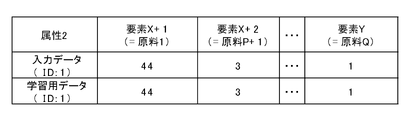
- FIG. 11B shows the attribute data generated for attribute 2, which includes "element X+1" which is the same element as “raw material 1", “element X+2” which is the same element as “raw material P+1”, “Element Y” which is the same element as “raw material Q” is included.
- “ingredient 1” is included not only in the attribute 2 element but also in the attribute 1 element.
- the similarity determination unit 50 may generate two pieces of attribute data including specific condition item data.
- attribute data generated for attribute 3 is shown.
- a certain "element Y+2" and “element Z” which is the same element as “raw material R” are included.
- the value of raw material 1 is “44” and the value of raw material 2 is “10”.
- "54" which is the sum of "44” and “10”
- the similarity determination unit 50 also sets "54” to the "element Y+1" related to the learning data.
- the similarity determination unit 50 may generate attribute data related to learning data and attribute data related to input data for attributes 1 to 3. Then, the similarity between the attribute data related to the learning data and the attribute data related to the input data (more specifically, the similarity between elements having the same item name) is determined, and learning is performed based on the similarity. The similarity between the data for use and the input data may be determined.
- the similarity determination unit 50 generates attribute data for attribute 4 (attribute assigned to process condition data) and attribute 5 (attribute assigned to measurement condition), which are other attributes, in the same manner as attributes 1 to 3. Alternatively, similarity of condition item data to which attribute 4 and attribute 5 are assigned may be determined as described in the embodiment.
- the similarity determination unit 50 determines similarity between a plurality of condition item data associated with each of the plurality of learning data stored in the learning data storage unit 20 and a plurality of condition item data associated with the input data. Therefore, when the number of multiple condition item data included in each of the learning data and the input data is enormous, the processing time becomes long. In this regard, the similarity determination unit 50 generates attribute data including an element combining a plurality of condition item data as shown in FIG. and the number of condition item data included in the input data. By judging the similarity of the attribute data for each of the learning data and the input data, the processing time is shortened compared to directly comparing the plurality of condition item data included in the learning data and the input data. be able to.
- the predicted physical property data output unit 60 outputs the similarity between the learning data determined in this way and the input data as the accuracy of the predicted physical property value. This also allows the user to know the likelihood of the predicted physical property value for each piece of input data.
Landscapes
- Engineering & Computer Science (AREA)
- Theoretical Computer Science (AREA)
- Software Systems (AREA)
- Data Mining & Analysis (AREA)
- Evolutionary Computation (AREA)
- Medical Informatics (AREA)
- Computer Vision & Pattern Recognition (AREA)
- Physics & Mathematics (AREA)
- Computing Systems (AREA)
- General Engineering & Computer Science (AREA)
- General Physics & Mathematics (AREA)
- Mathematical Physics (AREA)
- Artificial Intelligence (AREA)
- Management, Administration, Business Operations System, And Electronic Commerce (AREA)
Abstract
物性予測の確からしさの程度を予測ごとに知ることができる物性予測装置及びプログラムを提供する。学習用条件データ記憶手段(20)は、物質の生成条件をそれぞれ示す複数の学習用条件データを記憶する。機械学習モデル(40)は、複数の学習用条件データにより学習され、所与の入力条件データを入力する場合に、その入力条件データが示す生成条件により生成される物質の性質を示す予測物性データを出力する。類似性判定部(50)は、複数の学習用条件データのそれぞれと、入力条件データと、の類似性を判定する。予測物性データ出力部(60)は、予測物性データを出力するとともに、その予測物性データの確度として類似性のいずれかに基づく情報を出力する。
Description
本発明は物性予測装置及びプログラムに関する。
下記特許文献1には、化合物である未知のサンプルの物性(毒性などの安全性)を予測するために、入力された未知のサンプルとの類似度が規定値以上のサンプル(複数の既知のサンプル)を検索し、検索されたサンプルからサブサンプルセットを作成し、このサブサンプルセットに対してデータ解析を行うことが記載されている。また、下記特許文献2には、未知サンプルのデータである未知入力ベクトルに近しい代表ベクトルに関するベースモデルと補正モデル(ベースモデルの残差の反数を予測するモデル)とを検索し、ベースモデル及び補正モデルの予測値に基づく物性予測値を算出するとともに、物性予測値に対するリスク値を、補正モデルの予測値に基づいて算出することが記載されている。
物性予測の確からしさは、予測ごとに異なる。確からしさの程度が予測ごとに知ることができれば、ユーザはどの予測を頼りに試作をするかの判断に役立てることができる。
本開示の目的は、物性予測の確からしさの程度を予測ごとに知ることができる物性予測装置及びプログラムを提供することにある。
本開示に係る物性予測装置は、物質の生成条件をそれぞれ示す複数の学習用条件データを記憶する学習用条件データ記憶手段と、前記複数の学習用条件データにより学習され、所与の入力条件データを入力する場合に該入力条件データが示す生成条件により生成される物質の性質を示す予測物性データを出力する機械学習モデルのパラメータを記憶するパラメータ記憶手段と、前記複数の学習用条件データのそれぞれと、前記入力条件データと、の類似性を判定する類似性判定手段と、前記予測物性データを出力するとともに、該予測物性データの確度として前記類似性のいずれかに基づく情報を出力する出力手段と、を含む。これによれば、物性予測の確からしさの程度を予測ごとに知ることができる。
本開示に係るプログラムは、物質の生成条件をそれぞれ示す複数の学習用条件データを記憶する学習用条件データ記憶手段、前記複数の学習用条件データにより学習され、所与の入力条件データを入力する場合に該入力条件データが示す生成条件により生成される物質の性質を示す予測物性データを出力する機械学習モデルのパラメータを記憶するパラメータ記憶手段、前記複数の学習用条件データのそれぞれと、前記入力条件データと、の類似性を判定する類似性判定手段、及び、前記予測物性データを出力するとともに、該予測物性データの確度として前記類似性を出力する出力手段、としてコンピュータを機能させるためのプログラムである。これによれば、コンピュータを用いて、物性予測の確からしさの程度を予測ごとに知ることができる。
以下、本開示の実施形態について図面を参照しながら説明する。本実施形態では、物質の生成及び入力の条件(原料、生成プロセス、及び物性の計測などに関する条件)を示す入力データを、学習済みの機械学習モデルに入力することにより、生成される物質の性質を示す予測物性データを出力するとともに、その予測物性データの確度に関する情報を出力する。以下では、物質が複数の原料及び生成プロセスによって生成される混合物(例えば、タイヤの素材)である場合の例を説明するが、物質は複数の原料の混合物に限らず、所定の条件に基づいて生成されるものであればよい。
[1.ハードウェア構成]
図1は、本開示の実施形態の一例である物性予測装置10の構成を示す図である。本実施形態に係る物性予測装置10は、パーソナルコンピュータや汎用コンピュータ、携帯情報端末などのコンピュータであり、図1に示すように、プロセッサ11、記憶部12、通信部13、表示部14、操作部15を含んでいる。なお、物性予測装置10は、光ディスクを読み取る光ディスクドライブや、USB(Universal Serial Bus)ポートなどを含んでいてもよい。
図1は、本開示の実施形態の一例である物性予測装置10の構成を示す図である。本実施形態に係る物性予測装置10は、パーソナルコンピュータや汎用コンピュータ、携帯情報端末などのコンピュータであり、図1に示すように、プロセッサ11、記憶部12、通信部13、表示部14、操作部15を含んでいる。なお、物性予測装置10は、光ディスクを読み取る光ディスクドライブや、USB(Universal Serial Bus)ポートなどを含んでいてもよい。
プロセッサ11は、例えばコンピュータである物性予測装置10にインストールされたプログラムに従って動作するCPU(Central Processing Unit)などのプログラム制御デバイスである。記憶部12は、ROM(Read Only Memory)やRAM(Random Access Memory)などの記憶素子やハードディスクドライブなどである。記憶部12には、プロセッサ11によって実行されるプログラムなどのデータが記憶される。通信部13は、例えばネットワークボードなどの通信インタフェースである。表示部14は、液晶ディスプレイ等の表示デバイスであって、プロセッサ11の指示に従って各種の画像を表示する。操作部15は、キーボードやマウスなどのユーザインタフェースであって、ユーザの操作入力を受け付けて、その内容を示す信号をプロセッサ11に出力する。
[2.機能ブロック]
物性予測装置10は、例えば、混合物である物質の性質について予測される性能(例えば、物質の硬さ、タイヤとして使用する場合の耐久性や転がり抵抗など)を示す予測物性データを出力するとともに、その予測物性データの確度に関する情報を出力する。以下では、物性予測装置10による予測物性データ及び確度に関する情報の出力について説明する。
物性予測装置10は、例えば、混合物である物質の性質について予測される性能(例えば、物質の硬さ、タイヤとして使用する場合の耐久性や転がり抵抗など)を示す予測物性データを出力するとともに、その予測物性データの確度に関する情報を出力する。以下では、物性予測装置10による予測物性データ及び確度に関する情報の出力について説明する。
図2は、物性予測装置10で実装される機能の一例を示す機能ブロック図である。図2に示すように、物性予測装置10は、機能的には、学習用データ記憶部20(学習用条件データ記憶部)と、入力データ取得部30(入力条件データ取得部)と、機械学習モデル40と、類似性判定部50と、予測物性データ出力部60と、項目名出力部70とを含む。なお、物性予測装置10において、図2に示す機能のすべてが実装されなくてもよく、図2に示す機能以外の機能が実装されていてもよい。
[2-1.学習用データ記憶部]
学習用データ記憶部20は、複数の学習用条件データを記憶する。「学習用条件データ」とは、物質の生成及び計測の条件を示すデータであり、後述する機械学習モデル40の学習に用いられる教師データである。以下では、学習用条件データを単に「学習用データ」とも称する。なお、学習用データ記憶部20は、記憶部12を主として実現されてよいが、これに限らず、物性予測装置10に有線又は無線で接続される外部記憶装置やNAS
(Network Attached Storage)などの他の記憶装置により実現されてもよい。
学習用データ記憶部20は、複数の学習用条件データを記憶する。「学習用条件データ」とは、物質の生成及び計測の条件を示すデータであり、後述する機械学習モデル40の学習に用いられる教師データである。以下では、学習用条件データを単に「学習用データ」とも称する。なお、学習用データ記憶部20は、記憶部12を主として実現されてよいが、これに限らず、物性予測装置10に有線又は無線で接続される外部記憶装置やNAS
(Network Attached Storage)などの他の記憶装置により実現されてもよい。
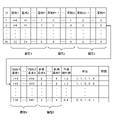
図3は、学習用データ記憶部20に記憶される複数の学習用データの一例を示す図である。図3に示す例では、個々のID(1,2,Nなど)により特定されるデータ(表における1行分のデータ)が、1つの学習用データに相当する。
学習用データは、物質の生成及び計測の条件を示す複数の項目ごとのデータとして、複数の条件項目データを含んでいる。各条件項目データは、物質の生成条件又は計測条件に関する項目のデータである。図3に示す例では、学習用データは、複数の条件項目データとして、複数の原料(原料1~原料R)の値と、複数のプロセス条件(プロセス1~プロセス条件S)の値と、複数の計測条件(計測条件1~計測条件T)の値をと含んでいる。
「原料」とは、混合物である物質に含有される原料であり、「原料のデータ」とは、物質に含まれる原料の度合い(質量や重量、配合率など)を示す値などデータである。例えば、IDが「1」で特定される学習用データでは、原料1(1番目の原料)の値が「44」であり、原料2(2番目の原料)の値が「10」であり、原料P(P番目の原料)の値が「7」であり、原料P+1(P+1番目の原料)の値が「3」であり、原料Q(Q番目の原料)の値が「1」であり、原料Q+1(Q+1番目の原料)の値が「2」であり、原料R(R番目の原料)の値が「3」であることが示されている。また、IDが「2」で特定される学習用データでは、原料1の値が「43」であり、原料2の値が「10」であり、原料Pの値が「6」であり、原料P+1の値が「3」であり、原料Qの値が「1」であり、原料Q+1の値が「2」であり、原料Rの値が「0」であることが示されている。
「プロセス条件」とは、原料から物質を生成する際の処理(加工など)の条件であり、「プロセス条件のデータ」とは、物質を処理する際の条件(例えば、加熱や冷却を行う際の温度及び時間)を示すデータである。例えば、IDが「1」で特定される学習用データでは、プロセス条件1(1番目のプロセス条件)の値が「148」であり、プロセス条件S(S番目のプロセス条件)の値が「189」であることが示されている。また、IDが「2」で特定される学習用データでは、プロセス条件1の値が「147」であり、プロセス条件Sの値が「178」であることが示されている。
「計測条件」とは、生成された物質の物性を計測する際の条件であり、「計測条件のデータ」とは、物質を計測する際の条件(例えば、計測方法や計測時間)を示すデータである。例えば、IDが「1」で特定される学習用データでは、計測条件1(1番目の計測条件)の値が「2」であり、計測条件2(2番目の計測条件)の値が「3」であることが示されている。また、IDが「2」で特定される学習用データにおいても、計測条件1の値が「2」であり、計測条件2の値が「3」であることが示されている。
なお、学習用データの条件項目データに計測条件のデータが含まれているのは、生成された物質の計測条件が異なることによって、物性として計測されるデータ(図3では物性値)も異なるためである。
本実施形態では、学習用データの各条件項目データには、複数の属性のいずれかが割り当てられる。図3に示す例では、学習用データに5つの属性が割り当てられている。より具体的には、学習用データに含まれる複数の条件項目データのうち、原料1~原料Pには「属性1」が割り当てられ、原料1及び原料P+1~原料Qには「属性2」が割り当てられ、原料Q+1~原料Rには「属性3」が割り当てられ、プロセス条件1~プロセス条件Sには「属性4」が割り当てられ、計測条件1~計測条件Tには「属性5」が割り当てられている。図3に示す例では、原料の条件項目データ(原料1~原料R)の種別(例えば、高分子材料であるか、充填剤であるか、それ以外であるか、などの種別)に応じて、属性1~属性3までのうちのいずれかが割り当てられている。なお、図3に示す例では複数の原料のデータに属性1~3のいずれかが割り当てられているが、原料のデータに割り当てられる属性は、属性1の1つのみとしてよいし、属性1~3以外の他の属性であってもよい。
また、学習用データには、これに含まれる複数の条件(複数の条件項目データにより示される条件)で生成される物質の物性(硬さなど)を示す物性データを含んでいる。図3に示す例では、物性データは物性値とし、数値で示されている。例えば、IDが「1」で特定される学習用データでは物性値が「1.2」であり、IDが「2」で特定される学習用データでは物性値が「1.3」であることが示されている。なお、物性データは物性値などの数値に限らず、物性を識別できるものであればよい。物性データは数列で示されてもよいし、記号や文字(硬い、柔らかいなど)で示されてもよい。
図3に示すように、複数の学習用データのそれぞれに含まれる複数の条件項目データは、各学習用データ間で互いに異なっている。このため、各学習用データ間の物性値も基本的には互いに相違するが、物性値の端数切捨てなどの丸め処理により、複数の学習用データ間で物性値が一致する場合もある。
[2-2.入力データ取得部]
入力データ取得部30は、後述する機械学習モデル40に入力する入力条件データを取得する。「入力条件データ」とは、物質の生成及び計測の条件を示すデータであって、当該条件で生成及び計測される物質の物性(硬さなど)を予測するために、ユーザが作成するデータである。以下では、入力条件データを単に「入力データ」とも称する。なお、入力データ取得部30は、物性予測装置10のプロセッサ11を主として実現されてよいし、物性予測装置10にネットワークを介して接続される他の情報処理装置のプロセッサなどにより実現されてもよい。
入力データ取得部30は、後述する機械学習モデル40に入力する入力条件データを取得する。「入力条件データ」とは、物質の生成及び計測の条件を示すデータであって、当該条件で生成及び計測される物質の物性(硬さなど)を予測するために、ユーザが作成するデータである。以下では、入力条件データを単に「入力データ」とも称する。なお、入力データ取得部30は、物性予測装置10のプロセッサ11を主として実現されてよいし、物性予測装置10にネットワークを介して接続される他の情報処理装置のプロセッサなどにより実現されてもよい。
図4は、ユーザにより作成される複数の入力データの一例を示す図である。図4に示す例でも、図3と同様に、個々のID(1,2,Mなど)により特定されるデータ(表における1行分のデータ)が、1つの入力データに相当する。
入力データも学習用データと同様に、物質の生成及び計測の条件を示す複数の項目ごとのデータとして、複数の条件項目データを含んでいる。図4に示す例でも、図3と同様に、入力データは、複数の条件項目データとして、複数の原料(原料1~原料R)のデータと、複数のプロセス条件(プロセス1~プロセス条件S)のデータと、複数の計測条件(計測条件1~計測条件T)のデータをと含んでいる。各条件項目データの内容は、学習用データと同様であるため説明を省略する。ユーザは、例えば、物性予測装置10の操作部15を用いて条件項目データの値を入力することにより、入力データを作成できる。
また、学習用データに含まれる条件項目データと同様に、入力データの各条件項目データにも、複数の属性のいずれかが割り当てられる。各条件項目データに割り当てられる属性の内容も、学習用データと同様であるため、説明を省略する。
先述したように、入力データは、これに含まれる条件項目データで生成及び計測される物質の物性(硬さなど)を予測するためのものである。このため、入力データは、学習用データと異なり、物性値などの物性データを含んでいない。複数の生成又は/及び条件を含む入力データを作成して後述する機械学習モデル40に入力することで、ユーザは、機械学習モデル40(より具体的には、予測部43)により予測される物性の情報を知ることができる。
[2-3.機械学習モデル]
機械学習モデル40は、学習用データ記憶部20に記憶される複数の学習用データにより学習されるモデルであり、所与の入力データが入力される場合に、後述する予測物性データを出力するモデルである。図3に示すように、機械学習モデル40は、パラメータ記憶部41と、学習部42と、予測部43とを含んでいる。機械学習モデル40は、例えば、DNN(Deep Neural Network)やCNN(Convolutional Neural Network)などといった所与のニューラルネットワークにより機械学習されるモデルである。他にも例えば、機械学習モデル40は、所与の統計的手法や線型回帰などにより機械学習されるモデルであってもよい。
機械学習モデル40は、学習用データ記憶部20に記憶される複数の学習用データにより学習されるモデルであり、所与の入力データが入力される場合に、後述する予測物性データを出力するモデルである。図3に示すように、機械学習モデル40は、パラメータ記憶部41と、学習部42と、予測部43とを含んでいる。機械学習モデル40は、例えば、DNN(Deep Neural Network)やCNN(Convolutional Neural Network)などといった所与のニューラルネットワークにより機械学習されるモデルである。他にも例えば、機械学習モデル40は、所与の統計的手法や線型回帰などにより機械学習されるモデルであってもよい。
[2-3-1.パラメータ記憶部]
パラメータ記憶部41は、機械学習モデル40のパラメータを記憶する。より具体的には、パラメータ記憶部41は、所与の入力データを機械学習モデル40に入力する場合に、後述する予測物性データを出力する機械学習モデル40のパラメータを記憶するものである。なお、パラメータ記憶部41は、物性予測装置10の記憶部12を主として実現されてよいし、他の記憶装置などにより実現されてもよい。
パラメータ記憶部41は、機械学習モデル40のパラメータを記憶する。より具体的には、パラメータ記憶部41は、所与の入力データを機械学習モデル40に入力する場合に、後述する予測物性データを出力する機械学習モデル40のパラメータを記憶するものである。なお、パラメータ記憶部41は、物性予測装置10の記憶部12を主として実現されてよいし、他の記憶装置などにより実現されてもよい。
機械学習モデル40がニューラルネットワークにより実現される場合、パラメータ記憶部41は、ニューラルネットワークを構成する複数のノードと各ノードの重みづけ、レイヤの数、各レイヤに使用されるノード数などを、機械学習モデル40のパラメータとして記憶してよい。他にも例えば、パラメータ記憶部41は、複数の条件項目データから物性値を求めるための計算式や計算式の係数を、機械学習モデル40のパラメータとして記憶してもよい。
[2-3-2.学習部]
学習部42は、学習用データ記憶部20に記憶される複数の学習用データを用いて機械学習を行うことにより、パラメータ記憶部41に記憶されている機械学習モデル40のパラメータを更新する。すなわち、パラメータ記憶部41に記憶されている機械学習モデル40のパラメータは、複数の学習用データにより学習(更新)される。学習部42は、物性予測装置10のプロセッサ11を主として実現されてよいし、物性予測装置10にネットワークを介して接続される他の情報処理装置のプロセッサなどにより実現されてもよい。
学習部42は、学習用データ記憶部20に記憶される複数の学習用データを用いて機械学習を行うことにより、パラメータ記憶部41に記憶されている機械学習モデル40のパラメータを更新する。すなわち、パラメータ記憶部41に記憶されている機械学習モデル40のパラメータは、複数の学習用データにより学習(更新)される。学習部42は、物性予測装置10のプロセッサ11を主として実現されてよいし、物性予測装置10にネットワークを介して接続される他の情報処理装置のプロセッサなどにより実現されてもよい。
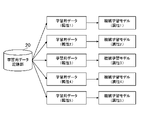
図5は、学習部42が行う機械学習の一例を示す図である。本実施形態では、図5に示すように、機械学習モデル40は、複数の属性(例えば、図3に示した属性1~属性5)ごとに学習される複数の機械学習モデルにより構成されている。別の言い方をすると、パラメータ記憶部41は、複数の属性ごとに、機械学習モデルのパラメータを記憶している。
図5に示すように、学習部42は、学習用データに含まれる複数の条件項目データのうちの属性1が割り当てられた条件項目データ(図3に示した原料1~原料Pのデータ)を用いて属性1に属する機械学習モデルの学習を行う。すなわち、パラメータ記憶部41に記憶されている複数のパラメータのうち、属性1が割り当てられた機械学習モデルのパラメータは、学習用データにおいて、属性1に区分される条件項目データにより更新される。これと同様に、属性2~5に属する機械学習モデルも、学習用データにおいて、対応する属性が割り当てられた条件項目データによりそれぞれ学習される。すなわち、属性2~5が割り当てられた機械学習モデルのパラメータも、学習用データにおいて、対応する属性に区分される条件項目データにより更新される。
[2-3-3.予測部]
予測部43は、機械学習モデル40に所与の入力データ(図4を参照)を入力する場合に、その入力データについての予測物性データを出力する。「予測物性データ」とは、入力データが示す条件(より具体的には、入力データに含まれる複数の条件項目データ)により生成及び計測される物質の性質についての予測を示すデータである。本実施形態では、図7に示す「予測物性値」が、予測物性データに相当する。
予測部43は、機械学習モデル40に所与の入力データ(図4を参照)を入力する場合に、その入力データについての予測物性データを出力する。「予測物性データ」とは、入力データが示す条件(より具体的には、入力データに含まれる複数の条件項目データ)により生成及び計測される物質の性質についての予測を示すデータである。本実施形態では、図7に示す「予測物性値」が、予測物性データに相当する。
図6は、予測部43が行う機械学習モデルを用いた予測の一例を示す図である。先述したように、本実施形態では、機械学習モデル40は、複数の属性(例えば、属性1~属性5)ごとに学習された複数の機械学習モデルにより構成されている。このため、予測部43は、入力データ取得部30が取得した入力データに含まれる複数の条件項目データを、複数の属性(属性1~属性5)に区分する。そして、属性ごとに区分した入力データの条件項目データを、対応する属性の機械学習モデルに入力することによって、当該入力データに対する予測物性データを算出する。
図7は、入力データに対する予測結果の一例を示す図である。図7に示すように、予測部43は、複数の入力データのそれぞれに対する予測物性データとして、物質の性質を示す数値である予測物性値を算出する。図7に示す例では、IDが「1」で特定される入力データの予測物性値が「1.2」であり、IDが「2」で特定される入力データの予測物性値が「1.2」であることが示されている。なお、予測物性データは予測物性値などの数値に限らず、予測された物性を識別できるものであればよい。例えば、予測物性データは数列で示されてもよいし、記号や文字などで示されてもよい。
[2-4.類似性判定部、予測物性データ出力部]
類似性判定部50は、学習用データと入力データとの類似性(類否や類似性の度合いなど)を判定する。予測物性データ出力部60は、機械学習モデル40の予測部43により予測された予測物性データを出力するとともに、その予測物性データの確度として、類似性判定部50により判定される類似性に基づく情報を出力する。予測物性データ出力部60は、例えば図7に示すように、予測物性値と、この予測物性値の確度とを表示部14などの表示装置に出力する。なお、類似性判定部50及び予測物性データ出力部60は、物性予測装置10のプロセッサ11を主として実現されてよいし、物性予測装置10にネットワークを介して接続される他の情報処理装置のプロセッサなどにより実現されてもよい。
類似性判定部50は、学習用データと入力データとの類似性(類否や類似性の度合いなど)を判定する。予測物性データ出力部60は、機械学習モデル40の予測部43により予測された予測物性データを出力するとともに、その予測物性データの確度として、類似性判定部50により判定される類似性に基づく情報を出力する。予測物性データ出力部60は、例えば図7に示すように、予測物性値と、この予測物性値の確度とを表示部14などの表示装置に出力する。なお、類似性判定部50及び予測物性データ出力部60は、物性予測装置10のプロセッサ11を主として実現されてよいし、物性予測装置10にネットワークを介して接続される他の情報処理装置のプロセッサなどにより実現されてもよい。
より具体的には、類似性判定部50は、複数の学習用データのそれぞれと、入力データとの類似性を判定する。類似性判定部50は、例えば、図3においてIDが「1」「2」・・・「N」で特定される複数の学習用データのそれぞれと、図4においてIDが「1」で特定される入力データとの類似性を判定する。そして、予測物性データ出力部60は、予測物性データを出力するとともに、その予測物性データの確度として、類似性判定部50により判定される複数の類似性のいずれかに基づく情報を出力する。予測物性データ出力部60は、例えば、図4においてIDが「1」で特定される入力データについて、機械学習モデル40の予測部43により予測された予測物性データを出力する。また、その入力データと図3においてIDが「1」「2」・・・「N」で特定される複数の学習用データのそれぞれとの類似性について、類似性判定部50により判定された複数の類似性のいずれかに基づく情報を出力する。
本実施形態では、類似性判定部50は、学習用データに含まれる条件項目データと、入力データに含まれる、学習用データの条件項目データと対応する条件項目データとの類否を判定する。そして、条件項目データの類否に基づいて、複数の学習用データのそれぞれと、入力データとの類似性を判定する。
図3及び図4に示す例では、学習用データと入力データの双方に、複数の条件項目として、原料1、原料2などの複数の項目の値が含まれている。類似性判定部50は、複数の項目ごとに、学習用データの値と入力データの値の類否を判定する。類似性判定部50は、ある項目(原料1など)について学習用データの値と入力データの値の差が所定の数値範囲内にある場合(換言すると、差の絶対値が閾値以下である場合)に、その項目では類似すると判定し、当該差が所定の数値範囲内にない場合(換言すると、差の絶対値が閾値を超える場合)に、その項目では類似しないと判定する。この他にも、類似性判定部50は、複数の項目ごとの類否について、一致、類似、不一致の3段階で判定してもよいし、3段階以上の複数の類否判定として、類似度に応じたスコアの算出を行ってもよい。
予測物性データ出力部60は、入力データに最も類似する複数の学習用データの1つについて判定された類似性に基づく情報を、当該入力データについて予測された予測物性データの確度として出力する。予測物性データ出力部60は、例えば、複数の学習用データのうち、類似すると判定された項目が最も多い学習用データとの類似性に基づく情報を出力する。他にも例えば、類似性判定部50が複数の項目で類似度に応じたスコアを算出する場合、予測物性データ出力部60は、算出されたスコアの合計値が最も高い学習用データとの類似性に基づく情報を出力してもよい。
図4においてIDが「1」で特定される入力データに含まれる複数の条件項目データは、図3においてIDが「1」で特定される学習用データに含まれる複数の条件項目データとの比較において、原料1、原料2、原料P、原料P+1、原料Q、原料Q+1、原料R、プロセス条件1、プロセス条件S、計測条件1(計測条件T以外の項目)で一致しており、他の学習用データに比べて一致(類似)する条件項目データは最多である。このため、予測物性データ出力部60は、IDが「1」で特定される入力データに最も類似する学習量データとして、IDが「1」で特定される学習用データとの類似性に基づく情報を出力する。
予測物性データ出力部60は、予測物性データの確度として、類似性判定部50により類似すると判定された条件項目データの数に基づく情報を出力してよい。この場合、予測物性データ出力部60は、例えば、類似すると判定された条件項目データの数が所定数以上の場合に「1」を出力し、類似すると判定された条件項目データの数が所定数を満たない場合に「0」を出力する。これに限らず、予測物性データ出力部60は、類似すると判定された条件項目データの数を出力してもよいし、複数の条件項目データの各々で算出されたスコアの合計値を出力してもよい。
図8は、学習用データと入力データとの類似性の判定方法の一例を示す図である。先述したように、学習用データと入力データのそれぞれで、条件項目データには複数の属性(属性1~属性5)のいずれかが割り当てられる。この場合、類似性判定部50は、複数の属性(属性1~属性5)ごとに、学習用データに含まれる条件項目データと、入力データに含まれる、対応する条件項目データ(学習用データの条件項目データと項目名が対応(一致)する条件項目データ)と、の類否を判定し、その類否に基づいて、属性ごとの学習用データと入力データとの類似性を判定してもよい。
また、予測物性データ出力部60は、複数の属性(属性1~属性5)ごとに、類似性判定部50により類似すると判定された条件項目データの数やスコアの合計値に基づく情報を出力してもよい。図7に示す例では、IDが「1」で特定される入力用データに対し、予測物性データ出力部60は、予測物性値の確度として「1,1,1,1,0」といった情報を出力している。これは、属性1~属性4のそれぞれで類似すると判定された条件項目データの数(又は、スコアの合計値)は、対応する各属性で規定される閾値以上であり、かつ、属性5で類似すると判定された条件項目データの数(又は、スコアの合計値)は、属性5で規定される閾値未満であることを示している。すなわち、属性1~属性4はいずれも類似しているが、属性5については類似していないことを示している。また、IDが「2」で特定される入力用データに対し、予測物性データ出力部60は、予測物性値の確度として「1,1,0,0,0」といった情報を出力している。これは、属性1と属性2のそれぞれで類似すると判定された条件項目データの数(又は、スコアの合計値)が、対応する各属性の閾値以上であり、かつ、属性3~属性5のそれぞれで類似すると判定された条件項目データの数(又は、スコアの合計値)が、対応する各属性の閾値未満であることを示している。
図9は、入力データに対する予測結果の他の一例を示す図である。図9に示すように、予測物性データ出力部60は、複数の属性(属性1~属性5)のそれぞれで類似すると判定された条件項目データの数が閾値以上であった属性の数を、予測物性値の確度として出力してもよい。例えば、IDが「1」で特定される入力用データでは、属性1~属性4の4つの属性で条件項目データの数(又は、スコアの合計値)が閾値以上であるため、当該入力用データの確度として「4」が出力されている。IDが「2」で特定される入力用データでは、属性1~属性2の2つの属性で条件項目データの数が閾値以上であるため、当該入力用データの確度として「2」が出力されている。
入力データに含まれる複数の条件項目データに基づく物性予測の確からしさは、入力データごとに(すなわち、予測ごとに)異なる。この点、類似性判定部50及び予測物性データ出力部60によれば、学習用データと入力データとの類似性を予測物性値の確度として出力するため、ユーザは、予測ごとの予測物性値の確からしさを知ることができる。
[2-5.項目名出力部]
項目名出力部70は、学習用データに含まれる条件項目データと、入力データに含まれる、対応する条件項目データ(学習用データの条件項目データと項目名が対応(一致)する条件項目データ)と、が類似しないと判定される場合に、該条件項目データの項目名を出力する。なお、項目名出力部70は、物性予測装置10のプロセッサ11を主として実現されてよいし、物性予測装置10にネットワークを介して接続される他の情報処理装置のプロセッサなどにより実現されてもよい。
項目名出力部70は、学習用データに含まれる条件項目データと、入力データに含まれる、対応する条件項目データ(学習用データの条件項目データと項目名が対応(一致)する条件項目データ)と、が類似しないと判定される場合に、該条件項目データの項目名を出力する。なお、項目名出力部70は、物性予測装置10のプロセッサ11を主として実現されてよいし、物性予測装置10にネットワークを介して接続される他の情報処理装置のプロセッサなどにより実現されてもよい。
項目名出力部70は、図9に示すように入力データと学習用データとの類似性を阻害する原因として、類似しないと判定された条件項目データの項目名を出力する。例えば、図3に示したうちのIDが「1」で特定される入力用データと、図4に示したうち、当該入力用データと最も類似するIDが「1」で特定される学習用データとは、項目名が「計測条件T」の条件項目データの値の差の絶対値は「3」であり、所定の閾値(例えば「1」)よりも大きい。このため、項目名出力部70は、IDが「1」で特定される入力用データに対し、「計測条件T」の項目名を出力する。また、IDが「2」で特定される入力用データと、当該入力用データと最も類似するIDが「1」で特定される学習用データとは、「原料Q」「プロセス条件1」「計測条件T」の項目名での値の差が所定の数値範囲内にない。このため、項目名出力部70は、IDが「2」で特定される入力用データに対し、「原料Q」「プロセス条件1」「計測条件T」の項目名を出力する。
このように、項目名出力部70は、入力データと学習用データとの類似性を阻害する原因として、類似しないと判定された条件項目データの項目名を出力するため、ユーザは、入力データがどの項目で既知のデータである学習用データと類似しないかを知ることができる。ユーザはこの情報を基に、物質を試作するかの判断や、入力データの作成(再設計)に役立てることができる。
[3.フローチャート]
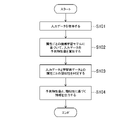
図10は、物性予測装置10で行われる予測処理の流れの一例を示す図である。まず、入力データ取得部30が、複数の条件項目データを含む入力データを取得する(ステップS101)ステップS101において取得される入力データの数は、図4に示したように複数であってもよいし、1つであってもよい。
図10は、物性予測装置10で行われる予測処理の流れの一例を示す図である。まず、入力データ取得部30が、複数の条件項目データを含む入力データを取得する(ステップS101)ステップS101において取得される入力データの数は、図4に示したように複数であってもよいし、1つであってもよい。
次に、予測部43は、属性ごとの機械学習モデル(より具体的には、学習用データ記憶部20に記憶されている学習用データに基づいて、属性1~属性5ごとに学習された機械学習モデルのパラメータ)に基づいて、入力データの予測物性値を算出する(ステップS102)。この際、予測部43は、ステップS101において取得した入力データに含まれる複数の条件項目データを複数の属性(属性1~5)に区分して、属性ごとに区分された条件項目データを対応する属性の機械学習モデルに入力してよい。これにより、入力データに対する予測物性値が算出される。ステップS101において複数の入力データを取得した場合、ステップS102では複数の入力データのそれぞれに対して予測物性値を算出する。
次に、類似性判定部50は、ステップS101で取得した入力データと、学習用データ記憶部20に記憶されている学習用データとの属性ごとの類似性を判定する(ステップS103)。類似性判定部50は、入力データと、学習用データ記憶部20に記憶されている複数の学習用データの学習用データのそれぞれとの類似性を判定する。より具体的には、学習用データに含まれる条件項目データと、対応する入力データに含まれる条件項目データ(学習用データの条件項目データと項目名が対応(一致)する条件項目データ)と、の類否を判定し、その類否に基づいて入力データと学習用データとの類似性を判定する。
類似性判定部50は、例えば、複数の属性(属性1~5)ごとに、入力データと学習用データとに含まれる条件項目データの類否を判定し、その類否に基づいて入力データと学習用データとの属性ごとの類似性(類否や類似性の度合いなど)を判定する。
次に、予測物性データ出力部60は、ステップS102で算出された予測物性値と、ステップS103で判定された類似度に基づく情報を出力し(ステップS104)、処理を終了する。予測物性データ出力部60は、学習用データ記憶部20に記憶されている複数の学習用データのうち、入力データに最も類似する学習用データについて判定された類似性に基づく情報を、予測物性値の確度として出力する。予測物性データ出力部60は、例えば、複数の属性(属性1~5)ごとに判定された類似性を示す情報を出力する。予測物性データ出力部60は、例えば、類似性を示す数字や文字を出力してもよいし、類似すると判定された条件項目データの数が閾値以上であった属性の数を出力してもよい。
予測物性値の算出は、属性ごとに機械学習された機械学習モデルに基づいて行われる(ステップS102)。このため、入力データと学習用データとの属性ごとの類似性を判定し(ステップS103)、判定された属性ごとの類似性を確度として出力する(ステップS104)ことにより、予測物性値の確からしさを示す確度の尤度を高めることができる。
ステップS104において、項目名出力部70は、学習用データに含まれる条件項目データと、入力データに含まれる、対応する条件項目データ(学習用データの条件項目データと項目名が対応(一致)する条件項目データ)と、が類似しないと判断判定される場合に、その条件項目データの項目名を出力してもよい。項目名出力部70は、例えば、図9に示したように、入力データと学習用データとの類似性を阻害する原因として、類似しないと判定された条件項目データの項目名を出力してもよい。このようにすることで、ユーザは、入力データがどの項目で既知のデータである学習用データと類似しないかを知ることができる。
[4.まとめ]
以上のように、本実施形態では、類似性判定部50は、複数の学習用データのそれぞれと、入力データとの類似性を判定する。予測物性データ出力部60は、入力データが示す生成条件により生成される物質の性質を示す予測物性データを出力するとともに、その予測物性データの確度として、類似性判定部50により判定された類似性のいずれかに基づく情報を出力する。このようにすることで、学習用データと入力データとの類似性が予測物性値の確度として出力されるため、ユーザは、入力データごと(すなわち、予測ごと)の予測物性値の確からしさを知ることができる。ユーザは、どの予測を頼りに実際の物質を試作するかの判断に役立てることができる。
以上のように、本実施形態では、類似性判定部50は、複数の学習用データのそれぞれと、入力データとの類似性を判定する。予測物性データ出力部60は、入力データが示す生成条件により生成される物質の性質を示す予測物性データを出力するとともに、その予測物性データの確度として、類似性判定部50により判定された類似性のいずれかに基づく情報を出力する。このようにすることで、学習用データと入力データとの類似性が予測物性値の確度として出力されるため、ユーザは、入力データごと(すなわち、予測ごと)の予測物性値の確からしさを知ることができる。ユーザは、どの予測を頼りに実際の物質を試作するかの判断に役立てることができる。
[5.変形例]
本発明は、以上の実施形態に限定されるものではない。
本発明は、以上の実施形態に限定されるものではない。
実施形態では、類似性判定部50は、属性ごとに、学習用データに含まれる条件項目データと、入力データに含まれる条件項目データ(学習用データの条件項目データと項目名が対応(一致)する条件項目データ)との類否を判定し、その類否に基づいて類似性を判定する例について説明した。これに限らず、類似性判定部50は、種々の方法で学習用データと入力データとの類似性を判定してもよい。
類似性判定部50は、例えば、学習用データ及び入力データについて、複数の属性ごとに、各属性が割り当てられた条件項目データに基づく属性データを生成し、学習用データに係る属性データと、入力データに係る属性データとの類否を判定し、その類否に基づいて学習用データと入力データとの類似性を判定してもよい。属性データとは、属性ごと(例えば、属性1~属性5の複数の属性ごと)に設けられるものであり、少なくとも1つの要素を含むデータである。各属性の属性データに含まれる要素は、対応する属性の条件項目データの内容と異なってもよいし、一致してもよい。
図11A~図11Cは、属性1~属性3(原料のデータに割り当てられる属性)のそれぞれについて生成される属性データの一例を示す図である。図11Aに示す例では、属性1について生成される属性データを示しており、複数の要素が含まれている。図11Aに示す例では、「原料1」と同じ要素である「要素1」と、「原料2」と同じ要素である「要素2」と、「原料P」と同じ要素である「要素X」が含まれている。すなわち、属性1の属性データに含まれる複数の要素は、図3及び図4に示した属性1が割り当てられる複数の条件項目データと一致している。
図11Bに示す例では、属性2について生成される属性データを示しており、「原料1」と同じ要素である「要素X+1」と、「原料P+1」と同じ要素である「要素X+2」と、「原料Q」と同じ要素である「要素Y」が含まれている。ここで、「原料1」は、属性2の要素のみならず、属性1の要素にも含まれている。このように、類似性判定部50は、特定の条件項目データを含む2つの属性データを生成してもよい。
図11Cに示す例では、属性3について生成される属性データを示しており、「原料1」と「原料2」とを合わせた要素である「要素Y+1」と、「原料Q+1」と同じ要素である「要素Y+2」と、「原料R」と同じ要素である「要素Z」が含まれている。図4に示したように、IDが「1」で特定される入力データでは、原料1の値が「44」であり、原料2の値が「10」であるため、類似性判定部50は、入力データに係る「原料1」と「原料2」とを合わせた要素である「要素Y+1」に、「44」と「10」の合計値である「54」を設定している。これと同様に、類似性判定部50は、学習用データに係る「要素Y+1」にも「54」を設定している。
このように、類似性判定部50は、属性1~属性3について、学習用データに係る属性データと入力データに係る属性データとを生成してよい。そして、学習用データに係る属性データと、入力データに係る属性データとの類否(より具体的には、項目名が同じ要素間での類否)を判定し、その類否に基づいて学習用データと入力データとの類似性を判定してもよい。なお、類似性判定部50は、他の属性である属性4(プロセス条件のデータに割り当てられる属性)と属性5(計測条件について割り当てられる属性)について、属性1~3と同様に属性データを生成して類否を判定してもよいし、実施形態で説明した通りに、属性4、属性5が割り当てられた条件項目データの類否を判定してもよい。
類似性判定部50は、学習用データ記憶部20に記憶されている複数の学習用データのそれぞれに係る複数の条件項目データと、入力データに係る複数の条件項目データとの類否を判定するため、学習用データと入力データとのそれぞれに含まれる複数の条件項目データの数が膨大である場合に処理時間が長くなる。この点、類似性判定部50が、例えば図11Cに示したように、複数の条件項目データを合わせた要素を含む属性データを生成することにより、属性データに含まれる要素数を、学習用データと入力データとに含まれる複数の条件項目データの数よりも少なくすることができる。そして、学習用データ及び入力データのそれぞれに係る属性データの類否を判定することにより、学習用データと入力データとに含まれる複数の条件項目データを直接比較するよりも、処理時間を短くすることができる。
予測物性データ出力部60は、このように判定された学習用データと入力データとの類似性を、予測物性値の確度として出力する。このようにすることでも、ユーザは、入力データごとの予測物性値の確からしさを知ることができる。
Claims (8)
- 物質の生成条件をそれぞれ示す複数の学習用条件データを記憶する学習用条件データ記憶手段と、
前記複数の学習用条件データにより学習され、所与の入力条件データを入力する場合に該入力条件データが示す生成条件により生成される物質の性質を示す予測物性データを出力する機械学習モデルのパラメータを記憶するパラメータ記憶手段と、
前記複数の学習用条件データのそれぞれと、前記入力条件データと、の類似性を判定する類似性判定手段と、
前記予測物性データを出力するとともに、該予測物性データの確度として前記類似性のいずれかに基づく情報を出力する出力手段と、
を含むことを特徴とする物性予測装置。 - 請求項1に記載の物性予測装置において、
前記出力手段は、前記入力条件データに最も類似する前記複数の学習用条件データの1つについて判定された前記類似性に基づく情報を前記確度として出力する、
ことを特徴とする物性予測装置。 - 請求項1又は2に記載の物性予測装置において、
前記学習用条件データ及び前記入力条件データは、いずれも複数の条件項目データを含み、
前記類似性判定手段は、前記学習用条件データに含まれる前記条件項目データと、前記入力条件データに含まれる、対応する前記条件項目データと、の類否を判定し、該類否に基づいて前記類似性を判定する、
ことを特徴とする物性予測装置。 - 請求項3に記載の物性予測装置において、
前記学習用条件データに含まれる前記条件項目データと、前記入力条件データに含まれる、対応する前記条件項目データと、が類似しないと判定される場合に、該条件項目データの項目名を出力する項目名出力手段をさらに含む、
ことを特徴とする物性予測装置。 - 請求項3又は4に記載の物性予測装置において、
前記各条件項目データには複数の属性のいずれかが割り当てられ、
前記類似性判定手段は、属性ごとに、前記学習用条件データに含まれる前記条件項目データと、前記入力条件データに含まれる、対応する前記条件項目データと、の類否を判定し、該類否に基づいて前記類似性を判定する、
ことを特徴とする物性予測装置。 - 請求項1又は2に記載の物性予測装置において、
前記学習用条件データ及び前記入力条件データは、いずれも複数の条件項目データを含み、
前記各条件項目データには複数の属性のいずれかが割り当てられ、
前記類似性判定手段は、前記学習用条件データ及び前記入力条件データについて、属性ごとに、該属性が割り当てられた前記条件項目データに基づく属性データを生成し、前記学習用条件データに係る属性データと、前記入力条件データに係る属性データと、の類否を判定し、該類否に基づいて前記類似性を判定する、
ことを特徴とする物性予測装置。 - 請求項1乃至6のいずれかに記載の物性予測装置において、
前記学習用条件データ及び前記入力条件データは、更に物質の計測条件を示すデータであり、
前記予測物性データは、更に前記入力条件データが示す計測条件により計測される物質の性質を示すデータである、
ことを特徴とする物性予測装置。 - 物質の生成条件をそれぞれ示す複数の学習用条件データを記憶する学習用条件データ記憶手段、
前記複数の学習用条件データにより学習され、所与の入力条件データを入力する場合に該入力条件データが示す生成条件により生成される物質の性質を示す予測物性データを出力する機械学習モデルのパラメータを記憶するパラメータ記憶手段、
前記複数の学習用条件データのそれぞれと、前記入力条件データと、の類似性を判定する類似性判定手段、及び
前記予測物性データを出力するとともに、該予測物性データの確度として前記類似性を出力する出力手段、
としてコンピュータを機能させるためのプログラム。
Applications Claiming Priority (2)
| Application Number | Priority Date | Filing Date | Title |
|---|---|---|---|
| JP2021025390A JP7610108B2 (ja) | 2021-02-19 | 2021-02-19 | 物性予測装置及びプログラム |
| JP2021-025390 | 2021-02-19 |
Publications (1)
| Publication Number | Publication Date |
|---|---|
| WO2022176293A1 true WO2022176293A1 (ja) | 2022-08-25 |
Family
ID=82931352
Family Applications (1)
| Application Number | Title | Priority Date | Filing Date |
|---|---|---|---|
| PCT/JP2021/042457 Ceased WO2022176293A1 (ja) | 2021-02-19 | 2021-11-18 | 物性予測装置及びプログラム |
Country Status (2)
| Country | Link |
|---|---|
| JP (1) | JP7610108B2 (ja) |
| WO (1) | WO2022176293A1 (ja) |
Cited By (1)
| Publication number | Priority date | Publication date | Assignee | Title |
|---|---|---|---|---|
| WO2024135553A1 (ja) * | 2022-12-23 | 2024-06-27 | 株式会社レゾナック | 設計評価装置、設計評価方法及びプログラム |
Citations (2)
| Publication number | Priority date | Publication date | Assignee | Title |
|---|---|---|---|---|
| US20200226503A1 (en) * | 2019-01-11 | 2020-07-16 | Accenture Global Solutions Limited | Predictive issue detection |
| JP2020187417A (ja) * | 2019-05-10 | 2020-11-19 | 株式会社日立製作所 | 物性予測装置及び物性予測方法 |
Family Cites Families (1)
| Publication number | Priority date | Publication date | Assignee | Title |
|---|---|---|---|---|
| JP7622320B2 (ja) * | 2019-03-29 | 2025-01-28 | 三井化学株式会社 | 物性情報推測方法、物性情報推測モデル生成方法、装置、及びプログラム |
-
2021
- 2021-02-19 JP JP2021025390A patent/JP7610108B2/ja active Active
- 2021-11-18 WO PCT/JP2021/042457 patent/WO2022176293A1/ja not_active Ceased
Patent Citations (2)
| Publication number | Priority date | Publication date | Assignee | Title |
|---|---|---|---|---|
| US20200226503A1 (en) * | 2019-01-11 | 2020-07-16 | Accenture Global Solutions Limited | Predictive issue detection |
| JP2020187417A (ja) * | 2019-05-10 | 2020-11-19 | 株式会社日立製作所 | 物性予測装置及び物性予測方法 |
Cited By (1)
| Publication number | Priority date | Publication date | Assignee | Title |
|---|---|---|---|---|
| WO2024135553A1 (ja) * | 2022-12-23 | 2024-06-27 | 株式会社レゾナック | 設計評価装置、設計評価方法及びプログラム |
Also Published As
| Publication number | Publication date |
|---|---|
| JP7610108B2 (ja) | 2025-01-08 |
| JP2022127316A (ja) | 2022-08-31 |
Similar Documents
| Publication | Publication Date | Title |
|---|---|---|
| Keilwagen et al. | Area under precision-recall curves for weighted and unweighted data | |
| US20230419086A1 (en) | System and method for processing material properties of structural materials | |
| Sousa et al. | Evolving knowledge graph similarity for supervised learning in complex biomedical domains | |
| Teng et al. | Adaptive feature selection using v-shaped binary particle swarm optimization | |
| CN109145245A (zh) | 预测点击率的方法、装置、计算机设备及存储介质 | |
| US20180114123A1 (en) | Rule generation method and apparatus using deep learning | |
| US12217189B2 (en) | Hyperparameter adjustment device, non-transitory recording medium in which hyperparameter adjustment program is recorded, and hyperparameter adjustment program | |
| JP7063389B2 (ja) | 処理装置、処理方法、およびプログラム | |
| JP7315124B1 (ja) | 組成探索方法 | |
| Pokhrel | A comparison of AutoML hyperparameter optimization tools for tabular data | |
| Kermani et al. | Integrating graph structure information and node attributes to predict protein-protein interactions | |
| Sosnina et al. | Improvement of multi-task learning by data enrichment: application for drug discovery | |
| JPWO2024143478A5 (ja) | ||
| Yılmaz et al. | Bias-aware training and evaluation of link prediction algorithms in network biology | |
| JP7610108B2 (ja) | 物性予測装置及びプログラム | |
| Pasupa et al. | Virtual screening by a new clustering-based weighted similarity extreme learning machine approach | |
| Shehab et al. | OPTUNA optimization for predicting chemical respiratory toxicity using ML models | |
| CN114723084B (zh) | 新颖性物品召回模型的生成方法、召回方法及装置和系统 | |
| Li et al. | Neural topic models with survival supervision: Jointly predicting time-to-event outcomes and learning how clinical features relate | |
| Jabato et al. | Kernel based approaches to identify hidden connections in gene networks using NetAnalyzer | |
| Kubiak et al. | Visualising and quantifying the usefulness of new predictors stratified by outcome class: The U-smile method | |
| Peterson | Comparison of Lasso Granger and PCMCI for Causal Feature Selection in Multivariate Time Series | |
| Divya et al. | Detection of influential observations in high-dimensional survival data | |
| Brasier et al. | Analysis and predictive modeling of asthma phenotypes | |
| Li et al. | Study of Bayesian variable selection method on mixed linear regression models |
Legal Events
| Date | Code | Title | Description |
|---|---|---|---|
| 121 | Ep: the epo has been informed by wipo that ep was designated in this application |
Ref document number: 21926721 Country of ref document: EP Kind code of ref document: A1 |
|
| NENP | Non-entry into the national phase |
Ref country code: DE |
|
| 122 | Ep: pct application non-entry in european phase |
Ref document number: 21926721 Country of ref document: EP Kind code of ref document: A1 |