WO2022153455A1 - 通信システム、情報処理装置、通信方法及びプログラム - Google Patents
通信システム、情報処理装置、通信方法及びプログラム Download PDFInfo
- Publication number
- WO2022153455A1 WO2022153455A1 PCT/JP2021/001111 JP2021001111W WO2022153455A1 WO 2022153455 A1 WO2022153455 A1 WO 2022153455A1 JP 2021001111 W JP2021001111 W JP 2021001111W WO 2022153455 A1 WO2022153455 A1 WO 2022153455A1
- Authority
- WO
- WIPO (PCT)
- Prior art keywords
- communication
- communication terminal
- unit
- video conference
- storage unit
- Prior art date
- Legal status (The legal status is an assumption and is not a legal conclusion. Google has not performed a legal analysis and makes no representation as to the accuracy of the status listed.)
- Ceased
Links
Images




Classifications
-
- H—ELECTRICITY
- H04—ELECTRIC COMMUNICATION TECHNIQUE
- H04N—PICTORIAL COMMUNICATION, e.g. TELEVISION
- H04N7/00—Television systems
- H04N7/14—Systems for two-way working
- H04N7/15—Conference systems
- H04N7/152—Multipoint control units therefor
-
- H—ELECTRICITY
- H04—ELECTRIC COMMUNICATION TECHNIQUE
- H04L—TRANSMISSION OF DIGITAL INFORMATION, e.g. TELEGRAPHIC COMMUNICATION
- H04L9/00—Cryptographic mechanisms or cryptographic arrangements for secret or secure communications; Network security protocols
- H04L9/06—Cryptographic mechanisms or cryptographic arrangements for secret or secure communications; Network security protocols the encryption apparatus using shift registers or memories for block-wise or stream coding, e.g. DES systems or RC4; Hash functions; Pseudorandom sequence generators
- H04L9/0618—Block ciphers, i.e. encrypting groups of characters of a plain text message using fixed encryption transformation
-
- H—ELECTRICITY
- H04—ELECTRIC COMMUNICATION TECHNIQUE
- H04L—TRANSMISSION OF DIGITAL INFORMATION, e.g. TELEGRAPHIC COMMUNICATION
- H04L63/00—Network architectures or network communication protocols for network security
- H04L63/04—Network architectures or network communication protocols for network security for providing a confidential data exchange among entities communicating through data packet networks
- H04L63/0428—Network architectures or network communication protocols for network security for providing a confidential data exchange among entities communicating through data packet networks wherein the data content is protected, e.g. by encrypting or encapsulating the payload
- H04L63/045—Network architectures or network communication protocols for network security for providing a confidential data exchange among entities communicating through data packet networks wherein the data content is protected, e.g. by encrypting or encapsulating the payload wherein the sending and receiving network entities apply hybrid encryption, i.e. combination of symmetric and asymmetric encryption
-
- H—ELECTRICITY
- H04—ELECTRIC COMMUNICATION TECHNIQUE
- H04L—TRANSMISSION OF DIGITAL INFORMATION, e.g. TELEGRAPHIC COMMUNICATION
- H04L63/00—Network architectures or network communication protocols for network security
- H04L63/06—Network architectures or network communication protocols for network security for supporting key management in a packet data network
- H04L63/061—Network architectures or network communication protocols for network security for supporting key management in a packet data network for key exchange, e.g. in peer-to-peer networks
-
- H—ELECTRICITY
- H04—ELECTRIC COMMUNICATION TECHNIQUE
- H04L—TRANSMISSION OF DIGITAL INFORMATION, e.g. TELEGRAPHIC COMMUNICATION
- H04L9/00—Cryptographic mechanisms or cryptographic arrangements for secret or secure communications; Network security protocols
- H04L9/08—Key distribution or management, e.g. generation, sharing or updating, of cryptographic keys or passwords
- H04L9/0816—Key establishment, i.e. cryptographic processes or cryptographic protocols whereby a shared secret becomes available to two or more parties, for subsequent use
- H04L9/0819—Key transport or distribution, i.e. key establishment techniques where one party creates or otherwise obtains a secret value, and securely transfers it to the other(s)
- H04L9/0825—Key transport or distribution, i.e. key establishment techniques where one party creates or otherwise obtains a secret value, and securely transfers it to the other(s) using asymmetric-key encryption or public key infrastructure [PKI], e.g. key signature or public key certificates
-
- H—ELECTRICITY
- H04—ELECTRIC COMMUNICATION TECHNIQUE
- H04L—TRANSMISSION OF DIGITAL INFORMATION, e.g. TELEGRAPHIC COMMUNICATION
- H04L9/00—Cryptographic mechanisms or cryptographic arrangements for secret or secure communications; Network security protocols
- H04L9/08—Key distribution or management, e.g. generation, sharing or updating, of cryptographic keys or passwords
- H04L9/0816—Key establishment, i.e. cryptographic processes or cryptographic protocols whereby a shared secret becomes available to two or more parties, for subsequent use
- H04L9/0819—Key transport or distribution, i.e. key establishment techniques where one party creates or otherwise obtains a secret value, and securely transfers it to the other(s)
- H04L9/083—Key transport or distribution, i.e. key establishment techniques where one party creates or otherwise obtains a secret value, and securely transfers it to the other(s) involving central third party, e.g. key distribution center [KDC] or trusted third party [TTP]
-
- H—ELECTRICITY
- H04—ELECTRIC COMMUNICATION TECHNIQUE
- H04L—TRANSMISSION OF DIGITAL INFORMATION, e.g. TELEGRAPHIC COMMUNICATION
- H04L9/00—Cryptographic mechanisms or cryptographic arrangements for secret or secure communications; Network security protocols
- H04L9/08—Key distribution or management, e.g. generation, sharing or updating, of cryptographic keys or passwords
- H04L9/0891—Revocation or update of secret information, e.g. encryption key update or rekeying
-
- H—ELECTRICITY
- H04—ELECTRIC COMMUNICATION TECHNIQUE
- H04L—TRANSMISSION OF DIGITAL INFORMATION, e.g. TELEGRAPHIC COMMUNICATION
- H04L9/00—Cryptographic mechanisms or cryptographic arrangements for secret or secure communications; Network security protocols
- H04L9/14—Cryptographic mechanisms or cryptographic arrangements for secret or secure communications; Network security protocols using a plurality of keys or algorithms
- H04L9/16—Cryptographic mechanisms or cryptographic arrangements for secret or secure communications; Network security protocols using a plurality of keys or algorithms the keys or algorithms being changed during operation
-
- H—ELECTRICITY
- H04—ELECTRIC COMMUNICATION TECHNIQUE
- H04L—TRANSMISSION OF DIGITAL INFORMATION, e.g. TELEGRAPHIC COMMUNICATION
- H04L9/00—Cryptographic mechanisms or cryptographic arrangements for secret or secure communications; Network security protocols
- H04L9/40—Network security protocols
-
- H—ELECTRICITY
- H04—ELECTRIC COMMUNICATION TECHNIQUE
- H04N—PICTORIAL COMMUNICATION, e.g. TELEVISION
- H04N7/00—Television systems
- H04N7/14—Systems for two-way working
- H04N7/15—Conference systems
-
- H—ELECTRICITY
- H04—ELECTRIC COMMUNICATION TECHNIQUE
- H04L—TRANSMISSION OF DIGITAL INFORMATION, e.g. TELEGRAPHIC COMMUNICATION
- H04L2209/00—Additional information or applications relating to cryptographic mechanisms or cryptographic arrangements for secret or secure communication H04L9/00
- H04L2209/60—Digital content management, e.g. content distribution
Definitions
- the present invention relates to a communication system, an information processing device, a communication method and a program.
- threats to the server device include “external attacks on the server device” and “internal fraud by the server administrator, etc.”
- Non-Patent Document 1 proposes a protocol for sharing a key (hereinafter referred to as "session key") between users without leaking any information to the authentication server in a star-type network having an authentication server in the center. Has been done.
- the session key is shared so that the video conference data can be used only by the communication terminal currently participating, the session key is updated by an event such as addition / deletion of a user.
- Video conference systems often have a recording function that allows video conference data to be recorded on a server device and played back after the fact.
- the recording data is generated by the server device synthesizing a plurality of video conference data for each communication terminal transmitted from the communication terminals of each participant of the video conference system.
- the communication terminal can reproduce the video data and the audio data transmitted from each communication terminal of all the participants of the video conference at an arbitrary timing after the video conference.
- the present invention has been made in view of the above points, and an object of the present invention is to realize an end-to-end encrypted communication data recording function.
- a communication system including an information processing device that provides a video conferencing service and a plurality of communication terminals that use the video conferencing service, the information processing device is transmitted from each of the communication terminals.
- a recording unit that records communication data related to a video conference that is encrypted and transmitted in a first storage unit for each communication terminal, and an encryption key that can decrypt each communication data recorded in the first storage unit. Transmits the first transmission unit that transmits the encrypted text encrypted by the communication terminal to the communication terminal, and the communication data recorded in the first storage unit to the communication terminal.
- the communication terminal has a second transmission unit, and the communication terminal decodes the communication data for each communication terminal by using the decryption result of the encrypted text, and the communication data decoded for each communication terminal. It has a playback unit that synchronizes and reproduces the video and audio included in the above communication data based on the control data included in the respective communication data.
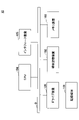
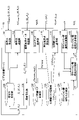
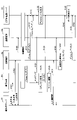
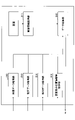
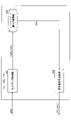
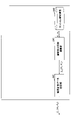
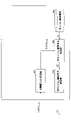
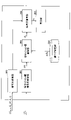
- FIG. 1 It is a figure which shows the configuration example of the video conference system in embodiment of this invention. It is a figure which shows the hardware configuration example of the video conference server 10 in embodiment of this invention. It is a figure which shows the functional structure example of the video conference server 10 in embodiment of this invention. It is a sequence diagram for demonstrating an example of the processing procedure executed in a video conference system. It is a sequence diagram for demonstrating an example of the processing procedure executed in a video conference system. It is a sequence diagram for demonstrating an example of the processing procedure executed in a video conference system. It is a figure which shows the functional structure example of the communication data acquisition function of a communication terminal 20. It is a figure which shows the functional structure example of the transmission function of a communication terminal 20.
- FIG. 1 is a diagram showing a configuration example of a video conference system according to an embodiment of the present invention.
- the key sharing server 30, the video conference server 10, and the plurality of communication terminals 20 are connected via a network such as the Internet.
- the key sharing server 30 is one or more computers that function as a key sharing server in the ID-DMKD protocol (ID-based Dynamic Multi-key Distribution Protocol).
- the key sharing server 30 constitutes a star topology with each communication terminal 20 and is located at the center thereof.
- ID-DMKD is an example, and key sharing may be realized by another method.
- key sharing may be realized by a method in which one communication terminal 20 generates a key and the key is distributed to another communication terminal 20 by a public key cryptosystem.
- the star topology does not necessarily have to be configured.
- the video conference server 10 is one or more computers that provide a video conference service.
- the video conference server 10 stores the encrypted communication data (video conference data) transmitted from the communication terminal 20, and re-encrypts the session key when the session key is updated.
- the communication terminal 20 is a communication terminal used by a user of the video conference service during a video conference.
- FIG. 2 is a diagram showing a hardware configuration example of the video conference server 10 according to the embodiment of the present invention.
- the video conference server 10 of FIG. 2 has a drive device 100, an auxiliary storage device 102, a memory device 103, a CPU 104, an interface device 105, and the like, which are connected to each other by a bus B, respectively.
- the program that realizes the processing on the video conference server 10 is provided by a recording medium 101 such as a CD-ROM.
- a recording medium 101 such as a CD-ROM.
- the program is installed in the auxiliary storage device 102 from the recording medium 101 via the drive device 100.
- the program does not necessarily have to be installed from the recording medium 101, and may be downloaded from another computer via the network.
- the auxiliary storage device 102 stores the installed program and also stores necessary files, data, and the like.
- the memory device 103 reads and stores the program from the auxiliary storage device 102 when the program is instructed to start.
- the CPU 104 executes the function related to the video conference server 10 according to the program stored in the memory device 103.
- the interface device 105 is used as an interface for connecting to a network.
- FIG. 3 is a diagram showing a functional configuration example of the video conference server 10 according to the embodiment of the present invention.
- the video conferencing server 10 includes a cryptographic text receiving unit 111, a cryptographic text transmitting unit 112, a key update data receiving unit 113, a re-encryption unit 114, a setup processing unit 115, a reproduction right request receiving unit 116, and a public key. It has a list transmission unit 117, an old session key cipher text reception unit 118, an old session key cipher text transmission unit 119, an old session key cipher text division unit 120, and the like. Each of these parts is realized by a process of causing the CPU 104 to execute one or more programs installed on the video conference server 10.
- the video conference server 10 also uses the ciphertext storage unit 131, the server key pair storage unit 132, the public key list storage unit 133, the old session key ciphertext storage unit 134, and the like.
- Each of these storage units can be realized by using, for example, a storage device that can be connected to the memory device 103, the auxiliary storage device 102, or the video conference server 10 via a network.
- 4 to 6 are sequence diagrams for explaining an example of the processing procedure executed in the video conference system.
- each communication terminal 20 communicates with the key sharing server 30 device and shares the session key K1 (S101 to S103).
- the session key sharing may be performed, for example, based on the method disclosed in Non-Patent Document 1.
- each communication terminal 20 that transmits communication data acquires a component of communication data by using the communication data acquisition function of the communication terminal 20, and uses the transmission function of the communication terminal 20.
- the communication data is encrypted and the encrypted text is transmitted to the video conferencing server 10 (S111 to S113).
- FIG. 7 is a diagram showing a functional configuration example of the communication data acquisition function of the communication terminal 20.
- the communication terminal 20 having a communication data acquisition function includes a screen information acquisition unit 211, a video data acquisition unit 212, an audio data acquisition unit 213, a time data acquisition unit 214, and a screen display position information acquisition unit 215. It also has a data collection unit 216 and the like. Each of these parts is realized by a process in which one or more programs installed in the communication terminal 20 are executed by the CPU of the communication terminal 20.
- Communication data includes media data and control metadata.
- Media data includes screen sharing data, video data and audio data.
- the screen sharing data refers to data indicating a screen when screen sharing or material sharing is performed, in addition to video data and audio data.
- the video data refers to data indicating a video (for example, an image of a participant in a conference) input from a camera connected to the communication terminal 20.
- the voice data refers to data indicating voice input from a microphone connected to the communication terminal 20 (for example, voice spoken by a participant in a conference).
- the control metadata includes time data, video on / off information, audio on / off information, screen sharing on / off information, and display position on the screen.
- Time data refers to data indicating the recording time of media data.
- the time data is used for synchronization with the media data of the other communication terminal 20. Therefore, the time data may be in any format as long as such synchronization is possible.
- Video on / off information refers to information indicating on / off of transmission (sharing) of video data.
- Voice on / off information refers to information indicating on / off of transmission (sharing) of voice data.
- the screen sharing on / off information refers to information indicating on / off of transmission (sharing) of screen sharing data.
- the display position on the screen means the display position of materials or the like to be shared on the screen.
- the on / off of each data and the display position on the screen may change with the passage of time. Therefore, these data may be data including the value at each time and the time in a time series.
- the screen information acquisition unit 211 acquires screen sharing data at the time of a video conference and screen sharing on / off information.
- the video data acquisition unit 212 acquires video data at the time of a video conference.
- the audio data acquisition unit 213 acquires audio data at the time of a video conference.
- the time data acquisition unit 214 acquires time data.
- the screen display position information acquisition unit 215 acquires the display position and the like on the screen.
- the data collection unit 216 collects a data group acquired by each unit and outputs (plain text) m of communication data including the data group.
- FIG. 8 is a diagram showing a functional configuration example of the transmission function of the communication terminal 20.
- the communication terminal 20 having a transmission function has a common key ciphertext generation unit 221, a function calculation unit 222, and a ciphertext transmission unit 223.
- Each of these parts is realized by a process in which one or more programs installed in the communication terminal 20 are executed by the CPU of the communication terminal 20.
- the communication terminal 20 having a transmission function also uses the common key storage unit 291 and the session key storage unit 292.
- Each of these storage units can be realized by using a memory device, an auxiliary storage device, or the like of the communication terminal 20.
- the common key cryptographic sentence generation unit 221 generates the ciphertext C_DEM by encrypting the communication data m output from the communication data acquisition function using the common key K stored in the common key storage unit 291. ..
- the common key K is shared between the communication terminals 20 by a predetermined method in advance.
- the notation "X_Y" (X and Y are arbitrary symbols) represents a symbol in which Y is a subscript for X in the drawings.
- the function calculation unit 222 encrypts the communication data m by executing an operation in which the function f_K_1 is applied to the session key shared in steps S101 to S103 and stored in the session key storage unit 292 and the common key K.
- the ciphertext f_k_1 (K, K_1), which is the result of encrypting the encrypted common key K with the session key at that time (K_1 at this point), is generated.
- the ciphertext transmission unit 223 is a video of (C_DEM, f_k_1 (K, K_1)) which is a set of C_DEM generated by the common key ciphertext generation unit 221 and f_k_1 (K, K_1) generated by the function calculation unit 222.
- the ciphertext receiving unit 111 of the video conference server 10 receives (C_DEM, f_k_1 (K, K_1))
- the ciphertext receiving unit 111 records the (C_DEM, f_k_1 (K, K_1)) in the ciphertext storage unit 131.
- the ciphertext receiving unit 111 records (C_DEM, f_k_1 (K, K_1)) for each communication terminal 20. This is because C_DEM is encrypted and cannot be synthesized by the video conference server 10.
- Steps S111 to S113 are continuously executed during the meeting.
- each communication terminal 20 receives (C_DEM, f_k_1 (K, K_1)) of another communication terminal 20 from the video conference server 10 and uses the session key K_1 at that time to f_k_1 (K, K_1). ) Is decrypted, and C_DEM is decrypted with the obtained common key K, so that the communication data m from the other communication terminal 20 can be obtained.
- the playback right request processing (S121). ⁇ S124) is executed.
- the reproduction right means the right to decrypt and reproduce the communication data related to the conference at any time after the end of the conference.
- the reproduction right request function of the communication terminal 20 is used.
- FIG. 9 is a diagram showing a functional configuration example of the reproduction right request function of the communication terminal 20.
- the reproduction right request function includes a setup processing unit 231 and a reproduction right request transmission unit 232. Each of these parts is realized by a process in which one or more programs installed in the communication terminal 20 are executed by the CPU of the communication terminal 20.
- the communication terminal 20 also uses the key pair storage unit 293.
- the key pair storage unit 293 can be realized by using, for example, a memory device or an auxiliary storage device of the communication terminal 20.
- step S121 the setup processing unit 231 executes the setup processing (preparatory processing) with the setup processing unit 115 (FIG. 3) of the video conference server 10.
- the setup processing unit 115 (FIG. 3) of the video conferencing server 10 generates the public key Params and the private key msk for the video conferencing server 10, and stores the public key Params and the private key msk in the server key pair storage unit. Record in 132 (S121).
- the setup processing unit 115 also inputs the public key Params, the secret key msk, and the identifier (hereinafter referred to as “ID”) U_i of the communication terminal 20i to the partial secret key derivation algorithm, thereby inputting the partial secret key psk_i. Is generated, and the partial private key psk_i is transmitted to the communication terminal 20i (S122).
- ID the identifier
- the setup processing unit 231 (FIG. 9) of the communication terminal 20i receives the partial private key psk_i from the video conferencing server 10, it inputs the public key Params, the partial private key psk_i, and the secret value into the complete secret key generation algorithm. Then, the completely private key csk_i and the completely public key cpk_i are generated, and the pair of the completely private key csk_i and the completely public key cpk_i is recorded in the key pair storage unit 293 (S123).
- the reproduction right request transmission unit 232 of the communication terminal 20i transmits a reproduction right request including the fully public key cpk_i and the ID (U_i) of the communication terminal 20i to the video conference server 10 (S124).
- the reproduction right request receiving unit 116 (FIG. 3) of the video conference server 10 associates the cpk_i of the communication terminal 20i included in the reproduction right request with the U_i, and associates the cpk_i with the U_i to the public key list storage unit 133. Record to.
- the video conference server 10 stores that the communication terminal 20i has requested the reproduction right.
- the communication terminal 20i leaves the session (video conference) (S125).
- the other communication terminals 20 communicate with the key sharing server 30 device to update the session key and share the updated session key K_2 (S131). , S132).
- the updated session key K_2 is stored in the session key storage unit 292 of each communication terminal 20.
- the session key may be updated at another timing such as the addition of participating members or the elapse of a certain period of time.
- the key update process (S141 to S143) is executed.
- the key update function of one of the communication terminals 20 having the updated session key K_2 (communication terminal 20j in FIG. 4) is used.
- FIG. 10 is a diagram showing a functional configuration example of the key update function of the communication terminal 20.
- the key update function includes a key update number calculation unit 241 and a key update data transmission unit 242.
- the key update number calculation unit 241 executes an operation in which the function f_K_1 is applied to the session key K_1 and the session key K_2 stored in the session key storage unit 292, and as a result, the result of the operation (session after update).
- the re-encryption key f_k_1 (K_1, K_1), which is the result of encrypting the session key K_1 before the update with the key K_2, is generated (S141).
- the key update data transmission unit 242 transmits the re-encryption key f_k_1 (K_1, K_2) to the video conference server 10 (S142).
- the re-encryption unit 114 uses f_k_1 (K_1, K_2). Then, f_k_1 (K, K_1) of each recorded data (C_DEM, f_k_1 (K, K_1)) recorded in the ciphertext storage unit 131 for each communication terminal 20 is re-encrypted into f_k_1 (K, K_1) (S143). ).
- each recorded data (C_DEM, f_k_1 (K, K_1)) is updated to (C_DEM, f_k_1 (K, K_1)) and can be decrypted only by the updated session key K_2.
- the re-encryption is detailed in Patent Document 1.
- the updated session key K_2 is used to continue the conference. That is, the session key K_2 is used instead of the session key K_1, the same processing as in steps S112 and S113 is executed, and the respective (C_DEM, f_k_1 (K, K_1)) of the communication terminal 20j and the communication terminal 20k are executed. It is recorded (recorded) for each communication terminal 20 in the ciphertext storage unit 131 of the video conference server 10 (S151, S152).
- the reproduction right request processing (S161 to S163 in FIG. 5) is performed in the same manner as in steps S121 to S124. Is executed.
- (U_j, cpk_j) is recorded in the public key list storage unit 133 of the video conference server 10.
- the video conference server 10 has already generated Params and msk in step S122, it is not necessary to generate them again.
- the old session key encryption function of the representative communication terminal 20j executes the old session key cipher statement generation process.
- the representative communication terminal 20 is randomly determined, for example.
- FIG. 11 is a diagram showing a functional configuration example of the old session key encryption function of the communication terminal 20.
- the old session key encryption function includes a public key list receiving unit 251, an old session key encryption processing unit 252, and an old session key encryption text transmitting unit 253.
- the public key list receiving unit 251 is a complete public key list ⁇ (U_i, cpk_i), (U_j,) stored in the public key list storage unit 133 of the video conference server 10 in the reproduction right request processing executed in the conference.
- cpk_j) ⁇ is received from the public key list transmission unit 117 of the video conference server 10 (S171), and the list of the complete public keys is input to the old session key cryptography processing unit 252.
- the reproduction right request process is executed (reproduction right is requested) by the communication terminal 20i related to U_i and the communication terminal 20j related to U_j, (U_i, cpk_i) and (U_j, cpk_j) is included in the list.
- the old session key encryption processing unit 252 inputs ⁇ (U_i, cpk_i), (U_j, cpk_j) ⁇ and the session key K_2 at the end of the conference into the encryption algorithm to ⁇ (U_i, cpk_i), (U_j, cpk_j) ⁇ generates the ciphertexts CT_old and ij, which are the results of encrypting the session key K_2.
- the old session key ciphertext transmission unit 253 transmits the ciphertexts CT_old and ij to the video conference server 10 in step S172.
- the ciphertexts CT_old and ij are data associated with the ID list ⁇ U_i, U_j ⁇ .
- the old session key ciphertext receiving unit 118 of the video conference server 10 receives the ciphertexts CT_old, ij
- the old session key ciphertext receiving unit 118 records the ciphertexts CT_old, ij in the old session key ciphertext storage unit 134.
- the communication terminal 20i communicates with the key sharing server 30 to start a new session and generate a new session key K_3 (FIG. 6). S181).
- the session key K_3 is recorded in the session key storage unit 292 of the communication terminal 20i.
- the communication terminal 20i executes the reproduction process using the reproduction function.
- FIG. 12 is a diagram showing a functional configuration example of the playback function of the communication terminal 20.
- the communication terminal 20 having a reproduction function has an old session key ciphertext receiving unit 261, an old session key decrypting unit 262, a ciphertext receiving unit 263, a ciphertext decryption unit 264, and a reproducing unit 265. .
- Each of these parts is realized by a process in which one or more programs installed in the communication terminal 20 are executed by the CPU of the communication terminal 20.
- the old session key encrypted text receiving unit 261 requests the video conference server 10 for the encrypted old session key in step S182.
- the old session key encryption text transmission unit 119 (FIG. 3) of the video conference server 10 receives the request for the encrypted old session key
- the old session key encryption text division unit 120 (FIG. 3) of the communication terminal 20i The CT_old associated with the ID (U_i) is searched, and if there is a corresponding CT_old, the CT_old (CT_old, ij in the present embodiment) is used only with the private key csk_i of the communication terminal 20i (that is, only the communication terminal 20i). Is converted to CT_old, i so that can be decoded (S183, S184).
- the old session key encryption sentence dividing unit 120 divides CT_old and ij, and generates the portion corresponding to U_i as CT_old and i.
- the division of the ciphertext may be executed by using, for example, the method disclosed in Patent Document 1.
- the old session key encryption text transmission unit 119 transmits the converted data CT_old, i to the communication terminal 20i (S185).
- the old session key decryption unit 262 obtains K_2 by decrypting the CT_old, i with the private key csk_i of the communication terminal 20i (S186).
- the ciphertext receiving unit 263 receives each (C_DEM, f_k_1 (K, K_2)) recorded in the ciphertext storage unit 131 for each communication terminal 20 from the ciphertext transmitting unit 112 (S187), the ciphertext is encrypted.
- the sentence decoding unit 264 obtains each communication data m (for example, m_i, m_j, m_k) by decoding each (C_DEM, f_k_1 (K, K_2)) using K_2 (S188).
- the ciphertext decryption unit 264 decrypts K from f_k_1 (K, K_2) using K_2, and decrypts C_DEM to m using the decrypted K.
- m_i is the communication data m of the communication terminal 20i.
- m_j is the communication data m of the communication terminal 20j.
- m_k is the communication data m of the communication terminal 20k.
- the reproduction unit 265 reproduces the media data included in each communication data m according to the control metadata included in each communication data m (m_i, m_j, m_k). That is, the reproduction unit 265 synchronizes each communication data m based on the time data included in each, and reproduces the media data contained in each. At this time, the reproduction unit 265 controls the on / off of each media data based on the on / off information included in each communication data. Further, the reproduction unit 265 also reproduces the display position of the material or the like to be shared on the screen based on the display position on the screen included in the control metadata of each communication data m.
- the reproduction unit 265 synthesizes each communication data recorded in the video conference server 10 for each communication terminal 20.
- the user U_i of the communication terminal 20i can confirm the state of the conference in the same manner as at the time of the conference. That is, the user U_i can substantially use the recording function.
- the public key list transmission unit 117 of the video conference server 10 transmits a list of public keys ⁇ cpk_i, cpk_j ⁇ stored in the public key list storage unit 133 to the communication terminal 20i (S191).
- the public key list receiving unit 251 (FIG. 11) of the communication terminal 20i receives the public key list ⁇ cpk_i, cpk_j ⁇
- the public key list is input to the old session key encryption processing unit 252.
- the old session key encryption processing unit 252 inputs ⁇ (U_i, cpk_i), (U_j, cpk_j) ⁇ and the current session key K_3 into the encryption algorithm to ⁇ (U_i, cpk_i), (U_j). , Cpk_j) ⁇ to generate the ciphertexts CT_new, ij, which is the result of encrypting the session key K_3.
- the old session key ciphertext transmission unit 253 transmits the ciphertexts CT_new and ij to the video conference server 10.
- the old session key ciphertext receiving unit 118 of the video conference server 10 receives the ciphertexts CT_new, ij
- the old session key ciphertext receiving unit 118 records the ciphertexts CT_new, ij in the old session key ciphertext storage unit 134.
- the key update data transmission unit 242 uses the re-encryption key.
- f_k_1 (K_2, K_3) is transmitted to the video conference server 10 (S194).
- the re-encryption unit 114 uses f_k_1 (K_2, K_3). Then, f_k_1 (K, K_2) of each recorded data (C_DEM, f_k_1 (K, K_2)) recorded in the ciphertext storage unit 131 is re-encrypted into f_k_1 (K, K_3) (S195). As a result, each recorded data (C_DEM, f_k_1 (K, K_2)) becomes (C_DEM, f_k_1 (K, K_3)) and can be decrypted only by the updated session key K_3.
- steps S191 to S195 may be executed in parallel with steps S181 to S189.
- the recorded data of each communication terminal 20 encrypted by the session key and recorded in the video conference server 10 is played back on a certain communication terminal 20, a video is used.
- the conference server 10 transmits the encrypted text encrypted so that the session key capable of decrypting the communication data can be decrypted by the communication terminal 20 and each recorded data to the communication terminal 20.
- the certain communication terminal decodes each recorded data and reproduces each media data based on each media data included in each decoding result and control metadata included in each decoding result. It can be played back in synchronization. Therefore, it is possible to realize the function of recording the communication data while concealing the contents of the communication data from the transit point (video conference server 10) of the communication data.
- the video conference server 10 may authenticate the user of the communication terminal 20 from which the reproduction right is requested. By doing so, it is possible to prevent a fraudster from requesting a reproduction right.
- Non-Patent Document 1 since the session key is shared only by the current participating members, the session key is updated with the addition / deletion of users such as login / logout events, and other than that, it is periodically performed. It may be updated. According to Patent Document 1, it is possible to re-encrypt the data and asynchronously share the session key to the communication terminal 20 of a new session when the session key is updated, but the designation of the communication terminal 20 is unsolved. There are challenges. According to the present embodiment, such a problem can be solved.
- the video conference server 10 is an example of an information processing device.
- the system composed of the video conference server 10 and the communication terminal 20 is an example of a communication system.
- the session key is an example of an encryption key.
- the ciphertext receiving unit 111 is an example of a recording unit.
- the ciphertext storage unit 131 is an example of the first storage unit.
- the session key is an example of the first encryption key.
- the old session key encryption text transmission unit 119 is an example of the first transmission unit.
- the ciphertext transmission unit 112 is an example of a second transmission unit.
- the ciphertext decryption unit 264 is an example of the decryption unit.
- the reproduction right request receiving unit 116 is an example of the second receiving unit.
- the public key list storage unit 133 is an example of a second storage unit.
- the old session key encrypted text receiver 118 is an example of a third receiver.
- the old session key encryption sentence division unit 120 is an example of a conversion unit.
- Video conference server 20 Communication terminal 30 Key sharing server 100 Drive device 101 Recording medium 102 Auxiliary storage device 103 Memory device 104 CPU 105 Interface device 111 Cryptographic reception unit 112 Cryptographic text transmission unit 113 Key update data reception unit 114 Re-encryption unit 115 Setup processing unit 116 Reproduction right request reception unit 117 Public key list transmission unit 118 Old session key Cryptographic text reception unit 119 Old session key Cryptographic transmission unit 120 Old session key Cryptographic text division 131 Cryptographic storage unit 132 Server key pair storage unit 133 Public key list storage unit 134 Old session key Cryptographic text storage unit 211 Screen information acquisition unit 212 Video data acquisition Unit 213 Voice data acquisition unit 214 Time data acquisition unit 215 Screen display position information acquisition unit 216 Data collection unit 221 Common key Cryptographic text generation unit 222 Function calculation unit 223 Cryptographic text transmission unit 231 Setup processing unit 232 Playback right request transmission unit 241 Key Number calculation unit for update 242 Data transmission unit for key update 251 Public key list reception unit 252 Old session key encryption processing unit 253 Old session key encryption text transmission
Landscapes
- Engineering & Computer Science (AREA)
- Signal Processing (AREA)
- Computer Security & Cryptography (AREA)
- Computer Networks & Wireless Communication (AREA)
- Multimedia (AREA)
- Computer Hardware Design (AREA)
- Computing Systems (AREA)
- General Engineering & Computer Science (AREA)
- Two-Way Televisions, Distribution Of Moving Picture Or The Like (AREA)
- Telephonic Communication Services (AREA)
Abstract
Description
20 通信端末
30 鍵共有サーバ
100 ドライブ装置
101 記録媒体
102 補助記憶装置
103 メモリ装置
104 CPU
105 インタフェース装置
111 暗号文受信部
112 暗号文送信部
113 鍵更新用データ受信部
114 再暗号化部
115 セットアップ処理部
116 再生権要求受信部
117 公開鍵リスト送信部
118 旧セッション鍵暗号文受信部
119 旧セッション鍵暗号文送信部
120 旧セッション鍵暗号文分割部
131 暗号文記憶部
132 サーバ用鍵ペア記憶部
133 公開鍵リスト記憶部
134 旧セッション鍵暗号文記憶部
211 画面情報取得部
212 映像データ取得部
213 音声データ取得部
214 時刻データ取得部
215 画面表示位置情報取得部
216 データ収集部
221 共通鍵暗号文生成部
222 関数演算部
223 暗号文送信部
231 セットアップ処理部
232 再生権要求送信部
241 鍵更新用数演算部
242 鍵更新用データ送信部
251 公開鍵リスト受信部
252 旧セッション鍵暗号化処理部
253 旧セッション鍵暗号文送信部
261 旧セッション鍵暗号文受信部
262 旧セッション鍵復号部
263 暗号文受信部
264 暗号文復号部
265 再生部
291 共通鍵記憶部
292 セッション鍵記憶部
293 鍵ペア記憶部
B バス
Claims (6)
- ビデオ会議サービスを提供する情報処理装置と、前記ビデオ会議サービスを利用する複数の通信端末とを含む通信システムであって、
前記情報処理装置は、
前記各通信端末から暗号化されて送信されるビデオ会議に関する通信データを、前記通信端末別に第1の記憶部に記録する記録部と、
前記第1の記憶部に記録された前記各通信データを復号可能な暗号鍵が前記通信端末によって復号可能なように暗号化された暗号文を前記通信端末へ送信する第1の送信部と、
前記第1の記憶部に記録された前記通信データを当該通信端末へ送信する第2の送信部と、
を有し、
前記通信端末は、
前記通信端末別の前記通信データを前記暗号文の復号結果を用いて復号する復号部と、
前記通信端末別に復号された前記通信データに含まれる映像及び音声を、それぞれの前記通信データに含まれている制御用のデータに基づいて同期させて再生する再生部と、
を有することを特徴とする通信システム。 - 前記情報処理装置は、
いずれかの前記通信端末から、当該通信端末が生成した公開鍵を受信すると、当該公開鍵を第2の記憶部へ記録する第2の受信部と、
前記ビデオ会議において前記第2の記憶部に記録された全ての前記公開鍵を用いて暗号化された前記暗号鍵の前記暗号文を、いずれかの前記通信端末から受信する第3の受信部と、
いずれかの前記通信端末からの要求に応じ、当該通信端末の前記公開鍵に対する秘密鍵によって復号可能なように前記暗号文を変換する変換部と、
を有し、
前記第1の送信部は、変換後の前記暗号文を当該通信端末へ送信する、
ことを特徴とする請求項1記載の通信システム。 - 前記情報処理装置は、
前記暗号鍵が更新されると、前記第1の記憶部に記録された前記通信データを、更新後の暗号鍵によってのみ復号できるように再暗号化する再暗号化部を有し、
前記第3の受信部は、前記ビデオ会議において前記第2の記憶部に記録された全ての前記公開鍵を用いて暗号化された前記ビデオ会議の終了時の前記暗号鍵の前記暗号文を、いずれかの前記通信端末から受信する、
ことを特徴とする請求項2記載の通信システム。 - ビデオ会議サービスを提供する情報処理装置であって、
前記ビデオ会議サービスを利用する前記各通信端末から暗号化されて送信されるビデオ会議に関する通信データを、前記通信端末別に第1の記憶部に記録する記録部と、
前記第1の記憶部に記録された前記各通信データを復号可能な暗号鍵が前記通信端末によって復号可能なように暗号化された暗号文を前記通信端末へ送信する第1の送信部と、
前記第1の記憶部に記録された前記通信データを当該通信端末へ送信する第2の送信部と、
を有することを特徴とする情報処理装置。 - ビデオ会議サービスを提供する情報処理装置と、前記ビデオ会議サービスを利用する複数の通信端末とが実行する通信方法であって、
前記情報処理装置が、
前記各通信端末から暗号化されて送信されるビデオ会議に関する通信データを、前記通信端末別に第1の記憶部に記録する記録手順と、
前記第1の記憶部に記録された前記各通信データを復号可能な暗号鍵が前記通信端末によって復号可能なように暗号化された暗号文を前記通信端末へ送信する第1の送信手順と、
前記第1の記憶部に記録された前記通信データを当該通信端末へ送信する第2の送信手順と、
を実行し、
前記通信端末が、
前記通信端末別の前記通信データを前記暗号文の復号結果を用いて復号する復号手順と、
前記通信端末別に復号された前記通信データに含まれる映像及び音声を、それぞれの前記通信データに含まれている制御用のデータに基づいて同期させて再生する再生手順と、
を実行することを特徴とする通信方法。 - ビデオ会議サービスを提供する情報処理装置に、
前記ビデオ会議サービスを利用する前記各通信端末から暗号化されて送信されるビデオ会議に関する通信データを、前記通信端末別に第1の記憶部に記録する記録手順と、
前記第1の記憶部に記録された前記各通信データを復号可能な暗号鍵が前記通信端末によって復号可能なように暗号化された暗号文を前記通信端末へ送信する第1の送信手順と、
前記第1の記憶部に記録された前記通信データを当該通信端末へ送信する第2の送信手順と、
を実行させることを特徴とするプログラム。
Priority Applications (3)
| Application Number | Priority Date | Filing Date | Title |
|---|---|---|---|
| US18/260,113 US12438697B2 (en) | 2021-01-14 | 2021-01-14 | Communication system, information processing apparatus, communication method and program |
| JP2022574965A JP7582336B2 (ja) | 2021-01-14 | 2021-01-14 | 通信システム、情報処理装置、通信方法及びプログラム |
| PCT/JP2021/001111 WO2022153455A1 (ja) | 2021-01-14 | 2021-01-14 | 通信システム、情報処理装置、通信方法及びプログラム |
Applications Claiming Priority (1)
| Application Number | Priority Date | Filing Date | Title |
|---|---|---|---|
| PCT/JP2021/001111 WO2022153455A1 (ja) | 2021-01-14 | 2021-01-14 | 通信システム、情報処理装置、通信方法及びプログラム |
Publications (1)
| Publication Number | Publication Date |
|---|---|
| WO2022153455A1 true WO2022153455A1 (ja) | 2022-07-21 |
Family
ID=82448107
Family Applications (1)
| Application Number | Title | Priority Date | Filing Date |
|---|---|---|---|
| PCT/JP2021/001111 Ceased WO2022153455A1 (ja) | 2021-01-14 | 2021-01-14 | 通信システム、情報処理装置、通信方法及びプログラム |
Country Status (3)
| Country | Link |
|---|---|
| US (1) | US12438697B2 (ja) |
| JP (1) | JP7582336B2 (ja) |
| WO (1) | WO2022153455A1 (ja) |
Citations (2)
| Publication number | Priority date | Publication date | Assignee | Title |
|---|---|---|---|---|
| JP2010219733A (ja) * | 2009-03-16 | 2010-09-30 | Brother Ind Ltd | 会議記録装置、会議記録方法および会議記録プログラム |
| WO2020085151A1 (ja) * | 2018-10-24 | 2020-04-30 | 日本電信電話株式会社 | サーバ装置、通信端末、通信システム、及びプログラム |
Family Cites Families (19)
| Publication number | Priority date | Publication date | Assignee | Title |
|---|---|---|---|---|
| US5719937A (en) * | 1995-12-06 | 1998-02-17 | Solana Technology Develpment Corporation | Multi-media copy management system |
| US6192215B1 (en) * | 1998-10-23 | 2001-02-20 | Mai Wang | Interactive and animated mini-theater and method of use |
| JP4078802B2 (ja) * | 2000-12-26 | 2008-04-23 | ソニー株式会社 | 情報処理システム、情報処理方法、情報処理装置、および情報記録媒体、並びにプログラム記録媒体 |
| KR100940202B1 (ko) * | 2002-08-29 | 2010-02-10 | 삼성전자주식회사 | 일방향 함수를 사용하여 계층적으로 암호화하는 장치 및방법 |
| KR100605849B1 (ko) * | 2004-02-09 | 2006-08-01 | 삼성전자주식회사 | 휴대용 단말기의 데이터 저장 및 재생방법 |
| US20060047976A1 (en) * | 2004-08-25 | 2006-03-02 | General Instrument Corporation | Method and apparatus for generating a decrpytion content key |
| US8861701B2 (en) * | 2005-04-28 | 2014-10-14 | Apple Inc. | Multi-participant conference adjustments |
| JP2007043389A (ja) * | 2005-08-02 | 2007-02-15 | Ricoh Co Ltd | 情報管理方法、情報管理システム、情報管理用サーバ装置及び記録媒体 |
| US8417942B2 (en) * | 2007-08-31 | 2013-04-09 | Cisco Technology, Inc. | System and method for identifying encrypted conference media traffic |
| JP5270955B2 (ja) | 2008-04-23 | 2013-08-21 | パナソニック株式会社 | 車載装置、サーバ装置および通信システム |
| US8769705B2 (en) * | 2011-06-10 | 2014-07-01 | Futurewei Technologies, Inc. | Method for flexible data protection with dynamically authorized data receivers in a content network or in cloud storage and content delivery services |
| JP5367039B2 (ja) * | 2011-09-30 | 2013-12-11 | 株式会社東芝 | サーバ装置及びプログラム |
| US8989377B2 (en) * | 2012-12-31 | 2015-03-24 | Futurewei Technologies, Inc. | Secure video transcoding with applications to adaptive streaming |
| CN105337737B (zh) * | 2014-07-03 | 2018-11-20 | 华为技术有限公司 | 公钥加密通信方法和装置 |
| CN106603238B (zh) * | 2015-10-20 | 2019-06-18 | 飞天诚信科技股份有限公司 | 一种多数字证书的签发系统、证书管理端、签发装置及其工作方法 |
| CN110945509B (zh) * | 2017-08-03 | 2023-08-11 | Arm有限公司 | 用于控制对受保护存储器区域中数据的访问的设备和方法 |
| JP7097581B2 (ja) | 2018-09-25 | 2022-07-08 | 日本電信電話株式会社 | 通信システム、サーバ装置、通信方法、及びプログラム |
| CN109670828B (zh) * | 2018-12-06 | 2020-12-11 | 福建联迪商用设备有限公司 | 一种应用在线签名方法及系统 |
| CN111083424B (zh) * | 2019-11-25 | 2023-04-07 | 视联动力信息技术股份有限公司 | 音视频加密传输方法、装置、电子设备及存储介质 |
-
2021
- 2021-01-14 US US18/260,113 patent/US12438697B2/en active Active
- 2021-01-14 JP JP2022574965A patent/JP7582336B2/ja active Active
- 2021-01-14 WO PCT/JP2021/001111 patent/WO2022153455A1/ja not_active Ceased
Patent Citations (2)
| Publication number | Priority date | Publication date | Assignee | Title |
|---|---|---|---|---|
| JP2010219733A (ja) * | 2009-03-16 | 2010-09-30 | Brother Ind Ltd | 会議記録装置、会議記録方法および会議記録プログラム |
| WO2020085151A1 (ja) * | 2018-10-24 | 2020-04-30 | 日本電信電話株式会社 | サーバ装置、通信端末、通信システム、及びプログラム |
Also Published As
| Publication number | Publication date |
|---|---|
| US20240056288A1 (en) | 2024-02-15 |
| JP7582336B2 (ja) | 2024-11-13 |
| JPWO2022153455A1 (ja) | 2022-07-21 |
| US12438697B2 (en) | 2025-10-07 |
Similar Documents
| Publication | Publication Date | Title |
|---|---|---|
| US12524507B2 (en) | Secure web RTC Real Time Communications Service for audio and video streaming communications | |
| KR100957121B1 (ko) | 키 분배 방법 및 인증 서버 | |
| EP1839405B1 (en) | Network security system | |
| CN111193703B (zh) | 在分散式网络中使用的通信装置和通信方法 | |
| US20190268145A1 (en) | Systems and Methods for Authenticating Communications Using a Single Message Exchange and Symmetric Key | |
| WO2012111714A1 (ja) | ファイルサーバ装置およびファイルサーバシステム | |
| US11516195B2 (en) | Terminal device, key distribution management device, server-client system, communication method, and programs | |
| CN108768920B (zh) | 一种录播数据处理方法及装置 | |
| JP2019102970A (ja) | データ共有サーバ装置、鍵生成サーバ装置、通信端末、プログラム | |
| CN112954388B (zh) | 一种数据文件的获取方法、装置、终端设备和存储介质 | |
| CN117240433A (zh) | 一种基于代理重加密的信息分享方法及装置 | |
| US20250307437A1 (en) | System and method for scalable stream encryption and decryption | |
| JP6840685B2 (ja) | データ共有方法、データ共有システム、通信端末、データ共有サーバ、プログラム | |
| US20200374114A1 (en) | Data sharing method, data sharing system, data sharing server, communication terminal and program | |
| Kavitha et al. | Stagchain–a steganography based application working on a blockchain environment | |
| WO2018207653A1 (ja) | 鍵配送システム及び方法、鍵生成装置、代表ユーザ端末、サーバ装置、ユーザ端末並びにプログラム | |
| JP7582336B2 (ja) | 通信システム、情報処理装置、通信方法及びプログラム | |
| US7886160B2 (en) | Information processing apparatus and method, and computer program | |
| CN115514549A (zh) | 一种基于ssl协议的安全交互方法及系统 | |
| JP7097581B2 (ja) | 通信システム、サーバ装置、通信方法、及びプログラム | |
| CN115361222B (zh) | 通信处理方法、装置和系统 | |
| JP4104315B2 (ja) | 鍵管理システム、鍵管理装置、情報暗号化装置、情報復号化装置、およびプログラムを記憶した記憶媒体 | |
| US20250260557A1 (en) | End to end encryption with roaming capabilities | |
| KR101022788B1 (ko) | 그룹기반 공개키 기반 구조의 데이터 보안 장치 및 방법 | |
| JP7254296B2 (ja) | 鍵交換システム、情報処理装置、鍵交換方法及びプログラム |
Legal Events
| Date | Code | Title | Description |
|---|---|---|---|
| 121 | Ep: the epo has been informed by wipo that ep was designated in this application |
Ref document number: 21919348 Country of ref document: EP Kind code of ref document: A1 |
|
| ENP | Entry into the national phase |
Ref document number: 2022574965 Country of ref document: JP Kind code of ref document: A |
|
| WWE | Wipo information: entry into national phase |
Ref document number: 18260113 Country of ref document: US |
|
| NENP | Non-entry into the national phase |
Ref country code: DE |
|
| 122 | Ep: pct application non-entry in european phase |
Ref document number: 21919348 Country of ref document: EP Kind code of ref document: A1 |
|
| WWG | Wipo information: grant in national office |
Ref document number: 18260113 Country of ref document: US |