WO2022130930A1 - 摂食嚥下機能評価装置、方法、及び、プログラム - Google Patents
摂食嚥下機能評価装置、方法、及び、プログラム Download PDFInfo
- Publication number
- WO2022130930A1 WO2022130930A1 PCT/JP2021/043259 JP2021043259W WO2022130930A1 WO 2022130930 A1 WO2022130930 A1 WO 2022130930A1 JP 2021043259 W JP2021043259 W JP 2021043259W WO 2022130930 A1 WO2022130930 A1 WO 2022130930A1
- Authority
- WO
- WIPO (PCT)
- Prior art keywords
- behavior
- subject
- eating
- information
- swallowing function
- Prior art date
- Legal status (The legal status is an assumption and is not a legal conclusion. Google has not performed a legal analysis and makes no representation as to the accuracy of the status listed.)
- Ceased
Links
Images



Classifications
-
- A—HUMAN NECESSITIES
- A61—MEDICAL OR VETERINARY SCIENCE; HYGIENE
- A61B—DIAGNOSIS; SURGERY; IDENTIFICATION
- A61B5/00—Measuring for diagnostic purposes; Identification of persons
-
- G—PHYSICS
- G16—INFORMATION AND COMMUNICATION TECHNOLOGY [ICT] SPECIALLY ADAPTED FOR SPECIFIC APPLICATION FIELDS
- G16H—HEALTHCARE INFORMATICS, i.e. INFORMATION AND COMMUNICATION TECHNOLOGY [ICT] SPECIALLY ADAPTED FOR THE HANDLING OR PROCESSING OF MEDICAL OR HEALTHCARE DATA
- G16H20/00—ICT specially adapted for therapies or health-improving plans, e.g. for handling prescriptions, for steering therapy or for monitoring patient compliance
Definitions
- the present invention relates to a swallowing function evaluation device, a swallowing function evaluation method, and a swallowing function evaluation program.
- a swallowing function evaluation device for evaluating the swallowing function of a subject is known.
- the eating and swallowing function evaluation device described in Patent Document 1 has information indicating that the behavior related to posture maintenance is normal and to some extent among the eating behaviors of the subject, and cognition of the eating behaviors of the subject.
- -Outputs information that indicates that the behavior related to motivation is normal and to some extent.
- the subject's feeding rate may be too low.
- the inventor of the present application is a subject when the subject has a disorder in semantic memory function even if the subject's feeding behavior is normal and to a certain extent sufficiently high. It was found that the eating rate of a person may be likely to decrease.
- the above-mentioned swallowing function evaluation device does not output information on the subject's semantic memory function. Therefore, in the above-mentioned swallowing function evaluation device, there is a possibility that the cause of the insufficient feeding rate of the subject cannot be recognized. As a result, even if the above-mentioned swallowing function evaluation device is used, there is a possibility that an appropriate support method for increasing the eating rate of the subject cannot be selected.
- One of the objects of the present invention is to appropriately recognize the cause of the undereating rate of the subject.
- the swallowing function evaluation device is a device for evaluating the swallowing function of a subject.
- the eating and swallowing function evaluation device includes a eating behavior information acquisition unit, a correctness information acquisition unit, a feeding behavior evaluation information output unit, and a semantic memory evaluation information output unit.
- the eating behavior information acquisition unit acquires feeding behavior information representing the eating behavior of the subject.
- the correct / incorrect information acquisition unit acquires correct / incorrect information indicating the correctness of the answer to the subject's semantic memory task.
- the feeding behavior evaluation information output unit outputs feeding behavior evaluation information indicating that the eating behavior of the subject is normal and to some extent based on the acquired feeding behavior information.
- the semantic memory evaluation information output unit outputs semantic memory evaluation information indicating that the subject's semantic memory function is normal and to some extent, based on the acquired correct / incorrect information.
- the swallowing function evaluation method is a method for evaluating the swallowing function of a subject.
- the method for evaluating swallowing function is Acquires eating behavior information that represents the eating behavior of the subject, Obtaining correct / incorrect information indicating the correctness of the answer to the subject's semantic memory task, Based on the acquired feeding behavior information, the feeding behavior evaluation information indicating that the eating behavior of the subject is normal and to some extent is output, and the feeding behavior evaluation information is output. Based on the acquired correct / incorrect information, the semantic memory evaluation information indicating that the subject's semantic memory function is normal and to some extent is output. Including that.
- the swallowing function evaluation program is a program that causes a computer to execute a process for evaluating the swallowing function of a subject.
- This process is Acquires eating behavior information that represents the eating behavior of the subject, Obtaining correct / incorrect information indicating the correctness of the answer to the subject's semantic memory task, Based on the acquired feeding behavior information, the feeding behavior evaluation information indicating that the eating behavior of the subject is normal and to some extent is output, and the feeding behavior evaluation information is output. Based on the acquired correct / incorrect information, the semantic memory evaluation information indicating that the subject's semantic memory function is normal and to some extent is output. Including that.
- the swallowing function evaluation device of the first embodiment is a device for evaluating the swallowing function of a subject.
- the eating and swallowing function evaluation device includes a eating behavior information acquisition unit, a correctness information acquisition unit, a feeding behavior evaluation information output unit, and a semantic memory evaluation information output unit.
- the eating behavior information acquisition unit acquires eating behavior information indicating the eating behavior of the subject.
- the correct / incorrect information acquisition unit acquires correct / incorrect information indicating the correctness of the answer to the subject's semantic memory task.
- the feeding behavior evaluation information output unit outputs feeding behavior evaluation information indicating that the eating behavior of the subject is normal and to some extent based on the acquired feeding behavior information.
- the semantic memory evaluation information output unit outputs semantic memory evaluation information indicating that the subject's semantic memory function is normal and to some extent, based on the acquired correct / incorrect information.
- the semantic memory evaluation information indicating that the semantic memory function of the subject is normal and to some extent is output. Therefore, the operator of the swallowing function evaluation device can know to some extent that the subject's semantic memory function is normal in addition to the subject's normal feeding behavior to some extent. As a result, the operator of the swallowing function evaluation device can appropriately recognize the cause of the insufficient feeding rate of the subject. As a result, it is possible to select an appropriate support method for increasing the feeding rate of the subject.
- the swallowing function evaluation device of the first embodiment will be described in more detail.
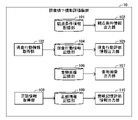
- the eating and swallowing function evaluation device 1 includes a processing device 11, a storage device 12, an input device 13, and an output device 14 connected to each other via a bus BU1.
- the eating and swallowing function evaluation device 1 is configured by a computer (in other words, an information processing device).
- the computer may be a server computer, a desktop computer, a laptop computer, or a tablet computer. Further, the computer may be at least a part of a stationary game machine, a portable game machine, a television receiver, a smartphone, or the like.
- the swallowing function evaluation device 1 may be composed of a plurality of devices connected to each other so as to be able to communicate with each other.
- the processing device 11 controls the storage device 12, the input device 13, and the output device 14 by executing the program stored in the storage device 12. As a result, the processing device 11 realizes the functions described later.
- the processing device 11 is a CPU (Central Processing Unit).
- the processing device 11 may include an MPU (Micro Processing Unit), a GPU (Graphics Processing Unit), or a DSP (Digital Signal Processor) in place of the CPU or in addition to the CPU.
- MPU Micro Processing Unit
- GPU Graphics Processing Unit
- DSP Digital Signal Processor
- the storage device 12 includes a volatile memory and a non-volatile memory.
- the storage device 12 includes at least one of a RAM (Random Access Memory), a ROM (Read Only Memory), a semiconductor memory, an organic memory, an HDD (Hard Disk Drive), and an SSD (Solid State Drive).
- the input device 13 inputs information from the outside of the eating and swallowing function evaluation device 1.
- the input device 13 includes a keyboard and a mouse.
- the input device 13 may include a microphone.
- the output device 14 outputs information to the outside of the eating and swallowing function evaluation device 1.
- the output device 14 includes a display.
- the output device 14 may include a speaker.
- the eating and swallowing function evaluation device 1 may include a touch panel type display that constitutes both the input device 13 and the output device 14.
- the swallowing function evaluation device 1 is used to evaluate the swallowing function of a subject.
- the functions of the eating and swallowing function evaluation device 1 are the viewpoint condition information storage unit 101, the viewpoint condition information output unit 102, the eating behavior information acquisition unit 103, and the eating behavior information storage.
- the viewpoint condition information storage unit 101 stores the viewpoint condition information in the storage device 12 in advance.
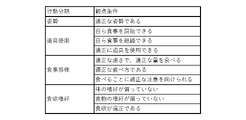
- the viewpoint condition information is information representing a viewpoint condition which is a condition corresponding to the normality of the eating behavior of the subject in a predetermined viewpoint. As shown in FIG. 3, the viewpoint condition information belongs to any one of a plurality of (four in this example) behavior classification.
- the plurality of behavior classifications are a posture classification representing behaviors related to posture, a tool use classification representing behaviors related to the use of tools, a dietary mode classification representing behaviors related to eating, and an appetite representing behaviors related to appetite or taste. It consists of a preference classification.
- the viewpoint condition information storage unit 101 corresponds to each of a plurality of different viewpoint condition information (10 in this example) and the behavior classification identification information for identifying the behavior classification to which the viewpoint condition information belongs. Attached and stored in the storage device 12.
- the viewpoint condition information output unit 102 outputs each of the plurality of viewpoint condition information stored by the viewpoint condition information storage unit 101 via the output device 14.
- the viewpoint condition information output unit 102 is a viewpoint represented by the viewpoint condition information for each of the plurality of viewpoint condition information stored by the viewpoint condition information storage unit 101.
- the condition and the action classification to which the viewpoint condition information belongs are associated and displayed on the display of the output device 14.
- the eating behavior information acquisition unit 103 acquires eating behavior information for each of the plurality of viewpoint condition information stored by the viewpoint condition information storage unit 101.
- the feeding behavior information for each viewpoint condition information is information indicating whether or not the viewpoint condition represented by the viewpoint condition information is satisfied with the feeding behavior of the subject. In other words, the feeding behavior information represents the feeding behavior of the subject.
- the eating behavior information acquisition unit 103 acquires the eating behavior information by receiving the eating behavior information input by the operator of the eating and swallowing function evaluation device 1 via the input device 13.
- the viewpoint condition information output unit 102 may output a case that does not satisfy the viewpoint condition in association with the viewpoint condition. According to this, the operator of the eating and swallowing function evaluation device 1 can easily determine whether or not the eating behavior of the subject satisfies the viewpoint condition.
- the eating behavior information storage unit 104 receives the eating behavior information acquired by the eating behavior information acquisition unit 103 for each of the plurality of viewpoint condition information stored by the viewpoint condition information storage unit 101. Is stored in the storage device 12 in association with the target person identification information and the viewpoint condition information.
- the eating behavior evaluation information output unit 105 feeds the target person based on a plurality of eating behavior information stored by the eating behavior information storage unit 104 in association with the target person identification information for identifying the target person. Generate eating behavior evaluation information.
- the eating behavior evaluation information is information indicating that the eating behavior of the subject is normal and to some extent.
- the eating behavior evaluation information includes the posture behavior evaluation information associated with the posture classification, the tool use behavior evaluation information associated with the tool use classification, and the eating mode behavior associated with the eating mode classification.
- the evaluation information and the appetite preference behavior evaluation information associated with the appetite preference classification are included.
- the eating behavior evaluation information may include only a part of the posture behavior evaluation information, the tool use behavior evaluation information, the eating mode behavior evaluation information, and the appetite preference behavior evaluation information.
- Posture-behavior evaluation information is information indicating that the behavior related to posture is normal and to some extent among the eating behaviors of the subject.
- the eating behavior evaluation information output unit 105 generates posture behavior evaluation information based on the eating behavior information associated with the viewpoint condition information belonging to the posture classification.
- the posture behavior evaluation information is the number of feeding behavior information indicating that the viewpoint condition represented by the viewpoint condition information is satisfied among the eating behavior information associated with the viewpoint condition information belonging to the posture classification.
- a predetermined threshold it indicates that the behavior related to the posture is normal (in this example, " ⁇ "), and when it is smaller than the threshold, the behavior related to the posture is not normal (in this example, "”. ⁇ ”).
- the posture behavior evaluation information represents the number of feeding behavior information indicating that the viewpoint condition represented by the viewpoint condition information is satisfied among the eating behavior information associated with the viewpoint condition information belonging to the posture classification. It may be information.
- the tool use behavior evaluation information is information indicating that the behavior related to the use of the tool is normal and to some extent among the eating behaviors of the subject.
- the eating behavior evaluation information output unit 105 generates tool use behavior evaluation information based on the eating behavior information associated with the viewpoint condition information belonging to the tool use classification.
- the tool use behavior evaluation information is the feeding behavior information indicating that the viewpoint condition represented by the viewpoint condition information is satisfied among the eating behavior information associated with the viewpoint condition information belonging to the tool use classification.
- the behavior regarding the use of the tool is normal (in this example, " ⁇ "), and when the number is smaller than the threshold, the behavior regarding the use of the tool is not normal. (In this example, "x") is represented.
- the tool use behavior evaluation information is the number of feeding behavior information indicating that the viewpoint condition represented by the viewpoint condition information is satisfied among the eating behavior information associated with the viewpoint condition information belonging to the tool use classification. It may be information representing.
- the dietary behavior evaluation information is information indicating that the behavior related to the eating behavior is normal and to some extent among the eating behaviors of the subject.
- the eating behavior evaluation information output unit 105 generates eating behavior evaluation information based on the eating behavior information associated with the viewpoint condition information belonging to the eating mode classification.
- the eating behavior evaluation information is the eating behavior information indicating that the viewpoint condition represented by the viewpoint condition information is satisfied among the eating behavior information associated with the viewpoint condition information belonging to the eating mode classification.
- the behavior regarding eating is normal (in this example, " ⁇ "), and when the number is smaller than the threshold, the behavior regarding eating is not normal (book). In the example, it represents "x").
- the dietary behavior evaluation information is the number of feeding behavior information indicating that the viewpoint condition represented by the viewpoint condition information is satisfied among the eating behavior information associated with the viewpoint condition information belonging to the dietary mode classification. It may be information representing.
- the appetite-preference behavior evaluation information is information indicating that the behavior related to appetite or preference is normal and to some extent among the eating behaviors of the subject.
- the eating behavior evaluation information output unit 105 generates appetite-preference behavior evaluation information based on the eating behavior information associated with the viewpoint condition information belonging to the appetite-preference classification.
- the appetite-preference behavior evaluation information is the eating behavior information indicating that the viewpoint condition represented by the viewpoint condition information is satisfied among the eating behavior information associated with the viewpoint condition information belonging to the appetite-preference classification.
- a predetermined threshold it indicates that the behavior related to appetite or preference is normal (in this example, " ⁇ "), and when it is smaller than the threshold, the behavior related to appetite or preference is not normal. (In this example, "x") is represented.
- the appetite-preference behavior evaluation information is the number of eating behavior information indicating that the viewpoint condition represented by the viewpoint condition information is satisfied among the eating behavior information associated with the viewpoint condition information belonging to the appetite-preference classification. It may be information representing.
- the eating behavior evaluation information output unit 105 outputs the generated eating behavior evaluation information via the output device 14.
- the eating behavior evaluation information output unit 105 includes posture behavior evaluation information, tool use behavior evaluation information, eating mode behavior evaluation information, appetite preference behavior evaluation information, and the like. Is displayed on the display of the output device 14 together with the action classification associated with each information.
- the food image storage unit 106 stores a plurality of food images in the storage device 12 in advance.
- the food image is an image representing food (chocolate in this example).
- the plurality of food images stored by the food image storage unit 106 are one kind of fruit and vegetable, fresh fish, or fresh food such as meat (for example, melon, apple, lemon, banana, carrot, or Food images representing (eg, peppers, etc.), food images representing one type of processed food (eg, sushi, sushi, takuan, chocolate, or coffee, etc.), and cooked foods containing multiple ingredients (eg, rice balls, etc.) Includes food images representing miso soup, meat potatoes, curry and rice, hamburgers, tempura, sushi, etc.).
- meat for example, melon, apple, lemon, banana, carrot, or Food images representing (eg, peppers, etc.)
- food images representing one type of processed food eg, sushi, sushi, takuan, chocolate, or coffee, etc.
- cooked foods containing multiple ingredients eg, rice balls, etc.
- the food image output unit 107 outputs each of the plurality of food images stored by the food image storage unit 106 via the output device 14 (in this example, the plurality of food images are output one by one from the output device 14). Show on the display). In this example, the food image output unit 107 presents the subject with a semantic memory task of asking the subject the name of the food represented by the food image by displaying the food image on the display of the output device 14. ..
- the correct / incorrect information acquisition unit 108 responds to the semantic memory task presented to the subject by the food image output unit 107 for each of the plurality of food images stored by the food image storage unit 106. Acquires correct / incorrect information indicating the correctness of.
- the subject's answer to the semantic memory task is that the subject utters the name of the food represented by the food image by looking at the food image displayed on the display of the output device 14. Is done by.
- the operator of the swallowing function evaluation device 1 listens to the voice emitted by the subject and sees the food image displayed on the display of the output device 14, so that the subject's answer is correct or incorrect. To judge.
- the correct / incorrect information acquisition unit 108 acquires correct / incorrect information by receiving the correct / incorrect information input by the operator of the eating / swallowing function evaluation device 1 via the input device 13.
- the correct / incorrect information acquisition unit 108 accepts the voice uttered by the target person as an answer, converts the accepted answer into a character string using a known voice recognition technique, and correct / incorrect information based on the converted character string. May be obtained.
- the correct / incorrect information storage unit 109 uses the correct / incorrect information acquired by the correct / incorrect information acquisition unit 108 for each of the plurality of food images stored in the food image storage unit 106 to be the target person identification information for identifying the target person. Then, it is stored in the storage device 12 in association with the food image.
- the semantic memory evaluation information output unit 110 generates semantic memory evaluation information for the target person based on a plurality of correct / incorrect information stored by the correct / incorrect information storage unit 109 in association with the target person identification information for identifying the target person. do.
- Semantic memory evaluation information is information indicating that the subject's semantic memory function is normal and to some extent.
- the semantic memory evaluation information has a semantic memory function when the number of correct / incorrect information indicating that the answer is correct among the correct / incorrect information stored by the correct / incorrect information storage unit 109 is equal to or more than a predetermined threshold value. It indicates that it is normal (in this example, " ⁇ "), and if it is smaller than the threshold value, it indicates that the semantic memory function is not normal (in this example, "x").
- the semantic memory evaluation information may be information indicating the number of correct / incorrect information indicating that the answer is correct among the correct / incorrect information stored by the correct / incorrect information storage unit 109.
- the semantic memory evaluation information output unit 110 outputs the generated semantic memory evaluation information via the output device 14.
- the semantic memory evaluation information output unit 110 displays the semantic memory evaluation information on the display of the output device 14.
- the swallowing function evaluation device 1 outputs information indicating the feeding rate via the output device 14 (in this example, the display of the output device 14). indicate).
- the information representing the eating rate may be input by the operator of the eating and swallowing function evaluation device 1 via the input device 13.
- the eating and swallowing function evaluation device 1 has, for each of the plurality of viewpoint condition information stored in the storage device 12, the viewpoint condition represented by the viewpoint condition information and the viewpoint condition.
- the behavior classification to which the viewpoint condition information belongs is associated with the display on the display of the output device 14.
- the operator of the eating and swallowing function evaluation device 1 determines whether or not the eating behavior of the subject satisfies the viewpoint condition for each of the displayed viewpoint conditions, and determines whether or not the subject's eating behavior satisfies the viewpoint condition. Based on the result, the feeding behavior information is input via the input device 13. As a result, the eating and swallowing function evaluation device 1 acquires the feeding behavior information for each of the plurality of viewpoint condition information stored in the storage device 12.
- the eating and swallowing function evaluation device 1 uses the acquired feeding behavior information for each of the plurality of viewpoint condition information stored in the storage device 12, the target person identification information for identifying the target person, and the target person identification information. , Stored in the storage device 12 in association with the viewpoint condition information.
- the eating and swallowing function evaluation device 1 displays a plurality of food images stored in the storage device 12 one by one on the display of the output device 14.
- the subject responds to the semantic memory task by uttering the name of the food represented by the food image by looking at the food image displayed on the display of the output device 14.
- the operator of the eating and swallowing function evaluation device 1 listens to the voice emitted by the subject for each of the plurality of food images displayed in sequence, and the food image displayed on the display of the output device 14. By observing, the correctness of the answer of the subject is determined, and the correctness information is input via the input device 13 based on the result of the determination. As a result, the eating and swallowing function evaluation device 1 acquires correct / incorrect information for each of the plurality of food images stored in the storage device 12.
- the eating and swallowing function evaluation device 1 uses the acquired correctness information for each of the plurality of food images stored in the storage device 12, the target person identification information for identifying the target person, and the food. It is stored in the storage device 12 in association with the image.
- the eating and swallowing function evaluation device 1 generates feeding behavior evaluation information based on a plurality of feeding behavior information stored in the storage device 12. Further, the eating and swallowing function evaluation device 1 generates semantic memory evaluation information based on a plurality of correct / incorrect information stored in the storage device 12.
- the eating and swallowing function evaluation device 1 displays the generated feeding behavior evaluation information and the semantic memory evaluation information on the display of the output device 14, as shown in FIG.
- the correct / incorrect information is acquired after the feeding behavior information is acquired.
- the feeding behavior information may be acquired after the correctness information is acquired.
- the swallowing function evaluation device 1 of the first embodiment is a device for evaluating the swallowing function of a subject.
- the eating and swallowing function evaluation device 1 includes a eating behavior information acquisition unit 103, a correct / incorrect information acquisition unit 108, a eating behavior evaluation information output unit 105, and a semantic memory evaluation information output unit 110.
- the eating behavior information acquisition unit 103 acquires eating behavior information representing the eating behavior of the subject.
- the correct / incorrect information acquisition unit 108 acquires correct / incorrect information indicating the correctness of the answer to the subject's semantic memory task.
- the feeding behavior evaluation information output unit 105 outputs feeding behavior evaluation information indicating that the eating behavior of the subject is normal and to some extent, based on the acquired feeding behavior information.
- the semantic memory evaluation information output unit 110 outputs semantic memory evaluation information indicating that the semantic memory function of the subject is normal and to some extent based on the acquired correct / incorrect information.
- the semantic memory evaluation information indicating that the subject's semantic memory function is normal and to some extent is output. Therefore, the operator of the eating and swallowing function evaluation device 1 can know to some extent that the subject's semantic memory function is normal in addition to the subject's normal feeding behavior to some extent. As a result, the operator of the swallowing function evaluation device 1 can appropriately recognize the cause of the excessive feeding rate of the subject. As a result, it is possible to select an appropriate support method for increasing the feeding rate of the subject.
- the semantic memory task is to ask the subject the name of the food represented by the food image.
- the eating and swallowing function evaluation device 1 includes a food image output unit 107 that outputs a food image.
- the correct / incorrect information acquisition unit 108 acquires correct / incorrect information indicating the correctness of the answer made by the subject by looking at the output food image.
- the inventor of the present application has a strong correlation between whether or not the subject can correctly recognize the name of the food when he / she sees the food image representing the food and the degree to which the subject eats the food. Found to have. Therefore, according to the eating and swallowing function evaluation device 1, the eating rate of the subject is reflected in the semantic memory evaluation information with high accuracy. As a result, the operator of the swallowing function evaluation device 1 can appropriately recognize the cause of the excessive feeding rate of the subject. As a result, it is possible to select an appropriate support method for increasing the feeding rate of the subject.
- the eating behavior evaluation information is the posture behavior evaluation information indicating that the behavior related to the posture is normal and to some extent among the eating behaviors of the subject, and the subject's eating behavior.
- Tool-using behavior evaluation information that indicates that the behavior related to the use of tools is normal and to some extent among the eating behaviors
- dietary behavior evaluation information that indicates that the behavior related to eating behavior is normal and to some extent among the eating behaviors of the subject.
- at least one of the appetite-preference behavior evaluation information indicating that the behavior related to appetite or preference is normal and to some extent is included.
- the posture of the subject, the use of the tools of the subject, the eating condition of the subject, or the appetite or preference of the subject and the eating rate of the subject have a relatively strong correlation. Therefore, according to the eating and swallowing function evaluation device 1, the eating rate of the subject is reflected in the eating behavior evaluation information with high accuracy. As a result, the operator of the swallowing function evaluation device 1 can appropriately recognize the cause of the excessive feeding rate of the subject. As a result, it is possible to select an appropriate support method for increasing the feeding rate of the subject.
- the eating behavior evaluation information is associated with the target person identification information for identifying the target person and is stored in the storage device 12.
- the eating behavior information it is information indicating the number of feeding behavior information indicating that the viewpoint condition represented by the viewpoint condition information is satisfied.
- the feeding behavior evaluation information may be expressed as a feeding behavior score.
- the semantic memory evaluation information is stored in the storage device 12 in association with the target person identification information for identifying the target person. This is information indicating the number of correct / incorrect information indicating that the answer is correct among the correct / incorrect information.
- the semantic memory evaluation information may be expressed as a semantic memory task score.
- the same actions and effects as those of the swallowing function evaluation device 1 of the first embodiment are exhibited. ..
- each of the plurality of subjects is a dementia patient.
- the plurality of subjects are visually impaired, unable to swallow (in this example, a person with a score of 2 or less in the Modified Water Swallowing Test), and a person who is clearly depressed. It does not include those who are unstable, those who have problems with their teeth, and those who are taking drugs with gastrointestinal symptoms (excluding cholinesterase inhibitors).
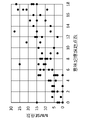
- FIG. 6 is a graph showing the relationship between the FIM (Functional Independence Measure) meal score and the feeding behavior score.
- the FIM meal score is a score in the FIM meal item.
- the FIM meal score represents the amount of caregiving in the subject's meal.
- FIG. 7 is a graph showing the relationship between the FIM meal score and the semantic memory task score.
- FIG. 8 is a graph showing the relationship between the MMSE (Mini-Mental State Examination) score and the feeding behavior score.
- the MMSE score is a score in the MMSE.
- the MMSE score indicates that the subject's cognitive function is normal and to some extent.
- FIG. 9 is a graph showing the relationship between the MMSE score and the semantic memory task score.
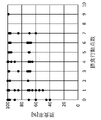
- FIG. 10 is a graph showing the relationship between the feeding rate and the feeding behavior score.
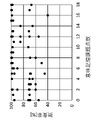
- FIG. 11 is a graph showing the relationship between the feeding rate and the number of semantic memory tasks. As shown in FIG. 10, even when the feeding behavior score is relatively high, the feeding rate may be low. Further, as shown in FIG. 11, even when the semantic memory task score is relatively high, the feeding rate may be low. Therefore, it is important that both the feeding behavior evaluation information and the semantic memory evaluation information are appropriately recognized in order to increase the eating rate of the subject.
- the food image belongs to any one of a plurality of (three in this example) food classification.
- the plurality of food classifications are a single fresh food classification representing one kind of fresh food such as fruits and vegetables, fresh fish, or meat, a single processed food classification representing one kind of processed food, and a plurality of foodstuffs. Consists of a mixed cooked food classification, which represents a mixed cooked food.
- the eating and swallowing function evaluation device 1 of the second modification generates semantic memory evaluation information for each of a plurality of food classifications, and outputs the generated semantic memory evaluation information in association with the food classification. Output via 14.
- the same actions and effects as those of the swallowing function evaluation device 1 of the first embodiment are exhibited. .. Further, according to the swallowing function evaluation device 1 of the second modification of the first embodiment, the operator of the swallowing function evaluation device 1 can appropriately recognize the semantic memory function of the subject. As a result, it is possible to select an appropriate support method for increasing the feeding rate of the subject.
- the eating and swallowing function evaluation device 1 does not have to output a food image.
- the operator of the eating and swallowing function evaluation device 1 may present the semantic memory task to the subject by using a paper, a card, a board, or the like on which a food image is printed.
- Eating and swallowing function evaluation device 11 Processing device 12 Storage device 13 Input device 14 Output device 101 Perspective condition information storage unit 102 Perspective condition information output unit 103 Eating behavior information acquisition unit 104 Eating behavior information storage unit 105 Eating behavior evaluation Information output unit 106 Food image storage unit 107 Food image output unit 108 Correct / incorrect information acquisition unit 109 Correct / incorrect information storage unit 110 Semantic memory evaluation information output unit BU1 bus
Landscapes
- Health & Medical Sciences (AREA)
- Life Sciences & Earth Sciences (AREA)
- Public Health (AREA)
- Engineering & Computer Science (AREA)
- General Health & Medical Sciences (AREA)
- Medical Informatics (AREA)
- Pathology (AREA)
- Molecular Biology (AREA)
- Primary Health Care (AREA)
- Biophysics (AREA)
- Epidemiology (AREA)
- Biomedical Technology (AREA)
- Heart & Thoracic Surgery (AREA)
- Physics & Mathematics (AREA)
- Surgery (AREA)
- Animal Behavior & Ethology (AREA)
- Veterinary Medicine (AREA)
- Measuring And Recording Apparatus For Diagnosis (AREA)
- Medical Treatment And Welfare Office Work (AREA)
- Measurement Of The Respiration, Hearing Ability, Form, And Blood Characteristics Of Living Organisms (AREA)
Abstract
摂食嚥下機能評価装置1は、対象者の摂食嚥下機能を評価するための装置である。摂食嚥下機能評価装置は、摂食行動情報取得部103と正誤情報取得部108と摂食行動評価情報出力部105と意味記憶評価情報出力部110とを備える。摂食行動情報取得部は、対象者の摂食行動を表す摂食行動情報を取得する。正誤情報取得部は、対象者の意味記憶課題に対する回答の正誤を表す正誤情報を取得する。摂食行動評価情報出力部は、取得された摂食行動情報に基づいて、対象者の摂食行動が正常である程度を表す摂食行動評価情報を出力する。意味記憶評価情報出力部は、取得された正誤情報に基づいて、対象者の意味記憶機能が正常である程度を表す意味記憶評価情報を出力する。
Description
本発明は、摂食嚥下機能評価装置、摂食嚥下機能評価方法、及び、摂食嚥下機能評価プログラムに関する。
対象者の摂食嚥下機能を評価するための摂食嚥下機能評価装置が知られている。例えば、特許文献1に記載の摂食嚥下機能評価装置は、対象者の摂食行動のうちの、姿勢保持に関する行動が正常である程度を表す情報と、対象者の摂食行動のうちの、認知・意欲に関する行動が正常である程度を表す情報と、を出力する。
ところで、対象者の摂食行動が正常である程度が十分に高い場合であっても、対象者の摂食率が過小である場合がある。これに対し、本願の発明者は、鋭意検討の結果、対象者の摂食行動が正常である程度が十分に高い場合であっても、対象者が意味記憶機能に障害を有する場合には、対象者の摂食率が低下しやすい場合があることを見出した。
しかしながら、上記摂食嚥下機能評価装置においては、対象者の意味記憶機能に関する情報が出力されない。このため、上記摂食嚥下機能評価装置においては、対象者の摂食率が過小である原因を認識できない虞があった。その結果、上記摂食嚥下機能評価装置を用いても、対象者の摂食率を高めるための適切な支援方法を選択できない虞があった。
本発明の目的の一つは、対象者の摂食率が過小である原因を適切に認識することである。
一つの側面では、摂食嚥下機能評価装置は、対象者の摂食嚥下機能を評価するための装置である。
摂食嚥下機能評価装置は、摂食行動情報取得部と、正誤情報取得部と、摂食行動評価情報出力部と、意味記憶評価情報出力部と、を備える。摂食行動情報取得部は、対象者の摂食行動を表す摂食行動情報を取得する。正誤情報取得部は、対象者の意味記憶課題に対する回答の正誤を表す正誤情報を取得する。摂食行動評価情報出力部は、取得された摂食行動情報に基づいて、対象者の摂食行動が正常である程度を表す摂食行動評価情報を出力する。意味記憶評価情報出力部は、取得された正誤情報に基づいて、対象者の意味記憶機能が正常である程度を表す意味記憶評価情報を出力する。
摂食嚥下機能評価装置は、摂食行動情報取得部と、正誤情報取得部と、摂食行動評価情報出力部と、意味記憶評価情報出力部と、を備える。摂食行動情報取得部は、対象者の摂食行動を表す摂食行動情報を取得する。正誤情報取得部は、対象者の意味記憶課題に対する回答の正誤を表す正誤情報を取得する。摂食行動評価情報出力部は、取得された摂食行動情報に基づいて、対象者の摂食行動が正常である程度を表す摂食行動評価情報を出力する。意味記憶評価情報出力部は、取得された正誤情報に基づいて、対象者の意味記憶機能が正常である程度を表す意味記憶評価情報を出力する。
また、摂食嚥下機能評価方法は、対象者の摂食嚥下機能を評価するための方法である。
摂食嚥下機能評価方法は、
対象者の摂食行動を表す摂食行動情報を取得し、
対象者の意味記憶課題に対する回答の正誤を表す正誤情報を取得し、
取得された摂食行動情報に基づいて、対象者の摂食行動が正常である程度を表す摂食行動評価情報を出力し、
取得された正誤情報に基づいて、対象者の意味記憶機能が正常である程度を表す意味記憶評価情報を出力する、
ことを含む。
摂食嚥下機能評価方法は、
対象者の摂食行動を表す摂食行動情報を取得し、
対象者の意味記憶課題に対する回答の正誤を表す正誤情報を取得し、
取得された摂食行動情報に基づいて、対象者の摂食行動が正常である程度を表す摂食行動評価情報を出力し、
取得された正誤情報に基づいて、対象者の意味記憶機能が正常である程度を表す意味記憶評価情報を出力する、
ことを含む。
また、摂食嚥下機能評価プログラムは、対象者の摂食嚥下機能を評価するための処理をコンピュータに実行させるプログラムである。
この処理は、
対象者の摂食行動を表す摂食行動情報を取得し、
対象者の意味記憶課題に対する回答の正誤を表す正誤情報を取得し、
取得された摂食行動情報に基づいて、対象者の摂食行動が正常である程度を表す摂食行動評価情報を出力し、
取得された正誤情報に基づいて、対象者の意味記憶機能が正常である程度を表す意味記憶評価情報を出力する、
ことを含む。
この処理は、
対象者の摂食行動を表す摂食行動情報を取得し、
対象者の意味記憶課題に対する回答の正誤を表す正誤情報を取得し、
取得された摂食行動情報に基づいて、対象者の摂食行動が正常である程度を表す摂食行動評価情報を出力し、
取得された正誤情報に基づいて、対象者の意味記憶機能が正常である程度を表す意味記憶評価情報を出力する、
ことを含む。
対象者の摂食率が過小である原因を適切に認識することができる。
以下、本発明の、摂食嚥下機能評価装置、摂食嚥下機能評価方法、及び、摂食嚥下機能評価プログラムに関する各実施形態について図1乃至図11を参照しながら説明する。
<第1実施形態>
(概要)
第1実施形態の摂食嚥下機能評価装置は、対象者の摂食嚥下機能を評価するための装置である。摂食嚥下機能評価装置は、摂食行動情報取得部と、正誤情報取得部と、摂食行動評価情報出力部と、意味記憶評価情報出力部と、を備える。
(概要)
第1実施形態の摂食嚥下機能評価装置は、対象者の摂食嚥下機能を評価するための装置である。摂食嚥下機能評価装置は、摂食行動情報取得部と、正誤情報取得部と、摂食行動評価情報出力部と、意味記憶評価情報出力部と、を備える。
摂食行動情報取得部は、対象者の摂食行動を表す摂食行動情報を取得する。正誤情報取得部は、対象者の意味記憶課題に対する回答の正誤を表す正誤情報を取得する。摂食行動評価情報出力部は、取得された摂食行動情報に基づいて、対象者の摂食行動が正常である程度を表す摂食行動評価情報を出力する。意味記憶評価情報出力部は、取得された正誤情報に基づいて、対象者の意味記憶機能が正常である程度を表す意味記憶評価情報を出力する。
これによれば、対象者の摂食行動が正常である程度を表す摂食行動評価情報に加えて、対象者の意味記憶機能が正常である程度を表す意味記憶評価情報が出力される。従って、摂食嚥下機能評価装置の操作者は、対象者の摂食行動が正常である程度に加えて、対象者の意味記憶機能が正常である程度を知得できる。これにより、摂食嚥下機能評価装置の操作者は、対象者の摂食率が過小である原因を適切に認識することができる。この結果、対象者の摂食率を高めるための適切な支援方法を選択できる。
次に、第1実施形態の摂食嚥下機能評価装置について、より詳細に説明する。
次に、第1実施形態の摂食嚥下機能評価装置について、より詳細に説明する。
(構成)
図1に表されるように、摂食嚥下機能評価装置1は、バスBU1を介して互いに接続された、処理装置11、記憶装置12、入力装置13、及び、出力装置14を備える。例えば、摂食嚥下機能評価装置1は、コンピュータ(換言すると、情報処理装置)により構成される。なお、コンピュータは、サーバ型コンピュータ、デスクトップ型コンピュータ、ラップトップ型コンピュータ、又は、タブレット型コンピュータであってよい。また、コンピュータは、据置型ゲーム機、携帯型ゲーム機、テレビ受像機、又は、スマートフォン等の少なくとも一部であってよい。また、摂食嚥下機能評価装置1は、互いに通信可能に接続された複数の装置により構成されてもよい。
図1に表されるように、摂食嚥下機能評価装置1は、バスBU1を介して互いに接続された、処理装置11、記憶装置12、入力装置13、及び、出力装置14を備える。例えば、摂食嚥下機能評価装置1は、コンピュータ(換言すると、情報処理装置)により構成される。なお、コンピュータは、サーバ型コンピュータ、デスクトップ型コンピュータ、ラップトップ型コンピュータ、又は、タブレット型コンピュータであってよい。また、コンピュータは、据置型ゲーム機、携帯型ゲーム機、テレビ受像機、又は、スマートフォン等の少なくとも一部であってよい。また、摂食嚥下機能評価装置1は、互いに通信可能に接続された複数の装置により構成されてもよい。
処理装置11は、記憶装置12に記憶されているプログラムを実行することにより、記憶装置12、入力装置13、及び、出力装置14を制御する。これにより、処理装置11は、後述する機能を実現する。
本例では、処理装置11は、CPU(Central Processing Unit)である。なお、処理装置11は、CPUに代えて、又は、CPUに加えて、MPU(Micro Processing Unit)、GPU(Graphics Processing Unit)、又は、DSP(Digital Signal Processor)を含んでもよい。
本例では、記憶装置12は、揮発性メモリと不揮発性メモリとを含む。例えば、記憶装置12は、RAM(Random Access Memory)、ROM(Read Only Memory)、半導体メモリ、有機メモリ、HDD(Hard Disk Drive)、及び、SSD(Solid State Drive)の少なくとも1つを含む。
入力装置13は、摂食嚥下機能評価装置1の外部から情報を入力する。本例では、入力装置13は、キーボード、及び、マウスを備える。なお、入力装置13は、マイクロフォンを備えてもよい。
出力装置14は、摂食嚥下機能評価装置1の外部に情報を出力する。本例では、出力装置14は、ディスプレイを備える。なお、出力装置14は、スピーカを備えてもよい。
なお、摂食嚥下機能評価装置1は、入力装置13及び出力装置14の両方を構成するタッチパネル式のディスプレイを備えてもよい。
出力装置14は、摂食嚥下機能評価装置1の外部に情報を出力する。本例では、出力装置14は、ディスプレイを備える。なお、出力装置14は、スピーカを備えてもよい。
なお、摂食嚥下機能評価装置1は、入力装置13及び出力装置14の両方を構成するタッチパネル式のディスプレイを備えてもよい。
(機能)
摂食嚥下機能評価装置1は、対象者の摂食嚥下機能を評価するために用いられる。図2に表されるように、摂食嚥下機能評価装置1の機能は、観点条件情報記憶部101と、観点条件情報出力部102と、摂食行動情報取得部103と、摂食行動情報記憶部104と、摂食行動評価情報出力部105と、食物画像記憶部106と、食物画像出力部107と、正誤情報取得部108と、正誤情報記憶部109と、意味記憶評価情報出力部110と、を含む。
摂食嚥下機能評価装置1は、対象者の摂食嚥下機能を評価するために用いられる。図2に表されるように、摂食嚥下機能評価装置1の機能は、観点条件情報記憶部101と、観点条件情報出力部102と、摂食行動情報取得部103と、摂食行動情報記憶部104と、摂食行動評価情報出力部105と、食物画像記憶部106と、食物画像出力部107と、正誤情報取得部108と、正誤情報記憶部109と、意味記憶評価情報出力部110と、を含む。
観点条件情報記憶部101は、観点条件情報を記憶装置12に予め記憶させている。観点条件情報は、対象者の摂食行動が、所定の観点において正常であることに対応する条件である観点条件を表す情報である。図3に表されるように、観点条件情報は、複数(本例では、4個)の行動分類のいずれか1つに属する。
本例では、複数の行動分類は、姿勢に関する行動を表す姿勢分類と、道具の使用に関する行動を表す道具使用分類と、食べる様子に関する行動を表す食事態様分類と、食欲又は嗜好に関する行動を表す食欲嗜好分類と、からなる。
本例では、観点条件情報記憶部101は、互いに異なる複数(本例では、10個)の観点条件情報のそれぞれと、当該観点条件情報が属する行動分類を識別する行動分類識別情報と、を対応付けて記憶装置12に記憶させる。
観点条件情報出力部102は、観点条件情報記憶部101により記憶されている複数の観点条件情報のそれぞれを出力装置14を介して出力する。本例では、図3に表されるように、観点条件情報出力部102は、観点条件情報記憶部101により記憶されている複数の観点条件情報のそれぞれに対して、当該観点条件情報が表す観点条件と、当該観点条件情報が属する行動分類と、を対応付けて、出力装置14のディスプレイに表示する。
摂食行動情報取得部103は、観点条件情報記憶部101により記憶されている複数の観点条件情報のそれぞれに対して、摂食行動情報を取得する。各観点条件情報に対する摂食行動情報は、当該観点条件情報が表す観点条件を、対象者の摂食行動が満足するか否かを表す情報である。換言すると、摂食行動情報は、対象者の摂食行動を表す。
本例では、摂食行動情報取得部103は、摂食嚥下機能評価装置1の操作者によって入力装置13を介して入力された摂食行動情報を受け付けることにより摂食行動情報を取得する。
なお、観点条件情報出力部102は、観点条件を満足しない事例を、当該観点条件と対応付けて出力してもよい。これによれば、摂食嚥下機能評価装置1の操作者は、対象者の摂食行動が観点条件を満足するか否かを容易に判断することができる。
摂食行動情報記憶部104は、観点条件情報記憶部101により記憶されている複数の観点条件情報のそれぞれに対して、摂食行動情報取得部103により取得された摂食行動情報を、対象者を識別する対象者識別情報、及び、当該観点条件情報と対応付けて記憶装置12に記憶させる。
摂食行動評価情報出力部105は、対象者を識別する対象者識別情報と対応付けて摂食行動情報記憶部104により記憶されている複数の摂食行動情報に基づいて、当該対象者に対する摂食行動評価情報を生成する。
摂食行動評価情報は、対象者の摂食行動が正常である程度を表す情報である。本例では、摂食行動評価情報は、姿勢分類に対応付けられた姿勢行動評価情報と、道具使用分類に対応付けられた道具使用行動評価情報と、食事態様分類に対応付けられた食事態様行動評価情報と、食欲嗜好分類に対応付けられた食欲嗜好行動評価情報と、を含む。なお、摂食行動評価情報は、姿勢行動評価情報、道具使用行動評価情報、食事態様行動評価情報、及び、食欲嗜好行動評価情報のうちの一部のみを含んでいてもよい。
姿勢行動評価情報は、対象者の摂食行動のうちの、姿勢に関する行動が正常である程度を表す情報である。摂食行動評価情報出力部105は、姿勢分類に属する観点条件情報と対応付けられた摂食行動情報に基づいて、姿勢行動評価情報を生成する。
本例では、姿勢行動評価情報は、姿勢分類に属する観点条件情報と対応付けられた摂食行動情報のうちの、観点条件情報が表す観点条件が満足されることを表す摂食行動情報の数が、所定の閾値以上である場合に姿勢に関する行動が正常であること(本例では、「〇」)を表し、当該閾値よりも小さい場合に姿勢に関する行動が正常でないこと(本例では、「×」)を表す。なお、姿勢行動評価情報は、姿勢分類に属する観点条件情報と対応付けられた摂食行動情報のうちの、観点条件情報が表す観点条件が満足されることを表す摂食行動情報の数を表す情報であってもよい。
道具使用行動評価情報は、対象者の摂食行動のうちの、道具の使用に関する行動が正常である程度を表す情報である。摂食行動評価情報出力部105は、道具使用分類に属する観点条件情報と対応付けられた摂食行動情報に基づいて、道具使用行動評価情報を生成する。
本例では、道具使用行動評価情報は、道具使用分類に属する観点条件情報と対応付けられた摂食行動情報のうちの、観点条件情報が表す観点条件が満足されることを表す摂食行動情報の数が、所定の閾値以上である場合に道具の使用に関する行動が正常であること(本例では、「〇」)を表し、当該閾値よりも小さい場合に道具の使用に関する行動が正常でないこと(本例では、「×」)を表す。なお、道具使用行動評価情報は、道具使用分類に属する観点条件情報と対応付けられた摂食行動情報のうちの、観点条件情報が表す観点条件が満足されることを表す摂食行動情報の数を表す情報であってもよい。
食事態様行動評価情報は、対象者の摂食行動のうちの、食べる様子に関する行動が正常である程度を表す情報である。摂食行動評価情報出力部105は、食事態様分類に属する観点条件情報と対応付けられた摂食行動情報に基づいて、食事態様行動評価情報を生成する。
本例では、食事態様行動評価情報は、食事態様分類に属する観点条件情報と対応付けられた摂食行動情報のうちの、観点条件情報が表す観点条件が満足されることを表す摂食行動情報の数が、所定の閾値以上である場合に食べる様子に関する行動が正常であること(本例では、「〇」)を表し、当該閾値よりも小さい場合に食べる様子に関する行動が正常でないこと(本例では、「×」)を表す。なお、食事態様行動評価情報は、食事態様分類に属する観点条件情報と対応付けられた摂食行動情報のうちの、観点条件情報が表す観点条件が満足されることを表す摂食行動情報の数を表す情報であってもよい。
食欲嗜好行動評価情報は、対象者の摂食行動のうちの、食欲又は嗜好に関する行動が正常である程度を表す情報である。摂食行動評価情報出力部105は、食欲嗜好分類に属する観点条件情報と対応付けられた摂食行動情報に基づいて、食欲嗜好行動評価情報を生成する。
本例では、食欲嗜好行動評価情報は、食欲嗜好分類に属する観点条件情報と対応付けられた摂食行動情報のうちの、観点条件情報が表す観点条件が満足されることを表す摂食行動情報の数が、所定の閾値以上である場合に食欲又は嗜好に関する行動が正常であること(本例では、「〇」)を表し、当該閾値よりも小さい場合に食欲又は嗜好に関する行動が正常でないこと(本例では、「×」)を表す。なお、食欲嗜好行動評価情報は、食欲嗜好分類に属する観点条件情報と対応付けられた摂食行動情報のうちの、観点条件情報が表す観点条件が満足されることを表す摂食行動情報の数を表す情報であってもよい。
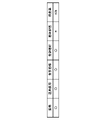
摂食行動評価情報出力部105は、生成された摂食行動評価情報を出力装置14を介して出力する。本例では、図4に表されるように、摂食行動評価情報出力部105は、姿勢行動評価情報と、道具使用行動評価情報と、食事態様行動評価情報と、食欲嗜好行動評価情報と、を各情報に対応付けられた行動分類とともに、出力装置14のディスプレイに表示する。
食物画像記憶部106は、複数の食物画像を記憶装置12に予め記憶させている。本例では、図4に表されるように、食物画像は、食物(本例では、チョコレート)を表す画像である。
本例では、食物画像記憶部106により記憶されている複数の食物画像は、1つの種類の青果、鮮魚、又は、精肉等の生鮮食品(例えば、メロン、りんご、レモン、バナナ、にんじん、又は、ピーマン等)を表す食物画像と、1つの種類の加工食品(例えば、うめぼし、すじこ、たくあん、チョコレート、又は、コーヒー等)を表す食物画像と、複数の食材が混在する調理品(例えば、おにぎり、みそ汁、肉じゃが、カレーライス、ハンバーグ、てんぷら、又は、寿司等)を表す食物画像と、を含む。
食物画像出力部107は、食物画像記憶部106により記憶されている複数の食物画像のそれぞれを出力装置14を介して出力する(本例では、複数の食物画像を1つずつ順に出力装置14のディスプレイに表示する)。本例では、食物画像出力部107は、食物画像を出力装置14のディスプレイに表示することにより、当該食物画像が表す食物の名称を対象者に問う、という意味記憶課題を当該対象者に提示する。
正誤情報取得部108は、食物画像記憶部106により記憶されている複数の食物画像のそれぞれに対して、食物画像出力部107により対象者に対して提示された意味記憶課題に対する当該対象者の回答の正誤を表す正誤情報を取得する。
本例では、対象者の、意味記憶課題に対する回答は、当該対象者が、出力装置14のディスプレイに表示された食物画像を見ることにより、当該食物画像が表す食物の名称を音声にて発することにより行われる。本例では、摂食嚥下機能評価装置1の操作者は、対象者により発せられた音声を聴取するとともに、出力装置14のディスプレイに表示された食物画像を見ることにより、対象者の回答の正誤を判定する。
本例では、正誤情報取得部108は、摂食嚥下機能評価装置1の操作者によって入力装置13を介して入力された正誤情報を受け付けることにより正誤情報を取得する。なお、正誤情報取得部108は、対象者が発した音声を回答として受け付けるとともに、受け付けられた回答を公知の音声認識技術を用いて文字列に変換し、変換後の文字列に基づいて正誤情報を取得してもよい。
正誤情報記憶部109は、食物画像記憶部106により記憶されている複数の食物画像のそれぞれに対して、正誤情報取得部108により取得された正誤情報を、対象者を識別する対象者識別情報、及び、当該食物画像と対応付けて記憶装置12に記憶させる。
意味記憶評価情報出力部110は、対象者を識別する対象者識別情報と対応付けて正誤情報記憶部109により記憶されている複数の正誤情報に基づいて、当該対象者に対する意味記憶評価情報を生成する。意味記憶評価情報は、対象者の意味記憶機能が正常である程度を表す情報である。
本例では、意味記憶評価情報は、正誤情報記憶部109により記憶されている正誤情報のうちの、回答が正しいことを表す正誤情報の数が、所定の閾値以上である場合に意味記憶機能が正常であること(本例では、「〇」)を表し、当該閾値よりも小さい場合に意味記憶機能が正常でないこと(本例では、「×」)を表す。なお、意味記憶評価情報は、正誤情報記憶部109により記憶されている正誤情報のうちの、回答が正しいことを表す正誤情報の数を表す情報であってもよい。
意味記憶評価情報出力部110は、生成された意味記憶評価情報を出力装置14を介して出力する。本例では、図4に表されるように、意味記憶評価情報出力部110は、意味記憶評価情報を出力装置14のディスプレイに表示する。
更に、本例では、図4に表されるように、摂食嚥下機能評価装置1は、摂食率を表す情報を出力装置14を介して出力する(本例では、出力装置14のディスプレイに表示する)。なお、摂食率を表す情報は、摂食嚥下機能評価装置1の操作者によって入力装置13を介して入力されてよい。
更に、本例では、図4に表されるように、摂食嚥下機能評価装置1は、摂食率を表す情報を出力装置14を介して出力する(本例では、出力装置14のディスプレイに表示する)。なお、摂食率を表す情報は、摂食嚥下機能評価装置1の操作者によって入力装置13を介して入力されてよい。
(動作)
次に、摂食嚥下機能評価装置1の動作の一例について説明する。
先ず、摂食嚥下機能評価装置1は、図3に表されるように、記憶装置12に記憶されている複数の観点条件情報のそれぞれに対して、当該観点条件情報が表す観点条件と、当該観点条件情報が属する行動分類と、を対応付けて、出力装置14のディスプレイに表示する。
次に、摂食嚥下機能評価装置1の動作の一例について説明する。
先ず、摂食嚥下機能評価装置1は、図3に表されるように、記憶装置12に記憶されている複数の観点条件情報のそれぞれに対して、当該観点条件情報が表す観点条件と、当該観点条件情報が属する行動分類と、を対応付けて、出力装置14のディスプレイに表示する。
次いで、摂食嚥下機能評価装置1の操作者は、表示されている複数の観点条件のそれぞれに対して、対象者の摂食行動が当該観点条件を満足するか否かを判定し、判定の結果に基づいて摂食行動情報を入力装置13を介して入力する。これにより、摂食嚥下機能評価装置1は、記憶装置12に記憶されている複数の観点条件情報のそれぞれに対して摂食行動情報を取得する。
次いで、摂食嚥下機能評価装置1は、記憶装置12に記憶されている複数の観点条件情報のそれぞれに対して、取得された摂食行動情報を、対象者を識別する対象者識別情報、及び、当該観点条件情報と対応付けて記憶装置12に記憶させる。
次いで、摂食嚥下機能評価装置1は、図5に表されるように、記憶装置12に記憶されている複数の食物画像を1つずつ順に出力装置14のディスプレイに表示する。対象者は、出力装置14のディスプレイに表示された食物画像を見ることにより、当該食物画像が表す食物の名称を音声にて発することにより、意味記憶課題に対する回答を行う。
摂食嚥下機能評価装置1の操作者は、順次に表示される複数の食物画像のそれぞれに対して、対象者により発せられた音声を聴取するとともに、出力装置14のディスプレイに表示された食物画像を見ることにより、対象者の回答の正誤を判定し、判定の結果に基づいて正誤情報を入力装置13を介して入力する。これにより、摂食嚥下機能評価装置1は、記憶装置12に記憶されている複数の食物画像のそれぞれに対して正誤情報を取得する。
次いで、摂食嚥下機能評価装置1は、記憶装置12に記憶されている複数の食物画像のそれぞれに対して、取得された正誤情報を、対象者を識別する対象者識別情報、及び、当該食物画像と対応付けて記憶装置12に記憶させる。
次いで、摂食嚥下機能評価装置1は、記憶装置12に記憶されている複数の摂食行動情報に基づいて摂食行動評価情報を生成する。更に、摂食嚥下機能評価装置1は、記憶装置12に記憶されている複数の正誤情報に基づいて意味記憶評価情報を生成する。
次いで、摂食嚥下機能評価装置1は、図4に表されるように、生成された摂食行動評価情報及び意味記憶評価情報を、出力装置14のディスプレイに表示する。
ところで、上述の動作例においては、摂食行動情報が取得された後に、正誤情報が取得される。なお、他の動作例においては、正誤情報が取得された後に、摂食行動情報が取得されてもよい。
以上、説明したように、第1実施形態の摂食嚥下機能評価装置1は、対象者の摂食嚥下機能を評価するための装置である。摂食嚥下機能評価装置1は、摂食行動情報取得部103と、正誤情報取得部108と、摂食行動評価情報出力部105と、意味記憶評価情報出力部110と、を備える。
摂食行動情報取得部103は、対象者の摂食行動を表す摂食行動情報を取得する。正誤情報取得部108は、対象者の意味記憶課題に対する回答の正誤を表す正誤情報を取得する。摂食行動評価情報出力部105は、取得された摂食行動情報に基づいて、対象者の摂食行動が正常である程度を表す摂食行動評価情報を出力する。意味記憶評価情報出力部110は、取得された正誤情報に基づいて、対象者の意味記憶機能が正常である程度を表す意味記憶評価情報を出力する。
これによれば、対象者の摂食行動が正常である程度を表す摂食行動評価情報に加えて、対象者の意味記憶機能が正常である程度を表す意味記憶評価情報が出力される。従って、摂食嚥下機能評価装置1の操作者は、対象者の摂食行動が正常である程度に加えて、対象者の意味記憶機能が正常である程度を知得できる。これにより、摂食嚥下機能評価装置1の操作者は、対象者の摂食率が過小である原因を適切に認識することができる。この結果、対象者の摂食率を高めるための適切な支援方法を選択できる。
更に、第1実施形態の摂食嚥下機能評価装置1において、意味記憶課題は、食物画像が表す食物の名称を対象者に問うことである。加えて、摂食嚥下機能評価装置1は、食物画像を出力する食物画像出力部107を備える。正誤情報取得部108は、対象者が、出力された食物画像を見ることにより行われた回答の正誤を表す正誤情報を取得する。
ところで、本願の発明者は、対象者が、食物を表す食物画像を見た場合に、当該食物の名称を正しく認識できるか否かと、対象者が当該食物を摂食する程度と、が強い相関を有することを見出した。従って、摂食嚥下機能評価装置1によれば、対象者の摂食率は、意味記憶評価情報に高い精度にて反映される。これにより、摂食嚥下機能評価装置1の操作者は、対象者の摂食率が過小である原因を適切に認識することができる。この結果、対象者の摂食率を高めるための適切な支援方法を選択できる。
更に、第1実施形態の摂食嚥下機能評価装置1において、摂食行動評価情報は、対象者の摂食行動のうちの、姿勢に関する行動が正常である程度を表す姿勢行動評価情報、対象者の摂食行動のうちの、道具の使用に関する行動が正常である程度を表す道具使用行動評価情報、対象者の摂食行動のうちの、食べる様子に関する行動が正常である程度を表す食事態様行動評価情報、及び、対象者の摂食行動のうちの、食欲又は嗜好に関する行動が正常である程度を表す食欲嗜好行動評価情報、の少なくとも1つを含む。
ところで、対象者の姿勢、対象者の道具の使用、対象者の食べる様子、又は、対象者の食欲又は嗜好と、対象者の摂食率と、は比較的強い相関を有する。従って、摂食嚥下機能評価装置1によれば、対象者の摂食率は、摂食行動評価情報に高い精度にて反映される。これにより、摂食嚥下機能評価装置1の操作者は、対象者の摂食率が過小である原因を適切に認識することができる。この結果、対象者の摂食率を高めるための適切な支援方法を選択できる。
(第1変形例)
第1実施形態の第1変形例の摂食嚥下機能評価装置1において、摂食行動評価情報は、対象者を識別する対象者識別情報と対応付けて記憶装置12に記憶されている複数の摂食行動情報のうちの、観点条件情報が表す観点条件が満足されることを表す摂食行動情報の数を表す情報である。この場合、摂食行動評価情報は、摂食行動点数と表されてもよい。
第1実施形態の第1変形例の摂食嚥下機能評価装置1において、摂食行動評価情報は、対象者を識別する対象者識別情報と対応付けて記憶装置12に記憶されている複数の摂食行動情報のうちの、観点条件情報が表す観点条件が満足されることを表す摂食行動情報の数を表す情報である。この場合、摂食行動評価情報は、摂食行動点数と表されてもよい。
更に、第1実施形態の第1変形例の摂食嚥下機能評価装置1において、意味記憶評価情報は、対象者を識別する対象者識別情報と対応付けて記憶装置12に記憶されている複数の正誤情報のうちの、回答が正しいことを表す正誤情報の数を表す情報である。この場合、意味記憶評価情報は、意味記憶課題点数と表されてもよい。
以上、説明したように、第1実施形態の第1変形例の摂食嚥下機能評価装置1によれば、第1実施形態の摂食嚥下機能評価装置1と同様の作用及び効果が奏される。
(第1実施例)
第1実施形態の第1変形例の摂食嚥下機能評価装置1を用いて、複数(本例では、73人)の対象者のそれぞれに対して、摂食行動点数、及び、意味記憶課題点数が取得された。
本例では、当該複数の対象者のそれぞれは、認知症患者である。なお、当該複数の対象者は、視覚障害を有する人、嚥下不能な人(本例では、改訂水飲みテスト(Modified Water Swallowing Test)で2点以下の人)、明らかな抑うつ状態である等の精神状態が不安定な人、歯の状態に問題がある人、及び、消化器症状のある薬剤(ただし、コリンエステラーゼ阻害剤を除く)を服用している人を含まない。
第1実施形態の第1変形例の摂食嚥下機能評価装置1を用いて、複数(本例では、73人)の対象者のそれぞれに対して、摂食行動点数、及び、意味記憶課題点数が取得された。
本例では、当該複数の対象者のそれぞれは、認知症患者である。なお、当該複数の対象者は、視覚障害を有する人、嚥下不能な人(本例では、改訂水飲みテスト(Modified Water Swallowing Test)で2点以下の人)、明らかな抑うつ状態である等の精神状態が不安定な人、歯の状態に問題がある人、及び、消化器症状のある薬剤(ただし、コリンエステラーゼ阻害剤を除く)を服用している人を含まない。
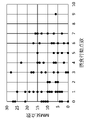
図6は、FIM(Functional Independence Measure)食事点数と、摂食行動点数と、の関係を表すグラフである。FIM食事点数は、FIMの食事項目における点数である。FIM食事点数は、対象者の食事における介助量を表す。図7は、FIM食事点数と、意味記憶課題点数と、の関係を表すグラフである。
図8は、MMSE(Mini-Mental State Examination)点数と、摂食行動点数と、の関係を表すグラフである。MMSE点数は、MMSEにおける点数である。MMSE点数は、対象者の認知機能が正常である程度を表す。図9は、MMSE点数と、意味記憶課題点数と、の関係を表すグラフである。
図10は、摂食率と、摂食行動点数と、の関係を表すグラフである。図11は、摂食率と、意味記憶課題点数と、の関係を表すグラフである。図10に表されるように、摂食行動点数が比較的高い場合であっても、摂食率が低いことがある。また、図11に表されるように、意味記憶課題点数が比較的高い場合であっても、摂食率が低いことがある。従って、摂食行動評価情報、及び、意味記憶評価情報の両方が適切に認識されることが、対象者の摂食率を高めるために重要である。
(第2変形例)
第1実施形態の第2変形例の摂食嚥下機能評価装置1において、食物画像は、複数(本例では、3個)の食物分類のいずれか1つに属する。本例では、複数の食物分類は、1つの種類の青果、鮮魚、又は、精肉等の生鮮食品を表す単独生鮮食品分類と、1つの種類の加工食品を表す単独加工食品分類と、複数の食材が混在する調理品を表す混在調理品分類と、からなる。
第1実施形態の第2変形例の摂食嚥下機能評価装置1において、食物画像は、複数(本例では、3個)の食物分類のいずれか1つに属する。本例では、複数の食物分類は、1つの種類の青果、鮮魚、又は、精肉等の生鮮食品を表す単独生鮮食品分類と、1つの種類の加工食品を表す単独加工食品分類と、複数の食材が混在する調理品を表す混在調理品分類と、からなる。
第2変形例の摂食嚥下機能評価装置1は、複数の食物分類のそれぞれに対して、意味記憶評価情報を生成し、生成された意味記憶評価情報を、当該食物分類と対応付けて出力装置14を介して出力する。
以上、説明したように、第1実施形態の第2変形例の摂食嚥下機能評価装置1によれば、第1実施形態の摂食嚥下機能評価装置1と同様の作用及び効果が奏される。更に、第1実施形態の第2変形例の摂食嚥下機能評価装置1によれば、摂食嚥下機能評価装置1の操作者は、対象者の意味記憶機能を適切に認識することができる。この結果、対象者の摂食率を高めるための適切な支援方法を選択できる。
なお、本発明は、上述した実施形態に限定されない。例えば、上述した実施形態に、本発明の趣旨を逸脱しない範囲内において当業者が理解し得る様々な変更が加えられてよい。
例えば、摂食嚥下機能評価装置1は、食物画像を出力しなくてもよい。この場合、摂食嚥下機能評価装置1の操作者は、食物画像が印刷された紙、カード、又は、ボード等を用いることにより、意味記憶課題を当該対象者に提示してよい。
1 摂食嚥下機能評価装置
11 処理装置
12 記憶装置
13 入力装置
14 出力装置
101 観点条件情報記憶部
102 観点条件情報出力部
103 摂食行動情報取得部
104 摂食行動情報記憶部
105 摂食行動評価情報出力部
106 食物画像記憶部
107 食物画像出力部
108 正誤情報取得部
109 正誤情報記憶部
110 意味記憶評価情報出力部
BU1 バス
11 処理装置
12 記憶装置
13 入力装置
14 出力装置
101 観点条件情報記憶部
102 観点条件情報出力部
103 摂食行動情報取得部
104 摂食行動情報記憶部
105 摂食行動評価情報出力部
106 食物画像記憶部
107 食物画像出力部
108 正誤情報取得部
109 正誤情報記憶部
110 意味記憶評価情報出力部
BU1 バス
Claims (5)
- 対象者の摂食嚥下機能を評価するための摂食嚥下機能評価装置であって、
前記対象者の摂食行動を表す摂食行動情報を取得する摂食行動情報取得部と、
前記対象者の意味記憶課題に対する回答の正誤を表す正誤情報を取得する正誤情報取得部と、
前記取得された摂食行動情報に基づいて、前記対象者の摂食行動が正常である程度を表す摂食行動評価情報を出力する摂食行動評価情報出力部と、
前記取得された正誤情報に基づいて、前記対象者の意味記憶機能が正常である程度を表す意味記憶評価情報を出力する意味記憶評価情報出力部と、
を備える、摂食嚥下機能評価装置。 - 請求項1に記載の摂食嚥下機能評価装置であって、
前記意味記憶課題は、食物画像が表す食物の名称を前記対象者に問うことであり、
前記摂食嚥下機能評価装置は、
前記食物画像を出力する食物画像出力部を備え、
前記正誤情報取得部は、前記対象者が前記出力された食物画像を見ることにより行われた前記回答の正誤を表す正誤情報を取得する、摂食嚥下機能評価装置。 - 請求項1又は請求項2に記載の摂食嚥下機能評価装置であって、
前記摂食行動評価情報は、前記対象者の摂食行動のうちの、姿勢に関する行動が正常である程度を表す姿勢行動評価情報、前記対象者の摂食行動のうちの、道具の使用に関する行動が正常である程度を表す道具使用行動評価情報、前記対象者の摂食行動のうちの、食べる様子に関する行動が正常である程度を表す食事態様行動評価情報、及び、前記対象者の摂食行動のうちの、食欲又は嗜好に関する行動が正常である程度を表す食欲嗜好行動評価情報、の少なくとも1つを含む、摂食嚥下機能評価装置。 - 対象者の摂食嚥下機能を評価するための摂食嚥下機能評価方法であって、
前記対象者の摂食行動を表す摂食行動情報を取得し、
前記対象者の意味記憶課題に対する回答の正誤を表す正誤情報を取得し、
前記取得された摂食行動情報に基づいて、前記対象者の摂食行動が正常である程度を表す摂食行動評価情報を出力し、
前記取得された正誤情報に基づいて、前記対象者の意味記憶機能が正常である程度を表す意味記憶評価情報を出力する、
ことを含む、摂食嚥下機能評価方法。 - 対象者の摂食嚥下機能を評価するための処理をコンピュータに実行させる摂食嚥下機能評価プログラムであって、
前記処理は、
前記対象者の摂食行動を表す摂食行動情報を取得し、
前記対象者の意味記憶課題に対する回答の正誤を表す正誤情報を取得し、
前記取得された摂食行動情報に基づいて、前記対象者の摂食行動が正常である程度を表す摂食行動評価情報を出力し、
前記取得された正誤情報に基づいて、前記対象者の意味記憶機能が正常である程度を表す意味記憶評価情報を出力する、
ことを含む、摂食嚥下機能評価プログラム。
Applications Claiming Priority (2)
| Application Number | Priority Date | Filing Date | Title |
|---|---|---|---|
| JP2020-206557 | 2020-12-14 | ||
| JP2020206557A JP7045106B1 (ja) | 2020-12-14 | 2020-12-14 | 摂食嚥下機能評価装置、摂食嚥下機能評価方法、及び、摂食嚥下機能評価プログラム |
Publications (1)
| Publication Number | Publication Date |
|---|---|
| WO2022130930A1 true WO2022130930A1 (ja) | 2022-06-23 |
Family
ID=81254724
Family Applications (1)
| Application Number | Title | Priority Date | Filing Date |
|---|---|---|---|
| PCT/JP2021/043259 Ceased WO2022130930A1 (ja) | 2020-12-14 | 2021-11-25 | 摂食嚥下機能評価装置、方法、及び、プログラム |
Country Status (2)
| Country | Link |
|---|---|
| JP (1) | JP7045106B1 (ja) |
| WO (1) | WO2022130930A1 (ja) |
Citations (3)
| Publication number | Priority date | Publication date | Assignee | Title |
|---|---|---|---|---|
| JP2017049862A (ja) * | 2015-09-03 | 2017-03-09 | 佐藤 守 | 認知症問診装置 |
| JP2017121460A (ja) * | 2016-06-09 | 2017-07-13 | 一般社団法人認知症アセスメント普及・開発センター | 認知症判断システムおよびプログラム |
| JP2020144652A (ja) * | 2019-03-07 | 2020-09-10 | 国立大学法人福井大学 | 介護補助プログラム、介護補助装置、介護補助方法及び介護補助システム |
-
2020
- 2020-12-14 JP JP2020206557A patent/JP7045106B1/ja active Active
-
2021
- 2021-11-25 WO PCT/JP2021/043259 patent/WO2022130930A1/ja not_active Ceased
Patent Citations (3)
| Publication number | Priority date | Publication date | Assignee | Title |
|---|---|---|---|---|
| JP2017049862A (ja) * | 2015-09-03 | 2017-03-09 | 佐藤 守 | 認知症問診装置 |
| JP2017121460A (ja) * | 2016-06-09 | 2017-07-13 | 一般社団法人認知症アセスメント普及・開発センター | 認知症判断システムおよびプログラム |
| JP2020144652A (ja) * | 2019-03-07 | 2020-09-10 | 国立大学法人福井大学 | 介護補助プログラム、介護補助装置、介護補助方法及び介護補助システム |
Also Published As
| Publication number | Publication date |
|---|---|
| JP7045106B1 (ja) | 2022-03-31 |
| JP2022093848A (ja) | 2022-06-24 |
Similar Documents
| Publication | Publication Date | Title |
|---|---|---|
| Laureati et al. | Individual differences in texture preferences among European children: Development and validation of the Child Food Texture Preference Questionnaire (CFTPQ) | |
| Rebollar et al. | How material, visual and verbal cues on packaging influence consumer expectations and willingness to buy: The case of crisps (potato chips) in Spain | |
| Amft et al. | Recognition of dietary activity events using on-body sensors | |
| Hartmann et al. | Development and validation of the Food Disgust Scale | |
| Kohyama | Food texture–sensory evaluation and instrumental measurement | |
| Tylka et al. | Exercise motives and positive body image in physically active college women and men: Exploring an expanded acceptance model of intuitive eating | |
| Pearcey et al. | A comparative study of American and Chinese college students’ motives for food choice | |
| Sharp et al. | Multi-method assessment of feeding problems among children with autism spectrum disorders | |
| Mitterer-Daltoé et al. | Are fish products healthy? Eye tracking as a new food technology tool for a better understanding of consumer perception | |
| Miraballes et al. | Consumer perceptions of satiating and meal replacement bars, built up from cues in packaging information, health claims and nutritional claims | |
| Fiszman et al. | What is satiating? Consumer perceptions of satiating foods and expected satiety of protein-based meals | |
| Gonzalez | Data analysis for experimental design | |
| Coelho et al. | Functional health literacy and healthy eating: Understanding the brazilian food guide recommendations | |
| McNamara et al. | Development and validation of the young adult nutrition literacy tool | |
| JP7045106B1 (ja) | 摂食嚥下機能評価装置、摂食嚥下機能評価方法、及び、摂食嚥下機能評価プログラム | |
| Nakamoto et al. | Effects of sensory combination on crispness and prediction of sensory evaluation value by Gaussian process regression | |
| Lafraire et al. | Rapid categorization of food and nonfood items by 3-to 4-year-old children | |
| Stevenson et al. | Psychological induction of interoceptive hunger cues and their effect on food desire | |
| Dodeen et al. | Factorial Equivalence and Validation of Three Versions of the Body Shape Questionnaire | |
| Bekhit et al. | Validation and cultural adaptation of the arabic version of the food disgust scale | |
| Sato | Color’s indispensable role in the rapid detection of food | |
| Kedem et al. | Psychometric evaluation of dietary self-efficacy and outcome expectation scales in female college freshmen | |
| Pellegrino Jr | Identification of key factors in texture aversion and acceptance | |
| JP2007334653A (ja) | 問診装置、問診方法、問診プログラム | |
| JP2022120258A (ja) | 情報処理装置、情報処理方法、及びプログラム |
Legal Events
| Date | Code | Title | Description |
|---|---|---|---|
| 121 | Ep: the epo has been informed by wipo that ep was designated in this application |
Ref document number: 21906293 Country of ref document: EP Kind code of ref document: A1 |
|
| NENP | Non-entry into the national phase |
Ref country code: DE |
|
| 122 | Ep: pct application non-entry in european phase |
Ref document number: 21906293 Country of ref document: EP Kind code of ref document: A1 |