WO2022059341A1 - データ送出装置、データ送出方法、情報処理装置、情報処理方法、プログラム - Google Patents
データ送出装置、データ送出方法、情報処理装置、情報処理方法、プログラム Download PDFInfo
- Publication number
- WO2022059341A1 WO2022059341A1 PCT/JP2021/027207 JP2021027207W WO2022059341A1 WO 2022059341 A1 WO2022059341 A1 WO 2022059341A1 JP 2021027207 W JP2021027207 W JP 2021027207W WO 2022059341 A1 WO2022059341 A1 WO 2022059341A1
- Authority
- WO
- WIPO (PCT)
- Prior art keywords
- data
- type
- information
- sensing data
- detection result
- Prior art date
- Legal status (The legal status is an assumption and is not a legal conclusion. Google has not performed a legal analysis and makes no representation as to the accuracy of the status listed.)
- Ceased
Links
Images






Classifications
-
- H—ELECTRICITY
- H04—ELECTRIC COMMUNICATION TECHNIQUE
- H04N—PICTORIAL COMMUNICATION, e.g. TELEVISION
- H04N7/00—Television systems
- H04N7/18—Closed-circuit television [CCTV] systems, i.e. systems in which the video signal is not broadcast
- H04N7/181—Closed-circuit television [CCTV] systems, i.e. systems in which the video signal is not broadcast for receiving images from a plurality of remote sources
-
- H—ELECTRICITY
- H04—ELECTRIC COMMUNICATION TECHNIQUE
- H04N—PICTORIAL COMMUNICATION, e.g. TELEVISION
- H04N7/00—Television systems
- H04N7/18—Closed-circuit television [CCTV] systems, i.e. systems in which the video signal is not broadcast
- H04N7/188—Capturing isolated or intermittent images triggered by the occurrence of a predetermined event, e.g. an object reaching a predetermined position
-
- G—PHYSICS
- G06—COMPUTING OR CALCULATING; COUNTING
- G06F—ELECTRIC DIGITAL DATA PROCESSING
- G06F16/00—Information retrieval; Database structures therefor; File system structures therefor
- G06F16/90—Details of database functions independent of the retrieved data types
- G06F16/907—Retrieval characterised by using metadata, e.g. metadata not derived from the content or metadata generated manually
-
- G—PHYSICS
- G08—SIGNALLING
- G08C—TRANSMISSION SYSTEMS FOR MEASURED VALUES, CONTROL OR SIMILAR SIGNALS
- G08C15/00—Arrangements characterised by the use of multiplexing for the transmission of a plurality of signals over a common path
-
- G—PHYSICS
- G08—SIGNALLING
- G08C—TRANSMISSION SYSTEMS FOR MEASURED VALUES, CONTROL OR SIMILAR SIGNALS
- G08C17/00—Arrangements for transmitting signals characterised by the use of a wireless electrical link
- G08C17/02—Arrangements for transmitting signals characterised by the use of a wireless electrical link using a radio link
Definitions
- This technology relates to a data transmission device, a data transmission method, an information processing device, an information processing method, and a program, and in particular, relates to a technology for exchanging sensing data by various sensors between devices.
- a surveillance system using a plurality of sensor devices, such as constructing a surveillance system in which surveillance cameras are arranged in various places in the city to monitor images.
- a sensor device such as a camera
- the viewpoint and interface for ensuring security are standardized. It was considered difficult for other users to easily use it because it was not done.
- Patent Document 1 We are proposing a system that has been created. Specifically, in Patent Document 1, by sharing the interface related to the transfer of sensing data, sensor devices having different specifications and user devices having different specifications can be utilized in the framework. Further, in Patent Document 1, instead of constantly transmitting sensing data from the sensor device to the user device, only the data when the condition requested by the user device is satisfied is transmitted to the user device side (for example, monitoring). It is disclosed that when the condition that a specific person appears in the image is satisfied, only the data portion on which the person is projected is transmitted) to reduce the load related to the data transfer.
- sensor devices having different specifications and user devices having different specifications can be utilized in the framework, and only the data when a predetermined condition is satisfied is used as the user device.
- a standard called NICE Network of Intelligent Camera Ecosystem
- NICE Network of Intelligent Camera Ecosystem
- NICEDataPipelineSpecification v1.0.1 (10.8.2.JSONObject) has the format of the transmission data when the sensor device transmits the sensing data (“SceneData”) when a predetermined condition is satisfied. It is stipulated. Specifically, this format includes information of "SceneData” as an actual data part in sensing data and "SceneDataType” which is an additional data part of this "SceneData” and indicates a type (type) of "SceneData”. It is stipulated to send data called "SceneMark”.
- the above “SceneDataType” includes “RGBStill” (RGB still image), “RGBVideo” (RGB video), “ThermalStill” (temperature still image), “DepthVideo” (depth video), and “Humidity”.
- Only a limited specific type such as “(humidity)” has a specific format, and if it does not belong to these specific types, only “other” is specified in “SceneDataType”. .. That is, when a sensor device that does not belong to the above specific type is used, there is no regulation as to what format the data should be generated as “SceneData", so the user terminal side that received "SceneData” In, the "SceneData” cannot be processed properly. As a result, when a sensor device other than the specific type is used, the sensing data cannot be used at all on the user terminal side.
- the data transmission device includes a transmission processing unit that performs processing to transmit the sensing data of the detection target in response to the occurrence of an event that matches the conditions specified as the event related to the detection target, and the sensing data.
- Is data including type information indicating the type of the sensing data and the transmission processing unit determines whether or not the type of the sensing data is a specific type, and if it is a non-specific type, , The non-specific type information indicating that the type is not specified is stored in the type information, and the detection result information indicating the detection result of the detection target by text and the type information indicating the data type of the detection result information
- the device that receives the sensing data can acquire at least the text information indicating the detection result even if the type of the sensing data is not specified, and the detection result is obtained based on the above type information. It becomes possible to appropriately present the text data to be represented.
- the type information is configured as information for identifying a numerical value and a character string.
- the detection result information is numerical information
- the detection result information is character string information
- the transmission processing unit is a text including unit information representing a unit of the detection result information as the sensing data when the sensing data is of a non-specific type. It is conceivable that the configuration is such that data is generated and sent out. As a result, when the detection result information is numerical information, the device that receives the sensing data can present the information representing the unit together with the numerical detection result information.
- the transmission processing unit is a text data including information indicating the title of the detection result information as the sensing data when the sensing data is of a non-specific type. It is conceivable that the configuration is such that the process of generating and sending is performed.
- the information representing the title of the detection result information is information representing the item name of the detection result information, and can be rephrased as information representing the information type of the detection result information. With the above configuration, the device that receives the sensing data can present the information of the title together with the detection result information.
- the transmission processing unit is a text including information indicating the number of dimensions of the detection result information as the sensing data when the sensing data is of a non-specific type. It is conceivable that the configuration is such that data is generated and sent out. As a result, when the detection result information includes the detection information for each dimension such as the detection information in the vertical direction and the detection information in the horizontal direction, the detection result information is sent to the device that receives the sensing data. It is possible to grasp the number of dimensions of, and it is possible to distinguish and present the detection information for each dimension.
- the sensing data has an additional data unit including the type information and an actual data unit including actual data indicating a detection result
- the transmission processing unit is the transmission processing unit.
- the additional data unit in which the non-specific type information is described is generated as the type information
- the detection result information and the type are used as the data of the actual data unit. It is conceivable to configure it to generate text data that describes information.
- the type of sensing data is a non-specific type
- the actual data unit representing the detection result can (can) be lightweight data based on text data.
- the transmission processing unit has a configuration in which the actual data unit is generated in the JSON format. This makes it possible to increase the versatility of the actual data unit including the detection result information when the sensing data is of a non-specific type.
- the data transmission method is a data transmission method in a data transmission device that performs a process of transmitting the sensing data of the detection target in response to an event that matches the conditions specified as an event related to the detection target.
- the sensing data is data including type information indicating the type of the sensing data, and it is determined whether or not the type of the sensing data is a specific type, and if it is a non-specific type, it is determined.
- the non-specific type information indicating that the type is not specified is stored in the type information, and the detection result information indicating the detection result of the detection target by text and the type information indicating the data type of the detection result information are stored in the type information.
- the first program related to the present technology processes the data transmission device that performs the processing of transmitting the sensing data of the detection target in response to the occurrence of an event that matches the conditions specified as the event related to the detection target.
- the sensing data is data including type information indicating the type of the sensing data, determines whether or not the type of the sensing data is a specific type, and uses a non-specific type. If there is, the non-specific type information indicating that the type is not specified is stored in the type information, and the detection result information in which the detection result of the detection target is represented by text and the data type of the detection result information are stored.
- the information processing apparatus includes a transmission processing unit that performs processing to transmit the sensing data of the detection target in response to the occurrence of an event that matches the conditions specified as the event related to the detection target.
- the sensing data is data including type information indicating the type of the sensing data
- the transmission processing unit determines whether or not the type of the sensing data is a specific type, and is a non-specific type.
- the non-specific type information indicating that the type is not specified is stored in the type information, and the detection result information in which the detection result of the detection target is represented by text and the data type of the detection result information are represented.
- the said It Based on the acquisition unit that acquires the sensing data transmitted by the data transmission device that performs the process of generating and transmitting the sensing data including the text data storing the information, and the sensing data acquired by the acquisition unit, the said It is provided with a presentation processing unit that determines whether or not the type information is the non-specific type information, and if it is the non-specific type information, performs the presentation processing of the detection result information based on the type information. It is a thing. As a result, even if the type of sensing data is a non-specific type, it is possible to appropriately present text data representing the detection result based on the above-mentioned detection result information and type information.
- the information processing method includes a transmission processing unit that performs processing to transmit the sensing data of the detection target in response to the occurrence of an event that matches the conditions specified as the event related to the detection target, and the sensing data.
- Is data including type information indicating the type of the sensing data and the transmission processing unit determines whether or not the type of the sensing data is a specific type, and if it is a non-specific type, , The non-specific type information indicating that the type is not specified is stored in the type information, and the detection result information indicating the detection result of the detection target in text and the type information indicating the data type of the detection result information
- the second program according to the present technology includes a transmission processing unit that performs processing to transmit the sensing data of the detection target in response to the occurrence of an event that matches the conditions specified as the event related to the detection target.
- the sensing data is data including type information indicating the type of the sensing data
- the transmission processing unit determines whether or not the type of the sensing data is a specific type, and is a non-specific type. If this is the case, the non-specific type information indicating that the type is not specified is stored in the type information, and the detection result information in which the detection result of the detection target is represented by text and the data type of the detection result information are represented.
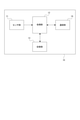
- FIG. 1 is a block diagram showing a configuration example of a data distribution system 1 as an embodiment according to the present technology.
- the data distribution system 1 as an embodiment includes a plurality of sensor devices 10, a server device 20, and a plurality of user devices 30.
- Each of these devices can perform data communication with each other via a communication network such as the Internet, a home network, a LAN (Local Area Network), or a satellite communication network, which is represented as a network 40 in the figure.
- FIG. 1 shows an example in which four or more of the sensor device 10 and the user device 30 are provided, but the number of the sensor device 10 and the user device 30 is limited to four or more. It may be one or more.
- the sensor device 10 acquires sensing data (for example, image, voice, etc.) of the installed surrounding environment, and transfers the distribution data (predetermined data) acquired from the acquired sensing data to an external device such as the user device 30. Can be sent. Further, the sensor device 10 can recognize whether or not the acquired sensing data corresponds to a request (delivery request) from the user.
- the sensor device 10 is an image pickup device (camera) mounted on a moving body such as an automobile, an image pickup device mounted on a smartphone carried by a user, or an image pickup device such as a surveillance camera installed at home or a store. It is possible that there is. In this case, the sensing data is an image.
- these image pickup devices condense light from a subject located in the surroundings to form an optical image on the image pickup surface, and convert the light image formed on the image pickup surface into an electrical image signal to form an image.
- moving objects include automobiles, motorcycles, bicycles, personal mobility, airplanes, drones, ships, robots (mobile robots), construction machinery, and agricultural machinery (tractors). ) Etc.
- the sensor device 10 is not limited to the above-mentioned imaging device.
- the sensor device 10 includes a depth sensor (distance measuring sensor) that measures the distance (depth) to the subject, a sound collecting device such as a microphone that collects the sound of the surrounding environment, and the surrounding environment.
- a temperature sensor and a humidity sensor for measuring temperature and humidity
- a water level sensor for measuring the water level of a river or the like can be considered.
- the sensor device 10 has an interface (data transfer format, data transfer method, etc.) common to the data distribution system 1, its internal configuration is basically limited. is not it. Therefore, the data distribution system 1 according to the present embodiment can incorporate various sensor devices 10 having different specifications. An example of the internal configuration of the sensor device 10 will be described later.
- the server device 20 is a computer device that receives a distribution request requesting distribution of distribution data that can be generated from the sensing data from the user device 30.
- the server device 20 can also receive distribution data from the sensor device 10 and transmit the received distribution data to the user device 30 which is the transmission source of the above-mentioned distribution request, if necessary.
- the server device 20 can be realized by hardware such as a CPU (Central Processing Unit), a ROM (Read Only Memory), and a RAM (Random Access Memory). A hardware configuration example of the server device 20 will be described later.
- the user device 30 is carried by the user or installed in the vicinity of the user, receives information input from the user, transmits the received information as a distribution request to the server device 20, and distributes distribution data related to the distribution request. It is a terminal device that can receive data.
- the user device 30 may be configured as a mobile terminal such as a tablet PC (Personal Computer), a smartphone, a mobile phone, a laptop PC, a notebook PC, or a wearable device such as an HMD (Head Mounted Display). More specifically, the user device 30 is configured to have a display unit that displays to the user, an input unit that accepts operation input from the user, a voice output unit that outputs voice to the user, and the like. Can be done. A hardware configuration example of the user device 30 will be described later.
- an application (application) common to the data distribution system 1 or an application having specifications common to the server device 20 described above can be installed in the user device 30.
- the user device 30 can generate and send a distribution request and receive distribution data having a format common to the data distribution system 1.
- the user is assumed to be not only an individual but also the following persons.
- the user can be a map maker, a store opening strategy planner, a road management bureau, a person in charge of social infrastructure development, and the like.
- the map maker can create a detailed map without manpower, and the store opening strategy planner can consider opening a store. Information can be easily collected.
- the Road Management Bureau can easily collect information for formulating a road repair plan based on estimation of road conditions, passing vehicle types, and the like.
- the person in charge of social infrastructure development planning can consider application to preventive measures and telematics insurance by statistics and analysis of driving tendency and accident cause.
- the user can transmit a distribution request to the server device 20 via the user device 30.
- the delivery request includes information that specifies the content (data type) of the data requested by the user to be delivered.
- the sensing data obtained by the sensor device 10 is not always continuously transmitted to the user device 30, and only the sensing data when a predetermined condition is satisfied is sent to the user device 30 side. By sending to, the load related to data transfer is reduced.
- the predetermined condition referred to here is a condition regarding an event related to a detection target by the sensor device 10. For example, when the sensing data is an image captured by a camera, for example, a person appears or a person's face is recognized.
- the sensor device 10 captures the data portion when the predetermined condition is satisfied from the sensing data according to the establishment of the predetermined condition defined for such a detection target, and the captured data is used as the user device 30. It is sent as distribution data to.
- the above-mentioned predetermined condition can be specified in the above-mentioned delivery request as the information of the "capture trigger".
- NICE Network of Intelligent Camera Ecosystem
- This NICE standard defines the types of information that can be specified as "capture triggers" in the above-mentioned distribution request, the types of sensing data to be distributed as distribution data, and the information and distribution data of these "capture triggers".
- the specific data format of is defined. This point will be explained later.
- FIG. 2 is a block diagram showing an example of the internal configuration of the sensor device 10.
- the sensor device 10 includes a sensor unit 11, a processing unit 12, a storage unit 13, and a communication unit 14.
- the sensor unit 11 acquires sensing data and outputs the acquired sensing data to the processing unit 12.
- the sensor unit 11 includes an image pickup optical system such as a photographing lens and a zoom lens that collects light emitted from a subject, and a CCD (Charge Coupled Device) image sensor. It will have an image sensor such as a CMOS (Complementary Metal Oxide Semiconductor) image sensor.
- the sensor unit 11 may be configured to have a subject recognition function. For example, when the subject recognition function has a function of recognizing the type of an imaged object, the sensor unit 11 may output information indicating the recognition result as sensing data.
- the subject recognition function has a function of counting the number of specified objects and a function of counting the number of people in a specific state (for example, the number of people in a talking state). In that case, it is conceivable to output text data representing the number of objects and the number of people as sensing data.
- the sensor unit 11 may include a ToF (Time of Flight) sensor (not shown) as a depth sensor (distance measuring sensor) in addition to the image pickup device.
- the ToF sensor can acquire shape information (depth information / image) such as the distance between the ToF sensor and the subject and unevenness by directly or indirectly measuring the return time of the reflected light from the subject. can.
- the sensor unit 11 includes an IR (infrared) camera, a positioning sensor such as a GNSS (Global Navigation Satellite System) sensor, a temperature sensor, a sound collecting device (microphone), a pressure sensor, a humidity sensor, a wind direction and wind speed sensor, and a sunshine sensor. It may include a precipitation sensor, a water level sensor, a seismic intensity sensor (a sensor that detects the seismic intensity of an earthquake), and the like, and is not particularly limited as long as sensing data can be acquired from the surrounding environment (sensing environment).
- GNSS Global Navigation Satellite System
- the sensor unit 11 may be provided so as to be fixed in the sensor device 10, or may be provided in the sensor device 10 so as to be removable.
- the processing unit 12 is configured to include, for example, a processing circuit such as a CPU or GPU (Graphics Processing Unit), or a microcomputer having a ROM, RAM, or the like, and performs processing based on a program stored in a storage device such as the ROM. By executing this, the entire sensor device 10 is controlled.
- the processing unit 12 of the present embodiment has a function of processing the sensing data acquired by the sensor unit 11 and generating distribution data. A specific method for generating distribution data in this embodiment will be described later.
- the storage unit 13 stores programs, information, etc. for the processing unit 12 to execute various processes, and information obtained by the processes.
- the storage unit 13 can be used for temporarily storing the sensing data output by the sensor unit 11.
- the storage unit 13 is realized by, for example, a storage device such as an SSD (Solid State Drive) or an HDD (Hard Disk Drive).
- the communication unit 14 can send and receive data to and from an external device such as the server device 20 and the user device 30.
- the communication unit 14 can be said to be a communication interface having a function of transmitting and receiving data.
- FIG. 3 is a block diagram showing a hardware configuration example of a computer device that realizes the server device 20 and the user device 30 shown in FIG.
- the CPU 51 of the computer device has various types according to a program stored in a non-volatile memory unit 54 such as a ROM 52 or an EEPROM (Electrically Erasable Programmable Read-Only Memory), or a program loaded from the storage unit 59 into the RAM 53. Execute the process.
- the RAM 53 also appropriately stores data and the like necessary for the CPU 51 to execute various processes.
- the CPU 51, ROM 52, RAM 53, and non-volatile memory unit 54 are connected to each other via a bus 63.
- An input / output interface 55 is also connected to the bus 63.
- An input unit 56 including an operator and an operation device is connected to the input / output interface 55.
- various controls and operation devices such as a keyboard, a mouse, keys, a dial, a touch panel, a touch pad, and a remote controller are assumed.
- the user's operation is detected by the input unit 56, and the signal corresponding to the input operation is interpreted by the CPU 51.
- a display unit 57 made of an LCD (Liquid Crystal Display) or an organic EL (Electroluminescence) panel and an audio output unit 58 made of a speaker or the like are connected to the input / output interface 55 as one or as a separate body.
- the display unit 57 is a display unit that performs various displays, and is composed of, for example, a display device provided in the housing of the server device 20 or the user device 30, a separate display device connected to the server device 20 or the user device 30, and the like. Will be done.
- the display unit 57 executes the display of various images for image processing, moving images to be processed, and the like on the display screen based on the instruction of the CPU 51. Further, the display unit 57 displays various operation menus, icons, messages, etc., that is, as a GUI (Graphical User Interface) based on the instruction of the CPU 51.
- GUI Graphic User Interface
- the input / output interface 55 may be connected to a storage unit 59 composed of a solid-state memory such as an HDD or SSD, or a communication unit 60 composed of a modem or the like.
- the communication unit 60 performs communication processing via a transmission line such as the Internet, wired / wireless communication with various devices, bus communication, and the like.
- a drive 61 is also connected to the input / output interface 55, if necessary, and a removable recording medium 62 such as a magnetic disk, an optical disk, a magneto-optical disk, or a semiconductor memory is appropriately mounted.
- the drive 61 can read data files such as image files and various computer programs from the removable recording medium 62.
- the read data file is stored in the storage unit 59, and the image and sound included in the data file are output by the display unit 57 and the sound output unit 58. Further, the computer program or the like read from the removable recording medium 62 is installed in the storage unit 59 as needed.
- software for processing of the present embodiment can be installed via network communication by the communication unit 60 or removable recording medium 62.
- the software may be stored in the ROM 52, the storage unit 59, or the like in advance.
- FIG. 4 is a flowchart for explaining the flow of data distribution.
- the process shown as the "user device” is a process executed by the CPU 51 in the computer device as the user device 30, and the process shown as the "server device” is executed by the CPU 51 of the computer device as the server device 20. It is a process to do.
- the process shown as “sensor device” is a process executed by the processing unit 12 in the sensor device 10.
- the user device 30 performs a delivery request transmission process in step S101. That is, the information input from the user is received, and the received information is transmitted to the server device 20 as a distribution request.
- the server device 20 receives a delivery request from the user device 30 in step S102. Then, the server device 20 generates the capture trigger information in step S103 based on the delivery request received in step S102.
- this capture trigger information is the above-mentioned in capturing the data portion when the predetermined condition is satisfied from the sensing data according to the establishment of the predetermined condition defined for the detection target.
- Information indicating a predetermined condition As described above, for the capture trigger information, the types of information that can be specified are defined in the NICE standard. Specifically, the type of capture trigger information is defined in "Scene Mode" in the NICE standard.
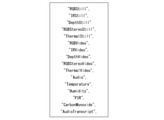
- FIG. 5 shows the types of capture trigger information that can be specified in "SceneMode".
- “Face”, “Human”, “Object Label”, “Animal”, “Text / Logo / QRcode”, “Vehicle”, and “Custom” can be specified as the capture trigger information.
- “Face” it is possible to specify that a person's face is detected as a capture trigger
- "Animal it is possible to specify that an animal is detected as a capture trigger.
- the server device 20 generates such capture trigger information in step S103, and transmits the generated capture trigger information to the sensor device 10 in the subsequent step S104.
- the sensor device 10 receives the capture trigger information from the server device 20 in step S105. Then, the sensor device 10 performs a process of executing sensing by the sensor unit 11 as a sensing process of step S106, and acquires sensing data. Further, the sensor device 10 determines in step S107 whether or not the trigger condition is satisfied. That is, it is determined whether or not the condition (trigger condition) specified in the capture trigger information is satisfied. For example, in the above-mentioned example of "Face", a process of determining whether or not a person's face is recognized in the captured image is performed by image recognition of the sensor unit 11.
- step S107 If it is determined in step S107 that the trigger condition is not satisfied, the sensor device 10 returns to step S106. This makes it possible to perform sensing processing until the trigger condition is satisfied.
- the sensor device 10 performs the sensing data capture process in step S108. That is, among the sensing data by the sensor unit 11, a part of the data when the predetermined condition designated as the trigger condition is satisfied is captured. For example, when the sensing data is image data and the trigger condition is "Face", for example, one frame of image data (still image data) when a person's face is recognized is captured.
- step S109 the sensor device 10 performs a distribution data generation / transmission process, and transmits distribution data including the captured sensing data to the user device 30.
- the specific processing content of step S109 will be described later.
- the user device 30 receives the distribution data transmitted by the sensor device 10 in step S110.
- the configuration is not limited to the configuration in which the sensor device 10 directly sends the distribution data to the user device 30. It is also possible to send distribution data from the sensor device 10 to the user device 30 via the server device 20. In this case, even if the user device 30 does not have an interface common to the data distribution system 1, the user device 30 can receive the distribution data as long as it has an interface common to the server device 20.
- the NICE Data Pipeline Specification v1.0.1 (10.8.2.JSON Object) defines the format for the distribution data by the sensor device 10. Specifically, this format includes information of "SceneData" as an actual data part in sensing data and "SceneDataType” which is an additional data part of this "SceneData” and indicates a type (type) of "SceneData”. It is stipulated to send data called "SceneMark”.
- each type of information shown in the list in FIG. 6 is defined as the above-mentioned "SceneDataType".
- SceneDataType For example, "RGBStill” (RGB still image), “RGBVideo” (RGB moving image), “ThermalStill” (temperature still image), “DepthVideo” (depth moving image), “Humidity” (humidity) and the like.
- a specific format is defined only for the limited specific types shown in Fig. 6, and if it does not belong to these specific types, describe "other" in "SceneDataType". Only specified.
- the format of the data to be generated is not specified as "SceneData", so the "SceneData” included in the distribution data is used.
- the received user device 30 cannot properly process the "SceneData”.
- the sensor device 10 other than the specific type the user device 30 may not be able to use the sensing data at all.
- the following method is adopted as a countermeasure when the type of sensing data to be transmitted is a non-specific type other than the specific type shown in FIG.
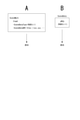
- FIG. 7 is an explanatory diagram of a method for generating / transmitting distribution data when the type of sensing data to be transmitted is “RGB Still”.
- the information of "SceneData" (Fig. 7A) as the actual data part of the sensing data and the "SceneDataType” which is the additional data part of this "SceneData” and indicates the type of "SceneData”. It is stipulated to send data (FIG. 7B) called "SceneMark" including.
- the user device 30 transmits information including the specified information of the recording destination address of "SceneData" to the server device 20 as the above-mentioned distribution request information, and the server device 20 records the information to the sensor device 10.
- the specified information of the destination address is transmitted together with the capture trigger information described above.
- the sensor device 10 performs a transmission process of "SceneData” so that the "SceneData” is recorded at the recording destination address designated by the user device 30 in the distribution request in this way. Then, the sensor device 10 describes the URI information indicating the recording destination address in the "SceneDataURI" in the "SceneMark".
- FIG. 8 is an explanatory diagram of a method for generating / transmitting distribution data when the type of sensing data to be transmitted is a non-specific type other than the specific type shown in FIG.
- the non-specific type information indicating that the type is non-specific is set in the "SceneDataType" in the "SceneMark” shown in FIG. 8A.
- Store. As this non-specific type information, information other than the conventional "other" is described. Specifically, in this example, "Unregisterd" is stored.
- the "information representing the title” here is the information representing the item name of the detection result information, and the information representing the information type of the detection result information (what the detection result is about). It can be rephrased as (representative information). Further, the data type as "Type” specifically describes information for identifying a numerical value and a character string, and in this example, either "number” or "string” is described.
- FIG. 8B shows an example when the detection result information is brightness (Luminance) information.
- “Title” is “Luminance”
- “Type” is “Number” ("Number”. (Because the detection result of "brightness” is numerical information), “Value” is the detected value (here, “810"), and “Unit” is the unit of brightness “lm” (lumen). Are described respectively.
- “Max” and “Min” describe the maximum value and the minimum value of the detected value, respectively, and "Timestamp” is captured as time information (including date information), for example. Describe the time information corresponding to the time when the event as a trigger occurs.
- “Dimension” represents the number of dimensions of "Value”. For example, when “Value” is acceleration or the like and is detected in each of the vertical direction and the horizontal direction, the number of dimensions is “2", and therefore “2" is described in “Dimension”. Alternatively, when the "Value” is, for example, a luminance value or the like and is detected for each of the colors R, G, and B, the number of dimensions is “3", and “3” is described in “Dimension”.
- brackets ([]) are adopted in each item of "Value", “Max”, and “Min”, and it is possible to describe a plurality of numerical values in the brackets. For example, for “Value”, if the detected values of R, G, and B are “810", “560”, and “600”, respectively, it may be described as ["810", "560", “600”]. can.
- ExtRef is an item of reference information about the data structure definition (Schema) of "SceneData” by the text data. This "ExtRef” item is optional.
- Schema is a language that defines the document structure (logical document structure) of data description languages such as HTML (HyperText Markup Language) and XML (Extensible Markup Language). means.
- the “SceneData” shown in FIG. 8B is the detection result information (“Value” information) representing the detection result of the detection target in text and the type information (“Type”) representing the data type of the detection result information. In other words, it is text data that stores information).
- data in JSON JavaScript Object Notation
- JSON JavaScript Object Notation
- a PC, a smartphone, or the like is assumed as the user device 30 that receives the distribution data, and such a user device 30 generally has a data interpretation function described in the JSON format. Therefore, "SceneData" as shown in FIG. 8B can be interpreted by almost all user devices 30. In this sense, the versatility of "SceneData" will increase.
- the processing is performed to generate and send out sensing data including text data storing type information (“Type”) representing the data type of.
- the device that receives the sensing data can acquire at least the text information representing the detection result even if the type of the sensing data is a non-specific type, and the above-mentioned Based on the type information, it is possible to appropriately present text data representing the detection result. Therefore, even if a non-specific sensor that is not specifically assumed in the standard is used in the sensing environment, the sensor can be detected without adding a new standard specification for the type of the sensor. Only the presentation of textual information representing the result can be made possible.
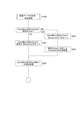
- FIG. 9 is a flowchart showing an example of a specific processing procedure to be executed in order to realize the distribution data generation / transmission method as the embodiment described above, and specifically, FIG. 4 shows.
- the process to be executed as the “delivery data generation / transmission process” of step S109 shown is shown.
- the process shown in FIG. 9 is executed by the processing unit 12 of the sensor device 10 based on a program stored in a storage device such as a ROM.
- the processing unit 12 determines in step S201 whether or not the Data Type of "Scene Data" is a specific type. That is, it is determined whether or not the DataType of the sensing data (that is, the sensing data to be transmitted) captured in step S108 of FIG. 4 matches any of the types shown in FIG.
- step S202 sets the DataType corresponding to the DataType of "SceneMark", and proceeds to step S205. That is, the information indicating the DataType determined to match in step S201 is stored in the item of "SceneDataType" in "SceneMark", and the process proceeds to step S205.
- step S201 the processing unit 12 proceeds to step S203 and sets "Unregisterd” to the DataType of "SceneMark". That is, "Unregisterd” is stored in the "SceneDataType” item of "SceneMark". Then, in the following step S204, the processing unit 12 performs a generation process of "SceneData" corresponding to the non-specific type. That is, in this example, as illustrated in FIG.
- step S204 the text data including each item of "Title”, “Type”, “Dimension”, “Max”, “Min”, “Value”, “Unit”, “ExtRef”, and “Timestamp” is "SceneData”. Generate as.
- the processing unit 12 advances the process to step S205.
- step S205 the processing unit 12 executes the transmission processing of "SceneData" and "SceneMark".
- the scene data transmission process when the Data Type is a specific type is defined for a specific type, for example, JPEG data transmission in the case of "RGB Still” (see FIG. 7A). Sends sensing data in data format.
- the processing unit 12 finishes the "delivery data generation / transmission process" of step S109 in response to the execution of the process of step S205.
- FIG. 10 is a flowchart showing a processing example after receiving the distribution data in the user device 30.
- the process shown in FIG. 10 is executed based on a program stored in a storage device such as a storage unit 59 by the CPU 51 (see FIG. 3) in the computer device as the user device 30.
- the user device 30 performs reception processing of "SceneMark” and "SceneData” in step S301. Then, in the following step S302, the user device 30 determines whether or not the Data Type of "Scene Data” is a specific type. That is, it is determined whether or not the DataType indicated by the "SceneDataType" in the received "SceneMark” matches any of the Types shown in FIG.
- step S303 the user device 30 proceeds to step S303 and executes a specified data acquisition process.
- the Data Type is "RGB Still”
- the data acquisition process specified for the Data Type is executed, such as the decoding process for the JPEG data.
- the user device 30 executes the data use process in the following step S304, and finishes the process of one example shown in FIG.
- the data use process in step S304 broadly means a process using the data acquired in step S303, and is not limited to a specific process.
- step S302 if the DataType of "SceneData" is not a specific type, the user device 30 proceeds to step S305 and performs a process of analyzing the data as a specified numerical value or character string. That is, the received "SceneData" (see FIG. 8B) is analyzed as a numerical value ("number") or a character string (string) defined by the "Type" (data type) information of the "SceneData”. ..
- step S306 the user device 30 performs a process of presenting the analyzed data to the user as a data presentation process.
- the presentation here means a visual presentation or an auditory presentation. Alternatively, it may include a tactile presentation.
- the user device 30 performs a process of displaying at least "Value" information included in the received "SceneData" on the display unit 57.
- the numerical information "810” is displayed.
- this numerical information may be presented to the user in the form of voice output by the voice output unit 58.
- the information presented in step S306 includes, for example, all or part of "Unit", “Title”, “Max”, “Min”, and “Timestamp” in addition to "Value". You can also.
- step S306 the user device 30 ends the process of the example shown in FIG.
- FIG. 11 is a diagram showing an example of “SceneData” for detection result information other than brightness (Luminance).
- detection result information "position information (latitude and longitude)", “earthquake magnitude (acceleration)", “wind speed”, “rainfall”, “odor concentration”, “odor index”, “sound intensity”, and “recognized talk”.
- position information latitude and longitude
- earthquake magnitude acceleration
- wind speed wind speed
- rainfall "odor concentration
- odor index "sound intensity”
- “recognized talk Taking “the number of people”, “the number of recognized (products)", and “the type of recognized object” as examples, “Title”, “Type”, “Dimension”, “Max”, “Min”, “Value”, “Unit”, and “Unit” for each.
- ExtRef A description example of "ExtRef” is shown. The illustration of "TimeStamp” is omitted.
- the recognition result information about the subject may be output as the detection result information by the sensor unit 11, and "the number of recognized talking people", “the number of recognized (products)", and “recognition”.
- “Type of object” corresponds to the example.
- “Type” is “number” for “number of recognized talking people” and “number of recognized (products)”, while “type of recognized object” is the type of object as detection result information.
- “Type” is "string”, assuming that the character string information indicating is output.
- FIG. 12 is a diagram showing a data example of “SceneMark” corresponding to the case where an external Schema is referred to.
- the case where the detection result information by the sensor unit 11 is the position information (latitude / longitude) is illustrated.
- “SceneMark” in this case "Type”, “Schema” and “Data” items are provided together with “SceneDataType” (: Unregisered). Describe the information of the URI whose Schema is open to the public.
- Data latitude and longitude information is described as shown in the figure.
- “SceneMark” is described as an example in XML (Extensible Markup Language) format.
- the Schema published by the URI described in the item of "Schema” is " ⁇ latitude> number ⁇ / latitude> ⁇ longitude> number ⁇ longitude>".
- FIG. 13 is an explanatory diagram when the method described in FIG. 12 is applied to the example of FIG. 8, FIG. 13A is a data example of “SceneMark”, and FIG. 13B is “Schema” in “SceneMark” shown in FIG. 13A.
- An example of the Schema referenced in the URI described in "" is shown.
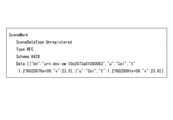
- Schema is defined by an external standard such as RFC (Request For Comments) or IEEE (Institute of Electrical and Electronics Engineers), as shown in FIG. 15, the standard type is set to "Type" in “SceneMark". Describe the information indicating that, and describe the standard number in "Schema”.
- RFC8428 SenML
- the sensor measurement value is described in "Data” in a format compliant with RFC8428.
- Schema is defined in "SceneMark” as in the example of FIGS. 12 to 15, even if the item of "SceneDataType" is omitted, the information of the item of "Type” and “Schema” is ". The information in the "Data” item can be recognized.
- the data transmission device performs a process of transmitting sensing data of a detection target in response to an event that matches the conditions specified as an event related to the detection target.
- the transmission processing unit (processing unit 12) is provided, and the sensing data is data including type information indicating the type of sensing data, and the transmission processing unit determines whether or not the type of sensing data is a specific type. However, if it is a non-specific type, the non-specific type information (for example, "Unregisterd") indicating that it is a non-specific type is stored in the type information ("SceneDataType”), and the detection result of the detection target is stored.
- sensing data including text data that stores detection result information (“Value”) represented by text and type information (“Type”) representing the data type of the detection result information.
- the device that receives the sensing data can acquire at least the text information indicating the detection result even if the type of the sensing data is not specified, and the detection result is obtained based on the above type information. It becomes possible to appropriately present the text data to be represented. Therefore, even if a non-specific sensor that is not specifically assumed in the standard is used in the sensing environment, the sensor can be detected without adding a new standard specification for the type of the sensor. Only the presentation of textual information representing the result can be made possible.
- the type information is information for identifying a numerical value and a character string.
- the detection result information is numerical information
- the detection result information is character string information
- the transmission processing unit is a text including unit information (“Unit”) representing a unit of detection result information as sensing data when the sensing data is of a non-specific type.
- unit information (“Unit”) representing a unit of detection result information as sensing data when the sensing data is of a non-specific type.
- the process of generating and sending data is being performed.
- the detection result information is numerical information
- the device that receives the sensing data can present the information representing the unit together with the numerical detection result information. Therefore, the detection result information can be presented in an easy-to-understand manner.
- the transmission processing unit is a text including information (“Title”) indicating the title of the detection result information as the sensing data when the sensing data is of a non-specific type.
- the process of generating and sending data is being performed.
- the information representing the title of the detection result information is information representing the item name of the detection result information, and can be rephrased as information representing the information type of the detection result information.
- the transmission processing unit is a text including information (“Dimension”) indicating the number of dimensions of the detection result information as sensing data when the sensing data is of a non-specific type.
- the process of generating and sending data is being performed.
- the detection result information includes the detection information for each dimension such as the detection information in the vertical direction and the detection information in the horizontal direction
- the detection result information is sent to the device that receives the sensing data. It is possible to grasp the number of dimensions of, and it is possible to distinguish and present the detection information for each dimension. Therefore, it is possible to improve the accuracy of presenting the detection result information.
- the sensing data has an additional data unit (“SceneMark”) including type information and an actual data unit (“SceneData”) including actual data indicating the detection result.
- the transmission processing unit If the sensing data is of a non-specific type, the transmission processing unit generates an additional data unit that describes the non-specific type information as type information, and also generates detection result information and type information as data of the actual data unit.
- the text data that describes is generated.
- the actual data unit representing the detection result can be made lightweight data by text data.
- the transmission processing unit generates the actual data unit in the JSON format. This makes it possible to increase the versatility of the actual data unit including the detection result information when the sensing data is of a non-specific type. Therefore, it is possible to make it possible for various devices as the devices that receive the sensing data to present the detection information of the non-specific sensor.
- the data transmission method as an embodiment is a data transmission method in a data transmission device that performs a process of transmitting sensing data of a detection target in response to an event that matches the conditions specified as an event related to the detection target.
- Sensing data is data including type information indicating the type of sensing data, it is determined whether or not the type of sensing data is a specific type, and if it is a non-specific type, it is specified in the type information.
- specific non-type information indicating that the type is outside it also includes text data storing detection result information indicating the detection result of the detection target in text and type information indicating the data type of the detection result information. It is a process that generates and sends out sensing data. Even with such a data transmission method as an embodiment, the same operations and effects as those of the data transmission device as the above-described embodiment can be obtained.
- the information processing apparatus includes a transmission processing unit that performs processing to transmit sensing data to be detected in response to an event that matches the conditions specified as an event related to the detection target.
- the sensing data is data including type information indicating the type of sensing data
- the transmission processing unit determines whether or not the type of sensing data is a specific type, and if it is a non-specific type, it is determined.
- Non-specific type information indicating that the type is not specified is stored in the type information
- detection result information indicating the detection result of the detection target in text and type information indicating the data type of the detection result information are stored.
- the acquisition unit (communication unit 60 of the user device 30) that acquires the sensing data transmitted by the data transmission device (sensor device 10) that performs the process of generating and transmitting the sensing data including the text data, and the acquisition unit acquired the data.
- a presentation processing unit (user device) that determines whether or not the type information is non-specific type information based on the sensing data, and if it is non-specific type information, performs presentation processing of detection result information based on the type information. 30 CPU 51) and.
- the information processing method as an embodiment includes a transmission processing unit that performs a process of transmitting the sensing data of the detection target in response to the occurrence of an event that matches the conditions specified as the event related to the detection target.
- the data includes type information indicating the type of sensing data, and the transmission processing unit determines whether or not the type of sensing data is a specific type, and if it is a non-specific type, it is specified in the type information.
- specific non-type information indicating that the type is outside it also includes text data storing detection result information indicating the detection result of the detection target in text and type information indicating the data type of the detection result information.
- the type information is non-specific type information based on the acquired sensing data in the information processing method in the information processing device that acquires the sensing data transmitted by the data transmission device that performs the processing to generate and transmit the sensing data. It is an information processing method that determines whether or not it is, and if it is non-specific type information, performs presentation processing of detection result information based on type information.
- the information processing method as the embodiment also has the same operations and effects as the information processing apparatus as the above-described embodiment.
- a program can be considered in which the processing by the processing unit 12 described with reference to FIGS. 4 and 9 is executed by, for example, a CPU, a DSP (Digital Signal Processor), or a device including these. That is, the first program of the embodiment causes a data transmission device that performs a process of transmitting the sensing data of the detection target to execute the process in response to the occurrence of an event that matches the condition specified as the event related to the detection target.
- the sensing data is data including type information indicating the type of sensing data, it is determined whether or not the type of sensing data is a specific type, and if it is a non-specific type, it is determined.
- the detection result information indicating the detection result of the detection target in text and the type information indicating the data type of the detection result information are stored.
- a program can be considered in which the processing by the user device 30 described with reference to FIG. 10 or the like is executed by, for example, a CPU, a DSP, or a device including these. That is, the second program of the embodiment includes a transmission processing unit that performs processing to transmit the sensing data of the detection target in response to the occurrence of an event that matches the condition specified as the event related to the detection target, and the sensing data. Is data including type information indicating the type of sensing data, and the transmission processing unit determines whether or not the type of sensing data is a specific type, and if it is a non-specific type, type information.
- Text data that stores the non-specific type information indicating that the type is non-specific, and also stores the detection result information that represents the detection result of the detection target in text and the type information that represents the data type of the detection result information.
- It is a program that causes the information processing device to acquire the sensing data sent by the data sending device that generates and sends the sensing data including the above, and the type information is not specified based on the acquired sensing data.
- This is a program that enables an information processing device to realize a function of determining whether or not it is information and presenting detection result information based on type information when it is non-specific type information. With such a program, the information processing apparatus as the above-described embodiment can be realized by a computer apparatus.
- the personal computer can be used as a data transmission device or information processing related to the present technology. It can function as a device.
- the present technology can also adopt the following configurations.
- a transmission processing unit that performs processing to transmit the sensing data of the detection target in response to the occurrence of an event that matches the conditions specified as the event related to the detection target.
- the sensing data is data including type information indicating the type of the sensing data.
- the transmission processing unit is It is determined whether or not the type of the sensing data is a specific type, and if it is a non-specific type, the non-specific type information indicating that the type is not the specific type is stored in the type information, and the non-specific type information is stored.
- a data transmission device that performs a process of generating and transmitting the sensing data including text data storing the detection result information representing the detection result of the detection target in text and the type information representing the data type of the detection result information.
- the transmission processing unit is The process of generating and transmitting text data including unit information representing the unit of the detection result information as the sensing data when the sensing data is of a type other than the specific type is performed (1) or (2).
- the transmission processing unit is The processing of generating and transmitting text data including information representing the title of the detection result information as the sensing data when the sensing data is of a type other than the specific type is performed according to the above (1) to (3).
- the transmission processing unit is Processes (1) to (4) for generating and transmitting text data including information representing the number of dimensions of the detection result information as the sensing data when the sensing data is of a type other than the specific type.
- the data transmission device according to any one of.
- the sensing data has an additional data unit including the type information and an actual data unit including actual data indicating a detection result.
- the transmission processing unit is When the sensing data is of the non-specific type, the additional data unit in which the non-specific type information is described is generated as the type information, and the detection result information and the detection result information are used as the data of the actual data unit.
- the data transmission device according to any one of (1) to (5) above, which generates text data describing type information.
- the transmission processing unit is The data transmission device according to (6) above, which generates the actual data unit in JSON format.
- It is a data transmission method in a data transmission device that performs a process of transmitting the sensing data of the detection target in response to an event that matches the condition specified as an event related to the detection target.
- the sensing data is data including type information indicating the type of the sensing data.
- a data transmission method for generating and transmitting the sensing data including text data containing detection result information representing the detection result of the detection target in text and type information representing the data type of the detection result information.
- the sensing data is data including type information indicating the type of the sensing data.
- the type of the sensing data is a specific type, and if it is a non-specific type, the non-specific type information indicating that the type is not the specific type is stored in the type information, and the non-specific type information is stored.
- the function of generating and transmitting the sensing data including the text data containing the detection result information representing the detection result of the detection target in text and the type information representing the data type of the detection result information is described above.
- a program to be implemented in a data transmission device. (10) A transmission processing unit that performs a process of transmitting the sensing data of the detection target in response to an event that matches the conditions specified as an event related to the detection target is provided, and the sensing data indicates the type of the sensing data.
- the data includes type information
- the transmission processing unit determines whether or not the type of the sensing data is a specific type, and if it is a non-specific type, the type other than the specific type in the type information.
- the sensing includes text data that stores non-specific type information indicating that the detection target is, and also stores detection result information that represents the detection result of the detection target in text and type information that represents the data type of the detection result information.
- An acquisition unit that acquires the sensing data transmitted by a data transmission device that performs processing to generate and transmit data, and an acquisition unit. Based on the sensing data acquired by the acquisition unit, it is determined whether or not the type information is the non-specific type information, and if it is the non-specific type information, the detection result is based on the type information.
- An information processing device including a presentation processing unit that performs information presentation processing.
- a transmission processing unit that performs a process of transmitting the sensing data of the detection target in response to an event that matches the conditions specified as an event related to the detection target is provided, and the sensing data indicates the type of the sensing data.
- the data includes type information, and the transmission processing unit determines whether or not the type of the sensing data is a specific type, and if it is a non-specific type, the type other than the specific type in the type information.
- the sensing includes text data that stores non-specific type information indicating that the detection target is, and also stores detection result information that represents the detection result of the detection target in text and type information that represents the data type of the detection result information.
- the data includes type information
- the transmission processing unit determines whether or not the type of the sensing data is a specific type, and if it is a non-specific type, the type other than the specific type in the type information.
- the sensing includes text data that stores non-specific type information indicating that the detection target is, and also stores detection result information that represents the detection result of the detection target in text and type information that represents the data type of the detection result information.
- a program that causes an information processing device that acquires the sensing data sent by a data sending device that performs a process of generating and sending data to execute the process.
- the detection result information is presented based on the type information.
- a program that realizes the function of performing the above-mentioned information processing device in the information processing apparatus.
Landscapes
- Engineering & Computer Science (AREA)
- Databases & Information Systems (AREA)
- Physics & Mathematics (AREA)
- General Physics & Mathematics (AREA)
- Theoretical Computer Science (AREA)
- Signal Processing (AREA)
- Multimedia (AREA)
- Library & Information Science (AREA)
- Data Mining & Analysis (AREA)
- General Engineering & Computer Science (AREA)
- Computer Networks & Wireless Communication (AREA)
- Arrangements For Transmission Of Measured Signals (AREA)
- Information Transfer Between Computers (AREA)
Abstract
Description
しかしながら、従来、この種の監視システムでは、カメラ等のセンサデバイスで取得したセンシングデータは、センサデバイスを設置したユーザ個人のみで利用することが想定されており、セキュリティ確保の観点やインタフェースが共通化されていないこと等により他のユーザが容易に利用することが困難とされていた。
具体的に、特許文献1では、センシングデータの転送に係るインタフェースを共通化することにより、異なる仕様のセンサデバイス、異なる仕様のユーザデバイスをフレームワーク内で活用できるようにしている。また、特許文献1では、センサデバイスからユーザデバイスに対しセンシングデータを常時送出するのではなく、ユーザデバイス側からリクエストされた条件が成立した際のデータのみをユーザデバイス側に送出する(例えば、監視画像内に特定の人物が出現したとの条件が成立した際に、該人物が映し出されたデータ部分のみを送出する)ことで、データ転送に係る負荷の低減を図ることが開示されている。
これにより、センシングデータの受け側となる装置では、センシングデータの種類が特定外の種類であったとしても、少なくとも検出結果を表すテキスト情報を取得できると共に、上記の型情報に基づき、検出結果を表すテキストデータを適切に提示することが可能となる。
これにより、検出結果情報が数値情報である場合には、型情報により数値情報である旨を示すことでセンシングデータの受け側となる装置に検出結果情報を数値情報として正しく提示することが可能となり、また、検出結果情報が文字列情報である場合には、型情報により文字列情報である旨を示すことで該受け側となる装置に検出結果情報を文字列情報として正しく提示させることが可能となる。
これにより、検出結果情報が数値情報である場合において、センシングデータの受け側となる装置では、数値による検出結果情報と共にその単位を表す情報を提示することが可能となる。
検出結果情報のタイトルを表す情報とは、検出結果情報の項目名を表す情報であり、検出結果情報の情報種類を表す情報と換言できるものである。上記構成により、センシングデータの受け側となる装置では、検出結果情報と共にそのタイトルの情報を提示することが可能となる。
これにより、検出結果情報が例えば縦方向についての検出情報、横方向についての検出情報を含む等、次元ごとの検出情報を含む情報である場合において、センシングデータの受け側となる装置に検出結果情報の次元数を把握させることが可能となり、次元ごとの検出情報を区別して提示させることが可能となる。
これにより、センシングデータの種類が特定外の種類であった場合は、検出結果を表す実データ部を、テキストデータによる軽量なデータとすることが可能となる(できる)。
これにより、センシングデータが特定外の種類であった場合において、検出結果情報を含む実データ部の汎用性を高めることが可能となる。
このような本技術に係るデータ送出方法によっても、上記した本技術に係るデータ送出装置と同様の作用が得られる。
このような第一のプログラムにより、上記した本技術に係るデータ送出装置が実現される。
これにより、センシングデータの種類が特定外の種類であったとしても、上記の検出結果情報と型情報とに基づき、検出結果を表すテキストデータを適切に提示することが可能となる。
このような本技術に係る情報処理方法によっても、上記した本技術に係る情報処理装置と同様の作用が得られる。
このような第二のプログラムにより、上記した本技術に係る情報処理装置が実現される。
<1.実施形態としてのデータ配信システムの概要>
<2.センサデバイスの構成例>
<3.サーバ装置、ユーザデバイスのハードウエア構成例>
<4.データ配信の流れ>
<5.実施形態としてのデータ送出及び情報提示の手法について>
<6.変形例>
<7.実施形態のまとめ>
<8.本技術>
図1は、本技術に係る実施形態としてのデータ配信システム1の構成例を示したブロック図である。
図示のように実施形態としてのデータ配信システム1は、複数のセンサデバイス10と、サーバ装置20と、複数のユーザデバイス30とを備えている。これら各装置は、図中にネットワーク40として表す、例えばインターネットやホームネットワーク、LAN(Local Area Network)、衛星通信網等の通信ネットワークを介して互いにデータ通信を行うことが可能とされている。
なお、図1では、センサデバイス10とユーザデバイス30について、それぞれ四つ以上が設けられた例を示しているが、これらセンサデバイス10、ユーザデバイス30の数については四つ以上に限定されるものではなく、1又は複数であればよい。
例えば、センサデバイス10は、自動車等の移動体に搭載された撮像装置(カメラ)や、ユーザの携帯するスマートフォンに搭載された撮像装置、自宅や店舗等に設置された監視カメラ等の撮像装置であることが考えられる。この場合、センシングデータは画像となる。この場合、これら撮像装置は、周囲に位置する被写体からの光を集光して撮像面に光像を形成し、撮像面に形成された光像を電気的な画像信号に変換することによって画像を取得することができる。なお、以下の説明においては、特段のことわりがない限りは、移動体とは、自動車、自動二輪車、自転車、パーソナルモビリティ、飛行機、ドローン、船舶、ロボット(移動ロボット)、建設機械、農業機械(トラクタ)等であることができる。
なお、本実施形態において、センサデバイス10は、データ配信システム1に共通するインタフェース(データ転送形式、データ転送方法等)を持つものであれば、その内部構成については、基本的に限定されるものではない。従って、本実施形態に係るデータ配信システム1は、仕様の異なる様々なセンサデバイス10を取り込むことができる。なお、センサデバイス10の内部構成例については後述する。
例えば、サーバ装置20は、CPU(Central Processing Unit)、ROM(Read Only Memory)、RAM(Random Access Memory)等のハードウエアにより実現されることができる。なお、サーバ装置20のハードウエア構成例については後述する。
なお、ユーザデバイス30のハードウエア構成例については後述する。
本実施形態のデータ配信システム1では、センサデバイス10で得られるセンシングデータを常時ユーザデバイス30に対して送出し続けるということはせず、所定条件が成立した際のセンシングデータのみをユーザデバイス30側に送出することで、データ転送に係る負荷低減を図るようにしている。
ここで言う所定条件とは、センサデバイス10による検出対象に関する事象についての条件であり、例えば、センシングデータがカメラによる撮像画像である場合には、例えば人が現れた、或いは人の顔が認識された、或いは動物が現れた等といった事象の発生を、条件として定めること等が考えられる。
本例では、このような検出対象について定められた所定条件の成立に応じて、センサデバイス10が、センシングデータから該所定条件が成立した際のデータ部分をキャプチャし、キャプチャしたデータをユーザデバイス30に配信データとして送出する。
この際、上記の所定条件は、「キャプチャトリガ」の情報として、上記の配信リクエストにおいて指定可能とされている。
このNICE規格では、上記した配信リクエストにおける「キャプチャトリガ」として指定可能な情報の種類や、配信データとして配信を行うセンシングデータの種類が定義されると共に、これら「キャプチャトリガ」の情報や配信データについての具体的なデータ形式が定義されている。なお、この点については後に改めて説明する。
図2は、センサデバイス10の内部構成例を示したブロック図である。
センサデバイス10は、センサ部11、処理部12、記憶部13、及び通信部14を備えている。
例えば、センサデバイス10が撮像装置であった場合には、センサ部11は、被写体から発せられる光を集光する撮影レンズ及びズームレンズ等の撮像光学系、及び、CCD(Charge Coupled Device)イメージセンサやCMOS(Complementary Metal Oxide Semiconductor)イメージセンサ等の撮像素子を有することとなる。
また、センサ部11は、被写体認識機能を有して構成される場合もある。例えば、被写体認識機能として、撮像された物体の種類を認識する機能を有する場合には、センサ部11は、認識結果を示す情報をセンシングデータとして出力する場合もある。例えば、認識した物体の種類を表すテキストデータをセンシングデータとして出力することが考えられる。
或いは、被写体認識機能としては、指定された物体の数をカウントする機能や、特定の状態にある人物の数(例えば、話をしている状態の人物の数等)をカウントする機能を有することも考えられ、その場合には、センシングデータとして物体数や人数を表すテキストデータを出力することが考えられる。
また、センサ部11としては、IR(赤外線)カメラ、GNSS(Global Navigation Satellite System)センサ等の測位センサ、温度センサ、収音装置(マイクロフォン)、気圧センサ、湿度センサ、風向風速センサ、日照センサ、降水量センサ、水位センサ、震度センサ(地震の震度を検出するセンサ)等を含んでもよく、周囲環境(センシング環境)からセンシングデータを取得することができれば特に限定されるものではない。
なお、本実施形態における配信データの具体的な生成手法については後述する。
図3は、図1に示したサーバ装置20、ユーザデバイス30を実現するコンピュータ装置のハードウエア構成例を示したブロック図である。
該コンピュータ装置のCPU51は、ROM52や例えばEEP-ROM(Electrically Erasable Programmable Read-Only Memory)などの不揮発性メモリ部54に記憶されているプログラム、または記憶部59からRAM53にロードされたプログラムに従って各種の処理を実行する。RAM53にはまた、CPU51が各種の処理を実行する上において必要なデータなども適宜記憶される。
CPU51、ROM52、RAM53、不揮発性メモリ部54は、バス63を介して相互に接続されている。このバス63にはまた、入出力インタフェース55が接続されている。
入力部56によりユーザの操作が検知され、入力された操作に応じた信号はCPU51によって解釈される。
表示部57は各種表示を行う表示部であり、例えばサーバ装置20やユーザデバイス30の筐体に設けられるディスプレイデバイスや、サーバ装置20やユーザデバイス30に接続される別体のディスプレイデバイス等により構成される。
表示部57は、CPU51の指示に基づいて表示画面上に各種の画像処理のための画像や処理対象の動画等の表示を実行する。また表示部57はCPU51の指示に基づいて、各種操作メニュー、アイコン、メッセージ等、即ちGUI(Graphical User Interface)としての表示を行う。
ドライブ61により、リムーバブル記録媒体62からは画像ファイル等のデータファイルや、各種のコンピュータプログラムなどを読み出すことができる。読み出されたデータファイルは記憶部59に記憶されたり、データファイルに含まれる画像や音声が表示部57や音声出力部58で出力されたりする。またリムーバブル記録媒体62から読み出されたコンピュータプログラム等は必要に応じて記憶部59にインストールされる。
図4は、データ配信の流れについて説明するためのフローチャートである。
なお、図4において、「ユーザデバイス」として示す処理は、ユーザデバイス30としてのコンピュータ装置におけるCPU51が実行する処理であり、「サーバ装置」として示す処理はサーバ装置20としてのコンピュータ装置のCPU51が実行する処理である。「センサデバイス」として示す処理は、センサデバイス10における処理部12が実行する処理である。
図示のようにキャプチャトリガ情報としては、「Face」、「Human」、「Object Label」、「Animal」、「Text/Logo/QRcode」、「Vehicle」、「Custom」を指定可能とされている。
例えば、「Face」の指定により、人物の顔が検出されることをキャプチャトリガとして指定可能となり、また「Animal」の指定により動物が検出されることをキャプチャトリガとして指定可能となる。
さらに、センサデバイス10はステップS107で、トリガ条件成立か否かを判定する。すなわち、キャプチャトリガ情報で指定された条件(トリガ条件)が成立したか否かを判定する。例えば、上記した「Face」の例では、センサ部11の画像認識により、撮像画像内に人物の顔が認識されたか否かを判定する処理を行う。
なお、ステップS109の具体的な処理内容については後に改めて説明する。
但し、センサデバイス10が配信データをユーザデバイス30に直接送出する構成とすることに限定されない。センサデバイス10からサーバ装置20を介してユーザデバイス30に配信データを送出する構成とすることもできる。この場合、ユーザデバイス30は、データ配信システム1と共通するインタフェースを持っていなくても、サーバ装置20と共通するインタフェースを持っていれば、配信データを受信することができる。
ここで、NICE規格として、NICE Data Pipeline Specification v1.0.1(10.8.2.JSON Object)には、センサデバイス10による配信データについてのフォーマットが規定されている。具体的に、このフォーマットでは、センシングデータにおける実データ部としての「SceneData」と、この「SceneData」の付加データ部であって、「SceneData」のタイプ(種類)を示す「SceneDataType」の情報を含む「SceneMark」と呼ばれるデータとを送出することが規定されている。
現状のNICE規格では、これら図6に示す限られた特定のタイプのみしか具体的なフォーマットが定められておらず、これら特定タイプに属さない場合については「SceneDataType」に「other」を記述することのみが規定されている。すなわち、上記の特定タイプに属さないセンサデバイスが用いられた場合は、「SceneData」としてどのような形式によるデータを生成するかの規定が為されていないため、配信データに含まれる「SceneData」を受信したユーザデバイス30においては、該「SceneData」を適切に処理することができなくなる。その結果、特定タイプ外のセンサデバイス10が用いられた場合は、ユーザデバイス30側でそのセンシングデータを全く利用できないといった事態が生じてしまう。
図7は、送出すべきセンシングデータのタイプが「RGBStill」であった場合における配信データの生成・送出手法の説明図である。
前述のように配信データについては、センシングデータの実データ部としての「SceneData」(図7A)と、この「SceneData」の付加データ部であって、「SceneData」のタイプを示す「SceneDataType」の情報を含む「SceneMark」と呼ばれるデータ(図7B)とを送出することが規定されている。
「SceneDataType」が「RGBStill」の場合、図示のように「SceneData」としては例えばJPEG(Joint Photographic Experts Group)のデータ(バイナリデータ)を送出する。「SceneMark」については、図示のように「SceneDataType」と「SceneDataURI」の情報を記述したデータを送出する。
ここで、「SceneDataURI」は、「SceneData」の記録先アドレスを示すURI(Uniform Resource Identifier)の情報である。本例において、ユーザデバイス30は、上述した配信リクエストの情報として、「SceneData」の記録先アドレスの指定情報を含んだ情報をサーバ装置20に送信し、サーバ装置20はセンサデバイス10に対し該記録先アドレスの指定情報を前述したキャプチャトリガ情報と共に送信する。センサデバイス10は、このようにユーザデバイス30が配信リクエストにおいて指定した記録先アドレスに「SceneData」が記録されるように「SceneData」の送出処理を行う。そして、センサデバイス10は、この記録先アドレスを示すURIの情報を、「SceneMark」における「SceneDataURI」に記述する。
本実施形態では、送出すべきセンシングデータのタイプが特定外のタイプであった場合は、図8Aに示す「SceneMark」における「SceneDataType」に、特定外のタイプであることを示す特定外タイプ情報を格納する。この特定外タイプ情報としては、従来の「other」以外の情報を記述する。具体的に本例では、「Unregisterd」を格納する。
ここで、これら各項目のうち、「Value」は、センサ部11の検出結果を示す情報(以下「検出結果情報」と表記)であり、「Title」「Type」「Unit」は、それぞれ検出結果情報についてのタイトルを表す情報、データ型を表す情報、単位の情報である。「Title」の項目について、ここで言う「タイトルを表す情報」とは、検出結果情報の項目名を表す情報であり、検出結果情報の情報種類を表す情報(何についての検出結果であるかを表す情報)と換言できるものである。
また、「Type」としてのデータ型は、具体的には、数値と文字列を識別する情報を記述するものであり、本例では、「number」か「string」の何れかを記述する。
このとき、「Value」「Max」「Min」の各項目においては大括弧([])が採用されており、この大括弧内に複数の数値を記述可能とされている。例えば「Value」について、R、G、Bの検出値がそれぞれ「810」、「560」、「600」であった場合、["810","560","600"]と記述することができる。
確認のため述べておくと、Schema(スキーマ)とは、例えばHTML(HyperText Markup Language)やXML(Extensible Markup Language)等のデータ記述言語について、その文書構造(論理的文書構造)を定義した言語を意味する。
具体的に、配信データを受信するユーザデバイス30としてはPCやスマートフォン等が想定されるが、そのようなユーザデバイス30としてはJSONフォーマットにより記述されたデータの解釈機能を有することが一般的であるため、図8Bのような「SceneData」はほぼ全てのユーザデバイス30に解釈させることができる。この意味で、「SceneData」の汎用性が高まるものである。
これにより、センシングデータの受け側となる装置(本例ではユーザデバイス30)では、センシングデータの種類が特定外のタイプであったとしても、少なくとも検出結果を表すテキスト情報を取得できると共に、上記の型情報に基づき、検出結果を表すテキストデータを適切に提示することが可能となる。
従って、センシング環境において規格上の具体的な想定のない特定外のセンサが用いられている場合であっても、そのセンサの種類について新たな規格上の仕様を追加すること無く、そのセンサの検出結果を表すテキスト情報の提示だけは行うことが可能となるようにすることができる。
なお、図9に示す処理は、センサデバイス10の処理部12が例えばROM等の記憶装置に記憶されたプログラムに基づき実行する。
そして、続くステップS204で処理部12は、特定外Typeに対応した「SceneData」の生成処理を行う。すなわち、本例では図8Bに例示したように「Title」「Type」「Dimension」「Max」「Min」「Value」「Unit」「ExtRef」「Timestamp」の各項目を含むテキストデータを「SceneData」として生成する。
ステップS204の生成処理を実行したことに応じ、処理部12はステップS205に処理を進める。
そして、続くステップS302でユーザデバイス30は、「SceneData」のDataTypeは特定のTypeであるか否かを判定する。すなわち、受信した「SceneMark」における「SceneDataType」が示すDataTypeが、図6に示した何れかのTypeと一致するか否かを判定する。
そして、ユーザデバイス30は、続くステップS304でデータ使用処理を実行し、図10に示す一例の処理を終える。ここで、ステップS304のデータ使用処理は、ステップS303で取得したデータを使用する処理を広く意味するものであり、特定の処理に限定されるものではない。
具体的に、ステップS306でユーザデバイス30は、受信した「SceneData」に含まれる少なくとも「Value」の情報を、表示部57に表示させる処理を行う。例えば、図8Bの例では「810」という数値情報の表示処理を行う。或いは、この数値情報は、音声出力部58による音声出力という形態でユーザに提示されるようにしてもよい。
ここで、ステップS306での提示情報としては、「Value」以外にも、例えば「Unit」や「Title」、「Max」、「Min」、「Timestamp」の全て又は一部を含むようにすることもできる。
なお、実施形態としては上記で例示した具体例に限定されるものではなく、多様な変形例としての構成を採り得る。
例えば、上記では、送出すべきセンシングデータのタイプが特定外タイプであった場合の「SceneData」の例として、検出結果情報が明るさ(Luminance)である場合に対応したデータ例を説明したが、これはあくまで一例であり、対応可能な検出結果情報の種類については多様に考えられる。
ここでは、検出結果情報として「位置情報(緯度経度)」「地震の大きさ(加速度)」「風速」「雨量」「臭気濃度」「臭気指数」「音の強さ」「認識した話している人の数」「認識した(製品)の数」「認識した物体の種類」を例に挙げ、それぞれについての「Title」「Type」「Dimension」「Max」「Min」「Value」「Unit」「ExtRef」の記述例を示している。なお、「TimeStamp」の図示は省略している。
また、前述のようにセンサ部11による検出結果情報としては被写体についての認識結果情報が出力される場合もあり、「認識した話している人の数」「認識した(製品)の数」「認識した物体の種類」がその例に該当する。「認識した話している人の数」「認識した(製品)の数」については「Type」が「number」となるのに対し、「認識した物体の種類」については検出結果情報として物体の種類を示す文字列情報が出力される場合を想定し、「Type」が「string」となっている。
図示のようにこの場合の「SceneMark」においては、「SceneDataType」(:Unregisered)と共に「Type」「Schema」「Data」の項目を設け、「Type」には「URI」を、「Schema」にはSchemaが公開されているURIの情報をそれぞれ記述する。「Data」には、図示のように緯度経度の情報を記述する。なお、ここでは「SceneMark」をXML(Extensible Markup Language)形式で記述する例としている。
この場合、「Schema」の項目に記述されたURIで公開されるSchemaは、「<latitude>number</latitude><longitude>number<longitude>」である。
この場合、「SceneMark」における「Type」には埋め込みを意味する「Embeded」を記述し、「Schema」には「<title>string</title>」のようにSchemaを直接記述し、「Data」には「<title>Luminance</title>」のように検出結果情報を記述する。
ここで、図12から図15の例のように「SceneMark」においてSchemaを定義するものとすれば、万が一、「SceneDataType」の項目が抜け落ちたとしても「Type」「Schema」の項目の情報から「Data」の項目の情報を認識可能となる。
以上で説明したように実施形態としてのデータ送出装置(センサデバイス10)は、検出対象に関する事象として指定された条件に合致する事象が発生したことに応じ、検出対象のセンシングデータを送出する処理を行う送出処理部(処理部12)を備え、センシングデータは、センシングデータの種類を示す種類情報を含むデータとされ、送出処理部は、センシングデータの種類が特定の種類であるか否かを判定し、特定外の種類であった場合は、種類情報(「SceneDataType」)に特定外の種類であることを示す特定外種類情報(例えば「Unregisterd」)を格納すると共に、検出対象の検出結果をテキストにより表した検出結果情報(「Value」)と該検出結果情報のデータ型を表す型情報(「Type」)とを格納したテキストデータを含むセンシングデータを生成して送出する処理を行うものである。
これにより、センシングデータの受け側となる装置では、センシングデータの種類が特定外の種類であったとしても、少なくとも検出結果を表すテキスト情報を取得できると共に、上記の型情報に基づき、検出結果を表すテキストデータを適切に提示することが可能となる。
従って、センシング環境において規格上の具体的な想定のない特定外のセンサが用いられている場合であっても、そのセンサの種類について新たな規格上の仕様を追加すること無く、そのセンサの検出結果を表すテキスト情報の提示だけは行うことが可能となるようにすることができる。
これにより、検出結果情報が数値情報である場合には、型情報により数値情報である旨を示すことでセンシングデータの受け側となる装置に検出結果情報を数値情報として正しく提示することが可能となり、また、検出結果情報が文字列情報である場合には、型情報により文字列情報である旨を示すことで該受け側となる装置に検出結果情報を文字列情報として正しく提示させることが可能となる。
従って、検出結果情報の提示として数値情報と文字列情報の少なくとも2種の提示を行うことを許容でき、検出結果情報として提示可能な情報種類の自由度向上を図ることができる。
これにより、検出結果情報が数値情報である場合において、センシングデータの受け側となる装置では、数値による検出結果情報と共にその単位を表す情報を提示することが可能となる。
従って、検出結果情報を分かりやすく提示することができる。
検出結果情報のタイトルを表す情報とは、検出結果情報の項目名を表す情報であり、検出結果情報の情報種類を表す情報と換言できるものである。上記構成により、センシングデータの受け側となる装置では、検出結果情報と共にそのタイトルの情報を提示することが可能となる。
従って、検出結果情報を分かりやすく提示することができる。
これにより、検出結果情報が例えば縦方向についての検出情報、横方向についての検出情報を含む等、次元ごとの検出情報を含む情報である場合において、センシングデータの受け側となる装置に検出結果情報の次元数を把握させることが可能となり、次元ごとの検出情報を区別して提示させることが可能となる。
従って、検出結果情報の提示の正確性向上を図ることができる。
これにより、センシングデータの種類が特定外の種類であった場合は、検出結果を表す実データ部を、テキストデータによる軽量なデータとすることができる。
これにより、センシングデータが特定外の種類であった場合において、検出結果情報を含む実データ部の汎用性を高めることが可能となる。
従って、センシングデータの受け側となる装置として様々な装置が特定外のセンサの検出情報の提示を行うことが可能となるように図ることができる。
このような実施形態としてのデータ送出方法によっても、上記した実施形態としてのデータ送出装置と同様の作用及び効果が得られる。
これにより、センシングデータの種類が特定外の種類であったとしても、上記の検出結果情報と型情報とに基づき、検出結果を表すテキストデータを適切に提示することが可能となる。
従って、センシング環境において規格上の具体的な想定のない特定外のセンサが用いられている場合であっても、そのセンサの種類について新たな規格上の仕様を追加すること無く、そのセンサの検出結果を表すテキスト情報の提示だけは行うことができる。
このような実施形態としての情報処理方法によっても、上記した実施形態としての情報処理装置と同様の作用及び効果が得られる。
すなわち、実施形態の第一のプログラムは、検出対象に関する事象として指定された条件に合致する事象が発生したことに応じ、検出対象のセンシングデータを送出する処理を行うデータ送出装置に処理を実行させるプログラムであって、センシングデータは、センシングデータの種類を示す種類情報を含むデータとされ、センシングデータの種類が特定の種類であるか否かを判定し、特定外の種類であった場合は、種類情報に特定外の種類であることを示す特定外種類情報を格納すると共に、検出対象の検出結果をテキストにより表した検出結果情報と該検出結果情報のデータ型を表す型情報とを格納したテキストデータを含むセンシングデータを生成して送出する処理を行う機能を、データ送出装置に実現させるプログラムである。
このようなプログラムにより、上述した実施形態としてのデータ送出装置をコンピュータ装置によって実現できる。
すなわち、実施形態の第二のプログラムは、検出対象に関する事象として指定された条件に合致する事象が発生したことに応じ、検出対象のセンシングデータを送出する処理を行う送出処理部を備え、センシングデータは、センシングデータの種類を示す種類情報を含むデータとされ、送出処理部は、センシングデータの種類が特定の種類であるか否かを判定し、特定外の種類であった場合は、種類情報に特定外の種類であることを示す特定外種類情報を格納すると共に、検出対象の検出結果をテキストにより表した検出結果情報と該検出結果情報のデータ型を表す型情報とを格納したテキストデータを含むセンシングデータを生成して送出する処理を行うデータ送出装置が送出したセンシングデータを取得する情報処理装置に処理を実行させるプログラムであって、取得したセンシングデータに基づき、種類情報が特定外種類情報であるか否かを判定し、特定外種類情報であった場合に、型情報に基づいて検出結果情報の提示処理を行う機能を、情報処理装置に実現させるプログラムである。
このようなプログラムにより、上述した実施形態としての情報処理装置をコンピュータ装置により実現できる。
或いはまた、フレキシブルディスク、CD-ROM(Compact Disc Read Only Memory)、MO(Magneto Optical)ディスク、DVD(Digital Versatile Disc)、ブルーレイディスク(Blu-ray Disc(登録商標))、磁気ディスク、半導体メモリ、メモリカードなどのリムーバブル記録媒体に、一時的あるいは永続的に格納(記録)しておくことができる。このようなリムーバブル記録媒体は、いわゆるパッケージソフトウェアとして提供することができる。
また、このようなプログラムは、リムーバブル記録媒体からパーソナルコンピュータ等にインストールする他、ダウンロードサイトから、LAN、インターネットなどのネットワークを介してダウンロードすることもできる。
なお本技術は以下のような構成も採ることができる。
(1)
検出対象に関する事象として指定された条件に合致する事象が発生したことに応じ、前記検出対象のセンシングデータを送出する処理を行う送出処理部を備え、
前記センシングデータは、前記センシングデータの種類を示す種類情報を含むデータとされ、
前記送出処理部は、
前記センシングデータの種類が特定の種類であるか否かを判定し、特定外の種類であった場合は、前記種類情報に特定外の種類であることを示す特定外種類情報を格納すると共に、前記検出対象の検出結果をテキストにより表した検出結果情報と該検出結果情報のデータ型を表す型情報とを格納したテキストデータを含む前記センシングデータを生成して送出する処理を行う
データ送出装置。
(2)
前記型情報は、数値と文字列を識別する情報とされた
前記(1)に記載のデータ送出装置。
(3)
前記送出処理部は、
前記センシングデータが前記特定外の種類であった場合の前記センシングデータとして、前記検出結果情報の単位を表す単位情報を含むテキストデータを生成して送出する処理を行う
前記(1)又は(2)に記載のデータ送出装置。
(4)
前記送出処理部は、
前記センシングデータが前記特定外の種類であった場合の前記センシングデータとして、前記検出結果情報のタイトルを表す情報を含むテキストデータを生成して送出する処理を行う
前記(1)から(3)の何れかに記載のデータ送出装置。
(5)
前記送出処理部は、
前記センシングデータが前記特定外の種類であった場合の前記センシングデータとして、前記検出結果情報の次元数を表す情報を含むテキストデータを生成して送出する処理を行う
前記(1)から(4)の何れかに記載のデータ送出装置。
(6)
前記センシングデータは、前記種類情報を含む付加データ部と、検出結果を示す実データを含む実データ部とを有し、
前記送出処理部は、
前記センシングデータが前記特定外の種類であった場合は、前記種類情報として前記特定外種類情報を記述した前記付加データ部を生成する共に、前記実データ部のデータとして、前記検出結果情報と前記型情報とを記述したテキストデータを生成する
前記(1)から(5)の何れかに記載のデータ送出装置。
(7)
前記送出処理部は、
前記実データ部をJSONフォーマットにより生成する
前記(6)に記載のデータ送出装置。
(8)
検出対象に関する事象として指定された条件に合致する事象が発生したことに応じ、前記検出対象のセンシングデータを送出する処理を行うデータ送出装置におけるデータ送出方法であって、
前記センシングデータは、前記センシングデータの種類を示す種類情報を含むデータとされ、
前記センシングデータの種類が特定の種類であるか否かを判定し、特定外の種類であった場合は、前記種類情報に特定外の種類であることを示す特定外種類情報を格納すると共に、前記検出対象の検出結果をテキストにより表した検出結果情報と該検出結果情報のデータ型を表す型情報とを格納したテキストデータを含む前記センシングデータを生成して送出する処理を行う
データ送出方法。
(9)
検出対象に関する事象として指定された条件に合致する事象が発生したことに応じ、前記検出対象のセンシングデータを送出する処理を行うデータ送出装置に処理を実行させるプログラムであって、
前記センシングデータは、前記センシングデータの種類を示す種類情報を含むデータとされ、
前記センシングデータの種類が特定の種類であるか否かを判定し、特定外の種類であった場合は、前記種類情報に特定外の種類であることを示す特定外種類情報を格納すると共に、前記検出対象の検出結果をテキストにより表した検出結果情報と該検出結果情報のデータ型を表す型情報とを格納したテキストデータを含む前記センシングデータを生成して送出する処理を行う機能を、前記データ送出装置に実現させる
プログラム。
(10)
検出対象に関する事象として指定された条件に合致する事象が発生したことに応じ、前記検出対象のセンシングデータを送出する処理を行う送出処理部を備え、前記センシングデータは、前記センシングデータの種類を示す種類情報を含むデータとされ、前記送出処理部は、前記センシングデータの種類が特定の種類であるか否かを判定し、特定外の種類であった場合は、前記種類情報に特定外の種類であることを示す特定外種類情報を格納すると共に、前記検出対象の検出結果をテキストにより表した検出結果情報と該検出結果情報のデータ型を表す型情報とを格納したテキストデータを含む前記センシングデータを生成して送出する処理を行うデータ送出装置が送出した前記センシングデータを取得する取得部と、
前記取得部が取得した前記センシングデータに基づき、前記種類情報が前記特定外種類情報であるか否かを判定し、前記特定外種類情報であった場合に、前記型情報に基づいて前記検出結果情報の提示処理を行う提示処理部と、を備える
情報処理装置。
(11)
検出対象に関する事象として指定された条件に合致する事象が発生したことに応じ、前記検出対象のセンシングデータを送出する処理を行う送出処理部を備え、前記センシングデータは、前記センシングデータの種類を示す種類情報を含むデータとされ、前記送出処理部は、前記センシングデータの種類が特定の種類であるか否かを判定し、特定外の種類であった場合は、前記種類情報に特定外の種類であることを示す特定外種類情報を格納すると共に、前記検出対象の検出結果をテキストにより表した検出結果情報と該検出結果情報のデータ型を表す型情報とを格納したテキストデータを含む前記センシングデータを生成して送出する処理を行うデータ送出装置が送出した前記センシングデータを取得する情報処理装置における情報処理方法であって、
取得した前記センシングデータに基づき、前記種類情報が前記特定外種類情報であるか否かを判定し、前記特定外種類情報であった場合に、前記型情報に基づいて前記検出結果情報の提示処理を行う
情報処理方法。
(12)
検出対象に関する事象として指定された条件に合致する事象が発生したことに応じ、前記検出対象のセンシングデータを送出する処理を行う送出処理部を備え、前記センシングデータは、前記センシングデータの種類を示す種類情報を含むデータとされ、前記送出処理部は、前記センシングデータの種類が特定の種類であるか否かを判定し、特定外の種類であった場合は、前記種類情報に特定外の種類であることを示す特定外種類情報を格納すると共に、前記検出対象の検出結果をテキストにより表した検出結果情報と該検出結果情報のデータ型を表す型情報とを格納したテキストデータを含む前記センシングデータを生成して送出する処理を行うデータ送出装置が送出した前記センシングデータを取得する情報処理装置に処理を実行させるプログラムであって、
取得した前記センシングデータに基づき、前記種類情報が前記特定外種類情報であるか否かを判定し、前記特定外種類情報であった場合に、前記型情報に基づいて前記検出結果情報の提示処理を行う機能を、前記情報処理装置に実現させる
プログラム。
10 センサデバイス
11 センサ部
12 処理部
13 記憶部
14 通信部
20 サーバ装置
30 ユーザデバイス
40 ネットワーク
51 CPU
52 ROM
53 RAM
54 不揮発性メモリ部
55 入出力インタフェース
56 入力部
57 表示部
58 音声出力部
59 記憶部
60 通信部
61 ドライブ
62 リムーバブル記録媒体
63 バス
Claims (12)
- 検出対象に関する事象として指定された条件に合致する事象が発生したことに応じ、前記検出対象のセンシングデータを送出する処理を行う送出処理部を備え、
前記センシングデータは、前記センシングデータの種類を示す種類情報を含むデータとされ、
前記送出処理部は、
前記センシングデータの種類が特定の種類であるか否かを判定し、特定外の種類であった場合は、前記種類情報に特定外の種類であることを示す特定外種類情報を格納すると共に、前記検出対象の検出結果をテキストにより表した検出結果情報と該検出結果情報のデータ型を表す型情報とを格納したテキストデータを含む前記センシングデータを生成して送出する処理を行う
データ送出装置。 - 前記型情報は、数値と文字列を識別する情報とされた
請求項1に記載のデータ送出装置。 - 前記送出処理部は、
前記センシングデータが前記特定外の種類であった場合の前記センシングデータとして、前記検出結果情報の単位を表す単位情報を含むテキストデータを生成して送出する処理を行う
請求項1に記載のデータ送出装置。 - 前記送出処理部は、
前記センシングデータが前記特定外の種類であった場合の前記センシングデータとして、前記検出結果情報のタイトルを表す情報を含むテキストデータを生成して送出する処理を行う
請求項1に記載のデータ送出装置。 - 前記送出処理部は、
前記センシングデータが前記特定外の種類であった場合の前記センシングデータとして、前記検出結果情報の次元数を表す情報を含むテキストデータを生成して送出する処理を行う
請求項1に記載のデータ送出装置。 - 前記センシングデータは、前記種類情報を含む付加データ部と、検出結果を示す実データを含む実データ部とを有し、
前記送出処理部は、
前記センシングデータが前記特定外の種類であった場合は、前記種類情報として前記特定外種類情報を記述した前記付加データ部を生成する共に、前記実データ部のデータとして、前記検出結果情報と前記型情報とを記述したテキストデータを生成する
請求項1に記載のデータ送出装置。 - 前記送出処理部は、
前記実データ部をJSONフォーマットにより生成する
請求項6に記載のデータ送出装置。 - 検出対象に関する事象として指定された条件に合致する事象が発生したことに応じ、前記検出対象のセンシングデータを送出する処理を行うデータ送出装置におけるデータ送出方法であって、
前記センシングデータは、前記センシングデータの種類を示す種類情報を含むデータとされ、
前記センシングデータの種類が特定の種類であるか否かを判定し、特定外の種類であった場合は、前記種類情報に特定外の種類であることを示す特定外種類情報を格納すると共に、前記検出対象の検出結果をテキストにより表した検出結果情報と該検出結果情報のデータ型を表す型情報とを格納したテキストデータを含む前記センシングデータを生成して送出する処理を行う
データ送出方法。 - 検出対象に関する事象として指定された条件に合致する事象が発生したことに応じ、前記検出対象のセンシングデータを送出する処理を行うデータ送出装置に処理を実行させるプログラムであって、
前記センシングデータは、前記センシングデータの種類を示す種類情報を含むデータとされ、
前記センシングデータの種類が特定の種類であるか否かを判定し、特定外の種類であった場合は、前記種類情報に特定外の種類であることを示す特定外種類情報を格納すると共に、前記検出対象の検出結果をテキストにより表した検出結果情報と該検出結果情報のデータ型を表す型情報とを格納したテキストデータを含む前記センシングデータを生成して送出する処理を行う機能を、前記データ送出装置に実現させる
プログラム。 - 検出対象に関する事象として指定された条件に合致する事象が発生したことに応じ、前記検出対象のセンシングデータを送出する処理を行う送出処理部を備え、前記センシングデータは、前記センシングデータの種類を示す種類情報を含むデータとされ、前記送出処理部は、前記センシングデータの種類が特定の種類であるか否かを判定し、特定外の種類であった場合は、前記種類情報に特定外の種類であることを示す特定外種類情報を格納すると共に、前記検出対象の検出結果をテキストにより表した検出結果情報と該検出結果情報のデータ型を表す型情報とを格納したテキストデータを含む前記センシングデータを生成して送出する処理を行うデータ送出装置が送出した前記センシングデータを取得する取得部と、
前記取得部が取得した前記センシングデータに基づき、前記種類情報が前記特定外種類情報であるか否かを判定し、前記特定外種類情報であった場合に、前記型情報に基づいて前記検出結果情報の提示処理を行う提示処理部と、を備える
情報処理装置。 - 検出対象に関する事象として指定された条件に合致する事象が発生したことに応じ、前記検出対象のセンシングデータを送出する処理を行う送出処理部を備え、前記センシングデータは、前記センシングデータの種類を示す種類情報を含むデータとされ、前記送出処理部は、前記センシングデータの種類が特定の種類であるか否かを判定し、特定外の種類であった場合は、前記種類情報に特定外の種類であることを示す特定外種類情報を格納すると共に、前記検出対象の検出結果をテキストにより表した検出結果情報と該検出結果情報のデータ型を表す型情報とを格納したテキストデータを含む前記センシングデータを生成して送出する処理を行うデータ送出装置が送出した前記センシングデータを取得する情報処理装置における情報処理方法であって、
取得した前記センシングデータに基づき、前記種類情報が前記特定外種類情報であるか否かを判定し、前記特定外種類情報であった場合に、前記型情報に基づいて前記検出結果情報の提示処理を行う
情報処理方法。 - 検出対象に関する事象として指定された条件に合致する事象が発生したことに応じ、前記検出対象のセンシングデータを送出する処理を行う送出処理部を備え、前記センシングデータは、前記センシングデータの種類を示す種類情報を含むデータとされ、前記送出処理部は、前記センシングデータの種類が特定の種類であるか否かを判定し、特定外の種類であった場合は、前記種類情報に特定外の種類であることを示す特定外種類情報を格納すると共に、前記検出対象の検出結果をテキストにより表した検出結果情報と該検出結果情報のデータ型を表す型情報とを格納したテキストデータを含む前記センシングデータを生成して送出する処理を行うデータ送出装置が送出した前記センシングデータを取得する情報処理装置に処理を実行させるプログラムであって、
取得した前記センシングデータに基づき、前記種類情報が前記特定外種類情報であるか否かを判定し、前記特定外種類情報であった場合に、前記型情報に基づいて前記検出結果情報の提示処理を行う機能を、前記情報処理装置に実現させる
プログラム。
Priority Applications (4)
| Application Number | Priority Date | Filing Date | Title |
|---|---|---|---|
| KR1020237007445A KR20230069913A (ko) | 2020-09-18 | 2021-07-20 | 데이터 송출 장치, 데이터 송출 방법, 정보 처리 장치, 정보 처리 방법, 프로그램 |
| JP2022550389A JPWO2022059341A1 (ja) | 2020-09-18 | 2021-07-20 | |
| US18/245,548 US20230370570A1 (en) | 2020-09-18 | 2021-07-20 | Data transmission device, data transmission method, information processing device, information processing method, and program |
| CN202180062401.8A CN116057594A (zh) | 2020-09-18 | 2021-07-20 | 数据发送装置、数据发送方法、信息处理装置、信息处理方法和程序 |
Applications Claiming Priority (2)
| Application Number | Priority Date | Filing Date | Title |
|---|---|---|---|
| JP2020157489 | 2020-09-18 | ||
| JP2020-157489 | 2020-09-18 |
Publications (1)
| Publication Number | Publication Date |
|---|---|
| WO2022059341A1 true WO2022059341A1 (ja) | 2022-03-24 |
Family
ID=80776125
Family Applications (1)
| Application Number | Title | Priority Date | Filing Date |
|---|---|---|---|
| PCT/JP2021/027207 Ceased WO2022059341A1 (ja) | 2020-09-18 | 2021-07-20 | データ送出装置、データ送出方法、情報処理装置、情報処理方法、プログラム |
Country Status (6)
| Country | Link |
|---|---|
| US (1) | US20230370570A1 (ja) |
| JP (1) | JPWO2022059341A1 (ja) |
| KR (1) | KR20230069913A (ja) |
| CN (1) | CN116057594A (ja) |
| TW (1) | TW202218408A (ja) |
| WO (1) | WO2022059341A1 (ja) |
Cited By (2)
| Publication number | Priority date | Publication date | Assignee | Title |
|---|---|---|---|---|
| CN115282596A (zh) * | 2022-09-01 | 2022-11-04 | 深圳十米网络科技有限公司 | 体感设备的控制方法、装置、设备及计算机可读存储介质 |
| WO2025100138A1 (ja) * | 2023-11-09 | 2025-05-15 | ソニーセミコンダクタソリューションズ株式会社 | センシング装置、制御装置、システム及び方法 |
Citations (2)
| Publication number | Priority date | Publication date | Assignee | Title |
|---|---|---|---|---|
| JP2016028317A (ja) * | 2014-05-30 | 2016-02-25 | アマデウス エス.アー.エス.Amadeus S.A.S. | コンテンツ交換方法およびシステム |
| US20170337425A1 (en) * | 2016-05-19 | 2017-11-23 | Scenera, Inc. | Scene marking |
Family Cites Families (1)
| Publication number | Priority date | Publication date | Assignee | Title |
|---|---|---|---|---|
| CN112997211B (zh) | 2018-11-13 | 2024-04-05 | 索尼半导体解决方案公司 | 数据分发系统、传感器装置和服务器 |
-
2021
- 2021-07-20 US US18/245,548 patent/US20230370570A1/en not_active Abandoned
- 2021-07-20 KR KR1020237007445A patent/KR20230069913A/ko active Pending
- 2021-07-20 WO PCT/JP2021/027207 patent/WO2022059341A1/ja not_active Ceased
- 2021-07-20 JP JP2022550389A patent/JPWO2022059341A1/ja not_active Abandoned
- 2021-07-20 CN CN202180062401.8A patent/CN116057594A/zh not_active Withdrawn
- 2021-09-10 TW TW110133702A patent/TW202218408A/zh unknown
Patent Citations (2)
| Publication number | Priority date | Publication date | Assignee | Title |
|---|---|---|---|---|
| JP2016028317A (ja) * | 2014-05-30 | 2016-02-25 | アマデウス エス.アー.エス.Amadeus S.A.S. | コンテンツ交換方法およびシステム |
| US20170337425A1 (en) * | 2016-05-19 | 2017-11-23 | Scenera, Inc. | Scene marking |
Cited By (3)
| Publication number | Priority date | Publication date | Assignee | Title |
|---|---|---|---|---|
| CN115282596A (zh) * | 2022-09-01 | 2022-11-04 | 深圳十米网络科技有限公司 | 体感设备的控制方法、装置、设备及计算机可读存储介质 |
| CN115282596B (zh) * | 2022-09-01 | 2024-10-29 | 深圳十米网络科技有限公司 | 体感设备的控制方法、装置、设备及计算机可读存储介质 |
| WO2025100138A1 (ja) * | 2023-11-09 | 2025-05-15 | ソニーセミコンダクタソリューションズ株式会社 | センシング装置、制御装置、システム及び方法 |
Also Published As
| Publication number | Publication date |
|---|---|
| US20230370570A1 (en) | 2023-11-16 |
| KR20230069913A (ko) | 2023-05-19 |
| CN116057594A (zh) | 2023-05-02 |
| JPWO2022059341A1 (ja) | 2022-03-24 |
| TW202218408A (zh) | 2022-05-01 |
Similar Documents
| Publication | Publication Date | Title |
|---|---|---|
| CN111552470B (zh) | 物联网中的数据分析任务创建方法、装置及存储介质 | |
| CN102708120B (zh) | 生活流式传输 | |
| KR20090002657A (ko) | 개체 정보를 포함하는 화상 파일 생성 방법 및 장치 | |
| CN110457571B (zh) | 获取兴趣点信息的方法、装置、设备及存储介质 | |
| KR20150000039A (ko) | 차량용 블랙박스 정보 공유 시스템 | |
| CN112269939A (zh) | 自动驾驶的场景搜索方法、装置、终端、服务器及介质 | |
| CN110990728A (zh) | 兴趣点信息的管理方法、装置、设备及存储介质 | |
| WO2022059341A1 (ja) | データ送出装置、データ送出方法、情報処理装置、情報処理方法、プログラム | |
| US10771445B2 (en) | Electronic device, server, electronic device controlling method, information processing method and recording medium | |
| CN113432596A (zh) | 导航方法、装置和电子设备 | |
| CN114241415B (zh) | 车辆的位置监控方法、边缘计算设备、监控设备及系统 | |
| CN116486506A (zh) | 一种用于执行巡检任务信息的方法与设备 | |
| KR102327507B1 (ko) | 차량 사고 정보 제공 방법 및 그 장치 | |
| KR101332816B1 (ko) | 프라이빗 태그를 제공하는 증강 현실 장치 및 방법 | |
| KR101466132B1 (ko) | 카메라 통합 관리 시스템 및 그 방법 | |
| KR20230079358A (ko) | 정보 처리 시스템 및 정보 처리 방법 | |
| CN118660137B (zh) | 智能楼宇监控系统 | |
| KR102366773B1 (ko) | 모바일 단말기를 이용한 전자명함 교환 시스템 및 방법 | |
| CN110047102A (zh) | 用于输出信息的方法、装置和系统 | |
| CN115643548A (zh) | 车辆社交通信方法、车辆及可读存储介质 | |
| US11422949B2 (en) | Communication device | |
| WO2025150483A1 (en) | Information processing apparatus, information processing method, program, and recording medium | |
| US20050168588A1 (en) | Methods and apparatuses for broadcasting information | |
| WO2024198761A1 (zh) | 纤缆展示方法以及相关设备 | |
| CN121767904A (zh) | 基于视频融合的异常检测方法、装置、电子设备及介质 |
Legal Events
| Date | Code | Title | Description |
|---|---|---|---|
| 121 | Ep: the epo has been informed by wipo that ep was designated in this application |
Ref document number: 21869028 Country of ref document: EP Kind code of ref document: A1 |
|
| ENP | Entry into the national phase |
Ref document number: 2022550389 Country of ref document: JP Kind code of ref document: A |
|
| NENP | Non-entry into the national phase |
Ref country code: DE |
|
| 122 | Ep: pct application non-entry in european phase |
Ref document number: 21869028 Country of ref document: EP Kind code of ref document: A1 |
|
| WWW | Wipo information: withdrawn in national office |
Ref document number: 1020237007445 Country of ref document: KR |