WO2022044249A1 - 感情情報提示用品、感情情報提示用品用カバー、及び感情情報提示用品用型紙 - Google Patents
感情情報提示用品、感情情報提示用品用カバー、及び感情情報提示用品用型紙 Download PDFInfo
- Publication number
- WO2022044249A1 WO2022044249A1 PCT/JP2020/032556 JP2020032556W WO2022044249A1 WO 2022044249 A1 WO2022044249 A1 WO 2022044249A1 JP 2020032556 W JP2020032556 W JP 2020032556W WO 2022044249 A1 WO2022044249 A1 WO 2022044249A1
- Authority
- WO
- WIPO (PCT)
- Prior art keywords
- emotion
- emotional
- region
- selection
- degree
- Prior art date
- Legal status (The legal status is an assumption and is not a legal conclusion. Google has not performed a legal analysis and makes no representation as to the accuracy of the status listed.)
- Ceased
Links
Images






Classifications
-
- G—PHYSICS
- G09—EDUCATION; CRYPTOGRAPHY; DISPLAY; ADVERTISING; SEALS
- G09B—EDUCATIONAL OR DEMONSTRATION APPLIANCES; APPLIANCES FOR TEACHING, OR COMMUNICATING WITH, THE BLIND, DEAF OR MUTE; MODELS; PLANETARIA; GLOBES; MAPS; DIAGRAMS
- G09B19/00—Teaching not covered by other main groups of this subclass
-
- A—HUMAN NECESSITIES
- A63—SPORTS; GAMES; AMUSEMENTS
- A63H—TOYS, e.g. TOPS, DOLLS, HOOPS OR BUILDING BLOCKS
- A63H33/00—Other toys
Definitions
- the present invention relates to a technique for supporting the development of emotions of an infant, that is, the ability of an infant to understand and present emotions.
- Non-Patent Document 1 As a technique for supporting the development of emotions by visualizing emotions, for example, there are mood meters disclosed in Non-Patent Document 1 and Non-Patent Document 2.
- the mood meter expresses emotions at a position on a two-dimensional graph with the feeling of comfort as the horizontal axis and the magnitude of energy as the vertical axis.
- the upper right area corresponds to joy
- the upper left area corresponds to anger
- the lower right area corresponds to fun
- the lower left area corresponds to sadness.
- the upper right region is based on yellow
- the upper left region is based on red
- the lower right region is based on green
- the lower left region is based on blue.
- each region may be further divided into a plurality of rectangular partial regions surrounded by vertical and horizontal lines, as in Non-Patent Document 2.
- the partial areas may have different brightness and saturation in the same base color.
- Non-Patent Document 3 when a child enters the room, a magnet is attached to the place where the emotion at that time is expressed, so that the child can understand his / her emotion by labeling the emotion. It is stated that there is a possibility of becoming.
- the mood meter can efficiently visualize emotions of emotions. It is also suggested in Non-Patent Document 3 that the use of a mood meter may enable children to understand their emotions. However, in the case of infants who cannot clearly categorize their emotions, there is a problem that it is difficult to show what kind of emotions they are in by giving them a mood meter and a magnet.
- the present invention has been made in view of such a problem, and an object of the present invention is to provide an article for supporting an infant to be able to understand and present emotions.
- the emotion information presenting product according to the first aspect of the present invention is referred to as a category of C emotions (“c category”) from the first to the first C (C is an integer of 2 or more).
- c category is an emotion information presentation product for a three-dimensional object targeting 1 or more and C or less.
- the surface of the three-dimensional object has an emotion selection surface and a degree selection surface for the first emotion to the C emotion.
- C emotions of the degree selection surface Each of the C basic tones (referred to as "cth basic color") of the first basic color to the C basic color is different from each other and includes at least the emotional degree selection surface.
- the selection surface includes at least C emotional regions from the first emotional region to the C emotional region, which are substantially congruent regions of the contour lines of the emotion selection planes having substantially the same length but different from each other.
- Each of the C emotional regions (referred to as "c-th emotional region") from the first emotional region to the C-th emotional region is a face in the case of emotions in the c-category, which is the emotional category to which the c-emotion region corresponds. It is composed of a cth emotional face area, which is an area in which a picture imitating a picture is displayed, and a cth emotional background area, which is an area to which a third basic color is given.
- the C emotional degree selection surfaces of the C emotional degree selection surface are substantially congruent, and each of the C emotional degree selection surfaces of the first emotional degree selection surface to the C emotional degree selection surface is The surface of the emotion selection surface that is in contact with the c-th emotional region, is given the base color of the c-th, and includes a set of a plurality of displays representing degrees of different sizes from each other.
- the emotion information presenting product according to the second aspect of the present invention has C emotion categories (referred to as "c category"; c is 1 or more and C or less) from the first to the first C (C is an integer of 2 or more). It is an emotion information presentation product of a three-dimensional object for an integer.). On the surface of the three-dimensional object, there is an emotion selection surface region and C of a first emotional degree selection surface region to a C emotional degree selection surface region. Each of the C basic tones (referred to as "c" basic tones) of the first to the C basic tones is different from each other, and the emotional selection surface areas include at least the emotional degree selection surface areas.
- the contour line includes at least C emotional regions from the first emotional region to the C emotional region, which are substantially congruent regions of the contour lines of the emotion selection surface region having substantially the same length but different from each other.
- Each of the C emotional regions from the emotional region to the C emotional region (referred to as "cth emotional region”) imitates the face of the emotions of the cth category, which is the emotional category to which the cth emotional region corresponds. It is composed of a c-emotion face area, which is a region in which a picture is displayed, and a c-emotion background region, which is a region to which a third basic color is given, and is composed of a first emotional degree selection surface region to a C-emotion.
- the C emotional degree selection surface areas of the use degree selection surface area are substantially congruent areas, and the C emotional degree selection surface areas of the first emotional degree selection surface area to the C emotional degree selection surface area are substantially congruent.
- Each of the regions is a surface region in contact with the c-th emotion region of the emotion-selective surface region, and includes a set of a plurality of displays that are given the base color of the c-th and represent degrees of different sizes from each other.
- the emotion information presenting product of the present invention makes use of the arrangement of faces in a three-dimensional object to give technical features to the arrangement of each surface or / and each surface area and the display in each surface or / and each surface area. It is an article that can support infants to understand and present emotions by having these technical features.
- the emotion information presentation product, the usage method of the emotion information presentation product, the cover and the pattern for manufacturing the emotion information presentation product will be described. ⁇ First Embodiment> The emotion information presentation product 10 of the first embodiment and its usage method will be described.
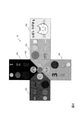
- the emotion information presenting product 10 of the first embodiment is a three-dimensional object in the shape of a substantially regular hexahedron whose perspective view is illustrated in FIG. 1, and emotion selection as illustrated in the development view in FIG. 2 on the surface of the three-dimensional object.
- auxiliary line described for convenience to explain the boundary of the surface
- alternate long and short dash line in each figure is an auxiliary line described for convenience to explain the boundary of the region.
- auxiliary line is described for convenience for the purpose of explanation, and is not described at all boundaries. Further, some auxiliary lines are described not on the boundary line but in the vicinity of the boundary line in consideration of visibility.
- wording with "abbreviation” such as "abbreviated hexahedron” and “abbreviated square” should be perceived by the infant as the wording, and it is not essential that it is exactly the wording. do not have.
- the material of the emotion information presentation product 10 there is no limitation on the material of the emotion information presentation product 10, but since the emotion information presentation product 10 is used by the infant himself, it is preferable to use a flexible material in consideration of the friendliness of the infant and the carrying by the infant himself.
- the inside may be filled with sponge, cotton or air, or the surface may be made of cloth.
- the size of the emotion information presentation product 10 is not limited as long as it can be operated by the infant himself, but it is preferable that the infant himself can easily carry and operate it, for example, about 9 cm on each side. It is good to say.
- the emotion selection surface 100 is one of the four main emotions that the infant should be able to grasp: "happy”, “sad”, “angry”, and “scary", that is, the main one. This is a surface for the infant to select one of the four emotion categories. As illustrated in FIG. 3, the emotion selection surface 100 includes a first emotion region 101, a second emotion region 102, a third emotion region 103, and a fourth emotion region 104, and may include a neutral region 105.
- the first emotion region 101, the second emotion region 102, the third emotion region 103, and the fourth emotion region 104 are substantially congruent regions (that is, including approximately one-fourth of the contour line of the emotion selection surface 100 in the contour line). Areas with substantially the same shape and approximately the same size). More specifically, the first emotion region 101, the second emotion region 102, the third emotion region 103, and the fourth emotion region 104 are shared by each of the four surfaces in contact with the emotion selection surface 100 and the emotion selection surface 100. It is a substantially congruent area including one different side out of the four sides as a side.
- each of the first emotion region 101, the second emotion region 102, the third emotion region 103, and the fourth emotion region 104 is 2 of the emotion selection surface 100. It is a region of a substantially right-angled isosceles triangle divided by a number of substantially diagonal lines. Further, when the emotion selection surface 100 includes the neutral region 105 as illustrated in FIG. 3, for example, the neutral region 105 is a substantially circular region centered on the substantially center of gravity (the intersection of substantially diagonal lines) of the emotion selection surface 100.
- the first emotional region 101, the second emotional region 102, the third emotional region 103, and the fourth emotional region 104 are each neutral from a region of a substantially right-angled isosceles triangle divided by a substantially diagonal line of the emotion selection surface 100. It is a region excluding the portion included in the region 105.
- the first emotion area 101 is a first emotional face area 1011 which is an area in which a picture imitating a “happy” face is displayed, and a first basic color predetermined as a color corresponding to the “happy” emotion.
- a first emotional background region 1012 which is a given region.
- the second emotional region 102 corresponds to the "sad" emotion, which is a color different from the first emotional color and the second emotional face region 1021 which is an region in which a picture imitating a "sad” face is displayed. It is composed of a second emotional background region 1022, which is a region to which a second basic color predetermined as a color is given.
- the third emotional region 103 is a color different from the third emotional face region 1031, which is an region in which a picture imitating a face when "angry” is displayed, and the first base color and the second base color. It is composed of a third emotion background region 1032, which is a region to which a third basic color predetermined as a color corresponding to the “angry” emotion is given.
- the fourth emotional region 104 is a region in which a picture imitating a face when "frightened” is displayed, and the fourth emotional face region 1041 and the first keynote color and the second keynote color are both the third keynote. It is composed of a fourth emotion background region 1042, which is a region different from the color and given a fourth base color predetermined as a color corresponding to the “scary” emotion. That is, the first to fourth basic colors are different from each other.
- the first emotional face area 1011, the second emotional face area 1021, the third emotional face area 1031, and the fourth emotional face area 1041 are generally congruent so that the infant does not show interest in a part that is not a feature of emotion. It is desirable that the areas (that is, areas having substantially the same shape and substantially the same size), and the picture imitating the face displayed in each area is a picture having differences only in the characteristics of each emotion.
- Each base color is arbitrary, but for example, the first base color is yellow, the second base color is blue, the third base color is red, the fourth base color is black, and so on. The color should be a name that can be easily identified by the infant and can be easily spoken by the infant.
- the neutral region 105 is a region to which a predetermined fifth basic color different from any of the first to fourth basic colors is given.
- the neutral region 105 may be an region that is not selected, or may be an region for the infant to select that it is neither “happy”, “sad”, “angry”, or “scary”.
- the display of a picture imitating a face is not included as illustrated in FIG. If the neutral area 105 is an area for the infant to choose not to be "happy”, “sad”, “angry”, or “scary”, the neutral area 105 is a face.
- the display of the imitated picture may not be included, or the imitated picture of the "emotionless" face may be displayed.
- the neutral area 105 When displaying a picture imitating an "emotionless" face in the neutral area 105, the neutral area 105 includes a fifth emotional face area, which is an area in which a picture imitating an "emotionless” face is displayed. It may be composed of a fifth emotional background region, which is a region to which a fifth basic color predetermined as a color corresponding to "emotionlessness" is given. An example of the fifth base color is green. When the neutral region 105 is selected, the fifth base color is the same as the first to fourth base colors, which is a color having a name that can be easily identified by the infant and easily spoken by the infant. It is better to do it.
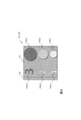
- the first emotional degree selection surface 110, the second emotional degree selection surface 120, the third emotional degree selection surface 130, and the fourth emotional degree selection surface 140 are categories selected by the infant himself using the emotion selection surface 100. This is the aspect for the infant to choose the magnitude of his emotions.
- the first emotional degree selection surface 110, the second emotional degree selection surface 120, the third emotional degree selection surface 130, and the fourth emotional degree selection surface 140 are each of the six surfaces of the emotion information presentation product 10. One of the four surfaces in contact with the emotion selection surface 100 of the above, and the surface including the portion of the contour line of the emotion selection surface 100 that is the outline of the emotion region of the corresponding category as the outline.
- the first emotional degree selection surface 110, the second emotional degree selection surface 120, the third emotional degree selection surface 130, and the fourth emotional degree selection surface 140 are each of the six emotion information presentation supplies 10. It is one of the four surfaces in contact with the emotion selection surface 100 of the surfaces, and is also included in the contour line of the emotion region of the corresponding category among the four sides of the emotion selection surface 100. A surface including a side (a surface that shares a side with an emotion area of a corresponding category in the emotion selection surface 100).
- the first emotional degree selection surface 110, the second emotional degree selection surface 120, the third emotional degree selection surface 130, and the fourth emotional degree selection surface 140 are substantially congruent. In the following, the first emotional degree selection surface 110 will be described in detail with reference to FIG.
- the second emotional degree selection surface 120, the third emotional degree selection surface 130, and the fourth emotional degree selection surface 140 differ only in the color of each display and each area from the first emotional degree selection surface 110.
- the composition and the characteristics are the same as those of the first emotional degree selection surface 110.
- the first emotional degree selection surface 110 is among the four sides of the emotion selection surface 100 among the four surfaces in contact with the emotion selection surface 100 among the six surfaces of the emotion information presentation product 10. A surface including a side included in the first emotion region 101, that is, a surface in contact with the first emotion region 101.
- the first emotional degree selection surface 110 is composed of a first emotional degree selection display 111 and a first emotional degree selection background area 112.
- the first emotional degree selection background area 112 is the first emotion of the emotional selection surface 100 so that the infant can easily grasp the continuity with the “happy” emotional area selected by the emotion selection surface 100. It is a region to which the same first base color as the background region 1012 is given.
- the first emotional degree selection display 111 is a display for the infant to select the magnitude of the "happy" emotion (that is, the degree of joy and the degree of joy), and is a plurality of displays indicating the magnitude. Consists of a set of.
- the plurality of indications included in the set are indications indicating the degree of different sizes from each other. Assuming that the display showing the degree of size included in the set is two pieces of "small” and “large” and three pieces of "small”, “medium” and “large” so that the infant can easily select it. good.
- FIG. 4 An example of a set of a plurality of display indicating the size is a figure 111a-1 of a predetermined shape of a predetermined first size as shown on the right side surrounded by a two-dot chain line in FIG. 4 (hereinafter, "small figure”). ”), A figure 111a-2 (hereinafter, also referred to as a“ medium figure ”) having a predetermined second size larger than the first size, and a predetermined third size larger than the second size. It is a set of a plurality of substantially similar figures of different sizes, such as a set of three figures 111a-3 (hereinafter, also referred to as "large figures”) having the predetermined shape.
- the shape of the figure is arbitrary, but a shape that can be grasped by infants without showing great interest in the shape itself is good, and it is assumed that the shape is often used in toys for infants, such as circles and stars. good.
- the small figure 111a-1, the medium figure 111a-2, and the large figure 111a-3 are the colors of the first emotional degree selection background region 112 (that is, the first basic color). Colors of the same type (for example, colors having different saturations of the first base color) are preferable, and the colors are darker in the order of small figure 111a-1, medium figure 111a-2, and large figure 111a-3. It is good to do it.
- Another example of a set of multiple size indications is the number 111b-1 (hereinafter, "small number”) representing a predetermined first value, as shown on the left side surrounded by a two-dot chain line in FIG. Also referred to as), the number 111b-2 (hereinafter, also referred to as “middle number”) representing a predetermined second value larger than the first value, and the number 111b- representing a predetermined third value larger than the second value. It is a set of a plurality of different numbers, such as a set of three (hereinafter referred to as "large numbers").
- Each predetermined value is arbitrary, but a value that can be easily grasped by an infant is preferable. As in the example of FIG.
- the decimal digit 111b-1 is set to 1, the decimal digit 111b-1, the middle digit 111b-2, It is advisable to increase the value by 1 in the order of the large numbers 111b-3. Further, as in the example of FIG. 4, it is preferable to increase the size of the numbers in the order of the small number 111b-1, the middle number 111b-2, and the large number 111b-3. Further, as in the example of FIG. 4, the small number 111b-1, the middle number 111b-2, and the large number 111b-3 are the colors of the first emotional degree selection background region 112 (that is, the first basic color).
- Colors of the same type are preferable, and the colors are darker in the order of the small number 111b-1, the middle number 111b-2, and the large number 111b-3. It is good to do it.
- a set of plural representations of size is a set of predetermined first numbers (eg, one) of figures of a predetermined shape, a predetermined second number (eg, one) greater than the first number.
- the shape and color of the figure may be the same as the above-mentioned small figure 111a-1, medium figure 111a-2, and large figure 111a-3.
- a predetermined first size is used as a set of two substantially similar figures of different sizes.
- a set of two figures having a predetermined shape and a figure having a predetermined second size larger than the first size may be used, and the set of two figures having different numerical values may be a predetermined first.
- a set of two numbers representing a value of 1 (for example, 1) and a number representing a predetermined second value (for example, 2) larger than the first value may be used, and a set of figures having a predetermined shape different from each other.
- a set of two pieces As a set of two pieces, a set of a predetermined first number (for example, one) of figures of a predetermined shape, and a predetermined number of second numbers (for example, two) more than the first number of figures of the predetermined shape.
- a set consisting of two sets of sets may be used.
- the first emotional degree selection display 111 may include a plurality of sets of displays representing sizes, and as in the example of FIG. 4, a set of a plurality of substantially similar figures and values of each other. May include a set of multiple numbers with different numbers. That is, the first emotional degree selection display 111 is a display for the infant to select the magnitude of the "happy" emotion (that is, the degree of joy and the degree of joy), and is a display indicating the magnitude. It is composed of one or more sets consisting of a plurality of sets. However, when the first emotional degree selection display 111 includes a plurality of sets of displays representing sizes, it is desirable that the number of displays representing sizes in all the sets is the same.
- the second emotional degree selection surface 120 is among the four sides of the emotion selection surface 100 among the four surfaces in contact with the emotion selection surface 100 among the six surfaces of the emotion information presentation product 10.
- the second emotional degree selection surface 120 is composed of a second emotional degree selection display and a second emotional degree selection background area.
- the second emotional degree selection background area is the second emotional background of the emotional selection surface 100 so that the infant can easily grasp the continuity with the “sad” emotional area selected by himself / herself using the emotion selection surface 100. It is a region to which the same second base color as the region 1022 is given.
- the second emotional degree selection display is a display for the infant to select the magnitude of the "sad" emotion (that is, the degree of sadness, the degree of sadness), and is similar to the second basic color. Similar to the first emotional degree selection display 111 except that the color is given, it is configured to include one or more sets of a plurality of display indicating the size.
- the third emotional degree selection surface 130 is among the four sides of the emotion selection surface 100 among the four surfaces in contact with the emotion selection surface 100 among the six surfaces of the emotion information presentation product 10.
- the third emotional degree selection surface 130 is composed of a third emotional degree selection display and a third emotional degree selection background area.
- the third emotional degree selection background area is the third emotional selection surface 100 so that the infant can easily grasp the continuity with the “angry” emotional area selected by the emotion selection surface 100. It is an area to which the same third basic color as the emotional background area 1032 is given.
- the third emotional degree selection display is a display for the infant to select the magnitude of the "angry" emotion (that is, the degree of angryness and the degree of angryness), and is the same as the third basic color. It is configured to include one or more sets of a plurality of displays indicating the size, similar to the first emotional degree selection display 111, except that the color of the system is given.
- the fourth emotional degree selection surface 140 is among the four sides of the emotion selection surface 100 among the four surfaces in contact with the emotion selection surface 100 among the six surfaces of the emotion information presentation product 10.
- the fourth emotional degree selection surface 140 is composed of a fourth emotional degree selection display and a fourth emotional degree selection background area.
- the fourth emotional degree selection background area is the fourth emotional selection surface 100 so that the infant can easily grasp the continuity with the “frightened” emotional area selected by himself / herself using the emotion selection surface 100. It is a region to which the same fourth basic color as the emotional background region 1042 is given.
- the fourth emotional degree selection display is a display for the infant to select the magnitude of the "fearful" emotion (that is, the degree of fear and the degree of fear), and is the same as the fourth basic color. It is configured to include one or more sets of a plurality of displays indicating the size, similar to the first emotional degree selection display 111, except that the color of the system is given.
- the non-selection surface 150 is a surface that does not come into contact with the emotion selection surface 100 among the six surfaces of the emotion information presentation product 10.
- the non-selection surface 150 is a predetermined sixth, which is different from the first base color, the second base color, the third base color, the fourth base color, and the fifth base color so that the infant does not mistakenly select the color. This is the area to which the basic color of is given.
- the non-selective surface 150 may be used as an area for describing information that identifies the individual owner, and in the example of FIG. 4, a cat is used instead of the infant.
- the basic color of the non-selective surface 150 is not only different from other basic colors but also the information that identifies the owner is described, the infant will mistakenly select the emotion and its size. There is no choice.
- the neutral region 105 of the emotion selection surface 100 is not selected, the basic color of the non-selective surface 150 (that is, the sixth basic color) is the basic color of the neutral region 105 (that is, the fifth basic color). It may be the same as the color).
- the emotion information presenting product 10 may be owned and used by each infant in an educational or nursery place such as a kindergarten or a nursery school. For example, when there is a quarrel between infants, when a teacher or nursery teacher reads a picture book to the infant and asks about the feelings of the main character, when the infant goes to kindergarten or nursery school with the parent, he / she leaves the parent. Have or grasp some emotions, such as the four major emotions mentioned above, such as when it is difficult for the infant to be mentally upset and cannot express his or her feelings well in words. Step S1-1, which will be described later, is given to the infant by a teacher (that is, an educator), a nursery teacher (that is, a caregiver), etc.
- step S2-1 it is instructed to present the emotion using the emotion information presenting product 10.
- you are a teacher, a nursery teacher, or a person who is neither a teacher nor a nursery teacher but who is educating or providing childcare at that time is not important when using the emotion information presentation product 10.
- the notation "educator / childcare worker" will be used generically below.
- step S1-1 The educator / caregiver points to the emotion selection surface 100 for the target infant (hereinafter, also referred to as “target child”), and when the neutral region 105 of the emotion selection surface 100 is not selected, In the region where the neutral region 105 of the emotion selection surface 100 may be selected from the four regions of the first emotion region 101, the second emotion region 102, the third emotion region 103, and the fourth emotion region 104 of the emotion selection surface 100.
- the educator / caregiver gives the instruction by talking to the target child, "How do you feel now? Can you tell me which face you have?"
- the target child indicates which emotion was at the time of the event, that is, the emotion category at the time of the event, according to the instruction of the educator / caregiver in step S1-1.
- the target child pays attention to the emotion selection surface 100 if the educator / caregiver points to the emotion selection surface 100.
- the first emotional degree selection surface 110, the second emotional degree selection surface 120, the third emotional degree selection surface 130, and the fourth emotional degree selection surface 140, which are planes perpendicular to the emotion selection surface 100 are the target children. It becomes difficult to see from. Therefore, by using the emotion information presenting product 10 of the present invention, the target child can concentrate on the selection of the emotion category using the emotion selection surface 100.
- the emotion category for the target child can be classified.
- the difficulty of selection can be reduced.
- the educator / caregiver may use the category as words such as "Is it happy” or "Is it angry?" You may instruct the target child to point to the facial expression associated with the category, such as "Which is the happy face?" Or "Which is the angry face?" You may ask using onomatopoeia or mimicry words that are associated with the category, such as "Kana”, or you can ask the target child the category that is associated with the facial expression, such as "What kind of face is this?" You may instruct it to emit at.
- step S2-1 The educator / caregiver 4 of the first emotional degree selection surface 110, the second emotional degree selection surface 120, the third emotional degree selection surface 130, and the fourth emotional degree selection surface 140 for the target child.
- the face corresponding to the category selected in step S1-2 among the faces is instructed to point to a display indicating the magnitude of the emotion of the selected category at the time of the event.
- the target child indicates the magnitude of the emotions of the selected category at the time of the event, according to the instructions of the educator / caregiver in step S2-1.
- Each of the first emotional degree selection surface 110, the second emotional degree selection surface 120, the third emotional degree selection surface 130, and the fourth emotional degree selection surface 140 is a corresponding region in the emotion selection surface 100. It is in contact with each of the 1 emotional region 101, the 2nd emotional region 102, the 3rd emotional region 103, and the 4th emotional region 104, and has the same basic color. Therefore, by using the emotion information presentation product 10, the target child can easily move from step S1-2 to step S2-2.
- step S2-2 if the target child cannot successfully select step S2-2 when the educator / caregiver gives the instruction in step S2-1, it includes the case where the category selection in step S1-2 is incorrect. Is done. In such a case, the target child may return to step S1-2, reselect the category, and then move to step S2-2. Since the emotion information presentation product 10 adopts the above-mentioned surface configuration and basic color configuration, the target child returns from step S2-2 to step S1-2, reselects the category in step S1-2, and reselects the category. It becomes easy to perform step S2-2 using the emotional degree selection surface corresponding to the category after reselection.
- the target child corresponds to the selected category of the first emotional degree selection surface 110, the second emotional degree selection surface 120, the third emotional degree selection surface 130, and the fourth emotional degree selection surface 140. Focus on the aspect of doing. Then, since the surface other than the surface of interest is perpendicular to the surface of interest or is on the opposite side of the surface of interest, it is difficult for the target child to see. Therefore, by using the emotion information presentation product 10, the target child has a first emotional degree selection surface 110, a second emotional degree selection surface 120, a third emotional degree selection surface 130, and a fourth emotional degree selection surface 140. You can focus on choosing the magnitude of your emotions using the faces that correspond to the selected category.
- the emotion information presentation product 10 may be used for a group of infants such as the entire class of a kindergarten or a nursery school. In steps S1-1 and S1-2, for example, the educator / caregiver asks the entire class, "What are your current feelings?", And each target child belonging to the class asks. , The emotion category of the emotion selection surface 100 of the own emotion information presenting product 10 may be pointed to and shown to the educator / caregiver.
- each target child belonging to the class points to the category of emotions that he / she thinks is the hero's emotions in the emotion selection surface 100 of his / her emotion information presentation product 10 to the educator / caregiver. You may show it to the other.
- step S1-2 the emotion category representing the emotion at the time of the event is not indicated to any emotional region of the emotion selection surface 100, but the first to fourth emotional degree selections.
- the emotional degree selection surface of any one of the surfaces 110, 120, 130, and 140.
- step S2-2 the first to fourth emotional degree selection surfaces 110, 120, 130, 140. It is possible to indicate to the educator / caregiver the magnitude of the emotion in any one emotional degree selection aspect.
- the emotion information presenting product 10 of the first embodiment is configured to use one surface when the infant himself selects the emotional magnitude, but when the infant himself selects the emotional magnitude.
- the emotion information presentation device may be configured to use a surface area straddling two surfaces via one side. This embodiment will be described as a second embodiment.
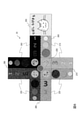
- the emotion information presenting product 20 of the second embodiment is a three-dimensional object in the shape of a substantially regular hexahedron whose perspective view is illustrated in FIG. 5, and the emotion selection as illustrated in the developed view on the surface of the three-dimensional object. It has six substantially square faces: a surface 200, a degree selection first surface 260, a degree selection second surface 270, a degree selection third surface 280, a degree selection fourth surface 290, and a non-selection surface 250.
- the material and size of the emotion information presentation product 20 are the same as those of the emotion information presentation product 10 of the first embodiment.
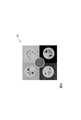
- the emotion selection surface 200 is “happy”, “sad”, “angry”, and “angry”, which are the four main emotions that the infant should be able to grasp. "I'm scared”, that is, the emotional category, is the aspect for the infant to choose. As illustrated in FIG. 7, the emotion selection surface 200 includes a first emotion region 201, a second emotion region 202, a third emotion region 203, and a fourth emotion region 204, and may include a neutral region 205.
- the first emotion region 201, the second emotion region 202, the third emotion region 203, and the fourth emotion region 204 are the first emotion region 101, the second emotion region 102, the third emotion region 103, and the fourth emotion region of the first embodiment. Similar to the emotional region 104, it is a substantially congruent region (that is, a region having substantially the same shape and substantially the same size) including approximately a quarter of the contour line of the emotion selection surface 200 in the contour line. More specifically, the first emotion region 201, the second emotion region 202, the third emotion region 203, and the fourth emotion region 204 are shared by each of the four surfaces in contact with the emotion selection surface 200 and the emotion selection surface 200.
- the emotion selection surface 200 does not include the neutral region 205, for example, the first emotion region 201, the second emotion region 202, the third emotion region 203, and the fourth emotion region 204 face each other of the emotion selection surface 200. It is a substantially square area divided by two line segments connecting the approximate midpoints of the sides. Further, when the emotion selection surface 200 includes the neutral region 205 as illustrated in FIG. 7, for example, the neutral region 205 is a substantially circular region centered on a substantially center of gravity (a substantially diagonal intersection) of the emotion selection surface 200.
- the first emotion region 201, the second emotion region 202, the third emotion region 203, and the fourth emotion region 204 are each of two line segments connecting the approximate midpoints of the opposite sides of the emotion selection surface 200. It is a region excluding the portion included in the neutral region 205 from the divided substantially square region.
- the first emotion region 201, the second emotion region 202, the third emotion region 203, and the fourth emotion region 204 have the first emotion region 101 and the second emotion region 102 of the first embodiment, except that the shapes are different. This is the same as the third emotion region 103 and the fourth emotion region 104. That is, as in the first embodiment, the first emotional region 201 is composed of the first emotional face region 2011 and the first emotional background region 2012, and the second emotional region 202 is the second emotional face region 2021 and the second emotional background.
- the third emotional region 203 is composed of the third emotional face region 2031 and the third emotional background region 2032, and the fourth emotional region 204 is composed of the fourth emotional face region 2041 and the fourth emotional background region 2042.
- Each emotional face region and each emotional background region is the same as each emotional face region and each emotional background region of the first embodiment.
- the neutral region 205 is the same as the neutral region 105 of the first embodiment.
- the degree selection surface area 210 for the first emotion, the degree selection surface area 220 for the second emotion, the degree selection surface area 230 for the third emotion, and the degree selection surface area 240 for the fourth emotion are for the first emotion of the first embodiment. Similar to the degree selection surface 110, the degree selection surface 120 for the second emotion, the degree selection surface 130 for the third emotion, and the degree selection surface 140 for the fourth emotion, and the category selected by the infant himself using the emotion selection surface 200. It is a surface area for the infant to select the magnitude of emotion.
- the first emotional degree selection surface area 210, the second emotional degree selection surface area 220, the third emotional degree selection surface area 230, and the fourth emotional degree selection surface area 240 each have six emotion information presentation supplies 20. It is a region straddling two adjacent planes out of four planes in contact with the emotion selection plane 200 among the planes of the emotion selection plane 200, and is a contour line of the emotion region of the corresponding category among the contour lines of the emotion selection plane 200. It is a surface area that includes a certain part as a contour line.
- the first emotional degree selection surface region 210, the second emotional degree selection surface region 220, the third emotional degree selection surface region 230, and the fourth emotional degree selection surface region 240 are substantially congruent regions.
- the degree selection surface region 210 for the first emotion is an area straddling the first surface 260 for the degree selection and the second surface 270 for the degree selection, and is the contour line of the first emotion region 201 of the contour lines of the emotion selection surface 200. This is a surface region including a portion as a contour line, that is, a surface region in contact with the first emotion region 201.
- the portion of the first emotional degree selection surface region 210 bent at the boundary line between the degree selection first surface 260 and the degree selection second surface 270 is extended to form a flat surface, the first embodiment shown in FIG.
- the configuration and features of the first emotional degree selection surface region 210 are the same as those of the first emotional degree selection surface 110 of the first embodiment.
- the second emotion selection surface area 220 is an area straddling the second emotion selection surface 270 and the third emotion selection surface 280, and is the contour line of the second emotion region 202 of the contour lines of the emotion selection surface 200. This is a surface region including a portion as a contour line, that is, a surface region in contact with the second emotion region 202.
- the portion of the second emotional degree selection surface area 220 is made flat by extending the portion bent at the boundary between the degree selection second surface 270 and the degree selection third surface 280, the second emotional degree selection of the first embodiment is performed.
- the configuration and features of the second emotional degree selection surface region 220 are the same as those of the second emotional degree selection surface 120 of the first embodiment.
- the third emotional degree selection surface region 230 is an area straddling the third emotional selection surface 280 and the fourth emotional selection surface 290, and is the contour line of the third emotional region 203 of the contour lines of the emotion selection surface 200. This is a surface region including a portion as a contour line, that is, a surface region in contact with the third emotion region 203.
- the portion of the third emotional degree selection surface area 230 is made flat by extending the portion bent at the boundary between the degree selection third surface 280 and the degree selection fourth surface 290, the third emotional degree selection of the first embodiment is performed.
- the configuration and features of the third emotional degree selection surface region 230 are the same as those of the third emotional degree selection surface 130 of the first embodiment.
- the fourth emotion selection surface area 240 is an area straddling the fourth emotion selection surface 290 and the first emotion selection surface 260, and is the contour line of the fourth emotion region 204 of the contour lines of the emotion selection surface 200. This is a surface region including a portion as a contour line, that is, a surface region in contact with the fourth emotion region 204.
- the portion of the fourth emotional degree selection surface area 240 is made flat by extending the portion bent at the boundary line between the fourth emotional surface 290 for the degree selection and the first surface 260 for the degree selection, the fourth emotional degree selection of the first embodiment is performed.
- the configuration and features of the fourth emotional degree selection surface region 240 are the same as those of the fourth emotional degree selection surface 140 of the first embodiment.
- Non-selective surface 250 is the same as the non-selective surface 150 of the first embodiment.
- the method of using the emotion information presentation product 20 is the same as the method of using the emotion information presentation product 10 of the first embodiment, and each emotional degree selection surface of the method of using the emotion information presentation product 10 of the first embodiment is selected. It may be used by replacing it with the emotional degree selection surface area.
- the first emotional degree selection surface area 210, the second emotional degree selection surface area 220, and the third emotional use are used.
- a part of the surface area other than the surface area of interest is visually recognized. Will be done.
- the surface region other than the surface region of interest is a narrow region having a different basic color from the surface region of interest, it is difficult for the target child to pay attention to it.
- the target child can have the first emotional degree selection surface area 210, the second emotional degree selection surface area 220, and the second emotional information presentation surface area 220. It is possible to concentrate on the selection of the emotion size using the surface area corresponding to the selected category of the three emotional degree selection surface areas 230 and the fourth emotional degree selection surface area 240.
- the emotion information presenting product 10 may include a second emotion selection surface 100'instead of the non-selection surface 150.
- the second emotion selection surface 100' may be a mirror image of the emotion selection surface 100 as illustrated in FIG. 8, or a picture imitating the face of each emotional face region in the mirror image of the emotion selection surface 100. It may be the one in which the direction of is turned upside down.
- the same applies to the emotion information presenting product 20, and the emotion information presenting product 20 may include a second emotion selection surface 200'instead of the non-selection surface 250.
- the second emotion selection surface 200' may be a mirror image of the emotion selection surface 200 as illustrated in FIG.
- the second emotion selection surface 100'and 200' is a surface for the infant to select any of the four main emotion categories, as in the emotion selection surface 100 and 200.
- the above-mentioned emotion information presentation product 10 and emotion information presentation product 20 were intended for the four main emotion categories that the infant should be able to grasp, but more categories may be targeted. , A smaller number of categories may be targeted, and the number of target categories may be multiple.
- the emotion information presentation product is a three-dimensional object that is not a substantially regular hexahedron.
- an emotion information presenting product for a three-dimensional object that is not a substantially regular hexahedron will be described.
- the emotion information presenting product includes one emotion selection surface and C emotional degree selection surface or C emotional degree selection surface area.
- the remaining one surface of the emotion information presenting product may be a non-selective surface or a second emotion selection surface.
- the emotion selection surface is a surface for the infant himself to select any one of the C emotion categories.
- the emotion selection surface is one of the two surfaces of the opposite approximately regular C prism among the C + 2 surfaces of the substantially regular C prism, and the first to C C emotional regions are formed. It may include and may include a neutral region.
- the first to Cth C emotional regions are substantially congruent regions (that is, regions having substantially the same shape and substantially the same size) including approximately 1 / C of the contour line of the emotion selection surface. ..
- the first to Cth C emotional regions include one side different from each of the C sides shared by each of the C sides in contact with the emotion selection surface and the emotion selection surface. It is a roughly congruent area.
- each of the first to Cth C emotional regions (hereinafter, c is an integer of 1 or more and C or less, it is also referred to as "cth emotional region")
- c is an integer of 1 or more and C or less, it is also referred to as "cth emotional region"
- the c-emotional face region which is the region in which the picture imitating the expressed face is displayed
- the first to C which are predetermined colors corresponding to the c-category among the different basic tones. It is composed of a third emotional background region, which is a region to which the basic color of c is given.
- the neutral region is a substantially circular region centered on the substantially center of gravity (intersection of approximately diagonal lines) of the emotion selection surface, and is given a predetermined C + 1 basic color different from any of the first to C basic colors. It is a designated area, and a picture imitating an "emotionless" face may be displayed.
- the first to C emotional degree selection planes are planes for the infant himself to select the magnitude of emotions in the category selected by the infant himself using the emotion selection plane.
- Each of the first to C emotional degree selection surfaces is one of the C surfaces in contact with the emotion selection surface of the C + 2 surfaces of the emotion information presentation product, and is the outline of the emotion selection surface.
- the first to C emotional degree selection planes are substantially congruent.
- Each of the first to C emotional degree selection surfaces (hereinafter, also referred to as "c emotional degree selection surface") is composed of a cth emotional degree selection display and a cth emotional degree selection background area. ..
- the c-th emotional degree selection background area is an area to which the same c-th basic color as the c-th emotional background area of the emotion selection surface is given, and includes one or more sets of a plurality of displays indicating the size. It is composed.
- An example of a set of a plurality of displays representing sizes is a set of a plurality of figures having substantially similar figures, a set of a plurality of figures having different numbers from each other, and a set of a set of figures having a different number of figures.
- Each figure and each numerical value included in each set may be displayed in different colors of the same system as the third base color, such as a color having different saturation of the base color of the third c.
- the first to C emotional degree selection surface areas are surface areas for the infant himself to select the magnitude of the emotion of the category selected by the infant himself using the emotion selection surface.
- the first to C emotional degree selection plane regions are regions straddling two adjacent planes among the C planes in contact with the emotion selection planes of the C + 2 emotion information presentation products, and are emotion selection. It is a surface region including a portion of the contour line of the surface which is the contour line of the emotional region of the corresponding category as the contour line.
- the first to Cth emotional degree selection plane regions are substantially congruent regions.
- the configurations and features in the first to C emotional degree selection plane regions are the same as the configurations and features in the first to C emotional degree selection planes.
- the non-selective surface is a surface that does not come into contact with the emotion selection surface of the C + 2 surfaces of the emotion information presentation product so that the infant does not mistakenly select the surface.
- the neutral region of the emotion selection surface is the selected region, it is the region to which the predetermined C + 2 basic color different from any of the first to C + 1 basic tones is given, and the emotion selection surface is the neutral region.
- the neutral region of the emotion selection surface is an unselected region, the basic color of the non-selection surface may be the same as the neutral region of the emotion selection surface.
- the second emotion selection surface is a surface that does not come into contact with the emotion selection surface among the C + 2 surfaces of the emotion information presentation product, and is the same as the emotion selection surface. This is a surface for the infant to select any of the C emotion categories.
- the characteristics of the second emotion selection surface are the same as those of the emotion selection surface.
- the second emotion selection surface is a surface facing the emotion selection surface of the emotion information presentation product, the face of each emotional face region in the one in which the emotion selection surface is a mirror image and the one in which the emotion selection surface is a mirror image. The direction of the picture that imitates the image is turned upside down.
- the emotion information presentation product includes one emotion selection surface area and C emotional degree selection surface areas.
- the emotion information presenting product may include a non-selection surface region or a second emotion selection surface region.
- the emotion selection surface area is a surface for the infant to select any of the C emotion categories.
- the emotion selection surface area is a surface area whose center of gravity is a certain point on the surface of the emotion information presentation product when the emotion information presentation product is substantially spherical, and the emotion when the emotion information presentation product is a substantially spheroid. It is a surface region having one point on a certain axis of rotation on the surface of the information presenting product as a center of gravity, includes C first to C emotional regions, and may include a neutral region.
- the first to Cth C emotional regions are substantially congruent regions including substantially 1 / C of the contour line of the emotion selection surface region in the contour line.
- the first to Cth C emotional regions are any of the C sides that are in contact with the emotional selection surface region and each of the C emotional degree selection plane regions is shared with the emotion selection plane region. It is a substantially congruent area including one side as a side.
- An example of the shape of the emotion selection surface region that makes each of the C emotion regions satisfy the above-mentioned conditions is a spherical shape having a circular outline, but the shape of the emotion selection surface region is each of the C emotion regions. However, any shape may be used as long as it satisfies the above-mentioned conditions.
- Each of the C emotional regions is the same as each emotional region of the first example except for the shape and size.
- the neutral region is the same as the neutral region of the first example except for the shape and size.
- the first to C emotional degree selection surface areas are surface areas for the infant himself to select the magnitude of the emotion of the category selected by the infant himself using the emotion selection surface area.
- the first to C emotional degree selection surface areas are C surface areas in contact with the emotion selection surface area on the surface of the emotion information presenting product, and correspond to the corresponding categories of the contour lines of the emotion selection surface area. It is a substantially congruent surface region including a portion that is the contour line of the emotional region of.
- Each emotional degree selection surface area is the same as each emotional degree selection surface area of the first example except for the shape and size.
- the non-selection surface region is the two points on the surface of the emotion information presentation product on the axis passing through the center of gravity of the emotion selection surface region of the emotion information presentation product. It is a surface area whose center of gravity is a point that is not the center of gravity of the emotion selection surface area.
- the non-selective surface region is the same as the non-selective surface of the first example except for the shape and size.
- the second emotion selection surface region is 2 on the surface of the emotion information presentation product on the axis passing through the center of gravity of the emotion selection surface region of the emotion information presentation product. It is a surface area whose center of gravity is the point that is not the center of gravity of the emotion selection surface area among the points, and is a surface for the infant to select any of the C emotion categories as in the emotion selection surface area. be.
- the characteristics of the composition of the second emotion selection surface region are the same as those of the emotion selection surface region.
- the second emotion selection surface region is a surface region facing the emotion selection surface region of the emotion information presentation product, each of the one in which the emotion selection surface region is a mirror image and the one in which the emotion selection surface region is a mirror image.
- the direction of the picture imitating the face in the emotional face area is turned upside down, or something similar to any of these.
- C emotional categories (referred to as “c category”; c is each integer of 1 or more and C or less) of the first to C (C is an integer of 2 or more) are targeted.
- the surface of the three-dimensional object includes at least C emotional degree selection surface regions and C emotional degree selection surface regions from the first emotional degree selection surface region to the C emotional degree selection surface region, and the first emotion information presentation product includes a first.
- Each of the C basic tones (referred to as “the c-th basic tones") of the basic tones of the third to the C is different from each other, and the emotion selection surface area has approximately the same length of the contour lines of the emotion selection surface areas.
- Each of the C emotional regions from the first emotional region to the C emotional region includes at least C emotional regions from the first emotional region to the C emotional region, which are substantially congruent regions including different parts in the contour line.
- c-th emotional region is the c-th emotional face region, which is an region in which a picture imitating a face at the time of the emotion of the c-category, which is the category of the emotion corresponding to the c-th emotional region, is displayed.
- a third emotion background region which is a region to which the third basic color is given, and C emotional degree selection surfaces from the first emotional degree selection surface region to the C emotional degree selection surface region.
- the regions are substantially congruent regions, and each of the C emotional degree selection plane regions from the first emotional degree selection plane region to the C emotional degree selection plane region is the c emotional region of the emotion selection plane region. It is a surface region in contact with each other, and includes a set of a plurality of indications which are given a third base color and represent degrees of different sizes from each other.
- the first The emotion information presentation product for the Cth (C is an integer of 2 or more) emotion category (referred to as "c category"; c is each integer of 1 or more and C or less) is a three-dimensional object.
- the surface includes at least C emotional degree selection surfaces from the emotion selection surface and the first emotional degree selection surface to the C emotional degree selection surface, and C of the first to C basic tones.
- Each of the base colors (referred to as “the c-th base color”) is different from each other, and the emotion selection surface is a substantially congruent region in which the contour lines include parts of the contour lines of the emotion selection surfaces that are substantially the same length but different from each other.
- Each of the C emotional regions from the 1st emotional region to the C emotional region (referred to as “cth emotional region”) includes at least C emotional regions from the 1st emotional region to the Cth emotional region.
- the c-emotional face region which is a region in which a picture imitating a face in the emotion of the c-category, which is the category of the corresponding emotion, is displayed, and the c-th region, which is a region to which the base color of the c is given.
- Each of the C emotional degree selection surfaces of the use degree selection surface is a surface in contact with the cth emotional region of the emotion selection surface, and is given a third base color and represents a degree of different sizes from each other. It includes a set of multiple displays.
- the emotion selection surface region is a substantially congruent region of the contour lines of the emotion selection surface region, which includes portions having substantially the same length but different from each other in the contour lines, from the first emotion region to the C emotion. At least C emotional regions of the region may be included, and the contour line of the emotion selection surface region includes the C emotional degree selection surface regions from the first emotional degree selection surface region to the C emotional degree selection surface region. A part that does not touch any of the above may be included.
- the emotion selection surface is a substantially congruent region in which the contour lines include parts having substantially the same length but different from each other among the contour lines of the emotion selection surface, and the C emotions in the first emotion region to the C emotion region.
- the contour line of the emotion selection surface includes a portion that does not touch any of the C emotional degree selection surfaces of the first emotional degree selection surface to the C emotional degree selection surface.
- the emotion information presentation product may be realized by a three-dimensional object having a substantially 2C prism in which every other C side surface of the 2C side surfaces is substantially congruent.
- C substantially congruent aspects may be designated as the first emotional degree selection surface to the Cth emotional degree selection surface, and one of the bottom surfaces of the substantially 2C square may be designated as the emotion selection surface.
- the three-dimensional object can be covered with a cover made of a material such as cloth to form each of the above-described embodiments. It can be used as an emotional information presentation product.
- the development diagram of the emotion information presentation product 10 and the emotion information presentation product 10 are shown. It has a surface composed of joint surfaces 300-1 to 300-7 added to any one of two sides that are the same side in the emotion information presentation product 10 among the contour lines of the developed view of 10.
- the joint surface 300-1 to 300-7 and the back surface of the developed view of the emotion information presentation product 10 facing each other may be provided with a joint member such as a surface fastener that can be easily joined.
- the configuration may be such that a wire fastener that can be joined is provided on the two sides.
- the development diagram of the emotion information presenting product may be any development of the emotion information presentation product.
- the cover for the emotion information presenting product has a surface including at least a development view of the emotion information presentation product, and is a joint for joining two sides that are the same side in the emotion information presentation product in the outline of the development drawing. It suffices to have a mechanism.
- the cover for the emotion information presentation product may be developed as long as it can be used as the emotion information presentation product by joining two sides that are the same side in the emotion information presentation product in the outline of the development drawing. It may be divided into a plurality of parts having a surface including each of the plurality of partial views constituting the figure.
- the fourth embodiment a development diagram of emotion information presentation products of the first to third embodiments and modified examples, the fourth embodiment.
- a set of papers with at least one of the developed view of the cover for emotional information presentation supplies and the set of figures in which one of these developed views is divided into multiple parts and the joints are clearly shown is sold as a paper pattern. It may be distributed by distribution, distribution, etc. Further, at least an electronic file of an image of any pattern is recorded on a recording medium that can be read by a computer connected to the server computer, for example, a non-temporary recording medium such as a magnetic recording device or an optical disk, and the network is established.
- the electronic file of the pattern paper image may be distributed.
- an electronic file of an image of a paper pattern is recorded on a portable recording medium such as a DVD or a CD-ROM, and the electronic file of the image of the paper pattern is sold, transferred, lent, etc. to the portable recording medium. May be distributed.
- a portable recording medium such as a DVD or a CD-ROM
- the electronic file of the image of the paper pattern is sold, transferred, lent, etc. to the portable recording medium. May be distributed.
- each side, each side area, multiple continuous sides, multiple continuous side areas, etc. of the emotion information presentation product are displayed by printing or embroidery.
- the set of cloth may also be distributed by selling, distributing, or distributing.
Landscapes
- Business, Economics & Management (AREA)
- Engineering & Computer Science (AREA)
- Entrepreneurship & Innovation (AREA)
- Physics & Mathematics (AREA)
- Educational Administration (AREA)
- Educational Technology (AREA)
- General Physics & Mathematics (AREA)
- Theoretical Computer Science (AREA)
- Toys (AREA)
- Spectrometry And Color Measurement (AREA)
- User Interface Of Digital Computer (AREA)
Abstract
幼児が感情を理解したり提示したりできるようになることを支援する。感情情報提示用品(10)は、略正六面体の立体物である。立体物の表面の6個の面には、感情選択面(100)と4個の感情用程度選択面(110,120,130,140)とを少なくとも含む。感情選択面(100)は4個の感情領域を含む。感情領域それぞれは、相異なる感情のときの顔を模した絵が表示された感情顔領域と、その感情に対応する色として予め定められた基調色が与えられた感情背景領域とにより構成される。感情用程度選択面(110,120,130,140)それぞれは、感情選択面(100)のいずれかの感情領域と接している面であり、その感情領域の感情背景領域に与えられた基調色が与えられ、互いに異なる大きさの程度を表す表示の複数個による組を含む。
Description
本発明は、幼児の感情の発達、すなわち、幼児が感情を理解したり提示したりできるようになること、を支援する技術に関する。
感情を可視化することで感情の発達を支援する技術としては、例えば非特許文献1や非特許文献2に開示されたムードメーターがある。ムードメーターは、気持ちの良さを横軸とし、エネルギーの大きさを縦軸とした2次元グラフ上の位置で感情を表すものである。横軸と縦軸によって区分された4個の領域それぞれは、右上領域が喜びに対応し、左上領域が怒りに対応し、右下領域が楽しさに対応し、左下領域が哀しさに対応している。右上領域は黄色を基調とされており、左上領域は赤色を基調とされており、右下領域は緑色を基調とされており、左下領域は青色を基調とされており、非特許文献1のように各領域全体が同じ色であることもあり、非特許文献2のように各領域が更に縦線と横線で囲まれた長方形の複数個の部分領域に分けられていることもあり、各部分領域は同じ基調色の中で異なる輝度や彩度が採用されていることもある。非特許文献3には、子どもが入室する際にムードメーター上のその時の感情を表したところにマグネットを貼らせることで、子ども自身に感情をラベリングさせることで、自身の感情を理解できるようになる可能性があることが記載されている。
Emotionally Intelligent School, LLC、"The Mood Meter"、[online]、[令和2年5月28日検索]、インターネット<URL: https://apps.apple.com/jp/app/id825930113?ign-mpt=uo%3D4>
Teachers Pay Teachers、"Mood Meter: A Socio-Emotional Resource"、[online]、[令和2年5月28日検索]、インターネット<URL: https://www.teacherspayteachers.com/Product/Mood-Meter-A-Socio-Emotional-Resource-3207663>
古賀浩嗣@みんなの成長応援団長、"ムードメーターで感情理解"、[online]、[令和2年5月28日検索]、インターネット<URL: https://note.com/kogamouse/n/n2efdac020ef8>
ムードメーターでは喜怒哀楽の感情を効率良く可視化することができる。また、非特許文献3には、ムードメーターを用いることで子どもが自身の感情を理解できるようになる可能性があることも示唆されている。しかしながら、感情のカテゴライズをまだはっきりとできない幼児の場合には、ムードメーターとマグネットを与えたところで、感情がどのような状況であるのかを提示することが難しいという課題がある。
本発明は、このような課題を鑑みてなされたものであり、幼児が感情を理解したり提示したりできるようになることを支援するための物品を提供することを目的とする。
上記の課題を解決するために、この発明の第一の態様の感情情報提示用品は、第1から第C(Cは2以上の整数)のC個の感情のカテゴリ(「第cカテゴリ」という。cは1以上C以下の各整数。)を対象とする立体物の感情情報提示用品であって、立体物の表面には、感情選択面と、第1感情用程度選択面から第C感情用程度選択面のC個の感情用程度選択面を少なくとも含み、第1の基調色から第Cの基調色のC個の基調色それぞれ(「第cの基調色」という)は互いに異なり、感情選択面は、感情選択面の輪郭線のうちの略同じ長さで互いに異なる部分を輪郭線に含む略合同の領域である第1感情領域から第C感情領域のC個の感情領域を少なくとも含み、第1感情領域から第C感情領域のC個の感情領域のそれぞれ(「第c感情領域」という)は、第c感情領域が対応する感情のカテゴリである第cカテゴリの感情のときの顔を模した絵が表示された領域である第c感情顔領域と、第cの基調色が与えられた領域である第c感情背景領域と、により構成され、第1感情用程度選択面から第C感情用程度選択面のC個の感情用程度選択面は、略合同であり、第1感情用程度選択面から第C感情用程度選択面のC個の感情用程度選択面のそれぞれは、感情選択面の第c感情領域と接している面であり、第cの基調色が与えられ、互いに異なる大きさの程度を表す表示の複数個による組を含む。
この発明の第二の態様の感情情報提示用品は、第1から第C(Cは2以上の整数)のC個の感情のカテゴリ(「第cカテゴリ」という。cは1以上C以下の各整数。)を対象とする立体物の感情情報提示用品であって、立体物の表面には、感情選択面領域と、第1感情用程度選択面領域から第C感情用程度選択面領域のC個の感情用程度選択面領域を少なくとも含み、第1の基調色から第Cの基調色のC個の基調色それぞれ(「第cの基調色」という)は互いに異なり、感情選択面領域は、感情選択面領域の輪郭線のうちの略同じ長さで互いに異なる部分を輪郭線に含む略合同の領域である第1感情領域から第C感情領域のC個の感情領域を少なくとも含み、第1感情領域から第C感情領域のC個の感情領域のそれぞれ(「第c感情領域」という)は、第c感情領域が対応する感情のカテゴリである第cカテゴリの感情のときの顔を模した絵が表示された領域である第c感情顔領域と、第cの基調色が与えられた領域である第c感情背景領域と、により構成され、第1感情用程度選択面領域から第C感情用程度選択面領域のC個の感情用程度選択面領域は、略合同な領域であり、第1感情用程度選択面領域から第C感情用程度選択面領域のC個の感情用程度選択面領域のそれぞれは、感情選択面領域の第c感情領域と接している面領域であり、第cの基調色が与えられ、互いに異なる大きさの程度を表す表示の複数個による組を含む。
本発明の感情情報提示用品を用いることにより、幼児が感情を理解したり提示したりできるようになることを支援することができる。
本発明の感情情報提示用品は、立体物における面の配置を生かして、各面または/および各面領域の配置と、各面または/および各面領域における表示と、に技術的特徴を持たせたものであり、これらの技術的特徴を有することにより幼児が感情を理解したり提示したりできるようになることを支援できる物品である。以下、感情情報提示用品、感情情報提示用品の利用方法、感情情報提示用品を製作するためのカバー及び型紙、について説明する。
<第1実施形態>
第1実施形態の感情情報提示用品10とその利用方法について説明する。
<第1実施形態>
第1実施形態の感情情報提示用品10とその利用方法について説明する。
〔感情情報提示用品10〕
第1実施形態の感情情報提示用品10は、図1に斜視図を例示する略正六面体の形状の立体物であり、当該立体物の表面に、図2に展開図を例示する通りの感情選択面100、第1感情用程度選択面110、第2感情用程度選択面120、第3感情用程度選択面130、第4感情用程度選択面140、非選択面150の6個の略正方形の面を有する。
第1実施形態の感情情報提示用品10は、図1に斜視図を例示する略正六面体の形状の立体物であり、当該立体物の表面に、図2に展開図を例示する通りの感情選択面100、第1感情用程度選択面110、第2感情用程度選択面120、第3感情用程度選択面130、第4感情用程度選択面140、非選択面150の6個の略正方形の面を有する。
各図における破線は面の境界を説明するために便宜上記載した補助線であり、各図における一点鎖線は領域の境界を説明するために便宜上記載した補助線である。各補助線は説明目的で便宜的に記載したものであるので、全ての境界に記載してあるわけではない。また、一部の補助線は、視認し易さを考慮して境界線上ではなく境界線の近傍に記載してある。なお、「略正六面体」、「略正方形」のように「略」を付してある文言は、その文言通りであると幼児に知覚されればよく、厳密に文言通りであることは必須ではない。当然ながら、「略正六面体」の具体例は「正六面体」であり、「略正方形」の具体例は「正方形」であり、これらと同様に、後述する「略」を付してある文言の具体例は、付してある「略」を取り去った文言である。これらは後述する各実施形態でも同様である。
[感情情報提示用品10の素材、大きさ]
感情情報提示用品10の素材の限定はないが、感情情報提示用品10は、幼児自身が用いるものであるので、幼児の親しみやすさと幼児自身による持ち運びを考慮して柔軟な素材で構成するとよく、例えば内部にスポンジや綿や空気を充填したり表面を布としたりするとよい。また、感情情報提示用品10の大きさは、幼児自身が操作可能な範囲であれば限定はないが、幼児自身による持ち運びや操作が容易に行えるようにするのがよく、例えば各辺を約9cmとするとよい。
感情情報提示用品10の素材の限定はないが、感情情報提示用品10は、幼児自身が用いるものであるので、幼児の親しみやすさと幼児自身による持ち運びを考慮して柔軟な素材で構成するとよく、例えば内部にスポンジや綿や空気を充填したり表面を布としたりするとよい。また、感情情報提示用品10の大きさは、幼児自身が操作可能な範囲であれば限定はないが、幼児自身による持ち運びや操作が容易に行えるようにするのがよく、例えば各辺を約9cmとするとよい。
[感情選択面100]
感情選択面100は、幼児が把握できるようになるべき主要な4個の感情である「嬉しい」、「悲しい」、「怒っている」、「怖がっている」、の何れか、すなわち、主要な4個の感情のカテゴリの何れか、を幼児自身が選択するための面である。感情選択面100は、図3に例示する通り、第1感情領域101、第2感情領域102、第3感情領域103、第4感情領域104を含み、中立領域105を含んでいてもよい。
感情選択面100は、幼児が把握できるようになるべき主要な4個の感情である「嬉しい」、「悲しい」、「怒っている」、「怖がっている」、の何れか、すなわち、主要な4個の感情のカテゴリの何れか、を幼児自身が選択するための面である。感情選択面100は、図3に例示する通り、第1感情領域101、第2感情領域102、第3感情領域103、第4感情領域104を含み、中立領域105を含んでいてもよい。
第1感情領域101、第2感情領域102、第3感情領域103、第4感情領域104は、感情選択面100の輪郭線の略4分の1を輪郭線に含む略合同な領域(すなわち、略同じ形状で略同じ大きさの領域)である。より具体的には、第1感情領域101、第2感情領域102、第3感情領域103、第4感情領域104は、感情選択面100と接する4個の面それぞれと感情選択面100とが共有する4個の辺のうちのそれぞれ異なる1個の辺を辺として含む略合同な領域である。感情選択面100が中立領域105を含まない場合には、例えば、第1感情領域101、第2感情領域102、第3感情領域103、第4感情領域104のそれぞれは、感情選択面100の2個の略対角線により区分された略直角二等辺三角形の領域である。また、図3に例示するように感情選択面100が中立領域105を含む場合には、例えば、中立領域105は感情選択面100の略重心(略対角線の交点)を中心とする略円形の領域であり、第1感情領域101、第2感情領域102、第3感情領域103、第4感情領域104のそれぞれは、感情選択面100の略対角線により区分された略直角二等辺三角形の領域から中立領域105に含まれる部分を除いた領域である。
第1感情領域101は、「嬉しい」ときの顔を模した絵が表示された領域である第1感情顔領域1011と、「嬉しい」感情に対応する色として予め定められた第1の基調色が与えられた領域である第1感情背景領域1012と、により構成されている。第2感情領域102は、「悲しい」ときの顔を模した絵が表示された領域である第2感情顔領域1021と、第1の基調色とは異なる色であり「悲しい」感情に対応する色として予め定められた第2の基調色が与えられた領域である第2感情背景領域1022と、により構成されている。第3感情領域103は、「怒っている」ときの顔を模した絵が表示された領域である第3感情顔領域1031と、第1の基調色とも第2の基調色とも異なる色であり「怒っている」感情に対応する色として予め定められた第3の基調色が与えられた領域である第3感情背景領域1032と、により構成されている。第4感情領域104は、「怖がっている」ときの顔を模した絵が表示された領域である第4感情顔領域1041と、第1の基調色とも第2の基調色とも第3の基調色とも異なる色であり「怖がっている」感情に対応する色として予め定められた第4の基調色が与えられた領域である第4感情背景領域1042と、により構成されている。すなわち、第1から第4の基調色は互いに異なる。
第1感情顔領域1011、第2感情顔領域1021、第3感情顔領域1031、第4感情顔領域1041は、感情の特徴ではない部分に幼児が興味を示さないようにするとよく、略合同の領域(すなわち、略同じ形状で略同じ大きさの領域)であることが望ましく、各領域に表示される顔を模した絵は、各感情の特徴のみに異なりを有する絵であることが望ましい。各基調色は任意であるが、例えば、第1の基調色を黄色、第2の基調色を青色、第3の基調色を赤色、第4の基調色を黒色、とするなどのように、幼児が容易に識別でき、かつ、幼児が容易に発話できる名称の色とするのがよい。
中立領域105は、第1から第4の基調色の何れとも異なる予め定められた第5の基調色が与えられた領域である。中立領域105は、選択されない領域としてもよいし、「嬉しい」、「悲しい」、「怒っている」、「怖がっている」の何れでもないことを幼児自身が選択するための領域としてもよい。中立領域105を選択されない領域とする場合には、図3に例示するように、顔を模した絵の表示を含まないようにする。中立領域105を「嬉しい」、「悲しい」、「怒っている」、「怖がっている」の何れでもないことを幼児自身が選択するための領域とする場合には、中立領域105は、顔を模した絵の表示を含まないようにしてもよいし、「無感情」の顔を模した絵が表示されていてもよい。中立領域105に「無感情」の顔を模した絵を表示する場合には、中立領域105は、「無感情」の顔を模した絵が表示された領域である第5感情顔領域と、「無感情」に対応する色として予め定められた第5の基調色が与えられた領域である第5感情背景領域と、により構成されていればよい。第5の基調色の例は緑色である。中立領域105を選択される領域とする場合の第5の基調色は、第1から第4の基調色と同様に、幼児が容易に識別でき、かつ、幼児が容易に発話できる名称の色とするのがよい。
[第1感情用程度選択面110、第2感情用程度選択面120、第3感情用程度選択面130、第4感情用程度選択面140]
第1感情用程度選択面110、第2感情用程度選択面120、第3感情用程度選択面130、第4感情用程度選択面140は、感情選択面100を用いて幼児自身が選択したカテゴリの感情の大きさを、幼児自身が選択するための面である。第1感情用程度選択面110、第2感情用程度選択面120、第3感情用程度選択面130、第4感情用程度選択面140それぞれは、感情情報提示用品10の6個の面のうちの感情選択面100と接する4個の面のうちの1個の面であり、感情選択面100の輪郭線のうちの対応するカテゴリの感情領域の輪郭線である部分を輪郭線として含む面である。言い換えると、第1感情用程度選択面110、第2感情用程度選択面120、第3感情用程度選択面130、第4感情用程度選択面140それぞれは、感情情報提示用品10の6個の面のうちの感情選択面100と接する4個の面のうちの1個の面であり、感情選択面100の4個の辺のうちの、対応するカテゴリの感情領域の輪郭線にも含まれる辺、を辺として含む面(感情選択面100にある対応するカテゴリの感情領域と辺を共有する面)である。第1感情用程度選択面110、第2感情用程度選択面120、第3感情用程度選択面130、第4感情用程度選択面140は、略合同である。以下では図4を参照して第1感情用程度選択面110について詳細に説明する。第2感情用程度選択面120、第3感情用程度選択面130、第4感情用程度選択面140は、第1感情用程度選択面110とは各表示と各領域の色が異なるだけであり、構成及び特徴は第1感情用程度選択面110と同様である。
第1感情用程度選択面110、第2感情用程度選択面120、第3感情用程度選択面130、第4感情用程度選択面140は、感情選択面100を用いて幼児自身が選択したカテゴリの感情の大きさを、幼児自身が選択するための面である。第1感情用程度選択面110、第2感情用程度選択面120、第3感情用程度選択面130、第4感情用程度選択面140それぞれは、感情情報提示用品10の6個の面のうちの感情選択面100と接する4個の面のうちの1個の面であり、感情選択面100の輪郭線のうちの対応するカテゴリの感情領域の輪郭線である部分を輪郭線として含む面である。言い換えると、第1感情用程度選択面110、第2感情用程度選択面120、第3感情用程度選択面130、第4感情用程度選択面140それぞれは、感情情報提示用品10の6個の面のうちの感情選択面100と接する4個の面のうちの1個の面であり、感情選択面100の4個の辺のうちの、対応するカテゴリの感情領域の輪郭線にも含まれる辺、を辺として含む面(感情選択面100にある対応するカテゴリの感情領域と辺を共有する面)である。第1感情用程度選択面110、第2感情用程度選択面120、第3感情用程度選択面130、第4感情用程度選択面140は、略合同である。以下では図4を参照して第1感情用程度選択面110について詳細に説明する。第2感情用程度選択面120、第3感情用程度選択面130、第4感情用程度選択面140は、第1感情用程度選択面110とは各表示と各領域の色が異なるだけであり、構成及び特徴は第1感情用程度選択面110と同様である。
[[第1感情用程度選択面110]]
第1感情用程度選択面110は、感情情報提示用品10の6個の面のうちの、感情選択面100と接する4個の面のうちの、感情選択面100の4個の辺のうちの第1感情領域101が含む辺を含む面、すなわち、第1感情領域101と接している面である。第1感情用程度選択面110は、第1感情用程度選択表示111と第1感情用程度選択背景領域112により構成されている。第1感情用程度選択背景領域112は、感情選択面100を用いて自身が選択した「嬉しい」感情の領域との連続性を幼児が容易に把握できるように、感情選択面100の第1感情背景領域1012と同じ第1の基調色が与えられた領域である。第1感情用程度選択表示111は、「嬉しい」感情の大きさ(すなわち、嬉しさの程度、嬉しさの度合い)を幼児自身が選択するための表示であり、大きさを表す表示の複数個による組を含んで構成される。組に含まれる複数個の表示は、互いに異なる大きさの程度を表す表示である。組に含まれる大きさの程度を表す表示は、幼児が容易に選択できるように、「小」と「大」の2個、「小」と「中」と「大」の3個、とするとよい。
第1感情用程度選択面110は、感情情報提示用品10の6個の面のうちの、感情選択面100と接する4個の面のうちの、感情選択面100の4個の辺のうちの第1感情領域101が含む辺を含む面、すなわち、第1感情領域101と接している面である。第1感情用程度選択面110は、第1感情用程度選択表示111と第1感情用程度選択背景領域112により構成されている。第1感情用程度選択背景領域112は、感情選択面100を用いて自身が選択した「嬉しい」感情の領域との連続性を幼児が容易に把握できるように、感情選択面100の第1感情背景領域1012と同じ第1の基調色が与えられた領域である。第1感情用程度選択表示111は、「嬉しい」感情の大きさ(すなわち、嬉しさの程度、嬉しさの度合い)を幼児自身が選択するための表示であり、大きさを表す表示の複数個による組を含んで構成される。組に含まれる複数個の表示は、互いに異なる大きさの程度を表す表示である。組に含まれる大きさの程度を表す表示は、幼児が容易に選択できるように、「小」と「大」の2個、「小」と「中」と「大」の3個、とするとよい。
大きさを表す表示の複数個による組の例は、図4に二点鎖線で囲んだ右側に示すような、所定の第1の大きさの所定形状の図形111a-1(以下、「小図形」ともいう)、第1の大きさより大きい所定の第2の大きさの当該所定形状の図形111a-2(以下、「中図形」ともいう)、第2の大きさより大きい所定の第3の大きさの当該所定形状の図形111a-3(以下、「大図形」ともいう)の3個による組のように、互いに異なる大きさの略相似な図形の複数個による組である。図形の形状は任意であるが、幼児が形状そのものに大きな興味を示すことなく把握できる形状がよく、例えば丸や星形などのように、幼児用の玩具などで多く用いられている形状とするとよい。また、図4の例のように、小図形111a-1、中図形111a-2、大図形111a-3は、第1感情用程度選択背景領域112の色(すなわち、第1の基調色)と同系統の色(例えば、第1の基調色の彩度を異ならせた色)とするとよく、小図形111a-1、中図形111a-2、大図形111a-3の順に濃い色となるようにするとよい。
大きさを表す表示の複数個による組の別の例は、図4に二点鎖線で囲んだ左側に示すような、所定の第1の値を表す数字111b-1(以下、「小数字」ともいう)、第1の値より大きい所定の第2の値を表す数字111b-2(以下、「中数字」ともいう)、第2の値より大きい所定の第3の値を表す数字111b-3(以下、「大数字」という)の3個による組のように、互いに異なる数値の複数個による組である。所定の各値は任意であるが、幼児がなるべく容易に把握できる値がよく、図4の例のように、小数字111b-1を1として、小数字111b-1、中数字111b-2、大数字111b-3の順に1ずつ値が大きくなるようにするとよい。また、図4の例のように、小数字111b-1、中数字111b-2、大数字111b-3の順に数字の大きさが大きくなるようにするとよい。また、図4の例のように、小数字111b-1、中数字111b-2、大数字111b-3は、第1感情用程度選択背景領域112の色(すなわち、第1の基調色)と同系統の色(例えば、第1の基調色の彩度を異ならせた色)とするとよく、小数字111b-1、中数字111b-2、大数字111b-3の順に濃い色となるようにするとよい。
大きさを表す表示の複数個による組の更に別の例は、所定の第1の個数(例えば1個)の所定形状の図形の集合、第1の個数より多い所定の第2の個数(例えば2個)の当該所定形状の図形の集合、第2の個数より多い所定の第3の個数(例えば3個)の当該所定形状の図形の集合、の3個の集合による組のように、互いに異なる個数の所定形状の図形の集合の複数個による組である。図形の形状や色については、上述した小図形111a-1、中図形111a-2、大図形111a-3と同様とするとよい。
なお、組に含まれる複数個の表示として「小」「大」の2個を用いる場合であれば、互いに異なる大きさの略相似な図形の2個による組としては、所定の第1の大きさの所定形状の図形、第1の大きさより大きい所定の第2の大きさの当該所定形状の図形の2個による組を用いればよく、互いに異なる数値の2個による組としては、所定の第1の値を表す数字(例えば1)、第1の値より大きい所定の第2の値(例えば2)を表す数字の2個による組を用いればよく、互いに異なる個数の所定形状の図形の集合の2個による組としては、所定の第1の個数(例えば1個)の所定形状の図形の集合、第1の個数より多い所定の第2の個数(例えば2個)の当該所定形状の図形の集合の2個の集合による組を用いればよい。
第1感情用程度選択表示111は、大きさを表す表示の複数個による組を複数組含んでいてもよく、図4の例のように、略相似な図形の複数個による組と、互いに値が異なる数字の複数個による組と、を含んでいてもよい。すなわち、第1感情用程度選択表示111は、「嬉しい」感情の大きさ(すなわち、嬉しさの程度、嬉しさの度合い)を幼児自身が選択するための表示であり、大きさを表す表示の複数個による組を1組以上含んで構成される。ただし、第1感情用程度選択表示111が大きさを表す表示の複数個による組を複数組含む場合には、全ての組における大きさを表す表示の個数を同じにするのが望ましい。
[[第2感情用程度選択面120]]
第2感情用程度選択面120は、感情情報提示用品10の6個の面のうちの、感情選択面100と接する4個の面のうちの、感情選択面100の4個の辺のうちの第2感情領域102が含む辺を含む面、すなわち、第2感情領域102と接している面である。第2感情用程度選択面120は、第2感情用程度選択表示と第2感情用程度選択背景領域により構成されている。第2感情用程度選択背景領域は、感情選択面100を用いて自身が選択した「悲しい」感情の領域との連続性を幼児が容易に把握できるように、感情選択面100の第2感情背景領域1022と同じ第2の基調色が与えられた領域である。第2感情用程度選択表示は、「悲しい」感情の大きさ(すなわち、悲しさの程度、悲しさの度合い)を幼児自身が選択するための表示であり、第2の基調色と同系統の色が与えられていること以外は第1感情用程度選択表示111と同様の、大きさを表す表示の複数個による組を1組以上含んで構成される。
第2感情用程度選択面120は、感情情報提示用品10の6個の面のうちの、感情選択面100と接する4個の面のうちの、感情選択面100の4個の辺のうちの第2感情領域102が含む辺を含む面、すなわち、第2感情領域102と接している面である。第2感情用程度選択面120は、第2感情用程度選択表示と第2感情用程度選択背景領域により構成されている。第2感情用程度選択背景領域は、感情選択面100を用いて自身が選択した「悲しい」感情の領域との連続性を幼児が容易に把握できるように、感情選択面100の第2感情背景領域1022と同じ第2の基調色が与えられた領域である。第2感情用程度選択表示は、「悲しい」感情の大きさ(すなわち、悲しさの程度、悲しさの度合い)を幼児自身が選択するための表示であり、第2の基調色と同系統の色が与えられていること以外は第1感情用程度選択表示111と同様の、大きさを表す表示の複数個による組を1組以上含んで構成される。
[[第3感情用程度選択面130]]
第3感情用程度選択面130は、感情情報提示用品10の6個の面のうちの、感情選択面100と接する4個の面のうちの、感情選択面100の4個の辺のうちの第3感情領域103が含む辺を含む面、すなわち、第3感情領域103と接している面である。第3感情用程度選択面130は、第3感情用程度選択表示と第3感情用程度選択背景領域により構成されている。第3感情用程度選択背景領域は、感情選択面100を用いて自身が選択した「怒っている」感情の領域との連続性を幼児が容易に把握できるように、感情選択面100の第3感情背景領域1032と同じ第3の基調色が与えられた領域である。第3感情用程度選択表示は、「怒っている」感情の大きさ(すなわち、怒っている程度、怒っている度合い)を幼児自身が選択するための表示であり、第3の基調色と同系統の色が与えられていること以外は第1感情用程度選択表示111と同様の、大きさを表す表示の複数個による組を1組以上含んで構成される。
第3感情用程度選択面130は、感情情報提示用品10の6個の面のうちの、感情選択面100と接する4個の面のうちの、感情選択面100の4個の辺のうちの第3感情領域103が含む辺を含む面、すなわち、第3感情領域103と接している面である。第3感情用程度選択面130は、第3感情用程度選択表示と第3感情用程度選択背景領域により構成されている。第3感情用程度選択背景領域は、感情選択面100を用いて自身が選択した「怒っている」感情の領域との連続性を幼児が容易に把握できるように、感情選択面100の第3感情背景領域1032と同じ第3の基調色が与えられた領域である。第3感情用程度選択表示は、「怒っている」感情の大きさ(すなわち、怒っている程度、怒っている度合い)を幼児自身が選択するための表示であり、第3の基調色と同系統の色が与えられていること以外は第1感情用程度選択表示111と同様の、大きさを表す表示の複数個による組を1組以上含んで構成される。
[[第4感情用程度選択面140]]
第4感情用程度選択面140は、感情情報提示用品10の6個の面のうちの、感情選択面100と接する4個の面のうちの、感情選択面100の4個の辺のうちの第4感情領域104が含む辺を含む面、すなわち、第4感情領域104と接している面である。第4感情用程度選択面140は、第4感情用程度選択表示と第4感情用程度選択背景領域により構成されている。第4感情用程度選択背景領域は、感情選択面100を用いて自身が選択した「恐がっている」感情の領域との連続性を幼児が容易に把握できるように、感情選択面100の第4感情背景領域1042と同じ第4の基調色が与えられた領域である。第4感情用程度選択表示は、「恐がっている」感情の大きさ(すなわち、恐がっている程度、恐がっている度合い)を幼児自身が選択するための表示であり、第4の基調色と同系統の色が与えられていること以外は第1感情用程度選択表示111と同様の、大きさを表す表示の複数個による組を1組以上含んで構成される。
第4感情用程度選択面140は、感情情報提示用品10の6個の面のうちの、感情選択面100と接する4個の面のうちの、感情選択面100の4個の辺のうちの第4感情領域104が含む辺を含む面、すなわち、第4感情領域104と接している面である。第4感情用程度選択面140は、第4感情用程度選択表示と第4感情用程度選択背景領域により構成されている。第4感情用程度選択背景領域は、感情選択面100を用いて自身が選択した「恐がっている」感情の領域との連続性を幼児が容易に把握できるように、感情選択面100の第4感情背景領域1042と同じ第4の基調色が与えられた領域である。第4感情用程度選択表示は、「恐がっている」感情の大きさ(すなわち、恐がっている程度、恐がっている度合い)を幼児自身が選択するための表示であり、第4の基調色と同系統の色が与えられていること以外は第1感情用程度選択表示111と同様の、大きさを表す表示の複数個による組を1組以上含んで構成される。
[非選択面150]
非選択面150は、感情情報提示用品10の6個の面のうちの、感情選択面100と接しない面である。非選択面150は、幼児が誤って選択しないように、第1の基調色とも第2の基調色とも第3の基調色とも第4の基調色とも第5の基調色とも異なる所定の第6の基調色が与えられた領域である。例えば、幼児個々に感情情報提示用品10を所有させる場合であれば、非選択面150は所有者個人を特定する情報を記載する領域として利用するとよく、図4の例は幼児の代わりに猫を用いた記載としてあるが、「りばし らぴきち」と所有者名を記載し、所有者の似顔絵を記載してある。このように、非選択面150の基調色を他の基調色と異ならせるだけではなく、所有者自身を特定する情報を記載させておけば、感情やその大きさを選択する際に幼児が誤って選択することはなくなる。なお、感情選択面100の中立領域105を選択されない領域とする場合には、非選択面150の基調色(すなわち、第6の基調色)を中立領域105の基調色(すなわち、第5の基調色)と同じにしてもよい。
非選択面150は、感情情報提示用品10の6個の面のうちの、感情選択面100と接しない面である。非選択面150は、幼児が誤って選択しないように、第1の基調色とも第2の基調色とも第3の基調色とも第4の基調色とも第5の基調色とも異なる所定の第6の基調色が与えられた領域である。例えば、幼児個々に感情情報提示用品10を所有させる場合であれば、非選択面150は所有者個人を特定する情報を記載する領域として利用するとよく、図4の例は幼児の代わりに猫を用いた記載としてあるが、「りばし らぴきち」と所有者名を記載し、所有者の似顔絵を記載してある。このように、非選択面150の基調色を他の基調色と異ならせるだけではなく、所有者自身を特定する情報を記載させておけば、感情やその大きさを選択する際に幼児が誤って選択することはなくなる。なお、感情選択面100の中立領域105を選択されない領域とする場合には、非選択面150の基調色(すなわち、第6の基調色)を中立領域105の基調色(すなわち、第5の基調色)と同じにしてもよい。
〔感情情報提示用品10の利用方法〕
感情情報提示用品10は、例えば、幼稚園や保育園などにおける教育や養育の場で各幼児に所有させて利用するとよい。例えば、幼児同士での喧嘩がおきたとき、先生や保育士が幼児に絵本を読み聞かせて主人公の感情を尋ねたとき、幼児が親と一緒に幼稚園や保育園に登園した際に親と離れるのが難しいとき、幼児が精神的に動揺して自身の気持ちをうまく言葉で伝えられないとき、などの、上述した主要な4個の感情などの何らかの感情を幼児が持っているまたは把握していると想定される場面(以下、「イベント時点」という)やその直後に、先生(すなわち、教育者)や保育士(すなわち、養育者)などが当該幼児に対して、後述するステップS1-1とステップS2-1の順に、感情情報提示用品10を用いて感情を提示するように、指示する。なお、先生であるのか、保育士であるのか、先生でも保育士でもないもののその時点で教育や保育をする者などであるのかは、感情情報提示用品10を利用する場面においては重要ではなく、その場面において対象となる幼児の教育や保育などをしている者であればよいので、以下では総称して「教育者/養育者」との表記を用いる。
感情情報提示用品10は、例えば、幼稚園や保育園などにおける教育や養育の場で各幼児に所有させて利用するとよい。例えば、幼児同士での喧嘩がおきたとき、先生や保育士が幼児に絵本を読み聞かせて主人公の感情を尋ねたとき、幼児が親と一緒に幼稚園や保育園に登園した際に親と離れるのが難しいとき、幼児が精神的に動揺して自身の気持ちをうまく言葉で伝えられないとき、などの、上述した主要な4個の感情などの何らかの感情を幼児が持っているまたは把握していると想定される場面(以下、「イベント時点」という)やその直後に、先生(すなわち、教育者)や保育士(すなわち、養育者)などが当該幼児に対して、後述するステップS1-1とステップS2-1の順に、感情情報提示用品10を用いて感情を提示するように、指示する。なお、先生であるのか、保育士であるのか、先生でも保育士でもないもののその時点で教育や保育をする者などであるのかは、感情情報提示用品10を利用する場面においては重要ではなく、その場面において対象となる幼児の教育や保育などをしている者であればよいので、以下では総称して「教育者/養育者」との表記を用いる。
[感情のカテゴリの選択の指示(ステップS1-1)]
教育者/養育者は、対象となる幼児(以下、「対象児」ともいう)に対して、感情選択面100を指し示して、感情選択面100の中立領域105が選択されない領域である場合には感情選択面100の第1感情領域101と第2感情領域102と第3感情領域103と第4感情領域104の4個の領域から、感情選択面100の中立領域105が選択されてよい領域である場合には第1感情領域101と第2感情領域102と第3感情領域103と第4感情領域104と中立領域105の5個の領域から、イベント時点において何れの感情であったのか、すなわち、イベント時点における感情のカテゴリ、に対応する領域を指し示すように指示する。例えば、教育者/養育者は対象児に「今、どんな気持ちかな? どのお顔か教えてくれる?」と話しかけることで当該指示を行う。
教育者/養育者は、対象となる幼児(以下、「対象児」ともいう)に対して、感情選択面100を指し示して、感情選択面100の中立領域105が選択されない領域である場合には感情選択面100の第1感情領域101と第2感情領域102と第3感情領域103と第4感情領域104の4個の領域から、感情選択面100の中立領域105が選択されてよい領域である場合には第1感情領域101と第2感情領域102と第3感情領域103と第4感情領域104と中立領域105の5個の領域から、イベント時点において何れの感情であったのか、すなわち、イベント時点における感情のカテゴリ、に対応する領域を指し示すように指示する。例えば、教育者/養育者は対象児に「今、どんな気持ちかな? どのお顔か教えてくれる?」と話しかけることで当該指示を行う。
[感情の選択(ステップS1-2)]
対象児は、ステップS1-1での教育者/養育者の指示に従って、イベント時点において何れの感情であったのか、すなわち、イベント時点における感情のカテゴリ、を指し示す。対象児は、教育者/養育者に感情選択面100を指し示されれば感情選択面100に着目する。そうすると、感情選択面100に垂直な面である第1感情用程度選択面110、第2感情用程度選択面120、第3感情用程度選択面130、第4感情用程度選択面140は対象児からは視認し辛くなる。従って、本発明の感情情報提示用品10を用いることにより、対象児は感情選択面100を用いた感情のカテゴリの選択に集中することができる。また、感情選択面100の少なくとも第1感情領域101、第2感情領域102、第3感情領域103、第4感情領域104に顔を模した絵があることで、対象児にとっての感情のカテゴリの選択の難易度を低くすることができる。また、対象児が選択に迷っている場合には、教育者/養育者は「嬉しかったのかな」、「怒ったのかな」などのようにカテゴリを言葉にして発してもよいし、対象児に「嬉しい顔はどれかな」、「怒った顔はどれかな」、などのようにカテゴリと対応付けられる顔の表情を指し示すように指示してもよいし、対象児に「にこにこかな」「ぷんぷんかな」などのようにカテゴリと対応付けられる擬音語や擬態語を用いて尋ねてもよいし、対象児に「これはどんなときの顔かな」などのように顔の表情と対応付けられるカテゴリを言葉で発するように指示してもよい。
対象児は、ステップS1-1での教育者/養育者の指示に従って、イベント時点において何れの感情であったのか、すなわち、イベント時点における感情のカテゴリ、を指し示す。対象児は、教育者/養育者に感情選択面100を指し示されれば感情選択面100に着目する。そうすると、感情選択面100に垂直な面である第1感情用程度選択面110、第2感情用程度選択面120、第3感情用程度選択面130、第4感情用程度選択面140は対象児からは視認し辛くなる。従って、本発明の感情情報提示用品10を用いることにより、対象児は感情選択面100を用いた感情のカテゴリの選択に集中することができる。また、感情選択面100の少なくとも第1感情領域101、第2感情領域102、第3感情領域103、第4感情領域104に顔を模した絵があることで、対象児にとっての感情のカテゴリの選択の難易度を低くすることができる。また、対象児が選択に迷っている場合には、教育者/養育者は「嬉しかったのかな」、「怒ったのかな」などのようにカテゴリを言葉にして発してもよいし、対象児に「嬉しい顔はどれかな」、「怒った顔はどれかな」、などのようにカテゴリと対応付けられる顔の表情を指し示すように指示してもよいし、対象児に「にこにこかな」「ぷんぷんかな」などのようにカテゴリと対応付けられる擬音語や擬態語を用いて尋ねてもよいし、対象児に「これはどんなときの顔かな」などのように顔の表情と対応付けられるカテゴリを言葉で発するように指示してもよい。
[感情の大きさの選択の指示(ステップS2-1)]
教育者/養育者は、対象児に対して、第1感情用程度選択面110、第2感情用程度選択面120、第3感情用程度選択面130、第4感情用程度選択面140の4個の面のうちのステップS1-2で選択されたカテゴリに対応する面を用いて、選択されたカテゴリの感情のイベント時点における大きさを表す表示を指し示すように指示する。
教育者/養育者は、対象児に対して、第1感情用程度選択面110、第2感情用程度選択面120、第3感情用程度選択面130、第4感情用程度選択面140の4個の面のうちのステップS1-2で選択されたカテゴリに対応する面を用いて、選択されたカテゴリの感情のイベント時点における大きさを表す表示を指し示すように指示する。
[感情の大きさの選択(ステップS2-2)]
対象児は、ステップS2-1での教育者/養育者の指示に従って、選択されたカテゴリの感情のイベント時点における大きさ、を指し示す。第1感情用程度選択面110、第2感情用程度選択面120、第3感情用程度選択面130、第4感情用程度選択面140のそれぞれは、感情選択面100における対応する領域である第1感情領域101、第2感情領域102、第3感情領域103、第4感情領域104それぞれと接しており基調色が同じである。従って、感情情報提示用品10を用いることにより、対象児はステップS1-2からステップS2-2に移行することが容易となる。また、教育者/養育者がステップS2-1の指示をしたところで対象児がステップS2-2の選択をうまくできない場合には、ステップS1-2におけるカテゴリの選択に誤りがあった場合などが含まれる。このような場合には、対象児はステップS1-2に戻ってカテゴリを選択し直してからステップS2-2に移行するとよい。感情情報提示用品10が上述した面構成と基調色構成を採用したことにより、対象児はステップS2-2からステップS1-2に戻り、ステップS1-2でのカテゴリの選択のし直しを行い、選択し直し後のカテゴリに対応する感情用程度選択面を用いてステップS2-2を行うことが容易となる。また、対象児は、第1感情用程度選択面110、第2感情用程度選択面120、第3感情用程度選択面130、第4感情用程度選択面140のうちの選択されたカテゴリに対応する面に着目する。そうすると、着目している面以外の面は、着目している面と垂直であるか、着目している面の反対側にあるので、対象児からは視認し辛くなる。従って、感情情報提示用品10を用いることにより、対象児は第1感情用程度選択面110、第2感情用程度選択面120、第3感情用程度選択面130、第4感情用程度選択面140のうちの選択されたカテゴリに対応する面を用いた感情の大きさの選択に集中することができる。
対象児は、ステップS2-1での教育者/養育者の指示に従って、選択されたカテゴリの感情のイベント時点における大きさ、を指し示す。第1感情用程度選択面110、第2感情用程度選択面120、第3感情用程度選択面130、第4感情用程度選択面140のそれぞれは、感情選択面100における対応する領域である第1感情領域101、第2感情領域102、第3感情領域103、第4感情領域104それぞれと接しており基調色が同じである。従って、感情情報提示用品10を用いることにより、対象児はステップS1-2からステップS2-2に移行することが容易となる。また、教育者/養育者がステップS2-1の指示をしたところで対象児がステップS2-2の選択をうまくできない場合には、ステップS1-2におけるカテゴリの選択に誤りがあった場合などが含まれる。このような場合には、対象児はステップS1-2に戻ってカテゴリを選択し直してからステップS2-2に移行するとよい。感情情報提示用品10が上述した面構成と基調色構成を採用したことにより、対象児はステップS2-2からステップS1-2に戻り、ステップS1-2でのカテゴリの選択のし直しを行い、選択し直し後のカテゴリに対応する感情用程度選択面を用いてステップS2-2を行うことが容易となる。また、対象児は、第1感情用程度選択面110、第2感情用程度選択面120、第3感情用程度選択面130、第4感情用程度選択面140のうちの選択されたカテゴリに対応する面に着目する。そうすると、着目している面以外の面は、着目している面と垂直であるか、着目している面の反対側にあるので、対象児からは視認し辛くなる。従って、感情情報提示用品10を用いることにより、対象児は第1感情用程度選択面110、第2感情用程度選択面120、第3感情用程度選択面130、第4感情用程度選択面140のうちの選択されたカテゴリに対応する面を用いた感情の大きさの選択に集中することができる。
感情情報提示用品10は、幼稚園や保育園のクラス全体のような幼児の集団を対象として用いてもよい。ステップS1-1とステップS1-2であれば、例えば、教育者/養育者がクラス全体に対して「みんなの今の気持ちは何かな?」と声かけをして、クラスに属する各対象児が、自身の感情情報提示用品10の感情選択面100のうちの自身の感情を表す感情のカテゴリを指さして教育者/養育者に対して見せるようにしてもよい。また例えば、教育者/養育者がクラス全体に対して絵本を読み聞かせているときに、教育者/養育者が所望の場面においてクラス全体に「この子(主人公)は今どんな気持ちかな?」と声かけをして、クラスに属する各対象児は、自身の感情情報提示用品10の感情選択面100のうちの自身が主人公の感情であると思う感情のカテゴリを指さして教育者/養育者に対して見せるようにしてもよい。
なお、幼児によっては、ステップS1-2において、イベント時点における感情を表す感情のカテゴリを感情選択面100のうちの何れかの感情領域を指し示すのではなく、第1から第4の感情用程度選択面110、120、130、140の何れか1つの感情用程度選択面を教育者/養育者に見せたり指し示したりする可能性がある。また、幼児によっては、教育者/養育者がステップS1-1を行った際に、自らステップS2-2まで進んで、第1から第4の感情用程度選択面110、120、130、140の何れか1つの感情用程度選択面のうちの感情の大きさを教育者/養育者に指し示す可能性もある。これらは、感情情報提示用品10を用いることで幼児の感情の理解が進んでいることや幼児の感情を提示する能力が高まったことに対応する行為であり、集団を対象として感情情報提示用品10を用いている場合であれば、ある幼児が感情用程度選択面に進んでいるのを見た他の幼児の感情の理解や提示の促進に繋がることが期待できる行為である。そのため、教育者/養育者はこのような行為を許容し、幼児の発達に合わせ必要に応じて感情情報提示用品10の使用方法を指導することが望ましい。
<第2実施形態>
第1実施形態の感情情報提示用品10は感情の大きさを幼児自身が選択するときに1個の面を用いるように構成されたものであるが、感情の大きさを幼児自身が選択するときに1個の辺を介した2個の面に跨る面領域を用いるように感情情報提示用品を構成してもよい。この形態を第2実施形態として説明する。
第1実施形態の感情情報提示用品10は感情の大きさを幼児自身が選択するときに1個の面を用いるように構成されたものであるが、感情の大きさを幼児自身が選択するときに1個の辺を介した2個の面に跨る面領域を用いるように感情情報提示用品を構成してもよい。この形態を第2実施形態として説明する。
〔感情情報提示用品20〕
第2実施形態の感情情報提示用品20は、図5に斜視図を例示する略正六面体の形状の立体物であり、当該立体物の表面に、図6に展開図を例示する通りの感情選択面200、程度選択用第1面260、程度選択用第2面270、程度選択用第3面280、程度選択用第4面290、非選択面250の6個の略正方形の面を有する。
第2実施形態の感情情報提示用品20は、図5に斜視図を例示する略正六面体の形状の立体物であり、当該立体物の表面に、図6に展開図を例示する通りの感情選択面200、程度選択用第1面260、程度選択用第2面270、程度選択用第3面280、程度選択用第4面290、非選択面250の6個の略正方形の面を有する。
[感情情報提示用品20の素材、大きさ]
感情情報提示用品20の素材と大きさは、第1実施形態の感情情報提示用品10と同様である。
感情情報提示用品20の素材と大きさは、第1実施形態の感情情報提示用品10と同様である。
[感情選択面200]
感情選択面200は、第1実施形態の感情選択面100と同様に、幼児が把握できるようになるべき主要な4個の感情である「嬉しい」、「悲しい」、「怒っている」、「怖がっている」、の何れか、すなわち感情のカテゴリ、を幼児自身が選択するための面である。感情選択面200は、図7に例示する通り、第1感情領域201、第2感情領域202、第3感情領域203、第4感情領域204を含み、中立領域205を含んでいてもよい。
感情選択面200は、第1実施形態の感情選択面100と同様に、幼児が把握できるようになるべき主要な4個の感情である「嬉しい」、「悲しい」、「怒っている」、「怖がっている」、の何れか、すなわち感情のカテゴリ、を幼児自身が選択するための面である。感情選択面200は、図7に例示する通り、第1感情領域201、第2感情領域202、第3感情領域203、第4感情領域204を含み、中立領域205を含んでいてもよい。
第1感情領域201、第2感情領域202、第3感情領域203、第4感情領域204は、第1実施形態の第1感情領域101、第2感情領域102、第3感情領域103、第4感情領域104と同様に、感情選択面200の輪郭線の略4分の1を輪郭線に含む略合同な領域(すなわち、略同じ形状で略同じ大きさの領域)である。より具体的には、第1感情領域201、第2感情領域202、第3感情領域203、第4感情領域204は、感情選択面200と接する4個の面それぞれと感情選択面200とが共有する4個の辺それぞれを略2等分した線分8個のうちの頂点を挟んで隣接する2個の線分による組(それぞれ異なる組)を輪郭線として含む略合同な領域である。感情選択面200が中立領域205を含まない場合には、例えば、第1感情領域201、第2感情領域202、第3感情領域203、第4感情領域204のそれぞれは、感情選択面200の向かい合う辺の略中点同士を結ぶ2個の線分で区分された略正方形の領域である。また、図7に例示するように感情選択面200が中立領域205を含む場合には、例えば、中立領域205は感情選択面200の略重心(略対角線の交点)を中心とする略円形の領域であり、第1感情領域201、第2感情領域202、第3感情領域203、第4感情領域204のそれぞれは、感情選択面200の向かい合う辺の略中点同士を結ぶ2個の線分で区分された略正方形の領域から中立領域205に含まれる部分を除いた領域である。
第1感情領域201、第2感情領域202、第3感情領域203、第4感情領域204は、形状が異なっていること以外は第1実施形態の第1感情領域101、第2感情領域102、第3感情領域103、第4感情領域104と同様である。すなわち、第1実施形態と同様に、第1感情領域201は第1感情顔領域2011と第1感情背景領域2012により構成され、第2感情領域202は第2感情顔領域2021と第2感情背景領域2022により構成され、第3感情領域203は第3感情顔領域2031と第3感情背景領域2032により構成され、第4感情領域204は第4感情顔領域2041と第4感情背景領域2042により構成されており、各感情顔領域と各感情背景領域については第1実施形態の各感情顔領域と各感情背景領域と同様である。
中立領域205は、第1実施形態の中立領域105と同様である。
[第1感情用程度選択面領域210、第2感情用程度選択面領域220、第3感情用程度選択面領域230、第4感情用程度選択面領域240]
第1感情用程度選択面領域210、第2感情用程度選択面領域220、第3感情用程度選択面領域230、第4感情用程度選択面領域240は、第1実施形態の第1感情用程度選択面110、第2感情用程度選択面120、第3感情用程度選択面130、第4感情用程度選択面140と同様であり、感情選択面200を用いて幼児自身が選択したカテゴリの感情の大きさを幼児自身が選択するための面領域である。第1感情用程度選択面領域210、第2感情用程度選択面領域220、第3感情用程度選択面領域230、第4感情用程度選択面領域240それぞれは、感情情報提示用品20の6個の面のうちの感情選択面200と接する4個の面のうちの隣接する2個の面に跨る領域であり、感情選択面200の輪郭線のうちの対応するカテゴリの感情領域の輪郭線である部分を輪郭線として含む面領域である。第1感情用程度選択面領域210、第2感情用程度選択面領域220、第3感情用程度選択面領域230、第4感情用程度選択面領域240は、略合同な領域である。
第1感情用程度選択面領域210、第2感情用程度選択面領域220、第3感情用程度選択面領域230、第4感情用程度選択面領域240は、第1実施形態の第1感情用程度選択面110、第2感情用程度選択面120、第3感情用程度選択面130、第4感情用程度選択面140と同様であり、感情選択面200を用いて幼児自身が選択したカテゴリの感情の大きさを幼児自身が選択するための面領域である。第1感情用程度選択面領域210、第2感情用程度選択面領域220、第3感情用程度選択面領域230、第4感情用程度選択面領域240それぞれは、感情情報提示用品20の6個の面のうちの感情選択面200と接する4個の面のうちの隣接する2個の面に跨る領域であり、感情選択面200の輪郭線のうちの対応するカテゴリの感情領域の輪郭線である部分を輪郭線として含む面領域である。第1感情用程度選択面領域210、第2感情用程度選択面領域220、第3感情用程度選択面領域230、第4感情用程度選択面領域240は、略合同な領域である。
[[第1感情用程度選択面領域210]]
第1感情用程度選択面領域210は、程度選択用第1面260と程度選択用第2面270に跨る領域であり、感情選択面200の輪郭線のうちの第1感情領域201の輪郭線である部分を輪郭線として含む面領域、すなわち、第1感情領域201と接している面領域である。第1感情用程度選択面領域210を程度選択用第1面260と程度選択用第2面270の境界線で折り曲げられた部分を延ばして平面にすると図4に示した第1実施形態の第1感情用程度選択面110と同じになることからも分かる通り、第1感情用程度選択面領域210の構成及び特徴は、第1実施形態の第1感情用程度選択面110と同様である。
第1感情用程度選択面領域210は、程度選択用第1面260と程度選択用第2面270に跨る領域であり、感情選択面200の輪郭線のうちの第1感情領域201の輪郭線である部分を輪郭線として含む面領域、すなわち、第1感情領域201と接している面領域である。第1感情用程度選択面領域210を程度選択用第1面260と程度選択用第2面270の境界線で折り曲げられた部分を延ばして平面にすると図4に示した第1実施形態の第1感情用程度選択面110と同じになることからも分かる通り、第1感情用程度選択面領域210の構成及び特徴は、第1実施形態の第1感情用程度選択面110と同様である。
[[第2感情用程度選択面領域220]]
第2感情用程度選択面領域220は、程度選択用第2面270と程度選択用第3面280に跨る領域であり、感情選択面200の輪郭線のうちの第2感情領域202の輪郭線である部分を輪郭線として含む面領域、すなわち、第2感情領域202と接している面領域である。第2感情用程度選択面領域220を程度選択用第2面270と程度選択用第3面280の境界線で折り曲げられた部分を延ばして平面にすると第1実施形態の第2感情用程度選択面120と同じになることからも分かる通り、第2感情用程度選択面領域220の構成及び特徴は、第1実施形態の第2感情用程度選択面120と同様である。
第2感情用程度選択面領域220は、程度選択用第2面270と程度選択用第3面280に跨る領域であり、感情選択面200の輪郭線のうちの第2感情領域202の輪郭線である部分を輪郭線として含む面領域、すなわち、第2感情領域202と接している面領域である。第2感情用程度選択面領域220を程度選択用第2面270と程度選択用第3面280の境界線で折り曲げられた部分を延ばして平面にすると第1実施形態の第2感情用程度選択面120と同じになることからも分かる通り、第2感情用程度選択面領域220の構成及び特徴は、第1実施形態の第2感情用程度選択面120と同様である。
[[第3感情用程度選択面領域230]]
第3感情用程度選択面領域230は、程度選択用第3面280と程度選択用第4面290に跨る領域であり、感情選択面200の輪郭線のうちの第3感情領域203の輪郭線である部分を輪郭線として含む面領域、すなわち、第3感情領域203と接している面領域である。第3感情用程度選択面領域230を程度選択用第3面280と程度選択用第4面290の境界線で折り曲げられた部分を延ばして平面にすると第1実施形態の第3感情用程度選択面130と同じになることからも分かる通り、第3感情用程度選択面領域230の構成及び特徴は、第1実施形態の第3感情用程度選択面130と同様である。
第3感情用程度選択面領域230は、程度選択用第3面280と程度選択用第4面290に跨る領域であり、感情選択面200の輪郭線のうちの第3感情領域203の輪郭線である部分を輪郭線として含む面領域、すなわち、第3感情領域203と接している面領域である。第3感情用程度選択面領域230を程度選択用第3面280と程度選択用第4面290の境界線で折り曲げられた部分を延ばして平面にすると第1実施形態の第3感情用程度選択面130と同じになることからも分かる通り、第3感情用程度選択面領域230の構成及び特徴は、第1実施形態の第3感情用程度選択面130と同様である。
[[第4感情用程度選択面領域240]]
第4感情用程度選択面領域240は、程度選択用第4面290と程度選択用第1面260に跨る領域であり、感情選択面200の輪郭線のうちの第4感情領域204の輪郭線である部分を輪郭線として含む面領域、すなわち、第4感情領域204と接している面領域である。第4感情用程度選択面領域240を程度選択用第4面290と程度選択用第1面260の境界線で折り曲げられた部分を延ばして平面にすると第1実施形態の第4感情用程度選択面140と同じになることからも分かる通り、第4感情用程度選択面領域240の構成及び特徴は、第1実施形態の第4感情用程度選択面140と同様である。
第4感情用程度選択面領域240は、程度選択用第4面290と程度選択用第1面260に跨る領域であり、感情選択面200の輪郭線のうちの第4感情領域204の輪郭線である部分を輪郭線として含む面領域、すなわち、第4感情領域204と接している面領域である。第4感情用程度選択面領域240を程度選択用第4面290と程度選択用第1面260の境界線で折り曲げられた部分を延ばして平面にすると第1実施形態の第4感情用程度選択面140と同じになることからも分かる通り、第4感情用程度選択面領域240の構成及び特徴は、第1実施形態の第4感情用程度選択面140と同様である。
[非選択面250]
非選択面250は、第1実施形態の非選択面150と同様である。
非選択面250は、第1実施形態の非選択面150と同様である。
〔感情情報提示用品20の利用方法〕
感情情報提示用品20の利用方法は、第1実施形態の感情情報提示用品10の利用方法と同様であり、第1実施形態の感情情報提示用品10の利用方法の各感情用程度選択面を各感情用程度選択面領域と読み替えて利用すればよい。
感情情報提示用品20の利用方法は、第1実施形態の感情情報提示用品10の利用方法と同様であり、第1実施形態の感情情報提示用品10の利用方法の各感情用程度選択面を各感情用程度選択面領域と読み替えて利用すればよい。
なお、感情情報提示用品20の場合には、第1実施形態の感情情報提示用品10とは異なり、第1感情用程度選択面領域210、第2感情用程度選択面領域220、第3感情用程度選択面領域230、第4感情用程度選択面領域240のうちの選択されたカテゴリに対応する面領域に着目しているときに、着目している面領域以外の面領域の一部は視認される。しかし、着目している面領域以外の面領域は、着目している面領域とは基調色が異なる狭い領域であるので、対象児は着目しにくい。従って、第1実施形態の感情情報提示用品10に代えて感情情報提示用品20を用いることによっても、対象児は第1感情用程度選択面領域210、第2感情用程度選択面領域220、第3感情用程度選択面領域230、第4感情用程度選択面領域240のうちの選択されたカテゴリに対応する面領域を用いた感情の大きさの選択に集中することができる。
<第1実施形態と第2実施形態の変形例>
感情情報提示用品10は、非選択面150に代えて第2感情選択面100’を備えるようにしてもよい。第2感情選択面100’は、図8に例示するように感情選択面100を鏡像としたものとしてもよいし、感情選択面100を鏡像としたものにおける各感情顔領域の顔を模した絵の向きを上下反転させたものとしてもよい。感情情報提示用品20についても同様であり、感情情報提示用品20は、非選択面250に代えて第2感情選択面200’を備えるようにしてもよい。第2感情選択面200’は、図9に例示するように感情選択面200を鏡像としたものとしてもよいし、感情選択面200を鏡像としたものにおける各感情顔領域の顔を模した絵の向きを上下反転させたものとしてもよい。第2感情選択面100’、200’は、感情選択面100,200と同様に、主要な4個の感情のカテゴリの何れかを幼児自身が選択するための面である。
感情情報提示用品10は、非選択面150に代えて第2感情選択面100’を備えるようにしてもよい。第2感情選択面100’は、図8に例示するように感情選択面100を鏡像としたものとしてもよいし、感情選択面100を鏡像としたものにおける各感情顔領域の顔を模した絵の向きを上下反転させたものとしてもよい。感情情報提示用品20についても同様であり、感情情報提示用品20は、非選択面250に代えて第2感情選択面200’を備えるようにしてもよい。第2感情選択面200’は、図9に例示するように感情選択面200を鏡像としたものとしてもよいし、感情選択面200を鏡像としたものにおける各感情顔領域の顔を模した絵の向きを上下反転させたものとしてもよい。第2感情選択面100’、200’は、感情選択面100,200と同様に、主要な4個の感情のカテゴリの何れかを幼児自身が選択するための面である。
<第3実施形態>
上述した感情情報提示用品10と感情情報提示用品20は幼児が把握できるようになるべき主要な4個の感情のカテゴリを対象とするものであったが、更に多くのカテゴリを対象としてもよいし、更に少ないカテゴリを対象としてもよく、対象とするカテゴリ数は複数であればよい。ただし、この場合には感情情報提示用品は略正六面体ではない立体物となる。本実施形態では、略正六面体ではない立体物の感情情報提示用品について説明する。
上述した感情情報提示用品10と感情情報提示用品20は幼児が把握できるようになるべき主要な4個の感情のカテゴリを対象とするものであったが、更に多くのカテゴリを対象としてもよいし、更に少ないカテゴリを対象としてもよく、対象とするカテゴリ数は複数であればよい。ただし、この場合には感情情報提示用品は略正六面体ではない立体物となる。本実施形態では、略正六面体ではない立体物の感情情報提示用品について説明する。
〔第1例〕
C個(Cは3以上の整数)の感情のカテゴリを対象とする感情情報提示用品であれば、例えば略正C角柱の立体物で実現できる。この形態を第1例として説明する。感情情報提示用品は、1個の感情選択面と、C個の感情用程度選択面またはC個の感情用程度選択面領域を含む。感情情報提示用品の残りの1個の面は、非選択面であってもよいし第2感情選択面であってもよい。
C個(Cは3以上の整数)の感情のカテゴリを対象とする感情情報提示用品であれば、例えば略正C角柱の立体物で実現できる。この形態を第1例として説明する。感情情報提示用品は、1個の感情選択面と、C個の感情用程度選択面またはC個の感情用程度選択面領域を含む。感情情報提示用品の残りの1個の面は、非選択面であってもよいし第2感情選択面であってもよい。
[感情選択面]
感情選択面は、C個の感情のカテゴリの何れかを幼児自身が選択するための面である。感情選択面は、略正C角柱のC+2個の面のうちの対向する略正C角形の2個の面のうちの1個の面であり、第1から第CのC個の感情領域を含み、中立領域を含んでいてもよい。第1から第CのC個の感情領域は、感情選択面の輪郭線の略C分の1を輪郭線に含む略合同の領域(すなわち、略同じ形状で略同じ大きさの領域)である。例えば、第1から第CのC個の感情領域は、感情選択面と接するC個の面それぞれと感情選択面とが共有するC個の辺のうちのそれぞれ異なる1個の辺を辺として含む略合同な領域である。または、例えば、第1から第CのC個の感情領域は、感情選択面と接するC個の面それぞれと感情選択面とが共有するC個の辺を略2等分した線分2C個のうちの頂点を挟んで隣接する2個の線分による組(それぞれ異なる組)を輪郭線として含む略合同な領域である。
感情選択面は、C個の感情のカテゴリの何れかを幼児自身が選択するための面である。感情選択面は、略正C角柱のC+2個の面のうちの対向する略正C角形の2個の面のうちの1個の面であり、第1から第CのC個の感情領域を含み、中立領域を含んでいてもよい。第1から第CのC個の感情領域は、感情選択面の輪郭線の略C分の1を輪郭線に含む略合同の領域(すなわち、略同じ形状で略同じ大きさの領域)である。例えば、第1から第CのC個の感情領域は、感情選択面と接するC個の面それぞれと感情選択面とが共有するC個の辺のうちのそれぞれ異なる1個の辺を辺として含む略合同な領域である。または、例えば、第1から第CのC個の感情領域は、感情選択面と接するC個の面それぞれと感情選択面とが共有するC個の辺を略2等分した線分2C個のうちの頂点を挟んで隣接する2個の線分による組(それぞれ異なる組)を輪郭線として含む略合同な領域である。
第1から第CのC個の感情領域それぞれ(以下、cを1以上C以下の整数として、「第c感情領域」ともいう。)には、当該第c感情領域が対応するカテゴリの感情を表出した顔を模した絵が表示された領域である第c感情顔領域と、第1から第Cのそれぞれ異なる基調色のうちの当該第cのカテゴリに対応する色として予め定められた第cの基調色が与えられた領域である第c感情背景領域と、により構成されている。
中立領域は、感情選択面の略重心(略対角線の交点)を中心とする略円形の領域であり、第1から第Cの基調色の何れとも異なる予め定められた第C+1の基調色が与えられた領域であり、「無感情」の顔を模した絵が表示されていてもよい。
[第1から第Cの感情用程度選択面]
第1から第Cの感情用程度選択面は、感情選択面を用いて幼児自身が選択したカテゴリの感情の大きさを幼児自身が選択するための面である。第1から第Cの感情用程度選択面それぞれは、感情情報提示用品のC+2個の面のうちの感情選択面と接するC個の面のうちの1個の面であり、感情選択面の輪郭線のうちの対応するカテゴリの感情領域の輪郭線である部分を輪郭線として含む面である。具体的には、感情情報提示用品のC+2個の面のうちの感情選択面と接するC個の面のうちの1個の面であり、感情選択面のC個の辺のうちの、対応するカテゴリの感情領域の輪郭線にも含まれる辺、を辺として含む面(感情選択面にある対応するカテゴリの感情領域と1個の辺を共有する面)である。第1から第Cの感情用程度選択面は略合同である。
第1から第Cの感情用程度選択面は、感情選択面を用いて幼児自身が選択したカテゴリの感情の大きさを幼児自身が選択するための面である。第1から第Cの感情用程度選択面それぞれは、感情情報提示用品のC+2個の面のうちの感情選択面と接するC個の面のうちの1個の面であり、感情選択面の輪郭線のうちの対応するカテゴリの感情領域の輪郭線である部分を輪郭線として含む面である。具体的には、感情情報提示用品のC+2個の面のうちの感情選択面と接するC個の面のうちの1個の面であり、感情選択面のC個の辺のうちの、対応するカテゴリの感情領域の輪郭線にも含まれる辺、を辺として含む面(感情選択面にある対応するカテゴリの感情領域と1個の辺を共有する面)である。第1から第Cの感情用程度選択面は略合同である。
第1から第Cの各感情用程度選択面(以下、「第c感情用程度選択面」ともいう)は、第c感情用程度選択表示と第c感情用程度選択背景領域により構成されている。第c感情用程度選択背景領域は、感情選択面の第c感情背景領域と同じ第cの基調色が与えられた領域であり、大きさを表す表示の複数個による組を1組以上含んで構成される。大きさを表す表示の複数個による組の例は、略相似な図形の複数個による組、互いに異なる数値の複数個による組、互いに個数が異なる図形の集合の複数個による組である。各組に含まれる各図形や各数値は、例えば、第cの基調色の彩度を異ならせた色などの、第cの基調色と同系統の互いに異なる色で表示されていてもよい。
[第1から第Cの感情用程度選択面領域]
第1から第Cの感情用程度選択面領域は、感情選択面を用いて幼児自身が選択したカテゴリの感情の大きさを幼児自身が選択するための面領域である。第1から第Cの感情用程度選択面領域は、感情情報提示用品のC+2個のうちの感情選択面と接するC個の面のうちの隣接する2個の面に跨る領域であり、感情選択面の輪郭線のうちの対応するカテゴリの感情領域の輪郭線である部分を輪郭線として含む面領域である。第1から第Cの感情用程度選択面領域は、略合同な領域である。第1から第Cの各感情用程度選択面領域内の構成及び特徴は、第1から第Cの各感情用程度選択面内の構成及び特徴と同様である。
第1から第Cの感情用程度選択面領域は、感情選択面を用いて幼児自身が選択したカテゴリの感情の大きさを幼児自身が選択するための面領域である。第1から第Cの感情用程度選択面領域は、感情情報提示用品のC+2個のうちの感情選択面と接するC個の面のうちの隣接する2個の面に跨る領域であり、感情選択面の輪郭線のうちの対応するカテゴリの感情領域の輪郭線である部分を輪郭線として含む面領域である。第1から第Cの感情用程度選択面領域は、略合同な領域である。第1から第Cの各感情用程度選択面領域内の構成及び特徴は、第1から第Cの各感情用程度選択面内の構成及び特徴と同様である。
[非選択面]
感情情報提示用品が非選択面を含む場合には、非選択面は、感情情報提示用品のC+2個の面のうちの感情選択面と接しない面であり、幼児が誤って選択しないように、感情選択面の中立領域が選択される領域である場合には第1~第C+1の基調色の何れとも異なる所定の第C+2の基調色が与えられた領域であり、感情選択面が中立領域を含まない場合には、第1~第Cの基調色の何れとも異なる所定の第C+1の基調色が与えられた領域である。感情選択面の中立領域が選択されない領域である場合には、非選択面の基調色は感情選択面の中立領域と同じであってもよい。
感情情報提示用品が非選択面を含む場合には、非選択面は、感情情報提示用品のC+2個の面のうちの感情選択面と接しない面であり、幼児が誤って選択しないように、感情選択面の中立領域が選択される領域である場合には第1~第C+1の基調色の何れとも異なる所定の第C+2の基調色が与えられた領域であり、感情選択面が中立領域を含まない場合には、第1~第Cの基調色の何れとも異なる所定の第C+1の基調色が与えられた領域である。感情選択面の中立領域が選択されない領域である場合には、非選択面の基調色は感情選択面の中立領域と同じであってもよい。
[第2感情選択面]
感情情報提示用品が第2感情選択面を含む場合には、第2感情選択面は、感情情報提示用品のC+2個の面のうちの感情選択面と接しない面であり、感情選択面と同様にC個の感情のカテゴリの何れかを幼児自身が選択するための面である。第2感情選択面の構成としての特徴は感情選択面と同様である。ただし、第2感情選択面は、感情情報提示用品の感情選択面と対向する面であることから、感情選択面を鏡像としたもの、感情選択面を鏡像としたものにおける各感情顔領域の顔を模した絵の向きを上下反転させたもの、などとなる。
感情情報提示用品が第2感情選択面を含む場合には、第2感情選択面は、感情情報提示用品のC+2個の面のうちの感情選択面と接しない面であり、感情選択面と同様にC個の感情のカテゴリの何れかを幼児自身が選択するための面である。第2感情選択面の構成としての特徴は感情選択面と同様である。ただし、第2感情選択面は、感情情報提示用品の感情選択面と対向する面であることから、感情選択面を鏡像としたもの、感情選択面を鏡像としたものにおける各感情顔領域の顔を模した絵の向きを上下反転させたもの、などとなる。
<第2例>
C個(Cは2以上の整数)の感情のカテゴリを対象とする感情情報提示用品であれば、例えば略球形や略回転楕円体(略長球形)の立体物で実現できる。この形態を第2例として説明する。感情情報提示用品は、1個の感情選択面領域と、C個の感情用程度選択面領域を含む。感情情報提示用品は、非選択面領域または第2感情選択面領域を含んでいてもよい。
C個(Cは2以上の整数)の感情のカテゴリを対象とする感情情報提示用品であれば、例えば略球形や略回転楕円体(略長球形)の立体物で実現できる。この形態を第2例として説明する。感情情報提示用品は、1個の感情選択面領域と、C個の感情用程度選択面領域を含む。感情情報提示用品は、非選択面領域または第2感情選択面領域を含んでいてもよい。
[感情選択面領域]
感情選択面領域は、C個の感情のカテゴリの何れかを幼児自身が選択するための面である。感情選択面領域は、感情情報提示用品が略球形の場合は感情情報提示用品の表面上のある一点を重心とする面領域であり、感情情報提示用品が略回転楕円体である場合には感情情報提示用品の表面上のある回転軸上の一方の点を重心とする面領域であり、第1から第CのC個の感情領域を含み、中立領域を含んでいてもよい。第1から第CのC個の感情領域は、感情選択面領域の輪郭線の略C分の1を輪郭線に含む略合同の領域である。例えば、第1から第CのC個の感情領域は、感情選択面領域と接するC個の感情用程度選択面領域それぞれが感情選択面領域と共有するC個の辺のうちのそれぞれ異なる何れか1個の辺を辺として含む略合同な領域である。C個の各感情領域が前述した条件を満たすようにする感情選択面領域の形状の一例は輪郭線が円である球面形状であるが、感情選択面領域の形状は、C個の各感情領域が前述した条件を満たす形状であればどのような形状であってもよい。C個の各感情領域は、形状と大きさ以外については第1例の各感情領域と同様である。中立領域は、形状と大きさ以外については第1例の中立領域と同様である。
感情選択面領域は、C個の感情のカテゴリの何れかを幼児自身が選択するための面である。感情選択面領域は、感情情報提示用品が略球形の場合は感情情報提示用品の表面上のある一点を重心とする面領域であり、感情情報提示用品が略回転楕円体である場合には感情情報提示用品の表面上のある回転軸上の一方の点を重心とする面領域であり、第1から第CのC個の感情領域を含み、中立領域を含んでいてもよい。第1から第CのC個の感情領域は、感情選択面領域の輪郭線の略C分の1を輪郭線に含む略合同の領域である。例えば、第1から第CのC個の感情領域は、感情選択面領域と接するC個の感情用程度選択面領域それぞれが感情選択面領域と共有するC個の辺のうちのそれぞれ異なる何れか1個の辺を辺として含む略合同な領域である。C個の各感情領域が前述した条件を満たすようにする感情選択面領域の形状の一例は輪郭線が円である球面形状であるが、感情選択面領域の形状は、C個の各感情領域が前述した条件を満たす形状であればどのような形状であってもよい。C個の各感情領域は、形状と大きさ以外については第1例の各感情領域と同様である。中立領域は、形状と大きさ以外については第1例の中立領域と同様である。
[第1から第Cの感情用程度選択面領域]
第1から第Cの感情用程度選択面領域は、感情選択面領域を用いて幼児自身が選択したカテゴリの感情の大きさを幼児自身が選択するための面領域である。第1から第Cの感情用程度選択面領域は、感情情報提示用品の表面のうちの感情選択面領域と接するC個の面領域であり、感情選択面領域の輪郭線のうちの対応するカテゴリの感情領域の輪郭線である部分を輪郭線として含む略合同な面領域である。各感情用程度選択面領域は、形状と大きさ以外については第1例の各感情用程度選択面領域と同様である。
第1から第Cの感情用程度選択面領域は、感情選択面領域を用いて幼児自身が選択したカテゴリの感情の大きさを幼児自身が選択するための面領域である。第1から第Cの感情用程度選択面領域は、感情情報提示用品の表面のうちの感情選択面領域と接するC個の面領域であり、感情選択面領域の輪郭線のうちの対応するカテゴリの感情領域の輪郭線である部分を輪郭線として含む略合同な面領域である。各感情用程度選択面領域は、形状と大きさ以外については第1例の各感情用程度選択面領域と同様である。
[非選択面領域]
感情情報提示用品が非選択面領域を含む場合には、非選択面領域は、感情情報提示用品の感情選択面領域の重心を通る軸上の感情情報提示用品の表面上の2点のうちの感情選択面領域の重心ではないほうの点を重心とする面領域である。非選択面領域は、形状と大きさ以外については第1例の非選択面と同様である。
感情情報提示用品が非選択面領域を含む場合には、非選択面領域は、感情情報提示用品の感情選択面領域の重心を通る軸上の感情情報提示用品の表面上の2点のうちの感情選択面領域の重心ではないほうの点を重心とする面領域である。非選択面領域は、形状と大きさ以外については第1例の非選択面と同様である。
[第2感情選択面領域]
感情情報提示用品が第2感情選択面領域を含む場合には、第2感情選択面領域は、感情情報提示用品の感情選択面領域の重心を通る軸上の感情情報提示用品の表面上の2点のうちの感情選択面領域の重心ではないほうの点を重心とする面領域であり、感情選択面領域と同様にC個の感情のカテゴリの何れかを幼児自身が選択するための面である。第2感情選択面領域の構成としての特徴は感情選択面領域と同様である。ただし、第2感情選択面領域は、感情情報提示用品の感情選択面領域と対向する面領域であることから、感情選択面領域を鏡像としたもの、感情選択面領域を鏡像としたものにおける各感情顔領域の顔を模した絵の向きを上下反転させたもの、これらの何れかと略相似なもの、などとなる。
感情情報提示用品が第2感情選択面領域を含む場合には、第2感情選択面領域は、感情情報提示用品の感情選択面領域の重心を通る軸上の感情情報提示用品の表面上の2点のうちの感情選択面領域の重心ではないほうの点を重心とする面領域であり、感情選択面領域と同様にC個の感情のカテゴリの何れかを幼児自身が選択するための面である。第2感情選択面領域の構成としての特徴は感情選択面領域と同様である。ただし、第2感情選択面領域は、感情情報提示用品の感情選択面領域と対向する面領域であることから、感情選択面領域を鏡像としたもの、感情選択面領域を鏡像としたものにおける各感情顔領域の顔を模した絵の向きを上下反転させたもの、これらの何れかと略相似なもの、などとなる。
<まとめ>
以上の説明から分かる通り、第1から第C(Cは2以上の整数)のC個の感情のカテゴリ(「第cカテゴリ」という。cは1以上C以下の各整数。)を対象とする感情情報提示用品は、立体物の表面には感情選択面領域と第1感情用程度選択面領域から第C感情用程度選択面領域のC個の感情用程度選択面領域を少なくとも含み、第1の基調色から第Cの基調色のC個の基調色それぞれ(「第cの基調色」という)は互いに異なり、感情選択面領域は感情選択面領域の輪郭線のうちの略同じ長さで互いに異なる部分を輪郭線に含む略合同の領域である第1感情領域から第C感情領域のC個の感情領域を少なくとも含み、第1感情領域から第C感情領域のC個の感情領域のそれぞれ(「第c感情領域」という)は、当該第c感情領域が対応する感情のカテゴリである第cカテゴリの感情のときの顔を模した絵が表示された領域である第c感情顔領域と、第cの基調色が与えられた領域である第c感情背景領域と、により構成され、第1感情用程度選択面領域から第C感情用程度選択面領域のC個の感情用程度選択面領域は略合同な領域であり、第1感情用程度選択面領域から第C感情用程度選択面領域のC個の感情用程度選択面領域のそれぞれは、感情選択面領域の第c感情領域と接している面領域であり、第cの基調色が与えられ、互いに異なる大きさの程度を表す表示の複数個による組を含むものである。
以上の説明から分かる通り、第1から第C(Cは2以上の整数)のC個の感情のカテゴリ(「第cカテゴリ」という。cは1以上C以下の各整数。)を対象とする感情情報提示用品は、立体物の表面には感情選択面領域と第1感情用程度選択面領域から第C感情用程度選択面領域のC個の感情用程度選択面領域を少なくとも含み、第1の基調色から第Cの基調色のC個の基調色それぞれ(「第cの基調色」という)は互いに異なり、感情選択面領域は感情選択面領域の輪郭線のうちの略同じ長さで互いに異なる部分を輪郭線に含む略合同の領域である第1感情領域から第C感情領域のC個の感情領域を少なくとも含み、第1感情領域から第C感情領域のC個の感情領域のそれぞれ(「第c感情領域」という)は、当該第c感情領域が対応する感情のカテゴリである第cカテゴリの感情のときの顔を模した絵が表示された領域である第c感情顔領域と、第cの基調色が与えられた領域である第c感情背景領域と、により構成され、第1感情用程度選択面領域から第C感情用程度選択面領域のC個の感情用程度選択面領域は略合同な領域であり、第1感情用程度選択面領域から第C感情用程度選択面領域のC個の感情用程度選択面領域のそれぞれは、感情選択面領域の第c感情領域と接している面領域であり、第cの基調色が与えられ、互いに異なる大きさの程度を表す表示の複数個による組を含むものである。
感情選択面領域と第1感情用程度選択面領域から第C感情用程度選択面領域のC個の感情用程度選択面領域のそれぞれを立体物の面を用いて構成する場合には、第1から第C(Cは2以上の整数)のC個の感情のカテゴリ(「第cカテゴリ」という。cは1以上C以下の各整数。)を対象とする感情情報提示用品は、立体物の表面には感情選択面と第1感情用程度選択面から第C感情用程度選択面のC個の感情用程度選択面を少なくとも含み、第1の基調色から第Cの基調色のC個の基調色それぞれ(「第cの基調色」という)は互いに異なり、感情選択面は感情選択面の輪郭線のうちの略同じ長さで互いに異なる部分を輪郭線に含む略合同の領域である第1感情領域から第C感情領域のC個の感情領域を少なくとも含み、第1感情領域から第C感情領域のC個の感情領域のそれぞれ(「第c感情領域」という)は、当該第c感情領域が対応する感情のカテゴリである第cカテゴリの感情のときの顔を模した絵が表示された領域である第c感情顔領域と、第cの基調色が与えられた領域である第c感情背景領域と、により構成され、第1感情用程度選択面から第C感情用程度選択面のC個の感情用程度選択面は略合同であり、第1感情用程度選択面から第C感情用程度選択面のC個の感情用程度選択面のそれぞれは、感情選択面の第c感情領域と接している面であり、第cの基調色が与えられ、互いに異なる大きさの程度を表す表示の複数個による組を含むものである。
なお、上述したように、感情選択面領域は、感情選択面領域の輪郭線のうちの略同じ長さで互いに異なる部分を輪郭線に含む略合同の領域である第1感情領域から第C感情領域のC個の感情領域を少なくとも含めばよく、感情選択面領域の輪郭線には、第1感情用程度選択面領域から第C感情用程度選択面領域のC個の感情用程度選択面領域の何れとも接しない部分が含まれていてもよい。同様に、感情選択面は、感情選択面の輪郭線のうちの略同じ長さで互いに異なる部分を輪郭線に含む略合同の領域である第1感情領域から第C感情領域のC個の感情領域を少なくとも含めばよく、感情選択面の輪郭線には、第1感情用程度選択面から第C感情用程度選択面のC個の感情用程度選択面の何れとも接しない部分が含まれていてもよい。より具体的には、例えば、2C個の側面のうちの1個おきのC個の側面が略合同である略2C角柱の立体物で感情情報提示用品を実現してもよく、この場合には、C個の略合同な側面を第1感情用程度選択面から第C感情用程度選択面とし、略2C角形の底面の一方を感情選択面とすればよい。
<第4実施形態>
例えば内部にスポンジや綿や空気が充填された感情情報提示用品と略同じ形状の立体物があれば、布などの素材で製作したカバーを当該立体物に被せることで、上述した各実施形態の感情情報提示用品とすることができる。
例えば内部にスポンジや綿や空気が充填された感情情報提示用品と略同じ形状の立体物があれば、布などの素材で製作したカバーを当該立体物に被せることで、上述した各実施形態の感情情報提示用品とすることができる。
例えば、第1実施形態の感情情報提示用品10を製作するための感情情報提示用品用カバー11であれば、図10に例示するように、感情情報提示用品10の展開図と、感情情報提示用品10の展開図の輪郭線のうちの感情情報提示用品10において同じ辺となる2辺の何れか一方に付加された接合面300-1~300-7と、により構成される表面を有し、接合面300-1~300-7と各接合面が対向する感情情報提示用品10の展開図の裏面とに面ファスナーなどの容易に接合可能な接合部材を備えた構成とすればよい。また例えば、線ファスナーを用いた感情情報提示用品用カバーであれば、上述した接合面を備える必要はなく、感情情報提示用品10の展開図の輪郭線のうちの感情情報提示用品10において同じ辺となる2辺に接合可能な線ファスナーを備えた構成とすればよい。上述した各実施形態や変形例の感情情報提示用品を製作するための感情情報提示用品用カバーについても同様である。図2と図10を対比すれば分かる通り、当然ながら、感情情報提示用品の展開図は当該感情情報提示用品をどのように展開したものであってもよい。すなわち、感情情報提示用品用カバーは、感情情報提示用品の展開図を少なくとも含む表面を有し、展開図の輪郭線のうちの感情情報提示用品において同じ辺となる2辺を接合するための接合機構を備えていればよい。なお、感情情報提示用品用カバーは、展開図の輪郭線のうちの感情情報提示用品において同じ辺となる2辺を接合することにより感情情報提示用品とすることが可能であればよいので、展開図を構成する複数個の部分図それぞれを含む表面を有する複数の部品に分かれていてもよい。
<第5実施形態>
上述した第1実施形態から第3実施形態や変形例の感情情報提示用品、第4実施形態の感情情報提示用品用カバーを教育者/養育者などが容易に製作できるようにするとよく、そのためには、第1実施形態から第3実施形態や変形例の感情情報提示用品の展開図、第4実施形態の感情情報提示用品用カバーの展開図、これらの何れかの展開図が複数個に分割されて接合部分が明示された図の組、の少なくとも何れかの型紙を販売、配付、配布などにより流通できるようにするとよい。具体的には、紙に印刷した型紙を販売、配付、配布などにより流通させる場合であれば、第1実施形態から第3実施形態や変形例の感情情報提示用品の展開図、第4実施形態の感情情報提示用品用カバーの展開図、これらの何れかの展開図が複数個に分割されて接合部分が明示された図の組、の少なくとも何れかを表面に印刷した紙を型紙として販売、配付、配布などにより流通させればよい。また、少なくとも何れかの型紙の画像の電子ファイルをサーバコンピュータに接続されたコンピュータで読み取り可能な記録媒体、例えば磁気記録装置や光ディスクなどの非一時的な記録媒体、に記録しておき、ネットワークを介してサーバコンピュータから他のコンピュータに型紙の画像の電子ファイルを転送することにより、型紙の画像の電子ファイルを流通させる構成としてもよい。また、少なくとも何れかの型紙の画像の電子ファイルをDVD、CD-ROMなどの可搬型記録媒体に記録して、当該可搬型記録媒体を販売、譲渡、貸与等することによって型紙の画像の電子ファイルを流通させてもよい。もちろん、印刷された型紙や型紙の画像の電子ファイルに加えて、感情情報提示用品の各面、各面領域、複数の連続する面、複数の連続する面領域、などをプリントや刺繍などにより表示した布のセットも販売、配付、配布などにより流通させてもよい。
上述した第1実施形態から第3実施形態や変形例の感情情報提示用品、第4実施形態の感情情報提示用品用カバーを教育者/養育者などが容易に製作できるようにするとよく、そのためには、第1実施形態から第3実施形態や変形例の感情情報提示用品の展開図、第4実施形態の感情情報提示用品用カバーの展開図、これらの何れかの展開図が複数個に分割されて接合部分が明示された図の組、の少なくとも何れかの型紙を販売、配付、配布などにより流通できるようにするとよい。具体的には、紙に印刷した型紙を販売、配付、配布などにより流通させる場合であれば、第1実施形態から第3実施形態や変形例の感情情報提示用品の展開図、第4実施形態の感情情報提示用品用カバーの展開図、これらの何れかの展開図が複数個に分割されて接合部分が明示された図の組、の少なくとも何れかを表面に印刷した紙を型紙として販売、配付、配布などにより流通させればよい。また、少なくとも何れかの型紙の画像の電子ファイルをサーバコンピュータに接続されたコンピュータで読み取り可能な記録媒体、例えば磁気記録装置や光ディスクなどの非一時的な記録媒体、に記録しておき、ネットワークを介してサーバコンピュータから他のコンピュータに型紙の画像の電子ファイルを転送することにより、型紙の画像の電子ファイルを流通させる構成としてもよい。また、少なくとも何れかの型紙の画像の電子ファイルをDVD、CD-ROMなどの可搬型記録媒体に記録して、当該可搬型記録媒体を販売、譲渡、貸与等することによって型紙の画像の電子ファイルを流通させてもよい。もちろん、印刷された型紙や型紙の画像の電子ファイルに加えて、感情情報提示用品の各面、各面領域、複数の連続する面、複数の連続する面領域、などをプリントや刺繍などにより表示した布のセットも販売、配付、配布などにより流通させてもよい。
その他、この発明の趣旨を逸脱しない範囲で適宜変更が可能であることはいうまでもない。
Claims (8)
- 略正六面体の立体物の感情情報提示用品であって、
前記立体物の表面の6個の面には、感情選択面、第1感情用程度選択面、第2感情用程度選択面、第3感情用程度選択面、第4感情用程度選択面、を少なくとも含み、
前記感情選択面は、前記感情選択面と接する4個の面それぞれと感情選択面とが共有する4個の辺のうちのそれぞれ異なる1個の辺を辺として含む領域であり、略合同な領域である、第1感情領域、第2感情領域、第3感情領域、第4感情領域を含み、
前記第1感情領域は、嬉しいときの顔を模した絵が表示された領域である第1感情顔領域と、嬉しい感情に対応する色として予め定められた第1の基調色が与えられた領域である第1感情背景領域と、により構成され、
前記第2感情領域は、悲しいときの顔を模した絵が表示された領域である第2感情顔領域と、悲しい感情に対応する色として予め定められた第2の基調色が与えられた領域である第2感情背景領域と、により構成され、
前記第3感情領域は、怒っているときの顔を模した絵が表示された領域である第3感情顔領域と、怒っている感情に対応する色として予め定められた第3の基調色が与えられた領域である第3感情背景領域と、により構成され、
前記第4感情領域は、恐がっているときの顔を模した絵が表示された領域である第4感情顔領域と、恐がっている感情に対応する色として予め定められた第4の基調色が与えられた領域である第4感情背景領域と、により構成され、
前記第1の基調色と前記第2の基調色と前記第3の基調色と前記第4の基調色とは互いに異なり、
前記第1感情用程度選択面は、前記感情選択面の前記第1感情領域と接している面であり、前記第1の基調色が与えられ、互いに異なる大きさの程度を表す表示の複数個による組を含み、
前記第2感情用程度選択面は、前記感情選択面の前記第2感情領域と接している面であり、前記第2の基調色が与えられ、互いに異なる大きさの程度を表す表示の複数個による組を含み、
前記第3感情用程度選択面は、前記感情選択面の前記第3感情領域と接している面であり、前記第3の基調色が与えられ、互いに異なる大きさの程度を表す表示の複数個による組を含み、
前記第4感情用程度選択面は、前記感情選択面の前記第4感情領域と接している面であり、前記第4の基調色が与えられ、互いに異なる大きさの程度を表す表示の複数個による組を含む
ことを特徴とする感情情報提示用品。 - 略正六面体の立体物の感情情報提示用品であって、
前記立体物の表面の6個の面には、感情選択面、程度選択用第1面、程度選択用第2面、程度選択用第3面、程度選択用第4面、を少なくとも含み、
前記程度選択用第1面は、前記感情選択面と前記程度選択用第4面と前記程度選択用第2面に接する面であり、
前記程度選択用第2面は、前記感情選択面と前記程度選択用第1面と前記程度選択用第3面に接する面であり、
前記程度選択用第3面は、前記感情選択面と前記程度選択用第2面と前記程度選択用第4面に接する面であり、
前記程度選択用第4面は、前記感情選択面と前記程度選択用第3面と前記程度選択用第1面に接する面であり、
前記感情選択面は、前記感情選択面と接する4個の面それぞれと前記感情選択面とが共有する4個の辺それぞれを略2等分した線分8個のうちの頂点を挟んで隣接する2個の線分による組を輪郭線として含む領域であり、略合同な領域である、第1感情領域、第2感情領域、第3感情領域、第4感情領域を含み、
前記第1感情領域は、嬉しいときの顔を模した絵が表示された領域である第1感情顔領域と、嬉しい感情に対応する色として予め定められた第1の基調色が与えられた領域である第1感情背景領域と、により構成され、
前記第2感情領域は、悲しいときの顔を模した絵が表示された領域である第2感情顔領域と、悲しい感情に対応する色として予め定められた第2の基調色が与えられた領域である第2感情背景領域と、により構成され、
前記第3感情領域は、怒っているときの顔を模した絵が表示された領域である第3感情顔領域と、怒っている感情に対応する色として予め定められた第3の基調色が与えられた領域である第3感情背景領域と、により構成され、
前記第4感情領域は、恐がっているときの顔を模した絵が表示された領域である第4感情顔領域と、恐がっている感情に対応する色として予め定められた第4の基調色が与えられた領域である第4感情背景領域と、により構成され、
前記第1の基調色と前記第2の基調色と前記第3の基調色と前記第4の基調色とは互いに異なり、
前記程度選択用第1面と前記程度選択用第2面に跨る領域であり、前記感情選択面の輪郭線のうちの前記第1感情領域の輪郭線である部分を輪郭線として含む面領域が、第1感情用程度選択面領域とされており、
前記程度選択用第2面と前記程度選択用第3面に跨る領域であり、前記感情選択面の輪郭線のうちの前記第2感情領域の輪郭線である部分を輪郭線として含む面領域が、第2感情用程度選択面領域とされており、
前記程度選択用第3面と前記程度選択用第4面に跨る領域であり、前記感情選択面の輪郭線のうちの前記第3感情領域の輪郭線である部分を輪郭線として含む面領域が、第3感情用程度選択面領域とされており、
前記程度選択用第4面と前記程度選択用第1面に跨る領域であり、前記感情選択面の輪郭線のうちの前記第4感情領域の輪郭線である部分を輪郭線として含む面領域が、第4感情用程度選択面領域とされており、
前記第1感情用程度選択面領域と前記第2感情用程度選択面領域と前記第3感情用程度選択面領域と前記第4感情用程度選択面領域は略合同であり、
前記第1感情用程度選択面領域は、前記第1の基調色が与えられ、互いに異なる大きさの程度を表す表示の複数個による組を含み、
前記第2感情用程度選択面領域は、前記第2の基調色が与えられ、互いに異なる大きさの程度を表す表示の複数個による組を含み、
前記第3感情用程度選択面領域は、前記第3の基調色が与えられ、互いに異なる大きさの程度を表す表示の複数個による組を含み、
前記第4感情用程度選択面領域は、前記第4の基調色が与えられ、互いに異なる大きさの程度を表す表示の複数個による組を含む
ことを特徴とする感情情報提示用品。 - 第1から第C(Cは2以上の整数)のC個の感情のカテゴリ(以下、「第cカテゴリ」という。cは1以上C以下の各整数。)を対象とする立体物の感情情報提示用品であって、
前記立体物の表面には、感情選択面と、第1感情用程度選択面から第C感情用程度選択面のC個の感情用程度選択面を少なくとも含み、
第1の基調色から第Cの基調色のC個の基調色それぞれ(以下、「第cの基調色」という)は互いに異なり、
前記感情選択面は、前記感情選択面の輪郭線のうちの略同じ長さで互いに異なる部分を輪郭線に含む略合同の領域である第1感情領域から第C感情領域のC個の感情領域を少なくとも含み、
前記第1感情領域から前記第C感情領域のC個の感情領域のそれぞれ(以下、「第c感情領域」という)は、当該第c感情領域が対応する感情のカテゴリである前記第cカテゴリの感情のときの顔を模した絵が表示された領域である第c感情顔領域と、前記第cの基調色が与えられた領域である第c感情背景領域と、により構成され、
前記第1感情用程度選択面から前記第C感情用程度選択面のC個の感情用程度選択面は、略合同であり、
前記第1感情用程度選択面から前記第C感情用程度選択面のC個の感情用程度選択面のそれぞれは、前記感情選択面の前記第c感情領域と接している面であり、前記第cの基調色が与えられ、互いに異なる大きさの程度を表す表示の複数個による組を含む
ことを特徴とする感情情報提示用品。 - 第1から第C(Cは2以上の整数)のC個の感情のカテゴリ(以下、「第cカテゴリ」という。cは1以上C以下の各整数。)を対象とする立体物の感情情報提示用品であって、
前記立体物の表面には、感情選択面領域と、第1感情用程度選択面領域から第C感情用程度選択面領域のC個の感情用程度選択面領域を少なくとも含み、
第1の基調色から第Cの基調色のC個の基調色それぞれ(以下、「第cの基調色」という)は互いに異なり、
前記感情選択面領域は、前記感情選択面領域の輪郭線のうちの略同じ長さで互いに異なる部分を輪郭線に含む略合同の領域である第1感情領域から第C感情領域のC個の感情領域を少なくとも含み、
前記第1感情領域から前記第C感情領域のC個の感情領域のそれぞれ(以下、「第c感情領域」という)は、当該第c感情領域が対応する感情のカテゴリである前記第cカテゴリの感情のときの顔を模した絵が表示された領域である第c感情顔領域と、前記第cの基調色が与えられた領域である第c感情背景領域と、により構成され、
前記第1感情用程度選択面領域から前記第C感情用程度選択面領域のC個の感情用程度選択面領域は、略合同な領域であり、
前記第1感情用程度選択面領域から前記第C感情用程度選択面領域のC個の感情用程度選択面領域のそれぞれは、前記感情選択面領域の前記第c感情領域と接している面領域であり、前記第cの基調色が与えられ、互いに異なる大きさの程度を表す表示の複数個による組を含む
ことを特徴とする感情情報提示用品。 - 請求項1から4の何れかに記載の感情情報提示用品であって、
前記互いに異なる大きさの程度を表す表示の複数個(以下、「N個」という)による組は、
互いに異なる大きさの略相似な図形のN個による組、
互いに異なる数値のN個による組、
互いに異なる個数の所定の形状の図形の集合のN個による組、
の少なくとも何れかである
ことを特徴とする感情情報提示用品。 - 立体物に被せることで請求項1から5の何れかに記載の感情情報提示用品とするための感情情報提示用品用カバーであって、
前記感情情報提示用品の展開図を少なくとも含む表面を有し、
前記展開図の輪郭線のうちの前記感情情報提示用品において同じ辺となる2辺を接合するための接合機構を備える
ことを特徴とする感情情報提示用品用カバー。 - 請求項1から5の何れかに記載の感情情報提示用品の展開図、請求項6に記載の感情情報提示用品用カバーの展開図、前記何れかの展開図が複数個に分割されて接合部分が明示された図の組、の少なくとも何れかが表面に印刷されていることを特徴とする感情情報提示用品用型紙。
- 請求項1から5の何れかに記載の感情情報提示用品の展開図、請求項6に記載の感情情報提示用品用カバーの展開図、前記何れかの展開図が複数個に分割されて接合部分が明示された図の組、の少なくとも何れかの画像を記録したことを特徴とする電子ファイルである感情情報提示用品用型紙。
Priority Applications (3)
| Application Number | Priority Date | Filing Date | Title |
|---|---|---|---|
| JP2022545193A JP7351418B2 (ja) | 2020-08-28 | 2020-08-28 | 感情情報提示用品、感情情報提示用品用カバー、及び感情情報提示用品用型紙 |
| PCT/JP2020/032556 WO2022044249A1 (ja) | 2020-08-28 | 2020-08-28 | 感情情報提示用品、感情情報提示用品用カバー、及び感情情報提示用品用型紙 |
| US18/022,721 US20240321134A1 (en) | 2020-08-28 | 2020-08-28 | Mood information presentation tool, cover for mood information presentation tool, and paper pattern for mood information presentation tool |
Applications Claiming Priority (1)
| Application Number | Priority Date | Filing Date | Title |
|---|---|---|---|
| PCT/JP2020/032556 WO2022044249A1 (ja) | 2020-08-28 | 2020-08-28 | 感情情報提示用品、感情情報提示用品用カバー、及び感情情報提示用品用型紙 |
Publications (1)
| Publication Number | Publication Date |
|---|---|
| WO2022044249A1 true WO2022044249A1 (ja) | 2022-03-03 |
Family
ID=80352953
Family Applications (1)
| Application Number | Title | Priority Date | Filing Date |
|---|---|---|---|
| PCT/JP2020/032556 Ceased WO2022044249A1 (ja) | 2020-08-28 | 2020-08-28 | 感情情報提示用品、感情情報提示用品用カバー、及び感情情報提示用品用型紙 |
Country Status (3)
| Country | Link |
|---|---|
| US (1) | US20240321134A1 (ja) |
| JP (1) | JP7351418B2 (ja) |
| WO (1) | WO2022044249A1 (ja) |
Citations (5)
| Publication number | Priority date | Publication date | Assignee | Title |
|---|---|---|---|---|
| US20020009696A1 (en) * | 1999-10-14 | 2002-01-24 | Lui Barbara J. | Method and apparatus for communicating emotions and needs |
| US20020070498A1 (en) * | 2000-01-25 | 2002-06-13 | Chambers Kyla J. | Method of interaction using game piece |
| US20040106091A1 (en) * | 2002-04-18 | 2004-06-03 | Weiner Andrea Goodman | Play cube to aid in recognizing and developing various emotional states |
| JP3141768U (ja) * | 2008-03-05 | 2008-05-22 | 東 佳代子 伊 | サイコロ、およびそれを利用したサイコロ型積み木 |
| US20090239203A1 (en) * | 2008-03-22 | 2009-09-24 | Fun Factory Education Corp. | Apparatus and method for developing emotional literacy |
Family Cites Families (1)
| Publication number | Priority date | Publication date | Assignee | Title |
|---|---|---|---|---|
| US5741137A (en) * | 1997-05-02 | 1998-04-21 | Aduvala; Prasad V | Educational cards teaching emotional expressions |
-
2020
- 2020-08-28 WO PCT/JP2020/032556 patent/WO2022044249A1/ja not_active Ceased
- 2020-08-28 US US18/022,721 patent/US20240321134A1/en active Pending
- 2020-08-28 JP JP2022545193A patent/JP7351418B2/ja active Active
Patent Citations (5)
| Publication number | Priority date | Publication date | Assignee | Title |
|---|---|---|---|---|
| US20020009696A1 (en) * | 1999-10-14 | 2002-01-24 | Lui Barbara J. | Method and apparatus for communicating emotions and needs |
| US20020070498A1 (en) * | 2000-01-25 | 2002-06-13 | Chambers Kyla J. | Method of interaction using game piece |
| US20040106091A1 (en) * | 2002-04-18 | 2004-06-03 | Weiner Andrea Goodman | Play cube to aid in recognizing and developing various emotional states |
| JP3141768U (ja) * | 2008-03-05 | 2008-05-22 | 東 佳代子 伊 | サイコロ、およびそれを利用したサイコロ型積み木 |
| US20090239203A1 (en) * | 2008-03-22 | 2009-09-24 | Fun Factory Education Corp. | Apparatus and method for developing emotional literacy |
Non-Patent Citations (2)
| Title |
|---|
| ANONYMOUS: "What is EQ? -Let's name your emotions-", EQ EQ+LAB, 16 May 2020 (2020-05-16), XP055912602, Retrieved from the Internet <URL:https://is-pluseq.com/1131> [retrieved on 20220413] * |
| KOGA HIROTSUGU: "Understanding emotions with a mood meter ", NOTE.COM, 7 February 2020 (2020-02-07), XP055912591, Retrieved from the Internet <URL:https://note.com/kogamouse/n/n2efdac020ef8> [retrieved on 20220413] * |
Also Published As
| Publication number | Publication date |
|---|---|
| JPWO2022044249A1 (ja) | 2022-03-03 |
| JP7351418B2 (ja) | 2023-09-27 |
| US20240321134A1 (en) | 2024-09-26 |
Similar Documents
| Publication | Publication Date | Title |
|---|---|---|
| Frick et al. | Picturing perspectives: development of perspective-taking abilities in 4-to 8-year-olds | |
| Thiel | Vibrant matter: The intra-active role of objects in the construction of young children’s literacies | |
| Cruz-Cunha | Handbook of research on serious games as educational, business and research tools | |
| Ananthanarayan et al. | A craft approach to health awareness in children | |
| Fields et al. | Craft technologies 101: Bringing making to higher education | |
| Cahyono et al. | Creativity in designing virtual STEAM tasks with artificial intelligence mathematical dance | |
| Polinsky et al. | Children’s spatial play with a block building touchscreen application | |
| Detken et al. | The search wall: tangible information searching for children in public libraries | |
| Host’ovecký et al. | Virtual reality in mathematics: Design of the serious game improves spatial imagination performance | |
| JP7351418B2 (ja) | 感情情報提示用品、感情情報提示用品用カバー、及び感情情報提示用品用型紙 | |
| Jeffrey | Creative learning identities | |
| Stapleton et al. | Girls tech camp: Librarians inspire adolescents to consider STEM careers | |
| Kale et al. | Virtual Reality: Emerging Technologies and Future Directions | |
| Brown | The School Librarian's Technology Playbook: Innovative Strategies to Inspire Teachers and Learners | |
| JPWO2019132037A1 (ja) | プログラミング支援具 | |
| Rankin et al. | Delivering the best start: A guide to early years libraries | |
| George et al. | Augmented Reality in Early Childhood Education: Accessing Complex Concepts Within Imaginative Play Worlds | |
| Guthrie et al. | Engaging students in reading | |
| Davidová et al. | BioDiveIn+ GoCoLife: EcoSystemic Prototypical Urban Interventions Engaging Social and Environmental Systems. | |
| Vergari | User experience for public usage of extended reality | |
| Barrett et al. | Cultivating Connected Learning: Library Programs for Youth | |
| Birch | Girls Tech Camp | |
| Fearn | How can Augmented Reality help bridge the gap between classroom and outside science learning for primary schools? | |
| Karnchanapayap et al. | Flow State While Using Mixed Reality to Create Episodic Digital Experiences | |
| Marar et al. | Technology Enhanced Learning using Virtual and Augmented Realities: An Applied Method to Improve the Animation Teaching Delivery. |
Legal Events
| Date | Code | Title | Description |
|---|---|---|---|
| 121 | Ep: the epo has been informed by wipo that ep was designated in this application |
Ref document number: 20951501 Country of ref document: EP Kind code of ref document: A1 |
|
| ENP | Entry into the national phase |
Ref document number: 2022545193 Country of ref document: JP Kind code of ref document: A |
|
| NENP | Non-entry into the national phase |
Ref country code: DE |
|
| 122 | Ep: pct application non-entry in european phase |
Ref document number: 20951501 Country of ref document: EP Kind code of ref document: A1 |