WO2022029902A1 - ユーザ端末及び無線通信方法 - Google Patents
ユーザ端末及び無線通信方法 Download PDFInfo
- Publication number
- WO2022029902A1 WO2022029902A1 PCT/JP2020/029896 JP2020029896W WO2022029902A1 WO 2022029902 A1 WO2022029902 A1 WO 2022029902A1 JP 2020029896 W JP2020029896 W JP 2020029896W WO 2022029902 A1 WO2022029902 A1 WO 2022029902A1
- Authority
- WO
- WIPO (PCT)
- Prior art keywords
- user terminal
- priority
- information
- frequency band
- cell
- Prior art date
- Legal status (The legal status is an assumption and is not a legal conclusion. Google has not performed a legal analysis and makes no representation as to the accuracy of the status listed.)
- Ceased
Links
Images





Classifications
-
- H—ELECTRICITY
- H04—ELECTRIC COMMUNICATION TECHNIQUE
- H04W—WIRELESS COMMUNICATION NETWORKS
- H04W48/00—Access restriction; Network selection; Access point selection
- H04W48/08—Access restriction or access information delivery, e.g. discovery data delivery
- H04W48/10—Access restriction or access information delivery, e.g. discovery data delivery using broadcasted information
-
- H—ELECTRICITY
- H04—ELECTRIC COMMUNICATION TECHNIQUE
- H04W—WIRELESS COMMUNICATION NETWORKS
- H04W48/00—Access restriction; Network selection; Access point selection
- H04W48/16—Discovering, processing access restriction or access information
Definitions
- the present invention relates to a user terminal and a wireless communication method.
- Non-Patent Document 1 In 3GPP (Third Generation Partnership Project), which is an international standardization organization, LTE (Long Term Evolution), which is the 3.9th generation wireless access technology (RAT), and LTE-Advanced, which is the 4th generation RAT, As a successor, Release 15 of NR (New Radio), which is a 5th generation (Fifth Generation: 5G) RAT, is specified (for example, Non-Patent Document 1). In 3GPP, studies are underway after the release of NR 16.
- the NR can operate in a plurality of frequency ranges (frequency range: FR).
- FRs in which NR operates FR1 corresponding to 410 MHz to 7125 MHz and FR2 corresponding to 24250 MHz to 52600 MHz have been studied. Further, each FR includes a plurality of frequency bands.
- the present invention has been made in view of such circumstances, and provides a user terminal and a wireless communication method capable of appropriately communicating even when access of a specific user terminal is restricted in a specific frequency band.
- One of the purposes is to do.
- a user terminal includes a receiving unit that receives priority information indicating the priority of one or more carrier frequencies and information on access restrictions of a specific user terminal in a specific frequency band.
- a determinant that determines the priority of carrier frequencies within the particular frequency band based on the priority information and information about access restrictions, and a selection of cells to camp on based on the determined priority.
- it includes a control unit that controls reselection.
- a wireless communication method includes a step of receiving priority information indicating the priority of one or more carrier frequencies and information regarding access restrictions of a specific user terminal in a specific frequency band.
- FIG. 1 is a diagram showing an example of an outline of a wireless communication system according to the present embodiment.
- the wireless communication system 1 may include a user terminal 10, base stations 20A to 20B, and a core network 30.
- the base stations 20A to 20B and the cells C1 to C2 are not distinguished, they are collectively referred to as the base station 20 and the cell C, respectively.
- the numbers of the user terminals 10 and the base station 20 shown in FIG. 1 are merely examples, and are not limited to the numbers shown.
- the wireless communication system 1 operates with one or more wireless access technologies (RAT).
- RAT wireless access technologies
- the radio communication system 1 may operate in either LTE, LTE-Advanced or NR, or may operate in a plurality of RATs (multi-RATs) including LTE and / or LTE-Advanced and NR. May be good.
- LTE and / or LTE-Advanced are also referred to as Evolved Universal Terrestrial Radio Access (EUTRA).
- EUTRA Evolved Universal Terrestrial Radio Access
- the user terminal 10 is a predetermined terminal or device such as a smartphone, a personal computer, an in-vehicle terminal, an in-vehicle device, a stationary device, or the like.
- the user terminal 10 may be referred to as a User Equipment (UE) or the like.
- UE User Equipment
- the user terminal 10 may be a mobile type or a fixed type.
- the user terminal 10 is configured to be communicable with, for example, at least one RAT of EUTRA and NR.
- Base station 20 forms one or more cells C.
- the cell C may be paraphrased as a serving cell, a carrier, a component carrier (CC), a primary cell (PrimaryCell: PCell), a secondary cell (SecondaryCell: SCell), a special cell (SpecialCell), or the like.
- the base stations 20A and 20B form cells C1 and C2, respectively, but the present invention is not limited to this, and each base station may form one or more cells C.
- the plurality of base stations 20 may be connected to each other by a predetermined interface (for example, X2 or Xn interface).
- the base station 20 communicates with the user terminal 10 by either EUTRA or NR communication method.
- the base station 20 includes eNodeB (eNB), ng-eNB, gNodeB (gNB), en-gNB, Next Generation-Radio Access Network (NG-RAN) node, Donor eNodeB (DeNB), Donor eNodeB (DeNB), Donor node. , CentralUnit, low-power node, picoeNB, HomeeNB (HeNB), DistributedUnit (DU), gNB-DU, RemoteRadioHead (RRH), or Integrated Access and Backhaul / Backhauling It may be called a (IAB) node or the like.
- eNB eNodeB
- gNB ng-eNB
- gNB gNodeB
- NG-RAN Next Generation-Radio Access Network
- NG-RAN Next Generation-Radio Access Network
- DeNB Donor eNodeB
- DeNB Donor eNodeB
- the core network 30 is, for example, a core network corresponding to EUTRA (Evolved Packet Core: EPC) or a core network corresponding to NR (5G Core Network: 5GC).
- EUTRA Evolved Packet Core
- 5GC 5G Core Network
- the device on the core network 30 (hereinafter, also referred to as “core network device”) manages mobility such as paging and location registration of the user terminal 10.
- the core network device may be connected to the base station 20 via a predetermined interface (for example, S1 or NG interface).
- the core network device is, for example, a Mobility Management Entity (MME) that manages the movement of the user terminal 10, an Access and Mobility Management Function (AMF) that manages information on the C plane (for example, information related to access and movement management, etc.), and U. It may include at least one User Plane Function (UPF) that controls the transmission of plane information (for example, user data).
- MME Mobility Management Entity
- AMF Access and Mobility Management Function
- U User Plane Function
- the user terminal 10 can communicate with one or more base stations 20.
- the user terminal 10 can communicate by means of dual connectivity (DC) connected to two cell groups including one or more cells C, respectively.
- DC dual connectivity
- the DC may be referred to as a multi-RAT DC.
- CA carrier aggregation
- the downlink channel / signal transmitted from the base station 20 to the user terminal 10 includes, for example, at least one of the following.
- -A broadcast channel used for transmitting broadcast information for example, a physical broadcast channel (PBCH)
- -Synchronization signal for example, Primary Synchronization Signal (PSS) and / or Secondary Synchronization Signal (PSS)
- PSS Primary Synchronization Signal
- PSS Secondary Synchronization Signal
- -Downlink shared channel used for transmission of downlink data
- PDSCH Physical Downlink Shared Channel
- PDCCH Physical Downlink Control Channel
- DCI downlink control information
- -Downlink reference signal for example, demodulation reference signal (DMRS) of PDCCH and / or PDSCH, channel state information reference signal (CSI-RS), etc.
- the upstream channel / signal transmitted from the user terminal 10 to the base station 20 includes at least one of the following. Random access channels used to send random access preambles (eg, Physical Random Access Channel (PRACH)). -Uplink control channel (for example, Physical Uplink Control Channel (PUCCH)) used for transmission of uplink control information (UCI). -Uplink shared channel used for uplink data transmission (for example, Physical Uplink Shared Channel (PUSCH)) -Uplink reference signal (for example, PUCCH and / or PUSCH DMRS, Sounding Reference Signal (SRS), etc.)
- Random access channels used to send random access preambles eg, Physical Random Access Channel (PRACH)
- -Uplink control channel for example, Physical Uplink Control Channel (PUCCH)
- UCI uplink control information
- PUSCH Physical Uplink Shared Channel
- PUSCH Physical Uplink Shared Channel
- SRS Sounding Reference Signal
- the broadcast channel, the downlink shared channel, and the downlink control channel included in the downlink channel / signal are referred to as PBCH, PDSCH, and PDCCH, respectively, but the names are not limited to these, of course.
- the random access channel, the uplink control channel, and the uplink shared channel included in the uplink channel / signal are referred to as PRACH, PUCCH, and PUSCH, respectively, but the names are not limited to these, respectively.
- the broadcast information transmitted by PBCH includes system information.
- the downlink data transmitted by the PDSCH includes, for example, system information, downlink user data, RRC (Radio Resource Control) layer information (for example, RRC message, RRC Information Element: RRC IE), and the like.
- RRC Radio Resource Control
- RRC IE Radio Resource Control
- At least one of the information of the MAC (Medium Access Control) layer may be included.
- System information is transmitted via PBCH and / or PDSCH as described above. Further, the system information includes a master information block (Master Information Block: MIB) and one or more system information blocks (System Information Block: SIB) (for example, SIB 1 to 9).
- MIB Master Information Block
- SIB System Information Block
- the user terminal 10 receives the MIB via the PBCH.
- the user terminal 10 may detect the DCI based on the information in the MIB and receive the SIB1 via the PDSCH based on the DCI.
- the user terminal 10 may detect the DCI based on the information contained in the SIB 1 and receive other system information (for example, at least one of the SIBs 2 to 9) via the PDSCH based on the DCI.
- the DCI transmitted by the PDCCH is used for scheduling the PDSCH and / or the PUSCH, and is also called a DCI format, scheduling information, or the like.
- the user terminal 10 monitors the PDCCH candidate (PDCCH candidate) in the search space, detects DCI, and receives downlink data via PDSCH or uplink data via PUSCH based on the detected DCI. To send.
- the wireless communication system 1 operates in one or more frequency ranges (FR).
- FR frequency ranges
- the wireless communication system 1 may operate with FR1 corresponding to 410 MHz to 7125 MHz and / or FR2 corresponding to 24250 MHz to 52600 MHz.
- Each FR includes one or more frequency bands.
- the frequency band is also referred to as an operating band, a band, an NR operating band, an NR band, or the like.
- FIG. 2 is a diagram showing an example of a frequency band according to the present embodiment.
- FIG. 2 shows an example of each frequency band in FR1.
- the uplink (UL) frequency band and the downlink (DL) frequency band may be identified by predetermined identifiers (eg, n1, n2, ..., Etc.).
- the duplex mode may be set for each frequency band.
- the duplex mode may be either frequency division duplex (FDD), time division duplex (TDD), or Supplementary uplink (SUL).
- a plurality of ARFCNs are associated with each frequency band.
- Each frequency band is associated with an uplink ARFCN and / or a downlink ARFCN.
- the ARFCN may identify a frequency (hereinafter referred to as "carrier frequency") in which carriers are arranged in the frequency band.
- the carrier frequency is also referred to as RF reference frequency, NR frequency, EUTRA frequency, center frequency, channel raster, or simply frequency. In this way, ARFCN and carrier frequency are uniquely associated.
- the ARFCN of E-UTRA may be referred to as E-UTRAN ARFCN (EARFCN). Further, one carrier frequency may be used in one or more cells C.
- Each carrier is assigned one or more frequency bands.
- each carrier is assigned one or more carrier frequencies within each frequency band.
- the frequency band to be supported may be predetermined in the user terminal 10 based on the ability of the user terminal 10.
- the capability is, for example, at least one such as the number of receiving antennas, the maximum data speed, and the maximum bandwidth included in the user terminal 10.
- the receiving antenna can be paraphrased as a receiving antenna port, a receiving port, or the like.
- the state of the user terminal 10 includes an idle state, an inactive state, and a connected state.
- the idle state is a state in which the user terminal 10 has not established an RRC connection with the base station 20, and is also called an RRC_IDLE state, an idle mode, or the like.
- the idle user terminal 10 camps on the cell C selected by cell selection and / or cell reselection (hereinafter referred to as “cell selection / reselection”), and displays the system information of the cell C. Receive. "Camping on to cell C” may be paraphrased as "being in cell C".
- the user terminal 10 may be in the EUTRA RRC_IDLE state when camping on in cell C of EUTRA, and may be in the NR RRC_IDLE state when camping on in cell C of NR. When the user terminal 10 in the idle state establishes an RRC connection, it transitions to the connected state.
- the inactive state is a state in which the RRC connection of the user terminal 10 is suspended, and is also called an RRC_INACTIVE state, an inactive mode, or the like.
- the inactive user terminal 10 camps on the cell C selected by cell selection / reselection, and receives the system information of the cell C.
- the user terminal 10 may be in the EUTRA RRC_INACTIVE state when camping on the cell C of the EUTRA, and may be in the NR RRC_INACTIVE state when camping on the cell C of the NR.
- the user terminal 10 in the inactive state resumes the RRC connection, it transitions to the connected state.
- the connected state is a state in which the user terminal 10 has established an RRC connection, and is also called an RRC_CONNECTED state, a connected mode, or the like.
- RRC_CONNECTED a state in which the user terminal 10 has established an RRC connection
- RRC_CONNECTED a state in which the user terminal 10 has established an RRC connection
- the user terminal 10 in the connected state releases the RRC connection by the RRC release message, the user terminal 10 transitions to the idle state, and when the RRC connection is suspended, the user terminal 10 transitions to the inactive state.
- Cell selection is to select cell C (also referred to as "suitable cell") that meets a predetermined criterion.
- a synchronization signal block (Synchronization Signal Block: SSB) (also referred to as an SS / PBCH block) including a PBCH and / or a synchronization signal is transmitted from the base station 20 at a predetermined cycle.
- the user terminal 10 may select the cell C that satisfies the predetermined criterion based on the measurement result of the SSB.
- the user terminal 10 may camp on to the selected cell C.
- the user terminal 10 reselects the cell C to camp on according to a predetermined criterion (for example, cell selection criteria).
- Cell reselection is the reselection of cell C with the same carrier frequency as cell C to camp on (intra-frequency cell selection), and the reselection of cell C with a carrier frequency different from that of cell C to camp on.
- Inter-frequency cell selection reselection of cell C having a carrier frequency different from that of cell C to camp on
- inter-RAT frequency cell selection may be included. ..
- the user terminal 10 determines the priority of one or more carrier frequencies based on the information indicating the priority of one or more carrier frequencies (hereinafter referred to as "priority information"), and the determined priority.
- the reselection of cell C may be controlled based on the degree.
- the priority information may be included in the system information or RRC release message, or may be inherited from another RAT.
- the priority information may be, for example, RRC IE "CellReselectionPriority" and / or “CellReselectionSubPriority”.
- SIB2 may include priority information about the current carrier frequency (also referred to as "serving frequency”).
- SIB 4 may include a list of carrier frequencies (neighboring carrier frequencies) different from the current carrier frequency (for example, "interFreqCarrierFreqList”), and may include priority information for each carrier frequency.
- SIB 5 may include a list of carrier frequencies of other RATs (for example, EUTRA) (for example, “carrierFreqListEUTRA”), and may include priority information for each carrier frequency of the other RATs.
- the priority information may include an RRC message (for example, an RRC release message).
- the RRC release message is a message requesting the release of the RRC connection or the suspension of the RRC connection.
- the RRC release message may include a list of said priority information for one or more carrier frequencies (eg, "freqPriorityListEUTRA" and / or "freqPriorityListNR").
- the list may include priority information for at least one of the current carrier frequency, the peripheral carrier frequency, and the carrier frequency of the other RAT.
- the ability of the user terminal 10 to support each frequency band can be determined.
- the user terminal 10 is required to have four or more receiving antennas.
- the user terminal 10 is required to have two or more receiving antennas.
- the user terminal 10 (hereinafter referred to as "low-capacity terminal") having a lower capacity than the initially requested capacity is also supported in a specific frequency band. Is being considered.
- the frequency bands n7, n38, n41, n77, n78 and n79 is considered to support a user terminal 10 having a number of receiving antennas less than 4 (for example, 2 receiving antennas).
- whether or not to allow access to low-capacity terminals in the above specific frequency band differs depending on the telecommunications carrier.
- the user terminal 10 is equipped with more receiving antennas than the low-capacity terminal, so that the downlink coverage is expanded and the network capacity is increased.
- the cost of the user terminal 10 can be reduced because the user terminal 10 does not need to mount many of the receiving antennas. Note that access may be paraphrased as a connection or the like.
- the telecommunications carrier can limit the access of the low-capacity terminal in the specific frequency band by setting the base station 20 that uses the specific frequency band.
- the carrier frequency in the frequency band supported by the user terminal 10 subject to the access restriction is relative to cell C in the frequency band. Access to the user terminal 10 may be denied. Similar problems can occur when restricting access to specific user terminals, not limited to low-capacity terminals.
- the user terminal 10 receives information on the access restriction of the specific user terminal 10 (for example, a low-capacity terminal) in the specific frequency band, and based on the information on the access restriction, the carrier frequency in the specific frequency band. Priority is determined, and the selection or reselection of cell C to camp on is controlled based on the determined priority. As a result, the cell C to camp on is appropriately selected or reselected, so that the user terminal 10 can appropriately communicate even when the access of the specific user terminal 10 is restricted in the specific frequency band. ..
- FIG. 3 is a diagram showing an example of a hardware configuration of each device in the wireless communication system according to the present embodiment.
- Each device in the wireless communication system 1 includes a processor 10a, a memory 10b, a storage device 10c, a communication device 10d for wired or wireless communication, and an input device 10e for receiving an input operation. It has at least an output device 10f for outputting information and one or more antennas A.
- the processor 10a is, for example, a CPU (Central Processing Unit) and controls each device in the wireless communication system 1.
- the processor 10a may constitute a control unit that controls each device.
- the memory 10b is composed of, for example, a ROM (ReadOnlyMemory), an EPROM (ErasableProgrammableROM), an EEPROM (ElectricallyErasableProgrammableROM), and / or a RAM (RandomAccessMemory).
- ROM ReadOnlyMemory
- EPROM ErasableProgrammableROM
- EEPROM ElectricallyErasableProgrammableROM
- RAM RandomAccessMemory
- the storage device 10c is composed of storage such as HDD (Hard Disk Drive), SSD (Solid State Drive) and / or eMMC (embedded MultiMedia Card), for example.
- HDD Hard Disk Drive
- SSD Solid State Drive
- eMMC embedded MultiMedia Card
- the communication device 10d is a device that communicates via a wired and / or wireless network, and is, for example, a network card, a communication module, or the like. Further, the communication device 10d may include an amplifier, an RF (Radio Frequency) device that performs processing related to radio signals, and a BB (BaseBand) device that performs baseband signal processing.
- RF Radio Frequency
- BB BaseBand
- the RF device generates a radio signal transmitted from the antenna A by performing D / A conversion, modulation, frequency conversion, power amplification, etc. on the digital baseband signal received from the BB device, for example. Further, the RF device generates a digital baseband signal by performing frequency conversion, demodulation, A / D conversion, etc. on the radio signal received from the antenna A and transmits it to the BB device.
- the BB apparatus performs a process of converting a digital baseband signal into an IP packet and a process of converting an IP packet into a digital baseband signal.
- the input device 10e is, for example, a keyboard, a touch panel, a mouse and / or a microphone.
- the output device 10f is, for example, a display and / or a speaker.
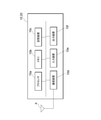
- FIG. 4 is a diagram showing an example of a functional block configuration of a user terminal according to the present embodiment.
- the user terminal 10 includes a receiving unit 11, a storage unit 12, a determination unit 13, a control unit 14, a measuring unit 15, and a transmitting unit 16.
- the receiving unit 11 receives the downlink channel / signal. In addition, the receiving unit 11 performs processing (for example, demapping, demodulation, decoding, etc.) regarding information and / or data transmitted via the downlink channel / signal.
- processing for example, demapping, demodulation, decoding, etc.
- the receiving unit 11 includes priority information indicating the priority of one or more carrier frequencies and information regarding access restrictions of a specific user terminal in a specific frequency band (hereinafter referred to as "access restriction information"). , Receive.
- the priority information may indicate the priority of one or more carrier frequencies in the same frequency band as the current carrier frequency and / or in a different frequency band. Further, the priority information may indicate the priority of one or more carrier frequencies of the same RAT and / or different RAT as the current carrier frequency.
- the current carrier frequency may be the carrier frequency of the camp-on cell C or the suiteable cell.
- the priority information may be included in system information (eg, at least one of MIB, SIB1-9) and / or RRC release message. Further, the priority information is, for example, RRC IE "CellReselectionPriority" and / or “CellReselectionSubPriority”, and may be associated with information indicating a carrier frequency (for example, ARFCN). Further, the priority information may indicate the priority with a predetermined value (for example, 0 to 7), and the lower the value, the lower the priority.
- a predetermined value for example, 0 to 7
- the access restriction information may indicate whether or not to restrict the access of the specific user terminal 10 in the specific frequency band.
- the access restriction information is 1 bit, and the bit value may be set to "1" when the access restriction is performed.
- the access restriction information may be included in system information (eg, at least one of MIB, SIB1-9) and / or RRC release message.
- the specific user terminal 10 subject to access restriction is a user terminal 10 having a predetermined number (for example, 2) or less of receiving antennas, and a user terminal 10 having a supported maximum bandwidth of less than or equal to a predetermined value.
- the user terminal 10 or the like in which the maximum data speed to be supported is a predetermined value or less than a predetermined value may be used.
- the specific frequency band may be, for example, frequency bands n7, n38, n41, n77, n78 and n79.
- the access restriction information may be composed of a plurality of bits in order to apply different access restrictions for each frequency band or each group of frequency bands.
- the storage unit 12 stores the priority information and access restriction information received by the reception unit 11.
- the determination unit 13 determines the priority of the carrier frequency in the specific frequency band based on the priority information and the access restriction information.
- the determination unit 13 when the user terminal 10 is subject to the access restriction indicated by the access restriction information, the determination unit 13 indicates the priority of the carrier frequency in the specific frequency band by the priority information. It may be determined to be lower than the priority of the carrier frequency of the frequency band of. On the other hand, when the user terminal 10 is not subject to the access restriction indicated by the access restriction information, the determination unit 13 determines the priority of the carrier frequency in the specific frequency band of the carrier frequency indicated by the priority information. It may be decided as a priority.
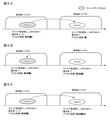
- 5A to 5C are diagrams showing an example of determining the priority of the carrier frequency according to the present embodiment.
- the user terminal 10 has priority of carrier frequency FX1 corresponding to ARFCN # X1 of frequency band # X and priority of carrier frequency FY1 corresponding to ARFCN # Y1 of frequency band # Y. It shall receive priority information indicating the degree and. Further, in the priority information, it is assumed that the priority "5" of the carrier frequency FX1 is higher than the priority "3" of the carrier frequency FY1 . Further, in cells C1 and C2, carrier frequencies FX1 and FY1 are used, respectively. Further, it is assumed that the user terminal 10 is in an idle state or an inactive state and is camping on in the cell C1.
- the access of the low-capacity terminal is restricted in the frequency band # X, but the access of the low-capacity terminal is not restricted in the frequency band # Y.
- the user terminal 10 receives the access restriction information indicating that the access of the low-capacity terminal is restricted in the cell C1, is low-capacity with respect to the frequency band # X, and is subject to the access restriction in the frequency band # X. Recognize that.
- the determination unit 13 since the user terminal 10 is subject to access restriction of the frequency band # X , the determination unit 13 indicates the priority of the carrier frequency FX1 to the carrier frequency F of another frequency band # Y indicated by the priority information.
- the priority is determined to be lower than the priority "3" of Y1 .
- the determination unit 13 regards the priority of the carrier frequency FX1 as the lowest priority "0” instead of the priority "5" of the carrier frequency FX1 indicated by the priority information.
- the priority "3" of the carrier frequency FY1 of the frequency band #Y becomes higher than the priority "0" of the carrier frequency FX1 of the frequency band #X.
- the determination unit 13 determines the priority of the carrier frequency FX1 in the frequency band # X by the priority information. Regardless of the indicated priority "5", the lowest priority "0" may be determined.
- FIG. 5B differs from FIG. 5A in that the access of the low-capacity terminal is restricted not only in the frequency band #X but also in the frequency band #Y.
- the user terminal 10 receives access restriction information indicating that the access of the low-capacity terminal is restricted in the frequency bands # X and #Y, and is low-capacity with respect to the frequency bands # X and #Y, and has a frequency. Recognize that it is subject to access restrictions in bands # X and # Y.
- the priority information does not include the priority of the carrier frequency of other frequency bands (that is, frequency bands other than the frequency bands # X and # Y) that the user terminal 10 is not subject to access restriction. Therefore, the determination unit 13 sets the priority of the carrier frequency FX1 to the priority of the carrier frequency FY1 in accordance with the priorities "5" and "3" of the carrier frequencies FX1 and FY1 indicated by the priority information. You may decide high.
- the determination unit 13 determines the carrier frequencies of other frequency bands in which the user terminal 10 is subject to the access restriction for the frequency bands # X and #Y and the priority information is not subject to the access restriction.
- the priority of the carrier frequencies FX1 and FY1 may be determined according to the priorities "5" and "3" indicated by the priority information.
- the carrier frequencies FX1 and the carrier frequencies FX1 of the frequency bands #X and #Y may be determined to be lower than the priority of the carrier frequency of the frequency band #Z indicated by the priority information.
- FIG. 5C differs from FIG. 5B in that the frequency band #Y limits the access of the low-capacity terminal, while the user terminal 10 is not subject to the access restriction.
- the user terminal 10 receives the access restriction information indicating that the access of the low-capacity terminal is restricted in the frequency bands # X and #Y, and is subject to the access restriction in the frequency band # X based on the access restriction information. However, it is recognized that it is not subject to access restrictions in the frequency band #Y.
- the determination unit 13 determines the priority of the carrier frequency FX1 as the carrier frequency FY1 of the frequency band # Y indicated by the priority information. Priority is determined to be lower than the priority "3". For example, in FIG. 5C, the determination unit 13 considers the priority “5” of the carrier frequency FX1 indicated by the priority information as the lowest priority “0”. As a result, the priority "3" of the carrier frequency FY1 of the frequency band # Y whose access restriction does not apply to the user terminal 10 becomes the priority "3" of the carrier frequency FX1 of the frequency band # X subject to the access restriction. It will be higher than "0".
- the determination unit 13 is based on whether or not the frequency band restricts the access of the low-capacity terminal and / or whether or not the own terminal is subject to the access restriction to the frequency band. , The priority of the carrier frequency indicated by the priority information may be updated.
- cells C1 and C2 may be the same RAT (for example, EUTRA or NR) or different RATs (for example, EUTRA and NR).
- the control unit 14 controls the selection or reselection of the cell C to camp on based on the priority determined by the determination unit 13. Specifically, the control unit 14 selects or reselects the cell C having a predetermined carrier frequency based on the priority determined by the determination unit 13 and / or the measurement result by the measurement unit 15, and selects or reselects the cell C. You may camp on to the selected cell C.
- control unit 14 When the control unit 14 detects a predetermined trigger, it performs access processing (for example, a random access procedure) to the cell C to camp on, and establishes an RRC connection. Specifically, the control unit 14 may determine whether or not the access of the user terminal 10 to the cell C is denied based on the access restriction information received by the reception unit 11. As a result, it is possible to prevent the access to the cell C of the carrier frequency in the frequency band supported by the user terminal 10 from failing due to the access restriction of a specific user terminal (for example, a low-capacity terminal).
- access processing for example, a random access procedure
- the measuring unit 15 measures one or more carrier frequencies F based on the priority determined by the determining unit 13. Specifically, the measuring unit 15 may measure the received power and / or the received quality of the downlink signal / channel transmitted in one or more cells C of each carrier frequency F.
- the received power may be, for example, ReferenceSignalReceivedPower (RSRP) or SynchronizationSignalbasedReferenceSignalReceivedPower (SS-RSRP).
- the reception quality may be, for example, Reference Signal Received Quality (RSRQ), Synchronization Signal based Reference Signal Received Quality (SS-RSRQ) and / or Synchronization Signal based Signal to Noise and Interference Ratio (SS-SINR).
- the transmission unit 16 transmits an upstream channel / signal.
- the transmission unit 16 performs processing (for example, coding, modulation, mapping to resources, etc.) regarding information and / or data transmitted via the upstream channel / signal.
- the storage unit 12 may be realized by, for example, a storage device 10c.
- the receiving unit 11, the measuring unit 15, and the transmitting unit 16 may be realized by, for example, the communication device 10d, or may be realized by the processor 10a executing the program stored in the storage device 10c in addition to the communication device 10d. May be good.
- the control unit 14 may be realized by the processor 10a executing a program stored in the storage device 10c.
- the program When executing a program, the program may be stored in a storage medium.
- the storage medium in which the program is stored may be a computer-readable non-transitory storage medium (Non-transitory computer readable medium).
- the non-temporary storage medium is not particularly limited, but may be, for example, a storage medium such as a USB (Universal Serial Bus) memory or a CD-ROM (Compact Disc ROM).
- FIG. 6 is a diagram showing an example of a functional block configuration of a base station according to the present embodiment.
- the base station 20 includes a transmission unit 21, a reception unit 22, and a control unit 23.
- the transmission unit 21 transmits a downlink channel / signal.
- the transmission unit 21 performs processing (for example, coding, decoding, mapping to resources, etc.) regarding information and / or data transmitted via the downlink channel / signal.
- the transmission unit 21 receives the priority information and the access restriction information.
- the receiving unit 22 receives the upstream channel / signal. In addition, the receiving unit 22 performs processing (for example, demapping, demodulation, decoding, etc.) regarding information and / or data transmitted via the upstream channel / signal.
- processing for example, demapping, demodulation, decoding, etc.
- the control unit 23 controls the transmission of the downlink channel / signal by the transmission unit 21 and / or the reception of the uplink channel / signal by the reception unit 22. Further, the control unit 23 may control the scheduling of PDSCH and / or PUSCH.
- the transmitting unit 21 and the receiving unit 22 may be realized by, for example, the communication device 10d, or may be realized by the processor 10a executing a program stored in the storage device 10c in addition to the communication device 10d. ..
- the control unit 23 may be realized by the processor 10a executing a program stored in the storage device 10c.
- FIG. 7 is a diagram showing an example of the cell selection / reselection operation according to the present embodiment.
- the user terminal 10 is in an idle state or an inactive state, and is camping on in the cell C1 of the carrier frequency FX1 of the frequency band #X.
- the access of the user terminal 10 is not restricted in the frequency band #Y.
- FIG. 7 is merely an example and is not limited to those shown in the illustration, and the order of steps and the like can be changed as appropriate.
- the user terminal 10 receives the system information from the base station 20A in the camp-on cell C1.
- the system information may include the above priority information and / or access restriction information.
- the user terminal 10 is restricted from accessing a specific user terminal (for example, a low-capacity terminal) in the frequency band # X including the carrier frequency FX1 of the cell C1 based on the access restriction information received in step S101. Recognize that. In this case, the user terminal 10 does not have to perform access processing (for example, random access processing) to the cell C1 even when a predetermined trigger is detected. As a result, it is possible to prevent the user terminal 10 from being denied access to the cell C1 of the supported frequency band # X.
- access processing for example, random access processing
- step S102 the user terminal 10 determines the priority of the carrier frequency FX1 in the frequency band #X based on the priority information and the access restriction information received in step S101. For example, as described in FIGS. 5A and 5C, when the user terminal 10 is subject to the access restriction with respect to the frequency band # X , the user terminal 10 has a carrier frequency FX1 in the frequency band # X.
- the priority may be determined to be the lowest priority "0" regardless of the priority "5" indicated by the priority information.
- step S103 the user terminal 10 controls the selection or reselection of the cell C to camp on based on the priority determined in step S102.
- cell C2 of the carrier frequency FY1 of the frequency band # Y without access restriction of the specific user terminal 10 may be selected or reselected.
- the user terminal 10 changes the camp-on cell C from cell C1 to cell C2.
- step S104 the user terminal 10 receives the system information from the base station 20B in the newly camp-on cell C2.
- the system information may include the above priority information and / or access restriction information.
- the user terminal 10 is not restricted in access to a specific user terminal (for example, a low-capacity terminal) in the frequency band # Y including the carrier frequency FY1 of the cell C2 based on the access restriction information received in step S104. Recognize that you are out of scope.
- the user terminal 10 may perform an access process to the cell C1. This is because the access of the user terminal 10 to the cell C2 is not denied.
- step S105 when the user terminal 10 detects a predetermined trigger, the user terminal 10 starts a random access procedure for the cell C2.
- the user terminal 10 may establish or restart the RRC connection upon completion of the random access procedure.
- the user terminal 10 transitions from the idle state or the inactive state to the connected state.
- the priority information and the access restriction information are received at the same timing, but may be received at a plurality of different timings. Further, instead of the priority information and / or access restriction information in the system information received in step S101, the priority information and / or access restriction information included in the RRC release message may be used. Since the system information is unique to cell C1 (common among the user terminals 10 in cell C1), the RRC release message is unique to the user terminal 10, so that the priority information and / or the priority information in the RRC release message and / or Access restriction information may be prioritized.
- the priority of the carrier frequency of the specific frequency band to which the own terminal is subject to access restriction is not subject to access restriction. Since it is set lower than the priority of the carrier frequency of another frequency band, it becomes difficult to select or reselect the cell C of the specific frequency band. As a result, even when the access of the specific user terminal 10 is restricted in the specific frequency band, the user terminal 10 can appropriately communicate.
- the user terminal 10 determines whether or not to perform access processing to the camp-on cell C based on the access restriction information transmitted in the cell C, the carrier frequency in the frequency band supported by the user terminal 10 is used. It is possible to prevent access to cell C from being denied.
- the access restriction information relates to the access restriction for a specific frequency band, but the target of the access restriction is not limited to the specific frequency band, but may be a specific carrier frequency or a specific cell C. good. Further, the access restriction information may be notified for each frequency band, for each carrier frequency in the frequency band, or for each cell C of the carrier frequency.
- 1 wireless communication system, 10 ... user terminal, 20 ... base station, 30 ... core network, 11 ... reception unit, 12 ... storage unit, 13 ... determination unit, 14 ... control unit, 15 ... measurement unit, 16 ... transmission unit , 21 ... Transmitter, 22 ... Receiver, 23 ... Control, A ... Antenna, 10a ... Processor, 10b ... Memory, 10c ... Storage device, 10d ... Communication device, 10e ... Input device, 10f ... Output device
Landscapes
- Engineering & Computer Science (AREA)
- Computer Security & Cryptography (AREA)
- Computer Networks & Wireless Communication (AREA)
- Signal Processing (AREA)
- Mobile Radio Communication Systems (AREA)
Abstract
特定の周波数バンドにおいて特定のユーザ端末のアクセスが制限される場合でも適切に通信を行うこと。ユーザ端末は、一以上のキャリア周波数の優先度を示す優先度情報と、特定の周波数バンドにおける特定のユーザ端末のアクセス制限に関する情報と、を受信する受信部と、前記優先度情報と、前記アクセス制限に関する情報に基づいて、前記特定の周波数バンド内のキャリア周波数の優先度を決定する決定部と、前記決定された優先度に基づいて、キャンプオンするセルの選択又は再選択を制御する制御部と、を備える。
Description
本発明は、ユーザ端末及び無線通信方法に関する。
国際標準化団体である3GPP(Third Generation Partnership Project)では、第3.9世代の無線アクセス技術(Radio Access Technology:RAT)であるLTE(Long Term Evolution)、第4世代のRATであるLTE-Advancedの後継として、第5世代(Fifth Generation:5G)のRATであるNR(New Radio)のリリース15が仕様化されている(例えば、非特許文献1)。3GPPでは、NRのリリース16以降の検討も進められている。
NRは、複数の周波数範囲(frequency range:FR)で動作可能とすることが検討されている。例えば、NRが動作するFRとしては、410MHz~7125MHzに対応するFR1と、24250MHz~52600MHzに対応するFR2が検討されている。また、各FRには、複数の周波数バンド(frequency band)が含まれる。
3GPP TS 38.300 V15.9.0 (2020-03)
NRでは、特定のユーザ端末(User Equipment:UE)でサポートされる周波数バンドであっても、当該特定のユーザ端末のアクセスを制限することが検討されている。この場合、当該特定のユーザ端末がサポートする周波数バンド内のキャリア周波数のセルであっても、当該セルに対する当該特定のユーザ端末のアクセスが拒否されるため、当該特定のユーザ端末は適切に通信を行うことができない恐れがある。
本発明はこのような事情に鑑みてなされたものであり、特定の周波数バンドにおいて特定のユーザ端末のアクセスが制限される場合でも適切に通信を行うことが可能なユーザ端末及び無線通信方法を提供することを目的の一つとする。
本発明の一の側面に係るユーザ端末は、一以上のキャリア周波数の優先度を示す優先度情報と、特定の周波数バンドにおける特定のユーザ端末のアクセス制限に関する情報と、を受信する受信部と、前記優先度情報と、前記アクセス制限に関する情報に基づいて、前記特定の周波数バンド内のキャリア周波数の優先度を決定する決定部と、前記決定された優先度に基づいて、キャンプオンするセルの選択又は再選択を制御する制御部と、を備える。
本発明の他の側面に係る無線通信方法は、一以上のキャリア周波数の優先度を示す優先度情報と、特定の周波数バンドにおける特定のユーザ端末のアクセス制限に関する情報と、を受信する工程と、前記優先度情報と、前記アクセス制限に関する情報に基づいて、前記特定の周波数バンド内のキャリア周波数の優先度を決定する工程と、前記決定された優先度に基づいて、キャンプオンするセルの選択又は再選択を制御する工程と、を有する。
本発明によれば、特定の周波数バンドにおいて特定のユーザ端末のアクセスが制限される場合でも適切に通信を行うことができる。
添付図面を参照して、本発明の実施形態について説明する。なお、各図において、同一の符号を付したものは、同一又は同様の構成を有してもよい。
(無線通信システムの概要)
図1は、本実施形態に係る無線通信システムの概要の一例を示す図である。図1に示すように、無線通信システム1は、ユーザ端末10と、基地局20A~20Bと、コアネットワーク30と、を含んでもよい。なお、基地局20A~20B、セルC1~C2を区別しない場合、それぞれ、基地局20、セルCと総称する。また、図1に示すユーザ端末10、基地局20の数は例示にすぎず、図示する数に限られない。
図1は、本実施形態に係る無線通信システムの概要の一例を示す図である。図1に示すように、無線通信システム1は、ユーザ端末10と、基地局20A~20Bと、コアネットワーク30と、を含んでもよい。なお、基地局20A~20B、セルC1~C2を区別しない場合、それぞれ、基地局20、セルCと総称する。また、図1に示すユーザ端末10、基地局20の数は例示にすぎず、図示する数に限られない。
無線通信システム1は、一つ又は複数の無線アクセス技術(RAT)で動作する。例えば、無線通信システム1は、LTE、LTE-Advanced又はNRのいずれかで動作してもよいし、LTE及び/又はLTE-AdvancedとNRとを含む複数のRAT(multi-RAT)で動作してもよい。LTE及び/又はLTE-Advancedは、Evolved Universal Terrestrial Radio Access(EUTRA)とも呼ばれる。
図1に示すように、ユーザ端末10は、例えば、スマートフォンや、パーソナルコンピュータ、車載端末、車載装置、静止装置等、所定の端末又は装置である。ユーザ端末10は、User Equipment(UE)等と呼ばれてもよい。ユーザ端末10は、移動型であってもよいし、固定型であってもよい。ユーザ端末10は、例えば、EUTRA及びNRの少なくとも一つのRATで通信可能に構成される。
基地局20は、一以上のセルCを形成する。セルCは、サービングセル、キャリア、コンポーネントキャリア(Component Carrier:CC)、プライマリセル(Primary Cell:PCell)、セカンダリセル(Secondary Cell:SCell)、スペシャルセル(Special Cell)等と言い換えられてもよい。なお、図1では、基地局20A及び20BはそれぞれセルC1及びC2を形成するが、これに限られず、各基地局は、一以上のセルCを形成してもよい。また、複数の基地局20は、所定のインタフェース(例えば、X2又はXnインタフェース)で互いに接続されてもよい。
基地局20は、EUTRA又はNRのいずれかの通信方式でユーザ端末10と通信する。基地局20は、eNodeB(eNB)、ng-eNB、gNodeB(gNB)、en-gNB、Next Generation‐Radio Access Network(NG-RAN)ノード、Donor eNodeB(DeNB)、Donor eNodeB(DeNB)、Donor node、又は、Central Unit、低電力ノード(low-power node)、pico eNB、Home eNB(HeNB)、Distributed Unit(DU)、gNB-DU、Remote Radio Head(RRH)、又は、Integrated Access and Backhaul/Backhauling(IAB)ノード等と呼ばれてもよい。
コアネットワーク30は、例えば、EUTRAに対応したコアネットワーク(Evolved Packet Core:EPC)、又は、NRに対応したコアネットワーク(5G Core Network:5GC)である。コアネットワーク30上の装置(以下、「コアネットワーク装置」ともいう)は、ユーザ端末10のページング、位置登録等の移動(mobility)管理を行う。コアネットワーク装置は、所定のインタフェース(例えば、S1又はNGインタフェース)を介して基地局20に接続されてもよい。
コアネットワーク装置は、例えば、ユーザ端末10の移動管理を行うMobility Management Entity(MME)、Cプレーンの情報(例えば、アクセス及び移動管理等に関する情報)を管理するAccess and Mobility Management Function(AMF)、Uプレーンの情報(例えば、ユーザデータ)の伝送制御を行うUser Plane Function(UPF)の少なくとも一つ等を含んでもよい。
無線通信システム1において、ユーザ端末10は、一つ又は複数の基地局20と通信を行うことができる。例えば、図1において、ユーザ端末10は、一以上のセルCをそれぞれ含む2つのセルグループに接続するデュアルコネクティビティ(Dual Connectivity:DC)により、通信を行うことができる。2つのセルグループが異なるRATを用いる場合、当該DCは、マルチRAT DCと呼ばれてもよい。また、ユーザ端末10は、複数のセルCを統合するキャリアアグリゲーション(Carrier Aggregation:CA)を用いて、通信を行うこともできる。
<チャネル/信号>
次に、無線通信システム1で用いられるチャネル及び/又は信号(以下、「チャネル/信号」ともいう)について説明する。基地局20からユーザ端末10に対して送信される下り(Downlink)のチャネル/信号は、例えば、以下の少なくとも一つを含む。
・報知情報の伝送に用いられる報知チャネル(例えば、物理報知チャネル(Physical Broadcast Channel:PBCH))
・同期信号(例えば、プライマリ同期信号(Primary Synchronization Signal:PSS)及び/又はセカンダリ同期信号(Secondary Synchronization Signal:PSS))
・下りデータの伝送に用いられる下り共有チャネル(例えば、物理下り共有チャネル(Physical Downlink Shared Channel:PDSCH))
・下り制御情報(Downlink Control Information:DCI)の伝送に用いられる下り制御チャネル(例えば、物理下り制御チャネル(Physical Downlink Control Channel:PDCCH))
・下り参照信号(例えば、PDCCH及び/又はPDSCHの復調参照信号(Demodulation Reference Signal:DMRS)、チャネル状態情報参照信号(Channel State Information Reference Signal:CSI-RS)等)。
次に、無線通信システム1で用いられるチャネル及び/又は信号(以下、「チャネル/信号」ともいう)について説明する。基地局20からユーザ端末10に対して送信される下り(Downlink)のチャネル/信号は、例えば、以下の少なくとも一つを含む。
・報知情報の伝送に用いられる報知チャネル(例えば、物理報知チャネル(Physical Broadcast Channel:PBCH))
・同期信号(例えば、プライマリ同期信号(Primary Synchronization Signal:PSS)及び/又はセカンダリ同期信号(Secondary Synchronization Signal:PSS))
・下りデータの伝送に用いられる下り共有チャネル(例えば、物理下り共有チャネル(Physical Downlink Shared Channel:PDSCH))
・下り制御情報(Downlink Control Information:DCI)の伝送に用いられる下り制御チャネル(例えば、物理下り制御チャネル(Physical Downlink Control Channel:PDCCH))
・下り参照信号(例えば、PDCCH及び/又はPDSCHの復調参照信号(Demodulation Reference Signal:DMRS)、チャネル状態情報参照信号(Channel State Information Reference Signal:CSI-RS)等)。
また、ユーザ端末10から基地局20に対して送信される上り(Uplink)のチャネル/信号は、以下の少なくとも一つを含む。
・ランダムアクセスプリアンブルの送信に用いられるランダムアクセスチャネル(例えば、物理ランダムアクセスチャネル(Physical Random Access Channel:PRACH)
・上り制御情報(Uplink Control Information:UCI)の伝送に用いられる上り制御チャネル(例えば、物理上り制御チャネル(Physical Uplink Control Channel:PUCCH))
・上りデータの伝送に用いられる上り共有チャネル(例えば、物理上り共有チャネル(Physical Uplink Shared Channel:PUSCH))
・上り参照信号(例えば、PUCCH及び/又はPUSCHのDMRS、サウンディング参照信号(Sounding Reference Signal:SRS)等)
・ランダムアクセスプリアンブルの送信に用いられるランダムアクセスチャネル(例えば、物理ランダムアクセスチャネル(Physical Random Access Channel:PRACH)
・上り制御情報(Uplink Control Information:UCI)の伝送に用いられる上り制御チャネル(例えば、物理上り制御チャネル(Physical Uplink Control Channel:PUCCH))
・上りデータの伝送に用いられる上り共有チャネル(例えば、物理上り共有チャネル(Physical Uplink Shared Channel:PUSCH))
・上り参照信号(例えば、PUCCH及び/又はPUSCHのDMRS、サウンディング参照信号(Sounding Reference Signal:SRS)等)
以下では、下りのチャネル/信号に含まれる報知チャネル、下り共有チャネル及び下り制御チャネルを、それぞれPBCH、PDSCH及びPDCCHと呼ぶが、名称はこれらに限られないことは勿論である。また、上りのチャネル/信号に含まれるランダムアクセスチャネル、上り制御チャネル、上り共有チャネルを、それぞれ、PRACH、PUCCH、PUSCHと呼ぶが、名称がこれらに限られないことは勿論である。
PBCHで伝送される報知情報には、システム情報が含まれる。また、上記PDSCHで伝送される下りデータには、例えば、システム情報、下りユーザデータ、RRC(Radio Resource Control)レイヤの情報(例えば、RRCメッセージ、RRC情報要素(RRC Information Element:RRC IE))、MAC(Medium Access Control)レイヤの情報(例えば、MAC制御要素(MAC Control Element:MAC CE))の少なくとも一つが含まれてもよい。
システム情報は、上記の通り、PBCH及び/又はPDSCHで伝送される。また、システム情報は、マスター情報ブロック(Master Information Block:MIB)と一以上のシステム情報ブロック(System Information Block:SIB)(例えば、SIB1~9)とを含む。ユーザ端末10は、PBCHを介してMIBを受信する。ユーザ端末10は、MIB内の情報に基づいてDCIを検出し、当該DCIに基づいてPDSCHを介してSIB1を受信してもよい。ユーザ端末10は、SIB1に含まれる情報に基づいてDCIを検出し、当該DCIに基づいてPDSCHを介してその他のシステム情報(例えば、SIB2~9の少なくとも一つ)を受信してもよい。
上記PDCCHで伝送されるDCIは、PDSCH及び/又はPUSCHのスケジューリングに用いられ、DCIフォーマット、スケジューリング情報等とも呼ばれる。ユーザ端末10は、サーチスペース内のPDCCH候補(PDCCH candidate)を監視(monitor)して、DCIを検出し、検出したDCIに基づいて、PDSCHを介した下りデータの受信又はPUSCHを介した上りデータの送信を行う。
<周波数バンド>
次に、無線通信システム1で用いられる周波数バンドについて説明する。無線通信システム1は、一つ又は複数の周波数範囲(FR)で動作する。例えば、無線通信システム1は、410MHz~7125MHzに対応するFR1及び/又は24250MHz~52600MHzに対応するFR2で動作してもよい。各FRには、一以上の周波数バンドが含まれる。当該周波数バンドは、オペレーティングバンド(operating band)、バンド(band)、NRオペレーティングバンド、NRバンド等とも呼ばれる。
次に、無線通信システム1で用いられる周波数バンドについて説明する。無線通信システム1は、一つ又は複数の周波数範囲(FR)で動作する。例えば、無線通信システム1は、410MHz~7125MHzに対応するFR1及び/又は24250MHz~52600MHzに対応するFR2で動作してもよい。各FRには、一以上の周波数バンドが含まれる。当該周波数バンドは、オペレーティングバンド(operating band)、バンド(band)、NRオペレーティングバンド、NRバンド等とも呼ばれる。
図2は、本実施形態に係る周波数バンドの一例を示す図である。例えば、図2では、FR1における各周波数バンドの一例が示される。図2に示すように、上り(UL)の周波数バンドと下り(DL)の周波数バンドとは、所定の識別子(例えば、n1、n2、…等)によって識別されてもよい。また、周波数バンド毎に複信モード(Duplex mode)が定めれてもよい。複信モードは、周波数分割複信(FDD)、時間分割複信(TDD)、又は、Supplementary uplink(SUL)のいずれかであってもよい。
各周波数バンドには、複数のARFCN(Absolute Radio Frequency Channel Number)が関連付けられている。各周波数バンドには、上り用のARFCN及び/又は下り用のARFCNが関連付けられる。ARFCNは、周波数バンド内でキャリアが配置される周波数(以下、「キャリア周波数」という)を識別してもよい。キャリア周波数は、RF参照周波数、NR周波数、EUTRA周波数、中心周波数、チャネルラスタ、単に、周波数等とも呼ばれる。このように、ARFCNとキャリア周波数は一意に関連付けられる。なお、E-UTRAのARFCNは、E-UTRAN ARFCN(EARFCN)と呼ばれてもよい。また、一つのキャリア周波数は、一つ又は複数のセルCで用いられてもよい。
各通信事業者には、一以上の周波数バンドが割り当てられる。また、各通信事業者には、各周波数バンド内の一以上のキャリア周波数が割り当てられる。また、ユーザ端末10には、ユーザ端末10の能力に基づいて、サポートする周波数バンドが予め定められてもよい。当該能力は、例えば、ユーザ端末10が備える受信アンテナの数、最大データ速度及び最大帯域幅等の少なくとも一つである。なお、受信アンテナは、受信アンテナポート、受信ポート等と言い換えることができる。
<ユーザ端末の状態>
次に、ユーザ端末10の状態(state)について説明する。ユーザ端末10の状態は、アイドル状態、非アクティブ状態、コネクティッド状態を含む。アイドル状態は、ユーザ端末10が基地局20との間のRRCコネクションを確立(establish)していない状態であり、RRC_IDLE状態、アイドルモード等とも呼ばれる。
次に、ユーザ端末10の状態(state)について説明する。ユーザ端末10の状態は、アイドル状態、非アクティブ状態、コネクティッド状態を含む。アイドル状態は、ユーザ端末10が基地局20との間のRRCコネクションを確立(establish)していない状態であり、RRC_IDLE状態、アイドルモード等とも呼ばれる。
アイドル状態のユーザ端末10は、セル選択及び/又はセル再選択(以下、「セル選択/再選択」という)により選択されたセルCにキャンプオン(camp on)し、当該セルCのシステム情報を受信する。「セルCにキャンプオンする」は、「セルCに在圏する」と言い換えられてもよい。ユーザ端末10は、EUTRAのセルCにキャンプオンする場合はEUTRA RRC_IDLE状態であり、NRのセルCにキャンプオンする場合はNR RRC_IDLE状態であってもよい。アイドル状態のユーザ端末10は、RRCコネクションを確立すると、コネクティッド状態に遷移する。
非アクティブ状態は、ユーザ端末10のRRCコネクションが一時停止(suspend)された状態であり、RRC_INACTIVE状態、非アクティブモード等とも呼ばれる。非アクティブ状態のユーザ端末10は、セル選択/再選択により選択されたセルCにキャンプオンし、当該セルCのシステム情報を受信する。ユーザ端末10は、EUTRAのセルCにキャンプオンする場合はEUTRA RRC_INACTIVE状態であり、NRのセルCにキャンプオンする場合はNR RRC_INACTIVE状態であってもよい。非アクティブ状態のユーザ端末10は、RRCコネクションを再開(resume)すると、コネクティッド状態に遷移する。
コネクティッド状態は、ユーザ端末10がRRCコネクションを確立している状態であり、RRC_CONNECTED状態、コネクティッドモード等とも呼ばれる。コネクティッド状態のユーザ端末10は、RRC解放メッセージによりRRCコネクションを解放するとアイドル状態に遷移し、RRCコネクションを一時停止すると非アクティブ状態に遷移する。
<セル選択/再選択>
次に、アイドル状態又は非アクティブ状態のユーザ端末10が行うセル選択及びセル再選択について説明する。
次に、アイドル状態又は非アクティブ状態のユーザ端末10が行うセル選択及びセル再選択について説明する。
セル選択とは、所定の基準を満たすセルC(「suitable cell」ともいう)を選択することである。セルCでは、基地局20から、所定周期で、PBCH及び/又は同期信号を含む同期信号ブロック(Synchronization Signal Block:SSB)(SS/PBCHブロックとも呼ばれる)が送信される。ユーザ端末10は、当該SSBの測定結果に基づいて、当該所定の基準を満たすセルCを選択してもよい。ユーザ端末10は、選択されたセルCにキャンプオンしてもよい。
セル再選択では、ユーザ端末10は、所定の基準(例えば、cell reselection criteria)にしたがって、キャンプオンするセルCを再選択する。セル再選択は、キャンプオンするセルCと同一のキャリア周波数のセルCの再選択(同周波数セル選択(intra-frequency cell reselection))、キャンプオンするセルCと異なるキャリア周波数のセルCの再選択(異周波数セル選択(inter-frequency cell reselection))、キャンプオンするセルCと異なるRATのキャリア周波数のセルCの再選択(RAT間周波数セル選択(inter-RAT frequency cell reselection))を含んでもよい。
具体的には、ユーザ端末10は、一以上のキャリア周波数の優先度を示す情報(以下、「優先度情報」という)に基づいて、一以上のキャリア周波数の優先度を決定し、決定した優先度に基づいてセルCの再選択を制御してもよい。当該優先度情報は、システム情報又はRRC解放メッセージに含まれてもよいし、又は、他のRATから引き継がれてもよい。当該優先度情報は、例えば、RRC IE「CellReselectionPriority」及び/又は「CellReselectionSubPriority」であってもよい。
例えば、SIB2は、現在のキャリア周波数(「サービング周波数」ともいう)についての優先度情報を含んでもよい。また、SIB4は、現在のキャリア周波数とは異なるキャリア周波数(周辺のキャリア周波数(neighbouring carrier frequencies))のリスト(例えば、「interFreqCarrierFreqList」)を含み、当該キャリア周波数毎に優先度情報を含んでもよい。また、SIB5は、他のRAT(例えば、EUTRA)のキャリア周波数のリスト(例えば、「carrierFreqListEUTRA」)を含み、当該他のRATのキャリア周波数毎に優先度情報を含んでもよい。
また、上記優先度情報は、RRCメッセージ(例えば、RRC解放(RRCRelease)メッセージ)含まれてもよい。RRC解放メッセージは、RRCコネクションの解放(release)又はRRCコネクションの一時中止(suspension)を要求するメッセージである。RRC解放メッセージは、一以上のキャリア周波数の上記優先度情報のリスト(例えば、「freqPriorityListEUTRA」及び/又は「freqPriorityListNR」)を含んでもよい。当該リストでは、現在のキャリア周波数、周辺のキャリア周波数、他のRATのキャリア周波数の少なくとも一つについての優先度情報が含まれてもよい。
<アクセス制限>
ところで、NRのリリース15及び16では、周波数バンド毎にサポートするユーザ端末10の能力を定めることができる。例えば、図2の周波数バンドn7、n38、n41、n77、n78及びn79では、ユーザ端末10は、4以上の受信アンテナを備えることが要求される。また、図2の周波数バンドn7、n38、n41、n77、n78及びn79以外の周波数バンドでは、ユーザ端末10は、2以上の受信アンテナを備えることが要求される。
ところで、NRのリリース15及び16では、周波数バンド毎にサポートするユーザ端末10の能力を定めることができる。例えば、図2の周波数バンドn7、n38、n41、n77、n78及びn79では、ユーザ端末10は、4以上の受信アンテナを備えることが要求される。また、図2の周波数バンドn7、n38、n41、n77、n78及びn79以外の周波数バンドでは、ユーザ端末10は、2以上の受信アンテナを備えることが要求される。
NRリリース17以降では、ユーザ端末10のコストを削減する観点から、特定の周波数バンドでは、当初要求していた能力よりも低い能力のユーザ端末10(以下、「低能力端末」という)もサポートすることが検討されている。例えば、上記周波数バンドn7、n38、n41、n77、n78及びn79の少なくとも一つでは、4よりも少ない受信アンテナ数(例えば、2受信アンテナ)のユーザ端末10をサポートすることが検討されている。
一方、上記特定の周波数バンドにおける低能力端末のアクセスを許容すべきか否かは、通信事業者によって要望が異なる。例えば、低能力端末のアクセスを許容しない場合、ユーザ端末10に低能力端末よりも多くの受信アンテナが実装されるので、下りのカバレッジが拡張され、ネットワークキャシティが増加する。一方、低能力端末のアクセスを許容する場合、ユーザ端末10が上記多くの受信アンテナを実装する必要がないので、ユーザ端末10のコストを低減できる。なお、アクセスは、接続(connect)等と言い換えられてもよい。
このため、当該特定の周波数バンドを利用する基地局20の設定により、通信事業者が当該特定の周波数バンドにおける低能力端末のアクセスを制限可能とすることも検討されている。しかしながら、特定の周波数バンドにおける低能力端末のアクセスを制限する場合、当該アクセス制限の対象となるユーザ端末10がサポートする周波数バンド内のキャリア周波数であるにも関わらず、当該周波数バンドのセルCに対する当該ユーザ端末10のアクセスが拒否される恐れがある。同様の問題は、低能力端末に限られず、特定のユーザ端末のアクセスを制限する場合に起こり得る。
そこで、ユーザ端末10は、特定の周波数バンドにおける特定のユーザ端末10(例えば、低能力端末)のアクセス制限に関する情報を受信し、当該アクセス制限に関する情報に基づいて当該特定の周波数バンド内のキャリア周波数の優先度を決定し、決定された優先度に基づいて、キャンプオンするセルCの選択又は再選択を制御する。これにより、キャンプオンするセルCが適切に選択又は再選択されるので、特定の周波数バンドで特定のユーザ端末10のアクセスが制限される場合でも、ユーザ端末10が適切に通信を行うことができる。
(無線通信システムの詳細構成)
次に、以上のような無線通信システム1の各装置の詳細構成について説明する。なお、以下の構成は、本実施形態の説明において必要な構成を示すためのものであり、各装置が図示以外の機能ブロックを備えることを排除するものではない。
次に、以上のような無線通信システム1の各装置の詳細構成について説明する。なお、以下の構成は、本実施形態の説明において必要な構成を示すためのものであり、各装置が図示以外の機能ブロックを備えることを排除するものではない。
<ハードウェア構成>
図3は、本実施形態に係る無線通信システム内の各装置のハードウェア構成の一例を示す図である。無線通信システム1内の各装置(例えば、ユーザ端末10及び基地局20の各々)は、プロセッサ10a、メモリ10b、記憶装置10c、有線又は無線通信を行う通信装置10d、入力操作を受け付ける入力装置10e、情報の出力を行う出力装置10f及び一以上のアンテナAを少なくとも有する。
図3は、本実施形態に係る無線通信システム内の各装置のハードウェア構成の一例を示す図である。無線通信システム1内の各装置(例えば、ユーザ端末10及び基地局20の各々)は、プロセッサ10a、メモリ10b、記憶装置10c、有線又は無線通信を行う通信装置10d、入力操作を受け付ける入力装置10e、情報の出力を行う出力装置10f及び一以上のアンテナAを少なくとも有する。
プロセッサ10aは、例えば、CPU(Central Processing Unit)であり、無線通信システム1内の各装置を制御する。プロセッサ10aは、各装置を制御する制御部を構成してもよい。
メモリ10bは、例えば、ROM(Read Only Memory)、EPROM(Erasable Programmable ROM)、EEPROM(Electrically Erasable Programmable ROM)及び/又はRAM(Random Access Memory)等から構成される。
記憶装置10cは、例えば、HDD(Hard Disk Drive)、SSD(Solid State Drive)及び/又はeMMC(embedded Multi Media Card)等のストレージから構成される。
通信装置10dは、有線及び/又は無線ネットワークを介して通信を行う装置であり、例えば、ネットワークカード、通信モジュールなどである。また、通信装置10dには、アンプ、無線信号に関する処理を行うRF(Radio Frequency)装置と、ベースバンド信号処理を行うBB(BaseBand)装置とを含んでいてもよい。
RF装置は、例えば、BB装置から受信したデジタルベースバンド信号に対して、D/A変換、変調、周波数変換、電力増幅等を行うことで、アンテナAから送信する無線信号を生成する。また、RF装置は、アンテナAから受信した無線信号に対して、周波数変換、復調、A/D変換等を行うことでデジタルベースバンド信号を生成してBB装置に送信する。BB装置は、デジタルベースバンド信号をIPパケットに変換する処理、及び、IPパケットをデジタルベースバンド信号に変換する処理を行う。
入力装置10eは、例えば、キーボード、タッチパネル、マウス及び/又はマイク等である。出力装置10fは、例えば、ディスプレイ及び/又はスピーカ等である。
<機能ブロック構成>
≪ユーザ端末≫
図4は、本実施形態に係るユーザ端末の機能ブロック構成の一例を示す図である。図4に示すように、ユーザ端末10は、受信部11と、記憶部12、決定部13と、制御部14と、測定部15と、送信部16と、を備える。
≪ユーザ端末≫
図4は、本実施形態に係るユーザ端末の機能ブロック構成の一例を示す図である。図4に示すように、ユーザ端末10は、受信部11と、記憶部12、決定部13と、制御部14と、測定部15と、送信部16と、を備える。
受信部11は、下りのチャネル/信号を受信する。また、受信部11は、当該下りのチャネル/信号を介して伝送された情報及び/又はデータに関する処理(例えば、デマッピング、復調、復号等)を行う。
具体的には、受信部11は、一以上のキャリア周波数の優先度を示す優先度情報と、特定の周波数バンドにおける特定のユーザ端末のアクセス制限に関する情報(以下、「アクセス制限情報」という)と、を受信する。
当該優先度情報は、現在のキャリア周波数と同一の周波数バンド及び/又は異なる周波数バンド内の一以上のキャリア周波数の優先度を示してもよい。また、当該優先度情報は、現在のキャリア周波数と同一のRAT及び/又は異なるRATの一以上のキャリア周波数の優先度を示してもよい。なお、現在のキャリア周波数とは、キャンプオンするセルC又はsuitable cellのキャリア周波数であってもよい。
当該優先度情報は、システム情報(例えば、MIB、SIB1~9の少なくとも一つ)、及び/又は、RRC解放メッセージに含まれてもよい。また、優先度情報は、例えば、RRC IE「CellReselectionPriority」及び/又は「CellReselectionSubPriority」であり、キャリア周波数を示す情報(例えば、ARFCN)と対応付けられてもよい。また、当該優先度情報は、所定値(例えば、0~7)で優先度を示し、値が低いほど優先度が低いことを示してもよい。
また、アクセス制限情報は、特定の周波数バンドにおいて特定のユーザ端末10のアクセスを制限するか否かを示してもよい。例えば、アクセス制限情報は、1ビットであり、アクセス制限を行う場合に当該ビット値が「1」にセットされてもよい。当該アクセス制限情報は、システム情報(例えば、MIB、SIB1~9の少なくとも一つ)、及び/又は、RRC解放メッセージに含まれてもよい。
また、アクセス制限の対象となる特定のユーザ端末10は、所定数(例えば、2)以下又は未満の受信アンテナを備えるユーザ端末10、サポートする最大帯域幅が所定値以下又は未満であるユーザ端末10、サポートする最大データ速度が所定値又は未満であるユーザ端末10等であってもよい。また、当該特定の周波数バンドは、例えば、周波数バンドn7、n38、n41、n77、n78及びn79であってもよい。アクセス制限情報は、周波数バンド毎もしくは周波数バンドのグループ毎に異なるアクセス制限を適用させるため、複数ビットにより構成されても良い。
記憶部12は、受信部11で受信された優先度情報及びアクセス制限情報を記憶する。
決定部13は、上記優先度情報とアクセス制限情報とに基づいて、特定の周波数バンド内のキャリア周波数の優先度を決定する。
具体的には、決定部13は、ユーザ端末10が上記アクセス制限情報によって示されるアクセス制限の対象である場合、当該特定の周波数バンド内のキャリア周波数の優先度を、上記優先度情報が示す他の周波数バンドのキャリア周波数の優先度よりも低く決定してもよい。一方、決定部13は、ユーザ端末10が上記アクセス制限情報によって示されるアクセス制限の対象ではない場合、当該特定の周波数バンド内のキャリア周波数の優先度を、上記優先度情報が示す当該キャリア周波数の優先度に決定してもよい。
図5A~5Cは、本実施形態に係るキャリア周波数の優先度の決定の一例を示す図である。例えば、図5A~5Cでは、ユーザ端末10は、周波数バンド#XのARFCN#X1に対応するキャリア周波数FX1の優先度と、周波数バンド#YのARFCN#Y1に対応するキャリア周波数FY1の優先度と、を示す優先度情報を受信するものとする。また、当該優先度情報では、キャリア周波数FX1の優先度「5」がキャリア周波数FY1の優先度「3」よりも高いものとする。また、セルC1及びC2では、それぞれ、キャリア周波数FX1及びFY1が用いられるものとする。また、ユーザ端末10は、アイドル状態又は非アクティブ状態であり、セルC1にキャンプオンしているものとする。
例えば、図5Aでは、周波数バンド#Xにおいて低能力端末のアクセスが制限されるが、周波数バンド#Yにおいては低能力端末のアクセスは制限されない。ユーザ端末10は、セルC1において低能力端末のアクセスが制限されることを示すアクセス制限情報を受信し、自身が周波数バンド#Xに対して低能力であり、周波数バンド#Xにおけるアクセス制限の対象となることを認識する。
図5Aでは、決定部13は、ユーザ端末10が周波数バンド#Xのアクセス制限の対象であるので、キャリア周波数FX1の優先度を、優先度情報が示す他の周波数バンド#Yのキャリア周波数FY1の優先度「3」よりも低い優先度に決定する。例えば、図5Aでは、決定部13は、キャリア周波数FX1の優先度を、優先度情報が示すキャリア周波数FX1の優先度「5」ではなく、最低の優先度「0」とみなす。これにより、周波数バンド#Yのキャリア周波数FY1の優先度「3」が、周波数バンド#Xのキャリア周波数FX1の優先度「0」よりも高くなる。
このように、決定部13は、周波数バンド#Xに対して当該ユーザ端末10が当該アクセス制限の対象である場合、当該周波数バンド#X内のキャリア周波数FX1の優先度を、優先度情報が示す優先度「5」に関わらず、最低の優先度「0」に決定してもよい。
図5Bでは、周波数バンド#Xに加えて周波数バンド#Yでも低能力端末のアクセスが制限される点で、図5Aと異なる。ユーザ端末10は、周波数バンド#X及び#Yにおいて低能力端末のアクセスが制限されることを示すアクセス制限情報を受信し、自身が周波数バンド#X及び#Yに対して低能力であり、周波数バンド#X及び#Yにおけるアクセス制限の対象となることを認識する。
図5Bでは、優先度情報は、ユーザ端末10がアクセス制限の対象とならない他の周波数バンド(すなわち、周波数バンド#X及び#Y以外の周波数バンド)のキャリア周波数の優先度を含まない。このため、決定部13は、優先度情報が示すキャリア周波数FX1及びFY1の優先度「5」及び「3」に従って、キャリア周波数FX1の優先度を、キャリア周波数FY1の優先度よりも高く決定してもよい。
このように、決定部13は、周波数バンド#X及び#Yに対して当該ユーザ端末10が当該アクセス制限の対象であり、優先度情報がアクセス制限の対象とならない他の周波数バンドのキャリア周波数の優先度を示さない場合、キャリア周波数FX1及びFY1の優先度を、優先度情報が示す優先度「5」「3」に従って決定してもよい。
なお、図示しないが、図5Bにおいて、低能力端末のアクセスを制限しない周波数バンド#Zのキャリア周波数の優先度が優先度情報によって示される場合、周波数バンド#X及び#Yのキャリア周波数FX1及びFY1の優先度「5」及び「3」を、当該優先度情報が示す周波数バンド#Zのキャリア周波数の優先度よりも低く決定してもよい。
図5Cでは、周波数バンド#Yでは、低能力端末のアクセスが制限される一方で、ユーザ端末10は当該アクセス制限の対象とならない点で、図5Bと異なる。ユーザ端末10は、周波数バンド#X及び#Yにおいて低能力端末のアクセスが制限されることを示すアクセス制限情報を受信し、当該アクセス制限情報に基づいて、周波数バンド#Xにおけるアクセス制限の対象となるが、周波数バンド#Yにおけるアクセス制限の対象とはならないことを認識する。
図5Cでは、決定部13は、ユーザ端末10が周波数バンド#Yのアクセス制限の対象外であるので、キャリア周波数FX1の優先度を、優先度情報が示す周波数バンド#Yのキャリア周波数FY1の優先度「3」よりも低い優先度に決定する。例えば、図5Cでは、決定部13は、優先度情報が示すキャリア周波数FX1の優先度「5」を最低の優先度「0」とみなす。これにより、ユーザ端末10がアクセス制限の対象とならない周波数バンド#Yのキャリア周波数FY1の優先度「3」が、当該アクセス制限の対象となる周波数バンド#Xのキャリア周波数FX1の優先度「0」よりも高くなる。
このように、決定部13は、周波数バンドが低能力端末のアクセスを制限するか否か、及び/又は、当該周波数バンドに対して自端末がアクセス制限の対象となるか否かと、に基づいて、優先度情報が示すキャリア周波数の優先度を更新してもよい。
なお、図5A~5CにおいてセルC1及びC2は、同一のRAT(例えば、EUTRA又はNR)であってもよいし、異なるRAT(例えば、EUTRA及びNR)であってもよい。
制御部14は、決定部13によって決定された優先度に基づいて、キャンプオンするセルCの選択又は再選択を制御する。具体的には、制御部14は、決定部13によって決定された優先度及び/又は測定部15による測定結果に基づいて、所定のキャリア周波数のセルCの選択又は再選択を行い、選択又は再選択されたセルCにキャンプオンしてもよい。
制御部14は、所定のトリガを検出すると、キャンプオンするセルCに対するアクセス処理(例えば、ランダムアクセス手順)を行い、RRCコネクションを確立する。具体的には、制御部14は、受信部11によって受信されたアクセス制限情報に基づいて、当該セルCに対するユーザ端末10のアクセスが拒否されるか否かを判断してもよい。これにより、特定のユーザ端末(例えば、低能力端末)のアクセス制限により、ユーザ端末10がサポートする周波数バンド内のキャリア周波数のセルCに対するアクセスが失敗するのを防止できる。
測定部15は、決定部13によって決定された優先度に基づいて、一つ又は複数のキャリア周波数Fの測定を行う。具体的には、測定部15は、各キャリア周波数Fの一以上のセルCで送信される下りの信号/チャネルの受信電力及び/又は受信品質を測定してもよい。当該受信電力は、例えば、Reference Signal Received Power(RSRP)又はSynchronization Signal based Reference Signal Received Power(SS-RSRP)であってもよい。当該受信品質は、例えば、Reference Signal Received Quality(RSRQ)、Synchronization Signal based Reference Signal Received Quality(SS-RSRQ)及び/又はSynchronization Signal based Signal to Noise and Interference Ratio(SS-SINR)であってもよい。
送信部16は、上りのチャネル/信号を送信する。また、送信部16は、当該上りのチャネル/信号を介して伝送される情報及び/又はデータに関する処理(例えば、符号化、変調、リソースへのマッピング等)を行う。
なお、記憶部12は、例えば記憶装置10cにより実現されてもよい。受信部11、測定部15及び送信部16は、例えば通信装置10dにより実現されてもよいし、通信装置10dに加えてプロセッサ10aが記憶装置10cに記憶されたプログラムを実行することにより実現されてもよい。制御部14は、プロセッサ10aが、記憶装置10cに記憶されたプログラムを実行することにより実現されてもよい。プログラムを実行する場合、当該プログラムは、記憶媒体に格納されていてもよい。当該プログラムを格納した記憶媒体は、コンピュータ読み取り可能な非一時的な記憶媒体(Non-transitory computer readable medium)であってもよい。非一時的な記憶媒体は、特に限定されないが、例えば、USB(Universal Serial Bus)メモリ、又はCD-ROM(Compact Disc ROM)等の記憶媒体であってもよい。
≪基地局≫
図6は、本実施形態に係る基地局の機能ブロック構成の一例を示す図である。図6に示すように、基地局20は、送信部21と、受信部22と、制御部23と、を備える。
図6は、本実施形態に係る基地局の機能ブロック構成の一例を示す図である。図6に示すように、基地局20は、送信部21と、受信部22と、制御部23と、を備える。
送信部21は、下りのチャネル/信号を送信する。また、送信部21は、当該下りのチャネル/信号を介して伝送された情報及び/又はデータに関する処理(例えば、符号化、復号、リソースへのマッピング等)を行う。具体的には、送信部21は、上記優先度情報とアクセス制限情報と、を受信する。
受信部22は、上りのチャネル/信号を受信する。また、受信部22は、当該上りのチャネル/信号を介して伝送される情報及び/又はデータに関する処理(例えば、デマッピング、復調、復号等)を行う。
制御部23は、送信部21による下りのチャネル/信号の送信、及び/又は、受信部22による上りのチャネル/信号の受信を制御する。また、制御部23は、PDSCH及び/又はPUSCHのスケジューリング等を制御してもよい。
なお、送信部21及び受信部22は、例えば通信装置10dにより実現されてもよいし、通信装置10dに加えてプロセッサ10aが記憶装置10cに記憶されたプログラムを実行することにより実現されてもよい。制御部23は、プロセッサ10aが、記憶装置10cに記憶されたプログラムを実行することにより実現されてもよい。
(無線通信システムの動作)
次に、以上のように構成される無線通信システム1の動作について説明する。
次に、以上のように構成される無線通信システム1の動作について説明する。
図7は、本実施形態に係るセル選択/再選択の動作の一例を示す図である。なお、図7では、ユーザ端末10は、アイドル状態又は非アクティブ状態であるものとし、周波数バンド#Xのキャリア周波数FX1のセルC1にキャンプオンしているものとする。また、図7では、図5A、5Cで説明したように、周波数バンド#Yでは、ユーザ端末10のアクセスが制限されないものとする。なお、図7は、例示にすぎず、図示するものに限られず、ステップの順序等は適宜変更可能である。
図7に示すように、ステップS101において、ユーザ端末10は、キャンプオンするセルC1において、基地局20Aからのシステム情報を受信する。当該システム情報は、上記優先度情報及び/又はアクセス制限情報を含んでもよい。
ユーザ端末10は、ステップS101で受信されたアクセス制限情報に基づいて、セルC1のキャリア周波数FX1を含む周波数バンド#Xにおいて、特定のユーザ端末(例えば、低能力端末)のアクセスが制限されることを認識する。この場合、ユーザ端末10は、所定のトリガが検出された場合でも、当該セルC1に対するアクセス処理(例えば、ランダムアクセス処理)の実施しなくともよい。これにより、ユーザ端末10が、サポートする周波数バンド#XのセルC1に対するアクセスが拒否されるのを防止できる。
ステップS102において、ユーザ端末10は、ステップS101において受信された優先度情報及びアクセス制限情報に基づいて、周波数バンド#X内のキャリア周波数FX1の優先度を決定する。例えば、ユーザ端末10は、図5A、5Cで説明したように、周波数バンド#Xに対して当該ユーザ端末10が当該アクセス制限の対象である場合、当該周波数バンド#X内のキャリア周波数FX1の優先度を、優先度情報が示す優先度「5」に関わらず、最低の優先度「0」に決定してもよい。
ステップS103において、ユーザ端末10は、ステップS102で決定された優先度に基づいて、キャンプオンするセルCの選択又は再選択を制御する。例えば、図5A、5Cの場合、特定のユーザ端末10(例えば、低能力端末)のアクセス制限のない周波数バンド#Yのキャリア周波数FY1のセルC2を選択又は再選択してもよい。ここでは、ユーザ端末10は、キャンプオンするセルCを、セルC1からセルC2に変更する。
ステップS104において、ユーザ端末10は、新たにキャンプオンするセルC2において、基地局20Bからのシステム情報を受信する。当該システム情報は、上記優先度情報及び/又はアクセス制限情報を含んでもよい。
ユーザ端末10は、ステップS104で受信されたアクセス制限情報に基づいて、セルC2のキャリア周波数FY1を含む周波数バンド#Yにおいて、特定のユーザ端末(例えば、低能力端末)のアクセスが制限されない又は自身が対象外であることを認識する。ステップS105において、ユーザ端末10は、所定のトリガが検出された場合、当該セルC1に対するアクセス処理を実施してもよい。セルC2に対するユーザ端末10のアクセスは拒否されないためである。
具体的には、ステップS105において、ユーザ端末10は、所定のトリガを検出する場合、セルC2に対するランダムアクセス手順を開始する。ユーザ端末10は、ランダムアクセス手順の完了により、RRCコネクションを確立又は再開してもよい。RRCコネクションの確立又は再開により、ユーザ端末10は、アイドル状態又は非アクティブ状態から、コネクティッド状態に遷移する。
なお、ステップS101、S104では、優先度情報及びアクセス制限情報は、同一のタイミングで受信されるものとするが、異なる複数のタイミングで受信されてもよい。また、ステップS101で受信されるシステム情報内の優先度情報及び/又はアクセス制限情報の代わりに、RRC解放メッセージに含まれる優先度情報及び/又はアクセス制限情報が用いられてもよい。システム情報は、セルC1固有(セルC1内のユーザ端末10間で共通)であるのに対して、RRC解放メッセージは、ユーザ端末10固有であるので、RRC解放メッセージ内の優先度情報及び/又はアクセス制限情報を優先させてもよい。
以上のように、本実施形態に係る無線通信システム1によれば、ユーザ端末10は、自端末がアクセス制限の対象となる特定の周波数バンドのキャリア周波数の優先度が、アクセス制限の対象とならない他の周波数バンドのキャリア周波数の優先度よりも低く設定されるので、当該特定の周波数バンドのセルCが選択又は再選択され難くなる。この結果、特定の周波数バンドで特定のユーザ端末10のアクセスが制限される場合でも、ユーザ端末10が適切に通信を行うことができる。
また、ユーザ端末10は、セルCで送信されるアクセス制限情報に基づいて、キャンプオンするセルCに対するアクセス処理を実施するか否かを決定するので、自身がサポートする周波数バンド内のキャリア周波数のセルCに対するアクセスが拒否されるのを防止できる。
(その他の実施形態)
上記実施形態では、アクセス制限情報は、特定の周波数バンドに対するアクセス制限に関するものとしたが、アクセス制限の対象は、特定の周波数バンドに限られず、特定のキャリア周波数又は特定のセルCであってもよい。また、アクセス制限情報は、周波数バンド毎に通知されてもよいし、当該周波数バンド内のキャリア周波数毎に通知されてもよいし、当該キャリア周波数のセルC毎に通知されてもよい。
上記実施形態では、アクセス制限情報は、特定の周波数バンドに対するアクセス制限に関するものとしたが、アクセス制限の対象は、特定の周波数バンドに限られず、特定のキャリア周波数又は特定のセルCであってもよい。また、アクセス制限情報は、周波数バンド毎に通知されてもよいし、当該周波数バンド内のキャリア周波数毎に通知されてもよいし、当該キャリア周波数のセルC毎に通知されてもよい。
以上説明した実施形態は、本発明の理解を容易にするためのものであり、本発明を限定して解釈するためのものではない。実施形態で説明したフローチャート、シーケンス、実施形態が備える各要素並びにその配置、材料、条件、形状及びサイズ等は、例示したものに限定されるわけではなく適宜変更することができる。また、異なる実施形態で示した構成同士を部分的に置換し又は組み合わせることが可能である。
1…無線通信システム、10…ユーザ端末、20…基地局、30…コアネットワーク、11…受信部、12…記憶部、13…決定部、14…制御部、15…測定部、16…送信部、21…送信部、22…受信部、23…制御部、A…アンテナ、10a…プロセッサ、10b…メモリ、10c…記憶装置、10d…通信装置、10e…入力装置、10f…出力装置
Claims (8)
- 一以上のキャリア周波数の優先度を示す優先度情報と、特定の周波数バンドにおける特定のユーザ端末のアクセス制限に関する情報と、を受信する受信部と、
前記優先度情報と、前記アクセス制限に関する情報に基づいて、前記特定の周波数バンド内のキャリア周波数の優先度を決定する決定部と、
前記決定された優先度に基づいて、キャンプオンするセルの選択又は再選択を制御する制御部と、
を備えるユーザ端末。 - 前記決定部は、前記ユーザ端末が前記アクセス制限の対象である場合、前記特定の周波数バンド内の前記キャリア周波数の優先度を、前記優先度情報が示す他の周波数バンドのキャリア周波数の優先度よりも低く決定する、
請求項1に記載のユーザ端末。 - 前記決定部は、前記ユーザ端末が前記アクセス制限の対象ではない場合、前記特定の周波数バンド内の前記キャリア周波数の優先度を、前記優先度情報が示す該キャリア周波数の優先度に決定する、
請求項1又は請求項2に記載のユーザ端末。 - 前記特定のユーザ端末は、前記特定の周波数バンドについて定められた能力よりも低い能力のユーザ端末である、
請求項1から請求項3のいずれかに記載のユーザ端末。 - 前記優先度情報が前記優先度を示す前記一以上のキャリア周波数は、前記セルのキャリア周波数、該セルのキャリア周波数とは異なるキャリア周波数、及び、該セルとは異なる無線アクセス技術(RAT)のキャリア周波数の少なくとも一つを含む、
請求項1から請求項4のいずれかに記載のユーザ端末。 - 前記アクセス制限に関する情報及び/又は優先度情報は、システム情報又はRRC解放メッセージに含まれる、
請求項1から請求項5のいずれかに記載のユーザ端末。 - 前記ユーザ端末は、アイドル状態又は非アクティブ状態である、
請求項1から請求項6のいずれかに記載のユーザ端末。 - 一以上のキャリア周波数の優先度を示す優先度情報と、特定の周波数バンドにおける特定のユーザ端末のアクセス制限に関する情報と、を受信する工程と、
前記優先度情報と、前記アクセス制限に関する情報に基づいて、前記特定の周波数バンド内のキャリア周波数の優先度を決定する工程と、
前記決定された優先度に基づいて、キャンプオンするセルの選択又は再選択を制御する工程と、
を有する無線通信方法。
Priority Applications (2)
| Application Number | Priority Date | Filing Date | Title |
|---|---|---|---|
| JP2022541388A JP7418589B2 (ja) | 2020-08-04 | 2020-08-04 | ユーザ端末及び無線通信方法 |
| PCT/JP2020/029896 WO2022029902A1 (ja) | 2020-08-04 | 2020-08-04 | ユーザ端末及び無線通信方法 |
Applications Claiming Priority (1)
| Application Number | Priority Date | Filing Date | Title |
|---|---|---|---|
| PCT/JP2020/029896 WO2022029902A1 (ja) | 2020-08-04 | 2020-08-04 | ユーザ端末及び無線通信方法 |
Publications (1)
| Publication Number | Publication Date |
|---|---|
| WO2022029902A1 true WO2022029902A1 (ja) | 2022-02-10 |
Family
ID=80117896
Family Applications (1)
| Application Number | Title | Priority Date | Filing Date |
|---|---|---|---|
| PCT/JP2020/029896 Ceased WO2022029902A1 (ja) | 2020-08-04 | 2020-08-04 | ユーザ端末及び無線通信方法 |
Country Status (2)
| Country | Link |
|---|---|
| JP (1) | JP7418589B2 (ja) |
| WO (1) | WO2022029902A1 (ja) |
Citations (2)
| Publication number | Priority date | Publication date | Assignee | Title |
|---|---|---|---|---|
| JP2018026643A (ja) * | 2016-08-08 | 2018-02-15 | ソフトバンク株式会社 | 携帯端末、制御方法及び制御プログラム |
| JP2020014173A (ja) * | 2018-07-20 | 2020-01-23 | 株式会社Nttドコモ | 基地局および通信方法 |
Family Cites Families (2)
| Publication number | Priority date | Publication date | Assignee | Title |
|---|---|---|---|---|
| EP2533558A4 (en) * | 2010-02-04 | 2015-04-01 | Fujitsu Ltd | BANDWIDTH SETTING METHOD, COMMUNICATION DEVICE AND BANDWIDTH ADJUSTMENT DEVICE |
| JP6068697B1 (ja) * | 2016-02-16 | 2017-01-25 | パナソニック株式会社 | 端末装置、データ配信システムおよび配信制御方法 |
-
2020
- 2020-08-04 WO PCT/JP2020/029896 patent/WO2022029902A1/ja not_active Ceased
- 2020-08-04 JP JP2022541388A patent/JP7418589B2/ja active Active
Patent Citations (2)
| Publication number | Priority date | Publication date | Assignee | Title |
|---|---|---|---|---|
| JP2018026643A (ja) * | 2016-08-08 | 2018-02-15 | ソフトバンク株式会社 | 携帯端末、制御方法及び制御プログラム |
| JP2020014173A (ja) * | 2018-07-20 | 2020-01-23 | 株式会社Nttドコモ | 基地局および通信方法 |
Non-Patent Citations (2)
| Title |
|---|
| CMCC, SOFTBANK, ERICSSON, HUAWEI, ZTE, CATT, VIVO, OPPO, SAMSUNG: "Introduce of alternative cell reselection priority for EN-DC", 3GPP DRAFT; R2-2006194, 3RD GENERATION PARTNERSHIP PROJECT (3GPP), MOBILE COMPETENCE CENTRE ; 650, ROUTE DES LUCIOLES ; F-06921 SOPHIA-ANTIPOLIS CEDEX ; FRANCE, vol. RAN WG2, no. Electronic; 20200601 - 20200612, 15 June 2020 (2020-06-15), Mobile Competence Centre ; 650, route des Lucioles ; F-06921 Sophia-Antipolis Cedex ; France , XP051898183 * |
| LG ELECTRONICS INC.: "Considerations on alternative priorities for EN-DC cell reselection", 3GPP DRAFT; R2-2005538, 3RD GENERATION PARTNERSHIP PROJECT (3GPP), MOBILE COMPETENCE CENTRE ; 650, ROUTE DES LUCIOLES ; F-06921 SOPHIA-ANTIPOLIS CEDEX ; FRANCE, vol. RAN WG2, no. Online; 20200528 - 20200612, 22 May 2020 (2020-05-22), Mobile Competence Centre ; 650, route des Lucioles ; F-06921 Sophia-Antipolis Cedex ; France , XP051888863 * |
Also Published As
| Publication number | Publication date |
|---|---|
| JPWO2022029902A1 (ja) | 2022-02-10 |
| JP7418589B2 (ja) | 2024-01-19 |
Similar Documents
| Publication | Publication Date | Title |
|---|---|---|
| US11864014B2 (en) | System and method for supporting measurements and mobility in a wireless communications system | |
| US9414268B2 (en) | User equipment and a radio network node, and methods therein for device-to-device communication | |
| US10064078B2 (en) | Wireless communications method, user equipment, and network node | |
| EP2583502B1 (en) | Cell search and measurement in heterogeneous networks | |
| JP2021503217A (ja) | Nrアップリンク(ul)キャリアである第1のulキャリアと補助アップリンク(sul)キャリアである第2のulキャリアとを含むnrセルであるターゲットセルへのハンドオーバ | |
| CN120321722A (zh) | 小区重选方法、终端设备和网络设备 | |
| US20240031911A1 (en) | Terminal, base station and wireless communication method | |
| EP4128881B1 (en) | Method for network-guided wd cell reselection | |
| JP7661480B2 (ja) | 端末、基地局及び無線通信方法 | |
| US20240137827A1 (en) | Pdcch monitoring method and devices | |
| CN114930916B (zh) | 基于ue组的小区重选 | |
| US20240334310A1 (en) | Method, device, and system for assistant cell configuration in wireless networks | |
| WO2020217539A1 (ja) | ユーザ装置 | |
| WO2021237613A1 (en) | Expedited non-standalone random access procedure for 5g | |
| WO2021243598A1 (en) | Optimization of ursp policies updates on dual-sim devices | |
| EP3874802A1 (en) | Limited cell search mode for wireless devices | |
| JP6564061B2 (ja) | 通信方法及びデバイス | |
| WO2022054267A1 (ja) | 端末、基地局、通信方法及びプログラム | |
| WO2021156994A1 (ja) | 端末装置、基地局装置、及び無線通信方法 | |
| JP7418589B2 (ja) | ユーザ端末及び無線通信方法 | |
| EP4333470A1 (en) | User device, base station, and cell reselection method | |
| WO2022176098A1 (ja) | 端末、基地局、通信方法及びプログラム | |
| WO2023000273A1 (zh) | 网络接入方法、参数配置方法、装置、设备及存储介质 | |
| CA3158034C (en) | Ue group based cell reselection | |
| US11917475B2 (en) | Idle mode cell reselection priority configurations |
Legal Events
| Date | Code | Title | Description |
|---|---|---|---|
| 121 | Ep: the epo has been informed by wipo that ep was designated in this application |
Ref document number: 20947840 Country of ref document: EP Kind code of ref document: A1 |
|
| ENP | Entry into the national phase |
Ref document number: 2022541388 Country of ref document: JP Kind code of ref document: A |
|
| NENP | Non-entry into the national phase |
Ref country code: DE |
|
| 122 | Ep: pct application non-entry in european phase |
Ref document number: 20947840 Country of ref document: EP Kind code of ref document: A1 |