WO2021186681A1 - タイプ推定装置、タイプ推定方法、及びプログラム - Google Patents
タイプ推定装置、タイプ推定方法、及びプログラム Download PDFInfo
- Publication number
- WO2021186681A1 WO2021186681A1 PCT/JP2020/012356 JP2020012356W WO2021186681A1 WO 2021186681 A1 WO2021186681 A1 WO 2021186681A1 JP 2020012356 W JP2020012356 W JP 2020012356W WO 2021186681 A1 WO2021186681 A1 WO 2021186681A1
- Authority
- WO
- WIPO (PCT)
- Prior art keywords
- child
- type
- rearing
- want
- person
- Prior art date
- Legal status (The legal status is an assumption and is not a legal conclusion. Google has not performed a legal analysis and makes no representation as to the accuracy of the status listed.)
- Ceased
Links
Images










Classifications
-
- G—PHYSICS
- G06—COMPUTING OR CALCULATING; COUNTING
- G06Q—INFORMATION AND COMMUNICATION TECHNOLOGY [ICT] SPECIALLY ADAPTED FOR ADMINISTRATIVE, COMMERCIAL, FINANCIAL, MANAGERIAL OR SUPERVISORY PURPOSES; SYSTEMS OR METHODS SPECIALLY ADAPTED FOR ADMINISTRATIVE, COMMERCIAL, FINANCIAL, MANAGERIAL OR SUPERVISORY PURPOSES, NOT OTHERWISE PROVIDED FOR
- G06Q10/00—Administration; Management
- G06Q10/06—Resources, workflows, human or project management; Enterprise or organisation planning; Enterprise or organisation modelling
- G06Q10/063—Operations research, analysis or management
- G06Q10/0637—Strategic management or analysis, e.g. setting a goal or target of an organisation; Planning actions based on goals; Analysis or evaluation of effectiveness of goals
-
- G—PHYSICS
- G06—COMPUTING OR CALCULATING; COUNTING
- G06Q—INFORMATION AND COMMUNICATION TECHNOLOGY [ICT] SPECIALLY ADAPTED FOR ADMINISTRATIVE, COMMERCIAL, FINANCIAL, MANAGERIAL OR SUPERVISORY PURPOSES; SYSTEMS OR METHODS SPECIALLY ADAPTED FOR ADMINISTRATIVE, COMMERCIAL, FINANCIAL, MANAGERIAL OR SUPERVISORY PURPOSES, NOT OTHERWISE PROVIDED FOR
- G06Q50/00—Information and communication technology [ICT] specially adapted for implementation of business processes of specific business sectors, e.g. utilities or tourism
- G06Q50/10—Services
- G06Q50/20—Education
Definitions
- the present invention relates to a technique for estimating user preferences.
- Patent Document 1 discloses a technique of estimating the preference of a target user based on the information of another person by using human relations information. According to the technique disclosed in Patent Document 1, it is possible to estimate preference information without obtaining information on preference from a target user.
- the present invention has been made in view of the above points, and an object of the present invention is to provide a technique that enables a child-rearing person to easily grasp a child-rearing goal.
- an input unit for inputting an answer by the user to a predetermined question for estimating the child-rearing goal type of the user.
- a goal type estimation unit that estimates the child-rearing goal type of the user based on the answer is provided.
- the predetermined question is provided with a type estimator that is a question about what kind of person the child wants to be in the future or what kind of person the child does not want to be in the future.
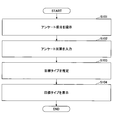
- FIG. It is a block diagram of the type estimation apparatus in Example 1.
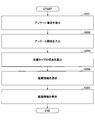
- FIG. It is a flowchart for demonstrating operation of the type estimation apparatus in Example 1.
- FIG. It is a block diagram of the information recommendation apparatus in the modification of Example 1.
- FIG. It is a figure which shows the example of the information stored in the information recommendation DB 160 in the modification of Example 1.
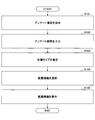
- FIG. It is a flowchart for demonstrating the operation of the information recommendation apparatus in the modification of Example 1.
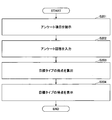
- FIG. It is a flowchart for demonstrating operation of the type estimation apparatus in Example 2.
- FIG. It is a figure which shows the example of the information stored in the information recommendation DB 160 in the modification of Example 2.
- FIG. It is a flowchart for demonstrating the operation of the information recommendation apparatus in the modification of Example 2.
- FIG. It is a flowchart for demonstrating the operation of the information recommendation apparatus in the modification of Example 2.
- FIG. It is a flowchart for demonstrating the operation of the information recommendation apparatus in the modification of Example 2.
- FIG. It is a figure for demonstrating the distance calculation and information selection in the modification of Example 2.
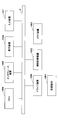
- FIG. It is a block diagram of the list making part in Example 3.
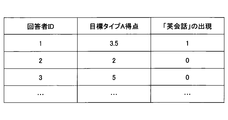
- FIG. It is a flowchart of the accumulation of answers. It is a figure which shows the example of the information stored in the answer DB. It is a flowchart of information recommendation DB creation. It is a figure for demonstrating to find the relationship between goal type A and "English conversation". It is a figure which shows that the average value of a target type score is used. It is a figure which shows the hardware configuration example of the apparatus. It is a figure which shows the experimental result. It is a figure which shows the experimental result. It is a figure which shows the experimental result. It is a figure which shows the experimental result. It is a figure which shows the experimental result. It is a figure which shows the experimental result.
- Experiment 1 and Experiment 2 used different questionnaire items, and the method of obtaining the target type was different. Nevertheless, in both experiments, the types of child-rearing goals could be classified into five types that could be associated with each other. There is a high possibility that these five types will be extracted regardless of the questionnaire items and classification methods.
- a person who raises a child obtains answers to a plurality of questions linked to five child-rearing goals. It is possible to estimate the type of child-rearing goal.
- the technology according to the present embodiment enables a person who raises a child and a service provider to easily grasp the goal of raising a child.
- Example 1 Example 1, Example 2, and Example 3 will be described.
- FIG. 1 shows a configuration diagram of the type estimation device 100 according to the first embodiment.
- the type estimation device 100 of the first embodiment includes a questionnaire presentation unit 110, a questionnaire response input unit 120, a target type estimation unit 130, and a display unit 140.
- the questionnaire presentation unit 110 presents a questionnaire item for estimating the child-rearing target type to the user.
- the questionnaire presentation unit 110 is, for example, a display of a PC, but is not limited thereto.
- Questionnaire items may be presented on paper.
- questionnaire items An example of questionnaire items is shown below.
- the target type any of A to E
- the target type any of A to E to which the item belongs is also shown.
- 1 to 10 belong to A.
- I want you to be a person who can solve difficulties on your own B I want you to be a person who has a relationship of trust with your parents (goal for building a relationship of trust with your parents) 11. I want you to become a person who feels reassured that you have a parent (yourself) that you can rely on when you are in trouble. I want you to think that you can rely on your parents (yourself) when you have difficulty. I want you to build a loving relationship with your parents (yourself) 14. I want you to build a parent-child relationship together so that you can consult with your parents (yourself) if something goes wrong. I want my parents (self) to have a sense of trust 16. I want you to feel strongly that you are loved by your parents (yourself) 17.
- the target types A to E described above correspond to factors 1 to 5 of Experiment 2.
- the correspondence between the factors 1 to 5 of Experiment 2 and the types (A) to (E) of Experiment 1 is as follows.
- the question about factor 1 of experiment 2 (type (A) of experiment 1) may be referred to as a question about personal ability improvement.
- the question about factor 2 of experiment 2 (type (D) of experiment 1) may be referred to as a question about emphasizing the relationship between parent and child.
- the question about factor 3 of experiment 2 (type (C) of experiment 1) may be referred to as the question about building good relationships with other companies.
- the question about factor 4 of experiment 2 (type (B) of experiment 1) may be referred to as the question about warmth.
- the question about factor 5 of experiment 2 (type (E) of experiment 1) may be referred to as the question about being accepted by society.
- the order of presenting the items may be random for each presentation to each user.
- all items may or may not be listed.
- only a plurality of questions may be put together, or one question may be given one by one.
- Each question is an example of a question about what kind of person you want your child to be in the future, or what kind of person you do not want your child to be in the future.
- the above-mentioned five options are presented, and the user (estimated target person) can answer by selecting the option.
- the options do not have to be in five stages. Also, for example, you may select the answer in the form of moving the slide bar with both ends that apply very well to not at all. In that case, for example, on a continuous variable with both ends set to 0-5, the numerical value corresponding to the position where the slider is stopped is used as the input value of the answer.
- the user inputs the questionnaire answer by the questionnaire answer input unit 120 (example: keyboard, mouse), and presses, for example, the "answer" button displayed on the questionnaire presentation unit 110.
- the questionnaire answer input unit 120 example: keyboard, mouse
- a person other than the user may input the answer written on the paper.
- the questionnaire answer input unit 120 that received the answer input sends the questionnaire answer to each question as "numerical information of the questionnaire answer" to the target type estimation unit 130.
- the numerical information of the answers of 41 items may be collectively sent to the target type estimation unit 130 by clicking the "answer button", or the numerical information of the answers may be targeted one by one or by an arbitrary number. It may be transmitted to the type estimation unit 130.
- the target type estimation unit 130 performs target type estimation according to a predetermined estimation rule for the numerical information of the response to the questionnaire, and transmits the estimation result to the display unit 140.
- the estimation rule is, for example, in the example using the above 41 questions, the average value of the answer values of each of the five target types (that is, the average value of the answers of questions 1-10, the average value of the answers of questions 11-17, and the question 18). Calculate the average answer of -24, the average answer of questions 25-32, and the average answer of questions 33-41), and set the target type with the highest numerical value among these five averages as the target of the estimated target person. It is presumed to be a type.
- This estimation rule is an example.
- the average value of the answer values as described above when calculating the score for each target type.
- An added value may be used instead of the average value.
- the display unit 140 displays the estimation result obtained in S103. This allows, for example, the user to know his or her goal type.
- FIG. 3 shows a configuration diagram of the type estimation device 200 in the modified example of the first embodiment.
- the type estimation device 200 in the modified example of the first embodiment may be called an information recommendation device.
- the type estimation device 200 in the modified example of the first embodiment has a questionnaire presentation unit 110, a questionnaire response input unit 120, a target type estimation unit 130, a display unit 140, a recommendation unit 150, and an information recommendation DB 160. ..
- the type estimation device 200 in the modified example of the first embodiment has a configuration in which the recommendation unit 150 and the information recommendation DB 160 are added to the type estimation device 100 of the first embodiment.
- FIG. 4 shows an example of the information stored in the information recommendation DB 160 in the modified example of the first embodiment.
- the information recommendation DB 160 stores recommendation information for each target type.
- the recommendation information is an example of child-rearing behavior recommended to the user.
- the recommendation information stored in the information recommendation DB 160 may be manually created or may be automatically created as described later.
- S151 and S152 in FIG. 5 is the same as the processing of S101 and S102 in FIG. 2 of Example 1.
- the target type estimation unit 130 performs target type estimation for the numerical information of the questionnaire response according to a predetermined estimation rule in the same manner as the target type estimation in the first embodiment.
- the target type estimation unit 130 transmits the estimation result to the recommendation unit 150.
- Fig. 4 is an example of child-rearing behavior in which recommendation information related to "learning” is made into a DB, which is an example.
- recommendation information related to "learning” is made into a DB, which is an example.
- an event, a destination, etc. may be stored in a database as recommended information and recommended as recommended information.
- the information recommendation DB 160 stores one recommendation information for one target type, which is an example.
- the information recommendation DB 160 may store a plurality of recommendation information for one target type.
- the display unit 140 displays the recommendation information obtained in S154. This allows, for example, the user to know the parenting behavior that suits his or her goal type.
- Example 2 Next, Example 2 will be described. Here, the points different from those of the first embodiment will be mainly described.
- the configuration of the type estimation device 100 of the second embodiment is the same as the configuration of the type estimation device 100 of the first embodiment, and is as shown in FIG.
- S201 and S202 in FIG. 6 is the same as the processing of S101 and S102 in FIG. 2 of the first embodiment.
- the target type estimation unit 130 calculates the score for each target type according to a predetermined estimation rule with respect to the numerical information of the questionnaire response, and transmits the score for each target type to the display unit 140.
- the method of calculating the score for each target type is the same as the method for calculating the score for each target type calculated for the target type estimation in Example 1.
- the average value of the answer values of each of the five target types (that is, the average value of the answers of questions 1-10, the average value of the answers of questions 11-17, and the questions 18-24).
- the average value of the answers, the average value of the answers of questions 25-32, and the average value of the answers of questions 33-41) are calculated, and each of these five average values becomes the score corresponding to the corresponding target type.
- the added value may be used instead of the average value.
- a value standardized by using the already calculated population average value and standard deviation may be used.
- the display unit 140 displays the score for each target type obtained in S203. This allows, for example, the user to know the score for each of his or her goal types.
- the target type and the score of the target type may be collectively referred to as a "target type”.
- the configuration of the type estimation device 200 of the modified example of the second embodiment is the same as the configuration of the type estimation device 200 of the modified example of the first embodiment, and is as shown in FIG.
- the type estimation device 200 of the modification of the second embodiment may also be referred to as an information recommendation device.
- FIG. 7 shows an example of the information stored in the information recommendation DB 160 in the modified example of the second embodiment.
- the information recommendation DB 160 stores the recommendation information No., the details of the recommendation information, and the score representative value for each target type.
- the recommendation information (recommendation information No., recommendation information details) is an example of a child-rearing behavior recommended to a target person having similar target types A to C.
- the information stored in the information recommendation DB 160 may be manually created or may be automatically created as described later.
- S251 and S252 in FIG. 8 are the same as the processing of S201 and S202 in FIG. 6 of the second embodiment.
- the target type estimation unit 130 calculates the score for each target type in the same manner as the calculation of the score for each target type in the second embodiment (S203 in FIG. 6), and the calculated result is sent to the recommendation unit 150. Send.
- the recommendation unit 150 refers to the information recommendation DB 160 based on the score for each target type of the user, selects the recommendation information closest to the score for each target type, and transmits the selected recommendation information to the display unit 140. do.
- the recommendation unit 150 first refers to the information recommendation DB 160, and uses the following formula to obtain each recommendation information in the information recommendation DB 160 and the score for each target type obtained in S253. Calculate the Euclidean distance between them.
- p b, p c, p d, p e respectively for the recommendation information in the information recommendation DB 160, the target type A score representative value, the target type B score representative value, the target type C score representative value , Target type D score representative value, target type E score representative value.
- q a , q b , q c , q d , and q e are scores for each of the user's target types (A to E) obtained in S253, respectively.
- the recommendation unit 150 selects the recommendation information that is closest to the score for each target type. In the example shown in FIG. 9, No. The recommendation information of 4 is selected.
- the above example uses the Euclidean distance, but using the Euclidean distance is just one example. Any distance may be used as long as the size of the distance between the score for each target type and each recommendation information can be determined. For example, using the value obtained by adding the square of the difference between the score of each target type and the value of each recommendation information (score representative value for each target type) (the route is removed by the above formula). May be good. In addition, the Manhattan distance or the like may be used.
- the scores for each target type of the user only those with a score equal to or higher than the center value of selection (eg, 3 or higher if 1 to 5 are choices) may be used, or more than the population average value. Only the large ones may be used, or the ones to be used for the calculation may be selected from the target types A to E by a method other than these.
- the display unit 140 displays the recommendation information obtained in S254. This allows, for example, the user to know parenting behaviors that tend to be his or her goal type.
- the "child-rearing behavior" as the information to be selected and presented as the recommended information is "what kind of parent the parent wants to be”. It belongs to one of "what parents do to their children”, “what parents do to their children”, “what they want their children to do”, and “what they do not let their children do”. It may be a thing.
- the "child-rearing behavior" as the information to be selected and presented as the recommended information is as shown in the result (3) of Experiment 1.
- Child-rearing attitude eg, leadership attitude
- child-rearing behavior eg, taking various stimulating behaviors to the child
- the “child-rearing behavior” as the information to be selected and presented as the recommendation information is the “love” shown in the result (3) of the experiment 2. It may belong to any of three of "communication behavior”, “stimulation behavior”, and "discipline behavior”.
- Example 3 Next, Example 3 will be described.
- the method of creating the information recommendation DB 160 described in the modified example of the first embodiment and the modified example of the second embodiment will be described.
- FIG. 10 shows a configuration diagram of the list creation device 300 according to the third embodiment.
- the list creation device 300 of the third embodiment includes a questionnaire response unit 310, a target type estimation unit 320, a questionnaire response writing unit 330, an answer DB 340, a DB creation instruction unit 350, and an information recommendation DB creation unit 360. It has an information recommendation DB 370.
- the list creation device 300 may be the same device as the type estimation device 200 (FIG. 3) described in the modified example of the first embodiment and the modified example of the second embodiment.
- the type estimation device 200 in which the questionnaire response writing unit 330, the response DB 340, the DB creation instruction unit 350, and the information recommendation DB creation unit 360 are added to the configuration shown in FIG. 3 also functions as the list creation device 300. ..
- the information recommendation DB 370 becomes the information recommendation DB 160 of FIG.
- the list creation device 300 may be a device different from the type estimation device 200 (FIG. 3) described in the modified example of the first embodiment and the modified example of the second embodiment.
- the information stored in the information recommendation DB 370 as the calculation result in the list creation device 300 is sent to the type estimation device 200 via a network, for example, and is stored in the information recommendation DB 160 of the type estimation device 200.
- ⁇ S301> the user inputs the result of the target type estimation questionnaire and the result of the questionnaire regarding the child-rearing behavior (eg, lesson) actually being performed by the user from the questionnaire response unit 310.
- the input target type estimation questionnaire result is transmitted to the target type estimation unit 320.
- the result of the questionnaire regarding child-rearing behavior is transmitted to the questionnaire response writing unit 330.
- the example of the target type estimation questionnaire is as explained in Example 1 and the like.
- the questionnaire about child-rearing behavior (example: lessons) that is actually being conducted is a questionnaire about recommended information, and is a questionnaire that includes questions such as what lessons are being done and how often.
- a questionnaire about child-rearing behavior is used, but this is just an example. Instead of child-rearing behavior, for example, a questionnaire about "books / articles that were fun to read" may be used.
- the target type estimation unit 320 calculates the score for each target type in the same manner as the target type estimation unit 130 in the second embodiment (or the first embodiment). The calculated score for each target type is transmitted to the questionnaire response writing unit 330.
- the questionnaire response writing unit 330 transmits the score for each target type input from the target type estimation unit 320 and the information on the child-rearing behavior input from the questionnaire response unit 310 to the response DB 340.
- the answer DB 340 stores the received answer.
- FIG. 12 shows an example of the information stored in the answer DB 340.
- the response DB 340 stores the score for each child-rearing goal type for each respondent (respondent ID), and the content, frequency, and the like of "lessons" as an example of child-rearing behavior.
- the DB creation instruction unit 350 gives a calculation instruction for creating the information recommendation DB to the information recommendation DB creation unit 360. That is, the DB creation instruction unit 350 transmits the calculation instruction information for creating the information recommendation DB to the information recommendation DB creation unit 360.
- the information recommendation DB creation unit 360 that has received the calculation instruction information makes an inquiry to the answer DB 340, performs a calculation based on the accumulated information of the answer DB 340, and creates information to be stored in the information recommendation DB 370. Then, the created information is stored in the information recommendation DB 370.
- the opportunity for the information recommendation DB creation unit 360 to perform calculation does not have to be the reception of calculation instructions. For example, every time the information of the result of the questionnaire is input to the answer DB 340, the answer DB 340 sends the information of the answer DB 340 to the information recommendation DB creation unit 360, and the information recommendation DB creation unit 360 receives the information. You may perform the calculation in. Further, the calculation may be performed at the timing when the questionnaire is answered by a certain number of users (for example, 10).
- the information recommendation DB creation unit 360 performs the information recommendation DB creation unit 360 at the timing when the inquiry to the information recommendation DB 160 is met (the timing when the recommendation unit 150 selects the recommendation information).
- the calculation for creating the information recommendation DB may be performed.
- a specific example of the calculation executed by the information recommendation DB creation unit 360 will be described.
- Example 1 In the case of creating the information of the information recommendation DB (example: FIG. 4) in the modified example of the first embodiment, the information recommendation DB creation unit 360 sets the score of each target type and the score of each target type based on the information illustrated in FIG. Information in the information recommendation DB (example: FIG. 4) is created by calculating the point double-row correlation coefficient between each lesson.
- the information recommendation DB creation unit 360 has a goal type A x English conversation, a goal type B x. Calculate the point double-row correlation coefficient between the score of each goal type and each lesson like English conversation, ..., Goal type A x penmanship, Goal type B x penmanship, ...
- the lessons with the highest positive correlation are associated with each goal type, and the lessons with the highest positive correlation are written in the information recommendation DB 370 as recommendation information corresponding to the goal type. For example, when the positive correlation of "English conversation" is highest with respect to the target type A, "English conversation" is stored with respect to the target type A as shown in FIG.
- the lesson with the highest positive correlation is linked to the target type and written in the information recommendation DB 370
- the information recommendation DB 370 may be created by other methods.
- the highest positive correlation in “linking the lesson with the highest positive correlation to the target type and writing it in the information recommendation DB 370” may be "there is a correlation equal to or higher than the reference value”.
- the significance test may be performed and the one with a correlation may be used.
- “highest positive correlation” in “linking lessons with the highest positive correlation to the target type and writing to the information recommendation DB 370” is “significance test and correlation is confirmed”. ".
- the information recommendation DB 370 may be created by associating a target type with a high positive correlation with the lessons.
- the information recommendation DB creation unit 360 calculates the average value of the scores for each target type for each lesson, and the average value of the scores is calculated. The value is written in the information recommendation DB 370 as a representative score value for each target type.
- the recommendation information in the information recommendation DB 370 the "target type E score representative" in the line of English conversation. 3.3 is written as the "value”.
- the average value of the scores for each target type is calculated, but this is just an example. Any method may be used as long as a value capable of indicating a representative value of each target type can be obtained.
- the information recommendation DB creation unit 360 obtains the average value and standard deviation of the scores for each target type for each lesson in order to derive the one with a low relationship between the target type and the lesson, and the standard deviation is higher than the standard.
- the large (learning, goal type) column may be filled in the information recommendation DB 370.
- Example 3 it is possible to automatically create an information recommendation DB based on a questionnaire.
- the type estimation device 100, the type estimation device 200, and the list creation device 300 in the present embodiment can all be realized by, for example, causing a computer to execute a program describing the processing contents described in the present embodiment. ..
- the "computer” may be a physical machine or a virtual machine on the cloud.
- the "hardware” described here is virtual hardware.
- the above program can be recorded on a computer-readable recording medium (portable memory, etc.), saved, and distributed. It is also possible to provide the above program through a network such as the Internet or e-mail.
- FIG. 7 is a diagram showing a hardware configuration example of the above computer.
- the computer of FIG. 16 has a drive device 1000, an auxiliary storage device 1002, a memory device 1003, a CPU 1004, an interface device 1005, a display device 1006, an input device 1007, and the like, which are connected to each other by a bus BS.
- the program that realizes the processing on the computer is provided by, for example, a recording medium 1001 such as a CD-ROM or a memory card.
- a recording medium 1001 such as a CD-ROM or a memory card.
- the program is installed in the auxiliary storage device 1002 from the recording medium 1001 via the drive device 1000.
- the program does not necessarily have to be installed from the recording medium 1001, and may be downloaded from another computer via the network.
- the auxiliary storage device 1002 stores the installed program and also stores necessary files, data, and the like.
- the memory device 1003 reads and stores the program from the auxiliary storage device 1002 when the program is instructed to start.
- the CPU 1004 realizes the function related to the device according to the program stored in the memory device 1003.
- the interface device 1005 is used as an interface for connecting to a network.
- the display device 1006 displays a programmatic GUI (Graphical User Interface) or the like.
- the input device 1007 is composed of a keyboard, a mouse, buttons, a touch panel, and the like, and is used for inputting various operation instructions.
- a child-rearing person can estimate the type of child-rearing goal of the person by answering a plurality of questions.
- This specification describes at least the type estimation device, the type estimation method, and the program described in each of the following sections.
- (Section 1) An input unit for inputting an answer by the user to a predetermined question for estimating the child-rearing goal type of the user, A goal type estimation unit that estimates the child-rearing goal type of the user based on the answer is provided.
- the predetermined question is a type estimator that asks what kind of person the child wants to be in the future, or what kind of person the child does not want to be in the future.
- (Section 2) Based on the information indicating the relationship between the child-rearing target type and the child-rearing behavior stored in the information recommendation database and the child-rearing target type estimated by the target type estimation unit, the child-rearing behavior suitable for the user's child-rearing target type.
- the type estimation device according to paragraph 1, further comprising a recommendation unit for making recommendations.
- (Section 3) Child-rearing based on the first answer, which is the answer by the user to the predetermined question for estimating the child-rearing target type of the user, and the second answer, which is the answer about the child-rearing behavior that the user is actually performing.
- the type estimation device according to paragraph 1 or 2, further comprising a creation unit that creates information indicating the relationship between the target type and the child-rearing behavior and stores the information in the information recommendation database.
- the recommendation unit described in the second paragraph recommends a child-rearing behavior suitable for the child-rearing goal type of the user by using an information recommendation database that stores information created by the preparation unit described in the second paragraph.
- the type estimation device according to item 3, which is subordinate to item 2.
- (Section 5) A type estimation method performed by a type estimation device. An input step to enter an answer by the user to a given question to estimate the user's parenting goal type, and A goal type estimation step for estimating the child-rearing goal type of the user based on the answer is provided.
- the predetermined question is a type estimation method that asks what kind of person the child wants to be in the future or what kind of person the child does not want to be in the future.
- (Section 6) A program for making a computer function as each part in the type estimation device according to any one of the first to fourth paragraphs.
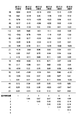
- the analysis result is shown in FIG.
- the upper factors (1) to (6) in FIG. 17 are as follows.
- Factor (1) People who can challenge what they want to do Factor (2): People who can build good relationships with society and others Factor (3): People who can think and act independently Factor (4): People who can build good relationships between parents and children Person Factor (5): Person who can have warmth to others Factor (6): Person who can lead a good life
- Factor name of factor 1 (10 items): Improvement of individual ability
- Outline of factor 1 In the future, independence, self-assertion, ability to do what you want to do ⁇ Become a person with a mindset
- Factor name of factor 2 (7 items): Good parent and child, such as "I want you to be a person who can express your own way, not just what you tend to do”
- Relationship Factor 2 overview Building a relationship of affection and trust with parents in the future Factor 2 item example: "I want you to be a person who feels reassured that you have a parent (self) you can rely on when you are in trouble", "Parent (self) ), Etc.
- Factor 3 (7 items) Factor name: Good relationship with the surroundings
- Outline of Factor 3 To be accepted by various people and build good relationships in the future
- Example of factor 3 items "I want you to be a person loved by everyone", “I want you to be a person who can get along with everyone”, etc.
- Outline of factor 4 (8 items): Warmth to others
- Outline of factor 4 To become a person who values others and has a mindset that allows them to act for others in the future Factor 4 item example: "I want you to be a person who can value others", "People who stand in the position of the other person”"I want you to be”, etc.
- Outline of factor 5 (9 items): Seriousness in life Outline of factor 5: To become a solid person who will not be corrupted in the future and will work positively on life, etc.
- Example of factor 5 item: Fig. 19 shows the results of factor analysis, which is the basis of the above results, such as "I want you not to be a person who lives lazily" and "I want you to be a person who has common sense (reversal)".
- the upper factors 1 to 5 in FIG. 19 are the above factors 1 to 5.
- .. (omit) 89 I want you to be a person loved by everyone 91. I want you to be a person who can get along with everyone 80. I want you to be a person who is accepted by various people 85. I want you to make many friendships ... .. (omit) 151. I want you to be a person who can take good care of others 157. I want people to have a warm feeling 148. I want you to be a person who can stand in the position of the other party 82. I want you to be a person who draines your friends .... .. (omit) 71. I don't want you to be a person who lives lazily 70. Don't be lethargic 135.
- Factor 1 (10 items) factor name: Affection expression behavior Factor 1 item example: “Get more skinship with your child”, “Be sure to soothe your child if he is crying", etc.
- Factor 2 (7 items) factor Name: Stimulating behavior Factor 2 item example: “Make children experience a lot of things that other children do not experience”, “Show children artistic works”, etc.
- Factor 3 (3 items) item name: Disciplined behavior Factor 3 Item example: “Teach children to stay calm in public places such as shops", “Do not follow the child's obedience", etc.
- Type (A) A type that wants to realize a good life by enhancing individuals
- Type (B) A type that emphasizes warmth
- Type (C) A type that wants to live well in society
- Type (D) A type that emphasizes parent-child relationships
- Type (E) A type that wants to be independent and realize a good life by being recognized by society.
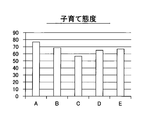
- FIG. 24 shows comparative results in child-rearing attitudes. The child-rearing attitude here is about a leadership attitude (whether to raise a child so that it is close to the child without forcing it). As shown in FIG. 24, type (A) is higher than others and type (C) is lower than others.
- FIG. 25 shows the comparison results in child-rearing behavior.
- the child-rearing behavior here is about whether or not the behavior is such that it gives various stimuli to the child.
- the type (A) is higher than the others and the type (C) is lower than the others.
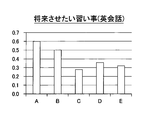
- FIG. 26 shows the comparison results in the lessons (English conversation) that one wants to do in the future. As shown in FIG. 26, the type (A) is higher than the types (C) and (E), and the types (C) and (E) are lower than the type (A), respectively.
- FIG. 27 shows the comparison results in the lessons (ability development classroom) that we want to do in the future. As shown in FIG. 27, the type (B) is higher than the type (E).
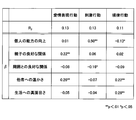
- Disciplined behavior was negatively related to the improvement of individual ability, and was directly related to warmth to others and seriousness to life.
- "Disciplined behavior” that imposes proper behavior in society is considered inappropriate for fostering the independence of children, while keeping discipline in order to be warm and serious to others. It was suggested that it was thought that it was necessary for parents to train them.
- Disciplined behavior that raises children in good manners does not match child-rearing that aims to "improve individual abilities.”
- child-rearing behavior is being taken that does not impose rules on children.
Landscapes
- Business, Economics & Management (AREA)
- Human Resources & Organizations (AREA)
- Engineering & Computer Science (AREA)
- Strategic Management (AREA)
- Educational Administration (AREA)
- Economics (AREA)
- Entrepreneurship & Innovation (AREA)
- Tourism & Hospitality (AREA)
- General Physics & Mathematics (AREA)
- Physics & Mathematics (AREA)
- Theoretical Computer Science (AREA)
- Marketing (AREA)
- General Business, Economics & Management (AREA)
- Development Economics (AREA)
- Game Theory and Decision Science (AREA)
- Quality & Reliability (AREA)
- Operations Research (AREA)
- Educational Technology (AREA)
- Health & Medical Sciences (AREA)
- General Health & Medical Sciences (AREA)
- Primary Health Care (AREA)
- Management, Administration, Business Operations System, And Electronic Commerce (AREA)
- Information Retrieval, Db Structures And Fs Structures Therefor (AREA)
Abstract
タイプ推定装置において、ユーザの子育て目標タイプを推定するための所定の質問に対する、当該ユーザによる回答を入力する入力部と、前記回答に基づいて、前記ユーザの子育て目標タイプを推定する目標タイプ推定部と、を備え、前記所定の質問は、子供が将来どのような人になって欲しいか、又は、子供が将来どのような人になって欲しくないかについての質問であることとする。
Description
本発明は、ユーザの嗜好を推定する技術に関連するものである。
子育てを行う者の多くは、子供が「将来このようになってほしい」という子育てについての目標を持っており、その目標が、選択する子育て行動と関連することがわかっている。従って、各々の子育て目標を把握することで、子育て行動に関連する様々な情報を適切に提供することが可能となる。しかし、各々の子育て目標を把握することは、子育てを行う者自身にとっても、またサービス提供者にとっても難しい。
特許文献1には、人間関係情報を用いて、他者の情報を元に対象ユーザの嗜好を推定する技術が開示されている。特許文献1に開示された技術により、対象ユーザから嗜好に関する情報を入手することなく、嗜好情報推定を行うことが可能となる。
しかし、必ずしも人間関係が近い者同士の子育て目標が類似しているとは限らない。よって、子育て目標を、特許文献1に記載のように他者の情報を元に推定することは難しい。
本発明は上記の点に鑑みてなされたものであり、子育てをする者が、容易に子育て目標を把握することを可能とする技術を提供することを目的とする。
開示の技術によれば、ユーザの子育て目標タイプを推定するための所定の質問に対する、当該ユーザによる回答を入力する入力部と、
前記回答に基づいて、前記ユーザの子育て目標タイプを推定する目標タイプ推定部と、を備え、
前記所定の質問は、子供が将来どのような人になって欲しいか、又は、子供が将来どのような人になって欲しくないかについての質問である
タイプ推定装置が提供される。
前記回答に基づいて、前記ユーザの子育て目標タイプを推定する目標タイプ推定部と、を備え、
前記所定の質問は、子供が将来どのような人になって欲しいか、又は、子供が将来どのような人になって欲しくないかについての質問である
タイプ推定装置が提供される。
開示の技術によれば、子育てをする者が、容易に子育て目標を把握することが可能となる。
以下、図面を参照して本発明の実施の形態(本実施の形態)を説明する。以下で説明する実施の形態は一例に過ぎず、本発明が適用される実施の形態は、以下の実施の形態に限られるわけではない。以下の説明では、子育てを行う者が主に母親であることを想定しているが、子育てを行う者は、母親に限られない。例えば、父親でもよいし、祖父母でもよいし、教師でもよいし、これら以外の者でもよい。
前述したように、従来技術では、子育て目標を把握することは、子育てを行う者自身にとっても、またサービス提供者にとっても難しく、また、子育て目標に関連する子育て行動に関する情報を提供することも難しい。この課題を解決するために、本願の発明者らは、まずは子育て中の親を被験者とした2通りの実験(実験1、実験2)により下記の(1)「子育て目標タイプは、全5タイプに分類できること」、(2)「親の子育て目標のタイプによって,子育て態度や行動、将来子供にさせたい習い事に関する考えが異なること」を確認した。実験結果の具体的内容については、明細書の「発明を実施するための形態」の最後に記載した。以下、子育て目標タイプを「目標タイプ」と記載する場合がある。
(1)子育て目標タイプは、全5タイプに分類できることの確認
<実験1>
実験1の結果(1)に示すように、子育て目標の構成要素として全6因子を抽出した。
<実験1>
実験1の結果(1)に示すように、子育て目標の構成要素として全6因子を抽出した。
実験1の結果(2)に示すように、被験者毎の前記6因子の各得点の組み合わせにより、被験者の子育て目標のパターンをクラスタ分析により全5タイプ(A)~(B)に分類した。
<実験2>
実験2の結果(1)に示すように、子育て目標のタイプとして全5因子を抽出した。なお、実験2の方では、実験1のような2ステップを踏まず、最初から5タイプの因子を抽出している。
実験2の結果(1)に示すように、子育て目標のタイプとして全5因子を抽出した。なお、実験2の方では、実験1のような2ステップを踏まず、最初から5タイプの因子を抽出している。
実験1と実験2とでは、用いたアンケート項目が異なり、また目標タイプの求め方が異なる。それにもかかわらず、両実験共に、子育て目標のタイプとして、対応付けの取れる5タイプに分類することができた。どのようなアンケート項目や分類手法であっても、このような5タイプが抽出される可能性が高い。
(2)各子育て目標のタイプと子育て行動との関連の確認(親の子育て目標のタイプによって、子育て態度や行動、将来子供にさせたい習い事に関する考えが異なることを確認)
<実験2>
実験2の結果(2)に示すように、子育て行動の構成要素として全3因子を抽出し、実験2の結果(3)に示すように、子育て行動と子育て目標との関係性を分析した。
<実験2>
実験2の結果(2)に示すように、子育て行動の構成要素として全3因子を抽出し、実験2の結果(3)に示すように、子育て行動と子育て目標との関係性を分析した。
<実験1>
実験1の結果(3)に示すように、子育て目標のタイプ毎に、子育て行動に関するアンケートへの回答を比較し、子育て目標の各タイプと、子育て行動との関連を確認した。
実験1の結果(3)に示すように、子育て目標のタイプ毎に、子育て行動に関するアンケートへの回答を比較し、子育て目標の各タイプと、子育て行動との関連を確認した。
本実施の形態では、上記実験結果に基づき、前記課題を解決するために、子育てをする者から、5つの子育て目標に紐づいた複数問の質問への回答を取得することで、その者の子育て目標のタイプを推定可能としている。本実施の形態に係る技術により、子育てを行う者、またサービス提供者が簡易に子育て目標を把握することができるようになる。
以下、実施例1、実施例2、実施例3を説明する。
(実施例1)
図1に、実施例1におけるタイプ推定装置100の構成図を示す。図1に示すように、実施例1のタイプ推定装置100は、アンケート提示部110、アンケート回答入力部120、目標タイプ推定部130、表示部140を有する。
図1に、実施例1におけるタイプ推定装置100の構成図を示す。図1に示すように、実施例1のタイプ推定装置100は、アンケート提示部110、アンケート回答入力部120、目標タイプ推定部130、表示部140を有する。
上記構成を有するタイプ推定装置100の動作例を図2のフローチャートの手順に沿って説明する。
<S101>
S101において、アンケート提示部110から子育て目標タイプ推定のためのアンケート項目をユーザに提示する。アンケート提示部110は、例えばPCのディスプレイであるが、それに限られない。紙でアンケート項目を提示してもよい。
S101において、アンケート提示部110から子育て目標タイプ推定のためのアンケート項目をユーザに提示する。アンケート提示部110は、例えばPCのディスプレイであるが、それに限られない。紙でアンケート項目を提示してもよい。
アンケートにおいて、例えば、「あなたの子育てについて教えてください。あなたは、あなたのお子さんに、将来どのようになってほしいと考えていますか。次について、考えに最も近いものに○をつけてください。」という文と、「1そう思わないー2少しそう思うー3そう思うー4とてもそう思うー5非常に強くそう思う」といった選択肢がアンケート項目とともに表示される。
アンケート項目の一例を以下に示す。以下の例では、項目が属する目標タイプ(A~Eのいずれか)も示している。例えば、1~10はAに属する。
―――――――――――――――――――――――――
A:能力を育て、自立した人になってほしい(個人の能力の発達に関する目標)
1.ありがちなものに収まらず、自分なりの表現ができる人になってほしい
2.やりたいと思ったことに対して、躊躇することなく飛び込んでいける人になってほしい
3.大きなことにチャレンジする人になってほしい
4.何かひとつのことに深く興味を持つ人になってほしい
5.創造(自ら考え、作り出すこと)ができる人になってほしい
6.何かひとつのことでは人に負けない人になってほしい
7.自分の決めたことを貫く人になってほしい
8.様々な経験を持った人になってほしい
9.自分の意見を堂々と言える人になってほしい
10.困難を、自分の力で解決できる人になってほしい
B:親との信頼関係を持った人になってほしい(親との信頼関係の構築に関する目標)
11.困ったときに頼れる親(自分)がいると心強く思える人になってほしい
12.困難があったときに親(自分)に頼れると思ってほしい
13.親(自分)と愛情で結ばれた関係を築いてほしい
14.なにかあったら親(自分)に相談するような親子関係を一緒に築いてほしい
15.親(自分)に信頼感を持ってほしい
16.親(自分)に愛されていると強く感じてほしい
17.親(自分)に親しみを持ってほしい
C:周囲と良好な関係を構築できる人になってほしい(周囲の人、社会との良好な関係性構築に関する目標)
18.誰からも愛される人になってほしい
19.みんなと仲良くできる人になってほしい
20.様々な人から受け入れられる人になってほしい
21.多くの友人関係を築いてほしい
22.誰からも信頼される人になってほしい
23.様々な人とうまく話ができる人になってほしい
24.周りの空気を読める人になってほしい
D:他者に対しての優しさを持った人になってほしい(他者への温かさに関する目標)
25.他人を大切にできる人になってほしい
26.人に対して、温かい気持ちを持つ人になってほしい
27.相手の立場に立てる人になってほしい
28.仲間を大切にする人になってほしい
29.常に人の気持ちを考えられる人になってほしい
30.人の気持ちに共感できる人になってほしい
31.周りの人に協力できる人になってほしい
32.他人のために行動できる人になってほしい
E:社会の一員としてまっとうな人になってほしい(社会の一員としての全うさに関する目標)
33.ダラダラ生活する人にならないでほしい
34.無気力な人にならないでほしい
35.他人任せで自分では何も努力しない人にはならないでほしい
36.向上心なく堕落した人にならないでほしい
37.自分の頭で考えない人にならないでほしい
38.いいかげんな人にならないでほしい
39.しっかりした人になってほしい
40.常識のある人になってほしい
41.自分で生活を管理できる人になってほしい
――――――――――――――――――――――――
上記の目標タイプA~Eは、実験2の因子1~5に対応する。また、実験2の因子1~5と、実験1のタイプ(A)~(E)との対応関係は下記のとおりである。
A:能力を育て、自立した人になってほしい(個人の能力の発達に関する目標)
1.ありがちなものに収まらず、自分なりの表現ができる人になってほしい
2.やりたいと思ったことに対して、躊躇することなく飛び込んでいける人になってほしい
3.大きなことにチャレンジする人になってほしい
4.何かひとつのことに深く興味を持つ人になってほしい
5.創造(自ら考え、作り出すこと)ができる人になってほしい
6.何かひとつのことでは人に負けない人になってほしい
7.自分の決めたことを貫く人になってほしい
8.様々な経験を持った人になってほしい
9.自分の意見を堂々と言える人になってほしい
10.困難を、自分の力で解決できる人になってほしい
B:親との信頼関係を持った人になってほしい(親との信頼関係の構築に関する目標)
11.困ったときに頼れる親(自分)がいると心強く思える人になってほしい
12.困難があったときに親(自分)に頼れると思ってほしい
13.親(自分)と愛情で結ばれた関係を築いてほしい
14.なにかあったら親(自分)に相談するような親子関係を一緒に築いてほしい
15.親(自分)に信頼感を持ってほしい
16.親(自分)に愛されていると強く感じてほしい
17.親(自分)に親しみを持ってほしい
C:周囲と良好な関係を構築できる人になってほしい(周囲の人、社会との良好な関係性構築に関する目標)
18.誰からも愛される人になってほしい
19.みんなと仲良くできる人になってほしい
20.様々な人から受け入れられる人になってほしい
21.多くの友人関係を築いてほしい
22.誰からも信頼される人になってほしい
23.様々な人とうまく話ができる人になってほしい
24.周りの空気を読める人になってほしい
D:他者に対しての優しさを持った人になってほしい(他者への温かさに関する目標)
25.他人を大切にできる人になってほしい
26.人に対して、温かい気持ちを持つ人になってほしい
27.相手の立場に立てる人になってほしい
28.仲間を大切にする人になってほしい
29.常に人の気持ちを考えられる人になってほしい
30.人の気持ちに共感できる人になってほしい
31.周りの人に協力できる人になってほしい
32.他人のために行動できる人になってほしい
E:社会の一員としてまっとうな人になってほしい(社会の一員としての全うさに関する目標)
33.ダラダラ生活する人にならないでほしい
34.無気力な人にならないでほしい
35.他人任せで自分では何も努力しない人にはならないでほしい
36.向上心なく堕落した人にならないでほしい
37.自分の頭で考えない人にならないでほしい
38.いいかげんな人にならないでほしい
39.しっかりした人になってほしい
40.常識のある人になってほしい
41.自分で生活を管理できる人になってほしい
――――――――――――――――――――――――
上記の目標タイプA~Eは、実験2の因子1~5に対応する。また、実験2の因子1~5と、実験1のタイプ(A)~(E)との対応関係は下記のとおりである。
因子1(能力を育て、自立した人になってほしい)=タイプ(A)(個人を高めることによって良い人生を実現したいタイプ)
因子2(親との信頼関係を持った人になってほしい)=タイプ(D)(親子の関係性重視タイプ)
因子3(周囲と良好な関係を構築できる人になってほしい)=タイプ(C)(とにかく社会の中でうまく生きてほしいタイプ)
因子4(他者に対しての優しさを持った人になってほしい)=タイプ(B)(温かさ重視タイプ)
因子5(社会の一員としてまっとうな人になってほしい)=タイプ(E)(自立し、社会に認められることで良い人生を実現したいタイプ)
なお、実験2の因子1(実験1のタイプ(A))についての質問を、個人能力向上についての質問と称してもよい。実験2の因子2(実験1のタイプ(D))についての質問を、親子の関係性重視についての質問と称してもよい。実験2の因子3(実験1のタイプ(C))についての質問を、他社との良好関係構築についての質問と称してもよい。実験2の因子4(実験1のタイプ(B))についての質問を、温かさ重視についての質問と称してもよい。実験2の因子5(実験1のタイプ(E))についての質問を、社会に認められることについての質問と称してもよい。
因子2(親との信頼関係を持った人になってほしい)=タイプ(D)(親子の関係性重視タイプ)
因子3(周囲と良好な関係を構築できる人になってほしい)=タイプ(C)(とにかく社会の中でうまく生きてほしいタイプ)
因子4(他者に対しての優しさを持った人になってほしい)=タイプ(B)(温かさ重視タイプ)
因子5(社会の一員としてまっとうな人になってほしい)=タイプ(E)(自立し、社会に認められることで良い人生を実現したいタイプ)
なお、実験2の因子1(実験1のタイプ(A))についての質問を、個人能力向上についての質問と称してもよい。実験2の因子2(実験1のタイプ(D))についての質問を、親子の関係性重視についての質問と称してもよい。実験2の因子3(実験1のタイプ(C))についての質問を、他社との良好関係構築についての質問と称してもよい。実験2の因子4(実験1のタイプ(B))についての質問を、温かさ重視についての質問と称してもよい。実験2の因子5(実験1のタイプ(E))についての質問を、社会に認められることについての質問と称してもよい。
上記のように41項目を使用することは一例に過ぎない。また、項目の提示順は、各ユーザへの提示毎にランダムでもよい。表示形式については、全項目を一覧してもよいし、一覧しなくても良い。また、複数問のみまとめて、又は、1問ずつでも良い。
各質問は、子供が将来どのような人になって欲しいか、又は、子供が将来どのような人になって欲しくないかについての質問の例である。
アンケート提示部110への質問の提示の際には、上述したような5つの選択肢が提示され、ユーザ(推定対象者)が選択肢を選択することで回答できるようになっている。なお、選択肢は5段階でなくてもよい。また、例えば、とてもよく当てはまる~全く当てはまらない、を両端にしたスライドバーを動かす形式で回答を選択することとしても良い。その場合、例えば、両端を0-5とした連続変数上で、スライダが止まっている位置に該当する数値を回答の入力値とする。
<S102>
S102において、ユーザがアンケート回答入力部120(例:キーボード、マウス)によりアンケート回答を入力し、例えば、アンケート提示部110に表示されている「回答する」ボタンを押下する。なお、ユーザ(推定対象者)以外の者が、紙に記入された回答を入力しても良い。
S102において、ユーザがアンケート回答入力部120(例:キーボード、マウス)によりアンケート回答を入力し、例えば、アンケート提示部110に表示されている「回答する」ボタンを押下する。なお、ユーザ(推定対象者)以外の者が、紙に記入された回答を入力しても良い。
回答の入力を受けたアンケート回答入力部120は、各質問に対するアンケート回答を「アンケート回答の数値情報」として、目標タイプ推定部130に送信する。
なお、41項目の回答の数値情報をまとめて「回答するボタン」にて目標タイプ推定部130に送信することとしてもよいし、1問ずつ、あるいは、任意の数ずつ、回答の数値情報を目標タイプ推定部130に送信することとしてもよい。
<S103>
S103において、目標タイプ推定部130は、アンケートに対する回答の数値情報に対して、予め定めた推定ルールに従って目標タイプ推定を実施し、推定結果を表示部140に送信する。
S103において、目標タイプ推定部130は、アンケートに対する回答の数値情報に対して、予め定めた推定ルールに従って目標タイプ推定を実施し、推定結果を表示部140に送信する。
推定ルールは、例えば、上記の41の質問を用いる例において、5つの目標タイプそれぞれの回答値の平均値(つまり、質問1-10の回答平均値,質問11-17の回答平均値,質問18-24の回答平均値,質問25-32の回答平均値,質問33-41の回答平均値)を算出し、これら5つの平均値のうち、最も数値の高い目標タイプを、推定対象者の目標タイプであると推定する、というものである。なお、この推定ルールは一例である。
また、各目標タイプでの得点の算出にあたって、上記のように回答値の平均値を用いることは一例である。平均値に代えて加算値を用いてもよい。また、既に計算されている母集団平均値、標準偏差を用いて標準化された値を用いてもよい。例えば、質問1~10についての、回答値の平均値(目標タイプ得点)が3.2、母集団平均が3、母集団標準偏差が0.5であるとすると、標準化済み目標タイプ得点は、「(目標タイプ得点‐母集団平均)÷母集団標準偏差=0.4」として計算できる。
<S104>
S104において、表示部140は、S103で得られた推定結果を表示する。これにより、例えばユーザは、自身の目標タイプを知ることができる。
S104において、表示部140は、S103で得られた推定結果を表示する。これにより、例えばユーザは、自身の目標タイプを知ることができる。
(実施例1の変形例)
次に、実施例1の変形例を説明する。ここでは、主に実施例1と異なる点について説明する。
次に、実施例1の変形例を説明する。ここでは、主に実施例1と異なる点について説明する。
図3に、実施例1の変形例におけるタイプ推定装置200の構成図を示す。なお、実施例1の変形例におけるタイプ推定装置200を情報推薦装置と呼んでもよい。図3に示すように、実施例1の変形例におけるタイプ推定装置200は、アンケート提示部110、アンケート回答入力部120、目標タイプ推定部130、表示部140、推薦部150、情報推薦DB160を有する。
図3に示すように、実施例1の変形例におけるタイプ推定装置200は、実施例1のタイプ推定装置100に対して、推薦部150と情報推薦DB160が追加された構成である。
図4に、実施例1の変形例における情報推薦DB160に格納されている情報の例を示す。図4に示すように、情報推薦DB160には、目標タイプ毎の推薦情報が格納されている。推薦情報は、ユーザに対して推薦する子育て行動の例である。情報推薦DB160に格納する推薦情報は、人手で作成することとしてもよいし、後述するように自動的に作成することとしてもよい。
上記構成を有するタイプ推定装置200の動作例を図5のフローチャートの手順に沿って説明する。
図5のS151、S152の処理は、実施例1の図2におけるS101、S102の処理と同じである。
<S153>
S153において、目標タイプ推定部130は、実施例1での目標タイプ推定と同様にして、アンケート回答の数値情報に対して、予め定めた推定ルールに従って目標タイプ推定を実施する。目標タイプ推定部130は、推定結果を推薦部150に送信する。
S153において、目標タイプ推定部130は、実施例1での目標タイプ推定と同様にして、アンケート回答の数値情報に対して、予め定めた推定ルールに従って目標タイプ推定を実施する。目標タイプ推定部130は、推定結果を推薦部150に送信する。
<S154>
S154において、推薦部150は、推定結果に基づき情報推薦DB160を検索することで、推定結果に対応する推薦情報を選択し、選択した推薦情報を表示部140に送信する。例えば、図4に示す情報推薦DB160の場合、推定結果が目標タイプ=Aであるとすると、推薦情報として「英会話」が選択される。
S154において、推薦部150は、推定結果に基づき情報推薦DB160を検索することで、推定結果に対応する推薦情報を選択し、選択した推薦情報を表示部140に送信する。例えば、図4に示す情報推薦DB160の場合、推定結果が目標タイプ=Aであるとすると、推薦情報として「英会話」が選択される。
なお、図4は、子育て行動の一例として「習い事」に関する推薦情報をDB化したものであるが、これは一例である。「習い事」に代えて、あるいは、「習い事」に加えて、例えば、イベント、でかけ先等が推薦情報としてDB化され、推薦情報として推薦されてもよい。
また、図4に示す例では、情報推薦DB160は、1つの目標タイプに対して1つの推薦情報を格納しているが、これは一例である。情報推薦DB160は、1つの目標タイプに対して複数の推薦情報を格納してもよい。
<S155>
S155において、表示部140は、S154で得られた推薦情報を表示する。これにより、例えばユーザは、自身の目標タイプにあった子育て行動を知ることができる。
S155において、表示部140は、S154で得られた推薦情報を表示する。これにより、例えばユーザは、自身の目標タイプにあった子育て行動を知ることができる。
(実施例2)
次に、実施例2を説明する。ここでは、主に実施例1と異なる点について説明する。実施例2のタイプ推定装置100の構成は、実施例1のタイプ推定装置100の構成と同じであり、図1に示したとおりである。
次に、実施例2を説明する。ここでは、主に実施例1と異なる点について説明する。実施例2のタイプ推定装置100の構成は、実施例1のタイプ推定装置100の構成と同じであり、図1に示したとおりである。
上記構成を有する実施例2のタイプ推定装置100の動作例を図6のフローチャートの手順に沿って説明する。
図6のS201、S202の処理は、実施例1の図2におけるS101、S102の処理と同じである。
<S203>
S203において、目標タイプ推定部130は、アンケート回答の数値情報に対して、予め定めた推定ルールに従って目標タイプ毎の得点を算出し、目標タイプ毎の得点を表示部140に送信する。
S203において、目標タイプ推定部130は、アンケート回答の数値情報に対して、予め定めた推定ルールに従って目標タイプ毎の得点を算出し、目標タイプ毎の得点を表示部140に送信する。
目標タイプ毎の得点の算出方法は、実施例1における目標タイプ推定のために算出した目標タイプ毎の得点の算出方法と同じである。
すなわち、例えば、前述した41の質問を用いる例において、5つの目標タイプそれぞれの回答値の平均値(つまり、質問1-10の回答平均値,質問11-17の回答平均値,質問18-24の回答平均値,質問25-32の回答平均値,質問33-41の回答平均値)を算出し、これら5つの平均値のそれぞれが該当する目標タイプに対応する得点になる。実施例1と同様、平均値に代えて加算値を用いてもよい。また、既に計算されている母集団平均値、標準偏差を用いて標準化された値を用いてもよい。
<S204>
S204において、表示部140は、S203で得られた目標タイプ毎の得点を表示する。これにより、例えばユーザは、自身の目標タイプ毎の得点を知ることができる。なお、目標タイプ、及び、目標タイプの得点を総称して「目標タイプ」と呼んでもよい。
S204において、表示部140は、S203で得られた目標タイプ毎の得点を表示する。これにより、例えばユーザは、自身の目標タイプ毎の得点を知ることができる。なお、目標タイプ、及び、目標タイプの得点を総称して「目標タイプ」と呼んでもよい。
(実施例2の変形例)
次に、実施例2の変形例を説明する。ここでは、主に実施例2と異なる点について説明する。
次に、実施例2の変形例を説明する。ここでは、主に実施例2と異なる点について説明する。
実施例2の変形例のタイプ推定装置200の構成は、実施例1の変形例のタイプ推定装置200の構成と同じであり、図3に示したとおりである。実施例2の変形例のタイプ推定装置200についてもこれを情報推薦装置と呼んでもよい。
図7に、実施例2の変形例における情報推薦DB160に格納されている情報の例を示す。図7に示すように、情報推薦DB160には、推薦情報No、推薦情報詳細、目標タイプ毎の得点代表値が格納されている。推薦情報(推薦情報No、推薦情報詳細)は、目標タイプA~Cの近い対象者に対して推薦する子育て行動の例である。情報推薦DB160に格納する情報は、人手で作成することとしてもよいし、後述するように自動的に作成することとしてもよい。
実施例2の変形例におけるタイプ推定装置200の動作例を図8のフローチャートの手順に沿って説明する。
図8のS251、S252の処理は、実施例2の図6におけるS201、S202の処理と同じである。
<S253>
S253において、目標タイプ推定部130は、実施例2(図6のS203)での目標タイプ毎の得点の算出と同様にして、目標タイプ毎の得点を算出し、算出した結果を推薦部150に送信する。
S253において、目標タイプ推定部130は、実施例2(図6のS203)での目標タイプ毎の得点の算出と同様にして、目標タイプ毎の得点を算出し、算出した結果を推薦部150に送信する。
<S254>
推薦部150は、ユーザの目標タイプ毎の得点に基づいて、情報推薦DB160を参照し、当該目標タイプ毎の得点と最も距離の近い推薦情報を選択し、選択した推薦情報を表示部140に送信する。
推薦部150は、ユーザの目標タイプ毎の得点に基づいて、情報推薦DB160を参照し、当該目標タイプ毎の得点と最も距離の近い推薦情報を選択し、選択した推薦情報を表示部140に送信する。
より詳細には、例えば、推薦部150は、まず、情報推薦DB160を参照することにより、下記の式を用いて情報推薦DB160における各推薦情報と、S253で得られた目標タイプ毎の得点との間のユークリッド距離を算出する。

一例として、目標タイプ毎の得点が(タイプA=3.2,タイプB=2,タイプC=4,タイプD=3.75,タイプE=3)である場合において計算した各推薦情報との距離の値を図9に示す。
推薦部150は、目標タイプ毎の得点と最も距離の近い推薦情報を選択する。図9に示した例では、No.4の推薦情報が選択される。
上記の例ではユークリッド距離を用いているが、ユークリッド距離を用いることは一例に過ぎない。目標タイプ毎の得点と各推薦情報との間の距離の大小が判断できるのであれば、どのような距離を用いてもよい。例えば、各目標タイプの得点と、各推薦情報の値(目標タイプ毎の得点代表値)との差の二乗を足し合わせることで得た値(上記の数式でルートをはずしたもの)を用いてもよい。また、マンハッタン距離等を用いてよい。
また、距離算出には、目標タイプA~Eの全てを用いなくてもよい。例えば、ユーザの目標タイプ毎の得点のうち、得点の大きいものを上位3つのみ計算に利用することとしてもよい。例えば、(タイプA=3.2,タイプB=2,タイプC=4,タイプD=3.75,タイプE=3)である場合、タイプC、D、Aのみを計算に利用する。
また、ユーザの目標タイプ毎の得点のうち、選択の中心値以上(例:1-5までが選択肢であれば、3以上)のもののみ利用することとしてもよいし、母集団平均値よりも大きいもののみを利用することとしてもよいし、これら以外の方法で目標タイプA~Eの中から計算に利用するものを選択してもよい。
<S255>
S255において、表示部140は、S254で得られた推薦情報を表示する。これにより、例えばユーザは、自身の目標タイプの傾向にあった子育て行動を知ることができる。
S255において、表示部140は、S254で得られた推薦情報を表示する。これにより、例えばユーザは、自身の目標タイプの傾向にあった子育て行動を知ることができる。
なお、実施例2の変形例のように、目標タイプ毎の得点のバランスを考慮して子育て行動(推薦情報)を選択することは、実験1の結果(3)に基づいている。
また、推薦情報の提示を行う実施例1の変形例と実施例2の変形例について、推薦情報として選択・提示する情報としての「子育て行動」は、「親がどういう親でありたいか」、「親が子供に対し、何をするか」、「親が子供に対し、何をしないか」、「子供に何をさせるか」、「子供に何をさせないか」のうちのいずれかに属するものであってもよい。
また、推薦情報の提示を行う実施例1の変形例と実施例2の変形例について、推薦情報として選択・提示する情報としての「子育て行動」は、実験1の結果(3)に示すような、子育て態度(例:指導的態度)、子育て行動(例:子供に様々な刺激を与える行動をとっているか)、将来させたい習い事のいずれかに属するものであってもよい。
また、推薦情報の提示を行う実施例1の変形例と実施例2の変形例について、推薦情報として選択・提示する情報としての「子育て行動」は、実験2の結果(3)に示す「愛情伝達行動」、「刺激行動」、「規律行動」の3つのうちのいずれかに属するものであってもよい。
(実施例3)
次に、実施例3を説明する。実施例3では、実施例1の変形例及び実施例2の変形例で説明した情報推薦DB160の作成方法について説明する。
次に、実施例3を説明する。実施例3では、実施例1の変形例及び実施例2の変形例で説明した情報推薦DB160の作成方法について説明する。
図10に、実施例3におけるリスト作成装置300の構成図を示す。図10に示すように、実施例3のリスト作成装置300は、アンケート回答部310、目標タイプ推定部320、アンケート回答書き込み部330、回答DB340、DB作成指示部350、情報推薦DB作成部360、情報推薦DB370を有する。
なお、リスト作成装置300は、実施例1の変形例及び実施例2の変形例で説明したタイプ推定装置200(図3)と同一装置であってもよい。その場合、図3に示した構成に、アンケート回答書き込み部330、回答DB340、DB作成指示部350、情報推薦DB作成部360が追加されたタイプ推定装置200が、リスト作成装置300としても機能する。この場合、情報推薦DB370は、図3の情報推薦DB160になる。
また、リスト作成装置300は、実施例1の変形例及び実施例2の変形例で説明したタイプ推定装置200(図3)とは別の装置であってもよい。この場合、リスト作成装置300において計算結果として情報推薦DB370に格納された情報が、例えばネットワークを介してタイプ推定装置200に送られ、タイプ推定装置200の情報推薦DB160に格納される。
まず、上記構成を有するリスト作成装置300における回答の蓄積に係る動作例を図11のフローチャートの手順に沿って説明する。
<S301>
S301において、ユーザは、アンケート回答部310から、目標タイプ推定アンケートの結果、及び、実際にユーザが現在行っている子育て行動(例:習い事)に関するアンケートの結果を入力する。入力された目標タイプ推定アンケートの結果は、目標タイプ推定部320に送信される。また、子育て行動(例:習い事)に関するアンケートの結果は、アンケート回答書き込み部330に送信される。
S301において、ユーザは、アンケート回答部310から、目標タイプ推定アンケートの結果、及び、実際にユーザが現在行っている子育て行動(例:習い事)に関するアンケートの結果を入力する。入力された目標タイプ推定アンケートの結果は、目標タイプ推定部320に送信される。また、子育て行動(例:習い事)に関するアンケートの結果は、アンケート回答書き込み部330に送信される。
目標タイプ推定アンケートの例は、実施例1等において説明したとおりである。実際に現在行っている子育て行動(例:習い事)に関するアンケートは、推薦対象情報に関するアンケートであり、どんな習い事を、どのくらいの頻度でさせているか、等の質問を含むアンケートである。
なお、上記の例では、子育て行動に関するアンケートを使用しているが、これは一例である。子育て行動に代えて、例えば「読んで楽しかった本・記事」等についてのアンケートを使用してもよい。
<S302>
S302において、目標タイプ推定部320は、実施例2(又は実施例1)における目標タイプ推定部130と同様に、目標タイプ毎の得点を算出する。算出された目標タイプ毎の得点はアンケート回答書き込み部330に送信される。
S302において、目標タイプ推定部320は、実施例2(又は実施例1)における目標タイプ推定部130と同様に、目標タイプ毎の得点を算出する。算出された目標タイプ毎の得点はアンケート回答書き込み部330に送信される。
<S303>
S303において、アンケート回答書き込み部330は、目標タイプ推定部320より入力された目標タイプ毎の得点、及びアンケート回答部310より入力された子育て行動に関する情報を回答DB340に送信する。回答DB340は受信した回答を格納する。
S303において、アンケート回答書き込み部330は、目標タイプ推定部320より入力された目標タイプ毎の得点、及びアンケート回答部310より入力された子育て行動に関する情報を回答DB340に送信する。回答DB340は受信した回答を格納する。
図12に、回答DB340に格納されている情報の例を示す。図12に示すとおり、回答DB340には、回答者(回答者ID)毎に、子育て目標タイプ毎の得点と、子育て行動の例としての「習い事」の内容、頻度等が格納される。
次に、リスト作成装置300における情報推薦DBの作成に係る動作例を図13のフローチャートの手順に沿って説明する。
<S351>
S351において、DB作成指示部350が、情報推薦DB作成部360に対して、情報推薦DB作成のための計算指示を行う。すなわち、DB作成指示部350は、情報推薦DB作成のための計算指示情報を情報推薦DB作成部360に送信する。
S351において、DB作成指示部350が、情報推薦DB作成部360に対して、情報推薦DB作成のための計算指示を行う。すなわち、DB作成指示部350は、情報推薦DB作成のための計算指示情報を情報推薦DB作成部360に送信する。
<S352>
S352において、計算指示情報を受信した情報推薦DB作成部360は、回答DB340に問い合わせを行って、蓄積された回答DB340の情報に基づいて計算を行い、情報推薦DB370に格納するための情報を作成し、作成した情報を情報推薦DB370に格納する。
S352において、計算指示情報を受信した情報推薦DB作成部360は、回答DB340に問い合わせを行って、蓄積された回答DB340の情報に基づいて計算を行い、情報推薦DB370に格納するための情報を作成し、作成した情報を情報推薦DB370に格納する。
情報推薦DB作成部360が計算(再計算を含む)を行う契機は、計算指示受信でなくてもよい。例えば、アンケートの結果の情報が回答DB340に入力される度に、回答DB340が情報推薦DB作成部360に回答DB340の情報を送信し、情報推薦DB作成部360はその情報を受信したことを契機に計算を行ってもよい。また、アンケートが一定数(例えば10)のユーザから回答されたタイミングで、計算を行うこととしてもよい。
また、タイプ推定装置200がリスト作成装置300としても機能する場合において、情報推薦DB160への問い合わせが合ったタイミング(推薦部150が推薦情報の選択を行うタイミング)で、情報推薦DB作成部360が情報推薦DB作成のための計算を行うこととしてもよい。以下、情報推薦DB作成部360が実行する計算の具体例を説明する。
<例1>
実施例1の変形例における情報推薦DBの情報(例:図4)を作成する場合において、情報推薦DB作成部360は、図14に例示する情報に基づいて、それぞれの目標タイプの得点と、それぞれの習い事との間の点双列相関係数を算出することにより、情報推薦DBの情報(例:図4)を作成する。
実施例1の変形例における情報推薦DBの情報(例:図4)を作成する場合において、情報推薦DB作成部360は、図14に例示する情報に基づいて、それぞれの目標タイプの得点と、それぞれの習い事との間の点双列相関係数を算出することにより、情報推薦DBの情報(例:図4)を作成する。
例えば、ある目標タイプとある習い事との間の点双列相関係数を「目標タイプ×習い事」と記載するものとすると、情報推薦DB作成部360は、目標タイプA×英会話、目標タイプB×英会話、...、目標タイプA×習字、目標タイプB×習字、...のようにしてそれぞれの目標タイプの得点と、それぞれの習い事との間の点双列相関係数を算出し、それぞれの目標タイプに対し、正の相関が最も高い習い事を紐付け、正の相関が最も高い習い事をその目標タイプに対応する推薦情報として情報推薦DB370に書き込む。例えば、目標タイプAに対し、「英会話」の正の相関が最も高い場合、図4のように、目標タイプAに対し、「英会話」が格納される。
なお、点双列相関を用いることは一例に過ぎない。目標タイプ得点と習い事との関連を表現できる計算方法であればどのような計算方法を用いてもよい。
また、上記の例では、「目標タイプに対し、正の相関が最も高い習い事を紐づけ、情報推薦DB370に書き込む」こととしているが、これは一例である。これ以外の他の方法で情報推薦DB370を作成してもよい。
例えば、「目標タイプに対し、正の相関が最も高い習い事を紐づけ、情報推薦DB370に書き込む」における「正の相関が最も高い」を、「基準値以上の相関がある」としてもよい。
有意性の検定を行い、相関が認められたものを用いてもよい。この場合、「目標タイプに対し、正の相関が最も高い習い事を紐づけ、情報推薦DB370に書き込む」における「正の相関が最も高い」が「有意性の検定を行い、相関が認められたもの」となる。
また、習い事に対して、正の相関が高い目標タイプを紐づけることにより、情報推薦DB370を作成してもよい。
<例2>
実施例2の変形例における情報推薦DBの情報(例:図7)を作成する場合において、情報推薦DB作成部360は、それぞれの習い事について、目標タイプ毎の得点の平均値を算出し、その値を目標タイプ毎の得点代表値として、情報推薦DB370に書き込む。
実施例2の変形例における情報推薦DBの情報(例:図7)を作成する場合において、情報推薦DB作成部360は、それぞれの習い事について、目標タイプ毎の得点の平均値を算出し、その値を目標タイプ毎の得点代表値として、情報推薦DB370に書き込む。
例えば、図15に示す例において、「英会話」と回答した回答者についての目標タイプEの得点の平均値は3.3なので、情報推薦DB370における推薦情報=英会話の行の「目標タイプE得点代表値」として3.3が書き込まれる。
なお、上記の例では、目標タイプ毎の得点の平均値を算出しているが、これは一例である。各目標タイプの代表値を示すことのできる値を得られるのであればどのような方法で計算してもよい。
また、情報推薦DB作成部360は、目標タイプと習い事との関連が低いものを導き出すために、それぞれの習い事について、目標タイプ毎の得点の平均値と標準偏差を求め、標準偏差が基準よりも大きい(習い事,目標タイプ)の欄は情報推薦DB370においてnullとしてもよい。
実施例3により、アンケートに基づいて自動的に情報推薦DBを作成することが可能となる。
(ハードウェア構成例)
本実施の形態におけるタイプ推定装置100、タイプ推定装置200、リスト作成装置300はいずれも、例えば、コンピュータに、本実施の形態で説明する処理内容を記述したプログラムを実行させることにより実現可能である。なお、この「コンピュータ」は、物理マシンであってもよいし、クラウド上の仮想マシンであってもよい。仮想マシンを使用する場合、ここで説明する「ハードウェア」は仮想的なハードウェアである。
本実施の形態におけるタイプ推定装置100、タイプ推定装置200、リスト作成装置300はいずれも、例えば、コンピュータに、本実施の形態で説明する処理内容を記述したプログラムを実行させることにより実現可能である。なお、この「コンピュータ」は、物理マシンであってもよいし、クラウド上の仮想マシンであってもよい。仮想マシンを使用する場合、ここで説明する「ハードウェア」は仮想的なハードウェアである。
上記プログラムは、コンピュータが読み取り可能な記録媒体(可搬メモリ等)に記録して、保存したり、配布したりすることが可能である。また、上記プログラムをインターネットや電子メール等、ネットワークを通して提供することも可能である。
図7は、上記コンピュータのハードウェア構成例を示す図である。図16のコンピュータは、それぞれバスBSで相互に接続されているドライブ装置1000、補助記憶装置1002、メモリ装置1003、CPU1004、インタフェース装置1005、表示装置1006、及び入力装置1007等を有する。
当該コンピュータでの処理を実現するプログラムは、例えば、CD-ROM又はメモリカード等の記録媒体1001によって提供される。プログラムを記憶した記録媒体1001がドライブ装置1000にセットされると、プログラムが記録媒体1001からドライブ装置1000を介して補助記憶装置1002にインストールされる。但し、プログラムのインストールは必ずしも記録媒体1001より行う必要はなく、ネットワークを介して他のコンピュータよりダウンロードするようにしてもよい。補助記憶装置1002は、インストールされたプログラムを格納すると共に、必要なファイルやデータ等を格納する。
メモリ装置1003は、プログラムの起動指示があった場合に、補助記憶装置1002からプログラムを読み出して格納する。CPU1004は、メモリ装置1003に格納されたプログラムに従って、当該装置に係る機能を実現する。インタフェース装置1005は、ネットワークに接続するためのインタフェースとして用いられる。表示装置1006はプログラムによるGUI(Graphical User Interface)等を表示する。入力装置1007はキーボード及びマウス、ボタン、又はタッチパネル等で構成され、様々な操作指示を入力させるために用いられる。
(実施の形態の効果等)
以上説明したように、本実施の形態に係る技術により、子育てをする者が,複数の質問に回答することで、その者の子育て目標のタイプを推定することができる。また、推定された子育て目標タイプを元に目標タイプに適した情報の推薦を実現できる。また、アンケートを元に情報推薦を行うための情報推薦DBの作成・更新を実現できる。
以上説明したように、本実施の形態に係る技術により、子育てをする者が,複数の質問に回答することで、その者の子育て目標のタイプを推定することができる。また、推定された子育て目標タイプを元に目標タイプに適した情報の推薦を実現できる。また、アンケートを元に情報推薦を行うための情報推薦DBの作成・更新を実現できる。
(実施の形態のまとめ)
本明細書には、少なくとも下記の各項に記載したタイプ推定装置、タイプ推定方法、及びプログラムが記載されている。
(第1項)
ユーザの子育て目標タイプを推定するための所定の質問に対する、当該ユーザによる回答を入力する入力部と、
前記回答に基づいて、前記ユーザの子育て目標タイプを推定する目標タイプ推定部と、を備え、
前記所定の質問は、子供が将来どのような人になって欲しいか、又は、子供が将来どのような人になって欲しくないかについての質問である
タイプ推定装置。
(第2項)
情報推薦データベースに格納されている子育て目標タイプと子育て行動との関係を示す情報と、前記目標タイプ推定部により推定された子育て目標タイプとに基づいて、前記ユーザの子育て目標タイプに適した子育て行動の推薦を行う推薦部
を更に備える第1項に記載のタイプ推定装置。
(第3項)
ユーザの子育て目標タイプを推定するための前記所定の質問に対する当該ユーザによる回答である第1回答と、当該ユーザが実際に行っている子育て行動についての回答である第2回答とに基づいて、子育て目標タイプと子育て行動との関係を示す情報を作成し、当該情報を情報推薦データベースに格納する作成部
を更に備える第1項又は第2項に記載のタイプ推定装置。
(第4項)
第2項に記載の前記推薦部は、第2項に記載の前記作成部により作成された情報を格納する情報推薦データベースを用いて、前記ユーザの子育て目標タイプに適した子育て行動の推薦を行う
第2項に従属する第3項に記載のタイプ推定装置。
(第5項)
タイプ推定装置が実行するタイプ推定方法であって、
ユーザの子育て目標タイプを推定するための所定の質問に対する、当該ユーザによる回答を入力する入力ステップと、
前記回答に基づいて、前記ユーザの子育て目標タイプを推定する目標タイプ推定ステップと、を備え、
前記所定の質問は、子供が将来どのような人になって欲しいか、又は、子供が将来どのような人になって欲しくないかについての質問である
タイプ推定方法。
(第6項)
コンピュータを、第1項ないし第4項のうちいずれか1項に記載のタイプ推定装置における各部として機能させるためのプログラム。
本明細書には、少なくとも下記の各項に記載したタイプ推定装置、タイプ推定方法、及びプログラムが記載されている。
(第1項)
ユーザの子育て目標タイプを推定するための所定の質問に対する、当該ユーザによる回答を入力する入力部と、
前記回答に基づいて、前記ユーザの子育て目標タイプを推定する目標タイプ推定部と、を備え、
前記所定の質問は、子供が将来どのような人になって欲しいか、又は、子供が将来どのような人になって欲しくないかについての質問である
タイプ推定装置。
(第2項)
情報推薦データベースに格納されている子育て目標タイプと子育て行動との関係を示す情報と、前記目標タイプ推定部により推定された子育て目標タイプとに基づいて、前記ユーザの子育て目標タイプに適した子育て行動の推薦を行う推薦部
を更に備える第1項に記載のタイプ推定装置。
(第3項)
ユーザの子育て目標タイプを推定するための前記所定の質問に対する当該ユーザによる回答である第1回答と、当該ユーザが実際に行っている子育て行動についての回答である第2回答とに基づいて、子育て目標タイプと子育て行動との関係を示す情報を作成し、当該情報を情報推薦データベースに格納する作成部
を更に備える第1項又は第2項に記載のタイプ推定装置。
(第4項)
第2項に記載の前記推薦部は、第2項に記載の前記作成部により作成された情報を格納する情報推薦データベースを用いて、前記ユーザの子育て目標タイプに適した子育て行動の推薦を行う
第2項に従属する第3項に記載のタイプ推定装置。
(第5項)
タイプ推定装置が実行するタイプ推定方法であって、
ユーザの子育て目標タイプを推定するための所定の質問に対する、当該ユーザによる回答を入力する入力ステップと、
前記回答に基づいて、前記ユーザの子育て目標タイプを推定する目標タイプ推定ステップと、を備え、
前記所定の質問は、子供が将来どのような人になって欲しいか、又は、子供が将来どのような人になって欲しくないかについての質問である
タイプ推定方法。
(第6項)
コンピュータを、第1項ないし第4項のうちいずれか1項に記載のタイプ推定装置における各部として機能させるためのプログラム。
(実験について)
以下、冒頭で説明した実験1と実験2について説明する。
以下、冒頭で説明した実験1と実験2について説明する。
<実験1の目的について>
・子育て行動に影響する子育て目標は個人によって異なり、これを簡易かつ適切に抽出することで、個々の価値観にあった子育て情報・サービスの提案に用いる。
・子育て行動に影響する子育て目標は個人によって異なり、これを簡易かつ適切に抽出することで、個々の価値観にあった子育て情報・サービスの提案に用いる。
上記の観点から、実験1のアプローチ(目的)は、下記の(1)~(3)とした。
(1)子育て目標の構成要素の抽出
(2)母親を子育て目標のタイプで分類
(3)各子育て目標タイプと子育て行動の関連の確認
<実験1の方法>
調査方法は下記のとおりである。
(2)母親を子育て目標のタイプで分類
(3)各子育て目標タイプと子育て行動の関連の確認
<実験1の方法>
調査方法は下記のとおりである。
・方法:Webアンケート(2018年2-3月)
・協力者:306名(1~2歳の子を持つ母親)
・質問項目:
子育て目標に関する項目:119項目(5件法)
子育て行動に関する項目(態度,行動,習い事に対する意識)
分析方法は下記のとおりである。
・協力者:306名(1~2歳の子を持つ母親)
・質問項目:
子育て目標に関する項目:119項目(5件法)
子育て行動に関する項目(態度,行動,習い事に対する意識)
分析方法は下記のとおりである。
(1)子育て目標の構成要素の抽出に対して因子分析を用いた。項目精査を行い、最終的に64項目を用いて分析した。最尤法、プロマックス回転を用いた。
(2)母親を子育て目標のタイプで分類するためにクラスタ分析を用いた。具体的には、因子分析で見出された結果について、協力者ごとの因子得点を算出し、その組み合わせによって協力者を分類した。
(3)各タイプと子育て行動の関連の確認については、分散分析を用いた。具体的には、各クラスタごとの母親の「子育て行動に関する項目」への反応の差を検討した。
<実験1の結果(1)、(2)>
(1)「子育て目標の構成要素の抽出」についての結果
子育て目標6因子を抽出した。質問項目の精査を実施して、64項目を用いて因子分析を実施することで、個人志向の発達目標(因子(1),(3))、集団志向の発達目標(因子(5))、関係性構築目標(因子(2),因子(4))等を抽出した。
(1)「子育て目標の構成要素の抽出」についての結果
子育て目標6因子を抽出した。質問項目の精査を実施して、64項目を用いて因子分析を実施することで、個人志向の発達目標(因子(1),(3))、集団志向の発達目標(因子(5))、関係性構築目標(因子(2),因子(4))等を抽出した。
分析結果を図17に示す。図17における上側の因子(1)~(6)はそれぞれ下記のとおりである。
因子(1):やりたいことにチャレンジできる人
因子(2):社会、他者と良い関係を築ける人
因子(3):自立的に考え、行動できる人
因子(4):親子の良い関係を築ける人
因子(5):他者への温かさを持てる人
因子(6):良い人生を歩める人
因子(2):社会、他者と良い関係を築ける人
因子(3):自立的に考え、行動できる人
因子(4):親子の良い関係を築ける人
因子(5):他者への温かさを持てる人
因子(6):良い人生を歩める人
左側の番号は質問項目を示し、それぞれ下記のとおりである。
36.大きなことにチャレンジする人になってほしい
116.創造(自ら考え、作り出すこと)ができる人になってほしい
61.何かひとつのことに深く興味を持ちそれを深く楽しめる人になってほしい
98.自分の決めたことを貫く人になってほしい
38.他人にどう思われるか気にせず、やりたいことをやる人になってほしい
.....(省略)
112.社会のマナーを身につけた人になってほしい
102.礼儀正しい人になってほしい
82.幸せな家庭を築いてほしい
73.周囲に感謝できる人になってほしい
85.他人や社会に迷惑をかけない人になってほしい
.....(省略)
21.目的に対して自分で手段を考えられる人になってほしい
14.何事にも自分で考え、判断できる人になってほしい
3.現状の不満に対して、自分で改善策を考え働きかける人になってほしい
.....(省略)
19.辛い時には親が力になることを子供に知ってほしい
56.困難があったときに親に頼れると思ってほしい
58.何かあったら自分に相談するような関係を築きたい
.....(省略)
32.他人のために頑張れる人になってほしい
12.思いやりのある人になってほしい
1.誰に対しても優しい言葉をかける人になってほしい
.....(省略)
44.自分の満足のいく生き方をしてほしい
47.自分のやりたい仕事を自分でみつけてほしい
27.子供のやりたいことや希望を一番に優先して人生を選んでほしい
.....(省略)
(2)「子育て目標のタイプで分類」についての結果
子育て目標の持ち方によって母親を5つのタイプに分類した。より具体的には、図18に示すように、母親のタイプ分けを行うことを目指し、各因子得点の組み合わせによる子育て目標のパターンをクラスタ分析により分類した(ward法、ユークリッド距離)。
116.創造(自ら考え、作り出すこと)ができる人になってほしい
61.何かひとつのことに深く興味を持ちそれを深く楽しめる人になってほしい
98.自分の決めたことを貫く人になってほしい
38.他人にどう思われるか気にせず、やりたいことをやる人になってほしい
.....(省略)
112.社会のマナーを身につけた人になってほしい
102.礼儀正しい人になってほしい
82.幸せな家庭を築いてほしい
73.周囲に感謝できる人になってほしい
85.他人や社会に迷惑をかけない人になってほしい
.....(省略)
21.目的に対して自分で手段を考えられる人になってほしい
14.何事にも自分で考え、判断できる人になってほしい
3.現状の不満に対して、自分で改善策を考え働きかける人になってほしい
.....(省略)
19.辛い時には親が力になることを子供に知ってほしい
56.困難があったときに親に頼れると思ってほしい
58.何かあったら自分に相談するような関係を築きたい
.....(省略)
32.他人のために頑張れる人になってほしい
12.思いやりのある人になってほしい
1.誰に対しても優しい言葉をかける人になってほしい
.....(省略)
44.自分の満足のいく生き方をしてほしい
47.自分のやりたい仕事を自分でみつけてほしい
27.子供のやりたいことや希望を一番に優先して人生を選んでほしい
.....(省略)
(2)「子育て目標のタイプで分類」についての結果
子育て目標の持ち方によって母親を5つのタイプに分類した。より具体的には、図18に示すように、母親のタイプ分けを行うことを目指し、各因子得点の組み合わせによる子育て目標のパターンをクラスタ分析により分類した(ward法、ユークリッド距離)。
図18において、タイプ(A)~(E)はそれぞれ下記のとおりである。
タイプ(A):個人を高めることによって良い人生を実現したいタイプ
タイプ(B):温かさ重視タイプ
タイプ(C):とにかく社会の中でうまく生きてほしいタイプ
タイプ(D):親子の関係性重視タイプ
タイプ(E):自立し、社会に認められることで良い人生を実現したいタイプ
<実験2の目的について>
子育て目標や行動には文化差があり、同じ子育て目標を持っていても取られる子育て行動が異なる、異なる子育て目標であっても同じ子育て行動が取られることがあると指摘されている(Suizzo、2002)。一方で日本において乳幼児の親の持つ子育て目標の研究は多くない。そこで実験2では、日本における子育て目標と子育て行動の関連を調査することを目的とする。
タイプ(B):温かさ重視タイプ
タイプ(C):とにかく社会の中でうまく生きてほしいタイプ
タイプ(D):親子の関係性重視タイプ
タイプ(E):自立し、社会に認められることで良い人生を実現したいタイプ
<実験2の目的について>
子育て目標や行動には文化差があり、同じ子育て目標を持っていても取られる子育て行動が異なる、異なる子育て目標であっても同じ子育て行動が取られることがあると指摘されている(Suizzo、2002)。一方で日本において乳幼児の親の持つ子育て目標の研究は多くない。そこで実験2では、日本における子育て目標と子育て行動の関連を調査することを目的とする。
<実験2の方法>
調査方法は下記のとおりである。
調査方法は下記のとおりである。
・方法:Webアンケート
・協力者:1-3歳の子供を持つ母親765名(平均33.5歳,SD4.97歳)
・質問紙は下記のとおりである。
・協力者:1-3歳の子供を持つ母親765名(平均33.5歳,SD4.97歳)
・質問紙は下記のとおりである。
-子育て目標:167項目5段階評定(1そう思わない~5非常に強くそう思う)、子供が将来どんな人になってほしい/ほしくないかについてのアンケートであり、インタビューをもとに作成した項目で構成されている。
-子育て行動:60項目4段階評定(1ほとんどしない~4いつもする)、アンケートは、先行研究(Suizzo,2002)の項目と、子供との生活に関するインタビューを参考に作成した項目とで構成されている。
<実験2の結果(1)、(2)、(3)>
(1)子育て目標の因子についての結果
・項目間相関や因子負荷を鑑み項目を削除して、41項目を分析対象として因子分析(最尤法,プロマックス回転)を実施し、5因子(因子1~因子5)を抽出。因子内に含まれる項目の得点を合計したものを子育て目標得点として利用。以下、結果として得られた各因子についての因子名、概要、項目例を示す。
(1)子育て目標の因子についての結果
・項目間相関や因子負荷を鑑み項目を削除して、41項目を分析対象として因子分析(最尤法,プロマックス回転)を実施し、5因子(因子1~因子5)を抽出。因子内に含まれる項目の得点を合計したものを子育て目標得点として利用。以下、結果として得られた各因子についての因子名、概要、項目例を示す。
因子1(10項目)の因子名:個人の能力の向上
因子1の概要:将来,自立性,自己主張,やりたいことが思うようにできる能力・マインドを持つ人になること
因子1の項目例:「ありがちなものに収まらず,自分なりの表現ができる人になってほしい」、「自分の意見を堂々といえる人になってほしい」等
因子2(7項目)の因子名:親子の良好な関係
因子2の概要:将来、親と愛情・信頼の関係を築くこと
因子2の項目例:「困ったときに頼れる親(自分)がいると心強く思える人になってほしい」、「親(自分)と愛情で結ばれた関係を築いてほしい」等
因子3(7項目)の因子名:周囲との良好な関係
因子3の概要:将来、様々な人に受け入れられ良好な人間関係を築くこと
因子3の項目例:「誰からも愛される人になってほしい」、「みんなと仲良くできる人になってほしい」等
因子4(8項目)の概要:他者への温かさ
因子4の概要:将来、他者を大切にし、他者のために行動できるようなマインドを持つ人になること
因子4の項目例:「他人を大切にできる人になってほしい」、「相手の立場に立てる人になってほしい」等
因子5(9項目)の概要:生活への真面目さ
因子5の概要:将来、堕落せず、生活等に前向きに取り組む、しっかりした人になること
因子5の項目例:「ダラダラ生活する人にならないでほしい」、「常識のある人になってほしい(逆転)」等
上記の結果の元となる因子分析の結果を図19に示す。図19における上側の因子1~5は上記の因子1~5である。
因子1の概要:将来,自立性,自己主張,やりたいことが思うようにできる能力・マインドを持つ人になること
因子1の項目例:「ありがちなものに収まらず,自分なりの表現ができる人になってほしい」、「自分の意見を堂々といえる人になってほしい」等
因子2(7項目)の因子名:親子の良好な関係
因子2の概要:将来、親と愛情・信頼の関係を築くこと
因子2の項目例:「困ったときに頼れる親(自分)がいると心強く思える人になってほしい」、「親(自分)と愛情で結ばれた関係を築いてほしい」等
因子3(7項目)の因子名:周囲との良好な関係
因子3の概要:将来、様々な人に受け入れられ良好な人間関係を築くこと
因子3の項目例:「誰からも愛される人になってほしい」、「みんなと仲良くできる人になってほしい」等
因子4(8項目)の概要:他者への温かさ
因子4の概要:将来、他者を大切にし、他者のために行動できるようなマインドを持つ人になること
因子4の項目例:「他人を大切にできる人になってほしい」、「相手の立場に立てる人になってほしい」等
因子5(9項目)の概要:生活への真面目さ
因子5の概要:将来、堕落せず、生活等に前向きに取り組む、しっかりした人になること
因子5の項目例:「ダラダラ生活する人にならないでほしい」、「常識のある人になってほしい(逆転)」等
上記の結果の元となる因子分析の結果を図19に示す。図19における上側の因子1~5は上記の因子1~5である。
左側の番号は質問項目を示し、それぞれ下記のとおりである。
40.ありがちなものに収まらず,自分なりの表現ができる人になってほしい
6.やりたいと思ったことに対して、躊躇することなく飛び込んでいける人になってほしい
1.大きなことにチャレンジする人になってほしい
14.何かひとつのことに深く興味を持つ人になってほしい
.....(省略)
139.困ったときに頼れる親(自分)がいると心強く思える人になってほしい
137.困難があったときに親(自分)に頼れると思ってほしい
142.親(自分)と愛情で結ばれた関係を築いてほしい
138.なにかあったら親(自分)に相談するような親子関係を一緒に築いてほしい
.....(省略)
89.誰からも愛される人になってほしい
91.みんなと仲良くできる人になってほしい
80.様々な人から受け入れられる人になってほしい
85.多くの友人関係を築いてほしい
.....(省略)
151.他人を大切にできる人になってほしい
157.人に対して,温かい気持ちを持つ人になってほしい
148.相手の立場に立てる人になってほしい
82.仲間を大切にする人になってほしい
.....(省略)
71.ダラダラ生活する人にならないでほしい
70.無気力な人にならないでほしい
135.他人任せで自分では何も努力しない人にはならないでほしい
69.向上心なく堕落した人にならないでほしい
実験1のタイプ(A)~(E)と、実験2の因子1~5との対応関係は下記のとおりである。
6.やりたいと思ったことに対して、躊躇することなく飛び込んでいける人になってほしい
1.大きなことにチャレンジする人になってほしい
14.何かひとつのことに深く興味を持つ人になってほしい
.....(省略)
139.困ったときに頼れる親(自分)がいると心強く思える人になってほしい
137.困難があったときに親(自分)に頼れると思ってほしい
142.親(自分)と愛情で結ばれた関係を築いてほしい
138.なにかあったら親(自分)に相談するような親子関係を一緒に築いてほしい
.....(省略)
89.誰からも愛される人になってほしい
91.みんなと仲良くできる人になってほしい
80.様々な人から受け入れられる人になってほしい
85.多くの友人関係を築いてほしい
.....(省略)
151.他人を大切にできる人になってほしい
157.人に対して,温かい気持ちを持つ人になってほしい
148.相手の立場に立てる人になってほしい
82.仲間を大切にする人になってほしい
.....(省略)
71.ダラダラ生活する人にならないでほしい
70.無気力な人にならないでほしい
135.他人任せで自分では何も努力しない人にはならないでほしい
69.向上心なく堕落した人にならないでほしい
実験1のタイプ(A)~(E)と、実験2の因子1~5との対応関係は下記のとおりである。
因子1(能力を育て,自立した人になってほしい)=タイプ(A)(個人を高めることによって良い人生を実現したいタイプ)
因子2(親との信頼関係を持った人になってほしい)=タイプ(D)(親子の関係性重視タイプ)
因子3(周囲と良好な関係を構築できる人になってほしい)=タイプ(C)(とにかく社会の中でうまく生きてほしいタイプ)
因子4(他者に対しての優しさを持った人になってほしい)=タイプ(B)(温かさ重視タイプ)
因子5(社会の一員としてまっとうな人になってほしい)=タイプ(E)(自立し,社会に認められることで良い人生を実現したいタイプ)
(2)子育て行動の因子についての結果
・60項目を分析対象として因子分析を行い(最尤法,プロマックス回転)、3因子を抽出した。各因子の因子負荷0.5以上の項目を抽出し、これらの得点を合計したものを子育て行動得点として利用した。以下、結果として得られた各因子についての因子名、項目例を示す。
因子2(親との信頼関係を持った人になってほしい)=タイプ(D)(親子の関係性重視タイプ)
因子3(周囲と良好な関係を構築できる人になってほしい)=タイプ(C)(とにかく社会の中でうまく生きてほしいタイプ)
因子4(他者に対しての優しさを持った人になってほしい)=タイプ(B)(温かさ重視タイプ)
因子5(社会の一員としてまっとうな人になってほしい)=タイプ(E)(自立し,社会に認められることで良い人生を実現したいタイプ)
(2)子育て行動の因子についての結果
・60項目を分析対象として因子分析を行い(最尤法,プロマックス回転)、3因子を抽出した。各因子の因子負荷0.5以上の項目を抽出し、これらの得点を合計したものを子育て行動得点として利用した。以下、結果として得られた各因子についての因子名、項目例を示す。
因子1(10項目)の因子名:愛情表現行動
因子1の項目例:「子供とスキンシップを多くとるようにする」、「子供が泣いていたら必ずなだめる」等
因子2(7項目)の因子名:刺激行動
因子2の項目例:「他の子供が体験しないことをたくさん体験させる」、「子供に美術的な作品を見せる」等
因子3(3項目)の項目名:規律行動
因子3の項目例:「お店などの公共の場では落ち着いて過ごすように教える」、「子供の言いなりにはならない」等
(3)子育て目標と行動の関連についての結果
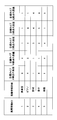
3つの子育て行動それぞれについて、5つの子育て目標との関連を確認するため、5つの子育て目標得点を独立変数とした重回帰分析(強制投入法)を実施した。子育て目標と行動との関連を分かり易く示した図として図20~22を示し、表形式の結果を図23に示す。
因子1の項目例:「子供とスキンシップを多くとるようにする」、「子供が泣いていたら必ずなだめる」等
因子2(7項目)の因子名:刺激行動
因子2の項目例:「他の子供が体験しないことをたくさん体験させる」、「子供に美術的な作品を見せる」等
因子3(3項目)の項目名:規律行動
因子3の項目例:「お店などの公共の場では落ち着いて過ごすように教える」、「子供の言いなりにはならない」等
(3)子育て目標と行動の関連についての結果
3つの子育て行動それぞれについて、5つの子育て目標との関連を確認するため、5つの子育て目標得点を独立変数とした重回帰分析(強制投入法)を実施した。子育て目標と行動との関連を分かり易く示した図として図20~22を示し、表形式の結果を図23に示す。
<実験1の結果(3)>
実験1の(3)「各子育て目標タイプと子育て行動の関連の確認」についての結果
母親の子育て目標のタイプによって、子育て態度や行動、将来子供にさせたい習い事に関する考えが異なることを確認した。
実験1の(3)「各子育て目標タイプと子育て行動の関連の確認」についての結果
母親の子育て目標のタイプによって、子育て態度や行動、将来子供にさせたい習い事に関する考えが異なることを確認した。
子育て態度、行動、将来子供にさせたい習い事に関する考えへの回答を各クラスタ(タイプ)ごとに比較し、差が見られた主なものを図24~図27に示す。各図におけるA~Eは実験1でのタイプであり、下記のとおりである。
タイプ(A):個人を高めることによって良い人生を実現したいタイプ
タイプ(B):温かさ重視タイプ
タイプ(C):とにかく社会の中でうまく生きてほしいタイプ
タイプ(D):親子の関係性重視タイプ
タイプ(E):自立し、社会に認められることで良い人生を実現したいタイプ
図24は、子育て態度における比較結果を示す。ここでの子育て態度は、指導的態度(無理強いせず、子供に寄り添うような子育てをするか)についてのもの。図24に示すように、タイプ(A)が他より高く、タイプ(C)が他より低い。
タイプ(B):温かさ重視タイプ
タイプ(C):とにかく社会の中でうまく生きてほしいタイプ
タイプ(D):親子の関係性重視タイプ
タイプ(E):自立し、社会に認められることで良い人生を実現したいタイプ
図24は、子育て態度における比較結果を示す。ここでの子育て態度は、指導的態度(無理強いせず、子供に寄り添うような子育てをするか)についてのもの。図24に示すように、タイプ(A)が他より高く、タイプ(C)が他より低い。
これは、子供の個人的な能力を高めたいタイプの親は子供と接する際に指導的な態度をとり、とにかくうまく生きてほしいタイプは、そのような態度を取らないことを示す。
図25は、子育て行動における比較結果を示す。ここでの子育て行動は、子供に様々な刺激を与えるような行動をとっているかについてである。図25に示すように、タイプ(A)が他より高く、タイプ(C)が他より低い。
これは、子供の個人的な能力を高めたいタイプの親は子供に多くの刺激を与えるようにしており、とにかくうまく生きてほしいタイプは、そのような刺激を与えるような行動はとっていないことを示す。
図26は、将来させたい習い事(英会話)における比較結果を示す。図26に示すように、タイプ(A)がタイプ(C)、(E)より高く、タイプ(C)、(E)はそれぞれタイプ(A)より低い。
これは、子供の個人的な能力を高めたいタイプの親は、とにかくうまく生きてほしいタイプ、社会で認められてほしいタイプと比較し、将来子供に英会話を習わせたいと思っていることを示している。
図27は、将来させたい習い事(能力開発系教室)における比較結果を示す。図27に示すように、タイプ(B)がタイプ(E)より高い。
これは、他者への温かい心を持つことを重視するタイプの親は、将来子供に能力開発系教室に通わせたいと思っている(ただし頻度が低い)ことを示している。
<実験1のまとめ>
前述したとおり、実験1では、母親の持つ長期的子育て目標(6因子)を質問紙によって抽出し、 各因子の組み合わせにより子育て目標タイプ(5種類)を分類した。また、子育て目標タイプによる子育て行動の違いが生じることを確認した。
前述したとおり、実験1では、母親の持つ長期的子育て目標(6因子)を質問紙によって抽出し、 各因子の組み合わせにより子育て目標タイプ(5種類)を分類した。また、子育て目標タイプによる子育て行動の違いが生じることを確認した。
<実験2の考察>
実験2の結果より、愛情伝達行動に関連する子育て目標は親子の良好な関係、他者への温かさであった。前者については、子どもを抱きしめる等の愛情表現行動を取ることで、子どもとの親密な関係を築き、それが将来的に愛情・信頼の関係につながるという考えに基づくと考えられる。すなわち、現在の愛情表出による良好な関係構築が、将来の親子関係に関連すると考えられている可能性がある。
実験2の結果より、愛情伝達行動に関連する子育て目標は親子の良好な関係、他者への温かさであった。前者については、子どもを抱きしめる等の愛情表現行動を取ることで、子どもとの親密な関係を築き、それが将来的に愛情・信頼の関係につながるという考えに基づくと考えられる。すなわち、現在の愛情表出による良好な関係構築が、将来の親子関係に関連すると考えられている可能性がある。
後者は、子どもが他者に対し優しい人になるため、親が手本となり子に愛情や思いやりを示すことが重要という考えが反映されていると考えられる。すなわち、「親が子どもに愛情を示すと優しい子になる」等の子育て言説が反映されている可能性がある。
刺激行動に関しては、個人の能力の向上が正に、周囲との良好な関係が負に関連していた。つまり、多くの刺激が、子どもの能力を発達させるという考えである。これは、他文化とも一致している(e.g. Tudge et al., 2018)。「個人の能力向上」と「周囲との関係」は文化比較の文脈で異なる軸とされるautonomy -relatednessに類似Tamis-LeMonda et al., 2008)しており、子育て行動の志向にも関連する可能性が考えられる。
規律行動は、個人の能力の向上が負に、他者への温かさ、生活への真面目さが正に関連していた。社会での適切な振る舞いをしつける「規律行動」は、子どもの自立性等を育てるために適切でないと考えられていること、一方で他者に温かい人、真面目な人になるには、規律を守るように親からしつけることが必要であると考えられていことが示唆された。
子どもをマナーよく育てる規律行動は、「個人の能力の向上」を目指す子育てには一致しない。つまり、「個人の能力を向上」させるためには、子どもに決まりを押し付けないと
いう子育て行動が取られている可能性がある。
いう子育て行動が取られている可能性がある。
以上、本実施の形態について説明したが、本発明はかかる特定の実施形態に限定されるものではなく、特許請求の範囲に記載された本発明の要旨の範囲内において、種々の変形・変更が可能である。
100、200 タイプ推定装置
110 アンケート提示部
120 アンケート回答入力部
130 目標タイプ推定部
140 表示部
150 推薦部
160 情報推薦DB
300 リスト作成装置
310 アンケート回答部
320 目標タイプ推定部
330 アンケート回答書き込み部
340 回答DB
350 DB作成指示部
360 情報推薦DB作成部
370 情報推薦DB
1000 ドライブ装置
1001 記録媒体
1002 補助記憶装置
1003 メモリ装置
1004 CPU
1005 インタフェース装置
1006 表示装置
1007 入力装置
110 アンケート提示部
120 アンケート回答入力部
130 目標タイプ推定部
140 表示部
150 推薦部
160 情報推薦DB
300 リスト作成装置
310 アンケート回答部
320 目標タイプ推定部
330 アンケート回答書き込み部
340 回答DB
350 DB作成指示部
360 情報推薦DB作成部
370 情報推薦DB
1000 ドライブ装置
1001 記録媒体
1002 補助記憶装置
1003 メモリ装置
1004 CPU
1005 インタフェース装置
1006 表示装置
1007 入力装置
Claims (6)
- ユーザの子育て目標タイプを推定するための所定の質問に対する、当該ユーザによる回答を入力する入力部と、
前記回答に基づいて、前記ユーザの子育て目標タイプを推定する目標タイプ推定部と、を備え、
前記所定の質問は、子供が将来どのような人になって欲しいか、又は、子供が将来どのような人になって欲しくないかについての質問である
タイプ推定装置。 - 情報推薦データベースに格納されている子育て目標タイプと子育て行動との関係を示す情報と、前記目標タイプ推定部により推定された子育て目標タイプとに基づいて、前記ユーザの子育て目標タイプに適した子育て行動の推薦を行う推薦部
を更に備える請求項1に記載のタイプ推定装置。 - ユーザの子育て目標タイプを推定するための前記所定の質問に対する当該ユーザによる回答である第1回答と、当該ユーザが実際に行っている子育て行動についての回答である第2回答とに基づいて、子育て目標タイプと子育て行動との関係を示す情報を作成し、当該情報を情報推薦データベースに格納する作成部
を更に備える請求項1又は2に記載のタイプ推定装置。 - 請求項2に記載の前記推薦部は、請求項3に記載の前記作成部により作成された情報を格納する情報推薦データベースを用いて、前記ユーザの子育て目標タイプに適した子育て行動の推薦を行う
請求項2に従属する請求項3に記載のタイプ推定装置。 - タイプ推定装置が実行するタイプ推定方法であって、
ユーザの子育て目標タイプを推定するための所定の質問に対する、当該ユーザによる回答を入力する入力ステップと、
前記回答に基づいて、前記ユーザの子育て目標タイプを推定する目標タイプ推定ステップと、を備え、
前記所定の質問は、子供が将来どのような人になって欲しいか、又は、子供が将来どのような人になって欲しくないかについての質問である
タイプ推定方法。 - コンピュータを、請求項1ないし4のうちいずれか1項に記載のタイプ推定装置における各部として機能させるためのプログラム。
Priority Applications (3)
| Application Number | Priority Date | Filing Date | Title |
|---|---|---|---|
| PCT/JP2020/012356 WO2021186681A1 (ja) | 2020-03-19 | 2020-03-19 | タイプ推定装置、タイプ推定方法、及びプログラム |
| US17/912,491 US20230153730A1 (en) | 2020-03-19 | 2020-03-19 | Type estimation apparatus, type estimation method and program |
| JP2022507970A JP7396460B2 (ja) | 2020-03-19 | 2020-03-19 | タイプ推定装置、タイプ推定方法、及びプログラム |
Applications Claiming Priority (1)
| Application Number | Priority Date | Filing Date | Title |
|---|---|---|---|
| PCT/JP2020/012356 WO2021186681A1 (ja) | 2020-03-19 | 2020-03-19 | タイプ推定装置、タイプ推定方法、及びプログラム |
Publications (1)
| Publication Number | Publication Date |
|---|---|
| WO2021186681A1 true WO2021186681A1 (ja) | 2021-09-23 |
Family
ID=77771981
Family Applications (1)
| Application Number | Title | Priority Date | Filing Date |
|---|---|---|---|
| PCT/JP2020/012356 Ceased WO2021186681A1 (ja) | 2020-03-19 | 2020-03-19 | タイプ推定装置、タイプ推定方法、及びプログラム |
Country Status (3)
| Country | Link |
|---|---|
| US (1) | US20230153730A1 (ja) |
| JP (1) | JP7396460B2 (ja) |
| WO (1) | WO2021186681A1 (ja) |
Cited By (1)
| Publication number | Priority date | Publication date | Assignee | Title |
|---|---|---|---|---|
| JP2025086572A (ja) * | 2023-11-28 | 2025-06-09 | パナソニックIpマネジメント株式会社 | 情報処理システム及び情報処理方法 |
Citations (3)
| Publication number | Priority date | Publication date | Assignee | Title |
|---|---|---|---|---|
| JP2008009844A (ja) * | 2006-06-30 | 2008-01-17 | Npo Life Management Center | ライフナビゲーションシステム |
| JP2015069502A (ja) * | 2013-09-30 | 2015-04-13 | 日本写真印刷株式会社 | セグメンテーション装置、セグメンテーションプログラム及びセグメンテーション方法 |
| JP2019082810A (ja) * | 2017-10-30 | 2019-05-30 | 凸版印刷株式会社 | 脳科学を用いた絵本レコメンドシステム |
Family Cites Families (7)
| Publication number | Priority date | Publication date | Assignee | Title |
|---|---|---|---|---|
| US6193518B1 (en) * | 1998-11-20 | 2001-02-27 | Tina M. Nocera | Method for developing answer-options to issue-questions relating to child-development |
| US20130231980A1 (en) * | 2012-03-02 | 2013-09-05 | Advanced | Education organization analysis and improvement system |
| US10380682B2 (en) * | 2013-11-24 | 2019-08-13 | Inspirave, Llc. | User controlled collaborative aspirational savings social network system and method having user controlled whiteboard system enabling articulation and end-to-end fulfillment of aspirations |
| US20160292983A1 (en) * | 2015-04-05 | 2016-10-06 | Smilables Inc. | Wearable infant monitoring device |
| US10147335B2 (en) * | 2016-07-15 | 2018-12-04 | Lakshmi Arthi Krishnaswami | Education data platform to support a holistic model of a learner |
| CN109272381B (zh) * | 2018-09-04 | 2020-09-15 | 阿里巴巴集团控股有限公司 | 业务推荐方法、装置、电子设备及可读存储介质 |
| US20200372816A1 (en) * | 2019-05-20 | 2020-11-26 | Anthony Frolov | Methods for evaluating and educating users |
-
2020
- 2020-03-19 JP JP2022507970A patent/JP7396460B2/ja active Active
- 2020-03-19 US US17/912,491 patent/US20230153730A1/en not_active Abandoned
- 2020-03-19 WO PCT/JP2020/012356 patent/WO2021186681A1/ja not_active Ceased
Patent Citations (3)
| Publication number | Priority date | Publication date | Assignee | Title |
|---|---|---|---|---|
| JP2008009844A (ja) * | 2006-06-30 | 2008-01-17 | Npo Life Management Center | ライフナビゲーションシステム |
| JP2015069502A (ja) * | 2013-09-30 | 2015-04-13 | 日本写真印刷株式会社 | セグメンテーション装置、セグメンテーションプログラム及びセグメンテーション方法 |
| JP2019082810A (ja) * | 2017-10-30 | 2019-05-30 | 凸版印刷株式会社 | 脳科学を用いた絵本レコメンドシステム |
Cited By (1)
| Publication number | Priority date | Publication date | Assignee | Title |
|---|---|---|---|---|
| JP2025086572A (ja) * | 2023-11-28 | 2025-06-09 | パナソニックIpマネジメント株式会社 | 情報処理システム及び情報処理方法 |
Also Published As
| Publication number | Publication date |
|---|---|
| JP7396460B2 (ja) | 2023-12-12 |
| US20230153730A1 (en) | 2023-05-18 |
| JPWO2021186681A1 (ja) | 2021-09-23 |
Similar Documents
| Publication | Publication Date | Title |
|---|---|---|
| Kusumojanto et al. | Do entrepreneurship education and environment promote students’ entrepreneurial intention? the role of entrepreneurial attitude | |
| Moon et al. | Exploring the treatment integrity of virtual reality-based social skills training for children with high-functioning autism | |
| Wen et al. | Undergraduate students’ attitudes toward and perceptions of hospitality careers in Mainland China | |
| Piedmont | Cross-cultural generalizability of the Spiritual Transcendence Scale to the Philippines: Spirituality as a human universal | |
| Lamote et al. | The development of student teachers’ professional identity | |
| Ahmad et al. | The interplay of personal values, relational mobile usage and organizational citizenship behavior | |
| Malinen et al. | Workplace ageism: Discovering hidden bias | |
| Davis | Architecture of the personal interactive homepage: Constructing the self through MySpace | |
| Groat et al. | Reconceptualizing architectural education for a more diverse future: Perceptions and visions of architectural students | |
| Schim et al. | Cultural competence among hospice nurses | |
| Osborne et al. | Emotional Literacy Support Assistants’ views on supervision provided by educational psychologists: what EPs can learn from group supervision | |
| Notten et al. | Home media and science performance: A cross-national study | |
| Myers et al. | Wellness of counselor educators: Do we practice what we preach? | |
| Bailenson et al. | Virtual interpersonal touch and digital chameleons | |
| Bear et al. | Students as protégés: Factors that lead to success | |
| Angelone et al. | Tolerance of sexual harassment: A laboratory paradigm | |
| Nurfaizah et al. | EFL student's reading habits in the digital era | |
| Thien et al. | Conceptualising Malaysian Chinese primary school students’ quality of school life: a mixed methods study | |
| JP2021152675A (ja) | 個別指導支援システム、方法、およびプログラム | |
| Jang et al. | The effects of parent–child communication patterns on children's interactive communication in online communities: Focusing on social self-efficacy and unwillingness to communicate as mediating factors | |
| Lee et al. | A study on flow experience structures: Enhancement or death, prospects for the Korean wave | |
| Cuyjet | Advocating cultural competence in college students as a component of moral and civic development | |
| Childs | A conceptual framework for mediated environments | |
| JP7396460B2 (ja) | タイプ推定装置、タイプ推定方法、及びプログラム | |
| Schall | Cultural exploration through mapping |
Legal Events
| Date | Code | Title | Description |
|---|---|---|---|
| 121 | Ep: the epo has been informed by wipo that ep was designated in this application |
Ref document number: 20926321 Country of ref document: EP Kind code of ref document: A1 |
|
| ENP | Entry into the national phase |
Ref document number: 2022507970 Country of ref document: JP Kind code of ref document: A |
|
| NENP | Non-entry into the national phase |
Ref country code: DE |
|
| 122 | Ep: pct application non-entry in european phase |
Ref document number: 20926321 Country of ref document: EP Kind code of ref document: A1 |