WO2021186591A1 - 配置計画装置、配置計画方法及び配置計画プログラム - Google Patents
配置計画装置、配置計画方法及び配置計画プログラム Download PDFInfo
- Publication number
- WO2021186591A1 WO2021186591A1 PCT/JP2020/011830 JP2020011830W WO2021186591A1 WO 2021186591 A1 WO2021186591 A1 WO 2021186591A1 JP 2020011830 W JP2020011830 W JP 2020011830W WO 2021186591 A1 WO2021186591 A1 WO 2021186591A1
- Authority
- WO
- WIPO (PCT)
- Prior art keywords
- worker
- time
- arrangement
- unit
- work
- Prior art date
- Legal status (The legal status is an assumption and is not a legal conclusion. Google has not performed a legal analysis and makes no representation as to the accuracy of the status listed.)
- Ceased
Links
Images









Classifications
-
- G—PHYSICS
- G06—COMPUTING OR CALCULATING; COUNTING
- G06Q—INFORMATION AND COMMUNICATION TECHNOLOGY [ICT] SPECIALLY ADAPTED FOR ADMINISTRATIVE, COMMERCIAL, FINANCIAL, MANAGERIAL OR SUPERVISORY PURPOSES; SYSTEMS OR METHODS SPECIALLY ADAPTED FOR ADMINISTRATIVE, COMMERCIAL, FINANCIAL, MANAGERIAL OR SUPERVISORY PURPOSES, NOT OTHERWISE PROVIDED FOR
- G06Q10/00—Administration; Management
- G06Q10/06—Resources, workflows, human or project management; Enterprise or organisation planning; Enterprise or organisation modelling
-
- Y—GENERAL TAGGING OF NEW TECHNOLOGICAL DEVELOPMENTS; GENERAL TAGGING OF CROSS-SECTIONAL TECHNOLOGIES SPANNING OVER SEVERAL SECTIONS OF THE IPC; TECHNICAL SUBJECTS COVERED BY FORMER USPC CROSS-REFERENCE ART COLLECTIONS [XRACs] AND DIGESTS
- Y02—TECHNOLOGIES OR APPLICATIONS FOR MITIGATION OR ADAPTATION AGAINST CLIMATE CHANGE
- Y02P—CLIMATE CHANGE MITIGATION TECHNOLOGIES IN THE PRODUCTION OR PROCESSING OF GOODS
- Y02P90/00—Enabling technologies with a potential contribution to greenhouse gas [GHG] emissions mitigation
- Y02P90/02—Total factory control, e.g. smart factories, flexible manufacturing systems [FMS] or integrated manufacturing systems [IMS]
-
- Y—GENERAL TAGGING OF NEW TECHNOLOGICAL DEVELOPMENTS; GENERAL TAGGING OF CROSS-SECTIONAL TECHNOLOGIES SPANNING OVER SEVERAL SECTIONS OF THE IPC; TECHNICAL SUBJECTS COVERED BY FORMER USPC CROSS-REFERENCE ART COLLECTIONS [XRACs] AND DIGESTS
- Y02—TECHNOLOGIES OR APPLICATIONS FOR MITIGATION OR ADAPTATION AGAINST CLIMATE CHANGE
- Y02P—CLIMATE CHANGE MITIGATION TECHNOLOGIES IN THE PRODUCTION OR PROCESSING OF GOODS
- Y02P90/00—Enabling technologies with a potential contribution to greenhouse gas [GHG] emissions mitigation
- Y02P90/30—Computing systems specially adapted for manufacturing
Definitions
- This disclosure relates to staffing technology that takes into account the influence of workers in other processes.
- Patent Document 1 describes a worker who allocates workers by using information such as a production plan, an individual work record, a collaborative work record with other workers, personal physical information, and an arrangement rule. The placement system is described.
- the purpose of this disclosure is to make it possible to generate a staffing plan that takes into account the impact between workers.
- the layout planning device is An arrangement generation unit that generates arrangement information indicating an operator to be arranged in each of a plurality of processes including a process in which the work speed of the arranged worker is changed by an operator arranged in another process.
- a time calculation unit that calculates work time for each of the plurality of steps when workers are arranged according to the arrangement information generated by the arrangement generation unit, and a worker selected from a plurality of workers is selected as the first.
- a time calculation unit for calculating the working time is provided in consideration of the degree of influence that the second worker affects the working speed of the first worker.
- the second worker in consideration of the degree of influence that the second worker affects the work speed of the first worker for each combination when a plurality of workers are designated as the first worker and the second worker, respectively.
- the work time of each process is calculated when the worker is assigned according to the arrangement information.
- the work time is calculated by treating the degree of influence affected by other workers and the degree of influence affecting other workers separately.
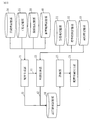
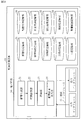
- FIG. The block diagram of the arrangement planning apparatus 10 which concerns on Embodiment 1.
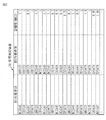
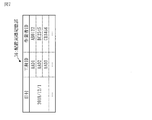
- FIG. The figure which shows the information which is stored in the influence degree storage part 31 which concerns on Embodiment 1.
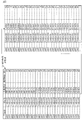
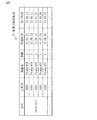
- FIG. The figure which shows the information stored in the standard time storage part 32 which concerns on Embodiment 1.
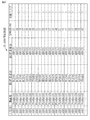
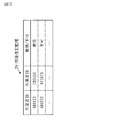
- FIG. The figure which shows the information stored in the real-time storage unit 33 which concerns on Embodiment 1.
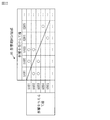
- FIG. The figure which shows the information stored in the commuter memory unit 34 which concerns on Embodiment 1.
- FIG. The figure which shows the information stored in the process storage part 35 which concerns on Embodiment 1.
- FIG. The figure which shows the information which is stored in the arrangement record storage part 36 which concerns on Embodiment 1.
- FIG. The figure which shows the information which is stored in the work record storage part 37 which concerns on Embodiment 1.
- FIG. The figure which shows the information which is stored in the trial result storage part 38 which concerns on Embodiment 1.
- FIG. The figure which shows the information which is stored in the trial result storage part 38 which concerns on Embodiment 1.
- FIG. The figure which shows the information stored in the relationship storage part 39 which concerns on Embodiment 1.
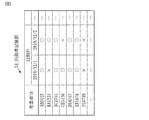
- FIG. The figure which shows the information stored in the influence range storage part 40 which concerns on Embodiment 1.
- FIG. The explanatory view of the operation outline of the arrangement planning apparatus 10 which concerns on Embodiment 1.
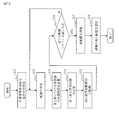
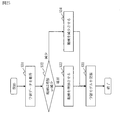
- FIG. The flowchart which shows the overall operation of the arrangement planning apparatus 10 which concerns on Embodiment 1.
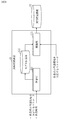
- FIG. 5 is a configuration diagram of a real-time update unit 25 according to the second embodiment.
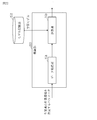
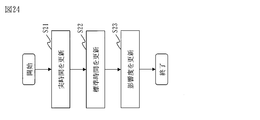
- FIG. The flowchart which shows the overall operation of the arrangement planning apparatus 10 which concerns on Embodiment 2.
- the flowchart of the learning model generation processing which concerns on Embodiment 2.
- the flowchart of the inference processing which concerns on Embodiment 2.
- the arrangement planning device 10 is a computer.
- the arrangement planning device 10 includes hardware for a processor 11, a storage device 12, and a communication interface 13.
- the processor 11 is connected to other hardware via a signal line and controls these other hardware.
- the processor 11 is an IC (Integrated Circuit) that performs processing. Specific examples of the processor 11 are a CPU (Central Processing Unit), a DSP (Digital Signal Processor), and a GPU (Graphics Processing Unit).
- a CPU Central Processing Unit
- DSP Digital Signal Processor
- GPU Graphics Processing Unit
- the storage device 12 is a device that stores data.
- the storage device 12 is a general term for a memory and a storage.
- Specific examples of the memory are SRAM (Static Random Access Memory) and DRAM (Dynamic Random Access Memory).
- Storage is a storage device that stores data.
- the storage is an HDD (Hard Disk Drive).
- Storage can be SD (registered trademark, Secure Digital) memory card, CF (Compact Flash, registered trademark), NAND flash, flexible disk, optical disk, compact disk, Blu-ray (registered trademark) disk, DVD (Digital Versaille Disk), etc. It may be a carry-on recording medium.
- the communication interface 13 is an interface for communicating with an external device.
- the communication interface 13 is used as an input interface and an output interface.
- the communication interface 13 is a port of Ethernet (registered trademark), USB (Universal Serial Bus), HDMI (registered trademark, High-Definition Multimedia Interface).
- the layout planning device 10 includes a layout generation unit 21, a time calculation unit 22, an evaluation unit 23, and a layout plan output unit 24 as functional components.
- the functions of each functional component of the arrangement planning device 10 are realized by software.
- the storage stores a program that realizes the functions of each functional component of the arrangement planning device 10. This program is read into memory by the processor 11 and executed by the processor 11. As a result, the functions of each functional component of the arrangement planning device 10 are realized.
- the storage device 12 includes an influence degree storage unit 31, a standard time storage unit 32, a real-time storage unit 33, an attendee storage unit 34, a process storage unit 35, an arrangement record storage unit 36, and a work record storage unit.
- a storage unit of 37, a trial result storage unit 38, a relationship storage unit 39, and an influence range storage unit 40 is realized.
- the storage unit is realized by the storage device 12.
- the storage unit may be realized by an external device connected via the communication interface 13.
- processors 11 are shown. However, the number of processors 11 may be plural, and the plurality of processors 11 may execute programs that realize each function in cooperation with each other.
- the operation of the arrangement planning apparatus 10 according to the first embodiment will be described with reference to FIGS. 2 to 17.
- the operation procedure of the arrangement planning device 10 according to the first embodiment corresponds to the arrangement planning method according to the first embodiment.
- the program that realizes the operation of the arrangement planning device 10 according to the first embodiment corresponds to the arrangement planning program according to the first embodiment.
- the layout planning device 10 determines the workers to be assigned to each of the plurality of processes constituting the production process.
- the production process is composed of a plurality of processes including a process in which the working speed of the assigned worker is changed by a worker assigned to another process.
- Information stored in each storage unit will be described as a premise of operation.
- the influence degree storage unit 31 stores the influence degree for each combination of the first worker and the second worker. Specifically, the influence degree storage unit 31 stores the first worker ID, the second worker ID, and the influence degree.
- the first worker ID is an ID (Identifier) of the first worker who is the affected worker.
- the second worker ID is the ID of the second worker who is the influential worker.
- the degree of influence indicates the magnitude of the influence that the second worker has on the work speed of the first worker.
- the degree of influence is set to a value larger than 1 when the working time of the first worker is longer than the standard time which is the standard working time by the first worker, and is larger than the standard time. If it becomes shorter, a value smaller than 1 is set.
- the information stored in the influence degree storage unit 31 is updated when the work is performed by a combination of two or more people within the range of the influence stored in the influence range storage unit 40, which will be described later.
- the affected range is, for example, when the work is performed in the same cell, when the work is performed on the same part on the member, and when the line work is performed within a geographical range.
- the user of the arrangement planning device 10 may estimate and input the influence value.
- the ID of a worker who affects a wide range may be set as the second worker ID, and the ID of each affected worker may be set as the first worker ID.
- the worker who has a wide range of influence is, for example, a line leader or a worker who is responsible for whirligig beetle. If the worker who affects a wide range is the line leader, each member of the line is the affected worker. This makes it possible to consider the degree of influence of the line reader and the like.
- the worker who affects a wide range and the range of influence thereof may be stored separately from the influence degree storage unit 31. When storing separately from the influence degree storage unit 31, the second worker who is the influencing worker and the influence range of the second worker may be stored in association with each other.
- the range of influence may be an affected worker or a process existing in the range of influence.
- the standard time storage unit 32 stores the standard time for each process ID, product name, and worker ID.
- the process ID is an ID indicating which process is among the plurality of processes constituting the production process.
- the product name is a name that identifies the product to be produced.
- the worker ID is the ID of the worker in charge of the work.
- the standard time is a product produced in the process indicated by the process ID, and is a standard working time required for the worker indicated by the worker ID to produce one product indicated by the product name. In FIG. 3, the unit of standard time is seconds.
- the standard time for the target worker is calculated from the actual work time that the target worker has performed in the past to produce the product indicated by the product name in the process indicated by the process ID.
- the standard time for the target worker is calculated from the actual work time in the past performed by a worker similar to the target worker in the process of producing the product indicated by the product name in the process indicated by the process ID. ..
- a similar worker is a worker whose affected worker is similar to the target worker.
- the standard time may be the default time when the target worker and similar workers have not actually performed the work in the past.
- the default time may be a preset time or may be the longest of the standard times for the target process ID and the target product name.
- the real-time storage unit 33 stores the real-time and the execution flag for each of the process ID, the product name, the first worker ID, and the second worker ID.
- the process ID, the product name, the first worker ID, and the second worker ID are as described above.
- the real time is the standard work required for the first worker to produce one product indicated by the product name under the influence of the second worker, which is a product produced in the process indicated by the process ID. It's time. In FIG. 4, the unit of real time is seconds. The difference between the real time and the standard time stored in the standard time storage unit 32 is whether or not it is influenced by the second worker.
- the execution flag indicates whether or not the work of the combination of the process ID, the product name, the first worker ID, and the second worker ID has been performed in the past.
- 1 is set in the execution flag when it has been executed in the past
- 0 is set in the execution flag when it has not been executed in the past.
- the default time is set in the real time.
- the information stored in the commuter storage unit 34 according to the first embodiment will be described with reference to FIG.
- the commuting date is stored in the commuting memory unit 34 for each worker ID.
- the worker ID is as described above.
- the work day indicates the day when the worker goes to work and works. Here, only the work day is managed on the premise that the time for performing the work is specified if the work day is specified. However, when the working hours are different for each worker and commuting day, it is necessary to manage not only the commuting day but also the commuting time.
- the process storage unit 35 stores the reference time, the number of items, and the start time for each process ID and product name.
- the process ID and the product name are as described above.
- the reference time is a product produced in the process indicated by the process ID, and is the working time required for a standard worker to produce one product indicated by the product name. In FIG. 6, the unit of the reference time is seconds.
- the number is the number of products indicated by the product name produced in the process indicated by the process ID.
- the start time is the time when the production of the product indicated by the product name is scheduled to start in the process indicated by the process ID. When a plurality of product names are set for the same process ID, it means that a plurality of products are produced in the process indicated by the process ID.
- the arrangement record storage unit 36 stores the worker ID for each date and process ID.
- the date indicates the date on which the work was performed.
- the process ID is as described above.
- the worker ID is the ID of the worker who was actually in charge of the work of the process indicated by the process ID on the day indicated by the date.
- the time of the change may be managed.
- the work record storage unit 37 stores the number, start time, and completion time for each date, process ID, and product name.
- the date, process ID, and product name are as described above.
- the number is the number of products indicated by the product name produced in the process indicated by the process ID on the day indicated by the date.
- the start time is the time when the production of the product indicated by the product name is started in the process indicated by the process ID on the day indicated by the date.
- the start time is the time when the production of the product indicated by the product name is finished in the process indicated by the process ID on the day indicated by the date.
- the number, the start time, and the completion time may be set separately for each work division, or may be set collectively for one day's work. Further, the date, the start time and the completion time may be managed in the same column.
- the trial result storage unit 38 stores the start estimated time and the completion estimated time for each of the trial result ID, the process ID, and the worker ID.
- the trial result ID is an ID assigned each time the placement is attempted.
- the process ID and the worker ID are as described above.
- the estimated start time is a time at which the work is estimated to start when the worker indicated by the worker ID is assigned to the process indicated by the process ID.
- the completion time is a time at which the work is estimated to be completed when the worker indicated by the worker ID is assigned to the process indicated by the process ID.
- the result of the trial of personnel allocation by the arrangement generation unit 21 is written in the trial result storage unit 38.
- the start time in the production plan is set as the estimated start time. However, depending on the staffing, a time different from the start time in the production plan may be set.
- the estimated start time and the estimated completion time are stored for each of the trial result ID, the process ID, and the worker ID.
- the trial result storage unit 38 may store the start estimation time and the completion estimation time for each of the trial result ID, the process ID, the worker ID, and the product name.
- the number may also be stored. In this case, the start estimated time, the completed estimated time, and the number of products are managed for each product even in one step.
- Recommendation or disapproval is stored in the relationship storage unit 39 for each combination of the two worker IDs.
- the worker ID is as described above.
- Recommendation indicates that the combination of workers indicated by the two worker IDs is recommended.
- Impossible indicates that the combination of workers indicated by the two worker IDs cannot be set.
- recommendations are set for combinations where one worker is in charge of education and the other worker is a beginner.
- the combination of workers who have had problems in the past is set to disabled. While excluding the combinations that are set to be disabled, the combinations that are set to be recommended are preferentially adopted and staffing is attempted.
- the influence range storage unit 40 stores the correspondence between the influencing process and the affected process.
- a circle is set in the square where the row and the column intersect, it means that the process assigned to the row affects the process assigned to the column. That is, it means that the work speed of the worker assigned to the process assigned to the column changes depending on the worker assigned to the process assigned to the row.
- the magnitude of the change in working speed is specified by referring to the influence degree storage unit 31. Specifically, the degree of influence when the worker assigned to the process assigned to the column is the first worker and the worker assigned to the process assigned to the row is the second worker is the work. Indicates the magnitude of change in speed.
- the arrangement planning device 10 generates arrangement information about the target date and indicates the workers to be arranged in each process constituting the production process.
- the allocation generation unit 21 refers to the commuter storage unit 34, the process storage unit 35, the relationship storage unit 39, and the influence range storage unit 40, and tries to allocate personnel to generate a plurality of allocation information 41.
- the time calculation unit 22 refers to the influence degree storage unit 31, the standard time storage unit 32, and the real-time storage unit 33, and produces a product when a worker is arranged according to each arrangement information 41 generated by the arrangement generation unit 21.
- the working time 42 for each of the plurality of processes constituting the process is calculated.
- Each arrangement information 41 generated by the arrangement generation unit 21 and the working time 42 for each arrangement information 41 are written in the trial result storage unit 38.
- the evaluation unit 23 evaluates each arrangement information 41 based on the work time 42 calculated by the time calculation unit 22 with reference to the trial result storage unit 38, and selects the arrangement information 41 having the highest evaluation. Then, the arrangement plan output unit 24 outputs the arrangement information 41 selected by the evaluation unit 23.
- the arrangement generation unit 21 refers to the attendee storage unit 34, the process storage unit 35, the relationship storage unit 39, and the influence range storage unit 40, and is a feasible combination of the workers who go to work on the target day. To identify.
- Step S111 in FIG. 15 Commuter identification process
- the arrangement generation unit 21 identifies a worker who goes to work on the target day with reference to the workman storage unit 34.
- the worker who goes to work on the target day is the worker indicated by the worker ID in which the circle is set on the target day in the commuting memory unit 34.
- Step S112 of FIG. 15 Combination determination process
- the arrangement generation unit 21 specifies all combinations of workers specified in step S111 and for which disabling is not set in the relationship storage unit 39.
- Step S12 of FIG. 14 Arrangement determination process
- the arrangement generation unit 21 refers to the combination specified in step S11 and determines an operator to arrange each of the plurality of processes constituting the production process. Then, the arrangement generation unit 21 generates arrangement information 41 indicating an operator who has been arranged in each of the plurality of processes.
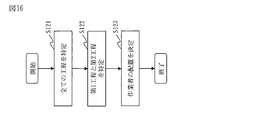
- the arrangement determination process according to the first embodiment will be described with reference to FIG. (Step S121 of FIG. 16: Process specifying process)
- the arrangement generation unit 21 identifies all the processes constituting the production process by reading out all the process IDs stored in the process storage unit 35.
- the arrangement generation unit 21 refers to the influence range storage unit 40 and specifies the second step, which is a step that affects other steps, from the step specified in step S121. Further, the arrangement generation unit 21 refers to the influence range storage unit 40 and identifies each second step as a first step which is a step affected by the target second step. Thereby, the number of the first steps affected by the target second step is specified. The number of the first step represents the number of workers affected by the target second step.
- Step S123 of FIG. 16 Arrangement process
- the arrangement generation unit 21 allocates one of the workers who go to work on the target day specified in step S111 to each process specified in step S121. At this time, the arrangement generation unit 21 allocates workers of the combination specified in step S112 for the combination of the second step specified in step S122 and the first step affected by the second step.
- the worker assigned to the second step and the worker assigned to each first step affected by the second step are assigned. , All need to be included in the combination identified in step S112.
- a worker assigned to the first step and a worker assigned to each second step affected by the first step are assigned.
- the arrangement generation unit 21 does not affect other processes, and for processes that are not affected by other processes, among the workers who go to work on the target day regardless of the combination specified in step S112. Any one of the workers may be assigned. In addition, workers are assigned so that the same worker is not assigned to different processes. As a result, the arrangement generation unit 21 determines the worker to arrange each of the plurality of processes constituting the production process, and generates the arrangement information 41.
- Step S13 in FIG. 14 Individual time calculation process
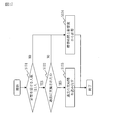
- the time calculation unit 22 calculates the work time required to produce one product for each product produced in each process when the worker is assigned according to the arrangement information 41 generated in step S12. Specifically, the time calculation unit 22 calculates the working time with each process as a target process and each product produced in the target process as a target product. At this time, for processes that are not affected by other processes, the time calculation unit 22 is arranged from the standard time storage unit 32 in the process ID of the target process, the product name of the target product, and the target process. The working time is specified by reading the standard time based on the worker ID of the worker. For the steps affected by the other steps, the working time is specified by the process shown in FIG.
- the time calculation unit 22 refers to the influence range storage unit 40 and determines whether or not there is one second step that affects the target process. That is, in the time calculation unit 22, the work speed of the worker in the target process is affected by only one worker, or the work speed of the worker in the target process is affected by two or more workers. Is determined.
- the time calculation unit 22 advances the process to step S132.
- the time calculation unit 22 advances the process to step S134.
- Step S132 of FIG. 17 Implementation determination process
- the time calculation unit 22 has the combination of the target process, the target product, the worker assigned to the target process, and the worker assigned to the process affecting the target process been performed in the past? Judge whether or not.
- the time calculation unit 22 is arranged in the process ID of the target process, the product name of the target product, the ID of the worker assigned to the target process, and the process affecting the target process.
- the real-time storage unit 33 is searched based on the ID of the worker.
- the ID of the worker assigned to the target process is used as the first worker ID
- the ID of the worker assigned to the process affecting the target process is used as the second worker ID. Be done.
- the time calculation unit 22 determines that the execution flag has been executed in the past, and when the execution flag of the specified row is 0, the time calculation unit 22 determines that the execution flag has not been executed in the past. do. If the time calculation unit 22 has been executed in the past, the time calculation unit 22 advances the process to step S133. On the other hand, if the time calculation unit 22 has not been executed in the past, the time calculation unit 22 advances the process to step S134.
- Step S133 of FIG. 17 First specific process
- the time calculation unit 22 reads out the real time from the line of the real time storage unit 33 specified in step S132.
- the time calculation unit 22 calculates the work time in consideration of the influence of other workers by referring to the influence degree storage unit 31 and the standard time storage unit 32. Specifically, the time calculation unit 22 searches the influence degree storage unit 31 based on the ID of the worker assigned to the target process and the ID of the worker assigned to the process affecting the target process. do. The time calculation unit 22 reads the degree of influence from the specified row. Here, the ID of the worker assigned to the target process is used as the first worker ID, and the ID of the worker assigned to the process affecting the target process is used as the second worker ID. Be done.
- the time calculation unit 22 searches the influence degree storage unit 31 for each of the affecting steps and reads out the influence degree. Further, the time calculation unit 22 searches the standard time storage unit 32 based on the process ID of the target process, the product name of the target product, and the ID of the worker assigned to the target process. The time calculation unit 22 reads the standard time from the specified line. Then, the time calculation unit 22 calculates the working time from the degree of influence, the number of people affected, and the standard time. The number of affected people is the same as the number of processes that affect the target process.
- the specific calculation method of the working time is as follows.
- Working time standard time x total impact
- Total impact ⁇ (impact / number of affected people) That is, the time calculation unit 22 targets each worker assigned to the process that affects the target process, and divides the degree of influence on the target worker by the number of affected people to obtain the total effect. Calculate as a degree. Then, the time calculation unit 22 calculates the working time by multiplying the standard time when the target product is produced by the worker assigned to the target process in the target process by the total influence degree.
- the degree of influence read from the degree of influence storage unit 31 is used as it is as the degree of influence received from each worker.
- the degree of influence may be weighted according to the number of people affected. Further, when the distance between the workers can be known from the assigned process, weighting may be performed according to the distance.
- Step S14 in FIG. 14 Total time calculation process
- the time calculation unit 22 calculates the work time for each process when the worker is arranged according to the arrangement information 41 generated in step S12 from the work time required to produce one product calculated in step S13. do. Then, the time calculation unit 22 calculates the working time in the entire production process from the working time for each process. Specifically, the time calculation unit 22 multiplies the work time calculated in step S13 for each product produced in the target process by the number of products produced to obtain the target product. Calculate the working time required for production.
- the number of products produced is specified by searching the process storage unit 35 based on the process ID of the target process and the product name of the target product and reading the number from the specified line.
- the time calculation unit 22 specifies the work time for the target process by totaling the work time calculated for each product produced in the target process. If it takes a setup change time when changing the product to be produced, the work time for the target process may be calculated in consideration of the setup change time. In this case, it is necessary to store the setup change time in the storage device 12 for each combination of the product before the change and the product after the change. Then, the time calculation unit 22 calculates the working time in the entire production process from the working time for each process. At this time, the time calculation unit 22 calculates the work time in the entire production process by causing the processes that can be worked in parallel to work in parallel. Thereby, the start time and the completion time are specified for each combination of the process ID and the product name.
- Step S15 in FIG. 14 Storage process
- the arrangement generation unit 21 writes the information of the arrangement information 41 generated in step S12 into the trial result storage unit 38. Specifically, the arrangement generation unit 21 assigns a new trial result ID. Then, the arrangement generation unit 21 reads the process ID, the product name, and the number from the process storage unit 35, and writes them in the trial result storage unit 38 together with the assigned trial result ID. Further, the arrangement generation unit 21 writes the ID of the worker arranged in step S123 for each combination of the process ID and the product name in the trial result storage unit 38. Further, the time calculation unit 22 writes the work time 42 specified in step S14 into the trial result storage unit 38. Specifically, the time calculation unit 22 writes the start time and the completion time specified in step S14 in the start estimation time and the completion estimation time of the trial result storage unit 38 for each combination of the process ID and the product name.
- Step S16 of FIG. 14 Trial determination process
- the arrangement generation unit 21 determines whether or not the arrangement information 41 indicating all the arrangement patterns has been generated. When the arrangement generation unit 21 generates the arrangement information 41 indicating all the arrangement patterns, the process proceeds to step S17. On the other hand, when the arrangement generation unit 21 has not finished generating the arrangement information 41 indicating all the arrangement patterns, the process returns to step S12 to generate a new arrangement information 41.
- Step S17 in FIG. 14 Evaluation process
- the evaluation unit 23 evaluates each arrangement information 41 with reference to the trial result storage unit 38.
- the evaluation unit 23 evaluates each arrangement information 41 so that the shorter the working time in the entire production process, the higher the evaluation. That is, the evaluation unit 23 evaluates each arrangement information 41 so that the shorter the working time until the production of all the products shown in the process storage unit 35 is completed, the higher the evaluation. Further, the evaluation unit 23 may evaluate each arrangement information 41 so that the shorter the working time in a specific process, the higher the evaluation. Further, the evaluation unit 23 may evaluate each arrangement information 41 so that the shorter the working time in the process affected by a specific process, the higher the evaluation.
- the evaluation unit 23 may evaluate each arrangement information 41 so that the shorter the work time required to produce a certain product, the higher the evaluation. Further, the evaluation unit 23 may evaluate each arrangement information 41 so that the shorter the working time of a certain worker, the higher the evaluation. Further, the evaluation unit 23 may evaluate each arrangement information 41 so that the arrangement information 41 in which many recommended combinations of workers are adopted has a higher evaluation. Further, the evaluation unit 23 may evaluate each arrangement information 41 by combining at least a part of the evaluation methods described above.
- Step S18 of FIG. 14 Arrangement plan output process
- the evaluation unit 23 selects the arrangement information 41 having the highest evaluation in step S17. Then, the arrangement plan output unit 24 outputs the selected arrangement information 41 via the communication interface 13.
- the information of the arrangement record storage unit 36 and the work record storage unit 37 is updated. That is, the information on the day when the work is actually performed is added to the arrangement record storage unit 36 and the work record storage unit 37.
- the user of the placement planning device 10 inputs information to be added to the placement record storage unit 36 and the work record storage unit 37, or adds information to the placement record storage unit 36 and the work record storage unit 37 from an external system. Information is sent. Then, the input or transmitted information is written in the arrangement record storage unit 36 and the work record storage unit 37.
- the second worker for each combination when the plurality of workers are the first worker and the second worker, respectively is the first worker. It is possible to determine the appropriate placement of workers in consideration of the degree of influence that affects the work speed. This makes it possible to generate an appropriate staffing plan. As a result, it is possible to shorten the lead time in the production process.
- the arrangement generation unit 21 determines whether or not the arrangement information 41 indicating all the arrangement patterns has been generated. However, the arrangement generation unit 21 may determine whether or not the arrangement information 41 indicating all the arrangement patterns except the arrangement pattern whose evaluation in step S17 of FIG. 14 is clearly low is generated. For example, it is clear that an arrangement pattern that includes a combination of workers whose degree of influence exceeds a threshold value unnecessarily increases the working time. Therefore, the arrangement generation unit 21 may exclude this arrangement pattern.
- each functional component is realized by software.
- each functional component may be realized by hardware. The difference between the second modification and the first embodiment will be described.
- the arrangement planning device 10 includes an electronic circuit 14 instead of the processor 11 and the storage device 12.
- the electronic circuit 14 is a dedicated circuit that realizes the functions of each functional component and the storage device 12.
- Examples of the electronic circuit 14 include a single circuit, a composite circuit, a programmed processor, a parallel programmed processor, a logic IC, a GA (Gate Array), an ASIC (Application Specific Integrated Circuit), and an FPGA (Field-Programmable Gate Array). is assumed. Each functional component may be realized by one electronic circuit 14, or each functional component may be distributed and realized by a plurality of electronic circuits 14.
- Modification example 3 As a modification 3, some functional components may be realized by hardware, and other functional components may be realized by software.
- the processor 11, the storage device 12, and the electronic circuit 14 are referred to as a processing circuit. That is, the function of each functional component is realized by the processing circuit.
- Embodiment 2 a method of updating the information stored in the influence degree storage unit 31, the standard time storage unit 32, and the real-time storage unit 33 by using the learning model will be described.
- the points different from those in the first embodiment will be described, and the same points will be omitted.
- the layout planning device 10 is different from the layout planning device 10 shown in FIG. 1 in that it includes a real-time update unit 25, a standard time update unit 26, and an influence degree update unit 27 as functional components.
- the real-time update unit 25 and the influence degree update unit 27 are realized by software or hardware like other functional components.
- the real-time update unit 25 includes a learning unit 251, a model storage unit 252, and an inference unit 253.
- the model storage unit 252 may be provided inside the learning unit 251.
- the learning unit 251 includes a data acquisition unit 254 and a model generation unit 255.
- the model generation unit 255 includes a reward calculation unit 256 and a function update unit 257.
- the inference unit 253 includes a data acquisition unit 258 and a calculation unit 259.
- the operation of the arrangement planning apparatus 10 according to the second embodiment will be described with reference to FIGS. 23 to 27.
- the operation procedure of the arrangement planning device 10 according to the second embodiment corresponds to the arrangement planning method according to the second embodiment.
- the program that realizes the operation of the arrangement planning device 10 according to the second embodiment corresponds to the arrangement planning program according to the second embodiment.
- the arrangement planning device 10 refers to the arrangement record storage unit 36, the work record storage unit 37, the trial result storage unit 38, and the influence range storage unit 40, and refers to the influence degree storage unit 31, the standard time storage unit 32, and the real-time storage unit.
- the information with the unit 33 is updated.
- the real-time update unit 25 calculates the real time using the learning model with reference to the arrangement record storage unit 36, the work record storage unit 37, the trial result storage unit 38, and the influence range storage unit 40. Then, the real-time update unit 25 updates the real-time storage unit 33 according to the calculated real time.
- the standard time update unit 26 calculates the standard time with reference to the updated real time storage unit 33.
- the standard time update unit 26 updates the standard time storage unit 32 according to the calculated standard time.
- the influence degree update unit 27 calculates the influence degree with reference to the updated standard time storage unit 32 and real-time storage unit 33, the arrangement record storage unit 36, and the influence range storage unit 40. Then, the influence degree update unit 27 updates the influence degree storage unit 31 according to the calculated influence degree.
- the lines for all combinations of the standard time storage unit 32 and the real time storage unit 33 are set.
- the standard time is not calculated by the method described below, it is assumed that the default time or the like is set in the standard time of the standard time storage unit 32.
- the real time is not calculated by the method described below, it is assumed that the default time or the like is set in the real time of the real time storage unit 33.
- the real-time update unit 25 updates the real-time storage unit 33 with reference to the arrangement record storage unit 36, the work record storage unit 37, the trial result storage unit 38, and the influence range storage unit 40.
- the learning unit 251 generates a learning model that infers the working time from the working environment of the worker, and stores it in the model storage unit 252.
- the inference unit 253 infers the working time by giving a parameter indicating the working environment of the worker to the learning model stored in the model storage unit 252.
- the inference unit 253 calculates the real time of each worker.
- the inference unit 253 updates the real-time storage unit 33 according to the calculated real time.
- the data acquisition unit 254 of the learning unit 251 refers to the arrangement record storage unit 36, the work record storage unit 37, and the influence range storage unit 40, and acquires the work time and the parameters that determine the work environment as learning data. .. At this time, the data acquisition unit 254 acquires the time from the start time to the completion time in the target line for each line of the work record storage unit 37 as the work time. Further, the data acquisition unit 254 affects the process ID and product name in the target row, the ID of the worker assigned to the process indicated by the process ID in the target row, and the process indicated by the process ID in the target row.
- the ID of the worker assigned to the given process is acquired as a parameter.
- the ID of the worker assigned to the process indicated by the process ID in the target line is specified by referring to the arrangement record storage unit 36. Further, the ID of the worker assigned to the process that affects the process indicated by the process ID in the target line is specified by referring to the arrangement result storage unit 36 and the influence range storage unit 40.
- the model generation unit 255 of the learning unit 251 uses the learning data acquired by the data acquisition unit 254 as an input to generate a learning model that infers the working time from the working environment of the worker.
- known algorithms such as supervised learning, unsupervised learning, and reinforcement learning can be used.
- reinforcement learning an agent (behavior) in a certain environment observes the current state (environmental parameters) and decides the action to be taken. The environment changes dynamically depending on the behavior of the agent, and the agent is rewarded according to the change in the environment. The agent repeats this process and learns the action policy that gives the most reward through a series of actions.
- Equation 3 the general update formula of the action value function Q (s, a) is expressed by Equation 3. (Equation 3) Q (s t, a t) ⁇ Q (s t, a t) + ⁇ (r t + 1 + ⁇ max a Q (s t + 1, a) -Q (s t, a t))
- Equation 3 s t represents the state of the environment at time t, a t represents the behavior in time t.
- a t represents the behavior in time t.
- rt + 1 represents the reward received by the change of the state
- ⁇ represents the discount rate
- ⁇ represents the learning coefficient. Note that ⁇ is in the range of 0 ⁇ ⁇ 1 and ⁇ is in the range of 0 ⁇ ⁇ 1.
- Action working time a t becomes, the parameters determining the operator's working environment becomes the state s t, the best action a t in state s t at time t is learned.
- the update equation updates the action value function Q (s, a) so that the action value Q of the action a at time t approaches the best action value at time t + 1.
- the best behavioral value in a certain environment is sequentially propagated to the behavioral value in the previous environment.
- the reward calculation unit 256 of the model generation unit 255 calculates the reward based on the work time and the parameters that determine the work environment of the worker.
- the reward calculation unit 256 calculates the reward r based on the degree of deviation between the work time and the estimated work time in the trial result storage unit 38.
- the estimated work time is the time from the start estimated time to the completed estimated time in the trial result storage unit 38.
- the reward calculation unit 256 increases the reward r when the difference between the working time and the estimated working time is small.
- the reward calculation unit 256 gives a reward of "1".
- the reward calculation unit 256 reduces the reward r when the difference between the working time and the estimated working time is large.
- the reward calculation unit 256 gives a reward of "-1".
- the function update unit 257 of the model generation unit 255 updates the learning model, which is a function for determining the worker's working time according to the parameters that determine the worker's work environment, according to the reward calculated by the reward calculation unit 256. ..
- the learning model which is a function for determining the worker's working time according to the parameters that determine the worker's work environment, according to the reward calculated by the reward calculation unit 256. ..
- the Q-learning, action value function Q (s t, a t) of the formula 3 is used as a function for calculating the work time of the worker by the parameter that determines the operator's working environment.
- Step S31 in FIG. 25 Data acquisition process
- the data acquisition unit 254 acquires one set of the working time and the parameters that determine the working environment of the worker as learning data.
- Step S32 in FIG. 25 Reward calculation process
- the reward calculation unit 256 takes the learning data acquired in step S31 as an input and calculates the reward by the reinforcement learning algorithm. Specifically, the remuneration calculation unit 256 determines whether to increase or decrease the remuneration based on the degree of deviation between the work time and the estimated work time. When the reward calculation unit 256 increases the reward, the process proceeds to step S33. On the other hand, when the reward calculation unit 256 reduces the reward, the process proceeds to step S34.
- Step S33 in FIG. 25 Reward increase processing
- the reward calculation unit 256 increases the reward.
- Step S34 in FIG. 25 Reward reduction process
- the reward calculation unit 256 reduces the reward.
- Step S35 in FIG. 25 Function update process
- Function updating unit 257 based on the modified compensation in the step S33 or step S34, action is stored learning model in the model storage unit 252 Value Function Q (s t, a t) Update.
- step S31 the process is returned to step S31 and the learning continues. On the other hand, if the training data does not remain, the process ends.
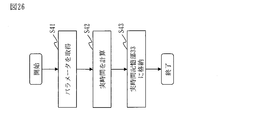
- the inference process by the inference unit 253 according to the second embodiment will be described with reference to FIGS. 22 and 26.
- the data acquisition unit 258 of the inference unit 253 acquires parameters that are inference targets and that determine the working environment of the worker.
- the parameters are the same as the parameters acquired by the data acquisition unit 254, and include the process ID and product name, the ID of the worker assigned to the process indicated by the process ID, and the process affecting the process indicated by the process ID. It is the ID of the arranged worker.
- the calculation unit 259 of the inference unit 253 infers the working time for the parameters acquired by the data acquisition unit 258 using the learning model stored in the model storage unit 252. That is, the calculation unit 259 inputs the parameters to the learning model, and the working time corresponding to the parameters is inferred.
- Step S41 of FIG. 26 Data acquisition process
- the data acquisition unit 258 acquires parameters that determine the working environment of the worker to be inferred. At this time, the data acquisition unit 258 acquires parameters for determining the work environment of the inference target worker for each line of the work record storage unit 37.
- the parameter acquisition method is the same as in the case of the data acquisition unit 254.
- Step S42 in FIG. 26 Real-time calculation process
- the calculation unit 259 inputs the parameters acquired in step S41 into the learning model stored in the model storage unit 252.
- the working time corresponding to the parameter acquired in step S41 is calculated.
- the calculated working time corresponds to the real time in the real-time storage unit 33. That is, in the calculated work time, the process ID and the product name are the process ID and the product name indicated by the parameters, the first worker ID is the ID of the worker assigned to the process indicated by the process ID, and the second.
- the worker ID corresponds to the real time of the line in the real-time storage unit 33, which is the ID of the worker arranged in the process in which the process ID affects the process.
- Step S43 in FIG. 26 Storage process
- the calculation unit 259 writes the work time calculated in step S42 in the real time of the corresponding line in the real time storage unit 33.
- Step S22 of FIG. 24 standard time update process
- the standard time update unit 26 updates the standard time storage unit 32 with reference to the real time storage unit 33 updated in step S21. Specifically, the standard time update unit 26 sets each worker who is the estimation target in step S41 as a target. In the standard time update unit 26, for each process and each product, the process ID and product name are the process ID of the target process and the product name of the target product, and the first worker ID is the work of the target worker.
- the real time is read from each line in the real time storage unit 33 which is the person ID. Then, the standard time update unit 26 calculates the working time from the read real time. For example, the standard time update unit 26 sets a value such as the average value or the median value of the read real time as the standard time.
- the calculated working time corresponds to the standard time in the standard time storage unit 32. That is, the calculated work time is a standard time storage unit in which the process ID and the product name are the process ID of the target process and the product name of the target product, and the worker ID is the worker ID of the target worker. Corresponds to the standard time of a row at 32. Therefore, the standard time update unit 26 writes the calculated working time in the standard time of the corresponding line in the standard time storage unit 32.
- the influence degree update unit 27 refers to the real-time storage unit 33 updated in step S21, the standard time storage unit 32 updated in step S22, the arrangement record storage unit 36, and the influence range storage unit 40. Calculate the degree of influence. Then, the influence degree update unit 27 updates the influence degree storage unit 31 according to the calculated influence degree.
- the influence degree update process according to the second embodiment will be described with reference to FIG. 27.
- Step S231 in FIG. 27 Target person identification process
- the influence degree update unit 27 reads the process ID and the worker ID from the arrangement record storage unit 36.
- the influence degree update unit 27 reads the process ID and the worker ID of the line that has not been read in the past.
- the process indicated by the read process ID is referred to as the first step
- the worker indicated by the read worker ID is referred to as the first worker.
- the influence degree updating unit 27 refers to the influence range storage unit 40 and specifies the step affecting the first step as the second step. Then, the influence degree update unit 27 sets the worker assigned to the second process as the second worker on the same day as the line from which the process ID and the worker ID are read in step S221 in the placement record storage unit 36. Identify. When a plurality of second steps are specified, the influence degree updating unit 27 identifies the second worker assigned to each second step. That is, a plurality of second workers may be specified.
- the influence degree update unit 27 calculates the influence degree for the first worker and the second worker from the standard time and the real time for each product produced in the first step.
- the standard time for each product produced in the first step is the standard time corresponding to the process ID of the first step and the ID of the first worker in the standard time storage unit 32.
- the real time for each product produced in the first step is the real time corresponding to the process ID of the first step, the ID of the first worker, and the ID of the second worker in the real time storage unit 33.
- the influence update unit 27 uses the standard time for the target product and the real time for the target product for any of the products. , Calculate the degree of influence.
- the influence degree update unit 27 calculates the influence degree by the equation 4 when the worker who has influenced is only the second worker. On the other hand, when the influence degree update unit 27 has an influence worker other than the second worker, the influence degree update unit 27 calculates the influence degree by the formula 5.
- (Equation 4) Impact real time / standard time (Equation 5)
- Degree of influence (number of other workers x real time / standard time) - ⁇ Degree of influence of other workers
- the number of other workers is the number of workers who have influenced other than the second worker.
- the degree of influence of other workers is the sum of the degree of influence of workers who have influenced other than the second worker.
- the influence degree of the worker who has influenced other than the second worker is acquired from the influence degree storage unit 31.
- Step S234 of FIG. 27 Storage process
- the influence degree update unit 27 writes the influence degree calculated in step S233 to the influence degree storage unit 31.
- the influence degree updating unit 27 writes the influence degree calculated in step S233 in the influence degree of the line corresponding to the first worker and the second worker in the influence degree storage unit 31.
- the arrangement planning device 10 is based on the past work results, and has a standard time when it is not affected by other workers and a case where it is affected by other workers. Update with real time. Then, the arrangement planning device 10 updates the degree of influence from the updated standard time and real time. This makes it possible to generate a more appropriate staffing plan when planning a new staffing.
- the working time was inferred using the learning model generated by the learning unit 251.
- the working time may be inferred using a learning model generated by a device different from the arrangement planning device 10.
Landscapes
- Engineering & Computer Science (AREA)
- Business, Economics & Management (AREA)
- Human Resources & Organizations (AREA)
- Strategic Management (AREA)
- Economics (AREA)
- Entrepreneurship & Innovation (AREA)
- Educational Administration (AREA)
- Game Theory and Decision Science (AREA)
- Development Economics (AREA)
- Marketing (AREA)
- Operations Research (AREA)
- Quality & Reliability (AREA)
- Tourism & Hospitality (AREA)
- Physics & Mathematics (AREA)
- General Business, Economics & Management (AREA)
- General Physics & Mathematics (AREA)
- Theoretical Computer Science (AREA)
- General Factory Administration (AREA)
- Management, Administration, Business Operations System, And Electronic Commerce (AREA)
Abstract
配置生成部(21)は、他の工程に配置された作業者によって、配置された作業者の作業速度が変化する工程を含む複数の工程それぞれに配置する作業者を示す配置情報を生成する。時間計算部(22)は、配置情報に従い作業者を配置した場合における前記複数の工程それぞれについての作業時間を計算する。この際、時間計算部(22)は、複数の作業者から選ばれた作業者を第1作業者とし、前記複数の作業者から選ばれた第1作業者とは異なる作業者を第2作業者とする場合における第1作業者と第2作業者との各組合せについての第2作業者が第1作業者の作業速度に影響を与える影響度を考慮して、作業時間を計算する。
Description
本開示は、他工程の作業者の影響を考慮した人員配置技術に関する。
近年、生産現場の人手不足が深刻になってきている。その対処として、機械を生産現場に導入して生産の工程を自動化する方法がある。しかし、機械による代用が不可能な工程が存在する。そのため、人手を増やさずに生産性を向上させる技術に期待が高まってきている。
人手を増やさずに生産性を向上させる技術として、生産現場での作業者を適正に配置して生産効率の向上を図る技術が検討されている。
特許文献1には、生産計画と、個人単独の作業実績と、他作業者との協調作業実績と、個人の身体情報といった情報と、配置ルールとを用いて、作業者の配置を行う作業者配置システムについて記載されている。
特許文献1には、生産計画と、個人単独の作業実績と、他作業者との協調作業実績と、個人の身体情報といった情報と、配置ルールとを用いて、作業者の配置を行う作業者配置システムについて記載されている。
工場における生産性は、生産に関わる各工程のうち生産時間の最も長くなる工程における生産性と置き換えられる。そのため、生産効率を向上させる人員の配置計画は、生産に関わる各工程のうち最も生産時間が長くなる工程を、最も短い時間で生産可能な作業者が担当するよう配置することを、工程が無くなるまで繰り返すことが多い。
ここで、作業者間で相性の良し悪しがある場合がある。そのため、各工程に関して、近隣の工程を担当する作業者同士の相性と、部材の同一箇所に対する作業又は同一部品を用いる作業に関わる作業者同士の相性とを考慮し計画を作成することが望ましい。特に、生産時間が長くなる工程の作業者が他工程の作業者の影響により作業速度が低下しないように配慮して計画を作成することが望ましい。
ここで、作業者間で相性の良し悪しがある場合がある。そのため、各工程に関して、近隣の工程を担当する作業者同士の相性と、部材の同一箇所に対する作業又は同一部品を用いる作業に関わる作業者同士の相性とを考慮し計画を作成することが望ましい。特に、生産時間が長くなる工程の作業者が他工程の作業者の影響により作業速度が低下しないように配慮して計画を作成することが望ましい。
しかし、特許文献1に記載された技術では、複数の工程と複数の作業者とをひとまとめにしたパラメータしか考慮されていない。言い換えると、特許文献1に記載された技術では、他作業者から影響を受ける影響度合いと、他作業者へ影響を与える影響度合いとを区別せずに扱っている。そのため、特許文献1に記載された技術では、生産時間が長い工程を短時間で作業できる作業者が、近隣の作業者の影響により、よいパフォーマンスを出せない恐れがある。
本開示は、作業者間での影響を考慮した人員の配置計画を生成可能にすることを目的とする。
本開示に係る配置計画装置は、
他の工程に配置された作業者によって、配置された作業者の作業速度が変化する工程を含む複数の工程それぞれに配置する作業者を示す配置情報を生成する配置生成部と、
前記配置生成部によって生成された前記配置情報に従い作業者を配置した場合における前記複数の工程それぞれについての作業時間を計算する時間計算部であって、複数の作業者から選ばれた作業者を第1作業者とし、前記複数の作業者から選ばれた前記第1作業者とは異なる作業者を第2作業者とする場合における前記第1作業者と前記第2作業者との各組合せについての前記第2作業者が前記第1作業者の作業速度に影響を与える影響度を考慮して、前記作業時間を計算する時間計算部と
を備える。
他の工程に配置された作業者によって、配置された作業者の作業速度が変化する工程を含む複数の工程それぞれに配置する作業者を示す配置情報を生成する配置生成部と、
前記配置生成部によって生成された前記配置情報に従い作業者を配置した場合における前記複数の工程それぞれについての作業時間を計算する時間計算部であって、複数の作業者から選ばれた作業者を第1作業者とし、前記複数の作業者から選ばれた前記第1作業者とは異なる作業者を第2作業者とする場合における前記第1作業者と前記第2作業者との各組合せについての前記第2作業者が前記第1作業者の作業速度に影響を与える影響度を考慮して、前記作業時間を計算する時間計算部と
を備える。
本開示では、複数の作業者それぞれを第1作業者及び第2作業者とした場合の各組合せについての第2作業者が第1作業者の作業速度に影響を与える影響度を考慮して、配置情報に従い作業者を配置した場合における各工程の作業時間が計算される。これにより、他作業者から影響を受ける影響度合いと、他作業者へ影響を与える影響度合いとが区別して扱われて作業時間が計算される。この作業時間を用いることにより、作業者間での影響を考慮して配置情報を評価することが可能になる。その結果、作業者間での影響を考慮した人員の配置計画が生成可能になる。
実施の形態1.
***構成の説明***
図1を参照して、実施の形態1に係る配置計画装置10の構成を説明する。
配置計画装置10は、コンピュータである。
配置計画装置10は、プロセッサ11と、記憶装置12と、通信インタフェース13とのハードウェアを備える。プロセッサ11は、信号線を介して他のハードウェアと接続され、これら他のハードウェアを制御する。
***構成の説明***
図1を参照して、実施の形態1に係る配置計画装置10の構成を説明する。
配置計画装置10は、コンピュータである。
配置計画装置10は、プロセッサ11と、記憶装置12と、通信インタフェース13とのハードウェアを備える。プロセッサ11は、信号線を介して他のハードウェアと接続され、これら他のハードウェアを制御する。
プロセッサ11は、プロセッシングを行うIC(Integrated Circuit)である。プロセッサ11は、具体例としては、CPU(Central Processing Unit)、DSP(Digital Signal Processor)、GPU(Graphics Processing Unit)である。
記憶装置12は、データを記憶する装置である。記憶装置12は、メモリと、ストレージとの総称である。
メモリは、具体例としては、SRAM(Static Random Access Memory)、DRAM(Dynamic Random Access Memory)である。
ストレージは、データを保管する記憶装置である。ストレージは、具体例としては、HDD(Hard Disk Drive)である。また、ストレージは、SD(登録商標,Secure Digital)メモリカード、CF(CompactFlash,登録商標)、NANDフラッシュ、フレキシブルディスク、光ディスク、コンパクトディスク、ブルーレイ(登録商標)ディスク、DVD(Digital Versatile Disk)といった可搬記録媒体であってもよい。
メモリは、具体例としては、SRAM(Static Random Access Memory)、DRAM(Dynamic Random Access Memory)である。
ストレージは、データを保管する記憶装置である。ストレージは、具体例としては、HDD(Hard Disk Drive)である。また、ストレージは、SD(登録商標,Secure Digital)メモリカード、CF(CompactFlash,登録商標)、NANDフラッシュ、フレキシブルディスク、光ディスク、コンパクトディスク、ブルーレイ(登録商標)ディスク、DVD(Digital Versatile Disk)といった可搬記録媒体であってもよい。
通信インタフェース13は、外部の装置と通信するためのインタフェースである。通信インタフェース13は、入力インタフェース及び出力インタフェースとして用いられる。通信インタフェース13は、具体例としては、Ethernet(登録商標)、USB(Universal Serial Bus)、HDMI(登録商標,High-Definition Multimedia Interface)のポートである。
配置計画装置10は、機能構成要素として、配置生成部21と、時間計算部22と、評価部23と、配置計画出力部24とを備える。配置計画装置10の各機能構成要素の機能はソフトウェアにより実現される。
ストレージには、配置計画装置10の各機能構成要素の機能を実現するプログラムが格納されている。このプログラムは、プロセッサ11によりメモリに読み込まれ、プロセッサ11によって実行される。これにより、配置計画装置10の各機能構成要素の機能が実現される。
ストレージには、配置計画装置10の各機能構成要素の機能を実現するプログラムが格納されている。このプログラムは、プロセッサ11によりメモリに読み込まれ、プロセッサ11によって実行される。これにより、配置計画装置10の各機能構成要素の機能が実現される。
記憶装置12は、影響度記憶部31と、標準時間記憶部32と、実時間記憶部33と、出勤者記憶部34と、工程記憶部35と、配置実績記憶部36と、作業実績記憶部37と、試行結果記憶部38と、関係性記憶部39と、影響範囲記憶部40との記憶部を実現する。
図1では、記憶部は、記憶装置12によって実現された。しかし、記憶部は、通信インタフェース13を介して接続された外部の装置によって実現されてもよい。
また、図1では、プロセッサ11は、1つだけ示されていた。しかし、プロセッサ11は、複数であってもよく、複数のプロセッサ11が、各機能を実現するプログラムを連携して実行してもよい。
***動作の説明***
図2から図17を参照して、実施の形態1に係る配置計画装置10の動作を説明する。
実施の形態1に係る配置計画装置10の動作手順は、実施の形態1に係る配置計画方法に相当する。また、実施の形態1に係る配置計画装置10の動作を実現するプログラムは、実施の形態1に係る配置計画プログラムに相当する。
図2から図17を参照して、実施の形態1に係る配置計画装置10の動作を説明する。
実施の形態1に係る配置計画装置10の動作手順は、実施の形態1に係る配置計画方法に相当する。また、実施の形態1に係る配置計画装置10の動作を実現するプログラムは、実施の形態1に係る配置計画プログラムに相当する。
配置計画装置10は、生産工程を構成する複数の工程それぞれに配置する作業者を決定する。生産工程は、他の工程に配置された作業者によって、配置された作業者の作業速度が変化する工程を含む複数の工程から構成される。
動作の前提として、各記憶部に記憶される情報を説明する。
動作の前提として、各記憶部に記憶される情報を説明する。
図2を参照して、実施の形態1に係る影響度記憶部31に記憶される情報を説明する。
影響度記憶部31には、第1作業者と第2作業者との組合せ毎に、影響度が記憶される。具体的には、影響度記憶部31には、第1作業者IDと、第2作業者IDと、影響度とが記憶される。第1作業者IDは、影響を受ける側の作業者である第1作業者のID(IDentifier)である。第2作業者IDは、影響を与える側の作業者である第2作業者のIDである。影響度は、第2作業者が第1作業者の作業速度に与える影響の大きさを示す。ここでは、影響度は、第1作業者の作業時間が、第1作業者による標準的な作業時間である標準時間よりも長くなる場合には1よりも大きい値が設定され、標準時間よりも短くなる場合には1よりも小さな値が設定される。
影響度記憶部31に記憶された影響度を参照することにより、複数の作業者を組み合わせて作業させた場合の影響関係が特定される。
影響度記憶部31には、第1作業者と第2作業者との組合せ毎に、影響度が記憶される。具体的には、影響度記憶部31には、第1作業者IDと、第2作業者IDと、影響度とが記憶される。第1作業者IDは、影響を受ける側の作業者である第1作業者のID(IDentifier)である。第2作業者IDは、影響を与える側の作業者である第2作業者のIDである。影響度は、第2作業者が第1作業者の作業速度に与える影響の大きさを示す。ここでは、影響度は、第1作業者の作業時間が、第1作業者による標準的な作業時間である標準時間よりも長くなる場合には1よりも大きい値が設定され、標準時間よりも短くなる場合には1よりも小さな値が設定される。
影響度記憶部31に記憶された影響度を参照することにより、複数の作業者を組み合わせて作業させた場合の影響関係が特定される。
影響度記憶部31に記憶された情報は、後述の影響範囲記憶部40に記憶された影響がある範囲内にて2人以上の組合せで作業が実施された場合に更新される。影響がある範囲は、例えば、同じセルでの作業を行った場合と、部材上の同じ部品を対象に作業する場合と、ライン作業において地理的にある範囲内で作業する場合とである。
影響がある範囲内にて2人以上の組合せで作業が実施された場合に加え、配置計画装置10のユーザが影響値を推定し入力してもよい。
影響がある範囲内にて2人以上の組合せで作業が実施された場合に加え、配置計画装置10のユーザが影響値を推定し入力してもよい。
また、広範囲に影響を与える作業者のIDを第2作業者IDに設定し、影響を受ける各作業者のIDを第1作業者IDに設定してもよい。広範囲に影響を与える作業者としては、例えば、ラインリーダ又はみずすまし等を担う作業者である。広範囲に影響を与える作業者がラインリーダである場合には、ラインの各メンバーが影響を受ける作業者である。これにより、ラインリーダ等の影響度も考慮することが可能になる。
なお、広範囲に影響を与える作業者とその影響範囲については、影響度記憶部31とは別に記憶させてもよい。影響度記憶部31とは別に記憶させる場合には、影響を与える作業者である第2作業者と、第2作業者の影響範囲とを対応付けて記憶させるようにしてもよい。影響範囲は、影響を受ける作業者でもよいし、影響範囲に存在する工程でもよい。
なお、広範囲に影響を与える作業者とその影響範囲については、影響度記憶部31とは別に記憶させてもよい。影響度記憶部31とは別に記憶させる場合には、影響を与える作業者である第2作業者と、第2作業者の影響範囲とを対応付けて記憶させるようにしてもよい。影響範囲は、影響を受ける作業者でもよいし、影響範囲に存在する工程でもよい。
図3を参照して、実施の形態1に係る標準時間記憶部32に記憶される情報を説明する。
標準時間記憶部32には、工程IDと製品名と作業者IDと毎に、標準時間が記憶される。工程IDは、生産工程を構成する複数の工程のうちどの工程であるかを示すIDである。製品名は、生産される製品を識別する名称である。作業者IDは、作業を担当する作業者のIDである。標準時間は、工程IDが示す工程において生産される製品であって、製品名が示す製品を1つ、作業者IDが示す作業者が生産するのにかかる標準的な作業時間である。なお、図3では、標準時間の単位は、秒である。
標準時間記憶部32に記憶された情報を参照することにより、作業者が製品を1つ生産するのにかかる標準的な作業時間が特定される。
標準時間記憶部32には、工程IDと製品名と作業者IDと毎に、標準時間が記憶される。工程IDは、生産工程を構成する複数の工程のうちどの工程であるかを示すIDである。製品名は、生産される製品を識別する名称である。作業者IDは、作業を担当する作業者のIDである。標準時間は、工程IDが示す工程において生産される製品であって、製品名が示す製品を1つ、作業者IDが示す作業者が生産するのにかかる標準的な作業時間である。なお、図3では、標準時間の単位は、秒である。
標準時間記憶部32に記憶された情報を参照することにより、作業者が製品を1つ生産するのにかかる標準的な作業時間が特定される。
なお、対象の作業者についての標準時間は、工程IDが示す工程において製品名が示す製品を生産する作業を対象の作業者が過去に行った実際の作業時間から計算される。あるいは、対象の作業者についての標準時間は、工程IDが示す工程において製品名が示す製品を生産する作業を対象の作業者と類似する作業者が過去に行った実際の作業時間から計算される。ここで、類似の作業者は、影響を受ける作業者が対象の作業者と類似する者である。また、対象の作業者及び類似する作業者により過去に実際に作業が行われていないような場合には、標準時間は、デフォルト時間であってもよい。デフォルト時間は、事前に設定された時間であってもよいし、対象の工程ID及び対象の製品名についての標準時間のうち最も長い時間であってもよい。
図4を参照して、実施の形態1に係る実時間記憶部33に記憶される情報を説明する。
実時間記憶部33には、工程IDと製品名と第1作業者IDと第2作業者IDと毎に、実時間と、実施フラグとが記憶される。工程IDと製品名と第1作業者IDと第2作業者IDとは上述した通りである。実時間は、工程IDが示す工程において生産される製品であって、製品名が示す製品を1つ、第1作業者が第2作業者の影響を受けながら生産するのにかかる標準的な作業時間である。なお、図4では、実時間の単位は、秒である。実時間と、標準時間記憶部32に記憶される標準時間との違いは、第2作業者の影響を受けているか否かである。実施フラグは、工程IDと製品名と第1作業者IDと第2作業者IDとの組合せの作業が過去に実施されたか否かを示す。ここでは、過去に実施された場合には実施フラグに1が設定され、過去に実施されていない場合には実施フラグに0が設定される。なお、実施フラグに0が設定されている場合には、実時間にはデフォルト時間が設定されている。
実時間記憶部33には、工程IDと製品名と第1作業者IDと第2作業者IDと毎に、実時間と、実施フラグとが記憶される。工程IDと製品名と第1作業者IDと第2作業者IDとは上述した通りである。実時間は、工程IDが示す工程において生産される製品であって、製品名が示す製品を1つ、第1作業者が第2作業者の影響を受けながら生産するのにかかる標準的な作業時間である。なお、図4では、実時間の単位は、秒である。実時間と、標準時間記憶部32に記憶される標準時間との違いは、第2作業者の影響を受けているか否かである。実施フラグは、工程IDと製品名と第1作業者IDと第2作業者IDとの組合せの作業が過去に実施されたか否かを示す。ここでは、過去に実施された場合には実施フラグに1が設定され、過去に実施されていない場合には実施フラグに0が設定される。なお、実施フラグに0が設定されている場合には、実時間にはデフォルト時間が設定されている。
図5を参照して、実施の形態1に係る出勤者記憶部34に記憶される情報を説明する。
出勤者記憶部34には、作業者ID毎に、出勤日が記憶される。作業者IDは上述した通りである。出勤日は、作業者が出勤して作業を行う日を示す。
ここでは、出勤日が特定されれば作業を行う時間が特定されることを前提として、出勤日だけが管理される。しかし、作業者及び出勤日毎に勤務時間が異なる場合には、出勤日だけでなく、出勤時間も管理する必要がある。
出勤者記憶部34には、作業者ID毎に、出勤日が記憶される。作業者IDは上述した通りである。出勤日は、作業者が出勤して作業を行う日を示す。
ここでは、出勤日が特定されれば作業を行う時間が特定されることを前提として、出勤日だけが管理される。しかし、作業者及び出勤日毎に勤務時間が異なる場合には、出勤日だけでなく、出勤時間も管理する必要がある。
図6を参照して、実施の形態1に係る工程記憶部35に記憶される情報を説明する。
工程記憶部35には、工程IDと製品名と毎に、基準時間と、個数と、開始時刻とが記憶される。工程IDと製品名とは上述した通りである。基準時間は、工程IDが示す工程において生産される製品であって、製品名が示す製品を1つ、標準的な作業者が生産するのにかかる作業時間である。なお、図6では、基準時間の単位は、秒である。個数は、工程IDが示す工程で生産される製品名が示す製品の数である。開始時刻は、工程IDが示す工程において製品名が示す製品の生産を開始する予定の時刻である。
同じ工程IDに複数の製品名が設定されている場合には、その工程IDが示す工程では、複数の製品が生産されることを意味する。
工程記憶部35には、工程IDと製品名と毎に、基準時間と、個数と、開始時刻とが記憶される。工程IDと製品名とは上述した通りである。基準時間は、工程IDが示す工程において生産される製品であって、製品名が示す製品を1つ、標準的な作業者が生産するのにかかる作業時間である。なお、図6では、基準時間の単位は、秒である。個数は、工程IDが示す工程で生産される製品名が示す製品の数である。開始時刻は、工程IDが示す工程において製品名が示す製品の生産を開始する予定の時刻である。
同じ工程IDに複数の製品名が設定されている場合には、その工程IDが示す工程では、複数の製品が生産されることを意味する。
図7を参照して、実施の形態1に係る配置実績記憶部36に記憶される情報を説明する。
配置実績記憶部36には、日付と工程IDと毎に、作業者IDが記憶される。日付は、作業が実施された日を示す。工程IDは上述した通りである。作業者IDは、日付が示す日に、工程IDが示す工程の作業を実際に担当した作業者のIDである。
1日の作業の途中で作業者が交代する場合には、交代した時刻を管理してもよい。
配置実績記憶部36には、日付と工程IDと毎に、作業者IDが記憶される。日付は、作業が実施された日を示す。工程IDは上述した通りである。作業者IDは、日付が示す日に、工程IDが示す工程の作業を実際に担当した作業者のIDである。
1日の作業の途中で作業者が交代する場合には、交代した時刻を管理してもよい。
図8を参照して、実施の形態1に係る作業実績記憶部37に記憶される情報を説明する。
作業実績記憶部37には、日付と工程IDと製品名毎に、個数と開始時刻と完了時刻とが記憶される。日付と工程IDと製品名とは上述した通りである。個数は、日付が示す日に工程IDが示す工程で生産された製品名が示す製品の数である。開始時刻は、日付が示す日に工程IDが示す工程で製品名が示す製品の生産を開始した時刻である。開始時刻は、日付が示す日に工程IDが示す工程で製品名が示す製品の生産を終了した時刻である。
個数と開始時刻及び完了時刻は、図8に示すように、作業の区切り毎に分けて設定されてもよいし、1日の作業について1つにまとめて設定されてもよい。また、日付と開始時刻及び完了時刻を同じカラムで管理してもよい。
作業実績記憶部37には、日付と工程IDと製品名毎に、個数と開始時刻と完了時刻とが記憶される。日付と工程IDと製品名とは上述した通りである。個数は、日付が示す日に工程IDが示す工程で生産された製品名が示す製品の数である。開始時刻は、日付が示す日に工程IDが示す工程で製品名が示す製品の生産を開始した時刻である。開始時刻は、日付が示す日に工程IDが示す工程で製品名が示す製品の生産を終了した時刻である。
個数と開始時刻及び完了時刻は、図8に示すように、作業の区切り毎に分けて設定されてもよいし、1日の作業について1つにまとめて設定されてもよい。また、日付と開始時刻及び完了時刻を同じカラムで管理してもよい。
図9を参照して、実施の形態1に係る試行結果記憶部38に記憶される情報を説明する。
試行結果記憶部38には、試行結果IDと工程IDと作業者IDと毎に、開始推定時刻と、完了推定時刻とが記憶される。試行結果IDは、配置を試行する度に割り振られるIDである。工程IDと作業者IDとは上述した通りである。開始推定時刻は、工程IDが示す工程について作業者IDが示す作業者を配置した場合に、作業が開始されると推定される時刻である。完了時刻は、工程IDが示す工程について作業者IDが示す作業者を配置した場合に、作業が完了すると推定される時刻である。
試行結果記憶部38には、配置生成部21によって人員配置を試行した結果が書き込まれる。開始推定時刻は、原則として生産計画における開始時刻が設定される。しかし、人員配置によっては生産計画における開始時刻とは異なる時刻が設定される場合もある。
試行結果記憶部38には、試行結果IDと工程IDと作業者IDと毎に、開始推定時刻と、完了推定時刻とが記憶される。試行結果IDは、配置を試行する度に割り振られるIDである。工程IDと作業者IDとは上述した通りである。開始推定時刻は、工程IDが示す工程について作業者IDが示す作業者を配置した場合に、作業が開始されると推定される時刻である。完了時刻は、工程IDが示す工程について作業者IDが示す作業者を配置した場合に、作業が完了すると推定される時刻である。
試行結果記憶部38には、配置生成部21によって人員配置を試行した結果が書き込まれる。開始推定時刻は、原則として生産計画における開始時刻が設定される。しかし、人員配置によっては生産計画における開始時刻とは異なる時刻が設定される場合もある。
図9では、試行結果IDと工程IDと作業者IDと毎に、開始推定時刻と、完了推定時刻とが記憶された。しかし、1つの工程で複数の製品が生産される場合がある。そこで、図10に示すように、試行結果記憶部38には、試行結果IDと工程IDと作業者IDと製品名毎に、開始推定時刻と、完了推定時刻とが記憶されてもよい。また、合わせて、個数も記憶されてもよい。この場合には、1つの工程でも、製品毎に開始推定時刻と完了推定時刻と個数とが管理される。
図11を参照して、実施の形態1に係る関係性記憶部39に記憶される情報を説明する。
関係性記憶部39には、2つの作業者IDの組合せ毎に、推奨又は不可が記憶される。作業者IDは上述した通りである。推奨は、2つの作業者IDが示す作業者の組合せが推奨されることを示す。不可は、2つの作業者IDが示す作業者の組合せが設定できないことを示す。
例えば、一方の作業者が教育担当であり、他方の作業者が初心者であるような組合せには、推奨が設定される。一方、過去に問題が発生した作業者の組合せには、不可が設定される。不可が設定された組合せを除きつつ、推奨が設定された組合せを優先的に採用して人員配置が試行される。
関係性記憶部39には、2つの作業者IDの組合せ毎に、推奨又は不可が記憶される。作業者IDは上述した通りである。推奨は、2つの作業者IDが示す作業者の組合せが推奨されることを示す。不可は、2つの作業者IDが示す作業者の組合せが設定できないことを示す。
例えば、一方の作業者が教育担当であり、他方の作業者が初心者であるような組合せには、推奨が設定される。一方、過去に問題が発生した作業者の組合せには、不可が設定される。不可が設定された組合せを除きつつ、推奨が設定された組合せを優先的に採用して人員配置が試行される。
図12を参照して、実施の形態1に係る影響範囲記憶部40に記憶される情報を説明する。
影響範囲記憶部40には、影響を与える工程と、影響を受ける工程との対応関係が記憶される。図12では、行と列との交叉するマスに丸が設定されている場合には、その行に割り当てられた工程がその列に割り当てられた工程に影響を与えることを意味する。つまり、その行に割り当てられた工程に配置された作業者によって、その列に割り当てられた工程に配置された作業者の作業速度が変化することを意味する。
作業速度の変化の大きさは、影響度記憶部31を参照することにより特定される。具体的には、列に割り当てられた工程に配置された作業者を第1作業者とし、行に割り当てられた工程に配置された作業者を第2作業者とした場合における影響度が、作業速度の変化の大きさを示す。
影響範囲記憶部40には、影響を与える工程と、影響を受ける工程との対応関係が記憶される。図12では、行と列との交叉するマスに丸が設定されている場合には、その行に割り当てられた工程がその列に割り当てられた工程に影響を与えることを意味する。つまり、その行に割り当てられた工程に配置された作業者によって、その列に割り当てられた工程に配置された作業者の作業速度が変化することを意味する。
作業速度の変化の大きさは、影響度記憶部31を参照することにより特定される。具体的には、列に割り当てられた工程に配置された作業者を第1作業者とし、行に割り当てられた工程に配置された作業者を第2作業者とした場合における影響度が、作業速度の変化の大きさを示す。
図13を参照して、実施の形態1に係る配置計画装置10の動作概要を説明する。
配置計画装置10は、対象日についての配置情報であって、生産工程を構成する各工程に配置する作業者を示す配置情報を生成する。
配置生成部21は、出勤者記憶部34と工程記憶部35と関係性記憶部39と影響範囲記憶部40とを参照して、人員配置を試行して複数の配置情報41を生成する。時間計算部22は、影響度記憶部31と標準時間記憶部32と実時間記憶部33とを参照して、配置生成部21によって生成された各配置情報41に従い作業者を配置した場合における生産工程を構成する複数の工程それぞれについての作業時間42を計算する。配置生成部21によって生成された各配置情報41と、各配置情報41についての作業時間42とが試行結果記憶部38に書き込まれる。
評価部23は、試行結果記憶部38を参照して、時間計算部22によって計算された作業時間42に基づき、各配置情報41を評価し、評価が最も高い配置情報41を選択する。そして、配置計画出力部24は、評価部23にて選択された配置情報41を出力する。
配置計画装置10は、対象日についての配置情報であって、生産工程を構成する各工程に配置する作業者を示す配置情報を生成する。
配置生成部21は、出勤者記憶部34と工程記憶部35と関係性記憶部39と影響範囲記憶部40とを参照して、人員配置を試行して複数の配置情報41を生成する。時間計算部22は、影響度記憶部31と標準時間記憶部32と実時間記憶部33とを参照して、配置生成部21によって生成された各配置情報41に従い作業者を配置した場合における生産工程を構成する複数の工程それぞれについての作業時間42を計算する。配置生成部21によって生成された各配置情報41と、各配置情報41についての作業時間42とが試行結果記憶部38に書き込まれる。
評価部23は、試行結果記憶部38を参照して、時間計算部22によって計算された作業時間42に基づき、各配置情報41を評価し、評価が最も高い配置情報41を選択する。そして、配置計画出力部24は、評価部23にて選択された配置情報41を出力する。
図14を参照して、実施の形態1に係る配置計画装置10の全体的な動作を説明する。
(図14のステップS11:組合せ特定処理)
配置生成部21は、出勤者記憶部34と、工程記憶部35と、関係性記憶部39と、影響範囲記憶部40とを参照して、対象日に出勤する作業者についての実現可能な組合せを特定する。
(図14のステップS11:組合せ特定処理)
配置生成部21は、出勤者記憶部34と、工程記憶部35と、関係性記憶部39と、影響範囲記憶部40とを参照して、対象日に出勤する作業者についての実現可能な組合せを特定する。
図15を参照して、実施の形態1に係る組合せ特定処理を説明する。
(図15のステップS111:出勤者特定処理)
配置生成部21は、出勤者記憶部34を参照して、対象日に出勤する作業者を特定する。対象日に出勤する作業者は、出勤者記憶部34において、対象日に丸が設定されている作業者IDが示す作業者である。
配置生成部21は、出勤者記憶部34を参照して、対象日に出勤する作業者を特定する。対象日に出勤する作業者は、出勤者記憶部34において、対象日に丸が設定されている作業者IDが示す作業者である。
(図15のステップS112:組合せ決定処理)
配置生成部21は、ステップS111で特定された作業者の組合せであって、関係性記憶部39で不可が設定されていない全ての組合せを特定する。
配置生成部21は、ステップS111で特定された作業者の組合せであって、関係性記憶部39で不可が設定されていない全ての組合せを特定する。
(図14のステップS12:配置決定処理)
配置生成部21は、ステップS11で特定された組合せを参照して、生産工程を構成する複数の工程それぞれ配置する作業者を決定する。そして、配置生成部21は、複数の工程それぞれ配置された作業者を示す配置情報41を生成する。
配置生成部21は、ステップS11で特定された組合せを参照して、生産工程を構成する複数の工程それぞれ配置する作業者を決定する。そして、配置生成部21は、複数の工程それぞれ配置された作業者を示す配置情報41を生成する。
図16を参照して、実施の形態1に係る配置決定処理を説明する。
(図16のステップS121:工程特定処理)
配置生成部21は、工程記憶部35に記憶された全ての工程IDを読み出すことにより、生産工程を構成する全ての工程を特定する。
(図16のステップS121:工程特定処理)
配置生成部21は、工程記憶部35に記憶された全ての工程IDを読み出すことにより、生産工程を構成する全ての工程を特定する。
(図16のステップS122:影響特定処理)
配置生成部21は、影響範囲記憶部40を参照して、ステップS121で特定された工程から、他の工程に影響を与える工程である第2工程を特定する。また、配置生成部21は、影響範囲記憶部40を参照して、各第2工程を対象として、対象の第2工程の影響を受ける工程である第1工程とを特定する。
これにより、対象の第2工程の影響を受ける第1工程の数が特定される。この第1工程の数は、対象の第2工程の影響を受ける作業者数を表す。
配置生成部21は、影響範囲記憶部40を参照して、ステップS121で特定された工程から、他の工程に影響を与える工程である第2工程を特定する。また、配置生成部21は、影響範囲記憶部40を参照して、各第2工程を対象として、対象の第2工程の影響を受ける工程である第1工程とを特定する。
これにより、対象の第2工程の影響を受ける第1工程の数が特定される。この第1工程の数は、対象の第2工程の影響を受ける作業者数を表す。
(図16のステップS123:配置処理)
配置生成部21は、ステップS121で特定された各工程にステップS111で特定された対象日に出勤する作業者のうちのいずれかの作業者を配置する。
この際、配置生成部21は、ステップS122で特定された第2工程と、第2工程の影響を受ける第1工程との組については、ステップS112で特定された組合せの作業者を配置する。第2工程が影響を与える第1工程が複数存在する場合には、その第2工程に配置される作業者と、その第2工程が影響を与える各第1工程に配置される作業者とが、全てステップS112で特定された組合せに含まれる必要がある。また、第1工程が影響を受ける第2工程が複数存在する場合には、その第1工程に配置される作業者と、その第1工程が影響を受ける各第2工程に配置される作業者とが、全てステップS112で特定された組合せに含まれる必要がある。
なお、配置生成部21は、他の工程に影響を与えず、他の工程の影響を受けない工程については、ステップS112で特定された組合せには関係なく、対象日に出勤する作業者のうちのいずれかの作業者を配置すればよい。
また、同じ作業者が異なる工程に配置されないように、作業者を配置する。
これにより、配置生成部21は、生産工程を構成する複数の工程それぞれ配置する作業者を決定し、配置情報41を生成する。
配置生成部21は、ステップS121で特定された各工程にステップS111で特定された対象日に出勤する作業者のうちのいずれかの作業者を配置する。
この際、配置生成部21は、ステップS122で特定された第2工程と、第2工程の影響を受ける第1工程との組については、ステップS112で特定された組合せの作業者を配置する。第2工程が影響を与える第1工程が複数存在する場合には、その第2工程に配置される作業者と、その第2工程が影響を与える各第1工程に配置される作業者とが、全てステップS112で特定された組合せに含まれる必要がある。また、第1工程が影響を受ける第2工程が複数存在する場合には、その第1工程に配置される作業者と、その第1工程が影響を受ける各第2工程に配置される作業者とが、全てステップS112で特定された組合せに含まれる必要がある。
なお、配置生成部21は、他の工程に影響を与えず、他の工程の影響を受けない工程については、ステップS112で特定された組合せには関係なく、対象日に出勤する作業者のうちのいずれかの作業者を配置すればよい。
また、同じ作業者が異なる工程に配置されないように、作業者を配置する。
これにより、配置生成部21は、生産工程を構成する複数の工程それぞれ配置する作業者を決定し、配置情報41を生成する。
(図14のステップS13:個別時間計算処理)
時間計算部22は、ステップS12で生成された配置情報41に従い作業者を配置した場合における各工程で生産される製品それぞれについて、1つの製品を生産するのにかかる作業時間を計算する。
具体的には、時間計算部22は、各工程を対象の工程とし、対象の工程で生産される各製品を対象の製品として、作業時間を計算する。この際、他の工程の影響を受けない工程については、時間計算部22は、標準時間記憶部32から、対象の工程の工程IDと、対象の製品の製品名と、対象の工程に配置された作業者の作業者IDとに基づき、標準時間を読み出すことにより、作業時間を特定する。他の工程の影響を受ける工程については、図17に示す処理により作業時間を特定する。
時間計算部22は、ステップS12で生成された配置情報41に従い作業者を配置した場合における各工程で生産される製品それぞれについて、1つの製品を生産するのにかかる作業時間を計算する。
具体的には、時間計算部22は、各工程を対象の工程とし、対象の工程で生産される各製品を対象の製品として、作業時間を計算する。この際、他の工程の影響を受けない工程については、時間計算部22は、標準時間記憶部32から、対象の工程の工程IDと、対象の製品の製品名と、対象の工程に配置された作業者の作業者IDとに基づき、標準時間を読み出すことにより、作業時間を特定する。他の工程の影響を受ける工程については、図17に示す処理により作業時間を特定する。
図17を参照して、実施の形態1に係る他の工程の影響を受ける工程についての個別時間計算処理を説明する。
(図17のステップS131:人数判定処理)
時間計算部22は、影響範囲記憶部40を参照して、対象の工程に影響を与える第2工程が1つか否かを判定する。つまり、時間計算部22は、対象の工程の作業者の作業速度が1人の作業者からのみ影響を受けるか、対象の工程の作業者の作業速度が2人以上の作業者から影響を受けるかを判定する。
時間計算部22は、1人の作業者のみから影響を受ける場合には、処理をステップS132に進める。一方、時間計算部22は、2人以上の作業者から影響を受ける場合には、処理をステップS134に進める。
(図17のステップS131:人数判定処理)
時間計算部22は、影響範囲記憶部40を参照して、対象の工程に影響を与える第2工程が1つか否かを判定する。つまり、時間計算部22は、対象の工程の作業者の作業速度が1人の作業者からのみ影響を受けるか、対象の工程の作業者の作業速度が2人以上の作業者から影響を受けるかを判定する。
時間計算部22は、1人の作業者のみから影響を受ける場合には、処理をステップS132に進める。一方、時間計算部22は、2人以上の作業者から影響を受ける場合には、処理をステップS134に進める。
(図17のステップS132:実施判定処理)
時間計算部22は、対象の工程と、対象の製品と、対象の工程に配置された作業者と、対象の工程に影響を与える工程に配置された作業者との組合せが過去に実施されたか否かを判定する。
具体的には、時間計算部22は、対象の工程の工程IDと、対象の製品の製品名と、対象の工程に配置された作業者のIDと、対象の工程に影響を与える工程に配置された作業者のIDとに基づき実時間記憶部33を検索する。ここで、対象の工程に配置された作業者のIDは、第1作業者IDとして用いられ、対象の工程に影響を与える工程に配置された作業者のIDは、第2作業者IDとして用いられる。時間計算部22は、特定された行の実施フラグが1の場合には、過去に実施されたと判定し、特定された行の実施フラグが0の場合には、過去に実施されていないと判定する。
時間計算部22は、過去に実施された場合には、処理をステップS133に進める。一方、時間計算部22は、過去に実施されていない場合には、処理をステップS134に進める。
時間計算部22は、対象の工程と、対象の製品と、対象の工程に配置された作業者と、対象の工程に影響を与える工程に配置された作業者との組合せが過去に実施されたか否かを判定する。
具体的には、時間計算部22は、対象の工程の工程IDと、対象の製品の製品名と、対象の工程に配置された作業者のIDと、対象の工程に影響を与える工程に配置された作業者のIDとに基づき実時間記憶部33を検索する。ここで、対象の工程に配置された作業者のIDは、第1作業者IDとして用いられ、対象の工程に影響を与える工程に配置された作業者のIDは、第2作業者IDとして用いられる。時間計算部22は、特定された行の実施フラグが1の場合には、過去に実施されたと判定し、特定された行の実施フラグが0の場合には、過去に実施されていないと判定する。
時間計算部22は、過去に実施された場合には、処理をステップS133に進める。一方、時間計算部22は、過去に実施されていない場合には、処理をステップS134に進める。
(図17のステップS133:第1特定処理)
時間計算部22は、ステップS132で特定された実時間記憶部33の行から、実時間を読み出す。
時間計算部22は、ステップS132で特定された実時間記憶部33の行から、実時間を読み出す。
(図17のステップS134:第2特定処理)
時間計算部22は、影響度記憶部31と、標準時間記憶部32とを参照して、他の作業者の影響を考慮した作業時間を計算する。
具体的には、時間計算部22は、対象の工程に配置された作業者のIDと、対象の工程に影響を与える工程に配置された作業者のIDとに基づき影響度記憶部31を検索する。時間計算部22は、特定された行から影響度を読み出す。ここで、対象の工程に配置された作業者のIDは、第1作業者IDとして用いられ、対象の工程に影響を与える工程に配置された作業者のIDは、第2作業者IDとして用いられる。なお、対象の工程に影響を与える工程が複数存在する場合には、時間計算部22は、影響を与える各工程を対象として、影響度記憶部31を検索して、影響度を読み出す。
また、時間計算部22は、対象の工程の工程IDと、対象の製品の製品名と、対象の工程に配置された作業者のIDとに基づき標準時間記憶部32を検索する。時間計算部22は、特定された行から標準時間を読み出す。
そして、時間計算部22は、影響度と、影響を受ける人数と、標準時間とから、作業時間を計算する。影響を受ける人数は、対象の工程に影響を与える工程の数と同じである。
時間計算部22は、影響度記憶部31と、標準時間記憶部32とを参照して、他の作業者の影響を考慮した作業時間を計算する。
具体的には、時間計算部22は、対象の工程に配置された作業者のIDと、対象の工程に影響を与える工程に配置された作業者のIDとに基づき影響度記憶部31を検索する。時間計算部22は、特定された行から影響度を読み出す。ここで、対象の工程に配置された作業者のIDは、第1作業者IDとして用いられ、対象の工程に影響を与える工程に配置された作業者のIDは、第2作業者IDとして用いられる。なお、対象の工程に影響を与える工程が複数存在する場合には、時間計算部22は、影響を与える各工程を対象として、影響度記憶部31を検索して、影響度を読み出す。
また、時間計算部22は、対象の工程の工程IDと、対象の製品の製品名と、対象の工程に配置された作業者のIDとに基づき標準時間記憶部32を検索する。時間計算部22は、特定された行から標準時間を読み出す。
そして、時間計算部22は、影響度と、影響を受ける人数と、標準時間とから、作業時間を計算する。影響を受ける人数は、対象の工程に影響を与える工程の数と同じである。
作業時間の具体的な計算方法は以下の通りである。
(式1)
作業時間=標準時間×総影響度
(式2)
総影響度=Σ(影響度/影響を受ける人数)
つまり、時間計算部22は、対象の工程に影響を与える工程に配置された各作業者を対象として、対象の作業者についての影響度を影響を受ける人数で除した値の和を、総影響度として計算する。そして、時間計算部22は、対象の工程において対象の製品を対象の工程に割り当てられた作業者が生産する場合における標準時間に対して、総影響度を乗じて、作業時間を計算する。
(式1)
作業時間=標準時間×総影響度
(式2)
総影響度=Σ(影響度/影響を受ける人数)
つまり、時間計算部22は、対象の工程に影響を与える工程に配置された各作業者を対象として、対象の作業者についての影響度を影響を受ける人数で除した値の和を、総影響度として計算する。そして、時間計算部22は、対象の工程において対象の製品を対象の工程に割り当てられた作業者が生産する場合における標準時間に対して、総影響度を乗じて、作業時間を計算する。
なお、ここでは、影響度記憶部31から読み出された影響度をそのまま、各作業者から受ける影響度として用いた。しかし、影響を受ける人数に応じて影響度に重み付けしてもよい。また、割り当てられた工程によって、作業者間の距離が分かるような場合には、距離に応じて重み付けしてもよい。
(図14のステップS14:総時間計算処理)
時間計算部22は、ステップS13で計算された1つの製品を生産するのにかかる作業時間から、ステップS12で生成された配置情報41に従い作業者を配置した場合における各工程についての作業時間を計算する。そして、時間計算部22は、各工程についての作業時間から生産工程全体での作業時間を計算する。
具体的には、時間計算部22は、対象の工程で生産される各製品を対象として、対象の製品についてステップS13で計算された作業時間に、製品の生産数を乗じて、対象の製品を生産するのにかかる作業時間を計算する。製品の生産数は、対象の工程の工程IDと対象の製品の製品名とに基づき工程記憶部35を検索して特定された行から個数を読み出すことにより特定される。そして、時間計算部22は、対象の工程で生産される各製品について計算された作業時間を合計することにより、対象の工程についての作業時間が特定される。
なお、生産する製品を変更する際に段取り替え時間がかかる場合には、段取り替え時間を考慮して対象の工程についての作業時間を計算してもよい。この場合には、変更前の製品と変更後の製品との組合せ毎に、段取り替え時間を記憶装置12に記憶しておく必要がある。
そして、時間計算部22は、各工程についての作業時間から生産工程全体での作業時間を計算する。この際、時間計算部22は、並列に作業可能な工程は並列に作業させる等して、生産工程全体での作業時間を計算する。これにより、工程IDと製品名との各組合せについて開始時刻及び完了時刻が特定される。
時間計算部22は、ステップS13で計算された1つの製品を生産するのにかかる作業時間から、ステップS12で生成された配置情報41に従い作業者を配置した場合における各工程についての作業時間を計算する。そして、時間計算部22は、各工程についての作業時間から生産工程全体での作業時間を計算する。
具体的には、時間計算部22は、対象の工程で生産される各製品を対象として、対象の製品についてステップS13で計算された作業時間に、製品の生産数を乗じて、対象の製品を生産するのにかかる作業時間を計算する。製品の生産数は、対象の工程の工程IDと対象の製品の製品名とに基づき工程記憶部35を検索して特定された行から個数を読み出すことにより特定される。そして、時間計算部22は、対象の工程で生産される各製品について計算された作業時間を合計することにより、対象の工程についての作業時間が特定される。
なお、生産する製品を変更する際に段取り替え時間がかかる場合には、段取り替え時間を考慮して対象の工程についての作業時間を計算してもよい。この場合には、変更前の製品と変更後の製品との組合せ毎に、段取り替え時間を記憶装置12に記憶しておく必要がある。
そして、時間計算部22は、各工程についての作業時間から生産工程全体での作業時間を計算する。この際、時間計算部22は、並列に作業可能な工程は並列に作業させる等して、生産工程全体での作業時間を計算する。これにより、工程IDと製品名との各組合せについて開始時刻及び完了時刻が特定される。
(図14のステップS15:格納処理)
配置生成部21は、ステップS12で生成した配置情報41の情報を試行結果記憶部38に書き込む。具体的には、配置生成部21は、新しい試行結果IDを割り当てる。そして、配置生成部21は、工程記憶部35から工程IDと製品名と個数とを読み出して、割り当てた試行結果IDとともに試行結果記憶部38に書き込む。また、配置生成部21は、工程IDと製品名との各組合せについてステップS123で配置した作業者のIDを試行結果記憶部38に書き込む。
また、時間計算部22は、ステップS14で特定された作業時間42を試行結果記憶部38に書き込む。具体的には、時間計算部22は、工程IDと製品名との各組合せについて、ステップS14で特定された開始時刻及び完了時刻を試行結果記憶部38の開始推定時刻及び完了推定時刻に書き込む。
配置生成部21は、ステップS12で生成した配置情報41の情報を試行結果記憶部38に書き込む。具体的には、配置生成部21は、新しい試行結果IDを割り当てる。そして、配置生成部21は、工程記憶部35から工程IDと製品名と個数とを読み出して、割り当てた試行結果IDとともに試行結果記憶部38に書き込む。また、配置生成部21は、工程IDと製品名との各組合せについてステップS123で配置した作業者のIDを試行結果記憶部38に書き込む。
また、時間計算部22は、ステップS14で特定された作業時間42を試行結果記憶部38に書き込む。具体的には、時間計算部22は、工程IDと製品名との各組合せについて、ステップS14で特定された開始時刻及び完了時刻を試行結果記憶部38の開始推定時刻及び完了推定時刻に書き込む。
(図14のステップS16:試行判定処理)
配置生成部21は、全ての配置パターンを示す配置情報41を生成したか否かを判定する。
配置生成部21は、全ての配置パターンを示す配置情報41を生成した場合には、処理をステップS17に進める。一方、配置生成部21は、全ての配置パターンを示す配置情報41を生成し終わっていない場合には、処理をステップS12に戻して、新しい配置情報41を生成する。
配置生成部21は、全ての配置パターンを示す配置情報41を生成したか否かを判定する。
配置生成部21は、全ての配置パターンを示す配置情報41を生成した場合には、処理をステップS17に進める。一方、配置生成部21は、全ての配置パターンを示す配置情報41を生成し終わっていない場合には、処理をステップS12に戻して、新しい配置情報41を生成する。
(図14のステップS17:評価処理)
評価部23は、試行結果記憶部38を参照して、各配置情報41を評価する。
具体例としては、評価部23は、生産工程全体での作業時間が短いほど評価が高くなるように、各配置情報41を評価する。つまり、評価部23は、工程記憶部35に示された全ての製品の生産が完了するまでの作業時間が短いほど評価が高くなるように、各配置情報41を評価する。
また、評価部23は、ある特定の工程における作業時間が短いほど評価が高くなるように、各配置情報41を評価してもよい。また、評価部23は、ある特定の工程の影響を受ける工程における作業時間が短いほど評価が高くなるように、各配置情報41を評価してもよい。また、評価部23は、ある製品を生産するのにかかる作業時間が短いほど評価が高くなるように、各配置情報41を評価してもよい。また、評価部23は、ある作業者の作業時間が短いほど評価が高くなるように、各配置情報41を評価してもよい。また、評価部23は、推奨される作業者の組合せが多く採用された配置情報41ほど評価が高くなるように、各配置情報41を評価してもよい。また、評価部23は、上述した評価方法の少なくとも一部を組み合わせて、各配置情報41を評価してもよい。
評価部23は、試行結果記憶部38を参照して、各配置情報41を評価する。
具体例としては、評価部23は、生産工程全体での作業時間が短いほど評価が高くなるように、各配置情報41を評価する。つまり、評価部23は、工程記憶部35に示された全ての製品の生産が完了するまでの作業時間が短いほど評価が高くなるように、各配置情報41を評価する。
また、評価部23は、ある特定の工程における作業時間が短いほど評価が高くなるように、各配置情報41を評価してもよい。また、評価部23は、ある特定の工程の影響を受ける工程における作業時間が短いほど評価が高くなるように、各配置情報41を評価してもよい。また、評価部23は、ある製品を生産するのにかかる作業時間が短いほど評価が高くなるように、各配置情報41を評価してもよい。また、評価部23は、ある作業者の作業時間が短いほど評価が高くなるように、各配置情報41を評価してもよい。また、評価部23は、推奨される作業者の組合せが多く採用された配置情報41ほど評価が高くなるように、各配置情報41を評価してもよい。また、評価部23は、上述した評価方法の少なくとも一部を組み合わせて、各配置情報41を評価してもよい。
(図14のステップS18:配置計画出力処理)
評価部23は、ステップS17で評価が最も高い配置情報41を選択する。そして、配置計画出力部24は、通信インタフェース13を介して、選択された配置情報41を出力する。
評価部23は、ステップS17で評価が最も高い配置情報41を選択する。そして、配置計画出力部24は、通信インタフェース13を介して、選択された配置情報41を出力する。
なお、実際に生産工程の各工程の作業が行われると、配置実績記憶部36及び作業実績記憶部37の情報が更新される。つまり、実際に作業が行われた日の情報が配置実績記憶部36及び作業実績記憶部37に追加される。
例えば、配置計画装置10のユーザによって、配置実績記憶部36及び作業実績記憶部37に追加する情報が入力される、あるいは、外部のシステムから配置実績記憶部36及び作業実績記憶部37に追加する情報が送信される。そして、入力された、あるいは、送信された情報が配置実績記憶部36及び作業実績記憶部37に書き込まれる。
例えば、配置計画装置10のユーザによって、配置実績記憶部36及び作業実績記憶部37に追加する情報が入力される、あるいは、外部のシステムから配置実績記憶部36及び作業実績記憶部37に追加する情報が送信される。そして、入力された、あるいは、送信された情報が配置実績記憶部36及び作業実績記憶部37に書き込まれる。
***実施の形態1の効果***
以上のように、実施の形態1に係る配置計画装置10は、複数の作業者それぞれを第1作業者及び第2作業者とした場合の各組合せについての第2作業者が第1作業者の作業速度に影響を与える影響度を考慮して、適切な作業者の配置を決定することが可能である。
これにより、適切な人員の配置計画を生成可能である。その結果、生産工程におけるリードタイムを短縮すること等が可能である。
以上のように、実施の形態1に係る配置計画装置10は、複数の作業者それぞれを第1作業者及び第2作業者とした場合の各組合せについての第2作業者が第1作業者の作業速度に影響を与える影響度を考慮して、適切な作業者の配置を決定することが可能である。
これにより、適切な人員の配置計画を生成可能である。その結果、生産工程におけるリードタイムを短縮すること等が可能である。
***他の構成***
<変形例1>
実施の形態1では、図14のステップS16で配置生成部21は、全ての配置パターンを示す配置情報41を生成したか否かを判定した。しかし、配置生成部21は、図14のステップS17での評価が明らかに低くなる配置パターンを除いた全ての配置パターンを示す配置情報41を生成したか否かを判定してもよい。
例えば、影響度が閾値を超えるような作業者の組合せが含まれる配置パターンは、作業時間が不要に長くなることが明らかである。そのため、配置生成部21は、この配置パターンを除いてもよい。
<変形例1>
実施の形態1では、図14のステップS16で配置生成部21は、全ての配置パターンを示す配置情報41を生成したか否かを判定した。しかし、配置生成部21は、図14のステップS17での評価が明らかに低くなる配置パターンを除いた全ての配置パターンを示す配置情報41を生成したか否かを判定してもよい。
例えば、影響度が閾値を超えるような作業者の組合せが含まれる配置パターンは、作業時間が不要に長くなることが明らかである。そのため、配置生成部21は、この配置パターンを除いてもよい。
<変形例2>
実施の形態1では、各機能構成要素がソフトウェアで実現された。しかし、変形例2として、各機能構成要素はハードウェアで実現されてもよい。この変形例2について、実施の形態1と異なる点を説明する。
実施の形態1では、各機能構成要素がソフトウェアで実現された。しかし、変形例2として、各機能構成要素はハードウェアで実現されてもよい。この変形例2について、実施の形態1と異なる点を説明する。
図18を参照して、変形例2に係る配置計画装置10の構成を説明する。
各機能構成要素がハードウェアで実現される場合には、配置計画装置10は、プロセッサ11と記憶装置12とに代えて、電子回路14を備える。電子回路14は、各機能構成要素と、記憶装置12との機能とを実現する専用の回路である。
各機能構成要素がハードウェアで実現される場合には、配置計画装置10は、プロセッサ11と記憶装置12とに代えて、電子回路14を備える。電子回路14は、各機能構成要素と、記憶装置12との機能とを実現する専用の回路である。
電子回路14としては、単一回路、複合回路、プログラム化したプロセッサ、並列プログラム化したプロセッサ、ロジックIC、GA(Gate Array)、ASIC(Application Specific Integrated Circuit)、FPGA(Field-Programmable Gate Array)が想定される。
各機能構成要素を1つの電子回路14で実現してもよいし、各機能構成要素を複数の電子回路14に分散させて実現してもよい。
各機能構成要素を1つの電子回路14で実現してもよいし、各機能構成要素を複数の電子回路14に分散させて実現してもよい。
<変形例3>
変形例3として、一部の各機能構成要素がハードウェアで実現され、他の各機能構成要素がソフトウェアで実現されてもよい。
変形例3として、一部の各機能構成要素がハードウェアで実現され、他の各機能構成要素がソフトウェアで実現されてもよい。
プロセッサ11と記憶装置12と電子回路14とを処理回路という。つまり、各機能構成要素の機能は、処理回路により実現される。
実施の形態2.
実施の形態2では、影響度記憶部31と標準時間記憶部32と実時間記憶部33とに記憶された情報を学習モデルを用いて更新する方法を説明する。実施の形態2では、実施の形態1と異なる点を説明し、同一の点については説明を省略する。
実施の形態2では、影響度記憶部31と標準時間記憶部32と実時間記憶部33とに記憶された情報を学習モデルを用いて更新する方法を説明する。実施の形態2では、実施の形態1と異なる点を説明し、同一の点については説明を省略する。
***構成の説明***
図19を参照して、実施の形態2に係る配置計画装置10の構成を説明する。
配置計画装置10は、機能構成要素として、実時間更新部25と、標準時間更新部26と、影響度更新部27とを備える点が図1に示す配置計画装置10と異なる。実時間更新部25及び影響度更新部27は、他の機能構成要素と同様に、ソフトウェア又はハードウェアによって実現される。
図19を参照して、実施の形態2に係る配置計画装置10の構成を説明する。
配置計画装置10は、機能構成要素として、実時間更新部25と、標準時間更新部26と、影響度更新部27とを備える点が図1に示す配置計画装置10と異なる。実時間更新部25及び影響度更新部27は、他の機能構成要素と同様に、ソフトウェア又はハードウェアによって実現される。
図20から図22を参照して、実施の形態2にかかる実時間更新部25の構成を説明する。
図20に示すように、実時間更新部25は、学習部251と、モデル記憶部252と、推論部253とを備える。なお、モデル記憶部252は、学習部251の内部に設けられてもよい。図21に示すように、学習部251は、データ取得部254と、モデル生成部255とを備える。モデル生成部255は、報酬計算部256と、関数更新部257とを備える。図22に示すように、推論部253は、データ取得部258と、計算部259とを備える。
図20に示すように、実時間更新部25は、学習部251と、モデル記憶部252と、推論部253とを備える。なお、モデル記憶部252は、学習部251の内部に設けられてもよい。図21に示すように、学習部251は、データ取得部254と、モデル生成部255とを備える。モデル生成部255は、報酬計算部256と、関数更新部257とを備える。図22に示すように、推論部253は、データ取得部258と、計算部259とを備える。
***動作の説明***
図23から図27を参照して、実施の形態2に係る配置計画装置10の動作を説明する。
実施の形態2に係る配置計画装置10の動作手順は、実施の形態2に係る配置計画方法に相当する。また、実施の形態2に係る配置計画装置10の動作を実現するプログラムは、実施の形態2に係る配置計画プログラムに相当する。
図23から図27を参照して、実施の形態2に係る配置計画装置10の動作を説明する。
実施の形態2に係る配置計画装置10の動作手順は、実施の形態2に係る配置計画方法に相当する。また、実施の形態2に係る配置計画装置10の動作を実現するプログラムは、実施の形態2に係る配置計画プログラムに相当する。
図23を参照して、実施の形態2に係る配置計画装置10の動作概要を説明する。
配置計画装置10は、配置実績記憶部36と作業実績記憶部37と試行結果記憶部38と影響範囲記憶部40とを参照して、影響度記憶部31と標準時間記憶部32と実時間記憶部33との情報を更新する。
実時間更新部25は、配置実績記憶部36と作業実績記憶部37と試行結果記憶部38と影響範囲記憶部40とを参照して、学習モデルを用いて、実時間を計算する。そして、実時間更新部25は、計算された実時間により実時間記憶部33を更新する。標準時間更新部26は、更新された実時間記憶部33を参照して、標準時間を計算する。そして、標準時間更新部26は、計算された標準時間により標準時間記憶部32を更新する。
影響度更新部27は、更新された標準時間記憶部32及び実時間記憶部33と、配置実績記憶部36と影響範囲記憶部40とを参照して、影響度を計算する。そして、影響度更新部27は、計算された影響度により影響度記憶部31を更新する。
配置計画装置10は、配置実績記憶部36と作業実績記憶部37と試行結果記憶部38と影響範囲記憶部40とを参照して、影響度記憶部31と標準時間記憶部32と実時間記憶部33との情報を更新する。
実時間更新部25は、配置実績記憶部36と作業実績記憶部37と試行結果記憶部38と影響範囲記憶部40とを参照して、学習モデルを用いて、実時間を計算する。そして、実時間更新部25は、計算された実時間により実時間記憶部33を更新する。標準時間更新部26は、更新された実時間記憶部33を参照して、標準時間を計算する。そして、標準時間更新部26は、計算された標準時間により標準時間記憶部32を更新する。
影響度更新部27は、更新された標準時間記憶部32及び実時間記憶部33と、配置実績記憶部36と影響範囲記憶部40とを参照して、影響度を計算する。そして、影響度更新部27は、計算された影響度により影響度記憶部31を更新する。
なお、ここでは、標準時間記憶部32と実時間記憶部33とについては全ての組合せについての行が設定されているものとする。以下に説明する方法により、標準時間が計算されていない場合には、標準時間記憶部32の標準時間には、デフォルト時間等が設定されているものとする。同様に、以下に説明する方法により、実時間が計算されていない場合には、実時間記憶部33の実時間には、デフォルト時間等が設定されているものとする。
図24を参照して、実施の形態2に係る配置計画装置10の全体的な動作を説明する。
(図24のステップS21:実時間更新処理)
実時間更新部25は、配置実績記憶部36と作業実績記憶部37と試行結果記憶部38と影響範囲記憶部40とを参照して、実時間記憶部33を更新する。
具体的には、実時間更新部25では、学習部251が、作業者の作業環境から作業時間を推論する学習モデルを生成し、モデル記憶部252に記憶しておく。そして、推論部253は、モデル記憶部252に記憶された学習モデルに対して、作業者の作業環境を示すパラメータを与えることにより、作業時間を推論する。これにより、推論部253は、各作業者の実時間を計算する。そして、推論部253は、計算された実時間により実時間記憶部33を更新する。
(図24のステップS21:実時間更新処理)
実時間更新部25は、配置実績記憶部36と作業実績記憶部37と試行結果記憶部38と影響範囲記憶部40とを参照して、実時間記憶部33を更新する。
具体的には、実時間更新部25では、学習部251が、作業者の作業環境から作業時間を推論する学習モデルを生成し、モデル記憶部252に記憶しておく。そして、推論部253は、モデル記憶部252に記憶された学習モデルに対して、作業者の作業環境を示すパラメータを与えることにより、作業時間を推論する。これにより、推論部253は、各作業者の実時間を計算する。そして、推論部253は、計算された実時間により実時間記憶部33を更新する。
図20と図21と図25とを参照して、実施の形態2に係る学習部251による学習モデルの生成処理を説明する。
学習部251のデータ取得部254は、配置実績記憶部36と作業実績記憶部37と影響範囲記憶部40とを参照して、作業時間と、作業環境を決定するパラメータとを学習データとして取得する。
この際、データ取得部254は、作業実績記憶部37の各行を対象として、対象の行における開始時刻から完了時刻までの時間を作業時間として取得する。また、データ取得部254は、対象の行における工程ID及び製品名と、対象の行における工程IDが示す工程に配置された作業者のIDと、対象の行における工程IDが示す工程に影響を与える工程に配置された作業者のIDとをパラメータとして取得する。対象の行における工程IDが示す工程に配置された作業者のIDは、配置実績記憶部36を参照することにより特定される。また、対象の行における工程IDが示す工程に影響を与える工程に配置された作業者のIDは、配置実績記憶部36と影響範囲記憶部40とを参照することにより特定される。
学習部251のデータ取得部254は、配置実績記憶部36と作業実績記憶部37と影響範囲記憶部40とを参照して、作業時間と、作業環境を決定するパラメータとを学習データとして取得する。
この際、データ取得部254は、作業実績記憶部37の各行を対象として、対象の行における開始時刻から完了時刻までの時間を作業時間として取得する。また、データ取得部254は、対象の行における工程ID及び製品名と、対象の行における工程IDが示す工程に配置された作業者のIDと、対象の行における工程IDが示す工程に影響を与える工程に配置された作業者のIDとをパラメータとして取得する。対象の行における工程IDが示す工程に配置された作業者のIDは、配置実績記憶部36を参照することにより特定される。また、対象の行における工程IDが示す工程に影響を与える工程に配置された作業者のIDは、配置実績記憶部36と影響範囲記憶部40とを参照することにより特定される。
学習部251のモデル生成部255は、データ取得部254によって取得された学習データを入力として、作業者の作業環境から作業時間を推論する学習モデルを生成する。
モデル生成部255が用いる学習アルゴリズムとしては、教師あり学習と、教師なし学習と、強化学習と等の公知のアルゴリズムを用いることが可能である。ここでは、一例として、強化学習を適用した場合について説明する。強化学習では、ある環境内におけるエージェント(行動主体)が、現在の状態(環境のパラメータ)を観測し、取るべき行動を決定する。エージェントの行動により環境が動的に変化し、エージェントには環境の変化に応じて報酬が与えられる。エージェントはこれを繰り返し、一連の行動を通じて報酬が最も多く得られる行動方針を学習する。
モデル生成部255が用いる学習アルゴリズムとしては、教師あり学習と、教師なし学習と、強化学習と等の公知のアルゴリズムを用いることが可能である。ここでは、一例として、強化学習を適用した場合について説明する。強化学習では、ある環境内におけるエージェント(行動主体)が、現在の状態(環境のパラメータ)を観測し、取るべき行動を決定する。エージェントの行動により環境が動的に変化し、エージェントには環境の変化に応じて報酬が与えられる。エージェントはこれを繰り返し、一連の行動を通じて報酬が最も多く得られる行動方針を学習する。
強化学習の代表的な手法として、Q学習とTD学習とが知られている。例えば、Q学習の場合、行動価値関数Q(s,a)の一般的な更新式は式3で表される。
(式3)
Q(st,at)←Q(st,at)+α(rt+1+γmaxaQ(st+1,a)-Q(st,at))
(式3)
Q(st,at)←Q(st,at)+α(rt+1+γmaxaQ(st+1,a)-Q(st,at))
式3において、stは時刻tにおける環境の状態を表し、atは時刻tにおける行動を表す。行動atにより、状態はst+1に変わる。rt+1はその状態の変化によってもらえる報酬を表し、γは割引率を表し、αは学習係数を表す。なお、γは0<γ≦1、αは0<α≦1の範囲とする。作業時間が行動atとなり、作業者の作業環境を決定するパラメータが状態stとなり、時刻tの状態stにおける最良の行動atが学習される。
式3で表される更新式は、時刻t+1における最もQ値の高い行動aの行動価値Qが、時刻tにおいて実行された行動aの行動価値Qよりも大きければ、行動価値Qを大きくし、逆の場合は、行動価値Qを小さくする。言い換えると、更新式は、時刻tにおける行動aの行動価値Qを、時刻t+1における最良の行動価値に近づけるように、行動価値関数Q(s,a)を更新する。これにより、ある環境における最良の行動価値が、それ以前の環境における行動価値に順次伝播していくようになる。
そこで、モデル生成部255の報酬計算部256は、作業時間と、作業者の作業環境を決定するパラメータとに基づき報酬を計算する。報酬計算部256は、作業時間と試行結果記憶部38における推定作業時間との乖離度合いに基づき、報酬rを計算する。推定作業時間は、試行結果記憶部38における開始推定時刻から完了推定時刻までの時間である。
例えば、報酬計算部256は、作業時間と推定作業時間との差が小さい場合には報酬rを増大させる。具体例としては、報酬計算部256は「1」の報酬を与える。一方、報酬計算部256は、作業時間と推定作業時間との差が大きいの場合には報酬rを低減する。具体例としては、報酬計算部256は「-1」の報酬を与える。
例えば、報酬計算部256は、作業時間と推定作業時間との差が小さい場合には報酬rを増大させる。具体例としては、報酬計算部256は「1」の報酬を与える。一方、報酬計算部256は、作業時間と推定作業時間との差が大きいの場合には報酬rを低減する。具体例としては、報酬計算部256は「-1」の報酬を与える。
モデル生成部255の関数更新部257は、報酬計算部256によって計算された報酬に従って、作業者の作業環境を決定するパラメータによる作業者の作業時間を決定するための関数である学習モデルを更新する。例えば、Q学習の場合、式3で表される行動価値関数Q(st,at)を作業者の作業環境を決定するパラメータによる作業者の作業時間を算出するための関数として用いる。
図25を参照して、実施の形態2に係る学習モデルの生成処理を説明する。
(図25のステップS31:データ取得処理)
データ取得部254は、作業時間と、作業者の作業環境を決定するパラメータとの1つの組を学習データとして取得する。
(図25のステップS31:データ取得処理)
データ取得部254は、作業時間と、作業者の作業環境を決定するパラメータとの1つの組を学習データとして取得する。
(図25のステップS32:報酬計算処理)
報酬計算部256は、ステップS31で取得された学習データを入力として、強化学習のアルゴリズムにより、報酬を計算する。具体的には、報酬計算部256は、報酬計算部256は、作業時間と推定作業時間との乖離度合いに基づき、報酬を増加させるか減少させるかを判定する。
報酬計算部256は、報酬を増加させる場合には、処理をステップS33に進める。一方、報酬計算部256は、報酬を減少させる場合には、処理をステップS34に進める。
報酬計算部256は、ステップS31で取得された学習データを入力として、強化学習のアルゴリズムにより、報酬を計算する。具体的には、報酬計算部256は、報酬計算部256は、作業時間と推定作業時間との乖離度合いに基づき、報酬を増加させるか減少させるかを判定する。
報酬計算部256は、報酬を増加させる場合には、処理をステップS33に進める。一方、報酬計算部256は、報酬を減少させる場合には、処理をステップS34に進める。
(図25のステップS33:報酬増加処理)
報酬計算部256は、報酬を増加させる。
報酬計算部256は、報酬を増加させる。
(図25のステップS34:報酬減少処理)
報酬計算部256は、報酬を減少させる。
報酬計算部256は、報酬を減少させる。
(図25のステップS35:関数更新処理)
関数更新部257は、ステップS33又はステップS34で変更された報酬に基づき、モデル記憶部252に記憶された学習モデルである行動価値関数Q(st,at)を更新する。
関数更新部257は、ステップS33又はステップS34で変更された報酬に基づき、モデル記憶部252に記憶された学習モデルである行動価値関数Q(st,at)を更新する。
その後、学習データが残っている場合には、処理がステップS31に戻され学習が継続する。一方、学習データが残っていない場合には、処理が終了する。
図22及び図26を参照して、実施の形態2に係る推論部253による推論処理を説明する。
推論部253のデータ取得部258は、推論対象となるパラメータであって、作業者の作業環境を決定するパラメータを取得する。パラメータは、データ取得部254によって取得されるパラメータと同じであり、工程ID及び製品名と、工程IDが示す工程に配置された作業者のIDと、工程IDが示す工程に影響を与える工程に配置された作業者のIDとである。
推論部253のデータ取得部258は、推論対象となるパラメータであって、作業者の作業環境を決定するパラメータを取得する。パラメータは、データ取得部254によって取得されるパラメータと同じであり、工程ID及び製品名と、工程IDが示す工程に配置された作業者のIDと、工程IDが示す工程に影響を与える工程に配置された作業者のIDとである。
推論部253の計算部259は、モデル記憶部252に記憶された学習モデルを用いて、データ取得部258によって取得されたパラメータについての作業時間を推論する。つまり、計算部259は学習モデルにパラメータを入力することにより、パラメータに対応する作業時間が推論される。
図26を参照して、実施の形態2に係る推論処理を説明する。
(図26のステップS41:データ取得処理)
データ取得部258は、推論対象の作業者の作業環境を決定するパラメータを取得する。この際、データ取得部258は、作業実績記憶部37の各行を対象として、推論対象の作業者の作業環境を決定するパラメータを取得する。パラメータの取得方法は、データ取得部254の場合と同じである。
(図26のステップS41:データ取得処理)
データ取得部258は、推論対象の作業者の作業環境を決定するパラメータを取得する。この際、データ取得部258は、作業実績記憶部37の各行を対象として、推論対象の作業者の作業環境を決定するパラメータを取得する。パラメータの取得方法は、データ取得部254の場合と同じである。
(図26のステップS42:実時間計算処理)
計算部259は、ステップS41で取得されたパラメータを、モデル記憶部252に記憶された学習モデルに入力する。これにより、ステップS41で取得されたパラメータに対応する作業時間が計算される。
計算された作業時間は、実時間記憶部33における実時間に相当する。つまり、計算された作業時間は、工程ID及び製品名がパラメータが示す工程ID及び製品名であり、第1作業者IDが工程IDが示す工程に配置された作業者のIDであり、第2作業者IDが工程IDが示す工程に影響を与える工程に配置された作業者のIDである実時間記憶部33における行の実時間に相当する。
計算部259は、ステップS41で取得されたパラメータを、モデル記憶部252に記憶された学習モデルに入力する。これにより、ステップS41で取得されたパラメータに対応する作業時間が計算される。
計算された作業時間は、実時間記憶部33における実時間に相当する。つまり、計算された作業時間は、工程ID及び製品名がパラメータが示す工程ID及び製品名であり、第1作業者IDが工程IDが示す工程に配置された作業者のIDであり、第2作業者IDが工程IDが示す工程に影響を与える工程に配置された作業者のIDである実時間記憶部33における行の実時間に相当する。
(図26のステップS43:格納処理)
計算部259は、ステップS42で計算された作業時間を、実時間記憶部33における対応する行の実時間に書き込む。
計算部259は、ステップS42で計算された作業時間を、実時間記憶部33における対応する行の実時間に書き込む。
(図24のステップS22:標準時間更新処理)
標準時間更新部26は、ステップS21で更新された実時間記憶部33を参照して、標準時間記憶部32を更新する。
具体的には、標準時間更新部26は、ステップS41で推定対象になった各作業者を対象に設定する。標準時間更新部26は、各工程及び各製品を対象として、工程ID及び製品名が対象の工程の工程ID及び対象の製品の製品名であり、第1作業者IDが対象の作業者の作業者IDである実時間記憶部33における各行から実時間を読み出す。そして、標準時間更新部26は、読み出された実時間から作業時間を計算する。例えば、標準時間更新部26は、読み出された実時間の平均値又は中央値といった値を標準時間とする。
計算された作業時間は、標準時間記憶部32における標準時間に相当する。つまり、計算された作業時間は、工程ID及び製品名が対象の工程の工程ID及び対象の製品の製品名であり、作業者IDが対象の作業者の作業者のIDである標準時間記憶部32における行の標準時間に相当する。そこで、標準時間更新部26は、計算された作業時間を、標準時間記憶部32における対応する行の標準時間に書き込む。
標準時間更新部26は、ステップS21で更新された実時間記憶部33を参照して、標準時間記憶部32を更新する。
具体的には、標準時間更新部26は、ステップS41で推定対象になった各作業者を対象に設定する。標準時間更新部26は、各工程及び各製品を対象として、工程ID及び製品名が対象の工程の工程ID及び対象の製品の製品名であり、第1作業者IDが対象の作業者の作業者IDである実時間記憶部33における各行から実時間を読み出す。そして、標準時間更新部26は、読み出された実時間から作業時間を計算する。例えば、標準時間更新部26は、読み出された実時間の平均値又は中央値といった値を標準時間とする。
計算された作業時間は、標準時間記憶部32における標準時間に相当する。つまり、計算された作業時間は、工程ID及び製品名が対象の工程の工程ID及び対象の製品の製品名であり、作業者IDが対象の作業者の作業者のIDである標準時間記憶部32における行の標準時間に相当する。そこで、標準時間更新部26は、計算された作業時間を、標準時間記憶部32における対応する行の標準時間に書き込む。
(図24のステップS23:影響度更新処理)
影響度更新部27は、ステップS21で更新された実時間記憶部33と、ステップS22で更新された標準時間記憶部32と、配置実績記憶部36と影響範囲記憶部40とを参照して、影響度を計算する。そして、影響度更新部27は、計算された影響度により影響度記憶部31を更新する。
影響度更新部27は、ステップS21で更新された実時間記憶部33と、ステップS22で更新された標準時間記憶部32と、配置実績記憶部36と影響範囲記憶部40とを参照して、影響度を計算する。そして、影響度更新部27は、計算された影響度により影響度記憶部31を更新する。
図27を参照して、実施の形態2に係る影響度更新処理を説明する。
(図27のステップS231:対象者特定処理)
影響度更新部27は、配置実績記憶部36から、工程ID及び作業者IDを読み出す。例えば、影響度更新部27は、過去に読み出されていない行の工程ID及び作業者IDを読み出す。
ここでは、読み出された工程IDが示す工程を第1工程とし、読み出された作業者IDが示す作業者を第1作業者とする。
(図27のステップS231:対象者特定処理)
影響度更新部27は、配置実績記憶部36から、工程ID及び作業者IDを読み出す。例えば、影響度更新部27は、過去に読み出されていない行の工程ID及び作業者IDを読み出す。
ここでは、読み出された工程IDが示す工程を第1工程とし、読み出された作業者IDが示す作業者を第1作業者とする。
(図27のステップS232:影響者特定処理)
影響度更新部27は、影響範囲記憶部40を参照して、第1工程に影響を与える工程を第2工程として特定する。そして、影響度更新部27は、配置実績記憶部36におけるステップS221で工程ID及び作業者IDが読み出された行と同じ日に、第2工程に配置された作業者を第2作業者として特定する。
なお、影響度更新部27は、複数の第2工程が特定された場合には、各第2工程に配置された第2作業者を特定する。つまり、複数の第2作業者が特定される場合もある。
影響度更新部27は、影響範囲記憶部40を参照して、第1工程に影響を与える工程を第2工程として特定する。そして、影響度更新部27は、配置実績記憶部36におけるステップS221で工程ID及び作業者IDが読み出された行と同じ日に、第2工程に配置された作業者を第2作業者として特定する。
なお、影響度更新部27は、複数の第2工程が特定された場合には、各第2工程に配置された第2作業者を特定する。つまり、複数の第2作業者が特定される場合もある。
(図27のステップS233:影響度計算処理)
影響度更新部27は、第1工程で生産される各製品についての標準時間及び実時間から、第1作業者と第2作業者とについての影響度を計算する。第1工程で生産される各製品についての標準時間は、標準時間記憶部32における第1工程の工程IDと第1作業者のIDとに対応する標準時間である。第1工程で生産される各製品についての実時間は、実時間記憶部33における第1工程の工程IDと第1作業者のIDと第2作業者のIDとに対応する実時間である。
第1工程で複数の製品が生産される場合には、影響度更新部27は、いずれかの製品を対象として、対象の製品についての標準時間と、対象の製品についての実時間とを用いて、影響度を計算する。具体的には、影響度更新部27は、影響を与えた作業者が第2作業者だけである場合には、式4により影響度を計算する。一方、影響度更新部27は、影響を与えた作業者が第2作業者以外にもいる場合には、式5により影響度を計算する。
(式4)
影響度=実時間/標準時間
(式5)
影響度=(他作業者数×実時間/標準時間)-Σ他作業者の影響度
式5において、他作業者数は、第2作業者以外の影響を与えた作業者の人数である。Σ他作業者の影響度は、第2作業者以外の影響を与えた作業者の影響度の和である。第2作業者以外の影響を与えた作業者の影響度は、影響度記憶部31から取得される。
影響度更新部27は、第1工程で生産される各製品についての標準時間及び実時間から、第1作業者と第2作業者とについての影響度を計算する。第1工程で生産される各製品についての標準時間は、標準時間記憶部32における第1工程の工程IDと第1作業者のIDとに対応する標準時間である。第1工程で生産される各製品についての実時間は、実時間記憶部33における第1工程の工程IDと第1作業者のIDと第2作業者のIDとに対応する実時間である。
第1工程で複数の製品が生産される場合には、影響度更新部27は、いずれかの製品を対象として、対象の製品についての標準時間と、対象の製品についての実時間とを用いて、影響度を計算する。具体的には、影響度更新部27は、影響を与えた作業者が第2作業者だけである場合には、式4により影響度を計算する。一方、影響度更新部27は、影響を与えた作業者が第2作業者以外にもいる場合には、式5により影響度を計算する。
(式4)
影響度=実時間/標準時間
(式5)
影響度=(他作業者数×実時間/標準時間)-Σ他作業者の影響度
式5において、他作業者数は、第2作業者以外の影響を与えた作業者の人数である。Σ他作業者の影響度は、第2作業者以外の影響を与えた作業者の影響度の和である。第2作業者以外の影響を与えた作業者の影響度は、影響度記憶部31から取得される。
(図27のステップS234:格納処理)
影響度更新部27は、ステップS233で計算された影響度を影響度記憶部31に書き込む。具体的には、影響度更新部27は、ステップS233で計算された影響度を、影響度記憶部31における第1作業者及び第2作業者に対応する行の影響度に書き込む。
影響度更新部27は、ステップS233で計算された影響度を影響度記憶部31に書き込む。具体的には、影響度更新部27は、ステップS233で計算された影響度を、影響度記憶部31における第1作業者及び第2作業者に対応する行の影響度に書き込む。
***実施の形態2の効果***
以上のように、実施の形態2に係る配置計画装置10は、過去の作業実績に基づき、他の作業者の影響を受けない場合の標準時間と、他の作業者の影響を受けた場合の実時間とを更新する。そして、配置計画装置10は、更新された標準時間及び実時間から影響度を更新する。
これにより、新たに人員の配置を計画する場合に、より適切な人員の配置計画を生成可能である。
以上のように、実施の形態2に係る配置計画装置10は、過去の作業実績に基づき、他の作業者の影響を受けない場合の標準時間と、他の作業者の影響を受けた場合の実時間とを更新する。そして、配置計画装置10は、更新された標準時間及び実時間から影響度を更新する。
これにより、新たに人員の配置を計画する場合に、より適切な人員の配置計画を生成可能である。
***他の構成***
<変形例4>
実施の形態2では、学習部251によって生成された学習モデルを用いて作業時間を推論した。しかし、配置計画装置10とは異なる装置で生成された学習モデルを用いて作業時間を推論してもよい。
<変形例4>
実施の形態2では、学習部251によって生成された学習モデルを用いて作業時間を推論した。しかし、配置計画装置10とは異なる装置で生成された学習モデルを用いて作業時間を推論してもよい。
10 配置計画装置、11 プロセッサ、12 記憶装置、13 通信インタフェース、21 配置生成部、22 時間計算部、23 評価部、24 配置計画出力部、25 実時間更新部、251 学習部、252 モデル記憶部、253 推論部、254 データ取得部、255 モデル生成部、256 報酬計算部、257 関数更新部、258 データ取得部、259 計算部、26 標準時間更新部、27 影響度更新部、31 影響度記憶部、32 標準時間記憶部、33 実時間記憶部、34 出勤者記憶部、35 工程記憶部、36 配置実績記憶部、37 作業実績記憶部、38 試行結果記憶部、39 関係性記憶部、40 影響範囲記憶部、41 配置情報、42 作業時間。
Claims (10)
- 他の工程に配置された作業者によって、配置された作業者の作業速度が変化する工程を含む複数の工程それぞれに配置する作業者を示す配置情報を生成する配置生成部と、
前記配置生成部によって生成された前記配置情報に従い作業者を配置した場合における前記複数の工程それぞれについての作業時間を計算する時間計算部であって、複数の作業者から選ばれた作業者を第1作業者とし、前記複数の作業者から選ばれた前記第1作業者とは異なる作業者を第2作業者とする場合における前記第1作業者と前記第2作業者との各組合せについての前記第2作業者が前記第1作業者の作業速度に影響を与える影響度を考慮して、前記作業時間を計算する時間計算部と、
を備える配置計画装置。 - 前記時間計算部によって計算された前記作業時間から前記配置情報を評価する評価部を備える請求項1に記載の配置計画装置。
- 前記配置生成部は、作業者の配置の異なる複数の配置情報を生成し、
前記評価部は、前記複数の配置情報のうち評価の高い配置情報を選択する
請求項2に記載の配置計画装置。 - 前記時間計算部は、前記複数の工程のうちの計算対象の工程に配置された作業者を前記第1作業者とし、前記計算対象の工程に配置された作業者の作業速度に影響がある工程に配置された作業者を前記第2作業者とした対象組合せについての影響度と、前記計算対象の工程についての前記第1作業者の標準となる作業時間である標準時間とを用いて前記計算対象の工程についての作業時間を計算する
請求項1から3までのいずれか1項に記載の配置計画装置。 - 前記配置計画装置は、さらに、
前記複数の工程のうちの特定対象の工程について、過去に行われた作業で実際にかかった作業時間から、前記特定対象の工程に過去に行われた作業で配置された作業者を前記第1作業者とし、前記特定対象の工程に配置された作業者の作業速度に影響がある工程に過去に行われた作業で配置された作業者を前記第2作業者とした実組合せについての実時間を特定する実時間特定部
を備え、
前記時間計算部は、前記計算対象の工程における前記対象組合せについての実時間が前記実時間特定部によって特定されている場合には、前記影響度及び前記標準時間に代えて、前記実時間を用いて前記計算対象の工程についての作業時間を計算する
請求項4に記載の配置計画装置。 - 前記配置計画装置は、さらに、
前記実組合せについての前記影響度を、前記実組合せについての前記実時間と、前記特定対象の工程についての標準となる作業時間である標準時間とから特定する影響度特定部
を備える請求項5に記載の配置計画装置。 - 前記影響度特定部は、前記第2作業者として2人以上の作業者が含まれる場合には、前記第1作業者と、前記2人以上の作業者それぞれとの組合せについての前記影響度を、前記実組合せについての前記実時間と、前記特定対象の工程についての前記標準時間とから特定する
請求項6に記載の配置計画装置。 - 前記実時間特定部は、
前記複数の工程のうちどの工程であるかを示す工程情報と、前記第1作業者及び前記第2作業者の組合せを示す組合せ情報と、前記工程情報が示す工程と前記組合せ情報が示す組合せとについて過去に行われた作業で実際にかかった作業時間を示す時間情報とを含む複数の学習データを取得するデータ取得部と、
前記データ取得部によって取得された前記複数の学習データを入力として、前記実時間を推論するモデルを生成するモデル生成部と、
前記モデル生成部によって生成された前記モデルに対して、前記特定対象の工程を示す工程情報と、前記実組合せを示す組合せ情報とを入力として、前記実時間を取得する推論部と
を備える請求項5から7のいずれか1項に記載の配置計画装置。 - 配置生成部が、他の工程に配置された作業者によって、配置された作業者の作業速度が変化する工程を含む複数の工程それぞれに配置する作業者を示す配置情報を生成し、
時間計算部が、前記配置情報に従い作業者を配置した場合における前記複数の工程それぞれについての作業時間を、複数の作業者から選ばれた作業者を第1作業者とし、前記複数の作業者から選ばれた前記第1作業者とは異なる作業者を第2作業者とする場合における前記第1作業者と前記第2作業者との各組合せについての前記第2作業者が前記第1作業者の作業速度に影響を与える影響度を考慮して計算する配置計画方法。 - 他の工程に配置された作業者によって、配置された作業者の作業速度が変化する工程を含む複数の工程それぞれに配置する作業者を示す配置情報を生成する配置決定処理と、
前記配置決定処理によって生成された前記配置情報に従い作業者を配置した場合における前記複数の工程それぞれについての作業時間を計算する時間計算処理であって、複数の作業者から選ばれた作業者を第1作業者とし、前記複数の作業者から選ばれた前記第1作業者とは異なる作業者を第2作業者とする場合における前記第1作業者と前記第2作業者との各組合せについての前記第2作業者が前記第1作業者の作業速度に影響を与える影響度を考慮して、前記作業時間を計算する時間計算処理と
を行う配置計画装置としてコンピュータを機能させる配置計画プログラム。
Priority Applications (2)
| Application Number | Priority Date | Filing Date | Title |
|---|---|---|---|
| PCT/JP2020/011830 WO2021186591A1 (ja) | 2020-03-17 | 2020-03-17 | 配置計画装置、配置計画方法及び配置計画プログラム |
| TW109127339A TW202136941A (zh) | 2020-03-17 | 2020-08-12 | 配置計畫裝置、配置計畫方法及配置計畫程式產品 |
Applications Claiming Priority (1)
| Application Number | Priority Date | Filing Date | Title |
|---|---|---|---|
| PCT/JP2020/011830 WO2021186591A1 (ja) | 2020-03-17 | 2020-03-17 | 配置計画装置、配置計画方法及び配置計画プログラム |
Publications (1)
| Publication Number | Publication Date |
|---|---|
| WO2021186591A1 true WO2021186591A1 (ja) | 2021-09-23 |
Family
ID=77769159
Family Applications (1)
| Application Number | Title | Priority Date | Filing Date |
|---|---|---|---|
| PCT/JP2020/011830 Ceased WO2021186591A1 (ja) | 2020-03-17 | 2020-03-17 | 配置計画装置、配置計画方法及び配置計画プログラム |
Country Status (2)
| Country | Link |
|---|---|
| TW (1) | TW202136941A (ja) |
| WO (1) | WO2021186591A1 (ja) |
Cited By (1)
| Publication number | Priority date | Publication date | Assignee | Title |
|---|---|---|---|---|
| WO2023079971A1 (ja) * | 2021-11-04 | 2023-05-11 | 株式会社日立製作所 | 演算装置、作業計画の作成方法、演算システム |
Citations (2)
| Publication number | Priority date | Publication date | Assignee | Title |
|---|---|---|---|---|
| JP2013045160A (ja) * | 2011-08-22 | 2013-03-04 | Hitachi Ltd | 情報処理システム、管理サーバ及び情報処理方法 |
| JP2014211766A (ja) * | 2013-04-18 | 2014-11-13 | 三菱化学エンジニアリング株式会社 | 要員管理システム、及び要員管理方法 |
-
2020
- 2020-03-17 WO PCT/JP2020/011830 patent/WO2021186591A1/ja not_active Ceased
- 2020-08-12 TW TW109127339A patent/TW202136941A/zh unknown
Patent Citations (2)
| Publication number | Priority date | Publication date | Assignee | Title |
|---|---|---|---|---|
| JP2013045160A (ja) * | 2011-08-22 | 2013-03-04 | Hitachi Ltd | 情報処理システム、管理サーバ及び情報処理方法 |
| JP2014211766A (ja) * | 2013-04-18 | 2014-11-13 | 三菱化学エンジニアリング株式会社 | 要員管理システム、及び要員管理方法 |
Cited By (3)
| Publication number | Priority date | Publication date | Assignee | Title |
|---|---|---|---|---|
| WO2023079971A1 (ja) * | 2021-11-04 | 2023-05-11 | 株式会社日立製作所 | 演算装置、作業計画の作成方法、演算システム |
| JP2023068756A (ja) * | 2021-11-04 | 2023-05-18 | 株式会社日立製作所 | 演算装置、作業計画の作成方法、演算システム |
| JP7645771B2 (ja) | 2021-11-04 | 2025-03-14 | 株式会社日立製作所 | 演算装置、作業計画の作成方法、演算システム |
Also Published As
| Publication number | Publication date |
|---|---|
| TW202136941A (zh) | 2021-10-01 |
Similar Documents
| Publication | Publication Date | Title |
|---|---|---|
| CN111985638A (zh) | 生成对抗网络、训练方法、计算机程序、存储介质和设备 | |
| Song et al. | Learning to search via retrospective imitation | |
| JP6963511B2 (ja) | 解探索処理装置および解探索処理方法 | |
| US20230268035A1 (en) | Method and apparatus for generating chemical structure using neural network | |
| US20080312885A1 (en) | Hybrid method for simulation optimization | |
| CN110633802A (zh) | 策略搜索装置、方法及记录介质 | |
| US20250307620A1 (en) | Neural network system for processing evaluation datasets according to compilation option and processing method thereof | |
| CN115396161B (zh) | 车辆网络安全的评估方法、装置以及云服务器 | |
| US11138536B1 (en) | Intelligent implementation project management | |
| WO2022075314A1 (ja) | 営業支援装置、営業支援方法、及び営業支援プログラム | |
| Larbani et al. | A novel method for fuzzy measure identification. | |
| CN110851482B (zh) | 为多个数据方提供数据模型的方法及装置 | |
| WO2021186591A1 (ja) | 配置計画装置、配置計画方法及び配置計画プログラム | |
| US20210125130A1 (en) | Plan generating device and plan generation method | |
| WO2022162839A1 (ja) | 学習装置、学習方法、及び、記録媒体 | |
| Khan et al. | Future of Productivity Management: The Role of Generative AI | |
| JP7180520B2 (ja) | 更新プログラム、更新方法および情報処理装置 | |
| JP7362937B2 (ja) | 敵対的生成ネットワークを用いた生産条件生成システム、及びその生産条件生成方法並びに生産条件生成プログラム | |
| WO2022064894A1 (ja) | 情報処理装置、情報処理方法、およびプログラム | |
| WO2021033621A1 (ja) | 情報処理装置、情報処理方法、およびプログラム | |
| Aghayerashti et al. | Partially linear Bayesian modeling of longitudinal rank and time‐to‐event data using accelerated failure time model with application to brain tumor data | |
| Kamp et al. | Equal Merit Does Not Imply Equality: Discrimination at Equilibrium in a Hiring Market with Symmetric Agents | |
| US20250131328A1 (en) | Electronic device and method for distilling input features through artificial neural network model | |
| US20240346400A1 (en) | Method and system for workforce elasticity indexing | |
| JP7495008B2 (ja) | 情報提示プログラム、情報提示方法および情報提示装置 |
Legal Events
| Date | Code | Title | Description |
|---|---|---|---|
| 121 | Ep: the epo has been informed by wipo that ep was designated in this application |
Ref document number: 20925016 Country of ref document: EP Kind code of ref document: A1 |
|
| NENP | Non-entry into the national phase |
Ref country code: DE |
|
| 122 | Ep: pct application non-entry in european phase |
Ref document number: 20925016 Country of ref document: EP Kind code of ref document: A1 |
|
| NENP | Non-entry into the national phase |
Ref country code: JP |