WO2021017154A1 - 大肠杆菌脂多糖精简工程菌及其高产phb的应用 - Google Patents
大肠杆菌脂多糖精简工程菌及其高产phb的应用 Download PDFInfo
- Publication number
- WO2021017154A1 WO2021017154A1 PCT/CN2019/109099 CN2019109099W WO2021017154A1 WO 2021017154 A1 WO2021017154 A1 WO 2021017154A1 CN 2019109099 W CN2019109099 W CN 2019109099W WO 2021017154 A1 WO2021017154 A1 WO 2021017154A1
- Authority
- WO
- WIPO (PCT)
- Prior art keywords
- phb
- recombinant
- gene
- escherichia coli
- coli
- Prior art date
- Legal status (The legal status is an assumption and is not a legal conclusion. Google has not performed a legal analysis and makes no representation as to the accuracy of the status listed.)
- Ceased
Links
Classifications
-
- C—CHEMISTRY; METALLURGY
- C12—BIOCHEMISTRY; BEER; SPIRITS; WINE; VINEGAR; MICROBIOLOGY; ENZYMOLOGY; MUTATION OR GENETIC ENGINEERING
- C12N—MICROORGANISMS OR ENZYMES; COMPOSITIONS THEREOF; PROPAGATING, PRESERVING, OR MAINTAINING MICROORGANISMS; MUTATION OR GENETIC ENGINEERING; CULTURE MEDIA
- C12N1/00—Microorganisms; Compositions thereof; Processes of propagating, maintaining or preserving microorganisms or compositions thereof; Processes of preparing or isolating a composition containing a microorganism; Culture media therefor
- C12N1/20—Bacteria; Culture media therefor
- C12N1/205—Bacterial isolates
-
- C—CHEMISTRY; METALLURGY
- C12—BIOCHEMISTRY; BEER; SPIRITS; WINE; VINEGAR; MICROBIOLOGY; ENZYMOLOGY; MUTATION OR GENETIC ENGINEERING
- C12P—FERMENTATION OR ENZYME-USING PROCESSES TO SYNTHESISE A DESIRED CHEMICAL COMPOUND OR COMPOSITION OR TO SEPARATE OPTICAL ISOMERS FROM A RACEMIC MIXTURE
- C12P7/00—Preparation of oxygen-containing organic compounds
- C12P7/62—Carboxylic acid esters
-
- C—CHEMISTRY; METALLURGY
- C12—BIOCHEMISTRY; BEER; SPIRITS; WINE; VINEGAR; MICROBIOLOGY; ENZYMOLOGY; MUTATION OR GENETIC ENGINEERING
- C12R—INDEXING SCHEME ASSOCIATED WITH SUBCLASSES C12C - C12Q, RELATING TO MICROORGANISMS
- C12R2001/00—Microorganisms ; Processes using microorganisms
- C12R2001/01—Bacteria or Actinomycetales ; using bacteria or Actinomycetales
- C12R2001/185—Escherichia
- C12R2001/19—Escherichia coli
Definitions
- the present invention relates to E. coli lipopolysaccharide simplified engineering bacteria and applications of high-yield PHB, belonging to the fields of genetic engineering and fermentation engineering.
- Polyhydroxyalkanoates PH A is a kind of biodegradable polymer synthesized by microorganisms and possessing multiple material properties. It has broad application prospects in the fields of medicine, materials and environmental protection. Polyhydroxy fatty acid esters are widely present in microbial cells and are mainly used as carbon sources and energy storage carriers. The higher the C:N ratio in the growth environment, the more favorable the synthesis of PHA. PHA exists in the form of hydrophobic particles in the cell, and its content can exceed 90% of the dry cell weight under certain conditions. According to different monomer types and polymerization methods, PHA has a series of diverse material properties from hard and brittle hard plastics to soft elastomers.
- PHA can be synthesized from renewable resources as raw materials, it can be completely degraded by bacteria and other organisms after entering the natural world. Substituting conventional petroleum-based plastics can alleviate the serious "white pollution” problem, which has attracted widespread attention from the scientific and industrial communities around the world.
- PHB Poly-3-hydroxybutyrate
- PHB is an intracellular product
- PHB particles are the carbon source storage material in the cell, which exist in the cytoplasm in the form of insoluble microspherical particles.
- PHB synthesis is subject to many adjustments, such as the C:N ratio. When carbon is excessive and nitrogen is lacking, PHB is easier to synthesize. When other C sources in the cell are metabolized, or amino acid transport enzyme activity is low, PHB synthesis will be affected.
- the key to the synthesis of PHB by Escherichia coli is to balance the product and cell growth, not only to make the cell grow well, but also to enhance the metabolic flow of its synthesis pathway, and to increase the yield by controlling the expression level of the product formation pathway.
- the yield of PHB synthesized by the original E. coli strain is generally 0 ⁇ 50% of the dry cell weight. 5 See reports that mainly improve PHB by optimizing fermentation conditions, optimizing metabolic pathways, increasing intracellular coenzyme concentration, and optimizing expression plasmids. Synthesis.
- the first objective of the present invention is to provide a recombinant Escherichia coli, knock out (a) or (b), and express (3-ketothiolase, acetyl-CoA reductase and PHB synthetase encoding Gene;
- (a) is the ADP-L-glycerol-D-mannose-heptose-6-epimerase gm/zD gene on the E. coli genome:
- (b) is the E. coli core sugar gene cluster gmhD waaQ
- amino acid sequence of the ADP-L-glycerol-D-mannose-heptose-6-epimerase GmhD is shown in SEQ ID NO.1.
- the core sugar gene cluster contains 14 genes, which are respectively waaQ, waaG, waaP, waaS, waaB, waaO, waaR, waaY, waaZ, waaU, waaL, waaC, waaF, gmdD
- NCBI accession numbers of its sequence are "BAE77660.1”, “BAE77661.1”, “BAE77662.1”, “BAE77663.1”, “BAE77664.1”, “BAE77665.1”, “BAE77666.1” , “BAE77667.1”
- the protein ID of the 3-ketothiolase is QBK40993.1; the protein ID of the acetyl-CoA reductase is QBK40994.1; the protein of the PHB synthetase
- the ID is QBK40992.1.
- the E. coli is E. coli W3110, E. coli DH5a, or E. coli JM109.
- the recombinant E. coli is WJW01, which is obtained by knocking out the core sugar gene cluster in E. coli W3110.
- the recombinant E. coli is modified on the basis of WJW01 as follows: knock out the 0-antigen gene cluster on the E. coli genome, and name the obtained strain as WJW02.
- the 0-antigen gene cluster is
- the 0-antigen gene cluster [0013] In one embodiment, the 0-antigen gene cluster
- the second object of the present invention is to provide a method for constructing the recombinant Escherichia coli, the method knocks out (a) or (b) gene, and encodes (3-ketothiolase gene, code
- the acetyl-CoA reductase gene and the gene encoding PHB synthetase are separately or jointly linked to the plasmid; among them, (a) is the ADP-L-glycerol-D-mannose-heptose-6-episotropy on the E. coli genome Construct enzyme gm/zD gene: (b) is the core sugar gene of Escherichia coli gmhD waaQ
- the plasmid is pDXW-8.
- the method includes a gene cluster phaCAB containing (3-ketothiolase, acetyl-CoA reductase and PHB synthase encoding genes)
- the gene cluster [0017] In one embodiment, the gene cluster
- NCBI accession number of the gene sequence is MH558939.1.
- a method for producing poly-3-hydroxybutyrate the method inoculates the recombinant E. coli into a fermentation medium, and uses glucose as a substrate for fermentation production.
- the fermentation medium contains: 20 g/L glucose, 17.1 g/L Na 2 HP0 4 ⁇ 12H 2 0, 3 g/L KH 2 P0 4 , 0.5 g/L NaCl, Add 1 mM MgS0 4 , 0.1 mM CaCl 2 ) 10 mg/mL vitamin Bl.
- the fermentation specifically includes: transferring the seed solution of the recombinant bacteria to a fermentation medium, and adding kanamycin and the inducer IPTG (isopropyl thiogalactoside ) After fermentation.
- the present invention also provides applications of the method in the fields of pharmaceutical preparation, materials or environmental protection.
- the application is to apply the produced PHB as a high molecular polymer in the field.
- WJDOO/pDXW-8- / ⁇ aCAS cell synthesis PHB dry weight ratio increased by about 80%, conversion rate increased by about 1.9 times;
- the dry weight ratio of PHB synthesized by cells is increased by about 75%, and the conversion rate is increased by about 1.8 times.
- Figure 1 Schematic diagram of knockout of large fragments of E. coli.
- Figure 2 Construction of engineering bacteria WJWOO.
- DIC differential interference contrast, that is, differential interference contrast under white light conditions
- FITC fluorescence contrast, fluorescence contrast under excitation light 488 nm after Nile Red staining
- Merged the effect of superimposing pictures under DIC and FITC conditions, That is, the imaging under white light conditions and fluorescent conditions are superimposed.
- Figure 5 Shaking flask fermentation of Escherichia coli ⁇ 3110/?0 ⁇ -8- /? 045 and ⁇ 00/?0 ⁇ -8- /? 045 synthesized?1 ⁇ .
- Fig. 6 Recombinant strains DHSa/pDXW-S-z ⁇ aCAS, WJD00/pDXW-8-phaCAB
- FIG. 8 Construction of LPS Simplified Strain WJW02
- Figure 9 PCR verification of the construction of WJW02; Lane 1: Knockout gene cluster waaQ-gmhD in W3110; Lane 2: Knockout gene cluster wbbL-rmffi in W3110; Lanes 3 and 4: Wild bacteria W3110 control.
- Figure 10 Electron microscopic observation of PHB synthesized by recombinant strains W3110/pBHR68 and WJW00/pBHR68.
- a and b are the laser confocal fiber microscope observation of PHB particles synthesized by strains W3110/pBHR68 and WJW00/pBHR68, respectively.
- DIC differential interference
- Contrast that is, differential interference contrast under white light conditions
- FITC fluorescence contrast, fluorescence contrast under excitation light 488 nm after Nile red staining
- Merged the effect of superimposing images under DIC and FITC conditions, that is, white light and Image overlay under fluorescent conditions.
- c and d are strain W
- Figure 11 Shake flask fermentation of synthetic PHB by recombinant strains WJW01/pBHR68, WJW02/pBHR68 and control strain W3110/pBHR68.
- Wild-type E. coli W3110 was purchased from ATCC, and the deposit number is ATCC39936.
- Escherichia coli WJW00 (genotype E.coli W3110AgmhD) has been included in the patent "A genetically engineered strain producing Kdo2-li pidA and its construction method and application" (Publication No.: CN103820377A, Publication Date: 2014.05.28) It is disclosed that it was obtained by knocking out the key gene gm/zD for LD-heptose synthesis in the core sugar in wild-type E. coli W3110.
- Gas chromatography is an accurate and sensitive means of quantifying the content of PHB.
- Gas quantification uses Shimadzu GC 2010 gas chromatography, Agilent DB WAX 30m-0.32mm gas chromatography column and flame ionization detector, and the injection temperature is 250°C. Different amounts of commercial PHB were used as standard samples to draw the standard curve of each standard sample.
- Gene knockout method A combined site-specific recombination method is adopted to knock out large fragment gene clusters, such as As shown in Figure 1, at one end of the target gene cluster was introduced by Red recombination Then introduce the cat-lox fragment by Red recombination at the other end, and then express it by Cre enzyme, recognize the sites toe L and toe /?, perform site recombination, and use AMP resistance screening to obtain Kan, Cm-free through resistance verification For the resistant transformants, PCR was further used to verify the genotype to confirm that the transformants are correct. The simplified method of using FRT sites is similar.
- FRT sites are introduced at both ends of the target gene cluster (there can be two), and then Flp enzyme expression is used to identify the FRT sites, and the correct knockout mutants can be obtained through resistance screening. .
- the Flp enzyme can continuously recognize the FRT site until the farthest FRT site that does not contain essential genes is recombined.
- LB medium composition yeast powder 5g/L, tryptone 10 g/L and NaCl 10 g/L.
- composition of M9G medium 20g/L glucose (Glucose), 17.1g/L disodium hydrogen phosphate dodecahydrate
- Induction conditions Add IPTG at a final concentration of 0.5 mM at 0 hours.
- Green fluorescence can be emitted under the nm laser confocal microscope. The more fluorescence, the more PHB content. As shown in Figure 3, the control bacteria W3110/pDXW-8-phaCAB
- WJW00/pDXW-8-/ ⁇ aCAS cells synthesize more PHB particles, and the cell volume is significantly larger, about 5-10 times larger; WJW00 /pDXW-8- cell membrane thickness is only about 11 nm, while the control bacteria W3110/pDXW-8-p/wCAS is about 13 nm, indicating that the membrane wall of the mutant strain WJW00 is more flexible, which is conducive to the accumulation of PHB particles in the cell .
- step (2) and step (3) were subjected to Fermentation and production of PHB Fermentation parameters were determined for shake flask fermentation of each recombinant strain.
- the dry cell weight of the cells reached 4.93 g/L and 5.51
- Lipopolysaccharide includes three parts: lipid A, core sugar, and O-antigen.
- Lipid A is a highly conserved region, while core sugar and O-antigen are composed of different sugar molecules.
- the core sugar synthesis gene cluster contains 14 genes, namely waaQ, waaG, waaP, waaS, waaB, waaO, wa aR, waaY, waaZ, waaU, waaL, waaC, waaF, gmdD
- the MM knockout fragment was cloned into pBlueScript II SK(+), and the recombinant plasmid pBlueScript II SK(+)-waaQU was obtained Using this plasmid as a template, the knockout fragment waaQU -F kan waaQD can be amplified [0105] 2)
- Preparation and electrotransformation of knockout competence Refer to Example 1 for specific steps, the difference is:
- kanamycin LB solid plate cultured at 37 °C, pick a single colony to verify its sensitivity to ampicillin, and name the strain containing kanamycin resistance and ampicillin sensitive as WJW00 ⁇ waaQ :: fam and preserve.
- Step (1) The obtained strain ⁇ 00 ⁇ and : / ⁇ There are three ?111' sites on the genome, which are 1 FRT site and 1 FRT site left by gm/zD knockout Knock out the two FRT sites at both ends of the introduced resistance marker.
- step 1) The fragments obtained in step 1) and step 2) are ligated with T4 ligase to construct
- the plasmid pDTW202-c of the ZOJC L-C-ZOJC/? gene cassette contains the chloramphenicol resistance gene a? with a strong priming ability, which can be used for gene cluster knockout selection markers. Enzyme digestion and PCR verification are correct.
- wbbLm nn gene knockout fragment [0123] Construction of wbbL gene knockout fragments: obtained by chemical total synthesis or PCR stepwise amplification Knockout fragment. The upstream and downstream homology arms are respectively designed in the primers, using the tool plasmid P DTW202 as the template, and the primers Amplify directly to obtain a wbbL knockout fragment, which contains only loxL sites but not loxR sites. The nucleotide sequence of the wbbL gene knockout fragment is shown in SEQ ID No. 0.4.
- rmffi knockout fragments are obtained by chemical total synthesis or PCR stepwise amplification.
- the upstream and downstream homology arms are respectively designed in the primers, using the tool plasmid pDTW202-cat as the template, and the primers
- the rmlB knock-out fragment is obtained by incorporation and amplification, and the knock-out fragment contains only loxR sites but not loxL sites.
- the nucleotide sequence of rmlB gene knockout fragment is shown in SEQ ID No. 5.
- the correct strain was named WJW01AwbbL :: loxL-kan.
- PCR-positive strains were inoculated into LB liquid medium containing 30 pg/mL kanamycin and 30 pg/mL chloramphenicol, incubated overnight at 42°C, and the culture solution was streaked 3 (H lg / mL kanamycin and 30
- pKD-Cre plasmid Master Han Yaning Graduation thesis "Construction of Escherichia coli Synthesizing Lipid A Molecules with Different Structures", publication date: 2013-12-31
- Cre enzyme expressing Cre enzyme, and culturing the positive strains in LB liquid medium containing 100 pg/mL ampicillin.
- L-arabinose final concentration of 30 mmol/L
- PCR verification was performed with primers wbbL-F ⁇ W rmlB-/?, the PCR-verified strain was heat shocked at 42 °C and streaked on an LB plate, and a single colony was picked to verify its resistance to ampicillin, kanamycin and chloramphenicol
- the strains sensitive to the three antibiotics were selected and named as WJ W02 and preserved.
- Plasmid pBHR68 is disclosed in SC Li Lunwen (Spiekermann, P., Rehm, B.H., Kalscheuer, R.,
- the gene cluster also contains ampicillin resistance markers, and the pkCAS gene cluster contains (3-ketothiolase, acetyl-CoA reductase and PHB synthase coding genes.
- composition of LB medium 5 g/L yeast powder, 10 g/L tryptone and 10 g/L NaCl.
- Composition of M9G medium 20 g/L glucose (Glucose), 17.1 g/L disodium hydrogen phosphate dodecahydrate
- Green fluorescence can be emitted under the nm laser confocal microscope. The more fluorescence, the more PHB content. As shown in Figures 10a and 10b, the control bacterium W3110/pBHR68 contains almost no green fluorescence, indicating that it is almost incompatible. The WJW02/pBHR68 cells synthesize many PHB particles, and almost all cells have green fluorescence, and the cell volume is significantly larger.
Landscapes
- Chemical & Material Sciences (AREA)
- Life Sciences & Earth Sciences (AREA)
- Engineering & Computer Science (AREA)
- Organic Chemistry (AREA)
- Health & Medical Sciences (AREA)
- Zoology (AREA)
- Wood Science & Technology (AREA)
- Genetics & Genomics (AREA)
- Biotechnology (AREA)
- Bioinformatics & Cheminformatics (AREA)
- General Engineering & Computer Science (AREA)
- Microbiology (AREA)
- Biochemistry (AREA)
- General Health & Medical Sciences (AREA)
- Biomedical Technology (AREA)
- Virology (AREA)
- Tropical Medicine & Parasitology (AREA)
- Medicinal Chemistry (AREA)
- Chemical Kinetics & Catalysis (AREA)
- General Chemical & Material Sciences (AREA)
- Micro-Organisms Or Cultivation Processes Thereof (AREA)
- Preparation Of Compounds By Using Micro-Organisms (AREA)
Abstract
提供了大肠杆菌脂多糖精简工程菌及其高产PHB的应用,通过敲除gmhD基因、大肠杆菌基因组上核心糖基因簇的14个基因及敲除大肠杆菌基因组上O-抗原基因簇的11个基因,可以显著改善大肠杆菌W3110、DH5α和JM109合成PHB的能力,使重组大肠杆菌的PHB产量提高1.8~54.7倍。
Description
大肠杆菌脂多糖精简工程菌及其高产 PHB的应用 技术领域
[0001] 本发明涉及大肠杆菌脂多糖精简工程菌及其高产 PHB的应用, 属于基因工程和 发酵工程领域。
背景技术
[0002] 聚轻基脂肪酸醋 (Polyhydroxyalkanoates PH A) 是一类由微生物合成的可再 生可降解且具有多元材料学性能的高分子聚合物, 在医学、 材料和环保领域有 着广泛的应用前景。 聚羟基脂肪酸酯广泛存在于微生物细胞内, 主要作为碳源 及能量的贮存载体。 生长环境 C:N比例越高, 越有利于 PHA的合成。 PHA在胞内 以疏水性颗粒的形式存在, 在特定条件下其含量可以超过细胞干重的 90%。 PHA 根据单体种类、 聚合方式的不同, 具有从坚硬质脆的硬塑料到柔软的弹性体等 一系列多样性的材料学特性。 由于 PHA可由可再生资源为原料合成, 进入自然 界后可以被细菌等生物完全降解, 替代常规石油基塑料可以缓解严重的“白色污 染”问题, 从而引起世界各国科学界和工业界的广泛重视。
[0003] 聚 3 -羟基丁酸酯 (PHB) 是 PHA中的一种, 大肠杆菌常用于 PHB的工业生产。
PHB是一种胞内产物, PHB颗粒是胞内的碳源储存物质, 以不溶性微球状颗粒状 形式存在于细胞质中。 PHB合成受到很多调控, 如 C:N比例, 当碳过剩、 氮缺乏 时, PHB更易合成, 当胞内其他 C源代谢旺盛时, 或者氨基酸转运酶活低时, PH B合成会受到影响。 大肠杆菌合成 PHB的关键在于平衡产物和细胞生长, 既要使 得细胞生长好, 又要增强其合成途径的代谢流, 并通过控制产物形成途径的表 达水平来提高产量。 而原始大肠杆菌菌株合成 PHB的产量一般为细胞干重的 0~5 0% , 5见有报道中主要通过优化发酵条件、 优化代谢途径、 提高胞内辅酶浓度和 优化表达质粒等手段来改善 PHB的合成。
发明概述
技术问题
[0004] 目前的 PHB产量无法满足工业上生产的需求。 因此, 提供一种新的提高 PHB合
成的方法, 对于进一步提高 PHB的合成具有十分重大的意义。
问题的解决方案
技术解决方案
[0005] 本发明的第一个目的是提供一种重组大肠杆菌, 敲除了 (a) 或 (b) , 并表达 (3-酮基硫解酶, 乙酰辅酶 A还原酶和 PHB合成酶的编码基因; 其中, (a) 为大 肠杆菌基因组上 ADP-L-甘油 -D-甘露 -庚糖 -6 -差向异构酶 gm/zD基因: (b) 为大 肠杆菌核心糖基因簇 gmhD waaQ
[0006] 在一种实施方式中, 所述 ADP-L-甘油 -D-甘露 -庚糖 -6 -差向异构酶 GmhD的氨基 酸序列如 SEQ ID NO.1所示。
[0007] 在一种实施方式中, 所述核心糖基因簇含有 14个基因, 分别为 waaQ, waaG, waaP, waaS , waaB , waaO , waaR, waaY, waaZ, waaU, waaL, waaC, waaF , gmdD
, 其序列的 NCBI登录号依次为“BAE77660.1”, “BAE77661.1”, “BAE77662.1”, “BAE77663.1”, “BAE77664.1”, “BAE77665.1”, “BAE77666.1”, “BAE77667.1”
, “BAE77668.1”, “BAE77669.1”, “BAE77670.1”, “BAE77671.1”, “BAE77672. r,“BAE77673.1”。
[0008] 在一种实施方式中, 所述(3-酮基硫解酶的 protein IDSQBK40993.1 ; 所述乙酰 辅酶 A还原酶的 protein ID为 QBK40994.1 ; 所述 PHB合成酶的 protein
ID为 QBK40992.1。
[0009] 在一种实施方式中, 所述大肠杆菌为大肠杆菌 W3110、 大肠杆菌 DH5a或大肠 杆菌 JM109。
[0010] 在一种实施方式中, 所述重组大肠杆菌是 WJW01, 其是敲除大肠杆菌 W3110中 核心糖基因簇得到。
[0011] 在一种实施方式中, 所述重组大肠杆菌在 WJW01的基础上做了如下改造: 敲 除大肠杆菌基因组上 0-抗原基因簇, 将得到的菌株命名为 WJW02。
[0012] 在一种实施方式中; 所述 0-抗原基因簇为

[0013] 在一种实施方式中, 所述 0-抗原基因簇
含有 11个基因, 分别为 wbbL::IS5, wbbK, wbbJ , wbbl, wzy , gif, wzx, rmlC
, rmlA, rmlD , rmlB , 其序列登录号依次为“BAA15873.1”, “BAA15874.1”, “B AA15875.1”, “BAA15876.1”, “BAA15877.1”, “BAA15878.1”, “BAA15879.1”
, “BAA15880.1”, “BAA15881.1”, “BAA15882.1”, “BAA15883.1”, “BAA1588 4.1”。
[0014] 本发明的第二个目的是提供构建所述重组大肠杆菌的方法, 所述方法敲除 (a ) 或 (b) 基因, 并将编码(3-酮基硫解酶的基因、 编码乙酰辅酶 A还原酶的基因 和编码 PHB合成酶的基因分别或共同连接在质粒上; 其中, (a) 为大肠杆菌基 因组上 ADP-L-甘油 -D-甘露 -庚糖 -6 -差向异构酶 gm/zD基因: (b) 为大肠杆菌核 心糖基因簾 gmhD waaQ
[0015] 在一种实施方式中, 所述质粒为 pDXW-8。
[0016] 在一种实施方式中, 所述方法将含有(3-酮基硫解酶, 乙酰辅酶 A还原酶和 PHB 合成酶编码基因的基因簇 phaCAB
连接到质粒 pDXW-8上, 得到重组质粒 pDXW-S- z^aCAS, 然后将重组质粒转化 到细胞中。
[0017] 在一种实施方式中, 所述基因簇

的基因序列的 NCBI登录号为 MH558939.1。
[0018] 一种生产聚 3 -羟基丁酸酯 (PHB) 的方法, 所述方法将所述的重组大肠杆菌接 种到发酵培养基中, 以葡萄糖为底物, 进行发酵生产。
[0019] 在一种实施方式中, 所述发酵培养基含有: 20 g/L葡萄糖, 17.1 g/L Na 2HP0 4 · 12H 20 , 3g/L KH 2P0 4, 0.5 g/L NaCl, 添加 l mM MgS0 4, 0.1 mM CaCl 2) 10 mg/mL维生素 Bl。
[0020] 在一种实施方式中, 所述发酵具体是: 将所述重组菌的种子液转接至发酵培养 基, 并加入卡那霉素和诱导剂 IPTG (异丙基硫代半乳糖苷)后进行发酵。
[0021] 本发明还提供所述方法在药物制备、 材料或环保领域的应用。
[0022] 在一种实施方式中, 所述应用是将生产得到的 PHB作为高分子聚合物应用于所 述领域中。
发明的有益效果
有益效果
[0023] 基因的敲除可以显著改善大肠杆菌 W3110、 DH5a和 JM109合成 PHB的 能力, 发酵 24 h和 48 h, WJW00/pDXW-8- p/wCAS的 PHB体积产量提高到 2.24 g/L和 2.13 g/L, 较对照菌 WSl lO/pDXWI /^aCAS提高 3.95和 3.66倍;
WJDOO/pDXW-8- /^aCAS细胞合成 PHB干重比例提高约 80%, 转化率提高约 1.9 倍; WJJOO/pDXW-8- phaCAB
细胞合成 PHB干重比例提高约 75%, 转化率提高约 1.8倍。
[0024] (2) 敲除大肠杆菌基因组上核心糖基因簇的 14个基因得到突变菌 WJW01, 继 续敲除大肠杆菌基因组上 0-抗原基因簇的 11个基因得到突变菌 WJW02, 随后将 P HB合成的三个基因分别转化到精简菌株 WJW01和 WJW02中, 得到的重组菌 WJ W01/pBHR68和 WJW02/pBHR68分别可以合成 PHB高达细胞干重的 80.6%和 82.0 % , 是野生型对照菌 W3110/pBHR68 ( 1.5%) 的 53.7和 54.7倍。
对附图的简要说明
附图说明
[0025] 图 1 : 大肠杆菌大片段敲除示意图。
[0026] 图 2: 工程菌 WJWOO的构建。

的激光共聚焦纤维镜观察。 DIC: differential interference contrast, 即白光条件下 差分干涉对比度; FITC: fluorescence contrast, 尼罗红染色后在激发光 488 nm条 件下的荧光对比度; Merged: DIC条件和 FITC条件下的图片叠加后的效果, 即 将白光条件和荧光条件下的成像叠加。

的超薄切片电镜观察。
[0029] 图 5: 大肠杆菌 \¥3110/?0 \¥-8- /? 045和\^\¥00/?0 \¥-8- /? 045合成?1^ 的摇瓶发酵。
[0030] 图 6: 重组菌株 DHSa/pDXW-S- z^aCAS、 WJD00/pDXW-8- phaCAB
、 JM109/pDXW-8- ;? 045和 WJro0/pDXW-8 - ;? 045细胞合成 PHB的摇瓶发酵
[0031] 图 7: 质粒 pDTW202-cat的构建
[0032] 图 8: LPS精简菌株 WJW02的构建
[0033] 图 9: PCR验证 WJW02的构建; 泳道 1 : 在 W3110中敲除基因簇 waaQ-gmhD; 泳道 2: 在 W3110中敲除基因簇 wbbL-rmffi ; 泳道 3和 4: 野生菌 W3110对照。
[0034] 图 10: 重组菌株 W3110/pBHR68和 WJW00/pBHR68合成 PHB的电镜观察。 a和 b 分别为菌株 W3110/pBHR68和 WJW00/pBHR68合成 PHB颗粒的激光共聚焦纤维镜 观察。 DIC: differential interference
contrast, 即白光条件下差分干涉对比度; FITC: fluorescence contrast, 尼罗红染 色后在激发光 488 nm条件下的荧光对比度; Merged: DIC条件和 FITC条件下的 图片叠加后的效果, 即将白光条件和荧光条件下的成像叠加。 c和 d分别为菌株 W
3110/pBHR68和 WJW00/pBHR68合成 PHB颗粒的超薄切片电镜观察。
[0035] 图 11 : 重组菌株 WJW01/pBHR68、 WJW02/pBHR68和对照菌 W3110/pBHR68合 成 PHB的摇瓶发酵。
[0036] 生物材料
[0037] 野生型大肠杆菌 W3110购买自 ATCC, 保藏编号为 ATCC39936。
[0038] 大肠杆菌 WJW00 (基因型为 E.coliW3110AgmhD) 已经于专利 《一种产 Kdo2-li pidA的基因工程菌及其构建方法和应用》 (公布号: CN103820377A, 公开日: 2014.05.28) 中公开, 其是在野生型大肠杆菌 W3110中, 敲除核心糖中 L-D-庚糖 合成关键基因 gm/zD获得。
[0039] 表 1序列表
[0040] [表 1]

本发明的实施方式
[0041] ( 1) 大肠杆菌的电镜观察
[0042] ①细胞结晶紫染色及光学显微镜观察: 离心发酵液, 并从菌体部分取 0.5 pL菌 体涂到干净的载玻片上, 固定烘干, 并滴上一滴 0.1%结晶紫染色 l min, 冲洗烘 干后滴香柏油, 进行光学显微镜油镜观察, 并拍照。
[0043] ②激光共聚焦纤维镜观察: 取发酵菌体 0.5 mL, 将菌体用 pH 7.4的磷酸盐缓冲 液洗涤 2次, 配制尼罗红染液
 尼罗红, 溶于 1 / 的 DMSO中) , 并重 悬菌液后置于 37 (暗室中染色 30 min, 用铝箔将 EP管包好避免见光。 染色结束 后, 再次用预冷的 pH 7.4的磷酸盐缓冲液洗涤菌体三次, 尽量在黑暗条件下打开 操作。 在暗室中吸取 lO pL菌液置于载玻片上并加盖盖玻片, 用拇指按压 5 s以上 , 接着用指甲油封边, 指甲油干燥后关灯黑暗条件下进行激光共聚焦纤维镜观 察。 首先将玻片倒置于 LCFM载物台上, 粗调下找到细胞区域, 再对准区域调好 焦距和激发波长 480nm, 用 LCFM放大一定倍数进行观察。 若观察过程中发现细 胞有流动现象则应重新制样, 并特别注意封边的操作, 细胞的固定程度越好, 成像越好越清晰。 固定好发射光, 调整好放大倍数, 进行多视野拍照。
[0044] ③超薄切片电镜观察: 采取磷钨酸负染法。 首先将菌体收集后, 用 PBS (pH 7.4) 洗涤菌体, 并用 2.5%的戊二醛 (溶剂为终浓度为 0.1 M的 PBS, pH7.4) 固 定, 需要加手套和口罩, 加满静置, 待 5 min后用牙签将菌体团挑起, 使得固定 液充分将菌体固定, 再加满固定液, 封口, 防止运输过程中把菌体打散。 然后 进行脱水, 包埋和超薄切片, 最后负染进行电镜观察。
[0045] (2) PHB产量测定方法: 将发酵液倒入离心管中静止放置 2 h, 弃去上清后, 冷冻菌体, 并冷冻干燥。 称取一定量冷冻干燥菌体进行甲酯化, 采用已报道的 常规甲酯化方法甲酯化, 最后进行常规气象色谱定量。
[0046] (3) 发酵参数测定方法
[0047] ① OD和 pH测定: 用去离子水调零, 调整稀释倍数至在比色皿中测的 OD _ 在 0.2至 0.8之间。 待示数稳定后记录读数, 乘以稀释倍数, 即得 OD。
[0048] 对刚取的发酵样品直接进行 pH测定, 采用 pH计测定直接读数。
[0049] ②残糖测定: SBA-40C生物传感器是通过葡萄糖分子和反应膜上的受体结合所 反映出电信号变化来定量葡萄糖浓度的; 测定方法是将样品 10000 rpm离心 2 min , 将 20 W上清液加入到总体系为 HXXHd的待测体系中, 并剧烈震荡均匀; 准确 吸取 25 pi标样 (含有 lg/L葡萄糖) 快速打入进样孔内, 等待仪器平衡后, 待指示 灯不闪烁后, 重复 3针以上, 均基本一致, 视为定标完成; 准确吸取 25 pi样品快 速打入进样孔内, 记录仪器显示屏指数, 除以 2即得残糖数值。
[0050] ③ PHB的提取和测定: 取不同发酵时间的 PHB合成细胞, 离心收集 5 mL细胞, 采用 pH 7.4的 PBS缓冲液洗涤两次, 离心收集后, 将细胞转移到预先准确称重的 离心管中, 包上保鲜膜, 并扎出多个小洞, 使得水分可以蒸干, 又避免菌液喷 出, 在真空冷冻干燥机中冻干 48 h至完全干燥, 一般触摸管底为常温状态, 表明 已经完全干透, 或者用手指轻弹管底, 菌体可以散开并轻易脱离管壁, 则视为 菌体完全干燥。 称重量, 计算出干重。
[0051] 称取 1-10 mg完全干燥的干菌体, 同时称取 PHB标准样品约 10 mg转移至预先准 确称重的酯化管中, 以便准确计算称得的样品重量。 然后进行酯化操作, 加入 2 mL甲醇 (含有 3%硫酸) 和 2 mL氯仿, 加上酯化管盖子并盖紧, 期间可以超声, 帮助样品散开, 使得酯化更彻底, 沸水浴 6
h以上。 大约半小时后, 即可观察到 PHB标样一般以粉末形式迅速熔化。 若未观 察到半小时后标准品的形态变化与溶解, 则应更换整套试剂, 甲醇和氯仿的变 质都会导致酯化无法正常进行, 而更换新开封的试剂往往可以解决上述问题, 经过六小时沸水浴后, 在通风橱中冷却充分后, 小心打开酯化管并加入 1 mL去 离子水, 这时需要分别将盖子旋紧并激烈震荡至体系完全充分混匀, 此时将酯 化管置于通风处中静置 3 h以上以分相, 分相后, 上层为水相, 下层为有机相, 取适量有机相加入到气相样品瓶中, 盖紧盖子保持密封, 保存在 -80°C中。
[0052] 气相色谱是定量 PHB含量的准确灵敏的手段。 气相定量采用岛津 GC 2010气相 色谱, 使用安捷伦 DB WAX 30m-0.32mm气相色谱柱和火焰离子化检测器, 进样 温度为 250°C。 以不同量的商业化 PHB作为标样绘制各标准样品的标准曲线。
[0053] 实施例 1工程菌 WJW00的构建
[0054] 基因的敲除方法: 采取组合式位点特异性重组方法进行大片段基因簇敲除, 如
图 1所示, 在靶基因簇的一端通过 Red重组引入
 接着在另一端通 过 Red重组引入 cat-lox 片段, 然后通过 Cre酶表达, 识别位点 toe L和 toe /?, 进 行位点重组, 并采用 AMP抗性筛选, 通过抗性验证获得无 Kan、 Cm抗性的转化 子, 进一步采用 PCR验证基因型, 确定转化子正确无误。 采用 FRT位点的精简方 法类似, 在靶基因簇的两端引入 FRT位点 (可以为两个) , 然后通过 Flp酶表达 , 识别 FRT位点, 通过抗性筛选即可获得正确敲除突变株。 Flp酶可以不断识别 F RT位点, 直到将不含必需基因的最远端 FRT位点重组。
[0055] 工程菌 WJW00已经在 SCI论文 《Construction and Characterization of an
&c/zer/c/z/a coZ/ Mutant Producing Kdo 2-Lipid A》 中公开 (公开日: 2014年 3月 13 日) 。 具体构建方法已记载于公开号为 CN103820377B专利中。
[0056] 实施例 2工程菌株 W3110/pDXW-8- p/wCAS和 WJW00/pDXW-8 - p/wCAS的构建 [0057] (1) 质粒的构建
[0058] 质粒 pDXW-8 - ;? 045已经于文章 《Ma, W.,Wang, J.,Li, Y„ et.al.
Poly(3-hydroxybutyrate-co-3-hydroxy valerate) co-produced with L-isoleucine in Corynebacterium glutamicum WM001 [J]. Microb Cell Fact, 2018, 17(1): 93
10.1186/s 12934-018-0942-7)) 中公开 (公开日: 2018-12-31) 。 具体构建过程如 下:
[0059] 以罗氏真养菌基因组 NC_008313.1为模板, 采用引物 ;^045 /;^045-11扩增 得到 p/wCAS基因簇 ( phaCAB
基因簇见登录号 https://www.ncbi.nlm.nih.gOv/nuccore/MH558939.l) , 用限制性 内切酶 Eco/?I和 XM [消化 PCR产物, 载体 pDXW-8 (专利: 一种大肠杆菌-棒状杆 菌穿梭型诱导表达载体 PDXW-8及其构建方法, 公开日: 2010-04-14) 也用 Eco/? 消化处理, 酶切产物纯化后, 使用 T4连接酶 22°C过夜连接, 转化至大肠 杆菌 DH5a, 筛选正确转化子, 得到正确转化子 DHSa/pDXW-S- p/wCAS, 提取 质粒即获得正确重组质粒 pDXW-8 - phaCAB。
[0060] 表 2引物序列表
[0061]
[表 2]

[0062] (2) 感受态的制备
[0063] 分别接种大肠杆菌 W3110 (ATCC39936) 和实施例 1中构建得到的工程菌 WJW 00于 LB液体培养基中, 37°C, 200rpm过夜培养。 按 2%接种量转接到 50 mL LB 液体培养基, 37°C, 200rpm培养至 OD _=0.5, 将培养液冰浴半小时后转入预冷 的 50 mL离心管中, 4°C, 8000 rpm离心 10 min收集菌体, 沉淀用预冷的 0.01 M的 CaCl 2洗涤 3次, 最后用 1 mL 0.01 M的 CaCl 2悬浮, 加入 1 m 30%甘油混匀, 每管 200 pL分装至预冷的无菌 EP管中。
[0064] (3) 转化
[0065] 将 100-200 ng的质粒 pDXW-S-z^aCAS加入感受态细胞中, 混匀, 冰浴 30
min, 42°C热击 90s, 冰浴 2~3 min, 加入 1 mL LB培养基复苏, 37°C孵育 2h, 涂 布 3(Hlg/mL卡那霉素的 LB固体平板, 37°C培养, 挑取转化子于含 3(Hlg/mL卡那 霉素的 LB液体培养基中培养种子液, 即得到重组菌株 W3110/pDXW-8 - phaCAB 和 WJW00/pDXW-8 - phaCAB
[0066] 实施例 3工程菌发酵生产 PHB的定性观察
[0067] LB培养基组成: 酵母粉 5g/L, 胰蛋白胨 10 g/L和 NaCl 10 g/L。
[0068] M9G培养基的组成: 20g/L葡萄糖 (Glucose) , 17.1g/L十二水合磷酸氢二钠
(Na2HP0412H20) , 3g/L磷酸二氢钾 (KH 2PO 4) , 0.5 g/L氯化钠 (NaCl)
, 添加 ImM硫酸镁 (MgS04) , 0.1 mM氯化钙 (CaCl 2) , 10mg/mL 维生素 B1 (VBj 。
[0069] (1) 种子液培养
[0070] 分别挑取重组菌

至 25mLLB培养基中, 并添加 3(Hig/mL卡那霉素, 37(、 200 rpm培养 5 h至对数 中期。
[0071] (2) 发酵合成 PHB
[0072] 培养方法: 将种子液 (OD _=1.8左右) 按照初始 OD _=0.25转接至常规 PHB发 酵培养基 M9G, 并加入卡那霉素使其终浓度为 3(Hig/mL, 37。(:、 200
rpm, 发酵 48 h。
[0073] 诱导条件: 0小时加入终浓度为 0.5 mM的 IPTG。
[0074] (3) 定性观察胞内合成 PHB颗粒
[0075] 采用多种电镜法观察发酵细胞胞内 PHB颗粒合成情况。 细胞经过尼罗红染色, 在激发光为 488
nm的激光共聚焦显微镜下可以发出绿色荧光, 荧光越多, 代表 PHB含量越多。 如图 3所示, 对照菌 W3110/pDXW-8- phaCAB
含有很少绿色荧光, 说明所合成 PHB颗粒较少, 而 WJWOO/pDXW-S- z^CAS细 胞合成了很多 PHB颗粒, 且几乎所有细胞都有绿色荧光, 且细胞体积变大。
[0076] 进一步用超薄切片电镜观察, 如图 4所示, WJW00/pDXW-8- /^aCAS细胞合成 更多的 PHB颗粒, 且细胞体积明显变大, 约增大 5-10倍; WJW00/pDXW-8- 细胞膜壁厚度仅 11 nm左右, 而对照菌 W3110/pDXW-8 - p/wCAS为 13 nm 左右, 说明突变株 WJW00的膜壁柔韧性更强, 有利于 PHB颗粒在胞内积累。
[0077] 实施例 4工程菌发酵生产 PHB的定量测定
[0078] 采取与实施例 3相同的发酵方法, 对重组菌 WSl lO/pDXW-S- p/wCAS
和 WJWOO/pDXW-S- p/wCAS进行发酵, 并在不同时间点取样 2 mL, 测定相应的 发酵参数。
[0079] (1) 发酵 OD _和细胞干重测定
[0080] 结果表明: 发酵 24 h和 48 h后, WJWOO/pDXWI /^aCAS发酵 OD _
达到 9.0和 9.8, 而对照菌 WSl lO/pDXWI /^aCAS仅 5.6和 6.1 (图 5a) , 细胞干重 提高 47.9%和 67.0% (图 5b) , 但是细胞耗糖仅增加了 30.4%和 34.3% (图 5c) 。
[0081] (2) PHB产量测定: 结果表明: 细胞干重的提高主要是由于 WJWOO/pDXW-8-
/^aCAS胞内 PHB颗粒积累更多, 在 24 h和 48 h, WJWOO/pDXW-8- p/wCAS分别 可以合成 PHB高达细胞干重的 67.8%和 63.4%, 而野生对照菌 W3110/pDXW-8-
 ; 同时使得体积产量也明显提高为 2.24
g/L和 2.13 g/L, 较 WSl lO/pDXWI /^aCAS提高 3.95和 3.66倍 (图 5e) ; 葡萄糖 转化为 PHB的转化系数达到 0.224 g/g和 0.185 g/g , 而 WSl lO/pDXWI /^aCAS的 转化系数仅为 0.063 g/g和 0.053 g/g (图 5f) 。 可见, gm/zD基因的敲除可以显著 改善大肠杆菌 W3110合成 PHB的能力。
[0082] 表 3工程菌 WJWOO/pDXW-8 - p/wCAS发酵生产 PHB
[0083]
6h 24k 微
w3iio wmm w3iio wiwm w3iio wiwm
:铡定参数 :
/pDXW-E- /pIIKW-S- /pDXW-S- /pDXW-S- /pDXW-E~ /pDKW-^

[0084] 实施例 5改造其它大肠杆菌发酵生产 PHB
[0085] (1) 工程菌 WJDOO、 WJJOO的构建
[0086] 参照与实施例 1中工程菌 WJWOO的构建方法, 分别敲除大肠杆菌 DH5a和 JM109 中 gm/zD基因, 获得 gm/zD突变株 WJDOO和 WJJOO。
[0087] (2) 工程菌株 DHSa/pDXW-S- z^aCAS、 WJDOO/pDXW-S- z^aCAS的构建
[0088] 参照实施例 2的方法, 将含有 PHB合成相关基因的质粒 pDXW-8 -
 分别转 化到野生型菌株 DH5a和突变菌 WJDOO中, 得到重组菌 DHSa/pDXW-S- z^aC^
、 WJDOO/pDXW-8 - phaCAB^
[0089] (3) 工程菌株 JMHW/pDXW-S- z^aCAS、 WJK)0/pDXW-8- ;? 045的构建
[0090] 参照实施例 2的方法, 将含有 PHB合成相关基因的质粒 pDXW-8 -
 分别转 化到野生型菌株 JM109和突变菌 WJJOO中, 得到重组菌 JMHW/pDXW-S- z^aCAS 、 WJJOO/pDXW-8- phaCAB
[0091] (4) 菌株发酵生产 PHB
[0092] 按照实施例 3相同的发酵方法, 将步骤 (2) 和步骤 (3) 中得到的重组菌进行
发酵生产 PHB 对各重组菌株的摇瓶发酵进行发酵参数测定。
[0093] 表 4重组菌发酵 24h生产 PHB
[0094] [表 3]

[0095] 表 5重组菌发酵 48h生产 PHB
[0096] [表 4]

[0097] ( 1) 重组菌株 WJDOO/pDXWI /^aCAS发酵参数测定
[0098] 结果表明: 摇瓶发酵 24 h和 48 h后, 重组菌株 WJDOO/pDXW-S- p/wCAS细胞的 细胞干重达到 3.98 g/L和 4.42
g/L (图 6a) 合成的 PHB达到细胞干重的 78.3%和 78.6% (图 6b) 葡萄糖转化 为 PHB的转化系数为 0.37 g/g和 0.39 g/g (图 6c) ; 而 DH5a/pDXW-8- p/wCAS细胞 干重仅 2.33 g/L和 2.49 g/L (图 6a) PHB产量为 39.4%和 43.3% (图 6b) 葡萄糖 转化为 PHB的转化系数为 0.14 g/g和 0.12 g/g (图 6c) 。 较对照菌 Dfi5a/pDXW-8- 而言, WJDOO/pDXW-S- z^aCAS细胞合成 PHB干重比例提高约 80%, 转 化率提高约 1.9倍。
[0099] (2) 重组菌株 WJJOO/pDXW-S- z^aCAS发酵参数测定
[0100] 摇瓶发酵 24 h和 48 h后, 重组菌株 WHOO/pDXW-S- p/wCAS
细胞的细胞干重达到 4.93 g/L和 5.51
g/L (图 6a) 合成的 PHB达到细胞干重的 84.3%和 84.8% (图 6b) 葡萄糖转化 为 PHB的转化系数为 0.36 g/g和 0.37 g/g (图 6c)

胞干重仅 2.42 g/L和 2.57 g/L (图 6a) PHB产量为 46.2%和 48.3% (图 6b) 葡萄 糖转化为 PHB的转化系数为 0.15 g/g和 0.13
g/g (图 6c) 。 较对照菌 JMHW/pDXW-S- z^aCAS而言, WJJOO/pDXW-8- phaCAB 细胞合成 PHB干重比例提高约 75%, 转化率提高约 1.8倍。
[0101] 实施例 6LPS精简菌株 WJW01的构建
[0102] 脂多糖 (Lipopolysaccharide, LPS) 包括类脂 A、 核心糖和 0 -抗原三部分, 其 中类脂 A为高度保守区, 而核心糖和 0-抗原由不同的糖分子组成。 其中核心糖合 成基因簇包含 14个基因, 分别是 waaQ, waaG, waaP, waaS , waaB , waaO , wa aR, waaY, waaZ, waaU , waaL, waaC, waaF, gmdD
。 在实施例 1得到的菌株 WJW00基础上继续敲除核心糖基因簇
gmdD-waoFC:-

[0103] (1) 参照实施例 1中 gm/zD基因的敲除过程敲除 waaQ基因
[0104] 1) 丽 基因敲除片段的获得: 采用化学全合成或 PCR分步扩增的方法获得
 基因上下游同源臂、 中间为带有 FRT位点的 fern片段。 w g基因敲除片段的核苷酸序列如 SEQ ID N0.3所示。 将丽 基因 敲除片段克隆到 pBlueScript II SK(+), 获得重组质粒 pBlueScript II SK(+)- waaQU
 以该质粒为模板, 可以扩增获得敲除片段 waaQU -F kan waaQD
[0105] 2) 敲除感受态的制备及电转化: 具体步骤参照实施例 1, 区别在于,
[0106] 将 500-1000
 敲除片段加入感受态细胞中, 混匀, 冰浴 15 min, 1.5 kv电 击 5 ms, 30 °(:孵育2 11, 涂布 3(Hig/mL卡那霉素的 LB固体平板, 30 °C培养, 挑 取转化子于含 30 pg/mL卡那霉素及 100 pg/mL氨苄青霉素的 LB液体培养基中培养 , PCR验证结果。
[0107] 3) 突变株抗性筛选: 将 PCR验证阳性的菌株接种含 3(Hig/mL卡那霉素的 LB液 体培养基中, 42 °C过夜培养, 将培养液划线 30
pg/mL卡那霉素的 LB固体平板, 37 °C培养, 挑取单菌落验证其对氨苄青霉素的 敏感性, 将含有卡那霉素抗性并对氨苄青霉素敏感的菌株命名为 WJW00△ waaQ:: fam并保藏。
[0108] (2) 核心糖基因簇的敲除
[0109] 步骤 ⑴ 得到的菌株 \¥ 00 ^而 : : /^基因组上存在三个?111'位点, 分别 为 gm/zD敲除遗留的 1个 FRT位点和
 敲除引入的抗性标记两端的 2个 FRT位 点。
[0110] 以菌株 WJW00△ waaQ:: kan
为出发菌株做感受态, 转入 pCP20质粒 (Cherepanov P P, Wackernagel W. Gene disruption in Escherichia coli: Tc R and Km R cassettes with the option of Flp-catalyzed excision of the antibiotic-resistance determinant. Gene, 1995, 158(1): 9-14) , 42 °C 热激表达 FLP酶, 将阳性菌株于含 100 pg/mL氨苄青霉素的 LB液体培养基中培养 , 加入 L-阿拉伯糖 (终浓度为 30
mmol/L) 诱导 Flp重组酶的表达, 介导所有的 FRT位点特异性重组, 因此将三个 F RT位点重组后, 不仅删除了卡那霉素抗性标记, 也删除了 gmAZ)和丽 之间的 所有基因。
[0111] 采用引物丽 ag-U-F和 gm/zD-D-R PCR验证挑选转化子, 将 PCR验证正确的菌 株 42。(:热激后划线 LB平板, 挑取单菌落验证其对氨苄青霉素及卡那霉素的敏感 性, 选取对两种抗生素均敏感的菌株命名为 WJW01并保藏。
[0112] 表 6引物序列表
[0113] [表 5]

[0114] 实施例 8 LPS精简菌株 WJW02的构建
[0115] 0 -抗原合成基因簇 rfbBDACX- glf-wbbHIJKL
包含 11个基因, 分别是 wbbL::IS5, wbbK, wbbJ , wbbl, wzy , gif, wzx, rmlC , rmlA, rmlD , rmlB。 在 WJW01基础上进一步敲除 O -抗原合成基因簇后获得 WJ W02。 具体操作如下:
[0116] (1) 工具质粒 pDTW202- c 的构建
[0117] 0 -抗原基因簇
 的敲除采取 ZOJC L/?位点特异性重组方法。 因此在构建 大肠杆菌基因组精简系统时, 需要构建 1个工具质粒 pDTW202-cat。 该质粒的构 建过程具体为:
[0118] 1) 以质粒 pDTW109 (参见谭延振的硕士学位论文 《谷氨酸棒状杆菌基因敲除 系统的构建》 3.2.1节, 公开日: 2012.03.27) 为模板, 利用引物 ac-M-c - 口 Tac-M-cat-R, 扩增带有 ac-M-cW基因盒, 并以酶切位点 Smo [进行单酶双切, 得 到抗性片段以备连接。
[0119] 2) 以工具质粒 pDTW202质粒 (参见谭延振的硕士学位论文 《谷氨酸棒状杆菌 基因敲除系统的构建》 2.4.2节, 公开日: 2012.03.27) 为模板, 利用引物 pDTW2 02-lox RE-F和 pDTW202-lox LE-R, 扩增不含有 fam抗性基因片段的剩余质粒片 段, 也采用 Smo [进行单酶双切, 所扩增的质粒片段带有
 特异性位点
[0120] 3) 将步骤 1) 与步骤 2) 中得到的片段利用 T4连接酶进行连接, 构建得到带有
ZOJC L-C -ZOJC /?基因盒的质粒 pDTW202- c (见图 7) , 其含带有较强启动性的氯 霉素抗性基因 a?, 可以用于基因簇敲除筛选标记。 酶切和 PCR验证均正确。
[0121] (2)
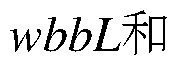 nn 基因的敲除
[0122] 1) wbbLm nn 基因敲除片段的获得
[0123] wbbL基因敲除片段的构建: 采用化学全合成或 PCR分步扩增的方法获得
 基因敲除片段。 其上下游同源臂分别设计在引物中, 以工具质粒 PDTW202为模 板, 米用引物
 直接扩增获得 wbbL敲除片段, 该 敲除片段只含有 loxL位点, 而不含有 loxR位点。 wbbL基因敲除片段的核苷酸序 歹 IJ如 SEQ ID N0.4所示。
[0124] rmffi基因敲除片段的构建: 采用化学全合成或 PCR分步扩增的方法获得 rm 基 因敲除片段。 其上下游同源臂分别设计在引物中, 以工具质粒 pDTW202-cat为模 板, 采用引物
 接扩增获得 rmlB敲除片段, 该敲 除片段只含有 loxR位点, 而不含有 loxL位点。 rmlB基因敲除片段的核苷酸序列 如 SEQ ID N0.5所示。
[0125] 2) 敲除感受态的制备及电转化: 具体步骤参照实施例 1, 区别在于, 将 500-10
OOngwZ^L敲除片段加入感受态细胞中, 混匀, 冰浴 15min, 1.5 kv电击 5 ms, 30 °C孵育 2h, 涂布 30 /mL卡那霉素的 LB固体平板, 30
°C培养, 挑取转化子于含 30 pg/mL卡那霉素及 100 pg/mL氨苄青霉素的 LB液体培 养基中培养, 采用引物 wbbL-F^W wbbL-R
PCR验证结果。 正确菌株命名为 WJW01AwbbL::loxL-kan。
[0126] 在 \^\¥01八\¥ 1^::1(«1^0111菌株中进一步敲除]111出基因, 将 500-1000ngnn 敲 除片段加入感受态细胞中, 涂布 3(Hig/mL氯霉素的 LB固体平板, 30°C培养, 挑 取转化子于含 30 [xg/mL卡那霉素及 30 [xg/mL氯霉素的 LB液体培养基中培养, 采 用引物 rml-F^W rml-R PCR验证结果。
[0127] 将 PCR验证阳性的菌株接种含 30 pg/mL卡那霉素及 30 pg/mL氯霉素的 LB液体培 养基中, 42 °C过夜培养, 将培养液划线 3(Hlg/mL卡那霉素及 30
pg/mL氯霉素的 LB固体平板, 37°C培养, 挑取单菌落验证其对氨苄青霉素的敏 感性, 将含有卡那霉素抗性和氯霉素抗性并对氨苄青霉素敏感的菌株命名为 W31 10 A wbbL:: kanA rmlB:: cat并保藏。
[0128] (3) O -抗原合成基因簇的敲除
[0129] 步骤 ⑵ 得到的菌株 \¥3110^# ::^^/^/7« :: 基因组上存在1个1(«1^位 点和 1个 loxR位点。 以此为出发菌株做感受态, 转入 pKD-Cre质粒 (韩雅宁硕士
毕业论文 《合成不同结构类脂 A分子的大肠杆菌的构建》 , 公开日: 2013-12-31 ) , 表达 Cre酶, 将阳性菌株于含 lOO pg/mL氨苄青霉素的 LB液体培养基中培养 , 加入 L-阿拉伯糖 (终浓度为 30 mmol/L) 诱导 Cre重组酶的表达, 介导 lox L和 lox R位点特异性重组, 不仅删除了卡那霉素抗性标记和氯霉素抗性标记, 也 删除了 wbbL^W rmlB之间的所有基因。 采用引物 wbbL-F^W rmlB-/?进行 PCR验证 , 将 PCR验证正确的菌株 42 °C热激后划线 LB平板, 挑取单菌落验证其对氨苄青 霉素、 卡那霉素和氯霉素的敏感性, 选取对三种抗生素均敏感的菌株命名为 WJ W02并保藏。
[0130] 精简菌株 WJW02的基因型经过 PCR验证正确, 而对照野生型的片段太长, 扩增 不出条带, 说明精简菌株 WJW02的 LPS基因簇已经被成功删除。
[0131] 表 7引物序列表
[0132]
[表 6]

[0133] 实施例 9重组菌 W3110/pBHR68、 WJW01/pBHR68和 WJW02/pBHR68的构建 [0134] (1) 质粒 pBHR68的构建
[0135] 质粒 pBHR68公开于 SCli仑文 (Spiekermann, P., Rehm, B.H., Kalscheuer, R.,
Baumeister, D., Steinbuchel, A., 1999. A sensitive, viable-colony staining method using Nile red for direct screening of bacteria that accumulate polyhydroxyalkanoic
acids and other lipid storage compounds. Arch. Microbiol. 171 (2),
73-80, 公开日: 1999.01.17) , 其含有
 因簇并含有氨苄青霉素抗性标 记, 其中 pkCAS基因簇含有 (3-酮基硫解酶、 乙酰辅酶 A还原酶和 PHB合成酶的 编码基因。
[0136] (2) 感受态的制备方法参照实施例 2。
[0137] (3) 转化: 将 100-200 ng的质粒 pBHR68加入感受态细胞中, 涂布 lOO pg/mL氨 苄霉素的 LB固体平板, 37
。(:培养, 挑取转化子验证正确后分别命名为 W3110/pBHR68、 WJW01/pBHR68和 WJW02/pBHR68。
[0138] 实施例 10重组菌发酵生产 PHB
[0139] LB培养基组成: 酵母粉 5 g/L, 胰蛋白胨 10 g/L和 NaCl 10 g/L。
[0140] M9G培养基的组成: 20 g/L葡萄糖 (Glucose) , 17.1 g/L十二水合磷酸氢二钠
(Na 2HP0 4 12H 20) , 3 g/L磷酸二氢钾 (KH 2PO 4) , 0.5 g/L氯化钠 (NaCl)
, 添加 I mM硫酸镁 (MgS0 4) , 0.1 mM氯化钙 (CaCl 2) , 10 mg/mL 维生素 B 1 (VB j 。
[0141] ( 1) 种子液培养
[0142] 分别挑取 1环实施例 4中得到的重组菌 W3110/pBHR68、 WJW01/pBHR68和 WJW 02/pBHR68菌苔至 25 mL LB培养基中, 并添加 100 pg/mL氨苄青霉素, 37。
C、 200 rpm培养 5 h至对数中期。
[0143] (2) 发酵合成 PHB
[0144] 培养方法: 将种子液 (OD 6QQ=1.8左右) 按照初始 OD 6()()=0.25转接至常规 PHB发 酵培养基 M9G, 并加入氨苄青霉素使其终浓度为 lOO pg/mL, 31 (、 200 rpm, 发酵 48 h。
[0145] (3) 定性观察胞内合成 PHB颗粒
[0146] 采用多种电镜法观察发酵细胞胞内 PHB颗粒合成情况。 细胞经过尼罗红染色, 在激发光为 488
nm的激光共聚焦显微镜下可以发出绿色荧光, 荧光越多, 代表 PHB含量越多。 如图 10a和 10b所示, 对照菌 W3110/pBHR68几乎不含有绿色荧光, 说明几乎不合
成 PHB颗粒, 而 WJW02/pBHR68细胞合成了很多 PHB颗粒, 且几乎所有细胞都 有绿色荧光, 且细胞体积显著变大。
[0147] 进一步用超薄切片电镜观察, 如图 10d和 10c所示, WJW02/pBHR68细胞合成更 多的 PHB颗粒, 且细胞体积明显变大, 最高可增大 25倍; WJW02/pBHR68细胞 膜壁厚度仅 8-9 nm左右, 而对照菌 W3110/pBHR68为 13
nm左右, 说明突变株 WJW00的膜壁柔韧性更强, 有利于 PHB颗粒在胞内积累。
[0148] (3) 定量测定工程菌胞内合成 PHB
[0149] 对重组菌 W3110/pBHR68、 WJW01/pBHR68和 WJW02/pBHR68进行发酵, 并在 不同时间点取样 2
mL, 测定相应的发酵参数。 结果表明: WJW01/pBHR68和 WJW02/pBHR68的发 酵曲线 OD 6(X)较野生对照 W3110/pBHR68更高 (图 11a) , 24 h时分别提高 1.92倍 和 2.10倍; WJW01/pBHR68和 WJW02/pBHR68的细胞干重也较野生对照 W3110/p BHR68更高 (图 l ib) , 发酵 24 h后, 分别可提高 2.2倍和 2.5倍; WJW01/pBHR68 和 WJW02/pBHR68分别可以合成 PHB高达细胞干重的 80.6%和 82.0% (图 11c) , 是野生型对照菌 W3110/pBHR68 ( 1.5%) 的 53.7和 54.7倍 (图 11c) ; WJW01/pB HR68和 WJW02/pBHR68利用葡萄糖合成 PHB的转化率分别可以达到 0.32 g/g和 0.34 g/g, 较野生对照 W3110/pBHR68 (0.002 g/g) 可分别提高 159倍和 169 倍。 以上结果说明敲除脂多糖核心糖基因簇 14个基因以及敲除 0-抗原合成基因
 PHB的能力。
[0150] 表 8菌株的摇瓶发酵 (24 h)
[0151] [表 7]

Claims
[权利要求 1] 一种重组大肠杆菌, 其特征在于, 敲除了 (a) 或 (b) , 并表达(3-酮 基硫解酶, 乙酰辅酶 A还原酶和 PHB合成酶的编码基因;
其中, (a) 为大肠杆菌基因组上 ADP-L-甘油 -D-甘露 -庚糖 -6 -差向异 构酶 gm/zD基因: ⑹ 为大肠杆菌核心糖基因簇 gmhD- waaQ
[权利要求 2] 根据权利要求 1所述的重组大肠杆菌, 其特征在于, 所述 ADP-L-甘油
-D-甘露 -庚糖 -6 -差向异构酶 GmhD的氨基酸序列如 SEQ ID N0.1所示
[权利要求 3] 根据权利要求 1所述的重组大肠杆菌, 其特征在于, 所述核心糖基因 簇含有 14个基因, 分别为 waaQ, waaG, waaP, waaS , waaB , waaO , waaR, waaY, waaZ, waaU, waaL, waaC, waaF, gmdD, 其序 列的 NCBI登录号依次为“BAE77660.1”, “BAE77661.1”, “BAE77662. 1”, “BAE77663.1”, “BAE77664.1”, “BAE77665.1”, “BAE77666.1”
, “BAE77667.1”, “BAE77668.1”, “BAE77669.1”, “BAE77670.1”, “ BAE77671.1”, “BAE77672.1,,,“BAE77673.1”。
[权利要求 4] 根据权利要求 1所述的重组大肠杆菌, 其特征在于, 所述(3 -酮基硫解 酶的 protein ID为 QBK40993.1 ; 所述乙酰辅酶 A还原酶的 protein ID为 QBK40994.1 ; 所述 PHB合成酶的 protein ID为 QBK40992.1。
[权利要求 5] 根据权利要求 1~4任一所述的重组大肠杆菌, 其特征在于, 所述大肠 杆菌为大肠杆菌 W3110、 大肠杆菌 DH5a或大肠杆菌 JM109。
[权利要求 6] 根据权利要求 1所述的重组大肠杆菌, 其特征在于, 所述 0-抗原基因 簾为 wbbL-rmlB。
[权利要求 7] 根据权利要求 6所述的重组大肠杆菌, 其特征在于, 所述 0-抗原基因 簇 wW?L-rmIB含有 11个基因, 分别为 wbbL::IS5, wbbK, wbbJ, wbbl , wzy , gif, wzx, rmlC , rmlA, rmlD , rmlB , 其序列登录号依次为 “BAA15873.1”, “BAA15874.1”, “BAA15875.1”, “BAA15876.1”, “B AA15877.1”, “BAA15878.1”, “BAA15879.1”, “BAA15880.1”, “BA A15881.1”, “BAA15882.1”, “BAA15883.1”, “BAA15884.1”。
[权利要求 8] 一种构建权利要求 1所述重组大肠杆菌的方法, 其特征在于, 敲除 (a ) 或 (b) 基因, 并将编码(3-酮基硫解酶的基因、 编码乙酰辅酶 A还原 酶的基因和编码 PHB合成酶的基因分别或共同连接在质粒上; 其中, (a) 为大肠杆菌基因组上 ADP-L-甘油 -D-甘露 -庚糖 -6 -差向异构酶 gm/zD基因: ⑹ 为大肠杆菌核心糖基因簇 gm/zD- waaQ。
[权利要求 9] 根据权利要求 8所述的方法, 其特征在于, 所述质粒为 PDXW-8。
[权利要求 10] 根据权利要求 8或 9所述的方法, 其特征在于, 所述方法将含有(3 -酮基 硫解酶, 乙酰辅酶 A还原酶和 PHB合成酶编码基因的基因簇 phaCAB 连接到质粒 pDXW-8上, 得到重组质粒 pDXW-S- z^aCAS, 然后将重 组质粒转化到细胞中。
[权利要求 11] 一种生产聚 3 -羟基丁酸酯的方法, 其特征在于, 所述方法将所述的重 组大肠杆菌接种到发酵培养基中, 以葡萄糖为底物, 进行发酵生产。
[权利要求 12] 根据权利要求 11所述的方法, 其特征在于, 所述发酵培养基含有: 10
~30 g/L葡萄糖, 15~20 g/L Na 2HPO 4, 1~5 g/L KH 2PO 4, 0.2-0.8 g/L NaCl, 0.5-1.5 mM MgS0 4, 0.05-0.2 mM CaCl 2) 5~15 mg/mL维生 素 Bl。
[权利要求 13] 根据权利要求 11或 12所述的方法, 其特征在于, 所述发酵具体是: 将 所述重组菌的种子液转接至发酵培养基, 并加入卡那霉素和诱导剂 IP TG (异丙基硫代半乳糖苷)后进行发酵。
[权利要求 14] 权利要求 1~7任一所述的重组大肠杆菌或权利要求 11~13任一所述的方 法在药物制备、 材料或环保领域的应用。
[权利要求 15] 根据权利要求 14所述的应用, 其特征在于, 将生产得到的聚 3 -羟基丁 酸酯作为高分子聚合物应用于所述领域中。
Applications Claiming Priority (4)
| Application Number | Priority Date | Filing Date | Title |
|---|---|---|---|
| CN201910701822.5 | 2019-07-31 | ||
| CN201910703169.6 | 2019-07-31 | ||
| CN201910701822.5A CN110373435B (zh) | 2019-07-31 | 2019-07-31 | 一种通过敲除rfaD基因高效合成PHB的方法 |
| CN201910703169.6A CN110373372B (zh) | 2019-07-31 | 2019-07-31 | 一种通过敲除lps合成基因簇高效合成phb的方法 |
Publications (1)
| Publication Number | Publication Date |
|---|---|
| WO2021017154A1 true WO2021017154A1 (zh) | 2021-02-04 |
Family
ID=74228542
Family Applications (1)
| Application Number | Title | Priority Date | Filing Date |
|---|---|---|---|
| PCT/CN2019/109099 Ceased WO2021017154A1 (zh) | 2019-07-31 | 2019-09-29 | 大肠杆菌脂多糖精简工程菌及其高产phb的应用 |
Country Status (1)
| Country | Link |
|---|---|
| WO (1) | WO2021017154A1 (zh) |
Citations (3)
| Publication number | Priority date | Publication date | Assignee | Title |
|---|---|---|---|---|
| CN101363032A (zh) * | 2008-08-08 | 2009-02-11 | 山东大学 | 利用重组大肠杆菌联产琥珀酸和聚β羟基丁酸酯的方法 |
| CN101392231A (zh) * | 2008-08-22 | 2009-03-25 | 山东大学 | 一种重组大肠杆菌及应用其以生物质原料生产phb的方法 |
| CN107384843A (zh) * | 2017-07-11 | 2017-11-24 | 上海北连生物科技有限公司 | 少动鞘脂单胞菌基因敲除突变株及其构建方法 |
-
2019
- 2019-09-29 WO PCT/CN2019/109099 patent/WO2021017154A1/zh not_active Ceased
Patent Citations (3)
| Publication number | Priority date | Publication date | Assignee | Title |
|---|---|---|---|---|
| CN101363032A (zh) * | 2008-08-08 | 2009-02-11 | 山东大学 | 利用重组大肠杆菌联产琥珀酸和聚β羟基丁酸酯的方法 |
| CN101392231A (zh) * | 2008-08-22 | 2009-03-25 | 山东大学 | 一种重组大肠杆菌及应用其以生物质原料生产phb的方法 |
| CN107384843A (zh) * | 2017-07-11 | 2017-11-24 | 上海北连生物科技有限公司 | 少动鞘脂单胞菌基因敲除突变株及其构建方法 |
Non-Patent Citations (2)
| Title |
|---|
| LIU, QIAOJIE: "Metabolic engineering method for transforming E. coli to produce poly 3-hydroxybutyrate", CHINA MASTER’S THESES FULL-TEXT DATABASE , ELECTRONIC JOURNAL BASIC SCIENCES, no. 3, 31 March 2017 (2017-03-31), XP009525788 * |
| MD. MOHIUDDIN KABIR , KAZUYUKI SHIMIZU: "Gene expression patterns for metabolic pathway in pgi knockout Escherichia coli with and without phb genes based on RT-PCR", JOURNAL OF BIOTECHNOLOGY, vol. 105, no. 1-2, 9 October 2003 (2003-10-09), pages 11 - 31, XP001180057, ISSN: 0168-1656, DOI: 10.1016/S0168-1656(03)00170-6 * |
Similar Documents
| Publication | Publication Date | Title |
|---|---|---|
| CN110669709B (zh) | 一种通过敲除鞭毛和菌毛基因高效合成phb的方法 | |
| Mook et al. | Autotrophic lactate production from H2+ CO2 using recombinant and fluorescent FAST-tagged Acetobacterium woodii strains | |
| JP7507897B2 (ja) | 生産効率を向上させる線毛無し大腸菌の構築及び使用 | |
| Li et al. | Directed pathway evolution of the glyoxylate shunt in Escherichia coli for improved aerobic succinate production from glycerol | |
| Cho et al. | Purification of polyhydroxybutyrate synthase from its native organism, Ralstonia eutropha: implications in the initiation and elongation of polymer formation in vivo | |
| CN110387347A (zh) | 一株大肠杆菌膜壁精简底盘菌株及其高产phb的应用 | |
| CN115976088B (zh) | 低内毒素含量的罗氏真养菌及其应用 | |
| Chen et al. | Cell sizes matter for industrial bioproduction, a case of polyhydroxybutyrate | |
| CN110387346B (zh) | 缺失21个编码胞外多糖合成基因的基因工程菌及其应用 | |
| CN105821071A (zh) | 一种基于同源重组的乳酸片球菌dq2的无标记基因敲除方法 | |
| CN107974453B (zh) | 一种提高酿酒酵母细胞活力及多重抗逆性的方法和应用 | |
| CN110373372B (zh) | 一种通过敲除lps合成基因簇高效合成phb的方法 | |
| CN112575041B (zh) | 一种混合碳源高效发酵生产phb的工程菌及其应用 | |
| Wang et al. | Enhancement of medium-chain-length polyhydroxyalkanoates biosynthesis from glucose by metabolic engineering in Pseudomonas mendocina | |
| KR102157781B1 (ko) | 디카르복시산 생산을 위한 미생물 및 이를 이용한 디카르복시산 생산방법 | |
| Zhang et al. | Lactose induced bioproduction by Halomonas grown under open conditions | |
| CN110373435B (zh) | 一种通过敲除rfaD基因高效合成PHB的方法 | |
| Yang et al. | A four-microorganism three-step fermentation process for producing medium-chain-length polyhydroxyalkanoate from starch | |
| CN113025541B (zh) | 合成水杨苷的工程菌及其构建方法和应用 | |
| WO2025130719A1 (zh) | 诱导蛋白自行降解的重组盐单胞菌及其构建方法和应用 | |
| Zhang et al. | Screening of high glucose tolerant Escherichia coli for L-valine fermentation by autonomous evolutionary mutation | |
| CN101613669B (zh) | 一株用于好氧发酵的大肠杆菌工程菌株 | |
| CN102586129B (zh) | 敲除MLDS基因的产油红球菌Rhodococcus sp.RHA-MLDS及其用途 | |
| Ow et al. | Enhancement of plasmid DNA yields during fed‐batch culture of a fruR‐knockout Escherichia coli strain | |
| Castro et al. | Microbial prospection of an Amazonian blackwater lake and whole-genome sequencing of bacteria capable of polyhydroxyalkanoate synthesis |
Legal Events
| Date | Code | Title | Description |
|---|---|---|---|
| 121 | Ep: the epo has been informed by wipo that ep was designated in this application |
Ref document number: 19939383 Country of ref document: EP Kind code of ref document: A1 |
|
| NENP | Non-entry into the national phase |
Ref country code: DE |
|
| 122 | Ep: pct application non-entry in european phase |
Ref document number: 19939383 Country of ref document: EP Kind code of ref document: A1 |