WO2021005643A1 - 通報装置、通報システム、通報方法、および、通報プログラム - Google Patents
通報装置、通報システム、通報方法、および、通報プログラム Download PDFInfo
- Publication number
- WO2021005643A1 WO2021005643A1 PCT/JP2019/026823 JP2019026823W WO2021005643A1 WO 2021005643 A1 WO2021005643 A1 WO 2021005643A1 JP 2019026823 W JP2019026823 W JP 2019026823W WO 2021005643 A1 WO2021005643 A1 WO 2021005643A1
- Authority
- WO
- WIPO (PCT)
- Prior art keywords
- elevator
- reporting
- mobile terminal
- notification
- detection signal
- Prior art date
- Legal status (The legal status is an assumption and is not a legal conclusion. Google has not performed a legal analysis and makes no representation as to the accuracy of the status listed.)
- Ceased
Links
Images


Classifications
-
- B—PERFORMING OPERATIONS; TRANSPORTING
- B66—HOISTING; LIFTING; HAULING
- B66B—ELEVATORS; ESCALATORS OR MOVING WALKWAYS
- B66B3/00—Applications of devices for indicating or signalling operating conditions of elevators
-
- B—PERFORMING OPERATIONS; TRANSPORTING
- B66—HOISTING; LIFTING; HAULING
- B66B—ELEVATORS; ESCALATORS OR MOVING WALKWAYS
- B66B5/00—Applications of checking, fault-correcting, or safety devices in elevators
- B66B5/0006—Monitoring devices or performance analysers
-
- B—PERFORMING OPERATIONS; TRANSPORTING
- B66—HOISTING; LIFTING; HAULING
- B66B—ELEVATORS; ESCALATORS OR MOVING WALKWAYS
- B66B5/00—Applications of checking, fault-correcting, or safety devices in elevators
- B66B5/02—Applications of checking, fault-correcting, or safety devices in elevators responsive to abnormal operating conditions
-
- H—ELECTRICITY
- H04—ELECTRIC COMMUNICATION TECHNIQUE
- H04W—WIRELESS COMMUNICATION NETWORKS
- H04W4/00—Services specially adapted for wireless communication networks; Facilities therefor
- H04W4/80—Services using short range communication, e.g. near-field communication [NFC], radio-frequency identification [RFID] or low energy communication
-
- H—ELECTRICITY
- H04—ELECTRIC COMMUNICATION TECHNIQUE
- H04W—WIRELESS COMMUNICATION NETWORKS
- H04W4/00—Services specially adapted for wireless communication networks; Facilities therefor
- H04W4/90—Services for handling of emergency or hazardous situations, e.g. earthquake and tsunami warning systems [ETWS]
-
- H—ELECTRICITY
- H04—ELECTRIC COMMUNICATION TECHNIQUE
- H04W—WIRELESS COMMUNICATION NETWORKS
- H04W8/00—Network data management
- H04W8/005—Discovery of network devices, e.g. terminals
Definitions
- the present invention relates to a reporting device, a reporting system, a reporting method, and a reporting program.
- the emergency call button is generally mounted on the top of the control panel in the elevator car. For this reason, children, people in wheelchairs, people who have lost consciousness due to the impact of a disaster, etc. should not be able to press the emergency call button and notify the outside that they are trapped in the elevator car. I can't.
- the present invention has been made in view of the above circumstances, and an object of the present invention is that even when a person who cannot press the emergency call button is confined in the elevator car, the person is in a confined state.
- the purpose is to provide technology that can report this to the outside.
- one aspect of the present invention is a notification device, which is installed in the elevator and activates a detection device for detecting a radio wave emitted by a mobile terminal when the elevator is stopped in an emergency. It has a unit, a receiving unit that receives a detection signal indicating that the radio wave of the mobile terminal has been detected from the detection device, and a reporting unit that notifies an external system when the receiving unit receives the detection signal.
- One aspect of the present invention is a notification system, which includes a detection device installed in an elevator and transmitting a detection signal when detecting a radio wave emitted by a mobile terminal, and a notification device.
- the notification device is the elevator.
- the activation unit that activates the detection device
- the reception unit that receives the detection signal indicating that the radio wave of the mobile terminal has been detected from the detection device, and the reception unit receives the detection signal.
- it has a reporting unit that notifies the external system.
- One aspect of the present invention is a reporting method performed by a reporting device, which includes an activation step of activating a detection device installed in the elevator and detecting radio waves emitted by a mobile terminal when the elevator is stopped in an emergency.
- a reception step of receiving a detection signal indicating that the radio wave of the mobile terminal has been detected from the detection device and a notification step of notifying the external system when the detection signal is received are performed.
- One aspect of the present invention is a reporting program that causes a computer to function as the reporting device.
- the present invention even when a person who cannot press the emergency call button is trapped in the elevator car, it is possible to provide a technique capable of notifying the outside that the person is in the trapped state.
- FIG. 1 is an overall configuration diagram of the reporting system of the present embodiment.
- the illustrated reporting system includes a control device 1 (reporting device) installed in a building such as a building or an apartment, an operation panel 2, and a detecting device 3.
- the operation panel 2 and the detection device 3 are installed in an elevator (elevator car) in the building.
- the reporting system includes an external system 7.
- the external system 7 is installed in a monitoring center at a location away from the building, and is connected to the control device 1 via the network 9.
- the control device 1 is a device that controls an elevator.
- the control device 1 of the present embodiment also functions as a notification device that notifies the monitoring center of the state in which a person is trapped in the elevator.
- the control device 1 is communicably connected to the operation panel 2 and the detection device 3.
- the operation panel 2 is a user interface for a person to operate the elevator.
- the operation panel 2 includes a communication device 21 (intercom) for communicating with the operator of the monitoring center.
- the emergency call button which is a part of the call device 21, is an input device for operating the call device, and is generally attached to the upper part of the operation panel 2. Therefore, it is difficult for children and people in wheelchairs to reach the emergency call button.
- the detection device 3 is installed in the elevator, and when it detects a radio wave emitted by the mobile terminal 5 in the elevator, the control device 1 transmits a detection signal indicating that the radio wave has been detected.
- the mobile terminal 5 is a mobile phone terminal such as a smartphone or a feature phone. Today, most people carry a mobile terminal 5. Therefore, when the person carrying the mobile terminal 5 is in the elevator, the detection device 3 detects the radio wave and transmits the detection signal to the notification device 1.
- the radio waves emitted by the mobile terminal 5 are for notifying, for example, radio waves in the 800 MHz band used for communication between the mobile terminal 5 and the wireless base station, radio waves according to the Wi-Fi standard with the router, position information, and the like. This is a radio wave automatically transmitted from the mobile terminal 5 to the wireless base station.
- the detection device 3 detects these radio waves emitted by the mobile terminal 5 in the elevator.
- the external system 7 is a system for remotely monitoring the elevator.
- the external system 7 of the present embodiment receives a report from the control device 1, it notifies the operator or the like. As a result, the operator arranges a worker who goes to the site to rescue the person trapped in the elevator.
- FIG. 2 is a functional block diagram showing the configuration of the control device 1.
- the illustrated control device 1 includes an elevator control unit 11, an activation unit 12, a reception unit 13, and a notification unit 14.
- the elevator control unit 11 controls the elevator according to the user's operation, and when an emergency situation such as an earthquake, a power failure, or a failure is detected, the elevator is stopped (emergency stop). Further, when the elevator is restored, the elevator control unit 11 releases the emergency stop of the elevator and starts the elevator.
- an emergency situation such as an earthquake, a power failure, or a failure
- the activation unit 12 When the elevator is stopped in an emergency, the activation unit 12 is installed in the elevator and activates the detection device 3 that detects the radio waves emitted by the mobile terminal 5. Specifically, the activation unit 12 activates the detection device 3 at the timing when the elevator control unit 11 makes an emergency stop of the elevator. That is, the activation unit 12 activates the detection device 3 triggered by an emergency stop of the elevator. Further, the activation unit 12 stops the detection device 3 when the emergency stop of the elevator is released and the elevator operates normally.
- the receiving unit 13 receives a detection signal indicating that the radio wave of the mobile terminal 5 has been detected from the detection device 3.
- the detection signal is a signal indicating that the detection device 3 has detected a radio wave emitted by the mobile terminal 5 in the elevator.
- the reporting unit 14 When the receiving unit 13 receives the detection signal, the reporting unit 14 notifies the external system 7. For example, the reporting unit 14 may transmit a signal indicating that a person is trapped in the elevator to the external system 7. Further, the reporting unit 14 may connect the communication device 21 installed in the elevator to the external system 7 so that the communication can be performed. As a result, the person trapped in the elevator due to the emergency stop of the elevator can talk with the operator of the monitoring center.
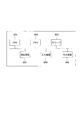
- FIG. 3 is an explanatory diagram for explaining the operation of the notification system of the present embodiment.
- control device 1 When the control device 1 detects an emergency such as an earthquake, the elevator is stopped in an emergency (S1). At this time, the control device 1 activates the detection device 3 in order to detect a person trapped in the elevator (S1).
- the detection device 3 detects the radio wave emitted by the mobile terminal 5 and transmits a detection signal indicating that the radio wave has been detected to the control device 1 (S2).
- the detection device 3 detects radio waves when there is a person in the elevator. In the illustrated example, the person holding the mobile terminal 5 is trapped in the elevator due to the emergency stop of the elevator, and the detection device 3 transmits the detection signal to the control device 1.
- the control device 1 When the control device 1 receives the detection signal from the detection device 3, it automatically notifies the external system 7 of the monitoring center (S3).
- the external system 7 of the monitoring center receives the report from the control device 1, outputs the report to an output device such as a display, and notifies the operator.
- the operator makes a rescue request such as arranging a worker to go to the site to rescue the person trapped in the elevator (S4).
- the operator may request rescue after connecting to a communication device in an elevator that has stopped in an emergency and talking with a person in the elevator to understand the situation of the elevator and the person.
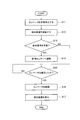
- FIG. 4 is a flowchart showing the operation of the control device 1 when the elevator is stopped in an emergency.
- the control device 1 makes an emergency stop of the elevator when it detects an emergency such as a disaster or a failure (S11). At this time, the control device 1 activates the detection device 3 in order to determine whether or not there is a person trapped in the elevator (S12). As a result, when the person carrying the mobile terminal 5 is trapped in the elevator, the detection device 3 detects the radio wave emitted by the mobile terminal 5 and transmits the detection signal to the control device 1.
- the control device 1 When the control device 1 receives the detection signal from the detection device 3 (S13: YES), the control device 1 notifies the external system 7 of the monitoring center (S14). For example, the control device 1 transmits a signal indicating that a person is trapped in the elevator to the external system 7. Further, the control device 1 connects the communication device 21 installed in the elevator to the external system 7 so that the person in the elevator and the operator of the monitoring center can talk to each other. When the control device 1 does not receive the detection signal from the detection device 3 (S13: NO), the control device 1 proceeds to S15.
- the control device 1 releases the emergency stop of the elevator and starts the elevator (S16). Then, the control device 1 stops the detection device 3 triggered by the activation of the elevator (S17).
- the control device 1 (reporting device) of the present embodiment described above is installed in the elevator when the elevator is stopped in an emergency, and has an activation unit 12 that activates a detection device that detects radio waves emitted by a mobile terminal and a mobile device. It has a receiving unit 13 that receives a detection signal indicating that the radio wave of the terminal 5 has been detected from the detection device 3, and a reporting unit 14 that notifies the external system 7 when the receiving unit 13 receives the detection signal.
- the emergency call button In order to notify the outside, it is generally necessary to press the emergency call button in the elevator, but the emergency call button is generally attached to the upper part of the operation panel in the elevator car. For this reason, children, people in wheelchairs, people who have lost consciousness due to the impact of a disaster, etc. should not be able to press the emergency call button and notify the outside that they are trapped in the elevator car. I can't.
- a person trapped in the elevator is automatically notified that he / she is trapped in the outside simply by holding the mobile terminal 5 without pressing an emergency call button or the like. can do.
- the emergency call button cannot be pressed, it is possible to notify the outside when the elevator is stopped in an emergency.
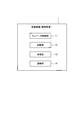
- control device 1 for example, a general-purpose computer system as shown in FIG. 5 can be used.
- the computer system shown is a CPU (Central Processing Unit, processor) 901, memory 902, storage 903 (HDD: Hard Disk Drive, SSD: Solid State Drive), communication device 904, input device 905, and output device. 906 and.
- the memory 902 and the storage 903 are storage devices.
- the function of the control device 1 is realized by the CPU 901 executing a predetermined program loaded on the memory 902.
- the control device 1 may be mounted on one computer, or may be mounted on a plurality of computers. Further, the control device 1 may be a virtual machine mounted on a computer.
- the program of the control device 1 can be stored in a computer-readable recording medium such as an HDD, SSD, USB (Universal Serial Bus) memory, CD (Compact Disc), DVD (Digital Versatile Disc), or distributed via a network. You can also do it.
- a computer-readable recording medium such as an HDD, SSD, USB (Universal Serial Bus) memory, CD (Compact Disc), DVD (Digital Versatile Disc), or distributed via a network. You can also do it.
- the present invention is not limited to the above embodiment, and many modifications can be made within the scope of the gist thereof.
- Control device 11 Elevator control device 12: Starter 13: Receiver 14: Reporter 2: Operation panel 21: Call device 3: Detection device 5: Mobile terminal 7: External system 9: Network
Landscapes
- Engineering & Computer Science (AREA)
- Computer Networks & Wireless Communication (AREA)
- Signal Processing (AREA)
- Databases & Information Systems (AREA)
- Business, Economics & Management (AREA)
- Health & Medical Sciences (AREA)
- Emergency Management (AREA)
- Environmental & Geological Engineering (AREA)
- Public Health (AREA)
- Maintenance And Inspection Apparatuses For Elevators (AREA)
- Indicating And Signalling Devices For Elevators (AREA)
Abstract
通報装置1は、エレベータを非常停止する場合に、前記エレベータの中に設置され、携帯端末5が発する電波を検知する検出装置3を起動する起動部12と、前記携帯端末5の電波を検知したことを示す検知信号を、前記検出装置3から受信する受信部13と、前記受信部12が前記検知信号を受信すると、外部システム7に通報する通報部14とを有する。
Description
本発明は、通報装置、通報システム、通報方法、および、通報プログラムに関する。
地震や停電等でエレベータが非常停止した際に、エレベータかご内に乗客が閉じ込められる事象が発生することがある。この場合、エレベータかご内に設置された非常通話ボタンを押下し、外部の監視センタと通話することで閉じ込め状況の通知が可能となる。
エレベータかご内から外部への通話については、非特許文献1に記載されている。
"三菱乗用エレベーター NEXCUBE"、インターネット<URL:http://www.ntt.co.jp/journal/1705/files/jn20170560.pdf>
外部の監視センタへ通知するためには、例えば非常通話ボタンの押下が必要である。非常通話ボタンは、一般的にエレベータかご内の操作盤の上部に取り付けられている。このため、子供、車椅子を使用する人、災害の衝撃により意識を失った人などは、非常通話ボタンを押下できず、エレベータのかご内に閉じ込められた状況であることを、外部に通知することができない。
本発明は、上記事情に鑑みてなされたものであり、本発明の目的は、非常通話ボタンを押下できない人がエレベータかご内に閉じ込められた場合であっても、その人が、閉じ込め状態にあることを外部に通報可能な技術を提供することにある。
上記目的を達成するため、本発明の一態様は、通報装置であって、エレベータを非常停止する場合に、前記エレベータの中に設置され、携帯端末が発する電波を検知する検出装置を起動する起動部と、前記携帯端末の電波を検知したことを示す検知信号を、前記検出装置から受信する受信部と、前記受信部が前記検知信号を受信すると、外部システムに通報する通報部とを有する。
本発明の一態様は、通報システムであって、エレベータの中に設置され、携帯端末が発する電波を検知すると検知信号を送信する検出装置と、通報装置と有し、前記通報装置は、前記エレベータを非常停止する場合に、前記検出装置を起動する起動部と、前記携帯端末の電波を検知したことを示す検知信号を、前記検出装置から受信する受信部と、前記受信部が前記検知信号を受信すると、外部システムに通報する通報部とを有する。
本発明の一態様は、通報装置が行う通報方法であって、エレベータを非常停止する場合に、前記エレベータの中に設置され、携帯端末が発する電波を検知する検出装置を起動する起動ステップと、前記携帯端末の電波を検知したことを示す検知信号を、前記検出装置から受信する受信ステップと、前記検知信号を受信すると、外部システムに通報する通報ステップとを行う。
本発明の一態様は、上記通報装置として、コンピュータを機能させる通報プログラムである。
本発明によれば、非常通話ボタンを押下できない人がエレベータかご内に閉じ込められた場合であっても、その人が、閉じ込め状態にあることを外部に通報可能な技術を提供することができる。
以下、本発明の実施の形態について、図面を参照して説明する。図面の記載において、同一部分には同一符号を付して説明を省略する。
(通報システムの全体構成)
図1は、本実施形態の通報システムの全体構成図である。図示する通報システムは、ビルやマンションなどの建物の中に設置される制御装置1(通報装置)と、操作盤2と、検出装置3とを備える。操作盤2および検出装置3は、建物内のエレベータ(エレベータかご)の中に設置される。また、通報システムは、外部システム7を備える。外部システム7は、建物とは離れた場所の監視センタの中に設置され、制御装置1とネットワーク9を介して接続される。
図1は、本実施形態の通報システムの全体構成図である。図示する通報システムは、ビルやマンションなどの建物の中に設置される制御装置1(通報装置)と、操作盤2と、検出装置3とを備える。操作盤2および検出装置3は、建物内のエレベータ(エレベータかご)の中に設置される。また、通報システムは、外部システム7を備える。外部システム7は、建物とは離れた場所の監視センタの中に設置され、制御装置1とネットワーク9を介して接続される。
制御装置1は、エレベータを制御する装置である。本実施形態の制御装置1は、人がエレベータ内に閉じ込められている状態を、監視センタに通報する通報装置としても機能する。制御装置1は、操作盤2および検出装置3と通信可能に接続されている。
操作盤2は、人がエレベータを操作するためのユーザインタフェースである。操作盤2は、監視センタのオペレータとの通話するための通話装置21(インターフォン)などを有する。通話装置21の一部である非常通話ボタンは、通話装置を作動させるための入力装置であって、一般的に操作盤2の上部に取り付けられている。そのため、子供、車椅子を使用する人は、非常通話ボタンに手が届きにくい。
検出装置3は、エレベータの中に設置され、エレベータ内の携帯端末5が発する電波を検出すると、電波を検出したことを示す検知信号を制御装置1送信する。携帯端末5は、スマートフォン、フィーチャーホンなどの携帯電話端末である。現在では、大部分の人が携帯端末5を携帯している。このため、検出装置3は、携帯端末5を携帯した人がエレベータ内にいる場合、電波を検出し、検知信号を通報装置1に送信する。
携帯端末5が発する電波は、例えば、携帯端末5と無線基地局との間の通信で用いられている800MHz帯の電波、ルータとのWi-Fi規格による電波、位置情報等を通知するために携帯端末5から無線基地局へ自動的に発信されている電波などである。検出装置3は、エレベータ内で携帯端末5が発するこれらの電波を検出する。
外部システム7は、エレベータを遠隔監視するシステムである。本実施形態の外部システム7は、制御装置1から通報を受け付けると、オペレータなどに通知する。これにより、オペレータは、エレベータに閉じ込められた人を救助するために現地へ向かう作業者などを手配する。
(制御装置の構成)
図2は、制御装置1の構成を示す機能ブロック図である。図示する制御装置1は、エレベータ制御部11と、起動部12と、受信部13と、通報部14とを備える。
図2は、制御装置1の構成を示す機能ブロック図である。図示する制御装置1は、エレベータ制御部11と、起動部12と、受信部13と、通報部14とを備える。
エレベータ制御部11は、ユーザの操作に応じてエレベータを制御するとともに、地震、停電、故障などの非常事態を検知すると、エレベータを非常停止(緊急停止)する。また、エレベータ制御部11は、エレベータが復旧した場合、エレベータの非常停止を解除し、エレベータを起動する。
起動部12は、エレベータを非常停止する場合に、エレベータの中に設置され、携帯端末5が発する電波を検知する検出装置3を起動する。具体的には、起動部12は、エレベータ制御部11がエレベータを非常停止するタイミングで、検出装置3を起動する。すなわち、起動部12は、エレベータの非常停止をトリガとして検出装置3を起動する。また、起動部12は、エレベータの非常停止が解除され、エレベータが通常に作動すると、検出装置3を停止する。
受信部13は、携帯端末5の電波を検知したことを示す検知信号を、検出装置3から受信する。検知信号は、エレベータ内の携帯端末5が発する電波を、検出装置3が検知したことを示す信号である。
通報部14は、受信部13が検知信号を受信すると、外部システム7に通報する。例えば、通報部14は、エレベータの中に人が閉じ込められていることを示す信号を、外部システム7に送信してもよい。また、通報部14は、エレベータ内に設置された通話装置21を、外部システム7に接続し、通話可能な状態としてもよい。これにより、エレベータの非常停止によりエレベータ内に閉じ込められた人と、監視センタのオペレータとが通話することができる。
(通報システムの動作)
図3は、本実施形態の通報システムの動作を説明するための説明図である。
図3は、本実施形態の通報システムの動作を説明するための説明図である。
制御装置1は、地震などの非常事態を検出すると、エレベータを非常停止する(S1)。このとき、制御装置1は、エレベータ内に閉じ込められている人を検知するために、検出装置3を起動する(S1)。
検出装置3は、エレベータ内に携帯端末5がある場合、当該携帯端末5が発する電波を検出し、電波を検出したことを示す検知信号を制御装置1送信する(S2)。近年は、大部分の人が携帯端末5を携帯しているため、エレベータ内に人がいる場合は、検出装置3は電波を検出することになる。図示する例では、エレベータの非常停止により、エレベータの中に携帯端末5を保持した人が閉じ込められており、検出装置3は検知信号を制御装置1に送信する。
制御装置1は、検出装置3から検知信号を受信すると、監視センタの外部システム7に自動で通報する(S3)。監視センタの外部システム7は、制御装置1からの通報を受信し、通報があったことをディスプレイなどの出力装置に出力し、オペレータに通知する。これにより、オペレータは、エレベータに閉じ込められた人を救助するために現地へ向かう作業者を手配するなどの救助要請を行う(S4)。また、オペレータは、非常停止したエレベータ内の通話装置に接続し、エレベータ内の人と通話してエレベータおよび人の状況を把握したうえで、救助要請してもよい。
図4は、エレベータを非常停止した際の制御装置1の動作を示すフローチャートである。
制御装置1は、災害時または故障などの非常事態を検出すると、エレベータを非常停止する(S11)。このとき、制御装置1は、エレベータ内に閉じ込められた人がいるか否かを判別するために、検出装置3を起動する(S12)。これにより、検出装置3は、エレベータ内に携帯端末5を携帯している人が閉じ込められている場合、携帯端末5が発する電波を検出し、検知信号を制御装置1に送信する。
制御装置1は、検出装置3から検知信号を受信すると(S13:YES)、監視センタの外部システム7へ通報する(S14)。例えば、制御装置1は、エレベータの中に人が閉じ込められていることを示す信号を、外部システム7に送信する。また、制御装置1は、エレベータ内に設置された通話装置21を外部システム7に接続し、エレベータの中にいる人と、監視センタのオペレータとが通話可能な状態とする。制御装置1は、検出装置3から検知信号を受信しない場合(S13:NO)、S15に進む。
その後、エレベータが復旧した場合(S15:YES)、制御装置1は、エレベータの非常停止を解除し、エレベータを起動する(S16)。そして、制御装置1は、エレベータの起動をトリガとして、検出装置3を停止する(S17)。
以上説明した本実施形態の制御装置1(通報装置)は、エレベータを非常停止する場合に、エレベータの中に設置され、携帯端末が発する電波を検知する検出装置を起動する起動部12と、携帯端末5の電波を検知したことを示す検知信号を、検出装置3から受信する受信部13と、受信部13が検知信号を受信すると、外部システム7に通報する通報部14とを有する。
これにより本実施形態では、地震、停電などの災害によりエレベータが非常停止した状況において、非常通話ボタンを押下できない人が、エレベータの中に閉じ込められた場合であっても、その人が、閉じ込め状態にあることを監視センタなどの外部に通報することができる。
外部に通知するためには、一般的には、エレベータ内の非常通話ボタンの押下が必要であるが非常通話ボタンは、一般的にエレベータかご内の操作盤の上部に取り付けられている。このため、子供、車椅子を使用する人、災害の衝撃により意識を失った人などは、非常通話ボタンを押下できず、エレベータのかご内に閉じ込められた状況であることを、外部に通知することができない。本実施形態では、エレベータ内に閉じ込められた人が、非常通話ボタンを押すなどの操作を行うことなく、携帯端末5を所持しているだけで、自動的に外部に閉じ込められていることを通知することができる。これにより、本実施形態では、非常通話ボタンを押下できない場合であっても、エレベータの非常停止時に、外部に通報することができる。
なお、上記説明した制御装置1には、例えば、図5に示すような汎用的なコンピュータシステムを用いることができる。図示するコンピュータシステムは、CPU(Central Processing Unit、プロセッサ)901と、メモリ902と、ストレージ903(HDD:Hard Disk Drive、SSD:Solid State Drive)と、通信装置904と、入力装置905と、出力装置906とを備える。メモリ902およびストレージ903は、記憶装置である。このコンピュータシステムにおいて、CPU901がメモリ902上にロードされた所定のプログラムを実行することにより、制御装置1の機能が実現される。また、制御装置1は、1つのコンピュータで実装されてもよく、あるいは複数のコンピュータで実装されても良い。また、制御装置1は、コンピュータに実装される仮想マシンであっても良い。
制御装置1のプログラムは、HDD、SSD、USB(Universal Serial Bus)メモリ、CD (Compact Disc)、DVD (Digital Versatile Disc)などのコンピュータ読取り可能な記録媒体に記憶することも、ネットワークを介して配信することもできる。
なお、本発明は上記実施形態に限定されるものではなく、その要旨の範囲内で数々の変形が可能である。
1 :制御装置
11:エレベータ制御装置
12:起動部
13:受信部
14:通報部
2 :操作盤
21:通話装置
3 :検出装置
5 :携帯端末
7 :外部システム
9 :ネットワーク
11:エレベータ制御装置
12:起動部
13:受信部
14:通報部
2 :操作盤
21:通話装置
3 :検出装置
5 :携帯端末
7 :外部システム
9 :ネットワーク
Claims (6)
- エレベータを非常停止する場合に、前記エレベータの中に設置され、携帯端末が発する電波を検知する検出装置を起動する起動部と、
前記携帯端末の電波を検知したことを示す検知信号を、前記検出装置から受信する受信部と、
前記受信部が前記検知信号を受信すると、外部システムに通報する通報部と
を有する通報装置。 - 前記通報部は、前記エレベータの中に人が閉じ込められていることを示す信号を前記外部システムに送信する
請求項1に記載の通報装置。 - 前記通報部は、前記エレベータ内に設置された通話装置を、前記外部システムに接続し、通話可能な状態とする
請求項1または2に記載の通報装置。 - 通報システムであって、
エレベータの中に設置され、携帯端末が発する電波を検知すると検知信号を送信する検出装置と、通報装置と有し、
前記通報装置は、
前記エレベータを非常停止する場合に、前記検出装置を起動する起動部と、
前記携帯端末の電波を検知したことを示す検知信号を、前記検出装置から受信する受信部と、
前記受信部が前記検知信号を受信すると、外部システムに通報する通報部と
を有する通報システム。 - 通報装置が行う通報方法であって、
エレベータを非常停止する場合に、前記エレベータの中に設置され、携帯端末が発する電波を検知する検出装置を起動する起動ステップと、
前記携帯端末の電波を検知したことを示す検知信号を、前記検出装置から受信する受信ステップと、
前記検知信号を受信すると、外部システムに通報する通報ステップと
を行う通報方法。 - 請求項1から3のいずれか1項に記載の通報装置として、コンピュータを機能させる通報プログラム。
Priority Applications (3)
| Application Number | Priority Date | Filing Date | Title |
|---|---|---|---|
| US17/623,785 US20220242694A1 (en) | 2019-07-05 | 2019-07-05 | Notification apparatus, notification system, notification method and notification program |
| PCT/JP2019/026823 WO2021005643A1 (ja) | 2019-07-05 | 2019-07-05 | 通報装置、通報システム、通報方法、および、通報プログラム |
| JP2021530342A JPWO2021005643A1 (ja) | 2019-07-05 | 2019-07-05 |
Applications Claiming Priority (1)
| Application Number | Priority Date | Filing Date | Title |
|---|---|---|---|
| PCT/JP2019/026823 WO2021005643A1 (ja) | 2019-07-05 | 2019-07-05 | 通報装置、通報システム、通報方法、および、通報プログラム |
Publications (1)
| Publication Number | Publication Date |
|---|---|
| WO2021005643A1 true WO2021005643A1 (ja) | 2021-01-14 |
Family
ID=74113872
Family Applications (1)
| Application Number | Title | Priority Date | Filing Date |
|---|---|---|---|
| PCT/JP2019/026823 Ceased WO2021005643A1 (ja) | 2019-07-05 | 2019-07-05 | 通報装置、通報システム、通報方法、および、通報プログラム |
Country Status (3)
| Country | Link |
|---|---|
| US (1) | US20220242694A1 (ja) |
| JP (1) | JPWO2021005643A1 (ja) |
| WO (1) | WO2021005643A1 (ja) |
Citations (2)
| Publication number | Priority date | Publication date | Assignee | Title |
|---|---|---|---|---|
| JP2017206326A (ja) * | 2016-05-16 | 2017-11-24 | 株式会社日立ビルシステム | エレベータ用非常時利用者検知装置 |
| US20180346284A1 (en) * | 2017-06-05 | 2018-12-06 | Otis Elevator Company | System and method for detection of a malfunction in an elevator |
Family Cites Families (1)
| Publication number | Priority date | Publication date | Assignee | Title |
|---|---|---|---|---|
| JP6306133B1 (ja) * | 2016-11-24 | 2018-04-04 | 東芝エレベータ株式会社 | エレベータシステム |
-
2019
- 2019-07-05 JP JP2021530342A patent/JPWO2021005643A1/ja active Pending
- 2019-07-05 WO PCT/JP2019/026823 patent/WO2021005643A1/ja not_active Ceased
- 2019-07-05 US US17/623,785 patent/US20220242694A1/en active Pending
Patent Citations (2)
| Publication number | Priority date | Publication date | Assignee | Title |
|---|---|---|---|---|
| JP2017206326A (ja) * | 2016-05-16 | 2017-11-24 | 株式会社日立ビルシステム | エレベータ用非常時利用者検知装置 |
| US20180346284A1 (en) * | 2017-06-05 | 2018-12-06 | Otis Elevator Company | System and method for detection of a malfunction in an elevator |
Also Published As
| Publication number | Publication date |
|---|---|
| US20220242694A1 (en) | 2022-08-04 |
| JPWO2021005643A1 (ja) | 2021-01-14 |
Similar Documents
| Publication | Publication Date | Title |
|---|---|---|
| KR102473470B1 (ko) | 사이드링크의 링크 실패 검사 방법 및 단말기 | |
| US10148633B2 (en) | Information processing apparatus, and method and program for controlling information processing apparatus | |
| AU2020281114A1 (en) | Method and apparatus for maintaining mission critical functionality in a portable communication system | |
| KR20170068176A (ko) | Avn의 동작 방법, avn, 이를 포함하는 차량 | |
| WO2018049897A1 (zh) | 数据备份方法及设备 | |
| KR101874677B1 (ko) | 휴대 기기 및 방법 | |
| CN108100791A (zh) | 电梯系统 | |
| CN108446211A (zh) | 浏览器异常收集方法、装置、移动终端以及存储介质 | |
| US9131478B2 (en) | Method and system for improved communication among paired electronic devices | |
| US20160269877A1 (en) | Method and system for managing mobile and portable two-way radio collaboration | |
| KR20110083027A (ko) | 모바일 단말의 시간 설정을 통한 자가 호출 및 긴급 신고 방법, 그 시스템 및 이를 기록한 기록매체 | |
| KR20120080751A (ko) | 헤드셋 블루투스 프로파일을 중복 사용하는 분실방지 시스템 및 방법 | |
| KR102017015B1 (ko) | 스마트폰 사용제한 시스템 | |
| US20220242694A1 (en) | Notification apparatus, notification system, notification method and notification program | |
| KR20200122198A (ko) | 이동 단말기를 이용한 위급상황 알림 시스템 및 그 제어방법 | |
| US10839673B2 (en) | Telecare system | |
| KR101973457B1 (ko) | 전자 장치에서 출력 모드를 제어하기 위한 방법 및 그 전자 장치 | |
| TW201743297A (zh) | 為可擕式電子設備提供緊急模式的方法及相關設備和系統 | |
| JP2012160899A (ja) | 緊急通報システム、緊急通報方法、及びプログラム | |
| KR101603280B1 (ko) | 위급 상황을 관리하기 위한 방법, 사용자 단말 장치 및 컴퓨터 판독 가능한 기록 매체 | |
| EP3044668A1 (en) | Systems and methods for controlling operating modes of smart platforms | |
| US20250374341A1 (en) | Wireless communication terminal, communication method, and storage medium | |
| JP2018117324A (ja) | 端末装置及び読出制御プログラム | |
| WO2017071268A1 (zh) | 安全验证方法和安全验证装置 | |
| JP4316006B2 (ja) | 無線端末装置 |
Legal Events
| Date | Code | Title | Description |
|---|---|---|---|
| 121 | Ep: the epo has been informed by wipo that ep was designated in this application |
Ref document number: 19937147 Country of ref document: EP Kind code of ref document: A1 |
|
| ENP | Entry into the national phase |
Ref document number: 2021530342 Country of ref document: JP Kind code of ref document: A |
|
| NENP | Non-entry into the national phase |
Ref country code: DE |
|
| 122 | Ep: pct application non-entry in european phase |
Ref document number: 19937147 Country of ref document: EP Kind code of ref document: A1 |