WO2020230735A1 - 需要予測装置 - Google Patents
需要予測装置 Download PDFInfo
- Publication number
- WO2020230735A1 WO2020230735A1 PCT/JP2020/018721 JP2020018721W WO2020230735A1 WO 2020230735 A1 WO2020230735 A1 WO 2020230735A1 JP 2020018721 W JP2020018721 W JP 2020018721W WO 2020230735 A1 WO2020230735 A1 WO 2020230735A1
- Authority
- WO
- WIPO (PCT)
- Prior art keywords
- demand
- state
- model
- forecast
- forecasting
- Prior art date
- Legal status (The legal status is an assumption and is not a legal conclusion. Google has not performed a legal analysis and makes no representation as to the accuracy of the status listed.)
- Ceased
Links
Images





Classifications
-
- G—PHYSICS
- G06—COMPUTING OR CALCULATING; COUNTING
- G06Q—INFORMATION AND COMMUNICATION TECHNOLOGY [ICT] SPECIALLY ADAPTED FOR ADMINISTRATIVE, COMMERCIAL, FINANCIAL, MANAGERIAL OR SUPERVISORY PURPOSES; SYSTEMS OR METHODS SPECIALLY ADAPTED FOR ADMINISTRATIVE, COMMERCIAL, FINANCIAL, MANAGERIAL OR SUPERVISORY PURPOSES, NOT OTHERWISE PROVIDED FOR
- G06Q30/00—Commerce
- G06Q30/02—Marketing; Price estimation or determination; Fundraising
- G06Q30/0201—Market modelling; Market analysis; Collecting market data
- G06Q30/0202—Market predictions or forecasting for commercial activities
-
- G—PHYSICS
- G06—COMPUTING OR CALCULATING; COUNTING
- G06Q—INFORMATION AND COMMUNICATION TECHNOLOGY [ICT] SPECIALLY ADAPTED FOR ADMINISTRATIVE, COMMERCIAL, FINANCIAL, MANAGERIAL OR SUPERVISORY PURPOSES; SYSTEMS OR METHODS SPECIALLY ADAPTED FOR ADMINISTRATIVE, COMMERCIAL, FINANCIAL, MANAGERIAL OR SUPERVISORY PURPOSES, NOT OTHERWISE PROVIDED FOR
- G06Q10/00—Administration; Management
- G06Q10/04—Forecasting or optimisation specially adapted for administrative or management purposes, e.g. linear programming or "cutting stock problem"
-
- G—PHYSICS
- G06—COMPUTING OR CALCULATING; COUNTING
- G06Q—INFORMATION AND COMMUNICATION TECHNOLOGY [ICT] SPECIALLY ADAPTED FOR ADMINISTRATIVE, COMMERCIAL, FINANCIAL, MANAGERIAL OR SUPERVISORY PURPOSES; SYSTEMS OR METHODS SPECIALLY ADAPTED FOR ADMINISTRATIVE, COMMERCIAL, FINANCIAL, MANAGERIAL OR SUPERVISORY PURPOSES, NOT OTHERWISE PROVIDED FOR
- G06Q30/00—Commerce
- G06Q30/02—Marketing; Price estimation or determination; Fundraising
Definitions
- One aspect of this disclosure relates to a demand forecasting device that forecasts demand.
- Patent Document 1 discloses the number of customers / sales forecasting device for predicting the number of customers / sales of restaurants and the like.
- Forecasting demand such as the number of visitors and sales amount at facilities such as restaurants is an important task for staff shift scheduling and facility preparation.
- it is required to predict in advance the occurrence of peculiar conditions such as high demand and low demand triggered by events and weather.
- it has been difficult to accurately predict demand in singular states.
- one aspect of the present disclosure is made in view of such a problem, and an object of the present disclosure is to provide a demand forecasting device capable of forecasting more accurate demand.
- the demand forecasting device is a plurality of demand forecasting models, and each demand forecasting model, which is a forecasting model, is in a state related to demand, and each demand forecasting model has a different demand.
- a storage unit that stores a plurality of demand forecast models that predict demand in a state, and a state prediction model that is a prediction model that predicts the degree of state in which a specified timing applies to each demand state. It includes a demand forecast unit predicted by each of a plurality of stored demand forecast models, and a forecast unit that predicts demand based on the degree of state predicted by the state forecast model stored by the storage unit.
- the demand is generated based on the demand predicted by each of the plurality of demand forecasting models in different demand states by each demand forecasting model and the degree of condition applicable to each demand state predicted by the state forecasting model. Since it is forecasted, it is possible to forecast more accurate demand that reflects the forecasted demand in various demand conditions and the degree of condition applicable to each demand condition.
- more accurate demand can be predicted.
- the demand forecasting device 1 is a computer device that forecasts demand (forecasts demand).
- Demand is a desire that is backed by purchasing power for goods or services, or the social total amount of that desire.
- the demand is assumed to be the number of visitors, the sales amount, the number of units sold, etc. in a facility such as a restaurant, but the demand is not limited to this.
- FIG. 1 is a schematic diagram of demand forecasting by the demand forecasting device 1.
- sales are predicted by learning using past sales results (past sales results), weather information, and real-time population information (real-time population information) as learning data.
- a model is generated, and the generated forecast model is used to calculate a forecast value (conventional sales forecast value) of sales at a specified timing (forecast target date and time, etc.) (for a user of the demand forecast device 1 or the like).
- demand is predicted using one prediction model, that is, a single model.
- the demand forecast by the demand forecasting device 1 a plurality of forecast models of the steady state demand forecast model and the singular state demand forecast model described later, that is, a plurality of models are used, and further, a state forecast model which is a forecast model described later is used. And forecast the demand. More specifically, first, the demand forecasting device 1 learns by using past sales results as learning data, so that the demand state, which is a state related to demand, is a steady state, for example, an average demand. Generate a steady-state demand forecast model that predicts demand in the steady state, which is the state.
- the demand forecasting device 1 learns by using weather information, real-time population information, and the like as learning data, so that the demand state is a peculiar state, for example, high demand or low demand triggered by an event or weather. Generate a singular state demand forecast model that predicts demand in a singular state that is not the average demand state.
- the demand forecasting device 1 generates a past sales actual value distribution, which is a probability distribution of past sales actual values, based on the past sales actual results and the like.
- the demand forecasting device 1 probates the sales forecast value calculated by the steady-state demand forecast model based on the sales forecast value calculated by the steady-state demand forecast model and the sales forecast value calculated by the singular state demand forecast model.
- a steady-state demand forecast model forecast value distribution, which is a distribution, and a singular state demand forecast model forecast value distribution, which is a probability distribution of sales forecast values calculated by the singular state demand forecast model, are generated.
- demand prediction apparatus 1 the steady state forecast models and forecast values y 1 to calculate, specified for (such as user demand prediction apparatus 1) specified timing (such as prediction target time)
- specified for such as user demand prediction apparatus 1
- specified timing such as prediction target time
- the relative position of the sales forecast value y 2 calculated by the singular state demand forecast model with respect to the timing, the sales forecast value y 1 and the sales forecast value y 2 on the past sales actual value distribution, and the steady state demand forecast model forecast value. using the relative positions of the forecast value y 1 and the forecast value y 2 on the distribution, and the like sales relative position of the predicted value y 1 and the forecast value y 2 on specific status forecast model prediction value distribution
- a state prediction model that predicts the degree of state (weight) at which the specified timing applies to each demand state of the steady state and the singular state is generated.
- the demand forecasting device 1 has the degree of state w 1 and w 2 calculated by the state prediction model with respect to the sales forecast value y 1 and the sales forecast value y 2 , and is compared with the steady state among the singular states.
- the new sales forecast value y which is the forecast value of sales, is calculated.
- the calculation of the new sales forecast value y may be based on the following formula.
- y ((w 1 y + + (1-w 1) y -) + (w 2 y - + (1-w 2) y +)) / 2
- y + and y - is based on the following equation.
- y + max (y 1 , y 2 )
- y - min (y 1, y 2)
- the case where a large upside is generated is labeled as "1”
- the case where a large downside occurs is labeled as "-1" with respect to the steady state, and "1”.
- a model for classifying and predicting whether or not it is “-1” and a model for classifying and predicting whether or not it is “-1” may be created, and the scores output at the time of prediction may be w 1 and w 2 , respectively.
- the demand forecasting device 1 separates the forecasting model into a steady-state demand forecasting model and a singular-state demand forecasting model. ..
- the demand forecasting device 1 predicts whether the prediction target date and time is likely to be in a steady state or a peculiar state by another prediction (classification) model, a state prediction model, and weights the predicted value (degree of state).
- the new sales forecast value is derived from the sum.
- the number of prediction models after separation is not limited to two, and may be three or more.
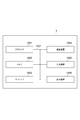
- FIG. 1 is a functional block diagram of the demand forecasting device 1.
- the demand forecasting device 1 includes an information storage unit 10 (storage unit), a steady state demand forecast model generation unit 11, a singular state demand forecast model generation unit 12, a demand distribution generation unit 13, and a state prediction model generation unit. 14 (generation unit) and demand forecast unit 15 (forecast unit) are included.
- Each functional block of the demand forecasting device 1 is assumed to function in the demand forecasting device 1, but is not limited to this.
- a part of the functional blocks of the demand forecasting device 1 is a computer device different from the demand forecasting device 1, and information is appropriately transmitted to and received from the demand forecasting device 1 in the computer device connected to the demand forecasting device 1 via a network. It may function while doing so.
- some of the functional blocks of the demand forecasting device 1 may be omitted, a plurality of functional blocks may be integrated into one functional block, or one functional block may be decomposed into a plurality of functional blocks. Good.
- the information storage unit 10 is a plurality (two or more) demand forecast models, in which each demand forecast model, which is a forecast model, is a state related to demand, and each demand forecast model predicts demand in a different demand state. Stores the demand forecast model of.
- the plurality of demand forecasting models may include at least one of a forecasting model in which demand predicts demand in a steady state and a forecasting model in which demand predicts demand in a singular state.
- the information storage unit 10 stores a steady state demand forecast model and a singular state demand forecast model.
- the steady state which is the demand state targeted by the steady-state demand forecast model
- the singular state which is the demand state targeted by the singular state demand forecast model, are different.
- the information storage unit 10 may store the steady-state demand forecast model in advance based on the user's instruction of the demand forecast device 1, or the steady-state demand forecast model generated by the steady-state demand forecast model generation unit 11 described later. May be stored. Similarly, the information storage unit 10 may store the singular state demand forecast model in advance based on the instruction of the user of the demand forecasting device 1, or the singular state generated by the singular state demand forecast model generation unit 12 described later. A demand forecast model may be stored.
- the information storage unit 10 stores a state prediction model, which is a prediction model for predicting the degree of state in which the specified timing applies to each demand state. More specifically, the information storage unit 10 predicts the degree of state in which the timing (forecast target date and time, etc.) specified (for the user of the demand forecasting device 1 or the like) applies to the steady state and the peculiar state of each demand state. Stores the state prediction model to be used.
- the information storage unit 10 may store the state prediction model in advance based on the instruction of the user of the demand forecasting device 1, or may store the state prediction model generated by the state prediction model generation unit 14 described later. ..
- the information storage unit 10 may also store information required for each process in the demand forecasting device 1, or may store information generated in each process.
- the steady-state demand forecast model generation unit 11 generates a steady-state demand forecast model by learning using training data (past data) of a demand forecast model including a steady-state demand forecast model and a singular state demand forecast model. Then, the generated steady-state demand forecast model is stored by the information storage unit 10.
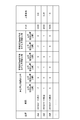
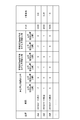
- FIG. 3 is a diagram showing an example of a table of training data of a demand forecast model. As shown in FIG. 3, the training data of the demand forecast model includes the store (identifying store name), the period, the number of people in the area around the store 30 minutes before the period (real-time population information), and the relevant.
- the rainfall and air volume are weather information
- the average sales on the same day of the same week one year ago and the average sales on the same day of the same week three months ago are sales performance statistics.
- the sales performance statistics are the feature quantities for learning.
- the steady-state demand forecast model generation unit 11 generates a steady-state demand forecast model that can calculate a forecast value of the sales amount at an arbitrary timing by learning using the learning data of the demand forecast model.
- the steady-state demand forecast model generation unit 11 is the same week as one year ago, which is the periodic component of the periodic component (feature amount, corresponding to the column of the table example in FIG. 3) in the learning data of the demand forecast model.
- a steady-state demand forecast model that predicts demand in a steady state may be used by mainly learning using the average sales on the day and the average sales on the same day of the same week three months ago.
- the steady-state demand forecast model generation unit 11 may learn by adding one or more components other than the periodic component in addition to the periodic component.
- the singular state demand forecast model generation unit 12 generates a singular state demand forecast model by learning using the learning data of the demand forecast model, and stores the generated singular state demand forecast model in the information storage unit 10.
- the singular state demand forecast model generation unit 12 learns using the training data of the demand forecast model to obtain the sales amount at an arbitrary timing.
- the singular state demand forecast model generation unit 12 mainly uses the number of people in the area 30 minutes ago, the amount of rainfall, and the amount of air, which are the short-term fluctuation components of the short-term fluctuation components of the training data of the demand forecast model.
- a singular state demand forecasting model that predicts the demand in the singular state may be used.
- the singular state demand forecast model generation unit 12 may learn by adding one or more components other than the short-term fluctuation component in addition to the short-term fluctuation component.
- the demand distribution generation unit 13 generates a demand distribution which is a probability distribution of demand, and the generated demand distribution is stored by the information storage unit 10.
- the demand distribution generation unit 13 may generate a demand distribution based on the demand predicted by each of the plurality of demand forecast models.
- the demand distribution may be, for example, a probability distribution of demand at a certain time on a certain day of the week at a certain store, and may be shown by a two-dimensional graph in which the x-axis is sales and the y-axis is frequency.
- the demand distribution generation unit 13 generates a past sales actual value distribution, which is a probability distribution of past sales actual values, based on the past sales actual results and the like. For example, from January 1, 2016 to December 31, 2017, when you have various demographic data, meteorological data, and sales data as training data from January 1, 2016 to December 31, 2018. Suppose you want to forecast sales from January 1, 2018 to December 31, 2018 by using the training data up to. In that case, the demand distribution generation unit 13 generates the past sales actual value distribution using the sales actual from January 1, 2016 to December 31, 2017.
- the demand distribution generation unit 13 is based on the sales forecast value calculated by the steady-state demand forecast model stored by the information storage unit 10 and the sales forecast value calculated by the singular state demand forecast model stored by the information storage unit 10. , Generates steady-state demand forecast model forecast value distribution and singular state demand forecast model forecast value distribution.
- the demand distribution generation unit 13 has a sales forecast value calculated by a steady-state demand forecast model using the training data from January 1, 2016 to December 31, 2017.
- the steady-state demand forecast model forecast value distribution and the singular state demand forecast model forecast value distribution are generated by using the sales forecast value calculated by the singular state demand forecast model using the training data.
- the sales forecast values from January 1, 2018 to December 31, 2018, which are the original forecast targets, are not used to generate the demand distribution.
- the amount of sales at each store changes at each time of each store and each day of the week. For example, if 12 o'clock of a store near an event and 15:00 of a store near a quiet residential area are taken on the same scale, the latter always belongs to the low demand zone. Therefore, when the demand distribution generation unit 13 creates the demand distribution, it is assumed that the demand distribution is created after giving conditions such as the same time and the same day of the week at the same store.
- FIG. 4 is a diagram showing a table example of the demand distribution generated by the demand distribution generation unit 13.
- the demand distribution includes the store, the day of the week, the time, the day of the week around the store, the lower threshold and the upper threshold of the steady-state demand forecast model forecast value distribution at the time, and the area around the store.
- the lower and upper thresholds of the singular state demand forecast model forecast value distribution at the time of the day of the week correspond to the lower and upper thresholds of the past sales actual value distribution of the time of the day of the week around the store.
- the upper threshold value is a threshold value in the x-axis direction (sales) that is regarded as a high demand band for each distribution.
- the lower threshold is the threshold in the x-axis direction that is considered to be the low demand zone for each distribution.
- each threshold value for example, the average m and standard deviation ⁇ of each distribution are calculated, and the value of “m + 1.2 ⁇ ” is set as the upper threshold value and the value of “m-1.2 ⁇ ” is set as the lower threshold value. ..
- the high demand zone and the low demand zone are defined, and in the discrimination (classification) of the singular state, it is determined whether the correct value exists in the high demand zone or the low demand zone. be able to.
- the state prediction model generation unit 14 generates a state prediction model.
- the state forecast model may be a forecast model generated based on a demand distribution (for example, a steady state demand forecast model forecast value distribution, a singular state demand forecast model forecast value distribution, and a past sales actual value distribution).
- the state forecast model may be a forecast model generated based on the position of the demand predicted by each of the plurality of demand forecast models (for example, a steady state demand forecast model and a singular state demand forecast model) in the demand distribution.
- the state prediction model generation unit 14 may generate training data for the state prediction model when generating the state prediction model.
- the state prediction model generation unit 14 may store the learning data of the generated state prediction model and the state prediction model by the information storage unit 10.
- FIG. 5 is a diagram showing a table example of learning data of a state prediction model for determining a high demand state, which is generated by the state prediction model generation unit 14.
- the training data of the state prediction model for determining the high demand state includes the store, the period, the relative position of y 1 and the relative position of y 2 in the past sales actual value distribution, and the steady state demand forecast.
- the relative position of the relative position and y 2 of y 1 in the model prediction value distribution, and the relative position of the relative position and y 2 of y 1 at specific status forecast model prediction value distribution, of y 1 and y 2 differential (y 1 -Y 2 ) corresponds to the objective variable, the relative position of the correct sales answer in the past sales actual value distribution.
- y 1 is a sales forecast value y 1 calculated by the steady-state demand forecast model at a designated timing (forecast target date and time, etc.) as described above.
- y 2 is a sales forecast value y 2 calculated by the singular state demand forecast model for the specified timing.
- the relative position is set to "1" if the sales forecast value y 1 is equal to or higher than the upper threshold value, and is set to "-1" if it is equal to or lower than the lower threshold value. If it is between the lower threshold value, it is set to "0". That is, the relative position has three values.
- the sales log of the corresponding period registered in the POS (Point Of Sales) system existing in the corresponding store is acquired via the demand forecasting device 1 or manually, and the acquired data is aggregated.
- the correct answer data is calculated automatically by the demand forecasting device 1, the relative position is calculated by the state forecasting model generation unit 14 in the past sales actual value distribution, the low demand state and the medium demand state are set to "0", and the high demand.
- the state is set to "1".
- FIG. 6 is a diagram showing a table example of training data of the state prediction model for determining the low demand state, which is generated by the state prediction model generation unit 14.
- the objective variable sets the high demand state and the medium demand state to “0” and the low demand state to “0” for the calculated relative position. It is "1".
- the training data of the state prediction model created by the state prediction model generation unit 14 is created separately for the state prediction model for determining the high demand state and the state prediction model for determining the low demand state, and 2 respectively.
- the value classification is learned and the classification score is calculated at the time of prediction, it may be created, learned, and calculated as one state prediction model without dividing.
- the state prediction model generation unit 14 generates a state prediction model by learning using the training data of the generated state prediction model. For example, the state prediction model generation unit 14 learns using the learning data of the state prediction model for determining the high demand state created as described above, so that the designated timing is in the high demand state (state degree). ) Is generated. Further, for example, the state prediction model generation unit 14 learns using the learning data of the state prediction model for determining the low demand state created as described above, so that the designated timing is the probability (state) of the low demand state. Generate a state prediction model that predicts the degree).
- the demand forecasting unit 15 includes demand predicted by each of a plurality of demand forecasting models (for example, a steady state demand forecasting model and a singular state demand forecasting model) stored by the information storage unit 10 and a state stored by the information storage unit 10. Demand is forecast based on the degree of condition predicted by the forecast model.
- the demand forecasting unit 15 may predict the demand based on the demand predicted by each of the plurality of demand forecasting models for the designated timing and the degree of state predicted by the state forecasting model for the timing.
- the demand forecasting unit 15 may predict the demand by weighting the degree of state predicted by the state forecasting model with respect to the demand predicted by each of the plurality of demand forecasting models.
- the demand forecasting unit 15 may output (display) the predicted demand to the user of the demand forecasting device 1, or may output (display) the predicted demand to another computer device via the network.
- the demand forecasting unit 15 applies forecasting data when the steady-state demand forecasting model forecasts demand.
- FIG. 7 is a diagram showing a table example of forecast data of the demand forecast model.
- the demand forecasting unit 15 inputs the sales average of the same day of the week one year ago and the sales average of the same day of the same week three months ago related to the specified timing as the feature quantity for forecasting (sales amount in FIG. 3).
- the forecasted sales amount corresponding to the actual value
- the demand forecasting unit 15 applies forecasting data when the singular state demand forecasting model forecasts demand. For example, the demand forecasting unit 15 inputs the rainfall amount (acquired based on the weather forecast etc.) and the air volume (acquired based on the weather forecast etc.) related to the specified timing as the feature amount for forecasting (FIG. 3). By applying the forecasted sales amount (corresponding to the actual sales amount) to the singular state demand forecast model as a blank, the actual sales amount at the specified timing in the singular state is predicted.
- FIG. 8 is a diagram showing a table example of prediction data of a state prediction model for determining a high demand state. As shown in FIG. 8, the demand forecasting unit 15 is the same as the training data shown in FIG. 5, and is related to the specified timing, and the upper probability (corresponding to the objective variable in FIG. 5) is left blank for prediction. By applying the data to the state prediction model, the upper probability (degree of state in high demand state) at the specified timing is predicted.
- FIG. 9 is a diagram showing a table example of prediction data of a state prediction model for determining a low demand state. As shown in FIG. 9, the demand forecasting unit 15 is similar to the training data shown in FIG. 6, and is related to the specified timing, and the lower probability (corresponding to the objective variable in FIG. 6) is left blank. By applying the data to the state prediction model, the lower probability (the degree of state in the low demand state) is predicted at the specified timing.
- the demand forecasting unit 15 predicts the actual sales amount in the steady state, the actual sales amount in the singular state, the state degree of the high demand state, and the state of the low demand state at the specified timing predicted as described above.
- Demand may be predicted by performing an ensemble based on a weighted sum as in the above-mentioned formula for calculating the new sales forecast value y.
- the steady-state demand forecast model generation unit 11 generates a steady-state demand forecast model (step S1).
- the singular state demand forecast model generation unit 12 generates a singular state demand forecast model (step S2).
- the demand distribution generation unit 13 generates a demand distribution based on the steady-state demand forecast model generated in S1 and the singular state demand forecast model generated in S2 (step S3).
- the state prediction model generation unit 14 generates a state prediction model based on the demand distribution generated in S3 (step S4).
- the order of S1 and S2 may be reversed.
- the demand forecasting unit 15 predicts the demand in the steady state at a designated timing using the steady state demand forecasting model (generated and stored in advance) (step S10).
- the demand forecasting unit 15 predicts the demand in the singular state at a designated timing by using the singular state demand forecasting model (generated and stored in advance) (step S11).
- the demand forecasting unit 15 predicts the degree of state in which the specified timing applies to the steady state and the singular state using the state prediction model (generated and stored in advance) (step S12).
- the demand forecasting unit 15 predicts the demand based on the demand predicted in S10, the forecast predicted in S11, and the degree of state predicted in S12 (step S13).
- the information storage unit 10 stores the steady-state demand forecast model, the singular state demand forecast model, and the state forecast model
- the demand forecast unit 15 stores the stored steady-state demand forecast.
- Demand is predicted based on the demand predicted by each of the model and the singular state demand forecast model, and the degree of state predicted by the stored state forecast model.
- the demand predicted by each of the steady state demand forecast model and the singular state demand forecast model in different demand states (steady state and singular state) and the state forecast model are predicted. Since the demand is forecasted based on the degree of condition applicable to each demand state, it is necessary to forecast more accurate demand that reflects the forecasted demand in the steady state and the singular state and the degree of condition applicable to each demand state. Can be done.
- the demand forecasting device 1 of the present embodiment the demand predicted by the steady-state demand forecasting model and the singular-state demand forecasting model for the designated timing by the demand forecasting unit 15 and the demand for the timing.
- Demand may be forecasted based on the degree of condition predicted by the state forecast model. According to such a demand forecasting device 1, for example, it is possible to forecast demand at an arbitrary timing in which demand is desired to be forecasted.
- the state forecasting model is a probability distribution of demand and is generated based on the demand distribution based on the demand predicted by each of the steady state demand forecasting model and the singular state demand forecasting model. It may be a prediction model to be performed. According to such a demand forecasting device 1, since the demand can be predicted by using the demand distribution as an external factor, it is possible to predict the demand more accurately.
- the state forecasting model is a forecasting model generated based on the position of the demand predicted by each of the steady state demand forecasting model and the singular state demand forecasting model in the demand distribution. There may be. According to such a demand forecasting device 1, since the position in the demand distribution can be easily calculated, the demand can be predicted at a higher speed.
- the state prediction model generation unit 14 may generate a state prediction model, and the information storage unit 10 may store the generated state prediction model. According to such a demand forecasting device 1, since the state prediction model can be easily generated or updated at an arbitrary timing, the demand can be predicted in a timely manner.
- the demand forecasting unit 15 weights the degree of state predicted by the state forecasting model with respect to the demand predicted by each of the steady state demand forecasting model and the singular state demand forecasting model. Demand may be predicted by doing so. According to such a demand forecasting device 1, since the demand in the steady state and the demand in the singular state are weighted according to the degree of each state, not only the demand in the steady state but also the singularity such as high demand or low demand. The demand in the state can also be predicted more accurately.
- a steady-state demand forecasting model in which demand predicts demand in a steady-state state and a singular-state demand forecasting in which demand predicts demand in a singular state At least one with the model may be included. According to such a demand forecasting device 1, it is possible to forecast more accurate demand in consideration of the demand in the steady state or the demand in the singular state.
- the demand forecasting device 1 of the present embodiment it is possible to accurately forecast the demand (value) in a peculiar state such as high demand or low demand while considering (maintaining) the overall accuracy.
- the demand forecasting device 1 may have the following configuration. That is, at least, the first model that numerically predicts the demand value in the steady state using the past demand value and the second model that numerically predicts the demand value in the singular state using the latest expected number of visitors (and the weather forecast). Further, it has a third model for classifying and predicting whether the prediction target date and time becomes a steady state or a peculiar state, and the first is weighted by the peculiar state occurrence probability output as the classification prediction result by the third model. A device that calculates the weighted sum of the model output value and the second model output value and outputs it as a demand forecast value.
- the demand value distribution, the first model output value distribution, and the second model output value accumulated in the past for each of the first model output value and the second model output value. Relative positions in the distribution may be used.
- the demand forecasting device 1 relates to a technology for improving the accuracy of high demand / low demand forecasting by ensemble of regression values using a peculiar state judgment score.
- each functional block is realized by any combination of at least one of hardware and software.
- the method of realizing each functional block is not particularly limited. That is, each functional block may be realized by using one device that is physically or logically connected, or directly or indirectly (for example, by two or more devices that are physically or logically separated). , Wired, wireless, etc.) and may be realized using these plurality of devices.
- the functional block may be realized by combining the software with the one device or the plurality of devices.
- Functions include judgment, decision, judgment, calculation, calculation, processing, derivation, investigation, search, confirmation, reception, transmission, output, access, solution, selection, selection, establishment, comparison, assumption, expectation, and assumption.
- broadcasting notifying, communicating, forwarding, configuring, reconfiguring, allocating, mapping, assigning, etc., but only these. I can't.
- a functional block (constituent unit) that functions transmission is called a transmitting unit or a transmitter.
- the method of realizing each of them is not particularly limited.
- the demand forecasting device 1 in the embodiment of the present disclosure may function as a computer that processes the demand forecasting of the present disclosure.
- FIG. 12 is a diagram showing an example of the hardware configuration of the demand forecasting device 1 according to the embodiment of the present disclosure.
- the demand forecasting device 1 described above may be physically configured as a computer device including a processor 1001, a memory 1002, a storage 1003, a communication device 1004, an input device 1005, an output device 1006, a bus 1007, and the like.
- the word “device” can be read as a circuit, device, unit, etc.
- the hardware configuration of the demand forecasting device 1 may be configured to include one or more of the devices shown in the figure, or may be configured not to include some of the devices.
- the processor 1001 For each function in the demand forecasting device 1, the processor 1001 performs an operation by loading predetermined software (program) on the hardware such as the processor 1001 and the memory 1002, and controls the communication by the communication device 1004 or the memory. It is realized by controlling at least one of reading and writing of data in the 1002 and the storage 1003.
- predetermined software program
- the processor 1001 operates, for example, an operating system to control the entire computer.
- the processor 1001 may be configured by a central processing unit (CPU: Central Processing Unit) including an interface with peripheral devices, a control device, an arithmetic unit, a register, and the like.
- CPU Central Processing Unit
- the above-mentioned steady-state demand forecast model generation unit 11, singular state demand forecast model generation unit 12, demand distribution generation unit 13, state prediction model generation unit 14, demand forecast unit 15, and the like may be realized by the processor 1001. ..
- the processor 1001 reads a program (program code), a software module, data, etc. from at least one of the storage 1003 and the communication device 1004 into the memory 1002, and executes various processes according to these.
- a program program that causes a computer to execute at least a part of the operations described in the above-described embodiment is used.
- the steady-state demand forecast model generation unit 11, the singular state demand forecast model generation unit 12, the demand distribution generation unit 13, the state prediction model generation unit 14, and the demand forecast unit 15 are stored in the memory 1002 and operate in the processor 1001. It may be realized by a control program, and may be realized for other functional blocks as well.
- the various processes described above are executed by one processor 1001, they may be executed simultaneously or sequentially by two or more processors 1001.
- Processor 1001 may be implemented by one or more chips.
- the program may be transmitted from the network via a telecommunication line.
- the memory 1002 is a computer-readable recording medium, and is composed of at least one such as a ROM (Read Only Memory), an EPROM (Erasable Programmable ROM), an EPROM (Electrically Erasable Programmable ROM), and a RAM (Random Access Memory). May be done.
- the memory 1002 may be referred to as a register, a cache, a main memory (main storage device), or the like.
- the memory 1002 can store a program (program code), a software module, or the like that can be executed to implement the wireless communication method according to the embodiment of the present disclosure.
- the storage 1003 is a computer-readable recording medium, and is, for example, an optical disk such as a CD-ROM (Compact Disc ROM), a hard disk drive, a flexible disk, a magneto-optical disk (for example, a compact disk, a digital versatile disk, or a Blu-ray). It may consist of at least one (registered trademark) disk), smart card, flash memory (eg, card, stick, key drive), floppy (registered trademark) disk, magnetic strip, and the like.
- the storage 1003 may be referred to as an auxiliary storage device.
- the storage medium described above may be, for example, a database, server or other suitable medium containing at least one of memory 1002 and storage 1003.
- the communication device 1004 is hardware (transmission / reception device) for communicating between computers via at least one of a wired network and a wireless network, and is also referred to as, for example, a network device, a network controller, a network card, a communication module, or the like.
- the communication device 1004 includes, for example, a high frequency switch, a duplexer, a filter, a frequency synthesizer, and the like in order to realize at least one of frequency division duplex (FDD: Frequency Division Duplex) and time division duplex (TDD: Time Division Duplex). It may be composed of. For example, even if the above-mentioned steady state demand forecast model generation unit 11, singular state demand forecast model generation unit 12, demand distribution generation unit 13, state prediction model generation unit 14, demand forecast unit 15, and the like are realized by the communication device 1004. Good.
- the input device 1005 is an input device (for example, a keyboard, a mouse, a microphone, a switch, a button, a sensor, etc.) that receives an input from the outside.
- the output device 1006 is an output device (for example, a display, a speaker, an LED lamp, etc.) that outputs to the outside.
- the input device 1005 and the output device 1006 may have an integrated configuration (for example, a touch panel).
- each device such as the processor 1001 and the memory 1002 is connected by the bus 1007 for communicating information.
- the bus 1007 may be configured by using a single bus, or may be configured by using a different bus for each device.
- the demand forecasting device 1 includes hardware such as a microprocessor, a digital signal processor (DSP: Digital Signal Processor), an ASIC (Application Specific Integrated Circuit), a PLD (Programmable Logic Device), and an FPGA (Field Programmable Gate Array). It may be configured by, and a part or all of each functional block may be realized by the hardware. For example, processor 1001 may be implemented using at least one of these hardware.
- DSP Digital Signal Processor
- ASIC Application Specific Integrated Circuit
- PLD Programmable Logic Device
- FPGA Field Programmable Gate Array
- the notification of information is not limited to the mode / embodiment described in the present disclosure, and may be performed by using another method.
- Each aspect / embodiment described in the present disclosure includes LTE (Long Term Evolution), LTE-A (LTE-Advanced), SUPER 3G, IMT-Advanced, 4G (4th generation mobile communication system), and 5G (5th generation mobile communication).
- system FRA (Future Radio Access), NR (new Radio), W-CDMA (registered trademark), GSM (registered trademark), CDMA2000, UMB (Ultra Mobile Broadband), IEEE 802.11 (Wi-Fi (registered trademark)) )), LTE 802.16 (WiMAX®), IEEE 802.20, UWB (Ultra-WideBand), Bluetooth®, and other systems that utilize suitable systems and have been extended based on these. It may be applied to at least one of the next generation systems. Further, a plurality of systems may be applied in combination (for example, a combination of at least one of LTE and LTE-A and 5G).
- Information etc. can be output from the upper layer (or lower layer) to the lower layer (or upper layer). Input / output may be performed via a plurality of network nodes.
- the input / output information and the like may be saved in a specific location (for example, memory), or may be managed using a management table. Input / output information and the like can be overwritten, updated, or added. The output information and the like may be deleted. The input information or the like may be transmitted to another device.
- the determination may be made by a value represented by 1 bit (0 or 1), by a boolean value (Boolean: true or false), or by comparing numerical values (for example, a predetermined value). It may be done by comparison with the value).
- the notification of predetermined information (for example, the notification of "being X") is not limited to the explicit one, but is performed implicitly (for example, the notification of the predetermined information is not performed). May be good.
- Software is an instruction, instruction set, code, code segment, program code, program, subprogram, software module, whether called software, firmware, middleware, microcode, hardware description language, or another name.
- Applications, software applications, software packages, routines, subroutines, objects, executable files, execution threads, procedures, functions, etc. should be broadly interpreted to mean.
- software, instructions, information, etc. may be transmitted and received via a transmission medium.
- a transmission medium For example, a website that uses at least one of wired technology (coaxial cable, fiber optic cable, twist pair, digital subscriber line (DSL: Digital Subscriber Line), etc.) and wireless technology (infrared, microwave, etc.) When transmitted from a server, or other remote source, at least one of these wired and wireless technologies is included within the definition of transmission medium.
- data, instructions, commands, information, signals, bits, symbols, chips, etc. may be voltage, current, electromagnetic waves, magnetic fields or magnetic particles, light fields or photons, or any of these. It may be represented by a combination of.
- system and “network” used in this disclosure are used interchangeably.
- the information, parameters, etc. described in the present disclosure may be expressed using absolute values, relative values from predetermined values, or using other corresponding information. It may be represented.
- the radio resource may be one indicated by an index.
- determining and “determining” used in this disclosure may include a wide variety of actions.
- “Judgment” and “decision” are, for example, judgment (judging), calculation (calculating), calculation (computing), processing (processing), derivation (deriving), investigation (investigating), search (looking up, search, inquiry). (For example, searching in a table, database or another data structure), confirming (ascertaining) may be regarded as “judgment” or “decision”.
- judgment and “decision” are receiving (for example, receiving information), transmitting (for example, transmitting information), input (input), output (output), and access.
- connection means any direct or indirect connection or connection between two or more elements, and each other. It can include the presence of one or more intermediate elements between two “connected” or “combined” elements.
- the connection or connection between the elements may be physical, logical, or a combination thereof.
- connection may be read as "access”.
- the two elements use at least one of one or more wires, cables and printed electrical connections, and, as some non-limiting and non-comprehensive examples, the radio frequency domain. Can be considered to be “connected” or “coupled” to each other using electromagnetic energies having wavelengths in the microwave and light (both visible and invisible) regions.
- references to elements using designations such as “first”, “second”, etc. as used in this disclosure does not generally limit the quantity or order of those elements. These designations can be used in the present disclosure as a convenient way to distinguish between two or more elements. Thus, references to the first and second elements do not mean that only two elements can be adopted, or that the first element must somehow precede the second element.
- the term "A and B are different” may mean “A and B are different from each other”.
- the term may mean that "A and B are different from C”.
- Terms such as “separate” and “combined” may be interpreted in the same way as “different”.
- 1 ... Demand forecasting device, 10 ... Information storage unit, 11 ... Steady state demand forecast model generation unit, 12 ... Singular state demand forecast model generation unit, 13 ... Demand distribution generation unit, 14 ... State forecast model generation unit, 15 ... Demand Forecasting department.
Landscapes
- Business, Economics & Management (AREA)
- Engineering & Computer Science (AREA)
- Strategic Management (AREA)
- Development Economics (AREA)
- Accounting & Taxation (AREA)
- Finance (AREA)
- Entrepreneurship & Innovation (AREA)
- Economics (AREA)
- Marketing (AREA)
- Game Theory and Decision Science (AREA)
- Physics & Mathematics (AREA)
- General Business, Economics & Management (AREA)
- General Physics & Mathematics (AREA)
- Theoretical Computer Science (AREA)
- Data Mining & Analysis (AREA)
- Human Resources & Organizations (AREA)
- Operations Research (AREA)
- Quality & Reliability (AREA)
- Tourism & Hospitality (AREA)
- Management, Administration, Business Operations System, And Electronic Commerce (AREA)
Abstract
より正確な需要を予測することを課題とする。需要予測装置1は、複数の需要予測モデルであって、予測モデルである各需要予測モデルが、需要に関する状態であり各需要予測モデルで異なる需要状態における需要を予測する、複数の需要予測モデルと、指定されたタイミングが各需要状態に当てはまる度合である状態度合を予測する予測モデルである状態予測モデルとを格納する情報格納部10と、情報格納部10によって格納された複数の需要予測モデルそれぞれが予測する需要と、情報格納部10によって格納された状態予測モデルが予測する状態度合とに基づいて需要を予測する需要予測部15と、を備える。状態予測モデルは、需要の確率分布であって複数の需要予測モデルそれぞれが予測する需要に基づく需要分布に基づいて生成される予測モデルであってもよい。
Description
本開示の一側面は、需要を予測する需要予測装置に関する。
下記特許文献1では、飲食店などの客数・売上を予測する客数・売上予測装置が開示されている。
飲食店などの施設において来客数及び売上金額といった需要を予測することは、スタッフのシフトスケジューリング及び施設の事前準備を行う上で重要なタスクである。特に、施設運営上、イベントや天候を契機とする高需要や低需要といった特異状態の発生を事前に予測することが求められている。しかしながら、従来技術では、特異状態における正確な需要を予測することは難しかった。
そこで、本開示の一側面は、かかる課題に鑑みて為されたものであり、より正確な需要を予測することができる需要予測装置を提供することを目的とする。
上記課題を解決するため、本開示の一側面に係る需要予測装置は、複数の需要予測モデルであって、予測モデルである各需要予測モデルが、需要に関する状態であり各需要予測モデルで異なる需要状態における需要を予測する、複数の需要予測モデルと、指定されたタイミングが各需要状態に当てはまる度合である状態度合を予測する予測モデルである状態予測モデルとを格納する格納部と、格納部によって格納された複数の需要予測モデルそれぞれが予測する需要と、格納部によって格納された状態予測モデルが予測する状態度合とに基づいて需要を予測する予測部と、を備える。
このような需要予測装置によれば、複数の需要予測モデルそれぞれが各需要予測モデルで異なる需要状態において予測した需要と、状態予測モデルが予測した各需要状態に当てはまる状態度合とに基づいて需要が予測されるため、様々な需要状態において予測した需要と各需要状態に当てはまる状態度合とが反映された、より正確な需要を予測することができる。
本開示の一側面によれば、より正確な需要を予測することができる。
以下、図面とともに需要予測装置の実施形態について詳細に説明する。なお、図面の説明においては同一要素には同一符号を付し、重複する説明を省略する。また、以下の説明における実施形態は、本発明の具体例であり、特に本発明を限定する旨の記載がない限り、これらの実施形態に限定されないものとする。
本実施形態に係る需要予測装置1は、需要を予測する(需要予測を行う)コンピュータ装置である。需要は、商品又はサービス等に対する購買力の裏付けのある欲望、又は当該欲望の社会的総量である。本実施形態では、需要として、飲食店などの施設における来客数、売上金額又は販売個数などを想定するが、これに限るものではない。
図1を用いて需要予測装置1による需要予測の概要を、従来手法と対比しつつ説明する。図1は、需要予測装置1による需要予測の概要図である。図1に示す通り、従来手法では、学習用データとして、過去の売上実績(過去売上実績)、気象情報及びリアルタイムの人口情報(リアルタイム人口情報)を用いて学習することで、売上を予測する予測モデルを生成し、生成した予測モデルを用いて、(需要予測装置1のユーザなどに)指定されたタイミング(予測対象日時など)での売上の予測値(従来売上予測値)を算出する。従来手法では、一つの予測モデル、すなわち単一モデルを用いて需要を予測する。
一方、需要予測装置1による需要予測では、後述の定常状態需要予測モデル及び特異状態需要予測モデルの複数の予測モデル、すなわち複数モデルを用いて、さらには後述の予測モデルである状態予測モデルを用いて、需要を予測する。より具体的には、まず、需要予測装置1は、学習用データとして過去売上実績などを用いて学習することで、需要に関する状態である需要状態が、定常的な状態、例えば平均的な需要の状態である定常状態における需要を予測する定常状態需要予測モデルを生成する。次に、需要予測装置1は、学習用データとして気象情報及びリアルタイム人口情報などを用いて学習することで、需要状態が、特異な状態、例えばイベント又は天候を契機とする高需要又は低需要といった平均的な需要の状態ではない特異状態における需要を予測する特異状態需要予測モデルを生成する。
次に、需要予測装置1は、過去売上実績などに基づいて、過去の売上実績値の確率分布である過去売上実績値分布を生成する。次に、需要予測装置1は、定常状態需要予測モデルが算出する売上予測値及び特異状態需要予測モデルが算出する売上予測値などに基づいて、定常状態需要予測モデルが算出する売上予測値の確率分布である定常状態需要予測モデル予測値分布と、特異状態需要予測モデルが算出する売上予測値の確率分布である特異状態需要予測モデル予測値分布とを生成する。
次に、需要予測装置1は、(需要予測装置1のユーザなどに)指定されたタイミング(予測対象日時など)に対して定常状態需要予測モデルが算出する売上予測値y1と、指定されたタイミングに対して特異状態需要予測モデルが算出する売上予測値y2と、過去売上実績値分布上での売上予測値y1及び売上予測値y2の相対位置と、定常状態需要予測モデル予測値分布上での売上予測値y1及び売上予測値y2の相対位置と、特異状態需要予測モデル予測値分布上での売上予測値y1及び売上予測値y2の相対位置となどを用いて学習することで、指定されたタイミングが定常状態及び特異状態の各需要状態に当てはまる度合である状態度合(重み)を予測する状態予測モデルを生成する。
次に、需要予測装置1は、売上予測値y1及び売上予測値y2に対して、状態予測モデルが算出する状態度合w1及びw2であって、特異状態のうち、定常状態と比べて高い需要の状態である高需要状態に当てはまる状態度合w1、及び、特異状態のうち、定常状態と比べて低い需要の状態である低需要状態に当てはまる状態度合w2を、重み付け和によるアンサンブルを行うことで、売上の予測値である新売上予測値yを算出する。例えば、新売上予測値yの算出は以下の式に基づいてもよい。
y=((w1y++(1-w1)y-)+(w2y-+(1-w2)y+))/2
ここで、y+及びy-は以下の式に基づく。
y+=max(y1,y2)
y-=min(y1,y2)
y=((w1y++(1-w1)y-)+(w2y-+(1-w2)y+))/2
ここで、y+及びy-は以下の式に基づく。
y+=max(y1,y2)
y-=min(y1,y2)
なお、状態予測モデルを生成する際に、定常状態に対して、大きな上振れが発生する場合を「1」とラベリングし、大きな下振れが発生する場合を「-1」とラベリングし、「1」かそうでないかを分類予測するモデルと、「-1」かそうでないかを分類予測するモデルを作成し、それぞれが予測時に出力するスコアをw1及びw2としてもよい。
従来手法の単一モデルでは、定常状態及び特異状態の需要の予測精度の両立は困難であるため、需要予測装置1では予測モデルを定常状態需要予測モデル及び特異状態需要予測モデルに分離している。需要予測装置1では、予測対象日時が定常状態又は特異状態のどちらをとる可能性が高いかを別の予測(分類)モデルである状態予測モデルで予測し、その予測値(状態度合)を重みとした和で新売上予測値を導く。なお、分離後の予測モデルは2つに限らず、3つ以上であってもよい。
以上が、需要予測装置1による需要予測の概要の説明である。続いて、需要予測装置1の詳細について説明する。
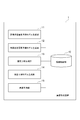
図1は、需要予測装置1の機能ブロック図である。図1に示す通り、需要予測装置1は、情報格納部10(格納部)、定常状態需要予測モデル生成部11、特異状態需要予測モデル生成部12、需要分布生成部13、状態予測モデル生成部14(生成部)及び需要予測部15(予測部)を含んで構成される。
需要予測装置1の各機能ブロックは、需要予測装置1内にて機能することを想定しているが、これに限るものではない。例えば、需要予測装置1の機能ブロックの一部は、需要予測装置1とは異なるコンピュータ装置であって、需要予測装置1とネットワーク接続されたコンピュータ装置内において、需要予測装置1と情報を適宜送受信しつつ機能してもよい。また、需要予測装置1の一部の機能ブロックは無くてもよいし、複数の機能ブロックを一つの機能ブロックに統合してもよいし、一つの機能ブロックを複数の機能ブロックに分解してもよい。
以下、図2に示す需要予測装置1の各機能ブロックについて説明する。
情報格納部10は、複数(2つ以上)の需要予測モデルであって、予測モデルである各需要予測モデルが、需要に関する状態であり各需要予測モデルで異なる需要状態における需要を予測する、複数の需要予測モデルを格納する。複数の需要予測モデルは、需要が定常状態における需要を予測する予測モデルと、需要が特異状態における需要を予測する予測モデルとの少なくとも一方を含んでもよい。本実施形態において、情報格納部10は、定常状態需要予測モデル及び特異状態需要予測モデルを格納する。定常状態需要予測モデルが対象とする需要状態である定常状態と、特異状態需要予測モデルが対象とする需要状態である特異状態とは異なる。情報格納部10は、需要予測装置1のユーザの指示に基づき、定常状態需要予測モデルを予め格納してもよいし、後述の定常状態需要予測モデル生成部11によって生成された定常状態需要予測モデルを格納してもよい。同様に、情報格納部10は、需要予測装置1のユーザの指示に基づき、特異状態需要予測モデルを予め格納してもよいし、後述の特異状態需要予測モデル生成部12によって生成された特異状態需要予測モデルを格納してもよい。
情報格納部10は、指定されたタイミングが各需要状態に当てはまる度合である状態度合を予測する予測モデルである状態予測モデルを格納する。より具体的には、情報格納部10は、(需要予測装置1のユーザなどに)指定されたタイミング(予測対象日時など)が、各需要状態である定常状態及び特異状態に当てはまる状態度合を予測する状態予測モデルを格納する。情報格納部10は、需要予測装置1のユーザの指示に基づき、状態予測モデルを予め格納してもよいし、後述の状態予測モデル生成部14によって生成された状態予測モデルを格納してもよい。
情報格納部10は、その他にも、需要予測装置1内での各処理に必要な情報を格納してもよいし、当該各処理で生成された情報を格納してもよい。
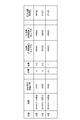
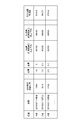
定常状態需要予測モデル生成部11は、定常状態需要予測モデル及び特異状態需要予測モデルを含む需要予測モデルの学習用データ(過去のデータ)を用いて学習することで、定常状態需要予測モデルを生成し、生成した定常状態需要予測モデルを情報格納部10によって格納させる。図3は、需要予測モデルの学習用データのテーブル例を示す図である。図3に示す通り、需要予測モデルの学習用データは、店舗(を識別する店舗名)と、期間と、当該店舗周辺における当該期間の30分前の在圏人数(リアルタイム人口情報)と、当該店舗周辺における当該期間の雨量と、当該店舗周辺における当該期間の風量と、当該店舗における当該期間の1年前の同週同曜日の売上平均(1年前同週同曜日売上平均)と、当該店舗における当該期間の3ヶ月前の同週同曜日の売上平均(3ヶ月前同週同曜日売上平均)と、当該店舗における当該期間の売上金額の実績値とが対応付いている。需要予測モデルの学習用データのうち、雨量及び風量は気象情報であり、1年前同週同曜日売上平均及び3ヶ月前の同週同曜日の売上平均は売上実績統計量であり、気象情報及び売上実績統計量は学習用特徴量である。
定常状態需要予測モデル生成部11は、需要予測モデルの学習用データを用いて学習することで、任意のタイミングでの売上金額の予測値を算出することができる定常状態需要予測モデルを生成する。定常状態需要予測モデル生成部11は、需要予測モデルの学習用データのうち、周期的な成分(特徴量。図3のテーブル例の列に対応)の周期成分である、1年前同週同曜日売上平均及び3ヶ月前の同週同曜日の売上平均を主に用いて学習することで、定常状態における需要を予測する定常状態需要予測モデルしてもよい。なお、定常状態需要予測モデル生成部11は、周期成分に加え、周期成分以外の1つ以上の成分も加えて学習してもよい。
特異状態需要予測モデル生成部12は、需要予測モデルの学習用データを用いて学習することで、特異状態需要予測モデルを生成し、生成した特異状態需要予測モデルを情報格納部10によって格納させる。図3に示す需要予測モデルの学習用データを用いて説明すると、特異状態需要予測モデル生成部12は、需要予測モデルの学習用データを用いて学習することで、任意のタイミングでの売上金額の予測値を算出することができる特異状態需要予測モデルを生成する。特異状態需要予測モデル生成部12は、需要予測モデルの学習用データのうち、短期的に変動する成分の短期的変動成分である、30分前の在圏人数、雨量及び風量を主に用いて学習することで、特異状態における需要を予測する特異状態需要予測モデルしてもよい。なお、特異状態需要予測モデル生成部12は、短期的変動成分に加え、短期的変動成分以外の1つ以上の成分も加えて学習してもよい。
需要分布生成部13は、需要の確率分布である需要分布を生成し、生成した需要分布を情報格納部10によって格納させる。需要分布生成部13は、複数の需要予測モデルそれぞれが予測する需要に基づいて需要分布を生成してもよい。需要分布は、例えば、ある店舗のある曜日のある時刻の需要の確率分布であって、x軸が売上でy軸が頻度の2次元グラフで示されてもよい。
需要分布生成部13は、過去売上実績などに基づいて、過去の売上実績値の確率分布である過去売上実績値分布を生成する。例えば2016年1月1日から2018年12月31日までの学習データとして、各種人口統計データ、気象データ及び売上データを持っているときに、2016年1月1日から2017年12月31日までの学習データを学習として利用し、2018年1月1日から2018年12月31日までの売上を予測したいとする。その場合、需要分布生成部13は、2016年1月1日から2017年12月31日までの売上実績を用いて過去売上実績値分布を生成する。
需要分布生成部13は、情報格納部10によって格納された定常状態需要予測モデルが算出する売上予測値及び情報格納部10によって格納された特異状態需要予測モデルが算出する売上予測値などに基づいて、定常状態需要予測モデル予測値分布及び特異状態需要予測モデル予測値分布を生成する。上記の学習データの例で言えば、需要分布生成部13は、2016年1月1日から2017年12月31日までの学習データを用いて定常状態需要予測モデルが算出する売上予測値と、当該学習データを用いて特異状態需要予測モデルが算出する売上予測値とを用いて、定常状態需要予測モデル予測値分布及び特異状態需要予測モデル予測値分布を生成する。本来の予測対象である2018年1月1日から2018年12月31日の売上予測値は、需要分布の生成には用いない。
なお、店舗の売上の多寡は、各店舗各時刻各曜日ごとで変化する。例えば、イベント近隣店舗の12時と、閑静な住宅街付近店舗の15時とを同じ尺度でとらえると、後者は常に低需要帯に属してしまうことになる。そこで、需要分布生成部13が需要分布を作成する際には、同店舗の同時刻同曜日というような条件を与えた上で作成するものとする。
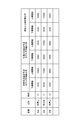
図4は、需要分布生成部13によって生成された需要分布のテーブル例を示す図である。図4に示す通り、需要分布は、店舗と、曜日と、時刻と、当該店舗周辺における当該曜日当該時刻の定常状態需要予測モデル予測値分布の下側閾値及び上側閾値と、当該店舗周辺における当該曜日当該時刻の特異状態需要予測モデル予測値分布の下側閾値及び上側閾値と、当該店舗周辺における当該曜日当該時刻の過去売上実績値分布の下側閾値及び上側閾値とが対応付いている。ここで、上側閾値とは、各分布にとって高需要帯とみなされるx軸方向(売上)の閾値である。下側閾値とは、各分布にとって低需要帯とみなされるx軸方向の閾値である。それぞれの閾値の算出方法としては、例えば、各分布の平均mと標準偏差σを計算し、「m+1.2σ」の値を上側閾値、「m-1.2σ」の値を下側閾値とする。これにより、高需要帯及び低需要帯が定義され、特異状態の判別(分類)において、正解の値が高需要帯に存在しているのか、あるいは低需要帯に存在しているのかを判別することができる。
状態予測モデル生成部14は、状態予測モデルを生成する。状態予測モデルは、需要分布(例えば、定常状態需要予測モデル予測値分布、特異状態需要予測モデル予測値分布及び過去売上実績値分布)に基づいて生成される予測モデルであってもよい。状態予測モデルは、複数の需要予測モデル(例えば、定常状態需要予測モデル及び特異状態需要予測モデル)それぞれが予測する需要の、需要分布における位置に基づいて生成される予測モデルであってもよい。状態予測モデル生成部14は、状態予測モデルを生成するにあたり、状態予測モデルの学習用データを生成してもよい。状態予測モデル生成部14は、生成した状態予測モデルの学習用データ及び状態予測モデルを、情報格納部10によって格納させてもよい。
図5は、状態予測モデル生成部14によって生成された、高需要状態判別用の状態予測モデルの学習用データのテーブル例を示す図である。図5に示す通り、高需要状態判別用の状態予測モデルの学習用データは、店舗と、期間と、過去売上実績値分布におけるy1の相対位置及びy2の相対位置と、定常状態需要予測モデル予測値分布におけるy1の相対位置及びy2の相対位置と、特異状態需要予測モデル予測値分布におけるy1の相対位置及びy2の相対位置と、y1及びy2の差分(y1-y2)と、目的変数である、売上正解の過去売上実績値分布における相対位置とが対応付いている。ここで、y1は、上述した通り、指定されたタイミング(予測対象日時など)に対して定常状態需要予測モデルが算出する売上予測値y1である。同様に、y2は、指定されたタイミングに対して特異状態需要予測モデルが算出する売上予測値y2である。また、相対位置は、図4のテーブル例に示す各分布において、売上予測値y1が上側閾値以上であれば「1」とし、下側閾値以下であれば「-1」とし、上側閾値と下側閾値との間であれば「0」とする。すなわち、相対位置は3値となる。また、目的変数は、対応する店舗に存在するPOS(Point Of Sales)システムに登録された対応する期間の売上ログを需要予測装置1経由又は手動で取得し、取得したデータに対して集計処理を需要予測装置1で自動で行うことによって正解データを算出し、状態予測モデル生成部14により過去売上実績値分布において相対位置を算出し、低需要状態と中需要状態を「0」とし、高需要状態を「1」としたものである。
図6は、状態予測モデル生成部14によって生成された、低需要状態判別用の状態予測モデルの学習用データのテーブル例を示す図である。図5に示すテーブル例との差分について説明すると、図6に示すテーブル例のうち、目的変数は、算出した相対位置について、高需要状態と中需要状態を「0」とし、低需要状態を「1」としたものである。
本実施形態では、状態予測モデル生成部14によって作成する状態予測モデルの学習用データは、高需要状態判別用の状態予測モデル及び低需要状態判別用の状態予測モデルの別々に作成し、それぞれ2値分類の学習を行い、予測時点において分類スコアを算出しているが、分けずに1つの状態予測モデルとして作成、学習及び算出してもよい。
状態予測モデル生成部14は、生成した状態予測モデルの学習用データを用いて学習することで、状態予測モデルを生成する。例えば、状態予測モデル生成部14は、上述の通り作成した高需要状態判別用の状態予測モデルの学習用データを用いて学習することで、指定されたタイミングが高需要状態である確率(状態度合)を予測する状態予測モデルを生成する。また例えば、状態予測モデル生成部14は、上述の通り作成した低需要状態判別用の状態予測モデルの学習用データを用いて学習することで、指定されたタイミングが低需要状態である確率(状態度合)を予測する状態予測モデルを生成する。
需要予測部15は、情報格納部10によって格納された複数の需要予測モデル(例えば、定常状態需要予測モデル及び特異状態需要予測モデル)それぞれが予測する需要と、情報格納部10によって格納された状態予測モデルが予測する状態度合とに基づいて需要を予測する。需要予測部15は、指定されたタイミングに対して複数の需要予測モデルそれぞれが予測する需要と、当該タイミングに対して状態予測モデルが予測する状態度合とに基づいて需要を予測してもよい。需要予測部15は、複数の需要予測モデルそれぞれが予測する需要に対して、状態予測モデルが予測する状態度合を重み付けすることで需要を予測してもよい。需要予測部15は、予測した需要を需要予測装置1のユーザに出力(表示)してもよいし、ネットワークを介して他のコンピュータ装置に出力してもよい。
需要予測部15は、定常状態需要予測モデルが需要を予測する際に、予測用データを適用する。図7は、需要予測モデルの予測用データのテーブル例を示す図である。需要予測部15は、例えば、予測用特徴量として、指定されたタイミングに関連する1年前同週同曜日売上平均及び3ヶ月前同週同曜日売上平均を入力し、(図3の売上金額実績値に対応する)売上金額予測値は空欄として定常状態需要予測モデルに適用することで、定常状態における指定されたタイミングでの売上金額実績値が予測される。
需要予測部15は、特異状態需要予測モデルが需要を予測する際に、予測用データを適用する。需要予測部15は、例えば、予測用特徴量として、指定されたタイミングに関連する雨量(天気予報などに基づいて取得)、風量(天気予報などに基づいて取得)を入力し、(図3の売上金額実績値に対応する)売上金額予測値は空欄として特異状態需要予測モデルに適用することで、特異状態における指定されたタイミングでの売上金額実績値が予測される。
需要予測部15は、状態予測モデルが状態度合を予測する際に、予測用データを適用する。図8は、高需要状態判別用の状態予測モデルの予測用データのテーブル例を示す図である。需要予測部15は、図8に示す通り、図5に示す学習用データと同様であり、指定されたタイミングに関連し、(図5の目的変数に対応する)上側確率は空欄とした予測用データを状態予測モデルに適用することで、指定されたタイミングでの上側確率(高需要状態の状態度合)が予測される。図9は、低需要状態判別用の状態予測モデルの予測用データのテーブル例を示す図である。需要予測部15は、図9に示す通り、図6に示す学習用データと同様であり、指定されたタイミングに関連し、(図6の目的変数に対応する)下側確率は空欄とした予測用データを状態予測モデルに適用することで、指定されたタイミングでの下側確率(低需要状態の状態度合)が予測される。
需要予測部15は、上述の通り予測された、指定されたタイミングでの、定常状態における売上金額実績値、特異状態における売上金額実績値、高需要状態の状態度合、及び、低需要状態の状態度合を、上述した新売上予測値yの算出式のように、重み付け和によるアンサンブルを行うことで需要を予測してもよい。
続いて、図10に示すフローチャートを用いて、需要予測装置1で実行される予測モデル作成方法の処理について説明する。
まず、定常状態需要予測モデル生成部11により、定常状態需要予測モデルが生成される(ステップS1)。次に、特異状態需要予測モデル生成部12により、特異状態需要予測モデルが生成される(ステップS2)。次に、需要分布生成部13により、S1で生成された定常状態需要予測モデル及びS2で生成された特異状態需要予測モデルに基づいて、需要分布が生成される(ステップS3)。次に、状態予測モデル生成部14により、S3にて生成された需要分布に基づいて、状態予測モデルが生成される(ステップS4)。なお、S1とS2の順番は逆でもよい。
次に、図11に示すフローチャートを用いて、需要予測装置1で実行される需要予測方法の処理について説明する。
まず、需要予測部15により、(予め生成及び格納された)定常状態需要予測モデルを用いた、指定されたタイミングでの定常状態における需要の予測が行われる(ステップS10)。次に、需要予測部15により、(予め生成及び格納された)特異状態需要予測モデルを用いた、指定されたタイミングでの特異状態における需要の予測が行われる(ステップS11)。次に、需要予測部15により、(予め生成及び格納された)状態予測モデルを用いた、指定されたタイミングが定常状態及び特異状態に当てはまる状態度合の予測が行われる(ステップS12)。次に、需要予測部15により、S10にて予測された需要と、S11にて予測された予測と、S12にて予測された状態度合に基づいて需要が予測される(ステップS13)。
次に、本実施形態のように構成された需要予測装置1の作用効果について説明する。
本実施形態の需要予測装置1によれば、情報格納部10により、定常状態需要予測モデル、特異状態需要予測モデル及び状態予測モデルが格納され、需要予測部15により、格納された定常状態需要予測モデル及び特異状態需要予測モデルそれぞれが予測する需要と、格納された状態予測モデルが予測する状態度合とに基づいて需要が予測される。このような需要予測装置1によれば、定常状態需要予測モデル及び特異状態需要予測モデルそれぞれが各需要予測モデルで異なる需要状態(定常状態及び特異状態)において予測した需要と、状態予測モデルが予測した各需要状態に当てはまる状態度合とに基づいて需要が予測されるため、定常状態及び特異状態において予測した需要と各需要状態に当てはまる状態度合とが反映された、より正確な需要を予測することができる。
また、本実施形態の需要予測装置1によれば、需要予測部15により、指定されたタイミングに対して定常状態需要予測モデル及び特異状態需要予測モデルそれぞれが予測する需要と、当該タイミングに対して状態予測モデルが予測する状態度合とに基づいて需要が予測されてもよい。このような需要予測装置1によれば、例えば需要を予測したい任意のタイミングでの需要を予測することができる。
また、本実施形態の需要予測装置1によれば、状態予測モデルは、需要の確率分布であって定常状態需要予測モデル及び特異状態需要予測モデルそれぞれが予測する需要に基づく需要分布に基づいて生成される予測モデルであってもよい。このような需要予測装置1によれば、外部要因としての需要分布を利用して需要を予測することができるため、より正確な需要を予測することができる。
また、本実施形態の需要予測装置1によれば、状態予測モデルは、定常状態需要予測モデル及び特異状態需要予測モデルそれぞれが予測する需要の、需要分布における位置に基づいて生成される予測モデルであってもよい。このような需要予測装置1によれば、需要分布における位置は容易に算出可能であるため、より高速に需要を予測することができる。
また、本実施形態の需要予測装置1によれば、状態予測モデル生成部14により、状態予測モデルが生成され、情報格納部10により、生成された状態予測モデルが格納されてもよい。このような需要予測装置1によれば、任意のタイミングで容易に状態予測モデルを生成又は更新することができるため、需要をタイムリーに予測することができる。
また、本実施形態の需要予測装置1によれば、需要予測部15により、定常状態需要予測モデル及び特異状態需要予測モデルそれぞれが予測する需要に対して、状態予測モデルが予測する状態度合を重み付けすることで需要が予測されてもよい。このような需要予測装置1によれば、定常状態における需要と特異状態における需要とがそれぞれの状態度合に応じて重み付けされるため、定常状態での需要だけでなく、高需要又は低需要といった特異状態での需要についてもより正確に予測することができる。
また、本実施形態の需要予測装置1によれば、複数の需要予測モデルとして、需要が定常状態における需要を予測する定常状態需要予測モデルと、需要が特異状態における需要を予測する特異状態需要予測モデルとの少なくとも一方が含まれてもよい。このような需要予測装置1によれば、定常状態における需要又は特異状態における需要を考慮した、より正確な需要を予測することができる。
従来より、過去の需要実績データに基づき、未来の需要を推定する手法が提案されていた。しかしながら、全体精度を考慮(維持)しながらも,高需要又は低需要といった特異状態における需要(値)を的確に予測することは難しかった。本実施形態の需要予測装置1によれば、全体精度を考慮(維持)しつつ,高需要又は低需要といった特異状態での需要(値)についても的確な予測が可能となる。
需要予測装置1は以下のような構成としてもよい。すなわち、少なくとも、過去の需要値を用いて定常状態における需要値を数値予測する第1モデルと、直近の来店期待人数(及び気象予報)を用いて特異状態における需要値を数値予測する第2モデルと、さらに、予測対象日時が定常状態となるか特異状態となるかを分類予測する第3モデルとを持ち、第3モデルによる分類予測結果として出力される特異状態発生確率を重みとして、第1モデル出力値と第2モデル出力値の重み付け和を計算し需要予測値として出力する装置。また、第3モデルの説明変数(特徴量)として,第1モデル出力値と第2モデル出力値のそれぞれについて、過去に蓄積された需要値分布および第1モデル出力値分布および第2モデル出力値分布における相対位置を用いてもよい。
需要予測装置1は、特異状態判定スコアを用いた回帰値のアンサンブルによる高需要・低需要予測精度向上技術に関する。
なお、上記実施形態の説明に用いたブロック図は、機能単位のブロックを示している。これらの機能ブロック(構成部)は、ハードウェア及びソフトウェアの少なくとも一方の任意の組み合わせによって実現される。また、各機能ブロックの実現方法は特に限定されない。すなわち、各機能ブロックは、物理的又は論理的に結合した1つの装置を用いて実現されてもよいし、物理的又は論理的に分離した2つ以上の装置を直接的又は間接的に(例えば、有線、無線などを用いて)接続し、これら複数の装置を用いて実現されてもよい。機能ブロックは、上記1つの装置又は上記複数の装置にソフトウェアを組み合わせて実現されてもよい。
機能には、判断、決定、判定、計算、算出、処理、導出、調査、探索、確認、受信、送信、出力、アクセス、解決、選択、選定、確立、比較、想定、期待、見做し、報知(broadcasting)、通知(notifying)、通信(communicating)、転送(forwarding)、構成(configuring)、再構成(reconfiguring)、割り当て(allocating、mapping)、割り振り(assigning)などがあるが、これらに限られない。たとえば、送信を機能させる機能ブロック(構成部)は、送信部(transmitting unit)や送信機(transmitter)と呼称される。いずれも、上述したとおり、実現方法は特に限定されない。
例えば、本開示の一実施の形態における需要予測装置1などは、本開示の需要予測の処理を行うコンピュータとして機能してもよい。図12は、本開示の一実施の形態に係る需要予測装置1のハードウェア構成の一例を示す図である。上述の需要予測装置1は、物理的には、プロセッサ1001、メモリ1002、ストレージ1003、通信装置1004、入力装置1005、出力装置1006、バス1007などを含むコンピュータ装置として構成されてもよい。
なお、以下の説明では、「装置」という文言は、回路、デバイス、ユニットなどに読み替えることができる。需要予測装置1のハードウェア構成は、図に示した各装置を1つ又は複数含むように構成されてもよいし、一部の装置を含まずに構成されてもよい。
需要予測装置1における各機能は、プロセッサ1001、メモリ1002などのハードウェア上に所定のソフトウェア(プログラム)を読み込ませることによって、プロセッサ1001が演算を行い、通信装置1004による通信を制御したり、メモリ1002及びストレージ1003におけるデータの読み出し及び書き込みの少なくとも一方を制御したりすることによって実現される。
プロセッサ1001は、例えば、オペレーティングシステムを動作させてコンピュータ全体を制御する。プロセッサ1001は、周辺装置とのインターフェース、制御装置、演算装置、レジスタなどを含む中央処理装置(CPU:Central Processing Unit)によって構成されてもよい。例えば、上述の定常状態需要予測モデル生成部11、特異状態需要予測モデル生成部12、需要分布生成部13、状態予測モデル生成部14及び需要予測部15などは、プロセッサ1001によって実現されてもよい。
また、プロセッサ1001は、プログラム(プログラムコード)、ソフトウェアモジュール、データなどを、ストレージ1003及び通信装置1004の少なくとも一方からメモリ1002に読み出し、これらに従って各種の処理を実行する。プログラムとしては、上述の実施の形態において説明した動作の少なくとも一部をコンピュータに実行させるプログラムが用いられる。例えば、定常状態需要予測モデル生成部11、特異状態需要予測モデル生成部12、需要分布生成部13、状態予測モデル生成部14及び需要予測部15は、メモリ1002に格納され、プロセッサ1001において動作する制御プログラムによって実現されてもよく、他の機能ブロックについても同様に実現されてもよい。上述の各種処理は、1つのプロセッサ1001によって実行される旨を説明してきたが、2以上のプロセッサ1001により同時又は逐次に実行されてもよい。プロセッサ1001は、1以上のチップによって実装されてもよい。なお、プログラムは、電気通信回線を介してネットワークから送信されても良い。
メモリ1002は、コンピュータ読み取り可能な記録媒体であり、例えば、ROM(Read Only Memory)、EPROM(Erasable Programmable ROM)、EEPROM(Electrically Erasable Programmable ROM)、RAM(Random Access Memory)などの少なくとも1つによって構成されてもよい。メモリ1002は、レジスタ、キャッシュ、メインメモリ(主記憶装置)などと呼ばれてもよい。メモリ1002は、本開示の一実施の形態に係る無線通信方法を実施するために実行可能なプログラム(プログラムコード)、ソフトウェアモジュールなどを保存することができる。
ストレージ1003は、コンピュータ読み取り可能な記録媒体であり、例えば、CD-ROM(Compact Disc ROM)などの光ディスク、ハードディスクドライブ、フレキシブルディスク、光磁気ディスク(例えば、コンパクトディスク、デジタル多用途ディスク、Blu-ray(登録商標)ディスク)、スマートカード、フラッシュメモリ(例えば、カード、スティック、キードライブ)、フロッピー(登録商標)ディスク、磁気ストリップなどの少なくとも1つによって構成されてもよい。ストレージ1003は、補助記憶装置と呼ばれてもよい。上述の記憶媒体は、例えば、メモリ1002及びストレージ1003の少なくとも一方を含むデータベース、サーバその他の適切な媒体であってもよい。
通信装置1004は、有線ネットワーク及び無線ネットワークの少なくとも一方を介してコンピュータ間の通信を行うためのハードウェア(送受信デバイス)であり、例えばネットワークデバイス、ネットワークコントローラ、ネットワークカード、通信モジュールなどともいう。通信装置1004は、例えば周波数分割複信(FDD:Frequency Division Duplex)及び時分割複信(TDD:Time Division Duplex)の少なくとも一方を実現するために、高周波スイッチ、デュプレクサ、フィルタ、周波数シンセサイザなどを含んで構成されてもよい。例えば、上述の定常状態需要予測モデル生成部11、特異状態需要予測モデル生成部12、需要分布生成部13、状態予測モデル生成部14及び需要予測部15などは、通信装置1004によって実現されてもよい。
入力装置1005は、外部からの入力を受け付ける入力デバイス(例えば、キーボード、マウス、マイクロフォン、スイッチ、ボタン、センサなど)である。出力装置1006は、外部への出力を実施する出力デバイス(例えば、ディスプレイ、スピーカー、LEDランプなど)である。なお、入力装置1005及び出力装置1006は、一体となった構成(例えば、タッチパネル)であってもよい。
また、プロセッサ1001、メモリ1002などの各装置は、情報を通信するためのバス1007によって接続される。バス1007は、単一のバスを用いて構成されてもよいし、装置間ごとに異なるバスを用いて構成されてもよい。
また、需要予測装置1は、マイクロプロセッサ、デジタル信号プロセッサ(DSP:Digital Signal Processor)、ASIC(Application Specific Integrated Circuit)、PLD(Programmable Logic Device)、FPGA(Field Programmable Gate Array)などのハードウェアを含んで構成されてもよく、当該ハードウェアにより、各機能ブロックの一部又は全てが実現されてもよい。例えば、プロセッサ1001は、これらのハードウェアの少なくとも1つを用いて実装されてもよい。
情報の通知は、本開示において説明した態様/実施形態に限られず、他の方法を用いて行われてもよい。
本開示において説明した各態様/実施形態は、LTE(Long Term Evolution)、LTE-A(LTE-Advanced)、SUPER 3G、IMT-Advanced、4G(4th generation mobile communication system)、5G(5th generation mobile communication system)、FRA(Future Radio Access)、NR(new Radio)、W-CDMA(登録商標)、GSM(登録商標)、CDMA2000、UMB(Ultra Mobile Broadband)、IEEE 802.11(Wi-Fi(登録商標))、IEEE 802.16(WiMAX(登録商標))、IEEE 802.20、UWB(Ultra-WideBand)、Bluetooth(登録商標)、その他の適切なシステムを利用するシステム及びこれらに基づいて拡張された次世代システムの少なくとも一つに適用されてもよい。また、複数のシステムが組み合わされて(例えば、LTE及びLTE-Aの少なくとも一方と5Gとの組み合わせ等)適用されてもよい。
本開示において説明した各態様/実施形態の処理手順、シーケンス、フローチャートなどは、矛盾の無い限り、順序を入れ替えてもよい。例えば、本開示において説明した方法については、例示的な順序を用いて様々なステップの要素を提示しており、提示した特定の順序に限定されない。
情報等は、上位レイヤ(又は下位レイヤ)から下位レイヤ(又は上位レイヤ)へ出力され得る。複数のネットワークノードを介して入出力されてもよい。
入出力された情報等は特定の場所(例えば、メモリ)に保存されてもよいし、管理テーブルを用いて管理してもよい。入出力される情報等は、上書き、更新、又は追記され得る。出力された情報等は削除されてもよい。入力された情報等は他の装置へ送信されてもよい。
判定は、1ビットで表される値(0か1か)によって行われてもよいし、真偽値(Boolean:true又はfalse)によって行われてもよいし、数値の比較(例えば、所定の値との比較)によって行われてもよい。
本開示において説明した各態様/実施形態は単独で用いてもよいし、組み合わせて用いてもよいし、実行に伴って切り替えて用いてもよい。また、所定の情報の通知(例えば、「Xであること」の通知)は、明示的に行うものに限られず、暗黙的(例えば、当該所定の情報の通知を行わない)ことによって行われてもよい。
以上、本開示について詳細に説明したが、当業者にとっては、本開示が本開示中に説明した実施形態に限定されるものではないということは明らかである。本開示は、請求の範囲の記載により定まる本開示の趣旨及び範囲を逸脱することなく修正及び変更態様として実施することができる。したがって、本開示の記載は、例示説明を目的とするものであり、本開示に対して何ら制限的な意味を有するものではない。
ソフトウェアは、ソフトウェア、ファームウェア、ミドルウェア、マイクロコード、ハードウェア記述言語と呼ばれるか、他の名称で呼ばれるかを問わず、命令、命令セット、コード、コードセグメント、プログラムコード、プログラム、サブプログラム、ソフトウェアモジュール、アプリケーション、ソフトウェアアプリケーション、ソフトウェアパッケージ、ルーチン、サブルーチン、オブジェクト、実行可能ファイル、実行スレッド、手順、機能などを意味するよう広く解釈されるべきである。
また、ソフトウェア、命令、情報などは、伝送媒体を介して送受信されてもよい。例えば、ソフトウェアが、有線技術(同軸ケーブル、光ファイバケーブル、ツイストペア、デジタル加入者回線(DSL:Digital Subscriber Line)など)及び無線技術(赤外線、マイクロ波など)の少なくとも一方を使用してウェブサイト、サーバ、又は他のリモートソースから送信される場合、これらの有線技術及び無線技術の少なくとも一方は、伝送媒体の定義内に含まれる。
本開示において説明した情報、信号などは、様々な異なる技術のいずれかを使用して表されてもよい。例えば、上記の説明全体に渡って言及され得るデータ、命令、コマンド、情報、信号、ビット、シンボル、チップなどは、電圧、電流、電磁波、磁界若しくは磁性粒子、光場若しくは光子、又はこれらの任意の組み合わせによって表されてもよい。
なお、本開示において説明した用語及び本開示の理解に必要な用語については、同一の又は類似する意味を有する用語と置き換えてもよい。
本開示において使用する「システム」及び「ネットワーク」という用語は、互換的に使用される。
また、本開示において説明した情報、パラメータなどは、絶対値を用いて表されてもよいし、所定の値からの相対値を用いて表されてもよいし、対応する別の情報を用いて表されてもよい。例えば、無線リソースはインデックスによって指示されるものであってもよい。
上述したパラメータに使用する名称はいかなる点においても限定的な名称ではない。さらに、これらのパラメータを使用する数式等は、本開示で明示的に開示したものと異なる場合もある。
本開示で使用する「判断(determining)」、「決定(determining)」という用語は、多種多様な動作を包含する場合がある。「判断」、「決定」は、例えば、判定(judging)、計算(calculating)、算出(computing)、処理(processing)、導出(deriving)、調査(investigating)、探索(looking up、search、inquiry)(例えば、テーブル、データベース又は別のデータ構造での探索)、確認(ascertaining)した事を「判断」「決定」したとみなす事などを含み得る。また、「判断」、「決定」は、受信(receiving)(例えば、情報を受信すること)、送信(transmitting)(例えば、情報を送信すること)、入力(input)、出力(output)、アクセス(accessing)(例えば、メモリ中のデータにアクセスすること)した事を「判断」「決定」したとみなす事などを含み得る。また、「判断」、「決定」は、解決(resolving)、選択(selecting)、選定(choosing)、確立(establishing)、比較(comparing)などした事を「判断」「決定」したとみなす事を含み得る。つまり、「判断」「決定」は、何らかの動作を「判断」「決定」したとみなす事を含み得る。また、「判断(決定)」は、「想定する(assuming)」、「期待する(expecting)」、「みなす(considering)」などで読み替えられてもよい。
「接続された(connected)」、「結合された(coupled)」という用語、又はこれらのあらゆる変形は、2又はそれ以上の要素間の直接的又は間接的なあらゆる接続又は結合を意味し、互いに「接続」又は「結合」された2つの要素間に1又はそれ以上の中間要素が存在することを含むことができる。要素間の結合又は接続は、物理的なものであっても、論理的なものであっても、或いはこれらの組み合わせであってもよい。例えば、「接続」は「アクセス」で読み替えられてもよい。本開示で使用する場合、2つの要素は、1又はそれ以上の電線、ケーブル及びプリント電気接続の少なくとも一つを用いて、並びにいくつかの非限定的かつ非包括的な例として、無線周波数領域、マイクロ波領域及び光(可視及び不可視の両方)領域の波長を有する電磁エネルギーなどを用いて、互いに「接続」又は「結合」されると考えることができる。
本開示において使用する「に基づいて」という記載は、別段に明記されていない限り、「のみに基づいて」を意味しない。言い換えれば、「に基づいて」という記載は、「のみに基づいて」と「に少なくとも基づいて」の両方を意味する。
本開示において使用する「第1の」、「第2の」などの呼称を使用した要素へのいかなる参照も、それらの要素の量又は順序を全般的に限定しない。これらの呼称は、2つ以上の要素間を区別する便利な方法として本開示において使用され得る。したがって、第1及び第2の要素への参照は、2つの要素のみが採用され得ること、又は何らかの形で第1の要素が第2の要素に先行しなければならないことを意味しない。
上記の各装置の構成における「手段」を、「部」、「回路」、「デバイス」等に置き換えてもよい。
本開示において、「含む(include)」、「含んでいる(including)」及びそれらの変形が使用されている場合、これらの用語は、用語「備える(comprising)」と同様に、包括的であることが意図される。さらに、本開示において使用されている用語「又は(or)」は、排他的論理和ではないことが意図される。
本開示において、例えば、英語でのa、an及びtheのように、翻訳により冠詞が追加された場合、本開示は、これらの冠詞の後に続く名詞が複数形であることを含んでもよい。
本開示において、「AとBが異なる」という用語は、「AとBが互いに異なる」ことを意味してもよい。なお、当該用語は、「AとBがそれぞれCと異なる」ことを意味してもよい。「離れる」、「結合される」などの用語も、「異なる」と同様に解釈されてもよい。
1…需要予測装置、10…情報格納部、11…定常状態需要予測モデル生成部、12…特異状態需要予測モデル生成部、13…需要分布生成部、14…状態予測モデル生成部、15…需要予測部。
Claims (7)
- 複数の需要予測モデルであって、予測モデルである各需要予測モデルが、需要に関する状態であり各需要予測モデルで異なる需要状態における需要を予測する、複数の需要予測モデルと、指定されたタイミングが各需要状態に当てはまる度合である状態度合を予測する予測モデルである状態予測モデルとを格納する格納部と、
前記格納部によって格納された複数の需要予測モデルそれぞれが予測する需要と、前記格納部によって格納された状態予測モデルが予測する状態度合とに基づいて需要を予測する予測部と、
を備える需要予測装置。 - 前記予測部は、指定されたタイミングに対して複数の需要予測モデルそれぞれが予測する需要と、当該タイミングに対して状態予測モデルが予測する状態度合とに基づいて需要を予測する、
請求項1に記載の需要予測装置。 - 状態予測モデルは、需要の確率分布であって複数の需要予測モデルそれぞれが予測する需要に基づく需要分布に基づいて生成される予測モデルである、
請求項1又は2に記載の需要予測装置。 - 状態予測モデルは、複数の需要予測モデルそれぞれが予測する需要の、需要分布における位置に基づいて生成される予測モデルである、
請求項3に記載の需要予測装置。 - 状態予測モデルを生成する生成部をさらに備え、
前記格納部は、前記生成部によって生成された状態予測モデルを格納する、
請求項1~4の何れか一項に記載の需要予測装置。 - 前記予測部は、複数の需要予測モデルそれぞれが予測する需要に対して、状態予測モデルが予測する状態度合を重み付けすることで需要を予測する、
請求項1~5の何れか一項に記載の需要予測装置。 - 複数の需要予測モデルは、需要が定常状態における需要を予測する予測モデルと、需要が特異状態における需要を予測する予測モデルとの少なくとも一方を含む、
請求項1~6の何れか一項に記載の需要予測装置。
Priority Applications (2)
| Application Number | Priority Date | Filing Date | Title |
|---|---|---|---|
| JP2021519413A JP7443355B2 (ja) | 2019-05-13 | 2020-05-08 | 需要予測装置 |
| US17/609,864 US20220215411A1 (en) | 2019-05-13 | 2020-05-08 | Demand prediction device |
Applications Claiming Priority (2)
| Application Number | Priority Date | Filing Date | Title |
|---|---|---|---|
| JP2019-090439 | 2019-05-13 | ||
| JP2019090439 | 2019-05-13 |
Publications (1)
| Publication Number | Publication Date |
|---|---|
| WO2020230735A1 true WO2020230735A1 (ja) | 2020-11-19 |
Family
ID=73290173
Family Applications (1)
| Application Number | Title | Priority Date | Filing Date |
|---|---|---|---|
| PCT/JP2020/018721 Ceased WO2020230735A1 (ja) | 2019-05-13 | 2020-05-08 | 需要予測装置 |
Country Status (3)
| Country | Link |
|---|---|
| US (1) | US20220215411A1 (ja) |
| JP (1) | JP7443355B2 (ja) |
| WO (1) | WO2020230735A1 (ja) |
Cited By (1)
| Publication number | Priority date | Publication date | Assignee | Title |
|---|---|---|---|---|
| JP2023176926A (ja) * | 2022-06-01 | 2023-12-13 | 株式会社日立製作所 | 売上見通し補正装置および売上見通し補正方法 |
Families Citing this family (3)
| Publication number | Priority date | Publication date | Assignee | Title |
|---|---|---|---|---|
| JP7481995B2 (ja) * | 2020-10-28 | 2024-05-13 | 株式会社東芝 | 状態判定装置、方法およびプログラム |
| JP7580357B2 (ja) * | 2021-09-28 | 2024-11-11 | 本田技研工業株式会社 | 需要予測装置、需要予測システム、およびプログラム |
| CN120315776B (zh) * | 2025-06-16 | 2025-09-05 | 北京鸿鹄云图科技股份有限公司 | 应用于多场景分析的建工计算器运行优化方法 |
Citations (3)
| Publication number | Priority date | Publication date | Assignee | Title |
|---|---|---|---|---|
| US7457766B1 (en) * | 2003-11-06 | 2008-11-25 | Teradata Us, Inc. | Methods and systems for determining daily weighting factors for use in forecasting daily product sales |
| WO2017163278A1 (ja) * | 2016-03-25 | 2017-09-28 | 日本電気株式会社 | 商品需要予測システム、商品需要予測方法および商品需要予測プログラム |
| WO2018079367A1 (ja) * | 2016-10-31 | 2018-05-03 | 日本電気株式会社 | 商品需要予測システム、商品需要予測方法および商品需要予測プログラム |
Family Cites Families (2)
| Publication number | Priority date | Publication date | Assignee | Title |
|---|---|---|---|---|
| WO2016088370A1 (ja) * | 2014-12-05 | 2016-06-09 | 日本電気株式会社 | 情報処理装置、モデル構築方法及びプログラム記録媒体 |
| US10636293B2 (en) * | 2017-06-07 | 2020-04-28 | International Business Machines Corporation | Uncertainty modeling in traffic demand prediction |
-
2020
- 2020-05-08 WO PCT/JP2020/018721 patent/WO2020230735A1/ja not_active Ceased
- 2020-05-08 JP JP2021519413A patent/JP7443355B2/ja active Active
- 2020-05-08 US US17/609,864 patent/US20220215411A1/en not_active Abandoned
Patent Citations (3)
| Publication number | Priority date | Publication date | Assignee | Title |
|---|---|---|---|---|
| US7457766B1 (en) * | 2003-11-06 | 2008-11-25 | Teradata Us, Inc. | Methods and systems for determining daily weighting factors for use in forecasting daily product sales |
| WO2017163278A1 (ja) * | 2016-03-25 | 2017-09-28 | 日本電気株式会社 | 商品需要予測システム、商品需要予測方法および商品需要予測プログラム |
| WO2018079367A1 (ja) * | 2016-10-31 | 2018-05-03 | 日本電気株式会社 | 商品需要予測システム、商品需要予測方法および商品需要予測プログラム |
Cited By (2)
| Publication number | Priority date | Publication date | Assignee | Title |
|---|---|---|---|---|
| JP2023176926A (ja) * | 2022-06-01 | 2023-12-13 | 株式会社日立製作所 | 売上見通し補正装置および売上見通し補正方法 |
| JP7850606B2 (ja) | 2022-06-01 | 2026-04-23 | 株式会社日立製作所 | 売上見通し補正装置および売上見通し補正方法 |
Also Published As
| Publication number | Publication date |
|---|---|
| JP7443355B2 (ja) | 2024-03-05 |
| JPWO2020230735A1 (ja) | 2020-11-19 |
| US20220215411A1 (en) | 2022-07-07 |
Similar Documents
| Publication | Publication Date | Title |
|---|---|---|
| JP7443355B2 (ja) | 需要予測装置 | |
| JP7542540B2 (ja) | 需要予測装置 | |
| WO2018207878A1 (ja) | 需要予測装置 | |
| JP7323370B2 (ja) | 審査装置 | |
| CN112396231B (zh) | 针对时空数据的建模方法、装置、电子设备及可读介质 | |
| JP7312161B2 (ja) | 在宅予測装置 | |
| JP6946542B2 (ja) | 学習システム、推定システム及び学習済モデル | |
| WO2021039797A1 (ja) | クリック率予測モデル構築装置 | |
| US20230214716A1 (en) | Learning device | |
| US12307345B2 (en) | State estimation device, state estimation program, estimation model, and state estimation method | |
| JP6775055B2 (ja) | リスク推定装置 | |
| US20240346532A1 (en) | Service demand potential prediction device | |
| JP2019105942A (ja) | コンテンツの提示順位を制御する装置、方法、及び、プログラム | |
| US11748424B2 (en) | Visiting destination prediction device and visiting destination prediction method | |
| WO2020230736A1 (ja) | 需要分散装置 | |
| JP7449933B2 (ja) | 推論装置 | |
| US20260094174A1 (en) | Recommendation evaluation device | |
| JP2022189377A (ja) | 予測モデル構築装置及び需要予測装置 | |
| JPWO2019012572A1 (ja) | データリニエージ検出装置、データリニエージ検出方法、及びデータリニエージ検出プログラム | |
| US20260087538A1 (en) | Store derivation device | |
| CN114037058A (zh) | 预训练模型的生成方法、装置、电子设备以及存储介质 | |
| US20210248196A1 (en) | Interest estimation device | |
| JP7821910B2 (ja) | 若さ度合出力装置及び若さ度合出力方法 | |
| JP7749142B2 (ja) | メッセージ送信装置 | |
| JP7664933B2 (ja) | レコメンド装置 |
Legal Events
| Date | Code | Title | Description |
|---|---|---|---|
| 121 | Ep: the epo has been informed by wipo that ep was designated in this application |
Ref document number: 20805405 Country of ref document: EP Kind code of ref document: A1 |
|
| ENP | Entry into the national phase |
Ref document number: 2021519413 Country of ref document: JP Kind code of ref document: A |
|
| NENP | Non-entry into the national phase |
Ref country code: DE |
|
| 122 | Ep: pct application non-entry in european phase |
Ref document number: 20805405 Country of ref document: EP Kind code of ref document: A1 |