WO2020225970A1 - 疾患状態判定装置、疾患状態判定方法、疾患状態判定装置用プログラム、および、疾患状態判定システム - Google Patents
疾患状態判定装置、疾患状態判定方法、疾患状態判定装置用プログラム、および、疾患状態判定システム Download PDFInfo
- Publication number
- WO2020225970A1 WO2020225970A1 PCT/JP2020/008211 JP2020008211W WO2020225970A1 WO 2020225970 A1 WO2020225970 A1 WO 2020225970A1 JP 2020008211 W JP2020008211 W JP 2020008211W WO 2020225970 A1 WO2020225970 A1 WO 2020225970A1
- Authority
- WO
- WIPO (PCT)
- Prior art keywords
- disease state
- data
- state determination
- value
- vehicle
- Prior art date
- Legal status (The legal status is an assumption and is not a legal conclusion. Google has not performed a legal analysis and makes no representation as to the accuracy of the status listed.)
- Ceased
Links
Images







Classifications
-
- A—HUMAN NECESSITIES
- A61—MEDICAL OR VETERINARY SCIENCE; HYGIENE
- A61B—DIAGNOSIS; SURGERY; IDENTIFICATION
- A61B5/00—Measuring for diagnostic purposes; Identification of persons
- A61B5/16—Devices for psychotechnics; Testing reaction times ; Devices for evaluating the psychological state
- A61B5/18—Devices for psychotechnics; Testing reaction times ; Devices for evaluating the psychological state for vehicle drivers or machine operators
-
- A—HUMAN NECESSITIES
- A61—MEDICAL OR VETERINARY SCIENCE; HYGIENE
- A61B—DIAGNOSIS; SURGERY; IDENTIFICATION
- A61B5/00—Measuring for diagnostic purposes; Identification of persons
- A61B5/68—Arrangements of detecting, measuring or recording means, e.g. sensors, in relation to patient
- A61B5/6887—Arrangements of detecting, measuring or recording means, e.g. sensors, in relation to patient mounted on external non-worn devices, e.g. non-medical devices
- A61B5/6893—Cars
-
- A—HUMAN NECESSITIES
- A61—MEDICAL OR VETERINARY SCIENCE; HYGIENE
- A61B—DIAGNOSIS; SURGERY; IDENTIFICATION
- A61B10/00—Instruments for taking body samples for diagnostic purposes; Other methods or instruments for diagnosis, e.g. for vaccination diagnosis, sex determination or ovulation-period determination; Throat striking implements
-
- A—HUMAN NECESSITIES
- A61—MEDICAL OR VETERINARY SCIENCE; HYGIENE
- A61B—DIAGNOSIS; SURGERY; IDENTIFICATION
- A61B5/00—Measuring for diagnostic purposes; Identification of persons
- A61B5/103—Measuring devices for testing the shape, pattern, colour, size or movement of the body or parts thereof, for diagnostic purposes
- A61B5/11—Measuring movement of the entire body or parts thereof, e.g. head or hand tremor or mobility of a limb
-
- A—HUMAN NECESSITIES
- A61—MEDICAL OR VETERINARY SCIENCE; HYGIENE
- A61B—DIAGNOSIS; SURGERY; IDENTIFICATION
- A61B5/00—Measuring for diagnostic purposes; Identification of persons
- A61B5/72—Signal processing specially adapted for physiological signals or for diagnostic purposes
- A61B5/7271—Specific aspects of physiological measurement analysis
- A61B5/7275—Determining trends in physiological measurement data; Predicting development of a medical condition based on physiological measurements, e.g. determining a risk factor
-
- A—HUMAN NECESSITIES
- A61—MEDICAL OR VETERINARY SCIENCE; HYGIENE
- A61B—DIAGNOSIS; SURGERY; IDENTIFICATION
- A61B5/00—Measuring for diagnostic purposes; Identification of persons
- A61B5/72—Signal processing specially adapted for physiological signals or for diagnostic purposes
- A61B5/7271—Specific aspects of physiological measurement analysis
- A61B5/7282—Event detection, e.g. detecting unique waveforms indicative of a medical condition
-
- G—PHYSICS
- G01—MEASURING; TESTING
- G01C—MEASURING DISTANCES, LEVELS OR BEARINGS; SURVEYING; NAVIGATION; GYROSCOPIC INSTRUMENTS; PHOTOGRAMMETRY OR VIDEOGRAMMETRY
- G01C19/00—Gyroscopes; Turn-sensitive devices using vibrating masses; Turn-sensitive devices without moving masses; Measuring angular rate using gyroscopic effects
-
- G—PHYSICS
- G01—MEASURING; TESTING
- G01P—MEASURING LINEAR OR ANGULAR SPEED, ACCELERATION, DECELERATION, OR SHOCK; INDICATING PRESENCE, ABSENCE, OR DIRECTION, OF MOVEMENT
- G01P13/00—Indicating or recording presence, absence, or direction, of movement
-
- G—PHYSICS
- G01—MEASURING; TESTING
- G01P—MEASURING LINEAR OR ANGULAR SPEED, ACCELERATION, DECELERATION, OR SHOCK; INDICATING PRESENCE, ABSENCE, OR DIRECTION, OF MOVEMENT
- G01P15/00—Measuring acceleration; Measuring deceleration; Measuring shock, i.e. sudden change of acceleration
-
- G—PHYSICS
- G08—SIGNALLING
- G08G—TRAFFIC CONTROL SYSTEMS
- G08G1/00—Traffic control systems for road vehicles
-
- G—PHYSICS
- G08—SIGNALLING
- G08G—TRAFFIC CONTROL SYSTEMS
- G08G1/00—Traffic control systems for road vehicles
- G08G1/16—Anti-collision systems
-
- A—HUMAN NECESSITIES
- A61—MEDICAL OR VETERINARY SCIENCE; HYGIENE
- A61B—DIAGNOSIS; SURGERY; IDENTIFICATION
- A61B5/00—Measuring for diagnostic purposes; Identification of persons
- A61B5/103—Measuring devices for testing the shape, pattern, colour, size or movement of the body or parts thereof, for diagnostic purposes
- A61B5/1036—Measuring load distribution, e.g. podologic studies
-
- G—PHYSICS
- G01—MEASURING; TESTING
- G01C—MEASURING DISTANCES, LEVELS OR BEARINGS; SURVEYING; NAVIGATION; GYROSCOPIC INSTRUMENTS; PHOTOGRAMMETRY OR VIDEOGRAMMETRY
- G01C21/00—Navigation; Navigational instruments not provided for in groups G01C1/00 - G01C19/00
- G01C21/26—Navigation; Navigational instruments not provided for in groups G01C1/00 - G01C19/00 specially adapted for navigation in a road network
- G01C21/34—Route searching; Route guidance
- G01C21/3407—Route searching; Route guidance specially adapted for specific applications
Definitions
- the present invention relates to a technical field of a disease state determination device for determining a disease state of a subject, a disease state determination method, a program for the disease state determination device, and a disease state determination system.
- Patent Document 1 a device that measures the driving ability and health information of a vehicle driver and transmits the driving ability check result and the health information check result to a server is provided at a plurality of points along the vehicle movement route.
- the server evaluates the driving risk of the vehicle driver based on the driving ability check result, the health information check result and the evaluation standard, and compares the results of the driving ability check and the health information check over time with the vehicle driver.
- a safe driving support system for diagnosing an increased degree of driving risk is disclosed.
- Patent Document 1 in order to measure the health condition, a special device such as an exhaled gas component measuring instrument is required, and in combination with athletic ability, it is not directly related to a specific disease. , It was just judging the degree of driving risk. Therefore, it was difficult to easily determine the state of a certain disease.
- an example of the subject of the present invention is to provide a disease state determination device or the like for determining a state of a certain disease.
- the invention according to claim 1 is an operation amount data acquisition means for acquiring operation amount data in which a target person operates a vehicle, and a component in a predetermined frequency range from the operation amount data.
- the operation amount data acquisition means for acquiring the operation amount data for the target person to operate the vehicle and the operation amount data calculation means are predetermined from the operation amount data.
- the disease state determination means includes a disease state determination step for determining the disease state of the subject according to the operation value.
- the invention according to claim 24 is a computer, an operation amount data acquisition means for acquiring operation amount data in which a target person operates a vehicle, and operation-related data in a component of a predetermined frequency range is calculated from the operation amount data.
- the invention according to claim 25 includes a terminal device that collects operation amount data for the subject to operate the vehicle, and a disease state determination device that determines the disease state of the subject based on the operation amount data.
- the disease state determination device calculates operation-related data in a component in a predetermined frequency range from the operation amount data acquisition means for acquiring the operation amount data from the terminal device and the operation amount data.
- the operation amount data in which the target person operates the vehicle is acquired, the operation-related data in the component of a predetermined frequency range is calculated from the operation amount data, and the operation-related data is quantified.
- FIG. 1 is a diagram showing an example of an outline configuration of a disease state determination system S according to the present embodiment.
- FIG. 2 is a schematic view showing an example of the state of the subject T who controls the vehicle V.
- the disease state determination system S includes an information processing server device 10 (an example of a disease state determination device) that determines the disease state of the target person T from various data for each target person T who drives the vehicle V.
- the mobile terminal device 20 carried by the target person T and transmitting the physiological data of the target person T to the information processing server device 10 and the operation and behavior data of the vehicle V driven by the target person T are collected from a plurality of sensors. It includes an in-vehicle terminal device 30, a home terminal device 40 that collects physiological data and the like when the target person T is at home H, and a medical institution server device 50 of a medical institution used by the target person T.
- vehicle V passenger cars, taxis, highers, trucks, trailers (including tractors alone), automobiles such as buses, motorcycles (motorcycles with side cars, trikes, reverse trikes), bicycles, electric carts, railway vehicles Such as trains.
- the target person T includes a person who drives the above vehicle.
- the information processing server device 10, the mobile terminal device 20, the in-vehicle terminal device 30, the home terminal device 40, and the medical institution server device 50 mutually data via the network N, for example, using TCP / IP or the like as a communication protocol. It is possible to send and receive.
- the network N is constructed by, for example, the Internet.
- the network N includes a road information providing server device (not shown) that provides road information of road conditions such as traffic congestion and construction, and a meteorological server device (not shown) that provides weather data to the information processing server device 10. And are connected.
- the network N may be constructed by a dedicated communication line, a mobile communication network, a gateway, or the like. Further, the network N may have an access point Ap.
- the mobile terminal device 20, the in-vehicle terminal device 30, and the like may be able to be connected to the network N via the access point Ap.
- the information processing server device 10 has a computer function.
- the information processing server device 10 acquires the operation amount data in which each target person T operates the vehicle V and the behavior amount data of the behavior of each vehicle V.
- the information processing server device 10 acquires operation amount data and behavior amount data from, for example, the in-vehicle terminal device 30.
- the information processing server device 10 acquires data obtained by sensing the target person T who operates each vehicle V from the mobile terminal device 20 or the in-vehicle terminal device 30.
- this data is data on the seat pressure distribution of the seat surface on which the subject T operating each vehicle V sits, and data on the rotation of the arm of the subject T operating the vehicle V.
- the information processing server device 10 acquires weather data from the weather server device.
- the information processing server device 10 acquires road information from the road information providing server device.
- the mobile terminal device 20 has a computer function.
- the mobile terminal device 20 is, for example, a smartphone or a tablet terminal.
- the mobile terminal device 20 collects data from each sensor that senses the target person T. As shown in FIG. 2, in the vehicle V, the subject T has the mobile terminal device 20 somewhere in the vehicle V, such as putting the mobile terminal device 20 in a pocket or a bag. ing.
- the in-vehicle terminal device 30 has a computer function.
- the in-vehicle terminal device 30 is, for example, a navigation device for a vehicle V. As shown in FIG. 2, the in-vehicle terminal device 30 is installed in the vehicle V driven by the subject T.
- the vehicle V is, for example, a vehicle owned or rented by the subject T himself, his family, an acquaintance, or a company.
- the steering wheel sw of the vehicle V the accelerator pedal (also referred to as an accelerator or a gas pedal) (not shown), and the brake pedal (not shown) allow the subject T to move the vehicle V. Manipulate.
- the accelerator pedal also referred to as an accelerator or a gas pedal
- the brake pedal not shown
- the subject T when measuring the rotation of both arms of the subject T, the subject T wears each wearable terminal device w on both arms.
- the seat sensor ss measures the seat pressure distribution on the seat surface on which the subject T who operates the vehicle V sits.
- the sheet sensor ss is a sheet-shaped sensor in which pressure sensor elements are two-dimensionally distributed in order to measure the body pressure distribution.
- the sheet sensor ss measures the position and pressure at the point of contact with the surface of the sheet.
- the seat sensor ss may be installed on the backrest of the seat.
- the mobile terminal device 20 and the in-vehicle terminal device 30 can communicate with each other by wireless communication.
- the wearable terminal device w can communicate with the mobile terminal device 20 and the in-vehicle terminal device 30 by wireless communication.
- the seat sensor ss has an interface that enables communication with the outside.
- the seat sensor ss can communicate with the mobile terminal device 20 and the in-vehicle terminal device 30 by wireless communication.
- the seat sensor ss may be capable of wired communication with the in-vehicle terminal device 30.
- the home terminal device 40 has a computer function.
- the home terminal device 40 is installed in a home H such as a target person T, a workplace, or the like.
- the home terminal device 40 is, for example, a personal computer.
- the mobile terminal device 20 and the home terminal device 40 can communicate with each other by wireless communication.
- the medical institution server device 50 has a computer function.
- the medical institution server device 50 is set in, for example, a medical institution such as a hospital, a core center of regional medical care, or the like.
- the medical institution server device 50 has electronic medical record information that records information such as a medical examination result, an examination order, an examination result, and a health examination for the subject T.
- the operation amount is an amount that the target person T operates in some way when driving the vehicle V.
- Examples of the operating amount of the vehicle include the steering angle of the steering wheel of the vehicle V, the accelerator stroke of the accelerator of the vehicle V, the operating amount of the brake pedal, and the like.
- the operation amount may be any data that can measure the operation performance of the target person T.
- the amount of behavior is the amount related to the movement of the vehicle V.
- Examples of the amount of behavior of the vehicle include wobbling of the vehicle V, the distance between the vehicle and the vehicle in front, the speed of the vehicle, the acceleration of the vehicle, the position in the lane, and the like.
- the acceleration includes acceleration in the traveling direction of the vehicle V, lateral acceleration in the lateral direction with respect to the traveling direction, and the like.
- the amount of behavior may be data that can measure the behavioral state of the vehicle V due to the driving of the subject T.
- the operation amount and the behavior amount are quantities indicating the driving characteristics of the subject T with respect to the vehicle V.
- the data obtained by sensing the target person T who operates the vehicle V the data of the seat pressure distribution of the seat surface on which the target person T who operates the vehicle V sits, and the data of the target person T who operates the vehicle V.
- the rotation data of the rotation of the arm and the like can be mentioned.
- the degree of the disease such as whether the state of the disease is mild to be able to drive or is severe enough to be unable to drive for a predetermined disease can be mentioned.
- diseases states include types of illness such as stroke and seizure.
- the degree of the disease may be unilateral paralysis or bilateral paralysis, right side paralysis or left side paralysis.
- Types of diseases include circulatory diseases such as stroke, seizure, myocardial infarction, hypertension, and arrhythmia, sleep apnea syndrome, dementia, and decreased consciousness level due to diabetes.
- the type of symptom may be included in the type of disease.
- Symptoms include the degree of paralysis, palpitation, shortness of breath, constipation, fever, chills, diarrhea, numbness, and pain.
- the type of disease may include the degree of the disease. For example, when the disease is a stroke, there are levels of stroke but no paralysis, mild paralysis, and paralysis.
- the degree of the disease may be a level ID different from the disease ID.
- a disease state there are a sign of a disease, a risk of developing a disease, and a risk of developing a symptom for a predetermined disease.
- the degree of sign of the disease and the value of the risk of developing the disease may be used.
- the judgment of the precursor of the symptom it may be judged by a single index or a combination of multiple indexes. For example, palpitation may be determined only by heart rate, shortness of breath may be primarily determined by respiratory rate (measured by movement of the thorax, etc.), and blood pressure may be added to determine "effect of shortness of breath".
- the type of disease may include the type of organ or organ and the type of biological function.
- the level of each organ or the state of the organ may be used. These levels may be levels corresponding to specific numerical values such as blood tests in consideration of the age, weight, etc. of the subject T.
- the probability of occurrence of a predetermined disease may be used. Instead of the probability value, even if the predetermined disease is "disease A is hard to develop", “disease A is a little easy to develop”, “disease A is easy to develop”, “disease A is manifested”, etc. Good.
- a plurality of diseases may be used, for example, "disease A and disease B are likely to occur".
- the type of disease may be a combination of a plurality of diseases.
- the risk of developing disease A exceeds the first threshold
- the risk of developing disease B exceeds the first threshold
- the risk of developing disease A exceeds the nth threshold
- the disease state it may be the level of physical condition.
- the physical condition may be classified into "health” and “poor physical condition”, and the physical condition may be classified into "good, slightly good, slightly abnormal, abnormal” and the like.
- the level of physical condition the name of the disease or the like does not have to be specified. Risks and levels are an example of a quantitative assessment. In these cases, it is difficult to identify the type of disease, but it may be a preliminary condition.
- the level of physiological condition may be based on the number exceeding the threshold value or the combination of diseases exceeding the threshold value for each disease.
- the level of the physiological state the value of predetermined physiological data (or the driving characteristic data of the subject T while each subject T is driving the vehicle V) "exceeds the first threshold value", ... It may be “exceeded the nth threshold”.
- the level of physiology may be based on a combination of multiple data.
- each physiological state may be handled in parallel in the vector space (feature space of the feature vector).
- the index of each physiological state may be grasped in the n-dimensional vector space and treated like the level of the physiological state by the positional relationship in the vector space.
- FIG. 3 is a block diagram showing an example of an outline configuration of the information processing server device 10.
- FIG. 4 is a diagram showing an example of data stored in the target person information database.
- FIG. 5 is a diagram showing an example of data stored in the manipulated variable database.
- FIG. 6 is a diagram showing an example of data stored in the behavior amount database.
- FIG. 7 is a diagram showing an example of data stored in the subject sensing database.
- FIG. 8 is a diagram showing an example of data stored in the disease determination database.
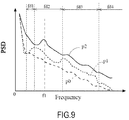
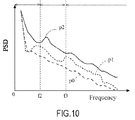
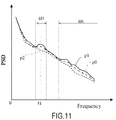
- 9 to 12 are schematic views showing an example of manipulated variable-related data.
- 13 to 16 are schematic views showing an example of behavior values.
- FIG. 17 is a schematic diagram showing an example of subject sensing-related data.
- FIG. 18 is a schematic diagram showing an example of data on the sitting pressure distribution.
- the information processing server device 10 includes a communication unit 11, a storage unit 12, an output unit 13, an input unit 14, an input / output interface unit 15, and a control unit 16. ..
- the control unit 16 and the input / output interface unit 15 are electrically connected to each other via the system bus 17. Further, the information processing server device 10 has a clock function.
- the communication unit 11 is electrically or electromagnetically connected to the network N to control the communication state with the mobile terminal device 20 or the like.
- the storage unit 12 is composed of, for example, a hard disk drive, a solid state drive, or the like.
- the storage unit 12 stores data related to each vehicle V, data obtained by sensing each target person T, and the like.
- the storage unit 12 stores various programs such as an operating system and a server program, various files, and the like.
- the various programs and the like may be acquired from another server device or the like via the network N, or may be recorded on a recording medium and read via the drive device.
- the target person information database 12a (hereinafter referred to as “target person information DB 12a”), the operation amount database 12b (hereinafter referred to as “operation amount DB 12b”), and the behavior amount database 12c (hereinafter referred to as “behavior”).
- Quantity DB 12c ”), driving environment information database 12d (hereinafter referred to as“ driving environment information DB 12d ”), subject sensing database 12e (hereinafter referred to as“ subject sensing DB 12e ”), disease determination database 12f (hereinafter referred to as“ subject sensing DB 12e ”).
- Disease determination DB12f and the like have been constructed.
- the target person information DB 12a stores information and the like related to each target person T.
- the target person information DB 12a is associated with the target person ID for identifying each target person T, and the name, gender, date of birth, and vehicle used by the target person T. Store ID etc.
- the operation amount DB 12b stores various operation amount data in which the target person T of each vehicle V operates the vehicle V.
- the operation amount DB 12b is associated with the target person ID and the operation amount ID for specifying each operation amount, and various operations when the target person T is driving the vehicle V.
- the measurement time when the amount is measured, the position information of the vehicle V, the operation amount data, and the like are stored.
- the operation amount ID is assigned according to each operation amount such as the steering angle of the steering wheel sw of the vehicle V, the accelerator stroke of the accelerator of the vehicle V, and the operation amount of the brake stroke.
- a vehicle ID that identifies each vehicle V may be used.
- the position information of the vehicle V is latitude / longitude information or link information.
- the accelerator stroke is the amount of movement of the accelerator pedal.
- the amount of operation of the accelerator pedal may be the number and frequency of sudden accelerations (the number and frequency of accelerations equal to or higher than a predetermined value).
- Brake stroke is the amount of movement of the brake pedal.
- the amount of operation of the brake pedal is the number and frequency of sudden braking (the number and frequency of deceleration above a predetermined value), the time from when the brake is required until the brake is depressed, and the brake pedal is depressed from the accelerator pedal. It may be the time until it is released.
- the behavior amount DB 12c stores the behavior amount data indicating the behavior of each vehicle V driven by the subject T.
- the behavior amount DB 12c measures the behavior amount data of the vehicle V driven by the target person T in association with the target person ID and the behavior amount ID for specifying each behavior amount.
- the measurement time, the position information of the vehicle V, the behavior amount data, etc. are stored.
- IDs are assigned according to each behavior amount such as the wobbling of the vehicle V, the distance from the vehicle in front, the lateral acceleration of the vehicle V, the speed of the vehicle, and the acceleration in the traveling direction of the vehicle.
- a vehicle ID that identifies each vehicle V may be used.
- the driving environment information DB12d contains map information, road attributes or types such as whether it is an expressway or a general road, the degree of curve of the road, and driving environment information such as road information of road conditions such as traffic congestion and construction. Is remembered.
- the map information may include link information.
- the link is a line segment of a road connecting nodes such as a road intersection and a road structural change point.
- the degree of the curve of the road the curvature of the curve of the road, the average curvature in a certain section of the road, the ratio and the number of roads having a curvature of a predetermined value or more can be mentioned.
- a road having many curves or a road having few curves may be used.
- a pattern of the degree of curve of the road may be used.
- a distinction between a road having a high degree of curve of a road such as the Tokyo Metropolitan Expressway and a road having a relatively large number of straight sections may be used.
- the degree of curve of a road may be classified into road types such as general roads, expressways, Tokyo Metropolitan Expressways, and mountain roads. It may also be possible to distinguish between a standard expressway with relatively few curves and an expressway with relatively many curves such as the Tokyo Metropolitan Expressway. It may also be possible to distinguish between a highway that branches frequently, such as the Tokyo Metropolitan Expressway, and a highway that does not. Further, a collection of road portions having a curvature within a predetermined range may be used as a road division.
- the driving environment information DB 12d stores the degree of curve of the road, the type of road, etc. in association with the road classification ID indicating the road classification.
- road information such as a temporary stop location, a one-way road, a two-lane road, and a road with a median strip can be mentioned as an example of driving environment information.
- driving environment information whether the road width is narrow or wide, whether it is a road that is always used or a road that is used for the first time, whether there are many or few pedestrians, and heavy vehicle traffic (if not congested). Whether it is less or less.
- driving environment information such as roads where sunlight is dazzling depending on the time of day, roads where drivers tend to get nervous, roads where heart rate tends to rise, length of driving time, probability of accidents occurring at each location, etc. Be done.
- the traffic jam information may be information on whether or not there was a traffic jam, time zones such as rush hours, and infrastructure information such as road construction and accidents.
- the information processing server device 10 acquires the latest road information from the road information providing server device. Further, the information processing server device 10 may store past congestion information.
- the target person sensing DB 12e stores data obtained by sensing each target person T driving each vehicle V by various sensors. For example, as shown in FIG. 7, the target person sensing DB 12e associates the target person ID with the sensor ID for identifying each sensor, and measures the measurement time of the target person T by each sensor and the position information of the vehicle V. , Sensing data, etc. are stored.
- the data obtained by sensing the target person T who operates the vehicle V As an example of the data obtained by sensing the target person T who operates the vehicle V, the data of the seat pressure distribution of the seat surface on which the target person T who operates the vehicle V sits, and the arm of the target person T who operates the vehicle V. Examples include rotation data of rotation.
- the subject sensing data may be any biological, chemical, or physical data of the subject T that can be measured by a sensor or the like.
- the body temperature and body temperature distribution of the subject T can be mentioned as an example of the subject sensing data.
- blood and circulatory data such as blood pressure, heart rate, pulse wave, pulse wave velocity, electrocardiogram, arrhythmia state, blood flow, blood glucose level and other blood components are available.
- blood components include red blood cell count, white blood cell count, platelet count, pH value, type of electrolyte, amount of electrolyte, type of hormone, amount of hormone, uric acid level, and various markers.
- the subject sensing data there are sweating amount, sweating distribution, skin resistance value, body odor component, digestive juice amount such as saliva amount, and digestive juice component such as saliva component.
- the subject sensing data there is data on the brain such as electroencephalogram and blood flow distribution in the brain.
- respiration such as respiratory rate, respiratory volume, and exhaled breath component.
- subject sensing data examples include eye-related data such as the number of blinks, the amount of tears, and eye movements (eye position, pupil diameter, etc.).
- eye-related data such as the number of blinks, the amount of tears, and eye movements (eye position, pupil diameter, etc.).
- electromyographic data of each part of the body As an example of the subject sensing data, there is data such as complexion and facial expression.
- bedtime wake-up time, sleep time, sleep pattern, presence or absence of snoring, strength of snoring, number of snoring, snoring time, breathing condition, number of turns, posture during sleep, sleep depth
- the quality of sleep may be determined from, for example, brain waves, eye movements, respiration, posture during sleep, and the like.
- subject sensing data is weight, height, etc. Further, as an example of the subject sensing data, data obtained by quantifying symptoms such as pain and numbness may be used.
- the measurement time in order to obtain a value of the subject sensing data, the time when the measurement is started, the time when the measurement is finished, or an intermediate time between them can be mentioned.
- the measurement time may be any time associated with the measurement of a certain value. For example, when calculating the heart rate every minute, any time of this one minute may be used. Further, when the heart rate is calculated from the length of time between the R waves of the electrocardiogram, the peak time of the R wave, the time of the Q wave or the S wave, the peak time of the P wave and the like can be mentioned. Instead of the time between R waves, P wave, Q wave, S wave, T wave, etc. may be used.
- the time when the common feature point appears or the intermediate value may be used.
- the measurement time may be any time within the measurement period when calculating the systolic blood pressure and the diastolic blood pressure.
- the above-mentioned subject sensing data can be said to be the physiological data of the subject T.
- the data of the sitting pressure distribution may or may not be included in the physiological data.
- the disease determination DB 12f stores data necessary for determining a predetermined disease.
- the disease determination DB 12f stores data necessary for determining a predetermined disease in association with a disease ID indicating the type of disease and the level of the disease.
- the data necessary for determining a predetermined disease is, for example, statistically calculated operation values, behavior values, bias in sitting pressure distribution, etc. from data of a plurality of subjects having the same disease ID and disease level. is there.
- processing such as spectrum analysis and time series analysis is performed, and statistics are calculated for a plurality of data.
- Typical statistics include mean values (arithmetic mean, geometric mean, harmonic mean, median, mode, maximum, minimum, etc.), variance, standard deviation, skewness, flatness, and the like.
- a statistic may be calculated by performing a plurality of measurements on the individual subject.
- the operation value, the behavior value, and the degree of bias may be calculated for each road classification with respect to the operation amount data, the behavior amount data, or the target person sensing data classified according to the road classification.
- the operation value is operation-related data in a component in a predetermined frequency range calculated from operation amount data, and is a value calculated from operation-related data.
- the behavior value is a value calculated from the behavior data.
- the data necessary for determining a predetermined disease includes, for example, values calculated from subject sensing data such as operation values, behavior values, and degree of bias, and threshold values for these values.
- the data necessary for determining a predetermined disease includes, for example, a frequency range when frequency analysis is performed, and a predetermined frequency.
- the data necessary for determining a predetermined disease may be, for example, statistical values of these values.
- the data of the disease determination DB 12f may be data when the subject T drives in a driving simulator or data when the subject T drives on an actual road.
- a standard highway driving simulator course has a total length of 15.2 km, an average radius of curvature of 1640 m, and a height difference of 0.0 m.
- the driving simulator course on the Tokyo Metropolitan Expressway has a total length of 13.2 km, an average radius of curvature of 257 m, and a height difference of 17.5 m.
- the disease type is stroke, and each level of the disease, that is, a healthy person p0, a stroke patient p1 in which the degree of paralysis is no paralysis or mild, and a stroke in which the degree of paralysis is paralysis.
- the data of the disease determination DB 12f will be described with reference to FIGS. 9 to 18 when the operation amount data, the behavior amount data, and the subject sensing are measured for the patient p2.
- FIGS. 9 to 18 are not the graphs of the implementation data themselves, but are schematic diagrams in which the graphs are schematically drawn in consideration of the implementation data.
- FIG. 9 shows the power spectrum density with respect to the steering angle data when the drive simulator is used to drive on a predetermined course in which the road classification is a standard highway.
- the horizontal axis is frequency and the vertical axis is power spectral density (PSD).
- the power spectral density (p0), the power spectral density (p1), and the power spectral density (p2) are each the average power spectral density for a plurality of people. That is, the power spectral density (p0), the power spectral density (p1), and the power spectral density (p2) are the average power spectral density of a healthy person p0 with a predetermined number of samples and the average of the patient p1 with a predetermined number of samples, respectively. Power spectral density, the average power spectral density of patient p2 with a given number of samples.
- the frequency ranges fd1, fd2, fd3, fd4 and the like are set in advance.
- the frequency ranges fd1, fd2, fd3, and fd4 are determined in the frequency range in which the difference between the power spectral density (p0), the power spectral density (p1), and the power spectral density (p2) clearly appears.
- the operation-related data is, for example, the power spectral densities of the respective frequency ranges fd1, fd2, fd3, and fd4.
- the manipulated value is, for example, the square root of the integral value of the power spectral density in each frequency range fd1, fd2, fd3, fd4.
- the operation value may be calculated from the difference between the power spectral densities (p0, p1, p2). For example, it may be the square root of the integrated value of the difference in power spectral density (p1-p0, p2-p0) in each frequency range fd1, fd2, fd3, and fd4 with reference to the case of a healthy person p0.
- the operation value may be the square root of the power spectral density (p0, p1, p2) in each frequency range. Since it is only necessary to distinguish the disease state, the square root may not be calculated and the integrated value or the sum of the power spectral densities may be used, or in the case of a single frequency, the power spectral density value may be used.
- the data necessary for determining a predetermined disease such as these operation values, frequency range, and frequency value are, as reference operation values, an operation amount ID of the steering angle, a road division ID indicating the road division, and a disease ID. It is stored in the disease determination DB 12f in association with.
- the value of each power spectral density at a predetermined frequency f1 may be used as a reference operation value.
- the frequency range may be divided into a low frequency region, a medium frequency region, and a high frequency region according to predetermined frequencies f2 and f3.
- the predetermined frequencies f2 and f3 may be shared by other data, or may be individually set based on the power spectral density (p0, p1, p2) for each disease level.
- FIG. 11 is a power spectrum with respect to steering angle data when the road is driven on a predetermined course on the Tokyo Metropolitan Expressway with a drive simulator. As shown in FIG. 11, the power spectral density (p0), the power spectral density (p1), and the power spectral density (p2) are different from those in FIG. 10 which traveled on a predetermined course of a standard highway.
- the frequency ranges fd5, fd6, etc. are set in advance.
- the frequency ranges fd5 and fd6 are determined in the frequency range in which the difference between the power spectral density (p0), the power spectral density (p1), and the power spectral density (p2) clearly appears.
- Data necessary for determining a predetermined disease such as operation values in each frequency range fd5 and fd6 are reference operation values, such as a road division ID indicating the division of the Tokyo Metropolitan Expressway, an operation amount ID of a steering angle, and It is stored in the disease determination DB 12f in association with the disease ID.
- stroke paralyzed persons or mildly paralyzed persons tended to have a larger frequency power spectrum density of steering operation and more correction steering than healthy persons, especially on a standard highway course with a gentle curve.
- FIG. 12 is a power spectrum with respect to the operation amount data of the accelerator stroke when the drive simulator is used to drive on a predetermined course whose road division is the Tokyo Metropolitan Expressway. For example, as shown in FIG. 12, frequencies f5, f6, f7 and the like are determined.
- the data necessary for determining a predetermined disease such as the operation value of the accelerator stroke and the frequencies f5, f6, f7, etc. are the reference operation values, and the operation amount ID of the accelerator stroke and the road division indicating the division of the Tokyo Metropolitan Expressway. It is stored in the disease determination DB 12f in association with the ID and the disease ID.
- FIG. 13 is a graph of SDLP (Standard Deviation of Lane Position) when the drive simulator is used to drive on a predetermined course in which the road division is a standard highway.
- the SDLP of the behavior value is an example of the degree of wobbling of the vehicle V calculated from the wobbling data of the vehicle V.
- SDLP is a standard deviation (standard deviation in the left-right direction of the vehicle) of the data of the lateral position of the vehicle V, which is the wobbling data of the vehicle.
- the number of samples for calculating the standard deviation is, for example, the number of data measured when the course is run.
- the average value of SDLP for a plurality of subjects is shown for healthy subjects p0, stroke patients p1, and stroke patients p2.
- reference behavior values ⁇ 1 and ⁇ 2 that distinguish between a healthy person p0 and a stroke patient p1 and p2 are set.
- Data necessary for determining a predetermined disease such as behavior values ⁇ 1 and ⁇ 2 and the average value of SDLP for each disease level, indicate the SDLP behavior amount ID and the standard highway classification as reference behavior values. It is stored in the disease determination DB 12f in association with the road division ID and the disease ID.
- FIG. 14 is a graph of SDLP when a drive simulator is used to drive on a predetermined course whose road division is the Tokyo Metropolitan Expressway.
- the average value of SDLP for a plurality of subjects is shown for healthy subjects p0, stroke patients p1, and stroke patients p2.
- a reference behavior value ⁇ 3 or the like that distinguishes a healthy person p0 from a stroke patient p1 and p2 is set.
- the data necessary for determining a predetermined disease such as the behavior value ⁇ 3 and the average value of SDLP for each disease level, are the reference behavior values of the SDLP behavior amount ID and the road classification indicating the classification of the Tokyo metropolitan expressway. It is stored in the disease determination DB 12f in association with the ID and the disease ID.
- the SDLP When a stroke paralyzed person runs on a standard highway course with a gentle curve, the SDLP is larger than that of a healthy person. When driving on the Metropolitan Expressway, which has many sharp curves, the SDLP of stroke-paralyzed or mildly-stroke-paralyzed people tended to be higher than that of healthy people.
- FIG. 15 is a graph of the lateral acceleration of the vehicle V when the drive simulator is used to drive on a predetermined course in which the road division is a standard highway.
- the lateral acceleration value of the behavior value is calculated by averaging the lateral acceleration data measured when traveling on the course from the lateral acceleration data of the vehicle V.
- the average value of the lateral acceleration for a plurality of subjects is shown for a healthy subject p0, a stroke patient p1, and a stroke patient p2.
- a reference behavior value ⁇ 4 or the like that distinguishes a healthy person p0 from a stroke patient p1 or p2 is set.
- Data necessary for determining a predetermined disease such as a behavior value ⁇ 4 and an average value of lateral acceleration for each disease level, indicate a behavior amount ID of lateral acceleration and a standard highway classification as reference behavior values. It is stored in the disease determination DB 12f in association with the road division ID and the disease ID.
- the disease determination DB 12f is an example of a storage means that stores information on the relationship between the disease state of a predetermined disease and the manipulated variable data measured in advance. The components of a given frequency range are determined according to the given disease.
- FIG. 16 is a graph of the vehicle speed of the vehicle V when the drive simulator is used to drive on a predetermined course whose road division is the Tokyo Metropolitan Expressway.
- a reference behavior value ⁇ 5 that distinguishes a healthy person p0 from a stroke patient p1 and p2 is set.
- the data necessary for determining a predetermined disease such as the behavior value ⁇ 5 and the average value of the vehicle speed for each disease level, are the reference behavior values of the vehicle speed behavior amount ID and the road classification indicating the standard highway classification. It is stored in the disease determination DB 12f in association with the ID and the disease ID.
- the operation value, the behavior value, the threshold value, etc. are set for the other operation amount data and the behavior amount data, and are stored in the disease determination DB 12f.
- FIG. 17 shows a power spectrum (an example of subject sensing-related data) for the rotation data of the arm (arm without paralysis due to stroke) when the road is divided into the Tokyo Metropolitan Expressway on a predetermined course with a drive simulator. ).
- the frequency ranges fd7 and fd8 and the frequency values f8 and f9 are predetermined.
- the data necessary for determining a predetermined disease such as the target person sensing value obtained by quantifying the rotation data and the frequency range fd7 are the reference target person sensing values, the sensor ID corresponding to the rotation data of the arm, and the Tokyo Metropolitan Highway. It is stored in the disease determination DB 12f in association with the road classification ID indicating the road classification and the disease ID. As shown in FIG.
- hemiplegia on the side opposite to the arm of the subject T to which the rotation data sensor is attached causes a difference in the power spectrum in the frequency range fd7.
- the total power spectral density (p0) is the smallest, and the total power spectral density (p1) is larger than the total power spectral density (p2).
- the total power spectral density (p0) is the smallest, and the total power spectral density (p2) is larger than the total power spectral density (p1).
- the value of the power spectral density (p0) is the smallest, and the value of the power spectral density (p1) is larger than the value of the power spectral density (p2).
- the value of the power spectral density (p0) is the smallest, and the value of the power spectral density (p2) is larger than the value of the power spectral density (p1).
- FIG. 18 is an example of the seat pressure distribution data measured by the seat sensor ss.
- the degree of bias (an example of the subject sensing value) calculated from the sitting pressure distribution data as shown in FIG. 18 is averaged for a plurality of people.
- the data necessary for determining a predetermined disease such as the average degree of bias is stored in the disease determination DB 12f in association with the sensor ID corresponding to the sheet sensor ss, the road classification ID, and the disease ID as the reference target sensing value. Be remembered.
- the target person information DB 12a, the operation amount DB 12b, the behavior amount DB 12c, the driving environment information DB 12d, the target person sensing DB 12e, and the disease determination DB 12f are different servers connected to the information processing server device 10 by a network even in the information processing server device 10. It may be distributed and exist in the network N. These may be separate databases or may be in the same database.
- the output unit 13 has, for example, a liquid crystal display element, an EL (Electro Luminescence) element, or the like.
- the output unit 13 has a speaker when outputting sound.
- the input unit 14 has, for example, a keyboard, a mouse, and the like.
- the input / output interface unit 15 performs interface processing between the communication unit 11, the storage unit 12, and the control unit 16.
- the control unit 16 has a CPU (Central Processing Unit) 16a, a ROM (Read Only Memory) 16b, a RAM (Random Access Memory) 16c, and the like. Then, the control unit 16 determines the disease state of each subject T by the CPU 16a reading and executing the codes of various programs stored in the ROM 16b and the storage unit 12.
- CPU Central Processing Unit
- ROM Read Only Memory
- RAM Random Access Memory
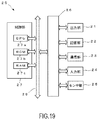
- FIG. 19 is a block diagram showing an example of an outline configuration of the mobile terminal device 20.
- the mobile terminal device 20 includes an output unit 21, a storage unit 22, a communication unit 23, an input unit 24, a sensor unit 25, an input / output interface unit 26, and a control unit 27.
- the control unit 27 and the input / output interface unit 26 are electrically connected to each other via the system bus 28.
- a mobile terminal ID is assigned to each mobile terminal device 20.
- the mobile terminal device 20 has a clock function.
- the mobile terminal device 20 may have a vibration function that vibrates the mobile terminal device 20.
- the output unit 21 has, for example, a liquid crystal display element, an EL element, or the like as a display function.
- the output unit 32 has a speaker that outputs sound.
- the storage unit 22 is composed of, for example, a hard disk drive, a solid state drive, or the like.
- the storage unit 22 stores various programs such as an operating system and an application for the mobile terminal device 20.
- the various programs may be acquired from another server device or the like via the network N, or may be recorded on a recording medium and read via the drive device. Further, the storage unit 22 may have information in a database such as the storage unit 12 of the information processing server device 10.
- the communication unit 23 is electrically or electromagnetically connected to the network N to control the communication state with the information processing server device 10 and the like. Further, the communication unit 23 is electrically or electromagnetically connected to the information processing server device 10 to control the communication state with the information processing server device 10.
- the communication unit 23 has a wireless communication function for communicating with the terminal device by radio waves or infrared rays.
- the mobile terminal device 20 communicates with the in-vehicle terminal device 30 and the home terminal device 40 via the communication unit 23.
- the mobile terminal device 20 carried by the subject T includes a seat sensor ss installed in the seat where the subject T is sitting and a wearable terminal worn by the subject T. Communication is performed with the device w via the communication unit 23.
- the mobile terminal device 20 may perform wired communication with the in-vehicle terminal device 30, the home terminal device 40, the seat sensor ss, and the wearable terminal device w.
- the communication unit 23 may communicate with the IC tag as a reader of the IC tag.
- the input unit 24 has, for example, a touch switch type display panel such as a touch panel.
- the input unit 24 acquires the position information of the output unit 21 that the user's finger touches or is close to.
- the input unit 24 has a microphone for inputting voice.
- the sensor unit 25 has various sensors such as a GPS (Global Positioning System) sensor, an orientation sensor acceleration sensor, a gyro sensor, a pressure sensor, a temperature sensor, and a humidity sensor.
- the sensor unit 25 includes image pickup elements such as a CCD (Charge Coupled Device) image sensor of a digital camera and a CMOS (Complementary Metal Oxide Semiconductor) image sensor.
- the mobile terminal device 20 acquires the current position information of the mobile terminal device 20 by the GPS sensor. A unique sensor ID is assigned to each sensor.
- the input / output interface unit 26 is configured to perform interface processing between the output unit 21, the storage unit 22, and the control unit 27.
- the control unit 27 is composed of a CPU 27a, a ROM 27b, a RAM 27c, and the like. Then, the control unit 27 reads and executes various programs stored in the ROM 27b and the storage unit 22 by the CPU 27a.
- the wearable terminal device w is a wearable computer.
- the wearable terminal device w has an output unit, a storage unit, a communication unit, an input unit, a sensor unit, an input / output interface unit, a control unit, and a timer unit (not shown).
- the sensor unit of the wearable terminal device w measures various physiological data of the subject T.
- the sensor unit includes an acceleration sensor, a gyro sensor, a temperature sensor, a pressure sensor, an ultrasonic sensor, an optical sensor, an electric sensor, a magnetic sensor, an image sensor, and the like.
- a unique sensor ID is assigned to each sensor.
- the acceleration sensor measures the acceleration of the wearable terminal device w. From the measurement data of the acceleration sensor, the movement of the arm of the subject T is measured.
- the gyro sensor measures the angular acceleration of the wearable terminal device w. From the measurement data of the gyro sensor, the rotation of the arm of the subject T is measured.
- the wearable terminal device w may measure the posture during sleep, the number of times of turning over, the number of steps, and the like by using an acceleration sensor or a gyro sensor.
- the temperature sensor measures the temperature of the contacted part or the part imaged by thermography.
- the pressure sensor measures, for example, a pulse wave.
- the optical sensor detects the response of irradiating the skin or the like with electromagnetic waves, that is, at least one of the reflected wave and the transmitted wave. The speed of blood flow, blood components, etc. are measured by an optical sensor.
- the ultrasonic sensor detects the response to the ultrasonic wave, that is, at least one of the reflected wave and the transmitted wave.
- the electric sensor measures voltage, current, impedance, etc.
- the electric sensor measures the electric field generated by the work of muscles, blood flow, nerve excitement, and the like.
- the electric sensor also functions as a chemical sensor, a pH sensor, etc. by detecting sweat components and the like in combination with electrodes.
- the magnetic sensor measures the magnetic field generated by muscle function, blood flow, nerve excitement, etc.
- the image sensor detects skin color, surface temperature, surface movement, blood flow, sweat condition, etc.
- the sensor unit has a GPS sensor, a directional sensor, a barometric pressure sensor, and the like.
- the wearable terminal device w may measure the moving distance, the amount of exercise, and the like by using these sensors.
- the microphone of the input unit may capture the sleeping snoring and breath sounds of the subject T.
- the target person sensing data measured by the sensor embedded in the sensor unit of the wearable terminal device w or the contact portion with the target person such as the steering wheel is transmitted to the mobile terminal device 20 via the communication unit.
- the wearable terminal device w may transmit the measured target person sensing data to the in-vehicle terminal device 30.
- eyeglass type As the type of the wearable terminal device w, in addition to the wristband type shown in FIG. 2, eyeglass type, ring type, shoe type, pocket type, necklace type, clothing type and the like may be used.
- FIG. 20 is a block diagram showing an example of an outline configuration of the in-vehicle terminal device 30.
- the in-vehicle terminal device 30 includes an output unit 31, a storage unit 32, a communication unit 33, an input unit 34, a sensor unit 35, an input / output interface unit 36, and a control unit 37.
- the control unit 37 and the input / output interface unit 36 are electrically connected to each other via the system bus 38. Further, a vehicle ID is assigned to each in-vehicle terminal device 30.
- the in-vehicle terminal device 30 has a clock function.
- the in-vehicle terminal device 30 is, for example, a navigation device mounted on the vehicle V.
- the output unit 31 has, for example, a liquid crystal display element, an EL element, or a speaker that outputs sound such as music as a display function.
- the storage unit 32 is composed of, for example, a hard disk drive, a solid state drive, or the like.
- the storage unit 32 stores various programs such as an operating system and an application for the in-vehicle terminal device 30.
- the various programs may be acquired from another server device or the like via the network N, or may be recorded on a recording medium and read via the drive device. Further, the storage unit 32 may have information in a database such as the storage unit 12 of the information processing server device 10.
- the storage unit 32 has map information for navigating the vehicle V.
- the target person information DB, the operation amount DB, and the behavior amount DB are described in the storage unit 32 with respect to the target person T (s) driving the vehicle V on which the in-vehicle terminal device 30 is mounted.
- the driving environment information DB, and the target person sensing DB may be constructed.
- the communication unit 33 is electrically or electromagnetically connected to the network N to control the communication state with the information processing server device 10 and the like. Further, the communication unit 33 is electrically or electromagnetically connected to the information processing server device 10 to control the communication state with the information processing server device 10.
- the communication unit 33 controls communication with the mobile terminal device 20 by wireless communication.
- the communication unit 33 may communicate with the seat sensor ss and the wearable terminal device w.
- the communication unit 33 communicates with the drive mechanism of the vehicle V. For example, a control signal is transmitted to the drive mechanism of the vehicle V via the communication unit 33 of the in-vehicle terminal device 30, and the vehicle V is stopped, stopped at a predetermined place, or navigated to a predetermined place such as a hospital. To do.
- the input unit 34 has, for example, a touch switch type display panel such as a touch panel.
- the input unit 34 acquires the position information of the output unit 31 that the user's finger touches or is close to.
- the input unit 34 has a microphone for inputting voice.
- the sensor unit 35 has various sensors for measuring the amount of operation such as an angle sensor for measuring the steering angle of the steering wheel sw, an accelerator stroke sensor for measuring the operation of the accelerator, and a break stroke sensor for measuring the operation of the brake pedal.
- the sensor unit 35 has various sensors for measuring the amount of behavior of the vehicle V, such as a GPS sensor, an orientation sensor, an acceleration sensor, a gyro sensor, and a sensor for a millimeter wave radar.
- the GPS sensor acquires the current position information of the vehicle V.
- the sensor unit 35 has various sensors such as a barometric pressure sensor, a temperature sensor, and a sunny rain sensor.
- the sensor unit 35 has an image sensor such as a CCD image sensor or a CMOS image sensor of a digital camera.
- the sensor unit 35 has a camera 35a and a camera 35b.
- the camera 35a images the outside of the vehicle V.
- the amount of behavior of the vehicle V is measured from the image of the camera 35a.
- the wobble data which is an example of the behavior amount data of the vehicle V
- the camera of the sensor unit 35 may be used to measure the inter-vehicle distance, measure the stop position, or measure the lane deviation.
- the camera of the sensor unit 35 may measure the state of the road surface (presence or absence of rain, presence or absence of snow, presence or absence of pavement, etc.), or may measure the presence or absence of humans.
- the camera 35b images the subject T.
- the in-vehicle terminal device 30 authenticates the target person T by face recognition, measures the complexion of the target person T, and determines whether or not the target person T is asleep based on the image of the camera 35b. Further, the operation amount may be measured from the movement of the subject T based on the image data of the camera that captures the inside of the vehicle V.
- the input / output interface unit 36 performs interface processing between the output unit 31, the storage unit 32, etc., and the control unit 37.
- the control unit 37 is composed of a CPU 37a, a ROM 37b, a RAM 37c, and the like. Then, the control unit 37 reads and executes various programs stored in the ROM 37b and the storage unit 32 by the CPU 37a.
- FIG. 21 is a flowchart showing an operation example of data collection.
- FIG. 22 is a schematic view showing an example of the road on which the vehicle V travels.
- the subject T gets on the vehicle V and the power of the in-vehicle terminal device 30 is turned on.
- the in-vehicle terminal device 30 identifies the driver of the vehicle V.
- the subject T may be imaged by the camera 35b of the in-vehicle terminal device 30 to perform face recognition.
- the in-vehicle terminal device 30 may communicate with the mobile terminal device 20 of the target person T or the wearable terminal device w to identify the target person T.
- the in-vehicle terminal device 30 may identify the target person T by a fingerprint recognition sensor that becomes the steering wheel sw of the vehicle V.
- the in-vehicle terminal device 30 may identify the driver by combining these methods for identifying the target person T.
- the target person T may be specified by the mobile terminal ID of the mobile terminal device 20 carried by the target person T.
- target person T may be an actual vehicle or may be driven by a drive simulator.
- the in-vehicle terminal device 30 When the target person T drives the vehicle V, the in-vehicle terminal device 30 starts measuring the operation amount data and the behavior amount data.
- the mobile terminal device 20 measures the sensing data.
- the disease state determination system S collects data from each sensor of the vehicle V (step S1). Specifically, the control unit 37 of the vehicle-mounted terminal device 30 acquires the data measured by each sensor of the sensor unit 35 together with the measurement time of the clock function from each sensor. For example, the control unit 37 acquires operation amount data such as steering angle data, accelerator stroke data, and brake stroke data of the steering angle of the steering wheel sw from each sensor of the sensor unit 35 as the operation amount of the vehicle V. Further, the control unit 37 acquires the wobble data, the current position information of the vehicle V, the traveling direction of the vehicle V, the speed, the acceleration, the inter-vehicle distance, and the like as the behavior amount of the vehicle V from each sensor of the sensor unit 35.
- operation amount data such as steering angle data, accelerator stroke data, and brake stroke data of the steering angle of the steering wheel sw from each sensor of the sensor unit 35 as the operation amount of the vehicle V.
- the control unit 37 acquires the wobble data, the current position information of the vehicle V, the traveling direction of the
- control unit 37 uses the camera 35a of the sensor unit 35 as stagger data. An image outside the vehicle V may be acquired. The control unit 37 acquires an image of the target person T by the camera 35b. The measurement time measured by each sensor of the sensor unit 35 may be measured by the clock function of the in-vehicle terminal device 30.
- the disease state determination system S collects the sensing data of the subject T from the sensor and the sheet sensor ss of the wearable terminal device w (step S2).
- the control unit 27 of the mobile terminal device 20 of the subject T who is driving the vehicle V uses the sensing data measured by each sensor of the sensor unit of the wearable terminal device w and the seat sensor ss as the wearable terminal device. Obtain from w.
- the control unit 27 acquires the rotation data of the rotation of the arm of the target person T operating the vehicle V from the wearable terminal device w of both arms.
- the control unit 27 acquires the data of the seat pressure distribution of the seat surface on which the target person T who operates the vehicle V sits from the seat sensor ss.
- the measurement time may be measured by the clock function of the mobile terminal device 20 or may be measured by the clock function of the wearable terminal device w.
- the in-vehicle terminal device 30 acquires sensing data via the mobile terminal device 20.
- the mobile terminal device 20 may acquire the operation amount data and the behavior amount data via the in-vehicle terminal device 30.
- the measured data may be stored in each terminal device.
- the vehicle-mounted terminal device 30 may store the measured data in the storage unit 32 in association with the target person ID, the operation amount ID, the behavior amount ID, and the sensor ID.
- the mobile terminal device 20 may store the measured data in the storage unit 22 in association with the target person ID, the operation amount ID, the behavior amount ID, and the sensor ID.
- the disease state determination system S transmits the collected data to the information processing server device 10 (step S3).
- the in-vehicle terminal device 30 transmits the acquired data to the information processing server device 10.
- the control unit 37 transmits the operation amount data of the vehicle V, the measurement time, the measurement position, the target person ID, and the operation amount ID to the information processing server device 10.
- the control unit 37 transmits the behavior amount data of the vehicle V, the measurement time, the measurement position, the target person ID, and the behavior amount ID to the information processing server device 10.
- the control unit 37 transmits the data of the sitting pressure distribution of the target person T, the measurement time, the measurement position, the target person ID, and the sensor ID of the data of the sitting pressure distribution to the information processing server device 10.
- the control unit 37 transmits the rotation data of each arm of the target person T, the measurement time, the measurement position, the target person ID, and the sensor ID of each rotation data to the information processing server device 10.
- the control unit 37 transmits other sensing data of the target person T, the measurement time, the measurement position, the target person ID, and the sensor ID to the information processing server device 10.
- the control unit 37 may transmit the vehicle ID instead of the target person ID.
- the mobile terminal device 20 may transmit the sensing data to the information processing server device 10.
- the mobile terminal device 20 may transmit the operation amount data and the behavior amount data.
- the measured data may be sequentially transmitted to the information processing server device 10 or may be collectively transmitted.
- the in-vehicle terminal device 30 may transmit predetermined data in packets, or may collectively transmit the data when the communication state is poor and communication is interrupted in a tunnel or the like.
- the in-vehicle terminal device 30 may transmit predetermined data such as measured data in a predetermined operating section and measured data in a predetermined operating period. Alternatively, the in-vehicle terminal device 30 may transmit the data collectively measured after the operation is completed to the information processing server device 10.
- the disease state determination system S receives the collected data from the in-vehicle terminal device 30 (step S4).
- the information processing server device 10 receives the operation amount data of the vehicle V and the behavior amount data of the vehicle V from the in-vehicle terminal device 30.
- the information processing server device 10 receives sensing data such as sitting pressure distribution data and arm rotation data from the in-vehicle terminal device 30.
- the information processing server device 10 functions as an example of the operation amount data acquisition means for acquiring the operation amount data from the terminal device.
- the information processing server device 10 stores the received data in the storage unit 12 (step S5).
- the control unit 16 of the information processing server device 10 stores the received operation amount data, measurement time, position information, etc. in the operation amount DB 12b in association with the target person ID and the operation amount ID.
- the control unit 16 stores the received behavior amount data, measurement time, position information, etc. in the behavior amount DB 12c in association with the target person ID and the behavior amount ID.
- the control unit 16 stores the received sensing data, measurement time, position information, and the like in the target person sensing DB 12e in association with the target person ID and the sensor ID.
- the road on which the vehicle V travels is specified from the received position information of the vehicle V.
- the road on which the vehicle travels may be set in advance by the navigation function of the in-vehicle terminal device 30.
- the information processing server device 10 acquires the driving environment information from the road information providing server device, and the data of the driving environment information DB 12d is updated.
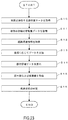
- FIG. 23 is a flowchart showing an operation example for determining a disease state.
- FIG. 24 is a schematic view showing an example of the road on which the vehicle V travels.
- the information processing server device 10 acquires the operation amount data in which the target person T operates the vehicle V (step S10).
- the control unit 16 of the information processing server device 10 refers to the operation amount DB 12b and operates each operation such as steering angle data and accelerator stroke data based on the target person ID of the target person T and each operation amount ID.
- Acquire quantity data, measurement time, and position information of vehicle V For example, the control unit 16 acquires each operation amount data when traveling on a road as shown in FIG. 22.
- the information processing server device 10 functions as an example of the operation amount data acquisition means for acquiring the operation amount data for the target person to operate the vehicle.
- the information processing server device 10 acquires the behavior amount data of the vehicle behavior (step S11).
- the control unit 16 refers to the behavior amount DB 12c, and based on the target person ID of the target person T and each behavior amount ID, each behavior amount data such as wobble data, vehicle speed data, lateral acceleration data, and measurement. Acquire the time and the position information of the vehicle V. For example, the control unit 16 acquires each behavior amount data when traveling on a road as shown in FIG. 22.
- the information processing server device 10 functions as an example of the behavior amount data acquisition means for acquiring the behavior amount data of the behavior of the vehicle.
- the information processing server device 10 acquires the target person sensing data.
- the control unit 16 performs the target person sensing DB 12e, and based on the target person ID and each sensor ID of the target person T, each target person sensing data such as sitting pressure distribution data and rotation data, and measurement time. , Acquire the position information of the vehicle V.
- the control unit 16 acquires each target person sensing data when traveling on a road as shown in FIG. 22.
- the information processing server device 10 functions as an example of the seat pressure distribution acquisition means for acquiring the data of the seat pressure distribution of the seat surface on which the target person who operates the vehicle sits.
- the information processing server device 10 acquires road environment information (step S12). Specifically, the control unit 16 refers to the driving environment information DB 12d and acquires the road environment information of the road on which the vehicle has traveled as shown in FIG. 22.
- the information processing server device 10 separates data according to the road (step S13). Specifically, the control unit 16 operates each operation amount data and each behavior amount data based on the position information of the vehicle V when these data are measured and the acquired road environment information. Separate the quantity data and each behavior quantity data. More specifically, the control unit 16 selects each operation amount data and each behavior amount data of the position traveling on a standard expressway, and an expressway having a relatively large number of curves such as the Tokyo metropolitan expressway. It is divided into each operation amount data and each behavior amount data of the traveling position. As described above, the control unit 16 separates the data according to the type of the road on which the vehicle V is traveling.
- control unit 16 may calculate the curvature of the road from each position information, classify the curves according to the curvature, and discriminate which section the operation amount data and the behavior amount data belong to.
- the control unit 16 may consider a road having a predetermined curvature or less as a straight line, and may separate each operation amount data and each behavior amount data according to the straight line section and the car section as the other curved sections. As shown in FIG. 24, the curve may be separated into a left curve and a right curve. As shown in FIG. 24, the curves may be separated for each curve having a predetermined curvature or more.
- the information processing server device 10 separates the operation amount data according to the degree of the curve of the road on which the vehicle travels.
- control unit 16 refers to the driving environment information DB 12d and identifies the road classification ID of each of the separated data from the position information.
- the control unit 16 may specify the road classification ID of the road having a similar pattern of the curve of the road from the curvature or the position information.
- each target person sensing data is also sorted according to the road, and the road classification ID is specified.
- the information processing server device 10 calculates operation-related data (step S14). Specifically, the control unit 16 calculates operation-related data for components in a predetermined frequency range from the operation amount data. For example, the control unit 16 performs a discrete Fourier transform on the manipulated variable data to calculate the power spectral density of each frequency.
- the control unit 16 specifies a predetermined frequency range based on the road classification ID, the disease ID, and the manipulated variable ID with reference to the disease determination DB 12f.
- the control unit 16 extracts the component of the power spectrum corresponding to the component portion of the predetermined frequency range from the power spectrum density as operation-related data. For example, when the disease ID indicates a stroke, the road division ID indicates a standard highway, and the manipulated variable ID indicates a steering angle, one of the frequency ranges fd1, fd2, fd3, and fd4 as shown in FIG. Alternatively, the power spectral density in the frequency range of these combinations is calculated.
- the road division ID indicates the Tokyo Metropolitan Expressway
- the manipulated variable ID is an accelerator stroke, for example, the power spectral density based on the frequency values f5, f6, and f7 as shown in FIG. 12 is obtained. calculate.
- the operation-related data is data related to the operation amount data calculated from the operation amount data.
- the operation-related data there are data obtained by discrete Fourier transforming the operation amount data, power spectrum density, time differential data obtained by time-differentiating the operation amount data, time integration data obtained by time-integrating the operation amount data, and the like.
- the operation-related data in the component of the predetermined frequency range there is data obtained by extracting the frequency component of the predetermined frequency range from the spectrum or the power spectrum.
- the predetermined frequency range may be one frequency or all frequencies within a range determined by sampling data.
- the operation-related data in the components of the predetermined frequency range may be data obtained by applying a filter such as a low-pass filter, a high-pass filter, or a band-pass filter to the raw manipulated variable data.
- a filter such as a low-pass filter, a high-pass filter, or a band-pass filter
- noise-cut data, data emphasizing a predetermined frequency component, and the like with respect to raw manipulated data can be mentioned.
- the operation-related data in the components of the predetermined frequency range may be the data obtained by Fourier transforming the operation amount data or the power spectrum itself.
- the behavior-related data is data related to the behavior amount data calculated from the behavior amount data.
- the target person sensing-related data is data related to the target person sensing data calculated from the target person sensing data. The same applies to the above operation-related data and the behavior-related data and the subject sensing-related data.
- the operation-related data may be the steering angular velocity calculated from the time derivative of the steering angle data.
- control unit 16 may calculate behavior-related data for components in a predetermined frequency range from the behavior amount data. For example, the control unit 16 may perform discrete Fourier transform on the behavior amount data and calculate the power spectral density of each frequency as behavior-related data.
- the information processing server device 10 functions as an example of the operation-related data calculation means for calculating the operation-related data in the components in the predetermined frequency range from the operation amount data.
- the information processing server device 10 functions as an example of operation-related data calculation means for calculating a plurality of operation-related data.
- the information processing server device 10 calculates the operation value and the behavior value (step S15).
- the control unit 16 refers to the disease determination DB 12f based on the road classification ID, the disease ID, and the operation amount ID, and obtains a spectrum of time-series operation-related data and operation-related data which is a function of frequency. Calculate the quantified frequency analysis value. Frequency analysis in which the control unit 16 quantifies the spectrum of the time-series behavior amount data and the behavior amount data which is a function of the frequency, with reference to the disease determination DB 12f, based on the road classification ID, the disease ID, and the operation amount ID. Calculate the value.
- the control unit 16 determines the power spectral density in the frequency range fd2 as shown in FIG. The total value is calculated as the frequency analysis value.
- the control unit 16 determines the power spectral density in the frequency ranges fd5 and fd6 as shown in FIG. The total value is calculated as the frequency analysis value.
- the control unit 16 determines the power spectral density in the frequency ranges fd5 and fd6 as shown in FIG. The total value is calculated as the frequency analysis value.
- the operating value may be the total steering amount calculated by integrating the absolute values of the steering angular velocities.
- the operation value may be a modified steering amount which is the sum of the power spectral densities of a predetermined frequency band by performing a discrete Fourier transform on the steering angle data.
- the operating value may be the standard deviation of the steering angular velocity, the smoothness of the steering, the maximum value of the steering angular velocity, and the steering entropy obtained by calculating the entropy of the steering angular data.
- control unit 16 calculates, as a behavior value, the degree of wobbling (for example, SDLP) when traveling on the road indicated by the road classification ID from the wobbling data.
- the degree of wobbling of the vehicle V may be the number or frequency of deviations from the road (frequency of issuing a lane deviation warning).
- the behavior amount data as the inter-vehicle distance includes the value and fluctuation degree of the inter-vehicle distance (or inter-vehicle time), and the number and frequency (for example, the inter-vehicle time within 3 seconds or less, 1 second or less) of approaching a vehicle traveling in front (front).
- the frequency of issuing collision warnings may be used.
- the distance from the place of suspension when the vehicle is stopped may be used as the behavior amount data. From these behavior amount data, the degree of wobble, which is a behavior value, may be calculated.
- the control unit 16 calculates, as a behavior value, the average vehicle speed when traveling on the road indicated by the road classification ID from the vehicle speed data. As a behavior value, the control unit 16 calculates an average lateral acceleration value when traveling on the road indicated by the road classification ID from the lateral acceleration data.
- control unit 16 may calculate the behavior value from the behavior-related data. For example, the control unit 16 calculates a total value obtained by summing the power spectral densities in a predetermined frequency range as a behavior value.
- control unit 16 may calculate the degree of bias as the subject sensing value.
- control unit 16 may calculate, for example, the total value obtained by totaling the power spectral densities in the frequency range fd7 or the like as shown in FIG. 17 as the subject sensing value.
- the information processing server device 10 functions as an example of the operation value calculation means for calculating the operation value obtained by digitizing the operation-related data from the operation-related data.
- the information processing server device 10 functions as an example of a behavior value calculating means for calculating a behavior value obtained by digitizing the behavior data from the behavior data.
- the information processing server device 10 functions as an example of a behavior value calculating means for calculating the degree of wobbling of the vehicle as the behavior value from the wobbling data.
- the information processing server device 10 functions as an example of the behavior value calculating means for calculating the lateral acceleration value of the vehicle as the behavior value from the lateral acceleration data.
- the information processing server device 10 functions as an example of a behavior value calculating means for calculating a frequency analysis value of the steering angle data as the operation value from the steering angle data.
- the information processing server device 10 functions as an example of an operation value calculating means for calculating a frequency analysis value of the steering angle data as the operation value from the steering angle data.
- the information processing server device 10 functions as an example of an operation value calculating means for calculating a frequency analysis value of the accelerator stroke data as the operation value from the accelerator stroke data.
- the information processing server device 10 functions as an example of an operation value calculating means for calculating a plurality of operation values calculated from the plurality of operation-related data.
- the information processing server device 10 functions as an example of the bias degree calculating means for calculating the bias degree in the sitting pressure distribution based on the center position.
- the information processing server device 10 determines the disease state (step S16). Specifically, the control unit 16 refers to the disease determination DB 12f based on the road classification ID, the disease ID, and the operation amount ID, and compares the reference operation value with the operation value calculated by the subject T. , The subject T determines the disease state such as whether or not the disease has a disease ID and the degree of the disease of the disease ID.
- the control unit compares the value obtained by subtracting the total value of the spectral density (p0) with the total value of the difference in power spectral density (p1-p0) or the total value of the difference in power spectral density (p2-p0). 16 determines the disease state of any one of a healthy subject p0, a stroke patient p1, and a stroke patient p2.
- the control unit 16 determines which of the power spectral density (p0), the power spectral density (p1), and the power spectral density (p2) is close to the graph of the power spectral density in the frequency range fd2. Thereby, the control unit 16 may determine the disease state. In the frequency range fd3, a distinction may be made between a healthy person p0 and a stroke patient p1 and p2. Further, the control unit 16 may use the frequency range fd1 as a parity check for distinguishing the stroke patient p1 and the stroke patient p2. The control unit 16 may determine the disease state of stroke by the value of the power spectral density at the frequency f1.
- the control unit 16 indicates the operation value of the subject T and the operation value as shown in FIG.
- the disease state of stroke is determined by comparing with the reference operation value.
- the control unit 16 When the disease ID indicates a stroke, the road division ID indicates the Tokyo Metropolitan Expressway, and the operation amount ID indicates the accelerator stroke, the control unit 16 indicates the operation value of the accelerator stroke of the subject T and as shown in FIG. The disease state of stroke is determined by comparing with the operation value of the standard.
- the information processing server device 10 functions as an example of the disease state determination means for determining the disease state of the subject according to the operation value.
- the information processing server device 10 refers to a storage means that stores information on the relationship between the disease state of a predetermined disease and the manipulated data measured in advance, and the disease state of the subject according to the manipulated value. It functions as an example of a disease state determining means for determining.
- the information processing server device 10 functions as an example of a disease state determining means for determining the degree of the disease as the disease state of the subject.
- the information processing server device 10 functions as an example of the disease state determining means for determining the paralysis of stroke from the frequency analysis value of the steering angle data.
- the information processing server device 10 functions as an example of a disease state determining means for determining stroke paralysis from the frequency analysis value of the accelerator stroke data.
- the control unit 16 refers to the disease determination DB 12f based on the road classification ID, the disease ID, and the behavior amount ID, compares the reference behavior value with the behavior value calculated by the subject T, and the subject T , The control unit 16 determines the disease state such as whether or not the disease has a disease ID and the degree of the disease of the disease ID.
- the control unit 16 determines the disease state of either a healthy person p0 or a stroke patient (p1, p2).
- the road division ID indicates the Tokyo Metropolitan Expressway
- the behavior amount ID indicates SDLP
- the SDLP of the subject T and the threshold value ⁇ 3 are compared with the healthy subject.
- the control unit 16 determines the disease state of p0 or the stroke patient (p1, p2).
- the control unit 16 determines the disease state of the healthy person p0 or the stroke patient (p1, p2).
- the road division ID indicates the Tokyo Metropolitan Expressway
- the behavior amount ID indicates the vehicle speed
- the vehicle speed of the subject T is compared with the threshold value ⁇ 5, and the healthy subject.
- the control unit 16 determines the disease state of p0 or the stroke patient (p1, p2).
- the information processing server device 10 functions as an example of the disease state determining means for determining the disease state of the subject according to the behavior value.
- the information processing server device 10 functions as an example of a disease state determining means for determining a stroke paralysis from the degree of wobbling.
- the information processing server device 10 functions as an example of a disease state determining means for determining a stroke paralysis from the lateral acceleration value.
- the information processing server device 10 may determine the disease state based on one operation value, or may determine the disease state based on a plurality of operation values.
- the information processing server device 10 may determine.
- the information processing server device 10 calculates the sum (number of determinations) of the determination results of each operation value, with the determination result being 1 when the condition is a predetermined disease and the determination result being 0 when the condition is not a predetermined disease. Further, the information processing server device 10 may calculate the sum of the determination results by providing weights to each operation value.
- the information processing server device 10 determines the stroke patient p2 in the frequency range fd5, and determines the stroke patient p2 in the frequency range f65.
- the determination of p1 may be performed.
- the information processing server device 10 may determine the disease state based on a plurality of operation values in different road divisions. For example, in the data on a standard highway as shown in FIG. 9, the information processing server device 10 distinguishes between a healthy person p0 and a stroke patient (p1, p2) according to an operation value in the frequency range fd3. Next, in the data on the Metropolitan Expressway as shown in FIG. 11, the information processing server device 10 distinguishes between the stroke patient p1 and the stroke patient p2 according to the operation value in the frequency range fd6.
- the information processing server device 10 may determine the disease state based on one behavior value, or may determine the disease state based on a plurality of behavior values.
- the information processing server device 10 may determine the disease state by combining the operation value and the behavior value.
- the information processing server device 10 may determine. Further, the information processing server device 10 may calculate the sum of the determination results by providing weights to each behavior value.
- the information processing server device 10 may determine that it is in a predetermined disease state. Further, the information processing server device 10 may calculate the sum of the determination results by providing weights to each operation value and each behavior value.
- the information processing server device 10 functions as an example of the disease state determination means for determining the disease state of the target person according to the plurality of operation values.
- the control unit 16 refers to the disease determination DB 12f based on the road classification ID, the disease ID, and the sensor ID, compares the reference target person sensing value with the target person sensing value calculated by the target person T, and compares the target.
- the control unit 16 determines whether or not the person T is a disease of the disease ID, and the disease state such as the degree of the disease of the disease ID.
- the control unit 16 compares the value obtained by subtracting the total value of the power spectral density (p0) from the target sensing value of the subject T in fd7 or the like with the total value of the difference in power spectral density (p1-p0). , Determine whether or not the patient is a stroke patient p1.
- control unit 16 may determine the degree of the disease such as whether or not the patient is a stroke patient p1 or a stroke patient p2.
- the control unit 16 may determine the degree of the disease such as left paralysis or right paralysis, unilateral paralysis or bilateral paralysis from the subject sensing value of the rotation data measured by the gyro sensors of the left and right arms.
- the control unit 16 may determine whether the paralysis is on the left side or the right side based on the degree of bias calculated from the data of the sitting pressure distribution.
- the information processing server device 10 functions as an example of the disease state determining means for determining the disease state of the subject according to the degree of bias.
- the information processing server device 10 may determine the disease state by combining the operation value, the behavior value, and the subject sensing value. Optimal for a predetermined disease from operation amount data, operation-related data, operation value, behavior amount data, behavior-related data, behavior value, subject sensing data, subject sensing-related data, subject sensing value, etc.
- the information processing server device 10 may determine the disease state by the combination of the feature amounts.
- the information processing server device 10 may sequentially acquire data from the in-vehicle terminal device 30 or the like to determine the disease state.
- the mobile terminal device 20 or the vehicle-mounted terminal device 30 may determine the disease state from the measured data instead of the information processing server device 10.
- the control unit 27 of the mobile terminal device 20 or the control unit 37 of the in-vehicle terminal device 30 determines the disease state from the measured data.
- the information processing server device 10 may determine the disease state based on the physiological data from the home terminal device 40 and the electronic medical record information of the medical institution server device 50. In particular, the information processing server device 10 may determine the disease state based on the physiological data from the home terminal device 40 and the electronic medical record information of the medical institution server device 50.
- the target person T acquires the operation amount data for operating the vehicle V, calculates the operation-related data in the component of a predetermined frequency range from the operation amount data, and digitizes the operation-related data.
- the target person T acquires the operation amount data for operating the vehicle V, calculates the operation-related data in the component of a predetermined frequency range from the operation amount data, and digitizes the operation-related data.
- the accuracy of determining the state of the disease can be improved.
- the accuracy of determining the disease state can be improved by aggregating the operation values.
- the acquired operation amount data is used. It can be applied to memory means to determine the state of a given disease.
- the accuracy of determining the disease state can be improved by making the predetermined frequency range correspond to the predetermined disease.
- the degree of the predetermined illness can be determined from the operation value calculated from the operation amount of the subject T operating the vehicle V.
- the behavior value obtained by quantifying the behavior data is calculated from the behavior data, and the disease state of the subject T is determined according to the behavior value, the subject T operates.
- a predetermined disease state can be determined from easy-to-measure data such as behavior data of the vehicle V.
- the predetermined disease state can be determined from the easily measurable data called the wobbling data of the vehicle V.
- the degree of wobbling of vehicle V is calculated as a behavior value from the wobbling data and the paralysis of stroke is judged from the degree of wobbling, the state of paralysis of stroke can be judged from the degree of wobbling that quantifies the wobbling of vehicle V. it can.
- the state of paralysis of the stroke can be determined from the standard deviation in the left-right direction of the vehicle V.
- a predetermined disease state can be determined from easy-to-measure data such as vehicle V lateral acceleration data or speed data.
- the lateral acceleration data of the vehicle V is digitized.
- the state of stroke paralysis can be determined from the speed value of the vehicle V, which is a numerical value of the lateral acceleration value or the speed data.
- the operation amount data is the steering angle data of the steering wheel of the vehicle V
- a predetermined disease state can be determined from the easy-to-measure data called the steering angle data.
- the steering angle data of the vehicle V is digitized.
- the paralyzed state of stroke can be determined from the frequency analysis value of.
- the operation amount data is the accelerator stroke data of the accelerator of the vehicle
- a predetermined disease state can be determined from the easily measurable data called the accelerator stroke data.
- the frequency analysis value of the accelerator stroke data is calculated as the operation value from the accelerator stroke data and the stroke paralysis is judged from the frequency analysis value of the accelerator stroke data
- the accelerator stroke data of the vehicle is digitized. From the frequency analysis value, the state of stroke paralysis can be determined.
- the accuracy of determining the disease state can be improved.
- the disease state of the subject T is determined according to the operation value based on the operation amount data when the vehicle V is traveling on a road whose degree of curve of the road is equal to or more than a predetermined value, such as a mountain road or the Tokyo Metropolitan Expressway.
- a predetermined value such as a mountain road or the Tokyo Metropolitan Expressway.
- the accuracy of determining the disease state can be improved. For example, in contrast to the Tokyo Metropolitan Expressway as shown in FIG. 11, the difference between a healthy person p0, a stroke patient p1 and a stroke patient p2 is different even on a standard expressway as shown in FIG. The disease state is determined in the characteristic frequency range in which the pattern appears.
- the plurality of operation values Therefore, the accuracy of determining the disease state can be improved.
- the operation-related data is differential data related to the time of the manipulated variable data
- a predetermined disease state can be specified from the manipulated value obtained by quantifying the differential data related to the time of the manipulated variable data.
- the high-frequency component is emphasized, and it is possible to improve the accuracy of determining the disease state in the case of a disease in which the high-frequency component tends to be characteristic.
- the predetermined disease state can be determined from the manipulated value obtained by quantifying the integrated data related to the time of the manipulated variable data.
- the low-frequency component is emphasized, and the accuracy of determining the disease state in the case of a disease in which the low-frequency component tends to be characteristic can be improved.
- the information processing server device 10 may apply a discriminator to the measured data to determine the disease state.
- the classifier may be a linear classifier or a non-linear classifier. It may be a machine learning classifier that machine-learns the parameters of the classifier. Machine learning includes neural networks, genetic algorithms, Bayesian networks, decision tree learning, logistics regression, and the like.
- the information processing server device 10 performs machine learning in advance with operation amount data, operation-related data, operation values, etc., and stores the parameters of the machine learning model in the disease determination DB 12f.
- the data used for machine learning may be data sorted by road classification.
- the information processing server device 10 may determine the disease state by applying a discriminator to the operation value and the behavior value calculated in step S15 with reference to the disease determination DB 12f in step S16. Even if the information processing server device 10 determines the disease state by applying the classifier to the operation-related data and the behavior amount-related data calculated in step S14 with reference to the disease determination DB 12f in step S16. Good. The information processing server device 10 may determine the disease state by applying a discriminator to the data sorted according to the road in step S13 with reference to the disease determination DB 12f in step S16.
- the disease state is determined. Good.
- the disease state is determined by the discriminator from each feature amount such as the operation amount data, the behavior amount data, and the subject sensing data.
- the information processing server device 10 may determine the disease state by referring to the disease determination DB 12f and applying a discriminator to a plurality of data such as the operation amount data, the behavior amount data, and the subject sensing data. .. Specifically, as shown in FIGS. 9 to 18, the information processing server device 10 refers to the disease determination DB 12f for data in which the disease state is different for a predetermined disease, and uses the classifier. It may be applied to determine disease status.
- the diseased state can be determined from the waveform of the manipulated variable data, the pattern of the manipulated value, and the like.
- the disease state of the subject T by machine learning for the behavior amount data of the behavior of the vehicle V can be determined from the waveform of the behavior amount data, the pattern of the behavior value, and the like.
- the mobile terminal device 20 or the in-vehicle terminal device 30 may include the above-mentioned classifier.
- the present invention is not limited to each of the above embodiments.
- Each of the above embodiments is an example, and any one having substantially the same configuration as the technical idea described in the claims of the present invention and exhibiting the same effect and effect may be used. It is included in the technical scope of the present invention.
- 10 Information processing server device (disease state determination device) 12: Storage unit (memory means) 12f: Disease determination database (memory means) 20: Mobile terminal device (disease state determination device, terminal device) 30: In-vehicle terminal device (disease state determination device, terminal device) S: Disease condition determination system T: Target person V: Vehicle
Landscapes
- Health & Medical Sciences (AREA)
- Life Sciences & Earth Sciences (AREA)
- Physics & Mathematics (AREA)
- Engineering & Computer Science (AREA)
- Surgery (AREA)
- Public Health (AREA)
- General Health & Medical Sciences (AREA)
- Animal Behavior & Ethology (AREA)
- Molecular Biology (AREA)
- Veterinary Medicine (AREA)
- Pathology (AREA)
- Biomedical Technology (AREA)
- Heart & Thoracic Surgery (AREA)
- Medical Informatics (AREA)
- General Physics & Mathematics (AREA)
- Biophysics (AREA)
- Physiology (AREA)
- Psychiatry (AREA)
- Artificial Intelligence (AREA)
- Signal Processing (AREA)
- Computer Vision & Pattern Recognition (AREA)
- Dentistry (AREA)
- Radar, Positioning & Navigation (AREA)
- Remote Sensing (AREA)
- Oral & Maxillofacial Surgery (AREA)
- Educational Technology (AREA)
- Hospice & Palliative Care (AREA)
- Developmental Disabilities (AREA)
- Psychology (AREA)
- Child & Adolescent Psychology (AREA)
- Social Psychology (AREA)
- Traffic Control Systems (AREA)
- Measurement Of The Respiration, Hearing Ability, Form, And Blood Characteristics Of Living Organisms (AREA)
- Measuring And Recording Apparatus For Diagnosis (AREA)
Abstract
ある疾患の状態を判定する疾患状態判定装置、疾患状態判定方法、疾患状態判定装置用プログラム、および、疾患状態判定システムを提供する。 対象者Tが車両Vを操作する操作量データを取得し(S10)、操作量データから、所定の周波数範囲の成分における操作関連データを算出し(S14)、操作関連データを数値化した操作値を、操作関連データから算出し(S15)、操作値に応じて、対象者Tの疾患状態を判定する(S16)。
Description
本発明は、対象者の疾患状態を判定する疾患状態判定装置、疾患状態判定方法、疾患状態判定装置用プログラム、および、疾患状態判定システムの技術分野に関する。
車両を運転する運転者の状態を検出する様々な判定システムが開発されている。例えば、特許文献1には、車両運転者の運転能力と健康情報を測定し、運転能力チェック結果と健康情報チェック結果を、サーバに送信する装置が、車両移動経路に沿った複数の地点に設けられ、サーバは、運転能力チェック結果、健康情報チェック結果及び評価基準に基づいて車両運転者の運転危険度を評価し、運転能力チェック及び健康情報チェックの結果を経時的に比較して車両運転者の運転危険度の高まりを診断する安全走行支援システムが開示されている。
しかしながら、特許文献1のような従来技術においては、健康状態を測定するためには、呼気ガス成分計測器等の特殊な機器が必要であり、運動能力と組み合わせて、特定の疾患に直接関係なく、単に運転危険度の判定しているだけであった。そのため、ある疾患の状態を簡易に判定することが難しかった。
そこで、本発明の課題の一例は、ある疾患の状態を判定する疾患状態判定装置等を提供することを目的とする。
上記課題を解決するために、請求項1に記載の発明は、対象者が車両を操作する操作量データを取得する操作量データ取得手段と、前記操作量データから、所定の周波数範囲の成分における操作関連データを算出する操作関連データ算出手段と、前記操作関連データを数値化した操作値を、前記操作関連データから算出する操作値算出手段と、前記操作値に応じて、前記対象者の疾患状態を判定する疾患状態判定手段と、を備えることを特徴とする。
請求項23に記載の発明は、操作量データ取得手段が、対象者が車両を操作する操作量データを取得する操作量データ取得ステップと、操作関連データ算出手段が、前記操作量データから、所定の周波数範囲の成分における操作関連データを算出する操作関連データ算出ステップと、操作値算出手段が、前記操作関連データを数値化した操作値を、前記操作関連データから算出する操作値算出ステップと、疾患状態判定手段が、前記操作値に応じて、前記対象者の疾患状態を判定する疾患状態判定ステップと、を含むことを特徴とする。
請求項24に記載の発明は、コンピュータを、対象者が車両を操作する操作量データを取得する操作量データ取得手段、前記操作量データから、所定の周波数範囲の成分における操作関連データを算出する操作関連データ算出手段、前記操作関連データを数値化した操作値を、前記操作関連データから算出する操作値算出手段、および、前記操作値に応じて、前記対象者の疾患状態を判定する疾患状態判定手段として機能させることを特徴とする。
請求項25に記載の発明は、対象者が車両を操作する操作量データを収集する端末装置と、前記操作量データに基づき前記対象者の疾患状態を判定する疾患状態判定装置と、を備えた疾患状態判定システムにおいて、前記疾患状態判定装置が、前記端末装置から前記操作量データを取得する操作量データ取得手段と、前記操作量データから、所定の周波数範囲の成分における操作関連データを算出する操作関連データ算出手段と、前記操作関連データを数値化した操作値を、前記操作関連データから算出する操作値算出手段と、前記操作値に応じて、前記対象者の疾患状態を判定する疾患状態判定手段と、を有することを特徴とする。
本発明によれば、対象者が車両を操作する操作量データを取得し、操作量データから、所定の周波数範囲の成分における操作関連データを算出し、操作関連データを数値化した操作値を、操作関連データから算出し、操作値に応じて対象者の疾患状態を判定することにより、特殊な機器で無くても、対象者が車両を操作する操作量のような測定しやすいデータから、所定の疾患の状態を判定することができる。
以下、図面を参照して本発明の実施形態について説明する。なお、以下に説明する実施の形態は、疾患状態判定システムに対して本発明を適用した場合の実施形態である。
[1.疾患状態判定システムの構成及び機能概要]
まず、本実施形態に係る疾患状態判定システムSの構成について、図1および図2を用いて説明する。図1は、本実施形態に係る疾患状態判定システムSの概要構成の一例を示す図である。図2は、車両Vを操縦する対象者Tの様子の一例を示す模式図である。
まず、本実施形態に係る疾患状態判定システムSの構成について、図1および図2を用いて説明する。図1は、本実施形態に係る疾患状態判定システムSの概要構成の一例を示す図である。図2は、車両Vを操縦する対象者Tの様子の一例を示す模式図である。
図1に示すように、疾患状態判定システムSは、車両Vを運転する対象者T毎の各種データから対象者Tの疾患状態を判定する情報処理サーバ装置10(疾患状態判定装置の一例)と、対象者Tが携帯し、対象者Tの生理データを情報処理サーバ装置10に送信する携帯端末装置20と、対象者Tが運転する車両Vの操作および挙動のデータを複数のセンサから収集する車載端末装置30と、対象者Tが家庭Hにいるときの生理データ等を収集する家庭端末装置40と、対象者Tが利用する医療機関の医療機関サーバ装置50と、を備える。
ここで、車両Vとして、乗用車、タクシー、ハイヤー、トラック、トレーラー(トラクタ単独も含む)、バス等の自動車、自動二輪車(側車付き自動二輪車、トライク、逆トライク)、自転車、電動カート、鉄道車両のような電車等が挙げられる。
対象者Tとして、上記車両を運転する人間が挙げられる。
情報処理サーバ装置10、携帯端末装置20、車載端末装置30、家庭端末装置40および、医療機関サーバ装置50は、ネットワークNを介して、例えば、通信プロトコルにTCP/IP等を用いて相互にデータの送受信が可能になっている。ネットワークNは、例えば、インターネットにより構築されている。
ネットワークNには、交通渋滞や工事中等の道路状態の道路情報を提供する道路情報提供サーバ装置(図示せず)と、情報処理サーバ装置10に気象データを提供する気象サーバ装置(図示せず)と、が接続している。
なお、ネットワークNは、専用通信回線、移動体通信網、および、ゲートウェイ等により構築されていてもよい。また、ネットワークNは、アクセスポイントApを有してもよい。携帯端末装置20および車載端末装置30等は、アクセスポイントApを介して、ネットワークNに接続できるようにしてもよい。
情報処理サーバ装置10は、コンピュータの機能を有する。情報処理サーバ装置10は、各対象者Tが車両Vを操作する操作量データ、および、各車両Vの挙動の挙動量データを取得する。情報処理サーバ装置10は、例えば、車載端末装置30から操作量データおよび挙動量データを取得する。
また、情報処理サーバ装置10は、各車両Vを操作する対象者Tに対するセンシングで得られるデータを、携帯端末装置20または車載端末装置30から取得する。例えば、このデータは、各車両Vを操作する対象者Tが座る座面の座圧分布のデータ、車両Vを操作している対象者Tの腕の回旋の回旋データである。
情報処理サーバ装置10は、気象サーバ装置から気象データを取得する。情報処理サーバ装置10は、道路情報提供サーバ装置から道路情報を取得する。
携帯端末装置20は、コンピュータの機能を有する。携帯端末装置20は、例えば、スマートフォンまたはタブレット端末である。携帯端末装置20は、対象者Tをセンシングする各センサからのデータを収集する。図2に示すように、車両V内において、対象者Tは、携帯端末装置20をポケットに入れていたり、鞄に入れていたり等、車両V内のどこかに、携帯端末装置20が存在している。
車載端末装置30は、コンピュータの機能を有する。車載端末装置30は、例えば、車両Vのナビゲーション装置である。図2に示すように、車載端末装置30は、対象者Tが運転する車両Vに設置されている。車両Vは、例えば、対象者T自身、家族、知人、または、会社が所有する、または、レンタルされた車両である。
図2に示すように、車両Vのステアリングホイールsw、アクセルペダル(アクセラレータまたはガスペダルとも称される)(図示せず)、および、ブレーキペダル(図示せず)によって、対象者Tは、車両Vを操作する。
図2に示すように、対象者Tの両腕の回旋を測定する場合、対象者Tは、両腕に各ウェアラブル端末装置wを装着している。
図2に示すように、車両Vを操作する対象者Tが座る座面の座圧分布を、シートセンサssが測定する。シートセンサssは、体圧分布を測定するために、圧力センサ素子が2次元に分布したシート状のセンサである。シートセンサssは、シートの表面に接触したところの位置、圧力を測定する。なお、シートセンサssは、座席の背もたれに設置されてもよい。
携帯端末装置20と車載端末装置30とは、無線通信により通信が可能である。ウェアラブル端末装置wは、携帯端末装置20および車載端末装置30と、無線通信により通信が可能である。シートセンサssは、外部との通信を可能にするインターフェースを有する。シートセンサssは、携帯端末装置20および車載端末装置30と、無線通信により通信が可能である。シートセンサssは、車載端末装置30と有線で通信が可能であってもよい。
家庭端末装置40は、コンピュータの機能を有する。家庭端末装置40は、対象者T等の家庭Hや職場等に設置されている。家庭端末装置40は、例えば、パーソナルコンピュータである。携帯端末装置20と家庭端末装置40とは、無線通信により通信が可能である。
医療機関サーバ装置50は、コンピュータの機能を有する。医療機関サーバ装置50は、例えば、病院等の医療機関、地域医療の中核のセンター等に設定されている。医療機関サーバ装置50は、対象者Tに対する診察結果、検査オーダー、検査の結果、健康診断等の情報を記録した電子カルテ情報を有する。
ここで、操作量は、対象者Tが、車両Vを運転する際に、何かしら操作する量である。車両の操作量として、車両Vのステアリングホイールの操舵角、車両Vのアクセルのアクセルストローク、ブレーキペダルの操作量等が挙げられる。操作量は、対象者Tの操作性能が測定できるデータならばよい。
また、挙動量は、車両Vの動きに関する量である。車両の挙動量として、車両Vのふらつき、前方の車両との車間距離、車両の速度、車両の加速度、車線内位置等が挙げられる。加速度には、車両Vの進行方向の加速度、進行方向に対して横方向の横加速度等が含まれる。挙動量は、対象者Tの運転による車両Vの挙動状態が測定できるデータならばよい。
操作量および挙動量は、対象者Tの車両Vに対する運転特性を示す量である。
また、車両Vを操作する対象者Tに対するセンシングで得られるデータの一例として、車両Vを操作する対象者Tが座る座面の座圧分布のデータ、車両Vを操作している対象者Tの腕の回旋の回旋データ等が挙げられる。
次に、疾患状態の一例として、所定の疾患に対して、その疾患の状態が運転ができる軽度なのか、運転ができないほどの重度なのか等の疾患の程度が挙げられる。疾患状態の一例として、脳卒中、てんかん発作のような疾患の種別が挙げられる。また、疾患の程度として、脳卒中の場合、片側麻痺か両側麻痺か、右側麻痺か左側麻痺かでもよい。
疾患の種別として、脳卒中、てんかん発作、心筋梗塞、高血圧、不整脈等の循環器疾患、睡眠時無呼吸症候群、認知症、糖尿病による意識レベル低下等が挙げられる。
また、疾患の種別に、症状の種別を含めてもよい。症状として、麻痺の程度、動悸、息切れ、便秘、発熱、悪寒、下痢、しびれ、痛み等が挙げられる。疾患の種別に、疾患の程度を含めてもよい。例えば、疾患が脳卒中である場合、脳卒中であるが麻痺が無い、麻痺が軽度、麻痺があるというレベルが挙げられる。また、疾患の程度は、疾患IDとは別のレベルIDでもよい。
また、疾患状態の一例として、所定の疾患に対して、病気の予兆、疾患の発症リスク、症状の発症リスクが挙げられる。疾患状態の一例として、病気の予兆の程度、発症リスクの値でもよい。
症状の前兆の判定に関して、単独指標、または、複数指標の組み合せで判定してもよい。例えば、動悸は心拍数のみで判定し、息切れは一義的には呼吸数(胸郭の動きなどで計測)で判定し、さらに血圧を加えて”息切れによる影響”まで判定してもよい。
また、疾患の種別に、臓器または器官の種別、生体機能の種別を含めてもよい。疾患状態の一例として、各臓器または器官の状態のレベル、各生体機能(例えば、消化機能、循環機能、神経系の機能、代謝機能、認知機能等)の状態のレベルでもよい。これらのレベルは、対象者Tの年齢、体重等を考慮して、血液検査等の特定の数値の値に対応したレベルでもよい。
疾患状態の一例として、所定の疾患の発生確率(発症リスク)でもよい。確率の値の代わりに、所定の疾患が、”病気Aが発症しにくい”、”病気Aがやや発症しやすい”、” 病気Aが発症しやすい”、”病気Aが顕在化した”等でもよい。
疾患状態の一例として、複数の疾患でもよく、例えば、”病気Aおよび病気Bが発症しやすい”等でもよい。疾患の種別は、複数の疾患の組み合わせでもよい。
疾患状態の一例として、”病気Aの発症リスクが第1閾値を超えた”、”病気Bの発症リスクが第1閾値を超えた”、・・・、”病気Aの発症リスクが第n閾値を超えた”、”病気Bの発症リスクが第n閾値を超えた”でもよい。
疾患状態の一例として、体調のレベルでもよい。例えば、体調に関して、”健康”、”体調不良”、また、体調に関して、”良好、やや良好、やや異常、異常”等のレベル分けでもよい。体調のレベルを示す場合、病名等は特定していなくてもよい。リスクおよびレベルは、定量的に評価の一例である。これらの場合、疾患の種別の特定は難しいが、予備状態ということでもよい。
生理状態のレベルとして、各病気に対して、閾値を超えた数や、閾値を超えた病気の組み合せに基づいてもよい。
また、生理状態のレベルとして、所定の生理データ(または、各対象者Tが車両Vを運転中の対象者Tの運転特性データ)の値が、”第1閾値を超えた”、・・・”第n閾値を超えた”でもよい。生理状態のレベルは、複数のデータの組み合せに基づいてもよい。
また、個別の生理状態毎に捉えるだけでなく、ベクトル空間(特徴ベクトルの特徴空間)において各生理状態を同時並行的に扱ってもよい。各生理状態の指標をn次元ベクトル空間で捉え、ベクトル空間における位置関係で、生理状態のレベルのように扱ってもよい。
[2.情報処理サーバ装置および各端末装置の構成および機能]
(2.1 情報処理サーバ装置10の構成および機能)
次に、情報処理サーバ装置10の構成および機能について、図3から図18を用いて説明する。
(2.1 情報処理サーバ装置10の構成および機能)
次に、情報処理サーバ装置10の構成および機能について、図3から図18を用いて説明する。
図3は、情報処理サーバ装置10の概要構成の一例を示すブロック図である。図4は、対象者情報データベースに記憶されているデータの一例を示す図である。図5は、操作量データベースに記憶されているデータの一例を示す図である。図6は、挙動量データベースに記憶されているデータの一例を示す図である。図7は、対象者センシングデータベースに記憶されているデータの一例を示す図である。図8は、疾患判定データベースに記憶されているデータの一例を示す図である。図9から図12は、操作量関連データの一例を示す模式図である。図13から図16は、挙動値の一例を示す模式図である。
図17は、対象者センシング関連データの一例を示す模式図である。図18は、座圧分布のデータの一例を示す模式図である。
図17は、対象者センシング関連データの一例を示す模式図である。図18は、座圧分布のデータの一例を示す模式図である。
図3に示すように、情報処理サーバ装置10は、通信部11と、記憶部12と、出力部13と、入力部14と、入出力インターフェース部15と、制御部16と、を備えている。そして、制御部16と入出力インターフェース部15とは、システムバス17を介して電気的に接続されている。また、情報処理サーバ装置10は、時計機能を有する。
通信部11は、ネットワークNに電気的または電磁気的に接続して、携帯端末装置20等との通信状態を制御するようになっている。
記憶部12は、例えば、ハードディスクドライブ、ソリッドステートドライブ等により構成されている。記憶部12は、各車両Vに関するデータや各対象者Tをセンシングしたデータ等を記憶する。また、記憶部12は、オペレーティングシステムおよびサーバプログラム等の各種プログラムや各種ファイル等を記憶する。なお、各種プログラム等は、例えば、他のサーバ装置等からネットワークNを介して取得されるようにしてもよいし、記録媒体に記録されてドライブ装置を介して読み込まれるようにしてもよい。
また、記憶部12には、対象者情報データベース12a(以下「対象者情報DB12a」とする。)、操作量データベース12b(以下「操作量DB12b」とする。)、挙動量データベース12c(以下「挙動量DB12c」とする。)、運転環境情報データベース12d(以下「運転環境情報DB12d」とする。)、対象者センシングデータベース12e(以下「対象者センシングDB12e」とする。)、疾患判定データベース12f(以下「疾患判定DB12f」とする。)等が構築されている。
対象者情報DB12aは、各対象者Tに関する情報等を記憶する。例えば、図4に示すように、対象者情報DB12aは、各対象者Tを特定するための対象者IDに関連付けて、対象者Tの氏名、性別、生年月日、対象者Tが利用する車両ID等を記憶する。
操作量DB12bは、各車両Vの対象者Tが車両Vを操作した様々な操作量データを記憶している。例えば、図5に示すように、操作量DB12bは、対象者IDと各操作量を特定するための操作量IDとに関連付けて、対象者Tが車両Vを運転している時の各種の操作量を測定した測定時刻、車両Vの位置情報、操作量データ等を記憶する。操作量IDは、車両Vのステアリングホイールswの操舵角、車両Vのアクセルのアクセルストローク、ブレーキストロークの操作量等の各操作量に対応して、IDが割り当てられる。対象者IDの代わりに、各車両Vを特定する車両IDでもよい。車両Vの位置情報は、緯度経度情報、または、リンク情報である。
ここで、アクセルストロークは、アクセルペダルの移動量である。アクセルペダルの操作量として、急アクセルの回数および頻度(所定値以上の加速度の回数および頻度)でもよい。
ブレーキストロークは、ブレーキペダルの移動量である。ブレーキペダルの操作量として、急ブレーキの回数および頻度(所定値以上の減速度の回数および頻度)、ブレーキが必要になった場合から、ブレーキが踏み込まれるまでの時間、アクセルペダルからブレーキペダルが踏み込まれるまでの時間等でもよい。
挙動量DB12cは、対象者Tが運転する各車両Vの挙動を示す挙動量データを記憶している。例えば、図6に示すように、挙動量DB12cは、対象者IDと各挙動量を特定するための挙動量IDに関連付けて、対象者Tが運転している車両Vの挙動量データを測定した測定時刻、車両Vの位置情報、挙動量データ等を記憶する。車両Vのふらつき、前方の車両との車間距離、車両Vの横加速度、車両の速度、車両の進行方向の加速度等の各挙動量に対応して、IDが割り当てられる。対象者IDの代わりに、各車両Vを特定する車両IDでもよい。
運転環境情報DB12dには、地図情報と、高速道路か一般道路か、道路の曲線の度合い等の道路の属性または種類と、交通渋滞や工事中等の道路状態の道路情報とのような運転環境情報が記憶されている。
地図情報には、リンク情報を含めてもよい。ここで、リンクとは、道路の交差点、道路の構造変化点等のノード同士を結んだ道路の線分である。
また、道路の曲線の度合いの一例として、道路のカーブの曲率、道路のある区間における平均的な曲率、所定値以上の曲率の道路の割合や数等が挙げられる。また、道路の曲線の度合いの一例として、単にカーブが多い道路かカーブが少ない道路でもよい。道路の曲線の度合いの一例として、道路の曲がり具合のパターンでもよい。また、道路の曲線の度合いの一例として、東京の首都高速道路のように道路の曲線の度合い高い道路と、直線の区間が比較的多い道路とのような道路の区別でもよい。道路の曲線の度合いの一例として、一般道、高速道路、東京の首都高速道路、山岳道路のような道路の種類の区分でもよい。また、カーブが比較的少ない標準的な高速道路と、東京の首都高速道路のようにカーブが比較的多い高速道路のような区別でもよい。また、東京の首都高速道路のように分岐が頻繁な高速道路と、そうでない高速道路という道路の区別でもよい。また、曲率が所定の範囲内の道路部分を集めたものを、道路の区分としてもよい。
運転環境情報DB12dには、道路の区分を示す道路区分IDに関連付けて、道路の曲線の度合い、道路の種類等が記憶されている。
運転環境情報の一例として、上記の他に、一時停止の場所、一方通行の道路、2車線の道路、中央分離帯がある道路等の道路情報が挙げられる。また、運転環境情報の一例として、道路幅の狭いか広いか、いつも利用する道路か初めて利用する道路か、歩行者が多いか少ないか、(渋滞とまでは言えなくとも)車両交通量の多いか少ないか等が挙げられる。また、運転環境情報の一例として、時間帯によって太陽光がまぶしい道路という情報、ドライバーが緊張しやすい道路、心拍数が上がりやすい道路、運転時間の長さ、場所毎の事故の発生確率等が挙げられる。渋滞情報は、渋滞していたか否か、ラッシュアワーなどの時間帯、道路工事や事故などのインフラ情報でもよい。なお、情報処理サーバ装置10は、通最新の道路情報を、道路情報提供サーバ装置から取得する。また、情報処理サーバ装置10は、過去の渋滞情報を記憶しておいてもよい。
次に、対象者センシングDB12eには、各車両Vを運転している各対象者Tを、様々なセンサによりセンシングしたデータを記憶している。例えば、図7に示すように、対象者センシングDB12eは、対象者IDと各センサを特定するためのセンサIDとに関連付けて、各センサにより対象者Tを測定した測定時刻、車両Vの位置情報、センシングデータ等を記憶する。
車両Vを操作する対象者Tに対するセンシングで得られるデータの一例として、車両Vを操作する対象者Tが座る座面の座圧分布のデータ、車両Vを操作している対象者Tの腕の回旋の回旋データ等が挙げられる。
ここで、対象者センシングデータは、センサ等により測定できる対象者Tの生物学的、化学的、物理的なデータならばよい。
例えば、対象者センシングデータの一例として、対象者Tの体温、体温分布が挙げられる。対象者センシングデータの一例として、血圧値、心拍数、脈波、脈波伝搬速度、心電図、不整脈の状態、血流量、血糖値等の血液の成分のような、血液および循環器関係のデータが挙げられる。血液の成分として、赤血球数、白血球数、血小板数、pH値、電解質の種類、電解質の量、ホルモンの種類、ホルモンの量、尿酸値、各種マーカー等が挙げられる。
また、対象者センシングデータの一例として、発汗量、発汗の分布、皮膚の抵抗値、体臭の成分、唾液量のような消化液の量、唾液の成分のような消化液の成分が挙げられる。対象者センシングデータの一例として、脳波、脳の血流量分布等の脳に関するデータが挙げられる。対象者センシングデータの一例として、呼吸数、呼吸量、呼気の成分等の呼吸に関するデータが挙げられる。
対象者センシングデータの一例として、瞬き数、涙の量、眼球運動(眼球の位置、瞳孔の直径等)等の目に関するデータが挙げられる。対象者センシングデータの一例として、体の各部位の筋電のデータが挙げられる。対象者センシングデータの一例として、顔色、顔の表情等のデータが挙げられる。
対象者センシングデータの一例として、就寝時間、起床時間、睡眠時間、睡眠パターン、鼾の有無、鼾の強弱、鼾の回数、鼾の時間、呼吸の状態、寝返り数、睡眠時の姿勢、眠り深さ等睡眠の質等の睡眠に関するデータが挙げられる。睡眠の質は、例えば、脳波、眼球運動、呼吸、睡眠時の姿勢等から判定してもよい。
対象者センシングデータの一例として、体重、身長等が挙げられる。また、対象者センシングデータの一例として、痛み、しびれ等の症状を数値化したデータでもよい。
また、測定時刻の一例として、対象者センシングデータの一値を得るために、測定を開始した時刻、測定を終えた時刻、または、これらの中間の時刻が挙げられる。測定時刻は、ある値の測定と対応付けられる時刻ならばよい。例えば、1分間毎に、心拍数を算出する場合、この1分間のいずれの時刻でもよい。また、心電図のR波間の時間の長さから心拍数を算出する場合、R波のピークの時刻、Q波またはS波の時刻、P波のピーク時刻等が挙げられる。R波間の時間の代わりに、P波間、Q波間、S波間、T波間等でもよい。また、心電図に限らず、脈波のグラフでも同様に、共通の特徴点が現れる時刻や中間の値でもよい。また、コロトコフ音で血圧を測定する場合、測定時刻は、最高血圧と最低血圧を算出する際の測定期間内のいずれの時刻でもよい。
上記これらの対象者センシングデータは、対象者Tの生理データとも言える。なお、座圧分布のデータは、生理データに含めてもよいし、含めなくてもよい。
次に、疾患判定DB12fには、所定の疾患の判定に必要なデータを記憶している。例えば、図8に示すように、疾患判定DB12fは、疾患の種別を示す疾患IDと、その疾患のレベルとに関連付けて、所定の疾患の判定に必要なデータを記憶している。
所定の疾患の判定に必要なデータは、例えば、同じ疾患IDおよび疾患のレベルである複数の対象者のデータから、統計的に計算された操作値、挙動値、座圧分布における偏り度等である。操作量データ、挙動量データ、または、対象者センシングデータに基づき、スペクトル分析、時系列分析等の処理が行われ、複数のデータに対して、統計量が算出される。統計量として、平均値(算術平均、幾何平均、調和平均、中央値、最頻値、最大値、最小値等)、分散、標準偏差、スキューネス、フラットネス等の代表値が挙げられる。なお、対象者個人に対して、複数の測定を行って、統計量が算出されてもよい。道路の区分により分別された操作量データ、挙動量データ、または、対象者センシングデータ対して、操作値、挙動値、および偏り度が道路の区分毎に算出されてよい。
ここで、操作値は、操作量データから算出される、所定の周波数範囲の成分における操作関連データであって、操作関連データから算出される値である。挙動値は挙動データから算出される値である。
また、所定の疾患の判定に必要なデータは、例えば、操作値、挙動値、偏り度等の対象者センシングデータから計算される値、これらの値に対する閾値も含む。所定の疾患の判定に必要なデータは、例えば、周波数分析した際の周波数の範囲、所定の周波数を含む。所定の疾患の判定に必要なデータは、例えば、これらの値の統計値でもよい。
疾患判定DB12fのデータは、対象者Tがドライビングシミュレータで運転した場合のデータや、実際の道路を走行した場合のデータでもよい。なお、例えば、標準的な高速道路のドライビングシミュレータのコースは、コース全長が15.2km、曲率半径の平均が1640m、高低差が0.0mのコースである。東京の首都高速道のドライビングシミュレータのコースは、コース全長が13.2km、曲率半径の平均が257m、高低差が17.5mのコースである。
ここで、疾患種別が脳卒中で、疾患のレベル毎、すなわち、健常者p0、麻痺の程度が麻痺が無しの状態または軽度である脳卒中患者p1、および、麻痺の程度が麻痺がある状態である脳卒中患者p2に対して、操作量データ、挙動量データ、および、対象者センシングを、測定した場合である図9から図18を用いて、疾患判定DB12fのデータを説明する。なお、図9から図18は、実施のデータのグラフそのものではないが、実施のデータを考慮してグラフを模式的に描いた模式図である。
図9は、道路の区分が標準的な高速道路である所定コースを、ドライブシミュレータで走行した場合の操舵角データに対するパワースペクトル密度である。横軸が周波数、縦軸がパワースペクトル密度(PSD)である。パワースペクトル密度(p0)、パワースペクトル密度(p1)およびパワースペクトル密度(p2)は、それぞれ、複数の人に対する平均のパワースペクトル密度である。すなわち、パワースペクトル密度(p0)、パワースペクトル密度(p1)およびパワースペクトル密度(p2)は、それぞれ、所定のサンプル数の健常者p0の平均のパワースペクトル密度、所定のサンプル数の患者p1の平均のパワースペクトル密度、所定のサンプル数の患者p2の平均のパワースペクトル密度である。
図9に示すように、予め周波数範囲fd1、fd2,fd3、fd4等が設定される。例えば、周波数範囲fd1、fd2,fd3、fd4は、パワースペクトル密度(p0)と、パワースペクトル密度(p1)と、パワースペクトル密度(p2)との差異が明確に出現している周波数範囲で決定される。この場合、操作関連データは、例えば、各周波数範囲fd1、fd2,fd3、fd4のパワースペクトル密度である。操作値は、例えば、各周波数範囲fd1、fd2,fd3、fd4におけるパワースペクトル密度の積分値の平方根である。操作値は、パワースペクトル密度(p0、p1、p2)同士の差分から計算してもよい。例えば、健常者p0の場合を基準にして、各周波数範囲fd1、fd2,fd3、fd4におけるパワースペクトル密度の差分(p1-p0、p2-p0)の積分値の平方根でもよい。操作値は、各周波数範囲のパワースペクトル密度(p0、p1、p2)の平方根でもよい。なお、疾患状態を峻別できればよいので、平方根を計算せず、パワースペクトル密度の積分値または合計でもよし、単独の周波数の場合、パワースペクトル密度の値でもよい。
これらの操作値、周波数範囲、周波数値等の所定の疾患の判定に必要なデータが、基準の操作値として、操舵角の操作量IDと、道路の区分を示す道路区分IDと、疾患IDとに関連付けて疾患判定DB12fに記憶される。
なお、図9に示すように、所定の周波数f1における各パワースペクトル密度の値を、基準の操作値としてもよい。
図10に示すように、所定の周波数f2、f3により、低周波領域、中周波領域、高周波領域と、周波数範囲を分けてもよい。所定の周波数f2、f3は、他のデータで共通化してもよいし、疾患のレベル毎のパワースペクトル密度(p0、p1、p2)に基づいて、個別に設定されてもよい。
図11は、道路の区分が東京の首都高速道路である所定コースをドライブシミュレータで走行した場合の操舵角データに対するパワースペクトルである。図11に示すように、標準的な高速道路の所定コースを走行した図10のと異なるパワースペクトル密度(p0)と、パワースペクトル密度(p1)と、パワースペクトル密度(p2)である。
図11に示すように、予め周波数範囲fd5、fd6等が設定される。例えば、周波数範囲fd5、fd6は、パワースペクトル密度(p0)と、パワースペクトル密度(p1)と、パワースペクトル密度(p2)との差異が明確に出現している周波数範囲で決定される。各周波数範囲fd5、fd6における操作値等の所定の疾患の判定に必要なデータが、基準の操作値として、東京の首都高速道路の区分を示す道路区分IDと、操舵角の操作量IDと、疾患IDとに関連付けて疾患判定DB12fに記憶される。
なお、脳卒中麻痺者あるいは軽度麻痺者は、健常者と比較して、特に緩やかなカーブの標準的な高速道路コースにおいて、ステアリング操作の周波数パワースペクトル密度が大きく、修正操舵が多い傾向であった。
図12は、道路の区分が東京の首都高速道路である所定コースをドライブシミュレータで走行した場合のアクセルストロークの操作量データに対するパワースペクトルである。例えば、図12に示すように、周波数f5、f6、f7等が決定される。アクセルストロークの操作値、周波数f5、f6、f7等の所定の疾患の判定に必要なデータが、基準の操作値として、アクセルストロークの操作量IDと、東京の首都高速道路の区分を示す道路区分IDと、疾患IDとに関連付けて疾患判定DB12fに記憶される。
なお、脳卒中麻痺者が、緩やかなカーブの標準高速道路、あるいはきついカーブが多い首都高速道路コースを走行した場合、健常者あるいは軽度麻痺者と比較してアクセルストロークの周波数パワースペクトルは小さく、アクセルの微調整が少ない傾向であった。
図13は、道路の区分が標準的な高速道路である所定コースをドライブシミュレータで走行した場合のSDLP(Standard Deviation of Lane Position)のグラフである。ここで、挙動値のSDLPは、車両Vのふらつきデータから算出される、車両Vのふらつき度の一例である。SDLPは、車両のふらつきデータである車両Vの横方向位置のデータの標準偏差(車両の左右方向の標準偏差)である。標準偏差を算出する際のサンプル数は、例えば、コースを走行した際に測定したデータの数である。
図13に示すように、複数の対象者に対するSDLPの平均値が、健常者p0、脳卒中患者p1、および、脳卒中患者p2に対して示されている。例えば、健常者p0と、脳卒中患者p1、p2とを峻別する基準の挙動値θ1、θ2等が設定される。挙動値θ1、θ2、疾患のレベル毎のSDLPの平均値等の所定の疾患の判定に必要なデータが、基準の挙動値として、SDLPの挙動量IDと、標準的な高速道路の区分を示す道路区分IDと、疾患IDとに関連付けて疾患判定DB12fに記憶される。
図14は、道路の区分が東京の首都高速道路である所定コースをドライブシミュレータで走行した場合のSDLPのグラフである。
図14に示すように、複数の対象者に対するSDLPの平均値が、健常者p0、脳卒中患者p1、および、脳卒中患者p2に対して示されている。例えば、健常者p0と、脳卒中患者p1、p2とを峻別する基準の挙動値θ3等が設定される。挙動値θ3、疾患のレベル毎のSDLPの平均値等の所定の疾患の判定に必要なデータが、基準の挙動値として、SDLPの挙動量IDと、東京の首都高速道路の区分を示す道路区分IDと、疾患IDとに関連付けて、疾患判定DB12fに記憶される。
なお、脳卒中麻痺者が、緩やかなカーブの標準的な高速道路コースを走行した場合、SDLPは健常者と比較して大きい。きついカーブが多い首都高速道路を走行した場合、脳卒中麻痺者または脳卒中軽度麻痺者のSDLPは健常者と比較して大きい傾向であった。
図15は、道路の区分が標準的な高速道路である所定コースをドライブシミュレータで走行した場合の車両Vの横加速度のグラフである。挙動値の横加速度値は、車両Vの横加速度データからコースを走行した際に測定した横加速度データの平均して算出される。
図15に示すように、複数の対象者に対する横加速度の平均値が、健常者p0、脳卒中患者p1、および、脳卒中患者p2に対して示されている。例えば、健常者p0と脳卒中患者p1、p2とを峻別する基準の挙動値θ4等が設定される。挙動値θ4、疾患のレベル毎の横加速度の平均値等の所定の疾患の判定に必要なデータが、基準の挙動値として、横加速度の挙動量IDと、標準的な高速道路の区分を示す道路区分IDと、疾患IDとに関連付けて疾患判定DB12fに記憶される。
なお、標準的な高速道路コースを走行した場合、脳卒中麻痺者、軽度麻痺者と健常者との間で車両横加速度の差はみとめられないが、首都高速道路コースを走行した場合、脳卒中麻痺者および軽度麻痺者の車両横加速度は、健常者と比較して小さい傾向であった。
これらのように、疾患判定DB12fは、所定の疾患の前記疾患状態と予め測定した前記操作量データとの関係の情報を記憶した記憶手段の一例である。所定の周波数範囲の成分は、所定の疾患に応じて決定される。
図16は、道路の区分が東京の首都高速道路である所定コースをドライブシミュレータで走行した場合の車両Vの車速のグラフである。
図16に示すように、例えば、健常者p0と脳卒中患者p1、p2とを峻別する基準の挙動値θ5等が設定される。挙動値θ5、疾患のレベル毎の車速の平均値等の所定の疾患の判定に必要なデータが、基準の挙動値として、車速の挙動量IDと、標準的な高速道路の区分を示す道路区分IDと、疾患IDとに関連付けて疾患判定DB12fに記憶される。
なお、脳卒中麻痺者または軽度麻痺者が、首都高速道路コースを走行した場合、健常者と比較して車両速度は小さい傾向であった。
他の操作量データおよび挙動量データに対しても、同様に操作値、挙動値、閾値等が設定されて、疾患判定DB12fに記憶される。
図17は、道路の区分が東京の首都高速道路である所定コースをドライブシミュレータで走行した場合の腕(脳卒中による麻痺がない腕)の回旋の回旋データに対するパワースペクトル(対象者センシング関連データの一例)である。例えば、図17に示すように、周波数範囲fd7、fd8、周波数値f8、f9が予め決定される。回旋データを数値化した対象者センシング値、周波数範囲fd7等の所定の疾患の判定に必要なデータが、基準の対象者センシング値として、腕の回旋データに対応するセンサIDと、東京の首都高速道路の区分を示す道路区分IDと、疾患IDとに関連付けて疾患判定DB12fに記憶される。図17に示すように、回旋データのセンサが取り付けられた対象者Tの腕と逆側の片麻痺によって、周波数範囲fd7において、パワースペクトルの差異が生じている。周波数範囲fd7において、例えば、パワースペクトル密度(p0)の合計が最も小さく、パワースペクトル密度(p1)の合計が、パワースペクトル密度(p2)の合計より大きくなる。また、周波数範囲fd8において、例えば、パワースペクトル密度(p0)の合計が最も小さく、パワースペクトル密度(p2)の合計が、パワースペクトル密度(p1)の合計より大きくなる。周波数値f8においては、パワースペクトル密度(p0)の値が最も小さく、パワースペクトル密度(p1)の値が、パワースペクトル密度(p2)の値より大きくなる。周波数値f9においては、パワースペクトル密度(p0)の値が最も小さく、パワースペクトル密度(p2)の値が、パワースペクトル密度(p1)の値より大きくなる。
図18は、シートセンサssにより測定した座圧分布のデータの一例である。図18に示すような座圧分布のデータから計算される偏り度(対象者センシング値の一例)を、複数の人に対する平均する。平均の偏り度等の所定の疾患の判定に必要なデータが、基準の対象者センシング値として、シートセンサssに対応するセンサIDと、道路区分IDと、疾患IDとに関連付けて疾患判定DB12fに記憶される。
対象者情報DB12a、操作量DB12b、挙動量DB12c、運転環境情報DB12d、対象者センシングDB12e、および疾患判定DB12fは、情報処理サーバ装置10内でも、情報処理サーバ装置10とネットワークで繋がった別のサーバでもよいし、ネットワークNに、分散して存在してもよい。これらの別々のデータベースであってもよいし、同じデータベース内にあってもよい。
出力部13は、映像を出力の場合、例えば、液晶表示素子またはEL(Electro Luminescence)素子等を有する。出力部13は、音を出力する場合、スピーカを有する。
入力部14は、例えば、キーボードおよびマウス等を有する。
入出力インターフェース部15は、通信部11および記憶部12等と制御部16との間のインターフェース処理を行うようになっている。
制御部16は、CPU(Central Processing Unit)16a、ROM(Read Only Memory)16b、RAM(Random Access Memory)16c等を有する。そして、制御部16は、CPU16aが、ROM16bや記憶部12に記憶された各種プログラムのコードを読み出し実行することにより、各対象者Tの疾患状態を判定する。
(2.2 携帯端末装置20の構成および機能)
次に、携帯端末装置20の構成および機能について、図19を用いて説明する。
次に、携帯端末装置20の構成および機能について、図19を用いて説明する。
図19は、携帯端末装置20の概要構成の一例を示すブロック図である。
図19に示すように、携帯端末装置20は、出力部21と、記憶部22と、通信部23と、入力部24と、センサ部25と、入出力インターフェース部26と、制御部27と、を有する。そして、制御部27と入出力インターフェース部26とは、システムバス28を介して電気的に接続されている。また、各携帯端末装置20には、携帯端末IDが割り振られていてる。携帯端末装置20は、時計機能を有する。携帯端末装置20は、携帯端末装置20を振動させるバイブレーション機能を有してもよい。
出力部21は、例えば、表示機能として液晶表示素子またはEL素子等を有する。出力部32は、音を出力するスピーカを有する。
記憶部22は、例えば、ハードディスクドライブ、ソリッドステートドライブ等により構成されている。記憶部22は、オペレーティングシステムおよび携帯端末装置20用のアプリ等の各種プログラム等を記憶する。なお、各種プログラムは、例えば、他のサーバ装置等からネットワークNを介して取得されるようにしてもよいし、記録媒体に記録されてドライブ装置を介して読み込まれるようにしてもよい。また、記憶部22が、情報処理サーバ装置10の記憶部12のようなデータベースの情報を有してもよい。
通信部23は、ネットワークNに電気的または電磁気的に接続して、情報処理サーバ装置10等との通信状態を制御するようになっている。また、通信部23は、情報処理サーバ装置10と電気的または電磁気的に接続して、情報処理サーバ装置10との通信状態を制御するようになっている。
通信部23は、電波や赤外線による端末装置との通信を行う無線通信の機能を有する。携帯端末装置20は、通信部23を介して、車載端末装置30と、家庭端末装置40との通信を行う。また、図2に示すように、対象者Tが携帯している携帯端末装置20は、対象者Tが座っている座席に設置されたシートセンサssと、対象者Tが身につけているウェアラブル端末装置wと、通信部23を介して通信を行う。なお、携帯端末装置20は、車載端末装置30、家庭端末装置40、シートセンサss、および、ウェアラブル端末装置wと、有線による通信を行ってもよい。
通信部23は、ICタグのリーダーとして、ICタグとの通信を行ってもよい。
入力部24は、例えば、タッチパネルのようなタッチスイッチ方式の表示パネルを有する。入力部24は、利用者の指が接触または近接した出力部21の位置情報を取得する。入力部24は、音声を入力するマイクを有する。
センサ部25は、GPS(Global Positioning System)センサ、方位センサ加速度センサ、ジャイロセンサ、気圧センサ、温度センサ、湿度センサ等の各種センサを有する。センサ部25は、デジタルカメラのCCD(Charge Coupled Device)イメージセンサやCMOS(Complementary Metal Oxide Semiconductor)イメージセンサ等の撮影素子を有する。携帯端末装置20は、GPSセンサにより、携帯端末装置20の現在の位置情報を取得する。なお、各センサには、固有のセンサIDが割り振られている。
入出力インターフェース部26は、出力部21、記憶部22等と、制御部27との間のインターフェース処理を行うようになっている。
制御部27は、CPU27a、ROM27b、RAM27c等により構成されている。そして、制御部27は、CPU27aが、ROM27bや記憶部22に記憶された各種プログラムを読み出し実行する。
ここで、ウェアラブル端末装置wは、ウェアラブルコンピュータである。ウェアラブル端末装置wは、出力部と、記憶部と、通信部と、入力部と、センサ部と、入出力インターフェース部と、制御部と、タイマー部と、を有する(図示せず)。
ウェアラブル端末装置wのセンサ部が、対象者Tの各種生理データを測定する。
センサ部は、加速度センサ、ジャイロセンサ、温度センサ、圧力センサ、超音波センサ、光センサ、電気センサ、磁気センサ、イメージセンサ等を有する。なお、各センサには、固有のセンサIDが割り振られている。
加速度センサは、ウェアラブル端末装置wの加速度を測定する。加速度センサの測定データから、対象者Tの腕の動きが測定される。ジャイロセンサは、ウェアラブル端末装置wの角加速度を測定する。ジャイロセンサの測定データから、対象者Tの腕の回旋が測定される。ウェアラブル端末装置wが、加速度センサやジャイロセンサにより、睡眠中の姿勢、寝返りの回数、歩数等を測定してもよい。
温度センサは、接触した部位またはサーモグラフィーによって撮像された部位の温度を測定する。圧力センサは、例えば、脈波を測定する。光センサは、電磁波を皮膚等に照射した応答、すなわち、反射波および透過波の少なくとも一方を検出する。光センサにより、血流の速度、血液の成分等が測定される。
超音波センサは、超音波を照射した応答、すなわち、反射波および透過波の少なくとも一方を検出する。
電気センサは、電圧、電流、インピーダンス等を測定する。電気センサは、筋肉の働き、血流、神経の興奮等により発生した電場を測定する。電気センサは、また、電極と組み合せて、汗の成分等を検出し、化学センサ、pHセンサ等として機能する。
磁気センサは、筋肉の働き、血流、神経の興奮等により発生した磁場を測定する。
イメージセンサは、皮膚の色、表面温度、表面の動き、血流の流れ、汗の様子等を検出する。
また、センサ部は、GPSセンサ、方位センサ気圧センサ等を有する。ウェアラブル端末装置wが、これらのセンサにより、移動距離、運動量等を測定してもよい。
また、入力部のマイクが、対象者Tの睡眠中の鼾や呼吸音を捉えてもよい。
ウェアラブル端末装置wのセンサ部またはステアリングホイールなどの対象者との接触部分に埋め込まれたセンサにより測定された対象者センシングデータは、通信部を介して、携帯端末装置20に送信される。なお、ウェアラブル端末装置wが、車載端末装置30に測定した対象者センシングデータを送信してもよい。
なお、ウェアラブル端末装置wのタイプとして、図2のリストバンド型の他に、眼鏡型、指輪型、靴型、懐中型、首飾り型、衣服型等でもよい。
(2.3 車載端末装置30の構成および機能)
次に、車載端末装置30の構成および機能について図20を用いて説明する。
次に、車載端末装置30の構成および機能について図20を用いて説明する。
図20は、車載端末装置30の概要構成の一例を示すブロック図である。
図20に示すように、車載端末装置30は、出力部31と、記憶部32と、通信部33と、入力部34と、センサ部35と、入出力インターフェース部36と、制御部37と、を有する。そして、制御部37と入出力インターフェース部36とは、システムバス38を介して電気的に接続されている。また、各車載端末装置30には、車両IDが割り振られていてる。車載端末装置30は、時計機能を有する。
図2に示すように、車載端末装置30は、車両Vに搭載されている、例えば、ナビゲーション装置である。
出力部31は、例えば、表示機能として液晶表示素子またはEL素子等、音楽等の音を出力するスピーカ等を有する。
記憶部32は、例えば、ハードディスクドライブ、ソリッドステートドライブ等により構成されている。記憶部32は、オペレーティングシステムおよび車載端末装置30用のアプリ等の各種プログラム等を記憶する。なお、各種プログラムは、例えば、他のサーバ装置等からネットワークNを介して取得されるようにしてもよいし、記録媒体に記録されてドライブ装置を介して読み込まれるようにしてもよい。また、記憶部32が、情報処理サーバ装置10の記憶部12のようなデータベースの情報を有してもよい。
記憶部32は、車両Vをナビゲートするための地図情報を有する。
なお、記憶部32には、車載端末装置30が搭載された車両Vを運転する対象者T(複数でもよい)に関して、記憶部12のように、対象者情報DB、操作量DB、挙動量DB、運転環境情報DB、および対象者センシングDBが構築されていてもよい。
通信部33は、ネットワークNに電気的または電磁気的に接続して、情報処理サーバ装置10等との通信状態を制御するようになっている。また、通信部33は、情報処理サーバ装置10と電気的または電磁気的に接続して、情報処理サーバ装置10との通信状態を制御するようになっている。通信部33は、無線通信により、携帯端末装置20との通信を制御するようになっている。通信部33は、シートセンサssと、ウェアラブル端末装置wと、通信を行ってもよい。
通信部33は、車両Vの駆動機構と通信を行う。例えば、車載端末装置30の通信部33を介して、制御信号を車両Vの駆動機構に送信し、車両Vを止めたり、所定の場所に止めたり、病院等の所定の場所にナビゲートしたりする。
入力部34は、例えば、タッチパネルのようなタッチスイッチ方式の表示パネルを有する。入力部34は、利用者の指が接触または近接した出力部31の位置情報を取得する。入力部34は、音声を入力するマイクを有する。
センサ部35は、ステアリングホイールswの操舵角を測定する角度センサ、アクセルの操作を測定するアクセルストロークセンサ、ブレーキペダルの操作を測定するブレーストロークセンサ等の操作量を測定する各種センサを有する。
センサ部35は、GPSセンサ、方位センサ、加速度センサ、ジャイロセンサ、ミリ波レーダー用のセンサ等の車両Vの挙動量を測定する各種センサを有する。GPSセンサは、車両Vの現在の位置情報を取得する。
センサ部35は、気圧センサ、温度センサ、晴雨センサ等の各種センサを有する。
センサ部35は、デジタルカメラのCCDイメージセンサやCMOSイメージセンサ等の撮影素子を有する。例えば、図2に示すように、センサ部35は、カメラ35aおよびカメラ35bを有する。
カメラ35aは、車両Vの外の様子を撮像する。車載端末装置30は、カメラ35aの画像により、車両Vの挙動量が測定される。例えば、車両Vの前方、側方、または、後方を撮影するカメラの画像データに基づき、車線の画像や風景から、車両Vの挙動量データの一例であるふらつきデータが測定されてもよい。センサ部35のカメラにより、車間距離を測定したり、停止位置を測定したり、車線逸脱を測定したりしてもよい。センサ部35のカメラにより、路面の状態(雨の有無、雪の有無、舗装の有無等)を測定したり、人間の有無を測定したりしてもよい。
カメラ35bは、対象者Tを撮像する。車載端末装置30は、カメラ35bの画像により、顔認識で対象者Tを認証したり、対象者Tの顔色を測定したり、対象者Tが居眠りしていないか判定したりする。また、車両Vの内部を撮影するカメラの画像データに基づき、対象者Tの動きから操作量が測定されてもよい。
入出力インターフェース部36は、出力部31、記憶部32等と、制御部37との間のインターフェース処理を行うようになっている。
制御部37は、CPU37a、ROM37b、RAM37c等により構成されている。そして、制御部37は、CPU37aが、ROM37bや記憶部32に記憶された各種プログラムを読み出し実行する。
[3. 疾患状態判定システムSの動作例]
疾患状態判定システムSの動作例について、図を用いて説明する。
疾患状態判定システムSの動作例について、図を用いて説明する。
(3.1 データの収集)
先ず、操作量データおよび挙動量データ、対象者Tのセンシングデータ等のデータ収集の動作例について、図を用いて説明する。図21は、データ収集の動作例を示すフローチャートである。図22は、車両Vが走行した道路の一例を示す模式図である。
先ず、操作量データおよび挙動量データ、対象者Tのセンシングデータ等のデータ収集の動作例について、図を用いて説明する。図21は、データ収集の動作例を示すフローチャートである。図22は、車両Vが走行した道路の一例を示す模式図である。
図2に示すように、対象者Tが車両Vに乗車して、車載端末装置30の電源がONになる。車載端末装置30が車両Vの運転者を特定する。例えば、車載端末装置30のカメラ35bにより対象者Tを撮像して、顔認識を行ってよい。車載端末装置30が、対象者Tの携帯端末装置20またはウェアラブル端末装置wと通信を行い、対象者Tを特定してもよい。車載端末装置30が、車両Vのステアリングホイールswになる指紋認識のセンサにより、対象者Tを特定してもよい。車載端末装置30が、これらの対象者Tの特定方法を組み合せて運転者を特定してもよい。対象者Tが携帯する携帯端末装置20の携帯端末IDにより対象者Tを特定してもよい。
なお、対象者T、実際の車両でもよいし、ドライブシミュレータで運転を行ってもよい。
対象者Tが車両Vを運転すると、車載端末装置30が、操作量データおよび挙動量データの測定を開始する。携帯端末装置20は、センシングデータの測定をする。
次に、図21に示すように、疾患状態判定システムSは、車両Vの各センサからのデータを収集する(ステップS1)。具体的には、車載端末装置30の制御部37が、センサ部35の各センサが測定したデータを、時計機能の測定時刻と共に、各センサから取得する。例えば、制御部37が、車両Vの操作量として、センサ部35の各センサから、ステアリングホイールswの操舵角の操舵角データ、アクセルストロークデータ、ブレーキストロークデータ等の操作量データを取得する。また、制御部37が、車両Vの挙動量として、センサ部35の各センサから、ふらつきデータ、車両Vの現在の位置情報、車両Vの進行方向、速度、加速度、車間距離等を取得する。
また、制御部37が、センサ部35のカメラ35aにより、ふらつきデータとして、
車両Vの外の画像を取得してもよい。制御部37がカメラ35bにより、対象者Tの画像を取得する。なお、センサ部35の各センサが測定した測定時刻は、車載端末装置30の時計機能により測定されてもよい。
車両Vの外の画像を取得してもよい。制御部37がカメラ35bにより、対象者Tの画像を取得する。なお、センサ部35の各センサが測定した測定時刻は、車載端末装置30の時計機能により測定されてもよい。
次に、疾患状態判定システムSは、ウェアラブル端末装置wのセンサおよびシートセンサssから、対象者Tのセンシングデータを収集する(ステップS2)。具体的には、車両Vを運転している対象者Tの携帯端末装置20の制御部27が、ウェアラブル端末装置wのセンサ部の各センサおよびシートセンサssが測定したセンシングデータを、ウェアラブル端末装置wから取得する。制御部27が、車両Vを操作している対象者Tの腕の回旋の回旋データを、両腕のウェアラブル端末装置wから取得する。制御部27が、車両Vを操作する対象者Tが座る座面の座圧分布のデータを、シートセンサssから取得する。
測定時刻は、携帯端末装置20の時計機能によって測定されたり、ウェアラブル端末装置wの時計機能によって測定されてもよい。
次に、車載端末装置30が、携帯端末装置20を介してセンシングデータを取得する。なお、携帯端末装置20が、操作量データおよび挙動量データを、車載端末装置30を介して取得してもよい。
測定されたデータは、各端末装置に記憶されてもよい。記憶部32に測定したデータを記憶する場合、車載端末装置30が、対象者ID、操作量ID,挙動量ID、センサIDに関連付けて、測定したデータを記憶部32に記憶してもよい。または、携帯端末装置20が、対象者ID、操作量ID,挙動量ID、センサIDに関連付けて、測定したデータを記憶部22に記憶してもよい。
次に、疾患状態判定システムSは、収集したデータを、情報処理サーバ装置10に送信する(ステップS3)。具体的には、車載端末装置30は、取得したデータを、情報処理サーバ装置10に送信する。さらに、具体的には、制御部37が、車両Vの操作量データと、測定時刻と、測定位置と、対象者IDと、操作量IDと,を情報処理サーバ装置10に送信する。制御部37が、車両Vの挙動量データと、測定時刻と、測定位置と、対象者IDと、挙動量IDと、を情報処理サーバ装置10に送信する。制御部37が、対象者Tの座圧分布のデータと、測定時刻と、測定位置と、対象者ID、座圧分布のデータのセンサIDと、を情報処理サーバ装置10に送信する。制御部37が、対象者Tの各腕の回旋データと、測定時刻と、測定位置と、対象者ID、各回旋データのセンサIDと、を情報処理サーバ装置10に送信する。制御部37が、対象者Tの他のセンシングデータと、測定時刻と、測定位置と、対象者ID、センサIDと、を情報処理サーバ装置10に送信する。
制御部37が、対象者IDの代わりに、車両IDを送信してもよい。携帯端末装置20が、センシングデータを情報処理サーバ装置10に送信してもよい。携帯端末装置20が、操作量データおよび挙動量データを送信してもよい。
測定されたデータは、情報処理サーバ装置10に逐次送信されてもよいし、まとめて送信されてもよい。逐次送信する場合、車載端末装置30が、パケットで所定のデータを送信してよいし、トンネル内等で通信状態が悪く通信が途絶えたとき、データをまとめて送信してもよい。
また、まとめて送信する場合、所定の運転区間における測定されたデータ、所定の運転期間における測定されたデータ等の所定のデータを車載端末装置30が送信してもよい。または、車載端末装置30が、運転が終了後にまとめて測定したデータを情報処理サーバ装置10に送信してもよい。
次に、疾患状態判定システムSは、収集したデータを車載端末装置30から受信する(ステップS4)。具体的には、情報処理サーバ装置10は、車両Vの操作量データと、車両Vの挙動量データと、を車載端末装置30から受信する。情報処理サーバ装置10は、座圧分布のデータおよび腕の回旋データのようなセンシングデータを車載端末装置30から受信する。
情報処理サーバ装置10は、前記端末装置から前記操作量データを取得する操作量データ取得手段の一例として機能する。
次に、情報処理サーバ装置10は、受信したデータを記憶部12に記憶する(ステップS5)。具体的には、情報処理サーバ装置10の制御部16が、受信した操作量データ、測定時刻、位置情報等を、対象者IDと操作量IDとに関連付けて、操作量DB12bに記憶する。制御部16が、受信した挙動量データ、測定時刻、位置情報等を、対象者IDと挙動量IDとに関連付けて、挙動量DB12cに記憶する。制御部16が、受信したセンシングデータ、測定時刻、位置情報等を、対象者IDとセンサIDとに関連付けて、対象者センシングDB12eに記憶する。
図22に示すように、車両Vが走行した道路が、受信した車両Vの位置情報から特定される。なお、車載端末装置30のナビゲーション機能により、走行する道路を予め設定してもよい。
また、情報処理サーバ装置10が、道路情報提供サーバ装置から運転環境情報を取得して、運転環境情報DB12dのデータが更新される。
(3.2 疾患状態を判定する動作例)
次に、ある特定の対象者Tに対して、疾患状態を判定する動作例について図を用いてい説明する。
次に、ある特定の対象者Tに対して、疾患状態を判定する動作例について図を用いてい説明する。
図23は、疾患状態を判定する動作例を示すフローチャートである。図24は、車両Vが走行した道路の一例を示す模式図である。
図23に示すように、情報処理サーバ装置10は、対象者Tが車両Vを操作する操作量データを取得する(ステップS10)。具体的には、情報処理サーバ装置10の制御部16が、操作量DB12b参照して、対象者Tの対象者IDと各操作量IDとに基づき、操舵角データ、アクセルストロークデータ等の各操作量データ、測定時刻、車両Vの位置情報を取得する。例えば、制御部16は、図22に示すような道路を走行したときの各操作量データを取得する。
このように、情報処理サーバ装置10は、対象者が車両を操作する操作量データを取得する操作量データ取得手段の一例として機能する。
次に、情報処理サーバ装置10は、車両の挙動の挙動量データを取得する(ステップS11)。具体的には、制御部16が、挙動量DB12c参照して、対象者Tの対象者IDと各挙動量IDとに基づき、ふらつきデータ、車速データ、横加速度データ等の各挙動量データ、測定時刻、車両Vの位置情報を取得する。例えば、制御部16は、図22に示すような道路を走行したときの各挙動量データを取得する。
このように、情報処理サーバ装置10は、前記車両の挙動の挙動量データを取得する挙動量データ取得手段の一例として機能する。
次に、情報処理サーバ装置10は、対象者センシングデータを取得する。具体的には、制御部16が、対象者センシングDB12eして、対象者Tの対象者IDと各センサIDとに基づき、座圧分布のデータ、回旋データ等の各対象者センシングデータ、測定時刻、車両Vの位置情報を取得する。例えば、制御部16は、図22に示すような道路を走行したときの各対象者センシングデータを取得する。
このように、情報処理サーバ装置10は、車両を操作する対象者が座る座面の座圧分布のデータを取得する座圧分布取得手段の一例として機能する。
次に、情報処理サーバ装置10は、道路環境情報を取得する(ステップS12)。具体的には、制御部16が、運転環境情報DB12dを参照して、図22に示すような走行した道路の道路の道路環境情報を取得する。
次に、情報処理サーバ装置10は、道路に応じてデータを分別する(ステップS13)。具体的には、制御部16が、各操作量データおよび各挙動量データに対して、これらのデータが測定された時の車両Vの位置情報と、取得した道路環境情報とに基づき、各操作量データおよび各挙動量データを区分けする。さらに具体的には、制御部16が、標準的な高速道路を走行している位置の各操作量データおよび各挙動量データと、東京の首都高速道路のようにカーブが比較的多い高速道路を走行している位置の各操作量データおよび各挙動量データとに分ける。これらのように、制御部16が、車両Vが走行している道路の種別により、データを分別する。
また、制御部16が、各位置情報から道路の曲率を計算して、曲率に応じてカーブを分類して、各操作量データおよび各挙動量データがどの区間に属するか分別してもよい。制御部16が、所定の曲率以下の道路を直線と見なし、その他はカーブ区間として、直線区間およびカー区間に応じて、各操作量データおよび各挙動量データを分別してもよい。図24に示すように、左カーブと右カーブとにカーブが分別されてもよい。図24に示すように、所定の曲率以上のカーブ毎に、カーブが分別されてもよい。
このように、情報処理サーバ装置10が、操作量データを、前記車両が走行する道路の曲線の度合いに応じて分別する。
次に、制御部16が、運転環境情報DB12dを参照して、分別された各データの道路区分IDを位置情報から特定する。なお、制御部16が、曲率または位置情報から、類似した道路の曲がり具合のパターンを有する道路の道路区分IDを特定してもよい。
各対象者センシングデータに関しても、各操作量データおよび各挙動量データと同様に道路に応じて分別され、道路区分IDが特定される。
次に、情報処理サーバ装置10は、操作関連データを算出する(ステップS14)。具体的には、制御部16が、操作量データから、所定の周波数範囲の成分における操作関連データを算出する。例えば、制御部16が、操作量データを離散フーリエ変換して、各周波数のパワースペクトル密度を算出する。
次に、制御部16が、疾患判定DB12fを参照して、道路区分ID、疾患ID、操作量IDに基づき、所定の周波数範囲を特定する。制御部16が、パワースペクトル密度から所定の周波数範囲の成分の部分に相当するパワースペクトルの成分を、操作関連データとしを抽出する。例えば、疾患IDが脳卒中を示し、道路区分IDが標準的な高速道路を示し、操作量IDが操舵角を示す場合、図9に示すような周波数範囲fd1、fd2、fd3、fd4のいずれか、または、これらの組み合わせの周波数範囲におけるパワースペクトル密度を算出する。疾患IDが脳卒中を示し、道路区分IDが東京の首都高速道路を示し、操作量IDがアクセルストロークの場合、例えば、図12に示すような周波数値f5、f6、f7に基づいたパワースペクトル密度を算出する。
ここで、操作関連データは、操作量データから算出される操作量データに関連するデータである。例えば、操作関連データの一例として、操作量データを離散フーリエ変換したデータ、パワースペクトル密度、操作量データを時間微分した時間微分データ、操作量データを時間積分した時間積分データ等が挙げられる。所定の周波数範囲の成分における操作関連データの一例として、スペクトル、または、パワースペクトルから、所定の周波数範囲の周波数成分を抽出したデータ等が挙げられる。所定の周波数範囲は、1つの周波数でもよいし、データのサンプリングにより定まる範囲内の全周波数でもよい。所定の周波数範囲の成分における操作関連データは、生の操作量データに、ローパスフィルタ、ハイパスフィルタ、バンドバスフィルタ等のフィルタを掛けたデータでもよい。例えば、生の操作量データに対して、ノイズをカットしたデータ、所定の周波数成分を強調したデータ等が挙げられる。所定の周波数範囲の成分における操作関連データは、操作量データをフーリエ変換したデータでも、パワースペクトル自体でもよい。なお、挙動関連データは、挙動量データから算出される挙動量データに関連するデータである。また、対象者センシング関連データは、対象者センシングデータから算出される対象者センシングデータに関連するデータである。上記の操作関連データに関することは、挙動関連データおよび対象者センシング関連データに対しても同様である。
操作量データが操舵角データの場合、操作関連データは、操舵角データの時間微分より算出される操舵角速度でもよい。
なお、制御部16が、挙動量データから、所定の周波数範囲の成分における挙動関連データを算出してもよい。例えば、制御部16が、挙動量データを離散フーリエ変換して、各周波数のパワースペクトル密度を挙動関連データとして算出してもよい。
このように、情報処理サーバ装置10は、前記操作量データから、所定の周波数範囲の成分における操作関連データを算出する操作関連データ算出手段の一例として機能する。情報処理サーバ装置10は、複数の操作関連データを算出する操作関連データ算出手段の一例として機能する。
次に、情報処理サーバ装置10は、操作値および挙動値を算出する(ステップS15)。具体的には、制御部16が、道路区分ID、疾患ID、操作量IDに基づき、疾患判定DB12fを参照して、時系列の操作関連データや、周波数の関数である操作関連データのスペクトルを数値化した周波数分析値を算出する。制御部16が、道路区分ID、疾患ID、操作量IDに基づき、疾患判定DB12fを参照して、時系列の挙動量データや、周波数の関数である挙動量データのスペクトルを数値化した周波数分析値を算出する。
例えば、疾患IDが脳卒中を示し、道路区分IDが標準的な高速道路を示し、操作量IDが操舵角を示す場合、制御部16が、図9に示すような周波数範囲fd2におけるパワースペクトル密度を合計した合計値を、周波数分析値として算出する。疾患IDが脳卒中を示し、道路区分IDが東京の首都高速道路を示し、操作量IDが操舵角を示す場合、制御部16が、図11に示すような周波数範囲fd5、fd6におけるパワースペクトル密度を合計した合計値を、周波数分析値として算出する。
疾患IDが脳卒中を示し、道路区分IDが東京の首都高速道路を示し、操作量IDがアクセルストロークを示す場合、制御部16が、図12に示すような周波数範囲fd5、fd6におけるパワースペクトル密度を合計した合計値を、周波数分析値として算出する。
なお、操作値は、操舵角速度の絶対値の積分より算出する総操舵量でもよい。操作値は、操舵角データを離散フーリエ変換し、所定の周波数帯のパワースペクトル密度の和である修正操舵量でもよい。操作値は、操舵角速度の標準偏差、ステアリングの滑らかさ、操舵角速度の最大値、操舵角データのエントロピーを計算したステアリングエントロピーでもよい。
また、制御部16が、挙動値として、道路区分IDの示す道路を走行した際のふらつき度(例えば、SDLP)を、ふらつきデータから算出する。なお、車両Vのふらつき度は、道路からの逸脱回数または頻度(車線逸脱警告の発信頻度)でもよい。車間距離としての挙動量データは、車間距離(または車間時間)の値や変動度、前方を走行する車両に対する接近(例えば、車間時間が3秒以内、1秒以内等)の回数および頻度(前方衝突警報の発信頻度)でもよい。停車した場合の一時停止の場所からの距離を、挙動量データとしてもよい。これらの挙動量データから、挙動値であるふらつき度が算出されてもよい。
制御部16が、挙動値として、道路区分IDの示す道路を走行した際の平均の車速を、車速データから算出する。制御部16が、挙動値として、道路区分IDの示す道路を走行した際の平均の横加速度値を、横加速度データから算出する。
なお、制御部16が、挙動関連データから挙動値を算出してもよい。例えば、制御部16が、所定の周波数範囲におけるパワースペクトル密度を合計した合計値を、挙動値として算出する。
なお、座圧分布のデータの場合、制御部16が、対象者センシング値として、偏り度を算出してもよい。回旋データの場合、制御部16が、例えば、図17に示すような周波数範囲fd7等におけるパワースペクトル密度を合計した合計値を対象者センシング値として算出してもよい。
このように、情報処理サーバ装置10は、前記操作関連データを数値化した操作値を、前記操作関連データから算出する操作値算出手段の一例として機能する。情報処理サーバ装置10は、前記挙動データを数値化した挙動値を、前記挙動データから算出する挙動値算出手段の一例として機能する。情報処理サーバ装置10は、前記ふらつきデータから、前記挙動値として前記車両のふらつき度を算出する挙動値算出手段の一例として機能する。情報処理サーバ装置10は、前記横加速度データから、前記挙動値として前記車両の横加速度値を算出する挙動値算出手段の一例として機能する。情報処理サーバ装置10は、前記操舵角データから、前記操作値として、前記操舵角データの周波数分析値を算出する挙動値算出手段の一例として機能する。情報処理サーバ装置10は、前記操舵角データから、前記操作値として、前記操舵角データの周波数分析値を算出する操作値算出手段の一例として機能する。情報処理サーバ装置10は、前記アクセルストロークデータから、前記操作値として、前記アクセルストロークデータの周波数分析値を算出する操作値算出手段の一例として機能する。情報処理サーバ装置10は、前記複数の各操作関連データから算出される複数の操作値を算出する操作値算出手段の一例として機能する。情報処理サーバ装置10は、前記中心位置に基づき前記座圧分布における偏り度を算出する偏り度算出手段の一例として機能する。
次に、情報処理サーバ装置10は、疾患状態を判定する(ステップS16)。具体的には、制御部16が、道路区分ID、疾患ID、操作量IDに基づき、疾患判定DB12fを参照して、基準の操作値と、対象者Tの算出した操作値とを比較して、対象者Tが、疾患IDの疾患である否か、疾患IDの疾患の程度等の疾患状態を判定する。
例えば、疾患IDが脳卒中を示し、道路区分IDが標準的な高速道路を示し、操作量IDが操舵角を示す場合、図9に示すような周波数範囲fd2における対象者Tの操作値から、パワースペクトル密度(p0)の合計値を引いた値と、パワースペクトル密度の差分(p1-p0)の合計値、または、パワースペクトル密度の差分(p2-p0)の合計値と比較して、制御部16が、健常者p0、脳卒中患者p1、脳卒中患者p2のいずれかの疾患状態を判定する。
なお、周波数範囲fd2におけるパワースペクトル密度のグラフが、パワースペクトル密度(p0)と、パワースペクトル密度(p1)と、パワースペクトル密度(p2)のうち、どれに近いかを、制御部16が判定することにより、制御部16が、疾患状態を判定してもよい。周波数範囲fd3では、健常者p0と、脳卒中患者p1、p2との峻別が行われてもよい。また、制御部16が周波数範囲fd1を、脳卒中患者p1と、脳卒中患者p2とを峻別するパリティチェックとして利用してもよい。制御部16が、周波数f1におけるパワースペクトル密度の値で、脳卒中の疾患状態を判定してもよい。
例えば、疾患IDが脳卒中を示し、道路区分IDが東京の首都高速道路を示し、操作量IDが操舵角を示す場合、制御部16が、対象者Tの操作値と、図11に示すような基準の操作値とを比較して、脳卒中の疾患状態を判定する。
疾患IDが脳卒中を示し、道路区分IDが東京の首都高速道路を示し、操作量IDがアクセルストロークを示す場合、制御部16が、対象者Tのアクセルストロークの操作値と、図12に示すような基準の操作値とを比較して、脳卒中の疾患状態を判定する。
このように、情報処理サーバ装置10は、前記操作値に応じて、前記対象者の疾患状態を判定する疾患状態判定手段の一例として機能する。情報処理サーバ装置10は、所定の疾患の前記疾患状態と予め測定した前記操作量データとの関係の情報を記憶した記憶手段を参照して、前記操作値に応じて、前記対象者の疾患状態を判定する疾患状態判定手段の一例として機能する。情報処理サーバ装置10は、前記対象者の疾患状態として、前記疾患の程度を判定する疾患状態判定手段の一例として機能する。情報処理サーバ装置10は、前記操舵角データの周波数分析値から、脳卒中の麻痺を判定する疾患状態判定手段の一例として機能する。情報処理サーバ装置10は、前記アクセルストロークデータの周波数分析値から、脳卒中の麻痺を判定する疾患状態判定手段の一例として機能する。
次に、挙動量データの場合について説明する。
制御部16が、道路区分ID、疾患ID、挙動量IDに基づき、疾患判定DB12fを参照して、基準の挙動値と、対象者Tの算出した挙動値とを比較して、対象者Tが、疾患IDの疾患である否か、疾患IDの疾患の程度等の疾患状態を制御部16が判定する。
例えば、疾患IDが脳卒中を示し、道路区分IDが標準的な高速道路を示し、挙動量IDがSDLPを示す場合、図13に示すように、対象者TのSDLPと閾値θ1、θ2と比較して、健常者p0、脳卒中患者(p1、p2)のどちらかの疾患状態を制御部16が判定する。疾患IDが脳卒中を示し、道路区分IDが東京の首都高速道路を示し、挙動量IDがSDLPを示す場合、図14に示すように、対象者TのSDLPと閾値θ3と比較して、健常者p0、脳卒中患者(p1、p2)のどちらの疾患状態であるかの疾患状態を制御部16が判定する。
例えば、疾患IDが脳卒中を示し、道路区分IDが東京の首都高速道路を示し、挙動量IDが横加速度を示す場合、図15に示すように、対象者Tの横加速度値と閾値θ4と比較して、健常者p0、脳卒中患者(p1、p2)のどちらの疾患状態であるかの疾患状態を制御部16が判定する。疾患IDが脳卒中を示し、道路区分IDが東京の首都高速道路を示し、挙動量IDが車速を示す場合、図16に示すように、対象者Tの車速と閾値θ5と比較して、健常者p0、脳卒中患者(p1、p2)のどちらの疾患状態であるかの疾患状態を制御部16が判定する。
このように、情報処理サーバ装置10は、前記挙動値に応じて、前記対象者の疾患状態を判定する疾患状態判定手段の一例として機能する。情報処理サーバ装置10は、前記ふらつき度から、脳卒中の麻痺を判定する疾患状態判定手段の一例として機能する。情報処理サーバ装置10は、前記横加速度値から、脳卒中の麻痺を判定する疾患状態判定手段の一例として機能する。
なお、情報処理サーバ装置10は、1つの操作値に基づき疾患状態を判定してもよいし、複数の操作値に基づき疾患状態を判定してもよい。
例えば、複数の操作値に基づき判定する場合、各操作値の判定において、所定の疾患状態(例えば、脳卒中患者p1)と判定された判定数が所定の閾値を超えた場合、所定の疾患状態であると情報処理サーバ装置10は判定してもよい。所定の疾患状態であるとき判定結果を1として、所定の疾患状態でないとき判定結果を0として、情報処理サーバ装置10は、各操作値の判定結果の和(判定数)を計算する。また、情報処理サーバ装置10は、各操作値に重みを設けて、判定結果の和を計算してもよい。
また、複数の操作値に基づき疾患状態を判定する例として、図11に示すように、情報処理サーバ装置10は、周波数範囲fd5では、脳卒中患者p2の判定を行い、周波数範囲f65では、脳卒中患者p1の判定を行ってもよい。
情報処理サーバ装置10は、異なる道路区分での複数の操作値に基づき、疾患状態を判定してもよい。例えば、図9に示すような標準的な高速道路でのデータでは、情報処理サーバ装置10は、周波数範囲fd3における操作値により、健常者p0と脳卒中患者(p1、p2)とを峻別する。次に、図11に示すような首都高速道路でのデータでは、情報処理サーバ装置10は、周波数範囲fd6における操作値により、脳卒中患者p1と脳卒中患者p2とを峻別する。
情報処理サーバ装置10は、1つの挙動値に基づき疾患状態を判定してもよいし、複数の挙動値に基づき疾患状態を判定してもよい。情報処理サーバ装置10は、操作値と挙動値とを組み合わせて、疾患状態を判定してもよい。
例えば、複数の挙動値で判定する場合、各挙動値の判定において、所定の疾患状態(例えば、脳卒中患者p1)と判定された判定数が所定の閾値を超えた場合、所定の疾患状態であると情報処理サーバ装置10は判定してもよい。また、情報処理サーバ装置10は、各挙動値に重みを設けて、判定結果の和を計算してもよい。
操作値と挙動値とを組み合わせて判定する場合、各操作値および各挙動値の判定において、所定の疾患状態(例えば、脳卒中患者p1)と判定された判定数が所定の閾値を超えた場合、所定の疾患状態であると情報処理サーバ装置10は判定してもよい。また、情報処理サーバ装置10は、各操作値および各挙動値に重みを設けて、判定結果の和を計算してもよい。
このように、情報処理サーバ装置10は、前記複数の操作値に応じて、前記対象者の疾患状態を判定する疾患状態判定手段の一例として機能する。
次に、対象者センシングデータの場合について説明する。
制御部16が、道路区分ID、疾患ID、センサIDに基づき、疾患判定DB12fを参照して、基準の対象者センシング値と、対象者Tの算出した対象者センシング値とを比較して、対象者Tが、疾患IDの疾患である否か、疾患IDの疾患の程度等の疾患状態を制御部16が判定する。
例えば、疾患IDが脳卒中を示し、道路区分IDが東京の首都高速道路を示し、センサIDが、麻痺が無い側の腕の回旋を測定するジャイロセンサを示す場合、図17に示すような周波数範囲fd7等における対象者Tの対象者センシング値から、パワースペクトル密度(p0)の合計値を引いた値と、パワースペクトル密度の差分(p1-p0)の合計値と比較して、制御部16が、脳卒中患者p1であるか否かを判定する。図17に示すような周波数範囲fd7、fd8における対象者Tの対象者センシング値から、パワースペクトル密度(p1)の合計値およびパワースペクトル密度(p2)の合計値のどちらの値に近いかを比較して、制御部16が、脳卒中患者p1であるか、脳卒中患者p2であるか否か等の疾患の程度を判定してもよい。
左右の腕のジャイロセンサで測定した回旋データの対象者センシング値から、左側麻痺か右側麻痺か、片側麻痺か両側麻痺かのような疾患の程度を制御部16が判定してもよい。
座圧分布のデータから算出された偏り度に基づき、左側麻痺か右側麻痺かを、制御部16が判定してもよい。
このように、情報処理サーバ装置10は、前記偏り度に応じて、前記対象者の疾患状態を判定する疾患状態判定手段の一例として機能する。
情報処理サーバ装置10は、操作値と挙動値と対象者センシング値を組み合わせて、疾患状態を判定してもよい。操作量データ、操作関連データ、操作値、挙動量データ、挙動関連データ、挙動値、対象者センシングデータ、対象者センシング関連データ、対象者センシング値等の中から、所定の疾患に対して最適な特徴量の組み合わせで、情報処理サーバ装置10は、疾患状態を判定してもよい。
なお、情報処理サーバ装置10は、車載端末装置30等からデータを逐次取得して、疾患状態を判定してもよい。携帯端末装置20または車載端末装置30が、疾患状態判定装置の一例として、情報処理サーバ装置10の代わりに、測定したデータから疾患状態を判定してもよい。この場合、携帯端末装置20の制御部27、または、車載端末装置30の制御部37が、測定したデータから疾患状態を判定する。
また、情報処理サーバ装置10は、家庭端末装置40からの生理データと、医療機関サーバ装置50の電子カルテ情報とにも基づき、疾患状態を判定してもよい。特に、家庭端末装置40からの生理データと、医療機関サーバ装置50の電子カルテ情報とを基準にして、情報処理サーバ装置10は、疾患状態を判定してもよい。
以上、本実施形態によれば、対象者Tが車両Vを操作する操作量データを取得し、操作量データから、所定の周波数範囲の成分における操作関連データを算出し、操作関連データを数値化した操作値を、操作関連データから算出し、操作値に応じて対象者Tの疾患状態を判定することにより、特殊な機器で無くても、対象者Tが車両Vを操作する操作量のような測定しやすいデータから、所定の疾患の状態を判定することができる。
また、所定の周波数範囲の成分とすることにより、疾患の状態の判定精度を向上させることができる。また、操作値に集約することにより、疾患の状態の判定精度を向上させることができる。
所定の疾患の疾患状態と予め測定した操作量データとの関係の情報を記憶した記憶手段を参照して、操作値に応じて、対象者の疾患状態を判定する場合、取得した操作量データを記憶手段に適用して所定の疾患の状態を判定することができる。
所定の周波数範囲の成分を、所定の疾患に応じて決定される場合、所定の周波数範囲を、所定の疾患に対応させることにより、疾患状態の判定精度を向上させることができる。
対象者Tの疾患状態として、疾患の程度を判定する場合、対象者Tが車両Vを操作する操作量から計算された操作値から、所定の疾患の程度を判定することができる。
車両Vの挙動の挙動量データを取得し、挙動データを数値化した挙動値を、挙動データから算出し、挙動値に応じて、対象者Tの疾患状態を判定する場合、対象者Tが操作する車両Vの挙動データのような測定しやすいデータから、所定の疾患状態を判定することができる。
挙動量データが、車両Vのふらつきデータである場合、車両Vのふらつきデータという測定しやすいデータから、所定の疾患状態を判定することができる。
ふらつきデータから、挙動値として車両Vのふらつき度を算出し、ふらつき度から、脳卒中の麻痺を判定する場合、車両Vのふらつきを数値化したふらつき度から、脳卒中の麻痺の状態を判定することができる。
ふらつき度が、車両Vの左右方向の標準偏差である場合、車両Vの左右方向の標準偏差から、脳卒中の麻痺の状態を判定することができる。
挙動量データが、車両の横加速度データまたは車両の速度データである場合、車両Vの横加速度データまたは速度データという測定しやすいデータから、所定の疾患状態を判定することができる。
横加速度データから、挙動値として車両Vの横加速度値または速度値を算出し、横加速度値または速度値から、脳卒中の麻痺を判定する場合、車両Vの横加速度データを数値化した車両Vの横加速度値または速度データを数値化した車両Vの速度値から、脳卒中の麻痺の状態を判定することができる。
操作量データが、車両Vのステアリングホイールの操舵角データである場合、操舵角データという測定しやすいデータから、所定の疾患状態を判定することができる。
操舵角データから、操作値として、操舵角データの周波数分析値を算出し、操舵角データの周波数分析値から、脳卒中の麻痺を判定する場合、車両Vの操舵角データを数値化した操舵角データの周波数分析値から、脳卒中の麻痺の状態を判定することができる。
操作量データが、車両のアクセルのアクセルストロークデータである場合、アクセルストロークデータという測定しやすいデータから、所定の疾患状態を判定することができる。
アクセルストロークデータから、操作値として、アクセルストロークデータの周波数分析値を算出し、アクセルストロークデータの周波数分析値から、脳卒中の麻痺を判定する場合、車両のアクセルストロークデータを数値化したアクセルストロークデータの周波数分析値から、脳卒中の麻痺の状態を判定することができる。
操作量データが、車両Vが走行する道路の曲線の度合いに応じて分別される場合、疾患状態の判定精度を向上させることができる。
山岳路や東京の首都高速道路のような、道路の曲線の度合いが所定値以上の道路を車両Vが走行しているときの操作量データによる操作値に応じて、対象者Tの疾患状態を判定する場合、疾患状態の判定精度を向上させることができる。
カーブが比較的少ない標準的な高速道路のような、道路の曲線の度合いが所定値より低い道路を車両Vが走行しているときの操作量データによる操作値に応じて、対象者Tの疾患状態を判定する場合、疾患状態の判定精度を向上させることができる。例えば、図11に示すような東京の首都高速道路に対して、図9に示すように、標準的な高速道路においても、健常者p0と、脳卒中患者p1と、脳卒中患者p2との差異の異なったパターンが表れる特徴的な周波数範囲において、疾患状態が判定される。
複数の操作関連データを算出し、複数の各操作関連データから算出される複数の操作値を算出し、複数の操作値に応じて、対象者Tの疾患状態を判定する場合、複数の操作値により判定するので、疾患状態の判定精度を向上させることができる。
操作関連データが、操作量データの時間に関する微分データである場合、操作量データの時間に関する微分データを数値化した操作値から、所定の疾患状態を特定することができる。特に、高周波成分が強調されて、高周波成分で特徴が出やすい疾患の場合の疾患状態の判定精度を向上させることができる。
操作関連データが、操作量データの時間に関する積分データである場合、操作量データの時間に関する積分データを数値化した操作値から、所定の疾患状態を判定することができる。特に、低周波成分が強調されて、低周波成分で特徴が出やすい疾患の場合の疾患状態の判定精度を向上させることができる。
(変形例)
次に、疾患状態の判定の変形例について説明する。
次に、疾患状態の判定の変形例について説明する。
情報処理サーバ装置10が、測定されたデータに対して、識別器を適用して、疾患状態を判定してもよい。識別器は、線形識別器または非線形識別器でもよい。識別器のパラメータを機械学習する機械学習の識別器でもよい。機械学習は、ニューラルネットワーク、遺伝的アルゴリズム、ベイジアンネットワーク、決定木学習、ロジスティクス回帰等が挙げられる。
例えば、情報処理サーバ装置10が、操作量データ、操作関連データ、操作値等で、予め機械学習しておいて、機械学習のモデルのパラメータを、疾患判定DB12fに記憶しておく。なお、機械学習に利用するデータは、道路区分により分別されたデータでもよい。
情報処理サーバ装置10が、ステップS15において算出された操作値および挙動値に対して、ステップS16において、疾患判定DB12fを参照して識別器を適用して、疾患状態を判定してもよい。情報処理サーバ装置10が、ステップS14において算出された操作関連データ、挙動量関連データに対して、ステップS16において、疾患判定DB12fを参照して識別器を適用して、疾患状態を判定してもよい。情報処理サーバ装置10が、ステップS13において道路に応じて分別したデータにデータに対して、ステップS16において、疾患判定DB12fを参照して識別器を適用して、疾患状態を判定してもよい。なお、対象者センシングデータ、対象者センシング関連データ、対象者センシング値に対しても、情報処理サーバ装置10が、疾患判定DB12fを参照して識別器を適用して、疾患状態を判定してもよい。操作量データ、挙動量データ、対象者センシングデータ等の各特徴量から、識別器により、疾患状態が判定される。
操作量データ、挙動量データ、対象者センシングデータ等の複数のデータに対して、情報処理サーバ装置10が、疾患判定DB12fを参照して識別器を適用して、疾患状態を判定してもよい。具体的には、情報処理サーバ装置10が、図9から図18に示すように、所定の疾患に対して疾患状態に差異があったデータに対して、疾患判定DB12fを参照して識別器を適用して、疾患状態を判定してもよい。
操作量データに対する機械学習により、対象者の疾患状態を判定する場合、操作量データの波形、操作値のパターン等により、疾患状態を判定することができる。車両Vの挙動の挙動量データに対する機械学習により、対象者Tの疾患状態を判定する場合、挙動量データの波形、挙動値のパターン等により、疾患状態を判定することができる。
携帯端末装置20または車載端末装置30が、上記識別器を備えてもよい。
さらに、本発明は、上記各実施形態に限定されるものではない。上記各実施形態は、例示であり、本発明の特許請求の範囲に記載された技術的思想と実質的に同一な構成を有し、同様な作用効果を奏するものは、いかなるものであっても本発明の技術的範囲に包含される。
10:情報処理サーバ装置(疾患状態判定装置)
12:記憶部(記憶手段)
12f:疾患判定データベース(記憶手段)
20:携帯端末装置(疾患状態判定装置、端末装置)
30:車載端末装置(疾患状態判定装置、端末装置)
S:疾患状態判定システム
T:対象者
V:車両
12:記憶部(記憶手段)
12f:疾患判定データベース(記憶手段)
20:携帯端末装置(疾患状態判定装置、端末装置)
30:車載端末装置(疾患状態判定装置、端末装置)
S:疾患状態判定システム
T:対象者
V:車両
Claims (25)
- 対象者が車両を操作する操作量データを取得する操作量データ取得手段と、
前記操作量データから、所定の周波数範囲の成分における操作関連データを算出する操作関連データ算出手段と、
前記操作関連データを数値化した操作値を、前記操作関連データから算出する操作値算出手段と、
前記操作値に応じて、前記対象者の疾患状態を判定する疾患状態判定手段と、
を備えることを特徴とする疾患状態判定装置。 - 請求項1に記載の疾患状態判定装置において、
前記疾患状態判定手段が、所定の疾患の前記疾患状態と予め測定した前記操作量データとの関係の情報を記憶した記憶手段を参照して、前記操作値に応じて、前記対象者の疾患状態を判定することを特徴とする疾患状態判定装置。 - 請求項1または請求項2に記載の疾患状態判定装置において
前記所定の周波数範囲の成分が、前記所定の疾患に応じて決定されることを特徴とする疾患状態判定装置。 - 請求項1から請求項3のいずれか1項に記載の疾患状態判定装置において、
前記疾患状態判定手段が、前記対象者の疾患状態として、前記疾患の程度を判定することを特徴とする疾患状態判定装置。 - 請求項1から請求項4のいずれか1項に記載の疾患状態判定装置において、
前記車両の挙動の挙動量データを取得する挙動量データ取得手段と、
前記挙動データを数値化した挙動値を、前記挙動データから算出する挙動値算出手段と、
を更に備え、
前記疾患状態判定手段が、前記挙動値に応じて、前記対象者の疾患状態を判定することを特徴とする疾患状態判定装置。 - 請求項5に記載の疾患状態判定装置において、
前記挙動量データが、前記車両のふらつきデータであることを特徴とする疾患状態判定装置。 - 請求項6に記載の疾患状態判定装置において、
前記挙動値算出手段が、前記ふらつきデータから、前記挙動値として前記車両のふらつき度を算出し、
前記疾患状態判定手段が、前記ふらつき度から、脳卒中の麻痺を判定することを特徴とする疾患状態判定装置。 - 請求項7に記載の疾患状態判定装置において、
前記ふらつき度が、前記車両の左右方向の標準偏差であることを特徴とする疾患状態判定装置。 - 請求項5から請求項8のいずれか1項に記載の疾患状態判定装置において、
前記挙動量データが、前記車両の横加速度データまたは前記車両の速度データであることを特徴とする疾患状態判定装置。 - 、
請求項9に記載の疾患状態判定装置において、
前記挙動値算出手段が、前記横加速度データから、前記挙動値として前記車両の横加速度値、または、前記速度データから、前記挙動値として前記車両の速度値を算出し、
前記疾患状態判定手段が、前記横加速度値または前記速度値から、脳卒中の麻痺を判定することを特徴とする疾患状態判定装置。 - 請求項1から請求項10のいずれか1項に記載の疾患状態判定装置において、
前記操作量データが、前記車両のステアリングホイールの操舵角データであることを特徴とする疾患状態判定装置。 - 請求項11に記載の疾患状態判定装置において、
前記操作値算出手段が、前記操舵角データから、前記操作値として、前記操舵角データの周波数分析値を算出し、
前記疾患状態判定手段が、前記操舵角データの周波数分析値から、脳卒中の麻痺を判定することを特徴とする疾患状態判定装置。 - 請求項1から請求項12のいずれか1項に記載の疾患状態判定装置において、
前記操作量データが、前記車両のアクセルのアクセルストロークデータであることを特徴とする疾患状態判定装置。 - 請求項13に記載の疾患状態判定装置において、
前記操作値算出手段が、前記アクセルストロークデータから、前記操作値として、前記アクセルストロークデータの周波数分析値を算出し、
前記疾患状態判定手段が、前記アクセルストロークデータの周波数分析値から、脳卒中の麻痺を判定することを特徴とする疾患状態判定装置。
- 請求項1から請求項14のいずれか1項に記載の疾患状態判定装置において、
前記操作量データが、前記車両が走行する道路の曲線の度合いに応じて分別されることを特徴とする疾患状態判定装置。 - 請求項15に記載の疾患状態判定装置において、
前記疾患状態判定手段が、前記道路の曲線の度合いが所定値以上の道路を前記車両が走行しているときの前記操作量データによる前記操作値に応じて、前記対象者の疾患状態を判定することを特徴とする疾患状態判定装置。 - 請求項15または請求項16に記載の疾患状態判定装置において、
前記疾患状態判定手段が、前記道路の曲線の度合いが所定値より低い道路を前記車両が走行しているときの前記操作量データによる前記操作値に応じて、前記対象者の疾患状態を判定することを特徴とする疾患状態判定装置。 - 請求項1から請求項17のいずれか1項に記載の疾患状態判定装置において、
前記操作関連データ算出手段が、複数の操作関連データを算出し、
操作値算出手段が、前記複数の各操作関連データから算出される複数の操作値を算出し、
前記疾患状態判定手段が、前記複数の操作値に応じて、前記対象者の疾患状態を判定することを特徴とする疾患状態判定装置。 - 請求項1から請求項18のいずれか1項に記載の疾患状態判定装置において、
前記操作関連データが、前記操作量データの時間に関する微分データであることを特徴とする疾患状態判定装置。 - 請求項1から請求項19のいずれか1項に記載の疾患状態判定装置において、
前記操作関連データが、前記操作量データの時間に関する積分データであることを特徴とする疾患状態判定装置。 - 請求項1から請求項20のいずれか1項に記載の疾患状態判定装置において、
前記疾患状態判定手段が、前記操作量データに対する機械学習により、前記対象者の疾患状態を判定することを特徴とする疾患状態判定装置。 - 請求項1から請求項21のいずれか1項に記載の疾患状態判定装置において、
前記疾患状態判定手段が、前記車両の挙動の挙動量データに対する機械学習により、前記対象者の疾患状態を判定することを特徴とする疾患状態判定装置。 - 操作量データ取得手段が、対象者が車両を操作する操作量データを取得する操作量データ取得ステップと、
操作関連データ算出手段が、前記操作量データから、所定の周波数範囲の成分における操作関連データを算出する操作関連データ算出ステップと、
操作値算出手段が、前記操作関連データを数値化した操作値を、前記操作関連データから算出する操作値算出ステップと、
疾患状態判定手段が、前記操作値に応じて、前記対象者の疾患状態を判定する疾患状態判定ステップと、
を含むことを特徴とする疾患状態判定方法。 - コンピュータを、
対象者が車両を操作する操作量データを取得する操作量データ取得手段、
前記操作量データから、所定の周波数範囲の成分における操作関連データを算出する操作関連データ算出手段、
前記操作関連データを数値化した操作値を、前記操作関連データから算出する操作値算出手段、および、
前記操作値に応じて、前記対象者の疾患状態を判定する疾患状態判定手段として機能させることを特徴とする疾患状態判定装置用のプログラム。 - 対象者が車両を操作する操作量データを収集する端末装置と、前記操作量データに基づき前記対象者の疾患状態を判定する疾患状態判定装置と、を備えた疾患状態判定システムにおいて、
前記疾患状態判定装置が、
前記端末装置から前記操作量データを取得する操作量データ取得手段と、
前記操作量データから、所定の周波数範囲の成分における操作関連データを算出する操作関連データ算出手段と、
前記操作関連データを数値化した操作値を、前記操作関連データから算出する操作値算出手段と、
前記操作値に応じて、前記対象者の疾患状態を判定する疾患状態判定手段と、
を有することを特徴とする疾患状態判定システム。
Priority Applications (2)
| Application Number | Priority Date | Filing Date | Title |
|---|---|---|---|
| JP2021518306A JP7477823B2 (ja) | 2019-05-09 | 2020-02-28 | 疾患状態判定装置、疾患状態判定方法、疾患状態判定装置用プログラム、および、疾患状態判定システム |
| US17/610,088 US12514507B2 (en) | 2019-05-09 | 2020-02-28 | Disease-condition assessment device, disease-condition assessment method, program for disease-condition assessment device, and disease-condition assessment system |
Applications Claiming Priority (2)
| Application Number | Priority Date | Filing Date | Title |
|---|---|---|---|
| JP2019-089025 | 2019-05-09 | ||
| JP2019089025 | 2019-05-09 |
Publications (1)
| Publication Number | Publication Date |
|---|---|
| WO2020225970A1 true WO2020225970A1 (ja) | 2020-11-12 |
Family
ID=73051090
Family Applications (1)
| Application Number | Title | Priority Date | Filing Date |
|---|---|---|---|
| PCT/JP2020/008211 Ceased WO2020225970A1 (ja) | 2019-05-09 | 2020-02-28 | 疾患状態判定装置、疾患状態判定方法、疾患状態判定装置用プログラム、および、疾患状態判定システム |
Country Status (3)
| Country | Link |
|---|---|
| US (1) | US12514507B2 (ja) |
| JP (1) | JP7477823B2 (ja) |
| WO (1) | WO2020225970A1 (ja) |
Cited By (1)
| Publication number | Priority date | Publication date | Assignee | Title |
|---|---|---|---|---|
| JP2022138600A (ja) * | 2021-03-10 | 2022-09-26 | 株式会社Nttドコモ | 直感的操作を誘発するユーザインタフェース(ui)に基づいたタスク実行抑制機能の推定システム |
Citations (5)
| Publication number | Priority date | Publication date | Assignee | Title |
|---|---|---|---|---|
| JP2007500230A (ja) * | 2003-05-22 | 2007-01-11 | クレイトン ユニバーシティ | アルツハイマー病の発症の危険性を治療、検出、及び減少させるための方法及び物質 |
| JP2015185088A (ja) * | 2014-03-26 | 2015-10-22 | 日産自動車株式会社 | 情報呈示装置及び情報呈示方法 |
| JP2018067123A (ja) * | 2016-10-19 | 2018-04-26 | 株式会社東海理化電機製作所 | 車両運転者の状態検知装置 |
| JP2018198842A (ja) * | 2017-05-29 | 2018-12-20 | マツダ株式会社 | 運転者状態推定装置 |
| JP2019123434A (ja) * | 2018-01-18 | 2019-07-25 | マツダ株式会社 | ドライバ状態判定装置 |
Family Cites Families (4)
| Publication number | Priority date | Publication date | Assignee | Title |
|---|---|---|---|---|
| US7663495B2 (en) | 2005-10-12 | 2010-02-16 | The Penn State Research Foundation | Vigilance monitoring technique for vehicle operators |
| US20140276090A1 (en) * | 2011-03-14 | 2014-09-18 | American Vehcular Sciences Llc | Driver health and fatigue monitoring system and method using optics |
| JP5671408B2 (ja) | 2011-05-02 | 2015-02-18 | 富士重工業株式会社 | 覚醒度推定装置 |
| JP2015141536A (ja) | 2014-01-28 | 2015-08-03 | 公立大学法人高知工科大学 | 安全走行支援システム |
-
2020
- 2020-02-28 US US17/610,088 patent/US12514507B2/en active Active
- 2020-02-28 WO PCT/JP2020/008211 patent/WO2020225970A1/ja not_active Ceased
- 2020-02-28 JP JP2021518306A patent/JP7477823B2/ja active Active
Patent Citations (5)
| Publication number | Priority date | Publication date | Assignee | Title |
|---|---|---|---|---|
| JP2007500230A (ja) * | 2003-05-22 | 2007-01-11 | クレイトン ユニバーシティ | アルツハイマー病の発症の危険性を治療、検出、及び減少させるための方法及び物質 |
| JP2015185088A (ja) * | 2014-03-26 | 2015-10-22 | 日産自動車株式会社 | 情報呈示装置及び情報呈示方法 |
| JP2018067123A (ja) * | 2016-10-19 | 2018-04-26 | 株式会社東海理化電機製作所 | 車両運転者の状態検知装置 |
| JP2018198842A (ja) * | 2017-05-29 | 2018-12-20 | マツダ株式会社 | 運転者状態推定装置 |
| JP2019123434A (ja) * | 2018-01-18 | 2019-07-25 | マツダ株式会社 | ドライバ状態判定装置 |
Cited By (2)
| Publication number | Priority date | Publication date | Assignee | Title |
|---|---|---|---|---|
| JP2022138600A (ja) * | 2021-03-10 | 2022-09-26 | 株式会社Nttドコモ | 直感的操作を誘発するユーザインタフェース(ui)に基づいたタスク実行抑制機能の推定システム |
| JP7513987B2 (ja) | 2021-03-10 | 2024-07-10 | 株式会社Nttドコモ | 直感的操作を誘発するユーザインタフェース(ui)に基づいたタスク実行抑制機能の推定システム |
Also Published As
| Publication number | Publication date |
|---|---|
| JPWO2020225970A1 (ja) | 2020-11-12 |
| US12514507B2 (en) | 2026-01-06 |
| JP7477823B2 (ja) | 2024-05-02 |
| US20220225943A1 (en) | 2022-07-21 |
Similar Documents
| Publication | Publication Date | Title |
|---|---|---|
| JP6694649B2 (ja) | 生理状態判定装置、生理状態判定方法、生理状態判定装置用プログラムおよび、生理状態判定システム | |
| US11841232B2 (en) | Re-routing autonomous vehicles using dynamic routing and memory management | |
| JP7104945B2 (ja) | 疾患状態判定装置、疾患状態判定方法、疾患状態判定装置用プログラム、および、疾患状態判定システム | |
| Caviedes et al. | Modeling the impact of traffic conditions and bicycle facilities on cyclists’ on-road stress levels | |
| US12135215B2 (en) | Re-routing autonomous vehicles using dynamic routing and memory management for border security purposes | |
| WO2025118936A1 (zh) | 基于多模态人因智能数据分析的驾驶状态监测并反馈的方法和系统、边缘计算终端设备 | |
| Bajaj et al. | Comparative study to detect driver drowsiness | |
| CN111986805A (zh) | 融合驾驶员大数据的智能网联车辆健康监测系统及方法 | |
| JP7687571B2 (ja) | 疾患状態判定装置、疾患状態判定方法、疾患状態判定装置用プログラム、および、疾患状態判定システム | |
| Ponnan et al. | Driver monitoring and passenger interaction system using wearable device in intelligent vehicle | |
| CN109858178A (zh) | 一种基于智能手环的营运车辆驾驶员疲劳预警方法 | |
| Sar et al. | A review on existing technologies for the identification and measurement of abnormal driving | |
| CN115177255A (zh) | 一种疲劳驾驶监测预警方法及系统 | |
| CN110816542A (zh) | 提供驾驶员帮助的方法 | |
| JP7477823B2 (ja) | 疾患状態判定装置、疾患状態判定方法、疾患状態判定装置用プログラム、および、疾患状態判定システム | |
| Mohammedi et al. | An automated and highly efficient driver drowsiness detection and alert system using electroencephalography signals for safe driving | |
| Hassan et al. | Sigmoid wake probability model for high-resolution detection of drowsiness using electroencephalogram | |
| Soulmana et al. | Hand position on steering wheel during fatigue and sleepiness case: Driving simulator | |
| CN116552541B (zh) | 车辆的驾驶监测方法和装置 | |
| Pravinth Raja et al. | Smart steering wheel for improving driver’s safety using Internet of Things | |
| Mashru et al. | Detection of a Drowsy state of the Driver on road using wearable sensors: A survey | |
| Ziyad et al. | Emergency rapid response to epileptic seizures-a novel IOT Framework for smart cities | |
| Ji et al. | Exploring the Correlation between Physiological States and Driving Behavior on Highways with Integrated ECG Measurements | |
| Garrosa et al. | Low-Cost Design of a Device for Monitoring the Physiological Status of a Vehicle Driver | |
| Riener et al. | Heart on the road |
Legal Events
| Date | Code | Title | Description |
|---|---|---|---|
| 121 | Ep: the epo has been informed by wipo that ep was designated in this application |
Ref document number: 20802945 Country of ref document: EP Kind code of ref document: A1 |
|
| ENP | Entry into the national phase |
Ref document number: 2021518306 Country of ref document: JP Kind code of ref document: A |
|
| NENP | Non-entry into the national phase |
Ref country code: DE |
|
| WWG | Wipo information: grant in national office |
Ref document number: 17610088 Country of ref document: US |