WO2020209377A1 - スキンケアのための情報の提供システム - Google Patents
スキンケアのための情報の提供システム Download PDFInfo
- Publication number
- WO2020209377A1 WO2020209377A1 PCT/JP2020/016180 JP2020016180W WO2020209377A1 WO 2020209377 A1 WO2020209377 A1 WO 2020209377A1 JP 2020016180 W JP2020016180 W JP 2020016180W WO 2020209377 A1 WO2020209377 A1 WO 2020209377A1
- Authority
- WO
- WIPO (PCT)
- Prior art keywords
- information
- upe
- unit
- skin care
- input
- Prior art date
- Legal status (The legal status is an assumption and is not a legal conclusion. Google has not performed a legal analysis and makes no representation as to the accuracy of the status listed.)
- Ceased
Links
Images


Classifications
-
- A—HUMAN NECESSITIES
- A61—MEDICAL OR VETERINARY SCIENCE; HYGIENE
- A61B—DIAGNOSIS; SURGERY; IDENTIFICATION
- A61B10/00—Instruments for taking body samples for diagnostic purposes; Other methods or instruments for diagnosis, e.g. for vaccination diagnosis, sex determination or ovulation-period determination; Throat striking implements
-
- A—HUMAN NECESSITIES
- A61—MEDICAL OR VETERINARY SCIENCE; HYGIENE
- A61B—DIAGNOSIS; SURGERY; IDENTIFICATION
- A61B5/00—Measuring for diagnostic purposes; Identification of persons
-
- G—PHYSICS
- G01—MEASURING; TESTING
- G01N—INVESTIGATING OR ANALYSING MATERIALS BY DETERMINING THEIR CHEMICAL OR PHYSICAL PROPERTIES
- G01N21/00—Investigating or analysing materials by the use of optical means, i.e. using sub-millimetre waves, infrared, visible or ultraviolet light
- G01N21/75—Systems in which material is subjected to a chemical reaction, the progress or the result of the reaction being investigated
- G01N21/76—Chemiluminescence; Bioluminescence
-
- G—PHYSICS
- G06—COMPUTING OR CALCULATING; COUNTING
- G06Q—INFORMATION AND COMMUNICATION TECHNOLOGY [ICT] SPECIALLY ADAPTED FOR ADMINISTRATIVE, COMMERCIAL, FINANCIAL, MANAGERIAL OR SUPERVISORY PURPOSES; SYSTEMS OR METHODS SPECIALLY ADAPTED FOR ADMINISTRATIVE, COMMERCIAL, FINANCIAL, MANAGERIAL OR SUPERVISORY PURPOSES, NOT OTHERWISE PROVIDED FOR
- G06Q50/00—Information and communication technology [ICT] specially adapted for implementation of business processes of specific business sectors, e.g. utilities or tourism
- G06Q50/10—Services
Definitions
- the present invention relates to a system that provides information for skin care based on UPE information measured on the entire face.
- UPE Ultra-weak photon emission
- UPE Ultra-weak photon emission
- UPE is also sometimes called biophoton, biological photon, biological extremely weak chemiluminescence, biological extremely weak chemiluminescence, or the like.
- the light emission by UPE is mainly generated by the energy produced by the redox reaction in the biochemical reaction process.
- light emission by UPE occurs in a biochemical reaction involving the generation of active oxygen and free radicals, and actual light emission is due to the excitation of molecules generated in the oxidative modification process of various substances constituting the living body.
- the production of active oxygen in the living body is deeply related to the metabolic process in the living body and oxidative stress caused by external factors such as ultraviolet rays, radiation, drugs, and environmental pollutants.
- the increase in UPE due to the production of active oxygen in a living body is associated with stress such as oxidative damage.
- stress such as oxidative damage.
- the skin is oxidized by irradiation with electromagnetic waves such as ultraviolet rays, the amount of UPE released increases.
- UPE increased by an external stimulus is called delayed luminescence.
- Non-Patent Document 1 As part of the research that ultraviolet rays (UV) give to the skin, the results of research that measured the transmittance of ultraviolet rays to the stratum corneum and epidermis have been reported (Non-Patent Document 1).
- Non-Patent Document 2 a method using an ultrasensitive CCD (Charge Coupled Device, charge-coupled device) has been introduced (Non-Patent Document 2), and a photomultiplier tube (PMT) is provided. The method using the above is also introduced (Non-Patent Document 3).
- CCD Charge Coupled Device, charge-coupled device
- UPE which is a weak luminescence emitted from a living body and is a luminescence phenomenon associated with a biochemical reaction in the living body, has been locally measured.
- PMT photomultiplier tube
- CCD Charge Coupled Device, charge-coupled device
- the present inventors have developed a method for performing UPE imaging on the entire face by using an ultrasensitive CCD (Charge Coupled Device, charge-coupled device) in a dark room. After diligently studying the utilization of the information obtained by such a method, we have developed a system that provides information for skin care using UPE information.
- CCD Charge Coupled Device, charge-coupled device
- An information providing system for skin care including a terminal device including a UPE measuring unit and an information processing device including a communication unit, a processing unit, and a storage unit.
- the UPE strength and incidental information of the target for each part of the target face measured from the UPE measurement unit of the terminal device are input via the communication unit of the information processing device.
- the processing unit refers to the correspondence between the UPE strength of each facial part stored in the storage unit in advance according to the incidental information of the target and the information for skin care according to the UPE strength of each part.
- An information providing system for skin care including a terminal device including a UPE measuring unit and an information processing device including a communication unit, a processing unit, a storage unit, and a learning unit.
- the UPE strength and incidental information of the target for each part of the target face measured from the UPE measurement unit of the terminal device are input via the communication unit of the information processing device.
- the input UPE intensity and / or the target incidental information is input to the learning unit which is weighted to contribute to the oxidation characteristics of each face part, and each face part is input.
- the processing unit refers to a table showing the relationship between the oxidation characteristics of each facial part stored in advance in the storage unit and the information for skin care according to the oxidation characteristics, and the information for skin care according to the oxidation characteristics.
- Decide The system including outputting information for skin care corresponding to the UPE intensity of each input facial part to a terminal device via a communication unit.
- the incidental information includes at least one information selected from the group consisting of gender, age, location information, and skin type.
- the terminal device is a whole face UPE imaging device or a measuring device provided with a light blocking device for measuring UPE intensity for each facial part. system.
- the measuring device is a device provided with a photomultiplier tube or a mobile terminal device provided with a camera.
- Items 1 to 5 wherein the information for skin care corresponding to the UPE intensity of each facial part is information on a predetermined antioxidant component or UV inhibitory component determined for each part, and their concentrations. The system described in any one paragraph.
- the information for skin care corresponding to the UPE strength of each facial part is described in any one of items 1 to 5, which is information on a predetermined product determined for each part and how to use the product.
- System. [8] The system according to item 7, wherein the predetermined product contains a UV inhibitory component and / or an antioxidant component at a specified concentration.
- the information on the usage method is information on the frequency of use and the amount used.
- the system according to item 6, wherein the cosmetics manufacturing apparatus manufactures cosmetics based on the input information.
- a program for controlling an information providing system for skin care including a terminal device including a UPE measuring unit and an information processing device including a communication unit, a processing unit, and a storage unit.
- the UPE intensity of each target facial part measured from the UPE measurement unit of the terminal device and the incidental information of the target are input via the communication unit of the information processing device.
- the processing unit was entered by referring to a table showing the relationship between the UPE intensity of each facial part classified by the target incidental information and the corresponding information for skin care, which was stored in the storage unit in advance. Let them decide the information for skin care corresponding to the UPE strength of each facial part,
- the program including outputting information for skin care corresponding to the UPE intensity of each input facial part to a terminal device via a communication unit.
- a program for controlling an information providing system for skin care including a terminal device including a UPE measuring unit and an information processing device including a communication unit, a processing unit, a storage unit, and a learning unit, as follows.
- the measured UPE intensity and / or the target incidental information is input to the learning unit which is weighted to contribute to the oxidation characteristics of each facial part, and each facial part is input.
- the processing unit is referred to a table showing the relationship between the oxidation characteristics of each facial part stored in advance in the storage unit and the information for skin care according to the oxidation characteristics, and the information for skin care according to the oxidation characteristics is referred to. Let me decide The program including outputting information for skin care corresponding to the UPE intensity of each input facial part to a terminal device via a communication unit.
- information for skin care is provided based on the measured UPE information.
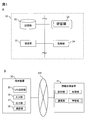
- FIG. 1A is a diagram schematically showing an information processing device including a communication unit, a storage unit, and a processing unit.
- FIG. 1B is a diagram schematically showing that the terminal device and the information processing device are connected via the Internet.
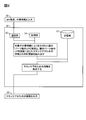
- FIG. 2 is a schematic diagram showing a processing flow in the information processing device when UPE strength and incidental information are input from the terminal device.
- the information processing device of FIG. 2 does not include a learning unit, and obtains information for skin care by reading out the correspondence between the UPE strength of each part stored in advance in the storage unit and the information for skin care corresponding to the UPE strength. decide.
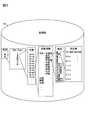
- FIG. 3 shows an example of a table showing the correspondence between the UPE strength of each part classified by the incidental information stored in the storage unit and the information for skin care.
- FIG. 3 shows an example of a table showing the correspondence between the UPE strength of each part classified by the incidental information stored in the storage unit and the information for skin care.
- FIG. 4 is a schematic diagram showing a flow for creating a learning model by inputting UPE intensity, incidental information, and oxidation characteristics as teacher data.
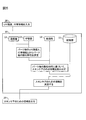
- FIG. 5 is a schematic diagram showing a processing flow in the information processing device when UPE strength and incidental information are input from the terminal device.
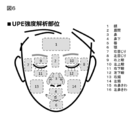
- FIG. 6 shows the classification of facial parts in the UPE intensity analysis.
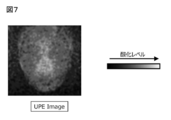
- FIG. 7 is a photograph showing the photon generation intensity in the entire face taken by UPE imaging.
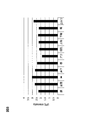
- FIG. 8 shows UPE strength in each part of the face (forehead, eyebrows, eyelids, upper eyelids, lower eyelids, nose, nose, under nose, cheeks, lips, jaws) for all age groups (20s, 30s, 40s). It is a graph which shows the average value of the generation (50s, 60s).
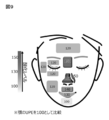
- FIG. 9 shows the UPE intensity of other parts when the UPE intensity of the jaw is 100.
- FIG. 10 is a graph showing the correlation between UPE intensity and age in the upper eyelid and the eyelid.
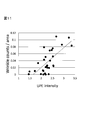
- FIG. 11 is a graph showing the correlation between the UPE intensity and the number of wrinkles per region in the region from the lower eyelid to the eyelid for subjects in their 20s to 40s.
- the present invention relates to an information providing system for skin care.
- the system of the present invention includes a terminal device including a UPE measuring unit and an information processing device including a communication unit, a processing unit, and a storage unit.
- the system of the present invention has the following steps: The UPE strength and incidental information of the target for each part of the target face measured from the UPE measurement unit of the terminal device are input via the communication unit of the information processing device.
- the processing unit refers to the correspondence between the UPE intensity of each facial part classified by the target incidental information stored in the storage unit in advance and the corresponding information for skin care, and the input face Determine the information for skin care corresponding to the UPE strength of each part,
- the information for skin care corresponding to the UPE intensity of each input facial part is output to the terminal device via the communication unit.
- Information for skin care according to UPE intensity is provided by referring to the table showing. The user can be advised on products and skin care methods based on the information for skin care.
- it also relates to a program or method of controlling the system of the invention. It also relates to a computer-readable medium that stores programs that control the system.
- the information providing system for skin care of the present invention includes a terminal device including a UPE measuring unit, and an information processing device including a communication unit, a processing unit, a learning unit, and a storage unit.
- the system of the present invention is as follows: The UPE strength and incidental information of the target for each part of the target face measured from the UPE measurement unit of the terminal device are input via the communication unit of the information processing device. Regarding the UPE intensity and the target incidental information in advance, the input UPE intensity and / or the target incidental information is input to the learning unit which is weighted to contribute to the oxidation characteristics of each facial part, and the learning unit is the face.
- the processing unit refers to a table showing the relationship between the oxidation characteristics of each facial part stored in advance in the storage unit and the information for skin care according to the output oxidation characteristics, and refers to the skin care according to the oxidation characteristics.
- Determine the information for The process of outputting information for skin care according to the oxidation characteristics to the terminal device is executed via the communication unit.
- this system can determine the oxidation characteristics of each part by inputting the UPE intensity of each part and the incidental information of the target.
- the system of the present invention provides information for skin care according to the oxidative properties determined by the learning unit. The user can be advised on products and skin care methods based on the information for skin care.
- it also relates to a program or method of controlling the system of the invention. It also relates to a computer-readable medium that stores programs that control the system.
- FIG. 1A is a diagram schematically showing an information processing device 10 including a storage unit 11, a communication unit 12, a learning unit 13, and a processing unit 14.
- the learning unit 13 may or may not exist in the information processing device 10.
- the learning unit 13 may exist in an external learning device and form a system as a whole.
- FIG. 1B shows that the terminal device 20 is connected to the information processing device 10.
- the connection may be a wired connection or a wireless connection. As an example, it may be connected via an intranet or the Internet.
- the terminal device 20 may include a UPE measuring unit 15, an input unit 16, an output unit 17, and a communication unit 12.
- FIG. 2 is a schematic diagram showing a processing flow in the information processing device 10 when UPE strength and incidental information are input from the terminal device 20.
- the information processing device 10 of FIG. 2 does not include the learning unit, and determines the information for skin care by reading out the UPE intensity for each part stored in advance in the storage unit and the information for skin care corresponding thereto.
- the correspondence relationship between the UPE strength of each part and the information for skin care corresponding to it is stored as a correspondence table as an example, and is stored separately according to the incidental information of the target.
- FIG. 3 shows an example of information stored in the storage unit. It is separately stored according to the incidental information of the target, and the information for skin care is correspondingly stored according to the UPE strength of the target part.
- Ancillary information and UPE strength are input from the communication unit 12.
- the processing unit 14 reads out the correspondence stored in the storage unit 11 and determines the information for skin care.
- the determined information for skin care is transmitted to the terminal device 20 via the communication unit 12.
- FIG. 4 is a schematic diagram showing an example of the flow of processing performed in the communication unit 12, the storage unit 11, the processing unit 14, and the learning unit 13 when creating the learning model.
- the UPE intensity for each part, the target incidental information, and the oxidation characteristics are input from the communication unit 12, stored in the storage unit 11, and then processed by the processing unit 14 and the learning unit 13.
- the learning unit 13 creates a weighted learning model in order to obtain the objective variable, with the oxidation characteristics of each part as the objective variable and the UPE intensity and the incidental information of the target as explanatory variables.
- the trained model is created by inputting the explanatory variables and the objective variables as teacher data into the neural network and training them.
- the oxidation characteristics are output.
- FIG. 5 shows a flow in which the system of the present invention inputs the UPE strength for each part and the incidental information of the target to determine the oxidation characteristics for each part.
- the system of the present invention can utilize the constructed learning model.
- the system of the present invention may include a learning unit 13 including a learning model in the information processing device 10 (FIG. 1A), and a learning unit 13 including a learning model outside the information processing device via a communication unit. May be connected.
- the method, evaluation system, and program of the present invention can input the UPE strength for each part and the incidental information of the target to the information processing device 10 via the communication unit 12.
- the input UPE intensity for each part and the incidental information of the target are input to the learning unit 13, and the learning unit 13 outputs the oxidation characteristics for each part.
- the processing unit 14 reads out the information for skin care corresponding to the oxidation characteristics of each part stored in advance in the storage unit 11, and outputs the information for skin care to the communication unit 12.
- the result of the processing of each step may be stored in the storage unit 11.
- the communication unit 12 can also transmit the oxidation characteristics determined by the learning unit 13.
- the UPE strength of each part can be measured by the terminal device 20 provided with the UPE measuring unit 15.
- the terminal device 20 includes a communication unit 12 that enables communication with the information processing device 10, an input unit 16 that inputs incidental information, and information for skin care determined by the information processing device 10.
- the output unit 17 for outputting the above may be included.
- a measuring device such as a UPE imaging device or a photon counter equipped with a photomultiplier tube (PMT) may be used.
- the UPE intensity can be measured using a mobile terminal device such as a smartphone.
- the UPE intensity can be measured by attaching a light blocking device or a device capable of photoelectron amplification to the measuring device.
- facial parts include areas such as the forehead, eyebrows, nose, under the nose, lips, chin, eyes, upper eyelids, lower eyelids, cheeks, and nose creases, and can be further classified into right and left sides. (Fig. 6). It was shown that the UPE intensity varies greatly depending on the facial part (Fig. 7A).
- the acclimatization step can be performed in a dark room to measure the UPE intensity.
- the acclimatization step in the dark room can eliminate the influence of delayed light emission due to ultraviolet rays.
- the acclimation time can be 5 minutes or more, more preferably 10 minutes or more, still more preferably 15 minutes or more from the viewpoint of eliminating the influence of delayed light emission due to ultraviolet rays. From the viewpoint of simplification of the method, the acclimation time is usually 1 hour or less, more preferably 15 minutes or less. It can also be acclimated in a double darkroom to avoid external influences.
- the UPE intensity when the influence of delayed light emission due to ultraviolet rays is excluded accurately reflects only the light emission phenomenon associated with the biochemical reaction in the living body accompanied by the generation of active oxygen and free radicals.
- the higher the biochemical reaction the higher the oxidation level. Therefore, the UPE intensity measured through the habituation process indicates the oxidation level of the skin (Non-Patent Document 4: Medical Instrumentology vol. 68, No. 8). 1998).
- the measured UPE intensity can vary depending on the terminal device used. Therefore, it is possible to compare the UPE intensities by using the UPE intensities at the sites where there is little variation between individuals as a control.
- the UPE strength of each part can be standardized by the UPE strength of the control portion.
- a non-exposed portion such as an arm, abdomen, or back may be used, or a facial portion may be used.
- a chin portion having a relatively low degree of oxidation in the facial region and little variation between subjects can be used.
- the non-exposed portion can be used as a control portion because it is less affected by ultraviolet rays and has less variation between objects.
- age, position information, skin type, gender, etc. that affect the oxidative characteristics can be selected.
- Ancillary information can be input via the input unit 16 of the terminal device 20.
- These incidental information can be input to the information processing apparatus 10 via the communication unit 12 and used as explanatory variables.
- the ages can be grouped by any division such as 1 year division, 2 years division, and 5 years division.
- the age and the UPE intensity for each part are correlated, and the UPE intensity strongly affects the oxidation characteristics.
- position information information about the place of residence is usually used, but when using a smartphone or the like, it may be determined based on the position information by GPS.
- the Fitzpatrick Skin Type classification may be used for the skin type. In this classification, it is classified into skin types I to VI according to the reaction of the skin when exposed to ultraviolet rays. Since the skin color changes depending on the skin type, it has a large effect on the UPE strength of the skin type and also affects the oxidative properties caused by ultraviolet rays. Since UV prevention habits and makeup habits differ depending on the gender, the oxidation characteristics may differ depending on the gender.
- the oxidative properties identified using the learning model refer to the degree of oxidation in the skin, and can be determined by measuring the oxidative state of stratum corneum proteins, lipid peroxide, and the like. Determining the oxidative properties of the skin was invasive and required testing with reagents and was not provided as readily available information to the subject. Since UPE is a luminescence phenomenon associated with a biochemical reaction in a living body, it is closely related to oxidative properties. Therefore, UPE intensity can be used as an explanatory variable, and other incidental information that can affect the oxidative properties can be used as an explanatory variable to determine the oxidative properties of the skin.
- Information about the skin care provided there is information about the beauty ingredients suitable for each part and their concentrations.
- Information about the skin care provided also includes information about cosmetics that contain such cosmetological ingredients and are suitable for each site. Such cosmetics may contain, for example, antioxidants, anti-wrinkle agents, anti-staining agents, etc. as cosmetic ingredients. It is also possible to provide information on the frequency and method of use of the selected cosmetics.
- the output unit 17 of the terminal device 20 can display an order button for ordering this product together with the product information. By clicking the order button, the user can purchase cosmetics according to the oxidizing characteristics of each part.
- Steping can be performed based on the information for skin care output from the output unit 17.
- a cosmetological ingredient suitable for each part, its concentration, a cosmetic containing the cosmetological ingredient, and a method of using them are provided.
- Beauty ingredients contained in cosmetics include antioxidants, moisturizers, whitening agents, UV inhibitors, anti-inflammatory agents, anti-wrinkle agents, anti-staining agents, and the like. Antioxidants and UV inhibitors are particularly preferred from the perspective of reducing UPE. Since the correlation between UPE strength and wrinkles is high (FIG. 11), it is effective to apply an anti-wrinkle agent to parts having high UPE strength.
- antioxidant components that can be blended in cosmetics include vitamin C, vitamin E, ⁇ -carotene, astaxanthin, and derivatives thereof.
- plant extracts are known to exhibit antioxidant activity. Examples of such plant extracts include aloe extract, ginkgo extract, oolong tea extract, turmeric extract, corn rhizome extract, usbasaicin rhizome / root extract, edelweiss extract, olive leaf extract, hydrolyzed silk powder, kawarayomogi extract, kawarayomogi.
- the communication unit 12 relates to a communication interface such as a LAN or a port for connecting the information processing device 10 to the network.
- the communication unit 12 provides the data received from the external device or the like to the processing unit 14, and transmits the data processed by the processing unit 14 to each external device.
- the learning unit 13 creates the learning model, the data set may be input from the separately provided input unit instead of the input from the communication unit 12.
- the storage unit 11 includes a memory device such as a RAM, ROM, and a flash memory, a fixed disk device such as a hard disk drive, or a portable storage device such as a flexible disk and an optical disk.
- the storage unit 11 stores the information input from the communication unit 12, the oxidation characteristics determined by the learning unit 13, and also stores programs, databases, output forms, and the like used for various processing of the computer.
- the computer program may be installed via a computer-readable recording medium such as a CD-ROM or a DVD-ROM, or via the Internet.
- the computer program is installed in the storage unit 11 using a known setup program or the like.
- the processing unit 14 reads out the information for skin care stored in advance in the storage unit 11 based on the information about the UPE strength for each face part input from the communication unit 12 and the incidental information, and for skin care. Information can be determined.
- the information processing device 10 includes the learning unit 13
- information about the UPE intensity for each face part input from the communication unit 12 and incidental information are input to the learning unit 13, and the information processing device 10 is determined by the learning unit 13.
- the information for skin care stored in advance in the storage unit 11 can be read out, and the information for skin care can be determined. Controls the communication unit 12 to transmit information about the determined skin care.
- the processing unit 14 executes various arithmetic processes according to the program stored in the storage unit 11.
- the arithmetic processing is performed by the processor included in the processing unit.
- This processor includes a functional module that controls a storage unit 11, a communication unit 12, and a learning unit 13, and can perform various controls. Each of these parts may be composed of independent integrated circuits, microprocessors, firmware, and the like.
- the learning unit 13 learns the relationship between the UPE strength and incidental information and the oxidation characteristics by using a known machine learning technique such as deep learning.
- Deep learning is machine learning using a multi-layered neural network composed of an input layer, an intermediate layer, and an output layer.
- a feature vector of UPE intensity and incidental information is input to each node of the input layer.
- Each node in the intermediate layer outputs the sum of the values obtained by multiplying each feature vector output from each node in the input layer by a weight, and further, the output layer outputs each feature vector output from each node in the intermediate layer. Outputs the sum of the values multiplied by the weights.
- the learning unit adjusts each weight and learns so that the difference between the output value from the output layer and the oxidation characteristic data becomes small.
- the input unit 16 includes an interface.
- the interface may be connected to, for example, an operation unit such as a keyboard or a mouse, or an external storage device such as a CD-ROM, a DVD-ROM, a BD-ROM, or a memory stick.
- the target incidental information is input via the input unit.
- a data set including incidental information, UPE intensity, and oxidation characteristics may be input from the input unit and stored in the storage unit 11.
- the output unit 17 displays information about skin care transmitted by the information processing device 10.
- the determined oxidation characteristics can also be displayed at the same time.
- the output unit may be a display device such as a liquid crystal display, an output means such as a printer, or an interface unit for output to an external storage device or output via a network.
- Example 1 UPE imaging of the entire face The subjects were 50 women in their 20s and 60s. After washing the face, it was acclimatized in a double dark room for 15 minutes, and the entire face was photographed for 15 minutes with a cooled CCD camera (Spectral Instruments, Inc .: 600S Series). The shooting result is shown in FIG. 7 (A). After the image was taken by the cooled CCD camera, the image taken under clear vision was taken and merged with the image taken by the cooled CCD camera (FIG. 7 (B)). It was shown that the photon emission intensity was strong and the generation of UPE was strong in the nose, the nose, and the glabellar forehead. UPE intensity was shown on average for all subjects in their 20s to 60s for each site (Fig. 8).
Landscapes
- Health & Medical Sciences (AREA)
- Life Sciences & Earth Sciences (AREA)
- General Health & Medical Sciences (AREA)
- Engineering & Computer Science (AREA)
- Physics & Mathematics (AREA)
- Business, Economics & Management (AREA)
- Pathology (AREA)
- Surgery (AREA)
- Veterinary Medicine (AREA)
- Tourism & Hospitality (AREA)
- Chemical & Material Sciences (AREA)
- General Physics & Mathematics (AREA)
- Public Health (AREA)
- Animal Behavior & Ethology (AREA)
- Biomedical Technology (AREA)
- Heart & Thoracic Surgery (AREA)
- Medical Informatics (AREA)
- Molecular Biology (AREA)
- Biochemistry (AREA)
- Human Resources & Organizations (AREA)
- Immunology (AREA)
- Analytical Chemistry (AREA)
- Plasma & Fusion (AREA)
- Chemical Kinetics & Catalysis (AREA)
- Economics (AREA)
- Biophysics (AREA)
- Marketing (AREA)
- Primary Health Care (AREA)
- Strategic Management (AREA)
- General Business, Economics & Management (AREA)
- Theoretical Computer Science (AREA)
- Measuring And Recording Apparatus For Diagnosis (AREA)
- Investigating Or Analysing Materials By The Use Of Chemical Reactions (AREA)
- Management, Administration, Business Operations System, And Electronic Commerce (AREA)
Abstract
UPE情報を用いてスキンケアのための情報を提供するシステムの開発を課題とする。UPE測定部を含む端末装置と、通信部、処理部、及び記憶部を備える情報処理装置とを含む、スキンケアのための情報の提供システムを提供し、UPE測定部を含む端末装置から、UPE強度及び対象の付帯情報を情報処理装置へと提供し、情報処理装置において、UPE強度に対応するスキンケアを決定し、端末装置へと提供することによる。
Description
本発明は、顔全体において測定されたUPE情報に基づくスキンケアのための情報を提供するシステムに関する。
UPE(Ultra-weak photon emission)とは、生体から放射される微弱な発光であり、生体内での生化学反応に伴う発光現象である。エネルギー代謝を始めとする、主に活性酸素が関与する生化学反応過程で放射される発光であり、そのメカニズムも多岐にわたる。またUPEはバイオフォトン、生物フォトン、生体極微弱発光、生体極微弱化学発光などと呼ばれることもある。
すなわち、UPEによる発光は主に、生化学反応過程における酸化還元反応により産生されるエネルギーにより生じる。特にUPEによる発光は、活性酸素やフリーラジカルの生成を伴う生化学反応において生じ、実際の発光は、生体を構成する多様な物質の酸化的修飾過程で生じる分子の励起による。
生体における活性酸素の産生は、生体内における代謝過程や、紫外線、放射線、薬剤、環境汚染物質などの外的要因が引き起こす酸化ストレスと深く関連している。また、生体における活性酸素の産生によるUPEの増加は、酸化ダメージなどのストレスと関連しており、例えば紫外線などの電磁波の照射によって皮膚の酸化が進むと、UPEの放出量が増加する。特に外部刺激によって増加したUPEは遅延発光と呼ばれる。
紫外線(UV)が皮膚に与える研究の一環として、角質層や表皮に対する紫外線の透過率を測定した研究結果が報告されている(非特許文献1)。
一方、UPEを計測する技術として、超高感度CCD(Charge Coupled Device、電荷結合素子)を用いた方法が紹介されており(非特許文献2)、光電子増倍管(PMT)を備えたフォトンカウンターを用いた方法も紹介されている(非特許文献3)。
Photochemistry and Photobiology Vol. 40, No. 4, pp. 485-494, 1984
Electrochemistry, 82(4), 294-298 (2014)
J Photochem Photobiol B. 2014 Oct 5;139:63-70. doi: 10.1016/j.jphotobiol.2013.10.003. Epub 2013 Oct 26.
医器学 vol. 68, No. 8 1998
生体から放射される微弱な発光であり、生体内での生化学反応に伴う発光現象であるUPEを局所的に測定することが行われてきている。しかしながら、UPEの測定には、光電子増倍管(PMT)を備えたフォトカウンタや、超高感度CCD(Charge Coupled Device、電荷結合素子)を用いる必要があったため、その測定場所が限定されること、またそうして測定されたUPE強度についての情報の利用が限られていたという問題があった。
本発明者らは、暗室下で超高感度CCD(Charge Coupled Device、電荷結合素子)を用いることにより、全顔でUPEイメージングを行う方法を開発している。こうした方法で得られた情報の活用について鋭意検討を行い、UPE情報を用いてスキンケアのための情報を提供するシステムを開発するに至った。
そこで、本発明は下記に関する:
[1] UPE測定部を含む端末装置と、通信部、処理部、及び記憶部を備える情報処理装置とを含む、スキンケアのための情報の提供システムであって、
端末装置のUPE測定部から測定された対象の顔のパーツ毎のUPE強度及び対象の付帯情報を、情報処理装置の通信部を介して入力し、
処理部が、予め記憶部に記憶された、対象の付帯情報により区分された顔のパーツ毎のUPE強度と、パーツ毎のUPE強度に応じたスキンケアのための情報との対応関係を参照し、入力された顔のパーツ毎のUPE強度に対応するスキンケアのための情報を決定し、
通信部を介して、入力された顔のパーツ毎のUPE強度に対応するスキンケアのための情報を端末装置に出力する
を含む、前記システム。
[2] UPE測定部を含む端末装置と、通信部、処理部、記憶部、学習部を備える情報処理装置とを含む、スキンケアのための情報の提供システムであって、
端末装置のUPE測定部から測定された対象の顔のパーツ毎のUPE強度及び対象の付帯情報を、情報処理装置の通信部を介して入力し、
予めUPE強度及び対象の付帯情報について、顔のパーツ毎の酸化特性に寄与する重みづけがされた学習部に、入力されたUPE強度及び/又は対象の付帯情報を入力し、顔のパーツ毎の酸化特性を決定し、
処理部が、予め記憶部に記憶された顔のパーツ毎の酸化特性と、酸化特性に応じたスキンケアのための情報との関係を示す表を参照し、酸化特性に応じたスキンケアのための情報を決定し、
通信部を介して、入力された顔のパーツ毎のUPE強度に対応するスキンケアのための情報を端末装置に出力する
を含む、前記システム。
[3] 前記付帯情報が、性別、年齢、位置情報、及びスキンタイプからなる群から選択される少なくとも1の情報を含む、項目1又は2に記載のシステム。
[4] 前記端末装置が、全顔UPEイメージング装置又は顔のパーツごとにUPE強度を測定するための光遮断用器具を備えた測定装置である、項目1~3のいずれか一項に記載のシステム。
[5] 前記測定装置が、光電子増倍管を備えた装置又はカメラを備えた携帯端末装置である、項目4に記載のシステム。
[6] 顔のパーツ毎のUPE強度に対応したスキンケアのための情報が、パーツ毎に決定された所定の抗酸化成分又はUV阻害成分、並びにそれらの濃度に関する情報である、項目1~5のいずれか一項に記載のシステム。
[7] 顔のパーツ毎のUPE強度に対応したスキンケアのための情報が、パーツ毎に決定された所定の製品、及びその使用方法に関する情報である、項目1~5のいずれか一項に記載のシステム。
[8] 前記所定の製品が、UV阻害成分及び/又は抗酸化成分を規定の濃度で含む、項目7に記載のシステム。
[9] 使用方法に関する情報が、使用頻度及び使用量についての情報である、項目7に記載のシステム。
[10] 通信部を介して、パーツ毎に決定された所定の抗酸化成分又はUV阻害成分、並びにそれらの濃度に関する情報が入力される化粧品製造装置をさらに含み、
化粧品製造装置が、入力された情報に基づいて化粧品を製造する、項目6に記載のシステム。
[11] UPE測定部を含む端末装置と、通信部、処理部、及び記憶部を備える情報処理装置とを含む、スキンケアのための情報の提供システムを制御するプログラムであって、以下の指令:
端末装置のUPE測定部から測定された対象の顔のパーツ毎のUPE強度及び対象の付帯情報を、情報処理装置の通信部を介して入力させ、
処理部に、予め記憶部に記憶された、対象の付帯情報により区分された顔のパーツ毎のUPE強度と、それに応じたスキンケアのための情報との関係を示す表を参照させ、入力された顔のパーツ毎のUPE強度に対応するスキンケアのための情報を決定させ、
通信部を介して、入力された顔のパーツ毎のUPE強度に対応するスキンケアのための情報を端末装置に出力させる
を含む、前記プログラム。
[12] UPE測定部を含む端末装置と、通信部、処理部、記憶部、学習部を備える情報処理装置とを含む、スキンケアのための情報の提供システムを制御するプログラムであって、以下の指令:
端末装置のUPE測定部から測定された対象の顔のパーツ毎のUPE強度及び対象の付帯情報を、情報処理装置の通信部を介して入力させ、
予めUPE強度及び対象の付帯情報について、顔のパーツ毎の酸化特性に寄与する重みづけがされた学習部に、測定されたUPE強度及び/又は対象の付帯情報を入力させ、顔のパーツ毎の酸化特性を決定させ、
処理部に、予め記憶部に記憶された顔のパーツ毎の酸化特性と、酸化特性に応じたスキンケアのための情報との関係を示す表を参照させ、酸化特性に応じたスキンケアのための情報を決定させ、
通信部を介して、入力された顔のパーツ毎のUPE強度に対応するスキンケアのための情報を端末装置に出力させる
を含む、前記プログラム。
本発明によれば、測定されたUPE情報に基づいて、スキンケアのための情報が提供される。
本発明は、スキンケアのための情報の提供システムに関する。本発明のシステムは、UPE測定部を含む端末装置と、通信部、処理部、記憶部を備える情報処理装置とを含む。本発明のシステムは、以下の工程:
端末装置のUPE測定部から測定された対象の顔のパーツ毎のUPE強度及び対象の付帯情報を、情報処理装置の通信部を介して入力し、
処理部が、予め記憶部に記憶された、対象の付帯情報により区分された顔のパーツ毎のUPE強度と、それに応じたスキンケアのための情報との対応関係を参照し、入力された顔のパーツ毎のUPE強度に対応するスキンケアのための情報を決定し、
通信部を介して、入力された顔のパーツ毎のUPE強度に対応するスキンケアのための情報を端末装置に出力する
を実行する。このシステムにより、パーツ毎のUPE強度と、対象の付帯情報とを入力することにより、対象の付帯情報により区分された顔のパーツ毎のUPE強度と、それに応じたスキンケアのための情報との関係を示す表を参照することで、UPE強度に応じたスキンケアのための情報が提供される。使用者は、スキンケアのための情報に基づいて、製品やスキンケアの方法についてアドバイスされうる。本発明のさらなる態様では、本発明のシステムを制御するプログラム又は制御する方法にも関する。さらにシステムを制御するプログラムを格納するコンピュータ可読媒体にも関する。
本発明の別態様では、本発明のスキンケアのための情報の提供システムは、UPE測定部を含む端末装置と、通信部、処理部、学習部、及び記憶部を備える情報処理装置とを含む。本発明のシステムは、以下の:
端末装置のUPE測定部から測定された対象の顔のパーツ毎のUPE強度及び対象の付帯情報を、情報処理装置の通信部を介して入力し、
予めUPE強度及び対象の付帯情報について、顔のパーツ毎の酸化特性に寄与する重みづけがされた学習部に、入力されたUPE強度及び/又は対象の付帯情報を入力し、学習部が顔のパーツ毎の酸化特性を出力し、
処理部が、予め記憶部に記憶された顔のパーツ毎の酸化特性と、出力された酸化特性に応じたスキンケアのための情報との関係を示す表を参照し、酸化特性に応じたスキンケアのための情報を決定し、
通信部を介して、酸化特性に応じたスキンケアのための情報を端末装置に出力する
工程を実行する。このシステムは、学習部を含むことにより、パーツ毎のUPE強度と、対象の付帯情報とを入力することにより、パーツ毎の酸化特性を決定することができる。さらに本発明のシステムは、学習部により決定された酸化特性に応じて、スキンケアのための情報が提供される。使用者は、スキンケアのための情報に基づいて、製品やスキンケアの方法についてアドバイスされうる。本発明のさらなる態様では、本発明のシステムを制御するプログラム又は制御する方法にも関する。さらにシステムを制御するプログラムを格納するコンピュータ可読媒体にも関する。
図1Aは、記憶部11、通信部12と、学習部13と、処理部14とを備えた情報処理装置10を模式的に表した図である。学習部13が、情報処理装置10内に存在していてもよいし、存在しなくてもよい。学習部13が外部の学習装置に存在し、全体としてシステムを形成していてもよい。図1Bは、情報処理装置10に、端末装置20が接続されていることを示す。接続は、有線で接続されていてもよいし、無線で接続されていてもよい。1例として、イントラネットやインターネットを介して接続されていてもよい。端末装置20は、UPE測定部15、入力部16、出力部17、及び通信部12を備えうる。
図2は、端末装置20から、UPE強度及び付帯情報を入力した際の、情報処理装置10における処理の流れを示す模式図である。図2の情報処理装置10は学習部を含まず、記憶部に予め記憶されたパーツ毎のUPE強度と、それに応じたスキンケアのための情報を読み出すことにより、スキンケアのための情報を決定する。パーツ毎のUPE強度と、それに応じたスキンケアのための情報との対応関係は、一例として対応表として記憶されており、特に対象の付帯情報に応じて区分して記憶されている。図3は、記憶部において記憶されている情報の一例を示す。対象の付帯情報に応じて区分して記憶されており、目的のパーツについてのUPE強度により、スキンケアのための情報が対応して記憶されている。通信部12から、付帯情報とUPE強度を入力される。次に、処理部14において、記憶部11に記憶される対応関係を読み出し、スキンケアのための情報が決定される。決定されたスキンケアのための情報は、通信部12を介して、端末装置20へと送信される。
図4は、学習モデル作成にあたり、通信部12、記憶部11、処理部14及び学習部13において行われる処理の流れの一例を示す模式図である。パーツ毎のUPE強度、対象の付帯情報、並びに酸化特性とが通信部12から入力され、記憶部11に記憶されたのちに、処理部14及び学習部13において処理される。学習部13では、パーツ毎の酸化特性を目的変数とし、UPE強度及び対象の付帯情報とを説明変数として、目的変数を得るために重みづけがされた学習モデルを作成する。具体的に、説明変数と目的変数を教師データとして、ニューラルネットワークに入力し、学習させることで学習済みのモデルが作成される。学習済みの学習部13に、UPE強度と付帯情報とを入力すると、酸化特性が出力される。
本発明のシステムが、パーツ毎のUPE強度と対象の付帯情報とを入力して、パーツ毎の酸化特性を決定する流れを図5に示す。本発明のシステムは、構築された学習モデルを利用することができる。本発明のシステムは、情報処理装置10内に、学習モデルを含む学習部13を含んでもよいし(図1A)、情報処理装置外に、学習モデルを含む学習部13を含み、通信部を介して接続されていてもよい。本発明の方法、評価システム、及びプログラムは、通信部12を介してパーツ毎のUPE強度と対象の付帯情報を情報処理装置10に入力することができる。入力されたパーツ毎のUPE強度と対象の付帯情報は、学習部13に入力され、学習部13がパーツ毎の酸化特性を出力する。処理部14は、記憶部11に予め記憶されたパーツ毎の酸化特性に応じたスキンケアのための情報を読み出し、通信部12にスキンケアのための情報を出力する。各工程の処理の結果は、それぞれ記憶部11に記憶してもよい。通信部12は、スキンケアのための情報に加えて、学習部13により決定された酸化特性も送信することができる。
パーツ毎のUPE強度は、UPE測定部15を備えた端末装置20により測定することができる。端末装置20は、UPE測定部15の他に、情報処理装置10と通信を可能にする通信部12、付帯情報などを入力する入力部16、情報処理装置10により決定されたスキンケアのための情報を出力するための出力部17を含んでもよい。
端末装置20の一例としては、UPEイメージング装置又は光電子増倍管(PMT)を備えたフォトンカウンターなどの測定装置であってもよい。さらに別の態様では、スマートフォンなどの携帯端末装置を用いてUPE強度を測定することができる。スマートフォンを用いる場合には、光遮断用器具や光電子増幅を可能とする器具を測定装置に装着してUPE強度を測定しうる。顔の部位としては、例えば額、眉間、鼻、鼻下、唇、顎、目じり、上瞼、下瞼、頬、鼻きわ等の領域が挙げられ、さらに右側、左側など細かく分類することもできる(図6)。顔の部位に応じて、UPE強度が大きく異なることが示された(図7A)。鼻、鼻きわ、眉間、額にかけて高いUPE強度を示すことから、酸化レベルがこれらの部位で高いことが示された。理論に限定されることを意図するものではないが、これらの部位は脂質産生量の高いことが知られており、過酸化脂質によるストレスが酸化レベルに寄与すると考えられる。
UPEイメージング装置を用いる場合、UPE強度の測定には暗室において馴化工程を行うことができる。暗室における馴化工程は、紫外線による遅延発光の影響を排除することができる。馴化時間は、紫外線による遅延発光の影響を排除する観点から、5分以上、より好ましくは10分以上、さらに好ましくは15分以上行われうる。方法の簡易化の観点から、通常、馴化時間は、1時間以内であり、より好ましくは15分以下である。外部の影響を避けるため、二重暗室において馴化することもできる。紫外線による遅延発光の影響を排除した場合のUPE強度は、活性酸素やフリーラジカルの生成を伴う生体内の生化学反応に伴う発光現象のみを正確に反映している。皮膚においては、生化学反応が高いほど酸化レベルが高いことから、馴化工程を経て測定されたUPE強度は、皮膚の酸化レベルを示す(非特許文献4:医器学 vol. 68, No. 8 1998)。
測定されるUPE強度は、使用する端末装置において変動しうる。したがって、個人間で変動が少ない部位でのUPE強度を対照として用いることで、UPE強度の比較が可能となる。パーツ毎のUPE強度を対照部のUPE強度により標準化することができる。対照部としては、腕、腹、背中などの非露光部を用いてもよいし、顔の部位を使用することもできる。一例として、顔部位において比較的酸化度が低く、対象間での変動の少ない顎部を使用することができる。また、非露光部は、紫外線の影響が少なく、対象間での変動が少ないために、対照部として使用しうる。
対象の付帯情報として、酸化特性に影響する年齢、位置情報、スキンタイプ、性別等
が選択されうる。付帯情報は、端末装置20の入力部16を介して入力することができる。これらの付帯情報が、通信部12を介して情報処理装置10へと入力され、説明変数として使用されうる。年齢については、1歳区切り、2歳区切り、5歳区切りなど任意の区切りでグループ化することができる。図10に示されるように、年齢とパーツ毎のUPE強度は相関しており、UPE強度は酸化特性に強く影響する。位置情報については、通常、居住地のついての情報が使用されるが、スマートフォンなどを用いる場合にはGPSによる位置情報に基づいて決定されてもよい。具体的には、国や地方、都市などに応じて分類されてもよいし、緯度による分類が行われてもよい。位置情報は、紫外線強度に関連し、紫外線により引き起こされる酸化特性に影響する。例えば東北地方や北海道などの高緯度地域に住む対象は紫外線暴露量が少なくなる。スキンタイプは、Fitzpatrick Skin Type分類が用いられてもよい。この分類では、紫外線を浴びた際の皮膚の反応により、スキンタイプI~VIに分類される。スキンタイプにより皮膚色が変わることから、スキンタイプのUPE強度への影響が大きく、また紫外線により引き起こされる酸化特性にも影響する。性別により、UV予防習慣や化粧習慣が異なることから、性別により酸化特性は異なりうる。
が選択されうる。付帯情報は、端末装置20の入力部16を介して入力することができる。これらの付帯情報が、通信部12を介して情報処理装置10へと入力され、説明変数として使用されうる。年齢については、1歳区切り、2歳区切り、5歳区切りなど任意の区切りでグループ化することができる。図10に示されるように、年齢とパーツ毎のUPE強度は相関しており、UPE強度は酸化特性に強く影響する。位置情報については、通常、居住地のついての情報が使用されるが、スマートフォンなどを用いる場合にはGPSによる位置情報に基づいて決定されてもよい。具体的には、国や地方、都市などに応じて分類されてもよいし、緯度による分類が行われてもよい。位置情報は、紫外線強度に関連し、紫外線により引き起こされる酸化特性に影響する。例えば東北地方や北海道などの高緯度地域に住む対象は紫外線暴露量が少なくなる。スキンタイプは、Fitzpatrick Skin Type分類が用いられてもよい。この分類では、紫外線を浴びた際の皮膚の反応により、スキンタイプI~VIに分類される。スキンタイプにより皮膚色が変わることから、スキンタイプのUPE強度への影響が大きく、また紫外線により引き起こされる酸化特性にも影響する。性別により、UV予防習慣や化粧習慣が異なることから、性別により酸化特性は異なりうる。
学習モデルを用いて特定された酸化特性とは、皮膚における酸化の程度をいい、角層タンパク質の酸化状態や過酸化脂質などを測定することで決定することができる。皮膚の酸化特性の決定には、侵襲性を伴ったり、試薬を用いた試験が必要とされ、対象が容易に使用できる情報として提供されていなかった。UPEは生体内での生化学反応に伴う発光現象であることから酸化特性に密接に関わる。したがって、UPE強度を説明変数として用い、酸化特性に影響しうるその他の付帯情報を説明変数として用いることで、皮膚の酸化特性の決定に使用しうる。
提供されるスキンケアについての情報として、一例として、部位ごとに適した美容成分及びその濃度についての情報が挙げられる。提供されるスキンケアについての情報として、さらには、そのような美容成分を含んだ、部位ごとに適した化粧料についての情報も挙げられる。このような化粧料には、美容成分として、例えば抗酸化剤、抗シワ剤、抗シミ剤などが配合されうる。また、選択された化粧料について、使用頻度や使用方法ついての情報も提供することができる。
情報処理装置10により決定されたスキンケアについての情報に加えて、端末装置20の出力部17には、製品情報とともに、この商品を注文するための注文ボタンも表示することができる。使用者は、注文ボタンをクリックすることで、自分のパーツ毎の酸化特性に応じた化粧料の購入が可能となる。
出力部17から出力された、スキンケアのための情報に基づいて、カウンセリングを行うことができる。カウンセリングにおいて、各パーツの酸化特性に応じて、パーツ毎に適した美容成分やその濃度、美容成分を含む化粧料の提供、さらにはそれらの使用方法が提供される。
化粧料に含まれる美容成分としては、抗酸化剤、保湿剤、美白剤、UV阻害剤、抗炎症剤、抗シワ剤、抗シミ剤などが含まれる。UPEを減少させる観点から、抗酸化剤及びUV阻害剤が特に好ましい。UPE強度とシワとの相関が高いことから(図11)、UPE強度が高いパーツに対しては、抗シワ剤の適用が有効である。
化粧料に配合されうる抗酸化成分としては、例えばビタミンC、ビタミンE、βカロテン、アスタキサンチンなど、及びそれらの誘導体が挙げられる。また、植物エキスの中には抗酸化作用を示すことが知られているものがある。そのような植物エキスとしては、一例として、アロエエキス、イチョウエキス、ウーロン茶エキス、ウコンエキス、ウコン根茎エキス、ウスバサイシン根茎/根エキス、エーデルワイスエキス、オリーブ葉エキス、加水分解シルク末、カワラヨモギエキス、カワラヨモギ花エキス、カンゾウエキス、キイチゴエキス、クチナシエキス、クワエキス、ゲンチアナ根エキス、ゲンノショウコエキス、チャエキス、コーヒーエキス、ゴマエキス、コメヌカエキス、ゴレンシ葉エキス、サイシンエキス、サクラ葉エキス、シロキクラゲ多糖体、スターフルーツ葉エキス、セイヨウノコギリソウエキス、セージエキス、セージ葉エキス、センキュウエキス、トウモロコシエキス、ドクダミエキス、トマトエキス、パセリエキス、ブドウ種子エキス、ベニバナエキス、ボタンエキス、マグワ根皮エキス、マドンナリリー根エキス、メマツヨイグサ種子エキス、ユリエキス、ルイボスエキス、ローズマリーエキスなどが挙げられる。
化粧料に配合されうるUV阻害剤としては、メトキシケイヒ酸エチルヘキシル、オキシベンゾン-3(2-ヒドロキシ-4-メトキシベンゾフェノン)、t-ブチルメトキシジベンゾイルメタン、アボベンゾン、オクトクリレン、ジエチルアミノヒドロキシベンゾイル安息香酸ヘキシル、ジヒドロキシジメトキシベンゾフェノン、酸化チタン、酸化亜鉛などが挙げられる。
通信部12は、情報処理装置10をネットワークに接続するためのLANやポート等の通信インターフェイスに関する。通信部12は、外部の装置等から受信したデータを処理部14に提供し、処理部14が処理したデータを外部の各装置へと送信する。学習部13において学習モデルを作成する際には、通信部12からの入力に代えて、別途備え付けられた入力部からデータセットを入力してもよい。
記憶部11は、RAM、ROM、フラッシュメモリ等のメモリ装置、ハードディスクドライブ等の固定ディスク装置、又はフレキシブルディスク、光ディスク等の可搬用の記憶装置などを有する。記憶部11は、通信部12からの入力された情報や、学習部13で決定された酸化特性を記憶する他、コンピュータの各種処理に用いられるプログラム、データベース、出力フォームなどを記憶する。コンピュータプログラムは、例えばCD-ROM、DVD-ROM等のコンピュータ読み取り可能な記録媒体や、インターネットを介してインストールされてもよい。コンピュータプログラムは、公知のセットアッププログラム等を用いて記憶部11にインストールされる。
処理部14は、通信部12から入力された顔パーツ毎のUPE強度についての情報と、付帯情報とに基づいて、記憶部11に予め記憶されたスキンケアのための情報を読み出し、スキンケアのための情報を決定することができる。情報処理装置10が学習部13を備える場合には、通信部12から入力された顔パーツ毎のUPE強度についての情報と、付帯情報とを学習部13に入力し、学習部13により決定された酸化特性に基づき、記憶部11に予め記憶されたスキンケアのための情報を読み出し、スキンケアのための情報を決定することができる。決定されたスキンケアについての情報を通信部12から送信するように制御する。処理部14は、記憶部11に記憶しているプログラムに従って各種の演算処理を実行する。演算処理は処理部に含まれるプロセッサによりおこなわれる。このプロセッサは、記憶部11、通信部12、学習部13を制御する機能モジュールを含み、各種の制御を行うことができる。これらの各部は、それぞれ独立した集積回路、マイクロプロセッサ、ファームウェアなどで構成されてもよい。
学習部13は、例えば、ディープラーニング等の公知の機械学習技術を用いて、UPE強度及び付帯情報と、酸化特性との関係性を学習する。ディープラーニングは、入力層、中間層及び出力層から構成される多層構造ニューラルネットワークを用いた機械学習である。入力層の各ノードには、UPE強度及び付帯情報との特徴ベクトルが入力される。中間層の各ノードは、入力層の各ノードから出力された各特徴ベクトルに重みを乗算した値の総和を出力し、さらに、出力層は、中間層の各ノードから出力された各特徴ベクトルに重みを乗算した値の総和を出力する。学習部は、各重みを調整しながら、出力層からの出力値と酸化特性データとの差分が小さくなるように学習する。
入力部16は、インターフェイスを含む。インターフェイスは、例えば、キーボード、マウス等の操作部、CD-ROM、DVD-ROM、BD-ROM、メモリースティックなどの外部記憶装置に接続されていてもよい。対象の付帯情報が、入力部を介して入力される。また、情報処理装置10において、学習モデルを作成する際には、付帯情報、UPE強度、及び酸化特性を含むデータセットが入力部から入力されて、記憶部11に記憶されてもよい。
出力部17は、情報処理装置10が送信するスキンケアについての情報を表示する。情報処理装置10において、決定された酸化特性についても同時に表示されうる。出力部は、液晶ディスプレイ等の表示装置、プリンタ等の出力手段であってもよいし、外部記憶装置への出力又はネットワークを介して出力するためのインターフェイス部であってもよい。
実施例1:顔全体のUPEイメージング
20~60代の女性50名を被験者とした。洗顔後、二重暗室下で15分間馴化させ、冷却CCDカメラ(Spectral Instruments, Inc製:600S Series)により15分間にわたり顔全体を撮影した。撮影結果を図7(A)に示す。冷却CCDカメラによる撮影後に、明視下で撮影した画像を撮影し、冷却CCDカメラによる撮影画像とMergeして示した(図7(B))。鼻や鼻際、眉間額において、フォトン発生強度(photon emission intensity)が強く、UPEの発生が強いことが示された。UPE強度を、部位ごとに20代から60代まですべての被験者で平均して示した(図8)。
20~60代の女性50名を被験者とした。洗顔後、二重暗室下で15分間馴化させ、冷却CCDカメラ(Spectral Instruments, Inc製:600S Series)により15分間にわたり顔全体を撮影した。撮影結果を図7(A)に示す。冷却CCDカメラによる撮影後に、明視下で撮影した画像を撮影し、冷却CCDカメラによる撮影画像とMergeして示した(図7(B))。鼻や鼻際、眉間額において、フォトン発生強度(photon emission intensity)が強く、UPEの発生が強いことが示された。UPE強度を、部位ごとに20代から60代まですべての被験者で平均して示した(図8)。
UPE強度に基づいて、顔の酸化レベルを評価することを目的として、顎部位UPEを指標として各部位を比較した(図9)。
実施例2:フォトン発生強度と、その他の指数との相関
上瞼及び目じりについて、フォトン発生強度と、年齢との相関性を調べたところ、相関係数がr=0.50及び0.46であった。(図10)
上瞼及び目じりについて、フォトン発生強度と、年齢との相関性を調べたところ、相関係数がr=0.50及び0.46であった。(図10)
20~40代の被験者(30名)において、目じり及び下瞼のシワを、VISIA(Canfield scientific)により解析した。シワと、フォトン発生強度との相関を調べたところ、相関係数がr=0.52であった(図11)。
10 情報処理装置
11 記憶部
12 通信部
13 学習部
14 処理部
15 UPE測定部
16 入力部
17 出力部
20 端末装置
100 システム
11 記憶部
12 通信部
13 学習部
14 処理部
15 UPE測定部
16 入力部
17 出力部
20 端末装置
100 システム
Claims (12)
- UPE測定部を含む端末装置と、通信部、処理部、及び記憶部を備える情報処理装置とを含む、スキンケアのための情報の提供システムであって、
端末装置のUPE測定部から測定された対象の顔のパーツ毎のUPE強度及び対象の付帯情報を、情報処理装置の通信部を介して入力し、
処理部が、予め記憶部に記憶された、対象の付帯情報により区分された顔のパーツ毎のUPE強度と、パーツ毎のUPE強度に応じたスキンケアのための情報との対応関係を参照し、入力された顔のパーツ毎のUPE強度に対応するスキンケアのための情報を決定し、
通信部を介して、入力された顔のパーツ毎のUPE強度に対応するスキンケアのための情報を端末装置に出力する
を含む、前記システム。 - UPE測定部を含む端末装置と、通信部、処理部、記憶部、学習部を備える情報処理装置とを含む、スキンケアのための情報の提供システムであって、
端末装置のUPE測定部から測定された対象の顔のパーツ毎のUPE強度及び対象の付帯情報を、情報処理装置の通信部を介して入力し、
予めUPE強度及び対象の付帯情報について、顔のパーツ毎の酸化特性に寄与する重みづけがされた学習部に、入力されたUPE強度及び/又は対象の付帯情報を入力し、顔のパーツ毎の酸化特性を決定し、
処理部が、予め記憶部に記憶された顔のパーツ毎の酸化特性と、酸化特性に応じたスキンケアのための情報との関係を示す表を参照し、酸化特性に応じたスキンケアのための情報を決定し、
通信部を介して、入力された顔のパーツ毎のUPE強度に対応するスキンケアのための情報を端末装置に出力する
を含む、前記システム。 - 前記付帯情報が、性別、年齢、位置情報、スキンタイプからなる群から選択される少なくとも1の情報を含む、請求項1又は2に記載のシステム。
- 前記端末装置が、全顔UPEイメージング装置又は顔のパーツごとにUPE強度を測定するための光遮断用器具を備えた測定装置である、請求項1~3のいずれか一項に記載のシステム。
- 前記測定装置が、光電子増倍管を備えた装置又はカメラを備えた携帯端末装置である、請求項4に記載のシステム。
- 顔のパーツ毎のUPE強度に対応したスキンケアのための情報が、パーツ毎に決定された所定の抗酸化成分又はUV阻害成分、並びにそれらの濃度に関する情報である、請求項1~5のいずれか一項に記載のシステム。
- 顔のパーツ毎のUPE強度に対応したスキンケアのための情報が、パーツ毎に決定された所定の製品、及びその使用方法に関する情報である、請求項1~5のいずれか一項に記載のシステム。
- 前記所定の製品が、UV阻害成分及び/又は抗酸化成分を規定の濃度で含む、請求項7に記載のシステム。
- 使用方法に関する情報が、使用頻度及び使用量についての情報である、請求項7に記載のシステム。
- 通信部を介して、パーツ毎に決定された所定の抗酸化成分又はUV阻害成分、並びにそれらの濃度に関する情報が入力される化粧品製造装置をさらに含み、
化粧品製造装置が、入力された情報に基づいて化粧品を製造する、請求項6に記載のシステム。 - UPE測定部を含む端末装置と、通信部、処理部、及び記憶部を備える情報処理装置とを含む、スキンケアのための情報の提供システムを制御するプログラムであって、以下の指令:
端末装置のUPE測定部から測定された対象の顔のパーツ毎のUPE強度及び対象の付帯情報を、情報処理装置の通信部を介して入力させ、
処理部に、予め記憶部に記憶された、対象の付帯情報により区分された顔のパーツ毎のUPE強度と、それに応じたスキンケアのための情報との関係を示す表を参照させ、入力された顔のパーツ毎のUPE強度に対応するスキンケアのための情報を決定させ、
通信部を介して、入力された顔のパーツ毎のUPE強度に対応するスキンケアのための情報を端末装置に出力させる
を含む、前記プログラム。 - UPE測定部を含む端末装置と、通信部、処理部、記憶部、学習部を備える情報処理装置とを含む、スキンケアのための情報の提供システムを制御するプログラムであって、以下の指令:
端末装置のUPE測定部から測定された対象の顔のパーツ毎のUPE強度及び対象の付帯情報を、情報処理装置の通信部を介して入力させ、
予めUPE強度及び対象の付帯情報について、顔のパーツ毎の酸化特性に寄与する重みづけがされた学習部に、入力されたUPE強度及び/又は対象の付帯情報を入力させ、顔のパーツ毎の酸化特性を決定させ、
処理部に、予め記憶部に記憶された顔のパーツ毎の酸化特性と、酸化特性に応じたスキンケアのための情報との関係を示す表を参照させ、酸化特性に応じたスキンケアのための情報を決定させ、
通信部を介して、入力された顔のパーツ毎のUPE強度に対応するスキンケアのための情報を端末装置に出力させる
を含む、前記プログラム。
Priority Applications (1)
| Application Number | Priority Date | Filing Date | Title |
|---|---|---|---|
| JP2021513724A JP7509758B2 (ja) | 2019-04-12 | 2020-04-10 | スキンケアのための情報の提供システム |
Applications Claiming Priority (2)
| Application Number | Priority Date | Filing Date | Title |
|---|---|---|---|
| JP2019076422 | 2019-04-12 | ||
| JP2019-076422 | 2019-04-12 |
Publications (1)
| Publication Number | Publication Date |
|---|---|
| WO2020209377A1 true WO2020209377A1 (ja) | 2020-10-15 |
Family
ID=72750703
Family Applications (1)
| Application Number | Title | Priority Date | Filing Date |
|---|---|---|---|
| PCT/JP2020/016180 Ceased WO2020209377A1 (ja) | 2019-04-12 | 2020-04-10 | スキンケアのための情報の提供システム |
Country Status (2)
| Country | Link |
|---|---|
| JP (1) | JP7509758B2 (ja) |
| WO (1) | WO2020209377A1 (ja) |
Cited By (1)
| Publication number | Priority date | Publication date | Assignee | Title |
|---|---|---|---|---|
| JP2023140766A (ja) * | 2022-03-23 | 2023-10-05 | 花王株式会社 | 口唇評価方法 |
Citations (3)
| Publication number | Priority date | Publication date | Assignee | Title |
|---|---|---|---|---|
| JP2000095643A (ja) * | 1998-09-24 | 2000-04-04 | Pola Chem Ind Inc | 化粧料の選択方法 |
| JP2009540457A (ja) * | 2006-09-18 | 2009-11-19 | アラムフビス・カンパニー, リミテッド | 顧客別のカスタマイズド化粧品の提供方法及び提供システム |
| JP2010515489A (ja) * | 2007-01-05 | 2010-05-13 | マイスキン インコーポレイテッド | 皮膚を撮像するためのシステム、装置、及び方法 |
Family Cites Families (1)
| Publication number | Priority date | Publication date | Assignee | Title |
|---|---|---|---|---|
| CA2504257A1 (en) | 2002-10-31 | 2004-05-21 | Johnson & Johnson Consumer Companies Inc. | Method for providing personalized programs to retail customers |
-
2020
- 2020-04-10 WO PCT/JP2020/016180 patent/WO2020209377A1/ja not_active Ceased
- 2020-04-10 JP JP2021513724A patent/JP7509758B2/ja active Active
Patent Citations (3)
| Publication number | Priority date | Publication date | Assignee | Title |
|---|---|---|---|---|
| JP2000095643A (ja) * | 1998-09-24 | 2000-04-04 | Pola Chem Ind Inc | 化粧料の選択方法 |
| JP2009540457A (ja) * | 2006-09-18 | 2009-11-19 | アラムフビス・カンパニー, リミテッド | 顧客別のカスタマイズド化粧品の提供方法及び提供システム |
| JP2010515489A (ja) * | 2007-01-05 | 2010-05-13 | マイスキン インコーポレイテッド | 皮膚を撮像するためのシステム、装置、及び方法 |
Non-Patent Citations (1)
| Title |
|---|
| KOBAYASHI, MASAKI ET AL.: "4. Biophoton imaging with ultra-sensitive CCD", ELECTROCHEMISTRY, 5 April 2014 (2014-04-05) * |
Cited By (2)
| Publication number | Priority date | Publication date | Assignee | Title |
|---|---|---|---|---|
| JP2023140766A (ja) * | 2022-03-23 | 2023-10-05 | 花王株式会社 | 口唇評価方法 |
| JP7827509B2 (ja) | 2022-03-23 | 2026-03-10 | 花王株式会社 | 口唇評価方法 |
Also Published As
| Publication number | Publication date |
|---|---|
| JPWO2020209377A1 (ja) | 2020-10-15 |
| JP7509758B2 (ja) | 2024-07-02 |
Similar Documents
| Publication | Publication Date | Title |
|---|---|---|
| US10085643B2 (en) | Analytic methods of tissue evaluation | |
| Darvin et al. | Optical methods for noninvasive determination of carotenoids in human and animal skin | |
| Jolivot et al. | Skin parameter map retrieval from a dedicated multispectral imaging system applied to dermatology/cosmetology | |
| Azurdia et al. | Sunscreen application by photosensitive patients is inadequate for protection | |
| US20120321759A1 (en) | Characterization of food materials by optomagnetic fingerprinting | |
| JP3877959B2 (ja) | 肌色測定装置および肌画像処理装置 | |
| US12127849B2 (en) | Device and method for detecting and monitoring cutaneous diseases | |
| SG177951A1 (en) | System, device and method for dermal imaging | |
| EP2243077A1 (en) | System and method for analysis of light-matter interaction based on spectral convolution | |
| WO2012159012A1 (en) | Characterization of food materials by optomagnetic fingerprinting | |
| He et al. | Smartphone-enabled snapshot multispectral autofluorescence imaging and its application for bacteria assessments in skin and oral cavity | |
| Wu et al. | Quantitative assessment of age-dependent changes in porphyrins from fluorescence images of ultraviolet photography by image processing | |
| Nogueira et al. | Calculation of whiteness and yellowness indexes using colorimetric and photographic methods for tooth shade evaluation | |
| Nogueira et al. | Evaluation of the whitening effectiveness of violet illumination alone or combined with hydrogen peroxide gel | |
| Nogueira et al. | Optimization of curcumin formulations for fluorescence-based applications | |
| Livecchi et al. | Hyperspectral imaging with deep learning for quantification of tissue hemoglobin, melanin, and scattering | |
| Nogueira et al. | Improving colorectal cancer detection by extending the near-infrared wavelength range and tissue probed depth of diffuse reflectance spectroscopy: a support vector machine approach | |
| JP7509758B2 (ja) | スキンケアのための情報の提供システム | |
| Takano et al. | Remote blood pressure measurement from near-infrared face images: A comparison of the accuracy by the use of first and second biological optical window | |
| WO2020209378A1 (ja) | Upe測定により皮膚状態を決定する方法 | |
| McFadden et al. | Common Contact Allergens: A Practical Guide to Detecting Contact Dermatitis | |
| Walter et al. | Development and characterization of a combined fluorescence and spatial frequency domain imaging system for real-time dosimetry of photodynamic therapy | |
| Sun et al. | Nail pholish: Sensing hand-fluid interactions through biocosmetic interfaces | |
| Chen et al. | A physiologically-based framework for the simulation of skin tanning dynamics | |
| JP2023003406A (ja) | Upe測定による持続的酸化ストレスおよび即時黒化評価方法 |
Legal Events
| Date | Code | Title | Description |
|---|---|---|---|
| 121 | Ep: the epo has been informed by wipo that ep was designated in this application |
Ref document number: 20788116 Country of ref document: EP Kind code of ref document: A1 |
|
| ENP | Entry into the national phase |
Ref document number: 2021513724 Country of ref document: JP Kind code of ref document: A |
|
| NENP | Non-entry into the national phase |
Ref country code: DE |
|
| 122 | Ep: pct application non-entry in european phase |
Ref document number: 20788116 Country of ref document: EP Kind code of ref document: A1 |