WO2020189702A1 - 管理システム及びその制御方法、プログラム並びに自律移動体 - Google Patents
管理システム及びその制御方法、プログラム並びに自律移動体 Download PDFInfo
- Publication number
- WO2020189702A1 WO2020189702A1 PCT/JP2020/011894 JP2020011894W WO2020189702A1 WO 2020189702 A1 WO2020189702 A1 WO 2020189702A1 JP 2020011894 W JP2020011894 W JP 2020011894W WO 2020189702 A1 WO2020189702 A1 WO 2020189702A1
- Authority
- WO
- WIPO (PCT)
- Prior art keywords
- moving body
- priority
- autonomous
- management system
- machine
- Prior art date
- Legal status (The legal status is an assumption and is not a legal conclusion. Google has not performed a legal analysis and makes no representation as to the accuracy of the status listed.)
- Ceased
Links
Images






Classifications
-
- B—PERFORMING OPERATIONS; TRANSPORTING
- B64—AIRCRAFT; AVIATION; COSMONAUTICS
- B64C—AEROPLANES; HELICOPTERS
- B64C13/00—Control systems or transmitting systems for actuating flying-control surfaces, lift-increasing flaps, air brakes, or spoilers
- B64C13/02—Initiating means
- B64C13/16—Initiating means actuated automatically, e.g. responsive to gust detectors
- B64C13/18—Initiating means actuated automatically, e.g. responsive to gust detectors using automatic pilot
-
- B—PERFORMING OPERATIONS; TRANSPORTING
- B64—AIRCRAFT; AVIATION; COSMONAUTICS
- B64C—AEROPLANES; HELICOPTERS
- B64C13/00—Control systems or transmitting systems for actuating flying-control surfaces, lift-increasing flaps, air brakes, or spoilers
- B64C13/02—Initiating means
- B64C13/16—Initiating means actuated automatically, e.g. responsive to gust detectors
- B64C13/20—Initiating means actuated automatically, e.g. responsive to gust detectors using radiated signals
-
- G—PHYSICS
- G05—CONTROLLING; REGULATING
- G05D—SYSTEMS FOR CONTROLLING OR REGULATING NON-ELECTRIC VARIABLES
- G05D1/00—Control of position, course, altitude or attitude of land, water, air or space vehicles, e.g. using automatic pilots
- G05D1/02—Control of position or course in two dimensions
-
- G—PHYSICS
- G08—SIGNALLING
- G08G—TRAFFIC CONTROL SYSTEMS
- G08G5/00—Traffic control systems for aircraft
- G08G5/80—Anti-collision systems
-
- B—PERFORMING OPERATIONS; TRANSPORTING
- B64—AIRCRAFT; AVIATION; COSMONAUTICS
- B64U—UNMANNED AERIAL VEHICLES [UAV]; EQUIPMENT THEREFOR
- B64U2101/00—UAVs specially adapted for particular uses or applications
- B64U2101/30—UAVs specially adapted for particular uses or applications for imaging, photography or videography
-
- B—PERFORMING OPERATIONS; TRANSPORTING
- B64—AIRCRAFT; AVIATION; COSMONAUTICS
- B64U—UNMANNED AERIAL VEHICLES [UAV]; EQUIPMENT THEREFOR
- B64U2101/00—UAVs specially adapted for particular uses or applications
- B64U2101/60—UAVs specially adapted for particular uses or applications for transporting passengers; for transporting goods other than weapons
-
- B—PERFORMING OPERATIONS; TRANSPORTING
- B64—AIRCRAFT; AVIATION; COSMONAUTICS
- B64U—UNMANNED AERIAL VEHICLES [UAV]; EQUIPMENT THEREFOR
- B64U2201/00—UAVs characterised by their flight controls
- B64U2201/10—UAVs characterised by their flight controls autonomous, i.e. by navigating independently from ground or air stations, e.g. by using inertial navigation systems [INS]
-
- B—PERFORMING OPERATIONS; TRANSPORTING
- B64—AIRCRAFT; AVIATION; COSMONAUTICS
- B64U—UNMANNED AERIAL VEHICLES [UAV]; EQUIPMENT THEREFOR
- B64U30/00—Means for producing lift; Empennages; Arrangements thereof
- B64U30/20—Rotors; Rotor supports
Definitions
- U.S. Patent Application Publication No. 2015/0339931 discloses a system, method, and device capable of flying according to a restricted flight area (summary).
- UAV unmanned aerial vehicle
- the position of an unmanned aerial vehicle (UAV) is compared to a restricted flight area. If necessary, the UAV will take steps to avoid entering the no-fly zone.
- U.S. Patent Application Publication No. 2015/0339931 compares the location of the UAV with the no-fly zone, and if necessary, the UAV takes action to avoid entering the no-fly zone. Take (summary).
- US Patent Application Publication No. 2015/0339931 does not consider the positional relationship between the flying objects. Such a problem applies not only to an air vehicle but also to other autonomous moving bodies (ships, automobiles, etc.) that move autonomously.
- the management system communicates with a plurality of moving bodies including an autonomous moving body including an autonomous control unit for autonomously moving via a communication device, and manages the movement of the plurality of moving bodies.
- a management system including a movement management unit, wherein the autonomous moving body has priority regarding movement between the autonomous moving body and another moving body which is a moving body different from the autonomous moving body among the plurality of moving bodies.
- the superiority or inferiority acquisition unit acquires the superiority or inferiority acquisition unit that acquires the subordinate relationship and the superiority or inferiority acquisition unit that the autonomous moving body is inferior to the other moving body, the current position of the other moving body or the other It is characterized by including a proximity suppressing unit that suppresses the proximity of the autonomous moving body to a future position of the moving body.
- the control method of the management system is the control method of the management system that manages the movement of a plurality of moving bodies including the autonomous moving body including the autonomous control unit for autonomously moving.
- a step of acquiring a priority / subordinate relationship regarding movement between another moving body which is a moving body different from the autonomous moving body among a plurality of moving bodies and the autonomous moving body, and the autonomous moving body is the other moving body.
- the proximity of the autonomous moving body to the current position of the other moving body or the future position of the other moving body when the inferiority to the relative is obtained in the step of acquiring the priority / subordinate relationship. It has a step of suppressing.
- the program according to still another aspect of the present invention is a moving body different from the autonomous moving body among a plurality of moving bodies including an autonomous moving body having an autonomous control unit for autonomously moving the computer.
- the step of acquiring the priority / subordinate relationship regarding the movement of the moving body and the autonomous moving body and in the step of acquiring the priority / subordinate relationship that the autonomous moving body is inferior to the other moving body.
- the step of suppressing the proximity of the autonomous moving body to the current position of the other moving body or the future position of the other moving body is executed.
- the autonomous moving body is an autonomous moving body including an autonomous control unit for autonomously moving, and is a moving body different from the autonomous moving body among a plurality of moving bodies.
- the superiority / inferiority acquisition unit acquires the priority / inferiority relationship regarding the movement of the other moving body and the autonomous moving body
- the superiority / inferiority acquiring unit acquires that the autonomous moving body is inferior to the other moving body. It is characterized by including a proximity suppressing unit that suppresses the proximity of the autonomous moving body to the current position of the other moving body or the future position of the other moving body.
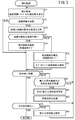
- it is a flowchart showing an outline from the ordering of a customer to the start of delivery of a product by a drone.
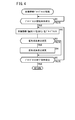
- It is a flowchart which shows the overall flow of the flight control of the said embodiment.
- It is a flowchart of own machine information broadcast processing of the said embodiment.
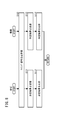
- It is a figure which shows the example of the relationship between the aircraft classification and the geographical unit classification which is allowed to enter.
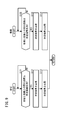
- It is a flowchart which shows the example of the operation when the priority / subordination degree is the same.
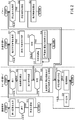
- FIG. 1 is an overall configuration diagram showing an outline of a management system 10 according to an embodiment of the present invention.
- the management system 10 includes a plurality of customer terminals 20, at least one service management server 22 (hereinafter, also referred to as “service server 22”), and at least one traffic management server 24 (hereinafter, also referred to as “traffic server 24”). ) And a plurality of drones (autonomous moving body, moving body) 26.
- the service server 22 and the traffic server 24 constitute a movement management unit 28.
- the movement management unit 28 communicates with the plurality of drones 26 via a communication device (not shown) and manages the movement of the plurality of drones 26.
- FIG. 1 shows only one customer terminal 20, a service server 22, and a transportation server 24.
- the drone 26 delivers the product G based on the order information of the product G input via the customer terminal 20.
- Communication is possible between the customer terminal 20 and the service server 22 and between the service server 22 and the transportation server 24 via the Internet 30. Further, the service server 22 and the drone 26 can communicate with each other via the Internet 30 and the wireless relay station 32. Communication between the drones 26 is possible via optical communication and radio wave communication.
- the customer terminal 20 is a terminal that accepts orders from customers for the product G handled by the service server 22.
- the customer terminal 20 is composed of, for example, a personal computer or a smartphone.
- the service management server 22 manages orders, inventory management, and delivery management for a specific company.
- the service management server 22 includes a calculation unit 51 and a storage unit 53.
- the arithmetic unit 51 may include a central processing unit (CPU: Central Processing Unit), an FPGA (Field-Programmable Gate Array), and the like.
- the calculation unit 51 can operate by executing the program stored in the storage unit 53. Some of the functions realized by the calculation unit 51 can also be realized by using a logic IC (Integrated Circuit).
- the arithmetic unit 51 may also configure a part of the above program by hardware (circuit components).
- the storage unit 53 can store programs, data, and the like used by the calculation unit 51.
- the storage unit 53 may include a volatile memory (not shown) and a non-volatile memory (not shown).
- volatile memory examples include RAM (Random Access Memory).
- RAM Random Access Memory
- the volatile memory can be used, for example, as a register or the like.
- non-volatile memory examples include a ROM (Read Only Memory), a flash memory, a hard disk drive, and the like.
- the storage unit 53 includes an order database 50 (hereinafter referred to as “order DB 50”), an inventory database 52 (hereinafter referred to as “inventory DB 52”), a drone database 54 (hereinafter referred to as “drone DB 54”), and a first map. It has a database 56 (hereinafter referred to as “first map DB 56") and a delivery database 58 (hereinafter referred to as “delivery DB 58").
- the order DB 50 accumulates information (order information Io) regarding the order received via each customer terminal 20.
- the inventory DB 52 accumulates information related to inventory (inventory information Is).
- the drone DB 54 stores information (drone information Id) about the drone 26 used for delivery.
- the first map DB 56 accumulates map information (first map information Imap1) for delivery by the drone 26.
- the delivery DB 58 stores information (delivery information Idl) regarding the delivery of the ordered product G.
- the delivery information Idl also includes information about the drone 26 that delivers the product G.
- the traffic management server 24 manages information (traffic information It) regarding traffic (flight) of a plurality of drones 26. For example, when the traffic server 24 receives the flight permission application of the drone 26 from the service server 22, it determines whether or not to permit the flight permission application, and permits or disallows the flight permission application to the service server 22 according to the determination result. Notice.
- the traffic management server 24 includes a calculation unit 61 and a storage unit 63.
- the arithmetic unit 61 may include a central processing unit, an FPGA, and the like.
- the calculation unit 61 can operate by executing the program stored in the storage unit 63. Some of the functions realized by the arithmetic unit 61 can also be realized by using a logic IC.
- the arithmetic unit 61 may also configure a part of the above program by hardware.
- the storage unit 63 can store programs, data, and the like used by the calculation unit 61.
- the storage unit 63 may include a volatile memory (not shown) and a non-volatile memory (not shown). Examples of the volatile memory include RAM.
- the volatile memory can be used, for example, as a register or the like. Examples of the non-volatile memory include a ROM, a flash memory, a hard disk drive, and the like.
- the storage unit 63 has a second map database 60 (hereinafter referred to as “second map DB 60") and a flight schedule database 62 (hereinafter referred to as “flight schedule DB 62").
- the second map DB 60 stores map information (second map information Imap2) related to the traffic (flight) of the drone 26.
- the flight schedule DB 62 accumulates information (flight schedule information Isc) regarding the flight schedule of each drone 26.
- the flight schedule information Isc also includes information on priority / subordination (priority rank, priority) R.
- the priority / subordination degree R is between the drone 26 itself (hereinafter, also referred to as “own machine 26e”) and another drone 26 (hereinafter, also referred to as “other machine 26o”) when a plurality of drones 26 approach each other. Prescribe the priority of. In FIG. 1, the upper drone 26 is shown as the own machine 26e, and the lower drone 26 is shown as the other machine 26o. In the present embodiment, the priority / subordination degree R is used by each of the own aircraft (drone) 26e and the other aircraft (drone) 26o to set the flight path RTf, but the priority / subordination degree R is used for other purposes as described later. You may.
- the movement management unit 28 is provided with a superiority / inferiority determination unit 64.
- the superiority / inferiority determination unit 64 may determine the priority / subordination degree R for each movement of the plurality of drones 26 based on the individual information of the drones 26.
- the superiority or inferiority determination unit 64 can be realized by executing the program stored in the storage unit 63 by the calculation unit 61.
- FIG. 1 shows a case where the superiority / inferiority determination unit 64 is provided in the traffic management server 24, but the present invention is not limited to this.
- the individual information may include, for example, aircraft information determined based on the usage of the plurality of drones 26.
- the aircraft information may include, for example, the aircraft classification (classification).
- FIG. 5 is a diagram showing an example of the relationship between the aircraft classification and the geographical unit classification in which entry is permitted.
- the aircraft classification for example, there may be a first type, a second type, and a third type, but the aircraft classification is not limited to this.
- the geographical unit division there may be a geographical unit division A, a geographical unit division B, a geographical unit division C, a geographical unit division D, and a geographical unit division E, but the geographical unit division is limited to these. It's not something.
- Geographical unit division A is, for example, a densely populated area and a densely populated area.
- the geographical unit division B is, for example, on a road and a railroad track.
- the geographical unit division C is, for example, an urban area.
- Geographical unit division D is, for example, fields and non-urban areas.
- the geographical unit division E is, for example, a freeway, a river, and a safety measure area.
- the first type of aircraft is prohibited from entering the geographical unit divisions A to C.
- the first type of aircraft is conditionally permitted to enter the geographical unit division D, for example.
- the first type of aircraft is allowed to enter the geographical unit division E without limitation, for example.
- an airframe for private use may be applicable.
- an airframe used for commercial delivery, non-commercial delivery, commercial photography, non-commercial photography, etc. may fall under the first type of aircraft.
- the second type of aircraft is prohibited from entering the geographical unit category A.
- the second type of aircraft is conditionally permitted to enter, for example, geographical unit divisions B and C.
- the second type of aircraft is allowed to enter the geographical unit divisions D and E without limitation, for example.
- the second type of airframe may be, for example, a general public airframe.
- an airframe used for patrol monitoring by the police may correspond to a second type airframe.
- the third type of aircraft is conditionally allowed to enter the geographical unit divisions A and B.
- the third type of aircraft is allowed to enter the geographical unit divisions C to E without limitation.
- the third type of airframe may be, for example, an airframe for emergency public use.
- an airframe used for disaster response, lifesaving, crime response, etc. may correspond to a type 3 aircraft.
- the second type corresponds to, for example, the normal aircraft classification
- the third type corresponds to, for example, the emergency aircraft classification.
- the usage of the drone 26 belonging to the third type, that is, the emergency aircraft classification is highly urgent with respect to the usage of the drone 26 belonging to the second type, that is, the normal aircraft classification.
- the second and third types belong to, for example, the first aircraft category (first category).
- the first type belongs to, for example, the second aircraft category (second category).
- the usage of the drone 26 belonging to the first aircraft category is highly public with respect to the usage of the drone 26 belonging to the second aircraft category.
- the second aircraft category can be at least divided into, for example, a commercial aircraft category (commercial category) not shown and a non-commercial aircraft category (non-commercial category) not shown.
- the drone 26 belonging to the commercial aircraft category can be used for commercial purposes.
- the drone 26 belonging to the non-commercial aircraft category can be used for non-commercial use.
- the superiority / inferiority determination unit 64 has a higher priority than the priority / subordination degree R for determining the aircraft information regarding the aircraft classification for the drone 26 which is the first aircraft classification and the aircraft information regarding the aircraft classification for the drone 26 which is the second aircraft classification.
- the subordination degree R can be determined.
- high priority / subordination means that priority is given to those with a relatively low priority / subordination R and no subordination. In other words, "high priority / subordination” means high priority, that is, low subordination. “Low priority / subordination” means that the one with a relatively high priority / subordination R is not prioritized and is subordinated. In other words, "low priority / subordination” means low priority, that is, high subordination.
- the individual information may include, for example, geographic information determined based on the geographic unit divisions that are allowed to enter the drone 26.
- Examples of the geographical unit division include, but are not limited to, the geographical unit divisions A to E as described above with reference to FIG.
- the individual information may include, for example, passenger information determined based on the presence or absence of passengers on the drone 26.
- the superiority / inferiority determination unit 64 may determine a priority / subordination degree R higher than that of the drone 26 whose passenger information is passenger-free, with respect to the drone 26 whose passenger information is passenger-free.
- the individual information may include, for example, the loading information determined based on the value of the loading of the drone 26.
- the superiority / inferiority determination unit 64 may determine the priority / subordination degree R higher than that of the drone 26 whose loading information is lower than the first value and which is the second value, with respect to the drone 26 whose loading information is the first value. ..
- the state information is, for example, moving altitude information indicating the moving altitude of the drone 26.
- the superiority / inferiority determination unit 64 determines the priority / subordination degree R lower than that of the drone 26 whose movement altitude information is the first movement altitude and which is the second movement altitude whose movement altitude information is lower than the first movement altitude. Can be decided.
- the performance information is, for example, the maximum output information indicating the maximum output of the propeller drive unit (propulsion device) 108 provided in the drone 26.
- the superiority / inferiority determination unit 64 determines the priority / subordination degree R of the drone 26 whose maximum output information is the first maximum output, which is lower than that of the drone 26 whose maximum output information is lower than the first maximum output. Can be decided.
- the movement management unit 28 is further provided with a superiority / inferiority correction unit 66.
- the superiority / inferiority correction unit 66 can correct the priority / subordination degree R when there are a plurality of drones 26 having the same priority / subordination degree R determined by the superiority / inferiority determination unit 64.
- the superiority / inferiority correction unit 66 can be realized by executing the program stored in the storage unit 63 by the arithmetic unit 61.
- FIG. 1 shows a case where the superiority / inferiority correction unit 66 is provided in the traffic management server 24, but the present invention is not limited to this.
- the superiority / inferiority correction unit 66 can perform the following processing. That is, in the superiority / inferiority correction unit 66, the time in which the priority / subordination degree R is determined is the first time, and the time in which the priority / subordination degree R of the drone 26 is determined is later than the first time.
- the priority / subordination degree R can be modified so that it is higher than the priority / subordination degree R of the drone 26 which is the time of 2.
- the movement management unit 28 is further provided with a monitoring unit 68.
- the monitoring unit 68 can confirm that the drone 26 has received the priority / subordination degree R.
- the monitoring unit 68 can be realized by executing the program stored in the storage unit 53 by the arithmetic unit 51.
- FIG. 1 shows a case where the monitoring unit 68 is provided in the service management server 22, but the present invention is not limited to this.
- the sensor group 100 includes a global positioning system sensor 110 (hereinafter referred to as “GPS sensor 110”), a speedometer 112, an altimeter 114, a gyro sensor 116, and a camera 118.
- GPS sensor 110 detects the current position Pdcur of the drone 26.
- the speedometer 112 detects the flight speed Vd [km / h] of the drone 26.
- the optical communication device 102 is capable of optical communication (first wireless communication) with another device 26o.
- the "light” referred to here may include not only visible light but also infrared light.
- the optical communication device 102 includes, for example, an infrared irradiation device and an infrared light receiving device.
- the radio wave communication device 104 (communication device) is capable of radio wave communication (second wireless communication) with the wireless relay station 32, another device 26o, and the like.
- the "radio wave” referred to here may include millimeter wave, submillimeter wave, terahertz wave, centimeter wave and the like.
- the radio wave communication device 104 includes, for example, a radio wave communication module.
- the radio wave communication device 104 can communicate with the service server 22 and the like via the wireless relay station 32 and the Internet 30.
- the radio wave communication device 104 can function as a receiving unit (superior / inferiority receiving unit) that receives the priority / subordination degree R determined by the superiority / inferiority determining unit 64. At least one of the radio wave communication device 104 and the optical communication device 102 can function as a transmission unit that transmits the priority / subordination degree R received by the reception unit. At least one of the radio wave communication device 104 and the optical communication device 102 can function as a request signal transmitting unit that transmits a request signal for requesting the other device 26o to transmit the priority / inferiority R of the other device 26o.
- the drone control device 106 controls the entire drone 26, such as flight and shooting of the drone 26. As shown in FIG. 1, the drone control device 106 includes an input / output unit 120, a calculation unit 122, and a storage unit 124.
- the arithmetic unit 122 may include a central processing unit, an FPGA, and the like.
- the calculation unit 122 operates by executing a program stored in the storage unit 124. Some of the functions executed by the arithmetic unit 122 can also be realized by using a logic IC.
- the program may be supplied from the service server 22 or the like via the radio communication device 104.
- the arithmetic unit 122 may also configure a part of the program with hardware (circuit components).
- the calculation unit 122 includes a flight control unit 130, a superiority / inferiority comparison unit 132, and a superiority / inferiority change unit 134.
- the flight control unit 130, the superiority / inferiority comparison unit 132, and the superiority / inferiority change unit 134 can be realized by executing the program stored in the storage unit 124 by the calculation unit 122.
- the flight control unit 130 executes flight control to control the flight of the drone 26.
- the flight control unit 130 can move the drone 26 autonomously.
- the storage unit 124 stores programs, data, etc. used by the calculation unit 122.
- the storage unit 124 may include a volatile memory (not shown) and a non-volatile memory (not shown). Examples of the volatile memory include RAM.
- the volatile memory can be used, for example, as a register or the like. Examples of the non-volatile memory include a ROM, a flash memory, a hard disk drive, and the like.
- the propeller drive unit 108 includes a plurality of propellers 150a, 150b, 150c, 150d (hereinafter collectively referred to as "propeller 150") and a plurality of propeller actuators 152a, 152b, 152c, 152d (hereinafter collectively referred to as "propeller actuator 152"). .) And.
- the propeller actuator 152 has, for example, an electric motor. When the electric motor is an alternating current type, the propeller actuator 152 may have an inverter that converts direct current into alternating current.
- the number of propellers 150 (rotor blades) and propeller actuators 152 may be other than four.
- step S23 the service server 22 transmits a flight permission application for the temporary route RTp to the traffic management server 24.
- An identification number for the target drone 26tar will also be given to the flight permit application.
- step S24 the service server 22 monitors whether or not the result notification from the traffic management server 24 has been received.
- step S31 the traffic management server 24 determines whether or not the flight permission application has been received from the service server 22.
- the flight permission application is received (S31: TRUE)
- the process proceeds to step S32. If the flight permit application is not received (S31: FALSE), step S31 is repeated.
- the traffic management server 24 determines whether the received flight permission application is permitted or not permitted. For example, if the provisional route RTp includes the no-fly zone of the drone 26, the traffic server 24 disallows the flight permit application. Further, when one or more other aircraft 26o are scheduled to pass a part of the temporary route RTp at the same time as the own aircraft 26e, the traffic server 24 disallows the flight permission application. On the other hand, if there is no reason not to allow the drone 26 to fly in the provisional route RTp, the traffic server 24 permits the flight permission application.
- the traffic management server 24 When permitting the flight permit application (S33: TRUE), the traffic management server 24 transmits the permit notification in step S34. Prior to the transmission of the permission notification, the traffic management server 24 issues a priority / subordination degree R and includes it in the permission notification. As described above, the priority / subordination degree R defines the priority order between the own machine 26e and the other machine 26o when the own machine 26e and the other machine 26o approach each other.
- step S35 the traffic management server 24 transmits a disapproval notification to the service server 22.
- the reason for the disapproval (for example, the provisional route RTp passes through the no-fly zone, the position of the no-fly zone, etc.) is also added to the disapproval notification.
- the flight route RTf may include the route from the current position Pdcur to the warehouse 70 or the like.
- the route to the warehouse 70 or the like may be set as the flight route RTf.
- a route to the delivery destination Pdtar and a route to the return destination Prtar may be set as the new flight route RTf.
- the delivery command can be transmitted by another method instead of being directly transmitted from the service server 22 to the target drone 26tar.
- step S52 the drone 26 (target drone 26tar) transmits a reception confirmation to the service server 22.
- step S53 the drone 26 (target drone 26tar) starts flight control of carrying the product G from the warehouse 70 to the delivery destination Pdtar and returning to the return destination Pratar. Flight control will be described later with reference to FIG.
- FIG. 3 is a flowchart showing the overall flow of flight control according to the present embodiment.
- the flight control is a control for controlling the flight of the drone 26 (target drone 26tar), and is executed by the flight control unit 130 of the drone control device 106.
- step S72 the flight control unit 130 determines whether or not the other aircraft information Iod broadcast by the other drone 26 (other aircraft 26o) has been received.
- the other machine information Id is the own machine information Ied for the other machine 26o.
- the other aircraft information Iod includes the current position Podcur of the other aircraft 26o, the individual number IDo, and the priority / subordination degree R.
- each drone 26 has an optical communication device 102 and a radio wave communication device 104.
- the flight control unit 130 receives the other aircraft information Iod via either optical communication or wireless communication, it determines that the other aircraft information Iod has been received.
- the process proceeds to step S73. If the other machine information Iod has not been received (S72: FALSE), the process proceeds to step S78.
- step S73 the flight control unit 130 determines the priority / subordination degree R of the other aircraft 26o included in the received other aircraft information Iod, that is, the other priority / subordination degree, and the priority / subordination degree R of the own aircraft 26e, that is, the self-priority / subordination. Compare with degree.
- the flight control unit 130 maintains the flight path RTf in step S75 (own aircraft priority mode). If the priority / subordination degree R of the own machine 26e is not higher than the priority / subordination degree R of the other machine 26o (S74: FALSE), the process proceeds to step S76.
- step S76 the flight control unit 130 calculates the avoidance route RTes for avoiding the other aircraft 26o (other aircraft priority mode).
- the avoidance route RTes is a route that temporarily changes (detours) the flight route RTf in order to avoid the other aircraft 26o. Then, the flight control unit 130 flies its own aircraft 26e along a new flight path RTf including the avoidance path RTes.
- the flight control unit 130 changes the avoidance route RTes according to the priority / subordination degree R. Specifically, the flight control unit 130 sets the avoidance path RTes in the horizontal direction, the upward direction, or the downward direction according to the priority / subordination degree R. For example, the drone 26 having the highest priority / subordination degree R maintains the flight path RTf (S75 in FIG. 3). The drone 26 having the second highest priority / subordination degree R sets the avoidance route RTes in the horizontal direction. The drone 26 having the third highest priority / subordination degree R sets the avoidance route RTes upward. The drone 26 having the fourth highest priority / subordination degree R sets the avoidance route RTes downward.
- step S77 the flight control unit 130 notifies the service server 22 of the avoidance route RTes of the own aircraft 26e.
- the service server 22 monitors the flight of the drone 26 for the new flight path RTf including the received avoidance path RTes (see S27 in FIG. 2).
- step S78 of FIG. 3 the flight control unit 130 determines whether or not the own aircraft 26e has reached the destination Ptar. If the drone 26 has not reached the delivery destination Pdtar, the destination Ptar is the delivery destination Pdtar. Further, when the delivery to the delivery destination Pdtar is completed, the destination Ptar is the return destination Pratar (usually the warehouse 70). As will be described later, when another delivery command is received from the service server 22 during the return or the like, another warehouse for receiving the new product G may be set as the destination Ptar. When the destination Ptar is reached (S78: TRUE), the process proceeds to step S79.
- step S79 the flight control unit 130 determines whether or not there is the next destination Ptarnext.
- the current flight control is terminated.
- the drone 26 performs the following processing. That is, in such a case, after receiving the new product G, the drone 26 delivers and returns along the new flight path RTf notified from the service server 22.
- step S80 the flight control unit 130 sets the next destination Ptarnext as a new destination Ptarnew. For example, when the delivery destination Pdtar is reached, the return destination Ptar, which is the next destination Pttarnext, is set as a new destination Pttar. Alternatively, when the pickup destination Pptar is set on the way to the delivery destination Pdtar, the flight control unit 130 sets the pickup destination Pptar as the next destination Pptarnext after delivery to the delivery destination Pdtar.
- step S81 When returning to step S78 and not reaching the destination Ptar (S78: FALSE), in step S81, whether or not the flight control unit 130 has received the new flight path RTf and the priority / subordination degree R from the service server 22. To judge. In order to distinguish it from the current flight path RTf, the new flight path RTf here is also referred to as a command path RTcom.
- a new command path RTcom and priority / subordination degree R are received (S81: TRUE)
- the process proceeds to step S82.
- the new command path RTcom or the priority / subordination degree R is not received (S81: FALSE)
- the process returns to step S71.
- step S82 the flight control unit 130 sets the destination Ptar (hereinafter, also referred to as “command destination Pcom”) included in the new command route RTcom as the next destination Ptarnext or the new destination Ptar.
- the new command destination Pcom is set as the next destination Ptarnext. That is, the command destination Pcom is used as the destination Ptar after reaching the delivery destination Pdtar.
- a new command destination Pcom is immediately set as a new destination Ptar. Therefore, the flight path RTf of the drone 26 is changed immediately.
- step S83 the flight control unit 130 transmits a reception confirmation of the new command location Pcom to the service server 22.
- the service server 22 handles the reception confirmation from the drone 26 in step S83 in step S26 of FIG.
- FIG. 4 is a flowchart of the own machine information broadcast process of the present embodiment.
- the own aircraft information broadcast process is a process in which the drone 26 broadcasts the own aircraft information Ied, and is executed by the flight control unit 130 as a part of the flight process in step S71 of FIG.
- step S91 of FIG. 4 the flight control unit 130 determines whether or not the condition for starting the broadcast of the own aircraft information Ied (broadcast start condition) is satisfied.
- the broadcast start condition for example, it can be used that the drone 26 (target drone 26 tar) has started flight.
- other conditions for example, the altitude H becomes equal to or higher than the first altitude threshold THh1 may be used as the broadcast start condition.
- the broadcast start condition is satisfied (S91: TRUE)
- the process proceeds to step S92. If the broadcast start condition is not satisfied (S91: FALSE), step S91 is repeated.
- step S92 the flight control unit 130 broadcasts the own aircraft information Ied (including the priority / subordination degree R) to the vicinity of the own aircraft 26e.
- the flight control unit 130 broadcasts the own aircraft information Ied (including the priority / subordination degree R) to the vicinity of the own aircraft 26e.
- both the optical communication device 102 and the radio wave communication device 104 broadcast the own device information Ied.
- step S93 the flight control unit 130 determines whether or not to change the priority / subordination degree R. For example, when the new command path RTcom and the priority / subordination degree R are received in step S81 of FIG. 3 (S81: TRUE) and immediately changed to the new flight path RTf, the flight control unit 130 changes the priority / subordination degree R. Then it is determined. Further, when moving to the collection destination Pptar after reaching the delivery destination Pptar, the flight control unit 130 determines that the priority / subordination degree R is changed. On the other hand, when the new command route RTcom and the priority / subordination degree R are received in step S81 of FIG.
- step S94 the flight control unit 130 changes the priority / subordination degree R.
- step S94 or when the priority / subordination degree R is not changed S93: FALSE
- the process proceeds to step S95.
- step S95 the flight control unit 130 determines whether or not the condition for ending the broadcast of the own aircraft information Ied (broadcast end condition) is satisfied.
- the broadcast end condition for example, it can be used that the drone 26 (target drone 26 tar) has landed.
- other conditions for example, the altitude H becomes the second altitude threshold THh2 or less
- the second altitude threshold value THh2 is set in the range of 0 or more and the first altitude threshold value THh1 or less.
- the bird avoidance process is a process for avoiding birds when they are present on the flight path RTf.
- the image Id of the camera 118 is used to detect the bird.
- the flight control unit 130 notifies the service server 22.
- the service server 22 that has received the notification does not output an error even if the target drone 26tar temporarily deviates from the flight path RTf.
- each of the plurality of drones 26 broadcasts the priority / subordination degree R of the own machine 26e (S92 in FIG. 4). Then, when the priority / subordination degree R broadcast by the other aircraft 26o is received (S72: TRUE in FIG. 3), each drone 26 compares the priority / subordination degree R of the own aircraft 26e with the priority / subordination degree R of the other aircraft 26o. (S73). Then, the behavior of the own machine 26e with respect to the other machine 26o is set according to the comparison result (S74 to S77).
- each drone 26 controls the flight control unit 130 based on the priority / subordination degree R of the own aircraft 26e and the priority / subordination degree R of the other aircraft 26o.
- each drone 26 can autonomously set its own action (route selection, etc.) without establishing mutual communication with the other aircraft 26o. Therefore, for example, even if it is difficult to establish mutual communication with another aircraft 26o, or if the flight path RTf shifts due to environmental factors such as weather and birds, the actions of the plurality of drones 26 are preferably set. It becomes possible to do.
- the plurality of drones 26 are in the own machine priority mode in which the own machine 26e is prioritized over the other machine 26o, or other than the own machine 26e, based on the comparison result of the priority subordination degree R.
- Select the other machine priority mode that gives priority to the machine 26o S75, S76 in FIG. 3.
- the drone 26 that has selected the own aircraft priority mode sets the flight path RTf (movement route) of the own aircraft 26e by giving priority to the own aircraft 26e over the other aircraft 26o (S75).
- the drone 26 that has selected the other aircraft priority mode sets the flight path RTf of the own aircraft 26e by giving priority to the other aircraft 26o over the own aircraft 26e (S76).
- control interference can be prevented by controlling each of the plurality of drones 26 based on the common rule.
- the movement management unit 28 updates the priority / subordination degree R of the drone 26 (autonomous moving body) for each flight route RTf (movement route) (S22 to FIG. 2). S25, S31 to S34). Further, when the updated priority / subordination degree R is transmitted to the drone 26 (S25 in FIG. 2), the service server 22 monitors whether or not the reception confirmation is received from the drone 26 (S26). As a result, when the priority / subordination degree R is dynamically updated, it is possible to reliably update the priority / subordination degree R.
- the plurality of drones 26 are configured to broadcast the priority / subordination degree R using optical communication and radio wave communication (FIG. 1).
- the information transmission between the own machine 26e and the other machine 26o can be made redundant, and reliable information transmission can be achieved.
- the drone 26 of the above embodiment was for delivery (FIGS. 1 and 2).
- the present invention is not limited to this, for example, from the viewpoint of setting the behavior of the own aircraft 26e with respect to the other aircraft 26o according to the comparison result of the priority / subordination degree R.
- the drone 26 can also be used for emergency purposes, advertising, security monitoring, surveying, entertainment, personal hobbies, and the like.
- the present invention is applied to the drone 26 (FIGS. 1 and 2).
- the present invention may be applied to another type of aircraft, or other than the aircraft.
- the present invention may be applied to an autonomous moving body of the above.
- the invention can be applied to helicopters, ships or self-driving cars.
- the drone 26 of the above embodiment flew in response to a delivery command (flight command) from the service server 22 (Fig. 2).
- a delivery command flight command
- the present invention is not limited to this, for example, from the viewpoint of setting the behavior of the own aircraft 26e with respect to the other aircraft 26o according to the comparison result of the priority / subordination degree R.
- an optical communication device 102 and a radio wave communication device 104 are provided as communication devices (FIG. 1).
- the present invention is not limited to this, for example, from the viewpoint of direct or indirect wireless communication between the own unit 26e and the other unit 26o.
- only one of the optical communication device 102 and the radio wave communication device 104 may be provided.
- the propeller 150 is used as a rotary blade that produces lift (FIG. 1).
- other rotors for example, a rotor for a helicopter
- an air vehicle for example, a vertical take-off and landing aircraft (VTOL)
- VTOL vertical take-off and landing aircraft
- the movement management unit 28 of the above embodiment includes a service server 22 and a traffic management server 24 (FIG. 1). However, it is not limited to this, for example, from the viewpoint of managing the movement of a plurality of drones 26 (or autonomous moving bodies).
- the movement management unit 28 may be configured from only the service server 22.
- each flight control unit 130 broadcasts its own aircraft information Ied without specifying the other aircraft 26o (S71 in FIG. 3).
- the present invention is not limited to this, for example, from the viewpoint of transmitting the own machine information Ied to the other machine 26o.
- each flight control unit 130 may transmit the own aircraft information Ied after specifying the other aircraft 26o to receive the own aircraft information Ied (for example, after giving the identification information of the other aircraft 26o). Good.
- the present invention is not limited to this, for example, from the viewpoint of setting the behavior of the own aircraft 26e with respect to the other aircraft 26o according to the comparison result of the priority / subordination degree R.
- the avoidance amount of the own machine 26e can be reduced and the avoidance amount of the other machine 26o can be increased.
- the change of the flight path RTf was set according to the comparison result of the priority / subordination degree R of the own aircraft 26e and the other aircraft 26o (S75 and S76 in FIG. 3).
- the present invention is not limited to this, for example, from the viewpoint of setting the behavior of the own aircraft 26e with respect to the other aircraft 26o according to the comparison result of the priority / subordination degree R.
- the own aircraft 26e maintains or accelerates the flight speed Vd and the other aircraft It is also possible for 26o to decelerate.
- the description has been made on the premise that the priority / subordination degree R of the own machine 26e and the other machine 26o is not equal (see S74 in FIG. 3), but the description is not limited to this, and the own machine 26e and the other machine A configuration in which the priority / subordination degree R of 26o is the same is also possible.
- the own machine 26e and the other machine 26o communicate wirelessly, and either the own machine 26e or the other machine 26o follows a predetermined rule, that is, a predetermined priority / subordination degree determination axis (judgment axis, evaluation axis). May be decided whether to prioritize.
- the relationship of three freezing can be mentioned.
- the trilemma relationship is a relationship in which three things have one person who is good at each other and one person who is not good at each other, and as a result, all three cannot move. That is, the trilemma is a relationship in which the option S is superior to the option T, the option T is superior to the option U, and the option U is superior to the option S.
- rock-paper-scissors between the own machine 26e and another machine 26o can be used.
- FIG. 6 is a flowchart showing an example of operation when the priority and subordination degrees are the same.
- the process shown in FIG. 6 can be performed, for example, when the priority / subordination degree R of the own machine 26e and the priority / subordination degree R of the other machine 26o are equivalent in step S73 of FIG.
- step S101 the own machine 26e transmits a request signal to the other machine 26o for requesting that the priority / subordination between the own machine 26e and the other machine 26o is determined based on a predetermined rule.
- a request signal may include information indicating on what rule the priority / subordination of the own machine 26e and the other machine 26o is determined.
- the own machine 26e and the other machine 26o determine the priority / subordination between the own machine 26e and the other machine 26o by selecting the options having a trilemma relationship.
- the first option, the second option, and the third option which are in a trilemma relationship, have the following relationships.
- the first option has a higher priority and subordination than the second option.
- the second option has a higher priority and subordination than the third option.
- the third option has a higher priority and subordination than the first option.
- step S102 the other machine 26o transmits a consent signal indicating consent to perform the priority / subordination between the own machine 26e and the other machine 26o based on the predetermined rule to the own machine 26e. After that, the process proceeds to step S103.
- step S103 the own machine 26e and the other machine 26o transmit and receive a timing signal for timing.
- the timing signal is emitted from at least one of the own machine 26e and the other machine 26o. Transmission and reception of the timing signal can be performed continuously, for example, but is not limited thereto. After that, the transition to steps S104 and S105 occurs.
- step S104 the own machine 26e selects one of a plurality of options having a trilemma relationship.
- the first determination value is determined.
- the first determined value in the example shown in FIG. 6 is an option selected by the own machine 26e from a plurality of options having a trilemma relationship.
- the first determination value may be determined, for example, by the flight control unit 130 provided in the own aircraft 26e.
- step S105 the other machine 26o selects one of a plurality of options having a trilemma relationship.
- the second determination value is determined.
- the second determined value in the example shown in FIG. 6 is an option selected by the other machine 26o from a plurality of options having a trilemma relationship.
- the second determination value can be determined, for example, by the flight control unit 130 provided in the other aircraft 26o. Note that step S104 and step S105 do not have to be performed at the same timing. After that, the process proceeds to steps S106 and S107.
- step S106 the own machine 26e transmits a signal indicating the first decision value determined in step S104 to the other machine 26o. That is, the own machine 26e transmits information indicating the option selected in step S104 to the other machine 26o.
- step S107 the other machine 26o transmits a signal indicating the second decision value determined in step S105 to the own machine 26e. That is, the other machine 26o transmits information indicating the option selected in step S105 to the own machine 26e. It is preferable that steps S106 and S107 are simultaneously performed at predetermined timings based on the timing signal described above.
- the other machine 26o makes a second decision so as to exceed the first decision value transmitted from the own machine 26e to the other machine 26o. This is because the value can be determined and it lacks fairness. Further, when the timing at which step S107 is performed is before the timing at which step S106 is performed, the own machine 26e is the first so as to exceed the second determination value transmitted from the other machine 26o to the own machine 26e. This is because it lacks fairness because it can determine the determined value of. After that, the transition to steps S108 and S109 occurs.
- step S108 the own machine 26e compares the first determined value determined by the own machine 26e with the second determined value determined by the other machine 26o, and thus the superiority or inferiority of the own machine 26e and the other machine 26o. To judge. Such a determination can be made, for example, by the flight control unit 130 provided in the own aircraft 26e.
- step S109 the other aircraft 26o compares the second determined value determined by the other aircraft 26o with the first determined value determined by the own aircraft 26e, and thus the superiority or inferiority of the other aircraft 26o and the own aircraft 26e. To judge. Such a determination can be made, for example, by the flight control unit 130 provided in the other aircraft 26o. It should be noted that step S108 and step S109 do not have to be performed at the same timing.
- the priority and subordination between the own machine 26e and the other machine 26o can be determined based on a predetermined rule. If the options selected by the own machine 26e and the options selected by the other machine 26o are the same, steps S104 to S109 are repeated. That is, when the first determined value determined by the own machine 26e and the second determined value determined by the other machine 26o are the same, steps S104 to S109 are repeated. After that, the process proceeds to step S74 shown in FIG. In this way, the flight control unit 130 is controlled based on the superiority or inferiority relationship between the first determined value determined by the own aircraft 26e and the second determined value determined by the other aircraft 26o.
- the priority / subordination degree R of the own machine 26e determined by the superiority / inferiority determination unit 64 and the priority / subordination degree R of the other machine 26o determined by the superiority / inferiority determination unit 64 are equivalent, as described above.
- the case where the processing is performed has been described as an example, but the present invention is not limited to this.
- the above processing may be performed.
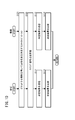
- FIG. 7 is a flowchart showing another example in the case where the priority and subordination degrees are the same.
- the process shown in FIG. 7 can be performed, for example, when the priority / subordination degree R of the own machine 26e and the priority / subordination degree R of the other machine 26o are equivalent in step S73 of FIG.
- steps S101 and S102 are the same as steps S101 and S102 described above with reference to FIG. 6, the description thereof will be omitted.
- step S111 the own machine 26e transmits a signal for proposing the scheduled transmission time, which is the scheduled time for transmitting the determination result, to the other machine 26o. That is, the own machine 26e transmits the scheduled transmission time information indicating the scheduled transmission time to the other machine 26o. After that, the process proceeds to step S112.
- step S112 the other machine 26o transmits a signal indicating that the scheduled transmission time proposed by the own machine 26e is accepted to the own machine 26e. After that, the transition to steps S104 and S105 occurs.
- the scheduled transmission time information may be transmitted from the other machine 26o to the own machine 26e.
- the signal indicating that the scheduled transmission time proposed by the other machine 26o is accepted is transmitted from the own machine 26e to the other machine 26o.
- steps S104 to S109 are the same as steps S104 to S109 described above with reference to FIG. 6, description thereof will be omitted.
- step S104 to S109 are repeated. After that, the process proceeds to step S74 shown in FIG.
- the first determined value determined by the own machine 26e and the second determined value determined by the other machine 26o may be transmitted to each other at a timing based on the scheduled transmission time information.
- the priority / subordination degree R of the own machine 26e determined by the superiority / inferiority determination unit 64 and the priority / subordination degree R of the other machine 26o determined by the superiority / inferiority determination unit 64 are equivalent, as described above.
- the case where the processing is performed has been described as an example, but the present invention is not limited to this.
- the above processing may be performed.
- FIG. 8 is a flowchart showing an example of operation when the priority and subordination degrees are the same.
- the state information of the own machine 26e is set as the first decision value, and the state information of the other machine 26o is set as the second decision value.
- the remaining capacity of the propulsion energy source of the drone 26 is used as the state information will be described as an example, but the present invention is not limited to this.
- the process shown in FIG. 8 can be performed, for example, when the priority / subordination degree R of the own machine 26e and the priority / subordination degree R of the other machine 26o are equivalent in step S73 of FIG.
- step S103 is executed without executing steps S101 and S102. Since step S103 is the same as step S103 described above with reference to FIG. 6, the description thereof will be omitted. After that, the transition to steps S111 and S112 occurs.
- step S111 the own machine 26e transmits the first determined value to the other machine 26o.
- the state information about the own machine 26e is set as the first determination value.
- the state information transmitted from the own machine 26e to the other machine 26o is the remaining capacity information indicating the remaining capacity of the propulsion energy source of the own machine 26e will be described as an example, but the present invention is not limited to this. Absent.
- the other machine 26o transmits the second determined value to the own machine 26e.
- the state information regarding the other machine 26o is set as the second determination value.
- the state information transmitted from the other machine 26o to the own machine 26e is the remaining capacity information indicating the remaining capacity of the propulsion energy source of the other machine 26o
- the present invention is not limited to this. Absent. After that, the transition to steps S113 and S114 occurs.
- step S113 the own machine 26e recognizes the priority and subordination between the own machine 26e and the other machine 26o by comparing the first decision value and the second decision value. That is, the own machine 26e recognizes the priority and subordination between the own machine 26e and the other machine 26o by comparing the state information about the own machine 26e with the state information about the other machine 26o.
- step S114 the other machine 26o recognizes the priority and subordination between the other machine 26o and the own machine 26e by comparing the first decision value and the second decision value. That is, the other machine 26o recognizes the priority and subordination between the other machine 26o and the own machine 26e by comparing the state information about the other machine 26o with the state information about the own machine 26e.
- the priority / subordination degree R of the own machine 26e determined by the superiority / inferiority determination unit 64 and the priority / subordination degree R of the other machine 26o determined by the superiority / inferiority determination unit 64 are equivalent, as described above.
- the case where the processing is performed has been described as an example, but the present invention is not limited to this.
- the above processing may be performed.
- the present invention is not limited to this.
- individual information other than the state information may be transmitted.
- the process shown in FIG. 9 can be performed, for example, when the priority / subordination degree R of the own machine 26e and the priority / subordination degree R of the other machine 26o are equivalent in step S73 of FIG.
- steps S121 and S122 are executed without executing steps S101, S102 and S103.
- step S121 the own machine 26e determines whether or not the distance between the own machine 26e and the other machine 26o is less than a predetermined distance. When the distance between the own machine 26e and the other machine 26o is equal to or greater than a predetermined distance (NO in step S121), step S121 is repeated. If the distance between the own machine 26e and the other machine 26o is less than a predetermined distance (YES in step S121), the process proceeds to step S111.
- steps S111 to S114 are the same as steps S111 to S114 described above with reference to FIG. 8, the description thereof will be omitted.
- the state information indicating the state of the drone 26 may be transmitted.
- the present invention is not limited to this.
- the option selected by the own machine 26e from the plurality of options having a trilemma relationship may be set as the first determination value.
- the second determination value is the state information relating to the other machine 26o has been described as an example, but the present invention is not limited to this.
- the option selected by the other machine 26o from the plurality of options having a trilemma relationship may be used as the second determination value.
- FIG. 10 is a flowchart showing an example of operation when the priority and subordination degrees are the same.
- FIG. 10 shows an example in which negotiation is performed on what kind of rule is used to determine the priority and subordination.
- FIG. 10 shows an example in which the priority / subordination is determined based on the state information, but the present invention is not limited to this.
- the process shown in FIG. 10 can be performed, for example, when the priority / subordination degree R of the own machine 26e and the priority / subordination degree R of the other machine 26o are equivalent in step S73 of FIG.
- step S131 negotiation of what kind of rule is used to determine the priority / subordination is performed between the own machine 26e and the other machine 26o. After that, the process proceeds to step S103.
- steps S111 to S114 are the same as steps S111 to S114 described above with reference to FIG. 8, the description thereof will be omitted.
- the negotiation of what kind of rule is used to determine the priority / subordination is performed between the own machine 26e and the other machine 26o. It may be.
- the present invention is not limited to this.
- the option selected by the own machine 26e from the plurality of options having a trilemma relationship may be set as the first determination value.
- the second determination value is the state information relating to the other machine 26o has been described as an example, but the present invention is not limited to this.
- the option selected by the other machine 26o from the plurality of options having a trilemma relationship may be used as the second determination value.
- the priority / subordination degree R of the own machine 26e determined by the superiority / inferiority determination unit 64 and the priority / subordination degree R of the other machine 26o determined by the superiority / inferiority determination unit 64 are equivalent, as described above.
- the case where the processing is performed has been described as an example, but the present invention is not limited to this.
- the above processing may be performed.
- At least one of the own machine 26e and the other machine 26o may communicate with the service server 22 and acquire a new priority / subordination degree R to be temporarily applied.
- a new priority / subordination degree R is given when the drone 26 is made to deliver a plurality of times (S81 in FIG. 3).
- a new priority / subordination degree R may be given to other situations.
- a new priority / subordination degree R (and a new flight path RTf) may be given to the drone 26 that is patrolling the sky for the purpose of security monitoring in order to deliver the package. Even in such a case, it is preferable that the service server 22 receives the reception confirmation from the drone 26 (S26 in FIG. 2).
- the movement management unit 28 may be provided with a control content determination unit 67 that determines the control content based on the priority / subordination degree R determined by the superiority / inferiority determination unit 64.
- FIG. 12 is an overall configuration diagram showing an example in the case where the movement management unit is provided with a control content determination unit.
- the control content determination unit 67 determines the control content based on the priority / subordination degree R of the drone 26e and the priority / subordination degree R of the drone 26o.
- the movement management unit 28 transmits the control content determined by the control content determination unit 67 to the drone 26.
- the control content determined by the control content determination unit 67 may be transmitted to the drone 26.
- the mutual actions of the plurality of drones 26 can be preferably set.
- both the own machine 26e and the other machine 26o are drones, that is, autonomous moving bodies has been described as an example, but the present invention is not limited to this.
- the other aircraft 26o may be a non-autonomous moving body on which the pilot is on board.
- the flight control unit 130 broadcasts the priority / subordination degree R
- the own machine 26e may transmit the request signal for requesting the transmission of the priority / subordination degree R of the other machine 26o to the other machine 26o. Then, based on the request signal, the other machine 26o may transmit the priority / subordination degree R to the own machine 26e.
- the request signal transmitting unit for transmitting such a request signal can be realized by, for example, at least one of the radio wave communication device 104 and the optical communication device 102, as described above.
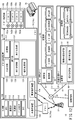
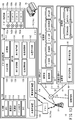
- FIG. 13 is an overall configuration diagram showing an outline of the management system according to the modified embodiment.
- the calculation unit 122 includes a flight control unit 130, a superiority / inferiority acquisition unit 136, a proximity suppression unit 138, a movement restriction unit 140, and a position prediction unit 142.
- the flight control unit 130, the superiority / inferiority acquisition unit 136, the proximity suppression unit 138, and the movement restriction unit 140 can be realized by executing the program stored in the storage unit 124 by the calculation unit 122.
- the calculation unit 122 may be further provided with the superiority / inferiority comparison unit 132, the superiority / inferiority change unit 134, and the like described above using FIG.
- the comparison unit 65 described above using FIG. 11 may be further provided in the calculation unit 61.
- the control content determination unit 67 described above using FIG. 12 may be further provided in the calculation unit 61.
- the superiority / inferiority acquisition unit 136 acquires the priority / subordination relationship regarding the movement between the own aircraft 26e and the other aircraft 26o.
- the priority / subordination relationship include, but are not limited to, the priority / subordination degree R described above in the above embodiment.
- the priority / subordination relationship can be determined based on the individual information of the own machine 26e and the other machine 26o.
- the priority / subordination relationship may be determined by the movement management unit 28, or may be determined between the own machine 26e and the other machine 26o.
- the proximity suppression unit 138 determines the current position of the other aircraft 26o or the future position of the other aircraft 26o (future movement route). ) Suppresses the proximity of the own machine 26e. Specifically, in such a case, the proximity suppression unit 138 controls the flight control unit 130 so that the position of the own aircraft 26e does not approach the current position of the other aircraft 26o or the future position of the other aircraft 26o. In such a case, the proximity suppression unit 138 may control the flight control unit 130 so as to maintain the current position of the own aircraft 26e.
- the proximity suppression unit 138 may control the flight control unit 130 so that the own aircraft 26e moves away from the current position of the other aircraft 26o or the future position of the other aircraft 26o. Such suppression of proximity can be performed in step S76 in the above embodiment.
- the movement limiting unit 140 is in the movable space 144 (see FIG. 14) selected from the plurality of divided spaces 143.
- the destination of the own machine 26e is restricted to.
- the movable space 144 is a space whose size in the vertical direction is smaller than the size in the horizontal direction.
- 12 divided spaces 143 are illustrated as an example.
- the position prediction unit 142 can predict the future position of the other aircraft 26o based on the current position of the other aircraft 26o, the current traveling direction of the other aircraft 26o, and the current speed of the other aircraft 26o.
- the proximity suppression unit 138 controls the moving direction of the own machine 26e so that the vertical component in the moving direction of the other machine 26o and the vertical component in the moving direction of the own machine 26e are opposite to each other. You may do so.
- the proximity suppression unit 138 may set the movable space 144 in the sky above the area RB and in the altitude range HD. If the movable space 144 is set in this way, the own machine 26e and the other machine 26o can be sufficiently separated from each other, which can contribute to the improvement of safety.
- the shape of the movable space in the vertical direction may be circular or elliptical.
- the proximity suppressing unit When a further moving body (26ox), which is a moving body different from any of the autonomous moving body and the other moving body among the plurality of moving bodies, exists in the movable space, the proximity suppressing unit is used. , The approach of the autonomous moving body to the current position of the other moving body or the future position of the other moving body may be suppressed. According to such a configuration, it is possible to contribute to further improvement of safety.
- the autonomous moving body may further include a position prediction unit (142) that predicts the future position of the other moving body based on the current speed of the other moving body.
- the proximity suppressing unit is such that the vertical component in the moving direction of the other moving body and the vertical component in the moving direction of the autonomous moving body are opposite to each other.
- the moving direction may be controlled. According to such a configuration, it is possible to contribute to further improvement of safety.
- the priority / subordination relationship may be determined based on the aircraft information determined based on the intended use of the moving body.
- the priority / subordination relationship is determined based on the passenger information determined based on the presence / absence of a occupant of the moving body, and the moving body having the occupant information has the occupant information. It may be given priority over the moving body that is absent.
- the priority / subordination relationship is determined based on the load information determined based on the value of the load of the moving body, and in the moving body in which the load information is the first value, the load information is the said. It may be prioritized over the moving body having a second value lower than the first value.
- the priority / subordination relationship is determined based on the moving speed information indicating the moving speed of the moving body, and the moving speed information is the first moving speed of the moving body, and the moving speed information is the first moving. It may be inferior to the moving body having a second moving speed lower than the speed.
- the priority / subordination relationship is determined based on the remaining capacity information indicating the remaining capacity of the propulsion energy source of the moving body, and the moving body whose remaining capacity information is the first remaining capacity has the remaining capacity information. It may be subordinated to the moving body having a second remaining capacity less than the first remaining capacity.
- the priority-subordinate relationship is determined based on the maximum speed information determined based on the maximum speed of the moving body, and the moving body having the maximum speed information having the first maximum speed has the maximum speed information of the first. It may be inferior to the moving body having a second maximum speed lower than the maximum speed of 1.
- the priority / subordination relationship is determined based on the maximum output information determined based on the maximum output of the propulsion device provided in the moving body, and the moving body in which the maximum output information is the first maximum output is described as described above.
- the maximum output information may be subordinated to the moving body having a second maximum output lower than the first maximum output.
- the control method of the management system is a control method of a management system that manages the movement of a plurality of moving bodies including an autonomous moving body including an autonomous control unit for autonomously moving, and is among the plurality of moving bodies.
- the program is a moving body different from the autonomous moving body among a plurality of moving bodies including an autonomous moving body including an autonomous control unit for autonomously moving the computer, and the autonomous moving body.
- the step of acquiring the priority / subordinate relationship with respect to the movement with and the step of acquiring the priority / subordinate relationship that the autonomous moving body is inferior to the other moving body is acquired, the other moving body is obtained.
- the step of suppressing the proximity of the autonomous moving body to the current position of the moving body or the future position of the other moving body is executed.
- the autonomous moving body is an autonomous moving body including an autonomous control unit for autonomously moving, and the autonomous moving body is a moving body different from the autonomous moving body among a plurality of moving bodies.
- the superiority / inferiority acquisition unit that acquires the priority / inferiority relationship regarding movement with the body
- the current state of the other moving body It is characterized by including a proximity suppressing unit that suppresses the proximity of the autonomous moving body to the position of the above or the future position of the other moving body.
Landscapes
- Engineering & Computer Science (AREA)
- Aviation & Aerospace Engineering (AREA)
- Automation & Control Theory (AREA)
- Physics & Mathematics (AREA)
- General Physics & Mathematics (AREA)
- Radar, Positioning & Navigation (AREA)
- Remote Sensing (AREA)
- Traffic Control Systems (AREA)
Abstract
移動体の行動を好適に設定することが可能な管理システム及びその制御方法、プログラム並びに自律移動体を提供する。管理システム(10)は、自律移動体(26e)を含む複数の移動体(26)と通信装置を介して通信し、複数の移動体の移動を管理する移動管理部(28)を備える管理システムであって、自律移動体は、他の移動体(26o)と自律移動体との移動に関する優先劣後関係を取得する優劣取得部(136)と、自律移動体が他の移動体に対して劣後することを優劣取得部が取得した場合に、他の移動体の現在の位置又は他の移動体の将来の位置への自律移動体の近接を抑制する近接抑制部(138)とを備える。
Description
本発明は、移動体の移動を管理する管理システム及びその制御方法、プログラム並びに自律移動体に関する。
米国特許出願公開第2015/0339931号明細書では、飛行制限区域に応じた飛行が可能なシステム、方法及び装置が開示されている(要約)。米国特許出願公開第2015/0339931号明細書では、無人飛行体(UAV:unmanned aerial vehicle)の位置が、飛行制限区域と比較される。必要に応じて、UAVは、飛行禁止区域への進入を回避するための対応を取る。
上記のように、米国特許出願公開第2015/0339931号明細書では、UAVの位置を飛行制限区域と比較し、必要に応じて、UAVは、飛行禁止区域への進入を回避するための対応を取る(要約)。しかしながら、米国特許出願公開第2015/0339931号明細書では、飛行体同士の位置関係については考慮されていない。このような課題は、飛行体に限らず、自律的な移動を行うその他の自律移動体(船舶、自動車等)にも該当する。
本発明は上記のような課題を考慮してなされたものであり、移動体の行動を好適に設定することが可能な管理システム及びその制御方法、プログラム並びに自律移動体を提供することを目的とする。
本発明の一態様による管理システムは、自律的に移動するための自律制御部を備える自律移動体を含む複数の移動体と通信装置を介して通信し、前記複数の移動体の移動を管理する移動管理部を備える管理システムであって、前記自律移動体は、前記複数の移動体のうちの前記自律移動体とは異なる移動体である他の移動体と前記自律移動体との移動に関する優先劣後関係を取得する優劣取得部と、前記自律移動体が前記他の移動体に対して劣後することを前記優劣取得部が取得した場合に、前記他の移動体の現在の位置又は前記他の移動体の将来の位置への前記自律移動体の近接を抑制する近接抑制部とを備えることを特徴とする。
本発明の他の態様による管理システムの制御方法は、自律的に移動するための自律制御部を備える自律移動体を含む複数の移動体の移動を管理する管理システムの制御方法であって、前記複数の移動体のうちの前記自律移動体とは異なる移動体である他の移動体と前記自律移動体との移動に関する優先劣後関係を取得するステップと、前記自律移動体が前記他の移動体に対して劣後することが前記優先劣後関係を取得するステップにおいて取得された場合に、前記他の移動体の現在の位置又は前記他の移動体の将来の位置への前記自律移動体の近接を抑制するステップとを有する。
本発明の更に他の態様によるプログラムは、コンピュータに、自律的に移動するための自律制御部を備える自律移動体を含む複数の移動体のうちの前記自律移動体とは異なる移動体である他の移動体と前記自律移動体との移動に関する優先劣後関係を取得するステップと、前記自律移動体が前記他の移動体に対して劣後することが前記優先劣後関係を取得するステップにおいて取得された場合に、前記他の移動体の現在の位置又は前記他の移動体の将来の位置への前記自律移動体の近接を抑制するステップとを実行させる。
本発明の更に他の態様による自律移動体は、自律的に移動するための自律制御部を備える自律移動体であって、複数の移動体のうちの前記自律移動体とは異なる移動体である他の移動体と前記自律移動体との移動に関する優先劣後関係を取得する優劣取得部と、前記自律移動体が前記他の移動体に対して劣後することを前記優劣取得部が取得した場合に、前記他の移動体の現在の位置又は前記他の移動体の将来の位置への前記自律移動体の近接を抑制する近接抑制部とを備えることを特徴とする。
本発明によれば、移動体の行動を好適に設定することが可能となる。
A.一実施形態
<A-1.構成>
[A-1-1.全体構成]
図1は、本発明の一実施形態に係る管理システム10の概要を示す全体構成図である。管理システム10は、複数の顧客端末20と、少なくとも1台のサービス管理サーバ22(以下「サービスサーバ22」ともいう。)と、少なくとも1台の交通管理サーバ24(以下「交通サーバ24」ともいう。)と、複数のドローン(自律移動体、移動体)26とを有する。サービスサーバ22と交通サーバ24は、移動管理部28を構成する。移動管理部28は、不図示の通信装置を介して複数のドローン26と通信するとともに、複数のドローン26の移動を管理する。図1では、1つの顧客端末20、サービスサーバ22及び交通サーバ24のみを示している。管理システム10では、顧客端末20を介して入力された商品Gの発注情報に基づいて、ドローン26が商品Gを配送する。
<A-1.構成>
[A-1-1.全体構成]
図1は、本発明の一実施形態に係る管理システム10の概要を示す全体構成図である。管理システム10は、複数の顧客端末20と、少なくとも1台のサービス管理サーバ22(以下「サービスサーバ22」ともいう。)と、少なくとも1台の交通管理サーバ24(以下「交通サーバ24」ともいう。)と、複数のドローン(自律移動体、移動体)26とを有する。サービスサーバ22と交通サーバ24は、移動管理部28を構成する。移動管理部28は、不図示の通信装置を介して複数のドローン26と通信するとともに、複数のドローン26の移動を管理する。図1では、1つの顧客端末20、サービスサーバ22及び交通サーバ24のみを示している。管理システム10では、顧客端末20を介して入力された商品Gの発注情報に基づいて、ドローン26が商品Gを配送する。
顧客端末20とサービスサーバ22の間、サービスサーバ22と交通サーバ24の間は、インターネット30を介して通信可能である。また、サービスサーバ22とドローン26の間は、インターネット30及び無線中継局32を介して通信可能である。ドローン26同士の間は、光通信及び電波通信を介して通信可能である。
[A-1-2.顧客端末20]
顧客端末20は、サービスサーバ22が取り扱う商品Gについて顧客からの発注を受け付ける端末である。顧客端末20は、例えば、パーソナルコンピュータ又はスマートフォンから構成される。
顧客端末20は、サービスサーバ22が取り扱う商品Gについて顧客からの発注を受け付ける端末である。顧客端末20は、例えば、パーソナルコンピュータ又はスマートフォンから構成される。
[A-1-3.サービス管理サーバ22]
サービス管理サーバ22は、特定の企業についての受注管理、在庫管理及び配送管理を行う。図1に示すように、サービス管理サーバ22は、演算部51と、記憶部53とを含む。演算部51は、中央演算装置(CPU:Central Processing Unit)、FPGA(Field-Programmable Gate Array)等を含み得る。演算部51は、記憶部53に記憶されているプログラムを実行することにより動作し得る。演算部51によって実現される機能の一部は、ロジックIC(Integrated Circuit)を用いて実現することも可能である。演算部51は、上記のプログラムの一部をハードウェア(回路部品)によって構成することもできる。記憶部53は、演算部51によって用いられるプログラム、データ等を記憶し得る。記憶部53には、不図示の揮発性メモリと、不図示の不揮発性メモリとが備えられ得る。揮発性メモリとしては、例えば、RAM(Random Access Memory)が挙げられる。揮発性メモリは、例えばレジスタ等として用い得る。不揮発性メモリとしては、例えば、ROM(Read Only Memory)、フラッシュメモリ、ハードディスクドライブ等が挙げられる。
サービス管理サーバ22は、特定の企業についての受注管理、在庫管理及び配送管理を行う。図1に示すように、サービス管理サーバ22は、演算部51と、記憶部53とを含む。演算部51は、中央演算装置(CPU:Central Processing Unit)、FPGA(Field-Programmable Gate Array)等を含み得る。演算部51は、記憶部53に記憶されているプログラムを実行することにより動作し得る。演算部51によって実現される機能の一部は、ロジックIC(Integrated Circuit)を用いて実現することも可能である。演算部51は、上記のプログラムの一部をハードウェア(回路部品)によって構成することもできる。記憶部53は、演算部51によって用いられるプログラム、データ等を記憶し得る。記憶部53には、不図示の揮発性メモリと、不図示の不揮発性メモリとが備えられ得る。揮発性メモリとしては、例えば、RAM(Random Access Memory)が挙げられる。揮発性メモリは、例えばレジスタ等として用い得る。不揮発性メモリとしては、例えば、ROM(Read Only Memory)、フラッシュメモリ、ハードディスクドライブ等が挙げられる。
記憶部53は、注文データベース50(以下「注文DB50」という。)と、在庫データベース52(以下「在庫DB52」という。)と、ドローンデータベース54(以下「ドローンDB54」という。)と、第1地図データベース56(以下「第1地図DB56」という。)と、配送データベース58(以下「配送DB58」という。)とを有する。
注文DB50は、各顧客端末20を介して受け付けた注文に関する情報(注文情報Io)を蓄積する。在庫DB52は、在庫に関する情報(在庫情報Is)を蓄積する。ドローンDB54は、配送に用いるドローン26に関する情報(ドローン情報Id)を蓄積する。
第1地図DB56は、ドローン26による配送を行うための地図情報(第1地図情報Imap1)を蓄積する。配送DB58は、注文を受けた商品Gの配送に関する情報(配送情報Idl)を蓄積する。配送情報Idlには、商品Gの配送を行うドローン26に関する情報も含まれる。
[A-1-4.交通管理サーバ24]
交通管理サーバ24は、複数のドローン26の交通(飛行)に関する情報(交通情報It)を管理する。例えば、交通サーバ24は、ドローン26の飛行許可申請をサービスサーバ22から受信した場合、当該飛行許可申請を許可するか否かを判定し、判定結果に応じて許可又は不許可をサービスサーバ22に通知する。
交通管理サーバ24は、複数のドローン26の交通(飛行)に関する情報(交通情報It)を管理する。例えば、交通サーバ24は、ドローン26の飛行許可申請をサービスサーバ22から受信した場合、当該飛行許可申請を許可するか否かを判定し、判定結果に応じて許可又は不許可をサービスサーバ22に通知する。
図1に示すように、交通管理サーバ24は、演算部61と、記憶部63とを含む。演算部61は、中央演算装置、FPGA等を含み得る。演算部61は、記憶部63に記憶されているプログラムを実行することにより動作し得る。演算部61によって実現される機能の一部は、ロジックICを用いて実現することも可能である。演算部61は、上記のプログラムの一部をハードウェアによって構成することもできる。記憶部63は、演算部61によって用いられるプログラム、データ等を記憶し得る。記憶部63には、不図示の揮発性メモリと、不図示の不揮発性メモリとが備えられ得る。揮発性メモリとしては、例えば、RAMが挙げられる。揮発性メモリは、例えばレジスタ等として用い得る。不揮発性メモリとしては、例えば、ROM、フラッシュメモリ、ハードディスクドライブ等が挙げられる。
記憶部63は、第2地図データベース60(以下「第2地図DB60」という。)と、飛行スケジュールデータベース62(以下「飛行スケジュールDB62」という。)とを有する。
第2地図DB60は、ドローン26の交通(飛行)に関する地図情報(第2地図情報Imap2)を蓄積する。飛行スケジュールDB62は、各ドローン26の飛行スケジュールに関する情報(飛行スケジュール情報Isc)を蓄積する。飛行スケジュール情報Iscには、優先劣後度(優先ランク、優先度)Rに関する情報も含まれる。
優先劣後度Rは、複数のドローン26が接近した際において、ドローン26自体(以下「自機26e」ともいう。)と、他のドローン26(以下「他機26o」ともいう。)との間の優先順位を規定する。図1では、上側のドローン26を自機26eとして、下側のドローン26を他機26oとして示している。本実施形態において、優先劣後度Rは、自機(ドローン)26eと他機(ドローン)26oのそれぞれが飛行経路RTfの設定に用いるが、後述するようにその他の用途で優先劣後度Rを用いてもよい。
移動管理部28には、優劣決定部64が備えられている。優劣決定部64は、ドローン26の個体情報に基づいて複数のドローン26のそれぞれの移動に関する優先劣後度Rを決定し得る。優劣決定部64は、記憶部63に記憶されているプログラムが演算部61によって実行されることによって実現され得る。図1には、優劣決定部64が交通管理サーバ24に備えられている場合が示されているが、これに限定されるものではない。
個体情報は、例えば、複数のドローン26の利用用途に基づいて定められる機体情報を含み得る。機体情報は、例えば、機体区分(区分)を含み得る。図5は、機体区分と進入が許可される地理的単位区分との関係の例を示す図である。
図5に示すように、機体区分としては、例えば、第1種と、第2種と、第3種とが存在し得るが、これに限定されるものではない。地理的単位区分としては、地理的単位区分Aと、地理的単位区分Bと、地理的単位区分Cと、地理的単位区分Dと、地理的単位区分Eが存在し得るが、これに限定されるものではない。地理的単位区分Aは、例えば、人口集中地及び住宅密集地である。地理的単位区分Bは、例えば、道路上及び線路上である。地理的単位区分Cは、例えば、市街地である。地理的単位区分Dは、例えば、田畑及び非市街地である。地理的単位区分Eは、例えば、フリーウェイ、河川及び安全対策エリアである。
図5に示すように、第1種の機体は、例えば、地理的単位区分A~Cへの進入が禁止される。また、第1種の機体は、例えば、地理的単位区分Dへの進入が条件付きで許可される。また、第1種の機体は、例えば、地理的単位区分Eへの進入が制限なく許可される。第1種の機体としては、例えば、プライベート用途の機体が該当し得る。例えば、商業的な配送、非商業的な配送、商業的な撮影、非商業的な撮影等に用いられる機体が、第1種の機体に該当し得る。
第2種の機体は、例えば、地理的単位区分Aへの進入が禁止される。また、第2種の機体は、例えば、地理的単位区分B、Cへの進入が条件付きで許可される。また、第2種の機体は、例えば、地理的単位区分D、Eへの進入が制限なく許可される。第2種の機体としては、例えば、一般的な公共用途の機体が該当し得る。例えば、警察による巡回監視等に用いられる機体が、第2種の機体に該当し得る。
第3種の機体は、例えば、地理的単位区分A、Bへの進入が条件付きで許可される。また、第3種の機体は、例えば、地理的単位区分C~Eへの進入が制限なく許可される。第3種の機体としては、例えば、緊急の公共用途の機体が該当し得る。例えば、災害対応、救命、犯罪対応等に用いられる機体が、第3種の機体に該当し得る。
第2種は、例えば、通常機体区分に該当し、第3種は、例えば、緊急機体区分に該当する。第3種、即ち、緊急機体区分に属するドローン26の利用用途は、第2種、即ち、通常機体区分に属するドローン26の利用用途に対して緊急性が高い。
第2種及び第3種は、例えば、第1機体区分(第1区分)に属する。第1種は、例えば、第2機体区分(第2区分)に属する。第1機体区分に属するドローン26の利用用途は、第2機体区分に属するドローン26の利用用途に対して公共性が高い。
第2機体区分は、例えば、不図示の商用機体区分(商用区分)と、不図示の非商用機体区分(非商用区分)とに少なくとも区分けされ得る。商用機体区分に属するドローン26は、商用利用され得る。非商用機体区分に属するドローン26は、非商用利用され得る。
優劣決定部64は、機体区分に関する機体情報が第1機体区分であるドローン26に対し、機体区分に関する機体情報が第2機体区分であるドローン26に対して決定する優先劣後度Rよりも高い優先劣後度Rを決定し得る。
なお、「優先劣後度が高い」とは、優先劣後度Rが相対的に低いものに対して優先され劣後しないことを意味する。換言すれば、「優先劣後度が高い」とは、優先度が高いこと、即ち、劣後度が低いことを意味する。「優先劣後度が低い」とは、優先劣後度Rが相対的に高いものに対して優先されず劣後することを意味する。換言すれば、「優先劣後度が低い」とは、優先度が低いこと、即ち、劣後度が高いことを意味する。
個体情報は、例えば、ドローン26に対して進入が許可される地理的単位区分に基づいて定められる地理情報を含み得る。地理的単位区分としては、図5を用いて上述したような地理的単位区分A~Eが挙げられるが、これに限定されるものではない。
個体情報は、例えば、ドローン26の搭乗者の有無に基づいて定められる搭乗者情報を含み得る。優劣決定部64は、搭乗者情報が搭乗者有りであるドローン26に対し、搭乗者情報が搭乗者無しであるドローン26よりも高い優先劣後度Rを決定し得る。
個体情報は、例えば、ドローン26の搭載物の価値に基づいて定められる搭載物情報を含み得る。優劣決定部64は、搭載物情報が第1の価値であるドローン26に対し、搭載物情報が第1の価値より低い第2の価値であるドローン26よりも高い優先劣後度Rを決定し得る。
個体情報は、例えば、ドローン26の状態を示す状態情報を含み得る。
状態情報は、例えば、ドローン26の移動速度を示す移動速度情報である。優劣決定部64は、移動速度情報が第1の移動速度であるドローン26に対し、移動速度情報が第1の移動速度より低い第2の移動速度であるドローン26よりも低い優先劣後度Rを決定し得る。
状態情報は、例えば、ドローン26の移動高度を示す移動高度情報である。優劣決定部64は、移動高度情報が第1の移動高度であるドローン26に対し、移動高度情報が第1の移動高度より低い第2の移動高度であるドローン26よりも低い優先劣後度Rを決定し得る。
状態情報は、例えば、ドローン26の推進エネルギー源の残容量を示す残容量情報である。優劣決定部64は、残容量情報が第1の残容量であるドローン26に対し、残容量情報が第1の残容量より少ない第2の残容量であるドローン26よりも低い優先劣後度Rを決定し得る。
状態情報は、例えば、ドローン26の推進エネルギー源による移動可能距離を示す移動可能距離情報である。優劣決定部64は、移動可能距離情報が第1の移動可能距離であるドローン26に対し、移動可能距離情報が第1の移動可能距離より短い第2の移動可能距離であるドローン26よりも低い優先劣後度Rを決定し得る。
個体情報は、例えば、ドローン26の性能に基づいて定められる性能情報を含み得る。
性能情報は、例えば、ドローン26の最高速度を示す最高速度情報である。優劣決定部64は、最高速度情報が第1の最高速度であるドローン26に対し、最高速度情報が第1の最高速度より低い第2の最高速度であるドローン26よりも低い優先劣後度Rを決定し得る。かかる最高速度は、例えば、鉛直方向における最高速度である。
性能情報は、例えば、ドローン26に備えられたプロペラ駆動部(推進装置)108の最高出力を示す最高出力情報である。優劣決定部64は、最高出力情報が第1の最高出力であるドローン26に対し、最高出力情報が第1の最高出力より低い第2の最高出力であるドローン26よりも低い優先劣後度Rを決定し得る。
移動管理部28には、優劣修正部66が更に備えられている。優劣修正部66は、優劣決定部64によって決定された優先劣後度Rが同等である複数のドローン26が存在する場合、優先劣後度Rを修正し得る。優劣修正部66は、記憶部63に記憶されているプログラムが演算部61によって実行されることによって実現され得る。図1には、優劣修正部66が交通管理サーバ24に備えられている場合が示されているが、これに限定されるものではない。
優劣修正部66は、優劣決定部64によって決定された優先劣後度Rが同等である複数のドローン26が存在する場合、以下のような処理を行い得る。即ち、優劣修正部66は、優先劣後度Rが決定された時間が第1の時間であるドローン26の優先劣後度Rが、優先劣後度Rが決定された時間が第1の時間より遅い第2の時間であるドローン26の優先劣後度Rより高くなるように、優先劣後度Rを修正し得る。
移動管理部28には、監視部68が更に備えられている。監視部68は、ドローン26が優先劣後度Rを受信したことを確認し得る。監視部68は、記憶部53に記憶されているプログラムが演算部51によって実行されることによって実現され得る。図1には、監視部68がサービス管理サーバ22に備えられている場合が示されているが、これに限定されるものではない。
[A-1-5.ドローン26]
(A-1-5-1.ドローン26の概要)
本実施形態のドローン26は、商品配送用であり、インターネット30及び無線中継局32を介してサービスサーバ22から受信した配送指令(飛行指令)に応じて倉庫70(図1)から配送目的地Pdtarまで商品Gを配送する。後述するように、ドローン26はその他の用途で用いてもよい。
(A-1-5-1.ドローン26の概要)
本実施形態のドローン26は、商品配送用であり、インターネット30及び無線中継局32を介してサービスサーバ22から受信した配送指令(飛行指令)に応じて倉庫70(図1)から配送目的地Pdtarまで商品Gを配送する。後述するように、ドローン26はその他の用途で用いてもよい。
図1に示すように、ドローン26は、センサ群100と、光通信装置102と、電波通信装置104と、ドローン制御装置106と、プロペラ駆動部108とを有する。なお、図1では、上側のドローン26(26e)のみについて構成を具体的に示しているが、下側のドローン26(26o)も同様の構成を有する。
(A-1-5-2.センサ群100)
センサ群100は、グローバル・ポジショニング・システム・センサ110(以下「GPSセンサ110」という。)と、速度計112と、高度計114と、ジャイロセンサ116と、カメラ118とを有する。GPSセンサ110は、ドローン26の現在位置Pdcurを検出する。速度計112は、ドローン26の飛行速度Vd[km/h]を検出する。
センサ群100は、グローバル・ポジショニング・システム・センサ110(以下「GPSセンサ110」という。)と、速度計112と、高度計114と、ジャイロセンサ116と、カメラ118とを有する。GPSセンサ110は、ドローン26の現在位置Pdcurを検出する。速度計112は、ドローン26の飛行速度Vd[km/h]を検出する。
高度計114は、ドローン26下方の地面に対する距離としての対地高度H(以下「高度H」ともいう。)[m]を検出する。なお、GPSセンサ110を高度計114として利用することも可能である。ジャイロセンサ116は、ドローン26の角速度ω[rad/sec]を検出する。角速度ωは、上下軸に対する角速度Y(ヨーY)と、左右軸に対する角速度P(ピッチP)と、前後軸に対する角速度Ro(ロールRo)とを含む。
カメラ118は、ドローン26の本体の下部に配置され、ドローン26の画像Id(以下「ドローン画像Id」ともいう。)を取得する。カメラ118は、動画を撮影するビデオカメラである。或いは、カメラ118は、動画及び静止画の両方又は静止画のみを撮影可能としてもよい。本実施形態のカメラ118は、不図示のカメラアクチュエータにより向き(ドローン26の本体に対するカメラ118の姿勢)を調整可能である。或いは、カメラ118は、ドローン26の本体に対する位置が固定されてもよい。
(A-1-5-3.光通信装置102及び電波通信装置104)
光通信装置102は、他機26oとの間で光通信(第1無線通信)が可能である。ここにいう「光」は、可視光のみならず、赤外光も含み得る。光通信装置102は、例えば、赤外線照射装置及び赤外線受光装置を含む。
光通信装置102は、他機26oとの間で光通信(第1無線通信)が可能である。ここにいう「光」は、可視光のみならず、赤外光も含み得る。光通信装置102は、例えば、赤外線照射装置及び赤外線受光装置を含む。
電波通信装置104(通信装置)は、無線中継局32、他機26o等との電波通信(第2無線通信)が可能である。ここにいう「電波」は、ミリ波、サブミリ波、テラヘルツ波、センチ波等を含み得る。電波通信装置104は、例えば、電波通信モジュールを含む。電波通信装置104は、無線中継局32及びインターネット30を介することでサービスサーバ22等との通信が可能である。
電波通信装置104は、優劣決定部64が決定した優先劣後度Rを受信する受信部(優劣受信部)として機能し得る。電波通信装置104及び光通信装置102のうちの少なくともいずれかは、受信部が受信した優先劣後度Rを発信する発信部として機能し得る。電波通信装置104及び光通信装置102のうちの少なくともいずれかは、他機26oの優先劣後度Rの発信を他機26oに要求するための要求信号を発信する要求信号発信部として機能し得る。
(A-1-5-4.ドローン制御装置106)
ドローン制御装置106は、ドローン26の飛行、撮影等、ドローン26全体を制御する。図1に示すように、ドローン制御装置106は、入出力部120と、演算部122と、記憶部124とを含む。
ドローン制御装置106は、ドローン26の飛行、撮影等、ドローン26全体を制御する。図1に示すように、ドローン制御装置106は、入出力部120と、演算部122と、記憶部124とを含む。
演算部122は、中央演算装置、FPGA等を含み得る。演算部122は、記憶部124に記憶されているプログラムを実行することにより動作する。演算部122が実行する機能の一部は、ロジックICを用いて実現することもできる。前記プログラムは、電波通信装置104を介してサービスサーバ22等から供給されてもよい。演算部122は、前記プログラムの一部をハードウェア(回路部品)で構成することもできる。図1に示すように、演算部122には、飛行制御部130と、優劣比較部132と、優劣変更部134とが備えられている。飛行制御部130と、優劣比較部132と、優劣変更部134とは、記憶部124に記憶されているプログラムが演算部122によって実行されることによって実現され得る。
飛行制御部(自律制御部、制御部)130は、ドローン26の飛行を制御する飛行制御を実行する。飛行制御部130は、ドローン26を自律的に移動させ得る。
優劣比較部132は、他機26oの優先劣後度Rである他優先劣後度と、自機26eの優先劣後度Rである自優先劣後度とを比較する。他機26oの優先劣後度Rは、他機26oから発信されるようにしてもよいし、移動管理部28から発信されるようにしてもよい。
優劣変更部134は、優劣決定部64が決定した自優先劣後度を以下のようにして変更し得る。優劣変更部134による優先劣後度Rの変更は、例えば通信不調等によって状態情報等が優劣決定部64において十分に考慮されていない可能性がある場合等に行われ得る。
優劣変更部134は、ドローン26の搭乗者の有無に基づいて自優先劣後度を変更し得る。例えば、自機26eの搭乗者情報が搭乗者有りである場合、優劣変更部134は、自優先劣後度を所定程度高くするようにしてもよい。例えば、自機26eの搭乗者情報が搭乗者無しである場合、優劣変更部134は、自優先劣後度を所定程度低くするようにしてもよい。
優劣変更部134は、ドローン26の移動速度に基づいて自優先劣後度を変更し得る。例えば、自機26eの移動速度が閾値以上である場合、優劣変更部134は、自優先劣後度を所定程度低くするようにしてもよい。例えば、自機26eの移動速度が閾値未満である場合、優劣変更部134は、自優先劣後度を所定程度高くするようにしてもよい。
優劣変更部134は、ドローン26の移動高度に基づいて自優先劣後度を変更し得る。例えば、自機26eの移動高度が閾値以上である場合、優劣変更部134は、自優先劣後度を所定程度低くするようにしてもよい。例えば、自機26eの移動高度が閾値未満である場合、優劣変更部134は、自優先劣後度を所定程度高くするようにしてもよい。
優劣変更部134は、ドローン26の推進エネルギー源の残容量に基づいて自優先劣後度を変更し得る。例えば、自機26eの残容量が閾値以上である場合、優劣変更部134は、自優先劣後度を所定程度低くするようにしてもよい。例えば、自機26eの残容量が閾値未満である場合、優劣変更部134は、自優先劣後度を所定程度高くするようにしてもよい。
優劣変更部134は、ドローン26の推進エネルギー源による移動可能距離に基づいて自優先劣後度を変更し得る。例えば、自機26eの移動可能距離が閾値以上である場合、優劣変更部134は、自優先劣後度を所定程度低くするようにしてもよい。例えば、自機26eの移動可能距離が閾値未満である場合、優劣変更部134は、自優先劣後度を所定程度高くするようにしてもよい。
自優先劣後度と他優先劣後度とが同等であり、且つ、自優先劣後度が決定された時間が他優先劣後度が決定された時間よりも早い場合、優劣変更部134は以下のような処理を行い得る。即ち、優劣変更部134は、自優先劣後度が他優先劣後度より高くなるように自優先劣後度を変更し得る。自優先劣後度と他優先劣後度とが同等であり、且つ、自優先劣後度が決定された時間が他優先劣後度が決定された時間よりも遅い場合、優劣変更部134は以下のような処理を行い得る。即ち、優劣変更部134は、自優先劣後度が他優先劣後度より低くなるように自優先劣後度を変更し得る。
記憶部124は、演算部122によって用いられるプログラム、データ等を記憶する。記憶部124には、不図示の揮発性メモリと、不図示の不揮発性メモリとが備えられ得る。揮発性メモリとしては、例えば、RAMが挙げられる。揮発性メモリは、例えばレジスタ等として用い得る。不揮発性メモリとしては、例えば、ROM、フラッシュメモリ、ハードディスクドライブ等が挙げられる。
(A-1-5-5.プロペラ駆動部108)
プロペラ駆動部108は、複数のプロペラ150a、150b、150c、150d(以下「プロペラ150」と総称する。)と、複数のプロペラアクチュエータ152a、152b、152c、152d(以下「プロペラアクチュエータ152」と総称する。)とを有する。プロペラアクチュエータ152は、例えば電動モータを有する。電動モータが交流式である場合、プロペラアクチュエータ152は、直流を交流に変換するインバータを有してもよい。プロペラ150(回転翼)及びプロペラアクチュエータ152の数は4以外であってもよい。
プロペラ駆動部108は、複数のプロペラ150a、150b、150c、150d(以下「プロペラ150」と総称する。)と、複数のプロペラアクチュエータ152a、152b、152c、152d(以下「プロペラアクチュエータ152」と総称する。)とを有する。プロペラアクチュエータ152は、例えば電動モータを有する。電動モータが交流式である場合、プロペラアクチュエータ152は、直流を交流に変換するインバータを有してもよい。プロペラ150(回転翼)及びプロペラアクチュエータ152の数は4以外であってもよい。
<A-2.本実施形態の制御>
[A-2-1.配送開始時までの概要]
図2は、本実施形態において、顧客の発注から、ドローン26で商品Gの配送を開始するまでの概要を示すフローチャートである。図2では、ドローン26が配送を開始するまでの流れのみを示していること(又は配送開始後については示されていないこと)に留意されたい。
[A-2-1.配送開始時までの概要]
図2は、本実施形態において、顧客の発注から、ドローン26で商品Gの配送を開始するまでの概要を示すフローチャートである。図2では、ドローン26が配送を開始するまでの流れのみを示していること(又は配送開始後については示されていないこと)に留意されたい。
ステップS11において、顧客端末20は、顧客の操作に応じて発注画面を表示部(図示せず)に表示する。発注画面のデータは、サービス管理サーバ22から取得したものである。また、発注画面を表示させるに当たり、サービスサーバ22は、発注対象の商品Gの在庫数を確認する。在庫切れの場合、サービスサーバ22は、その旨を併せて表示させる。発注があった場合(S12:TRUE)、ステップS13に進む。発注がない場合(S12:FALSE)、ステップS11に戻る。ステップS13において、顧客端末20は、顧客からの発注を受け付けてサービス管理サーバ22に送信する。
サービスサーバ22の処理に移る。ステップS21において、サービスサーバ22は、顧客端末20を介して顧客から受注したか否かを監視する。受注があった場合(S21:TRUE)、ステップS22に進む。受注がない場合(S21:FALSE)、ステップS21を繰り返す。
ステップS22において、サービスサーバ22は、商品Gを配送するドローン26(以下「対象ドローン26tar」ともいう。)をドローンDB54から選択する。そして、サービスサーバ22は、選択した対象ドローン26tarについて、倉庫70から配送目的地Pdtar(発注者の住所等)までと、配送目的地Pdtarから帰還目的地Prtar(通常は倉庫70)までの予定経路Rp(以下「仮経路RTp」という。)を算出する。
なお、対象ドローン26tarとして選択されるドローン26は、配送を終了して帰還途中のものであってもよい。帰還途中のドローン26の場合、仮経路RTpは、対象ドローン26tarの現在位置Pdcurから集荷目的地Pptarまでの経路とすることができる。また、対象ドローン26tar及び仮経路RTpの算出は、発注前に行っておき、発注時に確定してもよい。
ステップS23において、サービスサーバ22は、仮経路RTpについての飛行許可申請を、交通管理サーバ24に対して送信する。飛行許可申請には、対象ドローン26tarの識別番号も付与する。飛行許可申請の送信後、ステップS24において、サービスサーバ22は、交通管理サーバ24からの結果通知を受信したか否かを監視する。
交通管理サーバ24の処理に移る。ステップS31において、交通管理サーバ24は、サービスサーバ22から飛行許可申請を受信したか否かを判定する。飛行許可申請を受信した場合(S31:TRUE)、ステップS32に進む。飛行許可申請を受信しない場合(S31:FALSE)、ステップS31を繰り返す。
ステップS32において、交通管理サーバ24は、受信した飛行許可申請について許可又は不許可のいずれとするかを判定する。例えば、仮経路RTpが、ドローン26の飛行禁止区域を含む場合、交通サーバ24は飛行許可申請を不許可とする。また、1又は複数の他機26oが、自機26eと同時刻に仮経路RTpの一部を通過する予定である場合、交通サーバ24は飛行許可申請を不許可とする。一方、ドローン26の飛行を認めない事由が仮経路RTpに存在しない場合、交通サーバ24は飛行許可申請を許可する。
飛行許可申請を許可する場合(S33:TRUE)、ステップS34において、交通管理サーバ24は、許可通知を送信する。許可通知の送信に先立って、交通管理サーバ24は、優先劣後度Rを発行して、許可通知に含ませる。上記のように、優先劣後度Rは、自機26eと他機26oが接近した際において、自機26eと他機26oとの間の優先順位を規定する。
交通サーバ24は、ドローン26の機体区分に応じて優先劣後度Rを設定する。ここでの機体区分は、例えば、緊急用途、荷物配送、広告、セキュリティ監視、測量、エンターテインメント用途、個人趣味を含む。緊急用途には、例えば、災害対応、救命、犯罪対応が含まれる。エンターテインメント用途には、例えば、音楽コンサート、スポーツが含まれる。既に同一機体区分のドローン26について重複する飛行経路RTfを許可している場合、先に許可したドローン26に高い優先劣後度Rを付与してもよい。なお、倉庫70から配送目的地Pdtarまでの優先劣後度Rと、配送目的地Pdtarから帰還目的地Prtarまでの優先劣後度Rを別々に設定してもよい。
飛行許可申請を許可しない場合(S33:FALSE)、ステップS35において、交通管理サーバ24は、不許可通知をサービスサーバ22に送信する。不許可通知には、不許可の理由等(例えば、仮経路RTpが飛行禁止領域を通過すること、飛行禁止領域の位置等)も付加される。
再びサービスサーバ22の処理に移る。交通管理サーバ24から受信した結果が許可を示す場合(S24:TRUE)、ステップS25に進む。交通管理サーバ24から受信した結果が不許可を示す場合(S24:FALSE)、ステップS22に戻る。そして、サービスサーバ22は、結果に含まれる不許可の理由に応じて、新たな仮経路RTpを算出する。例えば、不許可の理由が、仮経路RTpが飛行禁止領域を通過することである場合、サービスサーバ22は、飛行禁止領域を避ける新たな仮経路RTpを算出する(S22)。そして、サービスサーバ22は、再度、運行許可申請を行う(S23)。
ステップS25において、サービスサーバ22は、商品Gを配送する対象ドローン26tarに対して配送指令(飛行指令)及び優先劣後度Rを送信する。配送指令には、許可を受けた仮経路RTpである飛行経路RTfが含まれる。飛行経路RTfは、対象ドローン26tarの現在位置Pdcur(例えば倉庫70)である出発点Pstから配送目的地Pdtarまでの経路(往路)と、配送目的地Pdtarから帰還目的地Prtarまでの経路(復路)を含む。
配送のために対象ドローン26tarが倉庫70等に立ち寄る必要がある場合、飛行経路RTfは、現在位置Pdcurから倉庫70等への経路を含んでもよい。或いは、配送のために対象ドローン26tarが倉庫70等に立ち寄る必要がある場合、倉庫70等までの経路を飛行経路RTfとして設定してもよい。その場合、新たな飛行経路RTfとして、配送目的地Pdtarまでの経路と、帰還目的地Prtarまでの経路(復路)を設定してもよい。なお、後述するように、配送指令は、サービスサーバ22から対象ドローン26tarに対して直接送信するのではなく、別の方法で送信することも可能である。
配送指令の送信後、ステップS26において、サービスサーバ22は、対象ドローン26tarから受信確認を受信したか否かを判定する。所定時間以内に受信確認を受信した場合(S26:TRUE)、ステップS27において、サービスサーバ22は、対象ドローン26tarの配送(飛行)の監視を開始する。対象ドローン26tarから所定間隔で飛行情報Ifを受信する。図2では、この点に対応する線を省略していることに留意されたい。所定時間以内に受信確認を受信しなかった場合(S26:FALSE)、ステップS28において、サービスサーバ22は、所定のエラー出力を行う。
各ドローン26の処理に移る。ドローン26は、サービスサーバ22から配送指令を受信したか否かを監視する。配送指令を受信した場合(S51:TRUE)、ステップS52に進む。配送指令を受信しない場合(S51:FALSE)、ステップS51を繰り返す。
ステップS52において、ドローン26(対象ドローン26tar)は、サービスサーバ22に対して受信確認を送信する。続くステップS53において、ドローン26(対象ドローン26tar)は、商品Gを倉庫70から配送目的地Pdtarまで運んで帰還目的地Prtarまで戻る飛行制御を開始する。飛行制御については、図3を参照して後述する。
[A-2-2.飛行制御]
(A-2-2-1.飛行制御の全体的な流れ)
図3は、本実施形態の飛行制御の全体的な流れを示すフローチャートである。上記のように、飛行制御は、ドローン26(対象ドローン26tar)の飛行を制御する制御であり、ドローン制御装置106の飛行制御部130が実行する。
(A-2-2-1.飛行制御の全体的な流れ)
図3は、本実施形態の飛行制御の全体的な流れを示すフローチャートである。上記のように、飛行制御は、ドローン26(対象ドローン26tar)の飛行を制御する制御であり、ドローン制御装置106の飛行制御部130が実行する。
図3のステップS71において、飛行制御部130は、サービスサーバ22から通知された飛行経路RTfに沿ってドローン26(対象ドローン26tar)を飛行させる飛行処理を実行する。飛行処理には、自機情報Iedをブロードキャストする処理(以下「自機情報ブロードキャスト処理」という。)と、鳥を回避する処理(以下「鳥回避処理」という。)とを含む。自機情報ブロードキャスト処理及び鳥回避処理については後述する。
ステップS72において、飛行制御部130は、他のドローン26(他機26o)がブロードキャストした他機情報Iodを受信したか否かを判定する。他機情報Iodは、他機26oにとっての自機情報Iedである。他機情報Iodには、他機26oの現在位置Podcur、個体番号IDo及び優先劣後度Rが含まれる。
上記のように、各ドローン26は、光通信装置102及び電波通信装置104を有している。飛行制御部130は、光通信又は無線通信のいずれかを介して他機情報Iodを受信した場合、他機情報Iodを受信したと判定する。他機情報Iodを受信した場合(S72:TRUE)、ステップS73に進む。他機情報Iodを受信していない場合(S72:FALSE)、ステップS78に進む。
ステップS73において、飛行制御部130は、受信した他機情報Iodに含まれる他機26oの優先劣後度R、即ち、他優先劣後度と、自機26eの優先劣後度R、即ち、自優先劣後度とを比較する。自機26eの優先劣後度Rが他機26oの優先劣後度Rよりも高い場合(S74:TRUE)、ステップS75において、飛行制御部130は、飛行経路RTfを維持する(自機優先モード)。自機26eの優先劣後度Rが他機26oの優先劣後度Rよりも高くない場合(S74:FALSE)、ステップS76に進む。
ステップS76において、飛行制御部130は、他機26oを避けるための回避経路RTesを算出する(他機優先モード)。回避経路RTesは、他機26oを避けるために飛行経路RTfを一時的に変更する(迂回する)経路である。そして、飛行制御部130は、回避経路RTesを含む新たな飛行経路RTfに沿って自機26eを飛行させる。
なお、避けるべき他機26oが複数存在する場合、飛行制御部130は、優先劣後度Rに応じて回避経路RTesを変化させる。具体的には、飛行制御部130は、優先劣後度Rに応じて水平方向、上方向又は下方向に回避経路RTesを設定する。例えば、優先劣後度Rが最も高いドローン26は、飛行経路RTfを維持する(図3のS75)。2番目に優先劣後度Rが高いドローン26は、水平方向に回避経路RTesを設定する。3番目に優先劣後度Rが高いドローン26は、上方向に回避経路RTesを設定する。4番目に優先劣後度Rが高いドローン26は、下方向に回避経路RTesを設定する。
ステップS77において、飛行制御部130は、自機26eの回避経路RTesをサービスサーバ22に通知する。サービスサーバ22は、受信した回避経路RTesを含む新たな飛行経路RTfについてドローン26の飛行を監視する(図2のS27参照)。
図3のステップS78において、飛行制御部130は、自機26eが目的地Ptarに到達したか否かを判定する。ドローン26が配送目的地Pdtarに到達していない場合、目的地Ptarは、配送目的地Pdtarである。また、配送目的地Pdtarへの配送が完了済みの場合、目的地Ptarは、帰還目的地Prtar(通常は倉庫70)である。後述するように、帰還途中等にサービスサーバ22から別の配送指令を受信した場合、新たな商品Gを受け取りに行く別の倉庫が目的地Ptarとして設定される場合もある。目的地Ptarに到達した場合(S78:TRUE)、ステップS79に進む。
ステップS79において、飛行制御部130は、次の目的地Ptarnextがないか否かを判定する。帰還目的地Prtarに帰還して次の目的地Ptarnextがない場合(S79:TRUE)、今回の飛行制御を終了する。また、新たな商品Gの受取り倉庫としての目的地Ptarに到達して次の目的地Ptarnextが設定されていない場合(S79:TRUE)、ドローン26は、以下のような処理を行う。即ち、このような場合、ドローン26は、新たな商品Gを受け取った後、サービスサーバ22から通知された新たな飛行経路RTfに沿って配送及び帰還を行う。
ステップS79において、次の目的地Ptarnextがある場合(S79:FALSE)、ステップS80において、飛行制御部130は、次の目的地Ptarnextを新たな目的地Ptarnewとして設定する。例えば、配送目的地Pdtarに到達した場合、次の目的地Ptarnextである帰還目的地Prtarを新たな目的地Ptarとして設定する。或いは、配送目的地Pdtarに向かう途中に集荷目的地Pptarが設定された場合、飛行制御部130は、配送目的地Pdtarへの配送後に集荷目的地Pptarを次の目的地Ptarnextとして設定する。
ステップS78に戻り、目的地Ptarに到達していない場合(S78:FALSE)、ステップS81において、飛行制御部130は、新たな飛行経路RTf及び優先劣後度Rをサービスサーバ22から受信したか否かを判定する。現在の飛行経路RTfと区別するため、ここでの新たな飛行経路RTfを指令経路RTcomともいう。新たな指令経路RTcom及び優先劣後度Rを受信した場合(S81:TRUE)、ステップS82に進む。新たな指令経路RTcom又は優先劣後度Rを受信しない場合(S81:FALSE)、ステップS71に戻る。
ステップS82において、飛行制御部130は、新たな指令経路RTcomに含まれる目的地Ptar(以下では「指令地Pcom」ともいう。)を次の目的地Ptarnext又は新たな目的地Ptarとして設定する。その際、ドローン26が配送目的地Pdtarに向かっている場合、新たな指令地Pcomは、次の目的地Ptarnextとして設定される。即ち、配送目的地Pdtarに到達した後の目的地Ptarとして指令地Pcomが用いられる。また、ドローン26が帰還目的地Prtarに向かっている場合、新たな指令地Pcomが直ぐに新たな目的地Ptarとして設定される。従って、ドローン26の飛行経路RTfは直ちに変更される。
ステップS83において、飛行制御部130は、新たな指令地Pcomの受信確認をサービスサーバ22に対して送信する。サービスサーバ22は、ステップS83におけるドローン26からの受信確認を、図2のステップS26で取り扱う。
(A-2-2-2.自機情報ブロードキャスト処理)
図4は、本実施形態の自機情報ブロードキャスト処理のフローチャートである。上記のように、自機情報ブロードキャスト処理は、ドローン26が自機情報Iedをブロードキャストする処理であり、図3のステップS71の飛行処理の一部として飛行制御部130が実行する。
図4は、本実施形態の自機情報ブロードキャスト処理のフローチャートである。上記のように、自機情報ブロードキャスト処理は、ドローン26が自機情報Iedをブロードキャストする処理であり、図3のステップS71の飛行処理の一部として飛行制御部130が実行する。
図4のステップS91において、飛行制御部130は、自機情報Iedのブロードキャストを開始する条件(ブロードキャスト開始条件)が成立したか否かを判定する。ブロードキャスト開始条件としては、例えば、ドローン26(対象ドローン26tar)が飛行を開始したことを用いることができる。或いは、ブロードキャスト開始条件として、その他の条件(例えば、高度Hが第1高度閾値THh1以上になったこと)を用いてもよい。ブロードキャスト開始条件が成立した場合(S91:TRUE)、ステップS92に進む。ブロードキャスト開始条件が成立しない場合(S91:FALSE)、ステップS91を繰り返す。
ステップS92において、飛行制御部130は、自機情報Ied(優先劣後度Rを含む)を自機26e周辺にブロードキャストする。本実施形態では、冗長性を確保するため、光通信装置102及び電波通信装置104の両方で自機情報Iedをブロードキャストする。
ステップS93において、飛行制御部130は、優先劣後度Rを変更するか否かを判定する。例えば、図3のステップS81で新たな指令経路RTcom及び優先劣後度Rを受信し(S81:TRUE)、直ちに新たな飛行経路RTfに変更する場合、飛行制御部130は、優先劣後度Rを変更すると判定する。また、配送目的地Pdtarに到達した後、集荷目的地Pptarに移動する場合、飛行制御部130は、優先劣後度Rを変更すると判定する。一方、図3のステップS81で新たな指令経路RTcom及び優先劣後度Rを受信し(S81:TRUE)、配送が完了するまで配送目的地Pdtarに向かって飛行する場合、以下のような処理が行われる。即ち、このような場合、飛行制御部130は、優先劣後度Rを直ちには変更せず、配送目的地Pdtarに到達した後に、優先劣後度Rを変更すると判定する。
優先劣後度Rを変更する場合(S93:TRUE)、ステップS94において、飛行制御部130は、優先劣後度Rを変更する。ステップS94の後又は優先劣後度Rを変更しない場合(S93:FALSE)、ステップS95に進む。
ステップS95において、飛行制御部130は、自機情報Iedのブロードキャストを終了する条件(ブロードキャスト終了条件)が成立したか否かを判定する。ブロードキャスト終了条件としては、例えば、ドローン26(対象ドローン26tar)が着陸したことを用いることができる。或いは、ブロードキャスト終了条件として、その他の条件(例えば、高度Hが第2高度閾値THh2以下になったこと)を用いてもよい。第2高度閾値THh2は、0以上且つ第1高度閾値THh1以下の範囲で設定される。
ブロードキャスト終了条件が成立した場合(S95:TRUE)、今回の自機情報ブロードキャスト処理を終了する。ブロードキャスト終了条件が成立しない場合(S95:FALSE)、ステップS92に戻る。
(A-2-2-3.鳥回避処理)
鳥回避処理は、飛行経路RTf上に鳥が存在する場合、鳥を回避する処理である。鳥の検出は、カメラ118の画像Idを用いる。鳥回避処理を実行する場合、飛行制御部130は、サービスサーバ22に対して通知する。通知を受けたサービスサーバ22は、対象ドローン26tarが飛行経路RTfから一時的に外れても、エラー出力を行わない。
鳥回避処理は、飛行経路RTf上に鳥が存在する場合、鳥を回避する処理である。鳥の検出は、カメラ118の画像Idを用いる。鳥回避処理を実行する場合、飛行制御部130は、サービスサーバ22に対して通知する。通知を受けたサービスサーバ22は、対象ドローン26tarが飛行経路RTfから一時的に外れても、エラー出力を行わない。
<A-3.本実施形態の効果>
本実施形態によれば、複数のドローン26(自律移動体)それぞれが、自機26eの優先劣後度Rをブロードキャストする(図4のS92)。そして、他機26oがブロードキャストした優先劣後度Rを受信した場合(図3のS72:TRUE)、各ドローン26は、自機26eの優先劣後度Rと他機26oの優先劣後度Rとを比較する(S73)。そして、比較結果に応じて他機26oに対する自機26eの行動を設定する(S74~S77)。換言すれば、各ドローン26は、自機26eの優先劣後度Rと他機26oの優先劣後度Rとに基づいて、飛行制御部130を制御する。これにより、各ドローン26は、他機26oとの相互通信を確立することなしに、自律的に自らの行動(経路選択等)を設定することが可能となる。従って、例えば、他機26oとの相互通信を確立困難である場合、又は天候、鳥等の環境要因により飛行経路RTfがずれた場合であっても、複数のドローン26相互の行動を好適に設定することが可能となる。
本実施形態によれば、複数のドローン26(自律移動体)それぞれが、自機26eの優先劣後度Rをブロードキャストする(図4のS92)。そして、他機26oがブロードキャストした優先劣後度Rを受信した場合(図3のS72:TRUE)、各ドローン26は、自機26eの優先劣後度Rと他機26oの優先劣後度Rとを比較する(S73)。そして、比較結果に応じて他機26oに対する自機26eの行動を設定する(S74~S77)。換言すれば、各ドローン26は、自機26eの優先劣後度Rと他機26oの優先劣後度Rとに基づいて、飛行制御部130を制御する。これにより、各ドローン26は、他機26oとの相互通信を確立することなしに、自律的に自らの行動(経路選択等)を設定することが可能となる。従って、例えば、他機26oとの相互通信を確立困難である場合、又は天候、鳥等の環境要因により飛行経路RTfがずれた場合であっても、複数のドローン26相互の行動を好適に設定することが可能となる。
本実施形態において、複数のドローン26(自律移動体)は、優先劣後度Rの比較結果に基づいて、他機26oよりも自機26eを優先する自機優先モード、又は自機26eよりも他機26oを優先する他機優先モードを選択する(図3のS75、S76)。自機優先モードを選択したドローン26は、他機26oよりも自機26eを優先して自機26eの飛行経路RTf(移動経路)を設定する(S75)。また、他機優先モードを選択したドローン26は、自機26eよりも他機26oを優先して自機26eの飛行経路RTfを設定する(S76)。これにより、複数のドローン26それぞれが共通ルールに基づく制御を行うことで制御干渉を防止することが可能となる。
本実施形態において、移動管理部28(サービスサーバ22及び交通サーバ24)は、ドローン26(自律移動体)の優先劣後度Rを飛行経路RTf(移動経路)毎に更新する(図2のS22~S25、S31~S34)。また、サービスサーバ22は、更新した優先劣後度Rをドローン26に送信した場合(図2のS25)、ドローン26から受信確認を受信したか否かを監視する(S26)。これにより、優先劣後度Rを動的に更新する場合に、優先劣後度Rの更新を確実に行うことが可能となる。
本実施形態において、複数のドローン26(自律移動体)は、光通信及び電波通信を用いて優先劣後度Rをブロードキャストするよう構成される(図1)。これにより、自機26eと他機26oの間の情報伝達に冗長性を持たせ、確実な情報伝達を図ることが可能となる。
B.変形例
なお、本発明は、上記実施形態に限らず、本明細書の記載内容に基づき、種々の構成を採り得ることはもちろんである。例えば、以下の構成を採用することができる。
なお、本発明は、上記実施形態に限らず、本明細書の記載内容に基づき、種々の構成を採り得ることはもちろんである。例えば、以下の構成を採用することができる。
<B-1.自律移動体>
上記実施形態のドローン26は、配送用であった(図1及び図2)。しかしながら、例えば、優先劣後度Rの比較結果に応じて他機26oに対する自機26eの行動を設定する観点からすれば、これに限らない。例えば、ドローン26は、緊急用途、広告、セキュリティ監視、測量、エンターテインメント、個人趣味等の用途で用いることも可能である。
上記実施形態のドローン26は、配送用であった(図1及び図2)。しかしながら、例えば、優先劣後度Rの比較結果に応じて他機26oに対する自機26eの行動を設定する観点からすれば、これに限らない。例えば、ドローン26は、緊急用途、広告、セキュリティ監視、測量、エンターテインメント、個人趣味等の用途で用いることも可能である。
本実施形態では、ドローン26に本発明を適用した(図1及び図2)。しかしながら、例えば、優先劣後度Rの比較結果に応じて他機26oに対する自機26eの行動を設定する観点からすれば、別種類の飛行体に本発明を適用してもよいし、飛行体以外の自律移動体に本発明を適用してもよい。例えば、ドローン26の代わりに、ヘリコプタ、船舶又は自動運転車に本発明を適用することも可能である。
上記実施形態のドローン26は、サービスサーバ22からの配送指令(飛行指令)に応じて飛行した(図2)。しかしながら、例えば、優先劣後度Rの比較結果に応じて他機26oに対する自機26eの行動を設定する観点からすれば、これに限らない。
<B-2.通信装置>
上記実施形態では、通信装置として、光通信装置102及び電波通信装置104を設けた(図1)。しかしながら、例えば、自機26eと他機26oとで直接的に又は間接的に無線通信する観点からすれば、これに限らない。例えば、光通信装置102及び電波通信装置104の一方のみを設けてもよい。或いは、異なる周波数帯を用いる2つの電波通信装置104と光通信装置102を設けることも可能である。
上記実施形態では、通信装置として、光通信装置102及び電波通信装置104を設けた(図1)。しかしながら、例えば、自機26eと他機26oとで直接的に又は間接的に無線通信する観点からすれば、これに限らない。例えば、光通信装置102及び電波通信装置104の一方のみを設けてもよい。或いは、異なる周波数帯を用いる2つの電波通信装置104と光通信装置102を設けることも可能である。
<B-3.回転翼>
上記実施形態では、揚力を生み出す回転翼としてプロペラ150を用いた(図1)。しかしながら、例えば、揚力を生み出す観点からすれば、その他の回転翼(例えばヘリコプタ用のロータ)を用いることも可能である。また、回転翼を用いずに飛行する飛行体(例えば垂直離着陸機(VTOL))に本発明を適用することも可能である。
上記実施形態では、揚力を生み出す回転翼としてプロペラ150を用いた(図1)。しかしながら、例えば、揚力を生み出す観点からすれば、その他の回転翼(例えばヘリコプタ用のロータ)を用いることも可能である。また、回転翼を用いずに飛行する飛行体(例えば垂直離着陸機(VTOL))に本発明を適用することも可能である。
<B-4.移動管理部28>
上記実施形態の移動管理部28は、サービスサーバ22及び交通管理サーバ24を含んだ(図1)。しかしながら、例えば、複数のドローン26(又は自律移動体)の移動を管理する観点からすれば、これに限らない。例えば、サービスサーバ22のみから移動管理部28を構成してもよい。或いは、サービスサーバ22及び交通管理サーバ24に加えて、所定区域毎に複数配置されて、ドローン26の飛行を管理するローカル管制サーバを設けることも可能である。そして、サービスサーバ22からドローン26に対する配送指令は、ローカル管制サーバを介して送信されてもよい。
上記実施形態の移動管理部28は、サービスサーバ22及び交通管理サーバ24を含んだ(図1)。しかしながら、例えば、複数のドローン26(又は自律移動体)の移動を管理する観点からすれば、これに限らない。例えば、サービスサーバ22のみから移動管理部28を構成してもよい。或いは、サービスサーバ22及び交通管理サーバ24に加えて、所定区域毎に複数配置されて、ドローン26の飛行を管理するローカル管制サーバを設けることも可能である。そして、サービスサーバ22からドローン26に対する配送指令は、ローカル管制サーバを介して送信されてもよい。
<B-5.飛行制御>
上記実施形態の飛行制御において、各飛行制御部130は、他機26oを特定せずに自機情報Iedをブロードキャストした(図3のS71)。しかしながら、例えば、他機26oに対して自機情報Iedを発信する観点からすれば、これに限らない。例えば、各飛行制御部130は、自機情報Iedを受信すべき他機26oを特定した上で(例えば、他機26oの識別情報を付与した上で)、自機情報Iedを発信してもよい。
上記実施形態の飛行制御において、各飛行制御部130は、他機26oを特定せずに自機情報Iedをブロードキャストした(図3のS71)。しかしながら、例えば、他機26oに対して自機情報Iedを発信する観点からすれば、これに限らない。例えば、各飛行制御部130は、自機情報Iedを受信すべき他機26oを特定した上で(例えば、他機26oの識別情報を付与した上で)、自機情報Iedを発信してもよい。
上記実施形態の飛行制御では、他機26oの優先劣後度Rより自機26eの優先劣後度Rが高い場合(図3のS74:TRUE)、自機26eは、飛行経路RTfを維持した(S75)。しかしながら、例えば、優先劣後度Rの比較結果に応じて他機26oに対する自機26eの行動を設定する観点からすれば、これに限らない。例えば、他機26oの優先劣後度Rより自機26eの優先劣後度Rが高い場合、自機26eの回避量を小さくし、他機26oの回避量を大きくすることも可能である。
上記実施形態の飛行制御では、自機26eと他機26oの優先劣後度Rの比較結果に応じて、飛行経路RTfの変化を設定した(図3のS75、S76)。しかしながら、例えば、優先劣後度Rの比較結果に応じて他機26oに対する自機26eの行動を設定する観点からすれば、これに限らない。例えば、優先劣後度Rの比較結果に応じて、自機26e又は他機26oの加速又は減速を調整することも可能である。例えば、他機26oの優先劣後度Rより自機26eの優先劣後度Rが高く、且つ、両者の飛行経路RTfが平行でない場合、自機26eが飛行速度Vdを維持し又は加速し、他機26oが減速することも可能である。
上記実施形態では、自機26eと他機26oの優先劣後度Rが同等になることはない前提で説明していたが(図3のS74参照)、これに限らず、自機26eと他機26oの優先劣後度Rが同等になる構成も可能である。その場合、例えば、自機26e及び他機26oが無線通信して、所定規則、即ち、予め定めた優先劣後度の決定軸(判定軸、評価軸)に従って、自機26eと他機26oのいずれを優先するかを決定してもよい。
かかる所定規則としては、例えば、三すくみの関係等が挙げられる。三すくみの関係とは、3つのものが、互いに得意な相手と苦手な相手とを1つずつ持ち、これにより、三者とも身動きがとれなくなるような関係のことである。即ち、三すくみとは、選択肢Sは選択肢Tに勝り、選択肢Tは選択肢Uに勝り、選択肢Uは選択肢Sに勝るという関係である。具体的には、かかる所定規則として、自機26eと他機26oとの間のじゃんけんを用いることができる。じゃんけんでは、「紙」が「石」に勝ち、「石」が「ハサミ」に勝ち、「ハサミ」が「紙」に勝つ。自機26eと他機26oそれぞれが「紙」、「石」、「ハサミ」のいずれかを選択し、同じタイミングで互いに選択肢を通信する。そして、勝った方のドローン26が優先される。なお、上記では三すくみを例に示したが、これに限定されるものではない。例えば、四すくみ、五すくみ等を用いるようにしてもよい。
図6は、優先劣後度が同等である場合の動作の例を示すフローチャートである。図6に示す処理は、例えば、図3のステップS73において、自機26eの優先劣後度Rと他機26oの優先劣後度Rとが同等であった場合に行われ得る。
ステップS101において、自機26eは、自機26eと他機26oとの優先劣後を所定規則に基づいて決定することを要求するための要求信号を、他機26oに対して送信する。かかる要求信号には、どのような規則に基づいて自機26eと他機26oとの優先劣後を決定するかを示す情報が含められ得る。ここでは、三すくみの関係にある選択肢を自機26eと他機26oとが選択することによって、自機26eと他機26oとの優先劣後を決定する場合を例に説明する。三すくみの関係にある第1の選択肢、第2の選択肢及び第3の選択肢は、以下のような関係を有する。第1の選択肢は、第2の選択肢より優先劣後度が高い。第2の選択肢は、第3の選択肢より優先劣後度が高い。第3の選択肢は、第1の選択肢より優先劣後度が高い。この後、ステップS102に遷移する。
ステップS102において、他機26oは、自機26eと他機26oとの優先劣後をかかる所定規則に基づいて行うことを承諾することを示す承諾信号を、自機26eに対して送信する。この後、ステップS103に遷移する。
ステップS103において、自機26eと他機26oとは、タイミングをとるためのタイミング信号の送受信を行う。タイミング信号は、自機26eと他機26oとのうちの少なくともいずれかから発せられる。タイミング信号の送受信は、例えば継続的に行われ得るが、これに限定されるものではない。この後、ステップS104、S105に遷移する。
ステップS104において、自機26eは、三すくみの関係にある複数の選択肢のうちのいずれかを選択する。これにより、第1の決定値が決定される。図6に示す例における第1の決定値は、三すくみの関係にある複数の選択肢のうちから自機26eによって選択される選択肢である。第1の決定値は、例えば、自機26eに備えられた飛行制御部130によって決定され得る。ステップS105において、他機26oは、三すくみの関係にある複数の選択肢のうちのいずれかを選択する。これにより、第2の決定値が決定される。図6に示す例における第2の決定値は、三すくみの関係にある複数の選択肢のうちから他機26oによって選択される選択肢である。第2の決定値は、例えば、他機26oに備えられた飛行制御部130によって決定され得る。なお、ステップS104とステップS105とは、同じタイミングで行われなくてもよい。この後、ステップS106、S107に遷移する。
ステップS106において、自機26eは、ステップS104において決定した第1の決定値を示す信号を他機26oに対して送信する。即ち、自機26eは、ステップS104において選択した選択肢を示す情報を他機26oに対して送信する。ステップS107において、他機26oは、ステップS105において決定した第2の決定値を示す信号を自機26eに対して送信する。即ち、他機26oは、ステップS105において選択した選択肢を示す情報を自機26eに対して送信する。ステップS106、S107は、上述したタイミング信号に基づいて、所定のタイミングで同時に行われることが好ましい。ステップS106が行われるタイミングが、ステップS107が行われるタイミングより前である場合には、自機26eから他機26oに送信された第1の決定値に勝るように他機26oが第2の決定値を決定し得るため、公平性に欠けるためである。また、ステップS107が行われるタイミングが、ステップS106が行われるタイミングより前である場合には、他機26oから自機26eに送信された第2の決定値に勝るように自機26eが第1の決定値を決定し得るため、公平性に欠けるためである。この後、ステップS108、S109に遷移する。
ステップS108において、自機26eは、自機26eが決定した第1の決定値と、他機26oが決定した第2の決定値とを比較することにより、自機26eと他機26oとの優劣を判定する。このような判定は、例えば、自機26eに備えられた飛行制御部130によって行われ得る。
ステップS109において、他機26oは、他機26oが決定した第2の決定値と、自機26eが決定した第1の決定値とを比較することにより、他機26oと自機26eとの優劣を判定する。このような判定は、例えば、他機26oに備えられた飛行制御部130によって行われ得る。なお、ステップS108とステップS109とは、同じタイミングで行われなくてもよい。
こうして、自機26eと他機26oとの優先劣後が所定規則に基づいて決定され得る。なお、自機26eによって選択された選択肢と、他機26oによって選択された選択肢とが同一であった場合、ステップS104~S109が繰り返される。即ち、自機26eによって決定された第1の決定値と、他機26oによって決定された第2の決定値とが同一であった場合、ステップS104~S109が繰り返される。この後、図3に示すステップS74に遷移する。こうして、自機26eが決定した第1の決定値と、他機26oが決定した第2の決定値との優劣関係に基づいて、飛行制御部130が制御される。
このような構成によれば、自機26eと他機26oとの優先劣後度Rが同等である場合であっても、自機26eと他機26oとの優先劣後を良好に決定することができる。
なお、ここでは、優劣決定部64によって決定された自機26eの優先劣後度Rと優劣決定部64によって決定された他機26oの優先劣後度Rとが同等である場合に、上記のような処理が行われる場合を例に説明したが、これに限定されるものではない。例えば、自機26eの優先劣後度Rと他機26oの優先劣後度Rとが優劣決定部64によって決定されない構成において、上記のような処理が行われるようにしてもよい。
図7は、優先劣後度が同等である場合の他の例を示すフローチャートである。図7に示す処理は、例えば、図3のステップS73において、自機26eの優先劣後度Rと他機26oの優先劣後度Rとが同等であった場合に行われ得る。
まず、ステップS101、S102は、図6を用いて上述したステップS101、S102と同様であるため、説明を省略する。
ステップS111において、自機26eは、決定結果の送信を行う予定の時刻である送信予定時刻を提案するための信号を、他機26oに対して送信する。即ち、自機26eは、かかる送信予定時刻を示す送信予定時刻情報を、他機26oに対して送信する。この後、ステップS112に遷移する。
ステップS112において、他機26oは、自機26eから提案された送信予定時刻を承諾することを示す信号を、自機26eに対して送信する。この後、ステップS104、S105に遷移する。
なお、ここでは、送信予定時刻情報が自機26eから他機26oに送信される場合を例に説明したが、これに限定されるものではない。他機26oから自機26eに送信予定時刻情報が送信されるようにしてもよい。この場合、他機26oから提案された送信予定時刻を承諾することを示す信号は、自機26eから他機26oに対して送信される。
ステップS104~S109は、図6を用いて上述したステップS104~S109と同様であるため、説明を省略する。
こうして、自機26eと他機26oとの優先劣後が所定規則に基づいて決定され得る。なお、自機26eによって決定された第1の決定値と、他機26oによって決定された第2の決定値とが同一であった場合、ステップS104~S109が繰り返される。この後、図3に示すステップS74に遷移する。
このように、自機26eによって決定された第1の決定値と、他機26oによって決定された第2の決定値とを、送信予定時刻情報に基づくタイミングで互いに送信するようにしてもよい。
なお、ここでは、優劣決定部64によって決定された自機26eの優先劣後度Rと優劣決定部64によって決定された他機26oの優先劣後度Rとが同等である場合に、上記のような処理が行われる場合を例に説明したが、これに限定されるものではない。例えば、自機26eの優先劣後度Rと他機26oの優先劣後度Rとが優劣決定部64によって決定されない構成において、上記のような処理が行われるようにしてもよい。
図6及び図7に示す例においては、要求信号の送信(ステップS101)と承諾信号の送信(ステップS102)とが実行される場合を例に説明したが、これに限定されるものではない。自機26eの優先劣後度Rと他機26oの優先劣後度Rとが同等である場合に、自機26eと他機26oとの優先劣後をどのような規則を用いて決定するかが予め定められている場合には、以下のような処理が実行され得る。図8は、優先劣後度が同等である場合の動作の例を示すフローチャートである。図8には、自機26eの優先劣後度Rと他機26oの優先劣後度Rとが同等である場合に、どのような規則を用いて自機26eと他機26oとの優先劣後を決定するかが、予め定められている場合の例が示されている。図8には、自機26eの優先劣後度Rと他機26oの優先劣後度Rとが同等である場合に、状態情報を用いて自機26eと他機26oとの優先劣後を決定することが、予め定められている場合の例が示されている。即ち、図8に示す例においては、自機26eの状態情報が第1の決定値とされ、他機26oの状態情報が第2の決定値とされる。ここでは、状態情報として、ドローン26の推進エネルギー源の残容量を用いる場合を例に説明するが、これに限定されるものではない。図8に示す処理は、例えば、図3のステップS73において、自機26eの優先劣後度Rと他機26oの優先劣後度Rとが同等であった場合に行われ得る。
図8に示すように、ステップS101、S102を実行することなく、ステップS103が実行される。ステップS103は、図6を用いて上述したステップS103と同様であるため、説明を省略する。この後、ステップS111、S112に遷移する。
ステップS111において、自機26eは、第1の決定値を他機26oに送信する。例えば、自機26eに関する状態情報が、第1の決定値とされる。ここでは、自機26eから他機26oに送信される状態情報が、自機26eの推進エネルギー源の残容量を示す残容量情報である場合を例に説明するが、これに限定されるものではない。ステップS112において、他機26oは、第2の決定値を自機26eに送信する。例えば、他機26oに関する状態情報が、第2の決定値とされる。ここでは、他機26oから自機26eに送信される状態情報が、他機26oの推進エネルギー源の残容量を示す残容量情報である場合を例に説明するが、これに限定されるものではない。この後、ステップS113、S114に遷移する。
ステップS113において、自機26eは、第1の決定値と第2の決定値とを比較することにより、自機26eと他機26oとの優先劣後を認識する。即ち、自機26eは、自機26eに関する状態情報と他機26oに関する状態情報とを比較することにより、自機26eと他機26oとの優先劣後を認識する。
ステップS114において、他機26oは、第1の決定値と第2の決定値とを比較することにより、他機26oと自機26eとの優先劣後を認識する。即ち、他機26oは、他機26oに関する状態情報と自機26eに関する状態情報とを比較することにより、他機26oと自機26eとの優先劣後を認識する。
こうして、自機26eと他機26oとの優先劣後が所定規則に基づいて決定され得る。この後、図3に示すステップS74に遷移する。
このように、どのような規則を用いて自機26eと他機26oとの優先劣後を決定するかが予め定められていてもよい。
なお、ここでは、第1の決定値が自機26eに関する状態情報である場合を例に説明したが、これに限定されるものではない。例えば、三すくみの関係にある複数の選択肢のうちから自機26eによって選択される選択肢を、第1の決定値としてもよい。また、ここでは、第2の決定値が他機26oに関する状態情報である場合を例に説明したが、これに限定されるものではない。例えば、三すくみの関係にある複数の選択肢のうちから他機26oによって選択される選択肢を、第2の決定値としてもよい。
また、ここでは、優劣決定部64によって決定された自機26eの優先劣後度Rと優劣決定部64によって決定された他機26oの優先劣後度Rとが同等である場合に、上記のような処理が行われる場合を例に説明したが、これに限定されるものではない。例えば、自機26eの優先劣後度Rと他機26oの優先劣後度Rとが優劣決定部64によって決定されない構成において、上記のような処理が行われるようにしてもよい。
図8に示す例においては、タイミング信号の送受信(ステップS103)が実行される場合を例に説明したが、これに限定されるものではない。自機26eと他機26oとの間の距離が所定距離未満になった際に、ドローン26の状態を示す状態情報が送信されるようにしてもよい。図9は、優先劣後度が同等である場合の動作の例を示すフローチャートである。図9には、自機26eと他機26oとの間の距離が所定距離未満になった際に状態情報が送信される場合の例が示されている。即ち、図9に示す例においては、自機26eの状態情報が第1の決定値とされ、他機26oの状態情報が第2の決定値とされる。なお、ここでは、自機26eと他機26oとの間の距離が所定距離未満になった際に状態情報が送信される場合を例に説明するが、これに限定されるものではない。自機26eと他機26oとの間の距離が所定距離未満になった際に、状態情報以外の個体情報が送信されるようにしてもよい。図9に示す処理は、例えば、図3のステップS73において、自機26eの優先劣後度Rと他機26oの優先劣後度Rとが同等であった場合に行われ得る。
図9に示すように、ステップS101、S102、S103を実行することなく、ステップS121、S122が実行される。
ステップS121において、自機26eは、自機26eと他機26oとの間の距離が所定距離未満であるか否かを判定する。自機26eと他機26oとの間の距離が所定距離以上である場合(ステップS121においてNO)、ステップS121が繰り返される。自機26eと他機26oとの間の距離が所定距離未満である場合(ステップS121においてYES)、ステップS111に遷移する。
ステップS122において、他機26oは、他機26oと自機26eとの間の距離が所定距離未満であるか否かを判定する。他機26oと自機26eとの間の距離が所定距離以上である場合(ステップS122においてNO)、ステップS122が繰り返される。他機26oと自機26eとの間の距離が所定距離未満である場合(ステップS122においてYES)、ステップS112に遷移する。
ステップS111~S114は、図8を用いて上述したステップS111~S114と同様であるため、説明を省略する。
こうして、自機26eと他機26oとの優先劣後が所定規則に基づいて決定され得る。この後、図3に示すステップS74に遷移する。
このように、自機26eと他機26oとの間の距離が所定距離未満になった際に、ドローン26の状態を示す状態情報が送信されるようにしてもよい。
なお、ここでは、第1の決定値が自機26eに関する状態情報である場合を例に説明したが、これに限定されるものではない。例えば、三すくみの関係にある複数の選択肢のうちから自機26eによって選択される選択肢を、第1の決定値としてもよい。また、ここでは、第2の決定値が他機26oに関する状態情報である場合を例に説明したが、これに限定されるものではない。例えば、三すくみの関係にある複数の選択肢のうちから他機26oによって選択される選択肢を、第2の決定値としてもよい。
また、ここでは、優劣決定部64によって決定された自機26eの優先劣後度Rと優劣決定部64によって決定された他機26oの優先劣後度Rとが同等である場合に、上記のような処理が行われる場合を例に説明したが、これに限定されるものではない。例えば、自機26eの優先劣後度Rと他機26oの優先劣後度Rとが優劣決定部64によって決定されない構成において、上記のような処理が行われるようにしてもよい。
図6に示す例においては、要求信号の送信(ステップS101)と承諾信号の送信(ステップS102)とが実行される場合を例に説明したが、これに限定されるものではない。要求信号の送信(ステップS101)と承諾信号の送信(ステップS102)とを実行することなく、どのような規則を用いて優先劣後を決定するかのネゴシエーションが自機26eと他機26oとの間において行われるようにしてもよい。図10は、優先劣後度が同等である場合の動作の例を示すフローチャートである。図10には、どのような規則を用いて優先劣後を決定するかのネゴシエーションが行われる場合の例が示されている。図10には、状態情報に基づいて優先劣後を決定する場合の例が示されているが、これに限定されるものではない。図10に示す処理は、例えば、図3のステップS73において、自機26eの優先劣後度Rと他機26oの優先劣後度Rとが同等であった場合に行われ得る。
ステップS131において、どのような規則を用いて優先劣後を決定するかのネゴシエーションが、自機26eと他機26oとの間において行われる。この後、ステップS103に遷移する。
ステップS103は、図6を用いて上述したステップS103と同様であるため、説明を省略する。この後、ステップS111、S112に遷移する。
ステップS111~S114は、図8を用いて上述したステップS111~S114と同様であるため、説明を省略する。
こうして、自機26eと他機26oとの優先劣後が所定規則に基づいて決定され得る。この後、図3に示すステップS74に遷移する。
このように、要求信号の送信と承諾信号の送信とを実行することなく、どのような規則を用いて優先劣後を決定するかのネゴシエーションが自機26eと他機26oとの間において行われるようにしてもよい。
なお、ここでは、第1の決定値が自機26eに関する状態情報である場合を例に説明したが、これに限定されるものではない。例えば、三すくみの関係にある複数の選択肢のうちから自機26eによって選択される選択肢を、第1の決定値としてもよい。また、ここでは、第2の決定値が他機26oに関する状態情報である場合を例に説明したが、これに限定されるものではない。例えば、三すくみの関係にある複数の選択肢のうちから他機26oによって選択される選択肢を、第2の決定値としてもよい。
なお、ここでは、優劣決定部64によって決定された自機26eの優先劣後度Rと優劣決定部64によって決定された他機26oの優先劣後度Rとが同等である場合に、上記のような処理が行われる場合を例に説明したが、これに限定されるものではない。例えば、自機26eの優先劣後度Rと他機26oの優先劣後度Rとが優劣決定部64によって決定されない構成において、上記のような処理が行われるようにしてもよい。
或いは、自機26eと他機26oの少なくとも一方がサービスサーバ22と通信し、一時的に適用する新たな優先劣後度Rを取得してもよい。
上記実施形態では、ドローン26に複数回の配送を行わせる場合に新たな優先劣後度Rを付与した(図3のS81)。しかしながら、例えば、それ以外の場面に、新たな優先劣後度Rを付与してもよい。例えば、セキュリティ監視目的で上空を巡回しているドローン26に対し、荷物配送を行わせるために新たな優先劣後度R(及び新たな飛行経路RTf)を付与してもよい。このような場合も、サービスサーバ22は、ドローン26から受信確認を受信すること(図2のS26)が好ましい。
また、上記実施形態では、移動管理部28からドローン26に優先劣後度Rが送信される場合を例に説明したが、これに限定されるものではない。例えば、優劣決定部64によって決定された優先劣後度Rを比較する比較部65が、移動管理部28に備えられていてもよい。図11は、移動管理部に比較部が備えられている場合の例を示す全体構成図である。比較部65は、例えば、ドローン26eの優先劣後度Rと、ドローン26oの優先劣後度Rとを比較し得る。移動管理部28は、比較部65によって得られた比較結果をドローン26に送信する。このように、比較部65によって得られた比較結果がドローン26に送信されるようにしてもよい。このように構成することによっても、複数のドローン26の相互の行動を好適に設定し得る。
また、上記実施形態では、移動管理部28からドローン26に優先劣後度Rが送信される場合を例に説明したが、これに限定されるものではない。例えば、優劣決定部64によって決定された優先劣後度Rに基づいて制御内容を決定する制御内容決定部67が、移動管理部28に備えられていてもよい。図12は、移動管理部に制御内容決定部が備えられている場合の例を示す全体構成図である。制御内容決定部67は、ドローン26eの優先劣後度Rとドローン26oの優先劣後度Rとに基づいて、制御内容を決定する。移動管理部28は、制御内容決定部67によって決定された制御内容をドローン26に送信する。このように、制御内容決定部67によって決定された制御内容がドローン26に送信されるようにしてもよい。このように構成することによっても、複数のドローン26の相互の行動を好適に設定し得る。
また、上記実施形態では、自機26eと他機26oのいずれもがドローン、即ち、自律移動体である場合を例に説明したが、これに限定されるものではない。例えば、他機26oが、操縦者が搭乗している非自律移動体であってもよい。
また、上記実施形態では、飛行制御部130が優先劣後度Rをブロードキャストする場合を例に説明したが、これに限定されるものではない。例えば、他機26oの優先劣後度Rの発信を他機26oに対して要求するための要求信号を、自機26eが他機26oに対して発信するようにしてもよい。そして、当該要求信号に基づいて、他機26oが自機26eに対して優先劣後度Rを発信するようにしてもよい。このような要求信号を発信するための要求信号発信部は、例えば、上述したように、電波通信装置104及び光通信装置102のうちの少なくともいずれかによって実現され得る。
また、上記実施形態におけるステップS76において、以下のような処理が実行されるように管理システムを構成してもよい。図13は、変形実施形態に係る管理システムの概要を示す全体構成図である。
図13に示すように、演算部122には、飛行制御部130と、優劣取得部136と、近接抑制部138と、移動制限部140、位置予測部142とが備えられている。飛行制御部130と、優劣取得部136と、近接抑制部138と、移動制限部140とは、記憶部124に記憶されているプログラムが演算部122によって実行されることによって実現され得る。なお、図1を用いて上述した優劣比較部132、優劣変更部134等が演算部122に更に備えられていてもよい。また、図11を用いて上述した比較部65が、演算部61に更に備えられていてもよい。また、図12を用いて上述した制御内容決定部67が、演算部61に更に備えられていてもよい。
優劣取得部136は、自機26eと他機26oとの移動に関する優先劣後関係を取得する。優先劣後関係の例としては、例えば、上記実施形態において上述した優先劣後度Rが挙げられるが、これに限定されるものではない。優先劣後関係は、自機26e及び他機26oの個体情報等に基づいて決定され得る。優先劣後関係は、移動管理部28によって決定されるようにしてもよいし、自機26eと他機26oとの間で決定されるようにしてもよい。
近接抑制部138は、自機26eが他機26oに対して劣後することを優劣取得部136が取得した場合に、他機26oの現在の位置又は他機26oの将来の位置(将来の移動経路)への自機26eの近接を抑制する。具体的には、かかる場合、近接抑制部138は、自機26eの位置が他機26oの現在の位置又は他機26oの将来の位置に近づかないように飛行制御部130を制御する。また、かかる場合、近接抑制部138は、自機26eの現在の位置を維持するように飛行制御部130を制御してもよい。また、かかる場合、近接抑制部138は、他機26oの現在の位置又は他機26oの将来の位置から自機26eが遠ざかるように飛行制御部130を制御してもよい。このような近接の抑制は、上記実施形態におけるステップS76において実行され得る。
移動制限部140は、自機26eが他機26oに対して劣後することを優劣取得部136が取得した場合、複数の分割空間143のうちから選択される移動可能空間144(図14参照)内に自機26eの移動先を制限する。移動可能空間144は、鉛直方向におけるサイズが水平方向におけるサイズより小さい空間である。図14には、12個の分割空間143が例として図示されている。
位置予測部142は、他機26oの現在の位置と、他機26oの現在の進行方向と、他機26oの現在の速度に基づいて、他機26oの将来の位置を予測し得る。
図14は、移動空間の例を示す概略図である。図14には、高度範囲HAと、高度範囲HBと、高度範囲HCと、高度範囲HDとが図示されているが、これに限定されるものではない。また、図14には、領域RAと、領域RBと、領域RCとが図示されているが、これに限定されるものではない。図14には、自機26eが領域RAの上空を移動中であり、且つ、自機26eの高度が高度範囲HCの範囲内である場合の例が示されている。また、図14には、他機26oが領域RCの上空を移動中であり、且つ、他機26oの高度が高度範囲HCの範囲内である場合の例が示されている。図14において他機26oに付された矢印は、他機26oの移動経路の予測、即ち、予測経路の例を示している。図14に示す例においては、領域RCの上空、且つ、高度範囲HCの範囲内に他機26oが位置している。領域RBの上空、且つ、高度範囲HBの範囲内に他機26oが移動し、その後、領域RAの上空、且つ、高度範囲HAの範囲内に他機26oが移動することが予測されている場合の例が、図14に示されている。図14において自機26eに付された実線の矢印は、自機26eの適切な移動経路の例を示している。図14において自機26eに付された破線の矢印は、自機26eの不適切な移動経路の例を示している。図14には、領域RBの上空、且つ、高度範囲HCの範囲に、移動可能空間144が設定される場合の例が示されているが、これに限定されるものではない。
図15A~図15Dは、移動可能空間の形状を示す概略図である。図15A及び図15Bは、鉛直方向視における移動可能空間144の形状が楕円形である場合の例を示している。図15Aは、斜視図であり、図15Bは、平面図である。このような移動可能空間144が設定される場合、当該移動可能空間144の上面を構成する楕円形の長軸は、ドローン26の進行方向のうちの水平成分と一致するように設定され得る。図15C及び図15Dは、鉛直方向視における移動可能空間144の形状が円形である場合の例を示している。図15Cは、斜視図であり、図15Dは、平面図である。
他機26oが自機26eより優先していることが優劣取得部136によって取得され、他機26oの将来の位置が、領域RBの上空、且つ、高度範囲HBの範囲内である場合、近接抑制部138は、以下のように飛行制御部130を制御する。即ち、このような場合、近接抑制部138は、他機26oの将来の位置への自機26eの近接を抑制するように、飛行制御部130を制御する。例えば、近接抑制部138は、他機26oの将来の位置に自機26eが過度に近づかないように飛行制御部130を制御する。上述したように、ここでは、領域RBの上空、且つ、高度範囲HCの範囲に、移動可能空間144が設定される場合の例が示されている。なお、領域RBの上空、且つ、高度範囲HBの範囲に移動可能空間144を設定した場合には、他機26oの将来の位置に自機26eが過度に近づいてしまうため、当該範囲には移動可能空間144は設定されない。
なお、上記においては、領域RBの上空、且つ、高度範囲HCの範囲に、自機26eの移動可能空間144を設定する場合の例を示したが、これに限定されるものではない。近接抑制部138は、他機26oの移動方向のうちの鉛直方向成分と、自機26eの移動方向のうちの鉛直方向成分とが逆方向となるように、自機26eの移動方向を制御するようにしてもよい。例えば、近接抑制部138は、領域RBの上空、且つ、高度範囲HDの範囲に、移動可能空間144を設定するようにしてもよい。このように移動可能空間144を設定すれば、自機26eと他機26oとを十分に遠ざけ得るため、安全性の向上に寄与することができる。
近接抑制部138は、領域RBの上空、且つ、高度範囲HDの範囲に、他機26oxが複数存在している場合には、当該他機26oxが自機26eに対して劣後している場合であっても、当該空間に移動可能空間144を設定しない。他機26oxが複数存在している空間に自機26eを進入させた場合には、安全性を確保することが必ずしも容易ではないためである。このように、近接抑制部138は、他機26oxが複数存在している場合には、他機26oxの現在の位置又は他機26oxの将来の位置への自機26eの接近を抑制する。
近接抑制部138は、領域RAの上空、且つ、高度範囲HDの範囲に、移動可能空間144を設定するようにしてもよい。このように、他機26oの現在の位置又は他機26oの将来の位置から自機26eを遠ざけるように移動可能空間144を設定すれば、安全性の更なる向上に寄与することができる。
上記のような構成によれば、自機26eと他機26oとの接近を回避し得るため、安全性の向上に寄与することができる。
上記実施形態をまとめると以下のようになる。
管理システム(10)は、自律的に移動するための自律制御部(130)を備える自律移動体(26e)を含む複数の移動体(26)と通信装置を介して通信し、前記複数の移動体の移動を管理する移動管理部(28)を備える管理システムであって、前記自律移動体は、前記複数の移動体のうちの前記自律移動体とは異なる移動体である他の移動体(26o)と前記自律移動体との移動に関する優先劣後関係を取得する優劣取得部(136)と、前記自律移動体が前記他の移動体に対して劣後することを前記優劣取得部が取得した場合に、前記他の移動体の現在の位置又は前記他の移動体の将来の位置への前記自律移動体の近接を抑制する近接抑制部(138)とを備えることを特徴とする。このような構成によれば、自律移動体と他の移動体との接近を抑制し得るため、安全性の向上に寄与することができる。
前記自律移動体及び前記他の移動体は、飛行体であり、前記自律移動体は、鉛直方向におけるサイズが水平方向におけるサイズより小さい移動可能空間(144)内に前記自律移動体の移動先を制限する移動制限部(140)を更に備えるようにしてもよい。
鉛直方向視における前記移動可能空間の形状は、円形又は楕円形であるようにしてもよい。
前記複数の移動体のうちの前記自律移動体と前記他の移動体のいずれとも異なる移動体である更に他の移動体(26ox)が前記移動可能空間内に存在する場合、前記近接抑制部は、前記更に他の移動体の現在の位置又は前記更に他の移動体の将来の位置への前記自律移動体の接近を抑制するようにしてもよい。このような構成によれば、安全の更なる向上に寄与することができる。
前記自律移動体が前記他の移動体に対して劣後することを前記優劣取得部が取得した場合、前記近接抑制部は、前記他の移動体の前記現在の位置又は前記他の移動体の前記将来の位置から前記自律移動体が遠ざかるように前記自律制御部を制御するようにしてもよい。このような構成によれば、安全の更なる向上に寄与することができる。
前記自律移動体は、前記他の移動体の現在の速度に基づいて前記他の移動体の前記将来の位置を予測する位置予測部(142)を更に備えるようにしてもよい。
前記近接抑制部は、前記他の移動体の移動方向のうちの鉛直方向成分と、前記自律移動体の移動方向のうちの鉛直方向成分とが逆方向となるように、前記自律移動体の前記移動方向を制御するようにしてもよい。このような構成によれば、安全の更なる向上に寄与することができる。
前記優先劣後関係は、前記移動体の利用用途に基づいて定められる機体情報に基づいて決定されるようにしてもよい。
前記優先劣後関係は、前記移動体の搭乗者の有無に基づいて定められる搭乗者情報に基づいて決定され、前記搭乗者情報が搭乗者有りである前記移動体は、前記搭乗者情報が搭乗者無しである前記移動体に対して優先するようにしてもよい。
前記優先劣後関係は、前記移動体の搭載物の価値に基づいて定められる搭載物情報に基づいて決定され、前記搭載物情報が第1の価値である前記移動体は、前記搭載物情報が前記第1の価値より低い第2の価値である前記移動体に対して優先するようにしてもよい。
前記優先劣後関係は、前記移動体の移動速度を示す移動速度情報に基づいて決定され、前記移動速度情報が第1の移動速度である前記移動体は、前記移動速度情報が前記第1の移動速度より低い第2の移動速度である前記移動体に対して劣後するようにしてもよい。
前記優先劣後関係は、前記移動体の移動高度を示す移動高度情報に基づいて決定され、前記移動高度情報が第1の移動高度である前記移動体は、前記移動高度情報が前記第1の移動高度より低い第2の移動高度である前記移動体に対して劣後するようにしてもよい。
前記優先劣後関係は、前記移動体の推進エネルギー源の残容量を示す残容量情報に基づいて決定され、前記残容量情報が第1の残容量である前記移動体は、前記残容量情報が前記第1の残容量より少ない第2の残容量である前記移動体に対して劣後するようにしてもよい。
前記優先劣後関係は、前記移動体の推進エネルギー源による移動可能距離を示す移動可能距離情報に基づいて決定され、前記移動可能距離情報が第1の移動可能距離である前記移動体は、前記移動可能距離情報が前記第1の移動可能距離より短い第2の移動可能距離である前記移動体に対して劣後するようにしてもよい。
前記優先劣後関係は、前記移動体の最高速度に基づいて定められる最高速度情報に基づいて決定され、前記最高速度情報が第1の最高速度である前記移動体は、前記最高速度情報が前記第1の最高速度より低い第2の最高速度である前記移動体に対して劣後するようにしてもよい。
前記最高速度は、鉛直方向における最高速度であるようにしてもよい。
前記優先劣後関係は、前記移動体に備えられた推進装置の最高出力に基づいて定められる最高出力情報に基づいて決定され、前記最高出力情報が第1の最高出力である前記移動体は、前記最高出力情報が前記第1の最高出力より低い第2の最高出力である前記移動体に対して劣後するようにしてもよい。
管理システムの制御方法は、自律的に移動するための自律制御部を備える自律移動体を含む複数の移動体の移動を管理する管理システムの制御方法であって、前記複数の移動体のうちの前記自律移動体とは異なる移動体である他の移動体と前記自律移動体との移動に関する優先劣後関係を取得するステップ(S72、S73)と、前記自律移動体が前記他の移動体に対して劣後することが前記優先劣後関係を取得するステップにおいて取得された場合に、前記他の移動体の現在の位置又は前記他の移動体の将来の位置への前記自律移動体の近接を抑制するステップ(S76)とを有する。
プログラムは、コンピュータに、自律的に移動するための自律制御部を備える自律移動体を含む複数の移動体のうちの前記自律移動体とは異なる移動体である他の移動体と前記自律移動体との移動に関する優先劣後関係を取得するステップと、前記自律移動体が前記他の移動体に対して劣後することが前記優先劣後関係を取得するステップにおいて取得された場合に、前記他の移動体の現在の位置又は前記他の移動体の将来の位置への前記自律移動体の近接を抑制するステップとを実行させる。
自律移動体は、自律的に移動するための自律制御部を備える自律移動体であって、複数の移動体のうちの前記自律移動体とは異なる移動体である他の移動体と前記自律移動体との移動に関する優先劣後関係を取得する優劣取得部と、前記自律移動体が前記他の移動体に対して劣後することを前記優劣取得部が取得した場合に、前記他の移動体の現在の位置又は前記他の移動体の将来の位置への前記自律移動体の近接を抑制する近接抑制部とを備えることを特徴とする。
10…管理システム 20…顧客端末
22…サービス管理サーバ 24…交通管理サーバ
26…ドローン 26e…自機
26o、26ox…他機 28…移動管理部
30…インターネット 32…無線中継局
50…注文データベース 51、61、122…演算部
52…在庫データベース 53、63、124…記憶部
54…ドローンデータベース 56…第1地図データベース
58…配送データベース 60…第2地図データベース
62…飛行スケジュールデータベース 64…優劣決定部
65…比較部 66…優劣修正部
67…制御内容決定部 68…監視部
70…倉庫 100…センサ群
102…光通信装置 104…電波通信装置
106…ドローン制御装置 108…プロペラ駆動部
110…GPSセンサ 112…速度計
114…高度計 116…ジャイロセンサ
118…カメラ 120…入出力部
130…飛行制御部 132…優劣比較部
134…優劣変更部 136…優劣取得部
138…近接抑制部 140…移動制限部
142…位置予測部 144…移動可能空間
150a~150d…プロペラ
152a~152d…プロペラアクチュエータ
HA~HD…高度範囲 RA~RC…領域
22…サービス管理サーバ 24…交通管理サーバ
26…ドローン 26e…自機
26o、26ox…他機 28…移動管理部
30…インターネット 32…無線中継局
50…注文データベース 51、61、122…演算部
52…在庫データベース 53、63、124…記憶部
54…ドローンデータベース 56…第1地図データベース
58…配送データベース 60…第2地図データベース
62…飛行スケジュールデータベース 64…優劣決定部
65…比較部 66…優劣修正部
67…制御内容決定部 68…監視部
70…倉庫 100…センサ群
102…光通信装置 104…電波通信装置
106…ドローン制御装置 108…プロペラ駆動部
110…GPSセンサ 112…速度計
114…高度計 116…ジャイロセンサ
118…カメラ 120…入出力部
130…飛行制御部 132…優劣比較部
134…優劣変更部 136…優劣取得部
138…近接抑制部 140…移動制限部
142…位置予測部 144…移動可能空間
150a~150d…プロペラ
152a~152d…プロペラアクチュエータ
HA~HD…高度範囲 RA~RC…領域
Claims (20)
- 自律的に移動するための自律制御部(130)を備える自律移動体(26e)を含む複数の移動体(26)と通信装置を介して通信し、前記複数の移動体の移動を管理する移動管理部(28)を備える管理システム(10)であって、
前記自律移動体は、
前記複数の移動体のうちの前記自律移動体とは異なる移動体である他の移動体(26o)と前記自律移動体との移動に関する優先劣後関係を取得する優劣取得部(136)と、
前記自律移動体が前記他の移動体に対して劣後することを前記優劣取得部が取得した場合に、前記他の移動体の現在の位置又は前記他の移動体の将来の位置への前記自律移動体の近接を抑制する近接抑制部(138)とを備える
ことを特徴とする管理システム。 - 請求項1に記載の管理システムにおいて、
前記自律移動体及び前記他の移動体は、飛行体であり、
前記自律移動体は、鉛直方向におけるサイズが水平方向におけるサイズより小さい移動可能空間(144)内に前記自律移動体の移動先を制限する移動制限部(140)を更に備える
ことを特徴とする管理システム。 - 請求項2に記載の管理システムにおいて、
鉛直方向視における前記移動可能空間の形状は、円形又は楕円形である
ことを特徴とする管理システム。 - 請求項2又は3に記載の管理システムにおいて、
前記複数の移動体のうちの前記自律移動体と前記他の移動体のいずれとも異なる移動体である更に他の移動体(26ox)が前記移動可能空間内に存在する場合、前記近接抑制部は、前記更に他の移動体の現在の位置又は前記更に他の移動体の将来の位置への前記自律移動体の接近を抑制する
ことを特徴とする管理システム。 - 請求項1~4のいずれか1項に記載の管理システムにおいて、
前記自律移動体が前記他の移動体に対して劣後することを前記優劣取得部が取得した場合、前記近接抑制部は、前記他の移動体の前記現在の位置又は前記他の移動体の前記将来の位置から前記自律移動体が遠ざかるように前記自律制御部を制御する
ことを特徴とする管理システム。 - 請求項1~5のいずれか1項に記載の管理システムにおいて、
前記自律移動体は、前記他の移動体の現在の速度に基づいて前記他の移動体の前記将来の位置を予測する位置予測部(142)を更に備える
ことを特徴とする管理システム。 - 請求項1~6のいずれか1項に記載の管理システムにおいて、
前記近接抑制部は、前記他の移動体の移動方向のうちの鉛直方向成分と、前記自律移動体の移動方向のうちの鉛直方向成分とが逆方向となるように、前記自律移動体の前記移動方向を制御する
ことを特徴とする管理システム。 - 請求項1~7のいずれか1項に記載の管理システムにおいて、
前記優先劣後関係は、前記移動体の利用用途に基づいて定められる機体情報に基づいて決定される
ことを特徴とする管理システム。 - 請求項1~7のいずれか1項に記載の管理システムにおいて、
前記優先劣後関係は、前記移動体の搭乗者の有無に基づいて定められる搭乗者情報に基づいて決定され、
前記搭乗者情報が搭乗者有りである前記移動体は、前記搭乗者情報が搭乗者無しである前記移動体に対して優先する
ことを特徴とする管理システム。 - 請求項1~7のいずれか1項に記載の管理システムにおいて、
前記優先劣後関係は、前記移動体の搭載物の価値に基づいて定められる搭載物情報に基づいて決定され、
前記搭載物情報が第1の価値である前記移動体は、前記搭載物情報が前記第1の価値より低い第2の価値である前記移動体に対して優先する
ことを特徴とする管理システム。 - 請求項1~7のいずれか1項に記載の管理システムにおいて、
前記優先劣後関係は、前記移動体の移動速度を示す移動速度情報に基づいて決定され、
前記移動速度情報が第1の移動速度である前記移動体は、前記移動速度情報が前記第1の移動速度より低い第2の移動速度である前記移動体に対して劣後する
ことを特徴とする管理システム。 - 請求項1~7のいずれか1項に記載の管理システムにおいて、
前記優先劣後関係は、前記移動体の移動高度を示す移動高度情報に基づいて決定され、
前記移動高度情報が第1の移動高度である前記移動体は、前記移動高度情報が前記第1の移動高度より低い第2の移動高度である前記移動体に対して劣後する
ことを特徴とする管理システム。 - 請求項1~7のいずれか1項に記載の管理システムにおいて、
前記優先劣後関係は、前記移動体の推進エネルギー源の残容量を示す残容量情報に基づいて決定され、
前記残容量情報が第1の残容量である前記移動体は、前記残容量情報が前記第1の残容量より少ない第2の残容量である前記移動体に対して劣後する
ことを特徴とする管理システム。 - 請求項1~7のいずれか1項に記載の管理システムにおいて、
前記優先劣後関係は、前記移動体の推進エネルギー源による移動可能距離を示す移動可能距離情報に基づいて決定され、
前記移動可能距離情報が第1の移動可能距離である前記移動体は、前記移動可能距離情報が前記第1の移動可能距離より短い第2の移動可能距離である前記移動体に対して劣後する
ことを特徴とする管理システム。 - 請求項1~7のいずれか1項に記載の管理システムにおいて、
前記優先劣後関係は、前記移動体の最高速度に基づいて定められる最高速度情報に基づいて決定され、
前記最高速度情報が第1の最高速度である前記移動体は、前記最高速度情報が前記第1の最高速度より低い第2の最高速度である前記移動体に対して劣後する
ことを特徴とする管理システム。 - 請求項15に記載の管理システムにおいて、
前記最高速度は、鉛直方向における最高速度である
ことを特徴とする管理システム。 - 請求項1~7のいずれか1項に記載の管理システムにおいて、
前記優先劣後関係は、前記移動体に備えられた推進装置の最高出力に基づいて定められる最高出力情報に基づいて決定され、
前記最高出力情報が第1の最高出力である前記移動体は、前記最高出力情報が前記第1の最高出力より低い第2の最高出力である前記移動体に対して劣後する
ことを特徴とする管理システム。 - 自律的に移動するための自律制御部を備える自律移動体を含む複数の移動体の移動を管理する管理システムの制御方法であって、
前記複数の移動体のうちの前記自律移動体とは異なる移動体である他の移動体と前記自律移動体との移動に関する優先劣後関係を取得するステップと、
前記自律移動体が前記他の移動体に対して劣後することが前記優先劣後関係を取得するステップにおいて取得された場合に、前記他の移動体の現在の位置又は前記他の移動体の将来の位置への前記自律移動体の近接を抑制するステップと
を有することを特徴とする管理システムの制御方法。 - コンピュータに、
自律的に移動するための自律制御部を備える自律移動体を含む複数の移動体のうちの前記自律移動体とは異なる移動体である他の移動体と前記自律移動体との移動に関する優先劣後関係を取得するステップ(S72、S73)と、
前記自律移動体が前記他の移動体に対して劣後することが前記優先劣後関係を取得するステップにおいて取得された場合に、前記他の移動体の現在の位置又は前記他の移動体の将来の位置への前記自律移動体の近接を抑制するステップ(S76)と
を実行させるためのプログラム。 - 自律的に移動するための自律制御部を備える自律移動体であって、
複数の移動体のうちの前記自律移動体とは異なる移動体である他の移動体と前記自律移動体との移動に関する優先劣後関係を取得する優劣取得部と、
前記自律移動体が前記他の移動体に対して劣後することを前記優劣取得部が取得した場合に、前記他の移動体の現在の位置又は前記他の移動体の将来の位置への前記自律移動体の近接を抑制する近接抑制部とを備える
ことを特徴とする自律移動体。
Priority Applications (1)
| Application Number | Priority Date | Filing Date | Title |
|---|---|---|---|
| JP2021507386A JPWO2020189702A1 (ja) | 2019-03-19 | 2020-03-18 |
Applications Claiming Priority (2)
| Application Number | Priority Date | Filing Date | Title |
|---|---|---|---|
| JP2019-050677 | 2019-03-19 | ||
| JP2019050677 | 2019-03-19 |
Publications (1)
| Publication Number | Publication Date |
|---|---|
| WO2020189702A1 true WO2020189702A1 (ja) | 2020-09-24 |
Family
ID=72520178
Family Applications (1)
| Application Number | Title | Priority Date | Filing Date |
|---|---|---|---|
| PCT/JP2020/011894 Ceased WO2020189702A1 (ja) | 2019-03-19 | 2020-03-18 | 管理システム及びその制御方法、プログラム並びに自律移動体 |
Country Status (2)
| Country | Link |
|---|---|
| JP (1) | JPWO2020189702A1 (ja) |
| WO (1) | WO2020189702A1 (ja) |
Cited By (2)
| Publication number | Priority date | Publication date | Assignee | Title |
|---|---|---|---|---|
| KR20230051121A (ko) * | 2021-10-04 | 2023-04-17 | 에어스피드 시스템즈 엘엘씨 | 자율 에어 택시 분리 시스템 및 방법 |
| US12051336B2 (en) | 2021-10-04 | 2024-07-30 | Airspeed Systems LLC | Autonomous aircraft separation system and method |
Citations (4)
| Publication number | Priority date | Publication date | Assignee | Title |
|---|---|---|---|---|
| JP2018510402A (ja) * | 2015-03-31 | 2018-04-12 | エスゼット ディージェイアイ テクノロジー カンパニー リミテッドSz Dji Technology Co.,Ltd | 無人航空機の位置を判定する方法及び通信位置システム |
| JP2018092332A (ja) * | 2016-12-01 | 2018-06-14 | 富士通株式会社 | 飛行制御方法、飛行制御プログラム、及び飛行制御装置 |
| JP2018120570A (ja) * | 2017-01-24 | 2018-08-02 | パナソニック インテレクチュアル プロパティ コーポレーション オブ アメリカPanasonic Intellectual Property Corporation of America | 自律型移動ロボット、移動制御方法、移動制御プログラム及びシステム |
| WO2019181900A1 (ja) * | 2018-03-19 | 2019-09-26 | 本田技研工業株式会社 | 移動体及びその制御方法並びに優劣決定方法 |
Family Cites Families (4)
| Publication number | Priority date | Publication date | Assignee | Title |
|---|---|---|---|---|
| US6262679B1 (en) * | 1999-04-08 | 2001-07-17 | Honeywell International Inc. | Midair collision avoidance system |
| CN112034827B (zh) * | 2015-09-04 | 2024-03-29 | 松下电器(美国)知识产权公司 | 通知方法和通知装置 |
| WO2018020659A1 (ja) * | 2016-07-29 | 2018-02-01 | エスゼット ディージェイアイ テクノロジー カンパニー リミテッド | 移動体、移動体制御方法、移動体制御システム、及び移動体制御プログラム |
| JP2018077754A (ja) * | 2016-11-11 | 2018-05-17 | 株式会社リコー | 自律移動装置、プログラムおよび制御方法 |
-
2020
- 2020-03-18 WO PCT/JP2020/011894 patent/WO2020189702A1/ja not_active Ceased
- 2020-03-18 JP JP2021507386A patent/JPWO2020189702A1/ja active Pending
Patent Citations (5)
| Publication number | Priority date | Publication date | Assignee | Title |
|---|---|---|---|---|
| JP2018510402A (ja) * | 2015-03-31 | 2018-04-12 | エスゼット ディージェイアイ テクノロジー カンパニー リミテッドSz Dji Technology Co.,Ltd | 無人航空機の位置を判定する方法及び通信位置システム |
| JP2018092332A (ja) * | 2016-12-01 | 2018-06-14 | 富士通株式会社 | 飛行制御方法、飛行制御プログラム、及び飛行制御装置 |
| JP2018120570A (ja) * | 2017-01-24 | 2018-08-02 | パナソニック インテレクチュアル プロパティ コーポレーション オブ アメリカPanasonic Intellectual Property Corporation of America | 自律型移動ロボット、移動制御方法、移動制御プログラム及びシステム |
| WO2019181900A1 (ja) * | 2018-03-19 | 2019-09-26 | 本田技研工業株式会社 | 移動体及びその制御方法並びに優劣決定方法 |
| WO2019181899A1 (ja) * | 2018-03-19 | 2019-09-26 | 本田技研工業株式会社 | 管理システム及びその制御方法並びに管理サーバ |
Cited By (3)
| Publication number | Priority date | Publication date | Assignee | Title |
|---|---|---|---|---|
| KR20230051121A (ko) * | 2021-10-04 | 2023-04-17 | 에어스피드 시스템즈 엘엘씨 | 자율 에어 택시 분리 시스템 및 방법 |
| KR102523784B1 (ko) | 2021-10-04 | 2023-04-20 | 에어스피드 시스템즈 엘엘씨 | 자율 에어 택시 분리 시스템 및 방법 |
| US12051336B2 (en) | 2021-10-04 | 2024-07-30 | Airspeed Systems LLC | Autonomous aircraft separation system and method |
Also Published As
| Publication number | Publication date |
|---|---|
| JPWO2020189702A1 (ja) | 2020-09-24 |
Similar Documents
| Publication | Publication Date | Title |
|---|---|---|
| JP6794580B2 (ja) | 管理システム及びその制御方法並びに管理サーバ | |
| US11295624B2 (en) | Decentralized air traffic management system for unmanned aerial vehicles | |
| US12182336B2 (en) | Flying vehicle | |
| US12148311B2 (en) | Systems and methods for managing energy use in automated vehicles | |
| US20250093832A1 (en) | Air vehicle | |
| US11016510B2 (en) | System and method for human operator intervention in autonomous vehicle operations | |
| US20190385463A1 (en) | System and method for managing traffic flow of unmanned vehicles | |
| US12154439B2 (en) | Systems and methods for ground-based automated flight management of urban air mobility vehicles | |
| US10957208B2 (en) | Mobile body management system, control method for mobile body management system, and management server for mobile body management system | |
| WO2020189702A1 (ja) | 管理システム及びその制御方法、プログラム並びに自律移動体 | |
| US20230306355A1 (en) | Dynamic flight path variation for unmanned aerial vehicles | |
| EP3933534A1 (en) | Systems and methods for managing energy use in automated vehicles | |
| JP2026013168A (ja) | 輸送制御システムおよび輸送制御方法 |
Legal Events
| Date | Code | Title | Description |
|---|---|---|---|
| 121 | Ep: the epo has been informed by wipo that ep was designated in this application |
Ref document number: 20772575 Country of ref document: EP Kind code of ref document: A1 |
|
| ENP | Entry into the national phase |
Ref document number: 2021507386 Country of ref document: JP Kind code of ref document: A |
|
| NENP | Non-entry into the national phase |
Ref country code: DE |
|
| 122 | Ep: pct application non-entry in european phase |
Ref document number: 20772575 Country of ref document: EP Kind code of ref document: A1 |