WO2020171192A1 - 植物細胞のゲノム編集用核酸及びその用途 - Google Patents
植物細胞のゲノム編集用核酸及びその用途 Download PDFInfo
- Publication number
- WO2020171192A1 WO2020171192A1 PCT/JP2020/006977 JP2020006977W WO2020171192A1 WO 2020171192 A1 WO2020171192 A1 WO 2020171192A1 JP 2020006977 W JP2020006977 W JP 2020006977W WO 2020171192 A1 WO2020171192 A1 WO 2020171192A1
- Authority
- WO
- WIPO (PCT)
- Prior art keywords
- plant
- gene
- transposon
- sequence
- nucleic acid
- Prior art date
- Legal status (The legal status is an assumption and is not a legal conclusion. Google has not performed a legal analysis and makes no representation as to the accuracy of the status listed.)
- Ceased
Links
Images



Classifications
-
- C—CHEMISTRY; METALLURGY
- C12—BIOCHEMISTRY; BEER; SPIRITS; WINE; VINEGAR; MICROBIOLOGY; ENZYMOLOGY; MUTATION OR GENETIC ENGINEERING
- C12N—MICROORGANISMS OR ENZYMES; COMPOSITIONS THEREOF; PROPAGATING, PRESERVING, OR MAINTAINING MICROORGANISMS; MUTATION OR GENETIC ENGINEERING; CULTURE MEDIA
- C12N15/00—Mutation or genetic engineering; DNA or RNA concerning genetic engineering, vectors, e.g. plasmids, or their isolation, preparation or purification; Use of hosts therefor
- C12N15/09—Recombinant DNA-technology
- C12N15/63—Introduction of foreign genetic material using vectors; Vectors; Use of hosts therefor; Regulation of expression
- C12N15/79—Vectors or expression systems specially adapted for eukaryotic hosts
- C12N15/82—Vectors or expression systems specially adapted for eukaryotic hosts for plant cells, e.g. plant artificial chromosomes (PACs)
- C12N15/8201—Methods for introducing genetic material into plant cells, e.g. DNA, RNA, stable or transient incorporation, tissue culture methods adapted for transformation
- C12N15/8213—Targeted insertion of genes into the plant genome by homologous recombination
Definitions
- the present invention relates to a nucleic acid for transgenizing a plant cell genome containing a transposon, and a method for producing a plant cell having a mutation in a target region of double-stranded DNA using the nucleic acid.
- Non-Patent Document 1 In order to promote food production and environmental improvement amid rapid changes in agricultural circumstances such as the rapid population increase and climate change in recent years, rapid and versatile new plant breeding technology is required.
- a typical example is molecular breeding using random gene recombination, but in the conventional plant gene recombination technology, it is necessary to incorporate a marker gene such as an antibiotic resistance gene into the plant genome together with the target gene.
- a marker gene such as an antibiotic resistance gene
- non-homologous end joining ( NHEJ) repair is mainly performed in the plant cell by causing a double strand break (DSB) in the target DNA in the plant genome. Mutations that induce the mechanism and occur randomly in the process result in loss of target gene function.
- the template DNA is supplied to the region where DSB is generated by the artificial nuclease, and it is integrated into the plant genome by homologous recombination (Homologous recombination: HR).
- the HR frequency is extremely low (Non-Patent Document 2), and it is necessary to satisfy both the expression of the artificial nuclease and the supply of the template DNA in the same cell, and the technical barrier is still high.
- an object of the present invention is to provide a precise and rapid plant breeding technique capable of introducing a mutation into a plant genome without leaving a trace of an exogenous artificial DNA sequence. ..
- the present inventors have improved the gene targeting method based on the positive-negative selection method using Cre-loxP, and by incorporating an autonomous marker deletion mechanism applying a modified transposon instead of Cre-loxP, The idea was that it would be possible to improve the success rate of target gene modification and to shorten the required man-hours at the same time.
- the Ac/Ds system it is possible to autonomously perform two-step target gene modification by one gene recombination operation, and the genome after the modification, It was found that an exogenous gene can be removed without leaving a trace, and that by this method, a new plant line having a useful phenotype can be produced in about 10 months.
- the present inventors have completed the present invention as a result of further research based on these findings.
- the present invention is as follows. [1] (1) a transposon, and (2) a nucleic acid containing a sequence homologous to at least a part of a target region of double-stranded DNA of a plant cell, A nucleic acid, wherein the transposon comprises a marker gene and a gene encoding a transposase operably linked to an inducible promoter. [2] The transposon is selected from Ds element, Ac element, Spm-s element, En1 element, Spm-I8 (dSpm) element, Mu element, Tam1 element, Tam2 element, Tam3 element, nDart element, Dart element and PiggyBac element.
- [6] A method for producing a plant cell having a mutation in a target region of double-stranded DNA and having neither an exogenous transposon nor a gene encoding transposase, (1) a step of selecting a plant cell into which the nucleic acid of any of [1] to [5] is introduced, (2) a step of culturing the plant cells selected in the step (1) under the condition that an inducible promoter is activated; and (3) a marker protein from a population containing the plant cells cultivated in the step (2).
- a method comprising the step of selecting cells in which the expression of E. coli has disappeared.
- the method according to [6] wherein the plant cells are monocotyledonous cells.
- the method according to [7], wherein the monocot is a gramineous plant.
- the plant genome editing technology of the present invention it is possible to autonomously realize two-step target gene modification by a single gene recombination operation. That is, in the primary modification, a wide range of DNA sequences are modified as designed by gene targeting through homologous recombination, and in the secondary modification, transposon system is used to autonomously artificial DNA sequences such as genes encoding transposons and transposases. Will be removed.
- the thus-produced plant from which the artificial DNA sequence has been removed has an advantageous effect that it can be excluded from the Cartagena method. Since it is possible to remove exogenous transposons, transposases, etc.
- the present genome editing technology is extremely useful as a practical plant breeding technology because it can precisely and rapidly modify only the target gene.
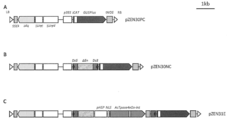
- FIG. 1 shows the T-DNA structure of the binary vector used for evaluation of the heat shock-induced Ac/Ds-mediated marker excision system.
- A Schematic of the pZEN30PC construct.
- p35S is the cauliflower mosaic virus (CaMV) 35S promoter (sequence represented by SEQ ID NO: 37 or 38)
- GUSPlus is the ⁇ -glucuronidase gene
- iCAT is the intron 1 of castor catalase
- tNOS is the nopaline synthase terminator
- pAct1 and iAct1 are rice Actin1 promoters having the intron of rice Actin1 (sequence represented by SEQ ID NO:43)
- hpt is hygromycin phosphotransferase gene
- t35S is CaMV 35S terminator (sequence represented by SEQ ID NO:40 or 41).
- FIG. 1 Schematic of the pZEN30NC construct.
- ⁇ En represents a functional transcription termination sequence derived from the maize En/Spm transposon
- Ds_5 and Ds_3 represent the 300 bp end region of the maize Ac element.
- C Schematic of the pZEN31E construct.
- pHSP is the promoter region of rice heat shock protein Oshsp16.9C
- NLS is the nuclear translocation signal of SV40 large T antigen
- AcTPase4xOs-int is the codon-optimized ORF of the enhanced AcTPase having an intron
- RB And LB indicate the right and left border sequences, respectively.
- FIG. 1 Schematic of the pZEN30NC construct.
- ⁇ En represents a functional transcription termination sequence derived from the maize En/Spm transposon
- Ds_5 and Ds_3 represent the 300 bp end region of the maize Ac element.
- C Schematic of the pZ
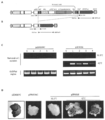
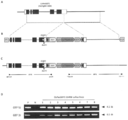
- FIG. 2 shows the evaluation method and results of the heat shock-induced Ac/Ds-mediated marker excision system in rice callus.
- A Schematic diagram of GUS reporter assay using pZEN31E. GUSPlus was functionally disrupted by inserting ⁇ En as a transcription terminator. Ds_5 and Ds_3 represent the 300 bp end region of the maize Ac element.
- B The frequency and behavior of heat shock-induced Ac/Ds-mediated excision of the removal unit can be visualized by GUS-reporter assay. Excisions can be confirmed by PCR analysis using the primers (Table 5) shown as horizontal arrows.
- C PCR analysis result of transformed rice callus.
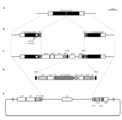
- FIG. 3 shows the design and construct of a gene targeting vector having an autonomous marker excision system in rice callus.
- A A model of a gene to be modified.
- B Cloning of homology region.
- Ds_5 sequence shown by SEQ ID NO: 34
- Ds_3 sequence shown by SEQ ID NO: 35
- (C) A homology region having a removal unit, which contains a positive marker gene (Hm r ).
- D Integration of heat shock-induced AcTPase4xOs by the gateway LR reaction and constitutively active EGFP by the gateway LR reaction.
- E A completed diagram of a gene targeting vector having an autonomous marker excision system. The constructed components transfer between the two diphtheria toxin A subunit genes (DT-A) (sequence shown in SEQ ID NO:39) under the control of a constitutive promoter.
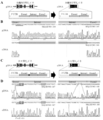
- Figure 4 shows the primary modification of OsClpP5 by gene targeting mediated by homologous recombination.
- A OsClpP5 gene in the rice genome.
- Adjacent black arrows indicate the primers used for PCR screening of the target callus line (Table 1).
- D Results of PCR screening of gene-targeted (GT) callus lines.
- P is a control plasmid containing Clp5J or Clp3J (Fig. 4C)
- N is a callus of the non-transformed rice variety "Nihonbare”
- lanes 1-8 are GT callus transformed with pOsClpP5KO-AcDs.
- E EGFP expression in GT callus. Scale bar: 2.5 mm.
- Figure 5 shows excision of the positive marker from OsClpP5 modified by a heat shock-induced Ac/Ds system.
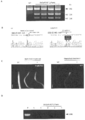
- FIG. 6 shows transfer of the modified OsClpP5 gene to T 0 plants.
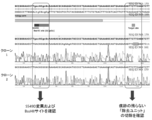
- A CAPS analysis of target region in T 0 plants.
- the primer pair (Clp Ex F-6/Clp Ex-R) (Table 1, FIG. 5B) amplifies a unique PCR fragment containing the region of OsClpP5 intron 1 (0.92 kb).
- the PCR amplification product derived from the modified OsClpP5 KO gene was digested with PvuII into two fragments (0.56 kb and 0.36 kb).
- WT refers to wild type "Nipponbare” plants.
- B Sanger sequencing spectrum of OsClpP5 locus. Arrows indicate overlapping, atypical mutations.
- C EGFP expression in root tissues of T 0 plants. Redifferentiated bodies derived from the wild type and GT callus strains with or without heat shock treatment are shown. Scale bar: 1.25 mm.
- D Presence of elimination units in T 0 plants. P indicates the control plasmid pOsClpP5KO-Con5, and N indicates the non-transformed "Nihonbare" callus.
- FIG. 7 shows the growth status of T 0 OsClpP5 KO plants.
- A T 0 plant at heading stage.
- FIG. 8 shows the inheritance and segregation of the modified OsClpP5 gene in the T 1 generation.
- A Phenotypic segregation in T 1 plants derived from T 0 plants carrying the heterozygous OsClpP5 KO mutation.
- B An isolated albino plant having a homozygous osclpp5 mutation. Scale bar: 5 mm.
- C Presence of removal units in isolated albino plants.
- FIG. 8 shows the inheritance and segregation of the modified OsClpP5 gene in the T 1 generation.
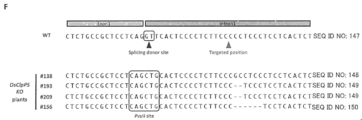
- F Footprint sequence of Ac/Ds-mediated marker excision detected among osclpp5 disruptants showing albino phenotype.
- FIG. 9 shows the primary modification of OsRacGEF1 by gene targeting mediated by homologous recombination.
- A OsRacGEF1 gene in the rice genome.
- B Structure of pGEF1S549D-AcDs, a gene targeting vector.
- White and black boxes indicate the untranslated region (UTR) and exon, respectively.
- the left and right bars represent the DNA sequences corresponding to the homologous regions carried by the vector.
- Stars in the 5'-homologous region indicate the position of the desired mutation that results in the S549D amino acid substitution in the OsRacGEF1 protein.
- the arrow points to the novel BssHII site adjacent to the S549D mutation.
- C Structure of OsRacGEF1 modified by gene targeting. Horizontal lines marked with GEF5J and GEF3J indicate 5'and 3'junction fragments produced by homologous recombination. Adjacent black arrows indicate the primers used for PCR screening of the target callus line (Table 2).
- D PCR screening result of GT callus line.
- P is a control plasmid containing GEF5J or GEF3J (Fig.
- N is a non-transformed "Kinnaze” callus
- lanes 1-8 are GTs transformed with pGEF1S549D-AcDs. Shows callus.
- Figure 10 shows excision of the positive marker from modified OsRacGEF1 by the heat shock-induced Ac/Ds system. Black arrows indicate the primers used for PCR analysis to detect the presence of the removal unit (Table 2).
- A Modified OsRacGEF1 gene before excision of the Ac/Ds-mediated removal unit.
- B Modified OsRacGEF1 gene after excision of the Ac/Ds-mediated elimination unit. Black arrows indicate the primers used for CAPS and DNA sequencing analysis (Table 2).
- FIG. 11 shows the results of cloning sequence analysis of the target region of OsRacGEF1 S549D variant callus.
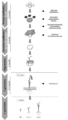
- FIG. 12 shows a flowchart from the callus into which the nucleic acid of the present invention has been introduced to the production of T 1 plants.
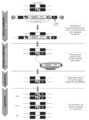
- FIG. 13 shows a flow chart of gene modification that occurs from the callus into which the nucleic acid of the present invention has been introduced to the production of T 1 plants.
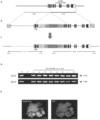
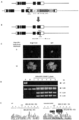
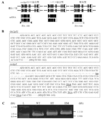
- FIG. 14 shows the results of RNA expression analysis in the T1 rice germ leaves derived from clpP5- ⁇ spl secondary modified callus.
- A Schematic diagram of the genotype and mRNA of the OsClpP5 modified strain in the T1 generation.
- B Part of the OsClpP5 variant mRNA sequence.
- TGA stop codon, lower case: indicates the first intron.
- C OsClpP5 cDNA electrophoresis image. Indicates WT:Wild type, HT:Hetero, HM:Homo.
- A Schematic diagram of OsClpP5 gene splicing in wild-type plants isolated in the T1 generation.
- B Nucleotide sequence of OsClpP5 gene and cDNA of wild type plant isolated in T1 generation.
- C Schematic diagram of splicing in osclpP5 homozygous type.
- D Nucleotide sequence of gene and cDNA in osclpP5 homozygous type.
- nucleic acid for modifying genome of plant cell The present invention provides a nucleic acid for modifying genome of a plant cell (hereinafter sometimes referred to as "nucleic acid of the invention") containing a transposon.
- the transposon contains a marker gene and a gene (nucleotide sequence) encoding a transposase (the transposon containing these sequences may be referred to as the “transposon of the present invention”).
- two types of regions homologous to at least a part of the target region that is, the upstream side and the downstream side in the target region for causing homologous recombination with the target region in plant cells.
- homologous region may be referred to as “5′ homologous region” and/or “3′ homologous region” when distinguishing each homologous region).
- region consisting of the transposon and the homologous region may be referred to as a "recombinant sequence”.
- transposon means a DNA sequence that is removed by a transposase, and both ends of the transposon have terminal inverted repeat sequences (TIRs) that are recognized by the transposase and are located.
- TIRs terminal inverted repeat sequences
- the transposon system used in the present invention is not particularly limited as long as the transposon introduced into a plant cell can be removed without leaving a trace in the genome of the plant cell, and examples thereof include a DNA type transposon system.
- DNA-type transposon system examples include corn, Arabidopsis thaliana, tobacco, Ac/Ds system derived from tomato or petunia, corn, EnSpm/CACTA system derived from Arabidopsis or soybean, Mu system derived from corn, Tam1/Tam2 derived from snapdragon. System, Tam3 system, rice-derived Dart/nDart system, Trichoplusiani-derived PiggyBac system, etc.
- Ds (Dissociation) element of Ac/Ds system (Example: Ds1, Ds2, Ds6), Ac (Activator) element
- Spm-s element of EnSpm/CACTA system En1 element , Spm-I8 (dSpm) element etc.
- Mu element of Mu system eg Mu1, Mu1.7, Mu7 etc.
- Tam1 element, Tam2 element etc. of Tam-1/Tam-2 system Tam3 element etc.
- Tam3 system A Dart/nDart system Dart element, an nDart element; a natural transposon such as a PiggyBac element, or a transposon (also referred to as an artificial transposon) in which at least a part of the sequence of the natural transposon is modified, a marker gene, And a sequence in which a gene encoding a transposase is inserted, and/or a part of the transposon is replaced with the sequence of these genes.
- the artificial transposon include a combination of the above elements (eg, a sequence in which the TIR and subterminal region of the Ds element are replaced with the TIR and subterminal region of the Ac element) and the like.
- transposon in which modification such as insertion or substitution of the sequence is performed as described above, or any sequence containing TIR recognized by each transposase, It is called a transposon derived from a natural transposon.
- a transposon obtained by modifying a natural or artificial Ds element is referred to as a Ds element-derived transposon.
- the transposase used in the present invention is not particularly limited as long as it can remove the transposon, AcTPase (Genebank Accession No: X05424.1) that can remove Ds element and Ac element, PBase (Genebank that can remove PiggyBac element). Accession No: EF587698.1), and transposases encoded by some of the above natural transposons.
- the transposase may be a wild type or a modified form thereof having an activity of removing transposon.
- a modified transposase one or several (eg, 2, 3, 4, 5, 6, 7, 8, 9, 10, in the amino acid sequence of wild-type transposase) Protein having transposon-removing activity, which consists of an amino acid sequence in which the amino acid of is substituted, deleted, added, and/or inserted, or 90% or more with the above amino acid sequence (eg, 91%, 92%, 93%, 94% , 95%, 96%, 97%, 98%, 99% or more) having a transposon-removing activity.
- transposase variant for example, as a variant of AcTPase, by substituting 4 amino acid residues (i.e., E249A/E336A/D459A/D545A), the transposon-removing activity of AcTPase4x (Lazarow K. et al. , Genetics, 191(3):747-756(2012)).
- the present inventors when using AcTPase as a transposase, replace the base of one strand contacting both ends of the transposon region with its complementary base (for example, when the base pair contacting one end is A:T). Found that the transposon can be removed without leaving a trace by replacing T:A with C:G in the case of G:C). Therefore, in the case of using AcTPase as a transposase, in order to remove the transposon without leaving any trace in the genome of plant cells, the bases of one of the strands contacting both ends of the transposon region should be replaced by their complementary bases. Will usually need to be replaced.
- a sequence encoding a nuclear localization signal (NLS) that can function in plant cells eg, SV40-derived NLS coding sequence (sequence represented by SEQ ID NO: 33) is added to the gene encoding transposase. Is desirable.
- NLS nuclear localization signal
- the transposon does not leave a trace in the genome of a plant cell so that the trace of the transposon (for example, the transposon, a sequence encoding a transposase, the footprint generated by the removal of the transposon, etc.) is not present in the genome. Not only when it is not recognized, but also when deletion, substitution and/or insertion of 10 or less (eg: 9, 8, 7, 6, 5, 4, 3, 2, or 1) nucleotide residues are recognized. Shall be included.
- the TIRs located at both ends of the transposon of the present invention can be appropriately selected according to the type of transposase.
- the TIR sequence at one end for example, CAGGGATGAAA (SEQ ID NO: 1), TAGGGATGAAA (SEQ ID NO: 2), GAGGGATGAAA (SEQ ID NO: 3), TAGAGATGAAA (SEQ ID NO: 4) , GAGCTATGAAA (SEQ ID NO: 5) and the like
- TTTCATCCCTA SEQ ID NO: 6
- TTTCATCTGAG SEQ ID NO: 7
- TTTCATCCCTA SEQ ID NO: 8
- TTTCATCCCTG SEQ ID NO: 9
- Examples include TTTCATCTCTA (SEQ ID NO: 10), which can be used in appropriate combination.
- Examples of the combination include the sequence represented by SEQ ID NO: 1/the sequence represented by SEQ ID NO: 6, the sequence represented by SEQ ID NO: 1/the sequence represented by SEQ ID NO: 7, the sequence represented by SEQ ID NO: 2/SEQ ID NO: 8 SEQ ID NO: 2, the sequence shown in SEQ ID NO: 2 / the sequence shown in SEQ ID NO: 9, the sequence shown in SEQ ID NO: 2 / the sequence shown in SEQ ID NO: 10, the sequence shown in SEQ ID NO: 3 / shown in SEQ ID NO: 9 Sequence, the sequence shown by SEQ ID NO:4/the sequence shown by SEQ ID NO:8, the sequence shown by SEQ ID NO:5/the sequence shown by SEQ ID NO:8, and the like.
- the TIR sequence at one end is, for example, CACTACAAGAAAA (SEQ ID NO: 11), CACTACAACAAAA (SEQ ID NO: 12), CACTACAAAAAAA (SEQ ID NO: 13), CACTATAAGAAAA (SEQ ID NO: 14), CACTACGCCAAAA. (SEQ ID NO: 15), CACTACCGGAATT (SEQ ID NO: 16) and the like, and examples of the TIR sequence at the other end include complementary sequences (SEQ ID NOS: 17 to 22) of the above sequences.
- examples of the TIR sequence at one end include CCCTAGAAAGATA (SEQ ID NO: 23), CCCTAGAAAGATAGTCTGCGTAAAATTGACGCATG (SEQ ID NO: 24), CATGCGTCAATTTTACGCAGACTATCTTTCTAGGG (SEQ ID NO: 25), and the TIR at the other end.
- examples of the sequences include the complementary sequences (SEQ ID NOs: 26 to 28) of the above sequences.
- the above-mentioned specific sequences are exemplifications, and as long as they are recognized by transposase, sequences showing high identity (eg, 90% or more) with the above sequences can also be used as TIR. Further, even when a transposon system other than those listed above is used, those skilled in the art can appropriately select a sequence.
- one or both ends of the transposon of the present invention may include a subterminal region (STR) adjacent to the TIR, which is bound to transposase, in addition to the above TIR.
- STR usually consists of 100 to 300 bp.
- the STR preferably contains, for example, at least one sequence (preferably three or more) consisting of AACGG necessary for binding AcTPase.
- the transposon containing IVR and STR has the sequence shown in SEQ ID NO: 34 at one end thereof (herein referred to as “Ds_5” for convenience), and the sequence at the other end is A transposon having the sequence represented by No.
- Ds_3 35 (herein referred to as “Ds_3” for convenience), or having high identity with these sequences (eg, 90% or more, 95% or more, 96%, 97%, 98%) , 99% or more), and the like.
- Ds_3 for convenience
- Those skilled in the art can appropriately select the sequence of STR depending on the type of transposase.
- the number of nucleotides of the transposon of the present invention may be any number of nucleotides that can be cut out by a transposase, and it depends on the number of nucleotides of a marker gene or transposase described below, etc., but is usually 1500 to 10000 nucleotides, preferably 3000 to 8000. It is a nucleotide.
- the “target region” means a region on the genome of a plant cell in which homologous recombination with a recombination sequence occurs. At least one of the 5'homologous region and the 3'homologous region of the recombination sequence, a desired mutation is introduced in advance, and homologous recombination is caused between the sequence having the mutation and the target region. A desired mutation can be introduced into the target region.
- the target region can be arbitrarily selected from the region on the genome of plant cells, and may be a protein-coding region or a DNA encoding a non-coding RNA such as a functional RNA.
- the target region may be not only a region that does not encode a protein or non-coding RNA (UTR or the like) but also a region that regulates the expression of a transcript encoding a protein or non-coding RNA or the chromosomal structure.
- the target region is usually endogenous, but may be DNA that has been exogenously inserted into the genomic DNA of the plant cell.
- the sequence of the homologous region may be a sequence which is completely the same as at least a part of the target region, but as long as homologous recombination can occur in the plant cell, it is preferable that the sequence is completely the same. It may be a sequence having 80% or more (eg: 85% or more, 90% or more, 95% or more, 96% or more, 97% or more, 98% or more, 99% or more) identity.
- the number of nucleotides in the homologous region may be any number as long as homologous recombination can occur between the homologous region and the target region, and usually 500 to 7,000 nucleotides (preferably 1000 to 7,000 nucleotides) on each side of the transposon.
- a homology region consisting of 5000 nucleotides, more preferably 1500 to 4000 nucleotides, and even more preferably about 3000 nucleotides (eg, 2500 to 3500 nucleotides) is added.
- the “mutation” introduced into the target region is not particularly limited, and may be a null mutation such as a nonsense mutation, a frameshift mutation, an insertion mutation or a splice site mutation, or a silent mutation.
- the mutation in the target region includes, for example, deletion of one or more (eg, 2, 3, 4, 5, 6, 7, 8, 9, 10 or more) nucleotides in the region. , Substitutions, additions and/or insertions.
- the mutation may be introduced at only one site, or may be introduced at multiple sites (eg, 2, 3, 4, 5 sites or more). The sites may be in close proximity, or separated by hundreds or thousands of bases.
- the “marker gene” contained in the transposon may be one whose expression serves as an index for selecting a small number of transformed cells into which a recombinant sequence has been introduced from among non-transformed cells.
- Examples include genes (eg, genes encoding fluorescent proteins, genes encoding luminescent proteins, genes encoding proteins that assist fluorescence, luminescence or coloration), drug resistance genes and the like. Only one type of marker gene may be used, or two or more types (for example, a gene encoding a fluorescent protein and a drug resistance gene may be combined) may be used. False positives can be further reduced by using two or more types.
- the protein encoded by the marker gene may be referred to as “marker protein”.
- fluorescent protein examples include blue fluorescent proteins such as Sirius, TagBFP and EBFP; cyan fluorescent proteins such as mTurquoise, TagCFP, AmCyan, mTFP1, MidoriishiCyan and CFP; TurboGFP, AcGFP, TagGFP, Azami-Green (Example: hmAG1), Green fluorescent proteins such as ZsGreen, EmGFP, EGFP, GFP2, HyPer; yellow fluorescent proteins such as TagYFP, EYFP, Venus, YFP, PhiYFP, PhiYFP-m, TurboYFP, ZsYellow, mBanana; Kusabira Orange (eg: hmKO2), mOrange, etc.
- blue fluorescent proteins such as Sirius, TagBFP and EBFP
- cyan fluorescent proteins such as mTurquoise, TagCFP, AmCyan, mTFP1, MidoriishiCyan and CFP
- TurboGFP AcGFP
- TagGFP Azami-Green
- Red fluorescent protein such as TurboRFP, DsRed-Express, DsRed2, TagRFP, DsRed-Monomer, AsRed2, mStrawberry; TurboFP602, mRFP1, JRed, KillerRed, mCherry, HcRed, KeimaRed (eg: hdKeimaRed), mRasberry, mRasberry, mRasberry Near-infrared fluorescent proteins of, but not limited to.
- Red fluorescent protein such as TurboRFP, DsRed-Express, DsRed2, TagRFP, DsRed-Monomer, AsRed2, mStrawberry; TurboFP602, mRFP1, JRed, KillerRed, mCherry, HcRed, KeimaRed (eg: hdKeimaRed), mRasberry, mRasberry, mRasberry Near-infrared fluorescent proteins of
- photoproteins include, but are not limited to, aequorin.
- the protein that assists fluorescence, luminescence or coloration include, but are not limited to, enzymes that decompose fluorescence, luminescence or coloration precursors such as luciferase, phosphatase, peroxidase and ⁇ -lactamase.
- drug resistance genes examples include drug resistance genes such as hygromycin resistance gene (hygromycin phosphotransferase gene, hpt), kanamycin resistance gene, neomycin resistance gene, and herbicide resistance genes such as ALS (AHAS) gene and PPO gene. Can be mentioned. Among them, the hygromycin resistance gene is preferable from the viewpoint of high selection efficiency in transformation using rice callus.
- the nucleic acid of the present invention contains a negative marker gene in a region other than the recombinant sequence in order to remove cells in which a part or all of the nucleic acid is unintentionally inserted in a region other than the target region.
- a nucleic acid comprising (1) the transposon of the present invention, (2) a homologous region, and (3) a negative marker gene is provided.
- the negative marker gene include diphtheria toxin protein A chain gene (DT-A), ExotoxinA gene, RicintoxinA gene, codA gene, cytochrome P-450 gene, RNaseT1 gene, and barnase gene. It is not limited to these.
- control region for expressing the protein encoded by the gene in plant cells is operably linked to the marker gene and/or the negative marker gene in the nucleic acid of the present invention.
- examples of the control region include cauliflower mosaic virus (CaMV) 35S promoter, nopaline synthase gene promoter, maize-derived polyubiquitin 1 promoter, rice-derived actin promoter, rice-derived promoter.
- a promoter such as elongation factor 1 ⁇ promoter, and a terminator sequence for terminating transcription of a gene induced by the promoter
- a terminator sequence for terminating transcription of a gene induced by the promoter heat shock protein 17.3 terminator derived from rice, heat shock protein 16.9a terminator derived from rice, derived from rice Actin terminator, terminator of nopaline synthase gene, octopine synthase (OCS) gene terminator, CaMV 35S terminator, etc.
- ⁇ En terminator Terada R. et al., Nat Biotechnol derived from corn En/Spm transposon (En element) , (20) (10): 1030-1034 (2002).
- intron 1 of the castor Catalase gene CaMV35S enhancer, transcription enhancer E12, enhancers such as omega sequence may be included in the control region.
- an inducible promoter is preferably operably linked to the gene encoding the above transposase in order to transiently express the protein in plant cells.
- the inducible promoter include a drug-inducible promoter in which the expression of transposase is induced by a drug, a stimulus-inducible promoter in which the expression of transposase is induced by a stimulus (eg, a light which induces the expression of transposase by light stimulation).
- a heat shock inducible promoter is preferable.
- the above-mentioned terminator or enhancer may be linked to the nucleic acid of the present invention in order to control the expression of transposase.
- Examples of the drug-inducible promoter include TRE promoter (doxycycline (Dox), tetracycline or a derivative thereof is contacted with or released from contact to induce protein expression), metallothionein promoter (by contact with heavy metal ions Protein expression is induced), a steroid-responsive promoter (protein expression is induced by contacting a steroid hormone or a derivative thereof), and the like.
- Examples of light-inducible promoters include ribulose diphosphate carboxylase small subunit gene (Rubisco) promoter (R. Fluhret al., Proc. Natl. Acad. Sci.
- fructose-1,6 -A promoter for the bisphosphatase gene Japanese Patent Laid-Open No. 7-501921
- a promoter for the light-harvesting chlorophyll a/b binding protein gene Japanese Patent Laid-Open No. 5-89
- a rice LP2 leucine-rich repeat receptor kinase gene promoter Plant Biotechnology Journal (2009) 7, pp.1-16, but not limited to these.
- heat shock-inducible promoters examples include rice heat shock protein (hsp) 16.9A gene promoter, hsp16.9B gene promoter, hsp16.9C gene promoter, Arabidopsis hsp18.2 gene promoter, and Drosophila-derived promoter.
- Hsp70 gene promoter but is not limited thereto.
- the nucleic acid of the present invention can be prepared by a method known per se, for example, based on known DNA sequence information such as transposon, transposase, target region, etc., oligo DNA primer so as to cover a desired portion of the sequence.
- An advantage of constructing full-length DNA by chemical synthesis, PCR method or combination with Gibson Assembly method is that codons used can be designed over the entire CDS length according to the host into which the DNA is introduced.
- the DNA sequence can be converted to a codon that is frequently used in the host organism, and thus the protein expression level can be expected to increase.
- the data on the frequency of codon usage in the host used can be found, for example, in the genetic code usage frequency database (http://www.kazusa.or.jp/codon/index.html) published on the homepage of Kazusa DNA Research Institute (public interest incorporated foundation). ) Can be used, or the literature describing the frequency of codon usage in each host may be referred to.
- the codons used in the DNA sequence that are less frequently used in the host are converted to codons that code for the same amino acid and are frequently used, Good.
- the host cell is a rice cell
- a gene encoding a transposase optimized for the codon usage of monocotyledonous plants such as rice or general angiosperms such as Arabidopsis thaliana can be used.
- AcTPase4x having a codon usage suitable for expression in rice DNA having the nucleotide sequence represented by SEQ ID NO: 29 (amino acid sequence is shown in SEQ ID NO: 30) can be mentioned.
- the nucleic acid of the present invention may be in the form of single-stranded DNA or double-stranded DNA, and may be linear DNA or circular DNA.
- the nucleic acid of the present invention is preferably provided in the form of an expression vector arranged under the control of said control region functional in the host cell. It can be prepared in a suitable form depending on the type of plant cells to be introduced.
- the expression vector that can be replicated in plant cells is not particularly limited as long as it has a replication origin that functions in plant cells (eg, Ti plasmid, Ri plasmid ori, etc.), but an E. coli replication origin (eg, ColE1). ori etc.) is also preferable.
- a T-DNA fragment a border sequence RB (right border) (for example, the sequence shown in SEQ ID NO: 31)
- LB left border
- Specific vectors include, for example, pBI-based, pPZP-based or pSMA-based vectors and the like, and as a more preferable form, binary vector-based vectors (pZHG, pKOD4, pBI121, pBI101, pBI101.2, pBI101.3, pBIG2113, etc.).
- the present invention provides the method according to 1.
- a method for producing a plant cell having a mutation in the target region of double-stranded DNA by a two-step selection process for the plant cell into which the nucleic acid of the present invention has been introduced (hereinafter referred to as "the production method of the present invention”).
- the production method of the present invention are provided).
- the method for example, (1) a step of selecting a plant cell into which the nucleic acid of the present invention has been introduced, (2) culturing the plant cell selected in the step (1) under the condition that an inducible promoter is activated And (3) selecting cells from which the marker protein expression has disappeared from the population containing the plant cells cultured in step (2).
- monocots or dicots are preferred.
- monocotyledonous plants include plants of the family Gramineae, and the plants of the family Gramineae include plants belonging to Oryza, Triticum, Hordeum, Secale, Saccharum, Sorghum, or Zea, specifically, corn, Examples include, but are not limited to, sorghum, wheat, rice, oats, barley, rye, millet.
- Preferred grasses are corn, wheat and rice.
- Wheat also includes wheat variety Norin 61, which was difficult to obtain a transformant by the conventional method.
- Examples of dicotyledons include, but are not limited to, cruciferous plants, legumes, solanaceous plants, cucumber plants, and bindweed plants.
- Examples of the cruciferous plant include Raphanus, Brassica, Arabidopsis, Wasabia, or plants belonging to Capsella, and specifically, Chinese cabbage, rapeseed, cabbage, cauliflower, radish, rape, Arabidopsis, wasabi, and clawa. It is not limited to these.
- Preferred cruciferous plants are Chinese cabbage and rapeseed.
- Examples of legumes include, but are not limited to, soybean, adzuki bean, kidney bean, and cowpea. The preferred legume is soybean.
- Examples of solanaceous plants include, but are not limited to, tomato, eggplant, and potato.
- the preferred Solanaceae plant is tomato.
- Examples of the Cucurbitaceae plant include, but are not limited to, smelt, cucumber, melon, and watermelon.
- a preferred cucurbitaceae plant is squirrel.
- Examples of the bindweed family include, but are not limited to, morning glory, sweet potato, and bindweed.
- a preferred bindweed plant is sweet potato.
- plants such as Rosaceae, Lamiaceae, Liliaceae, Rhinaceae, Seriaceae, Asteraceae, and the like, further, any tree species, any fruit tree species, Moraceae Plants (eg gum), and mallow family plants (eg cotton) are mentioned.
- the “plant body” includes any of a plant individual, a plant organ, a plant tissue, a plant cell, and a seed.
- plant organs include roots, leaves, stems, flowers, and the like.
- the plant cells also include cells in the plant body. Further, various forms of plant cells, for example, suspension culture cells, protoplasts, leaf sections, root sections, callus, immature embryos, pollen and the like are included.
- the production method of the present invention may include a step of introducing the nucleic acid of the present invention into plant cells before the step (1).
- Introduction of the nucleic acid of the present invention eg, nucleic acid in the form of an expression vector
- a suitable tissue eg, callus, root, leaf, seed, growth point, etc.
- Agrobacterium method, PEG method, electroporation method, particle gun method, etc. can be used.
- the Agrobacterium method, whisker direct introduction method, and the like are usually used, but the method is not limited thereto.
- callus is induced from rice seeds according to a conventional method, and a T-DNA fragment of the Agrobacterium expression vector having a part or whole region of the nucleic acid of the present invention introduced thereinto is introduced.
- the callus is infected with the above-mentioned Agrobacterium and eradicated after several days (eg, 3 days).
- whiskers the expression vector is mixed with polyornithine to form a complex, which is then added to rice callus and mixed with whiskers made of potassium titanate, followed by ultrasonic treatment.
- an immature embryo collected from an immature seed can be used as a plant material and an expression vector can be similarly introduced using the Agrobacterium method.
- the PEG method or electroporation method protoplasts are prepared from appropriate cells/tissues by a conventional method, and an expression vector is introduced into them.
- the expression vector adsorbed on the fine gold particles can be introduced into the callus, immature embryos, shoot apices and axillary bud growth points using a particle gun.
- gene transfer is often chimeric, so sample cells in which the above-mentioned nucleic acid is introduced into germ line cells at high frequency are used for transformation. Need to use. Examples include embryos, hypocotyl slices, embryogenic callus, isolated growing points, and the like.
- the culture of plant cells into which the nucleic acid of the present invention has been introduced can be carried out according to a known method depending on the type.
- a solid medium eg, agar medium, agarose medium, gellan gum medium, etc.
- the medium preferably contains a carbon source, a nitrogen source, an inorganic substance and the like necessary for the growth of the transformant.
- N6 medium, MS medium, LS medium, B5 medium and the like are used as the basal medium.
- a plant growth substance eg, auxins, cytokinins, etc.
- the pH of the medium is preferably about 5 to about 8.
- the culture temperature can be appropriately selected within the range of usually about 20°C to about 35°C depending on the type of plant cells. For example, in the case of rice callus, it can be cultured usually at 28 to 33°C, preferably 30 to 33°C.
- the step (1) of the production method of the present invention can be appropriately selected by a person skilled in the art by a known method in accordance with the type of marker gene used.
- a drug resistance gene a plant cell into which the nucleic acid of the present invention has been introduced is cultured in the presence of a corresponding drug to select a plant cell into which a mutation or the like has been introduced into the target region. be able to.
- hygromycin for example, its concentration in the medium is preferably 10 mg/L to 200 mg/L (eg 50 mg/L).
- a reporter gene When a reporter gene is used, it is possible to select a plant cell having a mutation introduced into a target region by detecting a signal from a reporter protein encoded by the gene using a predetermined detection device.
- the detection device include, but are not limited to, a flow cytometer, an imaging cytometer, a fluorescence microscope, a light emission microscope, and a CCD camera.
- a detection device those suitable for those skilled in the art can be used depending on the type of the reporter protein.
- the reporter protein is a fluorescent protein or a luminescent protein
- selection can be performed using a flow cytometer, and when the reporter protein is a protein that assists fluorescence, luminescence or coloration, a microscope is used.
- the transposon can be obtained by homologous recombination. It may be confirmed that it has been introduced into the target region of the plant cell.
- the “condition under which the inducible promoter is activated” corresponds to each drug-inducible promoter when the inducible promoter is a drug-inducible promoter.
- the promoter is activated and transposase expression is induced.
- the inducible promoter is a stimulatory inducible promoter
- culturing the plant cells by applying a stimulus (eg, light or heat) corresponding to each promoter causes activation of the promoter, and conditions under which the expression of transposase is induced. means.
- the culture time in step (2) is not particularly limited as long as the transposon is removed, but 5 minutes or longer (eg, 5 minutes, 10 minutes or longer) is preferable. Further, it is preferably 120 minutes or less (eg, 120 minutes, 90 minutes or less) in order to suppress damage to plant cells due to a drug or irritation. In a preferred embodiment, the time of step (1) is 40 minutes to 60 minutes, particularly preferably 40 minutes. When a drug response-inducing vector is used, the concentration of the drug in the medium of step (1) is not particularly limited as long as transposase is expressed in cells.
- the culture temperature when using a heat shock response inducible vector is not particularly limited as long as transposase expression is induced, but is 32°C or higher (eg, 35°C, 36°C, 37°C, 38°C, 39°C, 40°C). Or more). Further, in order to suppress damage to plant cells due to heat, the temperature is preferably 47°C or lower (eg, 46°C, 45°C, 44°C, 43°C or lower). In a preferred embodiment, the culture temperature is 42°C.
- the present inventors have found that when a heat shock responsive vector is used, it may be possible to eliminate the elimination unit without applying heat shock stimulation (data not shown). Therefore, even when the heat shock responsive vector is used, it may be cultured at a normal culture temperature (eg, about 20°C to about 35°C).
- step (3) of the production method of the present invention when the expression of the marker protein cannot be detected, or when the expression amount of the marker protein decreases to the background level, it can be evaluated that the expression of the marker protein has disappeared. it can.
- the detection of the expression of the marker protein or the measurement of the expression amount can be appropriately performed using, for example, the above-mentioned detection device.
- the transposon is removed from the target region by using PCR, sequencing, Southern blotting, CAPS (cleavage amplification polymorphism sequence) method, or the like. You may confirm that it has been done.
- a plant cell whose genome has been modified or a plant comprising the cell in another embodiment of the present invention, the above-mentioned 2.
- the plant cell obtained by the production method of the present invention (hereinafter sometimes referred to as "plant cell of the present invention") or a plant body containing the cell is provided.
- plant cell of the present invention By redifferentiating the plant cell of the present invention, a plant body containing the cell can be obtained. Since the plant cell of the present invention has a desired mutation in the target region, the phenotype of the plant redifferentiated from such a plant cell may change with the mutation. Therefore, by using the plant cell of the present invention, it becomes possible to efficiently analyze the function and the like of the target region. For definitions of plant cells and plants, types of plants, etc., see 2. As described in.
- the transformant clone obtained by the production method of the present invention which has been confirmed to be mutated, can be redifferentiated into a plant body by a redifferentiation method known per se.
- a redifferentiation method in the case of rice, for example, the method described in Toki S. et al., Plant Physiol. 100(3):1503-1507 (1992), ChristouP. et al., Bio/ Technology 9:957-962 (1991), Hiei Y. et al., Plant J. ,6:271-282, (1994).
- the present invention includes a plant comprising the plant cell of the present invention, progeny and clone of the plant, and propagation material for the plant, its progeny, and clone. If the mutation is introduced heterozygously, R1 plants obtained by self-pollinating the resulting plant, by further self-pollination to obtain R2 plants, homozygous mutated plants Can be obtained.
- the present invention provides the method according to 1.
- a method for introducing a mutation into a target region of a double-stranded DNA of a plant cell is provided for the plant cell into which the nucleic acid of the present invention is introduced.
- the method for example, (1) a step of selecting a plant cell into which the nucleic acid of the present invention has been introduced, (2) culturing the plant cell selected in the step (1) (preferably an inducible promoter is activated) Culturing under conditions) and, if necessary, a step (3) of selecting cells in which the marker protein expression has disappeared from the population containing the plant cells cultured in step (2). Good.
- the present invention provides a method for modifying a plant cell genome in which no trace of transposon remains in the genome. Regarding the above steps (1) to (3), the above 2. It can be performed in the same manner as the method described in.
- Such a terminal region includes a terminal inverted repeat (TIR) and an adjacent subterminal region having an AcTPase-binding motif essential for efficient transposition of Ac/Ds element (Becker HA and Kunze R., Mol Gen Genet. 254(3):219-230 (1997)).
- a binary vector for GUS reporter assay was prepared based on pZEN11 (Shimatani Z. et al., Mol Genet Genomics. 281(3):329-344 (2009)). To construct pZEN30NC, a Ds element was inserted downstream of the p35S promoter, which prevents the expression of GUSPlus (Fig. 1B).
- pZEN31E the inducible AcTPase cassette was inserted next to the ⁇ En element of pZEN30NC (FIG. 1C).
- pZEN30PC a vector that mimics the results of Ds excision was constructed as pZEN30PC (FIG. 1A).
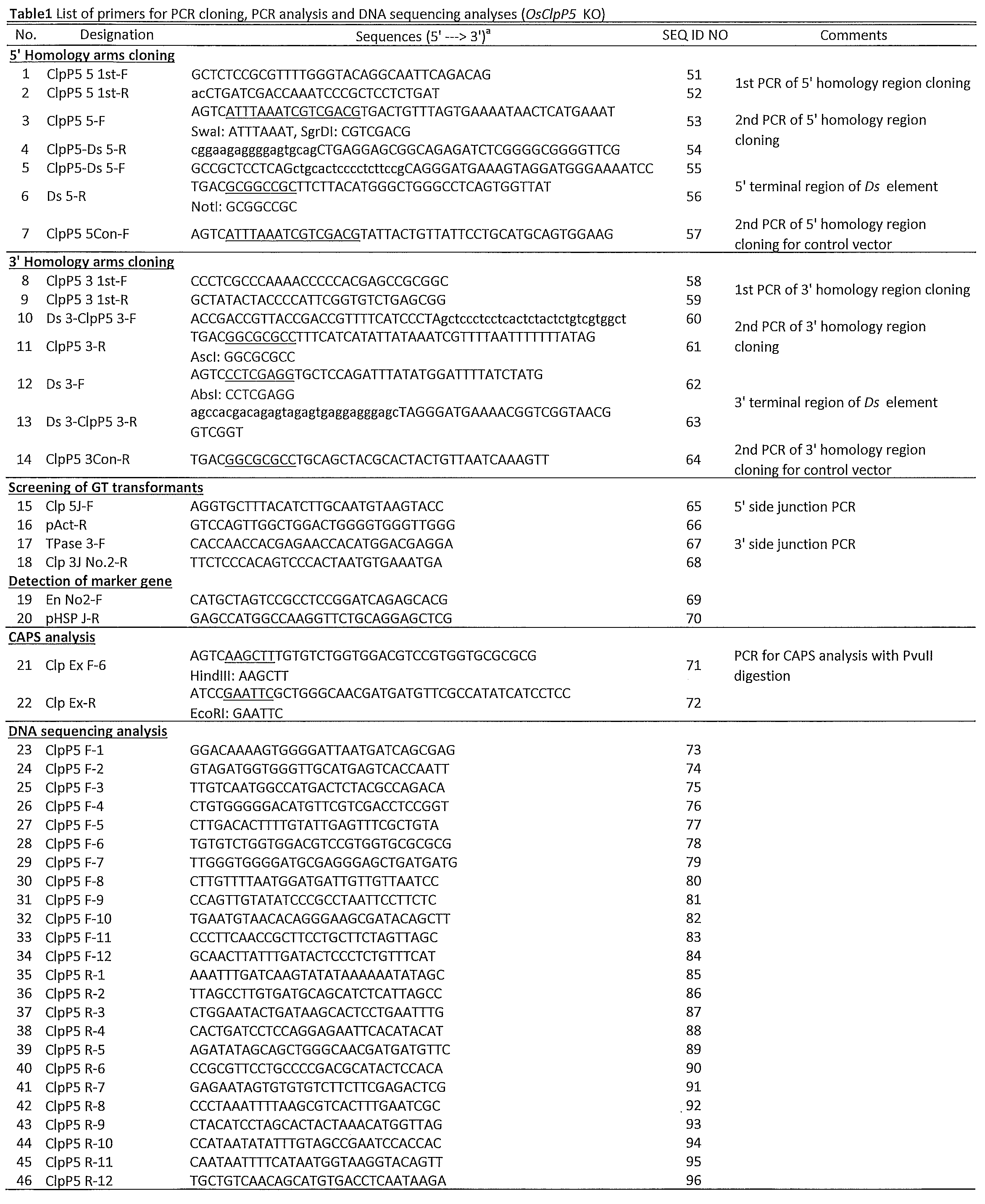
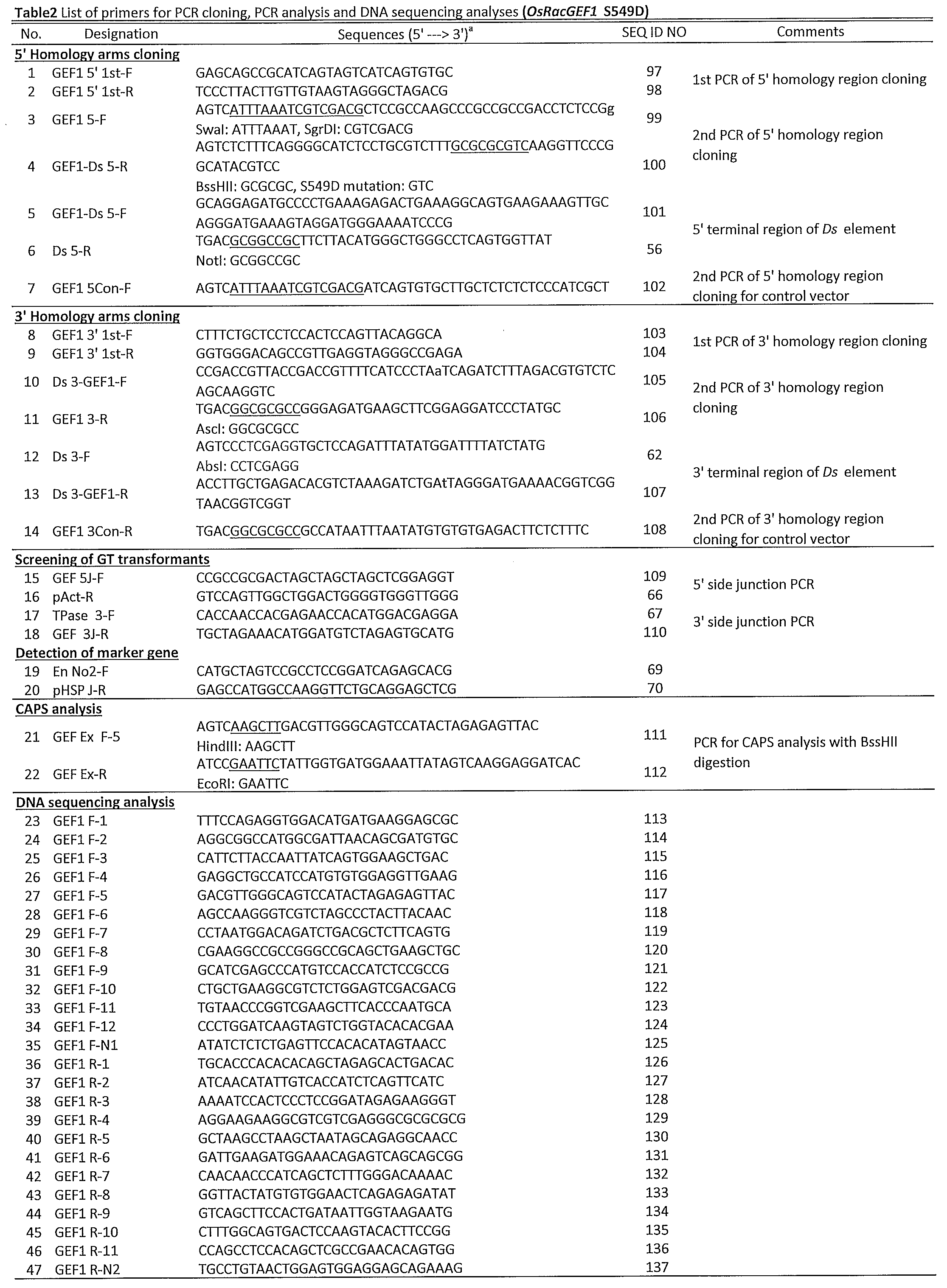
- ⁇ Gene targeting vector with autonomous marker excision system> By combining modules as shown in FIGS. 3 and 4, a gene targeting vector having an autonomous marker removal system was constructed. Homologous regions for homologous recombination (HR) were generated by PCR using Tks Gflex DNA polymerase (Takara Bio) and the appropriate primers listed in Tables 1 and 2. To construct the vectors pOsClpP5KO-AcDs and pOsClpP5KO-Ds, 3kb of the 5'homology arm containing the promoter region of OsClpP5 (sequence represented by SEQ ID NO: 42) was transferred from the genome of "Nihonbare" to nested PCR (nested PCR).
- the full-length sequence of the prepared targeting vector pOsClpP5KO-AcDs is shown as SEQ ID NO:36.
- the sequence of pOsClpP5KO-Ds is, in SEQ ID NO: 36, a region of 8626th to 9394th (sequence of heat shock promoter), a region of 9411th to 11626th (sequence of AcTPase4x gene including intron and SV40 NLS), and 11665th position. This corresponds to the region from the 11917th region (NOS terminator sequence) removed.
- the sequence of the prepared targeting vector pGEF1S549D-AcDs was the same as SEQ ID NO: 36 except that the 1593th to 4592nd regions (5′ homology arm sequences) were replaced with the sequences shown in SEQ ID NO: 155 to obtain 13915th to 16912th regions. It corresponds to the one obtained by substituting the sequence of (3′ homology arm) with the sequence shown in SEQ ID NO: 156.
- the sequence of pGEF1S549D-Ds is, in the sequence of pGEF1S549D-AcDs, the 8626th to 9394th regions (heat shock promoter sequence), the 9411th to 11626th regions (sequence of AcTPase4x gene including intron and SV40 NLS), and This corresponds to the region from the 11665th to 11917th regions (NOS terminator sequence) removed.
- a DNA fragment containing the genes for inducible AcTPase4xOs and fluorescent protein was incorporated by site-specific recombination using LR clonase II (Thermo Fisher Scientific) (Fig. 3D). The DNA sequence of the homology arm was confirmed by Sanger sequencing using the primers listed in Tables 1 and 2.
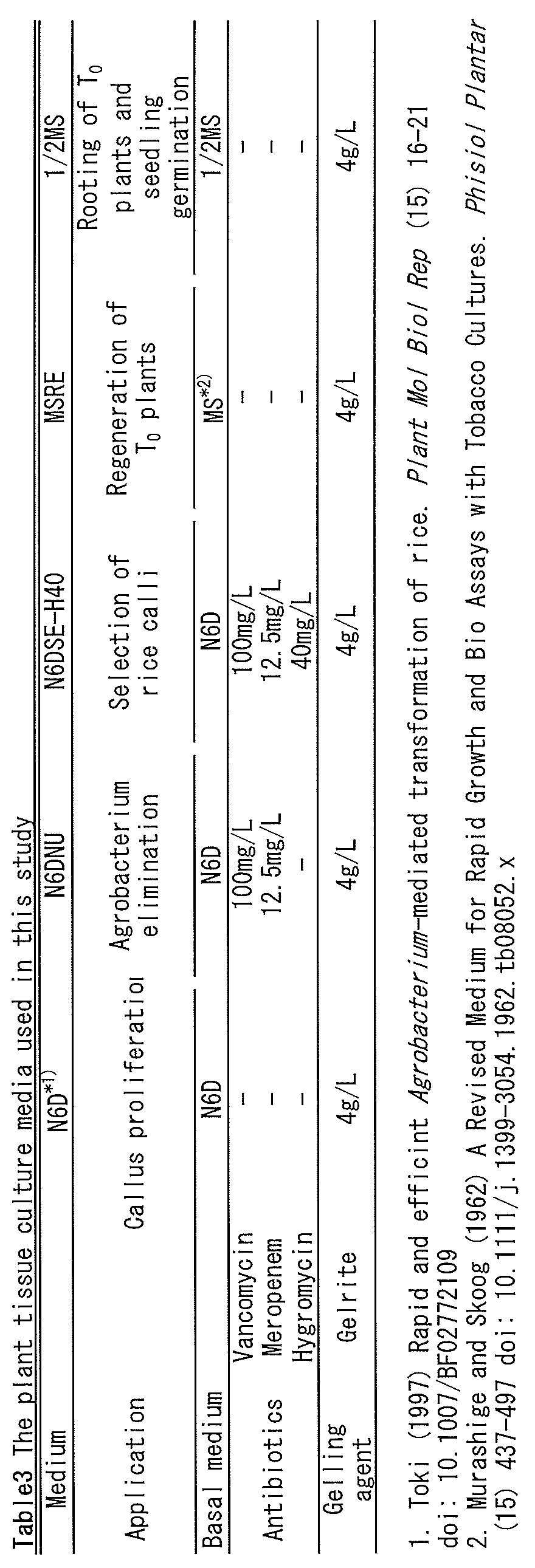
- rice callus was cultured in N6DNU medium for 10 days to ensure removal of Agrobacterium. Then, transferred to N6DSE-H40 medium, and GT candidates were selected by positive-negative selection. Proliferative callus lines were subjected to PCR screening with appropriate primers (Tables 1 and 2, Figures 5B and 9C) to identify GT callus lines. Selected callus lines were individually subcultured and heat shocked at 42°C for 40, 60 or 90 minutes to induce Ac/Ds-mediated marker excision. As described below, it was confirmed by PCR and DNA sequencing analysis that the desired mutation was introduced and the marker was excised in the callus line. Selected callus lines were transferred to MSRE medium and T 0 plants regenerated. Marker free T 0 plants T 1 segregants obtained by selfing (segregant), and subjected to further analysis. The general composition of the plant tissue culture medium used in the examples is shown in Table 3.
- the target locus was analyzed by CAPS analysis to confirm the presence of restriction enzyme sites in OsClpP5 introduced by gene targeting.
- a 920 bp DNA fragment was amplified by PCR using the primers Clp Ex F-6 and Clp Ex-R and digested with PvuII.
- Direct DNA sequencing analysis to confirm the desired KO mutation in OsClpP5 and cloning sequence using the Zero Blunt TOPO PCR cloning kit (Thermo Fisher Scientific) to confirm excision of Ac/Ds-mediated positive marker
- the above DNA fragment was also used for Sing analysis.
- junction PCR analysis was performed to screen callus lines for GT candidates with the S549D mutation of OsRacGEF1.
- the pair of primers of GEF 5J-F / pAct-R and TPase 3-F / GEF 3J-R were used to amplify a 4.2 kb 5'-conjugated fragment and a 6.1 kb 3'-conjugated fragment, respectively.
- the 980 bp DNA fragment amplified by PCR using the primers GEF EX F-5 and GEF Ex-R was used for DNA sequencing analysis and CAPS analysis using BssHII.
- Example 1 Inducible autonomous marker excision system using engineered maize Ac/Ds
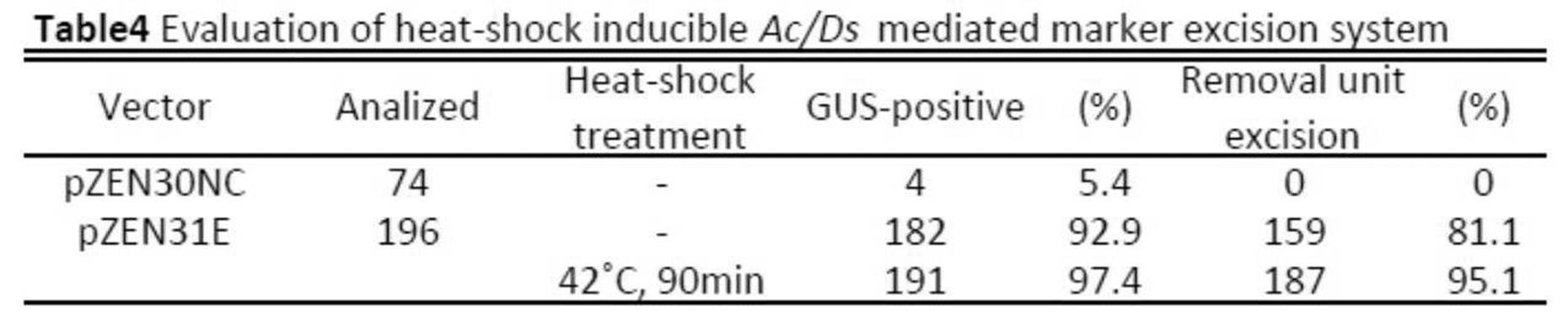
- a GUS reporter assay plasmid The vectors pZEN30NC and pZEN31E were prepared (FIG. 1). These vectors were introduced into rice callus using Agrobacterium-mediated transformation to generate 74 and 196 independent transgenic callus lines, respectively (Table 4).
- about 50 transgenic callus lines with pZEN30PC were also created as a control group constitutively expressing GUSPlus. Subsequently, each callus line having pZEN30NC was analyzed for excision of Ds.
- Example 2 Design-based modification of target gene by gene targeting OsClpP5 is an endogenous rice gene encoding the P5 subunit of the ATP-dependent caseinolytic protease, and homozygous disruption is light yellow. Causes chloroplast dysfunction leading to leaf-like leaf color mutations (Tsugane K. et al., Plant J. 45(1):46-57 (2006)). OsClpP5 was selected as a model to technically demonstrate design-based modification by gene targeting in combination with an autonomous Ac/Ds-mediated marker excision system.
- the gene targeting vector, pOsClpP5KO-AcDs was designed to introduce nucleotide substitutions at the 5'end of intron 1 of OsClpP5 to introduce a splice site mutation and a novel PvuII site (Fig. 4A and B).
- a “removal unit” containing a transcription terminator ( ⁇ En), a positive marker (hpt) (sequence shown in SEQ ID NO:44) and a visual marker (EGFP) (sequence shown in SEQ ID NO:49) was homologously recombined. Insert into OsClpP5 intron 1 via (Fig. 4C).
- the removal unit is excised from the target area by the autonomous Ac/Ds system (Fig. 5A and B).
- the resulting transcript of OsClpP5 was expected to contain unspliced intron 1 resulting in a premature stop codon.
- pOsClpP5KO-AcDs was introduced into embryogenic calli derived from Nipponbare seeds through large-scale Agrobacterium transformation. GT candidate callus lines were selected from 67.5 g callus after 3-4 weeks of positive-negative selection.
- Example 3 Heat shock-induced Ac/Ds-mediated marker excision in the TGT callus line. Modified OsClpP5 to optimize heat shock conditions to induce Ac/Ds-mediated marker gene excision. The 15 most robust TGT callus strains to carry were used in the following analyses. Each GT callus line was divided evenly and treated at 42° C. for 0, 40, 60 or 90 minutes based on the results of the above preliminary experiment (FIGS. 2A-D). The treated callus lines were cultured in N6D medium for 4 weeks and the frequency of secondary modification was analyzed. It was predicted that EGFP expression would serve as an indicator of excision of the "clearing unit" in certain cell lines.
- Example 4 Analysis of marker-free T 1 progeny having OsClpP5 KO mutation
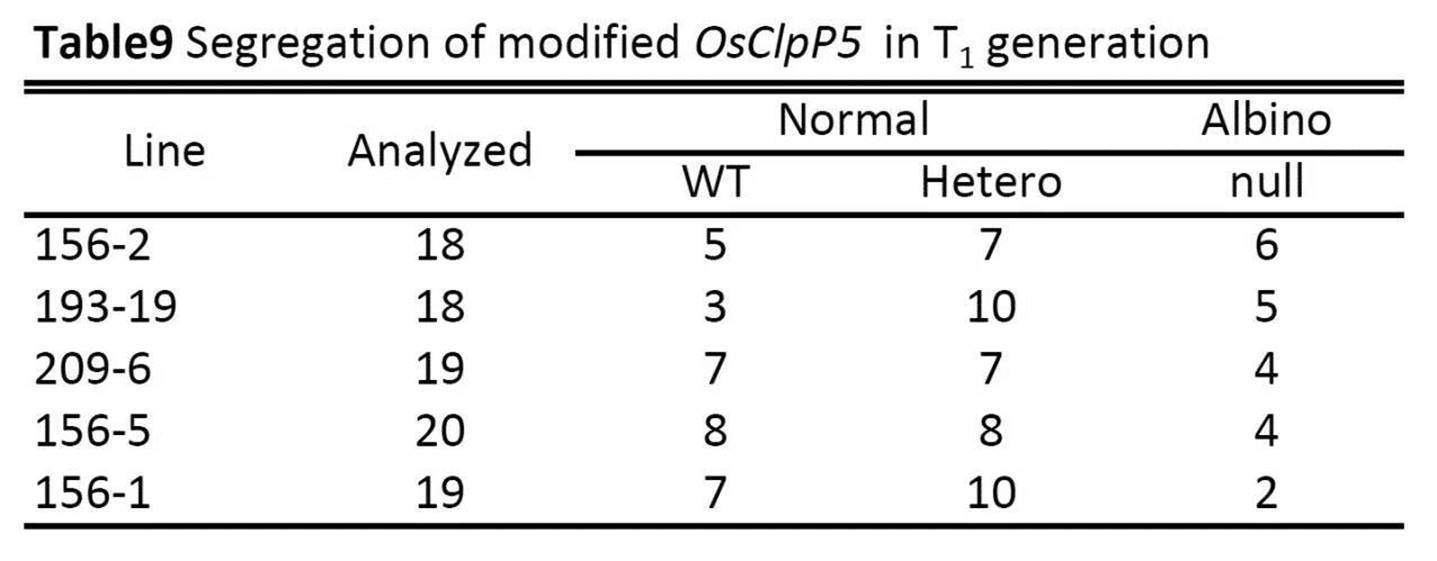
- the marker-free plants of the T 0 generation obtained by the two-step modification have the OsClpP5 KO mutation as a heterozygous recessive mutation. Therefore, the phenotype of their T 1 progeny was predicted to separate normal and albino at a 3:1 ratio. In fact, 1/4 of T 1 progeny from each T 0 plants showed phenotypes albino (Table 9, Figure 8A and B). Furthermore, the results of genotyping by CAPS and DNA sequencing analysis were consistent with the phenotype of each T 1 plant (FIGS. 8D and E). These results demonstrate the accuracy and efficiency of target gene modification through gene targeting and Ac/Ds-mediated marker excision.
- Example 5 Footprint sequence after Ac/Ds-mediated marker excision To confirm whether the target locus was properly edited after two-step modification by gene targeting after Ac/Ds-mediated marker excision. , The genomic sequence of albino plants isolated in the T 1 generation was analyzed. The footprint sequences generated in relation to Ac/Ds excision were observed as 1 bp insertions or 2-6 bp deletions (FIG. 8F). It was found that plants from the same GT callus line share the same footprint sequence. This result means that excision of the excision unit occurred and the T 0 plants were redifferentiated from grown callus within the same cell line, very early after heat shock treatment.
- OsRacGEF1 modified There are many receptor kinases on the cell membrane of plants to recognize pathogenic infections. OsRacGEF1 was identified as a key component of the rice "defensome". OsRacGEF1 is critically involved in the early stages of the chitin-driven immune response and plays an important role in the signaling pathway. In rice, chitin elicitor receptor kinase 1 (OsCERK1) and chitin elicitor binding protein (OsCEBiP) form a receptor complex, which recognizes and activates a downstream signal transduction pathway. OsRacGEF1 functions as a relay point in the signal transduction pathway.
- OsCERK1 chitin elicitor receptor kinase 1
- OsCEBiP chitin elicitor binding protein
- OsRacGEF1 interacts directly with OsCERK1 and is activated by phosphorylation of S549 at its C-terminus, activating OsRac1 which is a major regulator of rice immunity.
- OsRacGEF1 S549D a mutation that mimics its phosphorylation, was shown to increase resistance to blast fungus through activation of OsRac1 (Akamatsu A. et al., Cell Host Microbe, 13(4) :465-476 (2013)).
- the gene targeting vector for OsRacGEF1 was designed to introduce nucleotide substitutions that cause the S549D mutation and a silent mutation that results in a novel BssHII site (FIGS. 9A and B).
- a “elimination unit” containing a transcription terminator ( ⁇ En) and a visual marker (EGFP) is inserted into the 3′UTR region of OsRacGEF1 via homologous recombination (FIG. 9B).
- the autonomous Ac/Ds system excises the removal unit from the target area. It was confirmed that the obtained OsRacGEF1 had the S549D mutation (FIGS. 10A, 10B and 11). Furthermore, it was confirmed that the "removal unit" without any trace was deleted (Fig. 11).
- PGEF1S549D-AcDs was introduced into embryogenic calli from "Jinnanfeng" seeds by large-scale Agrobacterium transformation and positive-negative selection. After repeating 3 times, 1322 GT candidate callus lines were obtained from 252.5 g callus. Primer pairs (GEF 5-JF/pAct-R and TPase 3-F/GEF 3J-R, respectively) were screened to screen authentic GT (TGT) callus lines with OsRacGEF1 appropriately modified by HR. Was used to perform 5'- and 3'-junction PCR analysis (Figure 9C, Table 2). As a result, we found 59 callus lines as authentic gene targets.
- the GT frequency at the OsRacGEF1 locus was estimated to be approximately 10.3% per viable callus (Table 6).
- pGEF1S549D-Ds was also introduced in Kinnamfeng. 5'- and 3'-junction PCR analysis confirmed 13 callus lines out of 113 candidates as TGT. The frequency of GT was 11.5% for the positive-negative selected callus lines (Table 6). The desired mutation and EGFP expression were also confirmed. Subsequent excision of the Ac/Ds-mediated marker from the modified OsRacGEF1 locus was performed as described above. Sixteen TGT callus lines with the desired mutation were split evenly and treated at 42°C for 40, 60 or 90 minutes.
- EGFP negative cell line was obtained (Fig. 10C). Such calli were selected for re-differentiation of T 0 plants. The regeneration frequency was 37.5-62.5% (Table 10). As a result of PCR and CAPS analysis of T 0 plants, it was confirmed that the removal unit was successfully removed, and the desired mutation was introduced into the target position of OsRacGEF1 (Table 11, FIGS. 10D and E). Such T 0 plants were grown, and after self-pollination, the desired mutant genetic isolation in the T 1 generation was confirmed.
- Example 7 Analysis of transcripts in OsClpP5 KO variant
- the OsClpP5 modification according to this example was designed to cause gene function disruption by splicing inhibition via base substitution. Specifically, the splicing donor site located at the 5'end of the OsClpP5 first intron is modified to change GT to CT. As a result, it was predicted that in the mRNA derived from the OsClpP5 gene, an immature stop codon appeared due to a frameshift mutation or the like caused by the first intron sequence, and normal protein was not translated, resulting in functional disruption.
- the T 1 plant was developed by the method in Example 2 for the two lines that had successfully modified OsClpP5, and the phenotype and genotype of each individual were determined. Originally, they were classified into wild type, heterozygous type, and albino mutant osclpp5 homozygous type, and then their transcripts were analyzed (FIGS. 14A-C, FIG. 15A-D).
- mRNA was isolated from each plant and a primer set (Clp 5UTR-F No1;ACCACCCTCTCCCGGATAAGAGGCGCAACC (SEQ ID NO:157), Clp 3UTR-R No1;TGTGGAATCGCAAAACTATCTTGCCAAGCT (sequence) was set in the 5'UTR and 3'UTR regions of the OsClpP5 gene.
- CDNA was obtained by reverse transcription using (No. 158)).
- the cDNA derived from wild-type OsClpP5 is about 1.0 kb
- the cDNA in the albino mutant contains a 83 bp sequence corresponding to the first intron, and should be detected as a DNA fragment of about 1.1 kb (FIGS.
- the present invention precise and rapid target gene modification can be performed as a plant breeding technology. Unlike the conventional genome editing technology, the present invention is capable of modifying a wide range (up to several kb), and is also capable of Cisgenesis and knock-in modification. In addition, "pyramiding" in which useful sequences are autonomously removed and useful genes are accumulated in a short period of time can be performed. Therefore, the present invention can be expected to be utilized as a practical breeding technique in breeding higher plants.
Landscapes
- Health & Medical Sciences (AREA)
- Life Sciences & Earth Sciences (AREA)
- Genetics & Genomics (AREA)
- Engineering & Computer Science (AREA)
- Biomedical Technology (AREA)
- Biotechnology (AREA)
- Bioinformatics & Cheminformatics (AREA)
- Organic Chemistry (AREA)
- Chemical & Material Sciences (AREA)
- General Engineering & Computer Science (AREA)
- Zoology (AREA)
- Wood Science & Technology (AREA)
- Cell Biology (AREA)
- Microbiology (AREA)
- Plant Pathology (AREA)
- Molecular Biology (AREA)
- Biophysics (AREA)
- Biochemistry (AREA)
- General Health & Medical Sciences (AREA)
- Physics & Mathematics (AREA)
- Micro-Organisms Or Cultivation Processes Thereof (AREA)
- Breeding Of Plants And Reproduction By Means Of Culturing (AREA)
Abstract
Description
[1](1)トランスポゾン、及び
(2)植物細胞の有する二本鎖DNAの標的領域の少なくとも一部に相同な配列
を含む核酸であって、
該トランスポゾンが、マーカー遺伝子、及び誘導性プロモーターに作動可能に連結されたトランスポザーゼをコードする遺伝子を含む、核酸。
[2]前記トランスポゾンが、Dsエレメント、Acエレメント、Spm-sエレメント、En1エレメント、Spm-I8(dSpm)エレメント、Muエレメント、Tam1エレメント、Tam2エレメント、Tam3エレメント、nDartエレメント、Dartエレメント及びPiggyBacエレメントからなる群から選択されるトランスポゾンに由来する、[1]に記載の核酸。
[3]前記トランスポゾンがDsエレメント又はAcエレメントに由来し、かつ前記トランスポザーゼがAcTPase又はその改変体である、[1]又は[2]に記載の核酸。
[4]前記マーカー遺伝子が蛍光タンパク質をコードする遺伝子を含む、[1]~[3]のいずれかに記載の核酸。
[5]前記誘導性プロモーターが熱ショック誘導性プロモーターである、[1]~[4]のいずれかに記載の核酸。
[6]二本鎖DNAの標的領域に変異を有し、かつ外因性のトランスポゾン及びトランスポザーゼをコードする遺伝子のいずれも有さない植物細胞を製造する方法であって、
(1)[1]~[5]のいずれかの核酸が導入された植物細胞を選択する工程、
(2)工程(1)で選択された植物細胞を、誘導性プロモーターが活性化する条件下で培養する工程、及び
(3)工程(2)で培養された植物細胞を含む集団から、マーカータンパク質の発現が消失した細胞を選択する工程
を含む、方法。
[7]前記植物細胞が単子葉植物の細胞である、[6]に記載の方法。
[8]前記単子葉植物がイネ科植物である、[7]に記載の方法。
[9][6]~[8]のいずれかに記載の方法により得られた植物細胞、又は該細胞を含む植物体。
本発明は、トランスポゾンを含む植物細胞のゲノム改変用核酸(以下「本発明の核酸」と称することがある)を提供する。前記トランスポゾンには、マーカー遺伝子、及びトランスポザーゼをコードする遺伝子(ヌクレオチド配列)を含む(これらの配列を含むトランスポゾンを、「本発明のトランスポゾン」と称することがある)。また、本発明の核酸には、植物細胞内の標的領域と相同組換えを生じさせるための、該標的領域の少なくとも一部に相同な2種類の領域(即ち、標的領域中の上流側及び下流側の領域)(以下、「相同領域」と呼ぶことがあり、各相同領域を区別する場合には、「5’相同領域」及び/又は「3’相同領域」ということがある)を含む。以下では、前記トランスポゾンと相同領域とからなる領域を、「組換え配列」と称することがある。植物細胞の定義、植物の種類等については、下記2.に記載の通りである。
別の実施態様において、本発明は、上記1.の本発明の核酸が導入された植物細胞に対して、2段階の選択工程により、二本鎖DNAの標的領域に変異を有する植物細胞を製造する方法(以下「本発明の製法」と称することがある)を提供する。前記方法は、例えば、(1)本発明の核酸が導入された植物細胞を選択する工程、(2)工程(1)で選択された植物細胞を、誘導性プロモーターが活性化する条件下で培養する工程、及び(3)工程(2)で培養された植物細胞を含む集団から、マーカータンパク質の発現が消失した細胞を選択する工程を含む。かかる方法によって、後述の実施例において示す通り、植物細胞のゲノム中に、外因性のトランスポゾンや、トランスポザーゼをコードする遺伝子などの不要な人工的なDNA配列を残すことなく、あるいは該配列の残存を抑えて、必要な変異のみを導入することが可能となる。従って、本発明の製法により、二本鎖DNAの標的領域に変異を有し、外因性のトランスポゾン及びトランスポザーゼをコードする遺伝子のいずれも有さない、より好ましくは、さらにトランスポゾンの除去により生じるフットプリントも有さない植物細胞が製造される。言い換えれば、本発明により、トランスポゾンの痕跡がゲノム中に残らない植物細胞が製造される。即ち、従来技術のように、前記外因性因子を除去するための、多重形質転換体の作製や、野生型と戻し交配を行う工程を必要とせず、迅速に植物細胞のゲノムを改変することも可能となる。
コムギやトウモロコシの場合は、例えば、未熟種子から採取した未熟胚を植物材料として、同様にアグロバクテリウム法を用いて、発現ベクターを導入することができる。
PEG法やエレクトロポレーション法を用いる場合は、適当な細胞・組織から常法に従ってプロトプラストを調製し、これに発現ベクターを導入する。パーティクルガン法の場合は、カルスや、未熟胚、茎頂や腋芽に存在する生長点等に、金微粒子に吸着させた発現ベクターを、パーティクルガンを用いて導入することができる。
パーティクルガン法やアグロバクテリウム法では、遺伝子導入がキメラとなる場合が多いので、生殖系列(germ line)の細胞に高頻度に上記核酸が導入されるような試料細胞を、形質転換のために使用する必要がある。例えば、胚、胚軸切片、胚形成カルス(embryogenic callus)、単離した生長点等が挙げられる。
本発明の別の実施態様において、上記2.の本発明の製法により得られた植物細胞(以下「本発明の植物細胞」と称することがある)、又は該細胞を含む植物体を提供する。本発明の植物細胞を再分化させることにより、該細胞を含む植物体を得ることができる。本発明の植物細胞は、標的領域に所望の変異を有しているため、このような植物細胞から再分化させた植物体は、当該変異に伴い、表現型が変化し得る。従って、本発明の植物細胞を用いることで、前記標的領域の機能等を効率よく分析することが可能となる。植物細胞及び植物体の定義、植物の種類等については、上記2.に記載の通りである。
別の実施態様において、本発明は、上記1.の本発明の核酸が導入された植物細胞に対して、植物細胞の二本鎖DNAの標的領域に変異を導入する方法を提供する。前記方法は、例えば、(1)本発明の核酸が導入された植物細胞を選択する工程、(2)工程(1)で選択された植物細胞を培養する(好ましくは誘導性プロモーターが活性化する条件下で培養する)工程を含み、必要に応じて、(3)工程(2)で培養された植物細胞を含む集団から、マーカータンパク質の発現が消失した細胞を選択する工程を含んでいてもよい。かかる方法によって、植物細胞のゲノム中に、外因性のトランスポゾンや、トランスポザーゼをコードする遺伝子などの不要な人工的なDNA配列を残すことなく、あるいは該配列の残存を抑えて、必要な変異のみを導入することが可能となる。従って、上記方法により、植物細胞外因性のトランスポゾン及びトランスポザーゼをコードする遺伝子、より好ましくは、さらにトランスポゾンの除去により生じるフットプリントのいずれも導入されることなく、目的の変異のみを植物細胞のゲノムに導入することができる。言い換えれば、本発明により、トランスポゾンの痕跡がゲノム中に残らない、植物細胞のゲノム改変方法が提供される。上記工程(1)~(3)については、上記2.で記載した方法と同様に行うことができる。
<植物材料及び生育条件>
実施例では、ジャポニカ米(Oryza sativa L.)(栽培品種:「日本晴」及び「金南風(きんまぜ)」)を用いた。イネを長日条件(16時間:8時間、明:暗、28℃:22℃)下で、温室内で生育した。
人工操作したトウモロコシのDNAトランスポゾンAc/Ds(Activator/Dissociation)システムを、熱ショック誘発性のマーカー切除に用いた。トウモロコシのwx-m7アレルから単離したAcエレメントのDNA配列(Muller-Neumann M. et al., Mol. Gen. Genet, 198(1):19-24 (1984))を参照した。
誘導型AcTPaseの発現カセットを、以下の設計に基づいて合成した。イネのAcTPase遺伝子(AcTPase4xOs)には、SV40ラージT抗原の核移行シグナルと、対応する位置で野生型AcTPase遺伝子のイントロン2とを融合させた亢進型AcTPase(Lazarow K. et al., Genetics 191:747-756 (2012))のコドン最適化ORF(配列番号47で示される配列)が含まれる。Oshsp16.9C(Chang P.L. et al., Botanical Bulletin- Academia Sinica Taipei, 42(2):85-92 (2001)、Guan J.C. et al., Plant Mol Biol, 56(5):795-809 (2004)、Itoh H. et al., Nat Genet, 42(7):635-638 (2010))の5’に隣接する領域を熱ショックプロモーター(配列番号46で示される配列)として用いた。AcTPase4xOsをイネの熱ショックプロモーターとNOSターミネーター(配列番号48で示される配列)の間に配置した(図1C)。
人工のDsエレメントは、Acエレメントの両末端から300bp以内の領域に、転写ターミネーターであるΔEn(Terada R. et al., Nat Biotechnol, 20(10):1030-1034 (2002))(配列番号45で示される配列)を有するように設計した。かかる末端領域は、末端逆向き反復配列(terminal inverted repeat:TIR)と、Ac/Dsエレメントの転位効率化に必須のAcTPase結合モチーフを有する隣接するサブターミナル(subterminal)領域とを含む(Becker H.A. and Kunze R., Mol Gen Genet. 254(3):219-230 (1997))。
GUSレポーターアッセイ用のバイナリーベクターを、pZEN11(Shimatani Z. et al., Mol Genet Genomics. 281(3):329-344 (2009))をベースに作製した。pZEN30NCを構築するために、GUSPlusの発現を妨げるp35Sプロモーターの下流に、Dsエレメントを挿入した(図1B)。pZEN31Eにおいて、誘導性AcTPaseカセットをpZEN30NCのΔEnエレメントの隣に挿入した(図1C)。また、Ds切除の結果を模倣するベクターを、pZEN30PCとして構築した(図1A)。
以前の報告(Shimatani Z. et al., Mol Genet Genomics. 281(3):329-344 (2009))と同様に、「日本晴」の胚盤に由来する、増殖性のイネカルスにバイナリーベクター pZEN30PC、pZEN30NC及びpZEN31Eを導入した。4週間の選択後、ハイグロマイシン耐性カルス系統を、誘導性のAc/Ds-媒介型マーカー切除システムの評価に使用した。各カルス系統を2つのコピーに分割し、一方は常温(31.5℃)で培養し、もう一方は42℃で90分間の高温に曝した。1週間の継代培養の後、人工のDsエレメントの切除を、前述同様に(Shimatani Z. et al., Mol Genet Genomics. 281(3):329-344 (2009))、組織化学的なGUSレポーターアッセイ及びPCR分析によって調べた。Ds切除によって生成されたフットプリントを決定するために、PCRの増幅産物をpCR-BlutnII-TOPO(Thermo Fisher Scientific)にクローニングし、サンガーシーケンシングにより分析した。
図3及び図4に示すようなモジュールを組み合わせることにより、自律的なマーカー除去システムを有する遺伝子ターゲティングベクターを構築した。相同組換え(HR)のための相同領域を、Tks Gflex DNAポリメラーゼ(Takara Bio)と、表1及び2に列挙した適切なプライマーとを用いて、PCRにより作製した。
ベクターpOsClpP5KO-AcDs及びpOsClpP5KO-Dsを構築するために、OsClpP5のプロモーター領域を含む5'ホモロジーアームの3kb(配列番号42で示される配列)を、「日本晴」のゲノムから、ネステッドPCR(nested PCR)により調製した。次いで、オーバーラップPCR(overlapping PCR)法により、Dsエレメントの5 '末端領域と融合させた(図3B)。KO変異をもたらすPvuII部位の導入を、このプロセスで行った(図4B)。同様に、OsClpP5をコードする配列を含む3'ホモロジーアームの3kb(配列番号50で示される配列)を増幅し、Dsエレメントの3'末端領域に融合させた。同様にして、3.55kb及び3.66kbの断片をクローニングし、ポジティブコントロールベクターであるpOsClpP5KO-Con5及びpOsClpP5KO-Con3をそれぞれ構築した。これら2つのベクターは、遺伝子ターゲティングの標的(Gene-Targeted:GT)候補のPCRスクリーニングにおいて、真正な5'及び3'接合断片を作製するために用いた。作製したターゲティングベクターpOsClpP5KO-AcDsの全長配列を配列番号36として示す。pOsClpP5KO-Dsの配列は、配列番号36において、8626番目~9394番目の領域(熱ショックプロモーターの配列)、9411番目~11626番目の領域(イントロン及びSV40 NLSを含むAcTPase4x遺伝子の配列)、及び11665番目~11917番目の領域(NOSターミネーターの配列)を取り除いたものに相当する。
OsRacGEF1遺伝子にS549D変異を導入するためのベクター(pGEF1S549D-AcDs及びpGEF1S549D-Ds)については、それぞれ5'及び3'ホモロジーアーム用の「金南風」ゲノムから、3kb及び3.24kbの断片を増幅した。次いで、オーバーラップPCRにより、Dsの末端領域を融合させた(図9B)。この工程で、S549D変異及び隣接するBssHII部位を、5'ホモロジーアームに導入した。真正な5'及び3'接合断片を有する対照ベクターである、pGEF1S549D-Conも構築した。作製したターゲティングベクターpGEF1S549D-AcDsの配列は、配列番号36において、1593番目~4592番目の領域(5'ホモロジーアームの配列)を配列番号155で示される配列に置換し、13915番目~16912番目の領域(3'ホモロジーアームの配列)を配列番号156で示される配列に置換したものに相当する。pGEF1S549D-Dsの配列は、pGEF1S549D-AcDsの配列において、8626番目~9394番目の領域(熱ショックプロモーターの配列)、9411番目~11626番目の領域(イントロン及びSV40 NLSを含むAcTPase4x遺伝子の配列)、及び11665番目~11917番目の領域(NOSターミネーターの配列)を取り除いたものに相当する。
LR clonaseII(Thermo Fisher Scientific)を用いた部位特異的組換えにより、誘導性AcTPase4xOs及び蛍光タンパク質の遺伝子を含むDNA断片を組み込んだ(図3D)。
表1及び2に列挙したプライマーを用いたサンガーシーケンシングにより、ホモロジーアームのDNA配列を確認した。
OsClpP5をノックアウト(KO)するため、及びOsRacGEF1にS549D変異を導入するため、それぞれ「日本晴」及び「金南風」を用いた。大規模なアグロバクテリウムに媒介される形質転換を、基本的には以前の報告(Terada R. et al., Nat Biotechnol, 20(10):1030-1034 (2002)、Terada R. et al., Plant Physiol, 144(2):846-856 (2007))に従い行ったが、以下の変更を加えた。胚盤由来のembryogenic calliを、N6D培地上で250~500個の成熟な種子から誘導した。ここで、embryogenic calliは、高い再分化能を維持したカルスを意味する。アグロバクテリウムを除去した後、イネカルスをN6DNU培地で10日間培養してアグロバクテリウムを確実に除去した。次いで、N6DSE-H40培地に移して、ポジティブ-ネガティブ選択により、GT候補を選択した。増殖性のカルス系統を、適切なプライマー(表1及び2、図5B及び9C)を用いてPCRスクリーニングに付し、GTカルス系統を同定した。選択したカルス系統を個別に継代培養し、42℃で40、60又は90分間熱ショック処理を行い、Ac/Ds-媒介型マーカー切除を誘導した。以下に記載するように、PCR及びDNAシーケンシング分析により、カルス系統において、所望の変異の導入及びマーカーの切除が行われていることを確認した。選択したカルス系統をMSRE培地に移し、T0植物を再分化した。マーカーフリーのT0植物の自家受粉によって得られたT1分離個体(segregant)を、さらなる分析に供した。実施例で用いた植物組織用培養培地の一般的な組成を、表3に示す。
ゲノムDNA及びRNAの調製、PCR、CAPS並びにDNAシーケンシング分析を含む核酸操作の方法を、以前記載した方法(Shimatani Z. et al., Mol Genet Genomics. 281(3):329-344 (2009)、Shimatani Z. et al., Nat Biotechnol, 35(5):441-443 (2017))と同様に実施した。実施例で用いたプライマーを表1及び2に示す。
まず、OsClpP5 KO変異を有するGT候補を、ジャンクションPCR(junction PCR)分析によりスクリーニングした。プロモーター領域を含む4.1kbの5 '接合断片を、メーカーの説明書に従い、Tks Gflex DNA polymerase(Takara Bio)を用いて、プライマーのClp 5J-F及びpAct-R(図4C及び表1)で増幅した。pOsClpP5KO-Con5と、ヘテロ接合の状態を模倣する「日本晴」ゲノムDNAとの等モル混合物を、対照DNAサンプルとして使用した。同様に、OsClpP5をコードする領域を含む5.6-kbの3 '接合断片を、プライマーのTPase 3-F及びClp 3J-Rを用いたPCR分析により検出した(図4C及び表1)。pOsClpP5KO-Con3を対照として用いた。次に、標的の遺伝子座をCAPS分析により分析し、遺伝子ターゲティングにより導入されたOsClpP5中の制限酵素部位の存在を確認した。920bpのDNA断片を、プライマーのClp Ex F-6及びClp Ex-Rを用いたPCRにより増幅し、PvuIIを用いて消化した。OsClpP5における所望のKO変異を確認するためのダイレクトDNAシーケンシング分析、及びAc/Ds-媒介型ポジティブマーカーの切除を確認するための、Zero Blunt TOPO PCR cloning kit (Thermo Fisher Scientific)を用いたクローニングシーケンシング分析にも、上記DNA断片を用いた。
同様に、OsRacGEF1のS549D変異を有するGT候補のカルス系統をスクリーニングするために、ジャンクションPCR分析を行った。GEF 5J-F / pAct-R及びTPase 3-F / GEF 3J-Rのプライマーのペアをそれぞれ用いて、4.2kbの5 '接合断片及び6.1kbの3'接合断片を増幅した。プライマーGEF EX F-5及びGEF Ex-Rを用いたPCRにより増幅した980bpのDNA断片を、DNAシーケンシング分析及びBssHIIを用いたCAPS分析に用いた。
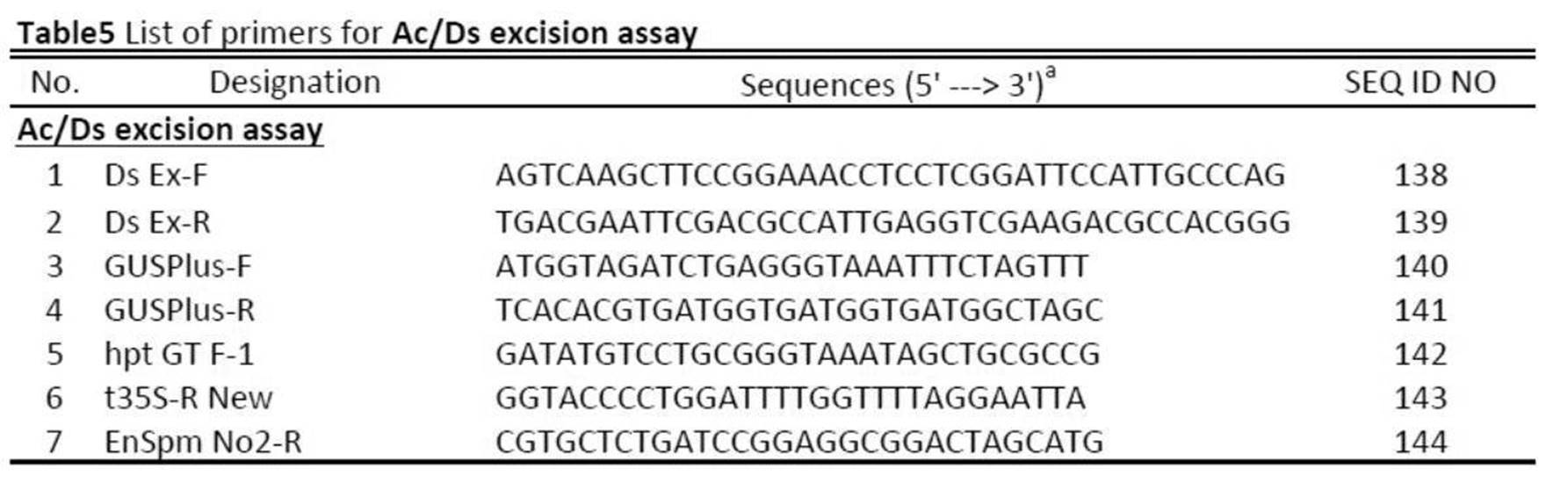
熱ショック誘導性のAc/Ds-媒介型マーカー切除システムの機能を評価するために、GUSレポーターアッセイ用プラスミドベクターである、pZEN30NC及びpZEN31Eを調製した(図1)。これらのベクターを、アグロバクテリウムを媒介した形質転換を用いて、イネのカルスに導入し、それぞれ74及び196の独立した遺伝子組換えカルス系統を作製した(表4)。さらに、pZEN30PCを有する約50の遺伝子組換えカルス系統も、GUSPlusを構成的に発現する対照群として作製した。続いて、pZEN30NCを有する各カルス系統について、Dsが切除されているか分析した。プライマーDs Ex-F / Ds Ex-R(表5)を用いたPCR分析の結果、全ての遺伝子組換えカルスの系統において、Dsの切除は検出されなかった(表4、図2C)。同様に、pZEN30NCを導入したカルス系統ではGUSポジティブのシグナルはほとんど認められなかったが、pZEN30PCを導入したカルス系統は、ほとんど全てがGUSシグナルを示した(表4、図2D)。この結果から、Ac/Dsシステムと機能互換を有し、かつ組織培養プロセスで活性化されるDNA型トランスポゾンシステムは、イネゲノム中には存在しないことが示唆される。
pZEN31Eを導入したカルス系統を、2つの群に分けた。一方の群は、対照として常温(31.5℃)で培養し、他方は、42℃、90分間の加熱状況下に置いた。通常の条件(31.5℃)で1週間保護培養(nurse culture)した後に、各遺伝子組換えカルス系統のゲノムDNAを抽出し、プライマーDs Ex-F / Ds Ex-R(表5)を用いたPCR分析によりDsの切除を検出した。その結果、Dsの切除を示す650bpの断片は、対照及び熱ショック処理群において、それぞれ159(81.1%)及び187(95.1%)のカルス系統で増幅が確認された(表4、図2C)。
さらに、熱ショックプロモーターの制御下で、AcTPase4xOsによるDs切除の頻度及び時空間的な発生を分析するために、GUS染色アッセイを行った。その結果、AcTPase4xOsは、イネカルス中の合成されたDsエレメントを除去する機能を有することが示された。Dsエレメントは、通常の条件でさえ低頻度で切除されたが、熱ショック処理により、AcTPase4xOsに媒介されたDsの切除の頻度を増加させることが明らかとなった(表4、図2D)。
OsClpP5は、ATP依存性カゼイン分解酵素(caseinolytic protease)のP5サブユニットをコードするイネ内在性の遺伝子であり、ホモ接合の破壊は、淡黄色葉のような葉色変異につながる葉緑体機能不全を引き起こす(Tsugane K. et al., Plant J. 45(1):46-57 (2006))。自律的なAc/Ds-媒介型マーカー切除システムと組み合わせて、遺伝子ターゲティングによるデザインベースの改変を技術的に実証するためのモデルとして、OsClpP5を選択した。
遺伝子ターゲティングベクター、pOsClpP5KO-AcDsは、OsClpP5のイントロン1の5'末端にヌクレオチド置換を導入して、スプライス部位の変異並びに新規なPvuII部位が導入されるように設計した(図4A及びB)。一次改変では、転写ターミネーター(ΔEn)、ポジティブマーカー(hpt)(配列番号44で示される配列)及び視覚マーカー(EGFP)(配列番号49で示される配列)を含む「除去ユニット」を、相同組換えを介してOsClpP5イントロン1に挿入する(図4C)。続く二次改変では、除去ユニットを、自律的なAc/Dsシステムにより標的領域から切り出す(図5A及びB)。得られたOsClpP5の転写産物は、早発性の終止コドンをもたらす、スプライシングを受けていないイントロン1を含むことが予期された。pOsClpP5KO-AcDsを、大規模なアグロバクテリウム形質転換を介して、日本晴種子由来のembryogenic calliに導入した。GT候補のカルス系統を、3~4週間のポジティブ-ネガティブ選択後に、67.5gのカルスから選択した。
相同組換えにより適切に改変されたOsClpP5を有する真正なGT(True GT:TGT)カルス系統をスクリーニングするために、プライマーのペア(それぞれ、Clp 5J-F/pAct-R及びTPase 3-F/Clp 3J- R)を用いて、ジャンクションPCR解析を行った(図4C及びD)。297のGT候補のうち、真正な遺伝子標的として、71のカルス系統を見出した。従って、OsClpP5遺伝子座におけるGTの頻度は、生存カルス当たり約23.9%であると見積もられた(表6)。
各GTカルス系統の5'接合断片のシーケンシング解析により、所望の変異が、除去ユニットと共にOsClpP5の標的の位置に導入されたことが明らかとなった。また、蛍光顕微鏡分析を行い、EGFPシグナルを発現する67のGTカルス系統(67/71、94.4%)を確認した(表6及び図4E)。

Ac/Ds-媒介型マーカー遺伝子切除を誘導するための熱ショック条件を最適化するために、改変されたOsClpP5を有する最も頑健な15のTGTカルス系統を以下の分析に用いた。
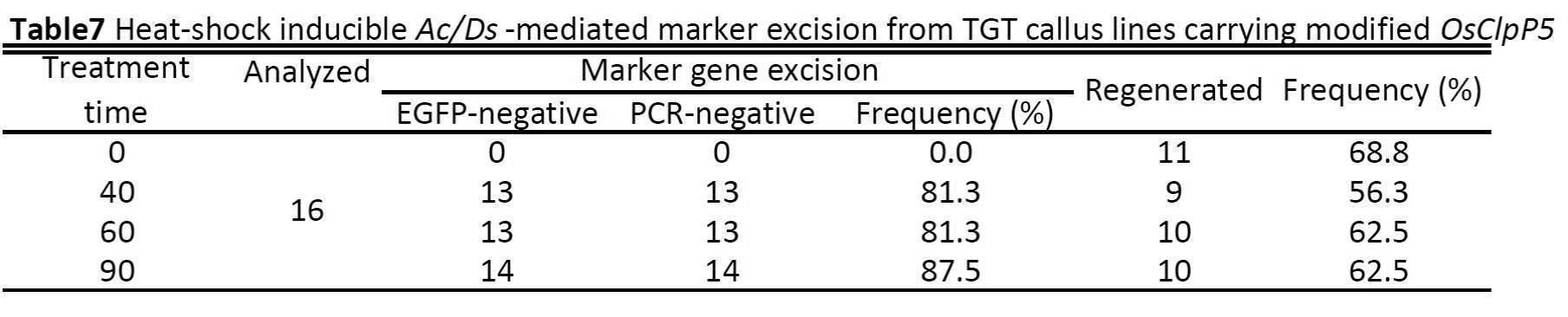
各GTカルス系統を均等に分割し、上記の予備実験の結果(図2A-D)に基づき、42℃で0、40、60又は90分間処理した。処理したカルス系統を、N6D培地で4週間培養し、二次改変の頻度を分析した。EGFP発現が、特定の細胞系統における「除去ユニット」の切除の指標として機能するであろうと予測された。ユニットを切り出した場合、EGFPの発現は、対応する細胞及びその子孫において除去されると考えられた。かかる細胞系列、二次改変の結果物は、周囲のEGFP発現細胞と区別することができる。予想どおり、PCR分析により、全てのEGFPポジティブ細胞は、「除去ユニット」を有することが確認された(図5D)。一方、EGFPネガティブ細胞系統が、対応する暴露時間熱ショックで処理した後に、13又は14のTGTカルス系統にいくつか現れた(表7及び図5C)。各GT系統のEGFPネガティブカルスの一部を、PCR分析のために選んだ。その結果、分析したEGFPネガティブカルスの全てにおいて、「除去ユニット」の除去が成功していることが確認できた(表7及び図5D)。これらの結果から、熱ショック誘導性のAc/Dsシステムを用いた、ポジティブマーカーを除去するOsClpP5の二次改変が実証された。
熱ショック処理を行った、又は行っていないGTカルス系統を、MSRE培地に移し、T0植物が再分化されるまで4~6週間培養した。熱ショック処理群の再分化率(regeneration rate)は56.3%から62.5%の範囲であったが、熱ショック未処理の対照群は68.8%であった(表7)。各群から十分な数のT0植物が得られた。これらの結果は、熱ショック工程が、植物再分化に有害ではないことを示唆している。
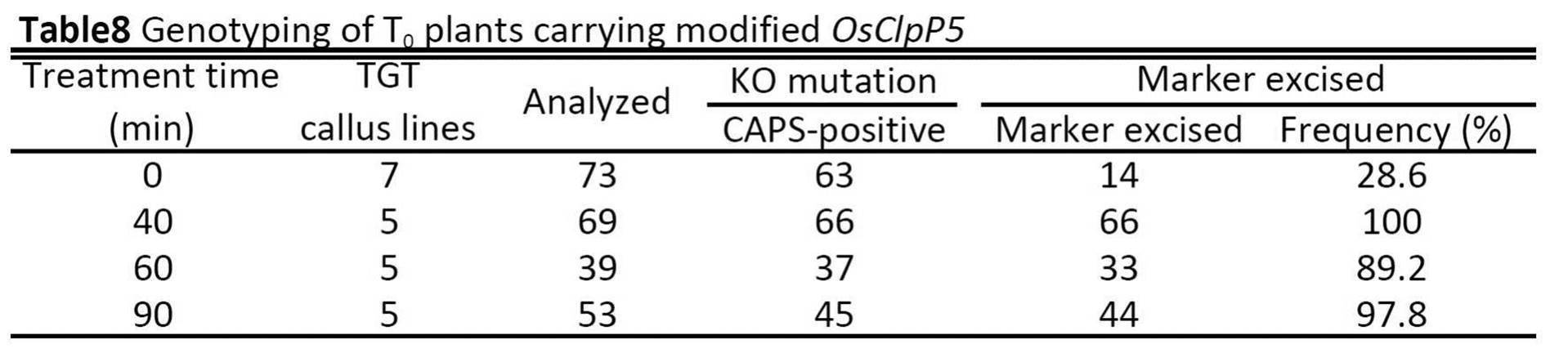
再分化させたT0植物を、1/2MS培地上で個々に増殖し、さらなる分析に供した。CAPS及びDNAシーケンシング分析により、熱ショック処理を行ったGTカルス系統由来のT0植物の大部分において、所望の変異が導入されていることが示された(図6A及びB)。さらに、根組織におけるPCR分析及びEGFP発現により、このようなT0植物のほとんど全てが、「除去ユニット」を有していないことが確認された(表8、図6C及びD)。一方、熱ショック未処理群由来のT0植物中では、「除去ユニット」の切除頻度は、明確に低いことが確認された(表8)。
次に、遺伝子ターゲティング及び熱ショック誘導性のAc/Ds-媒介型マーカー切除がイネ植物体に及ぼす影響を調べた。T0植物の生育を評価するために、その出穂期における植物の草高を評価した。その結果、マーカーフリーのカルス系統から再分化されたT0植物の草高が、比較的低いことが確認された(図7A及びB)。これはおそらく、遺伝子ターゲティングプロセスで生じた体細胞変異に起因し、熱ショック処理との関連性はほとんどないと考えられる。なぜなら、熱ショック処理の有無に関わらず、カルス系統から再分化されたT0植物の草高は、WT植物と比較して抑制されたためである(図7B)。一方、熱ショック処理した植物の草高は、T0植物の稔性に影響するようである。42℃で90分間熱ショック処理を行った後のGTカルス系統由来のT0植物は、稔性が相対的に低下していた(図7C)。そこで、Ac/Ds-媒介型マーカー切除を誘導するための熱ショック条件が、イネカルスのストレスをできるだけ減らす、40分間42℃であると仮定した。
上記の結果により、Ac/Ds-媒介型自律的なマーカー切除システムと組み合わせた遺伝子ターゲティングによる、イネカルスにおける効率的なデザインベースの遺伝子改変が実証された。次の実施例では、T0植物の自家受粉の子孫を調べることにより、所望の変異の安定性及び遺伝を調べた。
2段階の改変により得られたT0世代のマーカーフリーの植物は、OsClpP5 KO変異をヘテロ接合性の劣性変異として有する。従って、それらのT1子孫の表現型は、3:1の比率で、正常とアルビノとが分離すると予測された。実際、各T0植物由来のT1子孫の1/4は、アルビノの表現型を示した(表9、図8A及びB)。さらに、CAPS及びDNAシーケンシング分析によるジェノタイピングの結果は、各T1植物の表現型と一致した(図8D及びE)。これらの結果により、遺伝子ターゲティング及びAc/Ds-媒介型マーカー切除を通じた標的遺伝子の改変の正確さ及び効率が実証された。
Ac/Ds-媒介型マーカー切除後の遺伝子ターゲティングによる、2段階改変後に標的遺伝子座が適切に編集されたかどうかを確認するために、T1世代で分離されたアルビノ植物のゲノム配列を分析した。Ac/Ds切除に関連して生成したフットプリント配列は、1bpの挿入又は2-6bpの欠失として観察された(図8F)。同一のGTカルス系統由来の植物は、同じフットプリント配列を共有することが判明した。この結果は、熱ショック処理後のごく初期段階で、除去ユニットの切除が生じたこと、及びT0植物は同じ細胞系統内の増殖したカルスから再分化されたことを意味する。
植物の細胞膜には、病原性感染を認識するための多数の受容体キナーゼが存在する。OsRacGEF1は、イネの「defensome」の重要な構成要素として同定された。OsRacGEF1は、キチン駆動性の免疫応答の初期段階に決定的に関与しており、シグナル伝達経路において重要な役割を果たす。イネにおいて、キチンエリシター(chitin elicitor)受容体キナーゼ1(OsCERK1)とキチンエリシター結合タンパク質(OsCEBiP)とは、受容体複合体を形成し、下流のシグナル伝達経路を認識し、活性化する。OsRacGEF1は、シグナル伝達経路の中継点として機能する。OsRacGEF1はOsCERK1と直接相互作用し、そのC末端のS549のリン酸化によって活性化され、イネ免疫の主要制御因子であるOsRac1を活性化する。そのリン酸化を模倣する変異であるOsRacGEF1 S549Dは、OsRac1の活性化を介して、いもち病菌に対する耐性を増加させることが明らかになった(Akamatsu A. et al., Cell Host Microbe, 13(4):465-476 (2013))。
OsRacGEF1の遺伝子ターゲティングベクターを、S549D変異及び新規なBssHII部位を生じるサイレント突然変異を引き起こすヌクレオチド置換を導入するように設計した(図9A及びB)。一次改変では、相同組換えを介してOsRacGEF1の3'UTR領域に転写ターミネーター(ΔEn)及び視覚マーカー(EGFP)を含む「除去ユニット」を挿入する(図9B)。次の二次改変では、自律的なAc/Dsシステムにより、除去ユニットを標的領域から切り出す。得られたOsRacGEF1はS549D変異を有する事を確認した(図10A、B及び図11)。さらに、痕跡の残らない「除去ユニット」の削除を確認した(図11)。
大規模なアグロバクテリウム形質転換及びポジティブ-ネガティブ選択により、「金南風」種子由来のembryogenic calliにpGEF1S549D-AcDsを導入した。3回繰り返した後、252.5gのカルスから1322のGT候補カルス系統を得た。HRによって適切に改変されたOsRacGEF1を有する真正なGT(TGT)カルス系統をスクリーニングするために、プライマーのペア(それぞれ、GEF 5-J-F/pAct-R及びTPase 3-F/GEF 3J-R)を用いて、5’-及び3’-ジャンクションPCR分析を行った(図9C、表2)。その結果、59のカルス系統を真正な遺伝子標的として見出した。従って、OsRacGEF1遺伝子座におけるGT頻度は、生存カルス当たり約10.3%であると推定された(表6)。
上述の通り、pGEF1S549D-Dsも金南風に導入した。5'-及び3'-ジャンクションPCR分析により、113の候補のうち13のカルス系統がTGTとして確認された。 GTの頻度は、ポジティブ-ネガティブ選択されたカルス系統に対して11.5%であった(表6)。所望の変異及びEGFP発現もまた確認した。
改変されたOsRacGEF1遺伝子座から、それに続くAc/Ds-媒介型マーカーの切除を上述の通り行った。所望の変異を有する16のTGTカルス系統を均等に分割し、42℃で40、60又は90分間処理した。保護培養4週間後に、EGFPネガティブ細胞系統が得られた(図10C)。かかるカルスを、T0植物の再分化のために選択した。再分化頻度(regeneration frequency)は、37.5~62.5%であった(表10)。T0植物のPCR及びCAPS分析の結果、除去ユニットの除去に成功し、OsRacGEF1の標的位置に所望の変異を導入されたことを確認した(表11、図10D及びE)。かかるT0植物を生育し、自家受粉を経てT1世代における所望の変異遺伝分離を確認した。


本実施例によるOsClpP5改変では、塩基置換を介したスプライシング阻害により遺伝子機能破壊を引き起こす設計とした。具体的には、OsClpP5第1イントロンの5’側末端に位置するスプライシングドナーサイトを改変し、GTからCTへ改変する。これにより、当該OsClpP5遺伝子由来のmRNAには第1イントロン配列に起因したフレームシフト変異等により未成熟終止コドンが出現し、正常なタンパク質が翻訳されず機能破壊に至ると予測した。そこで、標的遺伝子の正確な編集とそれによる機能改変を確認するため、実施例2に方法により、OsClpP5改変に成功した2系統についてT1植物体を展開し、各個体の表現型と遺伝子型をもとに野生型、ヘテロ接合型、およびアルビノ変異体であるosclpp5ホモ接合型に分類した上で、それらの転写産物を解析した(図14A-C, 図15A-D)。まず、各植物体からmRNAを単離し、OsClpP5遺伝子の5’UTRおよび3’UTR領域に設定したプライマーセット(Clp 5UTR-F No1;ACCACCCTCTCCCGGATAAGAGGCGCAACC(配列番号157)、Clp 3UTR-R No1;TGTGGAATCGCAAAACTATCTTGCCAAGCT(配列番号158))を用いた逆転写反応によりcDNAを得た。野生型OsClpP5に由来するcDNAは約1.0 kbだが、アルビノ変異体におけるcDNAは第1イントロンに相当する83bpの配列を含むため、約1.1 kbのDNA断片として検出されるはずである(図14A、B、C)。アガロースゲル電気泳動により各植物体のOsClpP5 cDNAを分画した結果、予測通り野生型の植物体からは約1.0 kb、osclpp5ホモ接合型の植物体からは約1.1 kbのDNA断片が検出され、ヘテロ接合型の植物体では双方のDNA断片が確認された(図14C)。次いで、得られたcDNAについてクローニングシークエンス解析を実施した結果、野生型の個体ではOsClpP5由来のmRNAでは第一イントロンのスプライスアウトが確認された(図15A、B)。一方、osclpp5ホモ接合型の植物体由来のmRNAでは第1イントロンに由来する約80塩基の残存が確認された(図15C、D)。また、第1イントロン配列に起因する未成熟終止コドンの出現が確認された。
以上の結果から、遺伝子ターゲティングによる標的遺伝子のスプライシングパターンの改変と、それによる機能破壊が実証された。
Claims (9)
- (1)トランスポゾン、及び
(2)植物細胞の有する二本鎖DNAの標的領域の少なくとも一部に相同な配列
を含む核酸であって、
該トランスポゾンが、マーカー遺伝子、及び誘導性プロモーターに作動可能に連結されたトランスポザーゼをコードする遺伝子を含む、核酸。 - 前記トランスポゾンが、Dsエレメント、Acエレメント、Spm-sエレメント、En1エレメント、Spm-I8(dSpm)エレメント、Muエレメント、Tam1エレメント、Tam2エレメント、Tam3エレメント、nDartエレメント、Dartエレメント及びPiggyBacエレメントからなる群から選択されるトランスポゾンに由来する、請求項1に記載の核酸。
- 前記トランスポゾンがDsエレメント又はAcエレメントに由来し、かつ前記トランスポザーゼがAcTPase又はその改変体である、請求項1又は2に記載の核酸。
- 前記マーカー遺伝子が蛍光タンパク質をコードする遺伝子を含む、請求項1~3のいずれか1項に記載の核酸。
- 前記誘導性プロモーターが熱ショック誘導性プロモーターである、請求項1~4のいずれか1項に記載の核酸。
- 二本鎖DNAの標的領域に変異を有し、かつ外因性のトランスポゾン及びトランスポザーゼをコードする遺伝子のいずれも有さない植物細胞を製造する方法であって、
(1)請求項1~5のいずれか1項の核酸が導入された植物細胞を選択する工程、
(2)工程(1)で選択された植物細胞を、誘導性プロモーターが活性化する条件下で培養する工程、及び
(3)工程(2)で培養された植物細胞を含む集団から、マーカータンパク質の発現が消失した細胞を選択する工程
を含む、方法。 - 前記植物細胞が単子葉植物の細胞である、請求項6に記載の方法。
- 前記単子葉植物がイネ科植物である、請求項7に記載の方法。
- 請求項6~8のいずれか1項に記載の方法により得られた植物細胞、又は該細胞を含む植物体。
Priority Applications (3)
| Application Number | Priority Date | Filing Date | Title |
|---|---|---|---|
| US17/432,817 US20220119828A1 (en) | 2019-02-22 | 2020-02-21 | Nucleic acid for editing genome of plant cell and use thereof |
| EP20760031.3A EP3928615A4 (en) | 2019-02-22 | 2020-02-21 | NUCLEIC ACID FOR EDITING GENOME OF A PLANT CELL AND ITS USE |
| JP2021502167A JP7518545B2 (ja) | 2019-02-22 | 2020-02-21 | 植物細胞のゲノム編集用核酸及びその用途 |
Applications Claiming Priority (2)
| Application Number | Priority Date | Filing Date | Title |
|---|---|---|---|
| JP2019030971 | 2019-02-22 | ||
| JP2019-030971 | 2019-02-22 |
Publications (2)
| Publication Number | Publication Date |
|---|---|
| WO2020171192A1 true WO2020171192A1 (ja) | 2020-08-27 |
| WO2020171192A8 WO2020171192A8 (ja) | 2020-10-29 |
Family
ID=72143605
Family Applications (1)
| Application Number | Title | Priority Date | Filing Date |
|---|---|---|---|
| PCT/JP2020/006977 Ceased WO2020171192A1 (ja) | 2019-02-22 | 2020-02-21 | 植物細胞のゲノム編集用核酸及びその用途 |
Country Status (4)
| Country | Link |
|---|---|
| US (1) | US20220119828A1 (ja) |
| EP (1) | EP3928615A4 (ja) |
| JP (1) | JP7518545B2 (ja) |
| WO (1) | WO2020171192A1 (ja) |
Citations (3)
| Publication number | Priority date | Publication date | Assignee | Title |
|---|---|---|---|---|
| JPH0589A (ja) | 1991-06-20 | 1993-01-08 | Japan Taafu Glass:Kk | 遺伝子発現の誘導方法 |
| JP2015149933A (ja) * | 2014-02-13 | 2015-08-24 | 学校法人 名城大学 | 植物体に用いる組換えベクター及びその利用 |
| JP2019030971A (ja) | 2017-08-04 | 2019-02-28 | Towa株式会社 | 樹脂成形装置及び樹脂成形品製造方法 |
Family Cites Families (3)
| Publication number | Priority date | Publication date | Assignee | Title |
|---|---|---|---|---|
| FR2791361B1 (fr) * | 1999-03-22 | 2002-12-06 | Aventis Cropscience Sa | Fragment d'acide nucleique comprenant un gene fonctionnel dans magnaporthe et un transposon impala |
| US7220893B1 (en) * | 1999-05-19 | 2007-05-22 | Cornell Research Foundation, Inc. | Plasmids and methods for construction of non-redundant, indexed, saturation, gene-disruption plant and animal libraries |
| US10323251B2 (en) * | 2014-02-19 | 2019-06-18 | National Research And Development Agency National Agriculture And Food Research Organization | Method utilizing piggybac transposon and transposase to introduce mutation into target DNA in a plant cell |
-
2020
- 2020-02-21 EP EP20760031.3A patent/EP3928615A4/en not_active Withdrawn
- 2020-02-21 WO PCT/JP2020/006977 patent/WO2020171192A1/ja not_active Ceased
- 2020-02-21 US US17/432,817 patent/US20220119828A1/en not_active Abandoned
- 2020-02-21 JP JP2021502167A patent/JP7518545B2/ja active Active
Patent Citations (3)
| Publication number | Priority date | Publication date | Assignee | Title |
|---|---|---|---|---|
| JPH0589A (ja) | 1991-06-20 | 1993-01-08 | Japan Taafu Glass:Kk | 遺伝子発現の誘導方法 |
| JP2015149933A (ja) * | 2014-02-13 | 2015-08-24 | 学校法人 名城大学 | 植物体に用いる組換えベクター及びその利用 |
| JP2019030971A (ja) | 2017-08-04 | 2019-02-28 | Towa株式会社 | 樹脂成形装置及び樹脂成形品製造方法 |
Non-Patent Citations (21)
| Title |
|---|
| AKAMATSU A. ET AL., CELL HOST MICROBE, vol. 13, no. 4, 2013, pages 465 - 476 |
| BECKER H.A.KUNZE R., MOL GEN GENET, vol. 254, no. 3, 1997, pages 219 - 230 |
| CHANG P.L. ET AL., BOTANICAL BULLETIN- ACADEMIA SINICA TAIPEI, vol. 42, no. 2, 2001, pages 85 - 92 |
| CHRISTOU P. ET AL., BIO/TECHNOLOGY, vol. 9, 1991, pages 957 - 962 |
| DANG T.T. ET AL., PLANT CELL PHYSIOL, vol. 54, no. 12, 2013, pages 2058 - 2070 |
| GUAN J. C. ET AL., PLANT MOL BIOL, vol. 56, no. 5, 2004, pages 795 - 809 |
| HIEI Y. ET AL., PLANT J., vol. 6, 1994, pages 271 - 282 |
| ITOH H. ET AL., NAT GENET, vol. 42, no. 7, 2010, pages 635 - 638 |
| LAZAROW K. ET AL., GENETICS, vol. 191, no. 3, 2012, pages 747 - 756 |
| MULLER-NEUMANN M. ET AL., MOL. GEN. GENET, vol. 198, no. 1, 1984, pages 19 - 24 |
| PLANT BIOTECHNOLOGY JOURNAL, vol. 7, 2009, pages 1 - 16 |
| R. FLUHRET, PROC. NATL. ACAD. SCI. USA, vol. 83, no. 2358, 1986 |
| RIE TERADA: "Development of a rice gene targeting with autonomous self-marker free system as a new breeding technique", 30 November 2017 (2017-11-30), JP, pages 1 - 2, XP009530632, Retrieved from the Internet <URL:http://kaken.nii.ac.jp/ja/report/KAKENHI-PROJECT-16K07560/16K075602016hokoku> [retrieved on 20200417] * |
| See also references of EP3928615A4 |
| SHIMATANI Z. ET AL., MOL GENET GENOMICS, vol. 281, no. 3, 2009, pages 329 - 344 |
| SHIMATANI Z. ET AL., NAT BIOTECHNOL, vol. 35, no. 5, 2017, pages 441 - 443 |
| SHIMATANI, ZENPEI. ET AL.: "Targeted base editing in rice and tomato using a CRISPR-Cas9 cytidine deaminase fusion", NATURE BIOTECHNOLOGY, vol. 35, 2017, pages 441 - 445, XP055529795 * |
| TERADA R. ET AL., NAT BIOTECHNOL, vol. 20, no. 10, 2002, pages 1030 - 1034 |
| TERADA R. ET AL., PLANT PHYSIOL, vol. 144, no. 2, 2007, pages 846 - 856 |
| TOKI S. ET AL., PLANT PHYSIOL., vol. 100, no. 3, 1992, pages 1503 - 1507 |
| TSUGANE K. ET AL., PLANT J, vol. 45, no. l, 2006, pages 46 - 57 |
Also Published As
| Publication number | Publication date |
|---|---|
| WO2020171192A8 (ja) | 2020-10-29 |
| JPWO2020171192A1 (ja) | 2021-12-23 |
| EP3928615A1 (en) | 2021-12-29 |
| US20220119828A1 (en) | 2022-04-21 |
| JP7518545B2 (ja) | 2024-07-18 |
| EP3928615A4 (en) | 2022-12-28 |
Similar Documents
| Publication | Publication Date | Title |
|---|---|---|
| JP6521669B2 (ja) | 標的dnaに変異が導入された植物細胞、及びその製造方法 | |
| Richardson et al. | Efficient Agrobacterium transformation of elite wheat germplasm without selection | |
| CN104293828B (zh) | 植物基因组定点修饰方法 | |
| CN108165573B (zh) | 叶绿体基因组编辑方法 | |
| KR20200078685A (ko) | 부위-특이적인 뉴클레오티드 치환을 통해 글리포세이트-내성 벼를 수득하는 방법 | |
| WO2015189693A1 (en) | Targeted viral-mediated plant genome editing using crispr/cas9 | |
| US20230313212A1 (en) | Plastid transformation by complementation of nuclear mutations | |
| Vega et al. | Agrobacterium-mediated transformation of maize (Zea mays) with Cre-lox site specific recombination cassettes in BIBAC vectors | |
| Chakraborti et al. | RETRACTED ARTICLE: Cre/lox system to develop selectable marker free transgenic tobacco plants conferring resistance against sap sucking homopteran insect | |
| Liu et al. | Heat shock-regulated site-specific excision of extraneous DNA in transgenic plants | |
| EP2875137B1 (en) | Method for performing homologous recombination | |
| US20170240911A1 (en) | Agrobacterium-mediated site specific integration | |
| US20050066386A1 (en) | Method of modifying genome in higher plant | |
| US10323251B2 (en) | Method utilizing piggybac transposon and transposase to introduce mutation into target DNA in a plant cell | |
| CN115151637A (zh) | 基因组内同源重组 | |
| JP6374176B2 (ja) | 植物体に用いる組換えベクター及びその利用 | |
| CN112867794A (zh) | 用于植物的基因组编辑的dna构建物 | |
| JP7518545B2 (ja) | 植物細胞のゲノム編集用核酸及びその用途 | |
| EP2423316B1 (en) | Method for determining meiotic recombination frequencies in plants | |
| US20250075223A1 (en) | Compositions and methods for genome editing across graft-junctions | |
| JP4595631B2 (ja) | 選抜マーカー遺伝子の影響が排除された遺伝子導入細胞、組織又は植物の作成方法 | |
| EP1630233B1 (en) | Novel vector | |
| Jun et al. | Construction of marker-free GFP transgenic tobacco by Cre/lox site-specific recombination system | |
| US20100257632A1 (en) | Methods for generating marker-free transgenic plants | |
| CA2707944A1 (en) | Methods for generating marker free transgenic plants |
Legal Events
| Date | Code | Title | Description |
|---|---|---|---|
| 121 | Ep: the epo has been informed by wipo that ep was designated in this application |
Ref document number: 20760031 Country of ref document: EP Kind code of ref document: A1 |
|
| ENP | Entry into the national phase |
Ref document number: 2021502167 Country of ref document: JP Kind code of ref document: A |
|
| NENP | Non-entry into the national phase |
Ref country code: DE |
|
| ENP | Entry into the national phase |
Ref document number: 2020760031 Country of ref document: EP Effective date: 20210922 |
|
| WWW | Wipo information: withdrawn in national office |
Ref document number: 2020760031 Country of ref document: EP |