WO2020145300A1 - ユーザ装置、ネットワークノード及び通信システム - Google Patents
ユーザ装置、ネットワークノード及び通信システム Download PDFInfo
- Publication number
- WO2020145300A1 WO2020145300A1 PCT/JP2020/000302 JP2020000302W WO2020145300A1 WO 2020145300 A1 WO2020145300 A1 WO 2020145300A1 JP 2020000302 W JP2020000302 W JP 2020000302W WO 2020145300 A1 WO2020145300 A1 WO 2020145300A1
- Authority
- WO
- WIPO (PCT)
- Prior art keywords
- plmn
- information indicating
- network node
- trigger
- selecting
- Prior art date
- Legal status (The legal status is an assumption and is not a legal conclusion. Google has not performed a legal analysis and makes no representation as to the accuracy of the status listed.)
- Ceased
Links
Images





Classifications
-
- H—ELECTRICITY
- H04—ELECTRIC COMMUNICATION TECHNIQUE
- H04W—WIRELESS COMMUNICATION NETWORKS
- H04W48/00—Access restriction; Network selection; Access point selection
- H04W48/18—Selecting a network or a communication service
-
- H—ELECTRICITY
- H04—ELECTRIC COMMUNICATION TECHNIQUE
- H04W—WIRELESS COMMUNICATION NETWORKS
- H04W8/00—Network data management
- H04W8/02—Processing of mobility data, e.g. registration information at HLR [Home Location Register] or VLR [Visitor Location Register]; Transfer of mobility data, e.g. between HLR, VLR or external networks
- H04W8/08—Mobility data transfer
- H04W8/12—Mobility data transfer between location registers or mobility servers
-
- H—ELECTRICITY
- H04—ELECTRIC COMMUNICATION TECHNIQUE
- H04W—WIRELESS COMMUNICATION NETWORKS
- H04W48/00—Access restriction; Network selection; Access point selection
- H04W48/08—Access restriction or access information delivery, e.g. discovery data delivery
- H04W48/12—Access restriction or access information delivery, e.g. discovery data delivery using downlink control channel
-
- H—ELECTRICITY
- H04—ELECTRIC COMMUNICATION TECHNIQUE
- H04W—WIRELESS COMMUNICATION NETWORKS
- H04W84/00—Network topologies
- H04W84/02—Hierarchically pre-organised networks, e.g. paging networks, cellular networks, WLAN [Wireless Local Area Network] or WLL [Wireless Local Loop]
- H04W84/04—Large scale networks; Deep hierarchical networks
- H04W84/042—Public Land Mobile systems, e.g. cellular systems
Definitions
- the present invention relates to a user device, a network node and a communication system in a communication system.
- 5G Fifth Generation Partnership Project
- NR New Radio
- 5G various wireless technologies are being studied in order to satisfy the requirement of achieving a throughput of 10 Gbps or more and a delay of a wireless section of 1 ms or less.
- 5GC 5G Core Network
- EPC Evolved Packet Core
- LTE Long Term Evolution
- E-UTRAN Radio Access Network
- a network architecture including an NG-RAN (Next Generation-Radio Access Network) corresponding to Evolved Universal Terrestrial Radio Access Network) is being studied (for example, Non-Patent Document 1).
- SoR Step of Roaming
- PLMN Public land mobile network
- the present invention has been made in view of the above points, and an object thereof is to control the network selection trigger of a user device in a roaming environment.
- a receiving unit that receives information indicating a priority PLMN and information indicating a trigger for selecting a PLMN from a network node in a VPLMN (Visited Public land mobile network), information indicating the priority PLMN, and A user apparatus having a control unit that executes PLMN selection based on information indicating a trigger for selecting the PLMN is provided.
- VPLMN Vehicle Public land mobile network
- LTE Long Term Evolution
- NR Universal Terrestrial Radio Access
- LAN Local Area Network
- “configuring” the wireless parameter and the like may mean that a predetermined value is set in advance (Pre-configure), or the network node 10 or The wireless parameter notified from the user device 20 may be set.
- FIG. 1 is a diagram for explaining a communication system according to an embodiment of the present invention.
- the communication system includes a UE, which is a user device 20, and a plurality of network nodes 10.
- a UE which is a user device 20
- a plurality of network nodes 10 10
- one network node 10 corresponds to each function, but one network node 10 may realize a plurality of functions, or a plurality of network nodes 10 may realize one function. ..
- the “connection” described below may be a logical connection or a physical connection.
- RAN Radio Access Network
- AMF Access and Mobility Management Function
- UPF User plane function
- the AMF is a network node 10 having functions such as RAN interface termination, NAS (Non-Access Stratum) termination, registration management, connection management, reachability management, and mobility management.
- the UPF is a network node 10 having functions such as a PDU (Protocol Data Unit) session point for the outside interconnected with a DN (Data Network), packet routing and forwarding, and a user plane QoS (Quality of Service) handling.
- PDU Protocol Data Unit
- DN Data Network
- packet routing and forwarding and a user plane QoS (Quality of Service) handling.
- UPF and DN constitute a network slice.
- a plurality of network slices may be constructed.
- AMF is UE, RAN, SMF (Session Management Function), NSSF (Network Slice Selection Function), NEF (Network Exposure Function), NRF (Network Repository Function), AUSF (Authentication Server Function), PCF (Policy Control Function), It is connected to AF (Application Function), UDM (Unified Data Management), and SEPP (Security Edge Protection Proxy).
- the AMF, SMF, NSSF, NEF, NRF, AUSF, PCF, AF, and UDM are connected to each other via interfaces based on their respective services, Namf, Nsmf, Nnssf, Nnef, Nnrf, Nausf, Npcf, Naf, and Nudm. Network node 10.
- the SMF is a network node 10 having functions such as session management, UE IP (Internet Protocol) address allocation and management, DHCP (Dynamic Host Configuration Protocol) function, ARP (Address Resolution Protocol) proxy, and roaming function.
- the NEF is a network node 10 having a function of notifying other NFs (Network Functions) of capabilities and events.
- the NSSF is a network node 10 having functions such as selection of a network slice to which a UE connects, determination of permitted NSSAI (Network Slice Selection Assistance Information), determination of a set NSSAI, determination of an AMF set to which the UE connects. is there.
- the PCF is a network node 10 having a function of controlling policy of the network.
- the AF is a network node 10 having a function of controlling an application server.
- the UDM is a network node 10 having functions of generating authentication information, identifying a user, restricting access during roaming based on subscriber data, and the like.
- SEPP is a non-transparent proxy and filters control plane messages between PLMNs (Public land mobile networks).
- VSEPP shown in FIG. 1 is SEPP in a visited network, and hSEPP is SEPP in a home network.
- the UE is in a roaming environment connected to the RAN and the AMF in the VPLMN (Visited PLMN).
- VPLMN and HPLMN are connected via vSEPP and hSEPP.
- the UE can communicate with the UDM of the HPLMN via the AMF of the VPLMN, for example.
- FIG. 2 is a diagram for explaining an example (1) of the SoR processing method.
- an SoR (Steering of Roaming) function for instructing a PLMN in which a home carrier is located in a roaming user in LTE will be described.
- UE selects PLMN according to the priority PLMN list (EF_OPLMNwAcT) recorded in USIM (Universal Subscriber Identity Module).
- EF_OPLMNwAcT priority PLMN list
- USIM Universal Subscriber Identity Module
- FIG. 3 is a diagram for explaining an example (2) of the SoR processing method.
- the SoR processing method shown in FIG. 2 cannot provide the SoR function to an SMS non-compliant terminal (for example, a module terminal). Further, since the terminal does not return a response (ACK), the delivery source network node cannot recognize that the rewriting is completed.
- SMS non-compliant terminal for example, a module terminal.
- ACK response
- the SoR function is realized by rewriting the PLMN list of the UE by NAS (Non Access Stratum) signaling.
- NAS Non Access Stratum
- the UDM in HPLMN transmits the priority PLMN, which is SoR information, to the AMF in VPLMN. Subsequently, the AMF sends the preferred PLMN received from the UDM to the UE via NAS signaling. Upon receiving the preferred PLMN, the UE sends an ACK to the AMF.
- the priority PLMN which is SoR information
- the network search operates and the call during communication is disconnected. Whether to disconnect the call and immediately perform PLMN selection or to wait until communication is completed before performing PLMN selection depends on the implementation of the UE. Therefore, it is not possible to start the PLMN selection according to the call type being communicated or the policy of the carrier. As an example in which the process of starting PLMN selection according to the call type being communicated is necessary, when the call type being communicated is a voice call, disconnection should be avoided because it greatly affects the user. Further, for example, when the call type in communication is data communication, it should be disconnected and immediately made to be in the priority PLMN.
- PLMN selection is performed immediately after an emergency call, it will not be possible to receive a call back from the emergency call receiving organization, so it is better to avoid starting PLMN selection immediately after an emergency call.
- FIG. 4 is a diagram for explaining an example (1) of the SoR processing method according to the embodiment of the present invention.
- the UDM in the HPLMN sends the SoRP information, which is the priority PLMN and the information instructing the PLMN selection trigger, to the AMF in the VPLMN. Then, the AMF transmits the information indicating the priority PLMN and the PLMN selection trigger received from the UDM to the UE via the NAS signaling. Upon receiving the priority PLMN and the information instructing the PLMN selection trigger, the UE sends an ACK to the AMF.
- the information instructing the trigger of PLMN selection may be, for example, the following 1) 2) 3).
- Timer value After receiving the SoR information, the UE performs PLMN selection after the timer expires.
- a flag indicating whether or not to allow PLMN selection during communication When the flag indicates “permitted”, the UE disconnects communication and performs PLMN selection. When the flag indicates “not permitted”, the UE waits until the communication is completed, transitions to the idle state, and then performs the PLMN selection.
- Table 1 is an example of information and UE operation set for each call type.
- the UE receives the SoR information. After 60 minutes, if it is in the idle state, PLMN selection is performed, and if in an emergency call, the PLMN selection is waited until it becomes idle state. Further, as another example, when the SoR information is received in the call type “during an emergency call”, the UE may start the timer when the emergency call ends. That is, the UE may perform PLMN selection if it is in the idle state when the timer expires 60 minutes after the emergency call is terminated.
- the UE receives the SoR information. Immediately perform PLMN selection. At this time, if the Internet communication is in progress, the communication is disconnected.
- the timer value in 1) above is set, and the flag need not be set.
- the communication may be uniformly disconnected and PLMN selection may be performed. Further, the execution of PLMN selection may be waited until the idle state is entered, or the terminal may determine which operation should be performed for each call type.
- the UE Upon receiving the SoR information, the UE immediately performs PLMN selection if it is not in communication. If the UE is in communication when receiving the SoR information, it immediately implements PLMN selection or waits for PLMN selection until the communication ends, based on the flag.
- the call types may be other than the call types shown in Table 1.
- the call type may be SMS.
- the call type may be defined for each application of Internet communication.
- the call type may be defined for each APN (Access Point Name) or DNN (Data Network Name) of the connection destination.
- APN Access Point Name
- DNN Data Network Name
- FIG. 5 is a diagram for explaining an example (2) of the SoR processing method according to the embodiment of the present invention.
- the UE controls the timing of performing PLMN selection based on the call type in communication.
- the network judges the call type in communication and sets the timer value of 1) or the flag of 2).
- the UDM in the HPLMN recognizes the call type during communication and sets an appropriate timer value or a flag indicating whether or not to allow the selection of the PLMN during communication.
- step 1 the UDM in the HPLMN sends the priority PLMN, which is SoR information, to the AMF in the VPLMN.
- step 2 the AMF sends a notification regarding the in-communication state to the UDM.
- step 3 the UDM determines the timing for implementing the PLMN selection based on the received notification relating to the in-communication state, and sends a notification of the timing for implementing the PLMN selection to the AMF.
- the notification of the timing of executing the PLMN selection corresponds to the information instructing the PLMN selection trigger.
- step 4 the AMF transmits to the UE, via the NAS signaling, the priority PLMN received from the UDM and the information instructing the PLMN selection trigger.
- step 5 when the UE receives the priority PLMN and the information instructing the PLMN selection trigger, the UE transmits an ACK to the AMF.
- FIG. 6 is a diagram for explaining an example (3-1) of the SoR processing method in the embodiment of the present invention.
- FIG. 7 is a diagram for explaining an example (3-2) of the SoR processing method in the embodiment of the present invention.
- FIG. 6 and FIG. 7 are examples in which the AMF in the VPLMN notifies the UDM in the HPLMN of the communication state each time the communication state changes, and the timing of performing the priority PLMN and PLMN selection at the time of SoR information transmission. ..
- the AMF in the VPLMN sends information to the UDM in the HPLMN that the emergency call communication is in progress.
- step 1 the UDM in the HPLMN sends a notification of the timing of executing the priority PLMN and PLMN selection, which is SoR information, to the AMF in the VPLMN.
- the UDM determines the timing for executing the PLMN selection based on the already received notification regarding the communication status.
- the notification of the timing of executing the PLMN selection corresponds to the information instructing the PLMN selection trigger.
- step 2 the AMF transmits the information indicating the priority PLMN and the PLMN selection trigger, which is received from the UDM, to the UE via the NAS signaling.
- step 3 when the UE receives the priority PLMN and the information instructing the PLMN selection trigger, the UE transmits an ACK to the AMF.
- FIG. 8 is a diagram for explaining an example (4) of the SoR processing method according to the embodiment of the present invention.
- the network determines the call type in communication and sets the timer value of 1) or the flag of 2).
- the AMF in the VPLMN recognizes the call type or the like during communication and sets an appropriate timer value or a flag indicating whether or not to allow selection of the PLMN during communication.
- the AMF in the VPLMN may determine the type of call being communicated and the like to determine the PLMN selection trigger.
- the AMF transmits to the UE, via the NAS signaling, the priority PLMN received from the UDM and the information indicating the PLMN selection trigger determined by the AMF. Subsequently, when the UE receives the priority PLMN and the information instructing the PLMN selection trigger, the UE transmits ACK to the AMF.
- FIG. 9 is a diagram for explaining an example (5) of the SoR processing method in the embodiment of the present invention.
- the embodiment of the present invention realizes a communication system that notifies not only priority PLMN but also information instructing a PLMN selection trigger to a UE.
- the communication system realizes the following a)b)c).
- the network notifies the UE of information regarding the PLMN selection trigger in each communication state, and determines whether or not the UE performs PLMN selection.
- the AMF in the VPLMN notifies the UDM in the HPLMN of the communication state, and the UDM gives the UE a proper PLMN selection trigger.
- the AMF in the roaming destination network for example, VPLMN instructs the UE an appropriate PLMN selection trigger based on the communication state.
- HW Hardware
- the communication control unit, OS (Operating System) or APL (Application) corresponds to the control unit 240.
- the HW receives the NAS signaling and transmits it to the communication control unit.
- the communication control unit starts a timer, disconnects communication, and the like according to the information of the PLMN selection trigger (S2).
- the communication control unit transmits a network search instruction to the HW at a timing according to the information of the PLMN selection trigger (S3).
- the HW carries out a search (S4).
- the HW reports the found PLMN to the communication control unit (S5). Then, the communication control unit carries out PLMN selection based on the PLMN list (S6). Then, the communication control unit transmits an instruction to attach to the selected PLMN to the HW (S7).
- the AMF which is the network node, can notify the UE of information related to the PLMN selection trigger and control the PLMN selection trigger of the UE.
- the AMF notifies the UDM, which is a network node, of the communication state of the UE, so that the UDM can determine an appropriate PLMN selection trigger.
- the AMF can determine the PLMN selection trigger based on the communication state of the UE.
- the network node 10 and the user equipment 20 include the functionality to implement the above-described embodiments. However, each of the network node 10 and the user device 20 may have only some of the functions in the embodiment.
- FIG. 10 is a diagram showing an example of a functional configuration of the network node 10.
- the network node 10 includes a transmission unit 110, a reception unit 120, a setting unit 130, and a control unit 140.
- the functional configuration shown in FIG. 10 is merely an example.
- the function categories and the names of the function units may be any names.
- the network node 10 having a plurality of different functions on the system architecture may be composed of a plurality of network nodes 10 separated for each function.
- the transmitting unit 110 includes a function of generating a signal to be transmitted to the user device 20 or another network node 10 and transmitting the signal by wire or wirelessly.
- the receiving unit 120 includes a function of receiving various signals transmitted from the user device 20 or another network node 10 and acquiring, for example, information of a higher layer from the received signals.
- the setting unit 130 stores preset setting information and various setting information to be transmitted to the user device 20 in the storage device, and reads it from the storage device as necessary.
- the content of the setting information is, for example, subscriber information and SoR information of the user device 20.
- the control unit 140 performs processing related to communication control of the user device 20 in the roaming environment, as described in the embodiment. In addition, the control unit 140 performs processing related to the SoR information notification to the user device 20.
- the functional unit related to signal transmission in the control unit 140 may be included in the transmission unit 110, and the functional unit related to signal reception in the control unit 140 may be included in the reception unit 120.
- FIG. 11 is a diagram illustrating an example of a functional configuration of the user device 20.
- the user device 20 includes a transmission unit 210, a reception unit 220, a setting unit 230, and a control unit 240.
- the functional configuration shown in FIG. 11 is merely an example. As long as the operation according to the embodiment of the present invention can be carried out, the function categories and the names of the function units may be any names.
- the transmitting unit 210 creates a transmission signal from the transmission data and wirelessly transmits the transmission signal.
- the reception unit 220 wirelessly receives various signals and acquires signals of higher layers from the received physical layer signals.
- the receiving unit 220 also has a function of receiving the NR-PSS, NR-SSS, NR-PBCH, DL/UL control signal or reference signal transmitted from the network node 10.
- the setting unit 230 stores various setting information received from the network node 10 by the receiving unit 220 in a storage device and reads it from the storage device as necessary.
- the setting unit 230 also stores preset setting information.
- the contents of the setting information are, for example, subscriber information and SoR information.
- control unit 240 performs processing related to communication control in the roaming environment based on the SoR information. Further, the control unit 240 performs processing relating to PLMN switching control when receiving SoR information.
- the functional unit related to signal transmission in the control unit 240 may be included in the transmission unit 210, and the functional unit related to signal reception in the control unit 240 may be included in the reception unit 220.
- each functional block may be realized by using one device physically or logically coupled, or directly or indirectly (for example, two or more devices physically or logically separated). , Wired, wireless, etc.) and may be implemented using these multiple devices.
- the functional blocks may be realized by combining the one device or the plurality of devices with software.
- Functions include judgment, decision, judgment, calculation, calculation, processing, derivation, investigation, search, confirmation, reception, transmission, output, access, resolution, selection, selection, establishment, comparison, assumption, expectation, observation, Broadcasting, notifying, communicating, forwarding, configuration, reconfiguring, allocating, mapping, assigning, etc., but not limited to these.
- the functional block (configuration unit) that causes transmission to function is called a transmitting unit or transmitter.
- the implementation method is not particularly limited.
- the network node 10, the user device 20, and the like according to the embodiment of the present disclosure may function as a computer that performs the process of the wireless communication method of the present disclosure.
- FIG. 12 is a diagram illustrating an example of a hardware configuration of the network node 10 and the user device 20 according to the embodiment of the present disclosure.
- the network node 10 and the user device 20 described above are physically configured as a computer device including a processor 1001, a storage device 1002, an auxiliary storage device 1003, a communication device 1004, an input device 1005, an output device 1006, a bus 1007, and the like. May be.
- the word “apparatus” can be read as a circuit, device, unit, or the like.
- the hardware configurations of the network node 10 and the user device 20 may be configured to include one or a plurality of each device illustrated in the figure, or may be configured not to include some devices.
- Each function in the network node 10 and the user device 20 causes a predetermined software (program) to be loaded on hardware such as the processor 1001, the storage device 1002, etc., so that the processor 1001 performs an operation and controls communication by the communication device 1004. Or by controlling at least one of reading and writing of data in the storage device 1002 and the auxiliary storage device 1003.
- a predetermined software program
- the processor 1001 operates an operating system to control the entire computer, for example.
- the processor 1001 may be configured by a central processing unit (CPU) including an interface with peripheral devices, a control device, a calculation device, a register, and the like.
- CPU central processing unit
- the control unit 140, the control unit 240, and the like described above may be realized by the processor 1001.
- the processor 1001 reads a program (program code), software module, data, or the like from at least one of the auxiliary storage device 1003 and the communication device 1004 to the storage device 1002, and executes various processes according to these.
- a program that causes a computer to execute at least part of the operations described in the above-described embodiments is used.
- the control unit 140 of the network node 10 illustrated in FIG. 10 may be realized by a control program stored in the storage device 1002 and operated by the processor 1001.
- the control unit 240 of the user device 20 illustrated in FIG. 11 may be realized by a control program stored in the storage device 1002 and operated by the processor 1001.
- the various processes described above are executed by one processor 1001, they may be executed simultaneously or sequentially by two or more processors 1001.
- the processor 1001 may be implemented by one or more chips.
- the program may be transmitted from the network via an electric communication line.
- the storage device 1002 is a computer-readable recording medium, and is, for example, at least one of ROM (Read Only Memory), EPROM (Erasable Programmable ROM), EEPROM (Electrically Erasable Programmable ROM), RAM (Random Access Memory), and the like. It may be configured.
- the storage device 1002 may be called a register, a cache, a main memory (main storage device), or the like.
- the storage device 1002 can store a program (program code) that can be executed to implement the communication method according to the embodiment of the present disclosure, a software module, and the like.
- the auxiliary storage device 1003 is a computer-readable recording medium, and is, for example, an optical disc such as a CD-ROM (Compact Disc ROM), a hard disk drive, a flexible disc, a magneto-optical disc (for example, a compact disc, a digital versatile disc, a Blu disc). -Ray disc), smart card, flash memory (eg card, stick, key drive), floppy disc, magnetic strip, etc.
- the above-mentioned storage medium may be, for example, a database including at least one of the storage device 1002 and the auxiliary storage device 1003, a server, or another appropriate medium.
- the communication device 1004 is hardware (transmission/reception device) for performing communication between computers via at least one of a wired network and a wireless network, and is also called, for example, a network device, a network controller, a network card, a communication module, or the like.
- the communication device 1004 includes, for example, a high frequency switch, a duplexer, a filter, a frequency synthesizer, etc. in order to realize at least one of frequency division duplex (FDD: Frequency Division Duplex) and time division duplex (TDD: Time Division Duplex). May be composed of
- the transmission/reception antenna, the amplifier unit, the transmission/reception unit, the transmission line interface, and the like may be realized by the communication device 1004.
- the transmitter/receiver may be implemented by physically or logically separating the transmitter and the receiver.
- the input device 1005 is an input device (for example, a keyboard, a mouse, a microphone, a switch, a button, a sensor, etc.) that receives an input from the outside.
- the output device 1006 is an output device (for example, a display, a speaker, an LED lamp, etc.) that outputs to the outside.
- the input device 1005 and the output device 1006 may be integrated (for example, a touch panel).
- each device such as the processor 1001 and the storage device 1002 is connected by a bus 1007 for communicating information.
- the bus 1007 may be configured by using a single bus, or may be configured by using a different bus for each device.
- the network node 10 and the user device 20 are hardware such as a microprocessor, a digital signal processor (DSP: Digital Signal Processor), an ASIC (Application Specific Integrated Circuit), a PLD (Programmable Logic Device), and an FPGA (Field Programmable Gate Array). It may be configured to include hardware, and the hardware may implement some or all of the functional blocks. For example, the processor 1001 may be implemented using at least one of these hardware.
- DSP Digital Signal Processor
- ASIC Application Specific Integrated Circuit
- PLD Programmable Logic Device
- FPGA Field Programmable Gate Array
- a receiving unit that receives information indicating a priority PLMN and information indicating a trigger for selecting a PLMN from a network node in a VPLMN (Visited Public land mobile network). And a control unit that executes PLMN selection based on the information indicating the priority PLMN and the information indicating the trigger for selecting the PLMN.
- VPLMN Vehicle Land mobile network
- the AMF which is the network node, can notify the UE of the information related to the PLMN selection trigger and control the PLMN selection trigger of the UE. That is, it is possible to control the network selection trigger of the user apparatus in the roaming environment.
- the control unit When the information indicating the opportunity to select the PLMN includes a timer value, the control unit causes the timer that starts when the information indicating the priority PLMN and the information indicating the opportunity to select the PLMN is received to the timer value. When it expires, the PLMN selection is performed, and when the information indicating the trigger for selecting the PLMN includes a flag, the control unit determines whether to perform the PLMN selection during communication based on the flag. May be. With this configuration, the user device 20 can control the PLMN selection trigger based on the timer value or the flag.
- the information indicating the trigger for selecting the PLMN includes the timer value or the flag associated with each call type, and the control unit is based on the timer value or the flag associated with the call type in communication. , PLMN selection may be performed. With this configuration, the user device 20 can control the PLMN selection trigger based on the setting of the timer or the flag according to the call type.
- the communication of the user equipment is performed from the first network node in the HPLMN (Home Public land mobile network) and the second network node in the VPLMN (Visited Public land mobile network).
- a reception unit that receives a state
- a control unit that determines information indicating a trigger to select a PLMN based on the communication state of the user device, information indicating a priority PLMN, and information indicating a trigger to select the PLMN.
- a network node having a transmitter for transmitting to the second network node is provided.
- the AMF can determine the appropriate PLMN selection trigger by notifying the UDM, which is a network node, of the communication state of the UE. That is, it is possible to control the network selection trigger of the user apparatus in the roaming environment.
- a network node in a VPLMN which receives a communication state of a user apparatus, and a PLMN based on the communication state of the user apparatus
- a network node that includes a control unit that determines information indicating a trigger for selecting, and a transmitter that transmits information indicating a priority PLMN and information indicating a trigger for selecting the PLMN to the user apparatus.
- the AMF can determine the PLMN selection trigger based on the communication state of the UE. That is, it is possible to control the network selection trigger of the user apparatus in the roaming environment.
- a communication including a first network node in an HPLMN (Home Public land mobile network), a second network node in a VPLMN (Visited Public land mobile network), and a user apparatus.
- the first network node includes a transmitter that transmits information indicating a PLMN having priority and information indicating a trigger for selecting a PLMN to the second network node, and the second network node.
- the second network node Is a reception unit that receives from the first network node information indicating the priority PLMN and information indicating a trigger for selecting the PLMN, information indicating the priority PLMN, and information indicating a trigger for selecting the PLMN.
- a communication system includes: a control unit that executes PLMN selection based on the information indicating the PLMN with priority and the information indicating a trigger for selecting the PLMN.
- the communication system can notify the UE of information related to the PLMN selection trigger and control the PLMN selection trigger of the UE. That is, it is possible to control the network selection trigger of the user apparatus in the roaming environment.
- the operation of a plurality of functional units may be physically performed by one component, or the operation of one functional unit may be physically performed by a plurality of components.
- the order of processing may be changed as long as there is no contradiction.
- the network node 10 and the user device 20 have been described using functional block diagrams, but such devices may be implemented in hardware, software, or a combination thereof.
- the software operated by the processor included in the network node 10 according to the embodiment of the present invention and the software operated by the processor included in the user device 20 according to the embodiment of the present invention are respectively a random access memory (RAM), a flash memory, and a read-only memory. It may be stored in a memory (ROM), EPROM, EEPROM, register, hard disk (HDD), removable disk, CD-ROM, database, server, or any other suitable storage medium.
- the notification of information is not limited to the mode/embodiment described in the present disclosure, and may be performed using another method.
- information is notified by physical layer signaling (for example, DCI (Downlink Control Information), UCI (Uplink Control Information)), upper layer signaling (for example, RRC (Radio Resource Control) signaling, MAC (Medium Access Control) signaling, It may be implemented by broadcast information (MIB (Master Information Block), SIB (System Information Block)), other signals, or a combination thereof, and RRC signaling may be called an RRC message, for example, RRC message. It may be a connection setup (RRC Connection Setup) message, an RRC connection reconfiguration message, or the like.
- LTE Long Term Evolution
- LTE-A Long Term Evolution-Advanced
- SUPER 3G IMT-Advanced
- 4G 4th generation mobile communication system
- 5G 5th generation mobile communication
- FRA Full Radio Access
- NR new Radio
- W-CDMA registered trademark
- GSM registered trademark
- CDMA2000 Code Division Multiple Access 2000
- UMB Universal Mobile Broadband
- IEEE 802.11 Wi-Fi (registered trademark)
- IEEE 802.16 WiMAX (registered trademark)
- IEEE 802.20 UWB (Ultra-WideBand
- Bluetooth registered trademark
- It may be applied to at least one of the next-generation systems. Further, a plurality of systems may be combined and applied (for example, a combination of at least one of LTE and LTE-A and 5G).
- the specific operation that is performed by the network node 10 in this specification may be performed by its upper node in some cases.
- various operations performed for communication with the user device 20 are performed by the network node 10 and other network nodes other than the network node 10.
- it can be done by at least one of (for example, but not limited to, MME or S-GW etc.).
- the other network node may be a combination of a plurality of other network nodes (for example, MME and S-GW). ..
- Information, signals, etc. described in the present disclosure may be output from the upper layer (or lower layer) to the lower layer (or upper layer). Input/output may be performed via a plurality of network nodes.
- Information that has been input and output may be stored in a specific location (for example, memory), or may be managed using a management table. Information that is input/output may be overwritten, updated, or added. The output information and the like may be deleted. The input information and the like may be transmitted to another device.
- the determination according to the present disclosure may be performed based on a value (0 or 1) represented by 1 bit, may be performed based on a Boolean value (Boolean: true or false), or may be performed by comparing numerical values (for example, , Comparison with a predetermined value).
- software, instructions, information, etc. may be sent and received via a transmission medium.
- the software uses a website using at least one of wired technology (coaxial cable, optical fiber cable, twisted pair, digital subscriber line (DSL), etc.) and wireless technology (infrared, microwave, etc.), When sent from a server, or other remote source, at least one of these wired and wireless technologies are included within the definition of transmission medium.
- wired technology coaxial cable, optical fiber cable, twisted pair, digital subscriber line (DSL), etc.
- wireless technology infrared, microwave, etc.
- data, instructions, commands, information, signals, bits, symbols, chips, etc. that may be referred to throughout the above description include voltage, current, electromagnetic waves, magnetic fields or magnetic particles, optical fields or photons, or any of these. May be represented by a combination of
- At least one of the channel and the symbol may be a signal (signaling).
- the signal may also be a message.
- a component carrier CC:Component Carrier
- CC Component Carrier
- system and “network” used in this disclosure are used interchangeably.
- the information, parameters, etc. described in the present disclosure may be represented by using an absolute value, may be represented by using a relative value from a predetermined value, or by using other corresponding information. May be represented.
- the radio resources may be those indicated by the index.
- base station Base Station
- radio base station base station
- base station device fixed station
- NodeB NodeB
- eNodeB eNodeB
- GNB nodeB
- Access point access point
- transmission point transmission point
- reception point transmission/reception point
- cell cell
- vector Terms such as “cell group”, “carrier”, “component carrier” may be used interchangeably.
- a base station may be referred to by terms such as macro cell, small cell, femto cell, and pico cell.
- a base station can accommodate one or more (eg, three) cells.
- the entire coverage area of the base station can be divided into multiple smaller areas, each smaller area being a base station subsystem (eg, a small indoor base station (RRH: It is also possible to provide communication services by Remote Radio Head).
- RRH small indoor base station
- the term "cell” or “sector” refers to a part or the whole of the coverage area of at least one of the base station and the base station subsystem that perform communication services in this coverage. Refers to.
- MS Mobile Station
- UE User Equipment
- Mobile stations are defined by those skilled in the art as subscriber stations, mobile units, subscriber units, wireless units, remote units, mobile devices, wireless devices, wireless communication devices, remote devices, mobile subscriber stations, access terminals, mobile terminals, wireless. It may also be referred to as a terminal, remote terminal, handset, user agent, mobile client, client, or some other suitable term.
- At least one of the base station and the mobile station may be called a transmission device, a reception device, a communication device, or the like.
- the base station and the mobile station may be a device mounted on a mobile body, the mobile body itself, or the like.
- the moving body may be a vehicle (eg, car, airplane, etc.), an unmanned moving body (eg, drone, self-driving car, etc.), or a robot (manned or unmanned).
- At least one of the base station and the mobile station also includes a device that does not necessarily move during a communication operation.
- at least one of the base station and the mobile station may be an IoT (Internet of Things) device such as a sensor.
- IoT Internet of Things
- the base station in the present disclosure may be replaced by the user terminal.
- the communication between the base station and the user terminal is replaced with communication between a plurality of user devices 20 (eg, may be referred to as D2D (Device-to-Device), V2X (Vehicle-to-Everything), etc.)
- a plurality of user devices 20 eg, may be referred to as D2D (Device-to-Device), V2X (Vehicle-to-Everything), etc.
- the user apparatus 20 may have the function of the network node 10 described above.
- the words such as “up” and “down” may be replaced with the words corresponding to the communication between terminals (for example, “side”).
- the uplink channel and the downlink channel may be replaced with the side channel.
- the user terminal in the present disclosure may be replaced by the base station.
- the base station may have the function of the above-mentioned user terminal.
- determining and “determining” as used in this disclosure may encompass a wide variety of actions.
- “Judgment” and “decision” are, for example, judgment, calculating, computing, processing, deriving, investigating, and looking up, search, inquiry. (Eg, searching in a table, a database, or another data structure), considering ascertaining as “judging” or “deciding”, and the like.
- “decision” and “decision” include receiving (eg, receiving information), transmitting (eg, transmitting information), input (input), output (output), access (accessing) (for example, accessing data in a memory) can be regarded as “judging” and “deciding”.
- judgment and “decision” are considered to be “judgment” and “decision” when things such as resolving, selecting, choosing, establishing, establishing, and comparing are done. May be included. That is, the “judgment” and “decision” may include considering some action as “judged” and “decided”. In addition, “determination (decision)” may be read as “assuming,” “expecting,” “considering,” and the like.
- connection means any direct or indirect connection or coupling between two or more elements, and It can include the presence of one or more intermediate elements between two elements that are “connected” or “coupled”.
- the connections or connections between the elements may be physical, logical, or a combination thereof.
- connection may be read as “access”.
- two elements are in the radio frequency domain, with at least one of one or more wires, cables and printed electrical connections, and as some non-limiting and non-exhaustive examples. , Can be considered to be “connected” or “coupled” to each other, such as with electromagnetic energy having wavelengths in the microwave and light (both visible and invisible) regions.
- the reference signal may be abbreviated as RS (Reference Signal), or may be referred to as a pilot (Pilot) depending on the applied standard.
- RS Reference Signal
- Pilot pilot
- the phrase “based on” does not mean “based only on,” unless expressly specified otherwise. In other words, the phrase “based on” means both "based only on” and “based at least on.”
- references to elements using the designations “first,” “second,” etc. as used in this disclosure does not generally limit the amount or order of those elements. These designations may be used in this disclosure as a convenient way to distinguish between two or more elements. Thus, references to the first and second elements do not mean that only two elements may be employed, or that the first element must precede the second element in any way.
- the term “A and B are different” may mean “A and B are different from each other”.
- the term may mean that “A and B are different from C”.
- the terms “remove”, “coupled” and the like may be construed as “different” as well.
- the notification of the predetermined information (for example, the notification of “being X”) is not limited to the explicit notification, and is performed implicitly (for example, the notification of the predetermined information is not performed). Good.
- the AMF in the present disclosure is an example of the network node or the second network node in the VPLMN.
- UDM is an example of a first network node.
- network node 110 transmission unit 120 reception unit 130 setting unit 140 control unit 20 user device 210 transmission unit 220 reception unit 230 setting unit 240 control unit 1001 processor 1002 storage device 1003 auxiliary storage device 1004 communication device 1005 input device 1006 output device
Landscapes
- Engineering & Computer Science (AREA)
- Computer Networks & Wireless Communication (AREA)
- Signal Processing (AREA)
- Computer Security & Cryptography (AREA)
- Databases & Information Systems (AREA)
- Mobile Radio Communication Systems (AREA)
Abstract
ユーザ装置は、VPLMN(Visited Public land mobile network)におけるネットワークノードから、優先するPLMNを示す情報及びPLMNを選択する契機を示す情報を受信する受信部と、前記優先するPLMNを示す情報及び前記PLMNを選択する契機を示す情報に基づいて、PLMN選択を実行する制御部とを有する。
Description
本発明は、通信システムにおけるユーザ装置、ネットワークノード及び通信システムに関する。
3GPP(3rd Generation Partnership Project)では、システム容量の更なる大容量化、データ伝送速度の更なる高速化、無線区間における更なる低遅延化等を実現するために、5GあるいはNR(New Radio)と呼ばれる無線通信方式(以下、当該無線通信方式を「5G」あるいは「NR」という。)の検討が進んでいる。5Gでは、10Gbps以上のスループットを実現しつつ無線区間の遅延を1ms以下にするという要求条件を満たすために、様々な無線技術の検討が行われている。
NRでは、LTE(Long Term Evolution)のネットワークアーキテクチャにおけるコアネットワークであるEPC(Evolved Packet Core)に対応する5GC(5G Core Network)及びLTEのネットワークアーキテクチャにおけるRAN(Radio Access Network)であるE-UTRAN(Evolved Universal Terrestrial Radio Access Network)に対応するNG-RAN(Next Generation - Radio Access Network)を含むネットワークアーキテクチャが検討されている(例えば非特許文献1)。
3GPP TS 23.501 V15.3.0(2018-09)
NRにおいて、ユーザ装置がローミング環境下でネットワークに接続しているとき、優先するPLMN(Public land mobile network)を選択する制御に係るSoR(Steering of Roaming)情報がユーザ装置に取得された場合、PLMN選択が実行されるタイミングを制御することが困難であった。
本発明は上記の点に鑑みてなされたものであり、ローミング環境にあるユーザ装置のネットワーク選択契機を制御することを目的とする。
開示の技術によれば、VPLMN(Visited Public land mobile network)におけるネットワークノードから、優先するPLMNを示す情報及びPLMNを選択する契機を示す情報を受信する受信部と、前記優先するPLMNを示す情報及び前記PLMNを選択する契機を示す情報に基づいて、PLMN選択を実行する制御部とを有するユーザ装置が提供される。
開示の技術によれば、ローミング環境にあるユーザ装置のネットワーク選択契機を制御することができる。
以下、図面を参照して本発明の実施の形態を説明する。なお、以下で説明する実施の形態は一例であり、本発明が適用される実施の形態は、以下の実施の形態に限られない。
本発明の実施の形態の無線通信システムの動作にあたっては、適宜、既存技術が使用される。ただし、当該既存技術は、例えば既存のLTEであるが、既存のLTEに限られない。また、本明細書で使用する用語「LTE」は、特に断らない限り、LTE-Advanced、及び、LTE-Advanced以降の方式(例:NR)、又は無線LAN(Local Area Network)を含む広い意味を有するものとする。
また、本発明の実施の形態において、無線パラメータ等が「設定される(Configure)」とは、所定の値が予め設定(Pre-configure)されることであってもよいし、ネットワークノード10又はユーザ装置20から通知される無線パラメータが設定されることであってもよい。
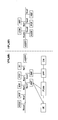
図1は、本発明の実施の形態における通信システムを説明するための図である。
図1に示されるように、通信システムは、ユーザ装置20であるUE、複数のネットワークノード10から構成される。以下、機能ごとに1つのネットワークノード10が対応するものとするが、複数の機能を1つのネットワークノード10が実現してもよいし、複数のネットワークノード10が1つの機能を実現してもよい。また、以下に記載する「接続」は、論理的な接続であってもよいし、物理的な接続であってもよい。
図1に示されるように、通信システムは、ユーザ装置20であるUE、複数のネットワークノード10から構成される。以下、機能ごとに1つのネットワークノード10が対応するものとするが、複数の機能を1つのネットワークノード10が実現してもよいし、複数のネットワークノード10が1つの機能を実現してもよい。また、以下に記載する「接続」は、論理的な接続であってもよいし、物理的な接続であってもよい。
RAN(Radio Access Network)は、無線アクセス機能を有するネットワークノード10であり、UE、AMF(Access and Mobility Management Function)及びUPF(User plane function)と接続される。AMFは、RANインタフェースの終端、NAS(Non-Access Stratum)の終端、登録管理、接続管理、到達性管理、モビリティ管理等の機能を有するネットワークノード10である。UPFは、DN(Data Network)と相互接続する外部に対するPDU(Protocol Data Unit)セッションポイント、パケットのルーティング及びフォワーディング、ユーザプレーンのQoS(Quality of Service)ハンドリング等の機能を有するネットワークノード10である。UPF及びDNは、ネットワークスライスを構成する。本発明の実施の形態における無線通信ネットワークでは、複数のネットワークスライスが構築されていてもよい。
AMFは、UE、RAN、SMF(Session Management function)、NSSF(Network Slice Selection Function)、NEF(Network Exposure Function)、NRF(Network Repository Function)、AUSF(Authentication Server Function)、PCF(Policy Control Function)、AF(Application Function)、UDM(Unified Data Management)、SEPP(Security Edge Protection Proxy)と接続される。AMF、SMF、NSSF、NEF、NRF、AUSF、PCF、AF、UDMは、各々のサービスに基づくインタフェース、Namf、Nsmf、Nnssf、Nnef、Nnrf、Nausf、Npcf、Naf、Nudmを介して相互に接続されるネットワークノード10である。
SMFは、セッション管理、UEのIP(Internet Protocol)アドレス割り当て及び管理、DHCP(Dynamic Host Configuration Protocol)機能、ARP(Address Resolution Protocol)プロキシ、ローミング機能等の機能を有するネットワークノード10である。NEFは、他のNF(Network Function)に能力及びイベントを通知する機能を有するネットワークノード10である。NSSFは、UEが接続するネットワークスライスの選択、許可されるNSSAI(Network Slice Selection Assistance Information)の決定、設定されるNSSAIの決定、UEが接続するAMFセットの決定等の機能を有するネットワークノード10である。PCFは、ネットワークのポリシ制御を行う機能を有するネットワークノード10である。AFは、アプリケーションサーバを制御する機能を有するネットワークノード10である。UDMは、認証情報の生成、ユーザ識別、加入者データに基づいたローミング中のアクセス制限等を行う機能を有するネットワークノード10である。SEPPは、非透過的なプロキシであり、PLMN(Public land mobile network)間のコントロールプレーンのメッセージをフィルタリングする。図1に示されるvSEPPは、visitedネットワークにおけるSEPPであり、hSEPPは、homeネットワークにおけるSEPPである。
図1に示されるように、UEは、VPLMN(Visited PLMN)においてRAN及びAMFと接続されているローミング環境にある。VPLMN及びHPLMN(Home PLMN)は、vSEPP及びhSEPPを経由して接続されている。UEは、例えば、VPLMNのAMFを介してHPLMNのUDMと通信が可能である。
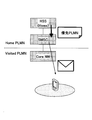
図2は、SoR処理方法の例(1)を説明するための図である。図2において、LTEにおけるローミング中のユーザに対して、ホームの事業者が在圏するPLMNを指示するSoR(Steering of Roaming)機能を説明する。
UEは、USIM(Universal Subscriber Identity Module)に記録されている優先PLMNリスト(EF_OPLMNwAcT)に従い、PLMNを選択する。図2に示されるように、SoRでは、ローミング中のUEに対して、USIMのPLMNリストを書き換えるSMS(Short Message Service)をHSS(Home Subscriber Server)から送信して、SMSC(SMS Center)及びコアネットワーク(Core NW)を経由してUEが受信することにより、優先して在圏すべきPLMNを制御する。
図3は、SoR処理方法の例(2)を説明するための図である。図2に示されるSoR処理方法では、SMS非対応端末(例えば、モジュール端末等)に対して、SoR機能を提供できない。また、端末から応答(ACK)が返されないため、書き換えが完了したことを配信元のネットワークノードが認識できない。
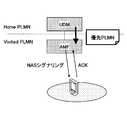
そこで、図1に示されるような5GシステムのHPLMN及びVPLMNにおいて、NAS(Non Access Stratum)シグナリングによってUEのPLMNリストを書き換えることでSoR機能が実現される。NASシグナリングによってPLMNリストを書き換えることで、SMS非対応端末の制御が可能となり、配信元のネットワークノードにUEが応答を返して、UEは書き換えが正常に完了したことをネットワークに通知可能となる。
図3に示されるように、HPLMNにおけるUDMから、SoR情報である優先PLMNをVPLMNにおけるAMFに送信する。続いて、AMFは、NASシグナリングを介して、UDMから受信した優先PLMNをUEに送信する。UEは、優先PLMNを受信すると、ACKをAMFに送信する。
ここで、SoR情報をUEが受信したことにより、UEが通信中にPLMN選択を実施する場合、ネットワークサーチが動作するため、通信中の呼が切断される。呼を切断して即座にPLMN選択を実施すべきか、通信が終了するまで待ってからPLMN選択を実施すべきかは、UEの実装依存となる。そのため、通信中の呼種又は事業者のポリシに応じたPLMN選択の開始処理はできない。通信中の呼種に応じたPLMN選択の開始処理が必要となる例として、通信中の呼種が音声通話である場合、切断はユーザに対する影響が大きいため回避すべきである。また、例えば、通信中の呼種がデータ通信である場合、切断して即時に優先PLMNに在圏させるべきである。
また、緊急呼の直後にPLMN選択を実施すると、緊急通報受理機関からの呼び返しが受けられなくなるため、緊急呼の直後はPLMN選択を開始することを回避するほうがよい。
そこで、以下に説明するようなSoR処理方法を適用する。
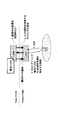
図4は、本発明の実施の形態におけるSoR処理方法の例(1)を説明するための図である。NASシグナリングで優先PLMNリストを通知するとき、ホームの事業者がPLMN選択の契機を指示する情報を追加し、UEが当該情報に基づいて、PLMN選択を実施する。
図4に示されるように、HPLMNにおけるUDMが、SoR情報である優先PLMN及びPLMN選択契機を指示する情報をVPLMNにおけるAMFに送信する。続いて、AMFはNASシグナリングを介して、UDMから受信した優先PLMN及びPLMN選択契機を指示する情報をUEに送信する。UEは、優先PLMN及びPLMN選択契機を指示する情報を受信すると、ACKをAMFに送信する。
PLMN選択の契機を指示する情報は、例えば以下の1)2)3)であってもよい。
1)タイマ値。UEは、SoR情報を受信してから、タイマ満了後にPLMN選択を実施する。
2)通信中のPLMN選択を許可するか否かを示すフラグ。当該フラグが「許可する」を示す場合、UEは通信を切断しPLMN選択を実施する。当該フラグが「許可しない」を示す場合、UEは通信が終了するまで待ち、アイドル状態に遷移してからPLMN選択を実施する。
3)1)のタイマ値及び2)のフラグを通信中の呼種ごとに設定する。表1は、呼種ごとに設定される情報及びUE動作の例である。
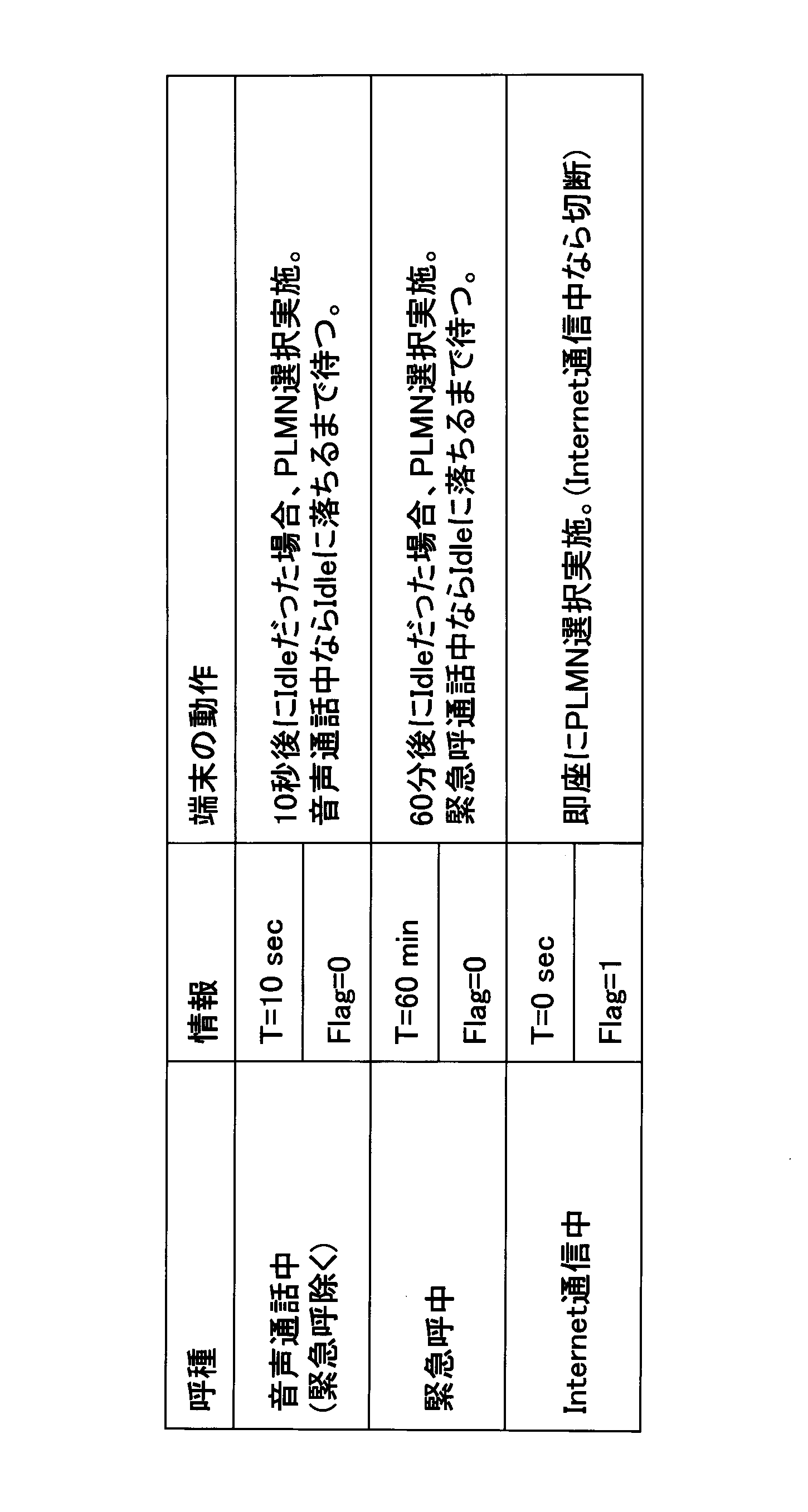
表1に示されるように、呼種「音声通話中(緊急呼除く)」に、タイマ値Tは10sec、フラグは0すなわち通信中のPLMN選択を許可しない、が設定されているとき、UEはSoR情報を受信した10秒後にアイドル状態であればPLMN選択を実施し、音声通話中であればアイドル状態になるまでPLMN選択の実施を待つ。
表1に示されるように、呼種「緊急呼中」に、タイマ値Tは60min、フラグは0すなわち通信中のPLMN選択を許可しない、が設定されているとき、UEはSoR情報を受信した60分後にアイドル状態であればPLMN選択を実施し、緊急呼中であればアイドル状態になるまでPLMN選択の実施を待つ。また、他の例として、呼種「緊急呼中」にSoR情報を受信した場合、UEは緊急呼終話時にタイマを起動してもよい。すなわち、UEは、緊急呼を終話した時点から60分後にタイマが満了した時点でアイドル状態であればPLMN選択を実施してもよい。
表1に示されるように、呼種「Internet通信中」に、タイマ値Tは0sec、フラグは1すなわち通信中のPLMN選択を許可する、が設定されているとき、UEはSoR情報を受信すると即座にPLMN選択を実施する。このとき、Internet通信中であれば、通信は切断される。
なお、上記1)のタイマ値のみが設定されて、フラグは設定されなくてもよい。タイマが満了したとき通信中である場合、一律、通信を切断してPLMN選択を実施してもよい。また、アイドル状態になるまでPLMN選択の実施を待ってもよいし、呼種ごとにいずれの動作にするか、端末が判断する実装としてもよい。
なお、上記2)のフラグのみが設定されて、タイマ値は設定されなくてもよい。UEはSoR情報を受信すると通信中でない場合は即座にPLMN選択を実施する。UEはSoR情報を受信したとき通信中である場合はフラグに基づいて、即座にPLMN選択を実施するか又は通信が終了するまでPLMN選択を待つ。
なお、呼種は、表1に示された呼種以外であってもよい。例えば、呼種はSMSであってもよい。また例えば、呼種はInternet通信のアプリケーションごとに規定されてもよい。また例えば、呼種は接続先のAPN(Access Point Name)又はDNN(Data Network Name)ごとに規定されてもよい。
図5は、本発明の実施の形態におけるSoR処理方法の例(2)を説明するための図である。図4に示される例では、UEが通信中の呼種に基づいてPLMN選択を実施するタイミングを制御する。一方、図5に示される例では、ネットワークが通信中の呼種を判断して、上記1)のタイマ値又は上記2)のフラグを設定する。HPLMNにおけるUDMが通信中の呼種等を認識して、適切なタイマ値又は通信中のPLMN選択を許可するか否かを示すフラグを設定する。
図5に示されるように、ステップ1において、HPLMNにおけるUDMが、SoR情報である優先PLMNをVPLMNにおけるAMFに送信する。続いて、ステップ2において、AMFは、通信中の状態に係る通知をUDMに送信する。続いて、ステップ3において、UDMは、受信した通信中の状態に係る通知に基づいて、PLMN選択を実施するタイミングを決定し、PLMN選択を実施するタイミングの通知をAMFに送信する。PLMN選択を実施するタイミングの通知は、PLMN選択契機を指示する情報に対応する。続いて、ステップ4において、AMFはNASシグナリングを介して、UDMから受信した優先PLMN及びPLMN選択契機を指示する情報をUEに送信する。続いて、ステップ5において、UEは、優先PLMN及びPLMN選択契機を指示する情報を受信すると、ACKをAMFに送信する。
図6は、本発明の実施の形態におけるSoR処理方法の例(3-1)を説明するための図である。図7は、本発明の実施の形態におけるSoR処理方法の例(3-2)を説明するための図である。図6及び図7は、通信中の状態が変わるたびにVPLMNにおけるAMFからHPLMNにおけるUDMに通信中の状態を通知し、SoR情報送信時に優先PLMN及びPLMN選択を実施するタイミングを通知する例である。
図6に示されるように、UEが緊急呼を開始すると、VPLMNにおけるAMFは、HPLMNにおけるUDMに緊急呼通信中であることを示す情報を送信する。
図7に示されるように、ステップ1において、HPLMNにおけるUDMが、SoR情報である優先PLMN及びPLMN選択を実施するタイミングの通知をVPLMNにおけるAMFに送信する。UDMは、図6に示されるように、既に受信している通信中の状態に係る通知に基づいて、PLMN選択を実施するタイミングを決定する。PLMN選択を実施するタイミングの通知は、PLMN選択契機を指示する情報に対応する。続いて、ステップ2において、AMFはNASシグナリングを介して、UDMから受信した優先PLMN及びPLMN選択契機を指示する情報をUEに送信する。続いて、ステップ3において、UEは、優先PLMN及びPLMN選択契機を指示する情報を受信すると、ACKをAMFに送信する。
図8は、本発明の実施の形態におけるSoR処理方法の例(4)を説明するための図である。ネットワークが通信中の呼種を判断して、上記1)のタイマ値又は上記2)のフラグを設定する。VPLMNにおけるAMFが通信中の呼種等を認識して、適切なタイマ値又は通信中のPLMN選択を許可するか否かを示すフラグを設定する。
図8に示されるように、VPLMNにおけるAMFが通信中の呼種等を判断して、PLMN選択契機を決定してもよい。AMFは、NASシグナリングを介して、UDMから受信した優先PLMN及びAMFが決定したPLMN選択契機を指示する情報をUEに送信する。続いて、UEは、優先PLMN及びPLMN選択契機を指示する情報を受信すると、ACKをAMFに送信する。
図9は、本発明の実施の形態におけるSoR処理方法の例(5)を説明するための図である。図9において、通信システムとしての動作及びUE内部の処理を説明する。本発明の実施の形態により、優先PLMNのみではなく、PLMN選択契機を指示する情報をUEに通知する通信システムが実現される。
例えば、本発明の実施の形態による通信システムは以下a)b)c)を実現する。
a)ネットワークが、各通信状態におけるPLMN選択契機に係る情報をUEに通知し、UEがPLMN選択を実施するか否かを判断する。
b)HPLMNにおけるUDMに、VPLMNにおけるAMFは通信状態を通知して、UDMが適切なPLMN選択契機をUEに指示する。
c)ローミング先ネットワーク、例えばVPLMNにおけるAMFが通信状態に基づいて、適切なPLMN選択契機をUEに指示する。
a)ネットワークが、各通信状態におけるPLMN選択契機に係る情報をUEに通知し、UEがPLMN選択を実施するか否かを判断する。
b)HPLMNにおけるUDMに、VPLMNにおけるAMFは通信状態を通知して、UDMが適切なPLMN選択契機をUEに指示する。
c)ローミング先ネットワーク、例えばVPLMNにおけるAMFが通信状態に基づいて、適切なPLMN選択契機をUEに指示する。
以下、UE内の機能部の動作について説明する。HW(Hardware)は、送信部210又は受信部220に対応する。通信制御部、OS(Operating System)又はAPL(Application)は、制御部240に対応する。図9に示されるステップS1において、HWは、NASシグナリングを受信し通信制御部に送信する。続いて、通信制御部は、PLMN選択契機の情報に従って、タイマの起動、通信の切断等を行う(S2)。続いて、通信制御部は、PLMN選択契機の情報に従ったタイミングでネットワークサーチ指示をHWに送信する(S3)。続いて、HWは、サーチを実施する(S4)。続いて、HWは、見つかったPLMNを通信制御部に報告する(S5)。続いて、通信制御部は、PLMNリストに基づいてPLMN選択を実施する(S6)。続いて、通信制御部は、選択したPLMNにアタッチする指示をHWに送信する(S7)。
上述の実施例により、ネットワークノードであるAMFは、PLMN選択契機に係る情報をUEに通知して、UEのPLMN選択契機を制御することができる。また、AMFは、ネットワークノードであるUDMにUEの通信状態を通知することで、UDMが適切なPLMN選択契機を決定することができる。また、AMFは、UEの通信状態に基づいて、PLMN選択契機を決定することができる。
すなわち、ローミング環境にあるユーザ装置のネットワーク選択契機を制御することができる。
(装置構成)
次に、これまでに説明した処理及び動作を実施するネットワークノード10及びユーザ装置20の機能構成例を説明する。ネットワークノード10及びユーザ装置20は上述した実施例を実施する機能を含む。ただし、ネットワークノード10及びユーザ装置20はそれぞれ、実施例の中の一部の機能のみを備えることとしてもよい。
次に、これまでに説明した処理及び動作を実施するネットワークノード10及びユーザ装置20の機能構成例を説明する。ネットワークノード10及びユーザ装置20は上述した実施例を実施する機能を含む。ただし、ネットワークノード10及びユーザ装置20はそれぞれ、実施例の中の一部の機能のみを備えることとしてもよい。
<ネットワークノード10>
図10は、ネットワークノード10の機能構成の一例を示す図である。図10に示されるように、ネットワークノード10は、送信部110と、受信部120と、設定部130と、制御部140とを有する。図10に示される機能構成は一例に過ぎない。本発明の実施の形態に係る動作を実施できるのであれば、機能区分及び機能部の名称はどのようなものでもよい。また、システムアーキテクチャ上で複数の異なる機能を有するネットワークノード10は、機能ごとに分離された複数のネットワークノード10から構成されてもよい。
図10は、ネットワークノード10の機能構成の一例を示す図である。図10に示されるように、ネットワークノード10は、送信部110と、受信部120と、設定部130と、制御部140とを有する。図10に示される機能構成は一例に過ぎない。本発明の実施の形態に係る動作を実施できるのであれば、機能区分及び機能部の名称はどのようなものでもよい。また、システムアーキテクチャ上で複数の異なる機能を有するネットワークノード10は、機能ごとに分離された複数のネットワークノード10から構成されてもよい。
送信部110は、ユーザ装置20又は他のネットワークノード10に送信する信号を生成し、当該信号を有線又は無線で送信する機能を含む。受信部120は、ユーザ装置20又は他のネットワークノード10から送信された各種の信号を受信し、受信した信号から、例えばより上位のレイヤの情報を取得する機能を含む。
設定部130は、予め設定される設定情報、及び、ユーザ装置20に送信する各種の設定情報を記憶装置に格納し、必要に応じて記憶装置から読み出す。設定情報の内容は、例えば、ユーザ装置20の加入者情報及びSoR情報等である。
制御部140は、実施例において説明したように、ローミング環境にあるユーザ装置20の通信制御に係る処理を行う。また、制御部140は、ユーザ装置20へのSoR情報通知に係る処理を行う。制御部140における信号送信に関する機能部を送信部110に含め、制御部140における信号受信に関する機能部を受信部120に含めてもよい。
<ユーザ装置20>
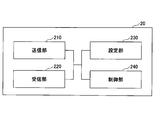
図11は、ユーザ装置20の機能構成の一例を示す図である。図11に示されるように、ユーザ装置20は、送信部210と、受信部220と、設定部230と、制御部240とを有する。図11に示される機能構成は一例に過ぎない。本発明の実施の形態に係る動作を実施できるのであれば、機能区分及び機能部の名称はどのようなものでもよい。
図11は、ユーザ装置20の機能構成の一例を示す図である。図11に示されるように、ユーザ装置20は、送信部210と、受信部220と、設定部230と、制御部240とを有する。図11に示される機能構成は一例に過ぎない。本発明の実施の形態に係る動作を実施できるのであれば、機能区分及び機能部の名称はどのようなものでもよい。
送信部210は、送信データから送信信号を作成し、当該送信信号を無線で送信する。受信部220は、各種の信号を無線受信し、受信した物理レイヤの信号からより上位のレイヤの信号を取得する。また、受信部220は、ネットワークノード10から送信されるNR-PSS、NR-SSS、NR-PBCH、DL/UL制御信号又は参照信号等を受信する機能を有する。
設定部230は、受信部220によりネットワークノード10から受信した各種の設定情報を記憶装置に格納し、必要に応じて記憶装置から読み出す。また、設定部230は、予め設定される設定情報も格納する。設定情報の内容は、例えば、加入者情報及びSoR情報等である。
制御部240は、実施例において説明したように、SoR情報に基づいてローミング環境時の通信制御に係る処理を行う。また、制御部240は、SoR情報受信時のPLMN切替制御に係る処理を行う。制御部240における信号送信に関する機能部を送信部210に含め、制御部240における信号受信に関する機能部を受信部220に含めてもよい。
(ハードウェア構成)
上記実施形態の説明に用いたブロック図(図10及び図11)は、機能単位のブロックを示している。これらの機能ブロック(構成部)は、ハードウェア及びソフトウェアの少なくとも一方の任意の組み合わせによって実現される。また、各機能ブロックの実現方法は特に限定されない。すなわち、各機能ブロックは、物理的又は論理的に結合した1つの装置を用いて実現されてもよいし、物理的又は論理的に分離した2つ以上の装置を直接的又は間接的に(例えば、有線、無線などを用いて)接続し、これら複数の装置を用いて実現されてもよい。機能ブロックは、上記1つの装置又は上記複数の装置にソフトウェアを組み合わせて実現されてもよい。
上記実施形態の説明に用いたブロック図(図10及び図11)は、機能単位のブロックを示している。これらの機能ブロック(構成部)は、ハードウェア及びソフトウェアの少なくとも一方の任意の組み合わせによって実現される。また、各機能ブロックの実現方法は特に限定されない。すなわち、各機能ブロックは、物理的又は論理的に結合した1つの装置を用いて実現されてもよいし、物理的又は論理的に分離した2つ以上の装置を直接的又は間接的に(例えば、有線、無線などを用いて)接続し、これら複数の装置を用いて実現されてもよい。機能ブロックは、上記1つの装置又は上記複数の装置にソフトウェアを組み合わせて実現されてもよい。
機能には、判断、決定、判定、計算、算出、処理、導出、調査、探索、確認、受信、送信、出力、アクセス、解決、選択、選定、確立、比較、想定、期待、見做し、報知(broadcasting)、通知(notifying)、通信(communicating)、転送(forwarding)、構成(configuring)、再構成(reconfiguring)、割り当て(allocating、mapping)、割り振り(assigning)などがあるが、これらに限られない。たとえば、送信を機能させる機能ブロック(構成部)は、送信部(transmitting unit)や送信機(transmitter)と呼称される。いずれも、上述したとおり、実現方法は特に限定されない。
例えば、本開示の一実施の形態におけるネットワークノード10、ユーザ装置20等は、本開示の無線通信方法の処理を行うコンピュータとして機能してもよい。図12は、本開示の一実施の形態に係るネットワークノード10及びユーザ装置20のハードウェア構成の一例を示す図である。上述のネットワークノード10及びユーザ装置20は、物理的には、プロセッサ1001、記憶装置1002、補助記憶装置1003、通信装置1004、入力装置1005、出力装置1006、バス1007などを含むコンピュータ装置として構成されてもよい。
なお、以下の説明では、「装置」という文言は、回路、デバイス、ユニット等に読み替えることができる。ネットワークノード10及びユーザ装置20のハードウェア構成は、図に示した各装置を1つ又は複数含むように構成されてもよいし、一部の装置を含まずに構成されてもよい。
ネットワークノード10及びユーザ装置20における各機能は、プロセッサ1001、記憶装置1002等のハードウェア上に所定のソフトウェア(プログラム)を読み込ませることによって、プロセッサ1001が演算を行い、通信装置1004による通信を制御したり、記憶装置1002及び補助記憶装置1003におけるデータの読み出し及び書き込みの少なくとも一方を制御したりすることによって実現される。
プロセッサ1001は、例えば、オペレーティングシステムを動作させてコンピュータ全体を制御する。プロセッサ1001は、周辺装置とのインタフェース、制御装置、演算装置、レジスタ等を含む中央処理装置(CPU:Central Processing Unit)で構成されてもよい。例えば、上述の制御部140、制御部240等は、プロセッサ1001によって実現されてもよい。
また、プロセッサ1001は、プログラム(プログラムコード)、ソフトウェアモジュール又はデータ等を、補助記憶装置1003及び通信装置1004の少なくとも一方から記憶装置1002に読み出し、これらに従って各種の処理を実行する。プログラムとしては、上述の実施の形態において説明した動作の少なくとも一部をコンピュータに実行させるプログラムが用いられる。例えば、図10に示したネットワークノード10の制御部140は、記憶装置1002に格納され、プロセッサ1001で動作する制御プログラムによって実現されてもよい。また、例えば、図11に示したユーザ装置20の制御部240は、記憶装置1002に格納され、プロセッサ1001で動作する制御プログラムによって実現されてもよい。上述の各種処理は、1つのプロセッサ1001によって実行される旨を説明してきたが、2以上のプロセッサ1001により同時又は逐次に実行されてもよい。プロセッサ1001は、1以上のチップによって実装されてもよい。なお、プログラムは、電気通信回線を介してネットワークから送信されてもよい。
記憶装置1002は、コンピュータ読み取り可能な記録媒体であり、例えば、ROM(Read Only Memory)、EPROM(Erasable Programmable ROM)、EEPROM(Electrically Erasable Programmable ROM)、RAM(Random Access Memory)等の少なくとも1つによって構成されてもよい。記憶装置1002は、レジスタ、キャッシュ、メインメモリ(主記憶装置)等と呼ばれてもよい。記憶装置1002は、本開示の一実施の形態に係る通信方法を実施するために実行可能なプログラム(プログラムコード)、ソフトウェアモジュール等を保存することができる。
補助記憶装置1003は、コンピュータ読み取り可能な記録媒体であり、例えば、CD-ROM(Compact Disc ROM)等の光ディスク、ハードディスクドライブ、フレキシブルディスク、光磁気ディスク(例えば、コンパクトディスク、デジタル多用途ディスク、Blu-ray(登録商標)ディスク)、スマートカード、フラッシュメモリ(例えば、カード、スティック、キードライブ)、フロッピー(登録商標)ディスク、磁気ストリップ等の少なくとも1つによって構成されてもよい。上述の記憶媒体は、例えば、記憶装置1002及び補助記憶装置1003の少なくとも一方を含むデータベース、サーバその他の適切な媒体であってもよい。
通信装置1004は、有線ネットワーク及び無線ネットワークの少なくとも一方を介してコンピュータ間の通信を行うためのハードウェア(送受信デバイス)であり、例えばネットワークデバイス、ネットワークコントローラ、ネットワークカード、通信モジュールなどともいう。通信装置1004は、例えば周波数分割複信(FDD:Frequency Division Duplex)及び時分割複信(TDD:Time Division Duplex)の少なくとも一方を実現するために、高周波スイッチ、デュプレクサ、フィルタ、周波数シンセサイザなどを含んで構成されてもよい。例えば、送受信アンテナ、アンプ部、送受信部、伝送路インタフェース等は、通信装置1004によって実現されてもよい。送受信部は、送信部と受信部とで、物理的に、または論理的に分離された実装がなされてもよい。
入力装置1005は、外部からの入力を受け付ける入力デバイス(例えば、キーボード、マウス、マイクロフォン、スイッチ、ボタン、センサ等)である。出力装置1006は、外部への出力を実施する出力デバイス(例えば、ディスプレイ、スピーカー、LEDランプ等)である。なお、入力装置1005及び出力装置1006は、一体となった構成(例えば、タッチパネル)であってもよい。
また、プロセッサ1001及び記憶装置1002等の各装置は、情報を通信するためのバス1007によって接続される。バス1007は、単一のバスを用いて構成されてもよいし、装置間ごとに異なるバスを用いて構成されてもよい。
また、ネットワークノード10及びユーザ装置20は、マイクロプロセッサ、デジタル信号プロセッサ(DSP:Digital Signal Processor)、ASIC(Application Specific Integrated Circuit)、PLD(Programmable Logic Device)、FPGA(Field Programmable Gate Array)等のハードウェアを含んで構成されてもよく、当該ハードウェアにより、各機能ブロックの一部又は全てが実現されてもよい。例えば、プロセッサ1001は、これらのハードウェアの少なくとも1つを用いて実装されてもよい。
(実施の形態のまとめ)
以上、説明したように、本発明の実施の形態によれば、VPLMN(Visited Public land mobile network)におけるネットワークノードから、優先するPLMNを示す情報及びPLMNを選択する契機を示す情報を受信する受信部と、前記優先するPLMNを示す情報及び前記PLMNを選択する契機を示す情報に基づいて、PLMN選択を実行する制御部とを有するユーザ装置が提供される。
以上、説明したように、本発明の実施の形態によれば、VPLMN(Visited Public land mobile network)におけるネットワークノードから、優先するPLMNを示す情報及びPLMNを選択する契機を示す情報を受信する受信部と、前記優先するPLMNを示す情報及び前記PLMNを選択する契機を示す情報に基づいて、PLMN選択を実行する制御部とを有するユーザ装置が提供される。
上記の構成により、ネットワークノードであるAMFは、PLMN選択契機に係る情報をUEに通知して、UEのPLMN選択契機を制御することができる。すなわち、ローミング環境にあるユーザ装置のネットワーク選択契機を制御することができる。
前記PLMNを選択する契機を示す情報がタイマ値を含む場合、前記制御部は、前記優先するPLMNを示す情報及び前記PLMNを選択する契機を示す情報を受信したとき開始するタイマが前記タイマ値で満了したとき、PLMN選択を実行し、前記PLMNを選択する契機を示す情報がフラグを含む場合、前記制御部は、前記フラグに基づいて、通信中にPLMN選択を実行するか否かを決定してもよい。当該構成により、ユーザ装置20は、タイマ値又はフラグに基づいて、PLMN選択契機を制御することができる。
前記PLMNを選択する契機を示す情報は、呼種ごとに関連付けられた前記タイマ値又は前記フラグを含み、前記制御部は、通信中の呼種に関連付けられた前記タイマ値又は前記フラグに基づいて、PLMN選択を実行してもよい。当該構成により、ユーザ装置20は、呼種に応じたタイマ又はフラグの設定に基づいて、PLMN選択契機を制御することができる。
また、本発明の実施の形態によれば、HPLMN(Home Public land mobile network)における第1のネットワークノードであって、VPLMN(Visited Public land mobile network)における第2のネットワークノードから、ユーザ装置の通信状態を受信する受信部と、前記ユーザ装置の通信状態に基づいて、PLMNを選択する契機を示す情報を決定する制御部と、優先するPLMNを示す情報及び前記PLMNを選択する契機を示す情報を前記第2のネットワークノードに送信する送信部とを有するネットワークノードが提供される。
上記の構成により、AMFは、ネットワークノードであるUDMにUEの通信状態を通知することで、UDMが適切なPLMN選択契機を決定することができる。すなわち、ローミング環境にあるユーザ装置のネットワーク選択契機を制御することができる。
また、本発明の実施の形態によれば、VPLMN(Visited Public land mobile network)におけるネットワークノードであって、ユーザ装置の通信状態を受信する受信部と、前記ユーザ装置の通信状態に基づいて、PLMNを選択する契機を示す情報を決定する制御部と、優先するPLMNを示す情報及び前記PLMNを選択する契機を示す情報を前記ユーザ装置に送信する送信部とを有するネットワークノードが提供される。
上記の構成により、AMFは、UEの通信状態に基づいて、PLMN選択契機を決定することができる。すなわち、ローミング環境にあるユーザ装置のネットワーク選択契機を制御することができる。
また、本発明の実施の形態によれば、HPLMN(Home Public land mobile network)における第1のネットワークノードと、VPLMN(Visited Public land mobile network)における第2のネットワークノードと、ユーザ装置とを有する通信システムであって、前記第1のネットワークノードは、優先するPLMNを示す情報及びPLMNを選択する契機を示す情報を前記第2のネットワークノードに送信する送信部を有し、前記第2のネットワークノードは、前記優先するPLMNを示す情報及び前記PLMNを選択する契機を示す情報を前記第1のネットワークノードから受信する受信部と、前記優先するPLMNを示す情報及び前記PLMNを選択する契機を示す情報を前記ユーザ装置に送信する送信部とを有し、前記ユーザ装置は、前記第2のネットワークノードから、前記優先するPLMNを示す情報及び前記PLMNを選択する契機を示す情報を受信する受信部と、前記優先するPLMNを示す情報及び前記PLMNを選択する契機を示す情報に基づいて、PLMN選択を実行する制御部とを有する通信システムが提供される。
上記の構成により、通信システムは、PLMN選択契機に係る情報をUEに通知して、UEのPLMN選択契機を制御することができる。すなわち、ローミング環境にあるユーザ装置のネットワーク選択契機を制御することができる。
(実施形態の補足)
以上、本発明の実施の形態を説明してきたが、開示される発明はそのような実施形態に限定されず、当業者は様々な変形例、修正例、代替例、置換例等を理解するであろう。発明の理解を促すため具体的な数値例を用いて説明がなされたが、特に断りのない限り、それらの数値は単なる一例に過ぎず適切な如何なる値が使用されてもよい。上記の説明における項目の区分けは本発明に本質的ではなく、2以上の項目に記載された事項が必要に応じて組み合わせて使用されてよいし、ある項目に記載された事項が、別の項目に記載された事項に(矛盾しない限り)適用されてよい。機能ブロック図における機能部又は処理部の境界は必ずしも物理的な部品の境界に対応するとは限らない。複数の機能部の動作が物理的には1つの部品で行われてもよいし、あるいは1つの機能部の動作が物理的には複数の部品により行われてもよい。実施の形態で述べた処理手順については、矛盾の無い限り処理の順序を入れ替えてもよい。処理説明の便宜上、ネットワークノード10及びユーザ装置20は機能的なブロック図を用いて説明されたが、そのような装置はハードウェアで、ソフトウェアで又はそれらの組み合わせで実現されてもよい。本発明の実施の形態に従ってネットワークノード10が有するプロセッサにより動作するソフトウェア及び本発明の実施の形態に従ってユーザ装置20が有するプロセッサにより動作するソフトウェアはそれぞれ、ランダムアクセスメモリ(RAM)、フラッシュメモリ、読み取り専用メモリ(ROM)、EPROM、EEPROM、レジスタ、ハードディスク(HDD)、リムーバブルディスク、CD-ROM、データベース、サーバその他の適切な如何なる記憶媒体に保存されてもよい。
以上、本発明の実施の形態を説明してきたが、開示される発明はそのような実施形態に限定されず、当業者は様々な変形例、修正例、代替例、置換例等を理解するであろう。発明の理解を促すため具体的な数値例を用いて説明がなされたが、特に断りのない限り、それらの数値は単なる一例に過ぎず適切な如何なる値が使用されてもよい。上記の説明における項目の区分けは本発明に本質的ではなく、2以上の項目に記載された事項が必要に応じて組み合わせて使用されてよいし、ある項目に記載された事項が、別の項目に記載された事項に(矛盾しない限り)適用されてよい。機能ブロック図における機能部又は処理部の境界は必ずしも物理的な部品の境界に対応するとは限らない。複数の機能部の動作が物理的には1つの部品で行われてもよいし、あるいは1つの機能部の動作が物理的には複数の部品により行われてもよい。実施の形態で述べた処理手順については、矛盾の無い限り処理の順序を入れ替えてもよい。処理説明の便宜上、ネットワークノード10及びユーザ装置20は機能的なブロック図を用いて説明されたが、そのような装置はハードウェアで、ソフトウェアで又はそれらの組み合わせで実現されてもよい。本発明の実施の形態に従ってネットワークノード10が有するプロセッサにより動作するソフトウェア及び本発明の実施の形態に従ってユーザ装置20が有するプロセッサにより動作するソフトウェアはそれぞれ、ランダムアクセスメモリ(RAM)、フラッシュメモリ、読み取り専用メモリ(ROM)、EPROM、EEPROM、レジスタ、ハードディスク(HDD)、リムーバブルディスク、CD-ROM、データベース、サーバその他の適切な如何なる記憶媒体に保存されてもよい。
また、情報の通知は、本開示で説明した態様/実施形態に限られず、他の方法を用いて行われてもよい。例えば、情報の通知は、物理レイヤシグナリング(例えば、DCI(Downlink Control Information)、UCI(Uplink Control Information))、上位レイヤシグナリング(例えば、RRC(Radio Resource Control)シグナリング、MAC(Medium Access Control)シグナリング、報知情報(MIB(Master Information Block)、SIB(System Information Block))、その他の信号又はこれらの組み合わせによって実施されてもよい。また、RRCシグナリングは、RRCメッセージと呼ばれてもよく、例えば、RRC接続セットアップ(RRC Connection Setup)メッセージ、RRC接続再構成(RRC Connection Reconfiguration)メッセージ等であってもよい。
本開示において説明した各態様/実施形態は、LTE(Long Term Evolution)、LTE-A(LTE-Advanced)、SUPER 3G、IMT-Advanced、4G(4th generation mobile communication system)、5G(5th generation mobile communication system)、FRA(Future Radio Access)、NR(new Radio)、W-CDMA(登録商標)、GSM(登録商標)、CDMA2000、UMB(Ultra Mobile Broadband)、IEEE 802.11(Wi-Fi(登録商標))、IEEE 802.16(WiMAX(登録商標))、IEEE 802.20、UWB(Ultra-WideBand)、Bluetooth(登録商標)、その他の適切なシステムを利用するシステム及びこれらに基づいて拡張された次世代システムの少なくとも一つに適用されてもよい。また、複数のシステムが組み合わされて(例えば、LTE及びLTE-Aの少なくとも一方と5Gとの組み合わせ等)適用されてもよい。
本明細書で説明した各態様/実施形態の処理手順、シーケンス、フローチャート等は、矛盾の無い限り、順序を入れ替えてもよい。例えば、本開示において説明した方法については、例示的な順序を用いて様々なステップの要素を提示しており、提示した特定の順序に限定されない。
本明細書においてネットワークノード10によって行われるとした特定動作は、場合によってはその上位ノード(upper node)によって行われることもある。ネットワークノード10を有する1つ又は複数のネットワークノード(network nodes)からなるネットワークにおいて、ユーザ装置20との通信のために行われる様々な動作は、ネットワークノード10及びネットワークノード10以外の他のネットワークノード(例えば、MME又はS-GW等が考えられるが、これらに限られない)の少なくとも1つによって行われ得ることは明らかである。上記においてネットワークノード10以外の他のネットワークノードが1つである場合を例示したが、他のネットワークノードは、複数の他のネットワークノードの組み合わせ(例えば、MME及びS-GW)であってもよい。
本開示において説明した情報又は信号等は、上位レイヤ(又は下位レイヤ)から下位レイヤ(又は上位レイヤ)へ出力され得る。複数のネットワークノードを介して入出力されてもよい。
入出力された情報等は特定の場所(例えば、メモリ)に保存されてもよいし、管理テーブルを用いて管理してもよい。入出力される情報等は、上書き、更新、又は追記され得る。出力された情報等は削除されてもよい。入力された情報等は他の装置へ送信されてもよい。
本開示における判定は、1ビットで表される値(0か1か)によって行われてもよいし、真偽値(Boolean:true又はfalse)によって行われてもよいし、数値の比較(例えば、所定の値との比較)によって行われてもよい。
ソフトウェアは、ソフトウェア、ファームウェア、ミドルウェア、マイクロコード、ハードウェア記述言語と呼ばれるか、他の名称で呼ばれるかを問わず、命令、命令セット、コード、コードセグメント、プログラムコード、プログラム、サブプログラム、ソフトウェアモジュール、アプリケーション、ソフトウェアアプリケーション、ソフトウェアパッケージ、ルーチン、サブルーチン、オブジェクト、実行可能ファイル、実行スレッド、手順、機能などを意味するよう広く解釈されるべきである。
また、ソフトウェア、命令、情報などは、伝送媒体を介して送受信されてもよい。例えば、ソフトウェアが、有線技術(同軸ケーブル、光ファイバケーブル、ツイストペア、デジタル加入者回線(DSL:Digital Subscriber Line)など)及び無線技術(赤外線、マイクロ波など)の少なくとも一方を使用してウェブサイト、サーバ、又は他のリモートソースから送信される場合、これらの有線技術及び無線技術の少なくとも一方は、伝送媒体の定義内に含まれる。
本開示において説明した情報、信号などは、様々な異なる技術のいずれかを使用して表されてもよい。例えば、上記の説明全体に渡って言及され得るデータ、命令、コマンド、情報、信号、ビット、シンボル、チップなどは、電圧、電流、電磁波、磁界若しくは磁性粒子、光場若しくは光子、又はこれらの任意の組み合わせによって表されてもよい。
なお、本開示において説明した用語及び本開示の理解に必要な用語については、同一の又は類似する意味を有する用語と置き換えてもよい。例えば、チャネル及びシンボルの少なくとも一方は信号(シグナリング)であってもよい。また、信号はメッセージであってもよい。また、コンポーネントキャリア(CC:Component Carrier)は、キャリア周波数、セル、周波数キャリアなどと呼ばれてもよい。
本開示において使用する「システム」及び「ネットワーク」という用語は、互換的に使用される。
また、本開示において説明した情報、パラメータなどは、絶対値を用いて表されてもよいし、所定の値からの相対値を用いて表されてもよいし、対応する別の情報を用いて表されてもよい。例えば、無線リソースはインデックスによって指示されるものであってもよい。
上述したパラメータに使用する名称はいかなる点においても限定的な名称ではない。さらに、これらのパラメータを使用する数式等は、本開示で明示的に開示したものと異なる場合もある。様々なチャネル(例えば、PUCCH、PDCCHなど)及び情報要素は、あらゆる好適な名称によって識別できるので、これらの様々なチャネル及び情報要素に割り当てている様々な名称は、いかなる点においても限定的な名称ではない。
本開示においては、「基地局(BS:Base Station)」、「無線基地局」、「基地局装置」、「固定局(fixed station)」、「NodeB」、「eNodeB(eNB)」、「gNodeB(gNB)」、「アクセスポイント(access point)」、「送信ポイント(transmission point)」、「受信ポイント(reception point)、「送受信ポイント(transmission/reception point)」、「セル」、「セクタ」、「セルグループ」、「キャリア」、「コンポーネントキャリア」などの用語は、互換的に使用され得る。基地局は、マクロセル、スモールセル、フェムトセル、ピコセルなどの用語で呼ばれる場合もある。
基地局は、1つ又は複数(例えば、3つ)のセルを収容することができる。基地局が複数のセルを収容する場合、基地局のカバレッジエリア全体は複数のより小さいエリアに区分でき、各々のより小さいエリアは、基地局サブシステム(例えば、屋内用の小型基地局(RRH:Remote Radio Head)によって通信サービスを提供することもできる。「セル」又は「セクタ」という用語は、このカバレッジにおいて通信サービスを行う基地局及び基地局サブシステムの少なくとも一方のカバレッジエリアの一部又は全体を指す。
本開示においては、「移動局(MS:Mobile Station)」、「ユーザ端末(user terminal)」、「ユーザ装置(UE:User Equipment)」、「端末」などの用語は、互換的に使用され得る。
移動局は、当業者によって、加入者局、モバイルユニット、加入者ユニット、ワイヤレスユニット、リモートユニット、モバイルデバイス、ワイヤレスデバイス、ワイヤレス通信デバイス、リモートデバイス、モバイル加入者局、アクセス端末、モバイル端末、ワイヤレス端末、リモート端末、ハンドセット、ユーザエージェント、モバイルクライアント、クライアント、又はいくつかの他の適切な用語で呼ばれる場合もある。
基地局及び移動局の少なくとも一方は、送信装置、受信装置、通信装置などと呼ばれてもよい。なお、基地局及び移動局の少なくとも一方は、移動体に搭載されたデバイス、移動体自体などであってもよい。当該移動体は、乗り物(例えば、車、飛行機など)であってもよいし、無人で動く移動体(例えば、ドローン、自動運転車など)であってもよいし、ロボット(有人型又は無人型)であってもよい。なお、基地局及び移動局の少なくとも一方は、必ずしも通信動作時に移動しない装置も含む。例えば、基地局及び移動局の少なくとも一方は、センサなどのIoT(Internet of Things)機器であってもよい。
また、本開示における基地局は、ユーザ端末で読み替えてもよい。例えば、基地局及びユーザ端末間の通信を、複数のユーザ装置20間の通信(例えば、D2D(Device-to-Device)、V2X(Vehicle-to-Everything)などと呼ばれてもよい)に置き換えた構成について、本開示の各態様/実施形態を適用してもよい。この場合、上述のネットワークノード10が有する機能をユーザ装置20が有する構成としてもよい。また、「上り」及び「下り」などの文言は、端末間通信に対応する文言(例えば、「サイド(side)」)で読み替えられてもよい。例えば、上りチャネル、下りチャネルなどは、サイドチャネルで読み替えられてもよい。
同様に、本開示におけるユーザ端末は、基地局で読み替えてもよい。この場合、上述のユーザ端末が有する機能を基地局が有する構成としてもよい。
本開示で使用する「判断(determining)」、「決定(determining)」という用語は、多種多様な動作を包含する場合がある。「判断」、「決定」は、例えば、判定(judging)、計算(calculating)、算出(computing)、処理(processing)、導出(deriving)、調査(investigating)、探索(looking up、search、inquiry)(例えば、テーブル、データベース又は別のデータ構造での探索)、確認(ascertaining)した事を「判断」「決定」したとみなす事などを含み得る。また、「判断」、「決定」は、受信(receiving)(例えば、情報を受信すること)、送信(transmitting)(例えば、情報を送信すること)、入力(input)、出力(output)、アクセス(accessing)(例えば、メモリ中のデータにアクセスすること)した事を「判断」「決定」したとみなす事などを含み得る。また、「判断」、「決定」は、解決(resolving)、選択(selecting)、選定(choosing)、確立(establishing)、比較(comparing)などした事を「判断」「決定」したとみなす事を含み得る。つまり、「判断」「決定」は、何らかの動作を「判断」「決定」したとみなす事を含み得る。また、「判断(決定)」は、「想定する(assuming)」、「期待する(expecting)」、「みなす(considering)」などで読み替えられてもよい。
「接続された(connected)」、「結合された(coupled)」という用語、又はこれらのあらゆる変形は、2又はそれ以上の要素間の直接的又は間接的なあらゆる接続又は結合を意味し、互いに「接続」又は「結合」された2つの要素間に1又はそれ以上の中間要素が存在することを含むことができる。要素間の結合又は接続は、物理的なものであっても、論理的なものであっても、或いはこれらの組み合わせであってもよい。例えば、「接続」は「アクセス」で読み替えられてもよい。本開示で使用する場合、2つの要素は、1又はそれ以上の電線、ケーブル及びプリント電気接続の少なくとも一つを用いて、並びにいくつかの非限定的かつ非包括的な例として、無線周波数領域、マイクロ波領域及び光(可視及び不可視の両方)領域の波長を有する電磁エネルギーなどを用いて、互いに「接続」又は「結合」されると考えることができる。
参照信号は、RS(Reference Signal)と略称することもでき、適用される標準によってパイロット(Pilot)と呼ばれてもよい。
本開示において使用する「に基づいて」という記載は、別段に明記されていない限り、「のみに基づいて」を意味しない。言い換えれば、「に基づいて」という記載は、「のみに基づいて」と「に少なくとも基づいて」の両方を意味する。
本開示において使用する「第1の」、「第2の」などの呼称を使用した要素へのいかなる参照も、それらの要素の量又は順序を全般的に限定しない。これらの呼称は、2つ以上の要素間を区別する便利な方法として本開示において使用され得る。したがって、第1及び第2の要素への参照は、2つの要素のみが採用され得ること、又は何らかの形で第1の要素が第2の要素に先行しなければならないことを意味しない。
上記の各装置の構成における「手段」を、「部」、「回路」、「デバイス」等に置き換えてもよい。
本開示において、「含む(include)」、「含んでいる(including)」及びそれらの変形が使用されている場合、これらの用語は、用語「備える(comprising)」と同様に、包括的であることが意図される。さらに、本開示において使用されている用語「又は(or)」は、排他的論理和ではないことが意図される。
本開示において、例えば、英語でのa, an及びtheのように、翻訳により冠詞が追加された場合、本開示は、これらの冠詞の後に続く名詞が複数形であることを含んでもよい。
本開示において、「AとBが異なる」という用語は、「AとBが互いに異なる」ことを意味してもよい。なお、当該用語は、「AとBがそれぞれCと異なる」ことを意味してもよい。「離れる」、「結合される」などの用語も、「異なる」と同様に解釈されてもよい。
本開示において説明した各態様/実施形態は単独で用いてもよいし、組み合わせて用いてもよいし、実行に伴って切り替えて用いてもよい。また、所定の情報の通知(例えば、「Xであること」の通知)は、明示的に行うものに限られず、暗黙的(例えば、当該所定の情報の通知を行わない)ことによって行われてもよい。
なお、本開示におけるAMFは、VPLMNにおけるネットワークノード又は第2のネットワークノードの一例である。UDMは、第1のネットワークノードの一例である。
以上、本開示について詳細に説明したが、当業者にとっては、本開示が本開示中に説明した実施形態に限定されるものではないということは明らかである。本開示は、請求の範囲の記載により定まる本開示の趣旨及び範囲を逸脱することなく修正及び変更態様として実施することができる。したがって、本開示の記載は、例示説明を目的とするものであり、本開示に対して何ら制限的な意味を有するものではない。
本国際特許出願は2019年1月9日に出願した欧州特許出願第19315001.8号に基づきその優先権を主張するものであり、欧州特許出願第19315001.8号の全内容を本願に援用する。
10 ネットワークノード
110 送信部
120 受信部
130 設定部
140 制御部
20 ユーザ装置
210 送信部
220 受信部
230 設定部
240 制御部
1001 プロセッサ
1002 記憶装置
1003 補助記憶装置
1004 通信装置
1005 入力装置
1006 出力装置
110 送信部
120 受信部
130 設定部
140 制御部
20 ユーザ装置
210 送信部
220 受信部
230 設定部
240 制御部
1001 プロセッサ
1002 記憶装置
1003 補助記憶装置
1004 通信装置
1005 入力装置
1006 出力装置
Claims (6)
- VPLMN(Visited Public land mobile network)におけるネットワークノードから、優先するPLMNを示す情報及びPLMNを選択する契機を示す情報を受信する受信部と、
前記優先するPLMNを示す情報及び前記PLMNを選択する契機を示す情報に基づいて、PLMN選択を実行する制御部とを有するユーザ装置。 - 前記PLMNを選択する契機を示す情報がタイマ値を含む場合、前記制御部は、前記優先するPLMNを示す情報及び前記PLMNを選択する契機を示す情報を受信したとき開始するタイマが前記タイマ値で満了したとき、PLMN選択を実行し、
前記PLMNを選択する契機を示す情報がフラグを含む場合、前記制御部は、前記フラグに基づいて、通信中にPLMN選択を実行するか否かを決定する請求項1記載のユーザ装置。 - 前記PLMNを選択する契機を示す情報は、呼種ごとに関連付けられた前記タイマ値又は前記フラグを含み、前記制御部は、通信中の呼種に関連付けられた前記タイマ値又は前記フラグに基づいて、PLMN選択を実行する請求項2記載のユーザ装置。
- HPLMN(Home Public land mobile network)における第1のネットワークノードであって、
VPLMN(Visited Public land mobile network)における第2のネットワークノードから、ユーザ装置の通信状態を受信する受信部と、
前記ユーザ装置の通信状態に基づいて、PLMNを選択する契機を示す情報を決定する制御部と、
優先するPLMNを示す情報及び前記PLMNを選択する契機を示す情報を前記第2のネットワークノードに送信する送信部とを有するネットワークノード。 - VPLMN(Visited Public land mobile network)におけるネットワークノードであって、
ユーザ装置の通信状態を受信する受信部と、
前記ユーザ装置の通信状態に基づいて、PLMNを選択する契機を示す情報を決定する制御部と、
優先するPLMNを示す情報及び前記PLMNを選択する契機を示す情報を前記ユーザ装置に送信する送信部とを有するネットワークノード。 - HPLMN(Home Public land mobile network)における第1のネットワークノードと、VPLMN(Visited Public land mobile network)における第2のネットワークノードと、ユーザ装置とを有する通信システムであって、
前記第1のネットワークノードは、
優先するPLMNを示す情報及びPLMNを選択する契機を示す情報を前記第2のネットワークノードに送信する送信部を有し、
前記第2のネットワークノードは、
前記優先するPLMNを示す情報及び前記PLMNを選択する契機を示す情報を前記第1のネットワークノードから受信する受信部と、
前記優先するPLMNを示す情報及び前記PLMNを選択する契機を示す情報を前記ユーザ装置に送信する送信部とを有し、
前記ユーザ装置は、
前記第2のネットワークノードから、前記優先するPLMNを示す情報及び前記PLMNを選択する契機を示す情報を受信する受信部と、
前記優先するPLMNを示す情報及び前記PLMNを選択する契機を示す情報に基づいて、PLMN選択を実行する制御部とを有する通信システム。
Priority Applications (3)
| Application Number | Priority Date | Filing Date | Title |
|---|---|---|---|
| CN202080008058.4A CN113261315B (zh) | 2019-01-09 | 2020-01-08 | 用户装置、网络节点及通信系统 |
| US17/420,839 US11956714B2 (en) | 2019-01-09 | 2020-01-08 | User equipment, network node, and communication system |
| JP2020565179A JP7520723B2 (ja) | 2019-01-09 | 2020-01-08 | 端末及び通信方法 |
Applications Claiming Priority (2)
| Application Number | Priority Date | Filing Date | Title |
|---|---|---|---|
| EP19315001.8A EP3681204B1 (en) | 2019-01-09 | 2019-01-09 | User equipment, network node, and communication system |
| EP19315001.8 | 2019-01-09 |
Publications (1)
| Publication Number | Publication Date |
|---|---|
| WO2020145300A1 true WO2020145300A1 (ja) | 2020-07-16 |
Family
ID=65576289
Family Applications (1)
| Application Number | Title | Priority Date | Filing Date |
|---|---|---|---|
| PCT/JP2020/000302 Ceased WO2020145300A1 (ja) | 2019-01-09 | 2020-01-08 | ユーザ装置、ネットワークノード及び通信システム |
Country Status (5)
| Country | Link |
|---|---|
| US (1) | US11956714B2 (ja) |
| EP (1) | EP3681204B1 (ja) |
| JP (1) | JP7520723B2 (ja) |
| CN (1) | CN113261315B (ja) |
| WO (1) | WO2020145300A1 (ja) |
Cited By (4)
| Publication number | Priority date | Publication date | Assignee | Title |
|---|---|---|---|---|
| JPWO2022208916A1 (ja) * | 2021-03-31 | 2022-10-06 | ||
| WO2023026480A1 (ja) * | 2021-08-27 | 2023-03-02 | 楽天モバイル株式会社 | 無線端末、無線端末接続方法、及び、接続制御プログラム |
| CN116097792A (zh) * | 2020-11-10 | 2023-05-09 | 华为技术有限公司 | 一种公用陆地移动网的选择方法以及相关装置 |
| JP2023537134A (ja) * | 2020-08-11 | 2023-08-30 | 維沃移動通信有限公司 | ネットワーク移行方法、装置及び機器 |
Families Citing this family (5)
| Publication number | Priority date | Publication date | Assignee | Title |
|---|---|---|---|---|
| CN114079991B (zh) * | 2020-08-10 | 2023-04-25 | 维沃移动通信有限公司 | 网络的转移方法、终端及网络侧设备 |
| WO2022056431A1 (en) * | 2020-09-14 | 2022-03-17 | Intel Corporation | Efficient access for single operator network slices |
| JPWO2022097290A1 (ja) * | 2020-11-06 | 2022-05-12 | ||
| CN114666851A (zh) | 2020-12-22 | 2022-06-24 | 展讯半导体(南京)有限公司 | 漫游网络选择方法、系统、电子设备及存储介质 |
| EP4342228A4 (en) * | 2022-08-10 | 2024-11-06 | Samsung Electronics Co., Ltd. | METHOD AND SYSTEM FOR DETERMINING THE LAST PLMN FOR MINT |
Citations (1)
| Publication number | Priority date | Publication date | Assignee | Title |
|---|---|---|---|---|
| JP2011511491A (ja) * | 2008-02-08 | 2011-04-07 | 日本電気株式会社 | 無線通信網におけるユーザ装置のローミングステアリングの制御方法 |
Family Cites Families (16)
| Publication number | Priority date | Publication date | Assignee | Title |
|---|---|---|---|---|
| KR100493109B1 (ko) * | 2003-01-29 | 2005-06-02 | 삼성전자주식회사 | 공중 육상 이동통신망 선택을 위한 통신 시스템 및 방법 |
| CN101594663B (zh) * | 2008-05-31 | 2012-05-23 | 华为技术有限公司 | 一种网络选择的方法、系统和装置 |
| KR101546789B1 (ko) * | 2008-12-29 | 2015-08-24 | 삼성전자주식회사 | 위치등록 수행방법, 장치 및 시스템 |
| US20100297979A1 (en) * | 2009-04-14 | 2010-11-25 | Interdigital Patent Holdings, Inc. | Method and apparatus for processing emergency calls |
| US9002315B2 (en) * | 2009-05-01 | 2015-04-07 | Qualcomm Incorporated | Systems, apparatus and methods for facilitating emergency call service in wireless communication systems |
| US20110124335A1 (en) * | 2009-11-25 | 2011-05-26 | Hans Martin | Enhanced plmn list |
| CN102118721A (zh) * | 2010-01-04 | 2011-07-06 | 中兴通讯股份有限公司 | 演进的分组系统及其紧急呼叫的附着处理方法 |
| JP5244151B2 (ja) * | 2010-05-07 | 2013-07-24 | 株式会社エヌ・ティ・ティ・ドコモ | 携帯端末装置及び方法 |
| KR20130092486A (ko) * | 2012-02-10 | 2013-08-20 | 삼성전자주식회사 | 제한된 서비스에서 최적화된 높은 우선순위 plmn 검색 및 일반 서비스 스캔을 위한 방법 |
| WO2013137629A1 (en) * | 2012-03-12 | 2013-09-19 | Samsung Electronics Co., Ltd. | Method and system for selective access control with ensured service continuity guarantees |
| US8830844B2 (en) * | 2012-06-09 | 2014-09-09 | Apple Inc. | Delaying network reselection following performance of a circuit switched fallback procedure in a call failure scenario |
| CN105580459B (zh) * | 2013-07-18 | 2019-05-28 | Lg 电子株式会社 | 服务请求方法和用户设备 |
| TWI687109B (zh) * | 2014-04-03 | 2020-03-01 | 南韓商三星電子股份有限公司 | 用於在行動通訊網路中處置公眾陸地行動網路選擇的方法、使用者設備以及非暫時性電腦可讀媒體 |
| WO2015154789A1 (en) * | 2014-04-07 | 2015-10-15 | Telefonaktiebolaget L M Ericsson (Publ) | Plmn scanning |
| CN105307148A (zh) * | 2014-06-05 | 2016-02-03 | 中国移动通信集团公司 | 一种漫游选网方法、网元及终端 |
| US11184756B2 (en) * | 2018-02-19 | 2021-11-23 | Apple Inc. | Steering of roaming in 5G systems |
-
2019
- 2019-01-09 EP EP19315001.8A patent/EP3681204B1/en active Active
-
2020
- 2020-01-08 WO PCT/JP2020/000302 patent/WO2020145300A1/ja not_active Ceased
- 2020-01-08 JP JP2020565179A patent/JP7520723B2/ja active Active
- 2020-01-08 US US17/420,839 patent/US11956714B2/en active Active
- 2020-01-08 CN CN202080008058.4A patent/CN113261315B/zh active Active
Patent Citations (1)
| Publication number | Priority date | Publication date | Assignee | Title |
|---|---|---|---|---|
| JP2011511491A (ja) * | 2008-02-08 | 2011-04-07 | 日本電気株式会社 | 無線通信網におけるユーザ装置のローミングステアリングの制御方法 |
Non-Patent Citations (2)
| Title |
|---|
| ANONYMOUS: "Technical Specification Group Services and System Aspects; Security architecture and procedures for 5G system (Release 15", 3GPP TS 33.501, vol. SA WG3, no. V15.3.0, 26 December 2018 (2018-12-26), pages 1 - 179, XP051591205 * |
| GEMALTO ET AL.: "SoR as a service in 5GC", 3GPP TSG SA WG2 #129BIS S 2-1812454, 30 November 2018 (2018-11-30), XP051499153 * |
Cited By (10)
| Publication number | Priority date | Publication date | Assignee | Title |
|---|---|---|---|---|
| JP2023537134A (ja) * | 2020-08-11 | 2023-08-30 | 維沃移動通信有限公司 | ネットワーク移行方法、装置及び機器 |
| JP7557615B2 (ja) | 2020-08-11 | 2024-09-27 | 維沃移動通信有限公司 | ネットワーク移行方法、装置及び機器 |
| US12382357B2 (en) | 2020-08-11 | 2025-08-05 | Vivo Mobile Communication Co., Ltd. | Network transfer method, apparatus, and device |
| CN116097792A (zh) * | 2020-11-10 | 2023-05-09 | 华为技术有限公司 | 一种公用陆地移动网的选择方法以及相关装置 |
| CN116097792B (zh) * | 2020-11-10 | 2025-11-07 | 华为技术有限公司 | 一种公用陆地移动网的选择方法以及相关装置 |
| JPWO2022208916A1 (ja) * | 2021-03-31 | 2022-10-06 | ||
| WO2022208916A1 (ja) * | 2021-03-31 | 2022-10-06 | 楽天モバイル株式会社 | 無線通信システム、無線通信方法、無線通信プログラム |
| JP7662769B2 (ja) | 2021-03-31 | 2025-04-15 | 楽天モバイル株式会社 | 無線通信システム、無線通信方法、無線通信プログラム |
| US12593374B2 (en) | 2021-03-31 | 2026-03-31 | Rakuten Mobile, Inc. | Recording of priority communication related information |
| WO2023026480A1 (ja) * | 2021-08-27 | 2023-03-02 | 楽天モバイル株式会社 | 無線端末、無線端末接続方法、及び、接続制御プログラム |
Also Published As
| Publication number | Publication date |
|---|---|
| CN113261315A (zh) | 2021-08-13 |
| EP3681204B1 (en) | 2024-05-29 |
| US11956714B2 (en) | 2024-04-09 |
| JP7520723B2 (ja) | 2024-07-23 |
| CN113261315B (zh) | 2024-09-17 |
| US20220095212A1 (en) | 2022-03-24 |
| JPWO2020145300A1 (ja) | 2021-11-25 |
| EP3681204A1 (en) | 2020-07-15 |
Similar Documents
| Publication | Publication Date | Title |
|---|---|---|
| JP7412419B2 (ja) | ネットワークノード | |
| JP7520723B2 (ja) | 端末及び通信方法 | |
| JP7341167B2 (ja) | ネットワークノード、ユーザ装置、及び通信方法 | |
| JP7245266B2 (ja) | ネットワークノード、ネットワークシステム及び通知方法 | |
| JP7169827B2 (ja) | 端末及び通信方法 | |
| JP7204403B2 (ja) | ネットワークノード | |
| WO2020059149A1 (ja) | ネットワークノード | |
| WO2022113370A1 (ja) | ネットワークノード及び通信方法 | |
| JP2025090670A (ja) | 端末及び通信方法 | |
| JP7671353B2 (ja) | ネットワークノード及び通信方法 | |
| JP7671354B2 (ja) | ネットワークノード及び通信方法 | |
| JP7600259B2 (ja) | ネットワークノード及び通信方法 | |
| EP4195780A1 (en) | Terminal, network node, and communication method | |
| WO2022239160A1 (ja) | 端末及び通信方法 | |
| WO2023084635A1 (ja) | ネットワークノード及び通信方法 | |
| JP2024023414A (ja) | 端末及び通信方法 | |
| WO2022157899A1 (ja) | ネットワークノード、無線通信システム及び通信方法 | |
| WO2023275996A1 (ja) | ネットワークノード及び通信方法 | |
| WO2020144856A1 (ja) | 通信管理装置、及びデータ管理装置 |
Legal Events
| Date | Code | Title | Description |
|---|---|---|---|
| 121 | Ep: the epo has been informed by wipo that ep was designated in this application |
Ref document number: 20738729 Country of ref document: EP Kind code of ref document: A1 |
|
| ENP | Entry into the national phase |
Ref document number: 2020565179 Country of ref document: JP Kind code of ref document: A |
|
| NENP | Non-entry into the national phase |
Ref country code: DE |
|
| 122 | Ep: pct application non-entry in european phase |
Ref document number: 20738729 Country of ref document: EP Kind code of ref document: A1 |