WO2020114346A1 - 中医舌诊舌尖红检测装置、方法及计算机存储介质 - Google Patents
中医舌诊舌尖红检测装置、方法及计算机存储介质 Download PDFInfo
- Publication number
- WO2020114346A1 WO2020114346A1 PCT/CN2019/122369 CN2019122369W WO2020114346A1 WO 2020114346 A1 WO2020114346 A1 WO 2020114346A1 CN 2019122369 W CN2019122369 W CN 2019122369W WO 2020114346 A1 WO2020114346 A1 WO 2020114346A1
- Authority
- WO
- WIPO (PCT)
- Prior art keywords
- tongue
- red
- area
- tip
- feature vector
- Prior art date
- Legal status (The legal status is an assumption and is not a legal conclusion. Google has not performed a legal analysis and makes no representation as to the accuracy of the status listed.)
- Ceased
Links
Classifications
-
- G—PHYSICS
- G06—COMPUTING OR CALCULATING; COUNTING
- G06F—ELECTRIC DIGITAL DATA PROCESSING
- G06F18/00—Pattern recognition
- G06F18/20—Analysing
- G06F18/24—Classification techniques
- G06F18/241—Classification techniques relating to the classification model, e.g. parametric or non-parametric approaches
- G06F18/2411—Classification techniques relating to the classification model, e.g. parametric or non-parametric approaches based on the proximity to a decision surface, e.g. support vector machines
-
- G—PHYSICS
- G06—COMPUTING OR CALCULATING; COUNTING
- G06F—ELECTRIC DIGITAL DATA PROCESSING
- G06F15/00—Digital computers in general; Data processing equipment in general
-
- G—PHYSICS
- G06—COMPUTING OR CALCULATING; COUNTING
- G06F—ELECTRIC DIGITAL DATA PROCESSING
- G06F18/00—Pattern recognition
- G06F18/20—Analysing
- G06F18/21—Design or setup of recognition systems or techniques; Extraction of features in feature space; Blind source separation
- G06F18/214—Generating training patterns; Bootstrap methods, e.g. bagging or boosting
-
- G—PHYSICS
- G06—COMPUTING OR CALCULATING; COUNTING
- G06F—ELECTRIC DIGITAL DATA PROCESSING
- G06F18/00—Pattern recognition
- G06F18/20—Analysing
- G06F18/23—Clustering techniques
- G06F18/232—Non-hierarchical techniques
- G06F18/2321—Non-hierarchical techniques using statistics or function optimisation, e.g. modelling of probability density functions
- G06F18/23213—Non-hierarchical techniques using statistics or function optimisation, e.g. modelling of probability density functions with fixed number of clusters, e.g. K-means clustering
-
- G—PHYSICS
- G06—COMPUTING OR CALCULATING; COUNTING
- G06T—IMAGE DATA PROCESSING OR GENERATION, IN GENERAL
- G06T7/00—Image analysis
- G06T7/0002—Inspection of images, e.g. flaw detection
- G06T7/0012—Biomedical image inspection
-
- G—PHYSICS
- G06—COMPUTING OR CALCULATING; COUNTING
- G06T—IMAGE DATA PROCESSING OR GENERATION, IN GENERAL
- G06T7/00—Image analysis
- G06T7/60—Analysis of geometric attributes
- G06T7/62—Analysis of geometric attributes of area, perimeter, diameter or volume
-
- G—PHYSICS
- G06—COMPUTING OR CALCULATING; COUNTING
- G06T—IMAGE DATA PROCESSING OR GENERATION, IN GENERAL
- G06T7/00—Image analysis
- G06T7/60—Analysis of geometric attributes
- G06T7/66—Analysis of geometric attributes of image moments or centre of gravity
-
- G—PHYSICS
- G06—COMPUTING OR CALCULATING; COUNTING
- G06T—IMAGE DATA PROCESSING OR GENERATION, IN GENERAL
- G06T7/00—Image analysis
- G06T7/90—Determination of colour characteristics
-
- G—PHYSICS
- G06—COMPUTING OR CALCULATING; COUNTING
- G06V—IMAGE OR VIDEO RECOGNITION OR UNDERSTANDING
- G06V30/00—Character recognition; Recognising digital ink; Document-oriented image-based pattern recognition
- G06V30/10—Character recognition
- G06V30/19—Recognition using electronic means
- G06V30/192—Recognition using electronic means using simultaneous comparisons or correlations of the image signals with a plurality of references
- G06V30/194—References adjustable by an adaptive method, e.g. learning
-
- G—PHYSICS
- G16—INFORMATION AND COMMUNICATION TECHNOLOGY [ICT] SPECIALLY ADAPTED FOR SPECIFIC APPLICATION FIELDS
- G16H—HEALTHCARE INFORMATICS, i.e. INFORMATION AND COMMUNICATION TECHNOLOGY [ICT] SPECIALLY ADAPTED FOR THE HANDLING OR PROCESSING OF MEDICAL OR HEALTHCARE DATA
- G16H50/00—ICT specially adapted for medical diagnosis, medical simulation or medical data mining; ICT specially adapted for detecting, monitoring or modelling epidemics or pandemics
- G16H50/20—ICT specially adapted for medical diagnosis, medical simulation or medical data mining; ICT specially adapted for detecting, monitoring or modelling epidemics or pandemics for computer-aided diagnosis, e.g. based on medical expert systems
-
- G—PHYSICS
- G06—COMPUTING OR CALCULATING; COUNTING
- G06T—IMAGE DATA PROCESSING OR GENERATION, IN GENERAL
- G06T2207/00—Indexing scheme for image analysis or image enhancement
- G06T2207/10—Image acquisition modality
- G06T2207/10024—Color image
Definitions
- the invention relates to the technical field of tongue image processing of traditional Chinese medicine, in particular to a red tongue detection device, method and computer storage medium for tongue diagnosis of traditional Chinese medicine.
- Chinese medicine believes that the tongue is one of the epitome of organs and organs of the human body.
- the lesions of various tissues and organs of the human body can be reflected on different parts of the tongue through nerves, blood vessels and meridians. Therefore, the tongue diagnosis of Chinese medicine has an important role in the treatment of physical health by syndrome differentiation.
- the red color of the tongue tip is a sensitive indicator to judge the heat in the body.
- the change of tongue tip microcirculation state first appears in the change of tongue color. Therefore, tongue tip diagnosis has certain guiding value in the application of traditional Chinese medicine diagnosis. In order to realize the modernization and objectification of traditional Chinese medicine tongue diagnosis, it gives advice and guidance to doctors. How to determine the redness of the tongue tip by computer image processing, pattern recognition and other methods has become the research focus of this patent.
- tongue redness which is the main component of the tongue diagnosis in traditional Chinese medicine, it is necessary to propose a new method for the detection of tongue redness in the patent, which can effectively judge whether the tongue has red tongue.
- the main object of the present invention is to provide a red tongue detection device, method and computer storage medium for tongue diagnosis of traditional Chinese medicine, aiming to solve the problem that the prior art cannot effectively detect whether the tongue body has red tongue tip.
- the present invention provides a red tongue detection device for tongue diagnosis of traditional Chinese medicine, including a processor suitable for implementing various computer program instructions and a memory suitable for storing multiple computer program instructions.
- the computer program instructions are processed by the processor Load and execute the following steps: input a tongue body image for generating a method for calculating the red feature vector of the tongue tip through the input unit; calculate a red feature vector for the tongue tip based on the input tongue image, and the method for calculating the red feature vector for the tongue tip includes: Calculate the tongue center of gravity position on the tongue image, and divide the fan-shaped tongue tip red candidate area from the tongue body image according to the tongue center of gravity position; cluster the fan-shaped tongue tip red candidate area to obtain the tongue tip red detection area; based on the chromaticity of the tongue tip red detection area Value, the chromaticity value and the color difference between the tongue fur area and the tongue quality area in the tongue body image and the geometric characteristics of the tongue tip red detection area; calculate the tongue tip red feature vector; input two types of sample images pre
- the calculation formula of the position of the center of gravity of the tongue is as follows:
- S is the tongue area
- i is the pixel in the tongue area
- M is the tongue area area
- the step of dividing the fan-shaped tongue tip red candidate region from the tongue body image according to the tongue barycenter position includes: connecting the tongue barycenter position point to the lower left corner coordinate position point and the lower right corner coordinate position point of the tongue body image to obtain A fan-shaped area below the center of gravity of the tongue is used as a fan-shaped tongue red candidate area for tongue red detection.
- the fan-shaped tongue tip red candidate regions are clustered using a K-means clustering algorithm to obtain a clustering result including two tongue regions with different chromaticity values, and calculating the HSV color space of the two tongue regions S grayscale mean value, compare the size of two S grayscale mean values, and use the tongue quality area with larger S grayscale mean value as the final tongue tip red detection area.
- the step of calculating the tongue tip red feature vector based on the chromaticity value of the tongue tip red detection region, the color difference between the tongue coating region and the tongue quality region in the tongue body image, and the geometric features of the tongue tip red detection region includes:
- the above fourteen calculated values are combined into a 14-dimensional feature vector, and the feature vector is used as the tongue red feature vector.
- the present invention also provides a red tongue detection method for tongue diagnosis in traditional Chinese medicine.
- the method includes the steps of: inputting a tongue image for generating a red tongue feature vector calculation method through an input unit; based on the input tongue image Calculate the tongue red feature vector.
- the method for calculating the tongue red feature vector includes: calculating the tongue center of gravity position based on the tongue body image, dividing the fan-shaped tongue tip red candidate region from the tongue body image according to the tongue center of gravity position; The clustering of the regions to obtain the tongue tip red detection area; the tongue tip red feature vector is calculated based on the chromaticity value of the tongue tip red detection area, the color difference between the tongue color area and the tongue fur area and the tongue quality area in the tongue image, and the geometric characteristics of the tongue tip red detection area ;
- the classifier detects whether there is red tongue tip on the tongue of the person to be tested.
- the calculation formula of the position of the center of gravity of the tongue is as follows:
- S is the tongue area
- i is the pixel in the tongue area
- M is the tongue area area
- the step of dividing the fan-shaped tongue tip red candidate region from the tongue body image according to the tongue barycenter position includes: connecting the tongue barycenter position point to the lower left corner coordinate position point and the lower right corner coordinate position point of the tongue body image to obtain A fan-shaped area below the center of gravity of the tongue is used as a fan-shaped tongue red candidate area for tongue red detection.
- the fan-shaped tongue tip red candidate regions are clustered using a K-means clustering algorithm to obtain a clustering result including two tongue regions with different chromaticity values, and calculating the HSV color space of the two tongue regions S grayscale mean value, compare the size of the two S grayscale mean values, and take the tongue texture area with larger S grayscale mean value as the final tongue tip red detection area.
- the step of calculating the tongue tip red feature vector based on the chromaticity value of the tongue tip red detection region, the color difference between the tongue coating region and the tongue quality region in the tongue body image, and the geometric features of the tongue tip red detection region includes:
- the above fourteen calculated values are combined into a 14-dimensional feature vector, and the feature vector is used as the tongue red feature vector.
- the present invention also provides a computer-readable storage medium, which stores a plurality of computer program instructions, which are loaded by a processor of a computer device and execute the red tongue detection of the tongue diagnosis of traditional Chinese medicine Method steps of the method.
- the red tongue detection device, method and computer storage medium for tongue diagnosis of traditional Chinese medicine compared with the existing red tongue detection algorithm based on image recognition, the red tongue detection method for tongue diagnosis provided by the present invention can Effective detection and analysis of tongue tip red, and machine learning and training based on a large number of tongue body samples to obtain a tongue tip red detection classifier to distinguish tongue tip red, which improves the robustness of tongue tip red detection.
- FIG. 1 is a schematic diagram of functional modules of a preferred embodiment of a red tongue detection device for tongue diagnosis of traditional Chinese medicine according to the present invention
- FIG. 2 is a method flow chart of a preferred embodiment of the method for detecting the redness of the tongue tip of the Chinese medicine tongue diagnosis of the present invention
- FIG. 3 is a schematic diagram of segmenting the tongue tip red detection area from the tongue image
- FIG. 4 is a schematic diagram of segmenting the tongue fur region and the tongue quality region from the tongue body image.
- FIG. 1 is a schematic diagram of functional modules of a preferred embodiment of a red tongue detection device for tongue diagnosis of traditional Chinese medicine according to the present invention.
- the TCM tongue diagnosis red tip detection device 1 may be a personal computer, a workstation computer, a TCM tongue and face instrument, a TCM four diagnostic device, etc., which have a data processing function Computer device with image processing function.
- the TCM tongue diagnosis red tip detection device 1 includes, but is not limited to, a TCM tongue diagnosis red tip detection system 10, an input unit 11, a memory 12 adapted to store multiple computer program instructions, execute various The processor 13 and the output unit 14 of the computer program instructions.
- the input unit 11 may be an image input device such as a high-definition camera, which is used to take a tongue image and input it into the red tongue detection device 1 for tongue diagnosis of traditional Chinese medicine; the input unit 11 may also be an image reading device, It is used to read the tongue image from the database where the tongue image is stored and input it into the red tongue detection device 1 for tongue diagnosis of traditional Chinese medicine.
- the memory 12 may be a read-only memory ROM, a random access memory RAM, an electrically erasable memory EEPROM, a flash memory FLASH, a magnetic disk, or an optical disk.
- the processor 13 is a central processing unit (CPU), a microcontroller (MCU), a data processing chip, or an information processing unit with a data processing function.
- the output unit 14 may be an output device such as a display or a printer, and can output data such as tongue image and tongue tip red detection report to the display or print on the printer, so that the Chinese doctor can provide clinical reference for the tongue diagnosis of Chinese medicine, so as to assist The accuracy of the judgment result of the Chinese medicine doctor's tongue diagnosis.
- the TCM tongue diagnosis red tip detection system 10 is composed of program modules composed of multiple computer program instructions, including but not limited to, an image input module 101, a tongue tip red segmentation module 102, a feature calculation module 103, Classifier training module 104 and tongue tip red detection module 105.
- the module referred to in the present invention refers to a series of computer program instruction segments that can be executed by the processor 13 of the Chinese tongue tongue redness detection device 1 and can complete a fixed function, and are stored in the memory 12, which is described in detail below in conjunction with FIG. 2 Explain the specific function of each module.
- FIG. 2 it is a flow chart of a preferred embodiment of the method for detecting the redness of the tongue tip of the Chinese medicine tongue diagnosis of the present invention.
- various method steps of the red tongue detection method for tongue diagnosis of traditional Chinese medicine are implemented by a computer software program, which is stored in a computer-readable storage medium (eg, memory 12) in the form of computer program instructions
- the computer-readable storage medium may include: a read-only memory, a random access memory, a magnetic disk, or an optical disk.
- the computer program instructions can be loaded by a processor (for example, the processor 13) and execute the following steps S21 to S27.
- Step S21 input a tongue image for generating a method for calculating the red feature vector of the tongue tip through the input unit; in this embodiment, the input unit 11 captures the tongue image through a high-definition camera device or reads it from an external database
- the tongue image is input and input into the red tongue detection system 10 for tongue diagnosis of traditional Chinese medicine.
- the image input module 101 inputs a tongue image through the input unit 11, such as the tongue image shown in (a1) in FIG. 3, which is derived from the original RGB color tongue image.
- step S22 the tongue center of gravity position is calculated based on the tongue body image, and a fan-shaped tongue tip red candidate area is divided from the tongue body image according to the tongue center of gravity position; in this embodiment, the tongue tip area is mainly a sublingual area, and In the process of tongue photography, the shape of the tongue expansion and contraction is uncertain.
- the tongue tip red segmentation module 102 of this embodiment obtains the position of the center of gravity of the tongue based on the input tongue image, and the tongue center of gravity
- the formula for calculating the position is as follows:
- the tongue tip red segmentation module 102 connects the tongue barycenter position point O to the lower left corner coordinate position point P and the lower right corner coordinate position point Q of the tongue body image to obtain a fan shape below the tongue barycenter
- the area is the fan-shaped tongue tip red candidate area detected as the tongue tip red, and the fan-shaped tongue tip red candidate area segmented as shown in (a2) in FIG. 3.
- Step S23 Cluster the fan-shaped tongue tip red candidate area to obtain a final tongue tip red detection area; in this embodiment, the tongue tip red segmentation module 102 clusters the tongue portion of the fan-shaped tongue tip red candidate area based on the K-means clustering algorithm
- the class gets the final tongue tip red detection area.
- how to determine whether there is tongue tip red in the tongue tip red candidate area is the main technical difficulty of the present invention, and measuring the chromaticity value of the tongue tip, the color difference between the tongue tip and the tongue edge, is the tongue tip
- the main basis of the quantitative diagnosis of red, so how to segment the tongue tip red detection area with the difference in chromaticity between the tongue tip and the edge of the tongue to judge is the research focus of the present invention.
- the principle of K-means clustering algorithm is used to converge quickly, the clustering effect is better, and the interpretability of the algorithm is relatively strong. Therefore, the K-means clustering algorithm is used in this embodiment The tongue part is clustered.
- the tongue tip red segmentation module 102 uses an S-channel image representing the degree of vividness to perform a K-means clustering on the fan-shaped tongue tip red candidate area to segment the potential tongue tip red detection area.
- the implementation process includes the following steps:
- the tongue tip red segmentation module 102 will divide the pixel values of the background area except the fan-shaped tongue tip red candidate area Set to zero, and convert the RGB image of the tongue part of the fan-shaped tongue tip red candidate area into an HSV image.
- the HSV image is a grayscale image of the tongue part formed on the HSV color space of the RGB image of the tongue part;
- the value is the gray value of the S channel in the HSV color space.
- step (6) If the clustering value of all clustering centers has not changed from the clustering value of the clustering center of the last cycle cluster, or the loop reaches the set maximum number of cycles, then go to step (6), Otherwise go to step (3);
- the tongue quality area with the larger S grayscale mean value is taken as the final tongue tip red detection area.
- the clustering results after K-means clustering where the area marked by the black line is the tongue tip red detection area A, and the area marked by the white line is the tongue quality area B.
- Step S24 based on the chromaticity value of the tongue tip red detection area, the color difference between the tongue coating area and the tongue quality area in the tongue image and the geometric characteristics of the tongue tip red detection area, the tongue tip red feature vector is calculated;
- the chromaticity value and the color difference with the tongue body part, the geometric characteristics of the tongue tip red detection area is the main basis for judging the tongue tip red.
- the feature calculation module 103 calculates the composition of the feature vector of the tongue red detection area.
- the specific calculation method is as follows:
- the above fourteen calculated values are combined into a 14-dimensional feature vector, and the feature vector is used as the tongue red feature vector.
- Step S25 Input the two types of sample image libraries pre-classified with or without tongue tip red through the input unit, and use the tongue tip red feature vector calculation method of steps S22-S24 to perform feature tongue tip on all tongue images in the two types of sample image libraries Red vector extraction, the tongue red feature vectors of all tongue images are used as input to the SVM classifier to obtain a tongue tip red detection classifier;
- the tongue sample image library is pre-classified by a Chinese medicine expert as to whether there is a tongue tip Red two types of sample image libraries
- the classifier training module 104 performs feature tongue tip red vector extraction on the tongue sample images in the two types of sample image libraries pre-classified by Chinese medicine experts with or without tongue tip red, and extracts all extracted tongue bodies
- the tongue red feature vector of the image is used as the input of the SVM classifier for training to obtain the tongue red detection classifier.
- the tongue image in the sample image library refers to whether a tongue sample image with a red tongue tip exists in the tongue body pre-classified according to the clinical experience of the Chinese doctor.
- the invention sequentially inputs a large number of tongue sample images for machine learning to train A classifier used to detect the presence of red tongue tips on the patient's tongue.
- the SVM classifier is a Support Vector Machine (SVM) in the prior art, and is a discriminative classifier defined by a classification hyperplane.
- SVM Support Vector Machine
- a person skilled in the art gives a set of tongue body training samples and tongue tips For the red feature vector, the SVM classifier will output an optimal test sample for classification training and then obtain the tongue tip red detection classifier.
- the invention performs machine learning and training based on a large number of tongue body samples to obtain a tongue tip red detection classifier for discriminating tongue tip red, which improves the robustness of tongue tip red detection.
- Step S26 the tongue image of the person to be detected is input through the input unit, the tongue tip red feature vector calculation method of steps S22-S24 is used to calculate the tongue tip red feature vector from the tongue body image, and the tongue tip red feature vector is input
- the tongue tip red detection classifier detects whether the tongue tip red of the person to be detected exists.
- the above steps S22-S24 are steps of the tongue tip red feature vector calculation method.
- the tongue tip red detection module 105 reads a tongue image of the subject to be detected through the input unit 11 and adopts the tongue tip red feature described in the present invention Steps of vector calculation method Calculate the 14-dimensional feature vector of the tongue tip red from the tongue image, and input the 14-dimensional feature vector of the tongue tip red into the trained tongue tip red detection classifier, and then detect the tongue body of the person to be detected Whether there is a red tongue.
- the TCM doctor only needs to input the tongue line of the patient to be tested into the tongue tip red detection classifier and run the TCM tongue tip red detection system 10 to detect whether the tongue of the patient to be tested There is a red tongue.
- Step S27 generate a red test report of the tester's tongue tip, and output the test report of the red test point to the display or the printer through the output unit; specifically, the red test module 105 generates a red test report And output the tongue tip red detection report to be displayed on the display or printed on the printer through the output unit 14, the tongue tip red detection report gives the detection result of whether the tongue tip red or not in the tongue body to be detected, for
- the TCM doctor provides a clinical reference to the TCM tongue diagnosis, thereby assisting the TCM doctor to judge the accuracy of the TCM tongue diagnosis result.
- the invention also provides a computer-readable storage medium, which stores a plurality of computer program instructions, which are loaded by the processor of the computer device and execute the red tongue detection method for tongue diagnosis of traditional Chinese medicine according to the invention Various steps. Those skilled in the art can understand that all or part of the steps of the various methods in the above embodiments can be completed by related program instructions, and the program can be stored in a computer-readable storage medium, and the storage medium can include: read-only memory, random access memory, Disk or CD, etc.
- the TCM tongue tongue red detection device, method and computer storage medium of the present invention can effectively detect and analyze the tongue tip red, and the present invention is based on a large number of tongue samples Machine learning and training have obtained a tongue tip red detection classifier to distinguish the tongue tip red, which improves the robustness of tongue tip red detection.
- the red tongue detection device, method and computer storage medium for tongue diagnosis of traditional Chinese medicine compared with the existing red tongue detection algorithm based on image recognition, the red tongue detection method for tongue diagnosis provided by the present invention can Effective detection and analysis of tongue tip red, and machine learning and training based on a large number of tongue body samples to obtain a tongue tip red detection classifier to distinguish tongue tip red, which improves the robustness of tongue tip red detection.
Landscapes
- Engineering & Computer Science (AREA)
- Theoretical Computer Science (AREA)
- Physics & Mathematics (AREA)
- General Physics & Mathematics (AREA)
- Computer Vision & Pattern Recognition (AREA)
- Data Mining & Analysis (AREA)
- Health & Medical Sciences (AREA)
- General Engineering & Computer Science (AREA)
- Bioinformatics & Computational Biology (AREA)
- Evolutionary Biology (AREA)
- Evolutionary Computation (AREA)
- Bioinformatics & Cheminformatics (AREA)
- Artificial Intelligence (AREA)
- Life Sciences & Earth Sciences (AREA)
- Medical Informatics (AREA)
- Databases & Information Systems (AREA)
- Public Health (AREA)
- Biomedical Technology (AREA)
- Geometry (AREA)
- General Health & Medical Sciences (AREA)
- Pathology (AREA)
- Epidemiology (AREA)
- Multimedia (AREA)
- Primary Health Care (AREA)
- Probability & Statistics with Applications (AREA)
- Nuclear Medicine, Radiotherapy & Molecular Imaging (AREA)
- Radiology & Medical Imaging (AREA)
- Quality & Reliability (AREA)
- Computer Hardware Design (AREA)
- Image Analysis (AREA)
- Measuring And Recording Apparatus For Diagnosis (AREA)
Abstract
本发明提供一种中医舌诊舌尖红检测装置、方法及计算机存储介质,该方法包括步骤:基于舌体图像计算舌尖红特征向量,包括步骤:基于舌体重心位置从舌体图像中划分出扇形舌尖红候选区域;对扇形舌尖红候选区域进行聚类得到舌尖红检测区域;基于舌尖红检测区域的色度值、该色度值与舌体图像中舌苔区域和舌质区域的色差及舌尖红检测区域的几何特征计算舌尖红特征向量;提取预先分类好的舌体图像的舌尖红特征向量并输入到SVM分类器进行训练得到舌尖红检测分类器;执行舌尖红特征向量计算方法步骤从待检测者的舌体图像计算舌尖红的特征向量并输入到舌尖红检测分类器检测出舌体是否存在舌尖红。本发明能够有效检测舌体是否存在舌尖红。
Description
本发明涉及中医舌面图像处理的技术领域,尤其涉及一种中医舌诊舌尖红检测装置、方法及计算机存储介质。
中医认为舌是人体全身脏腑、器官的缩影之一,人体各组织器官的病变均可通过神经、血管和经络反映到舌的不同部位上来,因此中医舌诊对于辨证施治身体健康具有重要作用。而舌尖颜色变红是判断体内有热的灵敏指标。舌尖微循环状态的变化,先出现于舌质颜色的变化,故舌尖诊断,在中医诊断的应用中具有一定的指导价值,为了实现中医舌诊的现代化、客观化,为医生诊断给出意见指导,如何通过计算机图像处理、模式识别等方法手段判断舌尖红成为本专利的研究重点。
对于运用计算机视觉理论与图像识别技术进行中医舌诊方面,目前主要从舌苔舌质颜色分类、舌苔厚薄、胖瘦等方面进行分类诊断分析,对于中医望诊舌诊中舌尖红的分析目前提出的算法尚少,针对中医舌诊中的主要组成部分舌尖红的判断,本专利有必要提出一种新的舌尖红检测方法,有效判断舌体是否存在舌尖红。
本发明的主要目的在于提供一种中医舌诊舌尖红检测装置、方法及计算机存储介质,旨在解决现有技术不能有效检测舌体是否存在舌尖红的问题。
为实现上述目的,本发明提供一种中医舌诊舌尖红检测装置,包括适于实现各种计算机程序指令的处理器以及适于存储多条计算机程序指令的存储器,所述计算机程序指令由处理器加载并执行如下步骤:通过输入单元输入一幅用于产生舌尖红特征向量计算方法的舌体图像;基于输入的舌体图像计算舌尖红特征向量,所述舌尖红特征向量计算方法步骤包括:基于舌体图像计算舌体重心位置,根据舌体重心位置从舌体图像中划分出扇形舌尖红候选区域;对扇形舌尖红候选区域进行聚类得到舌尖红检测区域;基于舌尖红检测区域的色度值、该色度值与舌体图像中舌苔区域和舌质区域的色差以及舌尖红检测区域的几何特征计算舌尖红特征向量;通过输入单元输入预先分类好的有无舌尖红的两类样本图像库,采用所述舌尖红特征向量计算方法步骤对两类样本图像库中所有舌体图像进行特征舌尖红向量提取,将所有舌体图像的舌尖红特征向量作为SVM分类器的输入进行训练得到舌尖红检测分类器;通过输入单元输入待检测者的舌体图像,采用所述舌尖红特征向量计算方法步骤从待检测者的舌体图像计算出舌尖红的特征向量,将该舌尖红的特征向量输入到舌尖红检测分类器中检测出待检测者的舌体是否存在舌尖红。
优选的,所述舌体重心位置的计算公式如下:

其中,
 为舌体重心位置的坐标信息,S为舌体区域,i为舌体区域内的像素点,M为舌体区域面积,
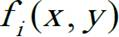 为像素点i的坐标信息;
所述根据舌体重心位置从舌体图像中划分出扇形舌尖红候选区域的步骤包括:将舌体重心位置点与所述舌体图像的左下角坐标位置点、右下角坐标位置点相连,得到一个舌体重心以下的扇形区域作为舌尖红检测的扇形舌尖红候选区域。
优选的,所述扇形舌尖红候选区域采用K-means聚类算法进行聚类得到包括两个色度值存在差异的舌质区域的聚类结果,计算这两个舌质区域的HSV颜色空间上S灰度均值,比较两个S灰度均值的大小,以及将S灰度均值较大的舌质区域作为最终的舌尖红检测区域。
优选的,所述基于舌尖红检测区域的色度值、该色度值与舌体图像中舌苔区域和舌质区域的色差以及舌尖红检测区域的几何特征计算舌尖红特征向量的步骤包括:
计算舌尖红检测区域的RGB色彩空间下的R、G、B均值以及HSV色彩空间下的H、S、V均值,将这六个值作为特征向量的组成;
计算舌尖红检测区域的S均值与扇形舌尖红候选区域中舌苔区域的S均值的差值,计算舌尖红检测区域的S均值与扇形区域中除舌尖红检测区域之外的舌质区域的S均值的差值,将这两个差值作为特征向量的组成;
计算舌尖红检测区域的S均值与除扇形舌尖红候选区域之外的舌质区域的S均值的差值,计算舌尖红检测区域的S均值与除扇形舌尖红候选区域之外的舌苔区域的S均值的差值,将这两个差值作为特征向量的组成;
计算舌尖红检测区域与整个扇形舌尖红候选区域的面积比值,计算舌尖红检测区域与整个扇形舌尖红候选区域中的舌苔区域的面积比值,计算舌尖红检测区域与除扇形舌尖红候选区域之外的舌苔区域的面积比值,计算舌尖红检测区域与除扇形舌尖红候选区域之外的舌质区域面积的比值,将这四个面积比值作为特征向量的组成;
将计算出的上述十四个值组成一个14维的特征向量,将该特征向量作为舌尖红特征向量。
另一方面,本发明还提供一种中医舌诊舌尖红检测方法,该方法包括如下步骤:通过输入单元输入一幅用于产生舌尖红特征向量计算方法的舌体图像;基于输入的舌体图像计算舌尖红特征向量,所述舌尖红特征向量计算方法步骤包括:基于舌体图像计算舌体重心位置,根据舌体重心位置从舌体图像中划分出扇形舌尖红候选区域;对扇形舌尖红候选区域进行聚类得到舌尖红检测区域;基于舌尖红检测区域的色度值、该色度值与舌体图像中舌苔区域和舌质区域的色差以及舌尖红检测区域的几何特征计算舌尖红特征向量;
通过输入单元输入预先分类好的有无舌尖红的两类样本图像库,采用所述舌尖红特征向量计算方法步骤对两类样本图像库中所有舌体图像进行特征舌尖红向量提取,将所有舌体图像的舌尖红特征向量作为SVM分类器的输入进行训练得到舌尖红检测分类器;
通过输入单元输入待检测者的舌体图像,采用所述舌尖红特征向量计算方法步骤从待检测者的舌体图像计算出舌尖红的特征向量,将该舌尖红的特征向量输入到舌尖红检测分类器中检测出待检测者的舌体是否存在舌尖红。
优选的,所述舌体重心位置的计算公式如下:
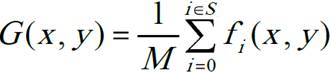
其中,
 为舌体重心位置的坐标信息,S为舌体区域,i为舌体区域内的像素点,M为舌体区域面积,
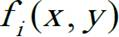 为像素点i的坐标信息;
所述根据舌体重心位置从舌体图像中划分出扇形舌尖红候选区域的步骤包括:将舌体重心位置点与所述舌体图像的左下角坐标位置点、右下角坐标位置点相连,得到一个舌体重心以下的扇形区域作为舌尖红检测的扇形舌尖红候选区域。
优选的,所述扇形舌尖红候选区域采用K-means聚类算法进行聚类得到包括两个色度值存在差异的舌质区域的聚类结果,计算这两个舌质区域的HSV颜色空间上S灰度均值,比较两个S灰度均值的大小,以及将S灰度均值较大的舌质区域作为最终的舌尖红检测区域。
优选的,所述基于舌尖红检测区域的色度值、该色度值与舌体图像中舌苔区域和舌质区域的色差以及舌尖红检测区域的几何特征计算舌尖红特征向量的步骤包括:
计算舌尖红检测区域的RGB色彩空间下的R、G、B均值以及HSV色彩空间下的H、S、V均值,将这六个值作为特征向量的组成;
计算舌尖红检测区域的S均值与扇形舌尖红候选区域中舌苔区域的S均值的差值,计算舌尖红检测区域的S均值与扇形区域中除舌尖红检测区域之外的舌质区域的S均值的差值,将这两个差值作为特征向量的组成;
计算舌尖红检测区域的S均值与除扇形舌尖红候选区域之外的舌质区域的S均值的差值,计算舌尖红检测区域的S均值与除扇形舌尖红候选区域之外的舌苔区域的S均值的差值,将这两个差值作为特征向量的组成;
计算舌尖红检测区域与整个扇形舌尖红候选区域的面积比值,计算舌尖红检测区域与整个扇形舌尖红候选区域中的舌苔区域的面积比值,计算舌尖红检测区域与除扇形舌尖红候选区域之外的舌苔区域的面积比值,计算舌尖红检测区域与除扇形舌尖红候选区域之外的舌质区域面积的比值,将这四个面积比值作为特征向量的组成;
将计算出的上述十四个值组成一个14维的特征向量,将该特征向量作为舌尖红特征向量。
另一方面,本发明还一种计算机可读存储介质,该计算机可读存储介质存储多条计算机程序指令,所述计算机程序指令由计算机装置的处理器加载并执行所述中医舌诊舌尖红检测方法的各项方法步骤。
相较于现有技术,本发明所述中医舌诊舌尖红检测装置、方法及计算机存储介质,较现有的基于图像识别的舌尖红检测算法,本发明提供的中医舌诊舌尖红检测方法能够有效对舌尖红进行检测分析,且基于大量的舌体样本进行机器学习与训练得到判别舌尖红的舌尖红检测分类器,提高了舌尖红检测的鲁棒性。
图1是本发明中医舌诊舌尖红检测装置的优选实施例的功能模块示意图;
图2是本发明中医舌诊舌尖红检测方法优选实施例的方法流程图;
图3为从舌体图像中分割出舌尖红检测区域的示意图;
图4为从舌体图像中分割出舌苔区域和舌质区域的示意图。
本发明目的实现、功能特点及优点将结合以下实施例,一并参照附图做进一步说明。
为更进一步阐述本发明为达成预定发明目的所采取的技术手段及功效,以下结合附图及较佳实施例,对本发明的具体实施方式、结构、特征及其功效,详细说明如下。应当理解,此处所描述的具体实施例仅仅用以解释本发明,并不用于限定本发明。
参照图1所示,图1是本发明中医舌诊舌尖红检测装置的优选实施例的功能模块示意图。在本实施例中,所述中医舌诊舌尖红检测装置1可以为安装有中医舌诊舌尖红检测系统10的个人计算机、工作站计算机、中医舌面仪、中医四诊仪等具有数据处理功能和图像处理功能的计算机装置。在本实施例中,所述中医舌诊舌尖红检测装置1包括,但不仅限于,中医舌诊舌尖红检测系统10、输入单元11、适于存储多条计算机程序指令的存储器12、执行各种计算机程序指令的处理器13以及输出单元14。所述输入单元11可以为一种高清摄像头等影像输入设备,用于拍摄舌体图像并输入至中医舌诊舌尖红检测装置1中;所述输入单元11也可以为一种图像读取设备,用于从存储有舌体图像的数据库中读取舌体图像并输入至中医舌诊舌尖红检测装置1中。所述存储器12可以为一种只读存储器ROM,随机存储器RAM、电可擦写存储器EEPROM、快闪存储器FLASH、磁盘或光盘等。所述处理器13为一种中央处理器(CPU)、微控制器(MCU)、数据处理芯片、或者具有数据处理功能的信息处理单元。所述输出单元14可以为显示器或者打印机等输出设备,能够将舌体图像以及舌尖红检测报告等数据输出至显示器上显示或打印机上打印,以供中医生对中医舌诊提供临床参考,从而辅助中医生对中医舌诊判断结果的准确性。
在本实施例中,所述中医舌诊舌尖红检测系统10由多条计算机程序指令组成的程序模块组成,包括但不局限于,图像输入模块101、舌尖红分割模块102、特征计算模块103、分类器训练模块104以及舌尖红检测模块105。本发明所称的模块是指一种能够被中医舌诊舌尖红检测装置1的处理器13执行并且能够完成固定功能的一系列计算机程序指令段,其存储在存储器12中,以下结合图2具体说明每一个模块的具体功能。
参考图2所示,是本发明中医舌诊舌尖红检测方法优选实施例的流程图。在本实施例中,所述中医舌诊舌尖红检测方法的各种方法步骤均通过计算机软件程序来实现,该计算机软件程序以计算机程序指令的形式存储于计算机可读存储介质(例如存储器12)中,计算机可读存储介质可以包括:只读存储器、随机存储器、磁盘或光盘等,所述计算机程序指令能够被处理器(例如处理器13)加载并执行如下步骤S21至步骤S27。
步骤S21,通过输入单元输入一幅用于产生舌尖红特征向量计算方法的舌体图像;在本实施例中,所述输入单元11通过高清摄像设备摄取入舌体图像或者从外部数据库中读取入舌体图像,并输入到中医舌诊舌尖红检测系统10中。所述图像输入模块101通过输入单元11输入舌体图像,如图3中(a1)所示的舌体图像,该舌体图像来源于原始的RGB彩色舌体图像。
步骤S22,基于舌体图像计算舌体重心位置,并根据舌体重心位置从舌体图像中划分出扇形舌尖红候选区域;在本实施例中,舌尖区域主要是舌体下部分区域,而在舌体拍摄过程中舌体伸缩的形状是不确定的,为了能够有效定位舌尖区域,本实施例的舌尖红分割模块102基于输入的舌体图像对舌体求取重心位置,所述舌体重心位置的计算公式如下:
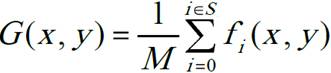
其中,
 为舌体重心位置的坐标信息,i为舌体区域内的像素点,S为舌体区域,M为舌体区域面积,
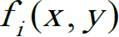 为像素点i的坐标信息。
参考图3中(a1)所示,舌尖红分割模块102将舌体重心位置点O与舌体图像的左下角坐标位置点P、右下角坐标位置点Q相连,得到的舌体重心以下的扇形区域即作为舌尖红检测的扇形舌尖红候选区域,如图3中(a2)所示分割出的扇形舌尖红候选区域。
步骤S23,对扇形舌尖红候选区域进行聚类得到最终的舌尖红检测区域;在本实施例中,舌尖红分割模块102基于K-means聚类算法对扇形舌尖红候选区域的舌质部分进行聚类得到最终的舌尖红检测区域。对于舌苔舌质分离后的舌质图片,如何在舌尖红候选区域中判断是否存在舌尖红是本发明的主要技术难点,而测量舌尖的色度值、舌尖与舌边缘的色度差,是舌尖红的量化诊断的主要依据,因此如何将存在舌尖与舌边缘的色度差的舌尖红检测区域分割出来进行判断是本本发明的研究重点。在本实施例中,利用K-means聚类算法原理的收敛速度快,聚类效果较优,算法的可解释度比较强,因此本实施例采用K-means聚类算法对扇形舌尖红候选区域的舌质部分进行聚类。
由于HSV颜色空间比RGB颜色空间更接近医生的经验和对彩色的感知,饱和度S表示色彩的鲜艳程度,它反映了彩色偏离白色的程度,饱和度越高,颜色越鲜艳,越接近纯色;亮度V表示颜色的明暗程度。本实施例舌尖红分割模块102采用表示色彩鲜明程度的S通道图像对扇形舌尖红候选区域进行K-means聚类分割出潜在的舌尖红检测区域,其实现过程包括如下步骤:
(1)、对于扇形舌尖红候选区域的舌质部分(如图3中a3以及如图4中b4所示),舌尖红分割模块102将除扇形舌尖红候选区域之外的背景区域的像素值置为零,并将扇形舌尖红候选区域的舌质部分RGB图片转换成HSV图片,该HSV图片为舌质部分RGB图片在HSV颜色空间上形成的舌质部分灰度图;其中,S灰度值为HSV颜色空间上S通道的灰度值。
(2)、对HSV图片中的S通道灰度图进行处理,求出扇形舌尖红候选区域的最大S灰度值和最小S灰度值,将最大S灰度值、最小S灰度值及背景区域的灰度零值分别作为3个聚类中心的初始值,并设定聚类次数的最高循环次数;
(3)、对于S通道灰度图中的每一个像素点,选择一个像素点并分别计算该像素点的灰度值与每一个聚类中心的距离,将该像素点归类到离该像素点距离最近的聚类中心所属类别中,循环选择下一个像素点直至每一个像素点均被遍历完毕为止,产生得到3个聚类簇;
(4)、对于每一个像素点归类的聚类簇,计算每一个聚类簇中所有像素点灰度均值作为对应聚类簇的质心,将该聚类簇的质心作为下一次循环聚类的聚类中心的聚类值;
(5)、如果所有聚类中心的聚类值相对于上一次循环聚类的聚类中心的聚类值均没有发生变化,或者循环达到设定的最高循环次数则转到步骤(6),否则转到步骤(3);
(6)、输出S通道灰度图中所有像素点归类的聚类结果。
所述扇形舌尖红候选区域经过K-means聚类后得到两个色度值存在一定差异的舌质区域的聚类结果,计算这两个舌质区域的HSV颜色空间上S灰度均值,并比较两个S灰度均值的大小,将S灰度均值较大的舌质区域作为最终的舌尖红检测区域。如图3的a4所示为经过K-means聚类后的聚类结果,其中黑线标出的区域为舌尖红检测区域A,白线标出区域为舌质区域B。
步骤S24,基于舌尖红检测区域的色度值、该色度值与舌体图像中舌苔区域和舌质区域的色差以及舌尖红检测区域的几何特征计算舌尖红特征向量;由于舌尖红检测区域的色度值及其与舌体部分的色差,舌尖红检测区域的几何特征是判断舌尖红的主要依据。为此,特征计算模块103计算舌尖红检测区域的特征向量的组成,具体计算方法如下:
计算舌尖红检测区域(如图3中a4所示的黑线标出区域A)的RGB色彩空间下的R、G、B均值以及HSV色彩空间下的H、S、V均值,分别将这6个值作为特征向量的组成;
计算舌尖红检测区域的S均值与扇形舌尖红候选区域中舌苔区域(如图4的b5所示)的S均值的差值,计算舌尖红检测区域的S均值与扇形区域中除舌尖红检测区域之外的舌质区域(如图3的a4所示的白线标出区域B)的S均值的差值,将这2个差值作为特征向量的组成;
计算舌尖红检测区域的S均值与除扇形舌尖红候选区域之外的舌质区域(如图4中b2所示的舌质区域)的S均值的差值,计算舌尖红检测区域的S均值与除扇形舌尖红候选区域之外的舌苔区域(如图4中b3所示的舌苔区域)的S均值的差值,将这2个差值作为特征向量的组成;
计算舌尖红检测区域(如图3中a4所示的黑线标出区域A)与整个扇形舌尖红候选区域(如图3中的a2所示)的面积比值,计算舌尖红检测区域与整个扇形舌尖红候选区域中的舌苔区域(如图4中b5所示的舌苔区域)的面积比值,计算舌尖红检测区域与除扇形舌尖红候选区域之外的舌苔区域(如图4中b3所示的舌苔区域)的面积比值,计算舌尖红检测区域与除扇形舌尖红候选区域之外的舌质区域(如图4中b2所示的舌质区域)面积的比值,将这4个面积比值作为特征向量的组成;
将计算出的上述十四个值组成一个14维的特征向量,将该特征向量作为舌尖红特征向量。
步骤S25,通过输入单元输入将预先分类好的有无舌尖红的两类样本图像库,采用步骤S22-步骤S24的舌尖红特征向量计算方法对两类样本图像库中所有舌体图像进行特征舌尖红向量提取,将所有舌体图像的舌尖红特征向量作为SVM分类器的输入进行训练得到舌尖红检测分类器;在本实施例中,将舌体样本图像库经中医专家预先分类为有无舌尖红两类样本图像库,分类器训练模块104对经中医专家预先分类好的有无舌尖红的两类样本图像库中的舌体样本图像进行特征舌尖红向量提取,将提取出的所有舌体图像的舌尖红特征向量作为SVM分类器的输入进行训练得到舌尖红检测分类器。所述样本图像库中的舌体图像是指根据中医生的临床经验预先分类好的舌体中是否存在舌尖红的舌体样本图像,本发明依次输入大量舌体样本图像进行机器学习来训练出一个用于检测患者舌体是否存在舌尖红的分类器。所述SVM分类器为现有技术中的一种支持向量机(Support Vector Machine,SVM),是一个由分类超平面定义的判别分类器,本领域技术人员给定一组舌体训练样本以及舌尖红的特征向量,SVM分类器将会输出一个最优的测试样本进行分类训练进而得到舌尖红检测分类器。本发明基于大量的舌体样本进行机器学习与训练得到判别舌尖红的舌尖红检测分类器,提高了舌尖红检测的鲁棒性。
步骤S26,通过输入单元输入待检测者的舌体图像,采用步骤S22-步骤S24的舌尖红特征向量计算方法从该舌体图像计算出舌尖红的特征向量,并将该舌尖红的特征向量输入到舌尖红检测分类器中检测出待检测者的舌体是否存在舌尖红。在本实施例中,上述步骤S22-步骤S24为舌尖红特征向量计算方法步骤,舌尖红检测模块105通过输入单元11读取一幅待检测者的舌体图像,采用本发明所述舌尖红特征向量计算方法步骤从该舌体图像计算出舌尖红的14维特征向量,并将该舌尖红的14维特征向量输入到训练好的舌尖红检测分类器中,进而检测出待检测者的舌体是否存在舌尖红。在后续中医舌诊过程中,中医生只需将待测患者的舌体图线输入该舌尖红检测分类器并运行所述中医舌尖红检测系统10,即可检测出待检测者的舌体是否存在舌尖红。
步骤S27,产生检测者的舌尖红检测报告,并通过输出单元将待检测的舌尖红检测报告输出至显示器上显示或打印机上打印;具体地,舌尖红检测模块105产生检测者的舌尖红检测报告并通过输出单元14将待检测的舌尖红检测报告输出至显示器上显示或打印机上打印,该舌尖红检测报告给出了待检测的舌体中有舌尖红还是没有舌尖红的检测结果,以供中医生对中医舌诊提供临床参考,从而辅助中医生对中医舌诊判断结果的准确性。
本发明还一种计算机可读存储介质,该计算机可读存储介质存储多条计算机程序指令,所述计算机程序指令由计算机装置的处理器加载并执行本发明所述中医舌诊舌尖红检测方法的各个步骤。本领域技术人员可以理解,上述实施方式中各种方法的全部或部分步骤可以通过相关程序指令完成,该程序可以存储于计算机可读存储介质中,存储介质可以包括:只读存储器、随机存储器、磁盘或光盘等。
较现有的基于图像识别的舌尖红检测算法,本发明所述中医舌诊舌尖红检测装置、方法及计算机存储介质,能够有效对舌尖红进行检测分析,且本发明基于大量的舌体样本进行机器学习与训练得到判别舌尖红的舌尖红检测分类器,提高了舌尖红检测的鲁棒性。
以上仅为本发明的优选实施例,并非因此限制本发明的专利范围,凡是利用本发明说明书及附图内容所作的等效结构或等效流程变换,或直接或间接运用在其他相关的技术领域,均同理包括在本发明的专利保护范围内。
相较于现有技术,本发明所述中医舌诊舌尖红检测装置、方法及计算机存储介质,较现有的基于图像识别的舌尖红检测算法,本发明提供的中医舌诊舌尖红检测方法能够有效对舌尖红进行检测分析,且基于大量的舌体样本进行机器学习与训练得到判别舌尖红的舌尖红检测分类器,提高了舌尖红检测的鲁棒性。
Claims (10)
- 一种中医舌诊舌尖红检测装置,包括适于实现各种计算机程序指令的处理器以及适于存储多条计算机程序指令的存储器,其特征在于,所述计算机程序指令由处理器加载并执行如下步骤:通过输入单元输入一幅用于产生舌尖红特征向量计算方法的舌体图像;基于输入的舌体图像计算舌尖红特征向量,所述舌尖红特征向量计算方法步骤包括:基于舌体图像计算舌体重心位置,根据舌体重心位置从舌体图像中划分出扇形舌尖红候选区域;对扇形舌尖红候选区域进行聚类得到舌尖红检测区域;基于舌尖红检测区域的色度值、该色度值与舌体图像中舌苔区域和舌质区域的色差以及舌尖红检测区域的几何特征计算舌尖红特征向量;通过输入单元输入预先分类好的有无舌尖红的两类样本图像库,采用所述舌尖红特征向量计算方法步骤对两类样本图像库中所有舌体图像进行特征舌尖红向量提取,将所有舌体图像的舌尖红特征向量作为SVM分类器的输入进行训练得到舌尖红检测分类器;通过输入单元输入待检测者的舌体图像,采用所述舌尖红特征向量计算方法步骤从待检测者的舌体图像计算出舌尖红的特征向量,将该舌尖红的特征向量输入到舌尖红检测分类器中检测出待检测者的舌体是否存在舌尖红。
- 如权利要求1所述的中医舌诊舌尖红检测装置,其特征在于,所述舌体重心位置的计算公式如下:
 其中,为舌体重心位置的坐标信息,S为舌体区域,i为舌体区域内的像素点,M为舌体区域面积,
 为像素点i的坐标信息;
 所述根据舌体重心位置从舌体图像中划分出扇形舌尖红候选区域的步骤包括:将舌体重心位置点与所述舌体图像的左下角坐标位置点、右下角坐标位置点相连,得到一个舌体重心以下的扇形区域作为舌尖红检测的扇形舌尖红候选区域。
 - 如权利要求1所述的中医舌诊舌尖红检测装置,其特征在于,所述扇形舌尖红候选区域采用K-means聚类算法进行聚类得到包括两个色度值存在差异的舌质区域的聚类结果,计算这两个舌质区域的HSV颜色空间上S灰度均值,比较两个S灰度均值的大小,以及将S灰度均值较大的舌质区域作为最终的舌尖红检测区域。
- 如权利要求1所述的中医舌诊舌尖红检测装置,其特征在于,所述基于舌尖红检测区域的色度值、该色度值与舌体图像中舌苔区域和舌质区域的色差以及舌尖红检测区域的几何特征计算舌尖红特征向量的步骤包括:计算舌尖红检测区域的RGB色彩空间下的R、G、B均值以及HSV色彩空间下的H、S、V均值,将这六个值作为特征向量的组成;计算舌尖红检测区域的S均值与扇形舌尖红候选区域中舌苔区域的S均值的差值,计算舌尖红检测区域的S均值与扇形区域中除舌尖红检测区域之外的舌质区域的S均值的差值,将这两个差值作为特征向量的组成;计算舌尖红检测区域的S均值与除扇形舌尖红候选区域之外的舌质区域的S均值的差值,计算舌尖红检测区域的S均值与除扇形舌尖红候选区域之外的舌苔区域的S均值的差值,将这两个差值作为特征向量的组成;计算舌尖红检测区域与整个扇形舌尖红候选区域的面积比值,计算舌尖红检测区域与整个扇形舌尖红候选区域中的舌苔区域的面积比值,计算舌尖红检测区域与除扇形舌尖红候选区域之外的舌苔区域的面积比值,计算舌尖红检测区域与除扇形舌尖红候选区域之外的舌质区域面积的比值,将这四个面积比值作为特征向量的组成;将计算出的上述十四个值组成一个14维的特征向量,将该特征向量作为舌尖红特征向量。
- 一种中医舌诊舌尖红检测方法,其特征在于,该方法包括如下步骤:通过输入单元输入一幅用于产生舌尖红特征向量计算方法的舌体图像;基于输入的舌体图像计算舌尖红特征向量,所述舌尖红特征向量计算方法步骤包括:基于舌体图像计算舌体重心位置,根据舌体重心位置从舌体图像中划分出扇形舌尖红候选区域;对扇形舌尖红候选区域进行聚类得到舌尖红检测区域;基于舌尖红检测区域的色度值、该色度值与舌体图像中舌苔区域和舌质区域的色差以及舌尖红检测区域的几何特征计算舌尖红特征向量;通过输入单元输入预先分类好的有无舌尖红的两类样本图像库,采用所述舌尖红特征向量计算方法步骤对两类样本图像库中所有舌体图像进行特征舌尖红向量提取,将所有舌体图像的舌尖红特征向量作为SVM分类器的输入进行训练得到舌尖红检测分类器;通过输入单元输入待检测者的舌体图像,采用所述舌尖红特征向量计算方法步骤从待检测者的舌体图像计算出舌尖红的特征向量,将该舌尖红的特征向量输入到舌尖红检测分类器中检测出待检测者的舌体是否存在舌尖红。
- 如权利要求5所述的中医舌诊舌尖红检测方法,其特征在于,所述舌体重心位置的计算公式如下:
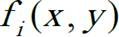
 其中,为舌体重心位置的坐标信息,S为舌体区域,i为舌体区域内的像素点,M为舌体区域面积,
 为像素点i的坐标信息;
 所述根据舌体重心位置从舌体图像中划分出扇形舌尖红候选区域的步骤包括:将舌体重心位置点与所述舌体图像的左下角坐标位置点、右下角坐标位置点相连,得到一个舌体重心以下的扇形区域作为舌尖红检测的扇形舌尖红候选区域。
 - 如权利要求5所述的中医舌诊舌尖红检测方法,其特征在于,所述扇形舌尖红候选区域采用K-means聚类算法进行聚类得到包括两个色度值存在差异的舌质区域的聚类结果,计算这两个舌质区域的HSV颜色空间上S灰度均值,比较两个S灰度均值的大小,以及将S灰度均值较大的舌质区域作为最终的舌尖红检测区域。
- 如权利要求5所述的中医舌诊舌尖红检测方法,其特征在于,所述基于舌尖红检测区域的色度值、该色度值与舌体图像中舌苔区域和舌质区域的色差以及舌尖红检测区域的几何特征计算舌尖红特征向量的步骤包括:计算舌尖红检测区域的RGB色彩空间下的R、G、B均值以及HSV色彩空间下的H、S、V均值,将这六个值作为特征向量的组成;计算舌尖红检测区域的S均值与扇形舌尖红候选区域中舌苔区域的S均值的差值,计算舌尖红检测区域的S均值与扇形区域中除舌尖红检测区域之外的舌质区域的S均值的差值,将这两个差值作为特征向量的组成;计算舌尖红检测区域的S均值与除扇形舌尖红候选区域之外的舌质区域的S均值的差值,计算舌尖红检测区域的S均值与除扇形舌尖红候选区域之外的舌苔区域的S均值的差值,将这两个差值作为特征向量的组成;计算舌尖红检测区域与整个扇形舌尖红候选区域的面积比值,计算舌尖红检测区域与整个扇形舌尖红候选区域中的舌苔区域的面积比值,计算舌尖红检测区域与除扇形舌尖红候选区域之外的舌苔区域的面积比值,计算舌尖红检测区域与除扇形舌尖红候选区域之外的舌质区域面积的比值,将这四个面积比值作为特征向量的组成;将计算出的上述十四个值组成一个14维的特征向量,将该特征向量作为舌尖红特征向量。
- 如权利要求5所述的中医舌诊舌尖红检测方法,其特征在于,该方法还包括步骤:产生检测者的舌尖红检测报告,并通过输出单元将待检测者的舌尖红检测报告输出至显示器上显示或打印机上打印,该舌尖红检测报告给出了待检测的舌体中有舌尖红还是没有舌尖红的检测结果。
- 一种计算机可读存储介质,该计算机可读存储介质存储多条计算机程序指令,其特征在于,所述计算机程序指令由计算机装置的处理器加载并执行如权利要求5至9任一项所述中医舌诊舌尖红检测方法的各项方法步骤。
Applications Claiming Priority (2)
| Application Number | Priority Date | Filing Date | Title |
|---|---|---|---|
| CN201811463194.3A CN111340052A (zh) | 2018-12-03 | 2018-12-03 | 中医舌诊舌尖红检测装置、方法及计算机存储介质 |
| CN201811463194.3 | 2018-12-03 |
Publications (1)
| Publication Number | Publication Date |
|---|---|
| WO2020114346A1 true WO2020114346A1 (zh) | 2020-06-11 |
Family
ID=70975314
Family Applications (1)
| Application Number | Title | Priority Date | Filing Date |
|---|---|---|---|
| PCT/CN2019/122369 Ceased WO2020114346A1 (zh) | 2018-12-03 | 2019-12-02 | 中医舌诊舌尖红检测装置、方法及计算机存储介质 |
Country Status (2)
| Country | Link |
|---|---|
| CN (1) | CN111340052A (zh) |
| WO (1) | WO2020114346A1 (zh) |
Cited By (2)
| Publication number | Priority date | Publication date | Assignee | Title |
|---|---|---|---|---|
| CN112613557A (zh) * | 2020-12-23 | 2021-04-06 | 新绎健康科技有限公司 | 一种基于深度学习对舌质舌苔进行分类的方法及系统 |
| CN116311386A (zh) * | 2023-05-19 | 2023-06-23 | 四川博瑞客信息技术有限公司 | 基于图像分割的舌型识别方法 |
Families Citing this family (1)
| Publication number | Priority date | Publication date | Assignee | Title |
|---|---|---|---|---|
| CN114119608B (zh) * | 2022-01-25 | 2022-04-12 | 慧医谷中医药科技(天津)股份有限公司 | 歪斜舌的检测方法、装置、电子设备及介质 |
Citations (2)
| Publication number | Priority date | Publication date | Assignee | Title |
|---|---|---|---|---|
| CN1367454A (zh) * | 2002-03-25 | 2002-09-04 | 北京工业大学 | 基于多类支持向量机的中医舌色、苔色、舌苔厚度分析方法 |
| KR101331640B1 (ko) * | 2011-12-14 | 2013-11-20 | 한국 한의학 연구원 | 혀 입체 정보 추출 장치 및 방법 |
-
2018
- 2018-12-03 CN CN201811463194.3A patent/CN111340052A/zh active Pending
-
2019
- 2019-12-02 WO PCT/CN2019/122369 patent/WO2020114346A1/zh not_active Ceased
Patent Citations (2)
| Publication number | Priority date | Publication date | Assignee | Title |
|---|---|---|---|---|
| CN1367454A (zh) * | 2002-03-25 | 2002-09-04 | 北京工业大学 | 基于多类支持向量机的中医舌色、苔色、舌苔厚度分析方法 |
| KR101331640B1 (ko) * | 2011-12-14 | 2013-11-20 | 한국 한의학 연구원 | 혀 입체 정보 추출 장치 및 방법 |
Non-Patent Citations (1)
| Title |
|---|
| XUYING YAO, ET AL: "Determination and Analysis of Chromatic Value in Abnormal Red Tongue Tip", CHINESE JOURNAL OF INFORMATION ON TRADITIONAL CHINESE MEDICINE, vol. 22, no. 4, pages 18 - 21, XP055713151, DOI: 10.3969/j.issn.1005-5304.2015.04.006 * |
Cited By (4)
| Publication number | Priority date | Publication date | Assignee | Title |
|---|---|---|---|---|
| CN112613557A (zh) * | 2020-12-23 | 2021-04-06 | 新绎健康科技有限公司 | 一种基于深度学习对舌质舌苔进行分类的方法及系统 |
| CN112613557B (zh) * | 2020-12-23 | 2023-03-24 | 新绎健康科技有限公司 | 一种基于深度学习对舌质舌苔进行分类的方法及系统 |
| CN116311386A (zh) * | 2023-05-19 | 2023-06-23 | 四川博瑞客信息技术有限公司 | 基于图像分割的舌型识别方法 |
| CN116311386B (zh) * | 2023-05-19 | 2023-08-15 | 四川博瑞客信息技术有限公司 | 基于图像分割的舌型识别方法 |
Also Published As
| Publication number | Publication date |
|---|---|
| CN111340052A (zh) | 2020-06-26 |
Similar Documents
| Publication | Publication Date | Title |
|---|---|---|
| US12051199B2 (en) | Image processing method and apparatus, server, medical image processing device and storage medium | |
| Sridar et al. | Decision fusion-based fetal ultrasound image plane classification using convolutional neural networks | |
| Wang et al. | Area determination of diabetic foot ulcer images using a cascaded two-stage SVM-based classification | |
| Zhang et al. | Retinal vessel segmentation using multi-scale textons derived from keypoints | |
| Sainju et al. | Automated bleeding detection in capsule endoscopy videos using statistical features and region growing | |
| Zhao et al. | Saliency driven vasculature segmentation with infinite perimeter active contour model | |
| Ali et al. | Computer assisted gastric abnormalities detection using hybrid texture descriptors for chromoendoscopy images | |
| Shie et al. | A hybrid feature-based segmentation and classification system for the computer aided self-diagnosis of otitis media | |
| Tan et al. | Robust multi-scale superpixel classification for optic cup localization | |
| CN107835654A (zh) | 图像处理装置、图像处理方法和图像处理程序 | |
| US11980491B2 (en) | Automatic recognition method for measurement point in cephalo image | |
| Qin et al. | Vertebrae labeling via end-to-end integral regression localization and multi-label classification network | |
| Ye et al. | Regional manifold learning for disease classification | |
| WO2020108437A1 (zh) | 舌下静脉特征提取装置及方法 | |
| WO2026036844A1 (zh) | 基于改进的yolov5模型的静态足底压力图像数据处理方法 | |
| Souza et al. | Barrett’s esophagus analysis using SURF features | |
| CN112651400A (zh) | 一种立体内窥镜辅助检测方法、系统、装置及存储介质 | |
| CN111340052A (zh) | 中医舌诊舌尖红检测装置、方法及计算机存储介质 | |
| Jabbar et al. | Liver fibrosis processing, multiclassification, and diagnosis based on hybrid machine learning approaches | |
| Garduno-Ramon et al. | Automatic segmentation of regions of interest in thermal images in the facial and hand area | |
| CN111223117A (zh) | 舌面图像分割装置、方法及计算机存储介质 | |
| CN111311602A (zh) | 中医面诊的嘴唇图像分割装置及方法 | |
| Chen et al. | Camera-based peripheral edema measurement using machine learning | |
| Ren et al. | A modified U-Net with dilated convolution and CBAM | |
| Thahira Banu et al. | Hybrid classifier to classify the finger nail abnormalities |
Legal Events
| Date | Code | Title | Description |
|---|---|---|---|
| 121 | Ep: the epo has been informed by wipo that ep was designated in this application |
Ref document number: 19894101 Country of ref document: EP Kind code of ref document: A1 |
|
| NENP | Non-entry into the national phase |
Ref country code: DE |
|
| 122 | Ep: pct application non-entry in european phase |
Ref document number: 19894101 Country of ref document: EP Kind code of ref document: A1 |