WO2020052513A1 - 图像识别和行人再识别方法及装置,电子和存储设备 - Google Patents
图像识别和行人再识别方法及装置,电子和存储设备 Download PDFInfo
- Publication number
- WO2020052513A1 WO2020052513A1 PCT/CN2019/104882 CN2019104882W WO2020052513A1 WO 2020052513 A1 WO2020052513 A1 WO 2020052513A1 CN 2019104882 W CN2019104882 W CN 2019104882W WO 2020052513 A1 WO2020052513 A1 WO 2020052513A1
- Authority
- WO
- WIPO (PCT)
- Prior art keywords
- feature
- image
- sub
- pedestrian
- features
- Prior art date
- Legal status (The legal status is an assumption and is not a legal conclusion. Google has not performed a legal analysis and makes no representation as to the accuracy of the status listed.)
- Ceased
Links
Images
Classifications
-
- G—PHYSICS
- G06—COMPUTING OR CALCULATING; COUNTING
- G06V—IMAGE OR VIDEO RECOGNITION OR UNDERSTANDING
- G06V40/00—Recognition of biometric, human-related or animal-related patterns in image or video data
- G06V40/10—Human or animal bodies, e.g. vehicle occupants or pedestrians; Body parts, e.g. hands
- G06V40/103—Static body considered as a whole, e.g. static pedestrian or occupant recognition
-
- G—PHYSICS
- G06—COMPUTING OR CALCULATING; COUNTING
- G06F—ELECTRIC DIGITAL DATA PROCESSING
- G06F18/00—Pattern recognition
- G06F18/20—Analysing
- G06F18/21—Design or setup of recognition systems or techniques; Extraction of features in feature space; Blind source separation
- G06F18/214—Generating training patterns; Bootstrap methods, e.g. bagging or boosting
-
- G—PHYSICS
- G06—COMPUTING OR CALCULATING; COUNTING
- G06F—ELECTRIC DIGITAL DATA PROCESSING
- G06F18/00—Pattern recognition
- G06F18/20—Analysing
- G06F18/24—Classification techniques
- G06F18/241—Classification techniques relating to the classification model, e.g. parametric or non-parametric approaches
-
- G—PHYSICS
- G06—COMPUTING OR CALCULATING; COUNTING
- G06F—ELECTRIC DIGITAL DATA PROCESSING
- G06F18/00—Pattern recognition
- G06F18/20—Analysing
- G06F18/25—Fusion techniques
- G06F18/253—Fusion techniques of extracted features
-
- Y—GENERAL TAGGING OF NEW TECHNOLOGICAL DEVELOPMENTS; GENERAL TAGGING OF CROSS-SECTIONAL TECHNOLOGIES SPANNING OVER SEVERAL SECTIONS OF THE IPC; TECHNICAL SUBJECTS COVERED BY FORMER USPC CROSS-REFERENCE ART COLLECTIONS [XRACs] AND DIGESTS
- Y02—TECHNOLOGIES OR APPLICATIONS FOR MITIGATION OR ADAPTATION AGAINST CLIMATE CHANGE
- Y02T—CLIMATE CHANGE MITIGATION TECHNOLOGIES RELATED TO TRANSPORTATION
- Y02T10/00—Road transport of goods or passengers
- Y02T10/10—Internal combustion engine [ICE] based vehicles
- Y02T10/40—Engine management systems
Definitions
- the present application relates to the field of computer vision, and in particular, to an image recognition method and device.
- the present application also relates to a pedestrian re-identification method and device.
- This application relates to both an electronic device and a storage device.
- Pedestrian re-identification can also be called image re-identification, which has a wide range of applications in the fields of traffic and security.
- Pedestrian re-identification is to extract the features of the people appearing in the surveillance video, search the base library for images similar to the query image, and obtain the trajectory information of the image across the cameras to complete the search for key people.
- a query picture of an image is usually input, and other pictures of the same person are searched in the base library, and then the two are compared to determine whether they are the same image.
- the specific method Yes the features of each frame in the image sequence of the image are extracted, the features of each frame are averaged to obtain equal time-series weights, and then the final features of the picture are obtained.
- this method will cause the features provided by the frame with more information to be disturbed by some frames of lower quality, making subsequent recognition , The recognition accuracy is low.
- This application provides an image recognition method to solve the technical problem of low recognition accuracy in the prior art.
- This application provides an image recognition method, including:
- Re-identification and retrieval are performed according to the characteristics of the image sequence.
- determining the sub-features and attribute groups corresponding to the sub-features of the frame image according to the image characteristics of the frame image includes:
- Attributes belonging to the same type are determined as attribute groups corresponding to the sub-features, wherein the attributes of the same type include at least two attribute information.
- the frame image includes at least two sub-features, and each sub-feature corresponds to a different attribute group.
- the attribute group includes at least the following two types: a global attribute group, a head attribute group, an upper body attribute group, a lower body attribute group, and an accessory attribute group.
- determining the timing weight of the sub-feature according to the attribute group corresponding to the sub-feature includes:
- the confidence level of the attribute group is determined as a timing weight of the sub-feature corresponding to the attribute group.
- the determining a fusion feature of sub-features corresponding to the same attribute group according to the timing weights includes:
- the sub-features in the frame image having the same attribute group and the timing weights corresponding to the sub-features are weighted and summed to obtain the fused features of the sub-features.
- the determining a feature of the image sequence according to the fusion feature and the global feature of the image sequence includes:
- the stitching feature is determined as a feature of the image sequence.
- the acquiring image characteristics of a frame image in the image sequence includes:
- Machine learning is used to extract the image features of the frame images in the image sequence.
- performing the re-identification and retrieval based on the characteristics of the image sequence includes:
- the features of the image sequence and the pedestrian id are classified and trained to determine whether an image in the image sequence is a target image.
- This application also provides an image recognition device, including:
- An obtaining unit configured to obtain image features of a frame image in an image sequence
- a first determining unit configured to determine a sub-feature of the frame image and an attribute group corresponding to the sub-feature according to the image feature of the frame image;
- a second determining unit configured to determine a timing weight of the sub-feature according to an attribute group corresponding to the sub-feature
- a third determining unit configured to determine a fusion feature of sub-features corresponding to the same attribute group according to the timing weights
- a fourth determining unit configured to determine a feature of the image sequence according to the fusion feature and the global feature of the image sequence
- a recognition unit configured to perform re-identification and retrieval according to the characteristics of the image sequence.
- This application also provides a pedestrian re-identification method, including:
- Re-recognition and retrieval are performed according to the pedestrian characteristics of the pedestrian image sequence.
- the determining a sub-feature of the pedestrian image feature and an attribute group corresponding to the sub-feature according to the pedestrian image feature of the frame image includes:
- Attributes belonging to the same type are determined as attribute groups corresponding to the sub-features, wherein the attributes of the same type include at least two attribute information.
- the frame image includes at least two sub-features, and each sub-feature corresponds to a different attribute group.
- the attribute group includes at least the following two types: a pedestrian global attribute group, a pedestrian head attribute group, a pedestrian upper body attribute group, a pedestrian lower body attribute group, and a pedestrian accessory attribute group.
- determining the timing weight of the sub-feature according to the attribute group corresponding to the sub-feature includes:
- the confidence level of the attribute group is determined as a timing weight of the sub-feature corresponding to the attribute group.
- determining the pedestrian characteristics of the pedestrian image sequence according to the pedestrian fusion characteristics and the pedestrian global characteristics of the pedestrian image sequence includes:
- the stitching feature is determined as a pedestrian feature of the image sequence.
- the obtaining the pedestrian image feature of the frame image in the pedestrian image sequence includes:
- Machine learning is used to extract pedestrian image features of the frame images in the pedestrian image sequence.
- the performing re-recognition and retrieval based on pedestrian characteristics of the pedestrian image sequence includes:
- the pedestrian features and pedestrian ids of the pedestrian image sequence are classified and trained to determine whether the pedestrian image in the pedestrian image sequence is a target pedestrian image.
- the present application also provides a pedestrian re-identification device, including:
- a pedestrian feature acquiring unit configured to acquire a pedestrian image feature displaying a frame image in a pedestrian image sequence
- a first determining unit configured to determine a sub-feature of the pedestrian image feature and an attribute group corresponding to the sub-feature according to the pedestrian image feature of the frame image;
- a second determining unit configured to determine a timing weight of the sub-feature according to the attribute group of the sub-feature
- a third determining unit configured to determine a pedestrian fusion feature of the sub-feature corresponding to the same attribute group according to the time sequence weight
- a fourth determining unit configured to determine a pedestrian feature of the pedestrian image sequence according to the pedestrian fusion feature and a pedestrian global feature of the pedestrian image sequence
- the pedestrian recognition unit is configured to perform re-recognition and retrieval based on pedestrian characteristics of the pedestrian image sequence.
- This application also provides an electronic device, including:
- the memory is configured to store a program for processing data generated by the network platform.
- the program When the program is read and executed by the processor, the program performs the following operations:
- Re-identification and retrieval are performed according to the characteristics of the image sequence.
- This application also provides a storage device for storing data generated by a network platform and a program corresponding to the data generated by the network platform for processing;
- Re-identification and retrieval are performed according to the characteristics of the image sequence.
- the present application provides an image recognition method by acquiring image features of a frame image in an image sequence; determining sub-features of the image feature and attribute groups corresponding to the sub-features according to the image features of the frame image; Determining the temporal weight of the sub-feature according to the attribute group corresponding to the feature; determining the fusion feature of the sub-feature corresponding to the same attribute group according to the temporal weight; according to the fusion feature and the global feature of the image sequence, Determine the characteristics of the image sequence; perform re-recognition and retrieval based on the characteristics of the image sequence, so as to be able to cope with problems such as inconsistency in the amount of information due to changes in the quality of the image sequence, occlusion, etc., making the characteristics of the image sequence stronger Expressive ability to improve matching accuracy during retrieval.
- a pedestrian re-recognition method obtaineds a pedestrian image feature of a frame image in a pedestrian image sequence, and determines sub-features and sub-features of the pedestrian image feature according to the pedestrian image feature of the frame image.
- a corresponding attribute group determining a time-series weight of the sub-feature according to the attribute group of the sub-feature; determining a pedestrian fusion feature of the sub-feature corresponding to the same attribute group according to the time-series weight; and according to the pedestrian fusion Feature and the pedestrian global feature of the pedestrian image sequence, determining the pedestrian feature of the pedestrian image sequence; re-recognizing and retrieving according to the pedestrian feature of the pedestrian image sequence; thereby avoiding the image sequence due to the quality change and occlusion of the frame image ,
- the inconsistency of the amount of information caused by the change of the pedestrian's posture in the frame image, etc. makes the characteristics of the finally determined image sequence have a stronger expression ability, and improves the accuracy of matching during retrieval.
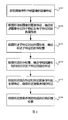
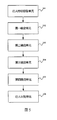
- FIG. 1 is a flowchart of an embodiment of an image recognition method provided by the present application
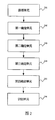
- FIG. 2 is a schematic structural diagram of an embodiment of an image recognition device provided by the present application.
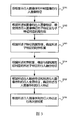
- FIG. 3 is a flowchart of an embodiment of a pedestrian re-identification method provided by the present application.
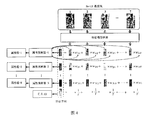
- FIG. 4 is a schematic diagram of an application example in an embodiment of a method for re-identifying a pedestrian provided by the present application
- FIG. 5 is a schematic structural diagram of an embodiment of a pedestrian re-identification device provided in the present application.
- FIG. 1 is a flowchart of an embodiment of an image recognition method provided by the present application.
- the method includes:
- Step S101 Acquire image characteristics of a frame image in an image sequence.
- the image sequence in step S101 generally refers to a series of images that are sequentially and sequentially acquired for a target at different times and in different orientations.
- the frame image refers to an image in units of frames in the image sequence.
- the image feature is an element feature that points to an element to be identified in the frame image.
- step S101 can be understood as that there are multiple elements in the frame image, and among the multiple elements, the image features of the corresponding elements are obtained according to the determined elements to be identified.
- a specific acquisition method may be extracting image features of a frame image in the image sequence by using a machine learning method.
- the machine learning may use a deep convolutional neural network to extract image features from frame images in the image sequence.
- Step S102 Determine a sub-feature of the image feature and an attribute group corresponding to the sub-feature according to the image feature of the frame image.
- the sub-feature in step S102 refers to a feature obtained by further dividing an element to be identified in an image feature.
- the attribute group refers to information describing a characteristic property of a sub-feature.
- the step S102 may include:
- Attributes belonging to the same type are determined as attribute groups corresponding to the sub-features, wherein the attributes of the same type include at least two attribute information.
- the sub-features of the frame image may include at least two, and each sub-feature corresponds to a different attribute group, that is, each sub-feature corresponds to an attribute group, the sub-features of each frame image are the same, and the corresponding attributes
- the group is the same, but the attribute value of each attribute in the attribute group can be the same or different. For example, if the first frame image is clearer or different in orientation than the second frame image, the sub-feature remains unchanged, and the attribute group corresponding to the sub-feature remains unchanged. However, the attribute value in the attribute group corresponding to the sub-feature of the first frame image is different from the attribute value in the attribute group corresponding to the sub-feature of the second frame image.
- the attribute group may include at least the following two types: a global attribute group, a head attribute group, an upper body attribute group, a lower body attribute group, an accessory attribute group, and the like, where the global attribute group may refer to The overall attribute information of the element to be identified; the head attribute group may refer to the head attribute information of the element to be identified; the upper body attribute group may refer to the upper body attribute information of the element to be identified; the lower body attribute group may refer to Lower body attribute information of the element to be identified; the accessory attribute group may refer to attribute information such as accessories attached to the element to be identified.
- the above-mentioned attribute group may be a definition of those attributes for the element to be identified, and the attribute group may also be defined according to the situation of the specific element to be identified during the definition, for example, if the element to be identified is an object, the attribute may be A group is defined as a global attribute group, a local attribute group, and an auxiliary attribute group, wherein the local attribute group can be obtained by dividing according to the structure of a specific element to be identified; and the auxiliary attribute group can be used to assist in identifying and identifying the element to be identified and
- the information displayed in the frame image is determined, for example, an attribute having a detachable relationship or a dependency relationship with the element to be identified.
- the classification of the attribute group is mainly based on the human body, which will be described in detail below in the pedestrian re-recognition method.
- the definition of the attribute group can be determined according to the actual elements to be identified. The determination process can be obtained by manual marking, or can be learned from other data sets by means of transfer learning.
- the method for obtaining the attribute information is not specifically limited, and any attribute information of a to-be-recognized element of a sub-feature in a frame image can be obtained and an attribute group can be constructed from the attribute information.
- step S103 After determining the sub-features and the attribute groups corresponding to the sub-features of the frame image, the next step may be performed, that is, step S103.
- Step S103 Determine a timing weight of the sub-feature according to the attribute group corresponding to the sub-feature.
- the timing weight in step S103 can be understood as that the elements to be identified in each frame image have different weight values according to different times, which can further weaken the weight information of the elements to be identified in some frame images, for example, the display of the frame image is not clear When conditions such as incomplete display and / or the like occur, the timing weights of the sub-features in the frame image are weakened or reduced, and the timing weights of the sub-features are specifically determined.
- the timing weight of the sub-feature is determined according to the attribute group corresponding to the sub-feature.
- the specific implementation process may include:
- the confidence level of the attribute group is determined as a timing weight of the sub-feature corresponding to the attribute group.
- the attributes in the attribute group corresponding to the sub-features of the frame image are input into the attribute predictor to obtain the attribute confidence of the attributes in the attribute group.
- the attributes in the different attribute groups may be input.
- To the attribute predictor calculate the confidence of attributes in different attribute groups through the attribute predictor, and then obtain the attribute confidence.
- the normalizing processing is performed on the confidence levels belonging to the same attribute group, and specifically, the attribute confidence level of each attribute group may be summed to obtain the attribute level confidence level, for example:
- the frame image A has N sub-features, each sub-feature corresponds to an attribute group, each attribute group has T attributes; the first sub-feature corresponds to the first attribute group, and the first attribute group has 5 attributes.
- the 5 attribute confidence levels are normalized to obtain the first attribute group confidence level, and so on, to obtain the attribute group confidence levels of the N attribute groups corresponding to the N sub-features. Thereafter, the confidence level of each attribute group is determined as a time-series weight of the sub-feature corresponding to the attribute group.
- Step S104 Determine a fusion feature of the sub-features corresponding to the same attribute group according to the timing weight.
- step S104 may include:
- the sub-features in the frame image having the same attribute group and the timing weights corresponding to the sub-features are weighted and summed to obtain the fused features of the sub-features.
- the first sub-feature timing weights of the first sub-feature of the first frame image the first sub-feature timing weights of the first sub-feature of the second frame image, and the first sub-feature of the third frame image are calculated.
- the first sub-feature timing weight of the first sub-feature of the N-th frame image weighting and summing the first sub-feature and the first sub-feature timing weight of each frame image.
- the first sub-feature fusion feature of the first sub-feature temporal weight is obtained, and so on, to obtain the fusion feature for the same attribute group of the sub-feature in each frame of the image, and the fusion feature is the fusion feature of the corresponding sub-feature.
- each frame image has three sub-features, each sub-feature corresponds to three attribute groups, and the five frame images have the same attribute group, and the sub-features of the same attribute group in the five frame images Perform weighted summation with the timing weights of the corresponding subfeatures, that is, weighted summation of the timing weights of the first subfeature and the first subfeature in the first to fifth frame images to obtain the fused feature of the first subfeature; Weighted summation of the second sub-feature and the second sub-feature in the images of the first 1-5 frames to obtain the fused feature of the second sub-feature; the third and third sub-features in the images of the first 1-5 frames Weighted summation of time-series weights to obtain the fused feature of the third sub-feature; weighted summation of time-series weights of the fourth sub-feature and fourth sub-feature in the 1-5th frame image to obtain the fused feature of the fourth sub-feature;
- Step S105 Determine the features of the image sequence according to the fusion features and the global features of the image sequence.
- the global feature of the image sequence in step S105 refers to the global feature of the image sequence obtained without performing any split on the extracted features of the image sequence, and the global feature may be an image sequence for each frame of the image.
- the features extracted from the method are obtained by weighted summing the time series weights that are averagely allocated to each frame of image.
- step 105 may include:
- the stitching feature is determined as a feature of the image sequence.
- stitching can find the feature matching point position between the fusion feature and the global feature, select the feature of the pairing point position with higher credibility as the stitching feature of the matching point, and finally obtain the stitching feature of the entire image sequence.
- the stitching feature of the entire image sequence is determined as a feature of the image sequence.
- the splicing can also be completed by other methods, for example: connecting 8 segments of 32-dimensional features into a whole 256-dimensional feature, and other methods.
- Specific splicing can be performed in multiple ways. The splicing in this application Not limited by the above description.
- the stitching feature can be used for identification search in the bottom search library, that is, step S106 is entered.
- Step S106 Re-identify and search according to the characteristics of the image sequence.
- step S106 may include:
- the features of the image sequence and the pedestrian id are classified and trained to determine whether an image in the image sequence is a target image.
- methods such as Euclidean distance, Manhattan distance, or Barr distance can be used to measure similarity.
- distance the distance between different images of the same pedestrian is smaller than the distance between different people.
- distance By learning a projection matrix, the distance between similar samples in the projection space is small, while the distance between non-similar samples is large. Therefore, the similarity between the features of the image sequence to be measured and the features in the training data is measured. .
- FIG. 2 is a schematic structural diagram of an embodiment of an image recognition apparatus provided.
- the apparatus includes:
- the obtaining unit 201 is configured to obtain an image feature of a frame image in an image sequence.
- the image features of the frame images in the image sequence obtained by the obtaining unit 201 may be extracted by using a machine learning method.
- the image sequence generally refers to a series of images that are sequentially and sequentially acquired on the target at different times and in different orientations.
- the frame image refers to an image in units of frames in the image sequence.
- the image feature is an element feature that points to an element to be identified in the frame image.
- a specific acquisition method may be extracting image features of a frame image in the image sequence by using a machine learning method.
- the machine learning may use a deep convolutional neural network to extract image features from frame images in the image sequence.
- the first determining unit 202 is configured to determine a sub-feature of the frame image and an attribute group corresponding to the sub-feature according to the image feature of the frame image.
- the sub-feature in the first determining unit 202 may refer to a feature obtained by further dividing an element to be identified in an image feature.
- the attribute group refers to information describing a characteristic property of a sub-feature.
- the first determining unit 202 may include:
- a splitting subunit configured to split the image features of the frame image in the image sequence according to the attribute type to obtain the subfeatures of the frame image
- the attribute group determining subunit is configured to determine attributes belonging to the same type as attribute groups corresponding to the sub-features, wherein the attributes of the same type include at least two attribute information.
- the sub-features of the frame image may include at least two, and each sub-feature corresponds to a different attribute group, that is, each sub-feature corresponds to an attribute group, the sub-features of each frame image are the same, and the corresponding attributes
- the group is the same, but the attribute value of each attribute in the attribute group can be the same or different. For example, if the first frame image is clearer or different in orientation than the second frame image, the sub-feature remains unchanged, and the attribute group corresponding to the sub-feature remains unchanged. However, the attribute value in the attribute group corresponding to the sub-feature of the first frame image is different from the attribute value in the attribute group corresponding to the sub-feature of the second frame image.
- the attribute group may include at least the following two types: a global attribute group, a head attribute group, an upper body attribute group, a lower body attribute group, an accessory attribute group, and the like, where the global attribute group may refer to The overall attribute information of the element to be identified; the head attribute group may refer to the head attribute information of the element to be identified; the upper body attribute group may refer to the upper body attribute information of the element to be identified; the lower body attribute group may refer to Lower body attribute information of the element to be identified; the accessory attribute group may refer to attribute information such as accessories attached to the element to be identified.
- the above-mentioned attribute group may be a definition of those attributes for the element to be identified, and the attribute group may also be defined according to the situation of the specific element to be identified during the definition, for example, if the element to be identified is an object, the attribute may be A group is defined as a global attribute group, a local attribute group, and an auxiliary attribute group, wherein the local attribute group can be obtained by dividing according to the structure of a specific element to be identified; and the auxiliary attribute group can be used to assist in identifying and identifying the element to be identified and
- the information displayed in the frame image is determined, for example, an attribute having a detachable relationship or a dependency relationship with the element to be identified.
- the classification of the attribute group is mainly based on the human body, which will be described in detail below in the pedestrian re-recognition method.
- the definition of the attribute group can be determined according to the actual elements to be identified. The determination process can be obtained by manual marking, or can be learned from other data sets by means of transfer learning.
- the method for obtaining the attribute information is not specifically limited, and any attribute information of a to-be-recognized element of a sub-feature in a frame image can be obtained and an attribute group can be constructed from the attribute information.
- a second determining unit 203 is configured to determine a timing weight of the sub-feature according to an attribute group corresponding to the sub-feature.
- the time sequence weight in the second determining unit 203 can be understood as that the elements to be identified in each frame image have different weight values according to different times, thereby being able to weaken the weight information of the elements to be identified in some frame images, for example, for frame images
- the timing weights of the sub-features in the frame image are weakened or reduced, and the timing weights of the sub-features are determined in a targeted manner.
- the second determining unit 203 includes:
- An attribute confidence obtaining subunit configured to input attributes in an attribute group corresponding to sub-features of the frame image into an attribute predictor to obtain the attribute confidence of the attributes
- the attribute group confidence obtaining subunit is used to normalize the attribute confidence of attributes belonging to the same attribute group to obtain the attribute group confidence;
- a timing weight determination subunit is configured to determine the confidence level of the attribute group as a timing weight of the sub-feature corresponding to the attribute group.
- the attributes in the attribute group corresponding to the sub-features of the frame image are input into the attribute predictor to obtain the attribute confidence of the attributes in the attribute group.
- the attributes in the different attribute groups may be input.
- To the attribute predictor calculate the confidence of attributes in different attribute groups through the attribute predictor, and then obtain the attribute confidence.
- the normalizing processing is performed on the confidence levels belonging to the same attribute group, and specifically, the attribute confidence level of each attribute group may be summed to obtain the attribute level confidence level, for example:
- the frame image A has N sub-features, each sub-feature corresponds to an attribute group, each attribute group has T attributes; the first sub-feature corresponds to the first attribute group, and the first attribute group has 5 attributes.
- the 5 attribute confidence levels are normalized to obtain the first attribute group confidence level, and so on, to obtain the attribute group confidence levels of the N attribute groups corresponding to the N sub-features. Thereafter, the confidence level of each attribute group is determined as a time-series weight of the sub-feature corresponding to the attribute group.
- the third determining unit 204 is configured to determine a fusion feature of sub-features corresponding to the same attribute group according to the timing weight.
- the third determining unit 204 includes:
- a calculation subunit is configured to obtain a fused feature of the subfeature by weighting and summing the subfeature having the same attribute group in the frame image and a time sequence weight corresponding to the subfeature.
- the first sub-feature timing weights of the first sub-feature of the first frame image the first sub-feature timing weights of the first sub-feature of the second frame image, and the first sub-feature of the third frame image are calculated.
- the first sub-feature timing weight of the first sub-feature of the N-th frame image weighting and summing the first sub-feature and the first sub-feature timing weight of each frame image.
- the first sub-feature fusion feature of the first sub-feature temporal weight is obtained, and so on, to obtain the fusion feature for the same attribute group of the sub-feature in each frame of the image, and the fusion feature is the fusion feature of the corresponding sub-feature.
- each frame image has three sub-features, each sub-feature corresponds to three attribute groups, and the five frame images have the same attribute group, and the sub-features of the same attribute group in the five frame images Perform weighted summation with the timing weights of the corresponding subfeatures, that is, weighted summation of the timing weights of the first subfeature and the first subfeature in the first to fifth frame images to obtain the fused feature of the first subfeature; Weighted summation of the second sub-feature and the second sub-feature in the images of the first 1-5 frames to obtain the fused feature of the second sub-feature; the third and third sub-features in the images of the first 1-5 frames Weighted summation of time-series weights to obtain the fused feature of the third sub-feature; weighted summation of time-series weights of the fourth sub-feature and the fourth sub-feature in the first to fifth frame images to obtain the fused feature of the fourth sub-feature;
- the fifth sub-feature perform weighted summation with
- a fourth determining unit 205 is configured to determine a feature of the image sequence according to the fusion feature and the global feature of the image sequence.
- the global feature of the image sequence in the fourth determining unit 205 refers to the global feature of the image sequence obtained without performing any splitting on the extracted feature of the image sequence, and the global feature may be an image sequence for each
- the features extracted from the frame images are obtained by weighted summation with the timing weights that are evenly allocated to each frame image.
- the fourth determining unit 205 includes:
- a stitching subunit for stitching the fused feature and the global feature of the image sequence to obtain the stitching feature of the image sequence
- the image sequence feature determination subunit is configured to determine the stitching feature as a feature of the image sequence.
- stitching can find the feature matching point position between the fused feature and the global feature, select the feature of the highly feasible matching point position as the stitching feature of the matching point, and finally obtain the stitching feature of the entire image sequence.
- the stitching feature of the entire image sequence is determined as a feature of the image sequence.
- the recognition unit 206 is configured to perform re-identification and retrieval according to the characteristics of the image sequence.
- the recognition unit 206 may perform classification training on the features of the image sequence and the pedestrian id to determine whether an image in the image sequence is a target image. Specifically, methods such as Euclidean distance, Manhattan distance, or Barr distance can be used to measure similarity. By way of distance, the distance between different images of the same pedestrian is smaller than the distance between different people. By learning a projection matrix, the distance between similar samples in the projection space is small, while the distance between non-similar samples is large. Therefore, the similarity between the features of the image sequence to be measured and the features in the training data is measured. .
- the present application also provides a pedestrian re-recognition method.
- pedestrian re-recognition is an application scenario based on the foregoing image recognition Description, so the description is relatively simple.
- the description of the image recognition method embodiment refer to the description of the image recognition method embodiment.
- the device embodiments described below are only schematic.
- FIG. 3 is a flowchart of an embodiment of a pedestrian re-identification method provided in the present application
- FIG. 4 is a schematic diagram of an application example in an embodiment of a pedestrian re-identification method provided in the present application.
- the pedestrian re-identification method includes:
- Step S301 Acquire a pedestrian image feature displaying a frame image in the pedestrian image sequence.
- the pedestrian image sequence in step S301 generally refers to a series of pedestrian images that are sequentially and sequentially acquired for the target at different times and in different orientations.
- the frame image refers to an image having a pedestrian element in a frame unit in the pedestrian image sequence.
- the pedestrian image feature refers to a pedestrian element feature that includes a pedestrian element among elements that need to be identified in the frame image.
- step S301 can be understood as that there is multiple information of pedestrian elements in the frame image, and among the multiple information, the pedestrian image characteristics of the corresponding pedestrian elements are obtained according to the determined pedestrian elements to be identified.
- a specific acquisition method may be to extract a pedestrian image feature of a frame image in the pedestrian image sequence by using a machine learning method.
- the machine learning may use a deep convolutional neural network to extract pedestrian image features from frame images in the pedestrian image sequence.
- Step S302 Determine a sub-feature of the pedestrian image feature and an attribute group corresponding to the sub-feature according to the pedestrian image feature of the frame image.
- the sub-feature in step S302 refers to a feature obtained by further dividing an element to be identified in a pedestrian image feature.
- the attribute group refers to information describing a characteristic property of a sub-feature.
- step S302 may include:
- Attributes belonging to the same type are determined as attribute groups corresponding to the sub-features, wherein the attributes of the same type include at least two attribute information.
- the sub-features of the frame image may include at least two, and each sub-feature corresponds to a different attribute group, that is, each sub-feature corresponds to an attribute group, the sub-features of each frame image are the same, and the corresponding attributes
- the group is the same, but the attribute value of each attribute in the attribute group can be the same or different. For example, if the first frame image is clearer or different in orientation than the second frame image, the sub-feature remains unchanged, and the attribute group corresponding to the sub-feature remains unchanged. However, the attribute value in the attribute group corresponding to the sub-feature of the first frame image is different from the attribute value in the attribute group corresponding to the sub-feature of the second frame image.
- the attribute group may include at least the following two types: a global attribute group, a head attribute group, an upper body attribute group, a lower body attribute group, an accessory attribute group, and the like, where the global attribute group may refer to The overall attribute information of the pedestrian in the frame image, such as: gender, age, height, weight, etc .; the head attribute group may be the head attribute information of the pedestrian in the frame image.
- the attributes that can be included are hair color, length (long hair Or short hair), shape (straight hair or curly hair or bundled hair, etc.);
- the upper body attribute group may be pedestrian upper body attribute information in the frame image, and the attributes include: short sleeve, long sleeve, color, pattern High-necked, low-necked, round-necked, etc .
- the lower-body attribute group may be pedestrian lower-body attribute information in the frame image, and the attributes included may be: trousers, shorts, long skirt, short skirt, sports shoes, leather shoes, etc .
- the accessory attribute group may refer to attribute information such as accessories and accessories attached to pedestrians in the frame image, and the attributes may include: shoulder bag, backpack, necklace, bracelet, earring, hat (including the shape of the hat) .
- the above-mentioned attribute group may be a definition for a pedestrian element to be identified having attribute characteristics, and the attribute group may also be defined according to the situation of pedestrians in a specific frame image during definition,
- the classification of attribute groups is mainly based on the human body, and all attributes that can describe the characteristics of pedestrians can be divided into different attribute groups. Therefore, The definition of the attribute group can be obtained by manual marking, or can be learned from other data sets by means of transfer learning.
- the method of obtaining the attribute group and the attribute information in the attribute group is not specifically limited. It is possible to obtain attribute information of sub-features of pedestrians in a frame image and construct an attribute group from the attribute information.
- step S303 After determining the sub-features of the frame image and the attribute groups corresponding to the sub-features, the next step may be performed, that is, step S303.
- Step S303 Determine a timing weight of the sub-feature according to the attribute group of the sub-feature.
- the timing weight W_nt in step S303 can be understood as that when pedestrians in each frame image are used as elements, they have different weight values according to different times, which can weaken the weight information of pedestrians in some frame images, for example, for pedestrians in frame images.
- the timing weights of the sub-features in the frame image are weakened or reduced, and the timing weights of the sub-features are determined in a targeted manner.
- the timing weight of the sub-feature is determined according to the attribute group corresponding to the sub-feature.
- the specific implementation process may include:
- the confidence level of the attribute group is determined as a timing weight of the sub-feature corresponding to the attribute group.
- the attributes in the attribute group corresponding to the sub-features of the frame image are input into the attribute predictor to obtain the attribute confidence of the attributes in the attribute group.
- the attributes in the different attribute groups may be input.
- To the attribute predictor calculate the confidence of attributes in different attribute groups through the attribute predictor, and then obtain the attribute confidence.
- the normalization processing is performed on the confidence degrees belonging to the same attribute group to obtain the attribute group confidence degree. Specifically, the attribute confidence degrees of each attribute group can be summed to obtain the attribute group confidence degree.
- the first frame image has N sub-features, and each sub-feature corresponds to an attribute group.
- the first sub-feature corresponds to a global attribute group
- the second sub-feature corresponds to a head attribute group
- the third sub-feature corresponds to the upper body attribute group
- the fourth sub-feature corresponds to the lower body attribute group
- the fifth sub-feature corresponds to the accessory attribute group, and so on.
- the second frame image has N sub-features, each sub-feature corresponds to an attribute group, and is the same as the first sub-feature attribute group, for example, the first sub-feature in the second frame image corresponds to a global attribute group, The second sub-feature in the second frame image corresponds to the head attribute group, the third sub-feature in the second frame image corresponds to the upper body attribute group, the fourth sub-feature in the second frame image corresponds to the lower body attribute group, and the second frame image The fifth sub-feature in corresponds to the accessory attribute group, etc .; then the attributes of the first sub-feature of the first frame image and the first sub-feature of the second frame image and ...
- the and the first sub-feature of the N-th frame image are confidence Normalization processing to obtain the confidence level of the first attribute group, and so on, the second sub-feature of the second frame image and the second sub-feature of the second frame image and ... and the second of the N-th frame image
- the attribute confidence of the sub-features is normalized to obtain the confidence of the second attribute group. Thereafter, the confidence level of each attribute group is determined as the timing weight W_nt of the sub-feature corresponding to the attribute group.
- the number of the frame images and the number of sub-features are merely examples. Actually, the confidence level of the attribute group of the sub-features is sequentially obtained according to the number of divisions of the sub-features, and the timing weights of the sub-features are obtained accordingly.
- Step S304 Determine the pedestrian fusion feature of the sub-feature corresponding to the same attribute group according to the time series weight.
- step S304 may include:
- the sub-features in the frame image having the same attribute group and the timing weights corresponding to the sub-features are weighted and summed to obtain the fused features of the sub-features.
- the first sub-feature timing weights of the first sub-feature of the first frame image are calculated.
- the first sub-feature timing weight of the first sub-feature of the N-th frame image weighting and summing the first sub-feature and the first sub-feature timing weight of each frame image.
- the first sub-feature pedestrian fusion feature of the first sub-feature temporal weight is obtained, and so on, to obtain the pedestrian fusion feature for the same attribute group of the sub-feature in each frame of image.
- the pedestrian fusion feature is the pedestrian fusion feature of the corresponding sub-feature.
- each frame image has three sub-features, each sub-feature corresponds to three attribute groups, and the five frame images have the same attribute group, and the sub-features of the same attribute group in the five frame images Perform weighted summation with the timing weights of the corresponding subfeatures, that is, weighted summation of the timing weights of the first subfeature and the first subfeature in the first to fifth frame images to obtain the pedestrian fusion feature of the first subfeature;
- the second sub-feature and the second sub-feature in the images of frames 1-5 are weighted and summed together to obtain the pedestrian fusion feature of the second sub-feature;
- the third sub-feature and the third sub-feature in the images of frames 1-5 The weighted sum of the sub-features' time-series weights to obtain the pedestrian fusion feature of the third sub-feature; the weighted sum of the time-series weights of the fourth sub-feature and the fourth sub-feature in the first to fifth frame images to obtain the Pedestrian fusion
- Step S305 Determine a pedestrian feature of the pedestrian image sequence according to the pedestrian fusion feature and a pedestrian global feature of the pedestrian image sequence.
- the global features of the pedestrian image sequence in step S305 refer to the global features of pedestrians in the pedestrian image sequence obtained without performing any split on the pedestrian features extracted from the pedestrian image sequence, and the global features may be
- the pedestrian image sequence is obtained by weighting and summing the pedestrian features extracted from each frame image and the time sequence weights that are evenly allocated to each frame image, as shown in Fig. 4 for the first frame image ⁇ 1 / T + the second frame image ⁇ 1 / T + the Three frames of images ⁇ 1 / T + Fourth frame of images ⁇ 1 / T + ... + Tth frame of images ⁇ 1 / T.
- step 105 may include:
- the stitching feature is determined as a pedestrian feature of the pedestrian image sequence.
- stitching can find the position of feature matching points between pedestrian fusion features and pedestrian global features, select features with higher feasible matching point positions as the stitching features of matching points, and finally obtain the stitching features of the entire pedestrian image sequence .
- the stitching feature of the entire pedestrian image sequence is determined as a feature of the pedestrian image sequence.
- the stitching feature can be used to perform a search in the bottom search library, that is, the process proceeds to step S306.
- Step S306 Perform re-identification and retrieval according to the pedestrian characteristics of the pedestrian image sequence.
- step S306 may include:
- methods such as Euclidean distance, Manhattan distance, or Barr distance can be used to measure similarity.
- distance the distance between different images of the same pedestrian is smaller than the distance between different people.
- distance between similar samples in the projection space is small, while the distance between non-similar samples is large. Therefore, the similarity between the features of the image sequence to be measured and the features in the training data is measured. .
- FIG. 5 is a schematic structural diagram of an embodiment of a pedestrian re-identification device provided by the present application.
- the device includes:
- the pedestrian feature obtaining unit 501 is configured to obtain a pedestrian image feature that displays a frame image in a pedestrian image sequence.
- the pedestrian image feature of the frame image in the pedestrian image sequence obtained by the pedestrian feature acquisition unit 501 may be obtained by using a machine learning method to extract the pedestrian image feature of the frame image in the pedestrian image sequence.
- the pedestrian image sequence generally refers to a series of pedestrian images that are sequentially and sequentially acquired for a target pedestrian at different times and in different orientations.
- the frame image refers to a pair of pedestrian images in the pedestrian image sequence in units of frames.
- the pedestrian image feature refers to a feature that needs to be identified in the frame image as a pedestrian element.
- a specific acquisition method may be to extract a pedestrian image feature of a frame image in the pedestrian image sequence by using a machine learning method.
- the machine learning may use a deep convolutional neural network to extract pedestrian image features from frame images in the pedestrian image sequence.
- the first determining unit 502 is configured to determine a sub-feature of the pedestrian image feature and an attribute group corresponding to the sub-feature according to the pedestrian image feature of the frame image.
- the sub-feature in the first determining unit 502 refers to a feature obtained by further dividing an element to be identified in a pedestrian image feature.
- the attribute group refers to information describing a characteristic property of a sub-feature.
- the first determining unit 502 may include:
- a splitting subunit configured to split a pedestrian image feature of a frame image in the pedestrian image sequence according to an attribute type to obtain a subfeature of the frame image
- the attribute group determining subunit is configured to determine attributes belonging to the same type as attribute groups corresponding to the sub-features, wherein the attributes of the same type include at least two attribute information.
- the sub-features of the frame image may include at least two, and each sub-feature corresponds to a different attribute group, that is, each sub-feature corresponds to an attribute group, the sub-features of each frame image are the same, and the corresponding attributes
- the group is the same, but the attribute value of each attribute in the attribute group can be the same or different. For example, if the first frame image is clearer or different in orientation than the second frame image, the sub-feature remains unchanged, and the attribute group corresponding to the sub-feature remains unchanged. However, the attribute value in the attribute group corresponding to the sub-feature of the first frame image is different from the attribute value in the attribute group corresponding to the sub-feature of the second frame image.
- the attribute group may include at least the following two types: a global attribute group, a head attribute group, an upper body attribute group, a lower body attribute group, an accessory attribute group, and the like, where the global attribute group may refer to The overall attribute information of the pedestrian in the frame image, such as: gender, age, height, weight, etc .; the head attribute group may be the head attribute information of the pedestrian in the frame image.
- the attributes that can be included are hair color, length (long hair Or short hair), shape (straight hair or curly hair or bundled hair, etc.);
- the upper body attribute group may be pedestrian upper body attribute information in the frame image, and the attributes include: short sleeve, long sleeve, color, pattern , High-necked, low-necked, round-necked, etc .
- the lower-body attribute group may be pedestrian lower-body attribute information in a frame image, and the included attributes may be: trousers, shorts, long skirts, short skirts, sports shoes, leather shoes, etc .
- the accessory attribute group may refer to attribute information such as accessories and accessories attached to pedestrians in the frame image, and the attributes may include: shoulder bag, backpack, necklace, bracelet, earring, hat (including the shape of the hat) Wait.
- the above-mentioned attribute group may be a definition for a pedestrian element to be identified having attribute characteristics, and the attribute group may also be defined according to the situation of a pedestrian in a
- the classification of attribute groups is mainly based on the human body, and all attributes that can describe the characteristics of pedestrians can be divided into different attribute groups. Therefore, The definition of the attribute group can be obtained by manual marking, or can be learned from other data sets by means of transfer learning.
- the method of obtaining the attribute group and the attribute information in the attribute group is not specifically limited. It is possible to obtain attribute information of sub-features of pedestrians in a frame image and construct an attribute group from the attribute information.
- a second determining unit 503 is configured to determine a timing weight of the sub-feature according to the attribute group of the sub-feature.
- the timing weight W_nt in the second determining unit 503 can be understood as that when pedestrians in each frame image are used as elements, they have different weight values according to different times, which can further weaken the weight information of pedestrians in some frame images, for example: frame When the pedestrian display in the image is not clear and / or incomplete, the timing weights of the sub-features in the frame image are weakened or reduced, and the timing weights of the sub-features are determined in a targeted manner.
- the second determining unit 503 may include:
- An attribute confidence obtaining subunit configured to input attributes in an attribute group corresponding to sub-features of the frame image into an attribute predictor to obtain the attribute confidence of the attributes
- the attribute group confidence obtaining subunit is used to normalize the attribute confidence of attributes belonging to the same attribute group to obtain the attribute group confidence;
- a timing weight determination subunit is configured to determine the confidence level of the attribute group as a timing weight of the sub-feature corresponding to the attribute group.
- the attributes in the attribute group corresponding to the sub-features of the frame image are input into the attribute predictor to obtain the attribute confidence of the attributes in the attribute group.
- the attributes in the different attribute groups may be input.
- To the attribute predictor calculate the confidence of attributes in different attribute groups through the attribute predictor, and then obtain the attribute confidence.
- the normalization processing is performed on the confidence degrees belonging to the same attribute group to obtain the attribute group confidence degree. Specifically, the attribute confidence degrees of each attribute group can be summed to obtain the attribute group confidence degree.
- the first frame image has N sub-features, and each sub-feature corresponds to an attribute group.
- the first sub-feature corresponds to a global attribute group
- the second sub-feature corresponds to a head attribute group
- the third sub-feature corresponds to the upper body attribute group
- the fourth sub-feature corresponds to the lower body attribute group
- the fifth sub-feature corresponds to the accessory attribute group, and so on.
- the second frame image has N sub-features, each sub-feature corresponds to an attribute group, and is the same as the first sub-feature attribute group, for example, the first sub-feature in the second frame image corresponds to a global attribute group, The second sub-feature in the second frame image corresponds to the head attribute group, the third sub-feature in the second frame image corresponds to the upper body attribute group, the fourth sub-feature in the second frame image corresponds to the lower body attribute group, and the second frame image The fifth sub-feature in corresponds to the accessory attribute group, etc .; then the attributes of the first sub-feature of the first frame image and the first sub-feature of the second frame image and ...
- the and the first sub-feature of the N-th frame image are confidence Normalization processing to obtain the confidence level of the first attribute group, and so on, the second sub-feature of the second frame image and the second sub-feature of the second frame image and ... and the second of the N-th frame image
- the attribute confidence of the sub-features is normalized to obtain the confidence of the second attribute group. Thereafter, the confidence level of each attribute group is determined as the timing weight W_nt of the sub-feature corresponding to the attribute group.
- the number of the frame images and the number of sub-features are merely examples. Actually, the confidence level of the attribute group of the sub-features is sequentially obtained according to the number of divisions of the sub-features, and the timing weights of the sub-features are obtained accordingly.
- a third determining unit 504 is configured to determine a pedestrian fusion feature of the sub-feature corresponding to the same attribute group according to the time series weight.
- the third determining unit 504 includes:
- a calculation subunit is configured to obtain a fused feature of the subfeature by weighting and summing the subfeature having the same attribute group in the frame image and a time sequence weight corresponding to the subfeature.
- the first sub-feature timing weights of the first sub-feature of the first frame image are calculated.
- the first sub-feature timing weight of the first sub-feature of the N-th frame image weighting and summing the first sub-feature and the first sub-feature timing weight of each frame image.
- the first sub-feature pedestrian fusion feature of the first sub-feature temporal weight is obtained, and so on, to obtain the pedestrian fusion feature for the same attribute group of the sub-feature in each frame of image.
- the pedestrian fusion feature is the pedestrian fusion feature of the corresponding sub-feature.
- each frame image has three sub-features, each sub-feature corresponds to three attribute groups, and the five frame images have the same attribute group, and the sub-features of the same attribute group in the five frame images Perform weighted summation with the timing weights of the corresponding subfeatures, that is, weighted summation of the timing weights of the first subfeature and the first subfeature in the first to fifth frame images to obtain the pedestrian fusion feature of the first subfeature;
- the second sub-feature and the second sub-feature in the images of frames 1-5 are weighted and summed together to obtain the pedestrian fusion feature of the second sub-feature;
- the third sub-feature and the third sub-feature in the images of frames 1-5 The weighted sum of the sub-features' time-series weights to obtain the pedestrian fusion feature of the third sub-feature; the weighted sum of the time-series weights of the fourth sub-feature and the fourth sub-feature in the first to fifth frame images to obtain Pedestrian fusion feature
- a fourth determining unit 505 is configured to determine a pedestrian feature of the pedestrian image sequence according to the pedestrian fusion feature and a pedestrian global feature of the pedestrian image sequence.
- the global features of the pedestrian image sequence in the fourth determining unit 505 refer to the global features of pedestrians in the pedestrian image sequence obtained without performing any splitting on the pedestrian features extracted from the pedestrian image sequence, and the global The feature can be obtained by a pedestrian image sequence weighted summing the pedestrian features extracted from each frame of the image and the time sequence weights that are averagely allocated to each frame of the image, as shown in FIG. 4 for the first frame image ⁇ 1 / T + the second frame image ⁇ 1 / T + third frame image ⁇ 1 / T + fourth frame image ⁇ 1 / T + ... + Tth frame image ⁇ 1 / T.
- the fourth determining unit 505 may include:
- the image sequence feature determination subunit is configured to determine the stitching feature as a pedestrian feature of the pedestrian image sequence.
- stitching can find the position of feature matching points between pedestrian fusion features and pedestrian global features, select features with higher feasible matching point positions as the stitching features of matching points, and finally obtain the stitching features of the entire pedestrian image sequence .
- the stitching feature of the entire pedestrian image sequence is determined as a feature of the pedestrian image sequence.
- the pedestrian recognition unit 506 is configured to perform re-recognition and retrieval based on pedestrian characteristics of the pedestrian image sequence.
- the specific implementation process of the pedestrian identification unit 506 may include:
- methods such as Euclidean distance, Manhattan distance, or Barr distance can be used to measure similarity.
- distance the distance between different images of the same pedestrian is smaller than the distance between different people.
- distance between similar samples in the projection space is small, while the distance between non-similar samples is large. Therefore, the similarity between the features of the image sequence to be measured and the features in the training data is measured. .
- this application also provides an electronic device, including:
- the memory is configured to store a program for processing data generated by the network platform.
- the program When the program is read and executed by the processor, the program performs the following operations:
- Re-identification and retrieval are performed according to the characteristics of the image sequence.
- This application also provides a storage device for storing data generated by a network platform and a program corresponding to the data generated by the network platform for processing;
- Re-identification and retrieval are performed according to the characteristics of the image sequence.
- a computing device includes one or more processors (CPUs), input / output interfaces, network interfaces, and memory.
- processors CPUs
- input / output interfaces output interfaces
- network interfaces network interfaces
- memory volatile and non-volatile memory
- Memory may include non-persistent memory, random access memory (RAM), and / or non-volatile memory in computer-readable media, such as read-only memory (ROM) or flash memory (flash RAM). Memory is an example of a computer-readable medium.
- RAM random access memory
- ROM read-only memory
- flash RAM flash memory
- Computer-readable media include permanent and non-permanent, removable and non-removable media. Information can be stored by any method or technology. Information may be computer-readable instructions, data structures, modules of a program, or other data. Examples of computer storage media include, but are not limited to, phase change memory (PRAM), static random access memory (SRAM), dynamic random access memory (DRAM), other types of random access memory (RAM), and read-only memory (ROM), electrically erasable programmable read-only memory (EEPROM), flash memory or other memory technologies, read-only disc read-only memory (CD-ROM), digital versatile disc (DVD) or other optical storage, Magnetic tape cartridges, magnetic tape magnetic disk storage or other magnetic storage devices or any other non-transmission media may be used to store information that can be accessed by computing devices. As defined herein, computer-readable media does not include non-transitory computer-readable media, such as modulated data signals and carrier waves.
- PRAM phase change memory
- SRAM static random access memory
- DRAM dynamic random access memory
- RAM random access memory
- this application may be provided as a method, a system, or a computer program product. Therefore, this application may take the form of an entirely hardware embodiment, an entirely software embodiment, or an embodiment combining software and hardware aspects. Moreover, this application may take the form of a computer program product implemented on one or more computer-usable storage media (including, but not limited to, disk storage, CD-ROM, optical storage, etc.) containing computer-usable program code.
- computer-usable storage media including, but not limited to, disk storage, CD-ROM, optical storage, etc.
Landscapes
- Engineering & Computer Science (AREA)
- Theoretical Computer Science (AREA)
- Data Mining & Analysis (AREA)
- Physics & Mathematics (AREA)
- General Physics & Mathematics (AREA)
- Bioinformatics & Cheminformatics (AREA)
- Computer Vision & Pattern Recognition (AREA)
- Evolutionary Biology (AREA)
- Evolutionary Computation (AREA)
- Bioinformatics & Computational Biology (AREA)
- General Engineering & Computer Science (AREA)
- Artificial Intelligence (AREA)
- Life Sciences & Earth Sciences (AREA)
- Human Computer Interaction (AREA)
- Multimedia (AREA)
- Image Analysis (AREA)
Abstract
本申请公开了一种图像识别和行人再识别方法及装置,电子和存储设备,其中,所述图像识别方法,包括:获取图像序列中帧图像的图像特征;根据所述帧图像的图像特征,确定所述图像特征的子特征及与子特征对应的属性组;根据所述子特征对应的属性组,确定所述子特征的时序权重;根据所述时序权重,确定与相同属性组对应的所述子特征的融合特征;根据所述融合特征和所述图像序列的全局特征,确定所述图像序列的特征;根据所述图像序列的特征进行再识别检索;从而能够应对由于图像序列质量变化、遮挡等等造成的信息量不一致等问题,使得获得图像序列的特征具有更强的表达能力,在检索时提高匹配的准确度。
Description
本申请要求2018年09月14日递交的申请号为201811074970.0、发明名称为“图像识别和行人再识别方法及装置,电子和存储设备”的中国专利申请的优先权,其全部内容通过引用结合在本申请中。
本申请涉及计算机视觉领域,具体涉及一种图像识别方法及装置。本申请同时涉及一种行人再识别方法及装置。本申请同时涉及一种电子设备和存储设备。
行人再识别(Person Re-Identification)也可以称为图像重识别,其在交通、安防领域用有着广泛的应用。行人再识别是通过对监控视频中出现的人物进行特征提取,在底库中搜索与查询图像相似的图像,可以跨摄像头获取图像的轨迹信息,完成对重点人物的搜寻。
现有技术中在对图像进行再识别时,通常通过输入一张图像的查询图片,在底库中搜索同一个人的其他图片,进而二者的比对,确定是否为同一图像,具体采用的方式是,提取图像的图像序列中每一帧图片的特征,对每一帧图片的特征进行平均操作,获得相等的时序权重,之后获得图片的最终特征。然而,由于图像序列中每一帧图像的信息存在较大差异,因此,该种方式会导致信息量较大的帧提供的特征,会被一些质量较差的帧所干扰,使得在后续进行识别时,识别的准确率较低。
发明内容
本申请提供一种图像识别方法,以解决现有技术中识别准确率较低的技术问题。
本申请提供一种图像识别方法,包括:
获取图像序列中帧图像的图像特征;
根据所述帧图像的图像特征,确定所述图像特征的子特征及与子特征对应的属性组;
根据所述子特征对应的属性组,确定所述子特征的时序权重;
根据所述时序权重,确定与相同属性组对应的所述子特征的融合特征;
根据所述融合特征和所述图像序列的全局特征,确定所述图像序列的特征;
根据所述图像序列的特征进行再识别检索。
在一些实施例中,所述根据所述帧图像的图像特征,确定所述帧图像的子特征及与子特征对应的属性组,包括:
将所述图像序列中帧图像的图像特征按照属性类型进行拆分,获得所述帧图像的子特征;
将属于同一类型的属性确定为与所述子特征对应属性组,其中,所述同一类型属性包括至少两个属性信息。
在一些实施例中,所述帧图像的子特征至少包括两个,且每个子特征对应不同的属性组。
在一些实施例中,所述属性组包括至少如下两种:全局属性组,头部属性组,上身属性组,下身属性组,配饰属性组。
在一些实施例中,所述根据所述子特征对应的属性组,确定所述子特征的时序权重,包括:
将所述帧图像的子特征对应的属性组中的属性输入至属性预测器中,获得所述属性的属性置信度;
将属于同一个属性组的属性置信度进行归一化处理,获得属性组置信度;
将所述属性组置信度确定为与所述属性组对应的所述子特征的时序权重。
在一些实施例中,所述根据所述时序权重,确定与相同属性组对应的子特征的融合特征,包括:
通过对所述帧图像中具有相同属性组的子特征和所述子特征对应的时序权重加权求和,获得所述子特征的融合特征。
在一些实施例中,所述根据所述融合特征和所述图像序列的全局特征,确定所述图像序列的特征,包括:
将所述融合特征和所述图像序列的全局特征进行拼接,获得所述图像序列的拼接特征;
将所述拼接特征确定为所述图像序列的特征。
在一些实施例中,所述获取图像序列中帧图像的图像特征,包括:
采用机器学习的方式,提取所述图像序列中帧图像的图像特征。
在一些实施例中,所述根据所述图像序列的特征进行再识别检索,包括:
将所述图像序列的特征和行人id进行分类训练,确定所述图像序列中的图像是否为目标图像。
本申请还提供一种图像识别装置,包括:
获取单元,用于获取图像序列中帧图像的图像特征;
第一确定单元,用于根据所述帧图像的图像特征,确定所述帧图像的子特征及与子特征对应的属性组;
第二确定单元,用于根据所述子特征对应的属性组,确定所述子特征的时序权重;
第三确定单元,用于根据所述时序权重,确定与相同属性组对应的子特征的融合特征;
第四确定单元,用于根据所述融合特征和所述图像序列的全局特征,确定所述图像序列的特征;
识别单元,用于根据所述图像序列的特征进行重识别检索。
本申请还提供一种行人再识别方法,包括:
获取显示行人图像序列中帧图像的行人图像特征;
根据所述帧图像的行人图像特征,确定所述行人图像特征的子特征及与子特征对应的属性组;
根据所述子特征的属性组,确定所述子特征的时序权重;
根据所述时序权重,确定与相同属性组对应的所述子特征的行人融合特征;
根据所述行人融合特征和所述行人图像序列的行人全局特征,确定所述行人图像序列的行人特征;
根据所述行人图像序列的行人特征进行再识别检索。
在一些实施例中,所述根据所述帧图像的行人图像特征,确定所述行人图像特征的子特征及与子特征对应的属性组,包括:
将所述行人图像序列中帧图像的行人图像特征按照帧图像中的行人属性类型进行拆分,获得所述帧图像的子特征;
将属于同一类型的属性确定为与所述子特征对应属性组,其中,所述同一类型属性包括至少两个属性信息。
在一些实施例中,所述帧图像的子特征至少包括两个,且每个子特征对应不同的属性组。
在一些实施例中,所述属性组包括至少如下两种:行人全局属性组,行人头部属性组,行人上身属性组,行人下身属性组,行人配饰属性组。
在一些实施例中,所述根据所述子特征对应的属性组,确定所述子特征的时序权重, 包括:
将所述帧图像的子特征对应的属性组中的属性输入至属性预测器中,获得所述属性的属性置信度;
将属于同一个属性组的属性置信度进行归一化处理,获得属性组置信度;
将所述属性组置信度确定为与所述属性组对应的所述子特征的时序权重。
在一些实施例中,所述根据所述行人融合特征和所述行人图像序列的行人全局特征,确定所述行人图像序列的行人特征,包括:
将所述行人融合特征和所述行人图像序列的全局特征进行拼接,获得所述行人图像序列的拼接特征;
将所述拼接特征确定为所述图像序列的行人特征。
在一些实施例中,所述获取行人图像序列中帧图像的行人图像特征,包括:
采用机器学习的方式,提取所述行人图像序列中帧图像的行人图像特征。
在一些实施例中,所述根据所述行人图像序列的行人特征进行再识别检索,包括:
将所述行人图像序列的行人特征和行人id进行分类训练,确定所述行人图像序列中的行人图像是否为目标行人图像。
本申请还提供一种行人再识别装置,包括:
行人特征获取单元,用于获取显示行人图像序列中帧图像的行人图像特征;
第一确定单元,用于根据所述帧图像的行人图像特征,确定所述行人图像特征的子特征及与子特征对应的属性组;
第二确定单元,用于根据所述子特征的属性组,确定所述子特征的时序权重;
第三确定单元,用于根据所述时序权重,确定与相同属性组对应的所述子特征的行人融合特征;
第四确定单元,用于根据所述行人融合特征和所述行人图像序列的行人全局特征,确定所述行人图像序列的行人特征;
行人识别单元,用于根据所述行人图像序列的行人特征进行再识别检索。
本申请还提供一种电子设备,包括:
处理器;
存储器,用于存储对网络平台产生数据进行处理的程序,所述程序在被所述处理器读取执行时,执行如下操作:
获取图像序列中帧图像的图像特征;
根据所述帧图像的图像特征,确定所述帧图像的子特征及与子特征对应的属性组;
确定子特征的时序权重;
根据所述时序权重,确定与相同属性组对应的子特征的融合特征;
根据所述融合特征和所述图像序列的全局特征,确定所述图像序列的特征;
根据所述图像序列的特征进行重识别检索。
本申请还提供一种存储设备,用于存储网络平台产生数据,以及对应所述网络平台产生数据进行处理的程序;
所述程序在被所述处理器读取执行时,执行如下操作:
获取图像序列中帧图像的图像特征;
根据所述帧图像的图像特征,确定所述帧图像的子特征及与子特征对应的属性组;
确定子特征的时序权重;
根据所述时序权重,确定与相同属性组对应的子特征的融合特征;
根据所述融合特征和所述图像序列的全局特征,确定所述图像序列的特征;
根据所述图像序列的特征进行重识别检索。
与现有技术相比,本申请具有以下优点:
本申请提供一种图像识别方法,通过获取图像序列中帧图像的图像特征;根据所述帧图像的图像特征,确定所述图像特征的子特征及与子特征对应的属性组;根据所述子特征对应的属性组,确定所述子特征的时序权重;根据所述时序权重,确定与相同属性组对应的所述子特征的融合特征;根据所述融合特征和所述图像序列的全局特征,确定所述图像序列的特征;根据所述图像序列的特征进行再识别检索,从而能够应对由于图像序列质量变化、遮挡等等造成的信息量不一致等问题,使得获得图像序列的特征具有更强的表达能力,在检索时提高匹配的准确度。
另外,本申请提供的一种行人再识别方法,通过获取显示行人图像序列中帧图像的行人图像特征;根据所述帧图像的行人图像特征,确定所述行人图像特征的子特征及与子特征对应的属性组;根据所述子特征的属性组,确定所述子特征的时序权重;根据所述时序权重,确定与相同属性组对应的所述子特征的行人融合特征;根据所述行人融合特征和所述行人图像序列的行人全局特征,确定所述行人图像序列的行人特征;根据所述行人图像序列的行人特征进行再识别检索;从而能够避免图像序列中由于帧图像的质量变化、遮挡、帧图像中行人的姿态变化等造成的信息量不一致等问题,使得最终确定的图像序列的特征具有更强的表达能力,在检索时提高匹配的准确度。
图1是本申请提供的一种图像识别方法实施例的流程图;
图2是本申请提供的一种图像识别装置实施例的结构示意图;
图3是本申请提供的一种行人再识别方法实施例的流程图;
图4是本申请提供的一种行人再识别方法实施例中应用实例的示意图;
图5是本申请提供的一种行人再识别装置实施例的结构示意图。
在下面的描述中阐述了很多具体细节以便于充分理解本申请。但是本申请能够以很多不同于在此描述的其它方式来实施,本领域技术人员可以在不违背本申请内涵的情况下做类似推广,因此本申请不受下面公开的具体实施的限制。
本申请中使用的术语是仅仅出于对特定实施例描述的目的,而非旨在限制本申请。在本申请中和所附权利要求书中所使用的描述方式例如:“一种、“第一”、和“第二”等,并非对数量上的限定或先后顺序上的限定,而是用来将同一类型的信息彼此区分。
请参考图1所示,图1是本申请提供的一种图像识别方法实施例的流程图,该方法包括:
步骤S101:获取图像序列中帧图像的图像特征。
所述步骤S101中的所述图像序列通常是指在不同时间、不同方位对目标依序连续获取的系列图像。所述帧图像是指针对所述图像序列中以帧为单位的图像。所述图像特征是指针对所述帧图像中需要识别元素的元素特征。
在本实施例中,所述步骤S101可以理解为,所述帧图像中存在多个元素,在多个元素中根据确定的待识别的元素,获取相应元素的图像特征。具体获取的方法可以是通过采用机器学习的方式提取所述图像序列中帧图像的图像特征。所述机器学习可以采用深度卷积神经网络对所述图像序列中帧图像进行图像特征的提取。
步骤S102:根据所述帧图像的图像特征,确定所述图像特征的子特征及与子特征对应的属性组。
所述步骤S102中的子特征是指在图像特征中对待识别元素进一步划分获得的特征。所述属性组是指描述子特征的特征性质的信息。
在本实施例中,所述步骤S102可以包括:
将所述图像序列中帧图像的图像特征按照属性类型进行拆分,获得所述帧图像的子特征;
将属于同一类型的属性确定为与所述子特征对应属性组,其中,所述同一类型属性包括至少两个属性信息。
在本实施例中,所述帧图像的子特征可以至少包括两个,且每个子特征对应不同的属性组,即每一个子特征对应一个属性组,每帧图像的子特征相同,对应的属性组相同,但是属性组中各个属性的属性值可以相同也可以不同,例如:如果第一帧图像比第二帧图像清晰或方位不同等,子特征不变,子特征对应的属性组不变,但是第一帧图像的子特征对应的属性组中的属性值却与第二帧图像的子特征对应的属性组中的属性值存在差异。
在本实施例中,所述属性组可以包括至少如下两种:全局属性组、头部属性组、上身属性组、下身属性组,配饰属性组等等,其中,所述全局属性组可以是指待识别元素的整体属性信息;所述头部属性组可以是指待识别元素的头部属性信息;所述上身属性组可以是指待识别元素的上身属性信息;所述下身属性组可以是指待识别元素的下身属性信息;所述配饰属性组可以是指待识别元素随附的配件饰物等属性信息。上述属性组可以是针对待识别元素具有该些属性的定义,所述属性组也可以在定义时,根据具体待识别元素的情况进行,例如:如果待识别元素为物体,则可以将所述属性组定义为全局属性组,局部属性组,辅助属性组,其中,所述局部属性组可以根据具体待识别元素的结构进行划分获得;所述辅助属性组可以根据能够辅助完成对待识别元素进行识别并显示在帧图像中的信息确定,例如:与待识别元素具有可拆卸关系或依赖关系的属性。
由于本申请提供的图像识别方法的应用场景为行人再识别,因此,对于属性组的分类主要是基于人体而言,此处会在下面的行人再识别方法中详细描述。对于属性组的定义可以根据实际待识别元素进行确定,确定的过程可以通过人工打标获得,也可以通过迁移学习等方式从其他数据集学习获得,本实施例中,对于属性组以及属性组中的属性信息的获得方式不做具体限定,凡是能够获得帧图像中子特征的待识别元素的属性信息并通过属性信息构建属性组均可。
在确定所述帧图像的子特征及与子特征对应的属性组之后,可以执行下一步骤,即步骤S103。
步骤S103:根据所述子特征对应的属性组,确定所述子特征的时序权重。
所述步骤S103中的时序权重可以理解为各个帧图像中待识别元素根据不同的时间 具有不同的权重值,进而能够弱化部分帧图像中待识别元素的权重信息,例如:对帧图像显示不清晰和/或显示不完全等情况出现时,对该帧图像中的子特征的时序权重进行弱化或消减,具有针对性的确定子特征的时序权重。
在本实施例中,根据子特征对应的属性组,确定所述子特征的时序权重,具体实现过程可以包括:
将所述帧图像的子特征对应的属性组中的属性输入至属性预测器中,获得所述属性组中属性的属性置信度;
将属于同一个属性组的属性置信度进行归一化处理,获得属性组置信度;
将所述属性组置信度确定为与所述属性组对应的所述子特征的时序权重。
其中,将所述帧图像的子特征对应的属性组中的属性输入至属性预测器中,获得所述属性组中属性的属性置信度,具体可以是,将所述不同属性组内的属性输入至所述属性预测器(Attribute Predictor)中,通过所述属性预测器计算不同属性组内属性的置信度,进而获得属性置信度。
所述将属于同一个属性组的置信度进行归一化处理,获得属性组置信度,具体可以是,将每个属性组中的属性置信度进行求和进而得到属性组置信度,例如:所述帧图像A具有N个子特征,每个子特征对应一个属性组,每个属性组中具有T个属性;第一个子特征对应第一属性组,第一属性组中具有5个属性,在获得5个属性置信度后,将5个属性置信度进行归一化处理,进而获得第一属性组置信度,依次类推,获得N个子特征对应的N个属性组的属性组置信度。之后,将每个属性组置信度确定为与所述属性组对应的所述子特征的时序权重。
步骤S104:根据所述时序权重,确定与相同属性组对应的所述子特征的融合特征。
在本实施例中,所述步骤S104的具体实现过程可以包括:
通过对所述帧图像中具有相同属性组的子特征和所述子特征对应的时序权重加权求和,获得所述子特征的融合特征。
沿用上例,当计算出第一帧图像的第一子特征的第一子特征时序权重,第二帧图像的第一子特征的第一子特征时序权重,第三帧图像的第一子特征的第一子特征时序权重,……,第N帧图像的第一子特征的第一子特征时序权重后,将每个帧图像第一子特征和第一子特征时序权重进行加权求和,得到第一子特征时序权重的第一子特征融合特征,依次类推,得到每帧图像中针对子特征相同属性组的融合特征,该融合特征即为对应的子特征的融合特征。例如:如果有五个帧图像,每个帧图像有三个子特征,每个子 特征对应三个属性组,且五个帧图像中具有相同的属性组,将五个帧图像中相同属性组的子特征和对应的子特征的时序权重进行加权求和,即:将第1-5帧图像中第一子特征和第一子特征的时序权重进行加权求和,得到第一子特征的融合特征;将第1-5帧图像中第二子特征和第二子特征的时序权重加权求和,得到第二子特征的融合特征;将第1-5帧图像中的第三子特征和第三子特征的时序权重加权求和,得到第三子特征的融合特征;将第1-5帧图像中的第四子特征和第四子特征的时序权重加权求和,得到第四子特征的融合特征;将第1-5帧图像中的第五子特征和第五子特征的时序权重加权求和,得到第五子特征的融合特征;即:得到每个子特征的融合特征。
步骤S105:根据所述融合特征和所述图像序列的全局特征,确定所述图像序列的特征。
所述步骤S105中的所述图像序列的全局特征是指对所述图像序列提取的特征不进行任何拆分情况下获得的图像序列的全局特征,所述全局特征可以是图像序列对每帧图像中提取的特征与平均分配给每帧图像的时序权重加权求和获得。
在本实施例中,所述步骤105的具体实现过程可以包括:
将所述融合特征和所述图像序列的全局特征进行拼接,获得所述图像序列的拼接特征;
将所述拼接特征确定为所述图像序列的特征。
其中,拼接可以通过查找融合特征和全局特征之间的特征配对点的位置,选取可信度较高的配对点位置的特征,作为配对点的拼接特征,最后得到整个图像序列的拼接特征。将所述整个图像序列的拼接特征确定为所述图像序列的特征。
可以理解的是,所述拼接还可以采用其他方式完成,例如:将8段32维的特征连成一整个256维的特征等手段,具体拼接可以才用多种方式,本申请中的所述拼接不受上述描述的限制。
在确定所述图像序列的拼接特征后,可以采用所述拼接特征去底库中进行识别搜索,即进入步骤S106。
步骤S106:根据所述图像序列的特征进行再识别检索。
所述步骤S106的具体实现过程可以包括:
将所述图像序列的特征和行人id进行分类训练,确定所述图像序列中的图像是否为目标图像。具体可以采用欧氏距离、曼哈顿距离或巴氏距离等方法进行相似度的度量。通过距离的方式,使得同一行人不同图像的距离小于不同人间的距离。通过学习一个投 影矩阵,使得在投影空间中同类样本之间的距离较小,而不同类样本之间的距离较大,因此,度量出待测图像序列的特征与训练数据中的特征的相似度。
以上是对本申请提供的一种图像识别方法实施例的说明。与前述提供的一种图像识别方法实施例相对应,本申请还公开一种图像识别的装置实施例,请参看图2,由于装置实施例基本相似于方法实施例,所以描述得比较简单,相关之处参见方法实施例的部分说明即可。下述描述的装置实施例仅仅是示意性的。
如图2所示,图2是提供的一种图像识别的装置实施例的结构示意图,该装置包括:
获取单元201,用于获取图像序列中帧图像的图像特征。
所述获取单元201中获取图像序列中帧图像的图像特征可以通过采用机器学习的方式,提取所述图像序列中帧图像的图像特征。其中,所述图像序列通常是指在不同时间、不同方位对目标依序连续获取的系列图像。所述帧图像是指针对所述图像序列中以帧为单位的图像。所述图像特征是指针对所述帧图像中需要识别元素的元素特征。
所述帧图像中存在多个元素,在多个元素中根据确定的待识别的元素,获取相应元素的图像特征。具体获取的方法可以是通过采用机器学习的方式提取所述图像序列中帧图像的图像特征。所述机器学习可以采用深度卷积神经网络对所述图像序列中帧图像进行图像特征的提取。
第一确定单元202,用于根据所述帧图像的图像特征,确定所述帧图像的子特征及与子特征对应的属性组。
所述第一确定单元202中的子特征可以是指在图像特征中对待识别元素进一步划分获得的特征。所述属性组是指描述子特征的特征性质的信息。
在本实施例中,所述第一确定单元202可以包括:
拆分子单元,用于将所述图像序列中帧图像的图像特征按照属性类型进行拆分,获得所述帧图像的子特征;
属性组确定子单元,用于将属于同一类型的属性确定为与所述子特征对应属性组,其中,所述同一类型属性包括至少两个属性信息。
在本实施例中,所述帧图像的子特征可以至少包括两个,且每个子特征对应不同的属性组,即每一个子特征对应一个属性组,每帧图像的子特征相同,对应的属性组相同,但是属性组中各个属性的属性值可以相同也可以不同,例如:如果第一帧图像比第二帧图像清晰或方位不同等,子特征不变,子特征对应的属性组不变,但是第一帧图像的子特征对应的属性组中的属性值却与第二帧图像的子特征对应的属性组中的属性值存在差 异。
在本实施例中,所述属性组可以包括至少如下两种:全局属性组、头部属性组、上身属性组、下身属性组,配饰属性组等等,其中,所述全局属性组可以是指待识别元素的整体属性信息;所述头部属性组可以是指待识别元素的头部属性信息;所述上身属性组可以是指待识别元素的上身属性信息;所述下身属性组可以是指待识别元素的下身属性信息;所述配饰属性组可以是指待识别元素随附的配件饰物等属性信息。上述属性组可以是针对待识别元素具有该些属性的定义,所述属性组也可以在定义时,根据具体待识别元素的情况进行,例如:如果待识别元素为物体,则可以将所述属性组定义为全局属性组,局部属性组,辅助属性组,其中,所述局部属性组可以根据具体待识别元素的结构进行划分获得;所述辅助属性组可以根据能够辅助完成对待识别元素进行识别并显示在帧图像中的信息确定,例如:与待识别元素具有可拆卸关系或依赖关系的属性。
由于本申请提供的图像识别方法的应用场景为行人再识别,因此,对于属性组的分类主要是基于人体而言,此处会在下面的行人再识别方法中详细描述。对于属性组的定义可以根据实际待识别元素进行确定,确定的过程可以通过人工打标获得,也可以通过迁移学习等方式从其他数据集学习获得,本实施例中,对于属性组以及属性组中的属性信息的获得方式不做具体限定,凡是能够获得帧图像中子特征的待识别元素的属性信息并通过属性信息构建属性组均可。
第二确定单元203,用于根据所述子特征对应的属性组,确定所述子特征的时序权重。
所述第二确定单元203中的时序权重可以理解为各个帧图像中待识别元素根据不同的时间具有不同的权重值,进而能够弱化部分帧图像中待识别元素的权重信息,例如:对帧图像显示不清晰和/或显示不完全等情况出现时,对该帧图像中的子特征的时序权重进行弱化或消减,具有针对性的确定子特征的时序权重。
在本实施例中,所述第二确定单元203包括:
属性置信度获取子单元,用于将所述帧图像的子特征对应的属性组中的属性输入至属性预测器中,获得所述属性的属性置信度;
属性组置信度获取子单元,用于将属于同一个属性组的属性置信度进行归一化处理,获得属性组置信度;
时序权重确定子单元,用于将所述属性组置信度确定为与所述属性组对应的所述子特征的时序权重。
其中,将所述帧图像的子特征对应的属性组中的属性输入至属性预测器中,获得所述属性组中属性的属性置信度,具体可以是,将所述不同属性组内的属性输入至所述属性预测器(Attribute Predictor)中,通过所述属性预测器计算不同属性组内属性的置信度,进而获得属性置信度。
所述将属于同一个属性组的置信度进行归一化处理,获得属性组置信度,具体可以是,将每个属性组中的属性置信度进行求和进而得到属性组置信度,例如:所述帧图像A具有N个子特征,每个子特征对应一个属性组,每个属性组中具有T个属性;第一个子特征对应第一属性组,第一属性组中具有5个属性,在获得5个属性置信度后,将5个属性置信度进行归一化处理,进而获得第一属性组置信度,依次类推,获得N个子特征对应的N个属性组的属性组置信度。之后,将每个属性组置信度确定为与所述属性组对应的所述子特征的时序权重。
第三确定单元204,用于根据所述时序权重,确定与相同属性组对应的子特征的融合特征。
在本实施例中,所述第三确定单元204包括:
计算子单元,用于通过对所述帧图像中具有相同属性组的子特征和所述子特征对应的时序权重加权求和,获得所述子特征的融合特征。
沿用上例,当计算出第一帧图像的第一子特征的第一子特征时序权重,第二帧图像的第一子特征的第一子特征时序权重,第三帧图像的第一子特征的第一子特征时序权重,……,第N帧图像的第一子特征的第一子特征时序权重后,将每个帧图像第一子特征和第一子特征时序权重进行加权求和,得到第一子特征时序权重的第一子特征融合特征,依次类推,得到每帧图像中针对子特征相同属性组的融合特征,该融合特征即为对应的子特征的融合特征。例如:如果有五个帧图像,每个帧图像有三个子特征,每个子特征对应三个属性组,且五个帧图像中具有相同的属性组,将五个帧图像中相同属性组的子特征和对应的子特征的时序权重进行加权求和,即:将第1-5帧图像中第一子特征和第一子特征的时序权重进行加权求和,得到第一子特征的融合特征;将第1-5帧图像中第二子特征和第二子特征的时序权重加权求和,得到第二子特征的融合特征;将第1-5帧图像中的第三子特征和第三子特征的时序权重加权求和,得到第三子特征的融合特征;将第1-5帧图像中的第四子特征和第四子特征的时序权重加权求和,得到第四子特征的融合特征;将第1-5帧图像中的第五子特征和第五子特征的时序权重加权求和,得到第五子特征的融合特征;即:得到每个子特征的融合特征。
第四确定单元205,用于根据所述融合特征和所述图像序列的全局特征,确定所述图像序列的特征。
所述第四确定单元205中所述图像序列的全局特征是指对所述图像序列提取的特征不进行任何拆分情况下获得的图像序列的全局特征,所述全局特征可以是图像序列对每帧图像中提取的特征与平均分配给每帧图像的时序权重加权求和获得。
在本实施例中,所述第四确定单元205包括:
拼接子单元,用于将所述融合特征和所述图像序列的全局特征进行拼接,获得所述图像序列的拼接特征;
图像序列特征确定子单元,用于将所述拼接特征确定为所述图像序列的特征。
其中,拼接可以通过查找融合特征和全局特征之间的特征配对点的位置,选取可行度较高的配对点位置的特征,作为配对点的拼接特征,最后得到整个图像序列的拼接特征。将所述整个图像序列的拼接特征确定为所述图像序列的特征。
识别单元206,用于根据所述图像序列的特征进行重识别检索。
所述识别单元206可以将所述图像序列的特征和行人id进行分类训练,确定所述图像序列中的图像是否为目标图像。具体可以采用欧氏距离、曼哈顿距离或巴氏距离等方法进行相似度的度量。通过距离的方式,使得同一行人不同图像的距离小于不同人间的距离。通过学习一个投影矩阵,使得在投影空间中同类样本之间的距离较小,而不同类样本之间的距离较大,因此,度量出待测图像序列的特征与训练数据中的特征的相似度。
以上是对本申请提供的一种图像识别的装置实施例的说明。
基于前述本申请提供的一种图像识别方法及装置实施例的描述,本申请还提供一种行人再识别方法,请参考图3所示,由于行人再识别是基于前述图像识别的一种应用场景的描述,所以描述得比较简单,相关之处参见图像识别方法实施例的部分说明即可。下述描述的装置实施例仅仅是示意性的。
请参考图3结合图4所示,图3是本申请提供的一种行人再识别方法实施例的流程图;图4是本申请提供的一种行人再识别方法实施例中应用实例的示意图。
所述行人再识别方法,包括:
步骤S301:获取显示行人图像序列中帧图像的行人图像特征。
所述步骤S301中的所述行人图像序列通常是指在不同时间、不同方位对目标依序连续获取的系列行人图像。所述帧图像是指针对所述行人图像序列中以帧为单位的具有行人元素的图像。所述行人图像特征是指针对所述帧图像中需要识别元素中包括行人元素 的行人元素特征。
在本实施例中,所述步骤S301可以理解为,所述帧图像中存在行人元素的多个信息,在多个信息中根据确定的待识别的行人元素,获取相应行人元素的行人图像特征。具体获取的方法可以是通过采用机器学习的方式提取所述行人图像序列中帧图像的行人图像特征。所述机器学习可以采用深度卷积神经网络对所述行人图像序列中帧图像进行行人图像特征的提取。
步骤S302:根据所述帧图像的行人图像特征,确定所述行人图像特征的子特征及与子特征对应的属性组。
所述步骤S302中的子特征是指在行人图像特征中对待识别元素进一步划分获得的特征。所述属性组是指描述子特征的特征性质的信息。
在本实施例中,所述步骤S302可以包括:
将所述行人图像序列中帧图像的行人图像特征按照属性类型进行拆分,获得所述帧图像的子特征;
将属于同一类型的属性确定为与所述子特征对应属性组,其中,所述同一类型属性包括至少两个属性信息。
在本实施例中,所述帧图像的子特征可以至少包括两个,且每个子特征对应不同的属性组,即每一个子特征对应一个属性组,每帧图像的子特征相同,对应的属性组相同,但是属性组中各个属性的属性值可以相同也可以不同,例如:如果第一帧图像比第二帧图像清晰或方位不同等,子特征不变,子特征对应的属性组不变,但是第一帧图像的子特征对应的属性组中的属性值却与第二帧图像的子特征对应的属性组中的属性值存在差异。
在本实施例中,所述属性组可以包括至少如下两种:全局属性组、头部属性组、上身属性组、下身属性组,配饰属性组等等,其中,所述全局属性组可以是指帧图像中行人的整体属性信息,例如:性别、年龄,身高、体重等;所述头部属性组可以是帧图像中行人的头部属性信息,可以包括的属性有发色、长度(长发或短发)、形状(直发或卷发或束发或散发等)等;所述上身属性组可以是帧图像中行人的上身属性信息,包括的属性可以是:短袖、长袖、颜色,图案,高领、低领,圆领等;所述下身属性组可以是帧图像中行人的下身属性信息,包括的属性可以是:长裤、短裤、长裙、短裙,运动鞋、皮鞋等;所述配饰属性组可以是指帧图像中行人随附的配件饰物等属性信息,包括的属性可以是:单肩包、双肩包、项链、手链、耳环、帽子(包括帽子的形状)等。上 述属性组可以是针对待识别行人元素具有属性特征所进行的定义,所述属性组也可以在定义时,根据具体帧图像中行人的情况进行,并不限于上述举例。
由于本申请提供的行人再识别方法的应用场景为行人再识别,因此,对于属性组的分类主要是基于人体而言,所有能够描述行人特征的属性皆可分到不同的属性组中,因此,对于属性组的定义可以通过人工打标获得,也可以通过迁移学习等方式从其他数据集学习获得,本实施例中,对于属性组以及属性组中的属性信息的获得方式不做具体限定,凡是能够获得帧图像中行人的子特征的属性信息并通过属性信息构建属性组均可。
在确定所述帧图像的子特征及与子特征对应的属性组之后,可以执行下一步骤,即步骤S303。
步骤S303:根据所述子特征的属性组,确定所述子特征的时序权重。
所述步骤S303中的时序权重W_nt可以理解为各个帧图像中行人作为元素时,根据不同的时间具有不同的权重值,进而能够弱化部分帧图像中行人的权重信息,例如:对帧图像中行人显示不清晰和/或显示不完全等情况出现时,对该帧图像中的子特征的时序权重进行弱化或消减,具有针对性的确定子特征的时序权重。
在本实施例中,根据子特征对应的属性组,确定所述子特征的时序权重,具体实现过程可以包括:
将所述帧图像的子特征对应的属性组中的属性输入至属性预测器中,获得所述属性组中属性的属性置信度;
将属于同一个属性组的属性置信度进行归一化处理,获得属性组置信度;
将所述属性组置信度确定为与所述属性组对应的所述子特征的时序权重。
其中,将所述帧图像的子特征对应的属性组中的属性输入至属性预测器中,获得所述属性组中属性的属性置信度,具体可以是,将所述不同属性组内的属性输入至所述属性预测器(Attribute Predictor)中,通过所述属性预测器计算不同属性组内属性的置信度,进而获得属性置信度。
所述将属于同一个属性组的置信度进行归一化处理,获得属性组置信度,具体可以是,将每个属性组中的属性置信度进行求和进而得到属性组置信度,请参考图4所示,例如:所述第一帧图像中具有N个子特征,每个子特征对应一个属性组,如第一子特征对应全局属性组,第二子特征对应头部属性组,第三子特征对应上身属性组,第四子特征对应下身属性组,第五子特征对应配饰属性组等等。相同的,第二帧图像中具有N个子特征,每个子特征对应一个属性组,且与所述第一子特征属性组相同,如:第二帧图 像中的第一子特征对应全局属性组,第二帧图像中的第二子特征对应头部属性组,第二帧图像中的第三子特征对应上身属性组,第二帧图像中的第四子特征对应下身属性组,第二帧图像中的第五子特征对应配饰属性组等等;之后将第一帧图像的第一子特征和第二帧图像的第一子特征和……和第N帧图像的第一子特征的属性置信度进行归一化处理,进而获得第一属性组置信度,依次类推,将第二帧图像的第二子特征和第二帧图像的第二子特征和……和第N帧图像的第二子特征的属性置信度进行归一化处理,进而获得第二属性组置信度。之后,将每个属性组置信度确定为与所述属性组对应的所述子特征的时序权重W_nt。
以上对所述帧图像的数量和子特征的数量仅为举例,实际根据子特征的划分数量依次获得子特征的属性组置信度,相应的获得子特征的时序权重。
步骤S304:根据所述时序权重,确定与相同属性组对应的所述子特征的行人融合特征。
在本实施例中,所述步骤S304的具体实现过程可以包括:
通过对所述帧图像中具有相同属性组的子特征和所述子特征对应的时序权重加权求和,获得所述子特征的融合特征。
沿用上例,当计算出第一帧图像的第一子特征的第一子特征时序权重,第二帧图像的第一子特征的第一子特征时序权重,第三帧图像的第一子特征的第一子特征时序权重,……,第N帧图像的第一子特征的第一子特征时序权重后,将每个帧图像第一子特征和第一子特征时序权重进行加权求和,得到第一子特征时序权重的第一子特征行人融合特征,依次类推,得到每帧图像中针对子特征相同属性组的行人融合特征,该行人融合特征即为对应的子特征的行人融合特征。例如:如果有五个帧图像,每个帧图像有三个子特征,每个子特征对应三个属性组,且五个帧图像中具有相同的属性组,将五个帧图像中相同属性组的子特征和对应的子特征的时序权重进行加权求和,即:将第1-5帧图像中第一子特征和第一子特征的时序权重进行加权求和,得到第一子特征的行人融合特征;将第1-5帧图像中第二子特征和第二子特征的时序权重加权求和,得到第二子特征的行人融合特征;将第1-5帧图像中的第三子特征和第三子特征的时序权重加权求和,得到第三子特征的行人融合特征;将第1-5帧图像中的第四子特征和第四子特征的时序权重加权求和,得到第四子特征的行人融合特征;将第1-5帧图像中的第五子特征和第五子特征的时序权重加权求和,得到第五子特征的行人融合特征;即:得到每个子特征的行人融合特征。
步骤S305:根据所述行人融合特征和所述行人图像序列的行人全局特征,确定所述行人图像序列的行人特征。
所述步骤S305中的所述行人图像序列的全局特征是指对所述行人图像序列提取的行人特征不进行任何拆分情况下获得的行人图像序列中行人的全局特征,所述全局特征可以是行人图像序列对每帧图像中提取的行人特征与平均分配给每帧图像的时序权重加权求和获得,如图4所示的第一帧图像×1/T+第二帧图像×1/T+第三帧图像×1/T+第四帧图像×1/T+……+第T帧图像×1/T。
在本实施例中,所述步骤105的具体实现过程可以包括:
将所述行人融合特征和所述行人图像序列的行人全局特征进行拼接,获得所述行人图像序列的拼接特征;
将所述拼接特征确定为所述行人图像序列的行人特征。
其中,拼接可以通过查找行人融合特征和行人全局特征之间的特征配对点的位置,选取可行度较高的配对点位置的特征,作为配对点的拼接特征,最后得到整个行人图像序列的拼接特征。将所述整个行人图像序列的拼接特征确定为所述行人图像序列的特征。
在确定所述行人图像序列的拼接特征后,可以采用所述拼接特征去底库中进行识别搜索,即进入步骤S306。
步骤S306:根据所述行人图像序列的行人特征进行再识别检索。
所述步骤S306的具体实现过程可以包括:
将所述行人图像序列的特征和行人id进行分类训练,确定所述行人图像序列中的行人图像是否为行人目标图像。具体可以采用欧氏距离、曼哈顿距离或巴氏距离等方法进行相似度的度量。通过距离的方式,使得同一行人不同图像的距离小于不同人间的距离。通过学习一个投影矩阵,使得在投影空间中同类样本之间的距离较小,而不同类样本之间的距离较大,因此,度量出待测图像序列的特征与训练数据中的特征的相似度。
以上是本申请提供的一种行人再识别方法实施例的说明。与前述提供的一种行人再识别方法实施例相对应,本申请还提供一种行人再识别装置实施例,请参看图5,由于装置实施例基本相似于方法实施例,所以描述得比较简单,相关之处参见方法实施例的部分说明即可。下述描述的装置实施例仅仅是示意性的。
如图5所示,图5是本申请提供的一种行人再识别装置实施例的结构示意图,该装置包括:
行人特征获取单元501,用于获取显示行人图像序列中帧图像的行人图像特征。
所述行人特征获取单元501中获取行人图像序列中帧图像的行人图像特征可以通过采用机器学习的方式,提取所述行人图像序列中帧图像的行人图像特征。其中,所述行人图像序列通常是指在不同时间、不同方位对目标行人依序连续获取的系列行人图像。所述帧图像是指针对所述行人图像序列中以帧为单位的行人图像。所述行人图像特征是指针对所述帧图像中需要识别元素为行人元素特征。
所述帧图像中存在行人元素的多个信息,在多个信息中根据确定的待识别的行人元素,获取相应行人元素的行人图像特征。具体获取的方法可以是通过采用机器学习的方式提取所述行人图像序列中帧图像的行人图像特征。所述机器学习可以采用深度卷积神经网络对所述行人图像序列中帧图像进行行人图像特征的提取。
第一确定单元502,用于根据所述帧图像的行人图像特征,确定所述行人图像特征的子特征及与子特征对应的属性组。
所述第一确定单元502中的子特征是指在行人图像特征中对待识别元素进一步划分获得的特征。所述属性组是指描述子特征的特征性质的信息。
在本实施例中,所述第一确定单元502可以包括:
拆分子单元,用于将所述行人图像序列中帧图像的行人图像特征按照属性类型进行拆分,获得所述帧图像的子特征;
属性组确定子单元,用于将属于同一类型的属性确定为与所述子特征对应属性组,其中,所述同一类型属性包括至少两个属性信息。
在本实施例中,所述帧图像的子特征可以至少包括两个,且每个子特征对应不同的属性组,即每一个子特征对应一个属性组,每帧图像的子特征相同,对应的属性组相同,但是属性组中各个属性的属性值可以相同也可以不同,例如:如果第一帧图像比第二帧图像清晰或方位不同等,子特征不变,子特征对应的属性组不变,但是第一帧图像的子特征对应的属性组中的属性值却与第二帧图像的子特征对应的属性组中的属性值存在差异。
在本实施例中,所述属性组可以包括至少如下两种:全局属性组、头部属性组、上身属性组、下身属性组,配饰属性组等等,其中,所述全局属性组可以是指帧图像中行人的整体属性信息,例如:性别、年龄,身高、体重等;所述头部属性组可以是帧图像中行人的头部属性信息,可以包括的属性有发色、长度(长发或短发)、形状(直发或卷发或束发或散发等)等;所述上身属性组可以是帧图像中行人的上身属性信息,包括的属性可以是:短袖、长袖、颜色,图案,高领、低领,圆领等;所述下身属性组可以 是帧图像中行人的下身属性信息,包括的属性可以是:长裤、短裤、长裙、短裙,运动鞋、皮鞋等;所述配饰属性组可以是指帧图像中行人随附的配件饰物等属性信息,包括的属性可以是:单肩包、双肩包、项链、手链、耳环、帽子(包括帽子的形状)等。上述属性组可以是针对待识别行人元素具有属性特征所进行的定义,所述属性组也可以在定义时,根据具体帧图像中行人的情况进行,并不限于上述举例。
由于本申请提供的行人再识别方法的应用场景为行人再识别,因此,对于属性组的分类主要是基于人体而言,所有能够描述行人特征的属性皆可分到不同的属性组中,因此,对于属性组的定义可以通过人工打标获得,也可以通过迁移学习等方式从其他数据集学习获得,本实施例中,对于属性组以及属性组中的属性信息的获得方式不做具体限定,凡是能够获得帧图像中行人的子特征的属性信息并通过属性信息构建属性组均可。
第二确定单元503,用于根据所述子特征的属性组,确定所述子特征的时序权重。
所述第二确定单元503中的时序权重W_nt可以理解为各个帧图像中行人作为元素时,根据不同的时间具有不同的权重值,进而能够弱化部分帧图像中行人的权重信息,例如:对帧图像中行人显示不清晰和/或显示不完全等情况出现时,对该帧图像中的子特征的时序权重进行弱化或消减,具有针对性的确定子特征的时序权重。
在本实施例中,所述第二确定单元503可以包括:
属性置信度获取子单元,用于将所述帧图像的子特征对应的属性组中的属性输入至属性预测器中,获得所述属性的属性置信度;
属性组置信度获取子单元,用于将属于同一个属性组的属性置信度进行归一化处理,获得属性组置信度;
时序权重确定子单元,用于将所述属性组置信度确定为与所述属性组对应的所述子特征的时序权重。
其中,将所述帧图像的子特征对应的属性组中的属性输入至属性预测器中,获得所述属性组中属性的属性置信度,具体可以是,将所述不同属性组内的属性输入至所述属性预测器(Attribute Predictor)中,通过所述属性预测器计算不同属性组内属性的置信度,进而获得属性置信度。
所述将属于同一个属性组的置信度进行归一化处理,获得属性组置信度,具体可以是,将每个属性组中的属性置信度进行求和进而得到属性组置信度,请参考图4所示,例如:所述第一帧图像中具有N个子特征,每个子特征对应一个属性组,如第一子特征对应全局属性组,第二子特征对应头部属性组,第三子特征对应上身属性组,第四子特 征对应下身属性组,第五子特征对应配饰属性组等等。相同的,第二帧图像中具有N个子特征,每个子特征对应一个属性组,且与所述第一子特征属性组相同,如:第二帧图像中的第一子特征对应全局属性组,第二帧图像中的第二子特征对应头部属性组,第二帧图像中的第三子特征对应上身属性组,第二帧图像中的第四子特征对应下身属性组,第二帧图像中的第五子特征对应配饰属性组等等;之后将第一帧图像的第一子特征和第二帧图像的第一子特征和……和第N帧图像的第一子特征的属性置信度进行归一化处理,进而获得第一属性组置信度,依次类推,将第二帧图像的第二子特征和第二帧图像的第二子特征和……和第N帧图像的第二子特征的属性置信度进行归一化处理,进而获得第二属性组置信度。之后,将每个属性组置信度确定为与所述属性组对应的所述子特征的时序权重W_nt。
以上对所述帧图像的数量和子特征的数量仅为举例,实际根据子特征的划分数量依次获得子特征的属性组置信度,相应的获得子特征的时序权重。
第三确定单元504,用于根据所述时序权重,确定与相同属性组对应的所述子特征的行人融合特征。
在本实施例中,所述第三确定单元504包括:
计算子单元,用于通过对所述帧图像中具有相同属性组的子特征和所述子特征对应的时序权重加权求和,获得所述子特征的融合特征。
沿用上例,当计算出第一帧图像的第一子特征的第一子特征时序权重,第二帧图像的第一子特征的第一子特征时序权重,第三帧图像的第一子特征的第一子特征时序权重,……,第N帧图像的第一子特征的第一子特征时序权重后,将每个帧图像第一子特征和第一子特征时序权重进行加权求和,得到第一子特征时序权重的第一子特征行人融合特征,依次类推,得到每帧图像中针对子特征相同属性组的行人融合特征,该行人融合特征即为对应的子特征的行人融合特征。例如:如果有五个帧图像,每个帧图像有三个子特征,每个子特征对应三个属性组,且五个帧图像中具有相同的属性组,将五个帧图像中相同属性组的子特征和对应的子特征的时序权重进行加权求和,即:将第1-5帧图像中第一子特征和第一子特征的时序权重进行加权求和,得到第一子特征的行人融合特征;将第1-5帧图像中第二子特征和第二子特征的时序权重加权求和,得到第二子特征的行人融合特征;将第1-5帧图像中的第三子特征和第三子特征的时序权重加权求和,得到第三子特征的行人融合特征;将第1-5帧图像中的第四子特征和第四子特征的时序权重加权求和,得到第四子特征的行人融合特征;将第1-5帧图像中的第五子特征和第 五子特征的时序权重加权求和,得到第五子特征的行人融合特征;即:得到每个子特征的行人融合特征。
第四确定单元505,用于根据所述行人融合特征和所述行人图像序列的行人全局特征,确定所述行人图像序列的行人特征。
所述第四确定单元505中的所述行人图像序列的全局特征是指对所述行人图像序列提取的行人特征不进行任何拆分情况下获得的行人图像序列中行人的全局特征,所述全局特征可以是行人图像序列对每帧图像中提取的行人特征与平均分配给每帧图像的时序权重加权求和获得,如图4所示的第一帧图像×1/T+第二帧图像×1/T+第三帧图像×1/T+第四帧图像×1/T+……+第T帧图像×1/T。
在本实施例中,所述第四确定单元505可以包括:
拼接子单元,用于将所述行人融合特征和所述行人图像序列的行人全局特征进行拼接,获得所述行人图像序列的拼接特征;;
图像序列特征确定子单元,用于将所述拼接特征确定为所述行人图像序列的行人特征。
其中,拼接可以通过查找行人融合特征和行人全局特征之间的特征配对点的位置,选取可行度较高的配对点位置的特征,作为配对点的拼接特征,最后得到整个行人图像序列的拼接特征。将所述整个行人图像序列的拼接特征确定为所述行人图像序列的特征。
行人识别单元506,用于根据所述行人图像序列的行人特征进行再识别检索。
所述行人识别单元506具体实现过程可以包括:
将所述行人图像序列的特征和行人id进行分类训练,确定所述行人图像序列中的行人图像是否为行人目标图像。具体可以采用欧氏距离、曼哈顿距离或巴氏距离等方法进行相似度的度量。通过距离的方式,使得同一行人不同图像的距离小于不同人间的距离。通过学习一个投影矩阵,使得在投影空间中同类样本之间的距离较小,而不同类样本之间的距离较大,因此,度量出待测图像序列的特征与训练数据中的特征的相似度。
以上是本申请提供的一种行人再识别装置实施例的说明。
基于上述内容,本申请还提供一种电子设备,包括:
处理器;
存储器,用于存储对网络平台产生数据进行处理的程序,所述程序在被所述处理器读取执行时,执行如下操作:
获取图像序列中帧图像的图像特征;
根据所述帧图像的图像特征,确定所述帧图像的子特征及与子特征对应的属性组;
确定子特征的时序权重;
根据所述时序权重,确定与相同属性组对应的子特征的融合特征;
根据所述融合特征和所述图像序列的全局特征,确定所述图像序列的特征;
根据所述图像序列的特征进行重识别检索。
本申请还提供一种存储设备,用于存储网络平台产生数据,以及对应所述网络平台产生数据进行处理的程序;
所述程序在被所述处理器读取执行时,执行如下操作:
获取图像序列中帧图像的图像特征;
根据所述帧图像的图像特征,确定所述帧图像的子特征及与子特征对应的属性组;
确定子特征的时序权重;
根据所述时序权重,确定与相同属性组对应的子特征的融合特征;
根据所述融合特征和所述图像序列的全局特征,确定所述图像序列的特征;
根据所述图像序列的特征进行重识别检索。
本申请虽然以较佳实施例公开如上,但其并不是用来限定本申请,任何本领域技术人员在不脱离本申请的精神和范围内,都可以做出可能的变动和修改,因此本申请的保护范围应当以本申请权利要求所界定的范围为准。
在一个典型的配置中,计算设备包括一个或多个处理器(CPU)、输入/输出接口、网络接口和内存。
内存可能包括计算机可读介质中的非永久性存储器,随机存取存储器(RAM)和/或非易失性内存等形式,如只读存储器(ROM)或闪存(flash RAM)。内存是计算机可读介质的示例。
1、计算机可读介质包括永久性和非永久性、可移动和非可移动媒体可以由任何方法或技术来实现信息存储。信息可以是计算机可读指令、数据结构、程序的模块或其他数据。计算机的存储介质的例子包括,但不限于相变内存(PRAM)、静态随机存取存储器(SRAM)、动态随机存取存储器(DRAM)、其他类型的随机存取存储器(RAM)、只读存储器(ROM)、电可擦除可编程只读存储器(EEPROM)、快闪记忆体或其他内存技术、只读光盘只读存储器(CD-ROM)、数字多功能光盘(DVD)或其他光学存储、磁盒式磁带,磁带磁磁盘存储或其他磁性存储设备或任何其他非传输介质,可用于存储可以被计算设备访问的信息。按照本文中的界定,计算机可读介质不包括非暂存电脑可读媒体 (transitory media),如调制的数据信号和载波。
2、本领域技术人员应明白,本申请的实施例可提供为方法、系统或计算机程序产品。因此,本申请可采用完全硬件实施例、完全软件实施例或结合软件和硬件方面的实施例的形式。而且,本申请可采用在一个或多个其中包含有计算机可用程序代码的计算机可用存储介质(包括但不限于磁盘存储器、CD-ROM、光学存储器等)上实施的计算机程序产品的形式。
Claims (21)
- 一种图像识别方法,其特征在于,包括:获取图像序列中帧图像的图像特征;根据所述帧图像的图像特征,确定所述图像特征的子特征及与子特征对应的属性组;根据所述子特征对应的属性组,确定所述子特征的时序权重;根据所述时序权重,确定与相同属性组对应的所述子特征的融合特征;根据所述融合特征和所述图像序列的全局特征,确定所述图像序列的特征;根据所述图像序列的特征进行再识别检索。
- 根据权利要求1所述的图像识别方法,其特征在于,所述根据所述帧图像的图像特征,确定所述帧图像的子特征及与子特征对应的属性组,包括:将所述图像序列中帧图像的图像特征按照属性类型进行拆分,获得所述帧图像的子特征;将属于同一类型的属性确定为与所述子特征对应属性组,其中,所述同一类型属性包括至少两个属性信息。
- 根据权利要求2所述的图像识别方法,其特征在于,所述帧图像的子特征至少包括两个,且每个子特征对应不同的属性组。
- 根据权利要求2所述的图像识别方法,其特征在于,所述属性组包括至少如下两种:全局属性组,头部属性组,上身属性组,下身属性组,配饰属性组。
- 根据权利要求2所述的图像识别方法,其特征在于,所述根据所述子特征对应的属性组,确定所述子特征的时序权重,包括:将所述帧图像的子特征对应的属性组中的属性输入至属性预测器中,获得所述属性的属性置信度;将属于同一个属性组的属性置信度进行归一化处理,获得属性组置信度;将所述属性组置信度确定为与所述属性组对应的所述子特征的时序权重。
- 根据权利要求2所述的图像识别方法,其特征在于,所述根据所述时序权重,确定与相同属性组对应的子特征的融合特征,包括:通过对所述帧图像中具有相同属性组的子特征和所述子特征对应的时序权重加权求和,获得所述子特征的融合特征。
- 根据权利要求1所述的图像识别方法,其特征在于,所述根据所述融合特征和 所述图像序列的全局特征,确定所述图像序列的特征,包括:将所述融合特征和所述图像序列的全局特征进行拼接,获得所述图像序列的拼接特征;将所述拼接特征确定为所述图像序列的特征。
- 根据权利要求1所述的图像识别方法,其特征在于,所述获取图像序列中帧图像的图像特征,包括:采用机器学习的方式,提取所述图像序列中帧图像的图像特征。
- 根据权利要求1所述的图像识别方法,其特征在于,所述根据所述图像序列的特征进行再识别检索,包括:将所述图像序列的特征和行人id进行分类训练,确定所述图像序列中的图像是否为目标图像。
- 一种图像识别装置,其特征在于,包括:获取单元,用于获取图像序列中帧图像的图像特征;第一确定单元,用于根据所述帧图像的图像特征,确定所述帧图像的子特征及与子特征对应的属性组;第二确定单元,用于根据所述子特征对应的属性组,确定所述子特征的时序权重;第三确定单元,用于根据所述时序权重,确定与相同属性组对应的子特征的融合特征;第四确定单元,用于根据所述融合特征和所述图像序列的全局特征,确定所述图像序列的特征;识别单元,用于根据所述图像序列的特征进行重识别检索。
- 一种行人再识别方法,其特征在于,包括:获取显示行人图像序列中帧图像的行人图像特征;根据所述帧图像的行人图像特征,确定所述行人图像特征的子特征及与子特征对应的属性组;根据所述子特征的属性组,确定所述子特征的时序权重;根据所述时序权重,确定与相同属性组对应的所述子特征的行人融合特征;根据所述行人融合特征和所述行人图像序列的行人全局特征,确定所述行人图像序列的行人特征;根据所述行人图像序列的行人特征进行再识别检索。
- 根据权利要求11所述的行人再识别方法,其特征在于,所述根据所述帧图像的行人图像特征,确定所述行人图像特征的子特征及与子特征对应的属性组,包括:将所述行人图像序列中帧图像的行人图像特征按照帧图像中的行人属性类型进行拆分,获得所述帧图像的子特征;将属于同一类型的属性确定为与所述子特征对应属性组,其中,所述同一类型属性包括至少两个属性信息。
- 根据权利要求12所述的行人再识别方法,其特征在于,所述帧图像的子特征至少包括两个,且每个子特征对应不同的属性组。
- 根据权利要求12所述的行人再识别方法,其特征在于,所述属性组包括至少如下两种:行人全局属性组,行人头部属性组,行人上身属性组,行人下身属性组,行人配饰属性组。
- 根据权利要求12所述的行人再识别方法,其特征在于,所述根据所述子特征对应的属性组,确定所述子特征的时序权重,包括:将所述帧图像的子特征对应的属性组中的属性输入至属性预测器中,获得所述属性的属性置信度;将属于同一个属性组的属性置信度进行归一化处理,获得属性组置信度;将所述属性组置信度确定为与所述属性组对应的所述子特征的时序权重。
- 根据权利要求11所述的行人再识别方法,其特征在于,所述根据所述行人融合特征和所述行人图像序列的行人全局特征,确定所述行人图像序列的行人特征,包括:将所述行人融合特征和所述行人图像序列的全局特征进行拼接,获得所述行人图像序列的拼接特征;将所述拼接特征确定为所述图像序列的行人特征。
- 根据权利要求11所述的行人再识别方法,其特征在于,所述获取行人图像序列中帧图像的行人图像特征,包括:采用机器学习的方式,提取所述行人图像序列中帧图像的行人图像特征。
- 根据权利要求11所述的行人再识别方法,其特征在于,所述根据所述行人图像序列的行人特征进行再识别检索,包括:将所述行人图像序列的行人特征和行人id进行分类训练,确定所述行人图像序列中的行人图像是否为目标行人图像。
- 一种行人再识别装置,其特征在于,包括:行人特征获取单元,用于获取显示行人图像序列中帧图像的行人图像特征;第一确定单元,用于根据所述帧图像的行人图像特征,确定所述行人图像特征的子特征及与子特征对应的属性组;第二确定单元,用于根据所述子特征的属性组,确定所述子特征的时序权重;第三确定单元,用于根据所述时序权重,确定与相同属性组对应的所述子特征的行人融合特征;第四确定单元,用于根据所述行人融合特征和所述行人图像序列的行人全局特征,确定所述行人图像序列的行人特征;行人识别单元,用于根据所述行人图像序列的行人特征进行再识别检索。
- 一种电子设备,包括:处理器;存储器,用于存储对网络平台产生数据进行处理的程序,所述程序在被所述处理器读取执行时,执行如下操作:获取图像序列中帧图像的图像特征;根据所述帧图像的图像特征,确定所述帧图像的子特征及与子特征对应的属性组;确定子特征的时序权重;根据所述时序权重,确定与相同属性组对应的子特征的融合特征;根据所述融合特征和所述图像序列的全局特征,确定所述图像序列的特征;根据所述图像序列的特征进行重识别检索。
- 一种存储设备,用于存储网络平台产生数据,以及对应所述网络平台产生数据进行处理的程序;所述程序在被所述处理器读取执行时,执行如下操作:获取图像序列中帧图像的图像特征;根据所述帧图像的图像特征,确定所述帧图像的子特征及与子特征对应的属性组;确定子特征的时序权重;根据所述时序权重,确定与相同属性组对应的子特征的融合特征;根据所述融合特征和所述图像序列的全局特征,确定所述图像序列的特征;根据所述图像序列的特征进行重识别检索。
Applications Claiming Priority (2)
| Application Number | Priority Date | Filing Date | Title |
|---|---|---|---|
| CN201811074970.0 | 2018-09-14 | ||
| CN201811074970.0A CN110909565B (zh) | 2018-09-14 | 2018-09-14 | 图像识别和行人再识别方法及装置,电子和存储设备 |
Publications (1)
| Publication Number | Publication Date |
|---|---|
| WO2020052513A1 true WO2020052513A1 (zh) | 2020-03-19 |
Family
ID=69776962
Family Applications (1)
| Application Number | Title | Priority Date | Filing Date |
|---|---|---|---|
| PCT/CN2019/104882 Ceased WO2020052513A1 (zh) | 2018-09-14 | 2019-09-09 | 图像识别和行人再识别方法及装置,电子和存储设备 |
Country Status (2)
| Country | Link |
|---|---|
| CN (1) | CN110909565B (zh) |
| WO (1) | WO2020052513A1 (zh) |
Cited By (4)
| Publication number | Priority date | Publication date | Assignee | Title |
|---|---|---|---|---|
| CN111582107A (zh) * | 2020-04-28 | 2020-08-25 | 浙江大华技术股份有限公司 | 目标重识别模型的训练方法、识别方法、电子设备及装置 |
| CN111737512A (zh) * | 2020-06-04 | 2020-10-02 | 东华大学 | 基于深度特征区域融合的丝绸文物图像检索方法 |
| CN112052722A (zh) * | 2020-07-21 | 2020-12-08 | 北京大学 | 行人身份再识别方法及存储介质 |
| CN113343810A (zh) * | 2021-05-28 | 2021-09-03 | 国家计算机网络与信息安全管理中心 | 基于时序多样性与相关性的行人重识别模型训练和识别方法与装置 |
Families Citing this family (2)
| Publication number | Priority date | Publication date | Assignee | Title |
|---|---|---|---|---|
| CN114860509B (zh) * | 2022-06-02 | 2025-09-23 | 深圳证券通信有限公司 | 数据备份方法及相关装置 |
| CN116385745A (zh) * | 2023-02-22 | 2023-07-04 | 深圳绿米联创科技有限公司 | 图像识别方法、装置、电子设备和存储介质 |
Citations (7)
| Publication number | Priority date | Publication date | Assignee | Title |
|---|---|---|---|---|
| CN103065126A (zh) * | 2012-12-30 | 2013-04-24 | 信帧电子技术(北京)有限公司 | 不同场景对人体图像再识别的方法 |
| CN103793721A (zh) * | 2014-03-04 | 2014-05-14 | 武汉大学 | 一种基于区域相关反馈的行人重识别方法及系统 |
| CN104881637A (zh) * | 2015-05-09 | 2015-09-02 | 广东顺德中山大学卡内基梅隆大学国际联合研究院 | 基于传感信息及目标追踪的多模信息系统及其融合方法 |
| CN105303152A (zh) * | 2014-07-15 | 2016-02-03 | 中国人民解放军理工大学 | 一种人体再识别方法 |
| CN107330360A (zh) * | 2017-05-23 | 2017-11-07 | 深圳市深网视界科技有限公司 | 一种行人衣着颜色识别、行人检索方法和装置 |
| WO2018121286A1 (zh) * | 2016-12-30 | 2018-07-05 | 纳恩博(北京)科技有限公司 | 目标跟踪方法和装置 |
| CN108388876A (zh) * | 2018-03-13 | 2018-08-10 | 腾讯科技(深圳)有限公司 | 一种图像识别方法、装置以及相关设备 |
Family Cites Families (6)
| Publication number | Priority date | Publication date | Assignee | Title |
|---|---|---|---|---|
| CN105224937B (zh) * | 2015-11-13 | 2018-04-20 | 武汉大学 | 基于人体部件位置约束的细粒度语义色彩行人重识别方法 |
| CN106845373A (zh) * | 2017-01-04 | 2017-06-13 | 天津大学 | 面向监控视频的行人属性预测方法 |
| CN106960182B (zh) * | 2017-03-02 | 2018-12-14 | 云南大学 | 一种基于多特征集成的行人再识别方法 |
| CN106874884B (zh) * | 2017-03-03 | 2019-11-12 | 中国民航大学 | 基于部位分割的人体再识别方法 |
| CN107301380A (zh) * | 2017-06-01 | 2017-10-27 | 华南理工大学 | 一种用于视频监控场景中行人重识别的方法 |
| CN107330396B (zh) * | 2017-06-28 | 2020-05-19 | 华中科技大学 | 一种基于多属性和多策略融合学习的行人再识别方法 |
-
2018
- 2018-09-14 CN CN201811074970.0A patent/CN110909565B/zh active Active
-
2019
- 2019-09-09 WO PCT/CN2019/104882 patent/WO2020052513A1/zh not_active Ceased
Patent Citations (7)
| Publication number | Priority date | Publication date | Assignee | Title |
|---|---|---|---|---|
| CN103065126A (zh) * | 2012-12-30 | 2013-04-24 | 信帧电子技术(北京)有限公司 | 不同场景对人体图像再识别的方法 |
| CN103793721A (zh) * | 2014-03-04 | 2014-05-14 | 武汉大学 | 一种基于区域相关反馈的行人重识别方法及系统 |
| CN105303152A (zh) * | 2014-07-15 | 2016-02-03 | 中国人民解放军理工大学 | 一种人体再识别方法 |
| CN104881637A (zh) * | 2015-05-09 | 2015-09-02 | 广东顺德中山大学卡内基梅隆大学国际联合研究院 | 基于传感信息及目标追踪的多模信息系统及其融合方法 |
| WO2018121286A1 (zh) * | 2016-12-30 | 2018-07-05 | 纳恩博(北京)科技有限公司 | 目标跟踪方法和装置 |
| CN107330360A (zh) * | 2017-05-23 | 2017-11-07 | 深圳市深网视界科技有限公司 | 一种行人衣着颜色识别、行人检索方法和装置 |
| CN108388876A (zh) * | 2018-03-13 | 2018-08-10 | 腾讯科技(深圳)有限公司 | 一种图像识别方法、装置以及相关设备 |
Cited By (6)
| Publication number | Priority date | Publication date | Assignee | Title |
|---|---|---|---|---|
| CN111582107A (zh) * | 2020-04-28 | 2020-08-25 | 浙江大华技术股份有限公司 | 目标重识别模型的训练方法、识别方法、电子设备及装置 |
| CN111582107B (zh) * | 2020-04-28 | 2023-09-29 | 浙江大华技术股份有限公司 | 目标重识别模型的训练方法、识别方法、电子设备及装置 |
| CN111737512A (zh) * | 2020-06-04 | 2020-10-02 | 东华大学 | 基于深度特征区域融合的丝绸文物图像检索方法 |
| CN112052722A (zh) * | 2020-07-21 | 2020-12-08 | 北京大学 | 行人身份再识别方法及存储介质 |
| CN113343810A (zh) * | 2021-05-28 | 2021-09-03 | 国家计算机网络与信息安全管理中心 | 基于时序多样性与相关性的行人重识别模型训练和识别方法与装置 |
| CN113343810B (zh) * | 2021-05-28 | 2023-03-21 | 国家计算机网络与信息安全管理中心 | 基于时序多样性与相关性的行人重识别模型训练和识别方法与装置 |
Also Published As
| Publication number | Publication date |
|---|---|
| CN110909565A (zh) | 2020-03-24 |
| CN110909565B (zh) | 2023-06-16 |
Similar Documents
| Publication | Publication Date | Title |
|---|---|---|
| WO2020052513A1 (zh) | 图像识别和行人再识别方法及装置,电子和存储设备 | |
| US9626551B2 (en) | Collation apparatus and method for the same, and image searching apparatus and method for the same | |
| US10002308B2 (en) | Positioning method and apparatus using positioning models | |
| US10789454B2 (en) | Image processing device, image processing method, and computer program product | |
| US10942967B1 (en) | Verifying item attributes using artificial intelligence | |
| WO2020125216A1 (zh) | 一种行人重识别方法、装置、电子设备及计算机可读存储介质 | |
| TWI439951B (zh) | 人臉影像性別辨識系統及其辨識方法及其電腦程式產品 | |
| JP6544900B2 (ja) | オブジェクト識別装置、オブジェクト識別方法及びプログラム | |
| CN105989174B (zh) | 关注区域提取装置以及关注区域提取方法 | |
| US9996554B2 (en) | Search apparatus, search method, and storage medium | |
| CN108171207A (zh) | 基于视频序列的人脸识别方法和装置 | |
| CN108229330A (zh) | 人脸融合识别方法及装置、电子设备和存储介质 | |
| CN108198172B (zh) | 图像显著性检测方法和装置 | |
| WO2017088804A1 (zh) | 人脸图像中检测眼镜佩戴的方法及装置 | |
| US10726358B2 (en) | Identification of individuals and/or times using image analysis | |
| Ravì et al. | Real-time food intake classification and energy expenditure estimation on a mobile device | |
| CN104615986A (zh) | 利用多检测器对场景变化的视频图像进行行人检测的方法 | |
| KR20190018274A (ko) | 이미지에 포함된 특징 포인트의 시간 또는 공간의 움직임에 기초하여 이미지에 존재하는 피사체를 인식하는 장치 및 방법 | |
| CN103793717A (zh) | 判断图像主体显著性及训练其分类器的方法和系统 | |
| US8718362B2 (en) | Appearance and context based object classification in images | |
| JP6410450B2 (ja) | オブジェクト識別装置、オブジェクト識別方法及びプログラム | |
| JP2022540101A (ja) | ポジショニング方法及び装置、電子機器、コンピュータ読み取り可能な記憶媒体 | |
| EP3647997A1 (en) | Person searching method and apparatus and image processing device | |
| JP6800671B2 (ja) | 付与装置、付与方法および付与プログラム | |
| CN111476070A (zh) | 图像处理方法、装置、电子设备以及计算机可读存储介质 |
Legal Events
| Date | Code | Title | Description |
|---|---|---|---|
| 121 | Ep: the epo has been informed by wipo that ep was designated in this application |
Ref document number: 19859482 Country of ref document: EP Kind code of ref document: A1 |
|
| NENP | Non-entry into the national phase |
Ref country code: DE |
|
| 122 | Ep: pct application non-entry in european phase |
Ref document number: 19859482 Country of ref document: EP Kind code of ref document: A1 |