WO2020044686A1 - 情報処理方法、プログラム及び情報処理装置 - Google Patents
情報処理方法、プログラム及び情報処理装置 Download PDFInfo
- Publication number
- WO2020044686A1 WO2020044686A1 PCT/JP2019/020899 JP2019020899W WO2020044686A1 WO 2020044686 A1 WO2020044686 A1 WO 2020044686A1 JP 2019020899 W JP2019020899 W JP 2019020899W WO 2020044686 A1 WO2020044686 A1 WO 2020044686A1
- Authority
- WO
- WIPO (PCT)
- Prior art keywords
- information
- user
- fatigue
- degree
- biological
- Prior art date
- Legal status (The legal status is an assumption and is not a legal conclusion. Google has not performed a legal analysis and makes no representation as to the accuracy of the status listed.)
- Ceased
Links
Images






Classifications
-
- A—HUMAN NECESSITIES
- A61—MEDICAL OR VETERINARY SCIENCE; HYGIENE
- A61B—DIAGNOSIS; SURGERY; IDENTIFICATION
- A61B5/00—Measuring for diagnostic purposes; Identification of persons
- A61B5/16—Devices for psychotechnics; Testing reaction times ; Devices for evaluating the psychological state
-
- G—PHYSICS
- G16—INFORMATION AND COMMUNICATION TECHNOLOGY [ICT] SPECIALLY ADAPTED FOR SPECIFIC APPLICATION FIELDS
- G16H—HEALTHCARE INFORMATICS, i.e. INFORMATION AND COMMUNICATION TECHNOLOGY [ICT] SPECIALLY ADAPTED FOR THE HANDLING OR PROCESSING OF MEDICAL OR HEALTHCARE DATA
- G16H50/00—ICT specially adapted for medical diagnosis, medical simulation or medical data mining; ICT specially adapted for detecting, monitoring or modelling epidemics or pandemics
- G16H50/30—ICT specially adapted for medical diagnosis, medical simulation or medical data mining; ICT specially adapted for detecting, monitoring or modelling epidemics or pandemics for calculating health indices; for individual health risk assessment
Definitions
- the present invention relates to an information processing method, a program, and an information processing device.
- Patent Literature 1 biological information such as a user's degree of fatigue, heart rate, and body temperature is acquired, and biological information of the user after a predetermined time is predicted from the acquired biological information, and sleep, exercise, A program or the like for making a proposal regarding a meal or the like is disclosed.
- Patent Literature 1 only describes that health-useful information is proposed to the user, but does not particularly support the user from recovering from fatigue.
- the information processing apparatus obtains the biological information from a biological sensor that measures biological information of a user, calculates a degree of fatigue of the user based on the biological information, and, based on the degree of fatigue, And causing the computer to execute a process of outputting recommendation information for recommending the ingestion of reduced coenzyme Q10 to the terminal device of the user.
- ⁇ In one aspect, it can assist the user in recovering from fatigue.
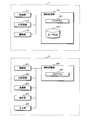
- FIG. 3 is a block diagram illustrating a configuration example of a server and a terminal.
- FIG. 4 is an explanatory diagram illustrating an example of a record layout of a user DB.
- FIG. 2 is an explanatory diagram illustrating an outline of the first embodiment.
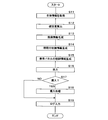
- 9 is a flowchart illustrating an example of a processing procedure executed by a server.
- FIG. 11 is an explanatory diagram illustrating an outline of a second embodiment.
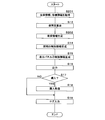
- 15 is a flowchart illustrating an example of a processing procedure executed by a server according to Embodiment 2.
- FIG. 14 is an explanatory diagram illustrating an outline of a third embodiment.
- FIG. 15 is a flowchart illustrating an example of a processing procedure executed by a server according to Embodiment 3.
- FIG. 14 is an explanatory diagram illustrating an outline of a fourth embodiment.
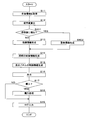
- 15 is a flowchart illustrating an example of a processing procedure executed by a server according to Embodiment 4.
- FIG. 1 is a schematic diagram illustrating a configuration example of a supplement proposal system.
- a supplement proposal system that proposes to a user to take a supplement (dietary supplement) containing reduced coenzyme Q10 according to the user's degree of fatigue will be described.
- the supplement proposal system includes an information processing device 1, a terminal 2, a control device 4, and the like. Each device is communicatively connected to a network N such as the Internet.
- the information processing apparatus 1 is an information processing apparatus capable of performing various types of information processing and information transmission and reception, such as a server apparatus and a personal computer.
- the information processing apparatus 1 is a server apparatus, and in the following description, the information processing apparatus 1 is replaced with the server 1 for simplicity.
- the server 1 acquires the biological information of the user measured by various biological sensors such as a fatigue meter 5, a wearable terminal 6, and a bed sensor 7, which will be described later, and calculates the user's fatigue level.
- the server 1 determines a recommended intake of the reduced coenzyme Q10 and the like according to the calculated degree of fatigue, and distributes (outputs) recommended information for recommending the user to take the supplement to the terminal 2.
- Coenzyme Q (coenzyme Q, CoQ) is a component widely distributed in living organisms from bacteria to mammals. In humans, coenzyme Q10, which has a repeating structure of 10 coenzyme Q side chains, is often the main component.
- Coenzyme Q10 is a physiological component that exists as a component of the mitochondrial electron transport system in cells in a living body, and plays a role as a transport component in the electron transport system by repeating oxidation and reduction in a living body.
- Coenzyme Q10 includes oxidized coenzyme Q10 and reduced coenzyme Q10, and reduced coenzyme Q10 mainly functions as an active form in the body.
- the server 1 recommends the user to take a supplement containing reduced coenzyme Q10, and supports recovery from fatigue. In this case, it may be recommended to take not only reduced coenzyme Q10 but also an anti-fatigue material such as citric acid and imidapeptide, and an antioxidant such as vitamin C and vitamin E in combination.
- the terminal 2 is a terminal device used by a user who uses the present system, and is, for example, a smartphone, a tablet terminal, a personal computer, or the like. In the present embodiment, a description will be given assuming that terminal 2 is a smartphone.
- An application program for receiving a service provided by the present system is installed in the terminal 2, and the terminal 2 performs screen display, information input, and the like according to the present system by executing the application program.
- the terminal 2 acquires and displays from the server 1 the fatigue degree calculated based on the biological information of the user and the recommended information of the supplement according to the fatigue degree, and suggests the user to take the supplement.
- the fatigue meter 5 is a sensor device for measuring the fatigue of the user, and is, for example, a measuring device that simultaneously detects an electrocardiographic waveform and a pulse wave from a fingertip of a subject (user) and measures a heart rate and a pulse rate. is there.
- the server 1 calculates the user's degree of fatigue based on the heart rate and the pulse rate measured by the fatigue meter 5.
- the wearable terminal 6 is, for example, a wristwatch-type wearable device, and measures biological information such as a user's heart rate, blood pressure, and blood sugar level, and, if necessary, environmental information such as temperature and humidity.
- the fatigue meter 5 and the wearable terminal 6 are connected to the terminal 2 by wireless communication, and transmit a measurement result to the server 1 via the terminal 2.
- the control device 4 is a device that controls various devices installed in a room where the user goes to sleep (near the place where the user goes to sleep), and is connected to the bed sensor 7, the lighting 8, the display panel 9, and the like.
- the bed sensor 7 is a pressure sensor provided on a bed (bed) on which the user sleeps, and detects biological signals related to the user's heart rate, pulse rate, body movement, respiration, and the like.
- the lighting 8 is a lighting device installed in a room where the user sleeps, and operates according to a control signal from the control device 4.
- the display panel 9 is a display device installed near the bed, and displays the degree of fatigue of the user under the control of the control device 4.
- the control device 4 is connected to the terminal 2 by wireless communication, and controls devices such as the lighting 8 and the display panel 9 according to a command from the terminal 2.
- FIG. 2 is a block diagram illustrating a configuration example of the server 1 and the terminal 2.
- the server 1 includes a control unit 11, a main storage unit 12, a communication unit 13, and an auxiliary storage unit 14.
- the control unit 11 includes an arithmetic processing device such as one or a plurality of CPUs (Central Processing Units), MPUs (Micro-Processing Units), and GPUs (Graphics Processing Units). By reading and executing, various types of information processing and control processing relating to the server 1 are performed.
- the main storage unit 12 is a temporary storage area such as an SRAM (Static Random Access Memory), a DRAM (Dynamic Random Access Memory), or a flash memory, and temporarily stores data necessary for the control unit 11 to execute arithmetic processing.
- the communication unit 13 includes a processing circuit and the like for performing processing related to communication, and transmits and receives information to and from the outside.
- the auxiliary storage unit 14 is a large-capacity memory, a hard disk, or the like, and stores the program P1 and other data necessary for the control unit 11 to execute processing.
- the auxiliary storage unit 14 stores a user DB 141.
- the user DB 141 is a database that stores daily log data relating to biometric information of each user.
- the auxiliary storage unit 14 may be an external storage device connected to the server 1. Further, the server 1 may be a multi-computer including a plurality of computers, or may be a virtual machine virtually constructed by software.
- the server 1 is not limited to the above-described configuration, and may include, for example, a reading unit that reads information stored in a portable storage medium, an input unit that receives an operation input, a display unit that displays an image, and the like. .
- the terminal 2 includes a control unit 21, a main storage unit 22, a communication unit 23, a display unit 24, an input unit 25, and an auxiliary storage unit 26.
- the control unit 21 includes one or a plurality of arithmetic processing units such as a CPU and an MPU, and reads and executes the program P2 stored in the auxiliary storage unit 26, thereby performing various information processing and control processing related to the terminal 2. And so on.
- the main storage unit 22 is a temporary storage area such as a RAM, and temporarily stores data necessary for the control unit 21 to execute arithmetic processing.
- the communication unit 23 includes an antenna for performing communication, a processing circuit, and the like, and transmits and receives information to and from the outside.
- the display unit 24 is a display device such as a liquid crystal display or an organic EL (Electro Luminescence) display, and displays an image given from the control unit 21.
- the input unit 25 is an operation interface such as a touch panel and a mechanical key, and inputs operation contents to the control unit 21.
- the auxiliary storage unit 26 is a non-volatile storage area such as a ROM (Read Only Memory), and stores a program P2 and other data necessary for the control unit 21 to execute processing.
- FIG. 3 is an explanatory diagram showing an example of a record layout of the user DB 141.
- the user DB 141 includes a user ID column, a name column, a profile column, and a log data column.
- the user ID column stores an ID for identifying each user.
- the name column stores the name of the user in association with the user ID.
- the profile column stores the profile information of the user in association with the user ID.
- the profile information is, for example, information such as the user's age, gender, medical history, and medication status, and is basic health information of the user.
- the log data string stores log data relating to the user's biological information measured by the fatigue meter 5, the wearable terminal 6, the bed sensor 7, and the like.
- the log data is, for example, data such as a heart rate, a pulse rate, body movement at bedtime, and a blood sugar level, and may be any biological information that is a basis for calculating the degree of fatigue.
- FIG. 4 is an explanatory diagram illustrating an outline of the first embodiment. An outline of the supplement proposal system will be described with reference to FIG.
- the server 1 acquires the user's biological information from a device such as the fatigue meter 5 and calculates the user's degree of fatigue based on the acquired biological information.
- the fatigue meter 5 is a device that measures a heart rate and a pulse rate from a fingertip of a user, for example.
- the server 1 evaluates the state of the user's autonomic nerve from the heart rate and pulse rate measured by the fatigue meter 5.
- the autonomic nervous system includes a sympathetic nerve which becomes active at the time of activity and a parasympathetic nerve which becomes active at night or at rest.
- the sympathetic nerves become active to regulate body temperature and heart rate, and as a result, a large amount of active oxygen is generated in nerve cells and damages the cells. This is believed to be the cause of fatigue.
- the server 1 performs a spectrum analysis on the measurement results of the heart rate and the pulse rate (accurately, the electrocardiographic waveform and the pulse wave), and obtains a low frequency band component (LF; Low Frequency) and a high frequency band component (HF; High). Frequency) is calculated, and an LF / HF value indicating the ratio between the two is calculated.
- the low-frequency band component mainly contains the sympathetic nerve component
- the high-frequency band component mainly contains the parasympathetic nerve component.
- the server 1 calculates the sum of the low frequency band component and the high frequency band component, and corrects the sum with the heart rate at the time of measurement, thereby calculating a ccvTP (Total Power) value that is an index indicating the function of the autonomic nervous function. I do.
- the server 1 evaluates (calculates) the user's fatigue level based on the calculated LF / HF value and ccvTP value. Specifically, the server 1 evaluates that the higher the LF / HF value and the lower the ccvTP value, the higher the fatigue level. That is, when the LF / HF value is high, the server 1 determines that the sympathetic nerve is working predominantly and is in an overtoned state, and calculates a high degree of fatigue. When the ccvTP value is low, the server 1 calculates a high degree of fatigue because the function of the autonomic nervous system is reduced.
- a device that measures a flicker value or a measuring device that measures a change in the concentration of red blood cells (oxyhemoglobin and reduced hemoglobin) flowing in the cerebral cortex by a near-infrared measurement method can be used.
- the flicker value can be measured using the terminal 2.
- the server 1 may acquire the measurement result of the user's biological information from the bed sensor 7 and calculate the degree of fatigue.
- the bed sensor 7 is disposed, for example, between the bed and the mat, and detects a biological signal by detecting air pressure in the air mat.
- the bed sensor 7 is a pressure sensor including, for example, a capacitor, a piezoresistive element, and the like, and detects a user's heart rate, pulse rate, body motion, and snoring (breathing).
- the server 1 evaluates the state of the autonomic nervous system of the user from the heart rate and the pulse rate measured by the bed sensor 7 using the same algorithm as the fatigue meter 5, and calculates the degree of fatigue.
- the server 1 may evaluate the sleep state such as sleep quality (sleep depth) and sleep time from the user's body movement, snoring, and the like, and calculate the degree of fatigue.
- the server 1 may acquire the measurement result of the biological information from the wearable terminal 6 worn by the user and calculate the degree of fatigue.
- the wearable terminal 6 is, for example, a wristwatch-type wearable device as illustrated in FIG. 4, and includes a user's heart rate, blood pressure, blood sugar level, respiratory rate, body temperature, sleep depth, blood oxygen concentration, number of steps, calorie consumption, and exercise intensity. And biological information such as the amount of perspiration is measured.
- a detailed description of the method for measuring various types of biological information is omitted because a known technique is used. For example, in the case of a heart rate, the wearable terminal 6 reads a pulse of the user's arm with an optical sensor and measures the heart rate.
- the wearable terminal 6 is not limited to a wristwatch-type device, and various forms such as a spectacle type, a wristband type, a ring type, an earphone type, and a type such as a pad or a sheet directly attached to the skin may be adopted. That is, the wearable terminal 6 may be any device provided with a sensor for measuring biological information of the user and a communication function, and the form of the device is not particularly limited.
- the server 1 may calculate the user's degree of fatigue using information that can be obtained from the terminal 2 such as a smartphone.
- the terminal 2 accepts input of health information such as a medical history, medication status, and subjective symptoms in addition to the user's age, gender, and the like, and registers the information in the user DB 141.
- the server 1 calculates the degree of fatigue using the registered health information.
- the terminal 2 when the terminal 2 includes an optical reading unit that reads a user's living body (fingertip) like a fingerprint sensor of a smartphone, the terminal 2 measures biological information, and the server 1 uses biological information that can be acquired from the terminal 2. May be used to calculate the degree of fatigue. That is, the terminal 2 may function as a biological sensor.
- the server 1 may use not only the biological information of the user but also, for example, environmental information on the living environment of the user, as the information on which the fatigue level of the user is calculated.
- the environmental information is, for example, information such as temperature, humidity, atmospheric pressure, discomfort index, and heat stroke index.
- the wearable terminal 6 measures the environment information
- the server 1 acquires the environment information from the wearable terminal 6, and calculates the degree of fatigue based on the biological information and the environment information.
- the server 1 may acquire environmental information from the air conditioner installed in the room where the user is located (sleeping place or the like), a thermometer, a hygrometer, or the like provided in a bed, instead of the wearable terminal 6. .
- the server 1 may acquire environment information from an API (Application Programmable Interface) service that provides environment information on the Internet.
- API Application Programmable Interface
- the source of the environmental information is not particularly limited.
- the server 1 generates recommendation information for recommending the user to take the reduced coenzyme Q10 based on the fatigue degree calculated as described above, and outputs the recommended information to the terminal 2. For example, the server 1 determines information such as a recommended intake amount and an intake frequency of the reduced coenzyme Q10 according to the degree of fatigue of the user, and determines a recommended supplement. As an example, when it is determined that the user's fatigue level is equal to or less than a predetermined threshold and the fatigue level is not so high, the recommended intake of reduced coenzyme Q10 is 100 mg / day, while the user's fatigue level is set to 100 mg / day.
- the server 1 outputs the generated recommendation information to the terminal 2 together with the information on the degree of fatigue calculated above, and recommends the supplement to the user.
- the fatigue improving agent containing reduced coenzyme Q10 recommended by the server 1 is not limited to an oral preparation (supplement), and may be, for example, one that is directly applied to the skin.
- the terminal 2 displays the degree of fatigue acquired from the server 1 and presents it to the user.
- the display mode of the fatigue level is not particularly limited, for example, it is displayed at multiple levels such as “good”, “attention”, and “attention required” according to the fatigue level calculated by the server 1.
- the terminal 2 may perform numerical display.
- the terminal 2 when displaying the fatigue level, the terminal 2 preferably compares the current user's fatigue level with the past fatigue level and displays the result. That is, the server 1 outputs to the terminal 2 a result of comparison between the fatigue level calculated from the latest biological information and the fatigue level calculated from the biological information at the time of the previous measurement, and displays the result. For example, the terminal 2 displays the current fatigue level and the previously calculated fatigue level, respectively. Further, for example, the terminal 2 may display the current fatigue level and the fatigue levels at several measurement points in the past in a time-series manner using a table, a graph, or the like. As a result, when a supplement is proposed and the user takes reduced coenzyme Q10 as described later, a comparison result before and after the ingestion is displayed, and the user can be notified of an improvement situation.
- the terminal 2 displays the degree of fatigue as described above, displays recommended information on the supplement, and suggests the user to take the supplement. Specifically, the terminal 2 displays the product name (type) of the supplement, the intake amount, the intake frequency, the dosage method, and the like, and suggests the user to purchase the supplement.
- the terminal 2 receives an input of a purchase application for the supplement on the display screen of the supplement, and transmits the purchase application to the server 1.
- the server 1 performs various processes related to the purchase of the supplement, such as settlement of the supplement price, a delivery request to the delivery company to the user's home, and the like.
- the terminal 2 accepts input of log data regarding supplement intake from a user who has consumed the supplement according to the proposal. For example, the terminal 2 accepts an input of a supplement time taken by the user, such as the intake time and the intake amount. Thereby, the server 1 accumulates log data relating to the intake of the supplement (reduced coenzyme Q10) by the user. As described above, when outputting the comparison result of the degree of fatigue at each measurement time point, the server 1 determines the timing at which the user took the supplement with reference to the log data of the supplement intake, and performs the comparison before and after the supplement intake. The result is output to the terminal 2.
- a supplement time taken by the user such as the intake time and the intake amount.
- the server 1 accumulates log data relating to the intake of the supplement (reduced coenzyme Q10) by the user.
- the server 1 determines the timing at which the user took the supplement with reference to the log data of the supplement intake, and performs the comparison before and after the supplement intake. The result is output to the terminal 2.
- the terminal 2 may receive not only log data on supplement intake but also log data on exercise and other activity histories, and store the log data in the user DB 141.
- the server 1 can comprehensively manage the user's health condition. For example, the server 1 may cause the terminal 2 to display a history of exercise and other activities input by the user so that the user can look back on his or her own life pattern. Further, for example, the server 1 may use log data relating to exercise and other activity history input by the user for calculating the degree of fatigue.
- the server 1 controls various devices installed near the user's sleeping place to perform a process of assisting recovery from fatigue.
- the server 1 controls the lighting 8 in the room where the user goes to bed and the display panel 9 installed near the bed to support recovery from fatigue.
- the server 1 determines that the user's fatigue level is equal to or higher than the predetermined threshold value and determines that the user's fatigue level is high
- the server 1 controls the light emission by the lighting 8.
- the control method of the light 8 is not particularly limited. For example, during daytime, the color is switched to daylight to suppress the secretion of melatonin, and after sunset (at bedtime), the color is switched to light bulb to improve the sleep state. Further, for example, up to 30 minutes before going to bed, the illumination color may be controlled so as to be mixed with violet light having a wavelength of 360 to 400 nm, which is known to have a myopia progression suppression effect.
- the server 1 performs display control so that the user's fatigue level is displayed on the display panel 9. For example, as shown in FIG. 4 and the like, the server 1 displays multiple levels indicating the degree of fatigue on the display panel 9 and presents the degree of fatigue to a user who sleeps on the bed.
- the server 1 generates control information for controlling the lighting 8 and the display panel 9 as described above, and outputs the control information to the terminal 2.
- the terminal 2 transfers the control information obtained from the server 1 to the control device 4, and controls each device.
- the control device 4 controls each device according to the control information.
- the server 1 may output control information by directly communicating with the control device 4 without passing through the terminal 2.
- the server 1 recommends the user to take the supplement containing the reduced coenzyme Q10 according to the degree of fatigue of the user, and supports the recovery from fatigue.
- the server 1 controls various devices installed near the sleeping place of the user to support recovery from fatigue.
- FIG. 5 is a flowchart illustrating an example of a processing procedure executed by the server 1.
- the processing executed by the server 1 will be described with reference to FIG.
- the control unit 11 of the server 1 acquires the user's biological information measured by the fatigue meter 5, the wearable terminal 6, the bed sensor 7, and the like from the terminal 2 (Step S11).
- the control unit 11 calculates the fatigue level of the user based on the acquired biological information (Step S12). Note that, as described above, the control unit 11 may acquire not only the biological information but also the environmental information and use the acquired information for calculating the degree of fatigue.
- the control unit 11 generates recommendation information for recommending the user to take the reduced coenzyme Q10 based on the calculated degree of fatigue (step S13). For example, the control unit 11 generates data such as the type of the supplement related to the reduced coenzyme Q10 recommended to the user, the intake amount, the intake frequency, the dosage method, and the like.
- the control unit 11 further generates control information for controlling the illumination color, the illuminance, and the like of the illumination 8 installed near the sleeping place of the user based on the degree of fatigue calculated in step S12 (step S14). Further, the control unit 11 generates control information for causing the display panel 9 to display the fatigue degree calculated in Step S12 (Step S15).
- the control unit 11 outputs the generated various information to the terminal 2 (Step S16). Specifically, the control unit 11 outputs and displays the fatigue degree calculated in step S12 and the recommended information generated in step S13 to the terminal 2. In this case, the control unit 11 outputs the result of comparison between the degree of fatigue calculated from the current (latest) biological information and the degree of fatigue calculated from the biological information at the past (up to the previous time) measurement, thereby providing the supplement. It is preferable to output a comparison result before and after ingestion of (reduced coenzyme Q10).
- the control unit 11 outputs control information of the lighting 8 and the display panel 9 to the terminal 2.
- the terminal 2 outputs control information to the control device 4 to control the illumination color, the illuminance, and the like of the illumination 8 and to cause the display panel 9 to display the user's degree of fatigue.
- the control unit 11 determines whether an application for purchasing a supplement has been received via the terminal 2 (step S17). When it is determined that the purchase application has been accepted (S17: YES), the control unit 11 executes a purchase process for the supplement for which the purchase has been applied (step S18). For example, the control unit 11 performs information processing relating to payment of the supplement, payment request, and the like.
- control unit 11 After executing the processing of step S18 or in the case of NO in step S17, control unit 11 accepts input of log data regarding supplement intake via terminal 2 (step S19). For example, the control unit 11 receives input of information on the intake time, intake amount, and the like of the supplement (reduced coenzyme Q10), and stores the information in the user DB 141. In step S19, the control unit 11 may receive not only log data on supplement intake but also log data on, for example, exercise and other activity histories, and store the log data in the user DB 141. The control unit 11 ends a series of processing.
- the server 1 only presents the user with the comparison result of the degree of fatigue before and after taking the supplement (reduced coenzyme Q10), but the present embodiment is not limited to this.
- the server 1 may use the comparison result to generate recommended information for the supplement, and calculate the recommended intake of the reduced coenzyme Q10 and the like from the change in the degree of fatigue before and after taking the supplement to generate the recommended information.
- the server 1 may increase the intake of the reduced coenzyme Q10 and increase the supplement if the current degree of fatigue is about the same as the previous time, despite the recommendation of the supplement last time and the user ingesting the reduced coenzyme Q10. Is recommended.
- the server 1 may not only output the fatigue degree comparison result, but also generate the recommendation information based on the fatigue degree comparison result, that is, the time-series change in the fatigue degree.
- the degree of fatigue is calculated from the measurement result of the biological information of the user, and the recommended information for recommending the ingestion of reduced coenzyme Q10 is generated and presented according to the calculated degree of fatigue. This can assist the user in recovering from fatigue.
- the first embodiment by presenting the comparison result before and after the ingestion of reduced coenzyme Q10 to the user, it is possible to notify the user of the state of improvement in fatigue.
- the first embodiment not only is it recommended to take reduced coenzyme Q10, but it is also possible to further support recovery from fatigue by controlling the illumination color, illuminance, and the like of the light 8 near the bed. it can.
- the user can easily recognize his / her own fatigue level by displaying the fatigue level on the display panel 9 installed near the sleeping place.
- FIG. 6 is an explanatory diagram illustrating an outline of the second embodiment. An outline of the present embodiment will be described with reference to FIG.
- the server 1 acquires measurement results relating to biological information such as heart rate and pulse rate from various sensors, as well as the defecation information relating to user's defecation from the terminal 2 as in the first embodiment.
- the defecation information includes, for example, information on the quality of the stool (whether the stool is soft or hard), the color, the amount, and the like.
- the server 1 evaluates the state of the intestinal microflora of the user based on the defecation information, and recommends the ingestion of lactic acid bacteria.
- the terminal 2 receives input of defecation information such as stool quality, color, and quantity from the user, and transfers the input defecation information to the server 1 as log data.
- the server 1 evaluates the state of the intestinal bacterial flora based on the transferred defecation information, and determines the type, amount, frequency, and the like of the lactic acid bacteria recommended for ingestion.
- the server 1 generates recommended information on lactic acid bacteria based on the state of the user's stool indicated by the defecation information and the user's degree of fatigue calculated from the biological information.
- the lactic acid bacteria recommended here are not particularly limited, for example, Lactobacillus (Lactobacillus), Enterococcus (Enterococcus), Lactococcus (Lactococcus), Pediococcus (Pediococcus), Leuconostoc (Leuconostoc) ), Streptococcus (Streptococcus), Bifidobacterium and the like.
- the server 1 evaluates the intestinal environment of the user by combining the defecation state and the degree of fatigue, and determines the type, intake amount, frequency, intake period, and the like of the recommended lactic acid bacteria. In that case, a combination with not only lactic acid bacteria but also dietary fiber and oligosaccharides may be recommended. Then, the server 1 specifies a supplement containing the lactic acid bacterium of the type, and generates recommendation information for recommending the supplement to the user.
- the server 1 calculates the user's fatigue level and also generates recommendation information on the reduced coenzyme Q10. Then, the server 1 outputs and displays recommended information on the reduced coenzyme Q10 and / or lactic acid bacteria to the terminal 2. That is, the server 1 presents the supplement containing the reduced coenzyme Q10 to the user according to the degree of fatigue and the state of defecation according to the degree of fatigue and defecation, and recommends the intake of various supplements.
- the server 1 accepts various supplement purchase applications from the terminal 2 in the same manner as in the first embodiment, and performs processing such as payment for the supplement purchase and a shipping request.
- the server 1 can propose supplement intake of lactic acid bacteria and the like in addition to the reduced coenzyme Q10, and can more effectively support the user's health management.
- FIG. 7 is a flowchart illustrating an example of a processing procedure executed by the server 1 according to the second embodiment.
- the control unit 11 of the server 1 acquires the user's biometric information measured by the fatigue meter 5 and the like, and acquires the defecation information relating to the user's defecation from the terminal 2 (step S201).
- the terminal 2 receives input of defecation information
- the server 1 acquires defecation information from the terminal 2.
- the bowel movement information is, for example, information on the quality, color, quantity, etc. of bowel movement, and is information that is referred to when evaluating the intestinal environment of the user.
- the control unit 11 After calculating the user's fatigue level based on the biological information (step S12), the control unit 11 determines the reduced coenzyme Q10 and / or based on the fatigue level calculated in step S12 and the defecation information acquired in step S201. Alternatively, recommendation information for recommending the intake of lactic acid bacteria to the user is generated (step S202). For example, the control unit 11 calculates the type, amount, frequency of intake, and the like of the lactic acid bacteria recommended to be taken by the user by combining the degree of fatigue and the defecation information, and generates recommended information that proposes a specific supplement. The control unit 11 shifts the processing to step S14.
- FIG. 8 is an explanatory diagram illustrating an outline of the third embodiment. An outline of the present embodiment will be described with reference to FIG.
- the server 1 provides recommended information of the reduced coenzyme Q10 using test information indicating the result of testing a biological sample collected from the user's living body, in addition to the biological information measured by the user himself using the fatigue meter 5 or the like. Generate.
- the biological sample is, for example, saliva, blood, or the like of the user. Note that another sample such as urine may be used as the biological sample.
- the user registers (inputs) the test information of his / her biological sample using the terminal 2 and manages the information using a cloud server (not shown).
- the test information includes, for example, the content of components such as hormones, vitamins, and amino acids in the biological sample, the content of coenzyme Q10, the content of coenzyme Q10 between reduced coenzyme Q10 and oxidized coenzyme Q10, and ATP ( Adenosine triphosphate (adenosine triphosphate) concentration measurement results are included.
- the server 1 acquires test information of a biological sample of a user from the cloud server.
- the server 1 evaluates the energy metabolic activity of mitochondria distributed in the living cells of the user from the measurement result of the ATP concentration, and determines the recommended intake of reduced coenzyme Q10 and the like.
- ATP is a substance serving as an energy source of living organisms, and is synthesized by mitochondria in living organisms.
- the server 1 evaluates mitochondrial activity according to the ATP concentration.
- the method for measuring the ATP concentration is not particularly limited. For example, a measurement with a fluorescence microscope using a fluorescent protein probe can be considered.
- the data used for the measurement of mitochondrial activity is not limited to the ATP concentration.
- a measurement result of a mitochondrial membrane potential may be used instead of or in addition to the ATP concentration.
- coenzyme Q10 is a component existing as a component of the electron transport system of mitochondria, and a supplement containing reduced coenzyme Q10 mainly activates mitochondria to improve energy production capacity (energy metabolic activity). Taken for the purpose of causing. Therefore, the server 1 determines the recommended intake of the reduced coenzyme Q10 and the like based on the measurement results of the ATP concentration, the mitochondrial membrane potential and the like in addition to the degree of fatigue calculated in the same manner as in the first embodiment, and provides the user with it. Suggest supplements. For example, when the server 1 determines that the ATP concentration is low and the activity of mitochondria is not active, the server 1 calculates a large intake of reduced coenzyme Q10 and presents it to the user.
- the server 1 may generate recommendation information of the reduced coenzyme Q10 using not only the results of mitochondrial activity measurement but also other test information. For example, the server 1 determines the necessity of ingestion of the reduced coenzyme Q10 from the content of the coenzyme Q10 in the user's living body measured from the biological sample or the content ratio of the oxidized coenzyme Q10 and the reduced coenzyme Q10. , The recommended intake, etc. may be calculated. The server 1 may calculate the recommended intake of reduced coenzyme Q10 and the like according to the content of other biological components such as hormones, vitamins and amino acids, the content ratio of each component, and the like.
- the server 1 generates the recommended information on the ingestion of the reduced coenzyme Q10 based on the test information of the biological sample collected from the living body of the user.
- the server 1 evaluates the activity of mitochondria in the body from the ATP concentration, mitochondrial membrane potential, etc., and determines the recommended intake of reduced coenzyme Q10 based on the activity to more appropriately support the health of the user. Can be.
- FIG. 9 is a flowchart illustrating an example of a processing procedure executed by the server 1 according to the third embodiment.
- the control unit 11 of the server 1 executes the following processing.
- the control unit 11 acquires inspection information indicating a result of inspecting a biological sample collected from a living body of the user (Step S301).
- the control unit 11 acquires test information from a cloud server that stores test results such as blood and saliva of the user.
- the test information includes information capable of quantitatively evaluating mitochondrial activity, such as a measurement result of an ATP concentration in a somatic cell using a fluorescent protein probe or a measurement result of a mitochondrial membrane potential.
- the control unit 11 shifts the processing to step S12.
- the control unit 11 After calculating the fatigue level of the user from the biological information (step S12), the control unit 11 determines whether the user has taken the reduced coenzyme Q10 based on the fatigue level calculated in step S12 and the test information obtained in step S301. Is generated (step S302). That is, the control unit 11 calculates the recommended intake amount of the reduced coenzyme Q10 and the like by referring to not only the degree of fatigue calculated from the state of the user's autonomic nervous system and sleep, but also various test results including the measurement results of mitochondrial activity. Determine recommended supplements. The control unit 11 shifts the processing to step S14.
- the intake of reduced coenzyme Q10 is recommended based on the test results of the biological sample.
- the intake of lactic acid bacteria may be recommended.
- test results of a biological sample referred to when generating recommended information on lactic acid bacteria include a blood glucose level, a neutral fat level, and a blood interferon ⁇ concentration.
- the server 1 takes LAB4 lactic acid bacteria (Lactobacillus lu delbrueckii LAB4) ingestion according to the blood sugar level, R-037 lactic acid bacteria (P. acidilactici R-037) in accordance with the triglyceride level, and changes the blood interferon ⁇ concentration.
- the server 1 may recommend the intake of lactic acid bacteria according to the test result of the biological sample.
- the third embodiment not only the measurement result (biological information) of the fatigue meter 5 and the like but also the test result (test information) of the user's biological sample is used to improve the health condition of the user. It is possible to generate and present recommended information of reduced coenzyme Q10 (and / or lactic acid bacteria) by grasping in detail.
- reduced coenzyme Q10 ingestion is generated by generating recommended information from the results of mitochondrial activity measurement, such as ATP concentration measurement results, mitochondrial membrane potential measurement results, and the like. Can be more accurately recommended.
- FIG. 10 is an explanatory diagram illustrating an outline of the fourth embodiment.
- FIG. 10 conceptually illustrates a case where the user's fatigue level, which was high before the supplement was ingested, was reduced by the supplement ingestion, but the user's fatigue level increased again after the ingestion.
- the user may stop taking the supplement because the degree of fatigue temporarily decreased due to taking the supplement.
- the server 1 not only suggests taking the supplement but also outputs predetermined warning information to the terminal 2 or the display panel 9.
- the server 1 causes the terminal 2 to display an alert indicating that fatigue is accumulated again.
- the alert display is a screen display in which the necessity of taking the supplement is emphasized more than the screen display when the supplement is proposed in the first embodiment, and is, for example, a display of a predetermined warning text (text), a highlight, or the like.
- the server 1 may cause the display panel 9 to display a similar alert to warn the user.
- the server 1 generates warning information indicating that fatigue has accumulated again and strongly recommends re-ingestion of the supplement.
- the server 1 outputs warning information to the terminal 2, the display panel 9, or the like to warn the user. Thereby, it is possible to prompt the user to take the reduced coenzyme Q10 again at an appropriate timing and in an appropriate manner.
- FIG. 11 is a flowchart illustrating an example of a processing procedure executed by the server 1 according to the fourth embodiment.
- the control unit 11 of the server 1 executes the following processing.
- the control unit 11 determines whether the user has already ingested the reduced coenzyme Q10 and the degree of fatigue after ingestion tends to increase (step S401). In the case of NO at step S401, control unit 11 shifts the processing to step S13.
- control unit 11 When it is determined that the degree of fatigue is increasing after ingestion (S401: YES), the control unit 11 generates warning information that warns the user that the degree of fatigue is increasing (step S402). Specifically, the control unit 11 generates information indicating that fatigue has accumulated again and re-recommends the intake of the supplement related to the reduced coenzyme Q10. The control unit 11 shifts the processing to step S14.
Landscapes
- Health & Medical Sciences (AREA)
- Engineering & Computer Science (AREA)
- Life Sciences & Earth Sciences (AREA)
- Public Health (AREA)
- Medical Informatics (AREA)
- General Health & Medical Sciences (AREA)
- Biomedical Technology (AREA)
- Pathology (AREA)
- Heart & Thoracic Surgery (AREA)
- Developmental Disabilities (AREA)
- Social Psychology (AREA)
- Biophysics (AREA)
- Psychology (AREA)
- Psychiatry (AREA)
- Hospice & Palliative Care (AREA)
- Educational Technology (AREA)
- Molecular Biology (AREA)
- Surgery (AREA)
- Animal Behavior & Ethology (AREA)
- Physics & Mathematics (AREA)
- Child & Adolescent Psychology (AREA)
- Veterinary Medicine (AREA)
- Data Mining & Analysis (AREA)
- Databases & Information Systems (AREA)
- Epidemiology (AREA)
- Primary Health Care (AREA)
- Medical Treatment And Welfare Office Work (AREA)
- Measurement Of The Respiration, Hearing Ability, Form, And Blood Characteristics Of Living Organisms (AREA)
- Measuring And Recording Apparatus For Diagnosis (AREA)
Abstract
ユーザの疲労回復を支援することができる情報処理方法等を提供する。 情報処理方法は、ユーザの生体情報を計測する生体センサから前記生体情報を取得し、前記生体情報に基づいて前記ユーザの疲労度を算出し、前記疲労度に基づき、前記ユーザに還元型コエンザイムQ10の摂取を推奨する推奨情報を前記ユーザの端末装置(2)に出力する処理をコンピュータに実行させることを特徴とする。還元型コエンザイムQ10の摂取を推奨することで、ユーザの疲労回復を支援する。
Description
本発明は、情報処理方法、プログラム及び情報処理装置に関する。
人間の生体情報を計測し、計測された生体情報に応じて健康上有益な情報を提示する種々の手法が提案されている。例えば特許文献1では、ユーザの疲労度、心拍数、体温等の生体情報を取得し、取得した生体情報から所定時間後のユーザの生体情報を予測して、予測結果に応じて睡眠、運動、食事等に関する提案を行うプログラム等が開示されている。
しかしながら、特許文献1では健康上有益な情報をユーザに提案する旨が記載されているのみで、特にユーザの疲労回復を支援するに至っていない。
一つの側面では、ユーザの疲労回復を支援することができる情報処理方法等を提供することを目的とする。
一つの側面では、情報処理装置は、ユーザの生体情報を計測する生体センサから前記生体情報を取得し、前記生体情報に基づいて前記ユーザの疲労度を算出し、前記疲労度に基づき、前記ユーザに還元型コエンザイムQ10の摂取を推奨する推奨情報を前記ユーザの端末装置に出力する処理をコンピュータに実行させることを特徴とする。
一つの側面では、ユーザの疲労回復を支援することができる。
以下、本発明をその実施の形態を示す図面に基づいて詳述する。
(実施の形態1)
図1は、サプリメント提案システムの構成例を示す模式図である。本実施の形態では、ユーザの疲労度に応じて還元型コエンザイムQ10を含有するサプリメント(栄養補助食品)を摂取するようユーザに提案するサプリメント提案システムについて説明する。サプリメント提案システムは、情報処理装置1、端末2、制御装置4等を含む。各装置は、インターネット等のネットワークNに通信接続されている。
(実施の形態1)
図1は、サプリメント提案システムの構成例を示す模式図である。本実施の形態では、ユーザの疲労度に応じて還元型コエンザイムQ10を含有するサプリメント(栄養補助食品)を摂取するようユーザに提案するサプリメント提案システムについて説明する。サプリメント提案システムは、情報処理装置1、端末2、制御装置4等を含む。各装置は、インターネット等のネットワークNに通信接続されている。
情報処理装置1は、種々の情報処理、情報の送受信が可能な情報処理装置であり、例えばサーバ装置、パーソナルコンピュータ等である。本実施の形態では情報処理装置1がサーバ装置であるものとし、以下の説明では簡潔のためサーバ1と読み替える。サーバ1は、後述の疲労計5、ウェアラブル端末6、ベッドセンサ7といった種々の生体センサで計測されたユーザの生体情報を取得し、ユーザの疲労度を算出する。サーバ1は、算出した疲労度に応じて還元型コエンザイムQ10の推奨摂取量等を定め、サプリメントの摂取をユーザに推奨する推奨情報を端末2に配信(出力)する。
コエンザイムQ(補酵素Q、CoQ)は細菌から哺乳類に至るまで広く生体に分布する成分であり、人間ではコエンザイムQの側鎖が10個の繰り返し構造を持つ、コエンザイムQ10が主成分であることが知られている。コエンザイムQ10は生体内の細胞中におけるミトコンドリアの電子伝達系構成成分として存在する生理学的成分であり、生体内において酸化及び還元を繰り返すことで電子伝達系における伝達成分としての機能を担っている。コエンザイムQ10には、酸化型コエンザイムQ10と還元型コエンザイムQ10とが存在するが、体内では主として還元型コエンザイムQ10が活性型として機能している。酸化型コエンザイムQ10を摂取した場合でも、体内で還元型コエンザイムQ10に還元されるため一定の効果は期待できるが、例えば国際公開WO2004/066988号にあるように、特に還元型コエンザイムQ10の直接摂取が、疲労回復により効果的であることが知られている。本実施の形態でサーバ1は、還元型コエンザイムQ10を含有するサプリメントの摂取をユーザに推奨し、疲労回復を支援する。なお、この場合、還元型コエンザイムQ10だけでなく、クエン酸、イミダペプチドなどの抗疲労素材や、ビタミンC、ビタミンEなどの抗酸化物資を組み合わせて摂取することを推奨しても良い。
端末2は、本システムを利用するユーザが使用する端末装置であり、例えばスマートフォン、タブレット端末、パーソナルコンピュータ等である。本実施の形態では端末2がスマートフォンであるものとして説明する。端末2には本システムによるサービスを受けるためのアプリケーションプログラムがインストールされており、端末2は当該アプリケーションプログラムを実行することで、本システムに係る画面表示、情報入力等を行う。端末2は、ユーザの生体情報に基づき算出された疲労度、及び疲労度に応じたサプリメントの推奨情報をサーバ1から取得、表示し、ユーザにサプリメントの摂取を提案する。
疲労計5は、ユーザの疲労を計測するためのセンサデバイスであり、例えば被検者(ユーザ)の指先から心電波形及び脈波を同時に検出し、心拍数及び脈拍数を計測する計測装置である。疲労計5が計測した心拍数及び脈拍数に基づき、サーバ1がユーザの疲労度を算出する。ウェアラブル端末6は、例えば腕時計型のウェアラブルデバイスであり、ユーザの心拍数、血圧、血糖値等の生体情報や、必要に応じて気温、湿度などの環境情報を計測する。例えば疲労計5及びウェアラブル端末6は端末2に無線通信で接続されており、端末2を介して計測結果をサーバ1に送信する。
制御装置4は、ユーザが就寝する部屋(就寝場所付近)に設置された各種機器を制御する装置であり、ベッドセンサ7、照明8、表示パネル9等に接続されている。ベッドセンサ7は、ユーザが就寝するベッド(寝床)に設けられた圧力センサであり、ユーザの心拍数、脈拍数、体動、呼吸等に係る生体信号を検出する。照明8は、ユーザが就寝する部屋に設置の照明装置であり、制御装置4からの制御信号に従って動作する。表示パネル9は、ベッド付近に設置された表示装置であり、制御装置4からの制御に従い、ユーザの疲労度を表示する。例えば制御装置4は、無線通信によって端末2に接続され、端末2からの指令に従って照明8、表示パネル9等の装置を制御する。
図2は、サーバ1及び端末2の構成例を示すブロック図である。サーバ1は、制御部11、主記憶部12、通信部13、補助記憶部14を備える。
制御部11は、一又は複数のCPU(Central Processing Unit)、MPU(Micro-Processing Unit)、GPU(Graphics Processing Unit)等の演算処理装置を有し、補助記憶部14に記憶されたプログラムP1を読み出して実行することにより、サーバ1に係る種々の情報処理、制御処理等を行う。主記憶部12は、SRAM(Static Random Access Memory)、DRAM(Dynamic Random Access Memory)、フラッシュメモリ等の一時記憶領域であり、制御部11が演算処理を実行するために必要なデータを一時的に記憶する。通信部13は、通信に関する処理を行うための処理回路等を含み、外部と情報の送受信を行う。
制御部11は、一又は複数のCPU(Central Processing Unit)、MPU(Micro-Processing Unit)、GPU(Graphics Processing Unit)等の演算処理装置を有し、補助記憶部14に記憶されたプログラムP1を読み出して実行することにより、サーバ1に係る種々の情報処理、制御処理等を行う。主記憶部12は、SRAM(Static Random Access Memory)、DRAM(Dynamic Random Access Memory)、フラッシュメモリ等の一時記憶領域であり、制御部11が演算処理を実行するために必要なデータを一時的に記憶する。通信部13は、通信に関する処理を行うための処理回路等を含み、外部と情報の送受信を行う。
補助記憶部14は大容量メモリ、ハードディスク等であり、制御部11が処理を実行するために必要なプログラムP1、その他のデータを記憶している。また、補助記憶部14は、ユーザDB141を記憶している。ユーザDB141は、各ユーザの生体情報に関する日々のログデータを格納するデータベースである。
なお、補助記憶部14はサーバ1に接続された外部記憶装置であってもよい。また、サーバ1は複数のコンピュータからなるマルチコンピュータであってもよく、ソフトウェアによって仮想的に構築された仮想マシンであってもよい。
また、本実施の形態においてサーバ1は上記の構成に限られず、例えば可搬型記憶媒体に記憶された情報を読み取る読取部、操作入力を受け付ける入力部、画像を表示する表示部等を含んでもよい。
端末2は、制御部21、主記憶部22、通信部23、表示部24、入力部25、補助記憶部26を備える。
制御部21は、一又は複数のCPU、MPU等の演算処理装置を有し、補助記憶部26に記憶されたプログラムP2を読み出して実行することにより、端末2に係る種々の情報処理、制御処理等を行う。主記憶部22は、RAM等の一時記憶領域であり、制御部21が演算処理を実行するために必要なデータを一時的に記憶する。通信部23は、通信を行うためのアンテナ、処理回路等を含み、外部と情報の送受信を行う。表示部24は、液晶ディスプレイ、有機EL(Electro Luminescence)ディスプレイ等の表示装置であり、制御部21から与えられた画像を表示する。入力部25は、タッチパネル、メカニカルキー等の操作インターフェイスであり、操作内容を制御部21に入力する。補助記憶部26はROM(Read Only Memory)等の不揮発性記憶領域であり、制御部21が処理を実行するために必要なプログラムP2、その他のデータを記憶している。
制御部21は、一又は複数のCPU、MPU等の演算処理装置を有し、補助記憶部26に記憶されたプログラムP2を読み出して実行することにより、端末2に係る種々の情報処理、制御処理等を行う。主記憶部22は、RAM等の一時記憶領域であり、制御部21が演算処理を実行するために必要なデータを一時的に記憶する。通信部23は、通信を行うためのアンテナ、処理回路等を含み、外部と情報の送受信を行う。表示部24は、液晶ディスプレイ、有機EL(Electro Luminescence)ディスプレイ等の表示装置であり、制御部21から与えられた画像を表示する。入力部25は、タッチパネル、メカニカルキー等の操作インターフェイスであり、操作内容を制御部21に入力する。補助記憶部26はROM(Read Only Memory)等の不揮発性記憶領域であり、制御部21が処理を実行するために必要なプログラムP2、その他のデータを記憶している。
図3は、ユーザDB141のレコードレイアウトの一例を示す説明図である。ユーザDB141は、ユーザID列、氏名列、プロフィール列、ログデータ列を含む。ユーザID列は、各ユーザを識別するためのIDを記憶している。氏名列は、ユーザIDと対応付けて、ユーザの氏名を記憶している。プロフィール列は、ユーザIDと対応付けて、ユーザのプロフィール情報を記憶している。プロフィール情報は、例えばユーザの年齢、性別、既往歴、服薬状況といった情報であり、ユーザの基本的な健康情報である。ログデータ列は、疲労計5、ウェアラブル端末6、ベッドセンサ7等で計測したユーザの生体情報に関するログデータを記憶している。ログデータは、例えば心拍数、脈拍数、就寝時の体動、血糖値といったデータであるが、疲労度算出の基礎となる生体情報であればよい。
図4は、実施の形態1の概要を示す説明図である。図4に基づき、サプリメント提案システムの概要について説明する。
上述の如く、サーバ1は疲労計5等のデバイスからユーザの生体情報を取得し、取得した生体情報に基づいてユーザの疲労度を算出する。
上述の如く、サーバ1は疲労計5等のデバイスからユーザの生体情報を取得し、取得した生体情報に基づいてユーザの疲労度を算出する。
疲労計5は、例えばユーザの指先から心拍数及び脈拍数を計測するデバイスである。サーバ1は、疲労計5で計測された心拍数及び脈拍数から、ユーザの自律神経の状態を評価する。一般的に知られているように、自律神経には、活動時に活発になる交感神経と、夜間や安静時に活発になる副交感神経とがある。運動時には体温や心拍の調整をするために交感神経が活発となり、その結果、神経細胞内に活性酸素が大量に発生し細胞にダメージを与える。これが疲労の原因だと考えられている。
例えばサーバ1は、心拍数及び脈拍数の計測結果(正確には心電波形及び脈波)に対してスペクトル解析を行い、低周波帯域成分(LF;Low Frequency)と高周波帯域成分(HF;High Frequency)とを抽出して、両者の比率を示すLF/HF値を算出する。低周波帯域成分には主に交感神経成分が、高周波帯域成分には主に副交感神経成分が含まれ、LF/HF値を算出することで交感神経及び副交感神経のバランスを評価することができる。また、サーバ1は低周波帯域成分と高周波帯域成分との総和を取り、総和を計測時の心拍数で補正することで、自律神経機能の働きを示す指標であるccvTP(Total Power)値を算出する。
サーバ1は、算出したLF/HF値及びccvTP値に基づき、ユーザの疲労度を評価(算出)する。具体的には、サーバ1は、LF/HF値が高く、かつ、ccvTP値が低いほど疲労度が高いものと評価する。すなわちサーバ1は、LF/HF値が高い場合、交感神経が優位に働いていて過緊張状態であるものと判定し、疲労度を高く算出する。また、サーバ1は、ccvTP値が低い場合、自律神経の機能が低下していることから疲労度を高く算出する。
また、疲労計5として、例えばフリッカー値を測定するものや、近赤外線計測法により大脳皮質を流れる赤血球(酸化ヘモグロビン及び還元ヘモグロビン)の濃度変化を測定するような計測装置を使用することも出来る。なおフリッカー値については端末2を用いての計測も可能である。
また、疲労計5として、例えばフリッカー値を測定するものや、近赤外線計測法により大脳皮質を流れる赤血球(酸化ヘモグロビン及び還元ヘモグロビン)の濃度変化を測定するような計測装置を使用することも出来る。なおフリッカー値については端末2を用いての計測も可能である。
また、サーバ1は、ベッドセンサ7からユーザの生体情報の計測結果を取得し、疲労度を算出してもよい。ベッドセンサ7は、例えばベッドの床とマットとの間に配置され、エアマット内の空気圧を検知することにより生体信号を検出する。ベッドセンサ7は、例えばコンデンサ、ピエゾ抵抗素子等を備えた圧力センサであり、ユーザの心拍数、脈拍数、体動、いびき(呼吸)といった動作を検知する。
例えばサーバ1は、ベッドセンサ7で計測された心拍数及び脈拍数から、上記の疲労計5と同様のアルゴリズムでユーザの自律神経の状態を評価し、疲労度を算出する。あるいはサーバ1は、ユーザの体動、いびき等から睡眠の質(睡眠深度)、睡眠時間などの睡眠状態を評価し、疲労度を算出してもよい。
また、サーバ1は、ユーザが装着するウェアラブル端末6から生体情報の計測結果を取得し、疲労度を算出してもよい。ウェアラブル端末6は、例えば図4に示すように腕時計型のウェアラブルデバイスであり、ユーザの心拍数、血圧、血糖値、呼吸数、体温、睡眠深度、血中酸素濃度、歩数、消費カロリー、運動強度、発汗量等の生体情報を計測する。各種生体情報の計測方法は公知の技術を用いるため詳細な説明は省略するが、例えば心拍数の場合、ウェアラブル端末6は光学式センサによってユーザの腕の脈を読み取り、心拍数を計測する。
なお、ウェアラブル端末6は腕時計型のデバイスに限定されず、例えば眼鏡型、リストバンド型、指輪型、イヤホン型や、パットやシートなど皮膚に直接貼り付けるタイプなど、種々の形態が採用され得る。すなわちウェアラブル端末6は、ユーザの生体情報を計測するセンサと通信機能とを備えたデバイスであればよく、デバイスの形態は特に限定されない。
また、サーバ1は、スマートフォン等である端末2から取得可能な情報も用いてユーザの疲労度を算出してもよい。例えば端末2は、ユーザの年齢、性別等のほかに、既往歴、服薬状況、自覚症状などの健康情報の入力を受け付け、ユーザDB141に登録する。サーバ1は、登録された健康情報を用いて疲労度を算出する。
あるいは、スマートフォンの指紋センサのようにユーザの生体(指先)を読み取る光学的読取手段を端末2が備える場合、端末2が生体情報を計測し、サーバ1は端末2から取得可能な生体情報を用いて疲労度を算出してもよい。すなわち、端末2が生体センサとして機能してもよい。
また、サーバ1は、ユーザの疲労度算出の基礎とする情報として、ユーザの生体情報だけではなく、例えばユーザの生活環境に関する環境情報を用いてもよい。環境情報は、例えば気温、湿度、気圧、不快指数、熱中症指数といった情報である。例えばウェアラブル端末6がこれらの環境情報を計測し、サーバ1はウェアラブル端末6から環境情報を取得して、生体情報及び環境情報に基づき疲労度を算出する。
なお、サーバ1はウェアラブル端末6ではなく、例えばユーザが居る部屋(就寝場所等)に設置されたエア・コンディショナや、ベッドに備え付けられる気温計、湿度計等から環境情報を取得してもよい。あるいは、サーバ1はインターネット上で環境情報を提供するAPI(Application Programmable Interface)サービスから環境情報を取得してもよい。このように、環境情報の取得元は特に限定されない。
サーバ1は、上述の如く算出した疲労度に基づき、ユーザに還元型コエンザイムQ10の摂取を推奨する推奨情報を生成し、端末2に出力する。例えばサーバ1は、ユーザの疲労度に応じて還元型コエンザイムQ10の推奨摂取量、摂取頻度等の情報を定め、推奨するサプリメントを決定する。一例として、ユーザの疲労度が所定の閾値以下であり、疲労度がそれほど高くないと判定した場合は、還元型コエンザイムQ10の推奨摂取量として100mg/日となるように、一方、ユーザの疲労度が所定の閾値以上であり、疲労度が高いと判定した場合は、還元型コエンザイムQ10の推奨摂取量としてより多い100mg~250mg/日となるように提案することも出来る。なお、推奨するサプリメントはカプセル剤、粉末剤、顆粒剤、ドリンク剤など、種々の形態が含まれ得るが、その形態は特に限定されない。サーバ1は、上記で算出した疲労度に関する情報と共に、生成した推奨情報を端末2に出力し、サプリメントをユーザに推奨する。
なお、サーバ1が推奨する還元型コエンザイムQ10を含有した疲労改善剤は経口剤(サプリメント)に限定されず、例えば皮膚に直接塗布するものであってもよい。
端末2は、サーバ1から取得した疲労度を表示し、ユーザに提示する。疲労度の表示態様は特に限定されないが、例えばサーバ1で算出された疲労度に応じて「良好」、「注意」、「要注意」といった多段階のレベルで表示する。あるいは、端末2は数値表示を行ってもよい。
また、疲労度を表示する場合、端末2は、現在のユーザの疲労度と、過去の疲労度とを比較して結果を表示すると好適である。すなわちサーバ1は、最新の生体情報から算出された疲労度と、前回までの計測時点での生体情報から算出済みの疲労度との比較結果を端末2に出力し、表示させる。例えば端末2は、現在の疲労度と前回算出した疲労度とをそれぞれ表示する。また、例えば端末2は、現在の疲労度と、過去数回の計測時点での疲労度とを表、グラフ等により時系列的に表示してもよい。これにより、後述するようにサプリメントを提案してユーザが還元型コエンザイムQ10を摂取した場合に、摂取の前後に亘る比較結果を表示し、ユーザに改善状況を通知することができる。
端末2は、上述の如く疲労度を表示すると共に、サプリメントに関する推奨情報を表示し、サプリメントの摂取をユーザに提案する。具体的には、端末2はサプリメントの商品名(種類)、摂取量、摂取頻度、服用法等を表示し、サプリメントの購入をユーザに提案する。端末2は、サプリメントの表示画面上で当該サプリメントの購入申込の入力を受け付け、サーバ1に購入申込を送信する。購入申込を取得した場合、サーバ1は、サプリメントの代金の決済、配送業者に対するユーザ自宅への発送依頼等のように、サプリメントの購入に関する種々の処理を行う。
推奨情報の提案後、端末2は、提案に従ってサプリメントを摂取したユーザから、サプリメント摂取に関するログデータの入力を受け付ける。例えば端末2は、ユーザが摂取したサプリメントの摂取時間、摂取量等の入力を受け付ける。これによりサーバ1は、ユーザによるサプリメント(還元型コエンザイムQ10)の摂取に関するログデータを蓄積する。上述の如く、各計測時点での疲労度の比較結果を出力する場合、サーバ1は、サプリメント摂取のログデータを参照してユーザがサプリメントを摂取したタイミングを判別し、サプリメント摂取の前後に亘る比較結果を端末2に出力する。
なお、端末2はサプリメント摂取に関するログデータだけでなく、運動その他の活動履歴についてログデータの入力を受け付け、ユーザDB141に保存するようにしてもよい。これにより、サーバ1はユーザの健康状態を総合的に管理することができる。例えばサーバ1は、ユーザが入力した運動その他の活動履歴を端末2に表示させ、自らの生活パターンを振り返ることができるようにしてもよい。また、例えばサーバ1は、ユーザが入力した運動その他の活動履歴に関するログデータを疲労度算出に用いてもよい。
また、サーバ1は、疲労計5等での計測結果から算出した疲労度に基づき、ユーザの就寝場所付近に設置された種々の装置を制御して疲労回復を支援する処理を行う。本実施の形態では、サーバ1はユーザが就寝する部屋の照明8、及びベッド付近に設置された表示パネル9を制御し、疲労回復を支援する。
例えばサーバ1は、ユーザの疲労度が所定の閾値以上であり、疲労度が高いと判定した場合、照明8による発光を制御する。照明8の制御手法は特に限定されないが、例えば日中は昼光色に切り替えてメラトニンの分泌抑制を図り、日没後(就寝時)は電球色に切り替えて睡眠状態の改善を図る。また、例えば就寝30分前までは、近視進行抑制効果が知られる波長360~400nmのバイオレット光を混合させた照明色とするよう制御してもよい。
また、サーバ1は、表示パネル9にユーザの疲労度を表示させるように表示制御を行う。例えば図4等に示すように、サーバ1は疲労度を表す多段階のレベルを表示パネル9に表示させ、ベッドに就寝するユーザに疲労度を提示する。
サーバ1は、上述の如く照明8及び表示パネル9を制御するための制御情報を生成し、端末2に出力する。端末2は、サーバ1から取得した制御情報を制御装置4に転送し、各装置を制御させる。制御装置4は制御情報に従い、各装置を制御する。
なお、サーバ1は端末2を介さず、制御装置4と直接通信を行って制御情報を出力してもよいことは勿論である。
以上より、サーバ1はユーザの疲労度に応じて還元型コエンザイムQ10を含有するサプリメントの摂取をユーザに推奨し、疲労回復を支援する。また、サーバ1はユーザの就寝場所付近に設置の各種装置を制御して、疲労回復を支援する。
図5は、サーバ1が実行する処理手順の一例を示すフローチャートである。図5に基づき、サーバ1が実行する処理内容について説明する。
サーバ1の制御部11は、疲労計5、ウェアラブル端末6、ベッドセンサ7等で計測されたユーザの生体情報を端末2から取得する(ステップS11)。制御部11は、取得した生体情報に基づき、ユーザの疲労度を算出する(ステップS12)。なお、上述の如く、制御部11は生体情報だけでなく環境情報を取得し、疲労度算出に用いてもよい。制御部11は、算出した疲労度に基づき、ユーザに還元型コエンザイムQ10の摂取を推奨する推奨情報を生成する(ステップS13)。例えば制御部11は、ユーザに推奨する還元型コエンザイムQ10に係るサプリメントの種類、摂取量、摂取頻度、服用法等のデータを生成する。
サーバ1の制御部11は、疲労計5、ウェアラブル端末6、ベッドセンサ7等で計測されたユーザの生体情報を端末2から取得する(ステップS11)。制御部11は、取得した生体情報に基づき、ユーザの疲労度を算出する(ステップS12)。なお、上述の如く、制御部11は生体情報だけでなく環境情報を取得し、疲労度算出に用いてもよい。制御部11は、算出した疲労度に基づき、ユーザに還元型コエンザイムQ10の摂取を推奨する推奨情報を生成する(ステップS13)。例えば制御部11は、ユーザに推奨する還元型コエンザイムQ10に係るサプリメントの種類、摂取量、摂取頻度、服用法等のデータを生成する。
制御部11はさらに、ステップS12で算出した疲労度に基づき、ユーザの就寝場所付近に設置された照明8の照明色、照度等を制御する制御情報を生成する(ステップS14)。また、制御部11は、ステップS12で算出した疲労度を表示パネル9に表示させる制御情報を生成する(ステップS15)。
制御部11は、生成した各種情報を端末2に出力する(ステップS16)。具体的には、制御部11は、ステップS12で算出した疲労度と、ステップS13で生成した推奨情報とを端末2に出力し、表示させる。この場合に制御部11は、現在(最新)の生体情報から算出した疲労度と、過去(前回まで)の計測時点での生体情報から算出した疲労度との比較結果を出力することで、サプリメント(還元型コエンザイムQ10)の摂取の前後に亘る比較結果を出力すると好適である。また、制御部11は、照明8の制御情報と、表示パネル9とを端末2に出力する。端末2は制御情報を制御装置4に出力し、照明8の照明色、照度等を制御すると共に、表示パネル9にユーザの疲労度を表示させる。
制御部11は、端末2を介してサプリメント購入の申込を受け付けたか否かを判定する(ステップS17)。購入申込を受け付けたと判定した場合(S17:YES)、制御部11は、購入を申し込まれたサプリメントに関する購入処理を実行する(ステップS18)。例えば制御部11は、当該サプリメントの代金の決済、発送依頼等に関する情報処理を行う。
ステップS18の処理を実行後、又はステップS17でNOの場合、制御部11は、端末2を介して、サプリメント摂取に関するログデータの入力を受け付ける(ステップS19)。例えば制御部11は、サプリメント(還元型コエンザイムQ10)の摂取時間、摂取量等に関する情報の入力を受け付け、ユーザDB141に記憶する。なお、ステップS19において制御部11は、サプリメント摂取に関するログデータだけでなく、例えば運動その他の活動履歴に関するログデータの入力を受け付け、ユーザDB141に記憶するようにしてもよい。制御部11は一連の処理を終了する。
なお、上記ではサーバ1がサプリメント(還元型コエンザイムQ10)の摂取の前後に亘る疲労度の比較結果をユーザに提示するのみであったが、本実施の形態はこれに限定されるものではない。例えばサーバ1は、比較結果をサプリメントの推奨情報生成に用い、サプリメントの摂取の前後に亘る疲労度の変化から還元型コエンザイムQ10の推奨摂取量等を算定して推奨情報を生成してもよい。例えばサーバ1は、前回サプリメントを推奨してユーザが還元型コエンザイムQ10を摂取したにも関わらず、現在の疲労度が前回と同程度である場合、還元型コエンザイムQ10の摂取量を増量してサプリメントを推奨する。このように、サーバ1は疲労度の比較結果を出力するだけでなく、疲労度の比較結果、すなわち疲労度の時系列的変化に基づいて推奨情報を生成してもよい。
以上より、本実施の形態1によれば、ユーザの生体情報の計測結果から疲労度を算出し、算出した疲労度に応じて還元型コエンザイムQ10の摂取を推奨する推奨情報を生成して提示することで、ユーザの疲労回復を支援することができる。
また、本実施の形態1によれば、還元型コエンザイムQ10の摂取の前後に亘る比較結果をユーザに提示することで、疲労の改善状況をユーザに通知することができる。
また、本実施の形態1によれば、還元型コエンザイムQ10の摂取を推奨するだけでなく、就寝場所付近の照明8の照明色、照度等を制御することで、疲労回復をさらに支援することができる。
また、本実施の形態1によれば、就寝場所付近に設置の表示パネル9に疲労度を表示することで、ユーザに自らの疲労度を容易に認識させることができる。
(実施の形態2)
本実施の形態では、還元型コエンザイムQ10のほかに乳酸菌の摂取をユーザに推奨する形態について述べる。なお、実施の形態1と重複する内容については同一の符号を付して説明を省略する。
図6は、実施の形態2の概要を示す説明図である。図6に基づき、本実施の形態の概要について説明する。
本実施の形態では、還元型コエンザイムQ10のほかに乳酸菌の摂取をユーザに推奨する形態について述べる。なお、実施の形態1と重複する内容については同一の符号を付して説明を省略する。
図6は、実施の形態2の概要を示す説明図である。図6に基づき、本実施の形態の概要について説明する。
本実施の形態でサーバ1は、実施の形態1と同様に心拍数、脈拍数等の生体情報に関する計測結果を各種センサから取得するほかに、ユーザの排便に関する排便情報を端末2から取得する。排便情報は、例えば便の質(軟便であるか硬便であるか等)、色、量などの情報を含む。サーバ1は、排便情報に基づいてユーザの腸内細菌叢の状態を評価し、乳酸菌の摂取を推奨する。
例えば端末2は、ユーザから便の質、色、量などの排便情報の入力を受け付け、入力された排便情報をログデータとしてサーバ1に転送する。サーバ1は、転送された排便情報を元に腸内細菌叢の状態を評価し、摂取を推奨する乳酸菌の種類、摂取量、頻度等を決定する。
例えばサーバ1は、排便情報が示すユーザの便の状態と、生体情報から算出されるユーザの疲労度とに基づき、乳酸菌に関する推奨情報を生成する。なおここで推奨される乳酸菌としては、特に限定されず、例えば、ラクトバシラス属 (Lactobacillus)、エンテロコッカス属 (Enterococcus)、ラクトコッカス属 (Lactococcus)、ペディオコッカス属(Pediococcus)、リューコノストック属 (Leuconostoc)、ストレプトコッカス属(レンサ球菌属)(Streptococcus)、ビフィドバクテリウム属 (Bifidobacterium)などの乳酸菌が挙げられる。図6右下に、排便状態及び疲労度(ストレス)に応じた乳酸菌の推奨例のひとつを図示する。図6右下に示すように、サーバ1は排便状態と疲労度とを組み合わせてユーザの腸内環境を評価し、推奨する乳酸菌の種類、摂取量、頻度、摂取期間等を定める。その場合、乳酸菌だけでなく、食物繊維やオリゴ糖との組合せを推奨してもよい。そしてサーバ1は、当該種類の乳酸菌を含有するサプリメントを特定し、当該サプリメントをユーザに推奨する推奨情報を生成する。
サーバ1は、実施の形態1と同様に、ユーザの疲労度を算出して還元型コエンザイムQ10に関する推奨情報も生成する。そしてサーバ1は、還元型コエンザイムQ10、及び/又は乳酸菌に関する推奨情報を端末2に出力して表示させる。すなわちサーバ1は、ユーザの疲労度に応じて還元型コエンザイムQ10を含有するサプリメントを、疲労度及び排便状態に応じて乳酸菌を含有するサプリメントをユーザに提示し、各種サプリメントの摂取を推奨する。サーバ1は、実施の形態1と同様に端末2から各種サプリメントの購入申込を受け付け、サプリメントの購入に関する決済、発送依頼等の処理を行う。
上述の如く、サーバ1は還元型コエンザイムQ10以外に乳酸菌などについてもサプリメント摂取の提案を行うことができ、ユーザの健康管理をより効果的に支援することができる。
図7は、実施の形態2に係るサーバ1が実行する処理手順の一例を示すフローチャートである。
サーバ1の制御部11は、疲労計5等で計測されたユーザの生体情報を取得すると共に、ユーザの排便に関する排便情報を端末2から取得する(ステップS201)。例えば端末2が排便情報の入力を受け付け、サーバ1は端末2から排便情報を取得する。排便情報は、例えば排便の質、色、量などに関する情報であり、ユーザの腸内環境を評価する上で参照する情報である。
サーバ1の制御部11は、疲労計5等で計測されたユーザの生体情報を取得すると共に、ユーザの排便に関する排便情報を端末2から取得する(ステップS201)。例えば端末2が排便情報の入力を受け付け、サーバ1は端末2から排便情報を取得する。排便情報は、例えば排便の質、色、量などに関する情報であり、ユーザの腸内環境を評価する上で参照する情報である。
生体情報に基づいてユーザの疲労度を算出した後(ステップS12)、制御部11は、ステップS12で算出した疲労度と、ステップS201で取得した排便情報とに基づき、還元型コエンザイムQ10、及び/又は乳酸菌の摂取をユーザに推奨する推奨情報を生成する(ステップS202)。例えば制御部11は、疲労度及び排便情報を組み合わせて、ユーザに摂取を推奨する乳酸菌の種類、摂取量、摂取頻度等を算定し、具体的なサプリメントを提案する推奨情報を生成する。制御部11は処理をステップS14に移行する。
以上より、本実施の形態2によれば、疲労度及び排便情報から還元型コエンザイムQ10だけでなく乳酸菌の摂取も推奨することで、疲労回復だけでなく、より総合的な健康管理の支援を行うことができる。
(実施の形態3)
本実施の形態では、疲労計5等のデバイスでの計測結果以外に、ユーザの唾液、血液等の生体サンプルの検査結果を用いて還元型コエンザイムQ10の推奨情報を生成する形態について説明する。
図8は、実施の形態3の概要を示す説明図である。図8に基づき、本実施の形態の概要について説明する。
本実施の形態では、疲労計5等のデバイスでの計測結果以外に、ユーザの唾液、血液等の生体サンプルの検査結果を用いて還元型コエンザイムQ10の推奨情報を生成する形態について説明する。
図8は、実施の形態3の概要を示す説明図である。図8に基づき、本実施の形態の概要について説明する。
サーバ1は、疲労計5等を用いてユーザが自ら計測した生体情報のほかに、ユーザの生体から採取した生体サンプルを検査した結果を示す検査情報を用いて、還元型コエンザイムQ10の推奨情報を生成する。生体サンプルは、例えばユーザの唾液、血液等である。なお、生体サンプルとして、尿などのその他のサンプルを用いてもよい。
例えばユーザは、自らの生体サンプルの検査情報を端末2により登録(入力)し、不図示のクラウドサーバで管理する。検査情報は、例えば生体サンプル内のホルモン、ビタミン、アミノ酸等の成分の含有量、コエンザイムQ10の含有量、コエンザイムQ10の中でも還元型コエンザイムQ10と酸化型コエンザイムQ10との間の含有比率、そしてATP(Adenosine Triphosphate;アデノシン三リン酸)濃度の測定結果などを含む。サーバ1は、クラウドサーバからユーザの生体サンプルの検査情報を取得する。
本実施の形態でサーバ1は、特にATP濃度の測定結果からユーザの生体細胞内に分布するミトコンドリアのエネルギー代謝活性を評価し、還元型コエンザイムQ10の推奨摂取量等を定める。一般的に知られているように、ATPは生物のエネルギー源となる物質であり、生体内のミトコンドリアにより合成される。サーバ1は、ATP濃度の大小に応じてミトコンドリアの活性を評価する。ATP濃度の測定方法は特に限定されないが、例えば蛍光性タンパク質プローブを用いた蛍光顕微鏡による測定が考えられる。
なお、ミトコンドリアの活性測定に用いるデータはATP濃度に限定されず、例えばATP濃度に代えて、又はATP濃度に加えて、ミトコンドリアの膜電位の測定結果などを用いてもよい。
既に述べたように、コエンザイムQ10はミトコンドリアの電子伝達系構成成分として存在する成分であり、還元型コエンザイムQ10を含有するサプリメントは、主にミトコンドリアを活性化してエネルギー生産能力(エネルギー代謝活性)を向上させる目的で服用される。そこでサーバ1は、実施の形態1と同様に算出される疲労度のほかに、上述のATP濃度、ミトコンドリア膜電位等の測定結果に基づき、還元型コエンザイムQ10の推奨摂取量等を定めてユーザにサプリメントを提案する。例えばサーバ1は、ATP濃度が低く、ミトコンドリアの活動が活発でないと判定した場合、還元型コエンザイムQ10の摂取量を多く算定し、ユーザに提示する。
また、サーバ1はミトコンドリアの活性測定の結果だけでなく、その他の検査情報を用いて還元型コエンザイムQ10の推奨情報を生成してもよい。例えばサーバ1は、生体サンプルから測定されたユーザ生体内のコエンザイムQ10の含有量、あるいは酸化型コエンザイムQ10と還元型コエンザイムQ10との含有比率などから還元型コエンザイムQ10の摂取必要性の有無を判定し、推奨摂取量等を算定してもよい。また、サーバ1は、ホルモン、ビタミン、アミノ酸等のその他の生体成分の含有量、各成分の含有比率などに応じて還元型コエンザイムQ10の推奨摂取量等を算定してもよい。
上述の如く、サーバ1はユーザの生体から採取した生体サンプルの検査情報に基づいて還元型コエンザイムQ10の摂取に関する推奨情報を生成する。特にサーバ1は、ATP濃度、ミトコンドリア膜電位等から体内のミトコンドリアの活性を評価し、これに基づいて還元型コエンザイムQ10の推奨摂取量等を定めることで、より好適にユーザの健康を支援することができる。
図9は、実施の形態3に係るサーバ1が実行する処理手順の一例を示すフローチャートである。
ユーザの生体情報を取得した後(ステップS11)、サーバ1の制御部11は以下の処理を実行する。制御部11は、ユーザの生体から採取した生体サンプルを検査した結果を示す検査情報を取得する(ステップS301)。例えば制御部11は、ユーザの血液、唾液等の検査結果を保管するクラウドサーバから検査情報を取得する。検査情報は、例えば蛍光性タンパク質プローブによる体細胞中のATP濃度の測定結果、あるいはミトコンドリア膜電位の測定結果などのように、ミトコンドリアの活性を定量的に評価可能な情報を含む。制御部11は処理をステップS12に移行する。
ユーザの生体情報を取得した後(ステップS11)、サーバ1の制御部11は以下の処理を実行する。制御部11は、ユーザの生体から採取した生体サンプルを検査した結果を示す検査情報を取得する(ステップS301)。例えば制御部11は、ユーザの血液、唾液等の検査結果を保管するクラウドサーバから検査情報を取得する。検査情報は、例えば蛍光性タンパク質プローブによる体細胞中のATP濃度の測定結果、あるいはミトコンドリア膜電位の測定結果などのように、ミトコンドリアの活性を定量的に評価可能な情報を含む。制御部11は処理をステップS12に移行する。
生体情報からユーザの疲労度を算出した後(ステップS12)、制御部11は、ステップS12で算出した疲労度と、ステップS301で取得した検査情報とに基づいて、還元型コエンザイムQ10の摂取をユーザに推奨する推奨情報を生成する(ステップS302)。すなわち制御部11は、ユーザの自律神経、睡眠等の状態から算出した疲労度だけでなく、ミトコンドリア活性の測定結果を含む各種検査結果も参照して還元型コエンザイムQ10の推奨摂取量等を算定し、推奨するサプリメントを決定する。制御部11は処理をステップS14に移行する。
なお、上記では生体サンプルの検査結果に基づいて還元型コエンザイムQ10の摂取を推奨する旨を説明したが、実施の形態2と同様に、乳酸菌の摂取を推奨しても良い。乳酸菌の推奨情報を生成する際に参照する生体サンプルの検査結果としては、例えば血糖値、中性脂肪値、血中インターフェロンα濃度等が挙げられる。サーバ1は、例えば血糖値に応じてLAB4乳酸菌(Lactobacillus delbrueckii LAB4)の摂取を、中性脂肪値に応じてR-037乳酸菌(P.acidilactici R-037)の摂取を、血中インターフェロンα濃度に応じてラクリス菌(Lactobacillus brevis ssp. Coagulans)の摂取を推奨する。このように、サーバ1は生体サンプルの検査結果に応じて乳酸菌の摂取を推奨してもよい。
以上より、本実施の形態3によれば、疲労計5等での計測結果(生体情報)だけでなく、ユーザの生体サンプルの検査結果(検査情報)を用いることで、ユーザの健康状態をより詳細に把握して還元型コエンザイムQ10(及び/又は乳酸菌)の推奨情報を生成、提示することできる。
また、本実施の形態3によれば、ATP濃度の測定結果、ミトコンドリアの膜電位の測定結果等のように、ミトコンドリアの活性測定の結果から推奨情報を生成することで、還元型コエンザイムQ10の摂取をより的確に推奨することができる。
(実施の形態4)
本実施の形態では、サプリメント摂取後のユーザの疲労度が増加傾向にある場合、疲労度の増加を警告してサプリメントの再摂取を推奨する形態について説明する。
図10は、実施の形態4の概要を示す説明図である。図10では、サプリメント摂取前は高かったユーザの疲労度がサプリメント摂取により低下したものの、摂取後に再び疲労度が増加した場合を概念的に図示している。
本実施の形態では、サプリメント摂取後のユーザの疲労度が増加傾向にある場合、疲労度の増加を警告してサプリメントの再摂取を推奨する形態について説明する。
図10は、実施の形態4の概要を示す説明図である。図10では、サプリメント摂取前は高かったユーザの疲労度がサプリメント摂取により低下したものの、摂取後に再び疲労度が増加した場合を概念的に図示している。
図10に示すケースは、例えばサプリメント摂取により疲労度が一時的に低下したため、ユーザがサプリメント摂取を取り止めたような場合が考えられる。このように、サプリメント摂取後の疲労度が増加傾向に転じた場合、サーバ1は単にサプリメントの摂取を提案するだけでなく、所定の警告情報を端末2や表示パネル9に出力する。
例えばサーバ1は、端末2に対して疲労が再び蓄積している旨のアラート表示を行わせる。アラート表示は、実施の形態1におけるサプリメント提案時の画面表示よりもサプリメント摂取の必要性を強調した画面表示であり、例えば所定の警告文(テキスト)、ハイライト等の表示である。また、サーバ1は、同様のアラート表示を表示パネル9に行わせ、ユーザへの警告を行ってもよい。
このように、サーバ1は、疲労が再び蓄積しており、サプリメントの再摂取を強く推奨する警告情報を生成する。サーバ1は、警告情報を端末2、表示パネル9等に出力してユーザに警告を行う。これにより、ユーザに対して適切なタイミングかつ態様で還元型コエンザイムQ10の再摂取を促すことができる。
図11は、実施の形態4に係るサーバ1が実行する処理手順の一例を示すフローチャートである。
生体情報からユーザの疲労度を算出した後(ステップS12)、サーバ1の制御部11は以下の処理を実行する。制御部11は、当該ユーザが還元型コエンザイムQ10を摂取済みであり、かつ、摂取後の疲労度が増加傾向にあるか否かを判定する(ステップS401)。ステップS401でNOの場合、制御部11は処理をステップS13に移行する。
生体情報からユーザの疲労度を算出した後(ステップS12)、サーバ1の制御部11は以下の処理を実行する。制御部11は、当該ユーザが還元型コエンザイムQ10を摂取済みであり、かつ、摂取後の疲労度が増加傾向にあるか否かを判定する(ステップS401)。ステップS401でNOの場合、制御部11は処理をステップS13に移行する。
摂取後に疲労度が増加傾向にあると判定した場合(S401:YES)、制御部11は、疲労度が増加している旨をユーザに警告する警告情報を生成する(ステップS402)。具体的には、制御部11は、疲労が再び蓄積しており、還元型コエンザイムQ10に係るサプリメントの摂取を再推奨する情報を生成する。制御部11は処理をステップS14に移行する。
以上より、本実施の形態4によれば、還元型コエンザイムQ10の再摂取を適切に促すことができる。
今回開示された実施の形態はすべての点で例示であって、制限的なものではないと考えられるべきである。本発明の範囲は、上記した意味ではなく、特許請求の範囲によって示され、特許請求の範囲と均等の意味及び範囲内でのすべての変更が含まれることが意図される。
1 サーバ(情報処理装置)
11 制御部
12 主記憶部
13 通信部
14 補助記憶部
P プログラム
141 ユーザDB
2 端末
4 制御装置
5 疲労計
6 ウェアラブル端末
7 ベッドセンサ
8 照明
9 表示パネル
11 制御部
12 主記憶部
13 通信部
14 補助記憶部
P プログラム
141 ユーザDB
2 端末
4 制御装置
5 疲労計
6 ウェアラブル端末
7 ベッドセンサ
8 照明
9 表示パネル
Claims (12)
- ユーザの生体情報を計測する生体センサから前記生体情報を取得し、
前記生体情報に基づいて前記ユーザの疲労度を算出し、
前記疲労度に基づき、前記ユーザに還元型コエンザイムQ10の摂取を推奨する推奨情報を前記ユーザの端末装置に出力する
処理をコンピュータに実行させることを特徴とする情報処理方法。 - 前記推奨情報を出力後、前記還元型コエンザイムQ10を摂取した前記ユーザの前記生体情報を再取得し、
再取得した前記生体情報に基づいて前記疲労度を再算出し、
前記還元型コエンザイムQ10の摂取の前後に亘る前記疲労度の比較結果を前記端末装置に出力する
ことを特徴とする請求項1に記載の情報処理方法。 - 前記ユーザの排便に関する情報を取得し、
前記疲労度と、前記排便に関する情報とに基づき、前記還元型コエンザイムQ10、及び/又は乳酸菌の摂取を推奨する前記推奨情報を出力する
ことを特徴とする請求項1又は2に記載の情報処理方法。 - 前記ユーザの生体から採取した生体サンプルを検査した検査情報を取得し、
前記疲労度と、前記検査情報とに基づき、前記推奨情報を出力する
ことを特徴とする請求項1~3のいずれか1項に記載の情報処理方法。 - 前記検査情報は、前記ユーザの体内におけるミトコンドリアの活性を測定した測定結果である
ことを特徴とする請求項4に記載の情報処理方法。 - 前記疲労度に基づき、前記ユーザの就寝場所付近に設置された照明装置を制御する制御情報を出力する
ことを特徴とする請求項1~5のいずれか1項に記載の情報処理方法。 - 前記ユーザの就寝場所付近に設置された表示装置に、該表示装置を制御して前記疲労度を表示させる制御情報を出力する
ことを特徴する請求項1~6のいずれか1項に記載の情報処理方法。 - ユーザの生体情報を計測する生体センサから前記生体情報を取得し、
取得した前記生体情報を外部装置に出力し、
前記外部装置から、前記生体情報に基づき算出された疲労度に応じて前記ユーザに還元型コエンザイムQ10の摂取を推奨する推奨情報を取得し、
取得した前記推奨情報を表示部に表示する
処理をコンピュータに実行させることを特徴とするプログラム。 - 前記疲労度に応じて前記ユーザの就寝場所付近に設置された照明装置を制御する制御情報を前記外部装置から取得し、
取得した前記制御情報に基づき、前記照明装置を制御する
ことを特徴とする請求項8に記載のプログラム。 - 前記ユーザの排便に関する情報の入力を受け付け、
前記生体情報と、前記排便に関する情報とを前記外部装置に出力し、
前記外部装置から、前記疲労度と前記排便に関する情報とに応じて前記還元型コエンザイムQ10及び/又は乳酸菌の摂取を推奨する前記推奨情報を取得する
ことを特徴とする請求項8又は9に記載のプログラム。 - 前記ユーザの生体から採取した生体サンプルを検査した検査情報の入力を受け付け、
入力された前記検査情報を出力し、
前記疲労度と、前記検査情報とに応じた前記推奨情報を前記外部装置から取得する
ことを特徴とする請求項8~10のいずれか1項に記載のプログラム。 - ユーザの生体情報を計測する生体センサから前記生体情報を取得する取得部と、
前記生体情報に基づいて前記ユーザの疲労度を算出する算出部と、
前記疲労度に基づき、前記ユーザに還元型コエンザイムQ10の摂取を推奨する推奨情報を前記ユーザの端末装置に出力する出力部と
を備えることを特徴とする情報処理装置。
Applications Claiming Priority (2)
| Application Number | Priority Date | Filing Date | Title |
|---|---|---|---|
| JP2018159415A JP2022001966A (ja) | 2018-08-28 | 2018-08-28 | 情報処理方法、プログラム及び情報処理装置 |
| JP2018-159415 | 2018-08-28 |
Publications (1)
| Publication Number | Publication Date |
|---|---|
| WO2020044686A1 true WO2020044686A1 (ja) | 2020-03-05 |
Family
ID=69644137
Family Applications (1)
| Application Number | Title | Priority Date | Filing Date |
|---|---|---|---|
| PCT/JP2019/020899 Ceased WO2020044686A1 (ja) | 2018-08-28 | 2019-05-27 | 情報処理方法、プログラム及び情報処理装置 |
Country Status (2)
| Country | Link |
|---|---|
| JP (1) | JP2022001966A (ja) |
| WO (1) | WO2020044686A1 (ja) |
Cited By (3)
| Publication number | Priority date | Publication date | Assignee | Title |
|---|---|---|---|---|
| JPWO2022101990A1 (ja) * | 2020-11-10 | 2022-05-19 | ||
| WO2022107750A1 (ja) * | 2020-11-18 | 2022-05-27 | 株式会社オプティム | プログラム、方法、情報処理装置、及びシステム |
| KR20220080906A (ko) * | 2020-12-08 | 2022-06-15 | 건국대학교 산학협력단 | 헬스케어를 위한 대사체 기반 유산균 조합 정보 제공 장치 및 방법 |
Families Citing this family (2)
| Publication number | Priority date | Publication date | Assignee | Title |
|---|---|---|---|---|
| JP7579600B2 (ja) * | 2022-03-31 | 2024-11-08 | 株式会社疲労科学研究所 | 自律神経評価装置、自律神経評価方法及びプログラム |
| JP7796452B1 (ja) * | 2025-09-03 | 2026-01-09 | 農研ワンヘルス株式会社 | 選別システム、選別方法およびプログラム |
Citations (3)
| Publication number | Priority date | Publication date | Assignee | Title |
|---|---|---|---|---|
| JP2005137895A (ja) * | 2003-10-16 | 2005-06-02 | Sanyo Electric Co Ltd | リラクセーションシステム、リラクセーション方法、リラクセーションプログラム、マッサージシステム、マッサージ方法、マッサージプログラム、身体活動判別装置、身体活動判別方法および身体活動判別プログラム |
| WO2016021361A1 (ja) * | 2014-08-07 | 2016-02-11 | 任天堂株式会社 | 情報処理システム、情報処理サーバ、情報処理プログラム、および情報提供方法 |
| JP2018131429A (ja) * | 2017-02-14 | 2018-08-23 | 拓己 佐藤 | Nrf2活性化剤の効果を増強する方法としての有機酸の使用 |
-
2018
- 2018-08-28 JP JP2018159415A patent/JP2022001966A/ja active Pending
-
2019
- 2019-05-27 WO PCT/JP2019/020899 patent/WO2020044686A1/ja not_active Ceased
Patent Citations (3)
| Publication number | Priority date | Publication date | Assignee | Title |
|---|---|---|---|---|
| JP2005137895A (ja) * | 2003-10-16 | 2005-06-02 | Sanyo Electric Co Ltd | リラクセーションシステム、リラクセーション方法、リラクセーションプログラム、マッサージシステム、マッサージ方法、マッサージプログラム、身体活動判別装置、身体活動判別方法および身体活動判別プログラム |
| WO2016021361A1 (ja) * | 2014-08-07 | 2016-02-11 | 任天堂株式会社 | 情報処理システム、情報処理サーバ、情報処理プログラム、および情報提供方法 |
| JP2018131429A (ja) * | 2017-02-14 | 2018-08-23 | 拓己 佐藤 | Nrf2活性化剤の効果を増強する方法としての有機酸の使用 |
Cited By (6)
| Publication number | Priority date | Publication date | Assignee | Title |
|---|---|---|---|---|
| JPWO2022101990A1 (ja) * | 2020-11-10 | 2022-05-19 | ||
| JP7501660B2 (ja) | 2020-11-10 | 2024-06-18 | 日本電気株式会社 | 疲労度推定装置、疲労度推定方法、及びプログラム |
| WO2022107750A1 (ja) * | 2020-11-18 | 2022-05-27 | 株式会社オプティム | プログラム、方法、情報処理装置、及びシステム |
| JP2022080572A (ja) * | 2020-11-18 | 2022-05-30 | 株式会社オプティム | プログラム、方法、情報処理装置、及びシステム |
| KR20220080906A (ko) * | 2020-12-08 | 2022-06-15 | 건국대학교 산학협력단 | 헬스케어를 위한 대사체 기반 유산균 조합 정보 제공 장치 및 방법 |
| KR102539168B1 (ko) * | 2020-12-08 | 2023-05-31 | 건국대학교 산학협력단 | 헬스케어를 위한 대사체 기반 유산균 조합 정보 제공 장치 및 방법 |
Also Published As
| Publication number | Publication date |
|---|---|
| JP2022001966A (ja) | 2022-01-06 |
Similar Documents
| Publication | Publication Date | Title |
|---|---|---|
| Driller et al. | Pyjamas, polysomnography and professional athletes: the role of sleep tracking technology in sport | |
| US12076136B2 (en) | Smart watch | |
| Schyvens et al. | Accuracy of Fitbit Charge 4, Garmin Vivosmart 4, and WHOOP versus polysomnography: systematic review | |
| Dunn et al. | Wearables and the medical revolution | |
| Tomasic et al. | Continuous remote monitoring of COPD patients—justification and explanation of the requirements and a survey of the available technologies | |
| Chen et al. | A single-center validation of the accuracy of a photoplethysmography-based smartwatch for screening obstructive sleep apnea | |
| WO2020044686A1 (ja) | 情報処理方法、プログラム及び情報処理装置 | |
| Mohammed et al. | Systems and WBANs for controlling obesity | |
| Ebner-Priemer et al. | Psychophysiological ambulatory assessment of affective dysregulation in borderline personality disorder | |
| Frappier et al. | Energy expenditure during sexual activity in young healthy couples | |
| CN114098669A (zh) | 对称温差个性化健康管理体系-人体对称温差cwpas健康管理体系与使用方法 | |
| US20140316220A1 (en) | Personal Health Monitoring System | |
| Assaad et al. | Developing an intelligent IoT-enabled wearable multimodal biosensing device and cloud-based digital dashboard for real-time and comprehensive health, physiological, emotional, and cognitive monitoring using multi-sensor fusion technologies | |
| DiMaria‐Ghalili | Integrating nutrition in the comprehensive geriatric assessment | |
| KR102349961B1 (ko) | 헬스 케어 장치 및 그 동작 방법 | |
| Coenen et al. | Differences in heart rate reserve of similar physical activities during work and in leisure time–a study among Danish blue-collar workers | |
| US20180110462A1 (en) | Device, system and method for detecting illness- and/or therapy-related fatigue of a person | |
| CN105279362A (zh) | 个人健康监视系统 | |
| JP2016131604A (ja) | 生体情報測定システム、生体情報測定装置および生体情報測定方法 | |
| Lunsford-Avery et al. | Feasibility and acceptability of wearable sleep electroencephalogram device use in adolescents: observational study | |
| Hoyniak et al. | Presleep arousal and sleep in early childhood | |
| Younger et al. | Acute moderate exercise does not attenuate cardiometabolic function associated with a bout of prolonged sitting | |
| Cornelissen et al. | Chronobiologically interpreted ambulatory blood pressure monitoring: past, present, and future | |
| Alghannam et al. | Prevalence of sarcopenia among Saudis and its association with lifestyle behaviors: Protocol for cross-sectional study | |
| Zimmerman et al. | A pilot study: the role of the autonomic nervous system in cardiorespiratory regulation in infant feeding |
Legal Events
| Date | Code | Title | Description |
|---|---|---|---|
| 121 | Ep: the epo has been informed by wipo that ep was designated in this application |
Ref document number: 19855967 Country of ref document: EP Kind code of ref document: A1 |
|
| NENP | Non-entry into the national phase |
Ref country code: DE |
|
| 122 | Ep: pct application non-entry in european phase |
Ref document number: 19855967 Country of ref document: EP Kind code of ref document: A1 |
|
| NENP | Non-entry into the national phase |
Ref country code: JP |