WO2020003478A1 - コンピュータシステム、データ生成方法及びプログラム - Google Patents
コンピュータシステム、データ生成方法及びプログラム Download PDFInfo
- Publication number
- WO2020003478A1 WO2020003478A1 PCT/JP2018/024759 JP2018024759W WO2020003478A1 WO 2020003478 A1 WO2020003478 A1 WO 2020003478A1 JP 2018024759 W JP2018024759 W JP 2018024759W WO 2020003478 A1 WO2020003478 A1 WO 2020003478A1
- Authority
- WO
- WIPO (PCT)
- Prior art keywords
- data
- artificial intelligence
- processing
- module
- computer system
- Prior art date
- Legal status (The legal status is an assumption and is not a legal conclusion. Google has not performed a legal analysis and makes no representation as to the accuracy of the status listed.)
- Ceased
Links
Images



Classifications
-
- G—PHYSICS
- G06—COMPUTING OR CALCULATING; COUNTING
- G06F—ELECTRIC DIGITAL DATA PROCESSING
- G06F21/00—Security arrangements for protecting computers, components thereof, programs or data against unauthorised activity
- G06F21/60—Protecting data
- G06F21/62—Protecting access to data via a platform, e.g. using keys or access control rules
-
- G—PHYSICS
- G06—COMPUTING OR CALCULATING; COUNTING
- G06N—COMPUTING ARRANGEMENTS BASED ON SPECIFIC COMPUTATIONAL MODELS
- G06N99/00—Subject matter not provided for in other groups of this subclass
-
- G—PHYSICS
- G06—COMPUTING OR CALCULATING; COUNTING
- G06T—IMAGE DATA PROCESSING OR GENERATION, IN GENERAL
- G06T7/00—Image analysis
Definitions
- the present invention relates to a computer system, a data generation method, and a program for generating data required for data analysis using artificial intelligence.
- data analysis using artificial intelligence has been performed in various fields.
- data is provided from a provider of data used for artificial intelligence, and data analysis is performed based on the provided data.
- the provided data includes personal information, a person different from the provider of the data uses the data, and there is a possibility that the personal information of the provider may be leaked.
- Patent Literature 1 when the decryption information of the identifier leaks, there is a risk that personal information leaks. Therefore, security was not enough. In addition, for those using data, at least an extra amount of data corresponding to the identifier needs to be calculated, which may cause a loss in data processing.
- the object of the present invention is to provide a computer system, a data generation method, and a program capable of improving security and reducing data processing loss.
- the present invention provides the following solutions.
- the present invention provides an acquisition unit for acquiring first data used to obtain a predetermined output with artificial intelligence; Determining means for determining the purpose of the artificial intelligence, A generating unit configured to generate, when the first data includes the unintended data, second data in which the unintended data is removed; A computer system is provided.
- the first data used to obtain a predetermined output with artificial intelligence is obtained, the purpose of the artificial intelligence is determined, and when the first data includes data other than the purpose, The second data is generated by removing undesired data.
- FIG. 1 is a diagram showing an outline of the data generation system 1.
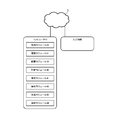
- FIG. 2 is an overall configuration diagram of the data generation system 1.
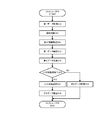
- FIG. 3 is a flowchart illustrating a data generation process executed by the computer 10.
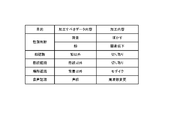
- FIG. 4 is a diagram illustrating an example of the processing table.
- FIG. 5 is a diagram illustrating an example of the first data.
- FIG. 6 is a diagram illustrating an example of the second data. It is a figure showing an example.
- FIG. 1 is a diagram for describing an outline of a data generation system 1 according to a preferred embodiment of the present invention.
- the data generation system 1 is a computer system that includes a computer 10 and that generates data necessary for data analysis using artificial intelligence.
- the computer 10 acquires the first data used to obtain a predetermined output with artificial intelligence.
- the computer 10 When the acquired first data includes non-target data different from the purpose of artificial intelligence, the computer 10 generates second data obtained by processing the non-target data.
- the first data is, for example, image or audio data.
- the second data is, for example, data from which personal information has been removed.
- the personal information can identify a place and an individual included in the first data.
- a processing method for example, there is a method of removing unintended data.
- the term "removal" as used herein includes not only erasing the undesired data from the first data but also making the first data unusable.
- the computer 10 executes processing such as blurring, filling, cutting, and mosaicing a data portion other than the target of the image.
- the computer 10 executes processing such as changing the frequency of voice data included in the voice.
- the data generation system 1 distributes the second data from which the non-target data has been removed. It is possible to improve security by preventing leakage and reduce loss of data processing by making artificial intelligence analyze only data suitable for the purpose.
- the computer 10 selects the artificial intelligence having a small data amount, and distributes the second data to the selected artificial intelligence.
- the computer 10 may be configured to generate not only personal information but also second data obtained by processing non-target data included in the acquired first data. That is, the computer 10 may be configured to generate the second data by processing the first data into the minimum necessary data according to the purpose of the artificial intelligence.
- the computer 10 obtains first data used to obtain a predetermined output using artificial intelligence (step S01).
- the computer 10 acquires data such as images and sounds as first data from a terminal device or an external device owned by the data provider.
- the computer 10 determines the purpose of the artificial intelligence (step S02).
- the purpose of artificial intelligence is, for example, to grasp an object of interest based on gender determination, age determination, face recognition, fingerprint recognition, location recognition, and voice recognition.
- the computer 10 If the first data includes unintended data as a result of the determination, the computer 10 generates second data obtained by processing the unintended data (step S03).
- the computer 10 generates second data from which personal information has been removed as non-target data. If the personal information is an image specifying a place, the computer 10 generates second data obtained by processing the image of the part specifying the place. When the personal information is an image including a part that specifies an individual, the computer 10 generates second data obtained by processing the image of the part that specifies the individual. When the personal information is a personal voice, the computer 10 generates second data obtained by processing a voiceprint of voice data corresponding to the personal voice.
- the image processing methods executed by the computer 10 include, for example, a blurring process, a filling process, a cutting process, a mosaic process, and a pixel adjusting process.
- the sound processing method executed by the computer 10 includes, for example, a frequency changing process.
- the computer 10 distributes the generated second data to the artificial intelligence that matches the purpose (Step S04). At this time, when a plurality of artificial intelligences exist in the distribution destination and the purpose of these artificial intelligences is the same, the computer 10 selects the artificial intelligence having a small data amount, and stores the second data in the selected artificial intelligence. To deliver.
- FIG. 2 is a diagram showing a system configuration of a data generation system 1 according to a preferred embodiment of the present invention.
- a data generation system 1 is a computer system that includes a computer 10 and generates data required for data analysis using artificial intelligence.
- the computer 10 includes a CPU (Central Processing Unit), a RAM (Random Access Memory), a ROM (Read Only Memory), and the like as a control unit, and uses a public line network 5 (Internet network, third or fourth generation) as communication.
- a device for enabling communication with other devices via a communication network or the like for example, a device compatible with Wi-Fi (Wireless-Fidelity) compliant with IEEE802.11 is provided.
- the computer 10 includes a data storage unit such as a hard disk, a semiconductor memory, a recording medium, and a memory card as a storage unit.
- the computer 10 includes, as a processing unit, various devices and the like that execute processing for processing images and sounds, various kinds of determination processing, and the like.
- control unit reads a predetermined program, and realizes the acquisition module 20 and the distribution module 21 in cooperation with the communication unit.
- the control unit reads a predetermined program, and realizes the storage module 30 in cooperation with the storage unit.
- the control unit reads a predetermined program, and realizes the determination module 40, the specific module 41, the analysis module 42, the generation module 43, and the selection module 44 in cooperation with the processing unit.
- FIG. 3 is a diagram illustrating a flowchart of a data generation process executed by the computer 10. The processing executed by each module described above will be described together with this processing.
- the acquisition module 20 acquires the first data (Step S10).
- the acquisition module 20 acquires first data (data such as unprocessed images and sounds) used to obtain a predetermined output with artificial intelligence.
- the acquisition module 20 acquires the first data from a terminal device or an external device owned by the data provider.
- the image includes, for example, the whole image of the person, the face, the finger, and the like, and the background where the person is located.
- the voice includes voice of a person and environmental sound.
- the predetermined output is a processing result according to the purpose of artificial intelligence described later.
- the judgment module 40 judges the purpose of artificial intelligence (step S11).
- the determination module 40 determines the purpose of the analysis.
- the purpose of artificial intelligence is, for example, to grasp an object of interest based on gender determination, age determination, face recognition, fingerprint recognition, location recognition, and voice recognition.
- the determination module 40 determines the purpose of the artificial intelligence based on the purpose specified by the destination of the data.
- the identification module 41 identifies the data content to be processed in the first data and the processing information as the processing content based on the determined purpose (step S12).
- the specifying module 41 specifies the processing information by referring to a processing table in which the purpose of the artificial intelligence, the data content to be processed, and the processing content are associated in advance. This processing table is stored in the storage module 30.
- FIG. 4 is a diagram illustrating an example of a processing table referred to by the specific module 41.
- the processing table is registered in association with the purpose of artificial intelligence, the data content to be processed, and the processing content.
- the administrator of the computer 10 registers each item in advance, and stores it in the storage module 30.
- the specifying module 41 determines that the purpose is gender determination
- the specifying module 41 refers to this processing table and specifies processing information associated with the gender determination.
- the specifying module 41 specifies “background” which is the data content to be processed associated with the gender determination and “blur” which is the processing content associated with the “background”.
- the specifying module 41 specifies “face”, which is the data content to be processed, which is associated with the gender determination, and “pixel reduction”, which is the processing content associated with the “face”.
- the identification module 41 determines that the purpose is face recognition
- the identification module 41 similarly associates “other than face” and “other than face”, which are data contents to be processed, associated with this face recognition. "Cut”, which is the processing content, is specified.
- the identification module 41 determines that the purpose is fingerprint recognition, the identification module 41 similarly associates “other than fingerprint” and “other than fingerprint”, which are data contents to be processed, associated with this fingerprint recognition. "Cut”, which is the processing content, is specified.
- the specific module 41 determines that the purpose is the location recognition, the specific module 41 similarly associates the data content to be processed with “other than location” and this “other than location” with the data content to be processed.
- the “mosaic” that is the processed content is specified.
- the specific module 41 determines that the purpose is voice recognition, the specific module 41 similarly processes the voice content that is the data content to be processed that is associated with the voice recognition and the processing that is associated with the “voiceprint”.
- the content "frequency change" is specified.
- the computer 10 executes the processing described below based on the processing information specified in this way.
- the analysis module 42 analyzes the first data (step S13).
- step S13 the analysis module 42 performs an image analysis when the first data is an image, and performs a voice analysis when the first data is a voice.
- the analysis module 42 extracts one or both of the feature points and the feature amounts of the image as the image analysis.
- the analysis module 42 extracts a shape, luminance, color, contour, and the like included in the image as feature points.
- the analysis module 42 extracts statistical numerical values such as various numerical values (average, variance, and histogram of pixel values) calculated from the image as the feature amount.
- the analysis module 42 extracts a voice and an environmental sound by analyzing a waveform of the voice as the voice analysis.
- the computer 10 extracts a person and a background included in the image based on the analysis result of the first data, and generates second data described later. Further, the computer 10 extracts a voiceprint included in the voice based on the analysis result of the first data, and executes generation of second data described later.
- the generation module 43 generates the second data (Step S14).
- step S14 the generation module 43 generates second data obtained by processing non-target data from the first data based on the determination result of the purpose of artificial intelligence.
- the generation module 43 processes the data content to be processed specified by the processing in step S12 described above according to the processing content, and generates second data. That is, the generation module 43 generates the second data by removing the data content corresponding to the personal information included in the first data as the unintended data in the first data.
- the generation module 43 processes (blur, fills, cuts, mosaic, or the like) the image of the part for specifying the place, thereby obtaining the first information.
- the data content corresponding to the personal information included in the data is removed to generate second data.
- the generation module 43 processes (blur, fill, cut, mosaic, etc.) the image of the part specifying the individual. Thereby, the data content corresponding to the personal information included in the first data is removed, and the second data is generated.
- the generation module 43 processes (changes the frequency of) the voice print of the personal voice data, thereby converting the data content corresponding to the personal information included in the first data. Remove to generate second data.
- the generation module 43 uses personal information that is not required for gender determination, such as background data, to be processed by performing data processing such as blurring. It is processed to an impossible state and removed from the first data. Further, in this case, as described above, the generation module 43 reduces the amount of personal information that is sufficient if the content of the data to be processed is an image that is necessary and sufficient for gender determination such as a face, and the data amount until the condition is satisfied. By deleting (reducing the number of pixels), the data is processed so as to have a reduced data amount, and is removed from the first data.
- the generation module 43 When the purpose of artificial intelligence is face recognition, as described above, the generation module 43 performs data processing such as cutting out personal information that is unnecessary for face recognition such as data whose processing is not a face. , And is processed from the first data. Similarly, when the purpose of artificial intelligence is fingerprint recognition, the generation module 43 processes personal information unnecessary for fingerprint recognition into an unusable state and removes the personal information from the first data.
- the generation module 43 performs data processing such as mosaic processing on personal information that is not required for location recognition, such as data whose contents to be processed are other than the background. It is processed into an unusable state and removed from the first data.
- the generation module 43 When the purpose of artificial intelligence is speech recognition, the generation module 43, as described above, generates personal information that only needs to be processed if the content of the data is sufficient for speech recognition such as a voiceprint, and By changing the frequency of the voice print to the extent that it satisfies, and removing environmental sounds and the like, personal information is removed and the first data is processed in a state in which the data amount is reduced.
- Removal of unintended data described above does not necessarily mean that the relevant data is deleted from the data, but also includes the state where the artificial intelligence cannot use the data.
- the second data may be generated by combining the above-described examples.
- FIG. 5 is a diagram illustrating an example in which the first data acquired by the acquisition module 20 is an image.
- FIG. 6 is a diagram illustrating an example of the second data in a state in which unintended data has been removed from the first data.
- an image 200 includes a person 210 and a background 220 other than the person 210.
- the determination module 40 determines that the purpose of the artificial intelligence at this time is location determination, and the specifying module 41 specifies “other than background” and “mosaic” as the processing information associated with this purpose.
- This image 200 is image-analyzed, and a person 210 and a background 220 appearing in this image 200 are extracted.
- the generation module 43 executes the personal information in the image 200 and the processing contents for the personal information based on the extracted person 210 and background 220 and the specified processing information.
- the generation module 43 performs the mosaic processing on the image 200 in addition to the background.
- the generation module 43 performs the mosaic processing on the person 210 to generate the second data from which the personal information has been removed.
- the image 300 includes a person 310 subjected to the mosaic processing and a background 320.
- the generation module 43 makes the personal information such as the person 310, which is unintended data, a state in which artificial intelligence cannot be used, thereby identifying a person, which is personal information, from the first data. Is processed, and personal information is removed from the image 300. At this time, the generation module 43 generates the second data while keeping the background 320 as it is.
- the selection module 44 determines whether there are a plurality of artificial intelligences to which the generated second data is to be distributed (step S15). In step S15, the selection module 44 determines whether there are a plurality of artificial intelligences that match the purpose determined by the determination module 40. For example, when the purpose of the artificial intelligence is gender determination, the selection module 44 determines whether a plurality of artificial intelligences meeting the purpose exist at the destination of the second data.
- step S15 when the selection module 44 determines that a plurality of artificial intelligence does not exist (step S15: NO), the distribution module 21 distributes the second data to the corresponding artificial intelligence (step S16).
- step S15 when the selection module 44 determines that there are a plurality of artificial intelligences (step S15 YES), the selection module 44 determines an artificial intelligence that requires the least necessary data amount among these artificial intelligences.
- Select step S17.
- the selection module 44 selects an artificial intelligence that can be analyzed with the least amount of data among the artificial intelligences that match the specified purpose. That is, the artificial intelligence selected by the selection module 44 preferentially selects the artificial intelligence that requires the least amount of data to obtain the analysis result according to the purpose when the first data is processed.
- the distribution module 21 distributes the second data to the selected artificial intelligence (Step S18).
- the above is the data generation processing.
- the means and functions described above are realized by a computer (including a CPU, an information processing device, and various terminals) reading and executing a predetermined program.
- the program is provided, for example, in a form of being provided from a computer via a network (SaaS: Software as a Service).
- the program is provided in a form recorded on a computer-readable recording medium such as a flexible disk, a CD (eg, a CD-ROM), and a DVD (eg, a DVD-ROM, a DVD-RAM).
- the computer reads the program from the recording medium, transfers the program to an internal storage device or an external storage device, stores the program, and executes the program.
- the program may be recorded in a storage device (recording medium) such as a magnetic disk, an optical disk, or a magneto-optical disk in advance, and may be provided to the computer from the storage device via a communication line.
- the present invention is not limited to these embodiments.
- the effects described in the embodiments of the present invention merely enumerate the most preferable effects resulting from the present invention, and the effects according to the present invention are limited to those described in the embodiments of the present invention. is not.
Landscapes
- Engineering & Computer Science (AREA)
- Theoretical Computer Science (AREA)
- General Physics & Mathematics (AREA)
- Physics & Mathematics (AREA)
- Software Systems (AREA)
- General Engineering & Computer Science (AREA)
- Computer Hardware Design (AREA)
- Computer Security & Cryptography (AREA)
- Health & Medical Sciences (AREA)
- General Health & Medical Sciences (AREA)
- Bioethics (AREA)
- Computing Systems (AREA)
- Mathematical Physics (AREA)
- Computer Vision & Pattern Recognition (AREA)
- Collating Specific Patterns (AREA)
- Image Analysis (AREA)
Abstract
【課題】セキュリティを向上させるとともに、データ処理のロスを低減することが可能なコンピュータシステム、データ生成方法及びプログラムを提供することを目的とする。 【解決手段】コンピュータシステムは、人口知能で所定の出力を得るために使用する第1データを取得し、この人工知能の目的を判断し、第1データが目的外のデータを含む場合に、目的外のデータを除去した第2データを生成する。また、コンピュータシステムは、個人情報が場所、個人又は個人の声データのいずれか又は複数の組み合わせである場合、これらのうち、目的外のデータを加工した第2データを生成する。
Description
本発明は、人工知能を利用したデータ解析に必要なデータを生成するコンピュータシステム、データ生成方法及びプログラムに関する。
近年、様々な分野において、人工知能を利用したデータ解析が行われている。このようなデータ解析において、人工知能で利用するデータの提供者からデータの提供を受け、提供されたデータに基づいてデータ解析が行われる。このとき、提供されたデータが個人情報を含む場合、このデータの提供者と異なる者がデータを利用することから、提供者の個人情報が漏洩するおそれがあった。
このようなデータの提供システムとして、個人情報の漏洩を防止するために、個人を特定できない状態のデータとして識別子を二重に付与することにより、提供されたデータのセキュリティを向上させるシステムが開示されている(特許文献1参照)。
しかしながら、特許文献1の構成では、識別子の解読情報が漏洩してしまった場合、個人情報が漏洩してしまうおそれがあった。そのため、セキュリティが十分なものではなかった。また、データを利用するものにとっても、少なくとも、識別子に該当する量のデータを余分に計算する必要があることから、データ処理にロスが生じてしまうおそれもあった。
本発明は、セキュリティを向上させるとともに、データ処理のロスを低減することが可能なコンピュータシステム、データ生成方法及びプログラムを提供することを目的とする。
本発明では、以下のような解決手段を提供する。
本発明は、人口知能で所定の出力を得るために使用する第1データを取得する取得手段と、
前記人工知能の目的を判断する判断手段と、
前記第1データが前記目的外のデータを含む場合に、当該目的外のデータを除去した第2データを生成する生成手段と、
を備えることを特徴とするコンピュータシステムを提供する。
前記人工知能の目的を判断する判断手段と、
前記第1データが前記目的外のデータを含む場合に、当該目的外のデータを除去した第2データを生成する生成手段と、
を備えることを特徴とするコンピュータシステムを提供する。
本発明によれば、人口知能で所定の出力を得るために使用する第1データを取得し、前記人工知能の目的を判断し、前記第1データが前記目的外のデータを含む場合に、当該目的外のデータを除去した第2データを生成する。
本発明は、コンピュータシステムのカテゴリであるが、方法及びプログラム等の他のカテゴリにおいても、そのカテゴリに応じた同様の作用・効果を発揮する。
本発明によれば、セキュリティを向上させるとともに、データ処理のロスを低減することが可能なコンピュータシステム、データ生成方法及びプログラムを提供することが可能となる。
以下、本発明を実施するための最良の形態について図を参照しながら説明する。なお、これはあくまでも一例であって、本発明の技術的範囲はこれらに限られるものではない。
[データ生成システム1の概要]
本発明の好適な実施形態の概要について、図1に基づいて説明する。図1は、本発明の好適な実施形態であるデータ生成システム1の概要を説明するための図である。データ生成システム1は、コンピュータ10から構成され、人工知能を利用したデータ解析に必要なデータを生成するコンピュータシステムである。
本発明の好適な実施形態の概要について、図1に基づいて説明する。図1は、本発明の好適な実施形態であるデータ生成システム1の概要を説明するための図である。データ生成システム1は、コンピュータ10から構成され、人工知能を利用したデータ解析に必要なデータを生成するコンピュータシステムである。
コンピュータ10は、人工知能で所定の出力を得るために使用する第1データを取得する。コンピュータ10は、この取得した第1データに、人工知能の目的とは異なる目的外データが含まれている場合に、この目的外データを加工した第2データを生成する。第1データとは、例えば、画像や音声のデータである。第2データとは、例えば、個人情報を除去したデータである。個人情報は、第1データに含まれる場所や個人を特定可能なものである。加工の方法としては、例えば、目的外のデータを除去することがあげられる。ここでいう除去とは、第1データから該当する目的外のデータを消去することだけでなく、データとして使用不可能にした状態にすることも含む。具体的には、コンピュータ10は、第1データが画像である場合、この画像の目的外のデータ部分を、ぼかし、塗りつぶし、切り取り、モザイク等の処理を実行する。また、コンピュータ10は、第1データが音声である場合、この音声に含まれる音声データの周波数の変更等の処理を実行する。
コンピュータ10が、この第2データを、目的とする人工知能に配信することにより、データ生成システム1は、目的外のデータが除去された第2データを配信することになり、目的外のデータが漏洩することを防止することによるセキュリティの向上及び人工知能に目的に応じたデータのみを解析させることによるデータ処理のロスの低減を可能とする。
コンピュータ10は、複数の人工知能が配信先に存在し、これらの人工知能の目的が同一である場合、データ量の少ない人工知能を選択し、この選択した人工知能に第2データを配信する。
なお、コンピュータ10は、個人情報に限らず、取得した第1データに含まれる目的外データを、加工した第2データを生成する構成であってもよい。すなわち、コンピュータ10は、第1データを人工知能の目的に応じた必要最小限なデータに加工した第2データを生成する構成であってもよい。
データ生成システム1が実行する処理の概要について説明する。
はじめに、コンピュータ10は、人工知能で所定の出力を得るために使用する第1データを取得する(ステップS01)。コンピュータ10は、第1データとして画像や音声等のデータを、データ提供者が保有する端末装置や外部装置等から取得する。
コンピュータ10は、人工知能の目的を判断する(ステップS02)。人工知能の目的は、例えば、性別判断、年齢判断、顔認識、指紋認識、場所認識等や音声認識に基づいた関心対象把握である。
コンピュータ10は、判断の結果、第1データが目的外のデータを含む場合に、目的外のデータを加工した第2データを生成する(ステップS03)。
例えば、コンピュータ10は、目的外データとして、個人情報を除去した第2データを生成する。コンピュータ10は、この個人情報が場所を特定する画像である場合、場所を特定する部分の画像を加工した第2データを生成する。また、コンピュータ10は、この個人情報が個人を特定する部分を含む画像である場合、この個人を特定する部分の画像を加工した第2データを生成する。また、コンピュータ10は、個人情報が個人の音声である場合、個人の音声に該当する音声データの声紋を加工した第2データを生成する。
コンピュータ10が実行する画像の加工方法としては、例えば、ぼかし処理、塗りつぶし処理、切り取り処理、モザイク処理、画素調整処理がある。また、コンピュータ10が実行する音声の加工方法としては、例えば、周波数の変更処理がある。
コンピュータ10は、この生成した第2データを、目的に合致する人工知能に配信する(ステップS04)。このとき、コンピュータ10は、複数の人工知能が配信先に存在し、これらの人工知能の目的が同一である場合、データ量の少ない人工知能を選択し、この選択した人工知能に第2データを配信する。
以上が、データ生成システム1の概要である。
[データ生成システム1のシステム構成]
図2に基づいて、本発明の好適な実施形態であるデータ生成システム1のシステム構成について説明する。図2は、本発明の好適な実施形態であるデータ生成システム1のシステム構成を示す図である。図2において、データ生成システム1は、コンピュータ10から構成され、人工知能を利用したデータ解析に必要なデータを生成するコンピュータシステムである。
図2に基づいて、本発明の好適な実施形態であるデータ生成システム1のシステム構成について説明する。図2は、本発明の好適な実施形態であるデータ生成システム1のシステム構成を示す図である。図2において、データ生成システム1は、コンピュータ10から構成され、人工知能を利用したデータ解析に必要なデータを生成するコンピュータシステムである。
コンピュータ10は、制御部として、CPU(Central Processing Unit)、RAM(Random Access Memory)、ROM(Read Only Memory)等を備え、通信として、公衆回線網5(インターネット網や、第3、第4世代通信網等)を介して他の機器と通信可能にするためのデバイス、例えば、IEEE802.11に準拠したWi―Fi(Wireless―Fidelity)対応デバイス等を備える。また、コンピュータ10は、記憶部として、ハードディスクや半導体メモリ、記録媒体、メモリカード等によるデータのストレージ部を備える。また、コンピュータ10は、処理部として、画像や音声の加工処理、各種判断処理等を実行する各種デバイス等を備える。
コンピュータ10において、制御部が所定のプログラムを読み込むことにより、通信部と協働して、取得モジュール20、配信モジュール21を実現する。また、コンピュータ10において、制御部が所定のプログラムを読み込むことにより、記憶部と協働して、記憶モジュール30を実現する。また、コンピュータ10において、制御部が所定のプログラムを読み込むことにより、処理部と協働して、判断モジュール40、特定モジュール41、解析モジュール42、生成モジュール43、選択モジュール44を実現する。
[データ生成処理]
図3に基づいて、データ生成システム1が実行するデータ生成処理について説明する。図3は、コンピュータ10が実行するデータ生成処理のフローチャートを示す図である。上述した各モジュールが実行する処理について、本処理に併せて説明する。
図3に基づいて、データ生成システム1が実行するデータ生成処理について説明する。図3は、コンピュータ10が実行するデータ生成処理のフローチャートを示す図である。上述した各モジュールが実行する処理について、本処理に併せて説明する。
はじめに、取得モジュール20は、第1データを取得する(ステップS10)。ステップS10において、取得モジュール20は、人工知能で所定の出力を得るために使用する第1データ(未加工の画像や音声等のデータ)を取得する。このとき、取得モジュール20は、データ提供者が保有する端末装置や外部装置等から、第1データを取得する。画像は、例えば、人物の全体像、顔、指等と、この人物が居る場所である背景とが含まれたものである。音声は、人物の音声や環境音が含まれたものである。所定の出力とは、後述する人工知能の目的に応じた処理結果である。
判断モジュール40は、人工知能の目的を判断する(ステップS11)。ステップS11において、判断モジュール40は、解析の目的を判断する。人工知能の目的は、例えば、性別判断、年齢判断、顔認識、指紋認識、場所認識、音声認識に基づいた関心対象把握である。判断モジュール40は、このデータの提供先が、予め指定した目的に基づいて、人工知能の目的を判断する。
特定モジュール41は、判断した目的に基づいて、第1データにおける加工すべきデータ内容及び加工内容である加工情報を特定する(ステップS12)。ステップS12において、特定モジュール41は、予め人工知能の目的と、加工すべきデータ内容と、加工内容とを対応付けた加工テーブルを参照することにより、加工情報を特定する。この加工テーブルは、記憶モジュール30が記憶するものである。
[加工テーブル]
図4に基づいて、特定モジュール41が参照する加工テーブルについて説明する。図4は、特定モジュール41が参照する加工テーブルの一例を示す図である。図4において、加工テーブルは、人工知能の目的と、加工すべきデータ内容と、加工内容とを対応付けて登録されたものである。この加工テーブルは、予め、コンピュータ10の管理者等が各項目を登録しておき、記憶モジュール30に記憶させる。
図4に基づいて、特定モジュール41が参照する加工テーブルについて説明する。図4は、特定モジュール41が参照する加工テーブルの一例を示す図である。図4において、加工テーブルは、人工知能の目的と、加工すべきデータ内容と、加工内容とを対応付けて登録されたものである。この加工テーブルは、予め、コンピュータ10の管理者等が各項目を登録しておき、記憶モジュール30に記憶させる。
例えば、特定モジュール41は、目的が性別判断であると判断した場合、この加工テーブルを参照し、性別判断に対応付けられた加工情報を特定する。このとき、特定モジュール41は、性別判断に対応付けられた加工すべきデータ内容である「背景」及びこの「背景」に対応付けられた加工内容である「ぼかす」を特定する。また、同時に、特定モジュール41は、この性別判断に対応付けられた加工すべきデータ内容である「顔」及びこの「顔」に対応付けられた加工内容である「画素低下」を特定する。
また、特定モジュール41は、目的が顔認識であると判断した場合、同様に、この顔認識に対応付けられた加工すべきデータ内容である「顔以外」及びこの「顔以外」に対応付けられた加工内容である「切り取り」を特定する。
また、特定モジュール41は、目的が指紋認識であると判断した場合、同様に、この指紋認識に対応付けられた加工すべきデータ内容である「指紋以外」及びこの「指紋以外」に対応付けられた加工内容である「切り取り」を特定する。
また、特定モジュール41は、目的が場所認識であると判断した場合、同様に、この場所認識に対応付けられた加工すべきデータ内容である「場所以外」及びこの「場所以外」に対応付けられた加工内容である「モザイク」を特定する。
また、特定モジュール41は、目的が音声認識であると判断した場合、同様に、この音声認識に対応付けられた加工すべきデータ内容である「声紋」及びこの「声紋」に対応付けられた加工内容である「周波数変更」を特定する。
コンピュータ10は、このように特定した加工情報に基づいて、後述する処理を実行する。
解析モジュール42は、第1データを解析する(ステップS13)。ステップS13において、解析モジュール42は、第1データが画像である場合、画像解析を実行し、第1データが音声である場合、音声解析を其々実行する。解析モジュール42は、画像解析として、画像の特徴点又は特徴量の何れか又は双方を抽出する。解析モジュール42は、特徴点として、画像に含まれる形状、輝度、色、輪郭等を抽出する。また、解析モジュール42は、特徴量として、画像から算出した各種数値(画素値の平均、分散、ヒストグラム)等の統計的な数値を抽出する。また、解析モジュール42は、音声解析として、音声の波形を解析することにより、声と環境音とを抽出する。
コンピュータ10は、第1データの解析結果に基づいて、画像に含まれる人物や背景を抽出し、後述する第2データの生成を実行する。また、コンピュータ10は、第1データの解析結果に基づいて、音声に含まれる声紋を抽出し、後述する第2データの生成を実行する。
生成モジュール43は、第2データを生成する(ステップS14)。ステップS14において、生成モジュール43は、人工知能の目的の判断結果に基づいて、第1データから目的外のデータを加工した第2データを生成する。このとき、生成モジュール43は、上述したステップS12の処理により特定した加工すべきデータ内容を、加工内容に従って加工し、第2データを生成する。すなわち、生成モジュール43は、第1データにおける目的外のデータとして、この第1データに含まれる個人情報に該当するデータ内容を除去することにより、第2データを生成する。
例えば、生成モジュール43は、個人情報が場所(背景等)を特定する画像である場合、この場所を特定する部分の画像を、加工(ぼかし、塗りつぶし、切り取り、モザイク等)することにより、第1データに含まれる個人情報に該当するデータ内容を除去し、第2データを生成する。
また、生成モジュール43は、個人情報が個人を特定する部分(瞳、顔、指紋等)を含む画像である場合、この個人を特定する部分の画像を加工(ぼかし、塗りつぶし、切り取り、モザイク等)することにより、第1データに含まれる個人情報に該当するデータ内容を除去し、第2データを生成する。
また、生成モジュール43は、個人情報が個人の音声データである場合、この個人の音声データの声紋を加工(周波数の変更)することにより、第1データに含まれる個人情報に該当するデータ内容を除去し、第2データを生成する。
上述した個人情報に該当するデータ内容の除去について説明する。
生成モジュール43は、人工知能の目的が、性別判断である場合、上述した通り、加工すべきデータ内容が背景のような性別判断に不要な個人情報を、ぼかす等のデータ処理を行うことにより使用不可能な状態に加工し、第1データから除去する。また、この場合、生成モジュール43は、上述した通り、加工すべきデータ内容が顔のような性別判断に必要十分な程度の画像であれば良い個人情報を、この条件を満たす程度までデータ量を削除(画素数を低下)することにより、データ量を削減した状態に加工し、第1データから除去する。
生成モジュール43は、人工知能の目的が、顔認識である場合、上述した通り、加工すべきデータ内容が顔以外のような顔認識に不要な個人情報を、切り取り等のデータ処理を行うことにより、使用不可能な状態に加工し、第1データから除去する。同様に、生成モジュール43は、人工知能の目的が指紋認識である場合、指紋認識に不要な個人情報を使用不可能な状態に加工し、第1データから除去する。
生成モジュール43は、人工知能の目的が、場所認識である場合、上述した通り、加工すべきデータ内容が背景以外のような場所認識に不要な個人情報を、モザイク等のデータ処理を行うことにより使用不可能な状態に加工し、第1データから除去する。
生成モジュール43は、人工知能の目的が音声認識である場合、上述した通り、加工すべきデータ内容が声紋のような音声認識に必要十分な程度の音声であれば良い個人情報を、この条件を満たす程度まで声紋の周波数を変更するとともに、環境音等を除去することにより、個人情報を除去するとともに、データ量を削減した状態に第1データを加工する。
上述した目的外のデータの除去とは、該当するデータを、必ずしもデータ上から削除するものではなく、人工知能がデータを使用できなくした状態にすることも含むものである。
なお、人工知能の目的が複数ある場合、上述した各例を組み合わせることにより第2データを生成すればよい。
図5及び図6に基づいて、生成モジュール43が実行する目的外のデータの除去について説明する。本説明において、人工知能の目的が、場所認識である場合を例として説明する。
図5は、取得モジュール20が取得した第1データが画像である場合の一例を示す図である。また、図6は、第1データから目的外のデータを除去した状態の第2データの一例を示す図である。図5において、画像200には、人物210と人物210以外の背景220とが写り込んでいる。判断モジュール40は、今回の人工知能の目的が場所判断であることを判断し、特定モジュール41がこの目的に対応付けられた加工情報として、「背景以外」及び「モザイク」を特定する。
解析モジュール42この画像200を画像解析し、この画像200に写っている人物210及び背景220を抽出する。生成モジュール43は、この抽出した人物210及び背景220と、特定した加工情報に基づいて、この画像200における個人情報及びこの個人情報に対する加工内容を実行する。本例では、生成モジュール43は、個人情報が背景以外であり、加工内容がモザイクであることから、この画像200に対して、背景以外に、モザイク処理を施す。その結果、生成モジュール43は、この人物210に対して、モザイク処理を施すことにより、個人情報を除去した第2データを生成する。
図6において、画像300には、モザイク処理が施された人物310と、背景320とが写り込んでいる。生成モジュール43は、この画像300のように、目的外のデータである人物310といった個人情報を人工知能が使用不可能な状態にすることにより、第1データから個人情報である個人を特定する部分の画像を加工し、画像300から個人情報を除去する。このとき、生成モジュール43は、背景320をそのままの状態で第2データを生成する。
選択モジュール44は、生成した第2データの配信先となる人工知能が複数存在するか否かを判断する(ステップS15)。ステップS15において、選択モジュール44は、判断モジュール40が判断した目的に合致する人工知能が複数存在するか否かを判断する。例えば、選択モジュール44は、人工知能の目的が性別判断である場合、この目的に合致する人工知能がこの第2データの配信先に複数存在するか否かを判断する。
ステップS15において、選択モジュール44は、人工知能が複数存在しないと判断した場合(ステップS15 NO)、配信モジュール21は、対応する人工知能に第2データを配信する(ステップS16)。
一方、ステップS15において、選択モジュール44は、人工知能が複数存在すると判断した場合(ステップS15 YES)、選択モジュール44は、これらの人工知能のうち、最も必要なデータ量が少なくて済む人工知能を選択する(ステップS17)。ステップS17において、選択モジュール44は、特定した目的に合致する人工知能のうち、最も少ないデータ量で解析が可能な人工知能を選択する。すなわち、選択モジュール44が選択する人工知能は、上述した第1データを加工した際、目的に応じた解析結果を得るために必要なデータ量が最も少ない人工知能を優先的に選択する。
配信モジュール21は、この選択した人工知能に第2データを配信する(ステップS18)。
以上が、データ生成処理である。
上述した手段、機能は、コンピュータ(CPU、情報処理装置、各種端末を含む)が、所定のプログラムを読み込んで、実行することによって実現される。プログラムは、例えば、コンピュータからネットワーク経由で提供される(SaaS:ソフトウェア・アズ・ア・サービス)形態で提供される。また、プログラムは、例えば、フレキシブルディスク、CD(CD-ROMなど)、DVD(DVD-ROM、DVD-RAMなど)等のコンピュータ読取可能な記録媒体に記録された形態で提供される。この場合、コンピュータはその記録媒体からプログラムを読み取って内部記憶装置又は外部記憶装置に転送し記憶して実行する。また、そのプログラムを、例えば、磁気ディスク、光ディスク、光磁気ディスク等の記憶装置(記録媒体)に予め記録しておき、その記憶装置から通信回線を介してコンピュータに提供するようにしてもよい。
以上、本発明の実施形態について説明したが、本発明は上述したこれらの実施形態に限るものではない。また、本発明の実施形態に記載された効果は、本発明から生じる最も好適な効果を列挙したに過ぎず、本発明による効果は、本発明の実施形態に記載されたものに限定されるものではない。
1 データ生成システム、10 コンピュータ
Claims (7)
- 人口知能で所定の出力を得るために使用する第1データを取得する取得手段と、
前記人工知能の目的を判断する判断手段と、
前記第1データが前記目的外のデータを含む場合に、当該目的外のデータを除去した第2データを生成する生成手段と、
を備えることを特徴とするコンピュータシステム。 - 前記生成手段は、前記目的外のデータとして個人情報を除去した前記第2データを生成する、
ことを特徴とする請求項1に記載のコンピュータシステム。 - 前記個人情報が場所を特定する画像であって、
前記生成手段は、前記場所を特定する部分の画像を加工した前記第2データを生成する、
ことを特徴とする請求項2に記載のコンピュータシステム。 - 前記個人情報が個人を特定する部分を含む画像であって、
前記生成手段は、前記個人を特定する部分の画像を加工した前記第2データを生成する、
ことを特徴とする請求項2に記載のコンピュータシステム。 - 前記個人情報が個人の声データであって、
前記生成手段は、前記個人の声データの声紋を加工した前記第2データを生成する、
ことを特徴とする請求項2に記載のコンピュータシステム。 - コンピュータシステムが実行するデータ生成方法であって、
人口知能で所定の出力を得るために使用する第1データを取得するステップと、
前記人工知能の目的を判断するステップと、
前記第1データが前記目的外のデータを含む場合に、当該目的外のデータを除去した第2データを生成するステップと、
を備えることを特徴とするデータ生成方法。 - コンピュータシステムに
人口知能で所定の出力を得るために使用する第1データを取得するステップ、
前記人工知能の目的を判断するステップ、
前記第1データが前記目的外のデータを含む場合に、当該目的外のデータを除去した第2データを生成するステップ、
を実行させるためのコンピュータ読み取り可能なプログラム。
Priority Applications (2)
| Application Number | Priority Date | Filing Date | Title |
|---|---|---|---|
| PCT/JP2018/024759 WO2020003478A1 (ja) | 2018-06-29 | 2018-06-29 | コンピュータシステム、データ生成方法及びプログラム |
| JP2020526839A JPWO2020003478A1 (ja) | 2018-06-29 | 2018-06-29 | コンピュータシステム、データ生成方法及びプログラム |
Applications Claiming Priority (1)
| Application Number | Priority Date | Filing Date | Title |
|---|---|---|---|
| PCT/JP2018/024759 WO2020003478A1 (ja) | 2018-06-29 | 2018-06-29 | コンピュータシステム、データ生成方法及びプログラム |
Publications (1)
| Publication Number | Publication Date |
|---|---|
| WO2020003478A1 true WO2020003478A1 (ja) | 2020-01-02 |
Family
ID=68986859
Family Applications (1)
| Application Number | Title | Priority Date | Filing Date |
|---|---|---|---|
| PCT/JP2018/024759 Ceased WO2020003478A1 (ja) | 2018-06-29 | 2018-06-29 | コンピュータシステム、データ生成方法及びプログラム |
Country Status (2)
| Country | Link |
|---|---|
| JP (1) | JPWO2020003478A1 (ja) |
| WO (1) | WO2020003478A1 (ja) |
-
2018
- 2018-06-29 JP JP2020526839A patent/JPWO2020003478A1/ja active Pending
- 2018-06-29 WO PCT/JP2018/024759 patent/WO2020003478A1/ja not_active Ceased
Non-Patent Citations (1)
| Title |
|---|
| MOTEGI, MANABU ET AL.: "A study on life log cleansing platform", IEICE TECHNICAL REPORT, vol. 110, no. 450, 24 February 2011 (2011-02-24), pages 31 - 36, ISSN: 0913-5685 * |
Also Published As
| Publication number | Publication date |
|---|---|
| JPWO2020003478A1 (ja) | 2021-08-05 |
Similar Documents
| Publication | Publication Date | Title |
|---|---|---|
| JP2007513555A (ja) | 画像処理 | |
| JP2009211179A (ja) | 画像処理方法、パターン検出方法、パターン認識方法及び画像処理装置 | |
| JP5259670B2 (ja) | コンテンツ要約装置およびコンテンツ要約表示装置 | |
| US8818104B2 (en) | Image processing apparatus and image processing method | |
| JP2003030672A (ja) | 帳票認識装置、方法、プログラムおよび記憶媒体 | |
| CN110570348A (zh) | 一种脸部图像替换方法及设备 | |
| US20230103049A1 (en) | Developer-focused context-aware application security platform | |
| WO2007123368A1 (en) | Method and apparatus for user authentication using face image | |
| CN113191784A (zh) | 异常企业识别方法、装置、电子设备及存储介质 | |
| WO2020003478A1 (ja) | コンピュータシステム、データ生成方法及びプログラム | |
| CN114764451A (zh) | 一种消除模态差异的跨模态检索方法和系统 | |
| CN117851835B (zh) | 一种深度学习的物联网识别系统及方法 | |
| CN118675548A (zh) | 基于强弱监督的多模态检测方法和系统 | |
| CN111510566A (zh) | 通话标签的确定方法、装置、计算机设备和存储介质 | |
| CN114861650B (zh) | 噪音数据的清洗方法及装置、存储介质和电子设备 | |
| KR102282343B1 (ko) | 평행 초평면을 이용한 데이터 포인트 분류 방법 및 장치 | |
| US20240013360A1 (en) | Imaging device, image generation method, and recording medium | |
| CN118714251B (zh) | 视频通话图像优化方法、装置、介质和计算设备 | |
| US12556753B2 (en) | Selectively modifying a data stream based on content parameters | |
| CN113705627B (zh) | 信息比对方法、装置及终端 | |
| CN114399571B (zh) | 动画视频生成方法、系统、计算机设备和存储介质 | |
| CN121262428B (zh) | 视频流中敏感信息动态脱敏处理方法和系统 | |
| US20260127845A1 (en) | Information processing device, information processing system, and output method | |
| CN118841032A (zh) | 多模态音视频数据检测方法和系统 | |
| JPWO2010032296A1 (ja) | 画像処理装置、画像処理方法および画像処理プログラム |
Legal Events
| Date | Code | Title | Description |
|---|---|---|---|
| 121 | Ep: the epo has been informed by wipo that ep was designated in this application |
Ref document number: 18924076 Country of ref document: EP Kind code of ref document: A1 |
|
| ENP | Entry into the national phase |
Ref document number: 2020526839 Country of ref document: JP Kind code of ref document: A |
|
| NENP | Non-entry into the national phase |
Ref country code: DE |
|
| 122 | Ep: pct application non-entry in european phase |
Ref document number: 18924076 Country of ref document: EP Kind code of ref document: A1 |