WO2019154282A1 - 家电设备及其语音识别方法、控制方法、控制装置 - Google Patents
家电设备及其语音识别方法、控制方法、控制装置 Download PDFInfo
- Publication number
- WO2019154282A1 WO2019154282A1 PCT/CN2019/074239 CN2019074239W WO2019154282A1 WO 2019154282 A1 WO2019154282 A1 WO 2019154282A1 CN 2019074239 W CN2019074239 W CN 2019074239W WO 2019154282 A1 WO2019154282 A1 WO 2019154282A1
- Authority
- WO
- WIPO (PCT)
- Prior art keywords
- home appliance
- voice
- slot
- instruction
- operable
- Prior art date
- Legal status (The legal status is an assumption and is not a legal conclusion. Google has not performed a legal analysis and makes no representation as to the accuracy of the status listed.)
- Ceased
Links
Images


Classifications
-
- G—PHYSICS
- G10—MUSICAL INSTRUMENTS; ACOUSTICS
- G10L—SPEECH ANALYSIS TECHNIQUES OR SPEECH SYNTHESIS; SPEECH RECOGNITION; SPEECH OR VOICE PROCESSING TECHNIQUES; SPEECH OR AUDIO CODING OR DECODING
- G10L15/00—Speech recognition
- G10L15/22—Procedures used during a speech recognition process, e.g. man-machine dialogue
-
- G—PHYSICS
- G10—MUSICAL INSTRUMENTS; ACOUSTICS
- G10L—SPEECH ANALYSIS TECHNIQUES OR SPEECH SYNTHESIS; SPEECH RECOGNITION; SPEECH OR VOICE PROCESSING TECHNIQUES; SPEECH OR AUDIO CODING OR DECODING
- G10L15/00—Speech recognition
- G10L15/26—Speech to text systems
-
- H—ELECTRICITY
- H04—ELECTRIC COMMUNICATION TECHNIQUE
- H04L—TRANSMISSION OF DIGITAL INFORMATION, e.g. TELEGRAPHIC COMMUNICATION
- H04L12/00—Data switching networks
- H04L12/28—Data switching networks characterised by path configuration, e.g. LAN [Local Area Networks] or WAN [Wide Area Networks]
Definitions
- the present invention relates to the field of home appliance technology, and in particular, to a voice recognition method for a home appliance device, a home appliance device, a voice recognition method for another home appliance device, and a server, a home appliance device control method, device, terminal, and computer A readable storage medium, another home appliance control method, a home appliance control device, a computer device, and another computer readable storage medium.
- the speech recognition method generally adopts a pattern matching method, that is, in the training phase, the user sequentially repeats each word in the vocabulary and stores its feature vector as a template in the template library; in the recognition phase, the input is performed. The feature vector of the speech is compared with each template in the template library in turn, and the highest similarity is output as the recognition result.
- the inventor of the present application found that the above-mentioned technology has at least the following technical problem: in the speech recognition process, the input speech is required to match all the instructions, the calculation amount is large, the recognition rate is low, and misidentification is easily generated.
- speech recognition technology is mainly divided into two categories, one is cloud semantic recognition, the voice signal is transmitted to the server through the network for semantic analysis and understanding, and then the result is transmitted through the network.
- Typical representatives Apple's Siri (voice assistant), Amazon's echo speaker, Microsoft Xiao Bing, etc.
- the advantages of this method can be free to speak, close to people's normal speech habits, but the method must have a network to use, the use of the scene is subject to
- the other is local term recognition, which does not require the use of a network, and the voice control command words are processed in real time through the built-in high-performance processor.
- the voice recognition technology used in home appliances is mostly in this way, such as Vantage Mirror Mirror, Midea Air Conditioner, Cloud Rice Smoking Machine, etc.
- This method has the advantages of response speed block and high recognition accuracy, but it only It can recognize the preset voice control command terms, and only needs to recognize the complete voice control command entry to respond, and can not achieve free semantic understanding, and the user experience is not high.
- the smart home appliance connects the home appliance MCU (Micro Controller Unit) to the Internet through the communication module, so that the home appliance has more functions and expandability, enhances the user experience of using the home appliance, and enriches the user usage scenario.
- the combination of voice recognition technology and smart home appliances can control smart home appliances through voice and enhance the interactive experience.
- the user wakes up the device by using the wake-up word, and then speaks the voice command, and the voice device uploads the collected voice command to the server, and the server performs feature extraction to obtain the corresponding
- the parameter is further sent to the home appliance according to the parameter generation control command, so that the device starts to perform the corresponding operation.
- the present application aims to solve at least one of the technical problems in the related art to some extent.
- the present application proposes a voice recognition method for a home appliance device, which can greatly reduce the amount of calculation in the voice recognition process and improve the voice recognition speed.
- the application also proposes a household electrical appliance.
- This application further proposes another household electrical appliance.
- the application also proposes a non-transitory computer readable storage medium.
- the present application also proposes a voice recognition method for another home appliance.
- the application also proposes a server.
- This application again proposes another server.
- the present application further proposes another non-transitory computer readable storage medium.
- the first aspect of the present application provides a voice recognition method for a home appliance, comprising the steps of: acquiring voice information input by a user; and acquiring a current operable instruction set of the home appliance according to a service logic of the home appliance; The voice information is identified based on the current set of operational instructions.
- the voice information input by the user and the current operable instruction set of the home appliance are acquired, and then the voice information is identified according to the current operable instruction set. Therefore, the method in the embodiment of the present application greatly reduces the calculation amount of the voice recognition by performing the voice recognition in the filtered operable instruction set, and can improve the recognition rate to a certain extent, improve the system security, and avoid the execution. Misoperation.
- the second aspect of the present application provides a home appliance device, including: a voice collection unit, configured to collect voice information input by a user; and a processing unit, configured to acquire, according to a service logic of the home appliance, a current And a voice recognition unit, configured to identify the voice information according to the current set of operable instructions to obtain an instruction corresponding to the voice information.
- the voice information input by the user is collected by the voice collection unit, and the current operable instruction set of the home appliance is obtained by the processing unit, and then the voice recognition unit identifies the voice information according to the current operable instruction set. Therefore, the home appliance of the embodiment of the present application greatly reduces the calculation amount of the voice recognition by performing voice recognition in the filtered operable instruction set, and can improve the recognition rate to a certain extent, thereby improving system security and avoiding Perform a misoperation.
- a household electrical appliance comprising: a memory, a processor, and a voice recognition program of the home appliance stored on the memory and operable on the processor, the processor executing the In the program, the voice recognition method of the household electrical appliance described in the first embodiment is implemented.
- a non-transitory computer readable storage medium according to the fourth embodiment of the present application, wherein a voice recognition program of the home appliance is stored, and when the program is executed by the processor, the home appliance of the first aspect is implemented. Speech recognition method.
- the fifth aspect of the present application provides a voice recognition method for a home appliance, which is applied to a server, and includes the following steps: receiving voice information input by a user equipment sent by a home appliance; and acquiring, by the service logic of the home appliance, the home appliance a set of currently operable instructions; identifying the voice information according to the current set of operable instructions to obtain a recognition result; and transmitting the recognition result to the home appliance.
- the voice recognition method of the home appliance according to the embodiment of the present application, the voice information input by the user equipment is received, the current operable instruction set of the home appliance is acquired, and then the voice information is identified according to the current operable instruction set. Therefore, the method in the embodiment of the present application greatly reduces the calculation amount of the voice recognition by performing the voice recognition in the filtered operable instruction set, and can improve the recognition rate to a certain extent, improve the system security, and avoid the execution. Misoperation.
- the embodiment of the sixth aspect of the present application provides a server, including: a receiving module, configured to receive voice information input by a user equipment sent by a home appliance; and a processing module, configured to acquire, according to a service logic of the home appliance, a current state of the home appliance An operation module set, the identification module, configured to identify the voice information according to the current set of operable instructions to obtain a recognition result, and a sending module, configured to send the identification result to the home appliance.
- the receiving module receives the voice information input by the user equipment sent by the home appliance, acquires the current operable instruction set of the home appliance through the processing module, and then the recognition module identifies the voice information according to the current operable instruction set. . Therefore, the server in the embodiment of the present application greatly reduces the calculation amount of the voice recognition by performing the voice recognition in the filtered operable instruction set, and can improve the recognition rate to a certain extent, improve the system security, and avoid the execution. Misoperation.
- a seventh aspect of the present application provides a server, including a memory, a processor, and a voice recognition program of a home appliance stored on the memory and operable on the processor, where the processor implements the fifth A speech recognition method for a household electrical appliance according to an embodiment.
- the eighth aspect of the present application provides a non-transitory computer readable storage medium, on which a voice recognition program of a home appliance is stored, and when the program is executed by the processor, the voice recognition method of the home appliance of the fifth aspect is implemented. .
- the present application further provides a home appliance control method, device, terminal, and computer readable storage medium, which aims to solve the problem that local recognition can only recognize a preset voice control command term and recognize a complete voice control command word. After the article will respond, it is impossible to achieve free semantic understanding, and the user experience is not high.
- the ninth aspect of the present application provides a home appliance control method, including: receiving voice information, extracting keywords included in the voice information according to device attributes associated with the home appliance; and combining the keywords to obtain keywords Combining, determining whether the keyword combination is stored in the preset semantic database; if the keyword combination is stored in the semantic database, controlling the home appliance to perform an operation response corresponding to the keyword combination.
- the home appliance control method of the embodiment of the present application extracts the keyword included in the voice information according to the device attribute associated with the home appliance by receiving the voice information, and combines the keywords to obtain a keyword combination, and determines a preset semantic database. Whether to store the keyword combination, if the keyword combination is stored in a semantic database, control the home appliance to perform an operation response corresponding to the keyword combination; and if not, to analyze the semantic keyword, and The keywords are combined according to the logical relationship, and the operation of the home appliance is controlled by the keyword combination, so that the voice control operation can perform the control operation without identifying the complete control command, and the response speed is fast, and the network connection is not restricted, thereby expanding the use of the home appliance. Scenes.
- the tenth aspect of the present application further provides a household electrical appliance, comprising: a memory, a processor, and a home appliance control program stored on the memory and operable on the processor, wherein the home appliance controls The step of implementing the home appliance control method according to the embodiment of the ninth aspect of the present application when the program is executed by the processor.
- the eleventh embodiment of the present application further provides a control terminal, where the control terminal includes: a memory, a processor, and a home appliance control program stored on the memory and operable on the processor, the home appliance The step of implementing the home appliance control method of the ninth aspect when the device control program is executed by the processor.
- the embodiment of the twelfth aspect of the present application further provides a computer readable storage medium, where the home appliance control program is stored, and the home appliance control program is executed by the processor to implement the ninth application.
- the present application also proposes another home appliance control method, which solves the problem that the user cannot correctly start the home appliance after the voice control command is incomplete, and needs to re-awake the voice device to re-enter the control command, so that the voice control home appliance becomes It is more intelligent and efficient, and enhances the user's human-computer interaction experience.
- the present application also correspondingly proposes a home appliance control device, a computer device, and a computer readable storage medium.
- the thirteenth aspect of the present application provides another method for controlling a home appliance, comprising: receiving voice data collected by a voice device associated with a home appliance, and extracting feature words included in the voice data; Controlling parameters in a preset voice model library are matched, and when determining a target control parameter corresponding to the feature word, assigning the feature word to a slot associated with the target control parameter; After the feature words are all assigned to the corresponding slots, it is detected whether the target slots in the preset slot set associated with the home appliance are in the voice model library, and the preset slots are set; When there is an unassigned target slot in the user, a prompt instruction for guiding the completion parameter is sent to the user, so that the user supplements the voice data with the corresponding voice data according to the prompting instruction, and returns to perform the a step of receiving the voice data and extracting the feature word; when the target slot in the preset slot set is assigned, according to the preset slot set There is an assignment generating manipulation instruction; the manipulation instruction is sent to the household electrical appliance to cause the
- the user voice data collected by the voice device associated with the home appliance is subjected to text conversion, semantic analysis, and the like.
- Obtaining characteristic words related to controlling the operation of the household electrical appliance that is, determining the intention of the user to currently control the household electrical appliance, and matching the feature words with the control parameters in the preset voice model library, specifically defined in the voice model library
- the associated slots can be locked, and then the feature words can be assigned to the slot.
- the manipulation command is not immediately generated, but the preset slot associated with the home appliance in the voice model library is detected.
- the target slot in the collection should be assigned, that is, whether the missing parameter is detected and the appliance cannot be started normally. If the target slot is not fully assigned, the user is required to guide the user to supplement the input of the corresponding voice data to perform the feature word extraction, the matching of the feature word and the control parameter, and the assignment of the feature word to the corresponding slot.
- the method of detecting the target slot in the preset slot set is completely determined until the target slot is assigned, and then all the assignments corresponding to the target slots of the preset slot set can be used to control the operation of the home appliance.
- the control command obviously, the control command can correctly activate the corresponding home appliances, making the voice control home appliance more intelligent and efficient, improving the accuracy of the user to control the home appliance, thereby improving the user's human-computer interaction experience.
- the wake-up of the voice device at a time enables the user to complete the initial and supplemental input of the voice data without having to re-awake the voice device each time a missing parameter is detected.
- the fourth embodiment of the present invention provides a home appliance control device, including: a first processing module, configured to receive voice data collected by a voice device associated with the home appliance, and extract feature words included in the voice data; a matching module, configured to match the feature word with a control parameter in a preset phonetic model library, and assign the feature word to the target when determining a target control parameter corresponding to the feature word And a detection module, configured to: after all the feature words are assigned to the corresponding slots, detect the preset slot set in the voice model library associated with the manipulation of the home appliance Whether the target slot has been assigned a value; the second processing module is configured to send, when the detecting module detects that the target slot in the preset slot set has an unassigned target slot, a boot completion parameter a prompting instruction, so that the user supplements the voice device with the corresponding voice data according to the prompting instruction, and schedules the first processing module to return to execute the received language.
- a first processing module configured to receive voice data collected by a voice device associated with the
- the first generating module configured to: when the detecting module detects that the target slot in the preset slot set has been assigned, according to the preset slot set All the corresponding assignments generate a manipulation instruction; the sending module is configured to send the manipulation instruction to the household electrical appliance, so that the household electrical appliance operates according to the manipulation instruction.
- the user voice data collected by the voice device associated with the home appliance is subjected to text conversion, semantic analysis, and the like.
- Obtaining characteristic words related to controlling the operation of the household electrical appliance that is, determining the intention of the user to currently control the household electrical appliance, and matching the feature words with the control parameters in the preset voice model library, specifically defined in the voice model library
- the associated slots can be locked, and then the feature words can be assigned to the slot.
- the manipulation command is not immediately generated, but the preset slot associated with the home appliance in the voice model library is detected.
- the target slot in the collection should be assigned, that is, whether the missing parameter is detected and the appliance cannot be started normally. If the target slot is not fully assigned, the user is required to guide the user to supplement the input of the corresponding voice data to perform the feature word extraction, the matching of the feature word and the control parameter, and the assignment of the feature word to the corresponding slot.
- the method of detecting the target slot in the preset slot set is completely determined until the target slot is assigned, and then all the assignments corresponding to the target slots of the preset slot set can be used to control the operation of the home appliance.
- the control command obviously, the control command can correctly activate the corresponding home appliances, making the voice control home appliance more intelligent and efficient, improving the accuracy of the user to control the home appliance, thereby improving the user's human-computer interaction experience.
- the wake-up of the voice device at a time enables the user to complete the initial and supplemental input of the voice data without having to re-awake the voice device each time a missing parameter is detected.
- a computer apparatus comprising: a processor; a memory for storing the processor executable instructions, wherein the processor is configured to execute the stored in the memory
- the steps of the home appliance control method according to the embodiment of the thirteenth aspect are implemented when the executable command is executed.
- a computer readable storage medium having stored thereon a computer program, wherein the computer program is executed by the processing to implement the home appliance control method according to the thirteenth aspect A step of.
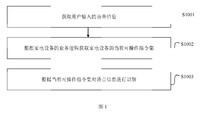
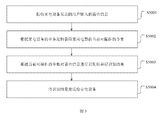
- FIG. 1 is a flowchart of a voice recognition method of a home appliance according to an embodiment of the present application
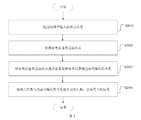
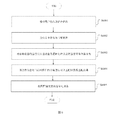
- FIG. 2 is a flowchart of a voice recognition method of a home appliance according to an embodiment of the present application
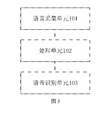
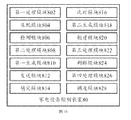
- FIG. 3 is a block schematic diagram of a household electrical appliance according to an embodiment of the present application.
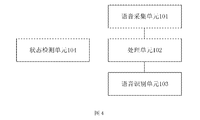
- FIG. 4 is a block schematic diagram of a household electrical appliance according to an embodiment of the present application.
- FIG. 5 is a flowchart of a voice recognition method of a home appliance according to another embodiment of the present application.
- FIG. 6 is a flowchart of a voice recognition method of a home appliance according to another embodiment of the present application.
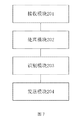
- FIG. 7 is a block schematic diagram of a server in accordance with an embodiment of the present application.
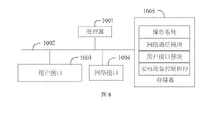
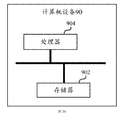
- FIG. 8 is a schematic structural diagram of a terminal/device in a hardware operating environment according to an embodiment of the present application.
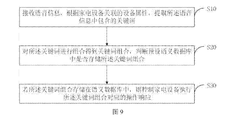
- FIG. 9 is a schematic flow chart of a first embodiment of a method for controlling a home appliance according to the present application.
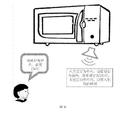
- FIG. 10 is a schematic diagram of a scenario of a method for controlling a home appliance of the present application.
- FIG. 11 is a schematic diagram of still another scenario of the home appliance control method of the present application.
- FIG. 12 is a schematic flow chart of a method for controlling a household electrical appliance according to a second embodiment of the present application.
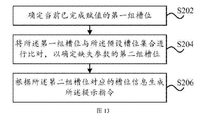
- FIG. 13 is a schematic flowchart of a method for generating a prompt instruction according to an embodiment of the present application.
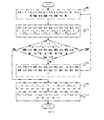
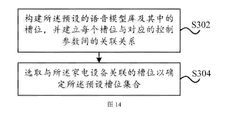
- FIG. 14 is a schematic flowchart of a method for constructing a voice model library according to an embodiment of the present application
- FIG. 15 is a schematic flow chart of a home appliance control method according to a third embodiment of the present application.
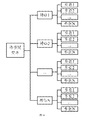
- 16 is a schematic diagram of a speech model library of an embodiment of the present application.
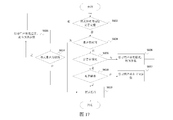
- FIG. 17 is a schematic flow chart of a microwave oven control method according to an embodiment of the present application.
- FIG. 19 is a schematic block diagram of a home appliance control device according to an embodiment of the present application.
- 20 is a schematic block diagram of a computer device of an embodiment of the present application.
- FIG. 1 is a flow chart of a voice recognition method of a home appliance according to an embodiment of the present application. As shown in FIG. 1, the voice recognition method of the home appliance includes the following steps:
- S1001 Acquire voice information input by the user.
- the voice information input by the user may be collected by the voice collection unit.
- the voice collection unit may be a microphone or the like.
- S1002 Acquire a current operable instruction set of the home appliance according to the business logic of the home appliance.
- the current set of operable instructions refers to a set of instructions that can be operated by a user.
- the instructions operable by the user may include a stop command and an acceleration command (increasing power).
- the stop command, the acceleration command, and the lock command can be used to form the current set of operable commands.
- acquiring a current operable instruction set of the home appliance according to the service logic of the home appliance includes: detecting a current state of the home appliance; and acquiring a current state of the home appliance according to a current state of the home appliance and a service logic of the home appliance Operabled instruction set.
- the current operational set of instructions can be obtained by an instruction that the current state can operate.
- the service logic of the home appliance may refer to an instruction that the home appliance can execute in each state.
- the service logic of the home appliance may be: the work instruction cannot be sent during the work process; the child lock state cannot be sent. Child lock command; work command cannot be sent in child lock state; work command cannot be sent in fault state; door open command cannot be sent in working state; work command cannot be sent in open state; work command cannot exceed 99 minutes and 50 seconds; Send the child lock command; the fixed work mode does not require firepower, it only takes time.
- the status command list may be set according to the service logic of the home appliance, and the list may include a status and an allow command.
- the status of each home appliance in the list is preset with a corresponding instruction that can be operated.
- the instruction set for example, when the state is cooking, the corresponding commands that can be operated are: stop, accelerate (increase power, reduce working time by calculation), and lock the door.
- the status command list is stored in the home appliance, and after determining the state of the home appliance, the current operable instruction set can be determined by querying the status command list.
- the voice recognition can be greatly reduced by the selected operable instruction set, and the calculation amount of the voice recognition can be greatly reduced, and the recognition rate can be improved to a certain extent.
- the system security can be improved and the execution of the misoperation can be avoided.
- identifying the voice information according to the current set of operable instructions includes:
- the voice information matches any of the operable instructions in the currently operable instruction set, it is determined that the operable command is an instruction corresponding to the voice information.
- the feature vector of the voice signal can be compared with each operable command in the current operable instruction set, and the operable command with the similarity greater than the preset threshold can be confirmed to match the voice information.
- the matched operational command that is, the instruction corresponding to the voice information, can be executed by the home appliance.
- the voice recognition method of the home appliance of the embodiment of the present application specifically includes the following steps:
- S2003 Perform business logic processing on the current state of the home appliance to obtain a current set of operable instructions.
- the voice is invalid or the command is invalid, that is, the voice information input by the user is not in the voice information.
- the voice information entered in the voice template library of the home appliance or the user input is an inoperable command, and the recognition fails, and a prompt message may be sent to remind the user to re-enter the voice input.
- the voice information can be identified by comparing and matching the voice information with the currently operable command.
- the current set of operational instructions may include at least one operational instruction, each operable instruction having a plurality of speech templates.
- the status command list may be queried according to the current state of the home appliance to obtain an operable instruction, and the voice template library is addressed based on the operable instruction to obtain an operable instruction, and the voice template library includes multiple operable instructions.
- Voice template In the identification process, the voice template library is matched with the voice information input by the user, and if the voice template inventory is in a voice template that matches the voice information input by the user, the recognition is successful.
- the voice information and the currently operable instruction set are instructed.
- the voice information can be directly matched with the voice template library corresponding to the above three operable instructions.
- the "stop” voice template library contains “close”, “speed stop”, “stop”, “Stop”...; "lock door” voice template library contains “lock” “deadlock” "child lock”...
- the “acceleration” voice template library contains "speed up”, “fast cook” and “accelerate”.
- the method in the embodiment of the present application only matches the above voice template library, which greatly improves the voice matching speed, reduces the calculation amount, and improves the system security.
- the voice template library of the operable instructions may be a temporarily established database or a pre-established database.
- the voice information input by the user may be directly determined to match the operable instruction, and the home appliance is directly controlled to execute the operable instruction.
- the home appliance can only be unlocked (for a home appliance without a shutdown operation), then the current operable instruction set only includes an unlock command, and currently The direct control of the home appliance performs the unlocking operation, thereby greatly reducing the amount of calculation and also improving the recognition rate.
- the household electrical appliance may be a microwave oven, an oven, a rice cooker, or the like.
- the voice recognition method of the home appliance acquires the voice information input by the user and the current operable instruction set of the home appliance, and then identifies the voice information according to the current operable instruction set. Therefore, the method in the embodiment of the present application greatly reduces the calculation amount of the speech recognition by performing the speech recognition in the filtered operable instruction set, and can improve the recognition rate to a certain extent, improve the system security, and avoid the execution. Misoperation.
- the present application also proposes a home appliance.
- FIG. 3 is a block schematic diagram of a household electrical appliance according to an embodiment of the present application.
- the household electrical appliance includes: a voice collection unit 101, a processing unit 102, and a voice recognition unit 103.
- the voice collection unit 101 is configured to collect voice information input by the user; the processing unit 102 is configured to acquire a current operable instruction set of the home appliance according to the service logic of the home appliance; and the voice recognition unit 103 is configured to set the voice according to the current operable command set. The information is identified to obtain an instruction corresponding to the voice information.
- the household electrical appliance further includes: a state detecting unit 104, wherein the state detecting unit 104 is configured to detect a current state of the home appliance; and the processing unit 102 is configured to use the home appliance The current state and the business logic of the home appliance obtain the current set of operational instructions for the home appliance.
- the current set of operational instructions includes at least one operational instruction, each operable instruction having a plurality of speech templates.
- the voice recognition unit 103 is further configured to compare and match the voice information with each operable instruction in the current operable instruction set, and compare the voice information with any operable instruction in the current operable instruction set. When matching, it is determined that the operable instruction is an instruction corresponding to the voice information.
- the home appliance of the embodiment of the present invention corresponds to the voice recognition method of the home appliance provided by the foregoing embodiments. Therefore, the implementation of the voice recognition method of the home appliance is also applicable to the home appliance provided in this embodiment. This embodiment will not be described in detail.
- the voice information input by the user is collected by the voice collection unit, and the current operable instruction set of the home appliance is obtained by the processing unit, and then the voice recognition unit pairs the voice information according to the current operable instruction set. Identify. Therefore, the home appliance of the embodiment of the present application greatly reduces the calculation amount of the voice recognition by performing voice recognition in the filtered operable instruction set, and can improve the recognition rate to a certain extent, thereby improving system security and avoiding Perform a misoperation.
- the present application further provides another home appliance, including a memory, a processor, and a voice recognition program of the home appliance stored on the memory and operable on the processor, and the processor implements the foregoing implementation.
- a voice recognition method for a home appliance including a memory, a processor, and a voice recognition program of the home appliance stored on the memory and operable on the processor, and the processor implements the foregoing implementation.
- the voice recognition method of the home appliance of the foregoing embodiment can greatly reduce the calculation amount of voice recognition, and can improve the recognition rate to a certain extent, thereby improving system security and avoiding Perform a misoperation.
- the present application further provides a non-transitory computer readable storage medium on which a voice recognition program of a home appliance is stored, and when the program is executed by the processor, voice recognition of the home appliance of the foregoing embodiment is implemented. method.
- the voice recognition method of the home appliance can greatly reduce the calculation amount of the voice recognition, and can improve the recognition rate to a certain extent, thereby improving system security and avoiding Performed a misoperation.
- Another embodiment of the home appliance and a voice recognition method thereof are also provided in the embodiment of the present application.
- FIG. 5 is a block schematic diagram of a voice recognition method of a home appliance according to an embodiment of the present application.
- the voice recognition method of the home appliance can be applied to a server.
- the voice recognition method of the home appliance includes the following steps:
- S5001 Receive voice information input by a user equipment sent by the home appliance.
- the home appliance can collect the voice information input by the user through the voice collection unit, and send the collected voice information to the server.
- the voice collection unit can be a microphone or the like.
- S5002 Acquire a current operable instruction set of the home appliance according to the business logic of the home appliance.
- the current set of operable instructions refers to a set of instructions that can be operated by a user.
- the instructions operable by the user may include a stop command and an acceleration command (increasing power).
- the stop command, the acceleration command, and the lock command can be used to form the current set of operable commands.
- acquiring a current operable instruction set of the home appliance according to the service logic of the home appliance includes: receiving a current state of the home appliance sent by the home appliance; acquiring according to a current state of the home appliance and a service logic of the home appliance The current set of operational instructions for home appliances.
- the home appliance detects the current state of the home appliance, and transmits the current state of the home appliance to the server together with the voice information input by the user.
- the server receives the voice information input by the user and the current state of the home appliance, and performs business logic processing on the current state (for example, the work instruction cannot be sent again in the work) to filter out the instruction that the current state can be operated, and the current state can be performed according to the screening.
- the instruction of the operation can obtain the current set of operational instructions.
- the service logic of the home appliance may refer to an instruction that the home appliance can execute in each state.
- the service logic of the home appliance may be: the work instruction cannot be sent during the work process; the child lock state cannot be sent. Child lock command; work command cannot be sent in child lock state; work command cannot be sent in fault state; door open command cannot be sent in working state; work command cannot be sent in open state; work command cannot exceed 99 minutes and 50 seconds; Send the child lock command; the fixed work mode does not require firepower, it only takes time.
- the server may set a status command list according to the service logic of each home appliance, where the list may include a device identifier, a status, and an allow command of the home appliance, where the status of each home appliance in the list is preset and corresponding.
- the instruction that can be operated can operate the instruction set. For example, when the device identifier of the household electrical appliance is A and the current state of the household electrical appliance is cooking, the corresponding commands that can be operated are: stop, accelerate (increase power, Reduce work time by calculation), lock the door.
- the status command list is stored in the server, and after determining the device identification and status of the home appliance, the current operable instruction set can be determined by querying the status command list.
- the device identifier of the home appliance may be a DSN (device serial number).
- S5003 Identify voice information according to a current operable instruction set to obtain a recognition result
- S5004 Send the recognition result to the home appliance.
- the home appliance performs the recognition result after receiving the recognition result.
- the voice recognition can be greatly reduced by the selected operable instruction set, and the calculation amount of the voice recognition can be greatly reduced, and the recognition rate can be improved to a certain extent.
- the system security can be improved and the execution of the misoperation can be avoided.
- the identifying the voice information according to the current set of operable instructions comprises: comparing the voice information with each operable instruction in the currently operable instruction set; when the voice information is in any of the currently operable instruction sets When the operable instructions match, the operable instructions are transmitted to the home appliance.
- the feature vector of the voice signal can be compared with each operable command in the current operable instruction set, and the operable command with the similarity greater than the preset threshold can be confirmed to match the voice information.
- the matched operational command is also an instruction corresponding to the voice information. After the identification is completed, the recognition result can be sent to the home appliance to enable the home appliance to execute the corresponding instruction.
- the voice recognition method of the home appliance of the embodiment of the present application specifically includes the following steps:
- S6001 Receive voice information input by the user.
- S6003 Perform business logic processing on the current state of the home appliance to obtain a current set of operable instructions.
- the voice information input by the server or the voice information input by the user belongs to an inoperable instruction, and the recognition fails, and a prompt message may be sent to remind the user to re-enter the voice input.
- the voice information can be identified by comparing and matching the voice information with the currently operable command.
- the current set of operational instructions may include at least one operational instruction, each operable instruction having a plurality of speech templates.
- the home appliance sends the device identification of the home appliance to the server while transmitting data to the server.
- the server may query the status command list according to the device identifier and the current status of the home appliance to obtain an operable instruction, and address the voice template library to obtain an operable instruction based on the operable instruction, and the voice template library includes each operable Multiple voice templates for instructions.
- the voice template library is matched with the voice information input by the user, and if the voice template inventory is in a voice template that matches the voice information input by the user, the recognition is successful.
- the voice information and the currently operable instruction set are instructed.
- the voice information can be directly matched with the voice template library corresponding to the above three operable instructions.
- the "stop” voice template library contains “close”, “speed stop”, “stop”, “Stop”...; "lock door” voice template library contains “lock” “deadlock” "child lock”...
- the “acceleration” voice template library contains "speed up”, “fast cook” and “accelerate”.
- the method in the embodiment of the present application only matches the above voice template library, which greatly improves the voice matching speed, reduces the calculation amount, and improves the system security.
- the voice template library of the operable instructions may be a temporarily established database or a pre-established database.
- the voice information input by the user may be directly determined to match the operable instruction, and the home appliance is directly controlled to execute the operable instruction.
- the home appliance can only be unlocked (for a home appliance without a shutdown operation), then the current operable instruction set only includes an unlock command, and currently The direct control of the home appliance performs the unlocking operation, thereby greatly reducing the amount of calculation and also improving the recognition rate.
- the voice recognition method of the home appliance receives the voice information input by the user equipment sent by the home appliance, acquires the current operable instruction set of the home appliance, and then identifies the voice information according to the current operable instruction set. . Therefore, the method in the embodiment of the present application greatly reduces the calculation amount of the voice recognition by performing the voice recognition in the filtered operable instruction set, and can improve the recognition rate to a certain extent, improve the system security, and avoid the execution. Misoperation.
- the present application also proposes a server.
- the server includes: a receiving module 201, a processing module 202, an identifying module 203, and a sending module 204.
- the receiving module 201 is configured to receive voice information input by the user equipment sent by the home appliance; the processing module 202 is configured to acquire a current operable instruction set of the home appliance according to the service logic of the home appliance; and the identifying module 203 is configured to use the current operable instruction set.
- the voice information is identified to obtain a recognition result; the sending module 204 is configured to send the recognition result to the home appliance.
- the receiving module 201 is further configured to receive a current state of the home appliance sent by the home appliance; the processing module 202 is further configured to acquire the current state of the home appliance according to the current state of the home appliance and the service logic of the home appliance. Operabled instruction set.
- the current set of operational instructions includes at least one operational instruction, each operable instruction having a plurality of speech templates.
- the identification module 203 is further configured to compare the voice information with each operable instruction in the current operable instruction set; when the voice information matches any operable instruction in the current operable instruction set Sending the operable command to the home appliance.
- the server receives the voice information input by the user equipment sent by the home appliance through the receiving module, acquires the current operable instruction set of the home appliance through the processing module, and then the recognition module sets the voice according to the current operable instruction set. Information is identified. Therefore, the server in the embodiment of the present application greatly reduces the calculation amount of the voice recognition by performing the voice recognition in the filtered operable instruction set, and can improve the recognition rate to a certain extent, improve the system security, and avoid the execution. Misoperation.
- the present application further provides another server, including a memory, a processor, and a voice recognition program of a home appliance stored on the memory and operable on the processor.
- a voice recognition program of a home appliance stored on the memory and operable on the processor.
- the voice recognition method of the home appliance can greatly reduce the calculation amount of the voice recognition, and can improve the recognition rate to a certain extent, improve the system security, and avoid performing the misoperation.
- the present application also proposes another non-transitory computer readable storage medium on which a voice recognition program of a home appliance is stored, and when the program is executed by the processor, the home appliance of the other embodiment is implemented.
- the voice recognition method of the device is also proposed.
- the voice recognition method of the home appliance can greatly reduce the calculation amount of the voice recognition, and can improve the recognition rate to a certain extent, thereby improving the system security and avoiding Performed a misoperation.
- FIG. 8 is a schematic structural diagram of a terminal in a hardware operating environment according to an embodiment of the present application.
- the terminal can be implemented in various forms.
- the terminal described in the present application may include home appliances such as a microwave oven, an air conditioner, a television, a refrigerator, a washing machine, a water heater, an air purifier, a vacuum cleaner, and the like, and may also include, for example, a smart speaker, a mobile phone, a tablet, a laptop, Handheld computers, personal digital assistants (PDAs), portable media players (PMPs), navigation devices, wearable devices, smart bracelets, pedometers and other terminals.
- home appliances such as a microwave oven, an air conditioner, a television, a refrigerator, a washing machine, a water heater, an air purifier, a vacuum cleaner, and the like
- PDAs personal digital assistants
- PMPs portable media players
- navigation devices wearable devices
- smart bracelets smart bracelets
- pedometers and other terminals.
- a home appliance such as a microwave oven or a refrigerator
- Terminals such as smart speakers.
- the terminal may include a processor 1001, such as a CPU, a network interface 1004, a user interface 1003, a memory 1005, and a communication bus 1002.
- the communication bus 1002 is used to implement connection communication between these components.
- the user interface 1003 can include a display, an input unit such as a keyboard, and the optional user interface 1003 can also include a standard wired interface, a wireless interface.
- the network interface 1004 can optionally include a standard wired interface, a wireless interface (such as a WI-FI interface).
- the memory 1005 may be a high speed RAM memory or a non-volatile memory such as a disk memory.
- the memory 1005 can also optionally be a storage device independent of the aforementioned processor 1001.
- the terminal may further include a camera, an RF (Radio Frequency) circuit, a sensor, an audio circuit, a WiFi module, and the like.
- sensors such as light sensors, motion sensors, and other sensors.
- the light sensor may include an ambient light sensor and a proximity sensor, wherein the ambient light sensor may adjust the brightness of the display according to the brightness of the ambient light, and the proximity sensor may turn off the display and/or when the mobile terminal moves to the ear. Backlighting.
- the gravity acceleration sensor can detect the magnitude of acceleration in each direction (usually three axes), and can detect the magnitude and direction of gravity when stationary, and can be used to identify the posture of the mobile terminal (such as horizontal and vertical screen switching, Related games, magnetometer attitude calibration), vibration recognition related functions (such as pedometer, tapping), etc.; of course, the mobile terminal can also be equipped with other sensors such as gyroscope, barometer, hygrometer, thermometer, infrared sensor, etc. No longer.
- terminal structure shown in FIG. 8 does not constitute a limitation to the terminal, and may include more or less components than those illustrated, or a combination of certain components, or different component arrangements.
- the operating system, the network communication module, the user interface module, and the home appliance control program may be included in the memory 1005 as a computer storage medium.
- the network interface 1004 is mainly used to connect to the background server, and performs data communication with the background server;
- the user interface 1003 is mainly used to connect the client (user end), and perform data communication with the client;
- 1001 can be used to call the home appliance control program stored in the memory 1005.
- the present application provides a home appliance control method.
- the method includes:
- Step S10 receiving voice information, and extracting keywords included in the voice information according to device attributes associated with the home appliance;
- the voice message is voice information generated by the user or any device that can emit voice.
- the voice information is collected according to an audio format, and the audio format refers to a sampling frequency and a number of sampled data bits, and may be a 16 kHz, 16-bit digital signal.
- the key words are the key information extracted from the speech information.
- the Meir frequency cepstral coefficient method is used to extract the feature quantity of the sound signal. Combined with the acoustic model and the language model, the extracted feature quantity of the sound signal is decoded and the keywords contained therein are decoded. Can be a verb of execution, a condition of execution, a way of execution, and so on.
- the user utters: "The microwave oven is fired at a temperature of 250 ° C and heated for 30 seconds.”
- the microwave oven equipped with the home appliance control program receives the voice information spoken by the user.
- the voice information “mid-fire oven for microwave oven, temperature 250 ° C, heating for 30 seconds” is collected, and the above-mentioned voice information is decoded, for example, the keyword “intermediate fire, 250 ° C, heating, 30 seconds" is obtained.
- Step S20 combining the keywords to obtain a keyword combination, and determining whether the keyword combination is stored in the preset semantic database;
- the keywords extracted above are arranged and combined according to the logical relationship between the keywords to obtain a keyword combination.
- the semantic database is preset, and the semantic database stores a keyword combination list established by a preset keyword, a preset execution operation response list, and stores a logical relationship between the keyword combination and the operation response.
- the keyword combination combines the obtained keyword into a preset semantic database for searching, and determines whether the semantic database stores the keyword combination.
- Step S30 If the keyword combination is stored in the semantic database, control the home appliance to perform an operation response corresponding to the keyword combination.
- the operation response, the operation steps and the output audio data that the home appliance needs to perform is the function trigger response and the audio output response, and the audio output response is the sound information played in the corresponding function trigger response.
- the keyword combination obtained in the above step is “heated for 30 seconds in a fire at 250° C.”, if the keyword combination is stored in a preset semantic database, then the home appliance that receives the control voice information performs “at 250”.
- the medium fire is heated in °C, the heating time is 30 seconds.
- the function response triggers the response, and during the execution of the function trigger response, the audio output response is performed, which can be "temperature setting 250 °C, firepower is medium fire, The heating time is 30 seconds, the heating is started, and the heating is finished, and the audio output response is performed.
- the heating operation is completed, please take out the heating object. At this time, the operation of the voice control home appliance is completed.
- the audio output response may also be performed asynchronously.
- the voice information is analyzed and decoded, the semantic keywords in the voice information are extracted, and the extracted keywords are combined to obtain a keyword combination.
- the operation response corresponding to the keyword combination is searched in a preset semantic database, and the home appliance receiving the voice control information performs the operation response.
- the semantic keywords are parsed, and the keywords are combined according to the logical relationship, and the operation of the home appliance is controlled by the keyword combination, so that the voice control operation can perform the control operation without identifying the complete control mode, and
- the response speed is fast, and it is not restricted by the network connection, which expands the use scene of the home appliance.
- the step of receiving the voice information in the step S10, and extracting the keyword included in the voice information according to the device attribute associated with the home appliance further includes:
- Step S01 establishing a keyword combination table according to a combination relationship between preset keywords
- Key words include related words such as operation verbs, operating states, operating conditions, etc. involved in performing control operations, such as heating, steam, barbecue, small fire, medium fire, large fire, 200 ° C, 300 ° C, 10 seconds, 20 Seconds and so on.
- the keyword combination table according to the logical relationship between the keywords, arranges and combines the keywords to obtain a keyword combination, and generates a keyword combination table.
- the combination between the keywords may be a combination of two or two, a combination of three keywords, or a combination of more keywords, and the combined keywords are combined to generate a keyword combination table. For example, by combining keyword heating and small fire, you can get the keyword combination of small fire heating; combine the three keywords of barbecue, fire, and 300 °C to get the keyword combination of fire barbecue at 300 °C.
- the above keyword combination is stored in the keyword combination table.
- Step S02 Establish a logical relationship between the keyword combination and the operation response according to the keyword combination in the keyword combination table, and generate a semantic database.
- step S02 the method further includes:
- the preset function triggers the response and the audio output response, establishes a logical relationship between the function trigger response and the audio output response, and generates an operation response list, wherein the audio output response includes the guidance prompt audio data and the function trigger prompt audio data.
- the function triggers the response, and the voice control of the home appliance may perform an operation step.
- the function trigger response may be heating a small fire 200 ° C, thawing a small fire 100 ° C, a barbecue fire 300 ° C, etc., triggering in the above function
- More conditional limits can be set in the response, such as time limit, heating time, and thawing time.
- the above-mentioned possible function trigger response methods are counted, and a list of function trigger responses is established.
- the audio output response corresponds to the played back voice information related to the keyword, the keyword combination, and the function trigger response.
- the audio output response includes guiding prompt audio data and function triggering prompt audio data.
- the guiding prompt audio data is to play the related default information when the control command of the voice input is incomplete;
- the function triggering the prompting audio data is a voice prompt that is synchronized when the corresponding function triggers the response when the voice input control command is complete. information.
- the fire is grilled at 300 ° C.
- the voice-controlled home appliance receives the voice control command of the fire grill at 300 ° C, and the control command lacks the time required to perform the operation response.
- the corresponding guidance prompt audio data which can be "Please enter the length of time required to fire at 300 °C.” If the keyword combination is 300 °C fire barbecue for 80 seconds, the control command is complete. At this time, the corresponding function starts to prompt the audio data, which can be "set temperature 300 °C, fire setting fire, barbecue function, duration 80 second".
- a logical relationship between the function trigger response and the audio output response is established, and an operation response list is generated, and a logical relationship is established between the keyword combination table and each component in the operation response list to generate a semantic database.
- the keyword combination is 300 ° C under the big fire barbecue
- the corresponding execution function trigger response is 300 ° C fire barbecue
- the corresponding audio output response is the temperature 300 ° C
- the fire power sets the fire
- the barbecue function
- the corresponding group of information is A set of data in a semantic database.
- the semantic database may be established for a specific home appliance, or may be established by using common or different home appliances. If the universally applicable semantic database is uniformly established, the semantic database may be Set a sub-semantic database for different types of home appliances.
- a keyword, a keyword combination, a function trigger response, an audio output response are preset, and a semantic database is obtained through the logical relationship between the keyword, the keyword combination, the function trigger response, and the audio output response. Therefore, after receiving the voice control instruction, the corresponding keyword, the keyword combination and the corresponding operation response are directly extracted from the semantic database, and the related information is not obtained from the cloud for semantic analysis, or the complete control instruction must be obtained.
- the hardware requirements of the voice control device are reduced, the processing speed of the voice control device for the voice control command is increased, and the use range of the voice control device is expanded.
- the step of receiving the voice information in the step S10, and extracting the keyword included in the voice information according to the device attribute associated with the home appliance includes:
- Step S11 marking a start point and an end point of the voice information, and extracting a sound signal feature quantity of the voice information between the start point and the end point of the mark;
- Endpoint detection refers to distinguishing between speech and non-speech signal periods in a speech signal to accurately determine the start and end points of the speech signal. After the endpoint detection, the subsequent processing can only be performed on the speech signal, which plays an important role in improving the accuracy of the processing model and the recognition accuracy.
- the Mel frequency cepstrum coefficient is a feature widely used in automatic speech and speaker recognition. It first preprocesses speech signal performance, such as signal-to-noise ratio and processing accuracy, and obtains different time windows distributed on the time axis.
- the spectrum within the spectrum converts the linear natural spectrum into a Mel spectrum that reflects human auditory characteristics, and then performs cepstrum analysis to obtain the Mel frequency cepstral coefficient, the Mel frequency cepstrum coefficient That is, the characteristics of the voice information, the amount of the sound signal feature.
- Step S12 Decoding the sound signal feature quantity to obtain a semantic keyword in the voice information.
- the extracted sound signal feature quantity is decoded, and the keywords contained therein are decoded.
- An acoustic model that calculates the probability of issuing this speech for a given text. Specifically, using the feature quantity of the sound signal obtained in the above step, the distribution of the feature vector of each phoneme is estimated, and the probability that the feature vector of each frame is generated by the corresponding phoneme is calculated, and the probability of each frame is multiplied to obtain The probability of issuing this voice. It is also possible to convert the probability that each frame feature vector is generated by the corresponding phoneme through the neural network, and then multiply the probability of each frame to obtain the probability of issuing the speech.
- the language model generally uses the chain rule to disassemble the probability of a sentence into the product of the probability of each word.
- the speech model includes an n-gram model. In the n-gram model, the probability distribution of each word depends only on the first n-1 times.
- a neural network based language model can also be used. These models can be used alone or in combination.
- the acoustic model and the language model are used to convert the speech into text, and then the keywords in the converted text are extracted to obtain keywords included in the received speech information.
- the received speech information is obtained by the endpoint detection method and the Mel cepstral coefficient method, and then the feature quantity of the sound signal is converted into a text by an acoustic model and a speech model, and the key in the text is The word is extracted; thereby converting the input voice signal into a text keyword, which facilitates control of the voice control device that receives the voice signal by the keyword.
- the keyword combination is combined to obtain a keyword combination in step S20, and the step of determining whether to store the keyword combination in the preset semantic database includes:
- Step S21 judging the number of the keywords
- Step S22 if the number of the keywords is zero, reacquiring the voice information, and performing a keyword extraction operation on the voice information;
- the number of keywords in the voice information extracted in the above steps is determined. If the number of the keywords is zero, the related keywords are not extracted in the received voice information. At this time, the voice is The controlled device needs to reacquire new voice information, and then performs the relevant process of keyword extraction in the above steps on the newly acquired voice information, and obtains keywords of new voice information.
- Step S23 If the number of the keywords is greater than zero, the keyword is semantically fuzzy matched with the preset keyword.
- the extracted keywords are compared with the preset keywords, and the extracted keywords are converted into semantically consistent keywords in the preset keywords.
- the received voice information is “heating in a microwave oven with slow heating”
- the extracted keyword is “slow heating”.
- the keyword “slow heating” is converted into a preset keyword “small fire heating”. ".
- the rate of running the processor is increased, and the processor is prevented from processing the voice information without the keyword, thereby reducing the occupation rate of the running memory of the processor.
- the processing rate of the keyword is set to speed up the processing of the input voice information and improve the user experience.
- the step of controlling the home appliance to perform the operation response corresponding to the keyword combination further includes:
- Step S31 if the keyword combination is not stored in the semantic database, triggering an audio output response, and outputting the prompting audio data;
- the extracted keywords are not stored in the preset semantic database.
- the guidance prompt audio data may be outputted by means of voice output, and the prompt may be to indicate whether an operation similar to the keyword is to be performed, or Prompt for further input of voice messages.
- the keyword extracted from the input voice information is “slow stew”, and the keyword is not stored in the preset semantic database.
- the guide prompts the audio data, for example, “Slow stew is to be small. Fire heating, or "Please enter further operational data for slow stewing" and so on.
- Step S32 Generate a new operation response according to the received new voice information, and store the operation response in the semantic database corresponding to the keyword combination.
- the received new voice information, the operation response corresponding to the voice information is used as a new operation response corresponding to the keyword, and the keyword and the operation response are stored. Go to the voice database. For example, in the above steps, "whether the slow stewing is to be heated by a small fire", after which the received voice information is determined to be a small fire, then the slow stewing keyword and the small fire are heated. In response, the corresponding storage is stored in the semantic database to obtain a new semantic database. In the new semantic database, the operation response corresponding to the keyword "slow stew" is "small fire heating".
- the received voice information is extracted, the information is "heated for 30 minutes on medium heat", that is, the operational response of the keyword “slow stewing” is defined as “medium heat heating for 30 minutes”.
- the "slow stew” corresponding operation execution response "medium heat heating for 30 minutes” is stored in the semantic database to generate a new semantic database.
- the operation response of the execution of the keywords not stored in the semantic database is redefined, and the preset semantic database is updated, thereby expanding the range of the keywords and performing the operation response, and increasing the voice information in the voice control.
- the freedom and more personalized use enhances the user experience.
- the step of controlling the home appliance to perform the operation response corresponding to the keyword combination further includes:
- Step S33 determining whether the operation response corresponding to the keyword combination is complete
- Step S34 if the operation response corresponding to the keyword combination is complete, controlling the home appliance to perform an operation response corresponding to the keyword combination, and playing a corresponding function trigger audio data in the audio output response;
- the corresponding operation response is “small fire heating for 30 seconds”
- the firepower size, function mode, and heating time are all given, then the operation response corresponding to the keyword combination is given.
- the keyword extracted from the received voice information is “small fire, heating, 30 seconds”
- the corresponding “small fire heating 30 seconds” function trigger response is directly executed, and at the same time, the audio output response is triggered. "The firepower sets a small fire, the function is set to heat, and the heating time is 30 seconds.”
- Step S35 If the operation response corresponding to the keyword combination is incomplete, the corresponding guidance prompt audio data in the audio output response is played.
- the combination of the obtained keywords is "small fire, heating”
- the combination of the keywords is determined to be incomplete, and the length of time for heating is absent.
- the corresponding guiding prompt in the audio output response is played. Audio data, that is, the default heating time command for voice playback, "Firepower is set to low fire, function is set to heating, heating time is not set, please enter heating time”.
- the operation command input prompts, thereby reducing the difficulty of the voice control input command, giving a clear direction of the input command, and optimizing the user's controllable voice control. Sexuality, enhance the user experience.
- the voice input "mid-fire oven is used for medium fire, temperature 250 ° C, heating for 30 seconds", and the keyword is extracted.
- the function triggers the response, and in the process of performing the function trigger response, the audio output response is “temperature setting 250° C., the fire power is medium fire, the heating time is 30 seconds, the heating starts”, the heating ends, and the audio output response “heating operation is completed, Please take out the heating object. At this time, the operation of the voice control home appliance is completed.
- the voice is input "the microwave oven is used for medium heat, the temperature is 250 ° C", the keyword “medium fire, 250 ° C, heating” is extracted, and the keyword combination "250 ° C medium heat heating” is obtained. The length of heating is missing in the combination.
- the corresponding guidance prompt audio data in the audio output response is played, that is, the default heating time command for voice playback, "the firepower is set to medium fire, and the function is set to heating, temperature. Set to 250 ° C, no heating time is set, please enter the heating time”.
- the subsequent voice control execution process is consistent with the above steps, and will not be described here.
- the present application also provides a household electrical appliance including a memory, a processor, and a home appliance control program stored on the memory and operable on the processor, the home appliance control program being processed
- a household electrical appliance including a memory, a processor, and a home appliance control program stored on the memory and operable on the processor, the home appliance control program being processed
- the steps of the above-described home appliance control method are implemented when the device is executed.
- the application further provides a control terminal, the control terminal comprising: a memory, a processor, and a home appliance control program stored on the memory and operable on the processor, the home appliance control program being The steps of the above-described home appliance control method are implemented when the processor executes.
- the present application also provides a computer readable storage medium having stored thereon a home appliance control program that implements the steps of the home appliance control method described above when the home appliance control program is executed by a processor.
- the home appliance control method according to the second embodiment of the present application specifically includes the following process steps:
- Step S102 Receive voice data collected by a voice device associated with the home appliance, and extract feature words included in the voice data.
- the voice device associated with the home appliance may be a built-in voice module of the home appliance or an external voice device of the home appliance, wherein the external voice device such as a voice speaker, a user phone, etc., and the home appliance may include all Home appliances that can execute programs, such as microwave ovens, ovens, and other household appliances.
- the voice data collected by the voice device may be received through a transmission manner such as Wi-Fi (Wireless-Fidelity), Bluetooth, or ZigBee (ZipBee protocol); and when extracting feature words in the voice data, for example, It is first converted into text, and then the semantic analysis of the text is compared to the feature words contained in the set criteria.
- Wi-Fi Wireless-Fidelity
- Bluetooth Wireless-Fidelity
- ZigBee ZigBee protocol
- Step S104 matching the feature word with a control parameter in a preset phonetic model library, and assigning the feature word to the target control parameter when determining a target control parameter corresponding to the feature word. Associated slot.
- the feature words extracted from the voice data input by the user are: rotating the barbecue for 10 minutes
- the slots in the voice model library include the mode
- the time, and the control parameters associated with the mode include: upper grilling, lower grilling, upper and lower Grilling, rotating barbecue, hot air grilling, etc.
- the time-related control parameters include hours, minutes, seconds, etc.
- the feature word "rotary grilling” matches the control parameter "rotary grilling" of the mode slot
- step S106 after all the feature words are assigned to the corresponding slots, it is detected whether the target slots in the preset slot set associated with the home appliance are in the voice model library, if If the detection result is no, step S108 is performed, and if the detection result is YES, step S110 is performed.
- Step S108 Send a prompt instruction for guiding the completion parameter to the user, so that the user supplements the voice data with the corresponding voice data according to the prompt instruction, and returns to step S102.
- the prompting instruction can be specifically delivered to the user in the form of a voice announcement.
- Step S110 Generate a manipulation instruction according to all the assignments corresponding to the preset slot set.
- Step S112 sending the manipulation instruction to the household electrical appliance, so that the household electrical appliance operates according to the manipulation instruction.
- the user voice data collected by the voice device associated with the home appliance is subjected to text conversion, semantic analysis, and the like.
- Obtaining characteristic words related to controlling the operation of the household electrical appliance that is, determining the intention of the user to currently control the household electrical appliance, and matching the feature words with the control parameters in the preset voice model library, specifically defined in the voice model library
- the associated slots can be locked, and then the feature words can be assigned to the slot.
- the manipulation command is not immediately generated, but the preset slot associated with the home appliance in the voice model library is detected.
- the target slots in the collection should be assigned, that is, whether the missing parameters are detected and the home appliance cannot be started normally. If the target slot is not fully assigned, the user is required to guide the user to supplement the input of the corresponding voice data to perform the feature word extraction, the matching of the feature word and the control parameter, and the assignment of the feature word to the corresponding slot.
- the method of detecting the target slot in the preset slot set is completely determined until the target slot is assigned, and then all the assignments corresponding to the target slots of the preset slot set can be used to control the operation of the home appliance.
- the control command obviously, the control command can correctly activate the corresponding home appliances, making the voice control home appliance more intelligent and efficient, improving the accuracy of the user to control the home appliance, thereby improving the user's human-computer interaction experience.
- the wake-up of the voice device at a time enables the user to complete the initial and supplemental input of the voice data without having to re-awake the voice device each time a missing parameter is detected.
- the method further includes the step of generating the prompting instruction, as shown in FIG. 13, specifically:
- Step S202 determining that the first set of slots that have been assigned is currently completed.
- Step S204 Align the first set of slots with the preset set of slots to determine a second set of slots of missing parameters.
- Step S206 generating the prompting instruction according to the slot information corresponding to the second group of slots.
- the prompt information may be guided according to the slot information of the unassigned set of slots in the preset slot set associated with the home appliance.
- the user supplements the input voice data to accurately inform the user what parameters are currently missing so that the user has a clear focus on supplementing the input voice data, and ensures the efficiency of parameter supplementation to further improve the accuracy of the user's control of the home appliance.
- the preset slot set corresponding to the current home appliance includes: mode, time, and temperature, and the first set of slots that have been assigned "Rotate Grill” and "10 minutes” include mode and time, and the second parameter of the missing parameter has not been assigned. If the slot number includes the temperature, you can generate a prompt command according to the slot value corresponding to the temperature value, temperature rise, and temperature drop of the temperature slot: how much temperature is raised to the temperature value.
- the preset slot set includes a necessary slot and an unnecessary slot; and the target slot is the necessary slot or the target slot is the necessary slot A combination of bits and the non-essential slots.
- the slots in the preset slot set associated with the home appliance in the voice model library may be classified, and are specifically divided into necessary slots for generating a control command capable of correctly starting the home appliance. That is, the slot that must be assigned according to the user's voice data, and the non-essential slot that is used to assist in generating the manipulation command, that is, the slot that can be unassigned, can be adapted to different usage requirements.
- the preset slot set includes: mode, time, and temperature.
- the mode and time can be classified as necessary slots, and the temperature can be classified as unnecessary slots, that is, if the voice data input by the user can be extracted and controlled by the mode.
- the characteristic word corresponding to the parameter and the time control parameter can be used, that is, the manipulation command for correctly starting the home appliance and making it operate normally can be generated.
- the method further includes the step of constructing the voice model library in advance, which may be performed before step S104 in the foregoing embodiment. As shown in FIG. 14, the method includes:
- Step S302 constructing the preset voice model library and the slots therein, and establishing an association relationship between each slot and the corresponding control parameter.
- Step S304 selecting a slot associated with the home appliance to determine the preset slot set.
- the slot to be included and the control parameters associated with each slot are defined according to the home appliance that the user needs to control, that is, the control parameter in the voice model library.
- the classification is performed, and then the specific home appliance is matched with the matching slot, so that after the slot is assigned, the control command for correctly starting the home appliance and operating normally can be generated.
- the embodiment may further include the steps of dividing the slots in the preset slot set into the necessary slots and the unnecessary slots; and may further include the slots in the voice model library and their corresponding control parameters. Perform the steps of editing such as adding, deleting, and correcting, so as to continuously update and improve the speech model library to improve applicability.
- the method further includes the following process steps: determining whether the home appliance is in an operating state; determining that the home appliance is in an operating state, determining the first group of slots, and according to All the assignments corresponding to the first set of slots generate the manipulation instruction; when it is determined that the household electrical appliance is in a standby state, performing the step of determining the second set of slots.
- the user controls the home appliance by voice and determines the missing parameter, it is specifically determined whether to prompt the user to perform the voice supplement parameter according to the current state of the home appliance, and terminate the parameter supplement when determining that the home appliance is currently in the running state.
- it is specifically determined whether to prompt the user to perform the voice supplement parameter according to the current state of the home appliance, and terminate the parameter supplement when determining that the home appliance is currently in the running state.
- a home appliance control method will be described below with reference to FIGS. 15 to 18.
- the home appliance control method according to the third embodiment of the present application includes the following process steps:
- step S402 the user wakes up the voice device associated with the home appliance, for example, the device wakes up by means of button activation or voice activation.
- Step S404 the voice instruction (ie, voice data) input step, specifically, the voice instruction input by the user is collected by the voice device, and uploaded to the server.
- voice instruction ie, voice data
- Step S406 the server extracts the feature words in the voice instruction according to the setting rule.
- Step S408 The server matches the feature word with the slot parameter (ie, the control parameter) in the voice model library to determine the slot parameter that matches the feature word, and then locks the slot associated with the slot parameter.
- the slot parameter ie, the control parameter
- the control parameters related to the home appliance are defined as different slots, each slot corresponds to a certain number of control parameters, and different
- the home appliance can be set in different slots (that is, the preset slot set).
- the slot can be divided into mode, time, temperature, whether to warm up, etc., and the control parameters corresponding to the mode include: upper grilling and lower grilling. , roasting up and down, rotating barbecue, hot air barbecue, fermentation, etc.
- step S410 the feature word is filled into the locked slot, that is, the slot is assigned.
- step S412 it is determined whether the slot associated with the home appliance is completely filled. If no, step S414 is performed; otherwise, step S418 is performed.
- step S414 the current missing parameter is determined according to the slot of the filled feature word, that is, the slot associated with the home appliance but not filled with the feature word is determined, and then the missing parameter is determined according to the slot parameter corresponding to the slot of the unfilled feature word.
- Step S416 guiding the user to complete the parameter according to the determined missing parameter voice, and then returning to step S404, that is, inputting a voice instruction including the missing parameter to the voice device, until all slots are completed, specifically, it may be divided into necessary slots and Non-essential slots, where necessary slots need to be fully populated, non-essential slots are filled with corresponding information, and are not mandatory when not in use.
- step S4108 the work instruction is spliced according to all the values corresponding to the filled slots.
- step S420 the server delivers the work instruction to the target device, that is, the home appliance associated with the voice device.
- step S422 the target device operates according to the work instruction.
- the above embodiment implements the determination of whether to enter multiple rounds of voice input (ie, step S412), the matching of slot and feature words in multiple rounds of voice input, and the determination of the supplemental parameters when multiple rounds of voice input, thus, in speech
- step S412 the voice command can be continuously input, and when the voice command is sent in multiple rounds, the voice device does not need to be awake multiple times, and one wake-up can be realized.
- the secondary voice input, and the matching of the slot and the feature words guides the step-by-step user to complete the setting of the voice command, and further realizes the intelligence of the voice control home appliance.
- the household electrical appliance is a microwave oven
- the household electrical appliance is a microwave oven
- detecting the voice model library is associated with the microwave oven.
- the target mode in the preset mode set has been assigned and whether the user is prompted to supplement the parameter according to the result, wherein the preset mode set includes mode, time, temperature, whether to thaw and whether to warm up, and the specific process is as shown in FIG. Show, including:
- step S602 it is determined whether the mode and the time slot are complete. If no, step S604 is performed; otherwise, step S614 is performed.
- step S604 it is determined whether there is time, that is, whether the time slot is filled, and if not, step S606 is performed. If yes, when the microwave mode slot is filled with the default firepower, such as the P100 gear, step S618 is performed.
- step S606 it is determined whether there is a mode, that is, whether the mode slot is filled, and if not, step S608 is performed, otherwise step S610 is performed.
- Step S608 guiding the user to supplement the mode and the time parameter to collect the supplemental voice data and complete the feature word matching with the slot, and then return to step S602.
- step S610 it is determined whether to thaw, that is, whether the defrosting mode is filled, and if not, step S612 is performed, otherwise step S618 is performed.
- Step S612 the user is prompted to supplement the time parameter to collect the supplemental voice data and complete the feature word matching with the slot, and then return to step S602.
- step S614 it is determined whether the mode slot filling is a barbecue. If the step S616 is performed, otherwise step S618 is performed.
- Step S616 guiding the user to supplement the temperature, whether to warm up the parameter, to collect the supplemental voice data and complete the feature word matching with the slot, and then return to step S602.
- Step S618, the work instruction is pieced together according to the value corresponding to the filled slot, and the following is sent to the microwave oven to execute the work instruction.
- the household electrical appliance is an oven, and after receiving the voice data collected by the voice device associated with the microwave oven, and performing feature word extraction and slot assignment, detecting the voice model library and the microwave oven Whether the target mode in the associated preset mode set has been assigned and determining whether to guide the user to supplement parameters according to the result, wherein the preset mode set includes mode, probe temperature, cavity temperature, time, and whether to warm up, specific process Specifically, as shown in FIG. 18, it includes:
- Step S702 detecting whether the oven supports the probe. If the step S704 is performed, otherwise step S710 is performed.
- step S704 it is determined whether the mode, the time, the cavity temperature, and the probe temperature slot are completely filled. If not, step S706 is performed; otherwise, step S720 is performed.
- step S706 it is detected whether the oven is working, and if not, step S708 is performed, otherwise step S720 is performed.
- Step S708 guiding the user to complete the remaining voice commands, that is, completing the missing parameters, to collect the supplemental voice data and complete the feature word matching with the slot, and then return to step S704.
- step S710 it is determined whether the mode, the time, and the cavity temperature slot are completely filled. If no, step S712 is performed; otherwise, step S716 is performed.
- step S712 it is detected whether the oven is working, and if not, step S714 is performed, otherwise step S720 is performed.
- Step S714 guiding the user to complete the remaining voice commands, that is, completing the missing parameters, to collect the supplemental voice data and complete the feature word matching with the slot, and then return to step S710.
- step S716 it is detected whether the mode slot filling is in the upper and lower tube mode or the hot air mode. If the step S718 is performed, otherwise step S720 is performed.
- Step S718 the user is guided to complete whether to warm up the parameter, to collect the supplemental voice data and complete the matching of the feature word and the slot, and then return to step S710.
- step S720 the work instruction is patched according to the value corresponding to the filled slot, and the following is sent to the microwave oven to execute the work instruction.
- the embodiment of the present application further provides a home appliance control device corresponding to the method in the first embodiment.
- the home appliance control device 80 includes: a first processing module 802.
- the first processing module 802 is configured to receive voice data collected by a voice device associated with the home appliance, and extract feature words included in the voice data;
- the matching module 804 is configured to use the feature word and the preset The control parameters in the set of speech models are matched, and when the target control parameters corresponding to the feature words are determined, the feature words are assigned to slots associated with the target control parameters;
- the detecting module 806 And detecting, after the all the feature words are all assigned to the corresponding slots, detecting whether the target slots in the preset slot set associated with the home appliance are in the voice model library are assigned;
- the second processing module 808 is configured to: when the detecting module 806 detects that the target slot is not assigned in the preset slot set, send a prompt instruction for guiding the completion parameter to the user, so that the user Replenishing the voice device with the corresponding voice data according to the prompting instruction, and scheduling the first processing module 802 to return to perform the step of receiving the voice data and extracting the feature word;
- the first generation module 810
- the user voice data collected by the voice device associated with the home appliance is subjected to text conversion, semantic analysis, and the like.
- Obtaining characteristic words related to controlling the operation of the household electrical appliance that is, determining the intention of the user to currently control the household electrical appliance, and matching the feature words with the control parameters in the preset voice model library, specifically defined in the voice model library
- the associated slots can be locked, and then the feature words can be assigned to the slot.
- the manipulation command is not immediately generated, but the preset slot associated with the home appliance in the voice model library is detected.
- the target slots in the collection should be assigned, that is, whether the missing parameters are detected and the home appliance cannot be started normally. If the target slot is not fully assigned, the user is required to guide the user to supplement the input of the corresponding voice data to perform the feature word extraction, the matching of the feature word and the control parameter, and assign the feature word to the corresponding slot again.
- the step of detecting whether the target slot in the preset slot set is completely configured, until the target slot is assigned may be generated according to all the assignments corresponding to the target slots of the preset slot set to control the operation of the home appliance.
- the manipulation command can correctly activate the corresponding home appliance, making the voice control home appliance more intelligent and efficient, improving the accuracy of the user to control the home appliance, thereby improving the user interaction experience.
- the wake-up of the voice device at a time enables the user to complete the initial and supplementary input of the voice data without having to wake up the voice device each time the missing parameter is detected.
- the home appliance control device 80 further includes: a determining module 814, a comparing module 816, and a second generating module 818.
- the determining module 814 is configured to: after the detecting module 806 detects that there is an unassigned slot in the preset slot set, the second processing module 808 sends a parameter for guiding the completion parameter to the user. Before the instruction is prompted, determining the first set of slots that have been assigned; the comparison module 816 is configured to compare the first set of slots with the preset set of slots to determine the number of missing parameters. The second generation module 818 is configured to generate the prompting instruction according to the slot information corresponding to the second group of slots.
- the prompt information may be guided according to the slot information of the unassigned set of slots in the preset slot set associated with the home appliance.
- the user supplements the input voice data to accurately inform the user what parameters are currently missing so that the user has a clear focus on supplementing the input voice data, and ensures the efficiency of parameter supplementation to further improve the accuracy of the user's control of the home appliance.
- the preset slot set includes a necessary slot and an unnecessary slot; and the target slot is the necessary slot or the target slot is the necessary slot A combination of bits and the non-essential slots.
- the slots in the preset slot set associated with the home appliance in the voice model library may be classified, and are specifically divided into necessary slots for generating a control command capable of correctly starting the home appliance. That is, the slot that must be assigned according to the user's voice data, and the non-essential slot that is used to assist in generating the manipulation command, that is, the slot that can be unassigned, can be adapted to different usage requirements.
- the home appliance control device 80 further includes: a creating module 820 and a third processing module 822.
- the creating module 820 is configured to construct the preset voice model library and the slots therein before the matching module 804 matches the feature words with the control parameters in the preset voice model library. The association between each slot and the corresponding control parameter is established.
- the third processing module 822 is configured to select a slot associated with the home appliance to determine the preset slot set.
- the slot to be included and the control parameters associated with each slot are defined according to the home appliance that the user needs to control, that is, the control parameter in the voice model library.
- the classification is performed, and then the specific home appliance is matched with the matching slot, so that after the slot is assigned, the control command for correctly starting the home appliance and operating normally can be generated.
- the third processing module 822 may be further configured to: divide the slots in the preset slot set into necessary slots and unnecessary slots; and the creating module 820 may also be used to The slots in the speech model library and their corresponding control parameters are edited, such as adding, deleting, correcting, etc., to continuously update and improve the speech model library, and improve applicability.
- the home appliance control device 80 further includes: a determining module 824, a fourth processing module 826, and a scheduling module 828.
- the determining module 824 is configured to determine whether the home appliance is in an operating state before the determining module 814 determines that the first set of slots has been completed; the fourth processing module 826 is configured to The determining module 824 determines that the home appliance is in an operating state, determines the first group of slots, and generates the manipulation instruction according to all assignments corresponding to the first group of slots; the scheduling module 828 is used to When the determining module 824 determines that the home appliance is in the standby state, the comparing module 816 is configured to perform the step of determining the second group of slots.
- the user controls the home appliance by voice and determines the missing parameter, it is specifically determined whether to prompt the user to perform the voice supplement parameter according to the current state of the home appliance, and terminate the parameter supplement when determining that the home appliance is currently in the running state.
- it is specifically determined whether to prompt the user to perform the voice supplement parameter according to the current state of the home appliance, and terminate the parameter supplement when determining that the home appliance is currently in the running state.
- a computer device 90 includes: a processor 904; a memory 902 for storing the processor-executable instructions, wherein the processor 904 is configured to execute the memory 902
- the steps of the corresponding home appliance control method in the first embodiment are implemented when the executable instructions are stored.
- the computer device 90 includes a server, and specifically may be a cloud server.
- the embodiment of the present application further provides a computer readable storage medium corresponding to the method in the first embodiment.
- the computer readable storage medium according to the embodiment of the present application has a computer program stored thereon, and the computer program is The steps of the corresponding home appliance control method in the first embodiment are implemented when the processing is executed.
- first and second are used for descriptive purposes only and are not to be construed as indicating or implying a relative importance or implicitly indicating the number of technical features indicated.
- features defining “first” or “second” may include at least one of the features, either explicitly or implicitly.
- the meaning of "a plurality” is at least two, such as two, three, etc., unless specifically defined otherwise.
- a "computer-readable medium” can be any apparatus that can contain, store, communicate, propagate, or transport a program for use in an instruction execution system, apparatus, or device, or in conjunction with the instruction execution system, apparatus, or device.
- computer readable media include the following: electrical connections (electronic devices) having one or more wires, portable computer disk cartridges (magnetic devices), random access memory (RAM), Read only memory (ROM), erasable editable read only memory (EPROM or flash memory), fiber optic devices, and portable compact disk read only memory (CDROM).
- the computer readable medium may even be a paper or other suitable medium on which the program can be printed, as it may be optically scanned, for example by paper or other medium, followed by editing, interpretation or, if appropriate, other suitable The method is processed to obtain the program electronically and then stored in computer memory.
- portions of the application can be implemented in hardware, software, firmware, or a combination thereof.
- multiple steps or methods may be implemented in software or firmware stored in a memory and executed by a suitable instruction execution system.
- a suitable instruction execution system For example, if implemented in hardware and in another embodiment, it can be implemented by any one or combination of the following techniques well known in the art: discrete with logic gates for implementing logic functions on data signals Logic circuits, application specific integrated circuits with suitable combinational logic gates, programmable gate arrays (PGAs), field programmable gate arrays (FPGAs), and the like.
- each functional unit in each embodiment of the present application may be integrated into one processing module, or each unit may exist physically separately, or two or more units may be integrated into one module.
- the above integrated modules can be implemented in the form of hardware or in the form of software functional modules.
- the integrated modules, if implemented in the form of software functional modules and sold or used as stand-alone products, may also be stored in a computer readable storage medium.
- the above mentioned storage medium may be a read only memory, a magnetic disk or an optical disk or the like. While the embodiments of the present application have been shown and described above, it is understood that the above-described embodiments are illustrative and are not to be construed as limiting the scope of the present application. The embodiments are subject to variations, modifications, substitutions and variations.
Landscapes
- Engineering & Computer Science (AREA)
- Computational Linguistics (AREA)
- Health & Medical Sciences (AREA)
- Audiology, Speech & Language Pathology (AREA)
- Human Computer Interaction (AREA)
- Physics & Mathematics (AREA)
- Acoustics & Sound (AREA)
- Multimedia (AREA)
- Computer Networks & Wireless Communication (AREA)
- Signal Processing (AREA)
- Selective Calling Equipment (AREA)
Abstract
本申请公开了一种家电设备及其语音识别方法、控制方法、控制装置,其中,语音识别方法包括:获取用户输入的语音信息;根据家电设备的业务逻辑获取家电设备的当前可操作指令集;根据当前可操作指令集对语音信息进行识别。家电设备控制方法包括:接收语音信息并提取其中包含的关键词;对关键词进行组合得到关键词组合,判断预设语义数据库中存储关键词组合,控制家电设备执行对应的操作响应。家电设备控制方法还包括:接收语音数据并提取其中包含的特征词;将特征词与预设的语音模型库中的控制参数进行匹配,将特征词赋值给与目标控制参数关联的槽位;若目标槽位均已赋值,根据所有赋值生成操控指令并将操控指令发送至家电设备。
Description
相关申请的交叉引用
本申请基于申请号为201810139656.X、201810796340.8、201810133358.X,申请日为2018年02月11日、2018年07月19日、2018年02月08日的中国专利申请提出,并要求该中国专利申请的优先权,该中国专利申请的全部内容在此引入本申请作为参考。
本申请涉及家电设备技术领域,尤其涉及一种家电设备的语音识别方法、一种家电设备、另一种家电设备的语音识别方法以及一种服务器、一种家电设备控制方法、设备、终端及计算机可读存储介质、另一种家电设备控制方法、一种家电设备控制装置、计算机设备和另一种计算机可读存储介质。
在相关技术中,语音识别方法通常采用模式匹配法,即在训练阶段,用户将词汇表中的每一词依次说一遍,并将其特征矢量作为模板存入模板库;在识别阶段,将输入语音的特征矢量依次与模板库中的每个模板进行相似度比较,将相似度最高者作为识别结果输出。但本申请发明人发现上述技术至少存在如下技术问题:在语音识别过程中,需要输入语音匹配所有的指令,计算量很大,识别率低,容易产生误识别。
目前,语音识别技术主要分为两类,一类是云端语义识别,通过网络将语音信号传输到服务器进行语义分析和理解,再通过网络将结果传输。典型代表:苹果的Siri(语音助手)、亚马逊的echo音箱、微软小冰等等,这种方法的优点可以自由讲话,接近人的正常讲话习惯,但是该方法必须有网络才能使用,使用场景受限制;另一类是本地词条识别,无需使用网络,通过本机内嵌高性能处理器,实时处理语音控制命令词。目前使用在家电设备上语音识别技术多为此种方式,如华帝魔镜烟机、美的空调王、云米烟机等等,这种方法具有响应速度块、识别准确率高等优点,但其只能识别预先设定好的语音控制命令词条,需识别到完整的语音控制命令词条以后才会响应,不能实现自由语义理解,用户体验感不高。
智能家电是将家电设备MCU(Micro Controller Unit,微控制单元)通过通讯模组与互联网相连,从而使家电设备具备更多的功能可扩充性,提升用户使用家电设备的体验,丰富用户使用场景,而语音识别技术与智能家电的结合,能够通过语音对智能家电进行控制,提升交互体验。目前,在现有的应用于智能家电的语音控制方案中,用户使用唤醒词唤醒设备,然后说出语音指令,语音设备将采集到的语音指令上传至服务器,由服务器进行特征提取,获 取相应的参数,进而根据参数生成控制指令发送到家电设备,以使设备启动执行相应操作。
但是,上述语音控制方案至少存在以下问题:
(1)用户通过语音下发控制指令时,必须一次性将所有控制指令都下发,如果不完整,设备将不能正确启动;
(2)如果出现缺失参数的情况,用户需要重新唤醒设备,然后重新输入控制指令,以补全参数;
(3)在没有语音引导的情况下,用户无法获知缺失的是什么参数,家电设备的智能体验差,且在语音引导功能故障时无法顺利补全参数。
发明内容
本申请旨在至少在一定程度上解决相关技术中的技术问题之一。
为此,本申请提出了一种家电设备的语音识别方法,能够大大减少语音识别过程中的计算量,提高语音识别速度。
本申请还提出一种家电设备。
本申请又提出另一种家电设备。
本申请还提出一种非临时性计算机可读存储介质。
本申请还提出另一种家电设备的语音识别方法。
本申请还提出一种服务器。
本申请又提出另一种服务器。
本申请又提出另一种非临时性计算机可读存储介质。
本申请第一方面实施例提出了一种家电设备的语音识别方法,包括以下步骤:获取用户输入的语音信息;根据所述家电设备的业务逻辑获取所述家电设备的当前可操作指令集;以及根据所述当前可操作指令集对所述语音信息进行识别。
根据本申请实施例提出的家电设备的语音识别方法,获取用户输入的语音信息以及家电设备的当前可操作指令集,然后根据当前可操作指令集对语音信息进行识别。由此,本申请实施例的方法通过在筛选过的可操作指令集中进行语音识别,大大减少了语音识别的计算量,并且在一定程度上可以提高识别率,提高了系统安全性,避免了执行误操作。
本申请第二方面实施例提出了一种家电设备,包括:语音采集单元,用于采集用户输入的语音信息;处理单元,用于根据所述家电设备的业务逻辑获取所述家电设备的当前可操作指令集;语音识别单元,用于根据所述当前可操作指令集对所述语音信息进行识别以获取所述语音信息对应的指令。
根据本申请实施例提出的家电设备,通过语音采集单元采集用户输入的语音信息,通过 处理单元获取家电设备的当前可操作指令集,然后语音识别单元根据当前可操作指令集对语音信息进行识别。由此,本申请实施例的家电设备通过在筛选过的可操作指令集中进行语音识别,大大减少了语音识别的计算量,并且在一定程度上可以提高识别率,提高了系统安全性,避免了执行误操作。
本申请第三方面实施例提出的一种家电设备,其特征在于,包括存储器、处理器及存储在存储器上并可在处理器上运行的家电设备的语音识别程序,所述处理器执行所述程序时,实现第一方面实施例所述的家电设备的语音识别方法。
本申请第四方面实施例提出的一种非临时性计算机可读存储介质,其上存储有家电设备的语音识别程序,该程序被处理器执行时实现第一方面实施例所述的家电设备的语音识别方法。
本申请第五方面实施例提出一种家电设备的语音识别方法,应用于服务器,包括以下步骤:接收家电设备发送的用户输入的语音信息;根据所述家电设备的业务逻辑获取所述家电设备的当前可操作指令集;根据所述当前可操作指令集对所述语音信息进行识别以获得识别结果;将所述识别结果发送给所述家电设备。
根据本申请实施例提出的家电设备的语音识别方法,接收家电设备发送的用户输入的语音信息,获取家电设备的当前可操作指令集,然后根据当前可操作指令集对语音信息进行识别。由此,本申请实施例的方法通过在筛选过的可操作指令集中进行语音识别,大大减少了语音识别的计算量,并且在一定程度上可以提高识别率,提高了系统安全性,避免了执行误操作。
本申请第六方面实施例提出一种服务器,包括:接收模块,用于接收家电设备发送的用户输入的语音信息;处理模块,用于根据所述家电设备的业务逻辑获取所述家电设备的当前可操作指令集;识别模块,用于根据所述当前可操作指令集对所述语音信息进行识别以获得识别结果;发送模块,用于将所述识别结果发送给所述家电设备。
根据本申请实施例提出的服务器,通过接收模块接收家电设备发送的用户输入的语音信息,通过处理模块获取家电设备的当前可操作指令集,然后识别模块根据当前可操作指令集对语音信息进行识别。由此,本申请实施例的服务器通过在筛选过的可操作指令集中进行语音识别,大大减少了语音识别的计算量,并且在一定程度上可以提高识别率,提高了系统安全性,避免了执行误操作。
本申请第七方面实施例提出一种服务器,包括存储器、处理器及存储在存储器上并可在处理器上运行的家电设备的语音识别程序,所述处理器执行所述程序时,实现第五方面实施例的家电设备的语音识别方法。
本申请第八方面实施例提出一种非临时性计算机可读存储介质,其上存储有家电设备的 语音识别程序,该程序被处理器执行时实现第五方面实施例的家电设备的语音识别方法。
本申请还在于提供一种家电设备控制方法、设备、终端及计算机可读存储介质,旨在解决本地识别只能识别预先设定好的语音控制命令词条,且识别到完整的语音控制命令词条以后才会响应,不能实现自由语义理解,用户体验感不高的问题。
本申请第九方面实施例提供一种家电设备控制方法,包括:接收语音信息,根据家电设备关联的设备属性,提取所述语音信息中包含的关键词;对所述关键词进行组合得到关键词组合,判断预设语义数据库中是否存储所述关键词组合;若所述关键词组合存储在语义数据库中,则控制家电设备执行所述关键词组合对应的操作响应。
本申请实施例的家电设备控制方法通过接收语音信息,根据家电设备关联的设备属性,提取所述语音信息中包含的关键词,对所述关键词进行组合得到关键词组合,判断预设语义数据库中是否存储所述关键词组合,若所述关键词组合存储在语义数据库中,则控制家电设备执行所述关键词组合对应的操作响应;在不联网的情况下,解析语义关键词,并将关键词根据逻辑关系进行组合,通过关键词组合控制家电设备的操作,实现语音控制操作无需识别完整的控制指令才能进行控制操作,而且响应速度快,不受网络连接限制,扩大了家电设备的使用场景。
本申请第十方面实施例还提供一种家电设备,所述家电设备包括存储器、处理器及存储在所述存储器上并可在所述处理器上运行的家电设备控制程序,所述家电设备控制程序被所述处理器执行时实现本申请第九方面实施例所述的家电设备控制方法的步骤。
本申请第十一方面实施例还提供一种控制终端,所述控制终端包括:存储器、处理器以及存储在所述存储器上并可在所述处理器上运行的家电设备控制程序,所述家电设备控制程序被所述处理器执行时实现第九方面实施例所述家电设备控制方法的步骤。
本申请第十二方面实施例还还提供一种计算机可读存储介质,所述计算机可读存储介质上存储有家电设备控制程序,所述家电设备控制程序被处理器执行时实现本申请第九方面实施例所述的家电设备控制方法的步骤。
本申请还在于提出了另一种家电设备控制方法,解决用户一次语音下发控制指令不完整导致不能正确启动家电设备且需要重新唤醒语音设备以重新输入控制指令的问题,使语音控制家电设备变得更加智能、高效,提升用户的人机交互体验。
本申请还对应提出了一种家电设备控制装置、计算机设备和计算机可读存储介质。
本申请第十三方面实施例提供另一种家电设备控制方法,包括:接收与家电设备关联的语音设备采集的语音数据,并提取所述语音数据中包含的特征词;将所述特征词与预设的语 音模型库中的控制参数进行匹配,并在确定与所述特征词对应的目标控制参数时,将所述特征词赋值给与所述目标控制参数关联的槽位;当将所有所述特征词均赋值至对应的槽位后,检测所述语音模型库中与操控所述家电设备关联的预设槽位集合中的目标槽位是否均已赋值;当所述预设槽位集合中存在未赋值的所述目标槽位时,向用户发送用于引导补全参数的提示指令,以使用户根据所述提示指令向所述语音设备补充输入相应的语音数据,并返回执行所述接收语音数据、提取特征词的步骤;当所述预设槽位集合中的所述目标槽位均已赋值时,根据所述预设槽位集合对应的所有赋值生成操控指令;将所述操控指令发送至所述家电设备,以使所述家电设备按照所述操控指令运行。
在该技术方案中,当根据用户的语音生成用于控制家电设备运行的操控指令以实现人机交互时,对与家电设备关联的语音设备采集到的用户语音数据进行转文字、语义分析等处理得到其中包含的与控制家电设备运行相关的特征词,即确定用户当前控制家电设备的意图,并将特征词与预设的语音模型库中的控制参数进行匹配,具体在该语音模型库中定义有多个槽位以及与每个槽位关联的控制参数,则在确定与任一特征词匹配的目标控制参数后,即可以锁定其关联的槽位,继而可以将特征词赋值给该槽位,进一步地当将每一特征词均赋值给对应的槽位后,与相关技术相比,不是立即生成所述操控指令,而是检测该语音模型库中与该家电设备关联的预设槽位集合中的应该赋值的目标槽位是否均已赋值,即检测是否缺失参数而无法生成能够正常启动家电设备的操控指令,如果上述目标槽位未完全赋值则需要引导提示用户补充输入相应的语音数据,以再次进行特征词的提取、特征词与控制参数的匹配以及将特征词赋值至对应的槽位后再次检测预设槽位集合中的目标槽位是否赋值完全的步骤,直至目标槽位均赋值,则可以依据预设槽位集合的各目标槽位对应的所有赋值拼凑生成用于控制家电设备运行的操控指令,显而易见的是,该操控指令能够正确启动相应的家电设备,使语音控制家电设备变得更加智能、高效,提高了用户控制家电设备的准确性,从而提升了用户的人机交互体验,而且一次唤醒语音设备即能使用户完成语音数据初始及补充输入,无需每次在检测到缺失参数时重新唤醒语音设备。
本申请第十四方面实施例提供一种家电设备控制装置,包括:第一处理模块,用于接收与家电设备关联的语音设备采集的语音数据,并提取所述语音数据中包含的特征词;匹配模块,用于将所述特征词与预设的语音模型库中的控制参数进行匹配,并在确定与所述特征词对应的目标控制参数时,将所述特征词赋值给与所述目标控制参数关联的槽位;检测模块,用于当将所有所述特征词均赋值至对应的槽位后,检测所述语音模型库中与操控所述家电设备关联的预设槽位集合中的目标槽位是否均已赋值;第二处理模块,用于当所述检测模块检测到所述预设槽位集合中存在未赋值的所述目标槽位时,向用户发送用于引导补全参数的提示指令,以使用户根据所述提示指令向所述语音设备补充输入相应的语音数据,并调度所述 第一处理模块返回执行所述接收语音数据、提取特征词的步骤;第一生成模块,用于当所述检测模块检测到所述预设槽位集合中的所述目标槽位均已赋值时,根据所述预设槽位集合对应的所有赋值生成操控指令;发送模块,用于将所述操控指令发送至所述家电设备,以使所述家电设备按照所述操控指令运行。
在该技术方案中,当根据用户的语音生成用于控制家电设备运行的操控指令以实现人机交互时,对与家电设备关联的语音设备采集到的用户语音数据进行转文字、语义分析等处理得到其中包含的与控制家电设备运行相关的特征词,即确定用户当前控制家电设备的意图,并将特征词与预设的语音模型库中的控制参数进行匹配,具体在该语音模型库中定义有多个槽位以及与每个槽位关联的控制参数,则在确定与任一特征词匹配的目标控制参数后,即可以锁定其关联的槽位,继而可以将特征词赋值给该槽位,进一步地当将每一特征词均赋值给对应的槽位后,与相关技术相比,不是立即生成所述操控指令,而是检测该语音模型库中与该家电设备关联的预设槽位集合中的应该赋值的目标槽位是否均已赋值,即检测是否缺失参数而无法生成能够正常启动家电设备的操控指令,如果上述目标槽位未完全赋值则需要引导提示用户补充输入相应的语音数据,以再次进行特征词的提取、特征词与控制参数的匹配以及将特征词赋值至对应的槽位后再次检测预设槽位集合中的目标槽位是否赋值完全的步骤,直至目标槽位均赋值,则可以依据预设槽位集合的各目标槽位对应的所有赋值拼凑生成用于控制家电设备运行的操控指令,显而易见的是,该操控指令能够正确启动相应的家电设备,使语音控制家电设备变得更加智能、高效,提高了用户控制家电设备的准确性,从而提升了用户的人机交互体验,而且一次唤醒语音设备即能使用户完成语音数据初始及补充输入,无需每次在检测到缺失参数时重新唤醒语音设备。
根据本申请的第十五方面实施例提出了一种计算机设备,包括:处理器;用于储存所述处理器可执行指令的存储器,其中,所述处理器用于执行所述存储器中储存的所述可执行指令时实现如上第十三方面实施例所述的家电设备控制方法的步骤。
根据本申请的第十六方面实施例提出了一种计算机可读存储介质,其上存储有计算机程序,计算机程序被所述处理执行时实现如上第十三方面实施例所述的家电设备控制方法的步骤。
本申请附加的方面和优点将在下面的描述中部分给出,部分将从下面的描述中变得明显,或通过本申请的实践了解到。
本申请上述的和/或附加的方面和优点从下面结合附图对实施例的描述中将变得明显和容易理解,其中:
图1是根据本申请一个实施例的家电设备的语音识别方法的流程图;
图2是根据本申请一个具体实施例的家电设备的语音识别方法的流程图;
图3是根据本申请实施例的家电设备的方框示意图;
图4是根据本申请一个实施例的家电设备的方框示意图;
图5是根据本申请另一个实施例的家电设备的语音识别方法的流程图;
图6是根据本申请另一个具体实施例的家电设备的语音识别方法的流程图;
图7是根据本申请实施例的服务器的方框示意图;
图8是本申请实施例方案涉及的硬件运行环境的终端/装置结构示意图;
图9是本申请家电设备控制方法的第一实施例的流程示意图;
图10是本申请家电设备控制方法的一场景示意图;
图11是本申请家电设备控制方法的又一场景示意图。
图12是本申请第二实施例的家电设备控制方法的流程示意图;
图13是本申请实施例的生成提示指令的方法流程示意图;
图14是本申请实施例的构建语音模型库的方法流程示意图;
图15是本申请第三实施例的家电设备控制方法的流程示意图;
图16是本申请实施例的语音模型库的示意图;
图17是本申请实施例的微波炉控制方法的流程示意图;
图18是本申请实施例的烤箱控制方法的流程示意图;
图19是本申请实施例的家电设备控制装置的示意框图;
图20是本申请实施例的计算机设备的示意框图。
下面详细描述本申请的实施例,所述实施例的示例在附图中示出,其中自始至终相同或类似的标号表示相同或类似的元件或具有相同或类似功能的元件。下面通过参考附图描述的实施例是示例性的,旨在用于解释本申请,而不能理解为对本申请的限制。
下面参考附图描述本申请实施例的家电设备及其语音识别方法、服务器。
图1是根据本申请一个实施例的家电设备的语音识别方法的流程图。如图1所示,家电设备的语音识别方法包括以下步骤:
S1001:获取用户输入的语音信息。
其中,可通过语音采集单元采集用户输入的语音信息,例如语音采集单元可为麦克风等。
S1002:根据家电设备的业务逻辑获取家电设备的当前可操作指令集。
需要说明的是,当前可操作指令集是指可由用户操作的指令的集合,例如,以微波炉为 例,当微波炉处于烹饪状态时,可由用户操作的指令可包括停止指令、加速指令(增大功率,通过计算减少工作时间)和锁门指令等,这样停止指令、加速指令和锁门指令即可用于构成当前可操作指令集。
根据本申请的一个实施例,根据家电设备的业务逻辑获取家电设备的当前可操作指令集,包括:检测家电设备的当前状态;根据家电设备的当前状态和家电设备的业务逻辑获取家电设备的当前可操作指令集。
也就是说,在接收到语音信息之后,检测家电设备的当前状态,并对当前状态进行业务逻辑处理(例如工作中不能再发工作指令)以筛选出当前状态可以进行操作的指令,根据筛选出当前状态可以进行操作的指令即可获得当前可操作指令集。
需要说明的是,家电设备的业务逻辑可以指家电设备在每个状态下可执行的指令,举例来说,家电设备的业务逻辑可以为:工作过程中不能发送工作指令;童锁状态下不能发送童锁指令;童锁状态下不能发送工作指令;故障状态下不能发送工作指令;工作状态下不能发送开门指令;开门状态下不能发送工作指令;工作指令不能超过99分50秒;工作状态下不能发送童锁指令;固定工作模式不需要加火力,只需要时间即可。
具体地,根据家电设备的业务逻辑可以设置状态命令列表,该列表可包含状态和允许命令,其中,列表中的每个家电设备的状态均预先设定有对应的可以进行操作的指令即可操作指令集,例如,状态为烹饪时,对应的可以进行操作的指令有:停止、加速(增大功率,通过计算减少工作时间)、锁门。
并且,将该状态命令列表存储在家电设备中,在确定家电设备的状态之后,通过查询该状态命令列表即可确定当前可操作指令集。
S1003:根据当前可操作指令集对语音信息进行识别。
由此,通过筛选出的可操作指令集进行语音识别,可以大大减少了语音识别的计算量,并在一定程度上可以提高识别率,另外,还可提高系统安全性,避免误操作的执行。
根据本申请的一个实施例,根据当前可操作指令集对语音信息进行识别包括:
将语音信息与当前可操作指令集中每个可操作指令进行对比匹配;
当语音信息与当前可操作指令集中任一可操作指令相匹配时,确定该可操作指令为语音信息对应的指令。
也就是说,可将语音信号的特征矢量依次与当前可操作指令集中每个可操作指令进行相似度比较,将相似度大于预设阈值的可操作指令确认与语音信息相匹配的可操作指令,该相匹配的可操作指令也就是语音信息对应的指令,可由家电设备执行。
具体而言,如图2所示,本申请实施例的家电设备的语音识别方法具体包括以下步骤:
S2001:检测到用户输入的语音信息。
S2002:检测家电设备的当前状态。
S2003:对家电设备的当前状态进行业务逻辑处理以获得当前可操作指令集。
S2004:将语音信息与当前可操作指令集进行对比匹配,以获得匹配结果。
可以理解的是,如果语音信号的特征矢量依次与当前可操作指令集中每个可操作指令的相似度均小于或等于预设阈值,则说明语音无效或指令无效,即用户输入的语音信息未在家电设备的语音模版库中或者用户输入的语音信息属于不可操作指令,判断识别失败,可发出提示信息以提醒用户重新进行语音输入。
由此,将语音信息和当前可操作指令进行对比匹配,即可识别出语音信息。
根据本申请的一个实施例,当前可操作指令集可包括至少一个可操作指令,每个可操作指令具有多个语音模版。
具体而言,可根据家电设备的当前状态查询状态命令列表以获取可操作指令,基于可操作指令进行寻址以获取可操作指令的语音模版库,语音模版库包括每个可操作指令的多个语音模版。在识别过程中,将语音模版库与用户输入的语音信息进行匹配,如果语音模版库存在与用户输入的语音信息想匹配的语音模版,则识别成功。
举例来说,假设家电设备的当前状态为工作状态,那么,通过查询状态命令列表可确定列表中有“停止”“加速”“锁门”可执行,在将语音信息与当前可操作指令集指令进行匹配时,可直接将语音信息与上述三个可操作指令对应的语音模板库进行匹配。其中,“停止”语音模板库里面包含“关闭”、“速停”、“停止”、“Stop”……;“锁门”语音模板库包含“lock”“死锁”“童锁”……;“加速”语音模板库里面包含“speed up”“快煮”“加快”……。
由此,本申请实施例的方法仅仅针对以上语音模版库进行匹配,大大提高语音匹配速度,减少计算量,提高系统安全性。
需要说明的是,可操作指令的语音模版库可以是临时建立的数据库,也可以是预先建立的数据库。
另外,根据本申请的一个实施例,当当前可操作指令集仅包括一条可操作指令时,可直接判断用户输入的语音信息与该条可操作指令相匹配,直接控制家电设备执行该可操作指令。
举例来说,当家电设备的当前状态为童锁状态时,家电设备就只能进行解锁(对于没有关机操作的家电设备来说)操作,那么当前可操作指令集仅包括解锁指令,当前就可直接控制家电设备执行解锁操作,从而大大减少了计算量,同时也提高了识别率。
此外,根据本申请的一个具体实施例,家电设备可以为微波炉、烤箱、电饭煲等。
综上,根据本申请实施例提出的家电设备的语音识别方法,获取用户输入的语音信息以及家电设备的当前可操作指令集,然后根据当前可操作指令集对语音信息进行识别。由此, 本申请实施例的方法通过在筛选过的可操作指令集中进行语音识别,大大减少了语音识别的计算量,并且在一定程度上可以提高识别率,提高了系统安全性,避免了执行误操作。
为了实现上述实施例,本申请还提出一种家电设备。
图3是根据本申请实施例的家电设备的方框示意图。如图5所示,该家电设备包括:语音采集单元101、处理单元102和语音识别单元103。
其中,语音采集单元101用于采集用户输入的语音信息;处理单元102用于根据家电设备的业务逻辑获取家电设备的当前可操作指令集;语音识别单元103用于根据当前可操作指令集对语音信息进行识别以获取语音信息对应的指令。
进一步地,根据本申请的一个实施例,如图4所示,家电设备还包括:状态检测单元104,其中,状态检测单元104用于检测家电设备的当前状态;处理单元102用于根据家电设备的当前状态和家电设备的业务逻辑获取家电设备的当前可操作指令集。
根据本申请的一个实施例,当前可操作指令集包括至少一个可操作指令,每个可操作指令具有多个语音模版。
根据本申请的一个实施例,语音识别单元103进一步用于,将语音信息与当前可操作指令集中每个可操作指令进行对比匹配,并在语音信息与当前可操作指令集中任一可操作指令相匹配时,确定该可操作指令为语音信息对应的指令。
由于本申请实施例提供的家电设备与上述几种实施例提供的家电设备的语音识别方法相对应,因此在前述家电设备的语音识别方法的实施方式也适用于本实施例提供的家电设备,在本实施例中不再详细描述。
综上,根据本申请实施例提出的家电设备,通过语音采集单元采集用户输入的语音信息,通过处理单元获取家电设备的当前可操作指令集,然后语音识别单元根据当前可操作指令集对语音信息进行识别。由此,本申请实施例的家电设备通过在筛选过的可操作指令集中进行语音识别,大大减少了语音识别的计算量,并且在一定程度上可以提高识别率,提高了系统安全性,避免了执行误操作。
为了实现上述实施例,本申请还提出另一种家电设备,包括存储器、处理器及存储在存储器上并可在处理器上运行的家电设备的语音识别程序,处理器执行程序时,实现前述实施例的家电设备的语音识别方法。
根据本申请实施例提出的家电设备,通过前述实施例的家电设备的语音识别方法,可以大大减少了语音识别的计算量,并在一定程度上可以提高识别率,提高了系统安全性,避免了执行误操作。
为了实现上述实施例,本申请还提出可一种非临时性计算机可读存储介质,其上存储有家电设备的语音识别程序,该程序被处理器执行时实现前述实施例的家电设备的语音识别方 法。
根据本申请实施例提出的非临时性计算机可读存储介质,通过家电设备的语音识别方法,可以大大减少语音识别的计算量,并在一定程度上可以提高识别率,提高了系统安全性,避免了执行误操作。
本申请实施例还提出了另一种家电设备及其语音识别方法。
图5是根据本申请实施例的家电设备的语音识别方法的方框示意图。该家电设备的语音识别方法可应用于服务器。
如图5所示,该家电设备的语音识别方法包括以下步骤:
S5001:接收家电设备发送的用户输入的语音信息。
其中,家电设备可通过语音采集单元采集用户输入的语音信息,并将采集到的语音信息发送给服务器。例如语音采集单元可为麦克风等。
S5002:根据家电设备的业务逻辑获取家电设备的当前可操作指令集。
需要说明的是,当前可操作指令集是指可由用户操作的指令的集合,例如,以微波炉为例,当微波炉处于烹饪状态时,可由用户操作的指令可包括停止指令、加速指令(增大功率,通过计算减少工作时间)和锁门指令等,这样停止指令、加速指令和锁门指令即可用于构成当前可操作指令集。
根据本申请的一个实施例,根据家电设备的业务逻辑获取家电设备的当前可操作指令集,包括:接收家电设备发送的家电设备的当前状态;根据家电设备的当前状态和家电设备的业务逻辑获取家电设备的当前可操作指令集。
也就是说,家电设备在接收到语音信息之后,还检测家电设备的当前状态,并将家电设备的当前状态与用户输入的语音信息一起发送给服务器。服务器接收用户输入的语音信息和家电设备的当前状态,并对当前状态进行业务逻辑处理(例如工作中不能再发工作指令)以筛选出当前状态可以进行操作的指令,根据筛选出当前状态可以进行操作的指令即可获得当前可操作指令集。
需要说明的是,家电设备的业务逻辑可以指家电设备在每个状态下可执行的指令,举例来说,家电设备的业务逻辑可以为:工作过程中不能发送工作指令;童锁状态下不能发送童锁指令;童锁状态下不能发送工作指令;故障状态下不能发送工作指令;工作状态下不能发送开门指令;开门状态下不能发送工作指令;工作指令不能超过99分50秒;工作状态下不能发送童锁指令;固定工作模式不需要加火力,只需要时间即可。
具体地,服务器可根据每个家电设备的业务逻辑设置状态命令列表,该列表可包含家电设备的设备标识、状态和允许命令,其中,列表中的每个家电设备的状态均预先设定有对应的可以进行操作的指令即可操作指令集,例如,当家电设备的设备标识为A、且家电设备的 当前状态为烹饪时,对应的可以进行操作的指令有:停止、加速(增大功率,通过计算减少工作时间)、锁门。
并且,将该状态命令列表存储在服务器中,在确定家电设备的设备标识和状态之后,通过查询该状态命令列表即可确定当前可操作指令集。其中家电设备的设备标识可为DSN(device series number,设备序列号)。
S5003:根据当前可操作指令集对语音信息进行识别以获得识别结果;
S5004:将识别结果发送给家电设备。
其中,家电设备接收到识别结果后执行该识别结果。
由此,通过筛选出的可操作指令集进行语音识别,可以大大减少了语音识别的计算量,并在一定程度上可以提高识别率,另外,还可提高系统安全性,避免误操作的执行。
根据本申请的一个实施例,根据当前可操作指令集对语音信息进行识别包括:将语音信息与当前可操作指令集中每个可操作指令进行对比匹配;当语音信息与当前可操作指令集中任一可操作指令相匹配时,将该可操作指令发送给家电设备。
也就是说,可将语音信号的特征矢量依次与当前可操作指令集中每个可操作指令进行相似度比较,将相似度大于预设阈值的可操作指令确认与语音信息相匹配的可操作指令,该相匹配的可操作指令也就是语音信息对应的指令,在识别完成后,可将识别结果发送给家电设备以使家电设备执行相应的指令。
具体而言,如图6所示,本申请实施例的家电设备的语音识别方法具体包括以下步骤:
S6001:接收用户输入的语音信息。
S6002:接收家电设备的当前状态。
S6003:对家电设备的当前状态进行业务逻辑处理以获得当前可操作指令集。
S6004:将语音信息与当前可操作指令集进行对比匹配以获得匹配结果。
S6005:将匹配结果发送给家电设备。
可以理解的是,如果语音信号的特征矢量依次与当前可操作指令集中每个可操作指令的相似度均小于或等于预设阈值,则说明语音无效或指令无效,即用户输入的语音信息未在服务器的语音模版库中或者用户输入的语音信息属于不可操作指令,判断识别失败,可发出提示信息以提醒用户重新进行语音输入。
由此,将语音信息和当前可操作指令进行对比匹配,即可识别出语音信息。
根据本申请的一个实施例,当前可操作指令集可包括至少一个可操作指令,每个可操作指令具有多个语音模版。
可以理解的是,家电设备在向服务器发送数据的同时还会将家电设备自身的设备标识发送给服务器。
具体而言,服务器可根据家电设备的设备标识和当前状态查询状态命令列表以获取可操作指令,基于可操作指令进行寻址以获取可操作指令的语音模版库,语音模版库包括每个可操作指令的多个语音模版。在识别过程中,将语音模版库与用户输入的语音信息进行匹配,如果语音模版库存在与用户输入的语音信息想匹配的语音模版,则识别成功。
举例来说,假设家电设备的当前状态为工作状态,那么,通过查询状态命令列表可确定列表中有“停止”“加速”“锁门”可执行,在将语音信息与当前可操作指令集指令进行匹配时,可直接将语音信息与上述三个可操作指令对应的语音模板库进行匹配。其中,“停止”语音模板库里面包含“关闭”、“速停”、“停止”、“Stop”……;“锁门”语音模板库包含“lock”“死锁”“童锁”……;“加速”语音模板库里面包含“speed up”“快煮”“加快”……。
由此,本申请实施例的方法仅仅针对以上语音模版库进行匹配,大大提高语音匹配速度,减少计算量,提高系统安全性。
需要说明的是,可操作指令的语音模版库可以是临时建立的数据库,也可以是预先建立的数据库。
另外,根据本申请的一个实施例,当当前可操作指令集仅包括一条可操作指令时,可直接判断用户输入的语音信息与该条可操作指令相匹配,直接控制家电设备执行该可操作指令。
举例来说,当家电设备的当前状态为童锁状态时,家电设备就只能进行解锁(对于没有关机操作的家电设备来说)操作,那么当前可操作指令集仅包括解锁指令,当前就可直接控制家电设备执行解锁操作,从而大大减少了计算量,同时也提高了识别率。
综上,根据本申请实施例提出的家电设备的语音识别方法,接收家电设备发送的用户输入的语音信息,获取家电设备的当前可操作指令集,然后根据当前可操作指令集对语音信息进行识别。由此,本申请实施例的方法通过在筛选过的可操作指令集中进行语音识别,大大减少了语音识别的计算量,并且在一定程度上可以提高识别率,提高了系统安全性,避免了执行误操作。
为了实现上述实施例,本申请还提出了一种服务器。
图7是根据本申请实施例的服务器的方框示意图。如图7所示,该服务器包括:接收模块201、处理模块202、识别模块203和发送模块204。
其中,接收模块201用于接收家电设备发送的用户输入的语音信息;处理模块202用于根据家电设备的业务逻辑获取家电设备的当前可操作指令集;识别模块203用于根据当前可操作指令集对语音信息进行识别以获得识别结果;发送模块204用于将识别结果发送给家电设备。
根据本申请的一个实施例,接收模块201用于还用于接收家电设备发送的家电设备的当 前状态;处理模块202还用于根据家电设备的当前状态和家电设备的业务逻辑获取家电设备的当前可操作指令集。
根据本申请的一个实施例,当前可操作指令集包括至少一个可操作指令,每个可操作指令具有多个语音模版。
根据本申请的一个实施例,识别模块203还用于,将语音信息与当前可操作指令集中每个可操作指令进行对比匹配;当语音信息与当前可操作指令集中任一可操作指令相匹配时,将该可操作指令发送给家电设备。
综上,根据本申请实施例提出的服务器,通过接收模块接收家电设备发送的用户输入的语音信息,通过处理模块获取家电设备的当前可操作指令集,然后识别模块根据当前可操作指令集对语音信息进行识别。由此,本申请实施例的服务器通过在筛选过的可操作指令集中进行语音识别,大大减少了语音识别的计算量,并且在一定程度上可以提高识别率,提高了系统安全性,避免了执行误操作。
为了实现上述实施例,本申请还提出了另一种服务器,包括存储器、处理器及存储在存储器上并可在处理器上运行的家电设备的语音识别程序,处理器执行程序时,实现前述另一种实施例的家电设备的语音识别方法。
根据本申请实施例提出的服务器,通过家电设备的语音识别方法,可大大减少语音识别的计算量,并在一定程度上可以提高识别率,提高了系统安全性,避免了执行误操作。
为了实现上述实施例,本申请还提出了另一种非临时性计算机可读存储介质,其上存储有家电设备的语音识别程序,该程序被处理器执行时实现前述另一种实施例的家电设备的语音识别方法。
根据本申请实施例提出的非临时性计算机可读存储介质,通过家电设备的语音识别方法,可大大减少语音识别的计算量,并在一定程度上可以提高识别率,提高了系统安全性,避免了执行误操作。
如图8所示,图8是本申请实施例方案涉及的硬件运行环境的终端结构示意图。
终端可以以各种形式来实施。例如,本申请中描述的终端可以包括诸如微波炉、空调器、电视机、电冰箱、洗衣机、热水器、空气净化器、吸尘器等家电设备,也可包括诸如智能音箱、手机、平板电脑、笔记本电脑、掌上电脑、个人数字助理(Personal Digital Assistant,PDA)、便捷式媒体播放器(Portable Media Player,PMP)、导航装置、可穿戴设备、智能手环、计步器等终端。
后续描述中将以微波炉、电冰箱等家电设备为例进行说明,本领域技术人员将理解的是, 除了特别用于移动目的的元件之外,根据本申请的实施方式的构造也能够应用于其他诸如智能音箱等终端。
如图8所示,该终端可以包括:处理器1001,例如CPU,网络接口1004,用户接口1003,存储器1005,通信总线1002。其中,通信总线1002用于实现这些组件之间的连接通信。用户接口1003可以包括显示屏(Display)、输入单元比如键盘(Keyboard),可选用户接口1003还可以包括标准的有线接口、无线接口。网络接口1004可选的可以包括标准的有线接口、无线接口(如WI-FI接口)。存储器1005可以是高速RAM存储器,也可以是稳定的存储器(non-volatile memory),例如磁盘存储器。存储器1005可选的还可以是独立于前述处理器1001的存储装置。
可选地,终端还可以包括摄像头、RF(Radio Frequency,射频)电路,传感器、音频电路、WiFi模块等等。其中,传感器比如光传感器、运动传感器以及其他传感器。具体地,光传感器可包括环境光传感器及接近传感器,其中,环境光传感器可根据环境光线的明暗来调节显示屏的亮度,接近传感器可在移动终端移动到耳边时,关闭显示屏和/或背光。作为运动传感器的一种,重力加速度传感器可检测各个方向上(一般为三轴)加速度的大小,静止时可检测出重力的大小及方向,可用于识别移动终端姿态的应用(比如横竖屏切换、相关游戏、磁力计姿态校准)、振动识别相关功能(比如计步器、敲击)等;当然,移动终端还可配置陀螺仪、气压计、湿度计、温度计、红外线传感器等其他传感器,在此不再赘述。
本领域技术人员可以理解,图8中示出的终端结构并不构成对终端的限定,可以包括比图示更多或更少的部件,或者组合某些部件,或者不同的部件布置。
如图8所示,作为一种计算机存储介质的存储器1005中可以包括操作系统、网络通信模块、用户接口模块以及家电设备控制程序。
在图8所示的终端中,网络接口1004主要用于连接后台服务器,与后台服务器进行数据通信;用户接口1003主要用于连接客户端(用户端),与客户端进行数据通信;而处理器1001可以用于调用存储器1005中存储的家电设备控制程序。
基于上述终端硬件结构以及通信网络系统,提出本申请家电设备控制方法各个实施例。
本申请提供一种家电设备控制方法,在家电设备控制方法的一实施例中,参照附图9,该方法包括:
步骤S10,接收语音信息,根据家电设备关联的设备属性,提取所述语音信息中包含的关键词;
语音信息为用户或者任何可以发出语音的装置所产生的语音信息。按照音频格式采集该语音信息,音频格式指采样频率和采样数据位数,可以是16KHz、16bit数字信号。设备属性,不同的家电设备所具有的不同功能,执行功能进行不同操作,即该家电设备的属性。关 键词为语音信息中提取出的关键信息,采用梅尔频率倒谱系数方法提取声音信号特征量,结合声学模型和语言模型,将已经提取声音信号特征量进行解码,解码出其中包含的关键词,可以是执行的动词、执行的条件、执行的方式等等。
例如,用户说出:“微波炉用中火,温度250℃,加热30秒。”此时,装有所述家电设备控制程序的微波炉接收到用户说出的上述语音信息。对于该语音信息“微波炉用中火,温度250℃,加热30秒”进行采集,并对上述语音信息,进行解码,例如,得到关键词“中火、250℃、加热、30秒”。
步骤S20,对所述关键词进行组合得到关键词组合,判断预设语义数据库中是否存储所述关键词组合;
对上述提取的关键词根据关键词之间的逻辑关系进行排列组合,得到关键词组合。预设语义数据库,该语义数据库中存储有预设的关键词建立的关键词组合列表,预设的执行的操作响应的列表,并且存储有关键词组合、操作响应之间的逻辑关系。
例如,上述步骤中得到的关键词“中火、250℃、加热、30秒”,根据关键词之间的逻辑关系,对这些关键词进行排列组合,可以得到“250℃中火加热30秒”的关键词组合,将得到的该关键词组合在预设的语义数据库中进行查找,判断该语义数据库是否存储有该关键词组合。
步骤S30,若所述关键词组合存储在语义数据库中,则控制家电设备执行所述关键词组合对应的操作响应。
操作响应,家电设备需要执行的操作步骤和输出的音频数据,即功能触发响应和音频输出响应,音频输出响应为对应功能触发响应中播放的声音信息。例如,上述步骤中得到的关键词组合“250℃中火加热30秒”,如果该关键词组合存储在预设的语义数据库中,那么,接收到该控制语音信息的家电设备,执行“在250℃中进行中火加热,加热时间是30秒”这一操作响应的功能触发响应,并且在执行功能触发响应的过程中,进行音频输出响应,可以是“温度设置250℃,火力为中火,加热时间30秒,开始加热”,加热结束,进行音频输出响应,可以是“加热操作完成,请取出加热物”,此时,本次语音控制家电设备操作完成。在本次家电设备执行功能触发响应的过程中,也可以不同步进行音频输出响应。
在本实施例中,在获取到相关的控制语音信息时,对该语音信息进行分析解码,提取出该语音信息中语义的关键词,并且将提取到的关键词进行组合,得到关键词组合,在预设的语义数据库中查找该关键词组合对应的操作响应,接收该语音控制信息的家电设备执行该操作响应。如此,在不联网的情况下,解析语义关键词,并将关键词根据逻辑关系进行组合,通过关键词组合控制家电设备的操作,实现语音控制操作无需识别完整的控制方式才能进行控制操作,而且响应速度快,不受网络连接限制,扩大了家电设备的使用场景。
可选地,在家电设备控制方法的另一实施例中,在步骤S10所述接收语音信息,根据家电设备关联的设备属性,提取所述语音信息中包含的关键词步骤之前还包括:
步骤S01,根据预设关键词之间的组合关系,建立关键词组合表;
关键词包括在执行控制操作中涉及到的操作动词、操作状态、操作条件等相关的词语,例如,加热、蒸汽、烧烤、小火、中火、大火、200℃、300℃、10秒、20秒等等。关键词组合表,根据关键词之间的逻辑关系,将关键词进行排列组合,得到关键词组合,并且生成关键词组合表。关键词之间的组合可以是两两组合、三个关键词组合,或者更多关键词进行组合,将组合得到的关键词组合生成关键词组合表。例如,将关键词加热和小火进行组合,即可得到小火加热的关键词组合;将烧烤、大火、300℃这三个关键词进行组合,即可得到300℃下大火烧烤的关键词组合,上述关键词组合即被存储在关键词组合表中。
步骤S02,根据所述关键词组合表中关键词组合,建立关键词组合与操作响应之间的逻辑关系,并且生成语义数据库。
在步骤S02中,还包括:
预设功能触发响应和音频输出响应,建立功能触发响应和音频输出响应之间的逻辑关系,并且生成操作响应列表,其中,所述音频输出响应包括引导提示音频数据和功能触发提示音频数据。
功能触发响应,语音控制的所述家电设备可能进行的操作步骤,对于微波炉来说,功能触发响应可以是加热小火200℃、解冻小火100℃、烧烤大火300℃等等,在上述功能触发响应中可以设定更多的条件限定,例如,时间限定,加热的时间、解冻的时间。将上述可能的功能触发响应方式进行统计,并且建立功能触发响应的列表。
音频输出响应,对应上述关键词、关键词组合、功能触发响应相关的播放的语音信息。其中,音频输出响应包括引导提示音频数据和功能触发提示音频数据。引导提示音频数据为在语音输入的控制指令不完整时,播放相关缺省的信息进行提示;功能触发提示音频数据为在语音输入的控制指令完整时,播放相应的功能触发响应时同步的语音提醒信息。例如,在上述关键词组合300℃下大火烧烤,此时,该语音控制的家电设备接收到300℃下大火烧烤的语音控制指令,该控制指令中缺少需要执行该操作响应的时间,此时,输出相应的引导提示音频数据,可以是“请输入需要进行300℃下大火烧烤的时长”。若关键词组合为300℃大火烧烤80秒,该控制指令完整,此时,输出对应的功能出发提示音频数据,可以是“设定温度300℃,火力设定大火,进行烧烤功能,时长为80秒”。
建立功能触发响应和音频输出响应之间的逻辑关系,并且生成操作响应列表,将关键词组合表和操作响应列表中各个组成部分之间建立相应的逻辑关系,生成语义数据库。例如,关键词组合300℃下大火烧烤,对应的执行功能触发响应为300℃大火烧烤,对应音频输出 响应为温度300℃,火力设定大火,进行烧烤功能;上述对应的该组信息,即为语义数据库中的一组数据。
再者,上述语义数据库可以是针对某一特定的家电设备而建立的,也可以是将常用的或者不同的家电设备统一建立的,若为统一建立的普遍适用的语义数据库,该语义数据库中可以设定针对不同种类家电设备的分语义数据库。
在本实施例中,预先设置关键词、关键词组合、功能触发响应、音频输出响应,并且通过上述关键词、关键词组合、功能触发响应、音频输出响应之间的逻辑关系,组合得到语义数据库,从而在接收到语音控制指令之后,直接从语义数据库中提取相应的关键词、关键词组合及其对应的操作响应,无需连接网络从云端获取相关信息进行语义分析,或者必须获取完整的控制指令,降低对语音控制设备的硬件要求,提升语音控制设备对语音控制指令的处理速度,扩大了该语音控制设备的使用范围。
在本申请家电设备控制方法的另一实施例中,在步骤S10所述接收语音信息,根据家电设备关联的设备属性,提取所述语音信息中包含的关键词步骤包括:
步骤S11,标记所述语音信息的起点和终点,提取所述标记的起点和终点之间的语音信息的声音信号特征量;
接收语音信息,并将该语音信息转换为16KHz、16bit的音频数字信号,采用端点检测方法提取出语音信息活动信号,检测语音信息活动信号的起点和终点,采用梅尔频率倒谱系数方法提取语音信息活动声音信号特征量。
端点检测是指在语音信号中将语音和非语音信号时段区分开来,准确地确定出语音信号的起始点和结束点。经过端点检测后,后续处理就可以只对语音信号进行,这对提高提高处理模型的精确度和识别正确率有重要作用。梅尔频率倒谱系数是一种在自动语音和说话人识别中广泛使用的特征,先对语音信号性能,如信噪比、处理精度等,作预处理,获得分布在时间轴上不同时间窗内的频谱,将该频谱,通过梅尔频谱,将线形的自然频谱转换为体现人类听觉特性的梅尔频谱,再进行倒谱分析,获得梅尔频率倒谱系数,这个梅尔频率倒谱系数即该语音信息的特征,声音信号特征量。
步骤S12,对所述声音信号特征量进行解码,得到所述语音信息中语义的关键词。
结合声学模型和语言模型,将已经提取声音信号特征量进行解码,解码出其中包含的关键词。
声学模型,对给定的文字,计算发出这段语音的概率。具体地,利用上述步骤中得到的声音信号特征量,估计出每个音素的特征向量的分布,计算每一帧的特征向量由相应音素产生的概率,把每一帧的概率相乘,即得到发出这段语音的概率。也可以通过神经网络,通过贝叶斯公式转换得出每一帧特征向量由相应音素产生的概率,再把每一帧的概率相乘,即得 到发出这段语音的概率。
语言模型,一般利用链式法则,把一个句子的概率拆解成其中每个词的概率之积。语音模型包括n-gram模型,在n-gram模型中,每个词的概率分布只依赖于前面n-1个次。还可以使用基于神经网络的语言模型。这些模型可以单独使用,也可以结合使用。
通过声学模型和语言模型,将语音转换成文字,然后对转换得到的文字中的关键词进行提取,得到接收到的语音信息中包含的关键词。
在本实施例中,接收到的语音信息通过端点检测法和梅尔倒谱系数法得到声音信号特征量,再将该声音信号特征量通过声学模型和语音模型转换得到文字,对文字中的关键词进行提取;从而实现从输入的语音信号转换为文字关键词,利于通过关键词来对接收语音信号的语音控制设备进行控制。
在本申请家电设备控制方法的另一实施例中,在步骤S20所述对所述关键词进行组合得到关键词组合,判断预设语义数据库中是否存储所述关键词组合步骤之前包括:
步骤S21,对所述关键词的个数进行判断,
步骤S22,若所述关键词的个数为零,则重新获取语音信息,对所述语音信息进行关键词提取操作;
对上述步骤中提取得到的语音信息中的关键词的个数进行判断,如果该关键词的个数为零,即在接收到的语音信息中并未提取到相关的关键词,此时,语音控制的设备需要重新获取新的语音信息,再次对新获取的语音信息进行上述步骤中关键词提取的相关过程,得到新的语音信息的关键词。
步骤S23,若所述关键词的个数大于零,则将所述关键词与预设关键词进行语义模糊匹配。
如果判断得到的关键词的个数不为零,此时,将提取得到的关键词与预设的关键词进行比对,将提取得到的关键词转换为预设关键词中语义一致的关键词。例如,接收到的语音信息为“微波炉用慢加热的方式加热”,提取到的关键词为“慢加热”,此时将该关键词“慢加热”转换为预设的关键词“小火加热”。
在本实施例中,通过对关键词个数的判断,从而提升处理器运行的速率,避免处理器对不包含关键词语音信息的处理,降低处理器的运行内存的占用率。将提取到的关键词转换为预设关键词中语义一致的关键词,从而扩大了关键词语义识别的范围,增大了语音输入的自由性,另一方面,也可以提高处理器对为预设的关键词的处理速率,加快对输入的语音信息的处理,提升用户的体验度。
在本申请家电设备控制方法的另一实施例中,在步骤S30所述若所述关键词组合存储在语义数据库中,则控制家电设备执行所述关键词组合对应的操作响应步骤还包括:
步骤S31,若所述关键词组合未存储在语义数据库中,则触发音频输出响应,输出引导提示音频数据;
对于提取到的关键词并没有存储在预设的语义数据库中,此时可以通过语音输出的方式,输出引导提示音频数据,该提示可以是说明是否要进行与该关键词相类似的操作,或者提示进一步输入语音信息。例如,输入的语音信息提取到的关键词是“慢炖”,该关键词并没有存储在预设的语义数据库中,此时,输出引导提示音频数据,例如,“慢炖是否是要进行小火加热”,或者“请进一步输入慢炖的其他操作数据”等等。
步骤S32,根据接收的新的语音信息,生成新的操作响应,将所述操作响应与所述关键词组合对应存储到所述语义数据库中。
根据上述步骤中输出引导提示音频数据之后,接收到的新的语音信息,将该语音信息对应的操作响应作为与上述关键词相对应的新的操作响应,并且将该关键词与该操作响应存储到语音数据库中。例如,在上述步骤中,“慢炖是否是要进行小火加热”,在此之后,接收到的语音信息确定为是进行小火加热,那么,将慢炖关键词和小火加热这一操作响应,对应存储至语义数据库中,得到新的语义数据库,在新的语义数据库中,关键词“慢炖”对应的执行的操作响应为“小火加热”。如果在“慢炖”之后,接收到的语音信息提取得到的信息“中火加热30分钟”,即“慢炖”这一关键词的执行的操作响应定义为“中火加热30分钟”,此时,将“慢炖”对应执行操作响应“中火加热30分钟”对应存储到语义数据库中,生成新的语义数据库。
在本实施例中,通过对未存储在语义数据库中的关键词的执行的操作响应进行重新定义,更新预设的语义数据库,从而扩大关键词和执行操作响应的范围,增加语音控制中语音信息的自由性,更具使用的个性化,提升了用户的体验度。
在本申请家电设备控制方法的另一实施例中,在步骤S30所述若所述关键词组合存储在语义数据库中,则控制家电设备执行所述关键词组合对应的操作响应步骤还包括:
步骤S33,判断所述关键词组合对应的操作响应是否完整,
对上述步骤中得到的关键词的组合的完整性进行判断,即在一次完整的执行的操作中,需要的所有的条件是否完整。
步骤S34,若所述关键词组合对应的操作响应完整,则控制家电设备执行所述关键词组合对应的操作响应,播放音频输出响应中对应的功能触发提示音频数据;
例如,关键词组合“小火、加热、30秒”,那么对应执行的操作响应“小火加热30秒”,火力大小、功能方式、加热时间都给出,那么该关键词组合对应的操作响应为完整的,如此,在接收到的语音信息提取的关键词为“小火、加热、30秒”时,直接执行相应的“小火加热30秒”的功能触发响应,同时,触发音频输出响应“火力设定小火,功能设定为加热,加热时间30秒”。
步骤S35,若所述关键词组合对应的操作响应不完整,则播放音频输出响应中对应的引导提示音频数据。
如果在上述例子中,得到的关键词的组合为“小火、加热”,那么该关键词的组合判定为不完整,缺少了加热的时间长度,此时,播放音频输出响应中对应的引导提示音频数据,即语音播放缺省的加热时间的指令,“火力设定为小火,功能设定为加热,未设定加热时间,请输入加热的时间”。
在本实施例中,通过判断输入的语音信息指令的完整性,进行操作指令输入的提示,从而降低语音控制输入指令的难度,给出明确的输入指令的方向,优化用户对语音控制的可控性,提升用户体验。
为辅助理解本申请家电设备控制方法,现举一实例进行说明,以微波炉为例,如图3所示,语音输入“微波炉用中火,温度250℃,加热30秒”,提取得到关键词“中火、250℃、加热、30秒”,进而得到关键词组合“250℃中火加热30秒”,执行“在250℃中进行中火加热,加热时间是30秒”这一操作响应中的功能触发响应,并且在执行功能触发响应的过程中,进行音频输出响应“温度设置250℃,火力为中火,加热时间30秒,开始加热”,加热结束,进行音频输出响应“加热操作完成,请取出加热物”,此时,本次语音控制家电设备操作完成。
如图11所示,若语音输入“微波炉用中火,温度250℃”,提取得到关键词“中火、250℃、加热”,进而得到关键词组合“250℃中火加热”,该关键词组合中缺少了加热的时间长度,此时,播放音频输出响应中对应的引导提示音频数据,即语音播放缺省的加热时间的指令,“火力设定为中火,功能设定为加热,温度设定为250℃,未设定加热时间,请输入加热的时间”。后续语音控制执行过程与上述步骤一致,在此不再赘述。
本申请还提供一种家电设备,所述家电设备包括存储器、处理器及存储在所述存储器上并可在所述处理器上运行的家电设备控制程序,所述家电设备控制程序被所述处理器执行时实现上述家电设备控制方法的步骤。
本申请还提供一种控制终端,所述控制终端包括:存储器、处理器以及存储在所述存储器上并可在所述处理器上运行的家电设备控制程序,所述家电设备控制程序被所述处理器执行时实现上述家电设备控制方法的步骤。
本申请还提供一种计算机可读存储介质,所述计算机可读存储介质上存储有家电设备控制程序,所述家电设备控制程序被处理器执行时实现上述的家电设备控制方法的步骤。
在本申请家电设备、控制终端和计算机可读存储介质的实施例中,包含了上述家电设备控制方法各实施例的全部技术特征,说明书拓展和解释内容与上述家电设备控制方法各实施例基本相同,在此不做赘述。
下面结合图12至图18对本申请实施例的家电设备控制方法的具体内容进行说明。
如图12所示,根据本申请第二实施例的家电设备控制方法,具体包括以下流程步骤:
步骤S102,接收与家电设备关联的语音设备采集的语音数据,并提取所述语音数据中包含的特征词。
在该步骤中,与家电设备关联的语音设备可以为家电设备的内置语音模块也可以为家电设备的外连语音装置,其中外连语音装置比如语音音箱、用户手机等,而家电设备可以包括所有能够执行程序的家电产品,比如微波炉、烤箱等生活电器。
进一步地,可以通过Wi-Fi(Wireless-Fidelity,无线网)、蓝牙、ZigBee(紫蜂协议)等传输方式接收语音设备采集到的语音数据;以及在提取语音数据中的特征词时,比如可以先将其转换为文字,进而对文字进行语义分析比对提炼其中包含的符合设定标准的特征词。
步骤S104,将所述特征词与预设的语音模型库中的控制参数进行匹配,并在确定与所述特征词对应的目标控制参数时,将所述特征词赋值给与所述目标控制参数关联的槽位。
比如,自用户输入的语音数据中提炼的特征词为:旋转烧烤、10分钟,而语音模型库中的槽位包括模式、时间,以及与模式关联的控制参数包括:上烤、下烤、上下烤、旋转烧烤、热风烧烤等,与时间关联的控制参数包括小时、分钟、秒等,则特征词“旋转烧烤”与模式槽位的控制参数“旋转烧烤”匹配,特征词“10分钟”与时间槽位的控制参数“分钟”匹配,赋值时:模式=旋转烧烤,时间=10分钟。
步骤S106,当将所有所述特征词均赋值至对应的槽位后,检测所述语音模型库中与操控所述家电设备关联的预设槽位集合中的目标槽位是否均已赋值,若检测结果为否时,则执行步骤S108,而若检测结果为是时,则执行步骤S110。
步骤S108,向用户发送用于引导补全参数的提示指令,以使用户根据所述提示指令向所述语音设备补充输入相应的语音数据,并返回执行步骤S102。
在该步骤中,提示指令具体可以语音播报的形式送达用户。
步骤S110,根据所述预设槽位集合对应的所有赋值生成操控指令。
也就是说,将预设槽位集合中目标槽位对应的所有赋值拼凑在一起生成能够正确启动家电设备并使其正确执行的操控指令。
步骤S112,将所述操控指令发送至所述家电设备,以使所述家电设备按照所述操控指令运行。
在该实施例中,当根据用户的语音生成用于控制家电设备运行的操控指令以实现人机交互时,对与家电设备关联的语音设备采集到的用户语音数据进行转文字、语义分析等处理得到其中包含的与控制家电设备运行相关的特征词,即确定用户当前控制家电设备的意图,并将特征词与预设的语音模型库中的控制参数进行匹配,具体在该语音模型库中定义有多个槽 位以及与每个槽位关联的控制参数,则在确定与任一特征词匹配的目标控制参数后,即可以锁定其关联的槽位,继而可以将特征词赋值给该槽位,进一步地当将每一特征词均赋值给对应的槽位后,与相关技术相比,不是立即生成所述操控指令,而是检测该语音模型库中与该家电设备关联的预设槽位集合中的应该赋值的目标槽位是否均已赋值,即检测是否缺失参数而无法生成能够正常启动家电设备的操控指令,如果上述目标槽位未完全赋值则需要引导提示用户补充输入相应的语音数据,以再次进行特征词的提取、特征词与控制参数的匹配以及将特征词赋值至对应的槽位后再次检测预设槽位集合中的目标槽位是否赋值完全的步骤,直至目标槽位均赋值,则可以依据预设槽位集合的各目标槽位对应的所有赋值拼凑生成用于控制家电设备运行的操控指令,显而易见的是,该操控指令能够正确启动相应的家电设备,使语音控制家电设备变得更加智能、高效,提高了用户控制家电设备的准确性,从而提升了用户的人机交互体验,而且一次唤醒语音设备即能使用户完成语音数据初始及补充输入,无需每次在检测到缺失参数时重新唤醒语音设备。
在执行上述实施例中的步骤S108前,还包括生成所述提示指令的步骤,具体如图13所示,包括:
步骤S202,确定当前已完成赋值的第一组槽位。
步骤S204,将所述第一组槽位与所述预设槽位集合进行比对,以确定缺失参数的第二组槽位。
步骤S206,根据所述第二组槽位对应的槽位信息生成所述提示指令。
在该实施例中,当需要向用户发送引导其补充输入语音数据补全参数时,具体可以根据与家电设备关联的预设槽位集合中未被赋值的一组槽位的槽位信息引导提示用户补充输入语音数据,从而准确地告知用户当前缺失的是什么参数以使用户在补充输入语音数据有明确的侧重,确保参数补充的效率,以进一步提高用户控制家电设备的准确性。
比如,与当前家电设备对应的预设槽位集合包括:模式、时间和温度,而已赋值“旋转烧烤”和“10分钟”的第一组槽位包括模式和时间,尚未赋值缺失参数的第二组槽位包括温度,则可以根据温度槽位对应的温度值、升温、降温等槽位信息生成提示指令:升温至多少温度值。
进一步地,在上述实施例中,所述预设槽位集合中包括必要槽位和非必要槽位;以及所述目标槽位为所述必要槽位或者所述目标槽位为所述必要槽位和所述非必要槽位的组合。
在该实施例中,可以将语音模型库中与家电设备关联的预设槽位集合中的槽位进行分类,具体划分为用于生成能够正确启动家电设备的操控指令时必需的必要槽位,即必须要根据用户的语音数据进行赋值的槽位,和用于生成操控指令时进行辅助的非必要槽位,即可以不赋值的槽位,以适应不同的使用需求。
比如,预设槽位集合包括:模式、时间和温度,可以将模式和时间归为必要槽位、将温度归为非必要槽位,即若用户输入的语音数据中能够提取出与模式的控制参数和时间的控制参数对应的特征词即可,即能生成正确启动家电设备并使其正常运行的操控指令。
进一步地,在上述实施例中,还包括预先构建语音模型库的步骤,具体可以在上述实施例中的步骤S104前执行,如图14所示,包括:
步骤S302,构建所述预设的语音模型库及其中的槽位,并建立每个槽位与对应的控制参数间的关联关系。
步骤S304,选取与所述家电设备关联的槽位以确定所述预设槽位集合。
在该实施例中,可以在预先建立语音模型库时,根据用户需要控制的家电设备定义其中需包含的槽位以及与各槽位关联的控制参数,即相当于对语音模型库中的控制参数进行分类,进而则为各具体的家电设备匹配相适应的槽位,以在为槽位赋值后能够生成正确启动家电设备并使其正常运行的操控指令。
进一步地,该实施例还可以包括将预设槽位集合中的槽位划分为必要槽位和非必要槽位的步骤;以及还可以包括对语音模型库中的槽位及其对应的控制参数进行增加、删减、修正等编辑的操作步骤,以不断更新完善语音模型库,提高适用性。
进一步地,在上述实施例中的步骤S202前还包括以下流程步骤:判断所述家电设备是否处于运行状态;当判定所述家电设备处于运行状态时,确定所述第一组槽位,并根据所述第一组槽位对应的所有赋值生成所述操控指令;当判定所述家电设备处于待机状态时,执行确定所述第二组槽位的步骤。
在该实施例中,当用户通过语音控制家电设备且确定缺失参数时,具体需要根据家电设备的当前状态确定是否引导提示用户进行语音补充参数,并在确定家电设备当前处于运行状态时终止参数补充,以避免影响家电设备的正常运行逻辑,确保家电设备使用的安全性、可靠性。
下面结合图15至图18对本申请第三实施例的家电设备控制方法进行说明。
如图15所示,根据本申请第三实施例的家电设备控制方法,包括以下流程步骤:
步骤S402,用户唤醒与家电设备关联的语音设备,比如可以通过按键启动或语音启动的方式进行设备唤醒。
步骤S404,语音指令(即语音数据)输入步骤,具体地,通过语音设备采集用户输入的语音指令,并上传至服务器。
步骤S406,服务器根据设定规则提取语音指令中的特征词。
步骤S408,服务器将特征词与语音模型库中的槽位参数(即控制参数)进行匹配,以在确定与特征词匹配的槽位参数,进而锁定与该槽位参数关联的槽位。
其中,语音模型库的具体示例如图16所示,在该语音模型库中,将与家电设备相关的控制参数定义为不同的槽位,每个槽位对应一定数量的控制参数,以及不同的家电设备可以设置不同的槽位(即预设槽位集合),比如对于烤箱,槽位可分为模式、时间、温度、是否预热等,而模式对应的控制参数包含:上烤、下烤、上下烤、旋转烧烤、热风烧烤、发酵等。
步骤S410,将特征词填充至锁定的槽位,即为槽位赋值。
步骤S412,判断与家电设备关联的槽位是否填充完整,若否执行步骤S414,否则执行步骤S418。
步骤S414,根据已填充特征词的槽位确定当前缺失参数,即确定与家电设备关联的但未填充特征词的槽位,继而根据未填充特征词的槽位对应的槽位参数确定缺失参数。
步骤S416,根据确定的缺失参数语音引导用户补全参数,继而返回执行步骤S404,即向语音设备输入包含缺失参数的语音指令,直到补全所有槽位,具体地,可以分为必要槽位和非必要槽位,其中必要槽位需要全部填充,非必要槽位有对应信息时填充,没有时不强制。
步骤S418,根据填充完整的槽位对应的所有值进行工作指令拼接。
步骤S420,服务器将工作指令下发到目标设备,即与语音设备关联的家电设备。
步骤S422,目标设备按照该工作指令运行。
综上,上述实施例实现了是否进入多轮语音输入的判定(即步骤S412),多轮语音输入时槽位与特征词的匹配以及多轮语音输入时引导补充参数的确定,如此,在语音控制设备时,存在一次下发语音指令而下发参数不完整的情况时,可以继续输入语音指令,且在多轮下发语音指令时,不需要多次唤醒语音设备,一次唤醒即可实现多次语音输入,以及通过槽位与特征词的匹配,引导逐步用户完成语音指令的设置,进一步实现语音控制家电设备的智能性。
进一步地,在本申请的一个具体应用中,家电设备为微波炉,在接收到与微波炉关联的语音设备采集的语音数据,并进行特征词提取、槽位赋值后,检测语音模型库中与微波炉关联的预设模式集合中的目标模式是否均已赋值以及根据结果确定是否进行引导提示用户补充参数,其中预设模式集合包括模式、时间、温度、是否解冻和是否预热,具体流程如图17所示,包括:
步骤S602,判断模式和时间槽位是否完整,若否执行步骤S604,否则执行步骤S614。
步骤S604,判断是否有时间,即判断时间槽位是否填充,若否执行步骤S606,若是,在微波炉模式槽位填充默认火力,比如P100档位时,执行步骤S618。
步骤S606,判断是否有模式,即判断模式槽位是否填充,若否执行步骤S608,否则执行步骤S610。
步骤S608,引导用户补充模式、时间参数,以在采集到补充的语音数据并完成特征词与槽位匹配,继而返回执行步骤S602。
步骤S610,判断是否解冻,即判断解冻模式是否填充,若否执行步骤S612,否则执行步骤S618。
步骤S612,引导用户补充时间参数,以在采集到补充的语音数据并完成特征词与槽位匹配,继而返回执行步骤S602。
步骤S614,判断模式槽位填充的是否为烧烤,若是执行步骤S616,否则执行步骤S618。
步骤S616,引导用户补充温度、是否预热参数,以在采集到补充的语音数据并完成特征词与槽位匹配,继而返回执行步骤S602。
步骤S618,根据已填充完整的槽位对应的值拼凑工作指令,以下发给微波炉执行该工作指令。
进一步地,在本申请的另一个具体应用中,家电设备为烤箱,在接收到与微波炉关联的语音设备采集的语音数据,并进行特征词提取、槽位赋值后,检测语音模型库中与微波炉关联的预设模式集合中的目标模式是否均已赋值以及根据结果确定是否进行引导提示用户补充参数,其中预设模式集合包括模式、探针温度、腔体温度、时间和是否预热,具体流程具体如图18所示,包括:
步骤S702,检测烤箱是否支持探针,若是执行步骤S704,否则执行步骤S710。
步骤S704,判断模式、时间、腔体温度、探针温度槽位是否填充完整,若否执行步骤S706,否则执行步骤S720。
步骤S706,检测烤箱是否正在工作,若否执行步骤S708,否则执行步骤S720。
步骤S708,引导用户补全其余语音指令,即补全缺失参数,以在采集到补充的语音数据并完成特征词与槽位匹配,继而返回执行步骤S704。
步骤S710,判断模式、时间、腔体温度槽位是否填充完整,若否执行步骤S712,否则执行步骤S716。
步骤S712,检测烤箱是否正在工作,若否执行步骤S714,否则执行步骤S720。
步骤S714,引导用户补全其余语音指令,即补全缺失参数,以在采集到补充的语音数据并完成特征词与槽位匹配,继而返回执行步骤S710。
步骤S716,检测模式槽位填充的是否为上下管模式或热风模式,若是执行步骤S718,否则执行步骤S720。
步骤S718,引导用户补全是否预热参数,以在采集到补充的语音数据并完成特征词与槽位匹配,继而返回执行步骤S710。
步骤S720,根据已填充完整的槽位对应的值拼凑工作指令,以下发给微波炉执行该工作指令。
基于同一发明构思,本申请实施例还提供了上述实施例一中方法对应的家电设备控制装 置,如图19所示,根据本申请实施例的家电设备控制装置80,包括:第一处理模块802、匹配模块804、检测模块806、第二处理模块808、第一生成模块810和发送模块812。
其中,所述第一处理模块802用于接收与家电设备关联的语音设备采集的语音数据,并提取所述语音数据中包含的特征词;所述匹配模块804用于将所述特征词与预设的语音模型库中的控制参数进行匹配,并在确定与所述特征词对应的目标控制参数时,将所述特征词赋值给与所述目标控制参数关联的槽位;所述检测模块806用于当将所有所述特征词均赋值至对应的槽位后,检测所述语音模型库中与操控所述家电设备关联的预设槽位集合中的目标槽位是否均已赋值;所述第二处理模块808用于当所述检测模块806检测到所述预设槽位集合中存在未赋值的所述目标槽位时,向用户发送用于引导补全参数的提示指令,以使用户根据所述提示指令向所述语音设备补充输入相应的语音数据,并调度所述第一处理模块802返回执行所述接收语音数据、提取特征词的步骤;所述第一生成模块810用于当所述检测模块806检测到所述预设槽位集合中的所述目标槽位均已赋值时,根据所述预设槽位集合对应的所有赋值生成操控指令;所述发送模块812用于将所述操控指令发送至所述家电设备,以使所述家电设备按照所述操控指令运行。
在该实施例中,当根据用户的语音生成用于控制家电设备运行的操控指令以实现人机交互时,对与家电设备关联的语音设备采集到的用户语音数据进行转文字、语义分析等处理得到其中包含的与控制家电设备运行相关的特征词,即确定用户当前控制家电设备的意图,并将特征词与预设的语音模型库中的控制参数进行匹配,具体在该语音模型库中定义有多个槽位以及与每个槽位关联的控制参数,则在确定与任一特征词匹配的目标控制参数后,即可以锁定其关联的槽位,继而可以将特征词赋值给该槽位,进一步地当将每一特征词均赋值给对应的槽位后,与相关技术相比,不是立即生成所述操控指令,而是检测该语音模型库中与该家电设备关联的预设槽位集合中的应该赋值的目标槽位是否均已赋值,即检测是否缺失参数而无法生成能够正常启动家电设备的操控指令,如果上述目标槽位未完全赋值则需要引导提示用户补充输入相应的语音数据,以再次进行特征词的提取、特征词与控制参数的匹配以及将特征词赋值至对应的槽位后再次检测预设槽位集合中的目标槽位是否赋值完全的步骤,直至目标槽位均赋值,则可以依据预设槽位集合的各目标槽位对应的所有赋值拼凑生成用于控制家电设备运行的操控指令,显而易见的是,该操控指令能够正确启动相应的家电设备,使语音控制家电设备变得更加智能、高效,提高了用户控制家电设备的准确性,从而提升了用户的人机交互体验,而且一次唤醒语音设备即能使用户完成语音数据初始及补充输入,无需每次在检测到缺失参数时重新唤醒语音设备。
进一步地,如图19所示,所述家电设备控制装置80还包括:确定模块814、比对模块816和第二生成模块818。
其中,所述确定模块814用于当所述检测模块806检测到所述预设槽位集合中存在未赋值的槽位后、所述第二处理模块808向用户发送用于引导补全参数的提示指令前,确定当前已完成赋值的第一组槽位;所述比对模块816用于将所述第一组槽位与所述预设槽位集合进行比对,以确定缺失参数的第二组槽位;所述第二生成模块818用于根据所述第二组槽位对应的槽位信息生成所述提示指令。
在该实施例中,当需要向用户发送引导其补充输入语音数据补全参数时,具体可以根据与家电设备关联的预设槽位集合中未被赋值的一组槽位的槽位信息引导提示用户补充输入语音数据,从而准确地告知用户当前缺失的是什么参数以使用户在补充输入语音数据有明确的侧重,确保参数补充的效率,以进一步提高用户控制家电设备的准确性。
进一步地,在上述实施例中,所述预设槽位集合中包括必要槽位和非必要槽位;以及所述目标槽位为所述必要槽位或者所述目标槽位为所述必要槽位和所述非必要槽位的组合。
在该实施例中,可以将语音模型库中与家电设备关联的预设槽位集合中的槽位进行分类,具体划分为用于生成能够正确启动家电设备的操控指令时必需的必要槽位,即必须要根据用户的语音数据进行赋值的槽位,和用于生成操控指令时进行辅助的非必要槽位,即可以不赋值的槽位,以适应不同的使用需求。
进一步地,在上述实施例中,所述家电设备控制装置80还包括:创建模块820和第三处理模块822。
其中,所述创建模块820用于在所述匹配模块804将所述特征词与预设的语音模型库中的控制参数进行匹配前,构建所述预设的语音模型库及其中的槽位,并建立每个槽位与对应的控制参数间的关联关系;所述第三处理模块822用于选取与所述家电设备关联的槽位以确定所述预设槽位集合。
在该实施例中,可以在预先建立语音模型库时,根据用户需要控制的家电设备定义其中需包含的槽位以及与各槽位关联的控制参数,即相当于对语音模型库中的控制参数进行分类,进而则为各具体的家电设备匹配相适应的槽位,以在为槽位赋值后能够生成正确启动家电设备并使其正常运行的操控指令。
进一步地,所述第三处理模块822还可以用于:将所述预设槽位集合中的槽位划分为必要槽位和非必要槽位;以及所述创建模块820还可以用于对所述语音模型库中的槽位及其对应的控制参数进行编辑,比如增加、删减、修正等操作,以不断更新完善语音模型库,提高适用性。
进一步地,在上述实施例中,所述家电设备控制装置80还包括:判断模块824、第四处理模块826和调度模块828。
其中,所述判断模块824用于在所述确定模块814确定当前已完成赋值的第一组槽位前, 判断所述家电设备是否处于运行状态;所述第四处理模块826用于当所述判断模块824判定所述家电设备处于运行状态时,确定所述第一组槽位,并根据所述第一组槽位对应的所有赋值生成所述操控指令;所述调度模块828用于当所述判断模块824判定所述家电设备处于待机状态时,调度所述比对模块816执行确定所述第二组槽位的步骤。
在该实施例中,当用户通过语音控制家电设备且确定缺失参数时,具体需要根据家电设备的当前状态确定是否引导提示用户进行语音补充参数,并在确定家电设备当前处于运行状态时终止参数补充,以避免影响家电设备的正常运行逻辑,确保家电设备使用的安全性、可靠性。
基于同一发明构思,本申请实施例还提供了上述实施例一中方法对应的计算机设备。如图20所示,根据本申请实施例的计算机设备90,包括:处理器904;用于储存所述处理器可执行指令的存储器902,其中,所述处理器904用于执行所述存储器902中储存的所述可执行指令时实现如上实施例一中对应的家电设备控制方法的步骤。
其中,所述计算机设备90包括服务器,具体可以为云服务器。
基于同一发明构思,本申请实施例还提供了上述实施例一中方法对应的计算机可读存储介质,根据本申请实施例的计算机可读存储介质,其上存储有计算机程序,计算机程序被所述处理执行时实现如上实施例一中对应的家电设备控制方法的步骤。
在本说明书的描述中,参考术语“一个实施例”、“一些实施例”、“示例”、“具体示例”、或“一些示例”等的描述意指结合该实施例或示例描述的具体特征、结构、材料或者特点包含于本申请的至少一个实施例或示例中。在本说明书中,对上述术语的示意性表述不必须针对的是相同的实施例或示例。而且,描述的具体特征、结构、材料或者特点可以在任一个或多个实施例或示例中以合适的方式结合。此外,在不相互矛盾的情况下,本领域的技术人员可以将本说明书中描述的不同实施例或示例以及不同实施例或示例的特征进行结合和组合。
此外,术语“第一”、“第二”仅用于描述目的,而不能理解为指示或暗示相对重要性或者隐含指明所指示的技术特征的数量。由此,限定有“第一”、“第二”的特征可以明示或者隐含地包括至少一个该特征。在本申请的描述中,“多个”的含义是至少两个,例如两个,三个等,除非另有明确具体的限定。
流程图中或在此以其他方式描述的任何过程或方法描述可以被理解为,表示包括一个或更多个用于实现定制逻辑功能或过程的步骤的可执行指令的代码的模块、片段或部分,并且本申请的优选实施方式的范围包括另外的实现,其中可以不按所示出或讨论的顺序,包括根据所涉及的功能按基本同时的方式或按相反的顺序,来执行功能,这应被本申请的实施例所属技术领域的技术人员所理解。
在流程图中表示或在此以其他方式描述的逻辑和/或步骤,例如,可以被认为是用于实现逻辑功能的可执行指令的定序列表,可以具体实现在任何计算机可读介质中,以供指令执行系统、装置或设备(如基于计算机的系统、包括处理器的系统或其他可以从指令执行系统、装置或设备取指令并执行指令的系统)使用,或结合这些指令执行系统、装置或设备而使用。就本说明书而言,"计算机可读介质"可以是任何可以包含、存储、通信、传播或传输程序以供指令执行系统、装置或设备或结合这些指令执行系统、装置或设备而使用的装置。计算机可读介质的更具体的示例(非穷尽性列表)包括以下:具有一个或多个布线的电连接部(电子装置),便携式计算机盘盒(磁装置),随机存取存储器(RAM),只读存储器(ROM),可擦除可编辑只读存储器(EPROM或闪速存储器),光纤装置,以及便携式光盘只读存储器(CDROM)。另外,计算机可读介质甚至可以是可在其上打印所述程序的纸或其他合适的介质,因为可以例如通过对纸或其他介质进行光学扫描,接着进行编辑、解译或必要时以其他合适方式进行处理来以电子方式获得所述程序,然后将其存储在计算机存储器中。
应当理解,本申请的各部分可以用硬件、软件、固件或它们的组合来实现。在上述实施方式中,多个步骤或方法可以用存储在存储器中且由合适的指令执行系统执行的软件或固件来实现。如,如果用硬件来实现和在另一实施方式中一样,可用本领域公知的下列技术中的任一项或他们的组合来实现:具有用于对数据信号实现逻辑功能的逻辑门电路的离散逻辑电路,具有合适的组合逻辑门电路的专用集成电路,可编程门阵列(PGA),现场可编程门阵列(FPGA)等。
本技术领域的普通技术人员可以理解实现上述实施例方法携带的全部或部分步骤是可以通过程序来指令相关的硬件完成,所述的程序可以存储于一种计算机可读存储介质中,该程序在执行时,包括方法实施例的步骤之一或其组合。
此外,在本申请各个实施例中的各功能单元可以集成在一个处理模块中,也可以是各个单元单独物理存在,也可以两个或两个以上单元集成在一个模块中。上述集成的模块既可以采用硬件的形式实现,也可以采用软件功能模块的形式实现。所述集成的模块如果以软件功能模块的形式实现并作为独立的产品销售或使用时,也可以存储在一个计算机可读取存储介质中。
上述提到的存储介质可以是只读存储器,磁盘或光盘等。尽管上面已经示出和描述了本申请的实施例,可以理解的是,上述实施例是示例性的,不能理解为对本申请的限制,本领域的普通技术人员在本申请的范围内可以对上述实施例进行变化、修改、替换和变型。
Claims (39)
- 一种家电设备的语音识别方法,其特征在于,包括以下步骤:获取用户输入的语音信息;根据所述家电设备的业务逻辑获取所述家电设备的当前可操作指令集;以及根据所述当前可操作指令集对所述语音信息进行识别。
- 根据权利要求1所述的家电设备的语音识别方法,其特征在于,所述根据所述家电设备的业务逻辑获取所述家电设备的当前可操作指令集,包括:检测所述家电设备的当前状态;根据所述家电设备的当前状态和所述家电设备的业务逻辑获取所述家电设备的当前可操作指令集。
- 根据权利要求1所述的家电设备的语音识别方法,其特征在于,所述当前可操作指令集包括至少一个可操作指令,每个可操作指令具有多个语音模版。
- 根据权利要求1所述的家电设备的语音识别方法,其特征在于,所述根据所述当前可操作指令集对所述语音信息进行识别包括:将所述语音信息与所述当前可操作指令集中每个可操作指令进行对比匹配;当所述语音信息与所述当前可操作指令集中任一可操作指令相匹配时,确定该可操作指令为所述语音信息对应的指令。
- 一种家电设备,其特征在于,包括:语音采集单元,用于采集用户输入的语音信息;处理单元,用于根据所述家电设备的业务逻辑获取所述家电设备的当前可操作指令集;以及语音识别单元,用于根据所述当前可操作指令集对所述语音信息进行识别以获取所述语音信息对应的指令。
- 根据权利要求5所述的家电设备,其特征在于,还包括:状态检测单元,用于检测所述家电设备的当前状态;其中,所述处理单元用于根据所述家电设备的当前状态和所述家电设备的业务逻辑获取所述家电设备的当前可操作指令集。
- 根据权利要求5所述的家电设备,其特征在于,所述当前可操作指令集包括至少一个可操作指令,每个可操作指令具有多个语音模版。
- 根据权利要求5所述的家电设备,其特征在于,所述语音识别单元进一步用于,将所述语音信息与所述当前可操作指令集中每个可操作指令进行对比匹配,并在所述语音信息 与所述当前可操作指令集中任一可操作指令相匹配时,确定该可操作指令为所述语音信息对应的指令。
- 一种家电设备,其特征在于,包括存储器、处理器及存储在存储器上并可在处理器上运行的家电设备的语音识别程序,所述处理器执行所述程序时,实现根据权利要求1-4中任一所述的家电设备的语音识别方法。
- 一种非临时性计算机可读存储介质,其特征在于,其上存储有家电设备的语音识别程序,该程序被处理器执行时实现根据权利要求1-4中任一所述的家电设备的语音识别方法。
- 一种家电设备的语音识别方法,其特征在于,应用于服务器,包括以下步骤:接收家电设备发送的用户输入的语音信息;根据所述家电设备的业务逻辑获取所述家电设备的当前可操作指令集;根据所述当前可操作指令集对所述语音信息进行识别以获得识别结果;将所述识别结果发送给所述家电设备。
- 根据权利要求11所述的家电设备的语音识别方法,其特征在于,所述根据所述家电设备的业务逻辑获取所述家电设备的当前可操作指令集,包括:接收所述家电设备发送的所述家电设备的当前状态;根据所述家电设备的当前状态和所述家电设备的业务逻辑获取所述家电设备的当前可操作指令集。
- 根据权利要求11所述的家电设备的语音识别方法,其特征在于,所述当前可操作指令集包括至少一个可操作指令,每个可操作指令具有多个语音模版。
- 根据权利要求11所述的家电设备的语音识别方法,其特征在于,所述根据所述当前可操作指令集对所述语音信息进行识别包括:将所述语音信息与所述当前可操作指令集中每个可操作指令进行对比匹配;当所述语音信息与所述当前可操作指令集中任一可操作指令相匹配时,将该可操作指令发送给所述家电设备。
- 一种服务器,其特征在于,包括:接收模块,用于接收家电设备发送的用户输入的语音信息;处理模块,用于根据所述家电设备的业务逻辑获取所述家电设备的当前可操作指令集;识别模块,用于根据所述当前可操作指令集对所述语音信息进行识别以获得识别结果;发送模块,用于将所述识别结果发送给所述家电设备。
- 一种服务器,其特征在于,包括存储器、处理器及存储在存储器上并可在处理器上运行的家电设备的语音识别程序,所述处理器执行所述程序时,实现根据权利要求11-14中任一所述的家电设备的语音识别方法。
- 一种非临时性计算机可读存储介质,其特征在于,其上存储有家电设备的语音识别程序,该程序被处理器执行时实现根据权利要求11-14中任一所述的家电设备的语音识别方法。
- 一种家电设备控制方法,其特征在于,所述家电设备控制方法包括以下步骤:接收语音信息,根据家电设备关联的设备属性,提取所述语音信息中包含的关键词;对所述关键词进行组合得到关键词组合,确定预设语义数据库中存储所述关键词组合,控制家电设备执行所述关键词组合对应的操作响应。
- 根据权利要求18所述的家电设备控制方法,其特征在于,所述接收语音信息,根据家电设备关联的设备属性,提取所述语音信息中包含的关键词步骤之前还包括:根据预设关键词之间的组合关系,建立关键词组合表;根据所述关键词组合表中关键词组合,建立关键词组合与操作响应之间的逻辑关系,并且生成语义数据库。
- 根据权利要求19所述的家电设备控制方法,其特征在于,所述根据所述关键词组合表中关键词组合,建立关键词组合与操作响应之间的逻辑关系,并且生成语义数据库的步骤,还包括:预设功能触发响应和音频输出响应,建立功能触发响应和音频输出响应之间的逻辑关系,并且生成操作响应列表,其中,所述音频输出响应包括引导提示音频数据和功能触发提示音频数据。
- 根据权利要求18所述的家电设备控制方法,其特征在于,所述接收语音信息,根据家电设备关联的设备属性,提取所述语音信息中包含的关键词步骤包括:标记所述语音信息的起点和终点,提取所述标记的起点和终点之间的语音信息的声音信号特征量;对所述声音信号特征量进行解码,得到所述语音信息中语义的关键词。
- 根据权利要求18所述的家电设备控制方法,其特征在于,所述对所述关键词进行组合得到关键词组合,确定预设语义数据库中存储所述关键词组合步骤之前包括:对所述关键词的个数进行判断,所述关键词的个数为零,重新获取语音信息,对所述语音信息进行关键词提取操作;所述关键词的个数大于零,将所述关键词与预设关键词进行语义模糊匹配。
- 根据权利要求18所述的家电设备控制方法,其特征在于,所述所述关键词组合存储在语义数据库中,控制家电设备执行所述关键词组合对应的操作响应步骤还包括:所述关键词组合未存储在语义数据库中,触发音频输出响应,输出引导提示音频数据;根据接收的新的语音信息,生成新的操作响应,将所述操作响应与所述关键词组合应存 储到所述语义数据库中。
- 根据权利要求18所述的家电设备控制方法,其特征在于,所述所述关键词组合存储在语义数据库中,控制家电设备执行所述关键词组合对应的操作响应步骤还包括:判断所述关键词组合对应的操作响应是否完整,所述关键词组合对应的操作响应完整,控制家电设备执行所述关键词组合对应的操作响应,播放音频输出响应中对应的功能触发提示音频数据;所述关键词组合对应的操作响应不完整,播放音频输出响应中对应的引导提示音频数据。
- 一种家电设备,其特征在于,所述家电设备包括存储器、处理器及存储在所述存储器上并可在所述处理器上运行的家电设备控制程序,所述家电设备控制程序被所述处理器执行时实现根据权利要求18-24中任一项所述的家电设备控制方法的步骤。
- 一种控制终端,其特征在于,所述控制终端包括:存储器、处理器以及存储在所述存储器上并可在所述处理器上运行的家电设备控制程序,所述家电设备控制程序被所述处理器执行时实现根据权利要求18-24中任一项所述的家电设备控制方法的步骤。
- 一种计算机可读存储介质,其特征在于,所述计算机可读存储介质上存储有家电设备控制程序,所述家电设备控制程序被处理器执行时实现根据权利要求18-24中任一项所述的家电设备控制方法的步骤。
- 一种家电设备控制方法,其特征在于,包括:接收与家电设备关联的语音设备采集的语音数据,并提取所述语音数据中包含的特征词;将所述特征词与预设的语音模型库中的控制参数进行匹配,并在确定与所述特征词对应的目标控制参数时,将所述特征词赋值给与所述目标控制参数关联的槽位;将所有所述特征词均赋值至对应的槽位,检测所述语音模型库中与操控所述家电设备关联的预设槽位集合中的目标槽位是否均已赋值;所述预设槽位集合中存在未赋值的所述目标槽位,向用户发送用于引导补全参数的提示指令,以使用户根据所述提示指令向所述语音设备补充输入相应的语音数据,并返回执行所述接收语音数据、提取特征词的步骤;所述预设槽位集合中的所述目标槽位均已赋值,根据所述预设槽位集合对应的所有赋值生成操控指令;将所述操控指令发送至所述家电设备,以使所述家电设备按照所述操控指令运行。
- 根据权利要求28所述的家电设备控制方法,检测到所述预设槽位集合中存在未赋值的所述目标槽位后、所述向用户发送用于引导补全参数的提示指令前,还包括:确定当前已完成赋值的第一组槽位;将所述第一组槽位与所述预设槽位集合进行比对,以确定缺失参数的第二组槽位;根据所述第二组槽位对应的槽位信息生成所述提示指令。
- 根据权利要求29所述的家电设备控制方法,其特征在于,所述预设槽位集合中包括必要槽位和非必要槽位;以及所述目标槽位为所述必要槽位或者所述目标槽位为所述必要槽位和所述非必要槽位的组合。
- 根据权利要求30所述的家电设备控制方法,其特征在于,在所述将所述特征词与预设的语音模型库中的控制参数进行匹配前,还包括:构建所述预设的语音模型库及其中的槽位,并建立每个槽位与对应的控制参数间的关联关系;选取与所述家电设备关联的槽位以确定所述预设槽位集合。
- 根据权利要求29至31中任一项所述的家电设备控制方法,其特征在于,在所述确定当前已完成赋值的第一组槽位前,还包括:判断所述家电设备是否处于运行状态;判定所述家电设备处于运行状态,确定所述第一组槽位,并根据所述第一组槽位对应的所有赋值生成所述操控指令;判定所述家电设备处于待机状态,执行确定所述第二组槽位的步骤。
- 一种家电设备控制装置,其特征在于,包括:第一处理模块,用于接收与家电设备关联的语音设备采集的语音数据,并提取所述语音数据中包含的特征词;匹配模块,用于将所述特征词与预设的语音模型库中的控制参数进行匹配,并在确定与所述特征词对应的目标控制参数,将所述特征词赋值给与所述目标控制参数关联的槽位;检测模块,用于将所有所述特征词均赋值至对应的槽位后,检测所述语音模型库中与操控所述家电设备关联的预设槽位集合中的目标槽位是否均已赋值;第二处理模块,用于所述检测模块检测到所述预设槽位集合中存在未赋值的所述目标槽位,向用户发送用于引导补全参数的提示指令,以使用户根据所述提示指令向所述语音设备补充输入相应的语音数据,并调度所述第一处理模块返回执行所述接收语音数据、提取特征词的步骤;第一生成模块,用于所述检测模块检测到所述预设槽位集合中的所述目标槽位均已赋值,根据所述预设槽位集合对应的所有赋值生成操控指令;发送模块,用于将所述操控指令发送至所述家电设备,以使所述家电设备按照所述操控指令运行。
- 根据权利要求33所述的家电设备控制装置,其特征在于,还包括:确定模块,用于当所述检测模块检测到所述预设槽位集合中存在未赋值的槽位后、所述第二处理模块向用户发送用于引导补全参数的提示指令前,确定当前已完成赋值的第一组槽位;比对模块,用于将所述第一组槽位与所述预设槽位集合进行比对,以确定缺失参数的第二组槽位;第二生成模块,用于根据所述第二组槽位对应的槽位信息生成所述提示指令。
- 根据权利要求34所述的家电设备控制装置,其特征在于,所述预设槽位集合中包括必要槽位和非必要槽位;以及所述目标槽位为所述必要槽位或者所述目标槽位为所述必要槽位和所述非必要槽位的组合。
- 根据权利要求35所述的家电设备控制装置,其特征在于,还包括:创建模块,用于在所述匹配模块将所述特征词与预设的语音模型库中的控制参数进行匹配前,构建所述预设的语音模型库及其中的槽位,并建立每个槽位与对应的控制参数间的关联关系;第三处理模块,用于选取与所述家电设备关联的槽位以确定所述预设槽位集合。
- 根据权利要求34至36中任一项所述的家电设备控制装置,其特征在于,还包括:判断模块,用于在所述确定模块确定当前已完成赋值的第一组槽位前,判断所述家电设备是否处于运行状态;第四处理模块,用于所述判断模块判定所述家电设备处于运行状态,确定所述第一组槽位,并根据所述第一组槽位对应的所有赋值生成所述操控指令;调度模块,用于所述判断模块判定所述家电设备处于待机状态,调度所述比对模块执行确定所述第二组槽位的步骤。
- 一种计算机设备,其特征在于,包括:处理器;用于储存所述处理器可执行指令的存储器,其中,所述处理器用于执行所述存储器中储存的所述可执行指令时实现如权利要求28至32中任一项所述方法的步骤。
- 一种计算机可读存储介质,其上存储有计算机程序,其特征在于,所述计算机程序被处理器执行时实现如权利要求28至32中任一项所述方法的步骤。
Applications Claiming Priority (6)
| Application Number | Priority Date | Filing Date | Title |
|---|---|---|---|
| CN201810133358.X | 2018-02-08 | ||
| CN201810133358.XA CN108320747A (zh) | 2018-02-08 | 2018-02-08 | 家电设备控制方法、设备、终端及计算机可读存储介质 |
| CN201810139656.X | 2018-02-11 | ||
| CN201810139656.XA CN108389580B (zh) | 2018-02-11 | 2018-02-11 | 家用电器及其语音识别方法、服务器 |
| CN201810796340.8 | 2018-07-19 | ||
| CN201810796340.8A CN108880961A (zh) | 2018-07-19 | 2018-07-19 | 家电设备控制方法及装置、计算机设备和存储介质 |
Publications (1)
| Publication Number | Publication Date |
|---|---|
| WO2019154282A1 true WO2019154282A1 (zh) | 2019-08-15 |
Family
ID=67548801
Family Applications (1)
| Application Number | Title | Priority Date | Filing Date |
|---|---|---|---|
| PCT/CN2019/074239 Ceased WO2019154282A1 (zh) | 2018-02-08 | 2019-01-31 | 家电设备及其语音识别方法、控制方法、控制装置 |
Country Status (1)
| Country | Link |
|---|---|
| WO (1) | WO2019154282A1 (zh) |
Cited By (4)
| Publication number | Priority date | Publication date | Assignee | Title |
|---|---|---|---|---|
| CN113779201A (zh) * | 2021-09-16 | 2021-12-10 | 北京百度网讯科技有限公司 | 用于识别指令的方法、装置以及语音交互屏幕 |
| CN115345067A (zh) * | 2022-07-22 | 2022-11-15 | 宁波齐云新材料技术有限公司 | 一种高温热管结构设计与仿真方法 |
| CN115440201A (zh) * | 2021-06-03 | 2022-12-06 | 北京有竹居网络技术有限公司 | 可穿戴设备的控制方法及装置、终端和非暂时性存储介质 |
| CN120808775A (zh) * | 2025-07-15 | 2025-10-17 | 深圳市集贤科技有限公司 | 基于智能切换的宠物设备语音控制方法及系统 |
Citations (8)
| Publication number | Priority date | Publication date | Assignee | Title |
|---|---|---|---|---|
| CN103151038A (zh) * | 2011-12-06 | 2013-06-12 | 张国鸿 | 在电子产品中实现语音识别操控的方法 |
| CN105488032A (zh) * | 2015-12-31 | 2016-04-13 | 杭州智蚁科技有限公司 | 一种语音识别输入的控制方法及系统 |
| CN106782535A (zh) * | 2016-12-26 | 2017-05-31 | 深圳前海勇艺达机器人有限公司 | 基于智能家电的数据处理方法及装置 |
| KR20170136753A (ko) * | 2016-06-02 | 2017-12-12 | 주식회사 베이리스 | 차량 데이터를 이용한 음성 인식 시스템 및 그 인식 방법 |
| CN107480129A (zh) * | 2017-07-18 | 2017-12-15 | 上海斐讯数据通信技术有限公司 | 一种基于视觉识别和语音识别的物品位置识别方法及系统 |
| CN108320747A (zh) * | 2018-02-08 | 2018-07-24 | 广东美的厨房电器制造有限公司 | 家电设备控制方法、设备、终端及计算机可读存储介质 |
| CN108389580A (zh) * | 2018-02-11 | 2018-08-10 | 广东美的厨房电器制造有限公司 | 家用电器及其语音识别方法、服务器 |
| CN108880961A (zh) * | 2018-07-19 | 2018-11-23 | 广东美的厨房电器制造有限公司 | 家电设备控制方法及装置、计算机设备和存储介质 |
-
2019
- 2019-01-31 WO PCT/CN2019/074239 patent/WO2019154282A1/zh not_active Ceased
Patent Citations (8)
| Publication number | Priority date | Publication date | Assignee | Title |
|---|---|---|---|---|
| CN103151038A (zh) * | 2011-12-06 | 2013-06-12 | 张国鸿 | 在电子产品中实现语音识别操控的方法 |
| CN105488032A (zh) * | 2015-12-31 | 2016-04-13 | 杭州智蚁科技有限公司 | 一种语音识别输入的控制方法及系统 |
| KR20170136753A (ko) * | 2016-06-02 | 2017-12-12 | 주식회사 베이리스 | 차량 데이터를 이용한 음성 인식 시스템 및 그 인식 방법 |
| CN106782535A (zh) * | 2016-12-26 | 2017-05-31 | 深圳前海勇艺达机器人有限公司 | 基于智能家电的数据处理方法及装置 |
| CN107480129A (zh) * | 2017-07-18 | 2017-12-15 | 上海斐讯数据通信技术有限公司 | 一种基于视觉识别和语音识别的物品位置识别方法及系统 |
| CN108320747A (zh) * | 2018-02-08 | 2018-07-24 | 广东美的厨房电器制造有限公司 | 家电设备控制方法、设备、终端及计算机可读存储介质 |
| CN108389580A (zh) * | 2018-02-11 | 2018-08-10 | 广东美的厨房电器制造有限公司 | 家用电器及其语音识别方法、服务器 |
| CN108880961A (zh) * | 2018-07-19 | 2018-11-23 | 广东美的厨房电器制造有限公司 | 家电设备控制方法及装置、计算机设备和存储介质 |
Cited By (5)
| Publication number | Priority date | Publication date | Assignee | Title |
|---|---|---|---|---|
| CN115440201A (zh) * | 2021-06-03 | 2022-12-06 | 北京有竹居网络技术有限公司 | 可穿戴设备的控制方法及装置、终端和非暂时性存储介质 |
| CN113779201A (zh) * | 2021-09-16 | 2021-12-10 | 北京百度网讯科技有限公司 | 用于识别指令的方法、装置以及语音交互屏幕 |
| CN113779201B (zh) * | 2021-09-16 | 2023-06-30 | 北京百度网讯科技有限公司 | 用于识别指令的方法、装置以及语音交互屏幕 |
| CN115345067A (zh) * | 2022-07-22 | 2022-11-15 | 宁波齐云新材料技术有限公司 | 一种高温热管结构设计与仿真方法 |
| CN120808775A (zh) * | 2025-07-15 | 2025-10-17 | 深圳市集贤科技有限公司 | 基于智能切换的宠物设备语音控制方法及系统 |
Similar Documents
| Publication | Publication Date | Title |
|---|---|---|
| US12014117B2 (en) | Grouping devices for voice control | |
| KR102429436B1 (ko) | 사용자의 입력 입력에 기초하여 타겟 디바이스를 결정하고, 타겟 디바이스를 제어하는 서버 및 그 동작 방법 | |
| CN107370649B (zh) | 家电控制方法、系统、控制终端、及存储介质 | |
| CN112074900B (zh) | 用于自然语言处理的音频分析 | |
| US11119725B2 (en) | Customizable embedded vocal command sets for a lighting and/or other environmental controller | |
| KR102025566B1 (ko) | 인공지능을 이용한 홈어플라이언스 및 음성 인식 서버 시스템과, 이의 제어 방법 | |
| JP6482911B2 (ja) | 機器制御方法および電気機器 | |
| US12278859B2 (en) | Creating a cinematic storytelling experience using network-addressable devices | |
| CN108320747A (zh) | 家电设备控制方法、设备、终端及计算机可读存储介质 | |
| WO2020119542A1 (zh) | 一种语音交互方法、装置及系统 | |
| EP2941895B1 (en) | Display apparatus and method of controlling a display apparatus in a voice recognition system | |
| WO2019154282A1 (zh) | 家电设备及其语音识别方法、控制方法、控制装置 | |
| CN103578472A (zh) | 电器设备的控制方法和控制装置 | |
| CN114299939B (zh) | 一种智能设备、智能家居的语音控制设备及控制方法 | |
| WO2016206494A1 (zh) | 语音控制方法、装置和移动终端 | |
| CN107507616A (zh) | 网关场景的设置方法和装置 | |
| CN108170034A (zh) | 智能设备控制方法、装置、计算机设备和储存介质 | |
| CN115327932A (zh) | 场景创建方法、装置、电子设备及存储介质 | |
| CN112802465A (zh) | 一种语音控制方法及系统 | |
| CN120727010A (zh) | 基于大模型的多意图的控制方法和装置、存储介质及电子装置 | |
| CN116566760B (zh) | 智能家居设备控制方法、装置、存储介质及电子设备 | |
| CN112349287B (zh) | 显示设备及其控制方法、从设备及计算机可读存储介质 | |
| CN113314115A (zh) | 终端设备的语音处理方法、终端设备及可读存储介质 | |
| WO2018023523A1 (zh) | 一种运动及情感识别家居控制系统 | |
| CN105467866A (zh) | 将家庭娱乐系统与生活方式系统集成的方法及其设备 |
Legal Events
| Date | Code | Title | Description |
|---|---|---|---|
| 121 | Ep: the epo has been informed by wipo that ep was designated in this application |
Ref document number: 19750855 Country of ref document: EP Kind code of ref document: A1 |
|
| NENP | Non-entry into the national phase |
Ref country code: DE |
|
| 32PN | Ep: public notification in the ep bulletin as address of the adressee cannot be established |
Free format text: NOTING OF LOSS OF RIGHTS PURSUANT TO RULE 112(1) EPC (EPO FORM 1205A DATED 16.12.2020) |
|
| 122 | Ep: pct application non-entry in european phase |
Ref document number: 19750855 Country of ref document: EP Kind code of ref document: A1 |