WO2019130815A1 - 情報処理装置及び評価方法 - Google Patents
情報処理装置及び評価方法 Download PDFInfo
- Publication number
- WO2019130815A1 WO2019130815A1 PCT/JP2018/040835 JP2018040835W WO2019130815A1 WO 2019130815 A1 WO2019130815 A1 WO 2019130815A1 JP 2018040835 W JP2018040835 W JP 2018040835W WO 2019130815 A1 WO2019130815 A1 WO 2019130815A1
- Authority
- WO
- WIPO (PCT)
- Prior art keywords
- unit
- utterance
- time
- person
- evaluation
- Prior art date
- Legal status (The legal status is an assumption and is not a legal conclusion. Google has not performed a legal analysis and makes no representation as to the accuracy of the status listed.)
- Ceased
Links
Images







Classifications
-
- G—PHYSICS
- G06—COMPUTING OR CALCULATING; COUNTING
- G06Q—INFORMATION AND COMMUNICATION TECHNOLOGY [ICT] SPECIALLY ADAPTED FOR ADMINISTRATIVE, COMMERCIAL, FINANCIAL, MANAGERIAL OR SUPERVISORY PURPOSES; SYSTEMS OR METHODS SPECIALLY ADAPTED FOR ADMINISTRATIVE, COMMERCIAL, FINANCIAL, MANAGERIAL OR SUPERVISORY PURPOSES, NOT OTHERWISE PROVIDED FOR
- G06Q10/00—Administration; Management
- G06Q10/06—Resources, workflows, human or project management; Enterprise or organisation planning; Enterprise or organisation modelling
-
- G—PHYSICS
- G06—COMPUTING OR CALCULATING; COUNTING
- G06Q—INFORMATION AND COMMUNICATION TECHNOLOGY [ICT] SPECIALLY ADAPTED FOR ADMINISTRATIVE, COMMERCIAL, FINANCIAL, MANAGERIAL OR SUPERVISORY PURPOSES; SYSTEMS OR METHODS SPECIALLY ADAPTED FOR ADMINISTRATIVE, COMMERCIAL, FINANCIAL, MANAGERIAL OR SUPERVISORY PURPOSES, NOT OTHERWISE PROVIDED FOR
- G06Q10/00—Administration; Management
- G06Q10/10—Office automation; Time management
Definitions
- the present invention relates to an information processing apparatus and an evaluation method, and more particularly to a technology for analyzing contents uttered by a person.
- This technology stores the speech time and speech time length uttered by each member of the group, divides the speech time and speech time length of each member into time series for each group, and speaks the speech time length of all members of the group The ratio of the speaking time length of each member to is calculated, and a graph in which the speaking density contribution rate of each member is drawn is generated for each group.
- the above technology only indicates the degree of contribution of each member based on the speech time of each member in the group, and gives the member an evaluation according to the influence of the speech of one member on the other speech. It is not something to realize.
- the present invention has been made in view of the above circumstances, and it is an object of the present invention to give an evaluation to a member according to the influence of the utterance of one member on the other utterance.
- An information processing apparatus is a system including voice data in which each utterance of each person in a plurality of predetermined number of people is recorded, each utterance in the utterance, each utterance Indicates the change in the amount of speech according to the passage of time, using the person who performed the third party, the third detection unit that detects with the time when each utterance was performed, and each utterance detected by the third detection unit and the time
- the creating unit for creating a statement distribution map and in the statement distribution diagram created by the creating unit, the evaluation level of the person who made the first utterance in a time zone in which the amount of utterance shows an increasing tendency is predetermined And an evaluation unit that determines that the level is high.
- each utterance performed in the utterance is generated from voice data in which the utterance of each person in a plurality of predetermined number of people is recorded.
- the utterance detection step that detects with the time when each utterance was made, and each utterance that was detected in the utterance detection step and the time, the change in the amount of utterance according to the passage of time
- the evaluation level of the person who made the first utterance in the time zone where the amount of utterance shows an increasing tendency is And an evaluation step of determining a predetermined first high level.
- an audio input unit to which an electrical signal indicating audio is input and an electrical signal each time an audio signal is input to the audio input unit is based on the input electrical signal.
- a storage unit that stores voice data for each person who has produced voice, and a processor, and the processor executes an evaluation program to extract a portion corresponding to a speech from the voice data, and the time when the speech was performed The third detection unit that detects a message, the creation unit that creates a statement distribution map that indicates the change in the amount of statement according to the passage of time using the detected time, and the statement amount in the statement distribution diagram show an increasing tendency
- a control unit that functions as an evaluation unit that determines the evaluation level of the person who made the first utterance in the time zone to be a first predetermined high level.
- FIG. 1 is a diagram showing an information processing apparatus according to a first embodiment of the present invention, and a target person who is evaluated by the information processing apparatus. It is a block diagram which shows the outline of an internal structure of the information processing apparatus which concerns on 1st Embodiment. It is a figure which shows an example of audio
- FIG. 1 is a diagram showing an information processing apparatus according to a first embodiment of the present invention, and a target person who is evaluated by the information processing apparatus.
- the information processing apparatus 1 acquires, as voice data, voices uttered by each person belonging to a plurality of predetermined conversation groups G1 to G3. For example, a plurality of persons P11, P12, P13 belonging to the group G1, persons P21, P22, P23 belonging to the group G2, persons P31, P32, P33 belonging to the group G3 (in this embodiment, each person belonging to three groups Although it is explained as a total of nine people consisting of, but not limited to), it is holding a meeting, a discussion, a class, a meeting, etc. (hereinafter referred to simply as "meeting") on a group basis. It shall be.
- Each person in the conversation group speaks using the headset 2 having a microphone function. That is, each headset 2 used by each person acquires the voice of the conversation of the person wearing the headset 2, converts the voice into an electrical signal indicating the voice, and outputs the electric signal to the information processing device 1.
- the information processing apparatus 1 and each headset 2 are connected by, for example, wired communication by cable connection or wireless communication such as Bluetooth (registered trademark) or wireless LAN.
- the information processing apparatus 1 converts the electrical signal indicating the voice output from each headset 2 into voice data consisting of a digital voice signal, and for each headset 2, that is, nine people P11 to P33.
- the voice data about is stored in each.
- FIG. 2 is a block diagram showing an outline of an internal configuration of the information processing apparatus 1 according to the first embodiment.
- the information processing apparatus 1 is, for example, a computer.
- the information processing apparatus 1 includes a control unit 10, a read only memory (ROM) 112, a random access memory (RAM) 113, a hard disk drive (HDD) 114, a display unit 115, a communication interface 118, and an instruction input. And a unit 119. These units are capable of transmitting and receiving data or signals to each other via a central processing unit (CPU) bus.
- CPU central processing unit
- the control unit 10 controls the operation of the entire information processing apparatus 1.
- the ROM 112 stores an operation program for the basic operation of the information processing device 1.
- the RAM 113 is used as an operation area or the like of the control unit 10.
- the HDD 114 stores an evaluation program according to the first embodiment of the present invention in part of its storage area. Further, the HDD 114 stores the above-mentioned audio data of nine persons P11 to P33.
- the HDD 114 is also an example of a storage unit in the claims. However, a non-volatile ROM (for example, built in the control unit 10) included in the information processing apparatus 1 may function as the storage unit.
- Identification information for specifying the headset 2 is attached in advance to the headset 2 connected to the information processing apparatus 1.
- the identification information is not particularly limited as long as it is information that can identify the headset 2. For example, there is an identification number.
- the HDD 114 stores the identification information for each headset 2 in advance.
- the HDD 114 also stores each of the identification information in association with group information for specifying a group in accordance with an instruction input by the user via the instruction input unit 119.
- the HDD 114 stores identification information of the headset 2 used by each of the persons P21, P22, and P23 in association with group information specifying the group G1.
- the HDD 114 also stores identification information of the headset 2 used by each of the persons P21, P22, and P23 in association with group information specifying the group G2.
- the HDD 114 further stores identification information of the headset 2 used by each of the persons P31, P32, and P33 in association with group information specifying the group G3.
- the display unit 115 is formed of an LCD (Liquid Crystal Display) or the like, and displays operation guidance or the like for the operator who operates the information processing apparatus 1.
- LCD Liquid Crystal Display
- the communication interface 118 has a USB interface or a wireless LAN interface.
- the communication interface 118 functions as an interface for performing data communication with each of the headsets 2.
- the communication interface 118 is an example of the voice input unit in the claims.
- the instruction input unit 119 includes a keyboard, a mouse, and the like, and the operator inputs an operation instruction.
- the control unit 10 is configured of a processor, a RAM, a ROM, and the like.
- the processor is a CPU, a micro processing unit (MPU), an application specific integrated circuit (ASIC), or the like.
- the evaluation program stored in the HDD 114 is executed by the processor, whereby the control unit 100, the first detection unit 101, the first aggregation unit 102, the first calculation unit 103, and the second calculation are performed.
- the control unit 100 has a function of controlling the operation control of the entire information processing apparatus 1.
- the first detection unit (speech time detection unit) 101 receives each speech in speech recorded in speech data from each of speech data of nine persons P11 to P33 stored in the HDD 114. Detect the speaking time about.
- FIG. 3 is a diagram showing an example of audio data. The vertical axis in FIG. 3 represents the amplitude of sound (in dB), and the horizontal axis represents time.
- the first detection unit 101 analyzes the audio data, and among the amplitudes indicated by the audio data, the amplitude (for example, a predetermined amplitude or more) continuously for a predetermined time (for example, 0.25 seconds) or more. Extract the part where 20 dB) continues as an utterance.
- the first detection unit 101 detects the time during which each of the extracted utterances is continuing as the utterance time and stores it in the HDD 114. In the voice data shown in FIG. 3, the first detection unit 101 extracts a part, b part, and c part as speech.
- a first counting unit (speech-based speech time counting unit) 102 counts, for each person, the speech time for each of the utterances detected by the first detection unit 101. In this case, the speech time for each of the above-mentioned speeches is summed up for each identification information stored in the HDD 114.
- the first calculating unit (total utterance time calculating unit) 103 adds up the utterance times of all the utterances detected by the first detection unit 101, and calculates the total time of the utterance times of all persons in all the groups. .
- the second calculating unit (the individual-by-person ratio calculating unit) 104 sets the ratio of the speaking time of each person counted by the first counting unit 102 to the total time calculated by the first calculating unit 103 as the first Calculated as a percentage.
- the first granting unit (first evaluation point granting unit) 105 sets evaluation points higher for people who have a larger ratio (first ratio) of the speaking time of each person calculated by the second calculating unit 104, A first evaluation point corresponding to the first ratio is given to each person.
- the third calculation unit (group-by-group utterance time calculation unit) 106 counts the utterance time for each utterance detected by the first detection unit 101 for each group, and the total utterance time of each person belonging to the group is grouped Calculate every time. In this case, the speech time for each of the above-mentioned speeches is counted for each group information stored in the HDD 114.
- the fourth calculating unit (in-group ratio calculating unit) 107 calculates the speaking time of each person detected by the first counting unit 102 based on the total speaking time for each group calculated by the third calculating unit 106.
- the ratio in the group which is the ratio to the above-mentioned total utterance time of the group to which each person concerned belongs is calculated as the second ratio.
- the second granting unit (second evaluation point granting unit) 108 sets evaluation points higher for people with a larger ratio (second ratio) of the above-described persons calculated by the fourth calculating unit 107, and Each person is further awarded with a second evaluation point according to the in-group ratio.
- the determination unit (completion / opposition determination unit) 109 determines that the utterance time detected by the first detection unit 101 is a predetermined first time (predetermined time longer than the prescribed time from the prescribed time). If the time to time is within, for example, 0.25 seconds or more and 2.0 seconds as the above-mentioned prescribed time), the utterance made at this utterance time is determined to be a compliment (b in the example of FIG. 3) . In addition, if the utterance time detected by the first detection unit 101 is the second predetermined time (time exceeding the first time), the determination unit 109 determines that the utterance time detected by the first detection unit 101 is longer than the first time.
- the utterance made at this utterance time is judged as an opinion (a, c in the example of FIG. 3).
- the determination unit 109 causes the HDD 114 to store the result as to whether or not the determined combination or opinion, and each utterance time of the combination and opinion.
- the storage control unit (result storage unit) 110 causes the HDD 114 to store the result of the determination made by the determination unit 109, that is, the result of whether the remark is a compliment or an opinion separately for each of the persons P11 to P33.
- the third granting unit (third evaluation point granting unit) 121 is based on the result of each of the persons P11 to P33 stored by the storage control unit 110, at another timing immediately after the opinion is given by the other person. If it is determined that the person has made the above-mentioned reciprocation, the third evaluation point is further given to the person who made the opinion.
- the text conversion unit 122 has a known voice recognition function, and thereby converts the contents of the speech of each person included in the voice data into characters.
- the addition giving unit (additional point giving unit) 123 determines, based on the text data made into text by the textification unit 122, whether or not the remarks by each of the persons P11 to P33 include a predetermined keyword, An additional point is given to an utterance judged to contain the keyword.
- the fourth giving unit (fourth evaluation point giving unit) 124 adds up the addition points for the message given by the addition giving unit 123 for each person, and sets the total value of the addition points as a fourth evaluation point, Further grant to those who are targeted for the calculation.
- the fifth calculation unit (total value calculation unit) 125 calculates the total value of the addition points for all persons belonging to the plurality of groups G1 to G3 using the addition points given by the addition giving unit 123. .
- the fourth provision unit 124 calculates the ratio (third ratio) of the fourth evaluation points to the total value calculated by the fifth calculation unit 125 for each of the persons P11 to P33, and the ratio is The higher it is, the 4th evaluation point is increased.
- the sixth calculation unit (group-specific point calculation unit) 126 calculates, for each of the groups G1 to G3, the sum value of each person belonging to the group, for the addition points given by the addition application unit 123.
- the fourth assignment unit 124 sets the ratio (fourth ratio) of the fourth evaluation point of each person belonging to the group to the total value of the group calculated by the sixth calculation unit 126, for each of the above persons. The fourth evaluation point is increased as the ratio is higher.
- FIG. 4 is a flowchart showing an evaluation process of a conference participant by the information processing apparatus 1.
- the scene in which the evaluation is performed is a scene in which each person belonging to the conversation groups G1 to G3 is holding a meeting for each group.
- Each of the persons P11 to P33 wears the headset 2, and the headsets 2 are communicably connected to the information processing apparatus 1 as described above.
- the people P11 to P33 speak during the meeting in the respective groups to which they belong.
- the voice uttered by the people P11 to P33 is collected by the headset 2 of each of the people P11 to P33, and is output to the information processing device 1.
- the information processing apparatus 1 acquires audio data from each headset 2 via the communication interface 118 (step S1). That is, when the communication interface 118 receives an electrical signal indicating the voice output from each headset 2, the first detection unit 101 includes the electrical signal indicating the acquired voice from a digital voice signal. It is converted into voice data and stored in the HDD 114. The first detection unit 101 stores the voice data in the HDD 114 for each of the persons P11 to P33, that is, in association with the identification information stored in the HDD 114.
- the first detection unit 101 extracts, as described above, the utterances in the speech indicated by the voice data from the voice data stored in the HDD 114 for each of the persons P11 to P33. (Step S2). Then, the first detection unit 101 detects the utterance time of each of the extracted utterances (step S3).
- the first counting unit 102 counts, for each of the persons P11 to P33, the utterance times of the respective utterances detected by the first detection unit 101 individually for each of the persons P11 to P33 (step S4).
- the first calculation unit 103 sums up the utterance times for all the utterances detected for each person by the first detection unit 101, and calculates the total time of the utterance times of all the persons described above ( Step S5).
- the second calculating unit 104 calculates, as a first ratio, the ratio of the speaking time of each person, which is counted by the first counting unit 102, to the total time calculated by the first calculating unit 103 (step S6). . That is, the second calculation unit 104 individually calculates the ratio to the person P33, such as the ratio of the speech time of the person P11 to the total time, the ratio of the speech time of the person P12 to the total time, and so on.
- the first assignment unit 105 sets the evaluation point higher for the person with the larger proportion of the speaking time of each person calculated by the second calculation unit 104, and the first grant unit 105 sets the evaluation point for each person P11 to P33.
- a first evaluation point is given according to the first ratio (step S7).
- the first giving unit 105 has 2 points when the first ratio is 0 to less than 20%, 4 points for 20% or more and less than 40%, 6 points for 40% or more and less than 60%, In the case of 60% or more and less than 80%, 8 points are awarded, and in the case of 80% or more and 100%, 10 points are awarded as first evaluation points.
- the third calculation unit 106 counts the utterance time for each utterance detected by the first detection unit 101 in step S3 for each of the groups G1 to G3, that is, for each group information stored in the HDD 114.
- the total speech time of each person in group G1, the total speech time of each person in group G2, and the total speech time of each person in group G3 are calculated (step S8).
- the fourth calculating unit 107 calculates the utterances of the persons P11 to P33 detected by the first counting unit 102 in step S4 with respect to the total utterance time for each group calculated by the third calculating unit 106 in step S8.
- the intra-group ratio of time is calculated as the second ratio (step S9). That is, the fourth calculating unit 107 calculates, for each of the persons P11 to P33, the ratio of the group to which each person belongs to the total speech time as the ratio within the group.
- the second giving unit 108 sets evaluation points to be higher as the ratio of the in-group ratio of each person calculated by the fourth calculating unit 107 in step S9 increases, and the group for each of the persons P11 to P33 is A second evaluation point according to the inside ratio is further awarded (step S10).
- the second granting unit 108 is 4 points when the second ratio is 0 to less than 20%, 8 points when 20% or more and less than 40%, 12 points when 40% or more and less than 60%. In the case of 60% or more and less than 80%, 16 points are awarded, and in the case of 80% or more and 100%, 20 points are awarded as the second evaluation points.
- the second provision unit 108 sets the second evaluation point higher than the first evaluation point provided by the first application unit 105 (in the present embodiment, the second evaluation point is twice the first evaluation point). It is preferable to give it as an evaluation point. If the ratio of the speech time by each person to the total speech time in each group is higher than the ratio to the total time, which is the sum of the speech times of all the persons P11 to P33, the contribution in the meeting is high. It is because it seems.
- step S7 the first granting unit 105 performs a first evaluation according to the ratio of the speaking time of each person to the total speaking time of all the persons P11 to P33 who have passed through all the groups G1 to G3. While giving points to each person, in step S10, the second giving unit 108 sets the second evaluation point according to the ratio within the group which is the ratio of the speaking time of each person to the total speaking time for each group. Further, it is possible to make a comprehensive evaluation taking into consideration both the contribution of each person in the group and the overall contribution of all of the persons P11 to P33 through all the groups G1 to G3.
- control unit 100 displays, on the display unit 115, information indicating the first evaluation point and the second evaluation point given to each person in accordance with the instruction input by the user via the instruction input unit 119. It may be configured as possible.
- FIG. 5 is a flowchart showing a first modified example of the evaluation processing of the conference participant by the information processing device 1.
- the description of the first modification the description of the processing similar to that of the first embodiment is omitted.
- step S11 determines whether the speaking time of each statement is within the first time after the determination unit 109 is further performed. It is determined whether it is the second time (step S11). If the speech time is within the first time ("first time” in step S11), the determination unit 109 determines that the speech made in this speech time is a reunion (step S12). In addition, when the utterance time is the second time (“second time” in step S11), the determination unit 109 determines that the utterance made in the utterance time is an opinion (step S16).
- the storage control unit 110 determines the result of the determination made by the determination unit 109 in step S12 and step S16, that is, the result of whether the statement is a summary or an opinion, the time at which the statement indicating the summary or opinion is made And each of the persons P11 to P33 is stored in the HDD 114 (step S13).
- the third assignment unit 121 based on the result of each of the persons P11 to P33 stored by the storage control unit 110, for each of the groups G1 to G3, the opinion given by a person in the group is At the timing immediately after being done, it is determined whether the above-mentioned sumo wrestling is being performed by another person (step S14). When it is determined that there is such an opinion (YES in step S14), the third giving unit 121 further gives the third evaluation point to the person who made the opinion (step S15). For example, the third applying unit 121 applies 10 points as the third evaluation point. When it is determined that there is no such opinion (NO in step S14), the third giving unit 121 does not give the third evaluation point.
- the opinion, etc. assumed to be a good opinion which is being followed up by another person immediately after the opinion and which has attracted the interest of the other person Since such an opinion will be given a higher evaluation than other opinions that have not been countered, it is possible to appropriately give a high evaluation to an opinion that is supposed to be good.
- FIG. 6 is a flow chart showing a second modified example of the evaluation processing of the conference participant by the information processing device 1.
- the description of the second modification the description of the same processes as those of the first embodiment and the first modification will be omitted.
- the second modification is performed after steps S1 to S10 in the first embodiment or after steps S11 to S16 in the first modification.
- the text conversion unit 122 converts the contents of the speech of each person included in the voice data into characters and converts them into text (step S20).
- the addition application unit 123 determines whether the utterance by each of the persons P11 to P33 included in the text data includes a predetermined keyword (refer to FIG. Step S21).
- the addition giving unit 123 determines that the utterance by each of the persons P11 to P33 included in the text data contains a predetermined keyword (YES in step S21), the addition giving unit 123 includes the keyword. An addition point is added to the determined speech (step S22). Although the text data includes a plurality of utterances by each person, the addition imparting unit 123 determines whether all the utterances include the keyword, and the addition imparting unit 123 Add points to all messages judged to contain a keyword.
- the addition giving unit 123 determines that the remarks by each of the persons P11 to P33 do not include a predetermined keyword (NO in step S21), the addition giving unit 123 does not give the addition points.
- the fourth adding unit 124 adds up the added points for each of the above-mentioned statements added by the adding up unit 123 in step S22 for each of the persons P11 to P33 (step S23), and adds up the added points.
- a value is further assigned as a fourth evaluation point to each person targeted for the aggregation (step S24).
- the addition giving unit 123 gives the above-mentioned addition points (for example, 1 point) to the respective utterances each time the above-mentioned keyword included in the utterance appears, and adds up each of the persons P11 to P33. Then, the addition giving unit 123 gives the total value of each person as the fourth evaluation point to the person who made the statement including the keyword.
- the fourth evaluation point is added to the above first to third evaluation points for the person who has made the keyword for which the organizer of the meeting or the like assumed that the degree of contribution is high. Therefore, based on the total value of the points, it is possible to accurately determine the persons P11 to P33 who are truly contributing to the conference.
- FIG. 7 is a flow chart showing a third modification of the evaluation processing of the conference participant by the information processing apparatus 1.
- the description of the third modification the description of the same processes as those of the first embodiment, the first modification, and the second modification will be omitted.
- the fourth adding unit 124 adds up the addition points for each of the utterances added by the addition adding unit 123 in step S22 for each of the persons P11 to P33.
- the fifth calculation unit 125 further uses the addition points for each person given by the addition giving unit 123 to calculate the total value of the addition points for all persons belonging to a plurality of groups. It calculates (step S31).
- the fourth adding unit 124 calculates the ratio of the total value of added points to each person to the total value calculated by the fifth calculating unit 125 (step S32), and the higher the calculated ratio, the more The fourth evaluation point is set high and given to the target person (step S33).
- the fourth giving unit 124 adds 20% of the total value when the ratio is less than 0 to 20%, adds 40% of the total value when 20% or more and less than 40%, 40% or more and 60% In the case of less than 60% of the aggregate value is added, in the case of 60% or more and less than 80%, 80% of the aggregate value is added, and in the case of 80% or more to 100%, 100% of the aggregate value is added.
- the aggregate value of is given as the fourth evaluation point.
- the third modification it is possible to evaluate the person who has made a comment on the keyword after adding an objective element in consideration of the state of the user who made a statement in the group and the degree of speech of the person who made the above keyword become.
- FIG. 8 is a flow chart showing a fourth modification of the evaluation processing of the conference participant by the information processing apparatus 1.
- the description of the same processes as those of the first embodiment and the first to third modifications will be omitted.
- the fourth modification is performed after the third modification.
- the sixth calculator 126 adds the fourth evaluation point to each of the groups G1 to G3 as a group.
- the total points are calculated by totaling addition points of each person who belongs (step S34).
- the fourth assignment unit 124 calculates the ratio of the total value of the added points to each person to the total value calculated by the sixth calculation unit 126 (step S35), and the person with the calculated ratio is higher
- the fourth evaluation point is set high, and is further given to the target person (step S36).
- the fourth giving unit 124 adds 10% of the total value when the ratio is less than 0 to 20%, adds 20% of the total value when 20% or more and less than 40%, 40% or more and 60% In the case of less than 30% of the aggregate value is added, in the case of 60% or more and less than 80%, 40% of the aggregate value is added, and in the case of 80% or more to 100%, 50% of the aggregate value is added.
- the aggregate value of is given as the fourth evaluation point.
- the fourth assignment unit 124 sets the fourth evaluation point for the ratio (third ratio) to the total value of the entire group higher than the fourth evaluation point for the ratio (fourth ratio) to the total value in group units. It is preferable to give a fourth evaluation point.
- the ratio of the number of occurrences of the above keyword by each person is the one in which the ratio of the number of occurrences of all the persons P11 to P33 in all groups is higher than the ratio to the total of the number of appearances in the individual group It is because it seems that the degree of contribution is high.
- the degree of speech of the person who has said the keyword is more objective in consideration of the state of speech of the keyword by all members of the whole group. Above, it will be possible to evaluate the person who said the keyword.
- the information processing apparatus 1A acquires voices uttered by persons belonging to the conversation groups G1 to G3 as voice data.
- FIG. 9 is a block diagram showing an outline of an internal configuration of the information processing apparatus 1A according to the second embodiment. Descriptions of processes similar to those of the information processing apparatus 1 according to the first embodiment will be omitted.
- the control unit 10 of the information processing apparatus 1A executes the group reconfiguration program stored in the HDD 114 by the above processor, whereby the control unit 100, the first detection unit 101, and the first aggregation are performed. It functions as the unit 102, the reconstruction unit 130, the textification unit 122, the second detection unit 131, and the second aggregation unit 132.
- the control unit 100, the first detection unit 101, the first aggregation unit 102, the reconstruction unit 130, the textification unit 122, the second detection unit 131, and the second aggregation unit 132 may be configured by a hardware circuit. .
- the reconfiguration unit 130 reconfigures each group member based on the speech time of each person counted by the first counting unit 102.
- the reconfiguration unit 130 reconfigures the members of the groups G1 to G3 based on the speech times of the persons P11 to P33 counted by the first counting unit 102.
- the text conversion unit 122 converts the contents of each person's utterance included in the voice data into text.
- the second detection unit (keyword detection unit) 131 determines, based on the text data converted into text by the text conversion unit 122, whether the utterance by each person includes a predetermined keyword.
- the second tabulating unit (tabulation unit for each group) 132 tabulates the speech time of each of the persons P11 to P33 tabulated by the first tabulating unit 102 for each group reconstructed by the reconstructing unit 130.
- FIG. 10 is a flowchart showing group reconfiguration processing by the information processing apparatus 1A.
- the scene in which the evaluation is performed is the same as in the case of the information processing apparatus 1 according to the first embodiment, and as described with reference to FIG. In a meeting.
- Each of the persons P11 to P33 wears the headset 2, and each headset 2 is communicably connected to the information processing apparatus 1A as described above.
- the people P11 to P33 speak during the meeting in the respective groups to which they belong.
- the voice uttered by the people P11 to P33 is collected by the headset 2 of each of the people P11 to P33, and is output to the information processing apparatus 1A.
- the information processing apparatus 1A acquires audio data from each headset 2 via the communication interface 118 (step S101).
- the first detection unit 101 stores the voice data in the HDD 114 for each of the persons P11 to P33, that is, in association with the identification information stored in the HDD 114.
- the first detection unit 101 extracts, as described above, each utterance in the speech indicated by the voice data from each of the voice data stored in the HDD 114 for each of the persons P11 to P33. (Step S102). Then, the first detection unit 101 detects the utterance time of each of the extracted utterances (step S103).
- the first aggregation unit 102 individually aggregates, for each of the persons P11 to P33, the speech time for each of the utterances detected by the first detection unit 101 (step S104).
- the reconfiguration unit 130 performs ranking in order from the person with the longest utterance time counted by the first counting unit 102 (step S105). Then, the reconstruction unit 130 performs grouping into groups of predetermined numbers from the top ranks to reconstruct a group (step S106).
- the reordering unit 130 ranks the speaking time lengths of the people P11 to P33 from P31, P21, P11, P22, P23, P12, P12, P13, P33, and P32 from the top.
- the reconstruction unit 130 sets the predetermined number of people as, for example, three, sets members of the group G1 as P31, P21, and P11, and sets members of the group G2 as P22, P23, and P12. Each group is reconfigured with the members as P13, P33, and P32.
- the control unit 100 updates the identification information and the group information stored in association with each other in the HDD 114 so that the result of the reconfiguration by the reconfiguration unit 130 is reflected.
- the HDD 114 stores identification information of the headset 2 used by each of P31, P21, and P11 in association with group information specifying the group G1.
- the HDD 114 also stores identification information of the headset 2 used by each of P22, P23, and P12 in association with group information specifying the group G2.
- the HDD 114 further stores identification information of the headset 2 used by each of P13, P33, and P32 in association with group information specifying the group G3.
- the second totaling unit 132 totals the speech time of each person counted by the first totaling unit 102 for each of the reconfigured groups G1 to G3 (step S107).
- control unit 100 Based on the identification information and the group information stored in HDD 114 and the counting result by second counting unit 132, control unit 100 counts the rearranged groups G1 to G3 and members of each group in S107. The display time is displayed on the display unit 115 for each of the groups G1 to G3 (step S108).
- step S106 the following processing may be performed in step S106.
- grouping is performed for each predetermined number of people from the top ranks
- a group is reconfigured, but at this time, a group is reconfigured without making people whose speaking time is longer than a predetermined time set in advance into the same group.
- the reconstruction unit 130 performs grouping into groups according to the predetermined number of people from the top of the ranking and reconstructs a group, there are a plurality of persons whose speaking time is longer than the specified time in the same group.
- the person concerned is replaced with a person who belongs to a group constituted by persons of lower ranks and whose speaking time is not longer than the specified time. This prevents people with long utterances from being in the same group, which can increase the possibility of making a meeting meaningful.
- FIG. 11 is a flowchart showing a first modified example of the group reconfiguration processing by the information processing apparatus 1A. The description of the same processing as that of the second embodiment will be omitted.
- the reconfiguring unit 130 divides the utterance into predetermined groupings.
- each of the persons P11 to P33 is combined to create all the groups that can be created (step S205).
- a predetermined grouping rule is to create three groups with three members in each group.
- the reconstruction unit 130 divides the people P11 to P33 into three groups G1 to G3 by three people, covers all combinations that can be distributed in this way, and groups G1 to G3 for all combinations that can be distributed. Create
- the reconstructing unit 130 counts the utterance time of each member who belongs to all the groups created as described above (step S206).
- the reconstruction unit 130 calculates the difference in group utterance time between the groups, and extracts the group G1 to G3 in which the difference is the smallest. (Step S207).
- the control unit 100 causes the display unit 115 to display a tabulation of the utterance time of each of the groups G1 to G3 extracted in step S207 and the extracted groups G1 to G3 (step S208).
- the first modification in order to adjust the total speaking time in each group to be equal according to the speaking time length (contribution) of each person in the conference held in the past, a certain group There is no bias in the group structure, such as only people with many utterances, and other groups with only few people.
- FIG. 12 is a flow chart showing a second modification of the group reconstruction processing by the information processing apparatus 1A. The description of the same processing as that of the second embodiment will be omitted.
- the reconstruction unit 130 sequentially ranks in order from the person with the longest utterance time counted by the first aggregation unit 102 (step S305), and then reconstructs it.
- Section 130 satisfies the condition that the people from the lowest rank to the predetermined rank and the people from the highest rank to the predetermined rank are in the same group, and for each predetermined number of people.
- the group is reconfigured (step S306).
- the reordering unit 130 ranks the speaking time lengths of the people P11 to P33 from P31, P21, P11, P22, P23, P12, P12, P13, P33, and P32 from the top.
- the predetermined number of people is, for example, three.
- the reconstruction unit 130 sets only one person with the highest rank to the above “from the highest rank to a predetermined rank”, and “up to two persons from the lowest rank” to the “predetermined rank from the lowest rank Reconfigure each group as "up".
- the reconfiguration unit 130 first sets P31 of the highest rank and P33 and P32 of the lowest rank to two members of the group G1.
- the reconfiguration unit 130 sets P21 having the highest rank and two P12 and P13 from the lowest rank as members of the group G2. Similarly, the reconstruction unit 130 excludes the three persons (B21, P12, and P13), and sets P11 having the highest rank and two P22 and P23 from the lowest rank as members of the group G3.
- the second totaling unit 132 totals the speech time of each person counted by the first totaling unit 102 for each of the reconstructed groups G1 to G3 (step S307).
- the control unit 100 causes the display unit 115 to display the reconstructed groups G1 to G3 and the sum total of the utterance times of the groups G1 to G3 (step S308).
- each group is relatively actively written with a person who speaks relatively positively according to the speech time length (contribution) of each person in a conference held in the past.
- Groups can be configured by combining with people who make a comment, so that there is no bias in group configuration, such that only one group is composed of only people who speak a lot, and another group is composed only of people who have a few voices. .
- FIG. 13 is a flowchart showing a third modification of the group reconfiguration process by the information processing apparatus 1A. The description of the same processing as that of the second embodiment will be omitted.
- the third modification is processing executed after group reconfiguration is performed in the second embodiment and the first and second modifications of the second embodiment.
- the text conversion unit 122 converts the contents of the utterances of the above persons included in the audio data into characters and converts them into text (step S401).
- the second detection unit 131 specifies an utterance including a predetermined keyword and a person who made the utterance based on the text data (step S402).
- the reconfiguration unit 130 determines whether or not a plurality of persons who have made a statement including the keyword are members of the same group (step S403). ).
- the reconfiguration unit 130 determines that a plurality of persons who have made a remark including the above-mentioned keyword are not members of the same group in the groups G1 to G3 after the above-mentioned reconfiguration (Step The process ends while maintaining the groups G1 to G3 configured at this point in time).
- the reconfiguration unit 130 has a plurality of persons who have made a statement including the keyword become members of the same group (step S403 YES), it is determined whether or not there is a group consisting of only those who do not speak including the keyword among the groups G1 to G3 (step S404).
- the reconfiguration unit 130 determines that there is a group consisting of only those who do not speak including the keyword, among the groups G1 to G3 (YES in step S404), the reconfiguration unit 130 is one of a group consisting of only one person among those who are both members (people who have made a statement including the above keyword) in the same group but who are not making a statement including that keyword And the group is reconstructed (step S405).
- the reconfiguration unit 130 rearranges the group. The process is terminated without maintaining the groups G1 to G3 configured at this time without performing the process.
- the third modified example it is possible to avoid grouping situations in which persons who perform similar utterance content belong to the same group, and to realize grouping into which utterances of non-biased contents are made.
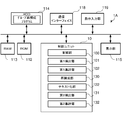
- FIG. 14 is a block diagram showing an outline of an internal configuration of the information processing apparatus 1B according to the third embodiment. Descriptions of processes similar to those of the information processing apparatus 1 according to the first embodiment or the information processing apparatus 1A according to the second embodiment will be omitted.
- the evaluation program stored in the HDD 114 is executed by the processor, whereby the control unit 100, the third detection unit 135, the creation unit 136, the evaluation It functions as the unit 137, the text conversion unit 122, and the second detection unit 131.
- the control unit 100, the third detection unit 135, the creation unit 136, the evaluation unit 137, the text conversion unit 122, and the second detection unit 131 may be configured by a hardware circuit.
- the third detection unit (speech detection unit) 135 made each of the speeches in the speech from each of the speech data of nine persons P11 to P33 stored in the HDD 114. Detect with the person and the time each utterance was made.
- the creation unit (speech distribution creation unit) 136 creates a statement distribution map showing a change in the amount of statement according to the passage of time, using each statement detected by the third detection unit 135 and its time.
- the evaluation unit 137 sets the evaluation level of the person who made the first utterance in the time zone in which the amount of utterance increases in the utterance distribution map created by the creator 136 to a predetermined first high level. Perform processing to determine that
- the text conversion unit 122 converts the contents of each person's utterance included in the voice data into text.
- the second detection unit 131 determines, based on the text data converted into text by the text conversion unit 122, whether the utterance by each person includes a predetermined keyword.
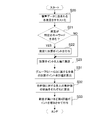
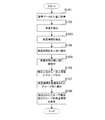
- FIG. 15 is a flowchart showing evaluation processing by the information processing apparatus 1B.
- the scene where the evaluation process is performed is the same as in the case of the information processing apparatus 1 according to the first embodiment, and each person belonging to the conversation groups G1 to G3 is a group as described with reference to FIG. It is a scene where we have a meeting every time.
- the information processing apparatus 1B acquires audio data from each headset 2 via the communication interface 118 (step S501).
- the first detection unit 101 stores the voice data in the HDD 114 for each of the persons P11 to P33, that is, in association with the identification information stored in the HDD 114.
- the third detection unit 135 determines, from the voice data stored in the HDD 114 for each of the persons P11 to P33, each utterance being performed in the utterance indicated by the voice data, together with the time of each utterance. Extraction is performed as described above (step S502).
- time is an elapsed time from the start of audio data.
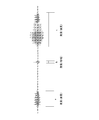
- the creating unit 136 creates a statement distribution map showing a change in the amount of messages according to the passage of time, using the utterance and the time of each utterance detected by the third detection unit 135 (step S503). For example, as shown in FIG. 16, in accordance with the passage of time from the start of the conference, a line graph indicating the number of utterances per one minute, for example, is created for each of the groups G1 to G3.
- the evaluation unit 137 extracts a time zone in which the amount of speech has a tendency to increase in the speech distribution map generated by the generation unit 136 (step S504). For example, the evaluation unit 137 increases, for example, in a predetermined time (for example, one minute) whether the inclination indicated by the broken line in the above-mentioned statement distribution map is equal to or more than a predetermined angle. A time zone in which the rate (differential value) is equal to or more than a predetermined value (50% increase rate in the number of messages) is extracted. For example, in the case of the utterance distribution map shown in FIG. 16, the evaluation unit 137 determines that the slope (increase rate, differential value) from point P1 to point P2 one minute after is 50% or more of the predetermined value. Therefore, the relevant time zone is extracted.
- a predetermined time for example, one minute
- the evaluation unit 137 determines the first utterance and the person who made the utterance (step S505). For example, after the time point of point P1 (when 11 minutes has elapsed from the start), the evaluation unit 137 specifies the first speech and speaker.
- the evaluation unit 137 determines that the evaluation level of the speaker of the first-to-be-sent utterance is the first high level determined in advance (step S506).
- the first high level is a high evaluation level given to the person as a person who contributes to or is similar to the person at the meeting after making a statement and increasing other remarks. is there.
- the person who has caused another utterance to increase according to his / her own utterance is judged to be the first high level and evaluated, whereby the influence of the utterance of a certain member on the other utterance is made. Can be given to the members concerned.
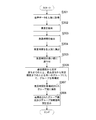
- FIG. 17 is a flowchart showing a first modification of the evaluation process by the information processing apparatus 1B. The same processes as in the third embodiment will not be described.
- the textification unit 122 converts the contents of the utterance of each person included in the voice data into a character Convert and convert into text (step S 607).
- the evaluation unit 137 extracts, from the text data converted into text by the text conversion unit 122, each word included in the first utterance made in the time zone in which the extracted utterance amount shows an increasing tendency. (Step S608).
- the control unit 100 causes the display unit 115 to display the words extracted by the evaluation unit 137 (step S609).
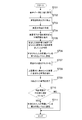
- FIG. 18 is a flowchart showing a second modified example of the evaluation process by the information processing apparatus 1B. The same processes as those of the third embodiment or the first modification of the third embodiment will not be described.
- the evaluation unit 137 determines each of the words included in the first utterance. It is determined whether the word is included in the other utterances performed after the first utterance during the extracted time zone to increase the appearance number (step S710).
- the evaluation unit 137 may be configured such that each word included in the first utterance is the other utterance (all utterances) performed after the first utterance during the extracted time zone. It is determined whether the data appears in the text data converted into text data. When the respective words appear, the evaluation unit 137 detects the number of appearances of each of the words, and determines whether the number of appearances of each of the words is greater than the number of appearances in the first utterance. to decide.
- the evaluation unit 137 indicates that the word included in the first utterance is included in the other utterances performed after the utterance during the extracted time zone, and the appearance number is increased. If it is determined (YES in step S710), the evaluation level of the person who made the first utterance is determined to be a second evaluation level higher than the first high level (step S711). For example, if the number of occurrences of even one of the above-described words increases, the evaluation unit 137 determines that the number of occurrences is “increased” in step S710. This second high level means that people who contribute to the meeting or have an approximation of the increase in the amount of occurrence of the word after the utterance of a certain word increases in the meeting. As a person, it is a high evaluation level given to the person.
- the person's words are later frequently used by others in the discussion, and those who give the words that cause the activation of the conference It will be possible to accurately find out and evaluate.
- Control unit 100 may be configured to be able to display the evaluation result by evaluation unit 137 on display unit 115 in accordance with an instruction input by the user via instruction input unit 119.
- the evaluation result is not particularly limited as long as it is information indicating an evaluation result, but indicates, for example, whether or not at least one of the first evaluation level and the second evaluation level is given to each person. There is information.
- the identification of the person who made the utterance was performed based on the identification information attached to the headset 2.
- the present invention relates to such an embodiment. It is not limited to.
- a general speaker identification technique may be used to identify the person who made the utterance.
Landscapes
- Engineering & Computer Science (AREA)
- Business, Economics & Management (AREA)
- Entrepreneurship & Innovation (AREA)
- Human Resources & Organizations (AREA)
- Strategic Management (AREA)
- Economics (AREA)
- Operations Research (AREA)
- Marketing (AREA)
- Quality & Reliability (AREA)
- Tourism & Hospitality (AREA)
- Physics & Mathematics (AREA)
- General Business, Economics & Management (AREA)
- General Physics & Mathematics (AREA)
- Theoretical Computer Science (AREA)
- Data Mining & Analysis (AREA)
- Development Economics (AREA)
- Educational Administration (AREA)
- Game Theory and Decision Science (AREA)
- Management, Administration, Business Operations System, And Electronic Commerce (AREA)
Abstract
情報処理装置(1B)は、予め定められた複数人数からなる複数のグループにおける各人の発話が記録された音声データから、当該発話の中でされている各発言を、各発言を行った人と、各発言が行われた時刻と共に検出する第3検出部(135)と、第3検出部(135)によって検出された各発言及びその時刻を用いて、時間経過に応じた発言量の変化を示す発言分布図を作成する作成部(136)と、作成部(136)によって作成された発言分布図における、発言量が増加傾向を示す時間帯において最初に発せられた発言をした人の評価レベルを、予め定められた第1の高レベルと判定する評価部(137)と、を備える。
Description
本発明は、情報処理装置及び評価方法に関し、特に、人により発話された内容を解析する技術に関する。
今日では、グループ毎に討論の活性化を推定してその状況を明示する技術が提案されている(下記特許文献1参照)。この技術は、グループの各メンバーが発話した発話時刻及び発話時間長を記憶しておき、グループ毎に、各メンバーの発話時刻及び発話時間長を時系列に区分し、グループ全メンバーの発話時間長に対する各メンバーの発話時間長の比を算出して、グループ毎に、各メンバーの発話密度寄与率を描画したグラフを生成するというものである。
しかしながら、上記技術は、グループ内における各メンバーの発話時間に基づいて当該各メンバーの貢献度を示すものに過ぎず、あるメンバーによる発言が他の発言に与える影響に応じた評価を当該メンバーに与えることまでを実現するものではない。
本発明は、上記の事情に鑑みなされたものであり、あるメンバーによる発言が他の発言に与える影響に応じた評価を当該メンバーに与えることを目的とする。
本発明の一局面に係る情報処理装置は、予め定められた複数人数からなる複数のグループにおける各人の発話が記録された音声データから、当該発話の中でされている各発言を、各発言を行った人と、各発言が行われた時刻と共に検出する第3検出部と、第3検出部によって検出された各発言及びその時刻を用いて、時間経過に応じた発言量の変化を示す発言分布図を作成する作成部と、作成部によって作成された発言分布図における、発言量が増加傾向を示す時間帯において最初に発せられた発言をした人の評価レベルを、予め定められた第1の高レベルと判定する評価部と、を備えたものである。
また、本発明の他の一局面に係る評価方法は、予め定められた複数人数からなる複数のグループにおける各人の発話が記録された音声データから、当該発話の中でされている各発言を、各発言を行った人と、各発言が行われた時刻と共に検出する発言検出ステップと、発言検出ステップで検出された各発言及びその時刻を用いて、時間経過に応じた発言量の変化を示す発言分布図を作成する発言分布作成ステップと、発言分布作成ステップで作成された発言分布図における、発言量が増加傾向を示す時間帯において最初に発せられた発言をした人の評価レベルを、予め定められた第1の高レベルと判定する評価ステップと、を備えたものである。
また、本発明の他の一局面に係る情報処理装置は、音声を示す電気信号が入力される音声入力部と、音声入力部に電気信号が入力される度に、入力された電気信号に基づく音声データを、音声を発した人ごとに記憶する記憶部と、プロセッサーを含み、当該プロセッサーが評価プログラムを実行することにより、音声データから発言に対応する部分を抽出し、発言が行なわれた時刻を検出する第3検出部と、検出された時刻を用いて、時間経過に応じた発言量の変化を示す発言分布図を作成する作成部と、発言分布図における、発言量が増加傾向を示す時間帯において最初に発せられた発言を行なった人の評価レベルを、予め定められた第1の高レベルと判定する評価部と、して機能する制御ユニットと、を備える。
本発明によれば、あるメンバーによる発言が他の発言に与える影響に応じた評価を当該メンバーに与えるという処理が可能になる。
以下、本発明の一実施形態に係る情報処理装置、評価方法、及びグループ再構成方法について図面を参照して説明する。図1は、本発明の第1実施形態に係る情報処理装置、及び当該情報処理装置により評価が行われる対象者を示す図である。
情報処理装置1は、予め定められた複数人からなる複数の会話グループG1~G3に属する各人が発した音声を音声データとして取得する。例えば、グループG1に属する人P11,P12,P13、グループG2に属する人P21,P22,P23、グループG3に属する人P31,P32,P33からなる複数人(本実施形態では3つのグループに属する各人からなる合計9人として説明するが、これに限定されるものではない)が、グループ単位でミーティング、討論、授業、又は会議など(以下、総称して単に「会議」という。)を行っているものとする。
当該会話グループの各人は、マイクロフォン機能を備えたヘッドセット2を使用した状態で発声する。すなわち、当該各人が用いるそれぞれのヘッドセット2は、ヘッドセット2を装着した人の会話の音声を取得し、当該音声を示す電気信号に変換して、情報処理装置1に出力する。情報処理装置1と、各ヘッドセット2とは、例えば、ケーブル接続による有線通信、又は、Bluetooth(登録商標)若しくは無線LAN等の無線通信により接続されている。情報処理装置1は、各ヘッドセット2から出力されてくる上記音声を示す電気信号を、ディジタルの音声信号からなる音声データに変換し、ヘッドセット2毎、すなわち、上記人P11~P33の9人についての音声データをそれぞれに蓄積する。
次に、第1実施形態に係る情報処理装置1の構成について説明する。図2は、第1実施形態に係る情報処理装置1の内部構成の概略を示すブロック図である。
情報処理装置1は、例えばコンピューターである。情報処理装置1は、制御ユニット10と、ROM(Read Only Memory)112と、RAM(Random Access Memory)113と、HDD(Hard Disk Drive)114と、表示部115と、通信インターフェイス118と、指示入力部119とを備える。これら各部は、互いにCPU(Central Processing Unit)バスによりデータ又は信号の送受信が可能とされている。
制御ユニット10は、情報処理装置1全体の動作制御を司る。ROM112は、情報処理装置1の基本動作についての動作プログラムを記憶する。RAM113は、制御ユニット10の動作領域等として使用される。
HDD114は、その記憶領域の一部に、本発明の第1実施形態に係る評価プログラムを記憶している。また、HDD114は、上記人P11~P33の9人についてのそれぞれの上記音声データを記憶する。なお、HDD114は、特許請求の範囲における記憶部の一例でもある。但し、情報処理装置1が備える不揮発性ROM(例えば、制御ユニット10が内蔵)が当該記憶部として機能してもよい。
情報処理装置1と接続されているヘッドセット2には、当該ヘッドセット2を特定するための識別情報が予め付されている。識別情報としては、ヘッドセット2を特定可能な情報であれば特に限定されないが、例えば、識別番号がある。HDD114は、ヘッドセット2ごとに当該識別情報を予め記憶している。HDD114はまた、指示入力部119を介してユーザーによって入力される指示に応じて、識別情報のそれぞれを、グループを特定するためのグループ情報と対応付けて記憶している。
本実施の形態では、HDD114は、人P21,P22,P23がそれぞれ使用しているヘッドセット2の識別情報を、グループG1を特定するグループ情報と対応付けて記憶している。HDD114はまた、人P21,P22,P23がそれぞれ使用しているヘッドセット2の識別情報を、グループG2を特定するグループ情報と対応付けて記憶している。HDD114はさらに、人P31,P32,P33がそれぞれ使用しているヘッドセット2の識別情報を、グループG3を特定するグループ情報と対応付けて記憶している。
表示部115は、LCD(Liquid Crystal Display)等からなり、情報処理装置1を操作する操作者に対する操作案内等が表示される。
通信インターフェイス118は、USBインターフェイス又は無線LANインターフェイス等を有する。通信インターフェイス118は、上記各ヘッドセット2とのデータ通信を行うためのインターフェイスとして機能する。通信インターフェイス118は、特許請求の範囲における音声入力部の一例である。
指示入力部119は、キーボード又はマウス等から構成され、操作指示が操作者によって入力される。
制御ユニット10は、プロセッサー、RAM、及びROMなどから構成される。プロセッサーは、CPU、MPU(Micro Processing Unit)、又はASIC(Application Specific Integrated Circuit)等である。この制御ユニット10は、HDD114に記憶されている評価プログラムが上記のプロセッサーで実行されることにより、制御部100、第1検出部101、第1集計部102、第1算出部103、第2算出部104、第1付与部105、第3算出部106、第4算出部107、第2付与部108、判定部109、記憶制御部110、第3付与部121、テキスト化部122,加算付与部123、第4付与部124、第5算出部125、及び第6算出部126として機能する。なお、制御部100、第1検出部101、第1集計部102、第1算出部103、第2算出部104、第1付与部105、第3算出部106、第4算出部107、第2付与部108、判定部109、記憶制御部110、第3付与部121、テキスト化部122,加算付与部123、第4付与部124、第5算出部125、及び第6算出部126は、それぞれハード回路により構成されてもよい。
制御部100は、情報処理装置1全体の動作制御を司る機能を有する。
第1検出部(発言時間検出部)101は、HDD114に記憶されている人P11~P33の9人についての音声データのそれぞれから、音声データに記録されている発話の中でされている各発言についての発言時間を検出する。図3は、音声データの一例を示す図である。図3の縦軸は音の振幅(単位dB)、横軸は時刻を示す。第1検出部101は、音声データを解析し、音声データが示す振幅のうち、予め定められた規定時間(例えば、0.25秒)以上連続して、予め定められた大きさ以上の振幅(例えば、20dB)が続く部分を発言として抽出する。第1検出部101は、当該抽出した各発言が続いている時間を発言時間として検出してHDD114に記憶しておく。図3に示す音声データでは、第1検出部101は、a部分、b部分、及びc部分を発言として抽出する。
第1集計部(各人別発言時間集計部)102は、第1検出部101によって検出された上記各発言についての発言時間を上記各人についてそれぞれ集計する。この場合、上記各発言についての発言時間は、HDD114に記憶されている識別情報ごとに集計される。
第1算出部(合計発言時間算出部)103は、第1検出部101によって検出された全発言についての発言時間を合計して、上記全グループの各人全員の発言時間の合計時間を算出する。
第2算出部(各人別割合算出部)104は、第1算出部103によって算出された上記合計時間に対する、第1集計部102によって集計された上記各人の発言時間の割合を第1の割合として算出する。
第1付与部(第1評価ポイント付与部)105は、第2算出部104によって算出された上記各人の発言時間の割合(第1の割合)の大きい人ほど評価ポイントを高く設定して、上記各人について当該第1の割合に応じた第1評価ポイントを付与する。
第3算出部(グループ別発言時間算出部)106は、第1検出部101によって検出された各発言についての発言時間を上記グループ毎に集計して、グループに属する各人の総発言時間をグループ毎に算出する。この場合、上記各発言についての発言時間は、HDD114に記憶されているグループ情報ごとに集計される。
第4算出部(グループ内割合算出部)107は、第3算出部106によって算出された上記グループ毎の上記総発言時間に基づいて、第1集計部102によって検出された各人の発言時間についての、当該各人が所属するグループの上記総発言時間に対する割合であるグループ内割合を第2の割合として算出する。
第2付与部(第2評価ポイント付与部)108は、第4算出部107によって算出された上記各人のグループ内割合(第2の割合)の大きい人ほど評価ポイントを高く設定して、上記各人についてグループ内割合に応じた第2評価ポイントを更に付与する。
判定部(相槌・意見判定部)109は、第1検出部101によって検出された上記発言時間が、予め定められた第1の時間(上記規定時間から、当該規定時間よりも長い予め定められた時間までの時間。例えば、上記規定時間としての0.25秒以上であって2.0秒までの時間)内であれば、この発言時間でされた発言を、相槌と判定する(図3の例ではb)。また、判定部109は、第1検出部101によって検出された上記発言時間が、上記第1の時間よりも長い予め定められた第2の時間(上記第1の時間を超える時間)であれば、この発言時間でされた発言を、意見と判定する(図3の例ではa,c)。判定部109は、当該判定した相槌か意見かの結果と、当該相槌及び意見の各発言時間とをHDD114に記憶させる。
記憶制御部(結果記憶部)110は、判定部109によって判定された結果、すなわち、発言が相槌又は意見のいずれであるかの結果を人P11~P33の各別にHDD114に記憶させる。
第3付与部(第3評価ポイント付与部)121は、記憶制御部110によって記憶されている人P11~P33のそれぞれの結果に基づいて、ある人による上記意見がされた直後のタイミングで、他の人により上記相槌がされていると判断したときは、第3評価ポイントを、当該意見をした人に更に付与する。
テキスト化部122は、既知の音声認識機能を備え、これにより、上記音声データに含まれる上記各人の発言の内容をキャラクター変換してテキスト化する。
加算付与部(加算ポイント付与部)123は、テキスト化部122によってテキスト化されたテキストデータに基づいて、上記各人P11~P33による発言が予め定められたキーワードを含むか否かを判断し、当該キーワードを含むと判断した発言に加算ポイントを付与する。
第4付与部(第4評価ポイント付与部)124は、加算付与部123によって付与された上記発言に対する加算ポイントを上記各人についてそれぞれ集計し、当該加算ポイントの集計値を第4評価ポイントとして、当該集計の対象とされている人に対して更に付与する。
第5算出部(合計値算出部)125は、加算付与部123によって付与された上記加算ポイントを用いて、上記複数のグループG1~G3に属する各人全員分の加算ポイントの合計値を算出する。なお、第4付与部124は、第5算出部125によって算出された合計値に対する、第4評価ポイントの割合(第3の割合)を上記各人P11~P33のそれぞれについて算出し、当該割合が高いほど第4評価ポイントを増加させる。
第6算出部(グループ別ポイント算出部)126は、加算付与部123によって付与された上記加算ポイントを、上記グループG1~G3のそれぞれ毎に、グループに属する各人の合計値を算出する。なお、第4付与部124は、第6算出部126によって算出されたグループの合計値に対する、当該グループに属する上記各人の第4評価ポイントの割合(第4の割合)を上記各人のそれぞれについて算出し、当該割合が高いほど第4評価ポイントを増加させる。
次に、第1実施形態に係る情報処理装置1による会議参加者の評価処理について説明する。図4は、情報処理装置1による会議参加者の評価処理を示すフローチャートである。
当該評価が行われる場面は、会話グループG1~G3に属する各人が、それぞれのグループ毎に会議を行っている場面である。人P11~P33は、各自がヘッドセット2を装着し、各ヘッドセット2は上述したように情報処理装置1に対して通信可能に接続されている。この状態で、人P11~P33は、各自が属するそれぞれのグループにおいて会議中に発話を行う。人P11~P33によって発話された音声は、人P11~P33のそれぞれのヘッドセット2により集音され、情報処理装置1に出力される。
情報処理装置1は、通信インターフェイス118を介して、各ヘッドセット2から音声データを取得する(ステップS1)。すなわち、通信インターフェイス118が、各ヘッドセット2から出力されてくる上記音声を示す電気信号を受信すると、第1検出部101は、当該取得された音声を示す電気信号を、ディジタルの音声信号からなる音声データに変換してHDD114に記憶させる。第1検出部101は、人P11~P33毎に、すなわち、HDD114に記憶されている識別情報に対応付けて、当該音声データをHDD114に記憶させる。
続いて、第1検出部101は、人P11~P33毎にHDD114に記憶されている音声データのそれぞれから、当該音声データが示す発話の中でされている各発言を、上述したようにして抽出する(ステップS2)。そして、第1検出部101は、当該抽出した各発言の発言時間を検出する(ステップS3)。
更に、第1集計部102は、第1検出部101によって検出された上記各発言についての発言時間を上記人P11~P33のそれぞれについて個別に人毎に集計する(ステップS4)。
続いて、第1算出部103は、例えば、第1検出部101によって人ごとに検出された発言の全てについての発言時間を合計して、上記各人全員の発言時間の合計時間を算出する(ステップS5)。
第2算出部104は、第1算出部103によって算出された上記合計時間に対する、第1集計部102によって集計された上記各人の発言時間の割合を第1の割合として算出する(ステップS6)。すなわち、第2算出部104は、上記合計時間に対する人P11の発言時間の割合、上記合計時間に対する人P12の発言時間の割合…、のように、人P33までの割合を個別に算出する。
続いて、第1付与部105は、第2算出部104によって算出された上記各人の発言時間の割合の大きい人ほど評価ポイントを高く設定して、上記人P11~P33の各人について、当該第1の割合に応じた第1評価ポイントを付与する(ステップS7)。例えば、第1付与部105は、当該第1の割合が0~20%未満の場合は2ポイント、20%以上40%未満の場合は4ポイント、40%以上60%未満の場合は6ポイント、60%以上80%未満の場合は8ポイント、80%以上100%までの場合は10ポイントを第1評価ポイントとして付与する。
更に、第3算出部106は、ステップS3で第1検出部101によって検出された各発言についての発言時間を、グループG1~G3毎、すなわち、HDD114に記憶されているグループ情報ごとに集計して、グループG1における各人の総発言時間と、グループG2における各人の総発言時間と、グループG3における各人の総発言時間とを算出する(ステップS8)。
そして、第4算出部107は、ステップS8で第3算出部106によって算出された上記グループ毎の総発言時間に対する、ステップS4で第1集計部102によって検出された人P11~P33のそれぞれの発言時間のグループ内割合を第2の割合として算出する(ステップS9)。すなわち、第4算出部107は、人P11~P33のそれぞれについて、各人が所属するグループの上記総発言時間に対する割合を、グループ内割合として算出する。
続いて、第2付与部108は、ステップS9で第4算出部107によって算出された上記各人のグループ内割合の大きい人ほど評価ポイントを高く設定して、人P11~P33のそれぞれについてのグループ内割合に応じた第2評価ポイントを更に付与する(ステップS10)。
例えば、第2付与部108は、当該第2の割合が0~20%未満の場合は4ポイント、20%以上40%未満の場合は8ポイント、40%以上60%未満の場合は12ポイント、60%以上80%未満の場合は16ポイント、80%以上100%までの場合は20ポイントを第2評価ポイントとして付与する。
第2付与部108は、このように、第1付与部105が付与する第1評価ポイントと比較して高いポイント(本実施形態では第2評価ポイントは第1評価ポイントの2倍)を第2評価ポイントとして付与することが好ましい。各人による発言時間は、個別のグループ内の総発言時間に対する割合が、人P11~P33の全員の発言時間の合計である合計時間に対する割合よりも高い方が、当該会議における貢献度が高いと思われるためである。
複数人数からなる複数のグループG1~G3により、各グループ別に会議を行う場合、各グループに属する人それぞれの個性によって、グループ内での討論が活発になることもあれば、活発にならないこともある。このため、あるグループ内での発言時間が長い(貢献度が高い)人が、他のグループに属した場合にも、当該他のグループで同様に多く発言するか(高い貢献度を示すか)は不明である。
このため、グループ内における各人の発話時間の合計に対する、当該グループ内の各メンバーの発話時間の割合に基づくのみで、会議に対する貢献度を評価すると、グループG1~G3の全てを通じた人P11~P33全員における全体的な貢献度が不明となる。
本実施形態では、ステップS7において、第1付与部105が、グループG1~G3の全てを通じた人P11~P33全員による発言時間の合計時間に対する、各人の発言時間の割合に応じた第1評価ポイントを各人に対して付与する一方、ステップS10においては、第2付与部108が、グループ毎の総発言時間に対する各人の発言時間の割合であるグループ内割合に応じた第2評価ポイントを更に付与するため、グループ内における各人の貢献度と、グループG1~G3の全てを通じた人P11~P33全員における全体的な貢献度との両方を加味した総合的な評価が可能になる。
なお、制御部100は、指示入力部119を介してユーザーによって入力される指示に応じて、各人について付与されている第1評価ポイント及び第2評価ポイントを示す情報を、表示部115に表示可能に構成されていてもよい。
次に、情報処理装置1による会議参加者の評価処理の第1変形例について説明する。図5は、情報処理装置1による会議参加者の評価処理の第1変形例を示すフローチャートである。なお、当該第1変形例の説明では、第1実施形態と同様の処理については説明を省略する。
第1変形例では、第1実施形態と同様に、ステップS1~ステップS10までの処理を行った後、更に、判定部109が、上記各発言の発言時間が上記第1の時間内であるか第2の時間であるかを判断する(ステップS11)。判定部109は、発言時間が第1の時間内であれば(ステップS11で「第1の時間」)、この発言時間でされた発言を相槌と判定する(ステップS12)。また、判定部109は、上記発言時間が上記第2の時間であれば(ステップS11で「第2の時間」)、この発言時間でされた発言を意見と判定する(ステップS16)。
更に、記憶制御部110は、ステップS12及びステップS16で判定部109によって判定された結果、すなわち、発言が相槌又は意見のいずれであるかの結果を、当該相槌又は意見を示す発言がされた時刻と共に、人P11~P33の各別にHDD114に記憶させる(ステップS13)。
続いて、第3付与部121は、記憶制御部110によって記憶されている人P11~P33のそれぞれの結果に基づいて、グループG1~G3のグループ毎に、グループ内において或る人による上記意見がされた直後のタイミングで、他の人により上記相槌がされているかを判断する(ステップS14)。第3付与部121は、このような意見があると判断したときは(ステップS14でYES)、第3評価ポイントを、当該意見をした人に更に付与する(ステップS15)。例えば、第3付与部121は、上記第3評価ポイントとして、10ポイントを付与する。なお、第3付与部121は、このような意見がないと判断したときは(ステップS14でNO)、第3評価ポイントを付与しない。
この第1変形例によれば、意見の直後に連続して他の人により相槌がされており、他の人の関心を惹き付けた良質な意見であると想定される意見等については、このような意見に、当該相槌がされなかった他の意見よりも高い評価が与えられることになるため、良質と想定される意見に対して高評価を的確に与えることが可能になる。
次に、情報処理装置1による会議参加者の評価処理の第2変形例について説明する。図6は情報処理装置1による会議参加者の評価処理の第2変形例を示すフローチャートである。なお、当該第2変形例の説明では、第1実施形態及び第1変形例と同様の処理については説明を省略する。
第2変形例は、第1実施形態におけるステップS1~ステップS10の後、又は第1変形例におけるステップS11~ステップS16の後に行われる。
テキスト化部122は、上記音声データに含まれる上記各人の発言の内容をキャラクター変換してテキスト化する(ステップS20)。
加算付与部123は、テキスト化部122によってテキスト化されたテキストデータに基づいて、当該テキストデータに含まれる上記各人P11~P33による発言が予め定められたキーワードを含むか否かを判断する(ステップS21)。
加算付与部123が、上記テキストデータに含まれる上記各人P11~P33による発言が予め定められたキーワードを含むと判断したとき(ステップS21でYES)、加算付与部123は、当該キーワードを含むと判断した発言に加算ポイントを付与する(ステップS22)。上記テキストデータには、各人による複数の発言が含まれるが、加算付与部123が、当該全ての発言に対して、上記キーワードを含むか否かの判断を行い、加算付与部123は、当該キーワードを含むと判断された全ての発言に加算ポイントを付与する。
なお、加算付与部123が、上記各人P11~P33による発言が予め定められたキーワードを含まないと判断したとき(ステップS21でNO)、加算付与部123は、当該加算ポイントを付与しない。
この後、第4付与部124は、ステップS22で加算付与部123によって付与された上記各発言に対する加算ポイントを、人P11~P33の各人についてそれぞれ集計し(ステップS23)、当該加算ポイントの集計値を第4評価ポイントとして、当該集計の対象とされている各人に対して更に付与する(ステップS24)。
例えば、加算付与部123は、各発言に対して、これに含まれる上記キーワードが出現する度に上記加算ポイント(例えば、1ポイント)を付与し、人P11~P33の人毎にそれぞれ集計する。そして、加算付与部123は、上記キーワード含む発言を行った人に対して、各人についての当該集計値を第4評価ポイントとして付与する。
この第2変形例によれば、会議の主催者等が、貢献度が高いとして想定していたキーワードを発言した人に対して、上記第1乃至第3評価ポイントに加えて更に第4評価ポイントが付与されるので、当該ポイントの合計値に基づけば、この会議に真に貢献している人P11~P33を正確に判定することが可能になる。
次に、情報処理装置1による会議参加者の評価処理の第3変形例について説明する。図7は情報処理装置1による会議参加者の評価処理の第3変形例を示すフローチャートである。なお、当該第3変形例の説明では、第1実施形態、第1変形例、及び第2変形例と同様の処理については説明を省略する。
第3変形例では、第2変形例と同様に、第4付与部124は、ステップS22で加算付与部123によって付与された上記各発言に対する加算ポイントを、人P11~P33の各人についてそれぞれ集計した後(ステップS23)、更に、第5算出部125が、加算付与部123によって付与された上記人毎の加算ポイントを用いて、複数のグループに属する各人全員分の加算ポイントの合計値を算出する(ステップS31)。
続いて、第4付与部124は、第5算出部125によって算出された合計値に対する、各人に対する加算ポイントの集計値の割合を算出し(ステップS32)、当該算出した割合が高い人ほど、第4評価ポイントを高く設定して、対象となる人に付与する(ステップS33)。
例えば、第4付与部124は、当該割合が0~20%未満の場合は集計値の20%を加算、20%以上40%未満の場合は集計値の40%を加算、40%以上60%未満の場合は集計値の60%を加算、60%以上80%未満の場合は集計値の80%を加算、80%以上100%までの場合は集計値の100%を加算とし、当該加算後の集計値を第4評価ポイントとして付与する。
この第3変形例によれば、上記キーワードを発言した人の発言度合をグループ内におけるキーワード発言状況を勘案して客観的な要素を入れた上で、キーワードを発言した人を評価することが可能になる。
次に、情報処理装置1による会議参加者の評価処理の第4変形例について説明する。図8は情報処理装置1による会議参加者の評価処理の第4変形例を示すフローチャートである。なお、当該第4変形例の説明では、第1実施形態、及び第1乃至第3変形例と同様の処理については説明を省略する。
第4変形例は、第3変形例の後に行われる。第3変形例と同様に、第4評価ポイントを高く設定して対象となる人に付与した後(ステップS33)、第6算出部126は、グループG1~G3のそれぞれのグループ単位で、グループに属する各人の加算ポイントを集計して合計値を算出する(ステップS34)。
そして、第4付与部124は、第6算出部126によって算出された合計値に対する、各人に対する加算ポイントの集計値の割合をそれぞれに算出し(ステップS35)、当該算出した割合が高い人ほど、第4評価ポイントを高く設定して、対象となる人に更に付与する(ステップS36)。
例えば、第4付与部124は、当該割合が0~20%未満の場合は集計値の10%を加算、20%以上40%未満の場合は集計値の20%を加算、40%以上60%未満の場合は集計値の30%を加算、60%以上80%未満の場合は集計値の40%を加算、80%以上100%までの場合は集計値の50%を加算とし、当該加算後の集計値を第4評価ポイントとして付与する。
第4付与部124は、グループ全体の合計値に対する割合(第3の割合)に対する第4評価ポイントを、グループ単位での合計値に対する割合(第4の割合)に対する第4評価ポイントよりも高く設定して第4評価ポイントを付与することが好ましい。各人による上記キーワードの出現回数の割合は、個別のグループ内の出現回数の合計に対する割合よりも、全グループにおける人P11~P33の全員の出現回数の合計に対する割合が高い方が、当該会議における貢献度が高いと思われるためである。
この第4変形例によれば、上記キーワードを発言した人の発言度合を、グループ内における発言状況に加えて、グループ全体の全員によるキーワード発言状況を勘案して、より客観的な要素を入れた上で、キーワードを発言した人を評価することが可能になる。
次に、第2実施形態に係る情報処理装置、及びグループ再構成方法について図面を参照して説明する。なお、第1実施形態に係る情報処理装置等と同様の構成及び処理については説明を省略する。
第2実施形態に係る情報処理装置1Aは、第1実施形態に係る情報処理装置1と同様にして、会話グループG1~G3に属する各人が発した音声を音声データとして取得する。
続いて、第2実施形態に係る情報処理装置1Aの構成を説明する。図9は、第2実施形態に係る情報処理装置1Aの内部構成の概略を示すブロック図である。第1実施形態に係る情報処理装置1と同様の処理については説明を省略する。
第2実施形態に係る情報処理装置1Aの制御ユニット10は、HDD114に記憶されているグループ再構成プログラムが上記のプロセッサーで実行されることにより、制御部100、第1検出部101、第1集計部102、再構成部130、テキスト化部122、第2検出部131、及び第2集計部132として機能する。なお、制御部100、第1検出部101、第1集計部102、再構成部130、テキスト化部122、第2検出部131、及び第2集計部132は、ハード回路により構成されてもよい。
再構成部(グループ再構成部)130は、第1集計部102によって集計された各人の発言時間に基づいて、各グループ構成員を再構成する。本実施形態では、再構成部130は、第1集計部102によって集計された人P11~P33のそれぞれの発言時間に基づいて、グループG1~G3の各構成員を再構成する。
テキスト化部122は、上記音声データに含まれる各人の発言の内容をテキスト化する。
第2検出部(キーワード検出部)131は、テキスト化部122によってテキスト化されたテキストデータに基づいて、上記各人による発言が予め定められたキーワードを含むか否かを判断する。
第2集計部(グループ毎集計部)132は、第1集計部102によって集計された人P11~P33のそれぞれの発言時間を、再構成部130により再構成されたグループ毎に集計する。
次に、情報処理装置1Aによるグループ再構成処理を説明する。図10は情報処理装置1Aによるグループ再構成処理を示すフローチャートである。
当該評価が行われる場面は、第1実施形態に係る情報処理装置1の場合と同様で、図1を参照して説明したように、会話グループG1~G3に属する各人が、それぞれのグループ毎に会議を行っている場面である。人P11~P33は、各自がヘッドセット2を装着し、各ヘッドセット2は上述したように情報処理装置1Aに対して通信可能に接続されている。この状態で、人P11~P33は、各自が属するそれぞれのグループにおいて会議中に発話を行う。人P11~P33によって発話された音声は、人P11~P33のそれぞれのヘッドセット2により集音され、情報処理装置1Aに出力される。
情報処理装置1Aは、通信インターフェイス118を介して、各ヘッドセット2から音声データを取得する(ステップS101)。第1検出部101は、人P11~P33毎に、すなわち、HDD114に記憶されている識別情報に対応付けて、当該音声データをHDD114に記憶させる。
続いて、第1検出部101は、人P11~P33毎にHDD114に記憶された音声データのそれぞれから、当該音声データが示す発話の中でされている各発言を、上述したようにして抽出する(ステップS102)。そして、第1検出部101は、当該抽出した各発言の発言時間を検出する(ステップS103)。
更に、第1集計部102は、第1検出部101によって検出された上記各発言についての発言時間を上記人P11~P33のそれぞれについて個別に集計する(ステップS104)。
続いて、再構成部130は、第1集計部102によって集計された発言時間が長い人から順に順位付けを行う(ステップS105)。そして、再構成部130は、順位上位から予め定められた人数毎にグループ分けを行って、グループを再構成する(ステップS106)。
例えば、再構成部130による、人P11~P33の発言時間長さの順位付けが、順位上位から、P31、P21、P11、P22、P23、P12、P13、P33、P32であったとする。この場合、再構成部130は、上記予め定められた人数を例えば3名として、グループG1の構成員をP31、P21、P11とし、グループG2の構成員をP22、P23、P12とし、グループG3の構成員をP13、P33、P32として、各グループの再構成を行う。
制御部100は、HDD114にそれぞれ対応付けて記憶されている識別情報及びグループ情報を、再構成部130による再構成の結果が反映されるように更新する。この場合、HDD114は、P31、P21、P11がそれぞれ使用しているヘッドセット2の識別情報を、グループG1を特定するグループ情報と対応付けて記憶する。HDD114はまた、P22、P23、P12がそれぞれ使用しているヘッドセット2の識別情報を、グループG2を特定するグループ情報と対応付けて記憶する。HDD114はさらに、P13、P33、P32がそれぞれ使用しているヘッドセット2の識別情報を、グループG3を特定するグループ情報と対応付けて記憶する。
そして、第2集計部132は、第1集計部102によって集計されている各人の発言時間を、上記再構成されたグループG1~G3毎に集計する(ステップS107)。
制御部100は、HDD114に記憶されている識別情報及びグループ情報と、第2集計部132による集計結果に基づいて、再構成されたグループG1~G3及び各グループの構成員と、S107で集計された上記グループG1~G3毎の発言時間とを表示部115に表示させる(ステップS108)。
この第2実施形態によれば、過去に行われた会議における各人の発言時間長さ(貢献度)に応じて、発言時間の長い人同士、及び発言時間の短い人同士等が同じグループになるように、グループを作り直すことになるので、過去に行われた会議の結果に基づいて、より効果的な討論が行われることが期待できる新たなグループを構成することが可能になる。
また、再構成されたグループ毎に、構成員による発言時間の合計時間が算出されて表示されるので、再構成された新たなグルーブで会議を行った場合に、どのような結果になるかを予想することが可能になる。
なお、本実施形態では、ステップS106において、以下の処理を行うようにしてもよい。例えば、再構成部130は、第1集計部102によって集計された発言時間が長い人から順に順位付けがされた後(ステップS105)、順位上位から予め定められた人数毎にグループ分けを行ってグループを再構成するが、このとき、発言時間が予め定められた規定時間よりも長い人同士を同じグループとせずにグループを再構成する。例えば、再構成部130は、順位上位から上記予め定められた人数毎にグループ分けを行ってグループを再構成したときに、同一のグループに、発言時間が上記規定時間よりも長い人が複数存在する場合には、当該人を、上記順位が下位の人から構成されるグループに属する人であって、発言時間が上記規定時間よりも長くない人と入れ替える。これにより、発言の長い人同士が同じグループになることが回避されるので、会議を有意義なものとなる可能性を高めることができる。
次に、第2実施形態に係る情報処理装置1Aによるグループ再構成処理の第1変形例について説明する。図11は情報処理装置1Aによるグループ再構成処理の第1変形例を示すフローチャートである。なお、第2実施形態と同様の処理については説明を省略する。
第1変形例では、第1集計部102が上記各発言についての発言時間を上記人P11~P33のそれぞれについて個別に集計した後(ステップS204)、再構成部130は、予め定められたグループ分けルールに従って、人P11~P33の各人を組み合わせて作成可能な全てのグループを作成する(ステップS205)。例えば、予め定められたグループ分けルールが、全構成員9人の場合、1グループ3人ずつで、3グループを作成する、であるとする。この場合、再構成部130は、人P11~P33を3人ずつ3つのグループG1~G3に振り分け、このように振り分け可能な全ての組み合わせを網羅し、振り分け可能な全ての組み合わせについてグループG1~G3を作成する。
続いて、再構成部130は、上記のようにして作成した、全てのグループについて、所属する各人の発言時間を集計する(ステップS206)。
更に、再構成部130は、上記のようにして作成した、各グルーブG1~G3について、各グループ間におけるグループ発言時間の差を算出し、当該差が最小となっているグループG1~G3を抽出する(ステップS207)。
制御部100は、ステップS207で抽出されたグループG1~G3と、抽出された当該グループG1~G3それぞれについての各人の発言時間の集計を表示部115に表示させる(ステップS208)。
この第1変形例によれば、過去に行われた会議における各人の発言時間長さ(貢献度)に応じて、各グループでの発言時間合計が均等となるように調整するため、あるグループだけが発言の多い人のみで構成され、別のグループは発言の少ない人のみで構成されるといった、グループ構成の偏りがなくなる。
次に、第2実施形態に係る情報処理装置1Aによるグループ再構成処理の第2変形例について説明する。図12は情報処理装置1Aによるグループ再構成処理の第2変形例を示すフローチャートである。なお、第2実施形態と同様の処理については説明を省略する。
第2変形例では、第2実施形態と同様にして、再構成部130が、第1集計部102によって集計された発言時間が長い人から順に順位付けを行った後に(ステップS305)、再構成部130は、最低順位から予め定められた順位までの人と、最高順位から予め定められた順位までの人とを同一のグループにするという条件を満たした上で、予め定められた人数毎にグループを再構成する(ステップS306)。
例えば、再構成部130による、人P11~P33の発言時間長さの順位付けが、順位上位から、P31、P21、P11、P22、P23、P12、P13、P33、P32であったとする。また、上記予め定められた人数を例えば3名とする。そして、例えば、再構成部130は、最高順位1名の者のみを上記「最高順位から予め定められた順位まで」とし、最低順位から2名までの者を「最低順位から予め定められた順位まで」として、各グループの再構成を行う。この場合、再構成部130は、まず、最高順位のP31と、最低順位から2名のP33、P32をグループG1の構成員とする。続いて、再構成部130は、当該3名(P31、P33、P32)を除いて、最高順位となるP21と、最低順位から2名のP12、P13をグループG2の構成員とする。同様にして、再構成部130は、当該3名(B21、P12、P13)を更に除いて、最高順位となるP11と、最低順位から2名のP22、P23をグループG3の構成員とする。
そして、第2集計部132は、第1集計部102によって集計された各人の発言時間を、上記再構成された上記グループG1~G3のそれぞれ毎に集計する(ステップS307)。
制御部100は、再構成された上記グループG1~G3と、集計された上記グループG1~G3別の上記発言時間の合計とを表示部115に表示させる(ステップS308)。
この第2変形例によれば、過去に行われた会議における各人の発言時間長さ(貢献度)に応じて、各グループに、比較的積極的に発言を行う人と比較的書極的に発言を行う人とを組み合わせて、グループを構成できるため、あるグループだけが発言の多い人のみで構成され、別のグループは発言の少ない人のみで構成されるといった、グループ構成の偏りがなくなる。
次に、第2実施形態に係る情報処理装置1Aによるグループ再構成処理の第3変形例について説明する。図13は情報処理装置1Aによるグループ再構成処理の第3変形例を示すフローチャートである。なお、第2実施形態と同様の処理については説明を省略する。
第3変形例は、第2実施形態、並びに第2実施形態の第1及び第2の変形例によりグループ再構成が行われた後に実行される処理である。
グループ再構成処理が終了すると、テキスト化部122は、上記音声データに含まれる上記各人の発言の内容をキャラクター変換してテキスト化する(ステップS401)。
続いて、第2検出部131は、当該テキストデータに基づいて、予め定められたキーワードを含む発言と、当該発言をした人を特定する(ステップS402)。
そして、再構成部130は、上記再構成を終えたグループG1~G3において、上記キーワードを含む発言を行った複数の人が同一のグループの構成員となっているか否かを判断する(ステップS403)。ここで、再構成部130は、上記再構成を終えたグループG1~G3に、上記キーワードを含む発言を行った複数の人が同一のグループの構成員となっていないと判断した場合は(ステップS403でNO)、この時点で構成されているグループG1~G3を維持して、処理を終了する。
一方、再構成部130は、上記再構成を終えたグループG1~G3において、上記キーワードを含む発言を行った複数の人が同じグループにおいて共に構成員となっていると判断した場合は(ステップS403でYES)、グループG1~G3の中に、当該キーワードを含む発言をしていない人のみで構成されるグループがあるか否かを判断する(ステップS404)。
ここで、再構成部130が、グループG1~G3の中に、当該当該キーワードを含む発言をしていない人のみで構成されるグループがあると判断した場合(ステップS404でYES)、再構成部130は、上記同じグループにおいて共に構成員(上記キーワードを含む発言を行った人)とされている人のうちの一人を、当該キーワードを含む発言をしていない人のみで構成されるグループの一人と入れ替えて、グループを再構成する(ステップS405)。なお、再構成部130は、グループG1~G3の中に、当該キーワードを含む発言をしていない人のみで構成されるグループがないと判断した場合は(ステップS404でNO)、グループの組み替えを行うことなく、この時点で構成されているグループG1~G3を維持して、処理を終了する。
この第3変形例によれば、同じような発言内容を行う人同士が同じグループに属する事態を避け、各自が偏らない内容の発言を行うグループ分けを実現することができる。
次に、第3実施形態に係る情報処理装置1Bの構成を説明する。図14は、第3実施形態に係る情報処理装置1Bの内部構成の概略を示すブロック図である。第1実施形態に係る情報処理装置1又は第2実施形態に係る情報処理装置1Aと同様の処理については説明を省略する。
第3実施形態に係る情報処理装置1Bの制御ユニット10は、HDD114に記憶されている評価プログラムが上記のプロセッサーで実行されることにより、制御部100、第3検出部135、作成部136、評価部137、テキスト化部122、及び第2検出部131として機能する。なお、制御部100、第3検出部135、作成部136、評価部137、テキスト化部122、及び第2検出部131は、ハード回路により構成されてもよい。
第3検出部(発言検出部)135は、HDD114に記憶されている人P11~P33の9人についての音声データのそれぞれから、当該発話の中でされている各発言を、各発言を行った人と、各発言が行われた時刻と共に検出する。
作成部(発言分布作成部)136は、第3検出部135によって検出された各発言及びその時刻を用いて、時間経過に応じた発言量の変化を示す発言分布図を作成する。
評価部137は、作成部136によって作成された発言分布図における、発言量が増加傾向を示す時間帯において最初に発せられた発言をした人の評価レベルを、予め定められた第1の高レベルと判定する処理を行う。
テキスト化部122は、上記音声データに含まれる各人の発言の内容をテキスト化する。
第2検出部131は、テキスト化部122によってテキスト化されたテキストデータに基づいて、上記各人による発言が予め定められたキーワードを含むか否かを判断する。
次に、第3実施形態に係る情報処理装置1Bによる評価処理について説明する。図15は情報処理装置1Bによる評価処理を示すフローチャートである。
当該評価処理が行われる場面は、第1実施形態に係る情報処理装置1の場合と同様で、図1を参照して説明したように、会話グループG1~G3に属する各人が、それぞれのグループ毎に会議を行っている場面である。情報処理装置1Bは、通信インターフェイス118を介して、各ヘッドセット2から音声データを取得する(ステップS501)。第1検出部101は、人P11~P33のそれぞれ毎に、すなわち、HDD114に記憶されている識別情報に対応付けて、当該音声データをHDD114に記憶させる。
続いて、第3検出部135は、人P11~P33毎にHDD114に記憶されている音声データのそれぞれから、当該音声データが示す発話の中でされている各発言を、各発言の時刻と共に、上述したようにして抽出する(ステップS502)。ここで、「時刻」とは、音声データ開始時からの経過時間のことである。
更に、作成部136は、第3検出部135によって検出された各発言及び各発言の時刻を用いて、時間経過に応じた発言量の変化を示す発言分布図を作成する(ステップS503)。例えば、図16に示すように、会議開始からの時間経過に応じて、グループG1~G3毎に、例えば1分経過毎に発言の数を示した折れ線グラフを作成する。
続いて、評価部137は、作成部136によって作成された発言分布図における、発言量が増加傾向を示す時間帯を抽出する(ステップS504)。例えば、評価部137は、上記作成した発言分布図の折れ線が示す傾斜が、予め定められた角度以上になっているか否かを、例えば、予め定められた時間(例えば、1分間)での増加率(微分値)が予め定められた値(発言数増加率50%)以上となっている時間帯を抽出する。例えば、図16に示す発言分布図の場合、評価部137は、ポイントP1から1分後のポイントP2までの傾き(増加率、微分値)は、予め定められた値の50%以上となっているため、当該時間帯を抽出する。
そして、評価部137は、抽出した時間帯において、最初に発せられた発言及び当該発言をした人を判定する(ステップS505)。例えば、評価部137は、ポイントP1(開始から11分経過時)の時点経過後、最初に行われた発言及び発言者を特定する。
更に、評価部137は、当該最初に行われた発言の発言者の評価レベルを、予め定められた第1の高レベルと判定する(ステップS506)。この第1の高レベルとは、会議において、発言を行った後に他の発言が増加したことにより会議に貢献している人、或いは、それに近似する人として、当該人に与えられる高い評価レベルである。
この第3実施形態によれば、自身の発言により他の発言を増加させた人を上記第1の高レベルと判定して評価することにより、あるメンバーによる発言が他の発言に与える影響に応じた評価を、当該メンバーに与えることが可能になる。
次に、第3実施形態に係る情報処理装置1Bによる評価処理の第1変形例について説明する。図17は情報処理装置1Bによる評価処理の第1変形例を示すフローチャートである。なお、第3実施形態と同様の処理は説明を省略する。
第1変形例では、評価部137が、上記人を第1の高レベルに判定した後、(ステップS606)、テキスト化部122は、上記音声データに含まれる上記各人の発言の内容をキャラクター変換してテキスト化する(ステップS607)。
続いて、評価部137は、上記抽出した発言量が増加傾向を示す上記時間帯において上記最初に発せられた発言に含まれる各単語を、上記テキスト化部122によりテキスト化されたテキストデータから抽出する(ステップS608)。
制御部100は、評価部137により抽出された上記各単語を表示部115に表示させる(ステップS609)。
この第1変形例によれば、他の発言を増加させた発言に含まれる単語を抽出するため、どのような単語がその後に会議を活発化させたかが明瞭になる。
次に、第3実施形態に係る情報処理装置1Bによる評価処理の第2変形例について説明する。図18は情報処理装置1Bによる評価処理の第2変形例を示すフローチャートである。なお、第3実施形態又は第3実施形態の第1変形例と同様の処理は説明を省略する。
第2変形例では、制御部100が、評価部137により抽出された上記単語を表示部115に表示させた後(ステップS709)、評価部137は、上記最初に発せられた発言に含まれる各単語が、上記抽出された時間帯において当該最初の発言の後に行われた他の発言にも含まれて出現数が増加しているかを判断する(ステップS710)。例えば、評価部137は、上記最初に発せられた発言に含まれる各単語が、上記抽出された時間帯において当該最初の発言の後に行われた他の発言(全ての発言)が上記テキスト化部122によりテキスト化されたテキストデータに出現するかを判定する。評価部137は、当該各単語が出現する場合には、上記各単語のそれぞれについて出現数を検出し、各単語のそれぞれについて、上記最初に発せられた発言における出現数よりも増加しているかを判断する。
ここで、評価部137が、上記最初に発せられた発言に含まれる単語が、上記抽出された時間帯において当該発言の後に行われた他の発言にも含まれて出現数が増加していると判断した場合(ステップS710でYES)、上記最初に発せられた発言を行った人の評価レベルを、第1の高レベルよりも更に高い第2の評価レベルと判定する(ステップS711)。例えば、評価部137は、上記各単語の内、1つでも出現数が増加していれば、ステップS710においては「増加している」と判断する。この第2の高レベルとは、会議において、ある単語を発した後に他の発言が増加し、かつ、当該単語の出現量が増加したことにより会議に貢献している人、或いは、それに近似する人として、当該人に与えられる高い評価レベルである。
この第2変形例によれば、自身の発した言葉(単語)により、その言葉が後に議論において他者にも多用されることになり、会議を活発化させる要因となる言葉を発した者を的確に見つけ出して評価することが可能になる。
なお、制御部100は、指示入力部119を介してユーザーによって入力される指示に応じて、評価部137による評価結果を表示部115に表示可能に構成されていてもよい。評価結果としては、評価結果を示す情報であれば特に限定されないが、例えば、各人について、第1の評価レベル及び第2の評価レベルのうちの少なくともいずれかが付与されているか否かを示す情報がある。
なお、上記第1乃至第3の実施の形態において、発言を行なった人の特定は、ヘッドセット2に付されている識別情報に基づいて行なわれたが、本発明はそのような実施の形態に限定されない。例えば、一般的な話者識別技術を用いて、発言を行なった人の特定が行なわれてもよい。
また、上記実施形態では、図1乃至図18を用いて上記実施形態により示した構成及び処理は、本発明の一実施形態に過ぎず、本発明を当該構成及び処理に限定する趣旨ではない。
Claims (7)
- 予め定められた複数人数からなる複数のグループにおける各人の発話が記録された音声データから、当該発話の中でされている各発言を、各発言を行った人と、各発言が行われた時刻と共に検出する第3検出部と、
前記第3検出部によって検出された各発言及びその時刻を用いて、時間経過に応じた発言量の変化を示す発言分布図を作成する作成部と、
前記作成部によって作成された発言分布図における、発言量が増加傾向を示す時間帯において最初に発せられた発言をした人の評価レベルを、予め定められた第1の高レベルと判定する評価部と、を備えた情報処理装置。 - 前記第3検出部によって検出された前記各発言の内容をテキスト化するテキスト化部を更に備え、
前記評価部は、前記作成部によって作成された発言分布図における、発言量が増加傾向を示す前記時間帯において前記最初に発せられた発言に含まれる単語を抽出する請求項1に記載の情報処理装置。 - 前記評価部は、前記最初に発せられた発言に含まれる単語が、前記抽出された時間帯において当該発言の後に行われた他の発言にも含まれて出現数が増加している場合には、前記最初に発せられた発言を行った人の評価レベルを、前記第1の高レベルよりも更に高い第2の評価レベルと判定する請求項2に記載の情報処理装置。
- 予め定められた複数人数からなる複数のグループにおける各人の発話が記録された音声データから、当該発話の中でされている各発言を、各発言を行った人と、各発言が行われた時刻と共に検出する発言検出ステップと、
前記発言検出ステップで検出された各発言及びその時刻を用いて、時間経過に応じた発言量の変化を示す発言分布図を作成する発言分布作成ステップと、
前記発言分布作成ステップで作成された発言分布図における、発言量が増加傾向を示す時間帯において最初に発せられた発言をした人の評価レベルを、予め定められた第1の高レベルと判定する評価ステップと、を備えた評価方法。 - 音声を示す電気信号が入力される音声入力部と、
前記音声入力部に前記電気信号が入力される度に、入力された前記電気信号に基づく音声データを、前記音声を発した人ごとに記憶する記憶部と、
プロセッサーを含み、当該プロセッサーが評価プログラムを実行することにより、
前記音声データから発言に対応する部分を抽出し、前記発言が行なわれた時刻を検出する第3検出部と、
検出された前記時刻を用いて、時間経過に応じた発言量の変化を示す発言分布図を作成する作成部と、
前記発言分布図における、前記発言量が増加傾向を示す時間帯において最初に発せられた発言を行なった人の評価レベルを、予め定められた第1の高レベルと判定する評価部と、して機能する制御ユニットと、を備える情報処理装置。 - 表示部をさらに備え、
前記制御ユニットはさらに、前記評価部による判定結果を前記表示部に表示させる制御部として機能する、請求項5に記載の情報処理装置。 - 表示部をさらに備え、
前記評価部はさらに、前記最初に発せられた発言に含まれる単語を抽出し、
前記制御ユニットはさらに、前記単語を、前記表示部に表示させる制御部として機能する、請求項5に記載の情報処理装置。
Applications Claiming Priority (2)
| Application Number | Priority Date | Filing Date | Title |
|---|---|---|---|
| JP2017-248459 | 2017-12-25 | ||
| JP2017248459 | 2017-12-25 |
Publications (1)
| Publication Number | Publication Date |
|---|---|
| WO2019130815A1 true WO2019130815A1 (ja) | 2019-07-04 |
Family
ID=67066977
Family Applications (1)
| Application Number | Title | Priority Date | Filing Date |
|---|---|---|---|
| PCT/JP2018/040835 Ceased WO2019130815A1 (ja) | 2017-12-25 | 2018-11-02 | 情報処理装置及び評価方法 |
Country Status (1)
| Country | Link |
|---|---|
| WO (1) | WO2019130815A1 (ja) |
Citations (3)
| Publication number | Priority date | Publication date | Assignee | Title |
|---|---|---|---|---|
| JP2006323738A (ja) * | 2005-05-20 | 2006-11-30 | Fuji Xerox Co Ltd | コミュニティ参加者の貢献度評価用プログラム、電子コミュニケーションシステム |
| JP2016206355A (ja) * | 2015-04-20 | 2016-12-08 | 本田技研工業株式会社 | 会話解析装置、会話解析方法及びプログラム |
| JP2017167308A (ja) * | 2016-03-16 | 2017-09-21 | Kddi株式会社 | 重要語によって参加者の貢献度を推定可能なプログラム、装置及び方法 |
-
2018
- 2018-11-02 WO PCT/JP2018/040835 patent/WO2019130815A1/ja not_active Ceased
Patent Citations (3)
| Publication number | Priority date | Publication date | Assignee | Title |
|---|---|---|---|---|
| JP2006323738A (ja) * | 2005-05-20 | 2006-11-30 | Fuji Xerox Co Ltd | コミュニティ参加者の貢献度評価用プログラム、電子コミュニケーションシステム |
| JP2016206355A (ja) * | 2015-04-20 | 2016-12-08 | 本田技研工業株式会社 | 会話解析装置、会話解析方法及びプログラム |
| JP2017167308A (ja) * | 2016-03-16 | 2017-09-21 | Kddi株式会社 | 重要語によって参加者の貢献度を推定可能なプログラム、装置及び方法 |
Similar Documents
| Publication | Publication Date | Title |
|---|---|---|
| CN108737667B (zh) | 语音质检方法、装置、计算机设备及存储介质 | |
| Zezario et al. | STOI-Net: A deep learning based non-intrusive speech intelligibility assessment model | |
| JP6755304B2 (ja) | 情報処理装置 | |
| US8078470B2 (en) | System for indicating emotional attitudes through intonation analysis and methods thereof | |
| JP6703420B2 (ja) | 会話解析装置、会話解析方法およびプログラム | |
| CN107818798A (zh) | 客服服务质量评价方法、装置、设备及存储介质 | |
| Van Den Tillaart-Haverkate et al. | The influence of noise reduction on speech intelligibility, response times to speech, and perceived listening effort in normal-hearing listeners | |
| Best et al. | Evaluation of the NAL Dynamic Conversations Test in older listeners with hearing loss | |
| US20210335352A1 (en) | Information processing apparatus | |
| JPWO2014069075A1 (ja) | 不満会話判定装置及び不満会話判定方法 | |
| Diehl et al. | Non-intrusive deep learning-based computational speech metrics with high-accuracy across a wide range of acoustic scenes | |
| WO2019130816A1 (ja) | 情報処理装置及び評価方法 | |
| CN114566187A (zh) | 具有会话后表示的系统、电子装置和相关方法 | |
| WO2023233979A1 (ja) | 気分推定プログラム | |
| WO2019130818A1 (ja) | 情報処理装置及びグループ再構成方法 | |
| US20200335079A1 (en) | Dialogue system and method for controlling the same | |
| JP6634128B1 (ja) | 会議評価装置、会議評価方法及び会議評価プログラム | |
| JP7643552B2 (ja) | 対話評価装置、対話評価方法、及びプログラム | |
| Neuhoff et al. | Hearing sex at the cocktail party: Biased sex ratios influence vocal attractiveness | |
| JP5941350B2 (ja) | 聴覚印象量推定装置及びそのプログラム | |
| CN114566186A (zh) | 具有说话者表示的系统、电子装置和相关方法 | |
| JP7563478B2 (ja) | 対話評価方法、対話評価装置及びプログラム | |
| JP2012014507A (ja) | ディスカッション健全度算出装置、ディスカッション健全度算出方法およびコンピュータプログラム | |
| JP7449577B2 (ja) | 情報処理装置、情報処理方法、およびプログラム | |
| Moriya et al. | Estimation of conversational activation level during video chat using turn-taking information. |
Legal Events
| Date | Code | Title | Description |
|---|---|---|---|
| 121 | Ep: the epo has been informed by wipo that ep was designated in this application |
Ref document number: 18897552 Country of ref document: EP Kind code of ref document: A1 |
|
| NENP | Non-entry into the national phase |
Ref country code: DE |
|
| 122 | Ep: pct application non-entry in european phase |
Ref document number: 18897552 Country of ref document: EP Kind code of ref document: A1 |
|
| NENP | Non-entry into the national phase |
Ref country code: JP |