WO2019044767A1 - 浮腫情報管理装置、これを有する体外循環管理装置、浮腫情報管理装置の制御方法及び浮腫情報管理装置の制御プログラム - Google Patents
浮腫情報管理装置、これを有する体外循環管理装置、浮腫情報管理装置の制御方法及び浮腫情報管理装置の制御プログラム Download PDFInfo
- Publication number
- WO2019044767A1 WO2019044767A1 PCT/JP2018/031571 JP2018031571W WO2019044767A1 WO 2019044767 A1 WO2019044767 A1 WO 2019044767A1 JP 2018031571 W JP2018031571 W JP 2018031571W WO 2019044767 A1 WO2019044767 A1 WO 2019044767A1
- Authority
- WO
- WIPO (PCT)
- Prior art keywords
- information
- edema
- change
- hematocrit value
- storage unit
- Prior art date
- Legal status (The legal status is an assumption and is not a legal conclusion. Google has not performed a legal analysis and makes no representation as to the accuracy of the status listed.)
- Ceased
Links
Images






Classifications
-
- A—HUMAN NECESSITIES
- A61—MEDICAL OR VETERINARY SCIENCE; HYGIENE
- A61M—DEVICES FOR INTRODUCING MEDIA INTO, OR ONTO, THE BODY; DEVICES FOR TRANSDUCING BODY MEDIA OR FOR TAKING MEDIA FROM THE BODY; DEVICES FOR PRODUCING OR ENDING SLEEP OR STUPOR
- A61M1/00—Suction or pumping devices for medical purposes; Devices for carrying-off, for treatment of, or for carrying-over, body-liquids; Drainage systems
- A61M1/36—Other treatment of blood in a by-pass of the natural circulatory system, e.g. temperature adaptation, irradiation ; Extra-corporeal blood circuits
-
- A—HUMAN NECESSITIES
- A61—MEDICAL OR VETERINARY SCIENCE; HYGIENE
- A61M—DEVICES FOR INTRODUCING MEDIA INTO, OR ONTO, THE BODY; DEVICES FOR TRANSDUCING BODY MEDIA OR FOR TAKING MEDIA FROM THE BODY; DEVICES FOR PRODUCING OR ENDING SLEEP OR STUPOR
- A61M1/00—Suction or pumping devices for medical purposes; Devices for carrying-off, for treatment of, or for carrying-over, body-liquids; Drainage systems
- A61M1/36—Other treatment of blood in a by-pass of the natural circulatory system, e.g. temperature adaptation, irradiation ; Extra-corporeal blood circuits
- A61M1/3621—Extra-corporeal blood circuits
- A61M1/3623—Means for actively controlling temperature of blood
Definitions
- the present invention relates to, for example, an edema information management device that provides information such as water overflowing from a blood vessel to a third space outside the blood vessel during surgery, an extracorporeal circulation management device having the same, a control method of the edema information management device, and edema information
- the present invention relates to a control program of a management device.
- venous blood is oxygenated by an artificial heart-lung machine etc. and oxygen is circulated again in the body, but since it is primed with red blood cell free quality fluid at this time, blood is diluted. As a result, excessive dilution of blood is undesirable.
- an edema information management device capable of accurately grasping information of edema such as water migrating to a third space such as extravascular, an extracorporeal circulation management device having the same, and a control method of the edema information management device It aims at providing an edema information management device control program.
- the above object is directed to a hematocrit value information storage unit for storing hematocrit value information in blood, a whole blood circulation amount information storage unit for storing whole blood circulation amount information before change of a subject, And the pre-change hematocrit value information in the blood before change stored by the hematocrit value information storage unit, the pre-change whole blood stored in the all-blood circulation amount information storage unit, and the hematocrit value information in the blood after change
- the edema information management device characterized by generating post-change edema degree information based on the circulation amount information.
- the edema degree information after the change is obtained by the following equation.
- Edema degree information after change (1 ⁇ hematocrit value information in blood before change / hematocrit value information in blood after change) ⁇ total blood circulation information before change
- the edema degree information is generated including the fluid volume information supplied into the blood before the change and the urine volume information discharged as urine.
- the edema degree information is generated including the fluid volume information supplied into the blood before and after the change and the urine volume information excreted as urine, so the third space such as the extravasation It is possible to more accurately grasp edema information such as migrating water.
- the fluid volume information is fluid volume information of a diuretic drug, and the edema degree information and edema improvement reference information for determining the degree of edema improvement are compared to determine the degree of edema improvement. It is characterized by
- the fluid volume information is fluid volume information of the diuretic drug, and the edema degree information and the edema improvement reference information for determining the edema improvement degree are compared to determine the edema improvement degree. Therefore, it is possible to effectively grasp edema improvement by a diuretic.
- a change in the whole blood circulation information including the edema degree information is displayed in time series.
- the administration time information of the diuretic and the urine volume information are displayed.
- a doctor etc. can grasp
- the extracorporeal circulation management apparatus manages an extracorporeal circulation apparatus for introducing the blood of a patient into an artificial lung area and circulating the blood from the artificial lung area to the patient, wherein the extracorporeal circulation management apparatus is the edema information management It is characterized by having a device.
- hematocrit value information in blood is stored in the hematocrit value information storage unit, and whole blood circulation amount information before change of the subject is stored in the whole blood circulation amount information storage unit,
- the hematocrit value information in the blood before the change acquired by the hematocrit value information acquisition unit, the hematocrit value information in the blood after the change, and the whole blood circulation amount information before the change stored in the whole blood circulation amount information storage unit Based on the above, the control method of the edema information management device is characterized by generating post-change edema degree information.
- the edema information management device for managing the fluid overflowing outside the blood vessel has a function of storing hematocrit value information in the blood in the hematocrit value information storage unit, all before the change of the subject
- a function of storing blood circulation amount information in the whole blood circulation amount information storage unit, hematocrit value information in blood before change acquired by the hematocrit value information acquisition unit, hematocrit value information in blood after change and the whole blood This is achieved by the control program of the edema information management device for realizing a function of generating edema degree information after change based on whole blood circulation amount information before change stored in the circulation amount information storage unit.
- an edema information management device capable of accurately grasping information of edema such as water migrating to a third space such as extravascular, an extracorporeal circulation management device having the same, edema information
- a control method of a management device and an edema information management device control program can be provided.
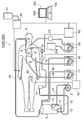
- FIG. 1 is a schematic view showing an extracorporeal circulation management apparatus having an edema information management apparatus according to a first embodiment of the present invention, for example, an extracorporeal circulation apparatus including a management apparatus.
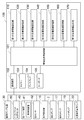
- It is a schematic block diagram which shows the main structures of the management apparatus of FIG.
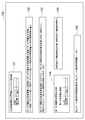
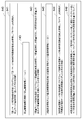
- It is a schematic block diagram showing the main composition of the 1st various information storage part.
- It is a schematic block diagram which shows the main structures of a 2nd various information storage part.
- It is a schematic block diagram which shows the main structures of a 3rd various information storage part.
- It is a schematic block diagram which shows the main structures of a 5th various information storage part.
- FIG. 1 is a schematic view showing an extracorporeal circulation management apparatus 1 having an edema information management apparatus according to a first embodiment of the present invention, for example, an extracorporeal circulation apparatus 1 including a management apparatus 100.
- the extracorporeal circulation device 1 shown in FIG. 1 executes an “extracorporeal circulation operation”.
- this "extracorporeal circulation operation” for example, when blood circulation in the heart is temporarily stopped by cardiac surgery, blood and circulation operation and gas exchange operation for blood (oxygenation and / or carbon dioxide removal) ) Is performed by the extracorporeal circulation device 1.
- the extracorporeal circulation device 1 shown in FIG. 1 operates the centrifugal pump 2 of the extracorporeal circulation device 1 to remove blood from the patient P and store the removed blood. It leads to a reservoir (reservoir) 3. Then, the blood stored in the blood storage tank 3 is sent to the artificial lung unit, for example, the artificial lung 4. Thereafter, gas exchange in the blood is performed by the artificial lung 4 to oxygenate the blood, and then the oxygenated blood can be returned to the patient P again for extracorporeal blood circulation.
- the extracorporeal circulation device 1 is a device that substitutes for the heart and the lungs.
- a blood removal cannula 5, a blood feeding cannula 6, a suction cannula 7, a vent cannula 8 and a myocardial protection cannula 9 are disposed in a patient P.
- a circuit from the blood removal cannula 5 to the blood feeding cannula 6, a circuit from the suction cannula 7 to the blood reservoir 3, a circuit from the vent cannula 8 to the blood reservoir 3 and a myocardial protection solution bag 20a to the myocardial protection cannula 9 Circuits and the like will be described in order.
- the blood removed through the blood removal cannula 5 inserted and indwelled into the superior and inferior vena cava of the patient P is guided to the blood reservoir 3 through the blood removal tube 24.
- the blood temporarily stored in the blood storage tank 3 is led to the centrifugal pump 2 through the first connection tube 10 of FIG. 1, and further, artificially through the second connection tube 11, the heat exchanger 12 and the like. It is led to the lungs 4.
- the blood introduced into the oxygenator 4 is subjected to gas exchange in the blood by the oxygenator 4 to oxygenate the blood as described above, and then the patient P is sent from the blood feeding cannula 6 through the fluid feeding tube 13. Returned to the body of
- a bubble trap 14 for removing air bubbles in the liquid transfer tube 13 a bubble detector 15 for detecting air bubbles in blood, and the like are disposed.
- the blood storage tank 3 disposed in this circulation circuit is a container having a storage space (storage room) inside, and blood removed from the blood removal cannula 5 etc.
- the blood to be poured and the blood from the vent cannula 8 or the like for removing air such as the left ventricle and the aortic root to be described later are temporarily stored.
- the blood reservoir 3 temporarily stores the blood, so that the blood removed from the patient P is returned to the patient P without excess or deficiency.
- the constituent material of the blood storage tank 3 examples include polycarbonate, acrylic resin, polyethylene terephthalate, polyethylene, polypropylene, polystyrene, polyvinyl chloride, acrylic-styrene copolymer, acrylic-butadiene-styrene copolymer and the like.
- the centrifugal pump 2 in the circulation circuit is driven by a motor (not shown) and the like to drive the centrifugal pump 2 so that blood is drained from the blood removal cannula 5 to the blood feeding cannula 6 via the blood reservoir 3 and the artificial lung 4 etc. It is configured to be sent out.
- the artificial lung 4 of the circulation circuit performs gas exchange (oxygenation and / or carbon dioxide removal) to blood
- the artificial lung 4 is, for example, a membrane-type artificial lung, preferably hollow. It is a filiform membrane type artificial lung.
- Oxygen gas is supplied to the artificial lung 4 from an oxygen gas supply unit (not shown).
- a vent pump 19 is disposed in this circuit, and the operation of the vent pump 19 leads air, blood, etc. to the blood reservoir 3.
- the cardioprotective solution is contained in the cardioprotective solution bag 10 and is administered to the patient P via the cardioprotective solution tube 20 and the cardioprotective cannula 9.
- a myocardial protective solution pump 22 is disposed in this circuit, and the myocardial protective solution is sent to the patient P by the operation of the myocardial protective solution pump 22.
- a heat exchanger 23 is disposed in the myocardial protective solution tube 20.
- Each tube such as the above-mentioned liquid feeding tube 13 is formed of, for example, a highly transparent, elastically deformable synthetic resin or the like, such as a vinyl chloride resin or silicone rubber.
- the extracorporeal circulation device 1 shown in FIG. 1 includes an infusion pump device 30 for accurately administering an infusion such as a drug solution to a patient P, and an infusion bag 31 containing an infusion such as a drug solution administered by the infusion pump device 30. Etc.
- the extracorporeal circulation device 1 of FIG. 1 has a urine bag device 40 for containing urine of the patient P and measuring urine volume.
- the urine bag device 40 includes a portion for containing the urine of the patient P and a urine measuring device 41 (see FIG. 2) for measuring the urine volume of the patient P. Since the urine measurement device 41 is communicably connected to the urine sensor 42 of FIG. 1 disposed in the conduit leading from the patient P to the urine bag device 40, the patient P is based on the data of the urine sensor 42. It is configured to measure the urine volume of
- the extracorporeal circulation device 1 of FIG. 1 has a hematocrit measurement monitor 50 that measures the hematocrit value in the blood of the patient P.
- the hematocrit value is measured based on the data measured by the hematocrit value measurement sensor 51 disposed in the liquid feeding tube 13.
- the "hematocrit value” is a numerical value indicating the ratio of the volume of blood cells in the blood, and is approximately equal to the volume ratio of red blood cells. 40 to 48% (average 43%) for adult males and 36 to 42% (average 38%) for adult women are considered to be normal values.
- the extracorporeal circulation device 1 has a management device 100, and the management device 100 includes the above-mentioned infusion pump device 30, urine bag device 40, hematocrit value measurement monitor 50, and air bubble detection.
- a vessel 15, a centrifugal pump 2, a suction pump 17, a vent pump 19, a myocardial protective solution pump 22 and the like are connected.
- the management device 100 includes, for example, a computer and includes a central processing unit (CPU), a random access memory (RAM), a read only memory (ROM), etc. (not shown), which are connected via a bus. There is.
- FIG. 2 is a schematic block diagram showing the main configuration of the management apparatus 100 of FIG.
- the management apparatus 100 has a “management apparatus control unit 101”, and the management apparatus control unit 101 communicates with the infusion pump apparatus 30 etc.
- the "timer 103" is a "display 104" for displaying various information, and the "keyboard 105" and the like for inputting various information are controlled.
- the management device control unit 101 is configured as the “first various information storage unit 110”, the “second various information storage unit 120”, the “third various information storage unit 130”, and the “fourth various information storage unit 130” illustrated in FIG.
- the various information storage unit 140 "and the" fifth various information storage unit 150 "are controlled. 3 to 9 show “first various information storage unit 110", “second various information storage unit 120", “third various information storage unit 130", and “fourth various information storage unit 140".
- It is a schematic block diagram showing the main configuration of “the fifth various information storage unit 150”, the “sixth various information storage unit 160” and the “seventh various information storage unit 170”. The contents of these will be described later.
- the “first various information storage unit 110” to the “seventh various information storage unit 170” have not only the configuration according to the first embodiment, but also the second embodiment and the second embodiment described later.
- the configuration of the third embodiment is also included.
- each storage unit, each processing unit, and the like are separately illustrated as a block diagram in the present embodiment, these are shown for the convenience of description, and the present invention has the same functions. It is not limited to such a configuration as long as it exerts.
- FIG. 10 is a schematic flowchart showing a main operation example and the like of the extracorporeal circulation device 1 according to the present embodiment.
- an operation example of the extracorporeal circulation device 1 will be described with the same flowchart etc. using an example in which the patient P receives a heart surgery.
- step 1 (hereinafter referred to as “ST”) 1 in FIG. 10
- weight information of the patient P who is the subject for example, 65 kg
- ST2 the process proceeds to ST2.
- ST2 based on the weight information of the patient, information on whole blood circulation in the body of the patient P is calculated.
- the “preoperative total blood circulation amount” that is the preoperative total blood circulation information of the patient P Information is obtained and stored in the "preoperative whole blood circulation amount information storage unit 112" of FIG.
- the “preoperative total blood circulation amount information storage unit 112” is an example of the whole blood circulation amount information storage unit.
- total blood circulation amount arithmetic processing unit (program) 113 in FIG. 3 operates, and "target person weight information (65 kg)" in “target person weight information storage unit 111" and “FIG. 3" Refer to “total blood circulation amount calculation equation information” in the whole blood circulation amount calculation equation information storage unit 114 ".
- the “total blood circulation amount calculation formula information” includes the following formula.
- “Total blood circulation information” "subject's weight information” x 1/13
- the “total blood circulation amount calculation processing unit (program) 113" is the "target person weight information” of the “target person weight information storage unit” in the “target person weight information” of the “whole blood circulation amount formula information”.
- hematocrit value information in the blood of the patient P is acquired.
- the “hematocrit value” is a numerical value indicating the ratio of the volume of blood cells in the blood as described above, and is approximately equal to the volume ratio of red blood cells. 40 to 48% (average 43%) for adult males and 36 to 42% (average 38%) for adult women are considered to be normal values.
- the “hematocrit value measurement monitor 50” in FIG. 1 etc. acquires hematocrit value information, for example, 0.4, in the blood of the patient P at predetermined time intervals, and uses it as a pre-operative hematocrit value. It is stored in the "hematocrit value storage unit 115" of FIG.
- the "hematocrit value storage unit 115" is an example of the hematocrit value information storage unit.
- the preoperative hematocrit value (0.4) is an example of “hematocrit value information in blood before change”.
- step ST4 the "infusion pump device 30" in FIG. 1 etc. stores the amount of infusion (chemical solution etc.) amount infused into the patient P in the "infusion volume storage unit 121" in FIG. Do. Further, the urine volume information detected by the "urine sensor 42" connected to the “urine bag device 40" of FIG. 1 and the like is stored in the “urine volume storage unit 122" of FIG.
- the “infusion (chemical solution) amount information” is an example of “infusion amount information”.
- the total blood circulation change amount (IN / OUT) after change is calculated.
- the "all blood circulation change amount (IN / OUT) arithmetic processing unit (program) 123" shown in FIG. 4 operates, and the “all blood circulation change amount (IN / OUT) calculation equation shown in FIG. Refer to "total blood circulation change amount (IN / OUT) arithmetic expression information" in the information storage unit 124 ".
- the “all blood circulation change amount (IN / OUT) arithmetic expression information” is the following expression.
- “All blood circulation change information” “Infusion fluid volume information (IN)”-"Urine volume information (OUT)” Therefore, the “total blood circulation change amount (IN / OUT) arithmetic processing unit (program) 123” stores the “infusion fluid volume information (IN)” of FIG. 4 in the “infusion fluid volume (IN) information” of the computing equation. For example, 200 cc of accumulated “injection amount information (IN)” from the start of the operation to the present is substituted for a corresponding period of the section 121 ′ ′.
- the "urine volume information (OUT)" of the accumulation period (for example, from the start of the operation to the present) of the "urine volume storage unit 122" of FIG. Substitute 100 cc. Then, “all blood circulation change amount information (IN / OUT)”, for example, 100 cc is obtained by calculation according to the calculation formula, and stored in “whole blood circulation change amount information storage unit 131” in FIG. Thus, the amount of change in the “total blood circulation amount” in the corresponding period from the start of the operation to the present can be grasped by calculation.
- edema degree information such as extravascular water content that has spilled out to the third space (interstitial) that is extravascular by surgery, for example, the first edema degree information and the like are estimated.
- the "first edema degree information arithmetic processing unit (program) 132" of FIG. 5 operates, and the “first edema degree information arithmetic expression storage unit 133" of FIG.
- first edema degree information is “(1 ⁇ “ preoperative hematocrit value ”/“ peroperative hematocrit value ”” ⁇ “preoperative total blood circulation” ”+“ whole blood circulation ”because“ the intraoperative hematocrit value ”is It will be calculated
- the “first edema degree information arithmetic processing unit (program) 132” corresponds to the preoperative time of the “hematocrit value storage unit 115” of FIG. 3 as the “preoperative hematocrit value” of the arithmetic expression.
- a hematocrit value for example, 0.4, is substituted.
- a "hematocrit value” for example, 0.5 corresponding to the current time of surgery of the "hematocrit value storage unit 115" in FIG. 3 is substituted as the "in-operation hematocrit value" of the same equation.
- preoperative total blood circulation amount information of “preoperative total blood circulation amount information storage unit 112” of FIG. 3, for example, 5000 cc is substituted into “preoperative total blood circulation amount” of the arithmetic expression.
- total blood circulation change amount information (IN / OUT) storage unit 124” of FIG. OUT) For example, by substituting 100 cc for calculation, the “first edema degree information” in the operation, for example, 1100 cc is obtained and stored in the “first edema degree information storage unit 134” of FIG.
- the first edema degree information is, for example, the amount of water.
- the first edema degree information during the operation is an example of edema degree information after change.
- formation of post-change edema degree information is based on the pre-operative hematocrit value, the intra-operative hematocrit value, and the pre-operative total blood circulation information. it can.
- the first edema degree information is generated including the infusion fluid volume information supplied into blood before and after surgery and the urine volume information excreted as urine, so that extravasation etc. It is possible to more accurately grasp and display the information on the moisture that moves to the third space of
- Second Embodiment 11 and 12 are schematic flowcharts showing main operation examples of the extracorporeal circulation system 200 according to the second embodiment of the present invention. Since many of the configurations of this embodiment are the same as those of the first embodiment described above, the common parts are denoted by the same reference numerals as the first embodiment, and the description thereof will be omitted. explain.
- water is excreted as urine by a drug administered during the operation of patient P, for example, a diuretic, and the water transferred to the third space such as extravasation is reduced, thereby improving edema. It is configured to determine whether or not it has been done.
- the infusion infusion start time of the diuretic is stored in the “diuretic administration start time storage unit 135” of FIG. 5 as “diuretic administration start time information”.
- the process proceeds to ST12.
- the "timer 103" in FIG. 2 starts time measurement, and the "hematocrit value measurement monitor 50" in FIG. 1 etc. measures the “hematocrit value” and stores it in the "hematocrit value storage unit 115" in FIG.
- the “infusion pump device 30” in FIG. 1 and the like measures the injection amount of diuretic and stores it in the “infusion fluid volume information storage unit 121” in FIG. 4 and the “urine measuring device 41” in FIG. "Urine volume” is measured and stored in the "urine volume storage unit 122" of FIG.
- the process proceeds to ST13.
- the "urine volume check time determination processing unit (program) 141" of FIG. 6 operates, and the "urine volume check reference time information storage unit 136" of FIG. 5 is referred to. Since the reference time for checking the urine volume is stored in the "urine volume check reference time information storage unit 136", the "urine volume check time determination processing unit (program) 141" It is determined whether the time has reached the urine volume check reference time.
- the "urine volume check determination processing unit (program) 142" refers to the total of the “urine volume” after administration of a diuretic drug out of the urine volume of the "urine volume storage unit 122" of FIG. It is determined whether the amount exceeds the "urine volume threshold information" of FIG.
- the effect of the utilization drug is promptly notified to the user etc. via the display 104 etc.
- the process proceeds to ST18.
- ST18 after administration of the diuretic, it is determined whether or not the time to check the edema degree information has passed.
- the “edema degree information check time determination unit (program) 144” in FIG. 6 operates, and the “edema degree information check reference time information storage unit 145” in FIG. 6 is referred to.
- the “edema degree information check reference time information storage unit 145” stores the reference time for checking the edema degree information. Therefore, the “edema degree information check time determination unit (program) 144” It is determined whether or not the "time" has reached the edema degree information check reference time.
- ST19 when the time of "timer 103" reaches the edema degree information check reference time, the process proceeds to ST20.
- ST20 a process of estimating edema degree information due to diuretic drug administration is performed.
- “Diuretic drug administration edema degree information arithmetic processing unit (program) 151” in FIG. 7 operates, and “diuretic drug administration edema degree in“ Diuretic drug administration edema degree information calculation formula storage unit 146 ”in FIG. Refer to “Information operation formula information”.
- first edema degree information (1-"preoperative hematocrit value” // "Intraoperative hematocrit value” ⁇ "preoperative total blood circulation” + “total blood circulation change (IN / OUT)"
- the “diuretic drug administration edema degree information calculation processing unit (program) 151” substitutes a value corresponding to the following item of the formula of “diuretic drug administration edema degree information calculation formula information”.
- the "edema improvement reference value” includes a value that should be judged that edema has been improved. Therefore, the “edema improvement judgment processing unit (program) 153” compares the “edema improvement reference value” with the “diuretic administration edema degree information” of the “diuretic administration administration edema degree information storage unit 152” in FIG. Then, it is determined whether “diuretic drug administration edema degree information" is smaller than "edema improvement reference value".
- the display 104 displays "Odema does not improve” and also outputs a warning (alarm).
- the edema improvement by the diuretic can be effectively grasped by determining the extravascular water content information and the edema improvement degree.
- FIG. 13 is a schematic flowchart showing a main operation example of the extracorporeal circulation system 300 according to the third embodiment of the present invention.
- Most of the configuration and the like of the present embodiment are common to the first and second embodiments described above, and therefore, the common portions are denoted by the same reference numerals as the first and second embodiments, and the description thereof is omitted. The following describes the differences.
- a graph is displayed on the display 104 of the management apparatus 100 of FIG. 2 so that a doctor or the like may determine whether edema has been improved.
- FIG. 14 is a schematic explanatory view showing a screen example of the change transition of the whole blood circulation amount and the like in the time series (every time) of the patient P.
- the display 104 displays a change in the “total blood circulation amount” of the patient P, that is, a change in the amount of edema.
- administration disclosure time information of the diuretic is displayed, and changes such as "total blood circulation amount” and "urine amount” are also displayed, so that not only the occurrence of edema but also utilization It is configured to be displayed also on the effect of the drug such as the drug (relationship between drug administration and urine volume, etc.).
- an arrow T1 indicates a diuretic administration time
- T2 indicates a current time
- the arrow Y indicates "total blood circulation amount”
- the hatched portion of the arrow Y1 indicates “second edema degree information”, which is "edema”.
- arrow Y2 shows urine volume.
- a doctor or the like who visually recognizes the graph shown in FIG. 14 quickly correlates the degree of occurrence of “second edema degree information” which is edema, the administration time of the diuretic, and the urine amount which is the effect thereof. Can be grasped.
- the doctor or the like can also quickly recognize that the decrease in the "total blood circulation amount” is due to the urine volume (Y2), as indicated by the arrow Y2 in FIG.
- Y2 urine volume
- the “infusion volume information (IN) accumulated up to that time” in the “infusion fluid volume information storage unit 121” of FIG. 4 is substituted for the “infusion fluid volume information (IN)” of the arithmetic equation information.
- the “urine volume information (OUT) accumulated up to that time” of the “urine volume storage unit 122" of Fig. 4 is substituted for “urine volume information (OUT)” of the arithmetic expression information.
- “all blood circulation change amount information (IN / OUT) up to the time” is calculated and stored in the “whole blood circulation change amount information storage unit 131” of FIG. 5 by calculation.
- the process proceeds to ST32.
- the "whole blood circulation amount arithmetic processing unit (program) 161" in FIG. 8 operates and refers to "whole blood circulation amount calculation equation information" in the "whole blood circulation amount calculation equation storage unit 162" in FIG. .
- the processing unit (program) 161 substitutes the “previous whole blood circulation amount” of the “whole blood circulation amount storage unit 131” of FIG. 5 into the “previous whole blood circulation amount” of this arithmetic expression.
- the “preoperative total blood circulation amount” in the “preoperative total blood circulation amount information storage unit 112” of FIG. 3 is substituted only for the first time.
- the present "whole blood circulation amount information" of the “whole blood circulation change amount information storage unit 162" of FIG. 8 is substituted into the "whole blood circulation change amount” of the arithmetic expression.
- calculation is performed to obtain the "total blood circulation amount information" of this time, and the "total blood circulation amount information storage unit 163" of FIG. 8 is stored.
- the whole blood circulation amount information at each time corresponds to “whole blood circulation change amount information” indicated by an arrow Y in FIG.
- ST33 the “second edema degree information arithmetic processing unit (program) 171 in FIG. 9 operates, and the“ second edema degree information arithmetic equation ”in the“ second edema degree information arithmetic equation storage unit 164 ”in FIG.
- first edema degree information (1-"preoperative hematocrit value” // "Intraoperative hematocrit value” ⁇ "preoperative total blood circulation” + “total blood circulation change (IN / OUT)"
- the "second edema degree information arithmetic processing unit (program) 171 substitutes a value corresponding to the following item of the equation of" the second edema degree information arithmetic expression information ". 1) Substitute the "hematocrit value” corresponding to the previous time of the “hematocrit value storage unit 115" of Fig. 3 as the “previous hematocrit value” of the arithmetic expression, 2) The “hematocrit value” corresponding to the current time of the “hematocrit value storage unit 115” of FIG.
- second edema degree information is obtained in consideration of the infusion fluid volume and the urine volume, and this second edema degree information becomes a portion indicated by arrow Y1 in FIG.
- the process proceeds to ST34.
- the infusion infusion start time of the diuretic is stored in the "diuretic administration start time storage unit 135" of Fig. 5 as "diuretic administration start time information”.
- ST35 the "water transfer level display processing unit (program) 173" of FIG. 9 operates, and the "total blood circulation amount” by time of the “total blood circulation amount information storage unit 163" of FIG. Second edema degree information storage unit 172 "time of second edema degree information", urine volume storage unit 122 of Fig. 4 hourly “urine volume”, and Fig. 5 "diuretic administration start time storage unit Based on the “diuretic administration start time” classified by time 135 ”, a graph of the water transfer level for each time is created and displayed on the display 104 as shown in FIG.
- the portion of arrow Y in FIG. 14 is the “total blood circulation amount”, and the portion of arrow Y1 is the “second edema degree information”. Further, the portion of the arrow Y2 is "the urine volume”, and the time indicated by the arrow T1 is the "diuretic administration start time”.
- a doctor or the like who visually recognizes the graph can reduce the whole blood circulation, for example, the portion indicated by arrow Y2 can be grasped as a graph because it is due to urine, the diuretic effect after administration of a diuretic drug, etc.
- the configuration is easy to understand the status.
- a magnetic disk floppy
- a program that can be executed by a computer. It may be stored and distributed in a storage medium such as (registered trademark) disk, hard disk, etc., optical disk (CD-ROM, DVD, etc.) magneto-optical disk (MO), semiconductor memory, etc.
- the storage medium may be any storage medium that can store a program and can be read by a computer.
- the storage format of the storage medium is not particularly limited.
- an operating system (OS) operating on a computer based on an instruction of a program installed in the computer from a storage medium, MW (middleware) such as database management software, network software, etc. realize this embodiment. A part of each process may be executed.
- the storage medium in the present invention is not limited to a medium independent of the computer, and includes a storage medium downloaded and stored or temporarily stored a program transmitted by a LAN, the Internet, or the like.
- the computer in the present invention may execute each process in the present embodiment based on a program stored in a storage medium, and may be an apparatus including one personal computer or the like, and a plurality of apparatuses are connected to a network. Or the like system.
- the computer in the present invention is not limited to a personal computer, but includes an arithmetic processing unit, a microcomputer and the like included in an information processing apparatus, and generically refers to an apparatus and apparatus capable of realizing the functions of the present invention by a program. ing.
- the present invention is not limited to the above-mentioned embodiment.
- the change in "urine volume” was considered in advance by "diuretic drug administration extravascular water content", but the present invention is not limited to this.
- the amount of water may be determined, and the amount of urine may be subtracted from the amount of water.
- Whole blood circulation amount calculation processing unit (program), 114 ... Whole blood circulation amount calculation formula information storage unit, 115 ... Hematocrit value storage unit, 120 ... Second various information storage unit, 121 ... Infusion fluid volume storage unit, 122 ... urine volume storage unit, 123 ... whole blood circulation change amount (IN / OUT) operation processing unit (program), 124 ... whole blood circulation change amount information ( IN / OU Storage unit 130: Third various information storage unit 131: Whole blood circulation change amount information storage unit 132: First edema degree information arithmetic processing unit (program) 133: First edema degree information arithmetic expression storage unit, 134 ... first edema degree information storage unit, 135 ...
Landscapes
- Health & Medical Sciences (AREA)
- Heart & Thoracic Surgery (AREA)
- Vascular Medicine (AREA)
- Biomedical Technology (AREA)
- Engineering & Computer Science (AREA)
- Anesthesiology (AREA)
- Cardiology (AREA)
- Hematology (AREA)
- Life Sciences & Earth Sciences (AREA)
- Animal Behavior & Ethology (AREA)
- General Health & Medical Sciences (AREA)
- Public Health (AREA)
- Veterinary Medicine (AREA)
- External Artificial Organs (AREA)
Abstract
【課題】血管外等のサードスペースに移行する水分の情報を正確に把握することができる浮腫情報管理装置等を提供すること。 【解決手段】血液中のヘマトクリット値情報を記憶するヘマトクリット値情報記憶部115と、対象者Pの変化前の全血液循環量情報を記憶する全血液循環量情報記憶部112と、を有し、ヘマトクリット値情報記憶部が記憶する変化前の血液中のヘマトクリット値情報と変化後の血液中のヘマトクリット値情報及び全血液循環量情報記憶部に記憶される変化前の全血液循環量情報に基づいて、変化後の浮腫度合情報を生成する浮腫情報管理装置100。
Description
本発明は、例えば、手術中に血管外のサードスペース等に血管より溢れ出す水分等の情報を提供する浮腫情報管理装置、これを有する体外循環管理装置、浮腫情報管理装置の制御方法及び浮腫情報管理装置の制御プログラムに関するものである。
従来から肺バイパス(CPB)等の手術においては、血液を人工心肺装置等で静脈血を酸素化し体内に再び環流させるが、このとき赤血球フリーの品質液でプライミングされるため、血液が希釈化されることになり、血液の過剰な希釈化は好ましくない。
このため、血液中のヘマトクリット値を基準に管理することで、血液の過剰な希釈化を回避する方法等が提案されている(例えば、特許文献1)。
しかし、手術をする際、薬液等を血管内に投与するため、輸液等を行うが、手術等で患者の体にダメージがあると、投与した輸液中の水分が血管外等のサードスペースに移行し、この水分が所謂「浮腫」の原因となる。
そして、この浮腫が生じている状態で、さらに輸液投与を継続すると、さらに患者の身体にダメージを与えるおそれが生じるという問題があった。
そして、この浮腫が生じている状態で、さらに輸液投与を継続すると、さらに患者の身体にダメージを与えるおそれが生じるという問題があった。
そこで、本発明は、血管外等のサードスペースに移行する水分等の浮腫の情報を正確に把握することができる浮腫情報管理装置、これを有する体外循環管理装置、浮腫情報管理装置の制御方法及び浮腫情報管理装置制御プログラムを提供することを目的とする。
上記目的は、本発明にあっては、血液中のヘマトクリット値情報を記憶するヘマトクリット値情報記憶部と、対象者の変化前の全血液循環量情報を記憶する全血液循環量情報記憶部と、を有し、前記ヘマトクリット値情報記憶部が記憶する変化前の血液中のヘマトクリット値情報と変化後の血液中のヘマトクリット値情報及び前記全血液循環量情報記憶部に記憶される変化前の全血液循環量情報に基づいて、変化後の浮腫度合情報を生成することを特徴とする浮腫情報管理装置により達成される。
前記構成によれば、変化前の血液中のヘマトクリット値情報と変化後の血液中のヘマトクリット値情報及び変化前の全血液循環量情報に基づいて、変化後の浮腫度合情報を形成することができる。
このため、血管外等のサードスペースに移行する水分等の浮腫の情報を正確に把握することができる。
このため、血管外等のサードスペースに移行する水分等の浮腫の情報を正確に把握することができる。
好ましくは、前記変化後の浮腫度合情報を以下の式で求めることを特徴とする。変化後の浮腫度合情報=(1-変化前の血液中のヘマトクリット値情報/変化後の血液中のヘマトクリット値情報)×変化前の全血液循環量情報
好ましくは、前記変化前から変化後における前記血液中に供給された輸液量情報と、尿として排出された尿量情報とを含めて前記浮腫度合情報を生成することを特徴とする。
前記構成によれば、変化前から変化後における血液中に供給された輸液量情報と、尿として排出された尿量情報とを含めて浮腫度合情報を生成するので、血管外等のサードスペースに移行する水分等の浮腫の情報をより正確に把握することができる。
好ましくは、前記輸液量情報が利尿薬の輸液量情報であって、前記浮腫度合情報と浮腫改善程度を判断する浮腫改善基準情報とを比較し、浮腫改善の程度を判断する構成となっていることを特徴とする。
前記構成によれば、輸液量情報が利尿薬の輸液量情報であって、浮腫度合情報と浮腫改善程度を判断する浮腫改善基準情報とを比較し、浮腫改善の程度を判断する構成となっているので、利尿薬による浮腫改善を効果的に把握することができる。
好ましくは、前記浮腫度合情報を含む前記全血液循環情報の変化を時系列で表示する構成となっていることを特徴とする。
前記構成によれば、浮腫度合情報を含む全血液循環情報の変化が時系列で表示されるので、かかる表示を視認することで、医師等は迅速に状況を把握することができる。
好ましくは、前記利尿薬の投与時刻情報と前記尿量情報が表示される構成となっていることを特徴とする。
前記構成によれば、利尿薬の投与と尿量との関連性を医師等が迅速に把握することができる。
好ましくは、患者の血液を人工肺部へ導入し、前記人工肺部から血液を患者に環流させる体外循環装置を管理する体外循環管理装置であって、前記体外循環管理装置が、前記浮腫情報管理装置を有することを特徴とする。
上記目的は、本発明にあっては、血液中のヘマトクリット値情報をヘマトクリット値情報記憶部に記憶させ、対象者の変化前の全血液循環量情報を全血液循環量情報記憶部へ記憶させ、前記ヘマトクリット値情報取得部が取得した変化前の血液中のヘマトクリット値情報と変化後の血液中のヘマトクリット値情報及び前記全血液循環量情報記憶部に記憶される変化前の全血液循環量情報に基づいて、変化後の浮腫度合情報を生成することを特徴とする浮腫情報管理装置の制御方法により達成される。
上記目的は、本発明にあっては、血管外へ溢れ出る水分を管理する浮腫情報管理装置に、血液中のヘマトクリット値情報をヘマトクリット値情報記憶部に記憶させる機能、対象者の変化前の全血液循環量情報を全血液循環量情報記憶部へ記憶させる機能と、前記ヘマトクリット値情報取得部が取得した変化前の血液中のヘマトクリット値情報と変化後の血液中のヘマトクリット値情報及び前記全血液循環量情報記憶部に記憶される変化前の全血液循環量情報に基づいて、変化後の浮腫度合情報を生成する機能と、を実現させるための浮腫情報管理装置の制御プログラムにより達成される。
以上説明したように、本発明によれば、血管外等のサードスペースに移行する水分等の浮腫の情報を正確に把握することができる浮腫情報管理装置、これを有する体外循環管理装置、浮腫情報管理装置の制御方法及び浮腫情報管理装置制御プログラムを提供することができるという利点がある。
以下、この発明の好適な実施の形態を、添付図面等を参照しながら、詳細に説明する。
尚、以下に述べる実施の形態は、本発明の好適な具体例であるから、技術的に好ましい種々の限定が付されているが、本発明の範囲は、以下の説明において特に本発明を限定する旨の記載ない限り、これらの態様に限られるものではない。
尚、以下に述べる実施の形態は、本発明の好適な具体例であるから、技術的に好ましい種々の限定が付されているが、本発明の範囲は、以下の説明において特に本発明を限定する旨の記載ない限り、これらの態様に限られるものではない。
(第1の実施の形態)
図1は、本発明の第1の実施の形態に係る浮腫情報管理装置を有する体外循環管理装置である例えば、管理装置100を備える体外循環装置1を示す概略図である。
図1に示す、体外循環装置1は、「体外循環動作」を実行する。この「体外循環動作」では、例えば、心臓外科手術によって一時的に心臓における血液循環が停止されるような場合に、血液と循環動作と、血液に対するガス交換動作(酸素付加及び/又は二酸化炭素除去)と、が体外循環装置1により行われる。
図1は、本発明の第1の実施の形態に係る浮腫情報管理装置を有する体外循環管理装置である例えば、管理装置100を備える体外循環装置1を示す概略図である。
図1に示す、体外循環装置1は、「体外循環動作」を実行する。この「体外循環動作」では、例えば、心臓外科手術によって一時的に心臓における血液循環が停止されるような場合に、血液と循環動作と、血液に対するガス交換動作(酸素付加及び/又は二酸化炭素除去)と、が体外循環装置1により行われる。
図1に示す体外循環装置1は、例えば、患者Pの心臓Hの外科手術を行う場合において、体外循環装置1の遠心ポンプ2を作動させ、患者Pから脱血し、脱血した血液を貯血槽(リザーバ)3に導く。そして、この貯血槽3に貯留されていた血液を人工肺部である例えば、人工肺4へ送る。その後、人工肺4により血液中のガス交換を行って血液の酸素化を行った後に、酸素化が行われた血液を再び患者Pに戻す人工肺体外血液循環を行うことができる。
このように、体外循環装置1は、心臓と肺の代わりを行う装置となっている。
このように、体外循環装置1は、心臓と肺の代わりを行う装置となっている。
図1に示すように、患者Pには、脱血カニューレ5、送血カニューレ6、吸引カニューレ7、ベントカニューレ8及び心筋保護カニューレ9が配置される。
以下、脱血カニューレ5から送血カニューレ6へ至る循環回路、吸引カニューレ7から貯血槽3に至る回路、ベントカニューレ8から貯血槽3に至る回路及び心筋保護液バッグ20aから心筋保護カニューレ9へ至る回路等について順に説明する。
以下、脱血カニューレ5から送血カニューレ6へ至る循環回路、吸引カニューレ7から貯血槽3に至る回路、ベントカニューレ8から貯血槽3に至る回路及び心筋保護液バッグ20aから心筋保護カニューレ9へ至る回路等について順に説明する。
(脱血カニューレ5から送血カニューレ6へ至る循環回路について)
図1に示すように、患者Pの上大静脈及び下大静脈に挿入され留置される脱血カニューレ5を介して脱血された血液が脱血チューブ24を経て貯血槽3に導かれる。
貯血槽3に一時的に貯留された血液は、図1の第1接続チューブ10を介して、遠心ポンプ2に導かれ、さらに、第2接続チューブ11や熱交換器12等を介して、人工肺4に導かれる。
人工肺4に導かれた血液は、上述のように、人工肺4により血液中のガス交換を行って血液の酸素化を行った後に、送液チューブ13を介して送血カニューレ6から患者Pの体内に戻される。
図1に示すように、患者Pの上大静脈及び下大静脈に挿入され留置される脱血カニューレ5を介して脱血された血液が脱血チューブ24を経て貯血槽3に導かれる。
貯血槽3に一時的に貯留された血液は、図1の第1接続チューブ10を介して、遠心ポンプ2に導かれ、さらに、第2接続チューブ11や熱交換器12等を介して、人工肺4に導かれる。
人工肺4に導かれた血液は、上述のように、人工肺4により血液中のガス交換を行って血液の酸素化を行った後に、送液チューブ13を介して送血カニューレ6から患者Pの体内に戻される。
この送液チューブ13には、送液チューブ13の気泡を除去するバブルトラップ14や血液内の気泡を検知する気泡検出器15等が配置されている。
この循環回路に配置される貯血槽3は、貯蓄空間(貯蓄室)を内部に有する容器であり、脱血カニューレ5等から脱血された血液、後述する手術中に出血し吸引カニューレ7から導かれる血液及び後述する左心室や大動脈基部等の空気を抜くベントカニューレ8等からの血液等を一時的に貯留する構成となっている。
このように貯血槽3が血液を一時的に貯留することにより、患者Pから脱血された血液は過不足なく患者Pへ戻される構成となっている。
このように貯血槽3が血液を一時的に貯留することにより、患者Pから脱血された血液は過不足なく患者Pへ戻される構成となっている。
貯血槽3の構成材料としては、例えば、ポリカーボネート、アクリル樹脂、ポリエチレンテレフタレート、ポリエチレン、ポリプロピレン、ポリスチレン、ポリ塩化ビニル、アクリル-スチレン共重合体、アクリル-ブタジェン-スチレン共重合体等など挙げられる。
また、循環回路の遠心ポンプ2は図示しないモータ等により駆動し、遠心ポンプ2が駆動することで、脱血カニューレ5から血液が、貯血槽3、人工肺4等を介して送血カニューレ6へ送り出される構成となっている。
また、循環回路の遠心ポンプ2は図示しないモータ等により駆動し、遠心ポンプ2が駆動することで、脱血カニューレ5から血液が、貯血槽3、人工肺4等を介して送血カニューレ6へ送り出される構成となっている。
また、循環回路の人工肺4は、上述のように、血液に対するガス交換(酸素付加及び/又は二酸化炭素除去)を行い、人工肺4は、例えば、膜型人工肺であり、好ましくは、中空糸膜型人工肺である。この人工肺4には、図示しない酸素ガス供給部から酸素ガスが供給される。
(吸引カニューレ7から貯血槽3に至る回路について)
手術中に出血した血液は、図1に示す吸引カニューレ7から吸引カニューレチューブ16を介して、貯血槽3に導かれ、貯留される。
回路には、吸引ポンプ17が配置され、この吸引ポンプ17の動作により、血液が貯血槽3に導かれる。
手術中に出血した血液は、図1に示す吸引カニューレ7から吸引カニューレチューブ16を介して、貯血槽3に導かれ、貯留される。
回路には、吸引ポンプ17が配置され、この吸引ポンプ17の動作により、血液が貯血槽3に導かれる。
(ベントカニューレ8から貯血槽3に至る回路について)
左心室や大動脈基部等の空気を抜くためのベントカニューレ8は、ベントカニューレチューブ18を介して、貯血槽3に導かれる。
この回路には、ベントポンプ19が配置され、このベントポンプ19の動作により、空気や血液等が貯血槽3に導かれる。
左心室や大動脈基部等の空気を抜くためのベントカニューレ8は、ベントカニューレチューブ18を介して、貯血槽3に導かれる。
この回路には、ベントポンプ19が配置され、このベントポンプ19の動作により、空気や血液等が貯血槽3に導かれる。
(心筋保護液バッグ10から心筋保護カニューレ9へ至る回路について)
心筋保護液は、心筋保護液バッグ10内に収容され、心筋保護液チューブ20と心筋保護カニューレ9を介して、患者Pへ投与される。
この回路には、心筋保護液用ポンプ22が配置され、この心筋保護液用ポンプ22の動作により、心筋保護液が患者P側へ送液される。
この心筋保護液チューブ20には、熱交換器23が配置されている。
心筋保護液は、心筋保護液バッグ10内に収容され、心筋保護液チューブ20と心筋保護カニューレ9を介して、患者Pへ投与される。
この回路には、心筋保護液用ポンプ22が配置され、この心筋保護液用ポンプ22の動作により、心筋保護液が患者P側へ送液される。
この心筋保護液チューブ20には、熱交換器23が配置されている。
上述の送液チューブ13等の各チューブは、例えば、塩化ビニル樹脂やシリコーンゴム等の透明性の高い、弾性変形可能な可撓性を有する合成樹脂等から形成されている。
(輸液ポンプ装置30等について)
また、図1の体外循環装置1には、患者Pに薬液等の輸液を精度良く投与するための輸液ポンプ装置30と、この輸液ポンプ装置30が投与する薬液等の輸液を収容する輸液バッグ31等を有している。
また、図1の体外循環装置1には、患者Pに薬液等の輸液を精度良く投与するための輸液ポンプ装置30と、この輸液ポンプ装置30が投与する薬液等の輸液を収容する輸液バッグ31等を有している。
(尿バッグ装置40等について)
また、図1の体外循環装置1は、患者Pの尿を収容すると共に尿量を測定する尿バッグ装置40を有している。
この尿バッグ装置40は、患者Pの尿を収容する部分と、患者Pの尿量を測定する尿測定装置41(図2参照)を備えている。
この尿測定装置41は、患者Pから尿バック装置40に至る管路中に配置される図1の尿センサ42と通信可能に接続されているため、この尿センサ42のデータに基づき、患者Pの尿量を測定する構成となっている。
また、図1の体外循環装置1は、患者Pの尿を収容すると共に尿量を測定する尿バッグ装置40を有している。
この尿バッグ装置40は、患者Pの尿を収容する部分と、患者Pの尿量を測定する尿測定装置41(図2参照)を備えている。
この尿測定装置41は、患者Pから尿バック装置40に至る管路中に配置される図1の尿センサ42と通信可能に接続されているため、この尿センサ42のデータに基づき、患者Pの尿量を測定する構成となっている。
(ヘマトクリット測定モニタ50等について)
また、図1の体外循環装置1は、患者Pの血液中のヘマトクリット値を測定するヘマトクリット値測定モニタ50を有している。
具体的には、例えば、図1に示すように、送液チューブ13に配置されるヘマトクリット値測定センサ51で測定されたデータに基づきヘマトクリット値を測定する。
ここで「ヘマトクリット値」は、血液中に占める血球の体積の割合を示す数値であり、 ほぼ赤血球の体積比と等しい値となる。成人男性で40~48%(平均43%)、成人女性で36~42%(平均38%)程度が正常値であるとされている。
また、図1の体外循環装置1は、患者Pの血液中のヘマトクリット値を測定するヘマトクリット値測定モニタ50を有している。
具体的には、例えば、図1に示すように、送液チューブ13に配置されるヘマトクリット値測定センサ51で測定されたデータに基づきヘマトクリット値を測定する。
ここで「ヘマトクリット値」は、血液中に占める血球の体積の割合を示す数値であり、 ほぼ赤血球の体積比と等しい値となる。成人男性で40~48%(平均43%)、成人女性で36~42%(平均38%)程度が正常値であるとされている。
(管理装置100等について)
また、図1に示すように、体外循環装置1は、管理装置100を有し、この管理装置100に、上述の輸液ポンプ装置30、尿バッグ装置40、ヘマトクトリット値測定モニタ50、気泡検出器15、遠心ポンプ2,吸引ポンプ17,ベントポンプ19、心筋保護液用ポンプ22等が接続されている。
この管理装置100は、例えば、コンピュータ等から成り、図示しないCPU(Central Processing Unit)、RAM(Random Access Memory)、ROM(Read Only Memory)等を有し、これらは、バスを介して接続されている。
また、図1に示すように、体外循環装置1は、管理装置100を有し、この管理装置100に、上述の輸液ポンプ装置30、尿バッグ装置40、ヘマトクトリット値測定モニタ50、気泡検出器15、遠心ポンプ2,吸引ポンプ17,ベントポンプ19、心筋保護液用ポンプ22等が接続されている。
この管理装置100は、例えば、コンピュータ等から成り、図示しないCPU(Central Processing Unit)、RAM(Random Access Memory)、ROM(Read Only Memory)等を有し、これらは、バスを介して接続されている。
図2は、図1の管理装置100の主な構成を示す概略ブロック図である。
図2に示すように、管理装置100は、「管理装置用制御部101」を有し、管理装置用制御部101は、輸液ポンプ装置30等と通信するための「通信装置102」、計時装置である「タイマー103」、各種情報を表示する「ディスプレイ104」及び各種情報を入力等する例えば、「キーボード105」等を制御する構成となっている。
図2に示すように、管理装置100は、「管理装置用制御部101」を有し、管理装置用制御部101は、輸液ポンプ装置30等と通信するための「通信装置102」、計時装置である「タイマー103」、各種情報を表示する「ディスプレイ104」及び各種情報を入力等する例えば、「キーボード105」等を制御する構成となっている。
また、管理装置用制御部101は、図2に示す「第1の各種情報記憶部110」、「第2の各種情報記憶部120」、「第3の各種情報記憶部130」、「第4の各種情報記憶部140」及び「第5の各種情報記憶部150」を制御する。
図3乃至図9は、それぞれ「第1の各種情報記憶部110」、「第2の各種情報記憶部120」、「第3の各種情報記憶部130」、「第4の各種情報記憶部140」、「第5の各種情報記憶部150」、「第6の各種情報記憶部160」及び「第7の各種情報記憶部170」の主な構成を示す概略ブロック図である。これらの内容は後述する。
なお、これら「第1の各種情報記憶部110」乃至「第7の各種情報記憶部170」には、第1の実施の形態にかかる構成のみならず、後述する第2の実施の形態及び第3の実施の形態の構成も含まれる。
図3乃至図9は、それぞれ「第1の各種情報記憶部110」、「第2の各種情報記憶部120」、「第3の各種情報記憶部130」、「第4の各種情報記憶部140」、「第5の各種情報記憶部150」、「第6の各種情報記憶部160」及び「第7の各種情報記憶部170」の主な構成を示す概略ブロック図である。これらの内容は後述する。
なお、これら「第1の各種情報記憶部110」乃至「第7の各種情報記憶部170」には、第1の実施の形態にかかる構成のみならず、後述する第2の実施の形態及び第3の実施の形態の構成も含まれる。
また、本実施の形態では、各記憶部及び各処理部等をブロック図として分けて示しているが、これらは、説明の便宜のために示したものであり、本発明は、同様の機能を発揮するものであれば、かかる構成に限られない。
(動作等の説明について)
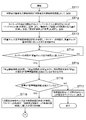
図10は、本実施の形態に係る体外循環装置1の主な動作例等を示す概略フローチャートである。以下、患者Pが心臓の外科手術を受ける例を用いて、体外循環装置1の動作例を同フローチャート等で説明する。
図10は、本実施の形態に係る体外循環装置1の主な動作例等を示す概略フローチャートである。以下、患者Pが心臓の外科手術を受ける例を用いて、体外循環装置1の動作例を同フローチャート等で説明する。
先ず、図10のステップ(以下「ST」とする。)1では、外科手術を行う前に、対象者である患者Pの体重情報、例えば、65kgを管理装置100に入力し、管理装置100の図3の「対象者体重情報記憶部111」に記憶させる。
次いで、ST2へ進む。ST2では、この患者の体重情報に基づいて、患者Pの体内の全血液循環量情報を算出する。
次いで、ST2へ進む。ST2では、この患者の体重情報に基づいて、患者Pの体内の全血液循環量情報を算出する。
具体的には、図3の「対象者体重情報記憶部111」の「対象者体重情報」例えば、65kgに基づき、患者Pの術前の全血液循環量情報である「術前全血液循環量情報」を求め、図3の「術前全血液循環量情報記憶部112」に記憶する。
この「術前全血液循環量情報記憶部112」が、全血液循環量情報記憶部の一例である。
この「術前全血液循環量情報記憶部112」が、全血液循環量情報記憶部の一例である。
具体的には、図3の「全血液循環量演算処理部(プログラム)113」が動作し、「対象者体重情報記憶部111」の「対象者体重情報(65kg)」と、図3の「全血液循環量演算式情報記憶部114」の「全血液循環量演算式情報」を参照する。
この「全血液循環量演算式情報」は以下の式を含んでいる。
「全血液循環量情報」=「対象者体重情報」×1/13
「全血液循環量演算処理部(プログラム)113」は、この「全血液循環量演算式情報」の「対象者体重情報」に「対象者体重情報記憶部」の「対象者体重情報」である65kgを代入し、演算することで、「全血液循環量情報」である5000ccを求め、「術前全血液循環量情報(5000cc)」として「術前全血液循環量情報記憶部112」に記憶させる。
「全血液循環量情報」=「対象者体重情報」×1/13
「全血液循環量演算処理部(プログラム)113」は、この「全血液循環量演算式情報」の「対象者体重情報」に「対象者体重情報記憶部」の「対象者体重情報」である65kgを代入し、演算することで、「全血液循環量情報」である5000ccを求め、「術前全血液循環量情報(5000cc)」として「術前全血液循環量情報記憶部112」に記憶させる。
次いで、ST3へ進む。ST3では、患者Pの血液中のヘマトクリット値情報を取得する。
この「ヘマトクリット値」は、上述のように血液中に占める血球の体積の割合を示す数値であり、 ほぼ赤血球の体積比と等しい値となる。成人男性で40~48%(平均43%)、成人女性で36~42%(平均38%)程度が正常値であるとされている。
この「ヘマトクリット値」は、上述のように血液中に占める血球の体積の割合を示す数値であり、 ほぼ赤血球の体積比と等しい値となる。成人男性で40~48%(平均43%)、成人女性で36~42%(平均38%)程度が正常値であるとされている。
すなわち、図1等の「ヘマトクリット値測定モニタ50」は、所定時間毎に、患者Pの血液中のヘマトクリット値情報、例えば、0.4を取得し、これを術前のヘマトクリット値をして、図3の「ヘマトクリット値記憶部115」に記憶する。
この「ヘマトクリット値記憶部115」がヘマトクリット値情報記憶部の一例となっている。
また、この術前のヘマトクリット値(0.4)が、「変化前の血液中のヘマトクリット値情報」の一例となっている。
この「ヘマトクリット値記憶部115」がヘマトクリット値情報記憶部の一例となっている。
また、この術前のヘマトクリット値(0.4)が、「変化前の血液中のヘマトクリット値情報」の一例となっている。
以上で、手術前の各種データの取得等が、終了し、次いで、患者Pの全血液循環量の増減に影響を与える輸液(薬液等)及び尿量のデータを取得する。
輸液は、手術中に患者に対して注入され、尿は患者から排出される水分である。
輸液は、手術中に患者に対して注入され、尿は患者から排出される水分である。
具体的には、ST4で、図1等の「輸液ポンプ装置30」が患者Pに注入した輸液(薬液等)量情報を、図4の「注入輸液量記憶部121」に、時刻情報と共に記憶する。
また、図1等の「尿バッグ装置40」に接続されている「尿センサ42」が検出した尿量情報を時刻情報と共に、図4の「尿量記憶部122」に記憶する。
この「輸液(薬液等)量情報」が、「注入輸液量情報」の一例である。
また、図1等の「尿バッグ装置40」に接続されている「尿センサ42」が検出した尿量情報を時刻情報と共に、図4の「尿量記憶部122」に記憶する。
この「輸液(薬液等)量情報」が、「注入輸液量情報」の一例である。
次いで、輸液の注入(IN)や尿による排出(OUT)等で「全血液循環量」が変化するので、変化後の全血液循環変化量(IN/OUT)を演算する。
具体的には、ST5で、図4の「全血液循環変化量(IN/OUT)演算処理部(プログラム)123」が動作し、図4の「全血液循環変化量(IN/OUT)演算式情報記憶部124」の「全血液循環変化量(IN/OUT)演算式情報」を参照する。
具体的には、ST5で、図4の「全血液循環変化量(IN/OUT)演算処理部(プログラム)123」が動作し、図4の「全血液循環変化量(IN/OUT)演算式情報記憶部124」の「全血液循環変化量(IN/OUT)演算式情報」を参照する。
この「全血液循環変化量(IN/OUT)演算式情報」は以下の式である。
「全血液循環変化量情報」=「注入輸液量情報(IN)」-「尿量情報(OUT)」
このため、「全血液循環変化量(IN/OUT)演算処理部(プログラム)123」は、演算式の「注入輸液量(IN)情報」に、図4の「注入輸液量情報(IN)記憶部121」の該当期間、例えば、手術開始から現在までの累積の「注入量情報(IN)」例えば、200ccを代入する。
「全血液循環変化量情報」=「注入輸液量情報(IN)」-「尿量情報(OUT)」
このため、「全血液循環変化量(IN/OUT)演算処理部(プログラム)123」は、演算式の「注入輸液量(IN)情報」に、図4の「注入輸液量情報(IN)記憶部121」の該当期間、例えば、手術開始から現在までの累積の「注入量情報(IN)」例えば、200ccを代入する。
また、演算式の「尿量情報(OUT)」に、図4の「尿量記憶部122」の該当期間(例えば、手術開始から現在まで)の累積の「尿量情報(OUT)」例えば、100ccを代入する。
そして、演算式に従って、演算することで、「全血液循環変化量情報(IN/OUT)」例えば、100ccを求め、図5の「全血液循環変化量情報記憶部131」に記憶させる。
このように、演算することで、手術開始から現在まで等の該当期間の「全血液循環量」の変化量を把握することができる。
そして、演算式に従って、演算することで、「全血液循環変化量情報(IN/OUT)」例えば、100ccを求め、図5の「全血液循環変化量情報記憶部131」に記憶させる。
このように、演算することで、手術開始から現在まで等の該当期間の「全血液循環量」の変化量を把握することができる。
次いで、手術によって、血管外であるサードスペース(間質)に溢れ出した血管外水分量等の浮腫度合情報、例えば、第1の浮腫度合情報等を推測する。
具体的には、ST6で、図5の「第1の浮腫度合情報演算処理部(プログラム)132」が動作し、図5の「第1の浮腫度合情報演算式記憶部133」の「第1の浮腫度合情報演算式情報」を参照する。
この「第1の浮腫度合情報推測演算式情報」は以下の式を有している。
「第1の浮腫度合情報」=(1-「術前ヘマトクリット値」/「術中ヘマトクリット値」)×「術前全血液循環量」+「全血液循環変化量(IN/OUT)」
具体的には、ST6で、図5の「第1の浮腫度合情報演算処理部(プログラム)132」が動作し、図5の「第1の浮腫度合情報演算式記憶部133」の「第1の浮腫度合情報演算式情報」を参照する。
この「第1の浮腫度合情報推測演算式情報」は以下の式を有している。
「第1の浮腫度合情報」=(1-「術前ヘマトクリット値」/「術中ヘマトクリット値」)×「術前全血液循環量」+「全血液循環変化量(IN/OUT)」
以下、上記式で「第1の浮腫度合情報」を求めることができる理由を説明する。
すなわち、「術前全血液循環量」×「術前ヘマトクリット値」=(「術前全血液循環量」+「全血液循環変化量(IN/OUT)」-「第1の浮腫度合情報」)×「術中ヘマトクリット値」であるため「第1の浮腫度合情報」は、「(1-「術前ヘマトクリット値」/「術中ヘマトクリット値」)×「術前全血液循環量」+「全血液循環変化量」の式で求められることになる。
すなわち、「術前全血液循環量」×「術前ヘマトクリット値」=(「術前全血液循環量」+「全血液循環変化量(IN/OUT)」-「第1の浮腫度合情報」)×「術中ヘマトクリット値」であるため「第1の浮腫度合情報」は、「(1-「術前ヘマトクリット値」/「術中ヘマトクリット値」)×「術前全血液循環量」+「全血液循環変化量」の式で求められることになる。
このため、「第1の浮腫度合情報演算処理部(プログラム)132」は、演算式の「術前ヘマトクリット値」として、図3の「ヘマトクリット値記憶部115」の術前の時刻に対応する「ヘマトクリット値、例えば、0.4を代入する。
また、同演算式の「術中ヘマトクリット値」として図3の「ヘマトクリット値記憶部115」の術中の現在時刻に対応する「ヘマトクリット値」例えば、0.5を代入する。
また、同演算式の「術中ヘマトクリット値」として図3の「ヘマトクリット値記憶部115」の術中の現在時刻に対応する「ヘマトクリット値」例えば、0.5を代入する。
そして、同演算式の「術前全血液循環量」に図3の「術前全血液循環量情報記憶部112」の「術前全血液循環量情報」例えば、5000ccを代入する。
そして、同演算式の「全血液循環変化量(IN/OUT)」に、図4の「全血液循環変化量情報(IN/OUT)記憶部124」の「全血液循環変化量情報(IN/OUT)」例えば、100ccを代入し、演算することで、術中の「第1の浮腫度合情報」、例えば、1100ccを求め、図5の「第1の浮腫度合情報記憶部134」に記憶させる。
この第1の浮腫度合情報は、例えば、水分量等となる。
そして、同演算式の「全血液循環変化量(IN/OUT)」に、図4の「全血液循環変化量情報(IN/OUT)記憶部124」の「全血液循環変化量情報(IN/OUT)」例えば、100ccを代入し、演算することで、術中の「第1の浮腫度合情報」、例えば、1100ccを求め、図5の「第1の浮腫度合情報記憶部134」に記憶させる。
この第1の浮腫度合情報は、例えば、水分量等となる。
この術中の第1の浮腫度合情報が、変化後の浮腫度合情報の一例となっている。
次いで、ST7では、図2のディスプレイ104に、図5の「第1の浮腫度合情報記憶部134」の術中の「第1の浮腫度合情報」、例えば、1100ccを表示し、第1の浮腫度合情報の進行度合いを示す。
このように、本実施の形態では、術前の血液中のヘマトクリット値と術中の血液中のヘマトクリット値及び術前の全血液循環量情報に基づいて、変化後の浮腫度合情報を形成することができる。
このように、本実施の形態では、術前の血液中のヘマトクリット値と術中の血液中のヘマトクリット値及び術前の全血液循環量情報に基づいて、変化後の浮腫度合情報を形成することができる。
このため、血管外等のサードスペースに移行する水分の情報を正確に把握すると共に、利用者等にその推移を知らせることができる。
また、本実施の形態では、術前から術後における血液中に供給された注入輸液量情報と尿として排出された尿量情報を含めて第1の浮腫度合情報を生成するので、血管外等のサードスペースに移行する水分の情報をより正確に把握し、且つ表示することができる。
また、本実施の形態では、術前から術後における血液中に供給された注入輸液量情報と尿として排出された尿量情報を含めて第1の浮腫度合情報を生成するので、血管外等のサードスペースに移行する水分の情報をより正確に把握し、且つ表示することができる。
(第2の実施の形態)
図11及び図12は、本発明の第2の実施の形態に係る体外循環装置200の主な動作例を示す概略フローチャートである。
本実施の形態の構成等の多くは、上述の第1の実施の形態と共通するため、共通する部分は第1の実施の形態と同一の符号等として説明を省略し、以下、相違点を説明する。
図11及び図12は、本発明の第2の実施の形態に係る体外循環装置200の主な動作例を示す概略フローチャートである。
本実施の形態の構成等の多くは、上述の第1の実施の形態と共通するため、共通する部分は第1の実施の形態と同一の符号等として説明を省略し、以下、相違点を説明する。
本実施の形態では、患者Pの手術中等に投与した薬剤、例えば、利尿薬により、水分が尿として排出されて、血管外等のサードスペースに移行する水分が減少し、このため、浮腫が改善されたか否かを判断する構成となっている。
以下、図11及び図12のフローチャートを用いて、本実施の形態について説明する。
先ず、図11のST11では、利尿薬の輸液注入開始時刻を「利尿薬投与開始時刻情報」として、図5の「利尿薬投与開始時刻記憶部135」に記憶させる。
先ず、図11のST11では、利尿薬の輸液注入開始時刻を「利尿薬投与開始時刻情報」として、図5の「利尿薬投与開始時刻記憶部135」に記憶させる。
次いで、ST12へ進む。ST12では、図2の「タイマー103」が時刻計測を開始すると共に、図1等の「ヘマトクリット値測定モニタ50」が「ヘマトクリット値」を測定し、図3の「ヘマトクリット値記憶部115」に記憶させる。
また、図1等の「輸液ポンプ装置30」が利尿薬の注入量を計測し、図4の「注入液量情報記憶部121」に記憶すると共に、図2等の「尿測定装置41」が「尿量」を測定し、図4の「尿量記憶部122」に記憶する。
また、図1等の「輸液ポンプ装置30」が利尿薬の注入量を計測し、図4の「注入液量情報記憶部121」に記憶すると共に、図2等の「尿測定装置41」が「尿量」を測定し、図4の「尿量記憶部122」に記憶する。
次いで、ST13へ進む。ST13では、図6の「尿量チェック時間判断処理部(プログラム)141」が動作し、図5の「尿量チェック基準時間情報記憶部136」を参照する。
この「尿量チェック基準時間情報記憶部136」には、尿量をチェックすべき基準時間が記憶されているので、「尿量チェック時間判断処理部(プログラム)141」は、「タイマー103」の時間が、尿量チェック基準時間に達したか否かを判断する。
この「尿量チェック基準時間情報記憶部136」には、尿量をチェックすべき基準時間が記憶されているので、「尿量チェック時間判断処理部(プログラム)141」は、「タイマー103」の時間が、尿量チェック基準時間に達したか否かを判断する。
そして、ST14で、「タイマー103」の時間が、尿量チェック基準時間に達したときは、ST15へ進む。
ST15では、尿量が尿量閾値情報の値を超えているか否かを判断する。
具体的には、図6の「尿量チェック判断処理部(プログラム)142」が動作し、図6「尿量閾値情報記憶部143」の「尿量閾値情報」を参照する。
この「尿量閾値情報」には、投与された利尿薬の効果として、排泄されるべき「尿量」の「閾値」情報が記憶されている。
ST15では、尿量が尿量閾値情報の値を超えているか否かを判断する。
具体的には、図6の「尿量チェック判断処理部(プログラム)142」が動作し、図6「尿量閾値情報記憶部143」の「尿量閾値情報」を参照する。
この「尿量閾値情報」には、投与された利尿薬の効果として、排泄されるべき「尿量」の「閾値」情報が記憶されている。
このため、「尿量チェック判断処理部(プログラム)142」は、図4の「尿量記憶部122」の尿量のうち、利尿薬投与後の「尿量」の累計を参照し、この尿量が、図6の「尿量閾値情報」を超えているか否かを判断する。
そして、ST16で、尿量が、図6の「尿量閾値情報」を超えていないときは、ST17へ進み、「利尿薬を投与したが尿がでない」との警告を図2のディスプレイ104に表示し、警告(アラーム)を出力する。
したがって、本実施の形態では、利用薬の効果が迅速にディスプレイ104等を介して利用者等に報知されることになる。
一方、ST16で、尿量が、図6の「尿量閾値情報」を超えているときは、ST18へ進む。ST18では、利尿薬の投与後、浮腫度合情報をチェックすべき時間が経過しているか否かを判断する。
具体的には、図6の「浮腫度合情報チェック時間判断部(プログラム)144」が動作し、図6の「浮腫度合情報チェック基準時間情報記憶部145」を参照する。
この「浮腫度合情報チェック基準時間情報記憶部145」には、浮腫度合情報をチェックすべき基準時間が記憶されているので、「浮腫度合情報チェック時間判断部(プログラム)144」は、「タイマー103」の時間が、浮腫度合情報チェック基準時間に達したか否かを判断する。
具体的には、図6の「浮腫度合情報チェック時間判断部(プログラム)144」が動作し、図6の「浮腫度合情報チェック基準時間情報記憶部145」を参照する。
この「浮腫度合情報チェック基準時間情報記憶部145」には、浮腫度合情報をチェックすべき基準時間が記憶されているので、「浮腫度合情報チェック時間判断部(プログラム)144」は、「タイマー103」の時間が、浮腫度合情報チェック基準時間に達したか否かを判断する。
そして、ST19で、「タイマー103」の時間が、浮腫度合情報チェック基準時間に達したときは、ST20へ進む。
ST20では、利尿薬投与による浮腫度合情報を推測する工程を実行する。
具体的には、図7の「利尿薬投与浮腫度合情報演算処理部(プログラム)151」が動作し、図6の「利尿薬投与浮腫度合情報演算式記憶部146」の「利尿薬投与浮腫度合情報演算式情報」を参照する。
ST20では、利尿薬投与による浮腫度合情報を推測する工程を実行する。
具体的には、図7の「利尿薬投与浮腫度合情報演算処理部(プログラム)151」が動作し、図6の「利尿薬投与浮腫度合情報演算式記憶部146」の「利尿薬投与浮腫度合情報演算式情報」を参照する。
この「利尿薬投与浮腫度合情報演算式情報」は以下の式が含まれている。
「利尿薬投与浮腫度合情報」=(1-「投与前ヘマトクリット値」/「現在ヘマトクリット値」)×(「術前全血液循環量」+「術前から投与前までの全血液循環変化量(IN/OUT)」)+投与後の全血液循環変化量
「利尿薬投与浮腫度合情報」=(1-「投与前ヘマトクリット値」/「現在ヘマトクリット値」)×(「術前全血液循環量」+「術前から投与前までの全血液循環変化量(IN/OUT)」)+投与後の全血液循環変化量
この式は、上述の第1の実施の形態の「第1の浮腫度合情報」の式のうち、以下の項目を変更等したものである。
すなわち、第1の実施の形態の「第1の浮腫度合情報」の式は、上述のように、以下の通りである
「第1の浮腫度合情報」=(1-「術前ヘマトクリット値」/「術中ヘマトクリット値」)×「術前全血液循環量」+「全血液循環変化量(IN/OUT)」
すなわち、第1の実施の形態の「第1の浮腫度合情報」の式は、上述のように、以下の通りである
「第1の浮腫度合情報」=(1-「術前ヘマトクリット値」/「術中ヘマトクリット値」)×「術前全血液循環量」+「全血液循環変化量(IN/OUT)」
そして、この「第1の浮腫度合情報」の式のうち、以下の項目を変更等する。
1)「術前ヘマトクリット値」を「投与開始前ヘマトクリット値」に変更、
2)「術中ヘマトクリット値」を「現在ヘマトクリット値」に変更、
3)「術前全血液循環量」を「(術前全血液循環量+術前から投与前までの全血液循環変化量)」に変更,
4)そして、「全血液循環変化量」を「投与後の全血液循環変化量」に変更することで、「利尿薬投与浮腫度合情報」を求めることができる。
1)「術前ヘマトクリット値」を「投与開始前ヘマトクリット値」に変更、
2)「術中ヘマトクリット値」を「現在ヘマトクリット値」に変更、
3)「術前全血液循環量」を「(術前全血液循環量+術前から投与前までの全血液循環変化量)」に変更,
4)そして、「全血液循環変化量」を「投与後の全血液循環変化量」に変更することで、「利尿薬投与浮腫度合情報」を求めることができる。
したがって、ST20では、「利尿薬投与浮腫度合情報演算処理部(プログラム)151」が、「利尿薬投与浮腫度合情報演算式情報」の式の下記項目に対応する値を代入する。
1)演算式の「投与前ヘマトクリット値」として、図3の「ヘマトクリット値記憶部115」の投与開始前の時刻に対応する「ヘマトクリット値」を代入し、
2)演算式の「現在ヘマトクリット値」として、図3「ヘマトクリット値記憶部」の術中の現在時刻に対応する「ヘマトクリット値」を代入し、
3)演算式の「術前全血液循環量」として、図3の「術前全血液循環量情報記憶部112」の「術前全血液循環量情報」を代入し、
4)演算式の「術前から投与前までの全血液循環変化量(IN/OUT)」として、図5の「全血液循環変化量情報(IN/OUT)記憶部131」の対応する「全血液循環変化量情報(IN/OUT)」を代入し、
5)演算式の「投与後の全血液循環変化量(IN/OUT)」として、図5の「全血液循環変化量情報(IN/OUT)記憶部131」の対応する「全血液循環変化量情報(IN/OUT)」を代入し、演算することで、「利尿薬投与浮腫度合情報」を求め、図7の「利尿薬投与浮腫度合情報記憶部152」に記憶させる。
1)演算式の「投与前ヘマトクリット値」として、図3の「ヘマトクリット値記憶部115」の投与開始前の時刻に対応する「ヘマトクリット値」を代入し、
2)演算式の「現在ヘマトクリット値」として、図3「ヘマトクリット値記憶部」の術中の現在時刻に対応する「ヘマトクリット値」を代入し、
3)演算式の「術前全血液循環量」として、図3の「術前全血液循環量情報記憶部112」の「術前全血液循環量情報」を代入し、
4)演算式の「術前から投与前までの全血液循環変化量(IN/OUT)」として、図5の「全血液循環変化量情報(IN/OUT)記憶部131」の対応する「全血液循環変化量情報(IN/OUT)」を代入し、
5)演算式の「投与後の全血液循環変化量(IN/OUT)」として、図5の「全血液循環変化量情報(IN/OUT)記憶部131」の対応する「全血液循環変化量情報(IN/OUT)」を代入し、演算することで、「利尿薬投与浮腫度合情報」を求め、図7の「利尿薬投与浮腫度合情報記憶部152」に記憶させる。
このように「利尿薬投与浮腫度合情報」を求めた後、患者Pの浮腫等の血管外水分量が改善しているか否かを判断する。
具体的には、ST21で、図7の「浮腫改善判断処理部(プログラム)153」が動作し、図7の「浮腫改善基準量情報記憶部154」の浮腫改善基準情報である例えば、「浮腫改善基準値」を参照する。
具体的には、ST21で、図7の「浮腫改善判断処理部(プログラム)153」が動作し、図7の「浮腫改善基準量情報記憶部154」の浮腫改善基準情報である例えば、「浮腫改善基準値」を参照する。
この「浮腫改善基準値」には、浮腫か改善されたと判断すべき値等が含まれている。
したがって、「浮腫改善判断処理部(プログラム)153」は、この「浮腫改善基準値」と、図7の「利尿薬投与浮腫度合情報記憶部152」の「利尿薬投与浮腫度合情報」を比較して、「利尿薬投与浮腫度合情報」が「浮腫改善基準値」より小さいか否かを判断する。
したがって、「浮腫改善判断処理部(プログラム)153」は、この「浮腫改善基準値」と、図7の「利尿薬投与浮腫度合情報記憶部152」の「利尿薬投与浮腫度合情報」を比較して、「利尿薬投与浮腫度合情報」が「浮腫改善基準値」より小さいか否かを判断する。
そして、ST22で、「利尿薬投与浮腫度合情報」が「浮腫改善基準値」より小さいと判断されたときは、利尿剤による浮腫改善があったと判断し、ST23へ進む。
ST23では、ディスプレイ104に「利尿剤による浮腫改善」と表示する。
ST23では、ディスプレイ104に「利尿剤による浮腫改善」と表示する。
一方、ST22で、「利尿薬投与浮腫度合情報」が「浮腫改善基準値」より小さくないときは、利尿剤による浮腫改善が未だないと判断し、ST24へ進む。
ST24では、ディスプレイ104に「浮腫は改善しない」と表示すると共に、警告(アラーム)も出力する。
ST24では、ディスプレイ104に「浮腫は改善しない」と表示すると共に、警告(アラーム)も出力する。
このように本実施の形態では、利尿薬の輸液量であっても、血管外水分量情報と浮腫改善程度を判断することで、利尿薬による浮腫改善を効果的に把握することができる。
(第3の実施の形態)
図13は、本発明の第3の実施の形態に係る体外循環装置300の主な動作例を示す概略フローチャートである。
本実施の形態の構成等の多くは、上述の第1及び第2の実施の形態と共通するため、共通する部分は第1及び第2の実施の形態と同一の符号等として説明を省略し、以下、相違点を説明する。
図13は、本発明の第3の実施の形態に係る体外循環装置300の主な動作例を示す概略フローチャートである。
本実施の形態の構成等の多くは、上述の第1及び第2の実施の形態と共通するため、共通する部分は第1及び第2の実施の形態と同一の符号等として説明を省略し、以下、相違点を説明する。
本実施の形態では、患者Pの手術中等に浮腫等が発生しているか、また、投与した薬剤、例えば、利尿薬により、水分が尿として排出されて、血管外等のサードスペースに移行する水分が減少し、このため、浮腫が改善されたか否かを医師等が判断するため、図2の管理装置100のディスプレイ104に例えば、グラフを表示する構成となっている。
図14は、患者Pの時系列(時刻毎)における全血液循環量等の変化推移の画面例を示す概略説明図である。
図14に示すように、ディスプレイ104には、患者Pの「全血液循環量」の変化、すなわち、浮腫の量の変化が表示されている。
また、同画面例では、例えば、利尿薬の投与開示時刻情報が表示されると共に、「全血液循環量」や「尿量」等の変化も表示されるので、浮腫の発生のみならず、利用薬等の薬剤の効果(薬剤投与と尿量との関連性等)についても表示される構成となっている。
図14に示すように、ディスプレイ104には、患者Pの「全血液循環量」の変化、すなわち、浮腫の量の変化が表示されている。
また、同画面例では、例えば、利尿薬の投与開示時刻情報が表示されると共に、「全血液循環量」や「尿量」等の変化も表示されるので、浮腫の発生のみならず、利用薬等の薬剤の効果(薬剤投与と尿量との関連性等)についても表示される構成となっている。
具体的には、図14において、矢印T1が、利尿薬投与時刻を示し、T2が現在時刻を示す。
また、矢印Yが、「全血液循環量」を示し、このうち、ハッチングで示した矢印Y1の部分が「浮腫」である「第2の浮腫度合情報」を示す。さらに、矢印Y2は尿量を示す。
また、矢印Yが、「全血液循環量」を示し、このうち、ハッチングで示した矢印Y1の部分が「浮腫」である「第2の浮腫度合情報」を示す。さらに、矢印Y2は尿量を示す。
このため、図14に示すグラフを視認した医師等は、浮腫である「第2の浮腫度合情報」の発生の程度、利尿薬の投与時刻と、その効果である尿量との関連性を迅速に把握することができる。
また、医師等は、図14の矢印Y2で示す、「全血液循環量」の減少が尿量(Y2)によるものであること等も迅速に認識することができる。
このように、本実施の形態では、医師等に、浮腫(第2の浮腫度合情報)の発生や利尿薬の効果等を迅速に把握させることができる。
また、医師等は、図14の矢印Y2で示す、「全血液循環量」の減少が尿量(Y2)によるものであること等も迅速に認識することができる。
このように、本実施の形態では、医師等に、浮腫(第2の浮腫度合情報)の発生や利尿薬の効果等を迅速に把握させることができる。
以下、図13のフローチャートに沿って、本実施の形態の動作等を説明する。
先ず、図13のST31に示すように、図4の「全血液循環変化量(IN/OUT)演算処理部(プログラム)123」が動作し、図4の「全血液循環変化量演算式情報記憶部124」の「全血液循環変化量(IN/OUT)演算式情報」を参照する。
先ず、図13のST31に示すように、図4の「全血液循環変化量(IN/OUT)演算処理部(プログラム)123」が動作し、図4の「全血液循環変化量演算式情報記憶部124」の「全血液循環変化量(IN/OUT)演算式情報」を参照する。
そして、同演算式情報の「注入輸液量情報(IN)」に、図4の「注入輸液量情報記憶部121」の「当該時刻までの累積の「注入量情報(IN)」を代入する、また、同演算式情報の「尿量情報(OUT)」に、図4の「尿量記憶部122」の「当該時刻までの累積の「尿量情報(OUT)」を代入する。
そして、演算することで、当該時刻までの「全血液循環変化量情報(IN/OUT)を求め、図5の「全血液循環変化量情報記憶部131」に記憶する。
そして、演算することで、当該時刻までの「全血液循環変化量情報(IN/OUT)を求め、図5の「全血液循環変化量情報記憶部131」に記憶する。
これにより、注入輸液量や尿量によって変化する変化量である「全血液循環変化量情報」を、時刻毎に取得することができる。
次いで、ST32へ進む。ST32では、図8の「全血液循環量演算処理部(プログラム)161」が動作し、図8の「全血液循環量演算式記憶部162」の「全血液循環量演算式情報」を参照する。
この全血液循環量演算式情報としては、次に式が記憶されている。
すなわち、「全血液循環量」=「前回の全血液循環量」(初回のみ「術前全血液循環量」)+「今回の全血液循環変化量」
この全血液循環量演算式情報としては、次に式が記憶されている。
すなわち、「全血液循環量」=「前回の全血液循環量」(初回のみ「術前全血液循環量」)+「今回の全血液循環変化量」
そして、同処理部(プログラム)161は、この演算式の「前回の全血液循環量」に、図5の「全血液循環量記憶部131」の「前回の全血液循環量」を代入する。
但し、初回のみ図3の「術前全血液循環量情報記憶部112」の「術前全血液循環量」を代入する。
また、同演算式の「全血液循環変化量」に図8の「全血液循環変化量情報記憶部162」の今回の「全血液循環量情報」を代入する。そして、演算して、今回の「全血液循環量情報」を求め、図8の「全血液循環量情報記憶部163」に記憶する。
時刻毎の上記全血液循環量情報が、図14の矢印Yで示す「全血液循環変化量情報」に相当する。
但し、初回のみ図3の「術前全血液循環量情報記憶部112」の「術前全血液循環量」を代入する。
また、同演算式の「全血液循環変化量」に図8の「全血液循環変化量情報記憶部162」の今回の「全血液循環量情報」を代入する。そして、演算して、今回の「全血液循環量情報」を求め、図8の「全血液循環量情報記憶部163」に記憶する。
時刻毎の上記全血液循環量情報が、図14の矢印Yで示す「全血液循環変化量情報」に相当する。
次いで、ST33へ進む。ST33では、図9の「第2の浮腫度合情報演算処理部(プログラム)171が動作し、図8の「第2の浮腫度合情報演算式記憶部164」の「第2の浮腫度合情報演算式」を参照する。
この「第2の浮腫度合情報演算式」には、以下の式となっている。
「第2の浮腫度合情報」=(1-「前回ヘマトクリット値」/「今回ヘマトクリット値」)×「前回の全血液循環量」(初回のみ「術前全血液循環量」)+「今回の全血液循環変化量」)
この「第2の浮腫度合情報演算式」には、以下の式となっている。
「第2の浮腫度合情報」=(1-「前回ヘマトクリット値」/「今回ヘマトクリット値」)×「前回の全血液循環量」(初回のみ「術前全血液循環量」)+「今回の全血液循環変化量」)
この式は、上述の第1の実施の形態の「第1の浮腫度合情報」の式のうち、以下の項目を変更等したものである。
すなわち、第1の実施の形態の「第1の浮腫度合情報」の式は、上述のように、以下の通りである
「第1の浮腫度合情報」=(1-「術前ヘマトクリット値」/「術中ヘマトクリット値」)×「術前全血液循環量」+「全血液循環変化量(IN/OUT)」
すなわち、第1の実施の形態の「第1の浮腫度合情報」の式は、上述のように、以下の通りである
「第1の浮腫度合情報」=(1-「術前ヘマトクリット値」/「術中ヘマトクリット値」)×「術前全血液循環量」+「全血液循環変化量(IN/OUT)」
そして、この「第1の浮腫度合情報」の式のうち、以下の項目を変更等する。
1)「術前ヘマトクリット値」を「前回ヘマトクリット値」に変更、
2)「術中ヘマトクリット値」を「今回ヘマトクリット値」に変更、
3)「術前全血液循環量」を「前回の全血液循環量」に変更するが、初回のみ「術前全血液循環量」を代入、
4)「そして、「全血液循環変化量」を「今回の全血液循環変化量」に変更することで、「第2の浮腫度合情報」を求めることができる。
1)「術前ヘマトクリット値」を「前回ヘマトクリット値」に変更、
2)「術中ヘマトクリット値」を「今回ヘマトクリット値」に変更、
3)「術前全血液循環量」を「前回の全血液循環量」に変更するが、初回のみ「術前全血液循環量」を代入、
4)「そして、「全血液循環変化量」を「今回の全血液循環変化量」に変更することで、「第2の浮腫度合情報」を求めることができる。
したがって、ST33では、「第2の浮腫度合情報演算処理部(プログラム)171が、「第2の浮腫度合情報演算式情報」の式の下記項目に対応する値を代入する。
1)演算式の「前回ヘマトクリット値」として、図3の「ヘマトクリット値記憶部115」の前回時刻に対応する「ヘマトクリット値」を代入し、
2)演算式の「今回ヘマトクリット値」として、図3の「ヘマトクリット値記憶部115」の今回時刻に対応する「ヘマトクリット値」を代入し、
3)演算式の「前回の全血液循環量」に図5の「全血液循環量情報記憶部131」の前回時刻に対応する「前回の全血液循環量」を代入する。但し、初回のみ図3の「術前全血液循環量記憶部112」の「術前全血液循環量」を代入し、
4)演算式の「今回の全血液循環変化量」に図5の「全血液循環変化量情報記憶部131」の今回時刻に対応する「今回の全血液循環変化量」を代入し、演算して「第2の浮腫度合情報」を求め、図9の「第2の浮腫度合情報記憶部172」に記憶する。
1)演算式の「前回ヘマトクリット値」として、図3の「ヘマトクリット値記憶部115」の前回時刻に対応する「ヘマトクリット値」を代入し、
2)演算式の「今回ヘマトクリット値」として、図3の「ヘマトクリット値記憶部115」の今回時刻に対応する「ヘマトクリット値」を代入し、
3)演算式の「前回の全血液循環量」に図5の「全血液循環量情報記憶部131」の前回時刻に対応する「前回の全血液循環量」を代入する。但し、初回のみ図3の「術前全血液循環量記憶部112」の「術前全血液循環量」を代入し、
4)演算式の「今回の全血液循環変化量」に図5の「全血液循環変化量情報記憶部131」の今回時刻に対応する「今回の全血液循環変化量」を代入し、演算して「第2の浮腫度合情報」を求め、図9の「第2の浮腫度合情報記憶部172」に記憶する。
このように演算することで、注入輸液量や尿量を考慮した、第2の浮腫度合情報が求められ、この第2の浮腫度合情報が、図14の矢印Y1の部分となる。
次いで、ST34へ進む。ST34では、利尿薬の輸液注入開始時刻を「利尿薬投与開始時刻情報」として、図5の「利尿薬投与開始時刻記憶部135」に記憶する。
次いで、ST35へ進む。ST35では、図9の「水分移行レベル表示処理部(プログラム)173」が動作し、図8の「全血液循環量情報記憶部163」の時刻別「全血液循環量」、図9の「第2の浮腫度合情報記憶部172」の時刻別「第2の浮腫度合情報」、図4の「尿量記憶部122」の時刻別「尿量」及び図5の「利尿薬投与開始時刻記憶部135」の時刻別「利尿薬投与開始時刻」に基づき、時刻毎の水分移行レベルのグラフを作成し、図14に示すように、ディスプレイ104に表示する。
具体的には、上述のように、図14の矢印Yの部分が「全血液循環量」であり、矢印Y1の部分が、「第2の浮腫度合情報」である。
また、矢印Y2の部分が、「尿量」であり、矢印T1で示す時刻が、「利尿薬投与開始時刻」である。
また、矢印Y2の部分が、「尿量」であり、矢印T1で示す時刻が、「利尿薬投与開始時刻」である。
したがって、グラフを視認する医師等は、全血液循環量の減少、例えば、矢印Y2で示す部分は、尿によるものであることや、利尿薬投与後の利尿効果等をグラフとして把握できるので、極めて状態を把握し易い構成となっている。
以上説明した上述の各実施形態においては、装置として実現される場合を例に挙げて説明したが、本発明は、これに限定されず、コンピュータに実行させることのできるプログラムとして、磁気ディスク(フロッピー(登録商標)ディスク、ハードディスクなど)、光ディスク(CD-ROM、DVDなど)光磁気ディスク(MO)、半導体メモリなどの記憶媒体に格納され頒布されてもよい。
また、記憶媒体は、プログラムを記憶でき、かつコンピュータが読み取り可能な記憶媒体であればよい。記憶媒体の記憶形式は、特には限定されない。
また、記憶媒体からコンピュータにインストールされたプログラムの指示に基づきコンピュータ上で稼働しているOS(オペレーティングシステム)や、データベース管理ソフト、ネットワークソフト等のMW(ミドルウェア)等が本実施形態を実現するための各処理の一部を実行してもよい。
さらに、本発明における記憶媒体は、コンピュータと独立した媒体には限定されず、LANやインターネット等により伝送されたプログラムをダウンロードして記憶または一時記憶した記憶媒体も含まれる。
また、本発明におけるコンピュータは、記憶媒体に記憶されたプログラムに基づいて本実施形態における各処理を実行すればよく、1つのパソコン等からなる装置であってもよいし、複数の装置がネットワーク接続されたシステム等であってもよい。
また、本発明におけるコンピュータとは、パソコンには限定されず、情報処理機器に含まれる演算処理装置、マイコン等も含み、プログラムによって本発明の機能を実現することが可能な機器、装置を総称している。
以上、本発明の各実施形態について説明した。しかし、本発明は、上記の各実施形態に限定されず、特許請求の範囲を逸脱しない範囲で種々の変更を行うことができる。上記実施形態の構成は、その一部を省略したり、上記とは異なるように任意に組み合わせたりすることができる。
ところで、本発明は、上述の実施の形態に限定されない。
本実施の形態では、「利尿薬投与血管外水分量」で、予め「尿量」の変化を考慮したが、本発明はこれに限らず、「尿量」を考慮しない「利尿薬投与血管外水分量」を求め、この水分量から尿量を差し引く構成としても構わない。
本実施の形態では、「利尿薬投与血管外水分量」で、予め「尿量」の変化を考慮したが、本発明はこれに限らず、「尿量」を考慮しない「利尿薬投与血管外水分量」を求め、この水分量から尿量を差し引く構成としても構わない。
1、200・・・体外循環装置、2・・・遠心ポンプ、3・・・貯血槽、4・・・人工肺、5・・・脱血カニューレ、6・・・送血カニューレ、7・・・吸引カニューレ、8・・・ベントカニューレ、9・・・心筋保護カニューレ、10・・・心筋保護液バッグ、11・・・第2接続チューブ、13・・・送液チューブ、14・・・バブルトラップ、15・・・気泡検出器、16・・・吸引カニューレチューブ、17・・・吸引ポンプ、18・・・ベントカニューレチューブ、19・・・ベントポンプ、20・・・心筋保護液チューブ、22・・・心筋保護液用ポンプ、23・・・熱交換器、24・・・脱血チューブ、30・・・輸液ポンプ装置、31・・・輸液バッグ、40・・・尿バッグ装置、41・・・尿測定装置、42・・・尿センサ、50・・・ヘマトクリット値測定モニタ、51・・・ヘマトクリット値測定センサ、100・・・管理装置、101・・・管理装置用制御部、102・・・通信装置、103・・・タイマー、104・・・ディスプレイ、105・・・キーボード、110・・・第1の各種情報記憶部、111・・・対象者体重情報記憶部、112・・・術前全血液循環量情報記憶部、113・・・全血液循環量演算処理部(プログラム)、114・・・全血液循環量演算式情報記憶部、115・・・ヘマトクリット値記憶部、120・・・第2の各種情報記憶部、121・・・注入輸液量記憶部、122・・・尿量記憶部、123・・・全血液循環変化量(IN/OUT)演算処理部(プログラム)、124・・・全血液循環変化量情報(IN/OUT)記憶部、130・・・第3の各種情報記憶部、131・・・全血液循環変化量情報記憶部、132・・・第1の浮腫度合情報演算処理部(プログラム)、133・・・第1の浮腫度合情報演算式記憶部、134・・・第1の浮腫度合情報記憶部、135・・・利尿薬投与開始時刻記憶部、136・・・尿量チェック基準時間情報記憶部、140・・・第4の各種情報記憶部、141・・・尿量チェック時間判断処理部(プログラム)、142・・・尿量チェック判断処理部(プログラム)、143・・・尿量閾値情報記憶部、144・・・浮腫度合情報チェック時間判断部(プログラム)、145・・・浮腫度合情報チェック基準時間情報記憶部、146・・・利尿薬投与浮腫度合情報演算式記憶部、150・・・第5の各種情報記憶部、151・・・利尿薬投与浮腫度合情報演算処理部(プログラム)、152・・・利尿薬投与浮腫度合情報記憶部、153・・・浮腫改善判断処理部(プログラム)、154・・・浮腫改善基準量情報記憶部、160・・・第6の各種情報記憶部、161・・・全血液循環量演算処理部(プログラム)、162・・・全血液循環変化量情報記憶部、163・・・全血液循環量情報記憶部、164・・・第2の浮腫度合情報演算式記憶部、170・・・第7の各種情報記憶部、171・・・第2の浮腫度合情報演算処理部(プログラム)、172・・・第2の浮腫度合情報記憶部、173・・・水分移行レベル表示処理部(プログラム)、P・・・患者、H・・・心臓
Claims (9)
- 血液中のヘマトクリット値情報を記憶するヘマトクリット値情報記憶部と、
対象者の変化前の全血液循環量情報を記憶する全血液循環量情報記憶部と、を有し、
前記ヘマトクリット値情報記憶部が記憶する変化前の血液中のヘマトクリット値情報と変化後の血液中のヘマトクリット値情報及び前記全血液循環量情報記憶部に記憶される変化前の全血液循環量情報に基づいて、変化後の浮腫度合情報を生成することを特徴とする浮腫情報管理装置。 - 前記変化後の浮腫度合情報を以下の式で求めることを特徴とする請求項1に記載の浮腫情報管理装置。
変化後の浮腫度合情報=(1-変化前の血液中のヘマトクリット値情報/変化後の血液中のヘマトクリット値情報)×変化前の全血液循環量情報 - 前記変化前から変化後における前記血液中に供給された輸液量情報と、尿として排出された尿量情報とを含めて前記浮腫度合情報を生成することを特徴とする請求項1又は請求項2に記載の浮腫情報管理装置。
- 前記輸液量情報が利尿薬の輸液量情報であって、
前記浮腫度合情報と浮腫改善程度を判断する浮腫改善基準情報とを比較し、浮腫改善の程度を判断する構成となっていることを特徴とする請求項1乃至請求項3のいずれか1項に記載の浮腫情報管理装置。 - 前記浮腫度合情報を含む前記全血液循環情報の変化を時系列で表示する構成となっていることを特徴とする請求項1乃至請求項4のいずれか1項に記載の浮腫情報管理装置。
- 前記利尿薬の投与時刻情報と前記尿量情報が表示される構成となっていることを特徴とする請求項5に記載の浮腫情報管理装置。
- 患者の血液を人工肺部へ導入し、前記人工肺部から血液を患者に環流させる体外循環装置を管理する体外循環管理装置であって、
前記体外循環管理装置が、請求項1乃至請求項6のいずれか1項に記載の前記浮腫情報管理装置を有することを特徴とする体外循環管理装置。 - 血液中のヘマトクリット値情報をヘマトクリット値情報記憶部に記憶させ、
対象者の変化前の全血液循環量情報を全血液循環量情報記憶部へ記憶させ、
前記ヘマトクリット値情報取得部が取得した変化前の血液中のヘマトクリット値情報と変化後の血液中のヘマトクリット値情報及び前記全血液循環量情報記憶部に記憶される変化前の全血液循環量情報に基づいて、変化後の浮腫度合情報を生成することを特徴とする浮腫情報管理装置の制御方法。 - 血管外へ溢れ出る水分を管理する浮腫情報管理装置に、血液中のヘマトクリット値情報をヘマトクリット値情報記憶部に記憶させる機能、対象者の変化前の全血液循環量情報を全血液循環量情報記憶部へ記憶させる機能と、
前記ヘマトクリット値情報取得部が取得した変化前の血液中のヘマトクリット値情報と変化後の血液中のヘマトクリット値情報及び前記全血液循環量情報記憶部に記憶される変化前の全血液循環量情報に基づいて、変化後の浮腫度合情報を生成する機能と、を実現させるための浮腫情報管理装置の制御プログラム。
Priority Applications (1)
| Application Number | Priority Date | Filing Date | Title |
|---|---|---|---|
| JP2019539491A JPWO2019044767A1 (ja) | 2017-08-31 | 2018-08-27 | 浮腫情報管理装置、これを有する体外循環管理装置、浮腫情報管理装置の制御方法及び浮腫情報管理装置の制御プログラム |
Applications Claiming Priority (2)
| Application Number | Priority Date | Filing Date | Title |
|---|---|---|---|
| JP2017166471 | 2017-08-31 | ||
| JP2017-166471 | 2017-08-31 |
Publications (1)
| Publication Number | Publication Date |
|---|---|
| WO2019044767A1 true WO2019044767A1 (ja) | 2019-03-07 |
Family
ID=65527429
Family Applications (1)
| Application Number | Title | Priority Date | Filing Date |
|---|---|---|---|
| PCT/JP2018/031571 Ceased WO2019044767A1 (ja) | 2017-08-31 | 2018-08-27 | 浮腫情報管理装置、これを有する体外循環管理装置、浮腫情報管理装置の制御方法及び浮腫情報管理装置の制御プログラム |
Country Status (2)
| Country | Link |
|---|---|
| JP (1) | JPWO2019044767A1 (ja) |
| WO (1) | WO2019044767A1 (ja) |
Cited By (2)
| Publication number | Priority date | Publication date | Assignee | Title |
|---|---|---|---|---|
| WO2023006119A1 (zh) * | 2021-07-30 | 2023-02-02 | 深圳迈瑞生物医疗电子股份有限公司 | 体外循环设备的引导方法和监护设备 |
| WO2025204458A1 (ja) * | 2024-03-26 | 2025-10-02 | テルモ株式会社 | プログラム、情報処理方法、及び情報処理装置 |
Citations (4)
| Publication number | Priority date | Publication date | Assignee | Title |
|---|---|---|---|---|
| JPH0638947A (ja) * | 1992-03-31 | 1994-02-15 | Univ Manitoba | 血液の分光測光分析法及び該装置 |
| US5984893A (en) * | 1997-03-27 | 1999-11-16 | Ward; Roger T. | Blood infusion control system |
| JP2009511183A (ja) * | 2005-10-13 | 2009-03-19 | カーディアック ペースメーカーズ インコーポレイテッド | 血液量減少検出器を有する植込み型医療装置 |
| JP2016174752A (ja) * | 2015-03-20 | 2016-10-06 | ソニー株式会社 | 血液状態監視装置、血液状態を監視する方法、血液状態監視システム、及び血液状態改善用プログラム |
-
2018
- 2018-08-27 WO PCT/JP2018/031571 patent/WO2019044767A1/ja not_active Ceased
- 2018-08-27 JP JP2019539491A patent/JPWO2019044767A1/ja not_active Ceased
Patent Citations (4)
| Publication number | Priority date | Publication date | Assignee | Title |
|---|---|---|---|---|
| JPH0638947A (ja) * | 1992-03-31 | 1994-02-15 | Univ Manitoba | 血液の分光測光分析法及び該装置 |
| US5984893A (en) * | 1997-03-27 | 1999-11-16 | Ward; Roger T. | Blood infusion control system |
| JP2009511183A (ja) * | 2005-10-13 | 2009-03-19 | カーディアック ペースメーカーズ インコーポレイテッド | 血液量減少検出器を有する植込み型医療装置 |
| JP2016174752A (ja) * | 2015-03-20 | 2016-10-06 | ソニー株式会社 | 血液状態監視装置、血液状態を監視する方法、血液状態監視システム、及び血液状態改善用プログラム |
Cited By (2)
| Publication number | Priority date | Publication date | Assignee | Title |
|---|---|---|---|---|
| WO2023006119A1 (zh) * | 2021-07-30 | 2023-02-02 | 深圳迈瑞生物医疗电子股份有限公司 | 体外循环设备的引导方法和监护设备 |
| WO2025204458A1 (ja) * | 2024-03-26 | 2025-10-02 | テルモ株式会社 | プログラム、情報処理方法、及び情報処理装置 |
Also Published As
| Publication number | Publication date |
|---|---|
| JPWO2019044767A1 (ja) | 2020-08-20 |
Similar Documents
| Publication | Publication Date | Title |
|---|---|---|
| Gajkowski et al. | ELSO guidelines for adult and pediatric extracorporeal membrane oxygenation circuits | |
| US11923078B2 (en) | Semi-autonomous medical systems and methods | |
| JP5500348B2 (ja) | ポンプにより生じる血液循環を監視しかつ最適化する方法及び装置 | |
| JP6728180B2 (ja) | 医療用流体処理機械及び関連のシステム及び方法 | |
| JP4822258B2 (ja) | 血液透析装置 | |
| Pennings et al. | Pump flow estimation from pressure head and power uptake for the HeartAssist5, HeartMate II, and HeartWare VADs | |
| CN107469171A (zh) | 带有rfid特征激活的灌注系统 | |
| JP7530919B2 (ja) | 予測表示システム及び予測表示システムの作動方法 | |
| JP2005503179A (ja) | 心不全における末梢静脈流体除去のための方法および装置 | |
| Asber et al. | Nursing management of patients requiring acute mechanical circulatory support devices | |
| Raghunathan et al. | Importance of intravenous fluid dose and composition in surgical ICU patients | |
| Brown et al. | Temporary percutaneous mechanical circulatory support in advanced heart failure | |
| JPWO2019044767A1 (ja) | 浮腫情報管理装置、これを有する体外循環管理装置、浮腫情報管理装置の制御方法及び浮腫情報管理装置の制御プログラム | |
| Sherman et al. | Autologous blood transfusion during cardiopulmonary bypass | |
| Lillehei et al. | Design and clinical application of the helix reservoir pump-oxygenator system for extracorporeal circulation | |
| Horton et al. | Pump-induced haemolysis: is the constrained vortex pump better or worse than the roller pump? | |
| O’Shea | Ventricular assist devices: what intensive care unit nurses need to know about postoperative management | |
| Lee et al. | In vivo evaluation of the pulsatile ECLS sysem | |
| US20240189573A1 (en) | Estimating contractile reserve using a mechanical circulatory support device | |
| JPH11506666A (ja) | 目標注入投薬量を得るための方法及びシステム | |
| Ti et al. | Comparison of mini-cardiopulmonary bypass system with air-purge device to conventional bypass system | |
| Jahren et al. | The impact of roller pump‐assisted cardiotomy suction unit on hemolysis | |
| Trowbridge et al. | The effects of continuous blood gas monitoring during cardiopulmonary bypass: A prospective, randomized study—Part II | |
| Wagner et al. | Is it possible to predict outcome in cardiac ECMO? Analysis of preoperative risk factors | |
| Mulholland et al. | Miniature cardiopulmonary bypass—The Hammersmith experience |
Legal Events
| Date | Code | Title | Description |
|---|---|---|---|
| 121 | Ep: the epo has been informed by wipo that ep was designated in this application |
Ref document number: 18851972 Country of ref document: EP Kind code of ref document: A1 |
|
| ENP | Entry into the national phase |
Ref document number: 2019539491 Country of ref document: JP Kind code of ref document: A |
|
| NENP | Non-entry into the national phase |
Ref country code: DE |
|
| 122 | Ep: pct application non-entry in european phase |
Ref document number: 18851972 Country of ref document: EP Kind code of ref document: A1 |