WO2018235133A1 - 業務受託装置、業務受託システム、業務受託方法、及びプログラム - Google Patents
業務受託装置、業務受託システム、業務受託方法、及びプログラム Download PDFInfo
- Publication number
- WO2018235133A1 WO2018235133A1 PCT/JP2017/022556 JP2017022556W WO2018235133A1 WO 2018235133 A1 WO2018235133 A1 WO 2018235133A1 JP 2017022556 W JP2017022556 W JP 2017022556W WO 2018235133 A1 WO2018235133 A1 WO 2018235133A1
- Authority
- WO
- WIPO (PCT)
- Prior art keywords
- unit
- business
- evaluation
- work
- timing
- Prior art date
- Legal status (The legal status is an assumption and is not a legal conclusion. Google has not performed a legal analysis and makes no representation as to the accuracy of the status listed.)
- Ceased
Links
Images








Classifications
-
- G—PHYSICS
- G06—COMPUTING OR CALCULATING; COUNTING
- G06Q—INFORMATION AND COMMUNICATION TECHNOLOGY [ICT] SPECIALLY ADAPTED FOR ADMINISTRATIVE, COMMERCIAL, FINANCIAL, MANAGERIAL OR SUPERVISORY PURPOSES; SYSTEMS OR METHODS SPECIALLY ADAPTED FOR ADMINISTRATIVE, COMMERCIAL, FINANCIAL, MANAGERIAL OR SUPERVISORY PURPOSES, NOT OTHERWISE PROVIDED FOR
- G06Q50/00—Information and communication technology [ICT] specially adapted for implementation of business processes of specific business sectors, e.g. utilities or tourism
- G06Q50/10—Services
Definitions
- the present invention relates to a business consignment device, a business consignment system, a business consignment method, and a program.
- Patent Document 1 recognizes a work content and a due date from a received service request, predicts a working time from past results, and reschedules and optimizes a person in charge if the due date is not met. Is disclosed. Further, Patent Document 2 discloses a method of automatically opening a work request mail from a dispatcher, acquiring the contents of the work request, and comparing the schedule with the schedule to determine acceptance or rejection.
- the business consignment device includes: a reception unit that receives a business request; an evaluation unit that generates an evaluation value related to the business content based on the business content of the business request received by the reception unit; The timing determining unit determines the timing of an answer to the business request received by the receiving unit based on the evaluated value, and the business request received by the receiving unit at the timing determined by the timing determining unit And a commissioning transmission unit for transmitting a message to the effect that
- the timing determination unit determines the timing earlier than when the evaluation value is lower than the reference value, and the trust transmission
- the unit transmits the message at an earlier timing than when the evaluation value is less than or equal to the reference value.
- the information processing apparatus further includes a determination unit that determines whether the operation can be performed based on the content of the operation request received by the reception unit, and the evaluation unit can be performed by the determination unit.
- An evaluation value is generated for an operation request determined to be present, and the timing determination unit generates an evaluation value according to the evaluation value generated by the evaluation unit among the operation requests determined to be feasible by the determination unit. And determine different answer timings.
- the timing determination unit is an answer when the evaluation value generated by the evaluation unit is equal to or less than a predetermined lower limit, even if the operation request is determined to be feasible by the determination unit. And instructs the consignment transmission unit to hold the
- the business consignment apparatus determines whether or not the business can be carried out based on the reception unit for receiving the business request and the business content of at least one business request received by the reception unit. And an evaluation unit that generates an evaluation value related to the work content based on the work content of the work request received by the reception unit, based on the work content of the work request, a determination result by the determination unit, And a trust determination unit that determines a combination of business requests to be received based on the evaluation value generated by the evaluation unit.
- the response is suspended until a predetermined timing, and at the timing, a message to the effect that the business request determined by the consignment determination unit is received is
- the evaluation unit further has a commissioned transmission unit for transmitting as a response to the operation request, and the evaluation unit replaces the combination of the operation request for the operation request for which the response is pending, and calculates the sum of evaluation values for a plurality of combinations.
- the acceptance determining unit compares the calculated evaluation values of the plurality of combinations to determine a combination of business requests to be accepted.
- the receiving unit receives the work request as an electronic file, refers to a prepared dictionary, and uses the term or identification information included in the received electronic file as a reference term or identification information.
- the evaluation unit further includes a conversion unit for converting, and the evaluation unit generates an evaluation value of the business content based on the electronic file of the business request converted by the conversion unit.
- the evaluation unit generates, as an evaluation value, the degree of similarity between the electronic file of the business request converted by the conversion unit and the electronic file of the specific business prepared in advance.
- the business consignment system includes a reception unit that receives a business request, an evaluation unit that generates an evaluation value related to the business content based on the business content of the business request received by the reception unit, and the evaluation unit.
- a timing determination unit that determines the timing of an answer to the business request received by the reception unit based on the generated evaluation value, and the business request received by the reception unit at the timing determined by the timing determination unit
- a commissioning transmission unit for transmitting a message for commissioning the
- an evaluation step for generating an evaluation value related to the business content based on the business content of the business request received in the reception step and The task of the work request received in the reception step at the timing determined in the timing determination step of determining the timing of the response to the business request received in the reception step based on the generated evaluation value, and at the timing determined in the timing determination step Sending a message to the effect of accepting
- a program includes: a receiving function for receiving a task request; an evaluation function for generating an evaluation value related to the task content based on the task content of the task request received by the receiving function; Based on the evaluation value, we accept the task of the task request accepted by the acceptance function at the timing decided by the timing decision function which decides the timing of the reply to the task request accepted by the acceptance function and the timing decision function.
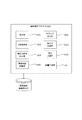
- FIG. 1 is a diagram illustrating an entire configuration of a business consignment system 1;
- FIG. 2 is a diagram illustrating a hardware configuration of the business consignment device 2.
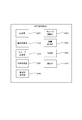
- FIG. 2 is a diagram illustrating a functional configuration of the business consignment device 2. It is a figure which illustrates the dictionary production
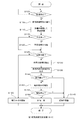
- FIG. 10 is a flow chart for explaining a first-step business consignment process (S10) by the business consignment device 2.
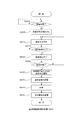
- FIG. 10 is a flow chart for explaining a second step business consignment process (S20) by the business consignment device 2.
- S10 first-step business consignment process
- S20 second step business consignment process
- FIG. 6 is a flowchart illustrating dictionary generation processing (S30) by the business consignment device 2.
- FIG. It is a flowchart explaining a dictionary addition process (S40).
- the business consignment device 2 analyzes the content of the business request to automatically determine which type of the past the business conforms to. Further, the business consignment device 2 searches for a past case that matches the business type determined above, and estimates the working time of the case from statistics of past working time and the like. The business consignment device 2 calculates an evaluation value indicating the degree of attractiveness to the trustee, in addition to the determination as to whether it is feasible (calculation of the resource allocatable candidate).
- the business consignment device 2 can be allocated based on the received order amount, bonus amount (visit within n hours, etc.), risk factor (work difficulty, handling of confidential information, development to past claims, etc.)
- An evaluation value indicating the degree to which an order should be received is calculated for each resource candidate.
- the business consignment device 2 automatically responds as to whether or not the consignment can be accepted according to the resource allocation status to the work request when the response is due.
- the evaluation value of the work request exceeds a predetermined reference value, it is possible to immediately answer without waiting for the response deadline.
- FIG. 1 is a diagram illustrating the overall configuration of the business consignment system 1.
- the business consignment system 1 includes a business consignment device 2, a client terminal 8, and a router 902, and is mutually connected via a local area network (LAN) 900.
- the business consignment device 2 is a computer terminal.
- the business consignment device 2 of this example is the server device 2 and provides a business consignment service to the client terminal 8.
- the client terminal 8 is a personal computer such as a notebook computer.
- a scanner 800 is connected to the client terminal 8 of this example, and can input a business request printed on a paper medium.
- the business consignment device 2 of this example is connected to the Internet 904 via the router 902, and the electronic file including the business request information is transmitted to the computer terminal (not shown) of the requester by Internet communication such as electronic mail. Receive from Further, the business consignment device 2 of this example analyzes the received business request, and transmits a message indicating whether or not to consign the business request to the client terminal (not shown) of the requester.
- FIG. 2 is a diagram illustrating the hardware configuration of the business consignment device 2.
- the business consignment device 2 includes a CPU 200, a memory 202, an HDD 204, a network interface 206 (network IF 206), a display device 208, and an input device 210, and these configurations are via a bus 212.
- the CPU 200 is, for example, a central processing unit.
- the memory 202 is, for example, a volatile memory and functions as a main storage device.
- the HDD 204 is, for example, a hard disk drive, and a computer program (for example, the business consignment program 22 of FIG. 3) or other data file (for example, the dictionary file of FIG. 5) or the business request list of FIG. Etc).
- the network IF 206 is an interface for wired or wireless communication.
- the display device 208 is, for example, a liquid crystal display.
- the input device 210 is, for example, a keyboard and a mouse.
- FIG. 3 is a diagram illustrating the functional configuration of the business consignment device 2.
- the business consignment program 22 is installed in the business consignment device 2 of this example, and the business information storage unit 260 is configured.
- the business consignment program 22 is stored, for example, in a recording medium such as a CD-ROM, and is installed in the business consignment device 2 via the recording medium.
- the business consignment program 22 includes a reception unit 220, a term conversion unit 222, a feasibility determination unit 224, a business content evaluation unit 226, a timing determination unit 228, a combination determination unit 230, a consignment transmission unit 232, and a dictionary generation unit 32.
- part or all of the business consignment program 22 may be realized by hardware such as an ASIC, or may be realized by partly borrowing the function of the OS (Operating System).
- the reception unit 220 receives a business request.
- the reception unit 220 of this example receives an electronic file including detailed information of a business request by electronic mail.
- the receiving unit 220 may receive from the client terminal 8 an electronic file of the business request document generated by the scanner 800.
- the term conversion unit 222 converts a term or identification information included in the business request received by the reception unit 220 into a reference term or identification information with reference to a previously prepared dictionary.
- the term conversion unit 222 is an example of a conversion unit according to the present invention.
- the term conversion unit 222 of the present example refers to the dictionary generated by the dictionary generation unit 32 and replaces the part term included in the electronic file of the business request with the representative word. This unifies component terms and enables statistical processing of various business requests.
- the feasibility determining unit 224 determines whether or not the task can be performed.
- the feasibility determination unit 224 is an example of a determination unit according to the present invention.
- the feasibility determination unit 224 of this example determines a static condition that determines the impracticability of the task regardless of the presence or absence of the resource, and a dynamic condition in which the availability of the task changes depending on the presence or absence of the resource.
- the static condition is, for example, a predetermined business rule, such as an available area or an available customer.
- the dynamic condition is, for example, the skills of the person in charge of the operation (qualification requirements, past results, presence of education, etc.), the stock status of replacement parts, etc.
- the task content evaluation unit 226 generates, based on the task content of the task request received by the receiving unit 220, an evaluation value related to the task content using an evaluation criterion different from the feasibility of the task.
- the work content evaluation unit 226 is an example of an evaluation unit according to the present invention.
- the work content evaluation unit 226 evaluates the work content of the work request based on the evaluation standard regarding the satisfaction or satisfaction of the trustee, and generates an evaluation value.
- the evaluation criteria are, for example, the profit margin, the degree of difficulty of the work included in the work, and the risk associated with the work execution.
- the profit margin is evaluated on the basis of, for example, the amount of order received, the amount of bonus, the time required for work, and the number of personnel.
- the degree of difficulty of the work is evaluated based on, for example, an expected work time calculated from past results, skills required for the work, and the like. Risks associated with the implementation of work are evaluated based on past claim information, handling of confidential information, whether to bring in a mobile phone, and deadline for completion of work.
- the timing determination unit 228 determines the timing of an answer to the business request received by the reception unit 220. For example, the timing determination unit 228 compares the evaluation value generated by the work content evaluation unit 226 with a predetermined reference value, and when the generated evaluation value is higher than the predetermined reference value, the evaluation value is equal to this. The timing is determined earlier than in the case of below the reference value. More specifically, the timing determination units 228 differ from each other according to the evaluation value generated by the business content evaluation unit 226 among the business requests determined to be feasible by the feasibility determination unit 224. Determine the answer timing.
- the timing determination unit 228 in this example is a business request determined to be feasible by the feasibility determination unit 224
- the evaluation value generated by the business content evaluation unit 226 is less than or equal to a predetermined reference value. In this case, the response is suspended until just before the response deadline, and if the evaluation value is higher than this reference value, the trust transmitting unit 232 is instructed to immediately respond.
- the combination determination unit 230 determines the combination of the business request to be accepted based on the determination result by the feasibility determination unit 224 and the evaluation value generated by the business content evaluation unit 226.
- the combination determination unit 230 is an example of the acceptance determination unit according to the present invention.
- the combination determination unit 230 replaces the combination of the task request with respect to the task request for which the response is pending, and causes the task content evaluation unit 226 to calculate the sum of evaluation values for a plurality of combinations. The evaluation values of are compared to determine the combination of business requests to be accepted.
- the consignment transmission unit 232 transmits a message indicating that the task of the operation request accepted by the accepting unit 220 is accepted at the timing determined by the timing determination unit 228 or a message indicating that the task can not be accepted.
- the evaluation value generated by the operation content evaluation unit 226 is less than or equal to a predetermined reference value for the operation request determined to be feasible according to the instruction of the timing determination unit 228 In this case, the response is put on hold until just before the response deadline, and if the evaluation value is higher than this reference value, a message to accept is immediately sent.
- the dictionary generation unit 32 generates a dictionary of nouns that may be included in the task request information, based on the task request information or the report information of the commissioned task.
- the dictionary generation unit 32 of this example is, as illustrated in FIG. 4, an extraction unit 320, a relationship evaluation unit 322, a group generation unit 324, a representative determination unit 326, an important word determination unit 328, a group update unit 330, a dictionary output unit 332, a search unit 334, and an analysis unit 342.
- the extraction unit 320 extracts, from the document file, the identification information of the lexicalization target and the noun.
- the dictionary conversion target may be anything as long as identification information is given thereto, but it is, for example, a work target to be a target of work.
- parts to be subjected to maintenance work of the apparatus will be described as a specific example.
- the extraction unit 320 of this example extracts identification information of parts (hereinafter referred to as parts ID) and nouns that are likely to be names of parts from a request file for maintenance work or repair work or a document file of a report.
- the relationship evaluation unit 322 evaluates the correlation between the identification information and the noun based on the co-occurrence frequency of the identification information extracted by the extraction unit 320 and the extracted noun.
- the relation evaluation unit 322 of this example counts the frequency (co-occurrence frequency) of appearance of the part ID and the noun that seems to be the part name in a predetermined unit, and generates a co-occurrence frequency matrix.
- the predetermined unit is a range of a document that can be determined that the component ID and the component name appear together, and is, for example, a document file unit, an input field unit, a paragraph unit, a sentence unit, or the like.
- the relationship evaluation unit 322 of this example calculates the correlation coefficient between the part name and the part ID based on the generated co-occurrence frequency matrix.
- the group generation unit 324 generates a group of identification information or a group of nouns based on the evaluation result by the relationship evaluation unit 322. For example, the group generation unit 324 clusters the component names based on the co-occurrence frequency of the component names and the component IDs counted by the relationship evaluation unit 322. The group generation unit 324 of this example calculates the distance between component names, using the co-occurrence frequency of component IDs as a vector for each component name, and groups component names having similar calculated distances. Note that the clustering method, the distance measure, and the like may be other.
- the representative determining unit 326 determines a representative of the identification information or a representative word that is a representative of the noun from the group of the identification information or the noun generated by the group generation unit 324. For example, the representative determining unit 326 determines a representative or representative word of the identification information based on the appearance frequency of the identification information or the noun in the group. The representative determining unit 326 in this example sets the most frequently used term (part name) in the group as the representative term among the group of the part names generated by the group generation unit 324.
- the important word determination unit 328 determines, from among nouns (part names) associated with the same identification information, an important word indicating the name of an object corresponding to the identification information. For example, the keyword determining unit 328 selects keywords from among noun groups associated with the same identification information, based on their appearance frequency. The keyword determining unit 328 in this example sets a term (component name) having the highest frequency of co-occurrence with the same component ID as the keyword.
- the group update unit 330 evaluates the correlation in the subgroups in the group generated by the group generation unit 324, and updates the group based on the increase or decrease in the evaluation result.
- the group updating unit 330 of this example searches for a subgroup having a correlation coefficient greater than or equal to the reference value among the subgroups in the group, and when a subgroup having a correlation coefficient greater than or equal to the reference value is found, The subgroup is additionally registered in and the subgroup is deleted from the dictionary when the subgroup which exceeds the reference value is not found.
- the dictionary output unit 332 generates identification information included in each group based on the group generated by the group generation unit 324 or the group updated by the group update unit 330, and the representative determined by the representative determination unit 326.
- a dictionary in which nouns included in each group are associated with each other is output to the display device 208 or the task information storage unit 260.
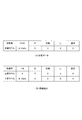
- the dictionary output unit 332 of this example, as illustrated in FIG. 5, includes a dictionary (FIG. 5A) in which component IDs belonging to each group are associated with representative words of that group, and component names belonging to each group
- the dictionary (FIG. 5B) associated with the representative word of the group is output to the task information storage unit 260.
- the search unit 334 searches for identification information or a name using the dictionary output by the dictionary output unit 332. More specifically, the search unit 334 refers to the dictionary and extracts a part name belonging to the same group for the input part name. As a result, name identification becomes possible, and analysis of business request information becomes possible.
- the search unit 334 extracts the part name of the replacement part from the document file of the maintenance work request form, refers to the dictionary, and based on the representative word associated with the extracted part name, parts belonging to the same group Extract the ID and check the stock of parts.
- the search unit 334 refers to the dictionary and extracts the component ID belonging to the same group based on the representative word associated with the input component name.
- the analysis unit 342 controls the search unit 334 with respect to the document files (request document file or report file) of the plurality of inputted operations, names the names in the document file to the representative word, and the appearance frequency of the representative word Generate statistical data on work based on For example, the analysis unit 342 inputs the document file of the report including the contents of the maintenance work (part name of the replacement part, etc.) included in the consignment work and the work man-hours required for the work, and the parts of the input document file
- the graph illustrated in FIG. 12 is created by naming names into representative words according to a dictionary and aggregating work man-hours for each representative word. As a result, it is possible to evaluate the estimated time required for the consignment work and the magnitude of the risk due to the skill etc.
- FIG. 6 is a flow chart for explaining the first-step business consignment process (S10) by the business consignment device 2.
- step 100 the receiving unit 220 of the business consignment device 2 stands by until newly receiving a business request (S100: No), and when a new business request is received, S105 Transfer to processing.
- step 105 the reception unit 220 extracts business request information from the received electronic file of the business request.
- the electronic file of the business request is a mail
- the business request information indicating the content of the business request is extracted from the mail text, the mail title, and the attached file.
- the reception unit 220 performs the OCR process to extract the work request information from the image data.
- step 110 the term conversion unit 222 replaces the part term or part ID included in the task request information extracted by the reception part 220 with the representative word illustrated in FIG.
- step 115 the reception unit 220 determines whether there is a shortage in the extracted business request information, and when there is a shortage in the business request information, the process proceeds to S120, and when there is no shortage, S125. Transfer to processing of In step 120 (S120), the reception unit 220 collects missing information.
- the collection of the shortage information may be read out with reference to, for example, a knowledge database prepared in advance in the business information storage unit 260, or an inquiry may be made to the requester.
- step 125 the feasibility determining unit 224 determines, based on the task request information extracted by the receiving unit 220, whether or not the request task can be performed with respect to the static condition.
- the business consignment program 22 shifts to the process of S130 when it is determined that the process can be performed, and shifts to the process of S165 when it is determined that the process can not be performed.
- step 130 the work content evaluation unit 226 calculates the number of work hours required for the work based on the work request information extracted by the reception unit 220 and the past performance information registered in the work information storage unit 260. , The past work error rate, the past claim record, and the movement time etc. are estimated. The work man-hours are estimated based on the statistical data of the past work man-hours calculated for each work as illustrated in FIG. Similarly, the past work error rate and the past claim record are also estimated based on statistical data of past record values, and the travel time is calculated based on the work place included in the work request information.
- step 135 the work content evaluation unit 226 calculates the evaluation value of the work content based on the estimated work man-hour and the like.
- the work content evaluation unit 226 in this example as illustrated in FIG. 14, for each work type, the case where the reference value of each evaluation element, the evaluation coefficient in the case of exceeding this reference value, and this reference value
- the evaluation factor is set, and the estimated work man-hour, transfer time, trust amount, etc. are compared with these reference values to calculate the evaluation value of each evaluation item, and the calculated evaluation values are summed up. And the evaluation value of the entire business.
- the excess rate or deficiency rate with respect to the reference value is multiplied by the set evaluation coefficient to obtain the evaluation value of each evaluation item, but the present invention is not limited to this.
- the shortage may be multiplied by an evaluation coefficient to obtain an evaluation value of each evaluation item.
- step 140 the timing determination unit 228 determines the timing of the response to the business request based on the evaluation value calculated by the business content evaluation unit 226. If the calculated evaluation value is higher than the reference value, the timing determination unit 228 instructs the trustee transmission unit 232 to make an immediate response, and the process proceeds to S150, and the calculated evaluation value is less than or equal to the reference value. In this case, the acceptance transmitting unit 232 is instructed to suspend the response until just before the response deadline, and the process shifts to the processing of S145.
- step 145 the consignment transmission unit 232 suspends the reply of the business request according to the instruction of the timing determination unit 228, and ends the first step business consignment processing (S10).
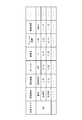
- the task request information for which the answer is on hold is registered in the task information storage unit 260 in association with the “pending” flag, as illustrated in FIG.
- step 150 the feasibility determination unit 224 secures the resources required for the task so as to satisfy the dynamic condition of the task content.
- step 155 the business consignment program 22 shifts to the process of S160 when the resources required for the business can be secured, and shifts to the process of S145 when the resources required for the business can not be secured.
- step 160 in response to the business request received by the reception unit 220, the acceptance transmission unit 232 immediately transmits a message to the effect that the operation will be accepted to the requester's computer terminal (not shown).
- the term “immediate” means a period sufficiently short with respect to the length of the response time limit, for example, within one day after receiving the business request.
- the task request information that has been answered is registered in the task information storage unit 260 in association with the flag of the answer "done" as illustrated in FIG.
- step 165 in response to the business request received by the reception unit 220, the acceptance transmission unit 232 immediately transmits a message to the effect that the business can not be accepted to the requester's computer terminal (not shown).
- the consignment transmission unit 232 may transmit a message to the effect that the business is consigned in a conditional manner.
- the condition is, for example, that a task request is partially not fulfilled, such as not meeting the completion date of the task or becoming a person in charge lower than the skill level required for the task.
- FIG. 7 is a flowchart for explaining the second-step business consignment process (S20) by the business consignment device 2.
- the timing determination unit 228 of the business consignment device 2 monitors the response deadline of the business request information registered in the business information storage unit 260, and the response is pending.
- the process waits until the task request information whose answer deadline is near is found among the task request information (S200: No), and when the task request information whose answer deadline is near is found, the process proceeds to S205.
- the response deadline is near means, for example, a time when 24 hours before the response deadline has passed.
- step 205 the timing determination unit 228 instructs the combination determination unit 230 to evaluate the combination including the business request whose response time limit is near.
- the combination determination unit 230 reads out, from the business information storage unit 260, the business request information of the business request for which the response is pending, in accordance with the instruction from the timing determination unit 228.
- step 210 the combination determination unit 230 sets a combination of task requests including task requests whose response deadlines are close.
- step 215 the feasibility determination unit 224 determines whether or not resource allocation is possible for the business request of the set combination.
- the business consignment program 22 proceeds to the processing of S220 when it is determined that resource allocation is possible, and when it is determined that resource allocation is not possible, the combination is discarded, It returns to the process of S210 in order to search the combination of.
- step 220 the work content evaluation unit 226 calculates the evaluation value of the work content for each work request included in the set combination, adds up the calculated evaluation values, and adds up the evaluation value of the combination concerned.
- step 225 the combination determination unit 230 determines whether or not the combined evaluation value has been calculated for a predetermined number of different combinations, and if the combined evaluation value is calculated for the predetermined number of combinations, S230 is performed. In the process, if the combination for which the total evaluation value is calculated is less than the predetermined number, the process returns to the process of S210 to search for another combination.
- step 230 the combination determination unit 230 compares the calculated combined evaluation values, and selects a combination of task requests that maximizes the combined evaluation value.
- step 235 the feasibility determining unit 224 secures the necessary resources for the task request of the combination selected by the combination determining unit 230.
- step 240 the timing determination unit 228 instructs the acceptance transmitting unit 232 to reply that the combination of the operation request selected by the combination determination unit 230 is accepted.
- commissioned transmission unit 232 transmits a message to the effect that the selected combination of business requests is accepted.
- step 245 the entrustment transmission unit 232 accesses the operation request information (FIG. 13) registered in the operation information storage unit 260, and "holds" the operation request for transmitting the message to the effect of acceptance. Update the flag of to "done”.
- the business consignment device 2 of this example responds that the business is consigned in the first stage immediately after receiving the business request, or in the second stage immediately before the response deadline of the business request. Do.
- FIG. 8 is a flowchart for explaining the dictionary generation process (S30) by the business consignment device 2.
- the case of generating the dictionary first will be described as a specific example.
- the extraction unit 320 of the business consignment device 2 extracts a component ID and a component name from the input document file.
- the part ID is information that can uniquely identify the part, and is a model number of the part, a part inventory management number, or the like.
- step 305 the dictionary generation unit 32 repeats the process of S300 until the extraction process is completed from all the document files, and when the extraction process is completed, the process proceeds to S310.
- step 310 the relation evaluation unit 322 causes the appearance frequency (FIG. 15A) of the component name and the appearance frequency (FIG. 15B (B)) for the component ID and the component name extracted by the extraction unit 320. ) Is counted, and a co-occurrence frequency matrix (FIG. 15C) of the part name and the part ID is generated from the number of times the part ID and the part name appear simultaneously (co-occurrence frequency).
- weighting may be performed in counting the number of appearances.
- the relationship evaluation unit 322 performs weighting such that, when multiple sets of component IDs and component names appear simultaneously, the count number is smaller than when only one set of component IDs and component names appears.
- the key word determination unit 328 determines, among the part names corresponding to the part ID, the part name with the highest co-occurrence frequency as the key word of the part ID.
- the important word determination unit 328 may calculate the correlation coefficient matrix from the co-occurrence frequency matrix of the part ID and the part name, and may determine the part name with the largest correlation coefficient as the important word.
- step 320 the group generation unit 324 groups the component names by similarity by clustering based on the co-occurrence frequency matrix of the component name and the component ID generated by the relationship evaluation unit 322.
- the clustering in this example is based on the co-occurrence frequency of the part name and the part ID, but is not limited to this, and various clustering methods and distance measures can be adopted.
- step 325 the representative determination unit 325 determines, for each group generated by the group generation unit 324, a component name having the largest appearance frequency among the component names belonging to the group as the representative word of this group. Do.
- step 335 the dictionary output unit 332 stores the part name, part ID, representative word, and important word of each group generated by the group generation unit 324 in the business information storage unit 260 as a dictionary.
- FIG. 9 is a flowchart illustrating the dictionary addition process (S40).
- the group updating unit 330 reads out the component name and the component ID from the task information storage unit 260.
- the component name and component ID to be read may include the component name and component ID newly extracted from the document file, in addition to the component name and component ID extracted at the time of initial dictionary creation.
- step 405 the group updating unit 330 reads the dictionary from the business information storage unit 260, and performs name identification of the read component name according to the read dictionary.
- step 410 the group update unit 330 instructs the relationship evaluation unit 322 to generate a co-occurrence frequency matrix.
- the relationship evaluation unit 322 counts the number of times the part ID and part name appear simultaneously (co-occurrence frequency) for the read part ID and part name according to the instruction, and the co-occurrence frequency matrix of the part name and part ID (FIG. 16A) is generated.
- step 415 the group update unit 330 instructs the relationship evaluation unit 322 to generate a correlation coefficient matrix.
- the relationship evaluation unit 322 calculates the correlation coefficient between the component ID and the component name based on the counted co-occurrence frequency according to the instruction, and generates a correlation coefficient matrix (FIG. 16B).
- step 420 the group update unit 330 instructs the group generation unit 324 to perform regrouping.
- the group generation unit 324 groups the component names again based on the co-occurrence frequency matrix of the component name and the component ID generated by the relationship evaluation unit 322.
- step 425 for each group generated by the group generation unit 324, the representative determination unit 325 re-sets the part name having the highest appearance frequency to the representative word of this group from among the part names belonging to the group. decide.
- step 430 the group updating unit 330 acquires, for each representative word of each group, the top N component IDs and correlation coefficients having high correlation coefficients, and sets this value as a baseline.
- step 435 the group updating unit 330 synthesizes the frequency matrix of the part name for each group, and searches for a combination whose correlation coefficient is higher than the set baseline.
- step 440 the dictionary generation unit 32 proceeds to the process of S445 when a combination whose correlation coefficient is higher than the baseline is found, and proceeds to the process of S450 when the combination is not found.
- step 445 the group update unit 330 additionally registers a combination having a correlation coefficient higher than that of the baseline in the dictionary.
- step 450 the dictionary generation unit 32 repeats the processes of S405 to S445 a predetermined number of times, and after repeating the predetermined number of times, ends the dictionary addition process (S40).
- FIG. 10 is a flowchart for explaining the dictionary organizing process (S50).
- the group updating unit 330 reads out the component name and the component ID from the task information storage unit 260.
- the component name and component ID to be read may include the component name and component ID newly extracted from the document file, in addition to the component name and component ID extracted at the time of initial dictionary creation.
- step 505 the group update unit 330 instructs the relationship evaluation unit 322 to generate a co-occurrence frequency matrix.
- the relationship evaluation unit 322 counts the number of times the part ID and part name appear simultaneously (co-occurrence frequency) for the read part ID and part name according to the instruction, and the co-occurrence frequency matrix of the part name and part ID Generate
- step 510 the group update unit 330 instructs the relationship evaluation unit 322 to generate a correlation coefficient matrix.
- the relationship evaluation unit 322 calculates the correlation coefficient between the component ID and the component name based on the counted co-occurrence frequency according to the instruction, and generates a correlation coefficient matrix.
- step 515 the group updating unit 330 acquires, for each representative word of each group, the top N component IDs and correlation coefficients having high correlation coefficients, and sets this value as a baseline.
- step 520 the group update unit 330 synthesizes the frequency matrix of the component names for each group, and searches for a combination whose correlation coefficient is higher than the set baseline.
- step 525 the dictionary generation unit 32 proceeds to the process of S530 when a combination whose correlation coefficient is higher than the baseline is found, and proceeds to the process of S535 when the combination is not found.
- step 530 the group updating unit 330 updates the dictionary with a combination having a correlation coefficient higher than that of the baseline.
- the group updating unit 330 deletes the combination from the dictionary if a combination having a higher correlation coefficient than the baseline is not found.
- the dictionary is properly updated by performing the dictionary organizing process (S50).
- FIG. 11 is a diagram for more specifically explaining the part name extraction method by the extraction unit 320.
- the extraction unit 320 performs morphological analysis, dependency analysis, case analysis, and the like to obtain an analysis result. Subsequently, the extraction unit 320 obtains candidate part names by matching with a dictionary, and further narrows down to part names having a dependency relationship with “replacement” based on dependency of segments and dependency of morphemes. . In this case, it excludes the case where the meaning which shows negation like "it did not exchange” is included, and the case where the meaning which shows future schedule like "scheduled exchange” is included.
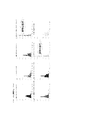
- the extraction unit 320 morphologically analyzes the input document file, performs matching with the dictionary, labels the part name in the morpheme string as illustrated in FIG. 11A, and outputs it as learning data.
- the extraction unit 320 performs sequence labeling using the learning data. Subsequently, as illustrated in FIG. 11B, the extraction unit 320 gives a document name not used for learning to the part name extraction model, predicts the label of the morpheme, and displays the part name not existing in the dictionary. Extract as a candidate and register it in the dictionary. Before registration, a person may visually confirm, or a threshold may be set for appearance frequency or the like to perform filtering.
- the business consignment device 2 of the present embodiment replaces the part terms included in the business request information received from the client with the representative word, and the business content of the business request newly received, and the past.
- the evaluation value of the task content is generated by comparing with the task content, and the timing of the response to the task request is determined based on the generated evaluation value. This makes it possible to quickly respond to an attractive business request for a trustee, and with respect to a less attractive business request, hold a response and wait for a more attractive business request. be able to.
- the business consignment device 2 of this example can locally maximize the overall attractiveness of the consignment business by searching for a combination of business requests that maximizes the combined evaluation value.
- the evaluation value of each evaluation item is summed up to be the evaluation value of the task content, it is not limited to this.
- the task content evaluation unit 226 The degree of similarity between the file and the electronic file of the specific job prepared in advance may be generated as an evaluation value. For example, by registering the electronic file of the past work that the trustee felt attractive as the electronic file of the specific work, it is possible to preferentially receive the work request similar to the past attractive work.
Landscapes
- Business, Economics & Management (AREA)
- Tourism & Hospitality (AREA)
- Health & Medical Sciences (AREA)
- Economics (AREA)
- General Health & Medical Sciences (AREA)
- Human Resources & Organizations (AREA)
- Marketing (AREA)
- Primary Health Care (AREA)
- Strategic Management (AREA)
- Physics & Mathematics (AREA)
- General Business, Economics & Management (AREA)
- General Physics & Mathematics (AREA)
- Engineering & Computer Science (AREA)
- Theoretical Computer Science (AREA)
- Management, Administration, Business Operations System, And Electronic Commerce (AREA)
Abstract
受託者にとっても満足感又は納得度の高い業務受託を可能にする業務受託装置を提供する。 業務受託装置は、業務依頼を受け付ける受付部と、受付部により受け付けた業務依頼の業務内容に基づいて、業務内容に関する評価値を生成する評価部と、評価部により生成された評価値に基づいて、前記受付部により受け付けた業務依頼に対する回答のタイミングを決定するタイミング決定部と、タイミング決定部により決定されたタイミングで、前記受付部により受け付けた業務依頼の業務を受託する旨のメッセージを送信する受託送信部とを有する。
Description
本発明は、業務受託装置、業務受託システム、業務受託方法、及びプログラムに関するものである。
例えば、特許文献1には、受信したサービスリクエストから作業内容と期日を認識し、過去の実績から作業時間を予測し、期日に間に合わない場合には、担当者をリスケジュールして最適化する方法が開示されている。
また、特許文献2には、ディスパッチャから作業依頼メールを受信すると、自動で開封して作業依頼内容を取得し、スケジュールと比較して受託可否を判断する方法が開示されている。
また、特許文献2には、ディスパッチャから作業依頼メールを受信すると、自動で開封して作業依頼内容を取得し、スケジュールと比較して受託可否を判断する方法が開示されている。
受託者にとっても満足感又は納得度の高い業務受託を可能にする業務受託装置を提供する。
本発明に係る業務受託装置は、業務依頼を受け付ける受付部と、前記受付部により受け付けた業務依頼の業務内容に基づいて、業務内容に関する評価値を生成する評価部と、前記評価部により生成された評価値に基づいて、前記受付部により受け付けた業務依頼に対する回答のタイミングを決定するタイミング決定部と、前記タイミング決定部により決定されたタイミングで、前記受付部により受け付けた業務依頼の業務を受託する旨のメッセージを送信する受託送信部とを有する。
好適には、前記タイミング決定部は、前記評価部により生成された評価値が既定の基準値よりも高い場合に、評価値が前記基準値以下の場合よりも早いタイミングに決定し、前記受託送信部は、前記評価部により生成された評価値が既定の基準値よりも高い場合に、評価値が前記基準値以下の場合よりも早いタイミングで、前記メッセージを送信する。
好適には、前記受付部により受け付けた業務依頼の業務内容に基づいて、業務を実施可能であるか否かを判定する判定部をさらに有し、前記評価部は、前記判定部により実施可能であると判定された業務依頼について、評価値を生成し、前記タイミング決定部は、前記判定部により実施可能であると判定された業務依頼の中で、前記評価部により生成された評価値に応じて、互いに異なる回答タイミングを決定する。
好適には、前記タイミング決定部は、前記判定部により実施可能であると判定された業務依頼であっても、前記評価部により生成された評価値が既定の下限値以下である場合に、回答を保留するよう前記受託送信部に指示する。
また、本発明に係る業務受託装置は、業務依頼を受け付ける受付部と、前記受付部により受け付けた少なくとも一つの業務依頼の業務内容に基づいて、業務を実施可能であるか否かを判定する判定部と、前記受付部により受け付けた業務依頼の業務内容に基づいて、業務を実施可能性とは異なる評価基準で、業務内容に関する評価値を生成する評価部と、前記判定部による判定結果と、前記評価部により生成された評価値とに基づいて、受託すべき業務依頼の組合せを決定する受託決定部とを有する。
好適には、前記受付部により受け付けた業務依頼の少なくとも一部について、既定のタイミングまで回答を保留し、前記タイミングで、前記受託決定部により決定された業務依頼について、受託する旨のメッセージを前記業務依頼の回答として送信する受託送信部をさらに有し、前記評価部は、回答を保留している業務依頼について、業務依頼の組合せを入れ替えて、複数の組合せについて評価値の合計を算出し、前記受託決定部は、算出された複数の組合せの評価値を比較して、受託すべき業務依頼の組合せを決定する。
好適には、前記受付部は、前記業務依頼を電子ファイルで受け付け、予め用意された辞書を参照して、受け付けた前記電子ファイルに含まれる用語又は識別情報を、基準となる用語又は識別情報に変換する変換部をさらに有し、前記評価部は、前記変換部により変換された業務依頼の電子ファイルに基づいて、業務内容の評価値を生成する。
好適には、前記評価部は、前記変換部により変換された業務依頼の電子ファイルと、予め用意された特定業務の電子ファイルとの類似度を評価値として生成する。
また、本発明に係る業務受託システムは、業務依頼を受け付ける受付部と、前記受付部により受け付けた業務依頼の業務内容に基づいて、業務内容に関する評価値を生成する評価部と、前記評価部により生成された評価値に基づいて、前記受付部により受け付けた業務依頼に対する回答のタイミングを決定するタイミング決定部と、前記タイミング決定部により決定されたタイミングで、前記受付部により受け付けた業務依頼の業務を受託する旨のメッセージを送信する受託送信部とを有する。
また、本発明に係る業務受託方法は、業務依頼を受け付ける受付ステップと、前記受付ステップにおいて受け付けた業務依頼の業務内容に基づいて、業務内容に関する評価値を生成する評価ステップと、前記評価ステップにおいて生成された評価値に基づいて、前記受付ステップにおいて受け付けた業務依頼に対する回答のタイミングを決定するタイミング決定ステップと、前記タイミング決定ステップにおいて決定されたタイミングで、前記受付ステップにおいて受け付けた業務依頼の業務を受託する旨のメッセージを送信する受託送信ステップとを有する。
また、本発明に係るプログラムは、業務依頼を受け付ける受付機能と、前記受付機能により受け付けた業務依頼の業務内容に基づいて、業務内容に関する評価値を生成する評価機能と、前記評価機能により生成された評価値に基づいて、前記受付機能により受け付けた業務依頼に対する回答のタイミングを決定するタイミング決定機能と、前記タイミング決定機能により決定されたタイミングで、前記受付機能により受け付けた業務依頼の業務を受託する旨のメッセージを送信する受託送信機能とをコンピュータに実現させる。
受託者にとっても満足感又は納得度の高い業務受託を可能にする。
(背景と概要)
受託業務を実施する受託者にとっては、リソースを有効活用して、利益率を高めたいという要望がある。例えば、標準的な作業時間を下回る案件を優先的に受託して、売上高を増加させる等である。
ここで、作業内容がどういったものか整理できれば、過去の類似案件と照らし合わせることで作業に要する時間を類推できる。しかしながら、現状、作業内容は自然言語で書かれているため、オペレータが検索キーワードを考え出し、検索システムに入力することで過去の類似案件を探し出し、作業時間を見積もっている。人が文章を読み理解するため時間がかかり、回答期限に間に合わずに失注、または、じっくり精査できないためにリソースが長時間拘束されるような案件を受注してしまうことが起きている。
また、現状、業務依頼メールを受けると、対応可能であれば、リソースを確保した後に対応可の旨を即回答している。そのため、仮に1分後に同一リソースでより利益率が高まるような業務依頼が来た場合、対応不可(または、条件付き対応可)と回答せざるを得ない状況が起きている。
受託業務を実施する受託者にとっては、リソースを有効活用して、利益率を高めたいという要望がある。例えば、標準的な作業時間を下回る案件を優先的に受託して、売上高を増加させる等である。
ここで、作業内容がどういったものか整理できれば、過去の類似案件と照らし合わせることで作業に要する時間を類推できる。しかしながら、現状、作業内容は自然言語で書かれているため、オペレータが検索キーワードを考え出し、検索システムに入力することで過去の類似案件を探し出し、作業時間を見積もっている。人が文章を読み理解するため時間がかかり、回答期限に間に合わずに失注、または、じっくり精査できないためにリソースが長時間拘束されるような案件を受注してしまうことが起きている。
また、現状、業務依頼メールを受けると、対応可能であれば、リソースを確保した後に対応可の旨を即回答している。そのため、仮に1分後に同一リソースでより利益率が高まるような業務依頼が来た場合、対応不可(または、条件付き対応可)と回答せざるを得ない状況が起きている。
そこで、本実施形態の業務受託システム1では、業務依頼の内容を業務受託装置2が解析することで、その業務が過去のどのタイプに合致するかを自動で判定する。さらに、業務受託装置2は、上記で判定した業務タイプに合致する過去事例を探し出し、過去の作業時間の統計等から当該案件の作業時間を見積もる。業務受託装置2は、実施可能かどうかの判定(リソース割り当て可能な候補の算出)に加えて、受託者にとって魅力的であるか否かの度合いを示す評価値を算出する。より具体的には、業務受託装置2は、受注金額、ボーナス額(n時間以内訪問等)、リスク要因(作業の難易度、機密情報の扱い、過去クレームに発展等)を踏まえて、割り当て可能なリソース候補毎に受注すべきかの度合いを示す評価値を算出する。この際、場所(前作業の場所)やボーナス額は割り当てによって変動が発生するので、リソースの割り当て状況を監視し、評価値の再計算、評価値を最大化するリソース割り当ての組み換えをリアルタイムで行う。
また、業務受託装置2は、回答期限時、作業依頼へのリソース割り当て状況に応じて受託可否を自動で回答する。また、作業依頼の評価値が既定の基準値を超える案件において、回答期限を待たずに即答することもできる。
また、業務受託装置2は、回答期限時、作業依頼へのリソース割り当て状況に応じて受託可否を自動で回答する。また、作業依頼の評価値が既定の基準値を超える案件において、回答期限を待たずに即答することもできる。
(実施形態)
図1は、業務受託システム1の全体構成を例示する図である。
図1に例示するように、業務受託システム1は、業務受託装置2と、クライアント端末8と、ルータ902とを含み、ローカルエリアネットワーク(LAN)900を介して互いに接続している。
業務受託装置2は、コンピュータ端末である。本例の業務受託装置2は、サーバ装置2であり、クライアント端末8に対して業務受託サービスを提供する。
クライアント端末8は、ノートパソコンなどのパーソナルコンピュータである。本例のクライアント端末8には、スキャナ800が接続されており、紙媒体に印刷された業務依頼を入力することができる。
本例の業務受託装置2は、ルータ902を介して、インターネット904に接続しており、電子メール等のインターネット通信によって、業務依頼情報が含まれた電子ファイルを依頼者のコンピュータ端末(不図示)から受信する。また、本例の業務受託装置2は、受信した業務依頼を解析し、業務依頼を受託するか否かを示すメッセージを、依頼者のコンピュータ端末(不図示)に送信する。
図1は、業務受託システム1の全体構成を例示する図である。
図1に例示するように、業務受託システム1は、業務受託装置2と、クライアント端末8と、ルータ902とを含み、ローカルエリアネットワーク(LAN)900を介して互いに接続している。
業務受託装置2は、コンピュータ端末である。本例の業務受託装置2は、サーバ装置2であり、クライアント端末8に対して業務受託サービスを提供する。
クライアント端末8は、ノートパソコンなどのパーソナルコンピュータである。本例のクライアント端末8には、スキャナ800が接続されており、紙媒体に印刷された業務依頼を入力することができる。
本例の業務受託装置2は、ルータ902を介して、インターネット904に接続しており、電子メール等のインターネット通信によって、業務依頼情報が含まれた電子ファイルを依頼者のコンピュータ端末(不図示)から受信する。また、本例の業務受託装置2は、受信した業務依頼を解析し、業務依頼を受託するか否かを示すメッセージを、依頼者のコンピュータ端末(不図示)に送信する。
図2は、業務受託装置2のハードウェア構成を例示する図である。
図2に例示するように、業務受託装置2は、CPU200、メモリ202、HDD204、ネットワークインタフェース206(ネットワークIF206)、表示装置208、及び、入力装置210を有し、これらの構成はバス212を介して互いに接続している。
CPU200は、例えば、中央演算装置である。
メモリ202は、例えば、揮発性メモリであり、主記憶装置として機能する。
HDD204は、例えば、ハードディスクドライブ装置であり、不揮発性の記録装置としてコンピュータプログラム(例えば、図3の業務受託プログラム22)やその他のデータファイル(例えば、図5の辞書ファイル、図13の業務依頼リストなど)を格納する。
ネットワークIF206は、有線又は無線で通信するためのインタフェースである。
表示装置208は、例えば、液晶ディスプレイである。
入力装置210は、例えば、キーボード及びマウスである。
図2に例示するように、業務受託装置2は、CPU200、メモリ202、HDD204、ネットワークインタフェース206(ネットワークIF206)、表示装置208、及び、入力装置210を有し、これらの構成はバス212を介して互いに接続している。
CPU200は、例えば、中央演算装置である。
メモリ202は、例えば、揮発性メモリであり、主記憶装置として機能する。
HDD204は、例えば、ハードディスクドライブ装置であり、不揮発性の記録装置としてコンピュータプログラム(例えば、図3の業務受託プログラム22)やその他のデータファイル(例えば、図5の辞書ファイル、図13の業務依頼リストなど)を格納する。
ネットワークIF206は、有線又は無線で通信するためのインタフェースである。
表示装置208は、例えば、液晶ディスプレイである。
入力装置210は、例えば、キーボード及びマウスである。
図3は、業務受託装置2の機能構成を例示する図である。
図3に例示するように、本例の業務受託装置2には、業務受託プログラム22がインストールされると共に、業務情報格納部260が構成される。業務受託プログラム22は、例えば、CD-ROM等の記録媒体に格納されており、この記録媒体を介して、業務受託装置2にインストールされる。
業務受託プログラム22は、受付部220、用語変換部222、実施可能性判定部224、業務内容評価部226、タイミング決定部228、組合せ決定部230、受託送信部232、及び、辞書生成部32を有する。
なお、業務受託プログラム22の一部又は全部は、ASICなどのハードウェアにより実現されてもよく、また、OS(Operating System)の機能を一部借用して実現されてもよい。
図3に例示するように、本例の業務受託装置2には、業務受託プログラム22がインストールされると共に、業務情報格納部260が構成される。業務受託プログラム22は、例えば、CD-ROM等の記録媒体に格納されており、この記録媒体を介して、業務受託装置2にインストールされる。
業務受託プログラム22は、受付部220、用語変換部222、実施可能性判定部224、業務内容評価部226、タイミング決定部228、組合せ決定部230、受託送信部232、及び、辞書生成部32を有する。
なお、業務受託プログラム22の一部又は全部は、ASICなどのハードウェアにより実現されてもよく、また、OS(Operating System)の機能を一部借用して実現されてもよい。
業務受託プログラム22において、受付部220は、業務依頼を受け付ける。本例の受付部220は、電子メールによって、業務依頼の詳細情報が含まれた電子ファイルを受信する。また、受付部220は、スキャナ800により生成された業務依頼文書の電子ファイルをクライアント端末8から受信してもよい。
用語変換部222は、予め用意された辞書を参照して、受付部220により受け付けた業務依頼に含まれる用語又は識別情報を、基準となる用語又は識別情報に変換する。用語変換部222は、本発明に係る変換部の一例である。
本例の用語変換部222は、辞書生成部32により生成された辞書を参照して、業務依頼の電子ファイルに含まれる部品用語を、代表語に置き換える。これにより、部品用語が統一されて、多様な業務依頼の統計処理が可能になる。
本例の用語変換部222は、辞書生成部32により生成された辞書を参照して、業務依頼の電子ファイルに含まれる部品用語を、代表語に置き換える。これにより、部品用語が統一されて、多様な業務依頼の統計処理が可能になる。
実施可能性判定部224は、受付部220により受け付けた少なくとも一つの業務依頼の業務内容に基づいて、業務を実施可能であるか否かを判定する。実施可能性判定部224は、本発明に係る判定部の一例である。本例の実施可能性判定部224は、リソースの有無とは無関係に業務の実施不可を確定させる静的条件と、リソースの有無によって業務の実施可否が変化する動的条件とを判定する。静的条件は、例えば、対応可能な地域、対応可能な顧客など、予め業務上定められているルールである。動的条件は、例えば、業務を担当する担当者のスキル(資格要件、過去の実績、教育受講の有無など)、交換部品の在庫状況などである。
業務内容評価部226は、受付部220により受け付けた業務依頼の業務内容に基づいて、業務を実施可能性とは異なる評価基準で、業務内容に関する評価値を生成する。業務内容評価部226は、本発明に係る評価部の一例である。
例えば、業務内容評価部226は、受託者の満足感又は納得度に関する評価基準に基づいて、業務依頼の業務内容を評価し、評価値を生成する。評価基準は、例えば、利益率、業務に含まれる作業の難易度、業務実施に伴うリスクなどである。利益率は、例えば、受注金額、ボーナス額、業務に要する時間及び人員などに基づいて評価される。作業の難易度は、例えば、過去の実績から算出される予想作業時間、作業に要求されるスキルなどに基づいて評価される。業務実施に伴うリスクは、過去のクレーム情報、機密情報の扱い、携帯電話の持込み可否、業務の完了期限などに基づいて評価される。
例えば、業務内容評価部226は、受託者の満足感又は納得度に関する評価基準に基づいて、業務依頼の業務内容を評価し、評価値を生成する。評価基準は、例えば、利益率、業務に含まれる作業の難易度、業務実施に伴うリスクなどである。利益率は、例えば、受注金額、ボーナス額、業務に要する時間及び人員などに基づいて評価される。作業の難易度は、例えば、過去の実績から算出される予想作業時間、作業に要求されるスキルなどに基づいて評価される。業務実施に伴うリスクは、過去のクレーム情報、機密情報の扱い、携帯電話の持込み可否、業務の完了期限などに基づいて評価される。
タイミング決定部228は、業務内容評価部226により生成された評価値に基づいて、受付部220により受け付けた業務依頼に対する回答のタイミングを決定する。例えば、タイミング決定部228は、業務内容評価部226により生成された評価値と、既定の基準値とを比較し、生成された評価値が既定の基準値よりも高い場合に、評価値がこの基準値以下の場合よりも早いタイミングに決定する。より具体的には、タイミング決定部228は、実施可能性判定部224により実施可能であると判定された業務依頼の中で、業務内容評価部226により生成された評価値に応じて、互いに異なる回答タイミングを決定する。
本例のタイミング決定部228は、実施可能性判定部224により実施可能であると判定された業務依頼であっても、業務内容評価部226により生成された評価値が既定の基準値以下である場合に、回答期限の直前まで回答を保留し、評価値がこの基準値よりも高い場合に、即時回答するよう受託送信部232に指示する。
本例のタイミング決定部228は、実施可能性判定部224により実施可能であると判定された業務依頼であっても、業務内容評価部226により生成された評価値が既定の基準値以下である場合に、回答期限の直前まで回答を保留し、評価値がこの基準値よりも高い場合に、即時回答するよう受託送信部232に指示する。
組合せ決定部230は、実施可能性判定部224による判定結果と、業務内容評価部226により生成された評価値とに基づいて、受託すべき業務依頼の組合せを決定する。組合せ決定部230は、本発明に係る受託決定部の一例である。例えば、組合せ決定部230は、回答を保留している業務依頼について、業務依頼の組合せを入れ替えて、複数の組合せについて評価値の合計を業務内容評価部226に算出させ、算出された複数の組合せの評価値を比較して、受託すべき業務依頼の組合せを決定する。
受託送信部232は、タイミング決定部228により決定されたタイミングで、受付部220により受け付けた業務依頼の業務を受託する旨のメッセージ、又は、受託できない旨のメッセージを、依頼者のコンピュータ端末(不図示)に送信する。
本例の受託送信部232は、タイミング決定部228の指示に応じて、実施可能であると判定された業務依頼について、業務内容評価部226により生成された評価値が既定の基準値以下である場合に、回答期限の直前まで回答を保留し、評価値がこの基準値よりも高い場合に、受託する旨のメッセージを即時送信する。
本例の受託送信部232は、タイミング決定部228の指示に応じて、実施可能であると判定された業務依頼について、業務内容評価部226により生成された評価値が既定の基準値以下である場合に、回答期限の直前まで回答を保留し、評価値がこの基準値よりも高い場合に、受託する旨のメッセージを即時送信する。
辞書生成部32は、業務依頼情報又は受託業務の報告書情報に基づいて、業務依頼情報に含まれうる名詞の辞書を生成する。
本例の辞書生成部32は、図4に例示するように、抽出部320、関係評価部322、グループ生成部324、代表決定部326、重要語決定部328、グループ更新部330、辞書出力部332、検索部334、及び解析部342を有する。
本例の辞書生成部32は、図4に例示するように、抽出部320、関係評価部322、グループ生成部324、代表決定部326、重要語決定部328、グループ更新部330、辞書出力部332、検索部334、及び解析部342を有する。
抽出部320は、文書ファイルの中から、辞書化対象の識別情報と、名詞とを抽出する。辞書化対象は、識別情報が付与されているものであれば何でもよいが、例えば、作業の対象となる作業対象物である。本例では、機器の保守作業の対象となる部品を具体例として説明する。
本例の抽出部320は、保守作業又は修理作業の依頼書又は報告書の文書ファイルから、部品の識別情報(以下、部品ID)と、部品の名称らしい名詞とを抽出する。
本例の抽出部320は、保守作業又は修理作業の依頼書又は報告書の文書ファイルから、部品の識別情報(以下、部品ID)と、部品の名称らしい名詞とを抽出する。
関係評価部322は、抽出部320により抽出された識別情報と、抽出された名詞との共起頻度に基づいて、識別情報と名詞の相関関係を評価する。
本例の関係評価部322は、既定の単位内で、部品IDと、部品名らしい名詞が出現する頻度(共起頻度)をカウントし、共起頻度行列を生成する。ここで、既定の単位とは、部品IDと部品名が一緒に出現したと判定できる文書の範囲であり、例えば、文書ファイル単位、入力欄単位、段落単位、文単位などである。さらに、本例の関係評価部322は、生成された共起頻度行列に基づいて、部品名と部品IDの相関係数を算出する。
本例の関係評価部322は、既定の単位内で、部品IDと、部品名らしい名詞が出現する頻度(共起頻度)をカウントし、共起頻度行列を生成する。ここで、既定の単位とは、部品IDと部品名が一緒に出現したと判定できる文書の範囲であり、例えば、文書ファイル単位、入力欄単位、段落単位、文単位などである。さらに、本例の関係評価部322は、生成された共起頻度行列に基づいて、部品名と部品IDの相関係数を算出する。
グループ生成部324は、関係評価部322による評価結果に基づいて、識別情報のグループ、又は、名詞のグループを生成する。例えば、グループ生成部324は、関係評価部322によりカウントされた部品名と部品IDの共起頻度に基づいて、部品名をクラスタリングする。
本例のグループ生成部324は、部品名毎に部品IDの共起頻度をベクトルとして、部品名間の距離を算出し、算出された距離の近い部品名同士をグルーピングする。なお、クラスタリング手法や距離尺度等は、他のものであってもよい。
本例のグループ生成部324は、部品名毎に部品IDの共起頻度をベクトルとして、部品名間の距離を算出し、算出された距離の近い部品名同士をグルーピングする。なお、クラスタリング手法や距離尺度等は、他のものであってもよい。
代表決定部326は、グループ生成部324により生成された識別情報又は名詞のグループの中から、識別情報の代表、又は、名詞の代表である代表語を決定する。例えば、代表決定部326は、グループ内における識別情報又は名詞の出現頻度に基づいて、識別情報の代表、又は、代表語を決定する。
本例の代表決定部326は、グループ生成部324により生成された部品名のグループの中から、グループ内で最多頻度の用語(部品名)を代表語とする。
本例の代表決定部326は、グループ生成部324により生成された部品名のグループの中から、グループ内で最多頻度の用語(部品名)を代表語とする。
重要語決定部328は、同一の識別情報に関連付けられた名詞(部品名)の中から、この識別情報に対応する対象の名称を表わす重要語を決定する。例えば、重要語決定部328は、同一の識別情報に関連付けられた名詞群の中から、これらの出現頻度に基づいて、重要語を選択する。
本例の重要語決定部328は、同一の部品IDと共起頻度が最も高い用語(部品名)を重要語とする。
本例の重要語決定部328は、同一の部品IDと共起頻度が最も高い用語(部品名)を重要語とする。
グループ更新部330は、グループ生成部324により生成されたグループ内のサブグループで、相関関係を評価し、評価結果の増減に基づいて、グループを更新する。
本例のグループ更新部330は、グループ内のサブグループで、相関係数が基準値以上となるサブグループを探索し、基準値以上となるサブグループが発見された場合に、このサブグループを辞書に追加登録し、基準値以上となるサブグループが発見されなかった場合に、サブグループを辞書から削除する。
本例のグループ更新部330は、グループ内のサブグループで、相関係数が基準値以上となるサブグループを探索し、基準値以上となるサブグループが発見された場合に、このサブグループを辞書に追加登録し、基準値以上となるサブグループが発見されなかった場合に、サブグループを辞書から削除する。
辞書出力部332は、グループ生成部324により生成されたグループ、又は、グループ更新部330により更新されたグループに基づいて、各グループに含まれる識別情報と、代表決定部326により決定された代表と、各グループに含まれる名詞とを互いに関連付けた辞書を表示装置208又は業務情報格納部260に出力する。
本例の辞書出力部332は、図5に例示するように、各グループに属する部品IDをそのグループの代表語に関連付けた辞書(図5(A))と、各グループに属する部品名をそのグループの代表語に関連付けた辞書(図5(B))とを業務情報格納部260に出力する。
本例の辞書出力部332は、図5に例示するように、各グループに属する部品IDをそのグループの代表語に関連付けた辞書(図5(A))と、各グループに属する部品名をそのグループの代表語に関連付けた辞書(図5(B))とを業務情報格納部260に出力する。
検索部334は、辞書出力部332により出力された辞書を用いて、識別情報又は名称の検索を行う。より具体的には、検索部334は、辞書を参照して、入力された部品名について、同一グループに属する部品名を抽出する。これにより名寄せが可能になり、業務依頼情報の解析が可能になる。
検索部334は、保守作業の依頼書の文書ファイルから、交換部品の部品名を抽出し、辞書を参照して、抽出された部品名に関連付けられた代表語に基づいて、同一グループに属する部品IDを抽出し、部品の在庫を確認する。
検索部334は、辞書を参照して、入力された部品名に関連付けられた代表語に基づいて、同一グループに属する部品IDを抽出する。
検索部334は、保守作業の依頼書の文書ファイルから、交換部品の部品名を抽出し、辞書を参照して、抽出された部品名に関連付けられた代表語に基づいて、同一グループに属する部品IDを抽出し、部品の在庫を確認する。
検索部334は、辞書を参照して、入力された部品名に関連付けられた代表語に基づいて、同一グループに属する部品IDを抽出する。
解析部342は、入力された複数の作業の文書ファイル(依頼文書ファイル又は報告書ファイル)について、検索部334を制御して、文書ファイル内の名称を代表語に名寄せし、代表語の出現頻度等に基づいて、作業に関する統計データを生成する。
例えば、解析部342は、委託業務に含まれる保守作業の内容(交換部品の部品名など)及び作業に要した作業工数が含まれた報告書の文書ファイルを入力し、入力した文書ファイルの部品名を辞書に従って代表語に名寄せし、代表語毎に作業工数を集計することによって、図12に例示するグラフを作成する。これにより、委託業務に要する予測時間等や、スキル等によるリスクの大小が評価可能となる。
例えば、解析部342は、委託業務に含まれる保守作業の内容(交換部品の部品名など)及び作業に要した作業工数が含まれた報告書の文書ファイルを入力し、入力した文書ファイルの部品名を辞書に従って代表語に名寄せし、代表語毎に作業工数を集計することによって、図12に例示するグラフを作成する。これにより、委託業務に要する予測時間等や、スキル等によるリスクの大小が評価可能となる。
図6は、業務受託装置2による第1段階業務受託処理(S10)を説明するフローチャートである。
図6に例示するように、ステップ100(S100)において、業務受託装置2の受付部220は、新たに業務依頼を受け付けるまで待機し(S100:No)、新たに業務依頼を受け付けると、S105の処理に移行する。
図6に例示するように、ステップ100(S100)において、業務受託装置2の受付部220は、新たに業務依頼を受け付けるまで待機し(S100:No)、新たに業務依頼を受け付けると、S105の処理に移行する。
ステップ105(S105)において、受付部220は、受け付けた業務依頼の電子ファイルの中から、業務依頼情報を抽出する。業務依頼の電子ファイルがメールである場合には、メール本文、メールタイトル、及び、添付ファイルから業務依頼の内容を示す業務依頼情報を抽出する。また、業務依頼の電子ファイルがPDFファイル等の画像データである場合には、受付部220がOCR処理を行って、画像データから、業務依頼情報を抽出する。
ステップ110(S110)において、用語変換部222は、受付部220により抽出された業務依頼情報に含まれる部品用語又は部品IDを、図5に例示する代表語に置換する。
ステップ115(S115)において、受付部220は、抽出された業務依頼情報に不足が無いか判定し、業務依頼情報に不足がある場合に、S120の処理に移行し、不足が無い場合に、S125の処理に移行する。
ステップ120(S120)において、受付部220は、不足している情報の収集を行う。不足情報の収集は、例えば、業務情報格納部260に予め用意された知識データベースを参照して読み出してもよいし、依頼者に問い合わせを行ってもよい。
ステップ120(S120)において、受付部220は、不足している情報の収集を行う。不足情報の収集は、例えば、業務情報格納部260に予め用意された知識データベースを参照して読み出してもよいし、依頼者に問い合わせを行ってもよい。
ステップ125(S125)において、実施可能性判定部224は、受付部220により抽出された業務依頼情報に基づいて、静的条件に関して依頼業務の実施が可能であるか否かを判定する。
業務受託プログラム22は、実施可能であると判定された場合に、S130の処理に移行し、実施不可能であると判定された場合に、S165の処理に移行する。
業務受託プログラム22は、実施可能であると判定された場合に、S130の処理に移行し、実施不可能であると判定された場合に、S165の処理に移行する。
ステップ130(S130)において、業務内容評価部226は、受付部220により抽出された業務依頼情報と、業務情報格納部260に登録されている過去の実績情報とに基づいて、業務に要する作業工数、過去作業ミス率、過去クレーム実績、及び、移動時間等を推定する。作業工数は、図12に例示するように、作業毎に算出された過去の作業工数の統計データに基づいて推定される。過去作業ミス率及び過去クレーム実績も、同様に、過去の実績値の統計データに基づいて推定され、移動時間は、業務依頼情報に含まれる作業場所に基づいて算出される。
ステップ135(S135)において、業務内容評価部226は、推定された作業工数等に基づいて、業務内容の評価値を算出する。本例の業務内容評価部226は、図14に例示するように、業務タイプ毎に、各評価要素の基準値と、この基準値を上回った場合の評価係数と、この基準値を下回った場合の評価係数とが設定されており、推定された作業工数や移動時間、受託金額等と、これらの基準値とを比較し、各評価項目の評価値を算出し、算出された評価値を合算して業務全体の評価値とする。本例では、基準値に対する超過率又は不足率に対して、設定されている評価係数を掛けて、各評価項目の評価値としているが、これに限定されるものではなく、基準に対する超過量又は不足量に対して評価係数を掛けて、各評価項目の評価値としてもよい。
ステップ140(S140)において、タイミング決定部228は、業務内容評価部226により算出された評価値に基づいて、業務依頼に対する回答のタイミングを決定する。タイミング決定部228は、算出された評価値が基準値よりも高い場合に、即時回答を受託送信部232に指示して、S150の処理に移行し、算出された評価値が基準値以下である場合に、回答を回答期限直前まで保留するよう受託送信部232に指示して、S145の処理に移行する。
ステップ145(S145)において、受託送信部232は、タイミング決定部228の指示に応じて、業務依頼の回答を保留し、第1段階業務受託処理(S10)を終了する。回答が保留となった業務依頼情報は、図13に例示するように、「保留」のフラグに関連付けて業務情報格納部260に登録される。
ステップ150(S150)において、実施可能性判定部224は、業務内容の動的条件を満たすように、業務に要するリソースの確保を行う。
ステップ155(S155)において、業務受託プログラム22は、業務に要するリソースが確保できた場合に、S160の処理に移行し、業務に要するリソースが確保できなかった場合に、S145の処理に移行する。
ステップ155(S155)において、業務受託プログラム22は、業務に要するリソースが確保できた場合に、S160の処理に移行し、業務に要するリソースが確保できなかった場合に、S145の処理に移行する。
ステップ160(S160)において、受託送信部232は、受付部220により受け付けた業務依頼に対して、業務を受託する旨のメッセージを、依頼者のコンピュータ端末(不図示)に即時送信する。ここで、即時とは、回答期限の長さに対して十分に短い期間を意味し、例えば、業務依頼を受信してから1日以内である。
回答された業務依頼情報は、図13に例示するように、回答「済み」のフラグに関連付けて業務情報格納部260に登録される。
回答された業務依頼情報は、図13に例示するように、回答「済み」のフラグに関連付けて業務情報格納部260に登録される。
ステップ165(S165)において、受託送信部232は、受付部220により受け付けた業務依頼に対して、業務を受託できない旨のメッセージを、依頼者のコンピュータ端末(不図示)に即時送信する。なお、受託送信部232は、条件付きで業務を受託する旨のメッセージを送信してもよい。条件とは、例えば、業務の完了期日に間に合わないこと、又は、業務に要求されているスキルレベルよりも低い担当者となることなど、業務の要求が一部満たされないことである。
図7は、業務受託装置2による第2段階業務受託処理(S20)を説明するフローチャートである。本フローチャートでは、回答が保留となっている業務依頼に関する受託処理を説明する。
図7に例示するように、ステップ200(S200)において、業務受託装置2のタイミング決定部228は、業務情報格納部260に登録されている業務依頼情報の回答期限を監視し、回答保留中の業務依頼情報のうち、回答期限が近い業務依頼情報が発見されるまで待機し(S200:No)、回答期限が近い業務依頼情報が発見された場合に、S205の処理に移行する。ここで、「回答期限が近い」とは、例えば、回答期限の24時間前を経過した時点である。
図7に例示するように、ステップ200(S200)において、業務受託装置2のタイミング決定部228は、業務情報格納部260に登録されている業務依頼情報の回答期限を監視し、回答保留中の業務依頼情報のうち、回答期限が近い業務依頼情報が発見されるまで待機し(S200:No)、回答期限が近い業務依頼情報が発見された場合に、S205の処理に移行する。ここで、「回答期限が近い」とは、例えば、回答期限の24時間前を経過した時点である。
ステップ205(S205)において、タイミング決定部228は、組合せ決定部230に対して、回答期限が近い業務依頼を含む組合せの評価を指示する。
組合せ決定部230は、タイミング決定部228からの指示に応じて、回答を保留している業務依頼の業務依頼情報を業務情報格納部260から読み出す。
組合せ決定部230は、タイミング決定部228からの指示に応じて、回答を保留している業務依頼の業務依頼情報を業務情報格納部260から読み出す。
ステップ210(S210)において、組合せ決定部230は、回答期限が近い業務依頼を含む業務依頼の組合せを設定する。
ステップ215(S215)において、実施可能性判定部224は、設定された組合せの業務依頼について、リソースの割当てが可能であるか否かを判定する。
業務受託プログラム22は、リソースの割当てが可能であると判定された場合に、S220の処理に移行し、リソースの割当てが不可能であると判定された場合に、当該組合せを破棄して、他の組合せを探索すべくS210の処理に戻る。
ステップ215(S215)において、実施可能性判定部224は、設定された組合せの業務依頼について、リソースの割当てが可能であるか否かを判定する。
業務受託プログラム22は、リソースの割当てが可能であると判定された場合に、S220の処理に移行し、リソースの割当てが不可能であると判定された場合に、当該組合せを破棄して、他の組合せを探索すべくS210の処理に戻る。
ステップ220(S220)において、業務内容評価部226は、設定された組合せに含まれる各業務依頼について、業務内容の評価値を算出し、算出された評価値を合算して当該組合せの合算評価値とする。
ステップ225(S225)において、組合せ決定部230は、既定数の互いに異なる組合せについて合算評価値を算出したか否かを判定し、既定数の組合せについて合算評価値が算出された場合に、S230の処理に移行し、合算評価値が算出された組合せが既定数未満である場合に、他の組合せを探索すべくS210の処理に戻る。
ステップ225(S225)において、組合せ決定部230は、既定数の互いに異なる組合せについて合算評価値を算出したか否かを判定し、既定数の組合せについて合算評価値が算出された場合に、S230の処理に移行し、合算評価値が算出された組合せが既定数未満である場合に、他の組合せを探索すべくS210の処理に戻る。
ステップ230(S230)において、組合せ決定部230は、算出された合算評価値を比較して、合算評価値が最大となる業務依頼の組合せを選択する。
ステップ235(S235)において、実施可能性判定部224は、組合せ決定部230により選択された組合せの業務依頼について、必要とされるリソースを確保する。
ステップ235(S235)において、実施可能性判定部224は、組合せ決定部230により選択された組合せの業務依頼について、必要とされるリソースを確保する。
ステップ240(S240)において、タイミング決定部228は、組合せ決定部230により選択された業務依頼の組合せについて、受託する旨の回答を行うよう受託送信部232に指示する。
受託送信部232は、タイミング決定部228の指示に応じて、選択された業務依頼の組合せについて、受託する旨のメッセージを送信する。
受託送信部232は、タイミング決定部228の指示に応じて、選択された業務依頼の組合せについて、受託する旨のメッセージを送信する。
ステップ245(S245)において、受託送信部232は、業務情報格納部260に登録されている業務依頼情報(図13)にアクセスして、受託する旨のメッセージを送信した業務依頼について、「保留」のフラグを「済み」のフラグに更新する。
以上説明したように、本例の業務受託装置2は、業務依頼を受信した直後である第1段階、又は、業務依頼の回答期限直前である第2段階で、業務を受託する旨の回答を行う。
図8は、業務受託装置2による辞書生成処理(S30)を説明するフローチャートである。なお、本フローチャートでは、最初に辞書を生成する場合を具体例として説明する。
図8に例示するように、ステップ300(S300)において、業務受託装置2の抽出部320は、入力された文書ファイルから、部品ID及び部品名を抽出する。部品IDは、部品を一意に識別可能な情報であり、部品の型番、又は、部品在庫管理番号などである。
図8に例示するように、ステップ300(S300)において、業務受託装置2の抽出部320は、入力された文書ファイルから、部品ID及び部品名を抽出する。部品IDは、部品を一意に識別可能な情報であり、部品の型番、又は、部品在庫管理番号などである。
ステップ305(S305)において、辞書生成部32は、全ての文書ファイルから抽出処理が完了するまで、S300の処理を繰り返し、抽出処理が完了すると、S310の処理に移行する。
ステップ310(S310)において、関係評価部322は、抽出部320により抽出された部品ID及び部品名について、部品名の出現頻度(図15(A))及び部品IDの出現頻度(図15(B))を数え上げ、部品ID及び部品名が同時に出現する回数(共起頻度)から、部品名と部品IDの共起頻度行列(図15(C))を生成する。
なお、出現回数の数え上げにおいて、重み付けを行ってもよい。例えば、関係評価部322は、同時に部品ID及び部品名が複数セット出現した場合に、部品ID及び部品名が1セットのみ出現した場合よりもカウント数が小さくなるような重み付けを行う。
なお、出現回数の数え上げにおいて、重み付けを行ってもよい。例えば、関係評価部322は、同時に部品ID及び部品名が複数セット出現した場合に、部品ID及び部品名が1セットのみ出現した場合よりもカウント数が小さくなるような重み付けを行う。
ステップ315(S315)において、重要語決定部328は、部品IDに対応する部品名のうち、共起頻度が最大となる部品名を、この部品IDの重要語に決定する。なお、重要語決定部328は、部品IDと部品名の共起頻度行列から、相関係数行列を算出し、相関係数が最大となる部品名を重要語に決定してもよい。
ステップ320(S320)において、グループ生成部324は、関係評価部322により生成された部品名と部品IDの共起頻度行列に基づき、クラスタリングにより、部品名を類似性でグルーピングする。本例のクラスタリングは、部品名と部品IDの共起頻度によるものであるが、これに限定されるものではなく、種々のクラスタリング手法や距離尺度が採用可能である。
ステップ325(S325)において、代表決定部325は、グループ生成部324により生成された各グループについて、グループに属する部品名の中から、出現頻度が最大となる部品名をこのグループの代表語に決定する。
ステップ335(S335)において、辞書出力部332は、グループ生成部324により生成された各グループの部品名、部品ID、代表語、及び重要語を辞書として業務情報格納部260に格納する。
図9は、辞書追加処理(S40)を説明するフローチャートである。なお、本フローチャートでは、辞書生成処理(S30)で生成された辞書にエントリを追加する場合を具体例として説明する。
図9に例示するように、ステップ400(S400)において、グループ更新部330は、部品名及び部品IDを業務情報格納部260から読み出す。読み出される部品名及び部品IDは、最初の辞書作成時に抽出された部品名及び部品IDに加えて、新たに文書ファイルから抽出された部品名及び部品IDが含まれうる。
図9に例示するように、ステップ400(S400)において、グループ更新部330は、部品名及び部品IDを業務情報格納部260から読み出す。読み出される部品名及び部品IDは、最初の辞書作成時に抽出された部品名及び部品IDに加えて、新たに文書ファイルから抽出された部品名及び部品IDが含まれうる。
ステップ405(S405)において、グループ更新部330は、業務情報格納部260から辞書を読み出し、読み出された辞書に従って、読み出された部品名の名寄せを行う。
ステップ410(S410)において、グループ更新部330は、関係評価部322に共起頻度行列の生成を指示する。
関係評価部322は、指示に応じて、読み出された部品ID及び部品名について、部品ID及び部品名が同時に出現する回数(共起頻度)を数え上げ、部品名と部品IDの共起頻度行列(図16(A))を生成する。
関係評価部322は、指示に応じて、読み出された部品ID及び部品名について、部品ID及び部品名が同時に出現する回数(共起頻度)を数え上げ、部品名と部品IDの共起頻度行列(図16(A))を生成する。
ステップ415(S415)において、グループ更新部330は、関係評価部322に相関係数行列の生成を指示する。
関係評価部322は、指示に応じて、数え上げた共起頻度に基づいて、部品IDと部品名の相関係数を算出し、相関係数行列(図16(B))を生成する。
関係評価部322は、指示に応じて、数え上げた共起頻度に基づいて、部品IDと部品名の相関係数を算出し、相関係数行列(図16(B))を生成する。
ステップ420(S420)において、グループ更新部330は、グループ生成部324に対して、再グルーピングを指示する。
グループ生成部324は、関係評価部322により生成された部品名と部品IDの共起頻度行列に基づき、部品名を再度グルーピングする。
グループ生成部324は、関係評価部322により生成された部品名と部品IDの共起頻度行列に基づき、部品名を再度グルーピングする。
ステップ425(S425)において、代表決定部325は、グループ生成部324により生成された各グループについて、グループに属する部品名の中から、出現頻度が最大となる部品名をこのグループの代表語に再決定する。
ステップ430(S430)において、グループ更新部330は、各グループの代表語毎に、相関係数が高い上位N件の部品ID及び相関係数を取得し、この値をベースラインに設定する。
ステップ435(S435)において、グループ更新部330は、グループ毎に部品名の頻度行列を合成し、設定されたベースラインより相関係数が高まる組合せを探索する。
ステップ440(S440)において、辞書生成部32は、ベースラインより相関係数が高まる組合せが発見された場合に、S445の処理に移行し、発見されなかった場合に、S450の処理に移行する。
ステップ445(S445)において、グループ更新部330は、ベースラインよりも相関係数の高い組合せを辞書に追加登録する。
ステップ450(S450)において、辞書生成部32は、S405~S445の処理を既定回数繰り返し、既定回数繰り返した後で辞書追加処理(S40)を終了する。
ステップ450(S450)において、辞書生成部32は、S405~S445の処理を既定回数繰り返し、既定回数繰り返した後で辞書追加処理(S40)を終了する。
図10は、辞書整理処理(S50)を説明するフローチャートである。なお、本フローチャートでは、辞書生成処理(S30)で生成された辞書を整理する場合を具体例として説明する。
図10に例示するように、ステップ500(S500)において、グループ更新部330は、部品名及び部品IDを業務情報格納部260から読み出す。読み出される部品名及び部品IDは、最初の辞書作成時に抽出された部品名及び部品IDに加えて、新たに文書ファイルから抽出された部品名及び部品IDが含まれうる。
図10に例示するように、ステップ500(S500)において、グループ更新部330は、部品名及び部品IDを業務情報格納部260から読み出す。読み出される部品名及び部品IDは、最初の辞書作成時に抽出された部品名及び部品IDに加えて、新たに文書ファイルから抽出された部品名及び部品IDが含まれうる。
ステップ505(S505)において、グループ更新部330は、関係評価部322に共起頻度行列の生成を指示する。
関係評価部322は、指示に応じて、読み出された部品ID及び部品名について、部品ID及び部品名が同時に出現する回数(共起頻度)を数え上げ、部品名と部品IDの共起頻度行列を生成する。
関係評価部322は、指示に応じて、読み出された部品ID及び部品名について、部品ID及び部品名が同時に出現する回数(共起頻度)を数え上げ、部品名と部品IDの共起頻度行列を生成する。
ステップ510(S510)において、グループ更新部330は、関係評価部322に相関係数行列の生成を指示する。
関係評価部322は、指示に応じて、数え上げた共起頻度に基づいて、部品IDと部品名の相関係数を算出し、相関係数行列を生成する。
関係評価部322は、指示に応じて、数え上げた共起頻度に基づいて、部品IDと部品名の相関係数を算出し、相関係数行列を生成する。
ステップ515(S515)において、グループ更新部330は、各グループの代表語毎に、相関係数が高い上位N件の部品ID及び相関係数を取得し、この値をベースラインに設定する。
ステップ520(S520)において、グループ更新部330は、グループ毎に部品名の頻度行列を合成し、設定されたベースラインより相関係数が高まる組合せを探索する。
ステップ525(S525)において、辞書生成部32は、ベースラインより相関係数が高まる組合せが発見された場合に、S530の処理に移行し、発見されなかった場合に、S535の処理に移行する。
ステップ530(S530)において、グループ更新部330は、ベースラインよりも相関係数の高い組合せで辞書を更新する。
ステップ535(S535)において、グループ更新部330は、ベースラインよりも相関係数の高い組合せが発見されなかった場合に、この組合せを辞書から削除する。
ステップ535(S535)において、グループ更新部330は、ベースラインよりも相関係数の高い組合せが発見されなかった場合に、この組合せを辞書から削除する。
上記辞書追加処理(S40)の実施後に、辞書整理処理(S50)を実施することによって、辞書が適正に更新されていく。
図11は、抽出部320による部品名の抽出方法をより具体的に説明する図である。
抽出部320は、形態素解析、係り受け解析、格解析等を実施し、解析結果を得る。続いて、抽出部320は、辞書との突合せにより、部品名の候補を得、さらに、分節の係り受け、及び、形態素の係り受けに基づいて、「交換」と依存関係のある部品名に絞り込む。この際に、「交換しなかった」のような否定を示す意味を含む場合や「交換予定」のような未来の予定を示す意味を含む場合を除外する。
抽出部320は、入力された文書ファイルを形態素解析し、辞書と突合せを行って、図11(A)に例示するように、形態素列中の部品名にラベルを付け、学習データとして出力する。
抽出部320は、形態素解析、係り受け解析、格解析等を実施し、解析結果を得る。続いて、抽出部320は、辞書との突合せにより、部品名の候補を得、さらに、分節の係り受け、及び、形態素の係り受けに基づいて、「交換」と依存関係のある部品名に絞り込む。この際に、「交換しなかった」のような否定を示す意味を含む場合や「交換予定」のような未来の予定を示す意味を含む場合を除外する。
抽出部320は、入力された文書ファイルを形態素解析し、辞書と突合せを行って、図11(A)に例示するように、形態素列中の部品名にラベルを付け、学習データとして出力する。
抽出部320は、上記学習データを用いて、系列ラベリングを行う。
続いて、抽出部320は、図11(B)に例示するように、学習に使用していない文書ファイルを、部品名抽出モデルに与え、形態素のラベルを予測させ、辞書に存在しない部品名を候補として抽出し、辞書に登録する。登録前に、人が目視で確認してもよいし、出現頻度等に閾値を設定してフィルタリングしてもよい。
続いて、抽出部320は、図11(B)に例示するように、学習に使用していない文書ファイルを、部品名抽出モデルに与え、形態素のラベルを予測させ、辞書に存在しない部品名を候補として抽出し、辞書に登録する。登録前に、人が目視で確認してもよいし、出現頻度等に閾値を設定してフィルタリングしてもよい。
以上説明したように、本実施形態の業務受託装置2は、依頼者から受け付けた業務依頼情報に含まれる部品用語を代表語に置換して、新規に受け付けた業務依頼の業務内容と、過去の業務内容とを比較して、業務内容の評価値を生成し、生成された評価値に基づいて、業務依頼に対する回答のタイミングを決定する。これにより、受託者にとって魅力的な業務依頼に対して、早く回答することが可能になり、かつ、比較的魅力に劣る業務依頼については、回答を保留して、より魅力的な業務依頼を待つことができる。
また、本例の業務受託装置2は、合算評価値が最大となる業務依頼の組合せを探索することにより、受託業務の全体的な魅力を局所最大化できる。
また、本例の業務受託装置2は、合算評価値が最大となる業務依頼の組合せを探索することにより、受託業務の全体的な魅力を局所最大化できる。
(変形例)
上記実施形態では、各評価項目の評価値を合算して業務内容の評価値としているが、これに限定されるものではなく、例えば、業務内容評価部226は、新たに受け付けた業務依頼の電子ファイルと、予め用意された特定業務の電子ファイルとの類似度を評価値として生成してもよい。例えば、特定業務の電子ファイルとして、受託者が魅力的に感じた過去の業務の電子ファイルを登録することにより、過去の魅力的な業務に類似する業務依頼を優先して受託できる。
上記実施形態では、各評価項目の評価値を合算して業務内容の評価値としているが、これに限定されるものではなく、例えば、業務内容評価部226は、新たに受け付けた業務依頼の電子ファイルと、予め用意された特定業務の電子ファイルとの類似度を評価値として生成してもよい。例えば、特定業務の電子ファイルとして、受託者が魅力的に感じた過去の業務の電子ファイルを登録することにより、過去の魅力的な業務に類似する業務依頼を優先して受託できる。
2 業務受託装置
22 業務受託プログラム
22 業務受託プログラム
Claims (11)
- 業務依頼を受け付ける受付部と、
前記受付部により受け付けた業務依頼の業務内容に基づいて、業務内容に関する評価値を生成する評価部と、
前記評価部により生成された評価値に基づいて、前記受付部により受け付けた業務依頼に対する回答のタイミングを決定するタイミング決定部と、
前記タイミング決定部により決定されたタイミングで、前記受付部により受け付けた業務依頼の業務を受託する旨のメッセージを送信する受託送信部と
を有する業務受託装置。 - 前記タイミング決定部は、前記評価部により生成された評価値が既定の基準値よりも高い場合に、評価値が前記基準値以下の場合よりも早いタイミングに決定し、
前記受託送信部は、前記評価部により生成された評価値が既定の基準値よりも高い場合に、評価値が前記基準値以下の場合よりも早いタイミングで、前記メッセージを送信する
請求項1に記載の業務受託装置。 - 前記受付部により受け付けた業務依頼の業務内容に基づいて、業務を実施可能であるか否かを判定する判定部
をさらに有し、
前記評価部は、前記判定部により実施可能であると判定された業務依頼について、評価値を生成し、
前記タイミング決定部は、前記判定部により実施可能であると判定された業務依頼の中で、前記評価部により生成された評価値に応じて、互いに異なる回答タイミングを決定する
請求項2に記載の業務受託装置。 - 前記タイミング決定部は、前記判定部により実施可能であると判定された業務依頼であっても、前記評価部により生成された評価値が既定の下限値以下である場合に、回答を保留するよう前記受託送信部に指示する
請求項3に記載の業務受託装置。 - 業務依頼を受け付ける受付部と、
前記受付部により受け付けた少なくとも一つの業務依頼の業務内容に基づいて、業務を実施可能であるか否かを判定する判定部と、
前記受付部により受け付けた業務依頼の業務内容に基づいて、業務を実施可能性とは異なる評価基準で、業務内容に関する評価値を生成する評価部と、
前記判定部による判定結果と、前記評価部により生成された評価値とに基づいて、受託すべき業務依頼の組合せを決定する受託決定部と
を有する業務受託装置。 - 前記受付部により受け付けた業務依頼の少なくとも一部について、既定のタイミングまで回答を保留し、前記タイミングで、前記受託決定部により決定された業務依頼について、受託する旨のメッセージを前記業務依頼の回答として送信する受託送信部
をさらに有し、
前記評価部は、回答を保留している業務依頼について、業務依頼の組合せを入れ替えて、複数の組合せについて評価値の合計を算出し、
前記受託決定部は、算出された複数の組合せの評価値を比較して、受託すべき業務依頼の組合せを決定する
請求項5に記載の業務受託装置。 - 前記受付部は、前記業務依頼を電子ファイルで受け付け、
予め用意された辞書を参照して、受け付けた前記電子ファイルに含まれる用語又は識別情報を、基準となる用語又は識別情報に変換する変換部
をさらに有し、
前記評価部は、前記変換部により変換された業務依頼の電子ファイルに基づいて、業務内容の評価値を生成する
請求項1又は5に記載の業務受託装置。 - 前記評価部は、前記変換部により変換された業務依頼の電子ファイルと、予め用意された特定業務の電子ファイルとの類似度を評価値として生成する
請求項7に記載の業務受託装置。 - 業務依頼を受け付ける受付部と、
前記受付部により受け付けた業務依頼の業務内容に基づいて、業務内容に関する評価値を生成する評価部と、
前記評価部により生成された評価値に基づいて、前記受付部により受け付けた業務依頼に対する回答のタイミングを決定するタイミング決定部と、
前記タイミング決定部により決定されたタイミングで、前記受付部により受け付けた業務依頼の業務を受託する旨のメッセージを送信する受託送信部と
を有する業務受託システム。 - 業務依頼を受け付ける受付ステップと、
前記受付ステップにおいて受け付けた業務依頼の業務内容に基づいて、業務内容に関する評価値を生成する評価ステップと、
前記評価ステップにおいて生成された評価値に基づいて、前記受付ステップにおいて受け付けた業務依頼に対する回答のタイミングを決定するタイミング決定ステップと、
前記タイミング決定ステップにおいて決定されたタイミングで、前記受付ステップにおいて受け付けた業務依頼の業務を受託する旨のメッセージを送信する受託送信ステップと
を有する業務受託方法。 - 業務依頼を受け付ける受付機能と、
前記受付機能により受け付けた業務依頼の業務内容に基づいて、業務内容に関する評価値を生成する評価機能と、
前記評価機能により生成された評価値に基づいて、前記受付機能により受け付けた業務依頼に対する回答のタイミングを決定するタイミング決定機能と、
前記タイミング決定機能により決定されたタイミングで、前記受付機能により受け付けた業務依頼の業務を受託する旨のメッセージを送信する受託送信機能と
をコンピュータに実現させるプログラム。
Priority Applications (1)
| Application Number | Priority Date | Filing Date | Title |
|---|---|---|---|
| PCT/JP2017/022556 WO2018235133A1 (ja) | 2017-06-19 | 2017-06-19 | 業務受託装置、業務受託システム、業務受託方法、及びプログラム |
Applications Claiming Priority (1)
| Application Number | Priority Date | Filing Date | Title |
|---|---|---|---|
| PCT/JP2017/022556 WO2018235133A1 (ja) | 2017-06-19 | 2017-06-19 | 業務受託装置、業務受託システム、業務受託方法、及びプログラム |
Publications (1)
| Publication Number | Publication Date |
|---|---|
| WO2018235133A1 true WO2018235133A1 (ja) | 2018-12-27 |
Family
ID=64736879
Family Applications (1)
| Application Number | Title | Priority Date | Filing Date |
|---|---|---|---|
| PCT/JP2017/022556 Ceased WO2018235133A1 (ja) | 2017-06-19 | 2017-06-19 | 業務受託装置、業務受託システム、業務受託方法、及びプログラム |
Country Status (1)
| Country | Link |
|---|---|
| WO (1) | WO2018235133A1 (ja) |
Citations (2)
| Publication number | Priority date | Publication date | Assignee | Title |
|---|---|---|---|---|
| JP2012216153A (ja) * | 2011-04-01 | 2012-11-08 | Nikon Corp | 撮影仲介装置および撮影仲介装置の制御プログラム |
| JP2015225407A (ja) * | 2014-05-26 | 2015-12-14 | 京セラ株式会社 | 設備管理システム、設備管理装置及び設備管理方法 |
-
2017
- 2017-06-19 WO PCT/JP2017/022556 patent/WO2018235133A1/ja not_active Ceased
Patent Citations (2)
| Publication number | Priority date | Publication date | Assignee | Title |
|---|---|---|---|---|
| JP2012216153A (ja) * | 2011-04-01 | 2012-11-08 | Nikon Corp | 撮影仲介装置および撮影仲介装置の制御プログラム |
| JP2015225407A (ja) * | 2014-05-26 | 2015-12-14 | 京セラ株式会社 | 設備管理システム、設備管理装置及び設備管理方法 |
Similar Documents
| Publication | Publication Date | Title |
|---|---|---|
| CN114238573B (zh) | 基于文本对抗样例的信息推送方法及装置 | |
| CN115002200B (zh) | 基于用户画像的消息推送方法、装置、设备及存储介质 | |
| US7702621B2 (en) | System and method for providing profile matching within an unstructured document | |
| US9336200B2 (en) | Assisting document creation | |
| CN111144723A (zh) | 人岗匹配推荐方法及系统、存储介质 | |
| CN111125343A (zh) | 适用于人岗匹配推荐系统的文本解析方法及装置 | |
| JP7440477B2 (ja) | 自然言語処理およびレコメンデーション生成のためのマルチモデル手法 | |
| US20100318492A1 (en) | Data analysis system and method | |
| CN109558530A (zh) | 基于数据处理的用户画像自动生成方法和系统 | |
| US20090240546A1 (en) | Workflow management system | |
| EP1861774A2 (en) | System and method for managing listings | |
| US12093222B2 (en) | Data tagging and synchronisation system | |
| CN111105209A (zh) | 适用于人岗匹配推荐系统的职位简历匹配方法及装置 | |
| Wang et al. | Analysing CV corpus for finding suitable candidates using knowledge graph and BERT | |
| JP5266975B2 (ja) | 個人検索システム、情報処理装置、個人検索方法、プログラムおよび記録媒体 | |
| JP2010039605A (ja) | 個人検索システム、個人検索方法、プログラムおよび記録媒体 | |
| CN113570348A (zh) | 一种简历筛选方法 | |
| JP2019016280A (ja) | 情報処理装置及びプログラム | |
| US20210173857A1 (en) | Data generation device and data generation method | |
| US20060218139A1 (en) | Document management apparatus and method | |
| JP2024047862A (ja) | 情報処理方法、プログラム、及び情報処理装置 | |
| JP7498876B1 (ja) | 検索支援システム、検索支援方法及びプログラム | |
| JP5031416B2 (ja) | 検索方法および検索装置 | |
| CN108875014B (zh) | 基于大数据与人工智能的精准项目推荐方法和机器人系统 | |
| CN116932832B (zh) | 数据资产目录生成方法、设备及计算机可读存储介质 |
Legal Events
| Date | Code | Title | Description |
|---|---|---|---|
| 121 | Ep: the epo has been informed by wipo that ep was designated in this application |
Ref document number: 17914799 Country of ref document: EP Kind code of ref document: A1 |
|
| NENP | Non-entry into the national phase |
Ref country code: DE |
|
| 122 | Ep: pct application non-entry in european phase |
Ref document number: 17914799 Country of ref document: EP Kind code of ref document: A1 |
|
| NENP | Non-entry into the national phase |
Ref country code: JP |