WO2018176808A1 - 与重度少弱精子症相关的生物标志物的筛选与应用 - Google Patents
与重度少弱精子症相关的生物标志物的筛选与应用 Download PDFInfo
- Publication number
- WO2018176808A1 WO2018176808A1 PCT/CN2017/106915 CN2017106915W WO2018176808A1 WO 2018176808 A1 WO2018176808 A1 WO 2018176808A1 CN 2017106915 W CN2017106915 W CN 2017106915W WO 2018176808 A1 WO2018176808 A1 WO 2018176808A1
- Authority
- WO
- WIPO (PCT)
- Prior art keywords
- protein
- severe
- sperm
- weak
- mass
- Prior art date
- Legal status (The legal status is an assumption and is not a legal conclusion. Google has not performed a legal analysis and makes no representation as to the accuracy of the status listed.)
- Ceased
Links
Images

Classifications
-
- G—PHYSICS
- G01—MEASURING; TESTING
- G01N—INVESTIGATING OR ANALYSING MATERIALS BY DETERMINING THEIR CHEMICAL OR PHYSICAL PROPERTIES
- G01N30/00—Investigating or analysing materials by separation into components using adsorption, absorption or similar phenomena or using ion-exchange, e.g. chromatography or field flow fractionation
- G01N30/02—Column chromatography
- G01N30/88—Integrated analysis systems specially adapted therefor, not covered by a single one of the groups G01N30/04 - G01N30/86
-
- G—PHYSICS
- G01—MEASURING; TESTING
- G01N—INVESTIGATING OR ANALYSING MATERIALS BY DETERMINING THEIR CHEMICAL OR PHYSICAL PROPERTIES
- G01N30/00—Investigating or analysing materials by separation into components using adsorption, absorption or similar phenomena or using ion-exchange, e.g. chromatography or field flow fractionation
- G01N30/02—Column chromatography
- G01N30/88—Integrated analysis systems specially adapted therefor, not covered by a single one of the groups G01N30/04 - G01N30/86
- G01N2030/8809—Integrated analysis systems specially adapted therefor, not covered by a single one of the groups G01N30/04 - G01N30/86 analysis specially adapted for the sample
- G01N2030/8813—Integrated analysis systems specially adapted therefor, not covered by a single one of the groups G01N30/04 - G01N30/86 analysis specially adapted for the sample biological materials
- G01N2030/8831—Integrated analysis systems specially adapted therefor, not covered by a single one of the groups G01N30/04 - G01N30/86 analysis specially adapted for the sample biological materials involving peptides or proteins
Definitions
- the invention relates to the technical field of medicine and molecular diagnosis, in particular to screening and application of biomarkers related to severe oligozoospermia.
- Infertility has become a reproductive health problem worldwide, with infertility due to male factors accounting for about 50%, and has shown an upward trend in recent years.
- the main cause of male infertility is less azoospermia.
- azoospermia According to the World Health Organization standards, if the spermatozoa level is ⁇ 25%, the sperm count of (a+b) grade is ⁇ 50%, and the sperm motility rate is less than 60%, it can be diagnosed as weak sperm disease.
- Less azoospermia is a condition in which the number of sperm in semen is lower than that of a normal fertile male. When a male sperm is less than 20 million per milliliter, it is oligozoospermia.
- Non-coding amino acids including post-translational modifications and amino acid mutations, are important ways to regulate protein function and structure, so non-coding amino acids with abnormal or quantitative changes in disease states are used as biomarkers for disease, and thus for disease diagnosis. The process is important. However, there are no reports of non-coding amino acids as biomarkers associated with severely weak sperm diseases.
- the object of the present invention is to provide a screening and application of biomarkers associated with severely weak sperm disease.
- the present invention first utilizes the NanoHPLC-MS/MS mass spectrometry system and the non-labeled quantitative proteomics method to perform deep mass spectrometry analysis on the sperm protein non-coding amino acids of multiple groups of severe oligospermia diseases; The mass spectrometry data was searched, and then the multivariate Gaussian mixture distribution cluster analysis was used to identify the non-encoded amino acids in the sperm protein group as much as possible. Finally, the comparison with the non-coding amino acids in the normal and patient sperm protein groups was obtained. The savvy-associated protein does not encode an amino acid site, making it a molecular marker for severe oligospermia.
- the present invention adopts the following technical solutions:
- a screening method for a biomarker associated with severe oligozoospermia comprising the steps of:
- step (3) The sample of step (2) is separated by nanoflow liquid chromatography, and the sample separated by nanoflow liquid chromatography is subjected to mass spectrometry detection to collect mass spectrometry data;
- the whole protein of the sperm cells is extracted by washing the sperm sample with DPBS, adding RIPA lysate for 1 to 2 minutes, immersing on ice for 30 min, lysing, centrifuging, and taking the supernatant.
- centrifugation is carried out at 4 ° C, the centrifugation speed is 14,000 g, and the centrifugation time is 20 min.
- step (2) preferably, the protein is separated by 10% polyacrylamide gel electrophoresis (SDS-PAGE).
- the digested peptide is desalted using a ziptip.
- step (3) the chromatographic conditions for nanoflow liquid chromatography are: mobile phase A: water containing 0.1% formic acid, mobile phase B: acetonitrile containing 0.1% formic acid; nanoflow liquid chromatography mass spectrometry system is Orbitrap Elite ( Thermo Scientific)
- the elution conditions were: 0-100 min, 95-68% mobile phase A, 5-32% mobile phase B; 100-120 min, 68-20% mobile phase A, 32-80% mobile phase B; 120-150 min, 20 % mobile phase A, 80% mobile phase B;
- the flow rate was 300 nL/min.
- the conditions for mass spectrometry detection are: full scan of 350-1800 m/z, and the resolution is 60,000 (m/z 200).
- the activation time is 10ms and the isolation width is 2m/z;
- the fragmentation method is collision-induced dissociation (CID), the normalized collision energy is set to 35%, and the dynamic discharge time is 90s.
- step (4) the parameters for searching the mass spectrometry data are set as: protease is trypsin, the missed cut site is set to 2, the parent ion mass deviation is 10 ppm, the fragment ion mass deviation is 0.6 Da, and the blind search upper limit is set to 1000, the lower limit of blind search is set to -200, and the protein FDR is 0.01;
- Select peptide segment score> 200 peptide and FDR ⁇ 0.01 searched data as modified unknown Wildcard Search TM, composed of one-dimensional data matrix mass change (-200Da-400Da), then the data in the range of 1Da, 0.5Da For the boundary, it is divided into 601 data windows.
- modified unknown Wildcard Search TM composed of one-dimensional data matrix mass change (-200Da-400Da)
- the multivariate Gaussian mixture distribution clustering method is: for each data window, the Gaussian mixture distribution cluster analysis is performed by using the mclust package in the R language, and the optimal value is obtained according to the BIC, and then A peak is combined and analyzed, then each peak is fitted with a Gaussian distribution to determine the peak; the peptide site data contained in each peak after clustering is selected as a distribution of data greater than 5% according to the amino acid distribution of the site. Class non-coding amino acids.
- the non-coding amino acids of the normal individual and the severely weak and weak individual are screened according to the T test (p ⁇ 0.05) and the ratio (ratio>2) of the detection frequency, thereby obtaining the differential non-coding amino acid.
- the above screening method is for obtaining biomarkers, and is not for obtaining the diagnosis and treatment results of the diseases; the biomarkers obtained by the above screening methods can be used for theoretical research or development of new drugs for severe oligozoospermia.
- biomarker associated with severe oligozoospermia selected according to the above screening method, the biomarker including but not limited to:
- AKAP3 protein 208 position +79.96685 mass shift of serine (labeled S + 79.96685; according to the mass shift value, determine the position of the serine phosphorylation);
- AKAP4 protein 186 position occurs -113.05347 mass shift of asparagine (labeled N-113.05347);
- AKAP4 protein at position 186 occurs -114.04278 mass shift of asparagine (labeled N-114.04278);
- AKAP4 protein 617 occurs with a -17.62660 mass shift of glutamine (labeled Q-17.02660);
- ATP5A1 protein 531 occurs +42.01108 mass shift of lysine (labeled K + 42.01108; according to the mass offset value, it is determined that lysine at this position is acetylated);
- the GAPDHS protein has a +79.96685 mass shift of threonine at position 64 (labeled T+79.96685; it is determined by the mass shift value that the threonine at this position is phosphorylated);
- a use of serine at a 208 position of the AKAP3 protein at the 208 position of a mass loss of 79.96685 as a biomarker for the preparation of a diagnostic agent for severe oligospermia.
- the serine of +79.96685 mass shift at position 208 of the AKAP3 protein can also be used as a target for treatment of severe oligospermia, thereby being used for the treatment of severe oligospermia.
- the present invention also provides the use of serine at a 208 position of the AKAP3 protein at the 208 position and having a mass shift of 99.96685 as a biomarker for the preparation of a therapeutic drug for severe oligospermia.
- the present invention also provides a kit for the diagnosis of severe oligospermia, which comprises a reagent for specifically detecting the above biomarker (serine having a mass shift of +79.96685 in the 208 position of AKAP3 protein).
- the present invention also provides a medicament for treating severe oligospermia, which comprises a component capable of phosphorylating a serine at position 208 of the AKAP3 protein.
- the invention also provides a diagnostic method for severely weak and weak, the steps are: detecting the frequency of the +79.96685 mass shift of the serine at position 208 of the AKAP3 protein of the sample to be tested, and if the frequency of detection is less than 1.5, it is judged to be a weak and weak patient.
- asparagine which has a -113.05347 mass shift of AKAP4 protein at position 186, as a biomarker for the preparation of a diagnostic reagent for severe oligospermia.
- the present invention also provides a kit for the diagnosis of severe oligospermia, which comprises an agent for specifically detecting the above biomarker (asparagine having a mass shift of -113.05347 at position 186 of AKAP4 protein).
- the invention also provides a diagnostic method for severely weak and weak sperm, the steps are: detecting the frequency of the -113.05347 mass deviation of the 186 amino acid asparagine of the AKAP4 protein to be tested, and the frequency of detection is less than 0.5, and the patient is judged to be weak and weak. .
- asparagine which has a -114.04278 mass shift of the AKAP4 protein at position 186, as a biomarker for the preparation of a diagnostic reagent for severe oligospermia.
- the present invention also provides a kit for the diagnosis of severe oligospermia, which comprises an agent for specifically detecting the above biomarker (asparagine of AKAP4 protein at position 186-114.04278 mass shift).
- the invention also provides a diagnostic method for severely weak and weak, the steps are: detecting the frequency of the mass shift of the 186-position asparagine at the 186-position of the AKAP4 protein of the sample to be tested, and detecting the frequency of less than 0.5, the patient is judged to be weak and weak. .
- glutamine which is a -17.02660 mass shift of AKAP4 protein at position 617 as a biomarker for the preparation of a diagnostic reagent for severe oligospermia.
- the present invention also provides a kit for the diagnosis of severe oligospermia, which comprises a reagent for specifically detecting the above biomarker (the AKAP4 protein at position 617, which has a mass loss of 1.7.26260 glutamine).
- the invention also provides a diagnostic method for severely weak and weak, the steps are as follows: detecting the frequency of the -17.06860 mass shift of the AKAP4 protein 617 in the sample to be tested, and the frequency of the detection is less than 0.5, and the patient is judged to be weak and weak. .
- a lysine having a 211.09682 mass shift of the 733 position of the AKAP4 protein as a biomarker for the preparation of a diagnostic reagent for severe oligospermia.
- the present invention also provides a kit for the diagnosis of severe oligospermia, which comprises a reagent for specifically detecting the above biomarker (the AKAP4 protein 733 occurs +211.09682 mass shift of lysine).
- the invention also provides a diagnosis method of severely weak and weak, the steps are as follows: detecting the frequency of the 733 lysine of the test sample AKAP4 protein +211.09682 mass deviation, and the detection frequency is less than 3.5, the patient is judged to be weak and weak .
- a lysine having a +42.01108 mass shift of the ATP5A1 protein at position 531 as a biomarker for the preparation of a diagnostic reagent for severe oligospermia.
- the lysine with a mass loss of +42.01108 in the 531 position of the ATP5A1 protein can also be used as a target for the treatment of severe oligospermia, thereby being used for the treatment of severe oligospermia.
- the present invention also provides the use of lysine having a mass shift of 42.01108 at the 531 position of the ATP5A1 protein as a biomarker for the preparation of a therapeutic drug for severe oligospermia.
- the present invention also provides a kit for the diagnosis of severe oligospermia, which comprises a reagent for specifically detecting the above biomarker (ATP5A1 protein 531 position + 42.01108 mass shift lysine).
- the present invention also provides a medicament for treating severe oligospermia, which comprises a component capable of acetylating ATP5A1 protein lysine 531.
- the invention also provides a diagnostic method for severely weak and weak, the steps are: detecting the frequency of the 531 lysine of the sample ATP5A1 protein to be +42.01108 mass deviation, and if the detection frequency is less than 0.5, it is judged to be weak patient.
- a lysine having a +42.01108 mass shift at the 87 position of the COX4I1 protein as a biomarker for the preparation of a diagnostic reagent for severe oligospermia.
- the lysine with a mass loss of +42.01108 in the 87 position of the COX4I1 protein can also be used as a target for treatment of severe oligospermia, thereby being used for the treatment of severe oligospermia.
- the present invention also provides the use of lysine having a mass shift of 42.01108 at the 87 position of the COX4I1 protein as a biomarker for the preparation of a therapeutic drug for severe oligospermia.
- the present invention also provides a kit for the diagnosis of severe oligospermia, which comprises a reagent for specifically detecting the above biomarker (the lysine of the COX4I1 protein 87 position + 42.01108 mass shift).
- the present invention also provides a medicament for treating severe oligospermia, which comprises a component capable of acetylating a lysine at position 87 of the COX4I1 protein.
- the invention also provides a diagnosis method of severely weak and weak, the steps are: detecting the frequency of the +42.01108 mass shift of the 87th lysine of the COX4I1 protein of the sample to be tested, and if the detection frequency is less than 0.5, it is judged to be weak and weak. patient.
- a threonine at a 64 position of the GAPDHS protein at a position of +79.96685 mass shift as a biomarker for the preparation of a diagnostic reagent for severe oligospermia.
- the threonine with a mass loss of +79.96685 at the 64 position of the GAPDHS protein can also be used as a target for the treatment of severe oligospermia, thereby being used for the treatment of severe oligospermia.
- the present invention also provides the use of threonine at the 64 position of the GAPDHS protein at a position of +79.96685 mass shift as a biomarker for the preparation of a therapeutic drug for severe oligospermia.
- the present invention also provides a kit for the diagnosis of severe oligospermia, which comprises a reagent for specifically detecting the above biomarker (the threonine of the GAPDHS protein at position 64 +79.96685 mass shift).
- the present invention also provides a medicament for treating severe oligospermia, which comprises a component capable of phosphorylating a threonine at position 64 of the GAPDHS protein.
- the invention also provides a diagnostic method for severely weak and weak, the steps are: detecting the frequency of the loss of the hyalin of the 64th position of the GAPDHS protein of the test sample by +79.96685, and if the detection frequency is less than 3.5, it is judged to be weak. patient.
- the serine of +79.96685 mass shift at position 692 of KIAA1683 protein can also be used as a target for treatment of severe oligospermia, thereby being used for the treatment of severe oligospermia.
- the present invention also provides the use of serine at the 692 position of the KIAA1683 protein at the 692 position as a biomarker for the preparation of a therapeutic drug for severe oligospermia.
- the present invention also provides a kit for the diagnosis of severe oligospermia, which comprises a reagent for specifically detecting the above biomarker (serine which has a mass shift of +79.96685 in the 692 position of KIAA1683 protein).
- the present invention also provides a medicament for treating severe oligospermia, which comprises a component capable of phosphorylating a serine at position 692 of KIAA1683 protein.
- the invention also provides a diagnostic method for severely weak and weak, the steps are: detecting the frequency of the loss of +79.96685 mass of the serine at the 692 position of the KIAA1683 protein to be tested, and if the frequency of detection is less than 0.5, it is judged to be a weak and weak patient.
- the present invention establishes for the first time a screening method for biomarkers associated with severe oligozoospermia.
- a screening method for biomarkers associated with severe oligozoospermia By analyzing the mass spectrometric data of a large number of sample sperm proteins, the non-coding of the sperm protein group is identified as much as possible. Amino acid; finally, by comparing the non-coding amino acids in the normal and patient sperm protein groups, the protein associated with severe oligospermia is obtained.
- the amino acid site is encoded to serve as a molecular marker for severe oligospermia.
- the present invention further studies the biomarkers obtained by the above screening method, and finds that the diagnosis of severe oligozoospermia can be diagnosed by the frequency of the above-mentioned biomarkers, and provides new diagnosis and treatment for severe oligospermia. Target.
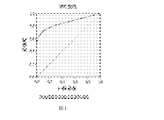
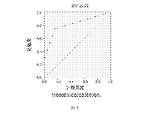
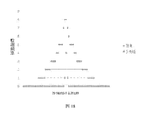
- Figure 1 ROC curve of the phosphorylation of S+79.96685 detection frequency on serine at position 208 of the AKAP3 protein.
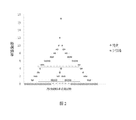
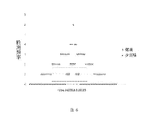
- Figure 2 Comparison of the detection frequency of phosphorylation of S+79.96685 on serine at position 208 of AKAP3 protein in healthy and oligospermia samples.
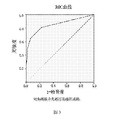
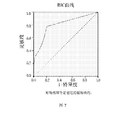
- Figure 3 ROC curve of the detection frequency of the 186 non-coding amino acid N-113.05347 of the AKAP4 protein.
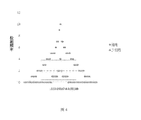
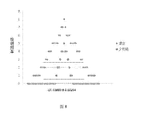
- Figure 4 Comparison of detection frequencies of 186 non-coding amino acids N-113.05347 of AKAP4 protein in healthy and oligospermia samples.
- Figure 5 ROC curve of the detection frequency of the 186 non-coding amino acid N-114.04278 of the AKAP4 protein.
- Figure 6 Comparison of detection frequencies of 186 non-coding amino acids N-114.04278 of AKAP4 protein in healthy and oligospermia samples.
- Figure 7 ROC curve of the detection frequency of the 617 non-coding amino acid Q-17.02660 of the AKAP4 protein.
- Figure 8 Comparison of detection frequencies of 617 non-coding amino acids Q-17.02660 of AKAP4 protein in healthy and oligospermia samples.
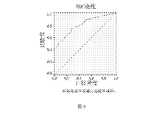
- Figure 9 ROC curve of the detection frequency of the 733 non-coding amino acid K+211.09682 of the AKAP4 protein.
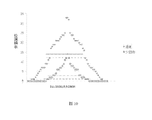
- Figure 10 Comparison of the detection frequencies of non-coding amino acids K+211.09682 for healthy and weak samples.
- Figure 11 ROC curve of the detection frequency of ATP5A1 protein lysine acetylation modification K+42.01108.
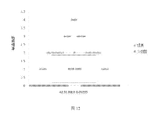
- Figure 12 Comparison of detection frequency of ATP5A1 protein 531 lysine acetylation modification K+42.01108 for healthy and oligospermia samples.
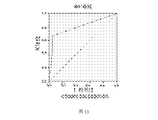
- Figure 13 ROC curve of the detection frequency of KX42.01108 for lysine acetylation at position 87 of COX4I1 protein.
- Figure 14 Comparison of the detection frequency of the lysine acetylation modification of KX42.01108 for COX4I1 protein in healthy and oligospermic samples.
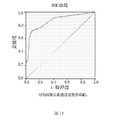
- Figure 15 ROC curve of the phosphorylation of the GAPDHS protein on the threonine at the 64th position of the T+79.96685 detection frequency.
- Figure 16 Comparison of the frequency of detection of phosphorylated T+79.96685 on the 64th position of GAPDHS protein in healthy and weak samples.
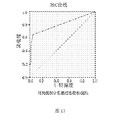
- Figure 17 ROC curve of the detection frequency of serine phosphorylation modification S+79.96685 of KIAA1683 protein.
- Figure 18 Comparison of the detection frequency of serine phosphorylation modification S+79.96685 of KIAA1683 protein in healthy and weak samples.
- the present invention proposes a screening method and application of biomarkers related to severe oligozoospermia.
- a screening method for biomarkers associated with severe oligozoospermia comprising the steps of:
- step (3) The sample of step (2) is separated by nanoflow liquid chromatography, and the sample separated by nanoflow liquid chromatography is subjected to mass spectrometry detection to collect mass spectrometry data;
- This application first uses the NanoHPLC-MS/MS mass spectrometry system and non-labeling. Quantitative proteomics method was used for deep mass spectrometry analysis of sperm protein non-coding amino acids in multiple groups of severe oligospermia diseases; then the mass spectrometry data was searched by non-limiting amino acid protein modification analysis method, and then multivariate Gaussian mixture distribution clustering Analysis, the largest number of non-coding amino acids in the sperm protein group were identified.
- the non-coding amino acids of the normal and diseased groups were screened according to the T test (p ⁇ 0.05) and the ratio (ratio>2) of the detection frequency, thereby obtaining differential non-coding amino acids. Then the SPSS software was used to make the difference non-coding amino acid ROC curve, and the area under the curve (AUC) was calculated to judge its diagnostic value.
- AKAP3 protein 208 position +79.96685 mass shift of serine (labeled S + 79.96685; according to the mass shift value, determine the position of the serine phosphorylation);
- AKAP4 protein 186 position occurs -113.05347 mass shift of asparagine (labeled N-113.05347);
- AKAP4 protein at position 186 occurs -114.04278 mass shift of asparagine (labeled N-114.04278);
- AKAP4 protein 617 occurs with a -17.62660 mass shift of glutamine (labeled Q-17.02660);
- ATP5A1 protein 531 occurs +42.01108 mass shift of lysine (labeled K + 42.01108; according to the mass offset value, it is determined that lysine at this position is acetylated);
- the GAPDHS protein has a +79.96685 mass shift of threonine at position 64 (labeled T+79.96685; it is determined by the mass shift value that the threonine at this position is phosphorylated);
- kits for the diagnosis of severe oligospermia comprising reagents for specifically detecting the above biomarkers.
- a medicament for treating severe oligospermia which comprises a serine at position 208 of AKAP3 protein, a threonine at position 64 of GAPDHS protein or a serine at position 692 of KIAA1683 protein.
- test materials used in the embodiments of the present invention are all conventional test materials in the art, and can be purchased through commercial channels. To.
- Example 1 Screening of biomarkers associated with severe oligozoospermia
- Proteolysis Take about 150 ⁇ g of sperm protein in each of the severely weak and normal sperm samples, and separate the proteins by 10% polyacrylamide gel electrophoresis (SDS-PAGE), and divide into 5 parts for gelatinization. The peptide was desalted using a ziptip.
- Mass spectrometry analysis nanoflow liquid chromatography separation: phase A: water containing 0.1% formic acid; phase B: acetonitrile containing 0.1% formic acid
- Pre-columns and analytical columns were prepared by balancing 4 ⁇ L of Phase A before separation of the samples.
- the specifications of the precolumn and the analytical column are: precolumn (4cm ⁇ 150 ⁇ m ID, C18 filler particle size 5 ⁇ m, ), analytical column (30cm ⁇ 75 ⁇ m ID, C18 filler filled, particle size 3 ⁇ m, Dr. Maisch GmbH, Germany).
- precolumn 4cm ⁇ 150 ⁇ m ID, C18 filler particle size 5 ⁇ m,
- analytical column (30cm ⁇ 75 ⁇ m ID, C18 filler filled, particle size 3 ⁇ m, Dr. Maisch GmbH, Germany).
- the 150 min chromatographic gradient was changed as follows: 5-32% mobile phase B 100 min; 32-80% mobile phase B, 20 min; 80% mobile phase B, 30 min.
- the flow rate is always maintained at 300 nL/min.
- Samples separated by nanoflow liquid phase directly enter the ESI ion spray source and enter the Orbitrap Elite mass spectrometer for mass spectrometry.
- Mass spectrometry data acquisition full scan at 350-1800 m/z with a resolution of 60,000 (m/z 200).
- the activation time was 10 ms and the isolation width was 2 m/z.
- the fragmentation method is collision-induced dissociation (CID), the normalized collision energy is set to 35%, and the dynamic discharge time is 90s.
- the non-coding amino acids of the normal and diseased groups were screened according to the T test (p ⁇ 0.05) and the ratio (ratio>2) of the detection frequency, thereby obtaining differential non-coding amino acids. Then the SPSS software was used to make the difference non-coding amino acid ROC curve, and the area under the curve (AUC) was calculated to judge its diagnostic value.
- the mass spectrometry data was analyzed and compared with the normal non-coding amino acids of the diseased group to obtain 9 differential non-coding amino acids, which can be used as biomarkers related to severe oligozoospermia, as follows:
- AKAP3 protein 208 position +79.96685 mass shift of serine (labeled S + 79.96685; according to the mass offset value, determine the position of the serine phosphorylation modification)
- the present invention uses ROC curve analysis, and AUC is the area under the ROC curve, which is the most commonly used evaluation feature of ROC curve.
- the parameters are important test accuracy indicators. If the AUC is below 0.7, the accuracy of the diagnosis is low; if the AUC is above 0.7, the clinical diagnosis can be met.
- Figure 1 shows the ROC curve of the detection frequency of phosphorylation of S+79.96685 on serine at position 208 of AKAP3 protein.
- ROC analysis showed that the AUC of this phosphorylated modification was 0.856>0.7, indicating a good diagnostic effect, ie 208 of AKAP3 protein.
- Phosphorylation on serine S+79.96685 can be used as a diagnostic marker for severe oligos.
- Fig. 2 The comparison of the detection frequency of phosphorylation of S+79.96685 on serine at position 208 of AKAP3 protein in healthy and oligospermic samples is shown in Fig. 2. It can be seen from Fig. 2 that this non-coding amino acid occurred 4.6 times on average in healthy human samples. 0.4 occurrences in the pathological sample (solid line in the figure), and the median (dashed line in the figure) is far apart, indicating that this non-coding amino acid is largely lost in the sample.
- phosphorylation of S+79.96685 on serine at position 208 of AKAP3 protein can be used as a potential biomarker for oligozoospermia, thereby predicting this condition.
- AKAP4 protein 186 occurs with a -113.05347 mass shift of asparagine (labeled N-113.05347)
- Figure 3 is the ROC curve of the detection frequency of 186 non-coding amino acid N-113.05347 of AKAP4 protein.
- the ROC analysis showed that the AUC of this non-coding amino acid N-113.05347 was 0.852>0.7, indicating a good diagnostic effect.
- the frequency of the test is 1.5, the sensitivity is 65.1% and the specificity is 93.7%.
- the frequency of detection is less than 1.5, it is judged to be a weak and weak patient (false positive rate is 6.3%).
- Figure 4 compares the frequency of detection of non-coding amino acids N-113.05347 in healthy and weak samples. It can be seen that this non-coding amino acid occurred 2.9 times on average in healthy human samples and 0.3 times in pathological samples (Fig. 4) The medium solid line), and the median (dashed line in the figure) is far apart, indicating that this non-coding amino acid is largely lost in the sample.
- the non-coding amino acid of asparagine N-113.05347 at position 186 of the AKAP4 protein can be used as a potential biomarker for oligozoospermia, thereby predicting this condition.
- AKAP4 protein occurs at position 186 - 114.04278 mass shift of asparagine (labeled N-114.04278)
- Figure 5 is the ROC curve of the detection frequency of 186 non-coding amino acid N-114.04278 of AKAP4 protein. ROC analysis showed that the AUC of this non-coding amino acid N-114.04278 was 0.817>0.7, indicating a good diagnostic effect.
- the frequency of the test is 0.5
- the sensitivity is 74.6%
- the specificity is 84.1%.
- the individual test when the frequency of detection is less than 0.5, it is judged to be a weak and weak patient (false positive rate is 15.9%).
- Fig. 6 The comparison of the detection frequency of 186 non-coding amino acid N-114.04278 of AKAP4 protein in healthy and oligospermic samples is shown in Fig. 6. It can be seen from Fig. 6 that this non-coding amino acid averaged 1.6 times in healthy human samples in pathological samples. Occurred 0.2 times (solid line in the figure), and the median (dashed line in the figure) is far apart, indicating that this non-coding amino acid is largely lost in the sample.
- the non-coding amino acid of asparagine N-114.04278 at position 186 of the AKAP4 protein can be used as a potential biomarker for oligozoospermia, thereby predicting this condition.
- AKAP4 protein 617 occurs with a -17.02660 mass shift of glutamine (labeled Q-17.02660)
- Figure 7 is the ROC curve of the detection frequency of the 617 non-coding amino acid Q-17.02660 of AKAP4 protein.
- the ROC analysis showed that the AUC of this non-coding amino acid Q-17.02660 was 0.802>0.7, indicating a good diagnostic effect.
- the frequency of the test is 0.5
- the sensitivity is 77.8% and the specificity is 79.4%.
- the individual test is performed, when the frequency of detection is less than 0.5, it is judged to be a weak and weak patient (false positive rate is 20.6%).
- Fig. 8 The comparison of the detection frequency of 617 non-coding amino acid Q-17.02660 of AKAP4 protein in healthy and oligospermic samples is shown in Fig. 8. It can be seen from Fig. 8 that this non-coding amino acid occurred on average 2.7 times in healthy human samples in pathological samples. It occurred 0.6 times (solid line in the figure), and the median (dashed line in the figure) was far from each other, indicating that this non-coding amino acid was largely lost in the sample.
- the 617 site of AKAP4 protein glutamine Q-17.02660 a non-coding amino acid, can be used as a potential biomarker for oligozoospermia, thereby predicting this condition.
- AKAP4 protein 733 occurs +211.09682 mass shift of lysine (labeled K+211.09682)
- Figure 9 is the ROC curve of the detection frequency of 733 non-coding amino acid K+211.09682 of AKAP4 protein. ROC analysis showed that the AUC of this non-coding amino acid K+211.09682 was 0.804>0.7, indicating a good diagnostic effect.
- the frequency of the test is 3.5, the sensitivity is 74.6% and the specificity is 71.4%.
- the individual test was performed, when the frequency of detection was less than 3.5, it was judged to be a weak and weak patient (false positive rate was 28.6%).
- the non-coding amino acid of lysine K+211.09682 at position 733 of AKAP4 protein can be used as a potential biomarker for oligozoospermia, thereby predicting this condition.
- ATP5A1 protein 531 occurs +42.01108 mass shift of lysine
- Figure 11 is the ROC curve of the detection frequency of ATP5A1 protein lysine acetylation modification K+42.01108, ROC Analysis showed that the AUC of this acetylation modification was 0.848>0.7, indicating that it has a good diagnostic effect.
- the frequency of the test is 0.5
- the sensitivity is 76.2%
- the specificity is 85.7%.
- the individual test when the frequency of detection was less than 0.5, it was judged to be a weak and weak patient (false positive rate was 14.3%).
- the acetylation modification K+42.01108 of lysine at position 531 of ATP5A1 protein can be used as a potential biomarker for oligozoospermia, thereby predicting this condition.
- Figure 13 is the ROC curve of the detection frequency of lysine acetylation modification K+42.01108 of COX4I1 protein.
- the ROC analysis showed that the AUC of this acetylation modification was 0.803>0.7, indicating that it has a good diagnostic effect.
- the frequency of the test is 0.5
- the sensitivity is 66.7%
- the specificity is 95.2%.
- the individual test when the frequency of detection is less than 0.5, it is judged to be a weak and weak patient (false positive rate is 4.8%).
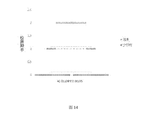
- Figure 14 is a comparison of the detection frequency of the 87-position lysine acetylation modification K+42.01108 of the COX4I1 protein in healthy and weak-weak samples. It can be seen from Figure 14 that this non-coding amino acid occurred an average of 1.1 times in healthy human samples. The pathological sample occurred 0.1 times (solid line in the figure), and the median (dashed line in the figure) was far apart, indicating that this non-coding amino acid was largely lost in the sample.
- the acetylation modification K+42.01108 on the 87th lysine of COX4I1 protein can be used as a potential biomarker for oligozoospermia, thereby predicting this condition.
- GAPDHS protein at position 64 occurs with a loss of +79.96685 mass of threonine (labeled T+79.96685)
- Figure 15 is the ROC curve of the detection frequency of phosphorylation modification T+79.96685 on the threonine of GAPDHS protein.
- the ROC analysis showed that the AUC of this phosphorylation modification was 0.868>0.7, indicating a good diagnostic effect.
- the frequency of the test is 3.5
- the sensitivity is 71.4%
- the specificity is 92.1%.
- the individual test when the frequency of detection was less than 3.5, it was judged to be a weak and weak patient (false positive rate was 7.9%).
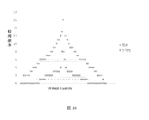
- Figure 16 is a comparison of the detection frequency of the phosphorylated T+79.96685 on the threonine of the GAPDHS protein in healthy and low-weak samples. It can be seen from Figure 16 that this non-coding amino acid occurred 5.8 times on average in healthy human samples. In the pathological sample, 1.4 times (solid line in the figure), and the median (dashed line in the figure) is far apart, indicating that this non-coding amino acid is largely lost in the sample.
- the phosphorylation modification T+79.96685 on the 64th position of GAPDHS protein can be used as a potential biomarker for oligozoospermia, thereby predicting this condition.
- Figure 17 shows the ROC curve of the detection frequency of serine phosphorylation modification S+79.96685 of KIAA1683 protein.
- the ROC analysis showed that the AUC of this phosphorylation modification was 0.808>0.7, indicating a good diagnostic effect.
- the frequency of the test is 0.5
- the sensitivity is 65.1% and the specificity is 95.2%.
- the individual test is performed, when the frequency of detection is less than 0.5, it is judged to be a weak and weak patient (false positive rate is 4.8%).
- Figure 18 shows the comparison of the detection frequency of serine phosphorylation modification S+79.96685 of KIAA1683 protein in healthy and weak samples. It can be seen from Figure 18 that this non-coding amino acid occurred an average of 2.1 times in healthy human samples in pathological samples. There were 0.1 occurrences (solid line in the figure), and the median (dashed line in the figure) was far apart, indicating that this non-coding amino acid was largely lost in the sample.
- the phosphorylation modification S+79.96685 on serine at position 692 of KIAA1683 protein can be used as a potential biomarker for oligozoospermia, thereby predicting this condition.
- the results showed that when the individual biomarkers were separately diagnosed, the diagnostic results were consistent with the known results. Description
- the nine biomarkers screened by the present invention can each be used as a diagnostic marker for severe oligospermia.
Landscapes
- Physics & Mathematics (AREA)
- Health & Medical Sciences (AREA)
- Life Sciences & Earth Sciences (AREA)
- Chemical & Material Sciences (AREA)
- Analytical Chemistry (AREA)
- Biochemistry (AREA)
- General Health & Medical Sciences (AREA)
- General Physics & Mathematics (AREA)
- Immunology (AREA)
- Pathology (AREA)
- Other Investigation Or Analysis Of Materials By Electrical Means (AREA)
- Investigating Or Analysing Biological Materials (AREA)
Abstract
Description


Claims (10)
- 一种与重度少弱精子症相关的生物标志物的筛选方法,其特征在于,包括如下步骤:(1)提取精子细胞全蛋白;(2)将精子细胞全蛋白采用凝胶电泳分离,切胶酶解,对酶解后的肽段进行脱盐,制备得到样品;(3)将步骤(2)的样品采用纳流液相色谱分离,经纳流液相色谱分离后的样品再进行质谱检测,采集质谱数据;(4)利用非限定氨基酸蛋白质修饰分析方法对质谱数据进行搜索,再经过多变量高斯混合分布聚类分析,尽可能大量的鉴定出精子蛋白组中非编码氨基酸;最后通过正常个体和重度少弱精个体精子蛋白组中非编码氨基酸的比较,得到与重度少弱精症相关的蛋白非编码氨基酸位点,即为诊断和/或治疗重度少弱精子疾病的生物标志物。
- 如权利要求1所述的筛选方法,其特征在于,步骤(1)中,提取精子细胞全蛋白采用的方法为:将精子样本采用DPBS洗涤,加入RIPA裂解液超声1~2min,置于冰上孵育30min裂解,离心,取上清;
- 如权利要求2所述的筛选方法,其特征在于,在4℃的条件下离心,离心转速为14,000g,离心时间为20min。
- 如权利要求1所述的筛选方法,其特征在于,步骤(2)中,采用10%聚丙烯酰氨凝胶电泳对蛋白进行分离。
- 如权利要求1所述的筛选方法,其特征在于,步骤(2)中,采用ziptip对酶解后的肽段进行脱盐。
- 如权利要求1所述的筛选方法,其特征在于,步骤(3)中,纳流液相色谱分离的色谱条件为:流动相A:含有0.1%甲酸的水,流动相B:含有0.1%甲酸的乙腈;洗脱条件为:0-100min,95-68%流动相A,5-32%流动相B;100-120min,68-20%流动相A,32-80%流动相B;120-150min,20%流动相A,80%流动相B。
- 如权利要求1所述的筛选方法,其特征在于,步骤(3)中,质谱检测的条件为:350-1800m/z的全扫描,分辨率为60,000(m/z200)。二级图谱扫描时,活化时间为10ms,隔离宽度为2m/z;碎裂方式为诱导碰撞解离,归一化碰撞能量设定为35%,动态排出时间为90s。
- 如权利要求1所述的筛选方法,其特征在于,步骤(4)中,对质谱数据进行搜索的参数设置为:蛋白酶为胰蛋白酶,漏切位点设置为2,母离子质量偏差为10ppm,碎片离子的质量偏差为0.6Da,盲搜上限设为1000,盲搜下限设为-200,蛋白FDR为0.01;选择肽段分数>200和FDR<0.01的肽段作为Wildcard SearchTM搜索到的未知修饰数据, 组成质量变化的一维数据矩阵(-200Da-400Da),再将数据按照1Da的变化范围,0.5Da为界限,分割成601个数据窗口。
- 如权利要求1所述的筛选方法,其特征在于,步骤(4)中,多变量高斯混合分布聚类分析的方法为:针对每一个数据窗口,用R语言中的mclust程序包做高斯混合分布聚类分析,根据BIC取最优值,再对每一个峰进行合并分析,然后用高斯分布拟合每一个峰,确定峰值;聚类之后的每个峰中所包含的肽段位点数据,根据位点氨基酸分布,选择分布大于5%的数据作为一类非编码氨基酸。
- 权利要求1-9任一项所述的筛选方法筛选得到的与重度少弱精子症相关的生物标志物。
Applications Claiming Priority (2)
| Application Number | Priority Date | Filing Date | Title |
|---|---|---|---|
| CN201710196769.9A CN106872630B (zh) | 2017-03-29 | 2017-03-29 | 与重度少弱精子症相关的生物标志物的筛选与应用 |
| CN201710196769.9 | 2017-03-29 |
Publications (1)
| Publication Number | Publication Date |
|---|---|
| WO2018176808A1 true WO2018176808A1 (zh) | 2018-10-04 |
Family
ID=59159536
Family Applications (1)
| Application Number | Title | Priority Date | Filing Date |
|---|---|---|---|
| PCT/CN2017/106915 Ceased WO2018176808A1 (zh) | 2017-03-29 | 2017-10-19 | 与重度少弱精子症相关的生物标志物的筛选与应用 |
Country Status (2)
| Country | Link |
|---|---|
| CN (1) | CN106872630B (zh) |
| WO (1) | WO2018176808A1 (zh) |
Families Citing this family (7)
| Publication number | Priority date | Publication date | Assignee | Title |
|---|---|---|---|---|
| CN106872630B (zh) * | 2017-03-29 | 2018-07-24 | 山东大学 | 与重度少弱精子症相关的生物标志物的筛选与应用 |
| CN110514837B (zh) * | 2018-05-21 | 2020-10-23 | 山东大学 | Akap3蛋白203位s+79.967在制备重度少弱精诊断试剂中的应用 |
| CN110514838B (zh) * | 2018-05-21 | 2020-10-23 | 山东大学 | Akap4蛋白184位n+22.968在制备重度少弱精诊断试剂中的用途 |
| CN110514834A (zh) * | 2018-05-21 | 2019-11-29 | 山东大学 | Atp5a1蛋白531位k+42.011在制备重度少弱精诊断试剂中的应用 |
| CN110514839B (zh) * | 2018-05-21 | 2021-01-22 | 山东大学 | Akap4蛋白616位n+12.000在制备重度少弱精诊断试剂中的应用 |
| CN110187128B (zh) * | 2019-06-22 | 2022-04-12 | 江西省妇幼保健院 | 一种用于诊断弱精子症的生物标记物 |
| CN112782297A (zh) * | 2020-12-24 | 2021-05-11 | 郭继生 | 一种肝硬化相关生物标志物及其筛选方法和应用 |
Citations (10)
| Publication number | Priority date | Publication date | Assignee | Title |
|---|---|---|---|---|
| CN101477089A (zh) * | 2009-01-09 | 2009-07-08 | 中国科学院计算技术研究所 | 一种蛋白质翻译后修饰的发现方法 |
| CN106872630A (zh) * | 2017-03-29 | 2017-06-20 | 山东大学 | 与重度少弱精子症相关的生物标志物的筛选与应用 |
| CN106932597A (zh) * | 2017-03-29 | 2017-07-07 | 山东大学 | Atp5a1蛋白531位发生质量偏移的赖氨酸在制备重度少弱精诊断试剂中的用途 |
| CN106990177A (zh) * | 2017-03-29 | 2017-07-28 | 山东大学 | Akap4蛋白617位发生质量偏移的谷氨酰胺在制备重度少弱精诊断试剂中的用途 |
| CN106996981A (zh) * | 2017-03-29 | 2017-08-01 | 山东大学 | Akap4蛋白186位n‑114.04278在制备重度少弱精诊断试剂中的用途 |
| CN106996980A (zh) * | 2017-03-29 | 2017-08-01 | 山东大学 | Akap4蛋白733位发生质量偏移的赖氨酸在制备重度少弱精诊断试剂中的用途 |
| CN106996979A (zh) * | 2017-03-29 | 2017-08-01 | 山东大学 | Akap4蛋白186位n‑113.05347在制备重度少弱精诊断试剂中的用途 |
| CN107015005A (zh) * | 2017-03-29 | 2017-08-04 | 山东大学 | Gapdhs蛋白64位发生质量偏移的苏氨酸在制备重度少弱精诊断试剂中的用途 |
| CN107024553A (zh) * | 2017-03-29 | 2017-08-08 | 山东大学 | Akap3蛋白208位发生质量偏移的丝氨酸在制备重度少弱精诊断试剂中的用途 |
| CN107037172A (zh) * | 2017-03-29 | 2017-08-11 | 山东大学 | Cox4i1蛋白87位发生质量偏移的赖氨酸在制备重度少弱精诊断试剂中的用途 |
Family Cites Families (6)
| Publication number | Priority date | Publication date | Assignee | Title |
|---|---|---|---|---|
| WO2004050833A2 (en) * | 2002-11-27 | 2004-06-17 | University Of North Carolina At Chapel Hill | Glyceraldehyde 3-phosphate dehydrogenase-s(gapds), a glycolytic enzyme expressed only in male germ cells,is a target for male contraception |
| CN101158666B (zh) * | 2006-10-08 | 2012-06-27 | 许洋 | 一种用含有抗体组的基质去捕获生物样品中生物标志的分析方法 |
| WO2009070233A1 (en) * | 2007-11-26 | 2009-06-04 | Waters Technologies Corporation | Internal standards and methods for use in quantitatively measuring analytes in a sample |
| US8324347B2 (en) * | 2009-02-24 | 2012-12-04 | Institute For Systems Biology | Methods of using halogenated peptides as internal standards for liquid chromatography-mass spectrometry |
| WO2012061578A2 (en) * | 2010-11-03 | 2012-05-10 | The University Of North Carolina At Chapel Hill | Sperm motility analyzer and related methods |
| CN103361336A (zh) * | 2012-03-31 | 2013-10-23 | 上海南方模式生物研究中心 | 雄性生育障碍动物模型及其制法和用途 |
-
2017
- 2017-03-29 CN CN201710196769.9A patent/CN106872630B/zh not_active Expired - Fee Related
- 2017-10-19 WO PCT/CN2017/106915 patent/WO2018176808A1/zh not_active Ceased
Patent Citations (10)
| Publication number | Priority date | Publication date | Assignee | Title |
|---|---|---|---|---|
| CN101477089A (zh) * | 2009-01-09 | 2009-07-08 | 中国科学院计算技术研究所 | 一种蛋白质翻译后修饰的发现方法 |
| CN106872630A (zh) * | 2017-03-29 | 2017-06-20 | 山东大学 | 与重度少弱精子症相关的生物标志物的筛选与应用 |
| CN106932597A (zh) * | 2017-03-29 | 2017-07-07 | 山东大学 | Atp5a1蛋白531位发生质量偏移的赖氨酸在制备重度少弱精诊断试剂中的用途 |
| CN106990177A (zh) * | 2017-03-29 | 2017-07-28 | 山东大学 | Akap4蛋白617位发生质量偏移的谷氨酰胺在制备重度少弱精诊断试剂中的用途 |
| CN106996981A (zh) * | 2017-03-29 | 2017-08-01 | 山东大学 | Akap4蛋白186位n‑114.04278在制备重度少弱精诊断试剂中的用途 |
| CN106996980A (zh) * | 2017-03-29 | 2017-08-01 | 山东大学 | Akap4蛋白733位发生质量偏移的赖氨酸在制备重度少弱精诊断试剂中的用途 |
| CN106996979A (zh) * | 2017-03-29 | 2017-08-01 | 山东大学 | Akap4蛋白186位n‑113.05347在制备重度少弱精诊断试剂中的用途 |
| CN107015005A (zh) * | 2017-03-29 | 2017-08-04 | 山东大学 | Gapdhs蛋白64位发生质量偏移的苏氨酸在制备重度少弱精诊断试剂中的用途 |
| CN107024553A (zh) * | 2017-03-29 | 2017-08-08 | 山东大学 | Akap3蛋白208位发生质量偏移的丝氨酸在制备重度少弱精诊断试剂中的用途 |
| CN107037172A (zh) * | 2017-03-29 | 2017-08-11 | 山东大学 | Cox4i1蛋白87位发生质量偏移的赖氨酸在制备重度少弱精诊断试剂中的用途 |
Non-Patent Citations (4)
| Title |
|---|
| CHAN, C. C .: "Motility and Protein Phosphorylation in Healthy and Asthenozoospermic Sperm", JOURNAL OF PROTEOME RESEARCH, vol. 8, no. 11, 13 August 2009 (2009-08-13), pages 5382 - 5386, XP055611871, DOI: 10.1021/pr9003932 * |
| MCDONALD, W.H.: "Shotgun proteomics and biomarker discovery", DISEASE MARKERS, vol. 18, no. 2, 31 December 2002 (2002-12-31), pages 99 - 105, XP055611870, DOI: 10.1155/2002/505397 * |
| PARTE, P.P.: "Sperm phosphoproteome profiling by ultra performance liquid chromatography followed by data independent analysis (LC - MSE) reveals alte- red proteomic signatures in asthenozoospermia", JOURNAL OF PROTEOMICS, vol. 75, no. 18, 13 July 2012 (2012-07-13), pages 5861 - 5871, XP055611860, DOI: 10.1016/j.jprot.2012.07.003 * |
| XIA, XIYANG: "Proteomic analysis of novel post-translational modifications in human and mouse testes", MEDICINE & PUBLIC HEALTH, CHINA MASTER'S THESES FULL-TEXT DATABASE, no. 4, 15 April 2016 (2016-04-15), pages E059-34 * |
Also Published As
| Publication number | Publication date |
|---|---|
| CN106872630B (zh) | 2018-07-24 |
| CN106872630A (zh) | 2017-06-20 |
Similar Documents
| Publication | Publication Date | Title |
|---|---|---|
| CN106932597B (zh) | Atp5a1蛋白531位发生质量偏移的赖氨酸在制备重度少弱精诊断试剂中的用途 | |
| CN107024553B (zh) | Akap3蛋白208位发生质量偏移的丝氨酸在制备重度少弱精诊断试剂中的用途 | |
| CN106872630B (zh) | 与重度少弱精子症相关的生物标志物的筛选与应用 | |
| CN106996979B (zh) | Akap4蛋白186位n-113.05347在制备重度少弱精诊断试剂中的用途 | |
| CN106996980B (zh) | Akap4蛋白733位发生质量偏移的赖氨酸在制备重度少弱精诊断试剂中的用途 | |
| CN107015005B (zh) | Gapdhs蛋白64位发生质量偏移的苏氨酸在制备重度少弱精诊断试剂中的用途 | |
| CN107037172B (zh) | Cox4i1蛋白87位发生质量偏移的赖氨酸在制备重度少弱精诊断试剂中的用途 | |
| CN106996981B (zh) | Akap4蛋白186位n-114.04278在制备重度少弱精诊断试剂中的用途 | |
| CN106990177A (zh) | Akap4蛋白617位发生质量偏移的谷氨酰胺在制备重度少弱精诊断试剂中的用途 | |
| Ma et al. | Recent technological developments in proteomics shed new light on translational research on diabetic microangiopathy | |
| JP7457300B2 (ja) | 神経変性疾患の診断用ペプチドマーカー | |
| CN111521828A (zh) | Rsph9作为少弱精症诊断标志物或治疗靶点的应用 | |
| CN107102152A (zh) | 尿液中心肌梗死的蛋白标志物及其在诊断和预后中的用途 | |
| CN108663438B (zh) | Kiaa1683蛋白692位发生质量偏移的丝氨酸在制备重度少弱精诊断试剂中的用途 | |
| CN110514833B (zh) | Pdhb蛋白244位r+390.202在制备重度少弱精诊断试剂中的应用 | |
| CN111518868A (zh) | Pgam5作为少弱精症诊断标志物及治疗靶点的应用 | |
| KR20200038449A (ko) | 양쪽성 계면활성제를 이용한 단백질 및 지질의 분리방법 및 이의 용도 | |
| CN110514839B (zh) | Akap4蛋白616位n+12.000在制备重度少弱精诊断试剂中的应用 | |
| CN118362740B (zh) | 尿液中n-糖基化蛋白组合作为靶标在诊断临床前期和mci期阿尔茨海默病中的应用 | |
| JP2015108515A (ja) | 大腸癌の診断のための検査方法 | |
| CN110514749B (zh) | Acr蛋白73位发生质量偏移的半胱氨酸在制备重度少弱精诊断试剂中的应用 | |
| CN114280309A (zh) | 一种原发性抑郁症的血清多肽诊断标志物c3的应用 | |
| CN110514750B (zh) | Acrbp蛋白385位c-33.987在制备重度少弱精诊断试剂中的应用 | |
| CN110514836B (zh) | Spaca1蛋白138位c-33.987在制备重度少弱精诊断试剂中的应用 | |
| CN110514835B (zh) | Acrbp蛋白385位c+47.985在制备重度少弱精诊断试剂中的应用 |
Legal Events
| Date | Code | Title | Description |
|---|---|---|---|
| 121 | Ep: the epo has been informed by wipo that ep was designated in this application |
Ref document number: 17902726 Country of ref document: EP Kind code of ref document: A1 |
|
| NENP | Non-entry into the national phase |
Ref country code: DE |
|
| 122 | Ep: pct application non-entry in european phase |
Ref document number: 17902726 Country of ref document: EP Kind code of ref document: A1 |
|
| 32PN | Ep: public notification in the ep bulletin as address of the adressee cannot be established |
Free format text: NOTING OF LOSS OF RIGHTS PURSUANT TO RULE 112(1) EPC (EPO FORM 1205A DATED 21/02/2020) |
|
| 122 | Ep: pct application non-entry in european phase |
Ref document number: 17902726 Country of ref document: EP Kind code of ref document: A1 |