WO2018173335A1 - 話者検索装置、話者検索方法、および話者検索プログラム - Google Patents
話者検索装置、話者検索方法、および話者検索プログラム Download PDFInfo
- Publication number
- WO2018173335A1 WO2018173335A1 PCT/JP2017/034573 JP2017034573W WO2018173335A1 WO 2018173335 A1 WO2018173335 A1 WO 2018173335A1 JP 2017034573 W JP2017034573 W JP 2017034573W WO 2018173335 A1 WO2018173335 A1 WO 2018173335A1
- Authority
- WO
- WIPO (PCT)
- Prior art keywords
- speaker
- score
- unit
- score vector
- management information
- Prior art date
- Legal status (The legal status is an assumption and is not a legal conclusion. Google has not performed a legal analysis and makes no representation as to the accuracy of the status listed.)
- Ceased
Links
Images








Classifications
-
- G—PHYSICS
- G10—MUSICAL INSTRUMENTS; ACOUSTICS
- G10L—SPEECH ANALYSIS TECHNIQUES OR SPEECH SYNTHESIS; SPEECH RECOGNITION; SPEECH OR VOICE PROCESSING TECHNIQUES; SPEECH OR AUDIO CODING OR DECODING
- G10L17/00—Speaker identification or verification techniques
-
- G—PHYSICS
- G10—MUSICAL INSTRUMENTS; ACOUSTICS
- G10L—SPEECH ANALYSIS TECHNIQUES OR SPEECH SYNTHESIS; SPEECH RECOGNITION; SPEECH OR VOICE PROCESSING TECHNIQUES; SPEECH OR AUDIO CODING OR DECODING
- G10L13/00—Speech synthesis; Text to speech systems
- G10L13/02—Methods for producing synthetic speech; Speech synthesisers
- G10L13/04—Details of speech synthesis systems, e.g. synthesiser structure or memory management
- G10L13/047—Architecture of speech synthesisers
-
- G—PHYSICS
- G10—MUSICAL INSTRUMENTS; ACOUSTICS
- G10L—SPEECH ANALYSIS TECHNIQUES OR SPEECH SYNTHESIS; SPEECH RECOGNITION; SPEECH OR VOICE PROCESSING TECHNIQUES; SPEECH OR AUDIO CODING OR DECODING
- G10L13/00—Speech synthesis; Text to speech systems
- G10L13/02—Methods for producing synthetic speech; Speech synthesisers
- G10L13/033—Voice editing, e.g. manipulating the voice of the synthesiser
-
- G—PHYSICS
- G10—MUSICAL INSTRUMENTS; ACOUSTICS
- G10L—SPEECH ANALYSIS TECHNIQUES OR SPEECH SYNTHESIS; SPEECH RECOGNITION; SPEECH OR VOICE PROCESSING TECHNIQUES; SPEECH OR AUDIO CODING OR DECODING
- G10L13/00—Speech synthesis; Text to speech systems
- G10L13/02—Methods for producing synthetic speech; Speech synthesisers
- G10L13/04—Details of speech synthesis systems, e.g. synthesiser structure or memory management
-
- G—PHYSICS
- G10—MUSICAL INSTRUMENTS; ACOUSTICS
- G10L—SPEECH ANALYSIS TECHNIQUES OR SPEECH SYNTHESIS; SPEECH RECOGNITION; SPEECH OR VOICE PROCESSING TECHNIQUES; SPEECH OR AUDIO CODING OR DECODING
- G10L15/00—Speech recognition
- G10L15/06—Creation of reference templates; Training of speech recognition systems, e.g. adaptation to the characteristics of the speaker's voice
- G10L15/065—Adaptation
- G10L15/07—Adaptation to the speaker
-
- G—PHYSICS
- G10—MUSICAL INSTRUMENTS; ACOUSTICS
- G10L—SPEECH ANALYSIS TECHNIQUES OR SPEECH SYNTHESIS; SPEECH RECOGNITION; SPEECH OR VOICE PROCESSING TECHNIQUES; SPEECH OR AUDIO CODING OR DECODING
- G10L15/00—Speech recognition
- G10L15/20—Speech recognition techniques specially adapted for robustness in adverse environments, e.g. in noise, of stress induced speech
-
- G—PHYSICS
- G10—MUSICAL INSTRUMENTS; ACOUSTICS
- G10L—SPEECH ANALYSIS TECHNIQUES OR SPEECH SYNTHESIS; SPEECH RECOGNITION; SPEECH OR VOICE PROCESSING TECHNIQUES; SPEECH OR AUDIO CODING OR DECODING
- G10L25/00—Speech or voice analysis techniques not restricted to a single one of groups G10L15/00 - G10L21/00
- G10L25/48—Speech or voice analysis techniques not restricted to a single one of groups G10L15/00 - G10L21/00 specially adapted for particular use
- G10L25/51—Speech or voice analysis techniques not restricted to a single one of groups G10L15/00 - G10L21/00 specially adapted for particular use for comparison or discrimination
- G10L25/54—Speech or voice analysis techniques not restricted to a single one of groups G10L15/00 - G10L21/00 specially adapted for particular use for comparison or discrimination for retrieval
Definitions
- Embodiments of the present invention relate to a speaker search device, a speaker search method, and a speaker search program.
- the problem to be solved by the present invention is to provide a speaker search device, a speaker search method, and a speaker search program capable of searching for a speaker having a high voice quality similarity.
- the speaker search device includes a first conversion unit, a reception unit, and a search unit.
- the first conversion unit converts the acoustic model registered in advance into a point vector using the inverse conversion model of the first conversion model for converting the score vector representing the characteristics of the voice quality into the acoustic model, and speaker identification information Register in the score management information in association with.
- the reception unit receives an input of a score vector.
- the retrieval unit retrieves speaker identification information similar to the received score vector from the score management information.
- FIG. 1 is a diagram illustrating an example of a speaker search device.
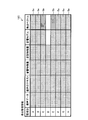
- FIG. 2 is a schematic diagram illustrating an example of a data configuration of speaker management information.
- FIG. 3 is a schematic diagram illustrating an example of a score vector.
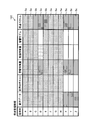
- FIG. 4 is a schematic diagram illustrating an example of a data configuration of the score management information.
- FIG. 5 is a schematic diagram illustrating an example of the input screen.
- FIG. 6 is a schematic diagram illustrating an example of a display screen.
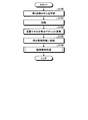
- FIG. 7 is a flowchart illustrating an example of the procedure of search processing.
- FIG. 8 is a flowchart illustrating an example of a procedure of speaker search processing.
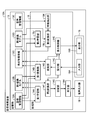
- FIG. 9 is a diagram illustrating an example of a speaker search device.
- FIG. 1 is a diagram illustrating an example of a speaker search device.
- FIG. 2 is a schematic diagram illustrating an example of a data configuration of speaker management information.
- FIG. 3 is a schematic diagram illustrating an example of a score
- FIG. 10 is a schematic diagram illustrating an example of a data configuration of the voice management information.
- FIG. 11 is a schematic diagram illustrating an example of a data configuration of the score management information.
- FIG. 12 is a flowchart illustrating an example of a procedure of search processing executed by the speaker search device.
- FIG. 13 is an explanatory diagram illustrating a hardware configuration example of the speaker search device.
- FIG. 1 is a diagram illustrating an example of the speaker search device 10 according to the present embodiment.
- the speaker search device 10 is a device that searches for a speaker having a voice quality desired by the user.
- the speaker search device 10 includes a storage unit 12, a processing unit 14, a voice output unit 16, and a UI (user interface) unit 18.
- the storage unit 12, the audio output unit 16, the UI unit 18, and the processing unit 14 are connected to be able to exchange data and signals via a bus or the like.
- the audio output unit 16 outputs audio.
- the audio output unit 16 is, for example, a speaker.
- the UI unit 18 includes an input unit 18A and a display unit 18B.
- the input unit 18A receives a user operation.
- the input unit 18A is, for example, a pointing device such as a digital pen, a mouse, or a trackball, or an input device such as a keyboard.
- the display unit 18B displays various information.
- the display unit 18B is, for example, a display such as an LCD or a projection device.
- the UI unit 18 may be a touch panel that integrally includes an input unit 18A and a display unit 18B.
- the storage unit 12 stores various data.
- the storage unit 12 is, for example, a RAM (Random Access Memory), a semiconductor memory device such as a flash memory, a hard disk, an optical disk, or the like.
- the storage unit 12 may be a storage device provided outside the speaker search device 10.
- the storage unit 12 may be a storage medium. Specifically, the storage medium may be a program or various types of information downloaded and stored or temporarily stored via a LAN (Local Area Network) or the Internet.
- the storage unit 12 may be configured from a plurality of storage media.
- the storage unit 12 stores speaker management information 12A, a first conversion model 12B, and score management information 12C.
- Speaker management information 12A is information related to the voice of the speaker.
- the speaker management information 12A is stored in the storage unit 12 in advance.
- FIG. 2 is a schematic diagram illustrating an example of a data configuration of the speaker management information 12A.
- the speaker management information 12A is a database in which a speaker ID, speech data, speech text, acoustic feature amount, language feature amount, acoustic model, and score vector are associated with each other.
- the data format of the speaker management information 12A is not limited to the database.
- the speaker management information 12A may be a table.
- the speaker ID is identification information (speaker identification information) for identifying the speaker.
- the speaker ID may be any information that can identify the speaker.
- the speaker ID is, for example, a speaker name.
- the voice data is voice data of a speaker identified by a corresponding speaker ID.
- a plurality of voice data for example, N pieces (N is an integer of 2 or more) are registered in association with the speaker ID.
- the data format of the audio data is not limited.
- the data format of audio data is WAV, AIFF, BWF, or the like.
- the audio text is a recorded manuscript of audio data.
- the acoustic feature quantity is a voice (sound) feature quantity extracted from the corresponding voice data.
- an acoustic feature amount used in HMM (hidden Markov model) speech synthesis may be used.
- the acoustic feature amount includes a mel cepstrum coefficient representing a phoneme and a voice color, a mel LPC coefficient, a mel LSP coefficient, a fundamental frequency (F0) representing a voice pitch, and an aperiodicity representing a ratio of a periodic / non-periodic component of speech.
- Linguistic feature value is a language feature value extracted from the corresponding speech text.
- the language feature amount includes information about the preceding and following phonemes, pronunciation, phrase end position, sentence length, accent phrase length, mora length, mora position, accent type, part of speech, dependency information, and the like. It is assumed that a language feature amount corresponding to a registered speaker ID is derived in advance in the speaker management information 12A and registered in advance in the speaker management information 12A.
- the acoustic model is a statistical model of the mapping from the speech feature to the acoustic feature of the speaker.
- an acoustic model in HMM speech synthesis is used as the acoustic model.
- the acoustic model is modeled with a decision tree in which the input is a language feature and the output is an acoustic feature.
- the acoustic feature quantity as an output is expressed by a set of a mean vector and a covariance matrix of a multidimensional normal distribution assigned to each leaf node of the decision tree.
- An acoustic model is generated by estimating the average vector and the covariance matrix, which are parameters of the acoustic model, from the acoustic feature amount and language feature amount of the speaker.
- a decision tree acoustic model in HMM speech synthesis is used as the acoustic model.
- the acoustic model is not limited to a form using a decision tree acoustic model in HMM speech synthesis.
- any model such as a neural network that maps a language feature amount to an acoustic feature amount may be used as the acoustic model.
- an acoustic model corresponding to a registered speaker ID is derived in advance in the speaker management information 12A and registered in advance in the speaker management information 12A.
- some speaker IDs in the speaker management information 12A may not be registered in association with the acoustic model.
- the score vector represents the voice quality characteristics of the speaker.
- the score vector represents a subjective feature of the voice quality of the speaker.
- FIG. 3 is a schematic diagram showing an example of a score vector.
- the score vector represents the subjective strength of the voice quality feature of the speaker as a score (ie, a numerical value) for each type of voice quality feature.
- the type of voice quality feature is not a physical feature amount but a subjective classification of voice quality.
- the type of voice quality feature may be determined in advance. For example, the types of voice quality features are “sex”, “age”, “brightness”, “hardness”, “clarity”, “fluency”, “smear”, and the like. That is, the score vector is a vector that represents a speaker's subjective characteristics using an axis with a label corresponding to a subjective type representing voice quality.
- the score corresponding to these feature types represents the strength of these types of features.
- the score is represented by a numerical value, for example.
- FIG. 3 shows a case where the score is expressed in the range of “0” to “1”.
- the voice quality feature type “gender” indicates that the closer to the score “0”, the more feminine, and the closer the score “1”, the more masculine.
- the voice quality feature type “age” is younger as the score is closer to “0”, and the age is higher as the score is closer to “1”.
- the score vector corresponding to the speaker ID “A” indicates that the voice quality feature of the speaker identified by the speaker ID “A” is a voice of a young child. Show.
- the score vector corresponding to the speaker ID “B” indicates that the voice quality feature of the speaker identified by the speaker ID “B” is a voice of a young woman.
- the score vector corresponding to the speaker ID “D” indicates that the voice quality feature of the speaker identified by the speaker ID “D” is an old male voice.
- a score vector is registered in advance in the speaker management information 12A in association with some of the speaker IDs registered in the speaker management information 12A.
- the subjective voice quality of many people is reflected by a questionnaire survey on the voice quality of the speaker identified by the speaker ID. It is assumed that a score vector is assigned in advance.
- the number of speaker IDs registered in the speaker management information 12A is greater than or equal to the number that makes it difficult for the user to manually search for a desired speaker from the speaker management information 12A.
- the first conversion model 12B is a model for converting the score vector into an acoustic model.
- the first conversion model 12B is learned by the processing unit 14 and stored in the storage unit 12 (details will be described later).
- the score management information 12C is a database used when a user searches for a speaker.
- the score management information 12C is registered by the processing unit 14 described later (details will be described later).
- the processing unit 14 controls the speaker search device 10.
- the processing unit 14 includes a first learning unit 14A, a first conversion unit 14B, a reception unit 14C, a search unit 14D, a display control unit 14E, a second conversion unit 14F, a synthesis unit 14G, and a reproduction unit 14H. And including.
- Each of the above-described units includes, for example, one or more Realized by a processor.
- each of the above units may be realized by causing a processor such as a CPU (Central Processing Unit) to execute a program, that is, by software.
- a processor such as a CPU (Central Processing Unit)
- Each of the above sections may be realized by a processor such as a dedicated IC (Integrated Circuit), that is, hardware.
- Integrated Circuit Integrated Circuit
- At least one of the above-described units may be mounted on a cloud server that executes processing on the cloud.
- the first learning unit 14A learns the first conversion model 12B from the speaker management information 12A.
- the first conversion model 12B is a model for converting a score vector into an acoustic model.
- the first learning unit 14A specifies a plurality of speaker IDs in which score vectors are registered among a plurality of speaker IDs registered in the speaker management information 12A. Then, the first learning unit 14A uses the acoustic model corresponding to each of the specified plurality of speaker IDs and the score vector corresponding to each of the speaker IDs to generate one first conversion model 12B. learn.
- the first learning unit 14A uses the multiple regression HSMM (hidden semi-Markov model) disclosed in Non-Patent Document 2 or the cluster adaptive learning disclosed in Non-Patent Document 3 to perform speaker management information.
- the first conversion model 12B is learned from 12A.
- Non-Patent Document 2 Tachibana et al. “A technique for controlling voice quality of synthetic speech using multiple regression HSMM,” in Proceedings of INTERSPEECH 2006, pp.2438-2441 (2006) (Non-patent Document 3) Otani et al., Speaker control method using perceptual expression words using cluster adaptive learning in statistical speech synthesis, Proc. Of Acoustical Society (Spring) (2016)
- the first learning unit 14A learns the first learning unit 14A using multiple regression HSMM
- the first learning unit 14A may learn the first conversion model 12B from the speaker management information 12A using another method.
- the first learning unit 14A may learn the first conversion model 12B using an algorithm for learning a mapping from a vector to a vector, such as a neural network.
- the first conversion model 12B is represented by the following formula (1).
- Equation (1) is an equation representing the first conversion model 12B.
- ⁇ represents an average vector of the acoustic model represented by a normal distribution.
- ⁇ may be referred to as a super vector.
- a super vector is an average vector of an acoustic model represented by a normal distribution, which is represented by a vector obtained by connecting average vectors of all leaf nodes of a decision tree.
- s represents a score vector.
- H represents a transformation matrix.
- b represents a bias vector.
- s (score vector) is expressed by the following equation (2).
- s represents a score vector.
- si (i is an integer not less than 1 and not more than L) is a score of the i-th type voice quality feature of the score vector.
- L is the number of types of voice quality features.
- the first learning unit 14A When using the multiple regression HSMM, the first learning unit 14A specifies the speaker ID associated with the score vector among the speaker IDs included in the speaker management information 12A. Then, the first learning unit 14A uses the average vector ⁇ of the acoustic model corresponding to the specified speaker ID and the score vector s corresponding to the speaker ID in the speaker management information 12A as learning data. The first learning unit 14A obtains the transformation matrix H and the bias vector b by the maximum likelihood estimation using the learning data.
- the first learning unit 14A generates the first conversion model 12B represented by the equation (1) and registers it in the storage unit 12. That is, the first learning unit 14A stores the identified expression (1) of the conversion matrix H and the bias vector b in the storage unit 12 as the first conversion model 12B.
- an acoustic model (acoustic model average vector ⁇ ) can be derived from the score vector s. That is, by using the first conversion model 12B, the processing unit 14 can synthesize voice of voice quality represented by an arbitrary score vector.
- the first conversion unit 14B converts the acoustic model registered in the speaker management information 12A into a score vector using the first conversion model 12B, and registers it in the score management information 12C in association with the speaker ID.
- the first conversion model 12B is a model for converting the score vector into an acoustic model. Therefore, the first conversion unit 14B converts the acoustic model registered in the speaker management information 12A into a score vector using the inverse conversion model of the first conversion model 12B, and registers it in the score management information 12C.
- FIG. 4 is a schematic diagram illustrating an example of a data configuration of the score management information 12C.
- the score management information 12C associates a speaker ID, speech data, speech text, acoustic feature, language feature, acoustic model, and score vector. Database.
- the data format of the score management information 12C is not limited to the database.
- the score management information 12C may be a table.
- All the data shown in the speaker management information 12A are registered in the score management information 12C.
- the score vector converted by the first conversion unit 14B is further registered in association with the unregistered speaker ID of the score vector in the speaker management information 12A.
- the score vector (Sa) registered in the speaker management information 12A (see FIG. 2) is reflected in the score management information 12C as it is.
- the unregistered speaker ID of the score vector (for example, speaker IDs “C” and “E”) is converted by the first conversion unit 14B in the score management information 12C.
- the score vector (Sb) is registered.
- the first conversion unit 14B specifies an unregistered speaker ID of the score vector in the speaker management information 12A.
- the first conversion unit 14B specifies an unregistered speaker ID (eg, speaker ID “C”, “D”, “E”) of the score vector. To do.
- the first conversion unit 14B converts the acoustic model corresponding to the identified speaker ID into a score vector corresponding to the speaker ID using the inverse conversion model of the first conversion model 12B.
- the first conversion unit 14B transforms the expression (1) indicating the first conversion model 12B and derives the following expression (3) indicating the inverse conversion model.
- the following equation (3) is an equation showing an inverse transformation model of the inverse mapping of the first transformation model 12B.
- the first conversion unit 14B specifies the conversion matrix H and the bias vector b from the first conversion model 12B. Then, the first conversion unit 14B uses the expression (3) obtained by fitting the conversion matrix H and the bias vector b as an inverse conversion model of the first conversion model 12B. Then, the first conversion unit 14B derives a score vector S (score vector Sb in FIG. 4) from the average vector ⁇ of the acoustic model corresponding to the unregistered speaker ID of the score vector in the speaker management information 12A. Then, the first conversion unit 14B registers the derived score vector in the score management information 12C in association with the corresponding speaker ID.
- a score vector S score vector Sb in FIG. 4
- the first conversion unit 14B registers all of the data registered in the speaker management information 12A in the score management information 12C, and then the score vector derived by the first conversion unit 14B. In association with the corresponding speaker ID, it is registered in the score management information 12C.
- the score vector (Sa) registered in the speaker management information 12A is directly reflected in the score management information 12C (see FIG. 4).
- the score management information 12C converts the unregistered speaker ID (eg, speaker ID “C”, “E”) of the score vector in the first conversion unit 14B.
- the obtained score vector Sb is registered.
- the first conversion unit 14B cannot derive the score vector. Therefore, in the present embodiment, for the speaker ID “D”, no score vector is registered in the score management information 12C.
- all the score vectors in the score management information 12C may be score vectors converted by the first conversion unit 14B.
- the first conversion unit 14B converts the acoustic models corresponding to all the speaker IDs registered in the speaker management information 12A into score vectors using the inverse conversion model of the first conversion model 12B. Then, it may be registered in the score management information 12C.
- the speaker management information 12A and the first conversion model 12B are separate databases.
- the speaker management information 12A and the first conversion model 12B may be configured as one management information (that is, one database).
- the score management information 12C only needs to register at least a score vector corresponding to the speaker ID, and includes at least one of speech data, speech text, acoustic feature, language feature, and acoustic model. It may be in a form that is not registered.
- the 1st conversion part 14B can derive a score vector from an acoustic model using the inverse conversion model of the 1st conversion model 12B as mentioned above.
- the first conversion unit 14B performs mapping from the average vector ⁇ of the acoustic model to the score vector, similarly to the first conversion model 12B.
- the modeled model may be learned separately.
- the 1st conversion part 14B should just derive
- the accepting unit 14C accepts an input of a score vector.
- the user operates the input unit 18A to input a score vector indicating the characteristics of the speech of the speaker to be searched.
- the score vector is a vector that represents a speaker's subjective characteristics using an axis with a label corresponding to a subjective type representing voice quality. For this reason, the user can input a desired voice quality to be searched using a subjective label representing voice quality instead of a physical feature amount.
- an input screen is displayed on the display unit 18B under the control of the display control unit 14E.
- the display control unit 14E performs control to display various images and information on the display unit 18B.
- display control unit 14E displays an input screen for accepting input of a score vector on display unit 18B.
- FIG. 5 is a schematic diagram illustrating an example of the input screen 30.
- the input screen 30 includes a score vector input field 30A, a score vector display field 30B, a play button 30C, and an enter button 30D.
- the score vector input field 30A is an input field for inputting a score vector indicating the characteristics of the voice quality of the speaker to be searched, which is desired by the user.
- a slider bar 30F for inputting a score is displayed for each type of voice quality feature.
- the user operates the input unit 18A while referring to the input screen 30, and adjusts the position of the knob 30E indicated by the slider bar 30F. Through this operation, the user inputs a score for each type of voice quality feature.
- the score vector display field 30B is a display field that represents the score indicated by the score vector input in the score vector input field 30A for each type of voice quality feature.
- the playback button 30C is instructed by the user to instruct playback of the voice synthesized according to the score vector displayed in the score vector display field 30B.
- the enter button 30D is instructed by the user to instruct execution of speaker search according to the score vector displayed in the score vector display field 30B.
- a score vector is input by an operation instruction of the input unit 18A by the user, and the playback button 30C is instructed to operate.
- the UI unit 18 outputs the score vector of the score shown in the score vector display field 30B displayed on the input screen 30 and the playback instruction to the processing unit 14 when the playback button 30C is instructed to operate.
- the receiving unit 14C of the processing unit 14 receives the score vector and the reproduction instruction.
- the receiving unit 14C Upon receiving the score vector and the reproduction instruction from the input unit 18A, the receiving unit 14C outputs the received score vector to the second conversion unit 14F.
- the second conversion unit 14F converts the received score vector into an acoustic model using the first conversion model 12B. That is, by using the first conversion model 12B, the second conversion unit 14F converts the score vector input in accordance with the operation instruction of the input unit 18A by the user into an acoustic model of a voice quality speaker represented by the score vector. . Then, the second conversion unit 14F outputs the converted acoustic model to the synthesis unit 14G.
- the synthesizing unit 14G synthesizes speech from the acoustic model received from the second conversion unit 14F.
- a known method may be used as a method for synthesizing speech from the acoustic model.
- the synthesis unit 14G converts a language feature amount extracted from an arbitrary text into an acoustic feature amount using an acoustic model, and synthesizes speech from the acoustic feature amount using a vocoder (see, for example, Reference 1). ).
- the first learning unit 14A learns the first conversion model 12B, which is a dedicated conversion model, from the speaker management information 12A. Therefore, the synthesizing unit 14G can synthesize voices having characteristics that are subjectively felt by humans from an acoustic model of an arbitrary speaker by using the first conversion model 12B.
- the reproduction unit 14H controls the audio output unit 16 to reproduce the audio synthesized by the synthesis unit 14G.
- the audio output unit 16 reproduces the audio synthesized by the synthesis unit 14G.
- the user can confirm the voice according to the score vector input by the operation instruction of the input unit 18A.
- the user can input a desired score vector to be searched while operating the playback button 30C when operating the input screen 30 while confirming the voice corresponding to the score vector being input.
- the user may indicate the operation button on the decision button 30D on the input screen 30.
- a score vector is input to the score vector input field 30A of the input screen 30 by an operation instruction of the input unit 18A by the user, and the determination button 30D is operated. Then, the UI unit 18 outputs the score vector of the score indicated in the score vector display field 30B displayed on the input screen 30 when the determination button 30D is operated and the search execution instruction to the processing unit 14. .
- the receiving unit 14C of the processing unit 14 receives the score vector and the search execution instruction.
- the reception unit 14C Upon receiving the score vector and the search execution instruction from the UI unit 18, the reception unit 14C outputs the score vector to the search unit 14D.
- the search unit 14D searches the score management information 12C for a speaker ID corresponding to a score vector similar to the received score vector.
- the search unit 14D uses the Euclidean distance or the like to calculate the distance between the score vector received from the input unit 18A via the reception unit 14C and each of the score vectors registered in the score management information 12C. calculate.
- the Euclidean distance is expressed by the following formula (4), for example.
- s indicates a score vector of a search target (that is, a search query (key)) received from the input unit 18A via the receiving unit 14C.
- s is represented by the above formula (2).
- si i is an integer of 1 or more and L or less
- ti (i is an integer not less than 1 and not more than L) is a score of the i-th type voice quality feature of the score vector registered in the score management information 12C. Note that the types of voice quality features of the score vector registered in the score management information 12C and the score vector received from the input unit 18A by the receiving unit 14C are the same.
- t represents a score vector registered in the score management information 12C.
- t is represented by the following formula (5).
- L is the number of types of voice quality features as described above.
- the search unit 14D specifies the top K score vectors having a short distance from the score vector received from the input unit 18A via the receiving unit 14C among the score vectors registered in the score management information 12C ( K is an integer of 1 or more). Then, the search unit 14D specifies the speaker ID corresponding to the specified score vector in the score management information 12C. Thereby, the search unit 14D searches the score management information 12C for a speaker ID similar to the score vector received by the reception unit 14C.
- the search unit 14D does not obtain the similarity between the voices of the speakers using physical features such as the mel cepstrum coefficient and F0, but scores that reflect the subjective judgment of these people. Search for similar speaker IDs using vectors.
- search unit 14D may search for a speaker ID using a score vector obtained by weighting the types of voice quality features.
- the display control unit 14E provides, on the input screen 30, an input field for inputting a score for each type of voice quality feature (slider bar 30F in FIG. 5) and a weighting value input field. What is necessary is just to display to 18B.
- the user may further input a weighting value for each type of voice quality feature by operating the input unit 18A while referring to the input screen 30.
- the reception unit 14C receives a score vector indicating a score for each type of voice quality feature, a weighting value for the type of voice quality feature, and a search execution instruction.
- the search unit 14D uses the score vector obtained by weighting the score for each type of voice quality feature included in the received score vector with the corresponding weight value as the search query (key) in the same manner as described above. Thus, a similar speaker ID may be searched from the score management information 12C.
- the search unit 14D uses the Euclidean distance expressed by the following formula (6), the score vector received from the input unit 18A via the reception unit 14C, and the score vector registered in the score management information 12C. Calculate the distance between each of these.
- s, si, t, and ti are the same as the above formula (4).
- w represents a weighting value.
- wi represents a weighting value for the i-th type voice quality feature.
- the search unit 14D may search for the speaker ID using the score vector obtained by weighting the feature type of the voice quality.
- the processing unit 14 may perform weighting optimized for the types of voice quality features in advance so as to match the human subjective voice similarity scale.
- the search unit 14D outputs the searched speaker ID and the score vector corresponding to the speaker ID in the score management information 12C to the display control unit 14E.
- the display control unit 14E displays a display screen including the speaker ID searched by the search unit 14D on the display unit 18B.
- FIG. 6 is a schematic diagram showing an example of the display screen 32.
- the display screen 32 includes a score vector display field 32A, a score vector display field 32B, a search result display field 32C, and a play button 32D.
- the score vector display field 32A and the score vector display field 32B are display fields for the score vector used as a search query.
- the search result display field 32C is a display field for the search result of the speaker ID searched using the score vectors displayed in the score vector display field 32A and the score vector display field 32B.
- the search result display field 32C displays a list of speaker IDs searched by the search unit 14D and a score vector corresponding to each speaker ID.
- FIG. 6 shows an example in which the above K (the top K closest to the received score vector) is “3”. That is, FIG. 6 shows an example in which three speaker IDs are searched as K speaker IDs corresponding to the score vectors similar to the score vectors shown in the score vector display column 32A and the score vector display column 32B. Is shown.
- Replay buttons 32D (32D1 to 32D3) are displayed in the area corresponding to each speaker ID in the search result display field 32C.
- the play button 32D is instructed by the user when instructing the reproduction of the voice synthesized according to the score vector of the corresponding speaker ID.
- the user operates the input unit 18A to instruct operation of the playback button 32D. Then, the UI unit 18 outputs a score vector corresponding to the playback button 32D and a playback instruction to the processing unit 14. For example, assume that an operation instruction has been given to the playback button 32D1. Then, the UI unit 18 displays the score vector corresponding to the speaker ID “A” (score vector displayed in the search result display column 32C) corresponding to the playback button 32D1 and the playback instruction. Output to.
- the processing unit 14 When the processing unit 14 receives the score vector and the reproduction instruction from the UI unit 18, the reception unit 14C, the second conversion unit 14F, the synthesis unit 14G, and the reproduction unit 14H perform the same processing as described above. For this reason, the score vector of the speaker ID corresponding to the reproduction button 32D instructed by the user is converted into an acoustic model, and the voice synthesized from the acoustic model is reproduced from the voice output unit 16.
- the user can check the voice corresponding to each speaker ID shown in the search result display field 32C.
- the search unit 14D may transmit the search result to an external device via a communication line such as a network.
- the search unit 14D transmits the score vector used as the search query, the speaker ID of the searched speaker, and the score vector corresponding to the speaker ID to the external device. As a result, it becomes possible to confirm the search result of the speaker corresponding to the input score vector on the external device side that has received such information.
- FIG. 7 is a flowchart showing an example of the search processing procedure.
- the first learning unit 14A learns the first conversion model 12B using the speaker management information 12A (step S100).
- the first learning unit 14A stores the learned first conversion model 12B in the storage unit 12 (step S102).
- the first conversion unit 14B converts the acoustic model registered in the speaker management information 12A into a score vector using the first conversion model 12B (step S104) and registers it in the score management information 12C (step S104). Step S106). Next, the processing unit 14 executes speaker search processing (step S108). Then, this routine ends.
- FIG. 8 is a flowchart showing an example of the procedure of the speaker search process (step S108 in FIG. 7).
- the processing unit 14 reads the first conversion model 12B stored in the storage unit 12 (step S200).
- the display control unit 14E displays the input screen 30 on the UI unit 18 (step S202).
- the processing in step S202 for example, the input screen 30 shown in FIG.
- the user operates the input unit 18A while referring to the input screen 30, and inputs a score for each type of voice quality feature. As a result, the user inputs a score vector corresponding to the voice quality characteristics of the speaker to be searched. The user then instructs to operate the playback button 30C.
- the receiving unit 14C repeats the negative determination (Step S204: No) until it is determined that the input of the score vector has been received (Step S204: Yes). For example, the reception unit 14C determines whether or not a score vector and a reproduction instruction are received from the input unit 18A, thereby determining step S204.
- step S204 If a positive determination is made in step S204 (step S204: Yes), the process proceeds to step S206.
- the second conversion unit 14F converts the score vector received in step S204 into an acoustic model using the first conversion model 12B (step S206).
- the synthesis unit 14G synthesizes speech from the acoustic model converted in step S206 (step S208).
- the playback unit 14H controls playback of the sound output unit 16 so that the sound synthesized in step S208 is output (step S210).
- the voice corresponding to the score vector input by the user's operation is output from the voice output unit 16 by the process of step S210.
- step S212 the receiving unit 14C determines whether or not a search execution instruction has been received.
- step S212 the reception unit 14C determines whether or not the score vector and the search execution instruction are received from the input unit 18A, thereby determining step S212. If a negative determination is made in step S204, the determination in step S212 may be performed.
- step S212 If a negative determination is made in step S212 (step S212: No), the process returns to step S204. On the other hand, if a positive determination is made in step S212 (step S212: Yes), the process proceeds to step S214.
- step S214 the search unit 14D searches the score management information 12C for a speaker ID corresponding to the score vector similar to the score vector received in step S212 (step S214).
- step S216 the display control unit 14E displays the display screen 32 including the speaker ID searched in step S214 on the display unit 18B.
- step S216 for example, the display screen 32 shown in FIG. 6 is displayed on the display unit 18B.
- step S218 determines whether or not a playback instruction has been received from the input unit 18A (step S218). If a negative determination is made in step S218 (step S218: No), the process proceeds to step S226 described later. On the other hand, if an affirmative determination is made in step S218 (step S218: Yes), the process proceeds to step S220.
- step S220 the second conversion unit 14F converts the score vector received together with the reproduction instruction in step S218 into an acoustic model using the first conversion model 12B (step S220).
- step S220 the synthesis unit 14G synthesizes speech from the acoustic model converted in step S220 (step S222).
- step S224 the playback unit 14H controls playback of the audio output unit 16 so as to output the audio synthesized in step S222 (step S224).
- the voice corresponding to the score vector input by the user's operation is output from the voice output unit 16 by the process of step S224.
- step S226 determines whether or not to end the processing. For example, the processing unit 14 determines whether or not a predetermined button for instructing the end of the operation is operated by an operation instruction of the input unit 18A by the user, thereby performing the determination in step S226. If a negative determination is made in step S226 (step S226: No), the process returns to step S218. If a negative determination is made in step S226, the process may return to step S202. If an affirmative determination is made in step S226 (step S226: Yes), this routine ends.
- the speaker search device 10 of the present embodiment includes the first conversion unit 14B, the reception unit 14C, and the search unit 14D.
- the first conversion unit 14B uses the inverse conversion model of the first conversion model 12B for converting the score vector representing the characteristics of the voice quality into the acoustic model, and converts the acoustic model registered in advance into the score vector, so that the speaker
- the score management information 12C is registered in association with the ID (speaker identification information).
- the accepting unit 14C accepts an input of a score vector.
- the search unit 14D searches the score management information 12C for a speaker ID (speaker identification information) similar to the received score vector.
- the voice data of the user-desired speaker is searched using the voice data of the speaker desired by the user as a search query. For this reason, conventionally, it is impossible to search for a speaker unless voice data of a speaker desired by the user is registered in advance.
- the speaker search device 10 searches for a speaker ID similar to the received score vector from the score management information 12C using a score vector representing a voice quality feature as a search query.
- the speaker search device 10 converts a pre-registered acoustic model into a score vector using the first conversion model 12B for converting a score vector representing the characteristics of voice quality into an acoustic model.
- the score management information 12C is registered in association with the speaker ID (speaker identification information).
- the speaker search device 10 of the present embodiment can search for a speaker having a high voice quality similarity.
- the speaker search device 10 searches for a speaker ID similar to the received score vector from the score management information 12C using a score vector representing a voice quality feature as a search query.
- the speaker search device 10 has a high voice quality similarity without incurring an increase in the load and cost of classifying the speech of the speaker registered in the database that is the base of the search. Person can be searched.
- the score vector used as a search query represents a subjective feature of the voice quality of the speaker.
- the speaker search device 10 of the present embodiment can search for a speaker having a high subjective voice quality similarity in addition to the above effects.
- the score management information 12C shows a case where all the data registered in the speaker management information 12A and the score data registered in the first conversion unit 14B are registered. .
- the score management information 12C is registered with the score data previously registered in the speaker management information 12A and the score data derived from the acoustic model by the first conversion unit 14B. Showed the case.
- FIG. 9 is a diagram illustrating an example of the speaker search device 10A according to the present embodiment.
- the speaker search device 10 ⁇ / b> A includes a storage unit 13, a processing unit 15, a voice output unit 16, and a UI unit 18.
- the storage unit 13, the audio output unit 16, the UI unit 18, and the processing unit 15 are connected to be able to exchange data and signals via a bus or the like.
- the audio output unit 16 and the UI unit 18 are the same as those in the first embodiment.
- the storage unit 13 stores various data.
- the storage unit 13 is, for example, a semiconductor memory element such as a RAM or a flash memory, a hard disk, an optical disk, or the like.
- the storage unit 13 may be a storage device provided outside the speaker search device 10A.
- the storage unit 13 may be a storage medium. Further, the storage unit 13 may be composed of a plurality of storage media.
- the storage unit 13 stores the speaker management information 12A, the first conversion model 12B, the score management information 13C, the third conversion model 13D, and the voice management information 13E.
- the speaker management information 12A and the first conversion model 12B are the same as those in the first embodiment.
- the voice management information 13E is information related to the voice of the speaker.
- information related to voice used for learning the third conversion model 13D is registered.
- the voice management information 13E is stored in the storage unit 13 in advance.
- FIG. 10 is a schematic diagram showing an example of the data configuration of the voice management information 13E.
- the voice management information 13E is a database in which speaker IDs are associated with voice data.
- the data format of the voice management information 13E is not limited to the database.
- the voice management information 13E may be a table.
- the speaker ID is identification information (speaker identification information) for identifying a speaker, as in the first embodiment.
- the voice management information 13E includes a speaker ID (for example, a speaker ID “D” that is not associated with at least an acoustic model among speaker IDs registered in the speaker management information 12A (see FIG. 2). ”) Is registered.
- speaker IDs for example, speaker IDs “X”, “Y”, “Z” of speakers not registered in the speaker management information 12A are registered.
- the voice management information 13E in addition to the speaker ID, at least a part of the speaker ID registered in the speaker management information 12A may be registered.
- the voice management information 13E a plurality of voice data are registered in association with the speaker ID. Note that the number of voice data registered corresponding to each speaker ID in the voice management information 13E is the number of voice data registered corresponding to each speaker ID of the speaker management information 12A (N It is sufficient that the number is less than 1 and more than one.
- the third learning unit 15J learns the third conversion model 13D from the speaker management information 12A.
- the third conversion model 13D is a model for converting an acoustic feature amount into a point vector.
- the third learning unit 15J obtains an acoustic feature amount corresponding to each speaker ID registered in the speaker management information 12A and a score vector corresponding to each speaker ID in the speaker management information 12A. Using this, the third conversion model 13D is learned.
- the third learning unit 15J may learn the third conversion model 13D using a known method of learning the mapping from the acoustic feature quantity vector to the score vector. For example, the third learning unit 15J learns the third conversion model 13D using a linear regression model, a kernel regression model, a neural network, or the like. Note that the third learning unit 15J may estimate the parameters of these models using the acoustic feature amount and the score vector corresponding to each speaker ID included in the speaker management information 12A.
- the third learning unit 15J stores the learned third conversion model 13D in the storage unit 13.
- the feature extraction unit 15K extracts an acoustic feature amount from the voice data registered in the voice management information 13E. Specifically, the feature extraction unit 15K extracts an acoustic feature amount from the voice data for each speaker ID registered in the voice management information 13E. The acoustic feature amount is represented by a vector. Note that the feature extraction unit 15K may extract an acoustic feature amount from the audio data using a known method.
- the acoustic feature amount can be extracted from a smaller number of audio data than the generation of the acoustic model. For this reason, as described above, the number of voice data registered corresponding to each speaker ID in the voice management information 13E is registered corresponding to each speaker ID of the speaker management information 12A. The number may be less than the number (N) of audio data and more than one.
- the third conversion unit 15L converts the acoustic feature amount of the speaker into a point vector using the third conversion model 13D and registers it in the score management information 13C.
- the third conversion unit 15L converts the voice feature amount extracted for each speaker ID from the voice management information 13E by the feature extraction unit 15K into a score vector using the third conversion model 13D. Then, the third conversion unit 15L associates the speaker ID registered in the voice management information 13E with the converted score vector and registers them in the score management information 13C.
- the score management information 13C is a database used when a user searches for a speaker, similarly to the score management information 12C.
- the score management information 13C is registered and updated by the first conversion unit 14B and the third conversion unit 15L.
- FIG. 11 is a schematic diagram showing an example of the data configuration of the score management information 13C.
- the score management information 13C includes the speaker ID, voice data, voice text, acoustic feature quantity, and language feature quantity.
- This is a database in which an acoustic model is associated with a score vector.
- the data format of the score management information 13C is not limited to the database.
- the score management information 13C may be a table.
- the score management information 13C includes the score vector converted by the first conversion unit 14B and the score converted by the third conversion unit 15L in association with the unregistered speaker ID of the score vector in the speaker management information 12A. Vectors are further registered.
- the score management information 12C (see FIG. 4) used in the first embodiment is converted from the score model Sa previously registered in the speaker management information 12A and the acoustic model by the first conversion unit 14B.
- the obtained score vector Sb is registered.
- no score vector is registered in the score management information 12C for the speaker ID (for example, speaker ID “D”) of the acoustic model that is not registered in the speaker management information 12A (see FIG. 4).
- the score management information 13C used in this embodiment includes a score vector (score vector (Sa) registered in the score management information 12C (see FIG. 4) in the first embodiment.
- a score vector (Sc) converted from the acoustic feature quantity is registered, so that the acoustic model is not registered in the speaker management information 12A in the score management information 13C.
- a score vector for a speaker ID (eg, speaker ID “D”) is also registered.
- the third conversion unit 15L derives a score vector using the acoustic feature amount extracted by the feature extraction unit 15K from the voice management information 13E and registers it in the score management information 13C.
- score vectors corresponding to more speaker IDs of speakers are registered as compared with the score management information 12C used in the first embodiment, and similar speaker search targets are stored. It can be.
- the score vector (Sb) registered by the first conversion unit 14B in the first embodiment is derived from the acoustic model.
- the speech synthesized by the second conversion unit 14F and the synthesis unit 14G using the score vector derived from the acoustic model is a synthesized speech (synthesized speech that is not an actual speaker's real voice).
- the score vector registered by the third conversion unit 15L is derived from the acoustic feature quantity extracted by the feature extraction unit 15K from the voice management information 13E using the third conversion model 13D.
- the voice synthesized by the second converting unit 14F and the synthesizing unit 14G using the score vector derived from the acoustic feature amount is a real voice of the actual speaker or a voice closer to the real voice.
- the search unit 14D searches for the speaker ID corresponding to the score vector similar to the score vector received by the receiving unit 14C from the score management information 13C instead of the score management information 12C. Can search for speakers of real voice in addition to synthetic sounds.
- the speaker search device 10A of the present embodiment it is possible to search for speakers of both synthesized speech and real voice using a common score vector. For this reason, it is possible to search across the synthesized sound and the real voice.
- the acoustic model is used. If the user is dissatisfied with the sound quality, the user asks the speaker identified by the speaker ID to record using the search result of the speaker ID of the real voice quality similar to the input score vector. Usage is also possible.
- FIG. 12 is a flowchart showing an example of a procedure of search processing executed by the speaker search device 10A.
- the processing unit 15 executes the processes of steps S300 to S306.
- the processing from step S300 to step S306 is the same as that from step S100 to step S106 in the first embodiment (see FIG. 7).
- the first learning unit 14A learns the first conversion model 12B using the speaker management information 12A (step S300).
- the first learning unit 14A stores the learned first conversion model 12B in the storage unit 13 (step S302).
- the first conversion unit 14B converts the acoustic model registered in the speaker management information 12A into a score vector using the first conversion model 12B, and registers it in the score management information 13C (step S306).
- the third learning unit 15J learns the third conversion model 13D using the speaker management information 12A (step S308). Then, the third learning unit 15J stores the learned third conversion model 13D in the storage unit 13 (step S310).
- the feature extraction unit 15K extracts an acoustic feature amount corresponding to each piece of voice data registered in the voice management information 13E (step S312).
- the third conversion unit 15L converts each acoustic feature extracted for each speaker ID in step S312 into a score vector using the third conversion model 13D (step S314).
- the third learning unit 15J associates the score vector converted in step S314 with the speaker ID corresponding to the score vector and registers it in the score management information 13C (step S316).
- step S316 the processing unit 15 executes speaker search processing (step S316).
- the processing in step S316 is the same as that in the first embodiment (see step S108 in FIG. 7 and FIG. 8). Then, this routine ends.
- the speaker search device 10A of the present embodiment includes the third conversion unit 15L in addition to the configuration of the first embodiment.
- the third conversion unit 15L uses the third conversion model 13D for converting the acoustic feature amount into a point vector, converts the speaker's acoustic feature amount into a point vector, and registers it in the score management information 13C.
- the speaker search device 10A of the present embodiment in addition to the synthesized sound, a speaker with a real voice can be searched.
- the speaker search device 10A of the present embodiment can further search for a speaker having a high voice quality similarity.
- the third conversion unit 15L learns the third conversion model 13D using only acoustic feature quantities that do not exist in languages such as mel cepstrum and fundamental frequency. Therefore, the speaker search device 10A can search for similar speakers without depending on the language.
- FIG. 13 is an explanatory diagram illustrating a hardware configuration example of the speaker search apparatuses 10 and 10A according to the present embodiment.
- Speaker search devices 10 and 10A of the present embodiment communicate with a control device such as CPU 86 and a storage device such as ROM (Read Only Memory) 88 and RAM (Random Access Memory) 90 by connecting to a network.
- a communication I / F 82, a speaker 80 that outputs sound, a display unit 98, an input unit 94, an HDD 92, and a bus 96 that connects each unit are provided.
- the program executed by the speaker search devices 10 and 10A of the present embodiment is provided by being incorporated in advance in the ROM 88 or the like.
- the programs executed by the speaker search devices 10 and 10A of the present embodiment are files that can be installed or executed, and are CD-ROM (Compact Disk Read Only Memory), flexible disk (FD), CD-ROM. It may be configured to be recorded on a computer-readable recording medium such as R (Compact Disk Recordable) or DVD (Digital Versatile Disk) and provided as a computer program product.
- CD-ROM Compact Disk Read Only Memory
- FD flexible disk
- CD-ROM Compact Disk Read Only Memory
- It may be configured to be recorded on a computer-readable recording medium such as R (Compact Disk Recordable) or DVD (Digital Versatile Disk) and provided as a computer program product.
- the program executed by the speaker search devices 10 and 10A according to the present embodiment may be provided by being stored on a computer connected to a network such as the Internet and downloaded via the network. Good.
- the program executed by the speaker search devices 10 and 10A according to the present embodiment may be provided or distributed via a network such as the Internet.
- the program executed by the speaker search devices 10 and 10A according to the present embodiment can cause a computer to function as each unit of the speaker search devices 10 and 10A described above.
- the CPU 86 can read a program from a computer-readable storage medium onto a main storage device and execute the program.
- each of the speaker search devices 10 and 10A is configured as a single device.
- each of the speaker search devices 10 and 10A may be configured by a plurality of devices that are physically separated and connected via a network.
- the speaker search devices 10 and 10A of the above-described embodiment may be realized as a virtual machine that operates on a cloud system.
Landscapes
- Engineering & Computer Science (AREA)
- Health & Medical Sciences (AREA)
- Audiology, Speech & Language Pathology (AREA)
- Human Computer Interaction (AREA)
- Physics & Mathematics (AREA)
- Acoustics & Sound (AREA)
- Multimedia (AREA)
- Computational Linguistics (AREA)
- Signal Processing (AREA)
- Artificial Intelligence (AREA)
- Information Retrieval, Db Structures And Fs Structures Therefor (AREA)
Abstract
話者検索装置(10)は、第1変換部(14B)と、受付部(14C)と、検索部(14D)と、を備える。第1変換部(14B)は、声質の特徴を表す得点ベクトルを音響モデルに変換するための第1変換モデル(12B)の逆変換モデルを用いて、予め登録された音響モデルを得点ベクトルに変換し、話者IDに対応づけて得点管理情報(12C)に登録する。受付部(14C)は、得点ベクトルの入力を受付ける。検索部(14D)は、得点管理情報(12C)から、受付けた得点ベクトルに類似する話者IDを検索する。
Description
本発明の実施の形態は、話者検索装置、話者検索方法、および話者検索プログラムに関する。
近年、音声合成技術の発展により、テキストから高品質な合成音が作成されている。特に隠れマルコフモデル(HMM)を用いた音声合成技術を用いることで、音響モデルを操作することで合成音を柔軟に制御できることが知られている。また、音声から音響特徴量を抽出し、入力音声の音響特徴量と音声データベースの各話者の音響特徴量の類似度を求め、入力音声と声質の類似度が高い話者を検索する技術が提案されている。この技術を使えば所望の話者の音声から音響特徴量を抽出し、音響特徴量間の類似度を求めることで大規模な音声データベースから所望の話者の声質に近い話者候補を検索できる。
しかし、従来手法では、ユーザが所望する話者の音声をクエリとして事前に用意する必要があった。このため、従来では、所望の話者の音声を用意できなければ類似話者を検索できないという課題があった。すなわち、従来では、声質類似度の高い話者を検索することは困難であった。
Yusuke Ijima et al. Similar Speaker Selection Technique Based on Distance Metric Learning Using Highly Correlated Acoustic Features with Perceptual Voice Quality Similarity, IEICE Trans. INF. & SYST., Vol.E98-D, No.1 (2015)
本発明が解決しようとする課題は、声質類似度の高い話者を検索することができる話者検索装置、話者検索方法、および話者検索プログラムを提供することである。
実施の形態の話者検索装置は、第1変換部と、受付部と、検索部と、を備える。第1変換部は、声質の特徴を表す得点ベクトルを音響モデルに変換するための第1変換モデルの逆変換モデルを用いて、予め登録された音響モデルを得点ベクトルに変換し、話者識別情報に対応づけて得点管理情報に登録する。受付部は、得点ベクトルの入力を受付ける。検索部は、得点管理情報から、受付けた得点ベクトルに類似する話者識別情報を検索する。
以下に添付図面を参照して、話者検索装置、話者検索方法、および話者検索プログラムを詳細に説明する。
(第1の実施の形態)
図1は、本実施の形態の話者検索装置10の一例を示す図である。
図1は、本実施の形態の話者検索装置10の一例を示す図である。
話者検索装置10は、ユーザの所望の声質の話者を検索する装置である。話者検索装置10は、記憶部12と、処理部14と、音声出力部16と、UI(ユーザ・インターフェース)部18と、を備える。
記憶部12、音声出力部16、およびUI部18と、処理部14と、は、バスなどを介してデータや信号を授受可能に接続されている。
音声出力部16は、音声を出力する。音声出力部16は、例えば、スピーカである。
UI部18は、入力部18Aと、表示部18Bと、を含む。入力部18Aは、ユーザの操作を受付ける。入力部18Aは、例えば、デジタルペン、マウス、またはトラックボール等のポインティングデバイスや、キーボード等の入力デバイスである。表示部18Bは、各種情報を表示する。表示部18Bは、例えば、LCDなどのディスプレイや、投影装置などである。なお、UI部18は、入力部18Aと表示部18Bとを一体的に備えた、タッチパネルであってもよい。
記憶部12は、各種データを記憶する。記憶部12は、例えば、RAM(Random Access Memory)、フラッシュメモリ等の半導体メモリ素子、ハードディスク、光ディスク等である。なお、記憶部12は、話者検索装置10の外部に設けられた記憶装置であってもよい。また、記憶部12は、記憶媒体であってもよい。具体的には、記憶媒体は、プログラムや各種情報を、LAN(Local Area Network)やインターネットなどを介してダウンロードして記憶または一時記憶したものであってもよい。また、記憶部12を、複数の記憶媒体から構成してもよい。
本実施の形態では、記憶部12は、話者管理情報12Aと、第1変換モデル12Bと、得点管理情報12Cと、を記憶する。
話者管理情報12Aは、話者の音声に関する情報である。話者管理情報12Aは、記憶部12に予め記憶されている。図2は、話者管理情報12Aのデータ構成の一例を示す模式図である。
話者管理情報12Aは、話者IDと、音声データと、音声のテキストと、音響特徴量と、言語特徴量と、音響モデルと、得点ベクトルと、を対応づけたデータベースである。なお、話者管理情報12Aのデータ形式は、データベースに限定されない。例えば、話者管理情報12Aは、テーブルであってもよい。
話者IDは、話者を識別する識別情報(話者識別情報)である。話者IDは、話者を識別可能な情報であればよい。話者IDは、例えば、話者の名前などである。
音声データは、対応する話者IDによって識別される話者の音声のデータである。話者管理情報12Aには、話者IDに対応づけて、複数の音声データ(例えばN個(Nは2以上の整数))が登録されている。音声データのデータフォーマットは限定されない。例えば、音声データのデータフォーマットは、WAV、AIFF、BWFなどである。
音声のテキストは、音声データの収録原稿である。
音響特徴量は、対応する音声データから抽出された、音声(音響)の特徴量である。音響特徴量には、HMM(隠れマルコフモデル(hidden Markov model))音声合成で使われる音響特徴量を用いればよい。例えば、音響特徴量は、音韻や声色を表すメルケプストラム係数、メルLPC係数、メルLSP係数、声の高さを表す基本周波数(F0)、音声の周期・非周期成分の割合を表す非周期性指標(BAP)などである。話者管理情報12Aには、登録されている話者IDに対応する音響特徴量が予め導出され、予め話者管理情報12Aに登録されているものとする。
言語特徴量は、対応する音声のテキストから抽出された、言語の特徴量である。例えば、言語特徴量は、前後の音素、発音に関する情報、句末位置、文長、アクセント句長、モーラ長、モーラ位置、アクセント型、品詞、係り受け情報などである。話者管理情報12Aには、登録されている話者IDに対応する言語特徴量が予め導出され、予め話者管理情報12Aに登録されているものとする。
音響モデルは、話者の音声の言語特徴量から音声の音響特徴量への写像を統計的にモデル化したものである。例えば、音響モデルには、HMM音声合成における音響モデルを用いる。音響モデルは、入力を言語特徴量、出力を音響特徴量、とした決定木でモデル化される。出力である音響特徴量は、決定木の各リーフノードに割り当てられた多次元正規分布の平均ベクトルと共分散行列の集合によって、表現される。話者の音響特徴量と言語特徴量から、音響モデルのパラメータである上記平均ベクトルと共分散行列を推定することによって、音響モデルが生成される。
本実施の形態では、音響モデルとして、HMM音声合成における決定木の音響モデルを用いる場合を説明する。しかし、音響モデルとして、HMM音声合成における決定木の音響モデルを用いる形態に限定されない。例えば、ニューラルネットワークなどの言語特徴量を音響特徴量に写像する任意のモデルを、音響モデルとして用いてもよい。
話者管理情報12Aには、登録されている話者IDに対応する音響モデルが予め導出され、予め話者管理情報12Aに予め登録されているものとする。なお、本実施の形態では、話者管理情報12Aにおける、一部の話者IDには、音響モデルが対応付けて登録されていなくてもよい。
得点ベクトルは、話者の声質の特徴を表す。本実施の形態では、得点ベクトルは、話者の声質の主観的な特徴を表す。
図3は、得点ベクトルの一例を示す模式図である。得点ベクトルは、話者の声質の特徴の主観的な強さを、声質の特徴の種類ごとに得点(すなわち数値)で表したものである。声質の特徴の種類は、物理特徴量ではなく、声質を主観的に分類したものである。声質の特徴の種類は、予め定めればよい。例えば、声質の特徴の種類は、「性別」、「年齢」、「明るさ」、「硬さ」、「明瞭さ」、「流暢さ」、「かすれ」、などである。すなわち、得点ベクトルは、話者の主観的な特徴を、声質を表す主観的な種類に応じたラベルの付与された軸を用いて表した、ベクトルである。
これらの特徴の種類に対応する得点は、これらの種類の特徴の強さを表す。得点は、例えば、数値で表される。図3には、得点を、“0”から“1”の範囲で表した場合を示している。例えば、声質の特徴の種類「性別」は、得点“0”に近いほど女性的であり、得点“1”に近いほど男性的であることを示す。また、声質の特徴の種類「年齢」は、得点“0”に近いほど若く、得点“1”に近いほど年齢が高いことを示す。
このため、図3に示す例では、話者ID“A”に対応する得点ベクトルは、該話者ID“A”よって識別される話者の声質の特徴が、若い子供の声であることを示す。また、話者ID“B”に対応する得点ベクトルは、該話者ID“B”よって識別される話者の声質の特徴が、若い女性の声であることを示す。また、話者ID“D”に対応する得点ベクトルは、該話者ID“D”よって識別される話者の声質の特徴が、年老いた男性の声であることを示す。
図2に戻り説明を続ける。話者管理情報12Aには、話者管理情報12Aに登録されている複数の話者IDの内、一部の話者IDに対応づけて、得点ベクトルが予め登録されているものとする。話者管理情報12Aの一部の話者IDには、該話者IDによって識別される話者の声質に関するアンケート調査によって、多くの人の主観的な声質の感じ方が反映されるように、予め得点ベクトルが付与されているものとする。
なお、話者管理情報12Aに登録されている話者IDの数は、ユーザが所望の話者を話者管理情報12Aから手作業で検索することが困難な数以上であるものとする。
図1に戻り、説明を続ける。次に、第1変換モデル12Bおよび得点管理情報12Cについて説明する。第1変換モデル12Bは、得点ベクトルを音響モデルに変換するためのモデルである。第1変換モデル12Bは、処理部14によって学習され、記憶部12へ記憶される(詳細後述)。
得点管理情報12Cは、ユーザによる話者の検索時に用いられるデータベースである。得点管理情報12Cは、後述する処理部14によって登録される(詳細後述)。
次に、処理部14について説明する。処理部14は、話者検索装置10を制御する。処理部14は、第1学習部14Aと、第1変換部14Bと、受付部14Cと、検索部14Dと、表示制御部14Eと、第2変換部14Fと、合成部14Gと、再生部14Hと、を含む。
上記各部(第1学習部14A、第1変換部14B、受付部14C、検索部14D、表示制御部14E、第2変換部14F、合成部14G、再生部14H)は、例えば、1または複数のプロセッサにより実現される。例えば上記各部は、CPU(Central Processing Unit)などのプロセッサにプログラムを実行させること、すなわちソフトウェアにより実現してもよい。上記各部は、専用のIC(Integrated Circuit)などのプロセッサ、すなわちハードウェアにより実現してもよい。上記各部は、ソフトウェアおよびハードウェアを併用して実現してもよい。複数のプロセッサを用いる場合、各プロセッサは、各部のうち1つを実現してもよいし、各部のうち2以上を実現してもよい。
また、上記各部の少なくとも1つは、クラウド上で処理を実行するクラウドサーバに搭載されていてもよい。
第1学習部14Aは、話者管理情報12Aから第1変換モデル12Bを学習する。第1変換モデル12Bは、上述したように、得点ベクトルを音響モデルに変換するためのモデルである。
第1学習部14Aは、話者管理情報12Aに登録されている複数の話者IDの内、得点ベクトルの登録されている複数の話者IDを特定する。そして、第1学習部14Aは、特定した複数の話者IDの各々に対応する音響モデルと、該話者IDの各々に対応する得点ベクトルと、を用いて、1つの第1変換モデル12Bを学習する。
例えば、第1学習部14Aは、非特許文献2に開示されている重回帰HSMM(隠れセミマルコフモデル)や、非特許文献3に開示されているクラスタ適応学習などを用いて、話者管理情報12Aから第1変換モデル12Bを学習する。
(非特許文献2)Tachibana et al. “A technique for controlling voice quality of synthetic speech using multiple regression HSMM,” in Proceedings of INTERSPEECH 2006, pp.2438-2441(2006)
(非特許文献3)大谷他、統計的音声合成におけるクラスタ適応学習を利用した知覚表現語による話者制御法の検討、音響学会(春)講演論文集(2016)
(非特許文献3)大谷他、統計的音声合成におけるクラスタ適応学習を利用した知覚表現語による話者制御法の検討、音響学会(春)講演論文集(2016)
本実施の形態では、第1学習部14Aは、重回帰HSMMを用いて第1学習部14Aを学習する場合を、一例として説明する。しかし、第1学習部14Aは、他の手法を用いて、話者管理情報12Aから第1変換モデル12Bを学習してもよい。例えば、第1学習部14Aは、ベクトルからベクトルへの写像を学習するアルゴリズム、たとえばニューラルネットワークなどを用いて、第1変換モデル12Bを学習してもよい。
重回帰HSMMを用いる場合、第1変換モデル12Bは、下記式(1)で表される。
μ=Hs+b ・・・式(1)
式(1)は、第1変換モデル12Bを示す式である。式(1)中、μは、正規分布で表される音響モデルの平均ベクトルを示す。μは、スーパーベクトルと称される場合がある。スーパーベクトルは、正規分布で表される音響モデルの平均ベクトルを、決定木の全リーフノードの平均ベクトルをつなげたベクトルで表したものである。
また、式(1)中、sは、得点ベクトルを示す。また、Hは、変換行列を示す。bは、バイアスベクトルを示す。s(得点ベクトル)は、下記式(2)で表される。
s=(s1,s2,・・・sL) ・・・式(2)
式(2)中、sは、得点ベクトルを表す。si(iは1以上L以下の整数)は、得点ベクトルのi番目の種類の声質の特徴の得点である。Lは、声質の特徴の種類の数である。
重回帰HSMMを用いる場合、第1学習部14Aは、話者管理情報12Aに含まれる話者IDの内、得点ベクトルの対応付けられた話者IDを特定する。そして、第1学習部14Aは、話者管理情報12Aにおける、特定した話者IDに対応する音響モデルの平均ベクトルμと、該話者IDに対応する得点ベクトルsと、を学習データとして用いる。第1学習部14Aは、学習データを用いて、変換行列Hと、バイアスベクトルbと、を最尤推定により求める。
これにより、第1学習部14Aは、式(1)によって示される第1変換モデル12Bを生成し、記憶部12へ登録する。すなわち、第1学習部14Aによって、変換行列Hとバイアスベクトルbの特定された式(1)が、第1変換モデル12Bとして記憶部12へ記憶される。
第1変換モデル12Bを用いることで、得点ベクトルsから音響モデル(音響モデルの平均ベクトルμ)を導出することができる。すなわち、第1変換モデル12Bを用いることで、処理部14は、任意の得点ベクトルによって表される声質の音声を、合成可能となる。
次に、第1変換部14Bについて説明する。第1変換部14Bは、第1変換モデル12Bを用いて、話者管理情報12Aに登録されている音響モデルを得点ベクトルに変換し、話者IDに対応づけて得点管理情報12Cへ登録する。第1変換モデル12Bは得点ベクトルを音響モデルへ変換するためのモデルである。このため、第1変換部14Bは、第1変換モデル12Bの逆変換モデルを用いて、話者管理情報12Aに登録されている音響モデルを得点ベクトルに変換し、得点管理情報12Cへ登録する。
まず、得点管理情報12Cについて説明する。図4は、得点管理情報12Cのデータ構成の一例を示す模式図である。
得点管理情報12Cは、話者管理情報12Aと同様に、話者IDと、音声データと、音声のテキストと、音響特徴量と、言語特徴量と、音響モデルと、得点ベクトルと、を対応づけたデータベースである。なお、得点管理情報12Cのデータ形式は、データベースに限定されない。例えば、得点管理情報12Cは、テーブルであってもよい。
得点管理情報12Cには、話者管理情報12Aに示されるデータの全てが登録されている。そして、得点管理情報12Cには、話者管理情報12Aにおける、得点ベクトルの未登録の話者IDに対応づけて、第1変換部14Bで変換された得点ベクトルが更に登録されている。
このため、図4に示すように、話者管理情報12A(図2参照)において登録されていた得点ベクトル(Sa)は、得点管理情報12Cにそのまま反映される。一方、話者管理情報12Aにおいて、得点ベクトルの未登録の話者ID(例えば、話者ID“C”、“E”)については、得点管理情報12Cでは、第1変換部14Bで変換された得点ベクトル(Sb)が登録された状態となる。
図1に戻り説明を続ける。本実施の形態では、第1変換部14Bは、話者管理情報12Aにおける、得点ベクトルの未登録の話者IDを特定する。図2に示す話者管理情報12Aの構成の場合、第1変換部14Bは、得点ベクトルの未登録の話者ID(例えば、話者ID“C”、“D”、“E”)を特定する。
そして、第1変換部14Bは、第1変換モデル12Bの逆変換モデルを用いて、特定した話者IDに対応する音響モデルを、該話者IDに対応する得点ベクトルに変換する。
詳細には、第1変換部14Bは、第1変換モデル12Bを示す式(1)を変形し、逆変換モデルを示す下記式(3)を導出する。下記式(3)は、第1変換モデル12Bの逆写像の逆変換モデルを示す式である。
s=(HTH)-1HT(μ-b) ・・・式(3)
式(3)中、s、H、μ、およびbの定義は、上記式(1)および式(2)と同様である。
第1変換部14Bは、第1変換モデル12Bから、変換行列Hとバイアスベクトルbを特定する。そして、第1変換部14Bは、該変換行列Hとバイアスベクトルbをあてはめた式(3)を、第1変換モデル12Bの逆変換モデルとして用いる。そして、第1変換部14Bは、話者管理情報12Aにおける得点ベクトルの未登録の話者IDに対応する音響モデルの平均ベクトルμから、得点ベクトルS(図4では得点ベクトルSb)を導出する。そして、第1変換部14Bは、導出した得点ベクトルを、対応する話者IDに対応づけて、得点管理情報12Cへ登録する。
本実施の形態では、第1変換部14Bは、話者管理情報12Aに登録されているデータの全てを、得点管理情報12Cへ登録した後に、更に、第1変換部14Bで導出した得点ベクトルを、対応する話者IDに対応づけて、得点管理情報12Cへ登録する。
このため、上述したように、話者管理情報12A(図2参照)において登録されていた得点ベクトル(Sa)は、得点管理情報12Cにそのまま反映される(図4参照)。一方、話者管理情報12Aにおいて、得点ベクトルの未登録の話者ID(例えば、話者ID“C”、“E”)に対して、得点管理情報12Cでは、第1変換部14Bで変換された得点ベクトルSbが登録された状態となる。なお、図2および図4に示す例では、話者ID“D”には、音響モデルが対応づけられていないため、第1変換部14Bは、得点ベクトルを導出できない。このため、本実施の形態では、話者ID“D”については、得点管理情報12Cには、得点ベクトルが登録されない。
なお、得点管理情報12Cにおける得点ベクトルの全てが、第1変換部14Bで変換された得点ベクトルであってもよい。この場合、第1変換部14Bは、話者管理情報12Aに登録されている全ての話者IDの各々に対応する音響モデルを、第1変換モデル12Bの逆変換モデルを用いて得点ベクトルに変換し、得点管理情報12Cへ登録すればよい。
なお、本実施の形態では、話者管理情報12Aと第1変換モデル12Bとが別々のデータベースである場合を一例として示した。しかし、話者管理情報12Aと第1変換モデル12Bとを、1つの管理情報(すなわち1つのデータベース)として構成してもよい。
また、得点管理情報12Cには、少なくとも、話者IDに対応する得点ベクトルが登録されていればよく、音声データ、音声のテキスト、音響特徴量、言語特徴量、および、音響モデルの少なくとも1つが登録されていない形態であってもよい。
なお、重回帰HSMMを用いる場合、第1変換部14Bは、上述したように、第1変換モデル12Bの逆変換モデルを用いて、音響モデルから得点ベクトルを導出することができる。一方、ニューラルネットワークのように解析的に逆写像が求められない手法を用いる場合、第1変換部14Bは、第1変換モデル12Bと同様に、音響モデルの平均ベクトルμから得点ベクトルへの写像をモデル化したモデルを別途学習すればよい。そして、第1変換部14Bは、このモデルを用いて、音響モデルから得点ベクトルを導出すればよい。
図1に戻り説明を続ける。受付部14Cは、得点ベクトルの入力を受付ける。ユーザは、入力部18Aを操作することで、検索対象の話者の音声の特徴を示す、得点ベクトルを入力する。上述したように、得点ベクトルは、話者の主観的な特徴を、声質を表す主観的な種類に応じたラベルの付与された軸を用いて表した、ベクトルである。このため、ユーザは、物理的特徴量ではなく、声質を表す主観的なラベルを用いて、検索対象の所望の声質を入力することができる。
得点ベクトルの入力時には、表示制御部14Eの制御によって、表示部18Bには、入力画面が表示される。
表示制御部14Eは、各種画像や情報を表示部18Bへ表示する制御を行う。本実施の形態では、表示制御部14Eは、得点ベクトルの入力を受付けるための入力画面を表示部18Bへ表示する。
図5は、入力画面30の一例を示す模式図である。入力画面30は、得点ベクトル入力欄30Aと、得点ベクトル表示欄30Bと、再生ボタン30Cと、決定ボタン30Dと、を含む。
得点ベクトル入力欄30Aは、ユーザの所望の、検索対象の話者の声質の特徴を示す得点ベクトルを入力するための入力欄である。例えば、得点ベクトル入力欄30Aには、声質の特徴の種類ごとに、得点を入力するためのスライダーバー30Fが表示されている。ユーザは、入力画面30を参照しながら入力部18Aを操作し、スライダーバー30Fに示されるつまみ30Eの位置を調整する。この操作によって、ユーザは、声質の特徴の種類ごとに、得点を入力する。
得点ベクトル表示欄30Bは、得点ベクトル入力欄30Aによって入力された得点ベクトルによって示される得点を、声質の特徴の種類ごとに表した表示欄である。
再生ボタン30Cは、得点ベクトル表示欄30Bに表示されている得点ベクトルに応じて合成された音声の再生を指示するときに、ユーザによって操作指示される。決定ボタン30Dは、得点ベクトル表示欄30Bに表示されている得点ベクトルに応じた話者の検索実行を指示するときに、ユーザによって操作指示される。
入力画面30の得点ベクトル入力欄30Aに、ユーザによる入力部18Aの操作指示によって得点ベクトルが入力され、再生ボタン30Cが操作指示される。
すると、UI部18は、再生ボタン30Cが操作指示されたときに入力画面30に表示された得点ベクトル表示欄30Bに示される得点の得点ベクトルと、再生指示と、を処理部14へ出力する。
これによって、処理部14の受付部14Cは、得点ベクトルと再生指示とを受付ける。
図1に戻り説明を続ける。受付部14Cは、得点ベクトルと再生指示を入力部18Aから受付けると、受付けた得点ベクトルを、第2変換部14Fへ出力する。
第2変換部14Fは、受付けた得点ベクトルを、第1変換モデル12Bを用いて音響モデルに変換する。すなわち、第2変換部14Fは、第1変換モデル12Bを用いることで、ユーザによる入力部18Aの操作指示によって入力された得点ベクトルを、該得点ベクトルの表す声質の話者の音響モデルに変換する。そして、第2変換部14Fは、変換した音響モデルを合成部14Gへ出力する。
合成部14Gは、第2変換部14Fから受付けた音響モデルから音声を合成する。音響モデルから音声を合成する方法には、公知の方法を用いればよい。
例えば、合成部14Gは、音響モデルを用いて、任意のテキストから抽出した言語特徴量を音響特徴量に変換し、ボコーダを用いて、音響特徴量から音声を合成する(例えば、参考文献1参照)。
(参考文献1)Keiichi Tokuda “Speech Synthesis based on Hidden Markov Models,” in Proceedings of the IEEE, vol. 101, no.5, pp.1234-1252, 2013.
ここで、従来手法では、メルケプストラム係数を太さ、F0を声の高さ、周期・非周期成分をかすれ、など、物理特徴量と得点を一対一に対応させることがよく行われていた。一方、本実施の形態では、第1学習部14Aが、専用の変換モデルである第1変換モデル12Bを、話者管理情報12Aから学習する。このため、合成部14Gは、第1変換モデル12Bを用いることで、任意の話者の音響モデルから、人が主観的に感じる特徴の声質の音声を合成できる。
再生部14Hは、合成部14Gで合成された音声を再生するように音声出力部16を制御する。音声出力部16は、合成部14Gで合成された音声を再生する。このため、ユーザは、入力部18Aの操作指示によって入力した得点ベクトルに応じた音声を確認することができる。また、ユーザは、入力画面30の操作時に、再生ボタン30Cを操作することで、入力中の得点ベクトルに応じた音声を確認しながら、検索対象の所望の得点ベクトルを入力することができる。
そして、ユーザは、検索対象として用いる得点ベクトルが定まったときに、入力画面30における決定ボタン30Dを操作指示すればよい。
すなわち、入力画面30の得点ベクトル入力欄30Aに、ユーザによる入力部18Aの操作指示によって得点ベクトルが入力され、決定ボタン30Dが操作指示される。すると、UI部18は、決定ボタン30Dが操作指示されたときに入力画面30に表示された得点ベクトル表示欄30Bに示される得点の得点ベクトルと、検索実行指示と、を処理部14へ出力する。
処理部14の受付部14Cは、得点ベクトルと検索実行指示とを受付ける。
受付部14Cは、得点ベクトルと検索実行指示とをUI部18から受付けると、該得点ベクトルを検索部14Dへ出力する。
検索部14Dは、得点管理情報12Cから、受付けた得点ベクトルに類似する得点ベクトルに対応する話者IDを、検索する。
詳細には、検索部14Dは、ユークリッド距離などを用いて、入力部18Aから受付部14Cを介して受付けた得点ベクトルと、得点管理情報12Cに登録されている得点ベクトルの各々と、の距離を計算する。ユークリッド距離は、例えば、下記式(4)で表される。

式(4)中、sは、受付部14Cを介して入力部18Aから受付けた、検索対象(すなわち、検索クエリ(キー))の得点ベクトルを示す。sは、上記式(2)で表される。また、式(4)中、si(iは1以上L以下の整数)は、受付けた得点ベクトルのi番目の種類の声質の特徴の得点である。
また、式(4)中、ti(iは1以上L以下の整数)は、得点管理情報12Cに登録されている得点ベクトルのi番目の種類の声質の特徴の得点である。なお、得点管理情報12Cに登録されている得点ベクトルと、受付部14Cで入力部18Aから受付けた得点ベクトルと、の声質の特徴の種類は同じであるものとする。
また、式(4)中、tは、得点管理情報12Cに登録されている得点ベクトルを示す。tは、下記式(5)で表される。
t=(t1,t2,・・・tL) ・・・式(5)
式(5)中、Lは、上記と同様に、声質の特徴の種類の数である。
そして、検索部14Dは、得点管理情報12Cに登録されている得点ベクトルの内、入力部18Aから受付部14Cを介して受付けた得点ベクトルとの距離の近い上位K個の得点ベクトルを特定する(Kは1以上の整数)。そして、検索部14Dは、得点管理情報12Cにおける、特定した該得点ベクトルに対応する話者IDを特定する。これによって、検索部14Dは、得点管理情報12Cから、受付部14Cで受付けた得点ベクトルに類似する話者IDを検索する。
すなわち、本実施の形態では、検索部14Dは、メルケプストラム係数やF0などの物理特徴量で話者の声間の類似度を求めるのではなく、これらの人の主観的な判断を反映した得点ベクトルを用いて、類似する話者IDを検索する。
なお、検索部14Dは、声質の特徴の種類に対する重み付けを行った得点ベクトルを用いて、話者IDを検索してもよい。
この場合、表示制御部14Eは、入力画面30に、声質の特徴の種類ごとに、得点を入力するための入力領域(図5ではスライダーバー30F)と共に、重み付け値の入力欄を設け、表示部18Bへ表示すればよい。
そして、ユーザは、入力画面30を参照しながら入力部18Aを操作することで、声質の特徴の種類ごとに、重み付け値を更に入力すればよい。この場合、受付部14Cは、声質の特徴の種類ごとの得点を示す得点ベクトルと、声質の特徴の種類に対する重み付け値と、検索実行指示と、を受付ける。
そして、検索部14Dは、受付けた前記得点ベクトルに含まれる、声質の特徴の種類ごとの得点を、対応する重み付け値で重み付けした得点ベクトルを、検索クエリ(キー)として用いて、上記と同様にして、得点管理情報12Cから類似する話者IDを検索すればよい。
詳細には、検索部14Dは、下記式(6)に示されるユークリッド距離を用いて、入力部18Aから受付部14Cを介して受付けた得点ベクトルと、得点管理情報12Cに登録されている得点ベクトルの各々と、の距離を計算する。

式(6)中、s、si、t、tiは、上記式(4)と同様である。式(6)中、wは、重み付け値を示す。式(6)中、wiは、i番目の種類の声質の特徴に対する、重み付け値を示す。
このように、検索部14Dは、声質の特徴の種類に対する重み付けを行った得点ベクトルを用いて、話者IDを検索してもよい。
重み付けを行うことで、ユーザの所望の話者IDが検索されやすくなる。なお、処理部14は、人の主観的な声の類似尺度に合うように、声質の特徴の種類に対する最適化した重み付けを、予め行っておいてもよい。
検索部14Dは、検索した話者ID、および、得点管理情報12Cにおける該話者IDに対応する得点ベクトルを、表示制御部14Eへ出力する。表示制御部14Eは、検索部14Dで検索された話者IDを含む表示画面を、表示部18Bへ表示する。
図6は、表示画面32の一例を示す模式図である。表示画面32は、得点ベクトル表示欄32Aと、得点ベクトル表示欄32Bと、検索結果表示欄32Cと、再生ボタン32Dと、を含む。
得点ベクトル表示欄32Aおよび得点ベクトル表示欄32Bは、検索クエリとして用いた得点ベクトルの表示欄である。検索結果表示欄32Cは、得点ベクトル表示欄32Aおよび得点ベクトル表示欄32Bに表示された得点ベクトルを用いて検索された、話者IDの検索結果の表示欄である。
図6に示す例では、検索結果表示欄32Cには、検索部14Dで検索された話者IDの一覧と、各話者IDに対応する得点ベクトルと、が表示される。なお、図6には、上記K(受付けた得点ベクトルとの距離の近い上位K個)が、“3”である場合を一例として示している。すなわち、図6には、得点ベクトル表示欄32Aおよび得点ベクトル表示欄32Bに示される得点ベクトルに類似する、得点ベクトルに対応するK個の話者IDとして、3個の話者IDを検索した例を示している。
検索結果表示欄32Cにおける、各話者IDの各々に対応する領域には、再生ボタン32D(32D1~32D3)が表示されている。再生ボタン32Dは、対応する話者IDの得点ベクトルに応じて合成された音声の再生を指示するときに、ユーザによって操作指示される。
ユーザは、入力部18Aを操作することで、再生ボタン32Dを操作指示する。すると、UI部18は、該再生ボタン32Dに対応する得点ベクトルと、再生指示と、を処理部14へ出力する。例えば、再生ボタン32D1が操作指示されたと仮定する。すると、UI部18は、該再生ボタン32D1に対応する、話者ID“A”に対応する得点ベクトル(検索結果表示欄32Cに表示されている得点ベクトル)と、再生指示と、を処理部14へ出力する。
処理部14は、UI部18から、得点ベクトルと再生指示を受付けると、受付部14C、第2変換部14F、合成部14G、および再生部14Hが、上記と同様の処理を行う。このため、ユーザによって操作指示された再生ボタン32Dに対応する話者IDの得点ベクトルが、音響モデルに変換され、該音響モデルから合成された音声が、音声出力部16から再生される。
このため、ユーザは、検索結果表示欄32Cに示される各話者IDの各々に対応する音声を確認することができる。
なお、検索部14Dは、検索結果を、ネットワークなどの通信回線を介して外部装置へ送信してもよい。この場合、検索部14Dは、検索クエリとして用いた得点ベクトルと、検索した話者の話者IDと、該話者IDに対応する得点ベクトルと、を外部装置へ送信する。これにより、これらの情報を受付けた外部装置側で、入力した得点ベクトルに応じた話者の検索結果を確認することが可能となる。
次に、話者検索装置10で実行する検索処理の手順の一例を説明する。
図7は、検索処理の手順の一例を示す、フローチャートである。まず、第1学習部14Aが、話者管理情報12Aを用いて第1変換モデル12Bを学習する(ステップS100)。第1学習部14Aは、学習した第1変換モデル12Bを、記憶部12へ記憶する(ステップS102)。
次に、第1変換部14Bが、話者管理情報12Aに登録されている音響モデルを、第1変換モデル12Bを用いて得点ベクトルに変換し(ステップS104)、得点管理情報12Cへ登録する(ステップS106)。次に、処理部14は、話者検索処理を実行する(ステップS108)。そして、本ルーチンを終了する。
図8は、話者検索処理(図7のステップS108)の手順の一例を示すフローチャートである。
まず、処理部14は、記憶部12に記憶されている第1変換モデル12Bを読込む(ステップS200)。次に、表示制御部14Eが、入力画面30をUI部18に表示する(ステップS202)。ステップS202の処理によって、UI部18には、例えば、図5に示す入力画面30が表示される。
ユーザは、入力画面30を参照しながら入力部18Aを操作し、声質の特徴の種類ごとに得点を入力する。これによって、ユーザは、検索対象の話者の声質の特徴に応じた得点ベクトルを入力する。そして、ユーザは、再生ボタン30Cを操作指示する。
次に、受付部14Cは、得点ベクトルの入力を受付けたと判断するまで(ステップS204:Yes)、否定判断を繰返す(ステップS204:No)。例えば、受付部14Cは、入力部18Aから得点ベクトルおよび再生指示を受付けたか否かを判別することで、ステップS204の判断を行う。
ステップS204で肯定判断すると(ステップS204:Yes)、ステップS206へ進む。ステップS206では、第2変換部14Fが、ステップS204で受付けた得点ベクトルを、第1変換モデル12Bを用いて音響モデルに変換する(ステップS206)。次に、合成部14Gが、ステップS206で変換された音響モデルから音声を合成する(ステップS208)。そして、再生部14Hが、ステップS208で合成された音声を出力するように、音声出力部16を再生制御する(ステップS210)。
ステップS210の処理によって、ユーザの操作によって入力された得点ベクトルに応じた音声が、音声出力部16から出力される。
次に、受付部14Cは、検索実行指示を受付けたか否かを判断する(ステップS212)。ステップS212では、受付部14Cは、得点ベクトルおよび検索実行指示を、入力部18Aから受付けたか否かを判別することで、ステップS212の判断を行う。なお、ステップS204で否定判断した場合、ステップS212の判断を行ってもよい。
ステップS212で否定判断すると(ステップS212:No)、上記ステップS204へ戻る。一方、ステップS212で肯定判断すると(ステップS212:Yes)、ステップS214へ進む。
ステップS214では、検索部14Dが、得点管理情報12Cから、ステップS212で受付けた得点ベクトルに類似する得点ベクトルに対応する話者IDを検索する(ステップS214)。
次に、表示制御部14Eが、ステップS214で検索された話者IDを含む表示画面32を、表示部18Bへ表示する(ステップS216)。ステップS216の処理によって、例えば、表示部18Bには、図6に示す表示画面32が表示される。
次に、受付部14Cが、入力部18Aから再生指示を受付けたか否かを判断する(ステップS218)。ステップS218で否定判断すると(ステップS218:No)、後述するステップS226へ進む。一方、ステップS218で肯定判断すると(ステップS218:Yes)、ステップS220へ進む。
ステップS220では、第2変換部14Fが、ステップS218で再生指示と共に受付けた得点ベクトルを、第1変換モデル12Bを用いて音響モデルに変換する(ステップS220)。次に、合成部14Gが、ステップS220で変換された音響モデルから音声を合成する(ステップS222)。そして、再生部14Hが、ステップS222で合成された音声を出力するように、音声出力部16を再生制御する(ステップS224)。
ステップS224の処理によって、ユーザの操作によって入力された得点ベクトルに応じた音声が、音声出力部16から出力される。
次に、処理部14は、処理を終了するか否かを判断する(ステップS226)。処理部14は、例えば、ユーザによる入力部18Aの操作指示によって、処理終了を指示するための予め定められたボタンが操作されたか否かを判別することで、ステップS226の判断を行う。ステップS226で否定判断すると(ステップS226:No)、上記ステップS218へ戻る。なお、ステップS226で否定判断した場合、上記ステップS202へ戻ってもよい。ステップS226で肯定判断すると(ステップS226:Yes)、本ルーチンを終了する。
以上説明したように、本実施の形態の話者検索装置10は、第1変換部14Bと、受付部14Cと、検索部14Dと、を備える。第1変換部14Bは、声質の特徴を表す得点ベクトルを音響モデルに変換するための第1変換モデル12Bの逆変換モデルを用いて、予め登録された音響モデルを得点ベクトルに変換し、話者ID(話者識別情報)に対応づけて得点管理情報12Cに登録する。受付部14Cは、得点ベクトルの入力を受付ける。検索部14Dは、得点管理情報12Cから、受付けた得点ベクトルに類似する話者ID(話者識別情報)を検索する。
ここで、従来では、ユーザ所望の話者の音声データを、検索クエリとして用いて、ユーザ所望の音声の話者を検索していた。このため、従来では、ユーザ所望の話者の音声データを事前に登録しておかなければ、話者を検索することができなかった。
一方、本実施の形態の話者検索装置10は、声質の特徴を表す得点ベクトルを検索クエリとして用いて、得点管理情報12Cから、受付けた得点ベクトルに類似する話者IDを検索する。また、本実施の形態の話者検索装置10は、声質の特徴を表す得点ベクトルを音響モデルに変換するための第1変換モデル12Bを用いて、予め登録された音響モデルを得点ベクトルに変換し、話者ID(話者識別情報)に対応づけて得点管理情報12Cに登録する。
従って、本実施の形態の話者検索装置10は、声質類似度の高い話者を検索することができる。
また、従来では、膨大な話者の各々に対応する音声データを、予めカテゴリごとに分類し、所望の話者を検索する手法がとられていた。しかし、登録する話者の数が膨大になるほど、分類作業の負荷やコストも膨大となっていた。
一方、本実施の形態の話者検索装置10は、声質の特徴を表す得点ベクトルを検索クエリとして用いて、得点管理情報12Cから、受付けた得点ベクトルに類似する話者IDを検索する。
このため、本実施の形態の話者検索装置10は、検索の母体となるデータベースに登録されている話者の音声を予め分類する負荷やコストの増大を招くことなく、声質類似度の高い話者を検索することができる。
また、従来では、話者間の類似度を、メル周波数ケプストラム係数、基本周波数(F0)などの基本的な物理特徴量間の比較によって導出していた。このため、従来では、これらの物理特徴量間の類似度と人が主観的に感じる話者間の近さが一致しない場合があった。
一方、本実施の形態の話者検索装置10において、検索クエリとして用いる得点ベクトルは、話者の声質の主観的な特徴を表す。このため、本実施の形態の話者検索装置10は、上記効果に加えて、主観的な声質類似度の高い話者を検索することができる。
(第2の実施の形態)
上記実施の形態では、得点管理情報12Cには、話者管理情報12Aに登録されている全てのデータと、第1変換部14Bで登録された得点データと、が登録されている場合を示した。
上記実施の形態では、得点管理情報12Cには、話者管理情報12Aに登録されている全てのデータと、第1変換部14Bで登録された得点データと、が登録されている場合を示した。
すなわち、上記実施の形態では、得点管理情報12Cには、予め話者管理情報12Aに登録されていた得点データと、第1変換部14Bによって音響モデルから導出された得点データと、が登録されている場合を示した。
本実施の形態では、得点管理情報12Cに、音響特徴量から導出した得点ベクトルを更に登録する形態を説明する。
図9は、本実施の形態の話者検索装置10Aの一例を示す図である。
話者検索装置10Aは、記憶部13と、処理部15と、音声出力部16と、UI部18と、を備える。記憶部13、音声出力部16、およびUI部18と、処理部15と、は、バスなどを介してデータや信号を授受可能に接続されている。音声出力部16およびUI部18は、第1の実施の形態と同様である。
記憶部13は、各種データを記憶する。記憶部13は、例えば、RAM、フラッシュメモリ等の半導体メモリ素子、ハードディスク、光ディスク等である。なお、記憶部13は、話者検索装置10Aの外部に設けられた記憶装置であってもよい。また、記憶部13は、記憶媒体であってもよい。また、記憶部13を、複数の記憶媒体から構成してもよい。
本実施の形態では、記憶部13は、話者管理情報12Aと、第1変換モデル12Bと、得点管理情報13Cと、第3変換モデル13Dと、音声管理情報13Eと、を記憶する。話者管理情報12Aおよび第1変換モデル12Bは、第1の実施の形態と同様である。
音声管理情報13Eは、話者の音声に関する情報である。音声管理情報13Eは、第3変換モデル13Dの学習に用いるための音声に関する情報が登録されている。音声管理情報13Eは、記憶部13に予め記憶されている。
図10は、音声管理情報13Eのデータ構成の一例を示す模式図である。音声管理情報13Eは、話者IDと、音声データと、を対応づけたデータベースである。なお、音声管理情報13Eのデータ形式は、データベースに限定されない。例えば、音声管理情報13Eは、テーブルであってもよい。
話者IDは、第1の実施の形態と同様に、話者を識別する識別情報(話者識別情報)である。なお、音声管理情報13Eには、話者管理情報12A(図2参照)に登録されている話者IDの内、少なくとも音響モデルの対応付けられていない話者ID(例えば、話者ID“D”)が登録されている。また、音声管理情報13Eには、話者管理情報12Aに登録されていない話者の話者ID(例えば、話者ID“X”、“Y”、“Z”)が登録されている。
なお、音声管理情報13Eには、上記話者IDに加えて、更に、話者管理情報12Aに登録されている話者IDの少なくとも一部も登録されていてもよい。
音声管理情報13Eには、話者IDに対応づけて、複数の音声データが登録されている。なお、音声管理情報13Eにおける、各話者IDに対応して登録されている音声データの数は、話者管理情報12Aの各話者IDに対応して登録されている音声データの数(N個)より少ない数であって、且つ、1より多い数であればよい。
図9に戻り説明を続ける。第3学習部15Jは、話者管理情報12Aから第3変換モデル13Dを学習する。第3変換モデル13Dは、音響特徴量を得点ベクトルに変換するためのモデルである。
第3学習部15Jは、話者管理情報12Aに登録されている話者IDの各々に対応する音響特徴量と、該話者管理情報12Aにおける話者IDの各々に対応する得点ベクトルと、を用いて、第3変換モデル13Dを学習する。
第3学習部15Jは、音響特徴量のベクトルから得点ベクトルへの写像を学習する公知の手法を用いて、第3変換モデル13Dを学習すればよい。例えば、第3学習部15Jは、線形回帰モデル、カーネル回帰モデル、ニューラルネットワークなどを用いて、第3変換モデル13Dを学習する。なお、第3学習部15Jは、これらのモデルのパラメータを、話者管理情報12Aに含まれる話者IDの各々に対応する音響特徴量および得点ベクトルを用いて、推定すればよい。
そして、第3学習部15Jは、学習した第3変換モデル13Dを、記憶部13へ記憶する。
特徴抽出部15Kは、音声管理情報13Eに登録されている音声データから、音響特徴量を抽出する。詳細には、特徴抽出部15Kは、音声管理情報13Eに登録されている話者IDごとに、音声データから音響特徴量を抽出する。音響特徴量は、ベクトルで表される。なお、特徴抽出部15Kは、公知の方法を用いて、音声データから音響特徴量を抽出すればよい。
なお、音響特徴量は、音響モデルの生成に比べて、少ない数の音声データから抽出することできる。このため、上述したように、音声管理情報13Eにおける、各話者IDに対応して登録されている音声データの数は、話者管理情報12Aの各話者IDに対応して登録されている音声データの数(N個)より少ない数であって、且つ、1より多い数であればよい。
第3変換部15Lは、第3変換モデル13Dを用いて、話者の音響特徴量を得点ベクトルに変換し、得点管理情報13Cへ登録する。
詳細には、第3変換部15Lは、音声管理情報13Eから特徴抽出部15Kによって、話者IDごとに抽出された音声特徴量を、第3変換モデル13Dを用いて得点ベクトルに変換する。そして、第3変換部15Lは、音声管理情報13Eに登録されている話者IDと、変換した得点ベクトルと、を対応付けて、得点管理情報13Cへ登録する。
得点管理情報13Cは、得点管理情報12Cと同様に、ユーザによる話者の検索時に用いられるデータベースである。得点管理情報13Cは、第1変換部14Bおよび第3変換部15Lによって登録および更新される。
図11は、得点管理情報13Cのデータ構成の一例を示す模式図である。得点管理情報13Cは、話者管理情報12Aおよび第1の実施の形態の得点管理情報12Cと同様に、話者IDと、音声データと、音声のテキストと、音響特徴量と、言語特徴量と、音響モデルと、得点ベクトルと、を対応づけたデータベースである。なお、得点管理情報13Cのデータ形式は、データベースに限定されない。例えば、得点管理情報13Cは、テーブルであってもよい。
得点管理情報13Cは、話者管理情報12Aにおける、得点ベクトルの未登録の話者IDに対応づけて、第1変換部14Bで変換された得点ベクトルと、第3変換部15Lで変換された得点ベクトルと、を更に登録したものである。
ここで、第1の実施の形態で用いた得点管理情報12C(図4参照)には、予め話者管理情報12Aに登録されていた得点ベクトルSaと、第1変換部14Bによって音響モデルから変換された得点ベクトルSbと、が登録されている。このため、得点管理情報12Cには、話者管理情報12Aにおいて音響モデルの未登録の話者ID(例えば、話者ID“D”)については、得点ベクトルが登録されていなかった(図4参照)。
一方、本実施の形態で用いる得点管理情報13Cには、図11に示すように、第1の実施の形態における得点管理情報12C(図4参照)に登録されている得点ベクトル(得点ベクトル(Sa)、(Sb)に加えて、音響特徴量から変換された得点ベクトル(Sc)が登録されている。このため、得点管理情報13Cには、話者管理情報12Aにおいて音響モデルが未登録であった話者ID(例えば、話者ID“D”)に対する、得点ベクトルも、登録される。
また、音声管理情報13Eには、話者管理情報12Aに未登録の話者IDに対応する音声データが登録されている。そして、第3変換部15Lは、この音声管理情報13Eから特徴抽出部15Kによって抽出された音響特徴量を用いて、得点ベクトルを導出し、得点管理情報13Cへ登録する。
このため、得点管理情報13Cには、第1の実施の形態で用いた得点管理情報12Cに比べて、より多い話者の話者IDに対応する得点ベクトルが登録され、類似話者検索の対象とすることができる。
また、第1の実施の形態における、第1変換部14Bによって登録された得点ベクトル(Sb)は、音響モデルから導出されたものである。このため、音響モデルから導出された得点ベクトルを用いて、第2変換部14Fおよび合成部14Gによって合成される音声は、合成音(実際の話者の肉声ではない合成された音声)である。
一方、第3変換部15Lによって登録される得点ベクトルは、音声管理情報13Eから特徴抽出部15Kによって抽出された音響特徴量から、第3変換モデル13Dを用いて導出されたものである。このため、音響特徴量から導出された得点ベクトルを用いて、第2変換部14Fおよび合成部14Gによって合成される音声は、実際の話者の肉声または肉声により近い音声となる。
このため、検索部14Dが、得点管理情報12Cに代えて得点管理情報13Cから、受付部14Cで受付けた得点ベクトルに類似する、得点ベクトルに対応する話者IDを検索することで、検索部14Dは、合成音に加えて肉声の音声の話者を検索することができる。
また、本実施の形態の話者検索装置10Aでは、共通の得点ベクトルを用いて、合成音および肉声の双方の音声の話者を検索することができる。このため、合成音と肉声を横断的に検索することができる。
このため、例えば、ユーザは、所望の合成音の音質に満足できれば、音響モデルを使用する。そして、音質に不満であれば、ユーザは、入力した得点ベクトルに類似する肉声の声質の話者IDの検索結果を用いて、該話者IDによって識別される話者に収録を依頼する、といった使用方法も可能である。
次に、話者検索装置10Aで実行する検索処理の手順の一例を説明する。図12は、話者検索装置10Aが実行する検索処理の手順の一例を示す、フローチャートである。
まず、処理部15は、ステップS300~ステップS306の処理を実行する。ステップS300~ステップS306の処理は、第1の実施の形態のステップS100~ステップS106と同様である(図7参照)。
具体的には、まず、第1学習部14Aが、話者管理情報12Aを用いて第1変換モデル12Bを学習する(ステップS300)。第1学習部14Aは、学習した第1変換モデル12Bを、記憶部13へ記憶する(ステップS302)。
次に、第1変換部14Bが、話者管理情報12Aに登録されている音響モデルを、第1変換モデル12Bを用いて得点ベクトルに変換し、得点管理情報13Cへ登録する(ステップS306)。
次に、第3学習部15Jが、話者管理情報12Aを用いて第3変換モデル13Dを学習する(ステップS308)。そして、第3学習部15Jは、学習した第3変換モデル13Dを記憶部13へ記憶する(ステップS310)。
次に、特徴抽出部15Kが、音声管理情報13Eに登録されている音声データの各々に対応する音響特徴量を抽出する(ステップS312)。次に、第3変換部15Lが、ステップS312で話者IDごとに抽出された音響特徴量の各々を、第3変換モデル13Dを用いて得点ベクトルに変換する(ステップS314)。
次に、第3学習部15Jは、ステップS314で変換した得点ベクトルを、該得点ベクトルに対応する話者IDに対応づけて、得点管理情報13Cへ登録する(ステップS316)。
次に、処理部15は、話者検索処理を実行する(ステップS316)。ステップS316の処理は、第1の実施の形態(図7のステップS108、および図8参照)と同様である。そして、本ルーチンを終了する。
以上説明したように、本実施の形態の話者検索装置10Aは、第1の実施の形態の構成に加えて、第3変換部15Lを備える。第3変換部15Lは、音響特徴量を得点ベクトルに変換するための第3変換モデル13Dを用いて、話者の音響特徴量を得点ベクトルに変換し、得点管理情報13Cへ登録する。
このため、本実施の形態の話者検索装置10Aでは、合成音に加えて肉声の音声の話者についても、検索対象とすることができる。
従って、本実施の形態の話者検索装置10Aは、第1の実施の形態の効果に加えて、更に、声質類似度の高い話者を検索することができる。
また、本実施の形態の話者検索装置10Aでは、第3変換部15Lが、メルケプストラムや基本周波数などの言語に存しない音響特徴量のみを用いて、第3変換モデル13Dを学習する。このため、話者検索装置10Aでは、言語に依存せずに、類似する話者を検索することが可能になる。
次に、本実施の形態の話者検索装置10、10Aのハードウェア構成を説明する。図13は、本実施の形態の話者検索装置10、10Aのハードウェア構成例を示す説明図である。
本実施の形態の話者検索装置10、10Aは、CPU86などの制御装置と、ROM(Read Only Memory)88やRAM(Random Access Memory)90などの記憶装置と、ネットワークに接続して通信を行う通信I/F82と、音声を出力するスピーカ80と、表示部98と、入力部94と、HDD92と、各部を接続するバス96を備えている。
本実施の形態の話者検索装置10、10Aで実行されるプログラムは、ROM88等に予め組み込まれて提供される。
本実施の形態の話者検索装置10、10Aで実行されるプログラムは、インストール可能な形式又は実行可能な形式のファイルでCD-ROM(Compact Disk Read Only Memory)、フレキシブルディスク(FD)、CD-R(Compact Disk Recordable)、DVD(Digital Versatile Disk)等のコンピュータで読み取り可能な記録媒体に記録してコンピュータプログラムプロダクトとして提供されるように構成してもよい。
さらに、本実施の形態の話者検索装置10、10Aで実行されるプログラムを、インターネット等のネットワークに接続されたコンピュータ上に格納し、ネットワーク経由でダウンロードさせることにより提供するように構成してもよい。また、本実施の形態にかかる話者検索装置10、10Aで実行されるプログラムをインターネット等のネットワーク経由で提供または配布するように構成してもよい。
本実施の形態の話者検索装置10、10Aで実行されるプログラムは、コンピュータを上述した話者検索装置10、10Aの各部として機能させうる。このコンピュータは、CPU86がコンピュータで読取可能な記憶媒体からプログラムを主記憶装置上に読み出して実行することができる。
なお、上記実施の形態では、話者検索装置10、10Aの各々が、単体の装置として構成されていることを想定して説明した。しかし、話者検索装置10、10Aの各々は、物理的に分離されてネットワークを介して接続された複数の装置により構成されていてもよい。また、上記実施の形態の話者検索装置10、10Aは、クラウドシステム上で動作する仮想マシンとして実現されていてもよい。
なお、上記には、本発明の実施の形態を説明したが、上記実施の形態は、例として提示したものであり、発明の範囲を限定することは意図していない。この新規な実施の形態は、その他の様々な形態で実施されることが可能であり、発明の要旨を逸脱しない範囲で、種々の省略、置き換え、変更を行うことができる。この実施の形態やその変形は、発明の範囲や要旨に含まれるとともに、請求の範囲に記載された発明とその均等の範囲に含まれる。
10、10A 話者検索装置
12、13 記憶部
12A 話者管理情報
12B 第1変換モデル
12C、13C 得点管理情報
13D 第3変換モデル
13E 音声管理情報
14、15 処理部
14A 第1学習部
14B 第1変換部
14C 受付部
14D 検索部
14E 表示制御部
14F 第2変換部
14G 合成部
14H 再生部
15J 第3学習部
15K 特徴抽出部
15L 第3変換部
16 音声出力部
18 UI部
18A 入力部
18B 表示部
12、13 記憶部
12A 話者管理情報
12B 第1変換モデル
12C、13C 得点管理情報
13D 第3変換モデル
13E 音声管理情報
14、15 処理部
14A 第1学習部
14B 第1変換部
14C 受付部
14D 検索部
14E 表示制御部
14F 第2変換部
14G 合成部
14H 再生部
15J 第3学習部
15K 特徴抽出部
15L 第3変換部
16 音声出力部
18 UI部
18A 入力部
18B 表示部
Claims (9)
- 声質の特徴を表す得点ベクトルを音響モデルに変換するための第1変換モデルの逆変換モデルを用いて、予め登録された前記音響モデルを前記得点ベクトルに変換し、話者識別情報に対応づけて得点管理情報に登録する第1変換部と、
前記得点ベクトルの入力を受付ける受付部と、
前記得点管理情報から、受付けた前記得点ベクトルに類似する話者識別情報を検索する検索部と、
を備える話者検索装置。 - 前記得点ベクトルは、
話者の声質の主観的な特徴を表す、
請求項1に記載の話者検索装置。 - 受付けた前記得点ベクトルを、前記第1変換モデルを用いて前記音響モデルに変換する第2変換部と、
前記音響モデルから合成された音声を再生する再生部と、
を備える、請求項1に記載の話者検索装置。 - 前記音響モデルは、音声の言語特徴量から音声の音響特徴量への写像を統計的にモデル化する、請求項1に記載の話者検索装置。
- 前記音響特徴量を前記得点ベクトルに変換するための第3変換モデルを用いて、話者の前記音響特徴量を前記得点ベクトルに変換し、前記得点管理情報に登録する第3変換部、
を備える、請求項4に記載の話者検索装置。 - 前記音響特徴量を前記得点ベクトルに変換するための前記第3変換モデルを学習する第3学習部を備える、
請求項5に記載の話者検索装置。 - 前記得点ベクトルは、
声質の特徴の主観的な強さを、声質の特徴の種類ごとに得点で表し、
前記受付部は、
前記特徴の種類ごとの得点を示す前記得点ベクトルと、前記特徴の種類に対する重み付け値と、を受付け、
前記検索部は、
受付けた前記得点ベクトルに含まれる前記得点を対応する重み付け値で重み付けした前記得点ベクトルに類似する、話者識別情報を検索する、
請求項1に記載の話者検索装置。 - 声質の特徴を表す得点ベクトルを音響モデルに変換するための第1変換モデルの逆変換モデルを用いて、予め登録された前記音響モデルを前記得点ベクトルに変換し、話者識別情報に対応づけて得点管理情報に登録するステップと、
前記得点ベクトルの入力を受付けるステップと、
前記得点管理情報から、受付けた前記得点ベクトルに類似する話者識別情報を検索するステップと、
を含む話者検索方法。 - 声質の特徴を表す得点ベクトルを音響モデルに変換するための第1変換モデルの逆変換モデルを用いて、予め登録された前記音響モデルを前記得点ベクトルに変換し、話者識別情報に対応づけて得点管理情報に登録するステップと、
前記得点ベクトルの入力を受付けるステップと、
前記得点管理情報から、受付けた前記得点ベクトルに類似する話者識別情報を検索するステップと、
をコンピュータに実行させるための話者検索プログラム。
Priority Applications (2)
| Application Number | Priority Date | Filing Date | Title |
|---|---|---|---|
| CN201780088429.2A CN110431546B (zh) | 2017-03-22 | 2017-09-25 | 发音者检索装置、发音者检索方法以及发音者检索程序 |
| US16/573,243 US10978076B2 (en) | 2017-03-22 | 2019-09-17 | Speaker retrieval device, speaker retrieval method, and computer program product |
Applications Claiming Priority (2)
| Application Number | Priority Date | Filing Date | Title |
|---|---|---|---|
| JP2017056495A JP6805037B2 (ja) | 2017-03-22 | 2017-03-22 | 話者検索装置、話者検索方法、および話者検索プログラム |
| JP2017-056495 | 2017-03-22 |
Related Child Applications (1)
| Application Number | Title | Priority Date | Filing Date |
|---|---|---|---|
| US16/573,243 Continuation US10978076B2 (en) | 2017-03-22 | 2019-09-17 | Speaker retrieval device, speaker retrieval method, and computer program product |
Publications (1)
| Publication Number | Publication Date |
|---|---|
| WO2018173335A1 true WO2018173335A1 (ja) | 2018-09-27 |
Family
ID=63585166
Family Applications (1)
| Application Number | Title | Priority Date | Filing Date |
|---|---|---|---|
| PCT/JP2017/034573 Ceased WO2018173335A1 (ja) | 2017-03-22 | 2017-09-25 | 話者検索装置、話者検索方法、および話者検索プログラム |
Country Status (4)
| Country | Link |
|---|---|
| US (1) | US10978076B2 (ja) |
| JP (1) | JP6805037B2 (ja) |
| CN (1) | CN110431546B (ja) |
| WO (1) | WO2018173335A1 (ja) |
Families Citing this family (3)
| Publication number | Priority date | Publication date | Assignee | Title |
|---|---|---|---|---|
| JP6805037B2 (ja) * | 2017-03-22 | 2020-12-23 | 株式会社東芝 | 話者検索装置、話者検索方法、および話者検索プログラム |
| US11741941B2 (en) * | 2020-06-12 | 2023-08-29 | SoundHound, Inc | Configurable neural speech synthesis |
| CN119214605B (zh) * | 2024-12-04 | 2025-02-18 | 首都医科大学附属北京朝阳医院 | 嗓音识别方法、装置、存储介质、程序产品 |
Citations (5)
| Publication number | Priority date | Publication date | Assignee | Title |
|---|---|---|---|---|
| JPH1185181A (ja) * | 1997-09-10 | 1999-03-30 | Nippon Telegr & Teleph Corp <Ntt> | 音声モデルの生成方法並びにその音声モデルを用いた話者認識方法及び話者認識装置 |
| JP2009210790A (ja) * | 2008-03-04 | 2009-09-17 | Nec Software Kyushu Ltd | 選曲歌手分析推薦装置、その方法及びプログラム |
| JP2011059703A (ja) * | 2010-10-15 | 2011-03-24 | Sony Corp | 情報検索装置及び方法 |
| JP2011070192A (ja) * | 2009-09-22 | 2011-04-07 | Ricoh Co Ltd | 音声検索装置及び音声検索方法 |
| JP2015172769A (ja) * | 2012-03-30 | 2015-10-01 | 株式会社東芝 | テキスト読み上げシステム |
Family Cites Families (17)
| Publication number | Priority date | Publication date | Assignee | Title |
|---|---|---|---|---|
| JP2002366187A (ja) * | 2001-06-08 | 2002-12-20 | Sony Corp | 音声認識装置および音声認識方法、並びにプログラムおよび記録媒体 |
| JP4655184B2 (ja) * | 2001-08-01 | 2011-03-23 | ソニー株式会社 | 音声認識装置および方法、記録媒体、並びにプログラム |
| DE602004021716D1 (de) * | 2003-11-12 | 2009-08-06 | Honda Motor Co Ltd | Spracherkennungssystem |
| US7454338B2 (en) * | 2005-02-08 | 2008-11-18 | Microsoft Corporation | Training wideband acoustic models in the cepstral domain using mixed-bandwidth training data and extended vectors for speech recognition |
| US7707029B2 (en) * | 2005-02-08 | 2010-04-27 | Microsoft Corporation | Training wideband acoustic models in the cepstral domain using mixed-bandwidth training data for speech recognition |
| WO2007000816A1 (ja) * | 2005-06-29 | 2007-01-04 | Toshiba Tec Kabushiki Kaisha | 音声特徴抽出装置、話者認識装置、プログラム及び音声特徴抽出方法 |
| WO2009110613A1 (ja) | 2008-03-07 | 2009-09-11 | 日本電気株式会社 | 個人照合装置及び話者登録装置と方法並びにプログラム |
| JP5697860B2 (ja) * | 2009-09-09 | 2015-04-08 | クラリオン株式会社 | 情報検索装置,情報検索方法及びナビゲーションシステム |
| JP5753769B2 (ja) * | 2011-11-18 | 2015-07-22 | 株式会社日立製作所 | 音声データ検索システムおよびそのためのプログラム |
| JP5631915B2 (ja) * | 2012-03-29 | 2014-11-26 | 株式会社東芝 | 音声合成装置、音声合成方法、音声合成プログラムならびに学習装置 |
| US8744854B1 (en) * | 2012-09-24 | 2014-06-03 | Chengjun Julian Chen | System and method for voice transformation |
| JP6425370B2 (ja) * | 2013-02-18 | 2018-11-21 | オールセーフ株式会社 | 車椅子固定装置 |
| US10255903B2 (en) * | 2014-05-28 | 2019-04-09 | Interactive Intelligence Group, Inc. | Method for forming the excitation signal for a glottal pulse model based parametric speech synthesis system |
| JP6003971B2 (ja) * | 2014-12-22 | 2016-10-05 | カシオ計算機株式会社 | 音声検索装置、音声検索方法及びプログラム |
| JP6280068B2 (ja) * | 2015-03-09 | 2018-02-14 | 日本電信電話株式会社 | パラメータ学習装置、話者認識装置、パラメータ学習方法、話者認識方法、およびプログラム |
| JP6523893B2 (ja) | 2015-09-16 | 2019-06-05 | 株式会社東芝 | 学習装置、音声合成装置、学習方法、音声合成方法、学習プログラム及び音声合成プログラム |
| JP6805037B2 (ja) * | 2017-03-22 | 2020-12-23 | 株式会社東芝 | 話者検索装置、話者検索方法、および話者検索プログラム |
-
2017
- 2017-03-22 JP JP2017056495A patent/JP6805037B2/ja active Active
- 2017-09-25 CN CN201780088429.2A patent/CN110431546B/zh active Active
- 2017-09-25 WO PCT/JP2017/034573 patent/WO2018173335A1/ja not_active Ceased
-
2019
- 2019-09-17 US US16/573,243 patent/US10978076B2/en active Active
Patent Citations (5)
| Publication number | Priority date | Publication date | Assignee | Title |
|---|---|---|---|---|
| JPH1185181A (ja) * | 1997-09-10 | 1999-03-30 | Nippon Telegr & Teleph Corp <Ntt> | 音声モデルの生成方法並びにその音声モデルを用いた話者認識方法及び話者認識装置 |
| JP2009210790A (ja) * | 2008-03-04 | 2009-09-17 | Nec Software Kyushu Ltd | 選曲歌手分析推薦装置、その方法及びプログラム |
| JP2011070192A (ja) * | 2009-09-22 | 2011-04-07 | Ricoh Co Ltd | 音声検索装置及び音声検索方法 |
| JP2011059703A (ja) * | 2010-10-15 | 2011-03-24 | Sony Corp | 情報検索装置及び方法 |
| JP2015172769A (ja) * | 2012-03-30 | 2015-10-01 | 株式会社東芝 | テキスト読み上げシステム |
Also Published As
| Publication number | Publication date |
|---|---|
| US20200013409A1 (en) | 2020-01-09 |
| JP2018160058A (ja) | 2018-10-11 |
| CN110431546B (zh) | 2023-10-13 |
| CN110431546A (zh) | 2019-11-08 |
| US10978076B2 (en) | 2021-04-13 |
| JP6805037B2 (ja) | 2020-12-23 |
Similar Documents
| Publication | Publication Date | Title |
|---|---|---|
| JP4485694B2 (ja) | 並列する認識エンジン | |
| US10056078B1 (en) | Output of content based on speech-based searching and browsing requests | |
| TWI506982B (zh) | 音訊聊天系統、資訊處理裝置、語音辨識方法、關鍵字偵測方法、及記錄媒體 | |
| US8412715B2 (en) | Information processing apparatus and method and program for controlling the same | |
| CN109920409B (zh) | 一种声音检索方法、装置、系统及存储介质 | |
| JP6639285B2 (ja) | 声質嗜好学習装置、声質嗜好学習方法及びプログラム | |
| US10217454B2 (en) | Voice synthesizer, voice synthesis method, and computer program product | |
| US12093312B2 (en) | Systems and methods for providing search query responses having contextually relevant voice output | |
| JP6122792B2 (ja) | ロボット制御装置、ロボット制御方法及びロボット制御プログラム | |
| WO2019116889A1 (ja) | 信号処理装置および方法、学習装置および方法、並びにプログラム | |
| JP2017058411A (ja) | 音声合成装置、音声合成方法およびプログラム | |
| US10978076B2 (en) | Speaker retrieval device, speaker retrieval method, and computer program product | |
| US20170162187A1 (en) | Voice processing device, voice processing method, and computer program product | |
| JP2018180459A (ja) | 音声合成システム、音声合成方法、及び音声合成プログラム | |
| CN101578600A (zh) | 用于将一个用户的分类标签与由另一个用户定义的分类标签相关联的系统和方法 | |
| JP7230085B2 (ja) | 音声を処理するための方法及び装置、電子機器、記憶媒体並びにコンピュータプログラム | |
| JPWO2007069512A1 (ja) | 情報処理装置及びプログラム | |
| JP5196114B2 (ja) | 音声認識装置およびプログラム | |
| JP2019159696A (ja) | 検索装置および方法 | |
| JP2004117662A (ja) | 音声合成システム | |
| JP6309852B2 (ja) | 強調位置予測装置、強調位置予測方法及びプログラム | |
| JP6672707B2 (ja) | プレイリスト生成方法、プレイリスト生成装置、及びプログラム、並びにリスト生成方法 | |
| JP6193737B2 (ja) | ポーズ推定装置、方法、プログラム | |
| JP2009204732A (ja) | 音声認識装置、音声認識辞書作成方法およびプログラム | |
| Dzhambazov et al. | Searching Lyrical Phrases in A-Capella Turkish Makam Recordings. |
Legal Events
| Date | Code | Title | Description |
|---|---|---|---|
| 121 | Ep: the epo has been informed by wipo that ep was designated in this application |
Ref document number: 17902478 Country of ref document: EP Kind code of ref document: A1 |
|
| NENP | Non-entry into the national phase |
Ref country code: DE |
|
| 122 | Ep: pct application non-entry in european phase |
Ref document number: 17902478 Country of ref document: EP Kind code of ref document: A1 |