WO2018157526A1 - 智能家电控制方法和装置 - Google Patents
智能家电控制方法和装置 Download PDFInfo
- Publication number
- WO2018157526A1 WO2018157526A1 PCT/CN2017/090587 CN2017090587W WO2018157526A1 WO 2018157526 A1 WO2018157526 A1 WO 2018157526A1 CN 2017090587 W CN2017090587 W CN 2017090587W WO 2018157526 A1 WO2018157526 A1 WO 2018157526A1
- Authority
- WO
- WIPO (PCT)
- Prior art keywords
- voice
- wake
- user
- home appliance
- word
- Prior art date
- Legal status (The legal status is an assumption and is not a legal conclusion. Google has not performed a legal analysis and makes no representation as to the accuracy of the status listed.)
- Ceased
Links
Images




Classifications
-
- G—PHYSICS
- G10—MUSICAL INSTRUMENTS; ACOUSTICS
- G10L—SPEECH ANALYSIS TECHNIQUES OR SPEECH SYNTHESIS; SPEECH RECOGNITION; SPEECH OR VOICE PROCESSING TECHNIQUES; SPEECH OR AUDIO CODING OR DECODING
- G10L15/00—Speech recognition
- G10L15/22—Procedures used during a speech recognition process, e.g. man-machine dialogue
Definitions
- the present invention relates to the field of household appliances, and in particular, to a smart home appliance control method and apparatus.
- the speech recognition technology is applied to a home appliance, and when the user inputs a voice wake-up word, the home appliance can be woken up by the wake-up word.
- the wake-up words used to wake up home appliances are usually defined by the manufacturer.
- the wake-up word of the speaker is “ ⁇ ”. ⁇ The speaker can wake up from sleep when it receives a “beep” sound.
- the wake-up words used are relatively simple, the user sometimes does not want to use this wake-up word, and therefore, the user's need for diversification of the wake-up words cannot be satisfied, and the user experience is deteriorated.
- the present invention aims to solve at least one of the technical problems in the related art to some extent.
- a first object of the present invention is to provide a smart home appliance control method that recognizes voice information input by a user through a plurality of voice recognition models, and acquires a wake-up word corresponding to a voice recognition model that correctly recognizes voice information.
- the home appliance is awakened according to the wake-up word, so that the home appliance can be awakened by using a more diverse wake-up word.
- a second object of the present invention is to provide a smart home appliance control device.
- a third object of the present invention is to provide a voice control method for a home appliance.
- a fourth object of the present invention is to provide a voice control device for a home appliance.
- a fifth object of the present invention is to provide a non-volatile computer storage medium.
- a sixth object of the present invention is to provide another non-volatile computer storage medium.
- a first aspect of the present invention provides a smart home appliance control method, including: acquiring voice information input by a user; and identifying voice information based on a pre-trained voice recognition model, and the pre-trained voice recognition model is multiple Determining a speech recognition model that correctly recognizes the speech information, and acquiring an awakening word corresponding to the speech recognition model that correctly recognizes the speech information; and awakening the smart home appliance according to the wake-up word.
- the smart home appliance control method recognizes the voice information input by the user through a plurality of voice recognition models, and acquires a wake-up word corresponding to the voice recognition model that correctly recognizes the voice information, and wakes up the home appliance according to the wake-up word, thereby realizing the usable A more diverse wake-up word wakes up home appliances.
- the method before the voice information is identified based on the pre-trained voice recognition model, the method further includes: training the voice recognition model, each voice recognition model having a wake-up word corresponding thereto, and being independent of each other.
- training the speech recognition model comprises: selecting a wake-up word sample that meets a preset condition, and training the speech recognition model according to the wake-up word sample.
- the preset condition includes one or more of the following situations: the wake-up word sample includes at least four syllables, the wake-up word sample does not include a polysyllabic word, and the wake-up word The sample is not a common word, and the wake-up word sample does not contain a brand name.
- each of the voice recognition models has a switch control button corresponding thereto, the method further comprising: receiving an operation of the switch control button by the user, and turning on or off according to the operation The wake-up word corresponding to the switch control button.
- a second aspect of the present invention provides a smart home appliance control device.
- the method includes: an obtaining module, configured to obtain voice information input by a user; and an identifying module, configured to identify voice information based on the pre-trained voice recognition model, wherein the pre-trained voice recognition model is multiple; and the determining module is configured to determine the correct voice information.
- a speech recognition model and acquiring a wake-up word corresponding to the speech recognition model that correctly recognizes the speech information; and a wake-up module for awakening the smart home appliance according to the wake-up word.
- the smart home appliance control device of the embodiment of the present invention recognizes the voice information input by the user through a plurality of voice recognition models, and acquires a wake-up word corresponding to the voice recognition model that correctly recognizes the voice information, and wakes up the home appliance according to the wake-up word, thereby realizing the usable A more diverse wake-up word wakes up home appliances.
- the apparatus further includes: a training module, configured to train the speech recognition model before recognizing the speech information based on a pre-trained speech recognition model, each speech recognition model having a corresponding Awakening words, and independent of each other.
- a training module configured to train the speech recognition model before recognizing the speech information based on a pre-trained speech recognition model, each speech recognition model having a corresponding Awakening words, and independent of each other.
- the training module is configured to: select a wake-up word sample that meets a preset condition, and train the voice recognition model according to the wake-up word sample.
- the preset condition includes one or more of the following situations: the wake-up word sample includes at least four syllables, the wake-up word sample does not include a polysyllabic word, and the wake-up word The sample is not a common word, and the wake-up word sample does not contain a brand name.
- each of the voice recognition models has a switch control button corresponding thereto
- the device further includes: a control module, configured to receive the operation of the switch control button by the user, and start according to the operation Or turn off the wake-up word corresponding to the switch control button.
- a voice control method for a home appliance includes: selecting a target voice recognition engine from a plurality of voice recognition engines that are pre-trained according to a user instruction, wherein the plurality of voice recognition engines are The speech recognition engines are independent of each other; the home appliance is voice controlled according to the target speech recognition engine.
- the target voice recognition engine is selected from a plurality of voice recognition engines that are pre-trained according to a user instruction, and voice control is performed on the home appliance according to the target voice recognition engine. That is, a target speech recognition engine capable of recognizing a user's own common or idiom language is selected from a plurality of pre-trained speech recognition engines according to user requirements, and the user-entered speech is recognized by the target speech recognition engine to implement the voice of the home appliance.
- the control enables the home appliance to support the voice control of different dialects, further expands the user group using the voice control of the home appliance, improves the stickiness between the home appliance and the user, and improves the user experience.
- the user instruction is obtained by acquiring a first operation of the user for the remote controller by using a remote controller corresponding to the home appliance, and generating the user according to the first operation Or a button device having a selected language recognition category in the home appliance, wherein a second operation of the user for the button device is acquired, and the user command is generated according to the second operation; or a touch device having a language recognition category switching function in the mobile terminal that is adapted to the home appliance, wherein the third operation for the language recognition category input by the user through the touch device is acquired, and generated according to the third operation The user instruction.
- the user instruction is a voice instruction input by a user.
- the selecting a target speech recognition engine from a plurality of pre-trained speech recognition engines according to a user instruction comprises: receiving a voice instruction input by a user; and identifying the voice instruction and a language category Matching, and determining a corresponding target language category according to the matching degree; switching the currently used speech recognition engine to the target speech recognition engine corresponding to the target language category.
- the text content in the voice instruction includes a preset wake-up word
- the identifying the voice command and matching the language category comprises: identifying the engine according to the pre-trained wake-up word
- the voice command is identified and matched by a language category, wherein the wake-up word recognition engine includes a wake-up speech recognition model of multiple language pronunciations.
- a voice control device for a home appliance includes: a selection module, configured to select a target voice recognition engine from a plurality of voice recognition engines that are pre-trained according to a user instruction, where The plurality of voice recognition engines are independent of each other; and the voice control module is configured to perform voice control on the home appliance according to the target voice recognition engine.
- the voice control device of the home appliance may select a target voice recognition engine from a plurality of voice recognition engines that are pre-trained according to a user instruction, and the voice control module performs voice on the home appliance according to the target voice recognition engine.
- control a target speech recognition engine capable of recognizing a user's own common or idiom language is selected from a plurality of pre-trained speech recognition engines according to user requirements, and the user-entered speech is recognized by the target speech recognition engine to implement the voice of the home appliance.
- the control enables the home appliance to support the voice control of different dialects, further expands the user group using the voice control of the home appliance, improves the stickiness between the home appliance and the user, and improves the user experience.
- the device further includes: an obtaining module, configured to acquire the user instruction; wherein the acquiring module is specifically configured to: acquire, by using a remote controller corresponding to the home appliance, a user a first operation of the remote controller, and generating the user instruction according to the first operation; or a button device having a selected language recognition category in the home appliance, wherein acquiring a second operation of the user for the button device, And generating, by the second operation, the user instruction; or a touch device having a language recognition category switching function in the mobile terminal that is adapted to the home appliance, where the user inputs the target input through the touch device
- the language identifies a third operation of the category and generates the user instruction in accordance with the third operation.
- the user instruction is a voice instruction input by a user.
- the selecting module includes: a receiving unit, configured to receive a voice instruction input by a user; a matching unit, configured to identify the voice command and match a language category; and a determining unit, configured to: Determining a corresponding target language category according to the matching degree; and selecting a unit, configured to switch the currently used speech recognition engine to the target speech recognition engine corresponding to the target language category.
- the text content in the voice instruction includes a preset wake-up word
- the identifier matching unit is specifically configured to: identify the voice command according to a pre-trained wake-up word recognition engine Matching of language categories, wherein the wake-up word recognition engine includes a wake-up speech recognition model of multi-lingual pronunciation.
- a fifth aspect of the present invention provides a nonvolatile computer storage medium storing one or more programs when the one or more programs are executed by a device
- the device is configured to perform the smart home appliance control method proposed by the embodiment of the first aspect of the present invention.
- a sixth aspect of the present invention provides another non-volatile computer storage medium storing one or more programs when the one or more programs are executed by one device.
- the apparatus is caused to perform the voice control method of the home appliance proposed by the embodiment of the third aspect of the present invention.
- FIG. 1 is a flow chart of a method for controlling a smart home appliance according to an embodiment of the present invention
- FIG. 2 is a flow chart of a method for controlling a smart home appliance according to an embodiment of the present invention
- FIG. 3 is a schematic diagram showing the effect of each speech recognition model being independent of each other according to an embodiment of the present invention
- FIG. 4 is a schematic diagram showing an effect of selecting an awakening word by a switch control button according to an embodiment of the present invention
- FIG. 5 is a flowchart of a smart air conditioner control method according to an embodiment of the present invention.
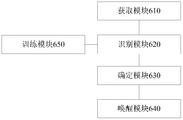
- FIG. 6 is a schematic structural diagram of a smart home appliance control apparatus according to an embodiment of the present invention.
- FIG. 7 is a schematic structural diagram of a smart home appliance control apparatus according to an embodiment of the present invention.
- FIG. 8 is a schematic structural diagram of a smart home appliance control apparatus according to another embodiment of the present invention.
- FIG. 9 is a flowchart of a voice control method of a home appliance according to an embodiment of the present invention.
- FIG. 10 is a flowchart of a voice control method of a home appliance according to an embodiment of the present invention.
- FIG. 11 is a diagram showing an example of a handover selection interface for a plurality of speech recognition engines, in accordance with one embodiment of the present invention.
- FIG. 12 is a flowchart of a voice control method of a home appliance according to another embodiment of the present invention.
- FIG. 13 is a schematic structural diagram of a voice control apparatus of a home appliance according to an embodiment of the present invention.
- FIG. 14 is a schematic structural diagram of a voice control apparatus of a home appliance according to an embodiment of the present invention.
- FIG. 15 is a schematic structural diagram of a voice control apparatus of a home appliance according to another embodiment of the present invention.
- FIG. 1 is a flow chart of a smart home appliance control method in accordance with one embodiment of the present invention.
- the smart home appliance control method includes:
- the voice recognition technology can be applied to the home appliance.
- the voice recognition module in the home appliance parses and converts the voice command input by the user into a corresponding command, and the home appliance completes the corresponding operation by executing the corresponding command. .
- a voice recognition chip is installed in the smart home appliance, and the voice recognition chip can identify the voice information input by the user.
- a user wants to turn on the heating function of the air conditioner because of the cold weather.
- you can enter a voice message to wake up the air conditioner.
- the air conditioner can be further controlled, such as a voice command to adjust the temperature or directly adjust the temperature using the remote controller.
- the user can speak in the direction of the air conditioner: “cool and beautiful”, the air conditioner can acquire the voice information input by the user through the voice recognition chip, the device, and the like.
- S102 Identify voice information based on a pre-trained speech recognition model, and the number of pre-trained speech recognition models is multiple.
- the acoustic features of the voice information may be extracted and sequentially input into a plurality of pre-trained voice recognition models, and the voice features are recognized by the voice recognition model to identify the voice information input by the user.
- the voice information results recognized by the respective voice recognition models may be judged to determine whether the recognition result is correct.
- the voice information is identified by using one of the language recognition models, the recognition result is obtained, and the recognition result is matched with the wake-up word corresponding to the language recognition model identifier. If the matching is successful, the wake-up corresponding to the voice recognition model is acquired. word. If the matching fails, indicating that the speech recognition model fails to correctly recognize the speech information input by the user, the next speech recognition model is used to identify the speech information, obtain the recognition result, and perform the recognition result with the wake-up word corresponding to the speech recognition model. match. If the matching is successful, the wake-up words corresponding to the speech recognition model are acquired. If the matching fails, the speech recognition information is continued to be recognized by the next speech recognition model until the recognition result of the speech recognition model matches the corresponding wake-up word successfully.
- the corresponding command is executed according to the wake-up word, so that the home appliance enters the waiting command mode from the sleep mode, that is, wakes up the home appliance.
- the speech recognition model may be trained before the speech information is recognized based on the pre-trained speech recognition model. As shown in FIG. 2, the steps may include:
- S105 Select a sample of the wake-up word that meets the preset condition.
- the selected wake-up word sample needs to meet certain preset conditions. If the wake-up word sample includes too few syllables or contains multi-tone words, the trained speech recognition model may not be correctly identified.
- the purpose of voice messages For example, the sample of the wake-up word is selected as "treasure", since the sample of the wake-up word consists of two Chinese characters and “Tibetan” is a multi-syllable word.
- the speech recognition model may recognize “zang” as “cang”.
- the speech recognition model cannot correctly recognize the speech information, and thus cannot use the wake-up word. Wake up the appliance.
- the wake-up word sample is a common language or a brand name, it may cause a false wake-up of the appliance. For example, if “Little Swan” is selected as the sample of wake-up words, when the word “Little Swan” appears in the advertisement of Little Swan on TV, it may cause the home appliance to be awakened by mistake.
- the preset condition for selecting the wake-up word sample may include the wake-up word sample including at least four syllables (corresponding to Chinese consisting of at least 4 Chinese characters), the wake-up word sample not including multi-tone words, The wake-up word sample is not a common word, the wake-up word sample does not contain a brand name, and the like.
- the speech recognition model is trained according to the selected wake-up word sample that meets the preset condition.
- the wake-up word sample may be input by voice multiple times or the wake-up word sample may be input multiple times with a small amount of noise to train the speech recognition model to make the model More accurate when recognizing speech.
- multiple wake-up word samples may be selected to train multiple speech recognition models, and each speech recognition model is independent of each other.
- the wake-up word engine provides eight wake-up words, and there is no intersection between the circles corresponding to each wake-up word, that is, independent of each other, so that the voice of the wake-up appliance is more diverse.
- the smart home appliance control method recognizes the voice information input by the user through a plurality of voice recognition models, and acquires a wake-up word corresponding to the voice recognition model that correctly recognizes the voice information, and wakes up the home appliance according to the wake-up word, thereby realizing the usable A more diverse wake-up word wakes up home appliances.
- each of the speech recognition models may have a switch control button corresponding thereto, that is, each wake-up word has a corresponding switch control button.
- the wake-up word corresponding to the switch control button can be turned on or off according to the received user's operation.
- a user downloads an application corresponding to a wake-up function of a certain home appliance on the mobile phone, and within the wake-up word selection item of the mobile phone, as shown in FIG. 4, there are 8 wake-up words for the user to select, and the user can pass the wake-up word 1 (shown as 41 in the figure)
- the corresponding switch control button (shown as 42 in Figure 4) turns on the wake-up word 1 (shown as 41 in the figure), and similarly, other wake-up words can be turned on or off.
- the wake-up word 1 (shown as 41 in the figure), the wake-up word 2 (shown as 43 in the figure), the wake-up word 5 (shown as 44 in the figure), and the wake-up word 6 (shown as 45 in the figure) are turned off.
- the wake-up word 3 (shown as 46 in the figure), the wake-up word 4 (shown as 47 in the figure), the wake-up word 7 (shown as 48 in the figure), and the wake-up word 8 (shown as 49 in the figure).
- multiple wake-up words can be selected through the switch control button, and one wake-up word can be selected from multiple wake-up words, thereby enriching the user's choice and more in line with the user's individual needs.
- the intelligent home appliance control method proposed by the present invention will be described in detail below by taking a smart air conditioner as an example.
- FIG. 5 is a flow chart of a smart air conditioner control method according to an embodiment of the present invention.
- the steps of the smart air conditioner control method are:
- S501 Select a sample of the wake-up word that meets the preset condition.
- a word including at least four syllables, no multi-syllable words, no common words, and no pre-existing conditions including a brand name may be selected as the wake-up word sample. For example, select “cool little beauty”, “small beauty, start work” and so on as a sample of wake words.
- the training is performed according to the selected wake-up word samples, thereby obtaining a plurality of speech recognition models, and each speech recognition model has its corresponding wake-up words, and each speech recognition model is independent of each other.
- the user downloads an application corresponding to the wake-up function of the air conditioner to the mobile phone, opens the application "wake up word selection” item through the mobile phone, and selects to open the wake-up words “Xiaomei, start work” and “cool cool beauty” and Close other wake-up words, that is, turn on the speech recognition model corresponding to the selected wake-up word, and close other speech recognition models.
- the user wants to turn on the cooling function of the air conditioner.
- the user can first enter a voice message to wake up the air conditioner. Specifically, the user can speak “cool and beautiful” in the direction of the air conditioner, and the air conditioner can obtain the voice information “cool and beautiful” input by the user through the voice recognition chip, the device, and the like.
- the voice input model corresponding to the wake-up word “Xiaomei, start work” and the wake-up word “cool little beauty” are respectively used to identify the voice input by the user.
- the message is "cool and beautiful.”
- the voice recognition model with the wake-up word “Xiaomei, start” fails to correctly recognize the voice information, and the voice recognition corresponding to the wake-up word “cool little beauty”
- the corresponding command is executed according to the wake-up word "cool little beauty", so that the air conditioner enters the state of waiting for instruction from the sleep state, that is, wakes up the air conditioner.
- the user can adjust the temperature by voice command or directly adjust the temperature using the remote control.
- FIG. 6 is a schematic structural diagram of a smart home appliance control apparatus according to an embodiment of the present invention.
- the smart home appliance control device may include: an acquisition module 610, an identification module 620, a determination module 630, and a wakeup module 640.
- the obtaining module 610 is configured to obtain voice information input by the user.
- the identification module 620 is configured to identify the voice information based on the pre-trained voice recognition model, and the number of the pre-trained voice recognition models is multiple.
- the determining module 630 is configured to determine a speech recognition model that correctly recognizes the speech information, and acquire an awakening word corresponding to the speech recognition model that correctly recognizes the speech information.
- the wake-up module 640 is configured to wake up the smart home appliance according to the wake-up word.
- the smart home appliance control apparatus may further include a training module 650.
- the training module 650 is configured to train the speech recognition models before recognizing the speech information based on the pre-trained speech recognition model, each speech recognition model having a wake-up word corresponding thereto, and being independent of each other.
- the training module 650 is configured to select a wake-up word sample that meets a preset condition, and train the voice recognition model according to the wake-up word sample.
- the preset condition includes one or more of the following situations: the wake-up word sample includes at least four syllables, the wake-up word sample does not include multi-syllable words, the wake-up word sample is not a common word, and the wake-up word sample does not include a brand name, etc. Wait.
- the smart home appliance control apparatus may further include a control module 660.
- the control module 660 is configured to receive an operation of the switch control button by the user, and turn on or off the wake-up word corresponding to the switch control button according to the operation.
- the smart home appliance control device of the embodiment of the present invention recognizes the voice information input by the user through a plurality of voice recognition models, and acquires a wake-up word corresponding to the voice recognition model that correctly recognizes the voice information, and wakes up the home appliance according to the wake-up word. In order to achieve the use of more diverse wake-up words to wake up appliances.
- the present invention also provides a voice control method for a home appliance.
- FIG. 9 is a flow chart of a voice control method of a home appliance according to an embodiment of the present invention.
- the voice control method of the home appliance according to the embodiment of the present invention may be applied to the voice control device of the home appliance according to the embodiment of the present invention, wherein, as an example, the voice control device may be configured in a home appliance, that is, The home appliance has a voice recognition function, and the purpose of controlling the home appliance by voice can be realized by the voice recognition function; as another example, the voice control device can also be configured on the mobile terminal, and the mobile terminal can provide an adaptation to the home appliance.
- An application through which the home appliance can be controlled wherein the application has a voice recognition function, can receive and recognize the voice of the user, and generate a corresponding control command by the recognized voice, by using the control command
- the household appliances are controlled accordingly.
- the voice control method of the home appliance may include:
- the above multiple speech recognition engines work independently of each other without mutual interference, that is, each speech recognition.
- the engine can independently complete the recognition of the voice, and can independently complete the training and optimization of the voice recognition model in the engine.
- different speech recognition engines correspond to different language categories, that is, each speech recognition engine is obtained by training in advance through the corpus of the respective language category.
- the language category may include, but is not limited to, Mandarin, English, Cantonese, Sichuan dialect, Minnan dialect, etc., wherein the dialect category is not limited to the above-mentioned Cantonese, Sichuan dialect, and Minnan dialect. Other types of dialects may also be included, and are not specifically limited herein.
- the user may be provided with an input device of a user instruction, and the user may input a user instruction through the input device, and after receiving the user instruction, select a target voice corresponding to the user instruction from the plurality of voice recognition engines. Identify the engine.
- the manner of acquiring the user instruction may be different: for example, it is assumed that the voice control method of the home appliance according to the embodiment of the present invention is applied.
- the mobile terminal that is, the voice control of the home appliance is implemented by the application in the mobile terminal.
- the voice recognition function can be set in the mobile terminal, and the voice command input by the user can be obtained by the mobile terminal, and the voice is obtained.
- the instruction is used as the above-mentioned user instruction; for example, if the voice control method of the home appliance according to the embodiment of the present invention is applied to a home appliance, that is, the home appliance has a voice recognition function, the remote controller of the home appliance may be used, or the home appliance may be
- the function keys and the like are used to obtain the above user instructions. For the specific implementation process, refer to the description of the subsequent embodiments.
- the speech control of the home appliance can be implemented by the target speech recognition engine.
- the Cantonese speech recognition engine can be selected from a plurality of speech recognition engines according to the user instruction, so that when the user inputs the Cantonese speech, the user can pass the Cantonese speech recognition engine to the user.
- the input Cantonese speech is recognized, and a corresponding control instruction is generated according to the recognition result.
- the home appliance is controlled to perform a corresponding operation according to the control instruction.
- the target voice recognition engine is selected from a plurality of voice recognition engines that are pre-trained according to a user instruction, and voice control is performed on the home appliance according to the target voice recognition engine. That is, a target speech recognition engine capable of recognizing a user's own common or idiom language is selected from a plurality of pre-trained speech recognition engines according to user requirements, and the user-entered speech is recognized by the target speech recognition engine to implement the voice of the home appliance.
- the control enables the home appliance to support the voice control of different dialects, further expands the user group using the voice control of the home appliance, improves the stickiness between the home appliance and the user, and improves the user experience.
- FIG. 10 is a flowchart of a voice control method of a home appliance according to an embodiment of the present invention.
- the voice control method of the home appliance according to the embodiment of the present invention is applied to the home appliance as an example, that is, the home appliance itself has a voice recognition function.
- the user input can be obtained by using a remote controller or a button of the home appliance.
- the voice control method of the home appliance may include:
- the user instruction can be obtained in various manners, for example, the user instruction can be obtained through the remote controller, or the user instruction can be obtained through the button of the home appliance itself.
- the specific implementation process refer to the example given below. :
- the first operation of the user for the remote controller is acquired by the remote controller corresponding to the home appliance, and the user instruction is generated according to the first operation, wherein the first operation may be an operation such as selecting a click. That is to say, the user can select a target speech recognition engine that meets the user's needs through the buttons in the remote controller.
- a home device has a button device for selecting a language recognition category, wherein a second operation of the user for the button device is acquired, and a user command is generated according to the second operation, wherein the second operation may be a selection click, etc.
- the button device may be a physical physical button, or may be a virtual touch button or the like. That is to say, the user can select a target speech recognition engine that satisfies the user's needs through the button device of the home appliance.
- a touch device having a language recognition category switching function in a mobile terminal adapted to a home appliance wherein a third operation for a language recognition category input by a user through the touch device is acquired, and according to the third operation Generate user instructions.
- the voice recognition function for the home appliance is set in the mobile terminal, and the voice can be input by the mobile terminal to control the home appliance to perform corresponding operations, and the touch device provided by the user through the mobile terminal To select the target speech recognition engine that meets the user's needs.
- an application for controlling a home appliance may be installed in the mobile terminal, wherein the application has a voice recognition function, and the user can control the home appliance by inputting a voice, in order to satisfy as much as possible.
- the application can provide multiple speech recognition engines that work independently, such as Mandarin, English, Sichuan dialect, Minnan dialect, dialect 1, dialect II, etc., and can be used in various dialects.
- the voice recognition engine selects a setting interface, and the user can select a target voice recognition engine that meets the user's needs through the selection setting interface.
- S1020 Select a target speech recognition engine from a plurality of pre-trained speech recognition engines according to user instructions, wherein the plurality of speech recognition engines are independent of each other.
- S1030 Perform voice control on the home appliance according to the target voice recognition engine.
- the target speech recognition engine may be broadcasted while selecting the target speech recognition engine from a plurality of pre-trained speech recognition engines according to user instructions.
- the corresponding language type That is to say, in the process of selecting a target speech recognition engine from a plurality of speech recognition engines, the currently selected language type can be broadcasted through a playback device such as a speaker. Thereby, it is ensured that the user can know the currently selected language type in the scene without screen interaction.
- a voice control method of a home appliance by a remote controller of a home appliance, or a household appliance Obtaining a user instruction input by the user by means of a button of the device itself or an option of a mobile terminal application adapted to the home appliance, and selecting a target speech recognition engine from the plurality of speech recognition engines according to the user instruction, and finally, according to the The target speech recognition engine performs voice control on the home appliance, that is, the switching of the speech recognition engine of different dialect types is realized by using other hardware, so that the switching mode is more convenient.
- a wake-up word recognition engine including a plurality of different dialect pronunciation sets may be pre-trained, such that the wake-up word is adopted.
- the recognition engine is configured to enable the user to switch the voice recognition engine of different dialect types by voice.
- the user instruction input by the user is a voice instruction input by the user.
- the voice control method of the home appliance may include:
- S1210 Receive a voice instruction input by a user.
- the voice instruction is the voice information input by the user.
- S1220 Identify a voice instruction and a language category, and determine a corresponding target language category according to the matching degree.
- the voice instruction may be identified, the text content corresponding to the voice instruction is obtained, and it is determined whether the text content includes a preset wake-up word, and if so, the feature in the voice command is extracted, and the voice is compared according to the feature.
- the instruction performs matching of the language category, and the voice category with the highest matching degree is used as the target language category.
- the specific implementation process of identifying the voice command and matching the language category may be as follows: the voice command is identified and the language category is matched according to the pre-trained wake-up word recognition engine.
- a wake-up word recognition engine including a plurality of different dialect pronunciation sets may be pre-trained, and the wake-up word recognition engine may include a wake-up speech recognition model of multiple language pronunciations, so that in practical applications, the user is received.
- the voice command When the voice command is input, the voice command can be recognized and the language category can be matched by the wake-up speech recognition model of the multi-lingual pronunciation.
- the wake-up word can be "language switching" or the like.
- S1230 Switch the currently used speech recognition engine to a target speech recognition engine corresponding to the target language category.
- the target speech recognition engine corresponding to the target language category may be selected from the plurality of speech recognition engines, and the currently used speech recognition engine may be switched to the target speech recognition engine.
- the user can switch the engine to automatically recognize the language type by using different dialects to speak the wake-up words, and jump to the corresponding speech recognition engine.
- S1240 Perform voice control on the home appliance according to the target voice recognition engine.
- the user can switch the engine to automatically recognize the language type by using different dialects to speak the wake-up words, and jump to the corresponding voice recognition engine to subsequently pass the target voice recognition engine.
- an embodiment of the present invention further provides a voice control device for a home appliance, which is provided by the voice control device of the home appliance provided by the embodiment of the present invention.
- the voice control method of the home appliance provided by the embodiments is corresponding to the voice control method of the home appliance.
- the voice control device of the home appliance is also applicable to the voice control device of the home appliance provided in this embodiment. description.
- FIG. 13 is a schematic structural diagram of a voice control apparatus of a home appliance according to an embodiment of the present invention. As shown in FIG. 13, the voice control device of the home appliance may include: a selection module 1310 and a voice control module 1320.
- the selecting module 1310 is configured to select a target speech recognition engine from a plurality of pre-trained speech recognition engines according to user instructions, wherein the plurality of speech recognition engines are independent of each other.
- the voice control module 1320 can be configured to perform voice control on the home appliance according to the target voice recognition engine.
- the voice control device of the home appliance may select a target voice recognition engine from a plurality of voice recognition engines that are pre-trained according to a user instruction, and the voice control module performs voice on the home appliance according to the target voice recognition engine.
- control a target speech recognition engine capable of recognizing a user's own common or idiom language is selected from a plurality of pre-trained speech recognition engines according to user requirements, and the user-entered speech is recognized by the target speech recognition engine to implement the voice of the home appliance.
- the control enables the home appliance to support the voice control of different dialects, further expands the user group using the voice control of the home appliance, improves the stickiness between the home appliance and the user, and improves the user experience.
- the voice control device of the home appliance is applied to a home appliance as an example, that is, the home appliance itself has a voice recognition function, and at this time, it can be obtained by using a remote controller or a button of the home appliance.
- User instructions entered by the user may further include: an obtaining module 1330, configured to acquire a user instruction.
- the obtaining module 1330 is specifically configured to: acquire a first operation of the user for the remote controller by using a remote controller corresponding to the home appliance, and generate a user instruction according to the first operation; or, in the household appliance a button device having a selected language recognition category, wherein a second operation of the user for the button device is acquired, and a user instruction is generated according to the second operation; or a touch with a language recognition category switching function in the mobile terminal adapted to the home appliance The device, wherein the third operation for the language recognition category input by the user through the touch device is acquired, and the user instruction is generated according to the third operation.
- the switching mode is more convenient by implementing switching of the speech recognition engines of different dialect types by means of other hardware.
- a wake-up word recognition engine including a plurality of different dialect pronunciation sets may be pre-trained, such that the wake-up word is adopted.
- the recognition engine is configured to enable the user to switch the voice recognition engine of different dialect types by voice.
- the user instruction input by the user is a voice instruction input by the user.
- the selection module 1310 may include a receiving unit 1311, an identification matching unit 1312, a determining unit 1313, and a selecting unit 1314, as shown in FIG.
- the receiving unit 1311 is configured to receive a voice instruction input by the user.
- the identification matching unit 1312 is for identifying the voice instruction and matching the language category.
- the determining unit 1313 is configured to determine a corresponding target language category according to the matching degree.
- the selecting unit 1314 is configured to switch the currently used speech recognition engine to the target speech recognition engine corresponding to the target language category.
- the text content in the voice instruction may be a preset wake-up word.
- the identification matching unit 1312 can identify the voice instruction and the language category according to the pre-trained wake-up word recognition engine, wherein the wake-up word recognition engine includes a wake-up speech recognition model of multiple language pronunciations.
- an embodiment of the present invention further provides a non-volatile computer storage medium, where the computer storage medium stores one or more programs, when the one or more programs are executed by one device, The device performs the smart home appliance control method proposed by the above embodiment.
- an embodiment of the present invention further provides a non-volatile computer storage medium, where the computer storage medium stores one or more programs, when the one or more programs are executed by one device,
- the apparatus performs a voice control method of the home appliance proposed in the above embodiment.
Landscapes
- Engineering & Computer Science (AREA)
- Computational Linguistics (AREA)
- Health & Medical Sciences (AREA)
- Audiology, Speech & Language Pathology (AREA)
- Human Computer Interaction (AREA)
- Physics & Mathematics (AREA)
- Acoustics & Sound (AREA)
- Multimedia (AREA)
- Selective Calling Equipment (AREA)
Abstract
一种智能家电控制方法和装置,该方法包括以下步骤:获取用户输入的语音信息(S101);基于预先训练的语音识别模型识别语音信息,预先训练的语音识别模型为多个(S102);确定正确识别语音信息的语音识别模型,并获取与正确识别语音信息的语音识别模型对应的唤醒词(S103);根据唤醒词唤醒智能家电(S104)。
Description
相关申请的交叉引用
本申请要求广东美的制冷设备有限公司于2017年2月28日提交的、发明名称为“智能家电控制方法和装置”的、中国专利申请号“201710110645.4”和2017年3月8日、发明名称为“家用电器的语音控制方法以及装置”的、中国专利申请号“201710134617.6”的优先权。
本发明涉及家用电器技术领域,尤其涉及一种智能家电控制方法和装置。
随着科技的不断进步,各种智能技术逐渐被用于家用电器上,以提高家电的智能化。例如,将语音识别技术应用于家电,当用户输入语音唤醒词时,可通过唤醒词唤醒家电。
目前,用于唤醒家电的唤醒词,通常是由厂商定义的,如叮咚音箱的唤醒词为“叮咚叮咚”。叮咚音箱在接收到“叮咚叮咚”的声音时,可将叮咚音箱从休眠状态中唤醒。但是,由于使用的唤醒词比较单一,用户有时并不想使用这一唤醒词,因此,无法满足用户对唤醒词多样化的需求,使用户体验变差。
另外,国内大多数的语音识别产品,只能支持单一标准普通话,尽管部分引擎通过引入口音训练,也仅仅只能支持“略带方言的普通话”,而对于纯方言来说,基本没有得到很好的支持,这样对于不会或不善于说普通话的用户来说,很难实现通过语音来控制家用电器的功能,用户体验变差。
发明内容
本发明旨在至少在一定程度上解决相关技术中的技术问题之一。
为此,本发明的第一个目的在于提出一种智能家电控制方法,该方法通过多个语音识别模型识别用户输入的语音信息,并获取与正确识别语音信息的语音识别模型对应的唤醒词,根据该唤醒词唤醒家电,从而实现可使用更加多样化的唤醒词唤醒家电。
本发明的第二个目的在于提出一种智能家电控制装置。
本发明的第三个目的在于提出一种家用电器的语音控制方法。
本发明的第四个目的在于提出一种家用电器的语音控制装置。
本发明的第五个目的在于提出一种非易失性计算机存储介质。
本发明的第六个目的在于提出另一种非易失性计算机存储介质。
为了实现上述目的,本发明第一方面实施例提出了一种智能家电控制方法,包括:获取用户输入的语音信息;基于预先训练的语音识别模型识别语音信息,预先训练的语音识别模型为多个;确定正确识别语音信息的语音识别模型,并获取与正确识别语音信息的语音识别模型对应的唤醒词;根据唤醒词唤醒智能家电。
本发明实施例的智能家电控制方法,通过多个语音识别模型识别用户输入的语音信息,并获取与正确识别语音信息的语音识别模型对应的唤醒词,根据该唤醒词唤醒家电,从而实现可使用更加多样化的唤醒词唤醒家电。
根据本发明的一个实施例,在基于预先训练的语音识别模型识别所述语音信息之前,还包括:训练所述语音识别模型,每个语音识别模型分别具有与其对应的唤醒词,且相互独立。
根据本发明的一个实施例,训练所述语音识别模型,包括:选取符合预设条件的唤醒词样本,根据所述唤醒词样本训练所述语音识别模型。
根据本发明的一个实施例,所述预设条件包括以下情形中的一种或多种:所述唤醒词样本至少包括四个音节、所述唤醒词样本不包含有多音字、所述唤醒词样本不为常用词语、所述唤醒词样本不包含品牌名称。
根据本发明的一个实施例,每个语音识别模型分别具有与其对应的开关控制按钮,所述方法还包括:接收所述用户对开关控制按钮的操作,并根据所述操作开启或关闭与所述开关控制按钮对应的唤醒词。
为达上述目的,本发明第二方面实施例提出了一种智能家电控制装置。包括:获取模块,用于获取用户输入的语音信息;识别模块,用于基于预先训练的语音识别模型识别语音信息,预先训练的语音识别模型为多个;确定模块,用于确定正确识别语音信息的语音识别模型,并获取与正确识别语音信息的语音识别模型对应的唤醒词;唤醒模块,用于根据唤醒词唤醒智能家电。
本发明实施例的智能家电控制装置,通过多个语音识别模型识别用户输入的语音信息,并获取与正确识别语音信息的语音识别模型对应的唤醒词,根据该唤醒词唤醒家电,从而实现可使用更加多样化的唤醒词唤醒家电。
根据本发明的一个实施例,所述装置还包括:训练模块,用于在基于预先训练的语音识别模型识别所述语音信息之前,训练所述语音识别模型,每个语音识别模型分别具有与其对应的唤醒词,且相互独立。
根据本发明的一个实施例,所述训练模块,用于:选取符合预设条件的唤醒词样本,根据所述唤醒词样本训练所述语音识别模型。
根据本发明的一个实施例,所述预设条件包括以下情形中的一种或多种:所述唤醒词样本至少包括四个音节、所述唤醒词样本不包含有多音字、所述唤醒词样本不为常用词语、所述唤醒词样本不包含品牌名称。
根据本发明的一个实施例,每个语音识别模型分别具有与其对应的开关控制按钮,所述装置还包括:控制模块,用于接收所述用户对开关控制按钮的操作,并根据所述操作开启或关闭与所述开关控制按钮对应的唤醒词。
为达上述目的,本发明第三方面实施例提出的一种家用电器的语音控制方法,包括:根据用户指令,从预先训练的多个语音识别引擎中选取目标语音识别引擎,其中,所述多个语音识别引擎之间相互独立;根据所述目标语音识别引擎对所述家用电器进行语音控制。
根据本发明实施例的家用电器的语音控制方法,根据用户指令从预先训练的多个语音识别引擎中选取目标语音识别引擎,并根据该目标语音识别引擎对家用电器进行语音控制。即根据用户需求从预先训练的多个语音识别引擎中来选择出能够识别用户自身常用或惯用语言的目标语音识别引擎,并通过该目标语音识别引擎识别用户输入的语音,以实现家用电器的语音控制,使得家用电器支持不同方言的语音控制,更进一步地扩大了使用家用电器语音控制的用户群体,提高了家用电器与用户之间的粘性,提升了用户的使用体验。
根据本发明的一个实施例,通过以下步骤获取所述用户指令:通过所述家用电器对应的遥控器,获取用户针对所述遥控器的第一操作,并根据所述第一操作生成所述用户指令;或者,所述家用电器中具有选择语言识别类别的按键装置,其中,获取用户针对所述按键装置的第二操作,并根据所述第二操作生成所述用户指令;或者,与所述家用电器适配的移动终端中具有语言识别类别切换功能的触控装置,其中,获取用户通过所述触控装置输入的针对所述语言识别类别的第三操作,并根据所述第三操作生成所述用户指令。
根据本发明的一个实施例,所述用户指令为用户输入的语音指令。
根据本发明的一个实施例,所述根据用户指令,从预先训练的多个语音识别引擎中选取目标语音识别引擎,包括:接收用户输入的语音指令;对所述语音指令进行识别和语言类别的匹配,并根据匹配度确定对应的目标语言类别;将当前使用的语音识别引擎切换至与所述目标语言类别对应的所述目标语音识别引擎。
根据本发明的一个实施例,所述语音指令中的文本内容包含预设的唤醒词,其中,所述对所述语音指令进行识别和语言类别的匹配,包括:根据预先训练的唤醒词识别引擎对所述语音指令进行识别和语言类别的匹配,其中,所述唤醒词识别引擎包含多种语言发音的唤醒词语音识别模型。
为达到上述目的,本发明第四方面实施例提出的家用电器的语音控制装置,包括:选取模块,用于根据用户指令,从预先训练的多个语音识别引擎中选取目标语音识别引擎,其中,所述多个语音识别引擎之间相互独立;语音控制模块,用于根据所述目标语音识别引擎对所述家用电器进行语音控制。
根据本发明实施例的家用电器的语音控制装置,可通过选取模块根据用户指令从预先训练的多个语音识别引擎中选取目标语音识别引擎,语音控制模块根据该目标语音识别引擎对家用电器进行语音控制。即根据用户需求从预先训练的多个语音识别引擎中来选择出能够识别用户自身常用或惯用语言的目标语音识别引擎,并通过该目标语音识别引擎识别用户输入的语音,以实现家用电器的语音控制,使得家用电器支持不同方言的语音控制,更进一步地扩大了使用家用电器语音控制的用户群体,提高了家用电器与用户之间的粘性,提升了用户的使用体验。
根据本发明的一个实施例,所述装置还包括:获取模块,用于获取所述用户指令;其中,所述获取模块具体用于:通过所述家用电器对应的遥控器,获取用户针对所述遥控器的第一操作,并根据所述第一操作生成所述用户指令;或者,所述家用电器中具有选择语言识别类别的按键装置,其中,获取用户针对所述按键装置的第二操作,并根据所述第二操作生成所述用户指令;或者,与所述家用电器适配的移动终端中具有语言识别类别切换功能的触控装置,其中,获取用户通过所述触控装置输入的针对所述语言识别类别的第三操作,并根据所述第三操作生成所述用户指令。
根据本发明的一个实施例,所述用户指令为用户输入的语音指令。
根据本发明的一个实施例,所述选取模块包括:接收单元,用于接收用户输入的语音指令;识别匹配单元,用于对所述语音指令进行识别和语言类别的匹配;确定单元,用于根据匹配度确定对应的目标语言类别;选取单元,用于将当前使用的语音识别引擎切换至与所述目标语言类别对应的所述目标语音识别引擎。
根据本发明的一个实施例,所述语音指令中的文本内容包含预设的唤醒词,其中,所述识别匹配单元具体用于:根据预先训练的唤醒词识别引擎对所述语音指令进行识别和语言类别的匹配,其中,所述唤醒词识别引擎包含多种语言发音的唤醒词语音识别模型。
为达上述目的,本发明第五方面实施例提出了一种非易失性计算机存储介质,所述计算机存储介质存储有一个或者多个程序,当所述一个或者多个程序被一个设备执行时,使得所述设备执行本发明第一方面实施例提出的智能家电控制方法。
为达上述目的,本发明第六方面实施例提出了另一种非易失性计算机存储介质,所述计算机存储介质存储有一个或者多个程序,当所述一个或者多个程序被一个设备执行时,使得所述设备执行本发明第三方面实施例提出的家用电器的语音控制方法。
为了更清楚地说明本发明实施例中的技术方案,下面将对实施例中所需要使用的附图作简单地介绍,显而易见地,下面描述中的附图是本发明的一些实施例,对于本领域普通技术人员来讲,在不付出创造性劳动的前提下,还可以根据这些附图获得其他的附图。
图1是根据本发明一个实施例的智能家电控制方法的流程图;
图2是根据本发明一个具体实施例的智能家电控制方法的流程图;
图3是根据本发明一个实施例的每个语音识别模型相互独立的效果示意图;
图4是根据本发明一个实施例的通过开关控制按钮选择唤醒词的效果示意图;
图5是根据本发明一个实施例的智能空调控制方法的流程图;
图6是根据本发明一个实施例的智能家电控制装置的结构示意图;
图7是根据本发明一个具体实施例的智能家电控制装置的结构示意图;
图8是根据本发明另一个具体实施例的智能家电控制装置的结构示意图;
图9是根据本发明一个实施例的家用电器的语音控制方法的流程图;
图10是根据本发明一个具体实施例的家用电器的语音控制方法的流程图;
图11是根据本发明一个实施例的针对多个语音识别引擎的切换选择界面示例图;
图12是根据本发明另一个具体实施例的家用电器的语音控制方法的流程图;
图13是根据本发明一个实施例的家用电器的语音控制装置的结构示意图;
图14是根据本发明一个具体实施例的家用电器的语音控制装置的结构示意图;
图15是根据本发明另一个具体实施例的家用电器的语音控制装置的结构示意图。
下面详细描述本发明的实施例,所述实施例的示例在附图中示出,其中自始至终相同或类似的标号表示相同或类似的元件或具有相同或类似功能的元件。下面通过参考附图描述的实施例是示例性的,旨在用于解释本发明,而不能理解为对本发明的限制。
下面参考附图描述本发明实施例的智能家电控制方法和装置。
图1是根据本发明一个实施例的智能家电控制方法的流程图。
如图1所示,该智能家电控制方法包括:
S101,获取用户输入的语音信息。
目前,各种智能技术逐渐被用于家用电器上,以提高家电的智能化。例如,可将语音识别技术应用于家电上,当用户输入语音指令时,家电中的语音识别模块对用户输入的语音指令进行解析并转化为相应的命令,家电通过执行相应的命令完成相应的操作。
在本发明的一个实施例中,智能家电中安装了语音识别芯片,语音识别芯片可对用户输入的语音信息进行识别。
例如,某用户由于天气冷,想开启空调的加热功能。此时,可先输入一语音信息,以唤醒空调。在唤醒空调后,方可对空调进行进一步的控制,如语音指令调节温度或直接使用遥控器调节温度。具体地,用户可朝空调方向说话:“炫酷小美”,空调可通过语音识别芯片、装置等来获取用户输入的语音信息。
S102,基于预先训练的语音识别模型识别语音信息,预先训练的语音识别模型为多个。
在获取用户输入的语音信息后,可提取语音信息的声学特征,并依次输入到多个预先训练的语音识别模型中,通过语音识别模型识别声学特征,以识别用户输入的语音信息。
S103,确定正确识别语音信息的语音识别模型,并获取与正确识别语音信息的语音识别模型对应的唤醒词。
在接收的语音信息依次经过多个预先训练的语言识别模型识别后,可对各个语音识别模型识别出的语音信息结果进行判断,以确定识别结果是否正确。
具体地,利用其中一个语言识别模型对语音信息进行识别,获取识别结果,并将识别结果与该语言识别模型识对应的唤醒词进行匹配,如果匹配成功,则获取与该语音识别模型对应的唤醒词。如果匹配失败,表明该语音识别模型未能正确识别用户输入的语音信息,则利用下一个语言识别模型对语音信息进行识别,获取识别结果,并将识别结果与该语音识别模型对应的唤醒词进行匹配。如果匹配成功,则获取该语音识别模型对应的唤醒词。如果匹配失败,则继续利用下一个语音识别模型对语音信息进行识别,直到有语音识别模型的识别结果与其对应的唤醒词匹配成功为止。
S104,根据唤醒词唤醒智能家电。
在获取唤醒词后,根据唤醒词执行相应的命令,使家电从睡眠模式进入等待指令模式,即唤醒家电。
此外,用户在输入语音信息时,可能受到周围环境的影响使得输入的语音信息中带有噪声,或者用户输入语音信息时带有一定的口音,又或者用户输入语音信息时吐字不清晰等等,这些因素可能会影响语音识别模型的识别结果,进而影响对正确唤醒词的获取。因此,为了提高语音识别模型识别结果的准确率,可在基于预先训练的语音识别模型识别所语音信息之前,先训练语音识别模型,如图2所示,步骤可包括:
S105,选取符合预设条件的唤醒词样本。
在本发明的一个实施例中,选取的唤醒词样本需要符合一定的预设条件,如果唤醒词样本包括的音节太少或者包含多音字等可能会导致训练出的语音识别模型达不到正确识别语音信息的目的。例如,选取唤醒词样本为“宝藏”,由于该唤醒词样本由两个汉字组成且
“藏”为多音字,训练语音识别模型时语音识别模型可能会将“zang”识别成“cang”,当用户说出“宝藏”时语音识别模型不能正确识别语音信息,进而不能用该唤醒词唤醒家电。
另外,如果唤醒词样本为常用语或者某品牌的名字,可能会导致误唤醒家电。例如,如果选用“小天鹅”作为唤醒词样本,当电视播放的小天鹅广告中出现“小天鹅”三个字时,可能会导致家电被误唤醒。
因此,在本发明的一个实施例中,选择取唤醒词样本的预设条件可包括唤醒词样本至少包括四个音节(对应中文至少由4个汉字组成)、唤醒词样本不包含有多音字、唤醒词样本不为常用词语、唤醒词样本不包含品牌名称等等。
S106,根据唤醒词样本训练语音识别模型。
根据选取的符合预设条件的唤醒词样本训练语音识别模型,例如,可以多次语音输入唤醒词样本或者在有少量噪音的情况下多次语音输入唤醒词样本,以训练语音识别模型,使得模型在识别语音时更加准确。
为了增加多样性,可选取多个唤醒词样本分别训练多个语音识别模型,每个语音识别模型之间是相互独立的。
如图3所示,唤醒词引擎提供了8个唤醒词,且各个唤醒词对应的圆形之间没有交集,即相互独立,使得唤醒家电的语音更加多样化。
本发明实施例的智能家电控制方法,通过多个语音识别模型识别用户输入的语音信息,并获取与正确识别语音信息的语音识别模型对应的唤醒词,根据该唤醒词唤醒家电,从而实现可使用更加多样化的唤醒词唤醒家电。
此外,在本发明的一个实施例中,每个语音识别模型可分别具有与其对应的开关控制按钮,也就是说,每个唤醒词具有对应的开关控制按钮。当用户对开关控制按钮进行操作时,可根据接收的用户的操作开启或者关闭开关控制按钮对应的唤醒词。
例如,某用户在手机上下载了与某家电唤醒功能对应的应用程序,在手机唤醒词选择项内,如图4所示,有8个唤醒词可供用户选择,用户可通过与唤醒词1(图中41所示)对应的开关控制按钮(图4中42所示),开启唤醒词1(图中41所示),同样的也可开启或者关闭其他唤醒词。图4中开启了唤醒词1(图中41所示)、唤醒词2(图中43所示)、唤醒词5(图中44所示)和唤醒词6(图中45所示),关闭了唤醒词3(图中46所示)、唤醒词4(图中47所示)、唤醒词7(图中48所示)和唤醒词8(图中49所示)。
因此,通过开关控制按钮可以选择多个唤醒词,也可从多个唤醒词中选择一个唤醒词,从而丰富了用户的选择,更加符合用户个性需求。
下面以智能空调为例详细说明本发明提出的智能家电控制方法。
图5是根据本发明一个实施例的智能空调控制方法的流程图。
如图5所示,该智能空调控制方法的步骤为:
S501,选取符合预设条件的唤醒词样本。
具体而言,可选取至少包括四个音节、不包含有多音字、不为常用词语、不包含品牌名称等预设条件的词语作为唤醒词样本。例如,选取“炫酷小美”、“小美,开工”等等作为唤醒词样本。
S502,根据唤醒词样本训练语音识别模型。
根据选取的唤醒词样本分别进行训练,从而得到多个语音识别模型,且每个语音识别模型分别具有与其对应的唤醒词,且各个语音识别模型相互独立。
S503,选择唤醒词“小美,开工”和“炫酷小美”。
具体而言,用户将与空调唤醒功能对应的应用程序下载到手机上,通过手机打开该应用程序“唤醒词选择”项,选择开启唤醒词“小美,开工”和“炫酷小美”并关闭其他唤醒词,也就是说,开启与选择的唤醒词对应的语音识别模型,关闭其他语音识别模型。
S504,用户输入语音信息“炫酷小美”。
由于天气热,用户想开启空调的降温功能。此时,用户可先输入一语音信息,以唤醒空调。具体地,用户可朝空调方向说话“炫酷小美”,空调可通过语音识别芯片、装置等获取用户输入的语音信息“炫酷小美”。
S505,基于预先训练的语音识别模型识别语音信息。
具体地,在接收用户输入的语音信息“炫酷小美”后,分别用与唤醒词“小美,开工”和与唤醒词“炫酷小美”对应的语音识别模型,识别用户输入的语音信息“炫酷小美”。
S506,获取与正确识别语音信息的语音识别模型对应的唤醒词。
具体地,通过两个语音识别模型识别用户输入的语音信息后,与唤醒词“小美,开工”的语音识别模型未能正确识别语音信息,与唤醒词“炫酷小美”对应的语音识别模型正确识别出语音信息,并获取唤醒词“炫酷小美”。
S507,根据唤醒词“炫酷小美”唤醒空调。
在获取唤醒词后,根据唤醒词“炫酷小美”执行相应的命令,使空调由睡眠状态进入等待指令的状态,即唤醒空调。在唤醒空调后,用户可通过语音指令调节温度或者直接使用遥控器调节温度。
下面结合图6对本发明实施例提出的智能家电控制装置进行描述。图6是根据本发明一个实施例的智能家电控制装置的结构示意图。
如图6所示,该智能家电控制装置可包括:获取模块610、识别模块620、确定模块630、唤醒模块640。
获取模块610用于获取用户输入的语音信息。
识别模块620用于基于预先训练的语音识别模型识别语音信息,预先训练的语音识别模型为多个。
确定模块630用于确定正确识别语音信息的语音识别模型,并获取与正确识别语音信息的语音识别模型对应的唤醒词。
唤醒模块640用于根据唤醒词唤醒智能家电。
此外,如图7所示,在图6的基础上,该智能家电控制装置还可包括训练模块650。
训练模块650用于在基于预先训练的语音识别模型识别语音信息之前,训练语音识别模型,每个语音识别模型分别具有与其对应的唤醒词,且相互独立。
具体地,训练模块650用于选取符合预设条件的唤醒词样本,根据唤醒词样本训练语音识别模型。
其中,预设条件包括以下情形中的一种或多种:唤醒词样本至少包括四个音节、唤醒词样本不包含有多音字、唤醒词样本不为常用词语、唤醒词样本不包含品牌名称等等。
进一步,如图8所示,在图7的基础上,智能家电控制装置还可包括控制模块660。
控制模块660用于接收用户对开关控制按钮的操作,并根据操作开启或关闭与开关控制按钮对应的唤醒词。
需要说明的是,前述对智能家电控制方法实施例的解释说明也适用于该实施例的智能家电控制装置,此处不再赘述。
综上所述,本发明实施例的智能家电控制装置,通过多个语音识别模型识别用户输入的语音信息,并获取与正确识别语音信息的语音识别模型对应的唤醒词,根据该唤醒词唤醒家电,从而实现可使用更加多样化的唤醒词唤醒家电。
为达上述目的,本发明还提出一种家用电器的语音控制方法。
图9是根据本发明一个实施例的家用电器的语音控制方法的流程图。需要说明的是,本发明实施例的家用电器的语音控制方法可应用于本发明实施例的家用电器的语音控制装置,其中,作为一种示例,该语音控制装置可被配置于家用电器,即该家用电器具有语音识别功能,通过该语音识别功能即可实现通过语音控制家电的目的;作为另一种示例,该语音控制装置还可配置于移动终端,该移动终端可提供与家用电器适配的应用程序,通过该应用程序即可控制家用电器,其中,该应用程序具有语音识别功能,可接收并识别用户的语音,并将识别到的语音生成对应的控制指令,通过该控制指令来对家用电器进行相应的控制。
如图9所示,该家用电器的语音控制方法可以包括:
S910,根据用户指令,从预先训练的多个语音识别引擎中选取目标语音识别引擎。
可以理解,上述多个语音识别引擎之间是相互独立工作,互不干扰,即每个语音识别
引擎可独立完成语音的识别工作,并且,可以独立完成对该引擎中的语音识别模型的训练和优化等工作。其中,不同的语音识别引擎对应的不同语言类别,即每个语音识别引擎均是预先通过各自语言类别的语料进行训练而得到的。其中,在本发明的实施例中,该语言类别可包括但不限于普通话、英语、广东话、四川话、闽南话等,其中,方言类别不限于上述广东话、四川话、闽南话等这几种,还可以包括其他具有特色的方言,在此不作具体限定。
举例而言,可为用户提供用户指令的输入装置,用户可通过该输入装置输入用户指令,在接收到该用户指令之后,可从多个语音识别引擎中选取出与该用户指令对应的目标语音识别引擎。
需要说明的是,由于本发明实施例的家用电器的语音控制方法的应用场景的不同,所以上述用户指令的获取方式也会不同:例如,假设本发明实施例的家用电器的语音控制方法应用于移动终端,即通过移动终端中的应用程序来实现对家用电器的语音控制,此时语音识别功能可设置于该移动终端中,则可通过移动终端来获取用户输入的语音指令,并将该语音指令作为上述用户指令;又如,假设本发明实施例的家用电器的语音控制方法应用于家用电器,即该家用电器中具有语音识别功能,则可通过该家用电器的遥控器、或者该家用电器上的功能按键等方式来获取上述用户指令,具体实现过程可参见后续实施例的描述。
S920,根据目标语音识别引擎对家用电器进行语音控制。
具体地,在从多个语音识别引擎中选取出目标语音识别引擎之后,可通过该目标语音识别引擎来实现对家用电器的语音控制。例如,假设用户使用广东话控制语音,则可根据用户指令从多个语音识别引擎中选取出广东话语音识别引擎,这样,在用户输入广东话语音时,可通过该广东话语音识别引擎对用户输入的广东话语音进行识别,并根据识别结果生成对应的控制指令,最后,根据该控制指令控制家用电器执行相应的操作。
根据本发明实施例的家用电器的语音控制方法,根据用户指令从预先训练的多个语音识别引擎中选取目标语音识别引擎,并根据该目标语音识别引擎对家用电器进行语音控制。即根据用户需求从预先训练的多个语音识别引擎中来选择出能够识别用户自身常用或惯用语言的目标语音识别引擎,并通过该目标语音识别引擎识别用户输入的语音,以实现家用电器的语音控制,使得家用电器支持不同方言的语音控制,更进一步地扩大了使用家用电器语音控制的用户群体,提高了家用电器与用户之间的粘性,提升了用户的使用体验。
图10是根据本发明一个具体实施例的家用电器的语音控制方法的流程图。其中,以本发明实施例的家用电器的语音控制方法应用于家用电器为例,即该家用电器自身具有语音识别功能,此时,可通过家用电器的遥控器或按键等方式来获取用户输入的用户指令。具
体地,如图10所示,该家用电器的语音控制方法可以包括:
S1010,获取用户指令。
可以理解,用户指令的获取方式有很多种,例如,可以是通过遥控器来获取用户指令,还可以是通过家用电器自身的按键来获取用户指令等,具体实现过程可参见下述给出的示例:
作为一种示例,通过家用电器对应的遥控器,获取用户针对遥控器的第一操作,并根据第一操作生成用户指令,其中,该第一操作可为选择点击等操作。也就是说,用户可通过遥控器中的按键来选择满足用户需求的目标语音识别引擎。
作为另一种示例,家用电器中具有选择语言识别类别的按键装置,其中,获取用户针对按键装置的第二操作,并根据第二操作生成用户指令,其中,该第二操作可为选择点击等操作,此外,该按键装置可以是实体的物理按键,还可以是虚拟的触控按键等。也就是说,用户可通过家用电器的按键装置来选择满足用户需求的目标语音识别引擎。
作为又一种示例,与家用电器适配的移动终端中具有语言识别类别切换功能的触控装置,其中,获取用户通过触控装置输入的针对语言识别类别的第三操作,并根据第三操作生成用户指令。
也就是说,在本示例中,用于家用电器的语音识别功能被设置于移动终端中,可通过移动终端输入语音来控制家用电器进行相应操作,此时用户可通过移动终端提供的触控装置来选择满足用户需求的目标语音识别引擎。例如,如图11所示,移动终端中可安装有用于控制家用电器的应用程序,其中,该应用程序具有语音识别功能,用户通过输入语音即可实现对家用电器的控制,为了尽可能地满足各种方言的用户使用,该应用程序可提供多个相互独立工作的语音识别引擎,如普通话、English(英语)、四川话、闽南话、方言一、方言二等,并可通过各种方言的语音识别引擎的选择设置界面,用户通过该选择设置界面即可选择满足用户需求的目标语音识别引擎。
S1020,根据用户指令,从预先训练的多个语音识别引擎中选取目标语音识别引擎,其中,多个语音识别引擎之间相互独立。
S1030,根据目标语音识别引擎对家用电器进行语音控制。
为了进一步提升用户体验,可选地,在本发明的一个实施例中,在根据用户指令从预先训练的多个语音识别引擎中选取目标语音识别引擎的同时,还可播报该目标语音识别引擎所对应的语言种类。也就是说,在从多个语音识别引擎中选取目标语音识别引擎的过程中,可通过扬声器等播放装置播报当前选择的语言种类。由此,保证在没有屏幕交互的场景下,也能够让用户了解当前选择的语言种类。
根据本发明实施例的家用电器的语音控制方法,通过家用电器的遥控器、或者家用电
器自身的按键、或者与家用电器适配的移动终端应用程序的选项等方式来获取用户输入的用户指令,并根据该用户指令从多个语音识别引擎中选取目标语音识别引擎,最后,根据该目标语音识别引擎对家用电器进行语音控制,即通过借助其他硬件来实现不同方言种类的语音识别引擎的切换,使得切换方式更加便捷。
为了进一步提升用户体验,方便用户针对不同方言种类的语音识别引擎的切换,在本发明的一个实施例中,可预先训练一个包含多种不同方言发音集合的唤醒词识别引擎,这样通过该唤醒词识别引擎来使得用户通过语音即可实现不同方言种类的语音识别引擎的切换,此时,用户输入的用户指令为用户输入的语音指令。具体地,如图12所示,本发明实施例的家用电器的语音控制方法可以包括:
S1210,接收用户输入的语音指令。
可以理解,该语音指令即为用户输入的语音信息。
S1220,对语音指令进行识别和语言类别的匹配,并根据匹配度确定对应的目标语言类别。
具体地,可对语音指令进行识别,得到该语音指令对应的文本内容,并判断该文本内容是否包含预设的唤醒词,若是,则提取该语音指令中的特征,并根据该特征来对语音指令进行语言类别的匹配,并将匹配度最高的语音类别作为该目标语言类别。
作为一种示例,上述对语音指令进行识别和语言类别的匹配的具体实现过程可如下:根据预先训练的唤醒词识别引擎对语音指令进行识别和语言类别的匹配。
具体地,可预先训练一个包含多种不同方言发音集合的唤醒词识别引擎,该唤醒词识别引擎中可包含多种语言发音的唤醒词语音识别模型,这样,在实际应用中,在接收到用户输入的语音指令时,可通过该多种语言发音的唤醒词语音识别模型对该语音指令进行识别和语言类别的匹配。作为一种示例,该唤醒词可为“语言切换”等。
S1230,将当前使用的语音识别引擎切换至与目标语言类别对应的目标语音识别引擎。
具体地,在确定目标语言类别之后,可从多个语音识别引擎中选取出与该目标语言类别对应的目标语音识别引擎,此时可将当前使用的语音识别引擎切换到该目标语音识别引擎,以便后续通过该目标语音识别引擎实现家用电器的语音控制。由此,用户可以通过使用不同的方言讲唤醒词,来切换引擎自动识别语言种类,并跳转至对应的语音识别引擎。
S1240,根据目标语音识别引擎对家用电器进行语音控制。
根据本发明实施例的家用电器的语音控制方法,用户可以通过使用不同的方言讲唤醒词,来切换引擎自动识别语言种类,并跳转至对应的语音识别引擎,以便后续通过该目标语音识别引擎实现家用电器的语音控制。即在整个语音控制的过程中,无需借助其他硬件来实现不同语音识别引擎之间的切换,减少了切换方言的成本,灵活无缝地给用户带来了
便捷,极大提升了用户体验。
与上述几种实施例提供的家用电器的语音控制方法相对应,本发明的一种实施例还提供一种家用电器的语音控制装置,由于本发明实施例提供的家用电器的语音控制装置与上述几种实施例提供的家用电器的语音控制方法相对应,因此在前述家用电器的语音控制方法的实施方式也适用于本实施例提供的家用电器的语音控制装置,在本实施例中不再详细描述。图13是根据本发明一个实施例的家用电器的语音控制装置的结构示意图。如图13所示,该家用电器的语音控制装置可以包括:选取模块1310和语音控制模块1320。
具体地,选取模块1310可用于根据用户指令,从预先训练的多个语音识别引擎中选取目标语音识别引擎,其中,多个语音识别引擎之间相互独立。
语音控制模块1320可用于根据目标语音识别引擎对家用电器进行语音控制。
根据本发明实施例的家用电器的语音控制装置,可通过选取模块根据用户指令从预先训练的多个语音识别引擎中选取目标语音识别引擎,语音控制模块根据该目标语音识别引擎对家用电器进行语音控制。即根据用户需求从预先训练的多个语音识别引擎中来选择出能够识别用户自身常用或惯用语言的目标语音识别引擎,并通过该目标语音识别引擎识别用户输入的语音,以实现家用电器的语音控制,使得家用电器支持不同方言的语音控制,更进一步地扩大了使用家用电器语音控制的用户群体,提高了家用电器与用户之间的粘性,提升了用户的使用体验。
作为一种示例,以本发明实施例的家用电器的语音控制装置应用于家用电器为例,即该家用电器自身具有语音识别功能,此时,可通过家用电器的遥控器或按键等方式来获取用户输入的用户指令。举例而言,如图14所示,该家用电器的语音控制装置还可包括:获取模块1330,用于获取用户指令。其中,在本发明的实施例中,该获取模块1330具体用于:通过家用电器对应的遥控器,获取用户针对遥控器的第一操作,并根据第一操作生成用户指令;或者,家用电器中具有选择语言识别类别的按键装置,其中,获取用户针对按键装置的第二操作,并根据第二操作生成用户指令;或者,与家用电器适配的移动终端中具有语言识别类别切换功能的触控装置,其中,获取用户通过触控装置输入的针对语言识别类别的第三操作,并根据第三操作生成用户指令。
由此,通过借助其他硬件来实现不同方言种类的语音识别引擎的切换,使得切换方式更加便捷。
为了进一步提升用户体验,方便用户针对不同方言种类的语音识别引擎的切换,在本发明的一个实施例中,可预先训练一个包含多种不同方言发音集合的唤醒词识别引擎,这样通过该唤醒词识别引擎来使得用户通过语音即可实现不同方言种类的语音识别引擎的切换,此时,用户输入的用户指令为用户输入的语音指令。具体地,在本发明的实施例中,
如图15所示,在如图13所示的基础上,该选取模块1310可包括:接收单元1311、识别匹配单元1312、确定单元1313和选取单元1314。其中,接收单元1311用于接收用户输入的语音指令。识别匹配单元1312用于对语音指令进行识别和语言类别的匹配。确定单元1313用于根据匹配度确定对应的目标语言类别。选取单元1314用于将当前使用的语音识别引擎切换至与目标语言类别对应的目标语音识别引擎。
在本发明的实施例中,语音指令中的文本内容可为预设的唤醒词。其中,识别匹配单元1312可根据预先训练的唤醒词识别引擎对语音指令进行识别和语言类别的匹配,其中,唤醒词识别引擎包含多种语言发音的唤醒词语音识别模型。
由此,在整个语音控制的过程中,无需借助其他硬件来实现不同语音识别引擎之间的切换,减少了切换方言的成本,灵活无缝地给用户带来了便捷,极大提升了用户体验。
为了实现上述目的,本发明实施例还提出一种非易失性计算机存储介质,所述计算机存储介质存储有一个或者多个程序,当所述一个或者多个程序被一个设备执行时,使得所述设备执行以上述实施例提出的智能家电控制方法。
为了实现上述目的,本发明实施例还提出一种非易失性计算机存储介质,所述计算机存储介质存储有一个或者多个程序,当所述一个或者多个程序被一个设备执行时,使得所述设备执行以上述实施例提出的家用电器的语音控制方法。
在本说明书的描述中,参考术语:“一个实施例”、“一些实施例”、“示例”、“具体示例”、或“一些示例”等的描述意指结合该实施例或示例描述的具体特征、结构、材料或者特点包含于本发明的至少一个实施例或示例中。在本说明书中,对上述术语的示意性表述不必须针对的是相同的实施例或示例。而且,描述的具体特征、结构、材料或者特点可以在任一个或多个实施例或示例中以合适的方式结合。此外,在不相互矛盾的情况下,本领域的技术人员可以将本说明书中描述的不同实施例或示例以及不同实施例或示例的特征进行结合和组合。
尽管上面已经示出和描述了本发明的实施例,可以理解的是,上述实施例是示例性的,不能理解为对本发明的限制,本领域的普通技术人员在本发明的范围内可以对上述实施例进行变化、修改、替换和变型。
Claims (20)
- 一种智能家电控制方法,其特征在于,包括:获取用户输入的语音信息;基于预先训练的语音识别模型识别所述语音信息,所述预先训练的语音识别模型为多个;确定正确识别所述语音信息的语音识别模型,并获取与所述正确识别所述语音信息的语音识别模型对应的唤醒词;根据所述唤醒词唤醒智能家电。
- 如权利要求1所述的方法,其特征在于,在基于预先训练的语音识别模型识别所述语音信息之前,还包括:训练所述语音识别模型,每个语音识别模型分别具有与其对应的唤醒词,且相互独立。
- 如权利要求2所述的方法,其特征在于,训练所述语音识别模型,包括:选取符合预设条件的唤醒词样本,根据所述唤醒词样本训练所述语音识别模型。
- 如权利要求3所述的方法,其特征在于,所述预设条件包括以下情形中的一种或多种:所述唤醒词样本至少包括四个音节、所述唤醒词样本不包含有多音字、所述唤醒词样本不为常用词语、所述唤醒词样本不包含品牌名称。
- 如权利要求1所述的方法,其特征在于,每个语音识别模型分别具有与其对应的开关控制按钮,所述方法还包括:接收所述用户对开关控制按钮的操作,并根据所述操作开启或关闭与所述开关控制按钮对应的唤醒词。
- 一种智能家电控制装置,其特征在于,包括:获取模块,用于获取用户输入的语音信息;识别模块,用于基于预先训练的语音识别模型识别所述语音信息,所述预先训练的语音识别模型为多个;确定模块,用于确定正确识别所述语音信息的语音识别模型,并获取与所述正确识别所述语音信息的语音识别模型对应的唤醒词;唤醒模块,用于根据所述唤醒词唤醒智能家电。
- 如权利要求6所述的装置,其特征在于,还包括:训练模块,用于在基于预先训练的语音识别模型识别所述语音信息之前,训练所述语音识别模型,每个语音识别模型分别具有与其对应的唤醒词,且相互独立。
- 如权利要求7所述的装置,其特征在于,所述训练模块,用于:选取符合预设条件的唤醒词样本,根据所述唤醒词样本训练所述语音识别模型。
- 如权利要求8所述的装置,其特征在于,所述预设条件包括以下情形中的一种或多种:所述唤醒词样本至少包括四个音节、所述唤醒词样本不包含有多音字、所述唤醒词样本不为常用词语、所述唤醒词样本不包含品牌名称。
- 如权利要求6所述的装置,其特征在于,每个语音识别模型分别具有与其对应的开关控制按钮,所述装置还包括:控制模块,用于接收所述用户对开关控制按钮的操作,并根据所述操作开启或关闭与所述开关控制按钮对应的唤醒词。
- 一种家用电器的语音控制方法,其特征在于,包括以下步骤:根据用户指令,从预先训练的多个语音识别引擎中选取目标语音识别引擎,其中,所述多个语音识别引擎之间相互独立;根据所述目标语音识别引擎对所述家用电器进行语音控制。
- 如权利要求11所述的家用电器的语音控制方法,其特征在于,通过以下步骤获取所述用户指令:通过所述家用电器对应的遥控器,获取用户针对所述遥控器的第一操作,并根据所述第一操作生成所述用户指令;或者,所述家用电器中具有选择语言识别类别的按键装置,其中,获取用户针对所述按键装置的第二操作,并根据所述第二操作生成所述用户指令;或者,与所述家用电器适配的移动终端中具有语言识别类别切换功能的触控装置,其中,获取用户通过所述触控装置输入的针对所述语言识别类别的第三操作,并根据所述第三操作生成所述用户指令。
- 如权利要求11所述的家用电器的语音控制方法,其特征在于,所述用户指令为用户输入的语音指令。
- 如权利要求13所述的家用电器的语音控制方法,其特征在于,所述根据用户指令,从预先训练的多个语音识别引擎中选取目标语音识别引擎,包括:接收用户输入的语音指令;对所述语音指令进行识别和语言类别的匹配,并根据匹配度确定对应的目标语言类别;将当前使用的语音识别引擎切换至与所述目标语言类别对应的所述目标语音识别引擎。
- 如权利要求14所述的家用电器的语音控制方法,其特征在于,所述语音指令中的文本内容包含预设的唤醒词,其中,所述对所述语音指令进行识别和语言类别的匹配,包括:根据预先训练的唤醒词识别引擎对所述语音指令进行识别和语言类别的匹配,其中,所述唤醒词识别引擎包含多种语言发音的唤醒词语音识别模型。
- 一种家用电器的语音控制装置,其特征在于,包括:选取模块,用于根据用户指令,从预先训练的多个语音识别引擎中选取目标语音识别引擎,其中,所述多个语音识别引擎之间相互独立;语音控制模块,用于根据所述目标语音识别引擎对所述家用电器进行语音控制。
- 如权利要求16所述的家用电器的语音控制装置,其特征在于,还包括:获取模块,用于获取所述用户指令;其中,所述获取模块具体用于:通过所述家用电器对应的遥控器,获取用户针对所述遥控器的第一操作,并根据所述第一操作生成所述用户指令;或者,所述家用电器中具有选择语言识别类别的按键装置,其中,获取用户针对所述按键装置的第二操作,并根据所述第二操作生成所述用户指令;或者,与所述家用电器适配的移动终端中具有语言识别类别切换功能的触控装置,其中,获取用户通过所述触控装置输入的针对所述语言识别类别的第三操作,并根据所述第三操作生成所述用户指令。
- 如权利要求16所述的家用电器的语音控制装置,其特征在于,所述用户指令为用户输入的语音指令。
- 如权利要求18所述的家用电器的语音控制装置,其特征在于,所述选取模块包括:接收单元,用于接收用户输入的语音指令;识别匹配单元,用于对所述语音指令进行识别和语言类别的匹配;确定单元,用于根据匹配度确定对应的目标语言类别;选取单元,用于将当前使用的语音识别引擎切换至与所述目标语言类别对应的所述目标语音识别引擎。
- 如权利要求19所述的家用电器的语音控制装置,其特征在于,所述语音指令中的文本内容包含预设的唤醒词,其中,所述识别匹配单元具体用于:根据预先训练的唤醒词识别引擎对所述语音指令进行识别和语言类别的匹配,其中,所述唤醒词识别引擎包含多种语言发音的唤醒词语音识别模型。
Applications Claiming Priority (4)
| Application Number | Priority Date | Filing Date | Title |
|---|---|---|---|
| CN201710110645.4 | 2017-02-28 | ||
| CN201710110645.4A CN106847283A (zh) | 2017-02-28 | 2017-02-28 | 智能家电控制方法和装置 |
| CN201710134617.6 | 2017-03-08 | ||
| CN201710134617.6A CN106997762A (zh) | 2017-03-08 | 2017-03-08 | 家用电器的语音控制方法以及装置 |
Publications (1)
| Publication Number | Publication Date |
|---|---|
| WO2018157526A1 true WO2018157526A1 (zh) | 2018-09-07 |
Family
ID=63370294
Family Applications (1)
| Application Number | Title | Priority Date | Filing Date |
|---|---|---|---|
| PCT/CN2017/090587 Ceased WO2018157526A1 (zh) | 2017-02-28 | 2017-06-28 | 智能家电控制方法和装置 |
Country Status (1)
| Country | Link |
|---|---|
| WO (1) | WO2018157526A1 (zh) |
Citations (5)
| Publication number | Priority date | Publication date | Assignee | Title |
|---|---|---|---|---|
| CN103095911A (zh) * | 2012-12-18 | 2013-05-08 | 苏州思必驰信息科技有限公司 | 一种通过语音唤醒寻找手机的方法及系统 |
| CN103292437A (zh) * | 2013-06-17 | 2013-09-11 | 广东美的制冷设备有限公司 | 语音交互式空调器及其控制方法 |
| US20160180837A1 (en) * | 2014-12-17 | 2016-06-23 | Qualcomm Incorporated | System and method of speech recognition |
| CN105957516A (zh) * | 2016-06-16 | 2016-09-21 | 百度在线网络技术(北京)有限公司 | 多语音识别模型切换方法及装置 |
| CN106847283A (zh) * | 2017-02-28 | 2017-06-13 | 广东美的制冷设备有限公司 | 智能家电控制方法和装置 |
-
2017
- 2017-06-28 WO PCT/CN2017/090587 patent/WO2018157526A1/zh not_active Ceased
Patent Citations (5)
| Publication number | Priority date | Publication date | Assignee | Title |
|---|---|---|---|---|
| CN103095911A (zh) * | 2012-12-18 | 2013-05-08 | 苏州思必驰信息科技有限公司 | 一种通过语音唤醒寻找手机的方法及系统 |
| CN103292437A (zh) * | 2013-06-17 | 2013-09-11 | 广东美的制冷设备有限公司 | 语音交互式空调器及其控制方法 |
| US20160180837A1 (en) * | 2014-12-17 | 2016-06-23 | Qualcomm Incorporated | System and method of speech recognition |
| CN105957516A (zh) * | 2016-06-16 | 2016-09-21 | 百度在线网络技术(北京)有限公司 | 多语音识别模型切换方法及装置 |
| CN106847283A (zh) * | 2017-02-28 | 2017-06-13 | 广东美的制冷设备有限公司 | 智能家电控制方法和装置 |
Similar Documents
| Publication | Publication Date | Title |
|---|---|---|
| US10878826B2 (en) | Method and system for controlling multiple home devices | |
| CN107370649B (zh) | 家电控制方法、系统、控制终端、及存储介质 | |
| EP3692522B1 (en) | Method and system for controlling home assistant devices | |
| KR102373905B1 (ko) | 어시스턴트 애플리케이션을 위한 음성 사용자 인터페이스 단축 | |
| CN110018735B (zh) | 智能个人助理接口系统 | |
| CN107704275A (zh) | 智能设备唤醒方法、装置、服务器及智能设备 | |
| CN110634483A (zh) | 人机交互方法、装置、电子设备及存储介质 | |
| KR102411619B1 (ko) | 전자 장치 및 그 제어 방법 | |
| KR20200034430A (ko) | 전자 장치, 시스템 및 음성 인식 서비스 이용 방법 | |
| CN106297781A (zh) | 控制方法和控制器 | |
| CN111640433A (zh) | 语音交互方法、存储介质、电子设备及智能家居系统 | |
| KR20170093629A (ko) | 음성인식 장치 및 방법, 음성인식시스템 | |
| CN106997762A (zh) | 家用电器的语音控制方法以及装置 | |
| CN106847283A (zh) | 智能家电控制方法和装置 | |
| CN108170034A (zh) | 智能设备控制方法、装置、计算机设备和储存介质 | |
| CN112802465A (zh) | 一种语音控制方法及系统 | |
| CN104049963B (zh) | 汉语语音控制机电设备运行的方法 | |
| CN115240674B (zh) | 终端设备的免唤醒语音控制方法、终端设备及服务器 | |
| CN109346081A (zh) | 一种语音控制方法、装置、设备和存储介质 | |
| CN113539254A (zh) | 一种基于动作引擎的语音交互方法、系统及存储介质 | |
| EP3839719B1 (en) | Computing device and method of operating the same | |
| CN113160808A (zh) | 一种语音控制方法及其系统、语音控制设备 | |
| WO2018157526A1 (zh) | 智能家电控制方法和装置 | |
| CN109147776A (zh) | 具有声控功能的显示装置及声控时机指示方法 | |
| US12230266B1 (en) | Data routing in a multi-assistant context |
Legal Events
| Date | Code | Title | Description |
|---|---|---|---|
| 121 | Ep: the epo has been informed by wipo that ep was designated in this application |
Ref document number: 17898579 Country of ref document: EP Kind code of ref document: A1 |
|
| NENP | Non-entry into the national phase |
Ref country code: DE |
|
| 32PN | Ep: public notification in the ep bulletin as address of the adressee cannot be established |
Free format text: NOTING OF LOSS OF RIGHTS (EPO FORM 1205A DATED 09.01.2020) |
|
| 122 | Ep: pct application non-entry in european phase |
Ref document number: 17898579 Country of ref document: EP Kind code of ref document: A1 |