WO2018143252A1 - 無線通信システム、基地局装置、キャッシュ装置 - Google Patents
無線通信システム、基地局装置、キャッシュ装置 Download PDFInfo
- Publication number
- WO2018143252A1 WO2018143252A1 PCT/JP2018/003156 JP2018003156W WO2018143252A1 WO 2018143252 A1 WO2018143252 A1 WO 2018143252A1 JP 2018003156 W JP2018003156 W JP 2018003156W WO 2018143252 A1 WO2018143252 A1 WO 2018143252A1
- Authority
- WO
- WIPO (PCT)
- Prior art keywords
- message
- base station
- cache
- data
- uri
- Prior art date
- Legal status (The legal status is an assumption and is not a legal conclusion. Google has not performed a legal analysis and makes no representation as to the accuracy of the status listed.)
- Ceased
Links
Images





Classifications
-
- G—PHYSICS
- G06—COMPUTING OR CALCULATING; COUNTING
- G06F—ELECTRIC DIGITAL DATA PROCESSING
- G06F13/00—Interconnection of, or transfer of information or other signals between, memories, input/output devices or central processing units
-
- H—ELECTRICITY
- H04—ELECTRIC COMMUNICATION TECHNIQUE
- H04W—WIRELESS COMMUNICATION NETWORKS
- H04W28/00—Network traffic management; Network resource management
- H04W28/02—Traffic management, e.g. flow control or congestion control
- H04W28/10—Flow control between communication endpoints
- H04W28/14—Flow control between communication endpoints using intermediate storage
-
- H—ELECTRICITY
- H04—ELECTRIC COMMUNICATION TECHNIQUE
- H04W—WIRELESS COMMUNICATION NETWORKS
- H04W28/00—Network traffic management; Network resource management
- H04W28/16—Central resource management; Negotiation of resources or communication parameters, e.g. negotiating bandwidth or QoS [Quality of Service]
-
- H—ELECTRICITY
- H04—ELECTRIC COMMUNICATION TECHNIQUE
- H04W—WIRELESS COMMUNICATION NETWORKS
- H04W4/00—Services specially adapted for wireless communication networks; Facilities therefor
- H04W4/06—Selective distribution of broadcast services, e.g. multimedia broadcast multicast service [MBMS]; Services to user groups; One-way selective calling services
-
- H—ELECTRICITY
- H04—ELECTRIC COMMUNICATION TECHNIQUE
- H04W—WIRELESS COMMUNICATION NETWORKS
- H04W88/00—Devices specially adapted for wireless communication networks, e.g. terminals, base stations or access point devices
- H04W88/14—Backbone network devices
Definitions
- the present invention relates to a base station device, a cache device, and a wireless communication system that are applied to a wireless communication system including at least a terminal device, a base station device, and a cache device.
- a wireless communication system including at least a terminal device and a base station device, that is, a cellular telephone network has been advanced, and is used for various purposes. Conventionally, it is also used for applications that use information of a wide bandwidth such as a moving image playback application that would not be practical unless a wired high-speed network was used.
- a wireless communication system Unlike a wired network, a wireless communication system has a complicated network configuration to support a mobile environment, and the available network speed varies depending on the location of the terminal device and the surrounding environment. In order to cope with this variation, it is considered to install a cache server in the wireless network.
- One aspect of the present invention has been made in view of such circumstances, and provides a configuration and control method of a cache device that does not depend on the amount of data on a user plane, and provides a comfortable video playback environment. Objective.
- a plurality of interfaces for connecting to a base station apparatus are provided, and the base station apparatus is connected to each of the interfaces for connecting to the base station apparatus.
- a cache device is provided.
- a cache device in which an interface for connecting to a base station device is set on a route different from a route used by a user plane used by the base station device.
- a cache device including a breakout interface that does not use a route passing through an S-gateway used by a base station device.
- a cache device that receives a cache policy message different from a cache policy message for setting a cache policy of a base station device, and sets the cache policy.
- a cache device including an access control unit for setting communication authority between the server and the cache device when communicating with the server via the breakout interface.
- a plurality of interfaces connected using the interface for connecting to the base station device are used.
- a cache device is provided that notifies a base station device that data in the cache device has been changed using an interface for connecting to each base station device.
- a base station device including a control unit that receives from the cache device a notification that the data in the cache device has been changed via the breakout interface.
- the base station apparatus includes an interface for connecting to the cache apparatus, and the interface for connecting the cache apparatus is a path used by a user plane used by the base station apparatus.
- a wireless communication system is provided in which the cache device has a plurality of interfaces for connecting to the base station device, and a different base station device is connected to each of the interfaces for connecting to the plurality of base station devices. Is done.
- the cache apparatus includes a plurality of interfaces for connecting to the base station apparatus, and the base station apparatus is connected to each of the interfaces for connecting to the plurality of base station apparatuses.
- the cache device can be accessed regardless of the data on the user plane used by the user, and the deterioration of the latency can be improved.
- the cache device since the cache device has a breakout interface, it is possible to update the data cached by the cache device without going through the user plane used by the base station device, which can improve the deterioration of latency. Become.
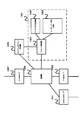
- Base station apparatuses (eNBs) 1001 and 1002 are connected to one or more terminal apparatuses (UEs) 1004 and 1005 by radio communication, connected to a mobility management apparatus (MME) 1008 via an S1-MME interface, and an S1-U interface Is connected to the S-gateway (S-GW) 1007 and is connected to the cache device 1003 via the X-cache interface.
- MME mobility management apparatus
- S-GW S-gateway
- the cache device 1003 is connected to a plurality of base station devices 1001 and 1002 via an X-cache interface, and is connected to the mobility management device 1008 via a cache control interface.
- the cache device 1003 may include a breakout interface 1006 for connecting to other communication devices without going through the S-gateway.
- Reference numeral 1007 denotes a gateway device that handles user data used when the terminal devices 1004 and 1005 communicate with the network.
- the terminal device 1004 and 1005 is connected to the base station devices 1004 and 1005 through the S1-U interface, and the external network and the base station devices 1004 and 1005 are connected. Routing processing between them.
- Reference numeral 1008 denotes a device for performing mobility management and connection management of the terminal device 1004 connected to the base station devices 1004 and 1005.
- FIG. 2 shows a block diagram of a schematic configuration of the cache device 1003 without a breakout interface.
- the cache unit 1301 includes an index storage unit 1302, a user data storage unit 1303, and a message processing unit 1304.
- the message processing unit reads data stored in the index storage unit 1302 and the user data storage unit 1303 and writes data to the index storage unit 1302 and the user data storage unit 1303 based on the control message received from the control unit 1306. I do.
- the cache policy storage unit 1305 is referenced to determine whether to write data or not to write data. The determination result is used as a response to the control message. Writing to the user data storage unit 1303 is performed.
- Each of the index storage unit 1302 and the user data storage unit 1303 includes a finite storage area.
- the index storage unit 1302 stores a relationship between a URI (Uniform Resource Identifier) that is an original identifier of data to be cached and data to be cached stored in the user data storage unit 1303.
- a URI Uniform Resource Identifier
- the URI and the corresponding information corresponding to the erased data in the index storage unit 1302 are erased.
- the information on the relationship between the URI and the data to be cached is updated according to the change.
- the information on the relationship between the URI and the data to be cached may include the valid period of the data to be cached. When the valid period has passed, the cached data corresponding to the URI is invalid for the message processing unit 1304. You may send that.
- the upper limit of the number of URIs stored in the index storage unit 1302 is set in advance. This upper limit may be changed in the middle. For example, when the excess storage area of the user data storage unit 1303 is reduced, this upper limit may be reduced.
- the user data storage unit 1303 is a block that stores data to be cached, logically divides the storage area managed by the user data storage unit, and writes the data to be cached in the divided storage area. In addition, data invalidation processing is performed in order to reuse the divided storage area, an area where data is not written is subdivided, and data is written into the area after the subdivision. For this series of processing, techniques used in various file systems used in computer systems can be used.
- the message processing unit 1304 interprets a message including various requests such as a read request and a write request coming from the control unit 1306, reads and writes data in the index storage unit 1302 and the user data storage unit 1303, and requests the requested message.
- the cache policy set from the cache policy storage unit 1305 is read according to the interpretation of the message, and it is determined whether to respond after processing this message or to respond as an error without processing the message.
- the control unit 1306 includes X-cache interfaces 1307 and 1308 and a cache control interface 1311, communicates with a plurality of base station apparatuses 1001 and 1002 via the X-cache interfaces 1307 and 1308, and passes through the cache control interface 1311. To communicate with the mobility management apparatus 1008.
- the base station devices 1001 and 1002 receive a URI read, a cache read request specifying a terminal identifier of the read source, a write request specifying a URI and data, a response process for these requests, a cache policy Responses to inquiries and inquiries about cached data are processed.
- the mobility management apparatus 1008 performs processing for a cache policy setting request or read request, and read / write processing to the cache policy storage unit 1305.
- the control unit 1306 may inquire of the mobility management device 1008 whether the terminal device has an access right to the cache data.
- the cache policy storage unit 1305 is a block that stores a cache policy according to the setting from the control unit 1306 and reads the cache policy from the cache unit 1301.
- FIG. 3 shows a configuration example of the cache device 1003 provided with a breakout interface.
- the blocks other than the breakout interface 1309 and the access control unit 1310 are the same as the example shown in FIG.
- a breakout interface 1309 is an interface for communication between a device on the external network and the control unit 1306, and an access control unit 1310 controls communication between the device on the external network and the control unit 1306, and an external network having an access right. This is a block for performing communication with the control unit 1306 only for the devices.
- the access control unit 1310 is set by the movement management apparatus 1008 instructing the control unit 1306 via the cache control interface 1311.
- FIG. 4 shows an example of a schematic configuration of the base station apparatuses 1001 and 1002.
- An X-cache interface 1407, an S1-U interface 1408, an S1-MME interface 1409, and a wireless interface 1410 are connected to a control unit 1406 that controls the entire base station apparatus.
- the X-cache interface 1407 is an interface unit for connecting to the cache device 1003
- the S1-U interface 1408 is an interface unit for connecting to the S-gateway 1007
- the S1-MME interface 1409 is for connecting to the mobility management device 1008. It is an interface part.
- the wireless interface 1410 is a block having a wireless network function for connecting a terminal device, and is a block mainly including a physical layer, a data link layer, and these control functions.
- Data handled by an application operating on the terminal device is handled on the user data plane (U plane), and the control unit 1406 selects user data plane data from communication data with the wireless interface 1410 and distributes the data to the S1-U interface 1408.
- Control data required by the wireless interface 1410 is handled on the control plane (C plane), and the control unit 1406 selects control plane data from communication data with the wireless interface 1410 and distributes the control plane data to the S1-MME interface 1409.
- the control unit 1406 uses the X-cache interface 1407 to request the cache device before making a request to the external server.
- the control unit 1406 attempts to write data to the cache device 1003 through the X-cache interface 1407. Data on the user plane does not flow directly to the X-cache interface 1407.
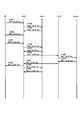
- the terminal device transmits a request for information indicated by URI A to the base station device.
- the base station apparatus transmits a message m1502 to the cache apparatus 1003, and requests reading of information indicated by URI A from the cache apparatus 1003.
- the cache device 1003 reads information from the index storage unit 1302 in the cache device 1003, checks whether information corresponding to URI A is recorded in the user data storage unit, and if information corresponding to URI A is recorded The information is included in a response message m1503 to the message m1502 and transmitted to the base station apparatus.
- the base station apparatus that has received the message m1503 transmits, as a message m1504, information corresponding to the URI A included in the message m1503 as a response to the message m1501.
- the terminal device transmits a request for information indicated by URI B as message m1505 to the base station device.
- the base station apparatus that has received the message m1505 transmits a message m1506 to the cache apparatus 1003, and requests reading of information indicated by URI B from the cache apparatus 1003.
- the cache device 1003 having received m1506 reads information from the index storage unit 1302 in the cache device 1003, checks whether information corresponding to URI B is recorded in the user data storage unit, and records information corresponding to URI B. If not, the message m1507 is transmitted as an error to the base station apparatus that has transmitted the message m1506.
- the base station apparatus that has received the message m1507 sends the message m1508 requesting the acquisition of data corresponding to URI B via the S-gateway, where the destination is a server in which information corresponding to URI B is stored. Send to.
- the S-gateway is included in the default route used by the base station apparatus, the S-gateway does not have to be specified as the route to be used explicitly.
- the S-gateway that has received the message m1508 transmits a message m1509 that requests information corresponding to URI B to the server that is the destination of this message.
- the S-gateway is a device that operates as a router, and controls various message paths.
- description of the operation of the S-gateway may be omitted, and description may be made so that the base station apparatus directly exchanges messages with the server.
- the server that has received the message m1509 sends the message corresponding to the URI B requested in the message m1509 as the message m1510 to the S-gateway as a message set to be transmitted to the base station apparatus via the S-gateway. Send to.
- the S-gateway that has received the message m1510 transmits information corresponding to URI B included in the message m1510 as a message m1511 to the base station apparatus.
- the base station apparatus that has received the message m1511 transmits the URI B information included in the message m1511 as a response message m1512 to the terminal apparatus that has transmitted the message m1505. Then, URI B and a message m1513 for writing information corresponding to URI B are transmitted to the cache device 1003.
- the cache device 1003 that has received the message m1513 writes information about the URI B in the index storage unit 1302 and the user data storage unit in the cache device 1003, and when writing is successful, the cache device 1003 successfully writes to the base station device that has transmitted the message m1513. Is transmitted as a message m1514.
- data corresponding to the URI is read from a cache device arranged outside the data path of the user plane, or data corresponding to the URI is written to the cache device.
- -It is possible to reduce traffic on the user plane in the gateway direction and improve the efficiency of the network system.
- the base station device also includes a cache unit, the cache unit in the base station device operates as a primary cache, and the cache device arranged in a location other than the data path on the user plane operates as a secondary cache.
- a cache device arranged in a network other than the data path on the user plane that is slightly distant from the network and a primary cache unit in the base station device that is close to the network to read data on the cache as an example.
- a cache operation method is possible in which large data that allows a certain amount of latency at the time is stored in the secondary cache device, and small data that should have a low latency at the time of reading is stored in the primary cache unit.
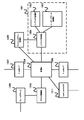
- FIG. 6 is a block diagram showing a schematic configuration of the present embodiment.
- Base station apparatuses 1101 and 1102 are connected to terminal apparatuses 1004 and 1005.
- the base station apparatuses 1101 and 1102 include primary cache units 1101a and 1102b, respectively.
- the base station devices 1101 and 1102 are connected to the secondary cache device 1103 and the X-cache interface.
- the secondary cache device 1103 is further connected to the mobility management device 1008 via a cache control interface.
- the secondary cache device 1103 may include a breakout interface 1006 for connecting to other communication devices without going through the S-gateway.
- the configuration of the secondary cache device 1103 may be the same as the configuration of FIG. 2 or FIG. 3, and may be either a configuration including the breakout interface 1006 or a configuration not including the breakout interface.
- FIG. 7 shows an example of a configuration outline of the base station apparatuses 1101 and 1102.
- the same blocks as those in the configuration of FIG. 4 are denoted by the same reference numerals, and the following description is omitted.
- the control unit 1411 is connected to an X-cache interface 1407, an S1-U interface 1408, an S1-MME interface 1409, a wireless interface 1410, a cache policy storage unit 1405, and a primary cache unit 1401.
- the primary cache unit 1401 includes a message processing unit 1404, an index storage unit 1402, and a user data storage unit 1403.
- the message processing unit 1404 When the message processing unit 1404 receives a data read request corresponding to the URI from the control unit 1411, the message processing unit 1404 examines the contents of the index storage unit 1402 and the user data storage unit 1403, or data corresponding to the URI included in the read request, or Send an error as a response. Further, when a write request including a URI and data corresponding to the URI is received from the control unit 1411, the data requested to the primary cache unit 1401 by reading and writing the contents of the index storage unit 1402 and the user data storage unit 1403 And whether the writing process succeeded or failed is returned.
- the message processing unit 1404 When the message processing unit 1404 receives a cache read request or write request, the message processing unit 1404 refers to the cache policy storage unit 1405 to determine whether the cached data can be read or written, and the operation is prohibited. In this case, it is possible to watch the reading and writing operations and report the failure.
- the control unit 1411 receives a message for setting the cache policy of the primary cache unit 1401 via the S1-MME interface 1409, the control unit 1411 writes data based on the message in the cache policy storage unit 1405.
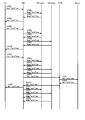
- the terminal apparatus transmits a request for information indicated by URI A to the base station apparatus.
- the control unit 1411 in the base station device transmits a request for information indicated by URI A to the primary cache unit in the base station device, and requests reading of the information indicated by URI A from the primary cache unit.
- the primary cache unit reads information from the index storage unit 1402 in the primary cache unit, checks whether information for URI A is recorded in the data storage unit, and information corresponding to URI A is recorded in the data storage unit.
- the data is included in the message m1603 and transmitted to the control unit 1411 in the base station apparatus as a response to the message m1602.
- the control unit 1411 in the base station apparatus that has received the message m1603 transmits information corresponding to URI A included in the message m1601 as a message m1604 as a response to the message m1601 to the terminal apparatus.
- the terminal device transmits a request for information indicated by URI B as message m1605 to the base station device.
- the control unit 1411 in the base station apparatus that has received the message m1605 transmits a message m1606 to the primary cache unit, and requests reading of information indicated by URI B from the primary cache unit.
- the primary cache unit that has received m1606 reads information from the index storage unit 1402 in the primary cache unit, checks whether information corresponding to URI B is stored in the data storage unit, and stores information corresponding to URI B. If not, the message m1607 is transmitted as an error to the control unit 1411 in the base station apparatus.
- the control unit 1411 in the base station apparatus that has received the message m1607 transmits a request for information corresponding to URI B to the secondary cache apparatus as m1608.
- the secondary cache device that has received the message m1608 reads information from the index storage unit 1302 in the secondary cache device, checks whether information corresponding to URI B is stored in the data storage unit, and information corresponding to URI B is found. If stored, the data is included in the message m1609 and transmitted to the control unit 1411 in the base station apparatus as a response to the message m1608.
- the control unit 1411 in the base station apparatus that has received the message m1609 transmits information corresponding to URI B as a response message m1610 to the terminal apparatus that has transmitted the message m1605.
- the terminal device transmits a request for information indicated by URI C as message m1611 to the base station device.
- the control unit 1411 in the base station apparatus that has received the message m1611 transmits the message m1612 to the primary cache in the base station apparatus, and requests the information indicated by URI C to be read from the primary cache unit.
- the primary cache unit that has received m1612 reads information from the index storage unit 1402 in the primary cache unit, checks whether information corresponding to URI C is stored in the data storage unit, and stores information corresponding to URI C. If not, a message m1613 is transmitted as an error to the control unit 1411 in the base station apparatus.
- the control unit 1411 in the base station apparatus that has received the message m1613 transmits a request for information corresponding to URI C to the secondary cache apparatus as m1614.
- the secondary cache device that has received the message m1614 reads information from the index storage unit 1302 in the secondary cache device, checks whether information corresponding to URI C is stored in the data storage unit, and information corresponding to URI C is found. If not stored, the message m1615 is transmitted as an error to the control unit 1411 in the base station apparatus.
- the control unit 1411 in the base station apparatus that has received the message m1615 requests the acquisition of data corresponding to the URI C using the server storing information corresponding to the URI C via the S-gateway. m1616 is transmitted to the S-gateway.
- the S-gateway that has received the message m1616 transmits a message m1617 requesting information corresponding to URI C to the server that is the destination of this message.
- the server that has received the message m1617 sends the message corresponding to the URI C requested in the message m1617 as the message m1618 to the S-gateway as a message set to be transmitted to the base station apparatus via the S-gateway.
- the S-gateway that has received the message m1618 transmits information corresponding to URI C included in the message m1618 to the base station apparatus as a message m1619.
- the base station apparatus that has received the message m1619 transmits the URI C information included in the message m1619 as a response message m1620 to the terminal apparatus that has transmitted the message m1611. Then, messages for writing information corresponding to URI C and URI C are transmitted to the primary cache unit and the secondary cache device as a message m1621 and a message m1622, respectively.
- the primary cache unit that has received the message m1621 writes information about URI C in the index storage unit 1402 and the data storage unit in the primary cache unit, and when the writing is successful, the control unit 1411 in the base station apparatus that has transmitted the message m1623. In response to this, a response indicating successful writing is transmitted as a message m1623.
- the secondary cache device also transmits a response indicating successful writing as a message m1624 to the control unit 1411 in the base station device.
- the cache policy of the primary cache unit in the base station device and the cache policy of the secondary cache device may be different.
- the primary cache unit is set to cache only various text data (such as data described in html and xml) used to display a website and still image data whose data size is a predetermined number or less.
- the secondary cache device may be set so as to cache only still image data and moving image data having a data size exceeding a predetermined number.
- the cache policy may be set so that a part or all of the data cached by the primary cache unit is cached by the secondary cache device. good.
- the mobility management device transmits to the base station device a message m1701 requesting to set the cache policy of the primary cache unit in the base station device as A.
- the control unit 1411 of the base station apparatus that has received the message m1701 sets the cache policy to A for the cache policy storage unit for the primary cache unit in the base station apparatus in step s1702.
- the control unit 1411 in the base station apparatus transmits a message m1704 as a response to the message m1702 to the mobility management apparatus.
- the mobility management device transmits a message m1705 requesting to set the cache policy of the secondary cache device to B to the secondary cache device.
- the secondary cache device that has received the message m1705 sets the cache policy to B for the cache policy storage unit in the secondary cache device. Thereafter, the secondary cache device transmits a message m1706 as a response to the message m1705 to the mobility management device. As described above, the mobility management device transmits different policy setting request messages to set different cache policies for the primary cache unit and the secondary cache device.
- the terminal device transmits a request for information indicated by URI H as a message m1707 to the base station device. It is assumed that the information corresponding to this URI H is not cached in each of the primary cache unit and the secondary cache device in the base station device. Further, information corresponding to this URI H is to be cached in the cache policy A, and not cached in the cache policy B.
- the control unit 1411 of the base station apparatus that has received the message m1707 transmits a message m1708 to the primary cache unit in the base station apparatus, and requests reading of information indicated by URI H from the secondary cache apparatus.
- the primary cache unit in the base station apparatus that has received m1708 reads information from the index storage unit 1402 in the primary cache unit, checks whether information corresponding to URI H is recorded in the data storage unit, and corresponds to URI H
- the message m1709 is transmitted to the control unit 1411 in the base station apparatus as an error due to the fact that the information to be recorded is not recorded.
- the control unit 1411 in the base station apparatus that has received the message m1709 transmits a message m1710 to the secondary cache apparatus, and requests reading of information indicated by URI H from the secondary cache apparatus.
- the secondary cache device that has received the message m1710 reads information from the index storage unit 1302 in the secondary cache device, checks whether information corresponding to URI H is recorded in the data storage unit, and finds information corresponding to URI H. A message m1711 is transmitted to the control unit 1411 in the base station apparatus as an error due to not being recorded.
- the control unit 1411 in the base station apparatus that has received the message m1711 transmits a message m1712 for requesting acquisition of data corresponding to the URI H to the server in which information corresponding to the URI H is stored. To do.
- the server that has received the message m1712 transmits data corresponding to URI H as a response to the message m1712 to the control unit 1411 in the base station apparatus as a message m1713.
- the control unit 1411 in the base station apparatus that has received the message m1713 transmits data corresponding to URI H as a response to the message m1707 to the terminal apparatus that has transmitted the message m1707.
- the control unit 1411 in the base station apparatus transmits a URI m and a message m1715 for writing information corresponding to the URI H to the primary cache unit.
- the primary cache unit that has received the message m1715 evaluates whether or not the write request of the message m1715 matches the cache policy A in step S1716, and determines that it matches, the index cache unit 1302 and the data storage unit in the primary cache unit Write data corresponding to URI H and URI H. Thereafter, the primary cache unit transmits a message m1718 as a response to the message m1715 to the control unit 1411 in the base station apparatus.
- control unit 1411 in the base station apparatus transmits a URI m and a message m1719 for writing information corresponding to the URI H to the secondary cache apparatus.
- the secondary cache device that has received the message m1719 evaluates whether or not the write request of the message m1719 matches the cache policy B in step s1720, determines that it does not match, does not perform the write process, and performs control processing 1411 in the base station device.
- Message m1721 is transmitted as an error message for message m1719.
- a cache policy for storing data common to the primary cache unit and the secondary cache device When a cache policy for storing data common to the primary cache unit and the secondary cache device is applied in a configuration using the primary cache unit and the secondary cache device, a plurality of base station devices apply the same URI
- the consistency of cached data may be broken among primary cache units provided in a plurality of base station apparatuses. Further, invalidation processing of cached data may be required in each of the primary cache unit and the secondary cache device, such as when the valid period of cached data has expired.
- requesting data for a certain URI data is acquired in a limited manner using range specification, and then more data is acquired without specifying a different range or specifying the range, and the data to be cached May change. An example of a method for ensuring the consistency of cached data in such a case will be described with reference to FIG.
- FIG. 10 shows a state in which old data corresponding to URI D is cached in base station apparatus 1102 (second base station apparatus), and data for URI D is cached in base station apparatus 1101 (first base station apparatus).
- a request for acquiring data corresponding to URI D is transmitted from the terminal device 1004 connected to the base station device 1101 to the base station device 1101 in a state in which the secondary cache device 1101 is not connected.
- An example is shown in which data corresponding to UDI D is written and the secondary cache device notifies base station apparatus 1102 that data corresponding to URI D has been changed.
- a part of data corresponding to UDI D may be cached in the primary cache unit 1101a, and the entire data corresponding to UDI D may be cached in the secondary cache unit 1103. . Further, the data may be deleted from the primary cache unit 110a after the entire data is written to the secondary cache device 1103, and these procedures are also shown in FIG.
- the terminal device 1004 transmits a request for data corresponding to URI D to the base station device 1101 as a message m1801.
- the control unit 1411 of the base station apparatus that has received the message m1801 transmits a message m1802 to the secondary cache apparatus 1103, and requests reading of data corresponding to URI D.
- the secondary cache device that has received the message m1802 does not store data corresponding to URI D in the data storage unit, and therefore transmits an error message m1803 to the control unit 1411 of the base station apparatus 1101 as a response to the message m1802. .
- the control unit 1411 of the base station apparatus 1101 that has received the message m1803 transmits a message m1804 requesting information corresponding to URI D, which is addressed to a server in which information corresponding to URI D is stored.
- the server that has received the message m1804 transmits information corresponding to URI D to the control unit 1411 of the base station apparatus 1101 as a response message m1805 to the message m1804.
- the control unit 1411 of the base station apparatus 1101 that has received the message m1805 transmits information corresponding to URI D as the message m1806 to the terminal apparatus 1004 that has transmitted the message m1801.
- the control unit 1411 of the base station apparatus 1101 that has received the message m1805 transmits a write request message m1807 of a part of information corresponding to URI D to the primary cache unit 1101a.
- the data to be written to the primary cache unit does not have to be all data corresponding to URI D, and only a part, for example, a predetermined length from the beginning of data corresponding to URI D may be written.
- the message m1807 may be transmitted.
- the primary cache unit 1101a that has received the message m1807 writes data into the cache, and transmits a response message m1811 corresponding to the message m1807 to the control unit 1411 of the base station apparatus 1101.
- the control unit 1411 of the base station apparatus 1101 determines whether the message m1805 is completely received in step s1809 and can be written to the secondary cache apparatus 1103. In step s1809, other conditions such as the size of data to be written (the size of data corresponding to URI D) and the origin site of the data to be written (to URI D) are set as conditions for starting writing to the secondary cache device 1103. Other conditions such as the address of the server storing the corresponding data may be used. When it is evaluated in step s1809 that the condition is satisfied, the control unit 1411 of the base station apparatus 1101 transmits a message m1810 to the secondary cache apparatus 1103, and requests writing of data corresponding to URI D and URI D.
- the secondary cache device 1103 that has received the message m1810 writes the data corresponding to URI D and UDI D included in the message m1810 to the secondary cache device 1103, and sends a response message m1811 to m1810 to the control unit of the base station device 1101. 1411.
- step s1824 the control unit 1411 in the base station apparatus 1101 checks the writing status of the data related to URI D to the secondary cache device, and if it is determined that the writing has been completed, A message m1812 is transmitted to request deletion of information regarding URI D.
- the primary cache unit 1101a that has received the message m1812, deletes the information related to URI D from the primary cache unit 1101a, and transmits a response message m1813 to m1812 to the control unit 1411 of the base station apparatus 1101.
- the secondary cache apparatus 1103 that has transmitted the message m1811 transmits the message m1814 to the base station apparatus 1102 (second base station apparatus), and notifies that the data corresponding to URI D has been updated.
- the control unit 1411 of the base station apparatus 1102 that has received the message m1814 evaluates whether information about UDI D is stored in the primary cache unit 1102a in the base station apparatus 1102 in step s1815 or whether the stored information is outdated. If it is evaluated that the information is out of date, a message m1816 is transmitted to the primary cache unit 1102a to request deletion of information regarding URI D.
- the primary cache unit 1102a that has received the message m1816 deletes information related to URI D in the primary cache unit, and transmits a response message m1817 to the message m1816 to the control unit 1411 of the base station apparatus 1102.
- the data in the primary cache unit is erased when a change notification of data corresponding to the URI is received from the secondary cache device, but the data corresponding to the URL is read from the secondary cache device,
- the data in the primary cache unit may be updated with the read data.
- the secondary cache device 1103 When there is no surplus in the data storage area in the secondary cache device 1103 due to the writing of data corresponding to URI D, invalidation processing of other data is performed, and data is written into the newly created surplus area.
- the data to be invalidated is not limited, but as an example, a method such as a method of selecting data with the oldest written time or a method of selecting data with the oldest read time may be used. .
- the secondary cache apparatus 1103 transmits a message m1818 to the control unit 1411 of the base station apparatus 1101 to notify that the data corresponding to URI E has been deleted.
- the secondary cache device transmits a message m1819 to the control unit 1411 of the base station device 1102 to notify that data corresponding to URI E has been deleted.
- the control unit 1411 of the base station apparatus 1101 that has received the message m1818 evaluates whether the cached data in the primary cache unit 1101a is affected by the data deletion of URI E in step s1820, and determines that there is no effect on URI E. Do not process.
- the control unit 1411 of the base station apparatus 1102 that has received the message m1819 evaluates whether the cached data in the primary cache unit 1102a is affected by the URI E data deletion in step s1821, and determines that there is an effect.
- the primary cache unit 1102a determines that the data related to URI E cached in the primary cache unit 1102a is out of date, and a message m1822 is transmitted to the primary cache unit to request erasure of data related to URI E.
- the primary cache unit 1102a that has received the message m1822 deletes information related to URI E, and transmits a message m1823 to the control unit 1411 of the base station apparatus 1101 as a response to the message m1822.
- the data corresponding to the URI is read from the secondary cache device arranged outside the data path between the primary cache unit and the user plane in the base station device, or the data corresponding to the URI for the cache device.
- traffic on the user plane in the S-gateway direction from the base station apparatus can be reduced, and the efficiency of the network system can be improved.
- data consistency is ensured between the primary cache unit and the secondary cache device.
- FIG. 11 shows an example of a procedure in which an external vendor (third party) uses the breakout interface to change the contents of the secondary cache device and erases data in the secondary cache device.
- the structure of the network system assumed by the procedure of FIG. 11 is the same as that described in FIG.
- the secondary cache device uses the same configuration as that shown in FIG.
- the external vendor checks whether the data stored in the secondary cache device 1103 is a copyrighted work of an external vendor, and if it is a copyrighted work, It can be used when the corresponding data is deleted.
- an external contractor obtains access authority for connecting to the secondary cache device 1103 from the network device (not shown) via the breakout interface 1309 to the access control unit 1310.
- An access control method is not particularly limited, but an IEEE 802.1x procedure may be used as an example.
- the network device that has acquired the access right in step s1901 transmits a message m1902 to the secondary cache device 1103, and requests acquisition of an index of information stored in the secondary cache device 1103.
- the secondary cache apparatus 1103 that has received the message m1902 transmits a message m1903 including index information of information stored in the secondary cache apparatus 1103 as a response to the message m1902 to the network device that has transmitted the message m1902.
- the index information includes not only the URI of the stored information and the acquired time, but also the size of each stored information, the hash value of each stored information, and the head portion of each information.
- some actual data, metadata of each information, and video data may include thumbnail images.
- the network device that has received the message m1903 refers to the index information included in the message m1903 and selects the data to be rewritten and the target URI.
- the data corresponding to URI F shall be rewritten.
- the network device transmits data for rewriting the message m1904 to the secondary cache device 1103 as URI F and data corresponding to URI F.
- the secondary cache device 1103 that has received the message m1904 rewrites the data corresponding to the URI F in the secondary cache device 1103 with the data included in the message m1904, and responds to the message m1904 with respect to the network device that has transmitted the message m1904.
- Message m1905 is transmitted.
- the secondary cache device 1103 transmits a message m1906 to the control unit 1411 of the base station device 1101 to notify that the data corresponding to the URI F has been changed.
- the control unit 1411 of the base station apparatus 1101 evaluates whether the change of the URI F affects the data cached by the primary cache unit 1101a. If it is determined that the data in the primary cache unit 1101a needs to be updated as a result of the evaluation, the control unit 1411 of the base station apparatus 1101 transmits a message m1908 to the secondary cache apparatus 1103, and data corresponding to URI F Request reading.
- the secondary cache device 1103 that has received the message m1908 transmits data corresponding to the URI F as a response to the message m1908 as a message m1909 to the control unit 1411 of the base station device 1103.
- the control unit 1411 of the base station apparatus 1103 that has received the message m1909 transmits a message m1910 to the primary cache unit 1101a, and requests writing of data corresponding to URI F and URI F.
- the primary cache unit 1101a that has received the message m1910 updates data corresponding to the URI F in the primary cache unit, and transmits the message m1911 to the control unit 1411 of the base station apparatus 1101 as a response to the message m1910.
- the network device transmits a request message m 1912 for deleting the URI G to the secondary cache device 1103.
- the secondary cache device 1103 that has received the message m1912 deletes data related to the URI G in the secondary cache device 1103, and transmits a message m1913 to the network device as a response to the message m1912.
- a message m1914 notifying that the data corresponding to URI G has been deleted is transmitted to the control unit 1411 of the base station apparatus 1101.
- the control unit 1411 of the base station apparatus 1101 that has received the message m1914 evaluates in step s1915 whether the deletion of data corresponding to the URI G has an effect on the data cached by the primary cache unit 1101a. If it is determined that deletion of data corresponding to URI G is necessary, the control unit 1411 of the base station apparatus 1101 transmits a message m1916 to the primary cache unit 1101a and requests deletion of information corresponding to URI G.
- the primary cache unit 1101a that has received the message m1917 deletes the information about the URI G in the primary cache unit, and transmits the message m1917 to the base station apparatus 1101 as a response to the message m1916.
- FIG. 12 a video stream method using segmented video data, for example, protocols such as MPEG DASH and HTTP Live Streaming (HLS) are targeted.
- a server that performs streaming distribution forwards to a cache device (secondary cache device) in a network using a breakout interface after the start of streaming is shown.
- the terminal device 1004 transmits to the base station device 1101 a message m2001 requesting information called program information for a streaming server (not shown), an MPD file in MPEG DASH, and a playlist in HLS.
- the base station apparatus 1101 that has received the message m2001 transmits a message m2002 requesting program information to the streaming server.
- the streaming server that has received the message m2002 transmits the requested program information (MPD file, playlist, etc.) to the base station apparatus 1101 as a response message m2003 of the message m2002.
- the base station apparatus 1101 that has received the message m2003 transmits a message m2004 as a response to the message m2001 to the terminal apparatus that has transmitted the message m2001.
- the message m2004 includes the content (program information) of the message m2003.
- the terminal device 1004 that has received the message m2004 transmits to the base station device 1101 a message m2005 that requests the streaming server to transmit the segment 1 based on the program information included in the message m2004.
- the base station apparatus 1101 that has received the message m2005 transmits the content of the message m2005 to the streaming server as a message m2006.
- the streaming server that has received the message m2006 transmits a message m2007 including the requested segment 1 to the base station apparatus 1101 as a response to the message m2006.
- the base station apparatus 1101 that has received the message m2007 transmits the content of the message m2007 to the terminal apparatus 1004 as a response message of the message m2005.
- the streaming server determines whether the transmission destination of segment 1 is a network including the breakout interface and the secondary cache device 1103, and determines that the segment 1 includes the breakout interface and the secondary cache device 1103, step s2010.
- the access right to the secondary cache device 1104 is acquired via the breakout interface.
- the streaming server transmits a message m2011 to the secondary cache apparatus 1103, and requests acquisition of index information related to information cached by the secondary cache apparatus 1103. This index information is the same as described in FIG.
- the secondary cache device 1103 transmits to the streaming server as a message m2012 including index information as a response to the message m2011.
- the streaming server that has received the message m2012 refers to the index information included in the message m2012, determines whether the secondary cache device 1103 caches each segment related to the program including the segment 1, and the secondary cache device 1103 uses this program. If it is determined that the segment is not cached, segments after segment 1 are sequentially transmitted to the secondary cache device 1103. First, a segment 2 write request is transmitted to the secondary cache device 1103 as a message m2013. The secondary cache device 1103 writes the contents of segment 2 into the index storage unit 1302 and the data storage unit in the secondary cache device 1103, and transmits a response message m2014 to the message m2013 to the media server.
- the streaming server transmits a segment 3 write request to the secondary cache device 1103 as the message m2020.
- the secondary cache device 1103 that has received the message m2020 writes the contents of the segment 3 to the index storage unit 1302 and the data storage unit in the secondary cache device 1103, and transmits a response message m2021 to the message m2020 to the media server.
- the segment write frequency from the media server to the secondary cache device 1103 only needs to exceed the frequency at which the terminal device 1004 reads the segment, and this flow control may be performed using a response message to the segment write request message.
- the secondary cache device 1103 that has processed the segment 2 write request of the message m2013 transmits a message m2015 to the base station device 1101 to notify that the content of the segment 2 is cached in the secondary cache device 1103.
- the base station apparatus 1101 receives the message m2016 requesting the segment 2 from the terminal apparatus 1004 and then transmits the message m2017 to the secondary cache apparatus 1103 instead of the media server. Request acquisition of segment 2.
- the secondary cache device 1103 that has received the message m2017 transmits the information of the segment 2 cached in the secondary cache device 1103 to the base station device 1101 as a message m2018.
- the base station apparatus 1101 that has received the message m2018 transmits the segment 2 information as a response message to the message m2016 to the terminal apparatus that has transmitted the message m2016.
- the secondary cache device 1103 that has processed the segment 3 write request of the message m2020 transmits a message m2022 to the base station device 1101 to notify that the contents of the segment 3 are cached in the secondary cache device 1103. To do.
- the base station apparatus 1101 that has received the message m2022 subsequently receives the message m2034 requesting the segment 3 from the terminal apparatus 1004
- the base station apparatus 1101 transmits the message m2024 to the secondary cache apparatus 1103 instead of the media server, and requests acquisition of the segment 3 To do.
- the secondary cache device 1103 that has received the message m2024 transmits the information of the segment 3 cached in the secondary cache device to the base station device 1101 as a message m2025.
- the base station apparatus 1101 that has received the message m2025 transmits segment 3 information as a response message m2026 to the terminal apparatus that has transmitted the message m2023.
- FIGS. 1 and 6 Each element shown in FIG. 1 and FIG. 6 is a configuration example of EPC (Evolved Packet Core) which is a core network in the LTE (Long Term Evolution) system, but other core networks such as a core network called NextGen are used. You may use and is not limited to the structure of FIG.1 and FIG.6.
- the number of base station devices and terminal devices is not limited, and more than two base station devices may be connected to one cache device.
- a program that operates on an apparatus according to one aspect of the present invention is a program that controls a central processing unit (CPU) or the like to function a computer so as to realize the function of the embodiment according to one aspect of the present invention. Also good.
- the program or information handled by the program is temporarily stored in a volatile memory such as a Random Access Memory (RAM), a non-volatile memory such as a flash memory, a Hard Disk Drive (HDD), or other storage system.
- RAM Random Access Memory
- HDD Hard Disk Drive
- a program for realizing the functions of the embodiments according to one aspect of the present invention may be recorded on a computer-readable recording medium. You may implement
- the “computer system” here is a computer system built in the apparatus, and includes hardware such as an operating system and peripheral devices.
- the “computer-readable recording medium” refers to a semiconductor recording medium, an optical recording medium, a magnetic recording medium, a medium that dynamically holds a program for a short time, or other recording medium that can be read by a computer. Also good.
- each functional block or various features of the apparatus used in the above-described embodiments can be implemented or executed by an electric circuit, for example, an integrated circuit or a plurality of integrated circuits.
- Electrical circuits designed to perform the functions described herein can be general purpose processors, digital signal processors (DSPs), application specific integrated circuits (ASICs), field programmable gate arrays (FPGAs), or others Programmable logic devices, discrete gate or transistor logic, discrete hardware components, or a combination thereof.
- a general purpose processor may be a microprocessor or a conventional processor, controller, microcontroller, or state machine.
- the electric circuit described above may be configured by a digital circuit or an analog circuit.
- one or more aspects of the present invention can use a new integrated circuit based on the technology.
- the present invention is not limited to the above-described embodiment.
- an example of the apparatus has been described.
- the present invention is not limited to this, and a stationary or non-movable electronic device installed indoors or outdoors, such as an AV device, a kitchen device, It can be applied to terminal devices or communication devices such as cleaning / washing equipment, air conditioning equipment, office equipment, vending machines, and other daily life equipment.
- One embodiment of the present invention can be used for a wireless communication device.
- One embodiment of the present invention is used in, for example, a communication system, a communication device (for example, a mobile phone device, a base station device, a wireless LAN device, or a sensor device), an integrated circuit (for example, a communication chip), a program, or the like. be able to.
Landscapes
- Engineering & Computer Science (AREA)
- Computer Networks & Wireless Communication (AREA)
- Signal Processing (AREA)
- Theoretical Computer Science (AREA)
- Multimedia (AREA)
- Quality & Reliability (AREA)
- Physics & Mathematics (AREA)
- General Engineering & Computer Science (AREA)
- General Physics & Mathematics (AREA)
- Mobile Radio Communication Systems (AREA)
- Information Transfer Between Computers (AREA)
Abstract
基地局装置が使用するユーザープレーンの経路を使用しないキャッシュ装置を備え、キャッシュ装置に複数の基地局装置を接続する。
Description
本発明は、端末装置、基地局装置、キャッシュ装置を少なくとも含んで構成される無線通信システムに適用される基地局装置、キャッシュ装置ならびに無線通信システムに関する。
本願は、2017年2月3日に日本に出願された特願2017-018541号について優先権を主張し、その内容をここに援用する。
本願は、2017年2月3日に日本に出願された特願2017-018541号について優先権を主張し、その内容をここに援用する。
近年、端末装置、基地局装置を少なくとも含んで構成される無線通信システムすなわちセルラ電話ネットワークの利用が進んでおり、様々な用途に用いられている。従来であれば有線の高速ネットワークを利用しないと実用にならなかった動画再生アプリケーションのような広帯域幅の情報を利用する用途にも使用されるようになっている。
無線通信システムは有線ネットワークと異なり、移動環境をサポートするため複雑なネットワーク構成となり、また端末装置の位置や周囲の環境によって使用可能なネットワークの速度が随時変動する。この変動に対応するために、無線ネットワーク内にキャッシュサーバを設置することが検討されている。
3GPP,RAN3,R3-162666
しかしながら、動画再生アプリケーションのような広帯域幅を使用するアプリケーションは、使用可能な帯域幅の変動を受けやすく、端末装置からネットワーク上のサーバに対して情報を要求し、応答を受け取るまでのレイテンシが一定しない。この事はユーザーの端末操作に対して画面が追従できない事がある事を意味し、端末装置の使用者のユーザー体験は損なわれる。このレイテンシは基地局装置が扱うユーザープレーン上のデータ量にも依存し、ユーザープレーン上に従来のキャッシュ装置を導入してもユーザープレーンで扱えるデータ量を超えるとレイテンシの改善効果が無くなる。
本発明の一態様は、このような事情に鑑みてなされたものであり、ユーザープレーン上のデータ量に依存しないキャッシュ装置の構成、制御方法を提供し、快適な動画再生環境を提供することを目的とする。
上記の目的を達成するために、本発明の一観点によれば、基地局装置と接続するためのインターフェースを複数備え、この基地局装置と接続するためのインターフェースそれぞれに基地局装置を接続するするキャッシュ装置が提供される。
また、本発明の他の観点によれば、基地局装置と接続するためのインターフェースは、前記基地局装置が使用するユーザープレーンが使用する経路と異なる経路上に設定されるキャッシュ装置が提供される。
また、本発明の他の観点によれば、基地局装置が使用するS-ゲートウエイを経由する経路を使用しないブレークアウトインターフェースを備えるキャッシュ装置が提供される。
また、本発明の他の観点によれば、基地局装置のキャッシュポリシーを設定するためのキャッシュポリシーメッセージとは異なるキャッシュポリシーメッセージを受信し、キャッシュポリシーを設定するキャッシュ装置が提供される。
また、本発明の他の観点によれば、ブレークアウトインターフェースを経由してサーバと通信する際に、サーバとキャッシュ装置の間の通信権限を設定するアクセス制御部を備えるキャッシュ装置が提供される。
また、本発明の他の観点によれば、ブレークアウトインターフェースを経由してキャッシュ装置内部のデータが変更されたときに、基地局装置と接続するためのインターフェースを使用して接続している複数の基地局装置に対し、キャッシュ装置のデータが変更されことをそれぞれの基地局装置と接続するためのインターフェースを使用して通知するキャッシュ装置が提供される。
また、本発明の他の観点によれば、キャッシュ装置のデータがブレークアウトインターフェース経由でデータが変更された通知を、キャッシュ装置から受信する制御部を備える基地局装置が提供される。
また、本発明の他の観点によれば、基地局装置はキャッシュ装置と接続するためのインターフェースを備え、このキャッシュ装置を接続するためのインターフェースは、基地局装置が使用するユーザープレーンが使用する経路と異なる経路上に設定され、キャッシュ装置は基地局装置と接続するためのインターフェースを複数備え、複数の基地局装置と接続するためのインターフェースのそれぞれに異なる基地局装置を接続する無線通信システムが提供される。
本発明の一態様によれば、キャッシュ装置が基地局装置と接続するためのインターフェースを複数備え、複数の基地局装置と接続するためのインターフェースそれぞれに基地局装置を接続する事で、基地局装置が使用するユーザープレーン上のデータに関わらずキャッシュ装置へのアクセスが可能となり、レイテンシの悪化を改善する事が可能となる。また、キャッシュ装置がブレークアウトインターフェースを備える事で、基地局装置が使用するユーザープレーンを経由せずにキャッシュ装置がキャッシュするデータを更新する事が可能となり、レイテンシの悪化を改善する事が可能となる。
以下、本発明の実施形態による無線通信技術について図面を参照しながら詳細に説明する。
(第1の実施形態)
本実施形態を適用する無線通信システムの一例の概要を図1に示す。基地局装置(eNB)1001、1002は、一つ以上の端末装置(UE)1004、1005と無線通信により接続し、S1-MMEインターフェースで移動管理装置(MME)1008と接続し、S1-UインターフェースでS-ゲートウエイ(S-GW)1007と接続し、X-キャッシュインターフェースでキャッシュ装置1003と接続する。キャッシュ装置1003は複数の基地局装置1001、1002とX-キャッシュインターフェースで接続し、移動管理装置1008とキャッシュ制御インターフェースで接続する。また、キャッシュ装置1003はS-ゲートウエイを経由せずに他の通信機器と接続するためのブレークアウトインターフェース1006を備えても良い。1007は端末装置1004、1005がネットワークと通信する際に使用するユーザーデータを扱うゲートウエイ装置で、S1-Uインターフェースで基地局装置1004、1005と接続し、外部のネットワークと基地局装置1004、1005の間でルーティング処理をする。1008は基地局装置1004、1005に接続する端末装置1004の移動管理、接続管理を行う装置で、基地局装置と端末装置間の無線層の接続許可や、端末装置と外部ネットワーク間の論理的接続管理を行う。
本実施形態を適用する無線通信システムの一例の概要を図1に示す。基地局装置(eNB)1001、1002は、一つ以上の端末装置(UE)1004、1005と無線通信により接続し、S1-MMEインターフェースで移動管理装置(MME)1008と接続し、S1-UインターフェースでS-ゲートウエイ(S-GW)1007と接続し、X-キャッシュインターフェースでキャッシュ装置1003と接続する。キャッシュ装置1003は複数の基地局装置1001、1002とX-キャッシュインターフェースで接続し、移動管理装置1008とキャッシュ制御インターフェースで接続する。また、キャッシュ装置1003はS-ゲートウエイを経由せずに他の通信機器と接続するためのブレークアウトインターフェース1006を備えても良い。1007は端末装置1004、1005がネットワークと通信する際に使用するユーザーデータを扱うゲートウエイ装置で、S1-Uインターフェースで基地局装置1004、1005と接続し、外部のネットワークと基地局装置1004、1005の間でルーティング処理をする。1008は基地局装置1004、1005に接続する端末装置1004の移動管理、接続管理を行う装置で、基地局装置と端末装置間の無線層の接続許可や、端末装置と外部ネットワーク間の論理的接続管理を行う。
図2にブレークアウトインターフェースを持たない場合のキャッシュ装置1003の概略構成のブロック図を示す。キャッシュ部1301はインデックス記憶部1302、ユーザーデータ記憶部1303、メッセージ処理部1304から構成される。メッセージ処理部は、制御部1306から受け取る制御メッセージに基づいて、インデックス記憶部1302、ユーザーデータ記憶部1303に記憶されているデータの読出しや、インデックス記憶部1302、ユーザーデータ記憶部1303に対するデータの書き込みを行う。データ書き込み時には、キャッシュポリシー記憶部1305を参照し、データを書き込むか、データの書き込みを行わないか判断し、この判断結果を制御メッセージへの応答とし、書き込む判断をしたときはインデックス記憶部1302、ユーザーデータ記憶部1303に対する書き込みを行う。インデックス記憶部1302、ユーザーデータ記憶部1303はそれぞれ有限の記憶領域を備える。インデックス記憶部1302はキャッシュするデータのオリジナル識別子であるURI(Uniform Resource Idetifier)と、ユーザーデータ記憶部1303内に記憶されているキャッシュ対象のデータの関係を記憶する。ユーザーデータ記憶部1303内のデータが消去された場合、インデックス記憶部1302内の消去されたデータに対応するURIと対応情報を消去する。また、URIとキャッシュ対象のデータの関係の情報は、ユーザーデータ記憶部1303の内容が変更された場合に、その変更に合わせて更新される。このURIとキャッシュ対象のデータの関係の情報は、キャッシュ対象のデータの有効期間を含んでも良く、有効期間を過ぎた場合はメッセージ処理部1304に対してURIに対応するキャッシュ済みデータが無効であることを送信しても良い。インデックス記憶部1302に記憶するURIの数の上限は予め設定される。この上限は途中で変更しても良く、例えばユーザーデータ記憶部1303の余剰な記憶領域が少なくなった時に、この上限を減らしてよい。ユーザーデータ記憶部1303はキャッシュ対象のデータを記憶するブロックで、ユーザーデータ記憶部が管理する記憶領域を論理的に分割し、分割した記憶領域にキャッシュ対象のデータを書き込む。また、分割した記憶領域を再利用するためにデータの無効化処理を行い、データが書き込まれていない領域を再分割し、再分割後の領域にデータの書き込みを行う。この一連の処理は、コンピュータシステムで利用されている様々なファイルシステムに使用されている技術を使うことが出来る。メッセージ処理部1304は制御部1306からくる読出し要求、書き込み要求などの様々な要求を含むメッセージを解釈し、インデックス記憶部1302、ユーザーデータ記憶部1303に対する読出し、書き込みを行い、また、要求されたメッセージの解釈に合わせてキャッシュポリシー記憶部1305から設定されているキャッシュポリシーを読出し、このメッセージを処理したうえで応答するか、メッセージの処理を行わずにエラーとして応答するか判断する。制御部1306はX-キャッシュインターフェース1307、1308、キャッシュ制御インターフェース1311を備え、X-キャッシュインターフェース1307、1308を経由して複数の基地局装置1001、1002と通信を行い、キャッシュ制御インターフェース1311を経由して移動管理装置1008と通信を行う。基地局装置1001、1002からはURI、読出し元の端末識別子などを指定してのキャッシュ読出し要求、URIとデータを指定しての書き込み要求の受信を行い、これらの要求に対する応答処理や、キャッシュポリシーの問い合わせに対する応答、キャッシュ済みデータに関する問い合わせに対する応答の処理を行う。移動管理装置1008からはキャッシュポリシーの設定要求や読出し要求に対する処理と、キャッシュポリシー記憶部1305への読出し、書き込み処理を行う。特定の端末装置のみアクセス可能なキャッシュデータを設定するキャッシュポリシーが設定された場合、制御部1306は移動管理装置1008に対し、その端末装置がキャッシュデータに対するアクセス権を所有するかどうか問い合わせてよい。キャッシュポリシー記憶部1305は、制御部1306からの設定によってキャッシュポリシーを記憶し、キャッシュ部1301からそのキャッシュポリシーを読み出すブロックである。
図3にブレークアウトインターフェースを備える場合のキャッシュ装置1003の構成例を示す。ブレークアウトインターフェースを備えない場合の構成に、ブレークアウトインターフェース1309とアクセス制御部1310を追加した構成となる。ブレークアウトインターフェース1309とアクセス制御部1310以外のブロックは図2に示した例と同様である。ブレークアウトインターフェース1309は外部のネットワーク上の機器と制御部1306が通信するためのインターフェース、アクセス制御部1310は外部ネットワーク上の機器と制御部1306の間の通信を制御し、アクセス権のある外部ネットワークの機器のみ制御部1306に対する通信を行うブロックである。アクセス制御部1310の設定は、移動管理装置1008がキャッシュ制御インターフェース1311を経由して制御部1306に対して指示する事で行う。
図4に基地局装置1001、1002の概要構成の一例を示す。基地局装置全体を制御する制御部1406にX-キャッシュインターフェース1407、S1-Uインターフェース1408、S1-MMEインターフェース1409、無線インターフェース1410が接続される。X-キャッシュインターフェース1407はキャッシュ装置1003と接続するためのインターフェース部、S1-Uインターフェース1408はS-ゲートウエイ1007と接続するためのインターフェース部、S1-MMEインターフェース1409は移動管理装置1008と接続するためのインターフェース部である。無線インターフェース1410は端末装置を接続するための無線に関するネットワーク機能を有するブロックで、主に物理層、データリンク層とこれらの制御機能を備えたブロックである。端末装置で動作するアプリケーションが扱うデータはユーザーデータプレーン(Uプレーン)上で扱い、制御部1406が無線インターフェース1410との通信データからユーザーデータプレーンのデータを選り分けてS1-Uインターフェース1408に振り分ける。無線インターフェース1410が必要とする制御データは制御プレーン(Cプレーン)上で扱い、制御部1406が無線インターフェース1410との通信デーから制御プレーンのデータを選り分けてS1-MMEインターフェース1409に振り分ける。ユーザープレーン上のデータの中に、端末装置が外部のサーバからデータを読み取る要求が含まれている時に、制御部1406はその外部のサーバに対して要求する前にX-キャッシュインターフェース1407を通じてキャッシュ装置1003からデータを読み取る事を試み、キャッシュ装置1003に有効なデータがある場合はキャッシュ装置1003からそのデータを読み取って外部のサーバの代理としてその読み取ったデータを送信する。また、端末装置の要求により外部のサーバから送信されたデータが所定の様式であった場合、制御部1406はX-キャッシュインターフェース1407を通じてキャッシュ装置1003にデータの書き込みを試みる。ユーザープレーン上のデータは直接X-キャッシュインターフェース1407に流れることはない。
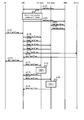
基地局装置1001、1002がキャッシュ装置1003と通信する際の各装置間の通信フローの一例を、図5を利用して説明する。メッセージm1501として、端末装置が基地局装置に対してURI Aで示される情報の要求を送信する。基地局装置はキャッシュ装置1003に対してメッセージm1502を送信し、URI Aで示される情報のキャッシュ装置1003からの読み出しを要求する。キャッシュ装置1003は、キャッシュ装置1003内のインデックス記憶部1302から情報を読み、ユーザーデータ記憶部にURI Aに対応する情報が記録されているか調べ、URI Aに対応する情報が記録されている場合はその情報をメッセージm1502に対する応答メッセージm1503に含めて基地局装置に対して送信する。メッセージm1503を受信した基地局装置は端末装置に対し、メッセージm1501に対する応答としてメッセージm1503に含まれていたURI Aに対応する情報をメッセージm1504として送信する。
次に端末装置はメッセージm1505としてURI Bで示される情報の要求を基地局装置に対して送信する。メッセージm1505を受信した基地局装置は、キャッシュ装置1003に対してメッセージm1506を送信し、URI Bで示される情報のキャッシュ装置1003からの読出しを要求する。m1506を受信したキャッシュ装置1003は、キャッシュ装置1003内のインデックス記憶部1302から情報を読み、ユーザーデータ記憶部にURI Bに対応する情報が記録されているか調べ、URI Bに対応する情報が記録されていない場合、エラーとしてメッセージm1507を、メッセージm1506を送信してきた基地局装置に対して送信する。メッセージm1507を受信した基地局装置は、S-ゲートウエイを経由し、宛先をURI Bに対応する情報が格納されているサーバとしたURI Bに対応するデータの取得を要求するメッセージm1508をS-ゲートウエイに対して送信する。基地局装置が使用するデフォルトのルートにS-ゲートウエイが含まれている場合、明示的に使用する経路としてS-ゲートウエイを指定しなくても良い。メッセージm1508を受信したS-ゲートウエイは、このメッセージの宛先であるサーバに対してURI Bに対応する情報を要求するメッセージm1509を送信する。S-ゲートウエイはルータとして動作する装置であり、各種メッセージの経路を制御する。以降の説明ではS-ゲートウエイの動作の記載を省略し、基地局装置がサーバと直接メッセージ交換を行うように記載する事がある。メッセージm1509を受信したサーバは、メッセージm1509で要求しているURI Bに対応する情報を、メッセージm1510として、S-ゲートウエイ経由で基地局装置に対し送信するように設定されたメッセージをS-ゲートウエイに対して送信する。メッセージm1510を受信したS-ゲートウエイは、メッセージm1510に含まれているURI Bに対応する情報をメッセージm1511として基地局装置に対して送信する。
メッセージm1511を受信した基地局装置は、メッセージm1505を送信した端末装置に対してメッセージm1511に含まれているURI Bの情報を応答のメッセージm1512として送信する。そしてキャッシュ装置1003に対してURI BとURI Bに対応する情報を書き込むためのメッセージm1513を送信する。メッセージm1513を受信したキャッシュ装置1003は、キャッシュ装置1003内のインデックス記憶部1302、ユーザーデータ記憶部にURI Bに関する情報を書き込み、書き込みに成功するとメッセージm1513を送信してきた基地局装置に対し、書き込み成功を示す応答をメッセージm1514として送信する。
以上のように動作する事で、ユーザープレーンのデータ経路以外に配置したキャッシュ装置からURIに対応するデータの読み込み、またはキャッシュ装置に対するURIに対応するデータの書き込みを行う事で、基地局装置からS-ゲートウエイ方向のユーザープレーン上のトラフィックを軽減する事が可能となり、ネットワークシステムの効率を向上する事が可能となる。
(第2の実施形態)
第2の実施形態では、基地局装置にもキャッシュ部を備え、基地局装置内のキャッシュ部を1次キャッシュ、ユーザープレーン上のデータ経路以外に配置したキャッシュ装置を2次キャッシュとして動作する形態の一例を示す。この構成は、ネットワーク的に少し遠いユーザープレーン上のデータ経路以外に配置したキャッシュ装置と、ネットワーク的に近い基地局装置内の1次キャッシュ部を併用する事で、一例としてキャッシュ上のデータの読出し時のレイテンシがある程度許容できる大きなデータを2次キャッシュ装置に記憶し、読出し時のレイテンシが少ない方が良い小さなデータを1次キャッシュ部記憶するようなキャッシュの運用方法が可能となる。図6は本実施形態の概略構成を示すブロック図であり、図1の構成と同様の装置については同じ番号を付記しており、以降の説明を省略する。基地局装置1101、1102は端末装置1004、1005と接続する。また、基地局装置1101、1102はそれぞれ一次キャッシュ部1101a、1102bを備える。更に基地局装置1101、1102は2次キャッシュ装置1103とX-キャッシュインターフェースと接続する。2次キャッシュ装置1103は更に移動管理装置1008とキャッシュ制御インターフェースで接続する。また、2次キャッシュ装置1103はS-ゲートウエイを経由せずに他の通信機器と接続するためのブレークアウトインターフェース1006を備えても良い。2次キャッシュ装置1103の構成は図2または図3の構成と同様で良く、ブレークアウトインターフェース1006を備える構成、ブレークアウトインターフェースを備えない構成どちらでも良い。
第2の実施形態では、基地局装置にもキャッシュ部を備え、基地局装置内のキャッシュ部を1次キャッシュ、ユーザープレーン上のデータ経路以外に配置したキャッシュ装置を2次キャッシュとして動作する形態の一例を示す。この構成は、ネットワーク的に少し遠いユーザープレーン上のデータ経路以外に配置したキャッシュ装置と、ネットワーク的に近い基地局装置内の1次キャッシュ部を併用する事で、一例としてキャッシュ上のデータの読出し時のレイテンシがある程度許容できる大きなデータを2次キャッシュ装置に記憶し、読出し時のレイテンシが少ない方が良い小さなデータを1次キャッシュ部記憶するようなキャッシュの運用方法が可能となる。図6は本実施形態の概略構成を示すブロック図であり、図1の構成と同様の装置については同じ番号を付記しており、以降の説明を省略する。基地局装置1101、1102は端末装置1004、1005と接続する。また、基地局装置1101、1102はそれぞれ一次キャッシュ部1101a、1102bを備える。更に基地局装置1101、1102は2次キャッシュ装置1103とX-キャッシュインターフェースと接続する。2次キャッシュ装置1103は更に移動管理装置1008とキャッシュ制御インターフェースで接続する。また、2次キャッシュ装置1103はS-ゲートウエイを経由せずに他の通信機器と接続するためのブレークアウトインターフェース1006を備えても良い。2次キャッシュ装置1103の構成は図2または図3の構成と同様で良く、ブレークアウトインターフェース1006を備える構成、ブレークアウトインターフェースを備えない構成どちらでも良い。
図7に基地局装置1101、1102の構成概要の一例を示す。図4の構成と同様のブロックについては同じ番号を付記しており、以降の説明を省略する。制御部1411はX-キャッシュインターフェース1407、S1-Uインターフェース1408、S1-MMEインターフェース1409、無線インターフェース1410、キャッシュポリシー記憶部1405、1次キャッシュ部1401が接続される。1次キャッシュ部1401はメッセージ処理部1404、インデックス記憶部1402、ユーザーデータ記憶部1403から構成される。メッセージ処理部1404は制御部1411からURIに対応するデータの読出し要求を受けた時に、インデックス記憶部1402、ユーザーデータ記憶部1403の内容を調べ、この読出し要求に含まれるURIに対応するデータ、またはエラーを応答として送信する。また、制御部1411からURIとURIに対応するデータを含む書き込み要求を受けたときに、インデックス記憶部1402、ユーザーデータ記憶部1403の内容を読み書きする事で1次キャッシュ部1401に要求されたデータを記憶し、書き込み処理が成功したか失敗したかを応答する。メッセージ処理部1404はキャッシュの読出し要求、書き込み要求を受けた際に、キャッシュポリシー記憶部1405を参照し、キャッシュされているデータの読出し、書き込みを行ってよいか判断し、操作が禁止されている場合は読出し、書き込みの動作を注視し、失敗を報告して良い。また、制御部1411はS1-MMEインターフェース1409を通じて1次キャッシュ部1401のキャッシュポリシーを設定するメッセージを受信したときは、キャッシュポリシー記憶部1405にこのメッセージの基づいたデータを書き込む。
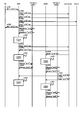
1次キャッシュ、2次キャッシュを利用する構成を使用して通信を行う際の各装置間の通信フローの一例を、図8を利用して説明する。メッセージm1601として端末装置が基地局装置に対してURI Aで示される情報の要求を送信する。基地局装置内の制御部1411は、基地局装置内の1次キャッシュ部に対してURI Aで示される情報の要求を送信し、URI Aで示される情報の1次キャッシュ部からの読出しを要求する。1次キャッシュ部は、1次キャッシュ部内のインデックス記憶部1402から情報を読み、データ記憶部にURI Aに対する情報が記録されているか調べ、データ記憶部にURI Aに対応する情報が記録されている場合はそのデータをメッセージm1603に含めてメッセージm1602の応答として基地局装置内の制御部1411に送信する。メッセージm1603を受信した基地局装置内の制御部1411は端末装置に対し、メッセージm1601に対する応答としてメッセージm1601に含まれていたURI Aに対応する情報をメッセージm1604として送信する。
次に端末装置はメッセージm1605としてURI Bで示される情報の要求を基地局装置に対して送信する。メッセージm1605を受信した基地局装置内の制御部1411は、1次キャッシュ部に対してメッセージm1606を送信し、URI Bで示される情報の1次キャッシュ部からの読出しを要求する。m1606を受信した1次キャッシュ部は、1次キャッシュ部内のインデックス記憶部1402から情報を読み、データ記憶部にURI Bに対応する情報が記憶されているか調べ、URI Bに対応する情報が記憶されていない場合、エラーとしてメッセージm1607を基地局装置内の制御部1411に送信する。メッセージm1607を受信した基地局装置内の制御部1411は、2次キャッシュ装置に対してURI Bに対応する情報の要求をm1608として送信する。メッセージm1608を受信した2次キャッシュ装置は、2次キャッシュ装置内のインデックス記憶部1302から情報を読み、データ記憶部にURI Bに対応する情報が記憶されているか調べ、URI Bに対応する情報が記憶されている場合はそのデータをメッセージm1609に含め、メッセージm1608に対する応答として基地局装置内の制御部1411に送信する。メッセージm1609を受信した基地局装置内の制御部1411は、メッセージm1605を送信した端末装置への応答メッセージm1610としてURI Bに対応する情報を送信する。
次に端末装置はメッセージm1611としてURI Cで示される情報の要求を基地局装置に対して送信する。メッセージm1611を受信した基地局装置内の制御部1411は、基地局装置内の1次キャッシュに対してメッセージm1612を送信し、URI Cで示される情報の一次キャッシュ部からの読出しを要求する。m1612を受信した1次キャッシュ部は、1次キャッシュ部内のインデックス記憶部1402から情報を読み、データ記憶部にURI Cに対応する情報が記憶されているか調べ、URI Cに対応する情報が記憶されていない場合、エラーとしてメッセージm1613を基地局装置内の制御部1411に送信する。メッセージm1613を受信した基地局装置内の制御部1411は、2次キャッシュ装置に対してURI Cに対応する情報の要求をm1614として送信する。メッセージm1614を受信した2次キャッシュ装置は、2次キャッシュ装置内のインデックス記憶部1302から情報を読み、データ記憶部にURI Cに対応する情報が記憶されているか調べ、URI Cに対応する情報が記憶されていない場合、エラーとしてメッセージm1615を基地局装置内の制御部1411に送信する。メッセージm1615を受信した基地局装置内の制御部1411は、S-ゲートウエイを経由し、宛先をURI Cに対応する情報が格納されているサーバとしたURI Cに対応するデータの取得を要求するメッセージm1616をS-ゲートウエイに対して送信する。基地局装置が使用するデフォルトのルートにS-ゲートウエイが含まれている場合、明示的に使用する経路としてS-ゲートウエイを指定しなくても良い。メッセージm1616を受信したS-ゲートウエイは、このメッセージの宛先であるサーバに対してURI Cに対応する情報を要求するメッセージm1617を送信する。メッセージm1617を受信したサーバは、メッセージm1617で要求しているURI Cに対応する情報を、メッセージm1618として、S-ゲートウエイ経由で基地局装置に対し送信するように設定されたメッセージをS-ゲートウエイに対して送信する。メッセージm1618を受信したS-ゲートウエイは、メッセージm1618に含まれているURI Cに対応する情報をメッセージm1619として基地局装置に対して送信する。
メッセージm1619を受信した基地局装置は、メッセージm1611を送信した端末装置に対してメッセージm1619に含まれているURI Cの情報を応答のメッセージm1620として送信する。そして1次キャッシュ部と2次キャッシュ装置に対してURI CとURI Cに対応する情報を書き込むためのメッセージをそれぞれメッセージm1621とメッセージm1622として送信する。メッセージm1621を受信した1次キャッシュ部は、1次キャッシュ部内のインデックス記憶部1402、データ記憶部にURI Cに関する情報を書き込み、書き込みに成功するとメッセージm1623を送信してきた基地局装置内の制御部1411に対し、書き込み成功を示す応答をメッセージm1623として送信する。同様に2次キャッシュ装置も書き込み成功を示す応答をメッセージm1624として基地局装置内の制御部1411に送信する。
基地局装置内の1次キャッシュ部のキャッシュポリシーと、2次キャッシュ装置のキャッシュポリシーは異なって良い。例えば、1次キャッシュ部はウエブサイトを表示するために使用される各種テキストデータ(htmlやxmlで記述されるデータなど)とデータサイズが所定の数以下の静止画データのみをキャッシュするように設定し、2次キャッシュ装置はデータサイズが所定の数を超える静止画データと動画映像データのみをキャッシュするように設定しても良い。また、2次キャッシュ装置のデータ記憶部の容量が十分に大きい場合等、1次キャッシュ部でキャッシュするデータの一部、または全てを2次キャッシュ装置でキャッシュするようにキャッシュポリシーを設定しても良い。1次キャッシュ部と2次キャッシュ装置に対して複数のキャッシュポリシーを設定する際の各装置間のメッセージフローの一例を、図9を使用して説明する。
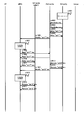
移動管理装置は基地局装置に対し、基地局装置内の1次キャッシュ部のキャッシュポリシーをAと設定することを要求するメッセージm1701を送信する。メッセージm1701を受信した基地局装置の制御部1411は、ステップs1702として基地局装置内の1次キャッシュ部用のキャッシュポリシー記憶部に対して、キャッシュポリシーをAと設定する。その後、基地局装置内の制御部1411は、移動管理装置に対してメッセージm1702に対する応答としてメッセージm1704を送信する。続いて移動管理装置は2次キャッシュ装置に対し、2次キャッシュ装置のキャッシュポリシーをBと設定する事を要求するメッセージm1705を送信する。メッセージm1705を受信した2次キャッシュ装置は、2次キャッシュ装置内のキャッシュポリシー記憶部に対してキャッシュポリシーをBと設定する。その後、2次キャッシュ装置は移動管理装置に対し、メッセージm1705に対する応答としてメッセージm1706を送信する。以上のように移動管理装置は、1次キャッシュ部と2次キャッシュ装置に対して異なるキャッシュポリシーを設定するために異なるポリシー設定要求メッセージを送信する。
上記の設定がされた状態で、端末装置はメッセージm1707としてURI Hで示される情報の要求を基地局装置に対して送信する。このURI Hに対応する情報は、基地局装置内の1次キャッシュ部と2次キャッシュ装置のそれぞれにキャッシュされていないものとする。また、このURI Hに対応する情報は、キャッシュポリシーAではキャッシュ対象となり、キャッシュポリシーBではキャッシュ対象とならないものとする。メッセージm1707を受信した基地局装置の制御部1411は、基地局装置内の1次キャッシュ部に対してメッセージm1708を送信し、URI Hで示される情報の2次キャッシュ装置からの読出しを要求する。m1708を受信した基地局装置内の1次キャッシュ部は、1次キャッシュ部内のインデックス記憶部1402から情報を読み、データ記憶部内にURI Hに対応する情報が記録されているか調べ、URI Hに対応する情報が記録されてしないことによるエラーとして基地局装置内の制御部1411に対してメッセージm1709を送信する。メッセージm1709を受信した基地局装置内の制御部1411は、2次キャッシュ装置に対してメッセージm1710を送信し、URI Hで示される情報の2次キャッシュ装置からの読出しを要求する。メッセージm1710を受信した2次キャッシュ装置は、2次キャッシュ装置内のインデックス記憶部1302から情報を読み、データ記憶部内にURI Hに対応する情報が記録されているか調べ、URI Hに対応する情報が記録されてしないことによるエラーとして基地局装置内の制御部1411に対してメッセージm1711を送信する。メッセージm1711を受信した基地局装置内の制御部1411は、宛先をURI Hに対応する情報が格納されているサーバとしたURI Hに対応するデータの取得を要求するメッセージm1712をこのサーバ対して送信する。メッセージm1712を受信したサーバは、メッセージm1712の応答としてURI Hに対応するデータをメッセージm1713として基地局装置内の制御部1411に対して送信する。メッセージm1713を受信した基地局装置内の制御部1411は、メッセージm1707を送信した端末装置に対し、メッセージm1707の応答としてURI Hに対応するデータを送信する。
その後基地局装置内の制御部1411は、1次キャッシュ部に対してURI HとURI Hに対応する情報を書き込むためのメッセージm1715を送信する。メッセージm1715を受信した1次キャッシュ部は、ステップS1716でメッセージm1715の書き込み要求がキャッシュポリシーAと合致するか評価し、合致すると判断して1次キャッシュ部内のインデックス記憶部1302とデータ記憶部に対し、URI HとURI Hに対応するデータを書き込む。その後、1次キャッシュ部は基地局装置内の制御部1411に対し、メッセージm1715の応答としてメッセージm1718を送信する。また、基地局装置内の制御部1411は、2次キャッシュ装置に対し、URI HとURI Hに対応する情報を書き込むためのメッセージm1719を送信する。メッセージm1719を受信した2次キャッシュ装置は、ステップs1720でメッセージm1719の書き込み要求がキャッシュポリシーBに合致するか評価し、合致しないと判断して書き込み処理を行わず、基地局装置内の制御部1411にメッセージm1719に対するエラーメッセージとしてメッセージm1721を送信する。
1次キャッシュ部と2次キャッシュ装置を使用する構成で、1次キャッシュ部と2次キャッシュ装置で共通のデータを記憶するキャッシュポリシーが適用されている場合、複数の基地局装置から同じURIに対して異なるデータの書き込み要求が発生すると、複数の基地局装置が備えている1次キャッシュ部の間でキャッシュ済みデータの一貫性が壊れる事がある。また、キャッシュ済みデータの有効期間が終了した場合など、1次キャッシュ部と2次キャッシュ装置のそれぞれでキャッシュ済みデータの無効化処理が必要なことがある。また、あるURIに対するデータを要求する際に範囲指定を利用して限定的にデータを取得し、その後異なる範囲を指定、または範囲指定を行わずに更に多くのデータを取得し、キャッシュ対象のデータが変更となる場合がある。このような場合にキャッシュ済みデータの一貫性を確保する方法の一例を、図10を使用して説明する。
図10は基地局装置1102(第2の基地局装置)にURI Dに対応する古いデータがキャッシュされた状態、基地局装置1101(第1の基地局装置)にはURI Dに対するデータがキャッシュされていない状態で、基地局装置1101に接続している端末装置1004から基地局装置1101に対してURI Dに対応するデータを取得する要求が送信されたときに、2次キャッシュ装置1103に対してUDI Dに対応するデータの書き込みを行い、2次キャッシュ装置から基地局装置1102に対してURI Dに対応するデータが変更されことを通知する場合の一例を示している。また、1次キャッシュ部1101aにUDI Dに対応するデータの一部、例えばサムネイル表示用に使用する部分のみをキャッシュし、UDI Dに対応するデータ全体を2次キャッシュ装置1103にキャッシュしても良い。また、2次キャッシュ装置1103にデータ全体が書き込まれた後に1次キャッシュ部110aからデータを削除しても良く、これらの手順も図10に記載している。
端末装置1004は基地局装置1101に対し、URI Dに対応するデータの要求をメッセージm1801として送信する。メッセージm1801を受信した基地局装置の制御部1411は、2次キャッシュ装置1103に対してメッセージm1802を送信し、URI Dに対応するデータの読出しを要求する。メッセージm1802を受信した2次キャッシュ装置は、データ記憶部内にURI Dに対応するデータを記憶していないので、メッセージm1802に対する応答としてエラーメッセージm1803を基地局装置1101の制御部1411に対して送信する。メッセージm1803を受信した基地局装置1101の制御部1411は、URI Dに対応する情報が格納されているサーバを宛先としたURI Dに対応する情報を要求するメッセージm1804を送信する。メッセージm1804を受信したサーバは、URI Dに対応する情報をメッセージm1804への応答メッセージm1805として基地局装置1101の制御部1411に対して送信する。メッセージm1805を受信した基地局装置1101の制御部1411は、URI Dに対応する情報を、メッセージm1801を送信してきた端末装置1004にメッセージm1806として送信する。
メッセージm1805を受信した基地局装置1101の制御部1411は、1次キャッシュ部1101aに対してURI Dに対応する情報の一部のブロックの書き込み要求メッセージm1807を送信する。1次キャッシュ部に対して書き込むデータはURI Dに対応するデータ全てである必要は無く、一部のみ、例えばURI Dに対応するデータの先頭から所定の長さのみを書き込んでよい。また、UDI Dに対応するデータの一部のみを書き込む場合、サーバから送信されるメッセージm1805全体の受信を待つ必要は無く、メッセージm1807で送信するブロックに対応する部分を受信した後、任意のタイミングでメッセージm1807を送信して良い。メッセージm1807を受信した一次キャッシュ部1101aはキャッシュへのデータの書き込みを行い、メッセージm1807に対尾する応答メッセージm1811を基地局装置1101の制御部1411に対して送信する。
基地局装置1101の制御部1411は、ステップs1809でメッセージm1805が完全に受信され、2次キャッシュ装置1103に対して書き込むことが出来る状態であるか判断する。ステップs1809では2次キャッシュ装置1103に対して書き込みを開始する条件として、他の条件、例えば書き込むデータの大きさ(URI Dに対応するデータの大きさ)や、書き込むデータのオリジンサイト(URI Dに対応するデータを格納していたサーバのアドレスなど)などの他の条件を用いても良い。ステップs1809で条件を満たしたと評価された場合、基地局装置1101の制御部1411は2次キャッシュ装置1103に対してメッセージm1810を送信し、URI DとURI Dに対応するデータの書き込みを要求する。メッセージm1810を受信した2次キャッシュ装置1103は、メッセージm1810に含まれているURI DとUDI Dに対応するデータを2次キャッシュ装置1103に書き込み、m1810に対する応答メッセージm1811を基地局装置1101の制御部1411に送信する。
基地局装置1101内の制御部1411はステップs1824で2次キャッシュ装置へのURI Dに関するデータの書き込み状況を調べ、書き込みが終了したと判断すると、基地局装置内の1次キャッシュ部1101aに対してメッセージm1812を送信し、URI Dに関する情報の消去を要求する。メッセージm1812を受信した1次キャッシュ部1101aは1次キャッシュ部1101aからURI Dに関する情報を消去し、基地局装置1101の制御部1411に対してm1812への応答メッセージm1813を送信する。
メッセージm1811を送信した2次キャッシュ装置1103は、基地局装置1102(第2の基地局装置)に対してメッセージm1814を送信し、URI Dに対応するデータが更新されたことを通知する。メッセージm1814を受信した基地局装置1102の制御部1411はステップs1815で基地局装置1102内の1次キャッシュ部1102aにUDI Dに関する情報が記憶されているか、記憶されている情報が古くなっているか評価し、古くなっていると評価した場合、1次キャッシュ部1102aに対してメッセージm1816を送信し、URI Dに関する情報の消去を要求する。メッセージm1816を受信した1次キャッシュ部1102aは、1次キャッシュ部内のURI Dに関する情報を消去し、メッセージm1816に対する応答メッセージm1817を基地局装置1102の制御部1411に対して送信する。なお、本実施の形態では2次キャッシュ装置からURIに対応するデータの変更の通知を受けたときに1次キャッシュ部のデータを消去するが、2次キャッシュ装置からURLに対応するデータを読出し、読みだしたデータで1次キャッシュ部内のデータを更新しても良い。
URI Dに対応するデータの書き込みによって2次キャッシュ装置1103内のデータ記憶領域の余剰が無くなった場合、他のデータの無効化処理を行い、新たに作られた余剰領域にデータの書き込みを行う。本実施の形態では無効化するデータを限定しないが、一例として書き込まれた時間が最も古いデータを選択する方法や読み出された時間が最も古いデータを選択する方法などの方法を使用して良い。本実施の形態では何かしらの方法でURI Eに対応するデータが消去されたものとする。URI Eに対応するデータを消去すると、2次キャッシュ装置1103は基地局装置1101の制御部1411に対してメッセージm1818を送信し、URI Eに対応するデータが消去されたことを通知する。同様に2次キャッシュ装置は基地局装置1102の制御部1411に対してメッセージm1819を送信し、URI Eに対応するデータが消去されたことを通知する。メッセージm1818を受信した基地局装置1101の制御部1411は、ステップs1820で1次キャッシュ部1101aのキャッシュ済みデータがURI Eのデータ消去の影響を受けるか評価し、影響がないと判断するとURI Eに関する処理を行わない。メッセージm1819を受信した基地局装置1102の制御部1411は、ステップs1821で1次キャッシュ部1102aのキャッシュ済みデータがURI Eのデータ消去の影響を受けるか評価し、影響があると判断した場合、一例として本実施の形態では1次キャッシュ部1102aにキャッシュしているURI Eに関するデータが古くなったと判断し、一次キャッシュ部にメッセージm1822を送信し、URI Eに関するデータの消去を要求する。メッセージm1822を受信した1次キャッシュ部1102aはURI Eに関する情報を消去し、メッセージm1822の応答として基地局装置1101の制御部1411に対してメッセージm1823を送信する。
以上のように動作する事で、基地局装置内の1次キャッシュ部とユーザープレーンのデータ経路以外に配置した2次キャッシュ装置からURIに対応するデータの読み込み、またはキャッシュ装置に対するURIに対応するデータの書き込みを行う事で、基地局装置からS-ゲートウエイ方向のユーザープレーン上のトラフィックを軽減する事が可能となり、ネットワークシステムの効率を向上する事が可能となる。また、1次キャッシュ部と2次キャッシュ装置の間でデータの整合性が確保される。
(第3の実施形態)
第3の実施形態では、ユーザープレーンデータ経路以外に配置したキャッシュ装置(2次キャッシュ装置)のブレークアウトインターフェースを利用し、外部からキャッシュ装置内のデータを制御する場合や、ブレークアウトインターフェースを利用してデータの更新速度を向上する場合について説明する。図11は外部の業者(サードパーティ)がブレークアウトインターフェースを使用し、2次キャッシュ装置の内容を変更する手順、2次キャッシュ装置内のデータを消去する手順の一例を示したものである。図11の手順が想定するネットワークシステムの構造は図6に記載したものと同様である。2次キャッシュ装置の構成は図3と同様の構成を使用する。図11の手順は、外部の業者は2次キャッシュ装置1103に記憶されているデータが外部の業者の著作物であるか調べ、著作物であった場合に公開して良いデータを上書きする場合や、該当のデータを削除するような場合に使用可能である。
第3の実施形態では、ユーザープレーンデータ経路以外に配置したキャッシュ装置(2次キャッシュ装置)のブレークアウトインターフェースを利用し、外部からキャッシュ装置内のデータを制御する場合や、ブレークアウトインターフェースを利用してデータの更新速度を向上する場合について説明する。図11は外部の業者(サードパーティ)がブレークアウトインターフェースを使用し、2次キャッシュ装置の内容を変更する手順、2次キャッシュ装置内のデータを消去する手順の一例を示したものである。図11の手順が想定するネットワークシステムの構造は図6に記載したものと同様である。2次キャッシュ装置の構成は図3と同様の構成を使用する。図11の手順は、外部の業者は2次キャッシュ装置1103に記憶されているデータが外部の業者の著作物であるか調べ、著作物であった場合に公開して良いデータを上書きする場合や、該当のデータを削除するような場合に使用可能である。
外部の業者はステップs1901でネットワーク機器(図示せず)からブレークアウトインターフェース1309を経由し、アクセス制御部1310に対して2次キャッシュ装置1103に接続するためのアクセス権限の取得を行う。アクセス制御の方法は特に限定しないが、一例としてIEEE802.1xの手順を使用して良い。ステップs1901でアクセス権を取得したネットワーク機器は、2次キャッシュ装置1103に対してメッセージm1902を送信し、2次キャッシュ装置1103に記憶されている情報のインデックス取得を要求する。メッセージm1902を受信した2次キャッシュ装置1103はメッセージm1902を送信したネットワーク機器に対し、メッセージm1902の応答として2次キャッシュ装置1103に記憶している情報のインデックス情報を含むメッセージm1903を送信する。このインデックス情報は、記憶している情報のURIや取得した時間だけでなく、記憶しているぞれぞれの情報の大きさ、ぞれぞれの情報のハッシュ値、それぞれの情報の先頭部分など一部の実データ、それぞれの情報のメタデータ、映像データであればサムネイル画像などを含んでよい。
メッセージm1903を受信したネットワーク機器は、メッセージm1903に含まれているインデックス情報を参照し、書き換えるデータと対象のURIを選択する。ここではURI Fに対応するデータを書き換えるものとする。ネットワーク機器はメッセージm1904を2次キャッシュ装置1103にURI FとURI Fに対応するデータとして書き換えるデータを送信する。メッセージm1904を受信した2次キャッシュ装置1103は2次キャッシュ装置1103内のURI Fに対応するデータをメッセージm1904に含まれているデータで書き換え、メッセージm1904を送信したネットワーク機器に対し、メッセージm1904の応答としてメッセージm1905を送信する。その後、2次キャッシュ装置1103は基地局装置1101の制御部1411に対してメッセージm1906を送信し、URI Fに対応するデータが変更されたことを通知する。メッセージm1906を受信した基地局装置1101の制御部1411は、ステップs1907でURI Fの変更が、1次キャッシュ部1101aがキャッシュしているデータに影響を与えるか評価する。評価の結果1次キャッシュ部1101a内のデータを更新する必要があると判断すると、基地局装置1101の制御部1411は2次キャッシュ装置1103に対してメッセージm1908を送信し、URI Fに対応するデータの読出しを要求する。メッセージm1908を受信した2次キャッシュ装置1103は、メッセージm1908の応答としてURI Fに対応するデータを、メッセージm1909として基地局装置1103の制御部1411に対して送信する。メッセージm1909を受信した基地局装置1103の制御部1411は、1次キャッシュ部1101aに対してメッセージm1910を送信し、URI FとURI Fに対応するデータの書き込みを要求する。メッセージm1910を受信した1次キャッシュ部1101aは、1次キャッシュ部内のURI Fに対応するデータを更新し、メッセージm1910に対する応答としてメッセージm1911を基地局装置1101の制御部1411に対して送信する。
次にネットワーク機器は2次キャッシュ装置1103内のURI Gに対応するデータを削除するために、URI Gを削除する要求メッセージm1912を2次キャッシュ装置1103に送信する。メッセージm1912を受信した2次キャッシュ装置1103は、2次キャッシュ装置1103内のURI Gに関連するデータを削除し、メッセージm1912に対する応答としてネットワーク機器に対しメッセージm1913を送信する。続いて基地局装置1101の制御部1411に対し、URI Gに対応するデータが削除されたことを通知するメッセージm1914を送信する。メッセージm1914を受信した基地局装置1101の制御部1411は、ステップs1915でURI Gに対応するデータの削除が、1次キャッシュ部1101aがキャッシュしているデータに影響があるか評価する。URI Gに対応するデータの削除が必要と判断すると、基地局装置1101の制御部1411は1次キャッシュ部1101aに対してメッセージm1916を送信し、URI Gに対応する情報の削除を要求する。メッセージm1917を受信した1次キャッシュ部1101aは、1次キャッシュ部内のURI Gに関する情報を削除し、メッセージm1916に対する応答として基地局装置1101に対してメッセージm1917を送信する。
以上のようなフローにより、外部業者のネットワーク機器から2次キャッシュ装置1103にキャッシュしているデータの変更、削除が可能となる。続いて、外部の業者のネットワーク機器からブレークアウトインターフェースを利用してデータの先読み、先送りを行う動作の一例を、図12を利用して説明する。図12ではセグメント化された映像データを利用するビデオストリーム方法、一例としてMPEG DASHやHTTP Live Streaming(HLS)などのプロトコルを対象とする。ストリーミング配信を行うサーバがストリーミング開始後、ブレークアウトインターフェースを利用してネットワーク内のキャッシュ装置(2次キャッシュ装置)に先送りするフローの一例を示す。
端末装置1004は、ストリーミングサーバ(図示せず)に対する番組情報、MPEG DASHではMPDファイル、HLSではプレイリストと呼ばれる情報を要求するメッセージm2001を基地局装置1101に対して送信する。メッセージm2001を受信した基地局装置1101は、ストリーミングサーバに対し、番組情報を要求するメッセージm2002を送信する。メッセージm2002を受信したストリーミングサーバは、要求された番組情報(MPDファイルやプレイリストなど)をメッセージm2002の応答メッセージm2003として基地局装置1101に対して送信する。メッセージm2003を受信した基地局装置1101は、メッセージm2001を送信した端末装置に対し、メッセージm2001の応答としてメッセージm2004を送信する。メッセージm2004にはメッセージm2003の内容(番組情報)を含める。メッセージm2004を受信した端末装置1004は、メッセージm2004に含まれている番組情報に基づいてセグメント1の送信をストリーミングサーバに要求するメッセージm2005を、基地局装置1101に対して送信する。メッセージm2005を受信した基地局装置1101は、メッセージm2005の内容をメッセージm2006としてストリーミングサーバに送信する。メッセージm2006を受信したストリーミングサーバは、メッセージm2006に対する応答として要求されたセグメント1を含むメッセージm2007を基地局装置1101に対して送信する。メッセージm2007を受信した基地局装置1101は、メッセージm2007の内容を、端末装置1004にメッセージm2005の応答メッセージとして送信する。
ストリーミングサーバは、ステップs2009でセグメント1の送信先がブレークアウトインターフェースと2次キャッシュ装置1103を備えたネットワークかどうか判断し、ブレークアウトインターフェースと2次キャッシュ装置1103を備えていると判断すると、ステップs2010で、ブレークアウトインターフェース経由で2次キャッシュ装置1104へのアクセス権の取得を行う。このアクセス権の取得後、ストリーミングサーバは2次キャッシュ装置1103に対してメッセージm2011を送信し、2次キャッシュ装置1103がキャッシュしている情報に関するインデックス情報の取得を要求する。このインデックス情報は図11の説明と同様とする。2次キャッシュ装置1103は、メッセージm2011の応答としてインデックス情報を含むメッセージm2012としてストリーミングサーバに送信する。メッセージm2012を受信したストリーミングサーバは、メッセージm2012に含まれるインデックス情報を参照し、2次キャッシュ装置1103がセグメント1を含む番組に関する各セグメントをキャッシュしているか判断し、2次キャッシュ装置1103がこの番組に関するセグメントをキャッシュしていないと判断すると、セグメント1以降のセグメントを2次キャッシュ装置1103に対して順次送信する。まずメッセージm2013としてセグメント2の書き込み要求を2次キャッシュ装置1103に送信する。2次キャッシュ装置1103はセグメント2の内容を2次キャッシュ装置1103内のインデックス記憶部1302とデータ記憶部内に書き込み、メッセージm2013に対する応答メッセージm2014をメディアサーバに送信する。メッセージm2014を受信すると、ストリーミングサーバはメッセージm2020としてセグメント3の書き込み要求を2次キャッシュ装置1103に対して送信する。メッセージm2020を受信した2次キャッシュ装置1103は、セグメント3の内容を2次キャッシュ装置1103内のインデックス記憶部1302とデータ記憶部に書き込み、メッセージm2020に対する応答メッセージm2021をメディアサーバ送信する。メディアサーバから2次キャッシュ装置1103に対するセグメントの書き込み頻度は端末装置1004がセグメントを読み出す頻度を上回れば良く、このフロー制御をセグメントの書き込み要求メッセージに対する応答メッセージを使用して行っても良い。
メッセージm2013のセグメント2の書き込み要求を処理した2次キャッシュ装置1103は、基地局装置1101に対してメッセージm2015を送信し、セグメント2の内容が2次キャッシュ装置1103にキャッシュされたことを通知する。メッセージm2015を受信した基地局装置1101は、メッセージm2015を受信した後に端末装置1004からセグメント2を要求するメッセージm2016を受信すると、メディアサーバではなく2次キャッシュ装置1103に対してメッセージm2017を送信し、セグメント2の取得を要求する。メッセージm2017を受信した2次キャッシュ装置1103は、2次キャッシュ装置1103内にキャッシュしているセグメント2の情報をメッセージm2018として基地局装置1101に対して送信する。メッセージm2018を受信した基地局装置1101は、メッセージm2016を送信した端末装置に対し、メッセージm2016の応答メッセージとしてセグメント2の情報を送信する。また、メッセージm2020のセグメント3の書き込み要求を処理した2次キャッシュ装置1103は、基地局装置1101に対してメッセージm2022を送信し、セグメント3の内容が2次キャッシュ装置1103にキャッシュされたことを通知する。メッセージm2022を受信した基地局装置1101は、以降に端末装置1004からセグメント3を要求するメッセージm2034を受信すると、メディアサーバではなく2次キャッシュ装置1103にたいしてメッセージm2024を送信し、セグメント3の取得を要求する。メッセージm2024を受信した2次キャッシュ装置1103は、2次キャッシュ装置にキャッシュしているセグメント3の情報をメッセージm2025として基地局装置1101に送信する。メッセージm2025を受信した基地局装置1101は、メッセージm2023を送信した端末装置に対する応答メッセージm2026としてセグメント3の情報を送信する。
以上のように動作する事で、ビデオストリーミングを行う際に、基地局装置1101が使用するユーザープレーンへの負荷を低減し、ブレークアウトインターフェース経由でビデオストリーミングを行う事が可能となる。
なお、本発明の一態様を適用する無線通信システムは図1や図6に限定されない。図1や図6に図示している各要素はLTE(Long Term Evolution)システムにおけるコアネットワークであるEPC(Evolved Packet Core)の構成例であるが、NextGenと呼ばれるコアネットワークなどの他のコアネットワークを用いてもよく、図1や図6の構成に限定されない。また、基地局装置および端末装置の数は限定されず、2を超える基地局装置が1つのキャッシュ装置に接続されていてもよい。
本発明の一態様に関わる装置で動作するプログラムは、本発明の一態様に関わる実施形態の機能を実現するように、Central Processing Unit(CPU)等を制御してコンピュータを機能させるプログラムであっても良い。プログラムあるいはプログラムによって取り扱われる情報は、一時的にRandom Access Memory(RAM)などの揮発性メモリあるいはフラッシュメモリなどの不揮発性メモリやHard Disk Drive(HDD)、あるいはその他の記憶装置システムに格納される。
尚、本発明の一態様に関わる実施形態の機能を実現するためのプログラムをコンピュータが読み取り可能な記録媒体に記録しても良い。この記録媒体に記録されたプログラムをコンピュータシステムに読み込ませ、実行することによって実現しても良い。ここでいう「コンピュータシステム」とは、装置に内蔵されたコンピュータシステムであって、オペレーティングシステムや周辺機器等のハードウェアを含むものとする。また、「コンピュータが読み取り可能な記録媒体」とは、半導体記録媒体、光記録媒体、磁気記録媒体、短時間動的にプログラムを保持する媒体、あるいはコンピュータが読み取り可能なその他の記録媒体であっても良い。
また、上述した実施形態に用いた装置の各機能ブロック、または諸特徴は、電気回路、たとえば、集積回路あるいは複数の集積回路で実装または実行され得る。本明細書で述べられた機能を実行するように設計された電気回路は、汎用用途プロセッサ、デジタルシグナルプロセッサ(DSP)、特定用途向け集積回路(ASIC)、フィールドプログラマブルゲートアレイ(FPGA)、またはその他のプログラマブル論理デバイス、ディスクリートゲートまたはトランジスタロジック、ディスクリートハードウェア部品、またはこれらを組み合わせたものを含んでよい。汎用用途プロセッサは、マイクロプロセッサであってもよいし、従来型のプロセッサ、コントローラ、マイクロコントローラ、またはステートマシンであっても良い。前述した電気回路は、デジタル回路で構成されていてもよいし、アナログ回路で構成されていてもよい。また、半導体技術の進歩により現在の集積回路に代替する集積回路化の技術が出現した場合、本発明の一または複数の態様は当該技術による新たな集積回路を用いることも可能である。
なお、本願発明は上述の実施形態に限定されるものではない。実施形態では、装置の一例を記載したが、本願発明は、これに限定されるものではなく、屋内外に設置される据え置き型、または非可動型の電子機器、たとえば、AV機器、キッチン機器、掃除・洗濯機器、空調機器、オフィス機器、自動販売機、その他生活機器などの端末装置もしくは通信装置に適用出来る。
以上、この発明の実施形態に関して図面を参照して詳述してきたが、具体的な構成はこの実施形態に限られるものではなく、この発明の要旨を逸脱しない範囲の設計変更等も含まれる。また、本発明の一態様は、請求項に示した範囲で種々の変更が可能であり、異なる実施形態にそれぞれ開示された技術的手段を適宜組み合わせて得られる実施形態についても本発明の技術的範囲に含まれる。また、上記各実施形態に記載された要素であり、同様の効果を奏する要素同士を置換した構成も含まれる。
本発明の一態様は、無線通信装置に利用可能である。本発明の一態様は、例えば、通信システム、通信機器(例えば、携帯電話装置、基地局装置、無線LAN装置、或いはセンサーデバイス)、集積回路(例えば、通信チップ)、又はプログラム等において、利用することができる。
1001,1002 基地局装置
1003 キャッシュ装置
1004,1005 端末装置
1006 ブレークアウトインターフェース
1007 S-ゲートウエイ
1008 移動管理装置
1101,1102 基地局装置
1101a,1102a 1次キャッシュ部
1103 2次キャッシュ装置
1301 キャッシュ部
1302 インデックス記憶部
1303 ユーザーデータ記憶部
1304 メッセージ処理部
1305 キャッシュポリシー記憶部
1306 制御部
1307,1308 X-キャッシュインターフェース
1309 ブレークアウトインターフェース
1310 アクセス制御部
1311 キャッシュ制御インターフェース
1401 キャッシュ部
1402 インデックス記憶部
1403 ユーザーデータ記憶部
1404 メッセージ処理部
1405 キャッシュポリシー記憶部
1406 制御部
1407 X-キャッシュインターフェース
1408 S1-Uインターフェース
1409 S1-MMEインターフェース
1410 無線インターフェース
1411 制御部
1003 キャッシュ装置
1004,1005 端末装置
1006 ブレークアウトインターフェース
1007 S-ゲートウエイ
1008 移動管理装置
1101,1102 基地局装置
1101a,1102a 1次キャッシュ部
1103 2次キャッシュ装置
1301 キャッシュ部
1302 インデックス記憶部
1303 ユーザーデータ記憶部
1304 メッセージ処理部
1305 キャッシュポリシー記憶部
1306 制御部
1307,1308 X-キャッシュインターフェース
1309 ブレークアウトインターフェース
1310 アクセス制御部
1311 キャッシュ制御インターフェース
1401 キャッシュ部
1402 インデックス記憶部
1403 ユーザーデータ記憶部
1404 メッセージ処理部
1405 キャッシュポリシー記憶部
1406 制御部
1407 X-キャッシュインターフェース
1408 S1-Uインターフェース
1409 S1-MMEインターフェース
1410 無線インターフェース
1411 制御部
Claims (8)
- 端末装置と、複数の基地局装置を含んで構成される無線通信システムで使用するキャッシュ装置であって、
基地局装置と接続するためのインターフェースを備え、
前記基地局装置と接続するためのインターフェースに前記複数の基地局装置を接続する事を特徴とするキャッシュ装置。 - 前記基地局装置と接続するためのインターフェースは、前記複数の基地局装置が使用するユーザープレーンが使用する経路と異なる経路上に設定される事を特徴とする請求項1に記載のキャッシュ装置。
- 前記複数の基地局装置が使用するS-ゲートウエイを経由する経路を使用しないブレークアウトインターフェースを更に備える事を特徴とする請求項1または請求項2に記載のキャッシュ装置。
- 前記複数の基地局装置はキャッシュ部を更に備え、前記複数の基地局装置のキャッシュポリシーを設定するためのキャッシュポリシーメッセージとは異なるキャッシュポリシーメッセージを受信し、キャッシュポリシーを設定する事を特徴とする請求項1から請求項3のいずれかに記載のキャッシュ装置。
- 前記ブレークアウトインターフェースを経由してサーバと通信する際に、前記サーバとキャッシュ装置の間の通信権限を設定するアクセス制御部をさらに備える事を特徴とする請求項3に記載のキャッシュ装置。
- 前記ブレークアウトインターフェースを経由して前記キャッシュ装置内部のデータが変更されたときに、
前記基地局装置と接続するためのインターフェースを使用して接続している前記複数の基地局装置に対し、前記キャッシュ装置のデータが変更されことを前記基地局装置と接続するためのインターフェースを使用して通知する事を特徴とする請求項3または請求項5に記載のキャッシュ装置。 - 端末装置と、複数の基地局装置と、キャッシュ装置を含んで構成される無線通信システムで使用する基地局装置であって、
前記キャッシュ装置はブレークアウトインターフェースを備え、
前記キャッシュ装置のデータがブレークアウトインターフェース経由でデータが変更された通知を前記キャッシュ装置から受信する制御部を備える事を特徴とする基地局装置。 - 端末装置と複数の基地局装置とキャッシュ装置を含んで構成される無線通信システムにおいて、
前記基地局装置はキャッシュ装置と接続するためのインターフェースを備え、
前記キャッシュ装置を接続するためのインターフェースは、前記基地局装置が使用するユーザープレーンが使用する経路と異なる経路上に設定され、
前記キャッシュ装置は基地局装置と接続するためのインターフェースを備え、
前記基地局装置と接続するためのインターフェースに複数の基地局装置が接続する事を特徴とする無線通信システム。
Applications Claiming Priority (2)
| Application Number | Priority Date | Filing Date | Title |
|---|---|---|---|
| JP2017-018541 | 2017-02-03 | ||
| JP2017018541A JP2020057828A (ja) | 2017-02-03 | 2017-02-03 | 無線通信システム、基地局装置、キャッシュ装置 |
Publications (1)
| Publication Number | Publication Date |
|---|---|
| WO2018143252A1 true WO2018143252A1 (ja) | 2018-08-09 |
Family
ID=63040196
Family Applications (1)
| Application Number | Title | Priority Date | Filing Date |
|---|---|---|---|
| PCT/JP2018/003156 Ceased WO2018143252A1 (ja) | 2017-02-03 | 2018-01-31 | 無線通信システム、基地局装置、キャッシュ装置 |
Country Status (2)
| Country | Link |
|---|---|
| JP (1) | JP2020057828A (ja) |
| WO (1) | WO2018143252A1 (ja) |
Citations (1)
| Publication number | Priority date | Publication date | Assignee | Title |
|---|---|---|---|---|
| JP2014531861A (ja) * | 2011-09-30 | 2014-11-27 | インターデイジタル パテント ホールディングス インコーポレイテッド | マネージドリモートアクセスを可能にする方法、装置およびシステム |
-
2017
- 2017-02-03 JP JP2017018541A patent/JP2020057828A/ja active Pending
-
2018
- 2018-01-31 WO PCT/JP2018/003156 patent/WO2018143252A1/ja not_active Ceased
Patent Citations (1)
| Publication number | Priority date | Publication date | Assignee | Title |
|---|---|---|---|---|
| JP2014531861A (ja) * | 2011-09-30 | 2014-11-27 | インターデイジタル パテント ホールディングス インコーポレイテッド | マネージドリモートアクセスを可能にする方法、装置およびシステム |
Non-Patent Citations (1)
| Title |
|---|
| NEC: "Architecture and solution for Context Aware service delivery", 3GPP TSG RAN WG3 MEETING #93 R3-161709, 3GPP, 12 August 2016 (2016-08-12), XP051134881 * |
Also Published As
| Publication number | Publication date |
|---|---|
| JP2020057828A (ja) | 2020-04-09 |
Similar Documents
| Publication | Publication Date | Title |
|---|---|---|
| US10455046B2 (en) | Choreographed caching | |
| US9456052B2 (en) | Source node and router in content centric network, and communication method thereof | |
| CN106664592B (zh) | 用于内容分发的方法和系统及相应的计算机可读介质 | |
| EP4277239A1 (en) | Cloud platform and bucket management method for object storage service provided thereby | |
| CN104798071A (zh) | 在雾计算架构中使用边缘服务器改善网站性能 | |
| CN107250999A (zh) | 具有网络内缓存的分布式内容发现 | |
| US11159642B2 (en) | Site and page specific resource prioritization | |
| CN103455439B (zh) | 本地缓存装置以及用于提供内容缓存服务的系统和方法 | |
| CN113039523B (zh) | 核心蜂窝网络堆栈在云基础设施上的实现 | |
| CN114598741A (zh) | 一种切换处理方法、装置和通信设备 | |
| JP4856632B2 (ja) | コンテンツ管理システム | |
| WO2020038135A1 (zh) | 一种多媒体物料的处理方法、装置及多媒体播放设备 | |
| WO2018143252A1 (ja) | 無線通信システム、基地局装置、キャッシュ装置 | |
| US11057489B2 (en) | Content deployment method and delivery controller | |
| WO2018198561A1 (ja) | 基地局装置 | |
| KR101999719B1 (ko) | 컨텐츠 관리장치 및 방법 | |
| US20170127265A1 (en) | Making subscriber data addressable as a device in a mobile data network | |
| KR102148147B1 (ko) | 컨텐츠 전송 방법 및 이를 위한 장치 | |
| WO2017045438A1 (zh) | 一种移动网络决策cdn中缓存内容的方法、装置及系统 | |
| US9585004B2 (en) | Distributing subscriber data in a mobile data network | |
| CN105610809A (zh) | 网络准入控制的方法、装置及系统 | |
| JP5555191B2 (ja) | ネットワークシステム | |
| KR101565137B1 (ko) | 무선 스트리밍 서비스 제공 방법 및 장치 | |
| JP2019537085A (ja) | ヘッダ修正を使用したプリフェッチキャッシュ管理 | |
| KR20140101086A (ko) | M2m 환경에서 복수 단계의 리소스 요청을 처리하는 방법 및 장치 |
Legal Events
| Date | Code | Title | Description |
|---|---|---|---|
| 121 | Ep: the epo has been informed by wipo that ep was designated in this application |
Ref document number: 18748331 Country of ref document: EP Kind code of ref document: A1 |
|
| NENP | Non-entry into the national phase |
Ref country code: DE |
|
| NENP | Non-entry into the national phase |
Ref country code: JP |
|
| 122 | Ep: pct application non-entry in european phase |
Ref document number: 18748331 Country of ref document: EP Kind code of ref document: A1 |