WO2018087989A1 - 基地局装置、端末装置、制御方法、及びプログラム - Google Patents
基地局装置、端末装置、制御方法、及びプログラム Download PDFInfo
- Publication number
- WO2018087989A1 WO2018087989A1 PCT/JP2017/030708 JP2017030708W WO2018087989A1 WO 2018087989 A1 WO2018087989 A1 WO 2018087989A1 JP 2017030708 W JP2017030708 W JP 2017030708W WO 2018087989 A1 WO2018087989 A1 WO 2018087989A1
- Authority
- WO
- WIPO (PCT)
- Prior art keywords
- signal
- base station
- multicast
- information
- unicast
- Prior art date
- Legal status (The legal status is an assumption and is not a legal conclusion. Google has not performed a legal analysis and makes no representation as to the accuracy of the status listed.)
- Ceased
Links
Images


Classifications
-
- H—ELECTRICITY
- H04—ELECTRIC COMMUNICATION TECHNIQUE
- H04W—WIRELESS COMMUNICATION NETWORKS
- H04W4/00—Services specially adapted for wireless communication networks; Facilities therefor
- H04W4/06—Selective distribution of broadcast services, e.g. multimedia broadcast multicast service [MBMS]; Services to user groups; One-way selective calling services
-
- H—ELECTRICITY
- H04—ELECTRIC COMMUNICATION TECHNIQUE
- H04W—WIRELESS COMMUNICATION NETWORKS
- H04W72/00—Local resource management
- H04W72/04—Wireless resource allocation
-
- H—ELECTRICITY
- H04—ELECTRIC COMMUNICATION TECHNIQUE
- H04W—WIRELESS COMMUNICATION NETWORKS
- H04W72/00—Local resource management
- H04W72/50—Allocation or scheduling criteria for wireless resources
- H04W72/54—Allocation or scheduling criteria for wireless resources based on quality criteria
Definitions
- the present invention relates to a base station apparatus, a terminal apparatus, a control method, and a program, and more specifically, to a resource allocation technique for a wireless communication system.
- the base station device transmits a single signal all at once to a plurality of terminal devices in addition to unicast that transmits individual signals addressed to one terminal device. Can be executed.
- LTE Long Term Evolution
- MBSFN Multimedia Broadcast Multicast Service Single Single Frequency Network
- SC-PTM Single-Cell Point Multi-Service
- MBSFN is a scheme in which a plurality of base station apparatuses transmit the same signal in synchronization using the same frequency resource (for example, the entire system band).
- each base station apparatus cannot freely set a broadcast resource.
- SC-PTM a base station apparatus transmits the same information to one or more terminal apparatuses located in the cell in one cell formed by the base station apparatus.
- the base station apparatus does not need to transmit a signal in synchronization with other base station apparatuses, so that it is possible to freely set resources for broadcasting.
- Some terminal devices can receive a multicast signal and a unicast signal at the same time, and some cannot receive these signals at the same time.
- a multicast signal is transmitted with some frequency resources and a unicast signal is transmitted with other frequency resources at a certain time, only a multicast signal is received with a terminal device that can receive both of them.
- the present invention prevents deterioration of frequency utilization efficiency in a wireless communication system including a terminal device that cannot simultaneously receive a multicast signal and a unicast signal.
- a base station apparatus is a base station apparatus capable of transmitting a multicast or unicast signal, and when transmitting a multicast signal to a plurality of terminal apparatuses, Acquisition means for acquiring information on the radio quality in the one terminal apparatus related to the signal from the base station apparatus from one terminal apparatus that cannot receive the unicast signal at the timing of receiving the multicast signal, and the radio quality And determining means for determining whether to transmit information transmitted by multicast signals to the plurality of terminal devices by unicast to the one terminal device, and for the one terminal device, When it is determined to transmit information transmitted by multicast signals to the plurality of terminal devices by unicast , A message for instructing to stop receiving the multicast signal and receiving the unicast signal is transmitted to the one terminal device, and information transmitted to the plurality of terminal devices by the multicast signal is transmitted to the one terminal device. On the other hand, it has a transmission means which transmits by a unicast signal.
- a terminal apparatus is a terminal apparatus that cannot receive a unicast signal at a timing at which a signal is received by multicast, and is transmitted from a base station apparatus to a plurality of terminal apparatuses.
- a notification means for notifying the base station apparatus of radio quality information related to the signal from the base station apparatus, and receiving the multicast signal in response to the notification of the radio quality information when the received multicast signal is received.
- Control means for controlling the terminal device.
- the present invention it is possible to prevent deterioration of frequency utilization efficiency in a wireless communication system including a terminal device that cannot simultaneously receive a multicast signal and a unicast signal.
- the accompanying drawings are included in the specification, constitute a part thereof, show an embodiment of the present invention, and are used to explain the principle of the present invention together with the description.
- the conceptual diagram which shows the example of the resource allocation in a radio
- the block diagram which shows the function structural example of a base station apparatus.
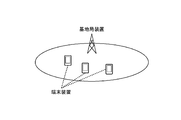
- FIG. 1 shows a configuration example of a wireless communication system according to this embodiment.
- the wireless communication system includes, for example, a long term evolution (LTE) base station apparatus and a plurality of terminal apparatuses.
- LTE long term evolution
- the terminal device can notify that the multicast signal and the unicast signal cannot be received simultaneously by transmitting a predetermined message to the base station device.
- the predetermined message may be, for example, an MBMS interest indication message defined in 3GPP including a predetermined number of bits (for example, 1 bit) indicating an intention to receive multicast in preference to unicast.
- the base station apparatus can simultaneously transmit the same signal to a plurality of terminal apparatuses by SC-PTM (Single-Cell Point To Multipoint). That is, the base station apparatus autonomously sets the frequency and time resource to be used regardless of the situation of other base station apparatuses, and transmits a multicast signal.
- the base station device is important when, for example, notifying a terminal device mounted on a vehicle of traffic-related information indicating a change in the color of a traffic signal or the presence of an obstacle such as a faulty vehicle on the road. It can be assumed that the information is transmitted as a multicast signal. In this case, the base station apparatus can repeatedly transmit such a multicast signal a plurality of times so as to ensure that important information reaches the terminal apparatus.
- the terminal device cannot receive the unicast signal at the same time when the multicast signal to be received is transmitted. That is, when a part of the system band is allocated to the transmission of multicast signals for each terminal apparatus, the base station apparatus cannot allocate the remaining part of the band to the transmission of unicast signals to those terminal apparatuses. .
- FIG. 2 shows radio resources when the vertical axis indicates frequency and the horizontal axis indicates time, and an area 201 indicates resources allocated to multicast signals.
- a region 202 indicating a different frequency resource at the same time as the region 201 is a region that cannot be allocated for transmission of a unicast signal to a terminal device that receives a multicast signal.
- the resources in the area 203 are allocated to the transmission of the unicast signal to the terminal device that receives the multicast signal.
- FIG. 2 shows a state in which resources are allocated to the multicast signal at regular time intervals, but the resource may not be necessarily allocated at regular time intervals, but may be allocated at non-constant time intervals.
- the higher the frequency with which the base station apparatus transmits the multicast signal the more resources are secured as the area 201, and accordingly, more resources (area 202) that cannot be allocated for unicast signal transmission increase. It becomes.
- resources (area 202) that cannot be allocated for unicast signal transmission increase resources (area 203) that can be used for unicast signal transmission decrease, and the frequency utilization efficiency of the entire system deteriorates.
- the frequency with which the multicast signal is transmitted increases and, as a result, a resource that cannot be allocated for transmission of a unicast signal. Will increase. For this reason, resources when the base station apparatus transmits unicast signals to a large number of terminal apparatuses are insufficient, and service quality related to wireless communication with respect to each terminal apparatus can be deteriorated.
- the base station apparatus when there is data to be transmitted by unicast to some terminal apparatuses, the base station apparatus according to the present embodiment unicasts multicast signal reception to some terminal apparatuses. Switch to receiving a cast signal. Then, the base station apparatus transmits the content of the signal transmitted by the multicast signal to the terminal apparatus as a unicast signal. For a terminal device whose reception target is changed from a multicast signal to a unicast signal, a frequency resource for transmitting the unicast signal can be allocated at the same timing as the transmission timing of the multicast signal.
- the frequency resource at the timing when the multicast signal is not transmitted is exclusively used for transmitting the unicast signal to other terminal devices. Can be assigned.
- the base station apparatus transmits the same information by both a multicast signal and a unicast signal, the frequency utilization efficiency as the whole system can be improved.
- radio resources may be wasted.
- the frequency utilization efficiency is not improved. That is, when a part of the resource amount that could not be used for transmission of the unicast signal cannot be used for transmission of at least a part of the information individually addressed to the terminal device instead of the contents of the multicast signal The frequency utilization efficiency is not improved.
- the base station apparatus can determine whether to instruct the terminal apparatus to stop receiving the multicast signal according to the radio quality in the terminal apparatus. That is, the base station apparatus receives information indicating the radio quality from the terminal apparatus, and specifies the amount of radio resources to be secured when transmitting a signal by unicast according to the radio quality. Then, the base station device determines whether or not to stop the reception of the multicast signal by the terminal device based on the specified amount and the amount of the frequency resource not allocated to the multicast signal at the timing when the multicast signal is transmitted. To decide. The terminal device feeds back the radio quality information related to the signal received from the base station device to the base station device.
- the terminal device controls the wireless communication function to receive the unicast signal when receiving an instruction from the base station device indicating that the reception of the multicast signal should be stopped according to the wireless quality information. To do. Thereby, the base station apparatus can select a terminal apparatus that can improve the frequency utilization efficiency by using unicast, and can stop the reception of the multicast signal.
- the radio quality information fed back from the terminal apparatus to the base station apparatus is the number of times the multicast signal is received until the terminal apparatus can normally receive the information included in the multicast signal when the multicast signal is repeatedly transmitted.
- Information For example, if the terminal device can normally receive the information included in the multicast signal only by receiving the multicast signal once, it can be estimated that the radio quality in the terminal device is good. On the other hand, if the terminal device cannot receive the information contained in the multicast signal normally even if it receives the multicast signal multiple times, it can be estimated that the radio quality in the terminal device is not good.
- the wireless quality information is information regarding the time from when the multicast signal including one piece of information starts to be transmitted until the terminal device can normally receive the one piece of information. It may be.
- the terminal device can notify the base station device of information regarding the number of times or time of multicast signal reception until the information can be normally received.
- the terminal apparatus can notify the base station apparatus of information regarding the number of times or time of reception instead of or in addition to the commonly reported CQI (Channel Quality Indicator).
- CQI Channel Quality Indicator
- the terminal apparatus may perform CQI reporting as radio quality information.
- the base station apparatus determines the SINR (signal-to-interference and noise) in the terminal apparatus from the information on the modulation scheme and coding rate used in the multicast signal and the notified number of times of multicast signal reception or time. Power ratio) and SNR (signal-to-noise power ratio). Then, the base station apparatus specifies the amount of resources required for transmitting information to the terminal apparatus using a unicast signal based on the value indicating the estimated radio quality. Then, for example, when the resource amount does not exceed the amount of frequency resources not allocated to the multicast signal at the multicast signal transmission timing, the base station device stops the reception of the multicast signal to the terminal device. Instruct.
- SINR signal-to-interference and noise
- a value obtained by adding a predetermined margin to the specified resource amount may be compared with the amount of the frequency resource not assigned to the multicast signal at the multicast signal transmission timing.
- the base station apparatus can instruct the terminal apparatus to stop receiving the multicast signal only to the terminal apparatus that has a sufficiently small amount of radio resources when transmitting information by unicast, and the frequency utilization efficiency of the entire system Can be improved.
- instructing to stop receiving a multicast signal may have the same meaning as instructing to receive information transmitted as a multicast signal as a unicast signal.
- the terminal device when reporting information on the number of times or time of reception of a multicast signal until the information included in the multicast signal can be normally received, the terminal device reports the number of times of reception or time for each of a plurality of different information. You may do it, and you may report together.
- the terminal device reports information related to the number of times of reception or time of multicast signals related to a plurality of different information, statistical information such as an average value, total number, maximum value, etc. of a plurality of values indicating the number of times of reception or time May be reported.
- the terminal device may report a statistical value such as an average value in the same manner when reporting a value (eg, SINR or SNR) indicating the radio quality when receiving the multicast signal to the base station device.
- a value eg, SINR or SNR
- the terminal device receives only when the reception count or time is a predetermined value or a predetermined time or less, or when a statistical value (that is, a value indicated by information related to reception quality) is a predetermined value or a predetermined time or less. You may report on the number of times. For example, if the base station apparatus does not instruct to stop receiving multicast signals when the number of receptions exceeds a predetermined number or when the time until normal reception of information exceeds a predetermined time, the report is omitted, and the terminal apparatus The amount of signaling transmitted from the base station apparatus to the base station apparatus can be reduced.
- the predetermined number of times (predetermined value) and the predetermined time can be notified from the base station apparatus to the terminal apparatus.
- This notification may be performed, for example, when a connection for unicast communication is established, or may be performed by a signal broadcast from the base station apparatus. Note that the terminal device cannot receive the unicast signal simultaneously with the reception of the multicast signal if the terminal device is not instructed to stop the reception of the multicast signal even if the connection for unicast communication is established. I want to be.
- the terminal device when the terminal device establishes a connection for unicast communication while receiving the multicast signal from the base station device, the terminal device notifies the base station device of the information on the above-described wireless quality. Also good. That is, the terminal device may not notify the base station device of information regarding the wireless quality when the connection for unicast communication is not established. That is, only when communication between the base station apparatus and the terminal apparatus is performed not only by multicast but also by unicast, information on the radio quality is notified from the terminal apparatus to the base station apparatus. May be. As a result, it is possible to prevent unnecessary information related to radio quality from being transmitted from a terminal device that does not have information to be unicast to the base station device, and reduce overhead due to signaling.
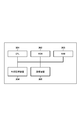
- FIG. 3 shows a hardware configuration example of the base station device and the terminal device.
- the base station apparatus and the terminal apparatus have a hardware configuration as illustrated in FIG. 3, and include, for example, a CPU 301, a ROM 302, a RAM 303, an external storage device 304, and a communication device 305.
- the CPU 301 executes a program that realizes each function of the base station device and the terminal device as described above, which is recorded in any of the ROM 302, the RAM 303, and the external storage device 304.
- the CPU 301 may be replaced by one or more processors such as an ASIC (Application Specific Integrated Circuit), an FPGA (Field Programmable Gate Array), and a DSP (Digital Signal Processor).
- ASIC Application Specific Integrated Circuit
- FPGA Field Programmable Gate Array
- DSP Digital Signal Processor
- a base station apparatus and a terminal device control the communication apparatus 305 by CPU301, for example, and perform communication between a base station apparatus and a terminal apparatus.
- the base station apparatus and the terminal device have shown the schematic diagram which has the one communication apparatus 305, it is not restricted to this.
- the base station device may include a communication device for communication between base station devices and a communication device between terminal devices.
- the terminal device can include, for example, a communication device for communication with the base station device and a communication device for communication between terminals.
- the base station device and the terminal device may be provided with dedicated hardware for executing each function, or a part of the base station device and the terminal device may be executed by the hardware, and the other part may be executed by a computer that operates the program. . All functions may be executed by a computer and a program.
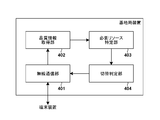
- FIG. 4 shows a functional configuration example of the base station apparatus.
- the base station apparatus includes, for example, a wireless communication unit 401, a quality information acquisition unit 402, a necessary resource specification unit 403, and a switching determination unit 404.
- the wireless communication unit 401 transmits a wireless signal to the terminal device and receives a wireless signal from the terminal device.
- the radio communication unit 401 can allocate radio resources for each of the multicast signal and the unicast signal, and transmit these signals according to the allocation.
- the quality information acquisition unit 402 from a plurality of terminal devices receiving a multicast signal, from a terminal device that cannot receive a unicast signal at the timing of receiving the multicast signal, information on radio quality related to the multicast signal in the terminal device To get.
- the quality information acquisition unit 402 may acquire wireless quality information from a terminal device that can receive a unicast signal even at a timing when a multicast signal is being received. The description is omitted because it is not related.
- the quality information is, for example, SINR or SNR, the number of times a multicast signal is received or the elapsed time until reception of one piece of information is successful, or the average value, total value, maximum value, etc., of these quality information values. It can be information about statistics.
- the quality information acquisition unit 402 When the quality information acquisition unit 402 acquires the number of receptions or the elapsed time described above, the quality information acquisition unit 402 further calculates SINR, SNR, etc. from the information and information such as the modulation scheme and coding rate used in the multicast signal. Can be obtained. For example, for each combination of modulation scheme and coding rate, a table is prepared in which the amount of radio resources required for successful reception of information included in a multicast signal is associated with values such as SINR and SNR. Thus, such conversion of the radio quality information is performed.
- the quality information acquisition unit 402 may notify the terminal device of information on a predetermined value regarding information on the wireless quality to be notified.
- the quality information acquisition unit 402 can notify the terminal device of the predetermined value related to the number of receptions described above or information about the predetermined time related to the elapsed time. In this case, when the measured number of receptions exceeds the notified predetermined value or when the measured elapsed time exceeds the notified predetermined time, the terminal device sends the number of receptions and the elapsed time to the base station device. Do not notify.
- the number of receptions or the elapsed time exceeds a predetermined level, it is assumed that the amount of radio resources required for transmitting information by unicast is excessive, so that such reporting is not performed. Thus, the amount of signaling can be reduced.
- threshold values relating to values such as SINR and SNR, it is also possible to control the terminal apparatus so that these values are not reported when these values are below a predetermined threshold value.
- This notification may be performed simultaneously to one or more terminal devices in a cell formed by the base station device by, for example, a broadcast signal, or, for example, unicast between the base station device and the terminal device. It may be performed when establishing a connection for communication. Further, this notification may be performed by a multicast signal.
- a multicast signal that is repeatedly transmitted many times and a multicast signal that is not repeated or has a small number of repeated transmissions differ in the amount of resources that are not allocated to the multicast signal at the multicast signal transmission timing. That is, the greater the number of times a multicast signal is repeatedly transmitted, the greater the amount of resources that can be wasted and cannot be used by the terminal device to receive the signal in unicast even though it is not assigned to the multicast signal. For this reason, when transmitting information with a small number of repeated transmissions by multicast as a unicast signal, the amount of resources that can be wasted is originally small. The quality needs to be good enough.
- the quality information acquisition unit 402 can notify the terminal device of a predetermined value corresponding to better radio quality as the number of times the multicast transmission is repeated is smaller. Note that the quality information acquisition unit 402 notifies only a predetermined value corresponding to the best or worst radio quality to a terminal device receiving a plurality of multicast signals each including separate information in parallel. Alternatively, a plurality of predetermined values may be notified.
- the necessary resource specifying unit 403 specifies the amount of radio resources required when information transmitted by a multicast signal is transmitted as a unicast signal based on information such as SINR and SNR acquired by the quality information acquiring unit 402. For example, the modulation scheme / coding rate to be used for transmission of the unicast signal is specified by the acquired SINR, SNR, etc., and the number of bits that can be transmitted per symbol is specified by the modulation scheme / coding rate. Then, by dividing the amount of information transmitted by the multicast signal by the number of bits, the number of symbols necessary to transmit the information is calculated, and the amount of radio resources necessary according to the number of symbols is calculated. Determined.
- the switching determination unit 404 compares the first amount of the radio resource specified by the necessary resource specifying unit 403 with the second amount of the resource that is not assigned to the multicast signal transmission at the multicast signal transmission timing. When the first amount is smaller than the second amount, information transmitted by the multicast signal is transmitted as a unicast signal within a range of resources not allocated to the multicast signal transmission at the multicast signal transmission timing. Will be able to. For this reason, for example, when the first amount is smaller than the second amount, the switching determination unit 404 determines that the terminal device stops receiving the multicast signal and receives the unicast signal. The switching determination unit 404 transmits a message including the determination result to the terminal device.
- the switching determination unit 404 causes the terminal device to stop receiving the multicast signal and receive the unicast signal. May be determined. That is, the switching determination unit 404 can cause the terminal device to stop receiving the multicast signal and receive the unicast signal when the first amount is sufficiently smaller than the second amount. Accordingly, it is possible to select a terminal device having a large effect of improving the frequency utilization efficiency and switch from multicast signal transmission to unicast signal transmission.
- the necessary resource specifying unit 403 or the switching determination unit 404 is not limited to the above-described first information transmitted as a multicast signal, but only for the terminal device in which the second information to be transmitted as a unicast signal exists. Processing may be executed. That is, for a terminal device in which the second information does not exist separately from the first information, even if a unicast signal is transmitted separately from the multicast signal, only the first information is transmitted by another resource. This is because the frequency utilization efficiency as a whole deteriorates. On the other hand, for a terminal device in which the second information exists separately from the first information, when the first information is received as a multicast signal, the second information is included at a timing at which the multicast signal is not transmitted.
- a unicast signal needs to be received.
- the terminal apparatus uses the first information and the second information using another frequency resource at the transmission timing of the multicast signal. 2 information can be received. That is, since the second information can be transmitted / received with the radio resource that cannot be used when receiving the multicast signal, the frequency utilization efficiency of the entire system is improved.
- the necessary resource specifying unit 403 or the switching determination unit 404 may perform the above-described processing only for a terminal device that has established a connection for a unicast signal. This is because it is considered that a unicast signal is not transmitted to a terminal device that has not established a connection for a unicast signal.
- the switching determination unit 404 estimates the second amount related to resources that are not allocated for transmission of the multicast signal.
- the second amount may be an amount obtained by reducing the amount of resources that cannot be used for data transmission, such as a control signal and a reference signal. That is, the second amount is not only the resource amount that is not allocated to the transmission of the multicast signal itself, but also “the resource amount that is not allocated to the transmission of the multicast signal and that can be used for information transmission by unicast. Note that the concept includes “
- the terminal device includes, for example, a wireless communication unit 501, a wireless quality specific notification unit 502, and a communication control unit 503.
- the wireless communication unit 501 transmits a radio signal to the base station apparatus and receives a radio signal from the base station apparatus.
- the wireless communication unit 501 is configured not to receive a unicast signal at the same time as receiving a multicast signal transmitted from a base station apparatus. For this reason, when receiving the multicast signal, the wireless communication unit 501 is configured to receive the unicast signal at a timing different from the reception timing of the multicast signal (a timing at which the multicast signal is not scheduled). .
- the radio quality specification notifying unit 502 specifies a value related to the radio quality related to the multicast signal transmitted from the base station apparatus, and notifies the base station apparatus of the specified value.
- the radio quality identification notifying unit 502 identifies a value related to radio quality and reports it to the base station apparatus only while establishing a connection for unicast communication with the base station apparatus, for example. Also good.
- the radio quality identification notifying unit 502 identifies a radio quality by observing a signal such as a reference signal transmitted by the base station apparatus even when the multicast signal is not received, and transmits information on the radio quality to the base station You may transmit to an apparatus. That is, the radio quality specific notification unit 502 may perform measurement and reporting of radio quality for conventional CQI reporting, for example.
- the radio quality identification notifying unit 502 can identify a value related to radio quality and report it to the base station apparatus even if a connection for unicast communication with the base station apparatus has not been established.
- the quality information is, for example, SINR or SNR, the number of times a multicast signal is received or the elapsed time until reception of one piece of information is successful, or the average value, total value, maximum value, etc., of these quality information values. It can be information about statistics.
- the radio quality identification notifying unit 502 may not perform conventional CQI reporting when reporting the number of times a multicast signal has been received and the elapsed time until reception of one piece of information is successful, for example. .
- the base station apparatus can explicitly notify the terminal apparatus of the timing at which transmission of one piece of information is started.
- the base station apparatus can transmit a multicast signal including the same information including information indicating the number of times the information is transmitted.
- the terminal device may specify the timing when transmission of one information is started according to the period.
- the radio quality identification notifying unit 502 acquires, from the base station apparatus, information indicating a predetermined value related to the number of receptions or a predetermined time related to elapsed time for determining whether or not to report information related to radio quality to the base station apparatus. Yes. Then, when the measured number of receptions or elapsed time exceeds a predetermined value or a predetermined time acquired from the base station apparatus, the radio quality identification notifying unit 502 may not transmit information on the radio quality to the base station apparatus. Further, for example, when information such as SINR and SNR is specified as the radio quality information, the radio quality identification notifying unit 502 does not need to notify the radio quality information if the information is below a predetermined value related to the quality. Good. Note that the wireless quality specific notification unit 502 stores a predetermined value (predetermined time) for determining whether or not to report the wireless quality in advance instead of receiving it by a notification from the base station apparatus. It may be left.
- the communication control unit 503 When receiving the multicast signal, the communication control unit 503 receives the multicast signal at the transmission timing of the multicast signal, does not receive the unicast signal, and receives the unicast signal at other timings. To control. In this case, the communication control unit 503 only needs to perform control so that the terminal apparatus receives a multicast signal to be received. That is, the base station apparatus does not transmit a unicast signal to the terminal apparatus performing such control at the same timing as the multicast signal. On the other hand, when the reception of the multicast signal is stopped, the communication control unit 503 controls the wireless communication unit 501 so as to receive the unicast signal both at the multicast signal transmission timing and at other timings.
- the communication control unit 503 needs to control the wireless communication unit 501 so as not to receive the multicast signal at the timing when the multicast signal is transmitted. This is because the terminal device cannot receive the unicast signal when receiving the multicast signal. Further, since the base station apparatus discards the terminal apparatus without receiving the multicast signal, the base station apparatus can transmit the unicast signal to the terminal apparatus at the multicast signal transmission timing. However, in this case, since the terminal apparatus does not receive the multicast signal, the base station apparatus transmits information transmitted by the multicast signal using the unicast signal. Note that the communication control unit 503 switches the above-described two controls in accordance with an instruction from the base station apparatus.
- the communication control unit 503 when receiving a message from the switching determination unit 404 of the base station apparatus instructing to stop the reception of the multicast signal and receive the unicast signal, the communication control unit 503 performs wireless communication so as not to receive the multicast signal.
- the communication unit 501 is controlled.
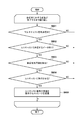
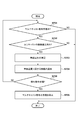
- FIG. 6 shows an example of the flow of processing executed by the base station apparatus
- FIG. 7 shows an example of the flow of processing executed by the terminal apparatus.
- the base station apparatus executes the following process for all the connected terminal apparatuses. Note that the base station apparatus may execute the following process only for a terminal apparatus that cannot receive a multicast signal and a unicast signal at the same time. Also, the base station apparatus sorts each terminal apparatus in the order in which the radio quality is good, and performs this processing at the time when radio resources that are not allocated to the multicast signal are allocated to the unicast signal at the multicast signal transmission timing. May be terminated. Note that the following processing flow is an example, and for example, the order of processing may be changed, or some of the processing may be omitted.
- the base station apparatus first determines whether a multicast signal is being transmitted to a certain terminal apparatus (S601), and if not transmitting (NO in S601), the base station apparatus does not perform the following processing relating to the terminal apparatus. Further, the terminal device also determines whether a multicast signal is being received (S701). If the terminal device is not receiving (NO in S701), the following processing is not performed. This is because a terminal device that has not received a multicast signal can receive a unicast signal at the transmission timing of the multicast signal regardless of the following processing.
- the base station apparatus determines whether there is data to be transmitted by unicast to a terminal apparatus that is transmitting a multicast signal (YES in S601) (S602), and if such data does not exist (S602) NO) does not perform the following processing. Similarly, the terminal device also determines whether a unicast connection has been established (S702). If such a connection has not been established (NO in S702), the following processing is not performed. Note that the base station apparatus can determine whether there is data to be transmitted by unicast even before connection is established. On the other hand, since the terminal device cannot make such a determination, the terminal device predicts whether unicast data for the terminal device exists depending on whether a connection / radio bearer is established. can do.
- the terminal device can know that there is unicast data for the terminal device by some method, it determines whether unicast data exists regardless of the establishment of the connection. May be. As a result, it is sufficient to transmit information using a multicast signal to a terminal device that does not have target data to be transmitted by unicast. On the other hand, resources are wasted by transmitting only the information by unicast. Can be prevented. Note that the base station apparatus transmits a unicast signal to a terminal apparatus that has poor radio quality and does not succeed in receiving a multicast signal by using a modulation scheme / coding rate that has a high probability of receiving information successfully. You may send it.
- the terminal device measures the wireless quality (S703), and notifies the base station device of information on the measured wireless quality (S704).
- the wireless quality (information related to wireless quality) is, for example, SINR or SNR, the number of times a multicast signal is received or the elapsed time until reception of one piece of information is successful, or an average value of values indicated by these pieces of quality information, It may be information on statistical values such as totals and maximum values. Note that the terminal device may measure and report the radio quality in S703 and S704 even if the unicast connection is not established (NO in S702).
- the terminal apparatus does not report information on the wireless quality. Also good.
- the base station apparatus determines whether or not the data to be transmitted by unicast exists (YES in S602), and has acquired the wireless quality information from the terminal apparatus (S603), and has not transmitted the wireless quality information (NO in S603). ) The following processing is not performed on the terminal device. This is because a terminal device that does not transmit radio quality information is considered to be because the radio quality is not good, and therefore the amount of resources required when transmitting a signal by unicast can be significantly increased.
- the base station apparatus determines whether to shift the terminal apparatus that has transmitted the wireless quality information (YES in S603) to a state in which reception of the multicast signal is stopped and information transmitted by multicast is received by unicast ( S604). For example, when the base station apparatus transmits a signal by unicast according to the acquired radio quality information, the first amount of resources and the second amount of resources not allocated to the multicast signal at the time of multicast transmission Compare Then, for example, when the second amount is larger than the first amount as described above, the base station apparatus stops the reception of the multicast signal and shifts to the state where the information transmitted by multicast is received by unicast. (YES in S604).
- the base station apparatus transmits a message instructing to stop receiving the multicast signal and receive the unicast signal to the terminal apparatus (S605). If the base station apparatus stops receiving the multicast signal and decides not to shift to the state in which the information transmitted by multicast is received by unicast (NO in S604), the process of S605 is not performed. finish. On the other hand, the terminal apparatus determines whether or not it has received a message from the base station apparatus instructing to stop receiving the multicast signal and shift to a state in which information transmitted by multicast is received by unicast (S705). When receiving such an instruction (YES in S705), the terminal device stops receiving the multicast signal and acquires information by unicast (S706). On the other hand, if such an instruction has not been received (NO in S705), the terminal apparatus returns the process to S701 and repeats the above-described process until no multicast signal is received.
- a part of the terminal device that cannot receive the multicast signal and the unicast signal at the same time is caused to receive the information transmitted by the multicast signal as the unicast signal.
- information to be individually transmitted to some of the terminal devices and information transmitted by the multicast signal can be transmitted to the terminal device at the transmission timing of the multicast signal.
- the amount of resources that the terminal device uses to receive the unicast signal at a timing other than the multicast signal transmission timing is reduced, and the amount of resources that other terminal devices can use for unicast communication is reduced. Can be increased. As a result, it is possible to improve frequency use efficiency in the wireless communication system.
Landscapes
- Engineering & Computer Science (AREA)
- Computer Networks & Wireless Communication (AREA)
- Signal Processing (AREA)
- Multimedia (AREA)
- Quality & Reliability (AREA)
- Mobile Radio Communication Systems (AREA)
Abstract
基地局装置は、複数の端末装置にマルチキャスト信号を送信している際に、その複数の端末装置のうちの、マルチキャスト信号を受信しているタイミングにおいてユニキャスト信号を受信できない1つの端末装置から、無線品質の情報を取得し、その無線品質に基づいて、その1つの端末装置に対して、マルチキャスト信号により送信される情報をユニキャストで送信するか否かを判定し、マルチキャスト信号により送信される情報をユニキャストで送信すると判定した場合に、マルチキャスト信号の受信を停止してユニキャスト信号を受信するように指示するメッセージをその1つの端末装置へ送信し、マルチキャスト信号により送信される情報をその1つの端末装置に対してはユニキャスト信号によって送信する。
Description
本発明は、基地局装置、端末装置、制御方法、及びプログラムに関するものであり、具体的には、無線通信システムのリソース割り当て技術に関する。
LTE(ロングタームエボリューション)等のセルラ無線通信では、基地局装置は、1つの端末装置に宛てた個別の信号を送信するユニキャストの他に、複数の端末装置に同じ信号を一斉に送信するマルチキャストを実行することができる。LTEでは、このようなマルチキャストサービスであるMBMS(Multimedia Broadcast Multicast Service)のために、MBSFN(Multimedia Broadcast multicast service Single Frequency Network)及びSC-PTM(Single-Cell Point To Multipoint)を用いることが規定されている(非特許文献1参照)。MBSFNは、複数の基地局装置が、同一の周波数リソース(例えば全システム帯域)を用いて同一の信号を同期して送信する方式である。MBSFNでは、複数の基地局装置が同期して同じ周波数リソースを使用することとなるため、各基地局装置は自由にブロードキャスト用のリソースを設定することはできない。一方、SC-PTMでは、基地局装置は、自身が形成する1つのセル内において、そのセル内に在圏する1つ以上の端末装置に対して同一の情報を送信する方式である。SC-PTMでは、基地局装置は、他の基地局装置と同期して信号を送信する必要がないため、ブロードキャスト用のリソースを自由に設定することができる。
端末装置の中には、マルチキャスト信号とユニキャスト信号とを同時に受信できるものと、これらの信号を同時に受信できないものとが存在する。すなわち、ある時刻において、一部の周波数リソースでマルチキャスト信号が送信されると共に他の周波数リソースでユニキャスト信号が送信されている場合に、それらの両方を受信できる端末装置と、マルチキャスト信号のみを受信できる端末装置とが存在する。この場合、マルチキャスト信号とユニキャスト信号とを同時に受信できない端末装置は、マルチキャスト信号が送信されていないタイミングで送信されない限り、ユニキャスト信号を受信することができない。したがって、そのような端末装置は、マルチキャスト信号が送信されるタイミングで、マルチキャスト信号に用いられない周波数リソースが存在していても、その周波数リソースを使用することはできない。
3GPP TS36.331 V13.3.0、2016年9月
IoT(Internet of Things)等の発展により従来と比して極めて多くの端末装置が、様々な物に組み込まれることが想定される。このとき、各端末装置がマルチキャスト信号とユニキャスト信号とを同時に受信できるようにするのは、コストの観点から容易ではない。この結果、例えば1つのセルに在圏する端末装置のほとんどがマルチキャスト信号とユニキャスト信号とを同時に受信できない端末装置であるような状況が発生しうる。このような状況では、基地局装置は、マルチキャスト信号を送信するタイミングにおいては、マルチキャスト信号に用いられていない周波数リソースが存在していても、各端末装置へのユニキャスト信号の送信にその周波数リソースを割り当てることができない。この結果、マルチキャスト信号送信時に使用されない周波数リソースが発生し、システム全体としての周波数利用効率が劣化しうる。
本発明は、マルチキャスト信号とユニキャスト信号とを同時に受信できない端末装置が含まれる無線通信システムにおいて、周波数利用効率の劣化を防ぐ。
本発明の一態様に係る基地局装置は、マルチキャストまたはユニキャスト信号を送信できる基地局装置であって、複数の端末装置にマルチキャスト信号を送信している際に、当該複数の端末装置のうちの、マルチキャスト信号を受信しているタイミングにおいてユニキャスト信号を受信できない1つの端末装置から、前記基地局装置からの信号に関する当該1つの端末装置における無線品質の情報を取得する取得手段と、前記無線品質に基づいて、前記1つの端末装置に対して、前記複数の端末装置にマルチキャスト信号により送信される情報をユニキャストで送信するか否かを判定する判定手段と、前記1つの端末装置に対して前記複数の端末装置にマルチキャスト信号により送信される情報をユニキャストで送信すると判定された場合に、マルチキャスト信号の受信を停止してユニキャスト信号を受信するように指示するメッセージを前記1つの端末装置へ送信し、前記複数の端末装置にマルチキャスト信号により送信される情報を前記1つの端末装置に対してはユニキャスト信号によって送信する送信手段と、を有する。
本発明の別の一態様に係る端末装置は、マルチキャストで信号を受信しているタイミングにおいてユニキャストでの信号の受信をできない端末装置であって、基地局装置から複数の端末装置に向けて送信されたマルチキャスト信号を受信している場合に、当該基地局装置からの信号に関する無線品質の情報を前記基地局装置へ通知する通知手段と、前記無線品質の情報の通知に応じてマルチキャスト信号の受信を停止してユニキャスト信号を受信することを指示するメッセージを前記基地局装置から受信した場合に、マルチキャスト信号の受信を停止して、マルチキャスト信号により送信される情報をユニキャスト信号によって受信するように前記端末装置を制御する制御手段と、を有する。
本発明によれば、マルチキャスト信号とユニキャスト信号とを同時に受信できない端末装置が含まれる無線通信システムにおいて、周波数利用効率の劣化を防ぐことができる。
本発明のその他の特徴及び利点は、添付図面を参照とした以下の説明により明らかになるであろう。なお、添付図面においては、同じ若しくは同様の構成には、同じ参照番号を付す。
添付図面は明細書に含まれ、その一部を構成し、本発明の実施の形態を示し、その記述と共に本発明の原理を説明するために用いられる。
無線通信システムの構成例を示す図。
無線通信システムにおけるリソース割り当ての例を示す概念図。
基地局装置及び端末装置のハードウェア構成例を示す図。
基地局装置の機能構成例を示すブロック図。
端末装置の機能構成例を示すブロック図。
基地局装置が実行する処理の流れの例を示す図。
端末装置が実行する処理の流れの例を示す図。
以下、添付図面を参照して本発明の実施の形態を詳細に説明する。
(無線通信システム)
図1に、本実施形態に係る無線通信システムの構成例を示す。本無線通信システムは、例えば、ロングタームエボリューション(LTE)の基地局装置及び複数の端末装置を含んで構成される。ここで、端末装置は、いずれも、マルチキャスト信号とユニキャスト信号とを同時に受信することができないものとする。なお、端末装置は、所定のメッセージを基地局装置に送信することにより、マルチキャスト信号とユニキャスト信号とを同時に受信することができないことを通知することができる。ここで所定のメッセージは、例えば、マルチキャストをユニキャストより優先して受信する意向を示す所定数のビット(例えば1ビット)を含んだ、3GPPで規定されているMBMS interest indicationメッセージでありうる。
図1に、本実施形態に係る無線通信システムの構成例を示す。本無線通信システムは、例えば、ロングタームエボリューション(LTE)の基地局装置及び複数の端末装置を含んで構成される。ここで、端末装置は、いずれも、マルチキャスト信号とユニキャスト信号とを同時に受信することができないものとする。なお、端末装置は、所定のメッセージを基地局装置に送信することにより、マルチキャスト信号とユニキャスト信号とを同時に受信することができないことを通知することができる。ここで所定のメッセージは、例えば、マルチキャストをユニキャストより優先して受信する意向を示す所定数のビット(例えば1ビット)を含んだ、3GPPで規定されているMBMS interest indicationメッセージでありうる。
本無線通信システムでは、基地局装置は、SC-PTM(Single-Cell Point To Multipoint)により、複数の端末装置に対して同じ信号を一斉送信することができる。すなわち、基地局装置は、他の基地局装置の状況によらずに使用する周波数及び時間リソースを自律的に設定して、マルチキャスト信号を送信する。ここで、基地局装置は、例えば交通信号の色の変化や路上の故障車等の障害物の存在等を示す交通関連情報を自動車に搭載された端末装置に対して通知する場合など、重要な情報をマルチキャスト信号として送信することが想定されうる。この場合、重要な情報が確実に端末装置に届くように、基地局装置は、そのようなマルチキャスト信号を繰り返し複数回送信しうる。
このとき、端末装置は、自身が受信すべきマルチキャスト信号が送信されているタイミングにおいては、同時にユニキャスト信号を受信することができない。すなわち、基地局装置は、各端末装置に対してシステム帯域の一部をマルチキャスト信号の伝送に割り当てた場合、残りの一部の帯域をそれらの端末装置に対するユニキャスト信号の伝送に割り当てることはできない。この状態を図2に示す。図2は、縦軸を周波数、横軸を時間とした場合の無線リソースを示しており、領域201はマルチキャスト信号に割り当てられたリソースを示している。このとき、領域201と同じ時間で、異なる周波数リソースを示す領域202は、マルチキャスト信号を受信する端末装置へのユニキャスト信号の送信に割り当てることができない領域である。この場合、領域203内のリソースが、マルチキャスト信号を受信する端末装置へのユニキャスト信号の送信に割り当てられることとなる。なお、図2では、マルチキャスト信号に一定時間間隔でリソースが割り当てられている状態を示しているが、必ずしも一定時間間隔ではなくてもよく、一定ではない時間間隔でリソースが割り当てられてもよい。
このとき、基地局装置がマルチキャスト信号を送信する頻度が高くなるほど、領域201として確保されるリソースが増加し、それに伴って、ユニキャスト信号の伝送に割り当てることができないリソース(領域202)が増えることとなる。ユニキャスト信号の伝送に割り当てることができないリソース(領域202)が増加すると、ユニキャスト信号の送信に利用可能なリソース(領域203)が減少し、システム全体としての周波数利用効率が劣化してしまう。例えば、上述のように重要な情報を確実に端末装置に届けるためにマルチキャスト信号を繰り返し送信する状況では、マルチキャスト信号が送信される頻度が高まり、結果としてユニキャスト信号の伝送に割り当てることができないリソースが増えてしまう。このため、基地局装置が多数の端末装置に対してユニキャスト信号を送信する際のリソースが不十分となり、各端末装置に対する無線通信に係るサービス品質の劣化を招きうる。
このため、本実施形態に係る基地局装置は、例えば一部の端末装置に対してユニキャストで送信すべきデータが存在する場合に、その一部の端末装置に対してマルチキャスト信号の受信をユニキャスト信号の受信に切り替えさせる。そして、基地局装置は、マルチキャスト信号で送信していた信号の内容を、ユニキャスト信号として、その端末装置へと送信するようにする。受信対象をマルチキャスト信号からユニキャスト信号へと変更させた端末装置に対しては、マルチキャスト信号の送信タイミングと同じタイミングでユニキャスト信号の伝送用の周波数リソースを割り当てることができる。このため、例えばその端末装置へ宛てたユニキャスト信号を全てマルチキャスト信号と同時に送信できた場合、マルチキャスト信号が送信されないタイミングの周波数リソースを、専ら他の端末装置へのユニキャスト信号の送信のために割り当てることができる。これにより、基地局装置が同一の情報をマルチキャスト信号とユニキャスト信号との両方で送信することとなるが、システム全体としての周波数利用効率を改善することができる。
なお、端末装置における基地局装置からの信号の無線品質によっては、ユニキャスト信号によってマルチキャスト信号を伝送すると、却って無線リソースを浪費してしまうことがありうる。例えば、マルチキャスト信号と同内容のユニキャスト信号を送信する場合に必要となるリソース量が、マルチキャスト信号の送信によってユニキャスト信号の送信に使用できないリソース量よりも多い場合、周波数利用効率は改善しない。すなわち、ユニキャスト信号の送信に使用できなかったリソース量のうちの一部を、マルチキャスト信号の内容ではなく端末装置に個別に宛てた情報の少なくとも一部の送信にも用いることができない場合には、周波数利用効率は改善しない。
このため、基地局装置は、端末装置における無線品質に応じて、その端末装置に対してマルチキャスト信号の受信の停止を指示するか否かを決定しうる。すなわち、基地局装置は、端末装置から無線品質を示す情報を受信し、その無線品質に応じてユニキャストで信号を送信する場合に確保されるべき無線リソースの量を特定する。そして、基地局装置は、特定した量と、マルチキャスト信号が送信されるタイミングにおいてそのマルチキャスト信号に割り当てられていない周波数リソースの量に基づいて、その端末装置にマルチキャスト信号の受信を停止させるか否かを決定する。なお、端末装置は、基地局装置から受信した信号に関する無線品質の情報を基地局装置にフィードバックする。そして、端末装置は、その無線品質の情報に応じてマルチキャスト信号の受信を停止すべきことを示す指示を基地局装置から受信した場合、ユニキャスト信号の受信をするように、無線通信機能を制御する。これにより、基地局装置は、ユニキャストを用いることによって周波数利用効率を改善することができる端末装置を選択して、マルチキャスト信号の受信を停止させることができる。
なお、端末装置から基地局装置へフィードバックされる無線品質の情報は、マルチキャスト信号が繰り返し送信される場合に、そのマルチキャスト信号に含まれる情報を端末装置が正常に受信できるまでのマルチキャスト信号の受信回数に関する情報でありうる。例えば、端末装置が、マルチキャスト信号を1回受信しただけで、そのマルチキャスト信号に含まれている情報を正常受信できた場合は、その端末装置における無線品質は良好であると推定することができる。一方、端末装置が、マルチキャスト信号を複数回受信しても、そのマルチキャスト信号に含まれている情報を正常受信できない場合は、その端末装置における無線品質は良好ではないと推定することができる。同様に、無線品質の情報は、マルチキャスト信号が繰り返し送信される場合に、1つの情報を含んだマルチキャスト信号が送信され始めてから、端末装置がその1つの情報を正常に受信できるまでの時間に関する情報であってもよい。
このため、端末装置は、例えば、情報を正常受信できるまでのマルチキャスト信号の受信回数又は時間に関する情報を基地局装置へ通知しうる。なお、端末装置は、一般的に行われるCQI(Channel Quality Indicator)の報告に代えて又はこれに加えて、この受信回数又は時間に関する情報を基地局装置へ通知しうる。なお、端末装置は、無線品質の情報として、CQI報告を行ってもよい。
この場合、基地局装置は、例えば、マルチキャスト信号において用いられている変調方式と符号化率の情報と、通知されたマルチキャスト信号の受信回数又は時間とから、端末装置におけるSINR(信号対干渉及び雑音電力比)やSNR(信号対雑音電力比)を推定する。そして、基地局装置は、推定した無線品質を示す値に基づいて、その端末装置にユニキャスト信号で情報を送信する場合に要するリソース量を特定する。そして、基地局装置は、例えば、そのリソース量が、マルチキャスト信号の送信タイミングにおいてそのマルチキャスト信号に割り当てられていない周波数リソースの量を超えない場合に、その端末装置に対してマルチキャスト信号の受信の停止を指示する。なお、特定したリソース量に所定のマージンを加えた値と、マルチキャスト信号の送信タイミングにおいてそのマルチキャスト信号に割り当てられていない周波数リソースの量とが比較されてもよい。これにより、基地局装置は、ユニキャストで情報を送信する場合に要する無線リソースが十分に少ない端末装置のみに対して、マルチキャスト信号の受信の停止を指示することができ、システム全体の周波数利用効率を改善させることができる。なお、マルチキャスト信号の受信の停止を指示することは、マルチキャスト信号で送信される情報をユニキャスト信号として受信するように指示することと同じ意味を有しうる。
なお、端末装置は、マルチキャスト信号に含まれる情報を正常受信できるまでのマルチキャスト信号の受信回数又は時間に関する情報を報告する場合、複数の異なる情報に関して、それぞれ受信回数又は時間を特定する度に報告を行ってもよいし、まとめて報告を行ってもよい。また、端末装置は、複数の異なる情報に関するマルチキャスト信号の受信回数又は時間に関する情報をまとめて報告する場合は、その受信回数又は時間を示す複数の値の平均値や総数、最大値等の統計情報を報告してもよい。なお、端末装置は、マルチキャスト信号の受信時の無線品質を示す値(例えばSINRやSNR)を基地局装置へ報告する際にも、同様に平均値等の統計値を報告するようにしてもよい。また、例えば、端末装置は、その受信回数又は時間が所定値又は所定時間以下である場合又は統計値(すなわち受信品質に関する情報が示す値)が所定値又は所定時間以下である場合にのみ、受信回数に関する報告を行ってもよい。例えば受信回数が所定回数を超える場合又は情報の正常受信までの時間が所定時間を超える場合に基地局装置がマルチキャスト信号の受信の停止を指示することがない場合、その報告を省略し、端末装置から基地局装置へ送信されるシグナリングの量を減らすことができる。なお、ここでの所定回数(所定値)や所定時間は、基地局装置から端末装置へ通知されうる。この通知は、例えばユニキャスト通信用の接続が確立される際に行われてもよいし、基地局装置からブロードキャスト送信される信号によって行われてもよい。なお、端末装置は、ユニキャスト通信用の接続を確立しても、マルチキャスト信号の受信の停止を指示されていない場合は、マルチキャスト信号の受信と同時にユニキャスト信号を受信することはできないことに留意されたい。
また、端末装置は、基地局装置からマルチキャスト信号を受信している間に、ユニキャスト通信用の接続を確立している場合に、上述の無線品質に関する情報を基地局装置に通知するようにしてもよい。すなわち、端末装置は、ユニキャスト通信用の接続を確立していない場合は、無線品質に関する情報を基地局装置へ通知しないようにしてもよい。すなわち、基地局装置と端末装置との間での通信が、マルチキャストのみならず、ユニキャストでも行われる状態にある場合にのみ、無線品質に関する情報が端末装置から基地局装置へ通知されるようにしてもよい。これにより、ユニキャストされるべき情報がない端末装置から不必要に無線品質に関する情報が基地局装置へ送信されることを防ぎ、シグナリングによるオーバーヘッドを減らすことができる。
以下では、このような処理を行う基地局装置、及び端末装置の構成と、それらが実行する処理の流れについて、詳細に説明する。
(基地局装置及び端末装置のハードウェア構成)
図3に、基地局装置及び端末装置のハードウェア構成例を示す。基地局装置及び端末装置は、一例において、図3に示すようなハードウェア構成を有し、例えば、CPU301、ROM302、RAM303、外部記憶装置304、及び通信装置305を有する。基地局装置及び端末装置では、例えばROM302、RAM303及び外部記憶装置304のいずれかに記録された、上述のような基地局装置及び端末装置の各機能を実現するプログラムがCPU301により実行される。なお、CPU301は、ASIC(特定用途向け集積回路)、FPGA(フィールドプログラマブルゲートアレイ)、DSP(デジタルシグナルプロセッサ)等の1つ以上のプロセッサによって置き換えられてもよい。
図3に、基地局装置及び端末装置のハードウェア構成例を示す。基地局装置及び端末装置は、一例において、図3に示すようなハードウェア構成を有し、例えば、CPU301、ROM302、RAM303、外部記憶装置304、及び通信装置305を有する。基地局装置及び端末装置では、例えばROM302、RAM303及び外部記憶装置304のいずれかに記録された、上述のような基地局装置及び端末装置の各機能を実現するプログラムがCPU301により実行される。なお、CPU301は、ASIC(特定用途向け集積回路)、FPGA(フィールドプログラマブルゲートアレイ)、DSP(デジタルシグナルプロセッサ)等の1つ以上のプロセッサによって置き換えられてもよい。
そして、基地局装置及び端末装置は、例えばCPU301により通信装置305を制御して、基地局装置と端末装置との間の通信を行う。なお、図3では、基地局装置及び端末装置は、1つの通信装置305を有するような概略図を示しているが、これに限られない。例えば、基地局装置は、基地局装置間の通信用の通信装置及び端末装置との間の通信装置を有してもよい。さらに、端末装置は、例えば、基地局装置との通信用の通信装置と端末間通信用の通信装置とを有しうる。
なお、基地局装置及び端末装置は、各機能を実行する専用のハードウェアを備えてもよいし、一部をハードウェアで実行し、プログラムを動作させるコンピュータでその他の部分を実行してもよい。また、全機能がコンピュータとプログラムにより実行されてもよい。
(基地局装置の機能構成)
図4に、基地局装置の機能構成例を示す。基地局装置は、例えば、無線通信部401、品質情報取得部402、必要リソース特定部403、及び切替判定部404を含んで構成される。
図4に、基地局装置の機能構成例を示す。基地局装置は、例えば、無線通信部401、品質情報取得部402、必要リソース特定部403、及び切替判定部404を含んで構成される。
無線通信部401は、端末装置へ無線信号を送信し、端末装置からの無線信号を受信する。無線通信部401は、マルチキャスト信号とユニキャスト信号とのそれぞれのために無線リソースを割り当てて、その割り当てに従ってこれらの信号を送信することができる。
品質情報取得部402は、マルチキャスト信号を受信している複数の端末装置のうち、マルチキャスト信号を受信中のタイミングでユニキャスト信号を受信できない端末装置から、その端末装置におけるマルチキャスト信号に関する無線品質の情報を取得する。なお、品質情報取得部402は、マルチキャスト信号を受信中のタイミングであってもユニキャスト信号を受信できる端末装置からも無線品質の情報を取得してもよいが、本実施形態に係る処理とは関係しないため、説明を省略する。品質情報は、上述の通り、例えばSINRやSNR、1つの情報の受信が成功するまでのマルチキャスト信号の受信回数若しくは経過時間、又はこれらの品質情報が示す値の平均値、総計、最大値等の統計値に関する情報でありうる。なお、品質情報取得部402は、上述の受信回数又は経過時間を取得した場合、さらに、それらの情報と、マルチキャスト信号で用いられていた変調方式や符号化率等の情報から、SINRやSNR等の値を取得しうる。例えば、変調方式と符号化率の組み合わせのそれぞれに対して、マルチキャスト信号に含まれる情報の受信成功までに要した無線リソース量とSINRやSNR等の値とを対応付けたテーブルを用意しておくことにより、このような無線品質情報の変換が行われる。
また、品質情報取得部402は、通知すべき無線品質に関する情報についての所定値の情報を、端末装置に通知してもよい。例えば、品質情報取得部402は、上述の受信回数に関する所定値または経過時間に関する所定時間の情報を、端末装置に通知しうる。この場合、端末装置は、測定した受信回数が通知された所定値を超えた場合または測定した経過時間が通知された所定時間を超えた場合は、その受信回数や経過時間を、基地局装置に通知しない。すなわち、受信回数や経過時間が所定レベルを超える場合には、ユニキャストで情報を送信する際に要する無線リソースの量が過大となることが想定されるため、そのような報告を行わせないことにより、シグナリングの量を減らすことができる。同様に、SINRやSNR等の値に関する閾値を通知することにより、これらの値が所定の閾値を下回る場合にはそれらの値を報告させないように、端末装置を制御することもできる。この通知は、例えばブロードキャスト信号によって基地局装置が形成するセル内の1つ以上の端末装置に対して一斉に行われてもよいし、例えば基地局装置と端末装置との間でユニキャストでの通信のための接続を確立する際に行われてもよい。また、マルチキャスト信号によって、この通知が行われてもよい。
なお、それぞれ異なる情報を送信するマルチキャスト信号が存在する場合、これらのマルチキャスト信号ごとに異なる所定値が設定されてもよい。例えば、多数回繰り返し送信されるマルチキャスト信号と、繰り返されない又は繰り返し送信回数が少ないマルチキャスト信号とでは、マルチキャスト信号の送信タイミングにおいてそのマルチキャスト信号に割り当てられていないリソースの量が異なる。すなわち、マルチキャスト信号の繰り返し送信回数が多いほど、マルチキャスト信号に割り当てられていないにもかかわらず端末装置がユニキャストで信号を受信するのに使用できず浪費されうるリソースの量が多い。このため、マルチキャストで繰り返し送信される回数が少ない情報をユニキャスト信号で送信する場合には、もともと浪費されうるリソース量が少ないため、この情報をユニキャスト信号で効率的に送信するには、無線品質が十分に良好である必要がある。一方、マルチキャストで繰り返し送信される回数が多い情報をユニキャスト信号で送信する場合には、浪費されうるリソース量が多いため、無線品質が相対的に良好でなくても、この情報をユニキャスト信号で効率的に送信することができる場合がある。このため、品質情報取得部402は、マルチキャストで繰り返し送信される回数が少ない情報ほど、良好な無線品質に対応する所定値を、端末装置へと通知しうる。なお、品質情報取得部402は、別個の情報をそれぞれ含む複数のマルチキャスト信号を並行して受信している端末装置に対しては、最も良い又は最も良くない無線品質に対応する所定値のみを通知してもよいし、複数の所定値を通知してもよい。
必要リソース特定部403は、品質情報取得部402が取得したSINRやSNR等の情報に基づいて、マルチキャスト信号で送信される情報をユニキャスト信号として送信した場合に要する無線リソースの量を特定する。例えば、取得されたSINRやSNR等により、ユニキャスト信号の送信に用いられるべき変調方式・符号化率を特定し、その変調方式・符号化率によって1シンボルあたり送信可能なビット数を特定する。そして、そのビット数によって、マルチキャスト信号で送信される情報の量を除算することによって、その情報を送信するのに必要なシンボル数が算出され、そのシンボル数に応じて必要な無線リソースの量が定まる。
切替判定部404は、必要リソース特定部403によって特定された無線リソースの第1の量と、マルチキャスト信号の送信タイミングにおいてマルチキャスト信号の送信に割り当てられていないリソースの第2の量を比較する。第1の量が第2の量より少ない場合は、マルチキャスト信号の送信タイミングにおいてマルチキャスト信号の送信に割り当てられていないリソースの範囲内で、そのマルチキャスト信号で送信される情報をユニキャスト信号として送信することができることとなる。このため、切替判定部404は、例えば第1の量が第2の量より少ない場合に、端末装置に対してマルチキャスト信号の受信を停止させてユニキャスト信号を受信させると判定する。切替判定部404は、判定結果を含んだメッセージを端末装置へと送信する。なお、切替判定部404は、例えば第1の量に所定のマージンを加算した値が第2の量より少ない場合に、端末装置に対してマルチキャスト信号の受信を停止させてユニキャスト信号を受信させると判定してもよい。すなわち、切替判定部404は、第2の量より第1の量が十分に少ない場合に、端末装置に対してマルチキャスト信号の受信を停止させてユニキャスト信号を受信させるようにしうる。これにより、周波数利用効率の改善効果が大きい端末装置を選択して、マルチキャストでの信号の送信からユニキャストでの信号の送信へと切り替えさせることができる。
なお、必要リソース特定部403又は切替判定部404は、マルチキャスト信号で送信されている第1の情報とは別に、ユニキャスト信号として送信すべき第2の情報が存在する端末装置についてのみ、上述の処理を実行するようにしてもよい。すなわち、第1の情報とは別に第2の情報が存在しない端末装置については、マルチキャスト信号と別にユニキャスト信号を送信しても、第1の情報のみが別リソースで送信されるだけとなり、システム全体としての周波数利用効率が劣化するからである。一方、第1の情報とは別に第2の情報が存在する端末装置については、第1の情報をマルチキャスト信号として受信する場合には、そのマルチキャスト信号が送信されないタイミングで第2の情報を含んだユニキャスト信号を受信する必要がある。これに対して、端末装置は、第1の情報をマルチキャスト信号としては受信させずにユニキャスト信号として受信する場合、マルチキャスト信号の送信タイミングにおいて、別の周波数リソースを用いて第1の情報及び第2の情報を受信することができる。すなわち、マルチキャスト信号の受信時には利用できなかった無線リソースで第2の情報を送受信することができるようになるため、システム全体としての周波数利用効率が改善することとなる。同様に、必要リソース特定部403又は切替判定部404は、ユニキャスト信号のための接続が確立している端末装置に対してのみ、上述の処理を実行するようにしてもよい。ユニキャスト信号のための接続が確立していない端末装置については、ユニキャスト信号の送信が行われないと考えられるからである。
なお、上述の実施形態では、切替判定部404が、マルチキャスト信号の送信に割り当てられていないリソースに関する第2の量を推定するとした。ここで、第2の量は、例えば制御信号や参照信号等、データの送信に使用することができないリソース分を減じた量でありうる。すなわち、第2の量は、マルチキャスト信号の送信に割り当てられていないリソース量そのもののみならず、「マルチキャスト信号の送信に割り当てられておらず、かつ、ユニキャストでの情報伝送に利用可能なリソース量」を含む概念であることに留意されたい。
(端末装置の機能構成)
続いて、図5を用いて、端末装置の機能構成例について説明する。端末装置は、例えば、無線通信部501、無線品質特定通知部502、及び通信制御部503を含んで構成される。
続いて、図5を用いて、端末装置の機能構成例について説明する。端末装置は、例えば、無線通信部501、無線品質特定通知部502、及び通信制御部503を含んで構成される。
無線通信部501は、基地局装置へ無線信号を送信し、基地局装置からの無線信号を受信する。無線通信部501は、基地局装置から送信されたマルチキャスト信号を受信すると同時にユニキャスト信号を受信することはできないように構成される。このため、無線通信部501は、マルチキャスト信号を受信している場合には、マルチキャスト信号の受信タイミングと異なるタイミング(マルチキャスト信号がスケジューリングされていないタイミング)でユニキャスト信号を受信するように構成される。
無線品質特定通知部502は、基地局装置から送信されたマルチキャスト信号に関する無線品質に関する値を特定して、特定した値を基地局装置へ通知する。なお、無線品質特定通知部502は、例えば基地局装置とユニキャストでの通信のための接続を確立している間にのみ、無線品質に関する値を特定して基地局装置へ報告するようにしてもよい。なお、無線品質特定通知部502は、マルチキャスト信号を受信していない間にも、基地局装置が送信した参照信号等の信号を観測して無線品質を特定し、この無線品質に関する情報を基地局装置へ送信してもよい。すなわち、無線品質特定通知部502は、例えば従来のCQI報告のための無線品質の測定と報告とを行ってもよい。この場合、無線品質特定通知部502は、基地局装置とユニキャストでの通信のための接続を確立していなくても、無線品質に関する値を特定して基地局装置へ報告しうる。品質情報は、上述の通り、例えばSINRやSNR、1つの情報の受信が成功するまでのマルチキャスト信号の受信回数若しくは経過時間、又はこれらの品質情報が示す値の平均値、総計、最大値等の統計値に関する情報でありうる。なお、無線品質特定通知部502は、例えば1つの情報の受信が成功するまでのマルチキャスト信号の受信回数や経過時間を基地局装置へ報告する場合、従来のCQI報告を行わないようにしてもよい。ここで、1つの情報の送信が開始されるタイミングについては、例えば、基地局装置が端末装置に明示的に通知しうる。例えば、基地局装置は、同じ情報を含むマルチキャスト信号に対してその情報が送信された回数を示す情報を含めて送信しうる。また、一定周期で送信される情報が更新されており端末装置がその周期を知っている場合、端末装置は、その周期に従って1つの情報の送信が開始されるタイミングを特定してもよい。
また、無線品質特定通知部502は、基地局装置へ無線品質に関する情報を通知するか否かを判定するための受信回数に関する所定値又は経過時間に関する所定時間を示す情報を、基地局装置から取得しうる。そして、無線品質特定通知部502は、測定した受信回数又は経過時間が基地局装置から取得した所定値又は所定時間を超える場合、無線品質に関する情報を基地局装置へ送信しないようにしてもよい。また、無線品質特定通知部502は、例えば、SINRやSNR等の情報を無線品質情報として特定した場合は、それらの品質に関する所定値を下回る場合には、無線品質に関する情報を通知しなくてもよい。なお、無線品質特定通知部502は、無線品質の報告を行うか否かを判定するための所定値(所定時間)を、基地局装置からの通知で受信するのではなく、事前に記憶しておいてもよい。
通信制御部503は、マルチキャスト信号を受信する場合、マルチキャスト信号の送信タイミングではマルチキャスト信号を受信すると共にユニキャスト信号を受信せず、それ以外のタイミングでユニキャスト信号を受信するように無線通信部501を制御する。なお、この場合は、通信制御部503は、端末装置が受信すべきマルチキャスト信号を受信するように制御するのみで足りる。すなわち、基地局装置は、このような制御を行っている端末装置に対しては、マルチキャスト信号と同じタイミングでユニキャスト信号を送信することはないからである。一方、通信制御部503は、マルチキャスト信号の受信を停止している場合、マルチキャスト信号の送信タイミングにおいてもそれ以外のタイミングにおいても、ユニキャスト信号を受信するように無線通信部501を制御する。この場合、通信制御部503は、マルチキャスト信号が送信されるタイミングにおいて、マルチキャスト信号を受信しないように無線通信部501を制御することが必要となる。端末装置は、マルチキャスト信号を受信するとユニキャスト信号を受信することができなくなるからである。また、基地局装置は、端末装置がマルチキャスト信号を受信せずに破棄するため、マルチキャスト信号の送信タイミングで、この端末装置にユニキャスト信号を送信することができる。ただし、この場合、端末装置がマルチキャスト信号を受信しないため、基地局装置は、マルチキャスト信号で送信される情報をユニキャスト信号によって送信することとなる。なお、通信制御部503は、基地局装置からの指示に応じて上述の2つの制御を切り替える。すなわち、基地局装置の切替判定部404から、マルチキャスト信号の受信を停止してユニキャスト信号を受信するように指示するメッセージを受信した場合、通信制御部503は、マルチキャスト信号を受信しないように無線通信部501を制御する。
(処理の流れ)
続いて、基地局装置及び端末装置が実行する処理の流れの例について説明する。図6は基地局装置が実行する処理の流れの例を示しており、図7は、端末装置が実行する処理の流れの例を示している。
続いて、基地局装置及び端末装置が実行する処理の流れの例について説明する。図6は基地局装置が実行する処理の流れの例を示しており、図7は、端末装置が実行する処理の流れの例を示している。
基地局装置は、接続中の端末装置のすべてに対して以下の処理を実行する。なお、基地局装置は、端末装置のうち、マルチキャスト信号とユニキャスト信号とを同時に受信することができない装置についてのみ、以下の処理を実行してもよい。また、基地局装置は、例えば、各端末装置を、無線品質が良好な順にソートして、マルチキャスト信号の送信タイミングにおいてマルチキャスト信号に割り当てられていない無線リソースをユニキャスト信号に割り当てた時点で本処理を終了してもよい。なお、以下の処理の流れは一例であり、例えば処理の順序が入れ替えられてもよいし、一部の処理が省略されてもよい。
基地局装置は、まず、ある端末装置に対して、マルチキャスト信号を送信中であるかを判定し(S601)、送信中でない場合(S601でNO)はその端末装置に関する以下の処理を行わない。また、端末装置も、マルチキャスト信号を受信中であるかを判定し(S701)、受信中でない場合(S701でNO)は、以下の処理を行わない。マルチキャスト信号を受信していない端末装置は、以下の処理によらず、マルチキャスト信号の送信タイミングであってもユニキャスト信号を受信できるからである。
基地局装置は、マルチキャスト信号を送信中(S601でYES)の端末装置に対して、ユニキャストで送信するデータが存在するかを判定し(S602)、そのようなデータが存在しない場合(S602でNO)は、以下の処理を行わない。同様に、端末装置も、ユニキャストの接続が確立されているかを判定し(S702)、そのような接続が確立されていない場合(S702でNO)は、以下の処理を行わない。なお、基地局装置は、接続の確立前であってもユニキャストで送信すべきデータが存在するかを判定することができる。一方、端末装置は、そのような判定を行うことができないため、端末装置は、接続/無線ベアラが確立しているか否かによって、その端末装置あてのユニキャスト用のデータが存在するかを予測することができる。なお、端末装置は、何らかの手法によって、その端末装置あてのユニキャスト用のデータが存在することを知ることができる場合は、接続の確立によらずにユニキャスト用のデータが存在するかを判定してもよい。これにより、ユニキャストで送信する対象のデータがない端末装置に対して、マルチキャスト信号で情報を伝送できれば十分であるのに対して、その情報のみをユニキャストで送信することでリソースを浪費してしまうことを防ぐことができる。なお、基地局装置は、無線品質が良好でなく、マルチキャスト信号の受信に成功しない端末装置に対して、情報の受信が成功する確率の高い変調方式・符号化率を用いてユニキャストで信号を送信してもよい。
端末装置は、ユニキャストの接続が確立されている場合(S702でYES)、無線品質を測定し(S703)、測定した無線品質に関する情報を基地局装置へ通知する(S704)。無線品質(無線品質に関する情報)は、上述の通り、例えばSINRやSNR、1つの情報の受信が成功するまでのマルチキャスト信号の受信回数若しくは経過時間、又はこれらの品質情報が示す値の平均値、総計、最大値等の統計値に関する情報でありうる。なお、端末装置は、ユニキャストの接続が確立されていなくても(S702でNO)、S703及びS704の無線品質の測定及び報告を行ってもよい。また、端末装置は、例えば基地局装置によって通知された所定値に対して、その所定値に対応する無線品質より測定した無線品質の方が良好でない場合、無線品質に関する情報の報告を行わなくてもよい。一方、基地局装置は、ユニキャストで送信するデータが存在する(S602でYES)端末装置から無線品質情報を取得したかを判定し(S603)、無線品質情報を送信していない(S603でNO)端末装置に対しては、以下の処理を行わない。無線品質情報を送信しない端末装置は、無線品質が良好でなかったためであると考えられるため、ユニキャストで信号を送信する場合に必要なリソース量が著しく多くなることがありうるからである。
基地局装置は、無線品質情報を送信してきた(S603でYES)端末装置を、マルチキャスト信号の受信を停止してマルチキャストで送信される情報をユニキャストで受信する状態に移行させるかを判定する(S604)。例えば、基地局装置は、取得した無線品質情報に応じてユニキャストで信号を送信するとした場合のリソースの第1の量と、マルチキャストの送信時にマルチキャスト信号に割り当てられていないリソースの第2の量を比較する。そして、基地局装置は、例えば上述のように第2の量が第1の量より多い場合に、マルチキャスト信号の受信を停止してマルチキャストで送信される情報をユニキャストで受信する状態に移行させると判定する(S604でYES)。この場合、基地局装置は、マルチキャスト信号の受信を停止してユニキャスト信号を受信するように指示するメッセージを、端末装置に対して送信する(S605)。なお、基地局装置は、マルチキャスト信号の受信を停止してマルチキャストで送信される情報をユニキャストで受信する状態に移行させないと判定した場合(S604でNO)は、S605の処理を実行せずに終了する。一方、端末装置は、基地局装置から、マルチキャスト信号の受信を停止してマルチキャストで送信される情報をユニキャストで受信する状態へ移行するように指示するメッセージを受信したかを判定する(S705)。そして、端末装置は、このような指示を受信した場合(S705でYES)、マルチキャスト信号の受信を停止し、ユニキャストで情報を取得するようにする(S706)。一方、端末装置は、このような指示を受信していない場合(S705でNO)、処理をS701へ戻し、マルチキャスト信号の受信が行われなくなるまで上述の処理を繰り返す。
以上のようにして、本実施形態では、マルチキャスト信号とユニキャスト信号とを同時に受信することができない端末装置の一部に対して、マルチキャスト信号で送信される情報をユニキャスト信号として受信させる。これにより、その一部の端末装置に対して個別に送信されるべき情報と、マルチキャスト信号で送信される情報とが、マルチキャスト信号の送信タイミングにおいて、その端末装置へと送信されうる。これにより、その端末装置が、マルチキャスト信号の送信タイミングではないタイミングでのユニキャスト信号の受信に用いるリソースの量が減少し、他の端末装置がユニキャストでの通信に利用可能なリソースの量を増やすことができる。この結果、無線通信システムにおける周波数利用効率を高めることが可能となる。
本発明は上記実施の形態に制限されるものではなく、本発明の精神及び範囲から離脱することなく、様々な変更及び変形が可能である。従って、本発明の範囲を公にするために、以下の請求項を添付する。
本願は、2016年11月10日提出の日本国特許出願特願2016-219922を基礎として優先権を主張するものであり、その記載内容の全てを、ここに援用する。
Claims (15)
- マルチキャストまたはユニキャスト信号を送信できる基地局装置であって、
複数の端末装置にマルチキャスト信号を送信している際に、当該複数の端末装置のうちの、マルチキャスト信号を受信しているタイミングにおいてユニキャスト信号を受信できない1つの端末装置から、前記基地局装置からの信号に関する当該1つの端末装置における無線品質の情報を取得する取得手段と、
前記無線品質に基づいて、前記1つの端末装置に対して、前記複数の端末装置にマルチキャスト信号により送信される情報をユニキャストで送信するか否かを判定する判定手段と、
前記1つの端末装置に対して前記複数の端末装置にマルチキャスト信号により送信される情報をユニキャストで送信すると判定された場合に、マルチキャスト信号の受信を停止してユニキャスト信号を受信するように指示するメッセージを前記1つの端末装置へ送信し、前記複数の端末装置にマルチキャスト信号により送信される情報を前記1つの端末装置に対してはユニキャスト信号によって送信する送信手段と、
を有することを特徴とする基地局装置。 - 前記判定手段は、前記1つの端末装置に対して、マルチキャスト信号により送信される情報とは別にユニキャストで送信すべき情報が存在する場合に前記判定を行い、マルチキャスト信号により送信される情報とは別にユニキャストで送信すべき情報が存在しない場合は前記判定を行わない、
ことを特徴とする請求項1に記載の基地局装置。 - 前記判定手段は、前記1つの端末装置との間でユニキャストでの通信のための接続を確立している場合に前記判定を行い、前記1つの端末装置との間でユニキャストでの通信のための接続を確立していない場合は前記判定を行わない、
ことを特徴とする請求項1に記載の基地局装置。 - 前記基地局装置は、前記複数の端末装置にマルチキャストで信号を送信する際に、同じ情報を含んだマルチキャスト信号を複数回送信し、
前記取得手段は、同じ情報を含んで送信されたマルチキャスト信号から当該情報を正常に受信できるまでに当該情報を含んで送信されたマルチキャスト信号を受信した回数に関する情報を、又は、1つの情報がマルチキャストで送信されはじめてから、当該1つの情報を正常に受信できるまでに要した時間に関する情報を、前記無線品質の情報として取得する、
ことを特徴とする請求項1から3のいずれか1項に記載の基地局装置。 - 前記回数に関する所定値または前記時間に関する所定時間を前記端末装置へ通知する通知手段をさらに有し、
前記端末装置は、前記回数が前記所定値を超えた場合または前記時間が前記所定時間を超えた場合には前記無線品質の情報の通知を行わない、
ことを特徴とする請求項4に記載の基地局装置。 - マルチキャストで信号を受信しているタイミングにおいてユニキャストでの信号の受信をできない端末装置であって、
基地局装置から複数の端末装置に向けて送信されたマルチキャスト信号を受信している場合に、当該基地局装置からの信号に関する無線品質の情報を前記基地局装置へ通知する通知手段と、
前記無線品質の情報の通知に応じてマルチキャスト信号の受信を停止してユニキャスト信号を受信することを指示するメッセージを前記基地局装置から受信した場合に、マルチキャスト信号の受信を停止して、マルチキャスト信号により送信される情報をユニキャスト信号によって受信するように前記端末装置を制御する制御手段と、
を有することを特徴とする端末装置。 - 前記通知手段は、前記基地局装置との間でユニキャストでの通信のための接続を確立している場合に前記通知を行い、前記基地局装置との間でユニキャストでの通信のための接続を確立していない場合は前記通知を行わない、
ことを特徴とする請求項6に記載の端末装置。 - 前記基地局装置は、前記複数の端末装置にマルチキャストで信号を送信する際に、同じ情報を含んだマルチキャスト信号を複数回送信し、
前記通知手段は、同じ情報を含んで送信されたマルチキャスト信号から当該情報を正常に受信できるまでに当該情報を含んで送信されたマルチキャスト信号を受信した回数に関する情報を、又は、1つの情報がマルチキャストで送信されはじめてから、当該1つの情報を正常に受信できるまでに要した時間に関する情報を、前記無線品質の情報として前記基地局装置へ通知する、
ことを特徴とする請求項6又は7に記載の端末装置。 - 前記通知手段は、前記回数が所定回数より多い場合または前記時間が所定時間より長い場合に前記通知を行わない、
ことを特徴とする請求項8に記載の端末装置。 - 前記所定回数または前記所定時間は、前記基地局装置から通知される、
ことを特徴とする請求項9に記載の端末装置。 - 前記通知手段は、前記無線品質を示す値の統計値の情報を、前記無線品質の情報として前記基地局装置へ通知する、
ことを特徴とする請求項6から10のいずれか1項に記載の端末装置。 - マルチキャストまたはユニキャスト信号を送信できる基地局装置の制御方法であって、
複数の端末装置にマルチキャスト信号を送信している際に、当該複数の端末装置のうちの、マルチキャスト信号を受信しているタイミングにおいてユニキャスト信号を受信できない1つの端末装置から、前記基地局装置からの信号に関する当該1つの端末装置における無線品質の情報を取得することと、
前記無線品質に基づいて、前記1つの端末装置に対して、前記複数の端末装置にマルチキャスト信号により送信される情報をユニキャストで送信するか否かを判定することと、
前記1つの端末装置に対して前記複数の端末装置にマルチキャスト信号により送信される情報をユニキャストで送信すると判定された場合に、マルチキャスト信号の受信を停止してユニキャスト信号を受信するように指示するメッセージを前記1つの端末装置へ送信し、前記複数の端末装置にマルチキャスト信号により送信される情報を前記1つの端末装置に対してはユニキャスト信号によって送信することと、
を有することを特徴とする制御方法。 - マルチキャストで信号を受信しているタイミングにおいてユニキャストでの信号の受信をできない端末装置の制御方法であって、
基地局装置から送信されたマルチキャスト信号を受信している場合に、当該基地局装置からの信号に関する無線品質の情報を前記基地局装置へ通知することと、
前記無線品質の情報の通知に応じてマルチキャスト信号の受信を停止してユニキャスト信号を受信することを指示するメッセージを前記基地局装置から受信した場合に、マルチキャスト信号の受信を停止して、マルチキャスト信号により送信される情報をユニキャスト信号によって受信するように前記端末装置を制御することと、
を有することを特徴とする制御方法。 - マルチキャストまたはユニキャスト信号を送信できる基地局装置に備えられたコンピュータに、
複数の端末装置にマルチキャスト信号を送信している際に、当該複数の端末装置のうちの、マルチキャスト信号を受信しているタイミングにおいてユニキャスト信号を受信できない1つの端末装置から、前記基地局装置からの信号に関する当該1つの端末装置における無線品質の情報を取得させ、
前記無線品質に基づいて、前記1つの端末装置に対して、前記複数の端末装置にマルチキャスト信号により送信される情報をユニキャストで送信するか否かを判定させ、
前記1つの端末装置に対して前記複数の端末装置にマルチキャスト信号により送信される情報をユニキャストで送信すると判定された場合に、マルチキャスト信号の受信を停止してユニキャスト信号を受信するように指示するメッセージを前記1つの端末装置へ送信させ、前記複数の端末装置にマルチキャスト信号により送信される情報を前記1つの端末装置に対してはユニキャスト信号によって送信させる、
ためのプログラム。 - マルチキャストで信号を受信しているタイミングにおいてユニキャストでの信号の受信をできない端末装置に備えられたコンピュータに、
基地局装置から送信されたマルチキャスト信号を受信している場合に、当該基地局装置からの信号に関する無線品質の情報を前記基地局装置へ通知させ、
前記無線品質の情報の通知に応じてマルチキャスト信号の受信を停止してユニキャスト信号を受信することを指示するメッセージを前記基地局装置から受信した場合に、マルチキャスト信号の受信を停止して、マルチキャスト信号により送信される情報をユニキャスト信号によって受信するように前記端末装置を制御させる、
ためのプログラム。
Applications Claiming Priority (2)
| Application Number | Priority Date | Filing Date | Title |
|---|---|---|---|
| JP2016-219922 | 2016-11-10 | ||
| JP2016219922A JP2018078491A (ja) | 2016-11-10 | 2016-11-10 | 基地局装置、端末装置、制御方法、及びプログラム |
Publications (1)
| Publication Number | Publication Date |
|---|---|
| WO2018087989A1 true WO2018087989A1 (ja) | 2018-05-17 |
Family
ID=62110412
Family Applications (1)
| Application Number | Title | Priority Date | Filing Date |
|---|---|---|---|
| PCT/JP2017/030708 Ceased WO2018087989A1 (ja) | 2016-11-10 | 2017-08-28 | 基地局装置、端末装置、制御方法、及びプログラム |
Country Status (2)
| Country | Link |
|---|---|
| JP (1) | JP2018078491A (ja) |
| WO (1) | WO2018087989A1 (ja) |
Cited By (1)
| Publication number | Priority date | Publication date | Assignee | Title |
|---|---|---|---|---|
| JP2023142347A (ja) * | 2022-03-25 | 2023-10-05 | シャープ株式会社 | 端末装置及び基地局装置 |
Families Citing this family (1)
| Publication number | Priority date | Publication date | Assignee | Title |
|---|---|---|---|---|
| JP7566927B2 (ja) * | 2020-04-24 | 2024-10-15 | 中興通訊股▲ふん▼有限公司 | マルチキャスト/ブロードキャストセッションのためのアクセスネットワークシグナリングおよびリソース配分 |
Citations (4)
| Publication number | Priority date | Publication date | Assignee | Title |
|---|---|---|---|---|
| JP2008193536A (ja) * | 2007-02-07 | 2008-08-21 | Nec Corp | 移動通信システム、無線基地局装置及びそれらに用いる電力制御方法 |
| WO2010061483A1 (ja) * | 2008-11-28 | 2010-06-03 | 富士通株式会社 | 無線通信装置、無線通信システム、及び通信方式切り替え方法 |
| JP2014007474A (ja) * | 2012-06-21 | 2014-01-16 | Fujitsu Ltd | ハンドオーバ制御装置、基地局、移動局、及び、ハンドオーバ制御方法 |
| JP2014514877A (ja) * | 2011-04-29 | 2014-06-19 | クゥアルコム・インコーポレイテッド | 無線通信システムにおける同時ユニキャストおよびマルチキャスト/ブロードキャストサービスの管理装置及び方法 |
-
2016
- 2016-11-10 JP JP2016219922A patent/JP2018078491A/ja active Pending
-
2017
- 2017-08-28 WO PCT/JP2017/030708 patent/WO2018087989A1/ja not_active Ceased
Patent Citations (4)
| Publication number | Priority date | Publication date | Assignee | Title |
|---|---|---|---|---|
| JP2008193536A (ja) * | 2007-02-07 | 2008-08-21 | Nec Corp | 移動通信システム、無線基地局装置及びそれらに用いる電力制御方法 |
| WO2010061483A1 (ja) * | 2008-11-28 | 2010-06-03 | 富士通株式会社 | 無線通信装置、無線通信システム、及び通信方式切り替え方法 |
| JP2014514877A (ja) * | 2011-04-29 | 2014-06-19 | クゥアルコム・インコーポレイテッド | 無線通信システムにおける同時ユニキャストおよびマルチキャスト/ブロードキャストサービスの管理装置及び方法 |
| JP2014007474A (ja) * | 2012-06-21 | 2014-01-16 | Fujitsu Ltd | ハンドオーバ制御装置、基地局、移動局、及び、ハンドオーバ制御方法 |
Non-Patent Citations (2)
| Title |
|---|
| CATT: "Resource Efficiency for eMBMS Solution", 3GPP TSG-RAN WG2#85 R2-140142, 29 January 2014 (2014-01-29), XP050753876 * |
| NEC: "Make-before break", 3GPP TSG-SA WG2#100, 5 November 2013 (2013-11-05), pages 2 - 134123 * |
Cited By (2)
| Publication number | Priority date | Publication date | Assignee | Title |
|---|---|---|---|---|
| JP2023142347A (ja) * | 2022-03-25 | 2023-10-05 | シャープ株式会社 | 端末装置及び基地局装置 |
| JP7795392B2 (ja) | 2022-03-25 | 2026-01-07 | シャープ株式会社 | 端末装置及び基地局装置 |
Also Published As
| Publication number | Publication date |
|---|---|
| JP2018078491A (ja) | 2018-05-17 |
Similar Documents
| Publication | Publication Date | Title |
|---|---|---|
| JP7507825B2 (ja) | 通信システム、基地局装置および通信端末装置 | |
| US10834779B2 (en) | System and method for providing multimedia broadcast multicast service (MBMS) operation | |
| US9826567B2 (en) | D2D switchover method, system, and device | |
| US9992779B2 (en) | System and method for resource allocation device-to-device for open discovery | |
| EP3101923B1 (en) | Mbms measurement control method and user terminal | |
| JP6437451B2 (ja) | ロングタームエボリューションマシンタイプ通信のためのチャネル状態情報ならびに適応変調およびコーディング設計 | |
| US9521653B2 (en) | Method for transmitting control information | |
| EP3570606B1 (en) | Capability extensions for multimedia broadcast multicast services | |
| US8873665B2 (en) | Communication devices and methods for receiving data | |
| CN101848485B (zh) | 一种指示终端上报测量信息的方法和装置 | |
| US7889689B2 (en) | Supporting a switch between channels for a multicast transmission | |
| US10893563B2 (en) | Method and apparatus for handling sensing for sidelink resource in a wireless communication system | |
| EP3922075A1 (en) | User equipment initiated channel occupancy time (cot) sharing between multiple user equipments | |
| US20100216454A1 (en) | Radio transmission device, radio reception device, cell switching method, and radio communication system | |
| CN107079506B (zh) | 用户设备、通信系统和控制用户设备的方法 | |
| US11064447B2 (en) | Single frequency network random access | |
| CN105101244A (zh) | 基站、装置对装置使用者装置及其方法 | |
| CN103444235A (zh) | 移动通信方法和无线终端 | |
| CN116095615B (zh) | 一种广播组播传输方式的切换方法、终端及基站 | |
| CN110089145A (zh) | 用于进行测量报告的方法、用户设备及网络节点 | |
| CN114731187A (zh) | 副链路的干扰协调方法及相关的网络节点、无线节点和用户设备 | |
| US10588041B2 (en) | Mobile station, measurement control method, processor, and base station | |
| US11310631B2 (en) | Radio terminal and base station | |
| CN111132243A (zh) | V2x传输方法、装置及用户设备 | |
| WO2018087989A1 (ja) | 基地局装置、端末装置、制御方法、及びプログラム |
Legal Events
| Date | Code | Title | Description |
|---|---|---|---|
| 121 | Ep: the epo has been informed by wipo that ep was designated in this application |
Ref document number: 17869153 Country of ref document: EP Kind code of ref document: A1 |
|
| NENP | Non-entry into the national phase |
Ref country code: DE |
|
| 122 | Ep: pct application non-entry in european phase |
Ref document number: 17869153 Country of ref document: EP Kind code of ref document: A1 |