WO2018058571A1 - 分类结果的融合方法、装置及电子设备 - Google Patents
分类结果的融合方法、装置及电子设备 Download PDFInfo
- Publication number
- WO2018058571A1 WO2018058571A1 PCT/CN2016/101199 CN2016101199W WO2018058571A1 WO 2018058571 A1 WO2018058571 A1 WO 2018058571A1 CN 2016101199 W CN2016101199 W CN 2016101199W WO 2018058571 A1 WO2018058571 A1 WO 2018058571A1
- Authority
- WO
- WIPO (PCT)
- Prior art keywords
- time
- classification result
- classification
- result
- fusion
- Prior art date
- Legal status (The legal status is an assumption and is not a legal conclusion. Google has not performed a legal analysis and makes no representation as to the accuracy of the status listed.)
- Ceased
Links
Images




Classifications
-
- G—PHYSICS
- G06—COMPUTING OR CALCULATING; COUNTING
- G06F—ELECTRIC DIGITAL DATA PROCESSING
- G06F18/00—Pattern recognition
Definitions
- the present invention relates to the field of information technology, and in particular, to a method, device, and electronic device for merging classification results.
- fusion methods of multiple classification results for example, finding a classifier with the lowest error rate among a plurality of classifiers and outputting the classification result of the classifier.
- the embodiment of the invention provides a fusion device and a method for categorizing results, and merging the classification results at different times in a predetermined time period, which can effectively improve the accuracy of the classification result.
- a fusion apparatus for classification results comprising: an acquisition unit configured to acquire classification results at different times within a predetermined time period; and a fusion unit configured to use different times The classification results are fused to obtain the fused classification results.
- an electronic device comprising: a fusion device of classification results according to the first aspect of the embodiments of the present invention.
- a method for merging classification results comprising: acquiring classification results at different times in a predetermined time period; and merging classification results at different times to obtain a fusion result The classification result.
- the invention has the beneficial effects that the classification results at different times in the predetermined time period are merged, and the accuracy of the classification result can be effectively improved.
- FIG. 1 is a schematic diagram of a fusion device of a classification result according to Embodiment 1 of the present application;
- FIG. 2 is a schematic diagram of the fusion of classification results at different times according to Embodiment 1 of the present application;
- FIG. 3 is a schematic diagram of a fusion unit of Embodiment 1 of the present application.
- FIG. 4 is another schematic diagram of a fusion unit of Embodiment 1 of the present application.
- FIG. 5 is another schematic diagram of a fusion unit according to Embodiment 1 of the present application.
- FIG. 6 is a schematic diagram of a third fusion subunit according to Embodiment 1 of the present application.
- FIG. 7 is a schematic diagram of a fourth fusion subunit according to Embodiment 1 of the present application.
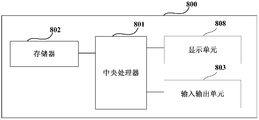
- FIG. 8 is a schematic diagram showing a configuration of an electronic device according to Embodiment 2 of the present application.
- FIG. 9 is a schematic diagram of a method for merging classification results according to Embodiment 3 of the present application.
- FIG. 10 is a schematic flowchart diagram of a method for merging classification results according to Embodiment 4 of the present application.
- the device 100 includes an acquisition unit 101 and a fusion unit 102.
- the obtaining unit 101 is configured to obtain the classification result at different times in the predetermined time period; the fusion unit 102 is configured to fuse the classification results at different times to obtain the fused classification result.
- the present embodiment it is possible to fuse the classification results at different times in the predetermined time period, thereby improving the accuracy of the classification result.
- the obtaining unit 101 may obtain the classification result of the different time in various existing manners.
- the acquiring unit 101 may have a Deep Convolution Neural Networks (DCNN), and the image collecting device.
- the image data collected at different times may be input to the obtaining unit 101 respectively, and after calculation, a plurality of classification results at different times may be obtained; or the obtaining unit 101 may directly receive the classification result at different times from the classifier.
- the embodiment of the present application does not limit the manner in which the obtaining unit 101 acquires the classification result at different times.
- FIG. 2 is a schematic diagram of the fusion of the classification results at different times by the apparatus 100 of the embodiment. As shown in FIG. 2, 201-210 respectively represent classification results at different times in a predetermined time period, and the classification results are merged by the unit 102. Fusion to generate a fused classification result 211.
- FIG. 3 is a schematic diagram of the merging unit 102 of the first embodiment.
- the merging unit 102 may have a first merging subunit 301, and the first merging subunit 301 according to the first weight of the classification result at each moment. And performing weighted summation on the classification results at different times to obtain the classification result of the fusion.
- the classification result of each time may include a confidence level of each category, and the confidence may be a score.
- the classification result Result(n) at the nth time includes a confidence degree of each category. (p, n), where p ⁇ Q, p and Q are natural numbers, Q represents the total number of categories in the classification result Result(n), and p represents one of the Q categories.
- the first fusion subunit 301 may fuse the classification results of the total M moments in the time period from the n-M+1th to the nth time, where M is a natural number, for example, Formula (1) To get the classification result of the fusion:
- RFresult(p,n) represents the confidence level corresponding to the category p in the fused classification result
- w(t) represents the first weight of the classification result at the time t, where t is an integer.
- the category of the object to be classified can be determined according to the confidence level corresponding to each category in the merged classification result.
- the classification result at the time after the time has a larger first weight than the classification result at the time before the time, for example, the first weight w (t) of the classification result at the time t ) can be obtained by the following formula (2) or (3):
- the present embodiment is not limited to the above formula (2) or (3), and the first weight w(t) of the classification result at the t-th time may be calculated according to other methods.
- the merging unit 102 may have a second merging subunit 401, and the second fused subunit 401 votes for the classification result at different times. Get the fused classification results.
- the classification result at each moment may include a voting result for each category based on the threshold, and the voting result may be an integer, for example, in the classification result Result_1(n) at the nth time, if the confidence of the category p is satisfied If the degree is less than the threshold, the result of the voting result Result_1(p,n) of the category is 1; otherwise, the value is 0.
- the second fusion subunit 401 can vote on the classification result of the total M time periods in the time period from the n-M+1th time to the nth time according to the following formula (4). To get the categorized results:
- RFresult(p,n) represents the total number of voting results corresponding to category p in the categorized result of the fusion with.
- the category of the object to be classified can be determined according to the sum of the voting results corresponding to each category in the merged classification result.
- FIG. 5 is another schematic diagram of the merging unit 102 of the first embodiment.
- the merging unit 102 may have a third merging subunit 501, and the third fused subunit 501 can be configured according to different time points. Differences, the classification results at different times are fused to obtain the classification result of the fusion.
- FIG. 6 is a schematic diagram of the third fusion subunit 501 of the first embodiment. As shown in FIG. 6, the third fusion subunit 501 includes:
- the first calculating unit 601 is configured to calculate a difference degree between the classification results of any two of the classification results at different times;
- the second calculating unit 602 is configured to calculate an average between the classification result at each moment and the classification result at other times according to the degree of difference between the classification results at any two moments and the second weight of the classification result at each moment. Degree of difference
- the fourth fusion sub-unit 603 is configured to synthesize the classification results of each time according to the average difference degree between the classification result at each time and the classification result at other times, and fuse the synthesis result to obtain the classification result at different times. Fusion results.
- the first calculating unit 601 calculates the degree of difference between the classification results at any two of the classification results at different times, wherein the degree of difference can be characterized using an existing method, for example, by calculating any two
- the Jousselme distance between the classification results is used to characterize the difference.
- the Jousselme distance is taken as an example to characterize the degree of difference between any two classification results.
- M is an integer greater than or equal to 2
- the classification results of the M times are sorted chronologically, respectively, m 1 , m 2 , . . . , m M .
- J distance the Jousselme distance between the classification results of any two moments
- d BPA (i, j) represents a distance between the classification result J j classification result m i m j-th time at time i
- a p A q and p respectively denote the q-th category and category
- i, j, p, q, n are all positive integers
- i, j, p, q are all less than or equal to M.
- the second calculating unit 602 calculates the classification result at each moment and the classification result at other times according to the degree of difference between the classification results at any two moments and the second weight of the classification result at each moment.
- the correction value of the average J distance corresponding to the classification result at each time can be calculated according to the following formulas (7a) and (7b), and the correction value of the average J distance is taken as the average difference degree:
- Sumo_m(i) represents the average J distance between the classification result at the i-th time and the classification result at the other time
- d BPA (i, j) represents the classification result at the i-th time and the classification result at the j-th time.
- the J distance, Sum_m(i) represents a correction value of the average J distance between the classification result at the i-th time and the classification result at the other time
- w(i) represents the second weight of the classification result at the i-th time.
- the classification result at the time after the time has a larger second weight than the classification result at the time before the time, for example,
- the embodiment is not limited thereto, and the second weight may be set in other manners.
- the fourth fusion sub-unit 603 compares the classification result of each time with the average difference between the classification results at other times.
- the classification results at each time are synthesized, and the synthesis results are fused to obtain the fusion results of the classification results at different times.
- the fourth fusion sub-unit 603 calculates the classification result of each time and the classification result of the previous time of the classification result or the classification result according to the average difference degree between the classification result of each time and the classification result of the other time.
- the fusion results of the classification results at all times are synthesized, and the synthesis results are fused to obtain the fusion results of the classification results at different times.
- the fourth fusion sub-unit 603 For example, for the classification result of the first two times, the fourth fusion sub-unit 603 combines the classification result of the first time and the classification result of the second time, and for the classification result of the third time, the fourth fusion sub-unit 603 pairs The result of the classification at the 3 o'clock and the fusion result of the classification results at the first two moments are combined, and the classification result after the classification result at the third moment is deduced by analogy.
- the fourth fusion sub-unit 603 may set the composite weight for performing the synthesis according to the comparison result between the classification result at each moment and the classification result at the other time and the preset threshold, according to The The composite weights are combined to synthesize the classification results, and the synthesis results are fused to obtain the fusion results of the classification results at different times. For example, when the average difference between the classification result at a certain time and the classification result at another time is greater than the preset threshold, the classification weight used at the time is set to be smaller at the time of synthesis.
- the preset threshold may be set according to actual needs, for example, the threshold is set to a value between 0 and 1, for example, the threshold is 0.5.
- the following is a description of the configuration of the fourth fusion subunit 603 of the present embodiment and the method of synthesizing and fusing according to the average degree of difference.
- FIG. 7 is a schematic diagram of a fourth fusion subunit 603 according to Embodiment 1 of the present invention.
- the four fusion subunit 603 includes:
- the first setting unit 701 is configured to: when the first average difference degree between the classification result of the first time and the classification result of the other time is greater than a preset threshold and the classification result of the second time and the classification result of the other time When the second average difference is smaller than the predetermined threshold, the first combined weight of the classification result at the first time is calculated based on the first average difference, and the second combined right of the classification result at the second time is calculated based on the first combined weight. a value, wherein the first composite weight is less than the second composite weight;
- the second setting unit 702 is configured to: when the first average difference degree between the classification result of the first time and the classification result of the other time is smaller than the preset threshold, and the classification result of the second time and the classification result of the other time When the second average difference between the two is greater than the predetermined threshold, the second combined weight of the classification result at the second time is calculated based on the second average difference, and the first result of the classification result at the first time is calculated based on the second combined weight. a composite weight, wherein the second composite weight is less than the first composite weight;
- the third setting unit 703 is configured to use the first average difference between the classification result at the first time and the classification result at the other time, and the second average difference between the classification result at the second time and the classification result at the other time.
- the degree is greater than or equal to the preset threshold or is less than the preset threshold, the first combined weight of the classification result at the first time and the second combined weight of the classification result at the second time are set to be equal;
- the first synthesizing unit 704 is configured to synthesize the first classification result and the second classification result according to the first combined weight and the second combined weight;
- the fifth fusion subunit 705 is configured to fuse the combination result of the classification result at the first time and the classification result at the second time, and obtain a fusion result of the classification result at the first time and the classification result at the second time.
- the first setting unit 701 calculates the first time according to the first average difference.
- the first combined weight of the classification result for example, the first combined weight of the classification result at the first time can be calculated using the following formula (8):
- the first combined weight value is represented, Sum_m(1) represents the first average degree of difference of the classification result at the first time, and ⁇ represents the combined weight adjustment factor.
- ⁇ can be set according to actual needs, for example, ⁇ is a value of 2 to 5.
- the first setting unit 701 calculates the second combined weight of the classification result at the second time based on the first combined weight, for example, As the second combined weight. among them, which is
- the first average degree of difference between the classification result at the first time and the classification result at the other time is smaller than the predetermined threshold and the classification result at the second time is the second between the classification result at the other time and the classification result at the other time.
- the second setting unit 802 calculates the second combined weight value of the classification result at the second time based on the second average difference degree, and for example, a formula similar to the above formula (8) can be used ( 9) Calculate the second composite weight of the classification result at the second moment:
- the second combined weight is represented, Sum_m(2) represents the second average difference of the classification result at the second time, and ⁇ represents the weight adjustment factor, which takes the same value as before.
- the second setting unit 702 calculates the first combined weight of the classification result at the first time based on the second combined weight, for example, As the first combined weight. among them, which is
- the second average degree of difference between the first average degree of difference between the classification result at the first time and the classification result at the other time and the classification result at the second time and the classification result at the other time are both greater than
- the third setting unit 703 sets the first combined weight of the classification result at the first time and the second combined weight of the classification result at the second time to be equal. For example, both the first combined weight and the second combined weight are set to 0.5.
- the first combining unit 704 combines the classification result of the first time and the classification result of the second time based on the calculated first combined weight and the second combined weight, for example,
- the first combined weight and the second combined weight set by the first setting unit 701 can be synthesized according to the following formula (10):
- m 1 represents the classification result at the first time
- m 2 represents the classification result at the second time.
- the first combined weight and the second combined weight set by the second setting unit 702 can be synthesized according to the following formula (11):
- m 1 represents the classification result at the first time
- m 2 represents the classification result at the second time.
- the first combined weight and the second combined weight set by the third setting unit 703 can be synthesized according to the following formula (12):
- m 1 represents the classification result at the first time
- m 2 represents the classification result at the second time
- the fifth fusion sub-unit 705 performs the synthesis result of the classification result at the first time and the classification result at the second time. Fusion, obtaining the fusion result of the classification result at the first moment and the classification result at the second moment, wherein the fusion result can be fused with itself by using the existing fusion method, for example,
- a fusion result indicating the classification result at the first time and the classification result at the second time The result of the combination of the classification result at the first time and the classification result at the second time is shown.
- the fusion of the synthesis results may use existing fusion methods, for example, fusion based on D-S (Dempster/Shafer) evidence theory.
- the fourth fusion subunit 603 may further include:
- the fourth setting unit 706 is configured to compare the classification result of the i-th time with the classification result of the other time When the average difference degree of i is greater than the preset threshold, the ith composite weight of the classification result at the i-th time is calculated according to the ith average difference degree, and i-1 before the classification result at the i-th time is calculated according to the ith composite weight value.
- the fifth setting unit 707 is configured to set the classification of the i-th time according to the preset parameter when the ith average difference between the classification result of the i-th time and the classification result of the other time is less than or equal to the preset threshold.
- the fourth setting unit 206 calculates the ith time according to the ith average difference degree.
- the i-th synthesis weight of the classification result for example, the i-th synthesis weight can be calculated using the formula (14) similar to the above formula (4):
- the fourth setting unit 706 calculates the i-1th composite weight of the fusion result of the classification result at the i-1 time before the classification result at the i-th time based on the ith synthesis weight value. , for example, will As the i-1th composite weight. among them, which is
- the fifth setting unit 707 sets the i-th according to the preset parameter.
- the i-th composite weight of the classification result of the time classification result and the i-1th synthesis weight of the fusion result of the classification result of the i-1 time before the classification result of the i-th time for example, the i-th composite weight is set to ⁇
- the i-1th synthetic weight is (1- ⁇ ).
- ⁇ is a value of 0 to 1, which can be set according to actual needs.
- the first synthesizing unit 704 is further configured to combine the classification result of the i-th time and the classification result of the i-1 time before the classification result of the i-th time according to the i-th composite weight and the i-th composite weight. Perform synthesis, for example,
- the ith synthesis weight and the i-1th composite weight set by the fourth setting unit 706 can be synthesized according to the following formula (15):
- mi represents the classification result at the i-th time
- the fusion result of the classification result at the i-1 time before the classification result at the i-th time Indicates the ith composite weight
- the ith synthesis weight and the i-1th composite weight set by the fifth setting unit 707 can be synthesized according to the following formula (16):
- a synthesis result indicating a fusion result of the classification result at the i-th time and the classification result at the i-1 time before the classification result at the i-th time
- mi represents the classification result at the i-th time
- ⁇ represents the ith synthesis weight
- (1- ⁇ ) represents the i-1th composite weight.
- the first fourth fusion sub-unit 705 is further used for The fusion result of the fusion result of the classification result at the i-th time and the classification result at the i-1 time before the classification result at the i-th time is fused, and the fusion result of the classification result at the i-time is obtained.
- the fusion method is the same as the previous description, and will not be described here.
- the fourth fusion subunit 603 when M ⁇ 3, performs the above iterative calculation, and finally obtains the fusion result of the classification results of the M moments.
- the classification results at different times in the predetermined time period are fused, whereby the accuracy of the classification result can be improved.
- Embodiment 2 of the present application provides an electronic device including a fusion device of the classification result as described in Embodiment 2.
- FIG. 8 is a schematic diagram showing one configuration of an electronic device according to Embodiment 2 of the present application.
- electronic device 800 can include a central processing unit (CPU) 801 and memory 802; and memory 802 is coupled to central processor 801.
- the memory 802 can store various data; in addition, a program for performing fusion of the classification results is stored, and the program is executed under the control of the central processing unit 801.
- the functionality in the fusion device of the classification results can be integrated into the central processor 801 in.
- the central processing unit 801 can be configured to:
- the classification results at different times are fused to obtain the fused classification results.
- the central processing unit 801 can also be configured to:
- the classification results at different times are weighted and summed to obtain the classification result of the fusion.
- the central processing unit 801 can also be configured to:
- the classification results at different times are voted to obtain the classification result of the fusion.
- the central processing unit 801 can also be configured to:
- the classification results at different moments are merged to obtain the classification result of the fusion.
- the central processing unit 801 can also be configured to:
- the classification results at each time are synthesized according to the average difference degree between the classification result at each time and the classification result at other time, and the synthesis result is fused to obtain the classification result of the fusion.
- the central processing unit 801 can also be configured to:
- the central processing unit 801 can also be configured to:
- the classification results of each time are synthesized according to the average difference between the classification result at each time and the classification result at other times, and the fusion of the synthesis results includes:
- the first average degree of difference between the classification result at the first time and the classification result at the other time is greater than a preset threshold and the second average difference between the classification result at the second time and the classification result at the other time is smaller than the predetermined
- the threshold value is set, the first combined weight value of the classification result at the first time is calculated based on the first average difference degree, and the second combined weight value of the second classification result is calculated based on the first weight value, wherein , the first synthetic weight is small And the second combined weight;
- the first average degree of difference between the classification result at the first time and the classification result at the other time is less than the predetermined threshold and the second average difference between the classification result at the second time and the other classification result is greater than the predetermined
- the threshold is set, the second combined weight of the classification result at the second time is calculated based on the second average difference, and the first combined right of the classification result at the first time is calculated based on the second combined weight a value, wherein the second combined weight is less than the first combined weight;
- the first average difference between the classification result at the first time and the classification result at the other time and the second average difference between the classification result at the second time and the other classification result are greater than or equal to the preset threshold or When both are smaller than the predetermined threshold, the first combined weight of the classification result at the first time and the second combined weight of the classification result at the second time are set to be equal;
- the result of the combination of the classification result at the first time and the classification result at the second time is fused, and the fusion result of the classification result at the first time and the classification result at the second time is obtained.
- the central processing unit 801 can also be configured to:
- the classification results of each time are synthesized according to the average difference between the classification result at each time and the classification result at other times, and the fusion of the synthesis results further includes:
- the ith synthesis weight of the classification result at the ith time is set according to the preset parameter and An i-1th composite weight of the fusion result of the classification result at the i-1 time before the classification result at the i-th time;
- the central processing unit 801 can also be configured to:
- the electronic device 800 may further include: an input and output unit 803, a display unit 804, and the like; wherein the functions of the above components are similar to those of the prior art, and details are not described herein again. It should be noted that the electronic device 800 does not necessarily have to include all the components shown in FIG. 8; in addition, the electronic device 800 may further include components not shown in FIG. 8, and reference may be made to the prior art.
- the embodiment of the present invention further provides a fusion method of classification results, which corresponds to the fusion device of the classification result of Embodiment 1.
- Figure 9 is a flow chart showing a method of fusing the classification result according to the first embodiment of the present invention. As shown in FIG. 9, the method includes:
- Step 901 Acquire classification results at different times in a predetermined time period
- Step 902 merging the classification results at different times to obtain the fused classification result.
- the classification results at different times in the predetermined time period are fused, whereby the accuracy of the classification result can be improved.
- the embodiment of the present invention further provides a fusion method of the classification result of the time, which corresponds to the fusion device of the classification result of Embodiment 1.
- Figure 10 is a flow chart showing a method of fusing the classification result according to the fourth embodiment of the present invention. As shown in FIG. 10, the method includes:
- Step 1001 Calculate the degree of difference between the classification results of any two of the classification results of the M moments, where M is an integer greater than or equal to 2;
- Step 1002 Calculate an average difference between the classification result at each moment and the classification result at other moments according to the degree of difference between the classification results at any two moments;
- Step 1003 determining a classification result of a classification result M time in the first time point m of an average difference of Sum_m 1 classification result (1) and the second time m the second average difference of Sum_m 2 (2) is satisfied
- Sum_m(1)>th_d and Sum_m(2) ⁇ th_d, th_d are preset thresholds.
- Step 1004 Calculate a first combined weight value of the classification result at the first time based on the first average difference degree, and calculate a second combined weight value of the classification result at the second time based on the first combined weight value;
- Step 1005 determining a classification result of the first time point m of the first average difference of Sum_m 1 classification result (1) and the second time m the second average difference of Sum_m 2 (2) satisfies the following condition: Sum_m (1) ⁇ th_d and Sum_m(2)>th_d, th_d is a preset threshold.
- Step 1006 Calculate the second combined weight of the classification result at the second time based on the second average difference, and calculate the first combined weight of the classification result at the first time based on the second combined weight;
- Step 1007 Set the first combined weight of the classification result at the first time and the second combined weight of the classification result at the second time to be equal;
- Step 1008 synthesize the classification result at the first time and the classification result at the second time according to the first combined weight and the second combined weight;
- Step 1009 merging the combination result of the classification result at the first time and the classification result at the second time, and obtaining a fusion result of the classification result at the first time and the classification result at the second time;
- Step 1010 Determine whether M is greater than or equal to 3. When the determination result is “Yes”, proceed to step 1011. When the determination result is “No”, the process ends.
- Step 1011 Determine whether the ith average difference degree Sum_m(i) of the classification result m i at the i-th time is greater than the preset threshold value th_d.
- the determination result is “Yes”
- the process proceeds to step 1012, and when the determination result is “No” ", then proceeds to step 1013, i is an integer greater than or equal to 3, and i ⁇ M;
- Step 1012 Calculate the ith synthesis weight of the classification result at the i-th time according to the ith average difference degree, and calculate the fusion result of the classification result at the i-1 time before the classification result at the i-th time according to the ith composite weight value.
- Step 1013 Set an i-th composite weight of the classification result of the i-th time and an i-th composite weight of the fusion result of the classification result of the i-1 time before the classification result of the i-th time according to the preset parameter;
- Step 1014 synthesize the fusion result of the classification result of the i-th time and the classification result of the i-1 time before the classification result of the i-th time according to the i-th composite weight and the i-th composite weight;
- Step 1015 merging the result of the fusion of the classification result at the i-th time and the classification result at the i-1 time before the classification result at the i-th time, and obtaining the fusion result of the classification result at the i-time;
- Step 1016 Determine whether i is less than M. When the determination result is “Yes”, proceed to step 1017, and when the determination result is “No”, the process ends;
- Step 1017 Add i to 1.
- the classification results at different times in the predetermined time period are fused, whereby the accuracy of the classification result can be improved.
- Embodiments of the present invention also provide a computer readable program, wherein when the program is executed in a fusion device or an electronic device of a classification result, the program causes a computer to perform implementation in a fusion device or an electronic device of the classification result
- An embodiment of the present invention further provides a storage medium storing a computer readable program, wherein the computer readable program causes a computer to perform the classification result described in Embodiment 3 or Embodiment 4 in a fusion device or an electronic device of a classification result. Fusion method.
- a fusion device incorporating the classification results described in the embodiments of the present invention may be directly embodied as hardware, a software module executed by a processor, or a combination of both.
- one or more of the functional blocks shown in Figures 1, 3-7 and/or one or more combinations of functional blocks may correspond to individual software modules of a computer program flow, or to individual hardware.
- These software modules may correspond to the respective steps shown in Embodiment 3, respectively.
- These hardware modules can be implemented, for example, by curing these software modules using a Field Programmable Gate Array (FPGA).
- FPGA Field Programmable Gate Array
- the software module can reside in RAM memory, flash memory, ROM memory, EPROM memory, EEPROM memory, registers, hard disk, removable disk, CD-ROM, or any other form of storage medium known in the art.
- a storage medium can be coupled to the processor to enable the processor to read information from, and write information to, the storage medium; or the storage medium can be an integral part of the processor.
- the processor and the storage medium can be located in an ASIC.
- the software module can be stored in the memory of the mobile terminal or in a memory card that can be inserted into the mobile terminal. For example, if a device (such as a mobile terminal) uses a larger capacity MEGA-SIM card or a large-capacity flash memory device, the software module can be stored in the MEGA-SIM card. Or a large-capacity flash memory device.
- One or more of the functional block diagrams described with respect to Figures 1, 3-7, and/or one or more combinations of functional block diagrams may be implemented as a general purpose processor, digital signal processor for performing the functions described herein ( DSP), application specific integrated circuit (ASIC), field programmable gate array (FPGA) or other programmable logic device, discrete gate or transistor logic device, discrete hardware component, or any suitable combination thereof.
- DSP digital signal processor
- ASIC application specific integrated circuit
- FPGA field programmable gate array
- One or more of the functional blocks described with respect to Figures 1-3 and/or one or more combinations of functional blocks may also be implemented as a combination of computing devices, e.g., a combination of a DSP and a microprocessor, multiple microprocessors One or more microprocessors in conjunction with DSP communication or any other such configuration.
Landscapes
- Engineering & Computer Science (AREA)
- Theoretical Computer Science (AREA)
- Data Mining & Analysis (AREA)
- Bioinformatics & Cheminformatics (AREA)
- Bioinformatics & Computational Biology (AREA)
- Computer Vision & Pattern Recognition (AREA)
- Life Sciences & Earth Sciences (AREA)
- Evolutionary Biology (AREA)
- Evolutionary Computation (AREA)
- Physics & Mathematics (AREA)
- General Engineering & Computer Science (AREA)
- General Physics & Mathematics (AREA)
- Artificial Intelligence (AREA)
- Information Retrieval, Db Structures And Fs Structures Therefor (AREA)
- Developing Agents For Electrophotography (AREA)
Abstract
一种分类结果的融合方法、装置和电子设备。该装置包括:获取单元,其用于获取预定时间段内不同时刻的分类结果;融合单元,其用于对不同时刻的分类结果进行融合,以得到融合的分类结果。根据本实施例,能够对预定时间段内不同时刻的分类结果进行融合,由此,提高了分类结果的准确度。
Description
本发明涉及信息技术领域,尤其涉及一种分类结果的融合方法、装置及电子设备。
随着信息技术的不断发展,计算机视觉以及智能交通系统的应用逐渐广泛。基于这些应用的要求,需要对获得的视频图像中的目标物体进行识别和分类。当视频图像由于例如光照、烟雾、雨雪等成像环境以及运动模糊等因素的影响而导致成像模糊、扭曲或残缺等,导致对于目标物体的单个分类结果的精度大大降低。因此,获得目标物体的多个分类结果并对这些分类结果进行融合,相对于单个分类结果,能够提高目标物体的识别和分类的精度。
目前,存在多个分类结果的融合方法,例如,在多个分类器中寻找错误率最低的分类器并输出该分类器的分类结果等。
应该注意,上面对技术背景的介绍只是为了方便对本发明的技术方案进行清楚、完整的说明,并方便本领域技术人员的理解而阐述的。不能仅仅因为这些方案在本发明的背景技术部分进行了阐述而认为上述技术方案为本领域技术人员所公知。
发明内容
当利用上述现有的方法进行多个分类结果的融合时,获得的分类结果准确度仍然较低。
本发明实施例提供一种分类结果的融合装置及方法,对预定时间段内不同时刻的分类结果进行融合,能够有效提高分类结果的准确度。
根据本发明实施例的第一方面,提供一种分类结果的融合装置,所述装置包括:获取单元,其用于获取预定时间段内不同时刻的分类结果;融合单元,其用于对不同时刻的分类结果进行融合,以得到融合的分类结果。
根据本发明实施例的第二方面,提供一种电子设备,包括:根据本发明实施例的第一方面所述的分类结果的融合装置。
根据本发明实施例的第三方面,提供一种分类结果的融合方法,所述方法包括:获取预定时间段内不同时刻的分类结果;对不同时刻的分类结果进行融合,以得到融
合的分类结果。
本发明的有益效果在于:对预定时间段内不同时刻的分类结果进行融合,能够有效提高分类结果的准确度。
参照后文的说明和附图,详细公开了本发明的特定实施方式,指明了本发明的原理可以被采用的方式。应该理解,本发明的实施方式在范围上并不因而受到限制。在所附权利要求的精神和条款的范围内,本发明的实施方式包括许多改变、修改和等同。
针对一种实施方式描述和/或示出的特征可以以相同或类似的方式在一个或更多个其它实施方式中使用,与其它实施方式中的特征相组合,或替代其它实施方式中的特征。
应该强调,术语“包括/包含”在本文使用时指特征、整件、步骤或组件的存在,但并不排除一个或更多个其它特征、整件、步骤或组件的存在或附加。
所包括的附图用来提供对本发明实施例的进一步的理解,其构成了说明书的一部分,用于例示本发明的实施方式,并与文字描述一起来阐释本发明的原理。显而易见地,下面描述中的附图仅仅是本发明的一些实施例,对于本领域普通技术人员来讲,在不付出创造性劳动性的前提下,还可以根据这些附图获得其他的附图。在附图中:
图1是本申请实施例1的分类结果的融合装置的示意图;
图2是本申请实施例1的对不同时刻的分类结果进行融合的一个示意图;
图3是本申请实施例1的融合单元的一个示意图;
图4是本申请实施例1的融合单元的另一个示意图;
图5是本申请实施例1的融合单元的另一个示意图;
图6是本申请实施例1的第三融合子单元的一个示意图;
图7是本申请实施例1的第四融合子单元的一个示意图;
图8是本申请实施例2的电子设备的一个构成示意图;
图9是本申请实施例3的分类结果的融合方法的一个示意图;
图10是本申请实施例4的分类结果的融合方法的一个流程示意图。
参照附图,通过下面的说明书,本发明的前述以及其它特征将变得明显。在说明书和附图中,具体公开了本发明的特定实施方式,其表明了其中可以采用本发明的原则的部分实施方式,应了解的是,本发明不限于所描述的实施方式,相反,本发明包括落入所附权利要求的范围内的全部修改、变型以及等同物。
实施例1
图1是本发明实施例1的分类结果的融合装置的示意图。如图1所示,装置100包括获取单元101和融合单元102。
其中,获取单元101用于获取预定时间段内不同时刻的分类结果;融合单元102用于对不同时刻的分类结果进行融合,以得到融合的分类结果。
根据本实施例,能够对预定时间段内不同时刻的分类结果进行融合,由此,提高了分类结果的准确度。
在本实施例中,获取单元101可以通过多种现有方式获得该不同时刻的分类结果,例如,获取单元101中可以具有一个深度卷积神经网络(DCNN,Deep Convolution Neural Networks),图像采集装置可以将在不同时刻采集到的图像数据分别输入到该获取单元101,经过计算后获得不同时刻的多个分类结果;或者,获取单元101可以直接从分类器接收不同时刻的分类结果。本申请实施例不对获取单元101获取不同时刻的分类结果的方式进行限制。
图2是采用本实施例的装置100对不同时刻的分类结果进行融合的一个示意图,如图2所示,201-210分别代表预定时间段内不同时刻的分类结果,这些分类结果被融合单元102融合以生成融合的分类结果211。
图3是本实施例1的融合单元102的一个示意图,如图3所示,融合单元102可以具有第一融合子单元301,第一融合子单元301根据各时刻的分类结果的第一权值,对不同时刻的分类结果进行加权求和,以得到所述融合的分类结果。
在本实施例中,每一时刻的分类结果中可以包括各类别的置信度,该置信度可以是分数,例如,第n时刻的分类结果Result(n)中,包含有各类别的置信度Result(p,n),其中,p≤Q,p和Q都是自然数,Q代表分类结果Result(n)中的类别的总数,p代表Q个类别中的某一个类别。
在本实施例中,第一融合子单元301可以对从第n-M+1时刻起到第n时刻的时间段中的共M个时刻的分类结果进行融合,M为自然数,例如可以通过下面的式(1)
来得到融合的分类结果:

其中,RFresult(p,n)表示在融合的分类结果中,类别p所对应的置信度,w(t)表示第t时刻的分类结果的第一权值,其中,t为整数。
在本实施例中,根据融合的分类结果中各类别对应的置信度,可以确定待分类物体的类别。
在本实施例中,时间上在后的时刻的分类结果比时间上在前的时刻的分类结果具有更大的第一权值,例如,第t时刻的分类结果的第一权值w(t)可以通过下式(2)或(3)来得到:
w(t)=2-(n-t+1) (2)
w(t)=1/((n-t+1)2+0.5) (3)
此外,本实施例并不限于上式(2)或(3),也可以根据其它的方式来计算得到第t时刻的分类结果的第一权值w(t)。
图4是本实施例1的融合单元102的另一个示意图,如图4所示,融合单元102可以具有第二融合子单元401,第二融合子单元401对不同时刻的分类结果进行投票,以得到融合的分类结果。
在本实施例中,每一时刻的分类结果中可以包括基于阈值对各类别的投票结果,该投票结果可以是整数,例如,第n时刻的分类结果Result_1(n)中,如果类别p的置信度小于阈值,则该类别的投票结果Result_1(p,n)取值为1,否则,取值为0。
在本实施例中,第二融合子单元401可以根据下面的式(4),对从第n-M+1时刻起到第n时刻的时间段中的共M个时刻的分类结果进行投票,以得到融合的分类结果:

其中,RFresult(p,n)表示在融合的分类结果中,类别p所对应的投票结果的总
和。
在本实施例中,根据融合的分类结果中各类别对应的投票结果的总和,可以确定待分类物体的类别。
图5是本实施例1的融合单元102的另一个示意图,如图5所示,融合单元102可以具有第三融合子单元501,第三融合子单元501能够根据不同时刻的分类结果之间的差异,对不同时刻的分类结果进行融合,以得到所述融合的分类结果。
图6是本实施例1的第三融合子单元501的一个示意图,如图6所示,第三融合子单元501包括:
第一计算单元601,用于计算不同时刻的分类结果中任意两个时刻的分类结果之间的差异度;
第二计算单元602,用于根据任意两个时刻的分类结果之间的差异度,以及各时刻的分类结果的第二权值,计算各时刻的分类结果与其他时刻的分类结果之间的平均差异度;
第四融合子单元603,用于根据各时刻的分类结果与其他时刻的分类结果之间的平均差异度对各时刻的分类结果进行合成,并对合成结果进行融合,获得不同时刻的分类结果的融合结果。
在本实例中,第一计算单元601计算不同时刻的分类结果中任意两个时刻的分类结果之间的差异度,其中,该差异度可使用现有方法来表征,例如,可以通过计算任意两个分类结果之间的Jousselme距离来表征该差异度。在本实施例中,以Jousselme距离为例,来表征任意两个分类结果之间的差异度。
在本实施例中,假设共有M个时刻的分类结果,M为大于等于2的整数,对M个时刻的分类结果按时间先后进行排序,分别为m1,m2,……,mM。
在本实例中,例如,可根据以下的公式(1)和(2)计算任意两个时刻的分类结果之间的Jousselme距离(以下简称为J距离):


其中,dBPA(i,j)表示第i时刻的分类结果mi与第j时刻的分类结果mj之间的J距离,Ap和Aq分别表示第p个类别和第q个类别,i,j,p,q,n均为正整数,且i,j,p,q
均小于或等于M。
在本实施例中,第二计算单元602根据任意两个时刻的分类结果之间的差异度,以及各时刻的分类结果的第二权值,计算各时刻的分类结果与其他时刻的分类结果之间的平均差异度,例如,可根据以下的公式(7a)和(7b)计算各时刻的分类结果对应的平均J距离的修正值,并将该平均J距离的修正值作为该平均差异度:

Sum_m(i)=Sumo_m(i)·w(i) (7b)
其中,Sumo_m(i)表示第i时刻的分类结果与其他时刻的分类结果之间的平均J距离,dBPA(i,j)表示第i时刻的分类结果与第j时刻的分类结果之间的J距离,Sum_m(i)表示第i时刻的分类结果与其他时刻的分类结果之间的平均J距离的修正值,w(i)表示第i时刻的分类结果的第二权值。
在本实施例中,时间上在后的时刻的分类结果比时间上在前的时刻的分类结果具有更大的第二权值,例如, 当然,本实施例并不限于此,也可以采用其他的方式来设定该第二权值。
在本实施例中,在获得各时刻的分类结果与其他时刻的分类结果的平均差异度之后,第四融合子单元603根据各时刻的分类结果与其他时刻的分类结果之间的平均差异度对各时刻的分类结果进行合成,并对合成结果进行融合,获得不同时刻的分类结果的融合结果。
例如,第四融合子单元603根据各时刻的分类结果与其他时刻的分类结果之间的平均差异度,对各时刻的分类结果与该分类结果的前一个时刻的分类结果或者该分类结果之前的所有时刻的分类结果的融合结果进行合成,并对合成结果进行融合,获得不同时刻的分类结果的融合结果。
例如,对于前两个时刻的分类结果,第四融合子单元603对第1时刻的分类结果和第2时刻的分类结果进行合成,对于第3时刻的分类结果,第四融合子单元603对第3时刻的分类结果和前两个时刻的分类结果的融合结果进行合成,对于第3时刻的分类结果之后的分类结果,以此类推。
在本实施例中,第四融合子单元603可根据各时刻的分类结果与其他时刻的分类结果之间的平均差异度和预设阈值的比较结果设定用于进行合成的合成权值,根据该
合成权值对各个分类结果进行合成,并对合成结果进行融合,获得不同时刻的分类结果的融合结果。例如,当某个时刻的分类结果与其他时刻的分类结果之间的平均差异度大于该预设阈值时,将该时刻的分类结果在合成时使用的合成权值设置为较小。
在本实施例中,该预设阈值可根据实际需要而设置,例如,将该阈值设置为0~1之间的数值,例如该阈值为0.5。
以下对本实施例的第四融合子单元603的构成以及根据平均差异度进行合成和融合的方法进行示例性的说明。
图7是本发明实施例1的第四融合子单元603的示意图。当需要对M个时刻的分类结果中的前两个时刻的分类结果,即第1时刻的分类结果m1和第2时刻的分类结果m2进行合成和融合时,如图7所示,第四融合子单元603包括:
第一设定单元701,用于当第1时刻的分类结果与其他时刻的分类结果之间的第1平均差异度大于预设阈值且第2时刻的分类结果与其他时刻的分类结果之间的第2平均差异度小于该预设阈值时,根据第1平均差异度计算第1时刻的分类结果的第1合成权值,根据第1合成权值计算第2时刻的分类结果的第2合成权值,其中,第1合成权值小于第2合成权值;
第二设定单元702,用于当第1时刻的分类结果与其他时刻的分类结果之间的第1平均差异度小于所述预设阈值且第2时刻的分类结果与其他时刻的分类结果之间的第2平均差异度大于该预设阈值时,根据第2平均差异度计算第2时刻的分类结果的第2合成权值,根据第2合成权值计算第1时刻的分类结果的第1合成权值,其中,第2合成权值小于第1合成权值;
第三设定单元703,用于当第1时刻的分类结果与其他时刻的分类结果之间的第1平均差异度和第2时刻的分类结果与其他时刻的分类结果之间的第2平均差异度均大于或等于该预设阈值或者均小于该预设阈值时,将第1时刻的分类结果的第1合成权值与第2时刻的分类结果的第2合成权值设置为相等;
第一合成单元704,用于根据第1合成权值和所述第2合成权值,对第1分类结果和第2分类结果进行合成;
第五融合子单元705,用于对第1时刻的分类结果和第2时刻的分类结果的合成结果进行融合,获得第1时刻的分类结果和第2时刻的分类结果的融合结果。
在本实施例中,当第1时刻的分类结果与其他时刻的分类结果之间的第1平均差
异度大于预设阈值且第2时刻的分类结果与其他时刻的分类结果之间的第2平均差异度小于该预设阈值时,第一设定单元701根据第1平均差异度计算第1时刻的分类结果的第1合成权值,例如,可使用以下的公式(8)计算第1时刻的分类结果的第1合成权值:

其中, 表示第1合成权值,Sum_m(1)表示第1时刻的分类结果的第1平均差异度,α表示合成权值调节因子。其中,α可根据实际需要而设置,例如,α为2~5的数值。
在计算出第1合成权值之后,第一设定单元701根据第1合成权值计算第2时刻的分类结果的第2合成权值,例如,将 作为第2合成权值。其中,
 即
即
在本实施例中,当第1时刻的分类结果与其他时刻的分类结果之间的第1平均差异度小于该预设阈值且第2时刻的分类结果与其他时刻的分类结果之间的第2平均差异度大于该预设阈值时,第二设定单元802根据第2平均差异度计算第2时刻的分类结果的第2合成权值,例如,可使用与上述公式(8)类似的公式(9)计算第2时刻的分类结果的第2合成权值:

其中, 表示第2合成权值,Sum_m(2)表示第2时刻的分类结果的第2平均差异度,α表示权值调节因子,其取值同前。
在计算出第2合成权值之后,第二设定单元702根据第2合成权值计算第1时刻的分类结果的第1合成权值,例如,将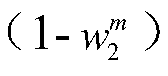 作为第1合成权值。其中,
 即
即
在本实施例中,当第1时刻的分类结果与其他时刻的分类结果之间的第1平均差异度和第2时刻的分类结果与其他时刻的分类结果之间的第2平均差异度均大于或等于该预设阈值或者均小于该预设阈值时,第三设定单元703将第1时刻的分类结果的第1合成权值与第2时刻的分类结果的第2合成权值设置为相等,例如,将第1合成权值和第2合成权值均设为0.5。
在本实施例中,第一合成单元704根据计算出的第1合成权值和所述第2合成权值,对第1时刻的分类结果和第2时刻的分类结果进行合成,例如,
对于第一设定单元701设定的第1合成权值和第2合成权值,可根据以下的公式(10)进行合成:

其中, 表示第1时刻的分类结果和第2时刻的分类结果的合成结果,m1表示第1时刻的分类结果,m2表示第2时刻的分类结果,
 表示第1合成权值,
 表示第2合成权值。
对于第二设定单元702设定的第1合成权值和第2合成权值,可根据以下的公式(11)进行合成:

其中, 表示第1时刻的分类结果和第2时刻的分类结果的合成结果,m1表示第1时刻的分类结果,m2表示第2时刻的分类结果,
 表示第1合成权值,
 表示第2合成权值。
对于第三设定单元703设定的第1合成权值和第2合成权值,可根据以下的公式(12)进行合成:

其中, 表示第1时刻的分类结果和第2时刻的分类结果的合成结果,m1表示第1时刻的分类结果,m2表示第2时刻的分类结果。
在本实施例中,在获得第1时刻的分类结果和第2时刻的分类结果的合成结果之后,第五融合子单元705对第1时刻的分类结果和第2时刻的分类结果的合成结果进行融合,获得第1时刻的分类结果和第2时刻的分类结果的融合结果,其中,可使用现有的融合方法,将合成结果与其自身进行融合,例如,

其中, 表示第1时刻的分类结果和第2时刻的分类结果的融合结果,
 表示第1时刻的分类结果和第2时刻的分类结果的合成结果。
在本实施例中,对合成结果进行融合可使用现有的融合方法,例如,可基于D-S(Dempster/Shafer)证据理论进行融合。
以上是对前两个时刻的分类结果进行合成和融合的示例性说明,当n≥3时,第四融合子单元603还可以包括:
第四设定单元706,用于当第i时刻的分类结果与其他时刻的分类结果之间的第
i平均差异度大于该预设阈值时,根据第i平均差异度计算第i时刻的分类结果的第i合成权值,根据第i合成权值计算第i时刻的分类结果之前的i-1个时刻的分类结果的融合结果的第i-1合成权值,其中,第i合成权值小于第i-1合成权值,i为大于或等于3的整数,且i≤n;
第五设定单元707,用于当第i时刻的分类结果与其他时刻的分类结果之间的第i平均差异度小于或等于该预设阈值时,根据预设参数来设置第i时刻的分类结果的第i合成权值以及第i时刻的分类结果之前的i-1个时刻的分类结果的融合结果的第i-1合成权值;
在本实施例中,当第i时刻的分类结果与其他时刻的分类结果之间的第i平均差异度大于该预设阈值时,第四设定单元206根据第i平均差异度计算第i时刻的分类结果的第i合成权值,例如,可使用与上述公式(4)类似的公式(14)计算第i合成权值:

其中, 表示第i时刻的分类结果的第i合成权值,Sum_m(i)表示第i时刻的分类结果的第i平均差异度,α表示合成权值调节因子,其取值同前。
在计算出第i合成权值之后,第四设定单元706根据第i合成权值计算第i时刻的分类结果之前的i-1个时刻的分类结果的融合结果的第i-1合成权值,例如,将 作为第i-1合成权值。其中,
 即
即
在本实施例中,当第i时刻的分类结果与其他时刻的分类结果之间的第i平均差异度小于或等于该预设阈值时,第五设定单元707根据预设参数来设置第i时刻的分类结果的第i合成权值以及第i时刻的分类结果之前的i-1个时刻的分类结果的融合结果的第i-1合成权值,例如,将第i合成权值设为β,那么第i-1合成权值则为(1-β)。其中,β为0~1的数值,可根据实际需要而设置。
第一合成单元704还用于根据第i合成权值和第i-1合成权值,对第i时刻的分类结果和第i时刻的分类结果之前的i-1个时刻的分类结果的融合结果进行合成,例如,
对于第四设定单元706设定的第i合成权值和第i-1合成权值,可根据以下的公式(15)进行合成:

其中, 表示第i时刻的分类结果和第i时刻的分类结果之前的i-1个时刻的
分类结果的融合结果的合成结果,mi表示第i时刻的分类结果,
表示第i时刻的分类结果和第i时刻的分类结果之前的i-1个时刻的
分类结果的融合结果的合成结果,mi表示第i时刻的分类结果, 表示第i时刻的分类结果之前的i-1个时刻的分类结果的融合结果,
 表示第i合成权值,
 表示第i-1合成权值。
例如,当i=3时, 表示第3时刻的分类结果m3和第1时刻的分类结果、第2时刻的分类结果的融合结果
 的合成结果。
对于第五设定单元707设定的第i合成权值和第i-1合成权值,可根据以下的公式(16)进行合成:

其中, 表示第i时刻的分类结果和第i时刻的分类结果之前的i-1个时刻的分类结果的融合结果的合成结果,mi表示第i时刻的分类结果,
 表示第i时刻的分类结果之前的i-1个时刻的分类结果的融合结果,β表示第i合成权值,(1-β)表示第i-1合成权值。
在本实施例中,在获得第i时刻的分类结果和第i时刻的分类结果之前的i-1个时刻的分类结果的融合结果的合成结果之后,第一第四融合子单元705还用于对第i时刻的分类结果和第i时刻的分类结果之前的i-1个时刻的分类结果的融合结果的合成结果进行融合,获得i个时刻的分类结果的融合结果。其中,融合方法与前面的记载相同,此处不再赘述。
在本实施例中,当M≥3时,第四融合子单元603进行以上的迭代计算,最终获得M个时刻的分类结果的融合结果。
在本实施例中,由上述实施例可知,对预定时间段内不同时刻的分类结果进行融合,由此,能够提高分类结果的准确度。
实施例2
本申请实施例2提供一种电子设备,包括如实施例2所述的分类结果的融合装置。
图8是本申请实施例2的电子设备的一个构成示意图。如图8所示,电子设备800可以包括:中央处理器(CPU)801和存储器802;存储器802耦合到中央处理器801。其中该存储器802可存储各种数据;此外还存储进行分类结果的融合的程序,并且在中央处理器801的控制下执行该程序。
在一个实施方式中,分类结果的融合装置中的功能可以被集成到中央处理器801
中。
其中,中央处理器801可以被配置为:
获取预定时间段内不同时刻的分类结果;以及
对不同时刻的分类结果进行融合,以得到融合的分类结果。
其中,中央处理器801还可以被配置为:
根据各时刻的分类结果的第一权值,对不同时刻的分类结果进行加权求和,以得到所述融合的分类结果。
其中,中央处理器801还可以被配置为:
对不同时刻的分类结果进行投票,以得到所述融合的分类结果。
其中,中央处理器801还可以被配置为:
根据不同时刻的分类结果之间的差异,对不同时刻的分类结果进行融合,以得到所述融合的分类结果。
其中,中央处理器801还可以被配置为:
计算不同时刻的分类结果中任意两个分类结果之间的差异度;
根据任意两个分类结果之间的差异度,以及各时刻的分类结果的第二权值,计算各时刻的分类结果与其他时刻的分类结果之间的平均差异度;以及
根据各时刻的分类结果与其他时刻的分类结果之间的平均差异度对各时刻的分类结果进行合成,并对合成结果进行融合,以得到所述融合的分类结果。
其中,中央处理器801还可以被配置为:
根据各时刻的分类结果与其他时刻的分类结果之间的平均差异度和预设阈值的比较结果设定用于进行合成的合成权值,根据所述合成权值对各个分类结果进行合成,并对合成结果进行融合,以得到所述融合的分类结果。
其中,中央处理器801还可以被配置为:
根据各时刻的分类结果与其他时刻的分类结果之间的平均差异度对各时刻的分类结果进行合成,并对合成结果进行融合包括:
当第1时刻的分类结果与其他时刻的分类结果之间的第1平均差异度大于预设阈值且第2时刻的分类结果与其他时刻的分类结果之间的第2平均差异度小于所述预设阈值时,根据所述第1平均差异度计算所述第1时刻的分类结果的第1合成权值,根据所述第1权值计算所述第2分类结果的第2合成权值,其中,所述第1合成权值小
于所述第2合成权值;
当第1时刻的分类结果与其他时刻的分类结果之间的第1平均差异度小于所述预设阈值且第2时刻的分类结果与其他分类结果之间的第2平均差异度大于所述预设阈值时,根据所述第2平均差异度计算所述第2时刻的分类结果的第2合成权值,根据所述第2合成权值计算所述第1时刻的分类结果的第1合成权值,其中,所述第2合成权值小于所述第1合成权值;
当第1时刻的分类结果与其他时刻的分类结果之间的第1平均差异度和第2时刻的分类结果与其他分类结果之间的第2平均差异度均大于或等于所述预设阈值或者均小于所述预设阈值时,将第1时刻的分类结果的第1合成权值与第2时刻的分类结果的第2合成权值设置为相等;
根据所述第1合成权值和所述第2合成权值,对第1时刻的分类结果和第2时刻的分类结果进行合成;
对第1时刻的分类结果和第2时刻的分类结果的合成结果进行融合,获得第1时刻的分类结果和第2时刻的分类结果的融合结果。
其中,中央处理器801还可以被配置为:
根据各时刻的分类结果与其他时刻的分类结果之间的平均差异度对各时刻的分类结果进行合成,并对合成结果进行融合还包括:
当第i时刻的分类结果与其他时刻的分类结果之间的第i平均差异度大于所述预设阈值时,根据所述第i平均差异度计算第i时刻的分类结果的第i合成权值,根据所述第i合成权值计算所述第i时刻的分类结果之前的i-1个时刻的分类结果的融合结果的第i-1合成权值,其中,所述第i合成权值小于所述第i-1合成权值,i为大于或等于3的整数,且i≤n;
当第i时刻的分类结果与其他时刻的分类结果之间的第i平均差异度小于或等于所述预设阈值时,根据预设参数来设置第i时刻的分类结果的第i合成权值以及所述第i时刻的分类结果之前的i-1个时刻的分类结果的融合结果的第i-1合成权值;
根据所述第i合成权值和第i-1合成权值,对第i时刻的分类结果和所述第i时刻的分类结果之前的i-1个分类结果的融合结果进行合成;
对第i时刻的分类结果和所述第i时刻的分类结果之前的i-1个时刻的分类结果的融合结果的合成结果进行融合,获得i个时刻的分类结果的融合结果。
其中,中央处理器801还可以被配置为:
当第i时刻的分类结果与其他时刻的分类结果之间的第i平均差异度小于或等于所述预设阈值时,将所述预设参数设置为使得所述第i合成权值与所述第i-1合成权值相等。
此外,如图8所示,电子设备800还可以包括:输入输出单元803和显示单元804等;其中,上述部件的功能与现有技术类似,此处不再赘述。值得注意的是,电子设备800也并不是必须要包括图8中所示的所有部件;此外,电子设备800还可以包括图8中没有示出的部件,可以参考现有技术。
实施例3
本发明实施例还提供一种分类结果的融合方法,其对应于实施例1的分类结果的融合装置。图9是本发明实施例1的分类结果的融合方法的流程图。如图9所示,该方法包括:
步骤901:获取预定时间段内不同时刻的分类结果;以及
步骤902:对不同时刻的分类结果进行融合,以得到融合的分类结果。
在本实施例中,上述方法中各步骤的具体说明可以参考实施例1中对相关单元的记载,此处不再赘述。
在本实施例中,由上述实施例可知,对预定时间段内不同时刻的分类结果进行融合,由此,能够提高分类结果的准确度。
实施例4
本发明实施例还提供一种时刻的分类结果的融合方法,其对应于实施例1的分类结果的融合装置。图10是本发明实施例4的分类结果的融合方法的流程图。如图10所示,该方法包括:
步骤1001:计算M个时刻的分类结果中任意两个时刻的分类结果之间的差异度,M为大于或等于2的整数;
步骤1002:根据任意两个时刻的分类结果之间的差异度,计算各个时刻的分类结果与其他时刻的分类结果之间的平均差异度;
步骤1003:判断M个时刻的分类结果中第1时刻的分类结果m1的第1平均差异
度Sum_m(1)和第2时刻的分类结果m2的第2平均差异度Sum_m(2)是否满足以下条件:Sum_m(1)>th_d且Sum_m(2)<th_d,th_d为预设阈值。当判断结果为“是”时,进入步骤1004,当判断结果为“否”时,进入步骤1005;
步骤1004:根据第1平均差异度计算第1时刻的分类结果的第1合成权值,根据第1合成权值计算第2时刻的分类结果的第2合成权值;
步骤1005:判断第1时刻的分类结果m1的第1平均差异度Sum_m(1)和第2时刻的分类结果m2的第2平均差异度Sum_m(2)是否满足以下条件:Sum_m(1)<th_d且Sum_m(2)>th_d,th_d为预设阈值。当判断结果为“是”时,进入步骤1006,当判断结果为“否”时,进入步骤1007;
步骤1006:根据第2平均差异度计算第2时刻的分类结果的第2合成权值,根据第2合成权值计算第1时刻的分类结果的第1合成权值;
步骤1007:,将第1时刻的分类结果的第1合成权值与第2时刻的分类结果的第2合成权值设置为相等;
步骤1008:根据第1合成权值和第2合成权值,对第1时刻的分类结果和第2时刻的分类结果进行合成;
步骤1009:对第1时刻的分类结果和第2时刻的分类结果的合成结果进行融合,获得第1时刻的分类结果和第2时刻的分类结果的融合结果;
步骤1010:判断M是否大于或等于3,当判断结果为“是”时,进入步骤1011,当判断结果为“否”时,则结束进程;
步骤1011:判断第i时刻的分类结果mi的第i平均差异度Sum_m(i)是否大于该预设阈值th_d,当判断结果为“是”时,则进入步骤1012,当判断结果为“否”时,则进入步骤1013,i为大于或等于3的整数,且i≤M;
步骤1012:根据第i平均差异度计算第i时刻的分类结果的第i合成权值,根据第i合成权值计算第i时刻的分类结果之前的i-1个时刻的分类结果的融合结果的第i-1合成权值;
步骤1013:根据预设参数来设置第i时刻的分类结果的第i合成权值以及第i时刻的分类结果之前的i-1个时刻的分类结果的融合结果的第i-1合成权值;
步骤1014:根据第i合成权值和第i-1合成权值,对第i时刻的分类结果和第i时刻的分类结果之前的i-1个时刻的分类结果的融合结果进行合成;
步骤1015:对第i时刻的分类结果和第i时刻的分类结果之前的i-1个时刻的分类结果的融合结果的合成结果进行融合,获得i个时刻的分类结果的融合结果;
步骤1016:判断i是否小于M,当判断结果为“是”时,进入步骤1017,当判断结果为“否”时,结束进程;
步骤1017:将i加上1。
在本实施例中,在上述各个步骤中使用的计算和设定方法与实施例1中的记载相同,此处不再赘述。
在本实施例中,由上述实施例可知,对预定时间段内不同时刻的分类结果进行融合,由此,能够提高分类结果的准确度。
本发明实施例还提供一种计算机可读程序,其中当在分类结果的融合装置或电子设备中执行所述程序时,所述程序使得计算机在所述分类结果的融合装置或电子设备中执行实施例3或实施例4所述的分类结果的融合方法。
本发明实施例还提供一种存储有计算机可读程序的存储介质,其中所述计算机可读程序使得计算机在分类结果的融合装置或电子设备中执行实施例3或实施例4所述的分类结果的融合方法。
结合本发明实施例描述的分类结果的融合装置可直接体现为硬件、由处理器执行的软件模块或二者组合。例如,图1、3-7中所示的功能框图中的一个或多个和/或功能框图的一个或多个组合,既可以对应于计算机程序流程的各个软件模块,亦可以对应于各个硬件模块。这些软件模块,可以分别对应于实施例3所示的各个步骤。这些硬件模块例如可利用现场可编程门阵列(FPGA)将这些软件模块固化而实现。
软件模块可以位于RAM存储器、闪存、ROM存储器、EPROM存储器、EEPROM存储器、寄存器、硬盘、移动磁盘、CD-ROM或者本领域已知的任何其它形式的存储介质。可以将一种存储介质耦接至处理器,从而使处理器能够从该存储介质读取信息,且可向该存储介质写入信息;或者该存储介质可以是处理器的组成部分。处理器和存储介质可以位于ASIC中。该软件模块可以存储在移动终端的存储器中,也可以存储在可插入移动终端的存储卡中。例如,若设备(例如移动终端)采用的是较大容量的MEGA-SIM卡或者大容量的闪存装置,则该软件模块可存储在该MEGA-SIM卡
或者大容量的闪存装置中。
针对图1、3-7描述的功能框图中的一个或多个和/或功能框图的一个或多个组合,可以实现为用于执行本申请所描述功能的通用处理器、数字信号处理器(DSP)、专用集成电路(ASIC)、现场可编程门阵列(FPGA)或其它可编程逻辑器件、分立门或晶体管逻辑器件、分立硬件组件、或者其任意适当组合。针对图1-3描述的功能框图中的一个或多个和/或功能框图的一个或多个组合,还可以实现为计算设备的组合,例如,DSP和微处理器的组合、多个微处理器、与DSP通信结合的一个或多个微处理器或者任何其它这种配置。
以上结合具体的实施方式对本申请进行了描述,但本领域技术人员应该清楚,这些描述都是示例性的,并不是对本申请保护范围的限制。本领域技术人员可以根据本申请的原理对本申请做出各种变型和修改,这些变型和修改也在本申请的范围内。
Claims (20)
- 一种分类结果的融合装置,该装置包括:获取单元,其用于获取预定时间段内不同时刻的分类结果;以及融合单元,其用于对不同时刻的分类结果进行融合,以得到融合的分类结果。
- 如权利要求1所述的融合装置,其中,所述融合单元包括:第一融合子单元,其根据各时刻的分类结果的第一权值,对不同时刻的分类结果进行加权求和,以得到所述融合的分类结果。
- 如权利要求2所述的融合装置,其中,时间上在后的时刻的分类结果比时间上在前的时刻的分类结果具有更大的第一权值。
- 如权利要求1所述的融合装置,其中,所述融合单元包括:第二融合子单元,其对不同时刻的分类结果进行投票,以得到所述融合的分类结果。
- 如权利要求1所述的融合装置,其中,所述融合单元包括:第三融合子单元,其根据不同时刻的分类结果之间的差异,对不同时刻的分类结果进行融合,以得到所述融合的分类结果。
- 如权利要求5所述的融合装置,其中,所述第三融合子单元包括:第一计算单元,其用于计算不同时刻的分类结果中任意两个分类结果之间的差异度;第二计算单元,其用于根据任意两个分类结果之间的差异度,以及各时刻的分类结果的第二权值,计算各时刻的分类结果与其他时刻的分类结果之间的平均差异度;以及第四融合子单元,其用于根据各时刻的分类结果与其他时刻的分类结果之间的平均差异度对各时刻的分类结果进行合成,并对合成结果进行融合,以得到所述融合的分类结果。
- 如权利要求6所述的融合装置,其中,时间上在后的时刻的分类结果比时间上在前的时刻的分类结果具有更大的第二权值。
- 如权利要求6所述的装置,其中,所述第四融合子单元用于根据各时刻的分类结果与其他时刻的分类结果之间的平均差异度和预设阈值的比较结果设定用于进行合成的合成权值,根据所述合成权值对各个分类结果进行合成,并对合成结果进行融合,以得到所述融合的分类结果。
- 如权利要求6所述的装置,其中,所述不同时刻的分类结果包括第1时刻的分类结果和第2时刻的分类结果,所述第四融合子单元包括:第一设定单元,所述第一设定单元用于当第1时刻的分类结果与其他时刻的分类结果之间的第1平均差异度大于预设阈值且第2时刻的分类结果与其他时刻的分类结果之间的第2平均差异度小于所述预设阈值时,根据所述第1平均差异度计算所述第1时刻的分类结果的第1合成权值,根据所述第1权值计算所述第2分类结果的第2合成权值,其中,所述第1合成权值小于所述第2合成权值;第二设定单元,所述第二设定单元用于当第1时刻的分类结果与其他时刻的分类结果之间的第1平均差异度小于所述预设阈值且第2时刻的分类结果与其他分类结果之间的第2平均差异度大于所述预设阈值时,根据所述第2平均差异度计算所述第2时刻的分类结果的第2合成权值,根据所述第2合成权值计算所述第1时刻的分类结果的第1合成权值,其中,所述第2合成权值小于所述第1合成权值;第三设定单元,所述第三设定单元用于当第1时刻的分类结果与其他时刻的分类结果之间的第1平均差异度和第2时刻的分类结果与其他分类结果之间的第2平均差异度均大于或等于所述预设阈值或者均小于所述预设阈值时,将第1时刻的分类结果的第1合成权值与第2时刻的分类结果的第2合成权值设置为相等;第一合成单元,所述第一合成单元用于根据所述第1合成权值和所述第2合成权值,对第1时刻的分类结果和第2时刻的分类结果进行合成;第五融合子单元,所述融合子单元用于对第1时刻的分类结果和第2时刻的分类结果的合成结果进行融合,获得第1时刻的分类结果和第2时刻的分类结果的融合结果。
- 如权利要求9所述的装置,其中,所述不同时刻的分类结果包括所述第1时刻的分类结果和所述第2时刻的分类结果在内的n个时刻的分类结果,n为大于或等于3的整数,所述第五融合子单元还包括:第四设定单元,所述第四设定单元用于当第i时刻的分类结果与其他时刻的分类结果之间的第i平均差异度大于所述预设阈值时,根据所述第i平均差异度计算第i时刻的分类结果的第i合成权值,根据所述第i合成权值计算所述第i时刻的分类结果之前的i-1个时刻的分类结果的融合结果的第i-1合成权值,其中,所述第i合成权值小于所述第i-1合成权值,i为大于或等于3的整数,且i≤n;第五设定单元,所述第五设定单元用于当第i时刻的分类结果与其他时刻的分类结果之间的第i平均差异度小于或等于所述预设阈值时,根据预设参数来设置第i时刻的分类结果的第i合成权值以及所述第i时刻的分类结果之前的i-1个时刻的分类结果的融合结果的第i-1合成权值;并且,所述第一合成单元还用于根据所述第i合成权值和第i-1合成权值,对第i时刻的分类结果和所述第i时刻的分类结果之前的i-1个分类结果的融合结果进行合成;所述第五融合子单元还用于对第i时刻的分类结果和所述第i时刻的分类结果之前的i-1个时刻的分类结果的融合结果的合成结果进行融合,获得i个时刻的分类结果的融合结果。
- 如权利要求10所述的装置,其中,所述第五设定单元用于当第i时刻的分类结果与其他时刻的分类结果之间的第i平均差异度小于或等于所述预设阈值时,将所述预设参数设置为使得所述第i合成权值与所述第i-1合成权值相等。
- 一种电子设备,其具有如权利要求1-11中任一项所述的分类结果的融合装置。
- 一种分类结果的融合方法,该方法包括:获取预定时间段内不同时刻的分类结果;以及对不同时刻的分类结果进行融合,以得到融合的分类结果。
- 如权利要求13所述的融合方法,其中,对不同时刻的分类结果进行融合包括:根据各时刻的分类结果的第一权值,对不同时刻的分类结果进行加权求和,以得到所述融合的分类结果;或者对不同时刻的分类结果进行投票,以得到所述融合的分类结果。
- 如权利要求13所述的融合方法,其中,对不同时刻的分类结果进行融合包 括:根据不同时刻的分类结果之间的差异,对不同时刻的分类结果进行融合,以得到所述融合的分类结果。
- 如权利要求15所述的融合方法,其中,根据不同时刻的分类结果之间的差异,对不同时刻的分类结果进行融合包括:计算不同时刻的分类结果中任意两个分类结果之间的差异度;根据任意两个分类结果之间的差异度,以及各时刻的分类结果的第二权值,计算各时刻的分类结果与其他时刻的分类结果之间的平均差异度;以及根据各时刻的分类结果与其他时刻的分类结果之间的平均差异度对各时刻的分类结果进行合成,并对合成结果进行融合,以得到所述融合的分类结果。
- 如权利要求16所述的方法,其中,根据各时刻的分类结果与其他时刻的分类结果之间的平均差异度对各时刻的分类结果进行合成,并对合成结果进行融合包括:根据各时刻的分类结果与其他时刻的分类结果之间的平均差异度和预设阈值的比较结果设定用于进行合成的合成权值,根据所述合成权值对各个分类结果进行合成,并对合成结果进行融合,以得到所述融合的分类结果。
- 如权利要求16所述的方法,其中,所述不同时刻的分类结果包括第1时刻的分类结果和第2时刻的分类结果,根据各时刻的分类结果与其他时刻的分类结果之间的平均差异度对各时刻的分类结果进行合成,并对合成结果进行融合包括:当第1时刻的分类结果与其他时刻的分类结果之间的第1平均差异度大于预设阈值且第2时刻的分类结果与其他时刻的分类结果之间的第2平均差异度小于所述预设阈值时,根据所述第1平均差异度计算所述第1时刻的分类结果的第1合成权值,根据所述第1权值计算所述第2分类结果的第2合成权值,其中,所述第1合成权值小于所述第2合成权值;当第1时刻的分类结果与其他时刻的分类结果之间的第1平均差异度小于所述预设阈值且第2时刻的分类结果与其他分类结果之间的第2平均差异度大于所述预设阈值时,根据所述第2平均差异度计算所述第2时刻的分类结果的第2合成权值,根据所述第2合成权值计算所述第1时刻的分类结果的第1合成权值,其中,所述第2合成权值小于所述第1合成权值;当第1时刻的分类结果与其他时刻的分类结果之间的第1平均差异度和第2时刻的分类结果与其他分类结果之间的第2平均差异度均大于或等于所述预设阈值或者均小于所述预设阈值时,将第1时刻的分类结果的第1合成权值与第2时刻的分类结果的第2合成权值设置为相等;根据所述第1合成权值和所述第2合成权值,对第1时刻的分类结果和第2时刻的分类结果进行合成;对第1时刻的分类结果和第2时刻的分类结果的合成结果进行融合,获得第1时刻的分类结果和第2时刻的分类结果的融合结果。
- 如权利要求18所述的方法,其中,所述不同时刻的分类结果包括所述第1时刻的分类结果和所述第2时刻的分类结果在内的n个时刻的分类结果,n为大于或等于3的整数,根据各时刻的分类结果与其他时刻的分类结果之间的平均差异度对各时刻的分类结果进行合成,并对合成结果进行融合还包括:当第i时刻的分类结果与其他时刻的分类结果之间的第i平均差异度大于所述预设阈值时,根据所述第i平均差异度计算第i时刻的分类结果的第i合成权值,根据所述第i合成权值计算所述第i时刻的分类结果之前的i-1个时刻的分类结果的融合结果的第i-1合成权值,其中,所述第i合成权值小于所述第i-1合成权值,i为大于或等于3的整数,且i≤n;当第i时刻的分类结果与其他时刻的分类结果之间的第i平均差异度小于或等于所述预设阈值时,根据预设参数来设置第i时刻的分类结果的第i合成权值以及所述第i时刻的分类结果之前的i-1个时刻的分类结果的融合结果的第i-1合成权值;根据所述第i合成权值和第i-1合成权值,对第i时刻的分类结果和所述第i时刻的分类结果之前的i-1个分类结果的融合结果进行合成;对第i时刻的分类结果和所述第i时刻的分类结果之前的i-1个时刻的分类结果的融合结果的合成结果进行融合,获得i个时刻的分类结果的融合结果。
- 如权利要求19所述的方法,其中,当第i时刻的分类结果与其他时刻的分类结果之间的第i平均差异度小于或等于所述预设阈值时,将所述预设参数设置为使得所述第i合成权值与所述第i-1合成权值相等。
Priority Applications (2)
| Application Number | Priority Date | Filing Date | Title |
|---|---|---|---|
| PCT/CN2016/101199 WO2018058571A1 (zh) | 2016-09-30 | 2016-09-30 | 分类结果的融合方法、装置及电子设备 |
| CN201680087583.3A CN109478228A (zh) | 2016-09-30 | 2016-09-30 | 分类结果的融合方法、装置及电子设备 |
Applications Claiming Priority (1)
| Application Number | Priority Date | Filing Date | Title |
|---|---|---|---|
| PCT/CN2016/101199 WO2018058571A1 (zh) | 2016-09-30 | 2016-09-30 | 分类结果的融合方法、装置及电子设备 |
Publications (1)
| Publication Number | Publication Date |
|---|---|
| WO2018058571A1 true WO2018058571A1 (zh) | 2018-04-05 |
Family
ID=61763593
Family Applications (1)
| Application Number | Title | Priority Date | Filing Date |
|---|---|---|---|
| PCT/CN2016/101199 Ceased WO2018058571A1 (zh) | 2016-09-30 | 2016-09-30 | 分类结果的融合方法、装置及电子设备 |
Country Status (2)
| Country | Link |
|---|---|
| CN (1) | CN109478228A (zh) |
| WO (1) | WO2018058571A1 (zh) |
Families Citing this family (1)
| Publication number | Priority date | Publication date | Assignee | Title |
|---|---|---|---|---|
| CN115083439B (zh) * | 2022-06-10 | 2024-07-12 | 北京中电慧声科技有限公司 | 车辆鸣笛声识别方法、系统、终端及存储介质 |
Citations (4)
| Publication number | Priority date | Publication date | Assignee | Title |
|---|---|---|---|---|
| GB2402470A (en) * | 2003-04-30 | 2004-12-08 | Image Metrics Plc | Method and apparatus for classifying images |
| CN101276420A (zh) * | 2008-04-17 | 2008-10-01 | 中国科学院地理科学与资源研究所 | 一种融合光谱信息和多点模拟空间信息的分类方法 |
| CN101814147A (zh) * | 2010-04-12 | 2010-08-25 | 中国科学院自动化研究所 | 一种实现场景图像的分类方法 |
| CN104134076A (zh) * | 2014-07-10 | 2014-11-05 | 杭州电子科技大学 | 基于cs和svm决策级融合的sar图像目标识别方法 |
Family Cites Families (6)
| Publication number | Priority date | Publication date | Assignee | Title |
|---|---|---|---|---|
| CN102750824B (zh) * | 2012-06-19 | 2014-04-16 | 银江股份有限公司 | 基于多种神经网络分类器投票的城市道路交通状态检测方法 |
| CN103679190B (zh) * | 2012-09-20 | 2019-03-01 | 富士通株式会社 | 分类装置、分类方法以及电子设备 |
| JP2014207110A (ja) * | 2013-04-12 | 2014-10-30 | 株式会社日立ハイテクノロジーズ | 観察装置および観察方法 |
| CN103810482A (zh) * | 2014-03-12 | 2014-05-21 | 中国矿业大学(北京) | 一种多信息融合分类及识别方法 |
| CN104215935B (zh) * | 2014-08-12 | 2016-08-31 | 电子科技大学 | 一种基于决策加权融合的雷达炮弹目标识别方法 |
| CN105787430A (zh) * | 2016-01-12 | 2016-07-20 | 南通航运职业技术学院 | 加权协同表征与线性表示分类相融合的二级人脸识别方法 |
-
2016
- 2016-09-30 WO PCT/CN2016/101199 patent/WO2018058571A1/zh not_active Ceased
- 2016-09-30 CN CN201680087583.3A patent/CN109478228A/zh active Pending
Patent Citations (4)
| Publication number | Priority date | Publication date | Assignee | Title |
|---|---|---|---|---|
| GB2402470A (en) * | 2003-04-30 | 2004-12-08 | Image Metrics Plc | Method and apparatus for classifying images |
| CN101276420A (zh) * | 2008-04-17 | 2008-10-01 | 中国科学院地理科学与资源研究所 | 一种融合光谱信息和多点模拟空间信息的分类方法 |
| CN101814147A (zh) * | 2010-04-12 | 2010-08-25 | 中国科学院自动化研究所 | 一种实现场景图像的分类方法 |
| CN104134076A (zh) * | 2014-07-10 | 2014-11-05 | 杭州电子科技大学 | 基于cs和svm决策级融合的sar图像目标识别方法 |
Also Published As
| Publication number | Publication date |
|---|---|
| CN109478228A (zh) | 2019-03-15 |
Similar Documents
| Publication | Publication Date | Title |
|---|---|---|
| CN115115552B (zh) | 图像矫正模型训练及图像矫正方法、装置和计算机设备 | |
| CN108304821B (zh) | 图像识别方法及装置、图像获取方法及设备、计算机设备及非易失性计算机可读存储介质 | |
| JP6448325B2 (ja) | 画像処理装置、画像処理方法及びプログラム | |
| WO2020223859A1 (zh) | 一种检测倾斜文字的方法、装置及设备 | |
| CN112215255A (zh) | 一种目标检测模型的训练方法、目标检测方法及终端设备 | |
| CN108805198A (zh) | 图像处理方法、装置、计算机可读存储介质和电子设备 | |
| WO2011143223A2 (en) | Determining quality of an image or a video using a distortion classifier | |
| CN113920353B (zh) | 一种无监督的人脸图像二次聚类方法、装置、介质 | |
| CN111104830A (zh) | 用于图像识别的深度学习模型、该模型的训练装置及方法 | |
| CN110717401A (zh) | 年龄估计方法及装置、设备、存储介质 | |
| US20220392246A1 (en) | Posture evaluating apparatus, method and system | |
| CN112948612A (zh) | 人体封面生成方法、装置、电子设备及存储介质 | |
| CN112580581A (zh) | 目标检测方法、装置及电子设备 | |
| CN112861870B (zh) | 指针式仪表图像矫正方法、系统及存储介质 | |
| JP5214679B2 (ja) | 学習装置、方法及びプログラム | |
| CN115410249A (zh) | 人脸识别模型训练方法、识别方法、装置、设备及介质 | |
| CN106874922B (zh) | 一种确定业务参数的方法及装置 | |
| CN114372167A (zh) | 一种图像处理方法及装置 | |
| CN113128278B (zh) | 一种图像识别方法及装置 | |
| CN116468931B (zh) | 车辆部件检测方法、装置、终端及存储介质 | |
| WO2018058571A1 (zh) | 分类结果的融合方法、装置及电子设备 | |
| CN119478751A (zh) | 基于渐进式多源特征融合与对齐的人像聚档方法及装置 | |
| CN114626483B (zh) | 一种地标图像生成方法及装置 | |
| CN116363508B (zh) | 基于甘蔗簇的改进yolov5的复杂环境下蔗梢识别方法 | |
| CN112001300A (zh) | 基于按位置交叉熵的楼宇监控方法、装置和电子设备 |
Legal Events
| Date | Code | Title | Description |
|---|---|---|---|
| 121 | Ep: the epo has been informed by wipo that ep was designated in this application |
Ref document number: 16917321 Country of ref document: EP Kind code of ref document: A1 |
|
| NENP | Non-entry into the national phase |
Ref country code: DE |
|
| 122 | Ep: pct application non-entry in european phase |
Ref document number: 16917321 Country of ref document: EP Kind code of ref document: A1 |