WO2018014729A1 - 一种上下文更新方法、系统及设备、存储介质 - Google Patents
一种上下文更新方法、系统及设备、存储介质 Download PDFInfo
- Publication number
- WO2018014729A1 WO2018014729A1 PCT/CN2017/091854 CN2017091854W WO2018014729A1 WO 2018014729 A1 WO2018014729 A1 WO 2018014729A1 CN 2017091854 W CN2017091854 W CN 2017091854W WO 2018014729 A1 WO2018014729 A1 WO 2018014729A1
- Authority
- WO
- WIPO (PCT)
- Prior art keywords
- context
- compressor
- peer
- decompressor
- local
- Prior art date
- Legal status (The legal status is an assumption and is not a legal conclusion. Google has not performed a legal analysis and makes no representation as to the accuracy of the status listed.)
- Ceased
Links
Images




Classifications
-
- H—ELECTRICITY
- H04—ELECTRIC COMMUNICATION TECHNIQUE
- H04W—WIRELESS COMMUNICATION NETWORKS
- H04W28/00—Network traffic management; Network resource management
- H04W28/02—Traffic management, e.g. flow control or congestion control
- H04W28/06—Optimizing the usage of the radio link, e.g. header compression, information sizing, discarding information
Definitions
- the present invention relates to mobile communication technologies, and in particular, to a context update method, system and device, and storage medium.
- ROHC Robust Header Compression
- context is a very important concept in ROHC, including compression context and decompression context.
- the current set of state information compressed by the compressor is called the compression context; the current set of state information that the decompressor decompresses is called the decompression context.
- the decompressor in the ROHC can send positive feedback (Ack, acknowledge) and negative feedback (Nack, Not acknowledge; Static-Nack, Static-Not acknowledge) to the compressor.
- Nack indicates that the decompressor lacks dynamic context
- Static-Nack indicates that the decompressor lacks static context. Therefore, when the decompressor detects that the data compression package fails due to the decompression context and the compression context out of synchronization, the Nack or Static-Nack feedback can be sent to inform the compressor to actively synchronize the context, and the compressor receives the corresponding negative. After feedback, The corresponding context is updated.
- the decompressor will send a Nack or Static Nack feedback for each decompression context, and the compressor will receive Multiple corresponding Nack or Static Nack feedback, which causes the wireless link to be used to transmit a large amount of negative feedback, instead of the context update information needed to transmit the decompressor as soon as possible, wasting wireless link resources,
- the update time of the context between the compressor and the decompressor is extended, so that the compressor and the decompressor cannot be quickly restored to an efficient compression and decompression state.
- embodiments of the present invention are expected to provide a context update method, system, and device, and a storage medium, which can improve radio link resource utilization and context update efficiency.
- the embodiment of the present invention provides a context update system, where the system includes: a local end decompressor and a peer end compressor; wherein
- the local decompressor is configured to: when it is detected that the first negative feedback needs to be sent to the peer compressor, and the number of the first decompression context is greater than or equal to the set first threshold, send the second to the peer compressor Negative feedback
- the peer compressor is configured to: after receiving the second negative feedback, update a first compression context in the peer compressor, and send a data compression packet carrying context update information to the local solution compressor;
- the local decompressor is further configured to carry a context sent by the peer compressor After the data compression package of the update information is successfully decompressed, the first decompression context is updated by using the context update information carried in the decompressed data compression package.
- the system further includes: a local compressor; wherein
- the local decompressor is further configured to send a context update instruction to the local compressor
- the local compressor is configured to update the second compression context in the local compressor after receiving the instruction.
- the local decompressor is further configured to: before decompressing the data compression package that carries the context update information sent by the peer compressor, the number of data compression packets that are decompressed and degraded is counted. When the number of data compression packets that are decompressed is greater than or equal to the set second threshold, the second negative feedback is sent to the peer compressor again.
- the peer compressor is further configured to record a time for updating the first compression context in the peer compressor, and stop when the recorded time is greater than or equal to the set third threshold. Updating the first compression context in the peer compressor.
- An embodiment of the present invention provides a context update method, where the method includes:
- the second negative feedback is sent to the peer compressor
- the first update is performed by using the context update information carried in the decompressed data compression package. Uncompress the context.
- the method further includes:
- An embodiment of the present invention provides a decompressor, where the decompressor includes: a first sending unit, a detecting unit, and a first processing unit;
- the first sending unit is configured to: when the detecting unit detects that the first negative feedback needs to be sent to the peer compressor, and the number of the first decompression context is greater than or equal to the set first threshold Sending a second negative feedback to the peer compressor when the value is;
- the first processing unit is configured to perform the decompression of the data compression package that carries the context update information sent by the peer compressor in response to the second negative feedback, and then carry the data compression package that is successfully decompressed.
- the context update information updates the first decompression context.
- the first sending unit is further configured to send a context update command to the local compressor.
- An embodiment of the present invention provides a context update method, where the method includes:
- An embodiment of the present invention provides a compressor, where the compressor includes: a receiving unit, a second sending unit, and a second processing unit;
- the second processing unit is configured to update the first compression context after the receiving unit receives the second negative feedback sent by the local end decompressor;
- the second sending unit is configured to send a data compression packet carrying the context update information to the local end decompressor.
- An embodiment of the present invention provides a decompressor, including:
- a memory for storing an executable program
- the processor when used to run the executable program stored in the memory, implements a context update method provided by an embodiment of the present invention.
- An embodiment of the present invention provides a compressor, including:
- a memory for storing an executable program
- the processor when used to run the executable program stored in the memory, implements a context update method provided by an embodiment of the present invention.
- the embodiment of the invention provides a storage medium, which is stored with an executable program, and the executable program is used to implement the context update method provided by the embodiment of the present invention.
- the embodiment of the invention provides a storage medium, which is stored with an executable program, and the executable program is used to implement the context update method provided by the embodiment of the present invention.
- the local end decompressor detects that the first negative feedback needs to be sent to the peer compressor, and the number of the first decompression context is greater than or equal to the set number. Sending a second negative feedback to the peer compressor when the threshold is received; after receiving the second negative feedback, the peer compressor updates the first compression context in the peer compressor and sends the context update information
- the data compression package is sent to the local end decompressor; the local end decompressor decompresses the data compression package sent by the peer end compressor and carries the context update information, and uses the decompressed data compression package successfully.
- the carried context update information updates the first decompression context.
- the embodiment of the present invention takes the negative feedback in the related art as the first negative feedback, and introduces the second negative feedback, and the local decompressor detects that the first negative needs to be sent to the peer compressor for any decompression context.
- the second negative feedback is directly sent to the peer compressor without sending a first negative feedback for each first decompression context.
- all the first decompression contexts are updated, thereby reducing the number of first negative feedbacks sent by the local decompressor and improving the wireless link.
- Resource utilization shortens the context update time between the compressor and the decompressor, improving the efficiency of context updates.
- FIG. 1 is a schematic diagram of data flow between a compressor and a decompressor in two peer entities according to an embodiment of the present invention
- FIG. 2 is a schematic flowchart of an implementation process of a context update method according to an embodiment of the present invention
- FIG. 3 is a schematic flowchart of a specific implementation process of a context update method according to an embodiment of the present invention.
- FIG. 4 is a schematic diagram of a specific implementation process of performing a negative feedback decision according to an embodiment of the present invention.
- FIG. 5 is a schematic flowchart of a specific implementation process of the first compression context state update according to an embodiment of the present disclosure
- FIG. 6 is a schematic flowchart of a specific implementation process of preparing a compressed data packet after receiving a data packet to be compressed by a peer compressor in a compressed context update state according to an embodiment of the present disclosure
- FIG. 7 is a schematic flowchart of a specific implementation process of the decompression context update according to an embodiment of the present disclosure
- FIG. 8 is a schematic flowchart of a specific implementation process of performing status update of the peer compressor according to an embodiment of the present disclosure
- FIG. 9 is a schematic flowchart of a specific implementation process of the peer compressor processing a first compression context to be updated according to an embodiment of the present disclosure
- FIG. 10 is a schematic structural diagram of a structure of a context update system according to an embodiment of the present invention.
- FIG. 11 is a schematic flowchart of an implementation process of a context update method according to an embodiment of the present invention.
- FIG. 12 is a schematic structural diagram of a decompressor according to an embodiment of the present invention.
- FIG. 13 is a schematic flowchart of an implementation process of a context update method according to an embodiment of the present invention.
- FIG. 14 is a schematic structural diagram of a compressor of an embodiment of the present invention.
- FIG. 15 is a schematic structural diagram of a decompressor according to an embodiment of the present invention.
- FIG. 16 is a schematic structural diagram of a compressor according to an embodiment of the present invention.
- Figure 1 is a schematic diagram of data flow between a compressor and a decompressor in two peer entities.
- a compressor and a decompressor in two peer entities.
- a common mobile terminal and an access network device in a radio access network, such as an evolved base station are peer entities for communication.
- the compressed compressor receives the data packet to be compressed from the upper layer (such as the network communication layer in the local entity), and then uses the local compressor and the to-be-compressed
- the compression context corresponding to the data packet is compressed, and then the data compression packet generated by the local end compressor is sent to a decompressor in the peer entity (referred to as a peer decompressor); the peer decompressor receives the location After the data compression packet sent by the local end compressor is decompressed by using the decompression context corresponding to the data compression package in the peer decompressor.
- the compressor in the peer entity receives the data packet to be compressed from the upper layer (such as the network communication layer in the peer entity), it uses the peer compressor.
- the compression context corresponding to the data packet to be compressed is compressed, and then the data compression packet generated by the peer compressor is sent to a decompressor in the local entity (referred to as a local decompressor);
- the decompressor decompresses the decompression context corresponding to the data compression packet in the local decompressor. In this way, the compression and decompression of the data packet between the two peer entities can be achieved.
- the compressor when a new packet packet flow arrives, the compressor first enters a compression initialization state, saves the header information of the packet packet flow in the compression context, and transmits the complete context information to the decompressor; When the compressor determines that the decompressor receives the complete context information, it enters a compressed state, and starts to send a compressed packet (only compresses the static domain of the packet header); after each transmission of a compressed packet, it is updated.
- the packet context stream corresponds to compression context information to ensure that the header of the last transmitted packet packet in the packet packet stream is stored in the compression context.
- the complete context information sent by the compressor is saved at the beginning, and each time a compressed packet is received, the corresponding decompression context information is updated before decompression to ensure preservation in the decompression context.
- the last received compressed packet grouping information in order to ensure the synchronization of the context between the compressor and the decompressor.
- a feedback channel between the compressor and the decompressor as a compressor and decompressor.
- Communication channel for the feedback data of the bridge For example, when the radio link is degraded and the decompression context is out of sync with the compression context, causing the decompressor to decompress the data compression packet, the decompressor sends a Nack or Static Nack feedback to the compressor, informing the compressor that the context needs to be performed.
- the compressor after receiving the Nack or Static Nack feedback, the compressor will migrate its state down to send the context expected by the decompressor; when the decompressor receives the context update message, it will send Ack feedback to the compressor; After the compressor receives the Ack feedback, it will migrate its state up to improve the efficiency of compression and decompression.
- a schematic diagram of an implementation process of a context update method according to an embodiment of the present invention, as shown in FIG. 2, includes the following steps:
- Step 101 When the local end decompressor detects that the first negative feedback needs to be sent to the peer compressor, and the number of the first decompression context is greater than or equal to the set first threshold, the second negative feedback is sent to the peer compressor. .
- the local decompressor detects that any decompression context in the local decompressor cannot correctly decompress the data compression packet, but needs to decompress the context to the opposite end.
- the local end decompressor further detects whether the number of the first decompression context used by the self is greater than or equal to the set first threshold, and if the first decompression context is detected If the quantity is greater than or equal to the set first threshold, the local end decompressor directly sends the second negative feedback to the peer compressor without transmitting the first negative feedback.
- the first negative feedback may be a Nack or a Static Nack feedback; since the ROHC protocol specifies that there are only seven options for describing the negative feedback, the option type parameter that can be expressed by the feedback option field may take up to 15, in the embodiment of the present invention.
- the second negative feedback is a negative feedback of an option 8 that is extended based on the ROHC protocol description; the first decompression context refers to a usage time greater than or equal to the setting in the local decompressor within a preset time.
- the decompression context of the fourth threshold; the first threshold and the fourth threshold may be set according to actual conditions, for example For example, the first threshold is 5 and the fourth threshold is 4.
- the local decompressor will send Nack or Static Nack feedback to the peer compressor for the decompression context that is out of synchronization with the compression context.
- the decompression context used by the local decompressor over a period of time is out of synchronization with a plurality of corresponding compression contexts, especially for the local solution during the time period.
- the decompression context that is used more frequently may be out of sync with the corresponding compression context.
- the local decompressor will need to send multiple Nack or Static Nack feedback, that is, the first negative feedback to the peer compressor, and this will cause the wireless link to be used to transmit multiple first negatives. Feedback, but the decompression context update information required by the local decompressor cannot be transmitted as soon as possible; therefore, the embodiment of the present invention sends the second negative feedback instead of sending the plurality of first negative feedbacks, so that the update information of the decompression context can be updated as soon as possible. Transfer to improve transmission efficiency.
- Step 102 After receiving the second negative feedback, the peer compressor updates the first compression context in the peer compressor, and sends a data compression packet carrying the context update information to the local decompressor. .
- the peer compressor After receiving the second negative feedback sent by the local end decompressor in step 101, the peer compressor obtains and updates the first compression context in the peer compressor; and then, the peer compressor uses the update.
- the first compression context compresses the compressed data packet, and sends the data compression packet carrying the context update information to the local end decompressor.
- the first compression context refers to a compression context in which the number of uses in the peer compressor is greater than or equal to the set fifth threshold within a preset time; the fifth threshold may be the fourth
- the thresholds are the same, and can also be set according to actual conditions.
- the fifth threshold can be set to 5.
- the method further includes:
- the peer compressor records a time when the first compression context in the peer compressor is updated, and when the time of the record is greater than or equal to the set third threshold, stopping updating the first in the peer compressor A compression context.
- a timer is set in the peer compressor to record the time when the peer compressor updates the first compression context, and the first compression is performed when the time recorded by the timer is greater than or equal to the set third threshold. Stop updating the first compression context in the peer compressor when the context does not completely complete the update; stop when the first compression context has all completed the update and the timer records the time less than the set third threshold Timing.
- the timer is used to record the time when the peer compressor updates the first compression context, and when the time of the record exceeds the set third threshold, the first compression context is stopped, so that the long The data packet is not compressed in time and the context information cannot be updated, so that the peer compressor cannot be restored to the compressed state.
- Step 103 After decompressing the data compression packet that is sent by the peer compressor and carrying the context update information, the local decompressor updates the first by using the context update information carried in the decompressed data compression package. Uncompress the context.
- the local decompressor decompresses the data compression packet, and decompresses the decompression after the decompression is successful.
- the context update information carried in the successful data compression package updates the first decompression context such that the decompression context of the local decompressor is synchronized with the compression context of the peer compressor.
- the method further includes:
- the local end decompressor sends a context update instruction to the local end compressor
- the local compressor After receiving the instruction, the local compressor updates the second compression in the local compressor. Below.
- the local end decompressor sends the second negative feedback to the peer compressor due to the deterioration of the radio link
- the local end decompressor sends a context update command to the local end compressor; the local end compressor receives the second negative feedback.
- the context update instruction sent by the local end decompressor the second compression context in the local end compressor is updated.
- the second compression context refers to a compression context in which the number of times used in the local compressor is greater than or equal to the set sixth threshold within a preset time; since the wireless link is degraded, the local compressor and the pair are inevitably caused.
- the compression and decompression efficiency between the decompressors is degraded, that is, the decompression context and the corresponding compression context are out of synchronization in the peer decompressor. Therefore, when the local end decompressor detects that the second negative feedback is sent to the peer compressor due to the deterioration of the radio link, the local compressor is notified to perform the context update in advance, so that the local compressor does not wait until the peer is received.
- the context is updated after the negative feedback sent by the decompressor.
- the method before the step 103, the method further includes:
- the local decompressor counts the number of data compression packets that fail to be decompressed. When the number of data compression packets failed to be decompressed is greater than or equal to the set second threshold, the second passive is sent to the peer compressor again. Feedback.
- the local end decompressor sends the second negative feedback to the peer compressor in step 101
- the statistical decompression fails before the data compression packet sent by the peer compressor carrying the context update information is received.
- the number of data compression packets when the number of data compression packets failed to be decompressed is greater than or equal to the set second threshold, the local end decompressor sends the second negative to the peer compressor again. Feedback.
- the local decompressor performs statistics on the number of data compression packets that are decompressed. Only when the number of data compression packets failed to be decompressed reaches the set second threshold, the second negative feedback is selected to be sent to the peer compressor again, instead of after the data compression package decompression fails. The first negative feedback is sent to the peer compressor immediately, and thus, the number of times of the first negative feedback can be effectively reduced.
- a schematic flowchart of a specific implementation process of the context update method in the embodiment of the present invention, as shown in FIG. 3, includes the following steps:
- Step 201 Decompress the data compression package.
- the local decompressor decompresses the data compression packet by using a decompression context corresponding to the data compression packet in the local end decompressor.
- Step 202 Determine whether the data compression package is decompressed successfully, and if so, proceed to step 209, otherwise perform step 203;
- Step 203 Perform a negative feedback decision
- the local decompressor After the local decompressor decompresses the data compression packet sent by the peer compressor, the local decompressor performs a negative feedback decision according to different states of the variables that are set for the auxiliary context update.
- the variables for assisting context update include FbAllInOneFg, NeedNorFb, NeedOpt8Fb, WaitReSendCnt, UpdAllCtx, Ctxcount, T_AllUpd, CtxArray, CtxUpdFg; wherein the variable FbAllInOneFg is used to mark whether to decompress multiple firsts in the local decompressor.
- the plurality of first negative feedbacks corresponding to the context are unified into one second negative feedback, and 1 indicates that the plurality of first negative feedbacks corresponding to the plurality of first decompression contexts in the local decompressor are unified into one
- the second negative feedback is sent out, and 0 means that the plurality of first negative feedbacks corresponding to the plurality of first decompression contexts in the local decompressor are not unified into one second negative feedback
- the variable NeedNorFb is used for marking Whether you need to send the first negative feedback, 1 means that the first negative feedback needs to be sent, 0 means that the first negative feedback does not need to be sent;
- the variable NeedOpt8Fb is used to mark whether the second negative feedback needs to be sent, 1 means that the second negative feedback needs to be sent, and 0 means no need to send a second negative feedback;
- the variable WaitReSendCnt is used to record that the plurality of first decompression contexts in the local decompressor use a second negative feedback to send
- the first compression context in the peer compressor is updated, that is, 1 indicates that the first compression context in the peer compressor needs to be updated, and 0 indicates that the first in the peer compressor is not required.
- a compression context is updated; the variable T_AllUpd is used to record the time taken by the peer compressor to update the first compression context.
- variable CtxArray represents a container in the peer compressor for storing the first compression context that needs to be updated; the variable CtxUpdFg is used to mark whether the first compression context needs to be updated, and 1 indicates that an update is needed, and 0 indicates No updates are required.
- the first negative feedback may be Nack or Static Nack feedback; the second negative feedback refers to negative feedback of option 8; the first decompression context refers to the local end within 5 seconds before the current time.
- the first compression context is a compression context in which the number of uses in the peer compressor is greater than or equal to 5 times within 5 seconds before the current time;
- the second compression context refers to a compression context in which the number of times used in the local compressor is greater than or equal to 5 times within 5 seconds before the current time.
- a schematic diagram of a specific implementation process for performing a negative feedback decision, as shown in FIG. 4, includes:
- Step 20301 Determine whether the value of the variable FbAllInOneFg is 1, if yes, proceed to step 20306, otherwise perform step 20302;
- Step 20302 Determine whether the first negative feedback needs to be sent according to the ROHC protocol, and if yes, perform step 20303, otherwise end the negative feedback sending decision analysis;
- Step 20303 Determine whether the value of the variable Ctxcount is greater than or equal to 5, and if so, proceed to step 20305, otherwise perform step 20304;
- the local decompressor records the number of the first decompression context into the variable Ctxcount, and determines whether the value of the variable Ctxcount is greater than or equal to 5. If the value of the variable Ctxcount is greater than or equal to 5, step 20305 is performed, otherwise execution is performed. Step 20304.
- Step 20304 Set the value of the variable NeedNorFb to 1, and end the negative feedback transmission decision analysis
- Step 20305 The value of the variable WaitReSendCnt is set to 0, the value of the variable FbAllInOneFg is set to 1, continue to perform step 20309;
- Step 20306 Add the value of the variable WaitReSendCnt to 1, continue to step 20307;
- Step 20307 Determine whether the value of the variable WaitReSendCnt is greater than or equal to 5, and if yes, execute step 20308; otherwise, end the performing negative feedback process;
- Step 20308 Set the value of the variable WaitReSendCnt to 0, and continue to step 20309;
- Step 20309 Set the value of the variable NeedOpt8Fb to 1, ending the execution of the passive feedback decision process.
- the values of the variable NeedNorFb and the variable NeedOpt8Fb can be obtained, thereby determining which type of negative feedback is transmitted.
- Step 204 Determine whether the value of the variable NeedNorFb is 1, if yes, proceed to step 205, otherwise perform step 206;
- Step 205 The local end decompressor sends a first negative feedback to the peer end compressor, sets the value of the variable NeedNorFb to 0, and ends analyzing the data compression package.
- Step 206 Determine whether the value of the variable NeedOpt8Fb is 1, if yes, execute step 207, otherwise end the analysis of the data compression package;
- Step 207 The local end decompressor sends a second negative feedback to the peer end compressor, sets the value of the variable NeedOpt8Fb to 0, and sends a context update command to the local end compressor to continue the step.
- Step 208 The compressor performs a compression context update, and sends a data compression package carrying the context update information to the decompressor.
- the compressor performs a compression context update, including: after receiving the second negative feedback sent by the local end decompressor, the peer compressor updates the first compression context in the peer compressor; After receiving the context update command sent by the local end decompressor, the local end compressor updates the second compression context in the local end compressor. Therefore, the compressor sends a data compression packet carrying the context update information to the decompressor, including: the peer compressor sends a data compression packet carrying the first compression context update information to the local end decompressor; the local compressor is directed to The peer decompressor sends a data compression packet carrying the second compression context update information.
- a compression context and a process of transmitting a data compression packet carrying the first compression context update information to the local end decompressor can be deduced according to the processing procedure described below. of.
- a schematic diagram of a specific implementation process of the first compressed context state update, as shown in FIG. 5, includes:
- Step 20801 Determine whether the value of the variable UpdAllCtx is 0. If yes, execute step 20802; otherwise, end the update process analysis;
- the peer compressor determines whether the value of the variable UpdAllCtx is 0. When the value of the variable UpdAllCtx is 0, step 20802 is performed; when the value of the variable UpdAllCtx is 1 o'clock, indicating that the first compression context is in an update state, and ending the update process analysis, that is, not initiating further on the first compression context new.
- Step 20802 Set the value of the variable UpdAllCtx to 1, continue to step 20803;
- the peer compressor since the peer compressor has received the second negative feedback sent by the local decompressor, and the first compression context is not in the update state, the peer compressor needs to update the first compression context. Therefore, you need to set the value of the variable UpdAllCtx to 1.
- Step 20803 Put all the first compression contexts in the peer compressor into the CtxArray, and continue to step 20804;
- the putting all the first compression context into the CtxArray is for facilitating the process of updating the first compression context later; in practical applications, the first compression context may not be placed In the CtxArray, the first compression context is updated correspondingly directly in the peer compressor.
- Step 20804 Set the value of the variable CtxUpdFg corresponding to each first compression context in the CtxArray to 1, and continue to step 20805;
- Step 20805 The timer is started, that is, T_AllUpd starts timing.
- the preparation flow for updating the first compression context is completed.
- the peer compressor in the compressed context update state receives the data packet to be compressed, compressing the data packet to be compressed by using a compression context corresponding to the data packet to be compressed, if the data packet to be compressed is to be compressed
- the compression of the data packet needs to be compressed by using the first compression context to be updated, and the data compression packet carrying the context update information may be sent to the local decompressor, so that the local end is decompressed.
- the first decompression context in the device is synchronized with the first compression context in the peer compressor.
- the peer compressor in the compressed context update state receives the data packet to be compressed.
- a schematic diagram of a specific implementation process of making a compressed data packet is shown in FIG. 6, including:
- Step 20801a Obtain the compression context corresponding to the data packet to be compressed and the variable CtxUpdFg corresponding to the compression context, and continue to perform step 20802b;
- analyzing the data packet to be compressed finding a compression context to be used for compression of the data packet to be compressed, and acquiring a variable CtxUpdFg of the compression context used for compression of the data packet to be compressed.
- Step 20802b determining whether the value of the variable CtxUpdFg is 1, if yes, executing step 20803c, otherwise performing step 20804d;
- the compression context required to compress the data packet to be compressed is the first compression context to be updated. If the variable CtxUpdFg corresponding to the compression context to be used for compression of the data packet to be compressed is 0, the compression context required to compress the data packet to be compressed is a compression context that does not need to be updated or has been updated. Compression context.
- Step 20803c The peer compressor generates a data compression package carrying the context update information according to the compression context used for the compression of the data packet to be compressed, and proceeds to step 20805e;
- Step 20804d The data packet to be compressed is normally processed according to the ROHC protocol, and the data compression package corresponding to the data packet to be compressed is generated.
- Step 20805e The peer compressor sends the data compression packet to the local end decompressor.
- the local end decompressor receives the data compression packet and decompresses the data compression packet, that is, performs step 201 and step. 202.
- Step 209 Determine whether it is necessary to update the decompression context, and if yes, execute step 210, otherwise end the analysis of the data compression package;
- step 210 After the local decompressor successfully decompresses the data compression packet sent by the peer compressor, it is determined whether the decompression context needs to be updated, that is, whether the data compression packet sent by the peer compressor is carried. Context update information, if it is necessary to update the decompression context, step 210 is performed, otherwise the data compression package is analyzed.
- Step 210 Decompress context update
- the local decompressor updates the first decompression context in the local decompressor by using context update information carried in the data compression package that is successfully decompressed.
- the data compression packet sent by the peer compressor carries context update information related to the first compression context in the peer compressor, and the local end decompressor utilizes the context update information pair.
- the first decompression context is updated to synchronize the first decompression context in the local decompressor with the first compression context of the peer compressor.
- a schematic diagram of a specific implementation process of the decompression context update, as shown in FIG. 7, includes:
- Step 21001 Determine whether the data compression package is an Initialization and Refresh (IR) / Initial Refresh - Dynamic (Initiation and Refresh-Dynamic, IR-DYN) packet, and if so, proceed to step 21002, otherwise perform step 21004;
- IR Initialization and Refresh
- IR-DYN Initial Refresh - Dynamic
- Step 21002 Determine whether the value of the variable FbAllInOneFg is 1, if yes, proceed to step 21003, otherwise perform step 21004;
- Step 21003 Set the value of the variable WaitReSendCnt to 0, the value of the variable FbAllInOneFg to 0, continue to perform step 21004;
- Step 21004 Normally update the first decompression context according to the ROHC protocol requirement.
- Step 211 The local end decompressor sends positive feedback to the peer compressor.
- the local decompressor After the local decompressor successfully updates the first decompression context, it sends a positive feedback to the peer compressor, thereby informing the peer compressor that the context update message has been acknowledged, and the peer end After receiving the positive feedback sent by the local decompressor, the compressor updates the state of the context and the peer compressor.
- a schematic diagram of a specific implementation process of the peer compressor performing state update, as shown in FIG. 8, includes:
- Step 21101 Acquire a compression context for which the positive feedback is directed and a value of a variable CtxUpdFg corresponding to the compression context.
- the peer compressor After receiving the positive feedback sent by the local end decompressor, the peer compressor obtains the first compression context for the positive feedback according to the positive feedback information, and obtains the positive feedback The value of the variable CtxUpdFg corresponding to the first compression context.
- Step 21102 Determine whether the value of the variable CtxUpdFg is 1, if yes, proceed to step 21103, otherwise perform step 21108;
- Step 21103 Obtain the first compression context for the positive feedback from the CtxArray, and remove the first compression context from the CtxArray, and continue to step 21104;
- the first compression context for which the positive feedback is removed is removed from the CtxArray, it indicates that the first decompression context corresponding to the first compression context has been updated, and therefore the first compression context needs to be The state changes.
- Step 21104 Set the value of the variable CtxUpdFg corresponding to the first compression context to 0, and continue to perform step 21105;
- Step 21105 Check whether there is still a first compression context in the CtxArray, if not, proceed to step 21106, otherwise perform step 21108;
- Step 21106 Set the value of the variable UpdAllCtx to 0, and continue to step 21107;
- Step 21107 T_AllUpd stops timing, and proceeds to step 21108;
- Step 21108 Process the positive feedback according to the ROHC protocol requirements.
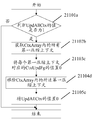
- the peer compressor processes a specific implementation flow diagram of the first compression context to be updated, as shown in FIG. :
- Step 21101a Determine whether the value of the variable UpdAllCtx is 1, and if yes, perform the step 21102b, otherwise the analysis ends;
- Step 21102b Acquire all the first compression contexts in the CtxArray, and continue to perform step 21103c;
- Step 21103c Set the value of the variable CtxUpdFg corresponding to each of the first compression contexts to 0, and continue to perform step 21104d;
- Step 21104d Delete all the first compression contexts in the CtxArray, and continue to perform step 21105e;
- Step 21105e Set the value of the variable UpdAllCtx to 0.
- the first embodiment of the present invention further provides a context update system, as shown in FIG. 10, the system includes: a local end decompressor 11 and a peer end compressor 12;
- the local decompressor 11 is configured to detect that the first negative feedback needs to be sent to the peer compressor 12, and the number of the first decompression context is greater than or equal to the set first threshold, to the peer compressor 12 Send a second negative feedback;
- the peer compressor 12 is configured to: after receiving the second negative feedback, update the first compression context in the peer compressor 12, and send a data compression package carrying the context update information to the local End decompressor 11;
- the local decompressor 11 is further configured to use the context update information carried in the data compression package successfully decompressed after the data compression package carrying the context update information sent by the peer compressor 12 is successfully decompressed. Updating the first decompression context
- the local decompressor 11 is configured to detect that any decompression context in the local decompressor 11 cannot correctly decompress data if the radio link is degraded due to the occurrence of a radio link degradation.
- the local decompressor 11 further detects whether the number of the first decompression context used by itself is greater than or equal to the first set. a threshold, if it is detected that the number of the first decompression context is greater than or equal to the set first threshold, the local decompressor 11 compresses to the peer end
- the device 12 sends a second negative feedback without transmitting the first negative feedback.
- the first negative feedback may be a Nack or a Static Nack feedback; since the ROHC protocol specifies that there are only seven options for describing the negative feedback, the option type parameter that can be expressed by the feedback option field may take up to 15, in the embodiment of the present invention.
- the second negative feedback is a negative feedback of an option 8 that is set based on the ROHC protocol description; the first decompression context is that the number of times used in the local decompressor 11 is greater than or equal to the preset time.
- the decompression context of the fourth threshold is set; the first threshold and the fourth threshold may be set according to actual conditions, for example, the first threshold is 5 and the fourth threshold is 4.
- the local decompressor 11 will send Nack or Static Nack feedback to the peer compressor 12 for the decompression context that is out of synchronization with the compression context.
- the decompression context used by the local decompressor 11 over a period of time is out of synchronization with a plurality of corresponding compression contexts, especially for the local end during the time period.
- the decompressor 11 uses the decompression context with a relatively frequent number of times, and the decompression context with a relatively frequent number of uses will definitely be out of synchronization with the corresponding compression context.
- the local decompressor 11 will need to send multiple Nack or Static Nack feedbacks, that is, the first negative feedback to the peer compressor 12, and this will cause the wireless link to be used for a large number of transmissions.
- the first negative feedback but the decompression context update information required by the local decompressor 11 cannot be transmitted as soon as possible; therefore, the embodiment of the present invention replaces the sending of the plurality of first negative feedbacks by sending the second negative feedback, so that the decompression context is Update information can be transmitted as quickly as possible to improve transmission efficiency.
- the peer compressor 12 is configured to acquire and update the first compression context in the peer compressor 12 after receiving the second negative feedback sent by the local end decompressor 11;
- the peer compressor 12 compresses the data packet to be compressed using the updated first compression context, and sends the data compression packet carrying the context update information to the local decompressor 11.
- the first compression context refers to a compression context in which the number of times used in the peer compressor 11 is greater than or equal to the set fifth threshold in a preset time; the fifth threshold may be the same as the fourth threshold, or Set according to the actual situation, for example, the fifth threshold can be set to 5.
- the peer compressor 12 is further configured to record a time for updating the first compression context in the peer compressor 12, when the recording time is greater than or equal to the set time. At the third threshold, the updating of the first compression context in the peer compressor 12 is stopped.
- a timer is set in the peer compressor 12 to record the time when the peer compressor 12 updates the first compression context, and when the time recorded by the timer is greater than or equal to the set third threshold, the first Stop updating the first compression context in the peer compressor 12 when the compression context has not completely completed the update; when the first compression context has all completed the update and the timer records the time less than the set third threshold , stop timing.
- the time when the peer compressor 12 updates the first compression context is recorded by using a timer, and when the time of the recording exceeds the set third threshold, the updating of the first compression context is stopped, and thus, The data packet is not compressed for a long time and the context information cannot be updated, so that the peer compressor 12 cannot be restored to the compressed state.
- the local decompressor 11 is configured to: after receiving the data compression packet that is sent by the peer compressor 12 and carrying the context update information, decompress the data compression package, and use the decompression after successful decompression.
- the context update information carried in the compressed data compression packet is updated to update the first decompression context, so that the decompression context of the local decompressor 11 is synchronized with the compression context of the peer compressor 12.
- system further includes: a local compressor 13;
- the local decompressor 11 is further configured to send a context update instruction to the local compressor 13;
- the local compressor 13 is configured to update the local compressor after receiving the instruction.
- the local decompressor 11 sends the second negative feedback to the peer compressor 12 due to the radio link degradation
- the local decompressor 11 sends a context update command to the local end compressor 13; the local end compressor 13
- the second compression context in the local end compressor 13 is updated.
- the second compression context refers to a compression context in which the number of times used in the local compressor 13 is greater than or equal to the set sixth threshold within a preset time; since the wireless link is degraded, the local compressor 13 is inevitably caused.
- the compression and decompression efficiency between the decompressor 14 and the peer decompressor 14 is degraded, that is, the phenomenon that the decompression context is out of sync with the corresponding compression context occurs in the peer decompressor 14.
- the local end decompressor 11 detects that the second negative feedback is sent to the peer compressor due to the deterioration of the radio link, the local end compressor 13 is notified to perform the context update in advance, so that the local end compressor 13 does not wait for receiving.
- the context update is performed after the negative feedback sent by the peer decompressor 14. In this way, the possibility that the data compression packet sent by the local end compressor 13 to the peer decompressor 14 is decompressed can be reduced, and the peer decompressor 14 can be reduced or prevented from transmitting negative feedback to the local end compressor 13 to shorten the compression. Context and time to decompress context synchronization.
- the local decompressor 11 is further configured to count the number of data compression packets that fail to be decompressed, when the number of data compression packets failed to be decompressed is greater than or equal to the set second threshold. The second negative feedback is sent to the peer compressor 12 again.
- the local decompressor 11 fails to receive the data compression packet that is sent by the peer compressor 12 and carries the context update information.
- the number of the data compression packets when the number of the data compression packets failed to be decompressed is greater than or equal to the set second threshold, the local decompressor 11 sends the second to the peer compressor 12 again. Negative feedback.
- the local decompressor 11 unifies the number of data compression packets that are decompressed.
- the second negative feedback is selected to be sent to the peer compressor 12 again, instead of the data compression package solution, when the number of data compression packets failed to be decompressed reaches the set second threshold.
- the first negative feedback is sent to the peer compressor 12, and thus, the number of times of the first negative feedback can be effectively reduced.
- the implementation process of the decompressor side context update method in the embodiment of the present invention, as shown in FIG. 11, includes the following steps:
- Step 301 When it is detected that the first negative feedback needs to be sent to the peer compressor, and the number of the first decompression context is greater than or equal to the set first threshold, the second negative feedback is sent to the peer compressor.
- the local decompressor detects that any decompression context in the local decompressor cannot correctly decompress the data compression packet, but needs to compress the decompression context to the peer end.
- the local decompressor further detects whether the number of the first decompression context used by the local decompressor is greater than or equal to the set first threshold, and if the number of the first decompression context is greater than or When the first threshold is set, the local decompressor directly sends the second negative feedback to the peer compressor without transmitting the first negative feedback.
- the first negative feedback may be a Nack or a Static Nack feedback; since the ROHC protocol specifies that there are only seven options for describing the negative feedback, the option type parameter that can be expressed by the feedback option field may take up to 15, in the embodiment of the present invention.
- the second negative feedback is a negative feedback of an option 8 that is extended based on the ROHC protocol description; the first decompression context refers to a usage time greater than or equal to the setting in the local decompressor within a preset time.
- the decompression context of the fourth threshold; the first threshold and the fourth threshold may be set according to actual conditions, for example, the first threshold may be set to 5, and the fourth threshold may be set to 4.
- the decompression context and the corresponding compression context may be out of synchronization, resulting in local solution.
- the compressor failed to decompress the data compression package.
- the local decompressor will send Nack or Static Nack feedback to the peer compressor for the decompression context that is out of synchronization with the compression context.
- the decompression context used by the local decompressor over a period of time is out of synchronization with a plurality of corresponding compression contexts, especially for the local solution during the time period.
- the decompression context that is used more frequently may be out of sync with the corresponding compression context.
- the local decompressor will need to send multiple Nack or Static Nack feedback, that is, the first negative feedback to the peer compressor, and this will cause the wireless link to be used for a large number of transmissions.
- a negative feedback, but the decompression context update message required by the local decompressor cannot be transmitted as soon as possible; therefore, the embodiment of the present invention replaces the sending of the plurality of first negative feedbacks by sending the second negative feedback to make the update information of the decompression context It can be transmitted as soon as possible to improve transmission efficiency.
- Step 302 After decompressing the data compression package that carries the context update information sent by the peer compressor in response to the second negative feedback, the context update information carried in the data compression package successfully decompressed is used to update the location. Describe the first decompression context.
- the local end decompressor After the local end decompressor receives the data compression packet that is sent by the peer compressor and is sent by the second negative feedback and carries the context update information, decompresses the data compression packet after the decompression is successful. Updating the first decompression context by using the context update information carried in the decompressed data compression package, so that the decompression context of the local decompressor is synchronized with the compression context of the peer compressor.
- the method further includes: sending a context update instruction to the local compressor.
- the deterioration of the radio link may inevitably lead to a decrease in compression and decompression efficiency between the local end compressor and the peer decompressor, that is, the decompression context and the corresponding compression context are out of sync in the peer decompressor. phenomenon. Therefore, when the local decompressor detects a change due to the wireless link After sending the second negative feedback to the peer compressor, the local end compressor notifies the local compressor to perform the context update in advance, so that the local compressor does not wait for the negative feedback sent by the peer decompressor to perform the context update.
- the method further includes: counting the number of data compression packets that fail to be decompressed, and when the number of data compression packets failed to be decompressed is greater than or equal to the set second threshold, The end compressor sends the second negative feedback.
- the local end decompressor sends the second negative feedback to the peer compressor in step 301
- the statistical decompression fails before the data compression packet sent by the peer compressor carrying the context update information is received.
- the number of data compression packets when the number of data compression packets failed to be decompressed is greater than or equal to the set second threshold, the local end decompressor sends the second negative to the peer compressor again. Feedback.
- the local end decompressor counts the number of data compression packets that are decompressed, and only selects the pair again when the number of data compression packets failed to be decompressed reaches the set second threshold.
- the end compressor sends the second negative feedback instead of sending the first negative feedback to the peer compressor immediately after the data compression packet decompression fails, so that the number of times of the first negative feedback can be effectively reduced.
- the decompressor 20 includes: a first sending unit 21, a detecting unit 22, and a first processing unit 23;
- the first sending unit 21 is configured to: when the detecting unit 22 detects that the first negative feedback needs to be sent to the peer compressor, and the number of the first decompression context is greater than or equal to the set first threshold, Said peer compressor sends a second negative feedback;
- the first processing unit 23 is configured to decompress the data compression package that carries the context update information sent by the peer compressor in response to the second negative feedback, and then decompress The first decompression context is updated by context update information carried in the data compression package of the work.
- the first sending unit 21 is specifically configured to detect that the radio link is degraded, and the detecting unit 22 in the local decompressor detects that the decompressing context cannot correctly decompress the data compression packet, but needs to be
- the detecting unit 22 further detects whether the number of the first decompression context used by the first processing unit 23 is greater than or equal to the set first threshold, if the detection is detected. If the number of the first decompression context is greater than or equal to the set first threshold, the first sending unit 21 directly sends the second negative feedback to the peer compressor without transmitting the first negative feedback.
- the first negative feedback may be a Nack or a Static Nack feedback; since the ROHC protocol specifies that there are only seven options for describing the negative feedback, the option type parameter that can be expressed by the feedback option field may take up to 15, in the embodiment of the present invention.
- the second negative feedback is a negative feedback of an option 8 extended based on the ROHC protocol description; the first decompression context refers to a number of times used by the statistical unit 24 to be greater than or equal to the set time within a preset time.
- the decompression context of the four thresholds; the first threshold and the fourth threshold may be set according to actual conditions, for example, the first threshold may be set to 5, and the fourth threshold may be set to 4.
- the efficiency of compression and decompression will be degraded, that is, the decompression context and the corresponding compression context may be out of synchronization, thereby causing the first processing unit 23 to decompress the data compression package.
- the first transmitting unit 21 will send Nack or Static Nack feedback to the peer compressor for the decompression context that is out of sync with the compression context.
- the plurality of decompression contexts used by the first processing unit 23 over a period of time are out of synchronization with the plurality of corresponding compression contexts, particularly for the first time during the time period.
- the processing unit 23 uses the decompression context with a relatively frequent number of times, and the decompression context with a relatively frequent number of uses will definitely be out of synchronization with the corresponding compression context.
- the first sending unit 21 will need to send a plurality of Nack or Static Nack feedback, that is, the first negative feedback to the pair.
- the end compressor, and the wireless link is used to transmit a plurality of first negative feedbacks, and the decompression context update information required by the first processing unit 23 cannot be transmitted as soon as possible; therefore, the embodiment of the present invention passes Sending the second negative feedback instead of sending the plurality of first negative feedbacks enables the update information of the decompression context to be transmitted as soon as possible to improve transmission efficiency.
- the first processing unit 23 is configured to: when receiving the data compression packet that is sent by the peer compressor in response to the second negative feedback and carrying the context update information, decompressing the data compression package successfully. And updating the first decompression context by using the context update information carried in the decompressed data compression package, so that the decompression context in the first processing unit 23 is synchronized with the compression context of the peer compressor
- the first sending unit 21 is further configured to send a context update instruction to the local compressor.
- the deterioration of the radio link inevitably leads to a decrease in compression and decompression efficiency, that is, a phenomenon in which the decompression context is out of synchronization with the corresponding compression context. Therefore, when the first sending unit 21 sends the second negative feedback to the peer compressor due to the deterioration of the wireless link, the local compressor is notified to perform the context update in advance, so that the local compressor does not wait until the peer is decompressed.
- the context is updated after the negative feedback sent by the device.
- the decompressor further includes: a statistics unit 24 configured to count the number of data compression packets that fail to be decompressed;
- the first sending unit 21 is further configured to send the second to the peer compressor again when the number of data compression packets that are decompressed by the statistics unit 24 is greater than or equal to the set second threshold. Negative feedback.
- the statistic unit 24 does not receive the number of the context update information that is sent by the peer compressor.
- the number of data compression packets that the first processing unit 23 decompresses is counted, and when the number of the data compression packets failed to be decompressed is greater than or equal to the set second threshold, the first A transmitting unit 21 transmits the second negative feedback to the peer compressor again.
- the statistics unit 24 performs statistics on the number of data compression packets that have failed to be decompressed. Only when the number of data compression packets failed to be decompressed reaches the set second threshold, the first sending unit 21 selects to redirect again. The peer compressor sends the second negative feedback instead of sending the first negative feedback to the peer compressor immediately after the data compression packet decompression fails, so that the number of times of the first negative feedback can be effectively reduced.
- the first sending unit 21, the detecting unit 22, the first processing unit 23, and the statistic unit 24 may each be a central processing unit (CPU), a microprocessor (MPU), and a digital signal located on the decompressor.
- CPU central processing unit
- MPU microprocessor
- DSP field programmable gate array
- FPGA field programmable gate array
- FIG. 15 is a schematic structural diagram of a decompressor 400 according to an embodiment of the present invention.
- the decompressor 400 can be disposed in a mobile terminal and a communication device such as a base station.
- the decompressor 400 shown in FIG. 15 includes at least one processor 401, a memory 402, at least one network interface 404, and a user interface 403.
- the various components in decompressor 400 are coupled together by a bus system 405.
- bus system 405 is used to implement connection communication between these components.
- the bus system 405 includes a power bus, a control bus, and a status signal bus in addition to the data bus.
- various buses are labeled as bus system 405 in FIG.
- the user interface 403 may include a display, a keyboard, a mouse, a trackball, a click wheel, a button, a button, a touch panel, or a touch screen.
- memory 402 can be either volatile memory or non-volatile memory, and can include both volatile and nonvolatile memory.
- the non-volatile memory may be a Read Only Memory (ROM), a Programmable Read-Only Memory (PROM), or an Erasable Programmable Read (EPROM). Only Memory), electrically erasable programmable read only memory (EEPROM, Electrically Erasable Programmable Read-Only Memory), Ferromagnetic Random Access Memory (FRAM), Flash Memory, Magnetic Surface Memory, Optical Disk, or Read Only Disc (CD-ROM, Compact Disc Read- Only Memory);
- the magnetic surface memory can be disk storage or tape storage.
- the volatile memory can be a random access memory (RAM) that acts as an external cache.
- RAM Random Access Memory
- SRAM Static Random Access Memory
- SSRAM Synchronous Static Random Access Memory
- SSRAM Dynamic Random Access
- DRAM Dynamic Random Access Memory
- SDRAM Synchronous Dynamic Random Access Memory
- DDRSDRAM Double Data Rate Synchronous Dynamic Random Access Memory
- ESDRAM enhancement Enhanced Synchronous Dynamic Random Access Memory
- SLDRAM Synchronous Dynamic Random Access Memory
- DRRAM Direct Memory Bus Random Access Memory
- the memory 402 in the embodiment of the present invention is used to store various types of data to support the operation of the decompressor 400.
- Examples of such data include any computer program for operating on decompressor 400, such as operating system 4021 and application 4022.
- the operating system 4021 includes various system programs, such as a framework layer, a core library layer, a driver layer, and the like, for implementing various basic services and processing hardware-based tasks.
- the application 4022 may include various applications, and a program for implementing the context update method applied to the decompressor of the embodiment of the present invention may be included in the application 4022.
- Processor 401 may be an integrated circuit chip with signal processing capabilities.
- the steps of implementing the context update method applied to the decompressor in the embodiment of the present invention may be completed by using an integrated logic circuit of hardware in the processor 401 or an instruction in a form of software.
- the processor 401 described above may be a general purpose processor, a digital signal processor (DSP), or other programmable logic device, discrete gate or transistor logic device, discrete hardware component, or the like.
- DSP digital signal processor
- the processor 401 can implement or perform the methods, steps, and logic blocks disclosed in the embodiments of the present invention.
- a general purpose processor can be a microprocessor or any conventional processor or the like.
- the steps of the context update method applied to the decompressor 400 implemented in conjunction with the embodiments of the present invention may be directly implemented as a hardware decoding processor, or may be performed by a combination of hardware and software modules in the decoding processor.
- the software module can reside in a storage medium located in memory 402, and processor 401 reads the information in memory 402 and, in conjunction with its hardware, performs the steps of the foregoing method.
- the decompressor 400 may be configured by one or more Application Specific Integrated Circuits (ASICs), DSPs, Programmable Logic Devices (PLDs), and Complex Programmable Logic Devices (CPLD, Complex Programmable Logic Device, Field-Programmable Gate Array (FPGA), General Purpose Processor, Controller, Micro Controller Unit (MCU), Microprocessor, or other
- ASICs Application Specific Integrated Circuits
- DSPs Digital Signal processors
- PLDs Programmable Logic Devices
- CPLD Complex Programmable Logic Device
- FPGA Field-Programmable Gate Array
- MCU Micro Controller Unit
- Microprocessor or other
- the electronic component is implemented to execute a context update method applied to a decompressor that implements an embodiment of the present invention.
- the implementation process of the compressor side context update method in the embodiment of the present invention, as shown in FIG. 13, includes the following steps:
- Step 401 Receive second negative feedback sent by the local end decompressor.
- Step 402 Update the first compression context.
- Step 403 Send a data compression package carrying the context update information to the local end decompressor.
- the peer compressor After receiving the second negative feedback sent by the local end decompressor, the peer compressor obtains and updates the first compression context; then, the peer compressor uses the updated first compression context to compress the data packet. Compression is performed, and a data compression package carrying context update information is sent to the local decompressor.
- the first compression context refers to a compression context in which the number of uses of the peer compressor is greater than or equal to the set fifth threshold in a preset time; the fifth threshold may be set according to actual conditions, for example, the first The five threshold is 4.
- the method further includes:
- the time for updating the first compression context is recorded, and when the time of the recording is greater than or equal to the set third threshold, the updating of the first compression context is stopped.
- a timer is set to record the time when the peer compressor updates the first compression context, when the time recorded by the timer is greater than or equal to the set third threshold and the first compression context is not completely updated. Stopping updating the first compression context; stopping timing when the first compression context has all completed updating and the time recorded by the timer is less than the set third threshold.
- the timer is used to record the time when the peer compressor updates the first compression context, and when the time of the record exceeds the set third threshold, the first compression context is stopped, so that the long The context information is not updated after the data packet is not compressed, and the peer compressor cannot be restored to the compressed state.
- the embodiment of the present invention further provides a compressor, as shown in FIG. 14, the compressor includes: a receiving unit 31, a second processing unit 32, and a second sending unit 33;
- the receiving unit 31 is configured to receive a second negative feedback sent by the local end decompressor
- the second processing unit 32 is configured to update the first compression context
- the second sending unit 33 is configured to send a data compression packet carrying the context update information to the local end decompressor.
- the second processing unit 33 acquires and updates the first compression context; then, the second processing unit 33 uses the updated The first compressed context compresses the data packet to be compressed, and the second transmitting unit 33 sends the data compressed packet carrying the context update information to the peer decompressor.
- the first compression context refers to a compression context in which the second processing unit 33 uses the number of times greater than or equal to the set fifth threshold in a preset time; the second threshold may be set according to an actual situation, for example, may be set.
- the fifth threshold is 4.
- the compressor further includes: a timing unit 34 configured to record a time for updating the first compression context;
- the second processing unit 32 is further configured to stop updating the first compression context when the time recorded by the timing unit 34 is greater than or equal to the set third threshold.
- the timing unit 34 records the time when the first compression context is updated, and when the time recorded by the timing unit 34 is greater than or equal to the set third threshold and the first compression context is not all updated, the second processing unit 32 stops updating the first compression context; when the first compression context has all been updated and the time recorded by the timer is less than the set third threshold, the timing unit 34 stops timing.
- the timing of the second processing unit 32 updating the first compression context is recorded by the timing unit 34, and when the recorded time exceeds the set third threshold, the second processing unit 32 stops updating the first compression context. In this way, it is possible to effectively prevent the context information from being updated due to no data packet to be compressed for a long time, so that the compressor cannot be restored to the compressed state.
- the receiving unit 31, the second processing unit 32, and the second transmitting unit 33 may each be implemented by a CPU, an MPU, a DSP, an FPGA, or the like located on the compressor.
- FIG. 16 is a schematic structural diagram of a compressor 500 according to an embodiment of the present invention.
- the compressor 500 can be disposed in a communication device such as a mobile phone and a base station.
- the compressor 500 shown in FIG. 16 includes: at least one The processor 501, the memory 502, the at least one network interface 504, and the user interface 503.
- the various components in compressor 500 are coupled together by a bus system 505.
- bus system 505 is used to implement connection communication between these components.
- the bus system 505 includes a power bus, a control bus, and a status signal bus in addition to the data bus.
- various buses are labeled as bus system 505 in FIG.
- the user interface 503 may include a display, a keyboard, a mouse, a trackball, a click wheel, a button, a button, a touch panel, or a touch screen.
- memory 502 can be either volatile memory or non-volatile memory, and can include both volatile and nonvolatile memory.
- the memory 502 described in the embodiments of the present invention is intended to include, but is not limited to, these and any other suitable types of memory.
- the memory 502 in the embodiment of the present invention is used to store various types of data to support the operation of the compressor 500, and examples of such data include: any computer program for operating on the compressor 500, such as the operating system 5021 and an application. 5022.
- a program for implementing the context update method applied to the compressor side of the embodiment of the present invention may be included in the application 5022.
- the context update method applied to the compressor side disclosed in the foregoing embodiment of the present invention may be applied to the processor 501 or implemented by the processor 501.
- Processor 501 may be an integrated circuit chip with signal processing capabilities. In the implementation process, each step of the foregoing method may be completed by an integrated logic circuit of hardware in the processor 501 or an instruction in a form of software.
- the processor 501 described above may be a general purpose processor, a DSP, or other programmable logic device, discrete gate or transistor logic device, discrete hardware component, or the like.
- the processor 501 can implement or perform a context update method, a step, and a logic block diagram applied to the compressor side in the embodiment of the present invention.
- a general purpose processor can be a microprocessor or any conventional processor or the like.
- the steps of the method disclosed in the embodiment of the present invention may be directly implemented as a hardware decoding processor, or may be performed by a combination of hardware and software modules in the decoding processor.
- the software module can be located in a storage medium, the storage medium is located in the memory 502, and the processor 501 reads the information in the memory 502, combining it
- the hardware performs the aforementioned steps applied to the context update method on the compressor side.
- compressor 500 may be implemented by one or more ASICs, DSPs, PLDs, CPLDs, FPGAs, general purpose processors, controllers, MCUs, Microprocessors, or other electronic components for performing the aforementioned application to compression The steps of the context update method on the side of the device.
- the embodiment of the present invention provides a storage medium, where an executable program is executed, and the executable program is used to implement the context update method applied to the decompressor side according to the embodiment of the present invention, including:
- the second passive feedback is sent to the peer compressor
- the first decompression context is updated by using the context update information carried in the decompressed data compression packet.
- the data compression package of the context update information is configured to respond to the second negative feedback.
- the executable program is used to implement the context update method applied to the decompressor side provided by the embodiment of the present invention, and further includes: sending a context update instruction to the local compressor.
- An embodiment of the present invention provides a storage medium, where an executable program is executed, and the executable program is used to implement a context update method applied to a compressor side according to an embodiment of the present invention, including: receiving a local end After the second negative feedback sent by the decompressor, the first compression context is updated; and the data compression packet carrying the context update information is sent to the local decompressor.
- the present invention discloses a context update system, including a local end decompressor and a peer end compressor; wherein the local end decompressor is configured to detect that a first negative feedback needs to be sent to the peer end compressor, and When the number of the decompressed contexts is greater than or equal to the set first threshold, the second passive feedback is sent to the peer compressor; the peer compressor is configured to update the pair after receiving the second negative feedback a first compression context in the end compressor, and sending a data compression packet carrying context update information to the local decompressor; the local decompressor is further configured to send to the peer compressor After the data compression package carrying the context update information is successfully decompressed, the first decompression context is updated by using the context update information carried in the decompressed data compression package.
- the invention also discloses a context updating method and device, and a storage medium.
Landscapes
- Engineering & Computer Science (AREA)
- Computer Networks & Wireless Communication (AREA)
- Signal Processing (AREA)
- Mobile Radio Communication Systems (AREA)
Abstract
本发明实施例公开了一种上下文更新系统,包括本端解压缩器、对端压缩器;其中,所述本端解压缩器,配置为检测出需要向对端压缩器发送第一消极反馈、且第一解压缩上下文的数量大于或等于设置的第一阈值时,向对端压缩器发送第二消极反馈;所述对端压缩器,配置为接收到所述第二消极反馈后,更新所述对端压缩器中的第一压缩上下文,并发送携带有上下文更新信息的数据压缩包至所述本端解压缩器;所述本端解压缩器,还配置为对所述对端压缩器发送的携带有上下文更新信息的数据压缩包解压缩成功后,利用解压缩成功的数据压缩包中携带的上下文更新信息更新所述第一解压缩上下文。本发明实施例还同时公开了上下文更新方法及设备、存储介质。
Description
相关申请的交叉引用
本申请基于申请号为201610576493.2、申请日为2016年7月20日的中国专利申请提出,并要求该中国专利申请的优先权,该中国专利申请的内容在此引入本申请作为参考。
本发明涉及移动通信技术,尤其涉及一种上下文更新方法、系统及设备、存储介质。
鲁棒性头压缩技术(Robust Header Compression,ROHC)是为了解决移动通信系统中无线链路所存在的传输速率低、误码率高的缺陷,而引入的一种报头压缩机制。其中,上下文是ROHC中一个非常重要的概念,包括压缩上下文和解压缩上下文。压缩器进行压缩的当前状态信息集合称为压缩上下文;解压缩器进行解压缩的当前状态信息集合称为解压缩上下文。在有反馈通道存在的情况下,ROHC中的解压缩器可以给压缩器发送积极反馈(Ack,acknowledge)和消极反馈(Nack,Not acknowledge;Static-Nack,Static-Not acknowledge)。积极反馈用于解压缩器向压缩器发送确认已收到上下文更新报文的消息,消极反馈用于解压缩器向压缩器反馈自己的解压缩状态。其中,Nack表示解压缩器缺少动态上下文,Static-Nack表示解压缩器缺少静态上下文。因此,当解压缩器检测到因解压缩上下文与压缩上下文失同步导致数据压缩包解压失败时,可通过发送Nack或Static-Nack反馈来告知压缩器主动同步上下文,而压缩器接收到相应的消极反馈后,
便对相应的上下文进行更新。
随着鲁棒性头压缩算法的应用领域的不断扩大、以及移动终端上安装的应用软件数量的大幅增加,在压缩器和解压缩器之间同时建立多个压缩上下文、解压缩上下文,对多个数据包进行压缩和解压缩的场景必然会存在。
然而在这种场景下,当无线链路出现持续变差的情况使得压缩和解压缩效率下降时,解压器将会为每一个解压缩上下文发送一个Nack或Static Nack反馈,而压缩器则会收到多个相应的Nack或Static Nack反馈,这会导致无线链路被用来传输大量的消极反馈,而不是用于尽快传输解压缩器所需要的上下文更新信息,既浪费了无线链路资源,又延长了压缩器和解压缩器之间上下文的更新时间,从而不能使压缩器和解压缩器快速恢复至高效率的压缩和解压缩状态。
发明内容
有鉴于此,本发明实施例期望提供一种上下文更新方法、系统及设备、存储介质,能够提高无线链路资源利用率以及上下文更新的效率。
为达到上述目的,本发明的技术方案是这样实现的:
本发明实施例提供了一种上下文更新系统,所述系统包括:本端解压缩器、对端压缩器;其中,
所述本端解压缩器,配置为检测出需要向对端压缩器发送第一消极反馈、且第一解压缩上下文的数量大于或等于设置的第一阈值时,向对端压缩器发送第二消极反馈;
所述对端压缩器,配置为接收到所述第二消极反馈后,更新所述对端压缩器中的第一压缩上下文,并发送携带有上下文更新信息的数据压缩包至所述本端解压缩器;
所述本端解压缩器,还配置为对所述对端压缩器发送的携带有上下文
更新信息的数据压缩包解压缩成功后,利用解压缩成功的数据压缩包中携带的上下文更新信息更新所述第一解压缩上下文。
上述方案中,所述系统还包括:本端压缩器;其中,
所述本端解压缩器,还配置为向本端压缩器发送上下文更新指令;
所述本端压缩器,配置为接收到所述指令后,更新所述本端压缩器中的第二压缩上下文。
上述方案中,所述本端解压缩器,还配置为在对所述对端压缩器发送的携带有上下文更新信息的数据压缩包解压缩成功之前,统计解压缩失败的数据压缩包数量,当所述解压缩失败的数据压缩包数量大于或等于设置的第二阈值时,再次向所述对端压缩器发送所述第二消极反馈。
上述方案中,所述对端压缩器,还配置为记录对所述对端压缩器中的第一压缩上下文进行更新的时间,当所述记录的时间大于或等于设置的第三阈值时,停止更新所述对端压缩器中的第一压缩上下文。
本发明实施例提供了一种上下文更新方法,所述方法包括:
检测出需要向对端压缩器发送第一消极反馈、且第一解压缩上下文的数量大于或等于设置的第一阈值时,向对端压缩器发送第二消极反馈;
对所述对端压缩器响应所述第二消极反馈所发送的携带有上下文更新信息的数据压缩包解压缩成功后,利用解压缩成功的数据压缩包中携带的上下文更新信息更新所述第一解压缩上下文。
上述方案中,所述方法还包括:
向本端压缩器发送上下文更新指令。
本发明实施例提供了一种解压缩器,所述解压缩器包括:第一发送单元、检测单元、第一处理单元;其中,
所述第一发送单元,配置为当所述检测单元检测出需要向对端压缩器发送第一消极反馈、且第一解压缩上下文的数量大于或等于设置的第一阈
值时,向所述对端压缩器发送第二消极反馈;
所述第一处理单元,配置为对所述对端压缩器响应所述第二消极反馈所发送的携带有上下文更新信息的数据压缩包解压缩成功后,利用解压缩成功的数据压缩包中携带的上下文更新信息更新所述第一解压缩上下文。
上述方案中,所述第一发送单元,还配置为向本端压缩器发送上下文更新指令。
本发明实施例提供了一种上下文更新方法,所述方法包括:
接收到本端解压缩器发送的第二消极反馈后,更新第一压缩上下文;
发送携带有上下文更新信息的数据压缩包至所述本端解压缩器。
本发明实施例提供了一种压缩器,所述压缩器包括:接收单元、第二发送单元、第二处理单元;其中,
所述第二处理单元,配置为当所述接收单元接收到本端解压缩器发送的第二消极反馈后,更新第一压缩上下文;
所述第二发送单元,配置为发送携带有上下文更新信息的数据压缩包至所述本端解压缩器。
本发明实施例提供了一种解压缩器,包括:
存储器,用于存储可执行程序;
处理器,用于运行所述存储器存储的可执行程序时,实现本发明实施例提供的上下文更新方法。
本发明实施例提供了一种压缩器,包括:
存储器,用于存储可执行程序;
处理器,用于运行所述存储器存储的可执行程序时,实现本发明实施例提供的上下文更新方法。
本发明实施例提供了一种存储介质,存储有可执行程序,所述可执行程序被执行时用于实现本发明实施例提供的上下文更新方法。
本发明实施例提供了一种存储介质,存储有可执行程序,所述可执行程序被执行时用于实现本发明实施例提供的上下文更新方法。
本发明实施例提供的上下文更新方法、系统及设备、存储介质,本端解压缩器检测出需要向对端压缩器发送第一消极反馈、且第一解压缩上下文的数量大于或等于设置的第一阈值时,向对端压缩器发送第二消极反馈;对端压缩器接收到所述第二消极反馈后,更新所述对端压缩器中的第一压缩上下文,并发送携带有上下文更新信息的数据压缩包至所述本端解压缩器;本端解压缩器对所述对端压缩器发送的携带有上下文更新信息的数据压缩包解压缩成功后,利用解压缩成功的数据压缩包中携带的上下文更新信息更新所述第一解压缩上下文。
可见,本发明实施例将相关技术中的消极反馈作为第一消极反馈,并引入了第二消极反馈,在本端解压缩器检测出需要为任意解压缩上下文向对端压缩器发送第一消极反馈、且第一解压缩上下文的数量大于或等于设置的第一阈值时,会直接向对端压缩器发送第二消极反馈,而不用针对每个第一解压缩上下文发送一个第一消极反馈,使得对端压缩器接收到所述第二消极反馈后就会对所有的第一解压缩上下文进行更新,从而减少了本端解压缩器所发送的第一消极反馈的数量,提高了无线链路资源利用率,缩短了压缩器和解压缩器之间上下文的更新时间,提高了上下文更新的效率。
图1为本发明实施例两个对等实体中压缩器与解压缩器之间数据传递流向的示意图;
图2为本发明实施例上下文更新方法的实现流程示意图;
图3为本发明实施例上下文更新方法的具体实现流程示意图;
图4为本发明实施例中所述执行消极反馈决策的具体实现流程示意图;
图5为本发明实施例中所述第一压缩上下文状态更新的具体实现流程示意图;
图6为本发明实施例中处于压缩上下文更新状态下的对端压缩器接收到待压缩数据包后,制作压缩数据包的具体实现流程示意图;
图7为本发明实施例中所述解压缩上下文更新的具体实现流程示意图;
图8为本发明实施例中所述对端压缩器进行状态更新的具体实现流程示意图;
图9为本发明实施例中所述对端压缩器处理待更新第一压缩上下文的具体实现流程示意图;
图10为本发明实施例上下文更新系统的组成结构示意图;
图11为本发明实施例上下文更新方法的实现流程示意图;
图12为本发明实施例解压缩器的组成结构示意图;
图13为本发明实施例上下文更新方法的实现流程示意图;
图14为本发明实施例压缩器的组成结构示意图;
图15为本发明实施例解压缩器的组成结构示意图;
图16为本发明实施例压缩器的组成结构示意图。
图1为两个对等实体中压缩器与解压缩器之间数据传递流向的示意图,如图1所示,在鲁棒性头压缩算法的实际应用场景中,一定存在两个对等实体,例如:人们常见的移动终端和无线接入网中的接入网设备如演进型基站是通信的对等实体。
对等的实体中会存在一个压缩器和解压缩器,以对等的实体为本端实体和对等实体为例(可以理解,本端实体和对端实体是相对的概念),当本端实体中的压缩器(简称为本端压缩器)收到上层(如本端实体中的网络通信层)传来的待压缩的数据包后,则利用本端压缩器中与所述待压缩的
数据包对应的压缩上下文进行压缩,然后将所述本端压缩器产生的数据压缩包发送给对端实体中的解压缩器(简称为对端解压缩器);对端解压缩器接收到所述本端压缩器发送的数据压缩包后,则利用对端解压缩器中与所述数据压缩包对应的解压缩上下文进行解压缩。
与此类似,对端实体中的压缩器(简称为对端压缩器)收到上层(如对端实体中的网络通信层)传来的待压缩的数据包后,则利用对端压缩器中与所述待压缩的数据包对应的压缩上下文进行压缩,然后将所述对端压缩器产生的数据压缩包发送给本端实体中的解压缩器(简称为本端解压缩器);本端解压缩器接收到所述对端压缩器发送的数据压缩包后,则利用本端解压缩器中与所述数据压缩包对应的解压缩上下文进行解压缩。这样,便可实现数据包在两个对等实体之间的压缩和解压缩。
这里,对于压缩器,当一个新的数据包分组流到来时,压缩器首先进入压缩初始化状态,将数据包分组流的报头信息保存在压缩上下文中,同时将完整的上下文信息发送给解压器;当压缩器判断出解压器收到所述完整的上下文信息后,进入压缩状态,开始发送压缩包分组(只对数据包报头的静态域进行压缩);以后每发送一个压缩包分组,都要更新该数据包分组流对应的压缩上下文信息,以保证压缩上下文中保存的是该数据包分组流中最后发送的压缩包分组的报头。
对于解压缩器,一开始将压缩器发送过来的完整的上下文信息保存下来,以后每接收到一个压缩包分组,在解压缩前都要更新相应的解压缩上下文信息,以保证解压缩上下文中保存的是最后接收到的压缩包分组信息,这样才能保证压缩器与解压缩器之间上下文的同步。当解压器中的解压缩上下文与压缩器中的压缩上下文失同步时,就不能正确的解压缩压缩包分组。
这里,压缩器和解压缩器之间存在反馈通道,作为压缩器与解压缩器
沟通桥梁的反馈数据的传输通道。例如,当无线链路变差使解压缩上下文与压缩上下文失同步,导致解压缩器解压缩数据压缩包失败后,解压缩器会向压缩器发送Nack或Static Nack反馈,告知压缩器需要对上下文进行更新;压缩器收到Nack或Static Nack反馈后,则会向下迁移自己的状态来发送解压器所期望的上下文;当解压缩器收到上下文更新报文后,会向压缩器发送Ack反馈;压缩器收到Ack反馈后,则会向上迁移自己的状态以提高压缩和解压缩的效率。
本发明实施例上下文更新方法的实现流程示意图,如图2所示,包括以下步骤:
步骤101:本端解压缩器检测出需要向对端压缩器发送第一消极反馈、且第一解压缩上下文的数量大于或等于设置的第一阈值时,向对端压缩器发送第二消极反馈。
例如,若因出现无线链路变差的情况,本端解压缩器检测出所述本端解压缩器中任意一个解压缩上下文不能正确解压数据压缩包,而需要针对该解压缩上下文向对端压缩器发送一个第一消极反馈时,本端解压缩器进一步检测所述自身使用的第一解压缩上下文的数量是否大于或等于设置的第一阈值,若检测出所述第一解压缩上下文的数量大于或等于设置的第一阈值,则本端解压缩器向对端压缩器直接发送第二消极反馈,而不发送所述第一消极反馈。
这里,所述第一消极反馈可以是Nack或Static Nack反馈;由于ROHC协议规定描述消极反馈的选项只有7个,反馈选项字段可以表达的选项类型参数取值最多可达15,本发明实施例中所述第二消极反馈是在ROHC协议描述基础上扩展设置的一个选项8的消极反馈;所述第一解压缩上下文是指在预设时间内,本端解压缩器中使用次数大于或等于设置的第四阈值的解压缩上下文;所述第一阈值、第四阈值可根据实际情况进行设置,例
如可设置第一阈值为5、第四阈值为4。
这里,当无线链路出现变差情况时,将导致压缩和解压缩的效率下降,即会出现由于解压缩上下文与对应的压缩上下文失同步,从而导致本端解压缩器对数据压缩包解压失败的情况。为使得解压缩上下文与对应的压缩上下文同步,本端解压缩器将会为与压缩上下文失同步的解压缩上下文发送Nack或Static Nack反馈给所述对端压缩器。
然而,由于无线链路变差将会使本端解压缩器在一段时间内所使用的多个解压缩上下文与多个相应的压缩上下文失同步,特别是对于在所述时间段内本端解压缩器使用次数较为频繁的解压缩上下文而言,所述使用次数较为频繁的解压缩上下文肯定会出现与对应的压缩上下文失同步的情况。
这种情况下,本端解压缩器将需要发送多个Nack或Static Nack反馈即第一消极反馈给对端压缩器,而这样就会导致无线链路被大量的用来传输多个第一消极反馈,而不能尽快传输本端解压缩器所需要的解压缩上下文更新信息;因此,本发明实施例通过发送第二消极反馈替代发送多个第一消极反馈,使解压缩上下文的更新信息能尽快传输,以提高传输效率。
步骤102:对端压缩器接收到所述第二消极反馈后,更新所述对端压缩器中的第一压缩上下文,并发送携带有上下文更新信息的数据压缩包至所述本端解压缩器。
例如,对端压缩器接收到步骤101中所述本端解压缩器发送的第二消极反馈后,获取并更新所述对端压缩器中第一压缩上下文;然后,对端压缩器使用更新后的所述第一压缩上下文对待压缩的数据包进行压缩,并将携带有上下文更新信息的数据压缩包发送至所述本端解压缩器。
这里,所述第一压缩上下文是指在预设时间内,对端压缩器中使用次数大于或等于设置的第五阈值的压缩上下文;所述第五阈值可与所述第四
阈值相同,也可根据实际情况进行设置,例如可设置第五阈值为5。
本发明可选实施例中,所述方法还包括:
对端压缩器记录对所述对端压缩器中的第一压缩上下文进行更新的时间,当所述记录的时间大于或等于设置的第三阈值时,停止更新所述对端压缩器中的第一压缩上下文。
例如,在对端压缩器中设置一个计时器,记录所述对端压缩器更新第一压缩上下文的时间,当所述计时器记录的时间大于或等于设置的第三阈值而所述第一压缩上下文未全部完成更新时,停止更新所述对端压缩器中的第一压缩上下文;当所述第一压缩上下文已全部完成更新而所述计时器记录的时间小于设置的第三阈值时,停止计时。
这里,利用计时器记录所述对端压缩器更新第一压缩上下文的时间,当所述记录的时间超出设置的第三阈值时,停止更新所述第一压缩上下文,如此,能够有效避免由于长时间内无待压缩数据包而无法进行上下文信息更新,导致所述对端压缩器不能恢复至压缩状态。
步骤103:本端解压缩器对所述对端压缩器发送的携带有上下文更新信息的数据压缩包解压缩成功后,利用解压缩成功的数据压缩包中携带的上下文更新信息更新所述第一解压缩上下文。
例如,本端解压缩器接收到步骤102中所述对端压缩器发送的携带有上下文更新信息的数据压缩包后,对所述数据压缩包进行解压缩,解压缩成功后利用所述解压缩成功的数据压缩包中所携带的上下文更新信息更新所述第一解压缩上下文,使得所述本端解压缩器的解压缩上下文与对端压缩器的压缩上下文同步。
本发明可选实施例中,在步骤101之后,所述方法还包括:
本端解压缩器向本端压缩器发送上下文更新指令;
本端压缩器接收到所述指令后,更新所述本端压缩器中的第二压缩上
下文。
例如,当步骤101中本端解压缩器因无线链路变差向对端压缩器发送第二消极反馈后,本端解压缩器向本端压缩器发送上下文更新指令;本端压缩器接收到所述本端解压缩器发送的所述上下文更新指令后,更新所述本端压缩器中的第二压缩上下文。
这里,所述第二压缩上下文是指在预设时间内,本端压缩器中使用次数大于或等于设置的第六阈值的压缩上下文;由于无线链路变差必然会导致本端压缩器和对端解压缩器之间的压缩和解压缩效率下降,即在对端解压缩器中出现解压缩上下文与对应的压缩上下文失同步的现象。因此,当本端解压缩器检测到因无线链路变差向对端压缩器发送第二消极反馈后,及时通知本端压缩器提前进行上下文更新,使得本端压缩器不是等到接收到对端解压缩器发送的消极反馈后再进行上下文的更新。如此,能够降低本端压缩器发送到对端解压器的数据压缩包被解压失败的可能性,减少或避免对端解压缩器向本端压缩器发送消极反馈,缩短压缩上下文和解压缩上下文同步的时间。
本发明可选实施例中,在步骤103之前,所述方法还包括:
本端解压缩器统计解压缩失败的数据压缩包数量,当所述解压缩失败的数据压缩包数量大于或等于设置的第二阈值时,再次向所述对端压缩器发送所述第二消极反馈。
例如,本端解压缩器在步骤101中向对端压缩器发送第二消极反馈以后,在未收到所述对端压缩器发送的携带有上下文更新信息的数据压缩包之前,统计解压缩失败的数据压缩包的数量,当所述统计的解压缩失败的数据压缩包的数量大于或等于设置的第二阈值时,本端解压缩器再次向所述对端压缩器发送所述第二消极反馈。
这里,所述本端解压缩器对解压缩失败的数据压缩包的数量进行统计,
只有当所述解压缩失败的数据压缩包的数量达到设置的第二阈值时,才选择再次向所述对端压缩器发送所述第二消极反馈,而不是在出现数据压缩包解压缩失败后马上向对端压缩器发送第一消极反馈,如此,能够有效减少第一消极反馈的发送次数。
下面结合附图对本发明实施例再作进一步详细的说明。
本发明实施例上下文更新方法的具体实现流程示意图,如图3所示,包括以下步骤:
步骤201:解压缩数据压缩包;
例如,本端解压缩器接收到对端压缩器发送的数据压缩包后,利用所述本端解压缩器中的与所述数据压缩包对应的解压缩上下文对所述数据压缩包进行解压缩。
步骤202:判断数据压缩包是否解压缩成功,若是,则执行步骤209,否则执行步骤203;
步骤203:执行消极反馈决策;
这里,当本端解压缩器解压缩所述对端压缩器发送的数据压缩包失败后,本端解压缩器根据已设置的用于辅助上下文更新的变量的不同状态,执行消极反馈决策。
所述用于辅助上下文更新的变量包括FbAllInOneFg、NeedNorFb、NeedOpt8Fb、WaitReSendCnt、UpdAllCtx、Ctxcount、T_AllUpd、CtxArray、CtxUpdFg;其中,变量FbAllInOneFg用于标记是否将本端解压缩器中的多个第一解压缩上下文所对应的多个第一消极反馈统一到一个第二消极反馈中发出,为1表示将本端解压缩器中的多个第一解压缩上下文所对应的多个第一消极反馈统一到一个第二消极反馈中发出,为0表示不将本端解压缩器中的多个第一解压缩上下文所对应的多个第一消极反馈统一到一个第二消极反馈中发出;变量NeedNorFb用于标记是否需要发送第一消极反馈,
为1表示需要发送第一消极反馈,为0表示不需要发送第一消极反馈;变量NeedOpt8Fb用于标记是否需要发送第二消极反馈,为1表示需要发送第二消极反馈,为0表示不需要发送第二消极反馈;变量WaitReSendCnt用于记录本端解压缩器中所述多个第一解压缩上下文使用一个第二消极反馈发送反馈数据后,在等待对端压缩器反馈回上下文更新信息的过程中,本端解压器因解压缩数据压缩包失败而应当发送第一消极反馈的累计次数;变量Ctxcount用于记录本端解压缩器中第一解压缩上下文的数量;变量UpdAllCtx用于标记是否需要对所述对端压缩器中的第一压缩上下文进行更新,为1表示需要对所述对端压缩器中的第一压缩上下文进行更新,为0表示不需要对所述对端压缩器中的第一压缩上下文进行更新;变量T_AllUpd表示用于记录对端压缩器更新第一压缩上下文所用时间的定时器;变量CtxArray表示对端压缩器中用于存放需要更新的第一压缩上下文的容器;变量CtxUpdFg用于标记所述第一压缩上下文是否需要进行更新,为1表示需要进行更新,为0表示不需要进行更新。
本发明实施例中,所述第一消极反馈可以是Nack或Static Nack反馈;第二消极反馈是指选项8的消极反馈;所述第一解压缩上下文是指当前时间之前5秒内,本端解压缩器中使用次数大于或等于5次的解压缩上下文;所述第一压缩上下文是指当前时间之前5秒内,对端压缩器中使用次数大于或等于5次的压缩上下文;所述第二压缩上下文是指当前时间之前5秒内,本端压缩器中使用次数大于或等于5次的压缩上下文。
所述执行消极反馈决策的具体实现流程示意图,如图4所示,包括:
步骤20301:判断变量FbAllInOneFg的值是否为1,若是,则执行步骤20306,否则执行步骤20302;
步骤20302:根据ROHC协议判断是否需要发送第一消极反馈,若是,则执行步骤20303,否则结束所述消极反馈发送决策分析;
步骤20303:判断变量Ctxcount的值是否大于或等于5,若是,则执行步骤20305,否则执行步骤20304;
例如,本端解压缩器将第一解压缩上下文的数量记录到变量Ctxcount中,并判断变量Ctxcount的值是否大于或等于5,若变量Ctxcount的值大于或等于5,则执行步骤20305,否则执行步骤20304。
步骤20304:将变量NeedNorFb的值置1,并结束所述消极反馈发送决策分析;
步骤20305:将变量WaitReSendCnt的值置0、变量FbAllInOneFg的值置1,继续执行步骤20309;
步骤20306:将变量WaitReSendCnt的值加1,继续执行步骤20307;
步骤20307:判断变量WaitReSendCnt的值是否大于或等于5,若是,则执行步骤20308,否则结束所述执行消极反馈过程;
步骤20308:将变量WaitReSendCnt的值置0,继续执行步骤20309;
步骤20309:将变量NeedOpt8Fb的值置1,结束所述执行消极反馈决策过程。
这里,根据所述消极反馈发送决策的处理结果,可获得变量NeedNorFb和变量NeedOpt8Fb的值,从而决定发送哪种类型的消极反馈。
步骤204:判断变量NeedNorFb的值是否为1,若是,则执行步骤205,否则执行步骤206;
步骤205:本端解压缩器向所述对端压缩器发送第一消极反馈,将变量NeedNorFb的值置0,并结束分析所述数据压缩包;
步骤206:判断变量NeedOpt8Fb的值是否为1,若是,则执行步骤207,否则结束分析所述数据压缩包;
步骤207:本端解压缩器向所述对端压缩器发送第二消极反馈,将变量NeedOpt8Fb的值置0,并向本端压缩器发送上下文更新指令,继续执行步
骤208;
步骤208:压缩器进行压缩上下文更新,并向解压缩器发送携带上下文更新信息的数据压缩包;
这里,所述压缩器进行压缩上下文更新,包括:对端压缩器接收到所述本端解压缩器发送的第二消极反馈后,对所述对端压缩器中的第一压缩上下文进行更新;本端压缩器接收到所述本端解压缩器发送的上下文更新指令后,对所述本端压缩器中的第二压缩上下文进行更新。因此,所述压缩器向解压缩器发送携带上下文更新信息的数据压缩包,包括:对端压缩器向本端解压缩器发送携带第一压缩上下文更新信息的数据压缩包;本端压缩器向对端解压缩器发送携带第二压缩上下文更新信息的数据压缩包。
这里,由于对端压缩器对第一压缩上下文进行更新的过程与本端压缩器对第二压缩上下文进行更新的过程是类似的,所以本发明实施例中只介绍所述对端压缩器更新第一压缩上下文以及向所述本端解压缩器发送携带有第一压缩上下文更新信息的数据压缩包的处理过程。需要注意的是,本端压缩器更新第二压缩上下文以及向所述对端解压缩器发送携带有第二压缩上下文更新信息的数据压缩包的处理过程是可以按照下面所述的处理过程推演出来的。
所述第一压缩上下文状态更新的具体实现流程示意图,如图5所示,包括:
步骤20801:判断变量UpdAllCtx的值是否为0,若是,则执行步骤20802,否则结束更新过程分析;
例如,对端压缩器接收到本端解压缩器发送的第二消极反馈后,判断变量UpdAllCtx的值是否为0,当变量UpdAllCtx的值为0时,则执行步骤20802;当变量UpdAllCtx的值为1时,表明所述第一压缩上下文正处于更新状态,而结束更新过程分析,即不再次发起对所述第一压缩上下文的更
新。
步骤20802:将变量UpdAllCtx的值置1,继续执行步骤20803;
这里,由于对端压缩器已接收到本端解压缩器发送的第二消极反馈,而所述第一压缩上下文未处于更新状态,则对端压缩器需要对所述第一压缩上下文进行更新,因此需要将变量UpdAllCtx的值置1。
步骤20803:将对端压缩器中的所有第一压缩上下文放入到CtxArray中,继续执行步骤20804;
这里,所述将所有第一压缩上下文放入到CtxArray中是为了方便后面对所述第一压缩上下文进行更新的处理过程;在实际应用中,也可不用将所述第一压缩上下文放入到CtxArray中,而是直接在对端压缩器中对所述第一压缩上下文进行相应的更新处理。
步骤20804:将所述CtxArray中每一个第一压缩上下文所对应的变量CtxUpdFg的值置为1,继续执行步骤20805;
这里,将第一压缩上下文所对应的变量CtxUpdFg的值置为1后,表明需要对该第一压缩上下文进行更新。
步骤20805:开启定时器,即T_AllUpd开始计时。
这里,对端压缩器执行完上述步骤20801至步骤20805后,则完成了对所述第一压缩上下文进行更新的准备流程。若所述处于压缩上下文更新状态下的对端压缩器接收到待压缩数据包后,则利用与所述待压缩数据包对应的压缩上下文对所述待压缩数据包进行压缩,若所述待压缩数据包进行压缩需要利用所述待更新的第一压缩上下文进行压缩,则可将所述携带有上下文更新信息的数据压缩包发送至所述本端解压缩器,从而使所述本端解压缩器中的第一解压缩上下文与所述对端压缩器中的第一压缩上下文同步。
所述处于压缩上下文更新状态下的对端压缩器接收到待压缩数据包
后,制作压缩数据包的具体实现流程示意图,如图6所示,包括:
步骤20801a:获取所述待压缩数据包对应的压缩上下文以及所述压缩上下文对应的变量CtxUpdFg,继续执行步骤20802b;
例如,分析所述待压缩数据包,找到所述待压缩数据包进行压缩所需要使用的压缩上下文,并获取所述待压缩数据包进行压缩所需要使用的压缩上下文的变量CtxUpdFg。
步骤20802b:判断变量CtxUpdFg的值是否为1,若是,则执行步骤20803c,否则执行步骤20804d;
这里,若所述待压缩数据包进行压缩所需要使用的压缩上下文对应的变量CtxUpdFg为1,则表示所述待压缩数据包进行压缩所需要使用的压缩上下文是所述待更新的第一压缩上下文;若所述待压缩数据包进行压缩所需要使用的压缩上下文对应的变量CtxUpdFg为0,则表示所述待压缩数据包进行压缩所需要使用的压缩上下文是不需要更新的压缩上下文或已更新过的压缩上下文。
步骤20803c:对端压缩器根据所述待压缩数据包进行压缩所需要使用的压缩上下文,制作携带上下文更新信息的数据压缩包,继续执行步骤20805e;
步骤20804d:按照ROHC协议正常处理待压缩数据包,生成所述待压缩数据包对应的数据压缩包;
步骤20805e:对端压缩器将所述数据压缩包发送给本端解压缩器。
这里,对端压缩器将所述数据压缩包发送给本端解压缩器后,本端解压缩器则接收所述数据压缩包并对所述数据压缩包进行解压缩,即执行步骤201和步骤202。
步骤209:判断是否需要更新解压缩上下文,若是,则执行步骤210,否则结束分析所述数据压缩包;
例如,当本端解压缩器对所述对端压缩器发送的数据压缩包成功解压缩后,判断是否需要更新解压缩上下文,即判断所述对端压缩器发送的数据压缩包中是否携带有上下文更新信息,若需要更新解压缩上下文,则执行步骤210,否则结束分析所述数据压缩包。
步骤210:解压缩上下文更新;
例如,本端解压缩器利用解压缩成功的所述数据压缩包中携带的上下文更新信息,对所述本端解压缩器中的第一解压缩上下文进行更新。
这里,所述对端压缩器发送的数据压缩包中携带有与所述对端压缩器中的第一压缩上下文相关的上下文更新信息,则所述本端解压缩器利用所述上下文更新信息对所述第一解压缩上下文进行更新,以使所述本端解压缩器中的第一解压缩上下文与对端压缩器的第一压缩上下文同步。
所述解压缩上下文更新的具体实现流程示意图,如图7所示,包括:
步骤21001:判断数据压缩包是否为初始刷新(Initialization and Refresh,IR)/初始刷新-动态部分(Initiation and Refresh-Dynamic,IR-DYN)包,若是,则执行步骤21002,否则执行步骤21004;
步骤21002:判断变量FbAllInOneFg的值是否为1,若是,则执行步骤21003,否则执行步骤21004;
步骤21003:将变量WaitReSendCnt的值置0、变量FbAllInOneFg的值置0,继续执行步骤21004;
步骤21004:按照ROHC协议要求正常更新第一解压缩上下文。
步骤211:本端解压缩器向对端压缩器发送积极反馈;
这里,当所述本端解压缩器成功更新第一解压缩上下文后,会向对端压缩器发送一个积极反馈,从而告知对端压缩器已确认收到上下文更新报文,而所述对端压缩器接收到所述本端解压缩器发送的积极反馈后,则对上下文和对端压缩器的状态进行更新。
所述对端压缩器进行状态更新具体实现流程示意图,如图8所示,包括:
步骤21101:获取所述积极反馈所针对的压缩上下文以及所述压缩上下文对应的变量CtxUpdFg的值;
例如,对端压缩器接收到所述本端解压缩器发送的积极反馈后,根据所述积极反馈的信息获取所述积极反馈所针对的第一压缩上下文,并获取所述积极反馈所针对的第一压缩上下文对应的变量CtxUpdFg的值。
步骤21102:判断变量CtxUpdFg的值是否为1,若是,则执行步骤21103,否则执行步骤21108;
步骤21103:从CtxArray内获取所述积极反馈所针对的第一压缩上下文,并从CtxArray内移除所述第一压缩上下文,继续执行步骤21104;
这里,当所述积极反馈所针对的第一压缩上下文从CtxArray内移除后,表示所述第一压缩上下文所对应的第一解压缩上下文已经获得了更新,因此需要对所述第一压缩上下文的状态进行改变。
步骤21104:将所述第一压缩上下文对应的变量CtxUpdFg的值置0,继续执行步骤21105;
步骤21105:查看CtxArray内是否还存在第一压缩上下文,若不存在,则执行步骤21106,否则执行步骤21108;
步骤21106:将变量UpdAllCtx的值置0,继续执行步骤21107;
步骤21107:T_AllUpd停止计时,继续执行步骤21108;
步骤21108:根据ROHC协议要求处理所述积极反馈。
这里,当T_AllUpd计时时间大于或等于10秒,即所述T_AllUpd计时时间超过设置的阈值时,所述对端压缩器处理待更新第一压缩上下文的具体实现流程示意图,如图9所示,包括:
步骤21101a:判断变量UpdAllCtx的值是否为1,若是,则执行步骤
21102b,否则结束分析;
步骤21102b:获取CtxArray内的所有第一压缩上下文,继续执行步骤21103c;
步骤21103c:将所述每一个第一压缩上下文对应的变量CtxUpdFg的值置0,继续执行步骤21104d;
步骤21104d:将CtxArray内的所有第一压缩上下文删除,继续执行步骤21105e;
步骤21105e:将变量UpdAllCtx的值置0。
为实现上述方法,本发明实施例一还提供了一种上下文更新系统,如图10所示,该系统包括:本端解压缩器11和对端压缩器12;其中,
所述本端解压缩器11,配置为检测出需要向对端压缩器12发送第一消极反馈、且第一解压缩上下文的数量大于或等于设置的第一阈值时,向对端压缩器12发送第二消极反馈;
所述对端压缩器12,配置为接收到所述第二消极反馈后,更新所述对端压缩器12中的第一压缩上下文,并发送携带有上下文更新信息的数据压缩包至所述本端解压缩器11;
所述本端解压缩器11,还配置为对所述对端压缩器12发送的携带有上下文更新信息的数据压缩包解压缩成功后,利用解压缩成功的数据压缩包中携带的上下文更新信息更新所述第一解压缩上下文
其中,所述本端解压缩器11,具体配置为若因出现无线链路变差的情况,本端解压缩器11检测出所述本端解压缩器11中任意解压缩上下文不能正确解压数据压缩包,而需要针对该解压缩上下文向对端压缩器12发送一个第一消极反馈时,本端解压缩器11进一步检测自身使用的第一解压缩上下文的数量是否大于或等于设置的第一阈值,若检测出所述第一解压缩上下文的数量大于或等于设置的第一阈值,则本端解压缩器11向对端压缩
器12发送第二消极反馈,而不发送所述第一消极反馈。
这里,所述第一消极反馈可以是Nack或Static Nack反馈;由于ROHC协议规定描述消极反馈的选项只有7个,反馈选项字段可以表达的选项类型参数取值最多可达15,本发明实施例中所述第二消极反馈是在ROHC协议描述基础上扩展设置的一个选项8的消极反馈;所述第一解压缩上下文是指在预设时间内,本端解压缩器11中使用次数大于或等于设置的第四阈值的解压缩上下文;所述第一阈值、第四阈值可根据实际情况进行设置,例如可设置第一阈值为5、第四阈值为4。
这里,当无线链路出现变差情况时,将导致压缩和解压缩的效率下降,即会出现由于解压缩上下文与对应的压缩上下文失同步,从而导致本端解压缩器11对数据压缩包解压缩失败的情况。为使得解压缩上下文与对应的压缩上下文同步,本端解压缩器11将会为与压缩上下文失同步的解压缩上下文发送Nack或Static Nack反馈给所述对端压缩器12。
然而,由于无线链路变差将会使本端解压缩器11在一段时间内所使用的多个解压缩上下文与多个相应的压缩上下文失同步,特别是对于在所述时间段内本端解压缩器11使用次数较为频繁的解压缩上下文而言,所述使用次数较为频繁的解压缩上下文肯定会出现与对应的压缩上下文失同步的情况。在这种情况下,本端解压缩器11将需要发送多个Nack或Static Nack反馈即第一消极反馈给对端压缩器12,而这样就会导致无线链路被大量的用来传输多个第一消极反馈,而不能尽快传输本端解压缩器11所需要的解压缩上下文更新信息;因此,本发明实施例通过发送第二消极反馈替代发送多个第一消极反馈,使解压缩上下文的更新信息能尽快传输,以提高传输效率。
所述对端压缩器12,具体配置为接收到所述本端解压缩器11发送的第二消极反馈后,获取并更新所述对端压缩器12中第一压缩上下文;然后,
对端压缩器12使用更新后的所述第一压缩上下文对待压缩的数据包进行压缩,并将携带有上下文更新信息的数据压缩包发送至所述本端解压缩器11。
这里,所述第一压缩上下文是指在预设时间内,对端压缩器11中使用次数大于或等于设置的第五阈值的压缩上下文;所述第五阈值可与第四阈值相同,也可根据实际情况进行设置,例如可设置第五阈值为5。
本发明可选实施例中,所述对端压缩器12,还配置为记录对所述对端压缩器12中的第一压缩上下文进行更新的时间,当所述记录的时间大于或等于设置的第三阈值时,停止更新所述对端压缩器12中的第一压缩上下文。
例如,在对端压缩器12设置一个计时器,记录所述对端压缩器12更新第一压缩上下文的时间,当所述计时器记录的时间大于或等于设置的第三阈值而所述第一压缩上下文未全部完成更新时,停止更新所述对端压缩器12中的第一压缩上下文;当所述第一压缩上下文已全部完成更新而所述计时器记录的时间小于设置的第三阈值时,停止计时。
这里,利用计时器记录所述对端压缩器12更新第一压缩上下文的时间,当所述记录的时间超出设置的第三阈值时,停止更新所述第一压缩上下文,如此,能够有效避免由于长时间内无待压缩数据包而无法进行上下文信息更新,导致所述对端压缩器12不能恢复至压缩状态。
所述本端解压缩器11,具体配置为接收到所述对端压缩器12发送的携带有上下文更新信息的数据压缩包后,对所述数据压缩包进行解压缩,解压缩成功后利用所述解压缩成功的数据压缩包中所携带的上下文更新信息更新所述第一解压缩上下文,使得所述本端解压缩器11的解压缩上下文与对端压缩器12的压缩上下文同步。
本发明可选实施例中,所述系统还包括:本端压缩器13;其中,
所述本端解压缩器11,还配置为向本端压缩器13发送上下文更新指令;
所述本端压缩器13,配置为接收到所述指令后,更新所述本端压缩器
13中的第二压缩上下文。
例如,当本端解压缩器11因无线链路变差向对端压缩器12发送第二消极反馈后,本端解压缩器11向本端压缩器13发送上下文更新指令;本端压缩器13接收到所述本端解压缩器11发送的所述上下文更新指令后,更新所述本端压缩器13中的第二压缩上下文。
这里,所述第二压缩上下文是指在预设时间内,本端压缩器13中使用次数大于或等于设置的第六阈值的压缩上下文;由于无线链路变差必然会导致本端压缩器13和对端解压缩器14之间的压缩和解压缩效率下降,即在对端解压缩器14中出现解压缩上下文与对应的压缩上下文失同步的现象。
因此,当本端解压缩器11检测到因无线链路变差向对端压缩器发送第二消极反馈后,及时通知本端压缩器13提前进行上下文更新,使得本端压缩器13不是等到接收到对端解压缩器14发送的消极反馈后再进行上下文的更新。如此,能够降低本端压缩器13发送到对端解压缩器14的数据压缩包被解压缩失败的可能性,减少或避免对端解压缩器14向本端压缩器13发送消极反馈,缩短压缩上下文和解压缩上下文同步的时间。
本发明可选实施例中,所述本端解压缩器11,还配置为统计解压缩失败的数据压缩包数量,当所述解压缩失败的数据压缩包数量大于或等于设置的第二阈值时,再次向所述对端压缩器12发送所述第二消极反馈。
例如,本端解压缩器11在向对端压缩器发送第二消极反馈以后,在未收到所述对端压缩器12发送的携带有上下文更新信息的数据压缩包之前,统计解压缩失败的数据压缩包的数量,当所述统计的解压缩失败的数据压缩包的数量大于或等于设置的第二阈值时,本端解压缩器11再次向所述对端压缩器12发送所述第二消极反馈。
这里,所述本端解压缩器11对解压缩失败的数据压缩包的数量进行统
计,只有当所述解压缩失败的数据压缩包的数量达到设置的第二阈值时,才选择再次向所述对端压缩器12发送所述第二消极反馈,而不是在出现数据压缩包解压缩失败后马上向对端压缩器12发送第一消极反馈,如此,能够有效减少第一消极反馈的发送次数。
本发明实施例解压缩器侧上下文更新方法的实现流程,如图11所示,包括以下步骤:
步骤301:检测出需要向对端压缩器发送第一消极反馈、且第一解压缩上下文的数量大于或等于设置的第一阈值时,向所述对端压缩器发送第二消极反馈;
例如,若因出现无线链路变差的情况,本端解压缩器检测出所述本端解压缩器中任意解压缩上下文不能正确解压数据压缩包,而需要针对该解压缩上下文向对端压缩器发送一个第一消极反馈时,本端解压缩器进一步检测自身使用的第一解压缩上下文的数量是否大于或等于设置的第一阈值,若检测出所述第一解压缩上下文的数量大于或等于设置的第一阈值,则本端解压缩器向对端压缩器直接发送第二消极反馈,而不发送所述第一消极反馈。
这里,所述第一消极反馈可以是Nack或Static Nack反馈;由于ROHC协议规定描述消极反馈的选项只有7个,反馈选项字段可以表达的选项类型参数取值最多可达15,本发明实施例中所述第二消极反馈是在ROHC协议描述基础上扩展设置的一个选项8的消极反馈;所述第一解压缩上下文是指在预设时间内,本端解压缩器中使用次数大于或等于设置的第四阈值的解压缩上下文;所述第一阈值、第四阈值可根据实际情况进行设置,例如可设置第一阈值为5、第四阈值为4。
这里,当无线链路出现变差情况时,将导致压缩和解压缩的效率下降,即会出现由于解压缩上下文与对应的压缩上下文失同步,从而导致本端解
压缩器对数据压缩包解压失败的情况。为使得解压缩上下文与对应的压缩上下文同步,本端解压缩器将会为与压缩上下文失同步的解压缩上下文发送Nack或Static Nack反馈给所述对端压缩器。然而,由于无线链路变差将会使本端解压缩器在一段时间内所使用的多个解压缩上下文与多个相应的压缩上下文失同步,特别是对于在所述时间段内本端解压缩器使用次数较为频繁的解压缩上下文而言,所述使用次数较为频繁的解压缩上下文肯定会出现与对应的压缩上下文失同步的情况。这种情况下,本端解压缩器将需要发送多个Nack或Static Nack反馈即第一消极反馈给所述对端压缩器,而这样就会导致无线链路被大量的用来传输多个第一消极反馈,而不能尽快传输本端解压缩器所需要的解压缩上下文更新消息;因此,本发明实施例通过发送第二消极反馈替代发送多个第一消极反馈,使解压缩上下文的更新信息能尽快传输,以提高传输效率。
步骤302:对所述对端压缩器响应所述第二消极反馈所发送的携带有上下文更新信息的数据压缩包解压缩成功后,利用解压缩成功的数据压缩包中携带的上下文更新信息更新所述第一解压缩上下文。
例如,本端解压缩器接收到所述对端压缩器响应所述第二消极反馈所发送的携带有上下文更新信息的数据压缩包后,对所述数据压缩包进行解压缩,解压缩成功后利用所述解压缩成功的数据压缩包中所携带的上下文更新信息更新所述第一解压缩上下文,使得所述本端解压缩器的解压缩上下文与对端压缩器的压缩上下文同步。
本发明可选实施例中,所述方法还包括:向本端压缩器发送上下文更新指令。
这里,由于无线链路变差必然会导致本端压缩器和对端解压缩器之间的压缩和解压缩效率下降,即在对端解压缩器中出现解压缩上下文与对应的压缩上下文失同步的现象。因此,当本端解压缩器检测到因无线链路变
差向对端压缩器发送第二消极反馈后,及时通知本端压缩器提前进行上下文更新,使得本端压缩器不是等到接收到对端解压缩器发送的消极反馈后再进行上下文的更新。如此,能够降低本端压缩器发送到对端解压器的数据压缩包被解压失败的可能性,减少或避免对端解压缩器向本端压缩器发送消极反馈,缩短压缩上下文和解压缩上下文同步的时间。
本发明可选实施例中,所述方法还包括:统计解压缩失败的数据压缩包数量,当所述解压缩失败的数据压缩包数量大于或等于设置的第二阈值时,再次向所述对端压缩器发送所述第二消极反馈。
例如,本端解压缩器在步骤301中向对端压缩器发送第二消极反馈以后,在未收到所述对端压缩器发送的携带有上下文更新信息的数据压缩包之前,统计解压缩失败的数据压缩包的数量,当所述统计的解压缩失败的数据压缩包的数量大于或等于设置的第二阈值时,本端解压缩器再次向所述对端压缩器发送所述第二消极反馈。
这里,所述本端解压缩器对解压缩失败的数据压缩包的数量进行统计,只有当所述解压缩失败的数据压缩包的数量达到设置的第二阈值时,才选择再次向所述对端压缩器发送所述第二消极反馈,而不是在出现数据压缩包解压缩失败后马上向对端压缩器发送第一消极反馈,如此,能够有效减少第一消极反馈的发送次数。
本发明实施例还提供了一种解压缩器,如图12所示,该解压缩器20包括:第一发送单元21、检测单元22、第一处理单元23;其中,
所述第一发送单元21,配置为当所述检测单元22检测出需要向对端压缩器发送第一消极反馈、且第一解压缩上下文的数量大于或等于设置的第一阈值时,向所述对端压缩器发送第二消极反馈;
所述第一处理单元23,配置为对所述对端压缩器响应所述第二消极反馈所发送的携带有上下文更新信息的数据压缩包解压成功后,利用解压成
功的数据压缩包中携带的上下文更新信息更新所述第一解压缩上下文。
其中,所述第一发送单元21,具体配置为若出现无线链路变差的情况,本端解压缩器中的检测单元22检测出任意解压缩上下文不能正确解压数据压缩包,而需要针对该解压缩上下文向对端压缩器发送一个第一消极反馈时,检测单元22进一步检测所述第一处理单元23使用的第一解压缩上下文的数量是否大于或等于设置的第一阈值,若检测出所述第一解压缩上下文的数量大于或等于设置的第一阈值,则所述第一发送单元21向对端压缩器直接发送第二消极反馈,而不发送所述第一消极反馈。
这里,所述第一消极反馈可以是Nack或Static Nack反馈;由于ROHC协议规定描述消极反馈的选项只有7个,反馈选项字段可以表达的选项类型参数取值最多可达15,本发明实施例中所述第二消极反馈是在ROHC协议描述基础上扩展设置的一个选项8的消极反馈;所述第一解压缩上下文是指在预设时间内,统计单元24中使用次数大于或等于设置的第四阈值的解压缩上下文;所述第一阈值、第四阈值可根据实际情况进行设置,例如可设置第一阈值为5、第四阈值为4。
这里,当无线链路出现变差情况时,将导致压缩和解压缩的效率下降,即会出现由于解压缩上下文与对应的压缩上下文失同步,从而导致第一处理单元23对数据压缩包解压失败的情况。为使得解压缩上下文与对应的压缩上下文同步,第一发送单元21将会为与压缩上下文失同步的解压缩上下文发送Nack或Static Nack反馈给所述对端压缩器。然而,由于无线链路变差将会使第一处理单元23在一段时间内所使用过的多个解压缩上下文与多个相应的压缩上下文失同步,特别是对于在所述时间段内第一处理单元23使用次数较为频繁的解压缩上下文而言,所述使用次数较为频繁的解压缩上下文肯定会出现与对应的压缩上下文失同步的情况。这种情况下,第一发送单元21将需要发送多个Nack或Static Nack反馈即第一消极反馈给对
端压缩器,而这样就会导致无线链路被大量的用来传输多个第一消极反馈,而不能尽快传输第一处理单元23所需要的解压缩上下文更新信息;因此,本发明实施例通过发送第二消极反馈替代发送多个第一消极反馈,使解压缩上下文的更新信息能尽快传输,以提高传输效率。
所述第一处理单元23,具体配置为当接收到所述对端压缩器响应所述第二消极反馈所发送的携带有上下文更新信息的数据压缩包,对所述数据压缩包进行解压缩成功后,利用所述解压缩成功的数据压缩包中所携带的上下文更新信息更新所述第一解压缩上下文,使得所述第一处理单元23中的解压缩上下文与对端压缩器的压缩上下文同步
本发明可选实施例中,所述第一发送单元21,还配置为向本端压缩器发送上下文更新指令。
这里,由于无线链路变差必然会导致压缩和解压缩效率下降,即出现解压缩上下文与对应的压缩上下文失同步的现象。因此,当第一发送单元21因无线链路变差向对端压缩器发送第二消极反馈后,及时通知本端压缩器提前进行上下文更新,使得本端压缩器不是等到接收到对端解压缩器发送的消极反馈后再进行上下文的更新。如此,能够降低本端压缩器发送到对端解压器的数据压缩包被解压失败的可能性,减少或避免对端解压缩器向本端压缩器发送消极反馈,缩短压缩上下文和解压缩上下文同步的时间。
本发明可选实施例中,所述解压缩器还包括:统计单元24,配置为统计解压缩失败的数据压缩包数量;
所述第一发送单元21,还配置为当所述统计单元24统计的解压缩失败的数据压缩包数量大于或等于设置的第二阈值时,再次向所述对端压缩器发送所述第二消极反馈。
例如,统计单元24在所述第一发送单元21向对端压缩器发送第二消极反馈以后,在未收到所述对端压缩器发送的携带有上下文更新信息的数
据压缩包之前,统计所述第一处理单元23解压缩失败的数据压缩包的数量,当所述统计的解压缩失败的数据压缩包的数量大于或等于设置的第二阈值时,所述第一发送单元21再次向所述对端压缩器发送所述第二消极反馈。
这里,所述统计单元24对解压缩失败的数据压缩包的数量进行统计,只有当所述解压缩失败的数据压缩包的数量达到设置的第二阈值时,第一发送单元21才选择再次向所述对端压缩器发送所述第二消极反馈,而不是在出现数据压缩包解压缩失败后马上向对端压缩器发送第一消极反馈,如此,能够有效减少第一消极反馈的发送次数。
在实际应用中,所述第一发送单元21、检测单元22、第一处理单元23、统计单元24均可由位于解压缩器上的中央处理器(CPU)、微处理器(MPU)、数字信号处理器(DSP)、或现场可编程门阵列(FPGA)等实现。
图15是本发明实施例的解压缩器400的结构示意图,解压缩器400可以设置在移动中终端和基站等通信设备。图15所示的解压缩器400包括:至少一个处理器401、存储器402、至少一个网络接口404和用户接口403。解压缩器400中的各个组件通过总线系统405耦合在一起。可理解,总线系统405用于实现这些组件之间的连接通信。总线系统405除包括数据总线之外,还包括电源总线、控制总线和状态信号总线。但是为了清楚说明起见,在图15中将各种总线都标为总线系统405。
其中,用户接口403可以包括显示器、键盘、鼠标、轨迹球、点击轮、按键、按钮、触感板或者触摸屏等。
可以理解,存储器402可以是易失性存储器或非易失性存储器,也可包括易失性和非易失性存储器两者。其中,非易失性存储器可以是只读存储器(ROM,Read Only Memory)、可编程只读存储器(PROM,Programmable Read-Only Memory)、可擦除可编程只读存储器(EPROM,Erasable Programmable Read-Only Memory)、电可擦除可编程只读存储器(EEPROM,
Electrically Erasable Programmable Read-Only Memory)、磁性随机存取存储器(FRAM,Ferromagnetic Random Access Memory)、快闪存储器(Flash Memory)、磁表面存储器、光盘、或只读光盘(CD-ROM,Compact Disc Read-Only Memory);磁表面存储器可以是磁盘存储器或磁带存储器。易失性存储器可以是随机存取存储器(RAM,Random Access Memory),其用作外部高速缓存。通过示例性但不是限制性说明,许多形式的RAM可用,例如静态随机存取存储器(SRAM,Static Random Access Memory)、同步静态随机存取存储器(SSRAM,Synchronous Static Random Access Memory)、动态随机存取存储器(DRAM,Dynamic Random Access Memory)、同步动态随机存取存储器(SDRAM,Synchronous Dynamic Random Access Memory)、双倍数据速率同步动态随机存取存储器(DDRSDRAM,Double Data Rate Synchronous Dynamic Random Access Memory)、增强型同步动态随机存取存储器(ESDRAM,Enhanced Synchronous Dynamic Random Access Memory)、同步连接动态随机存取存储器(SLDRAM,SyncLink Dynamic Random Access Memory)、直接内存总线随机存取存储器(DRRAM,Direct Rambus Random Access Memory)。本发明实施例描述的存储器402旨在包括但不限于这些和任意其它适合类型的存储器。
本发明实施例中的存储器402用于存储各种类型的数据以支持解压缩器400的操作。这些数据的示例包括:用于在解压缩器400上操作的任何计算机程序,如操作系统4021和应用程序4022。其中,操作系统4021包含各种系统程序,例如框架层、核心库层、驱动层等,用于实现各种基础业务以及处理基于硬件的任务。应用程序4022可以包含各种应用程序,实现本发明实施例的应用于解压缩器的上下文更新方法的程序可以包含在应用程序4022中。
上述本发明实施例揭示的方法可以应用于处理器401中,或者由处理
器401实现。处理器401可能是一种集成电路芯片,具有信号的处理能力。在实现过程中,实现本发明实施例的应用于解压缩器的上下文更新方法的各步骤可以通过处理器401中的硬件的集成逻辑电路或者软件形式的指令完成。上述的处理器401可以是通用处理器、数字信号处理器(DSP,Digital Signal Processor),或者其他可编程逻辑器件、分立门或者晶体管逻辑器件、分立硬件组件等。处理器401可以实现或者执行本发明实施例中的公开的各方法、步骤及逻辑框图。通用处理器可以是微处理器或者任何常规的处理器等。结合本发明实施例所实现的应用于解压缩器400的上下文更新方法的步骤,可以直接体现为硬件译码处理器执行完成,或者用译码处理器中的硬件及软件模块组合执行完成。软件模块可以位于存储介质中,该存储介质位于存储器402,处理器401读取存储器402中的信息,结合其硬件完成前述方法的步骤。
在示例性实施例中,解压缩器400可以被一个或多个应用专用集成电路(ASIC,Application Specific Integrated Circuit)、DSP、可编程逻辑器件(PLD,Programmable Logic Device)、复杂可编程逻辑器件(CPLD,Complex Programmable Logic Device)、现场可编程门阵列(FPGA,Field-Programmable Gate Array)、通用处理器、控制器、微控制器(MCU,Micro Controller Unit)、微处理器(Microprocessor)、或其他电子元件实现,用于执行实现本发明实施例的实现本发明实施例的应用于解压缩器的上下文更新方法。
本发明实施例压缩器侧上下文更新方法的实现流程,如图13所示,包括以下步骤:
步骤401:接收本端解压缩器发送的第二消极反馈;
步骤402:更新第一压缩上下文;
步骤403:发送携带有上下文更新信息的数据压缩包至所述本端解压缩器。
例如,对端压缩器接收到本端解压缩器发送的第二消极反馈后,获取并更新第一压缩上下文;然后,对端压缩器使用更新后的所述第一压缩上下文对待压缩的数据包进行压缩,并将携带有上下文更新信息的数据压缩包发送至所述本端解压缩器。
这里,所述第一压缩上下文是指在预设时间内,对端压缩器使用次数大于或等于设置的第五阈值的压缩上下文;所述第五阈值可根据实际情况进行设置,例如可设置第五阈值为4。
本发明可选实施例中,所述方法还包括:
记录对所述第一压缩上下文进行更新的时间,当所述记录的时间大于或等于设置的第三阈值时,停止更新所述第一压缩上下文。
例如,设置一个计时器,记录所述对端压缩器更新第一压缩上下文的时间,当所述计时器记录的时间大于或等于设置的第三阈值而所述第一压缩上下文未全部完成更新时,停止更新所述第一压缩上下文;当所述第一压缩上下文已全部完成更新而所述计时器记录的时间小于设置的第三阈值时,停止计时。
这里,利用计时器记录所述对端压缩器更新第一压缩上下文的时间,当所述记录的时间超出设置的第三阈值时,停止更新所述第一压缩上下文,如此,能够有效避免由于长时间内无待压缩数据包而无法进行上下文信息更新,导致对端压缩器不能恢复至压缩状态。
本发明实施例还提供了一种压缩器,如图14所示,该压缩器包括:接收单元31、第二处理单元32和第二发送单元33;其中,
所述接收单元31,配置为接收本端解压缩器发送的第二消极反馈;
所述第二处理单元32,配置为更新第一压缩上下文;
所述第二发送单元33,配置为发送携带有上下文更新信息的数据压缩包至所述本端解压缩器。
例如,对端压缩器中的接收单元31接收到本端解压缩器发送的第二消极反馈后,第二处理单元33获取并更新第一压缩上下文;然后,第二处理单元33使用更新后的所述第一压缩上下文对待压缩的数据包进行压缩,第二发送单元33将携带有上下文更新信息的数据压缩包发送至所述对端解压缩器。
这里,所述第一压缩上下文是指在预设时间内,第二处理单元33使用次数大于或等于设置的第五阈值的压缩上下文;所述第二阈值可根据实际情况进行设置,例如可设置第五阈值为4。
本发明可选实施例中,所述压缩器还包括:计时单元34,配置为记录对所述第一压缩上下文进行更新的时间;
所述第二处理单元32,还配置为当所述计时单元34记录的时间大于或等于设置的第三阈值时,停止更新所述第一压缩上下文。
例如,计时单元34记录所述更新第一压缩上下文的时间,当所述计时单元34记录的时间大于或等于设置的第三阈值而所述第一压缩上下文未全部完成更新时,第二处理单元32停止更新所述第一压缩上下文;当所述第一压缩上下文已全部完成更新而所述计时器记录的时间小于设置的第三阈值时,计时单元34停止计时。
这里,利用计时单元34记录所述第二处理单元32更新第一压缩上下文的时间,当所述记录的时间超出设置的第三阈值时,第二处理单元32停止更新所述第一压缩上下文,如此,能够有效避免由于长时间内无待压缩数据包而无法进行上下文信息更新,导致压缩器不能恢复至压缩状态。
在实际应用中,所述接收单元31、第二处理单元32、第二发送单元33均可由位于压缩器上的CPU、MPU、DSP、或FPGA等实现。
图16是本发明实施例的压缩器500的结构示意图,压缩器500可以设置移动电话和基站等通信设备中。图16所示的压缩器500包括:至少一个
处理器501、存储器502、至少一个网络接口504和用户接口503。压缩器500中的各个组件通过总线系统505耦合在一起。可理解,总线系统505用于实现这些组件之间的连接通信。总线系统505除包括数据总线之外,还包括电源总线、控制总线和状态信号总线。但是为了清楚说明起见,在图16中将各种总线都标为总线系统505。
其中,用户接口503可以包括显示器、键盘、鼠标、轨迹球、点击轮、按键、按钮、触感板或者触摸屏等。
可以理解,存储器502可以是易失性存储器或非易失性存储器,也可包括易失性和非易失性存储器两者。本发明实施例描述的存储器502旨在包括但不限于这些和任意其它适合类型的存储器。
本发明实施例中的存储器502用于存储各种类型的数据以支持压缩器500的操作,这些数据的示例包括:用于在压缩器500上操作的任何计算机程序,如操作系统5021和应用程序5022。实现本发明实施例的应用于压缩器侧的上下文更新方法的程序可以包含在应用程序5022中。
上述本发明实施例揭示的应用于压缩器侧的上下文更新方法可以应用于处理器501中,或者由处理器501实现。处理器501可能是一种集成电路芯片,具有信号的处理能力。在实现过程中,上述方法的各步骤可以通过处理器501中的硬件的集成逻辑电路或者软件形式的指令完成。上述的处理器501可以是通用处理器、DSP,或者其他可编程逻辑器件、分立门或者晶体管逻辑器件、分立硬件组件等。处理器501可以实现或者执行本发明实施例中应用于压缩器侧的上下文更新方法、步骤及逻辑框图。通用处理器可以是微处理器或者任何常规的处理器等。结合本发明实施例所公开的方法的步骤,可以直接体现为硬件译码处理器执行完成,或者用译码处理器中的硬件及软件模块组合执行完成。软件模块可以位于存储介质中,该存储介质位于存储器502,处理器501读取存储器502中的信息,结合其
硬件完成前述应用于压缩器侧的上下文更新方法的步骤。
在示例性实施例中,压缩器500可以被一个或多个ASIC、DSP、PLD、CPLD、FPGA、通用处理器、控制器、MCU、Microprocessor、或其他电子元件实现,用于执行前述应用于压缩器侧的上下文更新方法的步骤。
本发明实施例提供了一种存储介质,存储有可执行程序,所述可执行程序被执行时用于实现本发明实施例提供的应用于解压缩器侧的上下文更新方法,包括:
检测出需要向对端压缩器发送第一消极反馈、且第一解压缩上下文的数量大于或等于设置的第一阈值时,向所述对端压缩器发送第二消极反馈;
对所述对端压缩器发送的携带有上下文更新信息的数据压缩包解压缩成功后,利用解压缩成功的数据压缩包中携带的上下文更新信息更新所述第一解压缩上下文,所述携带有上下文更新信息的数据压缩包配置为响应所述第二消极反馈。
在本发明可选实施例中,所述可执行程序被执行时用于实现本发明实施例提供的应用于解压缩器侧的上下文更新方法,还包括:向本端压缩器发送上下文更新指令。
本发明实施例提供了一种存储介质,存储有可执行程序,所述可执行程序被执行时用于实现本发明实施例提供的应用于压缩器侧的上下文更新方法,包括:接收到本端解压缩器发送的第二消极反馈后,更新第一压缩上下文;发送携带有上下文更新信息的数据压缩包至所述本端解压缩器。
以上所述,仅为本发明的较佳实施例而已,并非用于限定本发明的保护范围。凡在本发明的精神和范围之内所作的任何修改、等同替换和改进等,均包含在本发明的保护范围之内。
本发明公开了一种上下文更新系统,包括本端解压缩器和对端压缩器;其中,所述本端解压缩器,配置为检测出需要向对端压缩器发送第一消极反馈、且第一解压缩上下文的数量大于或等于设置的第一阈值时,向对端压缩器发送第二消极反馈;所述对端压缩器,配置为接收到所述第二消极反馈后,更新所述对端压缩器中的第一压缩上下文,并发送携带有上下文更新信息的数据压缩包至所述本端解压缩器;所述本端解压缩器,还配置为对所述对端压缩器发送的携带有上下文更新信息的数据压缩包解压缩成功后,利用解压缩成功的数据压缩包中携带的上下文更新信息更新所述第一解压缩上下文。本发明还同时公开了上下文更新方法及设备、存储介质。
Claims (14)
- 一种上下文更新系统,所述系统包括:本端解压缩器和对端压缩器;其中,所述本端解压缩器,配置为检测出需要向对端压缩器发送第一消极反馈、且第一解压缩上下文的数量大于或等于设置的第一阈值时,向对端压缩器发送第二消极反馈;所述对端压缩器,配置为接收到所述第二消极反馈后,更新所述对端压缩器中的第一压缩上下文,并发送携带有上下文更新信息的数据压缩包至所述本端解压缩器;所述本端解压缩器,还配置为对所述对端压缩器发送的携带有上下文更新信息的数据压缩包解压缩成功后,利用解压缩成功的数据压缩包中携带的上下文更新信息,更新所述第一解压缩上下文。
- 根据权利要求1所述的系统,其中,所述系统还包括:本端压缩器;其中,所述本端解压缩器,还配置为向所述本端压缩器发送上下文更新指令;所述本端压缩器,配置为接收到所述指令后,更新所述本端压缩器中的第二压缩上下文。
- 根据权利要求1或2所述的系统,其中,所述本端解压缩器,还配置为在对所述对端压缩器发送的携带有上下文更新信息的数据压缩包解压缩成功之前,统计解压缩失败的数据压缩包数量,当所述解压缩失败的数据压缩包数量大于或等于设置的第二阈值时,再次向所述对端压缩器发送所述第二消极反馈。
- 根据权利要求1或2所述的系统,其中,所述对端压缩器,还配置为记录对所述对端压缩器中的第一压缩上下文进行更新的时间,当所述记录的时间大于或等于设置的第三阈值时,停 止更新所述对端压缩器中的第一压缩上下文。
- 一种上下文更新方法,所述方法包括:检测出需要向对端压缩器发送第一消极反馈、且第一解压缩上下文的数量大于或等于设置的第一阈值时,向所述对端压缩器发送第二消极反馈;对所述对端压缩器发送的携带有上下文更新信息的数据压缩包解压缩成功后,利用解压缩成功的数据压缩包中携带的上下文更新信息更新所述第一解压缩上下文,所述携带有上下文更新信息的数据压缩包配置为响应所述第二消极反馈。
- 根据权利要求5所述的方法,其中,所述方法还包括:向本端压缩器发送上下文更新指令。
- 一种解压缩器,所述解压缩器包括:第一发送单元、检测单元和第一处理单元;其中,所述第一发送单元,配置为当所述检测单元检测出需要向对端压缩器发送第一消极反馈、且第一解压缩上下文的数量大于或等于设置的第一阈值时,向所述对端压缩器发送第二消极反馈;所述第一处理单元,配置为对所述对端压缩器发送的携带有上下文更新信息的数据压缩包解压缩成功后,利用解压缩成功的数据压缩包中携带的上下文更新信息更新所述第一解压缩上下文,所述携带有上下文更新信息的数据压缩包配置为响应所述第二消极反馈。
- 根据权利要求7所述的解压缩器,其中,所述第一发送单元,还配置为向本端压缩器发送上下文更新指令。
- 一种上下文更新方法,所述方法包括:接收到本端解压缩器发送的第二消极反馈后,更新第一压缩上下文;发送携带有上下文更新信息的数据压缩包至所述本端解压缩器。
- 一种压缩器,所述压缩器包括:接收单元、第二发送单元、第二 处理单元;其中,所述第二处理单元,配置为当所述接收单元接收到本端解压缩器发送的第二消极反馈后,更新第一压缩上下文;所述第二发送单元,配置为发送携带有上下文更新信息的数据压缩包至所述本端解压缩器。
- 一种解压缩器,包括:存储器,用于存储可执行程序;处理器,用于运行所述存储器存储的可执行程序时,实现权利要求5至6任一项所述的上下文更新方法。
- 一种压缩器,包括:存储器,用于存储可执行程序;处理器,用于运行所述存储器存储的可执行程序时,实现权利要求9所述的上下文更新方法。
- 一种存储介质,存储有可执行程序,所述可执行程序被执行时用于实现权利要求5至6任一项所述的上下文更新方法。
- 一种存储介质,存储有可执行程序,所述可执行程序被执行时用于实现权利要求9所述的上下文更新方法。
Applications Claiming Priority (2)
| Application Number | Priority Date | Filing Date | Title |
|---|---|---|---|
| CN201610576493.2A CN107645746B (zh) | 2016-07-20 | 2016-07-20 | 一种上下文更新方法、系统及设备 |
| CN201610576493.2 | 2016-07-20 |
Publications (1)
| Publication Number | Publication Date |
|---|---|
| WO2018014729A1 true WO2018014729A1 (zh) | 2018-01-25 |
Family
ID=60991931
Family Applications (1)
| Application Number | Title | Priority Date | Filing Date |
|---|---|---|---|
| PCT/CN2017/091854 Ceased WO2018014729A1 (zh) | 2016-07-20 | 2017-07-05 | 一种上下文更新方法、系统及设备、存储介质 |
Country Status (2)
| Country | Link |
|---|---|
| CN (1) | CN107645746B (zh) |
| WO (1) | WO2018014729A1 (zh) |
Cited By (2)
| Publication number | Priority date | Publication date | Assignee | Title |
|---|---|---|---|---|
| WO2021233587A1 (en) * | 2020-05-19 | 2021-11-25 | Sony Group Corporation | Wireless data link layer compression and decompression |
| WO2022135561A1 (zh) * | 2020-12-24 | 2022-06-30 | 华为技术有限公司 | 智能组件更新的方法和通信装置 |
Families Citing this family (4)
| Publication number | Priority date | Publication date | Assignee | Title |
|---|---|---|---|---|
| CN111385263B (zh) * | 2018-12-29 | 2022-05-24 | 大唐移动通信设备有限公司 | 一种数据包头压缩信息的维护方法及通信设备 |
| CN111711968B (zh) * | 2020-06-10 | 2022-02-01 | 京信网络系统股份有限公司 | 报文处理方法、装置、通信设备和通信系统 |
| CN112469083A (zh) * | 2020-11-26 | 2021-03-09 | 展讯通信(上海)有限公司 | 数据传输方法、装置、设备和存储介质 |
| CN114339640B (zh) * | 2022-01-11 | 2023-04-07 | 赛特斯信息科技股份有限公司 | 基于rohc的5g语音传输方法 |
Citations (5)
| Publication number | Priority date | Publication date | Assignee | Title |
|---|---|---|---|---|
| CN1894922A (zh) * | 2003-08-08 | 2007-01-10 | 高通股份有限公司 | 用于广播/组播服务的报头压缩增强 |
| US20110058530A1 (en) * | 2009-09-07 | 2011-03-10 | Samsung Electronics Co., Ltd. | System and method for supporting robust header compression in wireless communication system |
| CN101998438A (zh) * | 2009-08-17 | 2011-03-30 | 大唐移动通信设备有限公司 | 一种提升pdcp鲁棒性头压缩算法性能的方法及设备 |
| CN102045132A (zh) * | 2009-10-23 | 2011-05-04 | 华为技术有限公司 | 基于重传机制的对头压缩数据包进行传输的方法和装置 |
| CN103051434A (zh) * | 2012-12-20 | 2013-04-17 | 中兴通讯股份有限公司 | 数据的解压缩、解压缩处理方法及装置 |
Family Cites Families (4)
| Publication number | Priority date | Publication date | Assignee | Title |
|---|---|---|---|---|
| FI107000B (fi) * | 1999-02-17 | 2001-05-15 | Nokia Mobile Phones Ltd | Otsikon pakkaaminen reaaliaikaisissa palveluissa |
| KR100770857B1 (ko) * | 2004-02-12 | 2007-10-26 | 삼성전자주식회사 | 멀티미디어 방송/멀티캐스트 서비스 시스템에서 헤더 복원 동작을 재개하는 방법 |
| CN1780296B (zh) * | 2004-11-26 | 2010-08-04 | 华为技术有限公司 | 一种快速恢复压缩解压缩上下文的方法 |
| CN102137439B (zh) * | 2010-09-17 | 2013-09-11 | 上海华为技术有限公司 | 压缩控制方法、设备和系统 |
-
2016
- 2016-07-20 CN CN201610576493.2A patent/CN107645746B/zh active Active
-
2017
- 2017-07-05 WO PCT/CN2017/091854 patent/WO2018014729A1/zh not_active Ceased
Patent Citations (5)
| Publication number | Priority date | Publication date | Assignee | Title |
|---|---|---|---|---|
| CN1894922A (zh) * | 2003-08-08 | 2007-01-10 | 高通股份有限公司 | 用于广播/组播服务的报头压缩增强 |
| CN101998438A (zh) * | 2009-08-17 | 2011-03-30 | 大唐移动通信设备有限公司 | 一种提升pdcp鲁棒性头压缩算法性能的方法及设备 |
| US20110058530A1 (en) * | 2009-09-07 | 2011-03-10 | Samsung Electronics Co., Ltd. | System and method for supporting robust header compression in wireless communication system |
| CN102045132A (zh) * | 2009-10-23 | 2011-05-04 | 华为技术有限公司 | 基于重传机制的对头压缩数据包进行传输的方法和装置 |
| CN103051434A (zh) * | 2012-12-20 | 2013-04-17 | 中兴通讯股份有限公司 | 数据的解压缩、解压缩处理方法及装置 |
Cited By (4)
| Publication number | Priority date | Publication date | Assignee | Title |
|---|---|---|---|---|
| WO2021233587A1 (en) * | 2020-05-19 | 2021-11-25 | Sony Group Corporation | Wireless data link layer compression and decompression |
| CN115516843A (zh) * | 2020-05-19 | 2022-12-23 | 索尼集团公司 | 无线数据链路层压缩和解压缩 |
| US12532218B2 (en) | 2020-05-19 | 2026-01-20 | Sony Group Corporation | Wireless data link layer compression and decompression |
| WO2022135561A1 (zh) * | 2020-12-24 | 2022-06-30 | 华为技术有限公司 | 智能组件更新的方法和通信装置 |
Also Published As
| Publication number | Publication date |
|---|---|
| CN107645746B (zh) | 2021-03-16 |
| CN107645746A (zh) | 2018-01-30 |
Similar Documents
| Publication | Publication Date | Title |
|---|---|---|
| WO2018014729A1 (zh) | 一种上下文更新方法、系统及设备、存储介质 | |
| JP7029471B2 (ja) | アップリンクデータ解凍、圧縮方法および装置 | |
| TWI709352B (zh) | 一種快取同步異常的處理方法和設備 | |
| JP5863199B2 (ja) | 無線ネットワーク環境における基地局にmdt測定情報を提供する方法及びシステム | |
| CN110621011A (zh) | 一种基于蓝牙设备端的ota固件升级方法及系统 | |
| MX2011007801A (es) | Procedimiento, aparato y producto de programa de ordenador para proporcionar la recuperacion de un problema de cifrado para portadoras de radio en modo sin reconocimiento. | |
| CN111345009B (zh) | 通信装置以及通信方法 | |
| CN116450390B (zh) | 看门狗检测方法及电子设备 | |
| WO2018171470A1 (zh) | 一种保持空口状态同步的方法、终端、基站及存储介质 | |
| US8611541B2 (en) | Method and apparatus for applying a ciphering configuration in a wireless communication network | |
| CN116450386B (zh) | 看门狗检测方法、设备及存储介质 | |
| CN101127715B (zh) | 简单网络管理协议中数据包传送的可靠性保证方法 | |
| RU2741612C1 (ru) | Способ обработки информации, высокоуровневый функциональный объект и компьютерный носитель данных | |
| WO2016183820A1 (zh) | 上行数据包处理方法、装置和基站 | |
| WO2019178818A1 (zh) | 一种信息传输的方法、装置及计算机存储介质 | |
| CN103634893A (zh) | 分组数据汇聚协议序列号同步方法及装置 | |
| CN116450388B (zh) | 看门狗检测方法、设备及存储介质 | |
| CN116450385B (zh) | 看门狗检测方法、设备及存储介质 | |
| CN110301152B (zh) | 监控和处理非活动状态下的无线电线路故障 | |
| CN105981429B (zh) | 无线网络中的网络资源的重置 | |
| CN108076481A (zh) | 一种用于终端迟后接入集群组呼的方法 | |
| US12615681B2 (en) | Method for tailoring an activation state of a protocol data unit session and test system for testing a wireless connection | |
| CN108737208B (zh) | 基于安全网关深度包检测的连接同步方法、装置及计算机 | |
| CN116450387B (zh) | 看门狗检测方法及电子设备 | |
| US12588096B2 (en) | Performing iterations of transmitting a keep alive signal according to a packet data convergence protocol data unit format |
Legal Events
| Date | Code | Title | Description |
|---|---|---|---|
| 121 | Ep: the epo has been informed by wipo that ep was designated in this application |
Ref document number: 17830363 Country of ref document: EP Kind code of ref document: A1 |
|
| NENP | Non-entry into the national phase |
Ref country code: DE |
|
| 122 | Ep: pct application non-entry in european phase |
Ref document number: 17830363 Country of ref document: EP Kind code of ref document: A1 |