WO2017196103A1 - Ack를 전송하는 무선 통신 방법 및 이를 사용하는 무선 통신 단말 - Google Patents
Ack를 전송하는 무선 통신 방법 및 이를 사용하는 무선 통신 단말 Download PDFInfo
- Publication number
- WO2017196103A1 WO2017196103A1 PCT/KR2017/004888 KR2017004888W WO2017196103A1 WO 2017196103 A1 WO2017196103 A1 WO 2017196103A1 KR 2017004888 W KR2017004888 W KR 2017004888W WO 2017196103 A1 WO2017196103 A1 WO 2017196103A1
- Authority
- WO
- WIPO (PCT)
- Prior art keywords
- frame
- wireless communication
- mpdu
- tid
- communication terminal
- Prior art date
- Legal status (The legal status is an assumption and is not a legal conclusion. Google has not performed a legal analysis and makes no representation as to the accuracy of the status listed.)
- Ceased
Links
Images






Classifications
-
- H—ELECTRICITY
- H04—ELECTRIC COMMUNICATION TECHNIQUE
- H04W—WIRELESS COMMUNICATION NETWORKS
- H04W28/00—Network traffic management; Network resource management
- H04W28/02—Traffic management, e.g. flow control or congestion control
- H04W28/06—Optimizing the usage of the radio link, e.g. header compression, information sizing, discarding information
-
- H—ELECTRICITY
- H04—ELECTRIC COMMUNICATION TECHNIQUE
- H04L—TRANSMISSION OF DIGITAL INFORMATION, e.g. TELEGRAPHIC COMMUNICATION
- H04L1/00—Arrangements for detecting or preventing errors in the information received
- H04L1/12—Arrangements for detecting or preventing errors in the information received by using return channel
- H04L1/16—Arrangements for detecting or preventing errors in the information received by using return channel in which the return channel carries supervisory signals, e.g. repetition request signals
- H04L1/1607—Details of the supervisory signal
- H04L1/1614—Details of the supervisory signal using bitmaps
-
- H—ELECTRICITY
- H04—ELECTRIC COMMUNICATION TECHNIQUE
- H04L—TRANSMISSION OF DIGITAL INFORMATION, e.g. TELEGRAPHIC COMMUNICATION
- H04L1/00—Arrangements for detecting or preventing errors in the information received
- H04L1/12—Arrangements for detecting or preventing errors in the information received by using return channel
- H04L1/16—Arrangements for detecting or preventing errors in the information received by using return channel in which the return channel carries supervisory signals, e.g. repetition request signals
- H04L1/1607—Details of the supervisory signal
- H04L1/1621—Group acknowledgement, i.e. the acknowledgement message defining a range of identifiers, e.g. of sequence numbers
-
- H—ELECTRICITY
- H04—ELECTRIC COMMUNICATION TECHNIQUE
- H04L—TRANSMISSION OF DIGITAL INFORMATION, e.g. TELEGRAPHIC COMMUNICATION
- H04L1/00—Arrangements for detecting or preventing errors in the information received
- H04L1/12—Arrangements for detecting or preventing errors in the information received by using return channel
- H04L1/16—Arrangements for detecting or preventing errors in the information received by using return channel in which the return channel carries supervisory signals, e.g. repetition request signals
- H04L1/1607—Details of the supervisory signal
- H04L1/1671—Details of the supervisory signal the supervisory signal being transmitted together with control information
-
- H—ELECTRICITY
- H04—ELECTRIC COMMUNICATION TECHNIQUE
- H04L—TRANSMISSION OF DIGITAL INFORMATION, e.g. TELEGRAPHIC COMMUNICATION
- H04L5/00—Arrangements affording multiple use of the transmission path
- H04L5/003—Arrangements for allocating sub-channels of the transmission path
- H04L5/0037—Inter-user or inter-terminal allocation
-
- H—ELECTRICITY
- H04—ELECTRIC COMMUNICATION TECHNIQUE
- H04L—TRANSMISSION OF DIGITAL INFORMATION, e.g. TELEGRAPHIC COMMUNICATION
- H04L5/00—Arrangements affording multiple use of the transmission path
- H04L5/003—Arrangements for allocating sub-channels of the transmission path
- H04L5/0053—Allocation of signalling, i.e. of overhead other than pilot signals
- H04L5/0055—Physical resource allocation for ACK/NACK
-
- H—ELECTRICITY
- H04—ELECTRIC COMMUNICATION TECHNIQUE
- H04L—TRANSMISSION OF DIGITAL INFORMATION, e.g. TELEGRAPHIC COMMUNICATION
- H04L5/00—Arrangements affording multiple use of the transmission path
- H04L5/0091—Signalling for the administration of the divided path, e.g. signalling of configuration information
-
- H—ELECTRICITY
- H04—ELECTRIC COMMUNICATION TECHNIQUE
- H04W—WIRELESS COMMUNICATION NETWORKS
- H04W28/00—Network traffic management; Network resource management
- H04W28/02—Traffic management, e.g. flow control or congestion control
- H04W28/04—Error control
-
- H—ELECTRICITY
- H04—ELECTRIC COMMUNICATION TECHNIQUE
- H04W—WIRELESS COMMUNICATION NETWORKS
- H04W74/00—Wireless channel access
- H04W74/002—Transmission of channel access control information
-
- H—ELECTRICITY
- H04—ELECTRIC COMMUNICATION TECHNIQUE
- H04W—WIRELESS COMMUNICATION NETWORKS
- H04W74/00—Wireless channel access
- H04W74/08—Non-scheduled access, e.g. ALOHA
- H04W74/0808—Non-scheduled access, e.g. ALOHA using carrier sensing, e.g. carrier sense multiple access [CSMA]
-
- H—ELECTRICITY
- H04—ELECTRIC COMMUNICATION TECHNIQUE
- H04W—WIRELESS COMMUNICATION NETWORKS
- H04W74/00—Wireless channel access
- H04W74/08—Non-scheduled access, e.g. ALOHA
- H04W74/0833—Random access procedures, e.g. with 4-step access
-
- H—ELECTRICITY
- H04—ELECTRIC COMMUNICATION TECHNIQUE
- H04W—WIRELESS COMMUNICATION NETWORKS
- H04W88/00—Devices specially adapted for wireless communication networks, e.g. terminals, base stations or access point devices
- H04W88/08—Access point devices
-
- H—ELECTRICITY
- H04—ELECTRIC COMMUNICATION TECHNIQUE
- H04W—WIRELESS COMMUNICATION NETWORKS
- H04W84/00—Network topologies
- H04W84/02—Hierarchically pre-organised networks, e.g. paging networks, cellular networks, WLAN [Wireless Local Area Network] or WLL [Wireless Local Loop]
- H04W84/10—Small scale networks; Flat hierarchical networks
- H04W84/12—WLAN [Wireless Local Area Networks]
Definitions
- the present invention relates to a wireless communication method and a wireless communication terminal for transmitting an ACK.
- WLAN technology is a technology that enables wireless devices such as smart phones, smart pads, laptop computers, portable multimedia players, and embedded devices to wirelessly access the Internet at home, enterprise, or a specific service area based on wireless communication technology at a short range. to be.
- IEEE 802.11 Since IEEE (Institute of Electrical and Electronics Engineers) 802.11 supports the initial wireless LAN technology using the 2.4GHz frequency, various standards of technology are being put into practice or being developed.
- IEEE 802.11b supports communication speeds up to 11Mbps while using frequencies in the 2.4GHz band.
- IEEE 802.11a which has been commercialized after IEEE 802.11b, reduces the influence of interference compared to the frequency of the congested 2.4 GHz band by using the frequency of the 5 GHz band instead of the 2.4 GHz band.
- Orthogonal Frequency Division Multiplexing It uses OFDM technology to increase the communication speed up to 54Mbps.
- IEEE 802.11a has a shorter communication distance than IEEE 802.11b.
- IEEE 802.11g like IEEE 802.11b, uses a frequency of 2.4 GHz band to realize a communication speed of up to 54 Mbps and satisfies backward compatibility, which has received considerable attention. Is in the lead.
- IEEE 802.11n is a technical standard established to overcome the limitation of communication speed, which has been pointed out as a weak point in WLAN. IEEE 802.11n aims to increase the speed and reliability of networks and to extend the operating range of wireless networks. More specifically, IEEE 802.11n supports High Throughput (HT) with data throughput of up to 540 Mbps and also uses multiple antennas at both the transmitter and receiver to minimize transmission errors and optimize data rates. It is based on Multiple Inputs and Multiple Outputs (MIMO) technology. In addition, the specification may use a coding scheme that transmits multiple duplicate copies to increase data reliability.
- HT High Throughput
- MIMO Multiple Inputs and Multiple Outputs
- IEEE 802.11ac supports a wide bandwidth (80MHz to 160MHz) at 5GHz frequency.
- the IEEE 802.11ac standard is defined only in the 5GHz band, but for backwards compatibility with existing 2.4GHz band products, early 11ac chipsets will also support operation in the 2.4GHz band. Theoretically, this specification allows multiple stations to have a minimum WLAN speed of 1 Gbps and a maximum single link speed of at least 500 Mbps.
- IEEE 802.11ad is a method of transmitting data using a 60 GHz band instead of the existing 2.4 GHz / 5 GHz.
- IEEE 802.11ad is a transmission standard that uses beamforming technology to provide speeds of up to 7Gbps, and is suitable for streaming high bitrate video such as large amounts of data or uncompressed HD video.
- the 60 GHz frequency band is difficult to pass through obstacles, and thus can be used only between devices in a short space.
- next generation wireless LAN standard after 802.11ac and 802.11ad, a discussion for providing a high-efficiency and high-performance wireless LAN communication technology in a high-density environment continues. That is, in a next generation WLAN environment, high frequency efficiency communication should be provided indoors / outdoors in the presence of a high density station and an access point (AP), and various technologies are required to implement this.
- AP access point
- One embodiment of the present invention is to provide a wireless communication terminal for transmitting the ACK.
- a wireless communication terminal which is a receiver for receiving data includes a transceiver; And a processor.
- the processor receives the aggregate-MAC protocol data unit (A-MPDU) from the sender using the transceiver.
- A-MPDU aggregate-MAC protocol data unit
- the processor may signal that all the MPDUs included in the A-MPDU have been received without a bitmap indicating whether each of the MPDUs included in the A-MPDU is received.
- a block ACK (BA) frame is transmitted to the sender.
- BA block ACK
- the processor may set a first predetermined value in a traffic identifier (TID) field of the BA frame.
- TID traffic identifier
- the TID field may indicate a TID of an MPDU indicating whether the BA frame is received.
- the first predetermined value may be a value that is not used as a TID value during data transmission.
- the processor may omit a start sequence control field when transmitting the BA frame.
- the start sequence control field indicates an MPDU indicating whether the bitmap is received.
- the processor when the processor transmits the BA frame, the processor sets the value of the ACK type field indicating the type of ACK in the BA frame to a second predetermined value to indicate that the bitmap and the start sequence control field are not included. Can be.
- the A-MPDU may include a plurality of MPDUs corresponding to each of a plurality of different TIDs.
- the processor When the processor transmits the BA frame, the processor sets a value of an ACK type field indicating a type of ACK in the BA frame to a predetermined value, and the TID agreed on the BA frame transmission with the transmitter in the TID field of the BA frame. You can set the value.
- the TID field may indicate a TID of an MPDU indicating whether a BA frame is received.
- the processor may set a value of the TID field of the BA frame based on a user priority of the TID when there are a plurality of TIDs agreed on the BA frame transmission with the transmitter.
- a wireless communication terminal which is a transmitter for transmitting data includes a transceiver; And a processor.
- the processor transmits an aggregate-MAC protocol data unit (A-MPDU) to the receiver using the transceiver, and receives a block ACK (BA) frame from the receiver.
- A-MPDU aggregate-MAC protocol data unit
- BA block ACK
- the BA frame may indicate that all MPDUs included in the A-MPDU have been received without a bitmap indicating whether each of the MPDUs included in the A-MPDU is received.
- the processor may perform the A-MPDU without a bitmap indicating whether the BA frame receives each of the MPDUs included in the A-MPDU. It can be determined that it indicates that all MPDUs that are included have been received.
- the TID field may indicate a TID of an MPDU indicating whether the BA frame is received.
- the first predetermined value may be a value not used as a TID value during data transmission.
- the BA frame may not include a start sequence control field indicating an MPDU indicating whether the bitmap is received.
- the A-MPDU includes the BA frame. It may be determined that all MPDUs included in the A-MPDU are received without a bitmap indicating whether each MPDU is received.
- the ACK type field may indicate the type of ACK.
- the A-MPDU may include a plurality of MPDUs corresponding to each of a plurality of different TIDs.
- an operation method of a wireless communication terminal which is a receiver for receiving data, may include receiving an aggregate-MAC protocol data unit (A-MPDU) from a sender; And a block ACK signaling that all MPDUs included in the A-MPDU have been received without a bitmap indicating whether each of the MPDUs included in the A-MPDU is received.
- A-MPDU aggregate-MAC protocol data unit
- BA BA
- the transmitting of the BA frame may include setting a first predetermined value in a traffic identifier (TID) field of the BA frame when transmitting the BA frame.
- TID traffic identifier
- the TID field may indicate a TID of an MPDU indicating whether the BA frame is received.
- the first predetermined value may be a value that is not used as a TID value during data transmission.
- the transmitting of the BA frame may further include omitting a start sequence control field when transmitting the BA frame.
- the start sequence control field indicates an MPDU indicating whether the bitmap is received.
- the step of omitting the start sequence control field controls the bitmap and the start sequence by setting a value of an ACK type field indicating a type of ACK in the BA frame to a second predetermined value when transmitting the BA frame. And indicating that the field is not included.
- the A-MPDU may include a plurality of MPDUs corresponding to each of a plurality of different TIDs.
- One embodiment of the present invention provides a wireless communication method for transmitting an ACK and a wireless communication terminal using the same.
- FIG. 1 illustrates a WLAN system according to an embodiment of the present invention.
- FIG. 2 shows a WLAN system according to another embodiment of the present invention.
- FIG. 3 is a block diagram showing a configuration of a station according to an embodiment of the present invention.
- FIG. 4 is a block diagram illustrating a configuration of an access point according to an embodiment of the present invention.
- FIG. 5 schematically shows a process of establishing a link with an access point by a station according to an embodiment of the present invention.
- BA block ACK
- A-MPDU Aggregate-MAC Protocol Data Unit
- FIG. 7 shows that a wireless communication terminal according to an embodiment of the present invention transmits an A-MPDU having a plurality of TIDs.
- FIG. 8 shows a format of a Multi-STA Block ACK frame according to an embodiment of the present invention.
- FIG. 9 shows a method of transmitting an M-BA frame by a wireless communication terminal according to an embodiment of the present invention.
- FIG. 10 shows a method of transmitting an M-BA frame by a wireless communication terminal according to an embodiment of the present invention.
- FIG. 11 is a view illustrating a method of transmitting an M-BA frame by a wireless communication terminal according to another embodiment of the present invention.
- FIG. 12 shows a method of transmitting an M-BA frame by a wireless communication terminal according to another embodiment of the present invention.
- FIG. 13 is a view illustrating a method of transmitting an M-BA frame by a wireless communication terminal according to another embodiment of the present invention.
- FIG. 14 illustrates an operation of transmitting a BSR by a wireless communication terminal according to an exemplary embodiment of the present invention.
- FIG. 15 shows an operation of transmitting a BSR by a wireless communication terminal according to another embodiment of the present invention.
- FIG. 16 shows an operation of transmitting a BSR by a wireless communication terminal according to another embodiment of the present invention.
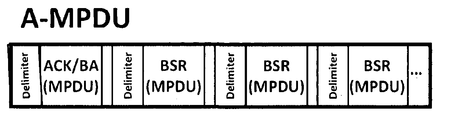
- FIG 17 shows an operation of transmitting a BSR by a wireless communication terminal according to another embodiment of the present invention.
- FIG. 18 illustrates an operation of a wireless communication terminal according to an embodiment of the present invention.
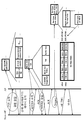
- the WLAN system includes one or more Basic Service Sets (BSSs), which represent a set of devices that can successfully synchronize and communicate with each other.
- BSSs Basic Service Sets
- the BSS may be classified into an infrastructure BSS (Independent BSS) and an Independent BSS (IBSS), and FIG. 1 illustrates an infrastructure BSS.
- an infrastructure BSS (BSS1, BSS2) is an access point (PCP / AP) that is a station that provides one or more stations (STA1, STA2, STA3, STA_4, STA5), and a distribution service.
- PCP / AP-2 PCP / AP-2
- DS Distribution System
- a station is any device that includes a medium access control (MAC) compliant with the IEEE 802.11 standard and a physical layer interface to a wireless medium. This includes both access points (APs) as well as non-AP stations.
- MAC medium access control
- APs access points
- 'terminal' may be used as a concept including both a station and an WLAN communication device such as an AP.
- the station for wireless communication may include a processor and a transmit / receive unit, and may further include a user interface unit and a display unit according to an embodiment.
- the processor may generate a frame to be transmitted through the wireless network or process a frame received through the wireless network, and may perform various processing for controlling the station.
- the transceiver is functionally connected to the processor and transmits and receives a frame through a wireless network for a station.
- An access point is an entity that provides access to a distribution system (DS) via a wireless medium for an associated station to the AP.
- DS distribution system
- the AP is used as a concept including a personal BSS coordination point (PCP), and is broadly used as a centralized controller, a base station (BS), a node-B, a base transceiver system (BTS), or a site. It can include all the concepts such as a controller.
- PCP personal BSS coordination point
- BS base station
- node-B a node-B
- BTS base transceiver system
- site can include all the concepts such as a controller.
- the plurality of infrastructure BSSs may be interconnected through a distribution system (DS).
- DS distribution system
- ESS extended service set
- FIG. 2 illustrates an independent BSS, which is a wireless LAN system according to another embodiment of the present invention.
- the same or corresponding parts as those of the embodiment of FIG. 1 will be omitted.
- BSS3 shown in FIG. 2 is an independent BSS and does not include an AP, all stations STA6 and STA7 are not connected to the AP. Independent BSSs do not allow access to the distribution system and form a self-contained network. In the independent BSS, the respective stations STA6 and STA7 may be directly connected to each other.
- FIG. 3 is a block diagram showing the configuration of a station 100 according to an embodiment of the present invention.
- the station 100 may include a processor 110, a transceiver 120, a user interface 140, a display unit 150, and a memory 160. .
- the transceiver 120 transmits and receives a radio signal such as a WLAN physical layer frame, it may be built in the station 100 or may be provided externally.
- the transceiver 120 may include at least one transceiver module using different frequency bands.
- the transceiver 120 may include a transceiver module of different frequency bands such as 2.4 GHz, 5 GHz, and 60 GHz.
- the station 100 may include a transmission / reception module using a frequency band of 6 GHz or more and a transmission / reception module using a frequency band of 6 GHz or less.
- Each transmit / receive module may perform wireless communication with an AP or an external station according to a wireless LAN standard of a frequency band supported by the corresponding transmit / receive module.
- the transceiver 120 may operate only one transceiver module at a time or simultaneously operate multiple transceiver modules according to the performance and requirements of the station 100.
- each transmit / receive module may be provided in an independent form, or a plurality of modules may be integrated into one chip.
- the user interface unit 140 includes various types of input / output means provided in the station 100. That is, the user interface unit 140 may receive a user input using various input means, and the processor 110 may control the station 100 based on the received user input. In addition, the user interface 140 may perform an output based on a command of the processor 110 using various output means.
- the display unit 150 outputs an image on the display screen.
- the display unit 150 may output various display objects such as a content executed by the processor 110 or a user interface based on a control command of the processor 110.
- the memory 160 stores a control program used in the station 100 and various data according thereto.
- a control program may include an access program necessary for the station 100 to perform an access with an AP or an external station.
- the processor 110 of the present invention may execute various instructions or programs and process data in the station 100.
- the processor 110 may control each unit of the station 100 described above, and may control data transmission and reception between the units.
- the processor 110 may execute a program for accessing an AP stored in the memory 160 and receive a communication setup message transmitted by the AP.
- the processor 110 may read information on the priority condition of the station 100 included in the communication configuration message, and request a connection to the AP based on the information on the priority condition of the station 100.
- the processor 110 of the present invention may refer to the main control unit of the station 100, and according to an embodiment, a part of the station 100 may be referred to, for example, a control unit for individually controlling the transceiver 120 and the like. You can also point it. That is, the processor 110 may be a modulation unit or a demodulator (modulator and / or demodulator) for modulating the radio signal transmitted and received from the transceiver unit 120.
- the processor 110 controls various operations of radio signal transmission and reception of the station 100 according to an embodiment of the present invention. Specific embodiments thereof will be described later.
- the station 100 illustrated in FIG. 3 is a block diagram according to an embodiment of the present invention, in which blocks marked separately represent logical elements of devices. Therefore, the elements of the above-described device may be mounted in one chip or in a plurality of chips according to the design of the device. For example, the processor 110 and the transceiver 120 may be integrated into one chip or implemented as a separate chip. In addition, in the embodiment of the present invention, some components of the station 100, such as the user interface unit 140 and the display unit 150, may be selectively provided in the station 100.
- FIG. 4 is a block diagram illustrating a configuration of an AP 200 according to an exemplary embodiment.
- the AP 200 may include a processor 210, a transceiver 220, and a memory 260.
- a processor 210 may include a central processing unit (CPU) 210, a graphics processing unit (GPU), and a central processing unit (GPU) 210.
- a transceiver 220 may include a central processing unit (GPU) 210, and a central processing unit (GPU) 210.
- a memory 260 may include a processor 210, a transceiver 220, and a memory 260.
- FIG. 4 overlapping descriptions of parts identical or corresponding to those of the station 100 of FIG. 3 will be omitted.
- the AP 200 includes a transceiver 220 for operating a BSS in at least one frequency band.
- the transceiver 220 of the AP 200 may also include a plurality of transceiver modules using different frequency bands. That is, the AP 200 according to the embodiment of the present invention may be provided with two or more transmit / receive modules of different frequency bands, for example, 2.4 GHz, 5 GHz, and 60 GHz.
- the AP 200 may include a transmission / reception module using a frequency band of 6 GHz or more and a transmission / reception module using a frequency band of 6 GHz or less.
- Each transmit / receive module may perform wireless communication with a station according to a wireless LAN standard of a frequency band supported by the corresponding transmit / receive module.
- the transceiver 220 may operate only one transceiver module at a time or simultaneously operate multiple transceiver modules according to the performance and requirements of the AP 200.
- the memory 260 stores a control program used in the AP 200 and various data according thereto.
- a control program may include an access program for managing a connection of a station.
- the processor 210 may control each unit of the AP 200 and may control data transmission and reception between the units.
- the processor 210 may execute a program for accessing a station stored in the memory 260 and transmit a communication setting message for one or more stations.
- the communication setting message may include information on the access priority condition of each station.
- the processor 210 performs connection establishment according to a connection request of a station.
- the processor 210 may be a modulator or demodulator for modulating a radio signal transmitted and received from the transceiver 220.
- the processor 210 controls various operations of wireless signal transmission and reception of the AP 200 according to an embodiment of the present invention. Specific embodiments thereof will be described later.
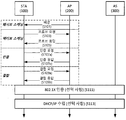
- FIG. 5 schematically illustrates a process in which an STA establishes a link with an AP.
- the scanning step is a step in which the STA 100 obtains access information of a BSS operated by the AP 200.
- a passive scanning method for obtaining information by using only a beacon message S101 periodically transmitted by the AP 200 and a STA 100 requests a probe to the AP.
- the STA 100 that has successfully received the radio access information in the scanning step transmits an authentication request (S107a), receives an authentication response from the AP 200 (S107b), and performs an authentication step. do.
- the STA 100 transmits an association request (S109a), receives an association response from the AP 200 (S109b), and performs the association step.
- the association (association) basically means a wireless coupling
- the present invention is not limited to this, the binding in the broad sense may include both wireless coupling and wired coupling.
- the 802.1X based authentication step S111 and the IP address obtaining step S113 through DHCP may be performed.
- the authentication server 300 is a server that processes 802.1X-based authentication with the STA 100 and may be physically coupled to the AP 200 or may exist as a separate server.
- the AP 200 may be a wireless communication terminal for allocating communication mediator resources and performing scheduling in an independent network that is not connected to an external distribution service such as an ad-hoc network.
- the AP 200 may be at least one of a base station, an eNB, and a transmission point (TP).
- the AP 200 may be referred to as a base wireless communication terminal.
- BA block ACK
- A-MPDU Aggregate-MAC Protocol Data Unit
- the wireless communication terminal may generate one A-MPDU by combining a plurality of MPDUs.
- the wireless communication terminal may transmit the generated A-MPDU.
- the legacy wireless communication terminal generates A-MPDUs by combining only MPDUs having the same traffic identifier (TID).
- a wireless communication terminal according to an embodiment of the present invention may generate one A-MPDU by combining a plurality of MPDUs having different TIDs.
- an A-MPDU including a plurality of MPDUs corresponding to each of a plurality of different TIDs may be referred to as a multi-TID A-MPDU or an A-MPDU having a plurality of TIDs. with Multiple TIDs).
- the wireless communication terminal can transmit the A-MPDU more flexibly through this.
- the wireless communication terminal may transmit an A-MPDU having a plurality of TIDs by using a physical layer protocol data unit (HE PPDU).
- HE PPDU may be a HE MU (Multi User) PPDU.
- the HE PPDU may be an HE trigger-based PPDU.
- the wireless communication terminal may set parameters related to A-MPDU and BA frame transmission in a link setup procedure.
- the wireless communication terminal may set a parameter related to A-MPDU transmission having a plurality of TIDs in a link establishment procedure.
- the wireless communication terminal may transmit maximum TID number information indicating the maximum number of TIDs that the wireless communication terminal can simultaneously receive in a link establishment procedure.
- the wireless communication terminal may transmit the maximum number of TID information using the HE capability information element, which is information indicating the capability of the terminal. This is because, as the number of TIDs of A-MPDUs having a plurality of TIDs increases, higher processing capability of the wireless communication terminal receiving the A-MPDUs may be required.
- the maximum TID number information may be a maximum number of TID field of the HE capability information element.
- the maximum number of TIDs that an AP transmits to a non-AP wireless communication terminal is the maximum TID that an MPDU included in an uplink (UL) A-MPDU transmitted by the wireless communication terminal other than the AP. It can represent the number.
- the maximum number of TIDs transmitted by the wireless communication terminal other than the AP to the AP may indicate the maximum number of TIDs that a downlink (DL) A-MPDU transmitted by the corresponding AP may have.
- the wireless communication terminal can transmit the maximum number of TID information using a management frame.
- the management frame may include a probe request frame, a probe response frame, an authentication request frame, an authentication response frame, an association request frame, It may be at least one of an association response frame and a beacon frame.
- the maximum TID number information may indicate the number of TIDs that the AP can simultaneously receive.
- the maximum number of TIDs is not the maximum number of TIDs that an MPDU included in an A-MPDU transmitted by any one of the wireless communication terminals to the AP. In UL transmission, this may indicate the maximum number of TIDs allowed for transmission.
- the AP transmits a beacon frame to all wireless communication terminals of the BSS operated by the AP.
- the maximum TID number information of the beacon frame may be used for other purposes.
- the maximum number of TID field of the beacon frame may be a reserved field.
- the wireless communication terminal can transmit an All ACK capable indicator indicating whether the wireless communication terminal can process All ACK.
- All ACK indicates that the wireless communication terminal signals that all the MPDUs included in the A-MPDU received from the transmitter have been received.
- the wireless communication terminal can transmit an All ACK capable indicator indicating whether the All ACK can be processed using the HE capability information element.
- the wireless communication terminal may fragment and transmit at least one of one MAC service data unit (MSDU), one Aggregate (A) -MSDU, and one management protocol data unit (MMPDU).
- MSDU MAC service data unit
- A Aggregate
- MMPDU management protocol data unit
- a portion of an MSDU generated through fragmentation, a portion of an A-MSDU, or a portion of an MMPDU is referred to as a fragment.
- a wireless communication terminal that transmits data is referred to as an originator, and a wireless communication terminal that receives data is referred to as a recipient.
- the wireless communication terminal may generate a plurality of fragments by fragmenting at least one of one MSDU, one A-MSDU, and one MMPDU.
- the wireless communication terminal may transmit the generated plurality of fragments to the plurality of MPDUs.
- the wireless communication terminal receiving the plurality of fragments may defragment the plurality of fragments to obtain at least one of one MSDU, one A-MSDU, and one MMPDU.
- the MPDU may be an S-MPDU or an A-MPDU.
- the receiver needs sufficient buffer capacity and processing power to defragment multiple fragments. Specifically, the receiver must store all fragments until all fragments of the MSDU corresponding to the same sequence number are received. Thus, when the receiver supports the capability required for receiving the fragment, the sender can send the fragment to the receiver. After all, the sender needs to know the fragmentation level that the receiver supports. At this time, the fragmentation level indicates the degree of fragmentation that the wireless communication terminal can receive.
- the wireless communication terminal can signal for the fragmentation level. In more detail, the wireless communication terminal transmits information about the fragmentation level of the fragment that the wireless communication terminal can receive in a link establishment procedure with the AP, and the fragmentation of the fragment that the AP can receive. Information about the level can be received.
- the wireless communication terminal can transmit information on the fragmentation level using the HE Capability information element.
- the HE Capability information element may indicate the capability of the wireless communication terminal.
- the wireless communication terminal may include a probe request frame, a probe response frame, an authentication request frame, an authentication response frame, an association request frame, and an association response. At least one of the response frames may be used to transmit information about the fragmentation level.
- the fragmentation level may be divided into four levels.
- Level 0 may indicate that the wireless communication terminal does not support fragmentation for the MSDU received.
- level 1 may indicate that the wireless communication terminal may receive an MPDU including one fragment.
- the MPDU may be a single MPDU that is not aggregated with another MPDU or an MPDU other than an A-MPDU.
- level 2 may indicate that the wireless communication terminal may receive an A-MPDU including one fragment per MSDU.
- level 2 may indicate that the wireless communication terminal may receive an A-MPDU including one or less fragments per MSDU.
- Level 3 may indicate that the wireless communication terminal may receive an A-MPDU including a plurality of fragments per MSDU.
- level 3 may indicate that the wireless communication terminal may receive an A-MPDU including 4 or less fragments per MSDU.
- the HE capability information element may include a Max number of TID field, an All ACK capable indicator, and information indicating a fragmentation level supported by the wireless communication terminal.
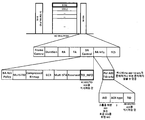
- the specific format of the HE capability information element may be the same as that of the embodiment of FIG. 6.
- the wireless communication terminal may set the BA parameter in the Add Block ACK (ADDBA) procedure.
- the BA parameter is a parameter used for BA frame transmission and BA frame reception.
- the wireless communication terminal may request ACK in the form of a BA frame using the ADDBA request frame.
- the wireless communication terminal may transmit a response to the ADDBA request frame using the ADDBA response frame.
- the ADDBA request frame and the ADDBA response frame may include a Block Ack Parameter Set element.
- the Block Ack Parameter Set element includes information about the BA parameter.
- the wireless communication terminal may set a BA parameter for each TID. In more detail, the wireless communication terminal may negotiate BA parameter setting for each TID.
- the wireless communication terminal may designate a TID to be subjected to BA parameter setting negotiation by using a TID field included in a Block Ack Parameter Set element.
- the sender may request BA parameter setting by transmitting an ADDBA request frame.
- the receiver may receive the ADDBA request frame and transmit the ADDBA response frame to the ADDBA request frame to confirm the BA parameter setting.
- the sender receives the ADDBA response frame and sends an ACK frame for the ADDBA response frame
- the sender and the receiver may set BA parameters.
- the wireless communication terminal may transmit buffer size information indicating the number of MPDUs that can be stored until receiving a BA frame after receiving data in the ADDBA procedure.
- the wireless communication terminal may transmit buffer size information using a Block Ack Parameter Set element in the ADDBA procedure.
- the wireless communication terminal may set the length of the BA bitmap based on a range of values that the buffer size information may have. Specifically, when the range of values that the buffer size information can have is 1 to X, the wireless communication terminal may set the length of the BA bitmap to X bits. In this case, when the wireless communication terminal does not receive information about the length of the BA bitmap, the wireless communication terminal may set the length of the BA bitmap to X bits.
- the specific format of the Block Ack Parameter Set element may be the same as the embodiment of FIG. 6.
- the AP may transmit the A-MPDU based on the capability of the wireless communication terminal signaled in the link establishment procedure and the BA parameter set in the ADDBA procedure.
- the wireless communication terminal may transmit a BA frame or a multi-STA block ACK (M-BA) frame to the AP based on the BA parameter set in the capability and ADDBA procedure of the AP.
- M-BA multi-STA block ACK
- the AP When the AP simultaneously receives A-MPDUs from a plurality of wireless communication terminals, it may be difficult to store the plurality of MPDUs received by the AP in a buffer and maintain a score board.
- the score board indicates information in which the AP records the reception state of each MPDU.
- the AP may indicate the maximum number of TIDs that an A-MPDU each of the wireless communication terminals may have using the trigger frame.
- the AP may indicate a maximum TID to be transmitted by each wireless communication terminal using the Per User Info field of the trigger frame.
- the wireless communication terminal receiving the trigger frame may set the number of TIDs that the A-MPDU may have based on the trigger frame.
- the wireless communication terminal receiving the trigger frame may set the number of TIDs of the MPDU included in the A-MPDU to be transmitted based on the maximum number of TIDs indicated by the trigger frame, and transmit the A-MPDU to the AP.
- the wireless communication terminal receiving the trigger frame may set the number of TIDs of the MPDU included in the A-MPDU to be transmitted so as not to exceed the maximum number of TIDs indicated by the trigger frame, and transmit the A-MPDU to the AP.
- the wireless communication terminal when the wireless communication terminal uses the HE MU PPDU in a single user (SU) Uplink (UL) transmission, the wireless communication terminal may be restricted from transmitting the A-MPDU having a plurality of TIDs.
- the wireless communication terminal may use a relatively wide transmission range in a narrow frequency band using the HE MU PPDU in the SU UL transmission.
- a wireless communication terminal if a wireless communication terminal is allowed to transmit an A-MPDU including an A-MPDU having a plurality of TIDs, a fairness problem may occur in terms of competition with other wireless communication terminals. Therefore, when the wireless communication terminal uses the HE MU PPDU in the SU UL transmission, the wireless communication terminal may be limited to transmit the A-MPDU having a plurality of TIDs.
- FIG. 7 shows that a wireless communication terminal according to an embodiment of the present invention transmits an A-MPDU having a plurality of TIDs.
- the wireless communication terminal may transmit a plurality of TID A-MPDUs.
- the wireless communication terminal may transmit a plurality of TID A-MPDUs according to a predetermined condition even in SU transmission.
- the wireless communication terminal may transmit a plurality of TID A-MPDUs using the HE MU PPDU.
- the wireless communication terminal may set the number of TIDs of the plurality of TID A-MPDUs based on the maximum number of TIDs described above.
- the wireless communication terminal may set the number of TIDs of the plurality of TID A-MPDUs within the maximum number of TIDs indicated by the maximum number of TIDs.
- the wireless communication terminal may obtain maximum TID number information from the combined response frame or the authentication response frame.
- the wireless communication terminal may obtain the maximum TID number information from the association request frame or the authentication request frame.
- the wireless communication terminal other than the AP transmits a plurality of TID A-MPDUs to the AP in UL SU transmission.
- the wireless communication terminal other than the AP obtains the HE Capability information element from the association response (Assoc. Resp.) Frame.
- the wireless communication terminal other than the AP obtains maximum TID number information from the Max number of TID field of the HE Capability information element. In this case, the maximum TID number information is four. Therefore, the wireless communication terminal other than the AP transmits a plurality of TID A-MPDUs having a TID number of 4 (TID 1, TID 3, TID 4, and MMPDU).
- the AP transmits a plurality of TID A-MPDUs to a wireless communication terminal other than the AP in DL SU transmission.
- the AP obtains the HE Capability information element from the association request (Assoc. Req.) Frame.
- the AP obtains a maximum TID number 4 from the Max number of TID field of the HE Capability information element.
- the AP transmits a plurality of TID A-MPDUs having a TID number of 4 (TID 1, TID 3, TID 4, and MMPDU) to the wireless communication terminal other than the AP.
- FIG. 8 shows a format of a Multi-STA Block ACK frame according to an embodiment of the present invention.
- the wireless communication terminal may transmit a Block ACK (BA) frame indicating whether a plurality of MPDUs have been received.
- the wireless communication terminal corresponds to any one of a plurality of TID A-MPDUs (multi-STA multi-TID A-MPDU, single-STA multi-TID A-MPDU) or a plurality of TIDs from each of the plurality of wireless communication terminals
- a Multi-STA Block ACK (M-BA) frame that may indicate whether a multi-STA single TID (MPDU) is received may be transmitted.
- the M-BA frame may include a Per AID TID Info subfield indicating whether to receive by AID and TID.
- the M-BA frame may include a BA control field.
- the BA control field may include information about the type and function of the BA.
- the M-BA frame may include a BA Information field.
- the BA Information field may indicate an MPDU indicating whether the BA has received.
- the BA Information field may indicate whether data is received.
- the BA Information field may include a bitmap indicating whether each MPDU or each sequence is received. In this case, the bitmap may be a Block ACK Bitmap field.
- the Block ACK Bitmap field is a bitmap indicating whether data is received.
- the legacy wireless communication terminal can transmit one MSDU in up to 16 fragments. Accordingly, the legacy wireless communication terminal may indicate whether a fragment included in each of 64 MSDUs is received using a Block ACK Bitmap field having a length of 128 bytes.
- the legacy wireless communication terminal may allocate each of 1024 bits of the Block ACK Bitmap field to each fragment included in the MSDU, and set a bit corresponding to the received fragment to 1.
- the legacy wireless communication terminal may indicate whether all fragments are received through the Block ACK Bitmap field. Accordingly, the legacy wireless communication terminal may set the Fragment Number field of the Block ACK Starting Sequence Control field as a reserved field and use only the Sequence Number field.
- the wireless communication terminal may fragment one MSDU into up to four fragments.
- the number of fragments that the wireless communication terminal can generate by fragmenting the MSDU varies according to the fragmentation level. Therefore, the wireless communication terminal can change the display method of the Block ACK Bitmap field according to the fragmentation level.
- the wireless communication terminal may set that each bit of the Block ACK Bitmap field indicates whether the MSDU is received.
- the wireless communication terminal may be set to each of the bits of the Block ACK Bitmap field indicating whether or not to receive each fragment.
- the BA Information field may include a Block ACK Starting Sequence Control subfield indicating data indicating whether the Block ACK Bitmap field is received.
- the Block ACK Starting Sequence Control subfield may indicate the start number of data indicated by the Block ACK Bitmap field.
- the wireless communication terminal may indicate whether the bits of the Block ACK Bitmap field are divided in sequence units or in fragment units through the Block ACK Starting Sequence Control subfield.
- the wireless communication terminal may indicate that the bits of the Block ACK Bitmap field are divided in sequence units by setting the LSB (Least Significant Bit) in the Fragment Number subfield of the Block ACK Starting Sequence Control subfield to 0.
- the wireless communication terminal may set the LSB of the Fragment Number subfield of the Block ACK Starting Sequence Control subfield to 1 to indicate that bits of the Block ACK Bitmap field are divided in units of fragments.
- the wireless communication terminal may indicate the length of the Block ACK Bitmap field through the Block ACK Starting Sequence Control subfield.
- the wireless communication terminal may indicate the length of the Block ACK Bitmap field by setting values of two bits (LSB + 1 and LSB + 2) following the LSB of the Fragment Number subfield of the Block ACK Starting Sequence Control subfield.
- the number of BA Information fields included in the M-BA frame may vary depending on the number of Telecommunication terminals and the number of TIDs that transmit data.
- the M-BA frame may repeatedly include the BA Information field as many as the number of TIDs transmitted by the plurality of wireless communication terminals.
- the wireless communication terminal may signal a fragmentation level supported by the wireless communication terminal in a link establishment procedure.
- the wireless communication terminal may negotiate the fragmentation level in the ADDBA procedure.
- the receiver supporting the fragmentation level: level 3 does not receive any MPDU included in the A-MPDU, the receiver determines to which fragmentation level the sender transmits the A-MPDU. It is difficult. Therefore, a receiver supporting fragmentation level: level 3 may transmit an M-BA frame including a BA bitmap field divided by fragments regardless of the configuration of the received A-MPDU.
- FIG. 9 shows a method of transmitting an M-BA frame by a wireless communication terminal according to an embodiment of the present invention.
- the wireless communication terminal may change the bitmap format indicating whether data is received according to the format of the received data.
- the wireless communication terminal may omit a bitmap indicating whether data is received in the M-BA frame.
- the wireless communication terminal may omit a bitmap indicating whether data is received in the M-BA frame.
- the wireless communication terminal may omit a bitmap indicating whether data is received in the M-BA frame.
- the wireless communication terminal may indicate whether to receive data even without using a bitmap. Because there is.
- the wireless communication terminal may set the TID Info subfield to a predetermined value to indicate that the AP has received all the MPDUs transmitted by the plurality of wireless communication terminals.
- the predetermined value may be 15 (1111 2b ).
- the AP may insert one per AID TID Info subfield into the BA Info field.
- the per AID TID Info subfield may include an AID field indicating a wireless communication terminal corresponding to the Per TID Info subfield.
- the per AID TID Info subfield may include an ACK type field indicating the type of the ACK.
- the per AID TID Info subfield may include a TID field indicating the TID of the MPDU corresponding to the per AID TID Info subfield.
- the AP may set the AID field of the per AID TID Info subfield to an AID indicating the plurality of wireless communication terminals that have transmitted data.
- the AP may insert one per AID TID Info subfield and set the AID field of the per AID TID Info subfield to an AID representing all wireless communication terminals.
- the AP may indicate that the bitmap is omitted by setting the ACK type of the per AID TID Info subfield.
- the AP may set the ACK type field of the per AID TID Info subfield to a predetermined value to indicate that the BA Starting Sequence Control field and the BA bitmap field are omitted from the BA Information field.
- the predetermined value may be 0.
- the AP may omit the per AID TID Info subfield.
- the wireless communication terminal may determine that the AP has received all data transmitted from the plurality of wireless communication terminals.
- the wireless communication terminal may indicate that the AP has received all MPDUs transmitted by the plurality of wireless communication terminals by setting one of the reserved bits of the BA control field to a predetermined value.
- the wireless communication terminal may determine that the AP has received all data transmitted from the plurality of wireless communication terminals. .
- FIG. 10 shows a method of transmitting an M-BA frame by a wireless communication terminal according to an embodiment of the present invention.
- the wireless communication terminal may set the ACK type field of the Per AID TID Info subfield to a predetermined value.
- the wireless communication terminal may set the ACK type field of the Per AID TID Info subfield to a predetermined value to indicate that the BA Starting Sequence Control field and the BA bitmap field are omitted from the BA Information field.
- the predetermined value may be 0.
- the predetermined value may be 1.
- the wireless communication terminal may set one of the TIDs of the MPDUs having received the TID field of the Per AID TID Info subfield.
- the wireless communication terminal is an MPDU included in the A-MPDU by the wireless communication terminal transmitting the M-BA frame. It can be determined that all of the received.
- the wireless communication terminal may transmit a plurality of TID A-MPDUs.
- the wireless communication terminal receives not only all the MPDUs included in the A-MPDU but also one MPDU corresponding to any one of the TIDs
- the wireless communication terminal receives the BA Starting Sequence Control in the BA Information field. Field and the BA bitmap field may be omitted.
- the wireless communication terminal receives a BA bitmap field in the BA Information field. Cannot be omitted.
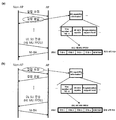
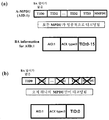
- the receiver receives all MPDUs and MMPDUs included in the A-MDPU transmitted by the sender (AID: 1). At this time, the receiver sets the AID field of the Per User Info field to 1, sets the ACK type field to 0, and sets the TID field to an arbitrary value.
- the receiver sets the AID field of the Per User Info field to 1, sets the ACK type field to 0, and sets the TID field to an arbitrary value.
- the receiver receives only MPDUs having a TID of 0 among MPDUs included in the A-MPDU transmitted by the sender (AID: 1). At this time, the receiver sets the AID field of the Per User Info field to 1, sets the ACK type field to 0, and sets the TID field to 0.
- the format of the M-BA frame when the receiver sets the TID field of the Per User Info field to 0, the format of the M-BA frame when the receiver receives all the MPDUs included in the A-MPDU transmitted by the sender
- the format of the M-BA frame is the same when the receiver and the receiver only receive MPDUs with a TID value of zero.
- the wireless communication terminal may include a BA Starting Sequence Control field and a BA bitmap field regardless of an agreement regarding BA frame transmission. Information field may be transmitted.
- the wireless communication terminal can prevent confusion between receiving only one MPDU corresponding to any one TID and receiving all MPDUs included in the A-MPDU.
- the wireless communication terminal transmits a bitmap indicating whether data is received. Therefore, the M-BA frame transmission efficiency of the wireless communication terminal may decrease. Accordingly, the wireless communication terminal can set the TID agreed on the BA frame transmission to the value of the TID field of the Per AID TID Info subfield. This will be described in detail with reference to FIG. 11.
- FIG. 11 is a view illustrating a method of transmitting an M-BA frame by a wireless communication terminal according to another embodiment of the present invention.
- the wireless communication terminal When the wireless communication terminal receives all MPDUs included in the A-MPDU, the wireless communication terminal sets the ACK type field of the Per AID TID Info subfield to a predetermined value, and sets the TID agreed on the BA frame transmission to the Per AID. Can be set to the value of the TID field of the TID Info subfield. If there is a plurality of TIDs agreed on the BA frame transmission, the wireless communication terminal selects a TID corresponding to the last transmitted MPDU among the plurality of MPDUs corresponding to the TIDs agreed on the BA frame transmission, and the TID of the Per AID TID Info subfield. Can be set as a field value.
- the wireless communication terminal when there are a plurality of TIDs agreed on BA frame transmission, the wireless communication terminal sets a TID field value of a Per AID TID Info subfield based on a user priority (UP) of the TID. Can be. In more detail, the wireless communication terminal may set the TID having the highest user priority as the TID field value of the Per AID TID Info subfield. In another specific embodiment, the wireless communication terminal may set the TID having the lowest user priority as the TID field value of the Per AID TID Info subfield. In this embodiment, when there is no TID agreed on BA frame transmission, even when the wireless communication terminal receives all MPDUs included in the A-MPDU, the wireless communication terminal should transmit a bitmap indicating whether data is received.
- UP user priority
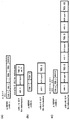
- the receiver receives an A-MDPU from a sender having an AID value of 1, and decodes all MPDUs included in the A-MPDU.
- the A-MPDU includes MPDUs and MMPDUs corresponding to TID values 0, 2, and 3, respectively.
- the sender sets the AID field value of the Per AID TID Info subfield to 1, sets the ACK type field to a predetermined value, and sets the TID field value to 2 or 3 so that the A-MPDU transmitted by the sender is included. Indicates that all MPDUs have been received.
- the predetermined value indicates that the BA Starting Sequence Control field and the BA bitmap field are omitted from the BA Information field as described above.
- the predetermined value may be 0.
- the receiver receives the A-MDPU from the sender having an AID value of 1, and decodes all MPDUs included in the A-MPDU.
- the A-MPDU includes only the MPDU whose TID value corresponds to 2.
- the sender and the receiver have agreed on the TID value 2 for BA frame transmission.
- the sender sets the AID field value of the Per AID TID Info subfield to 1, the ACK type field to a predetermined value, and the TID field value to 2, so that all MPDUs included in the A-MPDU sent by the sender are set. Indicates that it has been received.
- the receiver receives the A-MDPU from the sender having the AID value of 1 and decodes all the MPDUs included in the A-MPDU.
- the A-MPDU includes MPDUs and MMPDUs corresponding to TID values 0 and 3, respectively. For TID values 0 and 3, there is no agreement on BA frame transmission between the receiver and the sender.
- the receiver transmits a per AID TID Info subfield for TID value 0, a per AID TID Info subfield for TID value 3, and a per AID TID Info subfield for MMPDU.
- the sender sets the TID field value of the per AID TID Info subfield for the MMPDU to 15 previously designated for the MMPDU.
- the receiver omits the BA Starting Sequence Control field and the BA bitmap field from the BA Information field in the per AID TID Info subfield for TID values 0 and 3 which are not agreed on BA frame transmission.
- the value of the ACK type field of the Per AID TID Info subfield of the M-BA frame received by the wireless communication terminal is a predetermined value
- the value of the TID field of the Per AID TID Info subfield is related to BA frame transmission.
- the wireless communication terminal may determine that the wireless communication terminal transmitting the M-BA frame has received all the MPDUs included in the A-MPDU. In this case, the wireless communication terminal may determine that the wireless communication terminal that has transmitted the M-BA frame has received all the MPDUs included in the A-MPDU, and may stop decoding the M-BA frame.
- the TID field value of the Per User Info field may be set to a predetermined value. This will be described with reference to FIG. 12.
- FIG. 12 shows a method of transmitting an M-BA frame by a wireless communication terminal according to another embodiment of the present invention.
- the wireless communication terminal may set the TID field value of the Per AID TID Info subfield to a first predetermined value.
- the first predetermined value may be a value that the wireless communication terminal does not use as the TID value of the MPDU when transmitting data.
- the first predetermined value may be any one of 8 (1000 2b ) to 14 (1110 2b ).
- the first value may be fourteen.
- the wireless communication terminal may set the ACK type field to a second predetermined value to indicate that the BA Starting Sequence Control field and the BA bitmap field are omitted from the BA Information field.
- the second predetermined value may be zero.
- the second predetermined value may be 1.
- the wireless communication terminal sets the value of the TID field of the Per User Info field to the first value, ACK
- the type field may be set to the second value.
- the wireless communication terminal transmits the M-BA frame.
- the communication terminal may determine that all the MPDUs included in the A-MPDU have been received.
- the first predetermined value may be 15 (1111 2b ), which is a TID value indicating MMPDU reception.
- the second predetermined value may be a value not used in the Per AID TID Info subfield indicating whether the MMPDU is received. For example, when the value of the ACK type field used in the Per AID TID Info subfield indicating whether the MMPDU is received is 0, the second predetermined value may be 1.
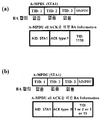
- the receiver receives the A-MDPU from the first station STA1 and decodes all MPDUs included in the A-MPDU.
- the A-MPDU includes MPDUs and MMPDUs corresponding to TID values 1, 2, and 3, respectively.
- TID values 1, 2, and 3 are not agreed between the sender and the receiver for BA frame transmission. Therefore, the sender sets the AID field value of the Per AID TID Info subfield to the AID corresponding to the first station (STA1), sets the ACK type field to 1, and sets the TID field to 14 to transmit the A-ID transmitted by the sender. Indicates that all MPDUs included in the MPDU have been received.
- the value 1 of the ACK type field indicates that the BA Starting Sequence Control field and the BA bitmap field are omitted in the BA Information field as described above.
- the value 14 of the TID field is a predetermined value to indicate that all MPDUs included in the A-MPDU have been received.
- the wireless communication terminal when the value of the ACK type field of the Per AID TID Info subfield of the M-BA frame received by the wireless communication terminal is a first predetermined value, the wireless communication terminal may be a wireless communication terminal that has transmitted the M-BA frame. It can be determined that all MPDUs included in the A-MPDU have been received.
- the value of the ACK type field of the Per AID TID Info subfield of the M-BA frame received by the wireless communication terminal is a first predetermined value
- the value of the TID field of the Per AID TID Info subfield is a second predetermined value.
- the wireless communication terminal may determine that the wireless communication terminal transmitting the M-BA frame has received all the MPDUs included in the A-MPDU.
- the wireless communication terminal may determine that the wireless communication terminal that has transmitted the M-BA frame has received all the MPDUs included in the A-MPDU, and may stop decoding the M-BA frame.
- the wireless communication terminal when the wireless communication terminal receives the A-MPDU including only the MPDU corresponding to the TID that is not agreed on the BA frame transmission, the wireless communication terminal is the value of the ACK type field of the Per AID TID Info subfield to the BA Information field Is set to a value indicating that the BA Starting Sequence Control field and the BA bitmap field are included, and the TID field of the Per AID TID Info subfield may be set to a TID which is not agreed on BA frame transmission.
- the wireless communication terminal does not transmit a BA Starting Sequence Control field and a BA bitmap field for a TID that is not agreed on BA frame transmission.
- the wireless communication terminal may indicate that all of the A-MPDUs have been received by setting the value of the ACK type field to a value indicating that a BA Starting Sequence Control field and a BA bitmap field are included.
- the A-MPDU may include MPDUs corresponding to a plurality of TIDs that are not agreed on BA frame transmission.
- the wireless communication terminal may set the TID corresponding to the first transmitted MPDU among the plurality of MPDUs corresponding to the TIDs not agreed on the BA frame transmission as the TID field value of the Per AID TID Info subfield.
- the wireless communication terminal may set a TID field value of the Per AID TID Info subfield based on a user priority (UP) of the TID.
- UP user priority
- the wireless communication terminal may set the TID having the highest user priority as the TID field value of the Per AID TID Info subfield. In another specific embodiment, the wireless communication terminal may set the TID having the lowest user priority as the TID field value of the Per AID TID Info subfield.
- the wireless communication terminal may set the TID field of the Per AID TID Info subfield to 15. At this time, 15 (111 2b ) is a TID field value indicating that the MMPDU has been received as described above.
- the receiver receives the A-MPDU from the first station STA1 as in the embodiment of FIG. 12 (a).
- the sender sets the AID field value of the Per AID TID Info subfield to the AID corresponding to the first station (STA1), sets the ACK type field to 0, and sets the TID field to the TID value of the MPDU including the A-MPDU.
- the value of the TID field may be 1, 2, 3, or 15 indicating an MMPDU.
- a value 0 of the ACK type field indicates that the BA Starting Sequence Control field and the BA bitmap field are not omitted from the BA Information field as described above.
- the value of the ACK type field of the Per AID TID Info subfield of the M-BA frame received by the wireless communication terminal indicates that the BA Information field includes a BA Starting Sequence Control field and a BA bitmap field, and the Per AID TID Info subfield. If the TID field of the field is a TID that is not agreed upon for BA frame transmission, the wireless communication terminal may include A- only if the wireless communication terminal that transmits the M-BA frame includes an MPDU corresponding to a TID that is not agreed upon for BA frame transmission. It may be determined that the MPDU has been received.
- FIG. 13 is a view illustrating a method of transmitting an M-BA frame by a wireless communication terminal according to another embodiment of the present invention.
- the wireless communication terminal may transmit a BA frame separately signaling an MPDU corresponding to a TID agreed on a BA frame transmission and an MPDU corresponding to a TID not agreed on a BA frame transmission.
- the wireless communication terminal may set whether the TID field value of the Per AID TID Info subfield is set to a predetermined value to indicate whether all MPDUs corresponding to the TID agreed on the BA frame transmission among the plurality of MPDUs included in the A-MPDU are received. .
- the wireless communication terminal when the wireless communication terminal receives all the MPDUs corresponding to the TID agreed on the BA frame transmission among the plurality of MPDUs included in the A-MPDU, the wireless communication terminal is a plurality of the plurality of MP-A included in the A-MPDU
- the TID field value of the Per AID TID Info subfield may be set to any one of the TIDs agreed on BA frame transmission regardless of whether an MPDU corresponding to a TID not agreed on BA frame transmission is received.
- the TID field value of the Per AID TID Info subfield may be set to a predetermined value irrespective of whether an MPDU corresponding to a TID which is not agreed on BA frame transmission among a plurality of MPDUs included in the MPDU is received.
- the predetermined value may be a value that the wireless communication terminal does not use as the TID value of the MPDU when transmitting data.
- the predetermined value may be any one of 8 (1000 2b ) to 14 (1110 2b ).
- the predetermined value may be 14.
- the wireless communication terminal when the wireless communication terminal receives an MPDU corresponding to a TID that is not agreed on the BA frame transmission, the wireless communication terminal receives all the MPDUs corresponding to the TID agreed on the BA frame transmission.
- a Per AID TID Info subfield other than the field may indicate that the wireless communication terminal has received an MPDU corresponding to a TID which is not agreed on BA frame transmission.
- the wireless communication terminal when the wireless communication terminal receives all the MPDUs corresponding to TIDs which are not agreed on BA frame transmission among the plurality of MPDUs included in the A-MPDU, the wireless communication terminal receives the MPDU through a separate Per AID TID Info subfield. This may indicate that all MPDUs corresponding to TIDs not agreed on the BA frame transmission have been received.
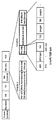
- the receiver receives an A-MPDU from a transmitter having an AID value of 1, and decodes both MPDUs and MMPDUs included in the A-MPDU.
- the A-MPDU includes MPDUs and MMPDUs having TID values of 0, 2, and 3, as in the embodiment of FIG.
- the transmitter and the receiver agreed on the BA frame transmission for the TID values 2 and 3, and did not agree on the BA frame transmission for the TID value 0.
- the receiver sets the value of the TID field of the Per AID TID Info subfield and the value of the ACK type field to receive all MPDUs corresponding to the TID agreed on the BA frame transmission among the MPDUs included in the A-MPDU. Can be represented.
- the receiver may indicate whether to receive an MPDU corresponding to a TID that is not agreed on BA frame transmission using a separate Per AID TID Info subfield. Specifically, in the embodiment of FIG. 13 (b), the receiver sets the ACK type field of the first Per AID TID Info subfield to 0 and the TID field to 0 to indicate that an MPDU corresponding to TID 0 has been received. In addition, the receiver sets the ACK type field of the second Per AID TID Info subfield to 0 and sets the TID field to 2 or 3 to correspond to the TID agreed upon for transmitting the BA frame among the MPDUs included in the A-MPDU. Indicates that all MPDUs have been received. In addition, the receiver sets the ACK type field of the third Per AID TID Info subfield to 0 and the TID field to 15 to indicate that all MMPDUs included in the A-MPDU have been received.
- the receiver may indicate that all MPDUs corresponding to TIDs that are not agreed on BA frame transmission among MPDUs included in the A-MPDU are received using a separate Per AID TID Info field.
- the receiver may set the TID field of the separate Per AID TID Info field to a predetermined value.
- the receiver sets the ACK type field of the first Per AID TID Info subfield to 0 and sets the TID field to 14 (1110 2b ), so that the BA of the MPDUs included in the A-MPDU is included. Indicates that all MPDUs corresponding to TIDs not agreed on frame transmission are received.
- the receiver sets the ACK type field of the second Per AID TID Info subfield to 0 and sets the TID field to 2 or 3 to correspond to the TID agreed upon for transmitting the BA frame among the MPDUs included in the A-MPDU. Indicates that all MPDUs have been received.
- the receiver may set the TID field of the separate Per AID TID Info field to any one of TIDs not agreed on BA frame transmission.
- the receiver sets the ACK type field of the first Per AID TID Info subfield to 0 and sets the TID field to 0 or 15 to transmit a BA frame among MPDUs included in the A-MPDU. Indicates that all MPDUs corresponding to TIDs not agreed on have been received.
- FIG. 14 illustrates an operation of transmitting a BSR by a wireless communication terminal according to an exemplary embodiment of the present invention.
- the wireless communication terminal may transmit a BSR through a Duration field of the MAC header.
- the wireless communication terminal may transmit a BSR through at least one of a receiver address (RA) field and a transmitter address (TA) field of the MAC header. Therefore, the wireless communication terminal receiving the trigger-based PPDU can obtain the BSR from the Duration field of the MAC header.
- the wireless communication terminal receiving the trigger-based PPDU may obtain a BSR from at least one of a receiver address (RA) field and a transmitter address (TA) field of the MAC header.
- the AP may trigger ACK transmission by transmitting UL trigger information using a trigger frame or a MAC header in DL transmission.
- the AP may trigger the ACK frame transmission and the BSR transmission together using the indicator of the trigger frame or the indicator of the UL trigger information.
- the AP may know from which wireless communication terminal the UL transmission through which resource unit (RU).
- the AP may know the duration of the UL transmission. Accordingly, the AP may decode the MPDU without information indicated by the RA field, the TA field, and the Duration field of the MAC header included in the UL PPDU.
- the wireless communication terminal may transmit the BSR using the Duration field of the ACK frame.
- the wireless communication terminal may transmit the BSR using at least one of the RA field and the TA field of the ACK frame.
- the ACK frame may be a BA frame.
- the ACK frame may be an M-BA frame.
- the format of a specific ACK frame may be as shown in FIG. 14 (a).
- the format of the specific BA frame and the M-BA frame may be as shown in FIG. 14 (b).
- FIG. 15 shows an operation of transmitting a BSR by a wireless communication terminal according to another embodiment of the present invention.
- the wireless communication terminal can transmit the BSR using the QoS Control field of the ACK frame.
- the wireless communication terminal may transmit a BSR using the HE-A control field.
- the wireless communication terminal receiving the ACK frame may obtain a BSR from the QoS Control field.
- the wireless communication terminal receiving the ACK frame may obtain the BSR from the HE-A control field.
- the AP may trigger the ACK frame transmission and the BSR transmission of the wireless communication terminal together.
- the wireless communication terminal may transmit the ACK frame by inserting the BSR in the QoS Control field of the ACK frame.
- the wireless communication terminal may transmit the ACK frame by inserting the BSR in the HE-A Control field of the ACK frame.
- the ACK frame may be a BA frame.
- the ACK frame may be an M-BA frame.
- the format of the ACK frame may be as shown in FIG. 15A.
- the format of the specific BA frame and the M-BA frame may be as shown in Fig. 15 (b).
- FIG. 16 shows an operation of transmitting a BSR by a wireless communication terminal according to another embodiment of the present invention.
- the wireless communication terminal can transmit the BSR using the BA Info field of the M-BA frame.
- the wireless communication terminal may insert a BA Info field for BSR transmission into an M-BA frame.
- the wireless communication terminal may insert a BA Info field for BSR transmission after a BA Info field corresponding to a TID that has received data in an M-BA frame.
- the wireless communication terminal may set the TID field of the BA Info field to a predetermined value to indicate that the corresponding BA Info field is for BSR transmission.
- the predetermined value may be a TID value not used for data transmission.
- the predetermined value may be any one of 8 (1000 2b ) to 15 (1111 2b ).
- the wireless communication terminal can transmit the BSR using the Block Ack sequence control and the BA bitamp subfield of the BA Info field.
- the wireless communication terminal may set the ACK type field to a value indicating that a Block Ack sequence control and a BA bitamp subfield exist.
- the format of the specific M-BA frame may be as shown in FIG. 16.
- the wireless communication terminal receiving the M-BA frame may obtain the BSR from the BA Info field.
- the wireless communication terminal receiving the M-BA frame may obtain the BSR from the last BA Info field.
- FIG. 17 illustrates an operation of transmitting a BSR by a wireless communication terminal according to an embodiment of the present invention.
- the wireless communication terminal may transmit a QoS null MPDU including an ACK frame and a BSR using the A-MPDU.
- the wireless communication terminal may transmit a QoS null MPDU including an ACK frame and a BSR using the A-MPDU.
- the wireless communication terminal may transmit the QoS Null MPDU including the ACK frame and the BSR using the A-MPDU.
- the wireless communication terminal may transmit an ACK frame and a plurality of QoS null MPDUs using the A-MPDU.
- the wireless communication terminal may obtain a QoS Null MPDU including the BSR from the A-MPDU.
- the ACK frame transmitted by the wireless communication terminal may be an M-BA frame.
- the specific format of the A-MPDU transmitted by the wireless communication terminal may be as shown in FIG. 17.
- FIG. 18 illustrates an operation of a wireless communication terminal according to an embodiment of the present invention.
- the transmitter 1801 transmits the A-MPDU to the receiver 1803 (S1801).
- the A-MPDU may include a plurality of MPDUs corresponding to each of a plurality of different TIDs.
- the A-MPDU may be the multi-TID A-MPDU described above.
- the plurality of senders 1801 may simultaneously transmit A-MPDUs to the receiver 1803.
- the receiver 1803 transmits an ACK to the sender 1801 based on the received A-MPDU (S1803).
- the receiver 1803 receives all MPDUs included in the A-MPDU
- a signaling BA frame may be transmitted.
- the receiver 1803 may transmit a BA frame by inserting a Per AID TID Info field into the BA frame indicating that all MPDUs included in the A-MPDU received from the transmitter 1801 are received.
- the receiver 1803 may set a predetermined first value in a traffic identifier (TID) field of the BA frame.
- TID traffic identifier
- the TID field indicates the TID of the MPDU indicating whether the BA frame is received.
- the first predetermined value may be a value that is not used as a TID value during data transmission.
- the first predetermined value may be any one of 8 (1000 2b ) to 14 (1110 2b ).
- the first predetermined value may be fourteen.
- the first predetermined value may be 15 (1111 2b ), which is a TID value indicating MMPDU reception.
- the receiver 1803 may omit the start sequence control field.
- the start sequence control field indicates an MPDU indicating whether a bitmap is received.
- the start sequence control field may be the above-described Block ACK Starting Sequence Control field.
- the receiver 1803 sets the value of the ACK type field indicating the type of ACK to a second predetermined value. It may indicate that the bitmap and start sequence control fields are not included.
- the sender 1801 when the value of the TID field of the BA frame received by the sender 1801 is a first predetermined value, the sender 1801 does not have a bitmap indicating whether the BA frame receives each of the MPDUs included in the A-MPDU. 1803 may determine that it has received all the MPDUs included in the A-MPDU. At this time, the TID field indicates the TID of the MPDU indicating whether the BA frame is received. In more detail, when the value of the TID field of the BA frame received by the transmitter 1801 is a first predetermined value and the value of the ACK type field of the BA frame is a second predetermined value, the transmitter 1801 may determine that the BA frame is A ⁇ .
- the receiver 1803 may stop decoding the corresponding BA frame.
- the value of the ACK type field indicating the type of ACK in the BA frame is set to a predetermined value.
- a TID value agreed on a BA frame transmission between the transmitter 1801 and the receiver 1803 may be set. If there is a plurality of TIDs agreed on the BA frame transmission between the sender 1801 and the receiver 1803, the receiver 1803 is assigned to the last MPDU transmitted among the plurality of MPDUs corresponding to the TIDs agreed on the BA frame transmission.
- the corresponding TID can be set as the value of the TID field of the Per AID TID Info subfield.
- the receiver 1803 may determine a value of the TID field of the Per AID TID Info subfield based on a user priority (UP) of the TID. Can be set. In more detail, the receiver 1803 may set the TID having the highest user priority as the TID field value of the Per AID TID Info subfield. According to another specific embodiment, the receiver 1803 may set the TID having the lowest user priority as the TID field value of the Per AID TID Info subfield.
- UP user priority
- the sender 1801 is a BA frame. It can be determined that the receiver 1803 receives all the MPDUs included in the A-MPDU without a bitmap indicating whether each of the MPDUs included in the A-MPDU is received.
- the receiver 1803 may transmit a BA frame separately signaling an MPDU corresponding to a TID agreed on a BA frame transmission and an MPDU corresponding to a TID not agreed on a BA frame transmission.
- the receiver 1803 may set the value of the TID field of the Per AID TID Info subfield to a predetermined value to indicate whether all MPDUs corresponding to the TID agreed on the BA frame transmission among the plurality of MPDUs included in the A-MPDU are received. have. Specifically, when the receiver 1803 receives all the MPDUs corresponding to the TID agreed on the BA frame transmission among the plurality of MPDUs included in the A-MPDU, the receiver 1803 has the receiver 1803 including the A-MPDU.
- the TID field value of the Per AID TID Info subfield may be set to any one of the TIDs agreed on BA frame transmission regardless of whether an MPDU corresponding to a TID not agreed on BA frame transmission is received among the plurality of MPDUs.
- the receiver 1803 when the receiver 1803 receives all the MPDUs corresponding to the TID agreed on the BA frame transmission among the plurality of MPDUs included in the A-MPDU, the receiver 1803 is the receiver 1803.
- the TID field value of the Per AID TID Info subfield may be set to a predetermined value regardless of whether an MPDU corresponding to a TID which is not agreed on BA frame transmission among a plurality of MPDUs included in the A-MPDU is received.
- the predetermined value may be a value that the wireless communication terminal does not use as the TID value of the MPDU when transmitting data.
- the predetermined value may be any one of 8 (1000 2b ) to 14 (1110 2b ).
- the predetermined value may be 14.
- the receiver 1803 when the receiver 1803 receives an MPDU corresponding to a TID that is not agreed on a BA frame transmission, the receiver 1803 has received a Per AID TID indicating that all MPDUs corresponding to a TID agreed on a BA frame transmission have been received.
- a Per AID TID Info subfield other than the Info subfield may indicate that the receiver 1803 has received an MPDU corresponding to a TID which is not agreed on BA frame transmission.
- the receiver 1803 may display a separate Per AID TID Info subfield. Through the MPDU, it may indicate that all MPDUs corresponding to TIDs that are not agreed on BA frame transmission have been received.
- the sender 1801 determines that the receiver 1803 has a BA frame among a plurality of MPDUs included in the A-MPDU. It may be determined that all MPDUs corresponding to the TID agreed on the transmission have been received.
- the receiver 1803 may set the ID Info subfield to a predetermined value to indicate that all of the data transmitted by the plurality of senders 1801 are received.
- the predetermined value may be 15 (1111 2b ).
- the receiver 1803 may insert one per AID TID Info subfield into the BA Info field.
- the receiver 1803 receives all the MPDUs transmitted by the plurality of senders 1801, the receiver 1803 sets the AID field of the per AID TID Info subfield to an AID representing a plurality of wireless communication terminals that have transmitted data. Can be.
- the receiver 1803 may insert one per AID TID Info subfield and set the AID field of the per AID TID Info subfield to an AID representing all wireless communication terminals.
- all wireless communication terminals may represent all wireless communication terminals included in the same BSS as the receiver 1803.
- the receiver 1803 may indicate that the bitmap is omitted by setting the ACK type of the per AID TID Info subfield to a predetermined value.
- the receiver 1803 may set the ACK type field of the per AID TID Info subfield to a predetermined value to indicate that the BA Starting Sequence Control field and the BA bitmap field are omitted from the BA Information field.
- the predetermined value may be 0.
- the receiver 1803 may omit the per AID TID Info subfield.
- Specific operations of the receiver 1803 related to the BA frame transmission may be the same as the embodiments described with reference to FIGS. 9 to 13.
- specific operations of the transmitter 1801 related to BA frame reception may be the same as the embodiments described with reference to FIGS. 9 to 13.
- the receiver 1803 may transmit the BSR together when transmitting the ACK frame.
- the ACK frame may include a BA frame, and the ACK frame may be an M-BA frame.
- the receiver 1803 may transmit a BSR using a Duration field of a MAC header.
- the receiver 1803 may transmit a BSR using at least one of a receiver address (RA) field and a transmitter address (TA) field of the MAC header.
- the receiver 1803 may transmit a BSR using the QoS Control field of the ACK frame.
- the receiver 1803 may transmit a BSR using the HE-A control field. In another specific embodiment, the receiver 1803 may transmit a BSR using the BA Info field of the M-BA frame. In another specific embodiment, the receiver 1803 may transmit a QoS null MPDU including an ACK frame and a BSR using the A-MPDU. Specific operations of the receiver 1803 and the sender 1801 may be the same as the embodiments described with reference to FIGS. 14 to 17.
- the present invention has been described using the WLAN communication as an example, the present invention is not limited thereto and may be equally applicable to other communication systems such as cellular communication.
- the methods, apparatus, and systems of the present invention have been described with reference to specific embodiments, some or all of the components, operations of the present invention may be implemented using a computer system having a general hardware architecture.
Landscapes
- Engineering & Computer Science (AREA)
- Signal Processing (AREA)
- Computer Networks & Wireless Communication (AREA)
- Mobile Radio Communication Systems (AREA)
- Near-Field Transmission Systems (AREA)
Abstract
데이터를 수신하는 수신자인 무선 통신 단말이 개시된다. 상기 무선 통신 단말은 송수신부; 및 프로세서를 포함한다. 상기 프로세서는 상기 송수신부를 사용해 전송자로부터 A-MPDU(Aggregate-MAC Protocol Data Unit)를 수신한다. 상기 프로세서는 상기 A-MPDU가 포함하는 모든 MPDU를 수신한 경우, 상기 A-MPDU가 포함하는 MPDU 각각의 수신 여부를 나타내는 비트맵 없이 상기 A-MPDU가 포함하는 모든 MPDU를 수신했음을 시그널링하는 블락 ACK(Block ACK, BA) 프레임을 상기 전송자에게 전송한다.
Description
본 발명은 ACK을 전송하는 무선 통신 방법 및 무선 통신 단말에 관한 것이다.
최근 모바일 기기의 보급이 확대됨에 따라 이들에게 빠른 무선 인터넷 서비스를 제공할 수 있는 무선랜(Wireless LAN) 기술이 많은 각광을 받고 있다. 무선랜 기술은 근거리에서 무선 통신 기술을 바탕으로 스마트 폰, 스마트 패드, 랩탑 컴퓨터, 휴대형 멀티미디어 플레이어, 임베디드 기기 등과 같은 모바일 기기들을 가정이나 기업 또는 특정 서비스 제공지역에서 무선으로 인터넷에 접속할 수 있도록 하는 기술이다.
IEEE(Institute of Electrical and Electronics Engineers) 802.11은 2.4GHz 주파수를 이용한 초기의 무선랜 기술을 지원한 이래, 다양한 기술의 표준을 실용화 또는 개발 중에 있다. 먼저, IEEE 802.11b는 2.4GHz 밴드의 주파수를 사용하면서 최고 11Mbps의 통신 속도를 지원한다. IEEE 802.11b 이후에 상용화된 IEEE 802.11a는 2.4GHz 밴드가 아닌 5GHz 밴드의 주파수를 사용함으로써 상당히 혼잡한 2.4GHz 밴드의 주파수에 비해 간섭에 대한 영향을 줄였으며, 직교주파수분할(Orthogonal Frequency Division Multiplexing, OFDM) 기술을 사용하여 통신 속도를 최대 54Mbps까지 향상시켰다. 그러나 IEEE 802.11a는 IEEE 802.11b에 비해 통신 거리가 짧은 단점이 있다. 그리고 IEEE 802.11g는 IEEE 802.11b와 마찬가지로 2.4GHz 밴드의 주파수를 사용하여 최대 54Mbps의 통신속도를 구현하며, 하위 호환성(backward compatibility)을 만족하고 있어 상당한 주목을 받았는데, 통신 거리에 있어서도 IEEE 802.11a보다 우위에 있다.
그리고 무선랜에서 취약점으로 지적되어온 통신 속도에 대한 한계를 극복하기 위하여 제정된 기술 규격으로서 IEEE 802.11n이 있다. IEEE 802.11n은 네트워크의 속도와 신뢰성을 증가시키고, 무선 네트워크의 운영 거리를 확장하는데 목적을 두고 있다. 보다 구체적으로, IEEE 802.11n에서는 데이터 처리 속도가 최대 540Mbps 이상인 고처리율(High Throughput, HT)을 지원하며, 또한 전송 에러를 최소화하고 데이터 속도를 최적화하기 위해 송신부와 수신부 양단 모두에 다중 안테나를 사용하는 MIMO(Multiple Inputs and Multiple Outputs) 기술에 기반을 두고 있다. 또한, 이 규격은 데이터 신뢰성을 높이기 위해 중복되는 사본을 여러 개 전송하는 코딩 방식을 사용할 수 있다.
무선랜의 보급이 활성화되고 또한 이를 이용한 어플리케이션이 다양화됨에 따라, IEEE 802.11n이 지원하는 데이터 처리 속도보다 더 높은 처리율(Very High Throughput, VHT)을 지원하기 위한 새로운 무선랜 시스템에 대한 필요성이 대두되었다. 이 중 IEEE 802.11ac는 5GHz 주파수에서 넓은 대역폭(80MHz~160MHz)을 지원한다. IEEE 802.11ac 표준은 5GHz 대역에서만 정의되어 있으나 기존 2.4GHz 대역 제품들과의 하위 호환성을 위해 초기 11ac 칩셋들은 2.4GHz 대역에서의 동작도 지원할 것이다. 이론적으로, 이 규격에 따르면 다중 스테이션의 무선랜 속도는 최소 1Gbps, 최대 단일 링크 속도는 최소 500Mbps까지 가능하게 된다. 이는 더 넓은 무선 주파수 대역폭(최대 160MHz), 더 많은 MIMO 공간적 스트림(최대 8 개), 다중 사용자 MIMO, 그리고 높은 밀도의 모듈레이션(최대 256 QAM) 등 802.11n에서 받아들인 무선 인터페이스 개념을 확장하여 이루어진다. 또한, 기존 2.4GHz/5GHz 대신 60GHz 밴드를 사용해 데이터를 전송하는 방식으로 IEEE 802.11ad가 있다. IEEE 802.11ad는 빔포밍 기술을 이용하여 최대 7Gbps의 속도를 제공하는 전송규격으로서, 대용량의 데이터나 무압축 HD 비디오 등 높은 비트레이트 동영상 스트리밍에 적합하다. 하지만 60GHz 주파수 밴드는 장애물 통과가 어려워 근거리 공간에서의 디바이스들 간에만 이용이 가능한 단점이 있다.
한편, 최근에는 802.11ac 및 802.11ad 이후의 차세대 무선랜 표준으로서, 고밀도 환경에서의 고효율 및 고성능의 무선랜 통신 기술을 제공하기 위한 논의가 계속해서 이루어지고 있다. 즉, 차세대 무선랜 환경에서는 고밀도의 스테이션과 AP(Access Point)의 존재 하에 실내/외에서 높은 주파수 효율의 통신이 제공되어야 하며, 이를 구현하기 위한 다양한 기술들이 필요하다.
특히, 무선랜을 이용하는 장치의 수가 늘어남에 따라 정해진 채널을 효율적으로 사용할 필요가 있다. 따라서 복수의 스테이션과 AP간 데이터 전송을 동시에 하게하여 대역폭을 효율적으로 사용할 수 있는 기술이 필요하다.
본 발명의 일 실시 예는 ACK를 전송하는 무선 통신 단말을 제공하는 것을 목적으로 한다.
본 발명의 일 실시 예에 따라 데이터를 수신하는 수신자인 무선 통신 단말은 송수신부; 및 프로세서를 포함한다. 상기 프로세서는 상기 송수신부를 사용해 전송자로부터 A-MPDU(Aggregate-MAC Protocol Data Unit)를 수신한다. 이때, 상기 프로세서는 상기 A-MPDU가 포함하는 모든 MPDU를 수신한 경우, 상기 A-MPDU가 포함하는 MPDU 각각의 수신 여부를 나타내는 비트맵 없이 상기 A-MPDU가 포함하는 모든 MPDU를 수신했음을 시그널링하는 블락 ACK(Block ACK, BA) 프레임을 상기 전송자에게 전송한다.
상기 프로세서는 상기 BA 프레임을 전송할 때 상기 BA 프레임의 TID(traffic identifier) 필드에 미리 지정된 제1 값을 설정할 수 있다. 이때, 상기 TID 필드는 상기 BA 프레임이 수신 여부를 나타내는 MPDU의 TID를 나타낼 수 있다.
또한, 상기 미리 지정된 제1 값은 데이터 전송 시 TID 값으로 사용되지 않는 값일 수 있다.
상기 프로세서는 상기 BA 프레임을 전송할 때 시작 시퀀스 제어 필드를 생략할 수 있다. 이때, 상기 시작 시퀀스 제어 필드는 상기 비트맵이 수신여부를 나타내는 MPDU를 지시한다.
구체적으로 상기 프로세서는 상기 BA 프레임을 전송할 때, 상기 BA 프레임에서 ACK의 종류를 나타내는 ACK type 필드의 값을 미리 지정된 제2 값으로 설정하여 상기 비트맵과 상기 시작 시퀀스 제어 필드를 포함하지 않음을 나타낼 수 있다.
또한, 상기 A-MPDU는 서로 다른 복수의 TID 각각에 해당하는 복수의 MPDU를 포함할 수 있다.
상기 프로세서는 상기 BA 프레임을 전송할 때, 상기 BA 프레임에서 ACK의 종류를 나타내는 ACK type 필드의 값을 미리 지정된 값으로 설정하고, 상기 BA 프레임의 TID 필드에 상기 전송자와 BA 프레임 전송에 관해 합의된 TID 값을 설정할 수 있다. 이때, 상기 TID(traffic identifier) 필드는 BA 프레임이 수신 여부를 나타내는 MPDU의 TID를 나타낼 수 있다.
상기 프로세서는 상기 전송자와 BA 프레임 전송에 관해 합의된 TID가 복수인 경우, TID의 사용자 우선순위를 기초로 상기 BA 프레임의 TID 필드의 값을 설정할 수 있다.
본 발명의 일 실시 예에 따라 데이터를 전송하는 전송자인 무선 통신 단말은 송수신부; 및 프로세서를 포함한다. 상기 프로세서는 상기 송수신부를 사용해 수신자에게 A-MPDU(Aggregate-MAC Protocol Data Unit)를 전송하고, 상기 수신자로부터 블락 ACK(Block ACK, BA) 프레임을 수신한다. 이때, 상기 BA 프레임은 상기 A-MPDU가 포함하는 MPDU 각각의 수신 여부를 나타내는 비트맵 없이 상기 A-MPDU가 포함하는 모든 MPDU를 수신했음을 나타낼 수 있다.
구체적으로 상기 프로세서는 상기 BA 프레임의 TID(traffic identifier) 필드의 값이 미리 지정된 제1 값인 경우, 상기 BA 프레임이 상기 A-MPDU가 포함하는 MPDU 각각의 수신 여부를 나타내는 비트맵 없이 상기 A-MPDU가 포함하는 모든 MPDU를 수신했음을 나타내는 것으로 판단할 수 있다. 이때, 상기 TID 필드는 상기 BA 프레임이 수신 여부를 나타내는 MPDU의 TID를 나타낼 수 있다.
상기 미리 지정된 제1 값은 데이터 전송 시 TID 값으로 사용되지 않는 값일 수 있다.
또한, 상기 BA 프레임은 상기 비트맵이 수신여부를 나타내는 MPDU를 지시하는 시작 시퀀스 제어 필드를 포함하지 않을 수 있다.
구체적으로 상기 프로세서는 상기 BA 프레임의 상기 TID 필드의 값이 미리 지정된 제1 값이고, 상기 BA 프레임의 ACK type 필드의 값이 미리 지정된 제2 값인 경우, 상기 BA 프레임이 상기 A-MPDU가 포함하는 MPDU 각각의 수신 여부를 나타내는 비트맵 없이 상기 A-MPDU가 포함하는 모든 MPDU를 수신했음을 나타내는 것으로 판단할 수 있다. 이때, 상기 ACK type 필드는 ACK의 종류를 나타낼 수 있다.
또한, 상기 A-MPDU는 서로 다른 복수의 TID 각각에 해당하는 복수의 MPDU를 포함할 수 있다.
본 발명의 실시 예에 따라 데이터를 수신하는 수신자인 무선 통신 단말의 동작 방법은 전송자로부터 A-MPDU(Aggregate-MAC Protocol Data Unit)를 수신하는 단계; 및 상기 A-MPDU가 포함하는 모든 MPDU를 수신한 경우, 상기 A-MPDU가 포함하는 MPDU 각각의 수신 여부를 나타내는 비트맵 없이 상기 A-MPDU가 포함하는 모든 MPDU를 수신했음을 시그널링하는 블락 ACK(Block ACK, BA) 프레임을 상기 전송자에게 전송하는 단계를 포함한다.
상기 BA 프레임을 전송하는 단계는 상기 BA 프레임을 전송할 때 상기 BA 프레임의 TID(traffic identifier) 필드에 미리 지정된 제1 값을 설정하는 단계를 포함할 수 있다. 이때, 상기 TID 필드는 상기 BA 프레임이 수신 여부를 나타내는 MPDU의 TID를 나타낼 수 있다.
또한, 상기 미리 지정된 제1 값은 데이터 전송 시 TID 값으로 사용되지 않는 값일 수 있다.
또한, 상기 BA 프레임을 전송하는 단계는 상기 BA 프레임을 전송할 때 시작 시퀀스 제어 필드를 생략하는 단계를 더 포함할 수 있다. 이때, 상기 시작 시퀀스 제어 필드는 상기 비트맵이 수신여부를 나타내는 MPDU를 지시한다.
구체적으로 상기 시작 시퀀스 제어 필드를 생략하는 단계는 상기 BA 프레임을 전송할 때, 상기 BA 프레임에서 ACK의 종류를 나타내는 ACK type 필드의 값을 미리 지정된 제2 값으로 설정하여 상기 비트맵과 상기 시작 시퀀스 제어 필드를 포함하지 않음을 나타내는 단계를 포함할 수 있다.
또한, 상기 A-MPDU는 서로 다른 복수의 TID 각각에 해당하는 복수의 MPDU를 포함할 수 있다.
본 발명이 일 실시 예는 ACK를 전송하는 무선 통신 방법 및 이를 이용하는 무선 통신 단말을 제공한다.
도 1은 본 발명의 일 실시 예에 따른 무선랜 시스템을 보여준다.
도 2는 본 발명의 다른 실시 예에 따른 무선랜 시스템을 보여준다.
도 3은 본 발명의 일 실시 예에 따른 스테이션의 구성을 보여주는 블록도이다.
도 4는 본 발명의 일 실시 예에 따른 액세스 포인트의 구성을 보여주는 블록도이다.
도 5는 본 발명의 일 실시 예에 따른 스테이션이 액세스 포인트와 링크를 설정하는 과정을 개략적으로 보여준다.
도 6은 본 발명의 실시 예에 따른 무선 통신 단말이 A-MPDU(Aggregate -MAC Protocol Data Unit)에 대한 Block ACK(BA) 프레임을 전송하는 방법을 보여준다.
도 7은 본 발명의 실시 예에 따른 무선 통신 단말이 복수의 TID를 갖는 A-MPDU를 전송하는 것을 보여준다.
도 8은 본 발명의 실시 예에 따른 Multi-STA Block ACK 프레임의 포맷을 보여준다.
도 9는 본 발명의 실시 예에 따른 무선 통신 단말이 M-BA 프레임을 전송하는 방법을 보여준다.
도 10은 본 발명의 실시 예에 따른 무선 통신 단말이 M-BA 프레임을 전송하는 방법을 보여준다.
도 11은 본 발명의 또 다른 실시 예에 따른 무선 통신 단말이 M-BA 프레임을 전송하는 방법을 보여준다.
도 12는 본 발명의 또 다른 실시 예에 따른 무선 통신 단말이 M-BA 프레임을 전송하는 방법을 보여준다.
도 13은 본 발명의 또 다른 실시 예에 따른 무선 통신 단말이 M-BA 프레임을 전송하는 방법을 보여준다.
도 14는 본 발명의 실시 예에 따른 무선 통신 단말이 BSR을 전송하는 동작을 보여준다.
도 15는 본 발명의 또 다른 실시 예에 따른 무선 통신 단말이 BSR을 전송하는 동작을 보여준다.
도 16은 본 발명의 또 다른 실시 예에 따른 무선 통신 단말이 BSR을 전송하는 동작을 보여준다.
도 17은 본 발명의 또 다른 실시 예에 따른 무선 통신 단말이 BSR을 전송하는 동작을 보여준다.
도 18은 본 발명의 실시 예에 따른 무선 통신 단말의 동작을 보여준다.
아래에서는 첨부한 도면을 참고로 하여 본 발명의 실시 예에 대하여 본 발명이 속하는 기술 분야에서 통상의 지식을 가진 자가 용이하게 실시할 수 있도록 상세히 설명한다. 그러나 본 발명은 여러 가지 상이한 형태로 구현될 수 있으며 여기에서 설명하는 실시 예에 한정되지 않는다. 그리고 도면에서 본 발명을 명확하게 설명하기 위해서 설명과 관계없는 부분은 생략하였으며, 명세서 전체를 통하여 유사한 부분에 대해서는 유사한 도면 부호를 붙였다.
또한 어떤 부분이 어떤 구성요소를 "포함"한다고 할 때, 이는 특별히 반대되는 기재가 없는 한 다른 구성요소를 제외하는 것이 아니라 다른 구성요소를 더 포함할 수 있는 것을 의미한다.
본 출원은 대한민국 특허 출원 제10-2016-0057759호(2016.05.11), 제10-2016-0074090호(2016.06.14) 및 제10-2016-0093811호(2016.07.23)를 기초로 한 우선권을 주장하며, 우선권의 기초가 되는 상기 각 출원들에 서술된 실시 예 및 기재 사항은 본 출원의 상세한 설명에 포함되는 것으로 한다.
도 1은 본 발명의 일 실시 예에 따른 무선랜 시스템을 도시하고 있다. 무선랜 시스템은 하나 또는 그 이상의 베이직 서비스 세트(Basic Service Set, BSS)를 포함하는데, BSS는 성공적으로 동기화를 이루어서 서로 통신할 수 있는 기기들의 집합을 나타낸다. 일반적으로 BSS는 인프라스트럭쳐 BSS(infrastructure BSS)와 독립 BSS(Independent BSS, IBSS)로 구분될 수 있으며, 도 1은 이 중 인프라스트럭쳐 BSS를 나타내고 있다.
도 1에 도시된 바와 같이 인프라스트럭쳐 BSS(BSS1, BSS2)는 하나 또는 그 이상의 스테이션(STA1, STA2, STA3, STA_4, STA5), 분배 서비스(Distribution Service)를 제공하는 스테이션인 액세스 포인트(PCP/AP-1, PCP/AP-2), 및 다수의 액세스 포인트(PCP/AP-1, PCP/AP-2)를 연결시키는 분배 시스템(Distribution System, DS)을 포함한다.
스테이션(Station, STA)은 IEEE 802.11 표준의 규정을 따르는 매체 접속 제어(Medium Access Control, MAC)와 무선 매체에 대한 물리층(Physical Layer) 인터페이스를 포함하는 임의의 디바이스로서, 광의로는 비 액세스 포인트(Non-AP) 스테이션뿐만 아니라 액세스 포인트(AP)를 모두 포함한다. 또한, 본 명세서에서는 스테이션과 AP 등의 무선랜 통신 디바이스를 모두 포함하는 개념으로서 '단말'이라는 용어가 사용될 수 있다. 무선 통신을 위한 스테이션은 프로세서(Processor)와 송수신부(transmit/receive unit)를 포함하고, 실시 예에 따라 유저 인터페이스부와 디스플레이 유닛 등을 더 포함할 수 있다. 프로세서는 무선 네트워크를 통해 전송할 프레임을 생성하거나 또는 상기 무선 네트워크를 통해 수신된 프레임을 처리하며, 그 밖에 스테이션을 제어하기 위한 다양한 처리를 수행할 수 있다. 그리고, 송수신부는 상기 프로세서와 기능적으로 연결되어 있으며 스테이션을 위하여 무선 네트워크를 통해 프레임을 송수신한다.
액세스 포인트(Access Point, AP)는 AP에게 결합된(associated) 스테이션을 위하여 무선 매체를 경유하여 분배시스템(DS)에 대한 접속을 제공하는 개체이다. 인프라스트럭쳐 BSS에서 비 AP 스테이션들 사이의 통신은 AP를 경유하여 이루어지는 것이 원칙이지만, 다이렉트 링크가 설정된 경우에는 비AP 스테이션들 사이에서도 직접 통신이 가능하다. 한편, 본 발명에서 AP는 PCP(Personal BSS Coordination Point)를 포함하는 개념으로 사용되며, 광의적으로는 집중 제어기, 기지국(Base Station, BS), 노드-B, BTS(Base Transceiver System), 또는 사이트 제어기 등의 개념을 모두 포함할 수 있다.
복수의 인프라스트럭쳐 BSS는 분배 시스템(DS)을 통해 상호 연결될 수 있다. 이때, 분배 시스템을 통하여 연결된 복수의 BSS를 확장 서비스 세트(Extended Service Set, ESS)라 한다.
도 2는 본 발명의 다른 실시 예에 따른 무선랜 시스템인 독립 BSS를 도시하고 있다. 도 2의 실시 예에서 도 1의 실시 예와 동일하거나 상응하는 부분은 중복적인 설명을 생략하도록 한다.
도 2에 도시된 BSS3는 독립 BSS이며 AP를 포함하지 않기 때문에, 모든 스테이션(STA6, STA7)이 AP와 접속되지 않은 상태이다. 독립 BSS는 분배 시스템으로의 접속이 허용되지 않으며, 자기 완비적 네트워크(self-contained network)를 이룬다. 독립 BSS에서 각각의 스테이션들(STA6, STA7)은 다이렉트로 서로 연결될 수 있다.
도 3은 본 발명의 일 실시 예에 따른 스테이션(100)의 구성을 나타낸 블록도이다.
도시된 바와 같이, 본 발명의 실시 예에 따른 스테이션(100)은 프로세서(110), 송수신부(120), 유저 인터페이스부(140), 디스플레이 유닛(150) 및 메모리(160)를 포함할 수 있다.
먼저, 송수신부(120)는 무선랜 피지컬 레이어 프레임 등의 무선 신호를 송수신 하며, 스테이션(100)에 내장되거나 외장으로 구비될 수 있다. 실시 예에 따르면, 송수신부(120)는 서로 다른 주파수 밴드를 이용하는 적어도 하나의 송수신 모듈을 포함할 수 있다. 이를 테면, 상기 송수신부(120)는 2.4GHz, 5GHz 및 60GHz 등의 서로 다른 주파수 밴드의 송수신 모듈을 포함할 수 있다. 일 실시 예에 따르면, 스테이션(100)은 6GHz 이상의 주파수 밴드를 이용하는 송수신 모듈과, 6GHz 이하의 주파수 밴드를 이용하는 송수신 모듈을 구비할 수 있다. 각각의 송수신 모듈은 해당 송수신 모듈이 지원하는 주파수 밴드의 무선랜 규격에 따라 AP 또는 외부 스테이션과 무선 통신을 수행할 수 있다. 송수신부(120)는 스테이션(100)의 성능 및 요구 사항에 따라 한 번에 하나의 송수신 모듈만을 동작시키거나 동시에 다수의 송수신 모듈을 함께 동작시킬 수 있다. 스테이션(100)이 복수의 송수신 모듈을 포함할 경우, 각 송수신 모듈은 각각 독립된 형태로 구비될 수도 있으며, 복수의 모듈이 하나의 칩으로 통합되어 구비될 수도 있다.
다음으로, 유저 인터페이스부(140)는 스테이션(100)에 구비된 다양한 형태의 입/출력 수단을 포함한다. 즉, 유저 인터페이스부(140)는 다양한 입력 수단을 이용하여 유저의 입력을 수신할 수 있으며, 프로세서(110)는 수신된 유저 입력에 기초하여 스테이션(100)을 제어할 수 있다. 또한, 유저 인터페이스부(140)는 다양한 출력 수단을 이용하여 프로세서(110)의 명령에 기초한 출력을 수행할 수 있다.
다음으로, 디스플레이 유닛(150)은 디스플레이 화면에 이미지를 출력한다. 상기 디스플레이 유닛(150)은 프로세서(110)에 의해 실행되는 컨텐츠 또는 프로세서(110)의 제어 명령에 기초한 유저 인터페이스 등의 다양한 디스플레이 오브젝트를 출력할 수 있다. 또한, 메모리(160)는 스테이션(100)에서 사용되는 제어 프로그램 및 그에 따른 각종 데이터를 저장한다. 이러한 제어 프로그램에는 스테이션(100)이 AP 또는 외부 스테이션과 접속을 수행하는데 필요한 접속 프로그램이 포함될 수 있다.
본 발명의 프로세서(110)는 다양한 명령 또는 프로그램을 실행하고, 스테이션(100) 내부의 데이터를 프로세싱 할 수 있다. 또한, 상기 프로세서(110)는 상술한 스테이션(100)의 각 유닛들을 제어하며, 유닛들 간의 데이터 송수신을 제어할 수 있다. 본 발명의 실시 예에 따르면, 프로세서(110)는 메모리(160)에 저장된 AP의 접속을 위한 프로그램을 실행하고, AP가 전송한 통신 설정 메시지를 수신할 수 있다. 또한, 프로세서(110)는 통신 설정 메시지에 포함된 스테이션(100)의 우선 조건에 대한 정보를 판독하고, 스테이션(100)의 우선 조건에 대한 정보에 기초하여 AP에 대한 접속을 요청할 수 있다. 본 발명의 프로세서(110)는 스테이션(100)의 메인 컨트롤 유닛을 가리킬 수도 있으며, 실시 예에 따라 스테이션(100)의 일부 구성 이를 테면, 송수신부(120)등을 개별적으로 제어하기 위한 컨트롤 유닛을 가리킬 수도 있다. 즉, 프로세서(110)는 송수신부(120)로부터 송수신되는 무선 신호를 모듈레이션하는 모듈레이션부 또는 디모듈레이션부(modulator and/or demodulator)일 수 있다. 프로세서(110)는 본 발명의 실시예에 따른 스테이션(100)의 무선 신호 송수신의 각종 동작을 제어한다. 이에 대한 구체적인 실시예는 추후 기술하기로 한다.
도 3에 도시된 스테이션(100)은 본 발명의 일 실시 예에 따른 블록도로서, 분리하여 표시한 블록들은 디바이스의 엘리먼트들을 논리적으로 구별하여 도시한 것이다. 따라서 상술한 디바이스의 엘리먼트들은 디바이스의 설계에 따라 하나의 칩으로 또는 복수의 칩으로 장착될 수 있다. 이를테면, 상기 프로세서(110) 및 송수신부(120)는 하나의 칩으로 통합되어 구현될 수도 있으며 별도의 칩으로 구현될 수도 있다. 또한, 본 발명의 실시 예에서 상기 스테이션(100)의 일부 구성들, 이를 테면 유저 인터페이스부(140) 및 디스플레이 유닛(150) 등은 스테이션(100)에 선택적으로 구비될 수 있다.
도 4는 본 발명의 일 실시 예에 따른 AP(200)의 구성을 나타낸 블록도이다.
도시된 바와 같이, 본 발명의 실시 예에 따른 AP(200)는 프로세서(210), 송수신부(220) 및 메모리(260)를 포함할 수 있다. 도 4에서 AP(200)의 구성 중 도 3의 스테이션(100)의 구성과 동일하거나 상응하는 부분에 대해서는 중복적인 설명을 생략하도록 한다.
도 4를 참조하면, 본 발명에 따른 AP(200)는 적어도 하나의 주파수 밴드에서 BSS를 운영하기 위한 송수신부(220)를 구비한다. 도 3의 실시 예에서 전술한 바와 같이, 상기 AP(200)의 송수신부(220) 또한 서로 다른 주파수 밴드를 이용하는 복수의 송수신 모듈을 포함할 수 있다. 즉, 본 발명의 실시 예에 따른 AP(200)는 서로 다른 주파수 밴드, 이를 테면 2.4GHz, 5GHz, 60GHz 중 두 개 이상의 송수신 모듈을 함께 구비할 수 있다. 바람직하게는, AP(200)는 6GHz 이상의 주파수 밴드를 이용하는 송수신 모듈과, 6GHz 이하의 주파수 밴드를 이용하는 송수신 모듈을 구비할 수 있다. 각각의 송수신 모듈은 해당 송수신 모듈이 지원하는 주파수 밴드의 무선랜 규격에 따라 스테이션과 무선 통신을 수행할 수 있다. 상기 송수신부(220)는 AP(200)의 성능 및 요구 사항에 따라 한 번에 하나의 송수신 모듈만을 동작시키거나 동시에 다수의 송수신 모듈을 함께 동작시킬 수 있다.
다음으로, 메모리(260)는 AP(200)에서 사용되는 제어 프로그램 및 그에 따른 각종 데이터를 저장한다. 이러한 제어 프로그램에는 스테이션의 접속을 관리하는 접속 프로그램이 포함될 수 있다. 또한, 프로세서(210)는 AP(200)의 각 유닛들을 제어하며, 유닛들 간의 데이터 송수신을 제어할 수 있다. 본 발명의 실시 예에 따르면, 프로세서(210)는 메모리(260)에 저장된 스테이션과의 접속을 위한 프로그램을 실행하고, 하나 이상의 스테이션에 대한 통신 설정 메시지를 전송할 수 있다. 이때, 통신 설정 메시지에는 각 스테이션의 접속 우선 조건에 대한 정보가 포함될 수 있다. 또한, 프로세서(210)는 스테이션의 접속 요청에 따라 접속 설정을 수행한다. 일 실시예에 따르면, 프로세서(210)는 송수신부(220)로부터 송수신되는 무선 신호를 모듈레이션하는 모듈레이션부 또는 디모듈레이션부(modulator and/or demodulator)일 수 있다. 프로세서(210)는 본 발명의 실시 예에 따른 AP(200)의 무선 신호 송수신의 각종 동작을 제어한다. 이에 대한 구체적인 실시 예는 추후 기술하기로 한다.
도 5는 STA가 AP와 링크를 설정하는 과정을 개략적으로 도시하고 있다.
도 5를 참조하면, STA(100)와 AP(200) 간의 링크는 크게 스캐닝(scanning), 인증(authentication) 및 결합(association)의 3단계를 통해 설정된다. 먼저, 스캐닝 단계는 AP(200)가 운영하는 BSS의 접속 정보를 STA(100)가 획득하는 단계이다. 스캐닝을 수행하기 위한 방법으로는 AP(200)가 주기적으로 전송하는 비콘(beacon) 메시지(S101)만을 활용하여 정보를 획득하는 패시브 스캐닝(passive scanning) 방법과, STA(100)가 AP에 프로브 요청(probe request)을 전송하고(S103), AP로부터 프로브 응답(probe response)을 수신하여(S105) 접속 정보를 획득하는 액티브 스캐닝(active scanning) 방법이 있다.
스캐닝 단계에서 성공적으로 무선 접속 정보를 수신한 STA(100)는 인증 요청(authentication request)을 전송하고(S107a), AP(200)로부터 인증 응답(authentication response)을 수신하여(S107b) 인증 단계를 수행한다. 인증 단계가 수행된 후, STA(100)는 결합 요청(association request)를 전송하고(S109a), AP(200)로부터 결합 응답(association response)을 수신하여(S109b) 결합 단계를 수행한다. 본 명세서에서 결합(association)은 기본적으로 무선 결합을 의미하나, 본 발명은 이에 한정되지 않으며 광의의 의미로의 결합은 무선 결합 및 유선 결합을 모두 포함할 수 있다.
한편, 추가적으로 802.1X 기반의 인증 단계(S111) 및 DHCP를 통한 IP 주소 획득 단계(S113)가 수행될 수 있다. 도 5에서 인증 서버(300)는 STA(100)와 802.1X 기반의 인증을 처리하는 서버로서, AP(200)에 물리적으로 결합되어 존재하거나 별도의 서버로서 존재할 수 있다.
구체적인 실시 예에서 AP(200)는 ad-hoc 네트워크와 같이 외부의 분배 서비스(Distribution Service)에 연결되지 않는 독립적인 네트워크에서 통신 매개체 자원을 할당하고 스케줄링을 수행하는 무선 통신 단말일 수 있다. 또한, AP(200)는 베이스 스테이션(base station), eNB, 및 트랜스미션 포인트(TP) 중 적어도 어느 하나일 수 있다. 또한, AP(200)는 베이스 무선 통신 단말로 지칭될 수 있다.
도 6은 본 발명의 실시 예에 따른 무선 통신 단말이 A-MPDU(Aggregate -MAC Protocol Data Unit)에 대한 Block ACK(BA) 프레임을 전송하는 방법을 보여준다.
무선 통신 단말은 복수의 MPDU를 결합하여 하나의 A-MPDU를 생성할 수 있다. 무선 통신 단말은 생성한 A-MPDU를 전송할 수 있다. 레거시 무선 통신 단말은 동일한 TID(traffic identifier)를 갖는 MPDU만을 결합하여 A-MPDU를 생성한다. 본 발명의 실시 예에 따른 무선 통신 단말은 서로 다른 TID를 갖는 복수의 MPDU를 결합하여 하나의 A-MPDU를 생성할 수 있다. 설명의 편의를 위해 서로 다른 복수의 TID 각각에 해당하는 복수의 MPDU를 포함하는 A-MPDU를 복수 TID A-MPDU(Multi-TID A-MPDU) 또는 복수의 TID를 갖는 A-MPDU(A-MPDU with Multiple TIDs)라 지칭한다. 무선 통신 단말은 이를 통해 A-MPDU를 조금 더 유연하게 전송할 수 있다. 구체적으로 무선 통신 단말은 HE PPDU(Physical layer Protocol Data Unit)를 사용해 복수의 TID를 갖는 A-MPDU를 전송할 수 있다. 이때, HE PPDU는 HE MU(Multi User) PPDU일 수 있다. 또한, HE PPDU는 HE 트리거 기반(trigger-based) PPDU일 수 있다.
무선 통신 단말은 링크 설정 절차(link setup procedure)에서 A-MPDU 및 BA 프레임 전송과 관련된 파라미터를 설정할 수 있다. 무선 통신 단말은 링크 설정 절차에서 복수의 TID를 갖는 A-MPDU 전송과 관련된 파라미터를 설정할 수 있다. 구체적으로 무선 통신 단말은 링크 설정 절차에서 무선 통신 단말이 동시에 수신할 수 있는 최대 TID의 개수를 나타내는 최대 TID 개수 정보를 전송할 수 있다. 이때, 무선 통신 단말은 단말의 능력을 나타내는 정보인 HE capability information 엘리먼트를 사용해 최대 TID 개수 정보를 전송할 수 있다. 복수의 TID를 갖는 A-MPDU의 TID 개수가 많아질수록 A-MPDU를 수신하는 무선 통신 단말의 높은 프로세싱 능력이 요구될 수 있기 때문이다. 최대 TID 개수 정보는 HE capability information 엘리먼트의 maximum number of TID 필드일 수 있다. AP가 AP가 아닌(non-AP) 무선 통신 단말에게 전송하는 최대 TID 개수 정보는 해당 AP가 아닌 무선 통신 단말이 전송하는 상향(UpLink, UL) A-MPDU가 포함하는 MPDU가 가질 수 있는 최대 TID 개수를 나타낼 수 있다. 또한, AP가 아닌 무선 통신 단말이 AP에게 전송하는 최대 TID 개수 정보는 해당 AP가 전송하는 하향(DownLink, DL) A-MPDU가 가질 수 있는 최대 TID 개수를 나타낼 수 있다. 링크 설정 절차에서 무선 통신 단말은 매니지먼트 프레임을 사용해 최대 TID 개수 정보를 전송할 수 있다. 이때, 매니지먼트 프레임은 프로브 요청 프레임(probe request frame), 프로브 응답 프레임(probe response frame), 인증 요청 프레임(authentication request frame), 인증 응답 프레임(authentication response frame), 결합 요청 프레임(association request frame), 결합 응답 프레임(association response frame) 및 비콘 프레임(beacon frame) 중 적어도 어느 하나일 수 있다. 또한, AP가 비콘 프레임을 사용해 최대 TID 개수 정보를 전송하는 경우, 최대 TID 개수 정보는 AP가 동시에 수신할 수 있는 TID 개수를 나타낼 수 있다. 구체적으로 AP가 비콘 프레임을 사용해 최대 TID 개수 정보를 전송하는 경우, 최대 TID 개수 정보는 어느 하나의 무선 통신 단말이 AP에게 전송하는 A-MPDU가 포함하는 MPDU가 가질 수 있는 최대 TID 개수가 아니라 MU UL 전송에서 전송이 허용되는 최대 TID 개수를 나타낼 수 있다. AP는 비콘 프레임을 AP가 운영하는 BSS의 전체 무선 통신 단말에게 전송하기 때문이다. 또 다른 구체적인 실시 예에서, 비콘 프레임의 최대 TID 개수 정보는 다른 용도로 사용될 수 있다. 또 다른 구체적인 실시 예에서 비콘 프레임의 maximum number of TID 필드는 리저브드(reserved) 필드일 수 있다.
링크 설정 절차에서 무선 통신 단말은 무선 통신 단말이 All ACK을 프로세싱할 수 있는지를 나타내는 All ACK capable 지시자(indicator)를 전송할 수 있다. 이때, All ACK은 무선 통신 단말이 전송자로부터 수신한 A-MPDU가 포함하는 모든 MPDU를 수신했음을 시그널링하는 것을 나타낸다. 구체적으로 무선 통신 단말은 HE capability information 엘리멘트를 사용해 All ACK을 프로세싱할 수 있는지를 나타내는 All ACK capable 지시자를 전송할 수 있다.
무선 통신 단말은 하나의 MSDU(MAC service data unit), 하나의 A(Aggregate)-MSDU 및 하나의 MMPDU(management protocol data unit) 중 적어도 어느 하나를 프래그멘테이션하여(fragment) 전송할 수 있다. 설명의 편의를 위해, 프래그멘테이션을 통해 생성된 MSDU의 일부(portion), A-MSDU의 일부 또는 MMPDU의 일부를 프래그멘트로 지칭한다. 또한, 데이터를 전송하는 무선 통신 단말을 전송자(originator)로 지칭하고, 데이터를 수신하는 무선 통신 단말을 수신자(recipient)로 지칭한다.
구체적으로 무선 통신 단말은 하나의 MSDU, 하나의 A-MSDU 및 하나의 MMPDU 중 적어도 어느 하나를 프래그멘테이션하여 복수의 프래그멘트를 생성할 수 있다. 이때, 무선 통신 단말은 생성된 복수의 프래그멘트를 복수의 MPDU로 전송할 수 있다. 또한, 복수의 프래그멘트를 수신한 무선 통신 단말은 복수의 프래그멘트를 디프래그멘테이션하여(defragment) 하나의 MSDU, 하나의 A-MSDU 및 하나의 MMPDU 중 적어도 어느 하나를 획득할 수 있다. 이때, MPDU는 S-MPDU나 A-MPDU일 수 있다.
수신자는 복수의 프래그멘트를 디프래그멘트 하기 위해 충분한 버퍼 용량과 프로세싱 능력이 필요하다. 구체적으로 수신자는 동일한 시퀀스 넘버에 해당하는 MSDU의 모든 프래그멘트를 수신할 때까지 모든 프래그멘트를 저장해야 한다. 따라서 수신자가 프래그멘트 수신을 위해 필요한 능력을 지원할 때, 전송자는 수신자에게 프래그멘트를 전송할 수 있다. 결국, 전송자는 수신자가 지원하는 프래그멘테이션 레벨을 알아야 할 필요가 있다. 이때, 프래그멘테이션 레벨은 무선 통신 단말이 수신할 수 있는 프래그멘테이션 정도를 나타낸다. 무선 통신 단말은 프래그멘테이션 레벨에 대해 시그널링할 수 있다. 구체적으로 무선 통신 단말은 AP와의 링크 설정 절차에서 무선 통신 단말이 수신할 수 있는 프래그멘트의 프래그멘테이션 레벨에 관한 정보를 전송하고, AP가 수신할 수 있는 프래그멘트의 프래그멘테이션 레벨에 관한 정보를 수신할 수 있다. 구체적으로 무선 통신 단말은 HE Capability information 엘리멘트를 사용해 프래그멘테이션 레벨에 관한 정보를 전송할 수 있다. 이때, HE Capability information 엘리먼트는 무선 통신 단말의 능력(capability)을 나타낼 수 있다. 또한, 무선 통신 단말은 프로브 요청(probe request) 프레임, 프로브 응답(probe response) 프레임, 인증 요청(authentication request) 프레임, 인증 응답(authentication response) 프레임, 결합 요청(association request) 프레임 및 결합 응답(association response) 프레임 중 적어도 어느 하나를 사용해 프래그멘테이션 레벨에 관한 정보를 전송할 수 있다.
또한, 프래그멘테이션 레벨은 4개의 레벨로 구분 될 수 있다. 레벨 0은 무선 통신 단말이 수신하는 MSDU에 대한 프래그멘테이션을 지원하지 않음을 나타낼 수 있다. 또한, 레벨 1은 무선 통신 단말이 하나의 프래그멘트를 포함하는 MPDU를 수신할 수 있음을 나타낼 수 있다. 이때, MPDU는 다른 MPDU와 결합(aggregate)되지 않는 싱글 MPDU 또는 A-MPDU가 아닌 MPDU일 수 있다. 또한, 레벨 2는 무선 통신 단말이 MSDU마다 하나의 프래그멘트를 포함하는 A-MPDU를 수신할 수 있음을 나타낼 수 있다. 구체적으로 레벨 2는 무선 통신 단말이 MSDU마다 1개 이하의 프래그멘트를 포함하는 A-MPDU를 수신할 수 있음을 나타낼 수 있다. 레벨 3은 무선 통신 단말이 MSDU마다 복수의 프래그멘트를 포함하는 A-MPDU를 수신할 수 있음을 나타낼 수 있다. 구체적으로 레벨 3은 무선 통신 단말이 MSDU마다 4개 이하의 프래그멘트를 포함하는 A-MPDU를 수신할 수 있음을 나타낼 수 있다.
앞서 설명한 바와 같이 HE capability information 엘리멘트는 Max number of TID 필드, All ACK capable 지시자 및 무선 통신 단말이 지원하는 Fragmentation 레벨을 나타내는 정보(Fragmentation support level)를 포함할 수 있다. HE capability information 엘리멘트의 구체적인 포맷은 도 6의 실시 예와 같을 수 있다.
또한, 무선 통신 단말은 ADDBA(Add Block ACK) 절차에서 BA 파라미터를 설정할 수 있다. 이때, BA 파라미터는 BA 프레임 전송 및 BA 프레임 수신에 사용되는 파라미터이다. 무선 통신 단말은 ADDBA 요청 프레임을 사용해 ACK을 BA 프레임 형태로 요청할 수 있다. 또한, 무선 통신 단말은 ADDBA 응답 프레임을 사용해 ADDBA 요청 프레임에 대한 응답을 전송할 수 있다. ADDBA 요청 프레임과 ADDBA 응답 프레임은 Block Ack Parameter Set 엘리멘트를 포함할 수 있다. 이때, Block Ack Parameter Set 엘리멘트는 BA 파라미터에 관한 정보를 포함한다. 또한, 무선 통신 단말은 TID 별로 BA 파라미터를 설정할 수 있다. 구체적으로 무선 통신 단말은 TID 별로 BA 파라미터 설정을 협상(negotiate)할 수 있다. 구체적인 실시 예에서 무선 통신 단말은 Block Ack Parameter Set 엘리멘트가 포함하는 TID 필드를 사용해 BA 파라미터 설정 협상의 대상인 TID를 지정할 수 있다. 전송자는 ADDBA 요청 프레임을 전송하여 BA 파라미터 설정을 요청할 수 있다. 수신자는 ADDBA 요청 프레임을 수신하고, ADDBA 요청 프레임에 대한 ADDBA 응답 프레임을 전송하여 BA 파라미터 설정을 확정할 수 있다. 전송자가 ADDBA 응답 프레임을 수신하고, ADDBA 응답 프레임에 대한 ACK 프레임을 전송한 경우, 전송자와 수신자는 BA 파라미터를 설정할 수 있다.
무선 통신 단말은 ADDBA 절차에서 데이터를 수신한 후 BA 프레임을 전송하기까지 저장할 수 있는 MPDU의 수를 나타내는 버퍼 크기 정보를 전송할 수 있다. 구체적으로 무선 통신 단말은 ADDBA 절차에서 Block Ack Parameter Set 엘리먼트를 사용해 버퍼 크기 정보를 전송할 수 있다. 무선 통신 단말은 버퍼 크기 정보가 가질 수 있는 값의 범위를 기초로 BA 비트맵의 길이를 설정할 수 있다. 구체적으로 버퍼 크기 정보가 가질 수 있는 값의 범위가 1부터 X사이인 경우, 무선 통신 단말은 BA 비트맵의 길이를 X 비트로 설정할 수 있다. 이때, 무선 통신 단말이 BA 비트맵의 길이에 대한 정보를 수신하지 못한 경우, 무선 통신 단말은 BA 비트맵의 길이를 X 비트로 설정할 수 있다. Block Ack Parameter Set 엘리먼트의 구체적인 포맷은 도 6의 실시 예와 같을 수 있다.
AP가 무선 통신 단말에게 하향 전송을 하는 경우, AP는 링크 설정 절차에서 시그널링된 무선 통신 단말의 capability 및 ADDBA 절차에서 설정된 BA 파라미터를 기초로 A-MPDU를 전송할 수 있다. 이때, 무선 통신 단말은 AP의 capability 및 ADDBA 절차에서 설정된 BA 파라미터를 기초로 AP에게 BA 프레임 또는 M-BA(Multi-STA Block ACK) 프레임을 전송할 수 있다. BA 프레임의 구체적인 포맷은 도 8을 통해 설명한다.
AP가 복수의 무선 통신 단말로부터 A-MPDU를 동시에 수신하는 경우, AP가 수신한 복수의 MPDU를 버퍼에 저장하고, 스코어 보드(score board)를 유지하기 어려울 수 있다. 이때, 스코어 보드는 AP가 MPDU 각각의 수신 상태를 기록한 정보를 나타낸다. 따라서 AP는 트리거 프레임을 사용해 무선 통신 단말 각각이 전송할 A-MPDU가 가질 수 있는 최대 TID 개수를 지시할 수 있다. 구체적으로 AP는 트리거 프레임의 Per User Info 필드를 사용해 각각의 무선 통신 단말이 전송할 최대 TID 지시할 수 있다. 이때, 트리거 프레임을 수신한 무선 통신 단말은 트리거 프레임을 기초로 A-MPDU가 가질 수 있는 TID의 개수를 설정할 수 있다. 구체적으로 트리거 프레임을 수신한 무선 통신 단말은 트리거 프레임이 지시하는 최대 TID 개수를 기초로 전송할 A-MPDU가 포함하는 MPDU가 가지는 TID 개수를 설정하고, AP에게 A-MPDU를 전송할 수 있다. 예컨대, 트리거 프레임을 수신한 무선 통신 단말은 트리거 프레임이 지시하는 최대 TID 개수를 넘지 않게 전송할 A-MPDU가 포함하는 MPDU가 가지는 TID 개수를 설정하고, AP에게 A-MPDU를 전송할 수 있다.
또한, 무선 통신 단말이 SU(Single User) 상향(UpLink, UL) 전송에서 HE MU PPDU를 사용하는 경우, 무선 통신 단말이 복수의 TID를 갖는 A-MPDU를 전송하는 것이 제한될 수 있다. 무선 통신 단말은 SU UL 전송에서 HE MU PPDU를 사용하여 좁은 주파수 대역에서 비교적 넓은 전송 범위를 사용할 수 있다. 이때, 무선 통신 단말이 복수의 TID를 갖는 A-MPDU를 포함하는 A-MPDU를 전송하는 것이 허용된다면 다른 무선 통신 단말과의 경쟁 측면에서 형평성 문제가 발생할 수 있다. 따라서 무선 통신 단말이 SU UL 전송에서 HE MU PPDU를 사용하는 경우, 무선 통신 단말이 복수의 TID를 갖는 A-MPDU를 전송하는 것이 제한될 수 있다.
도 7은 본 발명의 실시 예에 따른 무선 통신 단말이 복수의 TID를 갖는 A-MPDU를 전송하는 것을 보여준다.
무선 통신 단말이 HE 트리거 기반 PPDU를 전송하거나 또는 DL MU 전송에서 HE MU PPDU를 전송할 때, 무선 통신 단말은 복수 TID A-MPDU를 전송할 수 있다. 또한, 무선 통신 단말은 SU 전송에서도 일정 조건에 따라 복수 TID A-MPDU를 전송할 수 있다. 구체적으로 무선 통신 단말은 HE MU PPDU를 사용해 복수 TID A-MPDU를 전송할 수 있다. 또한, 무선 통신 단말은 앞서 설명한 최대 TID 개수 정보를 기초로 복수 TID A-MPDU가 가지는 TID의 수를 설정할 수 있다. 구체적으로 무선 통신 단말은 최대 TID 개수 정보가 나타내는 최대 TID 개수 이내로 복수 TID A-MPDU가 가지는 TID의 개수를 설정할 수 있다. 상향 전송에서 무선 통신 단말은 결합 응답 프레임 또는 인증 응답 프레임으로부터 최대 TID 개수 정보를 획득할 수 있다. 또한, 하향 전송에서 무선 통신 단말은 결합 요청 프레임 또는 인증 요청 프레임으로부터 최대 TID 개수 정보를 획득할 수 있다.
도 7(a)의 실시 예에서, AP가 아닌 무선 통신 단말은 UL SU 전송에서 AP에게 복수 TID A-MPDU를 전송한다. 이때, AP가 아닌 무선 통신 단말은 결합 응답(Assoc. resp.) 프레임으로부터 HE Capability information 엘리멘트를 획득한다. 또한, AP가 아닌 무선 통신 단말은 HE Capability information 엘리멘트의 Max number of TID 필드로부터 최대 TID 개수 정보를 획득한다. 이때, 최대 TID 개수 정보는 4이다. 따라서 AP가 아닌 무선 통신 단말은 AP에게 TID 개수가 4(TID 1, TID 3, TID 4, MMPDU)인 복수 TID A-MPDU를 전송한다.
도 7(b)의 실시 예에서, AP는 DL SU 전송에서 AP가 아닌 무선 통신 단말에게 복수 TID A-MPDU를 전송한다. 이때, AP는 결합 요청(Assoc. req.) 프레임으로부터 HE Capability information 엘리멘트를 획득한다. 또한, AP는 HE Capability information 엘리멘트의 Max number of TID 필드로부터 최대 TID 개수 4를 획득한다. 따라서 AP는 AP가 아닌 무선 통신 단말에게 TID 개수가 4(TID 1, TID 3, TID 4, MMPDU)인 복수 TID A-MPDU를 전송한다.
도 8은 본 발명의 실시 예에 따른 Multi-STA Block ACK 프레임의 포맷을 보여준다.
무선 통신 단말은 복수의 MPDU를 수신했는지 나타내는 Block ACK(BA) 프레임을 전송할 수 있다. 또한, 무선 통신 단말은 복수 TID A-MPDU(multi-STA multi-TID A-MPDU, single-STA multi-TID A-MPDU)의 수신 여부 또는 복수의 무선 통신 단말 각각으로부터 어느 하나의 TID에 해당하는 MPDU(multi-STA single TID)의 수신 여부를 나타낼 수 있는 Multi-STA Block ACK(M-BA) 프레임을 전송할 수 있다. M-BA 프레임은 AID 및 TID 별 수신 여부를 나타내는 Per AID TID Info 서브필드를 포함할 수 있다.
구체적으로 M-BA 프레임은 BA control 필드를 포함할 수 있다. 이때, BA control 필드는 BA의 형태와 기능에 대한 정보를 포함할 수 있다. 또한, M-BA 프레임은 BA Information 필드를 포함할 수 있다. BA Information 필드는 BA가 수신 여부를 지시하는 MPDU를 나타낼 수 있다. 또한, BA Information 필드는 데이터 수신 여부를 나타낼 수 있다. 구체적으로 BA Information 필드는 MPDU 각각 또는 시퀀스 각각의 수신 여부를 나타내는 비트맵을 포함할 수 있다. 이때, 비트맵은 Block ACK Bitmap 필드일 수 있다.
Block ACK Bitmap 필드는 데이터 수신 여부를 나타내는 비트맵이다. 레거시 무선 통신 단말은 하나의 MSDU를 최대 16개의 프래그멘트로 전송할 수 있다. 따라서 레거시 무선 통신 단말은 128바이트의 길이를 갖는 Block ACK Bitmap 필드를 사용해 64개의 MSDU 각각이 포함하는 프래그멘트의 수신 여부를 나타낼 수 있다. 구체적으로 레거시 무선 통신 단말은 Block ACK Bitmap 필드의 1024비트 각각을 MSDU가 포함하는 각각의 프래그멘트에 할당하고, 수신한 프래그멘트에 해당하는 비트를 1로 설정할 수 있다. 레거시 무선 통신 단말이 Block ACK Bitmap 필드를 통해 모든 프래그멘트의 수신 여부를 나타낼 수 있다. 따라서 레거시 무선 통신 단말은 Block ACK Starting Sequence Control 필드의 Fragment Number 필드를 리저브드 필드로 설정하고, Sequence Number 필드만을 사용할 수 있다.
본 발명의 실시 예에 따른 무선 통신 단말은 앞서 설명한 바와 같이 하나의 MSDU를 최대 4개의 프래그멘트로 프래그멘테이션할 수 있다. 또한, 프레그멘테이션 레벨에 따라 무선 통신 단말이 MSDU를 프래그멘테이션하여 생성할 수 있는 프래그멘트의 개수가 달라진다. 따라서 무선 통신 단말은 프래그멘테이션 레벨에 따라 Block ACK Bitmap 필드의 표시 방법을 변경할 수 있다. 구체적으로 무선 통신 단말이 수신한 데이터에 적용된 프레그멘테이션 레벨이 레벨 3보다 낮은 경우, 무선 통신 단말은 Block ACK Bitmap 필드의 비트 각각이 MSDU 각각의 수신 여부를 나타내는 것으로 설정할 수 있다. 또한, 무선 통신 단말이 수신한 데이터에 적용된 프레그멘테이션 레벨이 레벨 3인 경우, 무선 통신 단말은 Block ACK Bitmap 필드의 비트 각각이 프래그멘트 각각의 수신 여부를 나타내는 것으로 설정할 수 있다.
BA Information 필드는 Block ACK Bitmap 필드가 수신 여부를 나타내는 데이터를 지시하는 Block ACK Starting Sequence Control 서브필드를 포함할 수 있다. 구체적으로 Block ACK Starting Sequence Control 서브필드는 Block ACK Bitmap 필드가 나타내는 데이터의 시작 번호를 나타낼 수 있다. 무선 통신 단말은 Block ACK Starting Sequence Control 서브필드를 통해 Block ACK Bitmap 필드의 비트가 시퀀스 단위로 구분되는지 또는 프래그멘트 단위로 구분되는지를 나타낼 수 있다. 구체적으로 무선 통신 단말은 Block ACK Starting Sequence Control 서브필드의 Fragment Number 서브필드의 LSB(Least Significant Bit)를 0으로 설정하여 Block ACK Bitmap 필드의 비트가 시퀀스 단위로 구분됨을 나타낼 수 있다. 또한, 무선 통신 단말은 Block ACK Starting Sequence Control 서브필드의 Fragment Number 서브필드의 LSB를 1로 설정하여 Block ACK Bitmap 필드의 비트가 프래그멘트 단위로 구분됨을 나타낼 수 있다. 또한, 무선 통신 단말은 Block ACK Starting Sequence Control 서브필드를 통해 Block ACK Bitmap 필드의 길이를 나타낼 수 있다. 구체적으로 무선 통신 단말은 Block ACK Starting Sequence Control 서브필드의 Fragment Number 서브필드의 LSB 다음의 두 비트(LSB+1, LSB+2)의 값을 설정하여 Block ACK Bitmap 필드의 길이를 나타낼 수 있다. 이때, M-BA 프레임이 포함하는 BA Information 필드의 개수는 데이터를 전송한 무선 통신 단말의 개수 및 TID 개수에 따라 달라질 수 있다. 구체적으로 M-BA 프레임은 복수의 무선 통신 단말이 전송한 TID 개수만큼 BA Information 필드를 반복하여 포함할 수 있다.
앞서 설명한 바와 같이 무선 통신 단말은 링크 설정 절차에서 무선 통신 단말이 지원하는 프래그멘테이션 레벨을 시그널링할 수 있다. 또한, 무선 통신 단말은 ADDBA 절차에서 프래그멘테이션 레벨을 협상할 수 있다. 이때, 프래그멘테이션 레벨: 레벨 3을 지원하는 수신자가 A-MPDU가 포함하는 어느 하나의 MPDU라도 수신하지 못한 경우, 수신자는 전송자가 어떠한 프래그멘테이션 레벨로 A-MPDU를 전송하였는지 판단하기 어렵다. 따라서 프래그멘테이션 레벨: 레벨 3을 지원하는 수신자는 수신한 A-MPDU의 구성에 관계 없이 프래그멘트 단위로 구분되는 BA bitmap 필드를 포함하는 M-BA 프레임을 전송할 수 있다.
도 9는 본 발명의 실시 예에 따른 무선 통신 단말이 M-BA 프레임을 전송하는 방법을 보여준다.
앞서 설명한 바와 같이 무선 통신 단말은 수신한 데이터의 형식에 따라 데이터 수신 여부를 나타내는 비트맵 포맷을 변경할 수 있다. 무선 통신 단말이 A-MPDU가 포함하는 모든 MPDU를 수신한 경우, 무선 통신 단말은 M-BA 프레임에서 데이터 수신 여부를 나타내는 비트맵을 생략할 수 있다. 또한, 무선 통신 단말은 어느 하나의 TID에 해당하는 한 개의(single) MPDU만을 수신한 경우, 무선 통신 단말은 M-BA 프레임에서 데이터 수신 여부를 나타내는 비트맵을 생략할 수 있다. 또한, AP가 복수의 무선 통신 단말이 전송한 MPDU를 모두 수신한 경우, 무선 통신 단말은 M-BA 프레임에서 데이터 수신 여부를 나타내는 비트맵을 생략할 수 있다. 무선 통신 단말이 A-MPDU가 포함하는 모든 MPDU를 수신하였거나 어느 하나의 TID에 해당하는 한 개의(single) MPDU만을 수신한 경우, 무선 통신 단말은 비트맵을 사용하지 않더라도 데이터 수신 여부를 표시할 수 있기 때문이다.
구체적으로 무선 통신 단말은 TID Info 서브필드를 미리 지정된 값으로 설정하여 AP가 복수의 무선 통신 단말이 전송한 MPDU를 모두 수신했음을 나타낼 수 있다. 미리 지정된 값은 15(11112b)일 수 있다. 이때, AP는 BA Info 필드에 하나의 per AID TID Info 서브필드를 삽입할 수 있다. 구체적으로 per AID TID Info 서브필드는 Per TID Info 서브필드에 해당하는 무선 통신 단말을 나타내는 AID 필드를 포함할 수 있다. 또한, per AID TID Info 서브필드는 ACK의 타입을 나타내는 ACK type 필드를 포함할 수 있다. 또한, per AID TID Info 서브필드는 per AID TID Info 서브필드에 해당하는 MPDU의 TID를 나타내는 TID 필드를 포함할 수 있다. AP가 복수의 무선 통신 단말이 전송한 MPDU를 모두 수신한 경우, AP는 per AID TID Info 서브필드의 AID 필드를 데이터를 전송한 복수의 무선 통신 단말을 나타내는 AID로 설정할 수 있다. 또한, AP는 하나의 per AID TID Info 서브필드를 삽입하고, per AID TID Info 서브필드의 AID 필드를 전체 무선 통신 단말을 나타내는 AID로 설정할 수 있다. 또한, AP는 per AID TID Info 서브필드의 ACK type을 설정하여 비트맵이 생략됨을 나타낼 수 있다. 구체적으로 AP는 per AID TID Info 서브필드의 ACK type 필드를 미리 지정된 값으로 설정하여 BA Information 필드에서 BA Starting Sequence Control 필드와 BA bitmap 필드가 생략됨을 나타낼 수 있다. 이때, 미리 지정된 값은 0일 수 있다. 또 다른 구체적인 실시 예에서 AP는 per AID TID Info 서브필드를 생략할 수 있다.
이러한 실시 예들에서 무선 통신 단말이 수신한 M-BA 프레임의 TID Info 서브필드가 미리 지정된 값인 경우, 무선 통신 단말은 AP가 복수의 무선 통신 단말로부터 전송된 데이터를 모두 수신한 것으로 판단할 수 있다.
또한, 무선 통신 단말은 BA control 필드의 리저브드 비트 중 하나를 미리 지정된 값으로 설정하여 AP가 복수의 무선 통신 단말이 전송한 모든 MPDU를 수신했음을 나타낼 수 있다. 무선 통신 단말이 수신한 M-BA 프레임의 BA control 필드의 리저브드 비트 중 하나가 미리 지정된 값인 경우, 무선 통신 단말은 AP가 복수의 무선 통신 단말로부터 전송된 데이터를 모두 수신한 것으로 판단할 수 있다.
도 10 내지 도 13을 통해 무선 통신 단말이 어느 하나의 무선 통신 단말이 전송한 A-MPDU가 포함하는 MPDU를 모두 수신한 경우, 무선 통신 단말이 M-BA 프레임을 전송하는 방법을 설명한다.
도 10은 본 발명의 실시 예에 따른 무선 통신 단말이 M-BA 프레임을 전송하는 방법을 보여준다.
무선 통신 단말이 A-MPDU가 포함하는 모든 MPDU를 수신한 경우, 무선 통신 단말은 Per AID TID Info 서브필드의 ACK type 필드를 미리 지정된 값으로 설정할 수 있다. 구체적으로 무선 통신 단말은 Per AID TID Info 서브필드의 ACK type 필드를 미리 지정된 값으로 설정하여 BA Information 필드에서 BA Starting Sequence Control 필드와 BA bitmap 필드가 생략됨을 나타낼 수 있다. 이때, 미리 지정된 값은 0일 수 있다. 또 다른 구체적인 실시 예에서 미리 지정된 값은 1일 수 있다. 이때, 무선 통신 단말은 Per AID TID Info 서브필드의 TID 필드를 수신한 MPDU의 TID 중 어느 하나로 설정할 수 있다. 무선 통신 단말이 수신한 M-BA 프레임의 Per AID TID Info 서브필드의 ACK type 필드 값이 미리 지정된 값인 경우, 무선 통신 단말은 M-BA 프레임을 전송한 무선 통신 단말이 A-MPDU가 포함하는 MPDU를 모두 수신한 것으로 판단할 수 있다.
앞서 설명한 바와 같이 무선 통신 단말은 복수 TID A-MPDU를 전송할 수 있다. 또한, 무선 통신 단말이 A-MPDU가 포함하는 모든 MPDU를 수신한 경우뿐만 아니라 어느 하나의 TID에 해당하는 한 개의(single) MPDU만을 수신한 경우, 무선 통신 단말은 BA Information 필드에서 BA Starting Sequence Control 필드와 BA bitmap 필드를 생략할 수 있다. 다만, A-MPDU가 BA 프레임 전송에 관한 합의(agreement)가 있는 TID에 해당하는 MPDU를 포함하고, A-MPDU 내에 하나의 MPDU라도 수신하지 못한 경우, 무선 통신 단말은 BA Information 필드에서 BA bitmap 필드를 생략할 수 없다.
전송자가 수신한 M-BA의 Per AID TID Info 서브필드의 ACK type 필드가 미리 지정된 값인 경우, 전송자는 수신자가 A-MPDU가 포함하는 모든 MPDU를 수신한 것인지 또는 어느 하나의 TID에 해당하는 한 개의(single) MPDU를 수신한 것인지 판단하기 힘들다. 도 10(a)의 실시 예에서 수신자는 전송자(AID: 1)가 전송한 A-MDPU가 포함하는 모든 MPDU와 MMPDU를 수신한다. 이때, 수신자는 Per User Info 필드의 AID 필드를 1로 설정하고, ACK type 필드를 0으로 설정하고, TID 필드를 임의의 값으로 설정한다. 또한, 도 10(b)의 실시 예에서 수신자는 전송자(AID: 1)가 전송한 A-MPDU가 포함하는 MPDU 중 TID가 0에 해당하는 MPDU만을 수신한다. 이때, 수신자는 Per User Info 필드의 AID 필드를 1로 설정하고, ACK type 필드를 0으로 설정하고, TID 필드를 0으로 설정한다. 도 10(a)의 실시 예에서 수신자가 Per User Info 필드의 TID 필드를 0으로 설정하는 경우, 수신자가 전송자가 전송한 A-MPDU가 포함하는 모든 MPDU를 수신한 경우의 M-BA 프레임의 형식과 수신자가 TID 값이 0에 해당하는 MPDU만을 수신한 경우의 M-BA 프레임의 형식이 동일하다.
따라서 무선 통신 단말이 A-MPDU가 포함하는 어느 하나의 MPDU라도 수신하지 못한 경우, 무선 통신 단말은 BA 프레임 전송에 관한 합의(agreement)에 관계 없이 BA Starting Sequence Control 필드와 BA bitmap 필드를 포함하는 BA Information 필드를 전송할 수 있다. 무선 통신 단말은 이러한 실시 예를 통해 어느 하나의 TID에 해당하는 한 개의(single) MPDU만을 수신한 경우와 A-MPDU가 포함하는 모든 MPDU를 수신한 경우 사이의 혼동을 방지할 수 있다. 이러한 실시 예에서, 무선 통신 단말이 하나의 TID에 해당하는 MPDU를 수신한 경우에도 무선 통신 단말은 데이터 수신 여부를 나타내는 비트맵을 전송한다. 따라서 무선 통신 단말의 M-BA 프레임 전송 효율이 떨어질 수 있다. 따라서 무선 통신 단말은 BA 프레임 전송에 관해 합의된 TID를 Per AID TID Info 서브필드의 TID 필드의 값으로 설정할 수 있다. 이에 대해서는 도 11을 통해 구체적으로 설명한다.
도 11은 본 발명의 또 다른 실시 예에 따른 무선 통신 단말이 M-BA 프레임을 전송하는 방법을 보여준다.
무선 통신 단말이 A-MPDU가 포함하는 모든 MPDU를 수신한 경우, 무선 통신 단말은 Per AID TID Info 서브필드의 ACK type 필드를 미리 지정된 값으로 설정하고, BA 프레임 전송에 관해 합의된 TID를 Per AID TID Info 서브필드의 TID 필드의 값으로 설정할 수 있다. BA 프레임 전송에 관해 합의된 TID가 복수인 경우, 무선 통신 단말은 BA 프레임 전송에 관해 합의된 TID에 해당하는 복수의 MPDU 중 마지막으로 전송된 MPDU에 해당하는 TID를 Per AID TID Info 서브필드의 TID 필드 값으로 설정할 수 있다. 또 다른 구체적인 실시 예에서, BA 프레임 전송에 관해 합의된 TID가 복수인 경우, 무선 통신 단말은 TID의 사용자 우선순위(User Priority, UP)를 기초로 Per AID TID Info 서브필드의 TID 필드 값을 설정할 수 있다. 구체적으로 무선 통신 단말은 사용자 우선순위가 가장 높은 TID를 Per AID TID Info 서브필드의 TID 필드 값으로 설정할 수 있다. 또 다른 구체적인 실시 예에서 무선 통신 단말은 사용자 우선순위가 가장 낮은 TID를 Per AID TID Info 서브필드의 TID 필드 값으로 설정할 수 있다. 이러한 실시 예에서 BA 프레임 전송에 관해 합의된 TID가 없는 경우, 무선 통신 단말이 A-MPDU가 포함하는 모든 MPDU를 수신한 경우라도, 무선 통신 단말은 데이터 수신 여부를 나타내는 비트맵을 전송해야 한다.
도 11(a)의 실시 예에서, 수신자는 AID 값이 1인 전송자로부터 A-MDPU를 수신하고, A-MPDU가 포함하는 모든 MPDU를 디코딩한다. 이때, A-MPDU는 TID 값 0, 2, 3 각각에 해당하는 MPDU와 MMPDU를 포함한다. 전송자와 수신자 사이에 TID 값 2, 3에 대해서는 BA 프레임 전송을 위한 합의가 있고, TID 값 1에 대해서는 BA 프레임 전송을 위한 합의가 없다. 따라서 전송자는 Per AID TID Info 서브필드의 AID 필드 값을 1로 설정하고, ACK type 필드를 미리 지정된 값으로 설정하고, TID 필드 값을 2 또는 3으로 설정하여 전송자가 전송한 A-MPDU가 포함하는 모든 MPDU를 수신했음을 나타낸다. 이때, 미리 지정된 값은 앞서 설명한 바와 같이 BA Information 필드에서 BA Starting Sequence Control 필드와 BA bitmap 필드가 생략됨을 나타낸다. 미리 지정된 값은 0일 수 있다. 도 11(b)의 실시 예에서, 수신자는 AID 값이 1인 전송자로부터 A-MDPU를 수신하고, A-MPDU가 포함하는 모든 MPDU를 디코딩한다. 이때, A-MPDU는 TID 값이 2에 해당하는 MPDU만을 포함한다. 전송자와 수신자는 TID 값 2에 대해 BA 프레임 전송을 위한 합의를 했다. 따라서 전송자는 Per AID TID Info 서브필드의 AID 필드 값을 1로 설정하고, ACK type 필드를 미리 지정된 값으로 설정하고, TID 필드 값을 2로 설정하여 전송자가 전송한 A-MPDU가 포함하는 모든 MPDU를 수신했음을 나타낸다. 도 11(c)의 실시 예에서 수신자는 AID 값이 1인 전송자로부터 A-MDPU를 수신하고, A-MPDU가 포함하는 모든 MPDU를 디코딩한다. 이때, A-MPDU는 TID 값 0, 3 각각에 해당하는 MPDU와 MMPDU를 포함한다. TID 값 0, 3에 대해서는 수신자와 전송자 사이에 BA 프레임 전송에 관한 합의가 이루어지지 않았다. 따라서 수신자는 TID 값 0에 대한 per AID TID Info 서브필드, TID 값 3에 대한 per AID TID Info 서브필드 및 MMPDU에 대한 per AID TID Info 서브필드를 전송한다. 이때, 전송자는MMPDU에 대한 per AID TID Info 서브필드의 TID 필드 값을 MMPDU를 위해 미리 지정된 15로 설정한다. 또한, 수신자는 BA 프레임 전송에 관해 합의되지 않은 TID 값 0 및 3에 대한 per AID TID Info 서브필드에서 BA Information 필드에서 BA Starting Sequence Control 필드와 BA bitmap 필드를 생략한다.
이러한 실시 예들에서 무선 통신 단말이 수신한 M-BA 프레임의 Per AID TID Info 서브필드의 ACK type 필드의 값이 미리 지정된 값이고, Per AID TID Info 서브필드의 TID 필드의 값이 BA 프레임 전송에 관해 합의된 TID인 경우, 무선 통신 단말은 M-BA 프레임을 전송한 무선 통신 단말이 A-MPDU가 포함하는 모든 MPDU를 수신한 것으로 판단할 수 있다. 이때, 무선 통신 단말은 M-BA 프레임을 전송한 무선 통신 단말이 A-MPDU가 포함하는 모든 MPDU를 수신한 것으로 판단하고, M-BA 프레임 디코딩을 중지할 수 있다.
또 다른 구체적인 실시 예에서 무선 통신 단말이 A-MPDU가 포함하는 모든 MPDU를 수신한 경우, Per User Info 필드의 TID 필드 값을 미리 지정된 값으로 설정할 수 있다. 이에 대해서는 도 12를 통해 설명한다.
도 12는 본 발명의 또 다른 실시 예에 따른 무선 통신 단말이 M-BA 프레임을 전송하는 방법을 보여준다.
무선 통신 단말이 A-MPDU가 포함하는 모든 MPDU를 수신한 경우, 무선 통신 단말은 Per AID TID Info 서브필드의 TID 필드 값을 미리 지정된 제1 값으로 설정할 수 있다. 미리 지정된 제1 값은 무선 통신 단말이 데이터를 전송할 때 MPDU의 TID 값으로 사용하지 않는 값일 수 있다. 구체적으로 미리 지정된 제1 값은 8(10002b)부터 14(11102b) 중 어느 하나일 수 있다. 예컨대, 제1 값은 14일 수 있다.
이러한 실시 예에서 무선 통신 단말은 ACK type 필드를 미리 지정된 제2 값으로 설정하여 BA Information 필드에서 BA Starting Sequence Control 필드와 BA bitmap 필드가 생략됨을 나타낼 수 있다. 미리 지정된 제2 값은 0일 수 있다. 또 다른 구체적인 실시 예에서 미리 지정된 제2 값은 1일 수 있다. 구체적으로 무선 통신 단말이 어느 하나의 무선 통신 단말이 전송한 A-MPDU가 포함하는 모든 MPDU를 수신한 경우, 무선 통신 단말은 Per User Info 필드의 TID 필드의 값을 제1 값으로 설정하고, ACK type 필드를 제2 값으로 설정할 수 있다. 따라서 무선 통신 단말이 수신한 M-BA 프레임의 Per AID TID Info 서브필드의 TID 필드의 값이 제1 값이고 ACK type 필드 값이 제2 값인 경우, 무선 통신 단말은 M-BA 프레임을 전송한 무선 통신 단말이 A-MPDU가 포함하는 MPDU를 모두 수신한 것으로 판단할 수 있다.
또 다른 구체적인 실시 예에서, 미리 지정된 제1 값은 MMPDU 수신을 나타내는 TID 값인 15(11112b)일 수 있다. 또한, 미리 지정된 제2 값은 MMPDU 수신 여부를 나타내는 Per AID TID Info 서브필드에서 사용되지 않는 값일 수 있다. 예컨대, MMPDU 수신 여부를 나타내는 Per AID TID Info 서브필드에서 사용되는 ACK type 필드의 값이 0인 경우, 미리 지정된 제2 값은 1일 수 있다.
도 12(a)의 실시 예에서, 수신자는 제1 스테이션(STA1)으로부터 A-MDPU를 수신하고, A-MPDU가 포함하는 모든 MPDU를 디코딩한다. 이때, A-MPDU는 TID 값 1, 2, 3 각각에 해당하는 MPDU와 MMPDU를 포함한다. 전송자와 수신자 사이에서 TID 값 1, 2, 3에 대해서는 BA 프레임 전송을 위한 합의가 이루어지지 않았다. 따라서 전송자는 Per AID TID Info 서브필드의 AID 필드 값을 제1 스테이션(STA1)에 해당하는 AID로 설정하고, ACK type 필드를 1로 설정하고, TID 필드를 14로 설정하여 전송자가 전송한 A-MPDU가 포함하는 모든 MPDU를 수신했음을 나타낸다. 이때, ACK type 필드의 값 1은 앞서 설명한 바와 같이 BA Information 필드에서 BA Starting Sequence Control 필드와 BA bitmap 필드가 생략됨을 나타낸다. 또한, TID 필드의 값 14는 A-MPDU가 포함하는 모든 MPDU를 수신했음을 나타내기 위해 미리 지정된 값이다.
이러한 실시 예들에서 무선 통신 단말이 수신한 M-BA 프레임의 Per AID TID Info 서브필드의 ACK type 필드의 값이 미리 지정된 제1 값인 경우, 무선 통신 단말은 M-BA 프레임을 전송한 무선 통신 단말이 A-MPDU가 포함하는 모든 MPDU를 수신한 것으로 판단할 수 있다. 구체적으로 무선 통신 단말이 수신한 M-BA 프레임의 Per AID TID Info 서브필드의 ACK type 필드의 값이 미리 지정된 제1 값이고, Per AID TID Info 서브필드의 TID 필드의 값이 미리 지정된 제2 값인 경우, 무선 통신 단말은 M-BA 프레임을 전송한 무선 통신 단말이 A-MPDU가 포함하는 모든 MPDU를 수신한 것으로 판단할 수 있다. 이때, 무선 통신 단말은 M-BA 프레임을 전송한 무선 통신 단말이 A-MPDU가 포함하는 모든 MPDU를 수신한 것으로 판단하고, M-BA 프레임 디코딩을 중지할 수 있다.
또한, 무선 통신 단말이 BA 프레임 전송에 관해 합의되지 않은 TID에 해당하는 MPDU만을 포함하는 A-MPDU를 수신한 경우, 무선 통신 단말은 Per AID TID Info 서브필드의 ACK type 필드의 값을 BA Information 필드가 BA Starting Sequence Control 필드와 BA bitmap 필드를 포함함을 나타내는 값으로 설정하고, Per AID TID Info 서브필드의 TID 필드를 BA 프레임 전송에 관해 합의되지 않은 TID로 설정할 수 있다. 무선 통신 단말은 BA 프레임 전송에 관해 합의되지 않은 TID에 대해서 BA Starting Sequence Control 필드와 BA bitmap 필드를 전송하지 않는다. 따라서 무선 통신 단말은 ACK type 필드의 값을 BA Starting Sequence Control 필드와 BA bitmap 필드를 포함함을 나타내는 값으로 설정하여 A-MPDU를 모두 수신했음을 나타낼 수 있다. 이때, A-MPDU는 BA 프레임 전송에 관해 합의되지 않은 복수의 TID에 해당하는 MPDU를 포함할 수 있다. 이러한 경우, 무선 통신 단말은 BA 프레임 전송에 관해 합의되지 않은 TID에 해당하는 복수의 MPDU 중 첫 번째로 전송된 MPDU에 해당하는 TID를 Per AID TID Info 서브필드의 TID 필드 값으로 설정할 수 있다. 또 다른 구체적인 실시 예에서, 무선 통신 단말은 TID의 사용자 우선순위(User Priority, UP)를 기초로 Per AID TID Info 서브필드의 TID 필드 값을 설정할 수 있다. 구체적으로 무선 통신 단말은 사용자 우선순위가 가장 높은 TID를 Per AID TID Info 서브필드의 TID 필드 값으로 설정할 수 있다. 또 다른 구체적인 실시 예에서 무선 통신 단말은 사용자 우선순위가 가장 낮은 TID를 Per AID TID Info 서브필드의 TID 필드 값으로 설정할 수 있다. A-MPDU가 BA 프레임 전송에 관해 합의되지 않은 TID에 해당하는 MPDU와 MMPDU를 함께 포함하는 경우, 무선 통신 단말은 Per AID TID Info 서브필드의 TID 필드를 15로 설정할 수 있다. 이때, 15(1112b)는 앞서 설명한 바와 같이 MMPDU가 수신되었음을 나타내는 TID 필드 값이다.
도 12(b)의 실시 예에서 수신자는 도 12(a)의 실시 예에서와 동일하게 제1 스테이션(STA1)으로부터 A-MPDU를 수신한다. 전송자는 Per AID TID Info 서브필드의 AID 필드 값을 제1 스테이션(STA1)에 해당하는 AID로 설정하고, ACK type 필드를 0으로 설정하고, TID 필드를 A-MPDU가 포함하는 MPDU가 갖는 TID 값 중 어느 하나로 설정하여 전송자가 전송한 A-MPDU가 포함하는 모든 MPDU를 수신했음을 나타낸다. 구체적으로 TID 필드의 값은 1, 2, 3 또는 MMPDU를 나타내는 15일 수 있다. 이때, ACK type 필드의 값 0은 앞서 설명한 바와 같이 BA Information 필드에서 BA Starting Sequence Control 필드와 BA bitmap 필드가 생략되지 않음을 나타낸다.
무선 통신 단말이 수신한 M-BA 프레임의 Per AID TID Info 서브필드의 ACK type 필드의 값이 BA Information 필드가 BA Starting Sequence Control 필드와 BA bitmap 필드를 포함함을 나타내는 값이고, Per AID TID Info 서브필드의 TID 필드가 BA 프레임 전송에 관해 합의되지 않은 TID 인 경우, 무선 통신 단말은 M-BA 프레임을 전송한 무선 통신 단말이 BA 프레임 전송에 관해 합의되지 않은 TID에 해당하는 MPDU만을 포함하는 A-MPDU를 수신한 것으로 판단할 수 있다.
도 13은 본 발명의 또 다른 실시 예에 따른 무선 통신 단말이 M-BA 프레임을 전송하는 방법을 보여준다.
무선 통신 단말은 BA 프레임 전송에 관해 합의된 TID에 해당하는 MPDU와 BA 프레임 전송에 관해 합의되지 않은 TID에 해당하는 MPDU를 개별적으로 시그널링하는 BA 프레임을 전송할 수 있다. 무선 통신 단말은 Per AID TID Info 서브필드의 TID 필드 값을 미리 지정된 값으로 설정하여 A-MPDU가 포함하는 복수의 MPDU 중 BA 프레임 전송에 관해 합의된 TID에 해당하는 MPDU를 모두 수신 했는지 나타낼 수 있다. 구체적으로 무선 통신 단말이 A-MPDU가 포함하는 복수의 MPDU 중 BA 프레임 전송에 관해 합의된 TID에 해당하는 MPDU를 모두 수신한 경우, 무선 통신 단말은 무선 통신 단말이 A-MPDU가 포함하는 복수의 MPDU 중 BA 프레임 전송에 관해 합의되지 않은 TID에 해당하는 MPDU를 수신했는지와 관계없이 Per AID TID Info 서브필드의 TID 필드 값을 BA 프레임 전송에 관해 합의된 TID 중 어느 하나로 설정할 수 있다. 또 다른 구체적인 실시 예에서 구체적으로 무선 통신 단말이 A-MPDU가 포함하는 복수의 MPDU 중 BA 프레임 전송에 관해 합의된 TID에 해당하는 MPDU를 모두 수신한 경우, 무선 통신 단말은 무선 통신 단말이 A-MPDU가 포함하는 복수의 MPDU 중 BA 프레임 전송에 관해 합의되지 않은 TID에 해당하는 MPDU를 수신했는지와 관계없이 Per AID TID Info 서브필드의 TID 필드 값을 미리 지정된 값으로 설정할 수 있다. 미리 지정된 값은 무선 통신 단말이 데이터를 전송할 때 MPDU의 TID 값으로 사용하지 않는 값일 수 있다. 구체적으로 미리 지정된 값은 8(10002b)부터 14(11102b) 중 어느 하나일 수 있다. 예컨대, 미리 지정된 값은 14일 수 있다. 또한, 무선 통신 단말이 BA 프레임 전송에 관해 합의되지 않은 TID에 해당하는 MPDU를 수신한 경우, 무선 통신 단말은 BA 프레임 전송에 관해 합의된 TID에 해당하는 MPDU를 모두 수신 했음을 나타내는 Per AID TID Info 서브필드 이외의 Per AID TID Info 서브필드로 무선 통신 단말이 BA 프레임 전송에 관해 합의되지 않은 TID에 해당하는 MPDU를 수신했음을 나타낼 수 있다. 구체적으로 무선 통신 단말이 A-MPDU가 포함하는 복수의 MPDU 중 BA 프레임 전송에 관해 합의되지 않은 TID에 해당하는 MPDU를 모두 수신한 경우, 무선 통신 단말은 별도의 Per AID TID Info 서브필드를 통해 MPDU 중 BA 프레임 전송에 관해 합의되지 않은 TID에 해당하는 MPDU를 모두 수신했음을 나타낼 수 있다.
도 13의 실시 예에서 수신자는 AID 값이 1인 전송자로부터 A-MPDU를 수신하고, A-MPDU가 포함하는 MPDU와 MMPDU를 모두 디코딩한다. 이때, A-MPDU는 도 13(a)의 실시 예에서와 같이 TID 값이 0, 2, 3인 MPDU와 MMPDU를 포함한다. 또한, 전송자와 수신자는 TID 값 2, 3에 대한 BA 프레임 전송에 관하여 합의했으며, TID 값 0에 대한 BA 프레임 전송에 관하여 합의하지 못했다. 수신자는 앞서 설명한 바와 같이 Per AID TID Info 서브필드의 TID 필드의 값과 ACK type 필드의 값을 설정하여 A-MPDU가 포함하는 MPDU 중 BA 프레임 전송에 관해 합의된 TID에 해당하는 MPDU를 모두 수신했음을 나타낼 수 있다. 이때, 수신자는 BA 프레임 전송에 관해 합의되지 않은 TID에 해당하는 MPDU 수신 여부를 별도의 Per AID TID Info 서브필드를 사용해 나타낼 수 있다. 구체적으로 도 13(b)의 실시 예에서, 수신자는 첫 번째 Per AID TID Info 서브필드의 ACK type 필드를 0으로 설정하고, TID 필드를 0으로 설정하여 TID 0에 해당하는 MPDU를 수신했음을 나타낸다. 또한, 수신자는 두 번째 Per AID TID Info 서브필드의 ACK type 필드를 0으로 설정하고, TID 필드를 2 또는 3으로 설정하여 A-MPDU가 포함하는 MPDU 중 BA 프레임 전송에 관해 합의된 TID에 해당하는 MPDU를 모두 수신했음을 나타낸다. 또한, 수신자는 세 번째 Per AID TID Info 서브필드의 ACK type 필드를 0으로 설정하고, TID 필드를 15로 설정하여 A-MPDU가 포함하는 MMPDU를 모두 수신했음을 나타낸다.
또한, 수신자는 앞서 설명한 바와 같이 별도의 Per AID TID Info 필드를 사용해 A-MPDU가 포함하는 MPDU 중 BA 프레임 전송에 관해 합의되지 않은 TID에 해당하는 MPDU를 모두 수신했음을 나타낼 수 있다. 이때, 수신자는 별도의 Per AID TID Info 필드의 TID 필드를 미리 지정된 값으로 설정할 수 있다. 도 13(c)의 실시 예에서, 수신자는 첫 번째 Per AID TID Info 서브필드의 ACK type 필드를 0으로 설정하고, TID 필드를 14(11102b)로 설정하여 A-MPDU가 포함하는 MPDU 중 BA 프레임 전송에 관해 합의되지 않은 TID에 해당하는 MPDU를 모두 수신했음을 나타낸다. 또한, 수신자는 두 번째 Per AID TID Info 서브필드의 ACK type 필드를 0으로 설정하고, TID 필드를 2 또는 3으로 설정하여 A-MPDU가 포함하는 MPDU 중 BA 프레임 전송에 관해 합의된 TID에 해당하는 MPDU를 모두 수신했음을 나타낸다. 또 다른 구체적인 실시 예에서 수신자는 별도의 Per AID TID Info 필드의 TID 필드를 BA 프레임 전송에 관해 합의되지 않은 TID 중 어느 하나로 설정할 수 있다. 도 13(d)의 실시 예에서, 수신자는 첫 번째 Per AID TID Info 서브필드의 ACK type 필드를 0으로 설정하고, TID 필드를 0 또는 15로 설정하여 A-MPDU가 포함하는 MPDU 중 BA 프레임 전송에 관해 합의되지 않은 TID에 해당하는 MPDU를 모두 수신했음을 나타낸다.
도 14는 본 발명의 실시 예에 따른 무선 통신 단말이 BSR을 전송하는 동작을 보여준다.
무선 통신 단말이 트리거 기반 PPDU를 전송할 때, 무선 통신 단말은 MAC 헤더의 Duration 필드를 통해 BSR을 전송할 수 있다. 또한, 무선 통신 단말이 트리거 기반 PPDU를 사용해 ACK 프레임을 전송할 때, 무선 통신 단말은 MAC 헤더의 RA(Receiver Address) 필드 및 TA(Transmitter Address) 필드 중 적어도 어느 하나를 통해 BSR을 전송할 수 있다. 따라서 트리거 기반 PPDU를 수신한 무선 통신 단말은 MAC 헤더의 Duration 필드로부터 BSR을 획득할 수 있다. 또한, 트리거 기반 PPDU를 수신한 무선 통신 단말은 MAC 헤더의 RA(Receiver Address) 필드 및 TA(Transmitter Address) 필드 중 적어도 어느 하나로부터 BSR을 획득할 수 있다.
구체적으로 AP는 DL 전송에서 트리거 프레임 또는 MAC 헤더를 사용해 UL 트리거 정보를 전송하여 ACK 전송을 트리거링할 수 있다. 이때, AP는 트리거 프레임의 지시자 또는 UL 트리거 정보의 지시자를 사용해 ACK 프레임 전송과 BSR 전송을 함께 트리거링할 수 있다. 이때, AP는 어느 무선 통신 단말로부터 어느 RU(Resource Unit)를 통해 UL 전송이 될지 알 수 있다. 또한, AP는 UL 전송의 듀레이션을 알 수 있다. 따라서 AP는 UL PPDU가 포함하는 MAC 헤더의 RA 필드, TA 필드 및 Duration 필드가 나타내는 정보 없이도 MPDU를 디코딩할 수 있다. 결국 앞서 설명한 바와 같이 무선 통신 단말이 트리거 기반 PPDU를 사용해 ACK 프레임을 전송할 때, 무선 통신 단말은 ACK 프레임의 Duration 필드를 사용해 BSR을 전송할 수 있다. 또한, 무선 통신 단말이 트리거 기반 PPDU를 사용해 ACK 프레임을 전송할 때, 무선 통신 단말은 ACK 프레임의 RA 필드 및 TA 필드 중 적어도 어느 하나를 사용해 BSR을 전송할 수 있다. 이때, ACK 프레임은 BA 프레임일 수 있다. 구체적으로 ACK 프레임은 M-BA 프레임일 수 있다. 구체적인 ACK 프레임의 포맷은 도 14(a)와 같을 수 있다. 또한, 구체적인 BA 프레임과 M-BA 프레임의 포맷은 도 14(b)와 같을 수 있다.
도 15는 본 발명의 또 다른 실시 예에 따른 무선 통신 단말이 BSR을 전송하는 동작을 보여준다.
무선 통신 단말은 ACK 프레임의 QoS Control 필드를 사용해 BSR을 전송할 수 있다. 또 다른 구체적인 실시 예에서 무선 통신 단말은 HE-A control 필드를 사용해 BSR을 전송할 수 있다. ACK 프레임을 수신한 무선 통신 단말은 QoS Control 필드로부터 BSR을 획득할 수 있다. 또한, ACK 프레임을 수신한 무선 통신 단말은 HE-A control 필드로부터 BSR을 획득할 수 있다.
도 14를 통해 설명한 바와 같이 AP는 무선 통신 단말의 ACK 프레임 전송과 BSR 전송을 함께 트리거링할 수 있다. 이때, 무선 통신 단말은 ACK 프레임의 QoS Control 필드에 BSR을 삽입하여 ACK 프레임을 전송할 수 있다. 또한, 무선 통신 단말은 ACK 프레임의 HE-A Control 필드에 BSR을 삽입하여 ACK 프레임을 전송할 수 있다. 이때, ACK 프레임은 BA 프레임일 수 있다. 구체적으로 ACK 프레임은 M-BA 프레임일 수 있다. 구체적인 ACK 프레임의 포맷은 도 15(a)와 같을 수 있다. 또한, 구체적인 BA 프레임과 M-BA 프레임의 포맷은 도 15(b)와 같을 수 있다.
도 16은 본 발명의 또 다른 실시 예에 따른 무선 통신 단말이 BSR을 전송하는 동작을 보여준다.
무선 통신 단말은 M-BA 프레임의 BA Info 필드를 사용해 BSR을 전송할 수 있다. 구체적으로 무선 통신 단말은 BSR 전송을 위한 BA Info 필드를 M-BA 프레임에 삽입할 수 있다. 구체적인 실시 예에서 무선 통신 단말은 M-BA 프레임에서 데이터를 수신한 TID에 해당하는 BA Info 필드 뒤에 BSR 전송을 위한 BA Info 필드를 삽입할 수 있다. 또한, 무선 통신 단말은 BA Info 필드의 TID 필드를 미리 지정된 값으로 설정하여, 해당 BA Info 필드가 BSR 전송을 위한 것임을 나타낼 수 있다. 이때, 미리 지정된 값은 데이터 전송 시 사용되지 않는 TID 값일 수 있다. 구체적으로 미리 지정된 값은 8(10002b) 내지 15(11112b) 중 어느 하나일 수 있다. 또한, 무선 통신 단말은 BA Info 필드의 Block Ack sequence control 및 BA bitamp 서브필드를 사용해 BSR을 전송할 수 있다. 이때, 무선 통신 단말은 ACK type 필드를 Block Ack sequence control 및 BA bitamp 서브필드가 존재함을 나타내는 값으로 설정할 수 있다. 구체적인 M-BA 프레임의 포맷은 도 16과 같을 수 있다.
M-BA 프레임을 수신한 무선 통신 단말은 BA Info 필드로부터 BSR을 획득할 수 있다. M-BA 프레임을 수신한 무선 통신 단말은 마지막 BA Info 필드로부터 BSR을 획득할 수 있다.
도 17은 본 발명의 실시 예에 따른 무선 통신 단말이 BSR을 전송하는 동작을 보여준다.
무선 통신 단말은 A-MPDU를 사용해 ACK 프레임과 BSR을 포함하는 QoS Null MPDU를 전송할 수 있다. 구체적으로 무선 통신 단말에게 할당된 RU의 크기가 일정 기준보다 큰 경우, 무선 통신 단말은 A-MPDU를 사용해 ACK 프레임과 BSR을 포함하는 QoS Null MPDU를 전송할 수 있다. 또 다른 구체적인 실시 예에서 BSR이 전송할 정보가 일정 기준보다 큰 경우, 무선 통신 단말은 A-MPDU를 사용해 ACK 프레임과 BSR을 포함하는 QoS Null MPDU를 전송할 수 있다. 또한, 무선 통신 단말은 A-MPDU를 사용해 ACK 프레임과 복수의 QoS Null MPDU를 전송할 수 있다. ACK 프레임을 포함하는 A-MPDU를 수신한 무선 통신 단말은 A-MPDU로부터 BSR을 포함하는 QoS Null MPDU를 획득할 수 있다.
또한, 무선 통신 단말이 전송하는 ACK 프레임은 M-BA 프레임일 수 있다. 무선 통신 단말이 전송하는 A-MPDU의 구체적인 포맷은 도 17과 같을 수 있다.
도 18은 본 발명의 실시 예에 따른 무선 통신 단말의 동작을 보여준다.
전송자(1801)는 수신자(1803)에게 A-MPDU를 전송한다(S1801). 이때, A-MPDU는 A-MPDU는 서로 다른 복수의 TID 각각에 해당하는 복수의 MPDU를 포함할 수 있다. 구체적으로 A-MPDU는 앞서 설명한 복수 TID A-MPDU(Multi-TID A-MPDU)일 수 있다. 또한, 복수의 전송자(1801)는 수신자(1803)에게 A-MPDU를 동시에 전송할 수 있다.
수신자(1803)는 수신한 A-MPDU를 기초로 전송자(1801)에게 ACK을 전송한다(S1803). 수신자(1803)가 A-MPDU가 포함하는 모든 MPDU를 수신한 경우, 수신자(1803)는 A-MPDU가 포함하는 MPDU 각각의 수신 여부를 나타내는 비트맵 없이 A-MPDU가 포함하는 모든 MPDU를 수신했음을 시그널링하는 BA 프레임을 전송할 수 있다. 구체적으로 수신자(1803)는 전송자(1801)로부터 수신한 A-MPDU가 포함하는 MPDU를 모두 수신했음을 나타내는 Per AID TID Info 필드를 BA 프레임에 삽입하여 BA 프레임을 전송할 수 있다. 또한, 수신자(1803)는 BA 프레임을 전송할 때 BA 프레임의 TID(traffic identifier) 필드에 미리 지정된 제1 값을 설정할 수 있다. 이때, TID 필드는 BA 프레임이 수신 여부를 나타내는 MPDU의 TID를 나타낸다. 미리 지정된 제1 값은 데이터 전송 시 TID 값으로 사용되지 않는 값일 수 있다. 구체적으로 미리 지정된 제1 값은 8(10002b)부터 14(11102b) 중 어느 하나일 수 있다. 예컨대, 미리 지정된 제1 값은 14일 수 있다. 또 다른 구체적인 실시 예에서 미리 지정된 제1 값은 MMPDU 수신을 나타내는 TID 값인 15(11112b)일 수 있다.
수신자(1803)가 A-MPDU가 포함하는 모든 MPDU를 수신했음을 시그널링하는 BA 프레임을 전송할 때, 수신자(1803)는 시작 시퀀스 제어 필드를 생략할 수 있다. 시작 시퀀스 제어 필드는 비트맵이 수신 여부를 나타내는 MPDU를 지시한다. 이때, 시작 시퀀스 제어 필드는 앞서 설명한 Block ACK Starting Sequence Control 필드일 수 있다. 구체적으로 수신자(1803)가 A-MPDU가 포함하는 모든 MPDU를 수신했음을 시그널링하는 BA 프레임을 전송할 때, 수신자(1803)는 ACK의 종류를 나타내는 ACK type 필드의 값을 미리 지정된 제2 값으로 설정하여 비트맵과 시작 시퀀스 제어 필드를 포함하지 않음을 나타낼 수 있다.
또한, 전송자(1801)가 수신한 BA 프레임의 TID 필드의 값이 미리 지정된 제1 값인 경우, 전송자(1801)는 BA 프레임이 A-MPDU가 포함하는 MPDU 각각의 수신 여부를 나타내는 비트맵 없이 수신자(1803)가 A-MPDU가 포함하는 모든 MPDU를 수신했음을 나타내는 것으로 판단할 수 있다. 이때, TID 필드는 BA 프레임이 수신 여부를 나타내는 MPDU의 TID를 나타낸다. 구체적으로 전송자(1801)가 수신한 BA 프레임의 TID 필드의 값이 미리 지정된 제1 값이고, BA 프레임의 ACK type 필드의 값이 미리 지정된 제2 값인 경우, 전송자(1801)는 BA 프레임이 A-MPDU가 포함하는 MPDU 각각의 수신 여부를 나타내는 비트맵 없이 수신자(1803)가 A-MPDU가 포함하는 모든 MPDU를 수신했음을 나타내는 것으로 판단할 수 있다. 또한, 전송자(1801)가 수신한 BA 프레임의 TID 필드의 값이 미리 지정된 제1 값인 경우, 전송자(1801)는 해당 BA 프레임의 디코딩을 중지할 수 있다.
또 다른 구체적인 실시 예에서 수신자(1803)가 A-MPDU가 포함하는 모든 MPDU를 수신했음을 시그널링하는 BA 프레임을 전송할 때, BA 프레임에서 ACK의 종류를 나타내는 ACK type 필드의 값을 미리 지정된 값으로 설정하고, BA 프레임의 TID 필드에 전송자(1801)와 수신자(1803) 사이에서 BA 프레임 전송에 관해 합의된 TID 값을 설정할 수 있다. 전송자(1801)와 수신자(1803) 사이에서 BA 프레임 전송에 관해 합의된 TID가 복수인 경우, 수신자(1803)는 BA 프레임 전송에 관해 합의된 TID에 해당하는 복수의 MPDU 중 마지막으로 전송된 MPDU에 해당하는 TID를 Per AID TID Info 서브필드의 TID 필드 값으로 설정할 수 있다. 또 다른 구체적인 실시 예에서, BA 프레임 전송에 관해 합의된 TID가 복수인 경우, 수신자(1803)는 TID의 사용자 우선순위(User Priority, UP)를 기초로 Per AID TID Info 서브필드의 TID 필드 값을 설정할 수 있다. 구체적으로 수신자(1803)는 사용자 우선순위가 가장 높은 TID를 Per AID TID Info 서브필드의 TID 필드 값으로 설정할 수 있다. 또 다른 구체적인 실시 예에서 수신자(1803)는 사용자 우선순위가 가장 낮은 TID를 Per AID TID Info 서브필드의 TID 필드 값으로 설정할 수 있다.
또한, BA 프레임의 ACK type 필드의 값이 미리 지정된 값이고, TID 필드의 값이 전송자(1801)와 수신자(1803) 사이에서 BA 프레임 전송에 관해 합의된 TID인 경우, 전송자(1801)는 BA 프레임이 A-MPDU가 포함하는 MPDU 각각의 수신 여부를 나타내는 비트맵 없이 수신자(1803)가 A-MPDU가 포함하는 모든 MPDU를 수신했음을 나타내는 것으로 판단할 수 있다.
수신자(1803)는 BA 프레임 전송에 관해 합의된 TID에 해당하는 MPDU와 BA 프레임 전송에 관해 합의되지 않은 TID에 해당하는 MPDU를 개별적으로 시그널링하는 BA 프레임을 전송할 수 있다. 수신자(1803)는 Per AID TID Info 서브필드의 TID 필드 값을 미리 지정된 값으로 설정하여 A-MPDU가 포함하는 복수의 MPDU 중 BA 프레임 전송에 관해 합의된 TID에 해당하는 MPDU를 모두 수신 했는지 나타낼 수 있다. 구체적으로 수신자(1803)가 A-MPDU가 포함하는 복수의 MPDU 중 BA 프레임 전송에 관해 합의된 TID에 해당하는 MPDU를 모두 수신한 경우, 수신자(1803)는 수신자(1803)가 A-MPDU가 포함하는 복수의 MPDU 중 BA 프레임 전송에 관해 합의되지 않은 TID에 해당하는 MPDU를 수신했는지와 관계없이 Per AID TID Info 서브필드의 TID 필드 값을 BA 프레임 전송에 관해 합의된 TID 중 어느 하나로 설정할 수 있다. 또 다른 구체적인 실시 예에서 구체적으로 수신자(1803)가 A-MPDU가 포함하는 복수의 MPDU 중 BA 프레임 전송에 관해 합의된 TID에 해당하는 MPDU를 모두 수신한 경우, 수신자(1803)는 수신자(1803)가 A-MPDU가 포함하는 복수의 MPDU 중 BA 프레임 전송에 관해 합의되지 않은 TID에 해당하는 MPDU를 수신했는지와 관계없이 Per AID TID Info 서브필드의 TID 필드 값을 미리 지정된 값으로 설정할 수 있다. 미리 지정된 값은 무선 통신 단말이 데이터를 전송할 때 MPDU의 TID 값으로 사용하지 않는 값일 수 있다. 구체적으로 미리 지정된 값은 8(10002b)부터 14(11102b) 중 어느 하나일 수 있다. 예컨대, 미리 지정된 값은 14일 수 있다. 또한, 수신자(1803)가 BA 프레임 전송에 관해 합의되지 않은 TID에 해당하는 MPDU를 수신한 경우, 수신자(1803)는 BA 프레임 전송에 관해 합의된 TID에 해당하는 MPDU를 모두 수신 했음을 나타내는 Per AID TID Info 서브필드 이외의 Per AID TID Info 서브필드로 수신자(1803)가 BA 프레임 전송에 관해 합의되지 않은 TID에 해당하는 MPDU를 수신했음을 나타낼 수 있다. 구체적으로 수신자(1803)가 A-MPDU가 포함하는 복수의 MPDU 중 BA 프레임 전송에 관해 합의되지 않은 TID에 해당하는 MPDU를 모두 수신한 경우, 수신자(1803)는 별도의 Per AID TID Info 서브필드를 통해 MPDU 중 BA 프레임 전송에 관해 합의되지 않은 TID에 해당하는 MPDU를 모두 수신했음을 나타낼 수 있다.
또한, 전송자(1801)가 수신한 BA 프레임의 Per AID TID Info 서브필드의 TID 필드 값이 미리 지정된 값인 경우, 전송자(1801)는 수신자(1803)가 A-MPDU가 포함하는 복수의 MPDU 중 BA 프레임 전송에 관해 합의된 TID에 해당하는 MPDU를 모두 수신한 것으로 판단할 수 있다.
또한, 수신자(1803)는 ID Info 서브필드를 미리 지정된 값으로 설정하여 복수의 전송자(1801)가 전송한 데이터를 모두 수신했음을 나타낼 수 있다. 미리 지정된 값은 15(11112b)일 수 있다. 이때, 수신자(1803)는 BA Info 필드에 하나의 per AID TID Info 서브필드를 삽입할 수 있다. 수신자(1803)가 복수의 전송자(1801)가 전송한 MPDU를 모두 수신한 경우, 수신자(1803)는 per AID TID Info 서브필드의 AID 필드를 데이터를 전송한 복수의 무선 통신 단말을 나타내는 AID로 설정할 수 있다. 또한, 수신자(1803)는 하나의 per AID TID Info 서브필드를 삽입하고, per AID TID Info 서브필드의 AID 필드를 전체 무선 통신 단말을 나타내는 AID로 설정할 수 있다. 이때, 전체 무선 통신 단말은 수신자(1803)와 동일한 BSS에 포함된 모든 무선 통신 단말을 나타낼 수 있다. 또한, 수신자(1803)는 per AID TID Info 서브필드의 ACK type을 미리 지정된 값으로 설정하여 비트맵이 생략됨을 나타낼 수 있다. 구체적으로 수신자(1803)는 per AID TID Info 서브필드의 ACK type 필드를 미리 지정된 값으로 설정하여 BA Information 필드에서 BA Starting Sequence Control 필드와 BA bitmap 필드가 생략됨을 나타낼 수 있다. 이때, 미리 지정된 값은 0일 수 있다. 또 다른 구체적인 실시 예에서 수신자(1803)는 per AID TID Info 서브필드를 생략할 수 있다.
BA 프레임 전송과 관련된 수신자(1803)의 구체적인 동작은 도 9 내지 도 13을 통해 설명한 실시 예들과 동일할 수 있다. 또한, BA 프레임 수신과 관련된 전송자(1801)의 구체적인 동작은 도 9 내지 도 13을 통해 설명한 실시 예들과 동일할 수 있다.
또한, 수신자(1803)는 ACK 프레임을 전송할 때 BSR을 함께 전송할 수 있다. 이때, ACK 프레임은 BA 프레임을 포함할 수 있고, ACK 프레임은 M-BA 프레임일 수 있다. 구체적으로 수신자(1803)가 트리거 기반 PPDU를 전송할 때, 수신자(1803)는 MAC 헤더의 Duration 필드를 사용해 BSR을 전송할 수 있다. 또한, 수신자(1803)가 트리거 기반 PPDU를 사용해 ACK 프레임을 전송할 때, 수신자(1803)는 MAC 헤더의 RA(Receiver Address) 필드 및 TA(Transmitter Address) 필드 중 적어도 어느 하나를 사용해 BSR을 전송할 수 있다. 또 다른 구체적인 실시 예에서 수신자(1803)는 ACK 프레임의 QoS Control 필드를 사용해 BSR을 전송할 수 있다. 또 다른 구체적인 실시 예에서 수신자(1803)는 HE-A control 필드를 사용해 BSR을 전송할 수 있다. 또 다른 구체적인 실시 예에서 수신자(1803)는 M-BA 프레임의 BA Info 필드를 사용해 BSR을 전송할 수 있다. 또 다른 구체적인 실시 예에서 수신자(1803)는 A-MPDU를 사용해 ACK 프레임과 BSR을 포함하는 QoS Null MPDU를 전송할 수 있다. 수신자(1803) 및 전송자(1801)의 구체적인 동작은 도 14 내지 도 17을 통해 설명한 실시 예들과 동일할 수 있다.
상기와 같이 무선랜 통신을 예로 들어 본 발명을 설명하였지만, 본 발명은 이에 한정하지 않으며 셀룰러 통신 등 다른 통신 시스템에서도 동일하게 적용될 수 있다. 또한 본 발명의 방법, 장치 및 시스템은 특정 실시 예와 관련하여 설명되었지만, 본 발명의 구성 요소, 동작의 일부 또는 전부는 범용 하드웨어 아키텍처를 갖는 컴퓨터 시스템을 사용하여 구현될 수 있다.
이상에서 실시 예들에 설명된 특징, 구조, 효과 등은 본 발명의 적어도 하나의 실시 예에 포함되며, 반드시 하나의 실시 예에만 한정되는 것은 아니다. 나아가, 각 실시 예에서 예시된 특징, 구조, 효과 등은 실시 예들이 속하는 분야의 통상의 지식을 가지는 자에 의해 다른 실시 예들에 대해서도 조합 또는 변형되어 실시 가능하다. 따라서 이러한 조합과 변형에 관계된 내용들은 본 발명의 범위에 포함되는 것으로 해석되어야 할 것이다.
이상에서 실시 예를 중심으로 설명하였으나 이는 단지 예시일 뿐 본 발명을 한정하는 것이 아니며, 본 발명이 속하는 분야의 통상의 지식을 가진 자라면 본 실시 예의 본질적인 특성을 벗어나지 않는 범위에서 이상에 예시되지 않은 여러 가지의 변형과 응용이 가능함을 알 수 있을 것이다. 예를 들어, 실시 예에 구체적으로 나타난 각 구성 요소는 변형하여 실시할 수 있는 것이다. 그리고 이러한 변형과 응용에 관계된 차이점들은 첨부된 청구 범위에서 규정하는 본 발명의 범위에 포함되는 것으로 해석되어야 할 것이다.
Claims (20)
- 데이터를 수신하는 수신자인 무선 통신 단말에서,송수신부; 및프로세서를 포함하고,상기 프로세서는상기 송수신부를 사용해 전송자로부터 A-MPDU(Aggregate-MAC Protocol Data Unit)를 수신하고,상기 A-MPDU가 포함하는 모든 MPDU를 수신한 경우, 상기 A-MPDU가 포함하는 MPDU 각각의 수신 여부를 나타내는 비트맵 없이 상기 A-MPDU가 포함하는 모든 MPDU를 수신했음을 시그널링하는 블락 ACK(Block ACK, BA) 프레임을 상기 전송자에게 전송하는무선 통신 단말.
- 제1항에서,상기 프로세서는상기 BA 프레임을 전송할 때 상기 BA 프레임의 TID(traffic identifier) 필드에 미리 지정된 제1 값을 설정하고,상기 TID 필드는 상기 BA 프레임이 수신 여부를 지시하는 MPDU의 TID를 나타내는무선 통신 단말.
- 제2항에서,상기 미리 지정된 제1 값은 데이터 전송 시 TID 값으로 사용되지 않는 값인무선 통신 단말.
- 제2항에서,상기 프로세서는상기 BA 프레임을 전송할 때 시작 시퀀스 제어 필드를 생략하고,상기 시작 시퀀스 제어 필드는 상기 비트맵이 수신여부를 나타내는 MPDU를 지시하는무선 통신 단말.
- 제4항에서,상기 프로세서는상기 BA 프레임을 전송할 때, 상기 BA 프레임에서 ACK의 종류를 나타내는 ACK type 필드의 값을 미리 지정된 제2 값으로 설정하여 상기 비트맵과 상기 시작 시퀀스 제어 필드를 포함하지 않음을 나타내는무선 통신 단말.
- 제2항에서,상기 A-MPDU는 서로 다른 복수의 TID 각각에 해당하는 복수의 MPDU를 포함하는무선 통신 단말.
- 제1항에서,상기 프로세서는상기 BA 프레임을 전송할 때, 상기 BA 프레임에서 ACK의 종류를 나타내는 ACK type 필드의 값을 미리 지정된 값으로 설정하고, 상기 BA 프레임의 TID 필드에 상기 전송자와 BA 프레임 전송에 관해 합의된 TID 값을 설정하고,상기 TID(traffic identifier) 필드는 BA 프레임이 수신 여부를 지시하는 MPDU의 TID를 나타내는무선 통신 단말.
- 제7항에서,상기 프로세서는상기 전송자와 BA 프레임 전송에 관해 합의된 TID가 복수인 경우, TID의 사용자 우선순위를 기초로 상기 BA 프레임의 TID 필드의 값을 설정하는무선 통신 단말.
- 데이터를 전송하는 전송자인 무선 통신 단말에서,송수신부; 및프로세서를 포함하고,상기 프로세서는상기 송수신부를 사용해 수신자에게 A-MPDU(Aggregate-MAC Protocol Data Unit)를 전송하고,상기 수신자로부터 블락 ACK(Block ACK, BA) 프레임을 수신하고,상기 BA 프레임은 상기 A-MPDU가 포함하는 MPDU 각각의 수신 여부를 나타내는 비트맵 없이 상기 A-MPDU가 포함하는 모든 MPDU를 수신했음을 나타내는무선 통신 단말.
- 제9항에서,상기 프로세서는상기 BA 프레임의 TID(traffic identifier) 필드의 값이 미리 지정된 제1 값인 경우, 상기 BA 프레임이 상기 A-MPDU가 포함하는 MPDU 각각의 수신 여부를 나타내는 비트맵 없이 상기 A-MPDU가 포함하는 모든 MPDU를 수신했음을 나타내는 것으로 판단하고,상기 TID 필드는 상기 BA 프레임이 수신 여부를 지시하는 MPDU의 TID를 나타내는무선 통신 단말.
- 제10항에서상기 미리 지정된 제1 값은 데이터 전송 시 TID 값으로 사용되지 않는 값인무선 통신 단말.
- 제11항에서,상기 BA 프레임은 상기 비트맵이 수신여부를 나타내는 MPDU를 지시하는 시작 시퀀스 제어 필드를 포함하지 않는무선 통신 단말.
- 제12항에서,상기 프로세서는상기 BA 프레임의 상기 TID 필드의 값이 미리 지정된 제1 값이고, 상기 BA 프레임의 ACK type 필드의 값이 미리 지정된 제2 값인 경우, 상기 BA 프레임이 상기 A-MPDU가 포함하는 MPDU 각각의 수신 여부를 나타내는 비트맵 없이 상기 A-MPDU가 포함하는 모든 MPDU를 수신했음을 나타내는 것으로 판단하고,상기 ACK type 필드는 ACK의 종류를 나타내는무선 통신 단말.
- 제9항에서,상기 A-MPDU는 서로 다른 복수의 TID 각각에 해당하는 복수의 MPDU를 포함하는무선 통신 단말.
- 데이터를 수신하는 수신자인 무선 통신 단말의 동작 방법에서,전송자로부터 A-MPDU(Aggregate-MAC Protocol Data Unit)를 수신하는 단계; 및상기 A-MPDU가 포함하는 모든 MPDU를 수신한 경우, 상기 A-MPDU가 포함하는 MPDU 각각의 수신 여부를 나타내는 비트맵 없이 상기 A-MPDU가 포함하는 모든 MPDU를 수신했음을 시그널링하는 블락 ACK(Block ACK, BA) 프레임을 상기 전송자에게 전송하는 단계를 포함하는동작 방법.
- 제15항에서,상기 BA 프레임을 전송하는 단계는상기 BA 프레임을 전송할 때 상기 BA 프레임의 TID(traffic identifier) 필드에 미리 지정된 제1 값을 설정하는 단계를 포함하고,상기 TID 필드는 상기 BA 프레임이 수신 여부를 지시하는 MPDU의 TID를 나타내는동작 방법.
- 제16항에서,상기 미리 지정된 제1 값은 데이터 전송 시 TID 값으로 사용되지 않는 값인동작 방법.
- 제16항에서,상기 BA 프레임을 전송하는 단계는상기 BA 프레임을 전송할 때 시작 시퀀스 제어 필드를 생략하는 단계를 더 포함하고,상기 시작 시퀀스 제어 필드는 상기 비트맵이 수신여부를 나타내는 MPDU를 지시하는동작 방법.
- 제18항에서,상기 시작 시퀀스 제어 필드를 생략하는 단계는상기 BA 프레임을 전송할 때, 상기 BA 프레임에서 ACK의 종류를 나타내는 ACK type 필드의 값을 미리 지정된 제2 값으로 설정하여 상기 비트맵과 상기 시작 시퀀스 제어 필드를 포함하지 않음을 나타내는 단계를 포함하는동작 방법.
- 제16항에서,상기 A-MPDU는 서로 다른 복수의 TID 각각에 해당하는 복수의 MPDU를 포함하는동작 방법.
Priority Applications (13)
| Application Number | Priority Date | Filing Date | Title |
|---|---|---|---|
| CN201780028603.4A CN109075907B (zh) | 2016-05-11 | 2017-05-11 | 发送ack的无线通信方法和使用该方法的无线通信终端 |
| CN202110685216.6A CN113572580B (zh) | 2016-05-11 | 2017-05-11 | 发送ack的无线通信方法和使用该方法的无线通信终端 |
| KR1020187031427A KR102450270B1 (ko) | 2016-05-11 | 2017-05-11 | Ack를 전송하는 무선 통신 방법 및 이를 사용하는무선 통신 단말 |
| KR1020227033149A KR102549018B1 (ko) | 2016-05-11 | 2017-05-11 | Ack를 전송하는 무선 통신 방법 및 이를 사용하는 무선 통신 단말 |
| KR1020237021434A KR102805049B1 (ko) | 2016-05-11 | 2017-05-11 | Ack를 전송하는 무선 통신 방법 및 이를 사용하는 무선 통신 단말 |
| KR1020227033150A KR102549027B1 (ko) | 2016-05-11 | 2017-05-11 | Ack를 전송하는 무선 통신 방법 및 이를 사용하는 무선 통신 단말 |
| CN202110684328.XA CN113572579B (zh) | 2016-05-11 | 2017-05-11 | 发送ack的无线通信方法和使用该方法的无线通信终端 |
| CN202110685618.6A CN113572581B (zh) | 2016-05-11 | 2017-05-11 | 发送ack的无线通信方法和使用该方法的无线通信终端 |
| US16/181,319 US11540169B2 (en) | 2016-05-11 | 2018-11-05 | Wireless communication method for transmitting ACK and wireless communication terminal using same |
| US17/879,778 US11979772B2 (en) | 2016-05-11 | 2022-08-03 | Wireless communication method for transmitting ACK and wireless communication terminal using same |
| US17/879,776 US11979771B2 (en) | 2016-05-11 | 2022-08-03 | Wireless communication method for transmitting ACK and wireless communication terminal using same |
| US18/437,232 US12335779B2 (en) | 2016-05-11 | 2024-02-08 | Wireless communication method for transmitting ack and wireless communication terminal using same |
| US19/234,270 US20250310830A1 (en) | 2016-05-11 | 2025-06-11 | Wireless communication method for transmitting ack and wireless communication terminal using same |
Applications Claiming Priority (6)
| Application Number | Priority Date | Filing Date | Title |
|---|---|---|---|
| KR10-2016-0057759 | 2016-05-11 | ||
| KR20160057759 | 2016-05-11 | ||
| KR20160074090 | 2016-06-14 | ||
| KR10-2016-0074090 | 2016-06-14 | ||
| KR20160093811 | 2016-07-23 | ||
| KR10-2016-0093811 | 2016-07-23 |
Related Child Applications (1)
| Application Number | Title | Priority Date | Filing Date |
|---|---|---|---|
| US16/181,319 Continuation US11540169B2 (en) | 2016-05-11 | 2018-11-05 | Wireless communication method for transmitting ACK and wireless communication terminal using same |
Publications (1)
| Publication Number | Publication Date |
|---|---|
| WO2017196103A1 true WO2017196103A1 (ko) | 2017-11-16 |
Family
ID=60267167
Family Applications (1)
| Application Number | Title | Priority Date | Filing Date |
|---|---|---|---|
| PCT/KR2017/004888 Ceased WO2017196103A1 (ko) | 2016-05-11 | 2017-05-11 | Ack를 전송하는 무선 통신 방법 및 이를 사용하는 무선 통신 단말 |
Country Status (4)
| Country | Link |
|---|---|
| US (5) | US11540169B2 (ko) |
| KR (4) | KR102450270B1 (ko) |
| CN (4) | CN113572579B (ko) |
| WO (1) | WO2017196103A1 (ko) |
Cited By (1)
| Publication number | Priority date | Publication date | Assignee | Title |
|---|---|---|---|---|
| US11540169B2 (en) | 2016-05-11 | 2022-12-27 | Wilus Institute Of Standards And Technology Inc. | Wireless communication method for transmitting ACK and wireless communication terminal using same |
Families Citing this family (10)
| Publication number | Priority date | Publication date | Assignee | Title |
|---|---|---|---|---|
| KR102374928B1 (ko) | 2016-05-11 | 2022-03-16 | 주식회사 윌러스표준기술연구소 | 랜덤 액세스 기반의 상향 다중 사용자 전송을 위한 무선 통신 단말 및 무선 통신 방법 |
| CN108933735B (zh) * | 2017-05-27 | 2020-12-25 | 华为技术有限公司 | 一种报文发送的方法、装置及设备 |
| WO2019164544A1 (en) * | 2018-02-26 | 2019-08-29 | Marvell World Trade Ltd. | Block acknowledgment operation |
| US10952216B2 (en) | 2018-07-30 | 2021-03-16 | Marvell Asia Pte, Ltd. | Wireless local area network management |
| CN112003682B (zh) * | 2019-05-27 | 2023-05-12 | 华为技术有限公司 | 用于重传的方法和装置 |
| CN118175584B (zh) * | 2019-11-08 | 2024-12-17 | 华为技术有限公司 | 修改ba协议参数的方法及设备 |
| CN114390018A (zh) * | 2020-10-20 | 2022-04-22 | 海信视像科技股份有限公司 | 显示设备、可连接网络设备及保障wifi通信连接正常的方法 |
| KR20240083623A (ko) | 2022-12-05 | 2024-06-12 | 오현준 | 보호막이 부착된 스틱형 용기 |
| WO2025234664A1 (ko) * | 2024-05-07 | 2025-11-13 | 엘지전자 주식회사 | 무선랜 시스템에서 다중 sta ba 프레임을 통한 idc 정보의 시그널링 |
| WO2026037364A1 (en) * | 2024-08-14 | 2026-02-19 | Mediatek Inc. | Method and apparatus of using multi-station block acknowledgement frame for carrying buffer status report information |
Citations (5)
| Publication number | Priority date | Publication date | Assignee | Title |
|---|---|---|---|---|
| US20080212612A1 (en) * | 2007-03-01 | 2008-09-04 | Samsung Electronics Co., Ltd. | Method and system for acknowledgements in wireless communications |
| KR101082232B1 (ko) * | 2006-03-03 | 2011-11-14 | 인터디지탈 테크날러지 코포레이션 | 고처리량 무선 근거리 통신망에 대한 향상된 기본 서비스 세트 천이를 위한 방법 및 시스템 |
| KR20140068750A (ko) * | 2012-11-28 | 2014-06-09 | 한국전자통신연구원 | 다중전송 환경에서의 단말기 그룹핑 방법 |
| KR20150115662A (ko) * | 2014-04-04 | 2015-10-14 | 뉴라컴 인코포레이티드 | 수신 확인 방법 및 다중 사용자 전송 방법 |
| WO2016068572A1 (ko) * | 2014-10-27 | 2016-05-06 | 엘지전자 주식회사 | 무선랜 시스템에서 다중 사용자 블록 확인응답 프레임 송수신 방법 및 이를 위한 장치 |
Family Cites Families (81)
| Publication number | Priority date | Publication date | Assignee | Title |
|---|---|---|---|---|
| US20030093526A1 (en) * | 2001-11-13 | 2003-05-15 | Koninklijke Philips Electronics N. V. | Apparatus and method for providing quality of service signaling for wireless mac layer |
| US7133422B2 (en) | 2002-01-31 | 2006-11-07 | Texas Instruments Incorporated | Implementing enhanced distributed coordinating function (EDCF) with a single hardware backoff counter |
| JP4528541B2 (ja) | 2004-03-05 | 2010-08-18 | 株式会社東芝 | 通信装置、通信方法、および通信システム |
| KR100678943B1 (ko) * | 2004-08-24 | 2007-02-07 | 삼성전자주식회사 | 블록 ack 프레임 전송방법 및 장치 |
| US7474676B2 (en) | 2004-09-10 | 2009-01-06 | Mitsubishi Electric Research Laboratories, Inc. | Frame aggregation in wireless communications networks |
| JP2006217242A (ja) * | 2005-02-03 | 2006-08-17 | Toshiba Corp | 無線通信方法および無線通信装置 |
| US7768988B2 (en) | 2005-02-22 | 2010-08-03 | Intel Corporation | Method and apparatus to perform network medium reservation in a wireless network |
| US8619658B2 (en) | 2005-09-21 | 2013-12-31 | Interdigital Technology Corporation | Method and apparatus for transmission management in a wireless communication system |
| TW200726168A (en) | 2005-12-07 | 2007-07-01 | Interdigital Tech Corp | Method and apparatus for supporting fragmentation and defragmentation in a WLAN |
| KR100767314B1 (ko) * | 2005-12-08 | 2007-10-17 | 한국전자통신연구원 | 무선 랜의 집합 프레임 처리를 위한 수신 스테이션, 수신처리 장치 및 방법 |
| US8897209B2 (en) | 2008-07-15 | 2014-11-25 | Qualcomm Incorporated | Systems and methods for parallel communication with legacy WLAN receivers |
| CN201303057Y (zh) | 2008-10-23 | 2009-09-02 | 洪常青 | 电插座 |
| EP2506450A4 (en) | 2009-11-24 | 2012-11-07 | Korea Electronics Telecomm | METHOD FOR TRANSMITTING A FRAME IN A WIRELESS MULTI-USER COMMUNICATION SYSTEM |
| CN102771060B (zh) | 2009-11-24 | 2016-05-18 | 韩国电子通信研究院 | 用于在基于多用户多输入多输出的无线通信系统中恢复传送失败的帧的方法 |
| US10225047B2 (en) * | 2009-12-08 | 2019-03-05 | Qualcomm Incorporated | Method and apparatus for multicast block acknowledgement |
| CN102652419B (zh) | 2009-12-09 | 2015-01-28 | 马维尔国际贸易有限公司 | 用于聚合数据单元的无线通信信令 |
| EP2534915A2 (en) | 2010-02-12 | 2012-12-19 | InterDigital Patent Holdings, Inc. | Methods and apparatus for optimizing uplink random access channel transmission |
| CN102859895B (zh) * | 2010-04-19 | 2015-07-08 | 三星电子株式会社 | 用于mu-mimo无线网络中的多用户传输机会的方法和系统 |
| US9337961B2 (en) * | 2010-06-15 | 2016-05-10 | Qualcomm Incorporated | Method and apparatus for sending very high throughput WLAN acknowledgment frames |
| CN102316013A (zh) | 2010-07-01 | 2012-01-11 | 杭州华三通信技术有限公司 | 调整最大报文长度的方法及装置 |
| KR101760074B1 (ko) | 2010-08-26 | 2017-07-20 | 마벨 월드 트레이드 리미티드 | 프라이머리 및 세컨더리 액세스 카테고리를 가진 무선 통신 |
| US8473821B2 (en) * | 2010-11-09 | 2013-06-25 | Qualcomm, Incorporated | Packet-level erasure protection coding in aggregated packet transmissions |
| KR101584873B1 (ko) | 2010-11-12 | 2016-01-13 | 인터디지탈 패튼 홀딩스, 인크 | 채널 통합 및 매체 접근 제어 재전송을 수행하는 방법 및 장치 |
| CN102468915B (zh) | 2010-11-16 | 2014-07-02 | 北京中电华大电子设计有限责任公司 | 一种串口802.11n无线网卡芯片发送通路实现方法 |
| CN103718596B (zh) | 2011-06-08 | 2018-02-23 | 马维尔国际贸易有限公司 | 用于低数据速率wlan的高效传输 |
| CN102869094B (zh) | 2011-07-05 | 2015-02-25 | 鼎桥通信技术有限公司 | 资源授权方法及设备 |
| US9100177B2 (en) * | 2011-09-02 | 2015-08-04 | Qualcomm Incorporated | Systems and methods for acknowledging communications from a plurality of devices |
| BR112014019295A8 (pt) | 2012-02-05 | 2017-07-11 | Lg Electronics Inc | Processo e aparelho para acesso a canal por meio de quadro de pacotes de dados nulos em sistema lan sem fio |
| US9253290B2 (en) * | 2012-02-29 | 2016-02-02 | Qualcomm Incorporated | Apparatus and methods for block acknowledgment compression |
| CN105472658A (zh) | 2012-03-06 | 2016-04-06 | 广东新岸线计算机系统芯片有限公司 | 业务流删除方法和装置 |
| JP6155323B2 (ja) | 2012-04-02 | 2017-06-28 | エルジー エレクトロニクス インコーポレイティド | 無線lanシステムにおいてチャネルアクセス方法及び装置 |
| AU2013250182B2 (en) * | 2012-04-15 | 2016-10-20 | Lg Electronics Inc. | Method and apparatus for transmitting and receiving feedback trigger frames in wireless LAN systems |
| US20150092697A1 (en) | 2012-05-11 | 2015-04-02 | Agency For Science, Technology And Research | Methods for determining information about a communication parameter and communication devices |
| US9608789B2 (en) * | 2012-05-11 | 2017-03-28 | Interdigital Patent Holdings, Inc. | Method and apparatus for transmitting acknowledgements in response to received frames |
| CN104322110B (zh) | 2012-05-15 | 2018-09-25 | Lg 电子株式会社 | 在wlan系统中低功耗扫描的方法和设备 |
| KR102064910B1 (ko) * | 2012-07-16 | 2020-01-10 | 퀄컴 인코포레이티드 | 블록 확인응답 압축을 위한 장치 및 방법들 |
| US10178582B2 (en) * | 2012-08-06 | 2019-01-08 | Qualcomm Incorporated | Apparatus and methods for frame control design |
| RU2607253C1 (ru) | 2012-12-19 | 2017-01-10 | ЭлДжи ЭЛЕКТРОНИКС ИНК. | Способ и устройство отсрочки передачи при слотовом типе доступа к каналам в системе беспроводной локальной сети |
| KR20140124506A (ko) * | 2013-04-17 | 2014-10-27 | 한국전자통신연구원 | 무선랜 시스템에서의 효율적인 어그리게이션 스케쥴링 장치 및 방법 |
| US9680626B2 (en) | 2013-05-03 | 2017-06-13 | Qualcomm Incorporated | Methods and systems for frequency multiplexed communication in dense wireless environments |
| US20150036673A1 (en) * | 2013-07-30 | 2015-02-05 | Qualcomm Incorporated | Systems and methods for communicating multi-destination traffic in a wireless network |
| US9166734B2 (en) | 2013-08-14 | 2015-10-20 | National Cheng Kung University | Method and device for frame aggregation transmission of wireless network system |
| US9907070B2 (en) | 2013-11-22 | 2018-02-27 | Qualcomm Incorporated | Channel access deferral mechanism |
| GB2520536B (en) * | 2013-11-25 | 2017-05-03 | Canon Kk | Method and device for data communication in a communication network |
| US9712362B2 (en) * | 2014-03-20 | 2017-07-18 | Newracom, Inc. | Method for transmitting and receiving data in wireless local area network and apparatus for the same |
| CN104065452B (zh) * | 2014-04-30 | 2017-10-13 | 魅族科技(中国)有限公司 | 一种无线通信方法、相关设备及系统 |
| US10009930B2 (en) | 2014-06-19 | 2018-06-26 | Lg Electronics Inc. | Method and apparatus for transmitting frame |
| KR20170030540A (ko) * | 2014-06-26 | 2017-03-17 | 엘지전자 주식회사 | 무선 통신 시스템에서 다중 사용자 상향링크 데이터 전송을 위한 방법 및 이를 위한 장치 |
| EP4293972A3 (en) | 2014-06-27 | 2024-03-27 | Samsung Electronics Co., Ltd. | Method and device for transmitting data |
| ES2745306T3 (es) | 2014-09-01 | 2020-02-28 | Huawei Tech Co Ltd | Método de selección de canal y extremo de envío |
| US10693532B2 (en) | 2014-09-03 | 2020-06-23 | Newracom, Inc. | Operation method of station in wireless local area network |
| KR102373623B1 (ko) | 2014-09-03 | 2022-03-14 | 삼성전자주식회사 | 충돌 프리 랜덤 액세스를 위한 방법 |
| KR102387854B1 (ko) | 2014-09-12 | 2022-04-19 | 한국전자통신연구원 | 분산 무선 통신 시스템에서 동기화 방법 및 이를 지원하는 단말 |
| KR102567613B1 (ko) * | 2014-09-17 | 2023-08-17 | 주식회사 윌러스표준기술연구소 | 프레임 집성을 이용한 무선 통신 방법 및 이를 이용한 무선 통신 단말 |
| KR20160045023A (ko) | 2014-10-16 | 2016-04-26 | 뉴라컴 인코포레이티드 | 고효율 무선랜에서 상향링크 채널 액세스 방법 및 장치 |
| US9949290B2 (en) | 2014-10-16 | 2018-04-17 | Newracom, Inc. | Bandwidth determination for multiple user transmission in a high efficiency wireless LAN |
| US9763223B2 (en) | 2014-10-16 | 2017-09-12 | Qualcomm Incorporated | Communication between devices of a neighbor aware network |
| CA2967807C (en) * | 2014-11-14 | 2023-12-12 | Antelope Oil Tool & Mfg. Co., Llc | Multi-stage cementing tool and method |
| US9930695B2 (en) | 2015-02-03 | 2018-03-27 | Intel IP Corporation | Orthogonal frequency-division multiple access distributed channel access |
| WO2016163849A1 (ko) | 2015-04-09 | 2016-10-13 | 엘지전자 주식회사 | 무선랜 시스템에서 멀티 유저 전송에 관련된 프레임 송수신 방법 및 장치 |
| EP3286940A4 (en) | 2015-04-24 | 2018-12-26 | Newracom, Inc. | Multi-user communication in wireless networks |
| ES2833536T3 (es) | 2015-05-27 | 2021-06-15 | Huawei Tech Co Ltd | Método y dispositivo de acceso de canal |
| US10135957B2 (en) * | 2015-06-15 | 2018-11-20 | Qualcomm Incorporated | Methods and apparatus for communicating high efficiency control information |
| ES2856945T3 (es) * | 2015-06-18 | 2021-09-28 | Lg Electronics Inc | Método y aparato para realizar transmisión MU de enlace ascendente en un sistema de LAN inalámbrica |
| JP6573290B2 (ja) * | 2015-07-02 | 2019-09-11 | 華為技術有限公司Huawei Technologies Co.,Ltd. | アソシエーション確立方法および装置 |
| GB2543583B (en) | 2015-10-23 | 2018-05-16 | Canon Kk | Improved contention mechanism for access to random resource units in an 802.11 channel |
| US10742562B2 (en) | 2015-07-16 | 2020-08-11 | Samsung Electronics Co., Ltd. | Method and apparatus for adaptive control of contention window in LAA |
| US10129001B2 (en) * | 2015-08-14 | 2018-11-13 | Newracom, Inc. | Block acknowledgment for multi-user transmissions in WLAN systems |
| EP3335516B1 (en) | 2015-08-14 | 2021-03-17 | Telefonaktiebolaget LM Ericsson (PUBL) | Listen-before-talk with adaptive post-backoff wait time |
| CN106487476B (zh) * | 2015-09-01 | 2020-10-09 | 华为技术有限公司 | A-mpdu的接收状态指示方法及接收端设备 |
| US10154520B1 (en) | 2015-09-14 | 2018-12-11 | Newracom, Inc. | Methods for random access in a wireless network |
| WO2017070393A1 (en) * | 2015-10-20 | 2017-04-27 | Marvell World Trade Ltd. | Acknowledgment data unit for multiple uplink data units |
| US11082888B2 (en) * | 2015-10-20 | 2021-08-03 | Nxp Usa, Inc. | Single acknowledgment policy for aggregate MPDU |
| WO2017074020A1 (ko) | 2015-10-26 | 2017-05-04 | 엘지전자 주식회사 | 무선랜 시스템에서 랜덤 액세스 수행 방법 및 이를 위한 장치 |
| US10178694B2 (en) * | 2016-03-01 | 2019-01-08 | Intel IP Corporation | Random access with carrier sensing |
| US10361832B2 (en) * | 2016-04-22 | 2019-07-23 | Qualcomm Incorporated | Block acknowledgment generation and selection rules |
| CN113572579B (zh) | 2016-05-11 | 2024-01-23 | 韦勒斯标准与技术协会公司 | 发送ack的无线通信方法和使用该方法的无线通信终端 |
| KR102374928B1 (ko) | 2016-05-11 | 2022-03-16 | 주식회사 윌러스표준기술연구소 | 랜덤 액세스 기반의 상향 다중 사용자 전송을 위한 무선 통신 단말 및 무선 통신 방법 |
| KR102411787B1 (ko) | 2016-06-14 | 2022-06-23 | 주식회사 윌러스표준기술연구소 | 집합 mpdu를 사용하는 무선 통신 방법 및 이를 사용하는 무선 통신 단말 |
| EP3510820B1 (en) * | 2016-09-08 | 2021-09-29 | Panasonic Intellectual Property Corporation of America | Communication apparatus and communication method |
| US12184426B2 (en) * | 2019-04-29 | 2024-12-31 | Lg Electronics Inc. | NACK frame for HARQ operation |
-
2017
- 2017-05-11 CN CN202110684328.XA patent/CN113572579B/zh active Active
- 2017-05-11 CN CN202110685216.6A patent/CN113572580B/zh active Active
- 2017-05-11 KR KR1020187031427A patent/KR102450270B1/ko active Active
- 2017-05-11 KR KR1020227033150A patent/KR102549027B1/ko active Active
- 2017-05-11 KR KR1020237021434A patent/KR102805049B1/ko active Active
- 2017-05-11 CN CN202110685618.6A patent/CN113572581B/zh active Active
- 2017-05-11 KR KR1020227033149A patent/KR102549018B1/ko active Active
- 2017-05-11 WO PCT/KR2017/004888 patent/WO2017196103A1/ko not_active Ceased
- 2017-05-11 CN CN201780028603.4A patent/CN109075907B/zh active Active
-
2018
- 2018-11-05 US US16/181,319 patent/US11540169B2/en active Active
-
2022
- 2022-08-03 US US17/879,778 patent/US11979772B2/en active Active
- 2022-08-03 US US17/879,776 patent/US11979771B2/en active Active
-
2024
- 2024-02-08 US US18/437,232 patent/US12335779B2/en active Active
-
2025
- 2025-06-11 US US19/234,270 patent/US20250310830A1/en active Pending
Patent Citations (5)
| Publication number | Priority date | Publication date | Assignee | Title |
|---|---|---|---|---|
| KR101082232B1 (ko) * | 2006-03-03 | 2011-11-14 | 인터디지탈 테크날러지 코포레이션 | 고처리량 무선 근거리 통신망에 대한 향상된 기본 서비스 세트 천이를 위한 방법 및 시스템 |
| US20080212612A1 (en) * | 2007-03-01 | 2008-09-04 | Samsung Electronics Co., Ltd. | Method and system for acknowledgements in wireless communications |
| KR20140068750A (ko) * | 2012-11-28 | 2014-06-09 | 한국전자통신연구원 | 다중전송 환경에서의 단말기 그룹핑 방법 |
| KR20150115662A (ko) * | 2014-04-04 | 2015-10-14 | 뉴라컴 인코포레이티드 | 수신 확인 방법 및 다중 사용자 전송 방법 |
| WO2016068572A1 (ko) * | 2014-10-27 | 2016-05-06 | 엘지전자 주식회사 | 무선랜 시스템에서 다중 사용자 블록 확인응답 프레임 송수신 방법 및 이를 위한 장치 |
Cited By (4)
| Publication number | Priority date | Publication date | Assignee | Title |
|---|---|---|---|---|
| US11540169B2 (en) | 2016-05-11 | 2022-12-27 | Wilus Institute Of Standards And Technology Inc. | Wireless communication method for transmitting ACK and wireless communication terminal using same |
| US11979771B2 (en) | 2016-05-11 | 2024-05-07 | Wilus Institute Of Standards And Technology Inc. | Wireless communication method for transmitting ACK and wireless communication terminal using same |
| US11979772B2 (en) | 2016-05-11 | 2024-05-07 | Wilus Institute Of Standards And Technology Inc. | Wireless communication method for transmitting ACK and wireless communication terminal using same |
| US12335779B2 (en) | 2016-05-11 | 2025-06-17 | Wilus Institute Of Standards And Technology Inc. | Wireless communication method for transmitting ack and wireless communication terminal using same |
Also Published As
| Publication number | Publication date |
|---|---|
| CN109075907A (zh) | 2018-12-21 |
| US20220377607A1 (en) | 2022-11-24 |
| KR20220133328A (ko) | 2022-10-04 |
| KR20230098918A (ko) | 2023-07-04 |
| US20240236764A1 (en) | 2024-07-11 |
| US11979771B2 (en) | 2024-05-07 |
| KR102549018B1 (ko) | 2023-06-29 |
| US20220377606A1 (en) | 2022-11-24 |
| KR20220134664A (ko) | 2022-10-05 |
| CN113572580B (zh) | 2024-01-23 |
| CN113572581A (zh) | 2021-10-29 |
| CN113572581B (zh) | 2024-01-19 |
| CN109075907B (zh) | 2021-07-09 |
| KR102549027B1 (ko) | 2023-06-29 |
| US11979772B2 (en) | 2024-05-07 |
| KR102805049B1 (ko) | 2025-05-13 |
| US20250310830A1 (en) | 2025-10-02 |
| CN113572579A (zh) | 2021-10-29 |
| KR20180135911A (ko) | 2018-12-21 |
| US12335779B2 (en) | 2025-06-17 |
| US20190075491A1 (en) | 2019-03-07 |
| KR102450270B1 (ko) | 2022-09-30 |
| CN113572579B (zh) | 2024-01-23 |
| US11540169B2 (en) | 2022-12-27 |
| CN113572580A (zh) | 2021-10-29 |
Similar Documents
| Publication | Publication Date | Title |
|---|---|---|
| WO2018117697A1 (ko) | 집합 mpdu 및 이에 대한 응답 프레임의 전송 방법 및 이를 이용한 무선 통신 단말 | |
| WO2017179901A1 (ko) | 다중 사용자 캐스캐이딩 전송을 지원하는 무선 통신 방법 및 이를 사용하는 무선 통신 단말 | |
| WO2018009012A1 (ko) | 트리거 정보를 사용하는 무선 통신 방법 및 이를 사용하는 무선 통신 단말 | |
| WO2017099542A1 (ko) | 다중 베이직 서비스 식별자 세트를 이용하는 무선 통신 방법 및 무선 통신 단말 | |
| WO2021006545A1 (ko) | 멀티 링크 무선랜에서의 다중 전송 방법 및 장치 | |
| WO2016186420A1 (ko) | 다중 사용자 상향 전송을 위한 무선 통신 단말 및 무선 통신 방법 | |
| WO2021182902A1 (ko) | 멀티 링크를 사용하는 무선 통신 방법 및 이를 사용하는 무선 통신 단말 | |
| WO2017217767A1 (ko) | 공간적 재사용 동작을 위한 무선 통신 방법 및 무선 통신 단말 | |
| WO2018128532A1 (ko) | Txop를 사용하는 무선 통신 방법 및 이를 사용하는 무선 통신 단말 | |
| WO2018128530A1 (ko) | 다중 사용자 패킷의 시그널링을 위한 무선 통신 방법 및 무선 통신 단말 | |
| WO2017171531A1 (ko) | 중첩된 베이직 서비스 세트의 공간적 재사용 동작을 위한 무선 통신 방법 및 무선 통신 단말 | |
| WO2018056771A1 (ko) | 다중 사용자 edca 동작을 위한 무선 통신 단말 및 무선 통신 방법 | |
| WO2017196104A1 (ko) | 랜덤 액세스 기반의 상향 다중 사용자 전송을 위한 무선 통신 단말 및 무선 통신 방법 | |
| WO2015182969A1 (ko) | 광대역 링크 설정을 위한 무선 통신 방법 및 무선 통신 장치 | |
| KR102549027B1 (ko) | Ack를 전송하는 무선 통신 방법 및 이를 사용하는 무선 통신 단말 | |
| WO2016111435A1 (ko) | 무선랜에서 헤더에 대한 에러 체크 비트를 포함하는 프레임을 전송하는 방법 및 장치 | |
| WO2021246656A1 (ko) | 선호 링크 정보 전송 방법 | |
| WO2015194917A1 (ko) | 전력 절약을 위한 무선 통신 방법 및 이를 이용한 무선 통신 단말 | |
| WO2023022486A1 (en) | Restricted twt enhanced information advertisement procedure for next generation wlan | |
| WO2016186403A1 (ko) | 무작위 접속을 기초로 복수의 무선 통신 단말로부터 데이터를 수신하는 무선 통신 방법 및 무선 통신 단말 | |
| WO2016209059A1 (ko) | 상향 다중 사용자 전송 스케쥴링을 위한 무선 통신 방법 및 이를 이용한 무선 통신 단말 | |
| WO2016204538A1 (ko) | 다중 사용자 전송 스케쥴링을 위한 무선 통신 방법 및 이를 이용한 무선 통신 단말 | |
| WO2016108672A1 (ko) | 다중 사용자 상향 전송을 위한 무선 통신 단말 및 무선 통신 방법 | |
| WO2022164290A1 (ko) | 무선 통신 시스템에서 데이터를 송수신하기 위한 방법 및 무선 통신 단말 | |
| WO2023287164A1 (ko) | 다중 링크를 지원하는 통신 시스템에서 직접 통신을 위한 방법 및 장치 |
Legal Events
| Date | Code | Title | Description |
|---|---|---|---|
| ENP | Entry into the national phase |
Ref document number: 20187031427 Country of ref document: KR Kind code of ref document: A |
|
| NENP | Non-entry into the national phase |
Ref country code: DE |
|
| 121 | Ep: the epo has been informed by wipo that ep was designated in this application |
Ref document number: 17796403 Country of ref document: EP Kind code of ref document: A1 |
|
| 122 | Ep: pct application non-entry in european phase |
Ref document number: 17796403 Country of ref document: EP Kind code of ref document: A1 |