WO2017150887A1 - 리보솜 작용 저해제를 유효성분으로 함유하는 암줄기세포로의 탈분화 유도용 조성물 및 이를 기반으로 하는 항암제 스크리닝 플랫폼 - Google Patents
리보솜 작용 저해제를 유효성분으로 함유하는 암줄기세포로의 탈분화 유도용 조성물 및 이를 기반으로 하는 항암제 스크리닝 플랫폼 Download PDFInfo
- Publication number
- WO2017150887A1 WO2017150887A1 PCT/KR2017/002199 KR2017002199W WO2017150887A1 WO 2017150887 A1 WO2017150887 A1 WO 2017150887A1 KR 2017002199 W KR2017002199 W KR 2017002199W WO 2017150887 A1 WO2017150887 A1 WO 2017150887A1
- Authority
- WO
- WIPO (PCT)
- Prior art keywords
- cancer
- cancer stem
- stem cells
- cells
- composition
- Prior art date
- Legal status (The legal status is an assumption and is not a legal conclusion. Google has not performed a legal analysis and makes no representation as to the accuracy of the status listed.)
- Ceased
Links
Images


Classifications
-
- C—CHEMISTRY; METALLURGY
- C12—BIOCHEMISTRY; BEER; SPIRITS; WINE; VINEGAR; MICROBIOLOGY; ENZYMOLOGY; MUTATION OR GENETIC ENGINEERING
- C12N—MICROORGANISMS OR ENZYMES; COMPOSITIONS THEREOF; PROPAGATING, PRESERVING, OR MAINTAINING MICROORGANISMS; MUTATION OR GENETIC ENGINEERING; CULTURE MEDIA
- C12N5/00—Undifferentiated human, animal or plant cells, e.g. cell lines; Tissues; Cultivation or maintenance thereof; Culture media therefor
- C12N5/06—Animal cells or tissues; Human cells or tissues
- C12N5/0602—Vertebrate cells
- C12N5/0693—Tumour cells; Cancer cells
- C12N5/0695—Stem cells; Progenitor cells; Precursor cells
-
- G—PHYSICS
- G01—MEASURING; TESTING
- G01N—INVESTIGATING OR ANALYSING MATERIALS BY DETERMINING THEIR CHEMICAL OR PHYSICAL PROPERTIES
- G01N33/00—Investigating or analysing materials by specific methods not covered by groups G01N1/00 - G01N31/00
- G01N33/48—Biological material, e.g. blood, urine; Haemocytometers
- G01N33/50—Chemical analysis of biological material, e.g. blood, urine; Testing involving biospecific ligand binding methods; Immunological testing
- G01N33/5005—Chemical analysis of biological material, e.g. blood, urine; Testing involving biospecific ligand binding methods; Immunological testing involving human or animal cells
- G01N33/5008—Chemical analysis of biological material, e.g. blood, urine; Testing involving biospecific ligand binding methods; Immunological testing involving human or animal cells for testing or evaluating the effect of chemical or biological compounds, e.g. drugs, cosmetics
- G01N33/5011—Chemical analysis of biological material, e.g. blood, urine; Testing involving biospecific ligand binding methods; Immunological testing involving human or animal cells for testing or evaluating the effect of chemical or biological compounds, e.g. drugs, cosmetics for testing antineoplastic activity
-
- C—CHEMISTRY; METALLURGY
- C12—BIOCHEMISTRY; BEER; SPIRITS; WINE; VINEGAR; MICROBIOLOGY; ENZYMOLOGY; MUTATION OR GENETIC ENGINEERING
- C12N—MICROORGANISMS OR ENZYMES; COMPOSITIONS THEREOF; PROPAGATING, PRESERVING, OR MAINTAINING MICROORGANISMS; MUTATION OR GENETIC ENGINEERING; CULTURE MEDIA
- C12N2501/00—Active agents used in cell culture processes, e.g. differentation
- C12N2501/10—Growth factors
- C12N2501/11—Epidermal growth factor [EGF]
-
- C—CHEMISTRY; METALLURGY
- C12—BIOCHEMISTRY; BEER; SPIRITS; WINE; VINEGAR; MICROBIOLOGY; ENZYMOLOGY; MUTATION OR GENETIC ENGINEERING
- C12N—MICROORGANISMS OR ENZYMES; COMPOSITIONS THEREOF; PROPAGATING, PRESERVING, OR MAINTAINING MICROORGANISMS; MUTATION OR GENETIC ENGINEERING; CULTURE MEDIA
- C12N2501/00—Active agents used in cell culture processes, e.g. differentation
- C12N2501/10—Growth factors
- C12N2501/115—Basic fibroblast growth factor (bFGF, FGF-2)
-
- C—CHEMISTRY; METALLURGY
- C12—BIOCHEMISTRY; BEER; SPIRITS; WINE; VINEGAR; MICROBIOLOGY; ENZYMOLOGY; MUTATION OR GENETIC ENGINEERING
- C12N—MICROORGANISMS OR ENZYMES; COMPOSITIONS THEREOF; PROPAGATING, PRESERVING, OR MAINTAINING MICROORGANISMS; MUTATION OR GENETIC ENGINEERING; CULTURE MEDIA
- C12N2501/00—Active agents used in cell culture processes, e.g. differentation
- C12N2501/999—Small molecules not provided for elsewhere
-
- C—CHEMISTRY; METALLURGY
- C12—BIOCHEMISTRY; BEER; SPIRITS; WINE; VINEGAR; MICROBIOLOGY; ENZYMOLOGY; MUTATION OR GENETIC ENGINEERING
- C12N—MICROORGANISMS OR ENZYMES; COMPOSITIONS THEREOF; PROPAGATING, PRESERVING, OR MAINTAINING MICROORGANISMS; MUTATION OR GENETIC ENGINEERING; CULTURE MEDIA
- C12N2503/00—Use of cells in diagnostics
- C12N2503/02—Drug screening
-
- C—CHEMISTRY; METALLURGY
- C12—BIOCHEMISTRY; BEER; SPIRITS; WINE; VINEGAR; MICROBIOLOGY; ENZYMOLOGY; MUTATION OR GENETIC ENGINEERING
- C12N—MICROORGANISMS OR ENZYMES; COMPOSITIONS THEREOF; PROPAGATING, PRESERVING, OR MAINTAINING MICROORGANISMS; MUTATION OR GENETIC ENGINEERING; CULTURE MEDIA
- C12N2503/00—Use of cells in diagnostics
- C12N2503/04—Screening or testing on artificial tissues
-
- C—CHEMISTRY; METALLURGY
- C12—BIOCHEMISTRY; BEER; SPIRITS; WINE; VINEGAR; MICROBIOLOGY; ENZYMOLOGY; MUTATION OR GENETIC ENGINEERING
- C12N—MICROORGANISMS OR ENZYMES; COMPOSITIONS THEREOF; PROPAGATING, PRESERVING, OR MAINTAINING MICROORGANISMS; MUTATION OR GENETIC ENGINEERING; CULTURE MEDIA
- C12N2506/00—Differentiation of animal cells from one lineage to another; Differentiation of pluripotent cells
- C12N2506/30—Differentiation of animal cells from one lineage to another; Differentiation of pluripotent cells from cancer cells, e.g. reversion of tumour cells
-
- C—CHEMISTRY; METALLURGY
- C12—BIOCHEMISTRY; BEER; SPIRITS; WINE; VINEGAR; MICROBIOLOGY; ENZYMOLOGY; MUTATION OR GENETIC ENGINEERING
- C12N—MICROORGANISMS OR ENZYMES; COMPOSITIONS THEREOF; PROPAGATING, PRESERVING, OR MAINTAINING MICROORGANISMS; MUTATION OR GENETIC ENGINEERING; CULTURE MEDIA
- C12N2513/00—3D culture
Definitions
- the present invention relates to a composition for inducing dedifferentiation into cancer stem cells containing a ribosome action inhibitor as an active ingredient and a method for inducing dedifferentiation from cancer cells to cancer stem cells using the same.
- Colorectal cancer is one of the most commonly diagnosed cancers in developed countries and has a high mortality rate. Colorectal cancer can progress to terminal cancer, which is very likely to metastasize to other organs, which is one of the main reasons for early treatment such as surgical resection, chemotherapy and radiation therapy for colorectal cancer patients. Although the most common and effective treatment strategy for metastatic colorectal cancer is chemotherapy, chemoresistant resistance is an obstacle to successful treatment.
- CRC is an environmental disease and is primarily affected by epithelial stress accumulated from various environmental factors, including ribosome-inactivating stress (RIS). Exposure to RIS in the gastrointestinal tract is believed to affect the malignancy of epithelial tumor cells and the response to anticancer agents.
- RIS ribosome-inactivating stress
- ATF3 transcription factor which is dependent on MAPK signaling, is a representative stress-inducing transcription factor that is increased by ribosomal inhibitory stress.
- cancer stem cells have been identified as a major cause of cancer progression, metastasis, recurrence, and anticancer drug resistance.
- Ribosome inactivation is known to cause acute and chronic mucosal inflammation and is a pathological factor in human intestinal epithelial inflammatory diseases, including IBD, but has been shown to directly correlate with ATF3 and dedifferentiation into cancer stem cells caused by ribosomal inhibitory stress exposure. Research is inadequate.
- the existing two-dimensional cell culture and animal test-based anticancer drug screening platform has been developed a variety of drug screening platform close to the human biological activity in that it is difficult to simulate the inhomogeneity and in vivo activity of cancer.
- Major examples include 3D spheroid culture, organoid culture, lab-on-a-chip, and organ-on-a-chip.
- the commercialization of cancer stem cell culture medium has sufficient marketability, and cancer stem cells induced by ribosomal inhibitory stress may be used as a key cell source for various drug screening platforms under development.
- the cancer stem cell targeting and resistance to overcome anticancer drug screening platform established in the present invention has the potential to be applied in conjunction with various drug screening platforms being developed (FIG. 1).
- the present invention provides a composition for inducing dedifferentiation from cancer cells containing a ribosome action inhibitor to cancer stem cells, and a method for inducing dedifferentiation from cancer cells to cancer stem cells, comprising treating the cancer cells with a ribosome action inhibitor.
- the present invention provides a composition for inducing differentiation from cancer cells to cancer stem cells containing a ribosome action inhibitor as an active ingredient.
- the present invention also provides a method for inducing dedifferentiation from cancer cells to cancer stem cells, comprising the step of treating the cancer cells with ribosome action inhibitors.
- the present invention relates to a composition for inducing dedifferentiation into cancer stem cells containing a ribosome action inhibitor as an active ingredient, and a method for inducing dedifferentiation from cancer cells to cancer stem cells using the same, wherein the increase of colon cancer stem cell group induced by ribosome inhibition stress exposure is It was confirmed that it is regulated by the ATF3 gene. This is applicable to predict the change of ATF3 transcription factor mediated signal induced by ribosomal inhibition and the severity of colorectal cancer.
- the simple chemical exposure of the cancer stem cell population which represents the heterogeneity of cancer, can be easily used as a platform for screening cancer stem cell target anticancer drugs and anticancer drug resistance drugs, thereby securing potential industrial usefulness.
- Figure 1 is a key conceptual diagram of ribosomal inhibitory stress-induced colorectal cancer stem cell culture technology and drug screening based thereon.
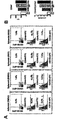
- Figure 2 shows the results of an increase in ribosomal inhibitory stress-induced colorectal cancer stem cell population.
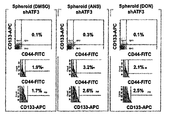
- Figure 3 shows the results of ribosome inhibition stress induced cancer stem cell inactivation in ATF3 inhibited cancer cells.
- Figure 5 shows the results of the continuous increase in repetitive ribosomal inhibitory stress-induced colorectal cancer stem cell population.
- the present inventors confirmed that cancer cells exposed to ribosomal inhibitory stress are dedifferentiated to increase the cancer stem cell population.
- a method of inducing dedifferentiation into cancer stem cells which is a potential factor for the progression, metastasis, recurrence, and anticancer resistance of colorectal cancer, was developed and completed the present invention.
- the present invention relates to a method for easily obtaining cancer stem cells improved in terms of purity, yield, and survival by dedifferentiating epithelial cancer cells exposed to ribosomal inhibitory stress, and to propose a heterogeneous cancer cell-based drug screening platform that is close to physiological activity. .
- the details are as follows.
- the present invention establishes a composition for inducing differentiation into cancer stem cells containing ribosome action inhibitors as an active ingredient to commercialize cancer stem cell culture optimal environment (culture medium, culture dish, culture additives) and verify cancer stem cells. It is about optimization of validation test method designed to.
- the present technology can be used as a cancer stem cell-based drug screening platform by simulating a heterogeneous actual cancer cell group including a plurality of cancer stem cells.
- the cancer stem cell-based drug screening platform targets cancer stem cells which are considered as the main cause of anticancer drug resistance, cancer metastasis and recurrence, and thus can be applied as a cancer stem cell target anticancer drug development and resistance to cancer drug development platform.
- ribosomal inhibitory stress used in the present invention is non-carcinogenic, non-genetic toxicity, and reversibly act, and is a typical stimulus exposed to diet in everyday life. Diseases caused largely by environmental factors such as dietary environment and patterns in that most grains provided to humans and livestock are directly or indirectly exposed to ribosomal inhibitory stress used in the invention (digestive system cancer, especially colon cancer). It can be used as a therapeutic drug development platform for a variety of cancer). This suggests the potential to enter the personalized medical market.
- the present invention provides a composition for inducing dedifferentiation from cancer cells to cancer stem cells containing a ribosome action inhibitor as an active ingredient.
- the ribosome action inhibitor may be, but is not limited to, anisomycin (ANS) or deoxynivalenol (DON).
- ANS anisomycin
- DON deoxynivalenol
- the dedifferentiation from the cancer cells to cancer stem cells may be mediated by activating transcription factor 3 (ATF3), but is not limited thereto.
- ATF3 activating transcription factor 3
- the cancer may be colorectal cancer (CRC), but is not limited thereto.
- CRC colorectal cancer
- the present invention also provides a method for inducing dedifferentiation from cancer cells to cancer stem cells, comprising the step of treating the cancer cells with ribosome action inhibitors.
- the ribosome action inhibitor may be, but is not limited to, anisomycin (ANS) or deoxynivalenol (DON).
- ANS anisomycin
- DON deoxynivalenol
- the cancer may be colorectal cancer (CRC), but is not limited thereto.
- CRC colorectal cancer
- HCT-8 colon cancer cell lines were purchased from ATCC (Manassas, USA), a cell line distribution company. Cell line cultures were based on cultures containing 10% bovine embryo serum (FBS) and 5% mixed antibiotics (50 units / mL penicillin, 50 mg / mL streptomycin) in RPMI (Weljin, Daegu, Korea). % CO 2 , 37 ° C. was incubated in a humidified incubator.
- FBS bovine embryo serum
- RPMI Heljin, Daegu, Korea
- HCT-8 colon cancer cell line (2.5x10 5 ) was dispensed into an ultra low attachment 6-well plate (Costar, USA) and ribosomal inhibitory stress-inducing factor 50 ng / mL of phosphorus anisomycin (anisomycin, ANS; Sigma, USA) or 500 ng / mL of deoxynivalenol (DON; Sigma, USA) was pretreated for 24 hours. Washed three times with normal RPMI culture medium, and was cultured in normal RPMI culture medium for 6 days while maintaining the formed sproded cells uniformly dispersed (Fig. 2A).
- B27 (ThermoFisher Scientific), 20 ng / mL EGF (BD), 20 ng / mL bFGF (PEPROTECH, # 100-18B), DMEM / F12 culture medium containing 1% antibiotic (stem) Cell culture medium) was used to obtain cancer stem cells with high yield and purity (FIG. 2B).
- Cancer stem cells heterogeneously present in the formed spheroid cells were identified with CD44 and CD133 antibodies, which are colorectal cancer stem cell markers.
- the cultured spheroid cells were trypsinized, separated into single cell units, and washed with phosphate buffer solution.
- the basic cancer stem cell composition was increased while improving to the cancer stem cell titration medium, and the ratio of these cells was further increased by dedifferentiation of cancer cells into cancer stem cells upon exposure to ribosomal inhibitory stress. This suggests that cancer cells may dedifferentiate into cancer stem cells upon chemical exposure of ribosome inhibitors.
- Example 2 Inhibition of colorectal cancer stem cells by ribosomal inhibitory stress exposure Dedifferentiation Regulating ATF3 Gene
- ATF3 transcription factor a stress-induced activator, is a representative stress-inducing transcription factor that is dependent on MAPK signaling and increased by ribosomal inhibitory stress.
- ATF3 deficient HCT-8 colon cancer cell lines were exposed to ribosomal inhibitory stress while spheroid cultured. Colon cancer stem cells detected by CD44 and CD133 specific antibodies were analyzed and quantified by flow cytometry. In the cells lacking the ATF3 gene, no significant increase in the cell population dedifferentiated into cancer stem cells was observed despite ribosomal inhibitory stress exposure (FIG. 3). This suggests that ATF3 transcription factor plays an important regulatory role in the process of dedifferentiation into cancer stem cells by ribosomal inhibitory stress.
- Cancer stem cells are considered to be a major cause of cancer progression, metastasis, recurrence and anticancer drug resistance.
- epithelial mesenchyme transition EMT
- the in vivo activity of cancer stem cells was due to the decrease of epidermal marker E-cadherin and the increase of mesenchymal marker N-cadherin and vimentin protein expression. It can be estimated to the extent that epithelial mesenchymal transition is verified.
- a biological experiment using an allograft assay of cancer cells was performed.
- CMT-93 mouse colorectal cancer cell line was cultured with DMEM (Wellzine, Daegu, Korea) containing 10% bovine embryo serum (FBS) and 5% mixed antibiotics (50 units / mL penicillin, 50mg / mL streptomycin) The medium was cultured in a 5% CO 2 , 37 ° C. incubator.
- CMT-93 cells (5 ⁇ 10 6 ) pretreated with DON (500 ng / mL) for 24 hours were resuspended in 200 ⁇ L phosphate buffer and injected subcutaneously in 14 week old male C57BL / 6 mice.
- Solid tumors include E-cadherin (1: 200, BD Science), N-cadherin (1: 200, BD Science), vimentin (1: 200, Cell signaling) was analyzed by immunohistochemistry using a specific antibody.
- the solid tumors isolated are fixed in 4% paraformaldehyde, embedded in paraffin, and sliced to prepare a slice slide specimen. After dehydration and antibody binding, 3,3-diaminobenzidine (DAB) substrate reaction was used to investigate the spatial expression of protein expression in tissues and to compare DAB to hematoxylin-positive cells.
- DAB 3,3-diaminobenzidine
- Example 4 Established method to increase colon cancer stem cell population by repeated ribosomal inhibitory stress exposure
- RIS1, RIS2 ribosomal inhibitory stress
Landscapes
- Health & Medical Sciences (AREA)
- Engineering & Computer Science (AREA)
- Life Sciences & Earth Sciences (AREA)
- Biomedical Technology (AREA)
- Chemical & Material Sciences (AREA)
- Biotechnology (AREA)
- Bioinformatics & Cheminformatics (AREA)
- Immunology (AREA)
- Organic Chemistry (AREA)
- Zoology (AREA)
- Wood Science & Technology (AREA)
- Genetics & Genomics (AREA)
- Cell Biology (AREA)
- Microbiology (AREA)
- Biochemistry (AREA)
- General Health & Medical Sciences (AREA)
- Hematology (AREA)
- Molecular Biology (AREA)
- Urology & Nephrology (AREA)
- Oncology (AREA)
- Developmental Biology & Embryology (AREA)
- General Engineering & Computer Science (AREA)
- Food Science & Technology (AREA)
- Pathology (AREA)
- Physics & Mathematics (AREA)
- Medicinal Chemistry (AREA)
- Analytical Chemistry (AREA)
- Tropical Medicine & Parasitology (AREA)
- General Physics & Mathematics (AREA)
- Toxicology (AREA)
- Measuring Or Testing Involving Enzymes Or Micro-Organisms (AREA)
- Pharmaceuticals Containing Other Organic And Inorganic Compounds (AREA)
- Medicines That Contain Protein Lipid Enzymes And Other Medicines (AREA)
Abstract
본 발명은 리보솜 작용 저해제를 유효성분으로 함유하는 암줄기세포로의 탈분화 유도용 조성물 및 이를 이용한 암세포로부터 암줄기세포로의 탈분화 유도방법에 관한 것으로서, 리보솜 저해 스트레스 노출로 유도되는 대장암 줄기세포군의 증가가 ATF3 유전자에 의해 조절 받고 있음을 확인하였다. 이는 리보솜 저해로 유도되는 ATF3 전사인자 매개 신호 변화와 대장암의 중증도를 예측할 수 있는 방법으로 응용가능하다. 간단한 화학적 노출로 암의 비균질성을 대변하는 암 줄기세포군을 손쉽게 확보함으로써 암 줄기세포 표적 항암제 및 항암제 내성 극복 약물의 스크리닝을 위한 플랫폼으로 활용될 수 있어 잠재적 산업적 유용성을 확보할 수 있을 것으로 기대한다.
Description
본 발명은 리보솜 작용 저해제를 유효성분으로 함유하는 암줄기세포로의 탈분화 유도용 조성물 및 이를 이용한 암세포로부터 암줄기세포로의 탈분화 유도방법에 관한 것이다.
대장암(Colorectal cancer; CRC)은 선진국에서 가장 흔하게 진단되는 암 중 하나로서, 높은 사망률을 나타낸다. 대장암은 다른 장기로 전이 가능성이 매우 높은 말기 암으로 진행될 수 있는데, 이는 대장암 환자들에 대한 수술적 절제, 화학치료 및 방사선 치료 등의 초기 치료가 중요한 원인 중 하나이다. 비록 전이성 대장암에 대한 가장 일반적이고 효과적인 치료 전략은 화학치료이지만, 항암제에 대한 화학내성은 성공적인 치료에 있어 걸림돌이 된다.
CRC는 환경적 질병으로서, 리보솜 저해 스트레스(ribosome-inactivating stress; RIS)를 포함하는 다양한 환경적 요인으로부터 축적된 상피 스트레스에 의해 주로 영향을 받는다. 위장 내 RIS에 대한 노출은 상피 종양 세포의 악성화 및 항암제에 대한 반응에 영향을 미칠 것으로 추정된다. 한편, 스트레스로 유발되는 활성인자인 활성전사인자 3(activating transcription factor 3; ATF3) 전사인자는 MAPK 신호에 의존적이면서, 리보솜 저해 스트레스에 의해 증가하는 대표적인 스트레스 유발 전사인자이다. 또한, 암 줄기세포는 암의 진행, 전이, 재발, 항암제 내성을 유발하는 주요 원인으로 지목되고 있다.
리보솜 불활성화는 급성 및 만성 점막 염증을 유발하고, IBD를 포함하는 인간 장내 상피 염증 질환의 병리 인자인 것으로 알려졌으나, 리보솜 저해 스트레스 노출로 야기되는 암 줄기세포로의 탈분화와 ATF3와의 직접적인 관련성에 대한 연구는 미비한 실정이다.
유도만능줄기세포(iPSC) 기술이 발명된 지 10년이 지난 현재, 세포배양 시장은 비약적인 성장추세에 있다. 또한 기존의 2차원 세포배양 및 동물시험 기반 항암제 스크리닝 플랫폼은 암의 비균질성과 생체 내 활성을 모사하기 어렵다는 점에서 인체 생리활성에 근접한 약물 스크리닝 플랫폼이 다양하게 개발되고 있다. 3D 스페로이드 배양, 오가노이드(organoid) 배양, 랩온어칩(Lab-on-a-chip), 생체모방 장기칩(organ-on-a-chip) 이 주요한 예이다. 시장환경과 관련기술의 발전 추세를 고려할 때, 암 줄기세포 배양배지의 제품화는 충분한 시장성을 담보하고 있고, 리보솜 저해 스트레스로 유도된 암 줄기세포는 개발 중인 다양한 약물 스크리닝 플랫폼의 핵심 세포 공급원으로서 활용될 수 있으며, 본 발명에서 확립된 암 줄기세포 표적 및 내성 극복 항암제 스크리닝 플랫폼은 개발되고 있는 다양한 약물 스크리닝 플랫폼과 융합되어 응용될 수 있는 잠재력을 갖고 있다(도 1).
본 발명은 리보솜 작용 저해제를 유효성분으로 함유하는 암세포로부터 암줄기세포로의 탈분화 유도용 조성물 및 리보솜 작용 저해제를 암세포에 처리하는 단계를 포함하는 암세포로부터 암줄기세포로의 탈분화 유도방법을 제공하고자 한다.
상기 과제의 해결을 위해, 본 발명은 리보솜 작용 저해제를 유효성분으로 함유하는 암세포로부터 암줄기세포로의 탈분화 유도용 조성물을 제공한다.
또한, 본 발명은 리보솜 작용 저해제를 암세포에 처리하는 단계를 포함하는 암세포로부터 암줄기세포로의 탈분화 유도방법을 제공한다.
본 발명은 리보솜 작용 저해제를 유효성분으로 함유하는 암줄기세포로의 탈분화 유도용 조성물 및 이를 이용한 암세포로부터 암줄기세포로의 탈분화 유도방법에 관한 것으로서, 리보솜 저해 스트레스 노출로 유도되는 대장암 줄기세포군의 증가가 ATF3 유전자에 의해 조절 받고 있음을 확인하였다. 이는 리보솜 저해로 유도되는 ATF3 전사인자 매개 신호 변화와 대장암의 중증도를 예측할 수 있는 방법으로 응용가능하다. 간단한 화학적 노출로 암의 비균질성을 대변하는 암 줄기세포군을 손쉽게 확보함으로써 암 줄기세포 표적 항암제 및 항암제 내성 극복 약물의 스크리닝을 위한 플랫폼으로 활용될 수 있어 잠재적 산업적 유용성을 확보할 수 있을 것으로 기대한다.
도 1은 리보솜 저해 스트레스 유발 대장암 줄기세포군 배양 기술 및 이에 기반한 약물 스크리닝의 핵심 개념도이다.
도 2는 리보솜 저해 스트레스 유발 대장암 줄기세포군의 증가 결과를 나타낸다.
도 3은 ATF3가 저해된 암세포에서 리보솜 저해 스트레스 유도 암 줄기세포 불활성화 결과를 나타낸다.
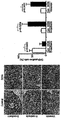
도 4는 리보솜 저해 스트레스 노출로 야기된 암세포의 암줄기세포로의 탈분화과정의 생체 내 활성 결과를 나타낸다.
도 5는 반복적 리보솜 저해 스트레스 유발 대장암 줄기세포군의 지속적 증가 결과를 나타낸다.
이에, 본 발명자들은 리보솜 작용 저해 스트레스에 노출된 암세포가 탈분화하여 암 줄기세포군이 증가되는 것을 확인하였다. 리보솜 작용 저해제를 활용한 간단한 화학적 노출을 통해 대장암의 진행, 전이, 재발, 항암제 내성의 잠재적 요인이 되는 암 줄기세포로의 탈분화 유도 방법을 개발하고 본 발명을 완성하였다.
본 발명은 리보솜 작용 저해 스트레스에 노출된 상피성 암세포를 탈분화시켜 순도, 수득률, 생존률 면에서 개선된 암 줄기세포를 쉽게 획득하는 방법과 인체생리활성에 근접한 비균질적인 암세포 기반 약물 스크리닝 플랫폼 제안에 관한 것이다. 구체적인 내용은 다음과 같다.
첫째, 본 발명은 리보솜 작용 저해제를 유효성분으로 함유하는 암 줄기세포로의 탈분화 유도용 조성물을 확립하여 암 줄기세포 배양 최적환경의 제품화(배양배지, 배양접시, 배양 첨가물)하고 암 줄기세포를 검증하기 위해 고안한 유효성 검증 시험법 최적화에 관한 것이다.
둘째, 본 기술은 다수의 암 줄기세포가 포함된 비균질적인 실제 암세포군을 모사하여, 암 줄기세포 기반 약물 스크리닝 플랫폼으로 활용가능하다. 암 줄기세포 기반 약물 스크리닝 플랫폼은 항암제 내성, 암의 전이 및 재발의 주요 원인으로 지목되는 암 줄기세포를 표적으로 하기 때문에, 암 줄기세포 표적 항암제 개발 및 내성 극복 항암제 개발 플랫폼으로 응용가능하다.
셋째, 본 발명에 사용된 리보솜 저해 스트레스는 비발암성, 비유전독성을 담보하고 가역적으로 작용하며, 일상생활에서 식이적으로 노출되는 대표적인 자극이다. 인간과 가축에게 제공되는 대부분의 곡물이 직간접적으로, 발명에 사용된 리보솜 저해 스트레스에 노출되어 있다는 점에서, 식이환경 및 패턴과 같은 환경적 요인이 크게 작용하는 질병(소화기계통 암, 특히 대장암을 비롯한 다양한 암)에 대한 치료제 개발 플랫폼으로 활용될 수 있다. 이는 맞춤용 의료 시장에 진입할 수 있는 잠재성을 시사한다.
본 발명은 리보솜 작용 저해제를 유효성분으로 함유하는 암세포로부터 암줄기세포로의 탈분화 유도용 조성물을 제공한다.
바람직하게는, 상기 리보솜 작용 저해제는 애니소마이신(anisomycin; ANS) 또는 디옥시니발레놀(deoxynivalenol; DON)일 수 있으나, 이에 제한되는 것은 아니다.
바람직하게는, 상기 암세포로부터 암줄기세포로의 탈분화는 활성전사인자 3(activating transcription factor 3; ATF3)에 의해 매개될 수 있으나, 이에 제한되는 것은 아니다.
바람직하게는, 상기 암은 대장암(colorectal cancer; CRC)일 수 있으나, 이에 제한되는 것은 아니다.
또한, 본 발명은 리보솜 작용 저해제를 암세포에 처리하는 단계를 포함하는 암세포로부터 암줄기세포로의 탈분화 유도방법을 제공한다.
바람직하게는, 상기 리보솜 작용 저해제는 애니소마이신(anisomycin; ANS) 또는 디옥시니발레놀(deoxynivalenol; DON)일 수 있으나, 이에 제한되는 것은 아니다.
바람직하게는, 상기 암은 대장암(colorectal cancer; CRC)일 수 있으나, 이에 제한되는 것은 아니다.
이하, 본 발명의 이해를 돕기 위하여 실시예를 들어 상세하게 설명하기로 한다. 다만 하기의 실시예는 본 발명의 내용을 예시하는 것일 뿐 본 발명의 범위가 하기 실시예에 한정되는 것은 아니다. 본 발명의 실시예는 당업계에서 평균적인 지식을 가진 자에게 본 발명을 보다 완전하게 설명하기 위해 제공되는 것이다.
<실시예 1> 리보솜 저해 스트레스 노출에 의한 대장암 줄기세포군의 증가
HCT-8 대장암 세포주는 세포주 분양회사인 ATCC(Manassas, 미국)로부터 구입하였다. 세포주 배양은 RPMI(웰진, 대구, 대한민국)에 소 배아혈청(fetal bovine serum, FBS) 10%, 혼합 항생제(50 units/mL 페니실린, 50mg/mL 스트렙토마이신) 5%가 포함된 배양액을 기본으로 5% CO2, 37℃ 항습 배양기에서 배양하였다. 스페로이드 배양과 리보솜 저해 스트레스 노출의 접목을 위해서 부착저해 배양접시(ultra low attachment 6-well plate, Costar, 미국)에 HCT-8 대장암 세포주(2.5x10⁵)를 분주하고, 리보솜 저해 스트레스 유도 인자인 애니소마이신(anisomycin, ANS; Sigma, 미국) 50 ng/mL 또는 디옥시니발레놀(Deoxynivalenol, DON; Sigma, 미국) 500 ng/mL을 24시간 동안 전처리하였다. 정상 RPMI 배양배지로 3번 씻어 주고, 형성된 스페이로드 세포가 균일하게 분산되도록 유지하면서 6일간 정상 RPMI 배양배지에서 배양하였다(도 2A). 소 배아혈청 기반 RPMI 배양배지 대신 B27(ThermoFisher Scientific), 20 ng/mL EGF(BD), 20 ng/mL bFGF(PEPROTECH, #100-18B), 1% 항생제가 포함된 DMEM/F12 배양배지(줄기세포 배양배지)를 활용하여 높은 수득률과 순도를 지닌 암 줄기세포 획득할 수 있었다(도 2B). 형성된 스페로이드 세포에 비균질적으로 존재하는 암 줄기세포를 대장암 줄기세포 표지인자인 CD44 및 CD133 항체로 확인하였다. 우선 배양한 스페로이드 세포를 트립신 처리하여 단일 세포단위로 분리한 후 인산염완충용액으로 씻어준다. FITC가 결합된 CD44 항체(BD pharmingen) 및 APC가 결합된 CD133 항체(MACS, Miltenyi Biotec)로 15분간 면역염색시킨 후 유세포 분석기(Becton Dickinson FACS Canto Il BD Bioscience, San Joes, CA, 미국)로 분석 및 정량화하였다. 리보솜 저해 스트레스에 노출된 대장암 스페로이드 세포의 경우, 암 줄기세포군으로 대변되는 CD44 및 CD133 양성 세포가 대조구에 비해 의미있는 증가를 보였다(도 2A 및 도 2B). 도 2B에서 보듯이 암 줄기세포 적정 배지로 개선하면서 기본적인 암줄기세포 구성율이 증가되고, 또한 리보솜 저해 스트레스의 노출 시 암세포가 암 줄기세포로 탈분화하여 이들세포 비율이 더욱 증가하였다. 이는 리보솜 저해 유발 물질의 화학적 노출 시 암세포가 암 줄기세포로 탈분화할 수 있음을 시사하는 것이다.
<
실시예
2> 리보솜 저해 스트레스 노출에 의한 대장암 줄기세포로의
탈분화를
조절하는 ATF3 유전자
스트레스로 유발되는 활성인자인 ATF3 전사인자는 MAPK 신호에 의존적이면서, 리보솜 저해 스트레스에 의해 증가하는 대표적인 스트레스 유발 전사인자이다. 리보솜 저해 스트레스 노출로 야기되는 암 줄기세포로의 탈분화와 ATF3와의 직접적인 관련성을 확인하기 위해, ATF3 결여 HCT-8 대장암 세포주를 스페로이드 배양하면서, 리보솜 저해 스트레스에 노출시켰다. CD44 및 CD133 특이적 항체에 의해 검출되는 대장암 줄기세포를 유세포 분석기를 통해 분석 정량하였다. ATF3 유전자가 결여된 세포의 경우, 리보솜 저해 스트레스 노출에도 불구하고 암 줄기세포로 탈분화한 세포군의 유의미한 증가가 관찰되지 않았다(도 3). 이는 리보솜 저해 스트레스에 의한 암 줄기세포로의 탈분화 과정에 ATF3 전사인자가 중요한 조절 역할을 담당하고 있음을 시사한다.
<
실시예
3> 리보솜 저해 스트레스 노출에 의한 대장암 줄기세포로의
탈분화
과정의 생체 활성 확인
암 줄기세포는 암의 진행, 전이, 재발, 항암제 내성을 유발하는 주요 원인으로 지목되고 있다. 리보솜 저해 스트레스 노출로 생성된 암 줄기세포의 생체 내 활성을 탐색하기 위해, 암 줄기세포의 성질을 대변하는 생체 내 표현형인 상피간엽이행(epithelial mesenchyme transition, EMT) 현상을 검증하였다. 암 줄기세포의 생체 내 활성은 상피세포 표지인자인 E-카드헤린(E-cadherin)의 감소와 간엽세포 표지인자인 N-카드헤린(N-cadherin) 및 비멘틴(vimentin) 단백질 발현의 증가로 검증되는 상피간엽이행 정도로 가늠할 수 있다. 이를 위해 암세포의 동종이식 분석법(allograft)을 활용한 생체 실험을 수행하였다. CMT-93 마우스 대장암 세포주를 소 배아혈청(fetal bovine serum, FBS) 10%, 혼합 항생제(50 units/mL 페니실린, 50mg/mL 스트렙토마이신) 5%가 포함된 DMEM(웰진, 대구, 대한민국) 배양배지를 기본으로, 5% CO2, 37℃ 항습 배양기에서 배양하였다. DON (500 ng/mL)을 24시간 전처리한 CMT-93 세포(5x10⁶)를 200 μL 인산염 완충용액에 재현탁한 후, 14 주령 수컷 C57BL/6 마우스의 피하에 주입하였다. 7일 후 100 mg/mL 항암제 5-FU를 복강 주사하고 24시간 뒤에 생성된 고형 종양을 외과적 수술로 적출하였다. 고형 종양은 E-카드헤린(E-cadherin)(1:200, BD Science), N-카드헤린(N-cadherin)(1:200, BD Science), 비멘틴(vimentin)(1:200, Cell signaling) 특이적 항체를 이용한 면역조직화학염색(immunohistochemistry)을 통해 분석하였다. 적출한 고형 종양을 4% 파라포름알데히드에서 고정한 후 파라핀에 포매하고, 박절하여 절편 슬라이드 표본을 제작한다. 탈수과정과 항체 결합과정을 거친 후, 3,3-디아미노벤지딘(3,3-diaminobenzidine; DAB) 기질 반응으로 조직 내 단백질 발현의 공간적 발현을 조사하고, 헤마톡실린(hematoxylin) 양성 세포 대비 DAB의 상대적 발현을 조직 분석 소프트웨어(HistoQuest, TissueGnotics)로 정량 분석하였다. 도 4에서 보듯이, DON에 노출된 세포로부터 비롯된 고형 종양의 경우, 상피세포 표지자인 E-카드헤린(E-cadherin)이 감소하였고, 간엽세포 표지자인 N-카드헤린(N-cadherin) 및 비멘틴(vimentin) 단백질의 발현이 현저히 증가하였다. 이 결과는 리보솜 저해 스트레스 노출로 야기되는 암세포의 암 줄기세포로의 탈분화 현상이 생체 내 활성을 가지고 있음을 보여주는 결과이다.
<
실시예
4> 반복적 리보솜 저해 스트레스 노출에 의한 대장암 줄기세포군 증가 검증법 확립
리보솜 저해 스트레스(RIS1, RIS2)가 상피성 암세포의 탈분화를 유도하는 핵심인자인지 재확인하기 위하여 리보솜 저해 스트레스에 1회 노출시킨 후 24시간 후 줄기세포배양 배지에서 6일 간 스페로이드 배양한 후 3회 계대배양한 실험군과 계대배양 마다 암 줄기세포 적정 배지상에서 리보솜 저해 스트레스에 노출 시켜 계대배양한 실험군(총 3회 노출)을 CD44, CD133을 표지인자로 유세포분석을 통해 암 줄기세포를 정량 비교하였다. 도 5에서 보듯이 리보솜 저해 스트레스에 최초 노출 후(temporary exposure) 암 줄기세포가 지속적으로 유지됨을 확인할 수 있었고, 반복적으로 노출하여 계대배양 시(chronic exposure) CD44, CD133 양성 암 줄기세포군의 증가율이 더욱 증가하였다.
이상으로 본 발명을 상세히 기술하였는바, 당업계의 통상의 지식을 가진 자에게 있어서, 이러한 구체적 기술은 단지 바람직한 실시예일 뿐이며, 이에 의해 본 발명의 범위가 제한되는 것이 아닌 점은 명백할 것이다. 따라서, 본 발명의 실질적인 범위는 첨부된 청구항들과 그것들의 등가물에 의하여 정의된다고 할 것이다.
Claims (7)
- 리보솜 작용 저해제를 유효성분으로 함유하는 암세포로부터 암줄기세포로의 탈분화 유도용 조성물.
- 제1항에 있어서, 상기 리보솜 작용 저해제는 애니소마이신(anisomycin; ANS) 또는 디옥시니발레놀(deoxynivalenol; DON)인 것을 특징으로 하는 암세포로부터 암줄기세포로의 탈분화 유도용 조성물.
- 제1항에 있어서, 상기 암세포로부터 암줄기세포로의 탈분화는 활성전사인자 3(activating transcription factor 3; ATF3)에 의해 매개되는 것을 특징으로 하는 암세포로부터 암줄기세포로의 탈분화 유도용 조성물.
- 제1항 내지 제3항 중 어느 한 항에 있어서, 상기 암은 대장암(colorectal cancer; CRC)인 것을 특징으로 하는 암세포로부터 암줄기세포로의 탈분화 유도용 조성물.
- 리보솜 작용 저해제를 암세포에 처리하는 단계를 포함하는 암세포로부터 암줄기세포로의 탈분화 유도방법.
- 제5항에 있어서, 상기 리보솜 작용 저해제는 애니소마이신(anisomycin; ANS) 또는 디옥시니발레놀(deoxynivalenol; DON)인 것을 특징으로 하는 암세포로부터 암줄기세포로의 탈분화 유도방법.
- 제5항 또는 제6항에 있어서, 상기 암은 대장암(colorectal cancer; CRC)인 것을 특징으로 하는 암세포로부터 암줄기세포로의 탈분화 유도방법.
Priority Applications (1)
| Application Number | Priority Date | Filing Date | Title |
|---|---|---|---|
| US16/105,978 US11091740B2 (en) | 2016-03-04 | 2018-08-21 | Composition for inducing dedifferentiation into cancer stem cells comprising ribosome-activating inhibitor as active ingredient, cancer organoid culture method and anticancer drug screening platform based thereon |
Applications Claiming Priority (2)
| Application Number | Priority Date | Filing Date | Title |
|---|---|---|---|
| KR1020160026311A KR101816595B1 (ko) | 2016-03-04 | 2016-03-04 | 리보솜 작용 저해제를 유효성분으로 함유하는 암줄기세포로의 탈분화 유도용 조성물 |
| KR10-2016-0026311 | 2016-03-04 |
Related Child Applications (1)
| Application Number | Title | Priority Date | Filing Date |
|---|---|---|---|
| US16/105,978 Continuation-In-Part US11091740B2 (en) | 2016-03-04 | 2018-08-21 | Composition for inducing dedifferentiation into cancer stem cells comprising ribosome-activating inhibitor as active ingredient, cancer organoid culture method and anticancer drug screening platform based thereon |
Publications (1)
| Publication Number | Publication Date |
|---|---|
| WO2017150887A1 true WO2017150887A1 (ko) | 2017-09-08 |
Family
ID=59744159
Family Applications (1)
| Application Number | Title | Priority Date | Filing Date |
|---|---|---|---|
| PCT/KR2017/002199 Ceased WO2017150887A1 (ko) | 2016-03-04 | 2017-02-28 | 리보솜 작용 저해제를 유효성분으로 함유하는 암줄기세포로의 탈분화 유도용 조성물 및 이를 기반으로 하는 항암제 스크리닝 플랫폼 |
Country Status (3)
| Country | Link |
|---|---|
| US (1) | US11091740B2 (ko) |
| KR (1) | KR101816595B1 (ko) |
| WO (1) | WO2017150887A1 (ko) |
Cited By (1)
| Publication number | Priority date | Publication date | Assignee | Title |
|---|---|---|---|---|
| CN108624562A (zh) * | 2018-05-18 | 2018-10-09 | 首都医科大学附属北京朝阳医院 | 一种制备肿瘤干细胞的方法及其专用试剂盒 |
Families Citing this family (2)
| Publication number | Priority date | Publication date | Assignee | Title |
|---|---|---|---|---|
| US20220276225A1 (en) * | 2020-06-25 | 2022-09-01 | Next & Bio Inc. | Method for providing information necessary for diagnosing cancer patient's resistance to anti-cancer agent and/or radiation |
| CN112195152B (zh) * | 2020-09-29 | 2023-04-07 | 南方医科大学南方医院 | 一种人结直肠癌组织类器官的培养方法及其应用 |
Citations (1)
| Publication number | Priority date | Publication date | Assignee | Title |
|---|---|---|---|---|
| KR20150054728A (ko) * | 2012-11-12 | 2015-05-20 | 성균관대학교산학협력단 | 세쿠리닌을 유효성분으로 포함하는 암 줄기세포 분화 유도용 조성물 및 이의 용도 |
Family Cites Families (1)
| Publication number | Priority date | Publication date | Assignee | Title |
|---|---|---|---|---|
| ES2689265T3 (es) * | 2011-11-04 | 2018-11-12 | Inregen | Cribado de fármacos y ensayos de potencia |
-
2016
- 2016-03-04 KR KR1020160026311A patent/KR101816595B1/ko active Active
-
2017
- 2017-02-28 WO PCT/KR2017/002199 patent/WO2017150887A1/ko not_active Ceased
-
2018
- 2018-08-21 US US16/105,978 patent/US11091740B2/en active Active
Patent Citations (1)
| Publication number | Priority date | Publication date | Assignee | Title |
|---|---|---|---|---|
| KR20150054728A (ko) * | 2012-11-12 | 2015-05-20 | 성균관대학교산학협력단 | 세쿠리닌을 유효성분으로 포함하는 암 줄기세포 분화 유도용 조성물 및 이의 용도 |
Non-Patent Citations (5)
| Title |
|---|
| DUAN, XINRUI ET AL.: "Discrimination of Colon Cancer Stem Cells Using Noneanonical Amino Acid", CHEMICAL COMMUNICATIONS, vol. 48, 2012, pages 9035 - 9037, XP055414747 * |
| HE, KAIYU ET AL.: "Targets and Intracellular Signaling Mechanisms for Deoxynivalenol- induced Ribosomal RNA Cleavage", TOXICOLOGICAL SCIENCES, vol. 127, no. 2, 2012, pages 382 - 390, XP055414750 * |
| JIANG, XIAOJING ET AL.: "Potential Dual Role of Activating Transcription Factor 3 in Colorectal Cancer", ANTICANCER RESEARCH, vol. 36, February 2016 (2016-02-01), pages 509 - 516, XP055414752 * |
| OH, CHANG-KYU ET AL.: "Acquisition of Chemoresistance and Other Malignancy-related Features of Colorectal Cancer Cells are incremented by Ribosome-inactivating Stress", JOURNAL OF BIOLOGICAL CHEMISTRY, vol. 291, no. 19, 9 March 2016 (2016-03-09), pages 10173 - 10183, XP055414753 * |
| STEDMAN, A. ET AL.: "Ribosome Biogenesis Dysfunction Leads to p53-mediated Apoptosis and Goblet Cell Differentiation of Mouse Intestinal Stem/progenitor Cells", CELL DEATH AND DIFFERENTIATION, vol. 22, 2015, pages 1865 - 1876, XP055414749 * |
Cited By (2)
| Publication number | Priority date | Publication date | Assignee | Title |
|---|---|---|---|---|
| CN108624562A (zh) * | 2018-05-18 | 2018-10-09 | 首都医科大学附属北京朝阳医院 | 一种制备肿瘤干细胞的方法及其专用试剂盒 |
| CN108624562B (zh) * | 2018-05-18 | 2021-11-02 | 首都医科大学附属北京朝阳医院 | 一种制备肿瘤干细胞的方法及其专用试剂盒 |
Also Published As
| Publication number | Publication date |
|---|---|
| KR20170104077A (ko) | 2017-09-14 |
| US20180355323A1 (en) | 2018-12-13 |
| US11091740B2 (en) | 2021-08-17 |
| KR101816595B1 (ko) | 2018-01-10 |
Similar Documents
| Publication | Publication Date | Title |
|---|---|---|
| Nallasamy et al. | Tumor microenvironment enriches the stemness features: the architectural event of therapy resistance and metastasis | |
| Racioppi et al. | CaMKK2 in myeloid cells is a key regulator of the immune-suppressive microenvironment in breast cancer | |
| Fotovati et al. | YB-1 bridges neural stem cells and brain tumor–initiating cells via its roles in differentiation and cell growth | |
| Ding et al. | MiR130b from Schlafen4+ MDSCs stimulates epithelial proliferation and correlates with preneoplastic changes prior to gastric cancer | |
| Buhrmann et al. | Curcumin suppresses crosstalk between colon cancer stem cells and stromal fibroblasts in the tumor microenvironment: potential role of EMT | |
| Clark et al. | IP-10 (CXCL10) can trigger emergence of dormant breast cancer cells in a metastatic liver microenvironment | |
| Moore-Smith et al. | Silencing of TGF-β1 in tumor cells impacts MMP-9 in tumor microenvironment | |
| Choi et al. | Identification of brain tumour initiating cells using the stem cell marker aldehyde dehydrogenase | |
| Jung et al. | Systemic approaches identify a garlic-derived chemical, Z-ajoene, as a glioblastoma multiforme cancer stem cell-specific targeting agent | |
| Angeloni et al. | Implications of stemness-related signaling pathways in breast cancer response to therapy | |
| Marsigliante et al. | Paracrine CCL20 loop induces epithelial‐mesenchymal transition in breast epithelial cells | |
| Zhi et al. | Involvement of the nuclear factor-κB signaling pathway in the regulation of CXC chemokine receptor-4 expression in neuroblastoma cells induced by tumor necrosis factor-α | |
| Ryan et al. | The pro-and anti-tumor roles of mesenchymal stem cells toward BRCA1-IRIS-overexpressing TNBC cells | |
| Hu et al. | The role of YAP1 in survival prediction, immune modulation, and drug response: A pan-cancer perspective | |
| Li et al. | Exosomal Wnt7a from a low metastatic subclone promotes lung metastasis of a highly metastatic subclone in the murine 4t1 breast cancer | |
| Chang et al. | Oct4-related cytokine effects regulate tumorigenic properties of colorectal cancer cells | |
| Wang et al. | Tumor-associated macrophages facilitate oral squamous cell carcinomas migration and invasion by MIF/NLRP3/IL-1β circuit: A crosstalk interrupted by melatonin | |
| Hariharan et al. | Adipose Tissue‐Secreted Factors Alter Bladder Cancer Cell Migration | |
| WO2017150887A1 (ko) | 리보솜 작용 저해제를 유효성분으로 함유하는 암줄기세포로의 탈분화 유도용 조성물 및 이를 기반으로 하는 항암제 스크리닝 플랫폼 | |
| Tuysuz et al. | Distinctive role of dysregulated miRNAs in chordoma cancer stem-like cell maintenance | |
| Yang et al. | MicroRNA‐188 inhibits biological activity of lung cancer stem cells through targeting MDK and mediating the Hippo pathway | |
| Jin et al. | Endoplasmic reticulum–resident protein Sec62 drives colorectal cancer metastasis via MAPK/ATF2/UCA1 axis | |
| Cho et al. | Cyclophilin A knockdown inhibits the proliferation and metastatic ability of AGS gastric cancer stem cells by downregulating CD147/STAT3/AKT/ERK and epithelial‑mesenchymal transition | |
| Frerichs et al. | Tumorigenic effects of human mesenchymal stromal cells and fibroblasts on bladder cancer cells | |
| Xu et al. | Let-7a suppresses Ewing sarcoma CSCs’ malignant phenotype via forming a positive feedback circuit with STAT3 and lin28 |
Legal Events
| Date | Code | Title | Description |
|---|---|---|---|
| NENP | Non-entry into the national phase |
Ref country code: DE |
|
| 121 | Ep: the epo has been informed by wipo that ep was designated in this application |
Ref document number: 17760291 Country of ref document: EP Kind code of ref document: A1 |
|
| 122 | Ep: pct application non-entry in european phase |
Ref document number: 17760291 Country of ref document: EP Kind code of ref document: A1 |