WO2017149780A1 - 情報処理装置、情報処理方法、および情報処理プログラム - Google Patents
情報処理装置、情報処理方法、および情報処理プログラム Download PDFInfo
- Publication number
- WO2017149780A1 WO2017149780A1 PCT/JP2016/056868 JP2016056868W WO2017149780A1 WO 2017149780 A1 WO2017149780 A1 WO 2017149780A1 JP 2016056868 W JP2016056868 W JP 2016056868W WO 2017149780 A1 WO2017149780 A1 WO 2017149780A1
- Authority
- WO
- WIPO (PCT)
- Prior art keywords
- usage
- resource
- facility
- allocation
- unit
- Prior art date
- Legal status (The legal status is an assumption and is not a legal conclusion. Google has not performed a legal analysis and makes no representation as to the accuracy of the status listed.)
- Ceased
Links
Images





Classifications
-
- G—PHYSICS
- G06—COMPUTING OR CALCULATING; COUNTING
- G06Q—INFORMATION AND COMMUNICATION TECHNOLOGY [ICT] SPECIALLY ADAPTED FOR ADMINISTRATIVE, COMMERCIAL, FINANCIAL, MANAGERIAL OR SUPERVISORY PURPOSES; SYSTEMS OR METHODS SPECIALLY ADAPTED FOR ADMINISTRATIVE, COMMERCIAL, FINANCIAL, MANAGERIAL OR SUPERVISORY PURPOSES, NOT OTHERWISE PROVIDED FOR
- G06Q10/00—Administration; Management
- G06Q10/02—Reservations, e.g. for tickets, services or events
- G06Q10/028—Reservations, e.g. for tickets, services or events for seating or spaces in a venue
- G06Q10/0285—Reservations, e.g. for tickets, services or events for seating or spaces in a venue for lodging
-
- G—PHYSICS
- G06—COMPUTING OR CALCULATING; COUNTING
- G06Q—INFORMATION AND COMMUNICATION TECHNOLOGY [ICT] SPECIALLY ADAPTED FOR ADMINISTRATIVE, COMMERCIAL, FINANCIAL, MANAGERIAL OR SUPERVISORY PURPOSES; SYSTEMS OR METHODS SPECIALLY ADAPTED FOR ADMINISTRATIVE, COMMERCIAL, FINANCIAL, MANAGERIAL OR SUPERVISORY PURPOSES, NOT OTHERWISE PROVIDED FOR
- G06Q50/00—Information and communication technology [ICT] specially adapted for implementation of business processes of specific business sectors, e.g. utilities or tourism
- G06Q50/10—Services
- G06Q50/14—Travel agencies
Definitions
- One aspect of the present invention relates to an information processing apparatus, an information processing method, and an information processing program for estimating a resource usage amount in a facility.
- Patent Document 1 a means for selecting an optimal prediction model by comparing a plurality of past demand prediction results with the actual demand of past customers, and a future based on the optimal prediction model Describes a backup power purchase amount reservation support system including means for obtaining the demand forecast and the fluctuation range thereof.
- Patent Document 1 In the system described in Patent Document 1, it is described that the number of hotel guests can be used as a demand fluctuation factor. However, it is difficult to accurately estimate the amount of resources used in a facility simply by considering the number of customers. Therefore, it is desired to perform the estimation with higher accuracy.
- An information processing apparatus reduces reservation information read from a reservation database that stores reservation information indicating one or more reservations for a facility having a plurality of usage units, and a use amount of a predetermined resource in the facility
- An allocation unit that allocates a usage unit to each user who has reserved a facility based on a predetermined rule for the usage, and a usage record of facility resources corresponding to a usage record of a plurality of usage units of the facility by one or more users
- a resource use database that stores resource use information indicating the resource use information
- the estimated use amount of the resource when one or more use units are used is calculated based on the assignment result by the assigning unit, and the estimated use amount is output And a calculating unit.
- An information processing method is an information processing method executed by at least one processor, and is read from a reservation database that stores reservation information indicating one or more reservations for a facility having a plurality of usage units.
- An allocation step of assigning a usage unit to each user who has reserved a facility based on the reservation information and a predetermined rule for reducing the amount of use of a predetermined resource in the facility, and a plurality of facilities of the facility by one or more users When one or more usage units are used based on the allocation result in the allocation step with reference to the resource usage database storing the resource usage information indicating the resource usage history of the facility corresponding to the usage results of the usage unit
- An information processing program reduces reservation information read from a reservation database that stores reservation information indicating one or more reservations for a facility having a plurality of usage units, and a use amount of a predetermined resource in the facility
- An allocation step of allocating a usage unit to each user who has reserved a facility based on a predetermined rule for the usage, and a usage record of facility resources corresponding to a usage record of a plurality of usage units of the facility by one or more users Referring to a resource use database that stores resource use information indicating the resource use information, the estimated use amount of the resource when one or more use units are used is calculated based on the assignment result in the assignment step, and the estimated use amount is output And causing the computer to execute the calculating step.
- the usage amount of the resource in the facility is estimated in consideration of the schedule in which the facility usage unit is used (assignment of the usage unit to the reservation). Since the usage amount of the resource in the facility tends to depend on the usage status of the usage unit, the usage amount of the resource in the facility can be accurately estimated by using the above estimation method. In addition, since the usage unit is allocated so as to suppress the usage amount of the resource, it is possible to obtain an estimated usage amount when saving resources.
- the information processing system 1 is a computer system that estimates the amount of resources used in a facility.
- “Facility” is a building that can accommodate multiple people and has multiple units of use.
- the “usage unit” is a space that can be used exclusively by a person who uses the facility, for example, a part of a section or a room.
- An individual cottage or bungalow is a type of unit or room.
- the facility has a plurality of sections, and the “section” is an area divided based on physical attributes related to the facility. For example, each floor may be defined as one section, or a plurality of rooms under one electrical system may be combined as one section.
- One partition corresponds to one or more usage units, and one usage unit corresponds to only one partition.
- the kind of facility is not limited, an accommodation facility and a resort facility are mentioned, for example.
- a “resource” is a useful item that is used in a facility, and more specifically, a useful item that can be used by a user of the facility.
- resources include electricity, gas, and water, but examples of resources are not limited at all. In this embodiment, electricity is shown as an example of resources.
- a “user” is a person or group who wants to use a facility.
- the information processing system 1 includes an information processing apparatus 10 in order to estimate the resource usage amount in the facility.
- the information processing system 1 includes a user terminal 20, a reservation receiving apparatus 30, a facility terminal 41, an electrical facility 42, and a database group 50.
- These devices can transmit and receive data to and from each other through a communication network N such as the Internet or an intranet.
- the information processing apparatus 10 can access the database group 50 via the communication network N.
- a specific configuration of the communication network N that is, a specific connection mode between devices is not limited at all.
- the information processing system 1 (information processing apparatus 10) estimates the amount of resource usage for one facility, but the information processing system 1 (information processing apparatus 10) estimates each of a plurality of facilities. May be executed.
- the user terminal 20 is a computer or device owned or used by a user.
- the specific type of the user terminal 20 is not limited.
- the user terminal 20 may be a mobile terminal such as a high-function mobile phone (smart phone), a mobile phone, or a personal digital assistant (PDA), a stationary or portable personal computer, or a glasses type or a wrist watch type.
- the wearable terminal may be used.
- the user terminal 20 may be an IoT (Internet of Things) terminal (for example, any home appliance connected to the Internet).
- the user terminal 20 may be a combination of a plurality of terminals. For example, a combination of one smartphone and one wearable terminal can logically function as one user terminal 20.
- the reservation accepting device 30 is a computer that accepts a facility use reservation from a user.
- the reservation receiving apparatus 30 publishes a web page (facility reservation site) for receiving a facility reservation on the communication network N.
- the user operates his / her user terminal 20 to access the web page, and information necessary for reserving the facility (facility to be used, scheduled date of use, number of people, special requirements (“ocean view room”) Etc))) to confirm the reservation.
- the reservation receiving apparatus 30 receives such information from the user terminal 20 and stores it in a reservation database 51b described later.
- the operator and installation location of the reservation receiving apparatus 30 are not limited.
- the reservation receiving device 30 may be operated by a facility, or may be operated by an operator of a travel site that receives reservations for a plurality of facilities.
- the facility includes a facility terminal 41 and an electrical facility 42.
- the facility terminal 41 is a computer owned or used by the facility staff.
- the specific type of the facility terminal 41 is not limited.
- the facility terminal 41 may be a mobile terminal such as a high-function mobile phone (smart phone), a mobile phone, or a personal digital assistant (PDA), or a stationary or mobile personal computer.
- the facility terminal 41 has a function of accessing a specific database in the database group 50 to acquire and display data.
- the facility terminal 41 can also receive data from the information processing apparatus 10 and display the data.
- the electrical equipment 42 may be a device, equipment, or equipment (lighting, water heater, elevator, etc.) that operates on electricity.
- the electrical equipment 42 may be a device (for example, a demand controller and an energy management system (EMS)) that manages or controls power consumption of equipment in the facility.
- the electrical equipment 42 may be a collection of these devices, equipment, or equipment.
- the database group 50 is a set of one or more databases.
- a “database” is a functional element (storage unit) that stores a data set so that it can cope with any data operation (for example, extraction, addition, deletion, overwriting, etc.) from a processor or an external computer.
- the database mounting method is not limited. For example, a database management system or a text file may be used.
- the database group 50 includes a user-related database 51, a partition database 52, an allocation database 53, and a resource usage database 54.
- the user related database 51 is a device that stores user related information. “User-related information” is information about individual users, and more specifically is information including items that can directly or indirectly specify the behavior patterns of individual users. The specific content of the user related information is not limited.
- the user related database 51 includes a user database 51a and a reservation database 51b. Other types of databases may be used as at least part of the user related database.
- the user database 51a is a device that stores basic user information indicating user attributes or daily actions.
- User basic information is a type of user related information.
- Each record of the user basic information includes a user ID that is an identifier for uniquely identifying each user, and user attributes that indicate various characteristics of the user. Any user ID may be used as long as the user can be identified. For example, a simple serial number or a personal account may be used as the user ID.
- the user attribute is represented by one or more items, and the number and type thereof are not limited at all.
- the user attributes are name, address, telephone number, e-mail address, gender, age, sleep time, activity time, wake-up time, bedtime, meal time, bathing time, pulse history, blood pressure history, And home appliance settings.
- sleep time, activity time, meal time, and bathing time in this specification are not values that indicate only the length of each action, but values that indicate from what time to what time (that is, the time zone). Value).
- a value indicated by a time zone or time in the user basic information may be a statistical value such as an average value, a median value, a mode value, or the latest value. It is not necessary to set values for all items of user attributes, and values may be set only for some items. In addition, items for which values are set may be different for each user.
- the method for storing the user attributes in the user database 51a is not limited at all.
- the user terminal 20 may store the value input by the user in the user database 51a via a predetermined device.
- the user terminal 20 (for example, a wearable terminal) may store automatically measured or acquired data in the user database 51a via a predetermined device.
- the user terminal 20 may measure the user's biological information (for example, pulse and blood pressure) and transmit the information as a user attribute to the user database 51a.
- the user terminal 20 may estimate another value from arbitrary setting information in its own terminal, and transmit the estimated value to the user database 51a as a user attribute.
- the user terminal 20 may regard the alarm time set in the terminal as the wake-up time and transmit the time as a user attribute.
- the user terminal 20 may estimate sleep time, activity time, wake-up time, or bedtime based on the measured pulse or blood pressure history, and transmit the estimated value as a user attribute.
- the user terminal 20 sleeps based on the upload time of a comment (for example, e-mail, posting to SNS, blog, posting to any other web page, etc.) on the communication network N (for example, the Internet) by the user.
- Time, activity time, wake-up time, or bedtime may be estimated, and the estimated value may be transmitted as a user attribute.
- the user terminal 20 may execute the transmission process only when the user permits transmission of user attributes.
- the reservation database 51b is a device that stores reservation information indicating that the user has reserved the use of the facility.
- the reservation information is a kind of user related information.
- Each record of the reservation information includes a period during which the user intends to use the facility (use period), a user ID, and details of the reservation.
- the reservation details are represented by one or more items, and the number and type are not limited at all.
- the reservation details include the number of people who use the facility, the user group configuration (for example, family, couples, friends, etc.), the purpose of using the facility (for example, business or tourism), and the usage plan ( For example, accommodation plan), scheduled check-in date / time, scheduled check-out date / time, planned meal time, scheduled bathing time, planned time to go out, and activities that the user is scheduled to participate in (for example, an optional tour or banquet).
- these items are not essential, and other items may be included in the reservation details. It is not necessary to set values for all items in the reservation details, and values may be set only for some items. In addition, items for which values are set may be different for each user.
- the expression method of the meal scheduled time, the scheduled bathing time, and the scheduled going-out time may be anything as long as the corresponding action time zone can be specified.
- the reservation receiving device 30 stores the reservation information in the reservation database 51b.
- the reservation receiving apparatus 30 receives information necessary for facility reservation from the user terminal 20 that has accessed the facility reservation site, and stores the information in the reservation database 51b as reservation information.
- the reservation receiving device 30 may automatically set some items of the reservation details according to other items. For example, the reservation receiving apparatus 30 may automatically set the scheduled meal time, the scheduled going out time, and the activity based on the usage plan selected by the user terminal 20.
- the partition database 52 is a device that stores partition information indicating correspondence between partitions and rooms in a facility.
- Each record of the section information includes at least a section ID that is an identifier for uniquely specifying the section, one or more room numbers (a set of room numbers), and a section attribute.
- One section corresponds to one or more rooms, and one room corresponds to only one section.
- the section attribute is an item indicating characteristics regarding the structure or equipment of the section. For example, a value such as “the entire second floor of the facility” or “corresponding to the electrical system W” is set as the section attribute.
- the partition information may not include the partition attribute.
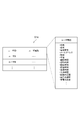
- FIG. 4 shows, for example, that the rooms “201”, “202”, “203”, and “204” belong to the section “P001”, and the rooms “501”, “502”, “601”, and “602” belong to the section “P004”.
- the method for determining the partition is not limited.
- the section information is predetermined by the facility operator or manager and stored in the section database 52.
- the allocation database 53 is a device that stores allocation information indicating users who have already been allocated to a facility room. Since each room belongs to only one section, it can be said that the allocation information is information indicating a user who has already been allocated to the facility section.
- Each record of allocation information includes a room number, a section ID, a usage period (a period during which the user intends to use the facility), a user ID, and a user behavior pattern.
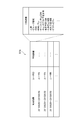
- FIG. 5 shows, for example, that the user C is assigned to the room number “201” belonging to the section “P001” from August 28, 2015 to August 29, 2015, and that the user C and the family have facilities. To indicate that the activity time is from 7:00 to 22:00. It also shows that the users C, D, E were assigned to the section “P001” between August 28, 2015 and August 29, 2015.
- the resource use database 54 is a device that stores resource use information indicating the use results of facility resources corresponding to the use results of facilities by one or more users.
- the resource usage information indicates the daily usage status and resource usage of the facility.
- Each record of the resource usage information includes a past date, the number of users, the number of rooms used, the weather (which may include the highest temperature and the lowest temperature), the resource usage (the power usage in this embodiment), and the adjustment flag.
- the number of users is the total number of people who used the facility on a certain day.
- the number of rooms used is the number of rooms used in a certain day, and means the usage record of the room (usage unit).
- the resource usage is the amount of resources actually used.
- the adjustment flag indicates whether or not a usage unit has been allocated to each user based on a predetermined rule (hereinafter also referred to as “allocation rule”) for reducing the resource usage amount in the facility (processing by the allocation unit 12 described later). Or not).
- allocation rule a predetermined rule for reducing the resource usage amount in the facility (processing by the allocation unit 12 described later). Or not).
- “With adjustment” means that the assignment is made based on the assignment rule
- “Without adjustment” means that the assignment is performed without using the assignment rule (without the purpose of reducing the resource usage).
- the resource use information shown in FIG. 6 can be said to indicate the resource use record corresponding to the use record of the plurality of rooms of the facility, or to indicate the resource use record corresponding to the number of people who actually used the facility. Note that the method of expressing resource usage information is not limited to the example of FIG. 6.
- the resource usage amount may be recorded every unit time (for example, every hour) shorter than one day.
- the resource usage information is expressed by associating the resource usage amount in a specific time zone (for example, every day, every hour, etc.) with the usage record of each room (for example, the number of people in each floor or each room). May be.
- the resource usage information may not indicate the weather.
- the method for storing the resource usage information in the resource usage database 54 is not limited. For example, some or all of the data items of the resource usage information may be registered in response to input from the facility terminal 41. Alternatively, the resource usage amount may be automatically registered by the electrical equipment 42, the number of users may be registered in conjunction with the reservation process, or the number of rooms used may be registered in conjunction with the allocation process.
- each database and each record in the database group 50 is not limited to the above, and any normalization or redundancy may be performed for each database.
- the allocation information may further (redundantly) include user attributes and reservation details. If the user's behavior pattern is not referred to in the present embodiment, the data item related to the behavior pattern can be omitted.
- each database in the database group 50 is not limited.
- the allocation database 53 or the resource use database 54 may be operated and managed by a facility, or may be operated and managed by a person different from the facility.
- the information processing apparatus 10 is a computer that estimates a resource usage amount in a facility.
- the information processing apparatus 10 may be configured by a single computer or may be configured by a plurality of computers. When a plurality of computers are used, one information processing apparatus 10 is logically constructed by connecting these computers via a communication network such as the Internet or an intranet.
- FIG. 7 shows a general hardware configuration of the computer 100 functioning as the information processing apparatus 10.
- the computer 100 includes a processor (for example, CPU) 101 that executes an operating system, application programs, and the like, a main storage unit 102 that includes a ROM and a RAM, an auxiliary storage unit 103 that includes a hard disk and a flash memory,
- the communication control unit 104 includes a network card or a wireless communication module, an input device 105 such as a keyboard and a mouse, and an output device 106 such as a monitor and a printer.
- Each functional element in the information processing apparatus 10 loads predetermined software on the processor 101 or the main storage unit 102, and controls the communication control unit 104, the input device 105, the output device 106, and the like under the control of the processor 101.
- the operation is realized by reading and writing data in the main storage unit 102 or the auxiliary storage unit 103. Data and a database necessary for processing are stored in the main storage unit 102 or the auxiliary storage unit 103.
- the information processing apparatus 10 includes a reservation acquisition unit 11, an allocation unit 12, a calculation unit 13, and an instruction unit 14 as functional components.
- the reservation acquisition unit 11 is a functional element that acquires reservation information from the reservation database 51b.
- the reservation acquisition unit 11 outputs the reservation information to the allocation unit 12.
- the reservation acquisition unit 11 is realized by the processor 101 operating the communication control unit 104 according to an instruction of an information processing program P1 described later to read and write data in the main storage unit 102 or the auxiliary storage unit 103.
- the reservation acquisition unit 11 reads reservation information including a use period corresponding to a future date (hereinafter referred to as “target date”) designated by an arbitrary method from the reservation database 51b. Assuming that the reservation information is shown in FIG. 3, if the target date is “August 29, 2015”, the reservation acquisition unit 11 reads at least reservation information regarding the user X, the user A, and the user R. If the target date is “August 28, 2015”, the reservation acquisition unit 11 reads the reservation information regarding the user X.
- target date a use period corresponding to a future date
- the allocation unit 12 is a functional element that allocates a use unit (room) of the facility to a user who has reserved the facility. Assigning a usage unit to a user is specifying a usage unit that the user can occupy.
- the allocating unit 12 is realized by the processor 101 operating the communication control unit 104 according to an instruction of an information processing program P1 described later to read and write data in the main storage unit 102 or the auxiliary storage unit 103.
- the allocation unit 12 allocates a room to each of one or more users indicated by the reservation information input from the reservation acquisition unit 11, and stores the processing result in the allocation database 53 as allocation information.
- the assignment unit 12 outputs the assignment information to the calculation unit 13.
- the allocation unit 12 allocates a usage unit to each user based on an allocation rule. Specific contents of the allocation rule, that is, a method for allocating a room (usage unit) to a user is not limited, and various methods as described below can be adopted.
- the assigning unit 12 may assign users in order from a certain section. For example, assume that a facility has 5 sections and each section has 6 rooms. In this case, the assigning unit 12 first assigns users to six rooms of a specific one section, and assigns users to six rooms of the next one section when the first section becomes full. Therefore, if the number of allocated users is 6 or less, only one section is used, and if the number of allocated users is 7 or more and 12 or less, only two sections are used. In this way, by assigning users in order from a specific section, the number of sections used can be suppressed, so that the amount of resources used in the entire facility can be reduced.
- the assigning unit 12 may assign a usage unit to each user so that users having similar behavior patterns are grouped in the same section.
- the “behavior pattern” is an index that directly or indirectly indicates the tendency or schedule of the user's behavior. That is, the behavior pattern directly or indirectly indicates when and what the user does.
- the behavior pattern may indicate behavior in daily life or may indicate unusual behavior.
- the behavior pattern indicating the behavior in daily life can be represented by, for example, wake-up time, meal time, bathing time, bedtime, sleep time, and the like.
- a behavior pattern indicating an extraordinary behavior can be represented by, for example, a schedule (eg, time to participate in an activity, check-in time, meal time, bathing time, and check-out time) within a period of using the facility.
- both the user attribute of the user basic information and the reservation details of the reservation information are data items indicating an action pattern.
- “Users with similar behavior patterns” means that the degree of matching of the behavior patterns of two or more users is equal to or greater than a predetermined threshold. In this specification, the degree is referred to as “similarity”. A specific value of the threshold value may be arbitrarily determined.
- FIG. 9 is a diagram for explaining allocation of usage units based on user behavior patterns, and shows an example in which 10 users (or 10 groups) who have reserved a seven-story hotel H are assigned to a room R in the hotel H. .
- the ten users are assumed to stay at the hotel H within one common period (for example, the same day). It is assumed that there are six rooms R on each floor of the hotel H, and each floor is set as one section.
- 10 users are grouped together with similar behavior patterns and divided into a group consisting of five users Ua, a group consisting of three users Ub, and a group consisting of two users Uc.
- the information processing system 1 assigns five users Ua to one floor (the third floor in the example of FIG.
- the remaining four floors can be opened by collecting 10 users on three floors.
- electrical equipment such as lighting and air conditioning in a common part such as a hallway in an empty floor.
- control can also be performed by an instruction signal described later.
- the electrical equipment in the vacant section is not used, which also leads to a reduction in the amount of resources used in the entire facility.
- the method for identifying the behavior pattern of each user is not limited.
- the assigning unit 12 may read at least a part of each user's attribute from the user database 51a and use the read user attribute as an action pattern as it is.
- the assigning unit 12 may specify each user's behavior pattern in more detail based on the user attributes stored in the user database 51a.
- the allocating unit 12 sets at least four types of action time zones of the user's activity time, sleep time, meal time, and bath time based on each user's wake-up time, bedtime, meal time, and bath time as action patterns. May be specified.
- the assigning unit 12 may estimate the wake-up time and the bedtime from the biometric information of each user, and specify the behavior pattern based on these times.
- the allocation unit 12 may specify at least a part of the reservation details indicated by the reservation information as an action pattern as it is.
- the assigning unit 12 may specify the behavior pattern of each user in more detail based on the reservation details.
- the assigning unit 12 may specify the user's behavior pattern in more detail by acquiring the scheduled check-in date / time, scheduled check-out date / time, scheduled meal time, scheduled going out time, and scheduled bathing time of the user. .
- the allocating unit 12 may specify the user's behavior (for example, going out time) within the period of using the facility from the activity of the reservation information.
- the allocation part 12 may specify a user's action pattern based on a group structure at least. For example, if the group configuration of the user is “family”, the assigning unit 12 may estimate that the user will act with the family in the facility, and specify the estimation result as the behavior pattern.
- the assigning unit 12 may specify the user's behavior pattern using both the user basic information and the reservation information. For example, the assigning unit 12 specifies the user's wake-up time and bedtime based on the user basic information, and acquires the user's scheduled check-in date and check-out scheduled date and time from the reservation information. Then, the allocating unit 12 estimates the period in which the user uses the facility, the time zone in which the user is awake and the time in which the user is sleeping during the period based on the information, and determines the estimation result of the user. Specify as an action pattern.
- the specific method of comparing the behavior patterns of users is not limited.
- the assigning unit 12 may determine the similarity of the behavior pattern between two users based on only one of the one or more elements of the behavior pattern.
- the element of the behavior pattern is a component constituting the behavior pattern. For example, facility usage period (period from check-in to check-out), sleeping time, time zone in which the user is in the facility, time zone in which the user is in the room (resident time), and group configuration are examples of behavior pattern elements It is.
- the assigning unit 12 obtains the closeness (degree of closeness) of the start point and the end point of one action time zone between two users, and if all these two closenesses are equal to or greater than a predetermined threshold, the assigning unit 12 The unit 12 may determine that the behavior patterns of the two users are similar. Alternatively, if the group configuration is the same among a plurality of users, the assignment unit 12 may determine that the behavior patterns of the plurality of users are similar.
- the assigning unit 12 may determine the similarity of the behavior pattern between users based on a plurality of elements of the behavior pattern. For example, the allocating unit 12 vectorizes each user's action pattern on a coordinate space with the plurality of elements of the action pattern as axes, and clusters the plurality of action patterns. Then, the assigning unit 12 determines that the behavior patterns of a plurality of users belonging to the same cluster are similar. As an example, the allocating unit 12 has each user's coordinate space around two or more elements selected from the facility usage period, the sleeping time, the time zone in which the user is in the facility, the occupancy time, and the group configuration. A plurality of users with similar behavior patterns may be specified by clustering the behavior patterns. By obtaining the similarity of action patterns by clustering in consideration of a plurality of elements, it is possible to specify a plurality of users estimated to have similar action patterns as a whole.
- the calculation unit 13 is a functional element that calculates an estimated usage amount of a resource when one or more usage units are used on the target date based on the allocation information (allocation result) input from the allocation unit 12.
- the calculation unit 13 refers to the resource use database 54 during this process.
- the calculation unit 13 is realized by the processor 101 operating the communication control unit 104 according to an instruction of an information processing program P1 described later to read and write data in the main storage unit 102 or the auxiliary storage unit 103.
- the method of calculating the estimated usage amount is not limited, and various methods can be adopted.
- the calculation unit 13 may be realized by executing, on the processor 101, an information processing program P1 including a prediction model or a calculation method based on the following arbitrary method.
- the calculation unit 13 may first obtain the first estimated usage amount of the resource without using the allocation information, and then obtain the second estimated usage amount of the resource based on the estimation result and the allocation information.
- the calculation unit 13 outputs the second estimated usage amount as the final result (the estimated usage amount of the resource when one or more usage units are used based on the allocation result by the allocation unit).
- the calculation unit 13 specifies the number of users who plan to use the facility on the target day (total number of users) based on the reservation information acquired by the reservation acquisition unit 11. Subsequently, the calculation unit 13 reads out the resource usage information corresponding to the number of users from the resource usage database 54, and acquires the resource usage indicated by the resource usage information as the first estimated usage on the target date.
- the resource usage information corresponding to the number of users on the target day is resource usage information including the number of users or the number of users approximate thereto.
- the calculation unit 13 may or may not further consider the adjustment flag.
- the calculation unit 13 reads out resource usage information corresponding to the number of users on the target date and having the adjustment flag “no adjustment”. This extraction condition can be rephrased as “the usage unit has been assigned without corresponding to the number of users on the target day”.
- the calculation unit 13 reads the allocation information corresponding to the date indicated by the read resource usage information (the record whose usage period includes the date) from the allocation database 53, so that the allocation performance of the day (one or more on the day) How the user in question was actually assigned to one or more partitions.
- the identified allocation record corresponds to the first estimated usage amount.
- the calculation unit 13 obtains a statistical value (for example, an average value, a median value, or a mode value) of a plurality of resource usages indicated by a plurality of records as the first estimated usage amount, and calculates an average for a plurality of dates. You may ask for an allotment result.
- the calculation unit 13 may obtain the maximum value of the plurality of resource usage amounts as the first estimated usage amount and specify the actual allocation of the day corresponding to the maximum value.
- the calculation unit 13 may obtain the latest resource usage amount (the resource usage amount indicated by the record of the most recent date) as the first estimated usage amount and specify the allocation result for that date.
- the calculation unit 13 may obtain the first estimated usage amount using other factors in addition to the number of users scheduled for the target day.
- the calculation unit 13 may use any information processing system (for example, a system that publishes information published by the Japan Meteorological Agency) for the target day's weather forecast (at least one of expected weather, maximum temperature, minimum temperature, and average temperature). Get from.
- the calculation unit 13 reads the resource usage information corresponding to both the number of users scheduled for the target date and the weather forecast for the target date from the resource usage database 54. Then, the calculation unit 13 obtains a first estimated usage amount based on the read resource usage information.
- the calculation unit 13 reads the resource usage information corresponding to both the number of users scheduled for the target date and the season or month corresponding to the target date from the resource usage database 54, and first calculates the first based on the resource usage information. May be obtained.
- the calculation unit 13 estimates the usage mode (for example, an optional tour or a banquet) of the user's facility on the target date based on the reservation details of the input reservation information. Subsequently, the calculation unit 13 reads out resource usage information corresponding to both the number of users scheduled for the target day and the estimated facility usage mode from the resource usage database 54. The process of comparing the facility usage mode between the past date and the target date can be performed by referring to the past reservation information or assignment information stored in the reservation database 51b or the assignment database 53. Then, the calculation unit 13 obtains a first estimated usage amount based on the read resource usage information.
- the usage mode for example, an optional tour or a banquet
- the calculation unit 13 may obtain the first estimated usage amount by further using any two or more elements selected from the weather, the season, and the usage mode of the user's facility.
- the calculation unit 13 also obtains an allocation record corresponding to the first estimated usage amount.
- the calculation unit 13 includes a list of sections specified from the specified allocation record (allocation record corresponding to the first estimated usage amount), a list of sections specified from the allocation information input from the allocation unit 12, and Find the difference between
- this difference is referred to as “assignment difference”.
- the difference in allocation may be a difference in the number of partitions to which one or more users are allocated, or a difference set.
- the facility has five sections D1 to D5, the list of sections indicated by the allocation results is ⁇ D1, D2, D3, D4 ⁇ , and the list of sections identified from the allocation information ⁇ D2, D4 ⁇
- the difference in the number of partitions is 2, and the difference set is ⁇ D1, D3 ⁇ .
- the calculation unit 13 obtains a value obtained by subtracting the saving amount corresponding to the allocation difference from the first estimated usage amount as the second estimated usage amount.
- the calculation unit 13 uses a correspondence table indicating the correspondence between the allocation difference and the saved amount. It can be said that this correspondence table shows a correction coefficient for correcting the first estimated usage amount to obtain the second estimated usage amount.
- This correspondence table may be a part of the database group 50, or may be held in advance by the calculation unit 13 (information processing apparatus 10).
- the saving amount may be set in advance by the administrator of the information processing apparatus 10, or the calculation unit 13 may calculate based on the resource usage information in the resource usage database 54.
- the expression method of the correspondence table and the correction coefficient is not limited, and the following various modes are conceivable.
- the facility has five sections D1 to D5, the list of sections indicated by the allocation results is ⁇ D1, D2, D3, D4 ⁇ , and the list of sections specified from the allocation information is ⁇ D2, D4 ⁇ .
- the calculation unit 13 calculates the resource usage amount (resource usage information) corresponding to the allocation of the usage unit indicated by the allocation information. Without reading from the resource usage database 54, the estimated usage corresponding to the allocation information is obtained.
- the calculation unit 13 may obtain the second estimated usage amount only when the first estimated usage amount exceeds the threshold value.
- This threshold is a reference value for the usage amount that increases the usage fee in the resource usage contract, and more specifically, a reference value for the usage amount at which the degree of disadvantage of the facility due to an increase in the usage fee is above a certain level. It is.
- the threshold value may be a usage amount that increases a contract fee (for example, a basic fee or a unit price) or a usage amount that generates an excess penalty fee, but the threshold setting method is arbitrary.
- the calculation unit 13 uses the first estimated usage amount as the estimation result without obtaining the second estimated usage amount.
- the calculation unit 13 may obtain the estimated usage amount directly from the allocation information.
- the calculation unit 13 specifies one of the number of sections to be used and the section list from the allocation information input from the allocation unit 12. Subsequently, the calculation unit 13 refers to the allocation database 53 and the resource use database 54 to obtain the resource use information corresponding to the specified number of partitions or the list of partitions and having the adjustment flag “adjusted” from the resource use database 54. read out. Then, the calculation unit 13 sets the resource usage indicated by the read resource usage information as the estimated usage.
- the calculation unit 13 may read the resource usage information that completely corresponds to the specified number of partitions or the partition list, or may read the resource usage information after allowing a slight error for the number of partitions or the partition list.
- the extraction condition of the resource usage information in this process can be rephrased as “the allocation of usage units is the same as or similar to that of the target date and the usage units are allocated using the allocation rule”.
- the method of setting the estimated usage when the resource usage for a plurality of past dates is obtained is not limited.
- the calculation unit 13 may obtain a statistical value (for example, an average value, a median value, or a mode value) of a plurality of resource usage amounts indicated by a plurality of records as an estimated usage amount.
- the calculation unit 13 may obtain the maximum value among the plurality of resource usages as the estimated usage amount, or use the latest resource usage amount (the resource usage amount indicated by the record of the latest date) as the estimated usage amount. You may ask for it.
- the calculation unit 13 may obtain the estimated usage amount by using other elements in addition to the specified number of divisions or the division list.
- examples of other elements include the weather, season, user facility usage mode, and any combination of two or more selected from these. The details of the processing when other elements are used are the same as when the estimated usage is obtained in two stages.
- the allocation unit 12 obtains a plurality of allocation patterns (a plurality of allocation information) using a plurality of allocation rules, and the calculation unit 13 obtains an estimated usage amount for each allocation pattern (each allocation information).
- the minimum estimated usage amount may be the final result.
- the allocating unit 12 generates the allocation information Aa by allocating users sequentially from a certain section, and generates the allocation information Ab by collecting users having similar behavior patterns in the same section.
- the calculation unit 13 obtains an estimated usage amount Ea when the allocation information Aa is adopted and an estimated usage amount Eb when the allocation information Ab is adopted, and sets the smaller one of the two estimated usage amounts as a final result.
- the allocating unit 12 generates the allocation information Ac based on the behavior pattern obtained from the user basic information, and generates the allocation information Ad based on the behavior pattern obtained from the reservation information.
- the calculation unit 13 obtains an estimated usage amount Ec when the allocation information Ac is employed and an estimated usage amount Ed when the allocation information Ad is employed, and sets the smaller one of the two estimated usage amounts as a final result.
- This method using a plurality of allocation patterns (in other words, a plurality of allocation rules) can be applied to both a process for obtaining the estimated usage in two stages and a process for obtaining the estimated usage directly from the allocation result. .
- the method of estimating the resource usage amount on the target date is not limited in any way, but in any case, the calculation unit 13 outputs the obtained estimated usage amount.
- the output destination of the estimation result is not limited.
- the calculation unit 13 may transmit the estimation result to another device. If the calculation unit 13 transmits the estimation result to the facility terminal 41, the facility staff can know in advance how much resources are likely to be consumed on the target day. Or the calculation part 13 may output an estimation result from the output device 106 (for example, a monitor or a printer), and may store it in a predetermined
- the instruction unit 14 is a functional element that transmits an instruction signal for controlling the facility equipment to the facility apparatus based on the assignment information in the assignment database 53.
- the electrical equipment 42 is shown as an example of the equipment of the facility, but since the type of resource is not limited as described above, the equipment of the facility to be controlled by the instruction unit is also not limited.
- the instruction unit 14 may control equipment that consumes other resources such as gas and water.
- the instruction unit 14 is realized by the processor 101 operating the communication control unit 104 according to an instruction of the information processing program P1 described later to read and write data in the main storage unit 102 or the auxiliary storage unit 103.
- the instruction unit 14 executes the following process for each section ID indicated by the allocation information. First, the instruction unit 14 reads one or more records corresponding to one section ID and one date combination from the allocation database 53. Subsequently, the instruction unit 14 obtains a representative behavior pattern by an arbitrary method from the behavior patterns of each user indicated by the read one or more records. For example, the instruction unit 14 obtains a statistical value (for example, an average value, a median value, or a mode value) of each user's behavior pattern as a representative behavior pattern. And the instruction
- the instruction unit 14 determines, from the behavior patterns of the users C to E, that the representative behavior pattern is, for example, “group structure: family, activity time 7:00 to 22:30”. And the instruction
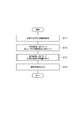
- Fig. 10 shows the overall flow of the estimation process.
- the reservation acquisition unit 11 acquires reservation information for the target date from the reservation database 51b (step S11, acquisition step), and the allocation unit 12 allocates each user to a usage unit based on the reservation information (step S12, allocation step). ).
- the allocation unit 12 executes the allocation process based on the allocation rule.
- the calculation unit 13 calculates an estimated usage amount of the resource on the target date based on the allocation result (step S13, calculation step), and outputs the estimated usage amount (step S14, calculation step).
- the user of the information processing apparatus 10 can grasp in advance how much resources are likely to be consumed on the target day.
- the information processing apparatus 10 executes the processing shown in FIG. 10 for each facility.
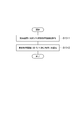
- the calculation unit 13 acquires resource usage information corresponding to the reservation information acquired by the reservation acquisition unit 11 (step S1301). Then, the calculation unit 13 calculates a first estimated usage amount based on the resource usage information (step S1302). As described above, the calculation unit 13 does not refer to the allocation result of the target date when obtaining the first estimated usage amount. Subsequently, the calculation unit 13 obtains a difference (allocation difference) between the allocation result corresponding to the date indicated by the acquired resource usage information and the allocation result obtained in step S12 (step S1303). Then, the calculation unit 13 calculates the second estimated usage amount by subtracting the saving amount corresponding to the allocation difference from the first estimated usage amount (step S1304). The calculation unit 13 outputs the second estimated usage amount as an estimation result. In this process, the calculation unit 13 calculates the estimated usage for the day without acquiring the resource usage corresponding to the allocation result for the target date from the resource usage database 54.
- the calculation unit 13 performs steps S1303 and S1304 only when the first estimated usage amount obtained in step S1302 exceeds a usage amount threshold that increases the usage fee in the resource usage contract. Processing may be executed. If the first estimated usage amount is equal to or less than the threshold, the calculation unit 13 outputs the first estimated usage amount as an estimation result.
- the calculation unit 13 acquires resource usage information corresponding to the allocation information (allocation result) generated by the allocation unit 12 (step S1311). Then, the calculation unit 13 calculates an estimated usage amount based on the resource usage information (step S1312). In this process, the calculation unit 13 calculates the estimated usage amount directly from the allocation result of the target date.
- the information processing program P1 includes a main module P10, a reservation acquisition module P11, an allocation module P12, a calculation module P13, and an instruction module P14.
- the main module P10 is a part that performs overall estimation of resource usage.
- the functions realized by executing the reservation acquisition module P11, the allocation module P12, the calculation module P13, and the instruction module P14 are the functions of the reservation acquisition unit 11, the allocation unit 12, the calculation unit 13, and the instruction unit 14, respectively. It is the same.
- the information processing program P1 may be provided after being fixedly recorded on a tangible recording medium such as a CD-ROM, DVD-ROM, or semiconductor memory. Alternatively, the information processing program P1 may be provided via a communication network as a data signal superimposed on a carrier wave.
- an information processing apparatus provides reservation information read from a reservation database that stores reservation information indicating one or more reservations for a facility having a plurality of usage units, and predetermined information in the facility. Based on a predetermined rule for reducing the amount of resource usage, an allocation unit that allocates a usage unit to each user who has reserved a facility, and a usage record of a plurality of usage units of the facility by one or more users, By referring to a resource utilization database that stores resource utilization information indicating the resource utilization record of the facility, an estimated utilization amount of the resource when one or more utilization units are utilized based on the allocation result by the allocator, A calculation unit that outputs the estimated usage amount.
- An information processing method is an information processing method executed by at least one processor, and is read from a reservation database that stores reservation information indicating one or more reservations for a facility having a plurality of usage units.
- An allocation step of assigning a usage unit to each user who has reserved a facility based on the reservation information and a predetermined rule for reducing the amount of use of a predetermined resource in the facility, and a plurality of facilities of the facility by one or more users When one or more usage units are used based on the allocation result in the allocation step with reference to the resource usage database storing the resource usage information indicating the resource usage history of the facility corresponding to the usage results of the usage unit
- An information processing program reduces reservation information read from a reservation database that stores reservation information indicating one or more reservations for a facility having a plurality of usage units, and a use amount of a predetermined resource in the facility
- An allocation step of allocating a usage unit to each user who has reserved a facility based on a predetermined rule for the usage, and a usage record of facility resources corresponding to a usage record of a plurality of usage units of the facility by one or more users Referring to a resource use database that stores resource use information indicating the resource use information, the estimated use amount of the resource when one or more use units are used is calculated based on the assignment result in the assignment step, and the estimated use amount is output And causing the computer to execute the calculating step.
- the usage amount of the resource in the facility is estimated in consideration of the schedule in which the facility usage unit is used (assignment of the usage unit to the reservation). Since the usage amount of the resource in the facility tends to depend on the usage status of the usage unit, the usage amount of the resource in the facility can be accurately estimated by using the above estimation method. In addition, since the usage unit is allocated so as to suppress the usage amount of the resource, it is possible to obtain an estimated usage amount when saving resources.
- the calculation unit reads resource usage information corresponding to the reservation information from the resource usage database, calculates a first estimated usage amount of the resource based on the read resource usage information, A second estimated usage amount of the resource may be calculated based on the first estimated usage amount and the allocation result by the allocation unit, and the second estimated usage amount may be output.
- the calculation unit obtains a difference between the allocation result of the usage unit corresponding to the first estimated usage amount and the allocation result by the allocation unit, and the difference is calculated from the first estimated usage amount.
- the second estimated usage amount may be calculated by reducing the saving amount corresponding to.
- the calculation unit determines whether or not the first estimated usage amount exceeds a threshold that increases a usage fee in the resource usage contract in the facility, and the first estimated usage amount
- the second estimated usage amount may be calculated only when exceeds the threshold.
- the calculation load in the information processing apparatus can be suppressed by obtaining the second estimated usage amount, that is, the estimated usage amount when saving resources only when the usage fee is likely to increase.
- the calculation unit may read the resource usage information corresponding to the allocation result by the allocation unit from the resource usage database, and calculate the estimated usage amount based on the read resource usage information.
- the calculation unit may read the resource usage information corresponding to the allocation result by the allocation unit from the resource usage database, and calculate the estimated usage amount based on the read resource usage information.
- the allocating unit generates a plurality of allocation results based on the reservation information read from the reservation database and a plurality of types of rules
- the calculation unit is configured for each of the plurality of allocation results.
- the estimated usage amount may be calculated, and the minimum estimated usage amount and the corresponding allocation result may be output.
- the rule is to assign a plurality of users having similar behavior patterns to usage units in one section of the facility, and the assigning unit indicates the user's behavior pattern.
- a plurality of users having similar behavior patterns may be identified by referring to a user relation database storing related information, and each of the plurality of users may be assigned to a usage unit in one partition.
- the calculation unit (i) reduces the number of reservations by using the correspondence between the number of reservations and the resource usage when each user is assigned to a usage unit without using the allocation rules, and (ii) using the allocation rules. Data indicating whether the same saving effect as the case can be obtained may be stored in advance, and the estimated usage amount may be obtained using these data.
- the calculation unit holds the following two records Ra and Rb.
- the following record means ⁇ number of reservations, actual value of resource usage ⁇ .
- the calculation unit holds data indicating that allocating 35 reservations using an allocation rule can provide the same saving effect as when 30 reservations are allocated without using an allocation rule.
- the calculation unit replaces the reservation number 35 with the reservation number 30, and obtains the resource usage amount (1000 kWh) corresponding to the replacement reservation number as the estimated usage amount.
- This process can be said to be a process for obtaining the estimated usage amount by correcting the resource usage amount corresponding to the number of reservations.
- This record is ⁇ the number of reservations, the actual value of the resource usage when the allocation rule is not used, The actual value of the resource usage when using the allocation rule ⁇
- the calculation unit may set the estimated usage for the reservation 35 as 1000 kWh. It is an example of the process which calculates
- the instruction unit 14 may be omitted, and the facility equipment may not be a part of the information processing system.
- the processing procedure of the information processing method executed by at least one processor is not limited to the examples in FIGS.
- the information processing apparatus 10 may omit some of the steps (processes) in those drawings, or may execute each step in a different order. Further, any two or more of the steps shown in these drawings may be combined, or a part of the steps may be modified or deleted. Alternatively, the information processing apparatus 10 may execute other steps in addition to the steps shown in the drawings.
- Each step shown in FIGS. 10 to 12 is executed by one or more processors among at least one processor existing in the information processing apparatus 10. The operating processor can change for each individual step.
- either of two criteria “greater than” and “greater than” may be used, and two values “less than” and “less than” may be used. Either of the criteria may be used.
- the selection of such a standard does not change the technical significance of the process of comparing the magnitude relationship between two numerical values.
- the method of performing some processing when the (first) threshold is likely to be exceeded in a short time will eventually result in the (second) reference for determining that the (first) threshold is likely to be exceeded.
- it means to set a (second) threshold. That is, a process of setting a buffer for a certain reference (threshold value) and comparing the magnitude relationship between two numerical values in consideration of the buffer is one of the processes for comparing a certain value with a threshold value.
- each section of the facility has one or more rooms, but the facility and each section may not have a room.
- the facility may be a building that has a plurality of predetermined areas and each user can use one of the areas. Examples of facilities other than accommodation facilities and resort facilities include gymnasiums, indoor futsal courts, squash courts, private training gyms, karaoke boxes, private golf bars, private manga cafes, and rental conference rooms.
- DESCRIPTION OF SYMBOLS 1 ... Information processing system, 10 ... Information processing apparatus, 11 ... Reservation acquisition part, 12 ... Assignment part, 13 ... Calculation part, 14 ... Instruction part, 20 ... User terminal, 30 ... Reservation reception apparatus, 41 ... Facility terminal, 42 ... electric equipment, 50 ... database group, 51 ... user-related database, 51a ... user database, 51b ... reservation database, 52 ... partition database, 53 ... allocation database, 54 ... resource utilization database, P1 ... information processing program, P10 ... main Module, P11 ... Reservation acquisition module, P12 ... Allocation module, P13 ... Calculation module, P14 ... Instruction module.
Landscapes
- Business, Economics & Management (AREA)
- Tourism & Hospitality (AREA)
- Engineering & Computer Science (AREA)
- General Business, Economics & Management (AREA)
- Strategic Management (AREA)
- Theoretical Computer Science (AREA)
- Human Resources & Organizations (AREA)
- Marketing (AREA)
- General Physics & Mathematics (AREA)
- Physics & Mathematics (AREA)
- Economics (AREA)
- Quality & Reliability (AREA)
- Development Economics (AREA)
- Operations Research (AREA)
- Entrepreneurship & Innovation (AREA)
- Health & Medical Sciences (AREA)
- General Health & Medical Sciences (AREA)
- Primary Health Care (AREA)
- Management, Administration, Business Operations System, And Electronic Commerce (AREA)
Abstract
一実施形態に係る情報処理装置は割当部および算出部を備える。割当部は、複数の利用単位を備える施設に対する1以上の予約を示す予約情報を記憶する予約データベースから読み出した予約情報と、施設における所定の資源の利用量を低減するための所定のルールとに基づいて、施設を予約した各ユーザに利用単位を割り当てる。算出部は、1以上のユーザによる施設の複数の利用単位の利用実績に対応する、施設の資源の利用実績を示す資源利用情報を記憶する資源利用データベースを参照して、割当部による割当結果に基づいて1以上の利用単位が利用された場合の資源の推定利用量を算出し、該推定利用量を出力する。
Description
本発明の一側面は、施設における資源の利用量を推定する情報処理装置、情報処理方法、および情報処理プログラムに関する。
従来から、施設における資源(例えば電力)の利用量を推定する仕組みが知られている。例えば、下記特許文献1には、複数の過去の需要予測結果と過去の実際の需要家の需要量とを比較して最適な予測モデルを選択する手段と、当該最適な予測モデルに基づいて将来の需要予測とその変動範囲とを求める手段とを備えるバックアップ電力購入量予約支援システムが記載されている。
特許文献1に記載のシステムでは需要の変動要因としてホテルの客数を利用し得ることが記載されている。しかし、客数を考慮するだけでは、施設における資源の利用量を精度良く推定することが難しい。そこで、その推定をより精度良く行うことが望まれている。
本発明の一側面に係る情報処理装置は、複数の利用単位を備える施設に対する1以上の予約を示す予約情報を記憶する予約データベースから読み出した予約情報と、施設における所定の資源の利用量を低減するための所定のルールとに基づいて、施設を予約した各ユーザに利用単位を割り当てる割当部と、1以上のユーザによる施設の複数の利用単位の利用実績に対応する、施設の資源の利用実績を示す資源利用情報を記憶する資源利用データベースを参照して、割当部による割当結果に基づいて1以上の利用単位が利用された場合の資源の推定利用量を算出し、該推定利用量を出力する算出部とを備える。
本発明の一側面に係る情報処理方法は、少なくとも一つのプロセッサにより実行される情報処理方法であって、複数の利用単位を備える施設に対する1以上の予約を示す予約情報を記憶する予約データベースから読み出した予約情報と、施設における所定の資源の利用量を低減するための所定のルールとに基づいて、施設を予約した各ユーザに利用単位を割り当てる割当ステップと、1以上のユーザによる施設の複数の利用単位の利用実績に対応する、施設の資源の利用実績を示す資源利用情報を記憶する資源利用データベースを参照して、割当ステップにおける割当結果に基づいて1以上の利用単位が利用された場合の資源の推定利用量を算出し、該推定利用量を出力する算出ステップとを含む。
本発明の一側面に係る情報処理プログラムは、複数の利用単位を備える施設に対する1以上の予約を示す予約情報を記憶する予約データベースから読み出した予約情報と、施設における所定の資源の利用量を低減するための所定のルールとに基づいて、施設を予約した各ユーザに利用単位を割り当てる割当ステップと、1以上のユーザによる施設の複数の利用単位の利用実績に対応する、施設の資源の利用実績を示す資源利用情報を記憶する資源利用データベースを参照して、割当ステップにおける割当結果に基づいて1以上の利用単位が利用された場合の資源の推定利用量を算出し、該推定利用量を出力する算出ステップとをコンピュータに実行させる。
このような側面においては、施設の利用単位が利用される予定(予約に対する利用単位の割当て)を考慮して、その施設における資源の利用量が推定される。施設における資源の利用量は利用単位の利用状況に依存する傾向が強いので、上記の推定方法を用いることで、施設における資源の利用量を精度良く推定することができる。また、資源の利用量を抑えるように利用単位が割り当てられるので、資源の節約を図る場合の推定利用量を得ることができる。
本発明の一側面によれば、施設における資源の利用量を精度良く推定することができる。
以下、添付図面を参照しながら本発明の実施形態を詳細に説明する。なお、図面の説明において同一または同等の要素には同一の符号を付し、重複する説明を省略する。
図1~9を参照しながら、実施形態に係る情報処理システム1の機能および構成を説明する。情報処理システム1は、施設における資源の利用量を推定するコンピュータ・システムである。
「施設」とは、複数の人を収容することができる建物であり、複数の利用単位を備える。「利用単位」とは、施設を利用する人が専有できる空間であり、例えば、区画の一部、または部屋である。個々のコテージまたはバンガローは利用単位または部屋の一種である。また、施設は複数の区画を有し、この「区画」とは、施設に関する物理的属性に基づいて分けられた領域である。例えば、それぞれの階が一つの区画として定められてもよいし、一つの電気系統の下にある複数の部屋が一つの区画としてまとめられてもよい。一つの区画は1以上の利用単位と対応し、一つの利用単位は一つの区画のみと対応する。施設の種類は限定されないが、例えば宿泊施設およびリゾート施設が挙げられる。「資源」とは、施設で利用される有用物であり、より具体的には、施設のユーザが利用可能な有用物である。資源の例として電気、ガス、および水が挙げられるが、資源の例は何ら限定されない。本実施形態では資源の例として電気を示す。「ユーザ」とは、施設を利用しようとする人またはグループのことである。
情報処理システム1の全体構成を図1に示す。施設における資源の利用量を推定するために、情報処理システム1は情報処理装置10を備える。情報処理システム1は情報処理装置10の他にユーザ端末20、予約受付装置30、施設端末41、電気設備42、およびデータベース群50を備える。これらの装置はインターネットやイントラネットなどの通信ネットワークNを通じて互いにデータを送受信することができる。例えば、情報処理装置10は通信ネットワークNを介してデータベース群50にアクセスすることができる。通信ネットワークNの具体的な構成、すなわち装置間の具体的な接続の態様は何ら限定されない。
以下では情報処理システム1(情報処理装置10)が一つの施設について資源の利用量を推定することを前提とするが、情報処理システム1(情報処理装置10)は複数の施設のそれぞれについてその推定を実行してもよい。
情報処理装置10の詳細を説明する前に他の装置について説明する。ユーザ端末20は、ユーザが所有または利用するコンピュータまたは機器である。ユーザ端末20の具体的な種類は限定されない。例えば、ユーザ端末20は、高機能携帯電話機(スマートフォン)や携帯電話機、携帯情報端末(PDA)などの携帯端末でもよいし、据置型または携帯型のパーソナルコンピュータでもよいし、メガネ型や腕時計型などのウェアラブル端末でもよい。あるいは、ユーザ端末20はIoT(Internet of Things)端末(例えば、インターネットに接続する任意の家電)であってもよい。あるいは、ユーザ端末20は複数の端末の組合せであってもよい。例えば、1台のスマートフォンと1台のウェアラブル端末との組合せが論理的に一つのユーザ端末20として機能し得る。
予約受付装置30は、施設利用の予約をユーザから受け付けるコンピュータである。予約受付装置30は、施設の予約を受け付けるためのウェブページ(施設予約サイト)を通信ネットワークN上に公開する。ユーザは自分のユーザ端末20を操作してそのウェブページにアクセスし、施設を予約するために必要な情報(利用しようとする施設、利用予定日、人数、特別な要件(「オーシャンビューの部屋」など))を入力して予約を確定させる。予約受付装置30はそれらの情報をユーザ端末20から受信し、後述する予約データベース51bに格納する。予約受付装置30の運営者および設置場所は限定されない。例えば、予約受付装置30は施設により運営されてもよいし、複数の施設の予約を受け付ける旅行サイトの運営者により運営されてもよい。
本実施形態では、施設は施設端末41および電気設備42を備える。
施設端末41は、施設のスタッフが所有または利用するコンピュータである。施設端末41の具体的な種類は限定されない。例えば、施設端末41は、高機能携帯電話機(スマートフォン)や携帯電話機、携帯情報端末(PDA)などの携帯端末でもよいし、据置型または携帯型のパーソナルコンピュータでもよい。施設端末41は、データベース群50内の特定のデータベースにアクセスしてデータを取得および表示する機能を有する。また、施設端末41は情報処理装置10からデータを受信してそのデータを表示することもできる。
電気設備42は、電気で稼働する装置、機器、または設備(照明、給湯器、エレベータなど)であってもよい。あるいは、電気設備42は、施設内の設備の消費電力を管理または制御する装置(例えばデマンド・コントローラおよびエネルギ・マネジメント・システム(EMS))であってもよい。あるいは、電気設備42はこれらの装置、機器、または設備の集合であってもよい。
データベース群50は、1以上のデータベースの集合である。「データベース」とは、プロセッサまたは外部のコンピュータからの任意のデータ操作(例えば、抽出、追加、削除、上書きなど)に対応できるようにデータ集合を記憶する機能要素(記憶部)である。データベースの実装方法は限定されず、例えばデータベース管理システムでもよいし、テキストファイルでもよい。本実施形態では、データベース群50はユーザ関連データベース51、区画データベース52、割当データベース53、および資源利用データベース54を含む。
ユーザ関連データベース51は、ユーザ関連情報を記憶する装置である。「ユーザ関連情報」とは個々のユーザについての情報であり、より具体的には、個々のユーザの行動パターンを直接的または間接的に特定し得る項目を含む情報である。ユーザ関連情報の具体的な内容は限定されない。本実施形態では、ユーザ関連データベース51は、ユーザデータベース51aおよび予約データベース51bを含む。他の種類のデータベースがユーザ関連データベースの少なくとも一部として用いられてもよい。
ユーザデータベース51aは、ユーザの属性または日常的な行動を示すユーザ基本情報を記憶する装置である。ユーザ基本情報はユーザ関連情報の一種である。ユーザ基本情報の各レコードは、個々のユーザを一意に特定するための識別子であるユーザIDと、ユーザの様々な特徴を示すユーザ属性とを含む。ユーザを識別することができるのであれば何をユーザIDとして用いてもよい。例えば単なる連番または個人のアカウントをユーザIDとして用いてもよい。ユーザ属性は1以上の項目で表され、その個数および種類は何ら限定されない。
図2に示す例では、ユーザ属性は名前、住所、電話番号、メールアドレス、性別、年齢、睡眠時間、活動時間、起床時刻、就寝時刻、食事時間、入浴時間、脈拍の履歴、血圧の履歴、および家電の設定を含む。ただし、これらの項目は必須のものではないし、他の項目がユーザ属性として登録されてもよい。なお、本明細書における睡眠時間、活動時間、食事時間、および入浴時間とは、それぞれの行動の長さのみを示す値ではなく、何時から何時までその行動を行うかを示す値(すなわち時間帯を示す値)である。ユーザ基本情報のうち時間帯または時刻で示される値は、平均値、中央値、最頻値などの統計値であってもよいし、最新の値であってもよい。ユーザ属性のすべての項目に値が設定される必要はなく、一部の項目にのみ値が設定されてもよい。また、値が設定される項目がユーザごとに異なってもよい。
ユーザ属性をユーザデータベース51aに格納する手法は何ら限定されない。例えば、ユーザ端末20が、ユーザにより入力された値を所定の装置を介してユーザデータベース51aに格納してもよい。あるいは、ユーザ端末20(例えばウェアラブル端末)が、自動的に測定または取得したデータを所定の装置を介してユーザデータベース51aに格納してもよい。例えば、ユーザ端末20がユーザの生体情報(例えば脈拍および血圧)を測定し、その情報をユーザ属性としてユーザデータベース51aに向けて送信してもよい。あるいは、ユーザ端末20が自端末内の任意の設定情報から別の値を推定し、その推定値をユーザ属性としてユーザデータベース51aに向けて送信してもよい。例えば、ユーザ端末20は自端末内で設定されているアラームの時刻を起床時刻とみなして、その時刻をユーザ属性として送信してもよい。あるいは、ユーザ端末20は測定した脈拍または血圧の履歴に基づいて睡眠時間、活動時間、起床時刻、または就寝時刻を推定し、その推定値をユーザ属性として送信してもよい。あるいは、ユーザ端末20はユーザによる通信ネットワークN(例えばインターネット)上へのコメント(例えば、電子メール、SNSへの投稿、ブログ、他の任意のウェブページへの投稿など)のアップロード時刻に基づいて睡眠時間、活動時間、起床時刻、または就寝時刻を推定し、その推定値をユーザ属性として送信してもよい。なお、ユーザ端末20は、ユーザ属性の送信をユーザが許可している場合に限って上記の送信処理を実行してもよい。
予約データベース51bは、ユーザが施設の利用を予約したことを示す予約情報を記憶する装置である。予約情報はユーザ関連情報の一種である。予約情報の各レコードは、ユーザが施設を利用しようとする期間(利用期間)と、ユーザIDと、予約の詳細とを含む。予約詳細は1以上の項目で表され、その個数および種類は何ら限定されない。
図3に示す例では、予約詳細は、施設を利用する人数、ユーザのグループ構成(例えば、家族、カップル、友人同士など)、施設を利用する目的(例えば、ビジネスや観光など)、利用プラン(例えば宿泊プラン)、チェックイン予定日時、チェックアウト予定日時、食事予定時間、入浴予定時間、外出予定時間、およびユーザが参加する予定のアクティビティ(例えばオプショナル・ツアーや宴会など)を含む。もちろん、これらの項目は必須のものではないし、他の項目が予約詳細に含まれてもよい。予約詳細のすべての項目に値が設定される必要はなく、一部の項目にのみ値が設定されてもよい。また、値が設定される項目がユーザごとに異なってもよい。食事予定時間、入浴予定時間、および外出予定時間の表現方法は、対応する行動の時間帯を特定できるのであれば何でもよい。
本実施形態では、予約受付装置30が予約情報を予約データベース51bに格納する。予約受付装置30は施設予約サイトにアクセスしたユーザ端末20から施設予約に必要な情報を受信し、その情報を予約情報として予約データベース51bに格納する。予約受付装置30は予約詳細の一部の項目を他の項目に応じて自動的に設定してもよい。例えば、予約受付装置30は食事予定時間、外出予定時間、およびアクティビティを、ユーザ端末20で選択された利用プランに基づいて自動的に設定してもよい。
区画データベース52は、施設における区画と部屋との対応を示す区画情報を記憶する装置である。区画情報の各レコードは、区画を一意に特定するための識別子である区画IDと、1以上の部屋番号(部屋番号の集合)と、区画属性とを少なくとも含む。一つの区画は1以上の部屋と対応し、一つの部屋は一つの区画のみと対応する。区画属性は区画の構造または設備に関する特徴を示す項目であり、例えば、「施設の2階の全体」や「電気系統Wに対応」などの値が区画属性として設定される。なお、区画情報は区画属性を含まなくてもよい。
図4は例えば、部屋「201」「202」「203」「204」が区画「P001」に属し、部屋「501」「502」「601」「602」が区画「P004」に属することを示す。上述したように、区画を決定する方法は限定されない。区画情報は施設の運営者または管理者により予め決められて区画データベース52に格納される。
割当データベース53は、施設の部屋に既に割り当てられたユーザを示す割当情報を記憶する装置である。個々の部屋は一つの区画にのみ属するから、割当情報は、施設の区画に既に割り当てられたユーザを示す情報であるともいえる。割当情報の各レコードは、部屋番号、区画ID、利用期間(ユーザが施設を利用しようとする期間)、ユーザID、およびユーザの行動パターンを含む。
図5は例えば、区画「P001」に属する部屋番号「201」には、2015年8月28日から2015年8月29日の間、ユーザCが割り当てられたことと、ユーザCが家族と共に施設を利用し、活動時間が7時から22時であることとを示す。また、2015年8月28日から2015年8月29日の間にユーザC,D,Eが区画「P001」に割り当てられたことも示す。
資源利用データベース54は、1以上のユーザによる施設の利用実績に対応する、施設の資源の利用実績を示す資源利用情報を記憶する装置である。資源利用情報は施設の1日毎の利用状況および資源利用量を示す。資源利用情報の各レコードは、過去の日にち、ユーザ数、利用部屋数、天気(最高気温および最低気温を含み得る)、資源利用量(本実施形態では電力利用量)、および調整フラグを含む。ユーザ数はある1日において施設を利用した人の総数である。利用部屋数はある1日において利用された部屋の数であり、部屋(利用単位)の利用実績を意味する。資源利用量は実際に利用された資源の量である。調整フラグは、施設における資源の利用量を低減するための所定のルール(以下では「割当ルール」ともいう)に基づいて各ユーザに利用単位を割り当てたか否か(後述の割当部12による処理が行われたか否か)を示す。「調整あり」はその割当ルールに基づく割当てが行われたことを意味し、「調整なし」はその割当ルールを用いずに(資源の利用量を低減するという目的を持たずに)割当てが行われたことを意味する。図6に示す資源利用情報は、施設の複数の部屋の利用実績に対応する資源の利用実績を示すともいえるし、施設を実際に利用した人数に対応する資源の利用実績を示すともいえる。なお、資源利用情報の表現方法は図6の例に限定されず、例えば、資源利用量は1日よりも短い単位時間毎(例えば1時間毎)に記録されてもよい。あるいは、ある特定の時間帯(例えば、1日毎、1時間毎など)における資源利用量と各部屋の利用実績(例えば、各階または各部屋の利用人数)とを関連付けたかたちで資源利用情報を表現してもよい。資源利用情報は天気を示さなくてもよい。
資源利用情報を資源利用データベース54に格納する手法は何ら限定されない。例えば、資源利用情報の一部またはすべてのデータ項目が施設端末41からの入力に応じて登録されてもよい。あるいは、資源利用量が電気設備42により自動的に登録されたり、ユーザ数が予約処理と連動して登録されたり、利用部屋数が割当処理と連動して登録されたりしてもよい。
データベース群50内の各データベースおよび各レコードの構成は上記のものに限定されず、各データベースに対して任意の正規化または冗長化を行ってよい。例えば、ユーザ基本情報および予約情報とは別に、割当情報がユーザ属性および予約詳細を更に(冗長に)含んでもよい。本実施形態においてユーザの行動パターンを参照しないのであれば、行動パターンに関するデータ項目を省略することができる。
データベース群50内の各データベースの運営者および管理者は限定されない。例えば、割当データベース53または資源利用データベース54は施設により運営および管理されてもよいし、施設とは異なる者により運営および管理されてもよい。
以上を前提として情報処理装置10の詳細を説明する。情報処理装置10は、施設における資源の利用量を推定するコンピュータである。情報処理装置10は1台のコンピュータで構成されてもよいし、複数台のコンピュータで構成されてもよい。複数台のコンピュータを用いる場合には、これらのコンピュータがインターネットやイントラネットなどの通信ネットワークを介して接続されることで、論理的に一つの情報処理装置10が構築される。
情報処理装置10として機能するコンピュータ100の一般的なハードウェア構成を図7に示す。コンピュータ100は、オペレーティングシステムやアプリケーション・プログラムなどを実行するプロセッサ(例えばCPU)101と、ROMおよびRAMで構成される主記憶部102と、ハードディスクやフラッシュメモリなどで構成される補助記憶部103と、ネットワークカードまたは無線通信モジュールで構成される通信制御部104と、キーボードやマウスなどの入力装置105と、モニタやプリンタなどの出力装置106とを備える。
情報処理装置10内の各機能要素は、プロセッサ101または主記憶部102の上に所定のソフトウェアを読み込ませ、プロセッサ101の制御の下で通信制御部104や、入力装置105、出力装置106などを動作させ、主記憶部102または補助記憶部103におけるデータの読み出しおよび書き込みを行うことで実現される。処理に必要なデータおよびデータベースは主記憶部102または補助記憶部103内に格納される。
図8に示すように、情報処理装置10は機能的構成要素として予約取得部11、割当部12、算出部13、および指示部14を備える。
予約取得部11は、予約データベース51bから予約情報を取得する機能要素である。予約取得部11はその予約情報を割当部12に出力する。予約取得部11は、プロセッサ101が後述の情報処理プログラムP1の指示に従って、通信制御部104を動作させ主記憶部102または補助記憶部103におけるデータの読み出しおよび書き込みを行うことで実現される。
予約取得部11は、任意の手法により指定された将来の日にち(以下ではこれを「対象日」という)に対応する利用期間を含む予約情報を予約データベース51bから読み出す。予約情報が図3に示すことを前提として、対象日が「2015年8月29日」であれば、予約取得部11は少なくともユーザX、ユーザA、およびユーザRに関する予約情報を読み出す。対象日が「2015年8月28日」であれば、予約取得部11はユーザXに関する予約情報を読み出す。
割当部12は、施設を予約したユーザに該施設の利用単位(部屋)を割り当てる機能要素である。ユーザへの利用単位の割当てとは、そのユーザが専有できる利用単位を指定することである。割当部12は、プロセッサ101が後述の情報処理プログラムP1の指示に従って、通信制御部104を動作させ主記憶部102または補助記憶部103におけるデータの読み出しおよび書き込みを行うことで実現される。
割当部12は、予約取得部11から入力された予約情報で示される1以上のユーザのそれぞれに部屋を割り当て、その処理結果を割当情報として割当データベース53に格納する。また、割当部12はその割当情報を算出部13に出力する。割当部12は割当ルールに基づいて各ユーザに利用単位を割り当てる。割当ルールの具体的な内容、すなわち、ユーザに部屋(利用単位)を割り当てる手法は限定されず、以下に示すような様々な手法を採用し得る。
割当部12は、ある一つの区画から順番にユーザを割り当てていってもよい。例えば、施設が5個の区画を有し各区画が6部屋を有するとする。この場合に割当部12は、まず特定の1区画の6部屋にユーザを割り当て、その最初の区画が満杯になったら次の1区画の6部屋にユーザを割り当てる。したがって、割り当てるユーザの数が6以下であれば1区画のみが利用され、割り当てるユーザの数が7以上12以下であれば2区画のみが利用されることになる。このように特定の区画から順番にユーザを割り当てていくことで、利用される区画の個数を抑えることができるので、施設全体における資源の利用量を低減することができる。
割当部12は、行動パターンが類似するユーザ同士を同じ区画内にまとめるように、各ユーザに利用単位を割り当ててもよい。「行動パターン」とは、ユーザの行動の傾向または予定を直接的にまたは間接的に示す指標である。すなわち、行動パターンはユーザがいつ何を行うかを直接的にまたは間接的に示す。行動パターンは日常生活での行動を示してもよいし、非日常的な行動を示してもよい。日常生活での行動を示す行動パターンは例えば、起床時刻、食事時間、入浴時間、就寝時刻、睡眠時間などで示すことができる。非日常的な行動を示す行動パターンは例えば、施設を利用する期間内における予定(例えば、アクティビティに参加する時間、チェックイン時刻、食事時間、入浴時間、およびチェックアウト時刻)で示すことができる。したがって、ユーザ基本情報のユーザ属性および予約情報の予約詳細はいずれも行動パターンを示すデータ項目である。「行動パターンが類似するユーザ同士」とは、2以上のユーザの行動パターンが一致する度合いが所定の閾値以上であることを意味する。本明細書では、その度合いを「類似度」という。なお、その閾値の具体的な値は任意に定めてよい。
図9はユーザの行動パターンに基づく利用単位の割り当てを説明する図であり、7階建てのホテルHを予約した10人(または10グループ)のユーザをホテルH内の部屋Rに割り当てる例を示す。この10人のユーザは、一つの共通の期間内(例えば同じ日)にホテルHに滞在するものとする。ホテルHの各階には部屋Rが6個ずつあるものとし、各階が一つの区画として設定されたものとする。また、10人のユーザが、行動パターンが類似する者同士でまとめられ、5人のユーザUaから成る群と、3人のユーザUbから成る群と、2人のユーザUcから成る群とに分けられたとする。この場合、情報処理システム1は、5人のユーザUaを一つの階(図9の例では3階)に割り当て、3人のユーザUbを別の階(図9の例では5階)に割り当て、2人のユーザUcをさらに別の階(図9の例では6階)に割り当てる。なお、各階において、どのユーザをどの部屋に割り当てるかは任意に決めてよい。
行動パターンが類似する複数のユーザを一つの階にまとめると、その階のユーザはある時間帯に同じような行動をすることが期待される。例えば、その階のユーザが大体似た時間に起床、食事、外出、入浴、および就寝することが期待できる。そのため、その階の共用部分(例えば廊下)にユーザが存在する時間帯が限定される。その共用部分の電気設備(例えば照明)を、自動でオンおよびオフできるものにすれば、該電気設備の稼働時間を削減することができる。これは結果的に施設全体における資源の利用量の低減につながる。また、図9の例において、階毎に一つの電気系統を設けた場合には、その電気系統が稼働しない(またはほとんど稼働しない)時間帯が生じ得るので、これも、施設における資源の利用量の低減につながる。このように、行動パターンが類似する複数のユーザを一つの区画にまとめることで、施設の省資源化を実現することが可能になる。
また、行動パターンが類似する複数のユーザを一つの階にまとめることで、誰も割り当てられない区画を可能な限り多く維持することが可能になる。図9の例では、10人のユーザを三つの階にまとめることで、残りの四つの階を空けることができる。これにより、例えば、空いた階における廊下等の共用部分における照明や空調等の電気設備の稼働を抑えたり停止させたりする制御が可能になる。このような制御は、後述する指示信号により行うこともできる。また、空いた区画の電気設備は使用されず、これも施設全体における資源の利用量の低減につながる。
各ユーザの行動パターンを特定する手法は限定されない。例えば、割当部12は各ユーザの属性の少なくとも一部をユーザデータベース51aから読み出し、読み出したユーザ属性をそのまま行動パターンとして用いてもよい。あるいは、割当部12はユーザデータベース51aに記憶されたユーザ属性に基づいて各ユーザの行動パターンをより詳細に特定してもよい。例えば、割当部12は各ユーザの起床時刻、就寝時刻、食事時間、入浴時間に基づいて、該ユーザの活動時間、睡眠時間、食事時間、および入浴時間という少なくとも4種類の行動時間帯を行動パターンとして特定してもよい。あるいは、割当部12は各ユーザの生体情報から起床時刻および就寝時刻を推定し、これらの時刻に基づいて行動パターンを特定してもよい。
割当部12は、予約情報で示される予約詳細の少なくとも一部をそのまま行動パターンとして特定してもよい。あるいは、割当部12は予約詳細に基づいて各ユーザの行動パターンをより詳細に特定してもよい。例えば、割当部12はユーザのチェックイン予定日時、チェックアウト予定日時、食事予定時間、外出予定時間、および入浴予定時間を取得することで、そのユーザの行動パターンをより詳細に特定してもよい。あるいは、割当部12は、予約情報のアクティビティから、施設を利用する期間内におけるユーザの行動(例えば外出時間)を特定してもよい。あるいは、割当部12は少なくともグループ構成に基づいてユーザの行動パターンを特定してもよい。例えば、ユーザのグループ構成が「家族」であれば、割当部12はユーザが施設内で家族と共に行動すると推定し、その推定結果を行動パターンとして特定してもよい。
あるいは、割当部12はユーザ基本情報および予約情報の双方を用いてユーザの行動パターンを特定してもよい。例えば、割当部12はユーザ基本情報に基づいてユーザの起床時刻および就寝時刻を特定し、予約情報からユーザのチェックイン予定日時およびチェックアウト予定日時を取得する。そして、割当部12は、これらの情報に基づいて、ユーザが施設を利用する期間と、その期間においてユーザが起きている時間帯および眠っている時間帯とを推定し、その推定結果をユーザの行動パターンとして特定する。
ユーザ同士の行動パターンを比較する具体的な手法(ユーザ間の行動パターンの類似度を判定する手法)も限定されない。例えば、割当部12は、行動パターンの1以上の要素のうちの一つのみに基づいて2ユーザ間の行動パターンの類似度を判定してもよい。行動パターンの要素とは、行動パターンを構成する成分である。例えば施設利用期間(チェックインからチェックアウトまでの期間)、睡眠時間、ユーザが施設内にいる時間帯、ユーザが部屋にいる時間帯(在室時間)、およびグループ構成は行動パターンの要素の例である。例えば、割当部12は2ユーザ間における一つの行動時間帯の始点および終点の近接度(近さの程度)を求め、これら二つの近接度のすべてが所定の閾値以上である場合には、割当部12は2ユーザの行動パターンが類似すると判定してもよい。あるいは、複数のユーザ間でグループ構成が同じであれば、割当部12は該複数のユーザの行動パターンが類似すると判定してもよい。
割当部12は、行動パターンの複数の要素に基づいてユーザ間の行動パターンの類似度を判定してもよい。例えば、割当部12は、行動パターンの複数の要素をそれぞれ軸とする座標空間上で各ユーザの行動パターンをベクトル化し、複数の行動パターンをクラスタリングする。そして、割当部12は同じクラスタに属する複数のユーザの行動パターンが類似すると判定する。一例として、割当部12は、施設利用期間、睡眠時間、ユーザが施設内にいる時間帯、在室時間、およびグループ構成から選択される2以上の要素を軸とする座標空間上で各ユーザの行動パターンをクラスタリングすることで、行動パターンが類似する複数のユーザを特定してもよい。複数の要素を考慮したクラスタリングにより行動パターンの類似度を求めることで、全体として行動パターンが類似すると推定される複数のユーザを特定することができる。
算出部13は、割当部12から入力された割当情報(割当結果)に基づいて、対象日に1以上の利用単位が利用された場合の資源の推定利用量を算出する機能要素である。算出部13はこの処理の際に資源利用データベース54を参照する。算出部13は、プロセッサ101が後述の情報処理プログラムP1の指示に従って、通信制御部104を動作させ主記憶部102または補助記憶部103におけるデータの読み出しおよび書き込みを行うことで実現される。推定利用量の算出方法は限定されず、様々な手法を採用し得る。算出部13は、例えば下記の任意の手法に基づく予測モデルまたは算出手法を含む情報処理プログラムP1がプロセッサ101上で実行されることで実現されてもよい。
算出部13は、まず割当情報を用いることなく資源の第1の推定利用量を求め、続いてその推定結果および割当情報に基づいて資源の第2の推定利用量を求めてもよい。算出部13はこの第2の推定利用量を最終結果(割当部による割当結果に基づいて1以上の利用単位が利用された場合の資源の推定利用量)として出力する。
算出部13は予約取得部11により取得された予約情報に基づいて、対象日に施設を利用する予定のユーザ数(利用する人の総数)を特定する。続いて、算出部13はそのユーザ数に対応する資源利用情報を資源利用データベース54から読み出し、その資源利用情報で示される資源利用量を対象日の第1の推定利用量として取得する。ここで、対象日のユーザ数に対応する資源利用情報とは、該ユーザ数またはそれに近似するユーザ数を含む資源利用情報のことである。対象日のユーザ数に対応する資源利用情報を読み出す際に、算出部13は調整フラグをさらに考慮してもよいし考慮しなくてもよい。調整フラグを更に考慮する場合には、算出部13は、対象日のユーザ数に対応しかつ調整フラグが「調整なし」である資源利用情報を読み出す。この抽出条件は、「対象日のユーザ数に対応し、かつ割当ルールを用いずに利用単位が割り当てられたこと」と言い換えることができる。
続いて、算出部13は、読み出した資源利用情報で示される日にちに対応する割当情報(利用期間がその日にちを含むレコード)を割当データベース53から読み出すことで、その日の割当実績(その日に1以上のユーザが実際にどのように1以上の区画に割り当てられていたか)を特定する。特定された割当実績は第1の推定利用量と対応する。
過去の複数の日にちについての資源利用量が得られた場合(例えば、図6で示される資源利用情報のレコードが複数得られた場合)における第1の推定利用量およびそれに対応する割当実績の取得方法は限定されない。例えば、算出部13は複数のレコードで示される複数の資源利用量の統計値(例えば平均値、中央値、または最頻値)を第1の推定利用量として求めるとともに、複数の日にちにおける平均的な割当実績を求めてもよい。あるいは、算出部13は複数の資源利用量の最大値を第1の推定利用量として求めるとともに、該最大値に対応する日の割当実績を特定してもよい。あるいは、算出部13は最新の資源利用量(最近の日にちのレコードで示される資源利用量)を第1の推定利用量として求めるとともに、その日にちの割当実績を特定してもよい。
算出部13は対象日に予定されるユーザ数に加えて他の要素も用いて第1の推定利用量を求めてもよい。例えば、算出部13は対象日の天気予報(予想される天気、最高気温、最低気温、および平均気温の少なくとも一つ)を任意の情報処理システム(例えば気象庁から発表された情報を公開するシステム)から取得する。続いて、算出部13は対象日に予定されるユーザ数と対象日の天気予報との双方に対応する資源利用情報を資源利用データベース54から読み出す。そして、算出部13は読み出した資源利用情報に基づいて第1の推定利用量を求める。
あるいは、算出部13は対象日に予定されるユーザ数と、対象日に対応する季節または月との双方に対応する資源利用情報を資源利用データベース54から読み出し、その資源利用情報に基づいて第1の推定利用量を求めてもよい。
あるいは、算出部13は入力された予約情報の予約詳細に基づいて、対象日におけるユーザの施設の利用態様(例えばオプショナル・ツアーや宴会など)を推定する。続いて、算出部13は対象日に予定されるユーザ数と、推定した施設の利用態様との双方に対応する資源利用情報を資源利用データベース54から読み出す。過去の日にちと対象日との間で施設の利用態様を比較する処理は、予約データベース51bまたは割当データベース53に記憶された過去の予約情報または割当情報を参照することで可能である。そして、算出部13は読み出した資源利用情報に基づいて第1の推定利用量を求める。
当然ながら、算出部13は天気、季節、およびユーザの施設の利用態様から選択される任意の2以上の要素を更に用いて第1の推定利用量を求めてもよい。
このように、第1の推定利用量の求め方は様々であるが、いずれにしても、算出部13は第1の推定利用量に対応する割当実績も求める。
続いて、算出部13は特定した割当実績(第1の推定利用量に対応する割当実績)から特定される区画のリストと、割当部12から入力された割当情報から特定される区画のリストとの差分を求める。以下ではこの差分を「割当ての差分」という。割当ての差分は、1以上のユーザが割り当てられた区画の個数の差でもよいし、差集合でもよい。例えば、施設が5個の区画D1~D5を有し、割当実績で示される区画のリストが{D1,D2,D3,D4}であり、割当情報から特定される区画のリスト{D2,D4}であったとする。この場合、区画の個数の差は2であり、差集合は{D1,D3}である。
続いて、算出部13は第1の推定利用量から割当ての差分に対応する節約量を減じた値を第2の推定利用量として求める。この算出のために算出部13は、割当ての差分と節約量との対応を示す対応表を用いる。この対応表は、第1の推定利用量を補正して第2の推定利用量を得るための補正係数を示すともいえる。この対応表はデータベース群50の一部であってもよいし、算出部13(情報処理装置10)により予め保持されてもよい。節約量は、情報処理装置10の管理者により予め設定されてもよいし、算出部13が資源利用データベース54内の資源利用情報に基づいて算出してもよい。対応表および補正係数の表現方法は限定されず、以下のような様々な態様が考えられる。
「区画数の差が1である場合の節約量は30kWh」
「区画数の差が2である場合の節約量は65kWh」
「区画D1が用いられない場合の節約量は30kWh」
「区画D3が用いられない場合の節約量は40kWh」
「区画D1が用いられないことで利用量が3%減少」
「区画D3が用いられないことで利用量が4%減少」
「区画数の差が1である場合の節約量は30kWh」
「区画数の差が2である場合の節約量は65kWh」
「区画D1が用いられない場合の節約量は30kWh」
「区画D3が用いられない場合の節約量は40kWh」
「区画D1が用いられないことで利用量が3%減少」
「区画D3が用いられないことで利用量が4%減少」
施設が5個の区画D1~D5を有し、割当実績で示される区画のリストが{D1,D2,D3,D4}であり、割当情報から特定される区画のリストが{D2,D4}であったとする。また、第1の推定利用量が800kWhであったとする。もし、対応表が「区画数の差が2である場合の節約量は65kWh」を示し、割当ての差分が区画の個数の差「2」で示されるならば、算出部13により得られる第2の推定利用量は735(=800-65)kWhである。もし、対応表が「区画D1が用いられない場合の節約量は30kWh」および「区画D3が用いられない場合の節約量は40kWh」を示し、割当ての差分が差集合{D1,D3}で示されるならば、第2の推定利用量は730(=800-30-40)kWhである。もし、対応表が「区画D1が用いられないことで利用量が3%減少」および「区画D3が用いられないことで利用量が4%減少」を示し、割当ての差分が差集合{D1,D3}で示されるならば、第2の推定利用量は744(=800×(1-0.03-0.04))kWhである。
このように、第1の推定利用量を補正して第2の推定利用量を求める処理では、算出部13は割当情報で示される利用単位の割当てに対応する資源利用量(資源利用情報)を資源利用データベース54から読み出すことなく、その割当情報に対応する推定利用量を求める。
算出部13は、第1の推定利用量が閾値を超える場合にのみ第2の推定利用量を求めてもよい。この閾値は、資源の利用契約において利用料金が高くなる利用量の基準値であり、より具体的には、利用料金の上昇による施設の不利の度合いが一定のレベル以上になる利用量の基準値である。例えば、その閾値は、契約料金(例えば基本料金または単価)が高くなる利用量、または超過分のペナルティ料金が発生する利用量であり得るが、閾値の設定方法は任意である。第1の推定利用量が閾値以下である場合には、算出部13は第2の推定利用量を求めることなく第1の推定利用量を推定結果とする。
算出部13は割当情報から直接的に推定利用量を求めてもよい。算出部13は割当部12から入力された割当情報から、利用される予定の区画数および区画リストのうちの一方を特定する。続いて、算出部13は割当データベース53および資源利用データベース54を参照することで、特定した区画数または区画リストに対応しかつ調整フラグが「調整あり」である資源利用情報を資源利用データベース54から読み出す。そして、算出部13は読み出した資源利用情報で示される資源利用量を推定利用量として設定する。算出部13は、特定した区画数または区画リストに完全に対応する資源利用情報を読み出してもよいし、区画数または区画リストについて少しの誤差を許容した上で資源利用情報を読み出してもよい。この処理での資源利用情報の抽出条件は、「利用単位の割当てが対象日のものと同一または類似し、かつ割当ルールを用いて利用単位が割り当てられたこと」と言い換えることができる。
過去の複数の日にちについての資源利用量が得られた場合(例えば、図6で示される資源利用情報のレコードが複数得られた場合)における推定利用量の設定方法は限定されない。例えば、算出部13は複数のレコードで示される複数の資源利用量の統計値(例えば平均値、中央値、または最頻値)を推定利用量として求めてもよい。あるいは、算出部13は複数の資源利用量のうちの最大値を推定利用量として求めてもよいし、最新の資源利用量(最近の日にちのレコードで示される資源利用量)を推定利用量として求めてもよい。
割当情報から直接的に推定利用量を求める場合に、算出部13は特定した区画数または区画リストに加えて他の要素も用いて推定利用量を求めてもよい。2段階で推定利用量を求める場合と同様に、他の要素の例として天気、季節、ユーザの施設の利用態様、およびこれらの中から選択される任意の2以上の組合せが考えられる。他の要素を用いる場合の処理の詳細は、2段階で推定利用量を求める場合と同様である。
上述したように、割当ルールは様々であり、ユーザの行動パターンに基づく割当ルールも様々である。これに関連して、割当部12が複数の割当ルールを用いて複数の割当パターン(複数の割当情報)を求め、算出部13がそれぞれの割当パターン(それぞれの割当情報)について推定利用量を求めて最小の推定利用量を最終結果としてもよい。例えば、割当部12は、ある一つの区画から順番にユーザを割り当てることで割当情報Aaを生成するとともに、行動パターンが類似するユーザ同士を同じ区画にまとめることで割当情報Abを生成する。算出部13は割当情報Aaを採用した場合の推定利用量Eaと割当情報Abを採用した場合の推定利用量Ebとを求め、それら二つの推定利用量のうち小さい方を最終結果とする。あるいは、割当部12は、ユーザ基本情報から得られる行動パターンに基づいて割当情報Acを生成すると共に、予約情報から得られる行動パターンに基づいて割当情報Adを生成する。算出部13は割当情報Acを採用した場合の推定利用量Ecと割当情報Adを採用した場合の推定利用量Edとを求め、それら二つの推定利用量のうち小さい方を最終結果とする。複数の割当パターン(言い換えると複数の割当ルール)を用いるこの手法は、推定利用量を2段階で求める処理と、割当結果から直接的に推定利用量を求める処理との双方に適用することができる。
このように対象日における資源利用量の推定方法は何ら限定されないが、いずれにしても、算出部13は求めた推定利用量を出力する。推定結果の出力先は限定されない。例えば、算出部13は推定結果を他の装置に送信してもよい。算出部13が推定結果を施設端末41に送信すれば、施設のスタッフは対象日にどのくらいの資源が消費されそうであるかを事前に知ることができる。あるいは、算出部13は推定結果を出力装置106(例えばモニタまたはプリンタ)から出力してもよいし、所定のデータベースに格納してもよい。複数の推定利用量の最小値を最終結果とする場合には、算出部13はその最小値に対応する割当結果も出力してよく、これにより利用単位の最適な割当てを施設に示すことができる。
指示部14は、割当データベース53内の割当情報に基づいて、施設の設備を制御するための指示信号を該施設の装置に送信する機能要素である。本実施形態では施設の設備の例として電気設備42を示すが、上述したように資源の種類は限定されないので、指示部が制御しようとする施設の設備も限定されない。例えば、指示部14は、ガスや水などの他の資源を消費する設備を制御してもよい。指示部14は、プロセッサ101が後述の情報処理プログラムP1の指示に従って、通信制御部104を動作させ主記憶部102または補助記憶部103におけるデータの読み出しおよび書き込みを行うことで実現される。
指示部14は、割当情報で示される個々の区画IDについて以下の処理を実行する。まず、指示部14は一つの区画IDおよび一つの日にちの組合せに対応する1以上のレコードを割当データベース53から読み出す。続いて、指示部14は読み出した1以上のレコードで示される各ユーザの行動パターンから、代表的な行動パターンを任意の手法で求める。例えば、指示部14は各ユーザの行動パターンの統計値(例えば平均値、中央値、または最頻値)を代表的な行動パターンとして求める。そして、指示部14は代表的な行動パターンに従って指示信号を生成し、その指示信号を施設の装置(例えば電気設備42)に送信する。指示信号の内容は限定されない。
割当情報が図5に示すものであるとして、区画「P001」および「2015年8月29日」の組合せに対応する指示情報を生成する例を説明する。まず、指示部14はユーザC~Eの行動パターンから、代表的な行動パターンを例えば「グループ構成:家族、活動時間7:00~22:30」であると決定する。そして、指示部14は例えば、「7時にエレベータを2階で待機させる」ことを示す指示信号を生成し、その指示信号を対応する電気設備42に送信する。これにより、起床したユーザが即時にエレベータに乗ることができる。あるいは、指示部14は「2階の共用部分の空調を22:30に停止させる」ことを示す指示信号を生成および送信してもよい。
次に、図10~12を参照しながら、情報処理装置10の動作を説明するとともに本実施形態に係る情報処理方法について説明する。
図10は推定処理の全体の流れを示す。まず、予約取得部11が対象日の予約情報を予約データベース51bから取得し(ステップS11、取得ステップ)、割当部12がその予約情報に基づいて各ユーザを利用単位に割り当てる(ステップS12、割当ステップ)。割当部12は割当ルールに基づいてその割当処理を実行する。続いて、算出部13がその割当結果に基づいて対象日における資源の推定利用量を算出し(ステップS13、算出ステップ)、その推定利用量を出力する(ステップS14、算出ステップ)。この一連の処理により、情報処理装置10のユーザは、対象日にどのくらいの資源が消費されそうであるかを事前に把握することができる。
なお、処理の対象となる施設が複数存在する場合には、情報処理装置10は図10に示す処理を各施設について実行する。
図11を参照しながら、推定利用量の算出の一例を説明する。この処理では、算出部13は予約取得部11により取得された予約情報に対応する資源利用情報を取得する(ステップS1301)。そして、算出部13はその資源利用情報に基づいて第1の推定利用量を算出する(ステップS1302)。上述した通り、算出部13は第1の推定利用量を求める際に対象日の割当結果を参照しない。続いて、算出部13は取得した資源利用情報で示される日にちに対応する割当実績と、上記ステップS12で得られた割当結果との差分(割当ての差分)を求める(ステップS1303)。そして、算出部13は第1の推定利用量から割当ての差分に対応する節約量を減ずることで第2の推定利用量を算出する(ステップS1304)。算出部13はこの第2の推定利用量を推定結果として出力する。この処理では、算出部13は対象日の割当結果に対応する資源利用量を資源利用データベース54から取得することなくその日の推定利用量を算出する。
図11の処理において、算出部13は、ステップS1302で得られた第1の推定利用量が、資源の利用契約において利用料金が高くなる利用量の閾値を超える場合にのみ、ステップS1303,S1304の処理を実行してもよい。第1の推定利用量がその閾値以下であれば、算出部13は第1の推定利用量を推定結果として出力する。
図12を参照しながら、推定利用量の算出の別の例を説明する。この処理では、算出部13は割当部12により生成された割当情報(割当結果)に対応する資源利用情報を取得する(ステップS1311)。そして、算出部13はその資源利用情報に基づいて推定利用量を算出する(ステップS1312)。この処理では、算出部13は対象日の割当結果から直接的に推定利用量を算出する。
次に、図13を参照しながら、コンピュータを情報処理装置10として機能させるための情報処理プログラムP1を説明する。
情報処理プログラムP1は、メインモジュールP10、予約取得モジュールP11、割当モジュールP12、算出モジュールP13、および指示モジュールP14を備える。
メインモジュールP10は、資源の利用量の推定を統括的に実行する部分である。予約取得モジュールP11、割当モジュールP12、算出モジュールP13、および指示モジュールP14を実行することにより実現される機能はそれぞれ、上記の予約取得部11、割当部12、算出部13、および指示部14の機能と同様である。
情報処理プログラムP1は、例えば、CD-ROMやDVD-ROM、半導体メモリなどの有形の記録媒体に固定的に記録された上で提供されてもよい。あるいは、情報処理プログラムP1は、搬送波に重畳されたデータ信号として通信ネットワークを介して提供されてもよい。
以上説明したように、本発明の一側面に係る情報処理装置は、複数の利用単位を備える施設に対する1以上の予約を示す予約情報を記憶する予約データベースから読み出した予約情報と、施設における所定の資源の利用量を低減するための所定のルールとに基づいて、施設を予約した各ユーザに利用単位を割り当てる割当部と、1以上のユーザによる施設の複数の利用単位の利用実績に対応する、施設の資源の利用実績を示す資源利用情報を記憶する資源利用データベースを参照して、割当部による割当結果に基づいて1以上の利用単位が利用された場合の資源の推定利用量を算出し、該推定利用量を出力する算出部とを備える。
本発明の一側面に係る情報処理方法は、少なくとも一つのプロセッサにより実行される情報処理方法であって、複数の利用単位を備える施設に対する1以上の予約を示す予約情報を記憶する予約データベースから読み出した予約情報と、施設における所定の資源の利用量を低減するための所定のルールとに基づいて、施設を予約した各ユーザに利用単位を割り当てる割当ステップと、1以上のユーザによる施設の複数の利用単位の利用実績に対応する、施設の資源の利用実績を示す資源利用情報を記憶する資源利用データベースを参照して、割当ステップにおける割当結果に基づいて1以上の利用単位が利用された場合の資源の推定利用量を算出し、該推定利用量を出力する算出ステップとを含む。
本発明の一側面に係る情報処理プログラムは、複数の利用単位を備える施設に対する1以上の予約を示す予約情報を記憶する予約データベースから読み出した予約情報と、施設における所定の資源の利用量を低減するための所定のルールとに基づいて、施設を予約した各ユーザに利用単位を割り当てる割当ステップと、1以上のユーザによる施設の複数の利用単位の利用実績に対応する、施設の資源の利用実績を示す資源利用情報を記憶する資源利用データベースを参照して、割当ステップにおける割当結果に基づいて1以上の利用単位が利用された場合の資源の推定利用量を算出し、該推定利用量を出力する算出ステップとをコンピュータに実行させる。
このような側面においては、施設の利用単位が利用される予定(予約に対する利用単位の割当て)を考慮して、その施設における資源の利用量が推定される。施設における資源の利用量は利用単位の利用状況に依存する傾向が強いので、上記の推定方法を用いることで、施設における資源の利用量を精度良く推定することができる。また、資源の利用量を抑えるように利用単位が割り当てられるので、資源の節約を図る場合の推定利用量を得ることができる。
他の側面に係る情報処理装置では、算出部が、予約情報に対応する資源利用情報を資源利用データベースから読み出し、読み出した資源利用情報に基づいて資源の第1の推定利用量を算出し、該第1の推定利用量と割当部による割当結果とに基づいて資源の第2の推定利用量を算出し、該第2の推定利用量を出力してもよい。この処理により、割当結果に対応する資源利用情報が得られない場合にも、資源の節約を図る場合の推定利用量を精度良く求めることができる。
他の側面に係る情報処理装置では、算出部が、第1の推定利用量に対応する利用単位の割当実績と、割当部による割当結果との差分を求め、第1の推定利用量から該差分に対応する節約量を減ずることで第2の推定利用量を算出してもよい。この処理により、割当結果に対応する資源利用情報が得られない場合にも、資源の節約を図る場合の推定利用量を精度良く求めることができる。
他の側面に係る情報処理装置では、算出部が、第1の推定利用量が、施設における資源の利用契約において利用料金が高くなる閾値を超えるか否かを判定し、第1の推定利用量が閾値を超える場合にのみ第2の推定利用量を算出してもよい。利用料金が高くなりそうな場合に限って第2の推定利用量、すなわち資源の節約を図る場合の推定利用量を求めることで、情報処理装置内の演算負荷を抑えることができる。
他の側面に係る情報処理装置では、算出部が、割当部による割当結果に対応する資源利用情報を資源利用データベースから読み出し、読み出した資源利用情報に基づいて推定利用量を算出してもよい。割当結果に対応する資源の過去の利用実績を用いることで、資源の節約を図る場合の推定利用量を簡単に求めることができる。
他の側面に係る情報処理装置では、割当部が、予約データベースから読み出した予約情報と、複数種類のルールとに基づいて複数の割当結果を生成し、算出部が、複数の割当結果のそれぞれについて推定利用量を算出し、最小の推定利用量および対応する割当結果を出力してもよい。複数種類のルールを用いて推定利用量を求めることで、資源を最も節約できると期待できる推定利用量を求めることができる。
他の側面に係る情報処理装置では、ルールが、行動パターンが類似する複数のユーザを施設の一の区画内にある利用単位に割り当てるというものであり、割当部が、ユーザの行動パターンを示すユーザ関連情報を記憶するユーザ関連データベースを参照して、行動パターンが類似する複数のユーザを特定し、該複数のユーザのそれぞれを一の区画内にある利用単位に割り当ててもよい。行動パターンが似たユーザ同士を一つの区画にまとめることで、その区画内における資源の消費傾向が似通う確率が高くなり、かつ利用される区画の個数を抑えることができる。そのため、施設全体における資源の消費量を抑えることができる。
以上、本発明をその実施形態に基づいて詳細に説明した。しかし、本発明は上記実施形態に限定されるものではない。本発明は、その要旨を逸脱しない範囲で様々な変形が可能である。
算出部は、(i)予約数と割当ルールを用いずに各ユーザを利用単位に割り当てた場合の資源利用量との対応と、(ii)割当ルールを用いることで、予約数をいくつに減ずる場合と同じ節約効果が得られるかを示すデータとを予め保持し、これらのデータを用いて推定利用量を求めてもよい。
例えば、算出部が下記の2レコードRa,Rbを保持しているとする。下記のレコードは{予約数,資源利用量の実績値}を意味する。
Ra:{30,1000kWh}
Rb:{35,1500kWh}
また、算出部が「割当ルールを用いて35個の予約を割り当てることで、割当ルールを用いずに30個の予約を割り当てた場合と同じ節約効果が得られる」ことを示すデータを保持しているとする。この場合に算出部は、予約数35を予約数30に置き換えて、置換後の予約数に対応する資源利用量(1000kWh)を推定利用量として求める。この処理は、予約数に対応する資源利用量を補正することで推定利用量を求める処理であるともいえる。
Ra:{30,1000kWh}
Rb:{35,1500kWh}
また、算出部が「割当ルールを用いて35個の予約を割り当てることで、割当ルールを用いずに30個の予約を割り当てた場合と同じ節約効果が得られる」ことを示すデータを保持しているとする。この場合に算出部は、予約数35を予約数30に置き換えて、置換後の予約数に対応する資源利用量(1000kWh)を推定利用量として求める。この処理は、予約数に対応する資源利用量を補正することで推定利用量を求める処理であるともいえる。
あるいは、上記のレコードRa,Rbが一つのレコードRx(={35,1500kWh,1000kWh}で表されてもよい。このレコードは{予約数,割当ルールを用いない場合の資源利用量の実績値,割当ルールを用いた場合の資源利用量の実績値}を意味する。このレコードRxを前提として、算出部は予約35の場合の推定利用量を1000kWhと設定してもよい。この処理も、予約数に対応する資源利用量を補正することで推定利用量を求める処理の例である。
指示部14は省略されてもよく、これに関連して、施設の設備が情報処理システムの一部でなくてもよい。
少なくとも一つのプロセッサにより実行される情報処理方法の処理手順は図10~12の例に限定されない。例えば、情報処理装置10はそれらの図におけるステップ(処理)の一部を省略してもよいし、別の順序で各ステップを実行してもよい。また、それらの図に示されるステップの任意の2以上のステップが組み合わされてもよいし、ステップの一部が修正または削除されてもよい。あるいは、情報処理装置10はそれらの図に示される各ステップに加えて他のステップを実行してもよい。図10~12で示される各ステップは、情報処理装置10内に存在する少なくとも一つのプロセッサのうちの一つまたは複数のプロセッサにより実行される。稼働するプロセッサは個々のステップ(処理)毎に変わり得る。
情報処理装置10内で二つの数値の大小関係を比較する際には、「以上」および「よりも大きい」という二つの基準のどちらを用いてもよく、「以下」および「未満」の二つの基準のうちのどちらを用いてもよい。このような基準の選択は、二つの数値の大小関係を比較する処理についての技術的意義を変更するものではない。なお、あと少しで(第1の)閾値を超えそうな場合に何らかの処理をするという手法は、結局は、(第1の)閾値を超えそうであると判定するための(第2の)基準または(第2の)閾値を設定することを意味する。すなわち、ある基準(閾値)に対してバッファを設定し、そのバッファを考慮して二つの数値の大小関係を比較する処理も、ある値と閾値とを比較する処理の一つである。
上記実施形態では施設の個々の区画が1以上の部屋を有したが、施設および個々の区画が部屋を有しなくてもよい。施設は、所定の領域を複数有し、かつ各ユーザがそのうちの一つの領域を利用可能な建物であってもよい。宿泊施設およびリゾート施設以外の施設の例として、体育館、屋内フットサルコート、スカッシュコート、個室形式のトレーニングジム、カラオケボックス、個室形式のゴルフバー、個室形式のマンガ喫茶、および貸会議室が挙げられる。
1…情報処理システム、10…情報処理装置、11…予約取得部、12…割当部、13…算出部、14…指示部、20…ユーザ端末、30…予約受付装置、41…施設端末、42…電気設備、50…データベース群、51…ユーザ関連データベース、51a…ユーザデータベース、51b…予約データベース、52…区画データベース、53…割当データベース、54…資源利用データベース、P1…情報処理プログラム、P10…メインモジュール、P11…予約取得モジュール、P12…割当モジュール、P13…算出モジュール、P14…指示モジュール。
Claims (9)
- 複数の利用単位を備える施設に対する1以上の予約を示す予約情報を記憶する予約データベースから読み出した前記予約情報と、前記施設における所定の資源の利用量を低減するための所定のルールとに基づいて、前記施設を予約した各ユーザに前記利用単位を割り当てる割当部と、
1以上のユーザによる前記施設の前記複数の利用単位の利用実績に対応する、前記施設の前記資源の利用実績を示す資源利用情報を記憶する資源利用データベースを参照して、前記割当部による割当結果に基づいて1以上の前記利用単位が利用された場合の前記資源の推定利用量を算出し、該推定利用量を出力する算出部と
を備える情報処理装置。 - 前記算出部が、前記予約情報に対応する前記資源利用情報を前記資源利用データベースから読み出し、読み出した資源利用情報に基づいて前記資源の第1の推定利用量を算出し、該第1の推定利用量と前記割当部による割当結果とに基づいて前記資源の第2の推定利用量を算出し、該第2の推定利用量を出力する、
請求項1に記載の情報処理装置。 - 前記算出部が、前記第1の推定利用量に対応する前記利用単位の割当実績と、前記割当部による割当結果との差分を求め、前記第1の推定利用量から該差分に対応する節約量を減ずることで前記第2の推定利用量を算出する、
請求項2に記載の情報処理装置。 - 前記算出部が、前記第1の推定利用量が、前記施設における前記資源の利用契約において利用料金が高くなる閾値を超えるか否かを判定し、前記第1の推定利用量が前記閾値を超える場合にのみ前記第2の推定利用量を算出する、
請求項2または3に記載の情報処理装置。 - 前記算出部が、前記割当部による割当結果に対応する前記資源利用情報を前記資源利用データベースから読み出し、読み出した資源利用情報に基づいて前記推定利用量を算出する、
請求項1に記載の情報処理装置。 - 前記割当部が、前記予約データベースから読み出した前記予約情報と、複数種類の前記ルールとに基づいて複数の割当結果を生成し、
前記算出部が、前記複数の割当結果のそれぞれについて前記推定利用量を算出し、最小の前記推定利用量および対応する前記割当結果を出力する、
請求項1~5のいずれか一項に記載の情報処理装置。 - 前記ルールが、行動パターンが類似する複数のユーザを前記施設の一の区画内にある前記利用単位に割り当てるというものであり、
前記割当部が、ユーザの行動パターンを示すユーザ関連情報を記憶するユーザ関連データベースを参照して、前記行動パターンが類似する複数のユーザを特定し、該複数のユーザのそれぞれを前記一の区画内にある前記利用単位に割り当てる、
請求項1~6のいずれか一項に記載の情報処理装置。 - 少なくとも一つのプロセッサにより実行される情報処理方法であって、
複数の利用単位を備える施設に対する1以上の予約を示す予約情報を記憶する予約データベースから読み出した前記予約情報と、前記施設における所定の資源の利用量を低減するための所定のルールとに基づいて、前記施設を予約した各ユーザに前記利用単位を割り当てる割当ステップと、
1以上のユーザによる前記施設の前記複数の利用単位の利用実績に対応する、前記施設の前記資源の利用実績を示す資源利用情報を記憶する資源利用データベースを参照して、前記割当ステップにおける割当結果に基づいて1以上の前記利用単位が利用された場合の前記資源の推定利用量を算出し、該推定利用量を出力する算出ステップと
を含む情報処理方法。 - 複数の利用単位を備える施設に対する1以上の予約を示す予約情報を記憶する予約データベースから読み出した前記予約情報と、前記施設における所定の資源の利用量を低減するための所定のルールとに基づいて、前記施設を予約した各ユーザに前記利用単位を割り当てる割当ステップと、
1以上のユーザによる前記施設の前記複数の利用単位の利用実績に対応する、前記施設の前記資源の利用実績を示す資源利用情報を記憶する資源利用データベースを参照して、前記割当ステップにおける割当結果に基づいて1以上の前記利用単位が利用された場合の前記資源の推定利用量を算出し、該推定利用量を出力する算出ステップと
をコンピュータに実行させる情報処理プログラム。
Priority Applications (2)
| Application Number | Priority Date | Filing Date | Title |
|---|---|---|---|
| PCT/JP2016/056868 WO2017149780A1 (ja) | 2016-03-04 | 2016-03-04 | 情報処理装置、情報処理方法、および情報処理プログラム |
| JP2018502498A JP6373526B2 (ja) | 2016-03-04 | 2016-03-04 | 情報処理装置、情報処理方法、および情報処理プログラム |
Applications Claiming Priority (1)
| Application Number | Priority Date | Filing Date | Title |
|---|---|---|---|
| PCT/JP2016/056868 WO2017149780A1 (ja) | 2016-03-04 | 2016-03-04 | 情報処理装置、情報処理方法、および情報処理プログラム |
Publications (1)
| Publication Number | Publication Date |
|---|---|
| WO2017149780A1 true WO2017149780A1 (ja) | 2017-09-08 |
Family
ID=59742694
Family Applications (1)
| Application Number | Title | Priority Date | Filing Date |
|---|---|---|---|
| PCT/JP2016/056868 Ceased WO2017149780A1 (ja) | 2016-03-04 | 2016-03-04 | 情報処理装置、情報処理方法、および情報処理プログラム |
Country Status (2)
| Country | Link |
|---|---|
| JP (1) | JP6373526B2 (ja) |
| WO (1) | WO2017149780A1 (ja) |
Cited By (1)
| Publication number | Priority date | Publication date | Assignee | Title |
|---|---|---|---|---|
| JP7659351B2 (ja) | 2018-08-01 | 2025-04-09 | フィールド・フロー株式会社 | 情報処理装置 |
Families Citing this family (1)
| Publication number | Priority date | Publication date | Assignee | Title |
|---|---|---|---|---|
| GB201811873D0 (en) | 2018-07-20 | 2018-09-05 | Oxford Instruments Nanotechnology Tools Ltd | Semiconductor etching methods |
Citations (4)
| Publication number | Priority date | Publication date | Assignee | Title |
|---|---|---|---|---|
| JP2004336890A (ja) * | 2003-05-08 | 2004-11-25 | Hitachi Ltd | 電力売買支援システム |
| JP2006126944A (ja) * | 2004-10-26 | 2006-05-18 | Takenaka Komuten Co Ltd | 部屋割当装置、部屋割当方法及び部屋割当プログラム |
| JP2013246461A (ja) * | 2012-05-23 | 2013-12-09 | Kojimachi Engineering Co Ltd | ホテル等の部屋割当支援装置 |
| JP2014120073A (ja) * | 2012-12-18 | 2014-06-30 | Shimizu Corp | 施設管理システム、施設管理方法 |
-
2016
- 2016-03-04 WO PCT/JP2016/056868 patent/WO2017149780A1/ja not_active Ceased
- 2016-03-04 JP JP2018502498A patent/JP6373526B2/ja active Active
Patent Citations (4)
| Publication number | Priority date | Publication date | Assignee | Title |
|---|---|---|---|---|
| JP2004336890A (ja) * | 2003-05-08 | 2004-11-25 | Hitachi Ltd | 電力売買支援システム |
| JP2006126944A (ja) * | 2004-10-26 | 2006-05-18 | Takenaka Komuten Co Ltd | 部屋割当装置、部屋割当方法及び部屋割当プログラム |
| JP2013246461A (ja) * | 2012-05-23 | 2013-12-09 | Kojimachi Engineering Co Ltd | ホテル等の部屋割当支援装置 |
| JP2014120073A (ja) * | 2012-12-18 | 2014-06-30 | Shimizu Corp | 施設管理システム、施設管理方法 |
Cited By (1)
| Publication number | Priority date | Publication date | Assignee | Title |
|---|---|---|---|---|
| JP7659351B2 (ja) | 2018-08-01 | 2025-04-09 | フィールド・フロー株式会社 | 情報処理装置 |
Also Published As
| Publication number | Publication date |
|---|---|
| JPWO2017149780A1 (ja) | 2018-06-07 |
| JP6373526B2 (ja) | 2018-08-15 |
Similar Documents
| Publication | Publication Date | Title |
|---|---|---|
| Zhang et al. | A mixed integer programming approach for allocating operating room capacity | |
| EP2652855B1 (en) | Systems and methods for predicting customer compliance with demand response requests | |
| JP6543700B2 (ja) | 宿泊設備リスティングに対する宿主選好を決定すること | |
| JP5999148B2 (ja) | サーバ装置、及びプログラム | |
| US20180204147A1 (en) | Smart Room Allocation | |
| JPWO2014030349A1 (ja) | エネルギー管理システム、エネルギー管理方法、そのエネルギー管理方法を利用したサーバ装置および端末装置 | |
| JP6333493B2 (ja) | 情報処理装置、情報処理方法、および情報処理プログラム | |
| CN110504021A (zh) | 医院床位调度方法、装置、系统及电子设备 | |
| Greensfelder et al. | An investigation of optimal control of passive building thermal storage with real time pricing | |
| JP6389010B2 (ja) | 情報処理装置、情報処理方法、および情報処理プログラム | |
| CN110609747A (zh) | 信息处理方法及电子设备 | |
| Meng et al. | Questionnaire survey on the summer air-conditioning use behaviour of occupants in residences and office buildings of China | |
| US20150262267A1 (en) | Method for providing information | |
| US20200272956A1 (en) | Sensor and Machine Learning-Based Office Space Stacking Optimization System and Method | |
| KR20210048848A (ko) | 에너지 관리 시스템 및 그 관리 방법 | |
| Chai et al. | Optimal meeting scheduling in smart commercial building for energy cost reduction | |
| Nizamic et al. | GreenMind-An architecture and realization for energy smart buildings | |
| US9917750B2 (en) | Method for providing information | |
| WO2022161050A1 (zh) | 推广任务处理方法及装置、存储介质和电子设备 | |
| JP6373526B2 (ja) | 情報処理装置、情報処理方法、および情報処理プログラム | |
| EP3523866A1 (en) | System and method for management of an electricity distribution grid | |
| CN114724694B (zh) | 医疗资源处理方法、装置及可读存储介质 | |
| Deng et al. | The effect of air-conditioner operation modes on the energy-saving capacity of external wall insulation in residential buildings | |
| US20180374166A1 (en) | Information processing apparatus, information processing method thereof, and program | |
| CN115203545A (zh) | 基于深度学习和知识图谱的康养服务智能匹配方法和系统 |
Legal Events
| Date | Code | Title | Description |
|---|---|---|---|
| ENP | Entry into the national phase |
Ref document number: 2018502498 Country of ref document: JP Kind code of ref document: A |
|
| NENP | Non-entry into the national phase |
Ref country code: DE |
|
| 121 | Ep: the epo has been informed by wipo that ep was designated in this application |
Ref document number: 16892619 Country of ref document: EP Kind code of ref document: A1 |
|
| 122 | Ep: pct application non-entry in european phase |
Ref document number: 16892619 Country of ref document: EP Kind code of ref document: A1 |