WO2017138476A1 - 抗菌性組成物 - Google Patents
抗菌性組成物 Download PDFInfo
- Publication number
- WO2017138476A1 WO2017138476A1 PCT/JP2017/004157 JP2017004157W WO2017138476A1 WO 2017138476 A1 WO2017138476 A1 WO 2017138476A1 JP 2017004157 W JP2017004157 W JP 2017004157W WO 2017138476 A1 WO2017138476 A1 WO 2017138476A1
- Authority
- WO
- WIPO (PCT)
- Prior art keywords
- lysozyme
- chitosan
- complex
- mrsa
- concentration
- Prior art date
- Legal status (The legal status is an assumption and is not a legal conclusion. Google has not performed a legal analysis and makes no representation as to the accuracy of the status listed.)
- Ceased
Links
Images






Classifications
-
- A—HUMAN NECESSITIES
- A01—AGRICULTURE; FORESTRY; ANIMAL HUSBANDRY; HUNTING; TRAPPING; FISHING
- A01N—PRESERVATION OF BODIES OF HUMANS OR ANIMALS OR PLANTS OR PARTS THEREOF; BIOCIDES, e.g. AS DISINFECTANTS, AS PESTICIDES OR AS HERBICIDES; PEST REPELLANTS OR ATTRACTANTS; PLANT GROWTH REGULATORS
- A01N37/00—Biocides, pest repellants or attractants, or plant growth regulators containing organic compounds containing a carbon atom having three bonds to hetero atoms with at the most two bonds to halogen, e.g. carboxylic acids
- A01N37/44—Biocides, pest repellants or attractants, or plant growth regulators containing organic compounds containing a carbon atom having three bonds to hetero atoms with at the most two bonds to halogen, e.g. carboxylic acids containing at least one carboxylic group or a thio analogue, or a derivative thereof, and a nitrogen atom attached to the same carbon skeleton by a single or double bond, this nitrogen atom not being a member of a derivative or of a thio analogue of a carboxylic group, e.g. amino-carboxylic acids
- A01N37/46—N-acyl derivatives
-
- A—HUMAN NECESSITIES
- A01—AGRICULTURE; FORESTRY; ANIMAL HUSBANDRY; HUNTING; TRAPPING; FISHING
- A01N—PRESERVATION OF BODIES OF HUMANS OR ANIMALS OR PLANTS OR PARTS THEREOF; BIOCIDES, e.g. AS DISINFECTANTS, AS PESTICIDES OR AS HERBICIDES; PEST REPELLANTS OR ATTRACTANTS; PLANT GROWTH REGULATORS
- A01N43/00—Biocides, pest repellants or attractants, or plant growth regulators containing heterocyclic compounds
- A01N43/02—Biocides, pest repellants or attractants, or plant growth regulators containing heterocyclic compounds having rings with one or more oxygen or sulfur atoms as the only ring hetero atoms
- A01N43/04—Biocides, pest repellants or attractants, or plant growth regulators containing heterocyclic compounds having rings with one or more oxygen or sulfur atoms as the only ring hetero atoms with one hetero atom
- A01N43/14—Biocides, pest repellants or attractants, or plant growth regulators containing heterocyclic compounds having rings with one or more oxygen or sulfur atoms as the only ring hetero atoms with one hetero atom six-membered rings
- A01N43/16—Biocides, pest repellants or attractants, or plant growth regulators containing heterocyclic compounds having rings with one or more oxygen or sulfur atoms as the only ring hetero atoms with one hetero atom six-membered rings with oxygen as the ring hetero atom
-
- A—HUMAN NECESSITIES
- A01—AGRICULTURE; FORESTRY; ANIMAL HUSBANDRY; HUNTING; TRAPPING; FISHING
- A01N—PRESERVATION OF BODIES OF HUMANS OR ANIMALS OR PLANTS OR PARTS THEREOF; BIOCIDES, e.g. AS DISINFECTANTS, AS PESTICIDES OR AS HERBICIDES; PEST REPELLANTS OR ATTRACTANTS; PLANT GROWTH REGULATORS
- A01N25/00—Biocides, pest repellants or attractants, or plant growth regulators, characterised by their forms, or by their non-active ingredients or by their methods of application, e.g. seed treatment or sequential application; Substances for reducing the noxious effect of the active ingredients to organisms other than pests
- A01N25/08—Biocides, pest repellants or attractants, or plant growth regulators, characterised by their forms, or by their non-active ingredients or by their methods of application, e.g. seed treatment or sequential application; Substances for reducing the noxious effect of the active ingredients to organisms other than pests containing solids as carriers or diluents
- A01N25/10—Macromolecular compounds
-
- A—HUMAN NECESSITIES
- A61—MEDICAL OR VETERINARY SCIENCE; HYGIENE
- A61K—PREPARATIONS FOR MEDICAL, DENTAL OR TOILETRY PURPOSES
- A61K38/00—Medicinal preparations containing peptides
- A61K38/16—Peptides having more than 20 amino acids; Gastrins; Somatostatins; Melanotropins; Derivatives thereof
- A61K38/43—Enzymes; Proenzymes; Derivatives thereof
- A61K38/46—Hydrolases (3)
- A61K38/47—Hydrolases (3) acting on glycosyl compounds (3.2), e.g. cellulases, lactases
-
- A—HUMAN NECESSITIES
- A61—MEDICAL OR VETERINARY SCIENCE; HYGIENE
- A61K—PREPARATIONS FOR MEDICAL, DENTAL OR TOILETRY PURPOSES
- A61K47/00—Medicinal preparations characterised by the non-active ingredients used, e.g. carriers or inert additives; Targeting or modifying agents chemically bound to the active ingredient
- A61K47/50—Medicinal preparations characterised by the non-active ingredients used, e.g. carriers or inert additives; Targeting or modifying agents chemically bound to the active ingredient the non-active ingredient being chemically bound to the active ingredient, e.g. polymer-drug conjugates
- A61K47/51—Medicinal preparations characterised by the non-active ingredients used, e.g. carriers or inert additives; Targeting or modifying agents chemically bound to the active ingredient the non-active ingredient being chemically bound to the active ingredient, e.g. polymer-drug conjugates the non-active ingredient being a modifying agent
- A61K47/56—Medicinal preparations characterised by the non-active ingredients used, e.g. carriers or inert additives; Targeting or modifying agents chemically bound to the active ingredient the non-active ingredient being chemically bound to the active ingredient, e.g. polymer-drug conjugates the non-active ingredient being a modifying agent the modifying agent being an organic macromolecular compound, e.g. an oligomeric, polymeric or dendrimeric molecule
- A61K47/61—Medicinal preparations characterised by the non-active ingredients used, e.g. carriers or inert additives; Targeting or modifying agents chemically bound to the active ingredient the non-active ingredient being chemically bound to the active ingredient, e.g. polymer-drug conjugates the non-active ingredient being a modifying agent the modifying agent being an organic macromolecular compound, e.g. an oligomeric, polymeric or dendrimeric molecule the organic macromolecular compound being a polysaccharide or a derivative thereof
-
- A—HUMAN NECESSITIES
- A61—MEDICAL OR VETERINARY SCIENCE; HYGIENE
- A61P—SPECIFIC THERAPEUTIC ACTIVITY OF CHEMICAL COMPOUNDS OR MEDICINAL PREPARATIONS
- A61P11/00—Drugs for disorders of the respiratory system
-
- A—HUMAN NECESSITIES
- A61—MEDICAL OR VETERINARY SCIENCE; HYGIENE
- A61P—SPECIFIC THERAPEUTIC ACTIVITY OF CHEMICAL COMPOUNDS OR MEDICINAL PREPARATIONS
- A61P31/00—Antiinfectives, i.e. antibiotics, antiseptics, chemotherapeutics
- A61P31/04—Antibacterial agents
-
- A—HUMAN NECESSITIES
- A61—MEDICAL OR VETERINARY SCIENCE; HYGIENE
- A61P—SPECIFIC THERAPEUTIC ACTIVITY OF CHEMICAL COMPOUNDS OR MEDICINAL PREPARATIONS
- A61P43/00—Drugs for specific purposes, not provided for in groups A61P1/00-A61P41/00
-
- C—CHEMISTRY; METALLURGY
- C12—BIOCHEMISTRY; BEER; SPIRITS; WINE; VINEGAR; MICROBIOLOGY; ENZYMOLOGY; MUTATION OR GENETIC ENGINEERING
- C12Y—ENZYMES
- C12Y302/00—Hydrolases acting on glycosyl compounds, i.e. glycosylases (3.2)
- C12Y302/01—Glycosidases, i.e. enzymes hydrolysing O- and S-glycosyl compounds (3.2.1)
- C12Y302/01017—Lysozyme (3.2.1.17)
Definitions
- the present invention relates to an antibacterial composition having antibacterial properties against infectious bacteria that cause respiratory infections.
- Non-tuberculous mycobacteria such as MRSA, Pseudomonas aeruginosa or lung MAC (Mycobacterium avium complex) are infectious bacteria that cause respiratory infections. This infection is regarded as a problem because it becomes intractable.
- Patent Document 1 As a prophylactic / therapeutic agent for respiratory tract infection, as shown in Patent Document 1, an agent containing a lactic acid bacterium belonging to Lactobacillus acidophilus as an active ingredient for anti-respiratory tract infection action is considered. ing.
- Patent Document 1 only shows a growth inhibitory action against influenza virus (specifically, mouse influenza virus PR8 [A / PR / 8/34 (H1N1)]). MRSA, Pseudomonas aeruginosa It does not show any growth inhibitory action against nontuberculous mycobacteria.
- the inventor of the present application is examining antibacterial properties against various bacteria using a complex of lysozyme and chitosan, which are highly safe natural food additives. Among them, the present inventor has found that a complex in which lysozyme and chitosan are bound exhibits antibacterial properties against infectious bacteria that cause respiratory infections.
- the antibacterial composition according to the present invention contains a complex in which lysozyme and chitosan are combined, and is characterized by having antibacterial properties against infectious bacteria that cause respiratory infections.
- the antibacterial activity includes the growth inhibitory action of MRSA, the growth inhibitory action of Pseudomonas aeruginosa, or the growth inhibitory action of nontuberculous mycobacteria. That is, the antibacterial composition includes an MRSA growth inhibitory composition, a Pseudomonas aeruginosa growth inhibitory composition, or a nontuberculous mycobacterial growth inhibitory composition. The effect of this antibacterial composition will be described later.
- the concentration of the complex is desirably 0.001% by mass or more.
- the concentration of the complex is desirably 0.01% by mass or more.
- the antibacterial composition is preferably mixed with a liquid such as water for injection, physiological saline, Ringer's solution, purified water or distilled water to obtain washing water.
- a liquid such as water for injection, physiological saline, Ringer's solution, purified water or distilled water.
- a nebulizer by setting it as washing water.
- lysozyme is widely used as a highly safe natural food additive, and this antibacterial composition using a complex of lysozyme and chitosan relieves the patient and reduces the burden. can do.
- FIG. 5 is an image showing a change in morphology of MRSA obtained by a scanning electron microscope when a lysozyme-chitosan complex, lysozyme alone, chitosan alone, and a mixture of lysozyme and chitosan are added. It is an image showing the morphological change of Pseudomonas aeruginosa obtained by a scanning electron microscope when a lysozyme-chitosan complex, lysozyme alone, chitosan alone, and a mixture of lysozyme and chitosan are added.
- FIG. 5 is an image showing a change in the morphology of MRSA obtained by a scanning electron microscope when MRase to which lysozyme-chitosan complex is added is treated with DNase I.
- FIG. It is an image which shows the morphological change of Pseudomonas aeruginosa obtained by the scanning electron microscope at the time of performing DNase I process with respect to MRSA which added the lysozyme-chitosan complex.
- the antibacterial composition according to the present embodiment contains a complex combined with lysozyme and chitosan (water-soluble and having a molecular weight of 25000 Da or less).
- chitosan having a molecular weight of 14000 Da is used.
- the lysozyme-chitosan complex of this embodiment can be produced by combining lysozyme and chitosan by Maillard reaction. By binding lysozyme and chitosan by Maillard reaction, most or all of the antigen structure in lysozyme is masked, so that allergy is unlikely to occur even if lysozyme-chitosan complex is ingested.
- a specific manufacturing method is as follows. Lysozyme and chitosan in an amount such that the mass ratio of lysozyme / chitosan is more preferably 60/40 to 40/60 are mixed and dissolved in water, so that the total content of lysozyme and chitosan in the aqueous solution is 5 to 30% by mass.
- the obtained aqueous solution is lyophilized to be powdered.
- the obtained powder is subjected to a temperature of 50 to 80 ° C., more preferably 55 to 65 ° C., a relative humidity of 50 to 80%, more preferably 60 to 70%, for 2 to 20 days, more preferably 7 to 14 days.
- the lysozyme-chitosan complex of the present invention can be produced by Maillard reaction.
- the production of the lysozyme-chitosan complex of the present embodiment the production of a high-molecular substance that is a protein-chitosan complex is confirmed by staining a plate obtained by SDS (Sodium-dodecyl-sulfate-polyacrylamide) electrophoresis. be able to.
- SDS sodium-dodecyl-sulfate-polyacrylamide
- the antibacterial composition of the present embodiment is constituted by mixing the lysozyme-chitosan complex with a liquid such as water for injection, physiological saline, Ringer's solution, purified water or distilled water, and further retains its antibacterial activity. Therefore, the lysozyme-chitosan complex is preferably contained in an amount of 0.001% by mass or more. In the treatment of respiratory infection, if the concentration of lysozyme-chitosan complex is too high, it may cause allergies.
- the upper limit of the concentration of the lysozyme-chitosan complex is 1.0% by mass.
- the concentration of the lysozyme-chitosan complex is preferably 0.001% by mass or more.
- the concentration of the lysozyme-chitosan complex is preferably 0.01% by mass or more.
- the concentration of the lysozyme-chitosan complex is preferably 0.1% by mass or more.
- This antibacterial composition can be used as washing water used for a nebulizer. Thereby, the growth of infectious bacteria can be suppressed by spraying the antibacterial composition directly onto the infected site.
- the antibacterial composition of the present embodiment proliferates against various infectious bacteria that cause respiratory infections such as non-tuberculous mycobacteria such as MRSA, Pseudomonas aeruginosa or lung MAC (Mycobacterium avium complex). Has an inhibitory effect.
- LYZOX registered trademark of Wako Filter Technology Co., Ltd.
- Example 1 Inhibitory effect of MRSA on lysozyme-chitosan complex, lysozyme alone, chitosan alone, and medium diluted with lysozyme and chitosan mixture
- MRSA IID1677 was used, and this strain was cultured in a normal broth medium at 37 ° C. for 20 hours.
- each LB test medium sample 100 ⁇ l of the reaction bacterial solution was added and cultured with shaking at 37 ° C. for 48 hours.
- each LB test medium sample is added to 10 ml of 1 / 2.5 LB medium.
- the lysozyme alone, a mixture of lysozyme and chitosan showed a slight growth inhibitory effect of MRSA for 48 hours.
- the 48-hour MRSA growth inhibitory effect of the lysozyme-chitosan complex was significantly improved as compared to lysozyme alone, a mixture of lysozyme and chitosan.
- Example 2 Inhibition of Pseudomonas aeruginosa growth in medium diluted with lysozyme-chitosan complex, lysozyme alone, chitosan alone, and a mixture of lysozyme and chitosan
- Pseudomonas aeruginosa NBRC13275 was used, and this strain was cultured in a normal broth medium at 37 ° C. for 20 hours.
- each TSB test medium sample 100 ⁇ l of the reaction bacterial solution was added and cultured with shaking at 37 ° C. for 48 hours.
- 200 ⁇ l of 1M phosphate buffer (pH 7.0) was added to 10 ml of 1 / 2.5 TSB medium, (1) 10 ml of sterile water, (2) 10 ml of a lysozyme-chitosan complex having a concentration of 0.02% (concentration after addition of 0.01%), (3) 10 ml concentration of 0.01% (concentration after addition 0.005%) lysozyme alone, (4) Chitosan alone with a concentration of 10 ml of 0.01% (concentration after addition of 0.005%), or (5) A mixture of lysozyme and chitosan having a concentration of 0.01% (each concentration 0.005% after addition) of 10 ml, It was produced by adding
- Example 3 Inhibitory effect of lung MAC on lysozyme-chitosan complex, lysozyme alone, chitosan alone, and medium diluted with lysozyme and chitosan mixture
- each Middlebrook 7H9 test medium sample 100 ⁇ l of the reaction bacterial solution was added, and static culture was performed at 37 ° C.
- each Middlebrook 7H9 test medium sample is added to 10 ml of 1 / 2.5 Middlebrook 7H9 medium.
- FIG. 5 has shown the result using the Middlebrook 7H9 test culture medium sample which further added 10 mM phosphate buffer (pH 7.0).
- the lysozyme-chitosan complex had a remarkable effect of suppressing the growth of lung MAC over 7 days as compared with chitosan alone, lysozyme alone, and a mixture of lysozyme and chitosan.
- This test is a lysis test using Micrococcus luteus which is a lysozyme sensitive bacterium.
- the lytic activity is an activity unique to lysozyme.
- Lysozyme is a protein that is relatively stable to heat, but it is generally known that lysozyme heated at 80 ° C. for 30 minutes has a considerably reduced activity.
- This test was performed to show that lysozyme-chitosan complex (lysozyme bound with chitosan oligosaccharide) added heat resistance to the raw material lysozyme.
- ⁇ absorbance ( ⁇ OD) at each point was calculated with the OD of (0-2) as the OD at the start.
- FIG. 6A to 6C are plots of ⁇ absorbance on the vertical axis and time on the horizontal axis for each solution.
- FIG. 6D compares ⁇ absorbance with and without heating, and shows how much activity remains in the solution after heat treatment with respect to the solution without heat treatment (the following is the activity remaining rate (described below)).
- Activity remaining rate (%) “ ⁇ OD with heat treatment (10 minutes)” / “ ⁇ OD without heat treatment (10 minutes)” ⁇ 100
- the residual activity rate after heat treatment in the lysozyme solution is 73.3%, whereas the residual activity rate after heat treatment in the LYZOX solution is 91.9%. It turns out that it has high lytic activity even if it processes. Therefore, by combining lysozyme with chitosan, heat resistance can be improved as compared with lysozyme alone.
- Example 5 Inhibition of MRSA growth in standard medium by lysozyme-chitosan complex, lysozyme alone, chitosan alone, and a mixture of lysozyme and chitosan
- MRSA IID1677 was used, and this strain was inoculated into 20 ml of a normal bouillon medium (Eiken Chemical Co., Ltd., “Eiken”) and cultured overnight at 37 ° C. with shaking.
- each TSB test medium sample 100 ⁇ l of the reaction bacterial solution was added and cultured with shaking at 37 ° C. for 48 hours.
- 200 ⁇ l of 1M phosphate buffer (pH 7.0) was added to 10 ml of TSB medium (BD BBL TM ), (1) 10 ml of sterile water, (2) 10 ml of 0.4% lysozyme-chitosan complex (concentration after addition 0.2%), (3) 10 ml of lysozyme alone having a concentration of 0.2% (concentration after addition of 0.1%), (4) 10 ml concentration of 0.2% chitosan alone (concentration after addition 0.1%), or (5) 10 ml of a 0.2% lysozyme and chitosan mixture (each concentration 0.1% after addition), It was produced by adding
- FIG. 7 shows the ratio of the number of generated colonies after 6 hours of each sample to the number of generated colonies after 6 hours of the TSB test medium sample (control) prepared by adding 10 ml of sterilized water.
- the result of FIG. 7 is an average value of values obtained by performing the colony counting method three times.
- the lysozyme alone hardly shows the growth inhibitory effect of MRSA, but the lysozyme-chitosan complex, chitosan alone, lysozyme and chitosan mixture showed the growth inhibitory effect of MRSA. .
- the MRSA proliferation inhibitory effect of the lysozyme-chitosan complex was significantly improved as compared with chitosan alone, a mixture of lysozyme and chitosan.
- FIG. 8 shows the change in the ratio of the number of generated colonies at each concentration to the number of generated colonies in the control.
- the result of FIG. 8 is an average value obtained by two replicated samples.
- Example 6 Inhibition of Pseudomonas aeruginosa growth in a standard medium by lysozyme-chitosan complex, lysozyme alone, chitosan alone, and a mixture of lysozyme and chitosan
- the result in NBRC13275 is shown in FIG. 9, and the result in PAO1 is shown in FIG.
- the result of FIG. 9 is the average value of the value obtained by performing colony count method 3 times
- the result of FIG. 10 is the average value of the value obtained by performing colony count method 5 times.
- the NBRC13275 growth inhibitory effect of the lysozyme-chitosan complex was significantly improved as compared to lysozyme alone, chitosan alone, a mixture of lysozyme and chitosan.
- the growth inhibitory effect of PAO1 on the lysozyme-chitosan complex was significantly improved as compared with lysozyme alone, chitosan alone, lysozyme and chitosan mixture.
- FIG. 1 shows a change in the ratio of the number of generated colonies at each concentration to the number of generated colonies in the control.
- the result of FIG. 11 is an average value obtained by three replicated samples.
- the lysozyme-chitosan complex having a concentration of 0.2% and 0.5% is almost 0% after 6 hours, and a sufficient growth inhibitory effect is observed.
- MRSA IID1677 was used, and a resistant bacteria acquisition protocol using the micro liquid dilution method proposed by the Japanese Chemotherapy Society was carried out. The result is shown in FIG.
- the morphological change of MRSA was observed using a scanning electron microscope. Observation by this scanning electron microscope was performed using osmium coating (4 nm) as a conductive treatment, and using a low-acceleration ultrahigh-resolution scanning electron microscope (SU9000 (acceleration voltage 1 kV) manufactured by Hitachi High-Technologies Corporation). Samples were prepared by adding physiological saline to MRSA, and adding lysozyme-chitosan complex having a concentration of 0.2% by mass to MRSA.
- SU9000 acceleration voltage 1 kV
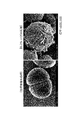
- FIG. 13 shows an image obtained by a scanning electron microscope. As shown in FIG. 13, no change in morphology was observed in MRSA with the addition of saline, but with the addition of lysozyme-chitosan complex, fibrous deposits appeared on the outer surface of MRSA. I understand that.
- FIG. 14 An image obtained by a transmission electron microscope is shown in FIG. As shown in FIG. 14, MRSA added no morphological change in MRSA, but lysozyme-chitosan complex added lost the fibrous structure (DNA) inside MRSA. I understand that.
- the lysozyme-chitosan complex acts in a complex manner on the cell wall of MRSA and destroys MRSA.
- One is an antibacterial action by hydrolysis of the peptidoglycan layer by lysozyme activity and the deposition of chitosan on the cell wall, and the other is a surface active action by a hybrid of lysozyme-chitosan.
- chromosomal DNA is extracted from the inside of the bacterium that has been pierced by the lysozyme-chitosan complex and causes deposition outside the bacterium.
- MRSA can no longer grow, and at the same time, it is thought that the opportunity to acquire resistant bacteria due to gene loss is also taken away.
- Example 9 Observation of morphological changes in MRSA and Pseudomonas aeruginosa by lysozyme-chitosan complex, lysozyme alone, chitosan alone, and a mixture of lysozyme and chitosan
- Morphological changes of MRSA and Pseudomonas aeruginosa treated with lysozyme-chitosan complex, lysozyme alone, chitosan alone, and a mixture of lysozyme and chitosan were observed using a scanning electron microscope.
- the observation with this scanning electron microscope is the same as in Example 8 above, in which osmium coating (4 nm) is applied as a conductive treatment, and a low-acceleration ultra-high-resolution scanning electron microscope (SU9000 manufactured by Hitachi High-Technologies Corporation (acceleration voltage 1 kV)). It was performed using.
- Each sample was prepared by adding MRSA or Pseudomonas aeruginosa to physiological saline, lysozyme-chitosan complex having a concentration of 0.1% by mass, 0.05% by mass lysozyme, 0.05% by mass chitosan, 0.05% each. A mixture of mass% lysozyme and chitosan was added.
- Fig. 16 shows an MRSA image obtained by a scanning electron microscope
- Fig. 17 shows an image of Pseudomonas aeruginosa.
- MRSA maintains its form not only with the addition of physiological saline but also with the addition of lysozyme alone, the addition of chitosan alone, and the addition of a mixture of lysozyme and chitosan. And no noticeable morphological changes were observed.
- adding lysozyme-chitosan complex it can be seen that the form of MRSA is changed, and fibrous deposits appear as lumps on the outside.
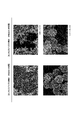
- DNase I treatment was performed on MRSA added with lysozyme-chitosan complex and Pseudomonas aeruginosa added with lysozyme-chitosan complex.
- FIG. 18 shows MRSA images obtained by a scanning electron microscope when MRase is added to lysozyme-chitosan complex and DNase I treatment is not performed.
- FIG. 19 shows the results of Pseudomonas aeruginosa obtained by scanning electron microscope with and without DNase I treatment of Pseudomonas aeruginosa added with lysozyme-chitosan complex. It is an image.
Landscapes
- Health & Medical Sciences (AREA)
- Life Sciences & Earth Sciences (AREA)
- General Health & Medical Sciences (AREA)
- Engineering & Computer Science (AREA)
- Chemical & Material Sciences (AREA)
- Bioinformatics & Cheminformatics (AREA)
- Medicinal Chemistry (AREA)
- Veterinary Medicine (AREA)
- Organic Chemistry (AREA)
- Pharmacology & Pharmacy (AREA)
- Animal Behavior & Ethology (AREA)
- Public Health (AREA)
- Wood Science & Technology (AREA)
- Zoology (AREA)
- Pest Control & Pesticides (AREA)
- Environmental Sciences (AREA)
- Agronomy & Crop Science (AREA)
- Plant Pathology (AREA)
- Dentistry (AREA)
- Epidemiology (AREA)
- General Chemical & Material Sciences (AREA)
- Chemical Kinetics & Catalysis (AREA)
- Nuclear Medicine, Radiotherapy & Molecular Imaging (AREA)
- Biochemistry (AREA)
- Gastroenterology & Hepatology (AREA)
- Immunology (AREA)
- Proteomics, Peptides & Aminoacids (AREA)
- General Engineering & Computer Science (AREA)
- Genetics & Genomics (AREA)
- Toxicology (AREA)
- Communicable Diseases (AREA)
- Oncology (AREA)
- Pulmonology (AREA)
- Medicines That Contain Protein Lipid Enzymes And Other Medicines (AREA)
- Pharmaceuticals Containing Other Organic And Inorganic Compounds (AREA)
- Medicinal Preparation (AREA)
Abstract
本発明は、安全性の高い天然の食品添加物を用いて、呼吸器感染症の原因となる感染菌に対して新規な抗菌性組成物を提供するものであり、リゾチームとキトサンとを結合させた複合体を含有し、呼吸器感染症を引き起こす感染菌に対して抗菌性を有する抗菌性組成物。
Description
この発明は、呼吸器感染症の原因となる感染菌に対して抗菌性を有する抗菌性組成物に関するものである。
MRSA、緑膿菌又は肺MAC(Mycobacterium avium complex)等の非結核性抗酸菌は、呼吸器感染症を引き起こす感染菌である。この感染症は、難治性化することから問題視されている。
ここで、呼吸器感染症の予防・治療剤として、特許文献1に示すように、ラクトバチルス・アシドフィラス(Lactobacillus acidophilus)に属する乳酸菌を抗呼吸器感染症作用の有効成分として含有するものが考えられている。
しかしながら、特許文献1は、インフルエンザウイルス(具体的には、マウス・インフルエンザウイルスPR8[A/PR/8/34(H1N1)])に対する増殖抑制作用を示しているに過ぎず、MRSA、緑膿菌又は非結核性抗酸菌に対する増殖抑制作用については一切示していない。
一方で、本願発明者は、安全性の高い天然の食品添加物であるリゾチーム及びキトサンの複合体を用いて、各種菌に対する抗菌性の検討を行っている。その中で、本願発明者は、リゾチームとキトサンとが結合した複合体が、呼吸器感染症の原因となる感染菌に対して抗菌性を示すことを見い出した。
すなわち本発明に係る抗菌性組成物は、リゾチームとキトサンとを結合させた複合体を含有し、呼吸器感染症を引き起こす感染菌に対して抗菌性を有することを特徴とする。
前記抗菌性には、MRSAの増殖抑制作用、緑膿菌の増殖抑制作用、又は、非結核性抗酸菌の増殖抑制作用が含まれる。つまり、前記抗菌性組成物は、MRSA増殖抑制組成物、緑膿菌増殖抑制組成物又は非結核性抗酸菌増殖抑制組成物を含む。この抗菌性組成物の効果については、後述する。
前記抗菌性がMRSAの増殖抑制作用の場合、前記複合体の濃度が0.001質量%以上であることが望ましい。また、前記抗菌性が緑膿菌の増殖抑制作用の場合、前記複合体の濃度が0.01質量%以上であることが望ましい。
前記抗菌性組成物は、注射用水、生理食塩液、リンゲル液、精製水又は蒸留水等の液体と混ぜて洗浄水とすることが好ましい。このように洗浄水とすることで、ネブライザーに用いることができる。
本発明によれば、呼吸器感染症を引き起こす感染菌の増殖を抑える効果を奏する。したがって、本発明に依れば、呼吸器感染症の症状の改善、呼吸器感染症の治癒、感染の予防をすることができる。また、リゾチームは、安全性の高い天然の食品添加物として広く利用されており、このリゾチームとキトサンとの複合体を用いた抗菌性組成物は、利用する患者を安心させるとともに、その負担を軽減することができる。
以下に本発明の一実施形態を詳述する。
本実施形態に係る抗菌性組成物は、リゾチームとキトサン(水溶性のものであり、分子量は25000Da以下である。)と結合させた複合体を含有するものである。なお、本実施形態では、分子量14000Daのキトサンを用いている。
本実施形態のリゾチーム-キトサン複合体は、リゾチームとキトサンをメイラード反応により結合させることにより製造することができる。リゾチームとキトサンとをメイラード反応により結合させることで、リゾチーム中の抗原構造のほとんど又はすべてがマスクされるため、リゾチーム-キトサン複合体を摂取してもアレルギーを起こしにくい。
具体的な製造方法は次のとおりである。
リゾチーム/キトサンの質量比が、より好ましくは60/40~40/60となる量のリゾチーム及びキトサンを、水に混合溶解し、水溶液中のリゾチーム及びキトサンの合計含量が5~30質量%となるように調製する。得られた水溶液を凍結乾燥することにより粉末化する。得られた粉末を温度50~80℃、より好ましくは55~65℃、相対湿度50~80%、より好ましくは60~70%の条件下で、2~20日、より好ましくは7~14日、メイラード反応させることにより本発明のリゾチーム-キトサン複合体を製造することができる。
リゾチーム/キトサンの質量比が、より好ましくは60/40~40/60となる量のリゾチーム及びキトサンを、水に混合溶解し、水溶液中のリゾチーム及びキトサンの合計含量が5~30質量%となるように調製する。得られた水溶液を凍結乾燥することにより粉末化する。得られた粉末を温度50~80℃、より好ましくは55~65℃、相対湿度50~80%、より好ましくは60~70%の条件下で、2~20日、より好ましくは7~14日、メイラード反応させることにより本発明のリゾチーム-キトサン複合体を製造することができる。
本実施形態のリゾチーム-キトサン複合体の生成は、SDS(Sodium dodecyl sulfate-polyacrylamide)電気泳動により得られるプレートを、染色処理したものにより、蛋白質-キトサン複合体である高分子物質の生成を確認することができる。
次に、本実施形態の抗菌性組成物について説明する。
本実施形態の抗菌性組成物は、リゾチーム-キトサン複合体を、注射用水、生理食塩液、リンゲル液、精製水又は蒸留水等の液体と混ぜて構成されるものであり、その抗菌力をより保持させるために、リゾチーム-キトサン複合体を、好ましくは0.001質量%以上含有するものである。なお、呼吸器感染症の治療にあたって、リゾチーム-キトサン複合体の濃度が濃すぎるとアレルギーの原因となる可能性がある。ここで、リゾチーム-キトサン複合体の濃度の上限値は、1.0質量%である。
本実施形態の抗菌性組成物は、リゾチーム-キトサン複合体を、注射用水、生理食塩液、リンゲル液、精製水又は蒸留水等の液体と混ぜて構成されるものであり、その抗菌力をより保持させるために、リゾチーム-キトサン複合体を、好ましくは0.001質量%以上含有するものである。なお、呼吸器感染症の治療にあたって、リゾチーム-キトサン複合体の濃度が濃すぎるとアレルギーの原因となる可能性がある。ここで、リゾチーム-キトサン複合体の濃度の上限値は、1.0質量%である。
例えば、抗菌性組成物をMRSA増殖抑制組成物として用いる場合には、リゾチーム-キトサン複合体の濃度は0.001質量%以上とすることが好ましい。また、抗菌性組成物を緑膿菌増殖抑制組成物として用いる場合には、リゾチーム-キトサン複合体の濃度は0.01質量%以上とすることが好ましい。さらに、抗菌性組成物を非結核性抗酸菌増殖抑制組成物(肺MAC増殖抑制組成物)として用いる場合には、リゾチーム-キトサン複合体の濃度は0.1質量%以上とすることが好ましい。
この抗菌性組成物は、ネブライザーに用いられる洗浄水とすることができる。これにより抗菌性組成物を感染部位に直接噴霧することで、感染菌の増殖を抑制することができる。
また、本実施形態の抗菌性組成物は、例えば、MRSA、緑膿菌又は肺MAC(Mycobacterium avium complex)等の非結核性抗酸菌等の呼吸器感染症を引き起こす各種感染菌に対して増殖抑制作用を有する。
以下に実施例を掲げて本発明を更に詳細に説明するが、本発明はこれら実施例のみに限定されるものではない。なお、以下の実施例において、リゾチーム-キトサン複合体をLYZOX(和興フィルタテクノロジー株式会社の登録商標)ともいう。
[実施例1]
リゾチーム-キトサン複合体、リゾチーム単体、キトサン単体、及び、リゾチーム及びキトサンの混合物による希釈した培地におけるMRSAの増殖抑制効果
リゾチーム-キトサン複合体、リゾチーム単体、キトサン単体、及び、リゾチーム及びキトサンの混合物による希釈した培地におけるMRSAの増殖抑制効果
本試験には、MRSA IID1677を用い、この菌株を普通ブイヨン培地で37℃、20時間培養した。培養した菌液を遠心分離(3000rpm、10分)により回収し、滅菌水により懸濁した。そして、吸光度OD600=1.0となるように滅菌水で希釈した。これを2000倍に希釈(106CFU/ml相当)し、反応菌液とした。
それぞれのLB試験培地サンプルへ、100μlの反応菌液を添加し、37℃の条件下で48時間振とう培養した。ここで、それぞれのLB試験培地サンプルは、10mlの1/2.5LB培地に、
(1)10mlの滅菌水、
(2)10mlの濃度0.002%のリゾチーム-キトサン複合体(添加後の濃度0.001%)、
(3)10mlの濃度0.001%のリゾチーム単体(添加後の濃度0.0005%)、
(4)10mlの濃度0.001%のキトサン単体(添加後の濃度0.0005%)、又は、
(5)10mlの濃度0.001%のリゾチーム及びキトサンの混合物(添加後のそれぞれの濃度0.0005%)、
を添加して作製したものである。
(1)10mlの滅菌水、
(2)10mlの濃度0.002%のリゾチーム-キトサン複合体(添加後の濃度0.001%)、
(3)10mlの濃度0.001%のリゾチーム単体(添加後の濃度0.0005%)、
(4)10mlの濃度0.001%のキトサン単体(添加後の濃度0.0005%)、又は、
(5)10mlの濃度0.001%のリゾチーム及びキトサンの混合物(添加後のそれぞれの濃度0.0005%)、
を添加して作製したものである。
そして、経時的(0、1、2days)に3mlずつ抜き取り、吸収波長600nmにて吸光度を測定した。また必要に応じて、100μl抜き取り、LB寒天培地へ播種し、発生コロニー数を観察した。
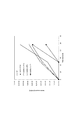
実験の結果、図1に示すように、リゾチーム単体、リゾチーム及びキトサンの混合物では、48時間のMRSAの増殖抑制効果が若干見られた。
一方で、リゾチーム-キトサン複合体の48時間のMRSAの増殖抑制効果は、リゾチーム単体、リゾチーム及びキトサンの混合物に比べて、著しい改善効果が認められた。
一方で、リゾチーム-キトサン複合体の48時間のMRSAの増殖抑制効果は、リゾチーム単体、リゾチーム及びキトサンの混合物に比べて、著しい改善効果が認められた。
[実施例2]
リゾチーム-キトサン複合体、リゾチーム単体、キトサン単体、及び、リゾチーム及びキトサンの混合物による希釈した培地における緑膿菌の増殖抑制効果
リゾチーム-キトサン複合体、リゾチーム単体、キトサン単体、及び、リゾチーム及びキトサンの混合物による希釈した培地における緑膿菌の増殖抑制効果
本試験には、Pseudomonas aeruginosa NBRC13275を用い、この菌株を普通ブイヨン培地で37℃、20時間培養した。培養した菌液を遠心分離(3000rpm、10分)により回収し、滅菌水により懸濁した。そして、吸光度OD600=1.0となるように滅菌水で希釈した。これを2000倍に希釈(106CFU/ml相当)し、反応菌液とした。
それぞれのTSB試験培地サンプルへ、100μlの反応菌液を添加し、37℃の条件下で48時間振とう培養した。ここで、それぞれのTSB試験培地サンプルは、10mlの1/2.5TSB培地に、200μlの1Mリン酸バッファー(pH7.0)を添加し、さらに、
(1)10mlの滅菌水、
(2)10mlの濃度0.02%(添加後の濃度0.01%)のリゾチーム-キトサン複合体、
(3)10mlの濃度0.01%(添加後の濃度0.005%)のリゾチーム単体、
(4)10mlの濃度0.01%(添加後の濃度0.005%)のキトサン単体、又は、
(5)10mlの濃度0.01%(添加後のそれぞれの濃度0.005%)のリゾチーム及びキトサンの混合物、
を添加して作製したものである。
(1)10mlの滅菌水、
(2)10mlの濃度0.02%(添加後の濃度0.01%)のリゾチーム-キトサン複合体、
(3)10mlの濃度0.01%(添加後の濃度0.005%)のリゾチーム単体、
(4)10mlの濃度0.01%(添加後の濃度0.005%)のキトサン単体、又は、
(5)10mlの濃度0.01%(添加後のそれぞれの濃度0.005%)のリゾチーム及びキトサンの混合物、
を添加して作製したものである。
そして、経時的(0、1、2days)に3mlずつ抜き取り、吸収波長600nmにて吸光度を測定した。また必要に応じて、100μl抜き取り、MH寒天培地へ播種し、発生コロニー数を観察した。
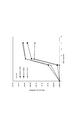
実験の結果、図2に示すように、24時間までは、リゾチーム-キトサン複合体、リゾチーム及びキトサンの混合物に緑膿菌の増殖抑制効果が見られた。
一方、24時間を過ぎてから、リゾチーム-キトサン複合体による強い増殖抑制効果が見られた。
一方、24時間を過ぎてから、リゾチーム-キトサン複合体による強い増殖抑制効果が見られた。
[実施例3]
リゾチーム-キトサン複合体、リゾチーム単体、キトサン単体、及び、リゾチーム及びキトサンの混合物による希釈した培地における肺MACの増殖抑制効果
リゾチーム-キトサン複合体、リゾチーム単体、キトサン単体、及び、リゾチーム及びキトサンの混合物による希釈した培地における肺MACの増殖抑制効果
本試験には、Mycobacterium avium Chester JCM15429を用い、この菌株をMiddlebrook 7H9培地で37℃、2週間培養した。培養した菌液を遠心分離(3000rpm、10分)により回収し、滅菌水により懸濁した。そして、吸光度OD600=1.0となるように滅菌水で希釈した。これを2000倍に希釈(106CFU/ml相当)し、反応菌液とした。
それぞれのMiddlebrook 7H9試験培地サンプルへ、100μlの反応菌液を添加し、37℃の条件下で静置培養した。ここで、それぞれのMiddlebrook 7H9試験培地サンプルは、10mlの1/2.5Middlebrook 7H9培地に、
(1)10mlの滅菌水、
(2)10mlの濃度0.002%のリゾチーム-キトサン複合体(添加後の濃度0.001%)、
(3)10mlの濃度0.02%のリゾチーム-キトサン複合体(添加後の濃度0.01%)、
(4)10mlの濃度0.2%のリゾチーム-キトサン複合体(添加後の濃度0.1%)、
(5)10mlの濃度0.1%のリゾチーム単体(添加後の濃度0.05%)、
(6)10mlの濃度0.1%のキトサン単体(添加後の濃度0.05%)、又は、
(7)10mlの濃度0.1%のリゾチーム及びキトサンの混合物(添加後のそれぞれの濃度0.05%)、
を添加して作製したものである。
(1)10mlの滅菌水、
(2)10mlの濃度0.002%のリゾチーム-キトサン複合体(添加後の濃度0.001%)、
(3)10mlの濃度0.02%のリゾチーム-キトサン複合体(添加後の濃度0.01%)、
(4)10mlの濃度0.2%のリゾチーム-キトサン複合体(添加後の濃度0.1%)、
(5)10mlの濃度0.1%のリゾチーム単体(添加後の濃度0.05%)、
(6)10mlの濃度0.1%のキトサン単体(添加後の濃度0.05%)、又は、
(7)10mlの濃度0.1%のリゾチーム及びキトサンの混合物(添加後のそれぞれの濃度0.05%)、
を添加して作製したものである。
そして、経時的(0、5、7,12days)に3mlずつ抜き取り、吸収波長600nmにて吸光度を測定した。また必要に応じて、100μl抜き取り、Middlebrook 7H10寒天培地へ播種し、発生コロニー数を観察した。
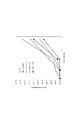
実験の結果、図3に示すように、リゾチーム-キトサン複合体の濃度が大きくなるに連れて肺MACの増殖抑制効果が増大することが認められた。
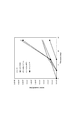
また、図4に示すように、リゾチーム-キトサン複合体は、キトサン単体、リゾチーム単体、リゾチーム及びキトサンの混合物に比べて、7日間に亘って、肺MACの増殖抑制効果が著しいことが認められた。
また、図4に示すように、リゾチーム-キトサン複合体は、キトサン単体、リゾチーム単体、リゾチーム及びキトサンの混合物に比べて、7日間に亘って、肺MACの増殖抑制効果が著しいことが認められた。
なお、図5は、10mMリン酸バッファー(pH7.0)をさらに添加したMiddlebrook 7H9試験培地サンプルを用いた結果を示している。
この図5においても、リゾチーム-キトサン複合体は、キトサン単体、リゾチーム単体、リゾチーム及びキトサンの混合物に比べて、7日間に亘って、肺MACの増殖抑制効果が著しいことが認められた。
この図5においても、リゾチーム-キトサン複合体は、キトサン単体、リゾチーム単体、リゾチーム及びキトサンの混合物に比べて、7日間に亘って、肺MACの増殖抑制効果が著しいことが認められた。
[実施例4]
リゾチーム-キトサン複合体、リゾチーム単体、及び、リゾチーム及びキトサンの混合物による耐熱性評価
リゾチーム-キトサン複合体、リゾチーム単体、及び、リゾチーム及びキトサンの混合物による耐熱性評価
本試験は、リゾチーム感受性の細菌であるミクロコッカスルテウス菌を用いた溶菌試験である。なお、溶菌活性はリゾチーム特有の活性である。リゾチームは熱に対して比較的安定なタンパク質であるが、一般的には80℃で30分加熱したリゾチームはこの活性がかなり低下することが知られている。本試験は、リゾチーム-キトサン複合体(リゾチームにキトサンオリゴ糖を結合させたもの)が、原料のリゾチームに耐熱性を付加するということを示すべく行った。
本試験には、濃度5%のリゾチーム-キトサン複合体水溶液、濃度2.5%のリゾチーム水溶液、及び、濃度2.5%のリゾチーム及びキトサンの混合物水溶液を用いた。また、使用菌には、和光純薬製のミクロコッカスルテウス菌を用いた。
まず試験前日にミクロコッカスルテウス菌を1g秤とり、100mlの生理食塩水に加えて、4℃で一晩攪拌した。そして、試験当日に、ミクロコッカスルテウス菌について、波長640nmで、OD=1.00±0.05となるように調整し、これを試験菌液とした。なお希釈には同じ生理食塩水を用いた。
各溶液を調整し、2mlずつ5mlのチューブに入れて、乾燥炉にて80℃、2時間の熱処理を実施した。なお、加熱処理しないものも同量作製した。この熱処理後、室温に戻した後に、37℃の恒温槽にて30分インキュベートした。
前記試験菌液2800μlを吸光度計にセットし、検体添加直前のOD(0-1)を記録した。その後、検体200μlを添加し、攪拌した。このときODが上昇するため、一番高くなった値OD(0-2)を記録した。
検体添加後からタイマーにて計測し、2、4、6、8、10分経過時点のODを記録した。試験はそれぞれ2回実施し、平均を算出した。
(0-2)のODを開始時のODとして、それぞれの点におけるΔ吸光度(ΔOD)を算出した。
図6の(A)~(C)は、各溶液において、縦軸にΔ吸光度、横軸に時間をプロットしたものである。また、図6の(D)は、加熱の有無でのΔ吸光度を比較し、加熱処理後の溶液が、加熱処理無しの溶液に対してどの程度活性が残っているかを活性残存率(下記の式)として算出したものである。
活性残存率(%)=「加熱処理有りのΔOD(10分)」/「加熱処理無しのΔOD(10分)」×100
活性残存率(%)=「加熱処理有りのΔOD(10分)」/「加熱処理無しのΔOD(10分)」×100
図6の(D)から分かるように、リゾチーム溶液における加熱処理後の活性残存率が73.3%であるのに対して、LYZOX溶液における加熱処理後の活性残存率が91.9%と加熱処理を施しても高い溶菌活性を有していることが分かる。したがって、リゾチームをキトサンと結合させることによって、リゾチーム単体に比べて、耐熱性を向上させることができる。
[実施例5]
リゾチーム-キトサン複合体、リゾチーム単体、キトサン単体、及び、リゾチーム及びキトサンの混合物による標準培地におけるMRSAの増殖抑制効果
リゾチーム-キトサン複合体、リゾチーム単体、キトサン単体、及び、リゾチーム及びキトサンの混合物による標準培地におけるMRSAの増殖抑制効果
本試験には、MRSA IID1677を用い、この菌株を普通ブイヨン培地(栄研化学株式会社製、‘栄研’)20mlに植菌して37℃で一夜振とう培養した。培養した菌液を遠心分離(3000rpm、10分)により回収し、滅菌水により懸濁した。そして、吸光度OD600=1.0となるように滅菌水で希釈した。これを2000倍に希釈(106CFU/ml相当)し、反応菌液とした。
それぞれのTSB試験培地サンプルへ、100μlの反応菌液を添加し、37℃の条件下で48時間振とう培養した。ここで、それぞれのTSB試験培地サンプルは、10mlのTSB培地(BD BBLTM)に、200μlの1Mリン酸バッファー(pH7.0)を添加し、さらに、
(1)10mlの滅菌水、
(2)10mlの濃度0.4%のリゾチーム-キトサン複合体(添加後の濃度0.2%)、
(3)10mlの濃度0.2%のリゾチーム単体(添加後の濃度0.1%)、
(4)10mlの濃度0.2%のキトサン単体(添加後の濃度0.1%)、又は、
(5)10mlの濃度0.2%のリゾチーム及びキトサンの混合物(添加後のそれぞれの濃度0.1%)、
を添加して作製したものである。
(1)10mlの滅菌水、
(2)10mlの濃度0.4%のリゾチーム-キトサン複合体(添加後の濃度0.2%)、
(3)10mlの濃度0.2%のリゾチーム単体(添加後の濃度0.1%)、
(4)10mlの濃度0.2%のキトサン単体(添加後の濃度0.1%)、又は、
(5)10mlの濃度0.2%のリゾチーム及びキトサンの混合物(添加後のそれぞれの濃度0.1%)、
を添加して作製したものである。
そして、100μl抜き取り、MH寒天培地へ播種し、発生コロニー数を観察した(コロニーカウント法)。その結果を図7に示す。図7は、10mlの滅菌水を添加して作成したTSB試験培地サンプル(コントロール)の6時間後の発生コロニー数に対する各サンプルの6時間後の発生コロニー数の比率を示している。なお、図7の結果は、コロニーカウント法を3回行って得られた値の平均値である。
実験の結果、図7から分かるように、リゾチーム単体ではMRSAの増殖抑制効果はほとんど見られないが、リゾチーム-キトサン複合体、キトサン単体、リゾチーム及びキトサンの混合物にMRSAの増殖抑制効果が見られた。特に、リゾチーム-キトサン複合体のMRSAの増殖抑制効果は、キトサン単体、リゾチーム及びキトサンの混合物に比べて、著しい改善効果が認められた。
次に、TSB試験培地サンプルにおけるリゾチーム-キトサン複合体の添加後の濃度を、0.01%、0.05%、0.1%、0.2%とした場合それぞれの発生コロニー数を観察した。その結果を図8に示す。図8は、前記コントロールの発生コロニー数に対する各濃度の発生コロニー数の比率の変化を示している。なお、図8の結果は、複製した2つのサンプルによって得られた平均値である。
実験の結果、図8から分かるように、何れの濃度であっても、9時間後には、十分な増殖抑制効果が見られる。また、濃度0.2%のリゾチーム-キトサン複合体では、6時間経過後にほぼ0%となっており、増殖抑制効果の即効性が示された。
[実施例6]
リゾチーム-キトサン複合体、リゾチーム単体、キトサン単体、及び、リゾチーム及びキトサンの混合物による標準培地における緑膿菌の増殖抑制効果
リゾチーム-キトサン複合体、リゾチーム単体、キトサン単体、及び、リゾチーム及びキトサンの混合物による標準培地における緑膿菌の増殖抑制効果
本試験には、Pseudomonas aeruginosa NBRC13275又はPAO1を用い、その他の処理は、前記[実施例5]と同様とした。
NBRC13275における結果を図9に示し、PAO1における結果を図10に示す。なお、図9の結果は、コロニーカウント法を3回行って得られた値の平均値であり、図10の結果は、コロニーカウント法を5回行って得られた値の平均値である。
図9から分かるように、リゾチーム-キトサン複合体のNBRC13275の増殖抑制効果は、リゾチーム単体、キトサン単体、リゾチーム及びキトサンの混合物に比べて、著しい改善効果が認められた。
図10から分かるように、リゾチーム-キトサン複合体のPAO1の増殖抑制効果は、リゾチーム単体、キトサン単体、リゾチーム及びキトサンの混合物に比べて、著しい改善効果が認められた。
次に、TSB試験培地サンプルにおけるリゾチーム-キトサン複合体の添加後の濃度を、0.05%、0.1%、0.2%、0.5%とした場合それぞれの発生コロニー数を観察した。その結果を図11に示す。図1は、前記コントロールの発生コロニー数に対する各濃度の発生コロニー数の比率の変化を示している。なお、図11の結果は、複製した3つのサンプルによって得られた平均値である。
実験の結果、図11から分かるように、濃度0.2%、0.5%のリゾチーム-キトサン複合体は、6時間後にほぼ0%となっており、十分な増殖抑制効果が見られる。
[実施例7]
リゾチーム-キトサン複合体に対するMRSAの耐性菌の不発生効果
リゾチーム-キトサン複合体に対するMRSAの耐性菌の不発生効果
本試験には、MRSA IID1677を用い、日本化学療法学会の提唱する微量液体希釈法を用いた耐性菌獲得プロトコールを実施した。その結果を図12に示す。
図12から分かるように、リゾチーム-キトサン複合体により継代培養(25代)しても、MIC(最小発育阻止濃度)には、ほとんど変化が無かった。
一方、「青木、柏木“メチシリン耐性黄色ブドウ球菌(MRSA)院内感染における医療従事者鼻腔保有株の意義に関する検討”感染症学雑誌 第64巻」のFig.3に記載されている通り、MRSAの抗菌薬として知られているゲンタマイシンでは、3代目で耐性菌の発生が確認され、ミノマイシンでは、6代目で耐性菌の発生が確認されていることが報告されている。
[実施例8]
リゾチーム-キトサン複合体によるMRSAの形態変化の観察
リゾチーム-キトサン複合体によるMRSAの形態変化の観察
まず、MRSAの形態変化を走査電子顕微鏡を用いて観察した。この走査電子顕微鏡による観察は、導電処理としてオスミウムコーティング(4nm)を行い、低加速超高分解能走査電子顕微鏡(株式会社日立ハイテクノロジーズ製SU9000(加速電圧1kV))を用いて行った。また、試料は、MRSAに生理食塩水を添加したもの、MRSAに濃度0.2質量%のリゾチーム-キトサン複合体を添加したものである。
走査電子顕微鏡により得られた画像を図13に示す。図13に示される通り、生理食塩水を添加したものではMRSAに形態変化が生じていないが、リゾチーム-キトサン複合体を添加したものでは、MRSAの外表面に繊維状の付着物が出現していることがわかる。
次に、MRSAの形態変化を透過電子顕微鏡を用いて観察した。この透過電子顕微鏡による観察は、前処理としてダイヤモンドナイフにて50nmに薄切りし、酢酸ウラン、クエン酸鉛により染色し、透過電子顕微鏡(日本電子株式会社製JEM-1400)を用いて行った。また、試料は、MRSAに生理食塩水を添加したもの、MRSAに濃度0.2質量%のリゾチーム-キトサン複合体を添加したものである。
透過電子顕微鏡により得られた画像を図14に示す。図14に示される通り、生理食塩水を添加したものではMRSAに形態変化が生じていないが、リゾチーム-キトサン複合体を添加したものでは、MRSAの内部の繊維状構造(DNA)が消失していることがわかる。
これらの画像から、リゾチーム-キトサン複合体は、MRSAの細胞壁に複合的に作用してMRSAを破壊すると考えられる。1つは、リゾチーム活性によるペプチドグリカン層の加水分解やキトサンの細胞壁への沈着による抗菌作用であり、もう1つは、リゾチームーキトサンのハイブリッドによる界面活性作用である。リゾチーム-キトサン複合体により穴をあけられた細菌体内より染色体DNAが引き出されて、細菌体外で沈着を引き起こすと考えられる。これによって、MRSAは増殖ができなくなると同時に、遺伝子損失による耐性菌獲得の機会も奪われると考えられる。
なお、緑膿菌にリゾチーム-キトサン複合体を添加した場合の形態変化についても、上記と同様に、透過電子顕微鏡を用いた観察した。その結果を図15に示す。図15から分かるように、緑膿菌にリゾチーム-キトサン複合体を添加することで、緑膿菌の細胞壁が破壊されていることが分かる。つまり、リゾチーム-キトサン複合体は、緑膿菌に対しても耐性菌の不活性効果を有することが分かる。
[実施例9]
リゾチーム-キトサン複合体、リゾチーム単体、キトサン単体、及び、リゾチーム及びキトサンの混合物によるMRSA及び緑膿菌の形態変化の観察
リゾチーム-キトサン複合体、リゾチーム単体、キトサン単体、及び、リゾチーム及びキトサンの混合物によるMRSA及び緑膿菌の形態変化の観察
リゾチーム-キトサン複合体、リゾチーム単体、キトサン単体、及び、リゾチーム及びキトサンの混合物それぞれで処理(処理時間:2時間)したMRSA及び緑膿菌の形態変化を、走査電子顕微鏡を用いて観察した。この走査電子顕微鏡による観察は、上記の実施例8と同様に、導電処理としてオスミウムコーティング(4nm)を行い、低加速超高分解能走査電子顕微鏡(株式会社日立ハイテクノロジーズ製SU9000(加速電圧1kV))を用いて行った。また、各試料は、MRSA又は緑膿菌に、生理食塩水、濃度0.1質量%のリゾチーム-キトサン複合体、0.05質量%のリゾチーム、0.05質量%のキトサン、それぞれ0.05質量%のリゾチーム及びキトサンの混合物を添加したものである。
走査電子顕微鏡により得られたMRSAの画像を図16に、緑膿菌の画像を図17に示す。図16に示す通り、生理食塩水を添加したものだけでなく、リゾチーム単体を添加したもの、キトサン単体を添加したもの、及び、リゾチーム及びキトサンの混合物を添加したものでは、MRSAがその形態を維持しており、目立った形態変化は見られなかった。一方で、リゾチーム-キトサン複合体を添加したものでは、MRSAの形態が変化して、それらの外部に繊維状の付着物が塊となって出現していることがわかる。
同様に、図17に示す通り、生理食塩水を添加したものだけでなく、リゾチーム単体を添加したものでは、緑膿菌がその形態を維持しており、目立った形態変化は見られなかった。また、キトサン単体を添加したもの、及び、リゾチーム及びキトサンの混合物を添加したものでは、緑膿菌に若干の形態変化が見られたものの、大部分の緑膿菌がその形態を維持している。一方、リゾチーム-キトサン複合体を添加したものでは、緑膿菌の形態が大きく変化して、それらの外部に繊維状の付着物が塊となって出現していることがわかる。
また、MRSAにリゾチーム-キトサン複合体を添加したもの、及び、緑膿菌にリゾチーム-キトサン複合体を添加したものに対して、DNase I処理を行った。
図18は、MRSAにリゾチーム-キトサン複合体を添加したものに対して、DNase I処理を行った場合と、行わなかった場合とにおいて、走査電子顕微鏡により得られたMRSAの画像である。また、図19は、緑膿菌にリゾチーム-キトサン複合体を添加したものに対して、DNase I処理を行った場合と、行わなかった場合とにおいて、走査電子顕微鏡により得られた緑膿菌の画像である。
図18及び図19の何れにおいても、DNase I処理を行った場合には、MRSA及び緑膿菌の外部に出現していた繊維状の付着物が消失している。つまり、MRSA及び緑膿菌の外部に出現した繊維状の付着物は、遺伝子(DNA)であることが分かった。このように、MRSA及び緑膿菌にリゾチーム-キトサン複合体を添加することによって、それらの遺伝子が外部に放出されることによって、MRSA及び緑膿菌は増殖ができなくなると同時に、遺伝子損失による耐性菌獲得の機会も奪われると考えられる。
本発明によれば、安全性の高い天然の食品添加物を用いて、呼吸器感染症の原因となる感染菌に対して新規な抗菌性組成物を提供することができる。
Claims (7)
- リゾチームとキトサンとを結合させた複合体を含有し、呼吸器感染症を引き起こす感染菌に対して抗菌性を有する抗菌性組成物。
- 前記抗菌性が、MRSAの増殖抑制作用、緑膿菌の増殖抑制作用、又は、非結核性抗酸菌の増殖抑制作用を含む請求項1記載の抗菌性組成物。
- 前記抗菌性がMRSAの増殖抑制作用の場合、前記複合体の濃度が0.001質量%以上である請求項2記載の抗菌性組成物。
- 前記抗菌性が緑膿菌の増殖抑制作用の場合、前記複合体の濃度が0.01質量%以上である請求項2記載の抗菌性組成物。
- 耐熱性を有する、請求項1に記載の抗菌性組成物。
- 耐性菌の発生抑制作用を有する、請求項1に記載の抗菌性組成物。
- 請求項1に記載の抗菌性組成物を含有する洗浄水。
Priority Applications (3)
| Application Number | Priority Date | Filing Date | Title |
|---|---|---|---|
| US16/075,908 US20190053489A1 (en) | 2016-02-08 | 2017-02-06 | Antimicrobial composition |
| JP2017566927A JPWO2017138476A1 (ja) | 2016-02-08 | 2017-02-06 | 抗菌性組成物 |
| CN201780010332.XA CN108778319A (zh) | 2016-02-08 | 2017-02-06 | 抗菌组合物 |
Applications Claiming Priority (2)
| Application Number | Priority Date | Filing Date | Title |
|---|---|---|---|
| JP2016-022099 | 2016-02-08 | ||
| JP2016022099 | 2016-02-08 |
Publications (1)
| Publication Number | Publication Date |
|---|---|
| WO2017138476A1 true WO2017138476A1 (ja) | 2017-08-17 |
Family
ID=59563060
Family Applications (1)
| Application Number | Title | Priority Date | Filing Date |
|---|---|---|---|
| PCT/JP2017/004157 Ceased WO2017138476A1 (ja) | 2016-02-08 | 2017-02-06 | 抗菌性組成物 |
Country Status (4)
| Country | Link |
|---|---|
| US (1) | US20190053489A1 (ja) |
| JP (1) | JPWO2017138476A1 (ja) |
| CN (1) | CN108778319A (ja) |
| WO (1) | WO2017138476A1 (ja) |
Cited By (2)
| Publication number | Priority date | Publication date | Assignee | Title |
|---|---|---|---|---|
| WO2024042930A1 (ja) * | 2022-08-23 | 2024-02-29 | 国立大学法人 筑波大学 | アカントアメーバに起因する炎症を治療又は予防するための医薬組成物 |
| US12178859B2 (en) | 2019-01-15 | 2024-12-31 | Wako Filter Technology Co., Ltd. | Anti inflammatory composition |
Families Citing this family (1)
| Publication number | Priority date | Publication date | Assignee | Title |
|---|---|---|---|---|
| JPWO2020241681A1 (ja) * | 2019-05-27 | 2020-12-03 |
Family Cites Families (1)
| Publication number | Priority date | Publication date | Assignee | Title |
|---|---|---|---|---|
| CN104436176A (zh) * | 2014-11-17 | 2015-03-25 | 华东理工大学 | 一种基于上呼吸道感染及肺炎用的新型生物抗菌喷雾剂 |
-
2017
- 2017-02-06 US US16/075,908 patent/US20190053489A1/en not_active Abandoned
- 2017-02-06 CN CN201780010332.XA patent/CN108778319A/zh active Pending
- 2017-02-06 JP JP2017566927A patent/JPWO2017138476A1/ja active Pending
- 2017-02-06 WO PCT/JP2017/004157 patent/WO2017138476A1/ja not_active Ceased
Non-Patent Citations (3)
| Title |
|---|
| KATO A.: "Industrial Applications of Maillard-Type Protein-Polysaccharide Conjugates", FOOD SCI. TECHNOL. RES., vol. 8, no. 3, 2002, pages 193 - 199, XP002699740, DOI: doi:10.3136/fstr.8.193 * |
| SONG Y. ET AL.: "Emulsifying properties and bactericidal action of chitosan-lysozyme conjugates", FOOD RESEARCH INTERNATIONAL, vol. 35, 2002, pages 459 - 466, XP002666465, DOI: doi:10.1016/S0963-9969(01)00144-2 * |
| WANG LD. ET AL.: "Bactericidal Properties of Chitosan and Lysozyme Composite System, Journal of East China University of Science and Technology", NATURAL SCIENCE EDITION, vol. 39, no. 3, 2013, pages 284 - 288 * |
Cited By (2)
| Publication number | Priority date | Publication date | Assignee | Title |
|---|---|---|---|---|
| US12178859B2 (en) | 2019-01-15 | 2024-12-31 | Wako Filter Technology Co., Ltd. | Anti inflammatory composition |
| WO2024042930A1 (ja) * | 2022-08-23 | 2024-02-29 | 国立大学法人 筑波大学 | アカントアメーバに起因する炎症を治療又は予防するための医薬組成物 |
Also Published As
| Publication number | Publication date |
|---|---|
| CN108778319A (zh) | 2018-11-09 |
| JPWO2017138476A1 (ja) | 2019-01-17 |
| US20190053489A1 (en) | 2019-02-21 |
Similar Documents
| Publication | Publication Date | Title |
|---|---|---|
| Guay et al. | Tomatidine and analog FC04–100 possess bactericidal activities against Listeria, Bacillus and Staphylococcus spp | |
| Khan et al. | Anti‐biofilm and antibacterial activities of zinc oxide nanoparticles against the oral opportunistic pathogens R othia dentocariosa and R othia mucilaginosa | |
| Swartjes et al. | A functional DNase I coating to prevent adhesion of bacteria and the formation of biofilm | |
| Matharu et al. | Antimicrobial activity of tellurium‐loaded polymeric fiber meshes | |
| Jean-Pierre et al. | Biofilm formation by Staphylococcus aureus in the specific context of cystic fibrosis | |
| Bansal et al. | Aeromonas punctata derived depolymerase improves susceptibility of Klebsiella pneumoniae biofilm to gentamicin | |
| CN106929481B (zh) | 一种铜绿假单胞菌噬菌体及其应用 | |
| WO2017138476A1 (ja) | 抗菌性組成物 | |
| Li et al. | Exploring the benefits of metal ions in phage cocktail for the treatment of methicillin-resistant Staphylococcus aureus (MRSA) infection | |
| Saeb et al. | Genome sequencing and analysis of the first spontaneous Nanosilver resistant bacterium Proteus mirabilis strain SCDR1 | |
| HUE030227T2 (en) | Use of Streptococcus salivarius to treat chronic infections of the respiratory tract | |
| CN105963680B (zh) | 用于抑制/瓦解生物被膜的抑制剂及其应用 | |
| Krylov et al. | Selection of phages and conditions for the safe phage therapy against Pseudomonas aeruginosa infections | |
| Popova et al. | In vitro antimicrobial activity of colloidal nano silver. | |
| US10435671B2 (en) | Bacteriophage strains against proteus mirabilis and use thereof | |
| Diep et al. | Living antimicrobial wound dressings: Using probiotic-loaded, alginate nanofibers for protection against methicillin-resistant Staphylococcus aureus | |
| Bakhtiyari et al. | Strategies to overcome antimicrobial resistance in nosocomial infections, a review and update | |
| Najafabadi et al. | Assessment of Antimicrobial activity of chitosan, ZnO, and Urtica dioica–ZnO NPs against Staphylococcus aureus isolated from diabetic ulcers | |
| Cheung et al. | Staphylococcus epidermidis—key to understanding biofilms, commensalism, and more | |
| Georgieva et al. | Antifungal activity of SiO2/cellulose hybrid materials doped with silver nanoparticles against Candida albicans 74 | |
| Ra'oof | Distribution of algD, lasB, pilB and nan1 genes among MDR clinical isolates of Pseudomonas aeruginosa in respect to site of infection. | |
| Qi et al. | Biofilm formation of the pathogens of fatal bacterial granuloma after trauma: potential mechanism underlying the failure of traditional antibiotic treatments | |
| HK1262451A1 (en) | Antimicrobial composition | |
| Hegerova et al. | Selenium nanoparticles and evaluation of their antimicrobial activity on bacterial isolates obtained from clinical specimens | |
| Chhibber et al. | Isolation, characterization, statistical optimization, and application of a novel broad-spectrum capsular depolymerase against Klebsiella pneumoniae from Bacillus siamensis SCVJ30 |
Legal Events
| Date | Code | Title | Description |
|---|---|---|---|
| 121 | Ep: the epo has been informed by wipo that ep was designated in this application |
Ref document number: 17750199 Country of ref document: EP Kind code of ref document: A1 |
|
| WWE | Wipo information: entry into national phase |
Ref document number: 2017566927 Country of ref document: JP |
|
| NENP | Non-entry into the national phase |
Ref country code: DE |
|
| 122 | Ep: pct application non-entry in european phase |
Ref document number: 17750199 Country of ref document: EP Kind code of ref document: A1 |