WO2017110889A1 - 海水の炭酸系パラメータの精密測定方法および該方法に用いる測定装置 - Google Patents
海水の炭酸系パラメータの精密測定方法および該方法に用いる測定装置 Download PDFInfo
- Publication number
- WO2017110889A1 WO2017110889A1 PCT/JP2016/088140 JP2016088140W WO2017110889A1 WO 2017110889 A1 WO2017110889 A1 WO 2017110889A1 JP 2016088140 W JP2016088140 W JP 2016088140W WO 2017110889 A1 WO2017110889 A1 WO 2017110889A1
- Authority
- WO
- WIPO (PCT)
- Prior art keywords
- seawater
- sample
- voltage
- standard
- carbonic acid
- Prior art date
- Legal status (The legal status is an assumption and is not a legal conclusion. Google has not performed a legal analysis and makes no representation as to the accuracy of the status listed.)
- Ceased
Links
Images


Classifications
-
- G—PHYSICS
- G01—MEASURING; TESTING
- G01N—INVESTIGATING OR ANALYSING MATERIALS BY DETERMINING THEIR CHEMICAL OR PHYSICAL PROPERTIES
- G01N27/00—Investigating or analysing materials by the use of electric, electrochemical, or magnetic means
- G01N27/26—Investigating or analysing materials by the use of electric, electrochemical, or magnetic means by investigating electrochemical variables; by using electrolysis or electrophoresis
- G01N27/28—Electrolytic cell components
-
- G—PHYSICS
- G01—MEASURING; TESTING
- G01N—INVESTIGATING OR ANALYSING MATERIALS BY DETERMINING THEIR CHEMICAL OR PHYSICAL PROPERTIES
- G01N27/00—Investigating or analysing materials by the use of electric, electrochemical, or magnetic means
- G01N27/26—Investigating or analysing materials by the use of electric, electrochemical, or magnetic means by investigating electrochemical variables; by using electrolysis or electrophoresis
- G01N27/416—Systems
-
- G—PHYSICS
- G01—MEASURING; TESTING
- G01N—INVESTIGATING OR ANALYSING MATERIALS BY DETERMINING THEIR CHEMICAL OR PHYSICAL PROPERTIES
- G01N33/00—Investigating or analysing materials by specific methods not covered by groups G01N1/00 - G01N31/00
- G01N33/18—Water
Definitions
- the present invention relates to a precise measurement method for a carbonic acid parameter of seawater and a measurement apparatus used for the method.
- precise measurement of the marine carbonic acid system is required, in which carbon dioxide dissolved in the ocean hydrates and dissociates into bicarbonate ions and carbonate ions.
- the pH can be continuously measured most easily by a glass electrode or a colorimetric method.
- high-precision measurement of pH is extremely difficult and cannot be used to know the state of carbonic acid in the ocean.
- Carbon dioxide partial pressure can be continuously measured by a seawater-gas phase equilibrator and a non-dispersive infrared measuring instrument.
- a gas-liquid equilibrator is required and it is a trace component in the carbonic acid system and fluctuates in correlation with pH, an error in the carbonic acid system parameter obtained from the carbon dioxide partial pressure and pH becomes extremely large.
- total alkalinity and total carbonic acid concentration can be obtained with high accuracy by coulometric / potentiometric titration by collecting seawater and adding acid to each sample. From this, it is considered that obtaining the total alkalinity and the total carbonic acid concentration among the carbonic acid parameters of the ocean is superior to obtaining the pH and the carbon dioxide partial pressure.
- obtaining the total alkalinity and the total carbonic acid concentration among the carbonic acid parameters of the ocean is superior to obtaining the pH and the carbon dioxide partial pressure.
- concentration of seawater it is disclosed by the nonpatent literature 1 and the patent document 1, for example.
- Non-Patent Document 1 is a batch-type measurement method, not a continuous measurement method.
- the batch method many samples are required, and much time is required to measure one sample.
- shallow water and breeding experiments such as coral reefs where biological activity and seawater exchange are active, there are large temporal and spatial fluctuations in pH and total alkalinity.
- it takes labor and cost to measure in the method disclosed in Non-Patent Document 1, when measuring the total alkalinity, the pH before and after the addition of acid is measured by the absorbance method, so that the measuring device becomes large and in-situ measurement of the ocean cannot be performed.
- Patent Document 1 since the method disclosed in Patent Document 1 is a batch-type measurement method similar to the method disclosed in Non-Patent Document 1, it is not suitable for in-situ measurement of the ocean. Moreover, since it is necessary to measure pH before and after acid addition when determining the total alkalinity, it is difficult to measure the total alkalinity with high accuracy.
- the present invention has been made in order to solve the above-described problems, and is capable of continuous measurement by flowing a small amount of sample seawater, and is capable of highly accurate and long-term measurement. It aims at providing the measuring apparatus used for this method.
- the precise measurement method of seawater carbonic acid parameters is a method of measuring the carbonic acid parameters of seawater, wherein the total alkalinity and total carbonic acid concentration of the carbonic acid parameters are Prepare at least two types of standard seawater, each value of which is specified, flow each type of standard seawater separately into the main channel, and merge the acid solution from the middle of the main channel, During the flow of the standard mixture flow step and the standard mixture flow step, the voltage of various standard seawater before mixing the acid solution and the voltage of the standard mixture after mixing the acid solution Prepare standard voltage measurement step to measure each of the above and at least one sample seawater without specified carbonic acid parameters, and let each sample seawater flow into the main channel The sample solution before mixing the acid solution during the flow of the sample mixture liquid flow step, where the acid solution is merged from the middle of the main flow path, and the sample mixture of various sample seawater and acid solution flows.
- Sample voltage measurement step for measuring the voltage of the seawater and the voltage of the sample mixture after mixing the acid solution, and the total alkalinity of each of at least two standard seawater and the voltage of each standard mixture are one of the variables Using the proportional relationship with the calculated value, using the total alkalinity calculating step for calculating the total alkalinity of the sample seawater from the voltage of the sample mixture, and using the proportional relationship between the pH and voltage of each standard seawater, The pH calculation step for calculating the pH of the sample seawater from the voltage of the sample seawater, the total alkalinity of the sample seawater calculated by the total alkalinity calculation step, and the pH calculation Using the pH of the sample seawater calculated in the step, the total carbonic acid concentration calculating step of calculating at least the total carbonic acid concentration of the total carbonic acid concentration and the carbon dioxide partial pressure as the carbonic acid parameters of the sample seawater. .
- the precise measurement method of the carbonic acid parameter of seawater prepares two types of the above-mentioned standard seawater, and performs the above-mentioned total alkalinity calculation step with the total alkalinity of each of the two types of standard seawater. And a step of calculating the total alkalinity of the sample seawater corresponding to the voltage of the sample mixed solution on a straight line having the above calculated values as coordinates, and the pH calculation step described above for each of the two types of standard seawater. It is good also as a step which calculates pH of sample seawater corresponding to a voltage of sample seawater on a straight line which uses pH of each and each voltage as a coordinate.
- the standard voltage measurement step or the sample voltage measurement step described above may be a step of measuring the voltage a plurality of times at predetermined intervals.
- the measuring device is a measuring device that measures the carbonic acid parameter of seawater, and at least two types of carbonic acid parameters in which the values of total alkalinity and total carbonic acid concentration are specified.
- Standard seawater, acid solution, at least one sample seawater whose carbon dioxide parameters are not specified, various standard seawater and acid solution standard mixtures, and various sample seawater and acid solution sample mixtures A substrate provided with a flow path, a seawater supply pump for supplying standard seawater and sample seawater to a part of the flow path, an acid solution supply pump for supplying an acid solution to a part of the flow path, a measuring instrument provided for the substrate, and the same
- a control unit for receiving a signal or information from outside and specifying a carbonic acid parameter, and the substrate is a main channel through which standard seawater and sample seawater flow, and a channel through which an acid solution flows.
- a first voltage sensor that is one of the measuring devices provided on the upper stream side from the junction of the sub-flow path in the main flow path, the sub-flow path in the main flow path, and the sub-flow path in the main flow path.
- a second voltage sensor which is one of the measuring devices provided downstream from the confluence of the two, and the control unit receives a voltage signal received from the central processing unit and signals from the first voltage sensor and the second voltage sensor.
- the central processing unit includes a voltage obtained by measuring standard seawater using a first voltage sensor, a voltage obtained by measuring a standard mixed solution using a second voltage sensor, and a voltage obtained by measuring sample seawater using a first voltage sensor.
- the total alkalinity of the standard seawater, and the total carbonic acid concentration are used.
- At least one of the first voltage sensor and the second voltage sensor described above may be an ion response field effect transistor type voltage sensor.
- At least one of the seawater supply pump and the acid solution supply pump described above may be a piezo micropump.
- the present invention it is possible to provide a precise measurement method for seawater carbonic acid parameters and a measurement device used in the method, which can continuously measure by flowing a small amount of sample seawater and enable high-precision and long-term measurement. .
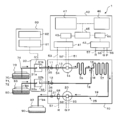
- FIG. 1 shows a schematic diagram of a measuring apparatus according to an embodiment of the present invention.
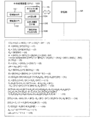
- 2 shows a configuration when attention is paid to the function of the central processing unit (CPU) in FIG. 1 and an example of a calculation formula stored in the storage unit in FIG.
- FIG. 3 shows a flow of processing of an example of a precise measurement method of seawater carbonic acid parameters according to an embodiment of the present invention.
- FIG. 4 is a diagram (4B) for explaining the process of calculating the total alkalinity of the sample seawater by inputting the voltage of the sample mixture into the linear equation (I) (4A) and the linear equation (I). Respectively.
- FIG. 5 shows a diagram (5B) for explaining a process for calculating the pH of the sample seawater by inputting the voltage of the sample seawater to the example (5A) of the linear formula (II) and the linear formula (II). .
- Measuring device 10 Plate (substrate) 13, 15, 16, 17, 19, 21 Channel 14 First voltage sensor (an example of a measuring instrument, ion-responsive field-effect transistor type voltage sensor) 18 Subchannel (an example of a channel) 20 Second voltage sensor (an example of a measuring instrument, ion response field effect transistor type voltage sensor) 25 Main channel (part of channel) 31 Seawater supply pump (piezo micro pump) 32 Acid solution supply pump (piezo micro pump) 40 Control units 41, 42 Voltage signal receiving unit 45 CPU (Central Processing Unit) 70, 71 Standard seawater 72 Sample seawater 80 Acid solution M Confluence
- FIG. 1 shows a schematic diagram of a measuring apparatus according to an embodiment of the present invention.
- the measuring device 1 is a measuring device that measures the carbonic acid parameters of seawater.
- the carbonic acid parameter of seawater means four types of parameters that can be measured: “pH”, “carbon dioxide partial pressure”, “total alkalinity”, and “total carbonic acid concentration” in seawater.
- the measuring device 1 includes at least a plate 10 serving as a place for flowing seawater, a pump module 30, and a control unit 40.
- the pump module 30 is driven and controlled by a pump driving device 60 connected thereto.
- the plate 10 has specified at least two types of standard seawater 70, 71, acid solution 80, and carbonic acid parameters in which the values of total alkalinity and total carbonic acid concentration among the carbonic acid parameters are specified.
- the substrate includes a flow path through which at least one kind of sample seawater 72, various standard seawaters 70 and 71 and a standard mixed solution of the acid solution 80, and various sample seawater 72 and the sample mixed solution of the acid solution 80 flow. .
- a substrate (more specifically, referred to as miniTAS Flow Plate) in which a liquid flow path is formed inside a transparent resin plate is used as the plate 10.
- the acid solution 80 may be a liquid containing at least an acid, such as only an acid or an acid + water.
- an aqueous hydrochloric acid solution is used as the acid solution 80.
- the flow path includes standard seawater 70 and 71, sample seawater 72, a liquid obtained by mixing the standard seawater 70 and 71 and the acid solution 80 (hereinafter referred to as “standard mixed liquid”), and the sample seawater 72 and the acid solution 80.
- standard mixed liquid a liquid obtained by mixing the standard seawater 70 and 71 and the acid solution 80
- sample mixed liquid a liquid obtained by mixing the standard seawater 70 and 71 and the acid solution 80
- the main channel 25 includes a channel 13, a channel 15, a channel 16, a channel 17, a channel 19, and a channel 21.
- the flow path 13 and the flow path 15 are flow paths that are continuously formed with the first voltage sensor 14 interposed therebetween, and are the flow paths through which the standard seawater 70 and 71 or the sample seawater 72 flows.
- the flow path 16 is a flow path formed by merging the sub-flow path 18 at a confluence point M in the middle, and the standard seawater 70 and 71 or the sample seawater 72 flows above the merge point M, and the merge point.
- On the downstream side of M there is a flow path through which the standard mixed solution or the sample mixed solution flows.
- the channel 17 is a channel through which the standard mixed solution or the sample mixed solution flows, and also has a function as a mixer.
- the channel 19 and the channel 21 are channels that are continuously formed with the second voltage sensor 20 interposed therebetween, and are channels through which a standard mixed solution or a sample mixed solution flows.
- the plate 10 includes a first hole portion 11 and a second hole portion 12 that function as a tube connector at the starting point on the most upstream side of each of the main flow path 25 and the sub flow path 18.
- the first hole portion 11 is a hole connected from the outside of the plate 10 to the internal flow path 13 and serves as an inlet for supplying the standard seawater 70 and 71 or the sample seawater 72 to the main flow path 25.
- the second hole portion 12 is a hole connected from the outside of the plate 10 to the internal sub-channel 18 and serves as an inlet for supplying the acid solution 80 to the sub-channel 18.
- the plate 10 includes a third hole portion 22 that functions as a tube connector at a return point on the most downstream side of the main flow path 25.
- the third hole portion 22 is a hole connected from the outside of the plate 10 to the internal flow path 21 and serves as an outlet for discharging the standard mixed solution or the sample mixed solution to the outside.
- the first voltage sensor 14 is a sensor for measuring each voltage of the standard seawater 70 and 71 or the sample seawater 72 before being mixed with the acid solution 80.
- the second voltage sensor 20 measures each voltage of the standard seawater 70 and 71 (that is, the standard mixed solution) after being mixed with the acid solution 80 or the sample seawater 72 (that is, the sample mixed solution) after being mixed with the acid solution 80. It is a sensor for measuring.
- the first voltage sensor 14 and the second voltage sensor 20 are preferably ion response field effect transistor type voltage sensors (ISFET sensors). By using the ISFET sensor, it is easy to incorporate the first voltage sensor 14 and the second voltage sensor 20 into the plate 10, and the size of the measurement and flow system can be reduced, and thus the size of the measuring apparatus 1 can be reduced. It is most preferable that both the first voltage sensor 14 and the second voltage sensor 20 are ISFET sensors, but only one of the first voltage sensor 14 and the second voltage sensor 20 is an ISFET sensor. You can also.
- the first voltage sensor 14 is connected to the control unit 40 by a source line 51 and a drain line 52. Each voltage of the standard seawater 70 and 71 or the sample seawater 72 flowing through the main flow path 25 on the upper stream side from the junction M is detected by the first voltage sensor 14.
- the sensing time interval of the voltage by the first voltage sensor 14 can be set as desired, and in this embodiment, it is set at an interval of 1 second.
- the second voltage sensor 20 is connected to the control unit 40 by a source line 55 and a drain line 56. Each voltage of the standard mixed solution or the sample mixed solution flowing in the main flow path 25 on the downstream side from the junction M is detected by the second voltage sensor 20.
- the voltage sensing time interval by the second voltage sensor 20 can also be set as desired, similarly to the first voltage sensor 14, and in this embodiment, it is set at an interval of 1 second.
- the control unit 40 includes a reference electrode 54 connected to the reference line 53 and a reference electrode 58 connected to the reference line 57.
- the reference electrode 54 is in contact with the flow path 13, and the reference electrode 58 is in contact with the flow path 21. As a result, accurate voltage measurement using the first voltage sensor 14 and the second voltage sensor 20 becomes possible.
- the pump module 30 includes a seawater supply pump 31 and an acid solution supply pump 32.
- the seawater supply pump 31 is a pump that supplies the standard seawater 70 and 71 and the sample seawater 72 to the main flow path 25 (corresponding to a part of the flow path formed in the plate 10).
- the acid solution supply pump 32 is a pump that supplies the acid solution 80 to the auxiliary flow path 18 (corresponding to a part of the flow path formed in the plate 10) 18.
- the seawater supply pump 31 includes standard seawaters 70 and 71 and an inlet 31 a for sample seawater 72, and standard seawaters 70 and 71 and an outlet 31 b for sample seawater 72.
- the inlet 31 a is connected to a tube 74 for sucking the standard seawater 70, the standard seawater 71, or the sample seawater 72 from the first container 73 containing the standard seawater 70, the standard seawater 71, or the sample seawater 72 into the seawater supply pump 31.
- the outlet 31 b is connected to a tube 35 for sending the standard seawater 70, the standard seawater 71 or the sample seawater 72 from the seawater supply pump 31 to the first hole portion 11 of the plate 10.
- the acid solution supply pump 32 includes an inlet 32 a for the acid solution 80 and an outlet 32 b for the acid solution 80.
- the inlet 32 a is connected to a tube 84 for sucking the acid solution 80 from the second container 83 containing the acid solution 80 to the acid solution supply pump 32.
- the outlet 32 b is connected to a tube 36 for sending the acid solution 80 from the acid solution supply pump 32 to the second hole portion 12 of the plate 10.
- the seawater supply pump 31 When the seawater supply pump 31 is driven, the standard seawater 70, the standard seawater 71 or the sample seawater 72 in the first container 73 enters the seawater supply pump 31 from the inlet 31a via the tube 74, and passes through the tube 35 from the outlet 31b. And enters the first hole section 11.
- the acid solution supply pump 32 When the acid solution supply pump 32 is driven, the acid solution 80 in the second container 83 enters the acid solution supply pump 32 from the inlet 32a via the tube 84 and passes through the tube 36 from the outlet 32b to the second. Enter the hall section 12.
- the seawater supply pump 31 and the acid solution supply pump 32 are preferably piezo micro pumps. By using a piezo micropump, the flow system can be downsized, and thus the measuring apparatus 1 can be downsized.
- both the seawater supply pump 31 and the acid solution supply pump 32 are piezo micropumps, but only one of the seawater supply pump 31 and the acid solution supply pump 32 is a piezo micropump. You can also.
- the piezo micro pump for example, “APP-20KG” manufactured by Takasago Electric Co., Ltd. can be used.
- Control part 40 receives the signal or information from the 1st voltage sensor 14 and the 2nd voltage sensor 20 as a measuring instrument with which the plate 10 is provided, and those other than those, and receives the carbonic acid system parameter of seawater. It is a component for specifying.
- the control unit 40 includes at least a central processing unit (CPU) 45 and voltage signal receiving units 41 and 42 that receive signals from the first voltage sensor 14 and the second voltage sensor 20, respectively.
- the source line 55, the drain line 56, and the reference line 57 are connected to the plate 10 side at points P, Q, and R in FIG.
- control unit 40 preferably includes A / D converters 43 and 44, a storage unit 46, and a battery 47 in addition to the above-described components.
- Each component in the control unit 40 is electrically connected to each other via a communication line called a bus.
- the A / D converter 43 is a component that converts an analog signal of the voltage from the first voltage sensor 14 into a digital signal.
- the A / D converter 44 is a component that converts an analog signal of a voltage from the second voltage sensor 20 into a digital signal.
- the storage unit 46 is a variety of information, for example, the value of each voltage measured by the first voltage sensor 14 and the second voltage sensor 20, a calculation formula for calculating one or more of the carbonic acid parameters, seawater temperature, At least part or all of values such as the temperature of the measurement site, the pH and concentration of the acid solution 80, the flow rate of flowing the standard seawater 70, 71 or the sample seawater 72 to the main channel 25, the flow rate of flowing the acid solution 80 to the subchannel 18 Is a component in which is stored.
- the storage unit 46 also stores a control program for the CPU 45.
- the storage unit 46 is preferably configured to be able to read and write various types of information.
- the storage unit 46 may include a RAM capable of reading and writing information and a ROM capable of only reading.
- a hard disk, an EEPROM, or the like can be employed as the storage unit 46.
- the battery 47 is a power source for supplying power to the control unit 40 and various measuring instruments on the plate 10 (including the first voltage sensor 14 and the second voltage sensor 20).
- the CPU 45 measures the standard seawater 70, 71 with the voltage measured by the first voltage sensor 14, the standard mixed solution with the voltage measured with the second voltage sensor 20, the sample seawater 72 with the voltage measured with the first voltage sensor 14, Using the voltage measured by the second voltage sensor 20, the total alkalinity of the standard seawater 70 and 71, and the total carbonic acid concentration, the total carbonic acid concentration and the carbon dioxide as the carbonic acid parameters of the sample seawater 72 are used. At least the total carbonic acid concentration within the carbon partial pressure can be calculated. The processing of the CPU 45 will be described in detail later.
- the pump drive device 60 includes a pump driver 61 and a battery 62.
- the pump driver 61 is a driver circuit that drives and controls the seawater supply pump 31 and the acid solution supply pump 32.
- the pump driver 61 is preferably a piezo pump driver circuit.
- the battery 62 is a power source for supplying power to at least the pump driver 61 among the pump driver 61, the seawater supply pump 31 and the acid solution supply pump 32.
- the first container 73 is a container for separately containing the standard seawater 70, the standard seawater 71, or the sample seawater 72 (collectively referred to as “seawater”).
- the first container 73 is provided with a tube 74 inserted so as to be in contact with the seawater contained therein.
- the second container 83 is a container for containing the acid solution 80.
- the second container 83 is provided with a tube 84 inserted so as to be in contact with the acid solution 80 put therein.
- the third container 93 is a container for storing waste liquid (standard mixed solution or sample mixed solution) outside the plate 10 through the flow path 21.
- a tube 94 connected to the third hole portion 22 is inserted into the third container 93 and receives waste liquid sent from the flow path 21 via the tube 94.
- K 1 [HCO 3 ⁇ ] [H + ] / [CO 2 ]
- K 2 [CO 3 2 ⁇ ] [H + ] / [HCO 3 ⁇ ] (3)
- the following relationship holds as the equilibrium of H 2 O.
- K W [H + ] [OH ⁇ ] (4)
- a T total alkalinity
- C T total carbonic acid concentration
- pCO 2 carbon dioxide partial pressure
- a T [HCO 3 ⁇ ] +2 [CO 3 2 ⁇ ] + [B (OH) 4 ⁇ ] + [OH ⁇ ] ⁇ [H + ] + minor components ([HPO 4 2 ⁇ ] +2 [PO 4 3 ⁇ ] + [H 3 SiO 4 ⁇ ] + [NH 3 ] + [HS ⁇ ] ⁇ [HSO 4 ⁇ ] ⁇ [HF] ⁇ [H 3 PO 4 ]) (5)
- a T and C T from a known standard seawater 70 and 71, solves the equilibrium formula below, calculate each pH standard seawater 70 and 71. From DOE (1994), for A T and C T, which consists the following relationship.
- a T [CO 2 ] (K 1 / [H + ] + 2K 1 K 2 / [H + ] 2 ) + B T K B / (K B + [H + ]) + K W / [H + ] ⁇ [H + ] (10)
- C T [CO 2 ] (1 + K 1 / [H + ] + K 1 K 2 / [H + ] 2 ) (11)
- Arithmetic processing of CPU of measuring device> 2 shows a configuration when attention is paid to the function of the central processing unit (CPU) in FIG. 1 and an example of a calculation formula stored in the storage unit in FIG.
- the CPU 45 includes an information storage unit (also referred to as information storage unit) 101, an information reading unit (also referred to as information reading unit) 102, a total alkalinity calculation unit (also referred to as total alkalinity calculation unit) 103, and a pH calculation unit ( Functions as a total carbonic acid concentration calculation unit (also referred to as total carbonic acid concentration calculation unit) 105 and a carbon dioxide partial pressure calculation unit (also referred to as carbon dioxide partial pressure calculation unit) 106.
- the storage unit 46 can store the following formulas (17) and (18) in addition to the above formulas (1) to (16).
- variable a represents the slope of the linear equation (I)
- variable b represents the intercept of the linear equation (I)
- variable c represents the slope of the linear equation (II)
- variable d represents the intercept of the linear equation (II).
- the information storage unit 101 is a part that performs processing for storing each voltage measured by the first voltage sensor 14 and the second voltage sensor 20 and other information input from the outside in the storage unit 46.
- the information reading unit 102 is a part that performs processing for reading information such as various data, various programs, various formulas, and the like from the storage unit 46.
- the total alkalinity calculation unit 103 uses the total alkalinity (A T1 , A T2 ) of each of the standard seawaters 70 and 71 and the voltage (V ′ 1 , V ′ 2 ) of each standard mixed solution as part of the variables. Processing for calculating the total alkalinity (A Tx ) of the sample seawater 72 from the voltage (V′x) of the sample mixed solution using the proportional relationship with the calculated value (10 (V ′ / (RTln10 / F)) ) It is a part to do.
- the total alkalinity calculating unit 103 adds the total alkalinity A Tx (A T1 , A T2 ) of each of the standard seawaters 70 and 71 to the equation (17) read by the information reading unit 102, respectively. Substituting the voltage V ′ (V ′ 1 , V ′ 2 ) of the standard mixture solution, the variables a and b are obtained, and the linear equation (I) is obtained. The total alkalinity calculation unit 103 calculates the total alkalinity (A Tx ) of the sample seawater 72 by substituting the voltage (V′x) of the sample mixed solution into the linear equation (I).
- the pH calculation unit 104 calculates the pH (calc.pH x ) of the sample seawater 72 by substituting the voltage Vx of the sample seawater 72 into the linear equation (II).
- the pH calculation unit 104 uses Equation (7) and Equation (13) at a minimum to calculate the respective pH (calc.pH 1 , calc.pH 2 ) of the standard seawater 70 and 71. Note that the pH calculation unit 104 may use another expression among the expressions (1) to (18).
- the total carbonic acid concentration calculation unit 105 uses Equation (14) and Equation (16) at a minimum to calculate the total carbonic acid concentration (C Tx ) of the sample seawater 72. Note that the total carbonic acid concentration calculation unit 105 may use other expressions among the expressions (1) to (18).
- the carbon dioxide partial pressure calculation unit 106 uses Equation (16) at a minimum to calculate the carbon dioxide partial pressure of the sample seawater 72. Note that the carbon dioxide partial pressure calculation unit 106 may use other expressions among the expressions (1) to (18). Further, the carbon dioxide partial pressure calculation unit 106 may not be provided, and the total carbon dioxide concentration calculation unit 105 may have the function of the carbon dioxide partial pressure calculation unit 106 exhibited.
- the total carbonic acid concentration calculation unit 105 is a part that performs processing for calculating both the total carbonic acid concentration (C T ) and the carbon dioxide partial pressure. This is because if the pH and total alkalinity of the four types of carbonic acid parameters are determined, both the total carbonic acid concentration and the carbon dioxide partial pressure can be calculated by the equations (14) and (16). .
- FIG. 3 shows a processing flow of an example of the precise measurement method of the carbonic acid system parameter of seawater according to the embodiment of the present invention.
- the precise measurement method of seawater carbonic acid parameters includes a standard mixture flow step, a standard voltage measurement step, a sample mixture flow step, a sample voltage measurement step, a total alkalinity calculation step, A pH calculation step and a total carbonic acid concentration calculation step are included.
- Standard liquid mixture flow step (S201, S203) This step prepares at least two types of standard seawater 70 and 71 in which the total alkalinity and total carbonic acid concentration values of the carbonic acid parameters are specified, and the various standard seawaters 70 and 71 are separately supplied to the main flow path. 25, the acid solution 80 is joined from the middle of the main flow path 25, and the standard mixed solution of various standard seawaters 70 and 71 and the acid solution 80 is caused to flow.
- Standard voltage measurement step This step is a step of measuring the voltage of various standard seawaters 70 and 71 before mixing of the acid solution 80 and the voltage of the standard mixture after mixing of the acid solution 80 during the flow in the standard mixture flow step. is there.
- Sample mixture flow step (S205) This step prepares at least one type of sample seawater 72 for which the carbonic acid parameter is not specified, causes the sample seawater 72 to flow into the main flow path 25, joins the acid solution 80 from the middle of the main flow path 25, and In this step, the sample mixed solution of the sample seawater 72 and the acid solution 80 is flowed.
- Sample voltage measurement step This step is a step of measuring the voltage of the sample seawater 72 before mixing the acid solution 80 and the voltage of the sample mixture after mixing the acid solution 80 during the flow of the sample mixture flow step.
- step S201 and step S202 are performed first, then step S203 and step S204 are performed, and then step S205 and step S206 are performed.
- steps S201 and S202, steps S203 and S204, and steps S205 and S206 may be changed.
- step S203 and step S204 may be performed first, then step S201 and step S202 may be performed, and then step S205 and step S206 may be performed.
- step S205 and step S206 may be performed first, followed by step S203 and step S204, and then step S201 and step S202.
- Linear equation (I) calculation step (S301) This step is a step executed by the total alkalinity calculation unit 103, and is a step for obtaining the linear equation (I) read from the storage unit 46, that is, the equation (17).
- Total alkalinity calculation step (S302) This step is a step executed by the total alkalinity calculating unit 103, and includes a total alkalinity of at least two standard seawaters 70 and 71 and a calculated value in which the voltage of each standard mixture is one of the variables. This is a step of calculating the total alkalinity of the sample seawater 72 from the voltage of the sample mixture using the proportional relationship. In this embodiment, an example of the “calculated value” is 10 (V ′ / (RTln10 / F)) . Specifically, the total alkalinity calculating step calculates the total alkalinity of the sample seawater 72 by inputting the voltage of the sample mixture into the linear equation (I).
- FIG. 4 is a diagram (4B) for explaining the process of calculating the total alkalinity of the sample seawater by inputting the voltage of the sample mixture into the linear equation (I) (4A) and the linear equation (I). Respectively.
- Linear equation (II) calculation step (S303) This step is a step executed by the pH calculation unit 104, and is a step for obtaining the linear equation (II) read from the storage unit 46, that is, the equation (18).
- FIG. 5 shows a diagram (5B) for explaining a process for calculating the pH of the sample seawater by inputting the voltage of the sample seawater to the example (5A) of the linear formula (II) and the linear formula (II). .
- a linear equation (II) connecting the coordinates (V 1 , calc.pH 1 ) of the standard seawater 70 and the coordinates (V 2 , calc.pH 2 ) of the standard seawater 71 is obtained, and the sample seawater 72 is obtained as the linear equation (II). substituting the voltage V x, calc sample seawater 72. pH x can be calculated.
- Total carbonic acid concentration calculation step This step is a step executed by the total carbonic acid concentration calculation unit 105.
- the total alkalinity of the sample seawater 72 calculated by the total alkalinity calculation step and the pH of the sample seawater 72 calculated by the pH calculation step are calculated.
- S301 to S305 is not limited to the order of FIG. 3, and may be replaced in any order.
- the processing may be performed in the order of S303, S304, S305, S301, and S302.
- you may process in order of S301, S303, S302, S304, and S305.
- the total alkalinity calculation step includes the total alkalinity (A T1 , A T2 ) of each of the two types of standard seawater 70 and 71 and the calculated values (10 ( V1 ′ / (RTln10 / F)) , 10 (V2 ′ / (RTln10 / F)) ) on the straight line whose coordinates are the steps of calculating the total alkalinity of the sample seawater 72 corresponding to the voltage of the sample mixture It is said.
- a straight line closest to three or more coordinates on the pH coordinate system may be obtained by the least square method, and the pH of the sample seawater 72 may be calculated using the straight line.
- an expression or a program for obtaining a straight line closest to each coordinate by the least square method is stored in the storage unit 46.
- polynomial approximation curve approximation
- the standard voltage measurement step or the sample voltage measurement step is a step of measuring each voltage of the standard seawater 70, 71 or the sample seawater 72 a plurality of times every predetermined time, but may be measured only once instead of a plurality of times. .
- the continuous flow method of the present embodiment requires that the sample seawater 72 is flowed at 1 ml / min and the acid solution 80 is added per sample. Measurement is possible with 5 ml. Moreover, the measurement accuracy can be as high as 2 ⁇ mol / kg, which is equivalent to the conventional titration.
- the measurement apparatus 1 according to the present embodiment is mounted on a buoy, and automatic operation for one month is possible. Furthermore, the measuring device 1 is a small power consumption type and lightweight device with a power consumption of 40 W and a weight of 5 kg.
- Table 1 shows the voltages measured before and after adding the acid solution to the standard seawater.
- Table 3 shows each voltage measured before and after adding the acid solution to each sample seawater, calculated total alkalinity (calc.A T ) calculated using information on standard seawater in Tables 1 and 2, and calculation Total carbonic acid concentration (calc.C T ), calculated pH (calc.pH), “Alternative method A T ”, “Alternative method C T ”, alternative method AT and alternative method C T “Alternative pH” calculated from the above and the salinity are shown.
- the “alternative method” for measuring the total carbonic acid concentration is that by adding phosphoric acid to the seawater, all the carbonate-based dissolved species dissolved in the seawater are converted into gas phase carbon dioxide, and NDIR (LI It means a method of obtaining the C T by measuring the carbon dioxide concentration using -820).
- the “alternative method” for measuring the total alkalinity means a method for determining the total alkalinity by titration with hydrochloric acid using a total alkalinity measuring instrument (ATT-05, Kimoto).
- “another method” for obtaining pH means a method for calculating pH from the total alkalinity and the total carbonic acid concentration previously measured by another method.
- the calculated alkalinity, the calculated total carbonic acid concentration and the calculated pH for this method are the alkalinity of the alternative method and the total of the alternative method, respectively. It was found to be very close to the carbonic acid concentration and the alternative pH. Therefore, it is considered that the measurement reliability of the present invention is very high.
- the present invention can be used for highly accurate measurement of carbonic acid parameters of seawater.
Landscapes
- Chemical & Material Sciences (AREA)
- Life Sciences & Earth Sciences (AREA)
- Health & Medical Sciences (AREA)
- Pathology (AREA)
- General Physics & Mathematics (AREA)
- Immunology (AREA)
- Physics & Mathematics (AREA)
- Analytical Chemistry (AREA)
- Biochemistry (AREA)
- General Health & Medical Sciences (AREA)
- Chemical Kinetics & Catalysis (AREA)
- Electrochemistry (AREA)
- Molecular Biology (AREA)
- Engineering & Computer Science (AREA)
- Food Science & Technology (AREA)
- Medicinal Chemistry (AREA)
- Investigating Or Analyzing Materials By The Use Of Electric Means (AREA)
Abstract
【課題】 少量の試料海水をフローさせて連続測定でき、高精度かつ長期の計測を可能とする海水の炭酸系パラメータの精密測定方法および該方法に用いる測定装置を提供する。 【解決手段】 本発明は、少なくとも2種類の標準海水70,71を用意し、標準混合液フローステップ(S201,S203)と、標準電圧測定ステップ(S202,S204)とを行い、少なくとも1種の試料海水72を用意し、試料混合液フローステップ(S205)と、試料電圧測定ステップ(S206)とを行い、試料海水72の全アルカリ度を算出する全アルカリ度算出ステップ(S302)と、試料海水72のpHを算出するpH算出ステップ(S304)と、試料海水72の炭酸系パラメータである全炭酸濃度および二酸化炭素分圧の内の少なくとも全炭酸濃度を算出する全炭酸濃度算出ステップ(S305)と、を行う海水の炭酸系パラメータの精密測定方法、およびその方法に用いる測定装置1に関する。
Description
本出願は、2015年12月25日に日本国において出願された特願2015-253030に基づき優先権を主張し、当該出願に記載された内容は、本明細書に援用する。また、本願において引用した特許、特許出願及び文献に記載された内容は、本明細書に援用する。
本発明は、海水の炭酸系パラメータの精密測定方法およびその方法に用いる測定装置に関する。
大気中の二酸化炭素濃度の上昇による地球温暖化は、人類が解決すべき重要な課題である。大気中の二酸化炭素の増加に伴い、海洋のpHが産業革命前の8.3からこれまで8.2に減少し、21世紀中には8.0~7.8にまで減少するとの予測もあり、確実に海洋酸性化が進行している。海洋酸性化によって、海中の炭酸イオン濃度が減少して炭酸カルシウム飽和度が減少すると、石灰化生物の石灰化も抑制され、ついには石灰化生物の溶解がはじまる。特に、方解石よりも溶解しやすいアラレ石骨格を持つサンゴ、翼足類、ウニ、さらに溶解しやすい高Mg方解石骨格を持つ有孔虫や石灰藻は、海洋酸性化の影響を強く受ける。加えて、pHは、生物の様々な生理過程を制御しているため、海洋酸性化は、上記石灰化生物だけではなく、海洋のあらゆる生物の成長や生殖に重大な影響を与える。一方、海中における二酸化炭素の増加は、光合成を促進する効果もあり、海洋の一次生産者の構成や食物連鎖、および生態系が大きく変化し、これによって、海洋生物の多様性の減少が危惧される。
海洋は、化石燃料の燃焼等によって人類が放出した二酸化炭素のおよそ3分の1を吸収しており、その吸収力を評価および強化することが上記課題の解決の鍵となる。海洋の二酸化炭素吸収能力を評価するためには、海洋に溶け込んだ二酸化炭素が水和して炭酸水素イオンや炭酸イオンに解離する、海洋炭酸系の精密な計測が必要である。海洋の炭酸系パラメータの内で計測可能な量は、pH、二酸化炭素分圧、全炭酸濃度および全アルカリ度の4つである。これらの内の2つの量を求めると、平衡式によって、他の炭酸系パラメータを求めることができる。
海洋の二酸化炭素吸収能力の評価に必要な上記炭酸系パラメータの内、pHは、ガラス電極あるいは比色法によって最も容易に連続計測可能である。しかし、pHの高精度測定は、極めて難しく、海洋の炭酸系の状態を知るには用いることはできない。二酸化炭素分圧は、海水-気相の平衡器と非分散型赤外線計測器により連続計測可能である。しかし、気液平衡器が必要となる上、炭酸系の中では微量成分であり、pHと相関して変動するため、二酸化炭素分圧とpHから求めた炭酸系パラメータの誤差は極めて大きくなる。
一方、全アルカリ度および全炭酸濃度については、海水を採取して、試料ごとに酸を添加して、電量・電位差滴定によって高精度に求めることができる。このことから、海洋の炭酸系パラメータの内、全アルカリ度と全炭酸濃度を求めることは、pHおよび二酸化炭素分圧を求めることに勝ると考えられる。海水の全アルカリ度および全炭酸濃度を求めるための方法については、例えば、非特許文献1および特許文献1に開示されている。
斉藤秀・和田晃・延与和敬・増田真次(2015):気象庁における全炭酸濃度・全アルカリ度観測.測候時報 第82巻 特別号 2015,S81-S97
しかし、上記従来の技術には、次のような問題がある。まず、非特許文献1に開示される方法は、バッチ式の測定法であって、連続測定法ではない。バッチ式では、多くの試料が必要であり、しかも1試料の測定に多くの時間を要する。生物活動と海水交換が活発なサンゴ礁などの浅海や飼育実験においては、pHと全アルカリ度の時間的・空間的な変動が大きいため、バッチ式にて多量の試料を採取して、それぞれ個別に測定すると労力もコストもかかるという問題がある。加えて、非特許文献1に開示される方法では、全アルカリ度の測定に際し、酸添加前後のpHを吸光度法により測定しているため、測定装置が大型化し、海洋のその場計測ができない。次に、特許文献1に開示される方法は、上記の非特許文献1に開示される方法と同様、バッチ式の測定法であるため、海洋のその場計測には向かない。また、全アルカリ度を求めるに際して、酸添加前後のpH測定を要することから、全アルカリ度を高精度に計測することは難しい。
本発明は、上記課題を解決するためになされたものであって、少量の試料海水をフローさせて連続測定でき、高精度かつ長期の計測を可能とする海水の炭酸系パラメータの精密測定方法および該方法に用いる測定装置を提供することを目的とする。
上記目的を達成するための一実施の形態に係る海水の炭酸系パラメータの精密測定方法は、海水の炭酸系パラメータを測定する方法であって、炭酸系パラメータの内の全アルカリ度および全炭酸濃度の各値が特定されている少なくとも2種類の標準海水を用意し、各種の標準海水を別個に主流路内にフローさせ、主流路の途中から酸溶液を合流させ、各種の標準海水と酸溶液との標準混合液をフローさせる標準混合液フローステップと、標準混合液フローステップでのフロー中に、酸溶液の混合前における各種の標準海水の電圧および酸溶液の混合後における標準混合液の電圧をそれぞれ測定する標準電圧測定ステップと、炭酸系パラメータを特定されていない少なくとも1種の試料海水を用意し、各種の試料海水を主流路内にフローさせ、主流路の途中から酸溶液を合流させ、各種の試料海水と酸溶液との試料混合液をフローさせる試料混合液フローステップと、試料混合液フローステップのフロー中に、酸溶液の混合前における試料海水の電圧および酸溶液の混合後における試料混合液の電圧をそれぞれ測定する試料電圧測定ステップと、少なくとも2つの標準海水のそれぞれの全アルカリ度とそれぞれの標準混合液の電圧を変数の一つとする計算値との比例関係を利用して、試料混合液の電圧から試料海水の全アルカリ度を算出する全アルカリ度算出ステップと、標準海水のそれぞれのpHと電圧との比例関係を利用して、試料海水の電圧から試料海水のpHを算出するpH算出ステップと、全アルカリ度算出ステップにより算出された試料海水の全アルカリ度と、pH算出ステップにより算出された試料海水のpHとを利用して、試料海水の炭酸系パラメータである全炭酸濃度および二酸化炭素分圧の内の少なくとも全炭酸濃度を算出する全炭酸濃度算出ステップと、を含む。
また、別の実施の形態に係る海水の炭酸系パラメータの精密測定方法は、前述の標準海水を2種類用意し、前述の全アルカリ度算出ステップを、2種類の標準海水のそれぞれの全アルカリ度とそれぞれの前述の計算値とを座標とする直線上において、試料混合液の電圧に対応する試料海水の全アルカリ度を算出するステップとし、前述のpH算出ステップを、2種類の標準海水のそれぞれのpHとそれぞれの電圧とを座標とする直線上において、試料海水の電圧に対応する試料海水のpHを算出するステップとしても良い。
また、別の実施の形態に係る海水の炭酸系パラメータの精密測定方法は、前述の標準電圧測定ステップまたは前述の試料電圧測定ステップを、電圧を所定時間おきに複数回測定するステップとしても良い。
また、一実施の形態に係る測定装置は、海水の炭酸系パラメータを測定する測定装置であって、炭酸系パラメータの内の全アルカリ度および全炭酸濃度の各値が特定されている少なくとも2種類の標準海水、酸溶液、炭酸系パラメータを特定されていない少なくとも1種の試料海水、各種の標準海水と酸溶液との標準混合液および各種の試料海水と酸溶液との試料混合液をフローさせる流路を備える基板と、標準海水および試料海水を流路の一部に供給する海水供給ポンプと、酸溶液を流路の一部に供給する酸溶液供給ポンプと、基板に備える測定器およびそれ以外の外部からの信号あるいは情報を受け付けて炭酸系パラメータを特定するための制御部とを備え、基板は、標準海水および試料海水が流れる主流路と、酸溶液が流れる流路であって主流路の途中に合流する副流路と、主流路における副流路との合流点より川上側に備えられる測定器の一つである第一電圧センサと、主流路における副流路との合流点より川下側に備えられる測定器の一つである第二電圧センサとを備え、制御部は、中央処理装置と、第一電圧センサおよび第二電圧センサからの信号を受け取る電圧信号受付部とを少なくとも備え、中央処理装置は、標準海水を第一電圧センサにて計測した電圧、標準混合液を第二電圧センサにて計測した電圧、試料海水を第一電圧センサにて計測した電圧、試料混合液を第二電圧センサにて計測した電圧、標準海水の全アルカリ度および全炭酸濃度の各値を利用して、試料海水の炭酸系パラメータである全炭酸濃度および二酸化炭素分圧の内の少なくとも全炭酸濃度を算出する装置である。
また、別の実施の形態に係る測定装置は、前述の第一電圧センサおよび前述の第二電圧センサの内の少なくとも1つのセンサを、イオン応答電界効果トランジスタ方式の電圧センサとしても良い。
また、別の実施の形態に係る測定装置は、前述の海水供給ポンプおよび前述の酸溶液供給ポンプの内の少なくとも1つのポンプを、ピエゾマイクロポンプとしても良い。
本発明によれば、少量の試料海水をフローさせて連続測定でき、高精度かつ長期の計測を可能とする海水の炭酸系パラメータの精密測定方法および該方法に用いる測定装置を提供することができる。
1 測定装置
10 プレート(基板)
13,15,16,17,19,21 流路
14 第一電圧センサ(測定器の一例、イオン応答電界効果トランジスタ方式の電圧センサ)
18 副流路(流路の一例)
20 第二電圧センサ(測定器の一例、イオン応答電界効果トランジスタ方式の電圧センサ)
25 主流路(流路の一部)
31 海水供給ポンプ(ピエゾマイクロポンプ)
32 酸溶液供給ポンプ(ピエゾマイクロポンプ)
40 制御部
41,42 電圧信号受付部
45 CPU(中央処理装置)
70,71 標準海水
72 試料海水
80 酸溶液
M 合流点
10 プレート(基板)
13,15,16,17,19,21 流路
14 第一電圧センサ(測定器の一例、イオン応答電界効果トランジスタ方式の電圧センサ)
18 副流路(流路の一例)
20 第二電圧センサ(測定器の一例、イオン応答電界効果トランジスタ方式の電圧センサ)
25 主流路(流路の一部)
31 海水供給ポンプ(ピエゾマイクロポンプ)
32 酸溶液供給ポンプ(ピエゾマイクロポンプ)
40 制御部
41,42 電圧信号受付部
45 CPU(中央処理装置)
70,71 標準海水
72 試料海水
80 酸溶液
M 合流点
次に、本発明に係る海水の炭酸系パラメータの精密測定方法および該方法に用いる測定装置の各実施の形態について、図面を参照して説明する。なお、以下に説明する各実施の形態は、特許請求の範囲に係る発明を限定するものではなく、また、各実施の形態の中で説明されている諸要素及びその組み合わせの全てが本発明の解決手段に必須であるとは限らない。
<1.測定装置の構成>
図1は、本発明の実施の形態に係る測定装置の概略図を示す。
図1は、本発明の実施の形態に係る測定装置の概略図を示す。
この実施の形態に係る測定装置1は、海水の炭酸系パラメータを測定する測定装置である。本願では、海水の炭酸系パラメータとは、海水における「pH」、「二酸化炭素分圧」、「全アルカリ度」および「全炭酸濃度」という4種類の計測可能なパラメータを意味する。測定装置1は、海水をフローさせる場となるプレート10と、ポンプモジュール30と、制御部40とを少なくとも備える。ポンプモジュール30は、それと接続されるポンプ駆動装置60によって駆動制御される。
(1)プレート
プレート10は、炭酸系パラメータの内の全アルカリ度および全炭酸濃度の各値が特定されている少なくとも2種類の標準海水70,71、酸溶液80、炭酸系パラメータを特定されていない少なくとも1種の試料海水72、各種の標準海水70,71と酸溶液80との標準混合液および各種の試料海水72と酸溶液80との試料混合液をフローさせる流路を備える基板である。この実施の形態では、透明な樹脂製のプレートの内部に液体の流路を形成した基板(より具体的には、miniTAS Flow Plateと称する)をプレート10として用いている。なお、酸溶液80は、酸のみ、酸+水など、酸を少なくとも含む液体であれば良い。この実施の形態では、酸溶液80として塩酸水溶液を用いている。
プレート10は、炭酸系パラメータの内の全アルカリ度および全炭酸濃度の各値が特定されている少なくとも2種類の標準海水70,71、酸溶液80、炭酸系パラメータを特定されていない少なくとも1種の試料海水72、各種の標準海水70,71と酸溶液80との標準混合液および各種の試料海水72と酸溶液80との試料混合液をフローさせる流路を備える基板である。この実施の形態では、透明な樹脂製のプレートの内部に液体の流路を形成した基板(より具体的には、miniTAS Flow Plateと称する)をプレート10として用いている。なお、酸溶液80は、酸のみ、酸+水など、酸を少なくとも含む液体であれば良い。この実施の形態では、酸溶液80として塩酸水溶液を用いている。
流路は、標準海水70,71、試料海水72、標準海水70,71と酸溶液80とを混合した液(以後、「標準混合液」という。)、および試料海水72と酸溶液80とを混合した液(以後、「試料混合液」という)が流れる主流路25と、酸溶液80が流れる流路であって主流路25の途中に合流する副流路18とを含む。主流路25は、流路13、流路15、流路16、流路17、流路19および流路21を含む。流路13および流路15は、第一電圧センサ14を挟んで連続形成される流路であって、標準海水70,71あるいは試料海水72が流れる流路である。流路16は、その途中の合流点Mに副流路18を合流させて成る流路であって、合流点Mよりも川上側には標準海水70,71あるいは試料海水72が流れ、合流点Mよりも川下側には標準混合液あるいは試料混合液が流れる流路である。流路17は、標準混合液あるいは試料混合液が流れる流路であって、混合器としての機能も有する。流路19および流路21は、第二電圧センサ20を挟んで連続形成される流路であって、標準混合液あるいは試料混合液が流れる流路である。
プレート10は、主流路25および副流路18のそれぞれの最も川上側にある出発点に、チューブコネクタとして機能する第一ホール部11および第二ホール部12を備える。第一ホール部11は、プレート10の外部から内部の流路13につながる孔であり、標準海水70,71あるいは試料海水72を主流路25に供給するための入口となる。第二ホール部12は、プレート10の外部から内部の副流路18につながる孔であり、酸溶液80を副流路18に供給するための入口となる。また、プレート10は、主流路25の最も川下側にある帰着点に、チューブコネクタとして機能する第三ホール部22を備える。第三ホール部22は、プレート10の外部から内部の流路21につながる孔であり、標準混合液あるいは試料混合液を外部に排出する出口となる。
第一電圧センサ14は、酸溶液80と混合する前の標準海水70,71あるいは試料海水72の各電圧を計測するためのセンサである。第二電圧センサ20は、酸溶液80と混合した後の標準海水70,71(すなわち、標準混合液)あるいは酸溶液80と混合した後の試料海水72(すなわち、試料混合液)の各電圧を計測するためのセンサである。第一電圧センサ14および第二電圧センサ20は、好ましくは、イオン応答電界効果トランジスタ方式の電圧センサ(ISFETセンサ)である。ISFETセンサを用いることにより、プレート10への第一電圧センサ14および第二電圧センサ20の組み込みが容易になり、測定およびフロー系の小型化を図り、もって測定装置1の小型化を実現できる。なお、第一電圧センサ14および第二電圧センサ20の両方をISFETセンサとするのが最も好ましいが、第一電圧センサ14および第二電圧センサ20のいずれか一方のセンサのみをISFETセンサとすることもできる。
第一電圧センサ14は、ソースライン51およびドレインライン52によって制御部40と接続されている。合流点Mより川上側の主流路25を流れる標準海水70,71あるいは試料海水72の各電圧は、第一電圧センサ14によって検知される。第一電圧センサ14による電圧のセンシング時間間隔は、所望に設定でき、この実施の形態では、1秒間隔に設定されている。第二電圧センサ20は、ソースライン55およびドレインライン56によって制御部40と接続されている。合流点Mより川下側の主流路25を流れる標準混合液あるいは試料混合液の各電圧は、第二電圧センサ20によって検知される。第二電圧センサ20による電圧のセンシング時間間隔も、第一電圧センサ14と同様、所望に設定でき、この実施の形態では、1秒間隔に設定されている。なお、制御部40は、参照ライン53につながる参照電極54と、参照ライン57につながる参照電極58とを備える。参照電極54は流路13に接し、また、参照電極58は流路21に接する。この結果、第一電圧センサ14および第二電圧センサ20を用いた正確な電圧の測定が可能となる。
(2)ポンプモジュール
ポンプモジュール30は、海水供給ポンプ31と、酸溶液供給ポンプ32とを備える。海水供給ポンプ31は、標準海水70,71および試料海水72を主流路(プレート10に形成された流路の一部に相当)25に供給するポンプである。酸溶液供給ポンプ32は、酸溶液80を副流路(プレート10に形成された流路の一部に相当)18に供給するポンプである。海水供給ポンプ31は、標準海水70,71および試料海水72の入口31aと、標準海水70,71および試料海水72の出口31bとを備える。入口31aは、標準海水70、標準海水71あるいは試料海水72を入れた第一容器73から、標準海水70、標準海水71あるいは試料海水72を海水供給ポンプ31に吸引するためのチューブ74と接続される。出口31bは、標準海水70、標準海水71あるいは試料海水72を海水供給ポンプ31からプレート10の第一ホール部11に送るためのチューブ35と接続される。酸溶液供給ポンプ32は、酸溶液80の入口32aと、酸溶液80の出口32bとを備える。入口32aは、酸溶液80を入れた第二容器83から、酸溶液80を酸溶液供給ポンプ32に吸引するためのチューブ84と接続される。出口32bは、酸溶液80を酸溶液供給ポンプ32からプレート10の第二ホール部12に送るためのチューブ36と接続される。
ポンプモジュール30は、海水供給ポンプ31と、酸溶液供給ポンプ32とを備える。海水供給ポンプ31は、標準海水70,71および試料海水72を主流路(プレート10に形成された流路の一部に相当)25に供給するポンプである。酸溶液供給ポンプ32は、酸溶液80を副流路(プレート10に形成された流路の一部に相当)18に供給するポンプである。海水供給ポンプ31は、標準海水70,71および試料海水72の入口31aと、標準海水70,71および試料海水72の出口31bとを備える。入口31aは、標準海水70、標準海水71あるいは試料海水72を入れた第一容器73から、標準海水70、標準海水71あるいは試料海水72を海水供給ポンプ31に吸引するためのチューブ74と接続される。出口31bは、標準海水70、標準海水71あるいは試料海水72を海水供給ポンプ31からプレート10の第一ホール部11に送るためのチューブ35と接続される。酸溶液供給ポンプ32は、酸溶液80の入口32aと、酸溶液80の出口32bとを備える。入口32aは、酸溶液80を入れた第二容器83から、酸溶液80を酸溶液供給ポンプ32に吸引するためのチューブ84と接続される。出口32bは、酸溶液80を酸溶液供給ポンプ32からプレート10の第二ホール部12に送るためのチューブ36と接続される。
海水供給ポンプ31を駆動すると、第一容器73内の標準海水70、標準海水71あるいは試料海水72は、チューブ74を経由して入口31aから海水供給ポンプ31に入り、出口31bからチューブ35を経由して第一ホール部11に入る。また、酸溶液供給ポンプ32を駆動すると、第二容器83内の酸溶液80は、チューブ84を経由して入口32aから酸溶液供給ポンプ32に入り、出口32bからチューブ36を経由して第二ホール部12に入る。海水供給ポンプ31および酸溶液供給ポンプ32は、好ましくは、ピエゾマイクロポンプである。ピエゾマイクロポンプを用いることにより、フロー系の小型化を図り、もって測定装置1の小型化を実現できる。なお、海水供給ポンプ31および酸溶液供給ポンプ32の両方をピエゾマイクロポンプとするのが最も好ましいが、海水供給ポンプ31および酸溶液供給ポンプ32のいずれか一方のポンプのみをピエゾマイクロポンプとすることもできる。ピエゾマイクロポンプとしては、例えば、高砂電気工業株式会社製の「APP-20KG」を用いることができる。
(3)制御部
制御部40は、プレート10に備える測定器としての第一電圧センサ14および第二電圧センサ20、ならびにそれら以外の外部からの信号あるいは情報を受け付けて、海水の炭酸系パラメータを特定するための構成部である。制御部40は、中央処理装置(CPU)45と、第一電圧センサ14および第二電圧センサ20からの信号をそれぞれ受け取る電圧信号受付部41,42と、を少なくとも備える。なお、電圧信号受付部42は、ソースライン55、ドレインライン56および参照ライン57を、それぞれ、図1中の点P、点Qおよび点Rにて、プレート10側と接続されている。この実施の形態において、制御部40は、上記構成部以外に、好ましくは、A/Dコンバータ43,44、記憶部46およびバッテリ47を備える。制御部40内の各構成部は、バスと称する通信線にて互いに電気的に接続されている。
制御部40は、プレート10に備える測定器としての第一電圧センサ14および第二電圧センサ20、ならびにそれら以外の外部からの信号あるいは情報を受け付けて、海水の炭酸系パラメータを特定するための構成部である。制御部40は、中央処理装置(CPU)45と、第一電圧センサ14および第二電圧センサ20からの信号をそれぞれ受け取る電圧信号受付部41,42と、を少なくとも備える。なお、電圧信号受付部42は、ソースライン55、ドレインライン56および参照ライン57を、それぞれ、図1中の点P、点Qおよび点Rにて、プレート10側と接続されている。この実施の形態において、制御部40は、上記構成部以外に、好ましくは、A/Dコンバータ43,44、記憶部46およびバッテリ47を備える。制御部40内の各構成部は、バスと称する通信線にて互いに電気的に接続されている。
A/Dコンバータ43は、第一電圧センサ14からの電圧のアナログ信号をデジタル信号に変換する構成部である。A/Dコンバータ44は、第二電圧センサ20からの電圧のアナログ信号をデジタル信号に変換する構成部である。記憶部46は、各種の情報、例えば、第一電圧センサ14および第二電圧センサ20により計測された各電圧の値、炭酸系パラメータの1または2以上を算出するための計算式、海水温、測定場の気温、酸溶液80のpHおよび濃度、標準海水70,71あるいは試料海水72を主流路25に流す流量、酸溶液80を副流路18に流す流量などの値の少なくとも一部若しくは全部が格納された構成部である。記憶部46は、CPU45の制御プログラムも格納している。記憶部46は、好ましくは、各種の情報を読み書き可能に構成される。ただし、記憶部46は、情報の読み書き可能なRAMと、読み出しのみ可能なROMとを含んでも良い。記憶部46としては、例えば、ハードディスク、EEPROMなどを採用できる。バッテリ47は、制御部40、プレート10上の各種計測器(第一電圧センサ14、第二電圧センサ20を含む)に電力を供給するための電源である。
CPU45は、標準海水70,71を第一電圧センサ14にて計測した電圧、標準混合液を第二電圧センサ20にて計測した電圧、試料海水72を第一電圧センサ14にて計測した電圧、試料混合液を第二電圧センサ20にて計測した電圧、標準海水70,71の全アルカリ度および全炭酸濃度の各値を利用して、試料海水72の炭酸系パラメータである全炭酸濃度および二酸化炭素分圧の内の少なくとも全炭酸濃度を算出することができる。かかるCPU45の処理については、後ほど詳述する。
(4)ポンプ駆動装置
ポンプ駆動装置60は、ポンプドライバ61と、バッテリ62とを備える。ポンプドライバ61は、海水供給ポンプ31および酸溶液供給ポンプ32を駆動制御するドライバ回路である。ポンプドライバ61は、この実施の形態では、好ましくは、ピエゾポンプドライバ回路である。バッテリ62は、ポンプドライバ61、海水供給ポンプ31および酸溶液供給ポンプ32の内の少なくともポンプドライバ61に電力を供給するための電源である。
ポンプ駆動装置60は、ポンプドライバ61と、バッテリ62とを備える。ポンプドライバ61は、海水供給ポンプ31および酸溶液供給ポンプ32を駆動制御するドライバ回路である。ポンプドライバ61は、この実施の形態では、好ましくは、ピエゾポンプドライバ回路である。バッテリ62は、ポンプドライバ61、海水供給ポンプ31および酸溶液供給ポンプ32の内の少なくともポンプドライバ61に電力を供給するための電源である。
(5)容器
第一容器73は、標準海水70、標準海水71あるいは試料海水72(これらを総称して「海水」ともいう)を別個に入れるための容器である。第一容器73は、その中に入れた上記各海水に接するようにチューブ74を挿入して備える。
第一容器73は、標準海水70、標準海水71あるいは試料海水72(これらを総称して「海水」ともいう)を別個に入れるための容器である。第一容器73は、その中に入れた上記各海水に接するようにチューブ74を挿入して備える。
第二容器83は、酸溶液80を入れるための容器である。第二容器83は、その中に入れた酸溶液80に接するようにチューブ84を挿入して備える。
第三容器93は、流路21を経てプレート10の外部にて、廃液(標準混合液あるいは試料混合液)を貯める容器である。第三容器93には、第三ホール部22に接続されたチューブ94が挿入され、流路21からチューブ94を経由して送られてくる廃液を受ける。
<2.測定原理>
次に、標準海水70,71の既知の炭酸系パラメータと、標準海水70,71および試料海水72の酸溶液80の混合前後の電圧とに基づき、試料海水72の未知の炭酸系パラメータを特定する方法について説明する。
次に、標準海水70,71の既知の炭酸系パラメータと、標準海水70,71および試料海水72の酸溶液80の混合前後の電圧とに基づき、試料海水72の未知の炭酸系パラメータを特定する方法について説明する。
海水中の無機炭酸は、主にCO2(=H2CO3),HCO3
-,CO3
2-の形をとり、式(1)に示すような平衡が成り立っている。
CO2+H2O⇔HCO3 -+H+⇔CO3 2-+2H+・・・(1)
このとき、平衡係数K1,K2を介して、下記のような関係が成り立つ。
K1=[HCO3 -][H+]/[CO2]・・・(2)
K2=[CO3 2-][H+]/[HCO3 -]・・・(3)
また、H2Oの平衡として、下記の関係が成り立っている。
KW=[H+][OH-]・・・(4)
CO2+H2O⇔HCO3 -+H+⇔CO3 2-+2H+・・・(1)
このとき、平衡係数K1,K2を介して、下記のような関係が成り立つ。
K1=[HCO3 -][H+]/[CO2]・・・(2)
K2=[CO3 2-][H+]/[HCO3 -]・・・(3)
また、H2Oの平衡として、下記の関係が成り立っている。
KW=[H+][OH-]・・・(4)
海水の炭酸系パラメータを求めるためには、測定可能な全アルカリ度(AT)、全炭酸濃度(CT)、pH、二酸化炭素分圧(pCO2)の内の少なくとも2つを測定する必要がある。AT、CTおよびpHは、それぞれ、以下のように定義されている(DOE, 1994)。
AT=[HCO3 -]+2[CO3 2-]+[B(OH)4 -]+[OH-]-[H+]+minor components([HPO4 2-]+2[PO4 3-]+[H3SiO4 -]+[NH3]+[HS-]-[HSO4 -]-[HF]-[H3PO4])・・・(5)
CT=[CO2]+[HCO3 -]+[CO3 2-]・・・(6)
pH=-log10[H+]・・・(7)
AT=[HCO3 -]+2[CO3 2-]+[B(OH)4 -]+[OH-]-[H+]+minor components([HPO4 2-]+2[PO4 3-]+[H3SiO4 -]+[NH3]+[HS-]-[HSO4 -]-[HF]-[H3PO4])・・・(5)
CT=[CO2]+[HCO3 -]+[CO3 2-]・・・(6)
pH=-log10[H+]・・・(7)
ホウ素(B)については、下記の関係が成り立っている(Millero, 1979)。
KB=[B(OH)4 -][H+]/[B(OH)3]・・・(8)
BT=[B(OH)3]+[B(OH)4 -]
=1.212*10-5S(mol kg-1)・・・(9)
ここで、Sは、塩分である。
Millero, F.J. (1979) The thermodynamics of the carbonate system in sea water. Ceochimi. Cosmochimi. Acta, Vol. 43, p.1651-1661.
(上記の平衡定数K1,K2,KW,KBは、水温・塩分・圧力によって決まっている。)
KB=[B(OH)4 -][H+]/[B(OH)3]・・・(8)
BT=[B(OH)3]+[B(OH)4 -]
=1.212*10-5S(mol kg-1)・・・(9)
ここで、Sは、塩分である。
Millero, F.J. (1979) The thermodynamics of the carbonate system in sea water. Ceochimi. Cosmochimi. Acta, Vol. 43, p.1651-1661.
(上記の平衡定数K1,K2,KW,KBは、水温・塩分・圧力によって決まっている。)
次に、上記の式(1)~(9)を参照しながら、全アルカリ度と全炭酸濃度とが既知である2種類の標準海水70,71を利用して、炭酸系パラメータが未知の試料海水72の炭酸系パラメータを算出する。
(1)全アルカリ度の特定
標準海水70,71(AT=AT1, AT=AT2)に一定量の塩酸若しくは塩酸水溶液(以後、単に、「塩酸」という。)を加えた際、第二電圧センサ20にて計測した電圧V’が(V’1, V’2)であったとする。その際、ATと10(V’/(RTln10/F))との間には直線性がある(ここで、R=8.3145, T=273.15+t(測定温度℃), F=96485)。このため、標準海水70の座標(10(V’1/(RTln10/F)),AT1)と標準海水71の座標(10(V’2/(RTln10/F)),AT2)との2点から直線式(I)を求め、その直線式(I)に試料海水72の塩酸添加後の電圧(V’x)を代入すると、試料海水72の全アルカリ度(ATx)を求めることができる。
標準海水70,71(AT=AT1, AT=AT2)に一定量の塩酸若しくは塩酸水溶液(以後、単に、「塩酸」という。)を加えた際、第二電圧センサ20にて計測した電圧V’が(V’1, V’2)であったとする。その際、ATと10(V’/(RTln10/F))との間には直線性がある(ここで、R=8.3145, T=273.15+t(測定温度℃), F=96485)。このため、標準海水70の座標(10(V’1/(RTln10/F)),AT1)と標準海水71の座標(10(V’2/(RTln10/F)),AT2)との2点から直線式(I)を求め、その直線式(I)に試料海水72の塩酸添加後の電圧(V’x)を代入すると、試料海水72の全アルカリ度(ATx)を求めることができる。
(2)全炭酸濃度の特定
次に、試料海水72のpH(計算で求めるpHであるため、「calc.pH」と称する)を求める。
次に、試料海水72のpH(計算で求めるpHであるため、「calc.pH」と称する)を求める。
まず、ATとCTとが既知の標準海水70,71から、下記の平衡式を解き、標準海水70,71の各pHを計算する。
DOE (1994)より、ATとCTについて、下記の関係が成り立っている。
AT=[CO2](K1/[H+]+2K1K2/[H+]2)
+BTKB/(KB+[H+])+KW/[H+]-[H+]・・・(10)
CT=[CO2](1+K1/[H+]+K1K2/[H+]2)・・・(11)
DOE (1994)より、ATとCTについて、下記の関係が成り立っている。
AT=[CO2](K1/[H+]+2K1K2/[H+]2)
+BTKB/(KB+[H+])+KW/[H+]-[H+]・・・(10)
CT=[CO2](1+K1/[H+]+K1K2/[H+]2)・・・(11)
上記(10),(11)を整理すると、下記の式(12)が成り立つ。
CT(K1/[H+]+2K1K2/[H+]2)
=(AT-BTKB/(KB+[H+])
-KW/[H+]+[H+])(1+K1/[H+]+K1K2/[H+]2)・・・(12)
CT(K1/[H+]+2K1K2/[H+]2)
=(AT-BTKB/(KB+[H+])
-KW/[H+]+[H+])(1+K1/[H+]+K1K2/[H+]2)・・・(12)
上記式(12)をさらに展開すると、下記式(13)の五次方程式が得られる。
[H+]5+(AT+KB+K1)[H+]4+{-KW(KB+K1)+K1(KB(AT-BT-CT)+KBK1+K1K2}[H+]3+{-KW(KB+K1)+K1[KB(AT-BT-CT)+(AT-2CT)K2]+KBK1K2}[H+]2+{-KWK1(KB+K2)+KBK1K2(AT-2CT-BT)}[H+]-KWKBK1K2
=0・・・(13)
[H+]5+(AT+KB+K1)[H+]4+{-KW(KB+K1)+K1(KB(AT-BT-CT)+KBK1+K1K2}[H+]3+{-KW(KB+K1)+K1[KB(AT-BT-CT)+(AT-2CT)K2]+KBK1K2}[H+]2+{-KWK1(KB+K2)+KBK1K2(AT-2CT-BT)}[H+]-KWKBK1K2
=0・・・(13)
上記式(13)を解くと、正の解が一つと、負の解4つとが得られるが、正の解が[H+]となる。上記式(7)に代入することでpHが得られる(DOE (1994), Handbook of Methods for the Analysis of the Various Parameters of the Carbon Dioxide System in Sea Water, v. 2, edites by: Dickson, A. G. and Goyet, C., ORNL/CDIAC-74.)。
標準海水70,71について算出されたcalc.pH(calc.pH1,calc.pH2)と、標準海水70,71の第一電圧センサ14にて計測された電圧V(V1,V2)との間には直線性がある。このため、標準海水70の座標(V1, calc.pH1)と標準海水71の座標(V2, calc.pH2)との2点から直線式(II)を求め、その直線式(II)に試料海水72の塩酸添加前の電圧(Vx)を代入すると、試料海水72のcalc.pHxを求めることができる。
次に、試料海水72の全アルカリ度(ATx)とcalc.pHxとから、下記の方法でcalc.CTxを求める。
上記式(10)から、下記の関係が成り立ち、[CO2]を求めることができる。
[CO2]
=(AT-BTKB/(KB+[H+])-KW/[H+]+[H+])/(K1/[H+]
+2K1K2/[H+]2)・・・(14)
[CO2]
=(AT-BTKB/(KB+[H+])-KW/[H+]+[H+])/(K1/[H+]
+2K1K2/[H+]2)・・・(14)
一方、上記式(2)、(3)および(6)から、下記式(15)が成り立つ。
[CO2]=CT/(1+K1/[H+]+K1K2/[H+]2)・・・(15)
ゆえに、上記式(14)で求めた[CO2]を下記式(16)に代入することで、試料海水72のCT(=calc.CTx)を計算することができる。また、同時に、二酸化炭素分圧も求まる。
CT=[CO2](1+K1/[H+]+K1K2/[H+]2)・・・(16)
なお、試料海水72の全炭酸濃度(calc.CTx)を、試料海水72の全アルカリ度(ATx)より先に求めても良い。
[CO2]=CT/(1+K1/[H+]+K1K2/[H+]2)・・・(15)
ゆえに、上記式(14)で求めた[CO2]を下記式(16)に代入することで、試料海水72のCT(=calc.CTx)を計算することができる。また、同時に、二酸化炭素分圧も求まる。
CT=[CO2](1+K1/[H+]+K1K2/[H+]2)・・・(16)
なお、試料海水72の全炭酸濃度(calc.CTx)を、試料海水72の全アルカリ度(ATx)より先に求めても良い。
<3.測定装置のCPUの演算処理>
図2は、図1の中央処理装置(CPU)の機能に着目したときの構成と、図1の記憶部に格納される計算式の一例とを示す。
図2は、図1の中央処理装置(CPU)の機能に着目したときの構成と、図1の記憶部に格納される計算式の一例とを示す。
CPU45は、情報格納部(情報格納手段ともいう)101と、情報読出部(情報読出手段ともいう)102と、全アルカリ度算出部(全アルカリ度算出手段ともいう)103と、pH算出部(pH算出手段ともいう)104と、全炭酸濃度算出部(全炭酸濃度算出手段ともいう)105と、二酸化炭素分圧算出部(二酸化炭素分圧算出手段ともいう)106として機能する。記憶部46は、上記式(1)~(16)に加えて、下記式(17)および式(18)を格納することができる。
AT=a*10(V’/(RTln10/F))+b・・・(17)
calc.pH=c*V+d・・・(18)
calc.pH=c*V+d・・・(18)
上記式(17)において、変数aは直線式(I)の傾きを、変数bは直線式(I)の切片を、それぞれ示す。また、上記式(18)において、変数cは直線式(II)の傾きを、変数dは直線式(II)の切片を、それぞれ示す。
情報格納部101は、第一電圧センサ14および第二電圧センサ20によって計測された各電圧、その他に外部から入力される情報を記憶部46に格納する処理を行う部分である。情報読出部102は、記憶部46からの各種データ、各種プログラム、各種式等の情報を読み出す処理を行う部分である。
全アルカリ度算出部103は、標準海水70,71のそれぞれの全アルカリ度(AT1, AT2)とそれぞれの標準混合液の電圧(V’1, V’2)を変数の一部とする計算値(10(V’/(RTln10/F)))との比例関係を利用して、試料混合液の電圧(V’x)から試料海水72の全アルカリ度(ATx)を算出する処理を行う部分である。具体的には、全アルカリ度算出部103は、情報読出部102によって読み出された式(17)に、標準海水70,71のそれぞれの全アルカリ度ATx(AT1, AT2)とそれぞれの標準混合液の電圧V’(V’1, V’2)を代入し、変数aと変数bを求め、直線式(I)を求める。全アルカリ度算出部103は、直線式(I)に、試料混合液の電圧(V’x)を代入して、試料海水72の全アルカリ度(ATx)を算出する。
pH算出部104は、標準海水70,71のそれぞれのpH(calc.pH1, calc.pH2)とそれぞれの酸溶液80の添加前の電圧V(V1, V2)との比例関係を利用して、試料海水72の電圧Vxから試料海水72のpH(=calc.pHx)を算出する処理を行う部分である。具体的には、pH算出部104は、情報読出部102によって読み出された式(18)に、標準海水70,71のそれぞれのpH(calc.pH1, calc.pH2)とそれぞれの酸溶液80の添加前の電圧V(V1, V2)を代入し、変数cと変数dを求め、直線式(II)を求める。pH算出部104は、直線式(II)に、試料海水72の電圧Vxを代入して、試料海水72のpH(calc.pHx)を算出する。pH算出部104は、標準海水70,71のそれぞれのpH(calc.pH1, calc.pH2)を算出するため、最低限、式(7)と式(13)とを利用する。なお、pH算出部104は、式(1)~(18)の内の他の式を利用しても良い。
全炭酸濃度算出部105は、全アルカリ度算出部103により算出された試料海水72の全アルカリ度(ATx)と、pH算出部104により算出された試料海水72のpH(=calc.pHx)とを利用して、試料海水72の炭酸系パラメータの一つである全炭酸濃度(CTx)を算出する処理を行う部分である。全炭酸濃度算出部105は、試料海水72の全炭酸濃度(CTx)を算出するため、最低限、式(14)および式(16)を利用する。なお、全炭酸濃度算出部105は、式(1)~(18)の内の他の式を利用しても良い。
二酸化炭素分圧算出部106は、試料海水72の全アルカリ度(ATx)と、pH算出部104により算出された試料海水72のpH(=calc.pHx)とを利用して、試料海水72の炭酸系パラメータの一つである二酸化炭素分圧を算出する処理を行う部分である。二酸化炭素分圧算出部106は、試料海水72の二酸化炭素分圧を算出するため、最低限、式(16)を利用する。なお、二酸化炭素分圧算出部106は、式(1)~(18)の内の他の式を利用しても良い。また、二酸化炭素分圧算出部106を備えず、全炭酸濃度算出部105に二酸化炭素分圧算出部106の機能を発揮させても良い。その場合、全炭酸濃度算出部105は、全炭酸濃度(CT)および二酸化炭素分圧の両方を算出する処理を行う部分となる。これは、4種の炭酸系パラメータの内のpHと全アルカリ度とが決まると、式(14)と式(16)によって、全炭酸濃度と二酸化炭素分圧との両方を算出できるからである。
<4.海水の炭酸系パラメータの精密測定方法>
次に、測定装置1を用いた海水の炭酸系パラメータの精密測定方法について、説明する。
次に、測定装置1を用いた海水の炭酸系パラメータの精密測定方法について、説明する。
図3は、本発明の実施の形態に係る海水の炭酸系パラメータの精密測定方法の一例の処理の流れを示す。
この実施の形態に係る海水の炭酸系パラメータの精密測定方法は、標準混合液フローステップと、標準電圧測定ステップと、試料混合液フローステップと、試料電圧測定ステップと、全アルカリ度算出ステップと、pH算出ステップと、全炭酸濃度算出ステップとを含む。
(1)標準混合液フローステップ(S201,S203)
このステップは、炭酸系パラメータの内の全アルカリ度および全炭酸濃度の各値が特定されている少なくとも2種類の標準海水70,71を用意し、各種の標準海水70,71を別個に主流路25内にフローさせ、当該主流路25の途中から酸溶液80を合流させ、各種の標準海水70,71と酸溶液80との標準混合液をフローさせるステップである。
このステップは、炭酸系パラメータの内の全アルカリ度および全炭酸濃度の各値が特定されている少なくとも2種類の標準海水70,71を用意し、各種の標準海水70,71を別個に主流路25内にフローさせ、当該主流路25の途中から酸溶液80を合流させ、各種の標準海水70,71と酸溶液80との標準混合液をフローさせるステップである。
(2)標準電圧測定ステップ(S202,S204)
このステップは、標準混合液フローステップでのフロー中に、酸溶液80の混合前における各種の標準海水70,71の電圧および酸溶液80の混合後における標準混合液の電圧をそれぞれ測定するステップである。
このステップは、標準混合液フローステップでのフロー中に、酸溶液80の混合前における各種の標準海水70,71の電圧および酸溶液80の混合後における標準混合液の電圧をそれぞれ測定するステップである。
(3)試料混合液フローステップ(S205)
このステップは、炭酸系パラメータを特定されていない少なくとも1種の試料海水72を用意し、試料海水72を主流路25内にフローさせ、主流路25の途中から酸溶液80を合流させ、各種の試料海水72と酸溶液80との試料混合液をフローさせるステップである。
このステップは、炭酸系パラメータを特定されていない少なくとも1種の試料海水72を用意し、試料海水72を主流路25内にフローさせ、主流路25の途中から酸溶液80を合流させ、各種の試料海水72と酸溶液80との試料混合液をフローさせるステップである。
(4)試料電圧測定ステップ(S206)
このステップは、試料混合液フローステップのフロー中に、酸溶液80の混合前における試料海水72の電圧および酸溶液80の混合後における試料混合液の電圧をそれぞれ測定するステップである。
このステップは、試料混合液フローステップのフロー中に、酸溶液80の混合前における試料海水72の電圧および酸溶液80の混合後における試料混合液の電圧をそれぞれ測定するステップである。
図3の処理では、ステップS201とステップS202とを最初に行い、続いてステップS203とステップS204とを行い、続いてステップS205とステップS206とを行っている。しかし、ステップS201とステップS202、ステップS203とステップS204、およびステップS205とステップS206の各順番は、変更しても良い。例えば、ステップS203とステップS204を最初に行い、続いてステップS201とステップS202とを行い、続いてステップS205とステップS206を行っても良い。また、ステップS205とステップS206を最初に行い、続いてステップS203とステップS204とを行い、続いてステップS201とステップS202を行っても良い。
(5)直線式(I)算出ステップ(S301)
このステップは、全アルカリ度算出部103によって実行されるステップであり、記憶部46から読み出された直線式(I)、すなわち、式(17)を求めるステップである。
このステップは、全アルカリ度算出部103によって実行されるステップであり、記憶部46から読み出された直線式(I)、すなわち、式(17)を求めるステップである。
(6)全アルカリ度算出ステップ(S302)
このステップは、全アルカリ度算出部103によって実行されるステップであり、少なくとも2つの標準海水70,71のそれぞれの全アルカリ度とそれぞれの標準混合液の電圧を変数の一つとする計算値との比例関係を利用して、試料混合液の電圧から試料海水72の全アルカリ度を算出するステップである。この実施の形態では、上記「計算値」の一例を、10(V’/(RTln10/F))としている。具体的には、全アルカリ度算出ステップは、直線式(I)に、試料混合液の電圧を入力して、試料海水72の全アルカリ度を算出する。
このステップは、全アルカリ度算出部103によって実行されるステップであり、少なくとも2つの標準海水70,71のそれぞれの全アルカリ度とそれぞれの標準混合液の電圧を変数の一つとする計算値との比例関係を利用して、試料混合液の電圧から試料海水72の全アルカリ度を算出するステップである。この実施の形態では、上記「計算値」の一例を、10(V’/(RTln10/F))としている。具体的には、全アルカリ度算出ステップは、直線式(I)に、試料混合液の電圧を入力して、試料海水72の全アルカリ度を算出する。
図4は、直線式(I)の一例(4A)および直線式(I)に試料混合液の電圧を入力して、試料海水の全アルカリ度を算出する処理を説明するための図(4B)をそれぞれ示す。
標準海水70の座標(10(V1’/(RTln10/F)),AT1)と標準海水71の座標(10(V2’/(RTln10/F)),AT2)とを結ぶ直線式(I)を求め、直線式(I)に、試料混合液の電圧Vx
’に基づき計算された10(Vx’/(RTln10/F))を代入すると、全炭酸濃度ATxの算出が可能である。
(7)直線式(II)算出ステップ(S303)
このステップは、pH算出部104によって実行されるステップであり、記憶部46から読み出された直線式(II)、すなわち、式(18)を求めるステップである。
このステップは、pH算出部104によって実行されるステップであり、記憶部46から読み出された直線式(II)、すなわち、式(18)を求めるステップである。
(8)pH算出ステップ(S304)
このステップは、pH算出部104によって実行されるステップであり、標準海水70,71のそれぞれのpHと電圧との比例関係を利用して、試料海水72の電圧から試料海水72のpH(=calc.pHx)を算出するステップである。具体的には、pH算出ステップは、直線式(II)に、試料海水72の電圧を入力して、試料海水72のpH(=calc.pHx)を算出する。
このステップは、pH算出部104によって実行されるステップであり、標準海水70,71のそれぞれのpHと電圧との比例関係を利用して、試料海水72の電圧から試料海水72のpH(=calc.pHx)を算出するステップである。具体的には、pH算出ステップは、直線式(II)に、試料海水72の電圧を入力して、試料海水72のpH(=calc.pHx)を算出する。
図5は、直線式(II)の一例(5A)および直線式(II)に試料海水の電圧を入力して、試料海水のpHを算出する処理を説明するための図(5B)をそれぞれ示す。
標準海水70の座標(V1,calc.pH1)と標準海水71の座標(V2,calc.pH2)とを結ぶ直線式(II)を求め、直線式(II)に、試料海水72の電圧Vxを代入すると、試料海水72のcalc.pHxが算出可能である。
(9)全炭酸濃度算出ステップ(S305)
このステップは、全炭酸濃度算出部105によって実行されるステップであり、全アルカリ度算出ステップにより算出された試料海水72の全アルカリ度と、pH算出ステップにより算出された試料海水72のpHとを利用して、試料海水72の炭酸系パラメータである全炭酸濃度および二酸化炭素分圧の内の少なくとも全炭酸濃度を算出するステップである。
このステップは、全炭酸濃度算出部105によって実行されるステップであり、全アルカリ度算出ステップにより算出された試料海水72の全アルカリ度と、pH算出ステップにより算出された試料海水72のpHとを利用して、試料海水72の炭酸系パラメータである全炭酸濃度および二酸化炭素分圧の内の少なくとも全炭酸濃度を算出するステップである。
なお、上記S301~S305の順番は、図3の順番に限定されず、いかなる順番に入れ替えても良い。例えば、S303、S304、S305、S301、S302の順番に処理を行っても良い。また、S301、S303、S302、S304、S305の順番に処理を行っても良い。
この実施の形態では、標準海水を2種類用意し、全アルカリ度算出ステップを、2種類の標準海水70,71のそれぞれの全アルカリ度(AT1, AT2)とそれぞれの計算値(10(V1’/(RTln10/F)),10(V2’/(RTln10/F)))とを座標とする直線上において、試料混合液の電圧に対応する試料海水72の全アルカリ度を算出するステップとしている。しかし、標準海水を3種類以上用意し、10(V’/(RTln10/F))-AT座標系上の3以上の座標に最も近接する直線を最小二乗法により求め、当該直線を利用して、試料海水72の全アルカリ度を算出しても良い。かかる場合には、式(17)の直線式を記憶部46に格納しておく必要は無く、その代わりに、最小二乗法により各座標に最も近接する直線を求める式を記憶部46に格納するのが好ましい。また、標準海水を3種類以上用意し、V-calc.pH座標系上の3以上の座標に最も近接する直線を最小二乗法により求め、当該直線を利用して、試料海水72のpHを算出しても良い。かかる場合には、式(18)の直線式を記憶部46に格納しておく必要は無く、その代わりに、最小二乗法により各座標に最も近接する直線を求める式若しくはプログラムを記憶部46に格納するのが好ましい。さらに、上記最小二乗法に代えて、多項式近似(曲線近似)を行っても良い。その場合、多項式近似を行うための式若しくはプログラムを記憶部46に格納するのが好ましい。
標準電圧測定ステップまたは試料電圧測定ステップは、標準海水70,71または試料海水72の各電圧を、所定時間おきに複数回測定するステップであるが、複数回ではなく1回のみ測定しても良い。
従来のバッチ式では一試料当たり最低100mlを必要とするのに対して、本実施の形態の連続フロー式では、試料海水72を1ml/minでフローさせて酸溶液80を加える条件で一試料あたり5mlもあれば測定可能となる。また、測定精度は、従来の滴定と同等の2μmol/kgの精度が得られる。また、本実施の形態に係る測定装置1をブイに搭載して、1カ月間の自動運転も可能である。さらに、測定装置1は、消費電力を40W、重量を5kgとなる小消費電力型でかつ軽量の装置である。
<5.海水の炭酸系パラメータの測定例>
次に、2種類の標準海水における既知の炭酸系パラメータと酸溶液添加前後の各電圧の値を利用して、試料海水の酸溶液添加前後の各電圧から、試料海水の炭酸系パラメータを算出した例について説明する。
次に、2種類の標準海水における既知の炭酸系パラメータと酸溶液添加前後の各電圧の値を利用して、試料海水の酸溶液添加前後の各電圧から、試料海水の炭酸系パラメータを算出した例について説明する。
標準海水として、全アルカリ度(AT)と全炭酸濃度(CT)とが特定された2種類の海水を用いた。用いた標準海水の情報を表1に示す。また、標準海水に酸溶液を添加する前後に測定した各電圧を表2に示す。


炭酸系パラメータの算出対象となる試料海水として、3種類の海水を用いた。表3に、各試料海水に酸溶液を添加する前後に測定した各電圧、表1,2の標準海水の情報を利用して算出された計算上の全アルカリ度(calc.AT)、計算上の全炭酸濃度(calc.CT)、計算上のpH(calc.pH)、別法により計測した「別法AT」、「別法CT」、別法ATと別法CTとから算出された「別法pH」、および塩分を示す。ここで、全炭酸濃度を測定するための「別法」とは、海水にリン酸を加えることで海水中に溶け込んでいる炭酸系溶存種をすべて気相の二酸化炭素に変換し、NDIR(LI-820)を用いて二酸化炭素濃度を測定することによりCTを求める方法を意味する。また、全アルカリ度を測定するための「別法」とは、全アルカリ度計測器(ATT-05, Kimoto)を使い塩酸の滴定により全アルカリ度を求める方法を意味する。さらに、pHを求める「別法」とは、先に別法により測定された全アルカリ度と全炭酸濃度とからpHを算出する方法を意味する。

試料海水1~3について電圧の測定と計算を行った結果、本法による計算上のアルカリ度、計算上の全炭酸濃度および計算上のpHは、それぞれ、別法のアルカリ度、別法の全炭酸濃度および別法のpHに非常に近い値であることがわかった。よって、本発明の測定の信頼性は非常い高いと考えられる。
本発明は、海水の炭酸系パラメータの高精度測定に利用できる。
Claims (6)
- 海水の炭酸系パラメータを測定する方法であって、
前記炭酸系パラメータの内の全アルカリ度および全炭酸濃度の各値が特定されている少なくとも2種類の標準海水を用意し、各種の前記標準海水を別個に主流路内にフローさせ、当該主流路の途中から酸溶液を合流させ、各種の前記標準海水と前記酸溶液との標準混合液をフローさせる標準混合液フローステップと、
前記標準混合液フローステップでのフロー中に、前記酸溶液の混合前における各種の前記標準海水の電圧および前記酸溶液の混合後における前記標準混合液の電圧をそれぞれ測定する標準電圧測定ステップと、
前記炭酸系パラメータを特定されていない少なくとも1種の試料海水を用意し、各種の前記試料海水を前記主流路内にフローさせ、前記主流路の途中から前記酸溶液を合流させ、各種の前記試料海水と前記酸溶液との試料混合液をフローさせる試料混合液フローステップと、
前記試料混合液フローステップのフロー中に、前記酸溶液の混合前における前記試料海水の電圧および前記酸溶液の混合後における前記試料混合液の電圧をそれぞれ測定する試料電圧測定ステップと、
少なくとも2つの前記標準海水のそれぞれの全アルカリ度とそれぞれの前記標準混合液の電圧を変数の一つとする計算値との比例関係を利用して、前記試料混合液の電圧から前記試料海水の全アルカリ度を算出する全アルカリ度算出ステップと、
前記標準海水のそれぞれのpHと電圧との比例関係を利用して、前記試料海水の電圧から前記試料海水のpHを算出するpH算出ステップと、
前記全アルカリ度算出ステップにより算出された前記試料海水の前記全アルカリ度と、前記pH算出ステップにより算出された前記試料海水の前記pHとを利用して、前記試料海水の前記炭酸系パラメータである全炭酸濃度および二酸化炭素分圧の内の少なくとも全炭酸濃度を算出する全炭酸濃度算出ステップと、
を含む海水の炭酸系パラメータの精密測定方法。 - 前記標準海水を2種類用意し、
前記全アルカリ度算出ステップを、2種類の前記標準海水のそれぞれの全アルカリ度とそれぞれの前記計算値とを座標とする直線上において、前記試料混合液の電圧に対応する前記試料海水の全アルカリ度を算出するステップとし、
前記pH算出ステップを、2種類の前記標準海水のそれぞれのpHとそれぞれの電圧とを座標とする直線上において、前記試料海水の電圧に対応する前記試料海水のpHを算出するステップとする請求項1に記載の海水の炭酸系パラメータの精密測定方法。 - 前記標準電圧測定ステップまたは前記試料電圧測定ステップは、前記電圧を所定時間おきに複数回測定するステップである請求項1または請求項2に記載の海水の炭酸系パラメータの精密測定方法。
- 海水の炭酸系パラメータを測定する測定装置であって、
前記炭酸系パラメータの内の全アルカリ度および全炭酸濃度の各値が特定されている少なくとも2種類の標準海水、酸溶液、前記炭酸系パラメータを特定されていない少なくとも1種の試料海水、各種の前記標準海水と前記酸溶液との標準混合液および各種の前記試料海水と前記酸溶液との試料混合液をフローさせる流路を備える基板と、
前記標準海水および前記試料海水を前記流路の一部に供給する海水供給ポンプと、
前記酸溶液を前記流路の一部に供給する酸溶液供給ポンプと、
前記基板に備える測定器およびそれ以外の外部からの信号あるいは情報を受け付けて前記炭酸系パラメータを特定するための制御部と、
を備え、
前記基板は、
前記標準海水および前記試料海水が流れる主流路と、
前記酸溶液が流れる流路であって前記主流路の途中に合流する副流路と、
前記主流路における前記副流路との合流点より川上側に備えられる前記測定器の一つである第一電圧センサと、
前記主流路における前記副流路との合流点より川下側に備えられる前記測定器の一つである第二電圧センサと、
を備え、
前記制御部は、
中央処理装置と、
前記第一電圧センサおよび前記第二電圧センサからの信号を受け取る電圧信号受付部と、
を少なくとも備え、
前記中央処理装置は、前記標準海水を前記第一電圧センサにて計測した電圧、前記標準混合液を前記第二電圧センサにて計測した電圧、前記試料海水を前記第一電圧センサにて計測した電圧、前記試料混合液を前記第二電圧センサにて計測した電圧、前記標準海水の全アルカリ度および全炭酸濃度の各値を利用して、前記試料海水の前記炭酸系パラメータである全炭酸濃度および二酸化炭素分圧の内の少なくとも全炭酸濃度を算出する測定装置。 - 前記第一電圧センサおよび前記第二電圧センサの内の少なくとも1つのセンサは、イオン応答電界効果トランジスタ方式の電圧センサである請求項4に記載の測定装置。
- 前記海水供給ポンプおよび前記酸溶液供給ポンプの内の少なくとも1つのポンプは、ピエゾマイクロポンプである請求項4または請求項5に記載の測定装置。
Priority Applications (1)
| Application Number | Priority Date | Filing Date | Title |
|---|---|---|---|
| JP2017558197A JP6556866B2 (ja) | 2015-12-25 | 2016-12-21 | 海水の炭酸系パラメータの精密測定方法および該方法に用いる測定装置 |
Applications Claiming Priority (2)
| Application Number | Priority Date | Filing Date | Title |
|---|---|---|---|
| JP2015253030 | 2015-12-25 | ||
| JP2015-253030 | 2015-12-25 |
Publications (1)
| Publication Number | Publication Date |
|---|---|
| WO2017110889A1 true WO2017110889A1 (ja) | 2017-06-29 |
Family
ID=59089364
Family Applications (1)
| Application Number | Title | Priority Date | Filing Date |
|---|---|---|---|
| PCT/JP2016/088140 Ceased WO2017110889A1 (ja) | 2015-12-25 | 2016-12-21 | 海水の炭酸系パラメータの精密測定方法および該方法に用いる測定装置 |
Country Status (2)
| Country | Link |
|---|---|
| JP (1) | JP6556866B2 (ja) |
| WO (1) | WO2017110889A1 (ja) |
Cited By (5)
| Publication number | Priority date | Publication date | Assignee | Title |
|---|---|---|---|---|
| CN108195995A (zh) * | 2017-12-26 | 2018-06-22 | 中国科学院海洋研究所 | 一种海洋沉积物中碳酸盐含量的测量装置 |
| CN113673118A (zh) * | 2021-09-07 | 2021-11-19 | 中国水利水电科学研究院 | 一种预测湖泊水体pH值的方法 |
| CN117592316A (zh) * | 2024-01-18 | 2024-02-23 | 自然资源部第二海洋研究所 | 基于遥感资料同化的海气碳通量重构方法、系统及装置 |
| WO2025238749A1 (ja) * | 2024-05-15 | 2025-11-20 | Ntt株式会社 | 推定装置および推定方法 |
| BE1032862B1 (nl) * | 2024-08-19 | 2026-03-17 | I Water | Meting van alkaliniteit op basis van co2-gehalte |
Citations (2)
| Publication number | Priority date | Publication date | Assignee | Title |
|---|---|---|---|---|
| JP2003004718A (ja) * | 2001-06-26 | 2003-01-08 | Japan Science & Technology Corp | 海洋生物の炭酸ガス固定量の測定方法 |
| JP2011180038A (ja) * | 2010-03-02 | 2011-09-15 | Kimoto Denshi Kogyo Kk | 吸光度法を用いた溶液成分の測定方法、およびその測定方法を用いた測定装置 |
Family Cites Families (1)
| Publication number | Priority date | Publication date | Assignee | Title |
|---|---|---|---|---|
| JP6019496B2 (ja) * | 2012-12-25 | 2016-11-02 | 国立研究開発法人海洋研究開発機構 | 二酸化炭素分圧測定装置及び二酸化炭素分圧測定装置用セルユニット |
-
2016
- 2016-12-21 WO PCT/JP2016/088140 patent/WO2017110889A1/ja not_active Ceased
- 2016-12-21 JP JP2017558197A patent/JP6556866B2/ja active Active
Patent Citations (2)
| Publication number | Priority date | Publication date | Assignee | Title |
|---|---|---|---|---|
| JP2003004718A (ja) * | 2001-06-26 | 2003-01-08 | Japan Science & Technology Corp | 海洋生物の炭酸ガス固定量の測定方法 |
| JP2011180038A (ja) * | 2010-03-02 | 2011-09-15 | Kimoto Denshi Kogyo Kk | 吸光度法を用いた溶液成分の測定方法、およびその測定方法を用いた測定装置 |
Non-Patent Citations (3)
| Title |
|---|
| MASAO ISHII ET AL.: "Denryo Tekiteiho ni yoru Kaisuichu no Zen Tansan Nodo no Koseido Bunseki Oyobi Taikichu no Nisankatanso to Kaisuichu no Zen Tansan no Hoshasei Doitai Hi no Sokutei", TECHNICAL REPORTS OF THE METEOROLOGICAL RESEARCH INSTITUTE, vol. 41, March 2000 (2000-03-01), pages 1 - 46 * |
| SHU SAITO ET AL.: "Kishocho ni Okeru Zen Tansan Nodo.Zen Alkali Nodo Kansoku", WEATHER SERVICE BULLETIN, vol. 82, 31 August 2015 (2015-08-31), pages S81 - S97 * |
| YUKARI SATO ET AL.: "Kaiyo Seitaikei Hyoka no Tameno Biryo Tansankei Keisoku System no Kaihatsu -Denkyoku Seino Hyoka to Biryo Keisoku ni Mukete no Kokoromi", REVIEW OF POLAROGRAPHY, vol. 61, no. 3, 12 October 2015 (2015-10-12), pages 221 * |
Cited By (7)
| Publication number | Priority date | Publication date | Assignee | Title |
|---|---|---|---|---|
| CN108195995A (zh) * | 2017-12-26 | 2018-06-22 | 中国科学院海洋研究所 | 一种海洋沉积物中碳酸盐含量的测量装置 |
| CN113673118A (zh) * | 2021-09-07 | 2021-11-19 | 中国水利水电科学研究院 | 一种预测湖泊水体pH值的方法 |
| CN113673118B (zh) * | 2021-09-07 | 2024-02-13 | 中国水利水电科学研究院 | 一种预测湖泊水体pH值的方法 |
| CN117592316A (zh) * | 2024-01-18 | 2024-02-23 | 自然资源部第二海洋研究所 | 基于遥感资料同化的海气碳通量重构方法、系统及装置 |
| CN117592316B (zh) * | 2024-01-18 | 2024-04-05 | 自然资源部第二海洋研究所 | 基于遥感资料同化的海气碳通量重构方法、系统及装置 |
| WO2025238749A1 (ja) * | 2024-05-15 | 2025-11-20 | Ntt株式会社 | 推定装置および推定方法 |
| BE1032862B1 (nl) * | 2024-08-19 | 2026-03-17 | I Water | Meting van alkaliniteit op basis van co2-gehalte |
Also Published As
| Publication number | Publication date |
|---|---|
| JP6556866B2 (ja) | 2019-08-07 |
| JPWO2017110889A1 (ja) | 2018-10-18 |
Similar Documents
| Publication | Publication Date | Title |
|---|---|---|
| JP6556866B2 (ja) | 海水の炭酸系パラメータの精密測定方法および該方法に用いる測定装置 | |
| Martz et al. | Testing the Honeywell Durafet® for seawater pH applications | |
| Johnson et al. | Deep-Sea DuraFET: A pressure tolerant pH sensor designed for global sensor networks | |
| Cuartero et al. | In situ detection of species relevant to the carbon cycle in seawater with submersible potentiometric probes | |
| Bandstra et al. | High-frequency measurements of total CO2: Method development and first oceanographic observations | |
| Frankignoulle et al. | Direct and indirect pCO2 measurements in a wide range of pCO2 and salinity values (the Scheldt estuary) | |
| Wang et al. | Simultaneous spectrophotometric flow-through measurements of pH, carbon dioxide fugacity, and total inorganic carbon in seawater | |
| Bresnahan et al. | Autonomous in situ calibration of ion‐sensitive field effect transistor pH sensors | |
| Fassbender et al. | Robust sensor for extended autonomous measurements of surface ocean dissolved inorganic carbon | |
| Watson et al. | Quantifying p CO2 in biological ocean acidification experiments: A comparison of four methods | |
| Needoba et al. | Method for the quantification of aquatic primary production and net ecosystem metabolism using in situ dissolved oxygen sensors | |
| JP2011180038A5 (ja) | ||
| Mendes et al. | Dissolved carbon dioxide sensing platform for freshwater and saline water applications: Characterization and validation in aquaculture environments | |
| Zhang et al. | A portable tunable diode laser absorption spectroscopy system for dissolved CO2 detection using a high-efficiency headspace equilibrator | |
| Pardis et al. | Measuring protons with photons: A hand-held, spectrophotometric pH analyzer for ocean acidification research, community science and education | |
| Kaltin et al. | A rapid method for determination of total dissolved inorganic carbon in seawater with high accuracy and precision | |
| Kozyra et al. | Remote controlled water craft for water measurement | |
| Zhao et al. | Improved membrane inlet mass spectrometer method for measuring dissolved methane concentration and methane production rate in a large shallow lake | |
| Shangguan et al. | Automated spectrophotometric determination of carbonate ion concentration in seawater using a portable syringe pump based analyzer | |
| Riedel et al. | Handling of Ion-Selective Field-Effect Transistors (ISFETs) on Automatic Measurements in Agricultural Applications Under Real-Field Conditions | |
| Schaap et al. | Autonomous sensor for in situ measurements of total alkalinity in the ocean | |
| Tishchenko et al. | Revisiting the carbonate chemistry of the Sea of Japan (East Sea): from water column to sediment | |
| JP2008292437A (ja) | 海水の二酸化炭素フガシティーセンサー | |
| Wetzel et al. | Dissolved oxygen | |
| JP3836339B2 (ja) | 海洋生物の炭酸ガス固定量の測定方法 |
Legal Events
| Date | Code | Title | Description |
|---|---|---|---|
| 121 | Ep: the epo has been informed by wipo that ep was designated in this application |
Ref document number: 16878776 Country of ref document: EP Kind code of ref document: A1 |
|
| ENP | Entry into the national phase |
Ref document number: 2017558197 Country of ref document: JP Kind code of ref document: A |
|
| NENP | Non-entry into the national phase |
Ref country code: DE |
|
| 122 | Ep: pct application non-entry in european phase |
Ref document number: 16878776 Country of ref document: EP Kind code of ref document: A1 |