WO2017077868A1 - 情報処理装置および不正メッセージ検知方法 - Google Patents
情報処理装置および不正メッセージ検知方法 Download PDFInfo
- Publication number
- WO2017077868A1 WO2017077868A1 PCT/JP2016/081082 JP2016081082W WO2017077868A1 WO 2017077868 A1 WO2017077868 A1 WO 2017077868A1 JP 2016081082 W JP2016081082 W JP 2016081082W WO 2017077868 A1 WO2017077868 A1 WO 2017077868A1
- Authority
- WO
- WIPO (PCT)
- Prior art keywords
- information
- message
- information processing
- processing apparatus
- verification
- Prior art date
- Legal status (The legal status is an assumption and is not a legal conclusion. Google has not performed a legal analysis and makes no representation as to the accuracy of the status listed.)
- Ceased
Links
Images


Classifications
-
- G—PHYSICS
- G06—COMPUTING OR CALCULATING; COUNTING
- G06F—ELECTRIC DIGITAL DATA PROCESSING
- G06F21/00—Security arrangements for protecting computers, components thereof, programs or data against unauthorised activity
- G06F21/60—Protecting data
- G06F21/64—Protecting data integrity, e.g. using checksums, certificates or signatures
-
- G—PHYSICS
- G06—COMPUTING OR CALCULATING; COUNTING
- G06F—ELECTRIC DIGITAL DATA PROCESSING
- G06F21/00—Security arrangements for protecting computers, components thereof, programs or data against unauthorised activity
- G06F21/30—Authentication, i.e. establishing the identity or authorisation of security principals
- G06F21/44—Program or device authentication
-
- G—PHYSICS
- G09—EDUCATION; CRYPTOGRAPHY; DISPLAY; ADVERTISING; SEALS
- G09C—CIPHERING OR DECIPHERING APPARATUS FOR CRYPTOGRAPHIC OR OTHER PURPOSES INVOLVING THE NEED FOR SECRECY
- G09C1/00—Apparatus or methods whereby a given sequence of signs, e.g. an intelligible text, is transformed into an unintelligible sequence of signs by transposing the signs or groups of signs or by replacing them by others according to a predetermined system
-
- H—ELECTRICITY
- H04—ELECTRIC COMMUNICATION TECHNIQUE
- H04L—TRANSMISSION OF DIGITAL INFORMATION, e.g. TELEGRAPHIC COMMUNICATION
- H04L12/00—Data switching networks
- H04L12/28—Data switching networks characterised by path configuration, e.g. LAN [Local Area Networks] or WAN [Wide Area Networks]
- H04L12/40—Bus networks
-
- H—ELECTRICITY
- H04—ELECTRIC COMMUNICATION TECHNIQUE
- H04L—TRANSMISSION OF DIGITAL INFORMATION, e.g. TELEGRAPHIC COMMUNICATION
- H04L63/00—Network architectures or network communication protocols for network security
- H04L63/12—Applying verification of the received information
- H04L63/123—Applying verification of the received information received data contents, e.g. message integrity
-
- H—ELECTRICITY
- H04—ELECTRIC COMMUNICATION TECHNIQUE
- H04L—TRANSMISSION OF DIGITAL INFORMATION, e.g. TELEGRAPHIC COMMUNICATION
- H04L63/00—Network architectures or network communication protocols for network security
- H04L63/14—Network architectures or network communication protocols for network security for detecting or protecting against malicious traffic
- H04L63/1441—Countermeasures against malicious traffic
- H04L63/145—Countermeasures against malicious traffic the attack involving the propagation of malware through the network, e.g. viruses, trojans or worms
-
- H—ELECTRICITY
- H04—ELECTRIC COMMUNICATION TECHNIQUE
- H04L—TRANSMISSION OF DIGITAL INFORMATION, e.g. TELEGRAPHIC COMMUNICATION
- H04L9/00—Cryptographic mechanisms or cryptographic arrangements for secret or secure communications; Network security protocols
- H04L9/06—Cryptographic mechanisms or cryptographic arrangements for secret or secure communications; Network security protocols the encryption apparatus using shift registers or memories for block-wise or stream coding, e.g. DES systems or RC4; Hash functions; Pseudorandom sequence generators
- H04L9/065—Encryption by serially and continuously modifying data stream elements, e.g. stream cipher systems, RC4, SEAL or A5/3
- H04L9/0656—Pseudorandom key sequence combined element-for-element with data sequence, e.g. one-time-pad [OTP] or Vernam's cipher
- H04L9/0662—Pseudorandom key sequence combined element-for-element with data sequence, e.g. one-time-pad [OTP] or Vernam's cipher with particular pseudorandom sequence generator
-
- H—ELECTRICITY
- H04—ELECTRIC COMMUNICATION TECHNIQUE
- H04L—TRANSMISSION OF DIGITAL INFORMATION, e.g. TELEGRAPHIC COMMUNICATION
- H04L9/00—Cryptographic mechanisms or cryptographic arrangements for secret or secure communications; Network security protocols
- H04L9/08—Key distribution or management, e.g. generation, sharing or updating, of cryptographic keys or passwords
- H04L9/088—Usage controlling of secret information, e.g. techniques for restricting cryptographic keys to pre-authorized uses, different access levels, validity of crypto-period, different key- or password length, or different strong and weak cryptographic algorithms
-
- H—ELECTRICITY
- H04—ELECTRIC COMMUNICATION TECHNIQUE
- H04L—TRANSMISSION OF DIGITAL INFORMATION, e.g. TELEGRAPHIC COMMUNICATION
- H04L9/00—Cryptographic mechanisms or cryptographic arrangements for secret or secure communications; Network security protocols
- H04L9/08—Key distribution or management, e.g. generation, sharing or updating, of cryptographic keys or passwords
- H04L9/0891—Revocation or update of secret information, e.g. encryption key update or rekeying
-
- H—ELECTRICITY
- H04—ELECTRIC COMMUNICATION TECHNIQUE
- H04L—TRANSMISSION OF DIGITAL INFORMATION, e.g. TELEGRAPHIC COMMUNICATION
- H04L9/00—Cryptographic mechanisms or cryptographic arrangements for secret or secure communications; Network security protocols
- H04L9/12—Transmitting and receiving encryption devices synchronised or initially set up in a particular manner
-
- H—ELECTRICITY
- H04—ELECTRIC COMMUNICATION TECHNIQUE
- H04L—TRANSMISSION OF DIGITAL INFORMATION, e.g. TELEGRAPHIC COMMUNICATION
- H04L9/00—Cryptographic mechanisms or cryptographic arrangements for secret or secure communications; Network security protocols
- H04L9/32—Cryptographic mechanisms or cryptographic arrangements for secret or secure communications; Network security protocols including means for verifying the identity or authority of a user of the system or for message authentication, e.g. authorization, entity authentication, data integrity or data verification, non-repudiation, key authentication or verification of credentials
-
- H—ELECTRICITY
- H04—ELECTRIC COMMUNICATION TECHNIQUE
- H04L—TRANSMISSION OF DIGITAL INFORMATION, e.g. TELEGRAPHIC COMMUNICATION
- H04L12/00—Data switching networks
- H04L12/28—Data switching networks characterised by path configuration, e.g. LAN [Local Area Networks] or WAN [Wide Area Networks]
- H04L12/40—Bus networks
- H04L2012/40208—Bus networks characterized by the use of a particular bus standard
- H04L2012/40215—Controller Area Network CAN
-
- H—ELECTRICITY
- H04—ELECTRIC COMMUNICATION TECHNIQUE
- H04L—TRANSMISSION OF DIGITAL INFORMATION, e.g. TELEGRAPHIC COMMUNICATION
- H04L12/00—Data switching networks
- H04L12/28—Data switching networks characterised by path configuration, e.g. LAN [Local Area Networks] or WAN [Wide Area Networks]
- H04L12/40—Bus networks
- H04L2012/40267—Bus for use in transportation systems
- H04L2012/40273—Bus for use in transportation systems the transportation system being a vehicle
-
- H—ELECTRICITY
- H04—ELECTRIC COMMUNICATION TECHNIQUE
- H04L—TRANSMISSION OF DIGITAL INFORMATION, e.g. TELEGRAPHIC COMMUNICATION
- H04L67/00—Network arrangements or protocols for supporting network services or applications
- H04L67/01—Protocols
- H04L67/12—Protocols specially adapted for proprietary or special-purpose networking environments, e.g. medical networks, sensor networks, networks in vehicles or remote metering networks
Definitions
- the present invention relates to an information processing apparatus and an unauthorized message detection method.
- CAN Controller Area Network
- OBD2 On-Board-Diagnostics 2
- a replay attack is performed from the unauthorized device.
- the replay attack is an attack that causes an illegal operation by eavesdropping a message flowing on a communication path and acquiring the message in advance and resending the acquired message.
- an information processing apparatus linked to a system outside the vehicle is infected with malware.
- Patent Document 1 discloses a communication system that embeds a MAC in a message in an in-vehicle network.
- each information processing apparatus counts the number of times a message is transmitted for each message ID.
- the information processing apparatus on the transmission side generates a MAC from the data, the number of transmissions, and the message ID.
- the information processing apparatus on the receiving side calculates the MAC based on the data, the number of transmissions, and the message ID in the received message and compares it with the separately received MAC.
- the information processing apparatus on the receiving side copes with replay attacks and infection by malware by not accepting messages with that ID thereafter.
- an information processing apparatus that receives a communication message generated based on the latestness information and control data from another information processing apparatus includes a newness information generation unit that generates the latestness information. And a freshness information management unit that extracts the freshness information from the received communication message.
- the fraudulent message detection method determines whether or not a communication message generated by one information processing apparatus based on the freshness information and the control data is a fraudulent message.
- the processor of one information processing device generates up-to-date information
- the processors of other information processing devices extract the up-to-date information from the communication message.
- communication messages can be verified without increasing the number of messages.
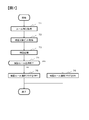
- the flowchart which shows an example of the process in a control unit. 10 is a flowchart illustrating an example of a process for generating up-to-date information in the information processing apparatus.
- the flowchart which shows an example of the process at the time of the communication message reception in information processing apparatus. 6 is a flowchart illustrating an example of an unauthorized message determination process in the information processing apparatus.
- the information processing apparatus 20 of the present embodiment is an in-vehicle information processing apparatus 20.
- the information processing apparatus 20 decrypts the encrypted message encrypted with the freshness information shared only by each information processing apparatus 20 according to a predetermined verification rule.
- the up-to-date information is information relating to the newness of the communication message, such as a sequence number string, a count value, and time information.
- the information processing apparatus 20 determines whether or not the received message is an illegal message by verifying whether or not the decrypted message is restored to a predetermined data structure.
- the technical idea of the present invention is not limited to this example. Note that the encryption key and seed used in each information processing device 20 need only be safely distributed, managed, and updated, and at any timing such as when the engine is started / stopped, during product development, and during maintenance. Distribution and updates may be made.
- FIG. 1 is a block diagram illustrating a configuration example of the control unit 10.
- the control unit 10 includes a plurality of information processing apparatuses 20A and 20B.
- the information processing apparatuses 20A and 20B are connected to each other via the CAN bus 15.
- the information processing apparatuses 20A and 20B may be described as a reference numeral 20 as a representative.
- the information processing apparatus 20 includes a control unit 1 and a communication I / O 2 that are connected to each other via a bus 3. Note that the present invention can also be applied to a control unit 10 including three or more information processing apparatuses 20.
- the control unit 1 includes an arithmetic processing unit having a processor such as a CPU or FPGA, a ROM and RAM that are storage devices, and other peripheral circuits.
- the processor controls each hardware in the device by executing a program stored in the storage device.
- Each program may be stored in advance in a storage device in the information processing apparatus, or an input / output interface is provided in the information processing apparatus 20 so that the input / output interface and the information processing apparatus 20 can be used when necessary. It may be introduced from another device to the storage device via an available medium.
- the medium refers to, for example, a storage medium that can be attached to and detached from the input / output interface, or a communication medium (that is, a wired, wireless, optical network, or a carrier wave or digital signal that propagates through the network).
- a storage medium that can be attached to and detached from the input / output interface
- a communication medium that is, a wired, wireless, optical network, or a carrier wave or digital signal that propagates through the network.
- the control unit 1 updates the latestness information according to the number of messages or the type of messages flowing between the information processing devices, the freshness information generation unit 101 that generates the latestness information shared between the information processing devices 20 Information management unit 102, key management unit 103 that manages key data for generating encryption / decryption processing and up-to-date information, communication message control unit 104 that generates a message at the time of transmission, and encryption processing that encrypts a message Unit 105, encryption-related information storage unit 106 that stores information related to encryption utilization technology such as initial values, key data, and up-to-date information at the time of encryption / decryption processing, and a message such as a counter value of a message flowing through a communication path A communication information storage unit 107 that stores information necessary for transmission / reception processing is functionally provided.
- the control unit 1 further defines a message analysis unit 108 that analyzes the data structure of the received message, a decoding processing unit 109 that decodes the message based on the data structure decomposed by the message analysis unit 108, and defines predetermined rules.
- the verification rule information storage unit 110, the illegal message verification unit 111 that verifies the integrity of the decrypted message based on the rule acquired from the verification rule information storage unit 110, and the latest information among the information processing apparatuses are synchronized.
- the synchronization processing unit 112 is functionally provided.
- the communication I / O 2 receives a transmission message from another information processing apparatus 20 via a communication path and performs some physical operation. Further, the communication I / O 2 transmits some message to the other information processing apparatus 20 via the communication path.
- the communication path is, for example, a CAN bus 15.
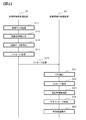
- FIG. 2 is a flowchart showing an example of processing in the control unit 10.
- the information processing apparatus 20A will be described as the transmission information processing apparatus 21, and the information processing apparatus 20B will be described as the reception information processing apparatus 22. Therefore, this flowchart shows an unauthorized message detection processing sequence between the transmission information processing device 21 and the reception information processing device 22.
- the transmission information processing device 21 and the reception information processing device 22 are given as examples of an information processing device that transmits a message and an information processing device that receives a message from among the plurality of information processing devices 20. .
- step 211 the communication message control unit 104 acquires control data transmitted by the transmission information processing apparatus 21.
- step 212 the latestness information management unit 102 acquires the latestness information generated by the latestness information generation unit 101 from the encryption related information storage unit 106, and updates the control data acquired in step 211 based on a predetermined rule. Give sex information.
- step 213 the encryption processing unit 105 acquires the encryption key from the key management unit 103, and encrypts the control data to which the latestness information is given in step 212.
- step 214 the communication message control unit 104 adds header information such as CAN-ID and footer information to the control data encrypted in step 213, and generates a communication message.
- step 215 the communication message control unit 104 transmits the communication message generated in step 214 to the reception information processing apparatus 22.
- step 221 the communication message control unit 104 performs CRC verification defined in the CAN communication protocol, and when an error is detected in the CRC verification, discards the received communication message and performs predetermined error processing.
- step 222 the decryption processing unit 109 acquires the key used for the decryption process from the key management unit 103, and decrypts the message that is determined to have no error in the CRC verification in step 221.
- step 223 the freshness information management unit 102 performs a process based on a predetermined verification rule associated with the ID assigned to each type of communication message for the message decrypted in step 222.
- step 224 the unauthorized message verification unit 111 applies a verification rule determined by assigning the ID given to each type of communication message from the verification rule information storage unit 110 to the message obtained in the process of step 223. get.
- the illegal message verification unit 111 performs determination processing according to the verification rule, and performs predetermined error processing when the verification rule is deviated.
- step 225 when it is determined in step 224 that the verification message is observed in step 224, the communication message control unit 104 executes normal control processing.
- the transmission information processing device 21 transmits a message to the reception information processing device 22, and the reception information processing device 22 can determine whether the received message is an illegal message.
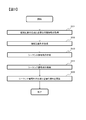
- FIG. 3 is a flowchart showing an example of the latestness information generation process in the information processing apparatus 20.
- a pseudo-random number generator is used as an example of the up-to-date information generated by the information processing device 20 at the time of engine startup, immediately before communication between information processing devices, or between communication between information processing devices. Shows an overview processing flow for generating a sequence number.
- the freshness information management unit 102 acquires the seed of the pseudo random number generator, auxiliary information for generating the pseudo random number, or the internal state of the pseudo random number generator.
- auxiliary information for generating the pseudo random number is, for example, an initial value (IV) which is one of the inputs of the pseudo random number generator.
- the internal state of the pseudo-random number generator indicates information necessary for generating a random number subsequent to the output random number.
- the freshness information generation unit 101 generates a pseudo-random number sequence using the seed acquired in step 301, auxiliary information, or the internal state.
- the freshness information generation unit 101 creates a sequence number sequence from the pseudo random number sequence generated in step 302 by a predetermined method.
- the freshness information management unit 102 stores the sequence number string generated in step 303 in the cryptographic related information storage unit 106 as the freshness information.
- the freshness information may be stored on a memory or a secondary storage device.
- the freshness information management unit 102 updates information for determining whether or not a sequence number needs to be generated, and the process ends.
- the information for determining whether or not it is necessary to generate a sequence number corresponds to, for example, the number of pseudo random number sequences generated for use with a sequence number and the start address of an unused pseudo random number.
- Information For example, when the data size of the sequence number is b bits and pseudo random numbers corresponding to b ⁇ m bits are generated, the number of pseudo random number sequences is m.
- each information processing apparatus 20 shares a predetermined number in advance, and the byte length of the pseudo-random number sequence generated from one seed is set to a predetermined number.
- the seed may be updated each time it reaches.
- a seed is generated when the byte length of a pseudo random number sequence generated from one seed reaches a predetermined number, and encryption is performed using the update seed as plain text.
- the method is not limited to the above method as long as it is feasible. By performing seed update or the like, there is an effect that a third party who does not know the seed becomes more difficult to predict the sequence number.
- the information processing apparatus 20 can generate up-to-date information shared among the information processing apparatuses.
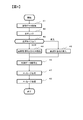
- FIG. 4 is a flowchart showing an example of processing at the time of communication message transmission in the information processing apparatus 21.
- FIG. 4 shows an outline processing flow when the transmission information processing apparatus 21 generates a message for determining an invalid message and transmits the message from step 211 to step 215 in FIG.
- steps 301 to 305 shown in FIG. 3 may be processed.
- the freshness information management unit 102 refers to information for determining whether or not it is necessary to generate a sequence number stored in the encryption-related information storage unit 106, and it is necessary to generate a sequence number
- the sequence number generation process is performed using the accompanying information necessary for generating the sequence number stored in the encryption related information storage unit 106, and this process is skipped when the sequence number generation is unnecessary. To do.
- step 41 the communication message control unit 104 acquires control parameter information used for vehicle travel control from, for example, a sensor device provided in the transmission information processing apparatus 21.
- step 42 the communication message control unit 104 checks the CAN-ID defined for each type of control data acquired in step 41, and determines the processing type.
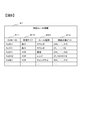
- FIG. 8 is a diagram showing an example of the table configuration of the verification rule information 81.
- the table configuration shown in FIG. 8 is an example of the verification rule information 81 stored in the verification rule information storage unit 110 referred to in step 42.
- CAN-ID 811 indicates information for identifying control data to be added to the message, that is, ID information of the message.
- CAN-ID 811 is used as an example of information for identifying control data to which a CAN-ID is attached to a message.
- information other than CAN-ID can be used as long as the control data to be attached to a message can be identified. It may be used.
- the processing type 812 indicates a processing method for adding up-to-date information for a message using the CAN-ID 811 value.
- the processing type is “insert”, this indicates that the latest information is inserted into the empty area of the data field, that is, the newness information is added to the control data.
- the processing type is “XOR”, it indicates that exclusive OR (XOR) processing of control data and freshness information is performed.
- a verification target bit 814 which will be described later, may be used as a location where the latestness information is inserted, or may be inserted into a predetermined number of bits. In this way, the freshness information is given to the control data within a predetermined data length range.
- the rule type 813 indicates information for identifying a verification method for a message using the value of the CAN-ID 811 in the illegal message determination process in step 224.
- the verification target bit 814 indicates a bit value to be verified in verification for a message using the value of the CAN-ID 811.
- step 43 the communication message control unit 104 proceeds to step 44 if the processing type 812 corresponding to the CAN-ID 811 acquired in step 42 is “XOR”, and proceeds to step 45 if the processing type 812 is “insert”. move on.
- step 44 the freshness information management unit 102 acquires the freshness information generated in step 303 from the encryption related information storage unit 106, and performs exclusive OR processing with the control data acquired in step 41.
- step 45 the freshness information management unit 102 acquires the freshness information generated in step 303 from the encryption related information storage unit 106, and adds the freshness information to the empty area of the data field.
- step 46 the encryption processing unit 105 acquires the encryption key from the key management unit 103, and encrypts the control data to which the latest information is given in step 44 or step 45.
- step 47 the communication message control unit 104 adds header information such as CAN-ID and footer information to the control data encrypted in step 46, and generates a communication message.
- FIG. 5 is a diagram showing an example of the data structure of the communication message.
- the communication message includes header information 511, a data field 512, and footer information 515.
- the header information 511 includes information such as CAN-ID.
- the data field 512 has a payload length and is given control data.
- the footer information 515 includes information defined by a protocol such as CRC (Cyclic Redundancy Check).
- the data field 512 becomes “control data XOR up-to-date information 517” when the exclusive OR of the control data and the up-to-date information is calculated in step 44, and “Enc ( Control data XOR up-to-date information) 518 ”.
- the data field 512 is a combination of the control data 513 and the up-to-date information 514 when the up-to-date information is added to the control data in step 45.
- Information) 516 ".
- the communication message control unit 104 transmits the communication message generated in step 47 via the communication I / O2.
- the transmission information processing apparatus 21 can generate a message for determining an unauthorized message and transmit the message to the reception information processing apparatus 22.
- the transmission information processing apparatus 21 can generate a message for determining an unauthorized message and transmit the message to the reception information processing apparatus 22.
- step 46 may be omitted.
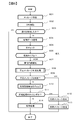
- FIG. 6 is a flowchart illustrating an example of processing when the information processing apparatus 20 receives a communication message.
- the control unit 1 in the reception information processing apparatus 22 receives the message having the data structure shown in FIG. 5 in steps 221 to 225 in FIG. 2, the received message is received using the message analysis unit 108.
- the outline processing flow for analyzing whether the received message is an illegal message is shown.
- step 601 the communication message control unit 104 receives a message transmitted from another information processing apparatus via the communication I / O2.
- the communication message control unit 104 uses the message analysis unit 108 to verify whether the CRC value calculated from a predetermined verification object matches the CRC value assigned to the footer information 515.
- step 603 if there is no error in the CRC verified in step 602, the process proceeds to step 604. If there is an error, the process is terminated, and a predetermined error process defined by CAN is executed.
- the decryption processing unit 109 acquires the decryption key from the key management unit 103, and decrypts the message determined in step 603 that there is no error in the CRC.
- step 605 the communication message control unit 104 acquires the CAN-ID included in the header information 511 of the received message using the message analysis unit 108, refers to the verification rule information storage unit 110, and reads the CAN-ID.
- the processing type 812 is acquired.
- step 606 the communication message control unit 104 proceeds to step 607 if the processing type 812 acquired in step 605 is “XOR”, and proceeds to step 608 if the processing type 812 is “insert”.
- step 607 the freshness information management unit 102 acquires the data field 512 using the message analysis unit 108, acquires the freshness information shared by each information processing device 20 from the communication information storage unit 107, and the data field An exclusive OR process between 512 and the latest information is performed.
- step 608 the unauthorized message verification unit 111 receives the received message based on the data field 512 extracted from the received message in step 601 or the output data of the exclusive OR process between the data field 512 and the freshness information in step 607.
- the fraudulent message judgment process for judging fraud is performed.
- the specific contents of the unauthorized message determination process will be described later with reference to the flowchart of FIG.
- the unauthorized message verification unit 111 proceeds to step 612 if it is determined to be an unauthorized message in step 608, and proceeds to step 610 if it is determined that it is not an unauthorized message.
- the communication message control unit 104 verifies whether or not it is time to perform the synchronization processing using the synchronization processing unit 112. For example, a threshold is set so that synchronization processing is performed according to the number of communication messages for each CAN-ID, the number of counters updated every time a communication message is received is compared with the threshold, and synchronization processing is performed when the threshold matches. It is determined that the timing is to be performed. Of course, time information or the like may be used instead of the number of communications.
- step 611 the communication message control unit 104 proceeds to step 612 if it is determined that it is the timing of the synchronization process using the synchronization processing unit 112, and proceeds to step 614 if it is determined that it is not the timing of the synchronization process.
- the communication message control unit 104 In step 612, the communication message control unit 104 generates a synchronization message using the synchronization processing unit 112. For example, a message including the synchronization CAN-ID and the latest information is generated. Furthermore, a code such as MAC may be added to prove the integrity of the latest information.
- the communication message control unit 104 transmits the synchronization message generated in step 612 via the communication I / O2.
- the communication message control unit 104 executes a predetermined control process based on the received message determined not to be unauthorized in step 609.
- the transmission information processing apparatus 21 receives the synchronization message output in step 613 via the communication I / O2.
- the transmission information processing device 21 determines whether or not the freshness information provided by the reception information processing device 22 included in the synchronization message matches the freshness information held by the transmission information processing device 21. To do. If the latest information does not match, the information processing device 21 for transmission uses, for example, the newness information management unit 102 of the information processing device 21 for transmission of the latest information based on the latest information included in the synchronization message. Update.
- the transmission information processing device 21 synchronizes the latest information between the information processing devices by making the freshness information used by the transmission information processing device 21 the same as the freshness information included in the synchronization message. Can do.
- control unit 1 in the information processing apparatus 22 for reception receives a message having the data structure shown in FIG. 5 from another information processing apparatus
- the data structure of the received message using the message analysis unit 108 Can be analyzed to determine whether the received message is an invalid message.
- FIG. 7 is a flowchart illustrating an example of an unauthorized message determination process in the information processing apparatus 20.
- FIG. 7 shows an outline process flow of the unauthorized message determination process executed in step 608 of FIG.
- step 71 the unauthorized message verification unit 111 acquires the rule type 813 corresponding to the CAN-ID of the received message from the verification rule information storage unit 110.
- step 72 the unauthorized message verification unit 111 acquires the verification target bit 814 corresponding to the CAN-ID of the received message from the verification rule information storage unit 110.
- step 73 the unauthorized message verification unit 111 verifies whether the message is an unauthorized message based on the rule type and the verification target bit acquired in steps 71 and 72.
- rule type when the rule type is “counter”, it is verified whether the freshness information inserted in the verification target bit 814 matches the freshness information held by the information processing apparatus for reception.
- rule type when the rule type is “fixed”, it is verified whether the value of the bit described in the verification target bit 814 has changed from a predetermined value.
- rule type range
- rule type is “checksum”, it is verified whether the value of the bit described in the verification target bit 814 matches the value of the checksum calculated using a predetermined checksum calculation method.
- a plurality of rules may be applied to one CAN-ID.
- step 74 the unauthorized message verification unit 111 proceeds to step 76 if it is determined that the verification rule has been deviated in step 73, and proceeds to step 75 if it is determined that the verification rule has not been deviated.
- step 75 the unauthorized message verification unit 111 sets the verification rule departure flag to “OFF”, and proceeds to step 610 based on the flag in step 609.
- step 76 the unauthorized message verification unit 111 sets the verification rule departure flag to “ON”, and proceeds to step 612 based on the flag in step 609.
- the reception information processing apparatus 22 can determine whether or not the received message is an illegal message.
- the information processing device 20 receives a communication message generated based on the latestness information and the control data from another information processing device.
- the information processing apparatus 20 includes a freshness information generation unit 101 that generates freshness information, and a freshness information management unit 102 that extracts the freshness information from the received communication message.
- a communication message generated based on the freshness information and the control data is received, and the freshness information is extracted from the received communication message. Therefore, the communication message can be verified without increasing the number of messages.
- the freshness information is updated according to the synchronization communication message.
- the retransmitted communication message used for the replay attack includes the up-to-date information at a time point older than the time point when the receiving information processing apparatus decodes the communication message. Therefore, it is possible to defend against replay attacks.
- the up-to-date information management unit 102 updates the up-to-date information according to the communication message, and updates the up-to-date information updated by the up-to-date information management unit 102 based on the synchronization communication message including the up-to-date information. Synchronize with the latest information updated by other information processing apparatuses. Since it did in this way, the information processing apparatus of the receiving side which received the communication message produced
- the communication message is generated by adding up-to-date information to the control data within a predetermined data length range.
- the information processing apparatus 20 includes a verification rule information storage unit 110 that stores a verification rule corresponding to the type of control data, and an unauthorized message verification unit 111 that verifies the correctness of the control data based on the verification rule. Further prepare.
- a verification rule corresponding to the CAN-ID assigned for each type of control data is stored, and an illegal message is detected based on the verification rule. Since it did in this way, a verification rule can be changed according to the kind of control data. Since the verification rule is not transmitted over the network, it is possible to prevent the verification rule from being acquired illegally.
- the type of control data and the data verification area are stored in the verification rule information storage unit 110 in association with each other, and the invalid message verification unit 111 stores the control data based on the data in the data verification area. Verify correctness. Since it did in this way, a data verification area
- the illegal message verification unit 111 has at least one of verification using the minimum and maximum values of control data, verification using a predetermined area of control data, and verification using a checksum of control data as a verification rule. Based on the above, the correctness of the control data is verified. Since it did in this way, a data verification method can be changed according to the kind of control data.
- the information processing device 20 generates a communication message for synchronization including the latestness information updated by the latestness information management unit 102 when the control data is determined not to be valid data by the unauthorized message verification unit 111. Then, it further includes a synchronization processing unit 112 that transmits to another information processing apparatus. Since it did in this way, when an improper message is received, the freshness information between each information processing apparatus can be synchronized.
- the synchronization processing unit 112 generates a communication message for synchronization at a predetermined period and transmits it to another information processing apparatus regardless of the result of verification by the unauthorized message verification unit 111. Since it did in this way, the freshness information between each information processing apparatus can be synchronized with a predetermined period.
- the up-to-date information management unit 102 calculates an exclusive OR of the received communication message and the up-to-date information, and extracts the up-to-date information from the received communication message. Since it did in this way, the freshness information can be given to control data, without increasing the number of messages.
- CAN has been described as an example of the communication standard.
- the present invention is not limited to this, and may be applied to, for example, CAN-FD and Ethernet (registered trademark).
- the CAN data length is a fixed length of 8 bytes
- the CAN-FD data length is a variable length of 8 bytes to 64 bytes, and the data length is determined for each CAN-ID.
- a method of embedding up-to-date information in an empty area in the data field may be added.
- a rule to be applied may be selected using a source address or the like instead of CAN-ID.
- an information processing device that receives a communication message generated based on the latestness information and control data from another information processing device, and the received information message
- the present invention can be applied to various information processing apparatuses including a freshness information management unit that extracts freshness information from the information.
- a method for detecting in another information processing apparatus whether or not a communication message generated by one information processing apparatus based on up-to-date information and control data is an illegal message.
- the present invention can apply the present invention to a fraudulent message detection method in which the latest information is generated and the processors of other information processing apparatuses extract the latest information from the communication message.
- Control unit 2 Communication I / O 3 Bus 20
- Information processing apparatus 101 Up-to-date information generation unit 102 Up-to-date information management unit 110 Verification rule information storage unit 111 Unauthorized message verification unit 112 Synchronization processing unit
Landscapes
- Engineering & Computer Science (AREA)
- Computer Security & Cryptography (AREA)
- Signal Processing (AREA)
- Computer Networks & Wireless Communication (AREA)
- Theoretical Computer Science (AREA)
- Computer Hardware Design (AREA)
- General Engineering & Computer Science (AREA)
- Physics & Mathematics (AREA)
- General Physics & Mathematics (AREA)
- Computing Systems (AREA)
- Software Systems (AREA)
- Health & Medical Sciences (AREA)
- General Health & Medical Sciences (AREA)
- Bioethics (AREA)
- Virology (AREA)
- Small-Scale Networks (AREA)
- Information Transfer Between Computers (AREA)
- Computer And Data Communications (AREA)
- Data Exchanges In Wide-Area Networks (AREA)
Abstract
情報処理装置は、最新性情報と制御データとに基づいて生成された通信メッセージを他の情報処理装置から受信する情報処理装置であって、最新性情報を生成する最新性情報生成部と、受信した通信メッセージから最新性情報を抽出する最新性情報管理部と、を備える。
Description
本発明は、情報処理装置及び不正メッセージ検知方法に関する。
自動車の車載ネットワークにおける代表的な標準プロトコルとしてCAN(Controller Area Network)が普及している。このような車載ネットワークでは、OBD2(On-Board-Diagnostics 2)ポートのような車載ネットワークに直接繋がっているインタフェースに不正な機器が接続され、この不正な機器からリプレイ攻撃が行なわれることが想定される。ここで、リプレイ攻撃とは、通信路上を流れるメッセージを盗聴して事前に取得し、取得したメッセージを再送することで不正な動作を引き起こす攻撃である。また、車外のシステムと連携する情報処理装置がマルウェアに感染することも想定される。
通常、これらの脅威に対しては、各情報処理装置間を流れるメッセージに対して、改ざん検知符号としてMAC(Message Authentication Code)を用いたメッセージ認証を実施することが有効とされている。例えば、特開2013-098719(特許文献1)には、車載ネットワークにおけるメッセージにMACを埋め込む通信システムが開示されている。特許文献1に記載の通信システムでは、各情報処理装置において、メッセージIDごとにメッセージが送信された回数をカウントする。送信側の情報処理装置は、データ、送信回数、メッセージIDからMACを生成する。受信側の情報処理装置は、受信したメッセージにおける、データ、送信回数、メッセージIDをもとにMACを算出し、別途受信したMACと比較する。受信側の情報処理装置は、算出したMACと受信したMACとが異なっている場合は、以降そのIDのメッセージを受け付けなくすることで、リプレイ攻撃やマルウェアによる感染に対処している。
しかし、特許文献1に記載の通信システムでは、MACを含むメッセージと制御用データを含むメッセージの2つのメッセージを送信するため、メッセージ数が増加するという課題がある。
本発明の第1の態様によると、最新性情報と制御データとに基づいて生成された通信メッセージを他の情報処理装置から受信する情報処理装置は、最新性情報を生成する最新性情報生成部と、受信した通信メッセージから最新性情報を抽出する最新性情報管理部と、を備える。
本発明の第2の態様によると、不正メッセージ検知方法は、最新性情報と制御データとに基づいて一の情報処理装置で生成された通信メッセージが不正メッセージであるか否かを他の情報処理装置において検知する方法であって、一の情報処理装置のプロセッサは最新性情報を生成し、他の情報処理装置のプロセッサは通信メッセージから最新性情報を抽出する。
本発明の第2の態様によると、不正メッセージ検知方法は、最新性情報と制御データとに基づいて一の情報処理装置で生成された通信メッセージが不正メッセージであるか否かを他の情報処理装置において検知する方法であって、一の情報処理装置のプロセッサは最新性情報を生成し、他の情報処理装置のプロセッサは通信メッセージから最新性情報を抽出する。
本発明によれば、メッセージ数を増加させずに通信メッセージの検証を行うことができる。
(第1の実施の形態)
本実施の形態の情報処理装置20は、車載用の情報処理装置20である。この情報処理装置20は、各情報処理装置20でのみ共有する最新性情報により暗号化した暗号メッセージを、所定の検証ルールに従って復号する。ここで、最新性情報とは、通信メッセージの新しさに関する情報であり、例えば、シーケンス番号列やカウント値、時刻情報などである。情報処理装置20は、復号されたメッセージが予め規定されたデータ構造に復元されるかどうかを検証することにより、受信したメッセージが不正なメッセージなのかどうかを判別する。ただし、本発明の技術的思想は、この例に限定されるものではない。なお、各情報処理装置20で利用する暗号用の鍵及びシードは、安全に配布、管理、更新されていればよく、エンジン起動時/停止時、製品開発時、メンテナンス時などの任意のタイミングで配布や更新が行なわれてもよい。
本実施の形態の情報処理装置20は、車載用の情報処理装置20である。この情報処理装置20は、各情報処理装置20でのみ共有する最新性情報により暗号化した暗号メッセージを、所定の検証ルールに従って復号する。ここで、最新性情報とは、通信メッセージの新しさに関する情報であり、例えば、シーケンス番号列やカウント値、時刻情報などである。情報処理装置20は、復号されたメッセージが予め規定されたデータ構造に復元されるかどうかを検証することにより、受信したメッセージが不正なメッセージなのかどうかを判別する。ただし、本発明の技術的思想は、この例に限定されるものではない。なお、各情報処理装置20で利用する暗号用の鍵及びシードは、安全に配布、管理、更新されていればよく、エンジン起動時/停止時、製品開発時、メンテナンス時などの任意のタイミングで配布や更新が行なわれてもよい。
図1は、制御ユニット10の構成例を示すブロック図である。制御ユニット10は、複数の情報処理装置20A、20Bを備える。情報処理装置20A、20Bは、CANバス15を介して互いに接続されている。以下、情報処理装置20A、20Bを代表して符号20として説明することもある。情報処理装置20は、互いにバス3で接続された制御部1および通信I/O2を備えている。なお、3以上の情報処理装置20を備える制御ユニット10にも本発明を適用できる。
制御部1は、CPUやFPGAなどのプロセッサ、記憶装置であるROMおよびRAM、その他の周辺回路などを有する演算処理装置を含んで構成されている。プロセッサは、記憶装置に格納されているプログラムを実行することにより、装置内の各ハードウェアを制御する。各プログラムは、あらかじめ、情報処理装置内の記憶装置に格納されていてもよいし、入出力インタフェースを情報処理装置20に具備しておき、必要なときに、入出力インタフェースと情報処理装置20が利用可能な媒体を介して、他の装置から記憶装置に導入されてもよい。ここで、媒体とは、例えば入出力インタフェースに着脱可能な記憶媒体、または通信媒体(すなわち有線、無線、光などのネットワーク、または当該ネットワークを伝搬する搬送波やディジタル信号)を指す。
制御部1は、各情報処理装置間20で共有する最新性情報を生成する最新性情報生成部101、情報処理装置間を流れるメッセージ数或いはメッセージの種類に応じて最新性情報を更新する最新性情報管理部102、暗号化/復号処理や最新性情報を生成するための鍵データを管理する鍵管理部103、送信時におけるメッセージを生成する通信メッセージ制御部104、メッセージを暗号化する暗号化処理部105、暗号化/復号処理時における初期値や鍵データ、最新性情報等の暗号活用技術に関連する情報を記憶する暗号関連情報記憶部106、および通信路を流れるメッセージのカウンタ値等のメッセージ送受信処理に必要となる情報を記憶する通信情報記憶部107を機能的に備える。
制御部1は、さらに、受信したメッセージのデータ構造を解析するメッセージ解析部108、メッセージ解析部108で分解したデータ構造をもとにメッセージを復号する復号処理部109、予め定められたルールを定義した検証ルール情報記憶部110、検証ルール情報記憶部110から取得したルールに基づいて復号したメッセージの完全性を検証する不正メッセージ検証部111、および各情報処理装置間における最新性情報の同期を行なう同期処理部112を機能的に備える。
通信I/O2は、通信路を介して、他の情報処理装置20からの送信メッセージを受信し、何らかの物理的な動作を行う。また、通信I/O2は、通信路を介して、他の情報処理装置20に対し、何らかのメッセージを送信する。通信路は、例えば、CANバス15である。
図2は、制御ユニット10における処理の一例を示すフローチャートである。ここでは、情報処理装置20Aを送信用情報処理装置21とし、情報処理装置20Bを受信用情報処理装置22として説明する。したがって、このフローチャートは、送信用情報処理装置21と受信用情報処理装置22との間における不正メッセージ検知処理シーケンスを示す。なお、送信用情報処理装置21と受信用情報処理装置22は、複数の情報処理装置20の中から、メッセージを送信する情報処理装置とメッセージを受信する情報処理装置の例として挙げたものである。
ステップ211では、通信メッセージ制御部104は、送信用情報処理装置21が送信する制御データを取得する。ステップ212では、最新性情報管理部102は、暗号関連情報記憶部106から最新性情報生成部101が生成した最新性情報を取得し、ステップ211で取得した制御データに所定のルールに基づいて最新性情報を付与する。ステップ213では、暗号化処理部105は、鍵管理部103から暗号用鍵を取得し、ステップ212で最新性情報を付与された制御データを暗号化する。
ステップ214では、通信メッセージ制御部104は、ステップ213で暗号化された制御データに、CAN-ID等のヘッダ情報およびフッタ情報を付与し、通信メッセージを生成する。ステップ215では、通信メッセージ制御部104は、ステップ214で生成した通信メッセージを受信用情報処理装置22に送信する。
ステップ221では、通信メッセージ制御部104は、CANの通信プロトコルで定義されているCRC検証を行ない、CRC検証において誤りを検知した場合は受信した通信メッセージを破棄し、所定のエラー処理を行なう。ステップ222では、復号処理部109は、鍵管理部103から復号処理に用いる鍵を取得し、ステップ221におけるCRC検証で誤りが無いと判断されたメッセージを復号する。
ステップ223では、最新性情報管理部102は、ステップ222で復号されたメッセージに対して、通信メッセージの種類ごとに付与されるIDに紐付けた所定の検証ルールに基づいた処理を行なう。ステップ224では、不正メッセージ検証部111は、ステップ223の処理で得たメッセージに対して、検証ルール情報記憶部110から通信メッセージの種類ごとに付与されるIDに緋付けて定められた検証ルールを取得する。不正メッセージ検証部111は、検証ルールに従った判定処理を行ない、検証ルールを逸脱した場合は所定のエラー処理を行なう。ステップ225では、通信メッセージ制御部104は、ステップ224で検証ルールを遵守していると判断された場合、通常の制御処理を実行する。
以上のステップにより、送信用情報処理装置21は受信用情報処理装置22にメッセージを送信し、受信用情報処理装置22は受信したメッセージが不正なメッセージなのかどうかを判定できる。
図3は、情報処理装置20における最新性情報の生成処理の一例を示すフローチャートである。図3では、エンジン起動時、情報処理装置間での通信の直前、或いは情報処理装置間での通信の合間において、情報処理装置20が生成する最新性情報の一例として、擬似乱数生成器を用いてシーケンス番号を生成する概要処理フローを示す。
ステップ301では、最新性情報管理部102は、擬似乱数生成器のシード、擬似乱数を生成するための補助情報、または擬似乱数生成器の内部状態を取得する。これらは、シーケンス番号を生成するために必要な付随情報の参照先を示す情報を用いて暗号関連情報記憶部106からシーケンス番号を生成するために必要な付随情報である。ここで、擬似乱数を生成するための補助情報とは、例えば、擬似乱数生成器の入力の一つである初期値(IV)である。また、擬似乱数生成器の内部状態とは、出力済みの乱数の次以降の乱数を生成するために必要な情報を指す。
ステップ302では、最新性情報生成部101は、ステップ301で取得したシード、または補助情報、または内部状態を用いて擬似乱数列を生成する。ステップ303では、最新性情報生成部101は、ステップ302で生成された擬似乱数列から、予め定められた方法でシーケンス番号列を作成する。ステップ304では、最新性情報管理部102は、ステップ303で生成したシーケンス番号列を最新性情報として暗号関連情報記憶部106に格納する。なお、最新性情報は、メモリ上に格納されてもよく、2次記憶装置に格納されてもよい。
ステップ305では、最新性情報管理部102は、シーケンス番号の生成が必要か否かを判断するための情報を更新し、終了する。ここで、シーケンス番号の生成が必要か否かを判断するための情報とは、例えば、シーケンス番号で使用するために生成した擬似乱数列の個数、および未使用の擬似乱数の先頭アドレスに相当する情報である。例えば、シーケンス番号のデータサイズがbビットであり、b×mビット分の擬似乱数を生成している場合、擬似乱数列の個数はmである。また、最新性情報としてシーケンス番号を取得する際、bビットの擬似乱数を取得した場合は、擬似乱数列の個数をmからm-1に更新し、先頭アドレスは次のbビットの擬似乱数の先頭アドレスに更新する。
なお、ステップ302の擬似乱数生成処理では、予め定められた数を各情報処理装置20が事前に共有しておき、1つのシードから生成された擬似乱数列のバイト長が予め定められた数に到達する度にシードの更新を行ってもよい。シードの更新は、例えば、ある情報処理装置において、1つのシードから生成された擬似乱数列のバイト長が予め定められた数に到達するとシードを生成し、更新用のシードを平文として暗号化を行って、他の情報処理装置20に送信するようにすればよいが、実現可能な方法であればよく、上記の方法に限定されない。シードの更新などを実施することにより、シードを把握していない第三者はシーケンス番号の予測がさらに困難になる、という効果がある。
以上のステップにより、情報処理装置20は、各情報処理装置間で共有する最新性情報を生成することができる。
図4は、情報処理装置21における通信メッセージ送信時の処理の一例を示すフローチャートである。図4では、図2のステップ211からステップ215までの、送信用情報処理装置21が不正なメッセージを判別するためのメッセージを生成し、そのメッセージを送信する時の概要処理フローを示す。図4の処理フローを開始する前に、図3で示したステップ301からステップ305を処理してもよい。このとき、最新性情報管理部102は、暗号関連情報記憶部106に格納されているシーケンス番号の生成が必要か否かを判断するための情報を参照し、シーケンス番号の生成の必要がある場合には、暗号関連情報記憶部106に格納されているシーケンス番号を生成するために必要な付随情報を用いてシーケンス番号列の生成処理を行い、シーケンス番号の生成が不要な場合は本処理をスキップする。
ステップ41では、通信メッセージ制御部104は、車両の走行制御に用いる制御パラメータ情報を、例えば送信用情報処理装置21に備わるセンサ機器等から取得する。ステップ42では、通信メッセージ制御部104は、ステップ41で取得した制御データの種類ごとに定められているCAN-IDをチェックし、処理タイプを判定する。
図8は、検証ルール情報81のテーブル構成の一例を示す図である。すなわち、図8に示すテーブル構成は、ステップ42で参照される検証ルール情報記憶部110に格納される検証ルール情報81の一例である。CAN-ID811は、メッセージに付与する制御データを識別する情報すなわちメッセージのID情報を示す。図8では、CAN-IDをメッセージに付与する制御データを識別する情報の例とし、CAN-ID811としたが、メッセージに付与する制御データを識別可能な情報であればCAN-ID以外の情報を用いてもよい。
処理タイプ812は、CAN-ID811の値を使用するメッセージに対する最新性情報を付与する処理方法を示す。処理タイプが「挿入」の場合は、データフィールドの空き領域に最新性情報を挿入する、すなわち制御データに最新性情報を追加することを示す。処理タイプが「XOR」の場合は、制御データと最新性情報の排他的論理和(XOR)処理を行なうことを示す。例えば、最新性情報を挿入する箇所として、後述する検証対象ビット814を用いてもよいし、予め決められたビット数に挿入してもよい。このようにして、最新性情報は、予め定められたデータ長の範囲内で制御データに付与される。
ルール種別813は、ステップ224における不正メッセージの判定処理において、CAN-ID811の値を使用するメッセージに対する検証方法を識別するための情報を示す。検証対象ビット814は、CAN-ID811の値を使用するメッセージに対する検証において、検証対象となるビット値を示す。
ステップ43では、通信メッセージ制御部104は、ステップ42で取得したCAN-ID811に対応する処理タイプ812が「XOR」の場合はステップ44に進み、処理タイプ812が「挿入」の場合はステップ45に進む。ステップ44では、最新性情報管理部102は、ステップ303で生成した最新性情報を暗号関連情報記憶部106から取得し、ステップ41で取得した制御データとの排他的論理和処理を行なう。ステップ45では、最新性情報管理部102は、ステップ303で生成した最新性情報を暗号関連情報記憶部106から取得し、データフィールドの空き領域に最新性情報を追加する。
ステップ46では、暗号化処理部105は鍵管理部103より暗号用鍵を取得し、ステップ44、或いはステップ45において最新性情報が付与された制御データの暗号化を行なう。ステップ47では、通信メッセージ制御部104は、ステップ46で暗号化された制御データに、CAN-ID等のヘッダ情報およびフッタ情報を付与し、通信メッセージを生成する。
図5は、通信メッセージのデータ構造の一例を示す図である。通信メッセージは、ヘッダ情報511、データフィールド512、フッタ情報515から構成される。ヘッダ情報511は、CAN-ID等の情報から成る。データフィールド512は、ペイロード長となっており、制御データが付与される。フッタ情報515は、CRC(Cyclic Redundancy Check)等のプロトコルで定められた情報から成る。
データフィールド512は、ステップ44で制御データと最新性情報との排他的論理和を算出した場合は、「制御データXOR 最新性情報517」となり、ステップ46において暗号化された際に、「Enc(制御データ XOR 最新性情報)518」となる。データフィールド512は、ステップ45で制御データに最新性情報を付与する場合は、制御データ513と最新性情報514の組み合わせとなり、ステップ46において暗号化された際に、「Enc(制御データ、最新性情報)516」となる。ステップ48では、通信メッセージ制御部104は、ステップ47で生成した通信メッセージを通信I/O2を介して送信する。
以上のステップにより、送信用情報処理装置21は、不正なメッセージを判別するためのメッセージを生成し、そのメッセージを受信用情報処理装置22に送信できる。なお、上記ステップでは処理を軽くするために、最新性情報として擬似乱数のような特定できない情報のみを利用し、ステップ46を省略してもよい。
図6は、情報処理装置20における通信メッセージ受信時の処理の一例を示すフローチャートである。図6では、図2のステップ221からステップ225における、受信用情報処理装置22における制御部1が、図5に示したデータ構造のメッセージを受信したときに、メッセージ解析部108を用いて受信メッセージのデータ構造を解析し、受信メッセージが不正なメッセージなのかどうかを判別するための概要処理フローを示す。
ステップ601では、通信メッセージ制御部104は、通信I/O2を介して、他の情報処理装置から送信されたメッセージを受信する。ステップ602では、通信メッセージ制御部104は、メッセージ解析部108を用いて、所定の検証対象から算出するCRCの値と、フッタ情報515に付与されたCRCの値が一致するかどうかを検証する。ステップ603では、ステップ602で検証したCRCに誤りが無い場合はステップ604に進み、誤りがある場合は処理を終了し、CANで規定されている所定のエラー処理を実行する。ステップ604では、復号処理部109は、鍵管理部103から復号用鍵を取得し、ステップ603でCRCに誤りが無いと判断されたメッセージを復号する。
ステップ605では、通信メッセージ制御部104は、メッセージ解析部108を用いて、受信したメッセージのヘッダ情報511に含まれるCAN-IDを取得し、検証ルール情報記憶部110を参照して、CAN-IDの処理タイプ812を取得する。ステップ606では、通信メッセージ制御部104は、ステップ605で取得した処理タイプ812が「XOR」の場合はステップ607に進み、処理タイプ812が「挿入」の場合はステップ608に進む。ステップ607では、最新性情報管理部102は、メッセージ解析部108を用いてデータフィールド512を取得し、通信情報記憶部107から各情報処理装置20で共有される最新性情報を取得し、データフィールド512と最新性情報との排他的論理和処理を行なう。
ステップ608では、不正メッセージ検証部111は、ステップ601で受信メッセージから抽出したデータフィールド512、或いはステップ607でデータフィールド512と最新性情報との排他的論理和処理の出力データに基づいて、受信メッセージの不正を判断するための不正メッセージ判定処理を行う。不正メッセージ判定処理の具体的な内容は、後で図7のフローチャートを参照して説明する。ステップ609では、不正メッセージ検証部111は、ステップ608で不正なメッセージと判定した場合はステップ612に進み、不正なメッセージでないと判定した場合はステップ610に進む。
ステップ610では、通信メッセージ制御部104は、同期処理部112を用いて同期処理を行なうタイミングかどうかを検証する。例えば、CAN-IDごとに通信メッセージ数に応じて同期処理を行なうように閾値を設定しておき、通信メッセージの受信ごとに更新するカウンタ数と閾値を比較し、閾値と一致した場合に同期処理を行なうタイミングと判定する。勿論、通信回数の代わりに時刻情報等を用いてもよい。ステップ611では、通信メッセージ制御部104は、同期処理部112を用いて同期処理のタイミングであると判定した場合はステップ612に進み、同期処理のタイミングでないと判定した場合はステップ614に進む。
ステップ612では、通信メッセージ制御部104は、同期処理部112を用いて同期用のメッセージを生成する。例えば、同期用のCAN-IDと最新性情報を含むメッセージを生成する。さらに、最新性情報の完全性を証明するためにMAC等の符号を付与してもよい。ステップ613では、通信メッセージ制御部104は、ステップ612で生成した同期用メッセージを通信I/O2を介して送信する。ステップ614では、通信メッセージ制御部104は、ステップ609で不正でないと判定された受信メッセージに基づいて、所定の制御処理を実行する。
送信用情報処理装置21は、ステップ613で出力された同期用メッセージを通信I/O2を介して受信する。送信用情報処理装置21は、同期用メッセージに含まれる受信用情報処理装置22が付与した最新性情報と、送信用情報処理装置21が保持する最新性情報とが一致しているか否かを判定する。送信用情報処理装置21は、最新性情報が一致しない場合は、例えば、同期用メッセージに含まれる最新性情報に基づいて、送信用情報処理装置21の最新性情報管理部102により最新性情報を更新させる。送信用情報処理装置21は、送信用情報処理装置21が使用する最新性情報を、同期用メッセージに含まれる最新性情報と同一にすることで、情報処理装置間で最新性情報を同期させることができる。
以上のステップにより、受信用情報処理装置22における制御部1が、他の情報処理装置から図5に示したデータ構造のメッセージを受信したときに、メッセージ解析部108を用いて受信メッセージのデータ構造を解析し、受信メッセージが不正なメッセージなのかどうかを判別できる。
図7は、情報処理装置20における不正メッセージ判定処理の一例を示すフローチャートである。図7では、図6のステップ608で実行される不正メッセージ判定処理の概要処理フローを示す。
ステップ71では、不正メッセージ検証部111は、検証ルール情報記憶部110より受信メッセージのCAN-IDに該当するルール種別813を取得する。ステップ72では、不正メッセージ検証部111は、検証ルール情報記憶部110より受信メッセージのCAN-IDに該当する検証対象ビット814を取得する。ステップ73では、不正メッセージ検証部111は、ステップ71とステップ72で取得した、ルール種別および検証対象ビットに基づいて不正メッセージかどうかを検証する。
例えば、ルール種別が「カウンタ」の場合は、検証対象ビット814に挿入される最新性情報と、受信用情報処理装置が保持する最新性情報と一致しているかを検証する。ルール種別が「固定」の場合は、検証対象ビット814に記載されるビットの値が、予め決められた値から変化していないかを検証する。ルール種別が「レンジ」の場合は、検証対象ビット814に記載されるビットの値が、予め決められた最小値から最大値の範囲内かどうかを検証する。ルール種別が「チェックサム」の場合は、検証対象ビット814に記載されるビットの値が、所定のチェックサム算出手法を用いて算出したチェックサムの値と一致しているかを検証する。なお、このようなルール種別として、一つのCAN-IDに複数のルールが適用されてもよい。
ステップ74では、不正メッセージ検証部111は、ステップ73で検証ルールを逸脱したと判定した場合にステップ76に進み、検証ルールを逸脱していないと判定した場合にステップ75に進む。ステップ75では、不正メッセージ検証部111は、検証ルール逸脱フラグを「OFF」とし、ステップ609で当該フラグに基づいてステップ610に進む。ステップ76では、不正メッセージ検証部111は、検証ルール逸脱フラグを「ON」とし、ステップ609で当該フラグに基づいてステップ612に進む。
以上のステップにより、受信用情報処理装置22は、受信したメッセージが不正メッセージなのかどうかを判定できる。
上述した実施の形態によれば、次の作用効果が得られる。
(1)情報処理装置20は、最新性情報と制御データとに基づいて生成された通信メッセージを、他の情報処理装置から受信する。情報処理装置20は、最新性情報を生成する最新性情報生成部101と、受信した通信メッセージから最新性情報を抽出する最新性情報管理部102と、を備える。本実施の形態では、最新性情報と制御データとに基づいて生成された通信メッセージを受信し、受信した通信メッセージから最新性情報を抽出する。したがって、メッセージ数を増加させずに通信メッセージの検証を行うことができる。
(2)最新性情報は、同期用通信メッセージに応じて更新される。このため、メッセージを盗聴して事前に取得しメッセージを再送するリプレイ攻撃が行われても、再送されたメッセージは不正メッセージと検知することができる。すなわち、リプレイ攻撃に使用される再送された通信メッセージは、受信側の情報処理装置が通信メッセージを復号する時点よりも旧い時点の最新性情報を含んでいる。そのため、リプレイ攻撃を防御することができる。
(3)最新性情報管理部102は、通信メッセージに応じて最新性情報を更新し、最新性情報を含む同期用の通信メッセージに基づいて、最新性情報管理部102が更新する最新性情報を他の情報処理装置が更新する最新性情報と同期させる。このようにしたので、最新性情報と制御データとに基づいて生成された通信メッセージを受信した受信側の情報処理装置は送信側の情報処理装置の最新性情報と同期をとることができる。すなわち、各情報処理装置20で更新される最新性情報を同一にすることができる。
(4)通信メッセージは、予め定められたデータ長の範囲内で制御データに最新性情報を付与して生成される。このようにしたので、メッセージ数を増加させずに不正なメッセージを検知することができる。メッセージ数を増加させないため、メッセージ数の増加による通信負荷の増大を回避することができる。また、制御データのデータフィールドに、挿入あるいは排他的論理和により最新性情報を付与するため、通信プロトコルを変更せずに不正メッセージの検証を行うことができる。
(4)通信メッセージは、予め定められたデータ長の範囲内で制御データに最新性情報を付与して生成される。このようにしたので、メッセージ数を増加させずに不正なメッセージを検知することができる。メッセージ数を増加させないため、メッセージ数の増加による通信負荷の増大を回避することができる。また、制御データのデータフィールドに、挿入あるいは排他的論理和により最新性情報を付与するため、通信プロトコルを変更せずに不正メッセージの検証を行うことができる。
(5)情報処理装置20は、制御データの種類に応じた検証ルールを記憶する検証ルール情報記憶部110と、検証ルールに基づいて、制御データの正誤を検証する不正メッセージ検証部111と、をさらに備える。本実施の形態では、制御データの種類ごとに付与されるCAN-IDに応じた検証ルールが記憶され、検証ルールに基づいて不正メッセージの検知を行う。このようにしたので、制御データの種類に応じて検証ルールを変更させることができる。検証ルールはネットワーク上を伝送しないため、検証ルールが不正に取得されることを防止することができる。
(6)検証ルール情報記憶部110には、制御データの種類とデータ検証領域とが対応付けられて記憶されており、不正メッセージ検証部111は、データ検証領域のデータに基づいて、制御データの正誤を検証する。このようにしたので、制御データの種類に応じてデータ検証領域を変更させることができる。データ検証領域はネットワーク上を伝送しないため、データ検証領域が不正に取得されることを防止することができる。
(6)検証ルール情報記憶部110には、制御データの種類とデータ検証領域とが対応付けられて記憶されており、不正メッセージ検証部111は、データ検証領域のデータに基づいて、制御データの正誤を検証する。このようにしたので、制御データの種類に応じてデータ検証領域を変更させることができる。データ検証領域はネットワーク上を伝送しないため、データ検証領域が不正に取得されることを防止することができる。
(7)不正メッセージ検証部111は、検証ルールとして、制御データの最小値および最大値を用いた検証、制御データの所定領域を用いた検証、制御データのチェックサムを用いた検証の少なくとも一つに基づいて、制御データの正誤を検証する。このようにしたので、制御データの種類に応じてデータ検証方法を変更させることができる。
(8)情報処理装置20は、不正メッセージ検証部111により制御データが正当なデータでないと判定された場合に、最新性情報管理部102が更新する最新性情報を含む同期用の通信メッセージを生成して、他の情報処理装置に送信する同期処理部112をさらに備える。このようにしたので、不正メッセージを受信した場合において、各情報処理装置間の最新性情報の同期を行うことができる。
(8)情報処理装置20は、不正メッセージ検証部111により制御データが正当なデータでないと判定された場合に、最新性情報管理部102が更新する最新性情報を含む同期用の通信メッセージを生成して、他の情報処理装置に送信する同期処理部112をさらに備える。このようにしたので、不正メッセージを受信した場合において、各情報処理装置間の最新性情報の同期を行うことができる。
(9)同期処理部112は、不正メッセージ検証部111による検証の結果に関わらず、所定の周期で同期用の通信メッセージを生成して、他の情報処理装置に送信する。このようにしたので、所定の周期で各情報処理装置間の最新性情報の同期を行うことができる。
(10)最新性情報管理部102は、受信した通信メッセージと最新性情報の排他的論理和を算出して、受信した通信メッセージから最新性情報を抽出する。このようにしたので、メッセージ数を増加させずに、制御データに最新性情報を付与することができる。
(10)最新性情報管理部102は、受信した通信メッセージと最新性情報の排他的論理和を算出して、受信した通信メッセージから最新性情報を抽出する。このようにしたので、メッセージ数を増加させずに、制御データに最新性情報を付与することができる。
次のような変形も本発明の範囲内であり、変形例の一つ、もしくは複数を上述の実施形
態と組み合わせることも可能である。
態と組み合わせることも可能である。
(変形例1)
上述した実施の形態および変形例では、通信規格としてCANを例に説明したが、本発明はこれに限定されず、たとえば、CAN-FDやEthernet(登録商標)に適用してもよい。CANのデータ長が8バイトの固定長に対して、CAN-FDのデータ長は8バイト~64バイトの可変長となっており、CAN-IDごとにデータ長が決まっている。このため、CAN-IDのデータフィールドが64バイトすべてを使用していない場合、データフィールド内の空き領域に最新性情報を埋め込む方法を追加してもよい。Ethernetの場合は、CAN-IDの代わりに、送信元アドレス等を用いて適用するルールを選択するようにしてもよい。
上述した実施の形態および変形例では、通信規格としてCANを例に説明したが、本発明はこれに限定されず、たとえば、CAN-FDやEthernet(登録商標)に適用してもよい。CANのデータ長が8バイトの固定長に対して、CAN-FDのデータ長は8バイト~64バイトの可変長となっており、CAN-IDごとにデータ長が決まっている。このため、CAN-IDのデータフィールドが64バイトすべてを使用していない場合、データフィールド内の空き領域に最新性情報を埋め込む方法を追加してもよい。Ethernetの場合は、CAN-IDの代わりに、送信元アドレス等を用いて適用するルールを選択するようにしてもよい。
(変形例2)
上述した実施の形態および変形例では、車載ネットワークを対象に説明しているが、本情報処理装置はこれに限定するものではなく、制御系システムや情報系システムにおける装置にも適用可能である。
上述した実施の形態および変形例では、車載ネットワークを対象に説明しているが、本情報処理装置はこれに限定するものではなく、制御系システムや情報系システムにおける装置にも適用可能である。
上記では、種々の実施の形態および変形例を説明したが、本発明はこれらの内容に限定されるものではない。本発明の技術的思想の範囲内で考えられるその他の態様も本発明の範囲内に含まれる。
たとえば、最新性情報と制御データとに基づいて生成された通信メッセージを他の情報処理装置から受信する情報処理装置であって、最新性情報を生成する最新性情報生成部と、受信した通信メッセージから最新性情報を抽出する最新性情報管理部とを備える種々の情報処理装置に本発明を適用できる。
また、最新性情報と制御データとに基づいて一の情報処理装置で生成された通信メッセージが不正メッセージであるか否かを他の情報処理装置において検知する方法であって、一の情報処理装置のプロセッサは最新性情報を生成し、他の情報処理装置のプロセッサは通信メッセージから最新性情報を抽出する不正メッセージ検知方法に本発明を適用できる。
たとえば、最新性情報と制御データとに基づいて生成された通信メッセージを他の情報処理装置から受信する情報処理装置であって、最新性情報を生成する最新性情報生成部と、受信した通信メッセージから最新性情報を抽出する最新性情報管理部とを備える種々の情報処理装置に本発明を適用できる。
また、最新性情報と制御データとに基づいて一の情報処理装置で生成された通信メッセージが不正メッセージであるか否かを他の情報処理装置において検知する方法であって、一の情報処理装置のプロセッサは最新性情報を生成し、他の情報処理装置のプロセッサは通信メッセージから最新性情報を抽出する不正メッセージ検知方法に本発明を適用できる。
次の優先権基礎出願の開示内容は引用文としてここに組み込まれる。
日本国特許出願2015年第218336号(2015年11月6日出願)
日本国特許出願2015年第218336号(2015年11月6日出願)
1 制御部
2 通信I/O
3 バス
20 情報処理装置
101 最新性情報生成部
102 最新性情報管理部
110 検証ルール情報記憶部
111 不正メッセージ検証部
112 同期処理部
2 通信I/O
3 バス
20 情報処理装置
101 最新性情報生成部
102 最新性情報管理部
110 検証ルール情報記憶部
111 不正メッセージ検証部
112 同期処理部
Claims (12)
- 最新性情報と制御データとに基づいて生成された通信メッセージを他の情報処理装置から受信する情報処理装置であって、
前記最新性情報を生成する最新性情報生成部と、
前記受信した通信メッセージから前記最新性情報を抽出する最新性情報管理部と、
を備える情報処理装置。 - 請求項1に記載の情報処理装置において、
前記最新性情報管理部は、前記通信メッセージに応じて前記最新性情報を更新し、前記最新性情報を含む同期用の通信メッセージに基づいて、前記最新性情報管理部が更新する前記最新性情報を前記他の情報処理装置が更新する前記最新性情報と同期させる情報処理装置。 - 請求項1または2に記載の情報処理装置において、
前記通信メッセージは、予め定められたデータ長の範囲内で前記制御データに前記最新性情報を付与して生成される情報処理装置。 - 請求項1~3のいずれか一項に記載の情報処理装置において、
前記制御データの種類に応じた検証ルールを記憶する検証ルール情報記憶部と、
前記検証ルールに基づいて、前記制御データの正誤を検証する不正メッセージ検証部と、をさらに備える情報処理装置。 - 請求項4に記載の情報処理装置において、
前記検証ルール情報記憶部には、前記制御データの種類とデータ検証領域とが対応付けられて記憶されており、
前記不正メッセージ検証部は、前記データ検証領域のデータに基づいて、前記制御データの正誤を検証する情報処理装置。 - 請求項4または5に記載の情報処理装置において、
前記不正メッセージ検証部は、前記検証ルールとして、前記制御データの最小値および最大値を用いた検証、前記制御データの所定領域を用いた検証、前記制御データのチェックサムを用いた検証の少なくとも一つに基づいて、前記制御データの正誤を検証する情報処理装置。 - 請求項4~6のいずれか一項に記載の情報処理装置において、
前記不正メッセージ検証部により前記制御データが正当なデータでないと判定された場合に、前記最新性情報管理部が更新する前記最新性情報を含む同期用の通信メッセージを生成して、前記他の情報処理装置に送信する同期処理部をさらに備える情報処理装置。 - 請求項4~6のいずれか一項に記載の情報処理装置において、
前記最新性情報管理部が更新する前記最新性情報を含む同期用の通信メッセージを生成して、前記他の情報処理装置に送信する同期処理部をさらに備え、
前記同期処理部は、前記不正メッセージ検証部による前記検証の結果に関わらず、所定の周期で前記同期用の通信メッセージを生成して、前記他の情報処理装置に送信する情報処理装置。 - 請求項1~8のいずれか一項に記載の情報処理装置において、
前記最新性情報管理部は、前記受信した通信メッセージと前記最新性情報の排他的論理和を算出して、前記受信した通信メッセージから前記最新性情報を抽出する情報処理装置。 - 最新性情報と制御データとに基づいて一の情報処理装置で生成された通信メッセージが不正メッセージであるか否かを他の情報処理装置において検知する方法であって、
前記一の情報処理装置のプロセッサは前記最新性情報を生成し、
前記他の情報処理装置のプロセッサは前記通信メッセージから前記最新性情報を抽出する不正メッセージ検知方法。 - 請求項10に記載の不正メッセージ検知方法において、
前記他の情報処理装置のプロセッサは、前記最新性情報を含む同期用の通信メッセージに基づいて、前記一の情報処理装置が更新する前記最新性情報と同期させて前記最新性情報を更新する不正メッセージ検知方法。 - 請求項10または11に記載の不正メッセージ検知方法において、
前記通信メッセージは、予め定められたデータ長の範囲内で前記制御データに前記最新性情報を付与して生成される不正メッセージ検知方法。
Priority Applications (2)
| Application Number | Priority Date | Filing Date | Title |
|---|---|---|---|
| US15/772,994 US10726161B2 (en) | 2015-11-06 | 2016-10-20 | Information processing device and malicious message detection method |
| CN201680063971.8A CN108352991B (zh) | 2015-11-06 | 2016-10-20 | 信息处理装置以及不正当消息检测方法 |
Applications Claiming Priority (2)
| Application Number | Priority Date | Filing Date | Title |
|---|---|---|---|
| JP2015-218336 | 2015-11-06 | ||
| JP2015218336A JP6534913B2 (ja) | 2015-11-06 | 2015-11-06 | 情報処理装置および不正メッセージ検知方法 |
Publications (1)
| Publication Number | Publication Date |
|---|---|
| WO2017077868A1 true WO2017077868A1 (ja) | 2017-05-11 |
Family
ID=58661899
Family Applications (1)
| Application Number | Title | Priority Date | Filing Date |
|---|---|---|---|
| PCT/JP2016/081082 Ceased WO2017077868A1 (ja) | 2015-11-06 | 2016-10-20 | 情報処理装置および不正メッセージ検知方法 |
Country Status (4)
| Country | Link |
|---|---|
| US (1) | US10726161B2 (ja) |
| JP (1) | JP6534913B2 (ja) |
| CN (1) | CN108352991B (ja) |
| WO (1) | WO2017077868A1 (ja) |
Families Citing this family (8)
| Publication number | Priority date | Publication date | Assignee | Title |
|---|---|---|---|---|
| JP7016783B2 (ja) * | 2018-10-17 | 2022-02-07 | 日立Astemo株式会社 | 情報処理装置、管理装置 |
| WO2020105657A1 (ja) * | 2018-11-22 | 2020-05-28 | 株式会社オートネットワーク技術研究所 | 車載中継装置及び中継方法 |
| JP7175858B2 (ja) * | 2019-08-07 | 2022-11-21 | 株式会社日立製作所 | 情報処理装置および正規通信判定方法 |
| US12342247B2 (en) | 2019-08-16 | 2025-06-24 | Nec Corporation | Method and device for reducing security risk in communication |
| KR20210054939A (ko) * | 2019-11-06 | 2021-05-14 | 현대자동차주식회사 | 차량 제어 장치, 그를 포함한 시스템 및 그 방법 |
| DE102021128434A1 (de) * | 2021-11-02 | 2023-05-04 | Knorr-Bremse Systeme für Nutzfahrzeuge GmbH | Verfahren und Vorrichtung zum Betreiben einer gesicherten Datenkommunikation zwischen Funktionseinheiten für ein Fahrzeug |
| JP7820205B2 (ja) * | 2022-03-28 | 2026-02-25 | 本田技研工業株式会社 | システム、車両及び方法 |
| US20250103372A1 (en) * | 2023-09-25 | 2025-03-27 | Microsoft Technology Licensing, Llc | Key hierarchies for virtual trusted platform modules in computing systems |
Citations (5)
| Publication number | Priority date | Publication date | Assignee | Title |
|---|---|---|---|---|
| JP2000514625A (ja) * | 1996-07-11 | 2000-10-31 | ジェムプリュス エス.セー.アー. | 短いエンハンストメッセージとセルラー無線通信システム内の短いエンハンストメッセージ交換の同期とセキュリティの方法 |
| JP2009508390A (ja) * | 2005-09-09 | 2009-02-26 | テレフオンアクチーボラゲット エル エム エリクソン(パブル) | セキュアで帯域効率の良い暗号化同期方法 |
| JP2009164695A (ja) * | 2007-12-28 | 2009-07-23 | Fujitsu Ltd | 無線通信システムおよび無線通信装置 |
| JP2012249107A (ja) * | 2011-05-27 | 2012-12-13 | Toshiba Corp | 通信システム |
| JP2016021700A (ja) * | 2014-07-15 | 2016-02-04 | 株式会社日立製作所 | 情報処理システム、情報処理装置、及び情報処理システムの制御方法 |
Family Cites Families (15)
| Publication number | Priority date | Publication date | Assignee | Title |
|---|---|---|---|---|
| JPH10190651A (ja) * | 1996-12-24 | 1998-07-21 | Omron Corp | リモートコントロールシステム |
| JP2000156685A (ja) * | 1998-11-18 | 2000-06-06 | Fuji Heavy Ind Ltd | 車両制御システムの異常監視装置 |
| JP3672546B2 (ja) * | 2002-09-11 | 2005-07-20 | 株式会社半導体理工学研究センター | テストパターン発生器における最適初期値の決定方法および装置 |
| DE10307403B4 (de) * | 2003-02-20 | 2008-01-24 | Siemens Ag | Verfahren zum Bilden und Verteilen kryptographischer Schlüssel in einem Mobilfunksystem und Mobilfunksystem |
| KR20100004470A (ko) * | 2008-07-04 | 2010-01-13 | 삼성전자주식회사 | 광대역 무선통신 시스템에서 순열 시퀀스 생성 장치 및방법 |
| US20100005133A1 (en) * | 2008-07-04 | 2010-01-07 | Samsung Electronics Co. Ltd. | Apparatus and method for generating permutation sequence in a broadband wireless communication system |
| US9106629B2 (en) * | 2009-08-18 | 2015-08-11 | Microsoft Technology Licensing, Llc | Distributed algorithm for changing a shared value |
| JP2013048374A (ja) * | 2011-08-29 | 2013-03-07 | Toyota Motor Corp | 保護通信方法 |
| JP5770602B2 (ja) | 2011-10-31 | 2015-08-26 | トヨタ自動車株式会社 | 通信システムにおけるメッセージ認証方法および通信システム |
| EP3825886B1 (en) * | 2012-03-29 | 2024-10-02 | Arilou Information Security Technologies Ltd. | Protecting a vehicle electronic system |
| US8983069B2 (en) * | 2013-03-14 | 2015-03-17 | Robert Bosch Gmbh | System and method for counter mode encrypted communication with reduced bandwidth |
| US9830298B2 (en) * | 2013-05-15 | 2017-11-28 | Qualcomm Incorporated | Media time based USB frame counter synchronization for Wi-Fi serial bus |
| US20150033016A1 (en) * | 2013-07-23 | 2015-01-29 | Battelle Memorial Institute | Systems and methods for securing real-time messages |
| US9231936B1 (en) * | 2014-02-12 | 2016-01-05 | Symantec Corporation | Control area network authentication |
| US9705678B1 (en) * | 2014-04-17 | 2017-07-11 | Symantec Corporation | Fast CAN message authentication for vehicular systems |
-
2015
- 2015-11-06 JP JP2015218336A patent/JP6534913B2/ja active Active
-
2016
- 2016-10-20 WO PCT/JP2016/081082 patent/WO2017077868A1/ja not_active Ceased
- 2016-10-20 CN CN201680063971.8A patent/CN108352991B/zh active Active
- 2016-10-20 US US15/772,994 patent/US10726161B2/en active Active
Patent Citations (5)
| Publication number | Priority date | Publication date | Assignee | Title |
|---|---|---|---|---|
| JP2000514625A (ja) * | 1996-07-11 | 2000-10-31 | ジェムプリュス エス.セー.アー. | 短いエンハンストメッセージとセルラー無線通信システム内の短いエンハンストメッセージ交換の同期とセキュリティの方法 |
| JP2009508390A (ja) * | 2005-09-09 | 2009-02-26 | テレフオンアクチーボラゲット エル エム エリクソン(パブル) | セキュアで帯域効率の良い暗号化同期方法 |
| JP2009164695A (ja) * | 2007-12-28 | 2009-07-23 | Fujitsu Ltd | 無線通信システムおよび無線通信装置 |
| JP2012249107A (ja) * | 2011-05-27 | 2012-12-13 | Toshiba Corp | 通信システム |
| JP2016021700A (ja) * | 2014-07-15 | 2016-02-04 | 株式会社日立製作所 | 情報処理システム、情報処理装置、及び情報処理システムの制御方法 |
Also Published As
| Publication number | Publication date |
|---|---|
| CN108352991A (zh) | 2018-07-31 |
| JP2017092634A (ja) | 2017-05-25 |
| US20180314857A1 (en) | 2018-11-01 |
| US10726161B2 (en) | 2020-07-28 |
| JP6534913B2 (ja) | 2019-06-26 |
| CN108352991B (zh) | 2021-04-06 |
Similar Documents
| Publication | Publication Date | Title |
|---|---|---|
| JP6534913B2 (ja) | 情報処理装置および不正メッセージ検知方法 | |
| CN109600350B (zh) | 用于车辆网络中的控制器间的安全通信的系统和方法 | |
| EP2775660B1 (en) | Message authentication method in communication system and communication system | |
| KR101508497B1 (ko) | 차량용 데이터의 인증 및 획득 방법 | |
| CN103581173B (zh) | 一种基于工业以太网的数据安全传输方法、系统及装置 | |
| US11245535B2 (en) | Hash-chain based sender identification scheme | |
| WO2017187924A1 (ja) | 演算装置、認証システム、認証方法 | |
| KR20160104565A (ko) | 통신 시스템 및 통신 장치 | |
| JP6218184B2 (ja) | 情報処理装置、メッセージ認証方法 | |
| US20160006570A1 (en) | Generating a key derived from a cryptographic key using a physically unclonable function | |
| US10412069B2 (en) | Packet transmitting apparatus, packet receiving apparatus, and computer readable medium | |
| US10404718B2 (en) | Method and device for transmitting software | |
| US10122755B2 (en) | Method and apparatus for detecting that an attacker has sent one or more messages to a receiver node | |
| US20190132119A1 (en) | Method for exchanging messages between security-relevant devices | |
| KR20210110408A (ko) | 센서의 측정값들에 서명하기 위한 방법, 장치 및 명령어들을 포함하는 컴퓨터 판독 가능 저장 매체 | |
| CN112995096A (zh) | 数据加密、解密方法、装置及设备 | |
| KR20200043018A (ko) | 차량 내부에서의 통신 방법 | |
| JP2021141567A (ja) | 情報処理装置、プログラム更新方法、及びデータ送信方法 | |
| EP3087714B1 (en) | A method and apparatus for detecting that an attacker has sent one or more messages to a receiver node | |
| JP2009272973A (ja) | 送信端末、受信端末、通信システム | |
| CN120498675A (zh) | 数据安全传输系统及方法 | |
| CN116233276A (zh) | Socket数据传输方法、装置、电子设备及计算机可读存储介质 | |
| JP2014153743A (ja) | 乱数生成システム、乱数生成方法及び制御装置 | |
| KR20150098955A (ko) | 암호화 시스템 및 그것의 암호 통신 방법 |
Legal Events
| Date | Code | Title | Description |
|---|---|---|---|
| 121 | Ep: the epo has been informed by wipo that ep was designated in this application |
Ref document number: 16861932 Country of ref document: EP Kind code of ref document: A1 |
|
| WWE | Wipo information: entry into national phase |
Ref document number: 15772994 Country of ref document: US |
|
| NENP | Non-entry into the national phase |
Ref country code: DE |
|
| 122 | Ep: pct application non-entry in european phase |
Ref document number: 16861932 Country of ref document: EP Kind code of ref document: A1 |