WO2016180660A1 - Fluoroelastomer composition - Google Patents
Fluoroelastomer composition Download PDFInfo
- Publication number
- WO2016180660A1 WO2016180660A1 PCT/EP2016/059812 EP2016059812W WO2016180660A1 WO 2016180660 A1 WO2016180660 A1 WO 2016180660A1 EP 2016059812 W EP2016059812 W EP 2016059812W WO 2016180660 A1 WO2016180660 A1 WO 2016180660A1
- Authority
- WO
- WIPO (PCT)
- Prior art keywords
- formula
- group
- salt
- composition
- groups
- Prior art date
- Legal status (The legal status is an assumption and is not a legal conclusion. Google has not performed a legal analysis and makes no representation as to the accuracy of the status listed.)
- Ceased
Links
- 0 C*1c(*(*)*)c(*)c(*(*)*)c2c1cccc2 Chemical compound C*1c(*(*)*)c(*)c(*(*)*)c2c1cccc2 0.000 description 4
Classifications
-
- C—CHEMISTRY; METALLURGY
- C08—ORGANIC MACROMOLECULAR COMPOUNDS; THEIR PREPARATION OR CHEMICAL WORKING-UP; COMPOSITIONS BASED THEREON
- C08F—MACROMOLECULAR COMPOUNDS OBTAINED BY REACTIONS ONLY INVOLVING CARBON-TO-CARBON UNSATURATED BONDS
- C08F214/00—Copolymers of compounds having one or more unsaturated aliphatic radicals, each having only one carbon-to-carbon double bond, and at least one being terminated by a halogen
- C08F214/18—Monomers containing fluorine
- C08F214/22—Vinylidene fluoride
- C08F214/222—Vinylidene fluoride with fluorinated vinyl ethers
-
- C—CHEMISTRY; METALLURGY
- C08—ORGANIC MACROMOLECULAR COMPOUNDS; THEIR PREPARATION OR CHEMICAL WORKING-UP; COMPOSITIONS BASED THEREON
- C08L—COMPOSITIONS OF MACROMOLECULAR COMPOUNDS
- C08L27/00—Compositions of homopolymers or copolymers of compounds having one or more unsaturated aliphatic radicals, each having only one carbon-to-carbon double bond, and at least one being terminated by a halogen; Compositions of derivatives of such polymers
- C08L27/02—Compositions of homopolymers or copolymers of compounds having one or more unsaturated aliphatic radicals, each having only one carbon-to-carbon double bond, and at least one being terminated by a halogen; Compositions of derivatives of such polymers not modified by chemical after-treatment
- C08L27/12—Compositions of homopolymers or copolymers of compounds having one or more unsaturated aliphatic radicals, each having only one carbon-to-carbon double bond, and at least one being terminated by a halogen; Compositions of derivatives of such polymers not modified by chemical after-treatment containing fluorine atoms
- C08L27/16—Homopolymers or copolymers or vinylidene fluoride
-
- C—CHEMISTRY; METALLURGY
- C08—ORGANIC MACROMOLECULAR COMPOUNDS; THEIR PREPARATION OR CHEMICAL WORKING-UP; COMPOSITIONS BASED THEREON
- C08F—MACROMOLECULAR COMPOUNDS OBTAINED BY REACTIONS ONLY INVOLVING CARBON-TO-CARBON UNSATURATED BONDS
- C08F214/00—Copolymers of compounds having one or more unsaturated aliphatic radicals, each having only one carbon-to-carbon double bond, and at least one being terminated by a halogen
- C08F214/18—Monomers containing fluorine
- C08F214/22—Vinylidene fluoride
- C08F214/225—Vinylidene fluoride with non-fluorinated comonomers
-
- C—CHEMISTRY; METALLURGY
- C08—ORGANIC MACROMOLECULAR COMPOUNDS; THEIR PREPARATION OR CHEMICAL WORKING-UP; COMPOSITIONS BASED THEREON
- C08F—MACROMOLECULAR COMPOUNDS OBTAINED BY REACTIONS ONLY INVOLVING CARBON-TO-CARBON UNSATURATED BONDS
- C08F214/00—Copolymers of compounds having one or more unsaturated aliphatic radicals, each having only one carbon-to-carbon double bond, and at least one being terminated by a halogen
- C08F214/18—Monomers containing fluorine
- C08F214/26—Tetrafluoroethene
- C08F214/262—Tetrafluoroethene with fluorinated vinyl ethers
-
- C—CHEMISTRY; METALLURGY
- C08—ORGANIC MACROMOLECULAR COMPOUNDS; THEIR PREPARATION OR CHEMICAL WORKING-UP; COMPOSITIONS BASED THEREON
- C08J—WORKING-UP; GENERAL PROCESSES OF COMPOUNDING; AFTER-TREATMENT NOT COVERED BY SUBCLASSES C08B, C08C, C08F, C08G or C08H
- C08J3/00—Processes of treating or compounding macromolecular substances
- C08J3/24—Crosslinking, e.g. vulcanising, of macromolecules
-
- C—CHEMISTRY; METALLURGY
- C08—ORGANIC MACROMOLECULAR COMPOUNDS; THEIR PREPARATION OR CHEMICAL WORKING-UP; COMPOSITIONS BASED THEREON
- C08K—Use of inorganic or non-macromolecular organic substances as compounding ingredients
- C08K3/00—Use of inorganic substances as compounding ingredients
- C08K3/18—Oxygen-containing compounds, e.g. metal carbonyls
- C08K3/20—Oxides; Hydroxides
- C08K3/22—Oxides; Hydroxides of metals
-
- C—CHEMISTRY; METALLURGY
- C08—ORGANIC MACROMOLECULAR COMPOUNDS; THEIR PREPARATION OR CHEMICAL WORKING-UP; COMPOSITIONS BASED THEREON
- C08K—Use of inorganic or non-macromolecular organic substances as compounding ingredients
- C08K5/00—Use of organic ingredients
- C08K5/0008—Organic ingredients according to more than one of the "one dot" groups of C08K5/01 - C08K5/59
- C08K5/0025—Crosslinking or vulcanising agents; including accelerators
-
- C—CHEMISTRY; METALLURGY
- C08—ORGANIC MACROMOLECULAR COMPOUNDS; THEIR PREPARATION OR CHEMICAL WORKING-UP; COMPOSITIONS BASED THEREON
- C08K—Use of inorganic or non-macromolecular organic substances as compounding ingredients
- C08K5/00—Use of organic ingredients
- C08K5/16—Nitrogen-containing compounds
- C08K5/17—Amines; Quaternary ammonium compounds
-
- C—CHEMISTRY; METALLURGY
- C08—ORGANIC MACROMOLECULAR COMPOUNDS; THEIR PREPARATION OR CHEMICAL WORKING-UP; COMPOSITIONS BASED THEREON
- C08K—Use of inorganic or non-macromolecular organic substances as compounding ingredients
- C08K5/00—Use of organic ingredients
- C08K5/16—Nitrogen-containing compounds
- C08K5/20—Carboxylic acid amides
-
- C—CHEMISTRY; METALLURGY
- C08—ORGANIC MACROMOLECULAR COMPOUNDS; THEIR PREPARATION OR CHEMICAL WORKING-UP; COMPOSITIONS BASED THEREON
- C08K—Use of inorganic or non-macromolecular organic substances as compounding ingredients
- C08K5/00—Use of organic ingredients
- C08K5/16—Nitrogen-containing compounds
- C08K5/34—Heterocyclic compounds having nitrogen in the ring
- C08K5/3412—Heterocyclic compounds having nitrogen in the ring having one nitrogen atom in the ring
- C08K5/3432—Six-membered rings
-
- C—CHEMISTRY; METALLURGY
- C08—ORGANIC MACROMOLECULAR COMPOUNDS; THEIR PREPARATION OR CHEMICAL WORKING-UP; COMPOSITIONS BASED THEREON
- C08K—Use of inorganic or non-macromolecular organic substances as compounding ingredients
- C08K5/00—Use of organic ingredients
- C08K5/16—Nitrogen-containing compounds
- C08K5/34—Heterocyclic compounds having nitrogen in the ring
- C08K5/3442—Heterocyclic compounds having nitrogen in the ring having two nitrogen atoms in the ring
- C08K5/3462—Six-membered rings
-
- C—CHEMISTRY; METALLURGY
- C08—ORGANIC MACROMOLECULAR COMPOUNDS; THEIR PREPARATION OR CHEMICAL WORKING-UP; COMPOSITIONS BASED THEREON
- C08F—MACROMOLECULAR COMPOUNDS OBTAINED BY REACTIONS ONLY INVOLVING CARBON-TO-CARBON UNSATURATED BONDS
- C08F2800/00—Copolymer characterised by the proportions of the comonomers expressed
- C08F2800/20—Copolymer characterised by the proportions of the comonomers expressed as weight or mass percentages
-
- C—CHEMISTRY; METALLURGY
- C08—ORGANIC MACROMOLECULAR COMPOUNDS; THEIR PREPARATION OR CHEMICAL WORKING-UP; COMPOSITIONS BASED THEREON
- C08J—WORKING-UP; GENERAL PROCESSES OF COMPOUNDING; AFTER-TREATMENT NOT COVERED BY SUBCLASSES C08B, C08C, C08F, C08G or C08H
- C08J2300/00—Characterised by the use of unspecified polymers
- C08J2300/26—Elastomers
-
- C—CHEMISTRY; METALLURGY
- C08—ORGANIC MACROMOLECULAR COMPOUNDS; THEIR PREPARATION OR CHEMICAL WORKING-UP; COMPOSITIONS BASED THEREON
- C08J—WORKING-UP; GENERAL PROCESSES OF COMPOUNDING; AFTER-TREATMENT NOT COVERED BY SUBCLASSES C08B, C08C, C08F, C08G or C08H
- C08J2327/00—Characterised by the use of homopolymers or copolymers of compounds having one or more unsaturated aliphatic radicals, each having only one carbon-to-carbon double bond, and at least one being terminated by a halogen; Derivatives of such polymers
- C08J2327/02—Characterised by the use of homopolymers or copolymers of compounds having one or more unsaturated aliphatic radicals, each having only one carbon-to-carbon double bond, and at least one being terminated by a halogen; Derivatives of such polymers not modified by chemical after-treatment
- C08J2327/12—Characterised by the use of homopolymers or copolymers of compounds having one or more unsaturated aliphatic radicals, each having only one carbon-to-carbon double bond, and at least one being terminated by a halogen; Derivatives of such polymers not modified by chemical after-treatment containing fluorine atoms
- C08J2327/16—Homopolymers or copolymers of vinylidene fluoride
-
- C—CHEMISTRY; METALLURGY
- C08—ORGANIC MACROMOLECULAR COMPOUNDS; THEIR PREPARATION OR CHEMICAL WORKING-UP; COMPOSITIONS BASED THEREON
- C08K—Use of inorganic or non-macromolecular organic substances as compounding ingredients
- C08K3/00—Use of inorganic substances as compounding ingredients
- C08K3/18—Oxygen-containing compounds, e.g. metal carbonyls
- C08K3/20—Oxides; Hydroxides
- C08K3/22—Oxides; Hydroxides of metals
- C08K2003/2206—Oxides; Hydroxides of metals of calcium, strontium or barium
-
- C—CHEMISTRY; METALLURGY
- C08—ORGANIC MACROMOLECULAR COMPOUNDS; THEIR PREPARATION OR CHEMICAL WORKING-UP; COMPOSITIONS BASED THEREON
- C08K—Use of inorganic or non-macromolecular organic substances as compounding ingredients
- C08K3/00—Use of inorganic substances as compounding ingredients
- C08K3/18—Oxygen-containing compounds, e.g. metal carbonyls
- C08K3/20—Oxides; Hydroxides
- C08K3/22—Oxides; Hydroxides of metals
- C08K2003/2217—Oxides; Hydroxides of metals of magnesium
-
- C—CHEMISTRY; METALLURGY
- C08—ORGANIC MACROMOLECULAR COMPOUNDS; THEIR PREPARATION OR CHEMICAL WORKING-UP; COMPOSITIONS BASED THEREON
- C08L—COMPOSITIONS OF MACROMOLECULAR COMPOUNDS
- C08L2205/00—Polymer mixtures characterised by other features
- C08L2205/02—Polymer mixtures characterised by other features containing two or more polymers of the same C08L -group
- C08L2205/025—Polymer mixtures characterised by other features containing two or more polymers of the same C08L -group containing two or more polymers of the same hierarchy C08L, and differing only in parameters such as density, comonomer content, molecular weight, structure
Definitions
- the invention relates to a fluoroelastomer curable composition, to a method for curing the same, and to cured articles derived there from.
- Vulcanized fluoroelastomers have been used in a variety of applications, in particular for manufacturing sealing articles such as oil seals, gaskets, shaft seals and O-rings, because of several desirable properties such as heat resistance, chemical resistance, weatherability, etc.
- Ionic cross-linking generally leads to cured parts which, although possessing appreciable thermal resistance, yet may be inadequate in certain thermal demanding conditions; furthermore, ionically cured parts are somehow sensitive to certain chemicals, in particular certain acids and bases. Their processing is delicate because of fouling phenomena which may arise, and incorporation of curing agents and accelerant can be a delicate task for ensuring homogenous dispersion and hence homogeneous crosslinking network.
- peroxide curing lead to parts which can be susceptible of chemical attacks, and may suffer of inadequate thermal resistance in highly demanding applications; on top of this, sealing performances obtained in parts cured by peroxide curing can be poorer than those of similar base elastomers cured by ionic route.
- cross-linking agents are generally hydrogen-containing compounds, possessing possibly labile and/or reactive groups, and optionally necessitating, for their effectiveness, addition of modifying compounds which may detrimentally affect thermal and/or oxidative stability of the fluoroelastomer, there is a continuous quest in the art for alternative and improved crosslinking system, based on alternative chemistry, delivering outstanding crosslinking ability and hence sealing performances in cured parts, being hence safer and cheaper than the above, and which could obviate to the drawbacks of the ionic or peroxide cross-linking systems of the prior art.
- composition (C) comprising: - at least one vinylidene -fluoride based fluoroelastomer comprising recurring units derived from vinylidene fluoride (VDF) and from at least one additional (per)fluorinated monomer different from VDF [fluoroelastomer (A)]; - at least one basic compound [base (B)]; - at least one pyridinium salt [salt (P)] complying with any of formulae (P1) to (12): wherein: - each of J and J', equal to or different from each other, is independently at each occurrence C-R* or N, wherein R* is H or a C 1 -C 12 hydrocarbon group; - E is N or a group of formula C-R° H ; - Z is a divalent hydrocarbon group comprising from 1 to 12 carbon atoms; - W is a bond or is a
- the group alpha-H comprises a central carbon atom which bears at least a hydrogen atom and which is covalently bound to a sp 2 -hybridized carbon of the pyridinium-ring (annular carbon): as the annular carbon is in ortho or para position to the quaternized nitrogen of the pyridinium ring, the hydrogen atom(s) of the group alpha-H possess(es) suitable reactivity to generate, under certain conditions, corresponding carbanions.
- salts (P) of any of formulae (P-1) to (P-12) including a ring-quaternized pyridinium-type nitrogen, and possessing at least two groups in ortho or para position with respect to the said ring-quaternized pyridinium-type nitrogen comprising said reactive hydrogen atoms, when combined with basic compounds, are effective cross-linking agents for the cross-linking of fluoroelastomers. More specifically, molding and cross-linking in the presence of the said crosslinking system have been proven to proceed effectively, with excellent molding and demolding performances, with high yield and substantially no mold fouling in conventional equipments.
- this curing system delivers cured articles having particularly advantageous properties, in particular improved acid resistance properties over, notably, bisphenolic-cured comparable items.
- the Applicant thinks that the groups in the said ortho or para position comprising at least one hydrogen atom in alpha position with respect to the aromatic ring possess acidic character, so as to give rise, in the presence of the base (B), to corresponding carbanion; the so formed carbanions have sufficient reactivity/nucleophilic character to ensure activation and grafting of the fluoroelastomer polymer chain.
- fluoroelastomer [fluoroelastomer (A)] is intended to designate a fluoropolymer resin serving as a base constituent for obtaining a true elastomer, said fluoropolymer resin comprising more than 10 % wt, preferably more than 30 % wt, of recurring units derived from at least one ethylenically unsaturated monomer comprising at least one fluorine atom (hereafter, (per)fluorinated monomer) and, optionally, recurring units derived from at least one ethylenically unsaturated monomer free from fluorine atom (hereafter, hydrogenated monomer).
- True elastomers are defined by the ASTM, Special Technical Bulletin, No. 184 standard as materials capable of being stretched, at room temperature, to twice their intrinsic length and which, once they have been released after holding them under tension for 5 minutes, return to within 10 % of their initial length in the same time.
- Fluoroelastomers (A) are in general amorphous products or products having a low degree of crystallinity (crystalline phase less than 20 % by volume) and a glass transition temperature (T g ) below room temperature. In most cases, the fluoroelastomer (A) has advantageously a T g below 10°C, preferably below 5°C, more preferably 0°C, even more preferably below -5°C.
- Fluoroelastomer (A) typically comprises at least 15 % moles, preferably at least 20 % moles, more preferably at least 35 % moles of recurring units derived from VDF, with respect to all recurring units of the fluoroelastomer.
- Fluoroelastomer (A) typically comprises at most 85 % moles, preferably at most 80 % moles, more preferably at most 78 % moles of recurring units derived from VDF, with respect to all recurring units of the fluoroelastomer.
- each of R f3, R f4, R f5, R f6 is independently a fluorine atom, a C 1 -C 6 fluoro- or per(halo)fluoroalkyl, optionally comprising one or more oxygen atom, e.g. -CF 3 , -C 2 F 5 , -C 3 F 7 , -OCF 3 , -OCF 2 CF 2 OCF 3 .
- CFX 2 CX 2 OCF 2 OR" f
- R" f is selected among C 1 -C 6 (per)fluoroalkyls , linear or branched; C 5 -C 6 cyclic (per)fluoroalkyls; and C 2 -C 6 (per)fluorooxyalkyls, linear or branched, comprising from 1 to 3 catenary oxygen atoms
- X 2 F, H; preferably X 2 is F and R" f is -CF 2 CF 3 (MOVE1); -CF 2 CF 2 OCF 3 (MOVE2); or -CF 3 (MOVE3).
- fluoroelastomer (A) will comprise recurring units derived from VDF and recurring units derived from HFP.
- Fluoroelastomer (A) may optionally further comprise recurring units derived from one or more than one monomer free from fluorine (hydrogenated monomer, herein after).
- hydrogenated monomers are notably C 2 -C 8 non-fluorinated olefins (Ol), in particular C 2 -C 8 non-fluorinated alpha-olefins (Ol), including ethylene, propylene, 1-butene; diene monomers; styrene monomers; C 2 -C 8 non-fluorinated alpha-olefins (Ol), and more particularly ethylene and propylene, will be selected for achieving increased resistance to bases.
- fluoroelastomer (A) may comprises recurring units derived from at least one bis-olefin [bis-olefin (OF)] having general formula : wherein R 1 , R 2 , R 3 , R 4 , R 5 and R 6 , equal or different from each other, are H, a halogen, or a C 1 -C 5 optionally halogenated group, possibly comprising one or more oxygen group; Z is a linear or branched C 1 -C 18 optionally halogenated alkylene or cycloalkylene radical, optionally containing oxygen atoms, or a (per)fluoropolyoxyalkylene radical, e.g. as described in EP 661304 A AUSIMONT SPA 19950705 .
- the bis-olefin (OF) is preferably selected from the group consisting of those complying with formulae (OF-1), (OF-2) and (OF-3) : (OF-1) wherein j is an integer between 2 and 10, preferably between 4 and 8, and R1, R2, R3, R4, equal or different from each other, are H, F or C 1-5 alkyl or (per)fluoroalkyl group; (OF-2) wherein each of A, equal or different from each other and at each occurrence, is independently selected from F, Cl, and H; each of B, equal or different from each other and at each occurrence, is independently selected from F, Cl, H and OR B , wherein R B is a branched or straight chain alkyl radical which can be partially, substantially or completely fluorinated or chlorinated; E is a divalent group having 2 to 10 carbon atom, optionally fluorinated, which may be inserted with ether linkages; preferably E is a –(CF 2 ) m -
- Fluoroelastomers (A) suitable in the compositions of the invention may comprise, in addition to recurring units derived from VDF and HFP, one or more of the followings: - recurring units derived from at least one bis-olefin [bis-olefin (OF)] as above detailed; - recurring units derived from at least one (per)fluorinated monomer different from VDF and HFP; and - recurring units derived from at least one hydrogenated monomer.
- fluoroelastomers having the following monomer compositions (in mol %) : (i) vinylidene fluoride (VDF) 35-85 %, hexafluoropropene (HFP) 10-45 %, tetrafluoroethylene (TFE) 0-30 %, perfluoroalkyl vinyl ethers (PAVE) 0-15 %, bis-olefin (OF) 0-5 %; (ii) vinylidene fluoride (VDF) 50-80 %, perfluoroalkyl vinyl ethers (PAVE) 5 ⁇ 50 %, tetrafluoroethylene (TFE) 0-20 %, bis-olefin (OF) 0-5 %; (iii) vinylidene fluoride (VDF) 20-30 %, C 2 -C 8 non-fluorin
- Preferred salts (P) of formula (P-1) are those complying with formulae (P-1-a) to (P-1-e): wherein: - R a and R b have the meaning as above defined, preferably R a and R b are H; - Y has the meaning as defined above, preferably Y is methyl; - each of R p and R q , equal to or different from each other, is H or a C 1 -C 12 hydrocarbon group; - A and m have the meanings as above defined.
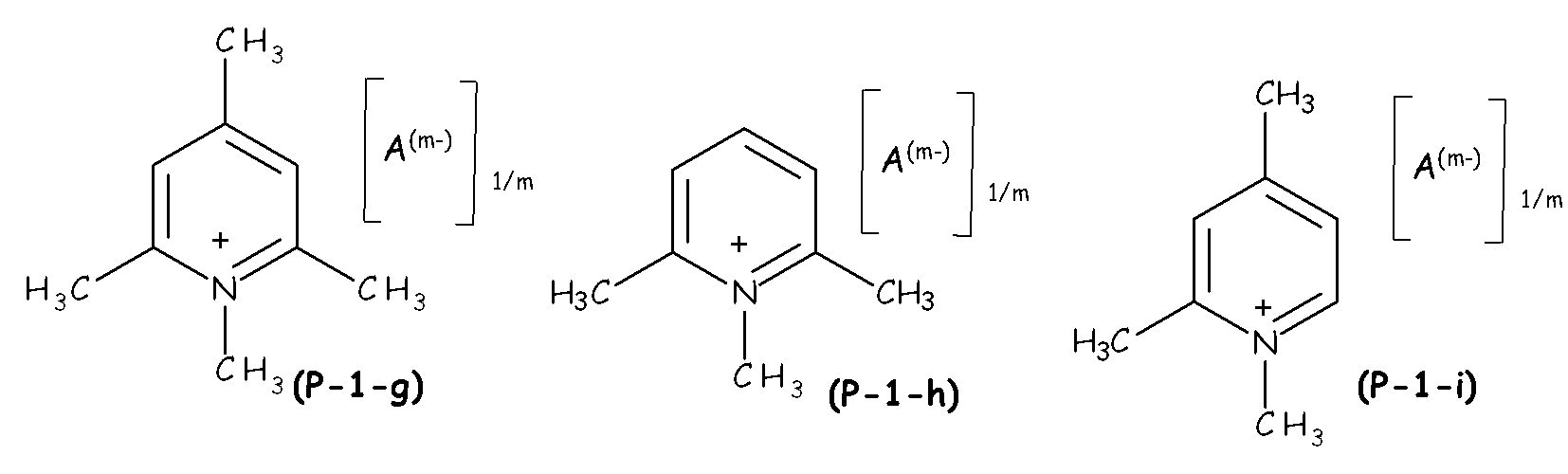
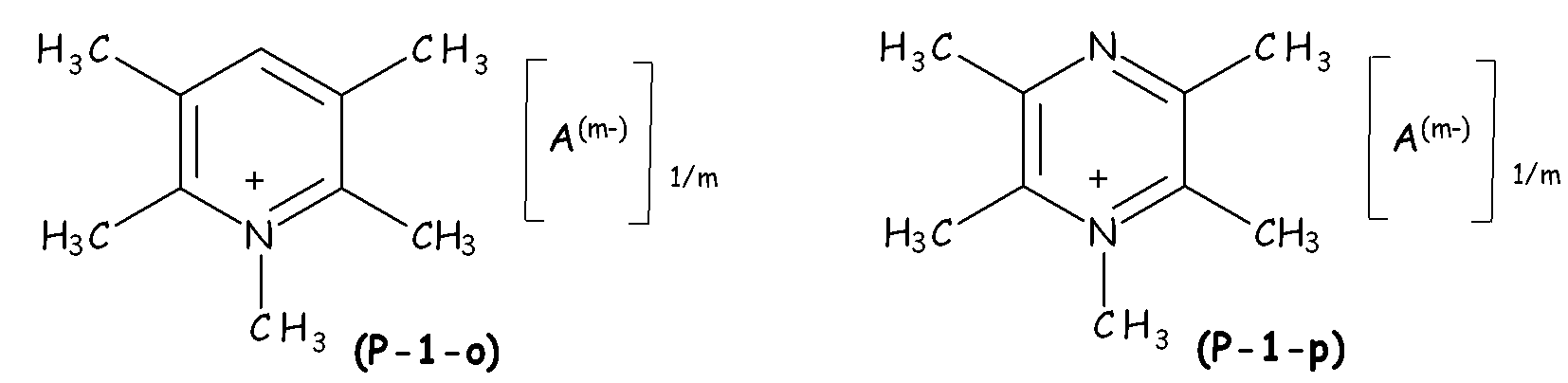
- salts (P) of formula (P-1) are those having any of formulae (P-1-g) to (P-1-p): wherein A and m have the meaning as above detailed.
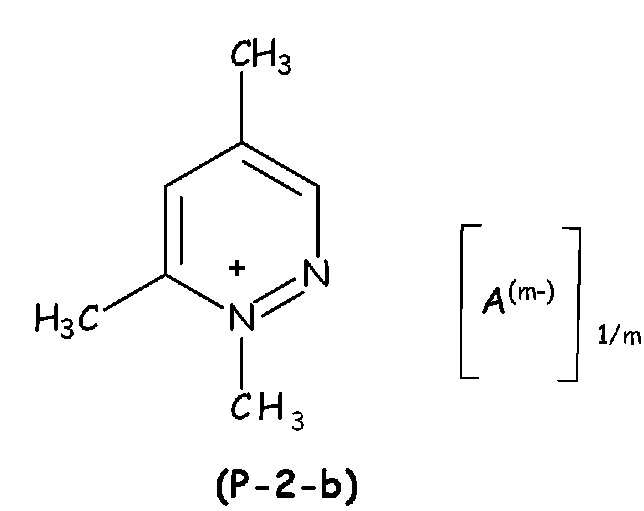
- Preferred salts (P) of formula (P-2) are those complying with formula (P-2-a): wherein: - R a and R b have the meaning as above defined, preferably R a and R b are H; - Y has the meaning as defined above, preferably Y is methyl; - each of R p and R q , equal to or different from each other, is H or a C 1 -C 12 hydrocarbon group; - A and m have the meanings as above defined.
- salts (P) of formula (P-2) are those having formula (P-2-b) wherein A and m have the meaning as above detailed.
- Preferred salts (P) of formula (P-3) are those complying with formula (P-3-a): wherein: - R a and R b have the meaning as above defined, preferably R a and R b are H; - Y has the meaning as defined above, preferably Y is methyl; - A and m have the meanings as above defined.
- salts (P) of formula (P-3) are those having formula (P-3-b) wherein A and m have the meaning as above detailed.
- Preferred salts (P) of formula (P-4) are those complying with formula (P-4-a): wherein: - R a and R b have the meaning as above defined, preferably R a and R b are H; - w is an integer of 1 to 12, preferably of 1 to 6, most preferably equal to 3; - A and m have the meanings as above defined.
- Preferred salts (P) of formula (P-5) are those complying with formula (P-5-a): wherein: - R a and R b have the meaning as above defined, preferably R a and R b are H; - Y has the meaning as defined above, preferably Y is methyl; - A and m have the meanings as above defined.
- salts (P) of formula (P-5) are those having formula (P-5-b) or (P-5-c): wherein A and m have the meaning as above detailed.
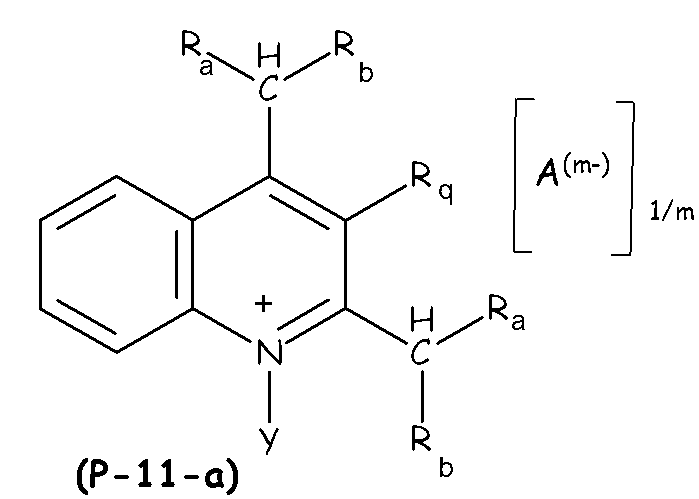
- Preferred salts (P) of formula (P-11) are those complying with formula (P-11-a): wherein: - R a and R b have the meaning as above defined, preferably R a and R b are H; - Y has the meaning as defined above, preferably Y is methyl; - A and m have the meanings as above defined.
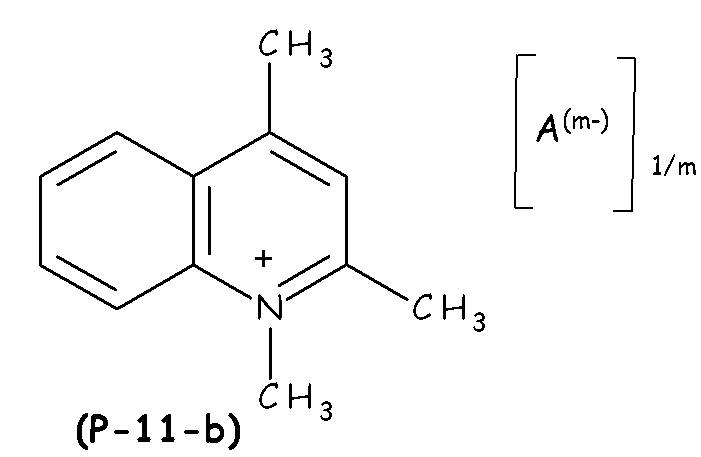
- salts (P) of formula (P-11) are those having formula (P-11-b): wherein A and m have the meaning as above detailed.
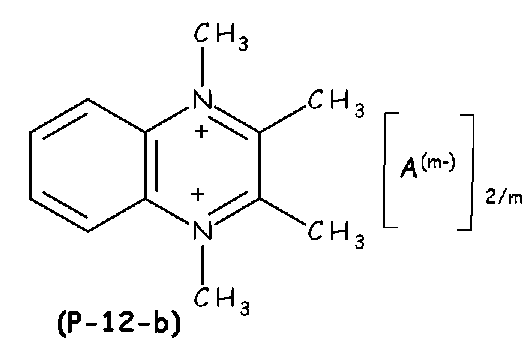
- Preferred salts (P) of formula (P-12) are those complying with formula (P-12-a): wherein: - R a and R b have the meaning as above defined, preferably R a and R b are H; - Y has the meaning as defined above, preferably Y is methyl; - A and m have the meanings as above defined.
- salts (P) of formula (P-12) are those having formula (P-12-b): wherein A and m have the meaning as above detailed.
- anion A in formulae (P-1) to (P-12) is not particularly critical; it is nevertheless understood that anions selected from the group consisting of arylsulfonates, in particular, tosylate (p-toluensulfonate), (fluoro)alkyl sulfonates having a C 1 -C 6 (fluoro)alkyl chain, including fluorine-free alkyl sulfonates e.g. mesylate (methansulfonate) and fluorine containing (especially perfluorinated) alkyl sulfonates, e.g. triflate (trifluoromethansulfonate); halides (iodide, bromide, chloride) are particularly preferred because of their prompt accessibility from synthetic perspective.
- arylsulfonates in particular, tosylate (p-toluensulfonate), (fluoro)alkyl sulfonates having a C 1 -C 6
- composition of the invention generally comprises salt (P) in an amount of at least 0.1, preferably at least 0.5, more preferably at least 1 weight part per 100 weight parts of fluoroelastomer (A) (phr).
- composition of the invention generally comprises salt (P) in an amount of at most 20, preferably at most 15, more preferably at most 10 weight parts per 100 weight parts of fluoroelastomer (A).
- the base (B) suitable for being used in the composition (C) of the present invention is not particularly limited.
- One or more than one organic base, one or more than one inorganic base or mixtures of organic and inorganic base(s) (B) can be used.
- inorganic bases [bases (IB)] mention can be notably made of: i) divalent metal oxides, in particular oxides of alkali-earth metals or oxides of Zn, Mg, Pb, Ca, including specifically MgO, PbO and ZnO; ii) hydroxides of metals, in particular hydroxides of monovalent and divalent metals, specifically hydroxides of alkali and alkali-earth metals, in particular hydroxides selected from the group consisting of Ca(OH) 2 , Sr(OH) 2 , and Ba(OH) 2; (iii) metal salts of weak acids having a pK a higher than 3, in particular weak acids selected from the group consisting of carbonates, benzoates, oxalates and phosphites; in particular Na, K, Ca, Sr, Ba salts of carbonates, benzoates, oxalates and phosphites.
- Ca(OH) 2 has been found to be particularly effective.
- bases of formulae (B1m) and (B1d) those wherein: - R bm is a monovalent aliphatic linear group having 6 to 30 carbon atoms, possibly comprising one or more than one ethylenically unsaturated double bond; and - R dm is a divalent aliphatic linear group having 6 to 30 carbon atoms, possibly comprising one or more than one ethylenically unsaturated double bond, are particularly preferred.
- DBU 1,8-diazabicycloundec-7-ene
- Exemplary embodiments of said guanidine derivatives of formula (B-4) are notably guanidine hydrochloride and di-o-tolylguanidine.
- Exemplary embodiments of said metal alkoxylates are notably potassium terbutylate, sodium ethylate and sodium methylate.
- heteroaromatic amines are notably trimethylpyridine isomers.
- base (B) The amount of base (B) will be adjusted by one of ordinary skills in the art, taking into account the nature and basicity of base (B) used.
- composition (C) generally comprises from 0.2 to 20, preferably from 6 to 16 weight parts of said base (B) (organic and/or inorganic, as above detailed) per 100 weight parts of fluoroelastomer (A).
- the composition (C) comprises at least one organic base and at least one inorganic base.
- the composition (C) generally comprises from 0.1 to 10, preferably from 6 to 16 weight parts of said inorganic base and/or generally , from 0.1 to 10, preferably from 6 to 16 weight parts of said organic base, these weight parts being referred to 100 weight parts of fluoroelastomer (A).
- composition (C) may additionally comprise one or more than one organic solvents [solvent (S)].
- the said organic solvent is particularly selected from those wherein the used salt (P) has a solubility at room temperature exceeding 1 g/l, preferably 10 g/l.
- Non-limitative examples of solvents (S) which can be used are notably: - polar aprotic organic solvents, selected preferably from the group consisting of sulfolane, 4,4’-dichlorodiphenylsulfone; - ionic liquids, selected preferably from the group consisting of methylpyrrolidinium bis(trifluoromethansulonylimide) of formula PY1,4-Tf 2 N and 1-butyl-3-methylimidazolium bis(trifluoromethylsulfonylimide) of formula BMIm-Tf 2 N:
- the Applicant believes that the organic solvent might behave as an aid for plasticizing and swelling the composition (C) and enabling easier penetration of the salt (P) in close connection with (per)fluoroelastomer polymer chain during the formation of the three-dimensional network.
- additives such as reinforcing fillers (e.g. carbon black), thickeners, pigments, antioxidants, stabilizers and the like, may then be added to the composition (C).
- the invention also pertains to a method of using the composition (C), as above described, for fabricating shaped articles.
- composition (C) can be fabricated, e.g. by moulding (injection moulding, extrusion moulding), calendering, or extrusion, into the desired shaped article, which is advantageously subjected to vulcanization (curing) during the processing itself and/or in a subsequent step (post-treatment or post-cure), advantageously transforming the relatively soft, weak, fluoroelastomer (A) into a finished article made of non-tacky, strong, insoluble, chemically and thermally resistant cured fluoroelastomer.
- composition (C) cured articles obtained from the composition (C), as above detailed.
- the cured articles can be notably pipes, joints, O-ring, hose, and the like.
- GM102E phosphonium salt is Benzyl(diethylamino)diphenylphosphonium chloride supplied form Caffaro Industrie (GM 102E, hereinafter); MAGLITE ® DE high surface area, high activity magnesium oxide (MgO, herein after) was obtained from Merck; Armeen ® 18D amine is a distilled octadecylamine supplied in flakes form from AkzoNobel (Armeen 18D, hereinafter); RHENOFIT ® CF (GE 1890) calcium hydroxide (Ca(OH) 2 , herein after) was obtained from Rhein Chemie; Reinforcing filler Carbon black N990MT was obtained from Cancarb (NT990, hereinafter); Reinforcing filler Austin Black 325 was obtained from Meister AG (Austin Black, hereinafter) Reinforcing filler Tremin 283 600 EST was obtained from Quarzwerke all other ingredients were supplied from commercial sources and used as received.
- MgO magnesium oxide
- Pyridinium salt of preparative example1 (1.83 parts per weight), calcium hydroxide (4 parts per weight) and NT990 (30 parts per weight) were added to 100 parts by weight of FKM-1 and the mixture was kneaded on a two rolls mill.
- Pyridinium salt of preparative example1 (1.83 parts per weight), calcium hydroxide (4 parts per weight), NT990 (10 parts per weight) and Austin Black (10 parts by weight) were added to 100 parts by weight of FKM-1 and the mixture was kneaded on a two rolls mill.
- Pyridinium salt of preparative example1 (1.83 parts per weight), calcium hydroxide (4 parts per weight) and TREMIN 283600 EST (20 parts per weight) were added to 100 parts by weight of FKM-1 and the mixture was kneaded on a two rolls mill.
- Pyridinium salt of example 2 (1.55 parts per weight), calcium hydroxide (4 parts per weight) and NT990 (30 parts per weight) were added to 100 parts by weight of FKM-1 and the mixture was kneaded on a two rolls mill.
- Pyridinium salt of example 3 (1.55 parts per weight), calcium hydroxide (4 parts per weight) and NT990 (30 parts per weight) was added to 100 parts by weight of FKM-1 and the mixture was kneaded on a two rolls mill.
- Example 21 mixed bases - salt (P) of formula (Ex-1) with Ca(OH) 2 and organic base
- Pyridinium salt of example 1 (1.83 parts per weight), calcium hydroxide (4 parts per weight), guanidine hydrochloride (0.5 parts per weight) and NT990 (30 parts per weight) were added to 100 parts by weight of FKM-1 and the mixture was kneaded on a two rolls mill.
- Example 22 mixed bases – salt (P) of formula (Ex-1) with Ca(OH) 2 and organic base
- Pyridinium salt of example 1 (1.83 parts per weight), calcium hydroxide (4 parts per weight), Armeen 18D (1 part per weight) and NT990 carbon black (30 parts per weight) were added to 100 parts by weight of FKM-1 and the mixture was kneaded on a two rolls mill.
- Example 23 mixed bases – salt (P) of formula (Ex-1) with Ca(OH) 2 and organic base
- Pyridinium salt of example 1 (1.83 parts per weight), calcium hydroxide (4 parts per weight), 1,3-di-o-tolylguanidine (1 part per weight) and NT990 carbon black (30 parts per weight) were added to 100 parts by weight of FKM-1 and the mixture was kneaded on a two rolls mill.
- Example 24 mixed bases – salt (P) of formula (Ex-1) with Ca(OH) 2 and organic base
- Example 25 mixed bases – salt (P) of formula (Ex-1) with Ca(OH) 2 and organic base
- Pyridinium salt of example 1 (1.83 parts per weight), calcium hydroxide (4 parts per weight), Sodium tosylate (14 parts per weight) and NT990 carbon black (30 parts per weight) were added to 100 parts by weight of FKM-1 and the mixture was kneaded on a two rolls mill.
- Pyridinium salt example 1 (1.83 parts per weight), trimethylpyridine (4 parts per weight), and NT990 carbon black (30 parts per weight) were added to 100 parts by weight of FKM-1 and the mixture was kneaded on a two rolls mill.
- Pyridinium salt of example 1 (1.83 parts per weight), trihexylamine (6 parts per weight) and NT990 carbon black (30 parts per weight) were added to 100 parts by weight of FKM-1 and the mixture was kneaded on a two rolls mill.
- Pyridinium salt of example 1 (1.83 parts per weight), urea (3 parts per weight) and NT990 carbon black (30 parts per weight) were added to 100 parts by weight of FKM-1 and the mixture was kneaded on a two rolls mill.
- Example 33 salt (P) of formula (Ex-1) with Ca(OH) 2 and solvent
- Pyridinium salt of example 1 (1.83 parts per weight), calcium hydroxide (4 parts per weight), sulfulane (1.5 parts per weight) and NT990 carbon black (30 parts per weight) were added to 100 parts by weight of FKM-1 and the mixture was kneaded on a two rolls mill.
- Pyridinium salt example1 (1.83 parts per weight), calcium hydroxide (4 parts per weight), N-methyl-N’-butyl pyrrolidinium bis(trifluoromethyl) sulfonylimide (1.5 parts per weight) and NT990 carbon black (30 parts per weight) were added to 100 parts by weight of FKM-1 and the mixture was kneaded on a two rolls mill.
- Pyridinium salt of example 4 (2.4 parts per weight), calcium hydroxide (4 parts per weight) and NT990 carbon black (30 parts per weight) were added to 100 parts by weight of FKM-1 and the mixture was kneaded on a two roll mill.
- Example 36 salt (P) of formula (Ex-5) with Ca(OH) 2
- Pyridinium salt of example 5 (2.4 parts per weight), calcium hydroxide (4 parts per weight) and NT990 carbon black (30 parts per weight) were added to 100 parts by weight of FKM-1and the mixture was kneaded on a two rolls mill.
- Pyridinium salt of example 6 (3.6 parts per weight), calcium hydroxide (4 parts per weight) and NT990 carbon black (30 parts per weight) were added to 100 parts by weight of FKM-1 and the mixture was kneaded on a two rolls mill.
- Pyridinium salt of example 7 (3.6 parts per weight), calcium hydroxide (4 parts per weight) and NT990 carbon black (30 parts per weight) were added to 100 parts by weight of FKM-1 and the mixture was kneaded on a two rolls mill.
- Pyridinium salt of example 8 (5.4 parts per weight), calcium hydroxide (4 parts per weight), N-methyl-N’-butyl pyrrolidinium bis(trifluoromethyl) sulfonylimide (1.5 parts per weight) and NT990 carbon black (30 parts per weight) were added to 100 parts by weight of FKM-1 and the mixture was kneaded on a two rolls mill.
- Pyridinium salt of example 9 (7 parts per weight), calcium hydroxide (4 parts per weight) and NT990 carbon black (30 parts per weight) were added to 100 parts by weight of FKM-1 and the mixture was kneaded on a two rolls mill.
- Pyridinium salt of example 10c (1.83 parts per weight), calcium hydroxide (4 parts per weight) and N990MT carbon black (30 parts per weight) were added to 100 parts by weight of FKM-1 and the mixture was kneaded on a two rolls mill.
- Pyridinium salt of example 11c (1.83 parts per weight), calcium hydroxide (4 parts per weight) and N990MT carbon black (30 parts per weight) were added to 100 parts by weight of FKM-1 and the mixture was kneaded on a two rolls mill.
- Pyridinium salt of example 12 (1.83 parts per weight), calcium hydroxide (4 parts per weight) and N990MT carbon black (30 parts per weight) were added to 100 parts by weight of FKM-1 and the mixture was kneaded on a two rolls mill.
- Pyridinium salt of example 13 (1.83 parts per weight), calcium hydroxide (4 parts per weight) and N990MT carbon black (30 parts per weight) were added to 100 parts by weight of FKM-1 and the mixture was kneaded on a two rolls mill.
- Trimethylpyridine (1.83 parts per weight) and N990MT carbon black (30 parts per weight) were added to 100 parts by weight of FKM-1 and the mixture was kneaded on a two rolls mill.
- Bisphenol AF (1.6 parts per weight), Magnesium oxide (7 parts per weight), GM102E (0.4 parts per weight) and N990MT carbon black (30 parts per weight) were added to 100 parts by weight of FKM-1 and the mixture was kneaded on a two rolls mill.
- the tensile properties have been determined on specimens punched out from the plaques, according to the ASTMD412C Standard at 23°C.
- M 50 is the tensile strength in MPa at an elongation of 50 %
- M 100 is the tensile strength in MPa at an elongation of 100 %
- T.S. is the tensile strength in MPa; E.B. is the elongation at break in %.
- the Shore A hardness (3") (HDS) has been determined on 3 pieces of plaque piled according to the ASTM D 2240 method.
- the compression set (C-SET) has been determined on O-ring, spaceman standard AS568A (type 214) or on 6 mm buttons (type 2), according to the ASTM D 395, method B, at 200°C for 70h.
- Table 1 compares the results obtained using different fillers, wit same salt (P) of Ex. 1.
- Table 2 compares behaviour of different salts (P), as above detailed, which differ because of their counteranion.
- Table 3 compares the results obtained using different inorganic bases, with same salt (P).
- Table 3 EX 14 EX 19 EX 20 MDR 170°C M L (lb*in) 1.1 1.5 1.0 M H (lb*in) 10.3 10.7 15.8 Mechanical Properties T.S. (MPa) 11.9 16.5 12.5 M 50 (MPa) 2.1 2.8 2.8 M 100 (MPa) 4.6 7.8 6.8 E.B. (%) 222 163 195 HDS 68 70 72 C-Set 38 49 49
- Table 4 summarizes results obtained with mixtures of organic and inorganic bases, with same salt (P).
- Table 6 shows results obtained with the addition of a co-solvent.
- Table 7 shows the performances achieved using different salts (P) Table 7 EX 14 EX 35 EX 36 EX 37 EX 38 EX 39 EX 40 MDR 170°C M L (lb*in) 1.1 1.1 1.1 1.1 1.1 0.9 M H (lb*in) 10.3 10.9 10.0 14.2 17.2 8.9 9.0 Mechanical Properties T.S. (MPa) 11.9 12.8 12.4 12.5 15.6 10.7 8.3 M 50 (MPa) 2.1 2.1 2.1 8.1 8.6 2.4 3.1 M 100 (MPa) 4.6 4.4 4.3 0 0 4.5 4.8 E.B. (%) 222 228 241 69 77 239 269 HDS 68 68 68 82 81 72 78 C-Set 38 42 43 53 49 57 61
- Table 8 comprises a comparison among performances achievable with salts (P) according to the invention, with respect to pyridinium salts or pyridine derivatives which do not fulfil all structural requirements of salts (P); from comparison below, it is clear that only salts (P) possessing the structural feature claimed, i.e. possessing at least two groups having reactive hydrogens in ortho or para position to the pyridinium-type quaternized nitrogen are effective crosslinking agents in combination with bases for fluoroelastomers.
- MDR data clearly show that there is substantially no cross-linking, as the difference between M H and M L is at most 1.5 (lb*in), for comparative compounds.
- an acceptable level of cross-linking is achieved when the said difference between M H and M L is at least 2.5 (lb*in), as achieved in all examples according to the invention.
- Table 9 herein below compares the performances obtained with cured specimens obtained from the compositions of the invention (i.e. using pyridinium salts and base, as described above as crosslinking system) with respect to performances achieved when curing said base gum with a traditional ionic curing system, based on bis-phenol AF as cross-linking agent, and phosphonium salt accelerant.
- the exposure to acetic acid does not generate any significant swelling/weight gain in cured specimens obtained from the composition of the present invention, while ionically cured sample undergoes a significant swelling and decrease of mechanical properties.
Landscapes
- Chemical & Material Sciences (AREA)
- Health & Medical Sciences (AREA)
- Chemical Kinetics & Catalysis (AREA)
- Medicinal Chemistry (AREA)
- Polymers & Plastics (AREA)
- Organic Chemistry (AREA)
- Compositions Of Macromolecular Compounds (AREA)
- Addition Polymer Or Copolymer, Post-Treatments, Or Chemical Modifications (AREA)
Abstract
Description
- at least one vinylidene -fluoride based fluoroelastomer comprising recurring units derived from vinylidene fluoride (VDF) and from at least one additional (per)fluorinated monomer different from VDF [fluoroelastomer (A)];
- at least one basic compound [base (B)];
- at least one pyridinium salt [salt (P)] complying with any of formulae (P1) to (12):

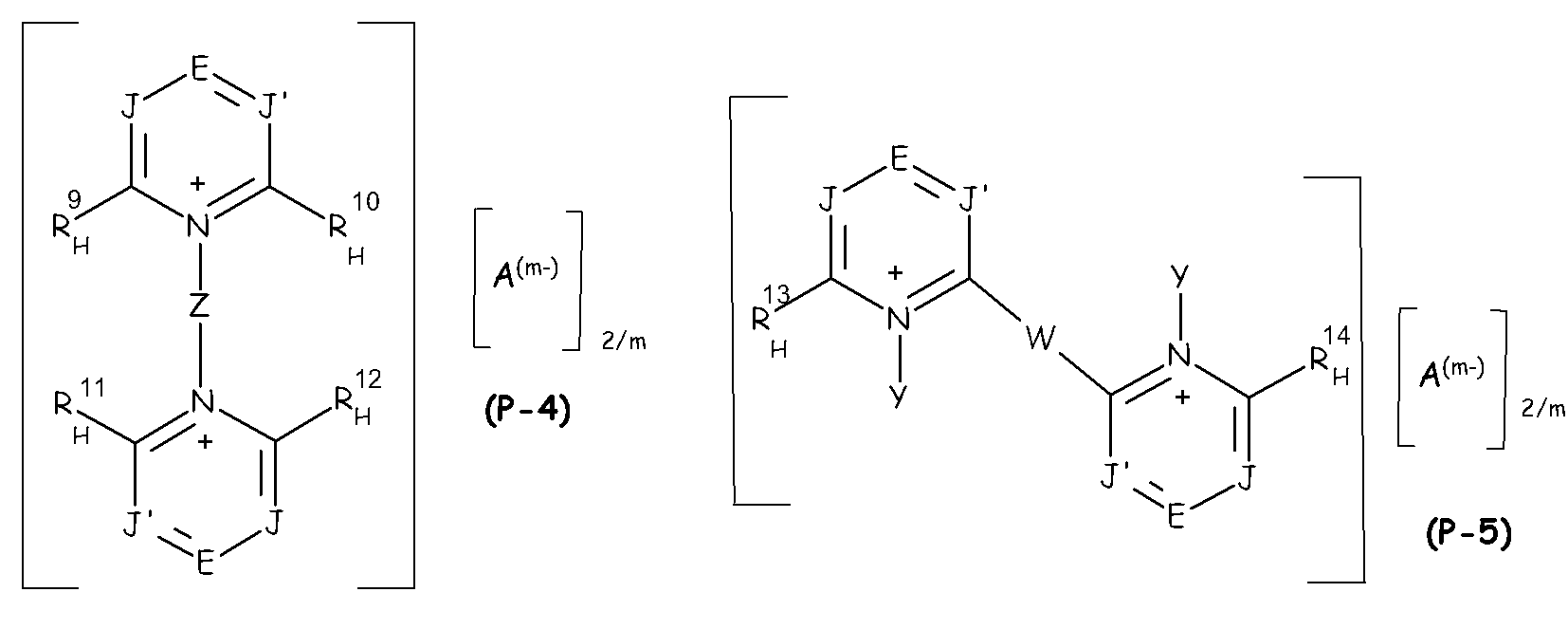


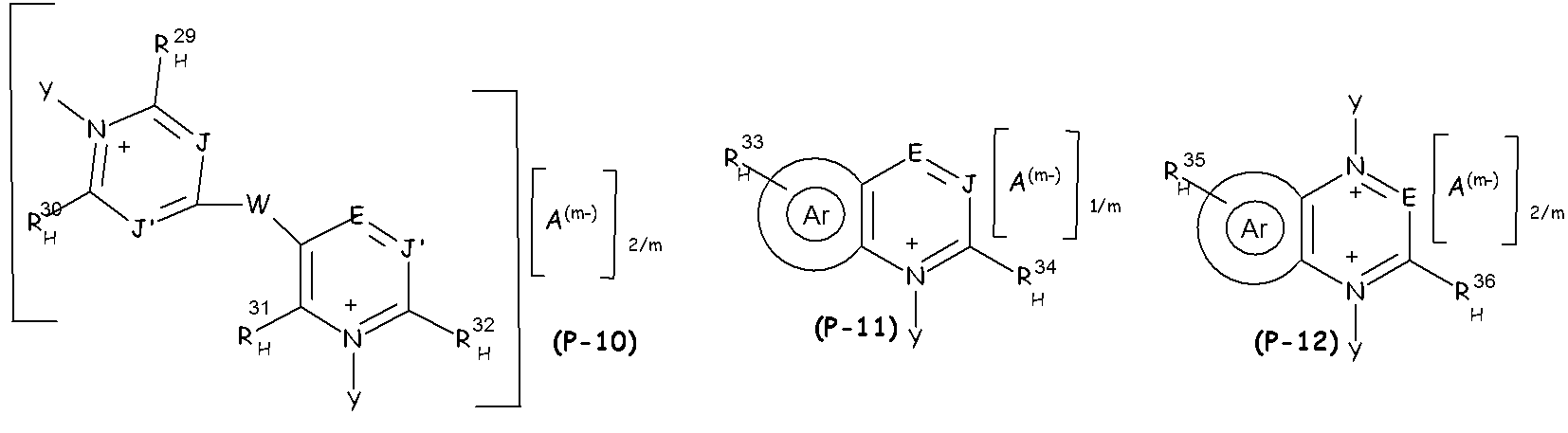
- each of J and J', equal to or different from each other, is independently at each occurrence C-R* or N, wherein R* is H or a C1-C12 hydrocarbon group;
- E is N or a group of formula C-R°H;
- Z is a divalent hydrocarbon group comprising from 1 to 12 carbon atoms;
- W is a bond or is a bridging group selected from the group consisting of divalent hydrocarbon groups comprising from 1 to 12 carbon atoms (preferably divalent aliphatic groups comprising from 1 to 6 carbon atoms) and divalent fluorocarbon groups comprising from 1 to 12 carbon atoms (preferably divalent perfluoroaliphatic groups comprising from 1 to 6 carbon atoms);
- the group sketched with symbol:
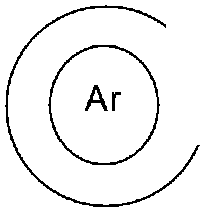
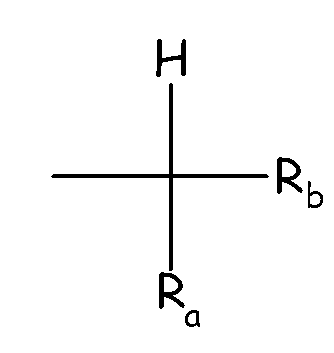
- each of R1 H, R2 H, R3 H, R4 H, R5 H, R6 H, R7 H, R8 H, R9 H, R10 H, R11 H, R12 H, R13 H, R14 H, R15 H, R16 H, R17 H, R18 H, R19 H, R20 H, R21 H, R22 H, R23 H, R24 H, R25 H, R26 H, R27 H, R28 H, R29 H, R30 H, R31 H, R32 H, R33 H, R34 H, R35 H, R36 H and R°H, equal to or different from each other, is independently at each occurrence –H or a group of formula [group (alpha-H)]:
- Y, equal to or different from each other, is independently oxygen or a C1-C12 hydrocarbon group, which can be notably an aliphatic or an aromatic group, which can comprise one or more than one heteroatoms selected from N, O, S and halogens;
- A(m-) is an anion having valency m;
with the provisio that
(i) when salt (P) is of formula (P-1) at least two of R1 H, R2 H, and R°H are groups (alpha-H);
(ii) when salt (P) is of formula (P-2) R3 H and R4 H are groups (alpha-H);
(iii) when salt (P) is of formula (P-3), at least two of R5 H, R6 H, R7 H, and R8 H are groups (alpha-H);
(iv) when salt (P) is of formula (P-4), at least two of R9 H, R10 H, R11 H, R12 H, and R°H are groups (alpha-H);
(v) when salt (P) is of formula (P-5), at least two of R13 H, R14 H, and R°H are groups (alpha-H);
(vi) when salt (P) is of formula (P-6), at least two of R15 H, R16 H, R17 H,and R°H are groups (alpha-H);
(vii) when salt (P) is of formula (P-7), at least two of R18 H, R19 H, R20 H, R21 H, and R°H are groups (alpha-H);
(viii) when salt (P) is of formula (P-8), at least two of R22 H, R23 H, R24 H, and R°H are groups (alpha-H);
(ix) when salt (P) is of formula (P-9), at least two of R25 H, R26 H, R27 H, and R28 H are groups (alpha-H);
(x) when salt (P) is of formula (P-10), at least two of R29 H, R30 H, R31 H, R32 H, and R28 H are groups (alpha-H);
(xi) when salt (P) is of formula (P-11), at least two of R33 H, R34 H, and R28 H are groups (alpha-H);
(xii) when salt (P) is of formula (P-12), at least two of R35 H, R36 H and R°H are groups (alpha-H).
(a) C2-C8 perfluoroolefins , such as tetrafluoroethylene (TFE) and hexafluoropropylene (HFP);
(b) hydrogen-containing C2-C8 olefins different from VDF, such as vinyl fluoride (VF), trifluoroethylene (TrFE), perfluoroalkyl ethylenes of formula CH2 = CH-Rf, wherein Rf is a C1‑C6 perfluoroalkyl group;
(c) C2-C8 chloro and/or bromo and/or iodo-fluoroolefins such as chlorotrifluoroethylene (CTFE);
(d) (per)fluoroalkylvinylethers (PAVE) of formula CF2=CFORf, wherein Rf is a C1-C6 (per)fluoroalkyl group, e.g. CF3, C2F5, C3F7;
(e) (per)fluoro-oxy-alkylvinylethers of formula CF2 = CFOX, wherein X is a C1-C12 ((per)fluoro)-oxyalkyl comprising catenary oxygen atoms, e.g. the perfluoro-2-propoxypropyl group;
(f) (per)fluorodioxoles having formula :

(g) (per)fluoro-methoxy-vinylethers (MOVE, hereinafter) having formula:
CFX2 = CX2OCF2OR"f
wherein R"f is selected among C1-C6 (per)fluoroalkyls , linear or branched; C5-C6 cyclic (per)fluoroalkyls; and C2-C6 (per)fluorooxyalkyls, linear or branched, comprising from 1 to 3 catenary oxygen atoms, and X2 = F, H; preferably X2 is F and R"f is -CF2CF3 (MOVE1); -CF2CF2OCF3 (MOVE2); or -CF3 (MOVE3).

(OF-1)

(OF-2)

(OF-3)

- recurring units derived from at least one bis-olefin [bis-olefin (OF)] as above detailed;
- recurring units derived from at least one (per)fluorinated monomer different from VDF and HFP; and
- recurring units derived from at least one hydrogenated monomer.
(i) vinylidene fluoride (VDF) 35-85 %, hexafluoropropene (HFP) 10-45 %, tetrafluoroethylene (TFE) 0-30 %, perfluoroalkyl vinyl ethers (PAVE) 0-15 %, bis-olefin (OF) 0-5 %;
(ii) vinylidene fluoride (VDF) 50-80 %, perfluoroalkyl vinyl ethers (PAVE) 5‑50 %, tetrafluoroethylene (TFE) 0-20 %, bis-olefin (OF) 0-5 %;
(iii) vinylidene fluoride (VDF) 20-30 %, C2-C8 non-fluorinated olefins (Ol) 10‑30 %, hexafluoropropene (HFP) and/or perfluoroalkyl vinyl ethers (PAVE) 18-27 %, tetrafluoroethylene (TFE) 10-30 %, bis-olefin (OF) 0-5 %;
(vii) tetrafluoroethylene (TFE) 33-75 %, perfluoroalkyl vinyl ethers (PAVE) 15‑45 %, vinylidene fluoride (VDF) 5-30 %, hexafluoropropene HFP 0-30 %, bis-olefin (OF) 0-5 %;
(viii) vinylidene fluoride (VDF) 35-85 %, fluorovinyl ethers (MOVE) 5-40 %, perfluoroalkyl vinyl ethers (PAVE) 0-30 %, tetrafluoroethylene (TFE) 0-40 %, hexafluoropropene (HFP) 0-30 %, bis-olefin (OF) 0-5 %.
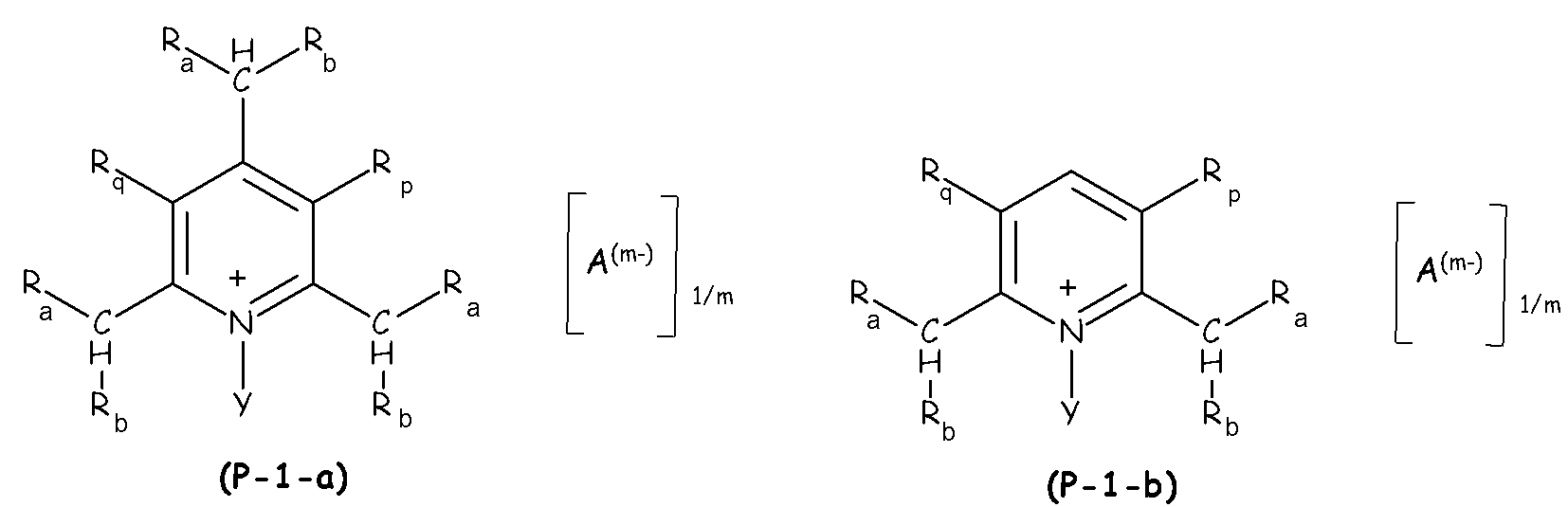


- Ra and Rb have the meaning as above defined, preferably Ra and Rb are H;
- Y has the meaning as defined above, preferably Y is methyl;
- each of Rp and Rq, equal to or different from each other, is H or a C1-C12 hydrocarbon group;
- A and m have the meanings as above defined.

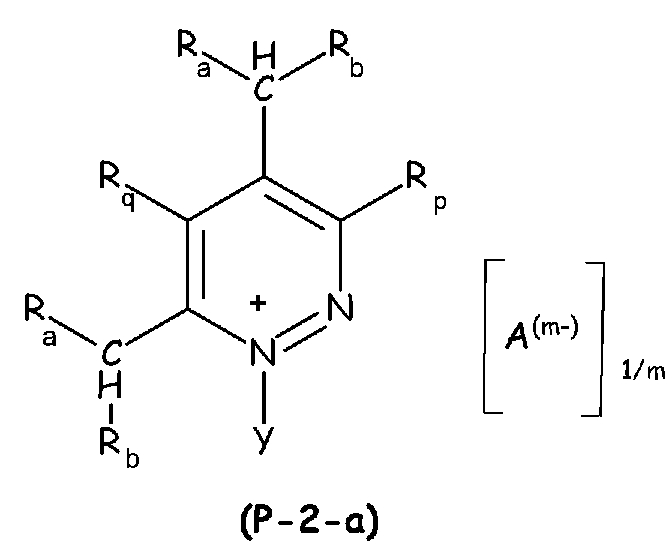
- Ra and Rb have the meaning as above defined, preferably Ra and Rb are H;
- Y has the meaning as defined above, preferably Y is methyl;
- each of Rp and Rq, equal to or different from each other, is H or a C1-C12 hydrocarbon group;
- A and m have the meanings as above defined.

- Ra and Rb have the meaning as above defined, preferably Ra and Rb are H;
- Y has the meaning as defined above, preferably Y is methyl;
- A and m have the meanings as above defined.

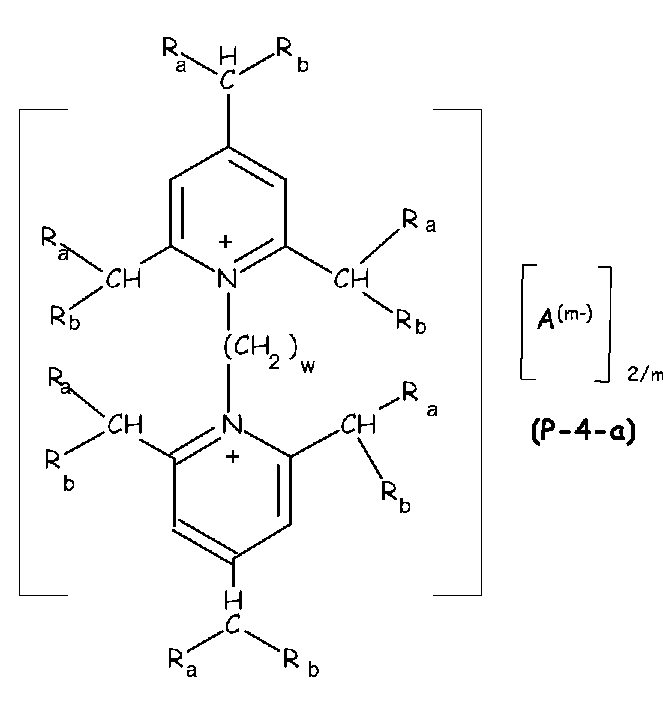
- Ra and Rb have the meaning as above defined, preferably Ra and Rb are H;
- w is an integer of 1 to 12, preferably of 1 to 6, most preferably equal to 3;
- A and m have the meanings as above defined.


- Ra and Rb have the meaning as above defined, preferably Ra and Rb are H;
- Y has the meaning as defined above, preferably Y is methyl;
- A and m have the meanings as above defined.

- Ra and Rb have the meaning as above defined, preferably Ra and Rb are H;
- Y has the meaning as defined above, preferably Y is methyl;
- A and m have the meanings as above defined.

- Ra and Rb have the meaning as above defined, preferably Ra and Rb are H;
- Y has the meaning as defined above, preferably Y is methyl;
- A and m have the meanings as above defined.


i) divalent metal oxides, in particular oxides of alkali-earth metals or oxides of Zn, Mg, Pb, Ca, including specifically MgO, PbO and ZnO;
ii) hydroxides of metals, in particular hydroxides of monovalent and divalent metals, specifically hydroxides of alkali and alkali-earth metals, in particular hydroxides selected from the group consisting of Ca(OH)2, Sr(OH)2, and Ba(OH)2;
(iii) metal salts of weak acids having a pKa higher than 3, in particular weak acids selected from the group consisting of carbonates, benzoates, oxalates and phosphites; in particular Na, K, Ca, Sr, Ba salts of carbonates, benzoates, oxalates and phosphites.
(j) non-aromatic amines or amides complying with general formula (B1m) or (B1d):
Rbm-[C(O)]t-NRH 2 (B1m)
RH 2N-[C(O)]t’-Rdm-[C(O)]t”-NRH 2 (B1d)
wherein:
- each of t, t’ and t”, equal to or different from each other and at each occurrence is zero or 1;
- each of RH is independently H or a C1-C12 hydrocarbon group;
- Rbm is a monovalent hydrocarbon non-aromatic group having 1 to 30 carbon atoms;
- Rbm is a divalent hydrocarbon non-aromatic group having 1 to 30 carbon atoms; and
(jj) cycloaliphatic secondary or tertiary amines complying with general formula (B2m) or (B2d):
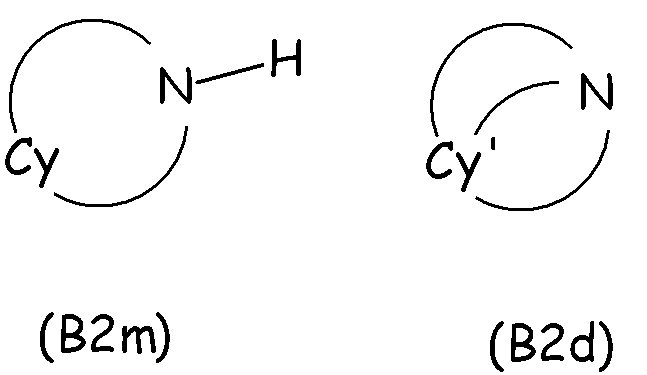
wherein:
- Cy represents a divalent aliphatic group comprising at least 4 carbon atoms, optionally comprising one or more than one ethylenically unsaturated double bond, and optionally comprising one or more catenary nitrogen atoms, forming a cycle with the nitrogen atom which is connected thereto;
- Cy’ represent a trivalent aliphatic group comprising at least 5 carbon atoms, optionally comprising one or more than one ethylenically unsaturated double bond, and optionally comprising one or more catenary nitrogen atoms, forming a cycle with the nitrogen atom which is connected thereto;
(jjj) aromatic amines or amides complying with general formula (B3):
Arb-{[C(O)]t-NRH 2}w (B3)
wherein:
- t, equal to or different from each other and at each occurrence, is zero or 1;
- w is an integer of 1 to 4;
- each of RH is independently H or a C1-C12 hydrocarbon group;
- Arb is a mono- or poly-nuclear aromatic group, possibly comprising one or more than one catenary heteroatoms selected from the group consisting of S and O;
(jv) heteroaromatic amines comprising at least one nitrogen atom comprised in a heteroaromatic cycle, in particular pyridine derivatives;
(v) guanidine derivatives of formula (B4) or (B5):

- each of R1, R2, R3, R4, R5, R6, R7, and R8, equal to or different from each other, is independently H or a C1-C12 hydrocarbon group
and corresponding salts of said guanidines (B4) and (B5), in particular corresponding N-quaternized hydrohalides (preferably hydrochlorides);
(vj) metal alkoxylates, preferably alkoxylates of aliphatic alcohols.
- Rbm is a monovalent aliphatic linear group having 6 to 30 carbon atoms, possibly comprising one or more than one ethylenically unsaturated double bond; and
- Rdm is a divalent aliphatic linear group having 6 to 30 carbon atoms, possibly comprising one or more than one ethylenically unsaturated double bond,
are particularly preferred.
- octadecylamine of formula CH3(CH2)17-NH2;
- erucamide of formula H2N-C(O)-(CH2)11-CH=CH-(CH2)7CH3;
- oleamide of formula H2N-C(O)-(CH2)7-CH=CH-(CH2)7CH3;
- hexamethylenediamine of formula H2N-(CH2)6-NH2;
- N,N-dimethyloctylamine;
- N,N-dimethyldodecylamine;
- trioctylamine;
- trihexylamine.

- polar aprotic organic solvents, selected preferably from the group consisting of sulfolane, 4,4’-dichlorodiphenylsulfone;
- ionic liquids, selected preferably from the group consisting of methylpyrrolidinium bis(trifluoromethansulonylimide) of formula PY1,4-Tf2N and 1-butyl-3-methylimidazolium bis(trifluoromethylsulfonylimide) of formula BMIm-Tf2N:

1H NMR (solvent D2O, TMS reference): +7.70 ppm (d; 2H; ortho-H; p-toluenesulphonate); +7.55 (s; 2H; meta-H; 1,2,4,6-tetramethyl-pyridinium); +7.39 (d; 2H; meta-H; p-toluenesulphonate); +4.0 (s; 3H; NCH3; 1,2,4,6-tetramethyl-pyridinium); +2.74 (s; 6H; ortho-CH3; 1,2,4,6-tetramethyl-pyridinium); 2.53 (s; 3H; para-CH3; 1,2,4,6-tetramethyl-pyridinium); +2.44 ppm (s; 3H; para-CH3; p-toluenesulphonate).
1H NMR (solvent D2O, TMS reference): +7.50 (s; 2H; meta-H); +3.95 (s; 3H; NCH3); +2.70 (s; 6H; ortho-CH3); +2.40 ppm (s; 3H; para-CH3).
1H NMR (solvent CDCl3, TMS reference): +7.40 (s; 2H; meta-H); +4.20 (s; 3H; NCH3); +2.80 (s; 6H; ortho-CH3); +2.56 ppm (s; 3H; CH3SO3); +2.48 ppm (s; 3H; para-CH3).
1H NMR (solvent D2O, TMS reference): +7.70 ppm (d; 2H; ortho-H; p-toluenesulphonate); +7.40 (d; 2H; meta-H; p-toluenesulphonate); +4.2 (s; 3H; NCH3; 1,2,3,5,6-pentamethyl-pyrazinium); +2.80 (m; 12H; CH3; 1,2,3,5,6-pentamethyl-pyrazinium); 2.50 (s; 3H; para-CH3; p-toluenesulphonate).
1H NMR (solvent D2O, TMS reference): +9.35 ppm (s; 1H; ortho-H; 1,4,6-trimethyl-pyrimidinium); +7.95 ppm (s; 1H; meta-H; 1,4,6-trimethyl-pyrimidinium); +7.74 ppm (d; 2H; ortho-H; p-toluenesulphonate); +7.42 (d; 2H; meta-H; p-toluenesulphonate); +4.20 (s; 3H; NCH3; 1,4,6-trimethyl-pyrimidinium); +2.80 (m; 6H; CH3; 1,4,6-trimethyl-pyrimidinium); +2.48 ppm (s; 3H; para-CH3; p-toluenesulphonate).
1H NMR (solvent D2O, TMS reference): +8.94 ppm (m; 2H; ortho-H; 1,1’,4,4’-tetramethyl-2,2’-dipyridinium); +8.12 ppm (m; 4H; meta-H; 1,1’,4,4’-tetramethyl-2,2’-dipyridinium); +7.66 ppm (d; 4H; ortho-H; p-toluenesulphonate); +7.36 (d; 4H; meta-H; p-toluenesulphonate); +4.10 (s; 6H; NCH3; 1,1’,4,4’-tetramethyl-2,2’-dipyridinium); +2.74 (s; 6H; para-CH3; 1,1’,4,4’-tetramethyl-2,2’-dipyridinium); +2.40 ppm (s; 6H; para-CH3; p-toluenesulphonate).
1H NMR (solvent D2O, TMS reference): +8.68 ppm (m; 4H; ortho-H; 1,3-propyl-4,4’-dimethyldipyridinium); +7.93 ppm (m; 4H; meta-H; 1,3-propyl-4,4’-dimethyldipyridinium); +7.72 ppm (d; 4H; ortho-H; p-toluenesulphonate); +7.40 (d; 4H; 1,3-propyl-4,4’-dimethyldipyridinium); +4.73 (t; 4H; NCH2-; 1,3-propyl-4,4’-dimethyldipyridinium); +2.75 (m; 8H; para-CH3 and –CH2-; 1,3-propyl-4,4’-dimethyldipyridinium); +2.44 ppm (s; 6H; para-CH3; p-toluenesulphonate).
The salts (P) of preparative examples listed above were compounded between rolls to prepare curable compounds in combination with other ingredients, using as base fluoroelastomer resin a VDF-HFP copolymer commercially available under trade name TECNOFLON(R) 90HS from Solvay Specialty Polymers Italy S.p.A. (FKM-1, hereinafter).
MAGLITE® DE high surface area, high activity magnesium oxide (MgO, herein after) was obtained from Merck;
Armeen® 18D amine is a distilled octadecylamine supplied in flakes form from AkzoNobel (Armeen 18D, hereinafter);
RHENOFIT® CF (GE 1890) calcium hydroxide (Ca(OH)2, herein after) was obtained from Rhein Chemie;
Reinforcing filler Carbon black N990MT was obtained from Cancarb (NT990, hereinafter);
Reinforcing filler Austin Black 325 was obtained from Meister AG (Austin Black, hereinafter)
Reinforcing filler Tremin 283 600 EST was obtained from Quarzwerke
all other ingredients were supplied from commercial sources and used as received.
ML = Minimum torque (lb x in)
MH = Maximum torque (lb x in)
ΔM= MH-ML (lb x in).
The tensile properties have been determined on specimens punched out from the plaques, according to the ASTMD412C Standard at 23°C.
M 50 is the tensile strength in MPa at an elongation of 50 %
M 100 is the tensile strength in MPa at an elongation of 100 %
T.S. is the tensile strength in MPa;
E.B. is the elongation at break in %.
The Shore A hardness (3") (HDS) has been determined on 3 pieces of plaque piled according to the ASTM D 2240 method.
The compression set (C-SET) has been determined on O-ring, spaceman standard AS568A (type 214) or on 6 mm buttons (type 2), according to the ASTM D 395, method B, at 200°C for 70h.
| EX 14 | EX 15 | EX 16 | |
| MDR 170°C | |||
| ML (lb*in) | 1.1 | 1.1 | 1.1 |
| MH (lb*in) | 10.3 | 9.8 | 8.9 |
| Mechanical Properties | |||
| T.S. (MPa) | 11.9 | 11.6 | 9.4 |
| M 50 (MPa) | 2.1 | 2.0 | 1.7 |
| M 100 (MPa) | 4.6 | 4.7 | 3.8 |
| E.B. (%) | 222 | 215 | 210 |
| HDS | 68 | 65 | 61 |
| C-SET | 38 | 27 | 44 |
| EX 14 | EX 17 | EX 18 | |
| MDR 170°C | |||
| ML (lb*in) | 1.1 | 0.4 | 1.6 |
| MH (lb*in) | 10.3 | 6.1 | 12.0 |
| Mechanical Properties | |||
| T.S. (MPa) | 11.9 | - | 12.9 |
| M 50 (MPa) | 2.1 | - | 2.4 |
| M 100 (MPa) | 4.6 | - | 5.5 |
| E.B. (%) | 222 | - | 207 |
| HDS | 68 | - | 68 |
| C-SET | 38 | - | 45 |
| EX 14 | EX 19 | EX 20 | |
| MDR 170°C | |||
| ML (lb*in) | 1.1 | 1.5 | 1.0 |
| MH (lb*in) | 10.3 | 10.7 | 15.8 |
| Mechanical Properties | |||
| T.S. (MPa) | 11.9 | 16.5 | 12.5 |
| M 50 (MPa) | 2.1 | 2.8 | 2.8 |
| M 100 (MPa) | 4.6 | 7.8 | 6.8 |
| E.B. (%) | 222 | 163 | 195 |
| HDS | 68 | 70 | 72 |
| C-Set | 38 | 49 | 49 |
| EX 14 | EX 21 | EX 22 | EX 23 | EX 24 | EX 25 | |
| MDR 170°C | ||||||
| ML (lb*in) | 1.1 | 1.4 | 1.1 | 1.4 | 2.2 | 1.2 |
| MH (lb*in) | 10.3 | 12.5 | 13.6 | 16.0 | 10.3 | 7.9 |
| Mechanical Properties | ||||||
| T.S. (MPa) | 11.9 | 13.5 | 13.8 | 14.6 | 13.2 | 9.3 |
| M 50 (MPa) | 2.1 | 2.8 | 2.8 | 3.1 | 2.2 | 2.9 |
| M 100 (MPa) | 4.6 | 7.1 | 7.4 | 9.3 | 5.5 | 4.8 |
| E.B. (%) | 222 | 168 | 158 | 138 | 196 | 199 |
| HDS | 68 | 73 | 72 | 71 | 66 | 75 |
| C-Set | 38 | 40 | 39 | 43 | 35 | 57 |
| EX 14 | EX 26 | EX 27 | EX 28 | EX 29 | EX 30 | EX 31 | EX 32 | |
| MDR 170°C | ||||||||
| ML (lb*in) | 1.1 | 0.4 | 1.1 | 0.9 | 0.6 | 0.6 | 0.6 | 0.8 |
| MH (lb*in) | 10.3 | 4.9 | 5.2 | 9.6 | 8.6 | 6.9 | 9.6 | 4.3 |
| Mechanical Properties | ||||||||
| T.S. (MPa) | 11.9 | 15.9 | - | - | - | - | - | - |
| M 50 (MPa) | 2.1 | 2.3 | - | - | - | - | - | - |
| M 100 (MPa) | 4.6 | 5.9 | - | - | - | - | - | - |
| E.B. (%) | 222 | 186 | - | - | - | - | - | - |
| HDS | 68 | 69 | - | - | - | - | - | - |
| C-Set | 38 | 53 | - | - | - | - | - | - |
| EX 14 | EX 33 | EX 34 | |
| MDR 170°C | |||
| ML (lb*in) | 1.1 | 1.1 | 1.1 |
| MH (lb*in) | 10.3 | 11.0 | 11.5 |
| Mechanical Properties | |||
| T.S. (MPa) | 11.9 | 12.9 | 13.2 |
| M 50 (MPa) | 2.1 | 2.2 | 2.3 |
| M 100 (MPa) | 4.6 | 5.5 | 5.7 |
| E.B. (%) | 222 | 201 | 197 |
| HDS | 68 | 67 | 68 |
| C-Set | 38 | 41 | 35 |
| EX 14 | EX 35 | EX 36 | EX 37 | EX 38 | EX 39 | EX 40 | |
| MDR 170°C | |||||||
| ML (lb*in) | 1.1 | 1.1 | 1.1 | 1.1 | 1.1 | 1.1 | 0.9 |
| MH (lb*in) | 10.3 | 10.9 | 10.0 | 14.2 | 17.2 | 8.9 | 9.0 |
| Mechanical Properties | |||||||
| T.S. (MPa) | 11.9 | 12.8 | 12.4 | 12.5 | 15.6 | 10.7 | 8.3 |
| M 50 (MPa) | 2.1 | 2.1 | 2.1 | 8.1 | 8.6 | 2.4 | 3.1 |
| M 100 (MPa) | 4.6 | 4.4 | 4.3 | 0 | 0 | 4.5 | 4.8 |
| E.B. (%) | 222 | 228 | 241 | 69 | 77 | 239 | 269 |
| HDS | 68 | 68 | 68 | 82 | 81 | 72 | 78 |
| C-Set | 38 | 42 | 43 | 53 | 49 | 57 | 61 |
| EX 14 | EX 41c | EX 42c | EX 43c | EX 44c | EX 45c | EX 46c | |
| MDR 170°C | |||||||
| ML (lb*in) | 1.1 | 1.1 | 1.1 | 1.1 | 1.1 | 0.5 | 0.5 |
| MH (lb*in) | 10.3 | 2.0 | 2.1 | 1.7 | 1.8 | 0.5 | 0.5 |
| EX 14 | EX 21 | EX 26 | EX 47c | |
| T.S. change (%) | 0 | -2 | 15 | -46 |
| E.B. change (%) | 11 | 15 | 8 | -37 |
| Shore A difference | -3 | -2 | -1 | -18 |
| Volume Change (%) | 5.7 | 5.4 | 1.7 | 48 |
| Weight Change (%) | 3.2 | 3.0 | 1.0 | 25 |
| EX 21 | EX 47c | |
| T.S. change (%) | -15 | -67 |
| E.B. change (%) | -21 | -60 |
| Shore A difference | 3 | 7 |
| Volume Change (%) | 0.9 | 0.8 |
| Weight Change (%) | 0.5 | 0.4 |
| EX 21 | EX 47c | |
| T.S. change (%) | -14 | -51 |
| E.B. change (%) | -6 | -62 |
| Shore A difference | -3 | -2 |
| Volume Change (%) | 3 | 3 |
| Weight Change (%) | 1.5 | 1.5 |
Claims (15)
- A fluoroelastomer composition [composition (C)] comprising:- at least one vinylidene -fluoride based fluoroelastomer comprising recurring units derived from vinylidene fluoride (VDF) and from at least one additional (per)fluorinated monomer different from VDF [fluoroelastomer (A)];- at least one basic compound [base (B)];- at least one pyridinium salt [salt (P)] complying with any of formulae (P1) to (12):


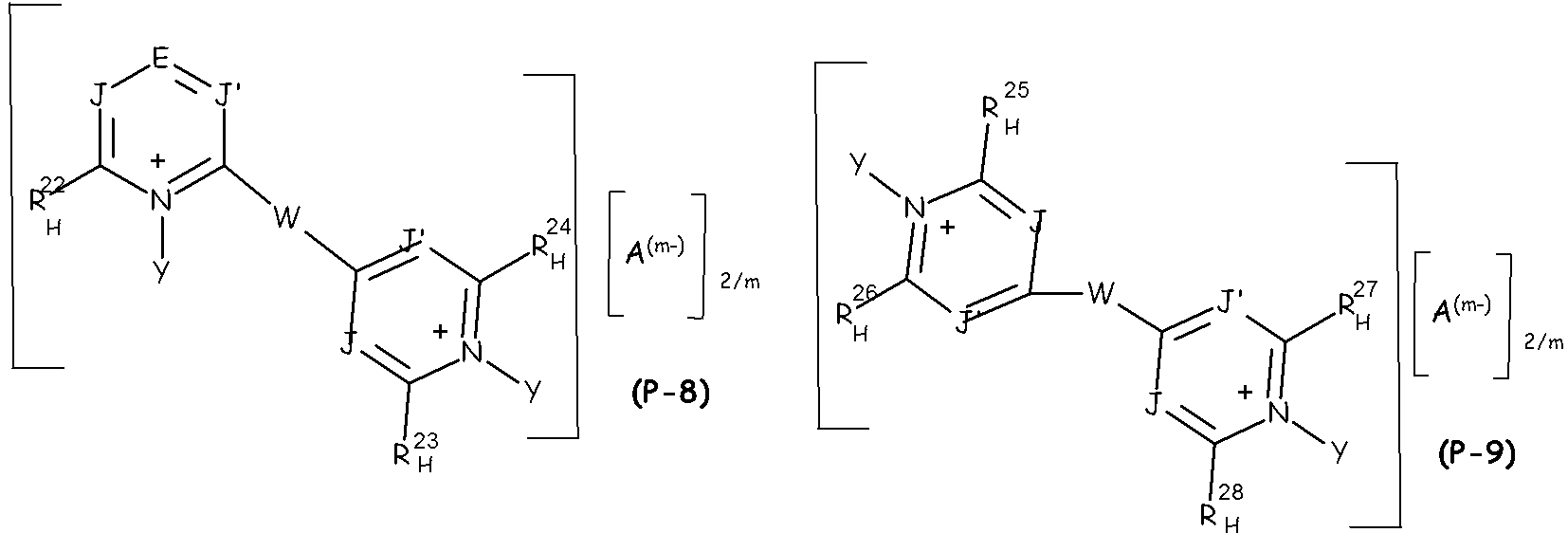 wherein:
 - each of J and J', equal to or different from each other, is independently at each occurrence C-R* or N, wherein R* is H or a C1-C12 hydrocarbon group;- E is N or a group of formula C-R°H;- Z is a divalent hydrocarbon group comprising from 1 to 12 carbon atoms;- W is a bond or is a bridging group selected from the group consisting of divalent hydrocarbon groups comprising from 1 to 12 carbon atoms (preferably divalent aliphatic groups comprising from 1 to 6 carbon atoms) and divalent fluorocarbon groups comprising from 1 to 12 carbon atoms (preferably divalent perfluoroaliphatic groups comprising from 1 to 6 carbon atoms);- the group sketched with symbol:
 in formula (P-11) and (P-12) designates an aromatic mono- or poly-nuclear ring condensed to the pyridinium-type aromatic ring, which may comprise one or more additional nitrogen atoms, optionally quaternized nitrogen atoms , in the ring(s);- each of R1 H, R2 H, R3 H, R4 H, R5 H, R6 H, R7 H, R8 H, R9 H, R10 H, R11 H, R12 H, R13 H, R14 H, R15 H, R16 H, R17 H, R18 H, R19 H, R20 H, R21 H, R22 H, R23 H, R24 H, R25 H, R26 H, R27 H, R28 H, R29 H, R30 H, R31 H, R32 H, R33 H, R34 H, R35 H, R36 H and R°H, equal to or different from each other, is independently at each occurrence –H or a group of formula [group (alpha-H)]:
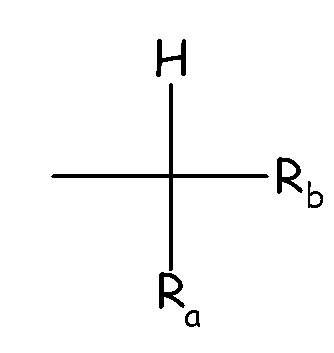 wherein Ra, and Rb, equal to or different from each other, are independently H or a hydrocarbon C1-C6 group;- Y, equal to or different from each other, is independently oxygen or a C1-C12 hydrocarbon group, which can be notably an aliphatic or an aromatic group, which can comprise one or more than one heteroatoms selected from N, O, S and halogens;- A(m-) is an anion having valency m;with the provisio that(i) when salt (P) is of formula (P-1) at least two of R1 H, R2 H, and R°H are groups (alpha-H);(ii) when salt (P) is of formula (P-2) R3 H and R4 H are groups (alpha-H);(iii) when salt (P) is of formula (P-3), at least two of R5 H, R6 H, R7 H, and R8 H are groups (alpha-H);(iv) when salt (P) is of formula (P-4), at least two of R9 H, R10 H, R11 H, R12 H, and R°H are groups (alpha-H);(v) when salt (P) is of formula (P-5), at least two of R13 H, R14 H, and R°H are groups (alpha-H);(vi) when salt (P) is of formula (P-6), at least two of R15 H, R16 H, R17 H,and R°H are groups (alpha-H);(vii) when salt (P) is of formula (P-7), at least two of R18 H, R19 H, R20 H, R21 H, and R°H are groups (alpha-H);(viii) when salt (P) is of formula (P-8), at least two of R22 H, R23 H, R24 H, and R°H are groups (alpha-H);(ix) when salt (P) is of formula (P-9), at least two of R25 H, R26 H, R27 H, and R28 H are groups (alpha-H);(x) when salt (P) is of formula (P-10), at least two of R29 H, R30 H, R31 H, R32 H, and R28 H are groups (alpha-H);(xi) when salt (P) is of formula (P-11), at least two of R33 H, R34 H, and R28 H are groups (alpha-H);(xii) when salt (P) is of formula (P-12), at least two of R35 H, R36 H and R°H are groups (alpha-H).
- The composition (C) of claim 1,(1) wherein salts (P) of formula (P-1) are those complying with formulae (P-1-a) to (P-1-e):
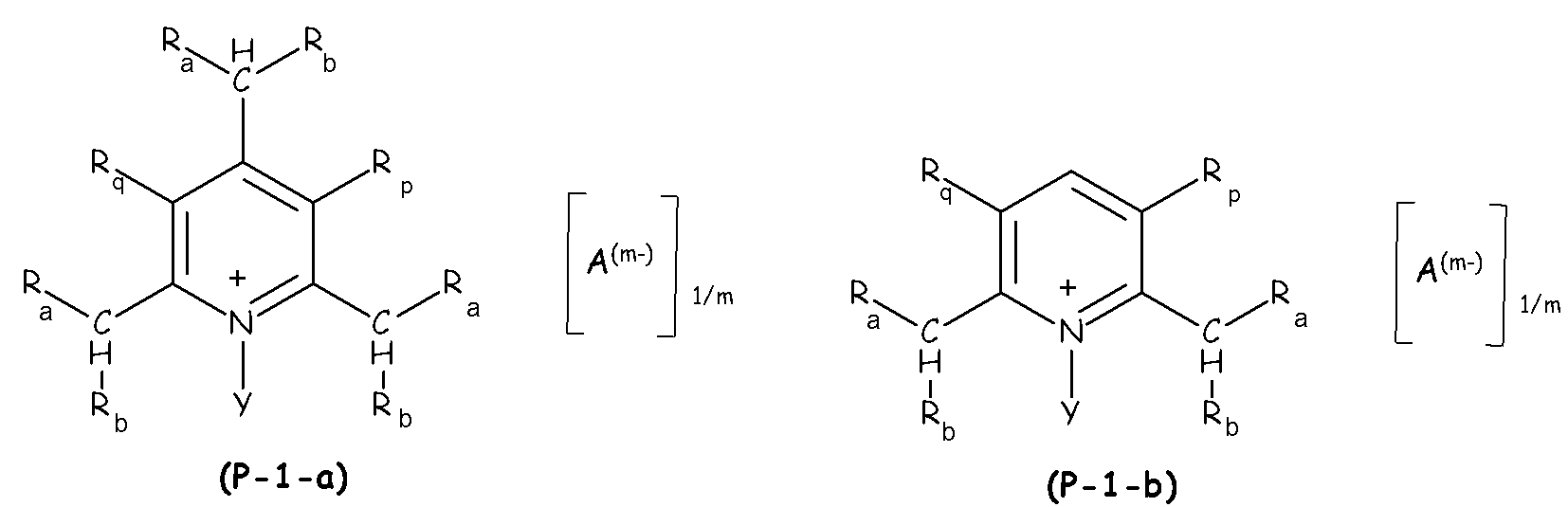
 wherein:
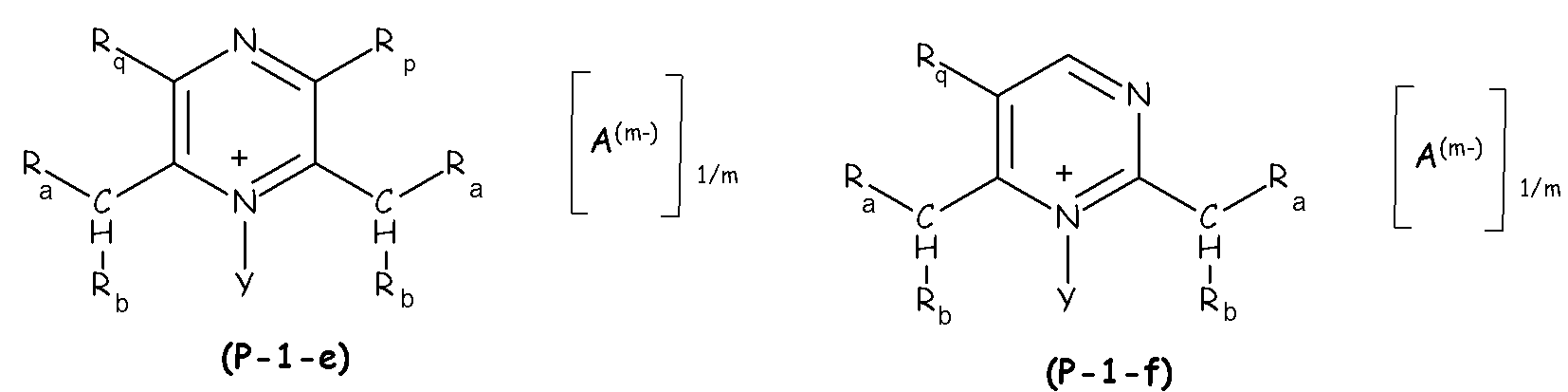 - Ra and Rb have the meaning as defined in Claim 1, preferably Ra and Rb are H;- Y has the meaning as defined in Claim 1, preferably Y is methyl;- each of Rp and Rq, equal to or different from each other, is H or a C1-C12 hydrocarbon group;- A and m have the meanings as defined in Claim 1; and/or(2) wherein salts (P) of formula (P-2) are those complying with formula (P-2-a):wherein:
 - Ra and Rb have the meaning as defined in Claim 1, preferably Ra and Rb are H;- Y has the meaning as defined in Claim 1, preferably Y is methyl;- each of Rp and Rq, equal to or different from each other, is H or a C1-C12 hydrocarbon group;- A and m have the meanings as defined in Claim 1; and/or(3) wherein salts (P) of formula (P-3) are those complying with formula (P-3-a):wherein:
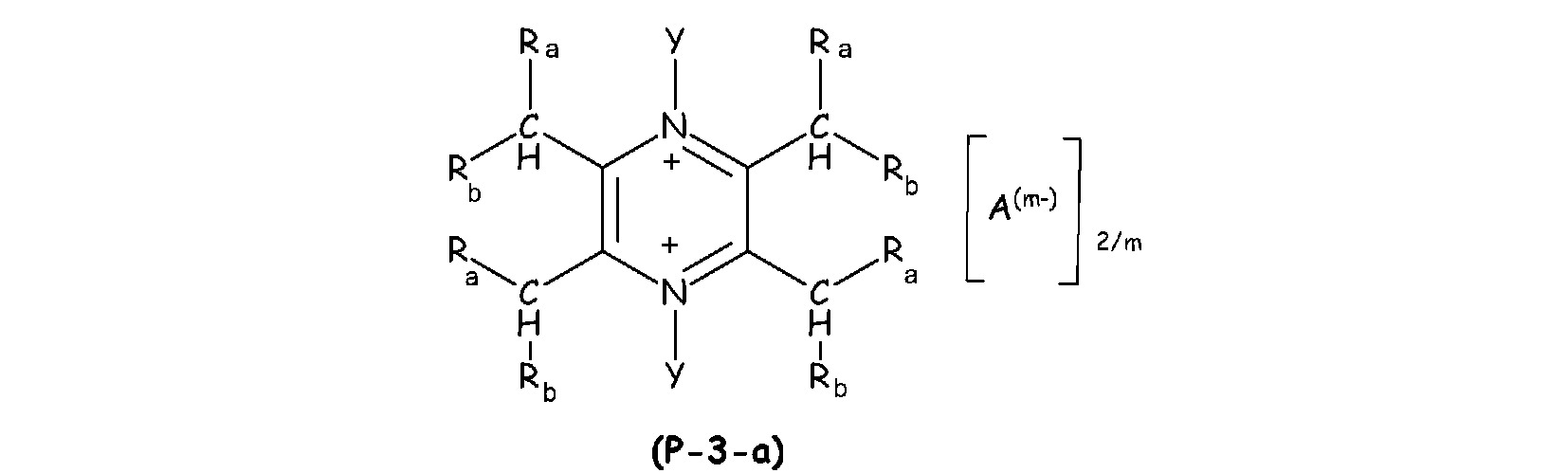 - Ra and Rb have the meaning as defined in Claim 1, preferably Ra and Rb are H;- Y has the meaning as defined in Claim 1, preferably Y is methyl;- A and m have the meanings as defined in Claim 1; and/or(4) wherein salts (P) of formula (P-4) are those complying with formula (P-4-a):wherein:
 - Ra and Rb have the meaning as defined in Claim 1, preferably Ra and Rb are H;- w is an integer of 1 to 12, preferably of 1 to 6, most preferably equal to 3;- A and m have the meanings as defined in Claim 1; and/or(5) wherein salts (P) of formula (P-5) are those complying with formula (P-5-a):wherein:
 - Ra and Rb have the meaning as defined in Claim 1, preferably Ra and Rb are H;- Y has the meaning as defined in Claim 1, preferably Y is methyl;- A and m have the meanings as defined in Claim 1; and/or(6) wherein salts (P) of formula (P-11) are those complying with formula (P-11-a):wherein:
 - Ra and Rb have the meaning as defined in Claim 1, preferably Ra and Rb are H;- Y has the meaning as defined in Claim 1, preferably Y is methyl;- A and m have the meanings as defined in Claim 1; and/or(7) wherein salts (P) of formula (P-12) are those complying with formula (P-12-a):wherein:
 - Ra and Rb have the meaning as defined in Claim 1, preferably Ra and Rb are H;- Y has the meaning as defined in Claim 1, preferably Y is methyl;- A and m have the meanings as defined in Claim 1.
- The composition (C) of claim 1 or 2, wherein salt (P) is selected from the group consisting of salts (P) of formula (P-1), (P-2), (P-3), (P-4), (P-5), (P-11), and (P-12).
- The composition (C) of claim 3, wherein salt (P) is selected from those having formulae (Ex-1) to (Ex-9):.
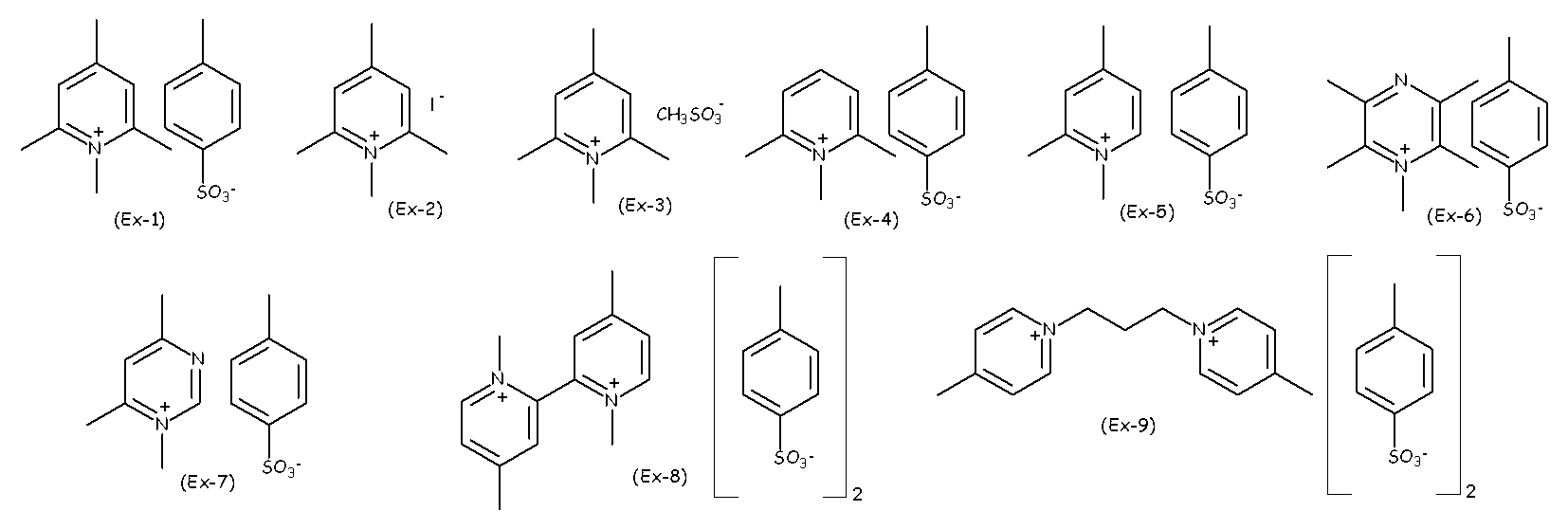
- The composition (C) of claim 1 to 4, wherein the composition (C) comprises salt (P) in an amount of at least 0.1, preferably at least 0.5, more preferably at least 1 weight part per 100 weight parts of fluoroelastomer (A), and/or in an amount of at most 20, preferably at most 15, more preferably at most 10 weight parts per 100 parts of fluoroelastomer (A).
- The composition (C) of anyone of the preceding claims, wherein one or more than one organic base, one or more than one inorganic base or mixtures of organic and inorganic base(s) (B) are used.
- The composition (C) of anyone of the preceding claims, wherein the base (B) is an inorganic base selected from the group consisting of:i) divalent metal oxides, in particular oxides of alkali-earth metals or oxides of Zn, Mg, Pb, Ca, including specifically MgO, PbO and ZnO;ii) hydroxides of metals, in particular hydroxides of monovalent and divalent metals, specifically hydroxides of alkali and alkali-earth metals, in particular hydroxides selected from the group consisting of Ca(OH)2, Sr(OH)2, and Ba(OH)2;(iii) metal salts of weak acids having a pKa higher than 3, in particular weak acids selected from the group consisting of carbonates, benzoates, oxalates and phosphites; in particular Na, K, Ca, Sr, Ba salts of carbonates, benzoates, oxalates and phosphites.
- The composition (C) of anyone claims 1 to 6, wherein said base (B is an organic base selected from the group consisting of:(j) non-aromatic amines or amides complying with general formula (B1m) or (B1d):Rbm-[C(O)]t-NRH 2 (B1m)RH 2N-[C(O)]t’-Rdm-[C(O)]t”-NRH 2 (B1d)wherein:- each of t, t’ and t”, equal to or different from each other and at each occurrence is zero or 1;- each of RH is independently H or a C1-C12 hydrocarbon group;- Rbm is a monovalent hydrocarbon non-aromatic group having 1 to 30 carbon atoms;- Rbm is a divalent hydrocarbon non-aromatic group having 1 to 30 carbon atoms; and(jj) cycloaliphatic secondary or tertiary amines complying with general formula (B2m) or (B2d):
 wherein:- Cy represents a divalent aliphatic group comprising at least 4 carbon atoms, optionally comprising one or more than one ethylenically unsaturated double bond, and optionally comprising one or more catenary nitrogen atoms, forming a cycle with the nitrogen atom which is connected thereto;- Cy’ represent a trivalent aliphatic group comprising at least 5 carbon atoms, optionally comprising one or more than one ethylenically unsaturated double bond, and optionally comprising one or more catenary nitrogen atoms, forming a cycle with the nitrogen atom which is connected thereto;(jjj) aromatic amines or amides complying with general formula (B3):Arb-{[C(O)]t-NRH 2}w (B3)wherein:- t, equal to or different from each other and at each occurrence, is zero or 1;- w is an integer of 1 to 4;- each of RH is independently H or a C1-C12 hydrocarbon group;- Arb is a mono- or poly-nuclear aromatic group, possibly comprising one or more than one catenary heteroatoms selected from the group consisting of S and O;(jv) heteroaromatic amines comprising at least one nitrogen atom comprised in a heteroaromatic cycle, in particular pyridine derivatives;(v) guanidine derivatives of formula (B4) or (B5):wherein:
 - each of R1, R2, R3, R4, R5, R6, R7, and R8, equal to or different from each other, is independently H or a C1-C12 hydrocarbon groupand corresponding salts of said guanidines (B4) and (B5), in particular corresponding N-quaternized hydrohalides (preferably hydrochlorides);(vj) metal alkoxylates, preferably alkoxylates of aliphatic alcohols.
- The composition (C) of claim 6 , wherein the composition (C) comprises at least one organic base, preferably as defined in Claim 8 and at least one inorganic base, preferably as defined in Claim 7.
- The composition (C) of anyone of the preceding claims, said composition additionally comprising one or more than one organic solvents [solvent (S)], in particular an organic solvent selected from those wherein the used salt (P) has a solubility at room temperature exceeding 1 g/l, preferably 10 g/l, preferably selected from the group consisting of :- polar aprotic organic solvents, selected preferably from the group consisting of sulfolane, 4,4’-dichlorodiphenylsulfone;- ionic liquids, selected preferably from the group consisting of methylpyrrolidinium bis(trifluoromethansulonylimide) of formula PY1,4-Tf2N and 1-butyl-3-methylimidazolium bis(trifluoromethylsulfonylimide) of formula BMIm-Tf2N:

- The composition (C) according to anyone of the preceding claims, wherein the fluoroelastomer (A) comprises at least 15 % moles, preferably at least 20 % moles, more preferably at least 35 % moles of recurring units derived from VDF, with respect to all recurring units of the fluoroelastomer, and/or wherein the fluoroelastomer (A) comprises at most 85 % moles, preferably at most 80 % moles, more preferably at most 78 % moles of recurring units derived from VDF, with respect to all recurring units of the fluoroelastomer.
- The composition (C ) of anyone of the preceding claims, wherein said at least one additional (per)fluorinated monomer different from VDF is selected from the group consisting of:(a) C2-C8 perfluoroolefins , such as tetrafluoroethylene (TFE) and hexafluoropropylene (HFP);(b) hydrogen-containing C2-C8 olefins different from VDF, such as vinyl fluoride (VF), trifluoroethylene (TrFE), perfluoroalkyl ethylenes of formula CH2 = CH-Rf, wherein Rf is a C1‑C6 perfluoroalkyl group;(c) C2-C8 chloro and/or bromo and/or iodo-fluoroolefins such as chlorotrifluoroethylene (CTFE);(d) (per)fluoroalkylvinylethers (PAVE) of formula CF2=CFORf, wherein Rf is a C1-C6 (per)fluoroalkyl group, e.g. CF3, C2F5, C3F7;(e) (per)fluoro-oxy-alkylvinylethers of formula CF2 = CFOX, wherein X is a C1-C12 ((per)fluoro)-oxyalkyl comprising catenary oxygen atoms, e.g. the perfluoro-2-propoxypropyl group;(f) (per)fluorodioxoles having formula :wherein each of Rf3, Rf4, Rf5, Rf6, equal or different each other, is independently a fluorine atom, a C1-C6 fluoro- or per(halo)fluoroalkyl, optionally comprising one or more oxygen atom, e.g. -CF3, -C2F5, -C3F7, -OCF3, -OCF2CF2OCF3.
 (g) (per)fluoro-methoxy-vinylethers (MOVE, hereinafter) having formula:CFX2 = CX2OCF2OR"fwherein R"f is selected among C1-C6 (per)fluoroalkyls , linear or branched; C5-C6 cyclic (per)fluoroalkyls; and C2-C6 (per)fluorooxyalkyls, linear or branched, comprising from 1 to 3 catenary oxygen atoms, and X2 = F, H; preferably X2 is F and R"f is -CF2CF3 (MOVE1); -CF2CF2OCF3 (MOVE2); or -CF3 (MOVE3).
- The composition according to anyone of the preceding claims, wherein fluoroelastomer (A) is selected from the group consisting of fluoroelastomers having the following monomer compositions (in mol %) :(i) vinylidene fluoride (VDF) 35-85 %, hexafluoropropene (HFP) 10-45 %, tetrafluoroethylene (TFE) 0-30 %, perfluoroalkyl vinyl ethers (PAVE) 0-15 %, bis-olefin (OF) 0-5 %;(ii) vinylidene fluoride (VDF) 50-80 %, perfluoroalkyl vinyl ethers (PAVE) 5‑50 %, tetrafluoroethylene (TFE) 0-20 %, bis-olefin (OF) 0-5 %;(iii) vinylidene fluoride (VDF) 20-30 %, C2-C8 non-fluorinated olefins (Ol) 10‑30 %, hexafluoropropene (HFP) and/or perfluoroalkyl vinyl ethers (PAVE) 18-27 %, tetrafluoroethylene (TFE) 10-30 %, bis-olefin (OF) 0-5 %;(vii) tetrafluoroethylene (TFE) 33-75 %, perfluoroalkyl vinyl ethers (PAVE) 15‑45 %, vinylidene fluoride (VDF) 5-30 %, hexafluoropropene HFP 0-30 %, bis-olefin (OF) 0-5 %;(viii) vinylidene fluoride (VDF) 35-85 %, fluorovinyl ethers (MOVE) 5-40 %, perfluoroalkyl vinyl ethers (PAVE) 0-30 %, tetrafluoroethylene (TFE) 0-40 %, hexafluoropropene (HFP) 0-30 %, bis-olefin (OF) 0-5 %.
- A method for fabricating shaped articles, comprising using the composition (C) of anyone of the preceding claims.
- Cured articles obtained from the composition (C) of anyone of claims 1 to 13.
Priority Applications (5)
| Application Number | Priority Date | Filing Date | Title |
|---|---|---|---|
| EP16732231.2A EP3294801B1 (en) | 2015-05-08 | 2016-05-03 | Fluoroelastomer composition |
| CN201680026765.XA CN107580613B (en) | 2015-05-08 | 2016-05-03 | Fluoroelastomer composition |
| JP2017558404A JP6814747B2 (en) | 2015-05-08 | 2016-05-03 | Fluoroelastomer composition |
| KR1020177033888A KR102493006B1 (en) | 2015-05-08 | 2016-05-03 | Fluoroelastomer composition |
| US15/572,656 US10766989B2 (en) | 2015-05-08 | 2016-05-03 | Fluoroelastomer composition |
Applications Claiming Priority (2)
| Application Number | Priority Date | Filing Date | Title |
|---|---|---|---|
| EP15166963.7 | 2015-05-08 | ||
| EP15166963 | 2015-05-08 |
Publications (1)
| Publication Number | Publication Date |
|---|---|
| WO2016180660A1 true WO2016180660A1 (en) | 2016-11-17 |
Family
ID=53177163
Family Applications (1)
| Application Number | Title | Priority Date | Filing Date |
|---|---|---|---|
| PCT/EP2016/059812 Ceased WO2016180660A1 (en) | 2015-05-08 | 2016-05-03 | Fluoroelastomer composition |
Country Status (6)
| Country | Link |
|---|---|
| US (1) | US10766989B2 (en) |
| EP (1) | EP3294801B1 (en) |
| JP (1) | JP6814747B2 (en) |
| KR (1) | KR102493006B1 (en) |
| CN (1) | CN107580613B (en) |
| WO (1) | WO2016180660A1 (en) |
Cited By (5)
| Publication number | Priority date | Publication date | Assignee | Title |
|---|---|---|---|---|
| KR20190077404A (en) * | 2016-10-28 | 2019-07-03 | 솔베이 스페셜티 폴리머스 이태리 에스.피.에이. | Crosslinking method of polymer |
| CN110382650A (en) * | 2017-03-03 | 2019-10-25 | 日东电工株式会社 | Electricity removing adhesive composition, adhesive sheet and conjugant |
| WO2020188125A1 (en) | 2019-03-20 | 2020-09-24 | Solvay Specialty Polymers Italy S.P.A. | Fluoroelastomer composition |
| WO2023061841A1 (en) | 2021-10-14 | 2023-04-20 | Solvay Specialty Polymers Italy S.P.A. | Fluoroelastomer composition |
| US11919834B2 (en) | 2019-05-10 | 2024-03-05 | Solvay Specialty Polymers Italy S.P.A. | Method of making perfluorocyclobutane-containing monomer |
Families Citing this family (3)
| Publication number | Priority date | Publication date | Assignee | Title |
|---|---|---|---|---|
| JP6890081B2 (en) * | 2017-11-06 | 2021-06-18 | 三菱電線工業株式会社 | Rubber material for sealing material and sealing material using it |
| KR102903291B1 (en) * | 2020-09-18 | 2025-12-24 | 다이킨 고교 가부시키가이샤 | Fluorine rubber crosslinking composition and molded product |
| CN118382752A (en) | 2021-12-23 | 2024-07-23 | 大金工业株式会社 | Crosslinkable composition, component, and use of the crosslinkable composition |
Citations (5)
| Publication number | Priority date | Publication date | Assignee | Title |
|---|---|---|---|---|
| JPS57164143A (en) * | 1981-04-03 | 1982-10-08 | Nippon Mektron Ltd | Fluorine-containing elastomer composition |
| DE3626355A1 (en) * | 1985-10-15 | 1987-04-16 | Nippon Mektron Kk | FLUORINE ELASTOMER PREPARATION |
| DE3805792A1 (en) * | 1987-03-13 | 1988-09-22 | Nippon Mektron Kk | FLUORINE ELASTOMER COMPOSITION |
| DE3908712A1 (en) * | 1988-05-23 | 1989-11-30 | Nippon Mektron Kk | FLUORINE ELASTOMER PREPARATION |
| EP0661304A1 (en) | 1993-12-29 | 1995-07-05 | AUSIMONT S.p.A. | Fluoroelastomers comprising monomeric units deriving from a bis-olefin |
Family Cites Families (3)
| Publication number | Priority date | Publication date | Assignee | Title |
|---|---|---|---|---|
| JP4258933B2 (en) * | 2000-01-13 | 2009-04-30 | Nok株式会社 | Manufacturing method of fluoro rubber vulcanized molded products |
| ITMI20060139A1 (en) * | 2006-01-27 | 2007-07-28 | Solvay Solexis Spa | FLUORO-ELASTOMERS |
| JP2009197134A (en) * | 2008-02-21 | 2009-09-03 | Daikin Ind Ltd | Method for producing crosslinking fluorine-containing elastomer composition |
-
2016
- 2016-05-03 KR KR1020177033888A patent/KR102493006B1/en active Active
- 2016-05-03 EP EP16732231.2A patent/EP3294801B1/en active Active
- 2016-05-03 US US15/572,656 patent/US10766989B2/en active Active
- 2016-05-03 CN CN201680026765.XA patent/CN107580613B/en active Active
- 2016-05-03 JP JP2017558404A patent/JP6814747B2/en active Active
- 2016-05-03 WO PCT/EP2016/059812 patent/WO2016180660A1/en not_active Ceased
Patent Citations (5)
| Publication number | Priority date | Publication date | Assignee | Title |
|---|---|---|---|---|
| JPS57164143A (en) * | 1981-04-03 | 1982-10-08 | Nippon Mektron Ltd | Fluorine-containing elastomer composition |
| DE3626355A1 (en) * | 1985-10-15 | 1987-04-16 | Nippon Mektron Kk | FLUORINE ELASTOMER PREPARATION |
| DE3805792A1 (en) * | 1987-03-13 | 1988-09-22 | Nippon Mektron Kk | FLUORINE ELASTOMER COMPOSITION |
| DE3908712A1 (en) * | 1988-05-23 | 1989-11-30 | Nippon Mektron Kk | FLUORINE ELASTOMER PREPARATION |
| EP0661304A1 (en) | 1993-12-29 | 1995-07-05 | AUSIMONT S.p.A. | Fluoroelastomers comprising monomeric units deriving from a bis-olefin |
Cited By (8)
| Publication number | Priority date | Publication date | Assignee | Title |
|---|---|---|---|---|
| KR20190077404A (en) * | 2016-10-28 | 2019-07-03 | 솔베이 스페셜티 폴리머스 이태리 에스.피.에이. | Crosslinking method of polymer |
| KR102487719B1 (en) | 2016-10-28 | 2023-01-16 | 솔베이 스페셜티 폴리머스 이태리 에스.피.에이. | Methods of crosslinking polymers |
| CN110382650A (en) * | 2017-03-03 | 2019-10-25 | 日东电工株式会社 | Electricity removing adhesive composition, adhesive sheet and conjugant |
| CN110382650B (en) * | 2017-03-03 | 2022-04-05 | 日东电工株式会社 | Adhesive composition for electric peeling, adhesive sheet and joined body |
| WO2020188125A1 (en) | 2019-03-20 | 2020-09-24 | Solvay Specialty Polymers Italy S.P.A. | Fluoroelastomer composition |
| US12247111B2 (en) | 2019-03-20 | 2025-03-11 | Solvay Specialty Polymers Italy S.P.A. | Fluoroelastomer composition |
| US11919834B2 (en) | 2019-05-10 | 2024-03-05 | Solvay Specialty Polymers Italy S.P.A. | Method of making perfluorocyclobutane-containing monomer |
| WO2023061841A1 (en) | 2021-10-14 | 2023-04-20 | Solvay Specialty Polymers Italy S.P.A. | Fluoroelastomer composition |
Also Published As
| Publication number | Publication date |
|---|---|
| JP6814747B2 (en) | 2021-01-20 |
| EP3294801B1 (en) | 2020-07-08 |
| CN107580613B (en) | 2020-11-13 |
| KR102493006B1 (en) | 2023-01-30 |
| KR20180004747A (en) | 2018-01-12 |
| US20180142050A1 (en) | 2018-05-24 |
| EP3294801A1 (en) | 2018-03-21 |
| US10766989B2 (en) | 2020-09-08 |
| JP2018514627A (en) | 2018-06-07 |
| CN107580613A (en) | 2018-01-12 |
Similar Documents
| Publication | Publication Date | Title |
|---|---|---|
| US10766989B2 (en) | Fluoroelastomer composition | |
| EP2593511B1 (en) | Fluoroelastomer composition | |
| EP3390533B1 (en) | Fluoroelastomer compositions | |
| KR20050053655A (en) | Fluoroelastomers with improved permeation resistance and method for making the same | |
| EP3941974B1 (en) | Fluoroelastomer composition | |
| EP3426705B1 (en) | Polyunsaturated compound for curing fluoroelastomer compositions | |
| EP3484953B1 (en) | Fluoroelastomer composition | |
| JP5864224B2 (en) | Fluoropolymer composition | |
| EP4416216B1 (en) | Fluoroelastomer composition | |
| US20130345365A1 (en) | Curable fluoroelastomer composition | |
| US11059922B2 (en) | Method for cross-linking polymers | |
| EP3172252B1 (en) | Perfluoroelastomer composition |
Legal Events
| Date | Code | Title | Description |
|---|---|---|---|
| 121 | Ep: the epo has been informed by wipo that ep was designated in this application |
Ref document number: 16732231 Country of ref document: EP Kind code of ref document: A1 |
|
| REEP | Request for entry into the european phase |
Ref document number: 2016732231 Country of ref document: EP |
|
| ENP | Entry into the national phase |
Ref document number: 2017558404 Country of ref document: JP Kind code of ref document: A |
|
| WWE | Wipo information: entry into national phase |
Ref document number: 15572656 Country of ref document: US |
|
| NENP | Non-entry into the national phase |
Ref country code: DE |
|
| ENP | Entry into the national phase |
Ref document number: 20177033888 Country of ref document: KR Kind code of ref document: A |