WO2016115798A1 - 存储空间分配方法、存储空间分配装置和终端 - Google Patents
存储空间分配方法、存储空间分配装置和终端 Download PDFInfo
- Publication number
- WO2016115798A1 WO2016115798A1 PCT/CN2015/080356 CN2015080356W WO2016115798A1 WO 2016115798 A1 WO2016115798 A1 WO 2016115798A1 CN 2015080356 W CN2015080356 W CN 2015080356W WO 2016115798 A1 WO2016115798 A1 WO 2016115798A1
- Authority
- WO
- WIPO (PCT)
- Prior art keywords
- storage space
- data
- area
- storage
- operating systems
- Prior art date
- Legal status (The legal status is an assumption and is not a legal conclusion. Google has not performed a legal analysis and makes no representation as to the accuracy of the status listed.)
- Ceased
Links
Images



Classifications
-
- G—PHYSICS
- G06—COMPUTING OR CALCULATING; COUNTING
- G06F—ELECTRIC DIGITAL DATA PROCESSING
- G06F12/00—Accessing, addressing or allocating within memory systems or architectures
- G06F12/02—Addressing or allocation; Relocation
Definitions
- the present invention relates to the field of terminal technologies, and in particular, to a storage space allocation method, a storage space allocation device, and a terminal.
- the dual-system storage space allocation strategy is: Reserve a part of storage space to the SED (Secure Enterprise Domain) in the /data partition (data area) of the PPD (Personal Private Domain). Space can be used as /system (system area), /cache (buffer area), /data (data area) of the SED.
- the allocation of the storage space is fixed, which causes the storage space of the PPD and the SED to be insufficient, or when the SED space is insufficient, the PPD space is sufficient, or the PPD space is insufficient, but the SED space is sufficient. , unable to redistribute storage space according to user needs.
- the invention is based on the above problems, and proposes a new technical solution, which can flexibly allocate storage space according to the needs of users.
- an aspect of the present invention provides a storage space allocation method for a terminal having multiple operating systems, including: determining whether a storage space of a data area of any one of the plurality of operating systems is Sufficient; when it is determined that the storage space is insufficient, setting a storage area for the any operating system in a data area of a common system of the plurality of operating systems; storing data of any one of the operating systems to the In the storage area in a normal system.
- storage space can be reserved for other operating systems in a common system of a multi-system terminal, so that when the storage space of the data area of other operating systems is insufficient, the data can be stored in the ordinary system.
- the terminal has two operating systems, a normal system and a security system, if it is secure If the system has insufficient storage space, you can apply for a storage area in the normal system to store the overflowed data.
- a new storage space allocation strategy is provided, which solves the problem that the storage space of multiple operating systems in the related art is fixed, and in particular, the security system of the terminal can be free from the limitation of its own storage space. Therefore, the data security of the user's security system is guaranteed.
- the setting a storage area for the any operating system in a data area of a common system of the plurality of operating systems specifically, according to the received setting command, in the Setting a preset storage space for the any operating system in the data area of the normal system; and setting the storage area for the any operating system in the preset storage space.
- a dedicated partition may be set in a general system of the terminal to store data of other operating systems, especially the security system, so that the partition is separately managed, thereby improving the security of the security system data stored therein.
- the method before the setting the storage area for the operating system, the method further includes: determining whether a storage space of the data area of the common system is sufficient; when the determination result is yes, And sending a storage space allocation request to the normal system, where the storage area is set in the common system for any operating system according to the storage space allocation request; when the determination result is no, prompting whether to delete the The data in the data area of the general system.
- the storage space of the ordinary system when requesting a storage area from a normal system, it is first determined whether there is a remaining storage space of the ordinary system. If the storage space of the ordinary system is not full, it can directly be used in other operating systems (such as a security system). Divide the storage area. If the storage space of the ordinary system is full, the user may be prompted to delete the common information in the data area of the ordinary system, thereby saving space to set the storage area for other operating systems.
- the general information of the ordinary system includes, but is not limited to, an installation package, a normal short message, a general schedule, a photo, music, and the like.
- the method further includes: deleting the data area of the common system according to the received deletion command The data for providing the storage space for any of the operating systems in the general system.
- the technical solution after the user is prompted to delete the common information in the data area of the ordinary system, the general information of the ordinary system can be deleted according to the user's delete command, thereby saving space for the user. His operating system sets up the storage area.
- the method further includes: according to the received setting command, a location of the common system
- the storage area sets the same security rules as any of the operating systems described.
- the same security policy as the operating system can be set for the partition, thereby ensuring that the partition obtains the same level of security as the operating system. Protection improves the security of the data in the partition.
- Another aspect of the present invention provides a storage space allocation apparatus for a terminal having a plurality of operating systems, including: a determining unit, determining whether a storage space of a data area of any one of the plurality of operating systems is Sufficient; setting unit, when it is determined that the storage space is insufficient, setting a storage area for the any operating system in a data area of a common system of the plurality of operating systems; a storage unit, any one of the operating systems The data is stored in the storage area in the general system.
- storage space can be reserved for other operating systems in a common system of a multi-system terminal, so that when the storage space of the data area of other operating systems is insufficient, the data can be stored in the ordinary system.
- the terminal has two operating systems, the common system and the security system, if the storage space of the security system is insufficient, a storage area can be requested in the ordinary system to store the overflowed data.
- a new storage space allocation strategy is provided, which solves the problem that the storage space of multiple operating systems in the related art is fixed, and in particular, the security system of the terminal can be free from the limitation of its own storage space. Therefore, the data security of the user's security system is guaranteed.
- the setting unit is specifically configured to: before the setting the storage area, according to the received setting command, in the data area of the common system, the operating system Setting a preset storage space; and setting the storage area for any of the operating systems in the preset storage space.
- a dedicated partition may be set in a general system of the terminal to store data of other operating systems, especially the security system, so that the partition is separately managed, thereby improving the security of the security system data stored therein.
- the determining unit further determines, before the setting the storage area for the operating system, whether the storage space of the data area of the common system is sufficient, wherein, when determining When the result is YES, a storage space allocation request is issued to the normal system for setting the storage in the common system for any of the operating systems according to the storage space allocation request. The area, and when the result of the determination is no, prompts whether to delete data in the data area of the normal system.
- the storage space of the ordinary system when requesting a storage area from a normal system, it is first determined whether there is a remaining storage space of the ordinary system. If the storage space of the ordinary system is not full, it can directly be used in other operating systems (such as a security system). Divide the storage area. If the storage space of the ordinary system is full, the user may be prompted to delete the common information in the data area of the ordinary system, thereby saving space to set the storage area for other operating systems.
- the general information of the ordinary system includes, but is not limited to, an installation package, a normal short message, a general schedule, a photo, music, and the like.
- the method further includes: deleting the unit, deleting the data of the common system according to the received deletion command after the prompting to delete data in the data area of the common system The data in the data area for providing the storage space for any of the operating systems in the general system.
- the general information of the ordinary system can be deleted according to the user's delete command, thereby saving space to set the storage area for other operating systems.
- the setting unit is further configured to: after the setting, by the operating system, the storage area in the common system, according to the received setting command, The storage area of the normal system sets the same security rules as any of the operating systems.
- the same security policy as the operating system can be set for the partition, thereby ensuring that the partition obtains the same level of security as the operating system. Protection improves the security of the data in the partition.
- An embodiment of the third aspect of the present invention proposes a terminal having a plurality of operating systems, the terminal including a processor and a memory, wherein the memory stores a set of program codes, and the processor is used by the processor Calling the program code stored in the memory to perform the following operations:
- the data of any of the operating systems is stored into the storage area in the normal system.
- the processor sets a storage area for the any operating system in a data area of a common system of the plurality of operating systems, and specifically includes:
- the storage area is set for the any operating system in the preset storage space.
- the processor before the setting the storage area for the any operating system, the processor further performs:
- the processor after the processor sets the storage area in the common system, the processor further performs:
- the same security rule as any of the operating systems is set for the storage area of the general system.
- a new storage space allocation strategy is provided, which solves the problem that the storage space of multiple operating systems in the related art is fixed, and in particular, the security system of the terminal can be free from the limitation of its own storage space. Therefore, the data security of the user's security system is guaranteed.
- FIG. 1 is a schematic diagram showing a dual system storage space allocation in the related art
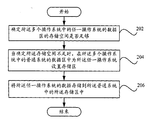
- FIG. 2 shows a flow chart of a storage space allocation method in accordance with one embodiment of the present invention
- FIG. 3 is a flow chart showing a storage space allocation method according to another embodiment of the present invention.
- FIG. 4 is a flow chart showing a storage space allocation method according to still another embodiment of the present invention.
- Figure 5 shows a block diagram of a storage space allocation device in accordance with one embodiment of the present invention
- Figure 6 shows a block diagram of a terminal in accordance with one embodiment of the present invention.
- Figure 7 shows a block diagram of a terminal in accordance with another embodiment of the present invention.
- FIG. 2 shows a flow chart of a method of memory space allocation in accordance with one embodiment of the present invention.
- a storage space allocation method includes:
- Step 202 Determine whether a storage space of a data area of any one of the plurality of operating systems is sufficient.
- Step 204 When it is determined that the storage space is insufficient, the storage area is set for any operating system in the data area of the ordinary system in the plurality of operating systems.
- step 206 the data of any operating system is stored in a storage area in the ordinary system.
- storage space can be reserved for other operating systems in a common system of a multi-system terminal, so that when the storage space of the data area of other operating systems is insufficient, the data can be stored in the ordinary system.
- the terminal has two operating systems, the common system and the security system, if the storage space of the security system is insufficient, a storage area can be requested in the ordinary system to store the overflowed data.
- a new storage space allocation strategy is provided, which solves the problem that the storage space of multiple operating systems in the related art is fixed, and in particular, the security system of the terminal can be free from the limitation of its own storage space. Therefore, the data security of the user's security system is guaranteed.
- the step 204 specifically includes: setting a preset storage space for any operating system in a data area of the ordinary system according to the received setting command; and performing any operation in the preset storage space.
- the system sets the storage area.
- a dedicated partition may be set in a general system of the terminal to store data of other operating systems, especially the security system, so that the partition is separately managed, thereby improving the security of the security system data stored therein.
- the method further includes: determining whether a storage space of the data area of the common system is sufficient; and when the determination result is yes, issuing a storage space allocation request to the normal system, according to the storage space. Allocation request for any operating system to set storage in a normal system Area; when the judgment result is no, it prompts whether to delete the data in the data area of the ordinary system.
- the storage space of the ordinary system when requesting a storage area from a normal system, it is first determined whether there is a remaining storage space of the ordinary system. If the storage space of the ordinary system is not full, it can directly be used in other operating systems (such as a security system). Divide the storage area. If the storage space of the ordinary system is full, the user may be prompted to delete the common information in the data area of the ordinary system, thereby saving space to set the storage area for other operating systems.
- the general information of the ordinary system includes, but is not limited to, an installation package, a normal short message, a general schedule, a photo, music, and the like.
- the method further includes: deleting data in the data area of the common system according to the received deletion command, for Any operating system provides storage space.
- the general information of the ordinary system can be deleted according to the user's delete command, thereby saving space to set the storage area for other operating systems.
- the method further includes: setting, according to the received setting command, the same security rule as the operating system of the common system.
- the same security policy as the operating system can be set for the partition, thereby ensuring that the partition obtains the same level of security as the operating system. Protection improves the security of the data in the partition.
- FIG. 3 shows a flow chart of a storage space allocation method in accordance with another embodiment of the present invention.
- a storage space allocation method includes:
- step 302 a part of the /data partition of the PPD is reserved for the SED, which is used as /system, /cache, /data of the SED.
- step 304 it is determined whether the /data partition space of the SED is sufficient. When the determination result is yes, the process ends. When the determination result is no, the process proceeds to step 306.
- step 306 it is determined whether the /data partition space of the PPD is sufficient. When the determination result is yes, the process proceeds to step 308. If the determination result is negative, the process proceeds to step 310.
- step 310 When requesting a storage area from a normal system, it is first necessary to determine whether the storage space of the ordinary system is left. If the storage space of the ordinary system is not full, the storage area can be directly divided into other operating systems (such as a security system). And if ordinary If the storage space of the system is full, the user can be prompted to delete the common information in the data area of the ordinary system, thereby saving space to set the storage area for other operating systems.
- step 308 the /data partition of the PPD is applied and assigned to the /data partition of the SED. If the security system has insufficient storage space, you can apply for a storage area in the normal system to store the overflowed data.
- Step 310 prompting to delete related data of the /data partition of the PPD, such as an installation package, a normal short message, a general schedule, a photo, a music, and the like.
- step 312 the user deletes the related data of the /data partition of the PPD, and returns to step 306.
- FIG. 4 shows a flow chart of a storage space allocation method in accordance with still another embodiment of the present invention.
- a storage space allocation method includes:
- step 402 a part of the /data partition of the PPD is reserved for the SED, which is used as /system, /cache, /data of the SED.
- step 404 it is determined that the current situation is sufficient for the SED, and the space of the PPD is insufficient.
- the storage space of the ordinary system it is first determined whether the storage space of the ordinary system has remaining. If the storage space of the ordinary system is not full, the storage area can be directly divided into other operating systems (such as a security system). . If the storage space of the ordinary system is full, the user may be prompted to delete the common information in the data area of the ordinary system, thereby saving space to set the storage area for other operating systems.
- Step 406 prompting the user to delete the data related to the /data partition of the PPD, such as an installation package, a normal short message, a general schedule, a photo, a music, and the like.
- the data related to the /data partition of the PPD such as an installation package, a normal short message, a general schedule, a photo, a music, and the like.
- Step 408 The user deletes the related data of the /data partition of the PPD according to the instruction of the user, thereby saving storage space for the content to be stored.
- Figure 5 shows a block diagram of a storage space allocation device in accordance with one embodiment of the present invention.
- a storage space allocation apparatus 500 includes: a determining unit 502, determining whether a storage space of a data area of any one of a plurality of operating systems is sufficient; and setting unit 504, When it is determined that the storage space is insufficient, the storage area is set for any operating system in the data area of the general system among the plurality of operating systems; the storage unit 506 stores the data of any operating system into the storage area in the ordinary system.
- storage space can be reserved for other operating systems in a common system of a multi-system terminal, so that when the storage space of the data area of other operating systems is insufficient, the data can be stored in the general environment.
- the system For example, when the terminal has two operating systems, the common system and the security system, if the storage space of the security system is insufficient, a storage area can be requested in the ordinary system to store the overflowed data.
- a new storage space allocation strategy is provided, which solves the problem that the storage space of multiple operating systems in the related art is fixed, and in particular, the security system of the terminal can be free from the limitation of its own storage space. Therefore, the data security of the user's security system is guaranteed.
- the setting unit 504 is specifically configured to: before the setting the storage area, set a preset storage space for any operating system in a data area of the ordinary system according to the received setting command; Set the storage area for any operating system in the storage space.
- a dedicated partition may be set in a general system of the terminal to store data of other operating systems, especially the security system, so that the partition is separately managed, thereby improving the security of the security system data stored therein.
- the determining unit 508 determines whether the storage space of the data area of the ordinary system is sufficient before setting the storage area for any operating system, wherein when the determination result is yes, The system issues a storage space allocation request for setting a storage area in an ordinary system for any operating system according to the storage space allocation request, and when the determination result is no, prompts whether to delete data in the data area of the ordinary system.
- the storage space of the ordinary system when requesting a storage area from a normal system, it is first determined whether there is a remaining storage space of the ordinary system. If the storage space of the ordinary system is not full, it can directly be used in other operating systems (such as a security system). Divide the storage area. If the storage space of the ordinary system is full, the user may be prompted to delete the common information in the data area of the ordinary system, thereby saving space to set the storage area for other operating systems.
- the general information of the ordinary system includes, but is not limited to, an installation package, a normal short message, a general schedule, a photo, music, and the like.
- the deleting unit 510 deletes the data in the data area of the common system according to the received deletion command after prompting whether to delete the data in the data area of the ordinary system, for Storage space is provided for any operating system in a normal system.
- the general information of the ordinary system can be deleted according to the user's delete command, thereby saving space to set the storage area for other operating systems.
- the setting unit 504 is further configured to: after setting the storage area in the ordinary system for any operating system, set the storage area of the common system to be the same as any operating system according to the received setting command. Security rules.
- the same security policy as the operating system can be set for the partition, thereby ensuring that the partition obtains the same level of security as the operating system. Protection improves the security of the data in the partition.
- Figure 6 shows a block diagram of a terminal in accordance with one embodiment of the present invention.
- a terminal 600 includes a storage space allocation device 602 for determining whether a storage space of a data area of any one of a plurality of operating systems is sufficient. And when it is determined that the storage space is insufficient, the storage area is set for any operating system in the data area of the ordinary system in the plurality of operating systems, and the data of any operating system is stored in the storage area in the ordinary system.
- storage space can be reserved for other operating systems in a common system of a multi-system terminal, so that when the storage space of the data area of other operating systems is insufficient, the data can be stored in the ordinary system.
- the terminal has two operating systems, the common system and the security system, if the storage space of the security system is insufficient, a storage area can be requested in the ordinary system to store the overflowed data.
- a new storage space allocation strategy is provided, which solves the problem that the storage space of multiple operating systems in the related art is fixed, and in particular, the security system of the terminal can be free from the limitation of its own storage space. Therefore, the data security of the user's security system is guaranteed.
- the storage space allocation device 602 of the present embodiment corresponds to the storage space allocation device 500 in the embodiment shown in FIG. 5, and therefore, the terminal 600 of the present embodiment has the storage space allocation device according to any one of the above aspects. The same technical effects of 500 will not be described here.
- Figure 7 shows a block diagram of a terminal in accordance with another embodiment of the present invention.
- the terminal 7 may include at least one processor 71, such as a CPU, at least one communication bus 72, and a memory 73; a communication bus 72 for implementing connection communication between these components; and the memory 73 may be a high speed RAM.
- the memory may also be a non-volatile memory such as at least one disk storage.
- a set of program codes is stored in the memory 73, and the processor 71 is configured to call the program code stored in the memory 73 for performing the following operations:
- the data of any of the operating systems is stored into the storage area in the normal system.
- the processor 71 is configured to set a storage area for the any operating system in a data area of a common system of the multiple operating systems, and specifically includes:
- the storage area is set for the any operating system in the preset storage space.
- the processor 71 further performs: before the setting the storage area for the any operating system:
- the processor 71 further performs:
- the same security rule as any of the operating systems is set for the storage area of the general system.
- the technical solution of the present invention provides a new storage space allocation strategy, which solves the problem that the storage space of multiple operating systems in the related art is fixed, especially realized.
- the security system of the terminal can be free from the limitation of its own storage space, thereby ensuring the data security of the user's security system.
Landscapes
- Engineering & Computer Science (AREA)
- Theoretical Computer Science (AREA)
- Physics & Mathematics (AREA)
- General Engineering & Computer Science (AREA)
- General Physics & Mathematics (AREA)
- Storage Device Security (AREA)
Abstract
本发明提供了一种存储空间分配方法、一种存储空间分配装置和一种终端,其中的存储空间分配方法包括:确定所述多个操作系统中的任一操作系统的数据区的存储空间是否足够;当确定所述存储空间不足时,在所述多个操作系统中的普通系统的数据区中为所述任一操作系统设置存储区;将所述任一操作系统的数据存储到所述普通系统中的所述存储区中。通过本发明的技术方案,提供了一种新的存储空间分配策略,解决了相关技术中多个操作系统的存储空间固定的问题,尤其实现了使终端的安全系统可以不受自身存储空间过小的限制,从而保障了用户的安全系统的数据安全性。
Description
本申请要求于2015年1月23日提交中国专利局,申请号为201510035810.5、发明名称为“存储空间分配方法、存储空间分配装置和终端”的中国专利申请的优先权,其全部内容通过引用结合在本申请中。
本发明涉及终端技术领域,具体而言,涉及一种存储空间分配方法、一种存储空间分配装置和一种终端。
如图1所示,双系统存储空间分配策略为:在PPD(Personal Private Domain,普通系统)的/data分区(数据区)预留一部分存储空间给SED(Secure Enterprise Domain,安全系统),这部分空间可以用作SED的/system(系统区)、/cache(缓存区)、/data(数据区)使用。
然而,在上述方案中,对存储空间的分配是固定的,这就造成在PPD和SED的存储空间都不足时,或SED空间不足、PPD空间足够时,或PPD空间不足,但SED空间足够时,无法根据用户的需求重新分配存储空间。
因此需要一种新的技术方案,可以根据用户的需求灵活地分配存储空间。
发明内容
本发明正是基于上述问题,提出了一种新的技术方案,可以根据用户的需求灵活地分配存储空间。
有鉴于此,本发明的一方面提出了一种存储空间分配方法,用于具有多个操作系统的终端,包括:确定所述多个操作系统中的任一操作系统的数据区的存储空间是否足够;当确定所述存储空间不足时,在所述多个操作系统中的普通系统的数据区中为所述任一操作系统设置存储区;将所述任一操作系统的数据存储到所述普通系统中的所述存储区中。
在该技术方案中,可以在多系统终端的普通系统中为其他操作系统预留存储空间,以供其他操作系统的数据区的存储空间不足时,可以将数据存储到普通系统中。比如,当终端具有普通系统和安全系统两个操作系统时,如果安全
系统的存储空间不足,则可以在普通系统中申请一个存储区,以存储满溢的数据。通过该技术方案,提供了一种新的存储空间分配策略,解决了相关技术中多个操作系统的存储空间固定的问题,尤其实现了使终端的安全系统可以不受自身存储空间过小的限制,从而保障了用户的安全系统的数据安全性。
在上述技术方案中,优选地,所述在所述多个操作系统中的普通系统的数据区中为所述任一操作系统设置存储区,具体包括:根据接收到的设置命令,在所述普通系统的所述数据区中为所述任一操作系统设置预设存储空间;以及在所述预设存储空间中为所述任一操作系统设置所述存储区。
在该技术方案中,可以在终端的普通系统中设置专门的分区来存储其他操作系统尤其是安全系统的数据,以便对该分区进行单独管理,从而提升存储其中的安全系统数据的安全性。
在上述技术方案中,优选地,在所述为所述任一操作系统设置存储区之前,还包括:判断所述普通系统的所述数据区的存储空间是否足够;当判断结果为是时,向所述普通系统发出存储空间分配请求,以供根据所述存储空间分配请求为所述任一操作系统在所述普通系统中设置所述存储区;当判断结果为否时,提示是否删除所述普通系统的所述数据区中的数据。
在该技术方案中,在向普通系统请求存储区时,首先应判断普通系统的存储空间是否有剩余,如果普通系统的存储空间未满,则可以直接在其中为其他操作系统(比如安全系统)划分存储区。而如果普通系统的存储空间已满,则可以提示用户对普通系统的数据区中的普通信息进行删除,从而节省出空间来为其他操作系统设置存储区。其中,普通系统的普通信息包括但不限于安装包、普通短信、普通日程、照片、音乐等。另外,当普通系统本身的数据满溢时,也可以向自身的数据区提出存储空间分配请求,从而可以删除一些普通数据,为想要存储的内容节省出存储空间。
在上述技术方案中,优选地,在所述提示是否删除所述普通系统的所述数据区中的数据之后,还包括:根据接收到的删除命令,删除所述普通系统的所述数据区中的所述数据,以供在所述普通系统中为所述任一操作系统提供所述存储空间。
在该技术方案中,在提示用户对普通系统的数据区中的普通信息进行删除后,可根据用户的删除命令删除普通系统的普通信息,从而节省出空间来为其
他操作系统设置存储区。
在上述技术方案中,优选地,所述为所述任一操作系统在所述普通系统中设置所述存储区之后,还包括:根据接收到的所述设置命令,为所述普通系统的所述存储区设置与所述任一操作系统相同的安全规则。
在该技术方案中,当把某一操作系统的数据存储到普通系统的分区中时,可以为该分区设置与该操作系统相同的安全策略,从而保证该分区得到与该操作系统同样级别的安全保护,提升了分区中的数据的安全性。
本发明的另一方面提出了一种存储空间分配装置,用于具有多个操作系统的终端,包括:确定单元,确定所述多个操作系统中的任一操作系统的数据区的存储空间是否足够;设置单元,当确定所述存储空间不足时,在所述多个操作系统中的普通系统的数据区中为所述任一操作系统设置存储区;存储单元,将所述任一操作系统的数据存储到所述普通系统中的所述存储区中。
在该技术方案中,可以在多系统终端的普通系统中为其他操作系统预留存储空间,以供其他操作系统的数据区的存储空间不足时,可以将数据存储到普通系统中。比如,当终端具有普通系统和安全系统两个操作系统时,如果安全系统的存储空间不足,则可以在普通系统中申请一个存储区,以存储满溢的数据。通过该技术方案,提供了一种新的存储空间分配策略,解决了相关技术中多个操作系统的存储空间固定的问题,尤其实现了使终端的安全系统可以不受自身存储空间过小的限制,从而保障了用户的安全系统的数据安全性。
在上述技术方案中,优选地,所述设置单元具体用于:在设置所述存储区之前,根据接收到的设置命令,在所述普通系统的所述数据区中为所述任一操作系统设置预设存储空间;以及在所述预设存储空间中为所述任一操作系统设置所述存储区。
在该技术方案中,可以在终端的普通系统中设置专门的分区来存储其他操作系统尤其是安全系统的数据,以便对该分区进行单独管理,从而提升存储其中的安全系统数据的安全性。
在上述技术方案中,优选地,还包括:判断单元,在所述为所述任一操作系统设置存储区之前,判断所述普通系统的所述数据区的存储空间是否足够,其中,当判断结果为是时,向所述普通系统发出存储空间分配请求,以供根据所述存储空间分配请求为所述任一操作系统在所述普通系统中设置所述存储
区,以及当判断结果为否时,提示是否删除所述普通系统的所述数据区中的数据。
在该技术方案中,在向普通系统请求存储区时,首先应判断普通系统的存储空间是否有剩余,如果普通系统的存储空间未满,则可以直接在其中为其他操作系统(比如安全系统)划分存储区。而如果普通系统的存储空间已满,则可以提示用户对普通系统的数据区中的普通信息进行删除,从而节省出空间来为其他操作系统设置存储区。其中,普通系统的普通信息包括但不限于安装包、普通短信、普通日程、照片、音乐等。另外,当普通系统本身的数据满溢时,也可以向自身的数据区提出存储空间分配请求,从而可以删除一些普通数据,为想要存储的内容节省出存储空间。
在上述技术方案中,优选地,还包括:删除单元,在所述提示是否删除所述普通系统的所述数据区中的数据之后,根据接收到的删除命令,删除所述普通系统的所述数据区中的所述数据,以供在所述普通系统中为所述任一操作系统提供所述存储空间。
在该技术方案中,在提示用户对普通系统的数据区中的普通信息进行删除后,可根据用户的删除命令删除普通系统的普通信息,从而节省出空间来为其他操作系统设置存储区。
在上述技术方案中,优选地,所述设置单元还用于:所述为所述任一操作系统在所述普通系统中设置所述存储区之后,根据接收到的所述设置命令,为所述普通系统的所述存储区设置与所述任一操作系统相同的安全规则。
在该技术方案中,当把某一操作系统的数据存储到普通系统的分区中时,可以为该分区设置与该操作系统相同的安全策略,从而保证该分区得到与该操作系统同样级别的安全保护,提升了分区中的数据的安全性。
本发明的第三方面的实施例提出了一种终端,该终端具有多个操作系统,所述终端包括处理器和存储器,其中,所述存储器中存储一组程序代码,且所述处理器用于调用所述存储器中存储的程序代码,用于执行以下操作:
确定所述多个操作系统中的任一操作系统的数据区的存储空间是否足够;
当确定所述存储空间不足时,在所述多个操作系统中的普通系统的数据区中为所述任一操作系统设置存储区;
将所述任一操作系统的数据存储到所述普通系统中的所述存储区中。
在该技术方案中,所述处理器在所述多个操作系统中的普通系统的数据区中为所述任一操作系统设置存储区,具体包括:
根据接收到的设置命令,在所述普通系统的所述数据区中为所述任一操作系统设置预设存储空间;以及
在所述预设存储空间中为所述任一操作系统设置所述存储区。
在该技术方案中,所述处理器在所述为所述任一操作系统设置存储区之前,还执行:
判断所述普通系统的所述数据区的存储空间是否足够;
当判断结果为是时,向所述普通系统发出存储空间分配请求,以供根据所述存储空间分配请求为所述任一操作系统在所述普通系统中设置所述存储区;
当判断结果为否时,提示是否删除所述普通系统的所述数据区中的数据;
根据接收到的删除命令,删除所述普通系统的所述数据区中的所述数据,以供在所述普通系统中为所述任一操作系统提供所述存储空间。
在该技术方案中,所述处理器为所述任一操作系统在所述普通系统中设置所述存储区之后,还执行:
根据接收到的所述设置命令,为所述普通系统的所述存储区设置与所述任一操作系统相同的安全规则。
通过以上技术方案,提供了一种新的存储空间分配策略,解决了相关技术中多个操作系统的存储空间固定的问题,尤其实现了使终端的安全系统可以不受自身存储空间过小的限制,从而保障了用户的安全系统的数据安全性。
图1示出了相关技术中的双系统存储空间分配示意图;
图2示出了根据本发明的一个实施例的存储空间分配方法的流程图;
图3示出了根据本发明的另一个实施例的存储空间分配方法的流程图;
图4示出了根据本发明的再一个实施例的存储空间分配方法的流程图;
图5示出了根据本发明的一个实施例的存储空间分配装置的框图;
图6示出了根据本发明的一个实施例的终端的框图;
图7示出了根据本发明的另一个实施例的终端的框图。
为了能够更清楚地理解本发明的上述目的、特征和优点,下面结合附图和具体实施方式对本发明进行进一步的详细描述。需要说明的是,在不冲突的情况下,本申请的实施例及实施例中的特征可以相互组合。
在下面的描述中阐述了很多具体细节以便于充分理解本发明,但是,本发明还可以采用其他不同于在此描述的其他方式来实施,因此,本发明的保护范围并不受下面公开的具体实施例的限制。
图2示出了根据本发明的一个实施例的存储空间分配方法的流程图。
如图2所示,根据本发明的一个实施例的存储空间分配方法,包括:
步骤202,确定多个操作系统中的任一操作系统的数据区的存储空间是否足够。
步骤204,当确定存储空间不足时,在多个操作系统中的普通系统的数据区中为任一操作系统设置存储区。
步骤206,将任一操作系统的数据存储到普通系统中的存储区中。
在该技术方案中,可以在多系统终端的普通系统中为其他操作系统预留存储空间,以供其他操作系统的数据区的存储空间不足时,可以将数据存储到普通系统中。比如,当终端具有普通系统和安全系统两个操作系统时,如果安全系统的存储空间不足,则可以在普通系统中申请一个存储区,以存储满溢的数据。通过该技术方案,提供了一种新的存储空间分配策略,解决了相关技术中多个操作系统的存储空间固定的问题,尤其实现了使终端的安全系统可以不受自身存储空间过小的限制,从而保障了用户的安全系统的数据安全性。
在上述技术方案中,优选地,步骤204具体包括:根据接收到的设置命令,在普通系统的数据区中为任一操作系统设置预设存储空间;以及在预设存储空间中为任一操作系统设置存储区。
在该技术方案中,可以在终端的普通系统中设置专门的分区来存储其他操作系统尤其是安全系统的数据,以便对该分区进行单独管理,从而提升存储其中的安全系统数据的安全性。
在上述技术方案中,优选地,在步骤204之前,还包括:判断普通系统的数据区的存储空间是否足够;当判断结果为是时,向普通系统发出存储空间分配请求,以供根据存储空间分配请求为任一操作系统在普通系统中设置存储
区;当判断结果为否时,提示是否删除普通系统的数据区中的数据。
在该技术方案中,在向普通系统请求存储区时,首先应判断普通系统的存储空间是否有剩余,如果普通系统的存储空间未满,则可以直接在其中为其他操作系统(比如安全系统)划分存储区。而如果普通系统的存储空间已满,则可以提示用户对普通系统的数据区中的普通信息进行删除,从而节省出空间来为其他操作系统设置存储区。其中,普通系统的普通信息包括但不限于安装包、普通短信、普通日程、照片、音乐等。另外,当普通系统本身的数据满溢时,也可以向自身的数据区提出存储空间分配请求,从而可以删除一些普通数据,为想要存储的内容节省出存储空间。
在上述技术方案中,优选地,在提示是否删除普通系统的数据区中的数据之后,还包括:根据接收到的删除命令,删除普通系统的数据区中的数据,以供在普通系统中为任一操作系统提供存储空间。
在该技术方案中,在提示用户对普通系统的数据区中的普通信息进行删除后,可根据用户的删除命令删除普通系统的普通信息,从而节省出空间来为其他操作系统设置存储区。
在上述技术方案中,优选地,步骤204之后,还包括:根据接收到的设置命令,为普通系统的存储区设置与任一操作系统相同的安全规则。
在该技术方案中,当把某一操作系统的数据存储到普通系统的分区中时,可以为该分区设置与该操作系统相同的安全策略,从而保证该分区得到与该操作系统同样级别的安全保护,提升了分区中的数据的安全性。
图3示出了根据本发明的另一个实施例的存储空间分配方法的流程图。
如图3所示,根据本发明的另一个实施例的存储空间分配方法,包括:
步骤302,在PPD的/data分区预留一部分给SED,用作SED的/system、/cache、/data。
步骤304,判断SED的/data分区空间是否足够,当判断结果为是时,结束进程,当判断结果为否时,进入步骤306。
步骤306,判断PPD的/data分区空间是否足够,当判断结果为是时,进入步骤308,当判断结果为否时,进入步骤310。在向普通系统请求存储区时,首先应判断普通系统的存储空间是否有剩余,如果普通系统的存储空间未满,则可以直接在其中为其他操作系统(比如安全系统)划分存储区。而如果普通
系统的存储空间已满,则可以提示用户对普通系统的数据区中的普通信息进行删除,从而节省出空间来为其他操作系统设置存储区。
步骤308,申请PPD的/data分区,并分配给SED的/data分区。如果安全系统的存储空间不足,则可以在普通系统中申请一个存储区,以存储满溢的数据。
步骤310,提示删除PPD的/data分区的相关数据,如安装包、普通短信、普通日程、照片、音乐等。
步骤312,用户删除PPD的/data分区的相关数据,并返回步骤306。
图4示出了根据本发明的再一个实施例的存储空间分配方法的流程图。
如图4所示,根据本发明的再一个实施例的存储空间分配方法,包括:
步骤402,在PPD的/data分区预留一部分给SED,用作SED的/system、/cache、/data。
步骤404,确定当前情况为SED的空间足够,PPD的空间不足。此时,在向普通系统请求存储区时,首先应判断普通系统的存储空间是否有剩余,如果普通系统的存储空间未满,则可以直接在其中为其他操作系统(比如安全系统)划分存储区。而如果普通系统的存储空间已满,则可以提示用户对普通系统的数据区中的普通信息进行删除,从而节省出空间来为其他操作系统设置存储区。
步骤406,提示用户删除PPD的/data分区相关数据,如安装包、普通短信、普通日程、照片、音乐等。
步骤408,根据用户的指令用户删除PPD的/data分区的相关数据,从而为想要存储的内容节省出了存储空间。
图5示出了根据本发明的一个实施例的存储空间分配装置的框图。
如图5所示,根据本发明的一个实施例的存储空间分配装置500,包括:确定单元502,确定多个操作系统中的任一操作系统的数据区的存储空间是否足够;设置单元504,当确定存储空间不足时,在多个操作系统中的普通系统的数据区中为任一操作系统设置存储区;存储单元506,将任一操作系统的数据存储到普通系统中的存储区中。
在该技术方案中,可以在多系统终端的普通系统中为其他操作系统预留存储空间,以供其他操作系统的数据区的存储空间不足时,可以将数据存储到普
通系统中。比如,当终端具有普通系统和安全系统两个操作系统时,如果安全系统的存储空间不足,则可以在普通系统中申请一个存储区,以存储满溢的数据。通过该技术方案,提供了一种新的存储空间分配策略,解决了相关技术中多个操作系统的存储空间固定的问题,尤其实现了使终端的安全系统可以不受自身存储空间过小的限制,从而保障了用户的安全系统的数据安全性。
在上述技术方案中,优选地,设置单元504具体用于:在设置存储区之前,根据接收到的设置命令,在普通系统的数据区中为任一操作系统设置预设存储空间;以及在预设存储空间中为任一操作系统设置存储区。
在该技术方案中,可以在终端的普通系统中设置专门的分区来存储其他操作系统尤其是安全系统的数据,以便对该分区进行单独管理,从而提升存储其中的安全系统数据的安全性。
在上述技术方案中,优选地,还包括:判断单元508,在为任一操作系统设置存储区之前,判断普通系统的数据区的存储空间是否足够,其中,当判断结果为是时,向普通系统发出存储空间分配请求,以供根据存储空间分配请求为任一操作系统在普通系统中设置存储区,以及当判断结果为否时,提示是否删除普通系统的数据区中的数据。
在该技术方案中,在向普通系统请求存储区时,首先应判断普通系统的存储空间是否有剩余,如果普通系统的存储空间未满,则可以直接在其中为其他操作系统(比如安全系统)划分存储区。而如果普通系统的存储空间已满,则可以提示用户对普通系统的数据区中的普通信息进行删除,从而节省出空间来为其他操作系统设置存储区。其中,普通系统的普通信息包括但不限于安装包、普通短信、普通日程、照片、音乐等。另外,当普通系统本身的数据满溢时,也可以向自身的数据区提出存储空间分配请求,从而可以删除一些普通数据,为想要存储的内容节省出存储空间。
在上述技术方案中,优选地,还包括:删除单元510,在提示是否删除普通系统的数据区中的数据之后,根据接收到的删除命令,删除普通系统的数据区中的数据,以供在普通系统中为任一操作系统提供存储空间。
在该技术方案中,在提示用户对普通系统的数据区中的普通信息进行删除后,可根据用户的删除命令删除普通系统的普通信息,从而节省出空间来为其他操作系统设置存储区。
在上述技术方案中,优选地,设置单元504还用于:为任一操作系统在普通系统中设置存储区之后,根据接收到的设置命令,为普通系统的存储区设置与任一操作系统相同的安全规则。
在该技术方案中,当把某一操作系统的数据存储到普通系统的分区中时,可以为该分区设置与该操作系统相同的安全策略,从而保证该分区得到与该操作系统同样级别的安全保护,提升了分区中的数据的安全性。
图6示出了根据本发明的一个实施例的终端的框图。
如图6所示,根据本发明的一个实施例的终端600,包括存储空间分配装置602,存储空间分配装置602用于确定多个操作系统中的任一操作系统的数据区的存储空间是否足够,并当确定存储空间不足时,在多个操作系统中的普通系统的数据区中为任一操作系统设置存储区以及将任一操作系统的数据存储到普通系统中的存储区中。
在该技术方案中,可以在多系统终端的普通系统中为其他操作系统预留存储空间,以供其他操作系统的数据区的存储空间不足时,可以将数据存储到普通系统中。比如,当终端具有普通系统和安全系统两个操作系统时,如果安全系统的存储空间不足,则可以在普通系统中申请一个存储区,以存储满溢的数据。通过该技术方案,提供了一种新的存储空间分配策略,解决了相关技术中多个操作系统的存储空间固定的问题,尤其实现了使终端的安全系统可以不受自身存储空间过小的限制,从而保障了用户的安全系统的数据安全性。
本实施例的存储空间分配装置602相当于图5示出的实施例中的存储空间分配装置500,因此,本实施例的终端600具有和上述技术方案中任一项所述的存储空间分配装置500相同的技术效果,在此不再赘述。
图7示出了根据本发明的另一个实施例的终端的框图。
如图7所示,该终端7可以包括:至少一个处理器71,例如CPU,至少一个通信总线72以及存储器73;通信总线72用于实现这些组件之间的连接通信;存储器73可以是高速RAM存储器,也可以是非易失性存储器(non-volatile memory),例如至少一个磁盘存储器。存储器73中存储一组程序代码,且处理器71用于调用存储器73中存储的程序代码,用于执行以下操作:
确定所述多个操作系统中的任一操作系统的数据区的存储空间是否足够;
当确定所述存储空间不足时,在所述多个操作系统中的普通系统的数据区中为所述任一操作系统设置存储区;
将所述任一操作系统的数据存储到所述普通系统中的所述存储区中。
可选地,所述处理器71在所述多个操作系统中的普通系统的数据区中为所述任一操作系统设置存储区,具体包括:
根据接收到的设置命令,在所述普通系统的所述数据区中为所述任一操作系统设置预设存储空间;以及
在所述预设存储空间中为所述任一操作系统设置所述存储区。
可选地,所述处理器71在所述为所述任一操作系统设置存储区之前,还执行:
判断所述普通系统的所述数据区的存储空间是否足够;
当判断结果为是时,向所述普通系统发出存储空间分配请求,以供根据所述存储空间分配请求为所述任一操作系统在所述普通系统中设置所述存储区;
当判断结果为否时,提示是否删除所述普通系统的所述数据区中的数据;
根据接收到的删除命令,删除所述普通系统的所述数据区中的所述数据,以供在所述普通系统中为所述任一操作系统提供所述存储空间。
可选地,所述处理器71为所述任一操作系统在所述普通系统中设置所述存储区之后,还执行:
根据接收到的所述设置命令,为所述普通系统的所述存储区设置与所述任一操作系统相同的安全规则。
以上结合附图详细说明了本发明的技术方案,通过本发明的技术方案,提供了一种新的存储空间分配策略,解决了相关技术中多个操作系统的存储空间固定的问题,尤其实现了使终端的安全系统可以不受自身存储空间过小的限制,从而保障了用户的安全系统的数据安全性。
以上所述仅为本发明的优选实施例而已,并不用于限制本发明,对于本领域的技术人员来说,本发明可以有各种更改和变化。凡在本发明的精神和原则之内,所作的任何修改、等同替换、改进等,均应包含在本发明的保护范围之内。
Claims (13)
- 一种存储空间分配方法,用于具有多个操作系统的终端,其特征在于,包括:确定所述多个操作系统中的任一操作系统的数据区的存储空间是否足够;当确定所述存储空间不足时,在所述多个操作系统中的普通系统的数据区中为所述任一操作系统设置存储区;将所述任一操作系统的数据存储到所述普通系统中的所述存储区中。
- 根据权利要求1所述的存储空间分配方法,其特征在于,所述在所述多个操作系统中的普通系统的数据区中为所述任一操作系统设置存储区,具体包括:根据接收到的设置命令,在所述普通系统的所述数据区中为所述任一操作系统设置预设存储空间;以及在所述预设存储空间中为所述任一操作系统设置所述存储区。
- 根据权利要求2所述的存储空间分配方法,其特征在于,在所述为所述任一操作系统设置存储区之前,还包括:判断所述普通系统的所述数据区的存储空间是否足够;当判断结果为是时,向所述普通系统发出存储空间分配请求,以供根据所述存储空间分配请求为所述任一操作系统在所述普通系统中设置所述存储区;当判断结果为否时,提示是否删除所述普通系统的所述数据区中的数据。
- 根据权利要求3所述的存储空间分配方法,其特征在于,在所述提示是否删除所述普通系统的所述数据区中的数据之后,还包括:根据接收到的删除命令,删除所述普通系统的所述数据区中的所述数据,以供在所述普通系统中为所述任一操作系统提供所述存储空间。
- 根据权利要求3或4所述的存储空间分配方法,其特征在于,所述为所述任一操作系统在所述普通系统中设置所述存储区之后,还包括:根据接收到的所述设置命令,为所述普通系统的所述存储区设置与所述任一操作系统相同的安全规则。
- 一种存储空间分配装置,用于具有多个操作系统的终端,其特征在于,包括:确定单元,确定所述多个操作系统中的任一操作系统的数据区的存储空间是否足够;设置单元,当确定所述存储空间不足时,在所述多个操作系统中的普通系统的数据区中为所述任一操作系统设置存储区;存储单元,将所述任一操作系统的数据存储到所述普通系统中的所述存储区中。
- 根据权利要求6所述的存储空间分配装置,其特征在于,所述设置单元具体用于:在设置所述存储区之前,根据接收到的设置命令,在所述普通系统的所述数据区中为所述任一操作系统设置预设存储空间;以及在所述预设存储空间中为所述任一操作系统设置所述存储区。
- 根据权利要求7所述的存储空间分配装置,其特征在于,还包括:判断单元,在所述为所述任一操作系统设置存储区之前,判断所述普通系统的所述数据区的存储空间是否足够,其中,当判断结果为是时,向所述普通系统发出存储空间分配请求,以供根据所述存储空间分配请求为所述任一操作系统在所述普通系统中设置所述存储区,以及当判断结果为否时,提示是否删除所述普通系统的所述数据区中的数据;以及删除单元,在所述提示是否删除所述普通系统的所述数据区中的数据之后,根据接收到的删除命令,删除所述普通系统的所述数据区中的所述数据,以供在所述普通系统中为所述任一操作系统提供所述存储空间。
- 根据权利要求7或8所述的存储空间分配装置,其特征在于,所述设置单元还用于:所述为所述任一操作系统在所述普通系统中设置所述存储区之后,根据接收到的所述设置命令,为所述普通系统的所述存储区设置与所述任一操作系统相同的安全规则。
- 一种终端,具有多个操作系统,其特征在于,所述终端包括处理器和存储器,其中,所述存储器中存储一组程序代码,且所述处理器用于调用所述存储器中存储的程序代码,用于执行以下操作:确定所述多个操作系统中的任一操作系统的数据区的存储空间是否足够;当确定所述存储空间不足时,在所述多个操作系统中的普通系统的数据区 中为所述任一操作系统设置存储区;将所述任一操作系统的数据存储到所述普通系统中的所述存储区中。
- 根据权利要求10所述的终端,其特征在于,所述处理器在所述多个操作系统中的普通系统的数据区中为所述任一操作系统设置存储区,具体包括:在设置所述存储区之前,根据接收到的设置命令,在所述普通系统的所述数据区中为所述任一操作系统设置预设存储空间;以及在所述预设存储空间中为所述任一操作系统设置所述存储区。
- 根据权利要求11所述的终端,其特征在于,所述处理器在所述为所述任一操作系统设置存储区之前,还执行:在所述为所述任一操作系统设置存储区之前,判断所述普通系统的所述数据区的存储空间是否足够,其中,当判断结果为是时,向所述普通系统发出存储空间分配请求,以供根据所述存储空间分配请求为所述任一操作系统在所述普通系统中设置所述存储区,以及当判断结果为否时,提示是否删除所述普通系统的所述数据区中的数据;以及在所述提示是否删除所述普通系统的所述数据区中的数据之后,根据接收到的删除命令,删除所述普通系统的所述数据区中的所述数据,以供在所述普通系统中为所述任一操作系统提供所述存储空间。
- 根据权利要求11或12所述的终端,其特征在于,所述处理器为所述任一操作系统在所述普通系统中设置所述存储区之后,还执行:根据接收到的所述设置命令,为所述普通系统的所述存储区设置与所述任一操作系统相同的安全规则。
Applications Claiming Priority (2)
| Application Number | Priority Date | Filing Date | Title |
|---|---|---|---|
| CN201510035810.5A CN104572484B (zh) | 2015-01-23 | 2015-01-23 | 存储空间分配方法、存储空间分配装置和终端 |
| CN201510035810.5 | 2015-01-23 |
Publications (1)
| Publication Number | Publication Date |
|---|---|
| WO2016115798A1 true WO2016115798A1 (zh) | 2016-07-28 |
Family
ID=53088613
Family Applications (1)
| Application Number | Title | Priority Date | Filing Date |
|---|---|---|---|
| PCT/CN2015/080356 Ceased WO2016115798A1 (zh) | 2015-01-23 | 2015-05-29 | 存储空间分配方法、存储空间分配装置和终端 |
Country Status (2)
| Country | Link |
|---|---|
| CN (1) | CN104572484B (zh) |
| WO (1) | WO2016115798A1 (zh) |
Cited By (1)
| Publication number | Priority date | Publication date | Assignee | Title |
|---|---|---|---|---|
| CN112788118A (zh) * | 2020-12-30 | 2021-05-11 | 宁波奥克斯电气股份有限公司 | Wi-Fi模组、智能家居设备及智能家居系统 |
Families Citing this family (3)
| Publication number | Priority date | Publication date | Assignee | Title |
|---|---|---|---|---|
| CN104572484B (zh) * | 2015-01-23 | 2017-12-12 | 宇龙计算机通信科技(深圳)有限公司 | 存储空间分配方法、存储空间分配装置和终端 |
| CN105653467A (zh) * | 2015-05-21 | 2016-06-08 | 宇龙计算机通信科技(深圳)有限公司 | 一种存储空间分配方法及装置 |
| CN105653471A (zh) * | 2015-05-21 | 2016-06-08 | 宇龙计算机通信科技(深圳)有限公司 | 存储空间分配方法、装置及电子设备 |
Citations (3)
| Publication number | Priority date | Publication date | Assignee | Title |
|---|---|---|---|---|
| CN102567275A (zh) * | 2010-12-08 | 2012-07-11 | 中国科学院声学研究所 | 一种多核处理器上多个操作系统间内存访问的方法及系统 |
| CN102929719A (zh) * | 2012-09-18 | 2013-02-13 | 中标软件有限公司 | 一种多核计算机上多操作系统的控制方法及多核计算机 |
| CN104572484A (zh) * | 2015-01-23 | 2015-04-29 | 宇龙计算机通信科技(深圳)有限公司 | 存储空间分配方法、存储空间分配装置和终端 |
Family Cites Families (6)
| Publication number | Priority date | Publication date | Assignee | Title |
|---|---|---|---|---|
| CN100472452C (zh) * | 2006-06-23 | 2009-03-25 | 联想(北京)有限公司 | 一种虚拟机系统及其硬件设备的切换方法 |
| US8996864B2 (en) * | 2006-12-22 | 2015-03-31 | Virtuallogix Sa | System for enabling multiple execution environments to share a device |
| US8424078B2 (en) * | 2007-11-06 | 2013-04-16 | International Business Machines Corporation | Methodology for secure application partitioning enablement |
| CN101989196A (zh) * | 2009-08-04 | 2011-03-23 | 张济政 | 基于移动存储设备的寄生操作系统 |
| EP2569698B1 (en) * | 2010-05-10 | 2019-07-10 | Citrix Systems, Inc. | Redirection of information from secure virtual machines to unsecure virtual machines |
| KR101469894B1 (ko) * | 2011-08-12 | 2014-12-08 | 한국전자통신연구원 | 도메인 분리 기반 안전 실행 환경 제공 방법 및 장치 |
-
2015
- 2015-01-23 CN CN201510035810.5A patent/CN104572484B/zh not_active Expired - Fee Related
- 2015-05-29 WO PCT/CN2015/080356 patent/WO2016115798A1/zh not_active Ceased
Patent Citations (3)
| Publication number | Priority date | Publication date | Assignee | Title |
|---|---|---|---|---|
| CN102567275A (zh) * | 2010-12-08 | 2012-07-11 | 中国科学院声学研究所 | 一种多核处理器上多个操作系统间内存访问的方法及系统 |
| CN102929719A (zh) * | 2012-09-18 | 2013-02-13 | 中标软件有限公司 | 一种多核计算机上多操作系统的控制方法及多核计算机 |
| CN104572484A (zh) * | 2015-01-23 | 2015-04-29 | 宇龙计算机通信科技(深圳)有限公司 | 存储空间分配方法、存储空间分配装置和终端 |
Cited By (2)
| Publication number | Priority date | Publication date | Assignee | Title |
|---|---|---|---|---|
| CN112788118A (zh) * | 2020-12-30 | 2021-05-11 | 宁波奥克斯电气股份有限公司 | Wi-Fi模组、智能家居设备及智能家居系统 |
| CN112788118B (zh) * | 2020-12-30 | 2022-08-23 | 宁波奥克斯电气股份有限公司 | Wi-Fi模组、智能家居设备及智能家居系统 |
Also Published As
| Publication number | Publication date |
|---|---|
| CN104572484A (zh) | 2015-04-29 |
| CN104572484B (zh) | 2017-12-12 |
Similar Documents
| Publication | Publication Date | Title |
|---|---|---|
| US9122575B2 (en) | Processing system having memory partitioning | |
| CN105302738B (zh) | 一种内存分配方法及装置 | |
| US11150949B2 (en) | Resource release method, resource allocation method, devices, and computer program products | |
| JP2013513174A (ja) | 仮想マシンのストレージスペースおよび物理ホストを管理するための方法およびシステム | |
| US10379834B2 (en) | Tenant allocation in multi-tenant software applications | |
| JP6464288B2 (ja) | クラウドコンピューティング環境においてクラウドホストを削除するプログラム、装置、サーバ及び記憶媒体 | |
| JP2022035610A (ja) | メモリシステムおよび制御方法 | |
| US9658773B2 (en) | Management of extents for space efficient storage volumes by reusing previously allocated extents | |
| CN104536834A (zh) | 一种授权锁权限的方法和分布式锁管理器 | |
| WO2016115798A1 (zh) | 存储空间分配方法、存储空间分配装置和终端 | |
| CN110727517A (zh) | 一种基于分区设计的内存分配方法和装置 | |
| CN104301257A (zh) | 一种资源分配方法、装置及设备 | |
| CN109726007B (zh) | 一种容器编排配额管理方法和装置、及容器编排系统 | |
| CN104571930B (zh) | 一种安全域存储空间的管理方法、系统和多应用开放平台装置 | |
| CN107506242A (zh) | 一种配额申请方法及系统 | |
| CN101727342A (zh) | 信息处理装置以及内存管理方法 | |
| WO2016183906A1 (zh) | 一种存储空间分配方法及装置 | |
| CN105243031B (zh) | 一种缓存分区分配空闲页的方法及装置 | |
| JP7448585B2 (ja) | 情報処理装置、情報処理方法、及び情報処理プログラム | |
| US20170083258A1 (en) | Information processing device, information processing system, memory management method, and program recording medium | |
| JP5641300B2 (ja) | ストレージシステム及びストレージシステムのメモリキャッシュ領域制御方法 | |
| CN117170863A (zh) | 一种内存分配方法、装置、设备及存储介质 | |
| CN109521966A (zh) | 存储设备虚拟化方法、装置、终端及计算机可读存储介质 | |
| CN116126513B (zh) | 资源分配方法、装置、计算机设备及存储介质 | |
| US20240152397A1 (en) | Computational storage resource quota management |
Legal Events
| Date | Code | Title | Description |
|---|---|---|---|
| 121 | Ep: the epo has been informed by wipo that ep was designated in this application |
Ref document number: 15878472 Country of ref document: EP Kind code of ref document: A1 |
|
| NENP | Non-entry into the national phase |
Ref country code: DE |
|
| 32PN | Ep: public notification in the ep bulletin as address of the adressee cannot be established |
Free format text: NOTING OF LOSS OF RIGHTS PURSUANT TO RULE 112(1) EPC (EPO FORM 1205A DATED 131217) |
|
| 122 | Ep: pct application non-entry in european phase |
Ref document number: 15878472 Country of ref document: EP Kind code of ref document: A1 |