WO2016040887A2 - Multilamellar lipid vesicle compositions and methods of use - Google Patents
Multilamellar lipid vesicle compositions and methods of use Download PDFInfo
- Publication number
- WO2016040887A2 WO2016040887A2 PCT/US2015/049819 US2015049819W WO2016040887A2 WO 2016040887 A2 WO2016040887 A2 WO 2016040887A2 US 2015049819 W US2015049819 W US 2015049819W WO 2016040887 A2 WO2016040887 A2 WO 2016040887A2
- Authority
- WO
- WIPO (PCT)
- Prior art keywords
- hpv
- cancer
- peptide
- composition
- protein
- Prior art date
- Legal status (The legal status is an assumption and is not a legal conclusion. Google has not performed a legal analysis and makes no representation as to the accuracy of the status listed.)
- Ceased
Links
Classifications
-
- A—HUMAN NECESSITIES
- A61—MEDICAL OR VETERINARY SCIENCE; HYGIENE
- A61K—PREPARATIONS FOR MEDICAL, DENTAL OR TOILETRY PURPOSES
- A61K39/00—Medicinal preparations containing antigens or antibodies
- A61K39/12—Viral antigens
-
- A—HUMAN NECESSITIES
- A61—MEDICAL OR VETERINARY SCIENCE; HYGIENE
- A61K—PREPARATIONS FOR MEDICAL, DENTAL OR TOILETRY PURPOSES
- A61K31/00—Medicinal preparations containing organic active ingredients
- A61K31/56—Compounds containing cyclopenta[a]hydrophenanthrene ring systems; Derivatives thereof, e.g. steroids
-
- A—HUMAN NECESSITIES
- A61—MEDICAL OR VETERINARY SCIENCE; HYGIENE
- A61K—PREPARATIONS FOR MEDICAL, DENTAL OR TOILETRY PURPOSES
- A61K35/00—Medicinal preparations containing materials or reaction products thereof with undetermined constitution
- A61K35/66—Microorganisms or materials therefrom
- A61K35/76—Viruses; Subviral particles; Bacteriophages
-
- A—HUMAN NECESSITIES
- A61—MEDICAL OR VETERINARY SCIENCE; HYGIENE
- A61K—PREPARATIONS FOR MEDICAL, DENTAL OR TOILETRY PURPOSES
- A61K38/00—Medicinal preparations containing peptides
- A61K38/16—Peptides having more than 20 amino acids; Gastrins; Somatostatins; Melanotropins; Derivatives thereof
- A61K38/162—Peptides having more than 20 amino acids; Gastrins; Somatostatins; Melanotropins; Derivatives thereof from virus
-
- A—HUMAN NECESSITIES
- A61—MEDICAL OR VETERINARY SCIENCE; HYGIENE
- A61K—PREPARATIONS FOR MEDICAL, DENTAL OR TOILETRY PURPOSES
- A61K39/00—Medicinal preparations containing antigens or antibodies
- A61K39/0005—Vertebrate antigens
- A61K39/0011—Cancer antigens
-
- A—HUMAN NECESSITIES
- A61—MEDICAL OR VETERINARY SCIENCE; HYGIENE
- A61K—PREPARATIONS FOR MEDICAL, DENTAL OR TOILETRY PURPOSES
- A61K39/00—Medicinal preparations containing antigens or antibodies
- A61K39/0005—Vertebrate antigens
- A61K39/0011—Cancer antigens
- A61K39/001102—Receptors, cell surface antigens or cell surface determinants
- A61K39/001103—Receptors for growth factors
- A61K39/001104—Epidermal growth factor receptors [EGFR]
-
- A—HUMAN NECESSITIES
- A61—MEDICAL OR VETERINARY SCIENCE; HYGIENE
- A61K—PREPARATIONS FOR MEDICAL, DENTAL OR TOILETRY PURPOSES
- A61K39/00—Medicinal preparations containing antigens or antibodies
- A61K39/0005—Vertebrate antigens
- A61K39/0011—Cancer antigens
- A61K39/001102—Receptors, cell surface antigens or cell surface determinants
- A61K39/001103—Receptors for growth factors
- A61K39/001106—Her-2/neu/ErbB2, Her-3/ErbB3 or Her 4/ErbB4
-
- A—HUMAN NECESSITIES
- A61—MEDICAL OR VETERINARY SCIENCE; HYGIENE
- A61K—PREPARATIONS FOR MEDICAL, DENTAL OR TOILETRY PURPOSES
- A61K39/00—Medicinal preparations containing antigens or antibodies
- A61K39/0005—Vertebrate antigens
- A61K39/0011—Cancer antigens
- A61K39/001102—Receptors, cell surface antigens or cell surface determinants
- A61K39/001103—Receptors for growth factors
- A61K39/001108—Platelet-derived growth factor receptors [PDGFR]
-
- A—HUMAN NECESSITIES
- A61—MEDICAL OR VETERINARY SCIENCE; HYGIENE
- A61K—PREPARATIONS FOR MEDICAL, DENTAL OR TOILETRY PURPOSES
- A61K39/00—Medicinal preparations containing antigens or antibodies
- A61K39/0005—Vertebrate antigens
- A61K39/0011—Cancer antigens
- A61K39/001102—Receptors, cell surface antigens or cell surface determinants
- A61K39/001103—Receptors for growth factors
- A61K39/001109—Vascular endothelial growth factor receptors [VEGFR]
-
- A—HUMAN NECESSITIES
- A61—MEDICAL OR VETERINARY SCIENCE; HYGIENE
- A61K—PREPARATIONS FOR MEDICAL, DENTAL OR TOILETRY PURPOSES
- A61K39/00—Medicinal preparations containing antigens or antibodies
- A61K39/0005—Vertebrate antigens
- A61K39/0011—Cancer antigens
- A61K39/001102—Receptors, cell surface antigens or cell surface determinants
- A61K39/001122—Ephrin Receptors [Eph]
-
- A—HUMAN NECESSITIES
- A61—MEDICAL OR VETERINARY SCIENCE; HYGIENE
- A61K—PREPARATIONS FOR MEDICAL, DENTAL OR TOILETRY PURPOSES
- A61K39/00—Medicinal preparations containing antigens or antibodies
- A61K39/0005—Vertebrate antigens
- A61K39/0011—Cancer antigens
- A61K39/001148—Regulators of development
- A61K39/001149—Cell cycle regulated proteins, e.g. cyclin, CDC, CDK or INK-CCR
-
- A—HUMAN NECESSITIES
- A61—MEDICAL OR VETERINARY SCIENCE; HYGIENE
- A61K—PREPARATIONS FOR MEDICAL, DENTAL OR TOILETRY PURPOSES
- A61K39/00—Medicinal preparations containing antigens or antibodies
- A61K39/0005—Vertebrate antigens
- A61K39/0011—Cancer antigens
- A61K39/001148—Regulators of development
- A61K39/00115—Apoptosis related proteins, e.g. survivin or livin
-
- A—HUMAN NECESSITIES
- A61—MEDICAL OR VETERINARY SCIENCE; HYGIENE
- A61K—PREPARATIONS FOR MEDICAL, DENTAL OR TOILETRY PURPOSES
- A61K39/00—Medicinal preparations containing antigens or antibodies
- A61K39/0005—Vertebrate antigens
- A61K39/0011—Cancer antigens
- A61K39/001148—Regulators of development
- A61K39/00115—Apoptosis related proteins, e.g. survivin or livin
- A61K39/001151—Apoptosis related proteins, e.g. survivin or livin p53
-
- A—HUMAN NECESSITIES
- A61—MEDICAL OR VETERINARY SCIENCE; HYGIENE
- A61K—PREPARATIONS FOR MEDICAL, DENTAL OR TOILETRY PURPOSES
- A61K39/00—Medicinal preparations containing antigens or antibodies
- A61K39/0005—Vertebrate antigens
- A61K39/0011—Cancer antigens
- A61K39/001152—Transcription factors, e.g. SOX or c-MYC
-
- A—HUMAN NECESSITIES
- A61—MEDICAL OR VETERINARY SCIENCE; HYGIENE
- A61K—PREPARATIONS FOR MEDICAL, DENTAL OR TOILETRY PURPOSES
- A61K39/00—Medicinal preparations containing antigens or antibodies
- A61K39/0005—Vertebrate antigens
- A61K39/0011—Cancer antigens
- A61K39/001152—Transcription factors, e.g. SOX or c-MYC
- A61K39/001153—Wilms tumor 1 [WT1]
-
- A—HUMAN NECESSITIES
- A61—MEDICAL OR VETERINARY SCIENCE; HYGIENE
- A61K—PREPARATIONS FOR MEDICAL, DENTAL OR TOILETRY PURPOSES
- A61K39/00—Medicinal preparations containing antigens or antibodies
- A61K39/0005—Vertebrate antigens
- A61K39/0011—Cancer antigens
- A61K39/001154—Enzymes
- A61K39/001156—Tyrosinase and tyrosinase related proteinases [TRP-1 or TRP-2]
-
- A—HUMAN NECESSITIES
- A61—MEDICAL OR VETERINARY SCIENCE; HYGIENE
- A61K—PREPARATIONS FOR MEDICAL, DENTAL OR TOILETRY PURPOSES
- A61K39/00—Medicinal preparations containing antigens or antibodies
- A61K39/0005—Vertebrate antigens
- A61K39/0011—Cancer antigens
- A61K39/001154—Enzymes
- A61K39/001164—GTPases, e.g. Ras or Rho
-
- A—HUMAN NECESSITIES
- A61—MEDICAL OR VETERINARY SCIENCE; HYGIENE
- A61K—PREPARATIONS FOR MEDICAL, DENTAL OR TOILETRY PURPOSES
- A61K39/00—Medicinal preparations containing antigens or antibodies
- A61K39/0005—Vertebrate antigens
- A61K39/0011—Cancer antigens
- A61K39/001166—Adhesion molecules, e.g. NRCAM, EpCAM or cadherins
-
- A—HUMAN NECESSITIES
- A61—MEDICAL OR VETERINARY SCIENCE; HYGIENE
- A61K—PREPARATIONS FOR MEDICAL, DENTAL OR TOILETRY PURPOSES
- A61K39/00—Medicinal preparations containing antigens or antibodies
- A61K39/0005—Vertebrate antigens
- A61K39/0011—Cancer antigens
- A61K39/001166—Adhesion molecules, e.g. NRCAM, EpCAM or cadherins
- A61K39/001168—Mesothelin [MSLN]
-
- A—HUMAN NECESSITIES
- A61—MEDICAL OR VETERINARY SCIENCE; HYGIENE
- A61K—PREPARATIONS FOR MEDICAL, DENTAL OR TOILETRY PURPOSES
- A61K39/00—Medicinal preparations containing antigens or antibodies
- A61K39/0005—Vertebrate antigens
- A61K39/0011—Cancer antigens
- A61K39/001169—Tumor associated carbohydrates
- A61K39/00117—Mucins, e.g. MUC-1
-
- A—HUMAN NECESSITIES
- A61—MEDICAL OR VETERINARY SCIENCE; HYGIENE
- A61K—PREPARATIONS FOR MEDICAL, DENTAL OR TOILETRY PURPOSES
- A61K39/00—Medicinal preparations containing antigens or antibodies
- A61K39/0005—Vertebrate antigens
- A61K39/0011—Cancer antigens
- A61K39/001169—Tumor associated carbohydrates
- A61K39/001171—Gangliosides, e.g. GM2, GD2 or GD3
-
- A—HUMAN NECESSITIES
- A61—MEDICAL OR VETERINARY SCIENCE; HYGIENE
- A61K—PREPARATIONS FOR MEDICAL, DENTAL OR TOILETRY PURPOSES
- A61K39/00—Medicinal preparations containing antigens or antibodies
- A61K39/0005—Vertebrate antigens
- A61K39/0011—Cancer antigens
- A61K39/001169—Tumor associated carbohydrates
- A61K39/001172—Sialyl-Thomson-nouvelle antigen [sTn]
-
- A—HUMAN NECESSITIES
- A61—MEDICAL OR VETERINARY SCIENCE; HYGIENE
- A61K—PREPARATIONS FOR MEDICAL, DENTAL OR TOILETRY PURPOSES
- A61K39/00—Medicinal preparations containing antigens or antibodies
- A61K39/0005—Vertebrate antigens
- A61K39/0011—Cancer antigens
- A61K39/00118—Cancer antigens from embryonic or fetal origin
- A61K39/001181—Alpha-feto protein
-
- A—HUMAN NECESSITIES
- A61—MEDICAL OR VETERINARY SCIENCE; HYGIENE
- A61K—PREPARATIONS FOR MEDICAL, DENTAL OR TOILETRY PURPOSES
- A61K39/00—Medicinal preparations containing antigens or antibodies
- A61K39/0005—Vertebrate antigens
- A61K39/0011—Cancer antigens
- A61K39/00118—Cancer antigens from embryonic or fetal origin
- A61K39/001182—Carcinoembryonic antigen [CEA]
-
- A—HUMAN NECESSITIES
- A61—MEDICAL OR VETERINARY SCIENCE; HYGIENE
- A61K—PREPARATIONS FOR MEDICAL, DENTAL OR TOILETRY PURPOSES
- A61K39/00—Medicinal preparations containing antigens or antibodies
- A61K39/0005—Vertebrate antigens
- A61K39/0011—Cancer antigens
- A61K39/001184—Cancer testis antigens, e.g. SSX, BAGE, GAGE or SAGE
-
- A—HUMAN NECESSITIES
- A61—MEDICAL OR VETERINARY SCIENCE; HYGIENE
- A61K—PREPARATIONS FOR MEDICAL, DENTAL OR TOILETRY PURPOSES
- A61K39/00—Medicinal preparations containing antigens or antibodies
- A61K39/0005—Vertebrate antigens
- A61K39/0011—Cancer antigens
- A61K39/001184—Cancer testis antigens, e.g. SSX, BAGE, GAGE or SAGE
- A61K39/001186—MAGE
-
- A—HUMAN NECESSITIES
- A61—MEDICAL OR VETERINARY SCIENCE; HYGIENE
- A61K—PREPARATIONS FOR MEDICAL, DENTAL OR TOILETRY PURPOSES
- A61K39/00—Medicinal preparations containing antigens or antibodies
- A61K39/0005—Vertebrate antigens
- A61K39/0011—Cancer antigens
- A61K39/001184—Cancer testis antigens, e.g. SSX, BAGE, GAGE or SAGE
- A61K39/001188—NY-ESO
-
- A—HUMAN NECESSITIES
- A61—MEDICAL OR VETERINARY SCIENCE; HYGIENE
- A61K—PREPARATIONS FOR MEDICAL, DENTAL OR TOILETRY PURPOSES
- A61K39/00—Medicinal preparations containing antigens or antibodies
- A61K39/0005—Vertebrate antigens
- A61K39/0011—Cancer antigens
- A61K39/00119—Melanoma antigens
-
- A—HUMAN NECESSITIES
- A61—MEDICAL OR VETERINARY SCIENCE; HYGIENE
- A61K—PREPARATIONS FOR MEDICAL, DENTAL OR TOILETRY PURPOSES
- A61K39/00—Medicinal preparations containing antigens or antibodies
- A61K39/0005—Vertebrate antigens
- A61K39/0011—Cancer antigens
- A61K39/00119—Melanoma antigens
- A61K39/001191—Melan-A/MART
-
- A—HUMAN NECESSITIES
- A61—MEDICAL OR VETERINARY SCIENCE; HYGIENE
- A61K—PREPARATIONS FOR MEDICAL, DENTAL OR TOILETRY PURPOSES
- A61K39/00—Medicinal preparations containing antigens or antibodies
- A61K39/0005—Vertebrate antigens
- A61K39/0011—Cancer antigens
- A61K39/00119—Melanoma antigens
- A61K39/001192—Glycoprotein 100 [Gp100]
-
- A—HUMAN NECESSITIES
- A61—MEDICAL OR VETERINARY SCIENCE; HYGIENE
- A61K—PREPARATIONS FOR MEDICAL, DENTAL OR TOILETRY PURPOSES
- A61K39/00—Medicinal preparations containing antigens or antibodies
- A61K39/0005—Vertebrate antigens
- A61K39/0011—Cancer antigens
- A61K39/001193—Prostate associated antigens e.g. Prostate stem cell antigen [PSCA]; Prostate carcinoma tumor antigen [PCTA]; PAP or PSGR
-
- A—HUMAN NECESSITIES
- A61—MEDICAL OR VETERINARY SCIENCE; HYGIENE
- A61K—PREPARATIONS FOR MEDICAL, DENTAL OR TOILETRY PURPOSES
- A61K39/00—Medicinal preparations containing antigens or antibodies
- A61K39/0005—Vertebrate antigens
- A61K39/0011—Cancer antigens
- A61K39/001193—Prostate associated antigens e.g. Prostate stem cell antigen [PSCA]; Prostate carcinoma tumor antigen [PCTA]; PAP or PSGR
- A61K39/001194—Prostate specific antigen [PSA]
-
- A—HUMAN NECESSITIES
- A61—MEDICAL OR VETERINARY SCIENCE; HYGIENE
- A61K—PREPARATIONS FOR MEDICAL, DENTAL OR TOILETRY PURPOSES
- A61K39/00—Medicinal preparations containing antigens or antibodies
- A61K39/0005—Vertebrate antigens
- A61K39/0011—Cancer antigens
- A61K39/001193—Prostate associated antigens e.g. Prostate stem cell antigen [PSCA]; Prostate carcinoma tumor antigen [PCTA]; PAP or PSGR
- A61K39/001195—Prostate specific membrane antigen [PSMA]
-
- A—HUMAN NECESSITIES
- A61—MEDICAL OR VETERINARY SCIENCE; HYGIENE
- A61K—PREPARATIONS FOR MEDICAL, DENTAL OR TOILETRY PURPOSES
- A61K39/00—Medicinal preparations containing antigens or antibodies
- A61K39/0005—Vertebrate antigens
- A61K39/0011—Cancer antigens
- A61K39/001196—Fusion proteins originating from gene translocation in cancer cells
- A61K39/001197—Breakpoint cluster region-abelson tyrosine kinase [BCR-ABL]
-
- A—HUMAN NECESSITIES
- A61—MEDICAL OR VETERINARY SCIENCE; HYGIENE
- A61P—SPECIFIC THERAPEUTIC ACTIVITY OF CHEMICAL COMPOUNDS OR MEDICINAL PREPARATIONS
- A61P31/00—Antiinfectives, i.e. antibiotics, antiseptics, chemotherapeutics
-
- A—HUMAN NECESSITIES
- A61—MEDICAL OR VETERINARY SCIENCE; HYGIENE
- A61P—SPECIFIC THERAPEUTIC ACTIVITY OF CHEMICAL COMPOUNDS OR MEDICINAL PREPARATIONS
- A61P35/00—Antineoplastic agents
-
- A—HUMAN NECESSITIES
- A61—MEDICAL OR VETERINARY SCIENCE; HYGIENE
- A61P—SPECIFIC THERAPEUTIC ACTIVITY OF CHEMICAL COMPOUNDS OR MEDICINAL PREPARATIONS
- A61P35/00—Antineoplastic agents
- A61P35/02—Antineoplastic agents specific for leukemia
-
- C—CHEMISTRY; METALLURGY
- C07—ORGANIC CHEMISTRY
- C07K—PEPTIDES
- C07K16/00—Immunoglobulins [IG], e.g. monoclonal or polyclonal antibodies
- C07K16/18—Immunoglobulins [IG], e.g. monoclonal or polyclonal antibodies against material from animals or humans
- C07K16/28—Immunoglobulins [IG], e.g. monoclonal or polyclonal antibodies against material from animals or humans against receptors, cell surface antigens or cell surface determinants
- C07K16/30—Immunoglobulins [IG], e.g. monoclonal or polyclonal antibodies against material from animals or humans against receptors, cell surface antigens or cell surface determinants from tumour cells
-
- A—HUMAN NECESSITIES
- A61—MEDICAL OR VETERINARY SCIENCE; HYGIENE
- A61K—PREPARATIONS FOR MEDICAL, DENTAL OR TOILETRY PURPOSES
- A61K39/00—Medicinal preparations containing antigens or antibodies
- A61K2039/51—Medicinal preparations containing antigens or antibodies comprising whole cells, viruses or DNA/RNA
- A61K2039/525—Virus
-
- A—HUMAN NECESSITIES
- A61—MEDICAL OR VETERINARY SCIENCE; HYGIENE
- A61K—PREPARATIONS FOR MEDICAL, DENTAL OR TOILETRY PURPOSES
- A61K2300/00—Mixtures or combinations of active ingredients, wherein at least one active ingredient is fully defined in groups A61K31/00 - A61K41/00
-
- C—CHEMISTRY; METALLURGY
- C07—ORGANIC CHEMISTRY
- C07K—PEPTIDES
- C07K2319/00—Fusion polypeptide
-
- C—CHEMISTRY; METALLURGY
- C12—BIOCHEMISTRY; BEER; SPIRITS; WINE; VINEGAR; MICROBIOLOGY; ENZYMOLOGY; MUTATION OR GENETIC ENGINEERING
- C12N—MICROORGANISMS OR ENZYMES; COMPOSITIONS THEREOF; PROPAGATING, PRESERVING, OR MAINTAINING MICROORGANISMS; MUTATION OR GENETIC ENGINEERING; CULTURE MEDIA
- C12N2710/00—MICROORGANISMS OR ENZYMES; COMPOSITIONS THEREOF; PROPAGATING, PRESERVING, OR MAINTAINING MICROORGANISMS; MUTATION OR GENETIC ENGINEERING; CULTURE MEDIA dsDNA viruses
- C12N2710/00011—Details
- C12N2710/00032—Use of virus as therapeutic agent, other than vaccine, e.g. as cytolytic agent
-
- C—CHEMISTRY; METALLURGY
- C12—BIOCHEMISTRY; BEER; SPIRITS; WINE; VINEGAR; MICROBIOLOGY; ENZYMOLOGY; MUTATION OR GENETIC ENGINEERING
- C12N—MICROORGANISMS OR ENZYMES; COMPOSITIONS THEREOF; PROPAGATING, PRESERVING, OR MAINTAINING MICROORGANISMS; MUTATION OR GENETIC ENGINEERING; CULTURE MEDIA
- C12N2710/00—MICROORGANISMS OR ENZYMES; COMPOSITIONS THEREOF; PROPAGATING, PRESERVING, OR MAINTAINING MICROORGANISMS; MUTATION OR GENETIC ENGINEERING; CULTURE MEDIA dsDNA viruses
- C12N2710/00011—Details
- C12N2710/20011—Papillomaviridae
- C12N2710/20034—Use of virus or viral component as vaccine, e.g. live-attenuated or inactivated virus, VLP, viral protein
Definitions
- Liposomes have been widely used as a delivery vehicle for small molecules; however, it remains difficult to achieve high levels of encapsulation for many macromolecular drugs within liposomes and many drug formulations leak from liposomes too quickly to maintain useful drug delivery kinetics. While drug delivery by micro- and nanoparticles can encapsulate proteins and small-molecule drugs, this still typically yields very low total mass encapsulated drug per mass of particles, typically on the order of aboutI O ⁇ Q drug/mg particles. In addition, the organic solvents used in polymer particle synthesis and hydrophobic/acidic environment within these particles can lead to destruction of therapeutics. (See Zhu et al. Nat. Biotechnol. 2000 18:52-57.)
- HPV-related cancer is one of the fastest growing cancers in the world. Overall, 5% of all cancers world-wide can be attributed to HPV infections. HPV-related cancer is the second leading cause of cancer-related deaths in women and is a leading cause of a growing number of cervical, oropharyngeal, and anal cancers. In particular, strains 16 and 18 of H PV are estimated to be responsible for 70% of cervical cancer cases, leading to about 500,000 new cases and 270,000 deaths world-wide each year. There are about a dozen other high-risk HPV strains that collectively account for the other 30% of cervical cancers. HPV is spread by skin-to-skin sexual contact. The Centers for Disease Control estimates that at least half of all sexually active individuals will acquire HPV at some point in their lives, whereas at least 80% of women will acquire an HPV infection by age 50.
- HPV infection Early detection of HPV infection is extremely rare due to the lack of symptoms.
- the FDA- approved HPV vaccine is recommended for all men and women, especially for girls aged 1 1 to 12 with catch-up vaccination for women up to age 26.
- a 2010 survey in the U.S. found that the rates of complete HPV immunization are extremely low, only 1 1 % of 13-17 year olds had received the complete three series of HPV vaccine injections, while only 25% had received at least one dose.
- prophylactic vaccines often prevent but cannot cure existing cancers and subunit vaccines to date fail to produce essential cellular immunity.
- Prior cancer vaccines based on recombinant proteins avoided toxicity and anti-vector immunity associated with live vaccine (e.g., viral) vectors, but their immunogenicity was poor, particularly for CD8 + T-cell (CD8T) responses.
- live vaccine e.g., viral
- CD8T CD8 + T-cell
- HPV infection Both the lack of symptoms and the low rates of complete HPV immunization contribute to the extreme widespread of HPV infections, which eventually cause HPV-related cancers.
- Early clinical manifestations of HPV infection include anogenital warts, recurrent respiratory papillomatosis, and cervical cancer precursors (cervical intraepithelial neoplasia), some of which can be treated by, e.g., surgery.
- cervical cancer precursors cervical intraepithelial neoplasia
- the risk of developing HPV-related cancer such as cervical, anal, vaginal, vulvar, penile, or oropharyngeal cancer, becomes extremely high.
- the only treatment for HPV-induced cancers is chemoradiation, There exists a need for novel and effective immunotherapy against H PV-induced cancer, such as cervical cancer.
- the invention provides novel and inventive drug delivery systems with higher loading capability, a capacity to sequester high levels of both hydrophobic and hydrophilic agents simultaneously, and longer release profiles.
- Some aspects of these delivery systems include compositions including stabilized multilamellar lipid vesicles having crosslinked lipid bilayers (referred to herein as interbilayer-crosslinked multilamellar vesicles or ICMV) covalently conjugated to an agent, such as an antigen (e.g., a mutant human papilloma virus (HPV) peptide.
- an antigen e.g., a mutant human papilloma virus (HPV) peptide.
- HPV human papilloma virus
- the agent covalently conjugated to an ICMV of the present invention is not a terminal-cysteine-bearing antigen as defined in U.S. Patent Publication No.
- the vesicles of the invention have unexpected enhanced encapsulation efficiency, and they are able to release encapsulated (or otherwise entrapped) agents via slow and sustained kinetics even in the presence of serum , making them highly desirable as sustained delivery vehicles in vivo.
- the vesicles of the invention may be synthesized in aqueous environments, thereby avoiding the harsh conditions that are common in various prior art methods including the use of organic solvents and/or acidic environments. As a result, these synthesis methods are more suitable for a variety of agents including those that would typically be compromised structurally and/or functionally using such prior art methods.
- the resultant vesicles are therefore free of organic solvent and may be comprised solely of the lipids, including biodegradable lipids, and any agent encapsulated therein or therethrough.
- the invention is based in part on these and other surprising and unexpected characteristics of the vesicles of the invention, as described in greater detail herein. Accordingly, the invention provides these stabilized vesicles, compositions including these vesicles, methods of making these vesicles, and methods of use thereof.
- the invention features a composition including : (a) a multilamellar lipid vesicle having crosslinks between lipid bilayers; and (b) one or more mutant human papilloma virus (HPV) peptides; wherein at least one of the one or more mutant HPV peptides is conjugated to a lipid of the multilamellar lipid vesicle.
- a composition including : (a) a multilamellar lipid vesicle having crosslinks between lipid bilayers; and (b) one or more mutant human papilloma virus (HPV) peptides; wherein at least one of the one or more mutant HPV peptides is conjugated to a lipid of the multilamellar lipid vesicle.
- HPV human papilloma virus
- the mutant HPV peptide has at least one amino acid substitution relative a wild-type HPV peptide sequence. In some embodiments, the mutant HPV peptide has two to six amino acid substitutions relative a wild-type HPV peptide sequence.
- the mutant HPV peptide is derived from a HPV of genotype 16 (HPV-16) or 18 (H PV-18). In some embodiments, the mutant H PV peptide is derived from a HPV E6 protein or a HPV E7 protein.
- the mutant HPV peptide is derived from a HPV-16 E6 protein. In some embodiments, the mutant HPV peptide is derived from a HPV-16 E7 protein. In some embodiments, the mutant HPV peptide is derived from a HPV-1 8 E6 protein. In some embodiments, the mutant HPV peptide is derived from a HPV-1 8 E7 protein. In some embodiments, the mutant HPV peptide includes a fusion protein of a first HPV peptide and a second HPV peptide. In some embodiments, the first HPV peptide and the second HPV peptide are of the same genotypes. In some embodiments, the first HPV peptide and the second H PV peptide are of different genotypes.
- the first HPV peptide and the second HPV peptide are both HPV-16 peptides.
- the HPV-16 peptides are HPV-16 E6 peptides or HPV-16 E7 peptides.
- the first HPV peptide and the second HPV peptide are both HPV-18 peptides.
- the H PV-18 peptides are HPV-1 8 E6 peptides or H PV-18 E7 peptides.
- the first HPV peptide is a HPV-16 peptide and the second HPV peptide is a HPV-18 peptide.
- the HPV-16 peptide is a H PV-16 E6 or HPV-1 6 E7 peptide.
- the H PV-18 peptide is a H PV-18 E6 or HPV-18 E7 peptide.
- the HPV-16 E6 peptide is derived from a HPV-16 E6 protein. In some embodiments, the HPV-18 E6 peptide is derived from a HPV-18 E6 protein. In some embodiments, the HPV-1 6 E7 peptide is derived from a HPV-16 E7 protein. In some embodiments, the HPV-1 8 E7 peptide is derived from a HPV-18 E7 protein.
- the H PV E6 peptide in the fusion protein is derived from a HPV-16 E6 protein or a HPV-18 E6 protein.
- the HPV E7 peptide in the fusion protein is derived from a HPV-1 6 E7 protein or a H PV-18 E7 protein.
- the invention features a composition including: a multilamellar lipid vesicle having crosslinks between lipid bilayers including one or more first mutant HPV peptides, and one or more second mutant HPV peptides, wherein at least one of the first mutant HPV peptides is conjugated to a first lipid of the multilamellar lipid vesicle, wherein at least one of the second mutant H PV peptides is conjugated to a second lipid of the multilamellar lipid vesicle, and wherein the first and second mutant HPV peptides are different.
- the multilamellar lipid vesicle having crosslinks between lipid bilayers includes a third, fourth, fifth, sixth, seventh, eighth, nineth, tenth, eleventh, twelfth, and/or thirteenth mutant HPV peptides
- the invention features a composition containing a multilamellar lipid vesicle having crosslinks between lipid bilayers and including more than one mutant HPV peptide, e.g., at least two, three, four, five, six, seven, eight, nine, ten, 1 1 , 12, or 13 different mutant HPV peptides.
- the multilamellar lipid vesicle contains no more than 13 different mutant HPV peptides (e.g., no more than two, three, four, five, six, seven, eight, nine, ten, 1 1 , 12, or 13 different mutant HPV peptides).
- the first and/or second mutant HPV peptides are derived from a HPV-16 E6 protein, a HPV-1 6 E7 protein, a HPV-18 E6 protein, or a H PV-18 E7 protein.
- the HPV-16 E6 protein has the sequence of SEQ ID NO: 1 .
- the HPV-16 E7 protein has the sequence of SEQ ID NO: 2.
- the HPV-18 E6 protein has the sequence of SEQ ID NO: 3.
- the HPV-18 E7 protein has the sequence of SEQ ID NO: 4.
- the one or more mutant HPV peptides include one or more functionalized mutant HPV peptides.
- the one or more functionalized mutant HPV peptides include thiol functionalized, maleimide functionalized, hydrazine functionalized, azide functionalized, alkyne functionalized, amine functionalized, carboxylic acid functionalized, alkene functionalized, and/or tetrazine functionalized mutant H PV peptides.
- the one or more functionalized mutant HPV peptides are maleimide functionalized and/or hydrazine functionalized.
- the conjugated mutant HPV peptide is encapsulated within the vesicle. In some embodiments, the conjugated mutant HPV peptide is encapsulated between lipid bilayers of the vesicle. In some embodiments, the conjugated mutant HPV peptide is present on an outer surface of the vesicle. In some embodiments, the composition includes at least one molecule of the one or more mutant HPV peptides that is not conjugated to a lipid of the multilamellar lipid vesicle.
- composition described herein further includes an immunomodulator. In some embodiments, the composition described herein further includes an adjuvant.
- the invention features a composition including: (a) a multilamellar lipid vesicle having crosslinks between lipid bilayers; and (b) one or more agents; wherein the one or more agents are not terminal-cysteine-bearing antigens; and wherein at least one molecule of the one or more agents is conjugated to a lipid of the multilamellar lipid vesicle.
- the agent includes an internal cysteine.
- the invention features a composition including: (a) a multilamellar lipid vesicle having crosslinks between lipid bilayers; and (b) one or more agents; wherein at least one molecule of the one or more agents is conjugated to a lipid of the multilamellar lipid vesicle, and wherein the conjugation does not include a cysteine.
- the invention features a composition including : (a) a multilamellar lipid vesicle having crosslinks between lipid bilayers; and (b) one or more agents; wherein at least one molecule of the one or more agents is conjugated to a lipophilic moiety.
- compositions of the third, fourth, and fifth aspects of the invention further include an adjuvant. In some embodiments, the compositions of the third, fourth, and fifth aspects of the invention further include an immunomodulator.
- the agent is an adjuvant.
- the one or more agents include one or more antigens. In some embodiments, the one or more agents include two or more antigens. In some embodiments, the antigen is a full-length protein antigen. In some embodiments, the antigen is a peptide antigen. In some embodiments, the antigen is a cancer antigen.
- the cancer antigen is a gp100 (Glycoprotein 1 00). In some embodiments, the cancer antigen is a NY-ESO-1 (esophageal cancer-1 ). In some embodiments, the cancer antigen is a member of the mucin (MUC) family. In some embodiments, the cancer antigen is MUC1 .
- the cancer antigen is selected from a group consisting of a MAGE-A1 (melanoma antigen family A1 ), a MAGE-A2, a MAGE-A3, a MAGE-A4, a MAGE-A5, a MAGE-A6, a MAGE-A7, a MAGE-A8, a MAGE-A9, a MAGE-A10, a MAGE-A1 1 , a MAGE-A12, a MAGE-Xp2 (MAGE-B2), a MAGE-Xp3 (MAGE-B3), a MAGE-Xp4 (MAGE-B4), a MAGE-C1 , a MAGE-C2, a MAGE-C3, a MAGE-C4, and a MAGE-05.
- a MAGE-A1 (melanoma antigen family A1 )
- MAGE-A2 a MAGE-A2, a MAGE-A3, a MAGE-A4, and a MAGE-
- the cancer antigen may be Wilms' tumor antigen 1 (WT1 ), MUC1 , LMP2 (latent membrane protein 2 from Epstein-Barr virus) , EGFRvll l, Her2/neu, Idiotype antigens (see, e.g., Weng et al., J. Clin Oncol.
- EphA2 PAP (prostatic acid phosphatase), ML-IAP (ML-inhibitor of apoptosis), AFP (alphafetoprotein), EpCAM (epithelial cell adhesion molecule), ERG (TMPRSS2 ETS fusion gene), NA17, PAX3 (paired box 3), Androgen receptor, Cyclin B1 , Polysialic acid, MYCN (N-myc), RhoC, TRP-2 (tyrosinase-related protein 2), GD3, Fucosyl GM1 , Mesothelin, PSCA (prostate stem cell antigen), MAGE-A1 , CYP1 B1 (cytochrome P450 1 B1 ), PLAC1 (placenta-specific 1 ), GM3, BORIS (brother of the regulator of imprinted sites), Tn (N- acetylgalactosamine linked to serine or theronine by a glycosidic bond), Glob
- the agent is a H PV peptide.
- the HPV peptide is derived from a HPV-16 E6 protein, a HPV-16 E7 protein, a HPV-18 E6 protein, or a HPV-18 E7 protein.
- the HPV peptide includes a fusion protein of a H PV E6 peptide and a H PV E7 peptide.
- the HPV E6 peptide in the fusion protein is derived from a HPV-16 E6 protein or a H PV-18 E6 protein.
- the H PV E7 peptide in the fusion protein is derived from a HPV-16 E7 protein or a HPV-18 E7 protein.
- the one or more agents include one or more functionalized agents.
- the one or more functionalized agents include thiol functionalized, maleimide functionalized, hydrazine functionalized, azide
- the one or more functionalized agents are maleimide functionalized and/or hydrazine functionalized.
- the conjugated agent is encapsulated within the vesicle. In some embodiments, the conjugated agent is encapsulated between lipid bilayers of the vesicle. In some embodiments, the conjugated agent is present on an outer surface of the vesicle. In some embodiments, the composition includes at least one molecule of the one or more agents that is not conjugated to a lipid.
- the lipid bilayers in the multilamellar lipid vesicle are covalently crosslinked to each other through headgroups that react with covalent crosslinkers to form the covalent crosslinks between lipid bilayers.
- the lipid bilayers include anionic and/or neutral lipids.
- the lipid bilayers include cationic lipids.
- the vesicle includes a functionalized lipid.
- the functionalized lipid is a maleimide functionalized lipid.
- the maleimide functionalized lipid is a maleimide functionalized phosphoethanolamine.
- the vesicle includes phosphocholine. In some embodiments, the vesicle includes phosphoglycerol. In some embodiments, the vesicle includes dioleoylphosphatidylcholine (DOPC), dioleoylphosphatidylglycerol (DOPG), and a maleimide functionalized lipid. In some embodiments, the vesicle is conjugated to polyethylene glycol.
- DOPC dioleoylphosphatidylcholine
- DOPG dioleoylphosphatidylglycerol
- maleimide functionalized lipid In some embodiments, the vesicle is conjugated to polyethylene glycol.
- the composition further includes one or more pharmaceutically acceptable carriers.
- the composition further includes an excipient suitable for lyophilization.
- the excipient suitable for lyophilization includes sucrose.
- the invention features a method including administering to a subject in need thereof, a therapeutically effective amount of a composition described herein.
- an immunomodulator is not administered to the subject.
- the invention features a method including administering to a subject in need thereof, 1 ) a therapeutically effective amount of a composition described herein, and 2) one or more immunomodulators, wherein the immunomodulator is not a CT-01 1 antibody.
- the invention features a method including administering to a subject in need thereof, 1 ) a multilamellar lipid vesicle having crosslinks between lipid bilayers including one or more mutant HPV peptides, and 2) one or more immunomodulators, wherein the
- immunomodulator is not a CT-01 1 antibody.
- 1 ) and 2) are administered substantially simultaneously. In some embodiments, 1 ) and 2) are administered separately. In some embodiments, 1 ) is administered first, followed by administering of 2). In some embodiments, 2) is administered first, followed by administering of 1 ) .
- the immunomodulator is selected from the group consisting of a PD-1 (programmed cell death protein-1 ) inhibitor, an anti-CTLA-4 (cytotoxic T-lymphocyte-associated protein 4) antibody, an anti-CD40 (Cluster of differentiation 40) antibody, a cyclophosphamide (CPM), an AMD3100, an anti-LAG-3/CD223 (Lymphocyte Activation Gene 3/ Cluster of differentiation 223) antibody, an anti-B7-H5 antibody, an anti-OX40 antibody, an anti-CD28 antibody, an anti-GITR (glucocorticoid-induced TNFR related protein receptor) antibody, an anti-4- 1 BB/CD137 antibody, a 4-1 BB ligand, an anti-BTLA (B- and T-lymphocyte attenuator) antibody, an anti- TIM-3/HAVCR2 (T cell immunoglobulin and mucin protein 3/Hepatitis A virus cellular receptor 2) antibody, an anti-CTLA-4 (cytotoxic T-lymphocyte
- the subject has cancer.
- the cancer is HPV-positive.
- the cancer is selected from cervical cancer, anal cancer, vulvar cancer, head and neck cancer, oropharyngeal cancer, penile cancer, vaginal cancer, virally induced cancer, bladder cancer, pancreatic cancer, lung cancer, liver cancer, ovarian cancer, colon cancer, stomach cancer, neuroblastoma, breast cancer, prostate cancer, renal cancer, leukemia, sarcoma, carcinoma, basal cell carcinoma, non-small cell lung carcinoma, non- Hodgkin's lymphoma, acute myeloid leukemia (AML), chronic lymphocytic leukemia (CLL), B-cells chronic lymphocytic leukemia (B-CLL), multiple myeloma (MM), erythroleukemia, renal cell carcinoma, sarcoma, melanoma, astrocytoma, oligoastrocytoma, biliary tract cancer,
- AML acute myeloid leukemia
- CLL chronic
- the cancer is a cervical cancer. In some embodiments, the cancer is an anal cancer. In some embodiments, the cancer is a vulvar cancer. In some embodiments, the cancer is a head and neck cancer. In some embodiments, the cancer is an oropharyngeal cancer. In some embodiments, the cancer is a penile cancer. In some embodiments, the cancer is a vaginal cancer. In some embodiments, the cancer is a solid tumor cancer.
- the subject has an infection.
- the infection is a HPV infection.
- the subject is a mammal. In some embodiments, the mammal is a human.
- the invention features a method including (a) contacting a functionalized lipid with a functionalized agent to form liposomes including the lipid conjugated to the agent; (b) contacting the liposomes including lipids conjugated to the agent with a divalent cation to form fused liposomes; and (c) contacting the fused liposomes with a crosslinker to form multilamellar lipid vesicles having crosslinks between lipid bilayers including lipids conjugated to the agent, wherein the functionalized agent is not a terminal-cysteine-bearing antigen.
- kits in some embodiments, includes: (i) a multilamellar lipid vesicle having crosslinks between lipid bilayers including one or more agents, (ii) one or more immunomodulators, and (iii) instructions for administering (i) and (ii) to a subject having a disease, wherein the agent is not a terminal-cysteine-bearing antigen, and wherein the immunomodulator is not a CT-01 1 antibody.
- a kit includes: (i) a multilamellar lipid vesicle having crosslinks between lipid bilayers including one or more agents, and (ii) instructions for administering (i) with one or more immunomodulators to a subject having a disease, wherein the agent is not a terminal-cysteine-bearing antigen, and wherein the immunomodulator is not a CT-01 1 antibody.
- a kit includes: (i) one or more immunomodulators, and (ii) instructions for administering (i) with a multilamellar lipid vesicle having crosslinks between lipid bilayers including one or more agents to a subject having a disease, wherein the agent is not a terminal-cysteine-bearing antigen, and wherein the immunomodulator is not a CT-01 1 antibody.
- the agent is a mutant HPV peptide.
- the mutant HPV peptide is derived from a HPV-16 E6 protein, a HPV-16 E7 protein, a HPV-1 8 E6 protein, or a HPV-1 8 E7 protein.
- the mutant HPV peptide includes a fusion protein of a HPV E6 peptide and a H PV E7 peptide.
- the disease is cancer.
- the cancer is HPV-positive.
- the cancer is selected from cervical cancer, anal cancer, vulvar cancer, head and neck cancer, oropharyngeal cancer, penile cancer, vaginal cancer, virally induced cancer, bladder cancer, pancreatic cancer, lung cancer, liver cancer, ovarian cancer, colon cancer, stomach cancer, neuroblastoma, breast cancer, prostate cancer, renal cancer, leukemia, sarcoma, carcinoma, basal cell carcinoma, non-small cell lung carcinoma, non-Hodgkin's lymphoma, acute myeloid leukemia (AML), chronic lymphocytic leukemia (CLL), B-cells chronic lymphocytic leukemia (B-CLL), multiple myeloma (MM), erythroleukemia, renal cell carcinoma, sarcoma, melanoma, astrocytoma, oligoastrocytoma, biliary tract cancer,
- the disease is infection. In some embodiments of the kits described herein, the disease is infection. In some embodiments of the kits described herein, the disease is infection. In some embodiments of the kits described herein, the disease is infection. In some embodiments of the kits described herein, the disease is infection. In some embodiments of the kits described herein, the disease is infection. In some embodiments of the kits described herein, the disease is infection. In some embodiments of the kits described herein, the disease is infection. In some embodiments of the kits described herein, the disease is infection.
- the infection is a HPV infection.
- the subject is a mammal. In some embodiments, the mammal is a human.
- FIG. 1 shows the percentage of IFNy secreting cells among E6/E7-specific CD8 T cells as a measure of immunogenicity induced by E7-ICMV+E6-ICMV or HPV-16 E6+E7 soluble proteins.
- FIG. 2 shows the effects of HPV-1 6 E6+E7 soluble proteins and E7-ICMV+E6-ICMV on tumor size and survival rate in a mouse model for solid tumors.
- FIG. 3A shows the percentage of IFNy secreting cells among E7-specific CD8 T cells as a measure of immunogenicity induced by ICMV monotherapy (E7-ICMV+E6-ICMV), immunomodulator monotherapy (anti-CTLA-4 antibody (aCTLA-4), anti-PD-1 antibody (aPD-1 ), or anti-PD-L1 antibody (aPD-L1 )), or ICMV+immunomodulator combination therapy.
- FIG. 3B shows the percentage of IFNy secreting cells among E6-specific CD8 T cells as a measure of immunogenicity induced by ICMV monotherapy (E7-ICMV+E6-ICMV), immunomodulator monotherapy (anti-CTLA-4 antibody (aCTLA-4), anti-PD-1 antibody (aPD-1 ), or anti-PD-L1 antibody (aPD-L1 )), or ICMV+immunomodulator combination therapy.
- FIG. 3C shows the effects of immunomodulator monotherapy and ICMV monotherapy on tumor size in a mouse model for solid tumors.
- FIG. 4 shows the effects of E6-ICMV+E7-ICMV with no immunomodulator and with
- FIG. 5 shows the effects of ICMV monotherapy (E7-ICMV+E6-ICMV), immunomodulator cyclophosphamide (CPM) monotherapy, and ICMV+CPM combination therapy on tumor size and survival rate in a mouse model for solid tumors.
- FIG. 6 shows the effect of E6-ICMV+E7-ICMV+anti-PD-1 antibody+cyclophosphamide (CPM) combination therapy on tumor size and tumor regrowth in a mouse model for solid tumors.
- CPM cyclophosphamide
- FIG. 7 shows the effect of E6-ICMV+E7-ICMV+cyclophosphamide (CPM) combination therapy on tumor regression of tumors of different sizes and survival rate in a mouse model for solid tumors.
- CPM cyclophosphamide
- FIG. 8A shows the effects of ICMV monotherapy (E7-ICMV+E6-ICMV), immunomodulator cyclophosphamide (CPM) monotherapy, and ICMV+CPM combination therapy on weight change in a mouse model for tongue tumors.
- FIG. 8B shows the effects of ICMV monotherapy (E7-ICMV+E6-ICMV), immunomodulator cyclophosphamide (CPM) monotherapy, and ICMV+CPM combination therapy on survival rate in a mouse model for tongue tumors.
- FIG. 8C shows images of a tongue tumor in a mouse model treated with ICMV+CPM combination therapy.
- FIG. 9 shows the effects of ICMV monotherapy (E7-ICMV+E6-ICMV) and ICMV+an indoleamine- 2,3-dioxygenase (IDO) inhibitor combination therapy on tumor size in a mouse model for tongue tumors.
- FIG. 10 shows the effects of E7-ICMV with no adjuvant and with monophosphoryl lipid A (MPLA) as adjuvant on tumor size in a mouse model for solid tumors.
- MPLA monophosphoryl lipid A
- FIG. 11 shows effects of E6-ICMV+E7-ICMV on tumor size in a mouse model for solid tumors.
- FIG. 12 shows the percentage of tetramer positive (H2-D b E7 49 . 57 (RAHYN IVTF (SEQ ID NO: 1 1 ))-containing tetramers) cells among CD8-positive T cells as a measure of immunogenicity induced by E7-ICMV with adjuvants.
- FIG. 13 shows the comparison of tumor regression enhanced by E6+E7 ICMV to that enhanced by E7 minimal peptide vaccination.
- FIG. 14 shows the comparison of tumor regression enhanced by E6+E7 ICMV to that enhanced by E7 Listeria vaccination.
- FIG. 15 shows the effects of ICMV monotherapy (E6-ICMV+E7-ICMV) with no immunomodulator and with anti-CD40 antibody as an immunomodulator on tumor size in a mouse model for solid tumors.
- FIG. 16 shows the effects of ICMV monotherapy (E6-ICMV+E7-ICMV), immunomodulator anti-
- PD-1 antibody monotherapy ICMV+anti-PD-1 antibody combination therapy
- CPM ICMV+anti-PD-1 antibody+cyclophosphamide
- FIG. 17 shows the percentage of IFNy secreting cells among E6/E7-specific CD8 T cells as a measure of immunogenicity induced by ICMV monotherapy (E6-ICMV+E7-ICMV), immunomodulator anti- PD-1 antibody monotherapy, ICMV+anti-PD-1 antibody combination therapy, or ICMV+anti-PD-1 antibody+AMD3100 combination therapy.
- the invention provides stabilized multilamellar lipid vesicles for use in, inter alia, delivery of agents.
- Prior vaccines based on recombinant proteins avoided toxicity and anti-vector immunity associated with live vaccine (e.g., viral) vectors, but their immunogenicity was poor, particularly for CD8 + T-cell (CD8T) responses.
- live vaccine e.g., viral
- CD8T CD8 + T-cell
- the invention provides stabilized multilamellar vesicles, such as interbilayer-crosslinked multilamellar vesicles (ICMVs) formed by crosslinking headgroups of adjacent lipid bilayers within multilamellar vesicles in which an agent has been covalently conjugated.
- ICMVs interbilayer-crosslinked multilamellar vesicles
- These vesicles include protein antigens (e.g., conjugated protein antigens) and, optionally, immunomodulatory molecules (e.g., immunostimulatory molecules), but exhibit rapid release in the presence of endolysosomal lipases.
- the protein antigens and optional immunomodulatory molecules may be present within the vesicle core, within the vesicle walls, or on an outer surface of the vesicle.
- the vesicles of the invention When used to deliver antigen alone or in the presence of adjuvant, the vesicles of the invention form an extremely potent vaccine (e.g., a whole-protein vaccine), eliciting endogenous T-cell comparable to the strongest vaccine vectors.
- the agent covalently conjugated to an ICMV of the present invention is not a terminal-cysteine-bearing antigen as defined in U.S. Patent Publication No.
- the vesicles are stabilized by internal linking (e.g., crosslinking) of their lipid bilayers.
- the stabilized nature of these vesicles and covalent conjugation of agents allows them to incorporate higher amounts of agents and to retain such agents over a longer time period, as compared to simple liposomes or lipid coated nano- or microparticles.
- Their sustained release kinetics, particularly in the presence of serum make them useful in in vivo delivery of agents for which a slow, steady and prolonged release is desirable or for which slow release in the extracellular environment but rapid release within cells is desirable.
- the invention contemplates using such vesicles with a number and variety of agents including prophylactic agents, therapeutic agents, and/or diagnostic agents, as described in greater detail herein.
- the invention therefore provides compositions including the aforementioned vesicles, methods for their synthesis, and methods for their use.
- the invention provides MLV that are stabilized by linking adjacent (or apposed) lipid bilayers to one another and include agents covalently conjugated to the vesicle (e.g., within the vesicle core, within the vesicle walls, or on an outer surface of the vesicle).
- the invention provides vesicles that further include linking of two monolayers of a single bilayer.
- a multilamellar vesicle is a nano- or microsphere having a shell that is comprised of two or more concentrically arranged lipid bilayers.
- adjacent or apposed lipid bilayers refer to bilayers or surfaces that are in close proximity to each other but that are otherwise distinct and typically physically separate. This term does not typically mean the relationship between the two monolayers of a single bilayer.
- linking means two entities stably bound to one another by any physiochemical means. Any linkage known to those of ordinary skill in the art may be employed including covalent or noncovalent linkage, although covalent linkage is preferred. In some important embodiments described herein, covalent linkage between lipid bilayers (e.g., adjacent or apposed lipid bilayers) in MLV is achieved through the use of crosslinkers and functionalized components of the lipid bilayer. The invention however contemplates that linking, including covalent linking, may be effected in other ways.
- the invention contemplates methods in which complementary reactive groups reside on components of adjacent bilayer surfaces and linkage between the bilayer surfaces is effected by reacting those groups to each other even in the absence of a crosslinker.
- Suitable complementary reactive groups are known in the art and described herein.
- the interior of the vesicle is typically an aqueous environment, and it may include an agent such as but not limited to a prophylactic, therapeutic or diagnostic agent.
- the vesicles do not include a solid core, such as a solid polymer core (e.g., a synthetic polymer core). Instead, as discussed above, they may have a fluid core including agents of interest.
- the core may include monomers for polymerization into a hydrogel core in some instances.
- the vesicles may also be referred to herein as particles, including nano- or microparticles, although it is to be understood that such nano- or micro-particles have the attributes of the stabilized MLVs and interbilayer crosslinked multilamellar lipid vesicles (ICMVs) of the invention.
- ICMVs interbilayer crosslinked multilamellar lipid vesicles
- the vesicles may have a void volume at their core and/or they may include one or more agents in their core and/or between adjacent (or apposing) lipid bilayers.
- the conjugated agents may be covalently attached to functionalized lipids (e.g., maleimide functionalized lipids) through a reactive group (e.g., a thiol).
- Non-conjugated agents may be included in the lipid solution during the synthesis process and in this manner are incorporated (e.g., by encapsulation) into the vesicles during synthesis.
- Lipophilic molecules may also be incorporated directly into the lipid bilayers as the vesicles are formed or molecules with lipophilic tails may be anchored to the lipid bilayers during vesicle formation.
- the vesicles may be produced in the absence of harsh solvents, such as organic solvents, and as a result they may be able to encapsulate a wide variety of agents including those that would be susceptible to organic solvents.
- the amount of agent in the vesicles may vary and may depend on the nature of the agent. As demonstrated in the Examples, 10-500 pg of protein agent per mg of lipid may be incorporated into the vesicles of the invention.
- the vesicles may include about 10 pg of agent, about 20 pg of agent, about 50 pg of agent, or about 1 00 pg of agent, or about 150 pg of agent, or about 200 pg of agent, or about 250 pg of agent, or about 300 pg of agent, or about 325 pg of agent, or about 350 pg of agent, or about 375 pg of agent, or about 400 pg of agent, or about 500 pg of agent, per mg of lipid.
- the vesicles may include 10-20 pg of protein agent per mg of lipid, or 15-60 pg of protein agent per mg of lipid, or 50-200 pg of protein agent per mg of lipid, or 100-300 pg of protein agent per mg of lipid, or 200-400 pg of protein agent per mg of lipid, or 300-500 pg of protein agent per mg of lipid.
- the agent may be a protein such as a protein antigen.
- the vesicles of the invention may also be characterized by their retention profiles.
- the vesicles release agent at a rate of about 25% per week when placed in serum containing media (e.g., 10% serum) and maintained at 37 °C.
- the vesicles release about 25% of agent in the first week and up to about 90% after about 30 days under these conditions.
- the vesicles maintain at least 80%, at least 85%, at least 90%, or at least 95% of their agent when stored in buffer (such as PBS + 40% sorbitol) at 4 °C for at least 30 days (e.g., at least 60 days, at least 90 day, at least 120 days, at least 150 days, at least 180 days, at least 21 0 days).
- the number of lipid bilayers in each vesicle may vary, with a typical range of at least 2 to about 50, or at least 2 to about 25, or at least 2 to about 15, or at least 2 to about 10, or at least 2 to about 5.
- the diameter of the vesicles may vary. In some instances, the vesicles will have a diameter ranging from about 100 to about 500 nm, including from about 125 to about 300 nm , including from about 150 to about 300 nm , including from about 175 to about 275 nm . In some instances, the diameter ranges from about 150 to about 250 nm . It will be understood that, in any preparation of vesicles, there will be heterogeneity between vesicles (e.g., relating to vesicle diameter, number of lipid bilayers, amount of loaded agent).
- the vesicles of the invention may also be referred to as liposomes (e.g., stabilized multilamellar liposomes or, as discussed below, interbilayer crosslinked multilamellar liposomes). Accordingly, the use of the term "vesicles" is not intended to convey source or origin of the vesicles.
- the vesicles of the invention are synthetic vesicles (i.e., they are produced in vitro), as will be discussed in greater detail below.
- the vesicles may be isolated, intending that they are physically separated in whole or in part from the environment in which they are synthesized.
- vesicles including an agent i.e., their "cargo” or "payload”
- agent i.e., their "cargo” or "payload”
- vesicles lacking agent i.e., empty vesicles
- agent i.e., empty vesicles
- Separation may occur based on weight (or mass), density (including buoyant density), size, color, or other methods known in the art (e.g., where the cargo of the vesicle is detectable by its energy emission).
- Centrifugation can be used to separate vesicles of the invention from simple liposomes or MLVs of identical lipid composition that do not have crosslinked bilayers. For example, centrifugation at about 21 ,000 g for about 5 minutes is sufficient to separate the vesicles of the invention, which pellet, from these other particle types.
- An example of the stabilized MLV of the invention is the interbilayer crosslinked multilamellar
- lipid vesicles Like the stabilized MLV described above, ICMV are nano- or microspheres having a shell that is comprised of two or more concentrically arranged lipid bilayers that are conjugated to each other as described herein.
- the number of lipid bilayers in the stabilized multilamellar vesicles, including the ICMV, may vary from about 2-30 (e.g., 2-15, 5-20, 10-30). Accordingly, in various embodiments, the number of layers may be 2, 3, 4, 5, 6, 7, 8, 9, 10, 1 1 , 12, 13, 14, 15 or more.
- the bilayers are typically comprised of lipids having hydrophilic heads and hydrophobic tails that are arranged in a manner similar to a cell membrane (i.e., with the hydrophilic heads exposed to typically an aqueous environment and the hydrophobic tails buried in the bilayer).
- the ICMV are stabilized via crosslinks between their lipid bilayers, and they are therefore referred to as "interbilayer crosslinked" MLV.
- interbilayer crosslinked MLV.
- the crosslinked bilayers are typically those that are apposed or adjacent to each other. Most or all of the lipid bilayers in the shell may be crosslinked to their apposing lipid bilayer in the shell.
- the degree of crosslinks (and thus the resultant stability of the vesicles) will depend upon the proportion of functionalized lipids (or other lipid bilayer components) used to make the vesicles and the crosslinking conditions (including, for example, time of incubation of the vesicles with a crosslinker). It will be understood that the higher the proportion of functionalized lipids (or other lipid bilayer components) in the vesicles, the more crosslinks that will be formed, all other factors and parameters being equal. Similarly, the more favorable the conditions towards crosslinking, the greater degree of crosslinking that will be achieved.
- the invention features a composition containing a multilamellar lipid vesicle having crosslinks between lipid bilayers and including one or more agents, wherein the one or more agents are not terminal-cysteine-bearing antigens and wherein at least one molecule of the one or more agents is conjugated to a lipid of the multilamellar lipid vesicle.
- terminal-cysteine-bearing antigen refers to the terminal-cysteine-bearing antigen as defined in U.S. Patent Publication No. US2012/0177724, e.g., at p.
- lines 8-30 which states, e.g., terminal- cysteine antigens are "antigens that comprise one or more cysteine residues within 10 amino acid residues of the amino terminus (i.e., at amino acid positions 1 through 10) and/or within 10 amino acid residues of the carboxy terminus (i.e., at amino acids (n-10) through n, where n represents the number of amino acid residues in the antigen).
- cysteines may occupy positions 1 , 2, 3, 4, 5, 6, 7, 8, 9, 10, n- 10, n-9, n-8, n-7, n-6, n-5, n-4, n-3, n-2, n-1 and/or n, where 1 represents the residue at the amino terminus and n represents the residue at the carboxy terminus.”
- the invention features a composition containing a multilamellar lipid vesicle having crosslinks between lipid bilayers and including one or more agents, wherein at least one molecule of the one or more agents is conjugated to a lipid of the multilamellar lipid vesicle and wherein the conjugation does not include a cysteine.
- the invention features a composition containing a multilamellar lipid vesicle having crosslinks between lipid bilayers and including one or more agents, wherein at least one molecule of the one or more agents is functionalized with a lipophilic moiety.
- An agent functionalized with a lipophilic moiety is described further herein.
- the lipophilic moiety includes an acyl group.
- the agent functionalized with a lipophilic moiety is inserted or embedded into a lipid bilayer of the ICMV. In some embodiments, the agent functionalized with a lipophilic moiety is inserted or embedded into a lipid bilayer of the ICMV and is not conjugated to a lipid bilayer of the ICMV.
- the invention features a composition containing a multilamellar lipid vesicle having crosslinks between lipid bilayers and including one or more agents, wherein at least one molecule of the one or more agents is conjugated to a lipid of the multilamellar lipid vesicle and wherein the conjugation does not include a cysteine that is within 10 (including within 9, 8, 7, 6, 5, 4, 3, or 2) amino acid residues of or at the amino and/or carboxy terminus of the agent (e.g., an antigen).
- a cysteine that is within 10 (including within 9, 8, 7, 6, 5, 4, 3, or 2) amino acid residues of or at the amino and/or carboxy terminus of the agent (e.g., an antigen).
- the conjugated agent in the multilamellar lipid vesicle having crosslinks between lipid bilayers is an adjuvant.
- the conjugated agent in the multilamellar lipid vesicle having crosslinks between lipid bilayers is a HPV peptide (e.g., a mutant HPV peptide).
- the invention features a composition containing a multilamellar lipid vesicle having crosslinks between lipid bilayers and including more than one antigen, e.g., at least two, three, four, five, six, seven, eight, nine, ten, 1 1 , 12, or 13 different antigens, wherein the antigens are not terminal-cysteine-bearing antigens and wherein at least one molecule of the antigens is conjugated to a lipid of the multilamellar lipid vesicle.
- the term "terminal-cysteine-bearing antigen” refers to the terminal- cysteine-bearing antigen as defined in U.S. Patent Publication No.
- the multilamellar lipid vesicle contains no more than 13 different antigens (e.g., no more than two, three, four, five, six, seven, eight, nine, ten, 1 1 , 12, or 13 different antigens).
- the invention features a composition containing a multilamellar lipid vesicle having crosslinks between lipid bilayers and including more than one antigen, e.g., at least two, three, four, five, six, seven, eight, nine, ten, 1 1 , 12, or 13 different antigens, wherein at least one molecule of the antigens is conjugated to a lipid of the multilamellar lipid vesicle and wherein the conjugation does not include a cysteine.
- more than one antigen e.g., at least two, three, four, five, six, seven, eight, nine, ten, 1 1 , 12, or 13 different antigens
- the multilamellar lipid vesicle contains no more than 13 different antigens (e.g., no more than two, three, four, five, six, seven, eight, nine, ten, 1 1 , 12, or 13 different antigens).
- the invention features a composition containing a multilamellar lipid vesicle having crosslinks between lipid bilayers and including more than one antigen, e.g., at least two, three, four, five, six, seven, eight, nine, ten, 1 1 , 12, or 13 different antigens, wherein at least one molecule of the antigens is conjugated to a lipid of the multilamellar lipid vesicle and wherein the conjugation does not include a cysteine that is within 10 (including within 9, 8, 7, 6, 5, 4, 3, or 2) amino acid residues of or at the amino and/or carboxy terminus of the agent.
- a cysteine that is within 10 (including within 9, 8, 7, 6, 5, 4, 3, or 2) amino acid residues of or at the amino and/or carboxy terminus of the agent.
- the multilamellar lipid vesicle contains no more than 13 different antigens (e.g., no more than two, three, four, five, six, seven, eight, nine, ten, 1 1 , 12, or 13 different antigens).
- the invention features a composition containing a multilamellar lipid vesicle having crosslinks between lipid bilayers and including one or more mutant human papilloma virus (HPV) peptides, wherein at least one of the one or more mutant HPV peptides is conjugated to a lipid of the multilamellar lipid vesicle.
- HPV human papilloma virus
- the invention features a composition containing a multilamellar lipid vesicle having crosslinks between lipid bilayers and including one or more first mutant H PV peptides, and one or more second mutant HPV peptides, wherein at least one of the first mutant HPV peptides is conjugated to a first lipid of the multilamellar lipid vesicle, wherein at least one of the second mutant HPV peptides is conjugated to a second lipid of the multilamellar lipid vesicle, and wherein the first and second mutant HPV peptides are different.
- the invention features a composition containing a multilamellar lipid vesicle having crosslinks between lipid bilayers and including more than one HPV peptide, e.g., at least two, three, four, five, six, seven, eight, nine, ten, 1 1 , 12, or 13 different H PV peptides (e.g., wild-type and mutant HPV peptides).
- the multilamellar lipid vesicle contains no more than 13 different HPV peptides (e.g., no more than two, three, four, five, six, seven, eight, nine, ten, 1 1 , 12, or 13 different HPV peptides). Examples of HPV peptides that can be conjugated to the multilamellar lipid vesicle are described in detail further herein.
- composition described herein further includes one or more
- immunomodulators and/or one or more adjuvants, wherein the immunomodulator is not a CT-01 1 antibody.
- An exemplary synthesis method is as follows: Lipids and optionally other bilayer components are combined to form a homogenous mixture. This may occur through a drying step in which the lipids are dried to form a lipid film. The lipids are then combined (e.g., rehydrated) with an aqueous solvent.
- the aqueous solvent may have a pH in the range of about 6 to about 8, including a pH of about 7. Buffers compatible with vesicle fusion are used, typically with low concentrations of salt (e.g., a 10 mM bis-tris propane (BTP) pH 7.0 buffer). The nature of the buffer may impact the length of the incubation.
- a buffer such as HEPES may require a longer incubation time as compared to a buffer such as BTP. If the buffer is HEPES, then the incubation times may be about 6-24 hours, or 8-16 hours, or 10-12 hours. If the buffer is BTP, then the incubation times may be shorter including 1 -4 hours, or 1 -2 hours. Accordingly a variety of aqueous buffers may be used provided that a sufficient incubation time is also used. This step may also include the presence of the agent(s) to be incorporated into the vesicles.
- the resultant liposomes may then be fluidized, for example, on a Microfluidics LV-1 with 1 -4 fluidizer passes (e.g., 1 -2 passers) under a pressure of between 10000-40000 psi (e.g., 25000-35000) to collect between 1 -13 mL (e.g., 3-4 ml_) from the fluidizer.
- a Microfluidics LV-1 with 1 -4 fluidizer passes (e.g., 1 -2 passers) under a pressure of between 10000-40000 psi (e.g., 25000-35000) to collect between 1 -13 mL (e.g., 3-4 ml_) from the fluidizer.
- psi e.g. 25000-35000
- unfunctionalized agents are not encapsulated in the resulting vesicles.
- the liposomes may be incubated with one or more divalent cations in order to fuse them into multilamellar vesic
- Suitable divalent cations include Mg 2+ , Ca 2+ , Ba 2+ , or Sr 2+ .
- Multivalent or polymeric cations could also be employed for vesicle fusion. Vesicle fusion could also be achieved via the mixing of cationic vesicles with divalent or higher valency anions; an example would be fusion of cationic liposomes with DNA oligonucleotides or DNA plasmids. This may be done under agitation such as sonication or vortexing.
- the MLVs will include the agent in their core, between the concentrically arranged lipid bilayers, and/or on an outer surface.
- agent e.g., a functionalized agent
- the invention contemplates fusion of liposomes carrying different agents to form MLVs that include such agents.
- the resultant MLVs are then incubated with an agent (e.g., a functionalized agent prepared in parallel) under conditions suitable for conjugation of the agent to a lipid. Conjugation may be carried out by incubating for 0.5-48 hours (e.g., 6-24 hours) at room temparture or elevated temperature (e.g., 37 °C) depending the the conjugation method used.
- agent e.g., a functionalized agent prepared in parallel
- Conjugation may be carried out by incubating for 0.5-48 hours (e.g., 6-24 hours) at room temparture or elevated temperature (e.g., 37 °C) depending the the conjugation method used.
- the MLVs are incubated (e.g., for 0.5-6 hours preferably 1 -2 hours) with a crosslinker, such as a membrane-permeable crosslinker, and optionally a divalent cation source such as calcium chloride (CaCI 2 ) (e.g., about 100- 1000 ⁇ CaCI 2 per mL total volume, preferably 1 50-300 pL/m L).
- a crosslinker such as a membrane-permeable crosslinker
- a divalent cation source such as calcium chloride (CaCI 2 ) (e.g., about 100- 1000 ⁇ CaCI 2 per mL total volume, preferably 1 50-300 pL/m L).
- the amount of crosslinker will vary depending on the nature of the reactive groups being linked together, for example, about 1 0-100 ⁇ dithiothrietol (DTT) per m L lipids (e.g., 20-30 pL/m L) may be used if the functionalized lipids are maleimide functionalized lipids. As stated herein, the nature of the crosslinker will vary depending on the nature of the reactive groups being linked together.
- DTT dithiothrietol
- a dithiol-containing crosslinker such as DTT or (1 ,4-Di-[3'-(2'-pyridyldithio)-propionam ido]butane) may be used to crosslink M LVs comprised of maleimide functionalized lipids (or other functionalized lipid bilayer components) , or diazide crosslinkers could be used to crosslink alkyne headgroup lipids via "click" chem istry.
- These various incubations are all carried out under aqueous conditions at a pH in the range of about 6 to about 8, or about 6.5 to about 7.5, or at about 7.
- the crosslinking step may be performed at room temperature (e.g. , 20-25 °C) or at an elevated temperature including for example up to or higher than 37 °C.
- the resultant crosslinked vesicles may then be collected (e.g. , by centrifugation or other pelleting means) , washed and then optionally PEGylated on their outermost or external surface (e.g. , as used herein, the vesicles may be referred to "surface-PEGylated” or “surface-conjugated” to PEG) by incubation with a thiol-PEG .
- the PEG may be of any size, including but not lim ited to 0.1 -1 0 kDa, 0.5-5 kDa, or 1 -3 kDa, such as a 2 kDa PEG-SH .
- the incubation period may range from about 1 0 m inutes to 6 hours (e.g. , 1 to 3 hours) , although it may be shorter or longer depending on other conditions such as temperature and concentration .
- the PEGylation step may be performed at room temperature (e.g. , 20-25 °C) or at an elevated temperature including for example up to or higher than 37 °C.
- the vesicles then may be collected (e.g., by centrifugation or other pelleting means) and washed with water or other aqueous buffer. Centrifugation may be performed at 1 000-22000xg (e.g. , 3000-21 OOOxg) for about 1 to 30 minutes (e.g. , 5 to 1 5 minutes) .
- the vesicles may then be extruded through a 0.2 ⁇ membrane one to thirty times (e.g., five to fifteen times such as nine times) .
- the vesicles may be stored at 4 °C in a buffered solution such as but not limited to PBS solutions containing sucrose, free PEG, polysorbate 20 (PS-20), or sorbitol (e.g., 1 -80% w/v sorbitol, 35-45% w/v sorbitol, 40% w/v sorbitol) or they may be lyophilized in the presence of suitable cryopreservants and then stored at -20 °C.
- suitable cryopreservants include those that include sucrose (e.g. , a 1 -5% sucrose, and preferably about 3% sucrose solution) .
- Crosslinking could also be achieved by coupling between a reactive group in one bilayer with a complementary reactive group in the adjacent bilayer.
- a reactive group in one bilayer with a complementary reactive group in the adjacent bilayer.
- fused vesicles containing succinim idyl ester-functionalized lipid (A) headgroups and primary-am ine-containing (B) headgroups could achieve crosslinking by in situ reaction between the A and B lipids of adjacent bilayers.
- a variety of other complementary functionalized lipids familiar to those skilled in the art could be employed in a similar manner.
- the molar ratio of functionalized lipid (or other functionalized component of the lipid bilayer) to crosslinker may vary depending on the conditions. In some instances, it may range from about 1 to about 5. In some embodiments, a molar ratio of 2 is sufficient (i.e., the molar ratio of functionalized lipid (or component) to crosslinker is 2:1 ) . For example, a 2:1 molar ratio of maleim ide functionalized lipid to DTT may be used to crosslink the lipid bilayers of the vesicles.
- the incubation time may range from 1 hour to 24 hours, from 2-1 8 hours, from 2 to 12 hours, or from 2 to 6 hours. In some instances, it may be about 2 hours. In other instances, it may be overnight (e.g., about 1 2 hours) .
- the molar % of the functionalized lipid in the vesicles may range from 1 % to 1 00% or from about 10% to about 60% in some instances, or from about 25% to about 55% in some instances. In some instances, the molar % of the functionalized lipid in the vesicles is typically at least 1 0%, preferably at least 1 5%, more preferably at least 20%, and even more preferably at least 25%. Conversely, the non-functionalized lipids may be present at about 0% to 99% as a molar %. More typically, the non-functionalized lipids may be present at about 40%-75% or 40% to 60% as a molar %.
- the vesicles are synthesized using DOPC, DOPG, and maleimide- functionalized DSPE.
- the ratio of these lipids to each other may vary.
- the molar % of DOPC may range from 1 -50%, the molar % of DOPG may range from 1 -50%, and the molar % of the maleimide functionalized lipid may range from 1 -80%.
- no DOPG is used.
- Some embodiments of the invention provide vesicles having a DOPC:DOPG :maleimide functionalized lipid ratio of 40:10:50.
- Some embodiments provide vesicles having a DOPC:DOPG:maleimide functionalized lipid ratio of 60:15:25.
- Some embodiments provide vesicles comprised of DOPG and a maleimide functionalized lipid.
- the vesicles are comprised of one or more lipids.
- the type, number and ratio of lipids may vary with the proviso that collectively they form spherical bilayers (i.e., vesicles).
- the lipids may be isolated from a naturally occurring source or they may be synthesized apart from any naturally occurring source.
- At least one (or some) of the lipids is/are amphipathic lipids, defined as having a hydrophilic and a hydrophobic portion (typically a hydrophilic head and a hydrophobic tail).
- the hydrophobic portion typically orients into a hydrophobic phase (e.g., within the bilayer), while the hydrophilic portion typically orients toward the aqueous phase (e.g., outside the bilayer, and possibly between adjacent apposed bilayer surfaces).
- the hydrophilic portion may include polar or charged groups such as carbohydrates, phosphate, carboxylic, sulfato, amino, sulfhydryl, nitro, and hydroxy groups.
- the hydrophobic portion may include apolar groups that include without limitation long chain saturated and unsaturated aliphatic hydrocarbon groups and groups substituted by one or more aromatic, cyclo-aliphatic or heterocyclic group(s).
- amphipathic compounds include, but are not limited to, phospholipids, aminolipids and sphingolipids.
- the lipids are phospholipids.
- Phospholipids include without limitation phosphatidylcholine, phosphatidylethanolamine, ph osphatidylg lycerol , phosphatidylinositol, and phosphatidylserine. It is to be understood that other lipid membrane components, such as cholesterol, sphingomyelin, and cardiolipin may be used.
- the lipids may be cationic, anionic, and/or neutral (including zwitterionic and polar) lipids.
- the lipids are anionic and/or neutral (e.g., anionic or neutral phospholipids).
- Neutral lipids exist in an uncharged or neutral zwitterionic form at a selected pH. At physiological pH, such lipids include, for example, dioleoylphosphatidylglycerol (DOPG), diacylphosphatidylcholine,
- DOPG dioleoylphosphatidylglycerol
- diacylphosphatidylethanolamine diacylphosphatidylethanolamine, ceramide, sphingomyelin, cephalin, cholesterol, cerebrosides and diacylglycerols.
- zwitterionic lipids include without limitation dioleoylphosphatidylcholine (DOPC), dimyristoylphosphatidylcholine (DMPC), and dioleoylphosphatidylserine (DOPS).
- DOPC dioleoylphosphatidylcholine
- DMPC dimyristoylphosphatidylcholine
- DOPS dioleoylphosphatidylserine
- An anionic lipid is a lipid that is negatively charged at physiological pH.
- lipids include without limitation phosphatidylglycerol, cardiolipin, diacylphosphatidylserine, diacylphosphatidic acid, N-dodecanoyl phosphatidylethanolamines, N-succinyl phosphatidylethanolamines, N- glutarylphosphatidylethanolamines, lysylphosphatidylglycerols, palmitoyloleyolphosphatidylglycerol (POPG), and other anionic modifying groups joined to neutral lipids.
- phosphatidylglycerol cardiolipin
- diacylphosphatidylserine diacylphosphatidic acid
- N-dodecanoyl phosphatidylethanolamines N-succinyl phosphatidylethanolamines
- N- glutarylphosphatidylethanolamines N- glutarylphosphatidylethanolamines
- non-cationic lipids Such lipids may contain phosphorus but they are not so limited.
- non-cationic lipids include lecithin, lysolecithin, phosphatidylethanolamine, lysophosphatidylethanolamine, dioleoylphosphatidylethanolamine (DOPE), dipalmitoyl phosphatidyl ethanolamine (DPPE), dimyristoylphosphoethanolamine (DMPE), distearoyl-phosphatidyl-ethanolamine (DSPE), palmitoyloleoyl-phosphatidylethanolamine (POPE) palmitoyloleoylphosphatidylcholine (POPC), egg phosphatidylcholine (EPC),
- DSPC distearoylphosphatidylcholine
- DOPC dioleoylphosphatidylcholine
- DPPC dipalmitoylphosphatidylcholine
- DOPG dioleoylphosphatidylglycerol
- dipalmitoylphosphatidylglycerol DPPG
- palmitoyloleyolphosphatidylglycerol POPG
- 16-O-monomethyl PE 16-O-dimethyl PE
- 18-1 -trans PE palmitoyloleoyl-phosphatidylethanolamine
- POPE palmitoyloleoyl-phosphatidylethanolamine
- SOPE 1 -stearoyl-2- oleoyl-phosphatidyethanolamine
- phosphatidylserine phosphatidylinositol
- sphingomyelin cephalin
- cardiolipin phosphatidic acid
- cerebrosides dicetylphosphate
- dicetylphosphate and cholesterol.
- Additional nonphosphorous containing lipids include stearylamine, dodecylamine,
- hexadecylamine acetyl palmitate, glycerolricinoleate, hexadecyl stereate, isopropyl myristate, amphoteric acrylic polymers, triethanolamine-lauryl sulfate, alkyl-aryl sulfate polyethyloxylated fatty acid amides, dioctadecyldimethyl ammonium bromide, diacylphosphatidylcholine, diacylphosphatidylethanolamine, ceramide, sphingomyelin, cephalin, and cerebrosides.
- Noncationic lipids such as lysophosphatidylcholine and lysophosphatidylethanolamine may be used in some instances.
- Noncationic lipids also include polyethylene glycol-based polymers such as PEG 2000, PEG 5000 and polyethylene glycol conjugated to phospholipids or to ceramides (referred to as PEG-Cer).
- modified forms of lipids may be used including forms modified with detectable labels such as fluorophores.
- the lipid is a lipid analog that emits signal (e.g., a fluorescent signal). Examples include without limitation 1 ,1 '-dioctadecyl-3,3,3',3'- tetramethylindotricarbocyanine iodide (DiR) and 1 ,1 '-dioctadecyl-3,3,3',3'-tetramethylindodicarbocyanine (DID).
- DI 1 ,1 '-dioctadecyl-3,3,3',3'-tetramethylindodicarbocyanine
- the lipids are biodegradable in order to allow release of encapsulated agent in vivo and/or in vitro.
- Biodegradable lipids include but are not limited to 1 ,2-dioleoyl-sn-glycero-3- phosphocholine (dioleoyl-phosphocholine, DOPC), anionic 1 ,2-di-(9Z-octadecenoyl)-sn-glycero-3- phospho-(l '-rac-glycerol) (dioleoyl-phosphoglycerol, DOPG), and 1 ,2-distearoyl-sn-glycero-3- phosphoethanolamine(distearoyl-phosphoethanol- amine, DSPE).
- Non-lipid membrane components such as cholesterol may also be incorporated.
- At least one component of the lipid bilayer must be functionalized (or reactive).
- a functionalized component is a component that includes a reactive group that can be used to crosslink adjacent bilayers of the multilamellar vesicle.
- the bilayer component may be modified to include the reactive group.
- lipids used in the synthesis of the vesicles may be functionalized lipids.
- a functionalized lipid is a lipid having a reactive group that can be used to crosslink adjacent bilayers of the multilamellar vesicle.
- the reactive group is one that will react with a crosslinker (or other moiety) to form crosslinks between such functionalized lipids (and thus between lipid bilayers in the vesicle).
- the reactive group may be located anywhere on the lipid that allows it to contact a crosslinker and be crosslinked to another lipid in an adjacent apposed bilayer. In some embodiments, it is in the head group of the lipid, including for example a phospholipid.
- An example of a reactive group is a maleimide group.
- Maleimide groups may be crosslinked to each other in the presence of dithiol crosslinkers such as but not limited to dithiolthrietol (DTT).
- DTT dithiolthrietol
- An example of a functionalized lipid is 1 ,2- dioleoyl-sn-glycero-3-phosphoethanolamine-N-[4-(p-maleimidop-henyl) butyramide, referred to herein as MPB.
- Another example of a functionalized lipid is 1 ,2-distearoyl-sn-glycero-3-phosphoethanolamine-N- [maleimide(polyethylene glycol)2000] (also referred to as maleimide-PEG 2k-PE).
- Another example of a functionalized lipid is dioleoyl-phosphatidylethanolamine 4-(N-maleimidomethyl)-cyclohexane-1 - carboxylate
- the invention contemplates the use of other functionalized lipids, other functionalized lipid bilayer components, other reactive groups, and other crosslinkers.
- reactive groups include but are not limited to other thiol reactive groups, amino groups such as primary and secondary amines, carboxyl groups, hydroxyl groups, aldehyde groups, alkyne groups, azide groups, carbonyls, haloacetyl (e.g., iodoacetyl) groups, imidoester groups, N-hydroxysuccinimide esters, sulfhydryl groups, and pyridyl disulfide groups.
- lipids are available from a number of commercial sources including Avanti Polar Lipids (Alabaster, Ala.).
- the invention contemplates various ways to link adjacent bilayers in the multilamellar vesicles to each other.
- crosslinkers are used to effect linkage between adjacent bilayers. The invention however is not so limited.
- vesicles may be formed using click chemistry.
- An exemplary synthesis method uses alkyne-modified lipids and alkyne-azide chemistry, as follows.
- Alkyne-modified lipids may be made by mixing the lipids such as 1 ,2-dioleoyl-sn-glycero-3-phosphoethanolamine (DOPE) with N- hydroxysuccinimide ester of propiolic acid and Et 3 N in CDCI 3 . The reaction was monitored by NMR. After the reaction is completed, the organic solution may be washed with 5% Na 2 C0 3 , 1 % HCI and brine, dried under Na 2 S0 4 and evaporated, and alkyne-modified DOPE weighed.
- DOPE 1,2-dioleoyl-sn-glycero-3-phosphoethanolamine
- Lipid film with DOPC and alkyne-DOPE in 1 :1 molar ratio may be prepared, hydrated, fluidized, and induced to fuse with Mg 2+ as described previously.
- MLVs with alkyne-functionalized lipids may be incubated with CuS0 4 , copper wire, and 1 ,14-diazido-3,6,9,12-tetraoxatetradecane for 24 hours at room temperature. Particles may be isolated by centrifugation.
- the crosslinker may be a homobifunctional crosslinker or a heterobifunctional crosslinker, depending upon the nature of reactive groups in the lipid bilayers that are being linked to each other.
- the terms "crosslinker” and “crosslinking agent” are used interchangeably herein.
- Homobifunctional crosslinkers have two identical reactive groups.
- Heterobifunctional crosslinkers have two different reactive groups.
- bilayers e.g., adjacent bilayers
- a crosslinker such as a homobifunctional crosslinker
- bilayers e.g., adjacent bilayers
- a crosslinker such as a crosslinker
- crosslinkers are reactive with one or more of the following groups: maleimides, primary amines, secondary amines, sulfhydryls, carboxyls, carbonyls and carbohydrates.
- amine-specific crosslinkers are bis(sulfosuccinimidyl) suberate, bis[2- (succinimidooxycarbonyloxy)ethyljsulfone, disuccinimidyl suberate, disuccinimidyl tartarate, dimethyl adipimate.2HCI, dimethyl pimelimidate.2HCI, dimethyl suberimidate.2HCI, and ethylene glycolbis- [succinimidyl-[succinate]].
- Crosslinkers reactive with sulfhydryl groups include bismaleimidohexane, 1 ,4- di-[3'-(2'-pyridyldithio)-propionamido)]butane, 1 -[p-azidosalicylamido]-4-[iodoacetamido]butane, and N-[4- (p-azidosalicylamido)butyl]-3'-[2'-pyridyldithio]propionamide.
- Crosslinkers preferentially reactive with carbohydrates include azidobenzoyl hydrazine.
- Crosslinkers preferentially reactive with carboxyl groups include 4-[p-azidosalicylamido]butylamine.
- Dithiol crosslinkers such as dithiolthietol (DTT), 1 ,4-di-[3'-(2'- pyridyldithio)-propionamido]butane (DPDPB), and in some instances thiol containing polymers such as (PEG)-SH2 can be used to crosslink maleimide reactive groups.
- DTT dithiolthietol
- DPDPB 1 ,4-di-[3'-(2'- pyridyldithio)-propionamido]butane
- thiol containing polymers such as (PEG)-SH2 can be used to crosslink maleimide reactive groups.
- DTT The structure of DTT is:
- DPDPB The structure of DPDPB is:
- Crosslinkers reactive with alkyne groups include diazides, such as 1 ,14-Diazido-3,6,9,12-
- Tetraoxatetradecane and other groups compatible with "click” chemistry.
- Heterobifunctional crosslinkers that react with amines and sulfhydryls include N-succinimidyl-3-[2- pyridyldithiojpropionate, succinimidyl[4-iodoacetyl]aminobenzoate, succinimidyl 4-[N- maleimidomethyl]cyclohexane-1 -carboxylate, m-maleimidobenzoyl-N-hydroxysuccinimide ester, sulfosuccinimidyl 6-[3-[2-pyridyldithio]propionamido]hexanoate, and sulfosuccinimidyl 4-[N- maleimidomethyl]cyclohexane-1 -carboxylate.
- Heterobifunctional cross-linkers that react with carboxyl and amine groups include 1 -ethyl-3-[3-dimethylaminopropyl]-carbodiimide hydro
- Heterobifunctional crosslinkers that react with carbohydrates and sulfhydryls include 4-[N- maleimidomethyl]-cyclohexane-1 -carboxylhydrazide.2HCI, 4-(4-N-maleimidophenyl)-butyric acid hydrazide.2HCI, and 3-[2-pyridyldithio]propionyl hydrazide.
- Other crosslinkers are bis-[.beta.-4- azidosalicylamido)ethyl]disulfide and glutaraldehyde.
- Crosslinkers may be membrane permeable (or lipid soluble) so that they may diffuse through one or more bilayers of the MLVs to effect crosslinking between various layers (e.g., adjacent layers).
- Any weakly polar/uncharged bifunctional or heterobifunctional small molecule may be an effective membrane permeable crosslinker, particularly if such a molecule includes a reactive group such as but not limited to maleimides, succinimidyl esters, azides, and thiols.
- membrane permeable crosslinkers include but are not limited to DTT and 1 ,4-di-[3'-(2'-pyridyldithio)-propionamido]butane (DPDPB).
- the ICMVs of the invention include at least one molecule of an agent conjugated to a lipid of the vesicle.
- conjugated refers to covalent attachment of the agent to the lipid of an ICMV.
- the agent may be covalently attached to the lipid by reaction of complementary reactive groups on each species.
- the agent and/or lipid may be functionalized to contain the complementary reactive groups or the reactive groups may be groups already present in the agent or lipid. Examples of pairs of complementary reactive goups include, but are not limited to, thiol and maleimide, amine and carboxylic acid, azide and alkyne, and alkene and tetrazine.
- the lipid may be maleimide functionalized ; if the agent is azide functionalized, the lipid may be alkyne functionalized; if the agent is amine functionalized, the lipid may be carboxylic acid functionalized; or if the agent is alkene functionalized, the lipid may be tetrazine functionalized.
- the agent may include or be functionalized to include a thiol group and a covalent linkage formed by reaction with lipid functionalized to include a maleimide group.
- the reactive group on the agent may be an amine or carboxylic acid and the covalent attachment to the lipid could be an amide bond formed by reaction with an amine or carboxylic acid of the lipid.
- the agent may be conjugated to the lipid prior to ICMV synthesis, and therefore may be encapsulated within the vesicle, between the lipid bilayers of the vesicle, or present on the outer surface of the vesicle.
- the conjugation of agents does not include conjugation including a cysteine that is within 1 0 (including within 9, 8, 7, 6, 5, 4, 3, or 2) amino acid residues of or at the amino and/or carboxy terminus of the agent (e.g., an antigen).
- Reactive groups to be used to conjugate the agent to the lipid may be the same as those used to crosslink the bilayers, in which case no additional functionalized lipids (or other functionalized
- the functionalized agent may be thiol-functionalized agent.
- the reactive groups used to stabilize the vesicles may be different from those used to conjugate the agent to the lipid.
- modified versions of agents may be used depending on the nature of the reactive group in the functionalized lipid (or component) in the lipid bilayer of the vesicles.
- Suitable reactive groups include without limitation amino groups such as primary and secondary amines, carboxyl groups, sulfhydryl groups, hydroxyl groups, aldehyde groups, azide groups, carbonyls, maleimide groups, haloacetyl (e.g., iodoacetyl) groups, imidoester groups, N-hydroxysuccinimide esters, and pyridyl disulfide groups.
- amino groups such as primary and secondary amines, carboxyl groups, sulfhydryl groups, hydroxyl groups, aldehyde groups, azide groups, carbonyls, maleimide groups, haloacetyl (e.g., iodoacetyl) groups, imidoester groups, N-hydroxysuccinimide esters, and pyridyl disulfide groups.
- a functionalized agent is an agent that includes a reactive group that can be used to conjugate the agent to a lipid (e.g., a functionalized lipid).
- the agent may be modified to include the reactive group.
- the agent is not modified to include the reactive group (e.g., the unmodified agent contains a reactive amine and/or cysteine residue).
- a functionalized agent is not a terminal-cysteine-bearing antigen as defined in U.S. Patent Publication No. US2012/0177724, e.g., at p. 8, 1f [0091 ], lines 8-30.
- a functionalized agent e.g., an antigen
- an internal cysteine which is a cysteine located at the internal region of the functionalized agent (e.g., an antigen).
- the internal region of a functionalized agent does not include the 10 amino acids of the amino terminus (i.e., at amino acid positions 1 through 1 0) and the 10 amino acids of the carboxy terminus ((i.e., at amino acids (n-10) through n, where n represents the number of amino acid residues in the antigen).
- a functionalized agent e.g., an antigen
- the internal region of a functionalized agent includes amino acid 1 1 to amino acid n-1 1 , wherein n represents the number of amino acid residues in the antigen.
- a functionalized agent is a H PV peptide (e.g., a mutant H PV peptide) as described further herein.
- a functionalized agent is an adjuvant as described further herein.
- One or more of the agents used in the synthesis of the compositions of the invention may be functionalized agents.
- the reactive group is one that will react to form a covalent attachment to a lipid.
- the reactive group may be located anywhere on the agent that allows it to be conjugated to a lipid.
- An example of a reactive group is a thiol group. It is to be understood that the invention contemplates the use of other functionalized agents and other reactive groups.
- reactive groups include but are not limited to other thiol reactive groups, maleimide groups, hydrazine groups, amino groups such as primary and secondary amines, carboxyl groups, hydroxyl groups, aldehyde groups, alkyne groups, azide groups, alkene groups, tetrazine groups, carbonyls, haloacetyl (e.g., iodoacetyl) groups, imidoester groups, N- hydroxysuccinimide esters, sulfhydryl groups, and pyridyl disulfide groups.
- thiol reactive groups include but are not limited to other thiol reactive groups, maleimide groups, hydrazine groups, amino groups such as primary and secondary amines, carboxyl groups, hydroxyl groups, aldehyde groups, alkyne groups, azide groups, alkene groups, tetrazine groups, carbonyls, haloacetyl (e.g.,
- An average of 1 -2 molecules of added reactive group (e.g., a thiol) per agent molecule is desirable for efficient conjugation of the agent to the lipid.
- addition of more reactive groups (e.g., a thiol molecule) per agent molecule may result in increased conjugation.
- addition of 2, 3, 4, 5, or more reactive groups (e.g., thiols) per agent molecule is encompassed by the invention.
- agents may be conjugated to lipids by reacting a thiol-functionalized agent with a maleimide functionalized lipid.
- a thiol-functionalized agent is not a terminal- cysteine-bearing antigen as defined in U.S. Patent Publication No. US2012/0177724, e.g., at p. 8, 1f [0091 ], lines 8-30.
- Thiol-functionalized agents may be prepared using methods known in the art, e.g., 2- iminothiolane-HCI (Traut's reagent), N-succinimidyl S-acetylthioacetate hydrochloride (SATA), or N- Succinimidyl S-acetyl(thiotetraethylene glycol).
- 2- iminothiolane-HCI Traut's reagent
- SATA N-succinimidyl S-acetylthioacetate hydrochloride
- N- Succinimidyl S-acetyl(thiotetraethylene glycol thiol-functionalized agents.
- An average of 1 -2 molecules of added thiol per agent molecule is desirable for efficient conjugation.
- addition of more thiol molecules per agent molecule may result in increased conjugation.
- addition of 2, 3, 4, 5, or more thiol molecule per agent molecule is encompassed by the invention.
- a functionalized agent is an agent that includes a reactive group that can be used to conjugate the agent to a lipophilic moiety (e.g., an acyl hydrocarbon, a fatty alcohol or ester thereof functionalized lipid).
- a lipophilic moiety refers to a molecule that contains substantially a linear or branched chain of hydrocarbons (e.g., from about 5 to about 50 carbon atoms).
- a lipophilic moiety may contain one or more heteroatoms, e.g., 0, N, and/or S.
- a lipophilic moiety may contain one or more oxygen atoms.
- a lipophilic moiety may contain one or more acyl groups.
- a lipophilic moiety may contain one or more alcohol or ester groups. In other embodiments, a lipophilic moiety may contain one or more PEG units interspersed in the chain of hydrocarbons.
- the function of the lipophilic moiety is to help the agent to insert or embed itself into a lipid bilayer of the ICMV by interacting, e.g., through favorable hydrophobic interactions, with the lipids in the lipid bilayer. Once the agent is functionalized with a lipophilic moiety, the agent can insert itself into a lipid bilayer of the ICMV using the lipophilic moiety.
- the lipophilic moiety serves as a hydrophobic anchor.
- the agent functionalized with a lipophilic moiety is inserted or embedded into a lipid bilayer of the ICMV. In some embodiments, the agent functionalized with a lipophilic moiety is inserted or embedded into a lipid bilayer of the ICMV and is not conjugated to a lipid of the ICMV.
- the agent and/or lipophilic moiety may be functionalized to contain the complementary reactive groups or the reactive groups may be groups already present in the agent or the lipophilic moiety.
- pairs of complementary reactive goups include, but are not limited to, thiol and maleimide, amine and carboxylic acid, azide and alkyne, and alkene and tetrazine.
- Other pairs of complementary reactive groups that may be used to conjugate an agent to a lipophilic moiety are well-known to one of skill in the art, see, e.g., Hermanson, Bioconjugate Techniques, Academic Press, 3 rd ed.
- the lipophilic moiety may be maleimide functionalized ; if the agent is azide functionalized, the lipophilic moiety may be alkyne functionalized; if the agent is amine functionalized, the lipophilic moiety may be carboxylic acid functionalized; or if the agent is alkene functionalized, the lipophilic moiety may be tetrazine functionalized.
- heteroatoms or groups containing heteroatoms e.g., an acyl group
- the ICMVs may be further modified.
- the ICMV may be conjugated to polyethylene glycol (PEG) on their surface.
- PEGylation is used clinically to increase the half-life of various agents including STEALTH liposomes.
- PEGylation may be accomplished by reacting functionalized lipids on the surface of the stabilized MLVs with a complementary functionalized PEG.
- the lipids are preferably not conjugated to PEG prior to ICMV synthesis, and rather PEG is conjugated to the ICMV external surface post-synthesis or PEG-lipid conjugates are introduced into the external membrane layer of the particles by "post-insertion" processes.
- Reactive groups to be used to PEGylate the ICMVs may be the same as those used to crosslink the bilayers, in which case no additional functionalized lipids (or other functionalized components) are required.
- the ICMVs include maleimide functionalized lipids
- the functionalized PEG may be thiol-PEG.
- the reactive groups used to stabilize the vesicles may be different from those used to conjugate PEG to the external surface.
- modified versions of PEG may be used depending on the nature of the reactive group in the functionalized lipid (or component) in the lipid bilayer of the vesicles.
- Suitable reactive groups include without limitation amino groups such as primary and secondary amines, carboxyl groups, sulfhydryl groups, hydroxyl groups, aldehyde groups, azide groups, carbonyls, maleimide groups, haloacetyl (e.g., iodoacetyl) groups, imidoester groups, N-hydroxysuccinimide esters, and pyridyl disulfide groups.
- amino groups such as primary and secondary amines, carboxyl groups, sulfhydryl groups, hydroxyl groups, aldehyde groups, azide groups, carbonyls, maleimide groups, haloacetyl (e.g., iodoacetyl) groups, imidoester groups, N-hydroxysuccinimide esters, and pyridyl disulfide groups.
- Various tests may be performed on the resultant stabilized vesicles in order to determine, inter alia, size and surface charge (e.g., by dynamic light scattering), fraction of lipids on their external surface (e.g., by lamellarity assay), amount of agent incorporated therein or therethrough (e.g., by HPLC).
- Other tests that may be performed on the vesicles include confocal microscopy and cryo-tunneling electron microscopy (TEM).
- an agent is any atom or molecule or compound that can be used to provide benefit to a subject (including without limitation prophylactic or therapeutic benefit) or that can be used for diagnosis and/or detection (for example, imaging) in vivo or that has use in in vitro applications.
- compositions e.g., the stabilized MLVs such as the compositions described above.
- ICMVs and compositions thereof including pharmaceutical compositions thereof) and methods of the invention provided that it can be encapsulated into (including throughout) or otherwise carried (e.g., conjugated) on the stabilized MLVs such as the ICMVs provided herein.
- the agent must be able to withstand the synthesis and optionally storage process for these vesicles.
- the vesicles may be synthesized and stored in, for example, a lyophilized form , preferably with a sucrose based excipient.
- the agents, if incorporated into the vesicles during synthesis, should be stable during such storage procedures and times.
- the agent may be without limitation a protein, a polypeptide, a peptide, a nucleic acid, a small molecule (e.g., chemical, whether organic or inorganic) drug, a virus-like particle, a steroid, a
- proteoglycan a lipid, a carbohydrate, and analogs, derivatives, mixtures, fusions, combinations or conjugates thereof.
- the agent may be a prodrug that is metabolized and thus converted in vivo to its active (and/or stable) form .
- the agents may be naturally occurring or non-naturally occurring.
- Naturally occurring agents include those capable of being synthesized by the subjects to whom the vesicles are administered.
- Non- naturally occurring are those that do not exist in nature normally, whether produced by plant, animal, microbe, or other living organism.
- agents such as (single or multi-chain) proteins and peptides.
- examples include antibodies, single chain antibodies, antibody fragments, enzymes, co- factors, receptors, ligands, transcription factors and other regulatory factors, some antigens (as discussed below), cytokines, and chemokines.
- peptide-based agents may or may not be naturally occurring but they are capable of being synthesized within the subject, for example, through the use of genetically engineered cells.
- agents that can be delivered using the vesicles of the invention includes those agents that are not peptide-based. Examples include chemical compounds that are non-naturally occurring, or chemical compounds that are not naturally synthesized by mammalian (and in particular human) cells.
- agents that are currently used for therapeutic or diagnostic purposes can be delivered according to the invention and these include without limitation imaging agents, immunomodulatory agents such as immunostimulatory agents and immunoinhibitory agents, antigens, adjuvants, cytokines, chemokines, anti-cancer agents, anti-infective agents, nucleic acids, antibodies or fragments thereof, fusion proteins such as cytokine-antibody fusion proteins, and Fc-fusion proteins.
- imaging agents include without limitation imaging agents, immunomodulatory agents such as immunostimulatory agents and immunoinhibitory agents, antigens, adjuvants, cytokines, chemokines, anti-cancer agents, anti-infective agents, nucleic acids, antibodies or fragments thereof, fusion proteins such as cytokine-antibody fusion proteins, and Fc-fusion proteins.
- an agent is not a terminal-cysteine-bearing antigen as defined in U.S. Patent Publication No. US2012/0177724, e.g., at p. 8, 1f [0091 ], lines 8-30.
- an imaging agent is an agent that emits signal directly or indirectly thereby allowing its detection in vivo.
- Imaging agents such as contrast agents and radioactive agents that can be detected using medical imaging techniques such as nuclear medicine scans and magnetic resonance imaging (MRI).
- Imaging agents for magnetic resonance imaging (MRI) include Gd(DOTA), iron oxide or gold nanoparticles;
- imaging agents for nuclear medicine include 201 TI, gamma-emitting radionuclide 99m Tc;
- imaging agents for positron-emission tomography (PET) include positron-emitting isotopes, (18)F- fluorodeoxyglucose ((18)FDG), (18)F-fluoride, copper-64, gadoamide, and radioisotopes of Pb(l l) such as 203 Pb, and 1 1 1n;
- imaging agents for in vivo fluorescence imaging such as fluorescent dyes or dye- conjugated nanoparticles.
- the agent to be delivered is conjugated, or fused
- an immunomodulator is an agent that stimulates (i.e., an immunostimulator) or inhibits (i.e., an immunoinhibitor) an immune response in a subject to whom it is administered, whether alone or in combination with another agent.
- immunomodulators as described herein specifically exclude CureTech's anti-PD-1 antibody CT-01 1 as described in Patent and Patent Application Publication Nos. : US 86861 19, WO 2013014668, and WO 2009101 61 1 .
- immunomodulators include, but are not limited to, an anti-CTLA-4 antibody, an anti- CD40 antibody, a cyclophosphamide (CPM), an AMD3100, an anti-LAG-3/CD223 antibody, an anti-B7- H5 antibody, an anti-OX40 antibody, an anti-CD28 antibody, an anti-GITR antibody, an anti-4-1 BB/CD137 antibody, a 4-1 BB ligand, an anti-BTLA antibody, an anti-TIM-3/HAVCR2 antibody, an anti-KIR antibody, an anti-Flt3/CD135 antibody, an anti-FasL antibody, an anti-CD25 antibody, an GM-CSF, an anti-GM- CSF-receptor (R) antibody, an IL-2, an anti-IL-2-R antibody, an IL-7, an anti-IL-7-R antibody, an IL-21 , an anti-IL-21 -R antibody, an IL-12, an anti-IL-12-R antibody, an IL-15, an anti-
- an immunostimulatory agent is an agent that stimulates an immune response (including enhancing a pre-existing immune response) in a subject to whom it is administered, whether alone or in combination with another agent.
- examples include antigens, adjuvants (e.g., TLR ligands such as imiquimod and resiquimod, imidazoquinolines, nucleic acids including an unmethylated CpG dinucleotide, monophosphoryl lipid A (MPLA) or other lipopolysaccharide derivatives, single-stranded or double-stranded RNA, flagellin, muramyl dipeptide), cytokines including interleukins (e.g., IL-2, IL-7, IL-15 (or superagonist/mutant forms of these cytokines), IL-12, IFN-gamma, IFN-alpha, GM-CSF, FLT3-ligand, etc.), AMD3100, immunostimulatory antibodies (e.g.
- PD-1 inhibitor refers to any agent that inhibits the molecular pathway of PD-1 .
- a PD-1 inhibitor can be an antibody that binds to the PD-1 to block ligand binding to PD-1 (e.g., an anti-PD-1 antibody, nivolumab, and pembrolizumab).
- a PD-1 inhibitor can also be an antibody that binds to PD-L1 or PD-L2, each of which is a ligand of PD-1 , to prevent it from binding to PD-1 (e.g., an anti-PD-L1 antibody (e.g., BMS-936559 and MPDL3280A) and an anti-PD-L2 antibody (see, e.g., Patent Application Publication No. : WO 2010036959 (see, e.g., p. 79, 1f [0253] through p. 101 , U [0296]))).
- an anti-PD-L1 antibody e.g., BMS-936559 and MPDL3280A
- an anti-PD-L2 antibody see, e.g., Patent Application Publication No. : WO 2010036959 (see, e.g., p. 79, 1f [0253] through p. 101 , U [0296])
- anti-PD-1 antibodies examples include nivolumab, pembrolizumab, as well as antibodies described in the following Patent and Patent Application Publication Nos.: WO 2013173223 (see, e.g., p. 3, lines 19-21 , p. 8, line 25 through p. 9, line 30, p. 40, line 9 through p.
- US 7488802 see, e.g., column 22, Tables 6 and 7, column 19, line 62 through column 25, line 4
- US 20140294852 see, e.g., p. 37, Table 2, p. 34, 1f [0525] through p. 40, 1f [0585]
- US 87791 05 see, e.g., column 69, Table 2, column 63, line 55 through column 86, line 1 1
- US 8741295 see, e.g., column 18, line 1 through column 24, line 60
- EP 2535354 see, e.g., p. 23, Table IV, p. 23, line 1 through p.
- the anti-PD-1 antibody has the sequence of nivolumab (see, e.g., FIGs. 4a, 4b, and 9 of Patent No. : US 8008449) or pembrolizumab (see, e.g., Patent Application Publication No. : US
- Anti-PD-1 antibodies as described herein specifically exclude CureTech's anti-PD-1 antibody CT-01 1 as described in Patent and Patent Publication Nos.: US 86861 19, WO 2013014668, and WO 200910161 1 .
- Examples of anti-PD-L1 antibodies include BMS-936559, MPDL3280A, as well as antibodies described in the following Patent and Patent Application Publication Nos.: US 8552154 (see, e.g., column 57, line 35 through column 69, line 1 6), WO 2014055897 (see, e.g., p. 50, 1f [00190] through p. 58, 1f
- WO 2013079174 see, e.g., p. 48, line 15 through p. 68, line 31
- US 8217149 see, e.g., column 99, line 5 through column 1 18, line 15
- US 7943743 see, e.g., column 61 , line 9 through column 76, line 45
- WO 2014100079 see, e.g., p. 39, [001 55] through p.
- anti-CD40 antibodies examples include antibodies described in the following Patent and Patent Application Publication Nos.: US 20030059427 (see, e.g., p. 15, U [0157] through p. 20, 1f [0212]), WO 2013034904 (see, e.g., p. 58, line 4 through p. 102, line 20), WO 2003029296 (see, e.g., p. 30, line
- 2006073443 see, e.g., p. 82, line 6 through p. 89, line 12
- WO 2005044294 see, e.g., p. 137, line 1 9 through p. 158, line 15
- US 5677165 see, e.g., column 1 1 , line 45 through column 18, line 6
- WO 2001 083755 see, e.g., p. 39, line 4 through p. 47, line 2
- US 20080057070 see, e.g., p. 26, [0176] through p.
- anti-CD40 antibodies include antibodies described in the following Patent and Patent Application Publication Nos.: US 20030059427 (see, e.g., p. 15, [0157] through p. 20, [0212]), WO 2013034904 (see, e.g., p. 58, line 4 through p. 102, line 20), WO 2003029296 (see, e.g., p. 30, line 20 through p. 34, line 16), US 8637032 (see, e.g., column 252, line 55 through column 254, line 37), WO 2002028905 (see, e.g., p. 20, line 18 through p.
- US 20030059427 see, e.g., p. 15, [0157] through p. 20, [0212]
- WO 2013034904 see, e.g., p. 58, line 4 through p. 102, line 20
- WO 2003029296 see, e.g., p. 30,
- 2006073443 see, e.g., p. 82, line 6 through p. 89, line 12
- WO 2005044294 see, e.g., p. 137, line 1 9 through p. 158, line 15
- US 5677165 see, e.g., column 1 1 , line 45 through column 18, line 6
- WO 2001 083755 see, e.g., p. 39, line 4 through p. 47, line 2
- US 20080057070 see, e.g., p. 26, [0176] through p.
- US 6312693 see, e.g., column 8, line 51 through column 34, line 45
- US 8492531 see, e.g., column 47, line 46 through column 58, line 31
- US 8551485 see, e.g., column 78, line 15 through column 85, line 7
- US 6838261 see, e.g., column 26, line 1 0 through column 34, line 26
- EP 2243492 see, e.g., p. 26, 1f
- anti-CTLA-4 antibodies examples include ipilimumab (see, e.g., Patent No.: US 6682736 (see, e.g., column 34, line 40 through colum 48, line 6)) and antibodies described in the following Patent and Patent Application Publication Nos.: WO 2012120125 (see, e.g., p. 13, line 1 through p. 27, line 18), US 80171 14 (see, e.g., column 46, line 40 through column 74, line 12), WO 2001014424 (see, e.g., p. 65, line 21 through p. 96, line 1 5), and WO 2000037504 (see, e.g., p. 56, line 25 through p. 86, line 31 ), each of which is incorporated herein by reference in its entirety.
- WO 2012120125 see, e.g., p. 13, line 1 through p. 27, line 18
- US 80171 14 see, e.g., column 46
- an immunoinhibitory agent is an agent that inhibits an immune response in a subject to whom it is administered, whether alone or in combination with another agent.
- examples include steroids, retinoic acid, dexamethasone, cyclophosphamide, anti-CD3 antibody or antibody fragment, and other immunosuppressants.
- immunoinhibitory antibodies e.g., anti-CD3 antibody, or single chain/antibody fragments of this molecule
- steroids e.g., retinoic acid, dexamethasone, cyclophosphamide (CPM)
- CPM cyclophosphamide
- US 4537883 see, e.g., column 9, line 62 through column 13, line 6
- US 3808297 see, e.g., column 7, line 5 through colunn 9, line 75
- US 5036060 see, e.g., column 5, line 60 through column 14, line 19
- immunomodulators include cell-surface makers and antibodies that target cell-surface makers.
- immunomodulators such as cell-surface makers and antibodies that target cell- surface makers include anti-LAG-3/CD223 antibodies (such as C9B7W (UniProt ID No. P18627) and those described in the Patent and Patent Application Publication Nos. : WO 2010019570 (see, p. 73, line 4 through e.g., p. 97, line 10), WO 2014008218 (see, e.g., p. 57, lin 20 through p. 65, line 17), and WO 2008132601 (see, e.g., p. 1 5, line 13 through p. 28, line 17)), anti-VISTA/PD-L3 antibodies (such as those described in the Patent and Patent Application Publication Nos. : US 20140105912 (see, e.g., p. 71 , 1f
- anti-CD28 antibodies such as those described in the Patent Application Publication No. : EP0440373 (see, e.g., p. 4, line 45 through p. 8, line 37)
- anti-G ITR antibodies such as those described in the Patent and Patent Application Publication Nos. : WO 2007133822 (see, e.g., p. 48, line 16 through p. 52, line 18), WO 20090091 16 (see, e.g., p. 52, line 30 through p. 56, line 6), WO 2004107618 (see, e.g., p. 78, [0199] through p.
- WO 2006105021 see, e.g., p. 70, line 21 through p. 80, line 31
- US 7812135 see, e.g., column 55, line 52 through column 66, line 38
- US 8591 886 see, e.g., column 41 , line 15 through column 44, line 20
- anti-4-1 BB/CD137 antibodies such as those described in the Patent No: US 8716452 (see, e.g., column 13, line 55 through column 20, line 62)
- 4-1 BB ligands such as those described in the Patent Application Publication Nos.: WO 1994026290 (see, e.g., 21 , line 23 through p.
- anti-Flt3/CD135 antibodies such as those described in the Patent and Patent Application Publication Nos.: US 6291661 (see, e.g., column 23, line 36 through column 38, line 23), EP 0754230 (see, e.g., p. 13, [0099] through p. 20, [0138]), EP 0992584 (see, e.g., p. 25, line 28 through p. 30, line 45), and WO 201 1076922 (see, e.g., p. 95, [000269] through p. 82, [000233])), anti-FasL antibodies (such as those described in the Patent and Patent Application Publication Nos.
- US 6291661 see, e.g., column 23, line 36 through column 38, line 23
- EP 0754230 see, e.g., p. 13, [0099] through p. 20, [0138]
- EP 0992584 see, e.g., p. 25, line 28 through p. 30,
- US 20100266577 see, e.g., p. 7, [0089] through p. 1 0, [0122]
- US 20070142456 see, e.g., p. 6, [0054] through p. 8, [0066]
- WO 201 106621 1 see, e.g., pp. 38-97
- US 20020187534 see, e.g., p. 5, [0061 ] through p. 10, 1f [01 12]
- WO 1999036079 see, e.g., p. 53, line 15 through p. 60, line 19
- WO 1997033617 see, e.g., p. 1 8, line 1 through p.
- immunomodulators include cytokines or antibodies that target cytokine receptors.
- 2013074489 see, e.g., p. 52, line 29 through p. 61 , line 26
- US 5891429 see, e.g., column 12, line 1 through column 28, line 21
- WO 198901 0403 see, e.g., p. 5, line 35 through p. 13, line 21
- anti- GM-CSF-receptor (R) antibodies such as those described in the Patent and Patent Application
- WO 1989009622 see, e.g., p. 18, line 4 through p. 33, line 12
- IL-7 such as those described in the Patent and Patent Application Publication Nos.: WO 2012031 1 15 (see, e.g., p. 77, If [00240] through p. 102, 1f [00347])
- WO 2013074489 see, e.g., p. 52, line 30 through p.
- US 8765462 see, e.g., column 27, line 15 through column 50, line 16)
- anti-IL-12-R antibodies IL-15
- anti-IL-15-R antibodies IL-18
- anti-IL-8-R antibodies anti-IDO antibodies.
- immunomodulators include kinase inhibitors such as crizotinib (see, e.g., Patent Application Publication No. : WO 2013017989 (see, e.g., pp. 54-69)) and ceritinib (see, e.g., Patent Application Publication Nos. : WO 2012082972 (see, e.g., p. 1 1 , line 6 through p. 14, line 17) and WO 2008073687 (see, e.g., p. 34, [0089] through p.144, [0151 ])), COX-2 inhibitors such as celecoxib (such as those described in the Patent and Patent Application Publication Nos.
- kinase inhibitors such as crizotinib (see, e.g., Patent Application Publication No. : WO 2013017989 (see, e.g., pp. 54-69)) and ceritinib (see, e.g., Patent Application Publication
- WO 2000032189 see, e.g., p. 38, line 17 through p. 61 , line 20
- US 6127545 see, e.g., column 7, line 30 through column 17, line 67
- WO 2002028270 see, e.g., p. 37, line 27 through p. 45, line 28
- US 6403630 see, e.g., column 16, line 29 through column 17, line 7
- US 5972986 see, e.g., column 5, line 9 through column 16, line 44
- SOCS-1 inhibitors e.g., PI3K or Jak inhibitors
- HSP heat shock proteins
- US 7678803 see, e.g., column 79, line 20 through column 158, line 55
- US 7608635 see, e.g., column 93, line 55 through column 108, line 40
- US 8318790 see, e.g., column 158, line 51 through column 196, line 20
- US 20130184336 see, e.g., p. 5, 11 [0075] through p.
- HSP inhibitors such as those described in the Patent No.: US 7776849 (see, e.g., column 32, line 47 through column 50, line 67)
- anti-galectin-1 antibodies such as those described in the Patent Application Publication Nos.: WO 2012131079 (see, e.g., pp. 24-35), WO 2014070214 (see, e.g., p. 42, line 15 through p. 53, line 13), and WO 2014043708 (see, e.g., p. 27, 1f [00140] through p. 36, If [00199])).
- Adjuvant refers to one or more substances that cause stimulation of the immune system.
- an adjuvant is used to enhance an immune response to one or more antigens (e.g., a HPV peptide (e.g., a mutant H PV peptide)).
- An adjuvant may be administered to a subject before, in combination with, or after administration of the antigens (e.g., a HPV peptide (e.g., a mutant H PV peptide)).
- an adjuant may be conjugated to a lipid in the ICMV.
- the adjuvant may be without limitation lipids (e.g. , monophosphoryl lipid A (MPLA)), alum (e.g., aluminum hydroxide, aluminum phosphate) ; saponins purified from the bark of the Q. saponaria tree such as QS21 (a glycolipid that elutes in the 21 st peak with HPLC fractionation; Antigenics, Inc., Worcester, Mass.) ; poly[di(carboxylatophenoxy)phosphazene (PCPP polymer; Virus Research Institute, USA), Flt3 ligand, Leishmania elongation factor (a purified Leishmania protein; Corixa Corporation, Seattle, Wash.), ISCOMS (immunostimulating complexes which contain mixed saponins, lipids and form virus-sized particles with pores that can hold antigen; CSL, Melbourne, Australia), Pam3Cys, SB-AS4 (SmithKline Beecham adjuvant system #4 which contains alum and MPL; SBB, Belgium), non
- Adjuvants may be toll-like receptor (TLR) ligands.
- Adjuvants that act through TLR3 include without limitation double-stranded RNA.
- Adjuvants that act through TLR4 include without limitation derivatives of lipopolysaccharides such as monophosphoryl lipid A (MPLA; Ribi ImmunoChem Research, Inc., Hamilton, Mont.) and muramyl dipeptide (MDP; Ribi) andthreonyl-muramyl dipeptide (t-MDP; Ribi) ; OM-174 (a glucosamine disaccharide related to lipid A; OM Pharma SA, Meyrin, Switzerland).
- Adjuvants that act through TLR5 include without limitation flagellin.
- Adjuvants that act through TLR7 and/or TLR8 include single-stranded RNA, oligoribonucleotides (ORN), synthetic low molecular weight compounds such as imidazoquinolinamines (e.g., imiquimod (R-837), resiquimod (R-848)).
- Adjuvants acting through TLR9 include DNA of viral or bacterial origin, or synthetic oligodeoxynucleotides (ODN), such as CpG ODN.
- Another adjuvant class is phosphorothioate containing molecules such as phosphorothioate nucleotide analogs and nucleic acids containing phosphorothioate backbone linkages.
- a potentiating agent refers to an agent, such as a molecule (e.g., a small, organic molecule), peptide, protein (e.g., an antibody or an antigen), or a drug that can enhance or augment the agent.
- a molecule e.g., a small, organic molecule
- peptide e.g., a small, organic molecule
- protein e.g., an antibody or an antigen
- a drug that can enhance or augment the agent such as a molecule (e.g., a small, organic molecule), peptide, protein (e.g., an antibody or an antigen), or a drug that can enhance or augment the agent.
- Potentiating agent used together with the therapeutic compound or composition depends on the specific disease being treated.
- Potentiating agents include, but are not limited to, anticancer agents, immunostimulatory agents, cancer antigens, anti-infective agents, anti-viral agents, and anti-fungal agents.
- the composition described herein containing a vesicle e.g., an ICMV
- a H PV peptide e.g., E6 and/or E7
- cancer e.g., cervical cancer or a solid tumor cancer
- PD-1 inhibitors are specifically excluded from the definition of the term "potentiating agent.”
- the antigen may be without limitation a cancer antigen, a self or autoimmune antigen, a microbial antigen, an allergen, or an environmental antigen.
- the antigen may be peptide, lipid, or carbohydrate in nature, but it is not so limited.
- an antigen is not a terminal-cysteine-bearing antigen as defined in U.S. Patent Publication No. US2012/0177724, e.g., at p. 8, 1f [0091 ], lines 8-30.
- an antigen includes an internal cysteine, which is a cysteine located at the internal region of the antigen.
- an antigen does not include the 10 amino acids of the amino terminus (i.e., at amino acid positions 1 through 1 0) and the 1 0 amino acids of the carboxy terminus ((i.e., at amino acids (n-10) through n, where n represents the number of amino acid residues in the antigen).
- the internal region of an antigen includes amino acid 1 1 to amino acid n-1 1 , wherein n represents the number of amino acid residues in the antigen.
- an antigen is a HPV peptide (e.g., a mutant HPV peptide) as described herein.
- HPV Peptide As used herein, a HPV peptide refers to any protein (e.g., a full-length protein or a fragment thereof) within the human papilloma virus (HPV) structure or a mutant thereof (e.g., a mutant HPV peptide).
- HPV peptide refers to a H PV peptide that has at least one (e.g., two, three, four, five, six, seven, etc., e.g., two to six) amino acid substitutions relative to a wild-type HPV peptide sequence (e.g., a sequence of any one of SEQ ID NOs: 1 -4).
- Proteins that make up the structure of the HPV are E1 , E2, E4, E5, E6, E7, L1 , and L2.
- the sequences of each of the structural proteins may be different depending on the specific HPV genotype. More than 150 HPV genotypes have been identified.
- H PV genotypes (HPV-16, -18, -31 , -33, -35, -39, -45, -51 , -52, -56, -58, and -59) are classified as "carcinogenic to humans.”
- HPV-68 is classified as "probably carcinogenic.”
- Other HPV genotypes (such as HPV-67, -73, -82, -66, -53, and -70) are classified as "possibly carcinogenic.”
- a HPV peptide is derived from a HPV of genotype 16 (HPV-1 6) or 18 (HPV-18).
- a HPV peptide is derived from a HPV E6 protein or a H PV E7 protein.
- a HPV peptide derived from a HPV-16 E6 protein e.g., the H PV peptide is a full-length, wild-type HPV-1 6 E6 protein or a mutant and/or fragment thereof.
- a HPV peptide derived from a HPV- 16 E7 protein e.g., the H PV peptide is a full-length, wild-type H PV-16 E7 protein or a mutant and/or fragment thereof).
- a HPV peptide derived from a HPV-18 E6 protein e.g., the HPV peptide is a full-length, wild-type H PV-18 E6 protein or a mutant and/or fragment thereof.
- a HPV peptide derived from a HPV-18 E7 protein e.g., the H PV peptide is a full-length, wild-type HPV-1 8 E7 protein or a mutant and/or fragment thereof).
- a fragment of a HPV peptide refers to a peptide that has a length from about 20 amino acids to the full-length of the H PV protein (e.g., a wild-type or mutant HPV peptide having the sequence of any one of SEQ ID NOs: 1 -9).
- a HPV peptide that is a fragment may contain 20 amino acids to 158 amino acids (e.g., 20, 25, 30, 35, 40, 45, 50, 55, 60, 65, 70, 75, 80, 85, 90, 95, 100, 105, 1 10, 1 15, 120, 125, 130, 135, 140, 145, 150, 1 55, or 158 amino acids).
- a HPV peptide may be a fragment of a fusion protein of HPV E6 and E7 peptides (e.g., a fragment of the fusion protein having the sequence of SEQ ID NO: 10).
- a HPV peptide that is a fragment of a fusion protein of HPV E6 and E7 peptides may contain 20 amino acids to the full-length of the fusion protein (e.g., 256 amino acids in SEQ ID NO: 10) (e.g., 20, 25, 30, 35, 40, 45, 50, 55, 60, 65, 70, 75, 80, 85, 90, 95, 100, 105, 1 10, 1 15, 120, 125, 130, 135, 140, 145,
- a H PV peptide may have at least 80% (e.g., 80%, 82%, 85%, 87%, 90%, 92%, 95%, 97%, 99%, or 100%) amino acid sequence identity over its full-length to a sequence of a wild-type H PV protein or a fusion protein containing two different HPV proteins.
- a HPV peptide may have at least 80% (e.g., 80%, 82%, 85%, 87%, 90%, 92%, 95%, 97%, 99%, or 100%) amino acid sequence identity over its full-length to a sequence of any one of SEQ ID NOs: 1 -10.
- a multilamellar lipid vesicle having crosslinks between lipid bilayers includes one or more mutant HPV peptides (e.g., mutant H PV peptides having sequences of SEQ ID NOs: 5-9), wherein at least one of the one or more mutant HPV peptides is conjugated to a lipid of the multilamellar lipid vesicle.
- mutant HPV peptides e.g., mutant H PV peptides having sequences of SEQ ID NOs: 5-9
- a multilamellar lipid vesicle having crosslinks between lipid bilayers includes one or more first mutant HPV peptides and one or more second mutant HPV peptides, wherein at least one of the first mutant HPV peptides is conjugated to a first lipid of the multilamellar lipid vesicle, wherein at least one of the second mutant HPV peptides is conjugated to a second lipid of the multilamellar lipid vesicle, and wherein the first and second mutant HPV peptides are different.
- the first and/or second mutant H PV peptides may have a sequence of any one of SEQ ID NOs: 5-9.
- a multilamellar lipid vesicle having crosslinks between lipid bilayers includes one or more HPV peptides (e.g., a wild-type or mutant HPV peptide having the sequence of any one of SEQ ID NOs: 1 -9), wherein at least one molecule of the one or more HPV peptides is conjugated to a lipid of the multilamellar lipid vesicle, and wherein the conjugation does not comprise a cysteine.
- HPV peptides e.g., a wild-type or mutant HPV peptide having the sequence of any one of SEQ ID NOs: 1 -9
- a multilamellar lipid vesicle having crosslinks between lipid bilayers includes one or more HPV peptides (e.g., a wild-type or mutant HPV peptide having the sequence of any one of SEQ ID NOs: 1 -9), wherein at least one molecule of the one or more HPV peptides is conjugated to a lipid of the multilamellar lipid vesicle, and wherein the conjugation does not comprise a cysteine that is within 10 (including within 9, 8, 7, 6, 5, 4, 3, or 2) amino acid residues of or at the amino and/or carboxy terminus of the HPV peptide.
- HPV peptides e.g., a wild-type or mutant HPV peptide having the sequence of any one of SEQ ID NOs: 1 -9
- the conjugation does not comprise a cysteine that is within 10 (including within 9, 8, 7, 6, 5, 4, 3, or 2) amino acid residues of or at the amino and/or carboxy terminus of the HP
- a HPV peptide includes a fusion protein of a HPV E6 peptide and a HPV E7 peptide.
- the H PV E6 peptide in the fusion protein is derived from a HPV-16 E6 protein or a H PV-18 E6 protein (e.g., the HPV E6 peptide is a full-length, wild-type HPV-16 E6 or HPV-18 E6 protein or a mutant and/or fragment thereof).
- the HPV E7 peptide in the fusion protein is derived from a HPV-16 E7 protein or a HPV-18 E7 protein (e.g., the HPV E7 peptide is a full- length, wild-type HPV-16 E7 or H PV-18 E7 protein or a mutant and/or fragment thereof).
- a fusion protein of a H PV-16 E6 peptide and a HPV-16 E7 peptide is shown in SEQ ID NO: 10 below.
- SEQ ID NO: 1 wild-type, full-length H PV-16 E6 peptide
- SEQ ID NO: 2 wild-type, full-length H PV-16 E7 peptide
- SEQ ID NO: 4 wild-type, full-length H PV-18 E7 peptide
- SEQ ID NO: 5 mutant, full-length H PV-16 E6 peptide
- SEQ ID NO: 6 mutant, full-length H PV-16 E7 peptide
- SEQ ID NO: 1 0 fusion protein of HPV-1 6 E6 peptide (SEQ ID NO: 1 ) and HPV-16 E7 peptide (SEQ ID NO: 2)
- a composition of the invention comprises: a multilamellar lipid vesicle having crosslinks between lipid bilayers and including one or more HPV peptides, and a PD-1 inhibitor (e.g., a wild-type or mutant HPV E6 and/or E7 peptide (e.g., any one of SEQ ID NOs: 1 -10) and an anti- PD-1 antibody).
- a PD-1 inhibitor e.g., a wild-type or mutant HPV E6 and/or E7 peptide (e.g., any one of SEQ ID NOs: 1 -10) and an anti- PD-1 antibody.
- a composition of the invention comprises: a multilamellar lipid vesicle having crosslinks between lipid bilayers and including one or more HPV peptides (e.g., a wild-type HPV peptide having the sequence of SEQ ID NO: 1 or 2).
- a composition of the invention comprises: a multilamellar lipid vesicle having crosslinks between lipid bilayers and including one or more HPV peptides having the sequence of SEQ ID NO: 1 , and a multilamellar lipid vesicle having crosslinks between lipid bilayers and including one or more HPV peptides having the sequence of SEQ ID NO: 2.
- a composition of the invention comprises: a multilamellar lipid vesicle having crosslinks between lipid bilayers and including one or more HPV peptides having the sequence of SEQ ID NO: 1 , and a multilamellar lipid vesicle having crosslinks between lipid bilayers and including one or more HPV peptides having the sequence of SEQ ID NO: 2, and an anti-CTLA antibody.
- a composition of the invention comprises: a multilamellar lipid vesicle having crosslinks between lipid bilayers and including one or more HPV peptides having the sequence of SEQ ID NO: 1 , and a multilamellar lipid vesicle having crosslinks between lipid bilayers and including one or more HPV peptides having the sequence of SEQ ID NO: 2, and an anti-PD-1 antibody.
- a composition of the invention comprises: a multilamellar lipid vesicle having crosslinks between lipid bilayers and including one or more HPV peptides having the sequence of SEQ ID NO: 1 , and a multilamellar lipid vesicle having crosslinks between lipid bilayers and including one or more HPV peptides having the sequence of SEQ ID NO: 2, and an anti-PD-L1 antibody.
- a composition of the invention comprises: a multilamellar lipid vesicle having crosslinks between lipid bilayers and including one or more HPV peptides having the sequence of SEQ ID NO: 1 , and a multilamellar lipid vesicle having crosslinks between lipid bilayers and including one or more HPV peptides having the sequence of SEQ ID NO: 2, and cyclophosphamide.
- a composition of the invention comprises: a multilamellar lipid vesicle having crosslinks between lipid bilayers and including one or more HPV peptides having the sequence of SEQ ID NO: 1 , and a multilamellar lipid vesicle having crosslinks between lipid bilayers and including one or more HPV peptides having the sequence of SEQ ID NO: 2, and an anti-PD-1 antibody, and cyclophosphamide.
- a composition of the invention comprises: a multilamellar lipid vesicle having crosslinks between lipid bilayers and including one or more HPV peptides having the sequence of SEQ ID NO: 1 , and a multilamellar lipid vesicle having crosslinks between lipid bilayers and including one or more HPV peptides having the sequence of SEQ ID NO: 2, and an indoleamine-2,3-dioxygenase (IDO) inhibitor 1 -methyltryptophan.
- IDO indoleamine-2,3-dioxygenase
- a composition of the invention comprises: a multilamellar lipid vesicle having crosslinks between lipid bilayers and including one or more HPV peptides having the sequence of SEQ ID NO: 1 , and a multilamellar lipid vesicle having crosslinks between lipid bilayers and including one or more HPV peptides having the sequence of SEQ ID NO: 2, and monophosphoryl lipid A.
- a composition of the invention comprises: a multilamellar lipid vesicle having crosslinks between lipid bilayers and including one or more HPV peptides having the sequence of SEQ ID NO: 1 , and a multilamellar lipid vesicle having crosslinks between lipid bilayers and including one or more HPV peptides having the sequence of SEQ ID NO: 2, and a potentiating agent.
- a composition of the invention comprises: a multilamellar lipid vesicle having crosslinks between lipid bilayers and including one or more HPV peptides having the sequence of SEQ ID NO: 1 , and a multilamellar lipid vesicle having crosslinks between lipid bilayers and including one or more HPV peptides having the sequence of SEQ ID NO: 2, and a TLR-4 agonist.
- a composition of the invention comprises: a multilamellar lipid vesicle having crosslinks between lipid bilayers and including one or more HPV peptides having the sequence of SEQ ID NO: 1 , and a multilamellar lipid vesicle having crosslinks between lipid bilayers and including one or more HPV peptides having the sequence of SEQ ID NO: 2, and a TLR-7 agonist.
- a composition of the invention comprises: a multilamellar lipid vesicle having crosslinks between lipid bilayers and including one or more HPV peptides having the sequence of SEQ ID NO: 1 , and a multilamellar lipid vesicle having crosslinks between lipid bilayers and including one or more HPV peptides having the sequence of SEQ ID NO: 2, and an anti-CD40 antibody.
- a composition of the invention comprises: a multilamellar lipid vesicle having crosslinks between lipid bilayers and including one or more HPV peptides having the sequence of SEQ ID NO: 1 , and a multilamellar lipid vesicle having crosslinks between lipid bilayers and including one or more HPV peptides having the sequence of SEQ ID NO: 2, and an anti-PD-1 antibody, and AMD3100.
- a cancer antigen is an antigen that is expressed preferentially by cancer cells (i.e., it is expressed at higher levels in cancer cells than on non-cancer cells) and in some instances it is expressed solely by cancer cells.
- the cancer antigen may be expressed within a cancer cell or on the surface of the cancer cell.
- the cancer antigen may be MART-1 /Melan-A, gp100, adenosine deaminase- binding protein (ADAbp), FAP, cyclophilin b, colorectal associated antigen (CRC)-0017-1 A/GA733, carcinoembryonic antigen (CEA), CAP-1 , CAP-2, etv6, AML1 , prostate specific antigen (PSA), PSA-1 , PSA-2, PSA-3, prostate-specific membrane antigen (PSMA), T cell receptor/CD3-zeta chain, and CD20.
- MART-1 /Melan-A gp100
- ADAbp adenosine deaminase- binding protein
- FAP cyclophilin b
- CRC colorectal associated antigen
- CEA carcinoembryonic antigen
- CAP-1 CAP-1
- CAP-2 etv6, AML1
- PSA prostate specific antigen
- the cancer antigen may be selected from the group consisting of MAGE-A1 , MAGE-A2, MAGE-A3, MAGE-A4, MAGE-A5, MAGE-A6, MAGE-A7, MAGE-A8, MAGE-A9, MAGE-A10, MAGE-A1 1 , MAGE- A12, MAGE-Xp2 (MAGE-B2), MAGE-Xp3 (MAGE-B3), MAGE-Xp4 (MAGE-B4), MAGE-C1 , MAGE-C2, MAGE-C3, MAGE-C4, and MAGE-05.
- the cancer antigen may be selected from the group consisting of GAGE-1 , GAGE-2, GAGE-3, GAGE-4, GAGE-5, GAGE-6, GAG E-7, GAGE-8, and GAGE-9.
- the cancer antigen may be selected from the group consisting of BAGE, RAGE, LAGE-1 , NAG, GnT-V, MUM-1 , CDK4, tyrosinase, p53, a member of the mucin (MUC) family (e.g., MUC1 ), HER2/neu, p21 ras, RCAS1 , a-fetoprotein, E-cadherin, .a-catenin, ⁇ -catenin, ⁇ -catenin, p120ctn, gp1 00.sup.Pmel1 17, PRAME, NY- ESO-1 , cdc27, adenomatous polyposis coli protein (APC), fodrin, Connexin 37, Ig-idiotype,
- a cancer antigen may be associated with a cancerous tumor (i.e., a tumor-associated antigen).
- a tumor-associated antigen is often associated with a specific type of tumor, such as a lymphoma, a carcinoma, a sarcoma, or a melanoma.
- a tumor- associated antigen may elicit cellular and/or humoral immune responses against the tumor.
- An example of a tumor-associated antigen is a HPV peptide as described herein, in particular, a HPV-16 E6 or E7 peptide or a HPV-18 E6 or E7 peptide.
- a HPV peptide may be a fusion protein of a HPV E6 and E7 peptide.
- the composition of the invention contains a multilamellar lipid vesicle (e.g., an ICMV) having crosslinks between lipid bilayers and including one or more cancer antigens.
- a cancer antigen in a multilamellar lipid vesicle is not a terminal-cysteine-bearing antigen as defined in U.S. Patent Publication No. US2012/0177724, e.g., at p. 8, 1f [0091 ], lines 8-30.
- the cancer antigen may be a gp100, a NY-ESO-1 , a member of the mucin (MUC) family (e.g., MUC1 ), or may be selected from a group consisting of a MAGE-A1 , a MAGE-A2, a MAGE-A3, a MAGE-A4, a MAGE-A5, a MAGE-A6, a MAGE-A7, a MAGE-A8, a MAGE-A9, a MAGE-A10, a MAGE- A1 1 , a MAGE-A12, a MAGE-Xp2 (MAGE-B2), a MAGE-Xp3 (MAGE-B3), a MAGE-Xp4 (MAGE-B4), a MAGE-C1 , a MAGE-C2, a MAGE-C3, a MAGE-C4, and a MAGE-05.
- MUC mucin
- the cancer antigen may be Wilms' tumor antigen 1 (WT1 ), MUC1 , LMP2
- Microbial antigens are antigens derived from microbial species such as without limitation bacterial, viral, fungal, parasitic and mycobacterial species. As such, microbial antigens include bacterial antigens, viral antigens, fungal antigens, parasitic antigens, and mycobacterial antigens. Examples of bacterial, viral, fungal, parasitic and mycobacterial species are provided herein. The microbial antigen may be part of a microbial species or it may be the entire microbe.
- An allergen is an agent that can induce an allergic or asthmatic response in a subject.
- Allergens include without limitation pollens, insect venoms, animal dander dust, fungal spores and drugs (e.g., penicillin).
- Examples of natural, animal and plant allergens include but are not limited to proteins specific to the following genera: Canine (Canis familiaris); Dermatophagoides (e.g., Dermatophagoides farinae); Felis ⁇ Felis domesticus) ; Ambrosia ⁇ Ambrosia artemiisfolia) ; Lolium (e.g., Lolium perenne or Lolium multiflorum) ; Cryptomeria (Cryptomeria japonica); Alternaria (Alternaria alternata); Alder; Alnus (Alnus gultinoasa) ; Betula (Betula verrucosa) ; Quercus (Quercus alba) ; Olea (Ole
- Chamaecyparis e.g., Chamaecyparis obtusa
- Periplaneta e.g., Periplaneta americana
- Agropyron e.g., Agropyron repens
- Secale e.g., Secale cereale
- Triticum e.g., Triticum aestivum
- Dactylis e.g., Dactylis glomerata
- Festuca e.g., Festuca elatior
- Poa e.g., Poa pratensis or Poa compressa
- Avena e.g., Avena sativa
- Holcus e.g., Holcus lanatus
- Anthoxanthum e.g., Anthoxanthum odoratum
- Anthoxanthum e.g., Anthoxanthum odoratum
- Arrhenatherum e.g., Arrhenatherum elatius
- Agrostis e.g., Agrostis alba
- Phleum e.g., Phleum pratense
- Phalaris e.g., Phalaris arundinacea
- Paspalum e.g., Paspalum notatum
- Sorghum e.g., Sorghum halepensis
- Bromus e.g., Bromus inermis.
- an anti-cancer agent is an agent that at least partially inhibits the development or progression of a cancer, including inhibiting in whole or in part symptoms associated with the cancer even if only for the short term.
- DNA damaging agents include topoisomerase inhibitors (e.g., etoposide, ramptothecin, topotecan, teniposide, mitoxantrone), DNA alkylating agents (e.g., cisplatin, mechlorethamine, cyclophosphamide, ifosfamide, melphalan, chorambucil, busulfan, thiotepa, carmustine, lomustine, carboplatin, dacarbazine, procarbazine), DNA strand break inducing agents (e.g., bleomycin, doxorubicin, daunorubicin, idarubicin, mitomycin C), anti-microtubule agents
- topoisomerase inhibitors e.g.,
- anti-cancer agents include without limitation Acivicin ; Aclarubicin; Acodazole Hydrochloride; Acronine; Adozelesin; Aldesleukin; Altretamine; Ambomycin; Ametantrone Acetate;
- Aminoglutethimide Amsacrine; Anastrozole; Anthramycin; Asparaginase; Asperlin ; Azacitidine; Azetepa; Azotomycin; Batimastat; Benzodepa; Bicalutamide; Bisantrene Hydrochloride; Bisnafide Dimesylate; Bizelesin; Bleomycin Sulfate; Bortezomib (VELCADE) ; Brequinar Sodium ; Bropirimine; Busulfan;
- Cactinomycin Cactinomycin; Calusterone; Caracemide; Carbetimer; Carboplatin (a platinum-containing regimen) ; Carmustine; Carubicin Hydrochloride; Carzelesin; Cedefingol; Chlorambucil; Cirolemycin; Cisplatin (a platinum-containing regimen) ; Cladribine; Crisnatol Mesylate; Cyclophosphamide; Cytarabine;
- Docetaxel (TAXOTERE) ; Doxorubicin; Droloxifene; Dromostanolone; Duazomycin; Edatrexate;
- Eflornithine Elsamitrucin; Enloplatin ; Enpromate; Epipropidine; Epirubicin; Erbulozole; Erlotinib
- Leuprolide Liarozole; Lometerxol; Lomustine; Losoxantrone; Masoprocol ; Maytansine; Mechlorethamine;
- Megestrol Melengestrol ; Melphalan; Menogaril; Mercaptopurine; Methotrexate; Metoprine; Meturedepa;
- Mitindomide Mitocarcin ; Mitocromin; Mitogillin; Mitomalcin; Mitomycin; Mitosper; Mitotane; Mitoxantrone; Mycophenolic Acid; Nocodazole; Nogalamycin; Ormaplatin; Oxisuran; Paclitaxel; Pemeterxed (ALIMTA),
- Prednimustine Procarbazine; Puromycin; Pyrazofurin ; Riboprine; Rogletimide; Safingol; Semustine;
- Teloxantrone Temoporfin
- Temozolomide TEMODAR
- Teniposide Teroxirone
- Testolactone Teloxantrone
- Temoporfin Temozolomide
- Teniposide Teroxirone
- Testolactone Teloxantrone
- Temoporfin Temozolomide
- Teniposide Teroxirone
- Testolactone Teloxantrone
- Temoporfin Temozolomide
- Thalidomide (THALOM ID) and derivatives thereof; Thiamiprine; Thioguanine; Thiotepa; Tiazofurin;
- Tirapazamine Tirapazamine; Topotecan; Toremifene; Trestolone; Triciribine; Trimeterxate; Triptorelin; Tubulozole;
- Uracil Mustard Uredepa; Vapreotide; Verteporfin; Vinblastine; Vincristine; Vindesine; Vinepidine;
- Vinglycinate Vinleurosine; Vinorelbine; Vinrosidine; Vinzolidine; Vorozole; Zeniplatin; Zinostatin;
- the anti-cancer agent may be an enzyme inhibitor including without limitation a tyrosine kinase inhibitor, a cyclin-dependent kinase (CDK) inhibitor, a mitogen-activated protein (MAP) kinase inhibitor, or an epidermal growth factor receptor (EGFR) inhibitor.
- a tyrosine kinase inhibitor a cyclin-dependent kinase (CDK) inhibitor
- MAP mitogen-activated protein
- EGFR epidermal growth factor receptor
- the tyrosine kinase inhibitor may be without limitation Genistein (4',5,7-trihydroxyisoflavone), Tyrphostin 25 (3,4,5-trihydroxyphenyl), methylene]- propanedinitrile, Herbimycin A, Daidzein (4',7-dihydroxyisoflavone), AG-126, trans-1 -(3'-carboxy-4'- hydroxyphenyl)-2-(2",5"-dihydroxy-phenyl)ethane, or H DBA (2-Hydroxy-5-(2,5-Dihydroxybenzylamino)-2- hydroxybenzoic acid.
- the CDK inhibitor may be without limitation p21 , p27, p57, p15, p16, p18, or p19.
- the MAP kinase inhibitor may be without limitation KY12420 (Csub.23H.sub.240.sub.8), CN I-1493, PD98059, or 4-(4-Fluorophenyl)-2-(4-methylsulfinyl phenyl)-5-(4-pyridyl) 1 H-imidazole.
- the EGFR inhibitor may be without limitation erlotinib (TARCEVA) , gefitinib (IRESSA), WH1 -P97 (quinazoline derivative), LFM-A12 (leflunomide metabolite analog), ABX-EGF, lapatinib, canertinib, ZD-6474
- the anti-cancer agent may be a vascular endothelial growth factor (VEGF) inhibitor including without limitation bevacizumab (AVASTIN), ranibizumab (LUCENTIS), pegaptanib (MACUGEN), sorafenib, sunitinib (SUTENT), vatalanib, ZD-6474 (ZACTIMA), anecortave (RETAAN E), squalamine lactate, and semaphorin.
- VEGF vascular endothelial growth factor
- the anti-cancer agent may be an antibody or an antibody fragment including without limitation an antibody or an antibody fragment including but not limited to bevacizumab (AVASTIN), trastuzumab (HERCEPTIN), alemtuzumab (CAMPATH, indicated for B cell chronic lymphocytic leukemia,), gemtuzumab (MYLOTARG, hP67.6, anti-CD33, indicated for leukemia such as acute myeloid leukemia), rituximab (RITUXAN), tositumomab (BEXXAR, anti-CD20, indicated for B cell malignancy), MDX-210 (bispecific antibody that binds simultaneously to H ER-2/neu oncogene protein product and type I Fc receptors for immunoglobulin G (IgG) (Fc gamma Rl)), oregovomab (OVAREX, indicated for ovarian cancer), edrecolomab (PANOREX), daclizumab (ZENAPAX
- the agent may be one that stimulates the differentiation of hematopoietic progenitor cells towards one or more lineages.
- Examples include without limitation IL-3, G-CSF, GM-CSF, M-CSF,
- the agent may be one that stimulates the self-renewal of hematopoietic progenitor cells.
- Examples include without limitation kit ligand, GSK3-beta inhibitors, Wnt5A together with SLF, Notchl activators, Lnk inhibitors, prostaglandin E2 (PGE2) and agents that stimulate the PGE2 pathway including PGE2, PGI2, Linoleic Acid, 13(s)-HODE, LY171883, Mead Acid, Eicosatrienoic Acid, Epoxyeicosatrienoic Acid, ONO-259, Cay1039, a PGE2 receptor agonist, of 16,16-dimethyl PGE2, 19(R)-hydroxy PGE2,
- the agent may be an anti-infective agent including without limitation an anti-bacterial agent (e.g., an anti-mycobacterial agent), an anti-viral agent, an anti-parasitic agent, and an anti-fungal agent.
- an anti-bacterial agent e.g., an anti-mycobacterial agent
- an anti-viral agent e.g., an anti-viral agent
- an anti-parasitic agent e.g., an anti-fungal agent.
- Anti-bacterial agents may be without limitation beta.-lactam antibiotics, penicillins (such as natural penicillins, aminopenicillins, penicillinase-resistant penicillins, carboxy penicillins, ureido penicillins), cephalosporins (first generation, second generation, and third generation cephalosporins), other beta- lactams (such as imipenem, monobactams), beta-lactamase inhibitors, vancomycin, aminoglycosides and spectinomycin, tetracyclines, chloramphenicol, erythromycin, lincomycin, clindamycin, rifampin, metronidazole, polymyxins, sulfonamides and trimethoprim , or quinolines.
- penicillins such as natural penicillins, aminopenicillins, penicillinase-resistant penicillins, carboxy penicillins, ureido penicillins
- cephalosporins first generation, second generation, and third
- anti-bacterials may be without limitation Acedapsone; Acetosulfone Sodium ; Alamecin;
- Alexidine Amdinocillin; Amdinocillin Pivoxil; Amicycline; Amifloxacin; Amifloxacin Mesylate; Amikacin ;
- Amikacin Sulfate Aminosalicylic acid; Aminosalicylate sodium ; Amoxicillin; Amphomycin; Ampicillin;
- Biapenem Biniramycin; Biphenamine Hydrochloride; Bispyrithione Magsulfex; Butikacin; Butirosin Sulfate; Capreomycin Sulfate; Carbadox; Carbenicillin Disodium ; Carbenicillin Indanyl Sodium ;
- Cefamandole Cefamandole Nafate; Cefamandole Sodium ; Cefaparole; Cefatrizine; Cefazaflur Sodium ;
- Cefazolin Cefazolin ; Cefazolin Sodium ; Cefbuperazone; Cefdinir; Cefepime; Cefepime Hydrochloride; Cefetecol; Cefixime; Cefmenoxime Hydrochloride; Cefmetazole; Cefmetazole Sodium ; Cefonicid Monosodium ;
- Cefonicid Sodium Cefoperazone Sodium ; Ceforanide; Cefotaxime Sodium ; Cefotetan; Cefotetan
- Cefpiramide Cefpiramide Sodium ; Cefpirome Sulfate; Cefpodoxime Proxetil; Cefprozil; Cefroxadine;
- Cefsulodin Sodium Ceftazidime; Ceftibuten; Ceftizoxime Sodium ; Ceftriaxone Sodium ; Cefuroxime; Cefuroxime Axetil; Cefuroxime Pivoxetil; Cefuroxime Sodium ; Cephacetrile Sodium ; Cephalexin;
- Cephalexin Hydrochloride Cephaloglycin; Cephaloridine; Cephalothin Sodium ; Cephapirin Sodium ;
- Cephradine Cetocycline Hydrochloride
- Cetophenicol Chloramphenicol
- Chloramphenicol Palmitate
- Chloramphenicol Pantothenate Complex Chloramphenicol Sodium Succinate; Chlorhexidine
- Clofazimine Cloxacillin Benzathine; Cloxacillin Sodium ; Cloxyquin; Colistimethate Sodium ; Colistin
- Doxycycline Calcium Doxycycline Fosfatex; Doxycycline Hyclate; Droxacin Sodium ; Enoxacin; Epicillin ;
- Ethylsuccinate Ethylsuccinate; Erythromycin Gluceptate; Erythromycin Lactobionate; Erythromycin Propionate;
- Lincomycin Lincomycin; Lincomycin Hydrochloride; Lomefloxacin; Lomefloxacin Hydrochloride; Lomefloxacin Mesylate; Loracarbef; Mafenide; Meclocycline; Meclocycline Subsalicylate; Megalomicin Potassium
- Methenamine Hippurate Methenamine Mandelate; Methicillin Sodium ; Metioprim ; Metronidazole
- Neomycin Hydrochloride Mirincamycin Hydrochloride; Monensin ; Monensin Sodium ; Nafcillin Sodium ; Nalidixate Sodium ; Nalidixic Acid; Natamycin; Nebramycin; Neomycin Palmitate; Neomycin Sulfate; Neomycin
- Nifurdazil Nifurimide; Nifurpirinol ; Nifurquinazol; Nifurthiazole; Nitrocycline; Nitrofurantoin; Nitromide;
- Pivampicillin Hydrochloride Pivampicillin Pamoate; Pivampicillin Probenate; Polymyxin B Sulfate;
- Rifamide Rifampin; Rifapentine; Rifaximin; Rolitetracycline; Rolitetracycline Nitrate; Rosaramicin;
- Rosaramicin Butyrate Rosaramicin Propionate
- Rosaramicin Sodium Phosphate Rosaramicin Stearate
- Rosoxacin Rosoxacin; Roxarsone; Roxithromycin; Sancycline; Sanfetrinem Sodium ; Sarmoxicillin; Sarpicillin;
- Scopafungin Sisomicin; Sisomicin Sulfate; Sparfloxacin; Spectinomycin Hydrochloride; Spiramycin; Stallimycin Hydrochloride; Steffimycin; Streptomycin Sulfate; Streptonicozid; Sulfabenz; Sulfabenzamide;
- Sulfalene Sulfamerazine; Sulfameter; Sulfamethazine; Sulfamethizole; Sulfamethoxazole;
- Sulfamonomethoxine Sulfamoxole; Sulfanilate Zinc; Sulfanitran; Sulfas alazine; Sulfasomizole;
- Tetroxoprim Thiamphenicol; Thiphencillin Potassium ; Ticarcillin Cresyl Sodium ; Ticarcillin Disodium ;
- Trimethoprim Trimethoprim Sulfate; Trisulfapyrimidines; Troleandomycin; Trospectomycin Sulfate; Tyrothricin; Vancomycin; Vancomycin Hydrochloride; Virginiamycin; or Zorbamycin.
- Anti-mycobacterial agents may be without limitation Myambutol (Ethambutol Hydrochloride), Dapsone (4,4'- diaminodiphenylsulfone), Paser Granules (aminosalicylic acid granules), Priftin (rifapentine),
- Anti-viral agents may be without limitation amantidine and rimantadine, ribivarin, acyclovir, vidarabine, trifluorothymidine, ganciclovir, zidovudine, retinovir, and interferons. Anti-viral agents may be without limitation further include Acemannan ; Acyclovir; Acyclovir Sodium ; Adefovir; Alovudine; Alvircept
- Cipamfylline Cytarabine Hydrochloride
- Delavirdine Mesylate Desciclovir
- Didanosine Disoxaril
- Edoxudine Enviradene; Enviroxime; Famciclovir; Famotine Hydrochloride; Fiacitabine; Fialuridine;
- Lamivudine Lobucavir; Memotine Hydrochloride; Methisazone; Nevirapine; Penciclovir; Pirodavir;
- Ribavirin Rimantadine Hydrochloride; Saquinavir Mesylate; Somantadine Hydrochloride; Sorivudine;
- Vidarabine Phosphate Vidarabine Sodium Phosphate; Viroxime; Zaicitabine; Zidovudine; Zinviroxime or integrase inhibitors.
- Anti-fungal agents may be without limitation imidazoles and triazoles, polyene macrolide antibiotics, griseofulvin, amphotericin B, and flucytosine.
- Antiparasite agents include heavy metals, antimalarial quinolines, folate antagonists, nitroimidazoles, benzimidazoles, avermectins, praxiquantel, ornithine decarboxylase inhibitors, phenols (e.g., bithionol, niclosamide) ; synthetic alkaloid (e.g., dehydroemetine) ; piperazines (e.g., diethylcarbamazine) ; acetanilide (e.g., diloxanide furonate) ; halogenated quinolines (e.g., iodoquinol (diiodohydroxyquin)) ; nitrofurans (e.g., nifurtimox) ; diamidines (
- Hydrochloride Oxychlorosene; Oxychlorosene Sodium ; Parachlorophenol, Camphorated; Potassium Permanganate; Povidone-lodine; Sepazonium Chloride; Silver Nitrate; Sulfadiazine, Silver; Symclosene; Thimerfonate Sodium ; Thimerosal; or Troclosene Potassium.
- Nucleic acids that can be delivered to a subject according to the invention include naturally or non-naturally occurring DNA (including cDNA, genomic DNA, nuclear DNA, mitochondrial DNA), RNA (including mRNA, rRNA, tRNA), oligonucleotides, a triple-helix forming molecule, immunostimulatory nucleic acids such as those described in U.S. Pat. No.
- nucleic acids may be administered neat or complexed to another entity, for example in order to facilitate their binding to and/or uptake by target tissues and/or cells.
- Anti-inflammatory agents are agents that reduce or eliminate inflammation. They include
- Alclofenac Alclometasone Dipropionate; Algestone Acetonide; Alpha Amylase; Amcinafal; Amcinafide; Amfenac Sodium ; Amiprilose Hydrochloride; Anakinra; Anirolac; Anitrazafen; Apazone; Balsalazide Disodium ; Bendazac; Benoxaprofen; Benzydamine Hydrochloride; Bromelains; Broperamole;
- Budesonide Carprofen; Cicloprofen; Cintazone; Cliprofen; Clobetasol Propionate; Clobetasone Butyrate; Clopirac; Cloticasone Propionate; Cormethasone Acetate; Cortodoxone; Deflazacort; Desonide;
- Isoflupredone Acetate Isoxepac; Isoxicam ; Ketoprofen; Lofemizole Hydrochloride; Lornoxicam ;
- Meclofenamate Sodium Meclofenamic Acid; Meclorisone Dibutyrate; Mefenamic Acid; Mesalamine; Meseclazone; Methylprednisolone Suleptanate; Morniflumate; Nabumetone;
- the agent may be without limitation adrenergic agent; adrenocortical steroid; adrenocortical suppressant; alcohol deterrent; aldosterone antagonist; ammonia detoxicant; amino acid ; amylotropic lateral sclerosis agent; anabolic; analeptic; analgesic; androgen; anesthetic; anorectic; anorexic; anterior pituitary activator; anterior pituitary suppressant; anthelmintic; anti-acne agent; anti-adrenergic; anti- allergic; anti-amebic; anti-androgen; anti-anemic; anti-anginal; anti-anxiety; anti-arthritic; anti-asthmatic including .beta.
- -adrenergic agonists methylxanthines, mast cell stabilizing agents, anticholinergics, adrenocortical steroids such as glucocorticoids; anti-atherosclerotic; anticholelithic; anticholelithogenic; anticholinergic; anticoagulant; anticoccidal; anticonvulsant; antidepressant; antidiabetic; antidiarrheal; antidiuretic; antidote; antidyskinetic; anti-emetic; anti-epileptic; anti-estrogen; antifibrinolytic;
- antiglaucoma antihemorrhagic; antihemorrheologic; antihistamine; antihyperlipidemic;
- antihyperlipoproteinemic antihypertensive; antihypotensive; anti-infective; anti-inflammatory;
- antikeratinizing agent antimigraine; antimitotic; antimycotic; antinauseant; antineutropenic;
- antiobsessional agent antioxidant; antiparkinsonian; antiperistaltic; antipneumocystic; antiprostatic hypertrophy agent; antiprotozoal; antipruritic; antipsoriatic; antipsychotic; antirheumatic; antischistosomal; antiseborrheic; antisecretory; antispasmodic; antithrombotic; antitussive; anti-ulcerative; anti-urolithic; appetite suppressant; blood glucose regulator; bone resorption inhibitor; bronchodilator; carbonic anhydrase inhibitor; cardiac depressant; cardioprotectant; cardiotonic; cardiovascular agent; cerebral ischemia agent; choleretic; cholinergic; cholinergic agonist; cholinesterase deactivator; coccidiostat; cognition adjuvant; cognition enhancer; conjunctivitis agent; contrast agent; depressant; diagnostic aid; diuretic; dopaminergic agent; ectoparasiticide; emetic; enzyme inhibitor; estrogen
- gastrointestinal motility effector geriatric agent; glucocorticoid; gonad-stimulating principle; hair growth stimulant; hemostatic; herbal active agent; histamine H2 receptor antagonists; hormone;
- hypocholesterolemic hypoglycemic; hypolipidemic; hypotensive; HMGCoA reductase inhibitor; impotence therapy adjunct; inflammatory bowel disease agent; keratolytic; LHRH agonist; liver disorder agent;
- luteolysin memory adjuvant; mental performance enhancer; mineral; mood regulator; mucolytic; mucosal protective agent; multiple sclerosis agent; mydriatic; nasal decongestant; neuroleptic; neuromuscular blocking agent; neuroprotective; NMDA antagonist; non-hormonal sterol derivative; nutrient; oxytocic; Paget's disease agent; plasminogen activator; platelet activating factor antagonist; platelet aggregation inhibitor; post-stroke and post-head trauma agents; progestin; prostaglandin; prostate growth inhibitor; prothyrotropin; psychotropic; radioactive agent; relaxant; rhinitis agent; scabicide; sclerosing agent;
- sedative sedative-hypnotic; selective adenosine A1 antagonist; sequestering agents; serotonin antagonist; serotonin inhibitor; serotonin receptor antagonist; steroid; stimulant; suppressant; thyroid hormone; thyroid inhibitor; thyromimetic; tranquilizer; unstable angina agent; uricosuric; vasoconstrictor; vasodilator; vulnerary; wound healing agent; or xanthine oxidase inhibitor.
- the invention can be practiced in virtually any subject type that is likely to benefit from delivery of agents as contemplated herein.
- the subject is human.
- Subjects also include animals such as household pets (e.g., dogs, cats, rabbits, ferrets, etc.), livestock or farm animals (e.g., cows, pigs, sheep, chickens and other poultry), horses such as thoroughbred horses, and laboratory animals (e.g., mice, rats, rabbits).
- Subjects also include fish and other aquatic species.
- the subjects to whom the agents are delivered may be normal subjects. Alternatively they may have or may be at risk of developing a condition that can be diagnosed or that can benefit from delivery of one or more particular agents.
- an immunomodulator is not administered to a subject receiving a multilamellar lipid vesicle having crosslinks between lipid bilayers and including one or more agents described herein.
- a subject receiving a multilamellar lipid vesicle having crosslinks between lipid bilayers and including one or more agents described herein is also administered one or more immunomodulators, wherein the immunomodulator is not a CT-01 1 antibody.
- the immunomodulator is not a CT-01 1 antibody.
- some subjects may test positive for un-cleared H PV infections.
- Such conditions include cancer (e.g., solid tumor cancers or non-solid cancer such as leukemias), infections (including infections localized to particular regions or tissues in the body), autoimmune disorders, allergies or allergic conditions, asthma, and transplant rejection.
- cancer e.g., solid tumor cancers or non-solid cancer such as leukemias
- infections including infections localized to particular regions or tissues in the body
- autoimmune disorders e.g., allergies or allergic conditions, asthma, and transplant rejection.
- Tests for diagnosing the conditions embraced by the invention are known in the art and will be familiar to the ordinary medical practitioner. These laboratory tests include without limitation, endoscopy, direct visualization, microscopic analyses, cultivation dependent tests (such as cultures), and nucleic acid detection tests. These include wet mounts, stain-enhanced microscopy, immune microscopy (e.g., FISH), hybridization microscopy, particle agglutination, enzyme-linked immunosorbent assays, urine screening tests, DNA probe hybridization, and serologic tests. The medical practitioner will generally also take a full history and conduct a complete physical examination in addition to running the laboratory tests listed above.
- a subject having a cancer is a subject that has detectable cancer cells.
- a subject at risk of developing a cancer is a subject that has a higher than normal probability of developing cancer, for example, a subject whose tissues test positive for HPV.
- Tests for HPV may be performed using, e.g., a Pap smear test or a HPV DNA test.
- These subjects include, for instance, subjects having a genetic abnormality that has been demonstrated to be associated with a higher likelihood of developing a cancer, subjects having a familial disposition to cancer, subjects exposed to cancer causing agents (i.e., carcinogens) such as tobacco, asbestos, or other chemical toxins, and subjects previously treated for cancer and in apparent remission.
- cancer causing agents i.e., carcinogens
- Subjects having an infection are those that exhibit symptoms thereof including without limitation fever, chills, myalgia, photophobia, pharyngitis, acute lymphadenopathy, splenomegaly, gastrointestinal upset, leukocytosis or leukopenia, and/or those in whom infectious pathogens or byproducts thereof can be detected.
- a subject at risk of developing an infection is one that is at risk of exposure to an infectious pathogen.
- Such subjects include those that live in an area where such pathogens are known to exist and where such infections are common.
- These subjects also include those that engage in high risk activities such as sharing of needles, engaging in unprotected sexual activity, routine contact with infected samples of subjects (e.g., medical practitioners), people who have undergone surgery, including but not limited to abdominal surgery.
- the subject may have or may be at risk of developing an infection such as a bacterial infection (e.g., a mycobacterial infection), a viral infection, a fungal infection, or a parasitic infection.
- the vesicles may include an anti-microbial agent such as an anti-bacterial agent, an antiviral agent, an anti-fungal agent, an anti-parasitic agent and the cell carriers (e.g., the T cells) may be genetically engineered to produce another agent useful in stimulating an immune response against the infection, or potentially treating the infection.
- the invention contemplates administration of agents to subjects having or at risk of developing a cancer including for example a solid tumor cancer, using the vesicles of the invention.
- the agents may be anti-cancer agents, including chemotherapeutics, antibody based therapeutics, hormone based therapeutics, and enzyme inhibitory agents, and/or they may be immunostimulatory agents such as antigens (e.g., cancer antigens) and/or adjuvants, and/or they may be diagnostic agents (e.g., imaging agents), or any of the other agents described herein.
- the invention contemplates that the vesicles of the invention are able to deliver higher quantities of these agents, alone or in combination, to these subjects, and/or to allow prolonged exposure of the subject to these agents via a slow steady release profile.
- the cancer may be carcinoma, sarcoma or melanoma.
- Sarcomas are rare mesenchymal neoplasms that arise in bone (osteosarcomas) and soft tissues (fibrosarcomas).
- Sarcomas include without limitation liposarcomas (including myxoid liposarcomas and pleiomorphic liposarcomas), leiomyosarcomas, rhabdomyosarcomas, malignant peripheral nerve sheath tumors (also called malignant schwannomas, neurofibrosarcomas, or neurogenic sarcomas), Ewing's tumors (including Ewing's sarcoma of bone, extraskeletal (i.e., not bone) Ewing's sarcoma, and primitive neuroectodermal tumor), synovial sarcoma, angiosarcomas, hemangiosarcomas, lymphangiosarcomas, Ka
- G IST gastrointestinal stromal tumor
- melanomas are tumors arising from the melanocytic system of the skin and other organs. Examples of melanoma include without limitation lentigo maligna melanoma, superficial spreading melanoma, nodular melanoma, and acral lentiginous melanoma.
- the cancer may be a solid tumor lymphoma. Examples include Hodgkin's lymphoma, Non-Hodgkin's lymphoma, and B cell lymphoma.
- the cancer may be, without limitation, cervical cancer, anal cancer, vulvar cancer, head and neck cancer, oropharyngeal cancer, penile cancer, vaginal cancer, virally induced cancer, bladder cancer, pancreatic cancer, lung cancer, liver cancer, ovarian cancer, colon cancer, stomach cancer,
- neuroblastoma breast cancer, prostate cancer, renal cancer, leukemia, sarcoma, carcinoma, basal cell carcinoma, non-small cell lung carcinoma, non-Hodgkin's lymphoma, acute myeloid leukemia (AML), chronic lymphocytic leukemia (CLL), B-cells chronic lymphocytic leukemia (B-CLL), multiple myeloma
- AML acute myeloid leukemia
- CLL chronic lymphocytic leukemia
- B-CLL B-cells chronic lymphocytic leukemia
- MM erythroleukemia, renal cell carcinoma, sarcoma, melanoma, astrocytoma, oligoastrocytoma, biliary tract cancer, choriocarcinoma, CNS cancer, larynx cancer, small cell lung cancer, non-small cell lung cancer (NSCLC), adenocarcinoma, giant (or oat) cell carcinoma, squamous cell carcinoma, oral cavity cancer, skin cancer, basal cell cancer, squamous cell cancer, testicular cancer, thyroid cancer, uterine cancer, rectal cancer, cancer of the respiratory system, cancer of the urinary system, cancer of the digestive system , bone cancer, brain cancer, colorectal cancer, connective tissue cancer, endometrial cancer, eye cancer, gastric cancer, intra-epithelial neoplasm , melanoma neuroblastoma, retinoblastoma, and rhabdomyosarcoma.
- the composition of the invention may include a therapeutically effective amount of the vesicle (e.g., ICMV) including an agent that is administered to patients in need thereof.
- ICMV vesicle
- the term "therapeutically effective amount” refers to an amount effective to achieve the desired therapeutic effect. In particular, the therapeutic effective amount avoids adverse side effects.
- E6-ICMV and E7-ICMV E6-ICMV and E7-ICMV
- the invention contemplates administration of agents to subjects having or at risk of developing an infection such as a bacterial infection, a viral infection, a fungal infection, a parasitic infection or a mycobacterial infection, using the vesicles of the invention.
- the agents may be anti-infective agents including anti-bacterial agents, anti-viral agents, anti-fungal agents, anti-parasitic agents, and anti- mycobacterial agents), immunostimulatory agents such as antigens (e.g., microbial antigens such as bacterial antigens, viral antigens, fungal antigens, parasitic antigens, and mycobacterial antigens) and/or adjuvants, diagnostic agents (e.g., imaging agents) , or any of the other agents described herein.
- the invention contemplates that the vesicles of the invention are able to deliver higher quantities of these agents, alone or in combination, to these subjects, and/or to allow prolonged exposure of the subject to these agents via a slow steady release profile.
- the bacterial infection may be without limitation an E. coli infection, a Staphylococcal infection, a Streptococcal infection, a Pseudomonas infection, Clostridium difficile infection, Legionella infection, Pneumococcus infection, Haemophilus infection, Klebsiella infection, Enterobacter infection, Citrobacter infection, Neisseria infection, Shigella infection, Salmonella infection, Listeria infection, Pasteurella infection, Streptobacillus infection, Spirillum infection, Treponema infection, Actinomyces infection, Borrelia infection, Corynebacte um infection, Nocardia infection, Gardnerella infection, Campylobacter infection, Spirochaeta infection, Proteus infection, Bacteriodes infection, H. pylori infection, or anthrax infection.
- the mycobacterial infection may be without limitation tuberculosis or leprosy respectively caused by the M. tuberculosis and M. leprae species.
- the viral infection may be without limitation a Herpes simplex virus 1 infection, a Herpes simplex virus 2 infection, cytomegalovirus infection, hepatitis A virus infection, hepatitis B virus infection, hepatitis C virus infection, human papilloma virus infection, Epstein Barr virus infection, rotavirus infection, adenovirus infection, influenza virus infection, influenza A virus infection, H1 N1 (swine flu) infection, respiratory syncytial virus infection, varicella-zoster virus infections, small pox infection, monkey pox infection, SARS infection or avian flu infection.
- a Herpes simplex virus 1 infection a Herpes simplex virus 2 infection
- cytomegalovirus infection hepatitis A virus infection
- hepatitis B virus infection hepatitis B virus infection
- hepatitis C virus infection human papilloma virus infection
- Epstein Barr virus infection Epstein Barr virus infection
- rotavirus infection adenovirus infection
- the fungal infection may be without limitation candidiasis, ringworm, histoplasmosis, blastomycosis, paracoccidioidomycosis, crytococcosis, aspergillosis, chromomycosis, mycetoma infections, pseudallescheriasis, or tinea versicolor infection.
- the parasite infection may be without limitation amebiasis, Trypanosoma cruzi infection,
- Fascioliasis Leishmaniasis, Plasmodium infections, Onchocerciasis, Paragonimiasis, Trypanosoma brucei infection, Pneumocystis infection, Trichomonas vaginalis infection, Taenia infection, Hymenolepsis infection, Echinococcus infections, Schistosomiasis, neurocysticercosis, Necator americanus infection, or Trichuris trichuria infection.
- the invention contemplates administration of agents to subjects having or at risk of developing an allergy or asthma.
- the agents may be allergens, immunostimulatory agents including agents that stimulate a Th1 response, immunoinhibitory or immunosuppressant agents including agents that inhibit a Th2 response, anti-inflammatory agents, leukotriene antagonists, IL-4 muteins, soluble IL-4 receptors, anti-IL-4 antibodies, IL-4 antagonists, anti-IL-5 antibodies, soluble IL-13 receptor-Fc fusion proteins, anti- IL-9 antibodies, CCR3 antagonists, CCR5 antagonists, VLA-4 inhibitors, and other downregulators of IgE such as but not limited to anti-lgE, cytokines such as Th1 cytokines such as IL-12 and IFN-gamma, steroids including corticosteroids such as prednisolone, and/or they may be diagnostic agents (e.g., imaging agents), or any of the other agents described herein.
- the invention contemplates that the ves
- An allergy is an acquired hypersensitivity to an allergen.
- Allergic conditions include but are not limited to eczema, allergic rhinitis or coryza, hay fever, bronchial asthma, urticaria (hives) and food allergies, and other atopic conditions. Allergies are generally caused by IgE antibody generation against harmless allergens.
- Asthma is a disorder of the respiratory system characterized by inflammation, narrowing of the airways and increased reactivity of the airways to inhaled agents. Asthma is frequently, although not exclusively, associated with atopic or allergic symptoms.
- the invention contemplates administration of agents to subjects having or at risk of developing an autoimmune disease or disorder.
- the agents may be immunoinhibitory or immunosuppressant agents including those that inhibit a Th1 response, immunostimulatory agents that stimulate a Th2 response, cytokines such as IL-4, IL-5 and IL-10, anti-inflammatory agents, and/or they may be diagnostic agents (e.g., imaging agents), or any of the other agents described herein.
- diagnostic agents e.g., imaging agents
- Autoimmune disease is a class of diseases in which a subject's own antibodies react with host tissue or in which immune effector T cells are autoreactive to endogenous self peptides and cause destruction of tissue.
- an immune response is mounted against a subject's own antigens, referred to as self antigens.
- Autoimmune diseases are generally considered to be Th1 biased. As a result, induction of a Th2 immune response or Th2 like cytokines can be beneficial.
- Autoimmune diseases include but are not limited to rheumatoid arthritis, Crohn's disease, multiple sclerosis, systemic lupus erythematosus (SLE), autoimmune encephalomyelitis, myasthenia gravis (MG), Hashimoto's thyroiditis, Goodpasture's syndrome, pemphigus (e.g., pemphigus vulgaris), Grave's disease, autoimmune hemolytic anemia, autoimmune thrombocytopenic purpura, scleroderma with anti- collagen antibodies, mixed connective tissue disease, polymyositis, pernicious anemia, idiopathic Addison's disease, autoimmune-associated infertility, glomerulonephritis (e.g., crescentic
- the invention contemplates administration of agents to subjects undergoing a cell or organ transplant.
- the agents may be immunoinhibitory or immunosuppressant agents, anti-inflammatory agents, and/or they may be diagnostic agents (e.g., imaging agents), or any of the other agents described herein.
- diagnostic agents e.g., imaging agents
- the invention contemplates that the vesicles of the invention are able to deliver higher quantities of these agents, alone or in combination, to these subjects, and/or to allow prolonged exposure of the subject to these agents via a slow steady release profile.
- compositions and methods provided herein may also be used to modulate immune responses following transplant therapy.
- Transplant success is often limited by rejection of the transplanted tissue by the body's immune system.
- transplant recipients are usually immunosuppressed for extended periods of time in order to allow the transplanted tissue to survive.
- the invention contemplates delivery of immunomodulators, and particularly immunoinhibitory agents, to transplant sites in order to minimize transplant rejection.
- the invention contemplates administration to subjects that are going to undergo, are undergoing, or have undergone a transplant.
- the agents are administered in the form of stabilized MLVs including one or more conjugated agents (e.g., an antigen such as a full-length protein antigen), and in effective amounts.
- An effective amount is a dosage of the agent sufficient to provide a medically desirable result.
- the effective amount will vary with the desired outcome, the particular condition being treated or prevented, the age and physical condition of the subject being treated, the severity of the condition, the duration of the treatment, the nature of the concurrent or combination therapy (if any), the specific route of administration and like factors within the knowledge and expertise of the health practitioner. It is preferred generally that a maximum dose be used, that is, the highest safe dose according to sound medical judgment.
- an effective amount may be that amount that reduces the tumor volume or load (as for example determined by imaging the tumor). Effective amounts may also be assessed by the presence and/or frequency of cancer cells in the blood or other body fluid or tissue (e.g., a biopsy). If the tumor is impacting the normal functioning of a tissue or organ, then the effective amount may be assessed by measuring the normal functioning of the tissue or organ.
- the effective amount is the amount required to lessen or eliminate one or more, and preferably all, symptoms.
- an effective amount of an agent may be that amount that lessens or eliminates the symptoms associated with the allergy or the asthmatic attack. They may include sneezing, hives, nasal congestion, and labored breathing.
- an effective amount of an agent may be that amount that lessens or eliminate the symptoms associated with the infection. These may include fever and malaise.
- an effective amount may be an amount that allows visualization of the body region or cells of interest.
- the effective amount may be that amount that triggers an immune response against the antigen and preferably provides short and even more preferably long term protection against the pathogen from which the antigen derives. It will be understood that in some instances the invention contemplates single administration of an agent and in some instances the invention contemplates multiple administrations of an agent. As an example, an antigen may be administered in a prime dose and a boost dose, although in some instances the invention provides sufficient delivery of the antigen, and optionally an adjuvant, that no boost dose is required.
- compositions are sterile compositions that include the vesicles of the invention and preferably agent(s), preferably in a pharmaceutically-acceptable carrier.
- pharmaceutically-acceptable carrier means one or more compatible solid or liquid filler, diluents or encapsulating substances which are suitable for administration to a human or other subject contemplated by the invention.
- carrier denotes an organic or inorganic ingredient, natural or synthetic, with which vesicles and preferably agent(s) are combined to facilitate administration.
- carrier denotes an organic or inorganic ingredient, natural or synthetic, with which vesicles and preferably agent(s) are combined to facilitate administration.
- the components of the pharmaceutical compositions are comingled in a manner that precludes interaction that would substantially impair their desired pharmaceutical efficiency.
- Suitable buffering agents include acetic acid and a salt (1 -2% W/V) ; citric acid and a salt (1 -3%
- Suitable preservatives include benzalkonium chloride (0.003-0.03% W/V) ; chlorobutanol (0.3-0.9% W/V) ;
- PBS Phosphate buffered saline
- parabens (0.01 -0.25% W/V).
- parenteral routes include subcutaneous injections, intravenous, intramuscular, intraperitoneal, intra sternal injection or infusion techniques.
- Other modes of administration include oral, mucosal, rectal, vaginal, sublingual, intranasal, intratracheal, inhalation, ocular, and transdermal.
- the compounds can be formulated readily by combining the vesicles with pharmaceutically acceptable carriers well known in the art.
- Such carriers enable formulation as tablets, pills, dragees, capsules, liquids, gels, syrups, slurries, films, suspensions and the like, for oral ingestion by a subject to be treated.
- Suitable excipients are, in particular, fillers such as sugars, including lactose, sucrose, mannitol, or sorbitol; cellulose preparations such as, for example, maize starch, wheat starch, rice starch, potato starch, gelatin, gum tragacanth, methyl cellulose, hydroxypropylmethyl-cellulose, sodium carboxymethylcellulose, and/or polyvinylpyrrolidone (PVP).
- the oral formulations may also be formulated in saline or buffers for neutralizing internal acid conditions or may be administered without any carriers.
- compositions which can be used orally include push-fit capsules made of gelatin, as well as soft, sealed capsules made of gelatin and a plasticizer, such as glycerol or sorbitol.
- the push- fit capsules can contain the vesicles suspended in suitable liquids, such as aqueous solutions, buffered solutions, fatty oils, liquid paraffin, or liquid polyethylene glycols.
- suitable liquids such as aqueous solutions, buffered solutions, fatty oils, liquid paraffin, or liquid polyethylene glycols.
- stabilizers may be added. All formulations for oral administration should be in dosages suitable for such administration.
- compositions may take the form of tablets or lozenges formulated in conventional manner.
- compositions may be conveniently delivered in the form of an aerosol spray presentation from pressurized packs or a nebulizer, with the use of a suitable propellant, e.g., dichlorodifluoromethane, trichlorofluoromethane, dichlorotetrafluoroethane, carbon dioxide or other suitable gas.
- a suitable propellant e.g., dichlorodifluoromethane, trichlorofluoromethane, dichlorotetrafluoroethane, carbon dioxide or other suitable gas.
- a suitable propellant e.g., dichlorodifluoromethane, trichlorofluoromethane, dichlorotetrafluoroethane, carbon dioxide or other suitable gas.
- a suitable propellant e.g., dichlorodifluoromethane, trichlorofluoromethane, dichlorotetrafluoroethane, carbon dioxide or other suitable gas.
- compositions of the invention When it is desirable to deliver the compositions of the invention systemically, they may be formulated for parenteral administration by injection, e.g., by bolus injection or continuous infusion.
- Formulations for injection may be presented in unit dosage form, e.g., in ampoules or in multi-dose containers.
- Pharmaceutical parenteral formulations include aqueous solutions of the ingredients.
- Aqueous injection suspensions may contain substances which increase the viscosity of the suspension, such as sodium carboxymethyl cellulose, sorbitol, or dextran.
- suspensions of vesicles may be prepared as oil-based suspensions.
- Suitable lipophilic solvents or vehicles include fatty oils such as sesame oil, or synthetic fatty acid esters, such as ethyl oleate or triglycerides.
- the vesicles may be in powder form or lyophilized form for constitution with a suitable vehicle, e.g., sterile pyrogen-free water, before use.
- compositions may also be formulated in rectal or vaginal compositions such as suppositories or retention enemas, e.g., containing conventional suppository bases such as cocoa butter or other glycerides.
- the invention provides methods of treatment that may be used to treat subjects who are suffering from diseases and disorders, e.g., cancers (e.g., a HPV-positive cancer) and infections (e.g., a HPV infection).
- methods of the invention include administering to a subject in need thereof, a therapeutically effective amount of a composition described herein (e.g., a composition containing a multilamellar lipid vesicle having crosslinks between lipid bilayers and including one or more mutant HPV peptides, wherein at least one of the one or more mutant HPV peptides is conjugated to a lipid of the multilamellar lipid vesicle).
- an immunomodulator is not administered to the subject.
- methods of the invention include administering to a subject in need thereof, a therapeutically effective amount of a composition described herein and one or more immunomodulators described herein, wherein the immunomodulator is not a CT-01 1 antibody.
- methods of the invention include a multilamellar lipid vesicle having crosslinks between lipid bilayers and including one or more mutant HPV peptides, and one or more immunomodulators described herein, wherein the immunomodulator is not a CT-01 1 antibody.
- composition and the one or more immunomodulators are identical to one or more immunomodulators.
- composition and the one or more immunomodulators are identical to one or more immunomodulators.
- composition is administered first, followed by administering of the one or more immunomodulators.
- one or more immunomodulators are administered first, followed by administering of the composition.
- the invention further contemplates in vitro applications such as cell culturing and tissue engineering, that require or for which it would be more convenient to have a constant source of one or more agents such as but not limited to cell growth factors.
- kits including the vesicles of the invention.
- the vesicles may include one or more agents of interest.
- the kits may further include one or more agents of interest to be incorporated into the vesicles.
- These kits may also include written materials such as instructions for use of the vesicles.
- the vesicles may be provided in a buffer or in a lyophilized form, preferably with a sucrose-containing excipient.
- kits including the various substrates, reagents and catalysts required for synthesizing the vesicles of the invention.
- Such kits may include for example lipids such as those described herein, functionalized components of a lipid bilayer such as functionalized lipids, one or more crosslinkers such as membrane permeable crosslinkers, multivalent cations such as divalent cations, and the like.
- These kits may also include written materials such as instructions for synthesizing the vesicles.
- the kits may also include the agents of interest.
- kits of the invention contain (i) a multilamellar lipid vesicle having crosslinks between lipid bilayers and including one or more agents (e.g., HPV peptides (e.g., mutant HPV peptides)), (ii) one or more immunomodulators, and (iii) instructions for administering (i) and (ii) to a subject having a disease (e.g., a cancer (e.g., a HPV-positive cancer), an infection (e.g., a HPV infection)), wherein the agent is not a terminal-cysteine-bearing antigen, and wherein the immunomodulator is not a CT-01 1 antibody.
- a disease e.g., a cancer (e.g., a HPV-positive cancer), an infection (e.g., a HPV infection)
- the agent is not a terminal-cysteine-bearing antigen
- the immunomodulator is not a CT-01 1 antibody.
- kits of the invention contain (i) a multilamellar lipid vesicle having crosslinks between lipid bilayers and including one or more agents (e.g., HPV peptides (e.g., mutant H PV peptides)), and (ii) instructions for administering (i) with one or more immunomodulators to a subject having a disease (e.g., a cancer (e.g., a H PV-positive cancer), an infection (e.g., a HPV infection)), wherein the agent is not a terminal-cysteine-bearing antigen, and wherein the immunomodulator is not a CT-01 1 antibody.
- a disease e.g., a cancer (e.g., a H PV-positive cancer), an infection (e.g., a HPV infection)
- the agent is not a terminal-cysteine-bearing antigen
- the immunomodulator is not a CT-01 1 antibody.
- kits of the invention contain (i) one or more immunomodulators, and (ii) instructions for administering (i) with a multilamellar lipid vesicle having crosslinks between lipid bilayers and including one or more agents (e.g., HPV peptides (e.g., mutant H PV peptides)) to a subject having a disease (e.g., a cancer (e.g., a H PV-positive cancer), an infection (e.g., a HPV infection)), wherein the agent is not a terminal-cysteine-bearing antigen, and wherein the immunomodulator is not a CT-01 1 antibody.
- a disease e.g., a cancer (e.g., a H PV-positive cancer), an infection (e.g., a HPV infection)
- the agent is not a terminal-cysteine-bearing antigen
- the immunomodulator is not a CT-01 1 antibody.
- DOPC 500 ⁇ _
- MPB 325 ⁇
- optional adjuvant components were dried in a scintillation vial under vacuum for at least 12 hours, followed by resuspension in bTp (1 m L) by vortexing at 3000 rpm for 10 seconds every 10 minutes for 1 hour at room temperature.
- the lipid/adjuvant mixture was fluidized in a Microfluidics LV-1 by loading 1 m L of solution, discarding the product, then loading 3 m L of bTp and collecting the product (assuming 2 m L dead volume in fluidizer).
- agent was treated with 40-80 molar ratio of Traut's reagent for 1 hour at room temperature.
- the fluidized lipid/adjuvant mixture was then incubated at 37 °C for between 12 and 24 hours with the functionalized agent.
- the ICMVs were crosslinked and sealed by adding DTT (20 ⁇ ) and CaCI 2 (200 ML/mL total volume) and placing at 37 °C for 1 hour.
- the vesicles were collected by centrifugation at 21000 xg for 5 minutes, and resuspended in 1 m L water.
- the vesicles were PEGylated by addition of PEG-SH (50 ⁇ ⁇ ) and incubation at 37 °C for 1 hour.
- the PEGylated vesicles were collected by centrifugation at 21000 xg for 5 minutes, and resuspended in PBS, followed by extrusion through a 0.2 ⁇ membrane nine times.
- vesicles For long term storage a portion or all of the vesicles may be centrifuged at 21000 x g for 5 minutes, and resuspended in PBS + 40% sorbitol.
- Ovalbumin with differing molar equivalents of Traut's reagent produced different functionalizatio ratios.
- the amount of free thiol was deteremined using Elman's assay.
- Ellman's reagent (Pierce) ; Ellman's reaction buffer is 0.1 M sodium phosphate, 1 mM EDTA, pH 8.0; Cysteine hydrochloride monohydrate (Pierce) Protocol:
- Ellman's reagent (4 mg) was dissolved in Ellman's reaction buffer (1 m l_). Cysteine standards and samples were added to a 96 well plate in triplicate at 20 uL/well. Ellman's reagent (20 ⁇ _ per well) and PBS (60 ⁇ _ per well) was added and incubated for 15 minutes. Absorbance was read at 412 nm fixed wavelength (reference wavelength 540 nm). The results are shown in Table 2.
- each molecule of Ovalbumin had an average of 0.35 molecules of added sulfur, while at 80 molar equivalents each molecule of Ovalbumin had an average of 1 .1 molecules of added sulfur.
- Flushing of the fluidizer with 3 m L of buffer after loading 1 mL of lipid sample results in the recovery of most of the material without wasting buffer.
- nucleic acid sequences encoding the H PV-16 E6 and E7 peptides For each of the nucleic acid sequences encoding the H PV-16 E6 and E7 peptides, a sequence containing a 5' terminal Ndel site was added upstream of the ATG start codon. A sequence containing a 3' terminal EcoRI site was added downstream of the 3' terminal TGA translation termination codon. The nucleic acid sequence of the E6 or E7 protein was then cloned into pVEXK His6x expression vector using Ndel and EcoRI as restriction sites. pVEXK His6x-HPV- 16 E6-E7
- Immunogenicity induced by E6-ICMV and E7-ICMV was measured by quantifying the percentage of IFNy secreting cells among E6/E7-specific CD8 T cells.
- mice were inoculated on the left dorsal flank with 50,000 TC-1 tumor cells on Day 0. Three doses of treatment were given weekly starting on Day 7. Mice were treated with 1 0 pg H PV-16 E7 in ICMVs (E7- ICMV) and 10 pg H PV-16 E6 in ICMVs (E6-ICMV) via subcutaneous injection, or the same amounts of unformulated soluble E7 and E6 proteins in PBS.
- mice were bled 1 week after injection and immunogenicity was tested by quantifying the percentage of IFNy secreting E6/E7-specific CD8 T cells.
- Blood cells were collected then stimulated with E749-57 (RAHYN IVTF (SEQ ID NO: 1 1 )) peptide or E648-57 (EVYDFAFRDL (SEQ ID NO: 12)) peptide.
- the percentage of IFNy secreting E6/E7-specific CD8 T cells was measured using intracellular cytokine staining assay.
- FIG. 1 shows the treatment with E6-ICMV+E7-ICMV produced the highest percentage of IFNy + CD8 + T cells.
- ICMVs including an E6 or E7 peptide of HPV-16 were tested for their effectiveness in treating a mouse model for solid tumors.
- Mice were inoculated on the left dorsal flank with 50,000 TC-1 tumor cells on Day 0. Three doses of treatment were given weekly starting on Day7.
- Mice were treated with 10 pg H PV-16 E7 in ICMVs (E7-ICMV) and 10 pg HPV-16 E6 in ICMVs (E6- ICMV) via subcutaneous injections, or the same amounts of unformulated soluble E7 and E6 proteins in PBS.
- Example 9 ICMV therapy in combination with an immunomodulator
- mice were inoculated on the left dorsal flank with 50,000 TC-1 tumor cells on Day 0. Three doses of treatment were given weekly starting on Day 7.
- FIGs. 3A and 3B show the immunogenicity induced by E6-ICMV and E7-ICMV with and without an immunomodulator selected from anti-CTLA-4 antibody (aCTLA-4), anti-PD-1 antibody (aPD-1 ), and anti-PD-L1 antibody (aPD-L1 ).
- an immunomodulator selected from anti-CTLA-4 antibody (aCTLA-4), anti-PD-1 antibody (aPD-1 ), and anti-PD-L1 antibody (aPD-L1 ).
- mice were treated with 1 ) 10 pg HPV-16 E7 in ICMVs (E7-ICMV)+10 pg HPV-1 6 E6 in ICMVs (E6-ICMV) alone (subcutaneous injection), or 2) 230 ⁇ g per dose of anti-CTLA-4 antibody (aCTLA-4), anti-PD-1 antibody (aPD-1 ), or anti-PD-L1 antibody (aPD-L1 ) alone (intraperitoneal (i.p.) injection), or 3) E6-ICMV+E7-ICMV+aCTLA-4 or aPD-1 or aPD-L1 .
- aCTLA-4 anti-CTLA-4 antibody
- aPD-1 anti-PD-1 antibody
- aPD-L1 anti-PD-L1 antibody
- FIGs. 3A and 3B show the treatment with combination of E6-ICMV+E7-ICMV+aCTLA-4 or aPD-1 or aPD-L1 outperformed the treatment with ICMV monotherapy or immunomodulator monotherapy and produced the highest percentage of IFNy + CD8 + cells.
- FIG. 3C shows the reduction in tumor size induced by ICMV monotherapy (E6-ICMV and E7-
- Mice treated with ICMV monotherapy (E6-ICMV+E7-ICMV) show strong tumor regression than immunomodulator monotherapy.
- Example 10 Treatment of larger solid tumors in mice using E6-ICMV and E7-ICMV with and without the immunomodulator anti-PD-1 antibody
- ICMVs including an E6 or E7 peptide of HPV-1 6 were tested for their effectiveness in treating a mouse model for large solid tumors with and without anti-PD-1 antibody. Mice were inoculated on the left dorsal flank with an increased tumor burden of 1 ,000,000 TC-1 tumor cells per mouse.
- FIG. 4 shows that combination of E6-ICMV+E7-ICMV+anti-PD-1 antibody has better therapeutic benefit than E6-ICMV+E7-ICMV in mice with higher tumor burdens.
- Example 11 Treatment of solid tumors in mice using E6-ICMV and E7-ICMV with and without the immunomodulator cyclophosphamide
- mice were inoculated on the left dorsal flank with 50,000 TC-1 tumor cells on Day 0. Three doses of treatment were given weekly starting on Day 7. Mice were treated with 1 ) 10 pg E7-ICMV+1 0 pg E6- ICMV alone (subcutaneous injection), or 2) cyclophosphamide (CPM) alone (50 mg/kg/dose, i.p. injection), or 3) E6-ICMV+E7-ICMV+CPM.
- CPM cyclophosphamide
- FIG. 5 shows that the therapeutic benefit of E6-ICMV+E7-ICMV is greater than CPM alone as stronger tumor regression and prolongation of survival is seen in the E6-ICMV+E7-ICMV treated group.
- the combination of E6-ICMV+E7-ICMV+CPM is the most potent, resulting in eradication of tumors and 100% cure rates.
- Example 12 ICMV therapy elicits long-lived T-cell memory and protection
- mice were inoculated in the left dorsal flank with TC-1 tumor cells on Day 0. Three doses of E6-
- FIG. 6 shows that the treatment resulted in cures in 6 out of 7 mice.
- 500k TC1 tumor cells were injected into the flank at about 1 10 days after the first dose.
- the E6-ICMV+E7-ICMV+anti-PD-1 antibody+ CPM treatment successfully prevented tumor regrowth in 1 00% of the 6 cured mice after the re-challenge (FIG. 6).
- Example 13 ICMV therapy in combination with cyclophosphamide controls growth of large established tumors
- mice were inoculated in the left dorsal flank with TC-1 tumor cells and tumors of various sizes from 60mm 3 to 793mm 3 were treated with 5 doses of E6-ICMV+E7-ICMV+cyclophosphamide (CPM).
- FIG. 7 shows that the treatment resulted tumor regression (top) and prolonged survival (bottom) in all mice. This demonstrates the potency of the combination of E6-ICMV+E7-ICMV+CPM.
- the treatment can attack tumors that are much larger than TC1 tumors reported in the literature.
- Example 14 ICMV therapy in combination with cyclophosphamide cures tongue tumors
- mice were inoculated in the tongue with 50,000 TC-1 tumor cells on Day 0.
- Three weekly doses of E6-ICMV+E7-ICMV+cyclophosphamide (CPM) (subcutaneious injection), E6-ICMV+E7-ICMV, or CPM were given starting on Day 7.
- Body weight was used as an indicator for tumor size in the tongue as food intake is directly related to tumor size.
- FIGs. 8A and 8B show that the treatment resulted in weight gain and prolonged survival, respectively, in all mice treated with E6-ICMV+E7-ICMV+CPM or E6-ICMV+E7- ICMV.
- E6-ICMV+E7-ICMV+CPM shows the tumor regression and disappearance of tongue tumor in mice that received the E6-ICMV+E7-ICMV+CPM treatment.
- the results show that the treatment can treat tumor in the tongue with similar trends to tumors in the flank: E6-ICMV+E7-ICMV+CPM can cure tumors, E6-ICMV+E7-ICMV is more potent than cyclophosphamide alone. This demonostrates the immune response elicited by the treatment can treat tumors distal from the injection size.
- Example 15 ICMV therapy in combination with an indoleamine-2,3-dioxygenase (IDO) inhibitor can improve therapeutic benefit
- mice were inoculated in the left dorsal flank with 1 ,000,000 TC-1 tumor cells on Day 0. Three doses of treatment were given weekly starting on Day 7. Mice were treated with 1 ) 10 pg HPV-16 E7 in ICMVs (E7-ICMV)+10 pg H PV-16 E6 in ICMVs (E6-ICMV) (subcutaneous injection) or 2) E6-ICMV+E7- ICMV+the IDO inhibitor 1 -methyltryptophan (8 mg daily via oral gavage).
- Example 16 Treatment of solid tumors in mice using E6-ICMV and/or E7-ICMV with and without an adjuvant
- E7-ICMV An ICMV including an E7 peptide of HPV-16 (E7-ICMV) was tested for its effectiveness in treating a mouse model for solid tumors.
- 250,000 tissue culture-1 (TC-1 ) tumor cells were injected into the left flank of C57BL/6 mice on Day 0.
- TC-1 tissue culture-1
- mice were immunized with a dose of HPV E7 whole protein encapsulated in ICMV (E7-ICMV) with no adjuvant or with monophosphoryl lipid A (MPLA) as adjuvant.
- Each dose of E7-ICMV contained 5-1 0 ⁇ g of E7 protein and 6-10 ⁇ g of MPLA.
- FIG. 10 shows that both E7-ICMV immunized groups
- E7-ICMV no adju.
- E7-MPLA ICMV showed similar rates of tumor regression, indicating that E7- ICMV in an immunogenic composition that without an adjuvant, also can elicit effective therapeutic immune responses.
- an ICMV including an E6 peptide of HPV-16 (E6-ICMV) with and without an adjuvant could be tested for its effectiveness in treating a mouse model for solid tumors.
- Example 17 Treatment of solid tumors in mice using E6-ICMV and/or E7-ICMV with and without a potentiating agent
- E6-ICMV or E7-ICMV in combination with a potentiating agent may be tested for its effectiveness in treating a mouse model for solid tumors.
- the potentiating agent may be a molecule (e.g., a small, organic molecule) , peptide, protein (e.g., an antibody or an antigen) , or a drug that can enhance or augment the effectiveness of E6-ICMV or E7-ICMV in treating a disease.
- Potentiating agents include, but are not limited to, anticancer agents, imm unostim ulatory agents, cancer antigens, anti-infective agents, anti-viral agents, and anti-fungal. Examples of potentiating agents are described above.
- the potentiating agent is an antibody.
- mice injected with TC-1 tumor cells may be imm unized with one or more doses of E6-ICMV or E7-ICMV with or without the potentiating agent. Tumor size may be monitored in both treatment groups to compare their effectiveness in promoting tumor regression.
- Example 18 Treatment of solid tumors in mice using E6-ICMV and E7-ICMV
- An ICMV including an E6 peptide of H PV-1 6 (E6-ICMV) and E7-ICMV were used in a combination therapy to test its effectiveness in treating a mouse model for solid tumors.
- 250,000 tissue culture-1 (TC-1 ) tumor cells were injected into the left flank of C57BL/6 mice on Day 0. Following tumor injection, mice were imm unized with a dose of H PV E6 and H PV E7 protein encapsulated into separate ICMV (5-1 0 ⁇ g of each antigen per dose) biweekly, weekly, or every three days starting on Day 6.
- FIG . 1 1 shows tumor size until Day 30 after tumor implantation.
- the combination therapy of E6-ICMV + E7- ICMV enhanced tumor regression more effectively with more frequent dosing.
- Example 19 Treatment of solid tumors in mice using E6-ICMV, E7-ICMV, and peptide vaccines
- E6-ICMV E6 peptide of H PV-1 6
- E7-ICMV E6 and E7 peptide vaccines in treating a mouse model for solid tumors.
- 50,000 tissue culture-1 (TC-1 ) tumor cells were injected into the left flank of C57BL/6 m ice on Day 0.
- mice were immunized with (1 ) a dose of H PV-1 6 E6 peptide+E7 peptide (5-1 0 ⁇ g each) , (2) E6 and E7 CD8 epitope (1 00 ⁇ g each)+50 ⁇ g R848 (resiquimod, an imm une response modifier) , (3) E6 and E7 CD8 epitope (1 00 ⁇ g each)+50 ⁇ g polylC, or (4) E6-ICMV+E6-ICMV (5-1 0 ⁇ 9 each, no adjuvant) on Day 8, 1 5, and 22. Tumor size was monitored in all treatment groups to compare their effectiveness in promoting tumor regression.
- E6-ICMV + E7-ICMV enhanced tumor regression more effectively than two therapies using E6 and E7 CD8 epitope (therapies (2) and (3)) and one therapy using E6 and E7 peptide vaccines (therapy (1 )) .
- Example 20 Immunogenicity induced by E7 peptide encapsulated in ICMV with adjuvants
- Immunogenicity induced by E7 peptide was measured by quantifying the percentage of tetramer positive (H2-D b E7 49 . 57 (RAHYN IVTF (SEQ I D NO : 1 1 ))-containing tetramers) cells among CD8-positive T cells in mice.
- Mice were vaccinated either on Days 0, 28, and 56 (Panels A-C of FIG. 12) or Days 0 and 21 (Panels D-F of FIG. 12) and tetramer-specific CD8 T cells (H2-D b E7 49 - 5 7 (RAHYN IVTF (SEQ ID NO: 1 1 ))- containing tetramers) were measured in peripheral blood (Panels A-C of FIG. 12) or splenocytes (Panels D-F of FIG. 12) either on Days 7, 35, and 63 (Panels A-C of FIG. 12) or Day 42 (Panels D-F of FIG. 12).
- mice were given 10 ⁇ g soluble HPV-16 E7 with 10 ⁇ g polylC (Panel A of FIG. 12), 10 ⁇ g HPV-16
- mice were given 200 ⁇ g TA-CIN (a recombinant HPV-16 L2E6E7 fusion protein vaccine) on Days 0 and 21 (A), 200 ⁇ g TA-CIN on Day 0 and 5x1 0 6 TA-CIN-expressing vaccinia virus on Day 21 (E), or 5x10 6 TA-CIN-expressing vaccinia virus on Days 0 and 21 (Panel F of FIG. 12).
- TA-CIN a recombinant HPV-16 L2E6E7 fusion protein vaccine
- FIG. 12 shows that ICMVs including E7 induced the highest percentage of tetramer positive (H2- D b E7 49 . 57 (RAHYN IVTF (SEQ ID NO: 1 1 ))-containing tetramers) cells among CD8-positive T cells compared to that induced by E7 or L2E6E7 fusion protein vaccine.
- Example 21 Tumor regression comparison to minimal peptide vaccination
- mice were inoculated on the left dorsal flank with (Panels A-C of FIG. 13) 250,000 or (Panels D-F of FIG. 13) 50,000 TC-1 cells on Day 0 and tumor volume (cm 3 ) was monitored over time.
- mice were either left untreated (Panel A of FIG. 13), or immunized on Days 6, 20, and 34 with 5 ⁇ g HPV-16 E6 and 5 ⁇ g H PV-16 E7 soluble proteins (Panel B of FIG. 13) or in ICMVs (Panel C of FIG. 13).
- Panels D-F of FIG. 13 data from Eur. J. Immunol. 41 :2977-2986, 201 1 is shown (Panels D-F of FIG. 13).
- Mice were either left untreated (Panel D of FIG. 13) or treated on Days 8, 15, and 22 with 100 ⁇ g HPV-16 E7 49 .
- Example 22 Tumor regression comparison to Listeria vaccination
- mice were inoculated on the left dorsal flank with (A-C of FIG. 14) 250,000 or (D-F of FIG. 14) 50,000 TC-1 cells on Day 0 and tumor volume (cm 3 ) was monitored over time.
- mice were either left untreated (A of FIG. 14), or immunized on Days 6, 20, and 34 with 5 ⁇ g HPV-1 6 E6 and 5 ⁇ g H PV-16 E7 soluble proteins (B of FIG. 14) or in ICMVs (C of FIG. 14).
- D-F of FIG. 14 data from J Immunother. Cancer. 1 :1 5, 2013 is shown (D-F of FIG. 14).
- Mice were either left untreated (D of FIG. 14) or treated on Days 8 and 1 5 with 5x10 6 Listeria monocytogenes expressing HPV- 16 E7 either alone (E) or together with 2.5 mg/kg or 50 ⁇ g of an anti-PD-1 antibody given intravenously (i.v.) (F).
- Example 23 Treatment of solid tumors in mice using E6-ICMV and E7-ICMV with and without the immunomodulator anti-CD40 antibody
- ICMVs including an E6 or E7 protein of HPV-16 were tested for their effectiveness in treating a mouse model for solid tumors with and without anti-CD40 antibody.
- TC-1 tissue culture-1
- TC-1 tissue culture-1 tumor cells were injected into the left dorsal flank of C57BL/6 mice on Day 0. On Day 6, Day 13, and Day 20, mice were treated with 1 ) 200 ⁇ g anti-CD40 antibody (intraperitoneal (i.p.) injection), 2) 1 0 pg E7-ICMV+10 pg E6-ICMV (subcutaneous injection), or 3) E6-ICMV+E7-ICMV+anti- CD40 antibody.
- Example 24 Treatment of solid tumors in mice using E6-ICMV and E7-ICMV with and without the immunomodulators anti-PD-1 antibody and cyclophosphamide (CPM)
- ICMVs including an E6 or E7 protein of HPV-16 were tested for their effectiveness in treating a mouse model for solid tumors with and without anti-PD-1 antibody and cyclophosphamide (CPM).
- 50,000 tissue culture-1 (TC-1 ) tumor cells were injected into the left dorsal flank of C57BL/6 mice on Day 0. On Day 6, Day 13, and Day 20, mice were treated with 1 ) 230 ⁇ g anti- PD-1 antibody only (i.p.
- Cyclophosphamide (1 mg, i.p. injection) was given one day prior to injection of ICMVs and anti- PD-1 antibody.
- Mice treated with E6-ICMV+E7-ICMV+anti-PD-1 antibody+cyclophosphamide (CPM) have the smallest tumor volume and 100% cures on Day 30.
- CPM cyclophosphamide
- Example 25 Immunogenicity induced by E6-ICMV and E7-ICMV with and without the
- Immunogenicity induced by E6-ICMV and E7-ICMV with and without anti-PD-1 antibody and AMD3100 was measured by quantifying the percentage of IFNy secreting cells among E6/E7-specific CD8 T cells.
- TC-1 tissue culture-1
- AMD3100 25 ⁇ g, i.p. injection was injected daily from Day 6 to Day19.
- FIG. 17 shows that combination treatment with E6-ICMV+E7-ICMV+anti-PD-1
- antibody+AMD3100 produced the highest percentage of IFNy secreting cells among E6/E7-specific CD8 T cells.
- inventive embodiments are presented by way of example only and that, within the scope of the appended claims and equivalents thereto, inventive embodiments may be practiced otherwise than as specifically described and claimed.
- inventive embodiments of the present disclosure are directed to each individual feature, system, article, material, kit, and/or method described herein.
Landscapes
- Health & Medical Sciences (AREA)
- Life Sciences & Earth Sciences (AREA)
- Chemical & Material Sciences (AREA)
- Medicinal Chemistry (AREA)
- General Health & Medical Sciences (AREA)
- Veterinary Medicine (AREA)
- Public Health (AREA)
- Pharmacology & Pharmacy (AREA)
- Animal Behavior & Ethology (AREA)
- Epidemiology (AREA)
- Immunology (AREA)
- Mycology (AREA)
- Microbiology (AREA)
- Oncology (AREA)
- Cell Biology (AREA)
- Developmental Biology & Embryology (AREA)
- Molecular Biology (AREA)
- Virology (AREA)
- Organic Chemistry (AREA)
- Gynecology & Obstetrics (AREA)
- Reproductive Health (AREA)
- Pregnancy & Childbirth (AREA)
- Proteomics, Peptides & Aminoacids (AREA)
- Genetics & Genomics (AREA)
- Chemical Kinetics & Catalysis (AREA)
- Nuclear Medicine, Radiotherapy & Molecular Imaging (AREA)
- General Chemical & Material Sciences (AREA)
- Bioinformatics & Cheminformatics (AREA)
- Engineering & Computer Science (AREA)
- Gastroenterology & Hepatology (AREA)
- Inorganic Chemistry (AREA)
- Vascular Medicine (AREA)
- Dermatology (AREA)
- Biophysics (AREA)
- Biochemistry (AREA)
- Communicable Diseases (AREA)
- Hematology (AREA)
- Medicinal Preparation (AREA)
- Medicines That Contain Protein Lipid Enzymes And Other Medicines (AREA)
- Medicines Containing Antibodies Or Antigens For Use As Internal Diagnostic Agents (AREA)
Abstract
Description


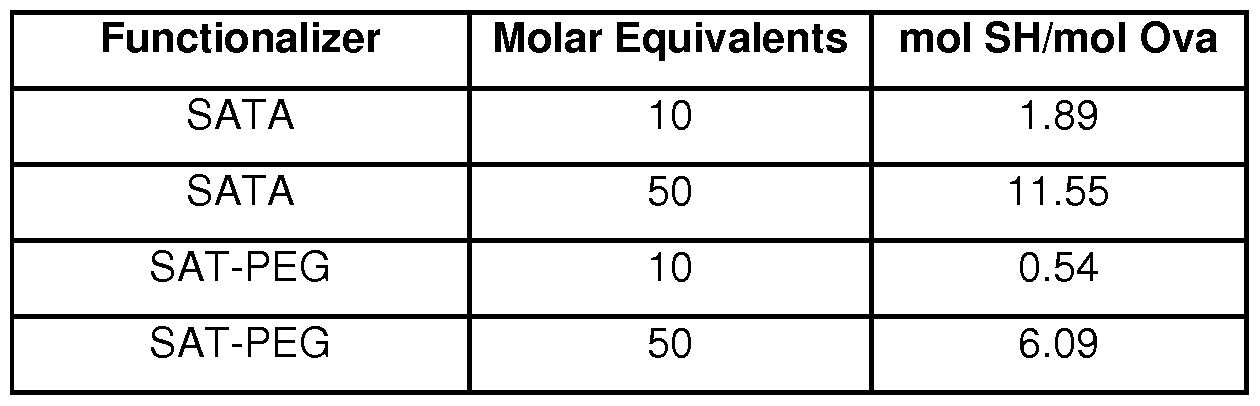


Claims
Priority Applications (8)
| Application Number | Priority Date | Filing Date | Title |
|---|---|---|---|
| US15/510,290 US20170246288A1 (en) | 2014-09-11 | 2015-09-11 | Multilamellar lipid vesicle compositions and methods of use |
| EP15839401.5A EP3191102A4 (en) | 2014-09-11 | 2015-09-11 | Multilamellar lipid vesicle compositions and methods of use |
| RU2017112022A RU2017112022A (en) | 2014-09-11 | 2015-09-11 | COMPOSITIONS OF MULTILAMELLAR LIPID VESICULES AND METHODS OF APPLICATION |
| CN201580061173.7A CN107847505A (en) | 2014-09-11 | 2015-09-11 | Multilayer lipid vesicle composition and application method |
| CA2960993A CA2960993A1 (en) | 2014-09-11 | 2015-09-11 | Multilamellar lipid vesicle compositions and methods of use |
| AU2015314763A AU2015314763A1 (en) | 2014-09-11 | 2015-09-11 | Multilamellar lipid vesicle compositions and methods of use |
| JP2017533720A JP2017532373A (en) | 2014-09-11 | 2015-09-11 | Multilamellar lipid vesicle composition and method of use |
| IL251098A IL251098A0 (en) | 2014-09-11 | 2017-03-12 | Multilamellar lipid vesicle compositions and methods of use |
Applications Claiming Priority (8)
| Application Number | Priority Date | Filing Date | Title |
|---|---|---|---|
| US201462049239P | 2014-09-11 | 2014-09-11 | |
| US201462049286P | 2014-09-11 | 2014-09-11 | |
| US62/049,286 | 2014-09-11 | ||
| US62/049,239 | 2014-09-11 | ||
| US201562104282P | 2015-01-16 | 2015-01-16 | |
| US201562104321P | 2015-01-16 | 2015-01-16 | |
| US62/104,321 | 2015-01-16 | ||
| US62/104,282 | 2015-01-16 |
Publications (2)
| Publication Number | Publication Date |
|---|---|
| WO2016040887A2 true WO2016040887A2 (en) | 2016-03-17 |
| WO2016040887A3 WO2016040887A3 (en) | 2016-06-02 |
Family
ID=55459707
Family Applications (1)
| Application Number | Title | Priority Date | Filing Date |
|---|---|---|---|
| PCT/US2015/049819 Ceased WO2016040887A2 (en) | 2014-09-11 | 2015-09-11 | Multilamellar lipid vesicle compositions and methods of use |
Country Status (9)
| Country | Link |
|---|---|
| US (1) | US20170246288A1 (en) |
| EP (1) | EP3191102A4 (en) |
| JP (1) | JP2017532373A (en) |
| CN (1) | CN107847505A (en) |
| AU (1) | AU2015314763A1 (en) |
| CA (1) | CA2960993A1 (en) |
| IL (1) | IL251098A0 (en) |
| RU (1) | RU2017112022A (en) |
| WO (1) | WO2016040887A2 (en) |
Cited By (5)
| Publication number | Priority date | Publication date | Assignee | Title |
|---|---|---|---|---|
| WO2020172594A1 (en) * | 2019-02-22 | 2020-08-27 | The Blue Group Llc | Inhalable therapeutic agent |
| KR20200140265A (en) * | 2018-03-02 | 2020-12-15 | 엘리시오 테라퓨틱스, 인크. | CPG amphiphilic substances and uses thereof |
| US20210154323A1 (en) * | 2016-06-03 | 2021-05-27 | Stemgenics, Inc. | Functionalized nanoparticles for the intracellular delivery of biologically active molecules and methods for their manufacture and use |
| WO2024131833A1 (en) * | 2022-12-21 | 2024-06-27 | Abogen Biosciences (Shanghai) Co., Ltd. | Mrna-based hpv+ cancer vaccines, and uses thereof |
| US12138301B2 (en) | 2018-03-02 | 2024-11-12 | Elicio Therapeutics, Inc. | Compounds including a mutant KRAS sequence and a lipid and uses thereof |
Families Citing this family (11)
| Publication number | Priority date | Publication date | Assignee | Title |
|---|---|---|---|---|
| EP3432863A4 (en) * | 2016-03-25 | 2019-11-13 | University of Pittsburgh - of The Commonwealth System of Higher Education | VIRUSES SYNTHETICALLY WRAPPED |
| GB2560897A (en) | 2017-03-23 | 2018-10-03 | Lotvall Jan | Tissue-derived extracellular vesicles and their use as diagnostics |
| CN108865976B (en) * | 2018-07-19 | 2022-06-28 | 复旦大学附属中山医院 | A kind of method and reagent for discretely collecting exosomes (exosome) |
| US20200041518A1 (en) * | 2018-08-03 | 2020-02-06 | CellMax Life, Inc. | Lipid vesicle-coated magnetic beads and uses of the same |
| WO2020146390A1 (en) * | 2019-01-09 | 2020-07-16 | Exocure Biosciences, Inc. | Bacteria-derived vesicles and uses thereof |
| CN120131531A (en) * | 2019-12-13 | 2025-06-13 | 麻省理工学院 | Tissue-catalyzed growth of polymers as epithelial therapeutics |
| US20230135456A1 (en) * | 2020-04-13 | 2023-05-04 | Exoprother Medical Ltd. | Cell-derived vesicles comprising wild-type p53 protein for antiviral therapy |
| CN112336855B (en) * | 2020-07-28 | 2021-06-25 | 江苏飞阳益科生物科技有限公司 | Cationic liposome avian influenza vaccine and preparation method thereof |
| CN113087017A (en) * | 2021-04-06 | 2021-07-09 | 中国科学院理化技术研究所 | Sodium metavanadate nanosphere and preparation method and application thereof |
| JP7781715B2 (en) * | 2022-07-22 | 2025-12-08 | サンスター株式会社 | Composition for reducing egg allergen activity |
| WO2024112471A2 (en) * | 2022-10-14 | 2024-05-30 | Chromologic Llc | Multilamellar vesicles and methods and uses thereof |
Family Cites Families (4)
| Publication number | Priority date | Publication date | Assignee | Title |
|---|---|---|---|---|
| US20040229298A1 (en) * | 2000-11-11 | 2004-11-18 | Lu Peter S. | Methods and compositions for treating cervical cancer |
| CN107252489A (en) * | 2009-04-13 | 2017-10-17 | 法国健康和医学研究院 | HPV particles and application thereof |
| SG184127A1 (en) * | 2010-03-19 | 2012-10-30 | Massachusetts Inst Technology | Lipid vesicle compositions and methods of use |
| US9149432B2 (en) * | 2010-03-19 | 2015-10-06 | Massachusetts Institute Of Technology | Lipid vesicle compositions and methods of use |
-
2015
- 2015-09-11 AU AU2015314763A patent/AU2015314763A1/en not_active Abandoned
- 2015-09-11 US US15/510,290 patent/US20170246288A1/en not_active Abandoned
- 2015-09-11 CA CA2960993A patent/CA2960993A1/en not_active Abandoned
- 2015-09-11 WO PCT/US2015/049819 patent/WO2016040887A2/en not_active Ceased
- 2015-09-11 EP EP15839401.5A patent/EP3191102A4/en not_active Withdrawn
- 2015-09-11 RU RU2017112022A patent/RU2017112022A/en not_active Application Discontinuation
- 2015-09-11 CN CN201580061173.7A patent/CN107847505A/en active Pending
- 2015-09-11 JP JP2017533720A patent/JP2017532373A/en active Pending
-
2017
- 2017-03-12 IL IL251098A patent/IL251098A0/en unknown
Cited By (9)
| Publication number | Priority date | Publication date | Assignee | Title |
|---|---|---|---|---|
| US20210154323A1 (en) * | 2016-06-03 | 2021-05-27 | Stemgenics, Inc. | Functionalized nanoparticles for the intracellular delivery of biologically active molecules and methods for their manufacture and use |
| KR20200140265A (en) * | 2018-03-02 | 2020-12-15 | 엘리시오 테라퓨틱스, 인크. | CPG amphiphilic substances and uses thereof |
| EP3758712A4 (en) * | 2018-03-02 | 2021-12-15 | Elicio Therapeutics, Inc. | AMPHIPHILES CPG AND THEIR USES |
| IL277101B1 (en) * | 2018-03-02 | 2024-05-01 | Elicio Therapeutics Inc | CPG amphiphiles and uses for them |
| IL277101B2 (en) * | 2018-03-02 | 2024-09-01 | Elicio Therapeutics Inc | CPG amphiphiles and uses for them |
| US12138301B2 (en) | 2018-03-02 | 2024-11-12 | Elicio Therapeutics, Inc. | Compounds including a mutant KRAS sequence and a lipid and uses thereof |
| US12247052B2 (en) * | 2018-03-02 | 2025-03-11 | Elicio Therapeutics, Inc. | CpG amphiphiles and uses thereof |
| WO2020172594A1 (en) * | 2019-02-22 | 2020-08-27 | The Blue Group Llc | Inhalable therapeutic agent |
| WO2024131833A1 (en) * | 2022-12-21 | 2024-06-27 | Abogen Biosciences (Shanghai) Co., Ltd. | Mrna-based hpv+ cancer vaccines, and uses thereof |
Also Published As
| Publication number | Publication date |
|---|---|
| CA2960993A1 (en) | 2016-03-17 |
| IL251098A0 (en) | 2017-04-30 |
| AU2015314763A1 (en) | 2017-04-06 |
| WO2016040887A3 (en) | 2016-06-02 |
| RU2017112022A (en) | 2018-10-11 |
| JP2017532373A (en) | 2017-11-02 |
| CN107847505A (en) | 2018-03-27 |
| EP3191102A2 (en) | 2017-07-19 |
| EP3191102A4 (en) | 2018-06-13 |
| US20170246288A1 (en) | 2017-08-31 |
Similar Documents
| Publication | Publication Date | Title |
|---|---|---|
| US20170246288A1 (en) | Multilamellar lipid vesicle compositions and methods of use | |
| US9907753B2 (en) | Lipid vesicle compositions and methods of use | |
| US11261226B2 (en) | Cell surface coupling of nanoparticles | |
| EP3010528B1 (en) | In vivo targeting of cells with ligand-conjugated particles | |
| US20180000906A1 (en) | Multilamellar lipid vesicle compositions including a conjugated anaplastic lymphoma kinase (alk) variant and uses thereof | |
| US10307491B2 (en) | Liposomal particles comprising biological molecules and uses thereof | |
| US20100324124A1 (en) | Compositions and methods relating to DNA-based particles | |
| AU2013202339A1 (en) | Lipid vesicle compositions and methods of use |
Legal Events
| Date | Code | Title | Description |
|---|---|---|---|
| 121 | Ep: the epo has been informed by wipo that ep was designated in this application |
Ref document number: 15839401 Country of ref document: EP Kind code of ref document: A2 |
|
| ENP | Entry into the national phase |
Ref document number: 2017533720 Country of ref document: JP Kind code of ref document: A Ref document number: 2960993 Country of ref document: CA |
|
| WWE | Wipo information: entry into national phase |
Ref document number: 251098 Country of ref document: IL |
|
| NENP | Non-entry into the national phase |
Ref country code: DE |
|
| REEP | Request for entry into the european phase |
Ref document number: 2015839401 Country of ref document: EP |
|
| WWE | Wipo information: entry into national phase |
Ref document number: 2015839401 Country of ref document: EP |
|
| ENP | Entry into the national phase |
Ref document number: 2015314763 Country of ref document: AU Date of ref document: 20150911 Kind code of ref document: A |
|
| ENP | Entry into the national phase |
Ref document number: 2017112022 Country of ref document: RU Kind code of ref document: A |
|
| 121 | Ep: the epo has been informed by wipo that ep was designated in this application |
Ref document number: 15839401 Country of ref document: EP Kind code of ref document: A2 |