WO2015163158A1 - 表示装置、及び表示方法 - Google Patents
表示装置、及び表示方法 Download PDFInfo
- Publication number
- WO2015163158A1 WO2015163158A1 PCT/JP2015/061112 JP2015061112W WO2015163158A1 WO 2015163158 A1 WO2015163158 A1 WO 2015163158A1 JP 2015061112 W JP2015061112 W JP 2015061112W WO 2015163158 A1 WO2015163158 A1 WO 2015163158A1
- Authority
- WO
- WIPO (PCT)
- Prior art keywords
- application
- display device
- program
- access
- setting
- Prior art date
- Legal status (The legal status is an assumption and is not a legal conclusion. Google has not performed a legal analysis and makes no representation as to the accuracy of the status listed.)
- Ceased
Links
Images




Classifications
-
- H—ELECTRICITY
- H04—ELECTRIC COMMUNICATION TECHNIQUE
- H04H—BROADCAST COMMUNICATION
- H04H60/00—Arrangements for broadcast applications with a direct linking to broadcast information or broadcast space-time; Broadcast-related systems
- H04H60/09—Arrangements for device control with a direct linkage to broadcast information or to broadcast space-time; Arrangements for control of broadcast-related services
- H04H60/14—Arrangements for conditional access to broadcast information or to broadcast-related services
-
- H—ELECTRICITY
- H04—ELECTRIC COMMUNICATION TECHNIQUE
- H04H—BROADCAST COMMUNICATION
- H04H20/00—Arrangements for broadcast or for distribution combined with broadcast
- H04H20/86—Arrangements characterised by the broadcast information itself
- H04H20/91—Arrangements characterised by the broadcast information itself broadcasting computer programmes
Definitions
- the present invention relates to a display device and a display method.
- the present invention also relates to a television receiver provided with each unit of the display device, a program for operating a computer as the display device, and a recording medium on which such a program is recorded.
- Patent Documents 1 and 2 are examples of techniques related to access restrictions on resources in the receiver.
- Patent Document 1 describes a terminal cooperation system that can control access from a terminal device to resources in a receiver.
- Patent Document 2 describes a receiver capable of performing control for restricting execution of a predetermined function of an application executed in the receiver. Specifically, the receiver of Patent Document 2 determines whether or not API can be executed by referring to an API availability table defined for each API (a table defined regardless of user settings for the receiver). It is like that.
- a TV compatible with Hybridcast (registered trademark) (hereinafter also referred to as “HC”) is an example of such a smart TV, and has a function of executing an HTML5 application acquired through a communication network.
- Japanese Patent Publication Japanese Patent Laid-Open No. 2012-243061 (Released on Dec. 10, 2012)” Japanese Patent Publication “Japanese Patent Laid-Open No. 2012-257230 (Released on December 27, 2012)”
- An HTML5 application presented simultaneously with a program on the above-mentioned HC-compatible television can refer to information stored in the television or call an API (Application Programming Interface) that executes a function related to playback or recording of the television. become.
- API Application Programming Interface
- a business that creates an application that presents an advertisement to the user as the HTML5 application described above shows data indicating a user's viewing history or recording history held by the smart TV in order to enhance the advertising effect. It is also assumed that an application that refers to and presents an advertisement that matches the user's preference is created.
- HTML5 application when an API for executing a recording function is called by the HTML5 application, a situation where a recording reservation intended by the user is obstructed is also assumed. Furthermore, for example, when the user is watching a video with subtitles displayed, it is assumed that the HTML5 application calls an API that executes a function for canceling subtitle display.
- the present invention has been made in view of the above-described problems, and the purpose of the present invention is to enable an application executed by the own device (specifically, an application for which simultaneous presentation with a program is recognized by a broadcasting station) to a user.
- An object of the present invention is to realize a display device that can be set to restrict access to data that is not desired to be accessed.
- a display device is a display device that displays a video of a program, and acquires an application whose presentation accompanying the program is recognized by a broadcasting station that broadcasts the program. And an accepting means for accepting a setting as to whether or not the application is allowed to access data relating to recording or playback of the program, and the setting for permitting the access is made. And an access restriction unit that permits the application to access the data.
- a display method for displaying a video of a program on a display device, and a broadcasting station that presents the program broadcasts the program
- an access restriction step for allowing the application to access the data when it is set.
- FIG. 1 It is a block diagram which shows an example of a structure of the display apparatus which concerns on one Embodiment of this invention. It is an external view of the related information provision system which shows the outline
- FIG. 2 is a flowchart illustrating an example of processing performed by the display device illustrated in FIG. 1 prior to activation of an application.
- 3 is a flowchart illustrating an example of an operation of the display device illustrated in FIG. 1.
- FIG. 7 is a flowchart illustrating an example of an operation when permission setting is performed for each program in the flowchart illustrated in FIG. 6. It is an external view which shows the structural example of the display apparatus shown in FIG.
- FIG. 2 is an external view of the related information providing system 100 showing an outline of broadcast managed and non-broadcast managed in HC.
- the related information providing system 100 includes a television receiver (television) (display device) 1 ′, an application server A, and an application server B. Further, the television 1 'includes an antenna 11' that receives a broadcast stream.
- the broadcast stream includes a broadcast program and an application URL associated with the broadcast program.
- the television 1 ′ executes an HTML5 application (so-called broadcast managed application (linked application)) that is linked to the broadcast program while the broadcast station is playing the broadcast program being broadcast.
- the broadcast managed application is a managed application that is allowed to be simultaneously presented with the broadcast program (program video) (presentation when the broadcast program is reproduced) by the broadcast station.
- the CPU (not shown in FIG. 2) of the television 1 ′ acquires and acquires the application URL included in the broadcast stream in association with the broadcast program.
- the application server A indicated by the application URL is accessed.
- the television 1 ′ acquires a broadcast managed application corresponding to the broadcast program being displayed from the application server A and executes it.
- the CPU of the television 1 ′ acquires the broadcast managed app acquisition destination information from the broadcast stream acquired from the broadcast wave, and acquires the broadcast managed app from the acquisition destination indicated by the acquisition destination information.
- Broadcast managed apps operate in conjunction with broadcast programs based on control signals such as activation and termination included in the broadcast stream.
- the execution of the broadcast managed application ends when the channel (broadcast station) to be received is switched in the antenna 11 '.
- Non-broadcast managed application non-linked application
- the TV 1 executes the non-broadcast managed application.
- a non-broadcast managed application is also a managed application that is allowed to be simultaneously presented with a broadcast program by the broadcast station.
- the television 1 ′ is, for example, a server indicated by an arbitrary URL in the application URL list stored in the storage unit of the television 1 ′ (in the example shown in FIG. 2B, the application server B ). Then, the television 1 ′ acquires a non-broadcast managed application from the application server B and executes it.
- the application URL list only needs to be stored in the storage unit of the television 1 ′ as described above.
- the present invention is not limited to this, for example, from a server via a network such as the Internet. May be acquired.
- FIG. 1 is a block diagram illustrating an example of the configuration of the display device 1.
- the display device 1 includes an antenna 11, a tuner unit 12, a control unit 13, a display unit 14, an acquisition unit (acquisition means) 15, an instruction reception unit 16, and a storage unit 17.
- the antenna 11 is an antenna for receiving a broadcast stream.
- the tuner unit 12 receives a broadcast stream via the antenna 11.
- the tuner unit 12 supplies a video signal indicating a broadcast program included in the received broadcast stream to the display control unit 131.
- the tuner unit 12 supplies the acquisition unit 15 with the application URL (URL indicating the acquisition destination of the broadcast managed application) included in the broadcast stream in association with the broadcast program.
- the tuner unit 12 supplies a control signal (specifically, a control signal for starting or ending the broadcast managed application) included in the broadcast stream to the execution processing unit 132.
- the control unit 13 controls the operation of the display device 1 in an integrated manner, and can be configured by, for example, a CPU (Central Processing Unit).
- the control unit 13 operates by reading and executing a program or the like stored in the storage unit 17 into a primary storage unit (not shown) constituted by a RAM (Random Access Memory) or the like.
- the control unit 13 includes a display control unit 131, an execution processing unit 132, a setting reception unit (setting reception unit) 133, and an access restriction processing unit (access restriction unit) 134.
- the display control unit 131 functions as a means for controlling the screen displayed on the display unit 14.
- the display control unit 131 causes the display unit 14 to display the video of the program indicated by the video signal supplied from the tuner unit 12.
- the display control unit 131 causes the display unit 14 to display a screen indicating the execution result of the application executed by the execution processing unit 132 described later.
- the execution processing unit 132 functions as a means for executing the application.
- the execution processing unit 132 activates and terminates the broadcast managed app supplied from the acquisition unit 15 based on the control signal supplied from the tuner unit 12. For example, when receiving a control signal for instructing activation of a broadcast managed application from the tuner unit 12, the execution processing unit 132 executes the broadcast managed application supplied from the acquisition unit 15.
- the execution processing unit 132 activates and terminates the broadcast managed application supplied from the acquisition unit 15 based on a control signal supplied from the instruction receiving unit 16 described later.
- the execution processing unit 132 supplies a video signal for displaying the execution result of the application to the display control unit 131.
- the application executed by the execution processing unit 132 may be an application supplied from the acquisition unit 15 described later, or may be an application stored in advance in the storage unit 17.
- the setting accepting unit 133 sets whether to allow an application to access data relating to program recording or playback (hereinafter also referred to as “internal data”) (hereinafter also referred to as “permission setting”). It functions as a setting receiving means for receiving.
- the setting reception unit 133 receives a permission setting in response to a control signal indicating an operation instruction from a user received by an instruction reception unit 16 described later.
- the internal data that is the setting target of the permission setting is data of a program that realizes the function of the display device 1 related to recording or playback, for example, API (Application Programming Interface) data.
- the application executed by the execution processing unit 132 can cause the display device 1 to execute each function by accessing an API corresponding to any of the above functions.
- the setting reception unit 133 stores information indicating the permission setting received as described above in the storage unit 17 as permission setting information. The details of the setting reception unit 133 will be described later with reference to another drawing.
- the access restriction processing unit 134 functions as an access restriction unit that permits an application to access internal data only when permission setting for permitting access is made.
- the access restriction processing unit 134 refers to the permission setting information stored in the storage unit 17 so that the application accesses (or is permitted to access) internal data that is permitted to be accessed.
- a control signal is transmitted to the execution processing unit 132 so as not to access internal data that has not been accessed.
- the access restriction processing unit 134 is configured to prohibit the non-broadcast managed application from accessing the internal data when the permission setting is set to permit only the broadcast managed application to access the internal data.
- the control signal is transmitted to the execution processing unit 132.
- the acquisition unit 15 is an acquisition unit for acquiring an application, and acquires, for example, a broadcast managed app or a non-broadcast managed app through an Internet line.
- the acquisition unit 15 accesses the server indicated by the application URL acquired from the tuner unit 12 and acquires the broadcast managed app corresponding to the broadcast program being displayed from the server. Further, the acquisition unit 15 accesses a server indicated by an arbitrary URL in the application URL list stored in the storage unit 17 in accordance with an operation instruction from the user, and acquires a non-broadcast managed application from the server.
- the acquisition unit 15 supplies the acquired broadcast managed app or non-broadcast managed app to the execution processing unit 132.
- the instruction receiving unit 16 is a means for receiving an operation instruction from the user. An operation instruction from the user is received via an operation unit such as a remote controller (not shown) (not shown) and a button (not shown) provided in the display device 1, for example. The instruction receiving unit 16 transmits a control signal corresponding to the operation instruction received from the user to each unit included in the display device 1.
- an operation unit such as a remote controller (not shown) (not shown) and a button (not shown) provided in the display device 1, for example.
- the instruction receiving unit 16 transmits a control signal corresponding to the operation instruction received from the user to each unit included in the display device 1.
- the storage unit 17 stores internal data in addition to a program for controlling the operation of the display device 1.
- viewing history information indicating a viewing history generated by a user's viewing operation
- recording history information indicating a recording history generated by a user's recording operation
- data of various APIs are stored as internal data. .
- the setting reception unit 133 sets, for each group in which functions of the display device 1 relating to recording or playback are grouped for each function type (hereinafter also referred to as “function group”), the type corresponding to the group.
- the permission setting for the data of the API that realizes the function (hereinafter also referred to as “API of the function group” or the like) is accepted.
- the “function type” include “user history reference function”, “HDD (Hard Disk Drive) function”, and “remote control function”.
- the “user history reference function” includes, for example, a function of referring to information about the user such as a viewing history and a recording history.
- the “HDD function” includes, for example, a function of recording a broadcast program in a storage device (storage unit 17) such as an HDD provided in the display device 1, and a function of reproducing the recorded broadcast program.
- the “remote control function” includes, for example, a function realized by the user using the remote control, such as a function of switching a program to be played back or ON / OFF of subtitle display.
- the setting reception unit 133 performs the following processing for each broadcasting station. That is, for each function group, the setting reception unit 133 receives a permission setting regarding “whether or not to allow access to API data of the function group by the application during reception of a program broadcast by the corresponding broadcasting station”. . Note that the number of APIs in each function group may be plural or one.
- FIG. 3 is a diagram illustrating an example of a screen displayed on the display unit 14 when the setting reception unit 133 receives a permission setting.
- FIG. 3 shows permission settings for each function group when the broadcast station A receives a broadcast program, and permission settings for each function group when the broadcast station B receives a program broadcast. ing.
- “Recording history access” indicates permission settings for a function group related to the function of accessing the recording history
- “HDD recording / playback” indicates broadcast program recording and recorded broadcast program playback. The permission setting for the function group is shown.
- “permitted”, “only linked”, “per program”, or “prohibited” is set for each function group.
- “permitted” indicates a setting for allowing all applications to access the API data of the corresponding function group
- “linked only” indicates that only the linked application is included in the API data of the corresponding function group. It shows the settings that allow access.
- “For each program” means that when the API of the functional group is accessed during the reproduction of the program, the application accesses the API data only until the reproduction of the program ends. The setting which receives separately the setting of whether to permit is shown.
- “prohibited” indicates a setting for prohibiting all applications from accessing the API data of the corresponding function group.
- the setting surrounded by a broken line indicates the setting selected by the user. That is, in the example shown in FIG. 3, during playback of a program broadcasted by “Broadcasting station A”, only the linked app is permitted to access the API of the function group related to “recording history access”. This indicates that the application is permitted to access the API of the function group related to “HDD recording / playback”.
- the display control unit 131 sets the functions of the display device for each function group in the setting reception step of receiving a setting as to whether or not to allow the application to access data related to program recording or playback. Display multiple setting items on the screen.
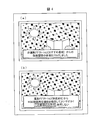
- FIG. 4 is a diagram illustrating an example of a screen displayed on the display unit 14.
- FIG. 4A shows an example of a screen displayed when the application is denied (blocked) from accessing the API data.
- the display device 1 when trying to access an API whose access is prohibited by the permission setting, the display device 1 displays a dialog indicating that the application is blocked from accessing internal data. To do.
- the displayed dialog includes (1) whether the blocked app is a linked app or a non-linked app, (2) the name of the blocked app, or Information indicating the name of the broadcasting station that provides the application and (3) which function among the functions of the display device 1 has been blocked is included. That is, in the example shown in FIG. 4, it is shown that the application named “Recommended Program”, which is a “non-linked application”, has blocked access to the function of “referencing recording history”. .
- FIG. 4B shows an example of a screen displayed when accepting a setting as to whether or not the application is allowed to access the internal data only until the reproduction of the program being reproduced ends.
- FIG. 4B when the application executed by the execution processing unit 132 tries to access an API of a function group for which “per program” permission is set, the display control unit 131 Displays a dialog for accepting the setting of whether to temporarily allow access to the API data.
- FIG. 4B it is shown that the “linked application” provided from “Broadcasting station B” is trying to access the “HDD recording / playback function”. As illustrated in FIG.
- the setting reception unit 133 receives an operation instruction for selecting “permit only this program” or “not allow” via the instruction reception unit 16.
- the permission setting as to whether or not the application is permitted to access the internal data is accepted only until the reproduction of the program being reproduced ends.
- the access restriction processing unit 134 executes the function. It is controlled so that
- the access restriction processing unit 134 performs control so that the function is not executed. Is done.
- the permission setting selected by the user is maintained until the reproduction of the program being reproduced by the display device 1 is completed.
- “reproduction of the program being reproduced is completed” includes a case where the program being reproduced is terminated and the program is switched to the next program, and a case where the program is switched by the user's channel selection operation.
- an event ID for identifying the program is repeatedly acquired during the playback of the program, and a change in the acquired Event ID is detected to detect that the program has been switched. What is necessary is just composition. Further, it may be configured to detect that a program has been switched by repeatedly acquiring a ServiceID for identifying a channel in addition to an EventID and detecting that the acquired EventID or ServiceID changes.
- FIG. 5 is a flowchart illustrating an example of processing that the display device 1 performs prior to activation of an application.
- the execution processing unit 132 receives a control signal that instructs activation of an application.
- the control signal for instructing activation of the broadcast managed application is a control signal included in the broadcast stream and is a control signal supplied from the tuner unit 12.
- the control signal instructing activation of the non-broadcast managed application is a control signal based on an operation instruction (activation instruction) from the user, and is a control signal supplied from the instruction receiving unit 16.
- the execution processing unit 132 refers to the AIT (Application Information Table) of the application supplied from the acquisition unit 15 and instructed to start in S101, that is, the type of the application, that is, Then, information indicating whether the app is a broadcast managed app is acquired.
- AIT Application Information Table
- the execution processing unit 132 determines whether the app is a broadcast managed app based on the information acquired in S102. If it is determined that the app is a broadcast managed app, the display device 1 proceeds to the process of S106. If the display device 1 determines that the app is not a broadcast-excluding managed app, the display device 1 proceeds to the process of S104.
- the execution processing unit 132 acquires activation permission information indicating whether or not activation of the application determined to be not a broadcast managed application in S103 is permitted by the receiving broadcast station from the broadcast station. To do.
- the activation permission information is acquired by referring to information included in the broadcast stream, for example.
- the execution processing unit 132 determines whether the activation permission information acquired in S104 is information that permits activation of the application. When it is determined that the activation permission information acquired in S104 is information that allows the application to be activated, the display device 1 proceeds to the process of S106. Further, when it is determined that the activation permission information acquired in S104 is information that prohibits the activation of the application, the display device 1 proceeds to the process of S107.
- the execution processing unit 132 is an application determined to be a broadcast managed app in S103 or an application determined to be not a broadcast managed app in S103, and is permitted to start in S105.
- An application determined to be active that is, a non-broadcast managed application
- the display device 1 proceeds to the process of S107.
- the display device 1 can start only the applications permitted by the broadcasting station.
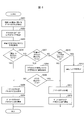
- FIG. 6 is a flowchart illustrating an example of the operation of the display device 1.
- the execution processing unit 132 detects access to data (specifically, API data) related to recording or reproduction from the application by executing the activated application.
- data specifically, API data
- the execution processing unit 132 specifies the function group to which the API data accessed in S201 belongs.
- the execution processing unit 132 notifies the access restriction processing unit 134 of the identified function group.
- the access restriction processing unit 134 refers to the storage unit 17 and obtains permission settings for the broadcast station being received.
- the access restriction processing unit 134 refers to the permission setting acquired in S203 and determines whether or not the permission setting for the function group notified in S202 is “prohibited”. When it is determined that the permission setting for the function group notified in S202 is “prohibited”, the display device 1 proceeds to the process of S205. Further, when it is determined that the permission setting for the function group notified in S202 is not “prohibited”, the display device 1 proceeds to the process of S207.
- the access restriction processing unit 134 transmits a control signal to the execution processing unit 132 so as to block access to the data detected in S201.
- the display device 1 displays on the display unit 14 a dialog (screen shown in FIG. 4A) indicating that access to the data detected in S201 has been blocked.
- the access restriction processing unit 134 notifies the application that access to the data detected in S201 is blocked.
- the execution processing unit 132 executes the next process of the application without executing the access to the data detected in S201.
- the execution processing unit 132 refers to the AIT of the application being executed, and acquires information indicating the type of the application, that is, whether or not the application is a broadcast managed application.
- the execution processing unit 132 determines whether the app is a broadcast managed app based on the information acquired in S208. If it is determined that the app is a broadcast managed app, the display device 1 proceeds to the process of S211. If the display device 1 determines that the app is a non-broadcast managed app, the display device 1 proceeds to the process of S205.
- S210 In S207, when it is determined that the permission setting for the function group notified in S202 is not “linked only”, the access restriction processing unit 134 refers to the permission setting acquired in S203, and proceeds to S202. It is determined whether or not the permission setting for the notified function group is “for each program”. If it is determined that the permission setting for the function group notified in S202 is “for each program”, the display device 1 proceeds to the process of S213. Further, when it is determined that the permission setting for the function group notified in S202 is not “per program”, the display device 1 proceeds to the process of S211.
- the access restriction processing unit 134 notifies the execution processing unit 132 that access to the data detected in S201 is permitted, and the execution processing unit 132 accesses the data detected in S201. Execute access processing.
- the access restriction processing unit 134 notifies the application that access to the data detected in S201 is permitted.
- the display device 1 since the application does not access the API data of the function group that is not set to permit access, the display device 1 is desired to be accessed by the user. You can limit the app's access to no data.
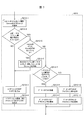
- FIG. 7 is a flowchart showing details of the operation when permission setting is performed for each program in the flowchart shown in FIG. 6, that is, the operation in step S213 in the flowchart of FIG.
- the access restriction processing unit 134 stores the storage unit 17. Referring to it, it tries to acquire information, ServiceID, and EventID previously input by the user.
- the information previously input by the user is information indicating whether the user has selected “permit only this program” or “not permit” when the permission setting is “per program”. This is information stored in the storage unit 17 together with the ServiceID and the EventID when the process of S213 was performed before.
- the display device 1 displays a dialog (screen shown in FIG. 4B) for accepting a setting as to whether or not the application being executed is allowed to temporarily access the API data.
- the setting reception unit 133 receives an operation instruction to select either “permit only this program” or “not allow” via the instruction reception unit 16 to reproduce the program being reproduced.
- the permission setting as to whether or not to allow the application to access the internal data is accepted only until the process ends.
- the setting reception unit 133 stores the input from the user and the current ServiceID and EventID in the storage unit 17. Subsequently, the display device 1 proceeds to the process of S213-7.
- the access restriction processing unit 134 deletes the previous user input, ServiceID, and EventID stored in the storage unit 17, and the display device 1 proceeds to the process of S213-3.
- the access restriction processing unit 134 determines whether or not “Allow only this program” is selected. If the display device 1 determines that “Allow only this program” has been selected by the user, the display device 1 proceeds to the processing of S213-8. If it is determined that the user has not selected “Allow only this program”, the display device 1 proceeds to the process of S213-10.
- the access restriction processing unit 134 notifies the execution processing unit 132 that access to the data detected in S201 of FIG. 6 is permitted, and the execution processing unit 132 is detected in S201. Execute data access processing.
- the access restriction processing unit 134 notifies the application that access to the data detected in S201 of FIG. 6 is permitted.
- the access restriction processing unit 134 executes an execution process so as to block access to the data detected in S201 of FIG.
- a control signal is transmitted to the unit 132.
- the display device 1 displays on the display unit 14 a dialog indicating that access to the data detected in S201 of FIG.
- the access restriction processing unit 134 notifies the application that access to the data detected in S201 of FIG. 6 is blocked.
- the execution processing unit 132 executes the next process of the application without executing the access to the data detected in S201 of FIG.
- the display device 1 can temporarily permit the application to access the internal data while a certain program is being played, so that the burden on the user to change the permission setting is reduced. Can be reduced.
- FIG. 8 is an external view showing a configuration example of the display device 1 according to the present embodiment.
- the configuration example of the display device 1 may be, for example, the configuration illustrated in FIG.
- the display device 1 illustrated in FIG. 8A is connected to the external display 2 by wireless communication. Even when the display device 1 does not include the display unit 14 (built-in display), the display device 1 is connected to the external display 2. An image can be displayed. Note that the connection between the display device 1 and the external display may be a wired connection. Further, as a configuration example of the display device 1, for example, a configuration illustrated in FIG. Since the display device 1 in FIG.
- the display device 1 includes the display unit 14 (built-in display) as described in the present embodiment, the display device 1 is also referred to as “TV”. Further, as a configuration example of the display device 1, for example, a configuration as shown in FIG.
- the display device 1 in FIG. 8C may display an image reproduced by an external device 3 such as a DVD (Digital Versatile Disc) player.
- DVD Digital Versatile Disc
- the display device 1 according to the first embodiment is a television compatible with Hybridcast (registered trademark)
- the display device according to the present invention is not limited to a television compatible with Hybridcast (registered trademark).
- the display device according to the present invention may be a television that can use a service similar to Hybridcast (registered trademark).
- the display device 1 according to the first embodiment is configured to accept, for each function group, a setting as to whether or not to allow access to the API of the function group by a managed app.
- the display device according to the present invention Is not limited to such a configuration.
- the display device according to the present invention is configured to accept a setting as to whether or not access (access not via an API) to history information (viewing history information and / or recording history information) by a managed application is permitted. It may be.
- the control blocks (particularly the setting reception unit 133 and the access restriction processing unit 134) of the display device 1 may be realized by a logic circuit (hardware) formed in an integrated circuit (IC chip) or the like, or a CPU (Central Processing). Unit) and may be realized by software.
- a logic circuit hardware
- IC chip integrated circuit
- CPU Central Processing
- the display device 1 includes a CPU that executes instructions of a program that is software for realizing each function, a ROM (Read (Only Memory) in which the program and various data are recorded so as to be readable by a computer (or CPU), or A storage device (these are referred to as “recording media”), a RAM (Random Access Memory) for expanding the program, and the like are provided.
- a computer or CPU
- the recording medium a “non-temporary tangible medium” such as a tape, a disk, a card, a semiconductor memory, a programmable logic circuit, or the like can be used.
- the program may be supplied to the computer via an arbitrary transmission medium (such as a communication network or a broadcast wave) that can transmit the program.
- a transmission medium such as a communication network or a broadcast wave
- the present invention can also be realized in the form of a data signal embedded in a carrier wave in which the program is embodied by electronic transmission.
- the display device 1 is an application (broadcast managed app or broadcast application that allows simultaneous presentation with the program to be displayed by a broadcasting station that broadcasts the program.
- An acquisition unit acquisition unit 15 for acquiring a non-broadcast managed application
- a setting reception unit setting reception unit 133) for receiving a setting as to whether or not the application is allowed to access data related to recording or reproduction of the program
- an access restriction unit access restriction processing unit 134) that permits the application to access the data only when the setting for permitting the access is made. It is characterized by.
- the setting accepting unit accepts a setting as to whether or not to allow the application to access data related to recording or reproduction of the program from the user.
- the application is restricted by the access restriction means to access the data only when the setting for permitting the access is made. In other words, the application does not access data that is not set to permit the access.
- the display device is the display device according to aspect 1, in which the data is data of a program that realizes the function of the display device related to the recording or reproduction, and the setting reception unit is configured for each function type. For each group grouped in a group, it is preferable to accept the setting as to whether or not the application is allowed to access data of a program that realizes a function of a type corresponding to the group.
- the setting as to whether or not the application is allowed to access data of a program that realizes the function of the type corresponding to the group Can be received from the user. That is, the user does not need to individually set each of the data.
- the setting accepting unit accesses the data for each broadcast station while the application is playing a program broadcast by the broadcast station. It is preferable to accept the above setting as to whether or not to permit.
- the said setting of whether the said application permits access to the said data while reproducing the program which the said broadcast station broadcasts for every broadcast station is received from a user. It can. That is, the user can individually set whether or not to allow the application to access the data according to the broadcasting station that broadcasts the program.
- the display device is the display apparatus according to aspects 1 to 3 described above, wherein the application is a linked application (broadcast managed application) linked to a program being played, or a non-linked application (not linked to a program being played)
- the access restriction means that the non-linked application is included in the data when the setting is made to allow only the linked application to access the data. It is preferable to prohibit access.
- the linked application is an application that is linked to the program that is being played back, and thus is an application that is approved by the broadcasting station that broadcasts the program.
- the unlinked application is an application that is not linked to the program being played back, there are an application that is approved by the broadcasting station that broadcasts the program and an application that is not approved by the broadcasting station that broadcasts the program. included. If the unlinked application is an application that is not approved by the broadcasting station that broadcasts the program, there is a possibility that the data unintended by the user is accessed.
- the non-linked application does not access the data when the setting for permitting only the linked application to access the data is made.
- the setting accepting unit permits the application to access the data only until the reproduction of the program being reproduced ends. It is preferable to accept the above setting of whether or not to do.
- the above setting as to whether or not the application is allowed to access the data can be received from the user only until the reproduction of the program being reproduced ends. That is, while a certain program is being played, the application can be temporarily allowed to access the data.
- the playback of the program being played ends means that the program being played ends and the program is switched to the next program. For example, the program being played by the user's channel selection operation is changed to another program. Includes cases that can be switched.
- data of a program that refers to viewing history information generated by a user's viewing operation is data to be set. .
- the application executed by the own device is restricted from accessing data that the user does not want to access. Can do.
- data of a program that refers to recording history information generated by a user's recording operation is data to be set. .
- the application executed by the own device is restricted from accessing data that the user does not want to access. Can do.
- data of a program that realizes a function of recording a program and a function of reproducing a recorded program is data to be set as described above. It is preferable that there is.
- the application since the application does not cause the display device to execute the function of recording a program and the function of reproducing the recorded program, the user wants to access the application executed by the own device. You can restrict access to no data.
- the application since the application does not cause the display device to execute a function of switching the program to be reproduced, the application executed by the own device is restricted from accessing data that the user does not want to access. Can do.
- the display method according to the tenth aspect of the present invention is a display method for displaying video of a program on a display device, and obtaining an application for which simultaneous presentation with the program is permitted by a broadcasting station that broadcasts the program.
- a setting accepting step for accepting a setting of whether or not to allow the application to access data related to a process and recording or playback of the program, and the above setting for permitting the access An access restriction step for allowing an application to access the data.
- a television receiver according to aspect 11 of the present invention is characterized by including each unit of the display device according to aspects 1 to 9 described above.
- the display device may be realized by a computer.
- the display device is realized by the computer by causing the computer to operate as each unit included in the display device.
- a control program and a computer-readable recording medium on which the control program is recorded also fall within the scope of the present invention.
- the present invention can be suitably applied to a television receiver, a mobile phone, a smartphone, a tablet terminal, a personal computer, a car navigation system, and the like that can display a moving image and an application acquired from the outside.
Landscapes
- Engineering & Computer Science (AREA)
- Signal Processing (AREA)
- General Engineering & Computer Science (AREA)
- Multimedia (AREA)
- Two-Way Televisions, Distribution Of Moving Picture Or The Like (AREA)
Abstract
自機が実行するアプリケーションからのデータへのアクセスを制限する。表示装置(1)は、番組に伴う提示が放送局によって認められたアプリケーションを取得する取得手段(15)と、番組の録画又は再生に関するデータにアプリケーションがアクセスすることを許可するか否かの設定を受け付ける設定受付手段(133)と、アプリケーションが上記データにアクセスすることを制限するアクセス制限手段(134)とを備える。
Description
本発明は、表示装置、及び、表示方法に関する。また、表示装置の各手段を備えたテレビジョン受像機、表示装置としてコンピュータを動作させるためのプログラム、及び、そのようなプログラムが記録されている記録媒体に関する。
受信機内のリソースに対するアクセス制限に関する技術として、例えば、特許文献1、2に開示されている技術が挙げられる。
特許文献1には、受信機内のリソースに対する端末装置からのアクセスを制御可能な端末連携システムが記載されている。特許文献2には、受信機内において実行されるアプリケーションの所定機能の実行を制限する制御を行うことが可能な受信機が記載されている。特許文献2の受信機は、具体的には、API毎に定義されたAPI可否テーブル(受信機に対するユーザの設定とは無関係に定義されたテーブル)を参照することによりAPIの実行可否を決定するようになっている。
また、近年、放送コンテンツを再生する機能に加えて、アプリケーションを実行する機能を有するスマートテレビの開発が進んでいる。Hybridcast(登録商標)(以下、「HC」とも記載)対応テレビは、このようなスマートテレビの一例であり、通信ネットワークを介して取得したHTML5アプリケーションを実行する機能を有している。
上述のHC対応テレビにおいて番組と同時に提示されるHTML5アプリケーションは、テレビに格納されている情報を参照することや、テレビの再生または録画に関する機能を実行させるAPI(Application Programming Interface)を呼び出すことが可能になる。
これに関し、例えば、上記HTML5アプリケーションとしてユーザに広告を提示するようなアプリケーションを作成する事業者は、広告効果を高めるために、スマートテレビが保持しているユーザの視聴履歴または録画履歴を示すデータを参照し、ユーザの嗜好に合った広告を提示するアプリケーションを作成することも想定される。上述のHC対応テレビのユーザの中には、上記HTML5アプリケーションが自身の意思とは無関係にそのようなデータにアクセスすることは好ましくない、と感じる者もいると考えられる。
また、例えば、上記HTML5アプリケーションにより録画機能を実行させるAPIが呼び出された場合、ユーザが意図していた録画予約が阻害されてしまう事態も想定される。さらに、例えば、ユーザが字幕表示された映像を見ている際に、上記HTML5アプリケーションにより、字幕表示を解除する機能を実行させるAPIが呼び出されてしまうことも想定される。
しかしながら、上記従来の技術(例えば、特許文献1、2の技術)を用いても、HC対応テレビのHTML5アプリケーションがユーザの意思に反した動作を行うことを十分に防ぐことはできない。
本発明は、上記の課題に鑑みてなされたものであり、その目的は、自機が実行するアプリケーション(具体的には、番組との同時の提示が放送局によって認められたアプリケーション)がユーザにとってアクセスされたくないデータへアクセスすることを制限する設定が可能な表示装置を実現することにある。
上記の課題を解決するために、本発明の一態様に係る表示装置は、番組の映像を表示する表示装置において、上記番組に伴う提示が上記番組を放送する放送局によって認められたアプリケーションを取得する取得手段と、上記番組の録画又は再生に関するデータに上記アプリケーションがアクセスすることを許可するか否かの設定を受け付ける設定受付手段と、を備え、上記アクセスを許可する旨の上記設定がされている場合に上記アプリケーションが上記データにアクセスすることを許可するアクセス制限手段と、を備えている、ことを特徴としている。
また、上記の課題を解決するために、本発明の一態様に係る表示方法は、番組の映像を表示装置に表示する表示方法であって、上記番組に伴う提示が上記番組を放送する放送局によって認められたアプリケーションを取得する取得工程と、上記番組の録画又は再生に関するデータに上記アプリケーションがアクセスすることを許可するか否かの設定を受け付ける設定受付工程と、上記アクセスを許可する旨の上記設定がされている場合に上記アプリケーションが上記データにアクセスすることを許可するアクセス制限工程と、を含んでいる、ことを特徴としている。
本発明の一態様によれば、自機が実行するアプリケーションがユーザにとってアクセスされたくないデータへアクセスすることを制限することができる。
<実施形態1>
本発明に係る表示装置の一実施形態について、図1から図7を参照して説明する。但し、この実施形態に記載されている構成は、特に特定的な記載がない限り、この発明の範囲をそれのみに限定する趣旨ではなく、単なる説明例に過ぎない。また、本明細書においては、「アプリケーション」を「アプリ」と記載することもある。
本発明に係る表示装置の一実施形態について、図1から図7を参照して説明する。但し、この実施形態に記載されている構成は、特に特定的な記載がない限り、この発明の範囲をそれのみに限定する趣旨ではなく、単なる説明例に過ぎない。また、本明細書においては、「アプリケーション」を「アプリ」と記載することもある。
〔HCの概要〕
まず、本実施形態の説明に先立って、Hybridcast(登録商標)(単にHCとも記載する)における放送マネージド及び放送外マネージドの概要について、図2を参照して説明する。図2は、HCにおける放送マネージド及び放送外マネージドの概要を示す、関連情報提供システム100の外観図である。
まず、本実施形態の説明に先立って、Hybridcast(登録商標)(単にHCとも記載する)における放送マネージド及び放送外マネージドの概要について、図2を参照して説明する。図2は、HCにおける放送マネージド及び放送外マネージドの概要を示す、関連情報提供システム100の外観図である。
図2に示すように、関連情報提供システム100は、テレビジョン受像機(テレビ)(表示装置)1’、アプリケーションサーバA、及び、アプリケーションサーバBを含んで構成されている。また、テレビ1’は、放送ストリームを受信するアンテナ11’を備えている。なお、放送ストリームには、放送番組、及び、該放送番組に関連付けられたアプリURLが含まれている。
(放送マネージド)
本実施形態では、テレビ1’は、放送局が放送中の放送番組の再生中に該放送番組と連動するHTML5アプリケーション(いわゆる、放送マネージドアプリ(連動アプリケーション))を実行する。放送マネージドアプリは、上記放送局によって放送番組(番組映像)との同時の提示(放送番組の再生時の提示)が認められたマネージドアプリケーションである。
本実施形態では、テレビ1’は、放送局が放送中の放送番組の再生中に該放送番組と連動するHTML5アプリケーション(いわゆる、放送マネージドアプリ(連動アプリケーション))を実行する。放送マネージドアプリは、上記放送局によって放送番組(番組映像)との同時の提示(放送番組の再生時の提示)が認められたマネージドアプリケーションである。
具体的には、図2の(A)に示すように、テレビ1’のCPU(図2には不図示)は、放送ストリームに放送番組と関連付けて含まれているアプリURLを取得し、取得したアプリURLの示すアプリケーションサーバAにアクセスする。そして、テレビ1’は、アプリケーションサーバAから表示中の放送番組に対応する放送マネージドアプリを取得し、実行する。換言すれば、テレビ1’のCPUは、放送波より取得した放送ストリームから、放送マネージドアプリの取得先情報を取得し、当該取得先情報が示す取得先から放送マネージドアプリを取得する。
放送マネージドアプリは、放送ストリームに含まれる起動及び終了などの制御信号に基づいて、放送番組と連動して動作する。
なお、放送マネージドアプリは放送番組に関連しているため、アンテナ11’において受信対象となるチャンネル(放送局)が切り替えられると、放送マネージドアプリの実行は終了する。
(放送外マネージド)
テレビ1’は、放送局が放送番組の再生中に、放送番組とは連動しないHTML5アプリケーション(いわゆる、放送外マネージドアプリ(非連動アプリケーション))を起動させる操作を受け付けると、放送外マネージドアプリを実行する。放送外マネージドアプリも、上記放送局によって放送番組との同時の提示が認められたマネージドアプリケーションである。
テレビ1’は、放送局が放送番組の再生中に、放送番組とは連動しないHTML5アプリケーション(いわゆる、放送外マネージドアプリ(非連動アプリケーション))を起動させる操作を受け付けると、放送外マネージドアプリを実行する。放送外マネージドアプリも、上記放送局によって放送番組との同時の提示が認められたマネージドアプリケーションである。
具体的には、テレビ1’は、例えば該テレビ1’の記憶部などに格納されているアプリURLリスト中の任意のURLの示すサーバ(図2の(B)に示す例では、アプリケーションサーバB)にアクセスする。そして、テレビ1’は、アプリケーションサーバBから放送外マネージドアプリを取得し、実行する。
なお、アプリURLリストは、上述のようにテレビ1’の記憶部などに格納されていればよいが、本発明はこれに限定されるものではなく、例えば、インターネットなどのネットワークを介してサーバから取得されてもよい。
〔表示装置1の構成〕
次に、本実施形態に係る表示装置1の構成について、図1を参照して説明する。図1は、表示装置1の構成の一例を示すブロック図である。
次に、本実施形態に係る表示装置1の構成について、図1を参照して説明する。図1は、表示装置1の構成の一例を示すブロック図である。
図1に示すように、表示装置1は、アンテナ11、チューナ部12、制御部13、表示部14、取得部(取得手段)15、指示受付部16、記憶部17を備えている。
アンテナ11は、放送ストリームを受信するためのアンテナである。チューナ部12は、アンテナ11を介して、放送ストリームを受信する。チューナ部12は、受信した放送ストリームに含まれる放送番組を示す映像信号を表示制御部131に供給する。また、チューナ部12は、放送ストリームに放送番組と関連付けて含まれているアプリURL(放送マネージドアプリの取得先を示すURL)を取得部15に供給する。さらに、チューナ部12は、放送ストリームに含まれる制御信号(具体的には、放送マネージドアプリを起動又は終了させる制御信号)を実行処理部132に供給する。
制御部13は、表示装置1の動作を統括して制御するものであり、例えばCPU(Central Processing Unit)等で構成することができる。制御部13は、記憶部17に格納されているプログラム等をRAM(Random Access Memory)等で構成される一次記憶部(図示せず)に読み出して実行することによって動作する。図1に示すように、制御部13には、表示制御部131、実行処理部132、設定受付部(設定受付手段)133、及びアクセス制限処理部(アクセス制限手段)134が含まれる。
表示制御部131は、表示部14に表示させる画面を制御するための手段として機能する。表示制御部131は、チューナ部12から供給された映像信号が示す番組の映像を表示部14に表示させる。また、表示制御部131は、後述する実行処理部132にて実行されたアプリの実行結果を示す画面を表示部14に表示させる。
実行処理部132は、アプリを実行するための手段として機能する。実行処理部132は、チューナ部12から供給された制御信号に基づいて、取得部15から供給された放送マネージドアプリの起動及び終了を行う。例えば、チューナ部12から放送マネージドアプリの起動を指示する制御信号を受信すると、実行処理部132は、取得部15から供給された放送マネージドアプリを実行する。また、実行処理部132は、後述する指示受付部16から供給された制御信号に基づいて、取得部15から供給された放送マネージドアプリの起動及び終了を行う。実行処理部132は、アプリの実行結果を表示するための映像信号を表示制御部131に供給する。なお、実行処理部132が実行するアプリは、後述する取得部15から供給されたアプリであってもよいし、記憶部17に予め格納されているアプリであってもよい。
設定受付部133は、番組の録画又は再生に関するデータ(以下、「内部データ」とも記載する)に、アプリがアクセスすることを許可するか否かの設定(以下、「許可設定」とも記載する)を受け付ける設定受付手段として機能する。設定受付部133は、後述する指示受付部16が受け付けたユーザからの操作指示を示す制御信号に応じて、許可設定を受け付ける。ここで、許可設定の設定対象となる内部データは、録画又は再生に関する表示装置1の機能を実現するプログラムのデータであり、例えば、API(Application Programming Interface)のデータである。実行処理部132により実行されたアプリが、上記の機能の何れかに対応するAPIにアクセスすることによって、表示装置1に各機能を実行させることができる。設定受付部133は、以上のようにして受け付けた許可設定を示す情報を、許可設定情報として記憶部17に格納する。なお、設定受付部133の詳細については、参照する図面を代えて後述する。
アクセス制限処理部134は、アクセスを許可する旨の許可設定がされている場合に限ってアプリが内部データにアクセスすることを許可するアクセス制限手段として機能する。アクセス制限処理部134は、記憶部17に格納されている許可設定情報を参照して、アプリが、アクセスすることが許可されている内部データにアクセスするように(もしくは、アクセスすることが許可されていない内部データにアクセスしないように)、実行処理部132に制御信号を送信する。また、アクセス制限処理部134は、放送マネージドアプリのみが内部データにアクセスすることを許可する旨の許可設定がされている場合に、放送外マネージドアプリが内部データにアクセスすることを禁止するように、実行処理部132に制御信号を送信する。
取得部15は、アプリを取得するための取得手段であり、例えば、インターネット回線を通じて、放送マネージドアプリ、又は、放送外マネージドアプリを取得する。取得部15は、放送マネージドアプリを取得する場合、チューナ部12から取得したアプリURLの示すサーバにアクセスし、該サーバから表示中の放送番組に対応する放送マネージドアプリを取得する。また、取得部15は、ユーザからの操作指示に応じて、記憶部17に格納されているアプリURLリスト中の任意のURLの示すサーバにアクセスし、該サーバから放送外マネージドアプリを取得する。取得部15は、取得した放送マネージドアプリまたは放送外マネージドアプリを実行処理部132に供給する。
指示受付部16は、ユーザからの操作指示を受け付けるための手段である。ユーザからの操作指示は、例えば、図示しないリモートコントローラ(リモコンとも呼ぶ)、および、表示装置1に備えられている図示しないボタン等の操作部を介して受け付けられる。指示受付部16は、ユーザから受け付けた操作指示に対応する制御信号を、表示装置1の備える各部に送信する。
記憶部17には、表示装置1の動作を制御するためのプログラムの他に、内部データが格納されている。ここで、内部データとして、ユーザの視聴操作により生成された視聴履歴を示す視聴履歴情報、ユーザの録画操作により生成された録画履歴を示す録画履歴情報、及び、各種APIのデータが格納されている。
(設定受付部133の詳細)
次に、設定受付部133の詳細について説明する。本実施形態において、設定受付部133は、録画又は再生に関する表示装置1の機能を機能の種別ごとにグループ化した各グループ(以下、「機能グループ」とも記載する)について、当該グループに対応する種別の機能を実現するAPI(以下、「当該機能グループのAPI」等とも称する)のデータに対する許可設定を受け付ける。なお、「機能の種別」とは、例えば、「ユーザ履歴の参照機能」、「HDD(Hard Disk Drive)機能」、及び「リモコン機能」が挙げられる。
「ユーザ履歴の参照機能」には、例えば、視聴履歴及び録画履歴などのユーザに関する情報を参照する機能が含まれる。「HDD機能」には、例えば、表示装置1の備えるHDD等の記憶装置(記憶部17)に放送番組を録画する機能、及び録画した放送番組を再生する機能が含まれる。「リモコン機能」は、例えば、再生する番組を切り替える機能や、字幕表示のON/OFFなどのように、ユーザがリモコンを用いることによって実現される機能が含まれる。
次に、設定受付部133の詳細について説明する。本実施形態において、設定受付部133は、録画又は再生に関する表示装置1の機能を機能の種別ごとにグループ化した各グループ(以下、「機能グループ」とも記載する)について、当該グループに対応する種別の機能を実現するAPI(以下、「当該機能グループのAPI」等とも称する)のデータに対する許可設定を受け付ける。なお、「機能の種別」とは、例えば、「ユーザ履歴の参照機能」、「HDD(Hard Disk Drive)機能」、及び「リモコン機能」が挙げられる。
「ユーザ履歴の参照機能」には、例えば、視聴履歴及び録画履歴などのユーザに関する情報を参照する機能が含まれる。「HDD機能」には、例えば、表示装置1の備えるHDD等の記憶装置(記憶部17)に放送番組を録画する機能、及び録画した放送番組を再生する機能が含まれる。「リモコン機能」は、例えば、再生する番組を切り替える機能や、字幕表示のON/OFFなどのように、ユーザがリモコンを用いることによって実現される機能が含まれる。
より具体的には、設定受付部133は、放送局ごとに、以下の処理を行う。即ち、設定受付部133は、各機能グループについて、「該当放送局が放送する番組の受信中に上記アプリによる当該機能グループのAPIのデータへのアクセスを許可するか否か」に関する許可設定を受け付ける。なお、各機能グループのAPIの数は、複数であってもよいし、一つであってもよい。
ここで、設定受付部133が受け付ける許可設定について、図3を参照して説明する。図3は、設定受付部133が許可設定を受け付ける際に表示部14に表示される画面の一例を示す図である。
図3に示す例において、「放送局A受信中」は、放送局Aが放送する番組を受信している場合の許可設定を示しており、「放送局B受信中」は、放送局Bが放送する番組を受信している場合の許可設定を示している。図3には、放送局Aが放送する番組を受信している場合における各機能グループに対する許可設定、及び放送局Bが放送する番組を受信している場合における各機能グループに対する許可設定が示されている。図3に示す例において、「録画履歴アクセス」は、録画履歴にアクセスする機能に関する機能グループに対する許可設定を示しており、「HDD録画再生」は、放送番組の録画及び録画された放送番組の再生に関する機能グループに対する許可設定を示している。
図3に示すように、各機能グループに対して、「許可」、「連動のみ」、「番組ごと」、「禁止」の何れかが設定される。図3に示す例において、「許可」は、全てのアプリが該当機能グループのAPIデータにアクセスすることを許可する設定を示し、「連動のみ」は、連動アプリのみが該当機能グループのAPIデータにアクセスすることを許可する設定を示している。また、「番組ごと」は、番組の再生中に当該機能グループのAPIへのアクセスがあった時に、当該番組の再生が終了するまでの間に限ってアプリが当該APIのデータへアクセスすることを許可するか否かの設定を別途受け付ける設定を示している。さらに、「禁止」は、全てのアプリが該当機能グループのAPIデータにアクセスすることを禁止する設定を示している。
また、図3においては、破線で囲まれた設定が、ユーザにより選択された設定であることを示している。すなわち、図3に示す例においては、「放送局A」が放送する番組を再生中には、連動アプリのみが「録画履歴アクセス」に関する機能グループのAPIにアクセスすることが許可されており、全てのアプリが、「HDD録画再生」に関する機能グループのAPIにアクセスすることが許可されていることを示している。
換言すれば、表示制御部131は、番組の録画又は再生に関するデータにアプリケーションがアクセスすることを許可するか否かの設定を受け付ける設定受付工程において、表示装置の機能をグループ化した機能グループごとに複数の設定項目を画面に表示する。
(表示装置1が、APIにアクセスしようとした時に表示するダイアログの例)
次に、表示装置1が表示する上記ダイアログの例について図4を参照して説明する。図4は、表示部14に表示される画面の例を示す図である。
次に、表示装置1が表示する上記ダイアログの例について図4を参照して説明する。図4は、表示部14に表示される画面の例を示す図である。
図4(a)は、アプリがAPIデータにアクセスすることを拒否(ブロック)された場合に表示される画面の一例を示している。図4(a)に示すように、表示装置1は、アクセスが許可設定により禁止されているAPIにアクセスしようとする場合、アプリが内部データにアクセスすることをブロックされたことを示すダイアログを表示する。図4(a)に示すように、表示されるダイアログには、(1)ブロックされたアプリが、連動アプリまたは非連動アプリの何れであるか、(2)ブロックされたアプリの名称、または当該アプリを提供する放送局名、及び(3)表示装置1の機能のうち、何れの機能へのアクセスをブロックしたか、を示す情報が含まれている。すなわち、図4に示す例においては、「非連動アプリ」である「おすすめ番組」という名称のアプリが、「録画履歴の参照」を行う機能にアクセスすることをブロックした、ことが示されている。
また、図4(b)は、再生中の番組の再生が終了するまでの間に限ってアプリが内部データへアクセスすることを許可するか否かの設定を受け付ける際に表示される画面の一例を示す図である。図4(b)に示すように、実行処理部132により実行されたアプリが「番組ごと」の許可設定がされている機能グループのAPIへアクセスしようとする場合、表示制御部131は、当該アプリがAPIデータへアクセスすることを一時的に許可するか否かの設定を受け付けるためのダイアログを表示する。図4(b)に示す例においては、「放送局B」から提供された「連動アプリ」が、「HDD録画再生機能」にアクセスしようとしていることが示されている。図4(b)に示すように、設定受付部133は、指示受付部16を介して、「この番組のみ許可」、または「許可しない」の何れかを選択する旨の操作指示を受け付けることにより、再生中の番組の再生が終了するまでの間に限ってアプリが内部データへアクセスすることを許可するか否かの許可設定を受け付ける。図4(b)に示す例において、ユーザが「この番組のみ許可」を選択すると、アプリがHDD録画再生機能にアクセスすることが一時的に許可され、アクセス制限処理部134により当該機能が実行されるように制御される。また、図4(b)に示す例において、ユーザが「許可しない」を選択すると、アプリがHDD録画再生機能にアクセスすることが禁止され、アクセス制限処理部134により当該機能が実行されないように制御される。
また、図4(b)に示す例において、ユーザにより選択された許可設定は、表示装置1が再生中の番組の再生が終了するまで維持される。ここで、「再生中の番組の再生が終了する」場合には、再生中の番組が終了し、次の番組に切り替わる場合、及び、ユーザの選局操作により番組が切り替わる場合が含まれる。なお、番組が切り替わったことを検知する処理として、番組の再生中に当該番組を識別するEventIDを繰り返し取得し、取得したEventIDが変化することを検知することにより、番組が切り替わったことを検知する構成とすればよい。また、EventIDに加えてチャンネルを識別するServiceIDを繰り返し取得し、取得したEventID又はServiceIDが変化することを検知することにより、番組が切り替わったことを検知する構成としてもよい。
〔表示装置1の動作〕
次に、表示装置1が行う処理の流れについて、図5~7を参照して説明する。はじめに、表示装置1がアプリを起動する際の動作について図5を参照して説明する。図5は、表示装置1がアプリの起動に先立って行う処理の一例を示すフローチャートである。
次に、表示装置1が行う処理の流れについて、図5~7を参照して説明する。はじめに、表示装置1がアプリを起動する際の動作について図5を参照して説明する。図5は、表示装置1がアプリの起動に先立って行う処理の一例を示すフローチャートである。
(S101)
図5に示すように、実行処理部132は、アプリの起動を指示する制御信号を受信する。放送マネージドアプリの起動を指示する制御信号は、放送ストリームに含まれる制御信号であって、チューナ部12から供給された制御信号である。また、放送外マネージドアプリの起動を指示する制御信号は、ユーザからの操作指示(起動指示)に基づく制御信号であって、指示受付部16から供給された制御信号である。
図5に示すように、実行処理部132は、アプリの起動を指示する制御信号を受信する。放送マネージドアプリの起動を指示する制御信号は、放送ストリームに含まれる制御信号であって、チューナ部12から供給された制御信号である。また、放送外マネージドアプリの起動を指示する制御信号は、ユーザからの操作指示(起動指示)に基づく制御信号であって、指示受付部16から供給された制御信号である。
(S102)
続いて、実行処理部132は、取得部15から供給されたアプリであって、S101にて起動することを指示されたアプリのAIT(Application Information Table)を参照
して、当該アプリの種別、すなわち、当該アプリが放送マネージドアプリであるか否かを示す情報を取得する。
続いて、実行処理部132は、取得部15から供給されたアプリであって、S101にて起動することを指示されたアプリのAIT(Application Information Table)を参照
して、当該アプリの種別、すなわち、当該アプリが放送マネージドアプリであるか否かを示す情報を取得する。
(S103)
続いて、実行処理部132は、S102にて取得した情報に基づき、当該アプリが放送マネージドアプリであるか否かを判定する。表示装置1は、当該アプリが放送マネージドアプリであると判定された場合、S106の処理に進む。また、表示装置1は、当該アプリが放送外マネージドアプリでないと判定された場合、S104の処理に進む。
続いて、実行処理部132は、S102にて取得した情報に基づき、当該アプリが放送マネージドアプリであるか否かを判定する。表示装置1は、当該アプリが放送マネージドアプリであると判定された場合、S106の処理に進む。また、表示装置1は、当該アプリが放送外マネージドアプリでないと判定された場合、S104の処理に進む。
(S104)
続いて、実行処理部132は、S103にて放送マネージドアプリでないと判定されたアプリを起動することが受信中の放送局によって許可されているか否かを示す起動許可情報を、当該放送局から取得する。起動許可情報は、例えば、放送ストリームに含まれる情報を参照することにより取得される。
続いて、実行処理部132は、S103にて放送マネージドアプリでないと判定されたアプリを起動することが受信中の放送局によって許可されているか否かを示す起動許可情報を、当該放送局から取得する。起動許可情報は、例えば、放送ストリームに含まれる情報を参照することにより取得される。
(S105)
続いて、実行処理部132は、S104にて取得した起動許可情報が、アプリの起動を許可する情報であるか否かを判定する。表示装置1は、S104にて取得した起動許可情報が、アプリの起動を許可する情報であると判定された場合、S106の処理に進む。また、表示装置1は、S104にて取得した起動許可情報が、アプリの起動を禁止する情報であると判定された場合、S107の処理に進む。
続いて、実行処理部132は、S104にて取得した起動許可情報が、アプリの起動を許可する情報であるか否かを判定する。表示装置1は、S104にて取得した起動許可情報が、アプリの起動を許可する情報であると判定された場合、S106の処理に進む。また、表示装置1は、S104にて取得した起動許可情報が、アプリの起動を禁止する情報であると判定された場合、S107の処理に進む。
(S106)
続いて、実行処理部132は、S103にて放送マネージドアプリであると判定されたアプリ、または、S103にて放送マネージドアプリでないと判定されたアプリであって、S105にて起動することを許可されていると判定されたアプリ(即ち、放送外マネージドアプリ)を起動する。実行処理部132がアプリを起動すると、表示装置1は、S107の処理に進む。
続いて、実行処理部132は、S103にて放送マネージドアプリであると判定されたアプリ、または、S103にて放送マネージドアプリでないと判定されたアプリであって、S105にて起動することを許可されていると判定されたアプリ(即ち、放送外マネージドアプリ)を起動する。実行処理部132がアプリを起動すると、表示装置1は、S107の処理に進む。
(S107)
続いて、表示装置1は、S105にて、S104にて取得した起動許可情報が、アプリの起動を禁止する情報であると判定された場合、受信中の放送番組のみを表示部14に表示する。また、表示装置1は、S106にて、アプリを起動した場合、受信中の放送番組と、当該アプリの実行結果を示す画面とを表示部14に表示する。
続いて、表示装置1は、S105にて、S104にて取得した起動許可情報が、アプリの起動を禁止する情報であると判定された場合、受信中の放送番組のみを表示部14に表示する。また、表示装置1は、S106にて、アプリを起動した場合、受信中の放送番組と、当該アプリの実行結果を示す画面とを表示部14に表示する。
以上の処理により、表示装置1は、放送局によって許可されたアプリのみを起動することができる。
次に、アプリを起動した後の表示装置1の動作について図6~7を参照して説明する。図6は、表示装置1の動作の一例を示すフローチャートである。
(S201)
図6に示すように、実行処理部132は、起動したアプリを実行することにより、当該アプリからの録画又は再生に関するデータ(具体的には、APIのデータ)へのアクセスを検出する。
図6に示すように、実行処理部132は、起動したアプリを実行することにより、当該アプリからの録画又は再生に関するデータ(具体的には、APIのデータ)へのアクセスを検出する。
(S202)
続いて、実行処理部132は、S201にてアクセスされるAPIデータが属する機能グループを特定する。実行処理部132は、特定した機能グループをアクセス制限処理部134に通知する。
続いて、実行処理部132は、S201にてアクセスされるAPIデータが属する機能グループを特定する。実行処理部132は、特定した機能グループをアクセス制限処理部134に通知する。
(S203)
続いて、アクセス制限処理部134は、記憶部17を参照して、受信中の放送局に対する許可設定を取得する。
続いて、アクセス制限処理部134は、記憶部17を参照して、受信中の放送局に対する許可設定を取得する。
(S204)
続いて、アクセス制限処理部134は、S203にて取得した許可設定を参照して、S202にて通知された機能グループに対する許可設定が、「禁止」であるか否かを判定する。表示装置1は、S202にて通知された機能グループに対する許可設定が「禁止」であると判定された場合、S205の処理に進む。また、表示装置1は、S202にて通知された機能グループに対する許可設定が「禁止」ではないと判定された場合、S207の処理に進む。
続いて、アクセス制限処理部134は、S203にて取得した許可設定を参照して、S202にて通知された機能グループに対する許可設定が、「禁止」であるか否かを判定する。表示装置1は、S202にて通知された機能グループに対する許可設定が「禁止」であると判定された場合、S205の処理に進む。また、表示装置1は、S202にて通知された機能グループに対する許可設定が「禁止」ではないと判定された場合、S207の処理に進む。
(S205)
続いて、アクセス制限処理部134は、S201にて検出されたデータへのアクセスをブロックするよう、実行処理部132に制御信号を送信する。表示装置1は、S201にて検出されたデータへのアクセスがブロックされたことを示すダイアログ(図4(a)に示す画面)を表示部14に表示する。
続いて、アクセス制限処理部134は、S201にて検出されたデータへのアクセスをブロックするよう、実行処理部132に制御信号を送信する。表示装置1は、S201にて検出されたデータへのアクセスがブロックされたことを示すダイアログ(図4(a)に示す画面)を表示部14に表示する。
(S206)
続いて、アクセス制限処理部134は、S201にて検出されたデータへのアクセスがブロックされた旨を、アプリに通知する。実行処理部132は、S201にて検出されたデータへのアクセスの実行を行わずに、アプリの次の処理を実行する。
続いて、アクセス制限処理部134は、S201にて検出されたデータへのアクセスがブロックされた旨を、アプリに通知する。実行処理部132は、S201にて検出されたデータへのアクセスの実行を行わずに、アプリの次の処理を実行する。
(S207)
S204にて、S202にて通知された機能グループに対する許可設定が、「禁止」ではないと判定された場合、アクセス制限処理部134は、S203にて取得した許可設定を参照して、S202にて通知された機能グループに対する許可設定が、「連動のみ」であるか否かを判定する。表示装置1は、S202にて通知された機能グループに対する許可設定が「連動のみ」であると判定された場合、S208の処理に進む。また、表示装置1は、S202にて通知された機能グループに対する許可設定が「連動のみ」ではないと判定された場合、S210の処理に進む。
S204にて、S202にて通知された機能グループに対する許可設定が、「禁止」ではないと判定された場合、アクセス制限処理部134は、S203にて取得した許可設定を参照して、S202にて通知された機能グループに対する許可設定が、「連動のみ」であるか否かを判定する。表示装置1は、S202にて通知された機能グループに対する許可設定が「連動のみ」であると判定された場合、S208の処理に進む。また、表示装置1は、S202にて通知された機能グループに対する許可設定が「連動のみ」ではないと判定された場合、S210の処理に進む。
(S208)
続いて、実行処理部132は、実行中のアプリのAITを参照して、当該アプリの種別、すなわち、当該アプリが放送マネージドアプリであるか否かを示す情報を取得する。
続いて、実行処理部132は、実行中のアプリのAITを参照して、当該アプリの種別、すなわち、当該アプリが放送マネージドアプリであるか否かを示す情報を取得する。
(S209)
続いて、実行処理部132は、S208にて取得した情報に基づき、当該アプリが放送マネージドアプリであるか否かを判定する。表示装置1は、当該アプリが放送マネージドアプリであると判定された場合、S211の処理に進む。また、表示装置1は、当該アプリが放送外マネージドアプリであると判定された場合、S205の処理に進む。
続いて、実行処理部132は、S208にて取得した情報に基づき、当該アプリが放送マネージドアプリであるか否かを判定する。表示装置1は、当該アプリが放送マネージドアプリであると判定された場合、S211の処理に進む。また、表示装置1は、当該アプリが放送外マネージドアプリであると判定された場合、S205の処理に進む。
(S210)
S207にて、S202にて通知された機能グループに対する許可設定が、「連動のみ」ではないと判定された場合、アクセス制限処理部134は、S203にて取得した許可設定を参照して、S202にて通知された機能グループに対する許可設定が、「番組ごと」であるか否かを判定する。表示装置1は、S202にて通知された機能グループに対する許可設定が「番組ごと」であると判定された場合、S213の処理に進む。また、表示装置1は、S202にて通知された機能グループに対する許可設定が「番組ごと」ではないと判定された場合、S211の処理に進む。
S207にて、S202にて通知された機能グループに対する許可設定が、「連動のみ」ではないと判定された場合、アクセス制限処理部134は、S203にて取得した許可設定を参照して、S202にて通知された機能グループに対する許可設定が、「番組ごと」であるか否かを判定する。表示装置1は、S202にて通知された機能グループに対する許可設定が「番組ごと」であると判定された場合、S213の処理に進む。また、表示装置1は、S202にて通知された機能グループに対する許可設定が「番組ごと」ではないと判定された場合、S211の処理に進む。
(S211)
続いて、アクセス制限処理部134は、S201にて検出されたデータへのアクセスが許可された旨を、実行処理部132に通知し、実行処理部132は、S201にて検出されたデータへのアクセス処理を実行する。
続いて、アクセス制限処理部134は、S201にて検出されたデータへのアクセスが許可された旨を、実行処理部132に通知し、実行処理部132は、S201にて検出されたデータへのアクセス処理を実行する。
(S212)
続いて、アクセス制限処理部134は、S201にて検出されたデータへのアクセスが許可された旨を、アプリに通知する。
続いて、アクセス制限処理部134は、S201にて検出されたデータへのアクセスが許可された旨を、アプリに通知する。
(S213)
S210にて、S202にて通知された機能グループに対する許可設定が、「番組ごと」であると判定された場合、表示装置1は、番組ごとに許可設定を行う処理を実行する。S213の処理の詳細については、図7を参照して説明する。表示装置1が番組ごとに許可設定を行う処理を実行すると、実行処理部132は、アプリの次の処理を実行する。
S210にて、S202にて通知された機能グループに対する許可設定が、「番組ごと」であると判定された場合、表示装置1は、番組ごとに許可設定を行う処理を実行する。S213の処理の詳細については、図7を参照して説明する。表示装置1が番組ごとに許可設定を行う処理を実行すると、実行処理部132は、アプリの次の処理を実行する。
以上のように、表示装置1によれば、アプリは、アクセスを許可する旨の許可設定がされていない機能グループのAPIデータにアクセスすることがないので、表示装置1は、ユーザにとってアクセスされたくないデータへアプリがアクセスすることを制限することができる。
続いて、表示装置1において、番組ごとに許可設定を行う際の処理について図7を参照して説明する。図7は、図6に示すフローチャートにおいて、番組ごとに許可設定を行う場合の動作、すなわち、図6のフローチャートにおけるS213の動作の詳細を示すフローチャートである。
(S213-1)
図7に示すように、図6のS210にて、S202にて通知された機能グループに対する許可設定が、「番組ごと」であると判定された場合、アクセス制限処理部134は、記憶部17を参照して、以前ユーザが入力した情報、ServiceID、及びEventIDの取得を試みる。ここで、以前ユーザが入力した情報とは、許可設定が「番組ごと」である場合に、ユーザが「この番組のみ許可」、または「許可しない」の何れを選択したかを示す情報であり、以前S213の処理が行われた時に当該ServiceID及び当該EventIDと共に記憶部17に格納された情報である。
図7に示すように、図6のS210にて、S202にて通知された機能グループに対する許可設定が、「番組ごと」であると判定された場合、アクセス制限処理部134は、記憶部17を参照して、以前ユーザが入力した情報、ServiceID、及びEventIDの取得を試みる。ここで、以前ユーザが入力した情報とは、許可設定が「番組ごと」である場合に、ユーザが「この番組のみ許可」、または「許可しない」の何れを選択したかを示す情報であり、以前S213の処理が行われた時に当該ServiceID及び当該EventIDと共に記憶部17に格納された情報である。
(S213-2)
アクセス制限処理部134が、以前ユーザが入力した情報、ServiceID、及びEventIDを取得すると、表示装置1は、S213-5の処理に進む。また、アクセス制限処理部134が以前のユーザからの入力、ServiceID、及びEventIDを取得できない場合、表示装置1は、S213-3の処理に進む。
アクセス制限処理部134が、以前ユーザが入力した情報、ServiceID、及びEventIDを取得すると、表示装置1は、S213-5の処理に進む。また、アクセス制限処理部134が以前のユーザからの入力、ServiceID、及びEventIDを取得できない場合、表示装置1は、S213-3の処理に進む。
(S213-3)
続いて、表示装置1は、実行中のアプリがAPIデータへ一時的にアクセスすることを許可するか否かの設定を受け付けるためのダイアログ(図4(b)に示す画面)を表示する。
続いて、表示装置1は、実行中のアプリがAPIデータへ一時的にアクセスすることを許可するか否かの設定を受け付けるためのダイアログ(図4(b)に示す画面)を表示する。
(S213-4)
続いて、設定受付部133は、指示受付部16を介して、「この番組のみ許可」、または「許可しない」の何れかを選択する旨の操作指示を受け付けることにより、再生中の番組の再生が終了するまでの間に限ってアプリが内部データへアクセスすることを許可するか否かの許可設定を受け付ける。設定受付部133は、ユーザからの入力と、現在のServiceID及びEventIDとを記憶部17に格納する。続いて、表示装置1は、S213-7の処理に進む。
続いて、設定受付部133は、指示受付部16を介して、「この番組のみ許可」、または「許可しない」の何れかを選択する旨の操作指示を受け付けることにより、再生中の番組の再生が終了するまでの間に限ってアプリが内部データへアクセスすることを許可するか否かの許可設定を受け付ける。設定受付部133は、ユーザからの入力と、現在のServiceID及びEventIDとを記憶部17に格納する。続いて、表示装置1は、S213-7の処理に進む。
(S213-5)
アクセス制限処理部134が、以前ユーザが入力した情報、ServiceID、及びEventIDをS213-2にて取得した場合、表示装置1は、繰り返し取得しているServiceIDまたはEventIDが変化しているか否かを判定する。ServiceIDまたはEventIDが変化していると判定された場合、表示装置1は、S213-6の処理に進む。また、ServiceIDまたはEventIDが変化していないと判定された場合、表示装置1は、S213-7の処理に進む。
アクセス制限処理部134が、以前ユーザが入力した情報、ServiceID、及びEventIDをS213-2にて取得した場合、表示装置1は、繰り返し取得しているServiceIDまたはEventIDが変化しているか否かを判定する。ServiceIDまたはEventIDが変化していると判定された場合、表示装置1は、S213-6の処理に進む。また、ServiceIDまたはEventIDが変化していないと判定された場合、表示装置1は、S213-7の処理に進む。
(S213-6)
続いて、アクセス制限処理部134は、記憶部17に格納されている以前のユーザからの入力、ServiceID、及びEventIDを消去し、表示装置1は、S213-3の処理に進む。
続いて、アクセス制限処理部134は、記憶部17に格納されている以前のユーザからの入力、ServiceID、及びEventIDを消去し、表示装置1は、S213-3の処理に進む。
(S213-7)
S213-5にてServiceIDまたはEventIDが変化していないと判定された場合、アクセス制限処理部134は、S213-2にて取得した情報に基づき、再生中の番組の再生開始時点以降にユーザによって「この番組のみ許可」が選択されたか否かを判定する。表示装置1は、ユーザによって「この番組のみ許可」を選択されたと判定した場合、S213-8の処理に進む。また、表示装置1は、ユーザによって「この番組のみ許可」が選択されていないと判定された場合、S213-10の処理に進む。
S213-5にてServiceIDまたはEventIDが変化していないと判定された場合、アクセス制限処理部134は、S213-2にて取得した情報に基づき、再生中の番組の再生開始時点以降にユーザによって「この番組のみ許可」が選択されたか否かを判定する。表示装置1は、ユーザによって「この番組のみ許可」を選択されたと判定した場合、S213-8の処理に進む。また、表示装置1は、ユーザによって「この番組のみ許可」が選択されていないと判定された場合、S213-10の処理に進む。
(S213-8)
続いて、アクセス制限処理部134は、図6のS201にて検出されたデータへのアクセスが許可された旨を、実行処理部132に通知し、実行処理部132は、S201にて検出されたデータへのアクセス処理を実行する。
続いて、アクセス制限処理部134は、図6のS201にて検出されたデータへのアクセスが許可された旨を、実行処理部132に通知し、実行処理部132は、S201にて検出されたデータへのアクセス処理を実行する。
(S213-9)
続いて、アクセス制限処理部134は、図6のS201にて検出されたデータへのアクセスが許可された旨を、アプリに通知する。
続いて、アクセス制限処理部134は、図6のS201にて検出されたデータへのアクセスが許可された旨を、アプリに通知する。
(S213-10)
S213-7にて「この番組のみ許可」が選択されたと表示装置1が判定した場合、アクセス制限処理部134は、図6のS201にて検出されたデータへのアクセスをブロックするよう、実行処理部132に制御信号を送信する。表示装置1は、図6のS201にて検出されたデータへのアクセスがブロックされたことを示すダイアログを表示部14に表示する。
S213-7にて「この番組のみ許可」が選択されたと表示装置1が判定した場合、アクセス制限処理部134は、図6のS201にて検出されたデータへのアクセスをブロックするよう、実行処理部132に制御信号を送信する。表示装置1は、図6のS201にて検出されたデータへのアクセスがブロックされたことを示すダイアログを表示部14に表示する。
(S213-11)
続いて、アクセス制限処理部134は、図6のS201にて検出されたデータへのアクセスがブロックされた旨を、アプリに通知する。実行処理部132は、図6のS201にて検出されたデータへのアクセスの実行を行わずに、アプリの次の処理を実行する。
続いて、アクセス制限処理部134は、図6のS201にて検出されたデータへのアクセスがブロックされた旨を、アプリに通知する。実行処理部132は、図6のS201にて検出されたデータへのアクセスの実行を行わずに、アプリの次の処理を実行する。
以上のように、表示装置1は、或る番組を再生している間、アプリが内部データへアクセスすることを一時的に許可することができるので、ユーザが許可設定を変更するための負担を軽減することができる。
〔表示装置1の構成例〕
図8は、本実施形態に係る表示装置1の構成例を示す外観図である。表示装置1の構成例は、例えば、図8(a)に示す構成でもよい。図8(a)に例示した表示装置1は、外付ディスプレイ2と無線通信により接続されており、表示装置1が表示部14(内蔵ディスプレイ)を備えていない場合においても、外付ディスプレイ2に画像を表示することができる。なお、表示装置1と、外付ディスプレイとの接続は有線接続であってもよい。また、表示装置1の構成例として、例えば、図8(b)に示す構成としてもよい。図8(b)における表示装置1は、本実施形態にて説明した通り、表示部14(内蔵ディスプレイ)を備えているため、表示装置1は、「テレビ」とも呼称される。また、表示装置1の構成例として、例えば、図8(c)に示すような構成としてもよい。図8(c)における表示装置1は、例えば、DVD(Digital Versatile Disc)プレーヤなどの外部機器3により再生された画像を表示するものであってもよい。
図8は、本実施形態に係る表示装置1の構成例を示す外観図である。表示装置1の構成例は、例えば、図8(a)に示す構成でもよい。図8(a)に例示した表示装置1は、外付ディスプレイ2と無線通信により接続されており、表示装置1が表示部14(内蔵ディスプレイ)を備えていない場合においても、外付ディスプレイ2に画像を表示することができる。なお、表示装置1と、外付ディスプレイとの接続は有線接続であってもよい。また、表示装置1の構成例として、例えば、図8(b)に示す構成としてもよい。図8(b)における表示装置1は、本実施形態にて説明した通り、表示部14(内蔵ディスプレイ)を備えているため、表示装置1は、「テレビ」とも呼称される。また、表示装置1の構成例として、例えば、図8(c)に示すような構成としてもよい。図8(c)における表示装置1は、例えば、DVD(Digital Versatile Disc)プレーヤなどの外部機器3により再生された画像を表示するものであってもよい。
<実施形態2>
実施形態1に係る表示装置1は、Hybridcast(登録商標)に対応したテレビであるが、本発明に係る表示装置は、Hybridcast(登録商標)に対応したテレビに限定されない。例えば、本発明に係る表示装置は、Hybridcast(登録商標)と類似のサービスを利用できるテレビであってもよい。
実施形態1に係る表示装置1は、Hybridcast(登録商標)に対応したテレビであるが、本発明に係る表示装置は、Hybridcast(登録商標)に対応したテレビに限定されない。例えば、本発明に係る表示装置は、Hybridcast(登録商標)と類似のサービスを利用できるテレビであってもよい。
<実施形態3>
実施形態1に係る表示装置1は、機能グループ毎に、マネージドアプリによる当該機能グループのAPIへのアクセスを許可するか否かの設定を受け付けるように構成されているが、本発明に係る表示装置は、そのような構成に限定されない。例えば、本発明に係る表示装置は、マネージドアプリによる履歴情報(視聴履歴情報及び/又は録画履歴情報)へのアクセス(APIを介さないアクセス)を許可するか否かの設定を受け付けるように構成されていてもよい。
実施形態1に係る表示装置1は、機能グループ毎に、マネージドアプリによる当該機能グループのAPIへのアクセスを許可するか否かの設定を受け付けるように構成されているが、本発明に係る表示装置は、そのような構成に限定されない。例えば、本発明に係る表示装置は、マネージドアプリによる履歴情報(視聴履歴情報及び/又は録画履歴情報)へのアクセス(APIを介さないアクセス)を許可するか否かの設定を受け付けるように構成されていてもよい。
〔ソフトウェアによる実現例〕
表示装置1の制御ブロック(特に設定受付部133およびアクセス制限処理部134)は、集積回路(ICチップ)等に形成された論理回路(ハードウェア)によって実現してもよいし、CPU(Central Processing Unit)を用いてソフトウェアによって実現してもよい。
表示装置1の制御ブロック(特に設定受付部133およびアクセス制限処理部134)は、集積回路(ICチップ)等に形成された論理回路(ハードウェア)によって実現してもよいし、CPU(Central Processing Unit)を用いてソフトウェアによって実現してもよい。
後者の場合、表示装置1は、各機能を実現するソフトウェアであるプログラムの命令を実行するCPU、上記プログラムおよび各種データがコンピュータ(またはCPU)で読み取り可能に記録されたROM(Read Only Memory)または記憶装置(これらを「記録媒体」と称する)、上記プログラムを展開するRAM(Random Access Memory)などを備えている。そして、コンピュータ(またはCPU)が上記プログラムを上記記録媒体から読み取って実行することにより、本発明の目的が達成される。上記記録媒体としては、「一時的でない有形の媒体」、例えば、テープ、ディスク、カード、半導体メモリ、プログラマブルな論理回路などを用いることができる。また、上記プログラムは、該プログラムを伝送可能な任意の伝送媒体(通信ネットワークや放送波等)を介して上記コンピュータに供給されてもよい。なお、本発明は、上記プログラムが電子的な伝送によって具現化された、搬送波に埋め込まれたデータ信号の形態でも実現され得る。
〔まとめ〕
本発明の態様1に係る表示装置1は、番組の映像を表示する表示装置1において、上記番組との同時の提示が上記番組を放送する放送局によって認められたアプリケーション(放送マネージドアプリ、又は、放送外マネージドアプリ)を取得する取得手段(取得部15)と、上記番組の録画又は再生に関するデータに上記アプリケーションがアクセスすることを許可するか否かの設定を受け付ける設定受付手段(設定受付部133)と、上記アクセスを許可する旨の上記設定がされている場合に限って上記アプリケーションが上記データにアクセスすることを許可するアクセス制限手段(アクセス制限処理部134)と、を備えている、ことを特徴とする。
本発明の態様1に係る表示装置1は、番組の映像を表示する表示装置1において、上記番組との同時の提示が上記番組を放送する放送局によって認められたアプリケーション(放送マネージドアプリ、又は、放送外マネージドアプリ)を取得する取得手段(取得部15)と、上記番組の録画又は再生に関するデータに上記アプリケーションがアクセスすることを許可するか否かの設定を受け付ける設定受付手段(設定受付部133)と、上記アクセスを許可する旨の上記設定がされている場合に限って上記アプリケーションが上記データにアクセスすることを許可するアクセス制限手段(アクセス制限処理部134)と、を備えている、ことを特徴とする。
上記の構成によれば、上記設定受付手段により、上記番組の録画又は再生に関するデータに上記アプリケーションがアクセスすることを許可するか否かの設定をユーザから受け付ける。上記アプリケーションは、上記アクセス制限手段により、上記アクセスを許可する旨の上記設定がされている場合に限って上記データにアクセスするよう制限される。すなわち、上記アプリケーションは、上記アクセスを許可する旨の上記設定がされていないデータにアクセスすることがない。
したがって、上記の構成によれば、自機が実行するアプリケーションがユーザにとってアクセスされたくないデータへアクセスすることを制限することができる。
本発明の態様2に係る表示装置は、上記態様1において、上記データは、上記録画又は再生に関する上記表示装置の機能を実現するプログラムのデータであり、上記設定受付手段は、上記機能の種別ごとにグループ化した各グループについて、当該グループに対応する種別の機能を実現するプログラムのデータに上記アプリケーションがアクセスすることを許可するか否かの上記設定を受け付ける、ことが好ましい。
上記の構成によれば、上記機能の種別ごとにグループ化した各グループについて、当該グループに対応する種別の機能を実現するプログラムのデータに上記アプリケーションがアクセスすることを許可するか否かの上記設定をユーザから受け付けることができる。すなわち、ユーザは、上記データの各々について、個別に設定を行う必要がない。
したがって、上記の構成によれば、上記設定を行う際のユーザへの負担を軽減することができる。
本発明の態様3に係る表示装置は、上記態様1または2において、上記設定受付手段は、放送局ごとに、当該放送局が放送する番組を再生している間に上記アプリケーションが上記データにアクセスすることを許可するか否かの上記設定を受け付ける、ことが好ましい。
上記の構成によれば、放送局ごとに、当該放送局が放送する番組を再生している間に上記アプリケーションが上記データにアクセスすることを許可するか否かの上記設定をユーザから受け付けることができる。すなわち、ユーザは、番組を放送する放送局に応じて、上記アプリケーションが上記データにアクセスすることを許可するか否かを個別に設定することができる。
したがって、上記の構成によれば、ユーザの好みに応じた上記設定を行うことができる。
本発明の態様4に係る表示装置は、上記態様1から3において、上記アプリケーションは、再生中の番組に連動する連動アプリケーション(放送マネージドアプリ)、または、再生中の番組に連動しない非連動アプリケーション(放送外マネージドアプリ)の何れかであり、上記アクセス制限手段は、上記連動アプリケーションのみが上記データにアクセスすることを許可する旨の上記設定がされている場合に、上記非連動アプリケーションが上記データにアクセスすることを禁止する、ことが好ましい。
上記の構成において、上記連動アプリケーションは、再生中の番組に連動するアプリケーションであるため、当該番組を放送する放送局により認められたアプリケーションである。一方、上記非連動アプリケーションには、再生中の番組に連動しないアプリケーションであるため、当該番組を放送する放送局により認められたアプリケーションと、当該番組を放送する放送局により認められていないアプリケーションとが含まれる。上記非連動アプリケーションが当該番組を放送する放送局により認められていないアプリケーションである場合には、ユーザの意図しない上記データにアクセスされる虞がある。上記の構成によれば、上記連動アプリケーションのみが上記データにアクセスすることを許可する旨の上記設定がされている場合には、上記非連動アプリケーションが上記データにアクセスすることがない。
したがって、上記の構成によれば、自機が実行するアプリケーションがユーザにとってアクセスされたくないデータへアクセスすることをより確実に制限することができる。
本発明の態様5に係る表示装置は、上記態様1から3において、上記設定受付手段は、再生中の番組の再生が終了するまでの間に限って上記アプリケーションが上記データへアクセスすることを許可するか否かの上記設定を受け付ける、ことが好ましい。
上記の構成によれば、再生中の番組の再生が終了するまでの間に限って上記アプリケーションが上記データへアクセスすることを許可するか否かの上記設定をユーザから受け付けることができる。すなわち、或る番組を再生している間、上記アプリケーションが上記データへアクセスすることを一時的に許可することができる。なお、「再生中の番組の再生が終了する」とは、再生中の番組が終了し、次の番組に切り替わる場合、及び、例えば、ユーザの選局操作により再生中の番組が他の番組に切り替えられる場合を含んでいる。
したがって、上記の構成によれば、ユーザが上記設定を変更するための負担を軽減することができる。
本発明の態様6に係る表示装置は、上記態様1から5において、ユーザの視聴操作により生成された視聴履歴情報を参照するプログラムのデータが、上記設定の対象となるデータである、ことが好ましい。
上記の構成によれば、上記アプリケーションが、視聴履歴情報にアクセスするか否かを設定することができるので、自機が実行するアプリケーションがユーザにとってアクセスされたくないデータへアクセスすることを制限することができる。
本発明の態様7に係る表示装置は、上記態様1から6において、ユーザの録画操作により生成された録画履歴情報を参照するプログラムのデータが、上記設定の対象となるデータである、ことが好ましい。
上記の構成によれば、上記アプリケーションが、録画履歴情報にアクセスするか否かを設定することができるので、自機が実行するアプリケーションがユーザにとってアクセスされたくないデータへアクセスすることを制限することができる。
本発明の態様8に係る表示装置は、上記態様1から7において、番組を録画する機能、及び、録画された番組を再生する機能を実現するプログラムのデータが、上記設定の対象となるデータである、ことが好ましい。
上記の構成によれば、上記アプリケーションが、番組を録画する機能、及び、録画された番組を再生する機能を表示装置に実行させることがないので、自機が実行するアプリケーションがユーザにとってアクセスされたくないデータへアクセスすることを制限することができる。
本発明の態様9に係る表示装置は、上記態様1から8において、再生する番組を切り替える機能を実現するプログラムのデータが、上記設定の対象となるデータである、ことが好ましい。
上記の構成によれば、上記アプリケーションが、再生する番組を切り替える機能を表示装置に実行させることがないので、自機が実行するアプリケーションがユーザにとってアクセスされたくないデータへアクセスすることを制限することができる。
本発明の態様10に係る表示方法は、番組の映像を表示装置に表示する表示方法であって、上記番組との同時の提示が上記番組を放送する放送局によって認められたアプリケーションを取得する取得工程と、上記番組の録画又は再生に関するデータに上記アプリケーションがアクセスすることを許可するか否かの設定を受け付ける設定受付工程と上記アクセスを許可する旨の上記設定がされている場合に限って上記アプリケーションが上記データにアクセスすることを許可するアクセス制限工程と、を含んでいる、ことを特徴とする。
上記の構成によれば、上記の表示装置と同様の効果を奏する。
本発明の態様11に係るテレビジョン受像機は、上記態様1から9に係る表示装置の各手段を備えている、ことを特徴とする。
上記の構成によれば、上記の表示装置と同様の効果を奏する。
本発明の各態様に係る表示装置は、コンピュータによって実現してもよく、この場合には、コンピュータを上記表示装置が備える各手段として動作させることにより上記表示装置をコンピュータにて実現させる表示装置の制御プログラム、およびそれを記録したコンピュータ読み取り可能な記録媒体も、本発明の範疇に入る。
〔付記事項〕
本発明は上述した各実施形態に限定されるものではなく、請求項に示した範囲で種々の変更が可能であり、異なる実施形態にそれぞれ開示された技術的手段を適宜組み合わせて得られる実施形態についても本発明の技術的範囲に含まれる。さらに、各実施形態にそれぞれ開示された技術的手段を組み合わせることにより、新しい技術的特徴を形成することができる。
本発明は上述した各実施形態に限定されるものではなく、請求項に示した範囲で種々の変更が可能であり、異なる実施形態にそれぞれ開示された技術的手段を適宜組み合わせて得られる実施形態についても本発明の技術的範囲に含まれる。さらに、各実施形態にそれぞれ開示された技術的手段を組み合わせることにより、新しい技術的特徴を形成することができる。
本発明は、動画像及び外部から取得したアプリケーションを表示することのできるテレビジョン受像機、携帯電話、スマートフォン、タブレット端末、パーソナルコンピュータ、及び、カーナビゲーションシステムなどに、好適に適用することができる。
1 表示装置
13 制御部
133 設定受付部(設定受付手段)
134 アクセス制限処理部(アクセス制限手段)
15 取得部(取得手段)
13 制御部
133 設定受付部(設定受付手段)
134 アクセス制限処理部(アクセス制限手段)
15 取得部(取得手段)
Claims (7)
- 番組の映像を表示する表示装置において、
上記番組に伴う提示が上記番組を放送する放送局によって認められたアプリケーションを取得する取得手段と、
上記番組の録画又は再生に関するデータに上記アプリケーションがアクセスすることを許可するか否かの設定を受け付ける設定受付手段と、
上記アクセスを許可する旨の上記設定がされている場合に上記アプリケーションが上記データにアクセスすることを許可するアクセス制限手段と、を備えている、
ことを特徴とする表示装置。 - 前記取得手段は、放送波から前記アプリケーションの取得先情報を取得し、当該取得先から前記アプリケーションを取得する、
ことを特徴とする請求項1に記載の表示装置。 - 上記データは、上記録画又は再生に関する上記表示装置の機能を実現するプログラムのデータであり、
上記設定受付手段は、上記機能の種別ごとにグループ化した各グループについて、当該グループに対応する種別の機能を実現するプログラムのデータに上記アプリケーションがアクセスすることを許可するか否かの上記設定を受け付ける、
ことを特徴とする請求項1または2に記載の表示装置。 - 上記設定受付手段は、放送局ごとに、当該放送局が放送する番組を再生している間に上記アプリケーションが上記データにアクセスすることを許可するか否かの上記設定を受け付ける、
ことを特徴とする請求項1から3の何れか1項に記載の表示装置。 - 上記設定受付手段は、再生中の番組の再生が終了するまでの間に上記アプリケーションが上記データへアクセスすることを許可するか否かの上記設定を受け付ける、
ことを特徴とする請求項1から4の何れか1項に記載の表示装置。 - 番組の映像を表示装置に表示する表示方法であって、
上記番組に伴う提示が上記番組を放送する放送局によって認められたアプリケーションを取得する取得工程と、
上記番組の録画又は再生に関するデータに上記アプリケーションがアクセスすることを許可するか否かの設定を受け付ける設定受付工程と、
上記アクセスを許可する旨の上記設定がされている場合に上記アプリケーションが上記データにアクセスすることを許可するアクセス制限工程と、を含んでいる、
ことを特徴とする表示方法。 - 上記設定受付工程にて、
上記表示装置の機能をグループ化した機能グループごとに複数の設定項目を画面に表示する、
ことを特徴とする請求項6に記載の表示方法。
Applications Claiming Priority (2)
| Application Number | Priority Date | Filing Date | Title |
|---|---|---|---|
| JP2014-090677 | 2014-04-24 | ||
| JP2014090677A JP2015211289A (ja) | 2014-04-24 | 2014-04-24 | 表示装置、及び表示方法 |
Publications (1)
| Publication Number | Publication Date |
|---|---|
| WO2015163158A1 true WO2015163158A1 (ja) | 2015-10-29 |
Family
ID=54332325
Family Applications (1)
| Application Number | Title | Priority Date | Filing Date |
|---|---|---|---|
| PCT/JP2015/061112 Ceased WO2015163158A1 (ja) | 2014-04-24 | 2015-04-09 | 表示装置、及び表示方法 |
Country Status (2)
| Country | Link |
|---|---|
| JP (1) | JP2015211289A (ja) |
| WO (1) | WO2015163158A1 (ja) |
Families Citing this family (1)
| Publication number | Priority date | Publication date | Assignee | Title |
|---|---|---|---|---|
| JP6726601B2 (ja) * | 2016-11-07 | 2020-07-22 | 日本放送協会 | 端末装置及びプログラム |
Citations (2)
| Publication number | Priority date | Publication date | Assignee | Title |
|---|---|---|---|---|
| WO2012161125A1 (ja) * | 2011-05-20 | 2012-11-29 | 日本放送協会 | 受信機、プログラム及び受信方法 |
| JP2013009333A (ja) * | 2011-05-20 | 2013-01-10 | Nippon Hoso Kyokai <Nhk> | 受信機及び端末連携システム |
Family Cites Families (1)
| Publication number | Priority date | Publication date | Assignee | Title |
|---|---|---|---|---|
| JP4038733B2 (ja) * | 2005-02-15 | 2008-01-30 | 船井電機株式会社 | デジタル放送受信装置 |
-
2014
- 2014-04-24 JP JP2014090677A patent/JP2015211289A/ja active Pending
-
2015
- 2015-04-09 WO PCT/JP2015/061112 patent/WO2015163158A1/ja not_active Ceased
Patent Citations (2)
| Publication number | Priority date | Publication date | Assignee | Title |
|---|---|---|---|---|
| WO2012161125A1 (ja) * | 2011-05-20 | 2012-11-29 | 日本放送協会 | 受信機、プログラム及び受信方法 |
| JP2013009333A (ja) * | 2011-05-20 | 2013-01-10 | Nippon Hoso Kyokai <Nhk> | 受信機及び端末連携システム |
Also Published As
| Publication number | Publication date |
|---|---|
| JP2015211289A (ja) | 2015-11-24 |
Similar Documents
| Publication | Publication Date | Title |
|---|---|---|
| US20240214631A1 (en) | Services over wireless communication with high flexibility and efficiency | |
| JP2017028729A (ja) | 受信装置、受信方法、放送装置、放送方法、プログラム、および連動アプリケーション制御システム | |
| WO2014045893A1 (ja) | 受信装置、受信方法、放送装置、放送方法、プログラム、および連動アプリケーション制御システム | |
| JP6033541B2 (ja) | 再生装置、再生方法、制御プログラム、および記録媒体 | |
| JP2013219629A (ja) | 情報処理装置および録画機器選択方法 | |
| JP2026053740A (ja) | アプリケーション起動方法 | |
| US10536662B2 (en) | Method for zapping contents and display apparatus for implementing the same | |
| JP7833079B2 (ja) | アプリケーション起動方法 | |
| WO2016129224A1 (ja) | コンテンツ再生システム、録画装置、端末装置、およびコンテンツ再生方法 | |
| JP7766771B2 (ja) | アプリケーション起動方法 | |
| WO2015163158A1 (ja) | 表示装置、及び表示方法 | |
| JP6420067B2 (ja) | 放送受信装置 | |
| KR102506608B1 (ko) | 전자 장치 및 전자 장치의 동작 방법 | |
| JP5595440B2 (ja) | 情報処理装置およびチューナー選択方法 | |
| JP2011066857A (ja) | 放送受信装置 | |
| JP2009245578A (ja) | 番組記録アシスト装置及び映像記録再生装置、番組記録アシスト方法 | |
| CN108604238A (zh) | 用于媒体引导的方法、系统和介质 | |
| JP7717916B2 (ja) | アプリケーション起動方法 | |
| JP2011250333A (ja) | 録画再生装置および視聴権管理方法 | |
| US20120246197A1 (en) | Handling User-Specific Information for Content During Content-Altering Operations | |
| JP2014029750A (ja) | データ転送方法ならびに電子機器 | |
| JP7676609B2 (ja) | アプリケーション起動方法 | |
| KR102149724B1 (ko) | 개인화 광고를 제공하는 장치 | |
| US20150026752A1 (en) | Information processing method, information processing device, and information processing system | |
| JP2013168794A (ja) | 映像再生装置、端末装置、端末装置制御プログラムおよびコンテンツデータ管理システム |
Legal Events
| Date | Code | Title | Description |
|---|---|---|---|
| 121 | Ep: the epo has been informed by wipo that ep was designated in this application |
Ref document number: 15783346 Country of ref document: EP Kind code of ref document: A1 |
|
| NENP | Non-entry into the national phase |
Ref country code: DE |
|
| 122 | Ep: pct application non-entry in european phase |
Ref document number: 15783346 Country of ref document: EP Kind code of ref document: A1 |