WO2015136916A1 - 腸内細菌叢シミュレーション培養方法、装置および培養菌叢 - Google Patents
腸内細菌叢シミュレーション培養方法、装置および培養菌叢 Download PDFInfo
- Publication number
- WO2015136916A1 WO2015136916A1 PCT/JP2015/001280 JP2015001280W WO2015136916A1 WO 2015136916 A1 WO2015136916 A1 WO 2015136916A1 JP 2015001280 W JP2015001280 W JP 2015001280W WO 2015136916 A1 WO2015136916 A1 WO 2015136916A1
- Authority
- WO
- WIPO (PCT)
- Prior art keywords
- culture
- intestinal
- flora
- cultured
- simulation
- Prior art date
- Legal status (The legal status is an assumption and is not a legal conclusion. Google has not performed a legal analysis and makes no representation as to the accuracy of the status listed.)
- Ceased
Links
Images












Classifications
-
- C—CHEMISTRY; METALLURGY
- C12—BIOCHEMISTRY; BEER; SPIRITS; WINE; VINEGAR; MICROBIOLOGY; ENZYMOLOGY; MUTATION OR GENETIC ENGINEERING
- C12N—MICROORGANISMS OR ENZYMES; COMPOSITIONS THEREOF; PROPAGATING, PRESERVING, OR MAINTAINING MICROORGANISMS; MUTATION OR GENETIC ENGINEERING; CULTURE MEDIA
- C12N1/00—Microorganisms; Compositions thereof; Processes of propagating, maintaining or preserving microorganisms or compositions thereof; Processes of preparing or isolating a composition containing a microorganism; Culture media therefor
- C12N1/20—Bacteria; Culture media therefor
Definitions
- the present invention relates to an intestinal microflora simulation culture method and apparatus capable of culturing individual intestinal microflora while maintaining the structure of the genus level in an incubator, and culture obtained by culturing and freeze-drying using the culture method
- the present invention relates to a bacterial flora, and a functional component evaluation method and evaluation system.
- intestinal flora In the human intestine, a wide variety of bacteria continue to grow, and these are called intestinal flora. About 10 trillion microorganisms are present in the intestinal microflora, the number of which is several hundred per person, and the composition varies depending on the individual according to dietary habits and age. Intestinal microflora has various physiological effects on humans. Useful effects include pathogen-inhibition, immune system activation, and vitamin production. It has already been reported that it is involved in the production of spoilage products and carcinogens and various intestinal diseases. The intestinal bacteria that make up the intestinal flora are not only symbiotic with each other, but also have a symbiotic relationship with the host human, and ferment the nutrients contained in foods taken by humans as the main nutrient source. It proliferates and produces various metabolites at the same time. Intestinal flora is closely related to human health, and in recent years, metabolites of intestinal flora have been studied.
- the functionality and safety of functional ingredients such as foods are evaluated by oral administration tests of the ingredients to laboratory animals such as rats and mice, or intervention tests using human volunteers.
- the results obtained in the oral administration test using experimental animals were based on simulations of the human intestinal environment, such as the concentration of intestinal septics being significantly lower in the intestines of non-human animals than in human manure. It is difficult to translate the results obtained for humans as they are.
- the intervention study using human volunteers since it is a test for humans, it is necessary to discuss each target component by ethics committee members such as medical departments and hospitals. And complexity are problems.
- Patent Document 1 discloses that the diversity of microorganisms can be increased by incorporating a structure imitating the intestinal epidermis into an intestinal mimetic culture apparatus. And in patent document 1, by using an intestinal mimicking culture apparatus, the variety of the genus level of the microbial flora cultured in the apparatus is the genus level of the intestinal flora staying in the actual intestinal tract. It is similar to the type.
- the diversity of the cultured bacterial flora can be similar to the kind of the genus level of the intestinal bacterial flora in the actual intestinal tract. It is not something that can be cultured while maintaining the balance. In other words, the same type of fungus level is not sufficient for culturing while maintaining a balance of the intestinal flora, and the existence ratio of individual fungus levels is also important. In other words, in the conventional anaerobic culture of the bacterial group constituting the intestinal microflora, the components of the medium and the culture conditions do not sufficiently mimic the intestinal environment. There is a problem that the compositional balance (composition) of the cell group is greatly destroyed.
- the present invention provides a culture method and apparatus capable of culturing while substantially maintaining the constitutional balance of the intestinal microflora, and a cultured bacterial flora cultured and freeze-dried by the culture method. Objective.
- the present inventor found a culture condition for maintaining the composition of the bacterial group constituting the intestinal flora, and obtained a fecal culture solution reflecting the bacterial composition of the individual intestinal flora. I got the knowledge that
- individual intestinal flora is cultured in an anaerobic environment using a medium to which an organic acid composed of a lower fatty acid (2 to 7 carbon atoms) is added. It is characterized by doing. Thereby, it can culture
- the human intestinal flora was very complicated and difficult to reproduce, but according to the present invention, a simple method of adding a lower fatty acid (2 to 7 carbon atoms) to the culture medium, The cells were cultured while maintaining the compositional balance (composition) of the cell group to enable reproduction.
- examples of the lower fatty acid include acetic acid, propionic acid, butyric acid, isovaleric acid, and caproic acid.
- the concentration range of these lower fatty acids is adjusted to 1 to 100 mM. It is preferably 30 to 100 mM, more preferably 50 to 80 mM, and still more preferably 60 mM.
- These lower fatty acids correspond to short chain fatty acids and are organic compounds that are liquid at normal temperature and pressure.
- the lower fatty acid preferably contains at least butyric acid, and more preferably only butyric acid is added to the medium.
- the concentration range of butyric acid is adjusted to 1 to 100 mM.
- the intestinal microflora simulation culture method and functional component evaluation method of the present invention not only the evaluation of the compositional balance of the intestinal microflora, but also the instrumental analysis (mass spectrometry, X-ray spectrum method) of metabolites in the system. Analysis using X-ray diffraction, Raman spectroscopy, nuclear magnetic resonance spectroscopy, etc.) to evaluate metabolic changes. For example, when measuring changes in metabolites using a mass spectrometer such as a gas chromatograph / quadrupole mass spectrometer (GC / QMS), analysis is not difficult. A lower fatty acid at a concentration, for example, 1-10 mM is desirable.
- mass spectrometer such as a gas chromatograph / quadrupole mass spectrometer (GC / QMS)
- the medium is preferably prepared with hydrochloric acid or sodium hydroxide within a pH range of 6.0 to 7.0. Adapt to the actual colon pH. More preferably, the medium has a pH of 6.2 to 6.8, and more preferably a pH of 6.4 to 6.6.
- the lower fatty acid is butyric acid, and the butyric acid concentration range is preferably 40 to 100 mM.
- a GAM (Gifuianaerobic medium) medium can be suitably used as the medium (the specific composition of the GAM medium will be described later), and the pH is in the range of 6.0 to 7.0, more preferably 6.2 to 6. It is prepared in the range of 8, more preferably 6.5.
- An agar medium can be suitably used as the GAM medium.
- An anaerobic environment is created by aerobic gas aeration of the medium.
- An anaerobic gas is, for example, nitrogen or nitrogen and carbon dioxide. Anaerobic gas aeration is always performed at a flow rate of 0.1 to 1.0 dl / min or intermittently.
- the anaerobic gas is preferably a mixed gas of nitrogen and carbon dioxide. In addition, it is preferable to always aerate anaerobic gas.
- the cultured flora of the present invention is a powder obtained by freeze-drying a culture solution cultured using the above-described intestinal bacterial flora simulation culture method of the present invention.
- the culture solution is preferably washed with a reducing agent.
- a reducing agent ascorbic acid or cysteine can be suitably used.
- cysteine L-cysteine or L-cysteine hydrochloride-containing PBS (Phosphate buffered saline) can be used.
- the lyophilization process is performed, for example, by sampling 10 to 20 ml of a culture solution for 30 hours, washing with 1% ascorbic acid or PBS containing 0.1% L-cysteine hydrochloride as a reducing agent after centrifugation and washing.
- the resuspended solution in 3-6 ml is dispensed in 0.3 ml lyophilized ampoules and lyophilized.
- the constitutional balance (composition) of the cell group of the intestinal flora can be reproduced, and the reproducibility of the subsequent culture test can be improved and the test can be easily performed.
- the intestinal flora simulation culture apparatus of the present invention comprises the following 1) to 3), and the culture medium in the culture container is added with an organic acid composed of a lower fatty acid (2 to 7 carbon atoms). And 1) Culture means for storing a culture vessel and culturing bacteria 2) Culture environment preparation means for adjusting temperature and pH in the culture means 3) Anaerobic environment imparting means for imparting an anaerobic environment to the culture means
- the lower fatty acid is butyric acid
- the anaerobic environment imparting means of the above 2 is capable of aerating anaerobic gas to the medium.
- anaerobic gas aeration is always performed at a flow rate of 0.1 to 1.0 dl / min.
- the anaerobic gas is preferably a mixed gas of nitrogen and carbon dioxide.
- the functional component evaluation method of the present invention is a method for cultivating an intestinal bacterial flora using the above-described intestinal bacterial flora simulation culture method and evaluating the functional component, and performs the following processes a1) to a4). . a1) A first culture solution for adding a functional ingredient to culture the intestinal flora is prepared. a2) A second culture solution for culturing the intestinal bacterial flora without adding functional components is prepared. a3) The compositional balance of the cell groups of the intestinal flora of the first culture solution and the second culture solution cultured for the same time is compared. a4) The functionality or safety of the functional component is evaluated from the difference in the compositional balance of the cell group of the intestinal microflora.
- the functional ingredient refers to the substance that evaluates the possibility of affecting the bacterial composition of the intestinal flora, and is included in foods such as inulin, carnitine, chitin / chitosan, capsaicin, catechin, lecithin, allicin, chlorophyll.
- foods such as inulin, carnitine, chitin / chitosan, capsaicin, catechin, lecithin, allicin, chlorophyll.
- Each may be a single product, a mixture of multiple products, or a form contained in food.
- the functional component evaluation method is a culture in which the culture flora of the present invention, that is, the culture solution cultured using the above-described intestinal bacterial flora simulation culture method is freeze-dried and powdered.
- This is a method for evaluating functional components using a bacterial flora, and the following treatments b1) to b4) are performed.
- b1) A first culture solution for culturing the intestinal bacterial flora by adding a functional ingredient to the freeze-dried and cultured bacterial flora is prepared.
- a second culture solution for culturing the intestinal bacterial flora without adding a functional component to the freeze-dried powdered cultured flora is prepared.
- compositional balance of the cell groups of the intestinal flora of the first culture solution and the second culture solution cultured for the same time is compared.
- functionality or safety of the functional component is evaluated from the difference in the compositional balance of the intestinal bacterial flora.
- the functional component evaluation system of the present invention is a system that evaluates functional components using at least two intestinal bacterial flora simulation culture apparatuses described above, and has the following configurations 1) to 3). To evaluate the functionality or safety of functional ingredients. 1) First intestinal flora simulation culture apparatus for preparing a first culture solution for culturing intestinal flora by adding functional components 2) Incubating intestinal flora without adding functional components Second intestinal bacterial flora simulation culture apparatus for producing the second culture liquid 3) Comparative analysis of the compositional balance of the cell groups of the intestinal flora of the first culture liquid and the second culture liquid cultured for the same time Analysis equipment
- the first intestinal flora simulation culture apparatus and the second intestinal flora simulation culture apparatus are cultured under the same conditions for the same time except for the presence or absence of addition of functional components.
- two or more second intestinal bacterial flora simulation culture apparatuses of 2) are used.
- the intestinal microflora simulation culture method and apparatus of the present invention there is an effect that culture can be performed while maintaining the compositional balance (composition) of the intestinal microflora.
- the culture flora obtained by freeze-drying and pulverizing the culture solution cultured using the intestinal microflora simulation culture method of the present invention enables functionalities such as food without worrying about ethical problems. It is possible to investigate the dynamics of ingredients and medicines in the intestine and the effects on the intestinal microflora at any time, and use animal experiments to evaluate the functionality and safety of functional ingredients and the metabolic conversion in the intestinal microflora. Can be evaluated correctly.
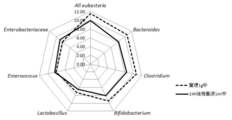
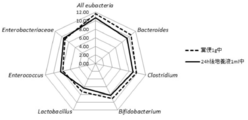
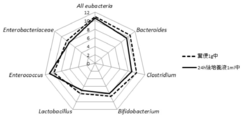
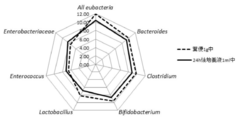
- Example 2 Flow chart of intestinal bacterial flora culture method of Example 1 Graph of culture test results using human fecal fluid Graph of culture test results using cultured flora lyophilized and powdered Graph of culture test results of Example 2 (1) Graph (2) of the culture test result of Example 2 Graph (3) of the culture test result of Example 2 Graph (4) of the culture test result of Example 2 Graph (5) of the culture test result of Example 2 Graph (6) of the culture test result of Example 2 Graph of culture test results of Example 2 (7) Graph (8) of the culture test result of Example 2 Graph of culture test result of Example 3 (30's male) Graph of culture test results of Example 3 (40s male) Graph of culture test results of Example 3 (male 50s) Graph of culture test results of Example 3 (20s female) Graph of culture test result of Example 3 (30's female) Graph of culture test results of Example 3 (40s female) Graph of culture test results of Example 3 (fifties female) Graph of culture test result of Example 4 (30's male
- FIG. 1 shows a flow chart of a method for culturing intestinal flora.
- the GAM medium is rapidly cooled after autoclaving (step S01) to reduce the amount of oxygen dissolved in the GAM medium.
- the medium is aerated with anaerobic gas (step S02). Only nitrogen is used for anaerobic gases. Aeration of only nitrogen is continued until DO (dissolved oxygen amount) reaches 0.0 (predetermined value) (step S03).
- DO dissolved oxygen amount
- 0.0 predetermined value
- the stool is suspended in a phosphate buffered saline (PBS) solution (step S04).
- PBS phosphate buffered saline
- culture is performed with an anaerobic gas (only nitrogen) (step S05).
- an anaerobic gas only nitrogen
- the culture solution is collected (step S06), and the compositional balance (composition) of the bacterial flora of the culture solution is analyzed.
- Step S07 The intestinal flora simulation culture method is based on the processing flow of FIG. 1, various organic acids (lower fatty acids) are added to the GAM medium, and the jar fermenter (continuous incubator) with pH adjustment function is added. Continuous anaerobic culture was performed.
- the medium was a culture medium obtained by adding 60 mM organic acid (lower fatty acid) to 1 L of GAM medium prepared using GAM bouillon (Nissui Pharmaceutical Co., Ltd.). Then, 1 L of culture medium was put into a commercially available jar fermenter with a pH adjusting function (EYLA, M-1000A), and nitrogen gas was constantly aerated at a flow rate of 0.2 dl / min to set an anaerobic environment. The culture was carried out while maintaining the temperature at 37 ° C. and the pH at 6.5.
- EYLA, M-1000A pH adjusting function
- human stool is collected in a pre-weighed stool collection tube, suspended in 1 ml of nitrogen-aerated sterile physiological saline per 0.1 g of stool weight, Fecal fluid.
- the culture was started after seeding 1 ml of human fecal fluid in the prepared medium.
- the contents were sampled from the jar fermenter over time (after 0, 3, 6, 9, 18, 24, 30 hours) after the start of the culture. Sampling was performed twice in accordance with the instruction manual of the jar fermenter used, in order to prevent the previous carryover remaining in the flow path, and the second sample was used for analysis.
- the upper limit of the time-dependent condition after the start of culture is 30 hours as described above, considering the residence time of food (solid matter) in the human gastrointestinal tract, particularly considering the culture of colonic flora. In this case, the evaluation after 24 hours, around 25 hours, is most appropriate.
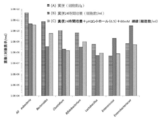
- FIG. 2 shows a graph of culture test results using human fecal fluid.
- the bacteria to be monitored are all Eubacteria, Bacteroides, Clostridium, and Bifidobacterium, which are known to constitute bacterial flora in the human large intestine. Lactobacillus, Enterococcus, and Enterobacteriacae. These are derived from feces. The detection method, isolation method, systematic classification, etc. of these colonic bacteria are known.
- FIG. 2 shows that (C) “faecal 24-hour culture + pH control (6.5) + butyric acid (cells / ml)” was analyzed in comparison with (B) fecal 24-hour cultures (cells / ml). It can be seen that the number of cells of the seven fungal groups approximated to (A) feces (number of cells / g). In particular, Enterococcus and Enterobacteriacae grow excessively in (B) fecal 24-hour culture (cell count / ml), whereas (C) “fecal 24-hour culture + pH It can be understood that “control (6.5) + butyric acid (cell count / ml)” is close to (A) stool (cell count / g).
- Freeze-drying is performed by sampling 10 ml of the culture solution for 30 hours, washing with 1% ascorbic acid as a reducing agent after centrifugal collection, resuspending in 3 ml of the same solution, aliquoting 0.3 ml into freeze-dried ampoules and freezing. Dried.
- Freeze-drying is performed by sampling 10 ml of the culture solution for 30 hours, washing with 1% ascorbic acid as a reducing agent after centrifugal collection, resuspending in 3 ml of the same solution, aliquoting 0.3 ml into freeze-dried ampoules and freezing. Dried.
- (c) 24-hour culture of lyophilized cells uses a powder obtained by freeze-drying the culture solution obtained by (b) 24-hour stool culture (cell count / ml). This is the result of the culture test.
- the medium composition and pH in the cultures of (b) and (c) are the same as the conditions of (C) in FIG.
- the lyophilized powder was prepared while adding 1% ascorbic acid as a reducing agent to the cultured cells after 24 hours, and the lyophilized powder enclosed in the lyophilized ampoule was added with 1 ml of physiological saline (0.8%). It was suspended in NaCl) and the whole amount was put into an incubator and cultured.
- the horizontal axis represents a group of bacteria to be evaluated
- the vertical axis represents the number of bacteria on a logarithmic axis.
- FIG. 3 shows that the number of bacteria in (c) 24-hour culture (cell count / ml) of lyophilized cells is almost the same as the number of bacteria in (b) 24-hour culture of stool (cell count / ml).
- Lactobacillus genus Lactobacillus
- FIG. 3 shows that (a) the number of bacteria approximated by the number of bacteria in 1 g of feces (number of cells / g). That is, FIG. 3 shows that the structural balance (composition) of the bacterial flora in the large intestine can be reproduced to some extent.
- Example 2 when all of 60 mM acetic acid, 30 mM propionic acid, and 30 mM butyric acid were added to the medium in the flow of the culture method of Example 1 (FIG. 1), the pH was adjusted by adding 100 mM propionic acid to the medium. When adjusted to 6.5, 30 mM acetic acid was added to the medium to adjust the pH to 6.5, but butyric acid was added to the medium in amounts of 40 mM, 60 mM, and 100 mM to adjust the pH to 6.5. In this case, the results of comparing the compositional balance (composition) of the intestinal flora in the case where the lyophilized powder was cultured for 24 hours are shown below. In the table, the number of bacteria in the figure is represented by log 10 .
- composition in the culture of the flow shown in FIG. 1, in the case where 60 mM acetic acid, 30 mM propionic acid and 30 mM butyric acid are all added to the medium and the pH is not adjusted, the bacterial composition balance of the stool and the culture solution cultured for 24 hours thereto (Composition) is shown in Table 3 below and FIG. From the chart, it can be seen that the composition of the microbial level of the colonic flora is slightly reduced in the incubator, but other fungi can be cultured while maintaining almost the same.
- the bacterial composition balance (composition) of feces and the culture solution cultured for 24 hours with respect to the feces It shows in the following Table 5 and FIG. From the chart, it is similar to the genus level composition of the colonic flora, but it can be seen that the Enterococcus bacteria are prominently increasing.
- FIG. 9 shows the bacterial composition balance (composition) of the feces and the culture solution after 24 hours. From the chart, it can be seen that those with butyric acid added to the medium can be cultured while maintaining the genus level composition of the colonic flora in the incubator.
- the bacterial composition balance (composition) of the culture broth cultured for 24 hours using lyophilized powder approximates the bacterial composition balance (composition) of feces and the culture broth cultured for 24 hours. Recognize. Thereby, even when freeze-dried powder is used, it turns out that the structural balance (composition) of the colonic microflora in feces can be reproduced to some extent.
- Example 2 it was for feces of men in their 20s, but in Example 3, feces of men in their 30s, men in their 40s, men in their 50s, women in their 20s, women in their 30s, women in their 40s and women in their 50s
- Example 3 shows the results of culturing for 24 hours under the conditions of adding 60 mM butyric acid to the medium and adjusting the pH to 6.5 in the flow of the culture method of Example 1 (FIG. 1).
- Tables 10 and 12 below are men in their 30s
- Tables 11 and 13 are men in their 40s
- Tables 12 and 14 are men in their 50s
- Tables 13 and 15 are women in their 20s
- Tables 14 and 16 below. Are the results for women in their 30s
- Tables 15 and 17 are for women in their 40s
- Tables 16 and 18 are for women in their 50s.
- the number of bacteria in the flora and the number of bacteria in the bacterial flora in 1 ml of the 24-hour culture solution are both close, and the cells can be cultured while maintaining the structural balance (composition). That is, it can be seen that culture can be performed while maintaining the composition of the genus of the colon flora of each individual in the incubator, regardless of gender, regardless of age.
- FIG. 19 and FIG. 20 are graphs of the culture test results of males in their 30s and females in their 20s, respectively, and FIG. 19 (1) and FIG. 20 (1) show that the flow rate is 0.1 using only nitrogen as an anaerobic gas.
- the cells were cultured for 24 hours in an environment in which anaerobic gas was constantly aerated with respect to the culture medium at ⁇ 1.0 dl / min.
- the culture medium was cultured for 24 hours in an environment in which anaerobic gas was always aerated.
- anaerobic gas was always aerated.
- the one using a mixed gas of nitrogen and carbon dioxide as shown in FIG. Is highly consistent at the genus level of Clostridium, Enterococcus, Lactobacillus, Bifidobacterium, and especially at the level of the Clostridium, Enterococcus genus, especially for women in their twenties. It can be seen that the compositional balance (composition) is excellent.
- FIG. 21 is a functional component evaluation flow chart of inulin
- FIG. 22 is a schematic configuration diagram of the functional component evaluation system
- FIG. 23 is a graph of the culture test result of Example 5 with / without inulin
- Inulin is a polymer of fructose and is a kind of polysaccharide. It exists in tubers and roots of asteraceae plants such as burdock and Jerusalem artichoke and lily family plants such as onion and garlic, and has various functions as dietary fiber. It is known to have sex.
- a cultivated bacterial flora freeze-dried and powdered is prepared (step S11).
- the culture flora is a culture solution obtained by adding 60 mM succinic acid to the medium to adjust the pH to 6.5 and culturing for 30 hours in the flow of the culture method of Example 1 described above (FIG. 1).
- inulin manufactured by Wako
- inulin is added to the freeze-dried ampoule and cultured to prepare a first culture solution (step S12).
- it culture cultivates without adding inulin to another freeze-dried ampule, and produces a 2nd culture solution (step S13).
- the compositional balance of the flora cell groups of the first culture solution and the second culture solution cultured for 24 hours is compared (step S14).
- the flora cell group of the first culture broth cultured without adding inulin the flora cell group of the first culture broth cultured with the addition of inulin, the bacteria increased in 24 hours and the increased amount thereof.
- Confirm step S15. Based on the confirmation result of step S15, the functionality of inulin is evaluated (step S16).
- the functional component evaluation system includes a culture apparatus 1 for producing a culture solution 1 in which flora is cultured by adding inulin to a lyophilized ampule, and cultivating flora without adding inulin to the lyophilized ampule.
- the stool ampoule to which inulin was added was cultured for 24 hours rather than the stool ampoule to which inulin was not added, rather than Bifidobacterium spp. It was confirmed that the number increased about 10 times. This indicates that bifidobacteria, which are good bacteria, have increased about 10 times.
- the freeze-dried ampule used was a 20's female ampule.
- fecal ampoules to which the respective functional components were similarly added were cultured for 24 hours in order to confirm the functional component evaluation.
- the culture test results are shown in FIG.
- the freeze-dried ampoule was a 20s female ampoule.
- “Control” is a result of culturing an ampule as it is
- “Sucrose” is a result of sucrose being added at a concentration of 0.5%
- “1-kestose” is a result of adding kestose to 0.5%.
- % FOS is the result of culturing with addition of fructooligosaccharide (Wako) at a concentration of 0.5%
- “GOS” is 0 result of galactooligosaccharide (Wako).
- the result of adding and cultivating at a concentration of 5% “Fuji FF” is the result of adding and cultivating Fuji FF (manufactured by Fuji Nippon Seiki Co., Ltd.) at a concentration of 0.5%
- “Inulin” is the result of inulin (Wako). Manufactured product) at a concentration of 0.5%
- “Agave inulin” is a result of adding agaveinulin at a concentration of 0.5%.
- the present invention is simple and useful as an evaluation method and evaluation system for functionality and safety of functional components such as foods and medicines using intestinal bacterial flora that maintains the bacterial composition balance in vitro. .
Landscapes
- Life Sciences & Earth Sciences (AREA)
- Chemical & Material Sciences (AREA)
- Engineering & Computer Science (AREA)
- Health & Medical Sciences (AREA)
- Genetics & Genomics (AREA)
- Biotechnology (AREA)
- Organic Chemistry (AREA)
- Zoology (AREA)
- Bioinformatics & Cheminformatics (AREA)
- Wood Science & Technology (AREA)
- Medicinal Chemistry (AREA)
- Microbiology (AREA)
- Biomedical Technology (AREA)
- Virology (AREA)
- Biochemistry (AREA)
- General Engineering & Computer Science (AREA)
- General Health & Medical Sciences (AREA)
- Tropical Medicine & Parasitology (AREA)
- Measuring Or Testing Involving Enzymes Or Micro-Organisms (AREA)
- Apparatus Associated With Microorganisms And Enzymes (AREA)
- Micro-Organisms Or Cultivation Processes Thereof (AREA)
- Coloring Foods And Improving Nutritive Qualities (AREA)
Abstract
腸内細菌叢の構成バランスをほぼ維持したまま培養可能な培養方法および装置、並びに、該培養方法により培養させ凍結乾燥させた培養菌叢を提供する。個々の腸内細菌叢を、低級脂肪酸(炭素数2以上7以下)が添加された培地を用いて、嫌気的環境で培養することにより、腸内細菌叢の細胞群の構成バランス(組成)をほぼ維持したまま培養する。低級脂肪酸は少なくとも酪酸(butyric acid)を含む。好ましくは酪酸を培地に添加する。培地は6.0~7.0の範囲にpHが調製される。嫌気的環境は、培地に対して、常時、嫌気的ガスとして窒素を曝気させる。
Description
本発明は、個々の腸内細菌叢を、その菌属レベルの構成を培養器内でほぼ維持したまま培養できる腸内細菌叢シミュレーション培養方法および装置、該培養方法により培養し凍結乾燥させた培養菌叢、並びに、機能性成分評価方法および評価システムに関するものである。
ヒトの腸管内では多種・多様な細菌が絶えず増殖を続けており、これらは腸内細菌叢(フローラ)と呼ばれる。腸内細菌叢は、約10兆個の微生物が常在し、その種類は一人あたり数百種になり、その構成は食習慣や年齢などによって個々人により異なっている。また、腸内細菌叢は、ヒトに対して様々な生理作用を有しており、有用な作用としては、病原菌の定着阻害、免疫系の活性化、ビタミンの産生などであり、有害な作用として、腐敗産物や発がん物質の産生、各種腸疾患へ関与であることが既に報告されている。
腸内細菌叢を構成している腸内細菌は、互いに共生しているだけでなく、宿主であるヒトと共生関係にあり、ヒトが摂取した食品等に含まれる栄養分を主な栄養源として発酵することで増殖し、同時にさまざまな代謝物を産生する。腸内細菌叢はヒトの健康と密接な関係があり、近年、腸内細菌叢の代謝産物の研究が行われている。
腸内細菌叢を構成している腸内細菌は、互いに共生しているだけでなく、宿主であるヒトと共生関係にあり、ヒトが摂取した食品等に含まれる栄養分を主な栄養源として発酵することで増殖し、同時にさまざまな代謝物を産生する。腸内細菌叢はヒトの健康と密接な関係があり、近年、腸内細菌叢の代謝産物の研究が行われている。
一般に、食品等の機能性成分の機能性・安全性の評価は、ラットやマウス等の実験動物への当該成分の経口投与試験、またはヒトボランティアを使った介入試験にて行われている。しかしながら、実験動物を用いた経口投与試験で得られた結果は、ヒト以外の動物の腸内では腸内腐敗物の濃度がヒト糞尿と比較して著しく低いなど、ヒトの腸内環境をシミュレーションしておらず、そのままヒトについても得られる結果と翻訳することが困難である。また一方、ヒトボランティアを使った介入試験では、ヒトを対象とした試験なので対象成分毎に医学部・病院等倫理委員で審議する必要があるため、試験を行うのは容易ではなく、手続面の困難性・煩雑性が問題として挙げられる。
上記の問題を解決するための一つの方法として、腸内環境を再現した腸管模倣培養装置により培養した腸内フローラの研究が近年、欧州を中心にして行われており、日本においても、実際の腸内細菌叢に類似した微生物多様性を維持する腸管模倣培養装置が提案されている(特許文献1を参照)。特許文献1では、腸管模倣培養装置に腸管表皮を模倣した構造物を組み込むことにより、微生物の多様性を増すことができることが開示されている。そして、特許文献1では、腸管模倣培養装置を用いることにより、装置内の培養した細菌叢の菌属レベルの種類の多様性が、実際の腸管内に滞在する腸内細菌叢の菌属レベルの種類と類似することを示している。
上述した特許文献1の腸管模倣培養装置の場合、培養した細菌叢の多様性が、実際の腸管内の腸内細菌叢の菌属レベルの種類と類似できるものであるが、腸内細菌叢のバランスを保ったまま培養できるというものではない。つまり、腸内細菌叢のバランスを保ったままの培養には、菌属レベルの種類が同じだけでは足りず、個々の菌属レベルの存在割合も重要である。
すなわち、従来の腸内細菌叢を構成する細菌群の嫌気培養では、培地の成分や培養条件が腸内環境を十分に模していないので、培養を続けてゆくうちに、腸内細菌叢の細胞群の構成バランス(組成)が大幅に崩れてしまうといった問題がある。
すなわち、従来の腸内細菌叢を構成する細菌群の嫌気培養では、培地の成分や培養条件が腸内環境を十分に模していないので、培養を続けてゆくうちに、腸内細菌叢の細胞群の構成バランス(組成)が大幅に崩れてしまうといった問題がある。
かかる状況に鑑みて、本発明は、腸内細菌叢の構成バランスをほぼ維持したまま培養可能な培養方法および装置、並びに、該培養方法により培養させ凍結乾燥させた培養菌叢を提供することを目的とする。
本発明者は、ヒト糞便培養について鋭意検討した結果、腸内細菌叢の構成する細菌群の組成を維持する培養条件を見出し、個々人の腸内細菌叢の細菌構成を反映した糞便培養液を得られることの知見を得た。
すなわち、本発明の腸内細菌叢シミュレーション培養方法は、個々の腸内細菌叢を、低級脂肪酸(炭素数2以上7以下)からなる有機酸が添加された培地を用いて、嫌気的環境で培養することを特徴とする。
これにより、腸内細菌叢の細胞群の構成バランス(組成)をほぼ維持したまま培養することができる。ヒトの腸内細菌叢は非常に複雑であり再現が困難であったが、本発明によって、培地に低級脂肪酸(炭素数2以上7以下)を添加するという簡便な方法で、腸内細菌叢の細胞群の構成バランス(組成)をほぼ維持したまま培養を行い、再現を可能にした。
これにより、腸内細菌叢の細胞群の構成バランス(組成)をほぼ維持したまま培養することができる。ヒトの腸内細菌叢は非常に複雑であり再現が困難であったが、本発明によって、培地に低級脂肪酸(炭素数2以上7以下)を添加するという簡便な方法で、腸内細菌叢の細胞群の構成バランス(組成)をほぼ維持したまま培養を行い、再現を可能にした。
ここで、低級脂肪酸(炭素数2以上7以下)は、例えば、酢酸、プロピオン酸、酪酸、イソ吉草酸、カプロン酸などが挙げられる。これらの低級脂肪酸の濃度範囲は1~100mMに調製する。好ましくは30~100mMであり、より好ましくは50~80mMであり、さらに好ましくは60mMで用いられる。これらの低級脂肪酸は短鎖脂肪酸が該当し、常温常圧では液体である有機化合物である。
また、低級脂肪酸には、酪酸(butyric acid)を少なくとも含むものが好ましく、酪酸だけを培地に添加することがより好ましい。酪酸の濃度範囲は1~100mMに調製する。好ましくは40~100mMであり、より好ましくは50~80mMであり、さらに好ましくは60mMで用いられる。
本発明の腸内細菌叢シミュレーション培養方法および機能性成分評価方法によれば、腸内細菌叢の構成バランスの評価だけでなく、系内の代謝産物を機器分析(質量分析法、X線スペクトル法、X線回折法、ラマン分光法、核磁気共鳴スペクトル法などを利用した分析)して、代謝の変動を評価することも可能である。代謝産物の変動を、例えば、ガスクロマトグラフ/四重極型質量分析計(GC/QMS;Gas Chromatograph / Quadrupole Mass Spectrometer)等の質量分析機器を使って計測する場合、解析を困難にしない程度の少ない濃度、例えば、1~10mMの低級脂肪酸が望ましい。
また、低級脂肪酸には、酪酸(butyric acid)を少なくとも含むものが好ましく、酪酸だけを培地に添加することがより好ましい。酪酸の濃度範囲は1~100mMに調製する。好ましくは40~100mMであり、より好ましくは50~80mMであり、さらに好ましくは60mMで用いられる。
本発明の腸内細菌叢シミュレーション培養方法および機能性成分評価方法によれば、腸内細菌叢の構成バランスの評価だけでなく、系内の代謝産物を機器分析(質量分析法、X線スペクトル法、X線回折法、ラマン分光法、核磁気共鳴スペクトル法などを利用した分析)して、代謝の変動を評価することも可能である。代謝産物の変動を、例えば、ガスクロマトグラフ/四重極型質量分析計(GC/QMS;Gas Chromatograph / Quadrupole Mass Spectrometer)等の質量分析機器を使って計測する場合、解析を困難にしない程度の少ない濃度、例えば、1~10mMの低級脂肪酸が望ましい。
また、培地は、pHが6.0~7.0の範囲に、塩酸若しくは水酸化ナトリウムにより調製されることが好ましい。実際の大腸内のpHに適合させる。培地は、より好ましくはpHが6.2~6.8であり、さらに好ましくはpHが6.4~6.6に調製される。
具体的には、低級脂肪酸は酪酸(butyric acid)であり、酪酸の濃度範囲が40~100mMで調製されたことが好ましい。また、培地はGAM(Gifu anaerobic medium)培地が好適に使用でき(GAM培地の具体的な組成は後述する)、pHは6.0~7.0の範囲、より好ましくは6.2~6.8の範囲、さらに好ましくは6.5に調製される。なお、GAM培地として寒天培地が好適に用いることができる。
また、嫌気的環境は、培地に対して嫌気的ガスを曝気させることにより作り出す。嫌気的ガスは、例えば、窒素、或は、窒素および二酸化炭素である。嫌気的ガスの曝気は、流量0.1~1.0dl/minで常時行うか、或は、間欠的に行う。また、嫌気的ガスは、窒素と二酸化炭素の混合ガスであることが好ましい。なお、常時、嫌気的ガスを曝気するのが好ましい。
本発明の培養菌叢は、上述の本発明の腸内細菌叢シミュレーション培養方法を用いて培養された培養液を凍結乾燥させて粉末化したものである。凍結乾燥は、培養液を還元剤で洗浄することが好ましく、還元剤としては、アスコルビン酸やシステインが好適に用いることができる。システインは、L-システイン、L-システイン塩酸塩含有PBS(Phosphate buffered saline)を用いることができる。
凍結乾燥プロセスは、例えば、30時間培養液を10~20mlサンプリングし、遠心回収後に還元剤として1%アスコルビン酸若しくは0.1%L-システイン塩酸塩含有PBS(Phosphate buffered saline)で洗浄し、同溶液3~6mlに再懸濁したものを0.3mlずつ凍結乾燥アンプルに分注して凍結乾燥させる。
本発明の培養菌叢によれば、腸内細菌叢の細胞群の構成バランス(組成)を再現できており、以後の培養試験の再現性を高めると共に、試験を行い易くできる。
本発明の培養菌叢によれば、腸内細菌叢の細胞群の構成バランス(組成)を再現できており、以後の培養試験の再現性を高めると共に、試験を行い易くできる。
ヒト糞便を初発の菌叢として使用することにより、個々人の腸内細菌叢を再現できるため、毎回、ヒトから糞便を採取する必要がなくなり、倫理規定に対応するための手続きは初回に1度行っておくことで、その後の手続きは簡略することができ、手続面の困難性・煩雑性が軽減される。すなわち、従来の大腸内細菌叢を対象とした実験では、試験毎にヒトから新鮮糞便を採取する必要があったが、本発明では、当該個人の糞便培養液を凍結乾燥したアンプルを複数作成し、試験毎にそのアンプルを使用して新鮮糞便と同様の実験が可能となることから、多数のヒトの大腸内細菌叢を対象とした試験を非常に簡便に行える。
次に、本発明の腸内細菌叢シミュレーション培養装置について説明する。
本発明の腸内細菌叢シミュレーション培養装置は、下記1)~3)を備え、培養容器内の培地は、低級脂肪酸(炭素数2以上7以下)からなる有機酸が添加されていることを特徴とする。
1)培養容器を格納して細菌の培養を行う培養手段
2)培養手段における温度及びpHを調製する培養環境調製手段
3)培養手段に嫌気的環境を付与する嫌気的環境付与手段
本発明の腸内細菌叢シミュレーション培養装置は、下記1)~3)を備え、培養容器内の培地は、低級脂肪酸(炭素数2以上7以下)からなる有機酸が添加されていることを特徴とする。
1)培養容器を格納して細菌の培養を行う培養手段
2)培養手段における温度及びpHを調製する培養環境調製手段
3)培養手段に嫌気的環境を付与する嫌気的環境付与手段
ここで、低級脂肪酸は酪酸(butyric acid)であることが好ましく、さらに、上記2)の嫌気的環境付与手段は、培地に対して、嫌気的ガスを曝気し得ることが好ましい。具体的には、嫌気的ガスの曝気は、流量0.1~1.0dl/minで常時行う。また、嫌気的ガスは、窒素と二酸化炭素の混合ガスであることが好ましい。
次に、本発明の機能性成分評価方法について説明する。
本発明の機能性成分評価方法は、上述の腸内細菌叢シミュレーション培養方法を用いて腸内細菌叢を培養し、機能性成分を評価する方法であり、下記a1)~a4)の処理を行う。
a1)機能性成分を添加して腸内細菌叢を培養する第1の培養液を作製する。
a2)機能性成分を添加しないで腸内細菌叢を培養する第2の培養液を作製する。
a3)同時間培養した第1の培養液と第2の培養液の腸内細菌叢の細胞群の構成バランスを比較する。
a4)腸内細菌叢の細胞群の構成バランスの相違から、機能性成分の機能性もしくは安全性を評価する。
本発明の機能性成分評価方法は、上述の腸内細菌叢シミュレーション培養方法を用いて腸内細菌叢を培養し、機能性成分を評価する方法であり、下記a1)~a4)の処理を行う。
a1)機能性成分を添加して腸内細菌叢を培養する第1の培養液を作製する。
a2)機能性成分を添加しないで腸内細菌叢を培養する第2の培養液を作製する。
a3)同時間培養した第1の培養液と第2の培養液の腸内細菌叢の細胞群の構成バランスを比較する。
a4)腸内細菌叢の細胞群の構成バランスの相違から、機能性成分の機能性もしくは安全性を評価する。
ここで、機能性成分とは、腸内細菌叢の細菌構成に影響を与える可能性を評価するものを言い、イヌリン、カルニチン、キチン・キトサン、カプサイシン、カテキン、レシチン、アリシン、クロロフィルなど食品に含まれる生理活性成分、食品に添加される化合物だけでなく、医薬やそれに準じるもの、また、経口・経鼻・経胃・経腸投与される、またはそのような投与が可能な物質を含む。それぞれ単品としても、複数混合しても、また食品に含まれた形であっても良い。
また、本発明の他の観点の機能性成分評価方法は、本発明の培養菌叢、すなわち、上述の腸内細菌叢シミュレーション培養方法を用いて培養された培養液を凍結乾燥させ粉末化した培養菌叢を用いて、機能性成分を評価する方法であり、下記b1)~b4)の処理を行う。
b1)凍結乾燥させ粉末化した培養菌叢に、機能性成分を添加して腸内細菌叢を培養する第1の培養液を作製する。
b2)凍結乾燥させ粉末化した培養菌叢に、機能性成分を添加しないで腸内細菌叢を培養する第2の培養液を作製する。
b3)同時間培養した第1の培養液と第2の培養液の腸内細菌叢の細胞群の構成バランスを比較する。
b4)腸内細菌叢の細胞群の構成バランスの相違から、機能性成分の機能性もしくは安全性を評価する。
b1)凍結乾燥させ粉末化した培養菌叢に、機能性成分を添加して腸内細菌叢を培養する第1の培養液を作製する。
b2)凍結乾燥させ粉末化した培養菌叢に、機能性成分を添加しないで腸内細菌叢を培養する第2の培養液を作製する。
b3)同時間培養した第1の培養液と第2の培養液の腸内細菌叢の細胞群の構成バランスを比較する。
b4)腸内細菌叢の細胞群の構成バランスの相違から、機能性成分の機能性もしくは安全性を評価する。
次に、本発明の機能性成分評価システムについて説明する。
本発明の機能性成分評価システムは、上述の腸内細菌叢シミュレーション培養装置を少なくとも2つ用いて、機能性成分を評価するシステムであって、下記1)~3)の構成からなり、分析装置で機能性成分の機能性もしくは安全性を評価する。
1)機能性成分を添加して腸内細菌叢を培養する第1の培養液を作製する第1の腸内細菌叢シミュレーション培養装置
2)機能性成分を添加しないで腸内細菌叢を培養する第2の培養液を作製する第2の腸内細菌叢シミュレーション培養装置
3)同時間培養した第1の培養液と第2の培養液の腸内細菌叢の細胞群の構成バランスを比較分析する分析装置
本発明の機能性成分評価システムは、上述の腸内細菌叢シミュレーション培養装置を少なくとも2つ用いて、機能性成分を評価するシステムであって、下記1)~3)の構成からなり、分析装置で機能性成分の機能性もしくは安全性を評価する。
1)機能性成分を添加して腸内細菌叢を培養する第1の培養液を作製する第1の腸内細菌叢シミュレーション培養装置
2)機能性成分を添加しないで腸内細菌叢を培養する第2の培養液を作製する第2の腸内細菌叢シミュレーション培養装置
3)同時間培養した第1の培養液と第2の培養液の腸内細菌叢の細胞群の構成バランスを比較分析する分析装置
第1の腸内細菌叢シミュレーション培養装置と、第2の腸内細菌叢シミュレーション培養装置は、機能性成分の添加の有無以外は、同時間、同じ条件で培養する。複数の機能性成分を同時に評価する場合には、上記2)の第2の腸内細菌叢シミュレーション培養装置を2つ以上使用する。
本発明の腸内細菌叢シミュレーション培養方法および装置によれば、腸内細菌叢の構成バランス(組成)をほぼ維持したまま培養できるといった効果がある。
また、本発明の腸内細菌叢シミュレーション培養方法を用いて培養された培養液を凍結乾燥させて粉末化した培養菌叢により、倫理的な問題を気にすることなしに、食品等の機能性成分や医薬等の腸内における動態、腸内細菌叢への影響を随時調べることができ、機能性成分の機能性・安全性の評価や腸内細菌叢における代謝変換について、動物実験を使用せずに正しく評価できる。
また、本発明の腸内細菌叢シミュレーション培養方法を用いて培養された培養液を凍結乾燥させて粉末化した培養菌叢により、倫理的な問題を気にすることなしに、食品等の機能性成分や医薬等の腸内における動態、腸内細菌叢への影響を随時調べることができ、機能性成分の機能性・安全性の評価や腸内細菌叢における代謝変換について、動物実験を使用せずに正しく評価できる。
以下、本発明の実施形態の一例を、図面を参照しながら詳細に説明していく。なお、本発明の範囲は、以下の実施例や図示例に限定されるものではなく、幾多の変更及び変形が可能である。
図1は、腸内細菌叢の培養方法のフロー図を示している。
培養方法としては、まずGAM培地をオートクレーブ後に急冷して(ステップS01)、GAM培地に溶存している酸素量を減少させる。次に、培地に嫌気的ガスで曝気する(ステップS02)。嫌気的ガスには窒素のみを用いる。DO(溶存酸素量)が、0.0(所定値)になるまで窒素のみの曝気を継続する(ステップS03)。溶存酸素量が0.0になると、糞便をリン酸緩衝整理食塩水(PBS:Phosphate Buffered Saline)溶液で懸濁して投入する(ステップS04)。使用したGAM培地の組成を下記表1に示す。
培養方法としては、まずGAM培地をオートクレーブ後に急冷して(ステップS01)、GAM培地に溶存している酸素量を減少させる。次に、培地に嫌気的ガスで曝気する(ステップS02)。嫌気的ガスには窒素のみを用いる。DO(溶存酸素量)が、0.0(所定値)になるまで窒素のみの曝気を継続する(ステップS03)。溶存酸素量が0.0になると、糞便をリン酸緩衝整理食塩水(PBS:Phosphate Buffered Saline)溶液で懸濁して投入する(ステップS04)。使用したGAM培地の組成を下記表1に示す。

そして、嫌気的ガス(窒素のみ)で培養を行う(ステップS05)。所定時間後(培養開始後、0,3,6,9,18,24,30時間後)、培養液を分取し(ステップS06)、培養液の細菌叢の構成バランス(組成)を解析する(ステップS07)。
腸内細菌叢シミュレーション培養方法は、図1の処理フローを基本とし、GAM培地に各種有機酸(低級脂肪酸)の添加を行い、pH調整機能付きのジャーファーメンター(連続培養器)に投入し、連続嫌気培養を実施した。
腸内細菌叢シミュレーション培養方法は、図1の処理フローを基本とし、GAM培地に各種有機酸(低級脂肪酸)の添加を行い、pH調整機能付きのジャーファーメンター(連続培養器)に投入し、連続嫌気培養を実施した。
培地は、GAMブイヨン(ニッスイ製薬株式会社)を用いて調製したGAM培地1Lに有機酸60mM(低級脂肪酸)を添加し培養培地とした。そして、培養培地1Lを市販のpH調整機能付きのジャーファーメンター(EYLA、M-1000A)に投入し、そこに常時、窒素ガスを流量0.2dl/minで曝気し嫌気的環境を設定した。温度は37℃、pHは6.5にそれぞれ保持して培養を行った。
糞便液の調製と播種に関しては、ヒトの糞便を予め重量を測定しておいた採便管で採取し、糞便重量0.1gあたり1mlの窒素ガスの曝気済み滅菌生理食塩水に懸濁し、ヒト糞便液とした。ヒト糞便液1mlを調製した上記の培地に播種し培養を開始した。
培養開始後経時的(0,3,6,9,18,24,30時間後)にジャーファーメンターより内容物をサンプリングした。サンプリングは使用したジャーファーメンターの取扱説明書に従い、流路内に残存する前回分の持越しを防ぐために2度サンプリングを行い、2度目のサンプルを解析に使用した。
なお、培養開始後経時的条件を上記のように30時間を上限とするのは、ヒト消化管内における食物(固形物)の滞在時間を考慮したものであり、特に大腸内細菌叢の培養を考慮した場合、25時間前後の24時間後における評価が最も適当である。
培養開始後経時的(0,3,6,9,18,24,30時間後)にジャーファーメンターより内容物をサンプリングした。サンプリングは使用したジャーファーメンターの取扱説明書に従い、流路内に残存する前回分の持越しを防ぐために2度サンプリングを行い、2度目のサンプルを解析に使用した。
なお、培養開始後経時的条件を上記のように30時間を上限とするのは、ヒト消化管内における食物(固形物)の滞在時間を考慮したものであり、特に大腸内細菌叢の培養を考慮した場合、25時間前後の24時間後における評価が最も適当である。
大腸内細菌叢の菌のDNA抽出および菌数解析について説明する。DNA抽出における抽出液は、Tris-EDTA(TE)飽和フェノール500μl、溶菌Buffer(1M Tris pH8.0,0.5M EDTA)250μl、10% SDS 50μl、ガラスビーズ(φ0.1mm)0.3gを用いた。試料(サンプル)は、抽出液を200μl添加したものをFastPrep24 (MP)を用い、パワーレベル5.0で30秒間縦方向に激しく振とうし、菌体を破砕した。そして、遠心分離により上清を回収しフェノール・クロロホルム・イソアミルアルコールを用いてタンパク質変性後イソプロパノール沈殿によりDNAを析出させた。DNAを析出させて、100μlのTEに溶解したものを鋳型DNAとして使用した。鋳型DNAを用いてqPCR(Polymerase Chain Reaction)法により試料(サンプル)の細菌叢の解析を行った。
図2は、ヒト糞便液を利用した培養試験結果のグラフを示している。
モニタリングする菌は、真正細菌全体(All Eubacteria)、ヒト大腸内で細菌叢を構成していることが知られているバクテロイデス属(Bacteroides)、クロストリジウム属(Clostridium)、ビフィドバクテリウム属(Bifidobacterium)、ラクトバチルス属(Lactobacillus)、エンテロコッカス属(Enterococcus)、及び腸内細菌科(Enterobacteriacae)とした。これらは、糞便に由来するものである。これらの大腸内細菌の検出方法、単離方法、系統分類などは公知である。
モニタリングする菌は、真正細菌全体(All Eubacteria)、ヒト大腸内で細菌叢を構成していることが知られているバクテロイデス属(Bacteroides)、クロストリジウム属(Clostridium)、ビフィドバクテリウム属(Bifidobacterium)、ラクトバチルス属(Lactobacillus)、エンテロコッカス属(Enterococcus)、及び腸内細菌科(Enterobacteriacae)とした。これらは、糞便に由来するものである。これらの大腸内細菌の検出方法、単離方法、系統分類などは公知である。
次に、腸内細菌叢シミュレーション培養方法の結果を説明する。
図2のグラフにおいて、(A)糞便(細胞数/g)、(B)糞便24時間培養(細胞数/ml)、(C)「糞便24時間培養+pHコントロール(6.5)+酪酸(細胞数/ml)」(pHを6.5に調製し培地に酪酸を60mM 添加して糞便24時間培養したもの)の3通りの結果をそれぞれ棒グラフで示している。腸内細菌叢シミュレーション培養方法の結果は、(C)「糞便24時間培養+pHコントロール(6.5)+酪酸(細胞数/ml)」が表している。
なお、図2のグラフの横軸は評価する菌群であり、縦軸は菌数を対数軸で示している。
図2のグラフにおいて、(A)糞便(細胞数/g)、(B)糞便24時間培養(細胞数/ml)、(C)「糞便24時間培養+pHコントロール(6.5)+酪酸(細胞数/ml)」(pHを6.5に調製し培地に酪酸を60mM 添加して糞便24時間培養したもの)の3通りの結果をそれぞれ棒グラフで示している。腸内細菌叢シミュレーション培養方法の結果は、(C)「糞便24時間培養+pHコントロール(6.5)+酪酸(細胞数/ml)」が表している。
なお、図2のグラフの横軸は評価する菌群であり、縦軸は菌数を対数軸で示している。
図2から、(C)「糞便24時間培養+pHコントロール(6.5)+酪酸(細胞数/ml)」の方は、(B)糞便24時間培養(細胞数/ml)と比べて、解析した7つの菌群の細胞数が、(A)糞便(細胞数/g)に近似していることがわかる。特に、エンテロコッカス属(Enterococcus)と腸内細菌科(Enterobacteriacae)は、(B)糞便24時間培養(細胞数/ml)で過剰に増殖しているのに対し、(C)「糞便24時間培養+pHコントロール(6.5)+酪酸(細胞数/ml)」では(A)糞便(細胞数/g)に近似していることが理解できる。
次に、腸内細菌叢シミュレーション培養方法を用いて培養された培養液を凍結乾燥させて粉末化したものを使用し、さらに培養試験を行った結果について、図3を参照して説明する。
凍結乾燥は、30時間培養液を10mlサンプリングし、遠心回収後に還元剤として1%アスコルビン酸で洗浄し、同溶液3mlに再懸濁したものを0.3mlずつ凍結乾燥アンプルに分注して凍結乾燥させた。
図3のグラフにおいて、(a)糞便1g中菌数(細胞数/g)、(b)糞便24時間培養(細胞数/ml)、(c)凍結乾燥菌体24時間培養(細胞数/ml)の3通りの結果をそれぞれ棒グラフで示している。
凍結乾燥は、30時間培養液を10mlサンプリングし、遠心回収後に還元剤として1%アスコルビン酸で洗浄し、同溶液3mlに再懸濁したものを0.3mlずつ凍結乾燥アンプルに分注して凍結乾燥させた。
図3のグラフにおいて、(a)糞便1g中菌数(細胞数/g)、(b)糞便24時間培養(細胞数/ml)、(c)凍結乾燥菌体24時間培養(細胞数/ml)の3通りの結果をそれぞれ棒グラフで示している。
なお、(c)凍結乾燥菌体24時間培養(細胞数/ml)は、(b)糞便24時間培養(細胞数/ml)で得られた培養液を凍結乾燥させて粉末化したものを使用して培養試験を行った結果である。(b)および(c)の培養における培地組成及びpHは、図2の(C)の条件と同一である。凍結乾燥粉末の作製は、24時間経過後の培養菌体に、還元剤としてアスコルビン酸を1%添加しつつ行い、凍結乾燥アンプルに封入した凍結乾燥粉末を1mlの生理食塩水(0.8% NaCl)に懸濁し全量を培養器に投入して培養した。図3のグラフは、図2のグラフと同様に、横軸は評価する菌群であり、縦軸は菌数を対数軸で示している。
図3から、(c)凍結乾燥菌体24時間培養(細胞数/ml)の菌数は、(b)糞便24時間培養(細胞数/ml)の菌数とほぼ同じであることがわかる。また、ラクトバチルス属(Lactobacillus)に関しては、(a)糞便1g中菌数(細胞数/g)により近似した菌数になっていることがわかる。
すなわち、図3から、糞便中の大腸内細菌叢の構成バランス(組成)をある程度まで再現できることがわかる。
すなわち、図3から、糞便中の大腸内細菌叢の構成バランス(組成)をある程度まで再現できることがわかる。
次に、実施例2では、実施例1の培養方法のフロー(図1)において、60mM 酢酸と30mM プロピオン酸と30mM 酪酸を全て培地に添加した場合、100mM プロピオン酸を培地に添加してpHを6.5に調製した場合、30mM 酢酸を培地に添加してpHを6.5に調製した場合、酪酸を40mM,60mM,100mMそれぞれの量だけ培地に添加してpHを6.5に調製した場合、凍結乾燥粉末を24時間培養させた場合について、腸内細菌叢の構成バランス(組成)を比較した結果を下記に示す。
なお、表中、図中の菌数はlog10表示である。
なお、表中、図中の菌数はlog10表示である。
先ず、20代男性の糞便について、図1に示すフローで24時間培養した培養液の細菌構成バランス(組成)を下記表2および図4に示す。

次に、図1に示すフローの培養において、60mM 酢酸と30mM プロピオン酸と30mM 酪酸を全て培地に添加し、pHを調製しない場合について、糞便およびそれに対して24時間培養した培養液の細菌構成バランス(組成)を下記表3および図5に示す。
図表から大腸内細菌叢の菌属レベルの構成は、培養器内ではバクテロイデス属(Bacteroides)が若干減っているものの、その他の菌類は、ほぼ維持したまま培養できていることがわかる。
図表から大腸内細菌叢の菌属レベルの構成は、培養器内ではバクテロイデス属(Bacteroides)が若干減っているものの、その他の菌類は、ほぼ維持したまま培養できていることがわかる。
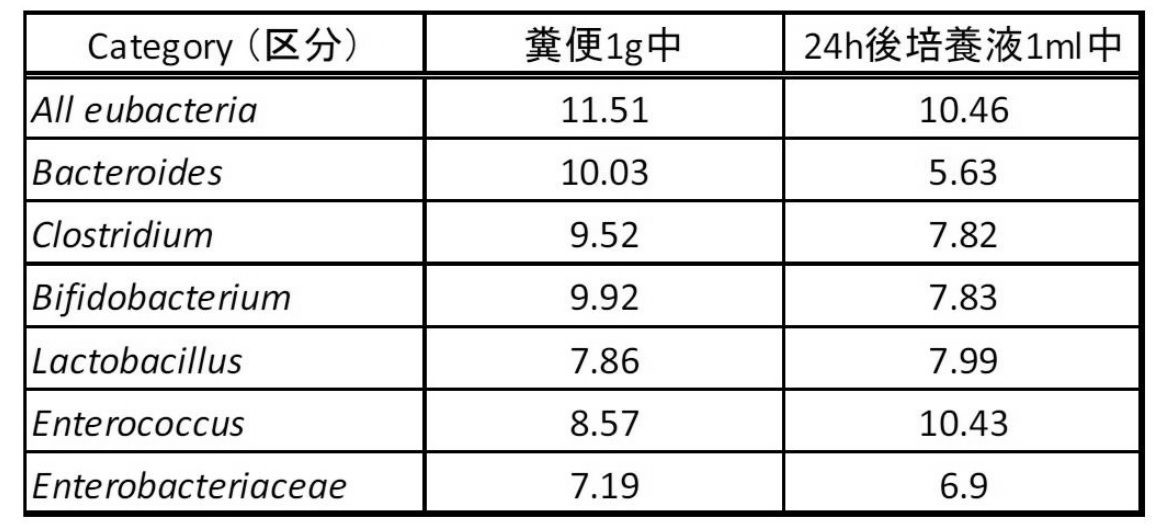
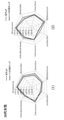
また、図1に示すフローの培養において、100mM プロピオン酸を培地に添加し、塩酸及び水酸化ナトリウムによりpH調製した場合について、糞便およびそれに対して24時間培養した培養液の細菌構成バランス(組成)を下記表4および図6に示す。
図表から大腸内細菌叢の菌属レベルの構成を培養器内でほぼ維持したまま培養できることがわかる。
図表から大腸内細菌叢の菌属レベルの構成を培養器内でほぼ維持したまま培養できることがわかる。

また、図1に示すフローの培養において、30mM 酢酸を培地に添加し、塩酸及び水酸化ナトリウムによりpH調製した場合について、糞便およびそれに対して24時間培養した培養液の細菌構成バランス(組成)を下記表5および図7に示す。
図表から、大腸内細菌叢の菌属レベルの構成に類似しているが、エンテロコッカス(Enterococcus)属の細菌が突出して増加していることがわかる。
図表から、大腸内細菌叢の菌属レベルの構成に類似しているが、エンテロコッカス(Enterococcus)属の細菌が突出して増加していることがわかる。
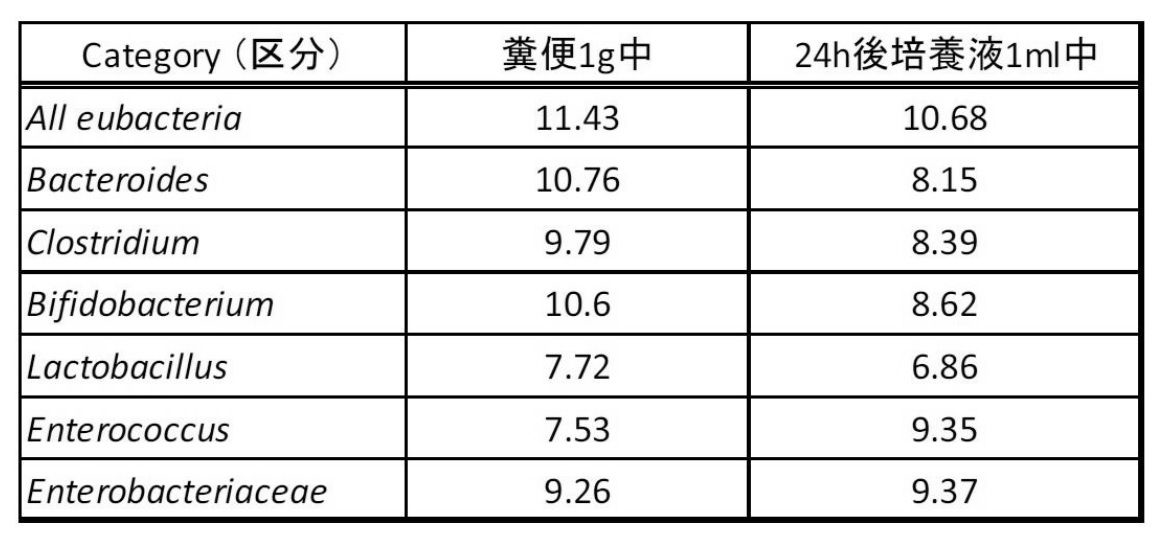
また、図1に示すフローの培養において、40mM 酪酸を培地に添加し、塩酸及び水酸化ナトリウムによりpHを6.5に調製した場合について、糞便およびそれに対して24時間培養した培養液の細菌構成バランス(組成)を下記表6および図8に示す。
図表から、酪酸を培地に添加したものは、大腸内細菌叢の菌属レベルの構成を培養器内でほぼ維持したまま培養できることがわかる。
図表から、酪酸を培地に添加したものは、大腸内細菌叢の菌属レベルの構成を培養器内でほぼ維持したまま培養できることがわかる。

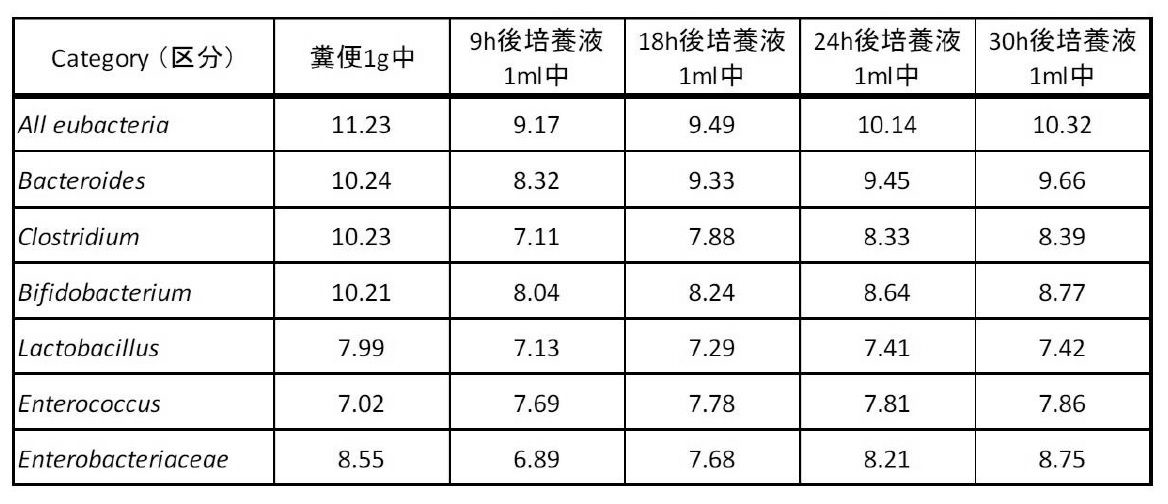
また、図1に示すフローの培養において、60mM 酪酸を培地に添加し、塩酸及び水酸化ナトリウムによりpHを6.5に調製した場合について、糞便およびそれに対して9時間,18時間,24時間,30時間培養した後の培養液の細菌構成バランス(組成)を下記表7に示す。また、糞便およびそれに対して24時間後の培養液の細菌構成バランス(組成)を図9に示す。
図表から、酪酸を培地に添加したものは、大腸内細菌叢の菌属レベルの構成を培養器内でほぼ維持したまま培養できることがわかる。
図表から、酪酸を培地に添加したものは、大腸内細菌叢の菌属レベルの構成を培養器内でほぼ維持したまま培養できることがわかる。
また、図1に示すフローの培養において、100mM 酪酸を培地に添加し、塩酸及び水酸化ナトリウムによりpHを6.5に調製した場合について、糞便およびそれに対して24時間培養した培養液の細菌構成バランス(組成)を下記表8および図10に示す。
図表から、酪酸を培地に添加したものは、大腸内細菌叢の菌属レベルの構成を培養器内でほぼ維持したまま培養できることがわかる。
図表から、酪酸を培地に添加したものは、大腸内細菌叢の菌属レベルの構成を培養器内でほぼ維持したまま培養できることがわかる。

また、図1に示すフローの培養において、60mM 酪酸を培地に添加し、塩酸及び水酸化ナトリウムによりpHを6.5に調製した場合について、糞便およびそれに対して24時間培養した培養液、そして培養液を回収し1%アスコルビン酸含有PBS溶液を用いて洗浄して再懸濁した物を凍結乾燥させて粉末化した凍結乾燥粉末を使用して24時間培養した培養液の細菌構成バランス(組成)を下記表9および図11に示す。
図表から、凍結乾燥粉末を使用して24時間培養した培養液の細菌構成バランス(組成)は、糞便およびそれに対して24時間培養した培養液の細菌構成バランス(組成)と近似していることがわかる。これにより、凍結乾燥粉末を用いた場合でも、糞便中の大腸内細菌叢の構成バランス(組成)をある程度まで再現できることがわかる。
図表から、凍結乾燥粉末を使用して24時間培養した培養液の細菌構成バランス(組成)は、糞便およびそれに対して24時間培養した培養液の細菌構成バランス(組成)と近似していることがわかる。これにより、凍結乾燥粉末を用いた場合でも、糞便中の大腸内細菌叢の構成バランス(組成)をある程度まで再現できることがわかる。

実施例2では20代男性の糞便に対するものであったが、実施例3では、30代男性、40代男性、50代男性、20代女性、30代女性、40代女性および50代女性の糞便に対する腸内細菌叢の構成バランス(組成)の結果を説明する。実施例3では、実施例1の培養方法のフロー(図1)において、60mM 酪酸を培地に添加し、pHを6.5に調製した条件で24時間培養させた結果を示す。
下表10および図12は30代男性、下表11および図13は40代男性,下表12および図14は50代男性、下表13および図15は20代女性、下表14および図16は30代女性、下表15および図17は40代女性、下表16および図18は50代女性に関する結果である。
下表10および図12は30代男性、下表11および図13は40代男性,下表12および図14は50代男性、下表13および図15は20代女性、下表14および図16は30代女性、下表15および図17は40代女性、下表16および図18は50代女性に関する結果である。

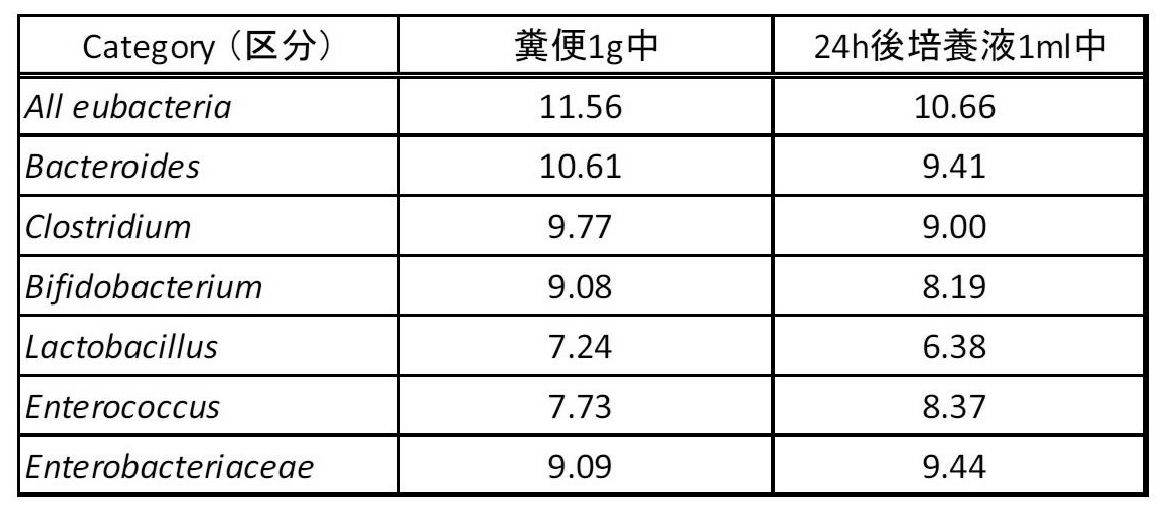
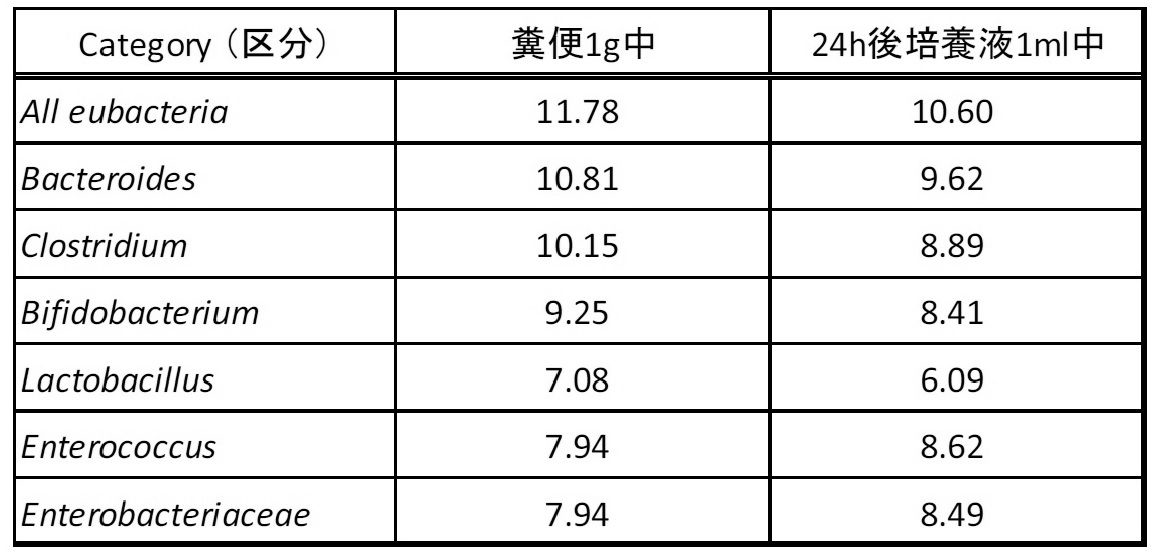
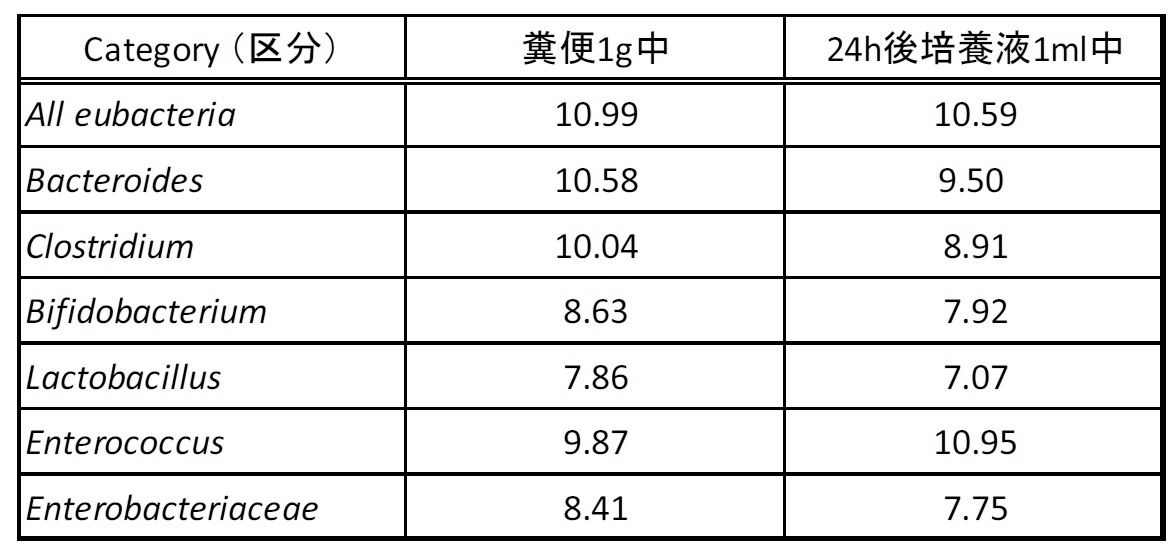
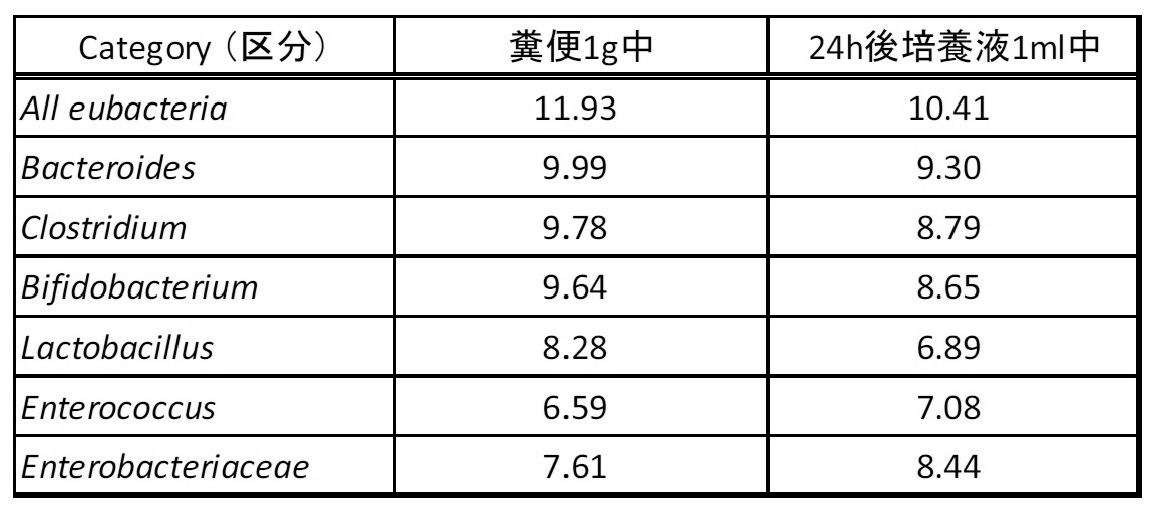
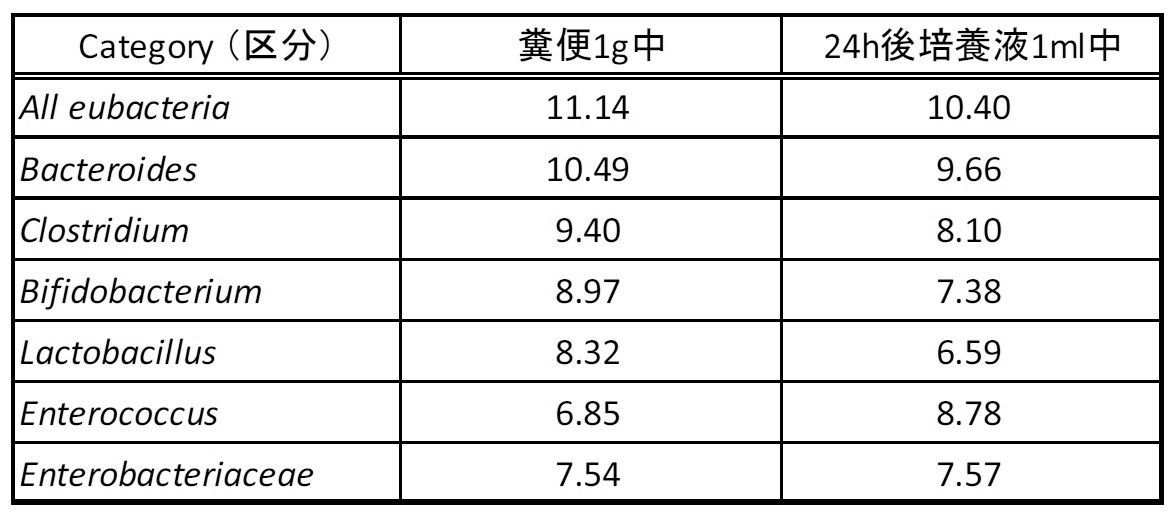
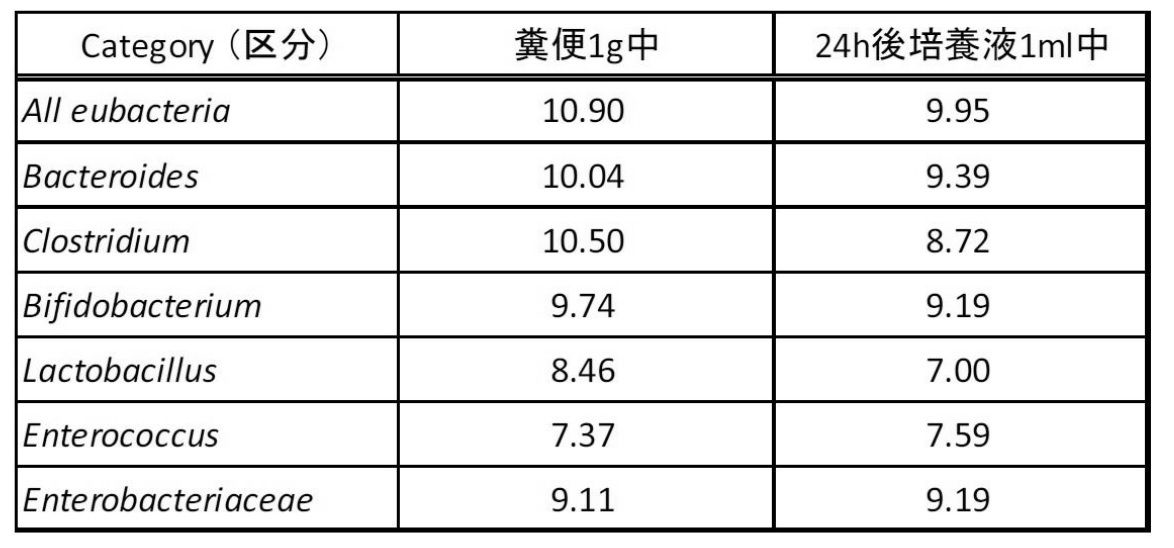
上記表10~16および図12~18からわかるように、30代男性、40代男性、50代男性、20代女性、30代女性、40代女性、50代女性のそれぞれの糞便1g中の細菌叢の菌数と、24時間培養液1ml中の細菌叢の菌数がいずれも近似しており、構成バランス(組成)がほぼ維持したまま培養できている。すなわち、性別を問わず、年齢を問わず、個々人の大腸内細菌叢の菌属レベルの構成を培養器内でほぼ維持したまま培養できることがわかる。
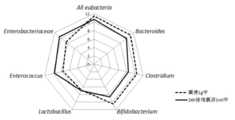
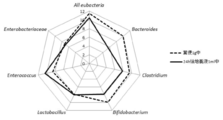
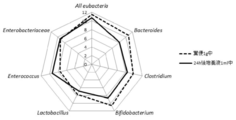
図19および図20は、それぞれ30代男性と20代女性の培養試験結果のグラフであり、図19(1)および図20(1)は、嫌気ガスとして窒素のみを用いて、流量0.1~1.0dl/minで、培地に対して嫌気的ガスを常に曝気させた環境下で24時間培養したものである。一方、図19(2)および図20(2)は、嫌気ガスとして窒素と二酸化炭素の混合ガス(窒素:二酸化炭素 = 4:1)を用いて、流量0.1~1.0dl/minで、培地に対して嫌気的ガスを常に曝気させた環境下で24時間培養したものである。
嫌気ガスとして窒素のみを用いた場合と、窒素と二酸化炭素の混合ガスを用いた場合を比較すると、窒素と二酸化炭素の混合ガスを用いた方が、図19に示すように、30代男性に関しては、特にClostridium、Enterococcus、Lactobacillus、Bifidobacteriumの菌属レベルで一致性が高く、また、20代女性に関しては、特にClostridium、Enterococcusの菌属レベルで一致性が高く、腸内細菌叢の細胞群の構成バランス(組成)の維持に優れていることがわかる。
嫌気ガスとして窒素のみを用いた場合と、窒素と二酸化炭素の混合ガスを用いた場合を比較すると、窒素と二酸化炭素の混合ガスを用いた方が、図19に示すように、30代男性に関しては、特にClostridium、Enterococcus、Lactobacillus、Bifidobacteriumの菌属レベルで一致性が高く、また、20代女性に関しては、特にClostridium、Enterococcusの菌属レベルで一致性が高く、腸内細菌叢の細胞群の構成バランス(組成)の維持に優れていることがわかる。
次に、機能性成分の評価の一例として、イヌリン等の機能性成分の評価に、腸内細菌叢シミュレーション培養方法およびシステムを用いた一例を説明する。
図21は、イヌリンの機能性成分評価フロー図、図22は、機能性成分評価システムの概略構成図、図23は、実施例5のイヌリン添加/非添加の培養試験結果のグラフ、図24はイヌリン等の機能性成分の培養試験結果のグラフを示している。
なお、イヌリンは、果糖の重合体で多糖類の一種であり、ゴボウやキクイモなどのキク科植物の塊茎や根、タマネギやニンニクといったユリ科植物などに存在しており、食物繊維として様々な機能性を有することが知られている。
図21は、イヌリンの機能性成分評価フロー図、図22は、機能性成分評価システムの概略構成図、図23は、実施例5のイヌリン添加/非添加の培養試験結果のグラフ、図24はイヌリン等の機能性成分の培養試験結果のグラフを示している。
なお、イヌリンは、果糖の重合体で多糖類の一種であり、ゴボウやキクイモなどのキク科植物の塊茎や根、タマネギやニンニクといったユリ科植物などに存在しており、食物繊維として様々な機能性を有することが知られている。
図21に示すように、先ず凍結乾燥させ粉末化した培養菌叢(凍結乾燥アンプル)を準備する(ステップS11)。培養菌叢(凍結乾燥アンプル)は、上述の実施例1の培養方法のフロー(図1)において、60mM 酢酸を培地に添加してpHを6.5に調製して、30時間培養した培養液を10~20mlサンプリングし、遠心回収後に還元剤として1%アスコルビン酸若しくは0.1%L-システイン塩酸塩含有PBSで洗浄し、同溶液3~6mlに再懸濁したものを0.3mlずつ凍結乾燥アンプルに分注して凍結乾燥させたものである。
次に、凍結乾燥アンプルにイヌリン(Wako製)を添加して培養して、第1の培養液を作製する(ステップS12)。また、別の凍結乾燥アンプルにイヌリンを添加しないで培養して、第2の培養液を作製する(ステップS13)。第1の培養液と第2の培養液は同時に培養してもよい。
そして、24時間培養した第1の培養液と第2の培養液のフローラの細胞群の構成バランスを比較する(ステップS14)。イヌリンを添加しないで培養した第2の培養液のフローラの細胞群と比べ、イヌリンを添加して培養した第1の培養液のフローラの細胞群で、24時間で増加した菌とその増加量を確認する(ステップS15)。ステップS15の確認結果に基づいて、イヌリンの機能性を評価する(ステップS16)。
そして、24時間培養した第1の培養液と第2の培養液のフローラの細胞群の構成バランスを比較する(ステップS14)。イヌリンを添加しないで培養した第2の培養液のフローラの細胞群と比べ、イヌリンを添加して培養した第1の培養液のフローラの細胞群で、24時間で増加した菌とその増加量を確認する(ステップS15)。ステップS15の確認結果に基づいて、イヌリンの機能性を評価する(ステップS16)。
機能性成分評価システムは、図22に示すように、凍結乾燥アンプルにイヌリンを添加してフローラを培養した培養液1を作製する培養装置1と、凍結乾燥アンプルにイヌリンを添加しないでフローラを培養した培養液2を作製する培養装置2と、同時間培養した培養液1と培養液2のフローラの細胞群の構成バランスを比較分析し、イヌリンの機能性を評価する分析装置から構成される。
図23の培養試験結果に示すように、イヌリンを添加した糞便のアンプルを24時間培養した方が、イヌリンを添加していない糞便のアンプルの培養よりも、ビフィドバクテリウム属(Bifidobacterium)の菌数が約10倍も増加していることが確認できた。これは、善玉菌であるビフィズス菌が約10倍増加していることを示している。なお、凍結乾燥アンプルは20代女性のアンプルを使用した。
イヌリン以外の機能性成分についても、機能性成分評価の確認のために、同様にそれぞれの機能性成分を添加した糞便のアンプルを24時間培養した。それらの培養試験結果を図24に示す。凍結乾燥アンプルは20代女性のアンプルを使用した。
図24において、“Control”はアンプルをそのまま培養した結果であり、“Sucrose”はスクロースを0.5%濃度で添加して培養した結果であり、“1-kestose”は、ケストースを0.5%濃度で添加して培養した結果であり、“FOS”はフラクトオリゴ糖(Wako製)を0.5%濃度で添加して培養した結果であり、“GOS”はガラクトオリゴ糖(Wako製)を0.5%濃度で添加して培養した結果であり、“Fuji FF”はフジFF(フジ日本精糖製)を0.5%濃度で添加して培養した結果であり、“Inulin”はイヌリン(Wako製)を0.5%濃度で添加して培養した結果であり、“Agave inulin”はアガベイヌリンを0.5%濃度で添加して培養した結果である。
図24において、“Control”はアンプルをそのまま培養した結果であり、“Sucrose”はスクロースを0.5%濃度で添加して培養した結果であり、“1-kestose”は、ケストースを0.5%濃度で添加して培養した結果であり、“FOS”はフラクトオリゴ糖(Wako製)を0.5%濃度で添加して培養した結果であり、“GOS”はガラクトオリゴ糖(Wako製)を0.5%濃度で添加して培養した結果であり、“Fuji FF”はフジFF(フジ日本精糖製)を0.5%濃度で添加して培養した結果であり、“Inulin”はイヌリン(Wako製)を0.5%濃度で添加して培養した結果であり、“Agave inulin”はアガベイヌリンを0.5%濃度で添加して培養した結果である。
図24に示す培養試験結果から、FOS以降の多糖について、Clostridium、Bifidobacteriumが、Controlやスクロースよりも増加していることが確認できた。このことは、既知のヒト介入試験による文献(例えば、「Petra A.M.J.Scholtens et al., "Bifidogenic Effects of Solid Weaning Foods With Added Prebiotic Oligosaccharides: A Randomised Controlled Clinical Trial", Journal of Pediatric Gastroenterology and Nutrition, Vol.42, No.5, pp.553-559, 2006」を参照)のデータと一致している。従って、本実施例の機能性成分評価のデータが、生体のデータとも相関性があることを示唆していると言える。
以上から、本発明の機能性成分評価方法および機能性成分評価システムが、機能性成分のスクリーニングに活用できることがわかる。
以上から、本発明の機能性成分評価方法および機能性成分評価システムが、機能性成分のスクリーニングに活用できることがわかる。
本発明は、生体外においても細菌の構成バランスを維持した腸内細菌叢を用いた、食品、医薬等の機能性成分の機能性、安全性の評価方法、評価システムとして、簡便で有用である。
Claims (20)
- 個々の腸内細菌叢を、低級脂肪酸(炭素数2以上7以下)からなる有機酸が添加された培地を用いて、嫌気的環境で培養する腸内細菌叢シミュレーション培養方法。
- 前記低級脂肪酸は、少なくとも酪酸(butyric acid)を含むことを特徴とする請求項1の腸内細菌叢シミュレーション培養方法。
- 前記低級脂肪酸の濃度範囲が、1~100mMに調製されたことを特徴とする請求項1又は2の腸内細菌叢シミュレーション培養方法。
- 前記低級脂肪酸の濃度範囲が、30~100mMに調製されたことを特徴とする請求項1又は2の腸内細菌叢シミュレーション培養方法。
- 前記低級脂肪酸が酪酸(butyric acid)であり、酪酸の濃度範囲が1~100mMで調製されたことを特徴とする請求項1の腸内細菌叢シミュレーション培養方法。
- 前記低級脂肪酸が酪酸(butyric acid)であり、酪酸の濃度範囲が40~100mMで調製されたことを特徴とする請求項1の腸内細菌叢シミュレーション培養方法。
- 前記培地は、6.0~7.0の範囲にpHが調製されたことを特徴とする請求項1~6の何れかの腸内細菌叢シミュレーション培養方法。
- 前記嫌気的環境は、前記培地に対して、嫌気的ガスを曝気させることを特徴とする請求項1~7の何れかの腸内細菌叢シミュレーション培養方法。
- 前記嫌気的ガスの曝気は、流量0.1~1.0dl/minで常時行うことを特徴とする請求項8の腸内細菌叢シミュレーション培養方法。
- 前記嫌気的ガスは、窒素と二酸化炭素の混合ガスであることを特徴とする請求項8又は9の腸内細菌叢シミュレーション培養方法。
- 請求項1~10の何れかの腸内細菌叢シミュレーション培養方法を用いて培養された培養液を凍結乾燥させ粉末化した培養菌叢。
- 前記凍結乾燥は、前記培養液を還元剤で洗浄することを特徴とする請求項11に記載の培養菌叢。
- 前記還元剤が、アスコルビン酸若しくはシステインであることを特徴とする請求項12に記載の培養菌叢。
- 培養容器を格納して細菌の培養を行う培養手段と、
前記培養手段における温度及びpHを調製する培養環境調製手段と、
前記培養手段に嫌気的環境を付与する嫌気的環境付与手段と、
を備え、
前記培養容器内の培地は、低級脂肪酸(炭素数2以上7以下)からなる有機酸が添加されていることを特徴とする腸内細菌叢シミュレーション培養装置。 - 前記低級脂肪酸が酪酸(butyric acid)であることを特徴とする請求項14の腸内細菌叢シミュレーション培養装置。
- 前記嫌気的環境付与手段は、前記培地に対して、嫌気的ガスを曝気し得ることを特徴とする請求項14又は15の腸内細菌叢シミュレーション培養装置。
- 前記嫌気的ガスは、窒素と二酸化炭素の混合ガスであることを特徴とする請求項16の腸内細菌叢シミュレーション培養装置。
- 請求項1~10の何れかの腸内細菌叢シミュレーション培養方法を用いて、機能性成分を評価する方法であって、
前記機能性成分を添加して腸内細菌叢を培養する第1の培養液を作製し、
前記機能性成分を添加しないで腸内細菌叢を培養する第2の培養液を作製し、
同時間培養した第1の培養液と第2の培養液の腸内細菌叢の細胞群の構成バランスを比較し、
腸内細菌叢の細胞群の構成バランスの相違から、前記機能性成分の機能性もしくは安全性を評価することを特徴とする腸内細菌叢シミュレーション培養を用いた機能性成分評価方法。 - 請求項11~13の何れかの培養菌叢を用いて、機能性成分を評価する方法であって、
前記培養菌叢に前記機能性成分を添加して腸内細菌叢を培養する第1の培養液を作製し、
前記培養菌叢に前記機能性成分を添加しないで腸内細菌叢を培養する第2の培養液を作製し、
同時間培養した第1の培養液と第2の培養液の腸内細菌叢の細胞群の構成バランスを比較し、
腸内細菌叢の細胞群の構成バランスの相違から、前記機能性成分の機能性もしくは安全性を評価することを特徴とする腸内細菌叢シミュレーション培養を用いた機能性成分評価方法。 - 請求項14~17の何れかの腸内細菌叢シミュレーション培養装置を少なくとも2つ用いて、機能性成分を評価するシステムであって、
前記機能性成分を添加して腸内細菌叢を培養する第1の培養液を作製する第1の腸内細菌叢シミュレーション培養装置と、
前記機能性成分を添加しないで腸内細菌叢を培養する第2の培養液を作製する第2の腸内細菌叢シミュレーション培養装置と、
同時間培養した第1の培養液と第2の培養液の腸内細菌叢の細胞群の構成バランスを比較分析する分析装置、
から成り、
前記分析装置で前記機能性成分の機能性もしくは安全性を評価する機能性成分評価システム。
Priority Applications (1)
| Application Number | Priority Date | Filing Date | Title |
|---|---|---|---|
| JP2016507353A JP6482135B2 (ja) | 2014-03-12 | 2015-03-09 | 腸内細菌叢シミュレーション培養方法、装置および培養菌叢 |
Applications Claiming Priority (2)
| Application Number | Priority Date | Filing Date | Title |
|---|---|---|---|
| JP2014049539 | 2014-03-12 | ||
| JP2014-049539 | 2014-03-12 |
Publications (1)
| Publication Number | Publication Date |
|---|---|
| WO2015136916A1 true WO2015136916A1 (ja) | 2015-09-17 |
Family
ID=54071373
Family Applications (1)
| Application Number | Title | Priority Date | Filing Date |
|---|---|---|---|
| PCT/JP2015/001280 Ceased WO2015136916A1 (ja) | 2014-03-12 | 2015-03-09 | 腸内細菌叢シミュレーション培養方法、装置および培養菌叢 |
Country Status (2)
| Country | Link |
|---|---|
| JP (1) | JP6482135B2 (ja) |
| WO (1) | WO2015136916A1 (ja) |
Cited By (10)
| Publication number | Priority date | Publication date | Assignee | Title |
|---|---|---|---|---|
| WO2018022327A1 (en) * | 2016-07-28 | 2018-02-01 | Bobban Subhadra | Devices, systems and methods for the production of humanized gut commensal microbiota |
| JP2018198560A (ja) * | 2017-05-26 | 2018-12-20 | 国立大学法人神戸大学 | 潰瘍性大腸炎の検査方法および装置ならびに治療薬のスクリーニング方法 |
| JP2020103220A (ja) * | 2018-12-28 | 2020-07-09 | 森永乳業株式会社 | プレバイオティクスのスクリーニング方法 |
| JP2021072799A (ja) * | 2017-05-26 | 2021-05-13 | 国立大学法人神戸大学 | 潰瘍性大腸炎の検査方法および装置ならびに治療薬のスクリーニング方法 |
| JP2021521871A (ja) * | 2018-05-04 | 2021-08-30 | フォーディー ファーマ リサーチ リミテッド4D Pharma Research Limited | シミュレートされた腸内環境 |
| JP2021153471A (ja) * | 2020-03-26 | 2021-10-07 | 国立大学法人神戸大学 | 食物繊維の哺乳動物腸内での分解性能または有機酸生産能を評価する方法 |
| CN113512497A (zh) * | 2021-08-12 | 2021-10-19 | 浙江大学 | 一种体外肠道活体培养的3d打印培养槽、培养体系及检测系统和应用 |
| JP2022053525A (ja) * | 2020-09-24 | 2022-04-05 | 森下仁丹株式会社 | 乳酸産生菌叢の保持剤ならびにそれを用いた経口組成物および乳酸産生菌叢の保持方法 |
| JP2024169624A (ja) * | 2021-01-08 | 2024-12-05 | 国立大学法人神戸大学 | 潰瘍性大腸炎の検査方法および装置ならびに治療薬のスクリーニング方法 |
| WO2025110155A1 (ja) * | 2023-11-20 | 2025-05-30 | 国立大学法人神戸大学 | 高分子糖タンパク質を含む原状平衡化を促進および/または維持するための腸内細菌叢培養用組成物 |
Families Citing this family (1)
| Publication number | Priority date | Publication date | Assignee | Title |
|---|---|---|---|---|
| AU2021254477A1 (en) | 2020-04-08 | 2022-11-10 | Megmilk Snow Brand Co., Ltd. | Composition for improving gut microbiota |
-
2015
- 2015-03-09 WO PCT/JP2015/001280 patent/WO2015136916A1/ja not_active Ceased
- 2015-03-09 JP JP2016507353A patent/JP6482135B2/ja active Active
Non-Patent Citations (7)
| Title |
|---|
| DE BOEVER, P. ET AL.: "Fermentation by Gut Microbiota Cultured in a Simulator of the Human Intestinal Microbial Ecosystem Is Improved by Supplementing a Soygerm Powder", THE JOURNAL OF NUTRITION, vol. 130, no. 10, pages 2599 - 2606, XP055224036 * |
| MAATHUIS, A.J. H. ET AL.: "Galacto- Oligosaccharides Have Prebiotic Activity in a Dynamic In Vitro Colon Model Using a 13C- Labeling Technique", THE JOURNAL OF NUTRITION, vol. 142, no. 7, pages 1205 - 1212, XP055224037, ISSN: 0022-3166 * |
| MILLER, T.L. ET AL.: "Fermentation by the Human Large Intestine Microbial Community in an In Vitro Semicontinuous Culture System", APPLIED AND ENVIRONMENTAL MICROBIOLOGY, vol. 42, no. 3, September 1981 (1981-09-01), pages 400 - 407, XP055224035 * |
| TAKIO NEI, BISEIBUTSU NO HOZONHO, 30 April 1978 (1978-04-30), pages 26 - 29 , 212 to 213 * |
| TOMOHIKO FUJISAWA ET AL.: "Progress and Present Status of Methods for the Analysis of Intestinal Microbiota : From Cultivation to Metagenome Analysis", JOURNAL OF INTESTINAL MICROBIOLOGY, vol. 25, no. 3, 6 September 2011 (2011-09-06), pages 165 - 179 * |
| TOSHIHARU HAYASHI ET AL.: "Baiyoho ni yoru Chonai Saikin Flora no Kaiseki", BRACHYSPIRA, vol. 4, no. 1, 30 November 2013 (2013-11-30), pages 32 - 44 * |
| VEILLEUX, B.G. ET AL.: "Simulation of the Rat Intestinal Ecosystem using a Two-stage Continuous Culture System", JOURNAL OF GENERAL MICROBIOLOGY, vol. 123, no. 1, March 1981 (1981-03-01), pages 103 - 115, XP055224033 * |
Cited By (13)
| Publication number | Priority date | Publication date | Assignee | Title |
|---|---|---|---|---|
| WO2018022327A1 (en) * | 2016-07-28 | 2018-02-01 | Bobban Subhadra | Devices, systems and methods for the production of humanized gut commensal microbiota |
| JP2018198560A (ja) * | 2017-05-26 | 2018-12-20 | 国立大学法人神戸大学 | 潰瘍性大腸炎の検査方法および装置ならびに治療薬のスクリーニング方法 |
| JP2021072799A (ja) * | 2017-05-26 | 2021-05-13 | 国立大学法人神戸大学 | 潰瘍性大腸炎の検査方法および装置ならびに治療薬のスクリーニング方法 |
| JP7628682B2 (ja) | 2017-05-26 | 2025-02-12 | 国立大学法人神戸大学 | 潰瘍性大腸炎の検査方法および装置ならびに治療薬のスクリーニング方法 |
| JP2021521871A (ja) * | 2018-05-04 | 2021-08-30 | フォーディー ファーマ リサーチ リミテッド4D Pharma Research Limited | シミュレートされた腸内環境 |
| JP2020103220A (ja) * | 2018-12-28 | 2020-07-09 | 森永乳業株式会社 | プレバイオティクスのスクリーニング方法 |
| JP2021153471A (ja) * | 2020-03-26 | 2021-10-07 | 国立大学法人神戸大学 | 食物繊維の哺乳動物腸内での分解性能または有機酸生産能を評価する方法 |
| JP7325821B2 (ja) | 2020-03-26 | 2023-08-15 | 国立大学法人神戸大学 | 食物繊維の哺乳動物腸内での分解性能または有機酸生産能を評価する方法 |
| JP2022053525A (ja) * | 2020-09-24 | 2022-04-05 | 森下仁丹株式会社 | 乳酸産生菌叢の保持剤ならびにそれを用いた経口組成物および乳酸産生菌叢の保持方法 |
| JP2024169624A (ja) * | 2021-01-08 | 2024-12-05 | 国立大学法人神戸大学 | 潰瘍性大腸炎の検査方法および装置ならびに治療薬のスクリーニング方法 |
| CN113512497A (zh) * | 2021-08-12 | 2021-10-19 | 浙江大学 | 一种体外肠道活体培养的3d打印培养槽、培养体系及检测系统和应用 |
| CN113512497B (zh) * | 2021-08-12 | 2024-05-28 | 浙江大学 | 一种体外肠道活体培养的3d打印培养槽、培养体系及检测系统和应用 |
| WO2025110155A1 (ja) * | 2023-11-20 | 2025-05-30 | 国立大学法人神戸大学 | 高分子糖タンパク質を含む原状平衡化を促進および/または維持するための腸内細菌叢培養用組成物 |
Also Published As
| Publication number | Publication date |
|---|---|
| JP6482135B2 (ja) | 2019-03-13 |
| JPWO2015136916A1 (ja) | 2017-04-06 |
Similar Documents
| Publication | Publication Date | Title |
|---|---|---|
| JP6482135B2 (ja) | 腸内細菌叢シミュレーション培養方法、装置および培養菌叢 | |
| Martín et al. | Faecalibacterium: a bacterial genus with promising human health applications | |
| Shang et al. | Chicken gut microbiota: importance and detection technology | |
| Valdes et al. | Role of the gut microbiota in nutrition and health | |
| Carlisle et al. | The intestinal microbiome and necrotizing enterocolitis | |
| Munoz-Garach et al. | Gut microbiota and type 2 diabetes mellitus | |
| Wang et al. | Human microbiota-associated swine: current progress and future opportunities | |
| Xu et al. | Characterization of diversity and probiotic efficiency of the autochthonous lactic acid bacteria in the fermentation of selected raw fruit and vegetable juices | |
| Gangadoo et al. | In vitro growth of gut microbiota with selenium nanoparticles | |
| CN111228306B (zh) | 富勒烯及其衍生物在调节肠道菌群中的应用 | |
| Vacca et al. | In vitro selection of probiotics, prebiotics, and antioxidants to develop an innovative synbiotic (NatuREN G) and testing its effect in reducing uremic toxins in fecal batches from CKD patients | |
| Xu et al. | The human microbiota associated with overall health | |
| Wu et al. | Effect of a Chinese medical nutrition therapy diet on gut microbiota and short chain fatty acids in the simulator of the human intestinal microbial ecosystem (SHIME) | |
| Wang et al. | Gut microbiome-based strategies for host health and disease | |
| Niu et al. | Effect of fructooligosaccharides on the colonization of Lactobacillus rhamnosus AS 1.2466 T in the gut of mice | |
| Marzorati et al. | Effects of combined prebiotic, probiotic, IgG and amino acid supplementation on the gut microbiome of patients with inflammatory bowel disease | |
| Nabizadeh et al. | Interaction between altered gut microbiota and sepsis: a hypothesis or an authentic fact? | |
| Shrifteylik et al. | A current review on the role of prebiotics in colorectal cancer | |
| Jawad et al. | Dietary supplementation of microbial dextran and inulin exerts hypocholesterolemic effects and modulates gut microbiota in BALB/c mice models | |
| Fournier et al. | A child is not an adult: development of a new in vitro model of the toddler colon | |
| Kozhakhmetov et al. | Gut modulation of dysbiosis induced by dextran sulfate sodium | |
| Costabile et al. | An in vitro fermentation study on the effects of gluten friendlyTM bread on microbiota and short chain fatty acids of fecal samples from healthy and celiac subjects | |
| Geniselli da Silva et al. | Dietary patterns influencing the human colonic microbiota from infancy to centenarian age: a narrative review | |
| Martinez-Martinez et al. | Fructans from Agave enhance probiotic yoghurt by modulating gut microbiota on children with overweight or obesity | |
| de Carvalho et al. | Can supplemented skim milk (SKM) boost your gut health? |
Legal Events
| Date | Code | Title | Description |
|---|---|---|---|
| 121 | Ep: the epo has been informed by wipo that ep was designated in this application |
Ref document number: 15760779 Country of ref document: EP Kind code of ref document: A1 |
|
| DPE2 | Request for preliminary examination filed before expiration of 19th month from priority date (pct application filed from 20040101) | ||
| ENP | Entry into the national phase |
Ref document number: 2016507353 Country of ref document: JP Kind code of ref document: A |
|
| NENP | Non-entry into the national phase |
Ref country code: DE |
|
| 122 | Ep: pct application non-entry in european phase |
Ref document number: 15760779 Country of ref document: EP Kind code of ref document: A1 |