WO2015015764A1 - 基地局装置、通信装置、制御方法及びプログラム - Google Patents
基地局装置、通信装置、制御方法及びプログラム Download PDFInfo
- Publication number
- WO2015015764A1 WO2015015764A1 PCT/JP2014/003874 JP2014003874W WO2015015764A1 WO 2015015764 A1 WO2015015764 A1 WO 2015015764A1 JP 2014003874 W JP2014003874 W JP 2014003874W WO 2015015764 A1 WO2015015764 A1 WO 2015015764A1
- Authority
- WO
- WIPO (PCT)
- Prior art keywords
- base station
- communication
- setting information
- setting
- station apparatus
- Prior art date
- Legal status (The legal status is an assumption and is not a legal conclusion. Google has not performed a legal analysis and makes no representation as to the accuracy of the status listed.)
- Ceased
Links
Images



Classifications
-
- H—ELECTRICITY
- H04—ELECTRIC COMMUNICATION TECHNIQUE
- H04W—WIRELESS COMMUNICATION NETWORKS
- H04W76/00—Connection management
- H04W76/10—Connection setup
- H04W76/15—Setup of multiple wireless link connections
Definitions
- the present invention relates to a base station device, a communication device, a control method, and a program, and more specifically, to a communication setting technique in a wireless communication system.
- Dual Connectivity In LTE Release 12, discussions have begun on a technology called Dual Connectivity in which two types of base stations cooperate in a layer above the MAC (medium access control) layer in such an environment.
- the two types of base stations are a master eNB (for example, a macro base station) and a secondary eNB (for example, a small cell base station).
- the master eNB leads communication control, and the secondary eNB controls communication control. Operates based on.
- Dual Connectivity two types of base stations are connected by a wired or wireless backhaul line, and for example, traffic transmitted to a terminal is delivered to a secondary eNB via a master eNB.
- the passed signal is then transmitted as a radio signal from the secondary eNB to the terminal.
- the signal transmitted from the terminal to the secondary eNB is transferred from the secondary eNB to the master eNB. That is, all or most of the traffic passes through the master eNB once.
- control data for maintaining mobility and data with high real-time properties such as voice call traffic are transmitted from the master eNB to the terminal.
- best-effort user data (U-plane) that does not require real-time performance such as Web browsing is transmitted from the secondary eNB to the terminal.
- the master eNB and the secondary eNB are connected via the X2 interface, but basically each operates independently.
- the operation time of HARQ Hybrid Automatic Repeat Request
- the delay of 10 ms or less is required to satisfy a delay of 10 ms or less, so that independence of the operation is required when the delay of the backhaul line is large.
- the present invention has been made in view of the above problems, and an object of the present invention is to make it possible to set communication according to the capabilities of a terminal when a plurality of base stations communicate with one terminal.
- the base station apparatus which concerns on 1 aspect of this invention is the said base station apparatus in the radio
- a base station apparatus is the base station apparatus in a wireless communication system in which the base station apparatus and the other base station apparatus communicate with one communication apparatus, From the other base station apparatus together with communication means for communicating with the communication apparatus, and second setting information that the other base station apparatus uses or requests to use for wireless communication with the communication apparatus Notification means for notifying the other base station device of first setting information that the base station device requests to use for wireless communication with the communication device in order to transmit to the communication device; And the communication means starts communication with the communication device using the first setting information after notifying the first setting information.
- a communication apparatus is a communication apparatus that performs communication between a first base station apparatus and a second base station apparatus, and includes the first base station apparatus and the second base station apparatus.
- the communication means includes first setting information used for wireless communication with the first base station apparatus and second setting information used for wireless communication with the second base station apparatus.
- Information from the first base station apparatus, and the execution means performs wireless communication based on the first setting information with the first base station apparatus, and the second base A wireless communication setting based on the second setting information with the station device is executed, and the communication means includes: After executing the setting, communication with the first base station apparatus is started using the first setting information, and with the second base station apparatus using the second setting information. The communication between the two is started.
- the accompanying drawings are included in the specification, constitute a part thereof, show an embodiment of the present invention, and are used to explain the principle of the present invention together with the description.
- the conceptual diagram which shows the example of arrangement
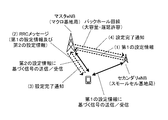
- the conceptual diagram which shows the example of communication between the terminal and multiple eNB by Dual Connectivity.
- the figure which shows the hardware structural example of a master eNB, a secondary eNB, and a terminal.
- the block diagram which shows the function structural example of the master eNB.
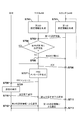
- the sequence diagram which shows an example of the flow of the process performed with a radio
- the radio communication system includes, for example, a master eNB, a secondary eNB, and a terminal (UE) as illustrated in FIG.
- eNB is a base station apparatus, but the corresponding wireless communication system may be other than LTE.
- the terminal is a mobile unit or a fixed radio communication device, and may correspond to a radio communication system other than LTE.
- the master eNB performs communication using a first frequency band (for example, 2 GHz), and the secondary eNB performs communication using a second frequency band (3.5 GHz).
- the master eNB and the secondary eNB are connected to each other by a wired or wireless communication line (backhaul line).
- a downlink signal arrives at a terminal by being transmitted to a terminal as a radio signal directly from a master eNB, or being transmitted as a radio signal from a secondary eNB to a terminal after being transferred from a master eNB to a secondary eNB .
- the uplink signal reaches the master eNB when the terminal directly transmits to the master eNB or when the secondary eNB transfers a signal transmitted from the terminal to the secondary eNB to the master eNB. Note that communication between the terminal and another device directly connected to the secondary eNB may not pass through the master eNB.
- the master eNB and the secondary eNB execute wireless communication settings independently at this time.
- the master eNB and the secondary eNB try to set the radio communication by independently transmitting the RRC message to the terminal, for example, without considering the setting of the radio communication performed by the other eNBs.
- the terminal may not be able to execute the two settings respectively requested by the master eNB and the secondary eNB.
- the maximum number of component carriers (CC: Component Carrier) in the carrier aggregation (CA) is determined for each terminal.
- CC Component Carrier
- CA carrier aggregation
- the terminal can use up to three CCs, and the master eNB sets two CCs and transmits or receives signals with the terminal.
- the secondary eNB requests the setting of one CC, even if this terminal sets this CC, the total number of CCs is 3, which is equal to or less than the number of available CCs. It is possible to execute both of the two settings of the communication setting and the communication setting with the secondary eNB.
- the secondary eNB requests setting of two CCs, in this case, when CCs are set as requested by the secondary eNB, the total number of CCs is 4, which exceeds the maximum number of CCs that can be used by the terminal. It becomes. Therefore, in this case, the terminal cannot execute two settings, i.e., setting of wireless communication with the master eNB and setting of wireless communication with the secondary eNB.
- the same phenomenon may occur with respect to the number of channel information feedback processes (CSI-process).
- CSI-process channel information feedback processes
- the total number of CSI-Processes that a terminal can set for all CCs is defined as 4. In this case, even if the master eNB and the secondary eNB request the setting of three and two CSI-processes respectively, the terminal cannot set them.
- the master eNB sets the wireless communication setting between the secondary eNB and the terminal together with the setting of wireless communication between the master eNB itself and the terminal.
- the secondary eNB does not transmit the setting information (first setting information) to be used for wireless communication with the terminal to the terminal, but the master eNB. ((1) in FIG. 2).
- the master eNB uses the setting information (second setting information) that it uses or requests to use for wireless communication with the terminal and the acquired first setting information. It is determined whether two wireless communication settings based on the two setting information can be executed.
- the master eNB determines that the terminal is capable of performing two wireless communication settings, the master eNB includes first setting information for the secondary eNB and second setting information for the master eNB itself.
- An RRC message is transmitted to the terminal ((2) in FIG. 2).
- the terminal When the terminal receives the RRC message including the first setting information and the second setting information, the terminal performs setting for wireless communication based on the message. That is, a terminal performs the setting of radio
- the first setting information related to the radio communication setting of the secondary eNB is thus notified to the terminal via the master eNB. Therefore, in the master eNB, it is possible to determine whether the terminal can execute both the settings based on the second setting information regarding the wireless communication setting of the master eNB and the settings based on the first setting information. . Then, when the terminal can execute both of the two settings, the master eNB includes the first setting information and the second setting information in the RRC message and transmits the information to the terminal. For this reason, the terminal does not receive setting information that cannot be used, or the frequency at which the terminal receives such setting information decreases. Accordingly, the terminal can be prevented from being requested to set a value exceeding its own capability, or the frequency of such a state can be suppressed to a low level.
- the terminal executes not only the communication setting with the master eNB but also the communication setting with the secondary eNB according to the RRC message received from the master eNB.
- wireless communication using the second setting information can be performed between the master eNB and the terminal, while wireless communication using the first setting information can be performed between the secondary eNB and the terminal.
- the master eNB can know that wireless communication using the second setting information is possible with the terminal.
- the secondary eNB can know from the master eNB that wireless communication using the first setting information with the terminal is possible by receiving a notification that the setting in the terminal has been completed. Therefore, by such a process, it is possible to execute both communication between the terminal and the master eNB and communication between the terminal and the secondary eNB.
- FIG. 3 is a diagram illustrating a hardware configuration example of a master eNB, a secondary eNB (base station apparatus), and a terminal (mobile / fixed communication apparatus).
- the master eNB, the secondary eNB, and the terminal have the same hardware configuration as illustrated in FIG. 3, and include, for example, a CPU 301, a ROM 302, a RAM 303, an external storage device 304, and a communication device 305.
- the CPU 301 executes a program that realizes the following functions of the master eNB, the secondary eNB, and the terminal, which are recorded in any of the ROM 302, the RAM 303, and the external storage device 304, for example.
- the master eNB, the secondary eNB, and the terminal use the communication device 305 to perform communication between the master eNB or secondary eNB and the terminal, or inter-eNB communication between the master eNB and the secondary eNB.
- the master eNB, the secondary eNB, and the terminal have one communication device 305.
- the eNB has a communication device for communication between eNBs and a communication device between terminals. May be.
- the terminal may have a plurality of communication devices corresponding to each of a plurality of frequency bands, which cooperate in a layer higher than the MAC layer, for example.
- the master eNB, the secondary eNB, and the terminal may include dedicated hardware that executes each function described below, or a computer that executes a part of the hardware and operates the program. May be executed. Further, all the following functions may be executed by a computer and a program.
- FIG. 4 is a block diagram illustrating a functional configuration example of the master eNB.
- the master eNB includes, for example, a wired communication unit 401, a setting information acquisition unit 402, a setting availability determination unit 403, a message generation unit 404, a wireless communication unit 405, and a setting completion determination unit 406.
- the wired communication unit 401 is a functional unit that performs wired communication with the secondary eNB via, for example, the X2 interface.
- the setting information acquisition unit 402 acquires, from the secondary eNB, the first setting information that the secondary eNB requests to use for wireless communication with the terminal via the wired communication unit 401.
- the setting information acquisition unit 402 determines, for example, second setting information that is used or requested to be used for wireless communication between the master eNB itself and the terminal, or from a storage unit that is not illustrated. You may read and acquire.
- the first setting information and the second setting information each include information on the number of component carriers (CC) used in carrier aggregation, for example.
- the first setting information and the second setting information may each include, for example, information on the number of channel information feedback processes (CSI-process) to be executed.
- CSI-process channel information feedback processes
- the setting availability determination unit 403 Based on the first setting information and the second setting information acquired by the setting information acquisition unit 402, the setting availability determination unit 403 allows the terminal to set the wireless communication based on the first setting information and the second setting information. It is determined whether the two settings of the wireless communication based on the information can be executed simultaneously.
- “two settings can be executed simultaneously” means that the first setting information and the second setting information can be set at the same time, and the setting process is not necessarily executed at the same timing. It doesn't need to be possible.
- the setting availability determination unit 403 registers in advance information related to the capability or restriction of the terminal, that is, information related to conditions under which the setting can be executed, in a storage device (not illustrated), and reads it to read Or gather information from the terminal and know it.
- the setting availability determination unit 403 uses the total number of these CCs used by the terminal. It is determined whether or not the maximum number of CCs that can be made is below. In this case, the setting availability determination unit 403 determines that the two settings can be performed simultaneously when the total number of CCs included in the setting information is equal to or less than the number of CCs usable by the terminal.
- the setting availability determination unit 403 determines that the two settings cannot be executed simultaneously.
- the setting availability determination unit 403 determines that the two settings can be performed simultaneously.
- the setting availability determination unit 403 determines the total number of these processes as the number of processes that can be set by the terminal. You may determine whether it is below the upper limit number. In this case, the setting availability determination unit 403 determines whether the total number of feedback processes included in the setting information is equal to or less than the upper limit number of feedback processes that can be set by the terminal.
- the feedback process based on the setting information The total number is “5”.
- the number of feedback processes that can be set by the terminal is 4, the total number of feedback processes based on the setting information exceeds the number of feedback processes that can be set by the terminal. For this reason, the terminal cannot simultaneously execute two settings based on these two setting information. Therefore, in this case, the setting availability determination unit 403 determines that the two settings cannot be executed simultaneously.
- the setting availability determination unit 403 determines that the two settings can be performed simultaneously.
- the setting availability determination unit 403 can determine that two settings can be performed simultaneously when all of the plurality of conditions are satisfied. For example, even if the number of CCs based on the setting information is less than or equal to the number of CCs that can be used by the terminal, if the number of feedback processes based on the setting information is not less than the number of feedback processes that can be set by the terminal, the terminal The two settings cannot be executed simultaneously. Therefore, when there are a plurality of conditions, the setting availability determination unit 403 determines that the two settings can be executed simultaneously only when all of the plurality of conditions are satisfied.
- the message generation unit 404 generates a message to be transmitted to the secondary eNB or the terminal according to the determination result of the setting availability determination unit 403. For example, when the setting availability determination unit 403 determines that the setting based on the setting information cannot be performed by the terminal, the message generation unit 404 generates a message including information indicating that the setting cannot be performed. Then, the message generation unit 404 transmits the message to the secondary eNB via the wired communication unit 401 and notifies that the reconfiguration of the setting information is requested. Thereby, the secondary eNB can recognize that there is a problem in the configuration information and the configuration information should be reconfigured.
- the message generation unit 404 may include information on the reason why the setting cannot be made in the message and notify the secondary eNB of the reason.
- the information on the reason why the setting cannot be performed may include information indicating that, or the terminal may use Information on the difference between the maximum number of possible CCs and the total number of CCs based on the setting information may be included. Accordingly, the secondary eNB can reconfigure the settings used for wireless communication with the terminal so as to reduce the number of CCs to be used, so that the terminal can perform settings based on the setting information. Can be expected to become.
- the information indicating the reason why setting cannot be performed is information indicating that or the number of processes that can be set by the terminal and the setting Information on a difference from the total number of processes based on the information may be included.
- the secondary eNB may reconfigure the settings used for wireless communication with the terminal so that the number of feedback processes to be set is reduced, so that the terminal executes the setting based on the setting information. You can expect to be able to do it.
- the message generation unit 404 includes an RRC (Radio Resource Control) including the first setting information and the second setting information. ) Generate a message. Then, the message generating unit 404 transmits this RRC message to the terminal via the wireless communication unit 405.
- the message generation unit 404 may generate a message indicating that the terminal can perform two settings based on the setting information at the same time, and notify the secondary eNB via the wired communication unit 401. By doing in this way, secondary eNB can grasp that there is no problem in setting information.
- the message generation unit 404 If the message generation unit 404 does not receive a completion notification indicating that the setting based on the setting information is completed within a predetermined time from the terminal via the wireless communication unit 405, the message generation unit 404 sends the same message to the terminal. It may be resent. Further, when the message generation unit 404 does not receive a completion notification indicating that the setting based on the setting information is completed within a predetermined time, the message generating unit 404 sends another message including the first setting information and the second setting information. It may be generated and transmitted to the terminal. Thereby, even when the terminal fails to receive the RRC message, it is possible to improve the probability that the first setting information and the second setting information can be transmitted.
- the message generation unit 404 If the completion notification is not received from the terminal even though the message including the first setting information and the second setting information is transmitted a predetermined number of times, the message generation unit 404 generates or regenerates the message. Transmission may be terminated and a series of wireless communication setting processing may be completed. In this case, the message generation unit 404 may generate a message indicating that the setting could not be completed and transmit the message to the secondary eNB via the wired communication unit 401. As a result, it is possible to prevent waste of radio resources due to repeated transmission of RRC messages despite the deterioration of the state of the radio transmission path. In addition, by notifying the secondary eNB that the process has been terminated, the secondary eNB does not need to continue to wait for a setting completion notification to arrive.
- the master eNB and the secondary eNB may perform wireless communication settings using the second setting information and the first setting information, respectively, on the assumption that the RRC message reaches the terminal. In this case, the master eNB and the secondary eNB can return the setting to the state before execution by determining the termination.
- the wireless communication unit 405 performs wireless communication with the terminal. For example, the wireless communication unit 405 transmits an RRC message to the terminal in a predetermined format, and receives a setting completion notification from the terminal. In addition, the wireless communication unit 405 starts wireless communication with the terminal using the second setting information after transmitting a message including the first setting information and the second setting information, for example. If wireless communication based on the second setting information has already been performed, the wireless communication based on the setting is maintained.
- the wireless communication unit 405 may be configured to start wireless communication based on the second setting information after receiving the setting completion notification from the terminal.
- the setting completion determination unit 406 analyzes a signal received from the terminal via the wireless communication unit 405 and determines whether a setting completion notification has been received. When the setting completion determination unit 406 determines that a setting completion notification has been received, the setting completion determination unit 406 notifies the message generation unit 404 of that fact.
- the message generation unit 404 generates a message including information indicating that the terminal has completed the setting based on the setting information, and transmits the message to the secondary eNB via the wired communication unit 401. Thereby, the secondary eNB can recognize that the setting of the terminal is completed and wireless communication based on the first setting information is possible. For this reason, for example, the secondary eNB starts wireless communication with the terminal using the first setting information in response to obtaining a message indicating that the eNB has received a master setting completion notification.
- the setting completion determination unit 406 indicates that when the setting completion notification is received. May be notified to the wireless communication unit 405. Thereby, the master eNB can start communication based on the setting after ensuring that the terminal has completed the setting.
- the wireless communication unit 405 may start wireless communication with the terminal using the second setting information after a predetermined time has elapsed after transmitting the RRC message including the second setting information to the terminal.
- a terminal that has received an RRC message must always perform settings in accordance with the message, a terminal that has good radio quality to the extent that wireless communication is possible will receive the second setting information after a predetermined time has elapsed. Should be ready for wireless communication.
- a terminal having wireless quality that cannot receive an RRC message is in a state where wireless communication cannot be performed even if the wireless communication setting is changed or not changed. For this reason, the notification of the completion of setting may be omitted to suppress waste of radio resources. In this case, the setting completion determination unit 406 may be omitted.
- FIG. 5 is a block diagram illustrating a functional configuration example of the secondary eNB.
- the secondary eNB includes, for example, a setting information generation unit 501, a wired communication unit 502, a wireless communication unit 503, and a setting completion detection unit 504.
- the setting information generation unit 501 generates first setting information for use in wireless communication with the terminal. Then, the setting information generation unit 501 transmits the first setting information to the master eNB via the wired communication unit 502, and the master eNB uses or requests to use the wireless communication with the terminal. The master eNB notifies the terminal together with the second setting information.
- the wired communication unit 502 is a functional unit that performs wired communication with the master eNB via the X2 interface, for example.
- the first setting information includes information such as the number of CCs used in CA or the number of feedback processes to be set as described above.
- the first setting information that is requested to be used by the secondary eNB is not directly transmitted from the secondary eNB to the terminal via the RRC message, but is once aggregated to the master eNB, It is transmitted via an RRC message from the eNB.
- the master eNB can know the first setting information before the RRC signaling for the setting is actually performed, and the second setting information of the master eNB and the first setting information of the secondary eNB It becomes possible to determine whether the terminal can execute the setting based on the above.
- the setting information generation unit 501 converts the setting information to third setting information different from the first setting information. Reconfigure. For example, the setting information generation unit 501 reconfigures the setting information by reducing the number of CCs in the CA included in the first setting information or by reducing the number of feedback processes to be executed. Then, the setting information generation unit 501 transmits the reconfigured third setting information to the master eNB. By repeating this until the terminal can simultaneously perform settings based on the setting information of the master eNB and the secondary eNB, setting information that can be used for wireless communication can be obtained.
- the setting information generation unit 501 when the setting information generation unit 501 acquires information indicating the reason why the terminal cannot execute the setting based on the first setting information from the master eNB, the setting information generation unit 501 reconfigures the first setting information based on the reason. To generate third setting information. For example, if the reason is that the number of CCs in CA based on the setting information exceeds the upper limit of the number of CCs that can be used by the terminal by 1, the setting information generation unit 501 performs the first setting. The number of CCs in CA included in the information is reduced by 1 to generate third setting information. Thereby, the terminal can simultaneously execute two settings based on the third setting information and the second setting information. Therefore, by reconfiguring the setting information based on the notified reason, it becomes possible to reconfigure the setting information at high speed according to the capability of the terminal.
- the wireless communication unit 503 is a functional unit that performs wireless communication with the terminal.
- the wireless communication unit 503 starts wireless communication with the terminal based on the first setting information after the setting information generation unit 501 transmits the first setting information to the master eNB.
- the wireless communication unit 503 may start wireless communication with the terminal using the first setting information after elapse of a predetermined time after notifying the master eNB of the first setting information.
- the wireless communication unit 503 starts wireless communication with the terminal using the first setting information in response to the master eNB notifying the secondary eNB that the setting completion notification has been received from the terminal. May be.
- the setting completion detection unit 504 detects whether a notification that the master eNB has received a setting completion notification from the terminal is received from the master eNB by monitoring a signal received via the wired communication unit 502.
- the setting completion detection unit 504 detects that a notification indicating that the setting is completed is received from the master eNB, for example, the setting completion detection unit 504 notifies the wireless communication unit 503 of the fact and notifies the wireless communication unit 503 of the first Wireless communication with the terminal based on the setting information is started.
- notification of setting completion May not be detected.
- the setting completion detection unit 504 receives a message indicating that the setting is to be terminated, which is notified when the master eNB has transmitted the RRC message to the terminal more than a predetermined number of times, but the setting of the terminal has not been completed. May be detected. In this case, the setting completion detection unit 504 notifies the wireless communication unit 503 that the setting based on the first setting information has been terminated, and the wireless communication unit 503 has previously acquired from the setting information generation unit 501, for example. Discard the first setting information. Note that the setting completion detection unit 504 starts wireless communication with the terminal using the first setting information in response to the master eNB notifying the secondary eNB that the setting completion notification has been received from the terminal.
- the wireless communication unit 503 does not have to detect a message indicating that the setting is to be aborted.
- the wireless communication unit 503 starts wireless communication with the terminal using the first setting information after a predetermined time has elapsed, the wireless communication unit 503 is notified of this message within the predetermined time. 503 can stop time counting by a timer (not shown). Therefore, it is possible to prevent the wireless communication unit 503 from trying wireless communication with incorrect setting information after a predetermined time has elapsed.
- the above-mentioned predetermined time may be set longer than a period during which the notification of aborting the setting may arrive, that is, a period during which the master eNB continues a setting request to the terminal.
- the setting completion detection unit 504 detects information indicating that it is determined in the master eNB that the terminal cannot simultaneously execute two settings based on the first setting information and the second setting information. Good.
- the setting completion detection unit 504 notifies the setting information generation unit 501 when detecting this information.
- the setting information generation unit 501 has been described to acquire this information.
- the setting information generation unit 501 detects the setting completion detection unit 504. This information will be acquired via.
- the setting completion detection unit 504 performs wireless communication with a terminal using the first setting information after a predetermined time has elapsed since the wireless communication unit 503 notifies the master eNB of the first setting information.
- the wireless communication unit 503 may be notified that this information has been detected.
- the wireless communication unit 503 resets a timer (not shown) and notifies the master eNB of the third configuration information reconfigured as described above, so that a predetermined time has elapsed from the time of the notification. Try to measure how much has passed. As a result, it is possible to prevent the wireless communication unit 503 from attempting to perform wireless communication with incorrect setting information after a predetermined time has elapsed.
- FIG. 6 is a block diagram illustrating a functional configuration example of the terminal.
- the terminal includes, for example, a setting information receiving unit 601, a wireless communication setting unit 602, and a wireless communication unit 603.
- the setting information receiving unit 601 receives, from the master eNB, first setting information for radio communication with the secondary eNB and second setting information for radio communication with the master eNB via the RRC message. To do.
- a terminal will receive not only the setting information for master eNB but the setting information for secondary eNB from the master eNB. That is, the exchange of the RRC message for setting the wireless communication with the secondary eNB is not performed.
- it is possible to avoid the problem that a plurality of settings based on the respective setting information cannot be performed simultaneously when the master eNB and the secondary eNB independently transmit the RRC message including the respective setting information. It becomes. This is because when the setting information is aggregated in the master eNB, the master eNB notifies the terminal after adjusting the setting information so that the terminal can execute the setting.
- the wireless communication setting unit 602 includes a setting for wireless communication with the secondary eNB based on the first setting information (or the third setting information) received by the setting information receiving unit 601, and a master eNB based on the second setting information. And setting for wireless communication. Thereby, the radio
- the wireless communication unit 603 is a functional unit that performs wireless communication with at least one of the master eNB and the secondary eNB.
- the wireless communication setting unit 602 transmits a setting completion notification indicating that to the master eNB, for example, via an RRC message. Also good.
- a setting completion notification is transmitted, information indicating that the setting is completed is notified from the master eNB to the secondary eNB. That is, the setting completion notification is not directly transmitted from the terminal to the secondary eNB, but is notified to the secondary eNB via the master eNB. In this way, by transmitting the setting completion notification, the master eNB and the secondary eNB can know that the terminal has completed the setting.
- the secondary eNB can know that the wireless communication with the terminal based on the first setting information (or the third setting information) can be performed, and the master eNB can communicate with the terminal based on the second setting information. It is possible to know that the wireless communication can be executed.
- FIG. 7 is a sequence diagram illustrating an example of a flow of processing executed in the wireless communication system according to the present embodiment.
- the secondary eNB generates first setting information that is requested to be used for wireless communication with the terminal (S701). Similarly, the master eNB also generates second setting information that is requested to be used for wireless communication with the terminal (S702). Note that, when the master eNB and the terminal are already communicating, the second setting information may be the setting information used at that time. Further, the first setting information and the second setting information need not be generated simultaneously.
- the secondary eNB transmits information on the first setting information to the master eNB (S703).
- the terminal can simultaneously execute two settings of the wireless communication setting based on the first setting information and the wireless communication setting based on the second setting information. (S704).
- the master eNB transmits a NACK (negative response) to the secondary eNB (S705).
- the master eNB may notify the secondary eNB of the reason why the setting cannot be executed together with NACK.
- the secondary eNB returns to S701 and reconfigures and generates the setting information.
- the master eNB When it is determined that the terminal can execute the two settings at the same time (YES in S704), the master eNB transmits an ACK (acknowledgment) to the secondary eNB (S706). Note that S705 may be omitted because it can be notified at the time of notification of terminal setting completion in S711, which will be described later. Thereafter, the master eNB generates an RRC message including the first setting information and the second setting information (S707), and transmits the RRC message to the terminal (S708).
- the terminal When the terminal receives the RRC message (S708), the terminal performs setting of wireless communication between the secondary eNB and the master eNB based on the first setting information and the second setting information included in the RRC message, respectively. (S709).
- the terminal transmits a setting completion notification to the master eNB (S710).
- the master eNB can know that radio
- the master eNB notifies the secondary eNB of information indicating that the terminal has completed the setting (S711). Thereby, the secondary eNB can know that wireless communication with the terminal based on the first setting information is possible.
- the master eNB starts wireless communication based on the second setting information with the terminal (S712), and the secondary eNB also starts wireless communication based on the first setting information with the terminal (S713). .
- the master eNB aggregates the setting information requested by each of the plurality of secondary eNBs, and the terminal collects these setting information. It is determined whether a plurality of settings based on can be executed simultaneously. Then, when the setting cannot be made, the master eNB notifies the plurality of secondary eNBs to that effect. At this time, when there is a secondary eNB that is already performing wireless communication, the master eNB may perform control so that the setting information used by the secondary eNB at that time is maintained. For example, the master eNB notifies the secondary eNB that is already performing wireless communication, notifying the information indicating that the setting cannot be performed only to the secondary eNB that newly requests the wireless communication setting. Also good.
- the master eNB determines whether the terminal can simultaneously support both the setting information based on the setting information requested or used by the master eNB itself and the setting information requested by the secondary eNB. . And about the setting information which cannot respond simultaneously, the master eNB notifies the secondary eNB that the setting cannot be performed, and requests the secondary eNB to reconfigure the setting information. By doing in this way, it becomes possible to prevent the situation where a terminal cannot respond simultaneously to a plurality of setting information transmitted independently from a plurality of eNBs.
Landscapes
- Engineering & Computer Science (AREA)
- Computer Networks & Wireless Communication (AREA)
- Signal Processing (AREA)
- Mobile Radio Communication Systems (AREA)
Abstract
基地局装置および他の基地局装置が1つの通信装置との間で通信を行う無線通信システムにおける、基地局装置は、他の基地局装置から、他の基地局装置が通信装置との間の無線通信に用いることを要求する第1の設定情報を取得する。基地局装置は、第1の設定情報と、基地局装置が通信装置との間の無線通信に用いている又は用いることを要求する第2の設定情報とに基づいて、通信装置が、第1の設定情報と第2の設定情報とにそれぞれ基づく2つの設定を同時に実行可能であるかを判定する。基地局装置は、通信装置が2つの設定を同時に実行可能である場合、第1の設定情報と第2の設定情報とを含むメッセージを通信装置へ送信し、その後に第2の設定情報を用いて通信装置との通信を開始する。
Description
本発明は、基地局装置、通信装置、制御方法及びプログラムに関するものであり、具体的には、無線通信システムにおける通信の設定技術に関するものである。
第3世代パートナーシッププロジェクト(3GPP)において、大セル(マクロセル)のカバレッジ内に異なる周波数帯域(例えば、マクロセルで使用されるよりも高い周波数帯域)を使用する小セル(スモールセル)を多数設置することが議論されている。例えば、図1の例のように、2GHz帯の周波数帯域を使用するマクロセルのカバレッジエリア内に、3.5GHz帯の周波数帯域を使用するスモールセルが複数置局される。
LTE Release 12では、このような環境において2つのタイプの基地局がMAC(媒体アクセス制御)レイヤより上位のレイヤにおいて連携するDual Connectivityという技術について議論が開始されている。ここで、2つのタイプの基地局とは、マスタeNB(例えばマクロ基地局)とセカンダリeNB(例えばスモールセルの基地局)であり、マスタeNBが通信制御を主導し、セカンダリeNBは、その通信制御に基づいて動作する。Dual Connectivityでは、2つのタイプの基地局間が有線又は無線のバックホール回線で接続され、例えば、端末へ送信されるトラフィックはマスタeNBを経由してセカンダリeNBへ受け渡される。受け渡された信号は、その後、セカンダリeNBから端末へ無線信号として送信される。また、端末からセカンダリeNBへ送信された信号は、セカンダリeNBからマスタeNBへ転送される。すなわち、全て又は大部分のトラフィックが、マスタeNBを一度通過することとなる。
ここで、バックホール回線は、例えば1Gbpsなどの大容量が求められる一方で、その遅延に対する要求は、10msec以上など比較的厳しくない。したがって、図2に示すように、Dual Connectivityでは、モビリティ維持などの制御データ(C-plane)や、音声通話トラフィックなどリアルタイム性の高いデータはマスタeNBから端末へ送信される。一方で、Web閲覧などのリアルタイム性が要求されないベストエフォート型のユーザデータ(U-plane)は、セカンダリeNBから端末へ送信される。これにより、セカンダリeNBへの接続に伴うハンドオーバを行うことなく、セカンダリeNBへのデータオフローディングを行うことが可能となる。
Samsung、R1-131830、"Discussion on dual RRC"、3GPP TSG RAN WG2#82、2013年5月
Dual Connectivityでは、マスタeNBとセカンダリeNBとの間はX2インタフェースで接続されるが、基本的にはそれぞれが独立して動作する。例えば、物理レイヤにおいて、HARQ(ハイブリッド自動再送要求)の動作時間は、10ms以下の遅延を満たすことが要求されるため、バックホール回線の遅延が大きい場合などでは、その動作の独立性が要求される。
一方、LTEにおいては多数の物理レイヤのパラメータが定義されており、RRC(Radio Resource Control)シグナリングを用いてその設定が実行される。このとき、マスタeNB及びセカンダリeNBが、それぞれ独立してこれらのパラメータを設定すると、端末において、その両者に対応することができない場合があった。
本発明は上記課題に鑑みてなされたものであり、複数の基地局と1つの端末とが通信を行う場合に、端末の能力に応じた通信の設定を可能とすることを目的とする。
本発明の一態様に係る基地局装置は、基地局装置および他の基地局装置が1つの通信装置との間で通信を行う無線通信システムにおける、前記基地局装置であって、前記通信装置と通信を行う通信手段と、前記他の基地局装置から、当該他の基地局装置が前記通信装置との間の無線通信に用いることを要求する第1の設定情報を取得する取得手段と、前記第1の設定情報と、前記基地局装置が前記通信装置との間の無線通信に用いている又は用いることを要求する第2の設定情報とに基づいて、前記通信装置が、前記第1の設定情報に基づく無線通信の設定と前記第2の設定情報に基づく無線通信の設定との2つの設定を同時に実行可能であるかを判定する判定手段と、を有し、前記通信手段は、前記通信装置が前記2つの設定を同時に実行可能である場合、前記第1の設定情報と前記第2の設定情報とを含むメッセージを前記通信装置へ送信し、その後に前記第2の設定情報を用いて前記通信装置との通信を開始する、ことを特徴とする。
また、本発明の別の一態様に係る基地局装置は、基地局装置および他の基地局装置が1つの通信装置との間で通信を行う無線通信システムにおける、前記基地局装置であって、前記通信装置と通信を行う通信手段と、前記他の基地局装置が通信装置との間の無線通信に用いている又は用いることを要求する第2の設定情報と共に、前記他の基地局装置から前記通信装置へ送信させるために、前記基地局装置が前記通信装置との間の無線通信に用いることを要求する第1の設定情報を、前記他の基地局装置へ通知する通知手段と、を有し、前記通信手段は、前記第1の設定情報を通知した後に、前記第1の設定情報を用いた前記通信装置との間の通信を開始する、ことを特徴とする。
また、本発明の一態様に係る通信装置は、第1の基地局装置および第2の基地局装置との間で通信を行う通信装置であって、前記第1の基地局装置および前記第2の基地局装置との間で通信を行う通信手段と、前記第1の基地局装置との間の通信の設定および前記第2の基地局装置との間の通信の設定を実行する実行手段と、を有し、前記通信手段は、前記第1の基地局装置との間の無線通信に用いる第1の設定情報および前記第2の基地局装置の間の無線通信に用いる第2の設定情報を含む情報を、前記第1の基地局装置から受信し、前記実行手段は、前記第1の基地局装置との間の前記第1の設定情報に基づく無線通信、および、前記第2の基地局装置との間の前記第2の設定情報に基づく無線通信の設定を実行し、前記通信手段は、前記設定を実行した後に、前記第1の設定情報を用いて前記第1の基地局装置との間の通信を開始すると共に前記第2の設定情報を用いて前記第2の基地局装置との間の通信を開始する、ことを特徴とする。
本発明によれば、複数の基地局と1つの端末とが通信を行う場合の端末の能力に応じた設定を行うことが可能となる。
本発明のその他の特徴及び利点は、添付図面を参照とした以下の説明により明らかになるであろう。なお、添付図面においては、同じ若しくは同様の構成には、同じ参照番号を付す。
添付図面は明細書に含まれ、その一部を構成し、本発明の実施の形態を示し、その記述と共に本発明の原理を説明するために用いられる。
それぞれ異なる周波数帯域を使用するマクロセルとスモールセルとの配置例を示す概念図。
Dual Connectivityによる端末と複数のeNBとの間の通信の例を示す概念図。
マスタeNB、セカンダリeNB及び端末のハードウェア構成例を示す図。
マスタeNBの機能構成例を示すブロック図。
セカンダリeNBの機能構成例を示すブロック図。
端末の機能構成例を示すブロック図。
無線通信システムで実行される処理の流れの一例を示すシーケンス図。
以下、添付図面を参照して本発明の実施の形態を詳細に説明する。
(システム構成)
本実施形態に係る無線通信システムは、例えば、図2に示すように、マスタeNB、セカンダリeNB及び端末(UE)を含む。なお、ここでは、eNBは基地局装置であるが、対応する無線通信システムは、LTE以外のものであってもよい。また、端末は、移動体又は固定された無線通信装置であり、LTE以外の無線通信システムに対応してもよい。なお、本実施形態の無線通信システムでは、マスタeNBは第1の周波数帯域(例えば2GHz)を用いて通信を行い、セカンダリeNBは第2の周波数帯域(3.5GHz)を用いて通信を行う。
本実施形態に係る無線通信システムは、例えば、図2に示すように、マスタeNB、セカンダリeNB及び端末(UE)を含む。なお、ここでは、eNBは基地局装置であるが、対応する無線通信システムは、LTE以外のものであってもよい。また、端末は、移動体又は固定された無線通信装置であり、LTE以外の無線通信システムに対応してもよい。なお、本実施形態の無線通信システムでは、マスタeNBは第1の周波数帯域(例えば2GHz)を用いて通信を行い、セカンダリeNBは第2の周波数帯域(3.5GHz)を用いて通信を行う。
マスタeNBとセカンダリeNBとは、互いに有線又は無線の通信回線(バックホール回線)によって接続される。そして、下り信号は、マスタeNBから直接無線信号として端末に送信されることにより、又はマスタeNBからセカンダリeNBへ転送された後にセカンダリeNBから端末に無線信号として伝送されることにより、端末に到達する。また、上り信号は、端末がマスタeNBへ直接送信することにより、又は、端末からセカンダリeNBへ送信された信号をセカンダリeNBがマスタeNBへ転送することにより、マスタeNBへ到達する。なお、端末と、セカンダリeNBに直接接続される他の装置との間の通信については、マスタeNBを経由しない場合もある。
このとき、マスタeNBとセカンダリeNBとがそれぞれ独立して無線通信の設定を実行する場合を考える。この場合、マスタeNB及びセカンダリeNBは、互いに他のeNBが実行する無線通信の設定を考慮せずに、例えば独立してRRCメッセージを端末に送信することによって、無線通信の設定を試みる。この場合、マスタeNB及びセカンダリeNBがそれぞれ要求する2つの設定を、端末が共に実行することができない場合がある。
例えば、キャリアアグリゲーション(CA:Carrier Aggregation)におけるコンポーネントキャリア(CC:Component Carrier)の数は、端末ごとに設定可能な最大数が決まっている。ここで、マスタeNB及びセカンダリeNBが独自にこのCCを設定する場合、設定されたCCの総数が、端末における設定可能な最大数を超えてしまう場合がある。この場合、マスタeNBとセカンダリeNBとが設定したCCの総数がこの最大数を超える場合、端末は、この設定に対応することができない。
例えば、端末は最大3つのCCを利用可能であるとし、マスタeNBが2つのCCを設定して端末と信号の送信または受信を行っているとする。ここで、セカンダリeNBが、1つのCCの設定を要求する場合、端末は、このCCを設定してもCCの総数は3であり、利用可能なCCの数以下であるから、マスタeNBとの通信設定とセカンダリeNBとの通信設定との2つの設定を共に実行可能である。一方、セカンダリeNBが2つのCCの設定を要求すると、この場合は、セカンダリeNBの要求通りにCCが設定されると、CCの総数は4であり、端末が利用できるCCの最大数を超えることとなる。したがって、この場合は、端末は、マスタeNBとの無線通信の設定およびセカンダリeNBとの無線通信の設定の2つの設定を実行することができない。
また、例えば、CoMP(Cooperative Multi-Point)技術とCAとが併用される場合における、チャネル情報のフィードバックプロセスの数(CSI-process)についても同様の事象が生じうる。例えば、LTE-Advancedでは、全CCに対して端末が設定できるCSI-Processの総数は4と規定されている。この場合に、マスタeNB及びセカンダリeNBが、それぞれ3個及び2個のCSI-processの設定を要求しても、端末はこれを設定することができない。
本実施形態では、このような設定が実行できない事態を防ぐため、マスタeNBが、マスタeNB自身と端末との間の無線通信の設定と共に、セカンダリeNBと端末との間の無線通信の設定をも主導する。具体的には、本実施形態では、まず、セカンダリeNBは、端末との間の無線通信に用いることを要求する設定情報(第1の設定情報)を、端末に送信するのではなく、マスタeNBへ送信する(図2の(1))。マスタeNBは、自らが端末との間の無線通信に用いている又は用いることを要求する設定情報(第2の設定情報)と、取得した第1の設定情報とに基づいて、端末が、これらの2つの設定情報に基づく2つの無線通信の設定を実行可能であるかを判定する。その後、マスタeNBは、端末が2つの無線通信の設定を実行可能であると判定した場合、セカンダリeNBのための第1の設定情報と、マスタeNB自身のための第2の設定情報とを含むRRCメッセージを端末へ送信する(図2の(2))。
端末は、第1の設定情報と第2の設定情報とを含むRRCメッセージを受信すると、そのメッセージに基づいて、無線通信のための設定を実行する。すなわち、端末は、第1の設定情報を用いてセカンダリeNBとの無線通信の設定を実行し、第2の設定情報を用いてマスタeNBとの無線通信の設定を実行する。そして、端末は、設定が完了した場合、設定完了通知をマスタeNBへ送信する(図2の(3))。マスタeNBは、端末から設定完了通知を受信すると、端末における設定が完了したことをセカンダリeNBに通知する(図2の(4))。
本実施形態では、このように、セカンダリeNBの無線通信設定に関する第1の設定情報が、マスタeNBを介して端末へ通知される。したがって、マスタeNBにおいて、マスタeNBの無線通信設定に関する第2の設定情報に基づく設定と第1の設定情報に基づく設定との2つの設定を端末が共に実行可能かを判定することが可能となる。そして、マスタeNBは、端末が2つの設定を共に実行可能な場合に、第1の設定情報と第2の設定情報とをRRCメッセージに含めて端末へ送信する。このため、用いることができない設定情報を端末が受信することがなくなるか、または、そのような設定情報を端末が受信する頻度が低くなる。したがって、端末が、自らの能力を超える設定を要求されることをなくすことができ、又はそのような状態となる頻度を少なく抑えることが可能となる。
なお、本実施形態では、端末は、マスタeNBから受信したRRCメッセージに従って、マスタeNBとの通信設定のみならず、セカンダリeNBとの通信設定をも実行する。この設定により、マスタeNBと端末との間で第2の設定情報を用いた無線通信が可能となり、一方で、セカンダリeNBと端末との間で第1の設定情報を用いた無線通信が可能となる。マスタeNBは、端末から設定完了通知を受信することによって、端末との間で第2の設定情報を用いた無線通信が可能となったことを知ることができる。また、セカンダリeNBは、マスタeNBから、端末における設定が完了したことの通知を受信することで、端末との第1の設定情報を用いた無線通信が可能となったことを知ることができる。したがって、このような処理によって、端末とマスタeNBとの間の通信、及び端末とセカンダリeNBとの間の通信の双方を実行することが可能となる。
以下、eNBと端末との構成及び動作について、詳細に説明する。
(eNB及び端末のハードウェア構成)
図3は、マスタeNB並びにセカンダリeNB(基地局装置)、及び端末(移動体/固定通信装置)のハードウェア構成例を示す図である。マスタeNB、セカンダリeNB、及び端末は、一例において、図3に示すような、同様のハードウェア構成を有し、例えば、CPU301、ROM302、RAM303、外部記憶装置304、及び通信装置305を有する。マスタeNB、セカンダリeNB、及び端末では、例えばROM302、RAM303及び外部記憶装置304のいずれかに記録された、以下に示すマスタeNB、セカンダリeNB、及び端末の各機能を実現するプログラムがCPU301により実行される。そして、マスタeNB、セカンダリeNB、及び端末は、通信装置305を用いて、マスタeNB若しくはセカンダリeNBと端末との間の通信、又はマスタeNBとセカンダリeNBとの間のeNB間通信を行う。なお、図3では、マスタeNB、セカンダリeNB、及び端末は、1つの通信装置305を有するとしているが、例えば、eNBは、eNB間の通信用の通信装置及び端末との間の通信装置を有してもよい。また、端末は、例えば、MACレイヤより上位のレイヤで連携する、複数の周波数帯域のそれぞれに対応する複数の通信装置を有していてもよい。
図3は、マスタeNB並びにセカンダリeNB(基地局装置)、及び端末(移動体/固定通信装置)のハードウェア構成例を示す図である。マスタeNB、セカンダリeNB、及び端末は、一例において、図3に示すような、同様のハードウェア構成を有し、例えば、CPU301、ROM302、RAM303、外部記憶装置304、及び通信装置305を有する。マスタeNB、セカンダリeNB、及び端末では、例えばROM302、RAM303及び外部記憶装置304のいずれかに記録された、以下に示すマスタeNB、セカンダリeNB、及び端末の各機能を実現するプログラムがCPU301により実行される。そして、マスタeNB、セカンダリeNB、及び端末は、通信装置305を用いて、マスタeNB若しくはセカンダリeNBと端末との間の通信、又はマスタeNBとセカンダリeNBとの間のeNB間通信を行う。なお、図3では、マスタeNB、セカンダリeNB、及び端末は、1つの通信装置305を有するとしているが、例えば、eNBは、eNB間の通信用の通信装置及び端末との間の通信装置を有してもよい。また、端末は、例えば、MACレイヤより上位のレイヤで連携する、複数の周波数帯域のそれぞれに対応する複数の通信装置を有していてもよい。
なお、マスタeNB、セカンダリeNB、及び端末は、以下に説明する各機能を実行する専用のハードウェアを備えてもよいし、一部をハードウェアで実行し、プログラムを動作させるコンピュータでその他の部分を実行してもよい。また、以下の全機能をコンピュータとプログラムにより実行させてもよい。
(マスタeNBの機能構成)
図4は、マスタeNBの機能構成例を示すブロック図である。マスタeNBは、例えば、有線通信部401、設定情報取得部402、設定可否判定部403、メッセージ生成部404、無線通信部405及び設定完了判定部406を有する。
図4は、マスタeNBの機能構成例を示すブロック図である。マスタeNBは、例えば、有線通信部401、設定情報取得部402、設定可否判定部403、メッセージ生成部404、無線通信部405及び設定完了判定部406を有する。
有線通信部401は、例えば、X2インタフェースを介して、セカンダリeNBとの間で有線通信を行う機能部である。
設定情報取得部402は、有線通信部401を介して、セカンダリeNBから、セカンダリeNBが端末との間の無線通信に用いることを要求する第1の設定情報を取得する。また、設定情報取得部402は、例えば、マスタeNB自身と端末との間の無線通信に用いている又は用いることを要求する第2の設定情報を、決定して、又は不図示の記憶部から読み出して取得してもよい。ここで、第1の設定情報および第2の設定情報は、例えば、それぞれ、キャリアアグリゲーションにおいて用いられるコンポーネントキャリア(CC)の数の情報を含む。また、第1の設定情報および第2の設定情報は、それぞれ、例えば、実行されるべきチャネル情報のフィードバックプロセスの数(CSI-process)の情報を含んでもよい。
設定可否判定部403は、設定情報取得部402が取得した第1の設定情報および第2の設定情報に基づいて、端末が、第1の設定情報に基づく無線通信の設定と、第2の設定情報に基づく無線通信の設定との2つの設定を同時に実行可能であるかを判定する。なお、ここでの「2つの設定を同時に実行可能」とは、第1の設定情報と第2の設定情報とを両立させて設定することができることを示し、必ずしも同一のタイミングで設定処理が実行可能であることを必要としない。なお、設定可否判定部403は、端末の能力又は制限に係る情報、すなわち、設定が実行可能となる条件に関する情報を、事前に不図示の記憶装置に登録しておき、それを読み込むことにより、又は端末から情報収集して、知っているものとする。
設定可否判定部403は、例えば、第1の設定情報および第2の設定情報が、それぞれキャリアアグリゲーション(CA)において用いられるCCの数の情報を含む場合、これらのCCの総数が、端末が使用できるCCの最大数以下であるかを判定する。この場合、設定可否判定部403は、設定情報に含まれるCCの総数が、端末が使用可能なCCの数以下である場合に、2つの設定を同時に実行可能であると判定する。
例えば、第1の設定情報及び第2の設定情報が、共にCCの数の情報として「2」を含んでいる場合、設定情報に基づくCCの総数は「4」となる。ここで、端末が使用可能なCCの数が3である場合は、設定情報に基づくCCの総数が、端末が使用可能なCCの数を超えるため、端末は、これらの2つの設定情報に基づく2つの設定を同時に実行することはできない。したがって、この場合は、設定可否判定部403は、2つの設定を同時に実行可能でないと判定する。一方、例えば、第1の設定情報がCCの数の情報として「2」を含み、第2の設定情報がCCの数の情報として「1」を含んでいる場合は、設定情報に基づくCCの総数は3となり、端末が使用可能なCCの数以下となる。したがって、この場合は、設定可否判定部403は、2つの設定を同時に実行可能であると判定する。
また、設定可否判定部403は、例えば、第1の設定情報および第2の設定情報が、それぞれフィードバックプロセスの数の情報を含む場合、これらのプロセスの数の総数が、端末が設定できるプロセスの上限の数以下であるかを判定してもよい。この場合、設定可否判定部403は、設定情報に含まれるフィードバックプロセスの数の総数が、端末が設定することができるフィードバックプロセスの上限の数以下であるかを判定する。
例えば、第1の設定情報がフィードバックプロセスの数の情報として「3」を含み、第2の設定情報がフィードバックプロセスの数の情報として「2」を含んでいる場合、設定情報に基づくフィードバックプロセスの総数は「5」となる。ここで、端末が設定可能なフィードバックプロセスの数が4である場合は、設定情報に基づくフィードバックプロセスの総数が、端末が設定可能なフィードバックプロセスの数を超えてしまう。このため、端末は、これらの2つの設定情報に基づく2つの設定を同時に実行することはできない。したがって、この場合は、設定可否判定部403は、2つの設定を同時に実行可能でないと判定する。一方、例えば、第1の設定情報および第2の設定情報が、共に、フィードバックプロセスの数の情報として「2」を含んでいる場合は、設定情報に基づくフィードバックプロセスの総数は4となり、端末が設定可能なフィードバックプロセスの数以下となる。したがって、この場合は、設定可否判定部403は、2つの設定を同時に実行可能であると判定する。
なお、設定可否判定部403は、複数の条件のそれぞれが全て満たされる場合に、2つの設定を同時に実行可能であると判定することができる。例えば、設定情報に基づくCCの数が、端末が使用できるCCの数以下であっても、設定情報に基づくフィードバックプロセスの数が、端末が設定可能なフィードバックプロセスの数以下でなければ、端末が、2つの設定を同時に実行することはできない。したがって、複数の条件が存在する場合、複数の条件の全てが満たされた場合に限り、設定可否判定部403は、2つの設定を同時に実行可能であると判定する。
メッセージ生成部404は、設定可否判定部403の判定結果に応じて、セカンダリeNB又は端末へ送信するメッセージを生成する。例えば、端末が設定情報に基づく設定を実行可能ではないと設定可否判定部403が判定した場合、メッセージ生成部404は、設定ができないことを示す情報を含むメッセージを生成する。そして、メッセージ生成部404は、有線通信部401を介してセカンダリeNBへそのメッセージを送信して、設定情報の再構成が要求される旨を通知する。これにより、セカンダリeNBは、設定情報に問題が存在し、設定情報を再構成すべきことを認識することができる。
なお、この場合、メッセージ生成部404は、設定ができない理由に関する情報をメッセージに含めて、セカンダリeNBへその理由を通知してもよい。ここで、設定ができない理由の情報は、例えば、設定情報に基づくCCの総数が、端末が使用可能なCCの数を超えている場合、その旨を示す情報を含んでもよいし、端末が使用可能なCCの上限の数と設定情報に基づくCCの総数との差分の情報を含んでもよい。これにより、セカンダリeNBは、端末との間での無線通信で用いる設定を、使用するCCの数を減らすように再構成すことで、端末がその設定情報に基づく設定を実行することができるようになることを期待することができる。また、設定ができない理由の情報は、設定情報に基づくフィードバックプロセスの総数が、端末が設定可能なプロセスの数を超えている場合、その旨を示す情報又は端末が設定可能なプロセスの数と設定情報に基づくプロセスの総数との差分の情報を含んでもよい。これにより、セカンダリeNBは、端末との間での無線通信で用いる設定を、設定されるフィードバックプロセスの数を減らすように再構成すことで、端末がその設定情報に基づく設定を実行することができるようになることを期待することができる。
一方、端末が設定情報に基づく設定を実行可能であると設定可否判定部403が判定した場合、メッセージ生成部404は、第1の設定情報と第2の設定情報とを含むRRC(Radio Resource Control)メッセージを生成する。そして、メッセージ生成部404は、このRRCメッセージを、無線通信部405を介して端末へ送信する。ここで、メッセージ生成部404は、端末が設定情報に基づく2つの設定を同時に実行可能である旨を示すメッセージを生成して、有線通信部401を介して、セカンダリeNBへ通知してもよい。このようにすることで、セカンダリeNBは、設定情報には問題がないことを把握することが可能となる。
なお、メッセージ生成部404は、端末から無線通信部405を介して、所定時間内に設定情報に基づく設定が完了したことを示す完了通知を受信しなかった場合、端末へ向けて同一のメッセージを再送してもよい。また、メッセージ生成部404は、所定時間内に設定情報に基づく設定が完了したことを示す完了通知を受信しなかった場合、第1の設定情報と第2の設定情報とを含む別のメッセージを生成して端末へ向けて送信してもよい。これにより、端末がRRCメッセージの受信に失敗した場合でも、第1の設定情報と第2の設定情報とを伝達できる確率を向上させることが可能となる。
なお、第1の設定情報と第2の設定情報とを含むメッセージを所定回数送信したにも関わらず、端末から完了通知を受信しなかった場合は、メッセージ生成部404は、メッセージの生成又は再送信を終了し、一連の無線通信の設定処理を完了してもよい。この場合、メッセージ生成部404は、設定を完了することができなかった旨を示すうメッセージを生成して、有線通信部401を介してセカンダリeNBへ送信してもよい。これにより、無線伝送路の状態が劣化したにも関わらず、繰り返しRRCメッセージを送信し続けることによる無線リソースの浪費を防ぐことが可能となる。また、処理を打ち切ったことをセカンダリeNBへ通知することで、セカンダリeNBは、設定完了通知が届くのを待ち続ける必要がなくなる。なお、マスタeNB及びセカンダリeNBは、RRCメッセージが端末に届くことを前提に、それぞれ第2の設定情報及び第1の設定情報を用いた無線通信の設定を実行していてもよい。この場合、マスタeNB及びセカンダリeNBは、この打ち切りの決定により、設定を実行前の状態に戻すことが可能となる。
無線通信部405は、端末との間で無線通信を行う。無線通信部405は、例えば、所定の形式でRRCメッセージを端末へ送信し、端末から、設定完了通知を受信する。また、無線通信部405は、例えば、第1の設定情報と第2の設定情報とを含むメッセージの送信後に、第2の設定情報を用いた端末との無線通信を開始する。なお、すでに第2の設定情報に基づく無線通信が実行されている場合は、その設定による無線通信を維持する。無線通信部405は、端末から設定完了通知を受信した後に、第2の設定情報に基づく無線通信を開始するように構成されていてもよい。
設定完了判定部406は、無線通信部405を介して端末から受信した信号を解析し、設定完了通知が受信されたかを判定する。設定完了判定部406は、設定完了通知が受信されたと判定すると、その旨をメッセージ生成部404に通知する。メッセージ生成部404は、端末が設定情報に基づく設定を完了したことを示す情報を含むメッセージを生成し、有線通信部401を介して、そのメッセージをセカンダリeNBへ送信する。これにより、セカンダリeNBは、端末の設定が完了し、第1の設定情報に基づく無線通信が可能となったことを認識することが可能となる。このため、セカンダリeNBは、例えば、マスタ設定完了通知をeNBが受信したことを示すメッセージを取得したことに応じて、第1の設定情報を用いた端末との間の無線通信を開始する。
また、設定完了判定部406は、無線通信部405が、端末の設定の完了に応じて第2の設定情報に基づく無線通信を開始する場合は、設定完了通知が受信された場合に、その旨を無線通信部405に通知してもよい。これにより、マスタeNBは、端末が設定を完了したことを確実にしてから、その設定に基づく通信を開始することが可能となる。なお、無線通信部405は、第2の設定情報を含むRRCメッセージを端末へ送信した後、所定時間経過後に第2の設定情報を用いた端末との間の無線通信を開始してもよい。例えば、RRCメッセージを受信した端末は必ずそのメッセージに従った設定を行わないとならない場合は、無線通信が可能な程度に無線品質が良好な端末は、所定時間経過後には、第2の設定情報による無線通信が可能な状態となっているはずである。一方、RRCメッセージを受信できない程度の無線品質の端末は、無線通信の設定が変更されても、変更されなくても、無線通信ができない状態にあると考えられる。このため、設定完了通知を省略して、無線リソースの浪費を抑えてもよい。この場合、設定完了判定部406はなくてもよい。
(セカンダリeNBの機能構成)
図5は、セカンダリeNBの機能構成例を示すブロック図である。セカンダリeNBは、例えば、設定情報生成部501、有線通信部502、無線通信部503及び設定完了検知部504を有する。
図5は、セカンダリeNBの機能構成例を示すブロック図である。セカンダリeNBは、例えば、設定情報生成部501、有線通信部502、無線通信部503及び設定完了検知部504を有する。
設定情報生成部501は、端末との間の無線通信で使用するための第1の設定情報を生成する。そして、設定情報生成部501は、この第1の設定情報を、有線通信部502を介してマスタeNBへ送信し、マスタeNBが端末との間の無線通信で用いている又は用いることを要求する第2の設定情報と共に、マスタeNBから端末に通知させる。なお、有線通信部502は、例えば、X2インタフェースを介して、マスタeNBとの間で有線通信を行う機能部である。第1の設定情報は、例えば、上述のように、CAで用いるCCの数、又は設定されるべきフィードバックプロセスの数などの情報を含む。
本実施形態では、セカンダリeNBが使用することを要求する第1の設定情報は、セカンダリeNBから端末へ直接的にRRCメッセージを介して送信されるのではなく、一度マスタeNBへ集約されて、マスタeNBからのRRCメッセージを介して送信される。これにより、マスタeNBは、第1の設定情報を、実際に設定のためのRRCシグナリングが行われる前に知ることができ、マスタeNBの第2の設定情報とセカンダリeNBの第1の設定情報とに基づく設定を、端末が同時に実行可能であるかを判定可能となる。
なお、設定情報生成部501は、マスタeNBから、第1の設定情報に基づく設定を端末が実行できない旨の情報を取得すると、設定情報を第1の設定情報と異なる第3の設定情報へと再構成する。設定情報生成部501は、例えば、第1の設定情報に含まれるCAにおけるCCの数を減らし、又は、実行されるべきフィードバックプロセスの数を減らすことにより、設定情報を再構成する。そして、設定情報生成部501は、再構成した第3の設定情報を、マスタeNBへと送信する。これを、端末がマスタeNBとセカンダリeNBとの設定情報に基づく設定を同時に実行することが可能となるまで繰り返すことで、無線通信に使用可能な設定情報を得ることが可能となる。
なお、設定情報生成部501は、マスタeNBから、第1の設定情報に基づく設定を端末が実行できない理由を示す情報を取得した場合、この理由に基づいて、第1の設定情報を再構成して第3の設定情報を生成する。例えば、設定情報生成部501は、理由が、設定情報に基づくCAにおけるCC数が、端末が使用可能なCCの数の上限を1だけ超えている、というものであった場合、第1の設定情報に含まれるCAにおけるCCの数を1だけ減らして第3の設定情報を生成する。これにより、端末は、第3の設定情報と第2の設定情報とに基づく2つの設定を同時に実行可能となる。したがって、通知された理由に基づいて設定情報を再構成することにより、端末の能力に応じて、高速に設定情報を再構成することが可能となる。
無線通信部503は、端末との間で無線通信を実行する機能部である。無線通信部503は、設定情報生成部501が、マスタeNBに対して第1の設定情報を送信した後に、第1の設定情報に基づく端末との間の無線通信を開始する。なお、無線通信部503は、第1の設定情報をマスタeNBへ通知した後、所定時間経過後に第1の設定情報を用いた端末との間の無線通信を開始してもよい。また、無線通信部503は、マスタeNBが、端末から設定完了通知を受信したことをセカンダリeNBへ通知したことに応じて、第1の設定情報を用いた端末との間の無線通信を開始してもよい。
設定完了検知部504は、マスタeNBが端末から設定完了通知を受信したことの通知をマスタeNBから受信したかを、有線通信部502を経て受信される信号を監視することにより、検知する。設定完了検知部504は、設定完了したことを示す通知がマスタeNBから受信されたことを検知すると、例えば、無線通信部503に対してその旨を通知し、無線通信部503に、第1の設定情報に基づく端末との無線通信を開始させる。なお、第1の設定情報をマスタeNBへ通知した後、無線通信部503が、所定時間経過後に第1の設定情報を用いた端末との間の無線通信を開始する場合は、設定完了の通知は検知されなくてもよい。
なお、設定完了検知部504は、マスタeNBが端末にRRCメッセージを所定回数以上送信したにもかかわらず端末の設定が完了しなかった場合などに通知される、設定を打ち切ることを示すメッセージが届いたことを検知してもよい。この場合、設定完了検知部504は、第1の設定情報に基づく設定が打ち切られたことを無線通信部503に通知し、無線通信部503は、例えば予め設定情報生成部501から取得していた第1の設定情報を破棄する。なお、設定完了検知部504は、マスタeNBが端末から設定完了通知を受信したことをセカンダリeNBへ通知したことに応じて第1の設定情報を用いた端末との間の無線通信を開始する場合は、設定を打ち切ることを示すメッセージを検知しなくてもよい。一方、無線通信部503が所定時間経過後に第1の設定情報を用いた端末との間の無線通信を開始する場合は、その所定時間内に、このメッセージが通知されることで、無線通信部503は不図示のタイマによる計時を停止することができる。したがって、無線通信部503が、所定時間経過後に、誤った設定情報で無線通信を試行することを防ぐことが可能となる。なお、この場合、上述の所定時間は、設定を打ち切る通知が届く可能性がある期間、すなわち、マスタeNBが、端末に対する設定の要求を継続する期間より長く設定されてもよい。
また、設定完了検知部504は、マスタeNBにおいて、端末が第1の設定情報と第2の設定情報とに基づく2つの設定を同時に実行可能でないと判定されたことを示す情報を検知してもよい。設定完了検知部504は、この情報を検知すると、設定情報生成部501に通知する。なお、上の説明では、設定情報生成部501がこの情報を取得するように説明したが、設定完了検知部504がこの情報を検知する場合は、設定情報生成部501は、設定完了検知部504を介してこの情報を取得することとなる。また、設定完了検知部504は、例えば、無線通信部503が、第1の設定情報をマスタeNBへ通知してから所定時間経過後に第1の設定情報を用いた端末との間の無線通信を開始する場合、この情報を検知した旨を、無線通信部503へ通知してもよい。この場合、無線通信部503は、不図示のタイマをリセットし、上述の如く再構成された第3の設定情報がマスタeNBへと通知されたことを以って、その通知の時点から所定時間経過したかを計測するようにする。これにより、無線通信部503が、所定時間経過後に、誤った設定情報で無線通信を試行することを防ぐことが可能となる。
(端末の機能構成)
図6は、端末の機能構成例を示すブロック図である。端末は、例えば、設定情報受信部601、無線通信設定部602及び無線通信部603を有する。
図6は、端末の機能構成例を示すブロック図である。端末は、例えば、設定情報受信部601、無線通信設定部602及び無線通信部603を有する。
設定情報受信部601は、マスタeNBから、RRCメッセージを介して、セカンダリeNBとの無線通信のための第1の設定情報と、マスタeNBとの無線通信のための第2の設定情報とを受信する。このように、本実施形態では、端末は、マスタeNBから、マスタeNBのための設定情報のみならず、セカンダリeNBのための設定情報をも受信することとなる。すなわち、セカンダリeNBとの無線通信の設定のためのRRCメッセージの交換は行われない。これにより、マスタeNBとセカンダリeNBとが、独立してそれぞれの設定情報を含むRRCメッセージを送信する場合に生じる、それぞれの設定情報に基づく複数の設定を同時に実行できないという問題を回避することが可能となる。設定情報がマスタeNBにおいて集約されることにより、マスタeNBは、端末が設定を実行可能となるようにその設定情報を調節してから通知するからである。
無線通信設定部602は、設定情報受信部601が受信した第1の設定情報(又は第3の設定情報)によるセカンダリeNBとの無線通信のための設定と、第2の設定情報によるマスタeNBとの無線通信のための設定とを実行する。これにより、無線通信部603は、マスタeNB及びセカンダリeNBとの間で、それぞれの設定情報に同時に基づいて通信を行うことが可能となる。なお、無線通信部603は、マスタeNB及びセカンダリeNBの少なくともいずれかとの間で無線通信を実行する機能部である。
なお、無線通信設定部602は、受信した設定情報に基づく無線通信のための設定が完了した場合、その旨を示す設定完了通知を、例えばRRCメッセージを介して、マスタeNBへ送信するようにしてもよい。なお、設定完了通知が送信される場合、設定が完了したことを示す情報が、マスタeNBからセカンダリeNBへと通知される。すなわち、設定完了通知は、端末からセカンダリeNBへと直接送信されずに、マスタeNBを介してセカンダリeNBへと通知されることとなる。このようにして、設定完了通知を送信することにより、マスタeNB及びセカンダリeNBは、端末が設定を完了していることを知ることができる。このため、セカンダリeNBは、第1の設定情報(又は第3の設定情報)による端末との無線通信を実行可能であることを知ることができ、マスタeNBは、第2の設定情報による端末との無線通信を実行可能であることを知ることができる。
(無線通信システムの動作)
続いて、無線通信システムにおける、マスタeNB、セカンダリeNB及び端末の動作について説明する。図7は、本実施形態に係る無線通信システムで実行される処理の流れの一例を示すシーケンス図である。
続いて、無線通信システムにおける、マスタeNB、セカンダリeNB及び端末の動作について説明する。図7は、本実施形態に係る無線通信システムで実行される処理の流れの一例を示すシーケンス図である。
まず、セカンダリeNBは、端末との無線通信で用いることを要求する第1の設定情報を生成する(S701)。同様に、マスタeNBも、端末との無線通信で用いることを要求する第2の設定情報を生成する(S702)。なお、第2の設定情報は、マスタeNBと端末が既に通信を行っている場合は、その時点で使用されている設定情報であってもよい。また、第1の設定情報及び第2の設定情報は、同時に生成される必要はない。
続いて、セカンダリeNBは、第1の設定情報に関する情報をマスタeNBへと送信する(S703)。マスタeNBは、この第1の設定情報を取得すると、端末が、第1の設定情報に基づく無線通信の設定と、第2の設定情報に基づく無線通信の設定との2つの設定を同時に実行可能であるかを判定する(S704)。
端末が2つの設定を同時に実行可能でないと判定した場合(S704でNO)、マスタeNBは、NACK(否定応答)をセカンダリeNBへと送信する(S705)。なお、マスタeNBは、NACKと併せて、設定が実行可能でなかった理由をセカンダリeNBへと通知してもよい。セカンダリeNBは、NACKを受信すると、S701へ戻り、設定情報を再構成して生成する。
端末が2つの設定を同時に実行可能であると判定した場合(S704でYES)、マスタeNBは、セカンダリeNBへ、ACK(肯定応答)を送信する(S706)。なお、S705は、後述するS711の端末の設定完了の通知時に併せて通知することができるため、省略されてもよい。その後、マスタeNBは、第1の設定情報と第2の設定情報とを含むRRCメッセージを生成し(S707)、端末へそのRRCメッセージを送信する(S708)。
端末は、RRCメッセージを受信すると(S708)、RRCメッセージに含まれる第1の設定情報と第2の設定情報とにそれぞれ基づいて、セカンダリeNB及びマスタeNBとの間の無線通信の設定を実行する(S709)。端末は、設定が完了すると、設定完了通知をマスタeNBへと送信する(S710)。これにより、マスタeNBは、第2の設定情報に基づく端末との無線通信が可能であることを知ることができる。マスタeNBは、端末が設定を完了したことを示す情報をセカンダリeNBへ通知する(S711)。これにより、セカンダリeNBは、第1の設定情報に基づく端末との無線通信が可能であることを知ることができる。その後、マスタeNBが端末との間で第2の設定情報に基づく無線通信を開始する(S712)と共に、セカンダリeNBも端末との間で第1の設定情報に基づく無線通信を開始する(S713)。
なお、上述の処理は、一例であり、上述のマスタeNB、セカンダリeNB、及び端末の各機能に基づいて、異なる処理を実行することが可能である。
上述の実施形態では、セカンダリeNBが1つの場合について説明したが、これに限られない。マスタeNBと複数のセカンダリeNBが端末との間で通信を行う場合も、上述の処理と同様に、複数のセカンダリeNBのそれぞれが要求する設定情報をマスタeNBが集約し、端末がこれらの設定情報に基づく複数の設定を同時に実行可能であるかを判定する。そして、マスタeNBは、設定ができない場合は、複数のセカンダリeNBへその旨を通知する。なお、このとき、既に無線通信を実行しているセカンダリeNBが存在する場合は、マスタeNBは、そのセカンダリeNBがその時点で使用している設定情報を維持するように制御してもよい。例えば、マスタeNBは、既に無線通信を実行しているセカンダリeNBへは何も通知せずに、新たに無線通信の設定を要求するセカンダリeNBへのみ、設定ができない旨を示す情報を通知してもよい。
また、上述の実施形態は、端末が1つの場合について説明したが、端末は複数存在してもよい。この場合は、各端末に対して、上述の処理をそれぞれ別個に実行するだけでよい。
本実施形態では、マスタeNBが、マスタeNB自身が要求する又は使用している設定情報とセカンダリeNBが要求する設定情報とに基づいて、その設定情報の双方に端末が同時に対応できるかを判定する。そして、マスタeNBは、同時に対応できない設定情報については、その設定ができない旨をセカンダリeNBへと通知して、セカンダリeNBに、設定情報の再構成を要求する。このようにすることにより、端末が、複数のeNBから独立して送信されてきた複数の設定情報に同時に対応できない状況が生じることを防ぐことが可能となる。
本発明は上記実施の形態に制限されるものではなく、本発明の精神及び範囲から離脱することなく、様々な変更及び変形が可能である。従って、本発明の範囲を公にするために、以下の請求項を添付する。
本願は、2013年7月31日提出の日本国特許出願特願2013-159666を基礎として優先権を主張するものであり、その記載内容の全てを、ここに援用する。
Claims (21)
- 基地局装置および他の基地局装置が1つの通信装置との間で通信を行う無線通信システムにおける、前記基地局装置であって、
前記通信装置と通信を行う通信手段と、
前記他の基地局装置から、当該他の基地局装置が前記通信装置との間の無線通信に用いることを要求する第1の設定情報を取得する取得手段と、
前記第1の設定情報と、前記基地局装置が前記通信装置との間の無線通信に用いている又は用いることを要求する第2の設定情報とに基づいて、前記通信装置が、前記第1の設定情報に基づく無線通信の設定と前記第2の設定情報に基づく無線通信の設定との2つの設定を同時に実行可能であるかを判定する判定手段と、
を有し、
前記通信手段は、前記通信装置が前記2つの設定を同時に実行可能である場合、前記第1の設定情報と前記第2の設定情報とを含むメッセージを前記通信装置へ送信し、その後に前記第2の設定情報を用いて前記通信装置との通信を開始する、
ことを特徴とする基地局装置。 - 前記他の基地局装置との間の前記第1の設定情報に基づく無線通信および前記基地局装置との間の前記第2の設定情報に基づく無線通信の設定の完了通知を前記通信装置から前記通信手段が受信した場合、当該完了通知を受信したことを前記他の基地局装置へ通知する通知手段をさらに有し、
前記通信手段は、前記完了通知を受信した後に、前記第2の設定情報を用いて前記通信装置との通信を開始し、
前記他の基地局装置は、当該第1の設定情報に基づく無線通信の設定が可能であることを示す情報を受信した後に、前記第1の設定情報を用いて前記通信装置と通信を開始する、
ことを特徴とする請求項1に記載の基地局装置。 - 前記通信手段は、前記通信装置から前記完了通知を受信しなかった場合、前記メッセージを前記通信装置へ再送信し、または、前記第1の設定情報と前記第2の設定情報とを含む別のメッセージを前記通信装置へ送信する、
ことを特徴とする請求項2に記載の基地局装置。 - 前記通知手段は、前記第1の設定情報と前記第2の設定情報とを含むメッセージを所定回数送信したが前記完了通知を受信しなかった場合、前記通信装置が前記第1の設定情報と前記第2の設定情報に基づく設定を完了することができなかったことを示す情報を前記他の基地局装置へ通知する、
ことを特徴とする請求項3に記載の基地局装置。 - 前記通知手段は、さらに、前記通信装置が前記2つの設定を同時に実行可能でない場合、前記第1の設定情報に基づく無線通信の設定が可能でないことを示す情報を、前記他の基地局装置に通知する、
ことを特徴とする請求項2から4のいずれか1項に記載の基地局装置。 - 前記通知手段は、さらに、前記通信装置が前記2つの設定を同時に実行可能でない場合、前記第1の設定情報に基づく無線通信の設定が可能でない理由を示す情報を、前記他の基地局装置に通知する、
ことを特徴とする請求項5に記載の基地局装置。 - 前記通知手段は、さらに、前記通信装置が前記2つの設定を同時に実行可能である場合、前記第1の設定情報に基づく無線通信の設定が可能であることを示す情報を、前記他の基地局装置に通知する、
ことを特徴とする請求項2から6のいずれか1項に記載の基地局装置。 - 前記第1の設定情報および前記第2の設定情報は、それぞれ、無線通信で用いられるキャリアの数の情報を含み、
前記判定手段は、前記第1の設定情報が示すキャリアの数と、前記第2の設定情報が示すキャリアの数との総数が、前記通信装置が使用できるキャリアの数以下である場合に、前記通信装置が前記2つの設定を同時に実行可能であると判定する、
ことを特徴とする請求項1から7のいずれか1項に記載の基地局装置。 - 前記第1の設定情報および前記第2の設定情報は、それぞれ、実行されるべきフィードバックプロセスの数の情報を含み、
前記判定手段は、前記第1の設定情報が示す実行されるべきフィードバックプロセスの数と、前記第2の設定情報が示す実行されるべきフィードバックプロセスの数との総数が、前記通信装置が設定できるフィードバックプロセスの数以下である場合に、前記通信装置が前記2つの設定を同時に実行可能であると判定する、
ことを特徴とする請求項1から8のいずれか1項に記載の基地局装置。 - 基地局装置および他の基地局装置が1つの通信装置との間で通信を行う無線通信システムにおける、前記基地局装置であって、
前記通信装置と通信を行う通信手段と、
前記他の基地局装置が通信装置との間の無線通信に用いている又は用いることを要求する第2の設定情報と共に、前記他の基地局装置から前記通信装置へ送信させるために、前記基地局装置が前記通信装置との間の無線通信に用いることを要求する第1の設定情報を、前記他の基地局装置へ通知する通知手段と、
を有し、
前記通信手段は、前記第1の設定情報を通知した後に、前記第1の設定情報を用いた前記通信装置との間の通信を開始する、
ことを特徴とする基地局装置。 - 前記第1の設定情報に基づく設定と前記第2の設定情報に基づく設定とを前記通信装置が完了したことを示す情報を、前記他の基地局装置から取得する取得手段をさらに有し、
前記通信装置は、前記通信装置が前記設定を完了したことを示す情報を取得した後に、前記第1の設定情報を用いた前記通信装置との通信を開始する、
ことを特徴とする請求項10に記載の基地局装置。 - 前記第1の設定情報に基づく無線通信の設定が可能でない場合に、前記第1の設定情報を、第3の設定情報に再構成する再構成手段をさらに有し、
前記取得手段は、さらに、通信装置が前記第1の設定情報と前記第2の設定情報とに基づく無線通信の設定が可能でない場合に、前記第1の設定情報に基づく無線通信の設定が可能でないことを示す情報を前記他の基地局装置から取得し、
前記再構成手段は、前記第1の設定情報に基づく無線通信の設定が可能でないことを示す情報を受信したことに応じて、前記第1の設定情報を前記第3の設定情報に再構成し、
前記通知手段は、前記第3の設定情報を前記他の基地局装置へ通知する、
ことを特徴とする請求項11に記載の基地局装置。 - 前記取得手段は、さらに、通信装置が前記第1の設定情報と前記第2の設定情報とに基づく無線通信の設定が可能でない場合に、前記第1の設定情報に基づく無線通信の設定が可能でない理由を示す情報を前記他の基地局装置から受信し、
前記再構成手段は、前記理由を示す情報を受信したことに応じて、当該理由に基づいて前記第1の設定情報を前記第3の設定情報に再構成する、
ことを特徴とする請求項12に記載の基地局装置。 - 第1の基地局装置および第2の基地局装置との間で通信を行う通信装置であって、
前記第1の基地局装置および前記第2の基地局装置との間で通信を行う通信手段と、
前記第1の基地局装置との間の通信の設定および前記第2の基地局装置との間の通信の設定を実行する実行手段と、
を有し、
前記通信手段は、前記第1の基地局装置との間の無線通信に用いる第1の設定情報および前記第2の基地局装置の間の無線通信に用いる第2の設定情報を含む情報を、前記第1の基地局装置から受信し、
前記実行手段は、前記第1の基地局装置との間の前記第1の設定情報に基づく無線通信、および、前記第2の基地局装置との間の前記第2の設定情報に基づく無線通信の設定を実行し、
前記通信手段は、前記設定を実行した後に、前記第1の設定情報を用いて前記第1の基地局装置との間の通信を開始すると共に前記第2の設定情報を用いて前記第2の基地局装置との間の通信を開始する、
ことを特徴とする通信装置。 - 前記設定が完了した場合に、前記設定が完了したことを示す完了通知を、前記第1の基地局装置へ送信する送信手段をさらに有し、
前記完了通知に基づいて、前記第1の基地局装置から前記第2の基地局装置へ前記設定が完了したことが通知される、
ことを特徴とする請求項14に記載の通信装置。 - 基地局装置および他の基地局装置が1つの通信装置との間で通信を行う無線通信システムにおける、前記通信装置と通信を行う通信手段を有する前記基地局装置の制御方法であって、
取得手段が、前記他の基地局装置から、当該他の基地局装置が前記通信装置との間の無線通信に用いることを要求する第1の設定情報を取得する取得工程と、
判定手段が、前記第1の設定情報と、前記基地局装置が前記通信装置との間の無線通信に用いている又は用いることを要求する第2の設定情報とに基づいて、前記通信装置が、前記第1の設定情報に基づく無線通信の設定と前記第2の設定情報に基づく無線通信の設定との2つの設定を同時に実行可能であるかを判定する判定工程と、
前記通信手段が、前記通信装置が前記2つの設定を同時に実行可能である場合、前記第1の設定情報と前記第2の設定情報とを含むメッセージを前記通信装置へ送信する工程と、
前記通信手段が、前記メッセージを前記通信装置へ送信した後に前記第2の設定情報を用いて前記通信装置との通信を開始する工程と、
を有することを特徴とする制御方法。 - 基地局装置および他の基地局装置が1つの通信装置との間で通信を行う無線通信システムにおける、前記通信装置と通信を行う通信手段を有する前記基地局装置の制御方法であって、
通知手段が、前記他の基地局装置が通信装置との間の無線通信に用いている又は用いることを要求する第2の設定情報と共に前記他の基地局装置から前記通信装置へ送信させるために、前記基地局装置が前記通信装置との間の無線通信に用いることを要求する第1の設定情報を、前記他の基地局装置へ通知する通知工程と、
前記通信手段が、前記第1の設定情報を通知した後に、前記第1の設定情報を用いた前記通信装置との間の通信を開始する工程と、
を有することを特徴とする制御方法。 - 第1の基地局装置および第2の基地局装置との間で通信を行う通信手段と前記第1の基地局装置との間の通信の設定および前記第2の基地局装置との間の通信の設定を実行する実行手段とを有する通信装置の制御方法であって、
前記通信手段が、前記第1の基地局装置との間の無線通信に用いる第1の設定情報および前記第2の基地局装置の間の無線通信に用いる第2の設定情報を含む情報を、前記第1の基地局装置から受信する工程と、
前記実行手段が、前記第1の基地局装置との間の前記第1の設定情報に基づく無線通信、および、前記第2の基地局装置との間の前記第2の設定情報に基づく無線通信の設定を実行する工程と、
前記通信手段が、前記設定を実行した後に、前記第1の設定情報を用いて前記第1の基地局装置との間の通信を開始すると共に前記第2の設定情報を用いて前記第2の基地局装置との間の通信を開始する工程と、
を有することを特徴とする制御方法。 - 基地局装置および他の基地局装置が1つの通信装置との間で通信を行う無線通信システムにおける、前記通信装置と通信を行う通信手段を有する前記基地局装置に備えられたコンピュータに、
前記他の基地局装置から、当該他の基地局装置が前記通信装置との間の無線通信に用いることを要求する第1の設定情報を取得する取得工程と、
前記第1の設定情報と、前記基地局装置が前記通信装置との間の無線通信に用いている又は用いることを要求する第2の設定情報とに基づいて、前記通信装置が、前記第1の設定情報に基づく無線通信の設定と前記第2の設定情報に基づく無線通信の設定との2つの設定を同時に実行可能であるかを判定する判定工程と、
前記通信装置が前記2つの設定を同時に実行可能である場合、前記第1の設定情報と前記第2の設定情報とを含むメッセージを前記通信装置へ送信するように前記通信手段を制御する工程と、
前記メッセージを前記通信装置へ送信した後に前記第2の設定情報を用いて前記通信装置との通信を開始するように前記通信手段を制御する工程と、
を実行させるためのプログラム。 - 基地局装置および他の基地局装置が1つの通信装置との間で通信を行う無線通信システムにおける、前記通信装置と通信を行う通信手段を有する前記基地局装置に備えられたコンピュータに、
前記他の基地局装置が通信装置との間の無線通信に用いている又は用いることを要求する第2の設定情報と共に前記他の基地局装置から前記通信装置へ送信させるために、前記基地局装置が前記通信装置との間の無線通信に用いることを要求する第1の設定情報を、前記他の基地局装置へ通知する通知工程と、
前記第1の設定情報を通知した後に、前記第1の設定情報を用いた前記通信装置との間の通信を開始するように前記通信手段を制御する工程と、
を実行させるためのプログラム。 - 第1の基地局装置および第2の基地局装置との間で通信を行う通信手段と前記第1の基地局装置との間の通信の設定および前記第2の基地局装置との間の通信の設定を実行する実行手段とを有する通信装置に備えられたコンピュータに、
前記第1の基地局装置との間の無線通信に用いる第1の設定情報および前記第2の基地局装置の間の無線通信に用いる第2の設定情報を含む情報を、前記第1の基地局装置から受信するように前記通信手段を制御する工程と、
前記第1の基地局装置との間の前記第1の設定情報に基づく無線通信、および、前記第2の基地局装置との間の前記第2の設定情報に基づく無線通信の設定を実行するように前記実行手段を制御する工程と、
前記設定を実行した後に、前記第1の設定情報を用いて前記第1の基地局装置との間の通信を開始すると共に前記第2の設定情報を用いて前記第2の基地局装置との間の通信を開始するように前記通信手段を制御する工程と、
を実行させるためのプログラム。
Applications Claiming Priority (2)
| Application Number | Priority Date | Filing Date | Title |
|---|---|---|---|
| JP2013159666A JP2015032902A (ja) | 2013-07-31 | 2013-07-31 | 基地局装置、通信装置、制御方法及びプログラム |
| JP2013-159666 | 2013-07-31 |
Publications (1)
| Publication Number | Publication Date |
|---|---|
| WO2015015764A1 true WO2015015764A1 (ja) | 2015-02-05 |
Family
ID=52431324
Family Applications (1)
| Application Number | Title | Priority Date | Filing Date |
|---|---|---|---|
| PCT/JP2014/003874 Ceased WO2015015764A1 (ja) | 2013-07-31 | 2014-07-23 | 基地局装置、通信装置、制御方法及びプログラム |
Country Status (2)
| Country | Link |
|---|---|
| JP (1) | JP2015032902A (ja) |
| WO (1) | WO2015015764A1 (ja) |
-
2013
- 2013-07-31 JP JP2013159666A patent/JP2015032902A/ja active Pending
-
2014
- 2014-07-23 WO PCT/JP2014/003874 patent/WO2015015764A1/ja not_active Ceased
Non-Patent Citations (2)
| Title |
|---|
| ALCATEL -LUCENT SHANGHAI BELL ET AL.: "Discussion on the RRC protocol supporting dual connectivity", 3GPP TSG RAN WG2 MEETING #81BIS, R2-131352, 6 April 2013 (2013-04-06), Retrieved from the Internet <URL:http://www.3gpp.org/ftp/tsg_ran/wg2_rl2/TSGR2_81bis/Docs/R2-131352.zip> [retrieved on 20141006] * |
| ZTE CORPORATION: "Discussion on challenge and possible solution on small cell", 3GPP TSG-RAN2 MEETING #81BIS, R2130950, 4 April 2013 (2013-04-04), Retrieved from the Internet <URL:http://www.3gpp.org/ftp/tsg_ran/wg2_rl2/TSGR2_81bis/Docs/R2-130950.zip> [retrieved on 20141006] * |
Also Published As
| Publication number | Publication date |
|---|---|
| JP2015032902A (ja) | 2015-02-16 |
Similar Documents
| Publication | Publication Date | Title |
|---|---|---|
| US20230115368A1 (en) | Improving Random Access Based on Artificial Intelligence / Machine Learning (AI/ML) | |
| EP3925288B1 (en) | Enhanced mobility load balancing (mlb) with beam-specific handover | |
| US11159974B2 (en) | Base station and user terminal for performing measurement and communication in unlicensed frequency bands | |
| JP6639663B2 (ja) | デュアルコネクティビティのためのアップリンクシグナリング | |
| CN103348721B (zh) | 用于避免装置内干扰的通信装置和方法 | |
| US10440764B2 (en) | Communication control method, user terminal, processor, and base station | |
| US11363528B2 (en) | Method and apparatus for reducing signaling overhead and reducing battery of terminal | |
| JP7731472B2 (ja) | 通信制御方法、ユーザ装置、プロセッサ及びプログラム | |
| US9661635B2 (en) | Communication control method, base station, user terminal, processor, and non-transitory storage medium for inter-terminal communication | |
| US9749834B2 (en) | Communication control method, user terminal, processor, and storage medium | |
| US9713159B2 (en) | Communication control method and base station | |
| EP3348112B1 (en) | Method and apparatus for implementing radio resource control of multi-connectivity | |
| CN104871625B (zh) | 缓冲器状态报告的发送控制方法、用户装置以及无线通信系统 | |
| EP2861009A1 (en) | Mobile communication system and user terminal | |
| CN108540998B (zh) | 处理用户端配置的装置及方法 | |
| US20160183137A1 (en) | Base station | |
| CN104303579B (zh) | 一种传输的方法、用户设备及无线通信节点 | |
| US20170195997A1 (en) | Base station and user terminal | |
| CN117479145A (zh) | 一种通信方法、装置、存储介质和芯片系统 | |
| US20160157079A1 (en) | User terminal, network apparatus, and processor | |
| WO2015015764A1 (ja) | 基地局装置、通信装置、制御方法及びプログラム | |
| JP6871354B2 (ja) | デュアルコネクティビティのためのアップリンクシグナリング | |
| JP2014220667A (ja) | 端末装置、基地局装置、通信システム、通信方法および集積回路 |
Legal Events
| Date | Code | Title | Description |
|---|---|---|---|
| 121 | Ep: the epo has been informed by wipo that ep was designated in this application |
Ref document number: 14831319 Country of ref document: EP Kind code of ref document: A1 |
|
| NENP | Non-entry into the national phase |
Ref country code: DE |
|
| 122 | Ep: pct application non-entry in european phase |
Ref document number: 14831319 Country of ref document: EP Kind code of ref document: A1 |