WO2014155586A1 - 電子機器及び対価交換方法 - Google Patents
電子機器及び対価交換方法 Download PDFInfo
- Publication number
- WO2014155586A1 WO2014155586A1 PCT/JP2013/059110 JP2013059110W WO2014155586A1 WO 2014155586 A1 WO2014155586 A1 WO 2014155586A1 JP 2013059110 W JP2013059110 W JP 2013059110W WO 2014155586 A1 WO2014155586 A1 WO 2014155586A1
- Authority
- WO
- WIPO (PCT)
- Prior art keywords
- consideration
- information
- data
- user
- server
- Prior art date
- Legal status (The legal status is an assumption and is not a legal conclusion. Google has not performed a legal analysis and makes no representation as to the accuracy of the status listed.)
- Ceased
Links
Images



Classifications
-
- H—ELECTRICITY
- H04—ELECTRIC COMMUNICATION TECHNIQUE
- H04N—PICTORIAL COMMUNICATION, e.g. TELEVISION
- H04N5/00—Details of television systems
- H04N5/76—Television signal recording
- H04N5/84—Television signal recording using optical recording
- H04N5/85—Television signal recording using optical recording on discs or drums
-
- H—ELECTRICITY
- H04—ELECTRIC COMMUNICATION TECHNIQUE
- H04N—PICTORIAL COMMUNICATION, e.g. TELEVISION
- H04N21/00—Selective content distribution, e.g. interactive television or video on demand [VOD]
- H04N21/20—Servers specifically adapted for the distribution of content, e.g. VOD servers; Operations thereof
- H04N21/25—Management operations performed by the server for facilitating the content distribution or administrating data related to end-users or client devices, e.g. end-user or client device authentication, learning user preferences for recommending movies
- H04N21/262—Content or additional data distribution scheduling, e.g. sending additional data at off-peak times, updating software modules, calculating the carousel transmission frequency, delaying a video stream transmission, generating play-lists
- H04N21/26283—Content or additional data distribution scheduling, e.g. sending additional data at off-peak times, updating software modules, calculating the carousel transmission frequency, delaying a video stream transmission, generating play-lists for associating distribution time parameters to content, e.g. to generate electronic programme guide data
-
- G—PHYSICS
- G11—INFORMATION STORAGE
- G11B—INFORMATION STORAGE BASED ON RELATIVE MOVEMENT BETWEEN RECORD CARRIER AND TRANSDUCER
- G11B27/00—Editing; Indexing; Addressing; Timing or synchronising; Monitoring; Measuring tape travel
- G11B27/02—Editing, e.g. varying the order of information signals recorded on, or reproduced from, record carriers
-
- H—ELECTRICITY
- H04—ELECTRIC COMMUNICATION TECHNIQUE
- H04N—PICTORIAL COMMUNICATION, e.g. TELEVISION
- H04N21/00—Selective content distribution, e.g. interactive television or video on demand [VOD]
- H04N21/40—Client devices specifically adapted for the reception of or interaction with content, e.g. set-top-box [STB]; Operations thereof
- H04N21/43—Processing of content or additional data, e.g. demultiplexing additional data from a digital video stream; Elementary client operations, e.g. monitoring of home network or synchronising decoder's clock; Client middleware
- H04N21/433—Content storage operation, e.g. storage operation in response to a pause request, caching operations
- H04N21/4332—Content storage operation, e.g. storage operation in response to a pause request, caching operations by placing content in organized collections, e.g. local EPG data repository
-
- H—ELECTRICITY
- H04—ELECTRIC COMMUNICATION TECHNIQUE
- H04N—PICTORIAL COMMUNICATION, e.g. TELEVISION
- H04N21/00—Selective content distribution, e.g. interactive television or video on demand [VOD]
- H04N21/40—Client devices specifically adapted for the reception of or interaction with content, e.g. set-top-box [STB]; Operations thereof
- H04N21/47—End-user applications
- H04N21/472—End-user interface for requesting content, additional data or services; End-user interface for interacting with content, e.g. for content reservation or setting reminders, for requesting event notification, for manipulating displayed content
- H04N21/47214—End-user interface for requesting content, additional data or services; End-user interface for interacting with content, e.g. for content reservation or setting reminders, for requesting event notification, for manipulating displayed content for content reservation or setting reminders; for requesting event notification, e.g. of sport results or stock market
-
- H—ELECTRICITY
- H04—ELECTRIC COMMUNICATION TECHNIQUE
- H04N—PICTORIAL COMMUNICATION, e.g. TELEVISION
- H04N21/00—Selective content distribution, e.g. interactive television or video on demand [VOD]
- H04N21/80—Generation or processing of content or additional data by content creator independently of the distribution process; Content per se
- H04N21/83—Generation or processing of protective or descriptive data associated with content; Content structuring
- H04N21/84—Generation or processing of descriptive data, e.g. content descriptors
- H04N21/8402—Generation or processing of descriptive data, e.g. content descriptors involving a version number, e.g. version number of EPG data
Definitions
- the present invention relates to an electronic device and an exchange method.
- An electronic device that receives and records a program supplied by a broadcaster or distributor and reproduces it in response to a user request, such as a recorder device (hereinafter referred to as a client terminal or a recorder device) connected to a television receiver or monitor (display)
- a recorder device hereinafter referred to as a client terminal or a recorder device
- a user can receive (acquire) and transmit (provide) various types of information through a network such as the Internet.
- the information provided (sent) by the user (client terminal) is often associated with the video reproduced (recorded) by the user, for example, the user's preference, access history using the Internet, etc.
- the information to be acquired (received) is often, for example, a broadcast plan (program guide) of a program corresponding to the preference of the user, information of a site on the Internet, or the like.
- a metadata creation mechanism manages the provision of information (metadata) to the user and acquisition of information (preference, history) from the user in the network described above.
- the method of exchange (receipt) of the compensation between the user and the data source is, at present, not clearly defined.
- a SNS social network service
- preference information of the user, etc. is retained (preference information).
- the user does not have to be aware of the direct exchange of information with the metadata source.
- An object of the present invention is to provide an electronic device and a value exchange method capable of calculating and receiving compensation between a data source providing information to a user and the user based on information provided by the user. is there.
- first compensation corresponding to information received from the data supply source, and information provided to the data supply source.
- a second consideration is calculated based on predetermined consideration determination conditions, and the difference between the first consideration and the second consideration is determined as the exchange consideration.
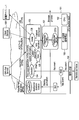
- An example of the outline of the system configuration concerning an embodiment is shown.
- An example of the outline of the system configuration concerning an embodiment is shown.
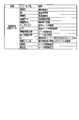
- An example of the information which a data supplier provides in a system concerning an embodiment is shown.
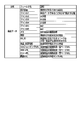
- An example of the information which a data supplier provides in a system concerning an embodiment is shown.
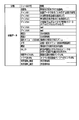
- An example of the information which a data supplier provides in a system concerning an embodiment is shown.
- 1 shows an example of a data processing apparatus according to an embodiment.
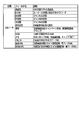
- An example of a reference table (calculation conditions) is shown by the value calculation method which concerns on embodiment.
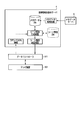
- An example of a reference table (calculation conditions) is shown by the value calculation method which concerns on embodiment.
- FIG. 1 shows an electronic device 101 as a user (client terminal), a network connected to the electronic device 101, such as the Internet network 11, and at least one server or server group (external service mechanism) 1 located on the Internet network 11. Show the concept of connection between N and N (N is a positive integer).
- the external service mechanisms (server / server group) 1,..., N may be collectively referred to as, for example, a cloud service (1001).
- a digital television broadcast receiving apparatus capable of receiving and reproducing (and recording) digital broadcasts (programs) will be described as an example of the electronic apparatus 101.
- the television device 101 includes a combination of a recorder device connected to a monitor (display) device, and the like. Although only one television set 101 is shown in FIG. 1, the number of the television set 101 is arbitrary, for example, several tens of thousands to several millions.
- the electronic device 101 may be, for example, a device provided with a user interface, a communication function, a function to receive a broadcast, a processing function to process a received broadcast, ie, a program, a program output function to output a program, or a storage function. It may be any device.
- a digital recorder etc. are mentioned as an example of a device.
- a personal computer (PC) having a function to receive a broadcast a video display device (monitor device) connected to a video recording device having a broadcast receiving device, or a portable terminal device having a broadcast receiving function is It is possible.
- the broadcast includes those provided by a broadcaster (broadcasting station) as radio waves propagating through space, and those distributed by a distributor via a network such as a cable or an IP (Internet Protocol) network.
- broadcasting includes video and audio and / or music and the like, and provides programs in units of fixed time (broadcast time) continuously or for fixed time (hour).
- a program may be called content or stream.
- the video includes a moving image and a still image, or text (information represented by characters or symbols shown by a coded code string), and any combination thereof.
- the external service mechanisms 1, ..., N are, for example, a history (preference information) server 1, an EPG server (database) 2, a calendar / channel data server (database) 3, an automatic recording recommendation server 4, and a data supply source ( Metadata) Server 5 etc. are included.
- the history server 1 and the automatic recording recommendation server 4 (or the EPG server 2) are often operated by, for example, a manufacturer of the television apparatus 101 (a maker of the television apparatus 101) or a company that is a consignee.
- the data supply source (metadata) server 5 is generally prepared and managed (managed) by a metadata creation mechanism (metadata creation company).
- the EPG server 2 or the calendar / channel data server 3 may be prepared and managed (managed) by an independent company.
- the history (preference information) server 1 holds the preference of the user, for example, information of a program viewed or recorded (reproduced) by the user, that is, a history (log data) or the like.
- the history server 1 acquires an access history of a site accessed by the television apparatus 101, information on payment such as purchase / accommodation arrangement of tickets such as articles / concerts purchased at the accessed site, and the like.
- the EPG server 2 acquires information of a program received by the television apparatus (user) 101 independently of (directly) reception by the television apparatus 101, and holds the information as a database (DB).
- DB database
- the calendar / channel data server (database) 3 includes the broadcast date and time of the program for which the user has made a recording reservation, the name of the broadcasting station (channel) of the area that the user can receive (view / record), and the channel name provided by the distributor. It holds broadcast schedules of other stations where a program for which the user has reserved for recording and a part of the broadcast time overlap, rebroadcast information (including a program for which the user has reserved for recording), and the like.
- the automatic recording recommendation server 4 is related to a program viewed by the user held by the history server 1 or a program reserved for recording by the user in order to recommend the user to view or record a program matching the user's preference. Extract and hold programs.
- the data supply source (metadata) server 5 holds data prepared and managed by a metadata creation mechanism (metadata creation company) that handles various information related to broadcasting, that is, metadata.
- the data controller (control device) 111 is responsible.
- the data controller 111 is connected to the table (rewritable data holding unit) 110.
- the table 110 is data for acquisition of information (preference, history) from the user (television device) 101 by the data supply source server (data supply source) 5 and provision of information (metadata) from the data supply source server 5 to the user.
- a program for calculating consideration by comparing the value of information acquired by the user with the value of information provided to the data supply source server 5, for example, a rule regarding receipt of the consideration between the supply source server 5 and the user Alternatively, it holds a reference table or the like.
- the data controller 111 is also connected between the external service units 1, ..., N, that is, the history server 1, the EPG server 2, the calendar / channel data server 3, the automatic recording recommendation server 4, and the data supply source (metadata) server It is responsible for passing data between each of the five. Note that the data controller 111 receives a recommendation from the user, and also handles a recommendation process for processing as preference information (has a function as a recommendation processing engine (RE)).
- RE recommendation processing engine
- the data controller 111 controls connection and data exchange between an arbitrary site (web page) located on the Internet network 11 and the electronic device (user) 101.
- the television apparatus 101 is connected to an arbitrary server (external service mechanism) 1,..., N on the Internet network 11 through a data controller 111.
- the data controller 111 can also be located in the television device 101 (the data controller 111 may be integral with the television device 101).
- the television apparatus 101 is a firmware of the CPU (processor) 102 that the television apparatus 101 includes a cloud application (HTML / JS / CSS), an example of which is shown in FIG. 2 for access to the data controller 111, for example. Or as an (external) application that the CPU 102 can acquire operatively.
- a cloud application HTTP / JS / CSS
- FIG. 2 shows an outline of a cloud application (HTML / JS / CSS).
- the cloud application (HTML / JS / CSS) 103 is, for example, between “Controller” 104, which is responsible for processing of key events (core), “View” 105, which is responsible for screen display, and DTVMW (browser (Internet network 11)). Path) and an arbitrary server (external service mechanism) 1,..., N connected via the Internet network 11, and “model” 106 etc.
- the television apparatus 101 also exchanges data with the history server 1, the EPG server 2, and the automatic recording recommendation server 4 through the network (transmission of preference information and viewing / recording reservation and acquisition of automatic recording recommendation service information, Cloud module (CESI) 107 for accessing facilities and sales networks that appeared in programs, etc., data processing for recording and playback of programs, searching for programs and scenes / keywords (products), etc. (recording and playback Module 108, and an operation input unit (remote control receiver) 109 for receiving an instruction input by the operator.
- the operation input unit 109 is, for example, a portable terminal device provided with a predetermined application (software) so as to be able to control the operation of the television device 101, such as a tablet device or a multifunction communication terminal device (smartphone). May be
- the television apparatus 101 transmits the IP address of the television apparatus (self), preference information, and the like to the automatic recording recommendation server 4 via the Internet network 11.
- the automatic recording recommendation server 4 is a keyword input from the television apparatus 101, program search information (date / time / channel), user information held by the history server 1 (a preference which can be estimated from a program recorded / reproduced in the past).
- program search information date / time / channel
- user information held by the history server 1 a preference which can be estimated from a program recorded / reproduced in the past.
- the metadata held by the data supply source server 5 includes broadcast history data, product data, store data, CM broadcast history data, and the like, as shown in FIGS. 3A, 3B, 3C, and 3D.
- the metadata creating company that is, the metadata held by the data supply source (metadata) server 5 acquires metadata, and the automatic recording recommendation to the above-mentioned television apparatus 101 is recommended.
- the program is extracted, and information on the matched program is provided to the television apparatus 101.
- various information such as an arbitrary scene included in the program, for example, a specific performer, a specific music, a specific product, and the like is used.
- the preference of the user specified by the recommendation process is also reflected.
- FIG. 4 shows an example of the configuration of the automatic recording recommendation server according to the embodiment.
- the data controller 111 intervenes when passing data between the television apparatus (user / client terminal) 101 and the automatic recording recommendation server 4 or the metadata server 5. As described above, the data controller 111 provides the history server 1 with the information supplied (sent) from the user (the television apparatus 101) to the metadata server 5 and the information provided (sent by the user) from the metadata server 5 to the user. It can be accumulated.
- the automatic recording recommendation server 4 acquires various data described below and provides the data to the television apparatus 101.
- the various data includes, for example, “scene information”, “automatic recording recommended” program, and the like.
- a “scene information list list” which is a list of “scene information” registered in a specified program by the user (TV device) 101 is acquired.
- a Web API provided by the metadata server 5 is used.
- the processing to be performed when generating “scene information” is shown below.
- the television apparatus 101 is (A) program name (or identification information such as program ID), (B) program broadcast date and time, (C) Send the channel number.
- the metadata server 5 searches the database in the metadata server 5 based on the above-mentioned (a) program name, (b) program broadcast date and time, and (c) channel number received from the television device 101, and performs one or more If there is a corresponding program for which “scene information” is registered, one or more pieces of “scene information” of the program are generated and transmitted to the television apparatus 101.
- the metadata server 5 transmits all the candidates to the television apparatus 101 when there are a plurality of corresponding programs.
- the metadata server 5 transmits a notification to that effect to the television apparatus 101. That is, the television apparatus 101 transmits program identification information (program name, program broadcast date, channel number, etc.) to the metadata server 5, and the metadata server 5 corresponds to a scene in the program.
- program identification information program name, program broadcast date, channel number, etc.
- (B) Search for "scene information” The metadata information matching the search condition received from the television apparatus 101 is searched from the database in the metadata server 5, and a list of “scene information” including the corresponding metadata information is transmitted to the television apparatus 101.
- Metadata to be searched are program broadcast history data, product data, store data, and CM broadcast history data shown in FIGS. 3A, 3B, 3C, and 3D.
- (C) Generation of scene information Broadcast history data, product data, store data, and CM broadcast history data stored in a database in the metadata server 5 are associated to generate "scene information”. There is also a case where the product information and the store information do not exist in 1 “scene information”. In addition, a plurality of product data and store data may be associated within one “scene information”.
- the automatic recording recommendation server 4 is a keyword received from the television apparatus 101 or the history server 1 or a preference of a user (TV apparatus 101) held by the history server 1 (a program watched by the user or a program of a program reserved for recording by the user Information and "keywords" included in the program or information registered by the user are extracted, and search conditions are set.
- the automatic recording recommendation server 4 searches the database in the metadata server 5 for metadata information that matches the set search condition, and automatically recommends a list of "programs" including the corresponding metadata information. It is transmitted to the television apparatus 101 as a list.
- the recording (viewing) reservation is set in the television apparatus 101
- the recording (viewing) of the program reserved for the recording (viewing) is prioritized.
- the date and time of the rebroadcast is transmitted to the television apparatus 101 as a recommended program for automatic recording. .
- the data controller 111 As described above, between the user (client / television device) 101, that is, the data controller 111 and the metadata server (data supply source server) 5, information from the data controller 111 (television device 101) by the metadata server 5 ( There is acquisition of preference, history) and provision of information (metadata) from the metadata server 5 to the user, that is, delivery of data. Therefore, it is necessary to receive the consideration between the metadata server 5 and the user (data controller 111 (television device 101)).
- the compensation is, for example, as shown in FIGS. 5A and 5B.
- A Not using information on recommended programs ("scene information") (no access)
- B Only access to information on recommended programs ("scene information")
- C A program was viewed (recorded) using information on a recommended program ("scene information")
- D Do not delete the recorded program using information about the recommended program (“scene information”) (protected ⁇ prolonged storage target>)
- E Responded to information in a program viewed (recorded) using information on a recommended program (“scene information”) (a site introduced in the program was browsed) Etc.
- the number of corresponding users the number of television devices / the number of viewers
- the multiplication factor the coefficient to be multiplied
- the user The data supplier will be provided (paid) as the compensation "difference”.
- the consideration (second consideration) of the information provided by the user to the metadata supply source is greater than the consideration (first consideration) of the information provided by the metadata supply source to the user, the metadata is provided From the source to the user, the “difference” of the consideration is provided (paid) as the consideration.
- the example shown in FIGS. 5A and 5B is an example of the value paid by the user to the metadata supply source, for example, the unit price determined for each metadata is multiplied by the number of acquired metadata, and the number of users (ratio) It shows the multiplication factor determined in accordance with.
- the multiplication factor can be determined as [E] ⁇ 10 ⁇ X25 or the like.
- the difference of the compensation that is, the exchange compensation can be obtained by comparing the compensation (the second compensation) to be paid by the user determined by the above multiplication factor and the compensation (the first compensation) of the information supplied by the data source. .
- the example illustrated in FIG. 5A is useful when the user determines the price based on whether the user has watched (recorded) or not. That is, for popular programs that many users will watch (record), the multiplication factor is set low, and instead, even if the number of users is small, compensation will occur. It is a method of determining the consideration.
- the method of determining the value may be set for each program or may be based on the number of users. For example, in the case where the number of users is a unit, it is possible to generate a price only when a certain number of users or more use metadata. Also, by dividing the cases according to rule [E], it is possible to generate compensation when the reaction to the contents introduced in the program is high.
- [A] Increase the multiplication factor for active reservation in recording reservation by automatic recording recommendation and recording reservation (active reservation) set directly by the user
- [B] Increase the multiplication factor for on-air viewing during playback of recorded programs and direct viewing during on-air (on-air viewing)
- [B '] In the reproduction of the recorded program and the direct viewing (on-air viewing) during the broadcast, the multiplication factor with respect to the case where the recorded program is reproduced is increased
- [C] Increase the multiplication factor when there is repeated viewing, such as cutting out a part of the recorded program's time zone by editing, saving it or repeating playback, etc.
- [D] Set the multiplication factor according to the degree of interest in programs such as time-shift playback of recorded programs and playback of deleted or [d '] recorded programs using scene jumps etc. You can set various conditions, etc.
- calculation method shown in FIGS. 5A and 5B is stored in the reference table 110 referenced by the data controller 111, it can be updated (rewritten / changed) at an arbitrary timing.
Landscapes
- Engineering & Computer Science (AREA)
- Multimedia (AREA)
- Signal Processing (AREA)
- Databases & Information Systems (AREA)
- Business, Economics & Management (AREA)
- Finance (AREA)
- Strategic Management (AREA)
- Human Computer Interaction (AREA)
- Two-Way Televisions, Distribution Of Moving Picture Or The Like (AREA)
- Television Signal Processing For Recording (AREA)
Abstract
ユーザが提供する情報に基づいて、ユーザに情報を提供するデータ供給元とユーザとの間の対価の計算や収受を可能とする電子機器及び対価交換方法を提供する。 実施形態の対価交換方法は、ネットワークを介してデータ供給元と接続するデータ管理装置において、前記データ供給元から受け取る情報に対応する第一の対価と、前記データ供給元へ提供する情報に対応する第二の対価と、を所定の対価決定条件に基づいて算出し、前記第一の対価と前記第二の対価との差分を交換対価として決定する。
Description
この発明は、電子機器及び対価交換方法に関する。
放送事業者や配信事業者が供給する番組を受信して記録し、ユーザの要求に応じて再生する電子機器、例えばテレビジョン受信装置あるいはモニタ(ディスプレイ)装置と接続するレコーダ装置(以下クライアント端末またはユーザと称する)は、インターネット等のネットワークを通じて、さまざまな情報の受信(取得)と発信(提供)が可能である。
なお、ユーザ(クライアント端末)が提供(発信)する情報は、ユーザが再生(録画)する映像と関連づけられた、例えばユーザの嗜好やインターネット等を利用したアクセス履歴等である場合が多く、ユーザが取得(受信)する情報は、例えばユーザの嗜好に対応する番組の放送計画(番組表)やインターネット上のサイトの情報等である場合が多い。
ネットワークにおける上述したユーザへの情報(メタデータ)の提供及びユーザからの情報(嗜好、履歴)の取得は、メタデータ作成機構(データ供給元)が管理する。
このため、ユーザとデータ供給元との間で、対価の収受または交換が必要となる。
しかしながら、ユーザとデータ供給元との間の対価の交換(収受)の方法は、現在のところ、明確に規定されているとはいえない状態である。なお、メタデータ供給元とユーザとの間の情報の受け渡し(提供及び取得)には、例えばSNS(ソーシャルネットワークサービス)機構やユーザの嗜好情報等を保持する(嗜好情報)データベース保持機構(管理会社)等を経由する場合が多く、ユーザがメタデータ供給元との間の直接的な情報の受け渡しを意識する必要はない。
この発明の目的は、ユーザが提供する情報に基づいて、ユーザに情報を提供するデータ供給元とユーザとの間の対価の計算や収受を可能とする電子機器及び対価交換方法を提供することである。
実施形態の対価交換方法は、ネットワークを介してデータ供給元と接続するデータ管理装置において、前記データ供給元から受け取る情報に対応する第一の対価と、前記データ供給元へ提供する情報に対応する第二の対価と、を所定の対価決定条件に基づいて算出し、前記第一の対価と前記第二の対価との差分を交換対価として決定する。
以下、図面を参照して、本発明の実施の一形態について説明する。
図1は、ユーザ(クライアント端末)である電子機器101、電子機器101と接続するネットワーク、例えばインターネット網11と、インターネット網11上に位置する少なくとも1つサーバまたはサーバ群(外部サービス機構)1,・・・,N(Nは正の整数)との間の接続の概念を示す。
外部サービス機構(サーバ/サーバ群)1,・・・,Nは、総称して、例えばクラウドサービス(1001)と称する場合がある。
なお、電子機器101としては、デジタル放送(番組)の受信と再生(及び録画)が可能なデジタルテレビジョン放送受信装置(以下テレビ装置と称する)を、例に説明する。また、テレビ装置101は、モニタ(ディスプレイ)装置と接続するレコーダ装置の組み合わせ、等を含む。なお、図1においては、テレビ装置101を、1台のみ記載しているが、テレビ装置101は、任意数、例えば数万~数100万である。また、電子機器101は、例えばユーザインタフェース、通信機能、放送を受信する機能、受信した放送すなわち番組を処理する処理機能、番組を出力する番組出力機能、もしくは記憶機能等を備えるデバイスであれば、どのようなデバイスであってもよい。デバイスの一例としては、デジタルレコーダ等が挙げられる。また、放送を受信する機能を有するパーソナルコンピュータ(PC)、放送受信装置を有する映像記録装置等と接続する映像表示装置(モニタ装置)、あるいは放送受信機能を有する携帯可能端末装置等への適用が可能である。なお、放送は、空間を伝播する電波として放送事業者(放送局)が提供するもの、あるいはケーブルやIP(インターネット・プロトコル)網等のネットワークにより配信事業者が配信するもの等、を含む。また、放送は、映像と音声および/または音楽等を含み、一定の時間(放送時間)を単位とする番組を、連続して、あるいは一定期間(時間)提供する。なお、番組は、コンテンツもしくはストリームと呼称する場合もある。また、映像は、動画と静止画あるいは、テキスト(コード化された符号列で示される文字や記号等で表される情報)、ならびにその任意の組み合わせを含む。
外部サービス機構1,・・・,Nは、例えば履歴(嗜好情報)サーバ1、EPGサーバ(データベース)2、カレンダ/チャンネルデータサーバ(データベース)3、自動録画お勧めサーバ4、及びデータ供給元(メタデータ)サーバ5等を含む。なお、履歴サーバ1及び自動録画お勧めサーバ4(あるいはEPGサーバ2)は、例えばテレビ装置101の製造元(メーカー)もしくはその委託先の企業が運営する場合が多い。一方、データ供給元(メタデータ)サーバ5については、メタデータ作成機構(メタデータ作成会社)が用意し、管理(運営)する場合が一般的である。なお、EPGサーバ2もしくはカレンダ/チャンネルデータサーバ3は、独立した企業が用意し、管理(運営)する場合もある。
履歴(嗜好情報)サーバ1は、ユーザの嗜好、例えばユーザが視聴あるいは録画(再生)した番組の情報、すなわち履歴(ログデータ)等を保持する。また、履歴サーバ1は、テレビ装置101がアクセスしたサイトのアクセス履歴、アクセスしたサイトにおいて購入した物品/コンサート等のチケットの購入/宿泊手配、等の決済に関する情報、等を取得する。
EPGサーバ2は、テレビ装置(ユーザ)101が受信する番組の情報を、テレビ装置101による(直接)受信と独立に取得し、データベース(DB)として保持する。
カレンダ/チャンネルデータサーバ(データベース)3は、ユーザが録画予約した番組の放送日時、ユーザが受信(視聴/録画)可能なその地域の放送局(チャンネル)名及び配信事業者が提供するチャンネル名、ユーザが録画予約した番組と放送時間の一部が重複する他局の放送予定、(ユーザが録画予約した番組を含む)再放送情報、等を保持する。
自動録画お勧めサーバ4は、ユーザに、ユーザの嗜好に合致する番組の視聴または録画を勧めるために、履歴サーバ1が保持するユーザの視聴した番組、あるいはユーザが録画予約した番組と関連のある番組を抽出し、保持する。
データ供給元(メタデータ)サーバ5は、放送と関連するさまざまな情報すなわちメタデータを取り扱うメタデータ作成機構(メタデータ作成会社)が用意し、管理するデータを保持する。
なお、テレビ装置101と履歴サーバ1との間のデータの受け渡しすなわちテレビ装置101から履歴サーバ1への情報の供給(送信)及びテレビ装置101による履歴サーバ1からの情報の取得(受信)は、データコントローラ(制御装置)111が受け持つ。
データコントローラ111は、テーブル(書き換え可能なデータ保持部)110と接続する。テーブル110は、データ供給元サーバ(データ供給元)5によるユーザ(テレビ装置)101からの情報(嗜好、履歴)の取得及びデータ供給元サーバ5からユーザへの情報(メタデータ)の提供に対するデータ供給元サーバ5とユーザとの間の対価の収受に関する規則、例えばユーザが取得する情報の価値とデータ供給元サーバ5へ提供する情報の価値とを比較して対価を計算するプログラム(計算式)あるいは参照テープル等を保持する。
データコントローラ111はまた、外部サービス機構1,・・・,N相互間、すなわち履歴サーバ1、EPGサーバ2、カレンダ/チャンネルデータサーバ3、自動録画お勧めサーバ4及びデータ供給元(メタデータ)サーバ5のそれぞれとの間のデータの受け渡しを受け持つ。なお、データコントローラ111は、ユーザからのレコメンドを受けつけ、嗜好情報として処理するレコメンド処理も受け持つ(レコメンド処理エンジン(RE)としての機能を有する)。
また、データコントローラ111は、インターネット網11上に位置する任意のサイト(Webページ)と電子機器(ユーザ)101との間の接続及びデータの受け渡しを制御する。
図1に示すように、テレビ装置101は、データコントローラ111を通じてインターネット網11上の任意のサーバ(外部サービス機構)1,・・・,Nと接続する。なお、データコントローラ111は、テレビ装置101内に位置することも可能である(データコントローラ111がテレビ装置101と一体であってもよい)。
なお、テレビ装置101は、データコントローラ111との間のアクセスのために、例えば図2に一例を示す、クラウドアプリケーション(HTML/JS/CSS)をテレビ装置101が含むCPU(プロセッサ)102のファームウエアとして、あるいはCPU102が動作可能に取得する(外部)アプリケーションとして、保持する。
図2に、クラウドアプリケーション(HTML/JS/CSS)の概略を示す。
クラウドアプリケーション(HTML/JS/CSS)103は、例えばキーイベント(核となる)処理を担う“Controller”104、画面表示を担う“View”105、及びDTVMW(ブラウザ(インターネット網11)との間のパス)やインターネット網11を経由して接続する任意のサーバ(外部サービス機構)1,・・・,Nからの情報取得とテレビ装置101の操作を担う“model”106等を含む。テレビ装置101はまた、ネットワークを通じて、履歴サーバ1、EPGサーバ2、自動録画お勧めサーバ4との間でデータの受け渡し(嗜好情報や視聴/録画予約の送信と自動録画お勧めサービス情報の取得、番組内に登場した施設や販売網へのアクセス、等)を行うクラウドモジュール(CESI)107、番組の録画と再生、及び番組やシーン/キーワード(商品)の検索、等を行うデータ処理(記録再生)モジュール108、及び操作者による指示入力を受けつける操作入力部(リモコン受信部)109、等を含む。なお、操作入力部109は、例えばテレビ装置101の動作を制御可能に、所定のアプリケーション(ソフトウェア)が用意された携帯可能な端末装置、例えばタブレット装置や多機能通信端末装置(スマートフォン)等であってもよい。
テレビ装置101は、インターネット網11を経由して、自動録画お勧めサーバ4に、テレビ装置(自身)のIPアドレスや嗜好情報、等を送信する。
自動録画お勧めサーバ4は、テレビ装置101から入力されるキーワードや、番組検索情報(日時/チャンネル)、履歴サーバ1が保持するユーザ情報(過去に録画/再生した番組から推測可能な嗜好)を参照し、EPGサーバ2及びカレンダカレンダ/チャンネルデータサーバ3及びデータ供給元(メタデータ)サーバ5のそれぞれが保持する番組情報とマッチング、すなわちテレビ装置101(ユーザ)への自動録画お勧め番組の抽出)を行い、マッチした番組の情報を、テレビ装置101に提供する。なお、データ供給元サーバ5が保持するメタデータは、図3A、図3B、図3C、図3Dが示すように、放送履歴データ、商品データ、店舗データ、CM放送履歴データ、等を含む。
自動録画お勧めサーバ4は、図4に一例を示すが、メタデータ作成会社すなわちデータ供給元(メタデータ)サーバ5が保持するメタデータを取得し、上述のテレビ装置101への自動録画お勧め番組の抽出を行い、マッチした番組の情報を、テレビ装置101に提供する。なお、番組の抽出には、番組が含む任意のシーン、例えば特定の出演者、特定の楽曲、特定の商品、等のさまざまな情報を用いる。また、レコメンド処理により特定するユーザの嗜好も反映する。
図4は、実施形態に係る自動録画お勧めサーバの構成の一例を示す。
自動録画お勧めサーバ4が提供する機能について記載する。なお、以下の説明においては、テレビ装置(ユーザ/クライアント端末、)101と自動録画お勧めサーバ4またはメタデータサーバ5との間のデータの受け渡し時にデータコントローラ111を介在する。データコントローラ111は、上述した通り、履歴サーバ1に、ユーザ(テレビ装置101)からメタデータサーバ5へ供給(送信)する情報及びメタデータサーバ5からユーザへ提供する(ユーザが受信する)情報を蓄積できる。
<コマンド(WebAPI)処理
自動録画お勧めサーバ4は、以下に説明する各種データを取得し、テレビ装置101へ提供する。各種データとしては、例えば「シーン情報」、「自動録画お勧め」番組、等を含む。
自動録画お勧めサーバ4は、以下に説明する各種データを取得し、テレビ装置101へ提供する。各種データとしては、例えば「シーン情報」、「自動録画お勧め」番組、等を含む。
<「シーン情報」リストの取得>
ユーザ(テレビ装置)101が指定した条件に一致する番組の「シーン情報」のリストを取得する。指定条件に一致する番組の「シーン情報」のリストが複数存在する場合は、全て取得する。条件一致する「シーン情報」のリストが存在しない場合は、その旨が通知される。
ユーザ(テレビ装置)101が指定した条件に一致する番組の「シーン情報」のリストを取得する。指定条件に一致する番組の「シーン情報」のリストが複数存在する場合は、全て取得する。条件一致する「シーン情報」のリストが存在しない場合は、その旨が通知される。
<「シーン情報」リストが存在する「番組一覧」の取得>
ユーザ(テレビ装置)101が指定した条件の「シーン情報」のリストが存在する番組をリストした「番組一覧」を取得する。
ユーザ(テレビ装置)101が指定した条件の「シーン情報」のリストが存在する番組をリストした「番組一覧」を取得する。
<「シーン情報」のリスト一覧の取得>
ユーザ(テレビ装置)101指定した番組に登録されている「シーン情報」のリストである「シーン情報リスト一覧」を取得する。
ユーザ(テレビ装置)101指定した番組に登録されている「シーン情報」のリストである「シーン情報リスト一覧」を取得する。
<シーン情報リストの取得(ID指定)>
「シーン情報リスト一覧」から、指定したIDの「シーン情報」のリストを取得する。
「シーン情報リスト一覧」から、指定したIDの「シーン情報」のリストを取得する。
<「シーン情報」の検索>
指定した検索条件に一致する「シーン情報」を含む「シーン情報リスト」を取得する。検索条件には、ユーザが入力する任意キーワードを指定可能なものとする。
指定した検索条件に一致する「シーン情報」を含む「シーン情報リスト」を取得する。検索条件には、ユーザが入力する任意キーワードを指定可能なものとする。
<おすすめ「シーン情報」の取得>
履歴サーバ1が管理するユーザが登録した「お気に入りシーン情報」及びユーザの嗜好に基づくキーワード(メタデータ)等を取得する。
履歴サーバ1が管理するユーザが登録した「お気に入りシーン情報」及びユーザの嗜好に基づくキーワード(メタデータ)等を取得する。
<メタデータ取得処理>
メタデータサーバ5が提供するメタデータを取得する。
メタデータサーバ5が提供するメタデータを取得する。
メタデータサーバ5が提供するメタデータの取得には、メタデータサーバ5が提供するWebAPIを使用する。
<「シーン情報」生成/送信処理>
メタデータサーバ5から取得したメタデータをもとに「シーン情報」を生成し、あるいは自動録画お勧め番組として抽出して、テレビ装置101に送信する。
メタデータサーバ5から取得したメタデータをもとに「シーン情報」を生成し、あるいは自動録画お勧め番組として抽出して、テレビ装置101に送信する。
「シーン情報」の生成時に実行する処理を下記に示す。
(A)番組情報の引き当て
テレビ装置101は、
(a)番組名(または番組ID等の識別情報)、
(b)番組放送日時、
(c)チャンネル番号を送信する。
(A)番組情報の引き当て
テレビ装置101は、
(a)番組名(または番組ID等の識別情報)、
(b)番組放送日時、
(c)チャンネル番号を送信する。
メタデータサーバ5は、テレビ装置101から受信する上述の(a)番組名、(b)番組放送日時、(c)チャンネル番号に基づき、メタデータサーバ5内のデータベースを検索し、1以上の「シーン情報」が登録された該当番組が存在する場合は、その番組の1以上の「シーン情報」を生成した後、テレビ装置101に送信する。
メタデータサーバ5は、該当する番組が複数存在する場合は、全ての候補をテレビ装置101に送信する。
メタデータサーバ5は、該当する番組が存在しない場合は、その旨をテレビ装置101に送信する。すなわち、テレビ装置101は、メタデータサーバ5に対して、番組の識別情報(番組名、番組放送日、チャンネル番号等)を送信し、メタデータサーバ5から番組内のシーンに対応する「シーン情報」を受信する。
(B)「シーン情報」の検索
テレビ装置101から受信した検索条件に一致するメタデータ情報をメタデータサーバ5内のデータベースから検索し、該当するメタデータ情報を含む「シーン情報」のリストをテレビ装置101に送信する。検索対象のメタデータは、図3A、図3B、図3C、図3Dが示す番組放送履歴データ、商品データ、店舗データ、CM放送履歴データとする。
テレビ装置101から受信した検索条件に一致するメタデータ情報をメタデータサーバ5内のデータベースから検索し、該当するメタデータ情報を含む「シーン情報」のリストをテレビ装置101に送信する。検索対象のメタデータは、図3A、図3B、図3C、図3Dが示す番組放送履歴データ、商品データ、店舗データ、CM放送履歴データとする。
(C)シーン情報の生成
メタデータサーバ5内のデータベースに格納された放送履歴データ、商品データ、店舗データ、CM放送履歴データを関連付け、「シーン情報」を生成する。なお、1「シーン情報」内に、商品情報、店舗情報が存在しない場合もある。また、1「シーン情報」内に複数の商品データ、店舗データが関連付けられる場合もある。
メタデータサーバ5内のデータベースに格納された放送履歴データ、商品データ、店舗データ、CM放送履歴データを関連付け、「シーン情報」を生成する。なお、1「シーン情報」内に、商品情報、店舗情報が存在しない場合もある。また、1「シーン情報」内に複数の商品データ、店舗データが関連付けられる場合もある。
(D)自動録画お勧め番組の抽出
自動録画お勧めサーバ4は、テレビ装置101または履歴サーバ1から受信するキーワードや履歴サーバ1が保持するユーザ(テレビ装置101)の嗜好(ユーザが視聴した番組、あるいはユーザが録画予約した番組の番組情報やその番組が含む「キーワード」、またはユーザが登録している情報)、を抽出し、検索条件を設定する。
自動録画お勧めサーバ4は、テレビ装置101または履歴サーバ1から受信するキーワードや履歴サーバ1が保持するユーザ(テレビ装置101)の嗜好(ユーザが視聴した番組、あるいはユーザが録画予約した番組の番組情報やその番組が含む「キーワード」、またはユーザが登録している情報)、を抽出し、検索条件を設定する。
すなわち、自動録画お勧めサーバ4は、設定した検索条件に一致するメタデータ情報をメタデータサーバ5内のデータベースから検索し、該当するメタデータ情報を含む「番組」のリストを、自動録画お勧めリスト、としてテレビ装置101に送信する。このとき、テレビ装置101において録画(視聴)予約が設定されている場合には、その録画(視聴)予約された番組の録画(視聴)を優先する。また、EPGサーバ2及びカレンダ/チャンネルデータサーバ3が保持するデータを参照し、同一の番組の再放送がある場合には、その再放送の日時を自動録画お勧め番組としてテレビ装置101に送信する。
このように、ユーザ(クライアント/テレビ装置)101すなわちデータコントローラ111とメタデータサーバ(データ供給元サーバ)5との間には、メタデータサーバ5によるデータコントローラ111(テレビ装置101)からの情報(嗜好、履歴)の取得及びメタデータサーバ5からユーザへの情報(メタデータ)の提供、すなわちデータの受け渡しがある。従って、メタデータサーバ5とユーザ(データコントローラ111(テレビ装置101))との間の対価の収受が必要になる。
なお、対価は、例えば図5A及び図5Bに示すような
[A]お勧め番組(「シーン情報」)に関する情報を利用していない(アクセス無)
[B]お勧め番組(「シーン情報」)に関する情報にアクセスしたのみ
[C]お勧め番組(「シーン情報」)に関する情報を利用して番組を視聴(録画)した
[D]お勧め番組(「シーン情報」)に関する情報を利用して録画した番組を消去禁止(プロテクトした<長期保存対象とした>)
[E]お勧め番組(「シーン情報」)に関する情報を利用して視聴(録画)した番組内の情報に応答した(番組で紹介したサイトを閲覧した)
等の場合分け規則と、該当するユーザの数(テレビ装置の台数/視聴者の数)と全ユーザ数の比率(X)に基づいた乗率(掛け算する係数)、等に基づいて、適宜、決めることができる。
[A]お勧め番組(「シーン情報」)に関する情報を利用していない(アクセス無)
[B]お勧め番組(「シーン情報」)に関する情報にアクセスしたのみ
[C]お勧め番組(「シーン情報」)に関する情報を利用して番組を視聴(録画)した
[D]お勧め番組(「シーン情報」)に関する情報を利用して録画した番組を消去禁止(プロテクトした<長期保存対象とした>)
[E]お勧め番組(「シーン情報」)に関する情報を利用して視聴(録画)した番組内の情報に応答した(番組で紹介したサイトを閲覧した)
等の場合分け規則と、該当するユーザの数(テレビ装置の台数/視聴者の数)と全ユーザ数の比率(X)に基づいた乗率(掛け算する係数)、等に基づいて、適宜、決めることができる。
従い、メタデータ供給元がユーザに提供する情報の対価(第一の対価)が、ユーザがメタデータ供給元に提供する情報の対価(第二の対価)に比較して大きい場合、ユーザからメタデータ供給元に、対価の「差分」を対価として提供する(支払う)ことになる。もちろん、ユーザがメタデータ供給元に提供する情報の対価(第二の対価)が、メタデータ供給元がユーザに提供する情報の対価(第一の対価)に比較して大きい場合、メタデータ供給元からユーザに、対価の「差分」を対価として提供する(支払う)ことになる。
なお、図5A及び図5Bに示す例は、例えばユーザがメタデータ供給元に支払う対価の一例であり、メタデータ毎に決まる単価に取得したメタデータの数を乗じ、さらにユーザの数(比率)に応じて決まる乗率を示している。例えば、メタデータ供給元との間で対価を決める際に、[E]×10≦X25、等のように、乗率を決めることができる。
従って、対価の差分すなわち交換対価は、上述の乗率で決められたユーザが支払うべき対価(第二の対価)とデータ供給元が供給する情報の対価(第一の対価)との比較により求まる。
なお、図5Aが示す例は、ユーザが視聴(録画)したか否か、等により対価を決定する場合に有益である。すなわち、多くのユーザが視聴(録画)するであろう人気のある番組については、乗率を低めに設定し、その代わりに、ユーザ数が仮に少ない場合であっても対価が生じる、というような対価の決定方法である。
図5Bに示す例は、例えば旅行番組等において、ユーザが視聴(録画)した結果、予約に結びつく可能性のある(規則[E]の場合分けが適用できる)場合、等において、メタデータ供給元が受け取る対価が増大する例である。
なお、対価の決定方法としては、番組毎に設定されてもよいし、ユーザ数を単位とするものであってもよい。例えば、ユーザ数を単位とする場合においては、一定以上のユーザがメタデータを利用した場合にのみ対価を生じさせることができる。また、規則[E]で場合分けすることにより、番組で紹介した内容への反応が高い場合に、対価を生じさせることができる。
また、上述の場合分け規則としては、例えば
[a]自動録画お勧めによる録画予約とユーザが直接設定する録画予約(積極予約)とにおいて、積極予約に対する乗率を高める
[b]録画した番組の再生と放送中の直接視聴(オンエア視聴)とにおいて、オンエア視聴に対する乗率を高める
[b´]録画した番組の再生と放送中の直接視聴(オンエア視聴)とにおいて、録画した番組を再生した場合に対する乗率を高める
[c]録画した番組の一部時間帯を編集により切り出し、保存した、あるいはリピート再生した、等の繰り返し視聴がある場合の乗率を高める
[d]録画した番組をタイムシフト再生し、消去した、もしくは[d´]録画した番組を、シーンジャンプを併用して再生した、等の番組に対する関心の度合いに従い、乗率を設定する
等、のさまざまな条件を設定できる。
[a]自動録画お勧めによる録画予約とユーザが直接設定する録画予約(積極予約)とにおいて、積極予約に対する乗率を高める
[b]録画した番組の再生と放送中の直接視聴(オンエア視聴)とにおいて、オンエア視聴に対する乗率を高める
[b´]録画した番組の再生と放送中の直接視聴(オンエア視聴)とにおいて、録画した番組を再生した場合に対する乗率を高める
[c]録画した番組の一部時間帯を編集により切り出し、保存した、あるいはリピート再生した、等の繰り返し視聴がある場合の乗率を高める
[d]録画した番組をタイムシフト再生し、消去した、もしくは[d´]録画した番組を、シーンジャンプを併用して再生した、等の番組に対する関心の度合いに従い、乗率を設定する
等、のさまざまな条件を設定できる。
なお、図5A及び図5Bが示す計算方法は、データコントローラ111が参照する参照テーブル110が保持するが、任意のタイミングで更新(書き換え/変更)可能である。
このように、実施形態を適用することで、ユーザとデータ供給元との間で、ユーザが提供する情報とユーザがデータ供給元から受け取る情報の双方に対する対価の収受(もしくは対価の算出)を、容易に、かつ明確に実現できる。
本発明のいくつかの実施形態を説明したが、これらの実施形態は、例として提示したものであり、発明の範囲を限定することは意図していない。これら新規な実施形態は、その他の様々な形態で実施されることが可能であり、発明の要旨を逸脱しない範囲で、種々の省略、置き換え、変更を行うことができる。これら実施形態やその変形は、発明の範囲や要旨に含まれるとともに、特許請求の範囲に記載された発明とその均等の範囲に含まれる。
Claims (5)
- ネットワークを介してデータ供給元と接続するデータ管理装置において、
前記データ供給元から受け取る情報に対応する第一の対価と、前記データ供給元へ提供する情報に対応する第二の対価と、を所定の対価決定条件に基づいて算出し、前記第一の対価と前記第二の対価との差分を交換対価として決定する対価交換方法。 - 前記第一の対価の対象である前記データ供給元から受け取る情報は、映像番組に関して特定の条件で抽出されるメタデータを含み、前記第二の対価の対象である前記データ供給元へ提供する情報は、前記メタデータにより特定される映像番組の視聴または録画結果と関連付けられる履歴情報を含む請求項1の対価交換方法。
- 前記履歴情報は、前記映像番組の再生方法あるいは前記映像番組の消去または非消去、に関連付けられる履歴情報を含む請求項1または2の対価交換方法。
- データ供給元から受け取る情報に対応する第一の対価と、前記データ供給元へ提供する情報に対応する第二の対価と、を所定の対価決定条件に基づいて算出し、前記第一の対価と前記第二の対価との差分を交換対価として決定するデータ処理部を有する電子機器。
- 前記第一の対価の対象である前記データ供給元から受け取る情報は、映像番組に関して特定の条件で抽出されるメタデータを含み、前記第二の対価の対象である前記データ供給元へ提供する情報は、前記メタデータにより特定される映像番組の視聴または録画結果と関連付けられる履歴情報を含む請求項4の電子機器。
Priority Applications (3)
| Application Number | Priority Date | Filing Date | Title |
|---|---|---|---|
| JP2013547757A JP5632544B1 (ja) | 2013-03-27 | 2013-03-27 | 電子機器及び対価交換方法 |
| PCT/JP2013/059110 WO2014155586A1 (ja) | 2013-03-27 | 2013-03-27 | 電子機器及び対価交換方法 |
| US14/471,629 US20140369669A1 (en) | 2013-03-27 | 2014-08-28 | Electronic device and value exchange method |
Applications Claiming Priority (1)
| Application Number | Priority Date | Filing Date | Title |
|---|---|---|---|
| PCT/JP2013/059110 WO2014155586A1 (ja) | 2013-03-27 | 2013-03-27 | 電子機器及び対価交換方法 |
Related Child Applications (1)
| Application Number | Title | Priority Date | Filing Date |
|---|---|---|---|
| US14/471,629 Continuation US20140369669A1 (en) | 2013-03-27 | 2014-08-28 | Electronic device and value exchange method |
Publications (1)
| Publication Number | Publication Date |
|---|---|
| WO2014155586A1 true WO2014155586A1 (ja) | 2014-10-02 |
Family
ID=51622662
Family Applications (1)
| Application Number | Title | Priority Date | Filing Date |
|---|---|---|---|
| PCT/JP2013/059110 Ceased WO2014155586A1 (ja) | 2013-03-27 | 2013-03-27 | 電子機器及び対価交換方法 |
Country Status (3)
| Country | Link |
|---|---|
| US (1) | US20140369669A1 (ja) |
| JP (1) | JP5632544B1 (ja) |
| WO (1) | WO2014155586A1 (ja) |
Citations (3)
| Publication number | Priority date | Publication date | Assignee | Title |
|---|---|---|---|---|
| JP2006031154A (ja) * | 2004-07-13 | 2006-02-02 | Fujitsu Ltd | 画像集配信システム |
| JP2008199103A (ja) * | 2007-02-08 | 2008-08-28 | Toshiba Corp | 情報処理装置および番組評価システム |
| JP2013031124A (ja) * | 2011-07-29 | 2013-02-07 | Toshiba Corp | 電子機器及び映像再生装置 |
Family Cites Families (2)
| Publication number | Priority date | Publication date | Assignee | Title |
|---|---|---|---|---|
| JP3162633B2 (ja) * | 1996-09-27 | 2001-05-08 | 松下電器産業株式会社 | 放送システム及びこれに用いる情報放送受信端末装置 |
| JP3931554B2 (ja) * | 2000-11-15 | 2007-06-20 | 株式会社日立製作所 | クーポン管理システム及びクーポン管理方法 |
-
2013
- 2013-03-27 JP JP2013547757A patent/JP5632544B1/ja not_active Expired - Fee Related
- 2013-03-27 WO PCT/JP2013/059110 patent/WO2014155586A1/ja not_active Ceased
-
2014
- 2014-08-28 US US14/471,629 patent/US20140369669A1/en not_active Abandoned
Patent Citations (3)
| Publication number | Priority date | Publication date | Assignee | Title |
|---|---|---|---|---|
| JP2006031154A (ja) * | 2004-07-13 | 2006-02-02 | Fujitsu Ltd | 画像集配信システム |
| JP2008199103A (ja) * | 2007-02-08 | 2008-08-28 | Toshiba Corp | 情報処理装置および番組評価システム |
| JP2013031124A (ja) * | 2011-07-29 | 2013-02-07 | Toshiba Corp | 電子機器及び映像再生装置 |
Also Published As
| Publication number | Publication date |
|---|---|
| JPWO2014155586A1 (ja) | 2017-02-16 |
| JP5632544B1 (ja) | 2014-11-26 |
| US20140369669A1 (en) | 2014-12-18 |
Similar Documents
| Publication | Publication Date | Title |
|---|---|---|
| US20220006849A1 (en) | Content Storage and Identification | |
| US8732337B2 (en) | System and method for delivering content to users on a network | |
| US8925026B2 (en) | Back office support for a video provisioning system | |
| EP3346717B1 (en) | Methods and systems for displaying contextually relevant information regarding a media asset | |
| US20080059989A1 (en) | Methods and systems for providing media assets over a network | |
| US20080089551A1 (en) | Interactive TV data track synchronization system and method | |
| EP3790278A1 (en) | Similar introduction caching mechanism | |
| US8799170B2 (en) | Systems and methods for enabling an automatic license for mashups | |
| WO2007130472A2 (en) | Methods and systems for providing media assets over a network | |
| US9288526B2 (en) | Method and system for delivery of content over communication networks | |
| JP5820222B2 (ja) | コンテンツ録画支援システム及び方法、コンテンツ録画装置 | |
| US20090254586A1 (en) | Updated Bookmark Associations | |
| JP6371505B2 (ja) | 特定情報関連広告配信システム | |
| US20130177289A1 (en) | Information processing apparatus and information processing method | |
| US20140282632A1 (en) | Using audio data to identify and record video content | |
| JP5632544B1 (ja) | 電子機器及び対価交換方法 | |
| JP2007219860A (ja) | アフィリエイトシステム及びアフィリエイト方法 | |
| KR101733920B1 (ko) | Tv 홈쇼핑 데이터방송의 앱채널 제공방법 | |
| CN103392307A (zh) | 使用数据反馈回路 | |
| WO2021238187A1 (zh) | 信息联动系统及服务器 | |
| CN105959807A (zh) | 一种推荐视频在电视上播放的实现方法和装置 |
Legal Events
| Date | Code | Title | Description |
|---|---|---|---|
| ENP | Entry into the national phase |
Ref document number: 2013547757 Country of ref document: JP Kind code of ref document: A |
|
| 121 | Ep: the epo has been informed by wipo that ep was designated in this application |
Ref document number: 13879781 Country of ref document: EP Kind code of ref document: A1 |
|
| NENP | Non-entry into the national phase |
Ref country code: DE |
|
| 122 | Ep: pct application non-entry in european phase |
Ref document number: 13879781 Country of ref document: EP Kind code of ref document: A1 |